
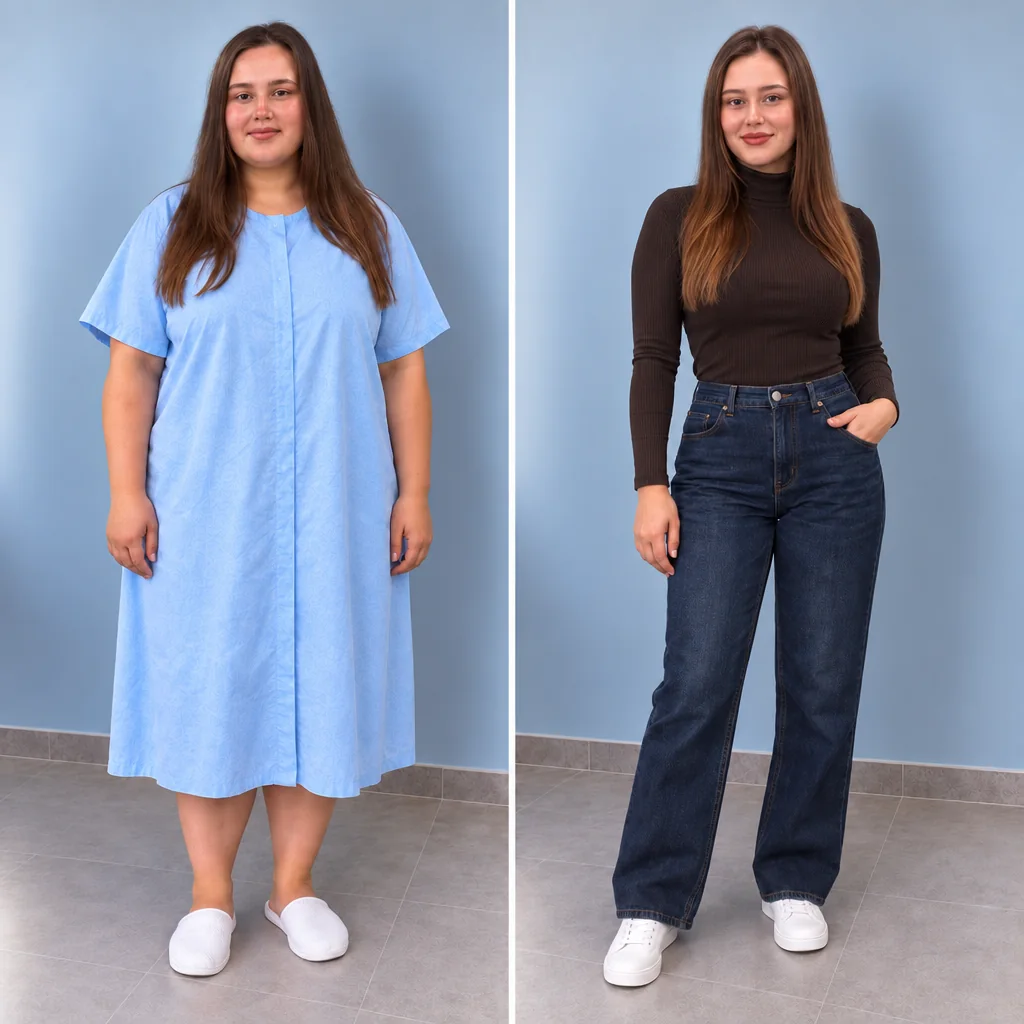
 beforeafter
Irina, 26
Bariatric surgery
Bariatric surgery
$3,600
$4,800 · First consultation — Free
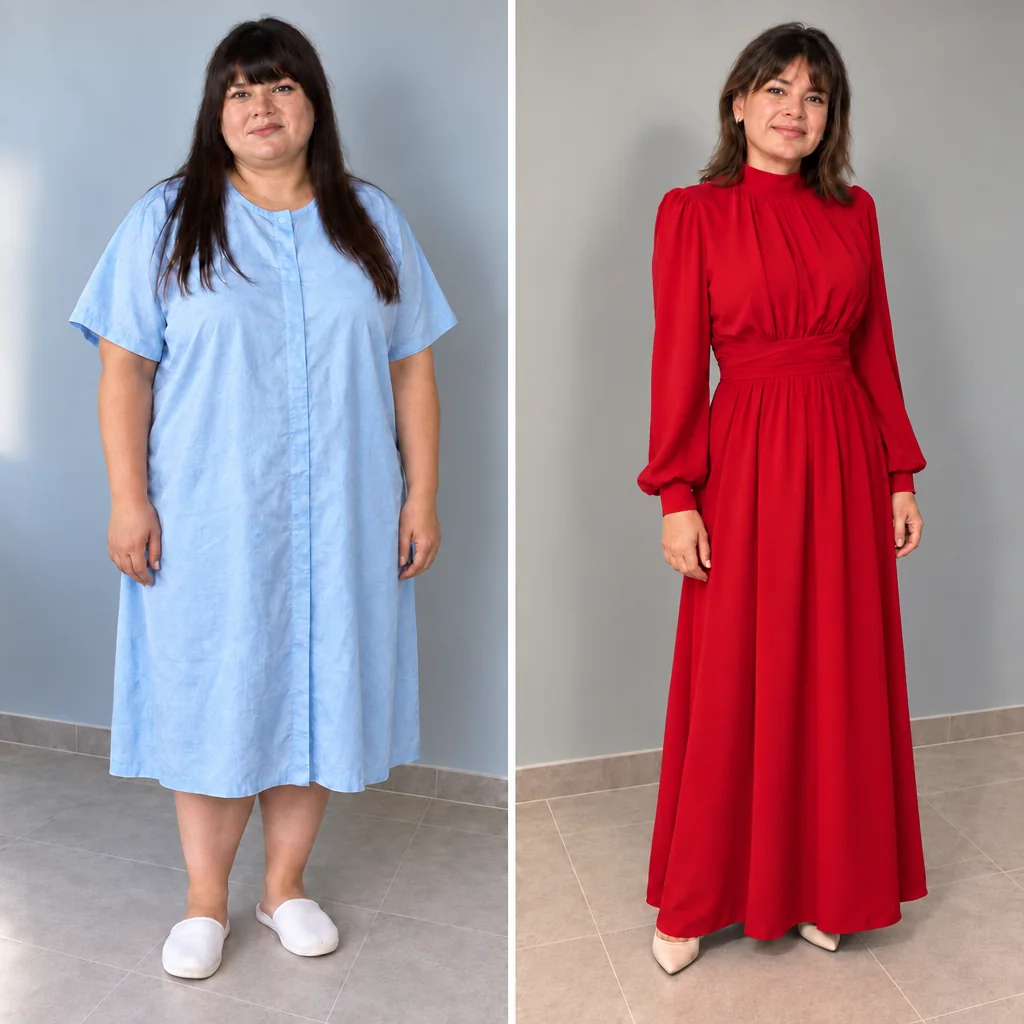 before
after
Message our coordinator
Free online consultation · Reply within 15 minutes
Message us on TelegramMessage us on WhatsAppBy messaging us, you agree to our Privacy Policy
Results
Only real clinic patients appear here.
beforeafterBariatric surgery
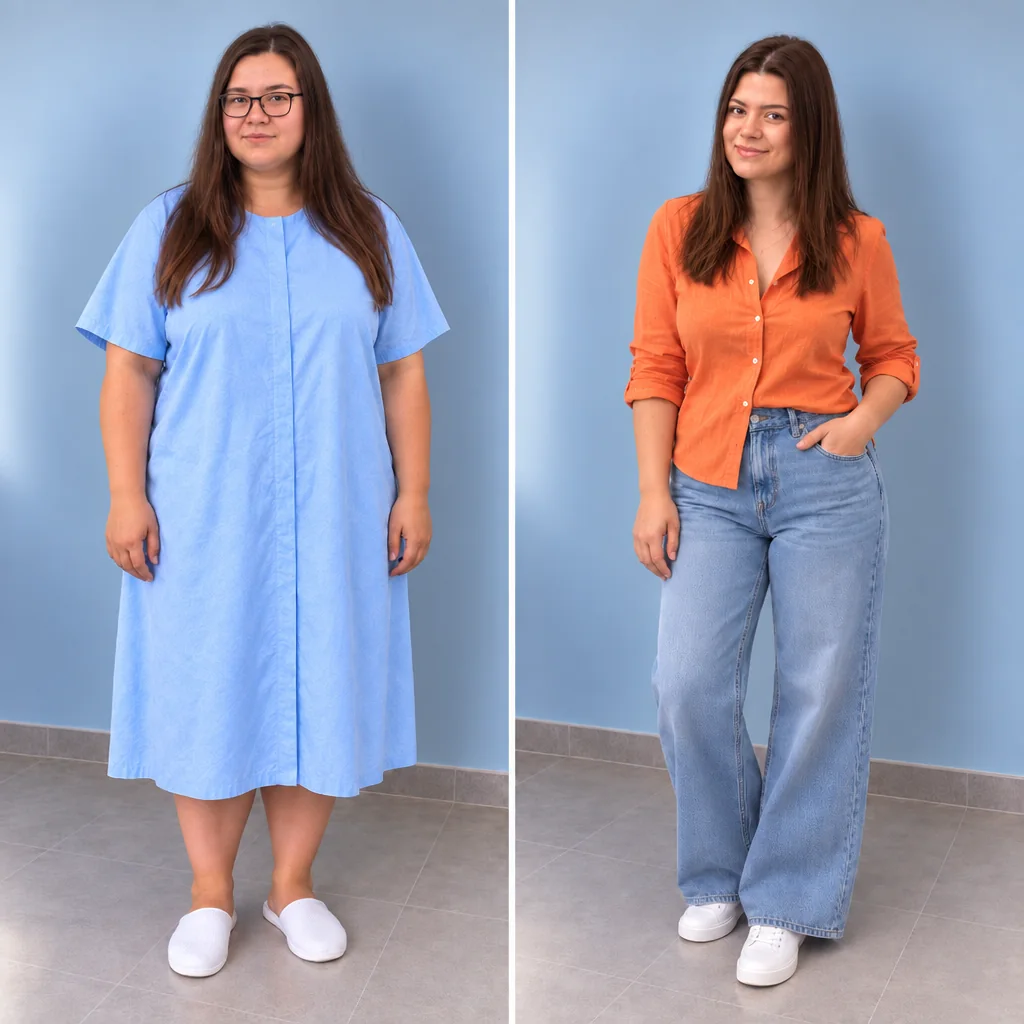 beforeafter
Bariatric surgery
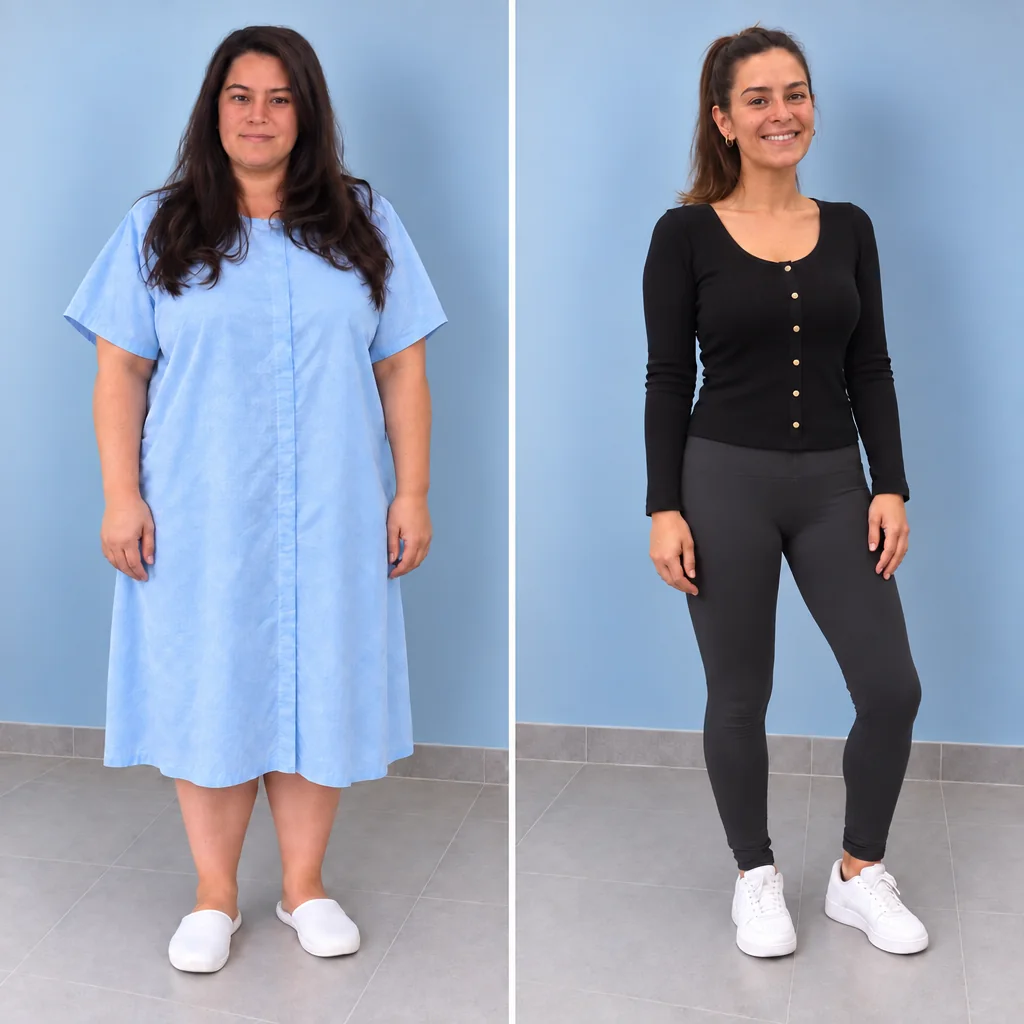 beforeafter
Bariatric surgery
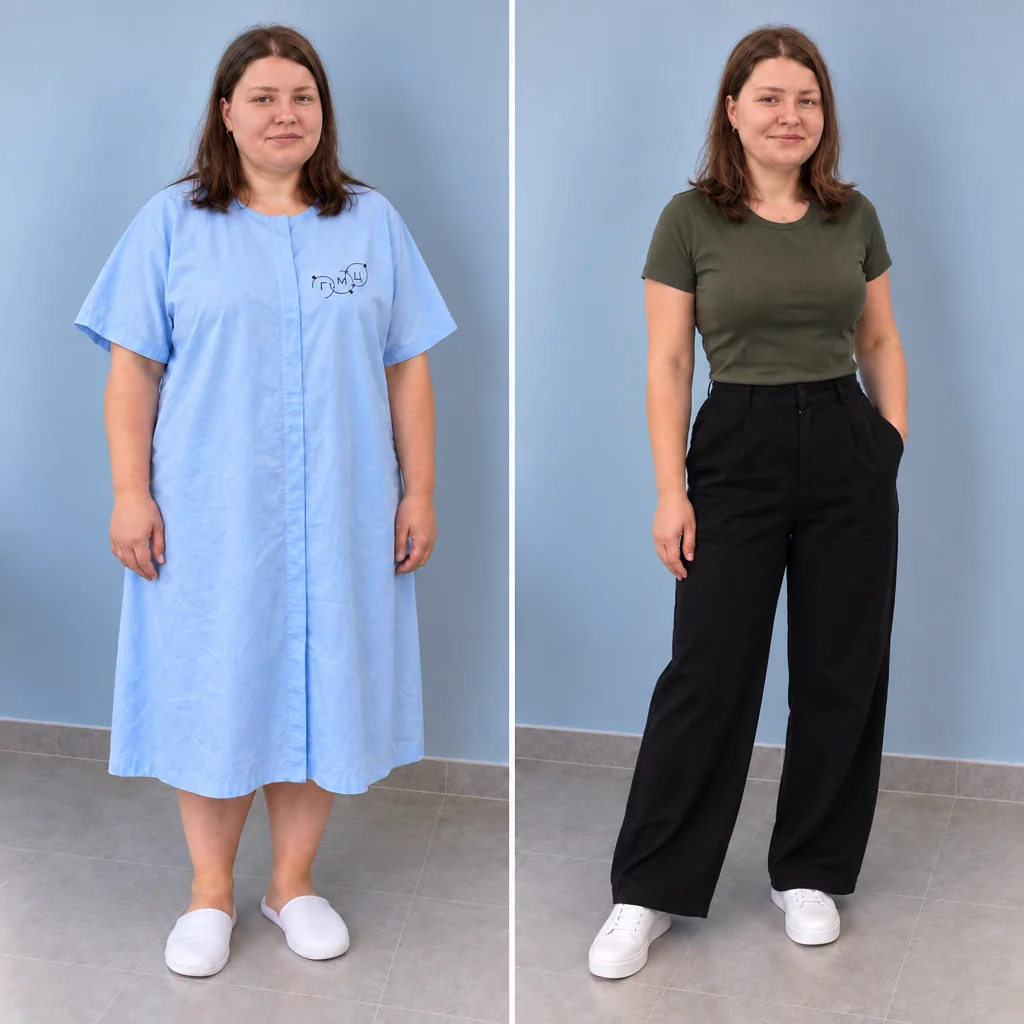 beforeafter
Bariatric surgery
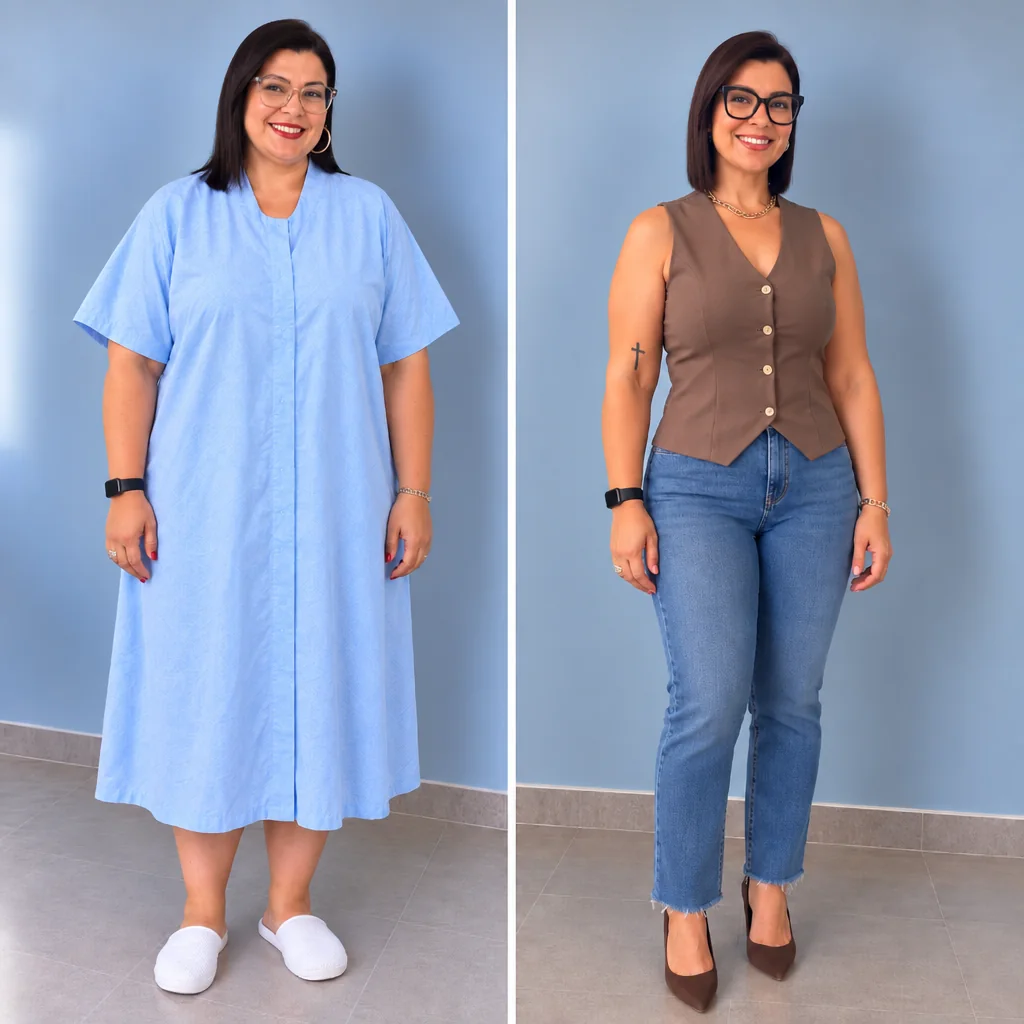 beforeafter
Bariatric surgery
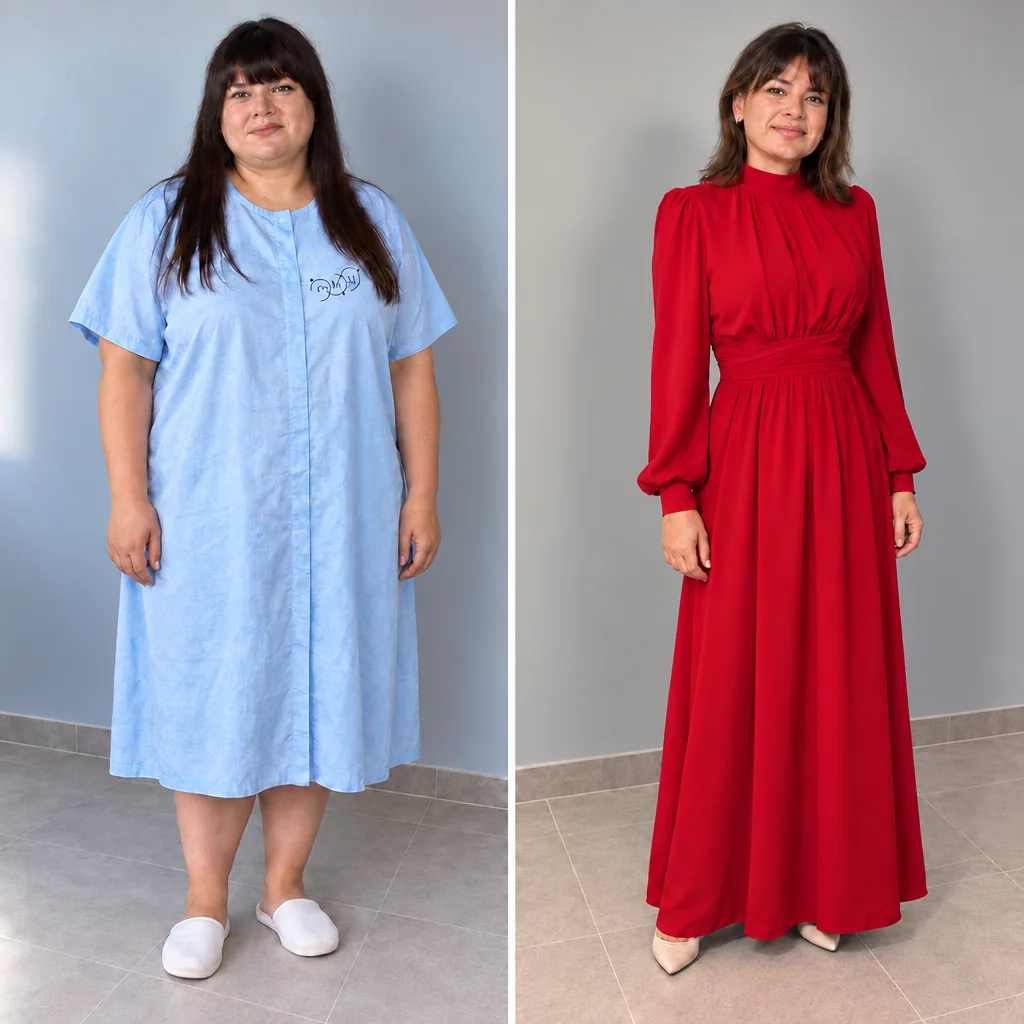 beforeafter
Bariatric surgery
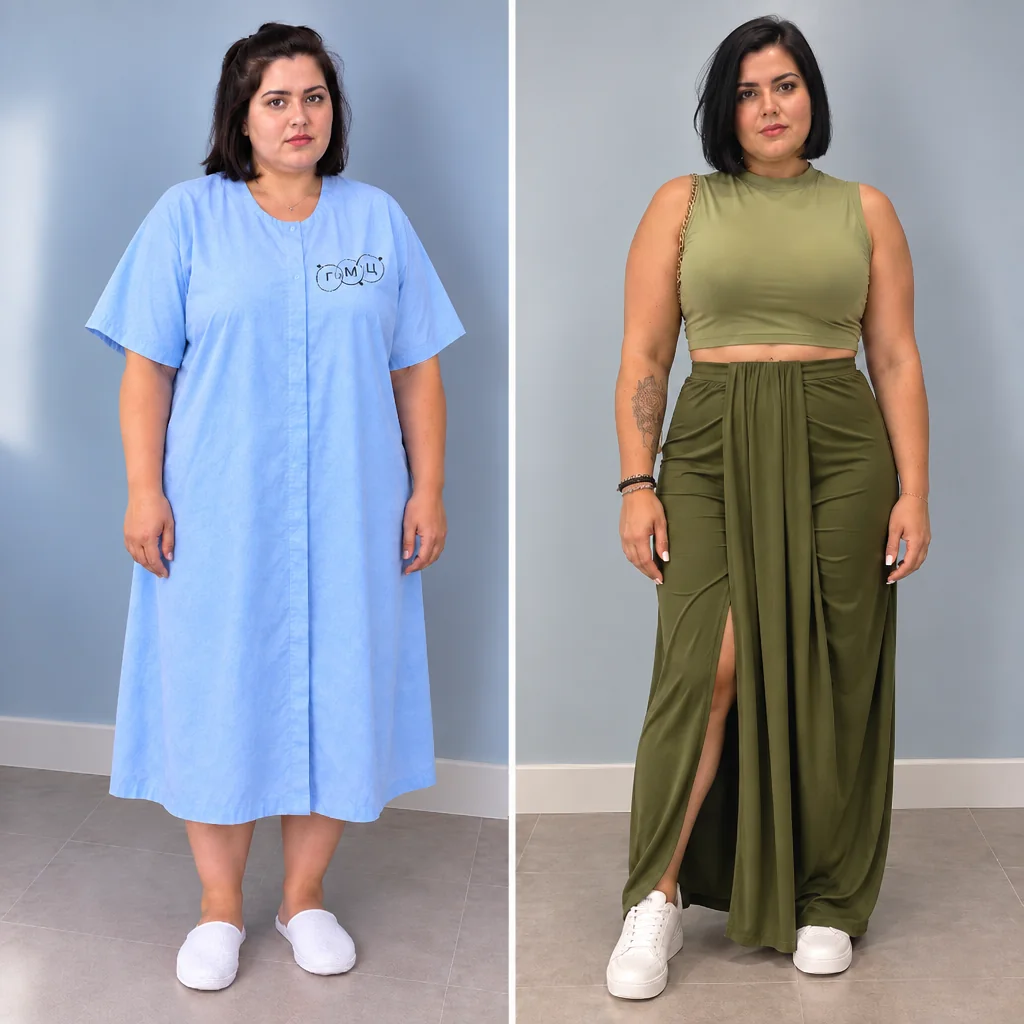 beforeafter
Bariatric surgery
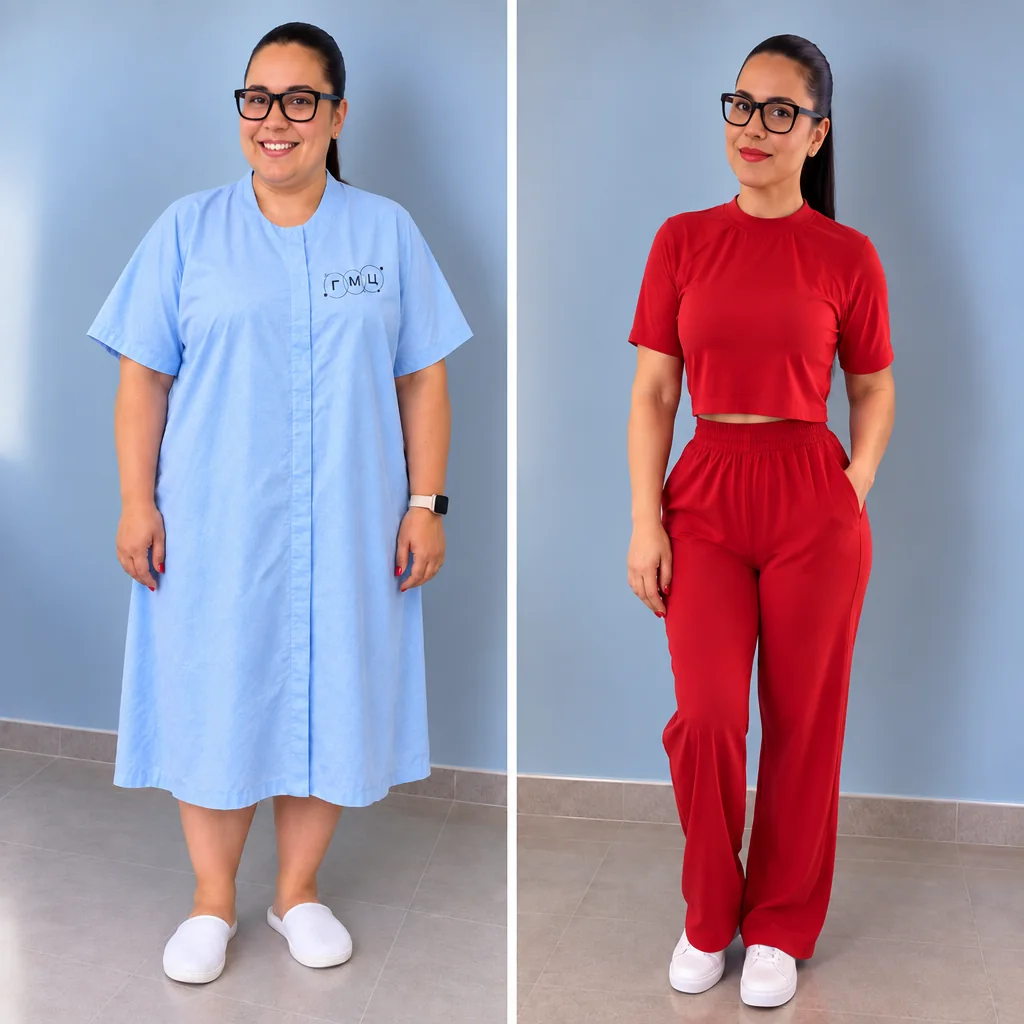 beforeafter
Bariatric surgery
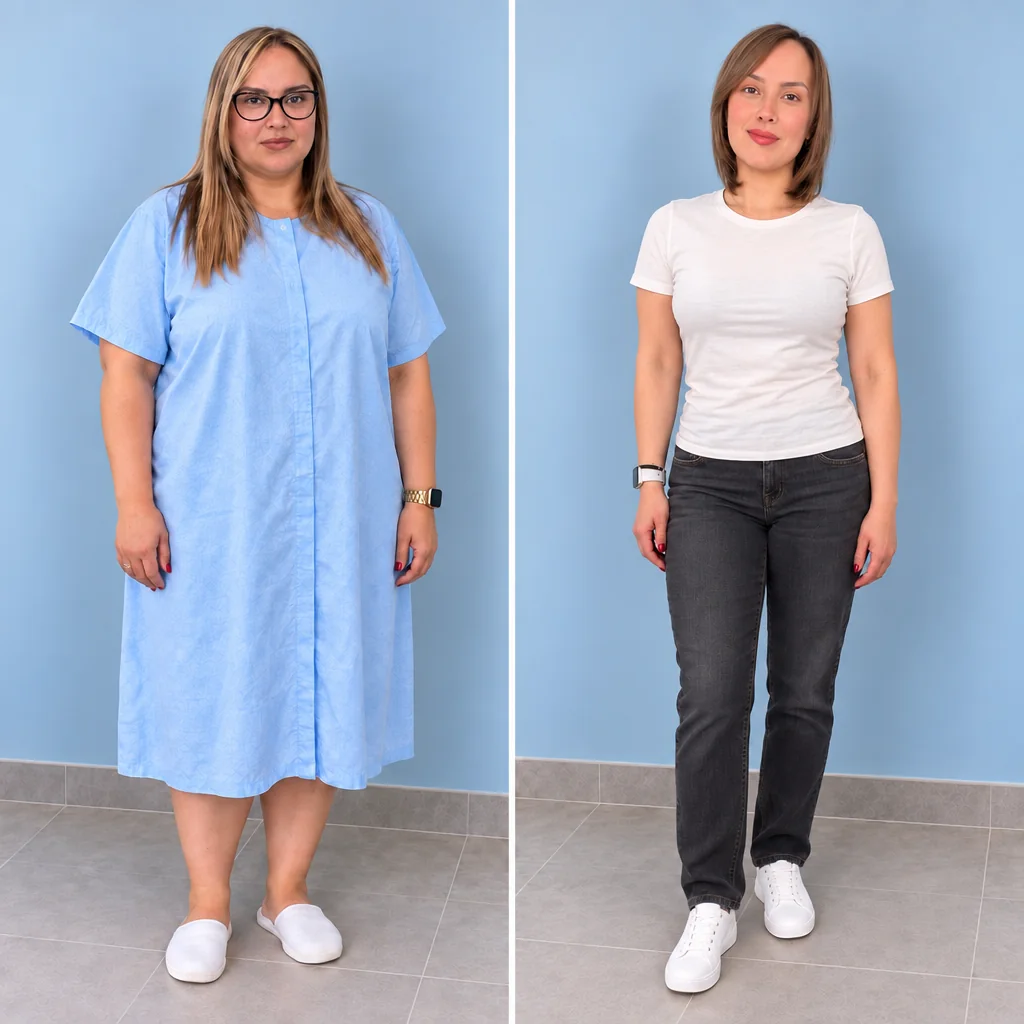 beforeafter
Bariatric surgery
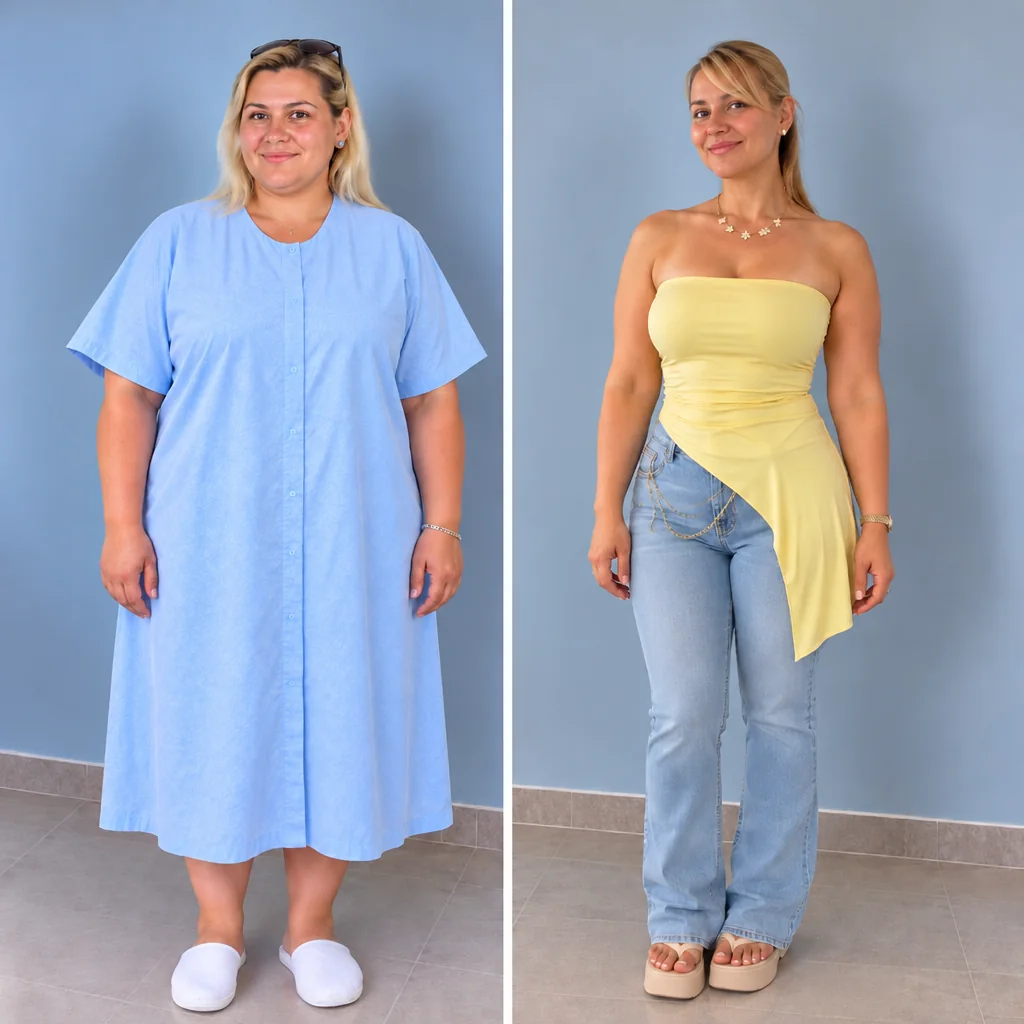 beforeafter
Bariatric surgery
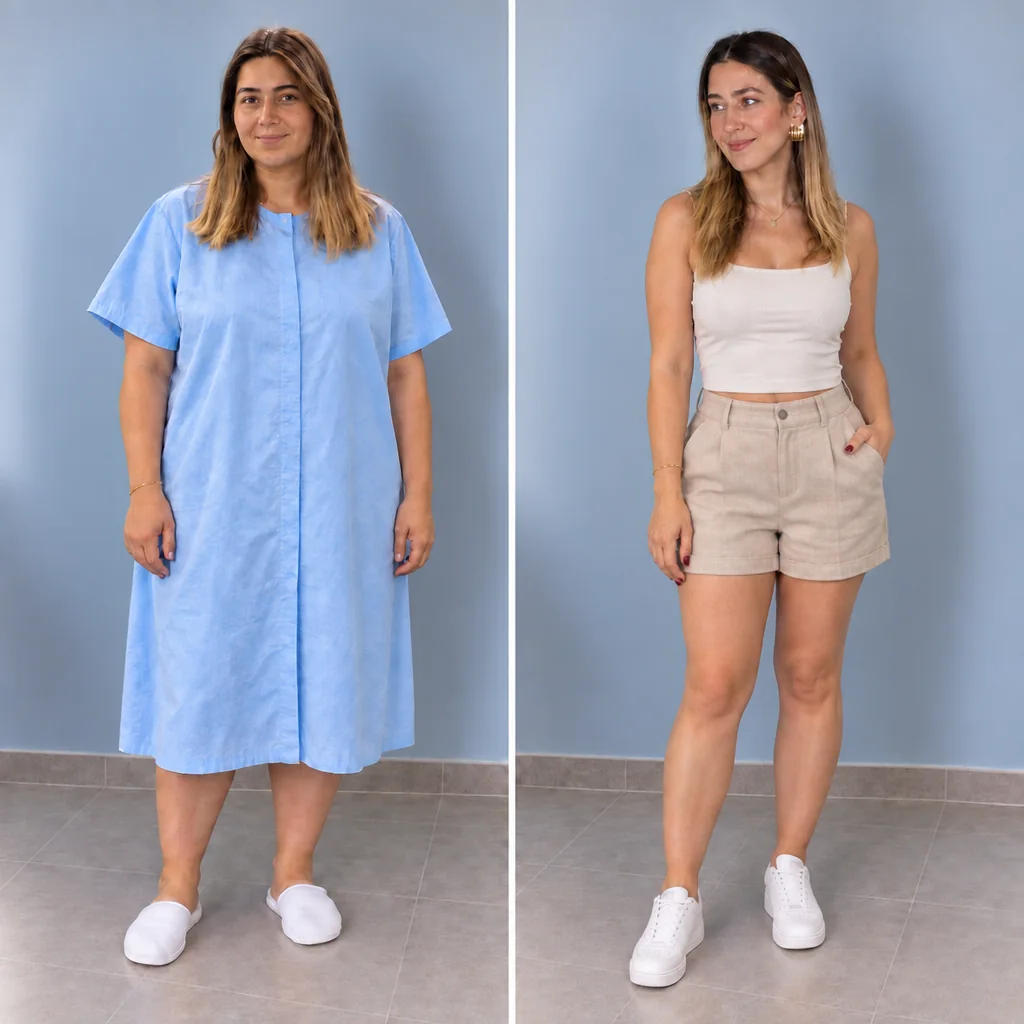 beforeafter
Bariatric surgery
Comparison
Choose your method with confidence by comparing our two main procedures — sleeve gastrectomy and gastric bypass — in terms of how they work, their purpose and their indications.
Reducing the stomach volume
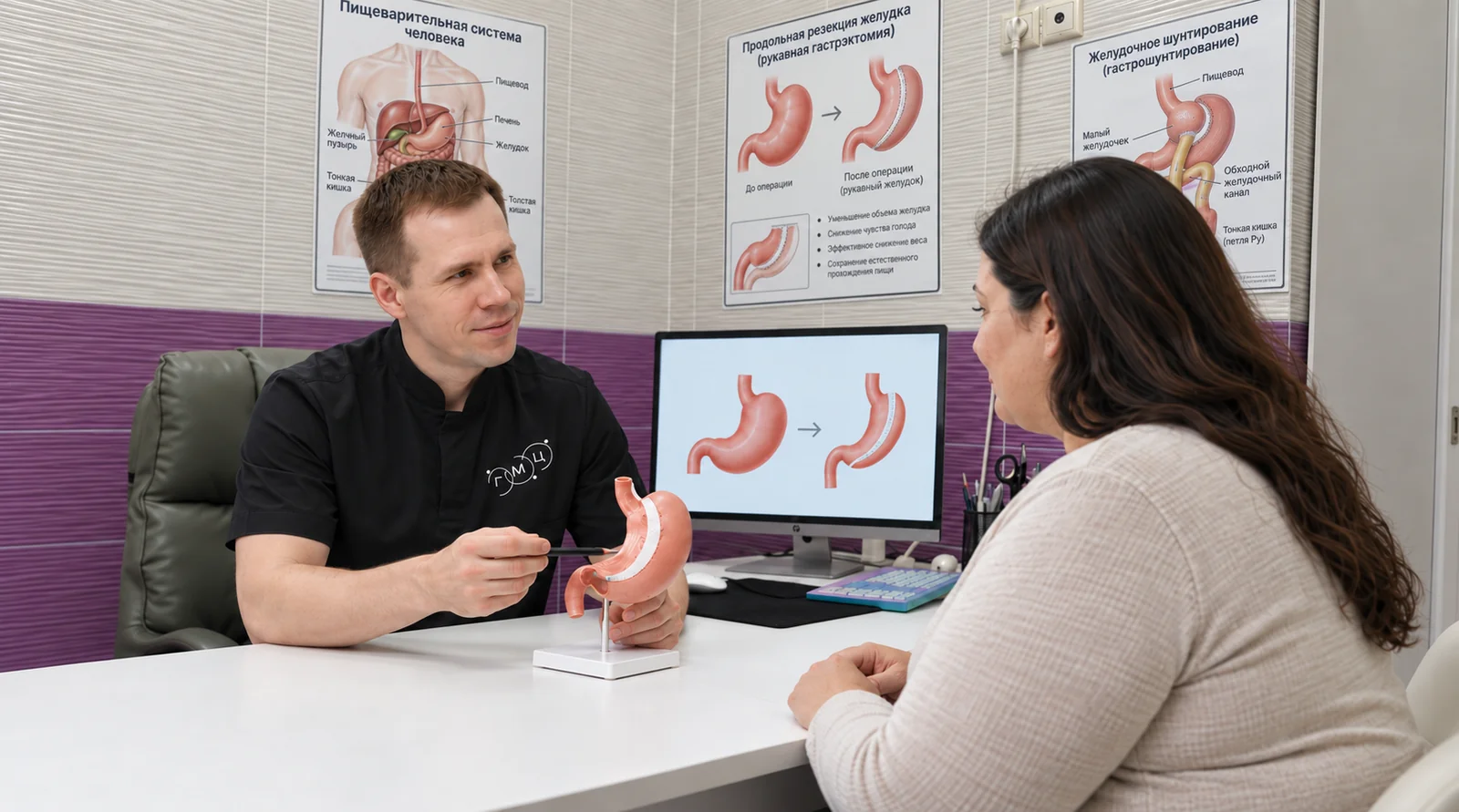
Discounted price
$3,600 $4,800
A smaller stomach volume plus a new route for food
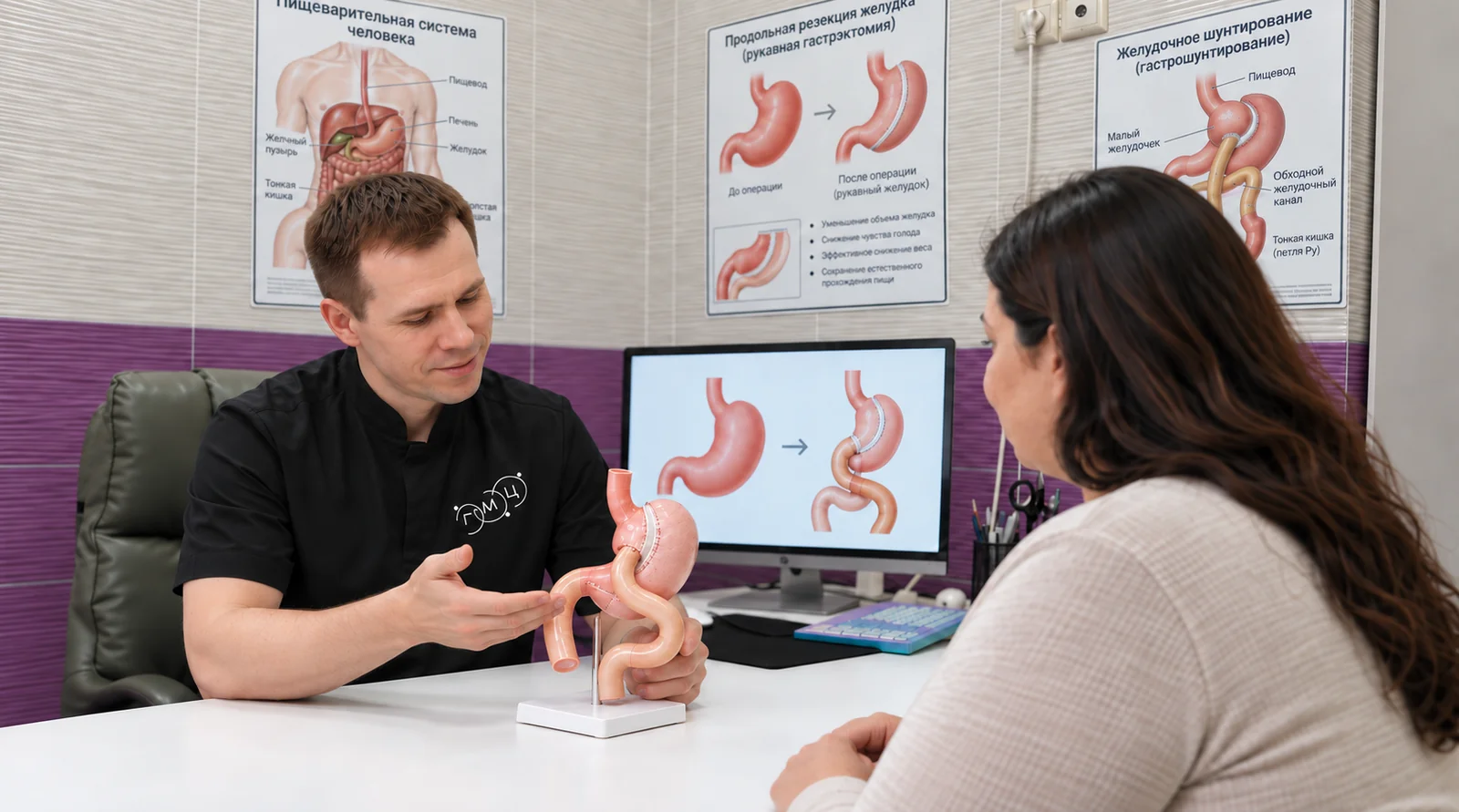
Discounted price
$4,000 $5,200
Treat the recovery times and benefits here as guidance averaged by method: how extensive the surgery is and how you recover depend on your own anatomy and features, and the surgeon confirms this at the consultation.
Book a consultationOur clinic
Up-to-date equipment, comfortable rooms and attention to each patient
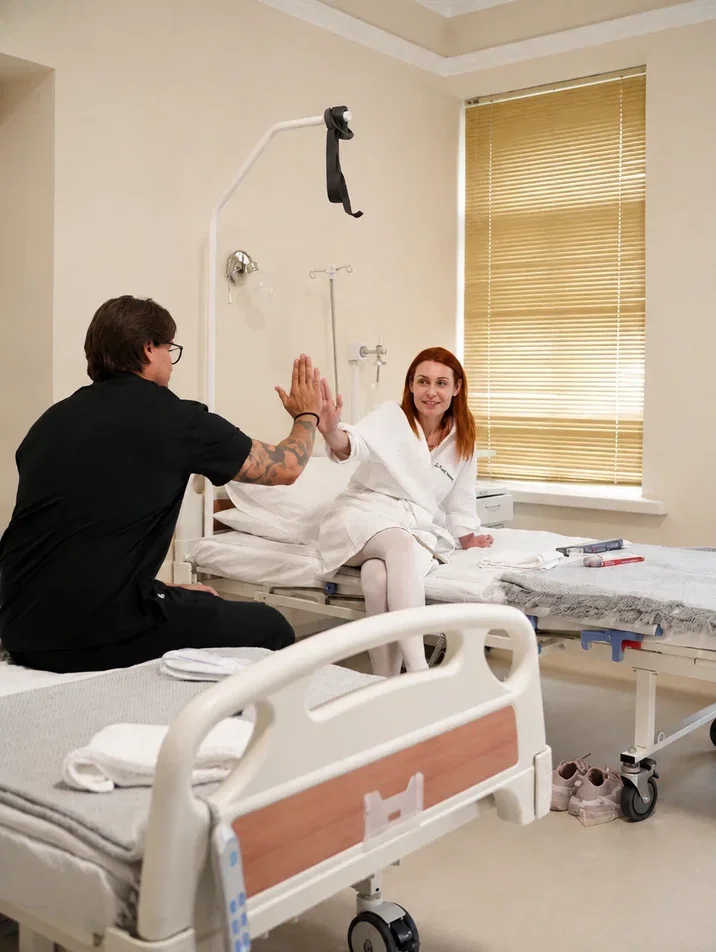
Our team will reply to your questions and help you choose a consultation time
Get a consultationYou and the surgeon decide on surgery together, after a consultation and check-up.
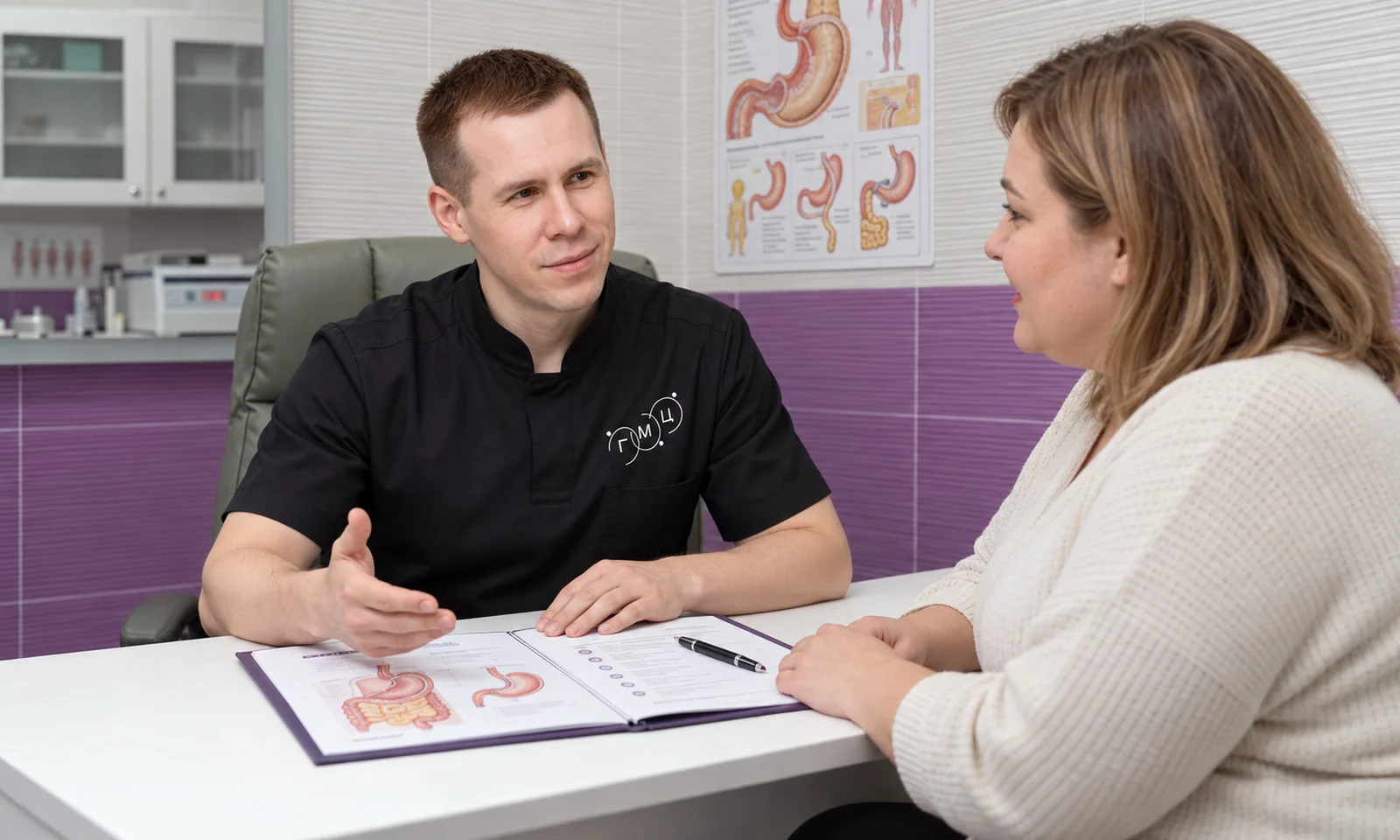
Unsure which column describes you?
Message us on Telegram to learn from our coordinator whether bariatric surgery fits your case. The surgeon consultation is free of charge and does not bind you to surgery.
Find out if it suits me
Prices
The price is stated at the consultation as soon as your plan is ready and then fixed in the contract.
Discounted price
Reducing the stomach volume
$3,600$4,800
Discounted price
Rerouting food and losing weight
$4,000$5,200
Free
Your treatment plan follows the surgeon's examination

Free
the price of surgery is confirmed
and fixed in your contract
Your goals are discussed, your health is assessed and the right bariatric method is chosen by the doctor. The price is given at the consultation and fixed in the contract.
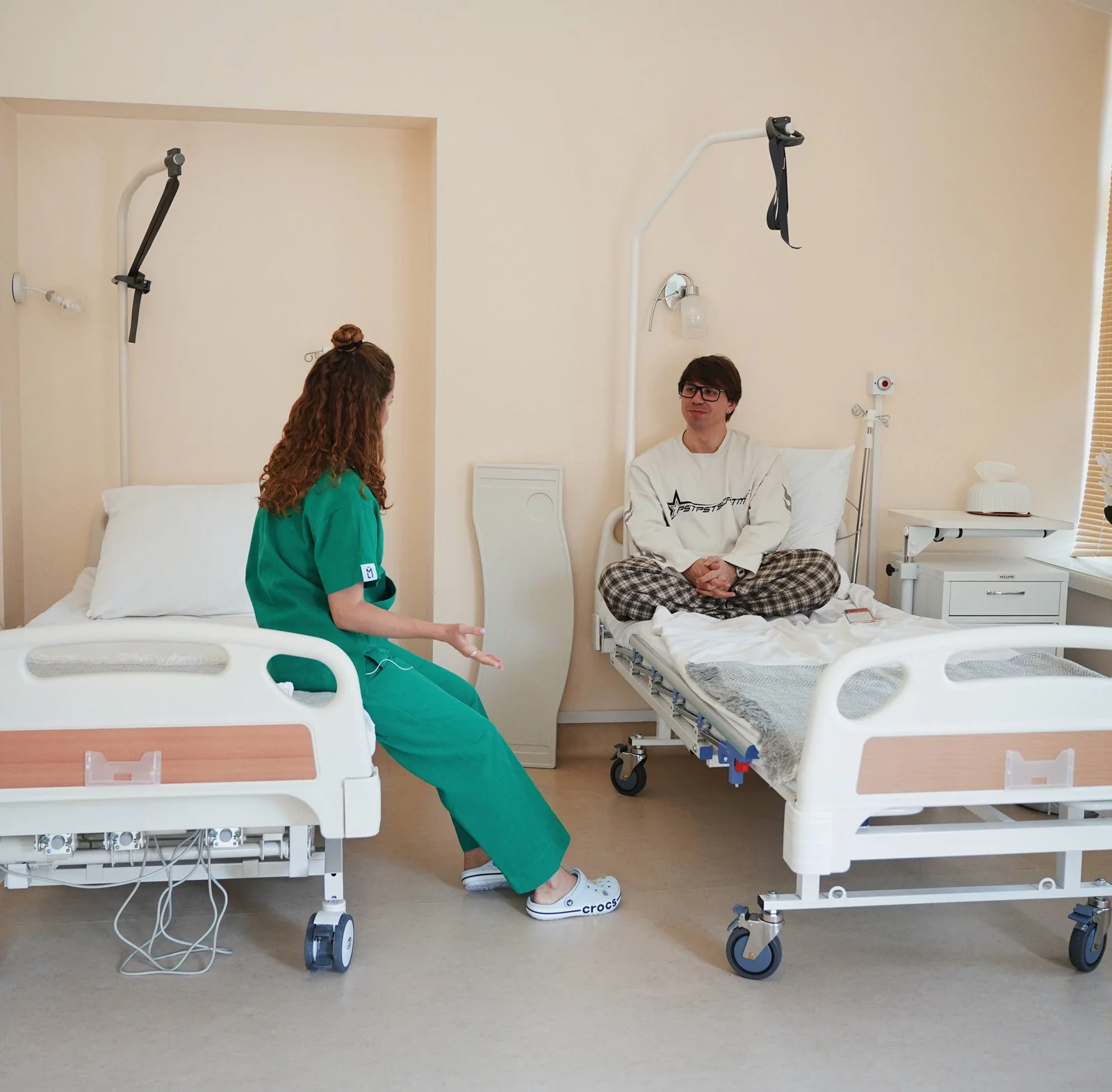
Message our coordinator
Free online consultation · Reply within 15 minutes
Message us on TelegramMessage us on WhatsAppBy messaging us, you agree to our Privacy Policy

price
A single package: preparation through 12 months of support, no extra charges.From your pre-surgery preparation
to follow-up support for 12 months.
How it goes
An agreed treatment plan, monitoring in hospital and support for a year.
 1
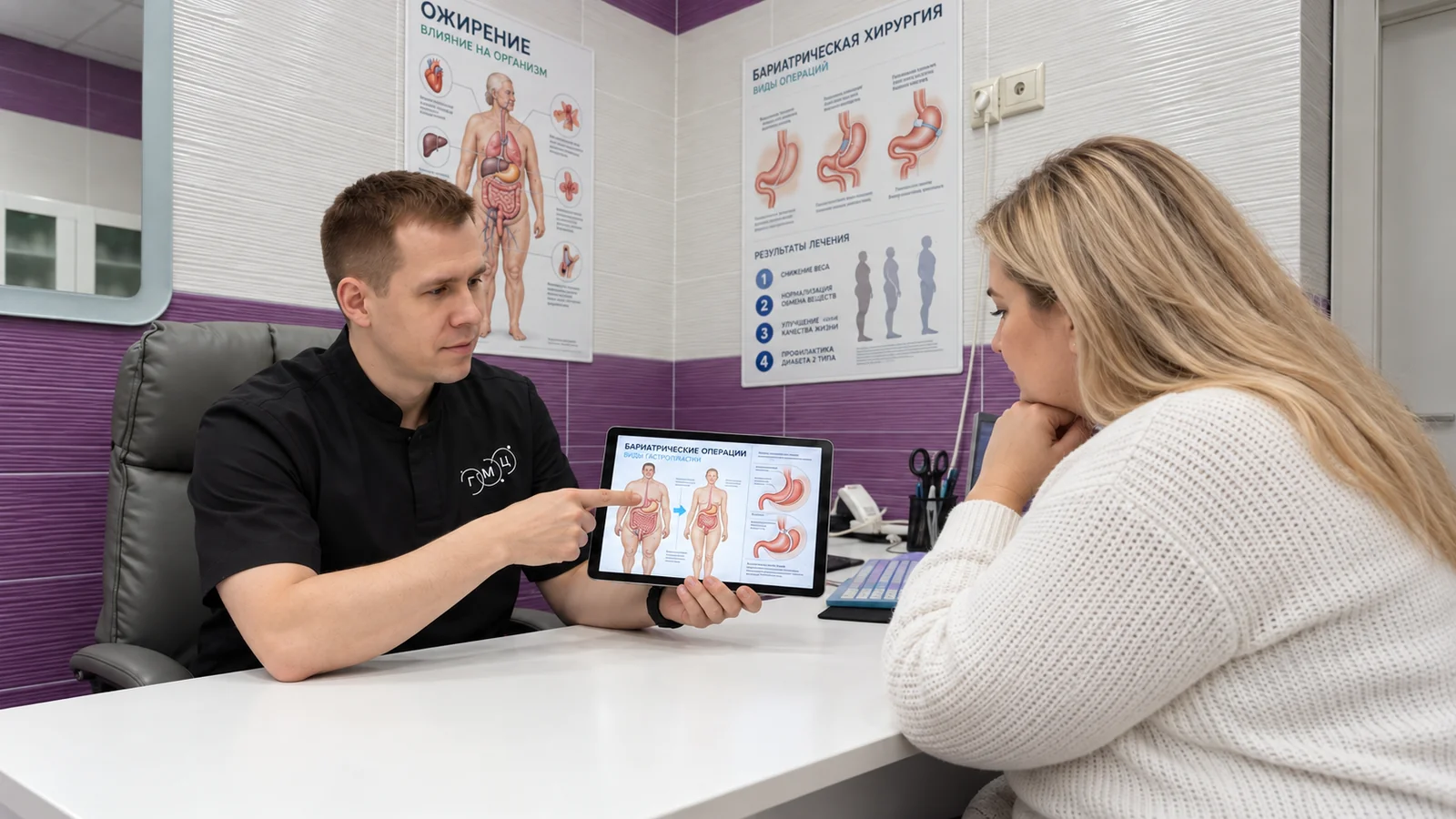
The doctor reviews your health and goals and orders the tests required to decide on the right bariatric surgery method.
2We reserve your surgery date; the deposit can be made by card in the clinic or by online bank transfer. The contract for medical services sets the terms
 3
At the consultation the doctor gives you the exact list of pre-surgery checks: blood and urine tests, an ECG, an ultrasound, a gastroscopy and visits to specialists.
 4
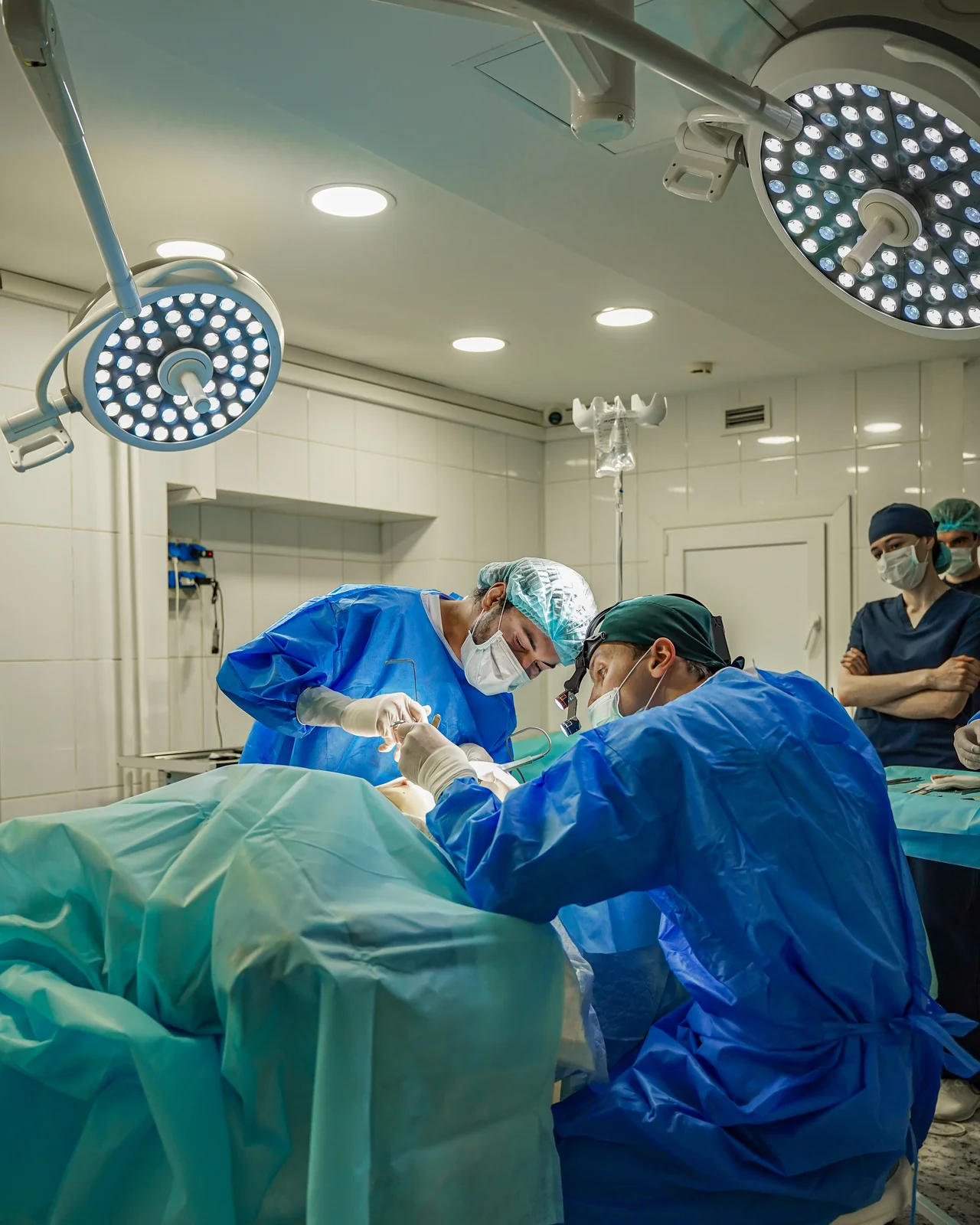
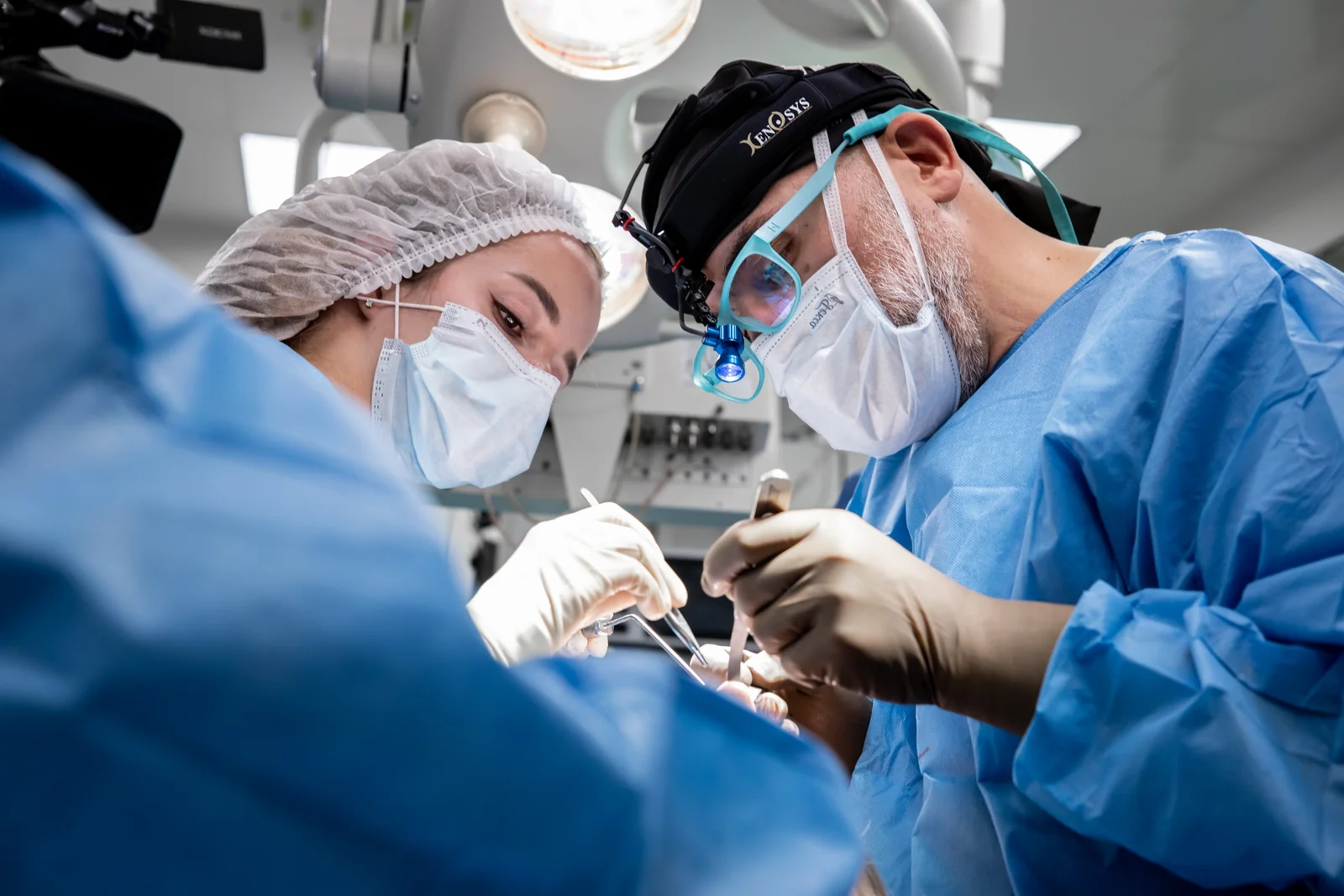
The surgeon performs the bariatric procedure by the chosen method under general anaesthesia, and the medical team then monitors the patient after surgery.
 5
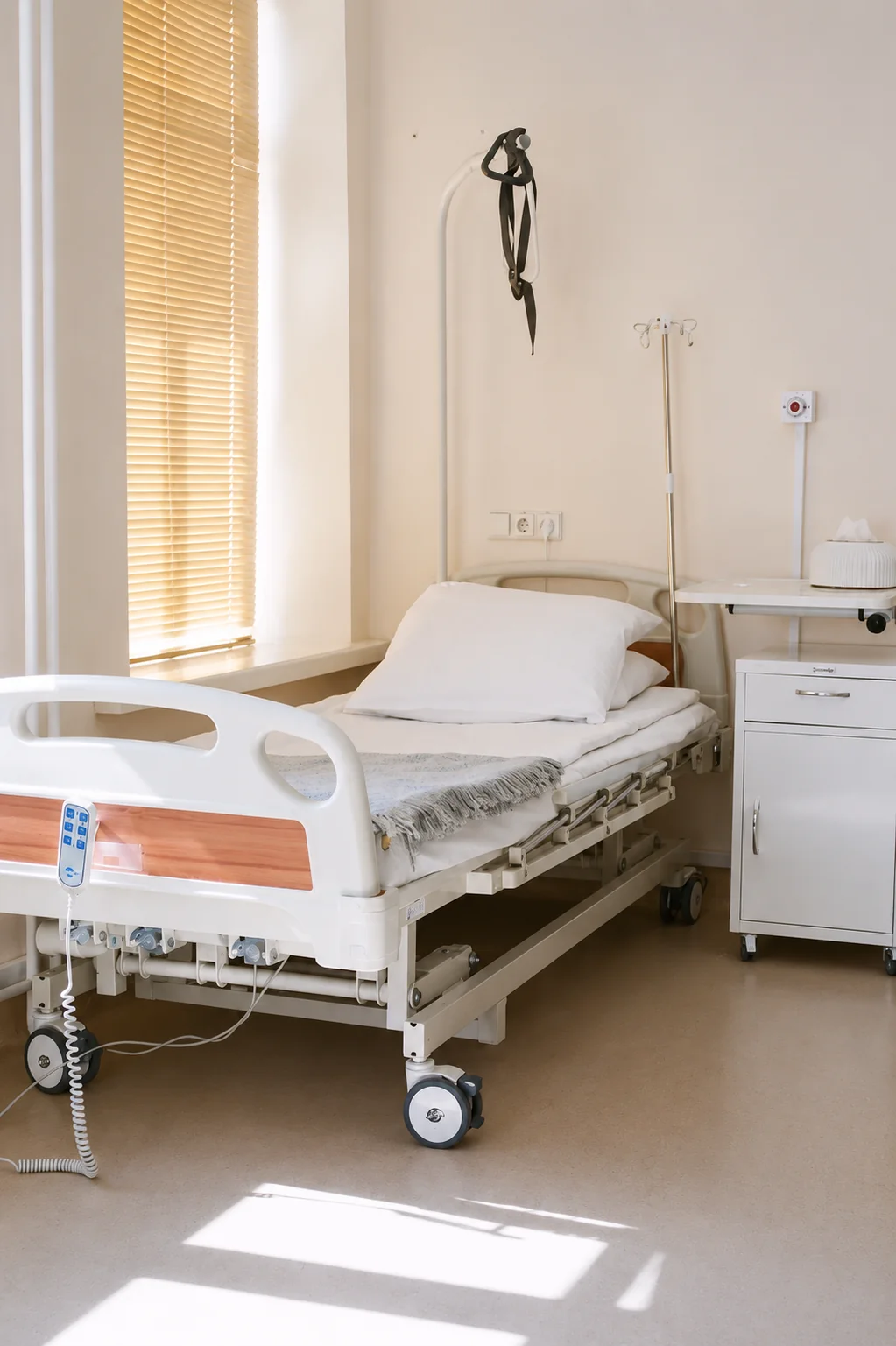
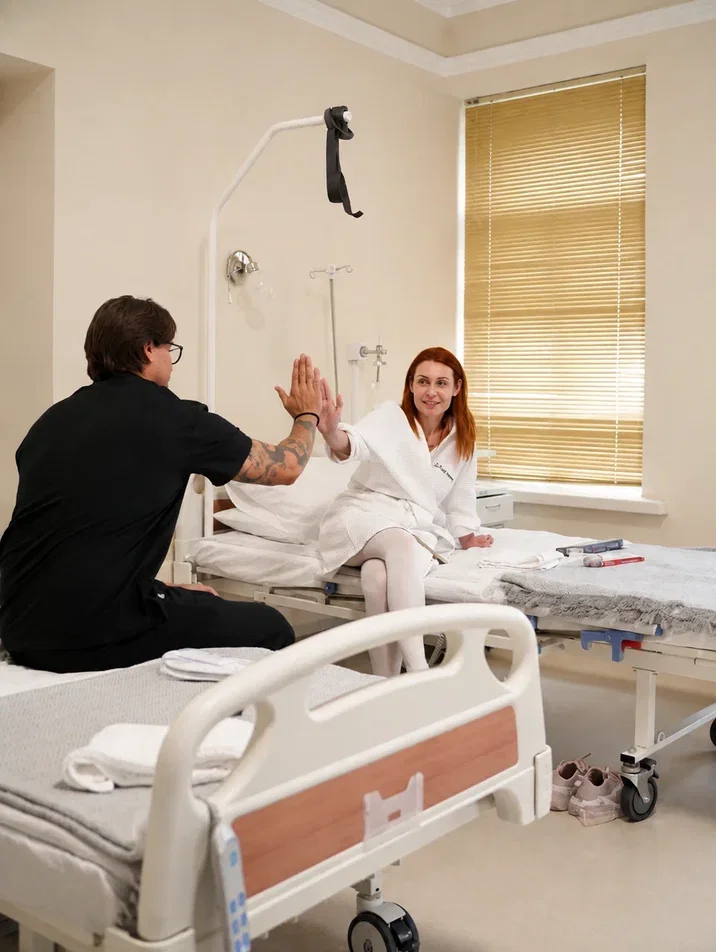
After surgery you remain in hospital under doctors' supervision. Expect a stay of 1–3 to 4–5 days, depending on the complexity of the operation and how you feel.
 6
After discharge you are given recommendations on diet and recovery. Planned check-ups track how you feel, your weight and test results. The clinic team supports you for a year.
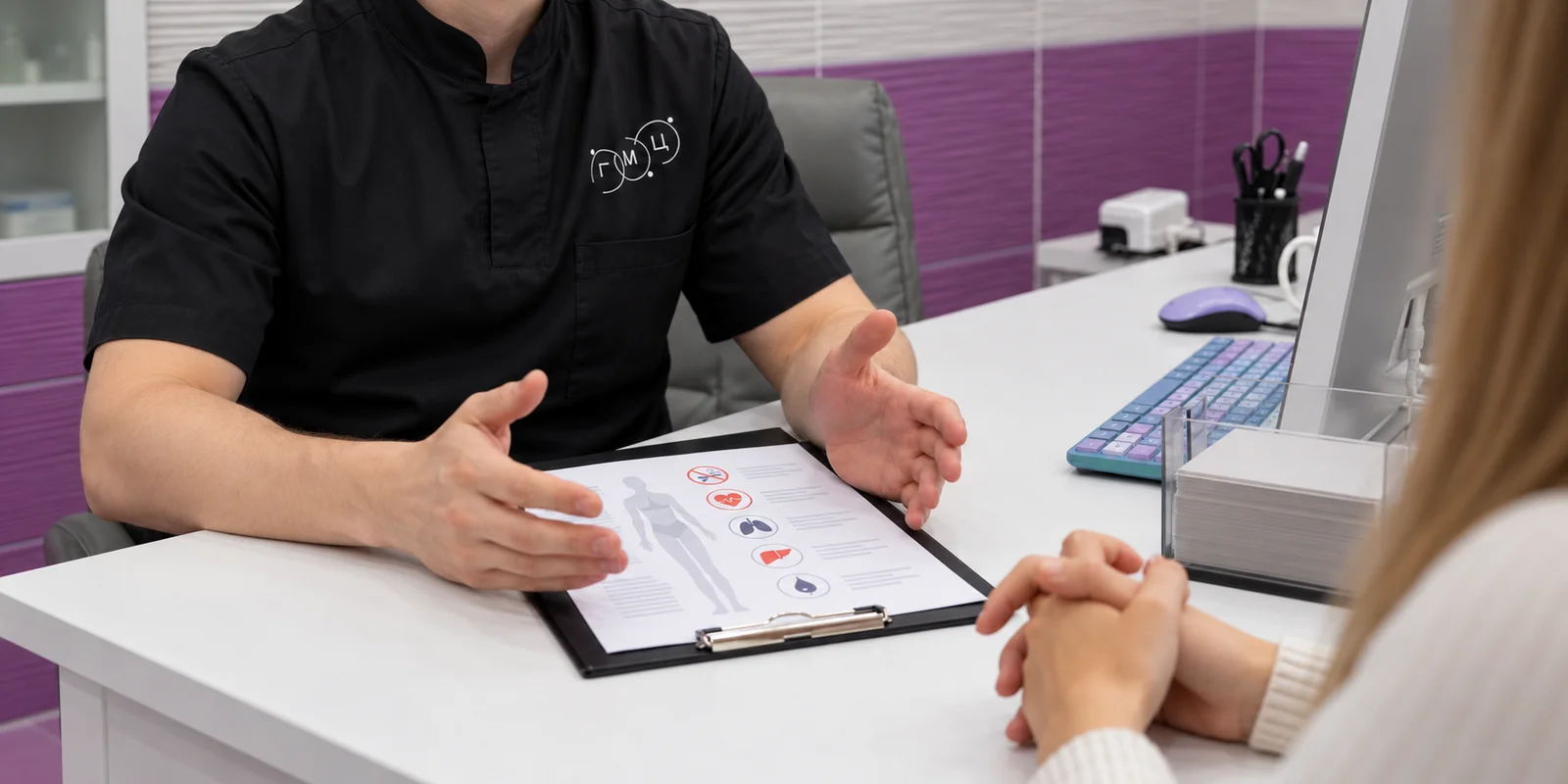
At the consultation the doctor draws up your plan and explains the surgery step by step
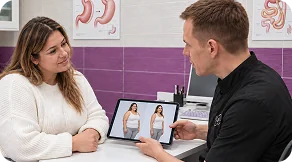
The consultation costs nothing, takes place before surgery and has no obligation.
Book a consultationDoctors
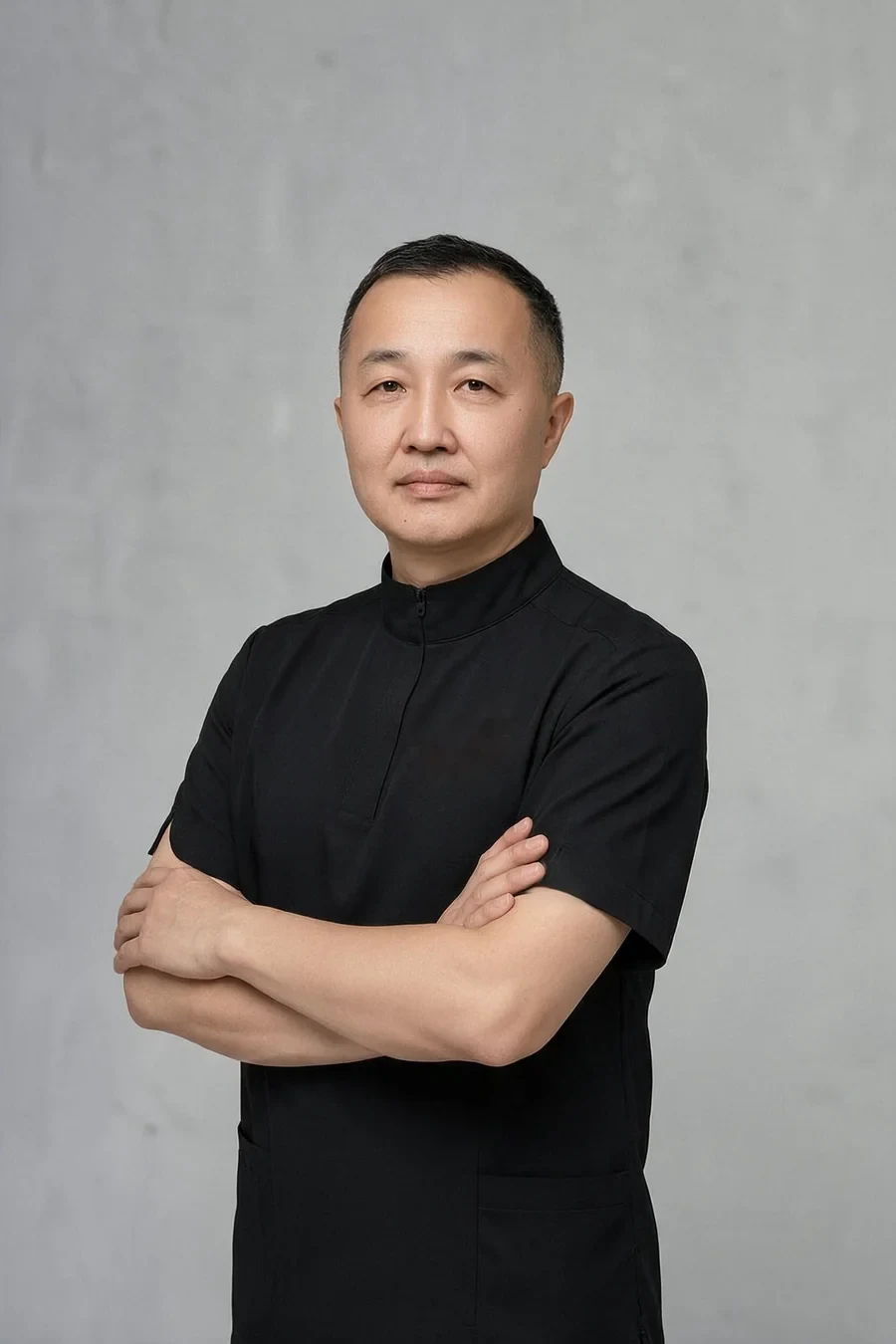
27 years of experience
Chief bariatric surgeon
Surgeon
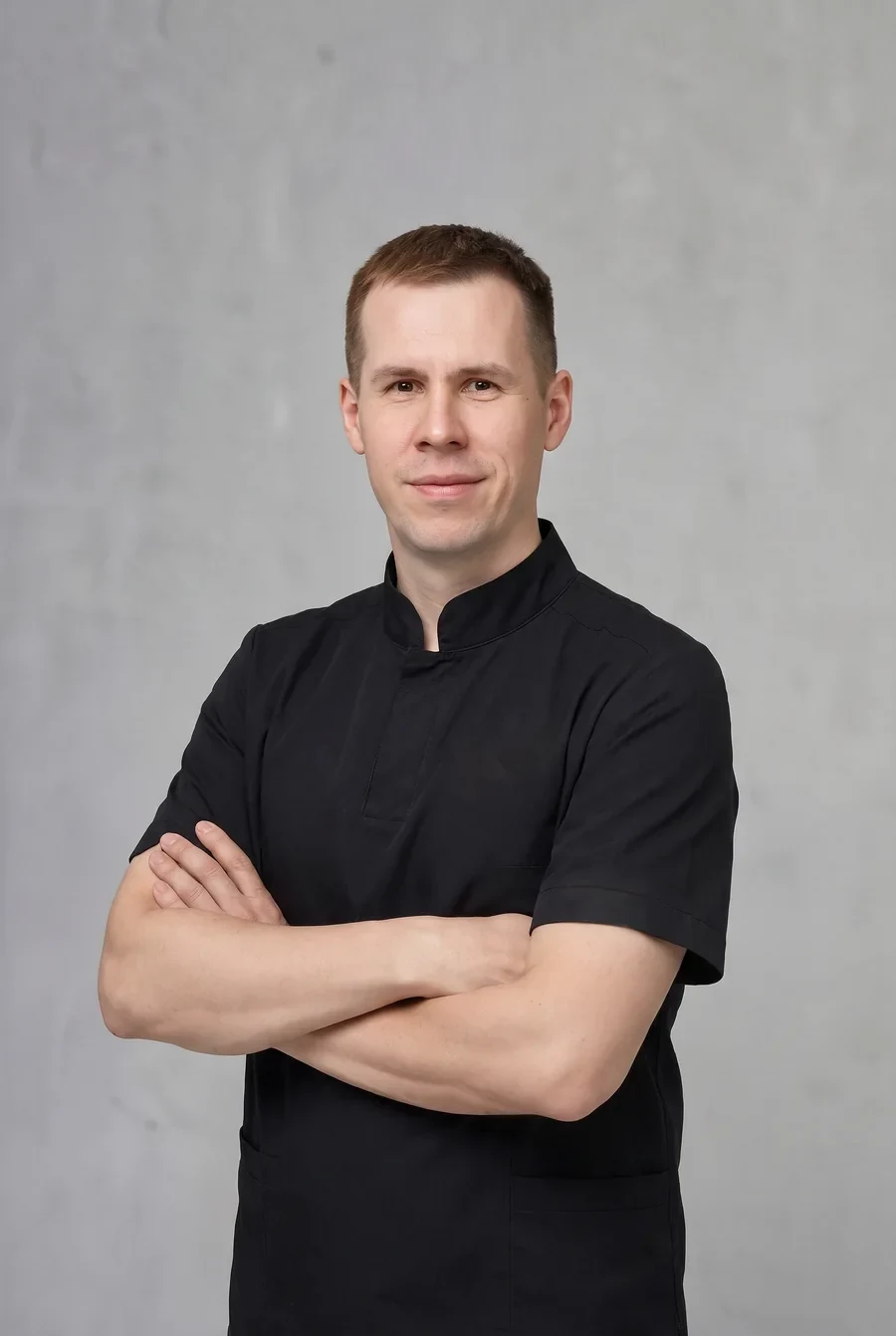
9 years of experience
Bariatric surgeon
Surgical oncologist
The surgeon who operates on you also follows you, from the first consultation to the result.
At the first consultation our patient care manager calculates your BMI, explains the methods and books you with the surgeon — all free of charge.
Book a consultationCoordinators
Support at every step of the way

From the first message to the consultation, your first point of contact at the clinic
Care specialist for patients
Before the first consultation, answers your questions and helps find a date that suits you

With you before and during your stay — from booking to discharge
Care specialist for patients
Supports your preparation for surgery and keeps in touch during your clinic stay

From discharge to your final check-up — with you throughout recovery
Care specialist for patients
Keeps in touch as you recover and books your surgeon follow-up visits
Advantages
We pick the best method for your health, lifestyle and goals, and our team is with you all the way.
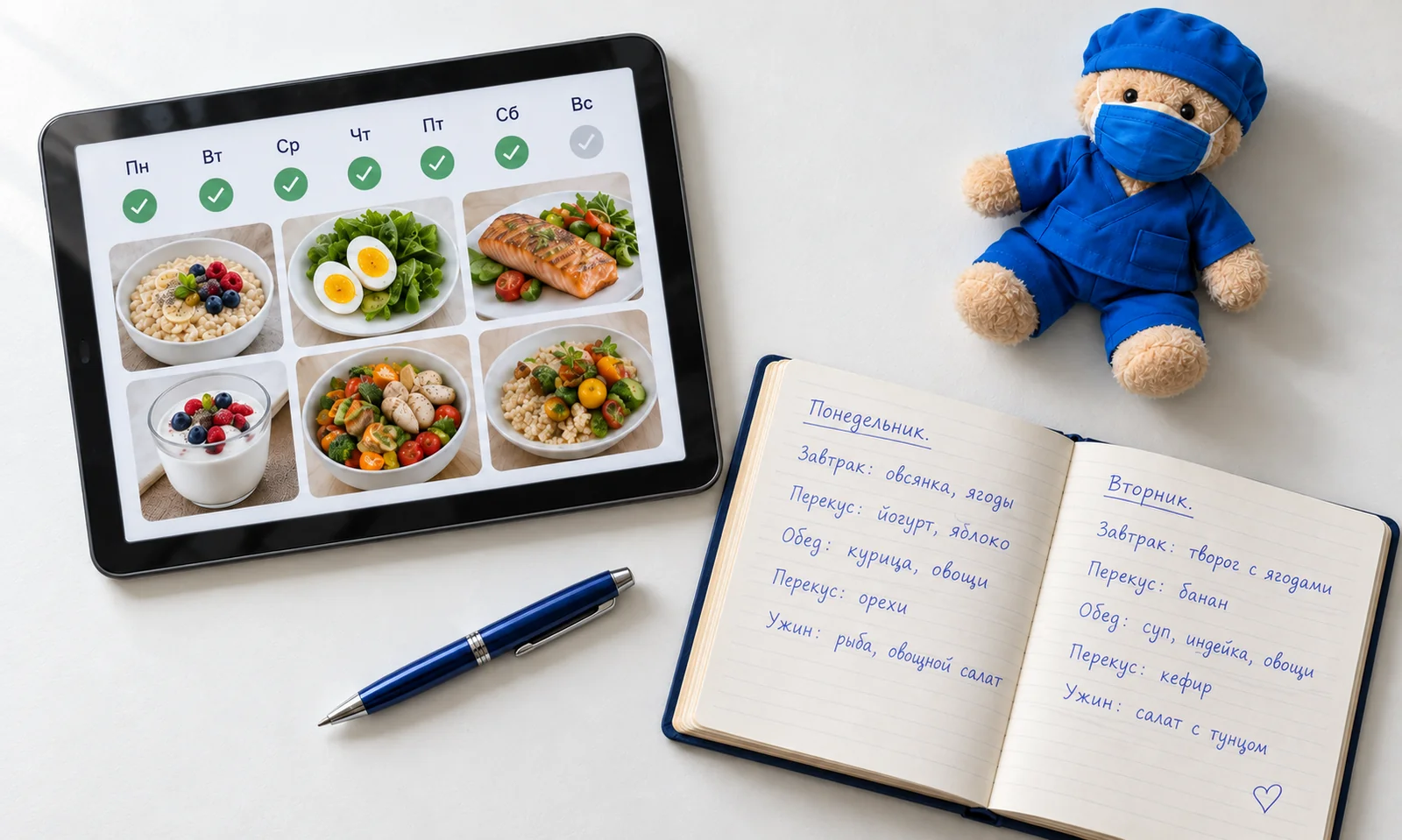
Our help covers adapting to new eating habits, tracking your results and maintaining them.
Better well-being, a higher quality of life and steady weight loss.

We respect your time — open 24/7, easy booking and a personal approach that follows your pace.
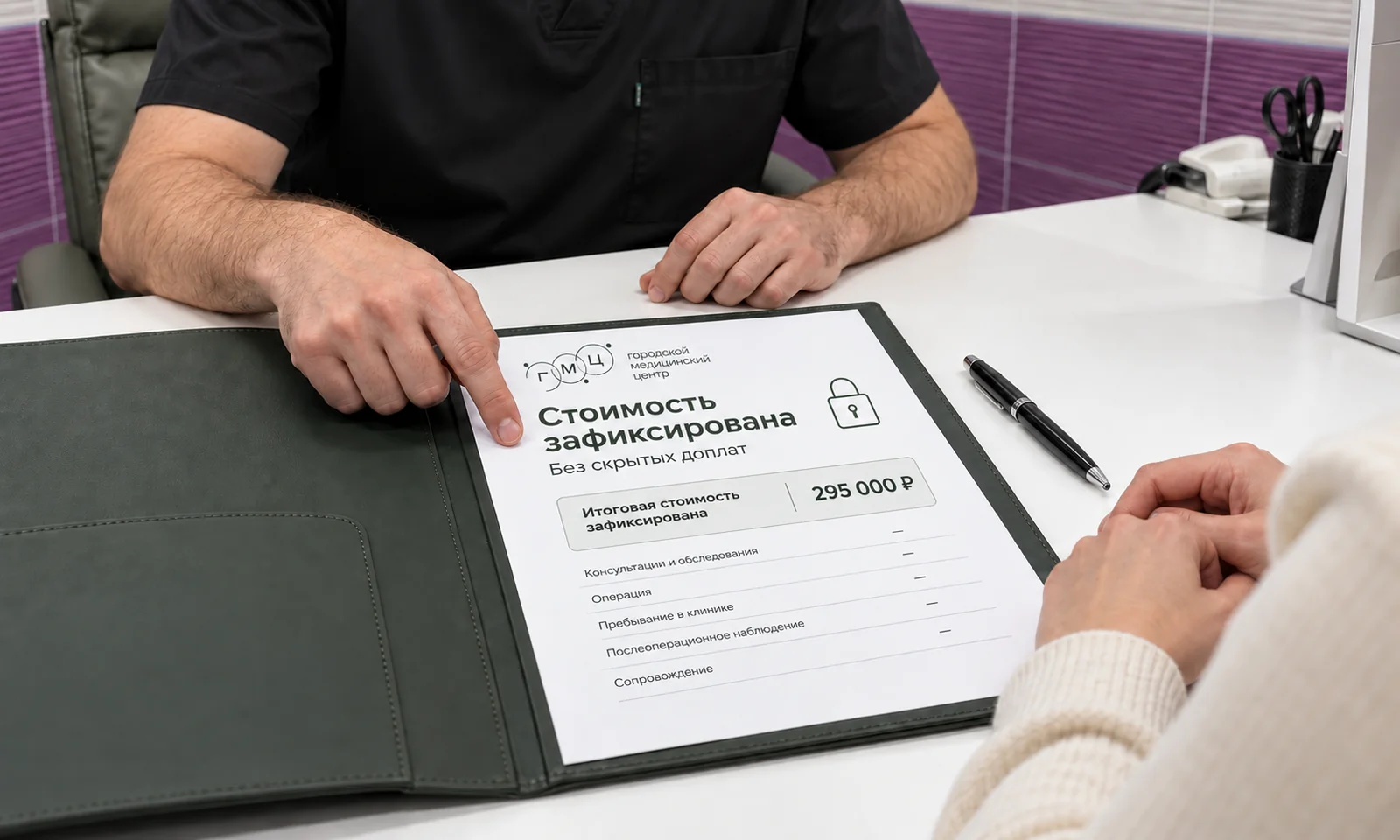
After the consultation the surgeon chooses the method and you get a clear price — no hidden fees and no surprises on the way to your result.
FAQ
Experienced bariatric surgeons perform the bariatric operations at the clinic:
Drop us a message and our coordinator will get back to you shortly to book your consultation. The bariatric surgeon consultation is free.
Surgery is prescribed only when clear criteria are met
BMI is the primary tool for judging obesity. The formula: body weight (kg) divided by height squared (m²). Surgery is typically justified at a BMI above 40, or above 35 if there are serious related conditions. At times surgery is also considered with lower figures — provided non-surgical treatment has failed.
Many mix them up, but they pursue fundamentally different goals. Bariatric surgery medically treats obesity and related diseases by changing how the digestive tract functions, addressing the causes of excess weight and metabolism. Plastic surgery reshapes the external contours of the body; it does not treat obesity or influence metabolism.
Four main bariatric surgery types are available at City Medical Centre: sleeve gastrectomy, Roux-en-Y gastric bypass, mini gastric bypass (MGB) and SADI-S duodeno-ileal bypass. The method is picked individually, considering BMI, related conditions and the patient's goals.
Using modern laparoscopic technique, we perform the operation via 4 small punctures of 5 to 15 mm. Cosmetic sutures are placed, leaving marks that are nearly invisible after healing.
When you recover depends on your activity. Office work: after 2–4 weeks. Physical work: after 1.5 months. Sport and activity: swimming is fine after 30 days; other exercise gets added gradually as weight drops. Travel and holidays: best planned from a month after surgery.
You move through diet stages from liquid food to soft and finally solid. Protein comes first, and high-calorie, fatty food is restricted.
Pregnancy after bariatric surgery is possible, but doctors advise waiting at least 12–18 months. During this time the body stabilizes, weight reaches target values and nutritional status normalizes.
Yes, after bariatric surgery vitamins cannot be skipped. As the digestive anatomy changes, some nutrients are absorbed less well, making regular vitamin and mineral supplements a permanent feature of the patient's life.
Although weight regain after bariatric surgery is possible, it is very unlikely if you follow the doctor's advice. Proper eating, avoiding high-calorie drinks and regular follow-up with City Medical Centre specialists are key.
Prices are in US dollars; the amount in brackets is an approximate conversion to UGX at the rate of 02.10.2026. The final price is fixed in your contract.
Prices start from $3,600 (≈ UGX 14,500,000). The surgeon sets the final price at the free consultation, and it is fixed in the contract, with no hidden extras.
General anaesthesia, a personal coordinator from day one, monitoring in the hospital and support for one year.
The hospital stay is 1–5 days, depending on the method and how you feel. Office work is possible after 2–4 weeks.
Yes. The first consultation is free and does not oblige you to anything. You can start online by sending a message to the coordinator.
Message us on WhatsApp or Telegram using the buttons below. A coordinator will answer your questions and book a free consultation where the doctor names the exact price.
By messaging us, you agree to our Privacy Policy
SADI-S combines a sleeve with intestinal bypass in two stages and is one of the most powerful bariatric operations, with 80–90% excess weight loss and a long-lasting result. It suits super obesity with a BMI over 50, severe type 2 diabetes, or a second stage after an ineffective sleeve. Anyone in Mbarara in these situations can discuss it at a consultation.
A personal coordinator is assigned from day one, so no one goes through the process alone. After the first examination, each patient gets an individual diagnostic programme to identify every disorder in the body. Then the surgeon selects the method and performs the laparoscopic operation, and a doctor stays nearby 24/7. That is the sequence for everyone from Mbarara.
What sets this programme apart is a result guarantee written into an official contract: weight loss is fixed legally, not just in words. Surgeons have 9–27 years in the field and work as a permanent team. Mbarara residents can tick the situations that sound familiar on the page and then check their case for free with a surgeon.
What patients write after this operation. Reviews are translated from the original language.
Irina, 26
For a long time I doubted whether to go ahead with surgery, but after the consultation I felt much calmer. Andrey Georgievich explained in detail how gastric bypass is done, what to expect after the operation and how recovery would go. I especially liked that they talked to me calmly and without pressure. I am now gradually getting used to my new way of life and I am very glad I took this step.
Bariatric surgery
Doctor: Andrey G. Ugay
Angelina, 22
For me the hardest part was deciding to have the operation. At the consultation Ruslan Sergeyevich answered all my questions in detail and explained the specifics of sleeve gastrectomy and recovery. After the operation I always understood what I was doing and why. Thank you to the doctor and the whole team for their attentiveness.
Bariatric surgery
Doctor: Ruslan S. Menzulin
Anna, 31
For a very long time I tried to deal with my excess weight on my own, but I did not get the result I wanted. After the consultation with Andrey Georgievich I finally understood what to do next. I came through the operation well, and my recovery was supervised by the doctors. It was important for me to feel that I was not left alone after surgery.
Bariatric surgery
Doctor: Andrey G. Ugay
Veronika, 25
Before the operation I had many fears, mostly of the unknown. Ruslan Sergeyevich explained every stage of treatment in detail and answered even the simplest questions. Thanks to that I felt much more confident. I keep following the recommendations and I am gradually seeing the changes I had the operation for.
Bariatric surgery
Doctor: Ruslan S. Menzulin
Valentina, 23
The decision to have bariatric surgery was not easy for me. I worried both about the operation itself and about how my life would change afterwards. At the consultation Andrey Georgievich explained everything in detail, so little by little my fear turned into confidence. What matters most to me now is the result and the chance to treat my health and lifestyle differently.
Bariatric surgery
Doctor: Andrey G. Ugay
Anna, 27
I am very grateful to Ruslan Sergeyevich for his attentiveness. Before the operation I had a huge number of questions, and I got a clear answer to every one of them. After the operation it was also clear which recommendations to follow and how to eat. It was important to me that the doctor stayed in touch and I felt supported at every stage.
Bariatric surgery
Doctor: Ruslan S. Menzulin
Mbarara is a city in the Western Region of Uganda and the second largest city in the country after Kampala. It received city status from the cabinet in May 2019, and the status took effect on 1 July 2020. It is the main commercial centre for most of the south western districts, so many people here combine work, family duties and study, and have little spare time to think about their own health. When weight becomes a medical problem, the decision about surgery usually has to fit into a busy schedule.
Bariatric surgery means operations on the stomach that help a person lose weight when diet and exercise alone have not been enough. The two best known operations are sleeve gastrectomy and gastric bypass. Patients in Mbarara often ask which one is gentler, which one suits their eating habits, and how soon they can go back to normal life. This text answers those questions in general terms, so that you can prepare a clear list for your own surgeon.
The centre does not have an office in Mbarara. You contact it from your own city through a free online consultation, and coordinators are available around the clock (24/7) on Telegram and Telegram.
The national census of August 2014 put the population of the town at 195,013. Earlier estimates were much lower: 69,400 in 2002, 82,000 in 2010 and 83,700 in mid-2011. The city has clearly grown fast, and a growing city means more office jobs, more trading, more time spent sitting and more convenience food. These habits are part of the conversation about weight.
The six divisions of the city, Kakoba, Kamukuzi, Nyamitanga, Biharwe, Kakiika and Nyakayojo, have their own rhythm, from busy commercial streets to student areas. Whichever one you live in, think in advance about who will help at home in the first days after the operation, who will cover your duties at work, and how you will manage meals in the first weeks.
A calm start helps. Tell your family and your employer about your plan, ask for understanding, and agree on a simple routine for the recovery period.
Mbarara has a tropical savanna climate. The annual temperature varies only by about 2.4 °C, so there is no harsh winter or extreme summer, and the main difference between seasons is rain. October has the most rainy days, about 22, while July has the fewest, about 3.7. Humidity is highest in November and lowest in July.
What does this mean for recovery? In the wet months, the road to a follow-up visit or a laboratory may be slippery and tiring, so plan your movements calmly and keep your first walks short and close to home. In the drier months, heat and sun can be tiring, so wear light, loose clothing, drink fluids in small sips as the surgeon advises, and avoid long hours outside in the strongest sun.
The operation is performed through 4 small punctures of 5 to 15 mm, with cosmetic sutures, so after healing the marks are barely visible. Still, keep the skin clean and dry, and ask the surgeon how to protect the small scars from direct sun while they heal. Wet weather and humidity are also a reason to keep dressings dry and to report any redness or discharge to your doctor straight away.
BMI is the main tool for assessing the degree of obesity. It is calculated by dividing body weight in kilograms by height in metres squared. Surgery is usually justified with a BMI above 40, or above 35 with serious related conditions. In some cases surgery is considered at lower values too, if non-surgical approaches have failed. The surgeon confirms whether surgery suits you at the consultation.
The World Health Organization describes obesity and overweight as a major health concern, and it is linked to other long-term conditions. For a person in Mbarara this means that the question is not about appearance only, but about general health, mobility and the ability to work and care for the family.
Contraindications are decided individually. In general, the surgeon will want to know about serious heart, lung or digestive illness, current pregnancy, eating disorders and any dependence that could interfere with the new diet. Be honest about your history and bring your earlier test results to the online consultation.
The centre relies on modern laparoscopic technique. Both operations can be done this way. In a sleeve gastrectomy the stomach is made smaller; a gastric bypass also changes the route food takes through the digestive system. The surgeon will explain which method is more suitable for your weight, your health conditions and your eating habits.
Prepare questions in advance. Why this method rather than the other? What changes in how I eat and absorb food? What supplements will I need? How are the results of the operation monitored? What are the possible complications and what signs should make me call at once? Who do I contact at night if I feel unwell?
Ask also how your local diet fits the new plan. Many families in Mbarara build meals around starchy staples, stews, and shared dishes. Portions after surgery are small, so ask the team how to adapt familiar foods, which textures are suitable in the first weeks, and how to refuse extra servings politely at family tables.
The operation is performed under general anaesthesia. The hospital stay is 1–5 days, depending on the method and how you feel. Doctors supervise you in hospital after surgery, with a stay of 1–3 to 4–5 days depending on the complexity of the operation and your condition. In other words, you stay under observation for 1–5 days.
The programme is organised as one package, from preparation to 12 months of support, with no added fees. Follow-up support lasts 12 months. For a patient in Mbarara, the important point is that after discharge you do not stay alone with your questions: a coordinator will call you back 24/7, and you can write on Telegram or Telegram at any hour.
Before any decision, ask the coordinator exactly what the package includes, what tests you should do beforehand in your own city, and how the follow-up consultations take place. Keep all your results and messages in one folder so that any new doctor can see the full picture.
Recovery time depends on the activity. Office work is possible after 2–4 weeks, and physical work after 1.5 months. This matters in a commercial centre like Mbarara, where many people work in trade, transport, administration and services. Agree on leave with your employer in advance and plan lighter duties at first.
Mbarara is also a student city, with Mbarara University of Science and Technology, Bishop Stuart University, the University of Saint Joseph and other institutions. Students and teachers can usually return to desk-based activity on the same timeline as office work, but should avoid heavy bags and long walks between lectures at the start. Ask the surgeon what is realistic for you.
For sport and activity, swimming is allowed after 30 days, and other exercise is gradually added as weight goes down. Begin with short walks, then add more as the doctor allows. Do not rush to return to intense training or to lifting heavy loads, even if you feel well.
Getting pregnant after bariatric surgery is possible, but doctors advise waiting at least 12–18 months, so the body can stabilise, weight can reach target values and nutritional status can normalise. If you plan a family, discuss it at the first consultation and use reliable contraception during this period.
The full effect of the operation develops over time. The result is assessed at 18–24 months after surgery, so think of the first two years as a period of learning new habits, regular check-ups and steady change rather than a quick fix.
Weddings, graduations and church or community gatherings are an important part of life in a city like Mbarara, and they usually centre on food. Plan for these events: eat slowly, take small portions, choose protein first, and do not feel pressure to explain your health choices to everyone.
The name Mbarara is a colonial mispronunciation of Emburara, a tall grass that once covered the whole area. The city has since grown from a grassland settlement into the second largest city in Uganda, and it is the main commercial centre of most of the south western districts. People who live here often describe themselves as practical and self-reliant, and that attitude helps when preparing for bariatric surgery. A sleeve gastrectomy or gastric bypass is not a single event but a project of preparation, hospital stay, recovery and long-term change.
Growth has been quick: the 2014 census counted 195,013 people, against 69,400 in 2002. Many families now have one generation that grew up in a rural household and another that lives a more urban, office-based life. In practice this means different views about weight in the same family. Before the online consultation, talk with older relatives who may see a larger body as a sign of well-being, and explain that the operation is a medical decision about health, mobility and long-term conditions.
Because Mbarara is the commercial centre of the region, many patients also have relatives in the surrounding districts who will want to visit or help. Decide early who the one or two main helpers will be, so that the first days after the operation stay calm and the stay under observation of 1–5 days is not complicated by too many opinions.
The city lies at an average elevation of about 1,147 metres above sea level and is organised into six divisions: Kakoba, Kamukuzi, Nyamitanga, Biharwe, Kakiika and Nyakayojo, with 23 wards in total. Nyamitanga Hill, where the University of Saint Joseph stands, is a reminder that many parts of the city are built on slopes. In the first weeks after surgery, steep paths are tiring, so ask the surgeon how much walking is sensible, and choose flat routes for your first short walks.
Mbarara is a transport hub on the road from Masaka towards Kabale, and long-distance trucks heading to Rwanda, Burundi and the Democratic Republic of the Congo pass through the area. The northern bypass, built between March 2015 and June 2018 and about 14 kilometres long, was designed to take that heavy traffic off the city streets. For a person who has just had surgery, this matters in a simple way: choose quieter times of day for any necessary outing, avoid crowded stretches near the centre, and do not sit for hours in a vehicle without moving your legs when the doctor allows it.
If you live in a ward far from the centre, plan how you will reach a laboratory for blood tests during the 12 months of follow-up support. Many check-ups can be done by online consultation, but ask your coordinator which tests must be done locally and arrange them in the division closest to your home.
Mbarara has a strong medical environment. Mbarara Regional Referral Hospital is a 600-bed public hospital and the teaching hospital of Mbarara University School of Medicine. Mbarara Community Hospital, Mayanja Memorial Hospital and Ruharo Mission Hospital also serve the city. Because of this, residents are used to hearing about health, and many have a relative who is a nurse, a student or a lecturer in a medical field. Use that knowledge wisely: such relatives can help you gather your previous test results, but the decision about the operation should be made with your own surgeon.
Mbarara University of Science and Technology, founded in 1989, is one of the nine public universities in Uganda. Students of health sciences and nutrition in the city are a natural source of general information about balanced eating. Still, advice from a friend or a lecturer is not a personal plan. After bariatric surgery your diet is built step by step by the team that follows you, so write down their instructions and bring any outside advice to them before you try it.
If you ever need local medical help for an unrelated problem during the 12 months of support, tell the local doctor clearly that you have had a sleeve gastrectomy or a gastric bypass, and let your coordinator know. Keep the operation summary in a folder on your phone and on paper, so that any doctor in the city can see it at once.
Mbarara is a dairy and food-processing area. Lato Milk, Ntake bakery, the Coca-Cola bottling plant and Nile Breweries are among the businesses around the city, together with Mbarara Steel Plant and Roofings Uganda. This has a direct link to weight planning. Bakery products, sweet fizzy drinks and beer are easy to find and often offered at work. After surgery, portions are small, and sugary drinks and alcohol are usually a topic to discuss carefully with the surgeon. Decide in advance what you will drink at meetings, at workplace celebrations and with colleagues.
For people working in a factory, a plant or a transport business, the physical nature of the job matters. Office work is possible after 2–4 weeks, but physical work only after 1.5 months. If your job involves lifting, loading or long hours on your feet, talk to your supervisor early and ask whether lighter duties are possible during that time. A written note from the doctor can make this conversation easier.
Markets and shops in the city make fresh produce and protein foods easy to buy. Plan your shopping before the operation: choose soft, simple foods that the team recommends for the first weeks, prepare them in small portions, and ask a relative to cook for you at first. Keep a water bottle with you in the warm, dry months and sip slowly, as the surgeon advises.
You do not need to go anywhere to start. Write to the coordinators on Telegram or Telegram, tell them your age, height, weight and main health conditions, and arrange a free online consultation with the surgeon. Coordinators work 24/7, booking is easy, the approach is personal and the team adapts to your pace.
Have these items ready: a list of current medicines, previous operations, recent blood tests if you have them, and your questions. Check your BMI beforehand using your weight and height, but remember that only the surgeon can confirm whether surgery suits you.
After the consultation, take time to talk with your family and think. There is no need to decide on the same day. If you choose to continue, the coordinator will explain the next steps of preparation and support.
Usually a BMI over 40, or over 35 with related health conditions. In some cases surgery is considered at lower values too, if non-surgical approaches have failed. The surgeon confirms at the consultation whether surgery suits you.
Divide your body weight in kilograms by your height in metres squared. Your surgeon will then interpret the result together with your general health.
The operation is performed under general anaesthesia. The hospital stay is 1–5 days, depending on the method and how you feel.
The operation is laparoscopic, through 4 small punctures of 5 to 15 mm. Cosmetic sutures are used, so after healing the marks are barely visible.
Office work is possible after 2–4 weeks. Physical work is possible after 1.5 months. Discuss your exact duties with the surgeon.
Swimming is allowed after 30 days. Other exercise is added gradually as weight goes down.
Mbarara has many rainy days, especially in October. Wet weather mainly makes moving around harder, so plan short walks, keep dressings dry and arrange help at home. In sunny weather, wear light clothing and protect healing skin.
It is possible, but doctors advise waiting at least 12–18 months, so the body can stabilise and nutritional status can normalise.
The package runs from preparation to 12 months of support, with no added fees. A coordinator will call you back 24/7, and follow-up support lasts 12 months.
Write to the coordinators on Telegram or Telegram at any time and book a free online consultation with the surgeon.
The name comes from a colonial mispronunciation of Emburara, a tall grass that once covered the whole area. It is a small detail, but many patients like to remember that the city has grown a long way from that grassland, just as they plan to change their own health.
Parts of the city are built on hills, such as Nyamitanga Hill, and the city lies at about 1,147 metres above sea level. In the first weeks, choose flat routes for short walks, rest when needed, and ask the surgeon how much activity is suitable for you.
Whichever doctor or hospital you visit for any reason, tell them you had a sleeve gastrectomy or gastric bypass and show your operation summary. Also inform your coordinator, who is available 24/7, so that your follow-up support over 12 months stays consistent.
Sugary drinks, beer and bakery products are common at work events. Discuss alcohol and sweet foods with your surgeon, decide beforehand what you will drink and eat, and politely refuse anything that does not fit your plan.
Page medically reviewed by Andrey G. Ugay, lead bariatric surgeon. Review date: .