Liposuction for residents of Kisumu: what to know before you decide
Kisumu is the third-largest city in Kenya, on the shores of Lake Victoria. It is the second-largest city of the Lake Victoria Basin after Kampala, and the capital of Kisumu County. The city has a population of 438,588 according to recent 2026 population estimates. The 2019 Kenya Population and Housing Census, carried out by the Kenya National Bureau of Statistics, counted 457,160 people in the metropolitan region, which includes Maseno and Ahero. In a city of this size, people talk openly about work, family and health, and more and more of them ask how body contouring really works. This text is for those who live in Kisumu and want to understand liposuction calmly, without pressure and without slogans.
Liposuction removes stubborn fat deposits that do not respond well to diet and exercise. Typical areas are the abdomen, flanks, thighs, hips, arms and chin line. It is a contouring operation. It is not a method of treating obesity and not a replacement for a healthy lifestyle. The best results are seen in people whose weight is fairly stable and who have local deposits that disturb their proportions. The World Health Organization describes overweight and obesity as a major public health issue, which is a good reminder that surgery for contour and medical weight management are different things, and your surgeon will separate them honestly during the consultation.
City Medical Centre works with patients from Kisumu through a free online consultation. Coordinators are available around the clock, 24/7, on Telegram and Telegram. You write from your own home, send your questions and photographs, and receive a preliminary assessment before any decision is made. Nothing obliges you to go further after the first conversation. The aim of this section is to give you a clear picture of the procedure, so that the conversation with the surgeon is informed and unhurried.
Kisumu, its climate and what it means for recovery
Kisumu lies at an elevation of 1,131 m, about 11 km south of the equator, at the northeastern edge of the Winam Gulf. Because of the elevation, temperatures are moderate, with an average of 22.9 °C. The climate is tropical rainforest with no true dry season and significant rainfall throughout the year. January is the driest month and April receives the most rain, and there are two rainy seasons in the region. For a person planning surgery this is a fairly forgiving background: there are no extreme cold spells, but warmth and humidity are constant, and that deserves some thought.
Compression garments must be worn for 30–45 days after liposuction, and the facts of recovery say to wear them for 4–6 weeks without active sport, bathhouse, sauna or pool. In a warm, humid climate like that of the lake shore, the garment can feel hot, especially in the afternoon. Practical advice is general and simple: choose soft, breathable cotton clothing to wear over it, keep the skin clean and dry, change into a fresh layer if you sweat, and follow your surgeon's instructions about hygiene. If the skin under the garment becomes irritated, tell your coordinator or surgeon rather than removing the garment on your own.
Sun is another point. Close to the equator the sun is strong even on cloudy days, and tanning beds are off-limits for at least a month after surgery. Treat natural sun exposure of the operated areas with the same caution: keep them covered by clothing during the first weeks and ask your surgeon when it is reasonable to expose the skin again. Moisture and the lake are also part of the picture. Because the pool and sauna are excluded during recovery, swimming in Lake Victoria or any other open water should wait until the surgeon allows it, since healing micro-punctures need clean and calm conditions.
Daily life in Kisumu and planning the days around surgery
Kisumu is a significant industrial and commercial centre, and it is also an important link in the trade route between Lake Victoria and Mombasa because of its water and rail connections. It is the chief terminus for the agricultural produce of the Nyanza and Western regions. For many residents this means working lives tied to trade, transport, farming, education and services. Some of these jobs are physical, and others are desk-based. The difference matters for planning, because the first 7 days after liposuction exclude physical exertion and heavy lifting.
Most patients return to their usual routine and work in 7–10 days. If your work is mostly at a desk, in an office, in teaching or in administration, a return after 7–10 days is realistic, provided you feel well and the surgeon agrees. If you load goods, work at a market stall, farm, or carry things all day, it is wiser to plan a calmer week and to speak openly with the surgeon about when heavy tasks can begin. Do not rely on a general rule when your work is physically demanding; ask for individual recommendations, which the surgeon gives after surgery.
The city is also changing. Efforts are under way to rejuvenate the downtown and Lower Town areas, with improvements to the lakefront, measures to reduce congestion on major streets and initiatives to make streets more pedestrian-friendly. Gentle walking is useful during recovery, and a calmer, more walkable lakefront is a pleasant setting for it. Short, slow walks help circulation, but they should not become exercise. During the first week, keep the pace slow and do not carry shopping bags, children or other loads.
Students, academic community and young adults in Kisumu
Kisumu is home to a sizeable academic community. Maseno University, Jaramogi Oginga Odinga University of Science and Technology, Great Lakes University, the University of Nairobi Kisumu Campus, the Catholic University of East Africa Kisumu Campus and Mount Kenya University all have a presence in the area. This means many young adults live in the city, and some of them think about liposuction. The operation is performed from the age of 18, provided there are no contraindications, so a student who has reached adulthood can request a consultation.
For a student or a young professional, the key questions are timing and stability. A person whose weight is still changing, or who is in the middle of exams, may do better to wait. A good time for surgery is a quiet period of the academic calendar, when lectures can be missed without stress and when there is no need to carry heavy bags for the first 7 days. Most patients return to routine in 7–10 days, so a short break between terms is usually enough for the first phase, though full recovery of the tissues takes longer.
It is also worth being realistic. Liposuction shapes the contour; it does not replace regular food habits and movement. Young people with strong expectations should discuss with the surgeon what can and cannot be achieved, review photographs of similar cases, and understand that the final result forms in 3–6 months. Parents sometimes join the conversation, and that is fine, but the decision belongs to the adult patient, and an honest medical assessment comes before any plans.
Food culture, family events and social life
Kisumu is the cultural centre of the Luo people, and about 90% of its residents belong to this group. Most people speak English, Kiswahili and Dholuo, and fish from Lake Victoria, fresh produce from the fertile surrounding region and shared family meals are part of everyday life. Lake fishing and farming shape what is on the table. After surgery the practical question is how to eat sensibly. Your surgeon will give individual recommendations, but in general terms light, balanced meals, enough fluids and moderate portions support comfortable healing and help the contour you have worked for.
Family events, weddings, funerals, church gatherings and community celebrations are important in the city, and they often come with long hours of sitting, standing and generous meals. Plan the operation so that it does not fall in the first weeks before a major event. Swelling and bruising clear by weeks 4–5, and the first changes are visible at 2 weeks, once swelling subsides. If you want to feel confident at a family occasion, allow enough time for the tissues to settle. Since compression garments are worn for 4–6 weeks, choose clothing that is loose and comfortable over them for any gathering during that period.
Alcohol is off-limits for at least a month after surgery, and one should stop it 7–10 days before liposuction as well. This can be awkward at social events, so decide in advance how you will explain it, or simply say that you are following medical advice. Smoking must also be given up before surgery. People around you usually respect a clear health reason, and the temporary change is a small cost compared with a smoother recovery.
Sport, rugby, basketball and returning to activity
Kisumu has an active sports life. Moi Stadium hosts teams such as Kisumu All Stars and Kisumu Telkom FC, Kisumu RFC plays in the national rugby league, the city hosts a leg of the national rugby sevens circuit known as the Dala sevens, which attracts thousands of fans, and Kisumu Lakeside plays basketball at Jomo Kenyatta Sports Grounds. Many residents therefore play, train or at least watch sport regularly. After liposuction, the rule is clear and strict: for the first 7 days there is no physical exertion or heavy lifting, and for 4–6 weeks you wear compression garments and avoid active sport.
This means that a player or a regular gym visitor should plan the operation outside of the season, and certainly not before an important match or tournament. Contact sports and rugby are particularly demanding for healing tissue, so ask the surgeon directly when a return to training is acceptable and in what stages. Start with walking, then light activity, and only afterwards full load, always according to the surgeon's advice and not according to how well you feel on a given day. Feeling good does not always mean the tissues are ready.
Being a spectator is easier than being a player, but crowded stands and long standing hours are tiring in the early days. If you want to attend a big event soon after surgery, take it slowly, wear the garment, avoid pushing through crowds and keep your abdomen and flanks protected. Check-ups at 7 days, 3 months and 6 months allow the surgeon to follow the new body contour and to tell you when you can safely go back to your usual sports routine.
Choosing the season for liposuction in Kisumu
Because Kisumu has no true dry season, the choice of season is less about avoiding extreme weather and more about comfort and convenience. January is the driest month and April receives the most rainfall. Heavy rain can make movement around the city slower and less pleasant, and during the first days you will want to rest at home rather than move around. A drier period may be more comfortable for short walks, while a wet one can be good for staying in and resting, if your home is comfortable.
Warmth is the main factor. Compression garments for 30–45 days are worn day after day, and the warm lake-side climate can make them tiring. Choose a time when you can rest in a shaded, ventilated place, with the possibility to stay at home during the hottest part of the day. If you work, choose a period in which you can reduce your load for 7–10 days. If you are a student, plan around exams. If you run a business, arrange for someone to cover the physical tasks.
Think about the whole timeline, too. First changes show at 2 weeks, an interim result is assessed at 1.5–2 months, and the final contours form in 3–6 months. If you want to feel confident for a particular event, such as a wedding or a holiday, count backwards from that date and leave a reasonable margin. Avoid scheduling the operation right before an occasion at which you want to look your best. A calm recovery without hurry is always better than a rushed one.
How the remote consultation works for patients in Kisumu
The first step is simple. You contact the coordinators of City Medical Centre on Telegram or Telegram at any hour, since they work 24/7. You describe what bothers you, which areas you would like to correct, your general health, any previous operations and any medications you take. Photographs from several angles help the surgeon make a preliminary assessment. The online consultation is free, and it takes place from Kisumu, from your own phone, with no need to leave the city for this stage.
The surgeon will then explain whether liposuction suits you, what technique is suitable, and what to expect. The centre uses tumescent and VASER techniques, micro-incisions of 3–5 mm and precise volume control, with the aim of a smooth contour that keeps the natural proportions of your body. You will also learn which pre-operative tests are required: blood tests, ECG, ultrasound, and consultations with a GP and an anesthesiologist. You receive all instructions after the first consultation, and you can ask questions as often as you need.
Because you write from your own city, you can involve a family member, a friend or your own local doctor in reviewing the plan. This is useful, since someone who knows your health history can add important details. Coordinators adapt to your pace: the centre works 24/7, with easy booking and a personal approach. Take time to compare, think and ask. A decision made calmly is a better foundation for surgery than one made quickly.
Procedure, anaesthesia, recovery and follow-up in detail
Liposuction begins with marking the areas and fitting compression garments. Under local or general anaesthesia, the surgeon removes fat through 3–5 mm micro-punctures. The operation lasts from 1 hour for small areas to 3–4 hours for a combined procedure. With local anaesthesia you go home 3–4 hours after surgery, and with general anaesthesia you stay one day in a comfortable ward under medical supervision. Which type of anaesthesia is chosen depends on the volume of work and on your health, and the surgeon and anesthesiologist decide together with you.
Because the punctures are only 3–5 mm across, they usually need no stitches. Once healed, the marks are barely visible, and with proper care during recovery they fade completely. For the first 7 days there is no physical exertion or heavy lifting. For 4–6 weeks you wear compression garments and avoid the bathhouse, sauna, pool and active sport. Alcohol and tanning beds are off-limits for at least a month. Your surgeon gives all individual recommendations after surgery, and these always take priority over general advice.
The surgeon follows your recovery and the new body contour at check-ups after 7 days, 3 months and 6 months. Check-ups, dressings and aftercare advice are already included in the cost of surgery. Until the end of the year, you can also get a post-surgery consultation with your surgeon to review results and get more information, at the clinic's expense. For a patient living in Kisumu, these follow-ups can be arranged through remote contact with the coordinators, so that questions about swelling, the garment or daily activity do not remain unanswered.
Questions Kisumu patients often bring to the first conversation
People in Kisumu tend to ask practical questions first. Will I be able to look after my family during the first week? How visible will the change be under everyday clothes? Can I manage the garment in warm weather? These questions are sensible, and the surgeon will answer each of them in the online consultation. The medical frame stays the same for everyone: home the same day with local anaesthesia or after 1 day with general anaesthesia, back to work after 7–10 days, and a final result that forms over 3–6 months.
Another common question is whether one session can deal with several areas. The surgery lasts from 1 hour for small areas to 3–4 hours for a combined procedure, and the surgeon decides what is sensible after looking at your photographs, your health history and your wishes. A larger plan is not automatically a better plan. Some people are better served by one or two areas done carefully, with a smooth contour that keeps the natural proportions of the body.
Many residents also want to discuss the plan with a spouse, a sibling or a trusted local doctor before deciding. Because Kisumu is a city where families stay close and news travels quickly, some patients prefer a private, unhurried start. The online format gives that privacy: you write when you wish, around the clock, and nobody needs to know until you choose to tell them.
Organising help at home during the first days
Households in Kisumu are often busy, with children, relatives and visitors coming and going. Before the operation, arrange who will cook, who will take children to school and who will carry water, shopping and laundry. For the first 7 days there is no physical exertion or heavy lifting, so these tasks should be given to someone else. If you used local anaesthesia, you go home 3–4 hours after surgery, but you should still not plan to run the household that evening.
Prepare a quiet corner with a comfortable bed or chair, drinking water, loose clothing to wear over the compression garment and a phone within reach. The coordinators on Telegram and Telegram answer at any hour, so a worry about swelling or a tight garment at night does not have to wait for the morning. Keep your pre-operative instructions and the list of your medicines close at hand, and write down questions as they come, so that you can raise them at the check-up after 7 days.
With general anaesthesia you stay one day in a comfortable ward under medical supervision, and an adult you trust should be ready to help you at home afterwards. Plan this person's time too. Bruising and swelling clear by weeks 4–5, so the need for help is greatest at the beginning and falls gradually. Tell relatives clearly what you may and may not do, so that nobody is offended when you politely refuse to lift a heavy pot or a child.
Realistic expectations and the long view of results
A good decision rests on realistic expectations. Liposuction removes fat through 3–5 mm micro-punctures and refines the contour, but the final result forms only in 3–6 months, once the tissues have fully adapted. The first changes show at 2 weeks, the interim result is assessed at 1.5–2 months, and until then the body may look uneven or swollen. This is normal and does not mean that something went wrong, though any worry should be reported to the surgeon.
Maintaining the result is your part of the work. Regular, sensible meals, daily movement and a stable weight keep the new contour. Kisumu offers pleasant ways to do this: unhurried walks along the lakefront once the surgeon allows it, and later the sport you enjoy. None of this is a promise of a particular outcome, because every body heals differently, and the surgeon will explain what is realistic for your age, skin quality and anatomy.
Use the check-ups at 7 days, 3 months and 6 months as real appointments, not formalities. Bring your notes and photographs, ask what you could improve in your habits, and tell the surgeon honestly about any discomfort. A post-surgery consultation until the end of the year is also available to review results and get more information. Patients who stay in contact with the team usually feel calmer during the months in which the contour is still settling.
Candidates, contraindications and questions for the surgeon
Surgery is performed from age 18 and above, if there are no contraindications. There is no upper age limit: after an examination and health assessment, the decision is made individually. In general terms, good candidates are adults in stable health with local fat deposits and reasonably elastic skin who understand that the operation changes contour and not their whole lifestyle. Conditions that affect clotting, heart health, infections or the ability to tolerate anaesthesia must be discussed openly. Only a medical examination can decide, and it is better to be told honestly that surgery should wait than to proceed against advice.
Preparation matters. Give up smoking, alcohol and medications that affect clotting, such as aspirin, 7–10 days before liposuction. Tell the surgeon about all medicines, supplements and herbal remedies you use, since some of them affect bleeding. Honest information protects you. Pre-operative tests are required, and you receive all instructions after the first consultation.
Prepare your questions in advance. Ask which technique will be used and why. Ask how many areas can be treated in one session and whether a combined procedure is sensible for you. Ask what type of anaesthesia is recommended, how long the operation will take, how many days you should stay, which garment you will wear and for how long, when you can return to desk work or physical work, when you can resume rugby, basketball or the gym, and what to do if swelling seems unusual. Ask also how the check-ups at 7 days, 3 months and 6 months will be conducted from Kisumu. Write the answers down, so that the plan is clear to you and your family.
Can I have a liposuction consultation without leaving Kisumu?
Yes. The consultation is online and free. You write to the coordinators on Telegram or Telegram, send your photographs and health information, and talk with the surgeon from your own home. The coordinators are available 24/7, so you can choose a time that suits your work or studies.
How long does the operation take and how long do I stay?
The operation takes from 1 hour for small areas to 3–4 hours for a combined procedure. With local anaesthesia you go home 3–4 hours after surgery. With general anaesthesia you stay one day in a comfortable ward under medical supervision.
When can I go back to work in Kisumu?
Most patients return to their usual routine and work in 7–10 days. Desk work, teaching or office duties are usually easier to resume than heavy physical work. For the first 7 days there is no physical exertion or heavy lifting, so if your job is physical, ask your surgeon for individual advice.
Does the warm climate of Kisumu affect recovery?
The climate is tropical with moderate temperatures because of the elevation, but it is warm and humid. Compression garments are worn for 30–45 days, and they can feel hot. Wear breathable clothing over them, keep the skin clean and dry, protect the operated areas from strong sun, and tell your surgeon if the skin becomes irritated.
Can I swim in Lake Victoria or a pool after liposuction?
For 4–6 weeks you should avoid the pool, the sauna and the bathhouse, and the same caution is sensible for open water, because healing punctures need clean conditions. Ask your surgeon when swimming is acceptable in your case.
When can I play rugby, basketball or go to the gym?
For 4–6 weeks you wear compression garments and avoid active sport. For the first 7 days even heavy lifting is excluded. Your surgeon will advise on a gradual return, starting with walking, and the check-ups at 7 days, 3 months and 6 months help to judge progress.
Will there be visible scars?
The operation is done through punctures only 3–5 mm across, which usually need no stitches. Once healed, the marks are barely visible, and with proper care during recovery they fade completely.
When will I see the result?
The first changes show at 2 weeks after surgery, once the main swelling subsides. Swelling and bruising clear by weeks 4–5. An interim result is assessed at 1.5–2 months, and the final contours form in 3–6 months, once the tissues have fully adapted.
How should I prepare for liposuction?
Give up smoking, alcohol and medications that affect clotting, such as aspirin, 7–10 days before surgery. Pre-operative tests are required: blood tests, ECG, ultrasound, and consultations with a GP and an anesthesiologist. You receive all instructions after the first consultation.
Is there an age limit?
Surgery is performed from age 18 if there are no contraindications. There is no upper age limit. After an examination and health assessment, the decision is made individually.
Is liposuction a way to treat obesity?
No. Liposuction is a body contouring operation for local fat deposits. Overweight and obesity are a wider health matter, described by the World Health Organization as a major public health issue, and they need medical management of their own. Your surgeon will tell you honestly whether contouring is appropriate.
Can I choose several areas in one operation?
It depends on your health, your wishes and the volume involved. Surgery lasts from 1 hour for small areas to 3–4 hours for a combined procedure. The surgeon assesses your photographs and examination results and recommends a plan, which may be one area or several.
Who should help me at home after surgery?
Ask a trusted adult to help with cooking, childcare and carrying loads, because the first 7 days exclude physical exertion and heavy lifting. After general anaesthesia, which means one day in a ward under supervision, this help is especially useful on the first evening at home.
Why does my body look uneven in the first weeks?
Swelling and bruising are normal and clear by weeks 4–5. First changes show at 2 weeks, an interim result is assessed at 1.5–2 months, and the final contours form in 3–6 months. If something worries you, write to the coordinators, who are available 24/7.

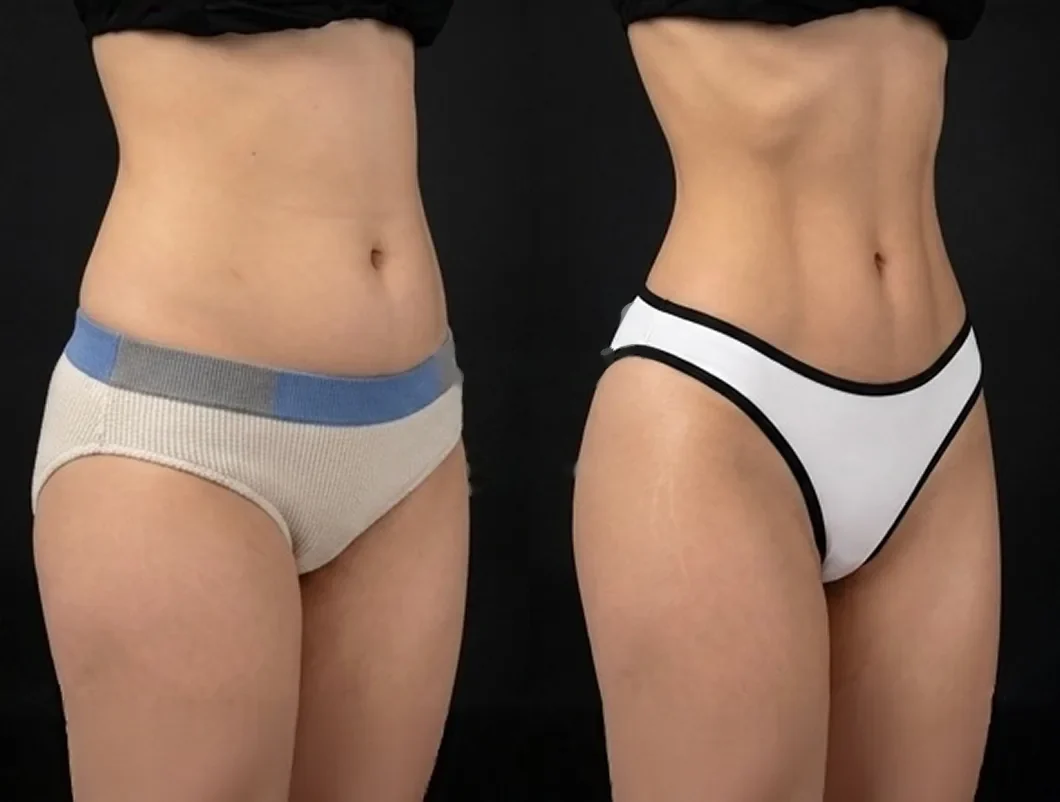 beforeafter
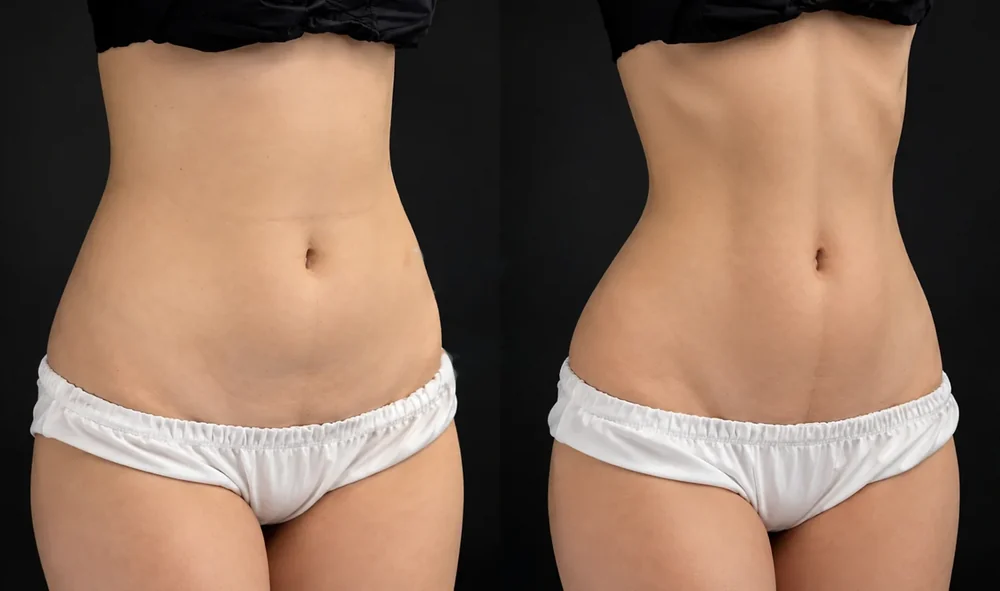
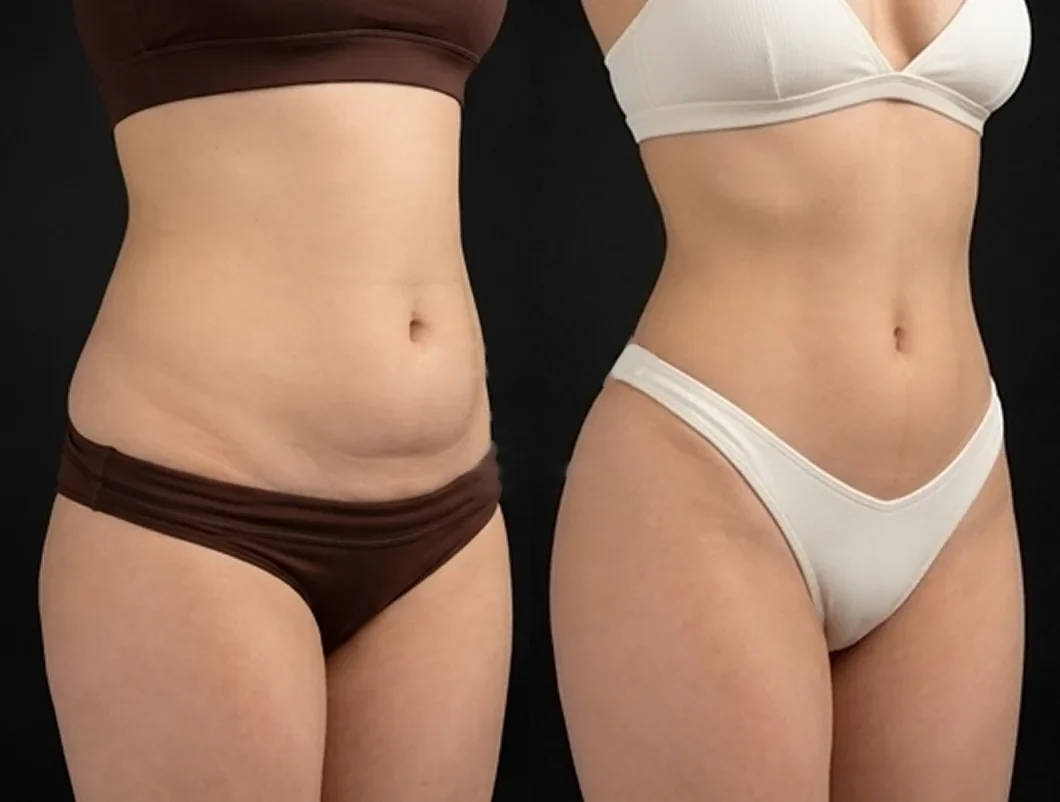 beforeafter
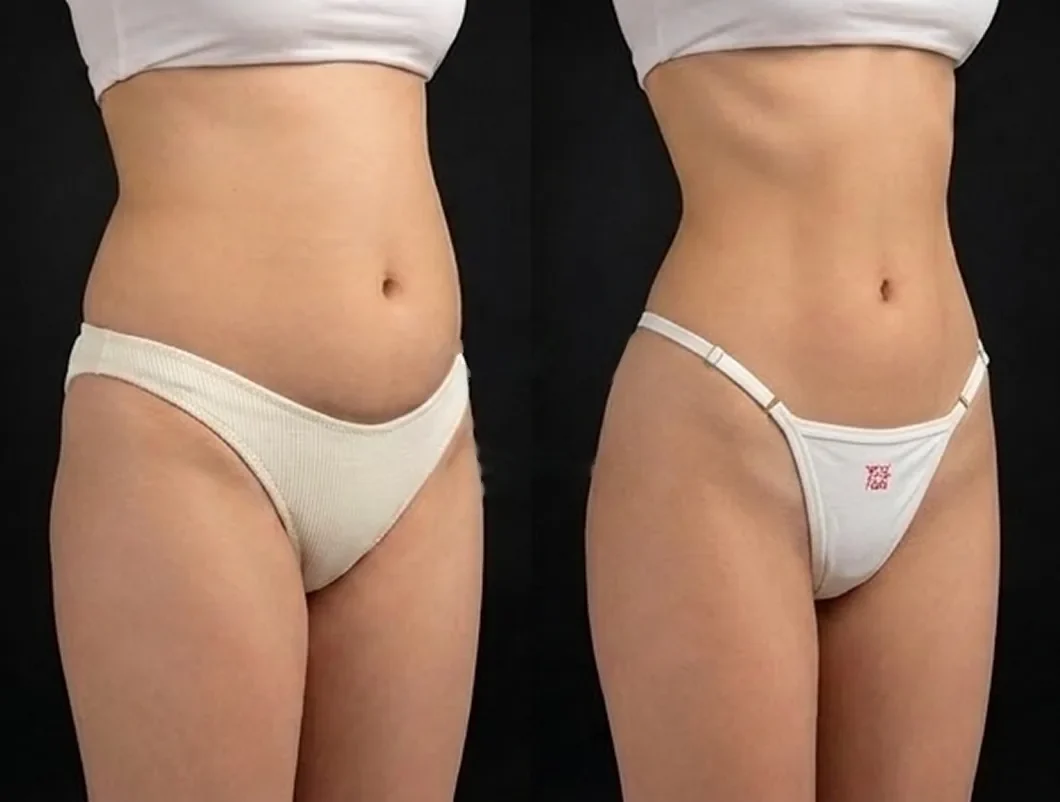 beforeafter
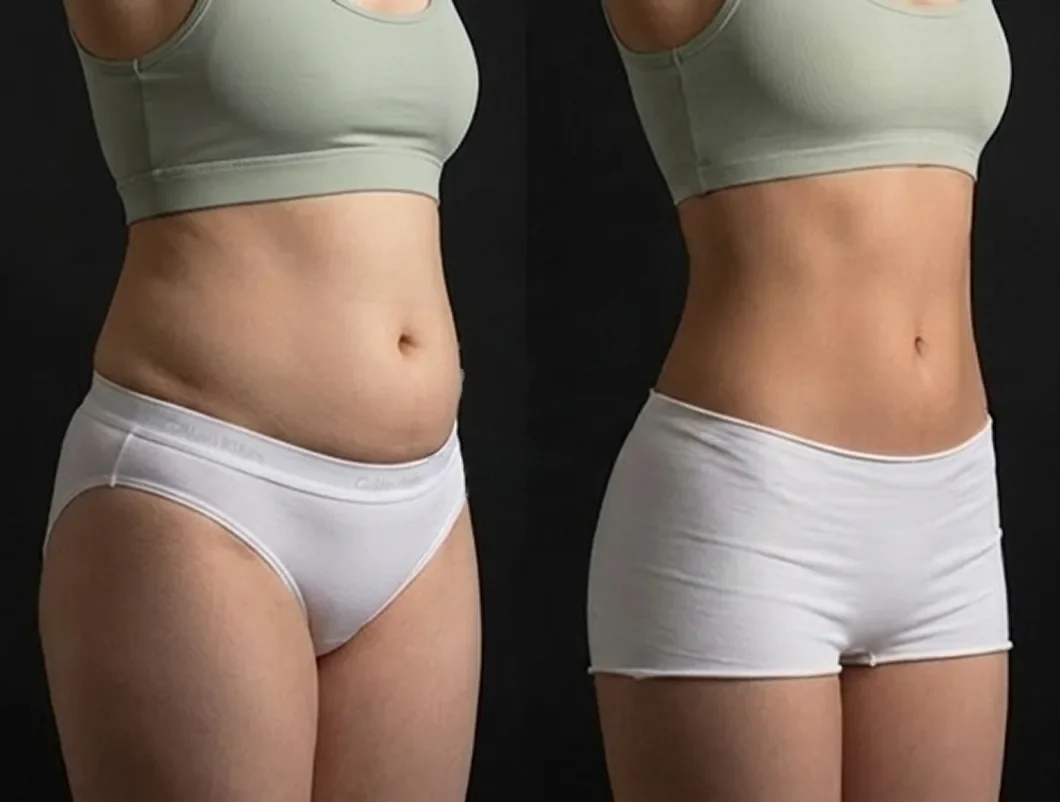 beforeafter
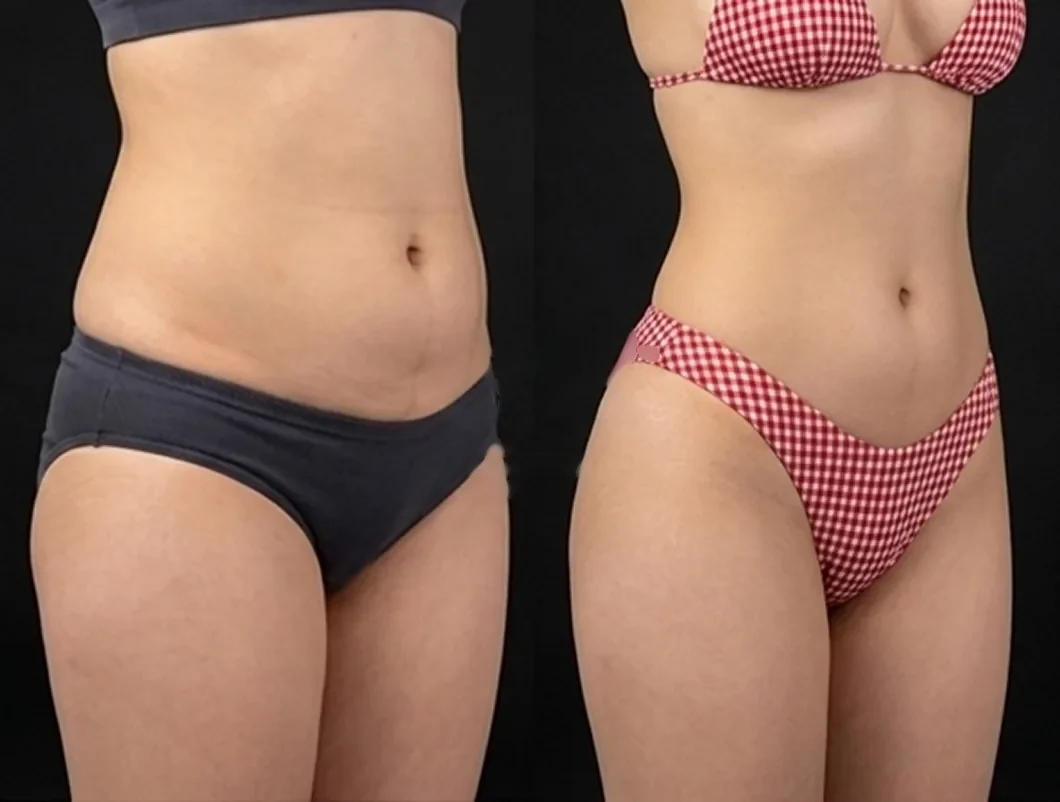 beforeafter
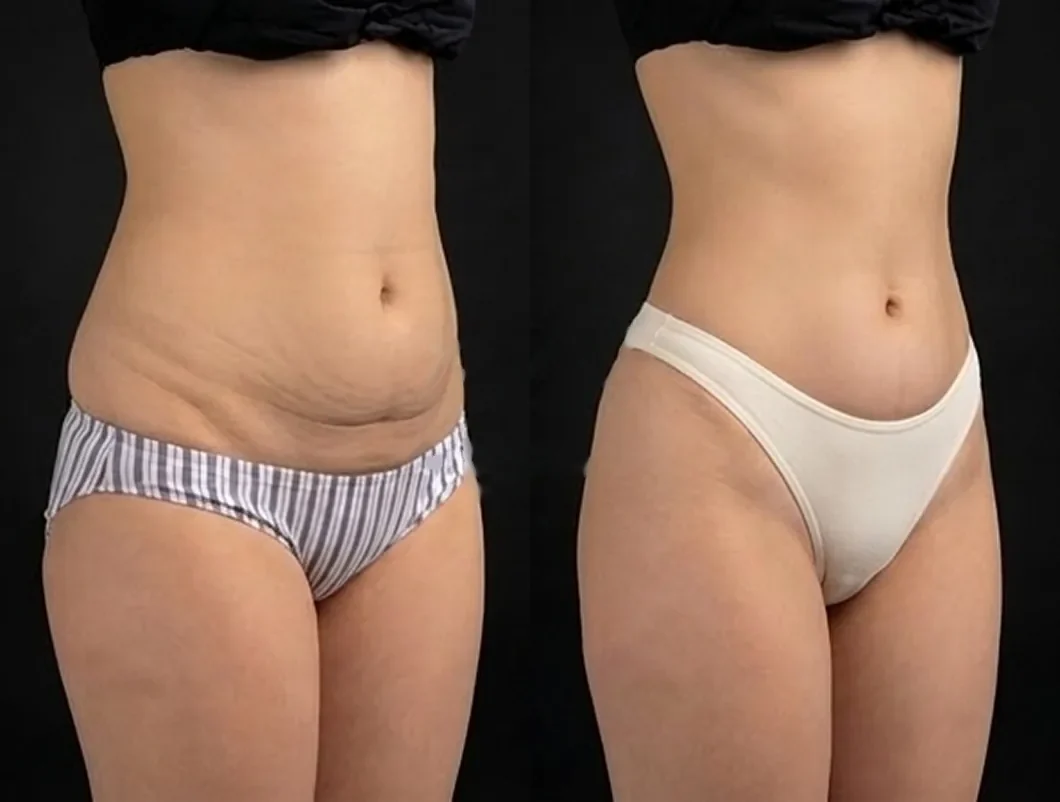 beforeafter
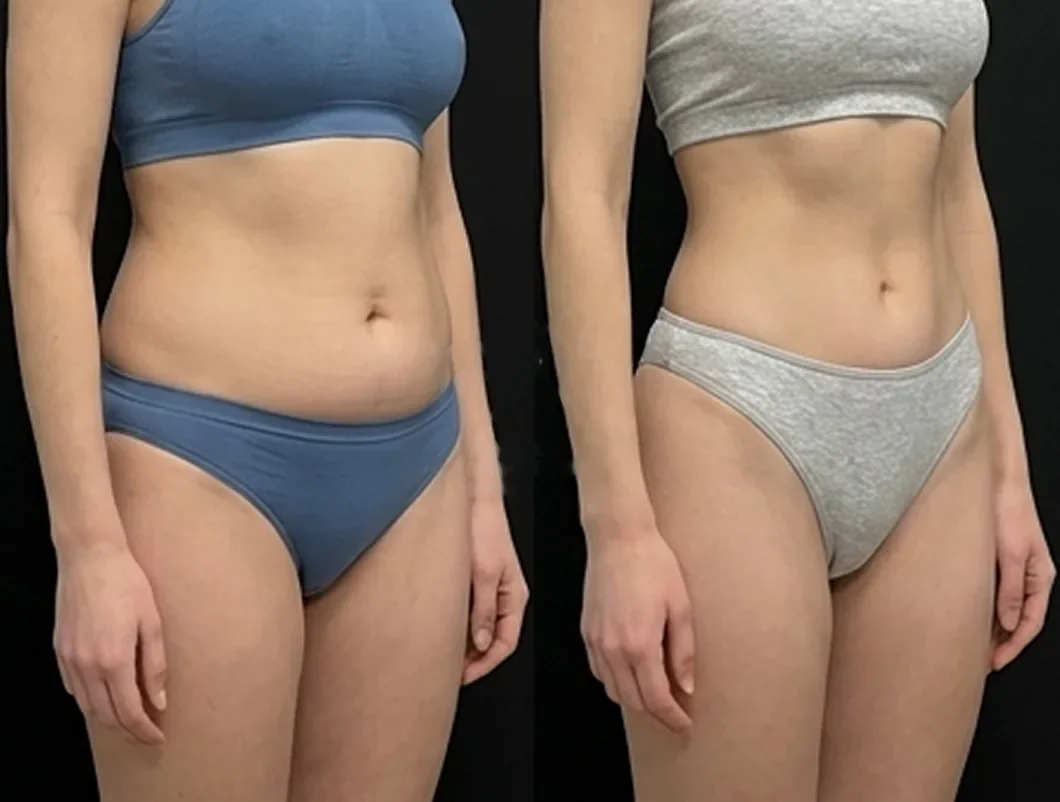 beforeafter
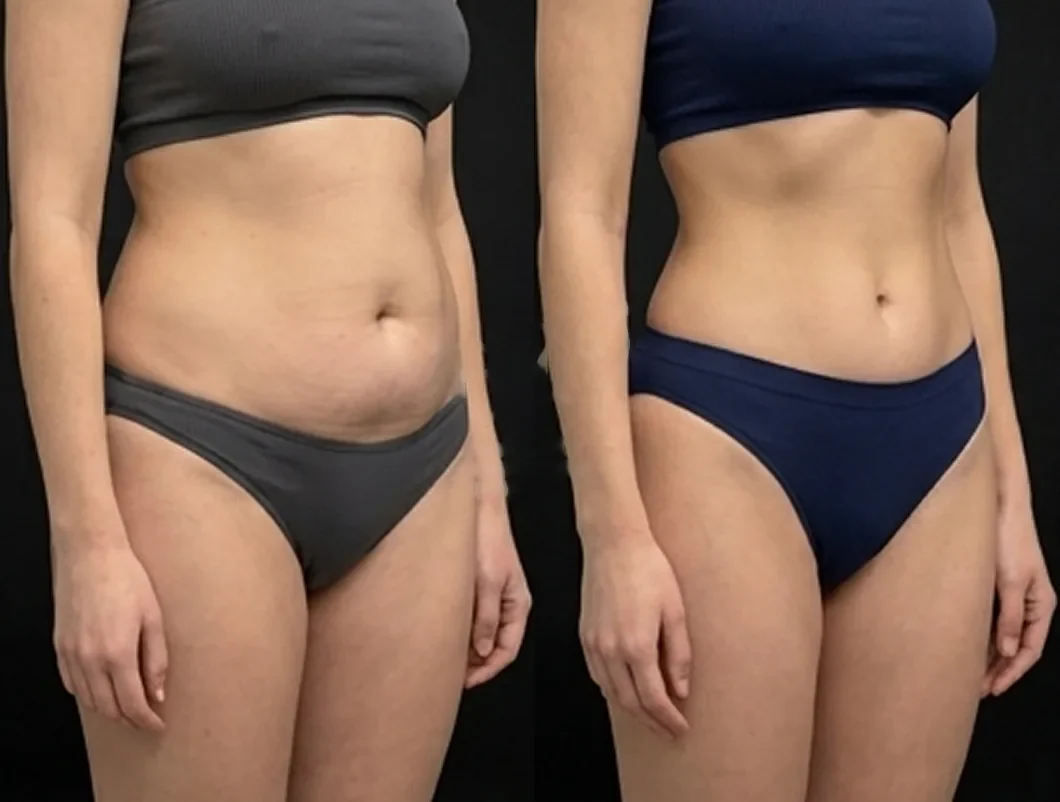 beforeafter
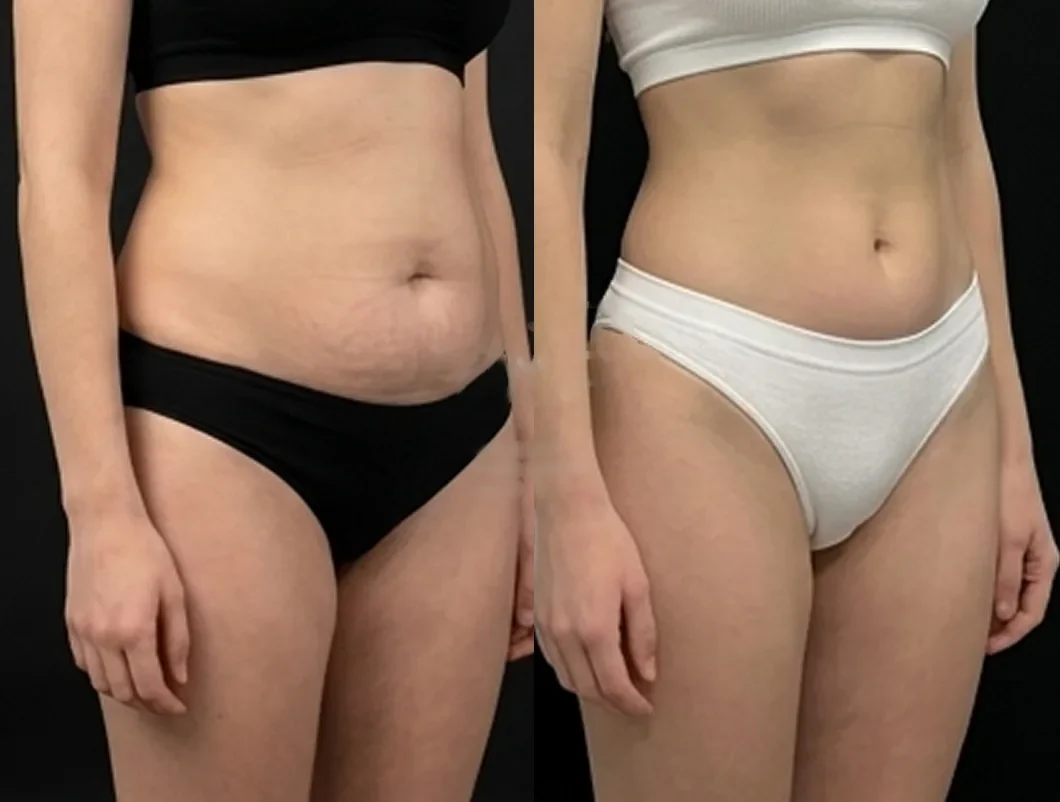 beforeafter
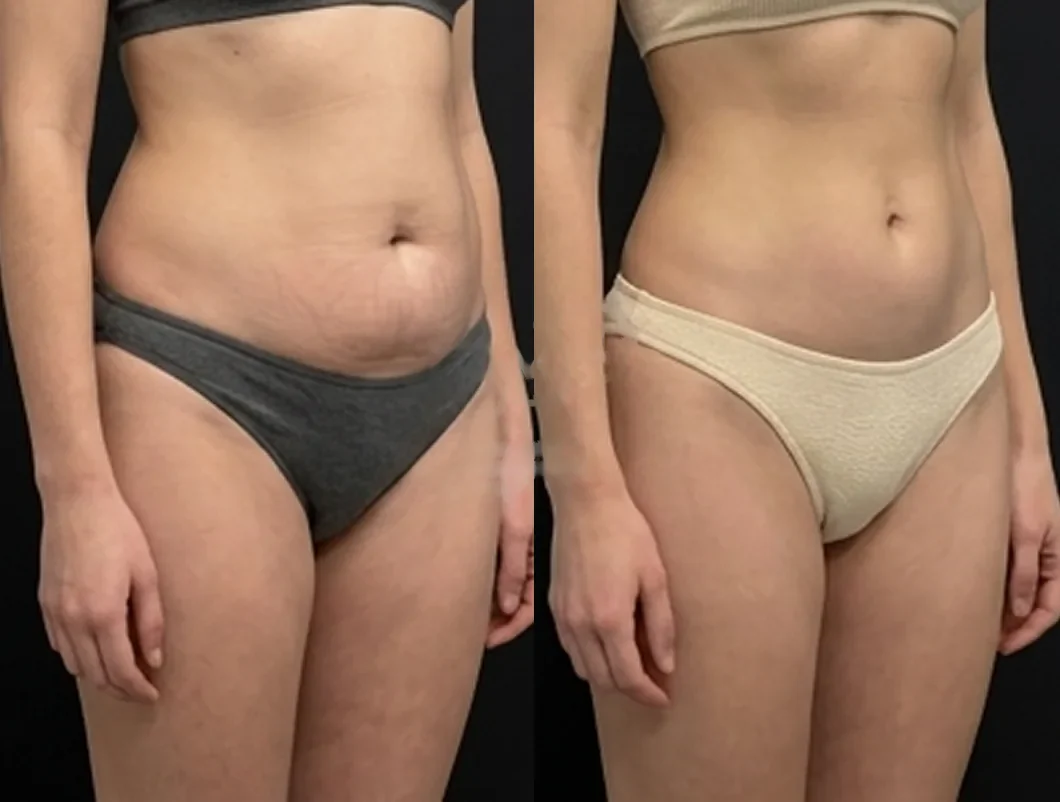 beforeafter
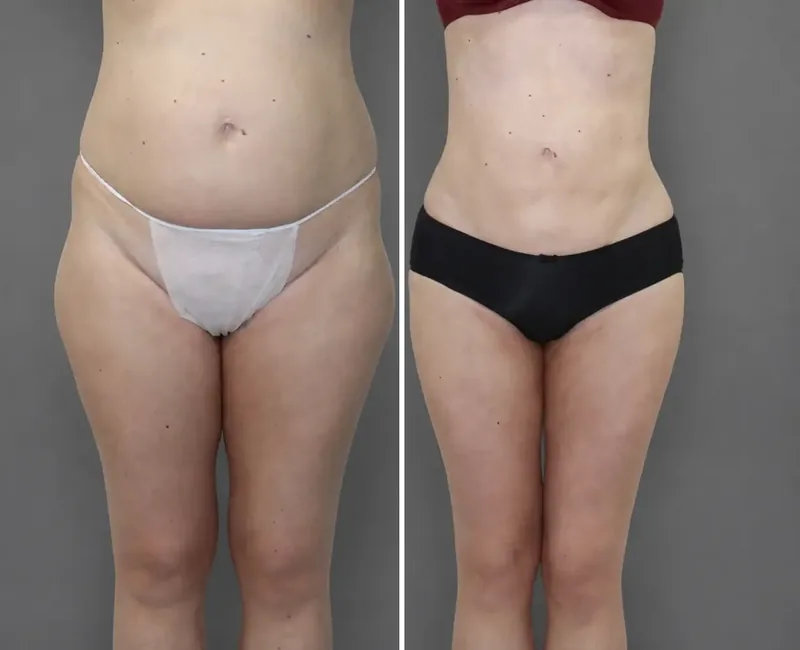
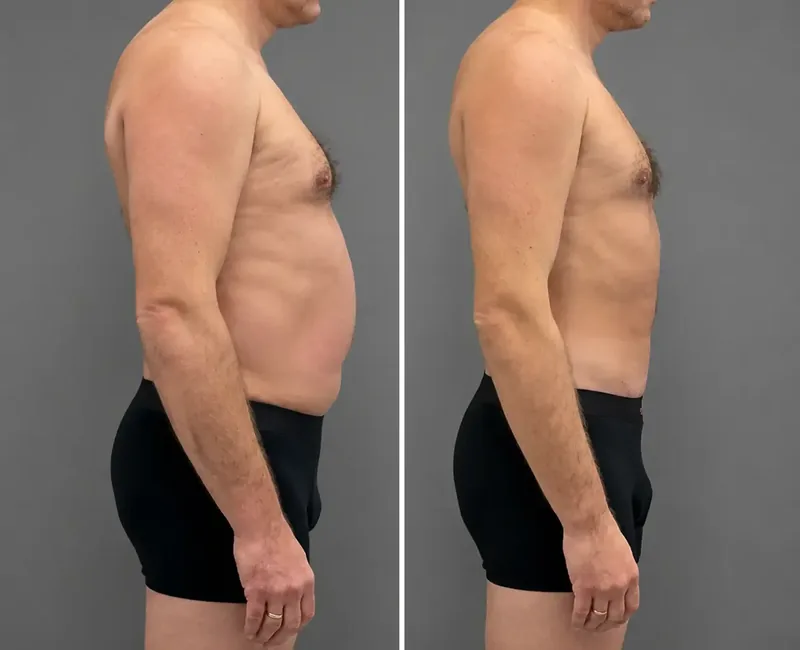






 1
 2
 3
 4
 5
 6