
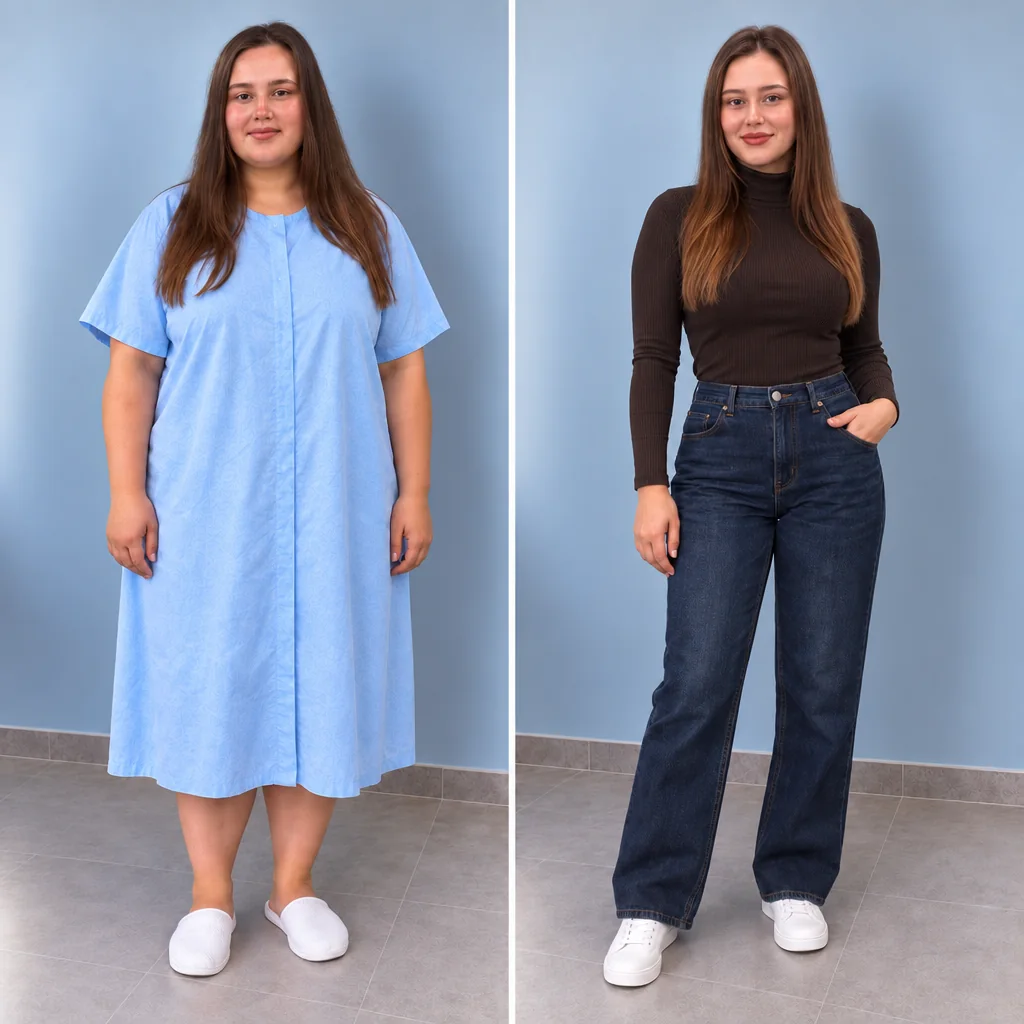
 beforeafter
Irina, 26
Bariatric surgery
Bariatric surgery
$3,600
$4,800 · First consultation — Free
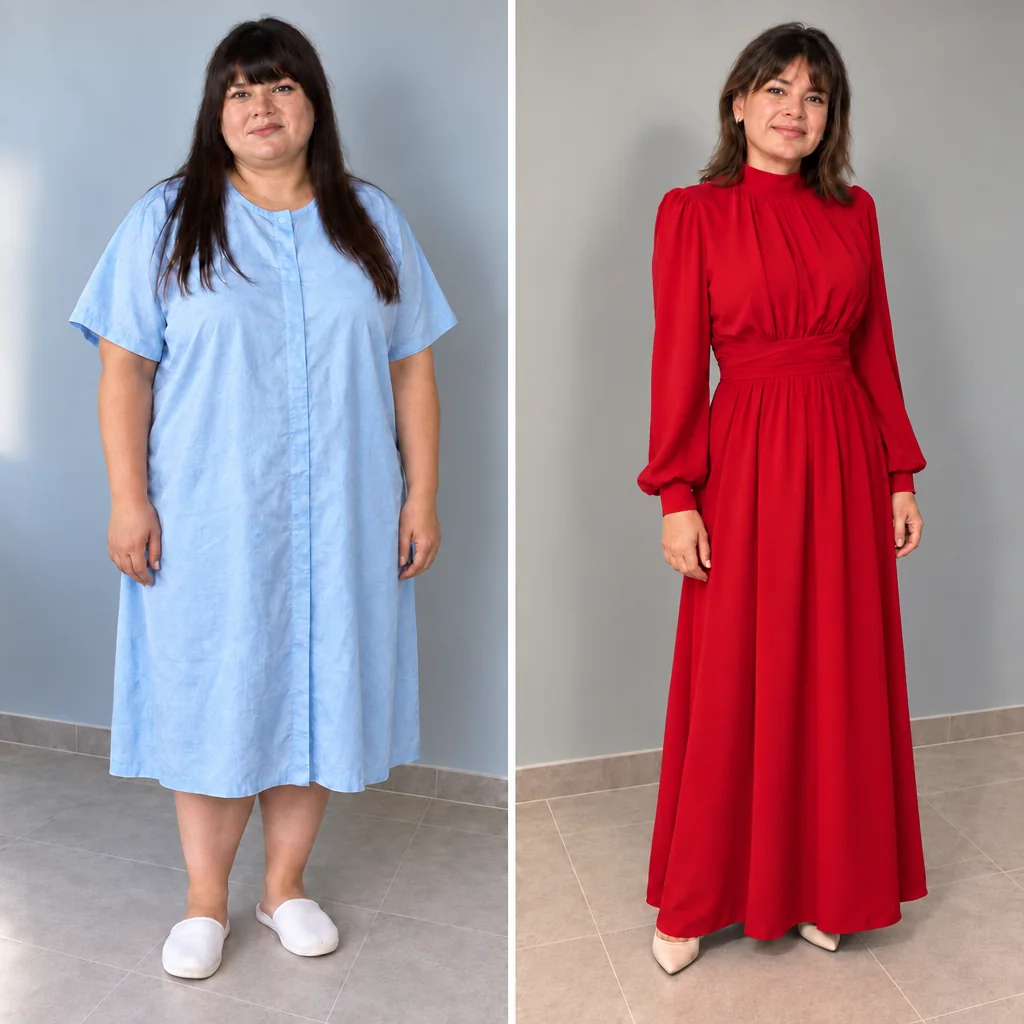 before
after
Message our coordinator
Free online consultation · Reply within 15 minutes
Message us on TelegramMessage us on WhatsAppBy messaging us, you agree to our Privacy Policy
Results
These are real patients treated at the clinic.
beforeafterBariatric surgery
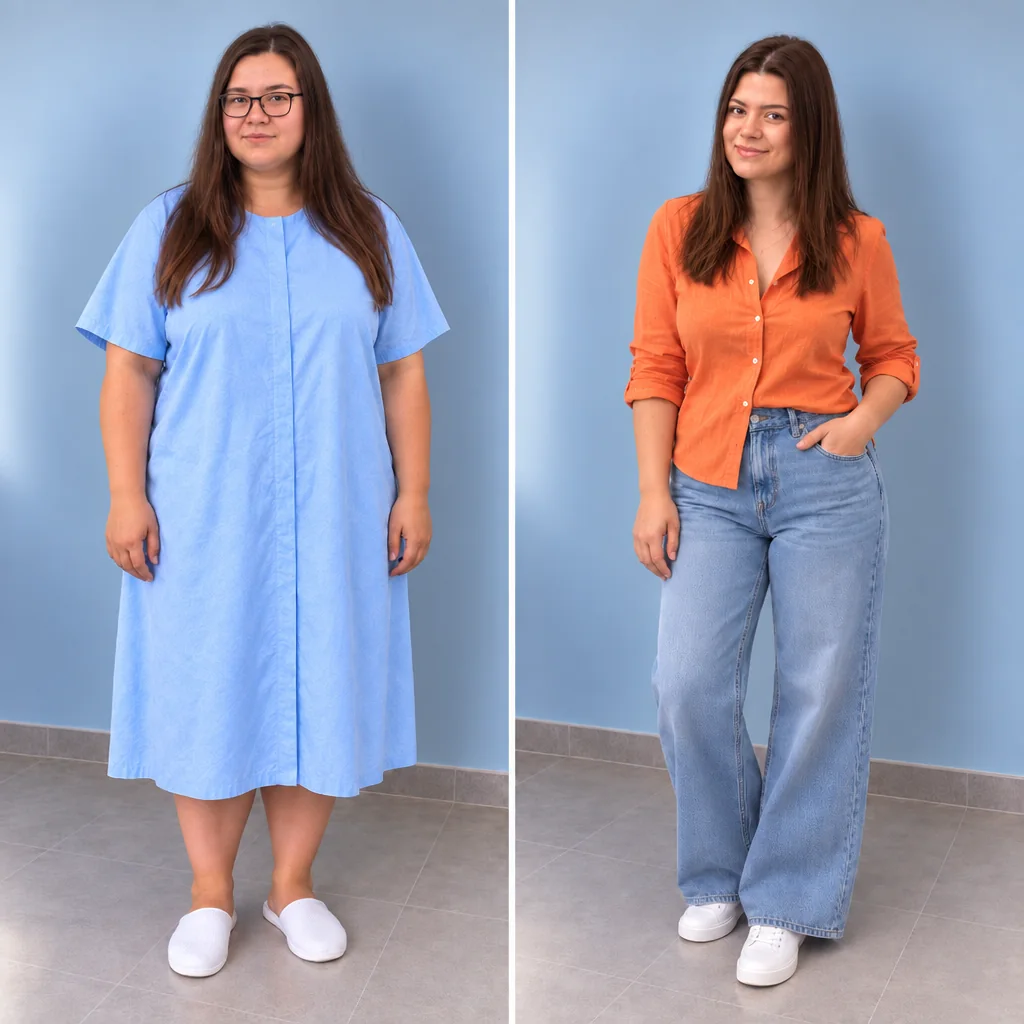 beforeafter
Bariatric surgery
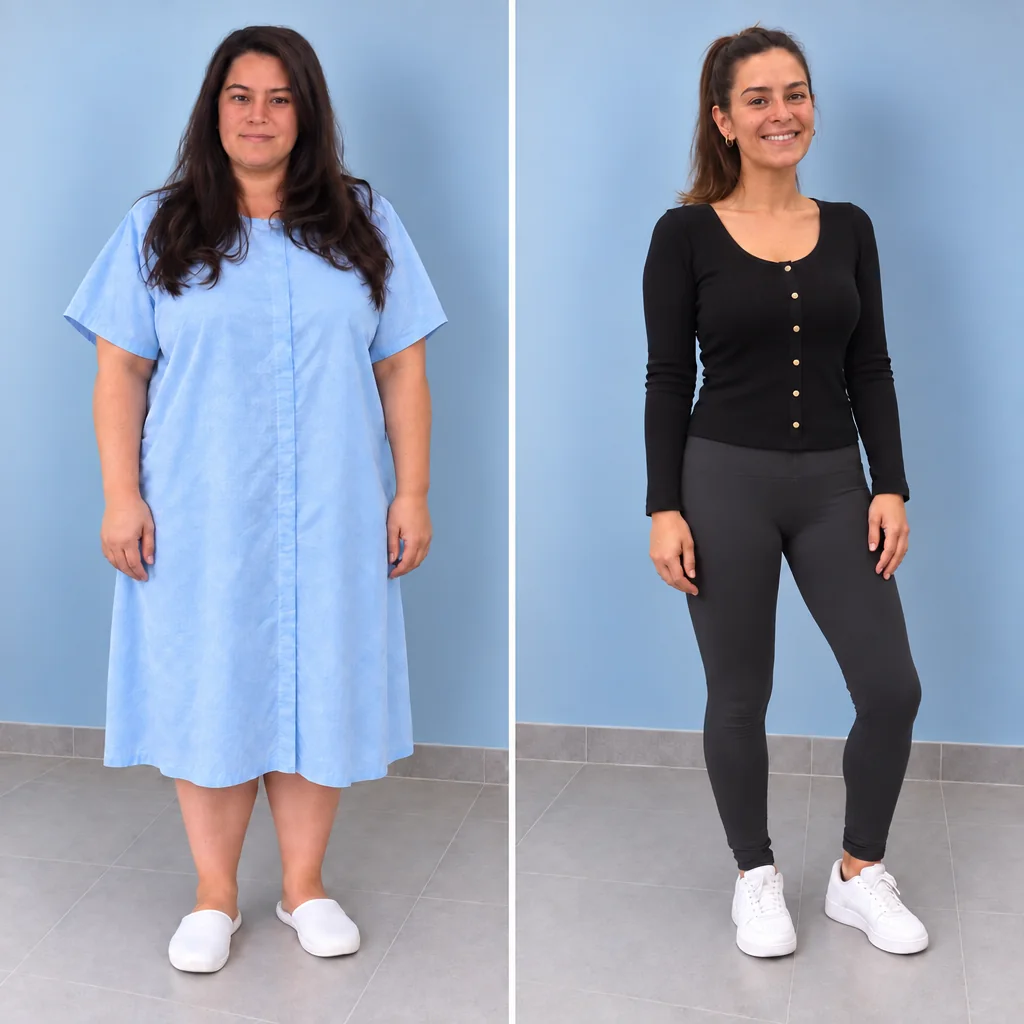 beforeafter
Bariatric surgery
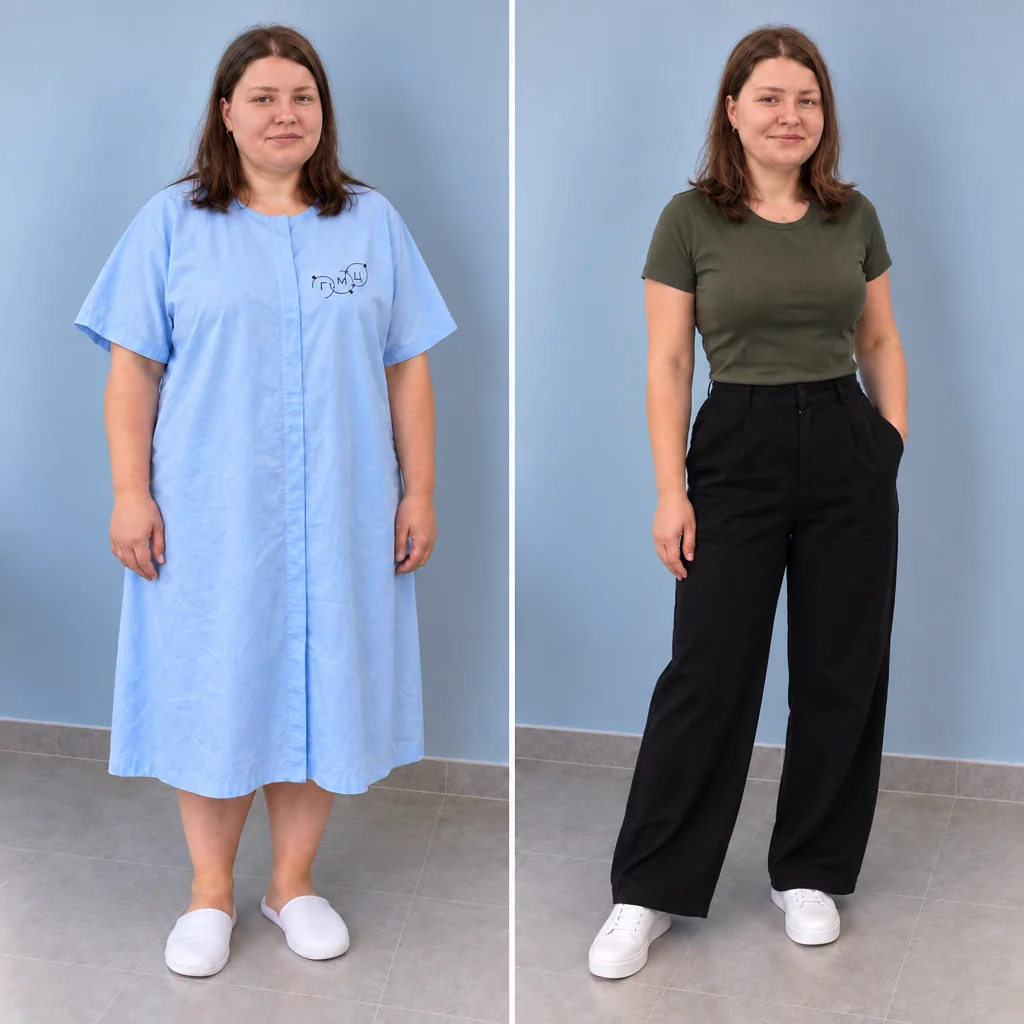 beforeafter
Bariatric surgery
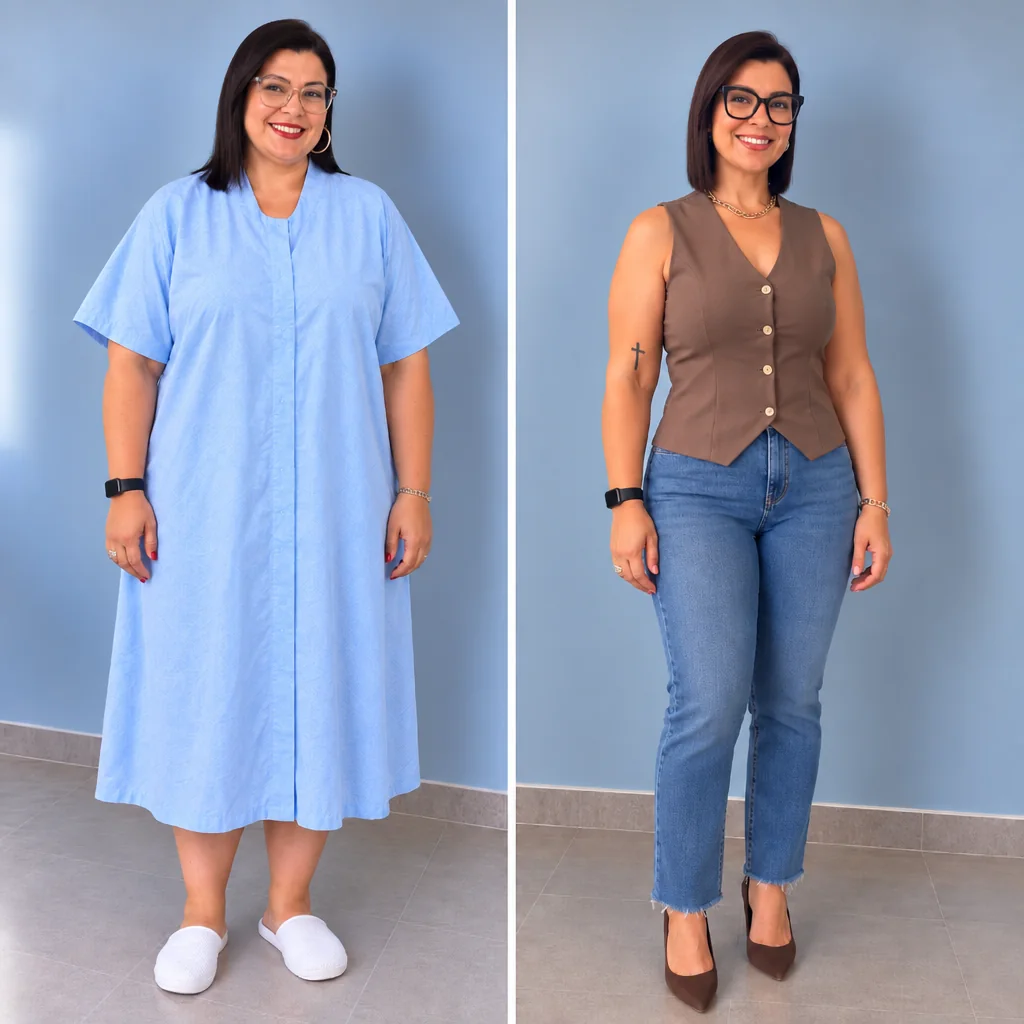 beforeafter
Bariatric surgery
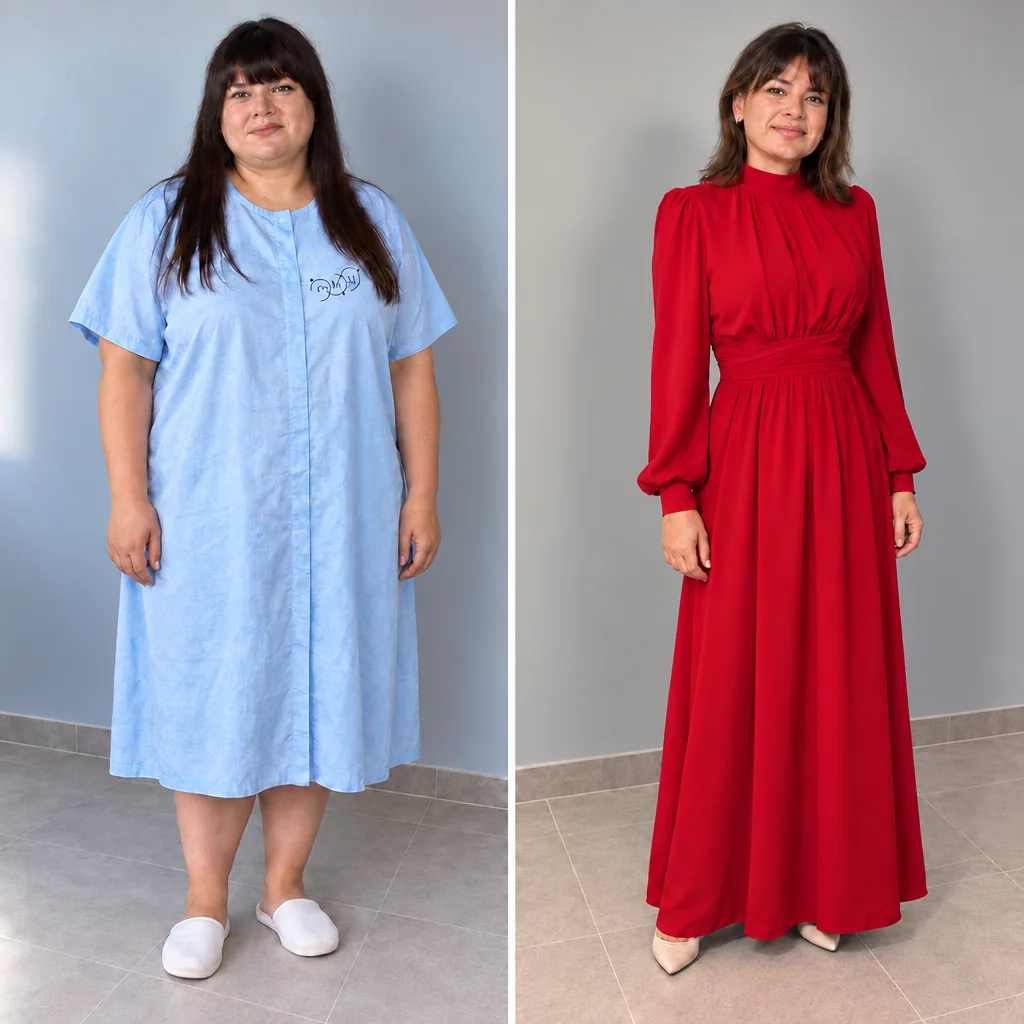 beforeafter
Bariatric surgery
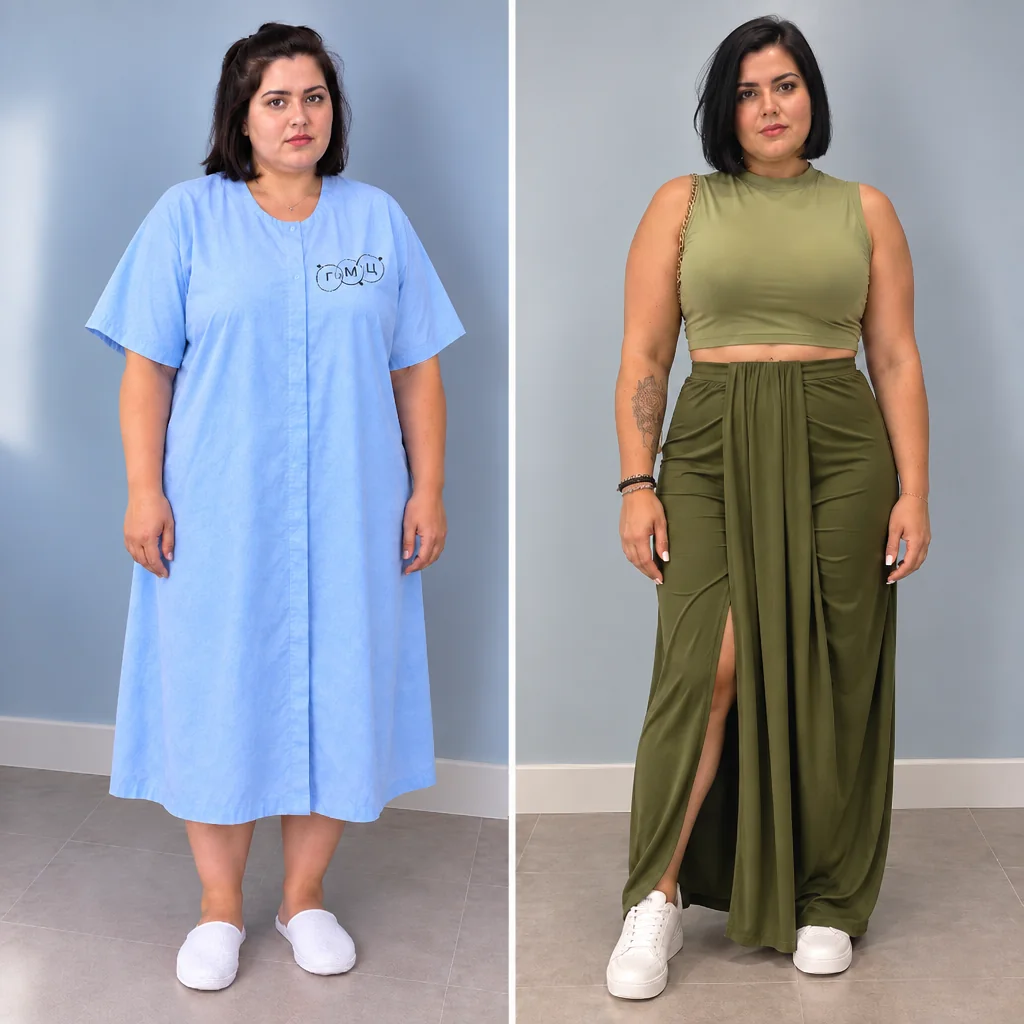 beforeafter
Bariatric surgery
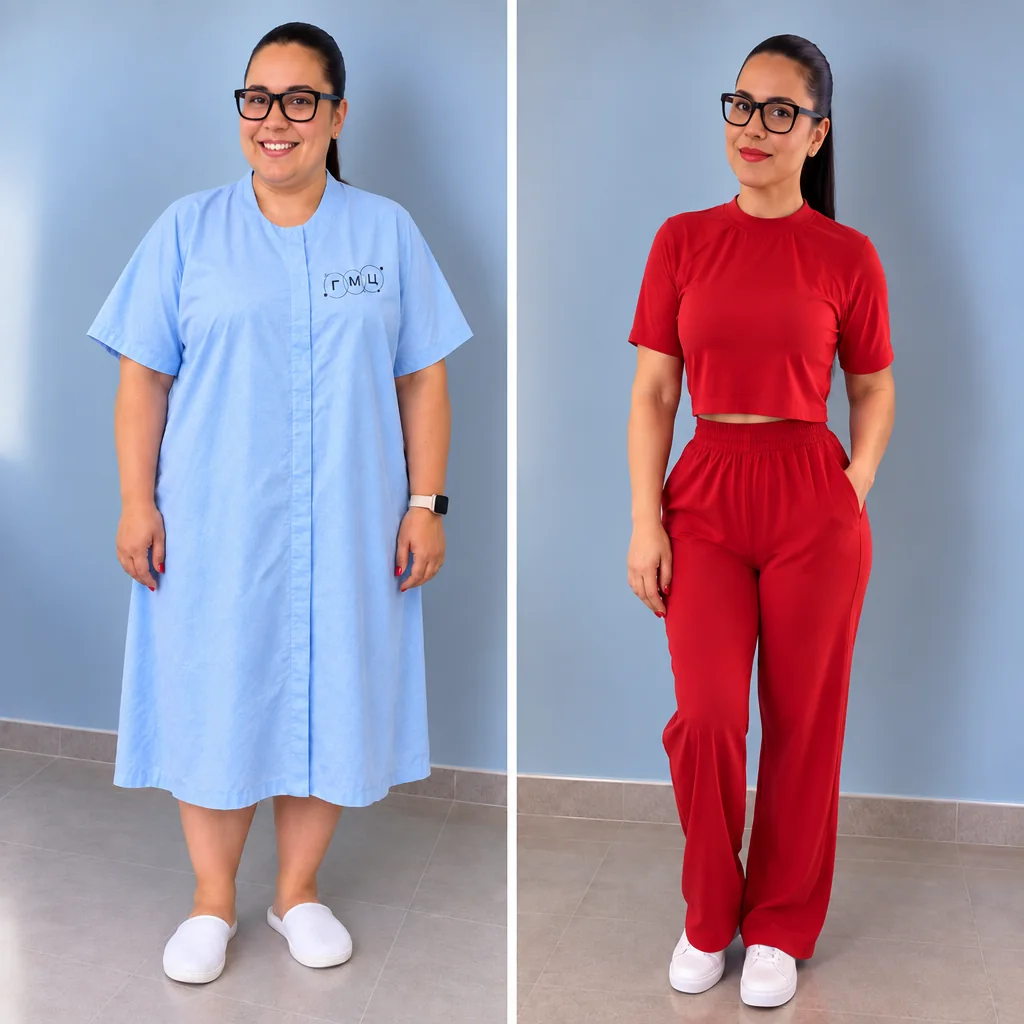 beforeafter
Bariatric surgery
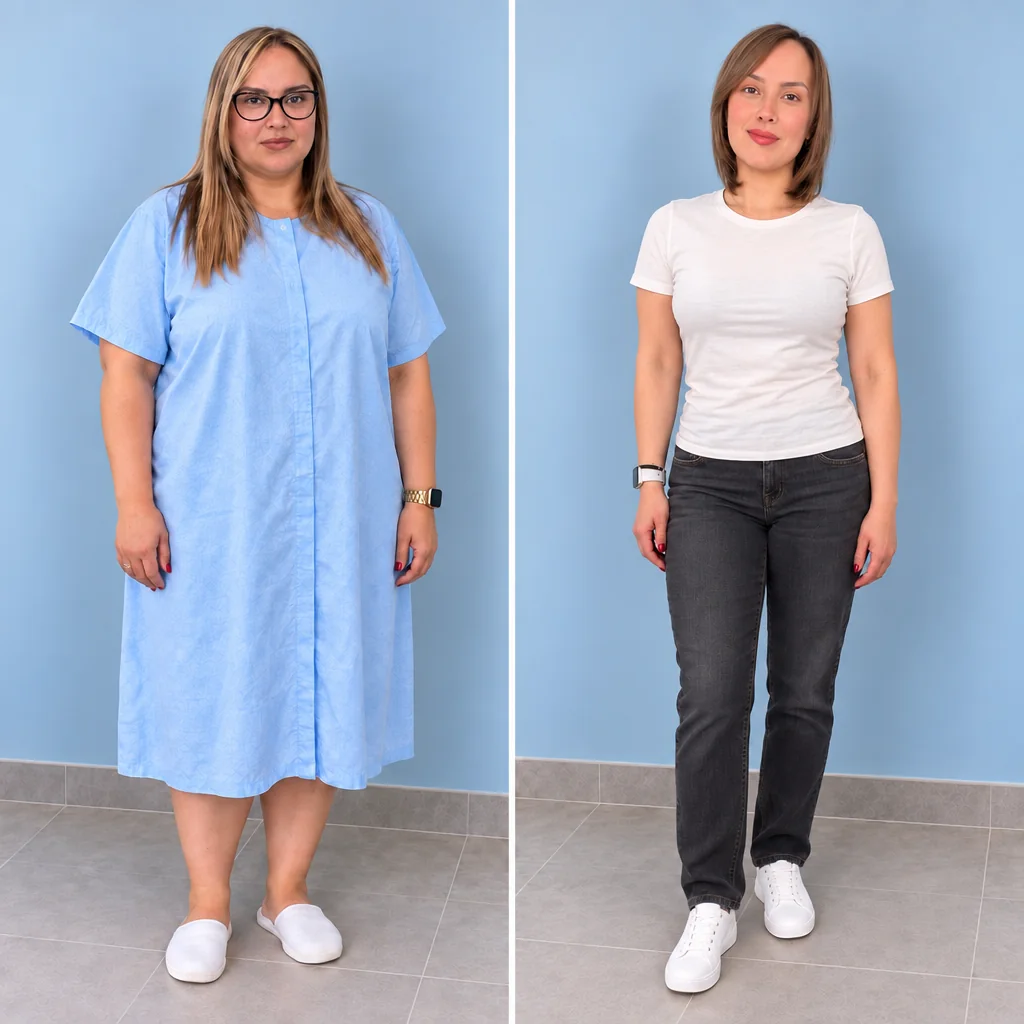 beforeafter
Bariatric surgery
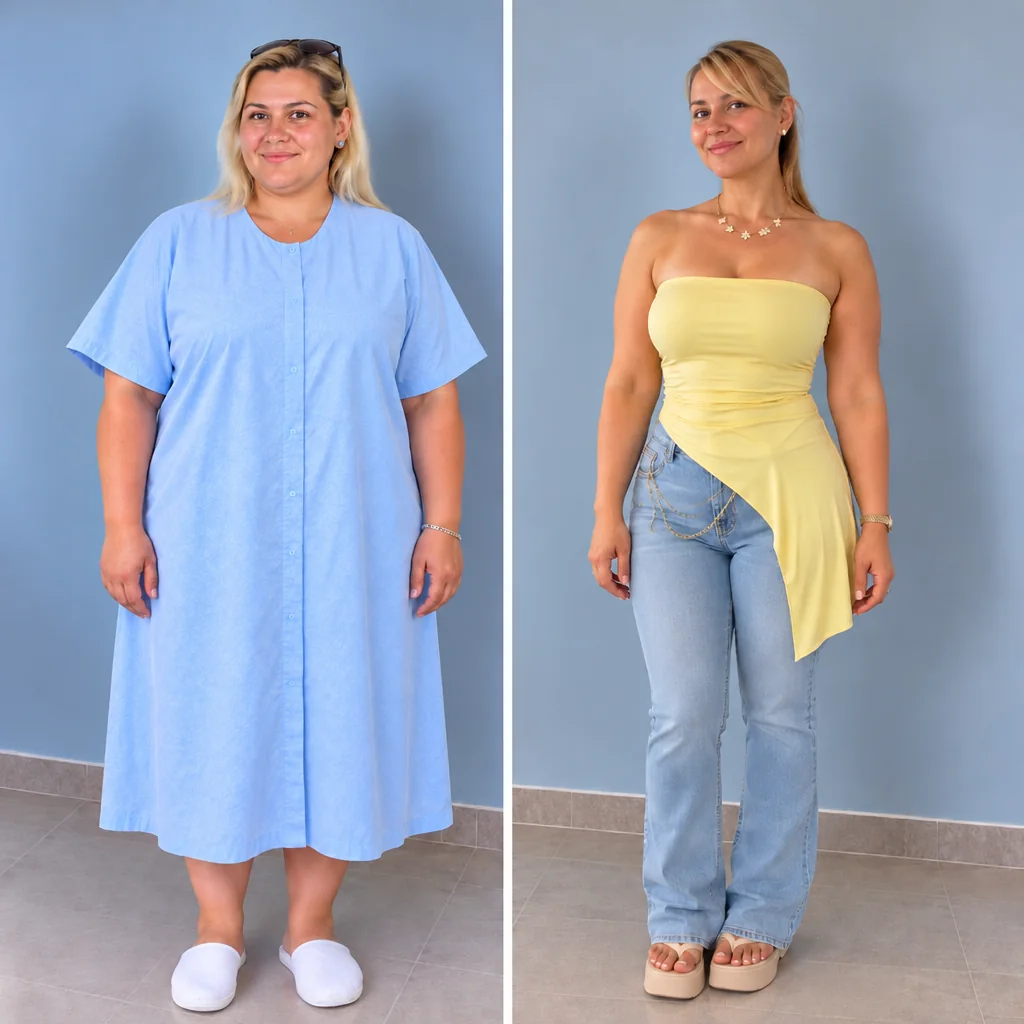 beforeafter
Bariatric surgery
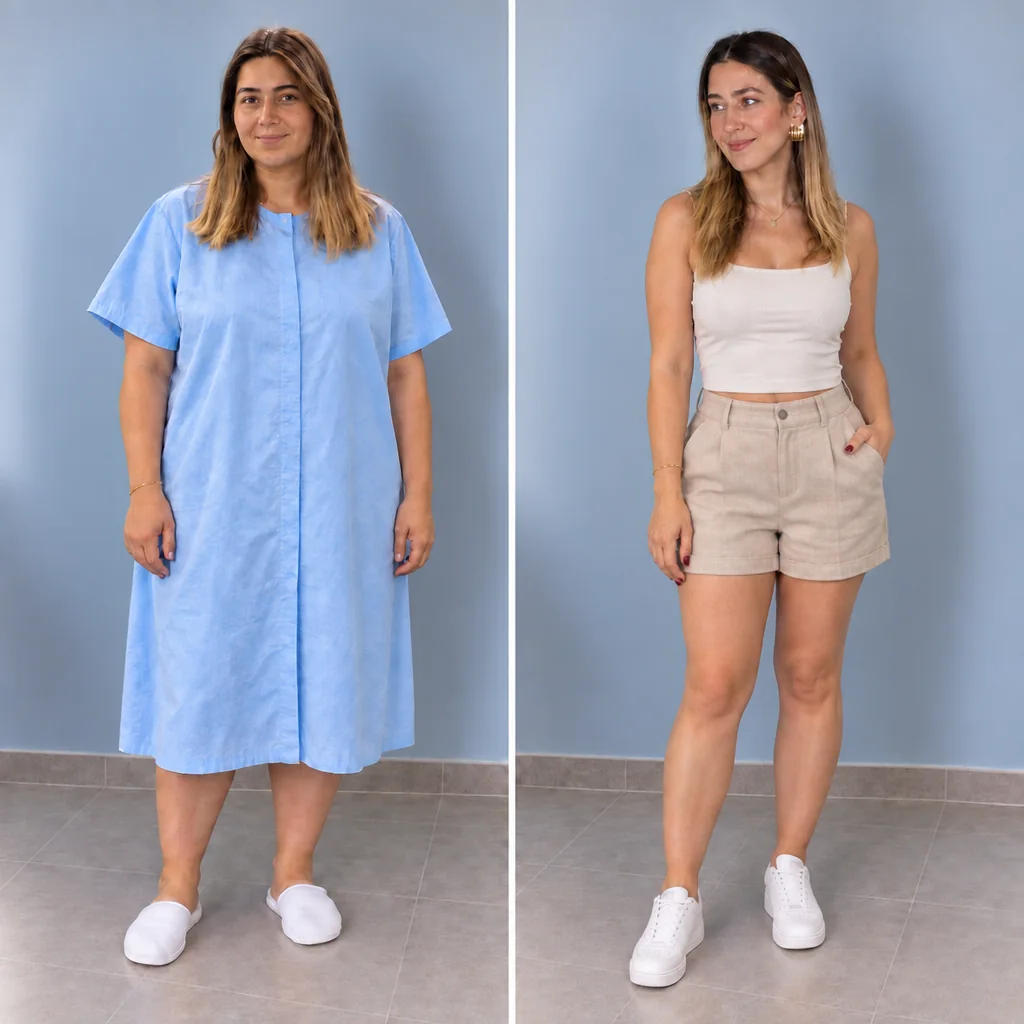 beforeafter
Bariatric surgery
Comparison
Our surgeons perform two key operations — sleeve gastrectomy and gastric bypass. A side-by-side look at how, why and when each is used helps you choose with confidence.
Reduction of stomach volume
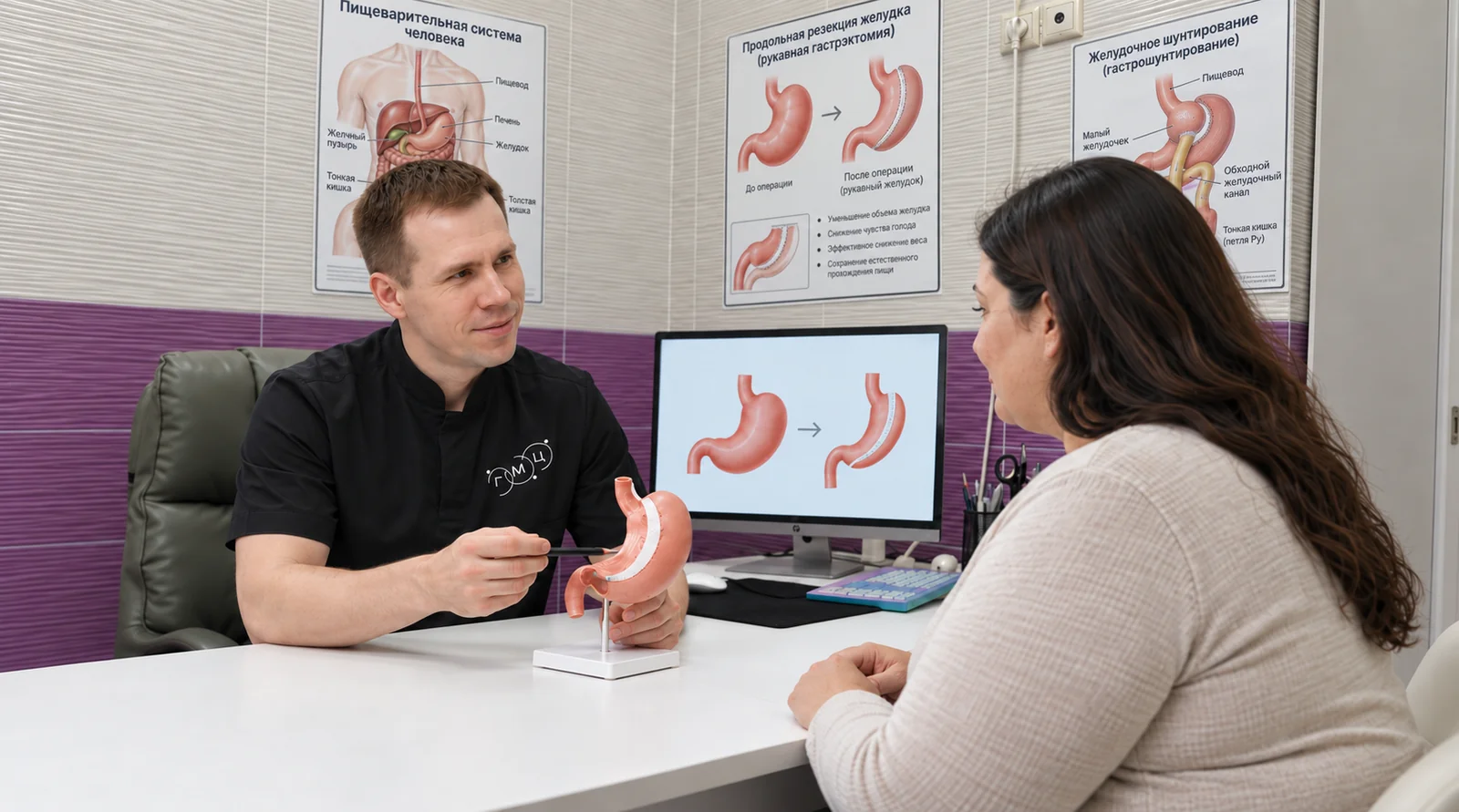
Discounted price
$3,600 $4,800
Reducing the stomach volume and rerouting food
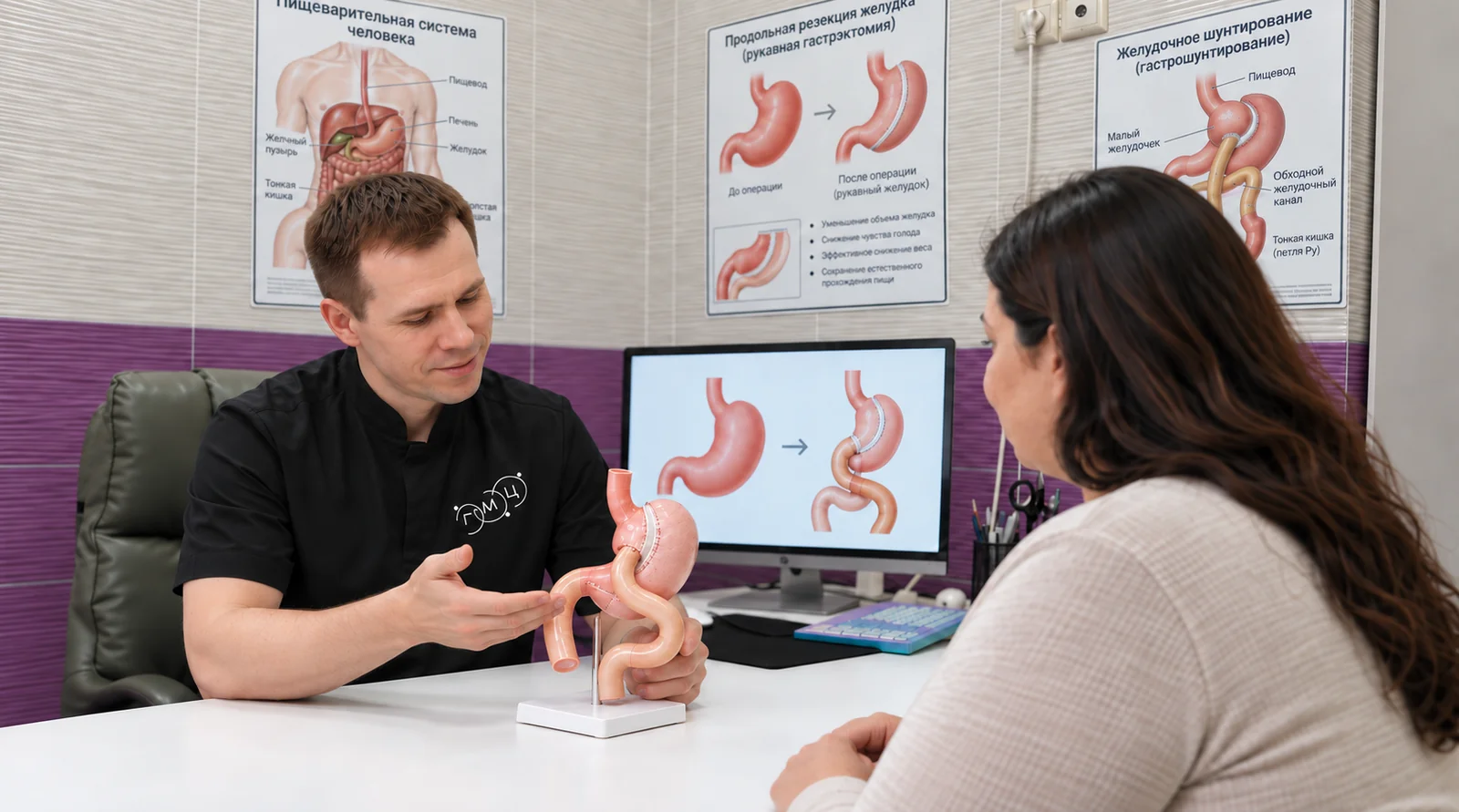
Discounted price
$4,000 $5,200
The benefits and recovery times shown are averaged by method and given for guidance: the extent of surgery and recovery depend on your anatomy and individual features, and the surgeon confirms them at the consultation.
Book a consultationAbout us
Up-to-date equipment, comfortable rooms and attention to each patient
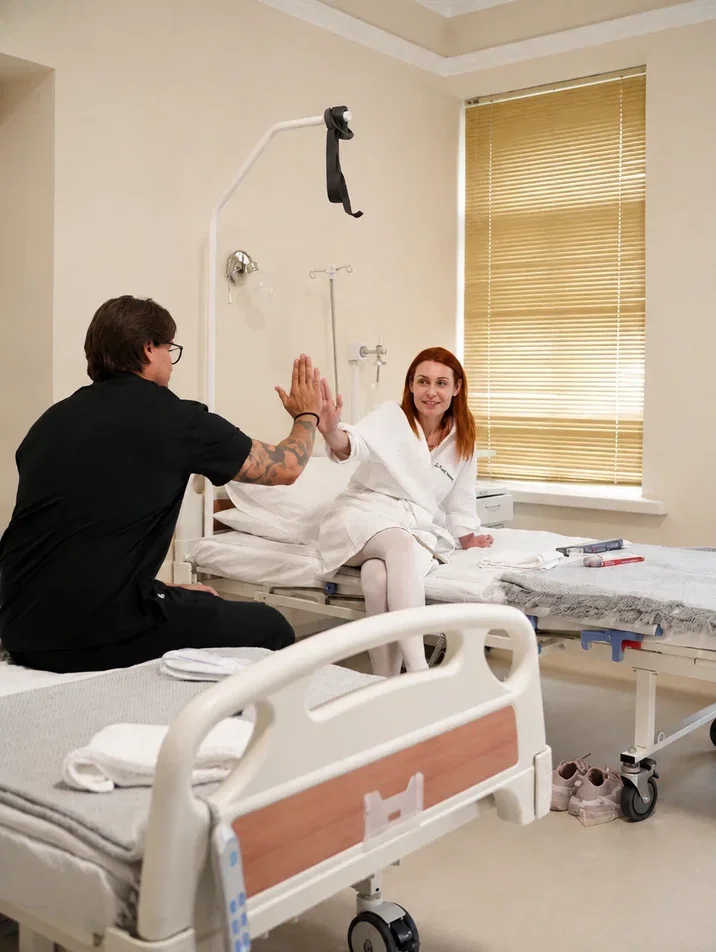
Ask us anything, and we will arrange a consultation at a time that suits you
Get a consultationA consultation and check-up come first; then you and the surgeon decide on surgery together.
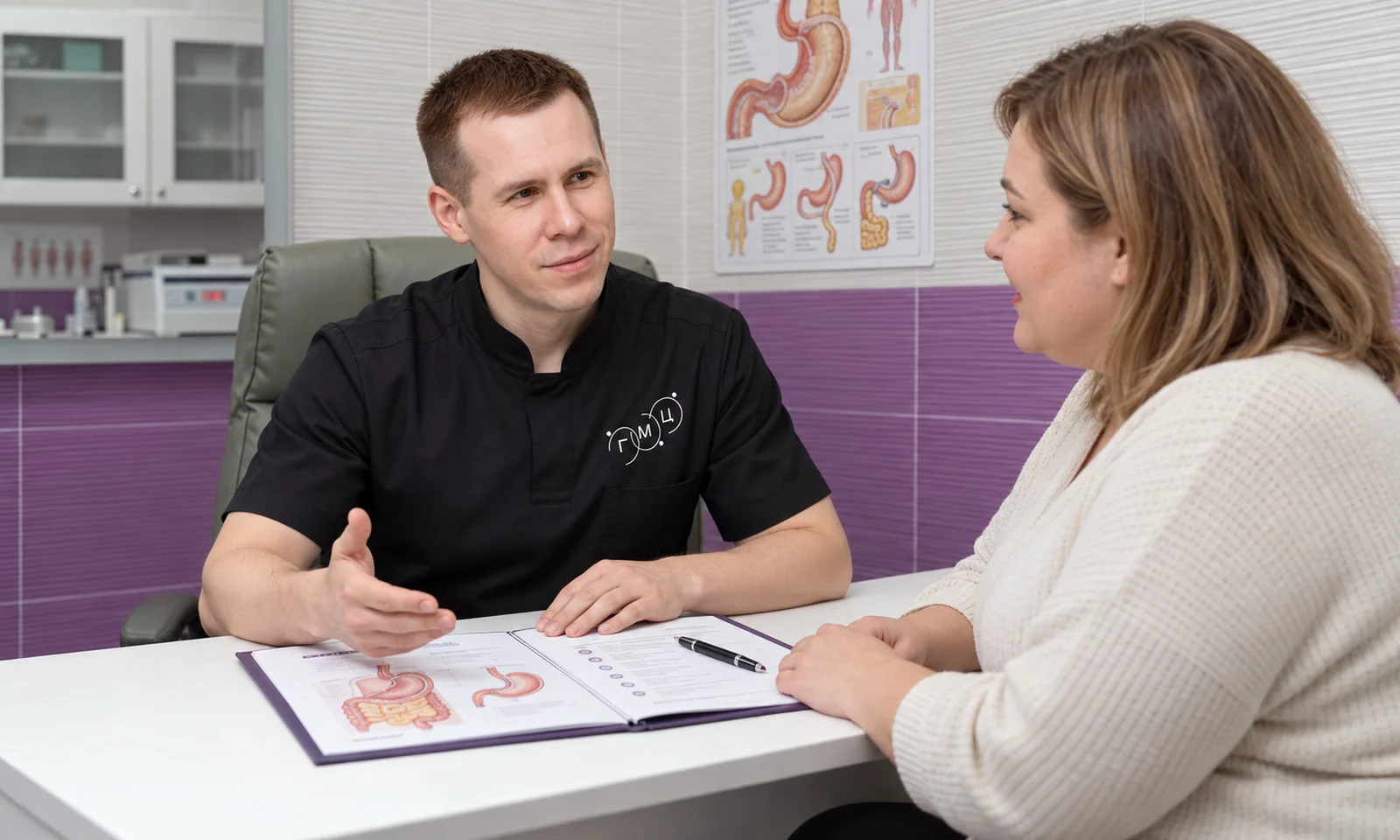
Not certain which side you are on?
Drop us a line on Telegram — our coordinator will tell you whether you are a candidate for bariatric surgery. The surgeon consultation is free, with no obligation to have surgery.
Find out if it suits me
Prices
We tell you the cost at the consultation once your plan is ready; the contract then fixes it.
Discounted price
Reduction of stomach volume
$3,600$4,800
Discounted price
Weight loss and a new route for food
$4,000$5,200
Free
Examination by the surgeon and a personal treatment plan

Free
the surgery price is set
and written into the contract
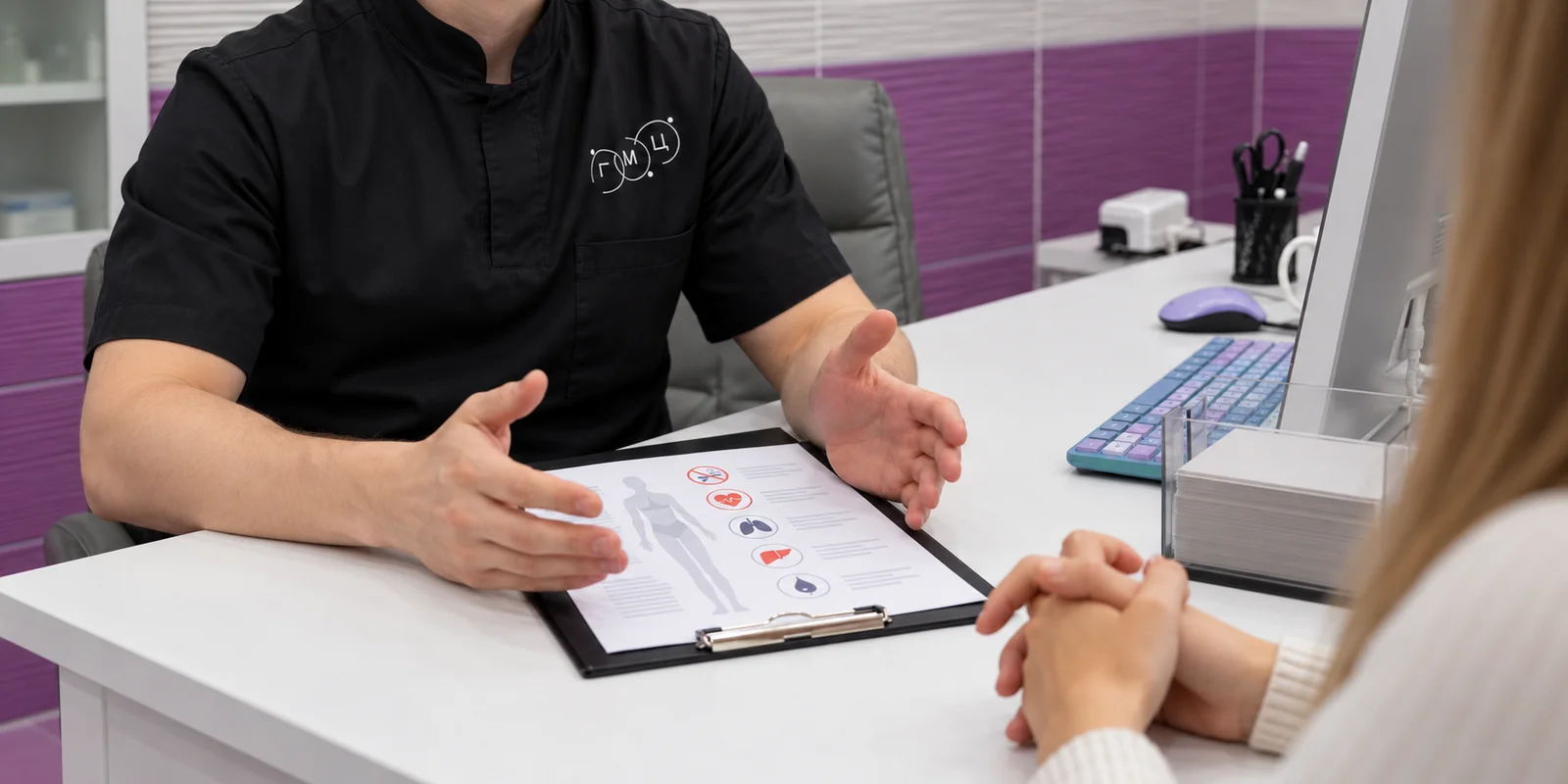
Your doctor assesses your health, discusses your goals and chooses the appropriate bariatric surgery method. The consultation gives you the cost, which is fixed in the contract.
Message our coordinator
Free online consultation · Reply within 15 minutes
Message us on TelegramMessage us on WhatsAppBy messaging us, you agree to our Privacy Policy
price
From preparation to 12 months of support, all in one package. No added fees.From preparation for surgery
to support for 12 months.
How it works
Support for a year, hospital monitoring and a treatment plan agreed in advance.
 1
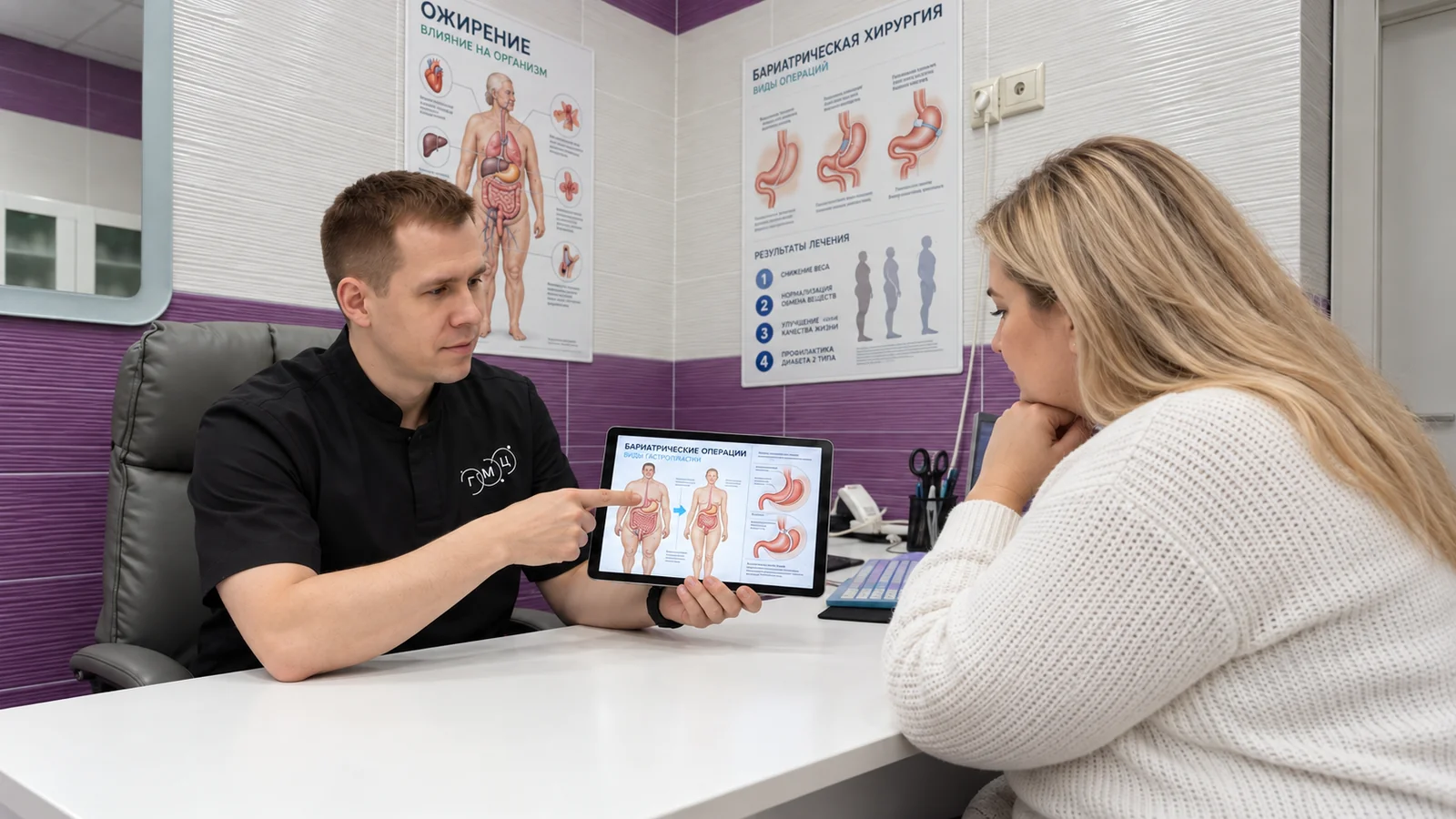
To choose the right bariatric surgery method, the doctor assesses your health, discusses your goals and orders the necessary tests.
2We secure a date for your surgery: you can pay the deposit by card at the clinic or by bank transfer online. The terms are fixed in the medical services contract
 3
Before surgery you will have blood and urine tests, an ECG, an ultrasound and a gastroscopy, plus specialist appointments. The doctor provides the exact list at the consultation.
 4
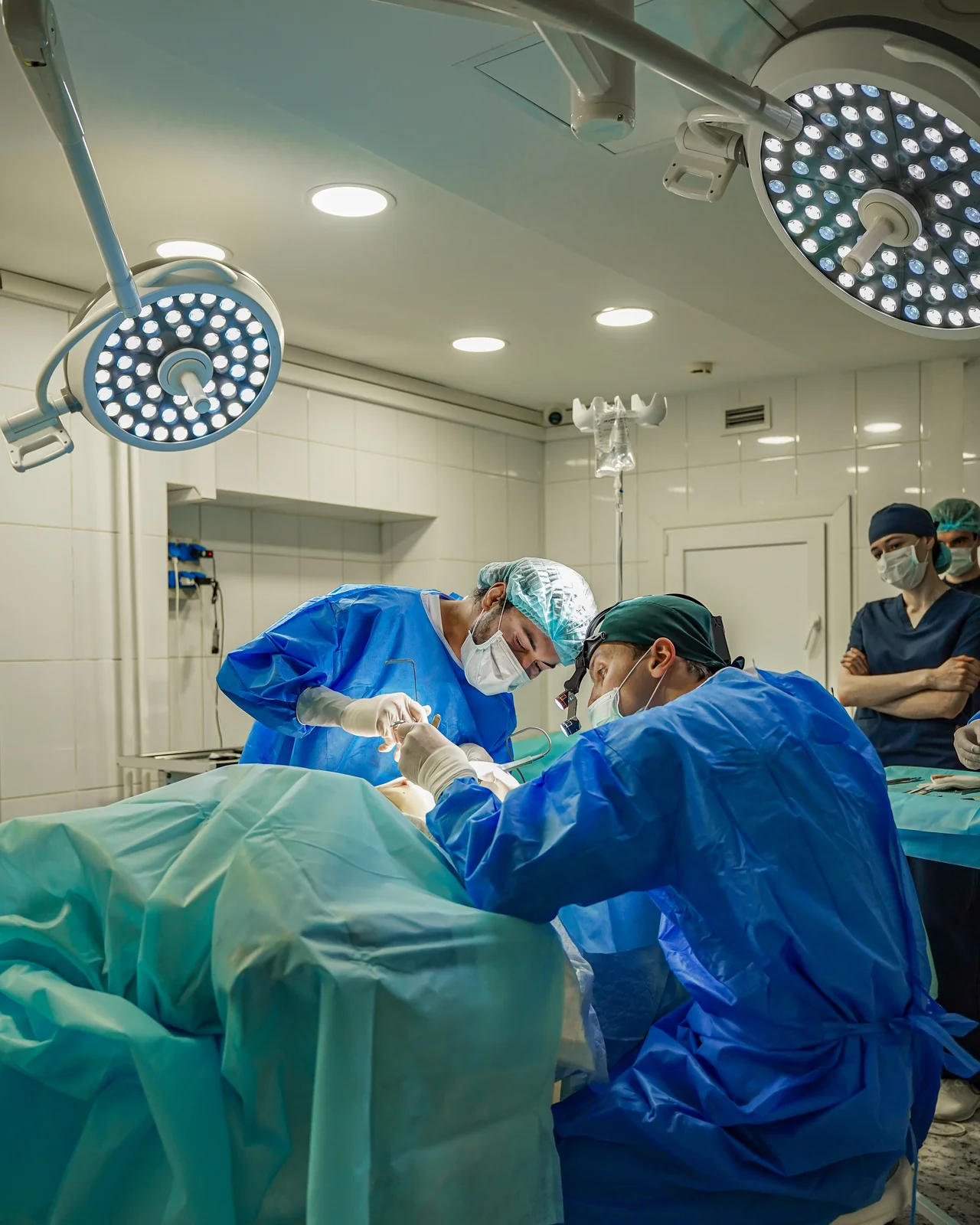
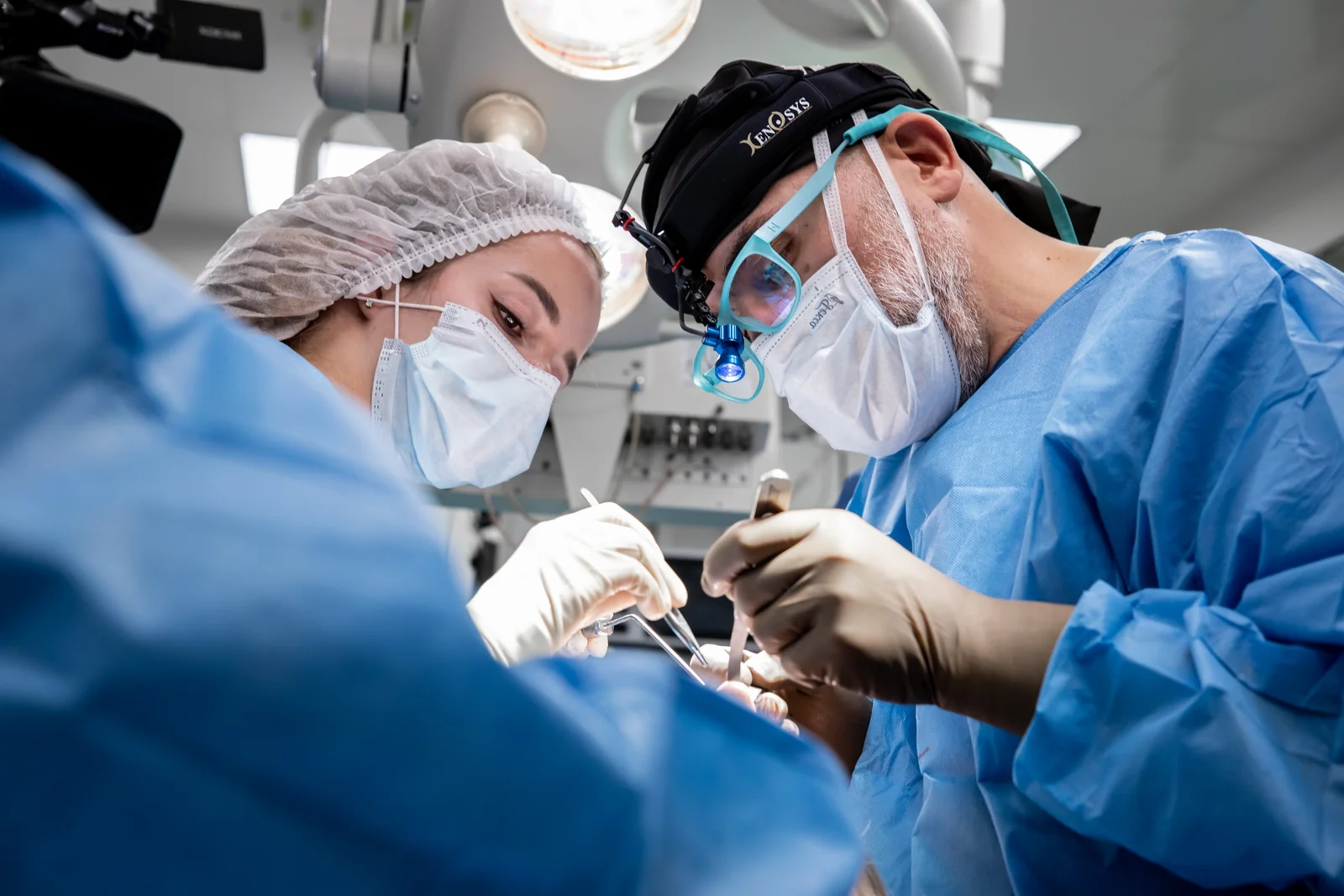
The medical team monitors the patient after the operation, which the surgeon performs under general anaesthesia using the chosen bariatric method.
 5
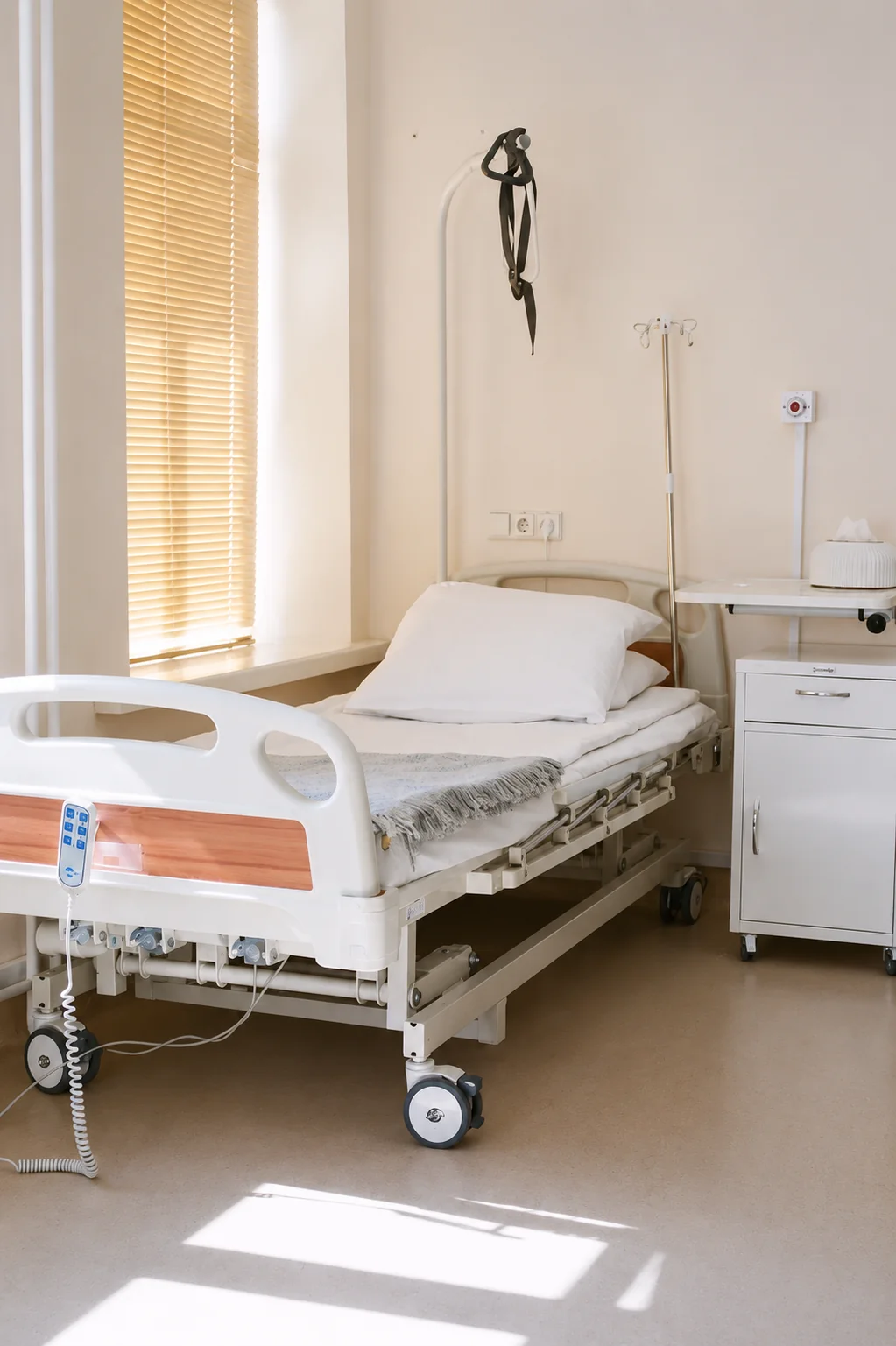
How you feel and how complex the operation was determine your hospital stay after surgery — from 1–3 to 4–5 days, under doctors' supervision.
 6
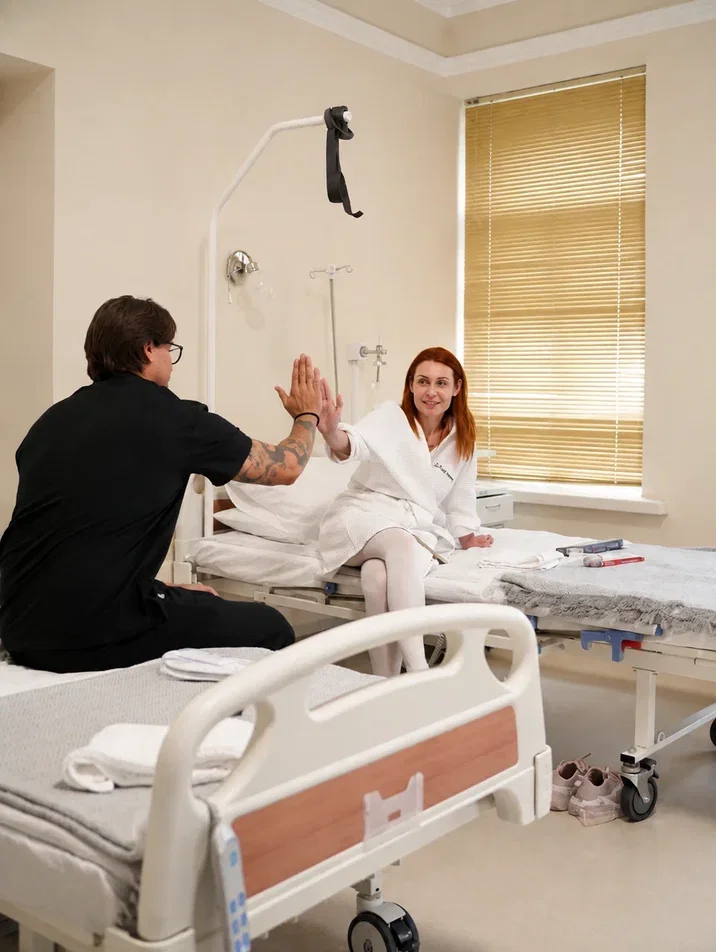
Following discharge you get advice on diet and recovery, while scheduled check-ups track how you feel, your weight and tests. The clinic team supports you for a year.
At the consultation the doctor makes a plan and tells you how the surgery will go
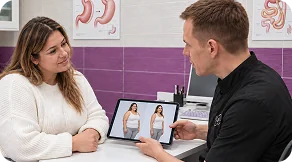
The consultation is free, before surgery and with no obligation.
Book a consultationDoctors
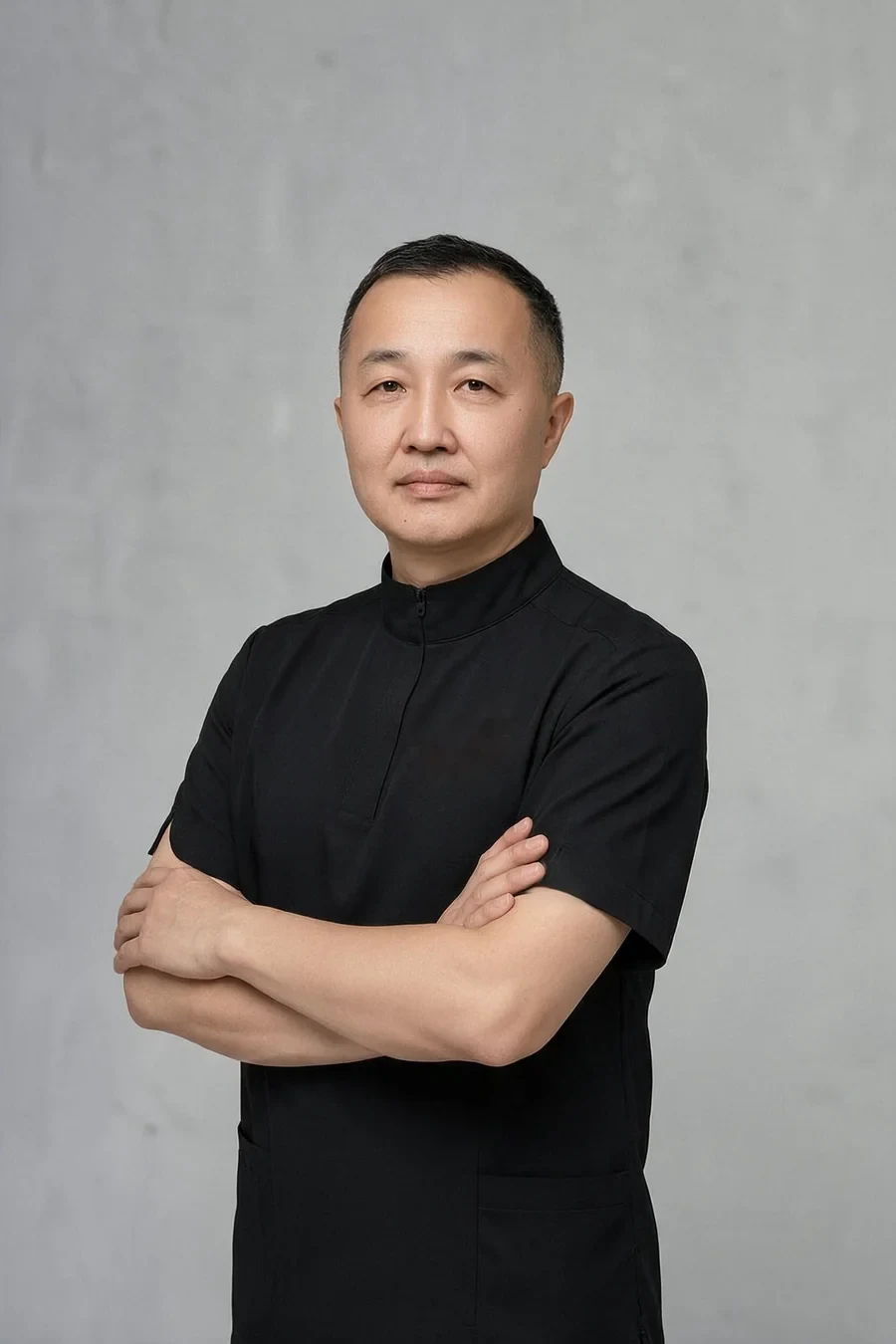
27 years of experience
Chief bariatric surgeon
Surgeon
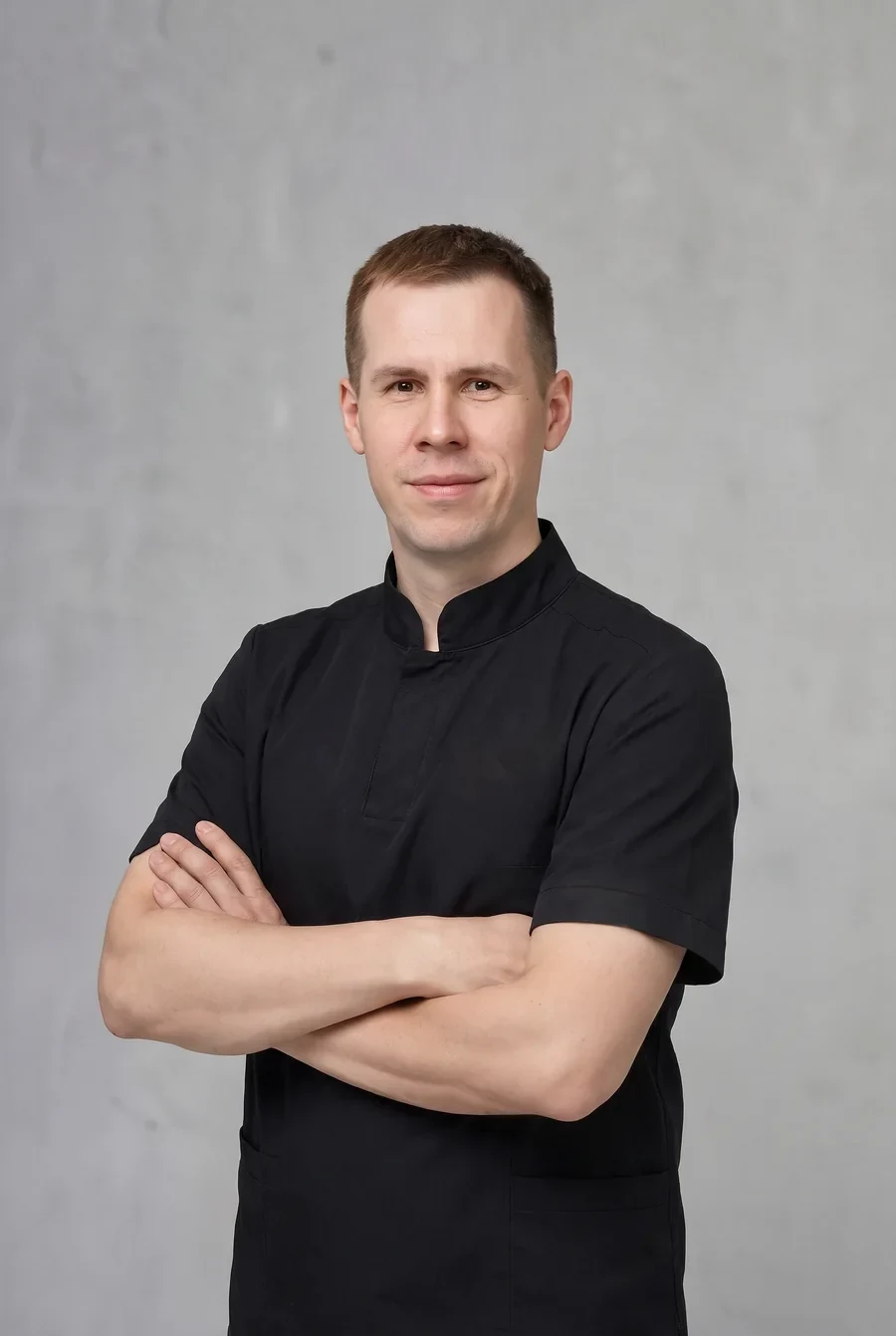
9 years of experience
Bariatric surgeon
Surgical oncologist
Your surgeon carries out the operation and follows you from the first consultation to your result.
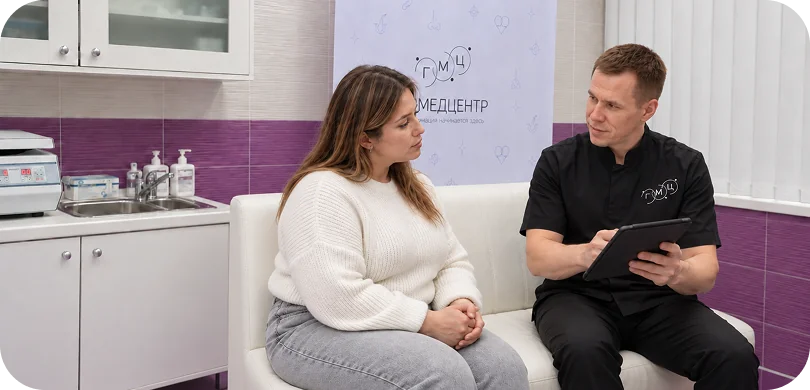
The first consultation, free of charge, is with our patient care manager, who works out your BMI, explains the methods and books you in with the surgeon.
Book a consultationCoordinators
Support at every step of the way

Your first point of contact at the clinic, from your first message to the consultation
Specialist in patient care
Replies to your questions before the first consultation and helps you choose a convenient date

By your side before and during your stay, from booking to discharge
Specialist in patient care
Helps you get ready for surgery and keeps in touch while you stay at the clinic

With you all through recovery, from discharge to the final check-up
Specialist in patient care
Books your follow-up visits with the surgeon and keeps in touch during recovery
Advantages
We find the best method for your health, lifestyle and goals. All the way through, our team is with you.
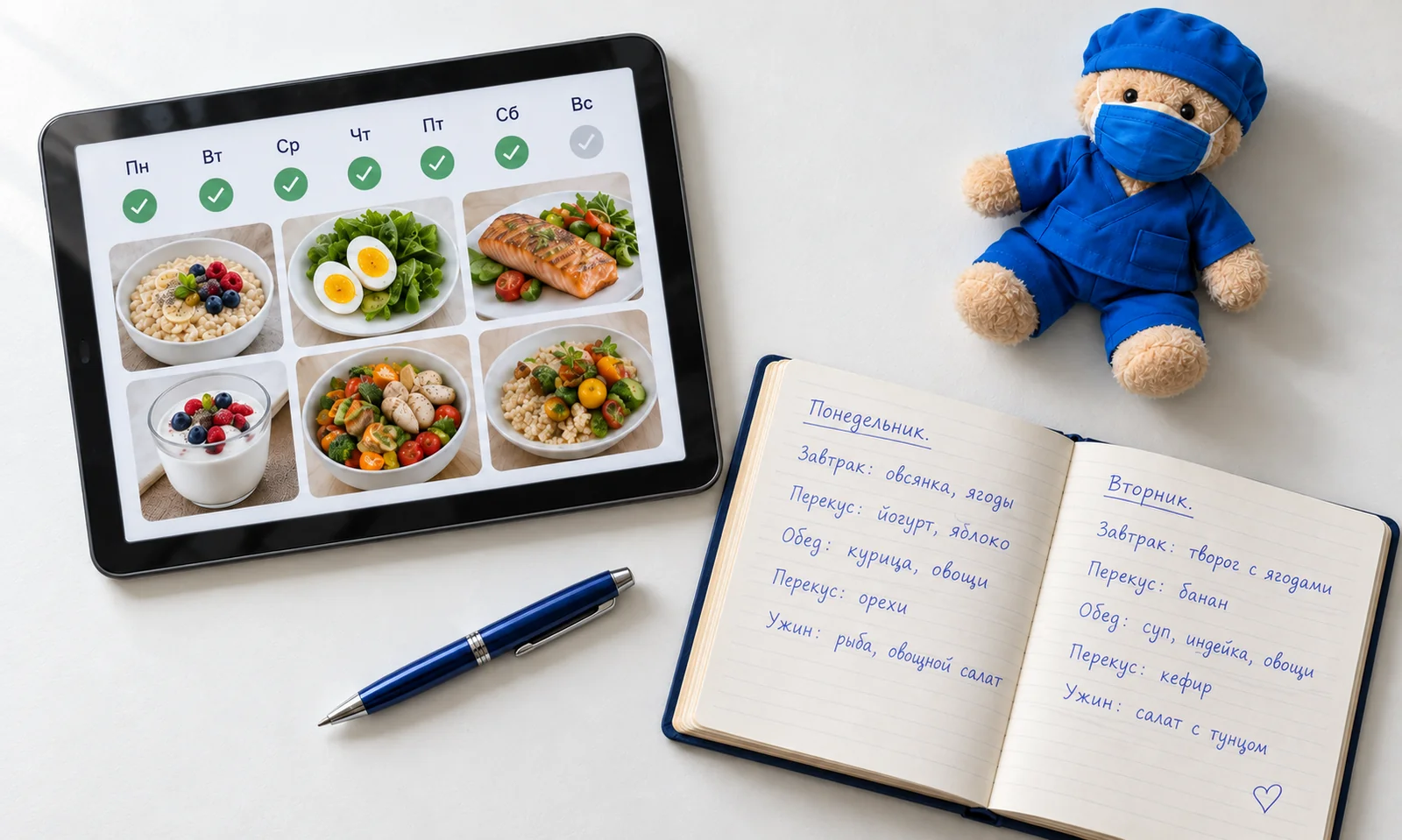
Adapting to new eating habits, tracking and keeping results — we help with it.
A higher quality of life, better well-being and steady weight loss.
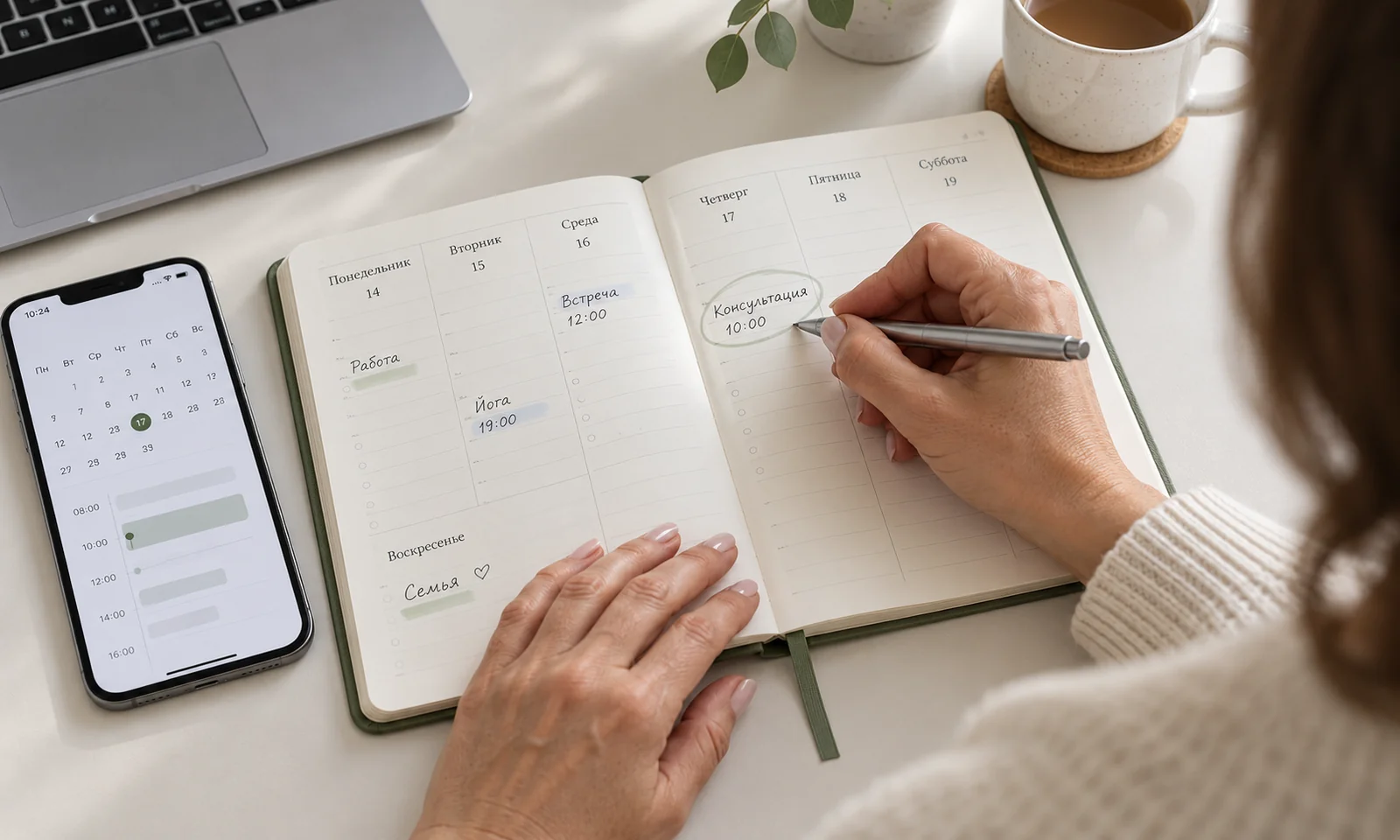
We work 24/7: booking is easy, the approach is personal and we adapt to your pace.
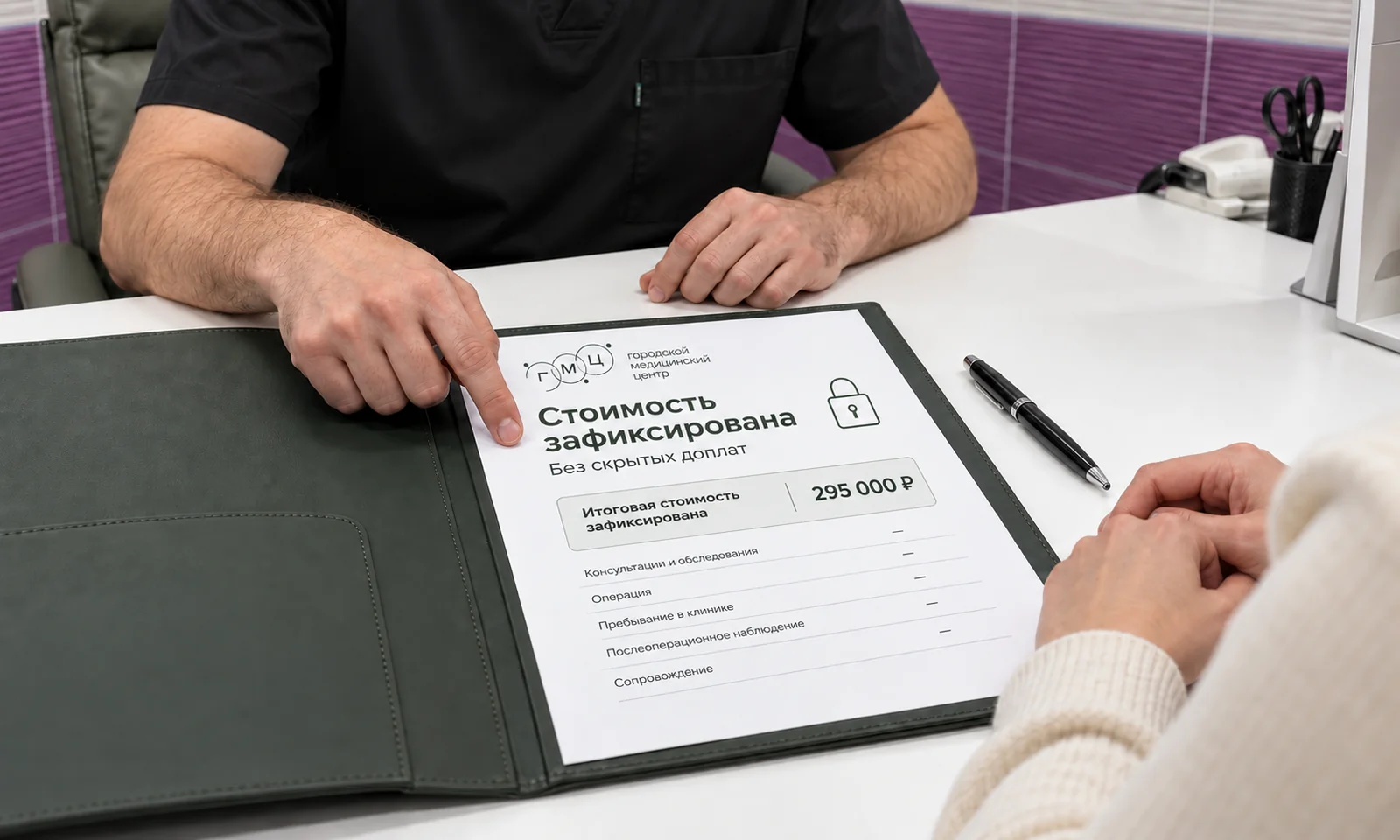
The surgeon decides on the method after the consultation and you get a clear price: no hidden fees, no unexpected costs on the way to your result.
FAQ
Experienced bariatric surgeons perform the bariatric operations at the clinic:
Drop us a message and our coordinator will get back to you shortly to book your consultation. The bariatric surgeon consultation is free.
Surgery is prescribed only when clear criteria are met
BMI is the key measure used to assess how severe obesity is. You get it by dividing body weight (kg) by height squared (m²). Surgery is generally justified at a BMI above 40, or above 35 when serious related conditions are present. Sometimes it is also considered at lower values — when non-surgical methods have not worked.
People often confuse these two, though their aims are fundamentally different. Bariatric surgery is medical treatment of obesity and associated diseases. It changes the way the digestive tract works, acting on the causes of excess weight and on metabolism. Plastic surgery alters outer body contours and does not treat obesity or affect metabolism.
There are four main types of bariatric surgery at City Medical Centre: sleeve gastrectomy, Roux-en-Y gastric bypass, mini gastric bypass (MGB) and SADI-S duodeno-ileal bypass. BMI, related conditions and the patient's goals guide the individual choice of method.
Using modern laparoscopic technique, we perform the operation via 4 small punctures of 5 to 15 mm. Cosmetic sutures are placed, leaving marks that are nearly invisible after healing.
Recovery depends on what you do. Office work: after 2–4 weeks. Physical work: after 1.5 months. Sport and activity: swimming is allowed after 30 days, other exercise is added gradually as weight drops. Travel and holidays: best planned no earlier than a month after surgery.
The diet shifts in stages — liquid, then soft, then solid food. Protein is the priority, while high-calorie, fatty food is limited.
Pregnancy is possible after bariatric surgery; doctors advise waiting no less than 12–18 months. This gives the body time to stabilize, for weight to reach target values and nutritional status to normalize.
Yes, vitamins after bariatric surgery are a must. Because the digestive anatomy changes, the body absorbs some nutrients less well, so regular vitamin and mineral supplements become a permanent part of the patient's life.
After bariatric surgery weight regain can happen, but it is very unlikely if the doctor's advice is followed. What matters is proper nutrition, avoiding high-calorie drinks and regular follow-up with City Medical Centre specialists.
Prices are in US dollars; the amount in brackets is an approximate conversion to KES at the rate of 02.10.2026. The final price is fixed in your contract.
Prices start from $3,600 (≈ KES 470,000). The surgeon sets the final price at the free consultation, and it is fixed in the contract, with no hidden extras.
General anaesthesia, a personal coordinator from day one, monitoring in the hospital and support for one year.
The hospital stay is 1–5 days, depending on the method and how you feel. Office work is possible after 2–4 weeks.
Yes. The first consultation is free and does not oblige you to anything. You can start online by sending a message to the coordinator.
Message us on WhatsApp or Telegram using the buttons below. A coordinator will answer your questions and book a free consultation where the doctor names the exact price.
By messaging us, you agree to our Privacy Policy
Surgery is usually justified with a BMI above 40, or above 35 when serious related conditions are present, and sometimes at lower values if other approaches have failed. People in Kisumu who have carried 30 kg or more above normal for years, whose weight returns after every diet, or who live with type 2 diabetes, hypertension or joint pain are typical candidates.
During the operation the surgeon works laparoscopically, which keeps rehabilitation as short as possible. Right after, you are under round-the-clock care in a ward, with meals and nursing included. After discharge, most people in Kisumu return to office work in 2–4 weeks, following a diet plan and avoiding saunas and heavy exercise for the first weeks.
A permanent team — not a duty shift — handles your case, and the whole package is transparent. Included are the operation, 24/7 care in the ward, meals, nursing and a personal coordinator from day one, plus support throughout the first year. Kisumu patients also get a contractual result guarantee. Book a free consultation to discuss your situation.
What patients write after this operation. Reviews are translated from the original language.
Irina, 26
For a long time I doubted whether to go ahead with surgery, but after the consultation I felt much calmer. Andrey Georgievich explained in detail how gastric bypass is done, what to expect after the operation and how recovery would go. I especially liked that they talked to me calmly and without pressure. I am now gradually getting used to my new way of life and I am very glad I took this step.
Bariatric surgery
Doctor: Andrey G. Ugay
Angelina, 22
For me the hardest part was deciding to have the operation. At the consultation Ruslan Sergeyevich answered all my questions in detail and explained the specifics of sleeve gastrectomy and recovery. After the operation I always understood what I was doing and why. Thank you to the doctor and the whole team for their attentiveness.
Bariatric surgery
Doctor: Ruslan S. Menzulin
Anna, 31
For a very long time I tried to deal with my excess weight on my own, but I did not get the result I wanted. After the consultation with Andrey Georgievich I finally understood what to do next. I came through the operation well, and my recovery was supervised by the doctors. It was important for me to feel that I was not left alone after surgery.
Bariatric surgery
Doctor: Andrey G. Ugay
Veronika, 25
Before the operation I had many fears, mostly of the unknown. Ruslan Sergeyevich explained every stage of treatment in detail and answered even the simplest questions. Thanks to that I felt much more confident. I keep following the recommendations and I am gradually seeing the changes I had the operation for.
Bariatric surgery
Doctor: Ruslan S. Menzulin
Valentina, 23
The decision to have bariatric surgery was not easy for me. I worried both about the operation itself and about how my life would change afterwards. At the consultation Andrey Georgievich explained everything in detail, so little by little my fear turned into confidence. What matters most to me now is the result and the chance to treat my health and lifestyle differently.
Bariatric surgery
Doctor: Andrey G. Ugay
Anna, 27
I am very grateful to Ruslan Sergeyevich for his attentiveness. Before the operation I had a huge number of questions, and I got a clear answer to every one of them. After the operation it was also clear which recommendations to follow and how to eat. It was important to me that the doctor stayed in touch and I felt supported at every stage.
Bariatric surgery
Doctor: Ruslan S. Menzulin
Kisumu is the third-largest city in Kenya, set on the shores of Lake Victoria in the former Nyanza Province. The city has a population of 438,588 according to the recent 2026 population estimates, and the wider metro region with Maseno and Ahero is counted at 457,160 people in the 2019 Kenya Population and Housing Census. It is a busy industrial and commercial centre, a county capital and a university town, and that mix of office workers, traders, students and families shapes the questions people here ask about bariatric surgery.
Sleeve gastrectomy and gastric bypass are the two operations most patients ask about. The sleeve reduces the size of the stomach, while the bypass changes the route food takes through the digestive tract. Which one fits a particular person is decided by the surgeon after reviewing weight history, other health conditions, eating habits and personal goals. A decision like this is better made with calm preparation than in a rush, and that is the purpose of a remote consultation.
The World Health Organization describes obesity as a major and growing health problem and a risk factor for many long-term diseases. Seeing weight as a medical condition rather than a matter of willpower is often the first step for a patient in Kisumu who has tried diets and exercise for years without lasting change.
You do not need to leave the shores of the lake to start. The consultation is free and online, and coordinators are available around the clock, 24/7, on Telegram and Telegram. You write when it suits you, whether after a shift, between lectures or late in the evening, and a coordinator will call you back 24/7.
Prepare a short summary before the conversation: your height and weight, previous attempts to lose weight, chronic conditions, medicines you take and any earlier operations. With these details the surgeon can say whether your case fits the usual criteria and which method is worth discussing.
The approach is personal and adapts to your pace. Booking is simple, and nobody expects a decision during the first conversation. Many people from Kisumu talk it over with family first, and that is a sensible way to proceed.
Surgery is usually considered with a BMI over 40, or over 35 with related health conditions. The surgeon confirms whether surgery suits you at the consultation. BMI is the main tool for assessing the degree of obesity and is calculated by dividing body weight in kilograms by height in metres squared.
In some cases surgery is considered at lower values too, if non-surgical approaches have failed. This matters for patients who have followed supervised diet and activity plans for a long time without a stable result.
Contraindications are judged individually. General reasons for caution include untreated serious illness, conditions that make general anaesthesia unsafe, active eating disorders and a lack of readiness to follow the nutrition plan afterwards. Do not rely on a calculator alone: bring your full health picture to the surgeon.
We rely on modern laparoscopic technique. The operation is performed through 4 small punctures of 5 to 15 mm. Cosmetic sutures are used, so after healing the marks are barely visible. For patients who wear fitted clothing or swimwear by the lake, this is a practical point worth raising.
The operation is done under general anaesthesia, with 1–5 days in hospital. Doctors supervise you in hospital after surgery for a stay of 1–3 to 4–5 days, depending on the complexity of the operation and how you are feeling. The stay depends on the method and on your recovery, so do not plan it to the day in advance.
Ask the surgeon what happens in the first hours after waking, when you can drink and walk, and which signs mean you should contact the team immediately.
Kisumu has a tropical rainforest climate with no true dry season and significant rainfall year-round. January is the driest month and April receives the most rain. Because of the elevation of 1,131 m, temperatures are moderate, with an average of 22.9 °C, even though the city lies 11 km south of the equator.
For recovery this means there is no season that is clearly unsuitable. Moderate temperatures make walking, which doctors encourage in the first weeks, comfortable. In the rainy months, plan sensible footwear and avoid slippery surfaces while you are still weak. Humid weather can make you tire sooner, so rest, drink fluids as the team advises and dress in light, loose clothing that does not press on the small wounds.
Choosing the month is a personal matter. Some patients prefer the drier January period for easier movement, while others pick the time that best fits work or study. Discuss the timing with the coordinator.
Recovery time depends on the activity. Office work: after 2–4 weeks. Physical work: after 1.5 months. This is useful for the many people in Kisumu who work in trade, administration, education or on the lake and the land.
Kisumu is home to Maseno University, JOOUST, Great Lakes University and several other campuses. Students and staff can plan the operation around a break in the academic calendar, and a first remote talk helps you decide how much time to set aside. If you work with your hands, loading goods or farming, agree with the surgeon on a gradual return rather than going back at full load.
Be honest with your employer about needing time off, and plan simple tasks at first. Light walking is a better start than long hours at a desk or on your feet.
Sport and activity: swimming allowed after 30 days, other exercise gradually added as weight goes down. For a city on Lake Victoria, the swimming rule is a practical one. Wait until the surgeon allows it, and make sure the wounds have fully healed before entering the water.
Kisumu has a lively sporting culture, with rugby, football and basketball played locally and the Dala sevens drawing large crowds. If you play or coach, plan your return step by step and add load as your strength and weight change. Walking along the lakefront, now being improved as part of the downtown efforts, is a gentle way to build up activity.
Do not compare yourself with teammates. The pace of returning to training is individual and the surgeon sets the limits.
Life in Kisumu involves shared meals, celebrations and hospitality, and fish from the lake and produce from the fertile farmland of Nyanza and Western regions are part of daily food. After bariatric surgery portions become much smaller and the diet moves through stages set by the team. The aim is to keep protein sufficient and eat slowly, chewing well.
Plan ahead for family gatherings. Tell relatives that you will eat small amounts and that this is a medical decision, not a refusal of their hospitality. Ask the dietitian how to adapt familiar dishes, which preparation methods suit you and what to avoid in the early weeks.
Pregnancy is a common question. Getting pregnant after bariatric surgery is possible, but doctors advise waiting at least 12–18 months, so the body can stabilize, weight can reach target values and nutritional status can normalize.
The name Kisumu comes from the idea of trade. When Europeans first settled in the area in the late 19th century it became a trading post, and a person heading there would say “Adhi Kisuma”, meaning 'I am going to trade'. The Luo, the Luhya, the Nandi, the Kisii and the Maasai all met at the tip of the lake and each gave the place its own name, from a place to look for food to a place to borrow food. A town built on exchange and on food is a fitting setting for a conversation about changing one's relationship with food.
For many residents the habit of trading is still part of daily life, and so is the habit of asking around before a big decision. If you are weighing sleeve gastrectomy or gastric bypass, you will probably hear opinions from relatives, colleagues and neighbours. Write down what you hear and bring the questions to the surgeon in the free online consultation, which coordinators arrange around the clock on Telegram and Telegram. The surgeon's answer should rest on your own health picture, not on stories passed along the market stalls.
In 1901 the railway reached the Kisumu pier and the town briefly took the name Port Florence, before returning to Kisumu in 1903. Kisumu has been renamed and rebuilt before, and many patients describe the operation in similar terms: a defined turning point followed by a long period of building new habits. The visible result is expected 18–24 months after surgery, so it helps to think in stages rather than in weeks.
Kibuye Market and Oile Market are among the best-known places in the city, and the town centre around Oginga Odinga Road, with its old town clock unveiled in 1938, is where many people shop, work and meet. Fresh fish from the lake, vegetables and grain from the farmland of Nyanza and Western regions are sold close to home. This makes it realistic to build a diet around simple, fresh, high-protein food that the dietitian can approve.
Plan your first shopping before the operation, not after it. Ask the team which textures are suitable in each stage, then buy small quantities of suitable food so that nothing is wasted. Walking through a busy market is tiring, so in the first weeks send a relative, or choose a quiet hour, and carry only light bags so that you do not strain the small punctures of 5 to 15 mm.
The city is also working on its downtown and Lower Town areas, with more pedestrian-friendly streets and an improved lakefront. Short, regular walks on these routes are a natural way to restart movement. Begin with a few minutes, rest when you feel tired, and let the surgeon's guidance set the pace.
Kisumu lies at the northeastern edge of the Winam Gulf, and the lake shapes daily life here. Hippo Point, near the village of Dunga, is known for its sunsets over the water, and Dunga Beach has a fishing port and a papyrus wetland. An evening stroll on flat ground near the water can be a pleasant goal for the weeks after discharge, as long as you have the surgeon's agreement and go with someone who can help if you feel faint.
Swimming is allowed after 30 days, so a lake outing should wait until then, and until the wounds have healed. Choose a calm, supervised spot, stay close to the shore and leave if you feel weak. Other exercise is added gradually as weight goes down.
The Kisumu Impala Sanctuary, only 1 square kilometre, and the Kisumu Museum with its recreation of a Luo homestead are easy places for a slow, flat walk with family. They give a goal that has nothing to do with food, which helps people who are used to meeting friends over a meal.
The city hosts Maseno University, JOOUST, Great Lakes University and campuses of the University of Nairobi, the Catholic University of East Africa and Mount Kenya University. A lecturer, administrator or student can look at the academic calendar and choose a quiet period. Office work is possible after 2–4 weeks, so a short teaching break is often enough for light duties, while physical work needs about 1.5 months.
Sport is part of the city's identity. Moi Stadium hosts Kisumu All Stars and Kisumu Telkom FC, Kisumu RFC plays rugby, Kisumu Lakeside plays basketball at Jomo Kenyatta Sports Grounds, and the annual Dala sevens draws thousands of fans. Many patients want to go back to playing, coaching or watching from the stands. Standing in a crowd for hours is tiring early on, so skip the big tournament in the first weeks and plan to attend the next one.
If you play in a team, tell your coach that you will return gradually. Ask the surgeon when to start light training and which movements to avoid at first, then add load as your strength and weight change.
Kisumu is about 320 km northwest of Nairobi and is linked by road to Nakuru, Nairobi and Mombasa, and to Eldoret. Busy main roads and matatus can be bumpy and crowded, and long seated hours are tiring when you are recovering. Arrange comfortable transport for any medical appointment and avoid carrying heavy luggage.
Because you live in a city that is far from the capital, remote support matters. The follow-up support lasts 12 months and is included in the package with no added fees. Coordinators work 24/7, so a question that comes up on a Sunday evening or at dawn does not have to wait. Keep photos of your meals, notes on your weight and a list of symptoms ready to share.
Kisumu is also a city of faith and community, with Catholic, Anglican, Presbyterian, Baptist and Pentecostal congregations, as well as mosques and a Hindu temple. Fasting and shared meals after services are common. Discuss any religious fasting with the surgeon and dietitian before the operation so that your nutrition stays safe.
From preparation to 12 months of support, all in one package. No added fees. The follow-up support lasts 12 months, which helps because the result builds over time. The expected result is seen 18–24 months after surgery.
Good questions for the consultation: Which operation do you recommend for me and why? What are the possible complications? What will my diet be in each stage? Which supplements will I need? How will follow-up contact work from Kisumu? What should I do if I feel unwell at night? You can send questions to the coordinators at any hour, since they work 24/7.
Yes. The consultation is free and online. Coordinators are available 24/7 on Telegram and Telegram, and a coordinator will call you back 24/7.
Usually a BMI over 40, or over 35 with related health conditions. The surgeon confirms whether surgery suits you at the consultation. In some cases surgery is considered at lower values if non-surgical approaches have failed.
Divide body weight in kilograms by height in metres squared. It is the main tool for assessing the degree of obesity, but the surgeon looks at your whole health picture.
General anaesthesia is used, with 1–5 days in hospital depending on the method and how you feel.
The operation is laparoscopic, through 4 small punctures of 5 to 15 mm. Cosmetic sutures are used, so after healing the marks are barely visible.
Office work is possible after 2–4 weeks. Physical work after 1.5 months.
Swimming is allowed after 30 days. Other exercise is added gradually as weight goes down. Confirm with your surgeon before entering the water.
The climate is tropical with moderate temperatures because of the elevation and rain throughout the year. Wear loose light clothing, walk carefully on wet ground and rest when tired.
Doctors advise waiting at least 12–18 months so the body can stabilize and nutritional status can normalize.
From preparation to 12 months of support, all in one package. No added fees.
No. The consultation is online and personal, and you are not queuing in a crowded city of 438,588 people according to the 2026 estimate. A coordinator will call you back 24/7 and adapts to your pace.
Do not go in the first weeks. Ask a relative to buy what the dietitian recommends, and when you do return, choose a quiet time and carry only light bags to protect the small punctures.
Office work is possible after 2–4 weeks, and the hospital stay is 1–5 days. Many staff choose a break in the academic calendar, then return to light duties first.
Wait for the surgeon's guidance. Watching a match is possible once you feel strong, but crowds are tiring early on. Swimming is allowed after 30 days, and other exercise is added gradually as weight goes down.
Page medically reviewed by Andrey G. Ugay, lead bariatric surgeon. Review date: .