City Medical Centre · multi-specialty surgery clinicOpen 24/7

Liposuction of Problem Areas in Kananga

Free consultation

from $1,200

The price is fixed in the contract before surgery
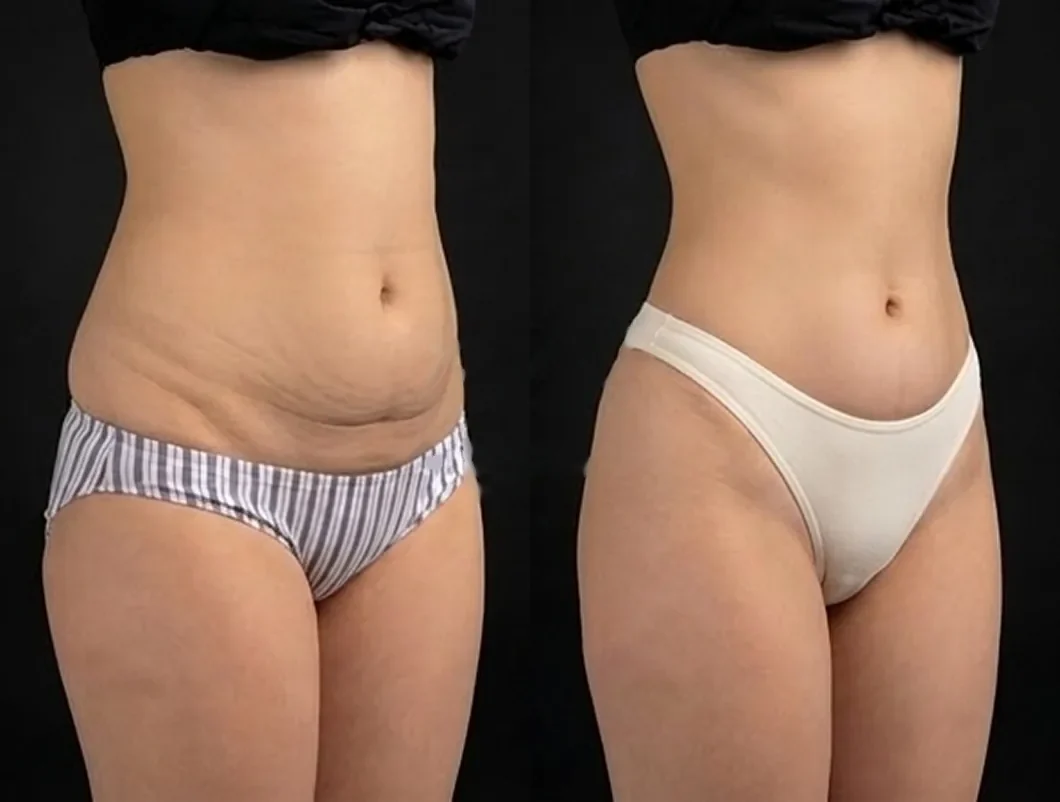
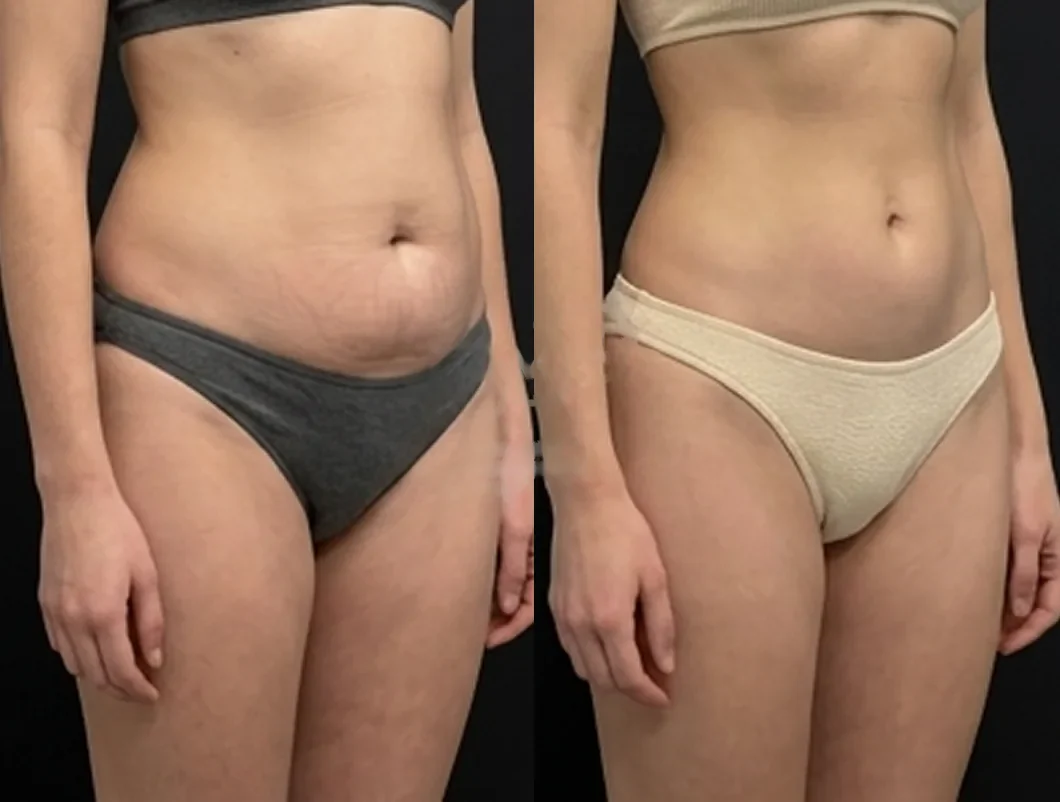
Real case
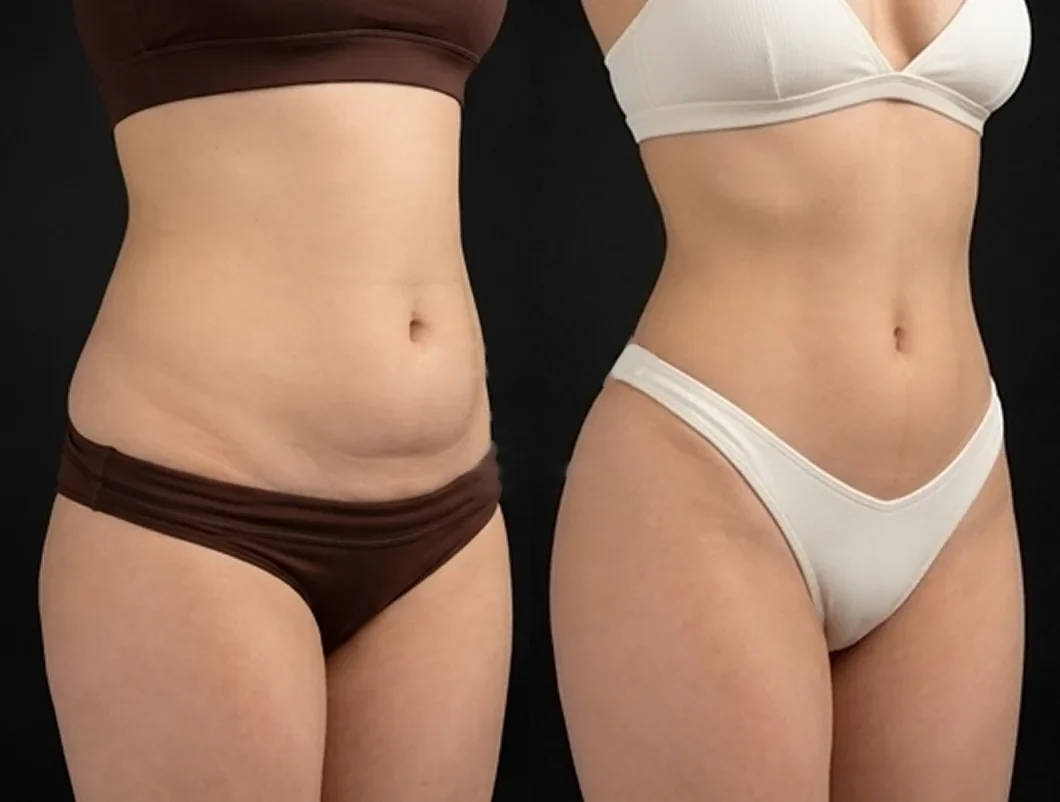
Liposuction: a patient's abdomen and flanks before and after surgery before after
Stubborn local fat that diet and exercise don't shift. Your plan is set at the consultation

Message our coordinator

Free online consultation · Reply within 15 minutes

Message us on Telegram

By messaging us, you agree to our Privacy Policy

Results

Liposuction results
of our patients

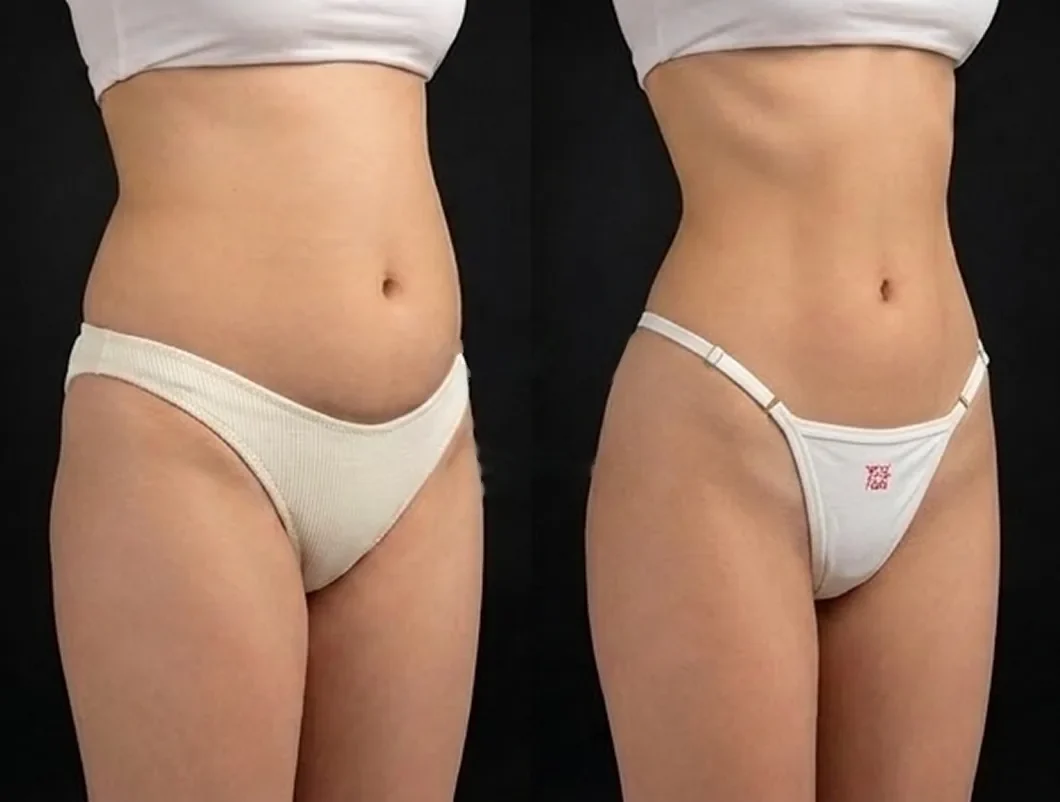
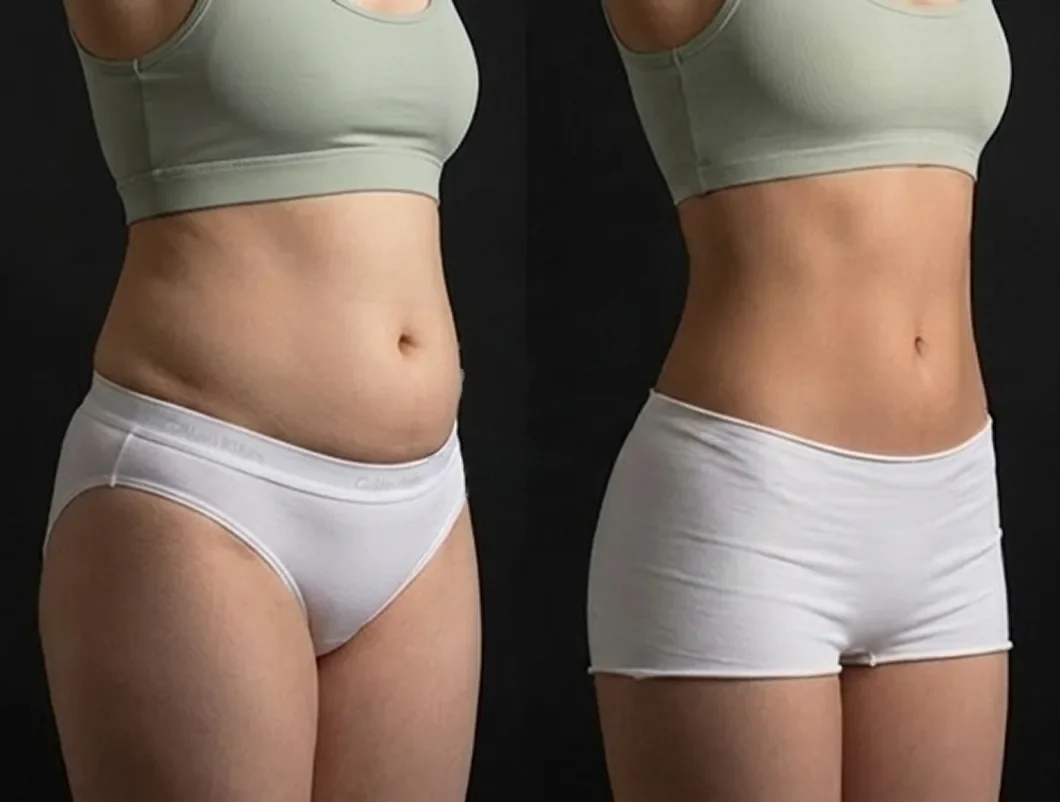
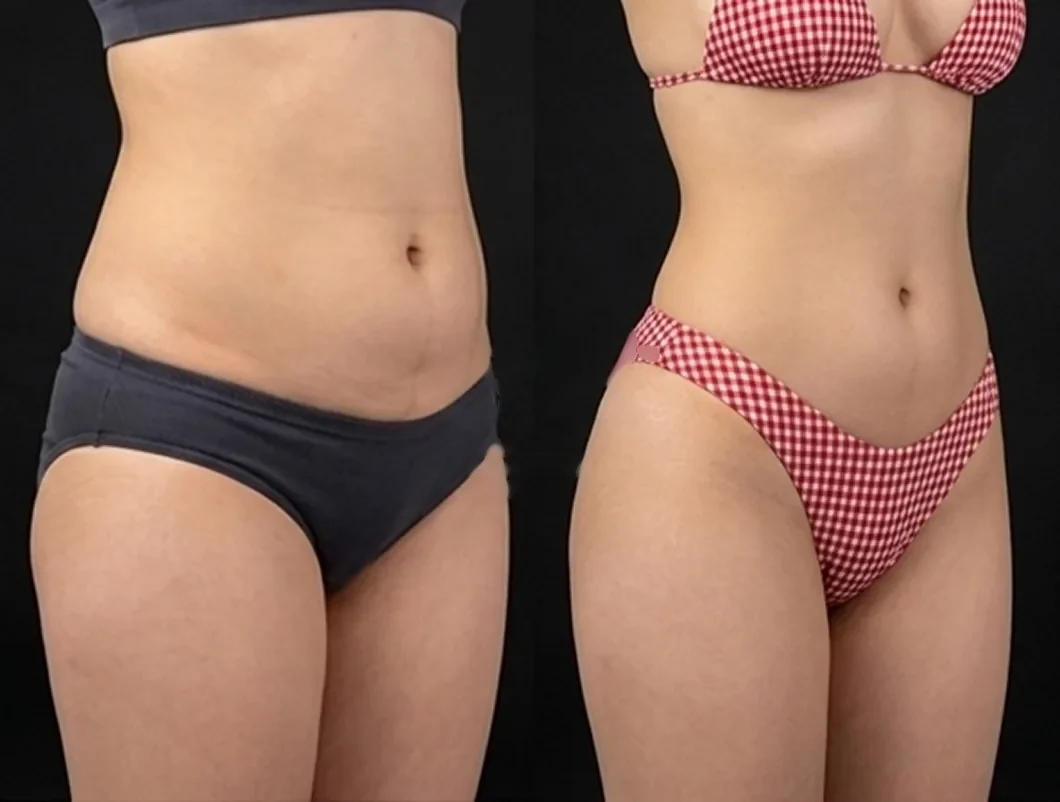
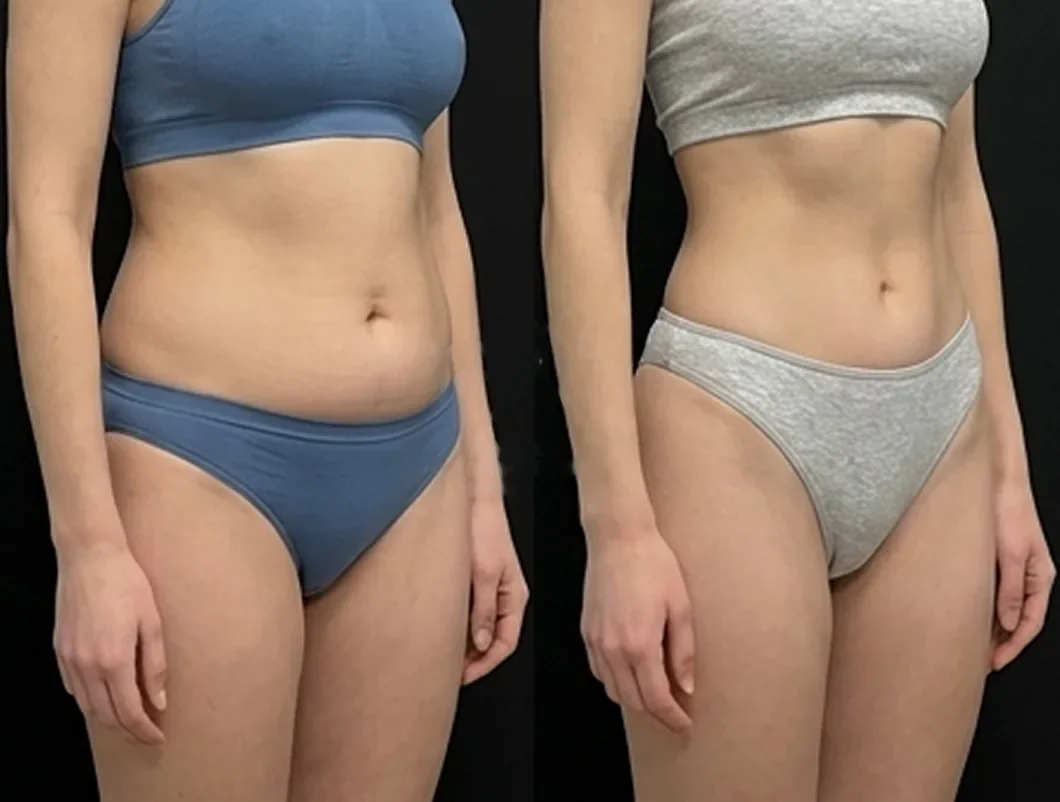
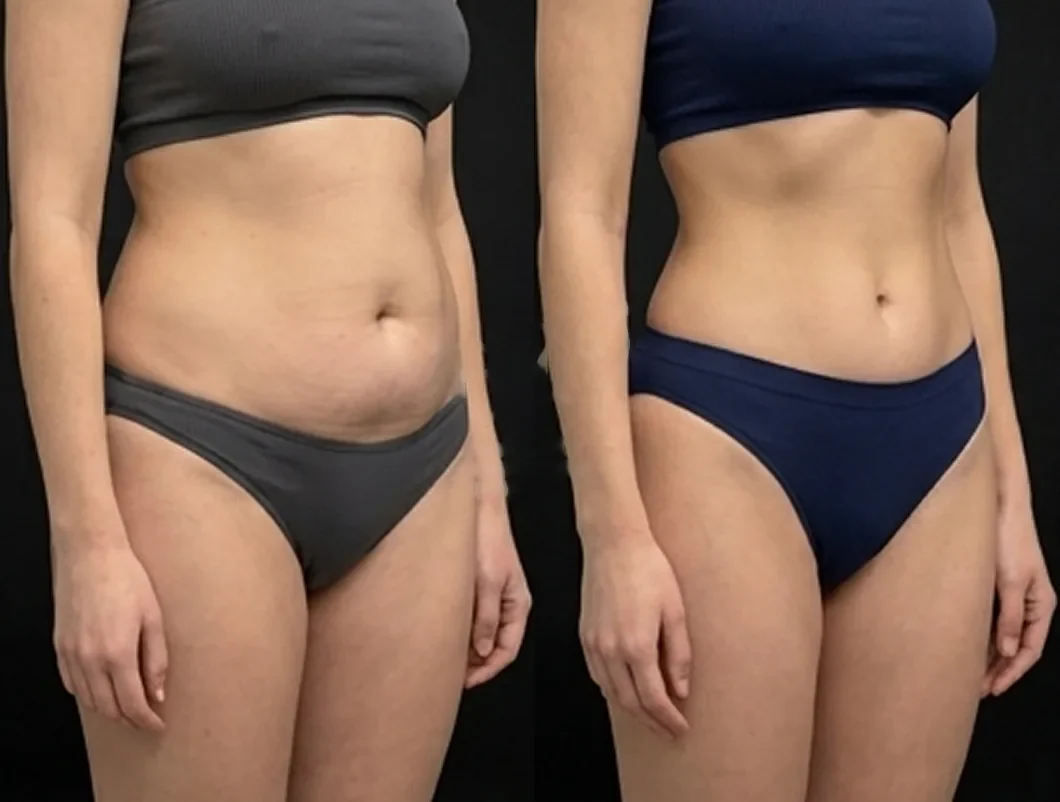
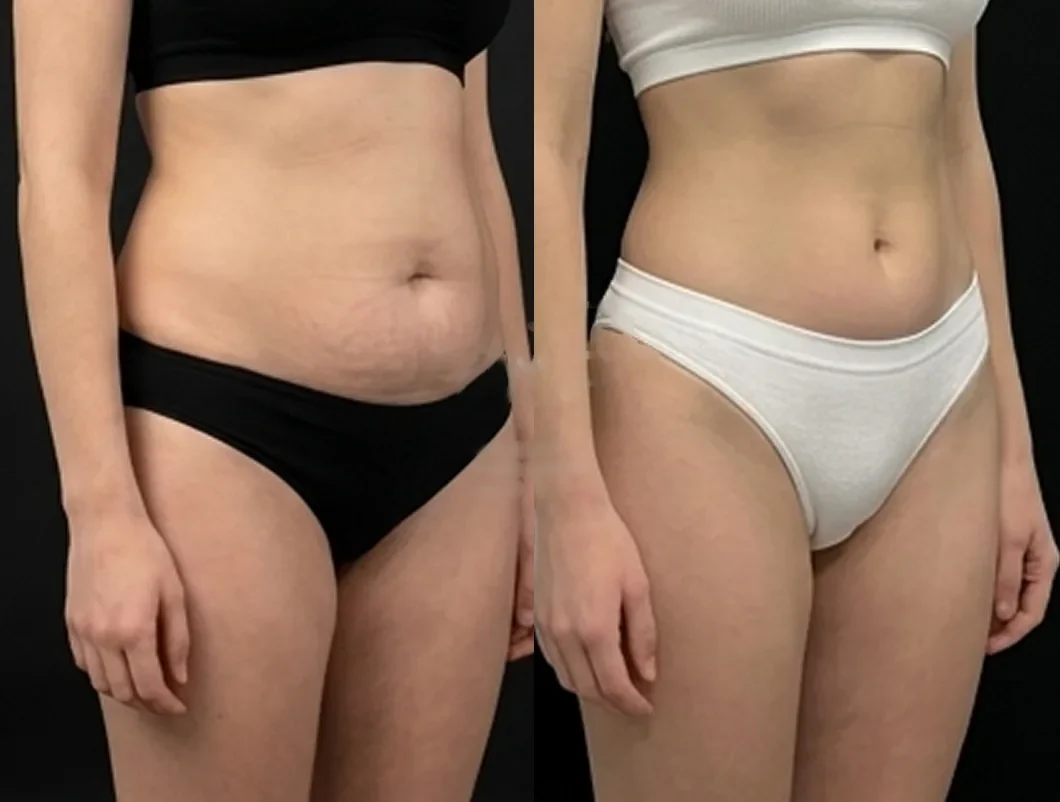
All cases are real patients. Faces and identifying details are hidden.

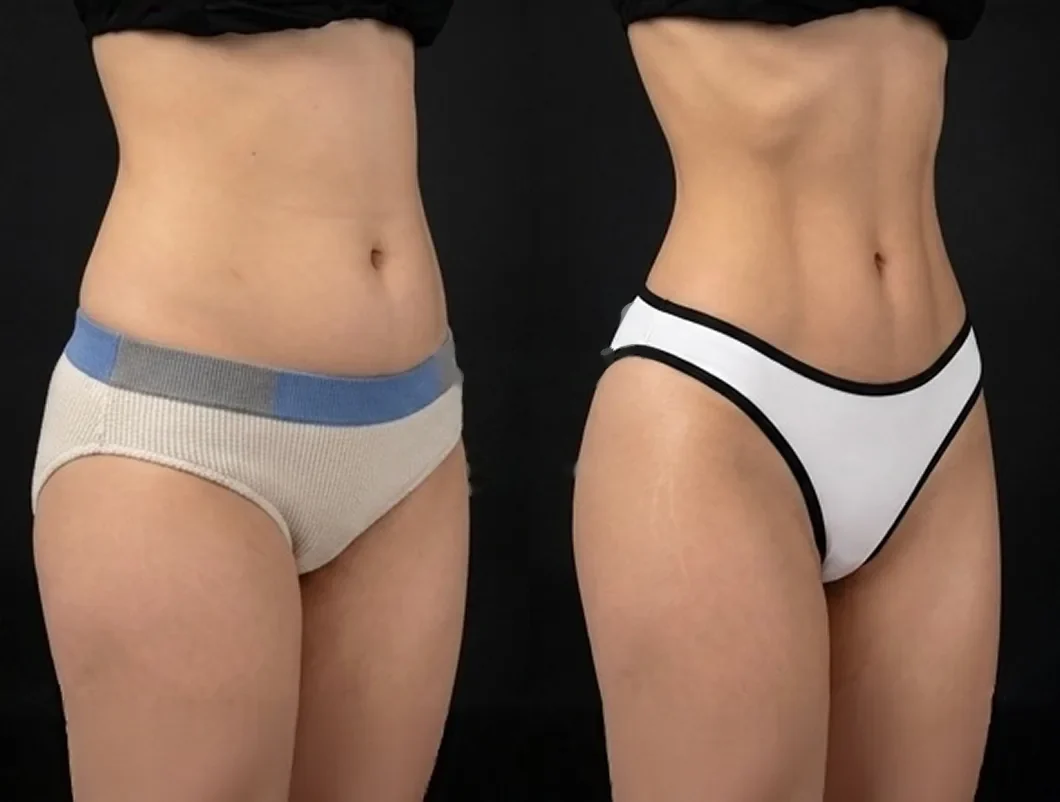
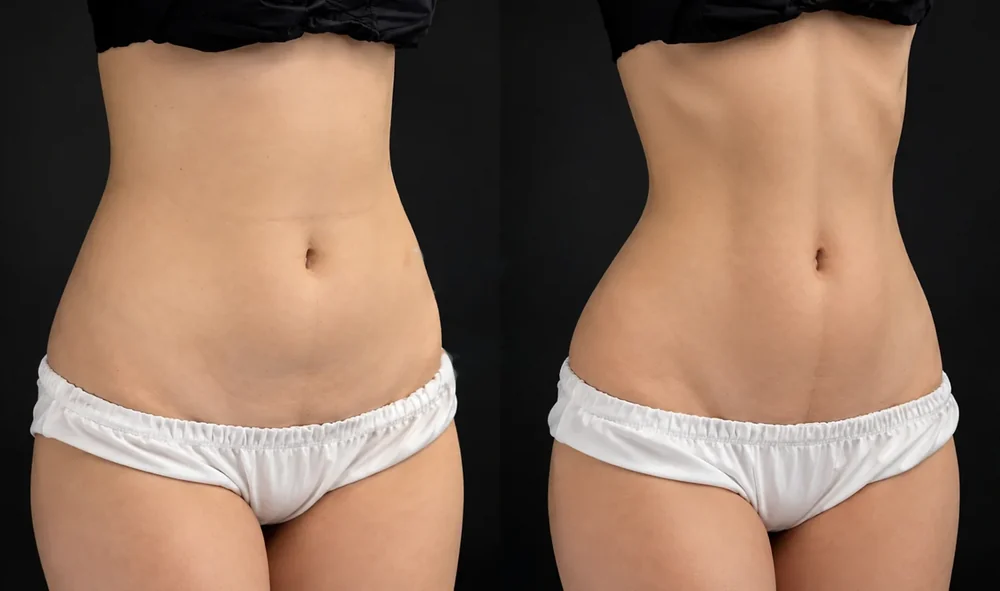
Stomach and flanks

Liposuction of the abdomen and waist: before and after surgerybeforeafter
1 of 10

Comparison

Liposuction techniques

We use two liposuction techniques: tumescent (classic) and VASER (ultrasound). Compare the goal, the indications and the anaesthesia to choose the right technique together with your surgeon.

Tumescent liposuction

A special solution loosens fat for removal through a thin cannula
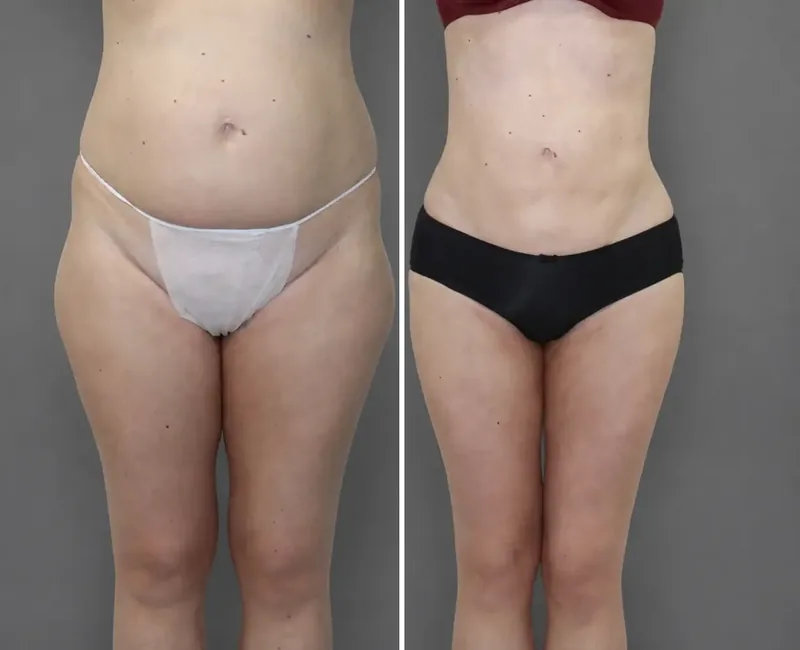
Tumescent liposuction: abdomen and thighs before and after surgery

from $1,200

Main goal
Removal of local fat with minimal blood loss
When it is done
Abdomen, flanks, thighs, back, arms, chin
Anaesthesia and stay
Local or general anaesthesia, home the same day or after 1 day

VASER liposuction

Ultrasound breaks down fat cells before vacuum removal
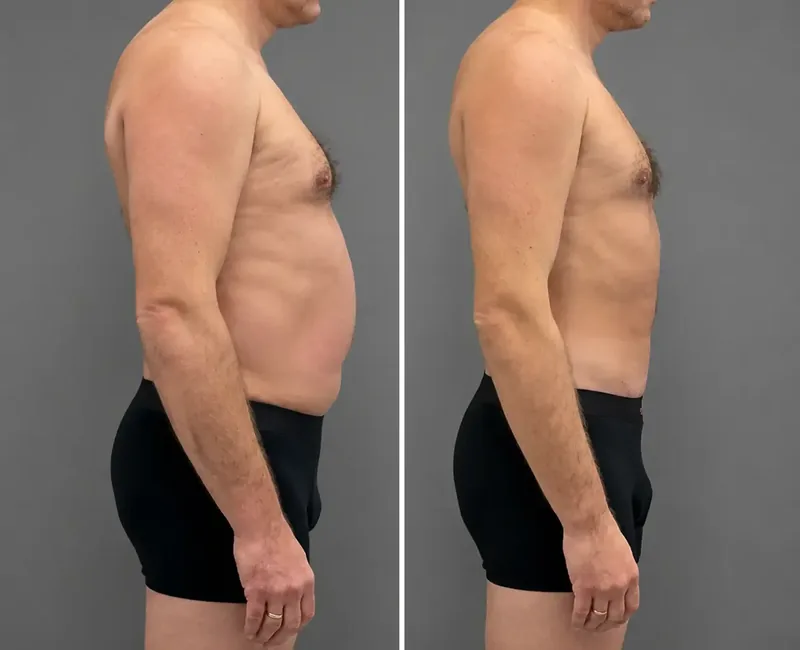
VASER liposuction: a male patient before and after surgery

Price at consultation

Main goal
Defined muscle relief and body contouring
When it is done
Athletic abs and delicate areas
Anaesthesia and stay
Local or general anaesthesia, 1–4 hours of surgery

The benefits and recovery times shown are averaged for each technique and given for guidance: the scope of correction and rehabilitation depend on your anatomy and individual features, and the surgeon confirms them at the consultation.

At the consultation the surgeon draws up a plan for your case and explains how your liposuction will go.

Free, before surgery and with no obligation.

Book a consultation

Areas we treat

Combine several areas in one operation to save recovery time and budget

  • Stomach and flanks

    The most requested area for women and men, often combined with abdominoplasty

  • Thighs (outer and inner)

    Fat deposits exercise doesn't reach

  • Back and lower back

    Back rolls that disrupt the silhouette

  • Arms and shoulder area

    Noticeable in warm weather

  • Chin and neck

    Small volume and a fast-appearing result

  • Knees

    A sensitive area requiring precise work

  • Chest (for men)

    Gynecomastia and pseudogynecomastia — the fat component

About the clinic

A clinic where you can feel at ease

Modern equipment, comfortable rooms and care for every patient

A doctor and a patient in a clinic ward

Contact us the way that suits you

We will answer your questions and find a convenient time for a consultation

By messaging us, you agree to our Privacy Policy

Request a free call

Liposuction is not for everyone

If your case can be solved without surgery, the doctor will tell you so at the consultation — and you will not spend money for nothing.

Suitable

A surgeon shows a patient on a model and a monitor how the body contour changes after liposuction
  • Local fat that resists diet and exercise
  • Uneven subcutaneous fat
  • Disrupted body proportions
  • Silhouette changes after childbirth or weight loss
  • Fat component of gynecomastia in men
  • Good skin tone and elasticity

Not suitable

A surgeon discusses the indications and contraindications for liposuction with a patient
  • Under 18 years of age
  • Being pregnant or breastfeeding
  • Endocrine obesity
  • Decompensated diabetes
  • Disorders of blood clotting
  • Serious heart, kidney or liver disease, cancer

Not sure the surgery is right for you?

Leave your number — the coordinator will call you back, and the surgeon will tell you whether liposuction suits you. No surgery booking needed.

Find out if it suits me

A surgeon goes through the treatment areas with a patient at the consultation

Prices

You know the price
before surgery

The final price is calculated individually after an examination and fixed in the contract.

Liposuction prices

  • First consultationFree
  • Flanks / waist liposuctionfrom $1,400
  • Thigh liposuction (outer)from $1,200
  • Thigh liposuction (inner)from $1,200
  • Torso liposuction: front abdominal wall, abdominal sides, lower backfrom $3,600
Book a consultation

Find out your liposuction plan and price

The surgeon assesses the fat deposits and skin tone, listens to your wishes and chooses the right technique.
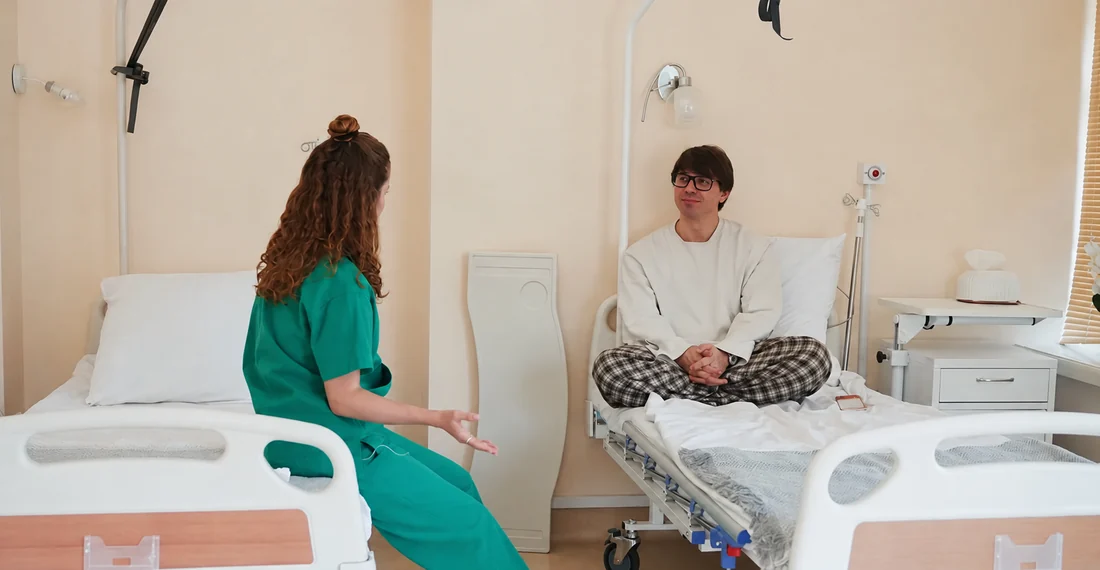
A nurse talks to a patient in a clinic ward

Message our coordinator

Free online consultation · Reply within 15 minutes

Message us on Telegram

By messaging us, you agree to our Privacy Policy
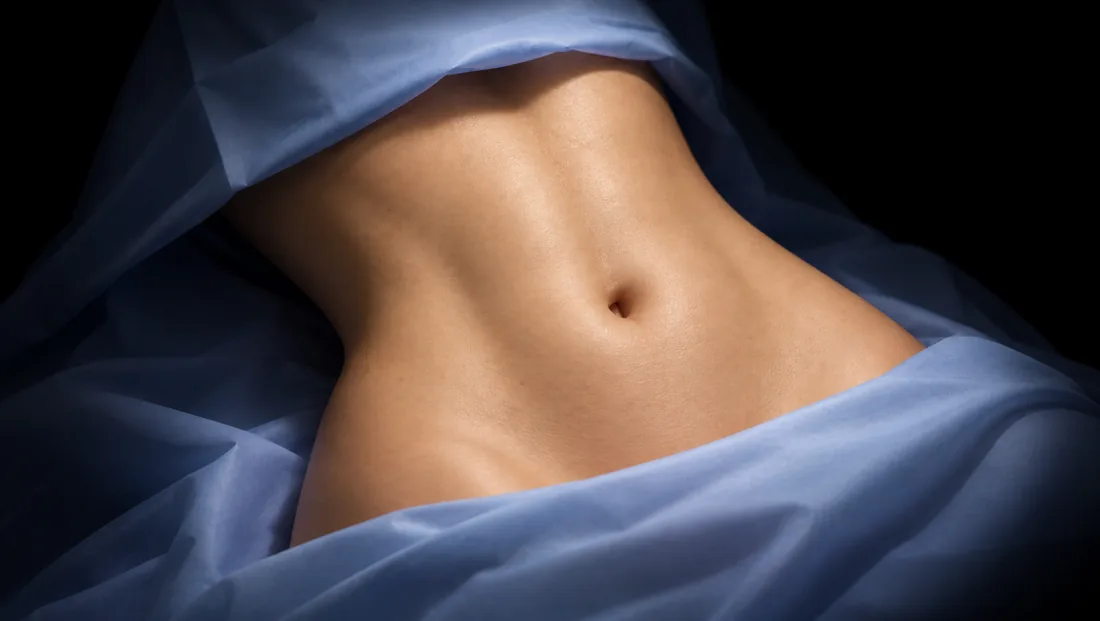
A patient before liposuction in the operating room

all inclusive

What the price includes

From preparation for surgery
to post-op check-ups.

  • All scheduled dressings
  • Scheduled post-op check-ups
  • A personal coordinator on call
  • Compression garments fitted on the day of surgery
  • A stay in a comfortable
    hospital ward with meals
  • Individual recommendations
    for recovery
  • Remote progress monitoring
    by photos

from $1,200

Book a consultation

How it works

From consultation —
to your new contour

An agreed treatment plan, careful monitoring after surgery and post-op check-ups.

A surgeon goes through the liposuction plan with a patient on a monitor1

Consultation
and the surgical plan

The surgeon listens to your wishes, assesses the fat deposits and skin tone and rules out contraindications. A hormonal screening is also ordered — it helps predict the long-term result.

Paying the deposit by card at the clinic reception2

Booking the date
of surgery

We reserve a surgery date for you: the deposit can be paid by card at the clinic or online by bank transfer. The terms are fixed in the contract for medical services

A blood sample tube for tests before liposuction3

Check-up before
surgery

Blood tests (complete count, coagulation panel, biochemistry, infections), an ECG, a chest X-ray and, if needed, a GP consultation. All tests can be done at the clinic with no waiting.

The surgical team during the operation4

Surgery

Marking the areas and fitting compression garments. Under local or general anaesthesia the surgeon removes fat through 3–5 mm micro-punctures — from 1 hour for small areas to 3–4 hours for a combined procedure.

A hospital ward at the clinic5

Waking up
and monitoring

With local anaesthesia you go home 3–4 hours after surgery; with general anaesthesia you stay one day in a comfortable ward under medical supervision.

A surgeon and a patient in the ward during recovery6

Recovery

Compression garments for 30–45 days. First changes show at 2 weeks, once swelling subsides; the final result forms in 3–6 months. Check-ups at 7 days, 3 and 6 months.
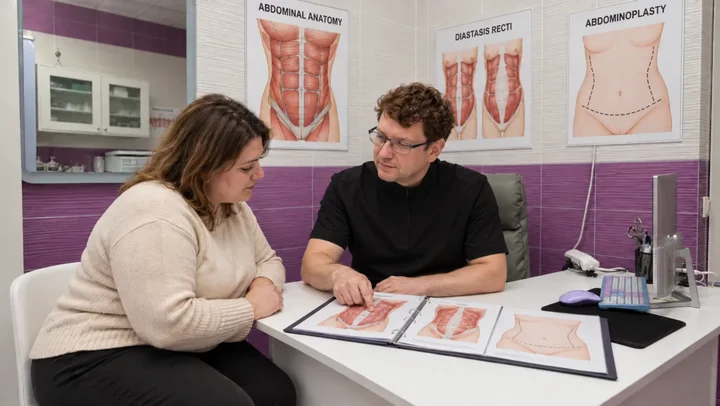
Book a free consultation — the surgeon will plan every step with you.

A doctor discusses the liposuction plan with a patient
Book a consultation
A doctor discusses the liposuction plan with a patient

After liposuction: recovery

After tumescent liposuction, recovery is much shorter than after a conventional procedure. Most patients return to work within 7–10 days. In the first week, mild swelling and a raised temperature are possible — a normal response to surgery. Compression garments are worn for 30–45 days: they fix the new contours and speed up tissue recovery. In the first month, bathhouse, sauna, pool and intense sport are off-limits. For the best result and faster recovery we recommend lymphatic drainage massage, pressotherapy and a gradual return to activity. First visible changes show 2 weeks after surgery, when the main swelling subsides; the final result forms in 3–6 months.

Post-op check-ups

After 7 days, at 3 months and at 6 months. Until the end of the year, get a post-surgery consultation with your surgeon to review results and get more information, at the clinic's expense.

Advantages

Reasons patients choose City Medical Centre

A surgeon discusses the liposuction plan with a patient at the consultation

Just find out — you lose nothing

At the consultation we discuss your wishes and assess the fat deposits and skin tone. Before surgery an endocrinologist rules out hormonal causes of the fat deposits — this improves the long-term result.

A surgeon on a video call with a patient after surgery

We stay with you after surgery

The surgeon follows your recovery and the new body contour at check-ups after 7 days, 3 and 6 months. Check-ups, dressings and aftercare advice are already included in the price of surgery.

A surgeon shows a patient a model and body contouring diagrams

A beautiful contour that fits your figure

Tumescent and VASER techniques, micro-incisions of 3–5 mm and precise volume control. Our aim is a smooth contour that keeps the natural proportions of your body.

A patient writes down a convenient visit time in her planner

Your schedule is our priority

We respect your time: we work 24/7, with easy booking and a personal approach — we adapt to your pace.
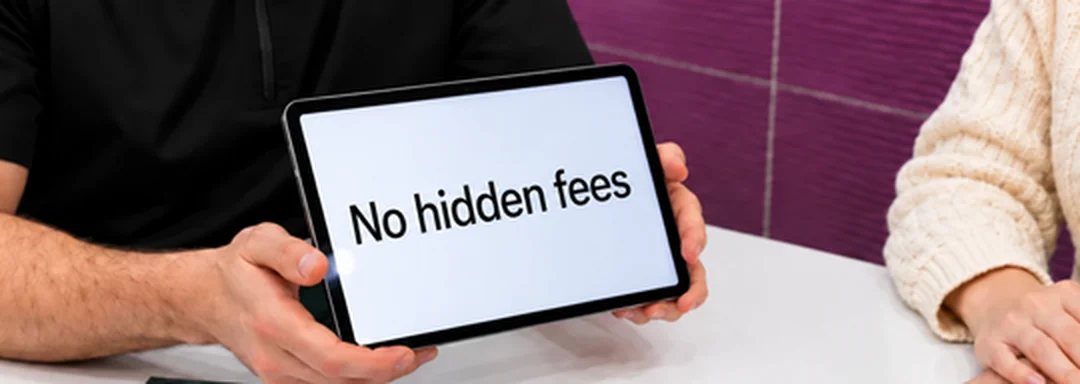
A surgeon shows a patient a tablet: no hidden fees

Fixed prices

After the consultation the surgeon defines the areas and the scope of surgery, and you get a clear price fixed in the contract — no hidden extras.

A surgeon visits a patient in the hospital ward after surgery

Round-the-clock care after surgery

With general anaesthesia recovery starts in a comfortable hospital ward under round-the-clock nursing care. The stay and meals are already included in the price.

FAQ

We answer what
people ask before booking

Liposuction in Kananga: price and what is included

Prices are in US dollars; the amount in brackets is an approximate conversion to CDF at the rate of 02.10.2026. The final price is fixed in your contract.

How much does liposuction in Kananga cost?

Prices start from $1,200 (≈ CDF 2,800,000) per area. The surgeon sets the final price at the free consultation, and it is fixed in the contract, with no hidden extras.

What is included in the price?

The operation under local or general anaesthesia and the surgeon's support throughout recovery. The price is per area and fixed in the contract.

How do I get my exact price?

Message us on WhatsApp or Telegram using the buttons below. A coordinator will answer your questions and book a free consultation where the doctor names the exact price.

By messaging us, you agree to our Privacy Policy

How liposuction works for Kananga residents

Liposuction is not only a women's procedure. The abdomen and flanks are the top request for both sexes, and in men the chest is a separate case: the fat component of gynecomastia or pseudogynecomastia can be removed surgically. VASER, with ultrasound breakdown of fat, helps define pronounced muscle relief. Men in Kananga can discuss which technique suits their goals at the consultation.

Some rules matter after surgery. For the first seven days, no physical exertion or heavy lifting. For 4–6 weeks wear compression garments and avoid the bathhouse, sauna, pool and active sport. Alcohol and tanning beds are off-limits for at least a month. Your surgeon gives individual advice, and people from Kananga can stay in touch with the surgeon throughout recovery.

There are no surprises in the bill: the price is set after an examination, recorded in the contract and stays the same. Starting from $1,200 (≈ CDF 2,800,000) per area, liposuction can be paid in interest-free instalments. Patients from Kananga begin with a free consultation where the surgeon answers questions about technique, recovery and contraindications before anything is decided.

Kananga and the questions patients ask about liposuction

Kananga, known in the past as Luluabourg, is the capital of the Kasaï-Central Province in the Democratic Republic of the Congo. It was also the capital of the former Kasaï-Occidental Province. It is the fourth most populous urban area in the country, with an estimated population of 1,524,000 in 2021. A city of this size has many people who think quietly about changing their body contour, and many of them do not know where to start.

The questions from Kananga are usually practical. How is the operation done, how long does it last, when can I go back to my work and my family duties, and what do I do about the heat and the rainy months? This text is written around these questions and ties each answer to life in the city.

Liposuction is a procedure for shaping the body. It removes stubborn local fat deposits that stay even when a person eats sensibly and stays active. It is not a method of treating obesity. The WHO fact sheet on overweight and obesity treats excess weight as a wider health matter, and that is the right way to look at it. If your main concern is general weight and health, talk about this first with your own doctor. Liposuction suits people who want a smoother contour in particular areas.

You do not need to go anywhere to begin. The first conversation takes place online, from your home in Kananga, and it is free. Coordinators are available around the clock, 24/7, on Telegram and WhatsApp. You can write in the evening after work or early in the morning before the market opens, and you will receive an answer at your own pace.

Climate of Kananga and what it means for recovery

Kananga has a tropical savanna climate. The dry season comes around June and July, and a lengthy though not intense wet season runs from September to May. For someone planning liposuction this matters more than it may seem, because the weather shapes how comfortable the first weeks are.

Heat and humidity are the main factors. In a warm climate the body swells a little more easily, and tight compression garments feel warmer than they would in a cool country. The garments must be worn for 30–45 days, so it is sensible to choose breathable cotton clothing to wear over them, to keep to the shade, and to rest during the hottest hours. Drink enough water and avoid long walks in the midday sun during the first weeks.

The dry months of June and July are a calmer time for recovery. There is less mud on the ground, fewer sudden downpours and less need to move around in wet weather. But dry weather brings dust, which is a concern for fresh dressings and for the small wounds. Keep dressings clean and dry, change them as your surgeon instructs, and do not let dust or dirty water reach the treated area.

During the long wet season, the main difficulty is moving around the city when streets are slippery or flooded. In the first 7 days you should avoid physical exertion and heavy lifting, so plan ahead: stock food and water at home, ask a relative to help with errands, and avoid wet, uneven ground. A fall or a strain in the first days is exactly what you want to prevent.

Direct sun on healing skin is also best avoided. For at least a month, tanning beds are off-limits, and the same logic applies to long exposure to the strong tropical sun. Wear loose clothing and a hat with a wide brim when you must go outside.

The best season for the operation in Kananga

There is no single perfect month, because each season has its own advantages. The choice depends on your work, your family calendar and how you tolerate heat.

The dry season, around June and July, offers more predictable days. It is easier to move around, to attend check-ups and to rest at home without worrying about storms. The cost is dust and possibly higher daytime heat. If you choose this period, plan to stay indoors for most of the first week and keep the home clean.

The wet season from September to May is long, so waiting for the dry months is not always practical. Many patients in Kananga will in reality operate during the rains. This is acceptable. Careful planning makes it work: arrange help for the first 7 days, keep your dressings dry, and do not walk through puddles or floodwater. Humid air can make the garments feel heavy, so keep a spare set clean and dry to change into as your surgeon allows.

Whatever the season, work backwards from the dates that matter to you. Most patients return to their usual routine and work in 7–10 days. Swelling and bruising clear by weeks 4–5. The final result forms in 3–6 months. If you want to feel comfortable at a wedding, a christening, a church celebration or a family gathering, leave enough time. The first changes show at 2 weeks, an interim result is assessed at 1.5–2 months, and the final contours come in 3–6 months. So it is wiser to operate several months before an important event rather than a few days before it.

Daily life, work and family in Kananga during recovery

Kananga is an important commercial and administrative centre. People work in trade, offices, schools, church institutions, transport and small business. Some jobs are sedentary, others are on your feet all day or involve carrying goods. Your return to work depends on which kind of work you do.

If you work at a desk or in an office, you can usually go back in 7–10 days, as most patients do. If your job involves heavy lifting, long standing or a lot of walking in the heat, discuss this with your surgeon in advance and be ready to take more care at the beginning. For the first 7 days there should be no physical exertion or heavy lifting at all, and that applies to carrying water, loads at the market and children.

Family is central in the life of the city, and the household often includes several generations. This can help you: a spouse, a sister or an older child can cook, shop and look after the little ones while you rest. Tell your close relatives what to expect in a calm way. They should know that you may feel tired, that bruising and swelling are normal during the first weeks, and that you must not be asked to lift or push things.

Think also about the practical side of your home. Prepare a comfortable place to rest, clean bedding, water within reach and the garments ready. If you rely on electricity that is sometimes interrupted, prepare for heat at night. A fan that works on a battery or a cool, well-ventilated room makes the first nights easier.

If you study, for example at a university or a vocational school, the same 7–10 days is a reasonable estimate for returning to classes, provided that your seat and your daily journey do not strain you.

Food, sport and football culture in Kananga

Food in Kananga is built on cassava, maize, beans, fish, vegetables, leaves and palm oil, shared at family tables. Meals are often a social event, and refusing food can feel awkward. During the first days after surgery, eat light and regular meals, with plenty of vegetables and water, and avoid very heavy or very salty dishes that make swelling worse. Let your family know that your diet is temporary and that it is about recovery, not about being impolite.

Alcohol must be avoided for at least a month after the operation, and you also have to give it up 7–10 days before it. At celebrations in the city this can be a social question, so decide in advance how you will answer when a glass is offered. A simple answer such as «my doctor has forbidden it for now» is enough.

Football is the most popular sport in Kananga. The city has many clubs, among them Jeunesse Sportive de Kananga, AS Saint-Luc, Interforce de Luluabourg, TV Tshipepele and Athletic Club du Kasaï, and many people play on neighbourhood pitches or watch matches. If you play with friends, plan a break. For 4–6 weeks you wear compression garments and must avoid active sport, so no matches and no training on the pitch during this time. You can watch from the side, but running, jumping and contact should wait until your surgeon approves.

The same rule applies to the bathhouse, sauna and pool. For 4–6 weeks avoid them. Swimming in rivers or ponds around the city is not a good idea during healing either, because the small punctures need clean, dry conditions. The Lulua River is a pleasant place for a walk, but not for bathing in the first weeks.

After this period, return to sport gradually, as your surgeon advises at the check-ups. Many patients say that the best motivation to stay active is seeing the new contour, and a steady routine of walking and moderate exercise helps you keep it.

How liposuction is done and what to expect

The operation starts with marking the areas and fitting compression garments. Under local or general anaesthesia the surgeon removes fat through 3–5 mm micro-punctures. The surgery lasts from 1 hour for small areas to 3–4 hours for a combined procedure, so the overall range is 1–4 hours depending on how many areas are treated.

The techniques are tumescent and VASER, with micro-incisions of 3–5 mm and precise volume control. The aim is a smooth contour that keeps the natural proportions of your body, not an exaggerated shape. Ask your surgeon to explain which technique is planned for you and why.

The choice of anaesthesia is made together with you. With local anaesthesia you go home 3–4 hours after surgery. With general anaesthesia you stay one day in a comfortable ward under medical supervision. In both cases you are at home the same day or after 1 day.

Because the punctures are only 3–5 mm across, they usually need no stitches. Once healed, the marks are barely visible, and with proper care during recovery they fade completely. For people in Kananga, where the sun is strong and many wear light clothing, this is an important point: small marks are much easier to protect and to forget than long scars.

Check-ups at 7 days, at 3 months and at 6 months follow your recovery and the new body contour. Check-ups, dressings and aftercare advice are already included in the surgery package. Until the end of the year you can also get a post-surgery consultation with your surgeon to review results and get more information, at the clinic's expense.

Candidates, contraindications and preparation

We operate from age 18+, if there are no contraindications. There is no upper age limit: after an examination and a health assessment, the decision is made individually. A good candidate is generally a healthy adult with stable weight and local fat deposits that do not respond to diet and exercise, and with realistic expectations about the result.

Liposuction is not suitable when there are serious conditions that make anaesthesia or healing unsafe, or when the person expects the operation to replace a healthy lifestyle. Your surgeon will decide after reviewing your tests and history. Be honest about illnesses, medicines and previous operations. In a city where malaria and other infections are part of daily health concerns, tell the team about any recent illness or fever, since this can change the timing of surgery.

Preparation is serious. Give up smoking, alcohol and medications that affect clotting (aspirin, etc.) 7–10 days before liposuction. Pre-operative tests are also required: blood tests, ECG, ultrasound, and consultations with a GP and an anaesthesiologist. You will receive all instructions after the first consultation.

Many of these examinations can be organised through general medical services in Kananga, and the results are then reviewed during the online consultation. Keep your documents together in one folder, photograph them clearly and send them to the coordinator, so that the surgeon has the full picture.

Do not stop any regular medicine on your own. Tell the team what you take, and they will tell you what to stop and when.

How the remote consultation from Kananga works

The first step is a free online consultation. You write to the coordinators on Telegram or WhatsApp from Kananga. They work 24/7, so you may contact them at any hour, whether you are at home, at work or between other duties. Booking is easy, and the approach is personal: the schedule is adapted to your pace, not the other way round.

Prepare a few things before the conversation: your age, your height and weight, the areas that bother you, any previous operations, chronic illnesses, medicines and allergies. Clear photos taken in good daylight, in a plain setting, help the surgeon form an initial opinion. Your photographs remain confidential.

During the consultation the surgeon or coordinator explains whether liposuction is suitable, which areas can be treated, which anaesthesia is likely, how long the surgery will last and what the recovery will look like. This is the moment to ask everything, including worries about the heat of the city, about work and about family obligations.

If your internet connection is unstable, as happens in many places, send messages and voice notes and continue when the connection returns. There is no need to be online at a fixed moment. A calm and complete conversation is better than a rushed one.

After the first consultation you receive written instructions about preparation and the list of tests. Only when you feel that every question has been answered should you decide to go further. There is no pressure, and the decision is yours.

Kananga between the Lulua River and the railway: planning rest at home

Kananga lies near the Lulua River, a tributary of the Kasai River, and near the Ilebo-Lubumbashi railway. It is an important commercial and administrative centre, and the city also has a museum. For a person planning liposuction this means a lively, busy environment in which the days are full of errands, meetings and movement. The first week after the operation asks for the opposite: calm, rest and a short list of tasks.

Before the procedure, look honestly at your weekly routine. Which tasks can be given to someone else for a few days? Which appointments can be moved? Make a short written list of everything that cannot wait and everything that can. People in a trading and administrative city are used to being available all the time, so it helps to tell colleagues, customers and neighbours in advance that you will be less reachable for a short period.

The online consultation fits this way of life. You do not have to rearrange your whole week to speak with the team. The coordinators answer around the clock, 24/7, on Telegram and WhatsApp, so you can ask a question during a quiet moment and return to your work. After the operation the same channel is useful for sending a short message about how you feel and for asking when something is unclear.

Keep one habit from the start: write down every question that comes to mind in a notebook or in your phone. Many patients forget half of their questions when the conversation begins. A short list kept over several days is usually more complete than one made in a hurry.

Swelling, bruising and body signals in a warm climate

Swelling and bruising are a normal part of healing. They clear by weeks 4–5, and the first visible changes appear at 2 weeks, once the main swelling goes down. In a tropical savanna climate with a long wet season from September to May, the air is often humid, and many people notice that they feel heavier and more tired in such weather. Do not confuse this general tiredness with a problem, but do not ignore signs that seem unusual to you.

Keep a simple daily note for the first weeks: how you slept, how you feel, whether the swelling looks the same on both sides, whether the garments are comfortable and whether you drink enough. Photographs taken in the same place, in the same daylight, make it easier for the surgeon to follow your progress, especially if the check-ups at 7 days, 3 months and 6 months are discussed remotely.

Wash and dry the garments as the surgeon instructs and keep a clean spare set. In hot weather, skin under tight fabric can become irritated, so tell the team early if you feel rubbing or a rash instead of waiting until it becomes worse. Light, loose cotton clothing on top lets the air move and reduces sweating.

Be patient with the mirror. The interim result is assessed at 1.5–2 months, and the final contour forms in 3–6 months, when the tissues have fully adapted. Judging the result in the first days, when swelling hides the real shape, only causes unnecessary worry.

Faith, community events and the calendar of a Kananga family

Kananga is the seat of an archdiocese, and church life is part of the rhythm of many families: Sunday services, choir rehearsals, community gatherings and celebrations. These events matter, and many patients ask whether they can attend them during recovery.

The practical answer depends on the stage. In the first 7 days there should be no physical exertion or heavy lifting, so long standing, carrying chairs or helping to prepare a large meal are not for you. Sitting calmly at a service or a family gathering for a short time is usually more realistic after the first days, but ask your surgeon what is right for your case. Wear loose clothing over the compression garments and choose a seat where you can move comfortably.

Plan the operation so that it does not fall right before a baptism, a wedding or another major family event. The garments are worn for 30–45 days, and the final contour forms in 3–6 months. If you wish to feel confident in photographs, leave enough time and choose a date that gives your body several weeks of quiet healing.

Speak openly with the people closest to you. A husband, a wife, a mother or a sister who understands what you are doing will protect your rest, take over the heavy tasks and answer polite questions from others. You are not obliged to explain your decision to the whole neighbourhood.

Questions to ask your surgeon

A prepared list helps you get the most from the conversation. Here are questions that patients from Kananga often find useful.

About the operation: Which areas do you recommend and are any better left alone? Which technique, tumescent or VASER, is planned, and why? Local or general anaesthesia, and what does this mean for my own situation? How long will the surgery last, within the range of 1–4 hours?

About recovery in a warm climate: How should I manage compression garments in hot and humid weather over the 30–45 days? What clothes can I wear over them? How do I protect the small punctures from dust in the dry season and from damp in the rainy season? When can I be in the sun again?

About daily life: When can I return to work, knowing that most patients need 7–10 days? What must I avoid doing at home, for example carrying water or lifting children, in the first 7 days? When may I play football or walk long distances? When may I use the pool or sauna, given the 4–6 weeks restriction?

About results: When will the first changes be visible, at 2 weeks? When is the interim assessment, at 1.5–2 months? When is the result final, in 3–6 months? What happens at the check-ups at 7 days, 3 months and 6 months, and how do I send you my photos if I cannot attend in person?

Write the answers down and keep them with your documents. Clear information reduces fear and helps your family support you.

Can I have the first consultation from Kananga without leaving the city?

Yes. The first consultation is online and free. You write to the coordinators on Telegram or WhatsApp, who are available 24/7, and then speak with the surgeon about your case, your tests and your plan.

How long does liposuction take, and do I go home the same day?

Surgery lasts from 1 hour for small areas to 3–4 hours for a combined procedure. With local anaesthesia you go home 3–4 hours after surgery. With general anaesthesia you stay one day in a comfortable ward under medical supervision.

When can I go back to work?

Most patients get back to their usual routine and work in 7–10 days. If your work involves heavy lifting or long hours on your feet in the heat, ask your surgeon for individual advice. For the first 7 days there must be no physical exertion or heavy lifting.

How long must I wear compression garments in Kananga's heat?

Compression garments are worn for 30–45 days. In a warm and humid climate, choose light cotton clothing to wear over them, rest in the shade during the hottest hours, drink enough water and keep the garments clean as your surgeon instructs.

When can I play football, swim or use the sauna?

For 4–6 weeks you wear compression garments and avoid the bathhouse, sauna, pool and active sport. Your surgeon gives all individual recommendations after surgery and tells you when you may return to football and other sport.

Will there be visible scars?

The surgery is done through punctures only 3–5 mm across. They usually need no stitches. Once healed, the marks are barely visible, and with proper care during recovery they fade completely. Protect the area from strong sun.

When will I see the result?

The first changes show at 2 weeks, once the main swelling goes down. An interim result is assessed at 1.5–2 months. Swelling and bruising clear by weeks 4–5, and the final result forms in 3–6 months, once the tissues have fully adapted.

What preparation is needed?

Give up smoking, alcohol and medications that affect clotting (aspirin, etc.) 7–10 days before the operation. Required tests are blood tests, ECG, ultrasound, and consultations with a GP and an anaesthesiologist. You receive all instructions after the first consultation.

Is there an age limit?

We operate from age 18+, if there are no contraindications. There is no upper age limit. After an examination and a health assessment, the decision is made individually.

Is there follow-up after the operation?

Yes. The surgeon follows your recovery and the new body contour at check-ups after 7 days, 3 months and 6 months. Check-ups, dressings and aftercare advice are already included in the surgery package, and until the end of the year you can get a post-surgery consultation with your surgeon at the clinic's expense.

Does the humid weather of the rainy season affect healing after liposuction in Kananga?

Humid air makes compression garments feel warmer, and swelling can seem more noticeable. Wear light cotton clothing over the garments, keep a clean spare set, keep dressings dry and tell the team early if you notice skin irritation. Swelling and bruising clear by weeks 4–5.

Can I attend church services and family celebrations during recovery?

In the first 7 days avoid physical exertion and heavy lifting. After that, short and calm attendance is often possible, but your surgeon gives individual advice. Wear loose clothing over the garments and avoid alcohol, which is off-limits for at least a month.

What should I send to the coordinators before the first online consultation?

Send your age, height and weight, the areas that concern you, previous operations, chronic illnesses, medicines and allergies, and clear photographs in daylight. Voice messages and later replies are fine if your connection is weak, because the coordinators are available 24/7.