



























Message our coordinator
Free online consultation · Reply within 15 minutes
Message us on TelegramMessage us on WhatsAppBy messaging us, you agree to our Privacy Policy

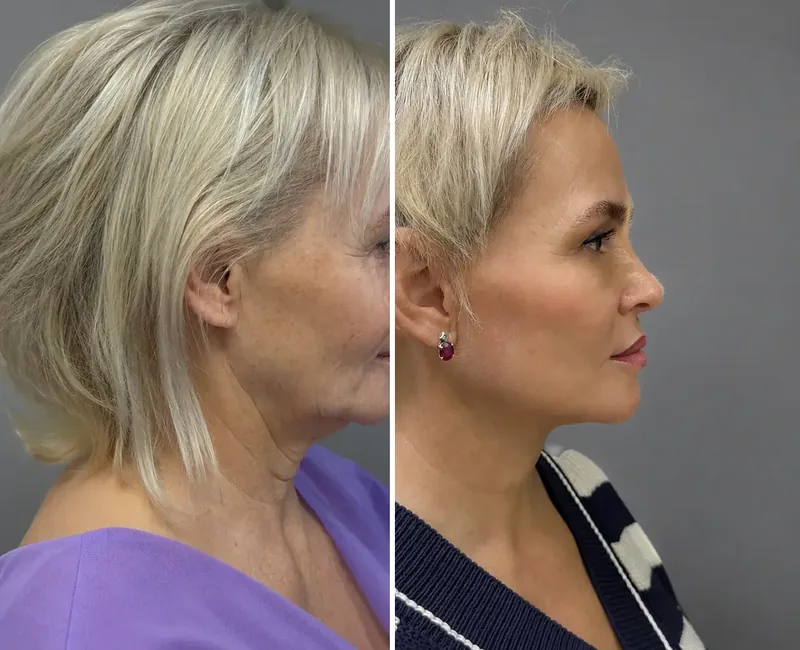
50 years
9 months
SMAS facelift
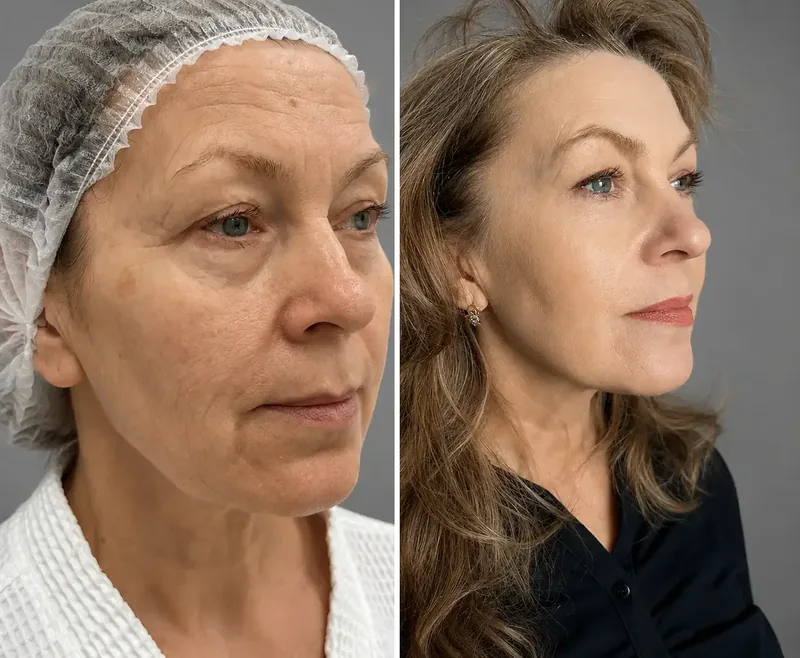
58 years
8 months
SMAS facelift
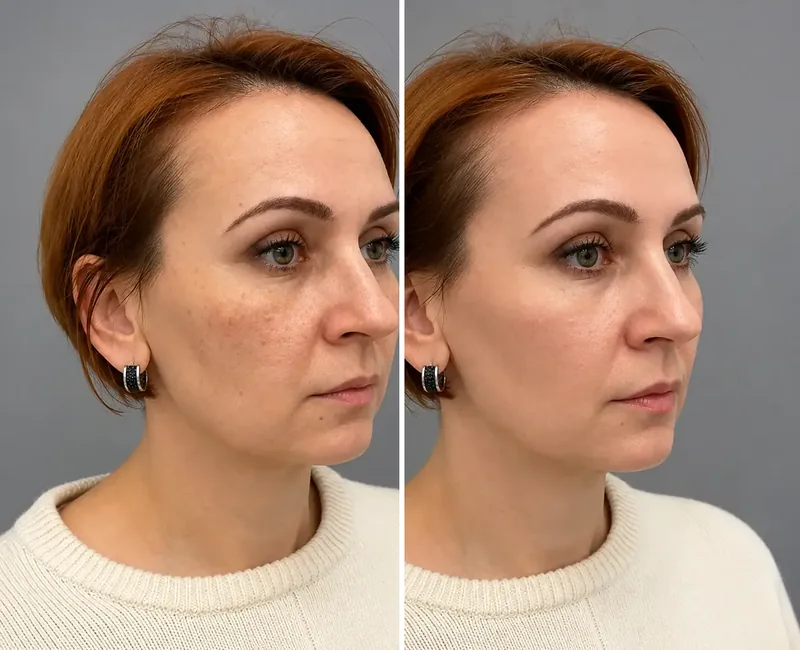
34 years
5 months
SMAS facelift
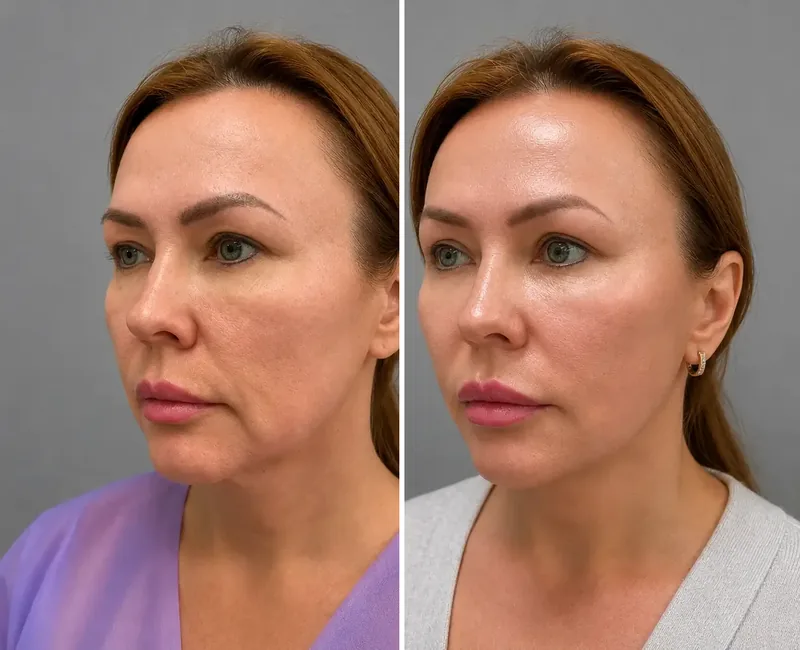
32 years
7 months
SMAS facelift
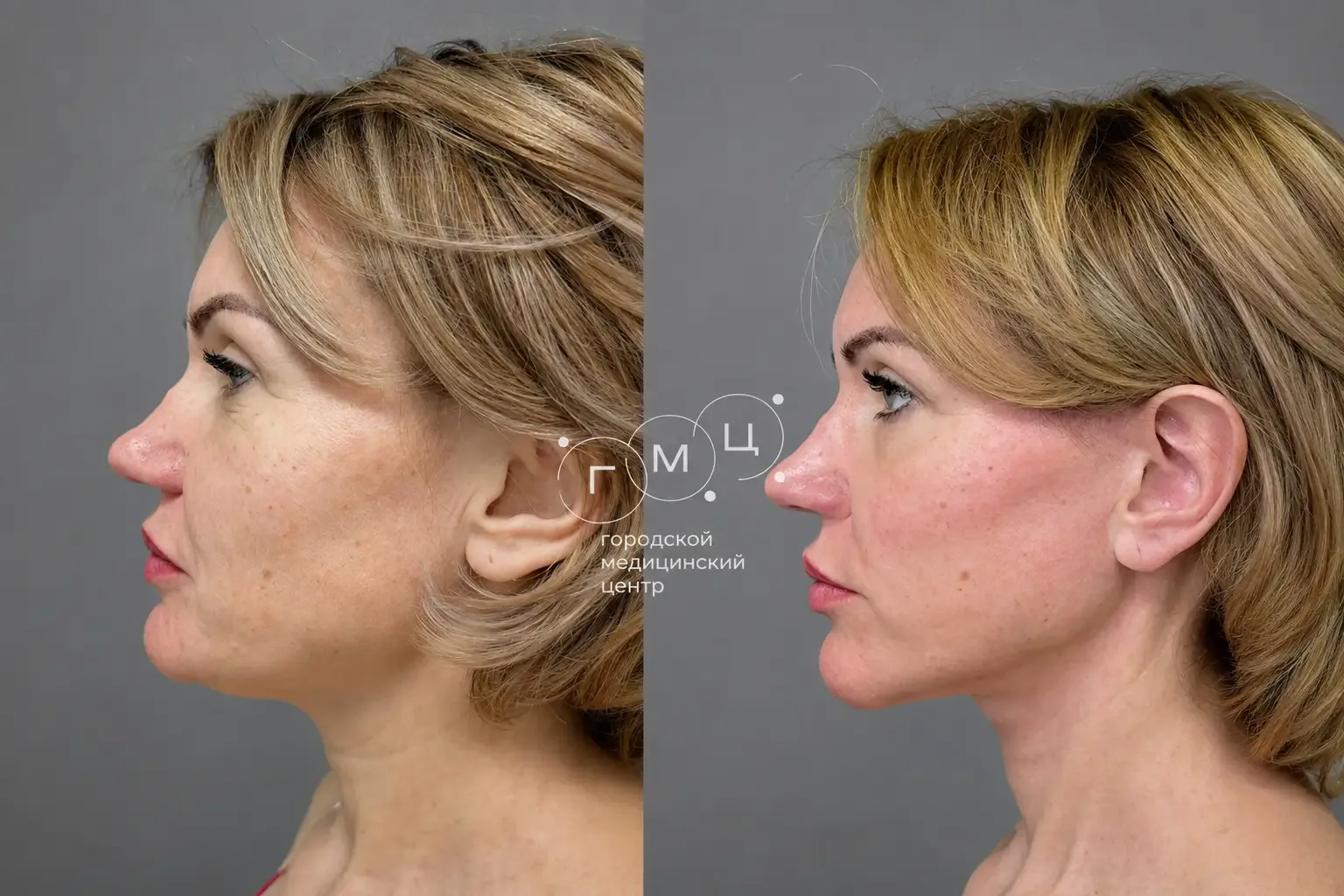
40 years
6 months
SMAS facelift
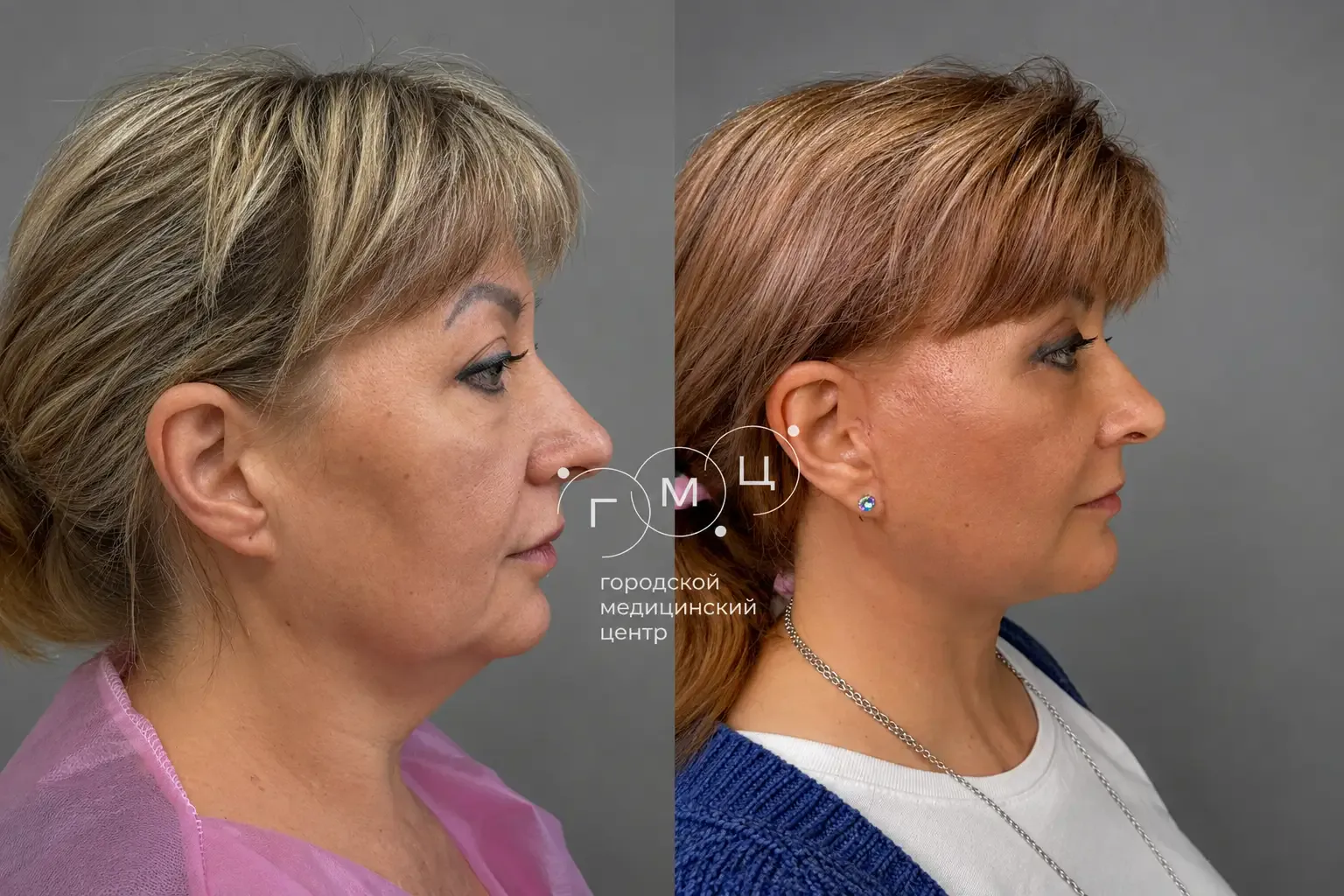
45 years
8 months
SMAS facelift
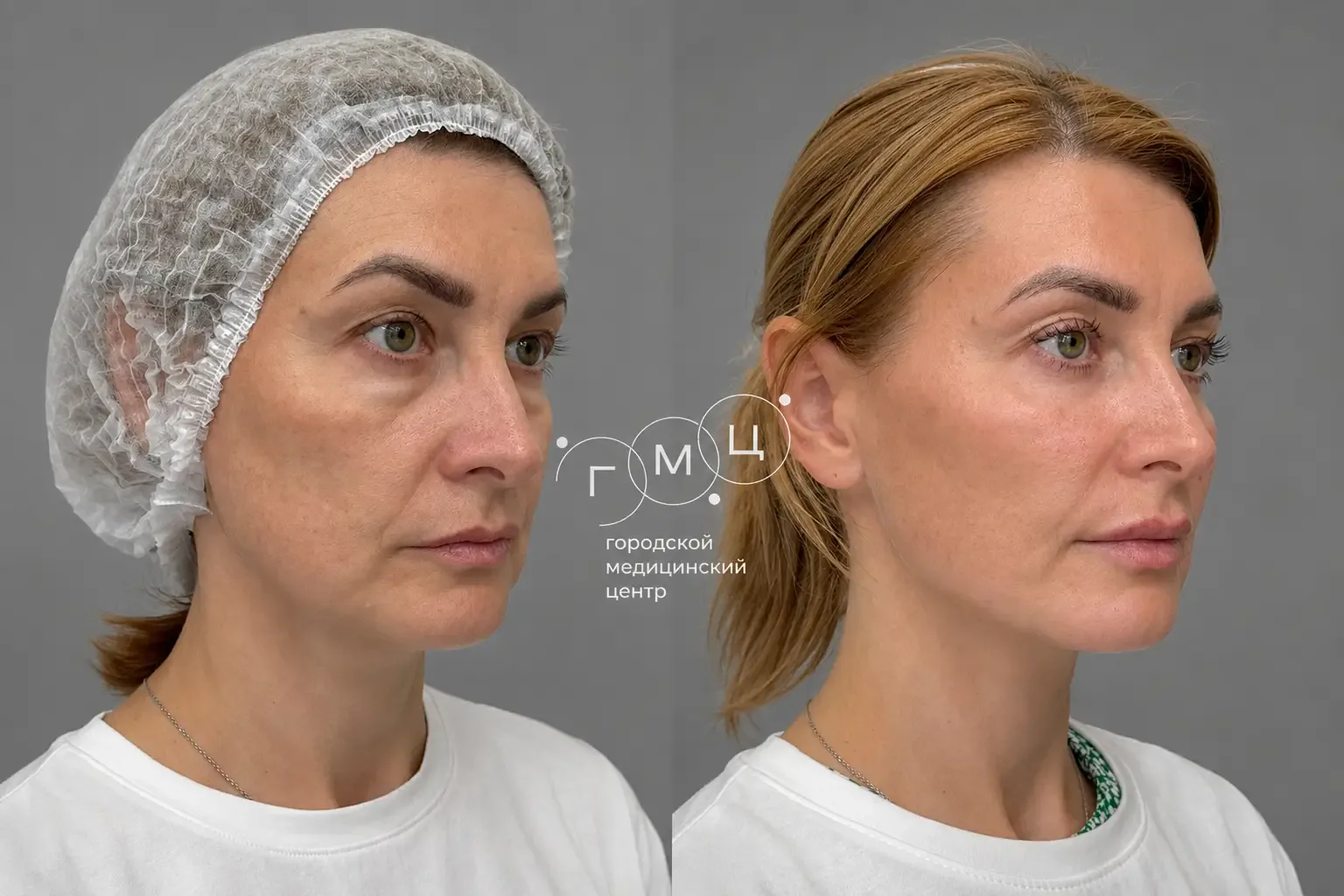
38 years
5 months
SMAS facelift
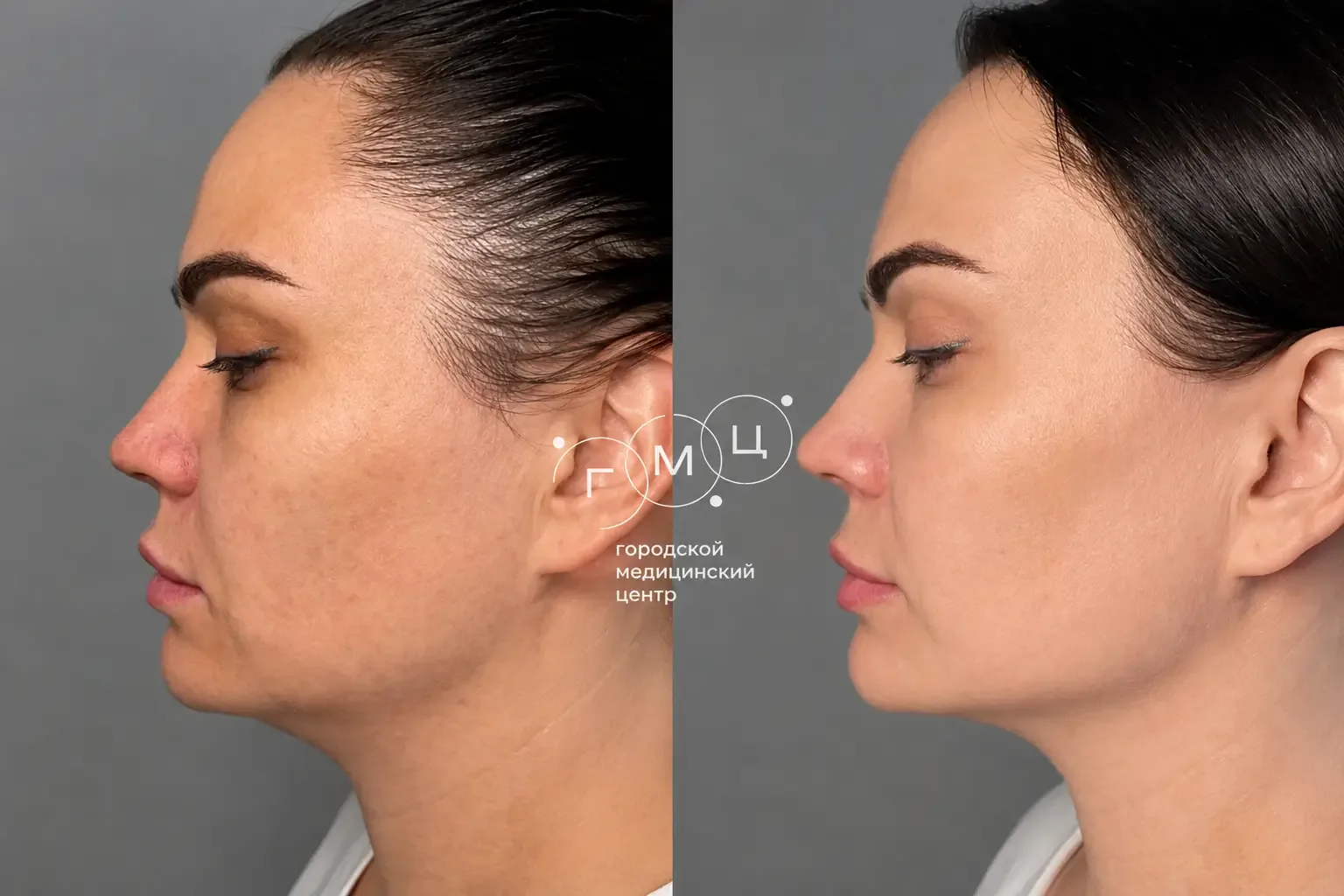
33 years
6 months
SMAS facelift
50 years
9 months
SMAS facelift
58 years
8 months
SMAS facelift
34 years
5 months
SMAS facelift
32 years
7 months
SMAS facelift
40 years
6 months
SMAS facelift
45 years
8 months
SMAS facelift
38 years
5 months
SMAS facelift
33 years
6 months
SMAS facelift
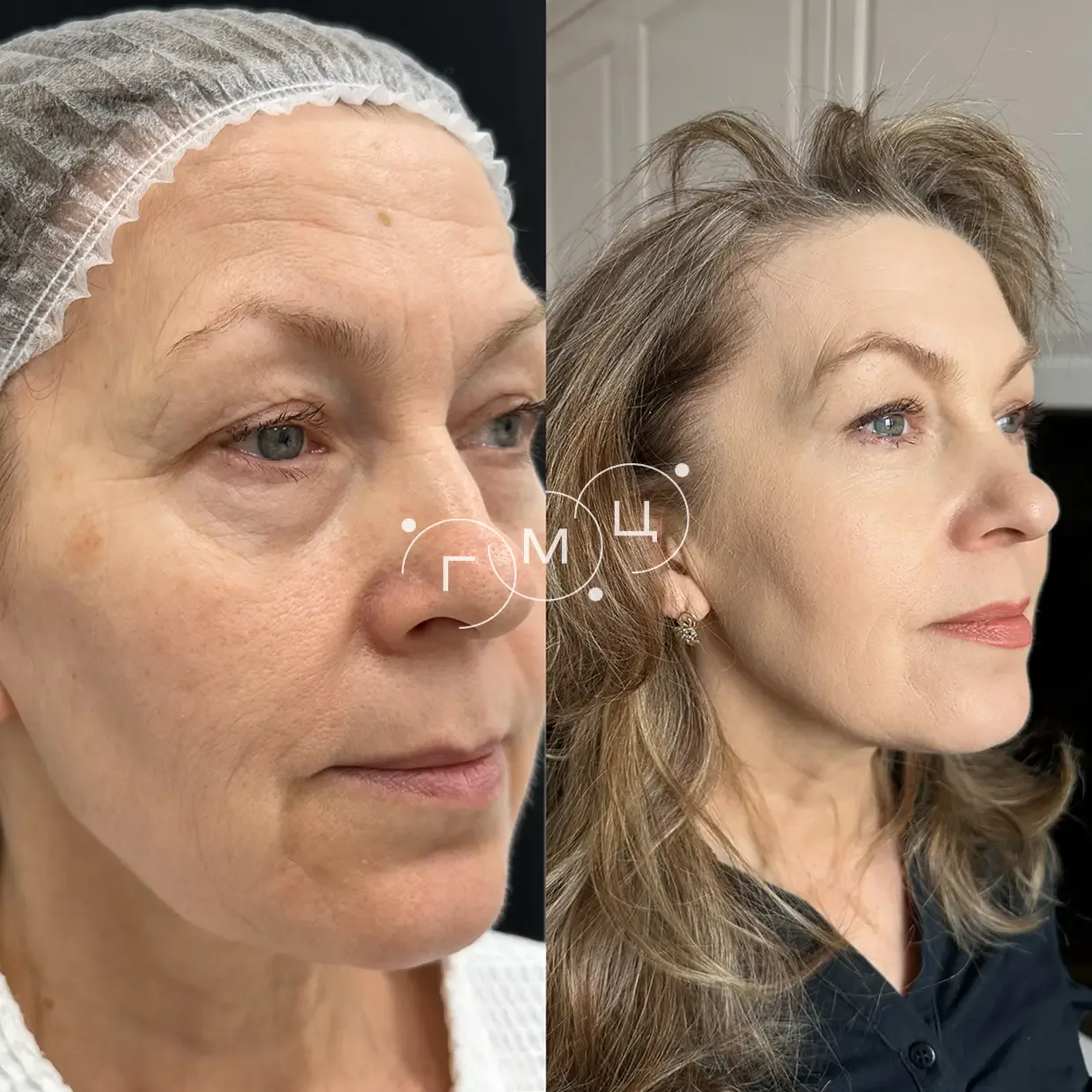

Noticeable sagging of the face and neck
A blurred jawline, jowls
Loose neck skin and a double chin
Deep nasolabial folds, marionette lines
Drooping brows and a heavy look
A significant drop in skin firmness after 40
A long-term result is wanted (7–10 years)

Patients under the age of 30
Active, acute inflammation of the skin
Being pregnant or breastfeeding
A severe cardiovascular condition
Disorders of blood clotting
Cancer
Decompensated diabetes
How a SMAS facelift works for Kananga residents
A facelift can also be part of a broader plan. It is often combined with blepharoplasty (eyelid surgery), rhinoplasty or double-chin liposuction, and the scope of a combined procedure is set by the surgeon at the consultation. This lets patients from Kananga address several concerns in one combined procedure. The surgeon never suggests surgery where it is not needed and never prescribes anything extra.
The endoscopic brow and temple lift is the gentlest option: the surgeon uses an endoscope through tiny punctures, repositions the brows and smooths forehead and frown lines, with
scars hidden in the hairline. A neck and lower face lift also uses small incisions, keeping scars barely visible. For people in Kananga, the choice of access depends on which zones need correction and how marked the sagging is.
What do you pay for? From $2,400 (≈ CDF 5,600,000) covers the operation and everything around it: a one-to-one consultation, the medical team, anaesthesia, inpatient care with meals, 24/7 monitoring and twelve months of surgeon follow-up. The first consultation is free and comes with no pressure to decide. Anyone in Kananga can apply via any messenger to arrange a convenient time.
Kananga and the question of a facelift
Kananga, formerly known as Luluabourg, is the capital of the Kasaï-Central Province in the Democratic Republic of the Congo. It is the fourth most populous urban area in the country, with an estimated population of 1,524,000 in 2021. In a city of this size, people notice how others look and how they age. Many residents who turn forty begin to ask what a facelift can and cannot do.
The question usually starts with the mirror: heavier cheeks, a softer jaw line, a line from the nose to the mouth
that looks deeper than before. After 40–50 the skin gradually loses firmness, and sagging, jowls, a blurred jawline and drooping cheeks become noticeable. A surgical SMAS facelift works deeper than cosmetology. It repositions the muscle and fascia layer, so it treats the cause of sagging, not only its effects.
This text is written for people in Kananga who want to understand the operation calmly before taking any decision. It covers the city's climate and its effect on recovery, daily life, the choice of technique, questions for the surgeon and how the remote consultation works.
How the consultation works from Kananga
The first step is a free online consultation. You do not need to arrange anything in person at the start. Coordinators are available around the clock, 24/7, on WhatsApp and Telegram, so you can write when it suits you, whether that is after work, after a church service or in the evening when the household is quiet.
Send a few clear photographs of the face in daylight, front and side, and describe what bothers you. The medical team reviews them and a one-to-one consultation follows. The recommendation is made individually after an examination, and the surgeon helps select the best option for your age and type of ageing.
The centre is open 24/7 with flexible booking and a personal approach. We fit around your busy schedule and adapt to you. For a person who runs a shop, teaches, works in administration or looks after a large family, this matters: you decide the time of the conversation, and you can come back with new questions as often as you need.
Many people in Kananga prefer to talk the decision over with a husband, a wife, a sister or a close friend before writing. That is sensible. You can share the answers of the coordinators with them and return with a list of questions that the whole family has prepared.
Who is a suitable candidate
As a rule, surgery is recommended for patients aged 40+ with marked tissue sagging, and in some cases from 35. The decision is never made from age alone. It depends on the condition of the skin, the depth of the folds, the shape of the jaw line and the neck, and on what the person expects.
The operation suits those with a marked loss of skin firmness after 40 and those looking for a result that lasts (7–10 years). It is not a substitute for general health care. Tell the surgeon honestly about chronic illnesses, regular medicines, smoking, previous operations and any tendency to heal slowly. These details decide whether the operation is appropriate and how it is planned.
Weight also deserves a conversation. Large changes in body weight after the operation can change the look of the face and neck. Overweight and obesity are a broad health matter, and the surgeon will want a general picture of your health before planning anything. If you are in the middle of losing or gaining weight, discuss timing with the team.
People who expect a different face, or who hope the operation will solve a problem unrelated to ageing, should say so openly. A good consultation sets realistic expectations: the aim is a fresher, firmer and natural look of your own face.
Choosing between the four options
There are 4 main options. At the consultation, the surgeon helps select the best one for your age and type of ageing. Two of them are worth knowing in advance, because patients from Kananga often ask about the difference.
The classic SMAS lift of the mid and lower face is one. The surgeon works on the skin and the SMAS layer through incisions hidden along the hair line and around the ears. It removes jowls, sagging cheeks, a double chin and deep nasolabial folds. Results last 7–10 years.
The comprehensive lift covers the forehead, temples, mid and lower face and neck. It suits marked sagging in several areas at once. It delivers the most complete rejuvenation and a natural look, free of a «mask» effect, and results last up to 10 years.
Bring your own questions: which option fits my face, which areas it treats, where the incisions will lie and how they will look once healed. A good plan is explained in plain words and tied to your own photographs.
Why the deep layer matters
A surgical SMAS facelift corrects at 3 levels. The central step is lifting and securing the muscle and fascia layer. This allows the surgeon to treat the cause of sagging itself, which is weakened ligaments and descended muscles. Deep work on the SMAS gives a natural look and results lasting up to 10 years.
It is a face lift that tightens the deep SMAS layer under the skin, not only the skin itself, so the
lower face, jawline and neck stay firmer for longer. The result lasts about 7–10 years. This is why the operation is considered when creams, massage or superficial procedures no longer give the change a person is looking for.
One operation gives a complete result. A repeat procedure is possible after 7–10 years if the patient wants it. Ageing itself does not stop, but the starting point stays better for a long period.
Climate of Kananga and recovery
Kananga has a tropical savanna climate. The dry season is centred on June and July, and a lengthy though not intense wet season runs from September to May. For a person planning a facelift, this means that most of the year is warm and humid, and the sun is strong even on cloudy days.
During the first 7–10 days the priority is rest, a compression bandage and less physical activity. Heat and humidity can make a bandage uncomfortable, so plan a cool, shaded, well-ventilated room for resting. Keep the head slightly raised when sleeping, and follow the surgeon's instructions on how to keep the bandage clean and dry.
Swelling and bruising fade within 2–4 weeks, and full recovery takes about 2 months. Over that period protect the healing skin from direct sun. A wide-brimmed hat or a light scarf that does not press on the incisions, and shade when you go outside, are sensible general measures. Avoid dusty roads in the dry months, and do not swim in a pool or the river until the surgeon says the incisions have healed enough.
The dry season in June and July may feel easier for staying indoors and resting, but the wet season is also workable if you prepare a quiet home. Heavy rain can keep you indoors anyway, which suits a resting period. The right month is the one when your work and family allow about 2 months of calm recovery.
Work, family and daily life in Kananga
Kananga is an important commercial and administrative centre. Many people work in offices, trade, schools and services, and they cannot disappear for long. Talk through your work plans with the surgeon: how many days you should stay at home, when you can answer calls, when a meeting in person is reasonable and when to avoid heavy tasks.
Family events and church celebrations are an important part of life here, since Kananga is the seat of an archdiocese. If a wedding, a baptism or a funeral is coming, choose the operation date with enough margin. After 3–4 weeks, as the swelling settles, the first clear changes appear, and your face takes on its final look
in 3–6 months. It is better not to fix a date for the operation immediately before a large gathering.
Food culture also plays a part. During the first days choose soft, simple meals and drink enough water, and ask the team what to avoid. Inpatient care includes meals, so the first period of recovery is organised for you. At home, ask relatives to prepare food so you do not need to stand over a hot stove while the face is still swollen.
Teachers, traders and public employees often ask how to explain a few weeks of absence. You decide how much to share. Many simply say they are resting after a medical procedure, and return when the swelling and bruising have faded.
Sport, football and physical activity
Football is the most popular sport in Kananga, and clubs such as JSK, AS Saint-Luc and Athletic Club du Kasaï have loyal supporters. Many men and women play with friends or watch matches in a crowd. After a facelift, avoid kicking a ball, jostling in a crowd and any sudden strain during the early period, because the face must not be knocked and the blood pressure should stay calm.
The first 7–10 days are for rest and
reduced activity. After that, return to light walking, and ask the surgeon at each follow-up when a given activity is allowed. Do not decide on your own that you feel well enough to run or lift weights. Full recovery takes about 2 months, and the surgeon's permission is what counts.
If you coach, referee or play regularly, tell the team at the start so that the plan is realistic. A teammate or friend can cover for you for a few weeks.
Questions Kananga patients ask before deciding
People in Kananga rarely ask only about the operation itself. They ask how a facelift fits into a life shaped by work, family and the rhythm of a provincial capital. Typical questions are how long the face will look swollen, whether acquaintances will notice, what the scars will look like and whether the change will look natural rather than stretched.
A facelift that works on the deep SMAS layer, and not only on the skin, is designed to avoid a tight, mask-like look. The comprehensive
lift in particular is described as giving a natural look, free of a «mask» effect. Ask the surgeon to show how the planned result relates to your own face shape, and not to a general ideal.
Another frequent question is whether a cheaper or simpler procedure could be enough. Cosmetology can improve the surface of the skin, but beyond 40–50, when sagging, jowls and a blurred jawline appear, the cause lies deeper, in weakened ligaments and descended muscles. Put this question to the surgeon directly and ask for an honest answer about what each approach can deliver in your case.
Choosing the season for the operation in Kananga
Kananga has a dry season centred on June and July and a long, not intense wet season from September to May. Neither period rules out the operation. What matters is that you can spend the first 7–10 days quietly at home, with rest, a compression bandage and less physical activity.
In the dry months the air is drier and there may be more dust on unpaved roads, so keep windows in the resting room managed and avoid dusty errands
while the incisions heal. In the wet months humidity is high and the bandage can feel warm, but staying indoors during heavy rain is natural and fits a recovery period well.
Because swelling and bruising fade within 2–4 weeks and full recovery takes about 2 months, count backwards from the dates that matter to you: a family celebration, a church event, a work deadline or a school term. The final look appears in 3–6 months, so there is no need to rush toward an event that comes soon after the operation.
Preparing your home and household in Kananga
Good preparation shortens worry. Before the operation, arrange a calm room with good airflow, extra pillows to keep the head slightly raised, clean soft cloths and a place to rest during the hottest hours. Ask a relative or a close friend to be with you in the first days.
Think about who takes over your usual duties: school pick-ups, shop opening, cooking, errands in the market.
A husband, a wife, a sister or an adult child can share these tasks for a few weeks. The clearer the plan, the less you will be tempted to return to heavy activity too early.
Write down in advance the questions for the coordinators and the surgeon, and keep your phone charged so that you can send photographs on Telegram or WhatsApp. Since the coordinators answer around the clock, you can report a concern at any hour without waiting.
Safety, monitoring and follow-up
The programme includes a one-to-one consultation, the medical team, anaesthesia, inpatient care with meals, 24/7 monitoring and twelve months of follow-up by the surgeon. Continuous 24/7 monitoring by the medical team is part of the care, and for the whole first year your operating surgeon follows you up.
Follow-up from Kananga is done remotely through the same channels. Send photographs of your progress, report any unusual swelling, pain or change in colour, and ask the coordinators if something worries you. They answer around the clock, so you do not wait until morning with a worry in the night.
Ask the surgeon before the operation: what are the stages of the procedure, which anaesthesia is used, how long is the stay, how will I be monitored, what do I do in the first nights, how often will you check my photographs, and what signs mean I should write at once.
At what age should I consider a facelift in Kananga?
As a rule, surgery is recommended for patients aged 40+ with marked tissue sagging, and in some cases from 35. The recommendation is made individually after an examination.
Is the consultation really free and online?
Yes. The consultation is free and online, and you can start from Kananga. Coordinators are available 24/7 on WhatsApp and Telegram.
How long does the result last?
A surgical SMAS facelift gives an effect that lasts 7–10 years. The comprehensive lift lasts up to 10 years.
How long is recovery?
During the first 7–10 days you need rest, a compression bandage and less physical activity. Swelling and bruising fade within 2–4 weeks, and full recovery takes about 2 months.
When will I see the final look?
After 3–4 weeks, as the swelling settles, the first clear changes appear. Your face takes on its final look in 3–6 months.
Does the hot, humid climate of Kananga affect healing?
It can make the bandage uncomfortable and the sun is strong, so rest in a cool shaded room and protect the skin with a hat or scarf. Avoid dust and do not swim until the surgeon allows it.
Which technique is right for me?
There are 4 main options. At the consultation, the surgeon helps select the best one for your age and type of ageing, for example the classic SMAS lift or the comprehensive lift.
Will I need another operation?
One operation gives a complete result. A repeat procedure is possible after 7–10 years if the patient wants it.
Who follows me after the operation?
Your operating surgeon follows you up for the whole first year, and the team provides 24/7 monitoring. Twelve months of follow-up are included.
When can I return to football or other sport?
Do not return to sport on your own. Reduce physical activity during the first 7–10 days, and ask the surgeon at each check when each activity is allowed. Full recovery takes about 2 months.
Will people in Kananga notice that I had a facelift?
The aim of deep SMAS work is a natural look of your own face, not a changed face. Swelling and bruising fade within 2–4 weeks, and the final look appears in 3–6 months, so many people simply see you as rested and fresher.
Is a facelift better than cosmetology after 40?
Cosmetology works on the surface. A surgical SMAS facelift works deeper by repositioning the muscle and fascia layer, so it treats the cause of sagging, not its effects. The surgeon will explain what suits your case after the examination.
Which season in Kananga is better for the operation?
Both the dry season around June and July and the long wet season are workable. Choose the period when you can rest at home for about 2 months of recovery, with the first 7–10 days kept especially calm.
Facelift in Kananga: price and what is included
Prices are in US dollars; the amount in brackets is an approximate conversion to CDF at the rate of 2 October 2026. The final price is fixed in your contract.
- Faceliftfrom $2,400 (≈ CDF 5,600,000)
How much does a facelift in Kananga cost?
Prices start from $2,400 (≈ CDF 5,600,000). The surgeon sets the final price at the free consultation, and it is fixed in the contract, with no hidden extras.
What is included in the price?
A one-to-one consultation, the medical team, anaesthesia, inpatient care with meals, 24/7 monitoring and twelve months of follow-up by the surgeon.
How do I get my exact price?
Message us on WhatsApp or Telegram using the buttons below. A coordinator will answer your questions and book a free consultation where the doctor names the exact price.
By messaging us, you agree to our Privacy Policy