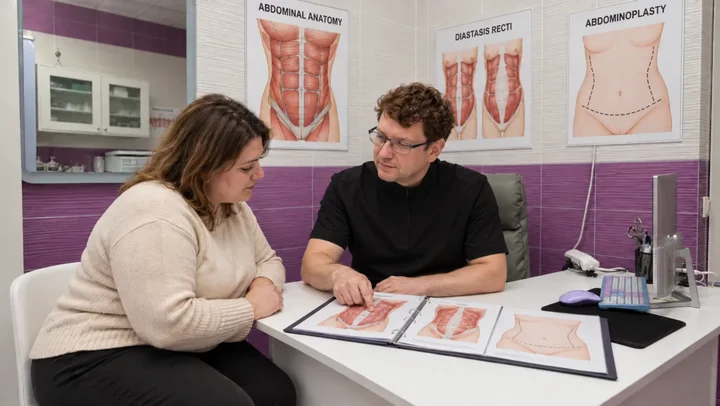
Liposuction for people in Cape Coast: what to know before the first conversation
Cape Coast is a city with a long memory and a busy present. It is the capital of the Cape Coast Metropolitan District and of the Central Region of Ghana, and it was the capital of the Gold Coast from 1821 until 1877. As of the 2010 census the city had 108,374 people, a figure that grew to 189,925 by 2021. Most residents are Fante, and Fante is the language of the community. Many people here are teachers, students, civil servants, traders, fishers and guides, and most of them lead active lives on their feet. That shapes how they think about body contouring: it has to fit into a real working week, not an idealised one.
Liposuction is a contouring operation. It removes stubborn local fat deposits that stay in place despite a steady routine of food and movement, typically on the abdomen, flanks, waist, thighs, hips, arms, chin or back. It is not a method of losing weight and it does not replace nutrition or exercise. The World Health Organization describes overweight and obesity as abnormal or excessive fat accumulation that may impair health, and it frames weight management as a matter of long-term habits and medical care. A good surgeon will say the same thing in the first conversation: the operation reshapes proportions, and the habits you keep afterwards protect the shape.
City Medical Centre offers a free online consultation to patients in Cape Coast. Coordinators are available 24/7 on Telegram and Telegram, so you can write after work, after a lecture or on a quiet Sunday afternoon and get an answer without arranging time off. You send photographs and describe your goals and health history, and the surgeon reviews them with you remotely. This first step commits you to nothing; its purpose is to tell you honestly whether liposuction suits your situation.
Climate in Cape Coast and what it means for recovery
Cape Coast has a tropical savanna climate with two rainy seasons, peaking from May to June and again in October. The dry harmattan period runs from November to February. Average temperatures sit around 24 to 32 °C, and relative humidity stays between 60% and 80%. For someone recovering from liposuction, this combination of constant warmth and moisture matters more than any single season, so it is worth planning for from the start.
Compression garments are the central part of aftercare. According to the medical protocol you wear them for 30–45 days. In a humid coastal climate that can be uncomfortable, and the sensible response is practical: choose breathable, loose cotton clothing to wear over the garment, keep a spare garment so you can change when one gets damp, and wash and dry each one fully. Ask the coordinator which fabrics are suitable and how to keep skin around the micro-punctures clean and dry in humid weather. Follow the surgeon's individual instructions on the garment rather than adjusting it yourself for comfort.
Swelling is a normal part of the process, and warmth can make it feel more noticeable by the end of a hot afternoon. Many patients find that resting with air circulation, drinking enough water and avoiding long periods standing in the midday heat helps them feel steadier. Sun exposure on healing skin deserves care too. Marks from the 3–5 mm micro-punctures are barely visible once healed, and with proper care during recovery they fade completely, but healing skin should be shaded and covered rather than exposed to strong coastal sun. Tanning beds are off-limits for at least a month, and the same caution applies to long sessions in direct sun.
Choosing the season for your operation
Because Cape Coast stays warm all year, there is no cool season in which a compression garment becomes comfortable. The choice of timing therefore depends more on rain, dust and your own calendar. During the rainy peaks, from May to June and in October, humidity is high and getting around can be slow, which matters for short outings to a pharmacy. During the harmattan from November to February the air is drier and can carry dust, which some people find irritating for skin and eyes, though it is often easier on the garment.
Neither season is wrong. What matters is that you give yourself the first 7 days free of physical exertion and heavy lifting, and that you do not plan demanding work, long standing shifts or crowded events in the early weeks. Ask the coordinator to help you lay your own dates against the recovery timeline: home the same day with local anaesthesia or after 1 day with general anaesthesia, back to work after 7–10 days, swelling and bruising clearing by weeks 4–5, and the final result forming in 3–6 months.
Think about the check-ups as well. They take place at 7 days, 3 months and 6 months, so choose a start date that leaves your calendar workable around those points. If your first check-up falls in a busy week, discuss it in advance. Because the consultations are online, rescheduling is simple, and the coordinators on Telegram and Telegram around the clock can help you find a suitable slot.
Daily life, work and study in Cape Coast during recovery
Cape Coast is an educational hub. The University of Cape Coast and Cape Coast Technical University, together with many secondary and technical institutions, give the city a large population of students, lecturers and administrative staff. For a lecturer or teacher, the practical question is how long they will be away from the classroom or lecture hall. The medical facts give a clear answer: most patients return to their usual routine and work in 7–10 days. Desk-based and light work generally returns first; anything involving lifting, carrying or long physical effort should wait for the surgeon's approval.
Students can plan around the academic calendar. A quiet period between teaching blocks is easier than the weeks before examinations, when stress and long sitting hours add to discomfort. If you attend lectures, a loose layer over the garment, a cushion for long sitting and regular short walks are sensible habits, and the surgeon can give individual advice on all three.
Tourism dominates the city's economy and services, with Cape Coast Castle, Kakum National Park and the PANAFEST festival drawing visitors. People who work as guides, in hospitality or in the market on foot for hours need more caution. Standing and walking in heat is tiring in the early recovery period, and the first 7 days without exertion should not be shortened because business is busy. If your work is physically demanding, say so during the consultation so the surgeon can talk through a realistic return plan. Self-employed traders, including those at Kotokuraba Market, often cannot simply close for long, so it helps to arrange for a relative or colleague to cover lifting and carrying for a short period.
Food culture, family events and festivals
Food in Cape Coast is closely tied to the sea. Water is scarce in and around the city, and many residents turn to fishing. Fish is therefore a familiar and central part of local meals, and for the weeks after surgery a protein-rich, balanced diet is a sensible way to support healing. Specific dietary instructions come from your surgeon; do not follow an extreme or crash diet around the operation, since the aim is a stable, natural contour rather than rapid weight change.
Much of the vegetable supply for the city comes in from elsewhere, so freshness and variety depend on market days. Planning meals ahead, with someone at home preparing simple food during the first week, helps you avoid standing and cooking when you should rest. Alcohol is off-limits for at least a month after surgery, and you should stop alcohol 7–10 days beforehand as well. That is worth remembering when family celebrations, church gatherings and social evenings are approaching.
The main festival of the city is Fetu Afahye, held on the first Saturday of September each year and attracting people from many backgrounds. If you plan surgery before such a festival, keep in mind that the final result forms in 3–6 months, so early photographs may not represent the finished shape. Crowds, heat and long periods on your feet are also demanding on a recovering body. Many patients choose to have the operation well ahead of big events instead of just before them, so the first 4–6 weeks of compression and limited activity do not clash with dancing, processions or hosting guests. Weddings and funerals, both significant events in family life, deserve the same advance thought.
Sport and active life in Cape Coast after liposuction
Football is part of the life of the city. The Cape Coast Sports Stadium, which opened in 2016, is home to the Ebusua Dwarfs, and the Venomous Vipers are another professional club based here. Many residents play recreational football, run along the coast or train in groups. After liposuction, active people need patience more than anything else.
The rules in the medical facts are clear. For the first 7 days there is no physical exertion or heavy lifting. For 4–6 weeks you wear compression garments and avoid the bathhouse, sauna, pool and active sport. That includes football and competitive training, which put sudden strain on the body. Your surgeon gives all individual recommendations after surgery, and these override any general rule. Your coach or teammates should know that you will return gradually, not on a fixed date.
Walking is usually the first activity people resume, at an easy pace and in the cooler parts of the day, so heat does not add to swelling. Sea bathing counts in the same category as the pool for planning purposes: avoid it until the surgeon says it is acceptable, since healing micro-punctures should not sit in salt water or crowded public water. The point of waiting is protection. Patients who rush back to sport often end up with longer swelling and discomfort, while those who follow the schedule tend to enjoy a smooth contour that keeps the natural proportions of the body.
Who is a suitable candidate, and who should wait
The centre operates on patients from age 18, if there are no contraindications. There is no upper age limit; after an examination and health assessment, the decision is made individually. For residents of Cape Coast this matters because many people considering body contouring are in their thirties, forties or later, after pregnancies, busy working years or changes in activity.
A good candidate is generally a person in stable health with localised fat that does not respond to diet and exercise, who has realistic expectations and understands that liposuction shapes the body rather than reducing weight. Loose skin, a large amount of excess weight or a medical condition may change the plan, and the surgeon will tell you honestly if another approach is more appropriate. Smoking, alcohol and medications that affect clotting, such as aspirin, must be stopped 7–10 days before the operation, and the surgeon will list anything else that applies to you.
Some situations call for waiting or for a different plan, and the surgeon decides these individually: unmanaged chronic illness, an acute infection, pregnancy or breastfeeding, and unrealistic expectations. Be open about your full medical history, including medicines you take regularly, herbal remedies and previous operations. Because the first consultation is online and free, you can describe all of this calmly at home and ask follow-up questions in writing through the coordinators, who are available around the clock.
How the remote consultation works from Cape Coast
The process begins with a message to a coordinator on Telegram or Telegram. You describe the area you want to treat, send clear photographs in good light as requested, and share your health information, including earlier surgeries, allergies and regular medication. The surgeon reviews these materials and discusses with you whether liposuction is suitable, which technique fits, and what outcome is realistic for your build.
The techniques used are tumescent and VASER, with micro-incisions of 3–5 mm and precise volume control. The aim is a smooth contour that keeps the natural proportions of your body. You will hear whether one area or a combined procedure is planned, because that affects the length of surgery: from 1 hour for small areas to 3–4 hours for a combined procedure, under local or general anaesthesia. You will also hear about the day of surgery itself, which includes marking the areas and fitting compression garments.
Pre-operative tests are required: blood tests, ECG, ultrasound, and consultations with a general practitioner and an anaesthesiologist. You receive all instructions after the first consultation. The centre works 24/7, with easy booking and a personal approach, so the process adapts to your pace. If you work shifts, teach during the day or look after a family, you can ask questions at any hour, and answers follow in writing, so you can reread them with a relative before deciding.
Talking it over with family and colleagues in Cape Coast
In a city where extended families are close and neighbours know each other, a decision about body contouring rarely stays private for long. Some people in Cape Coast prefer to tell a spouse, a sister or a trusted friend early, because they will be the ones helping in the first days. Others prefer to keep it quiet and say only that they are taking a short rest. Both choices are fine. What matters is that at least one adult at home knows the plan, understands the recovery rules and can help with errands, cooking and lifting during the first 7 days, when no physical exertion or heavy lifting is allowed.
If you decide to share the plan, explain it plainly. Liposuction is a contouring operation done through punctures only 3–5 mm across, not a weight-loss cure and not a dramatic transformation overnight. The first changes show at 2 weeks and the final result forms in 3–6 months, so family members should not expect an instant difference or comment on swelling in the early weeks. A calm, practical explanation protects you from well-meant but unhelpful remarks.
You can also invite a relative to read the coordinator's written answers with you. The consultation is free and online, and the coordinators reply on Telegram and Telegram around the clock. Reading the surgeon's explanations together helps everyone understand the anaesthesia choice, the compression garment routine and the check-ups at 7 days, 3 months and 6 months before you commit to any date.
Getting around Cape Coast while you recover
Most residents of Cape Coast do not own a private vehicle and rely on taxis and minibuses. Congestion is also a known feature of city life, made worse by the city lying south of the Accra–Takoradi trunk road. This is worth thinking about before surgery, because a crowded minibus is not an ideal place for someone with swelling and tenderness, and sudden braking or being pressed by other passengers can be uncomfortable.
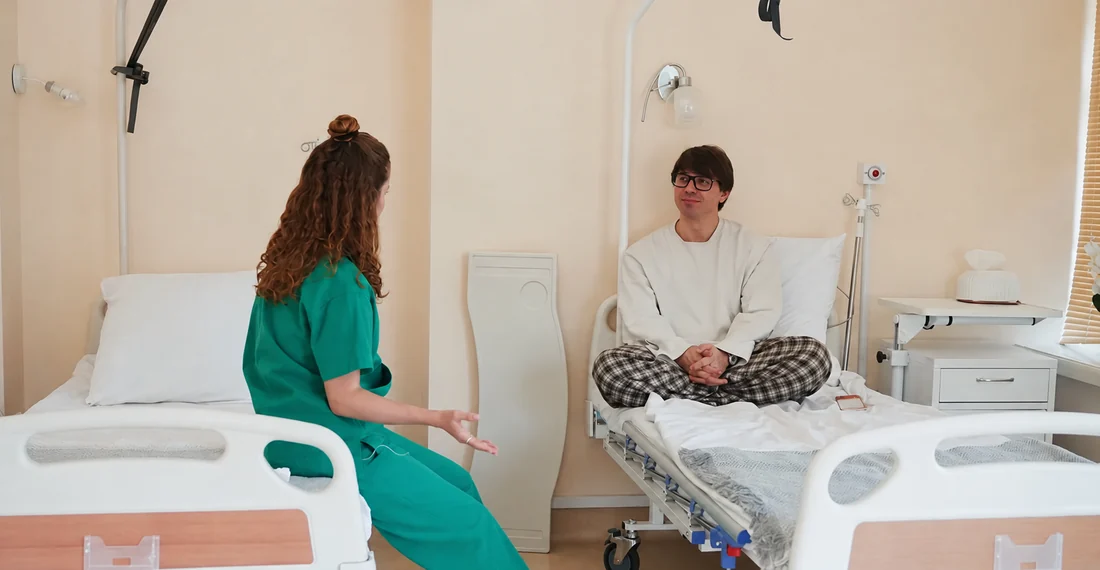
A practical plan is simple. If you choose local anaesthesia, you go home 3–4 hours after surgery, so arrange for a relative or a trusted driver to take you home rather than using shared transport. If you choose general anaesthesia, you stay one day in a comfortable ward under medical supervision and go home after 1 day; again, arrange a calm, seated ride. In the first week, keep outings short and stay close to home, so that pharmacy visits and market errands can be done by someone else.
Short, gentle walks near your home are useful once the surgeon agrees. They support circulation without the strain of long standing in the heat. Avoid carrying heavy bags of food from the market, and ask a family member to do the shopping for the first days. As swelling and bruising clear by weeks 4–5, daily movement becomes easier and you can slowly return to normal routines, always following your surgeon's individual advice.
Healthcare in Cape Coast and how remote planning fits with it
Cape Coast has two principal hospitals, and the Cape Coast Teaching Hospital is the largest in the region. This means residents are used to having general medical care within the city for everyday needs. Liposuction planning is a separate, specialised matter, and the online consultation is designed to complement your ordinary health care, not replace it.
The pre-operative tests required are blood tests, ECG, ultrasound, and consultations with a general practitioner and an anaesthesiologist. Many people will already know a general practitioner they trust, and sharing the surgeon's list of tests with that doctor can make the preparation smoother. Bring existing results, such as recent blood work or notes about chronic conditions, into the conversation with the coordinator so nothing is repeated unnecessarily and the surgeon has the full picture.
Be especially clear about medicines. Smoking, alcohol and medications that affect clotting, such as aspirin, should be stopped 7–10 days before liposuction, but never stop a prescribed medicine on your own. Ask the surgeon through the coordinator which of your regular medicines need to be adjusted and who will supervise that change. After the operation, keep the coordinators informed about any unusual symptom, so that the surgeon can advise you at once, day or night.
Realistic expectations for the body contour
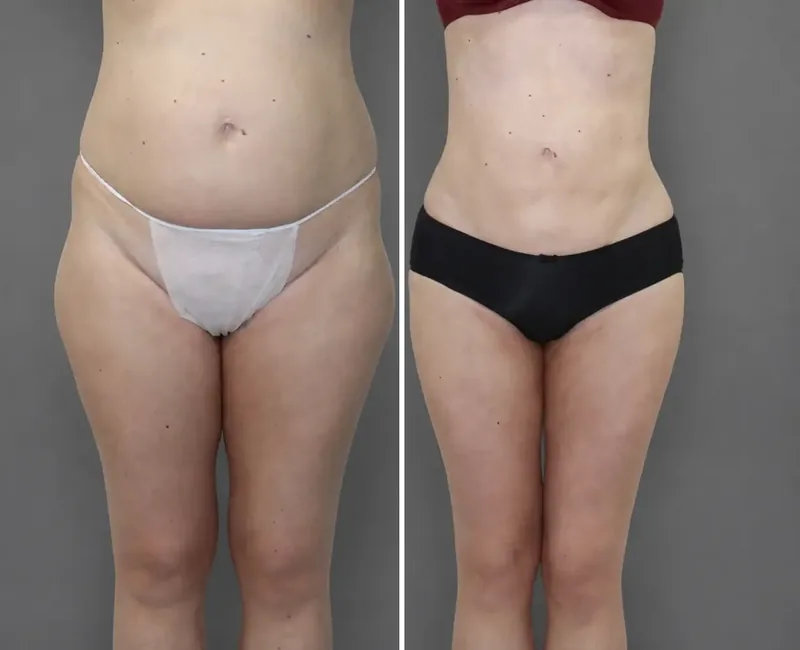
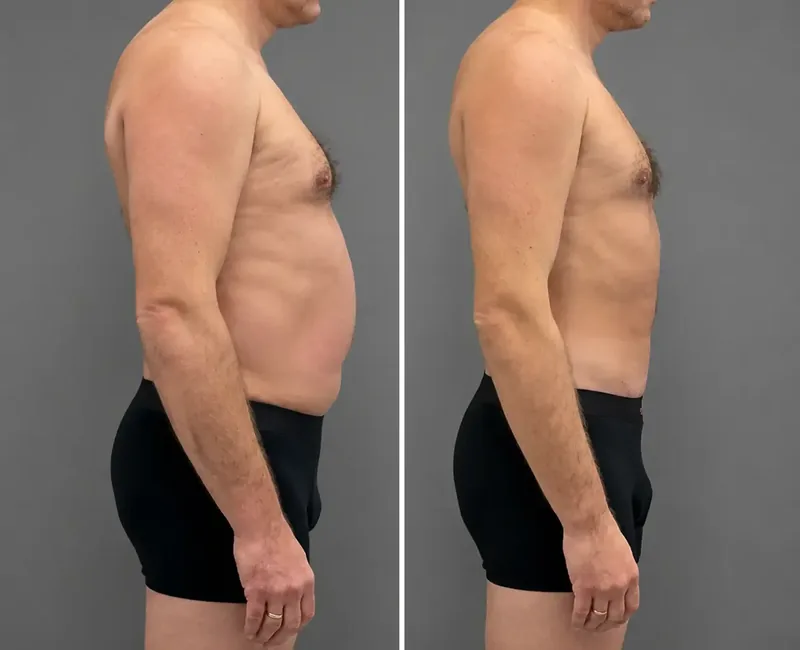
People in Cape Coast bring many different goals to a first conversation: a flatter abdomen after pregnancy, a slimmer waist for a wedding season, a more defined line of the back or arms, or a smoother outer thigh. The technique used is tumescent and VASER with micro-incisions of 3–5 mm and precise volume control. The aim is a smooth contour that keeps the natural proportions of your body, not an exaggerated shape that looks out of place on you.
Photographs help the conversation, but they are only a starting point. Your own build, skin quality and the way fat sits on your body decide what is achievable. A surgeon who is honest will sometimes suggest treating fewer areas, or will recommend waiting, and this is a sign of careful planning. Remember that the final contour forms in 3–6 months, once the tissues have fully adapted, so judge the result only after that time.
Keeping the result is the patient's job. Stable habits with food and regular movement protect the new shape, and the check-ups at 7 days, 3 months and 6 months give you a chance to ask how to do this in your daily life. Until the end of the year you can also have a post-surgery consultation with your surgeon to review your results, at the clinic's expense.
Questions to ask the surgeon, and what recovery looks like
People in Cape Coast who start the conversation tend to ask practical questions, and they are the right ones. Which areas can be treated at the same time, and how long would the operation take? Is local or general anaesthesia recommended for me? With local anaesthesia you go home 3–4 hours after surgery; with general anaesthesia you stay one day in a comfortable ward under medical supervision. How should I wear the garment in warm, humid weather? When can I return to teaching, market work or guiding? Which signs during recovery should make me message the coordinator immediately?
Ask also about the timeline of the result. The first changes show at 2 weeks after surgery, once the main swelling has gone down. An interim result is assessed at 1.5–2 months, and the final contours form in 3–6 months once the tissues have fully adapted. Swelling and bruising clear by weeks 4–5. Knowing this prevents disappointment in the early weeks, when the body still looks and feels changed in ways that will settle.
Follow-up is part of the care. The surgeon follows your recovery and the new body contour at check-ups after 7 days, 3 months and 6 months. Check-ups, dressings and aftercare advice are already included in the price of surgery. Until the end of the year, you can also get a post-surgery consultation with your surgeon to review results and get more information, at the clinic's expense. The procedure is done through punctures only 3–5 mm across, which usually need no stitches, and once healed the marks are barely visible. Ask how your own recovery plan fits around work, family and the rhythm of life in your city.
Can I have a liposuction consultation from Cape Coast without leaving the city?
Yes. The consultation is online and free. You contact a coordinator on Telegram or Telegram, who are available 24/7, send photographs and your health details, and the surgeon reviews them with you remotely. You can do this from home, from work or between lectures, and you can take your time to reread the answers.
Is liposuction a way to lose weight?
No. It is a body contouring procedure that removes localised fat deposits that resist diet and exercise. The World Health Organization describes overweight and obesity as abnormal or excessive fat accumulation that may impair health, and managing that is a matter of long-term habits and medical care. The surgeon will tell you honestly if your goals are better served by another approach.
How long does the operation take and what anaesthesia is used?
Anaesthesia is local or general. Surgery takes from 1 hour for small areas to 3–4 hours for a combined procedure. With local anaesthesia you go home 3–4 hours after surgery; with general anaesthesia you stay one day in a comfortable ward under medical supervision.
How soon can I go back to work or university in Cape Coast?
Most patients get back to their usual routine and work in 7–10 days. Desk work and teaching usually return first. Physically demanding work, such as heavy lifting or long hours on your feet in the heat, should wait until the surgeon agrees. Tell the surgeon about your job so the plan is realistic.
How do I cope with compression garments in the warm, humid climate?
You wear compression garments for 30–45 days. Cape Coast is warm all year, with humidity between 60% and 80%, so loose breathable cotton clothing over the garment, a spare garment to change into, and careful washing and drying help. Ask the coordinator about suitable fabrics, and follow the surgeon's individual instructions on how to wear the garment.
When can I play football, swim or return to the gym?
For the first 7 days, avoid all physical exertion and heavy lifting. For 4–6 weeks, wear compression garments and avoid the bathhouse, sauna, pool and active sport. Treat sea bathing with the same caution as the pool. Your surgeon gives all individual recommendations after surgery, and a gradual return begins with walking.
When will I see the final result?
The first changes show at 2 weeks, once the main swelling has gone down. An interim result is assessed at 1.5–2 months. Swelling and bruising clear by weeks 4–5, and the final contours form in 3–6 months once the tissues have fully adapted. Check-ups take place at 7 days, 3 months and 6 months.
Will there be visible scars?
The surgery is done through punctures only 3–5 mm across, which usually need no stitches. Once healed, the marks are barely visible, and with proper care during recovery they fade completely. Protect healing skin from strong sun, and avoid tanning beds for at least a month.
What must I do before the operation?
Give up smoking, alcohol and medications that affect clotting, such as aspirin, 7–10 days before liposuction. Pre-operative tests are required: blood tests, ECG, ultrasound, and consultations with a general practitioner and an anaesthesiologist. You receive all instructions after the first consultation.
Is there an age limit?
The centre operates from age 18, if there are no contraindications. There is no upper age limit. After an examination and health assessment, the decision is made individually, based on your general health and goals.
Should I tell my family and employer before the operation?
That is your choice. It helps if at least one adult at home knows the plan and can assist during the first 7 days, when physical exertion and heavy lifting are not allowed. Most patients return to their usual routine and work in 7–10 days, so a short, simple explanation to your employer is usually enough.
How should I get home after the operation in Cape Coast?
Arrange a calm, seated ride with a relative or trusted driver instead of a crowded minibus. With local anaesthesia you go home 3–4 hours after surgery, and with general anaesthesia you stay one day under medical supervision before going home.
Can I use my own doctor for the pre-operative tests?
Pre-operative tests include blood tests, ECG, ultrasound, and consultations with a general practitioner and an anaesthesiologist. Ask the coordinator for the exact list after the first consultation, share any existing results, and let the surgeon confirm what is needed for your case.

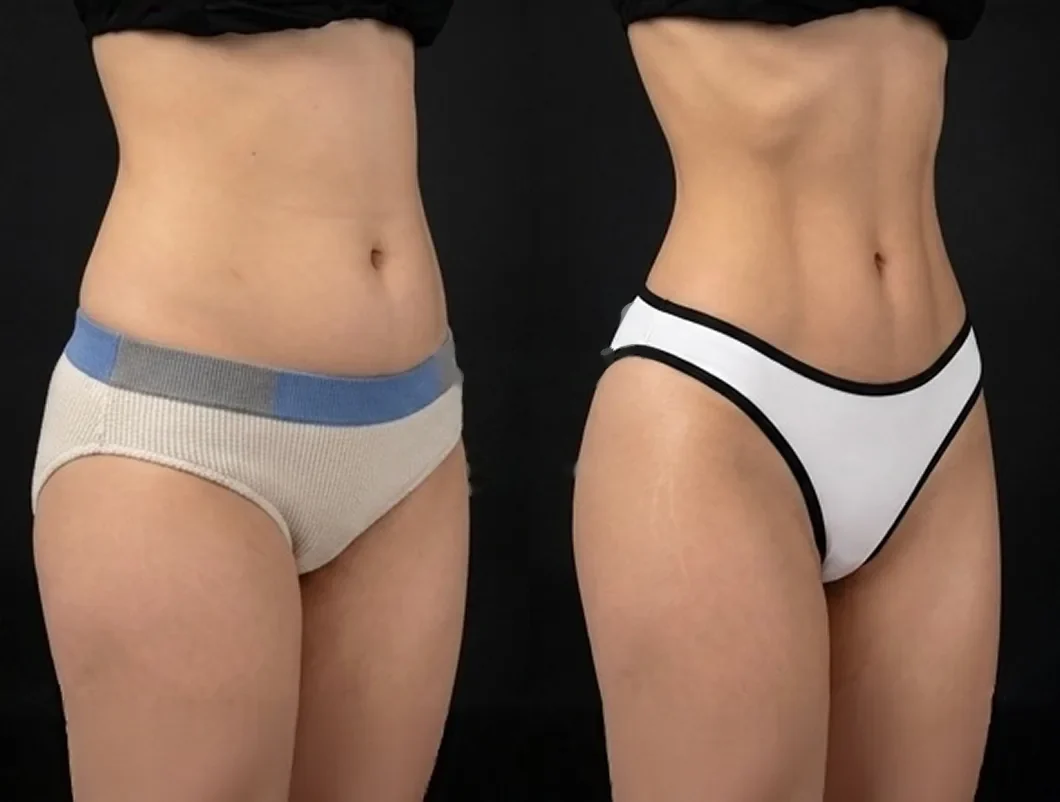 beforeafter
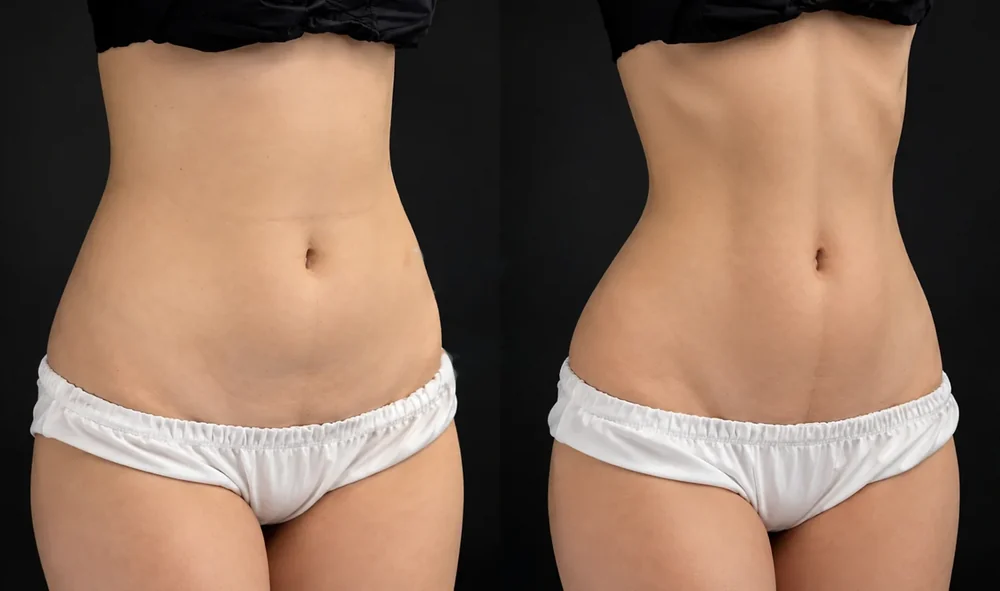
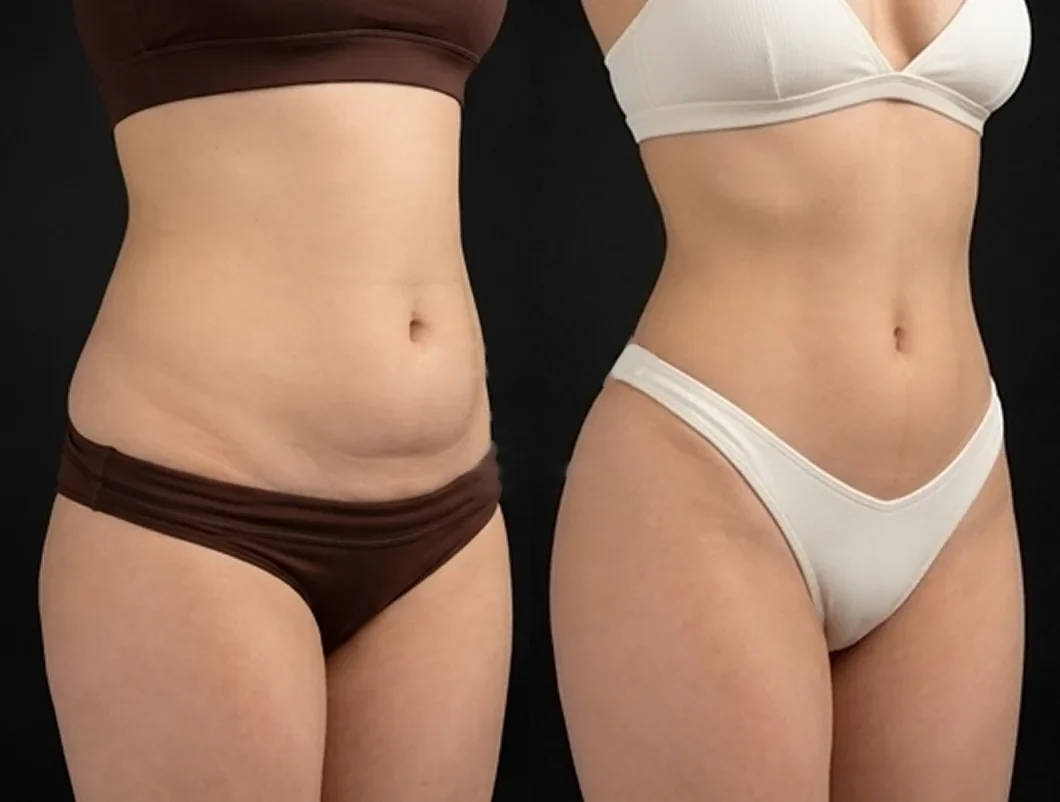 beforeafter
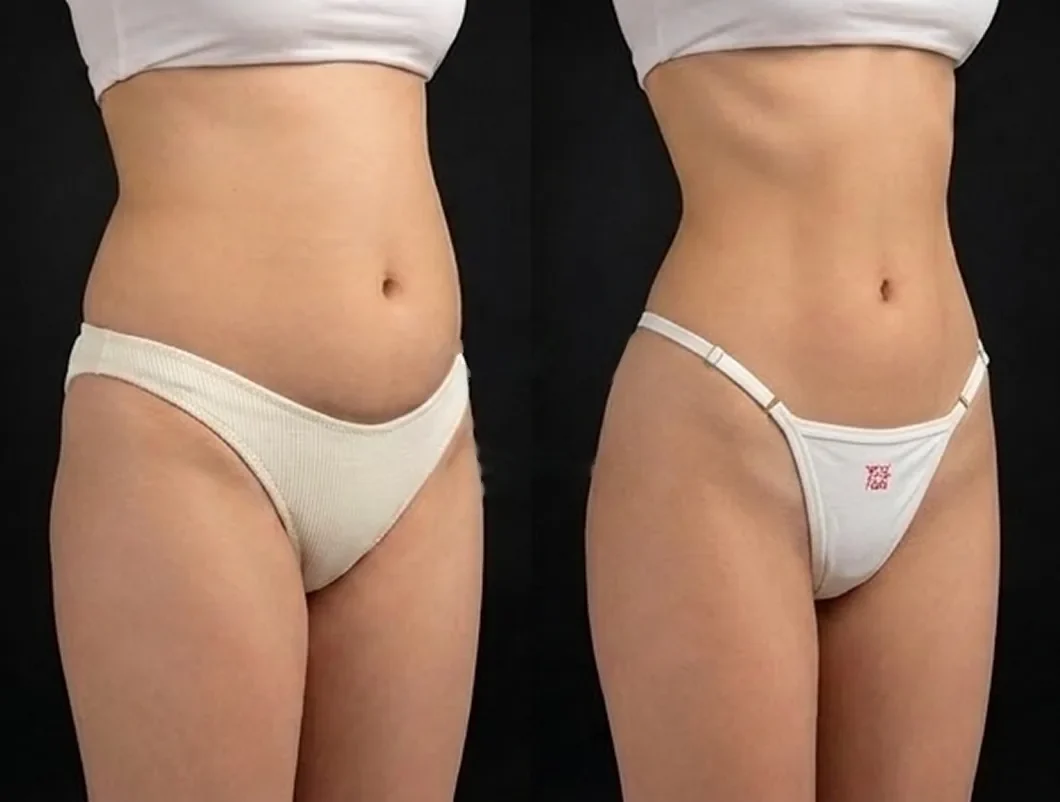 beforeafter
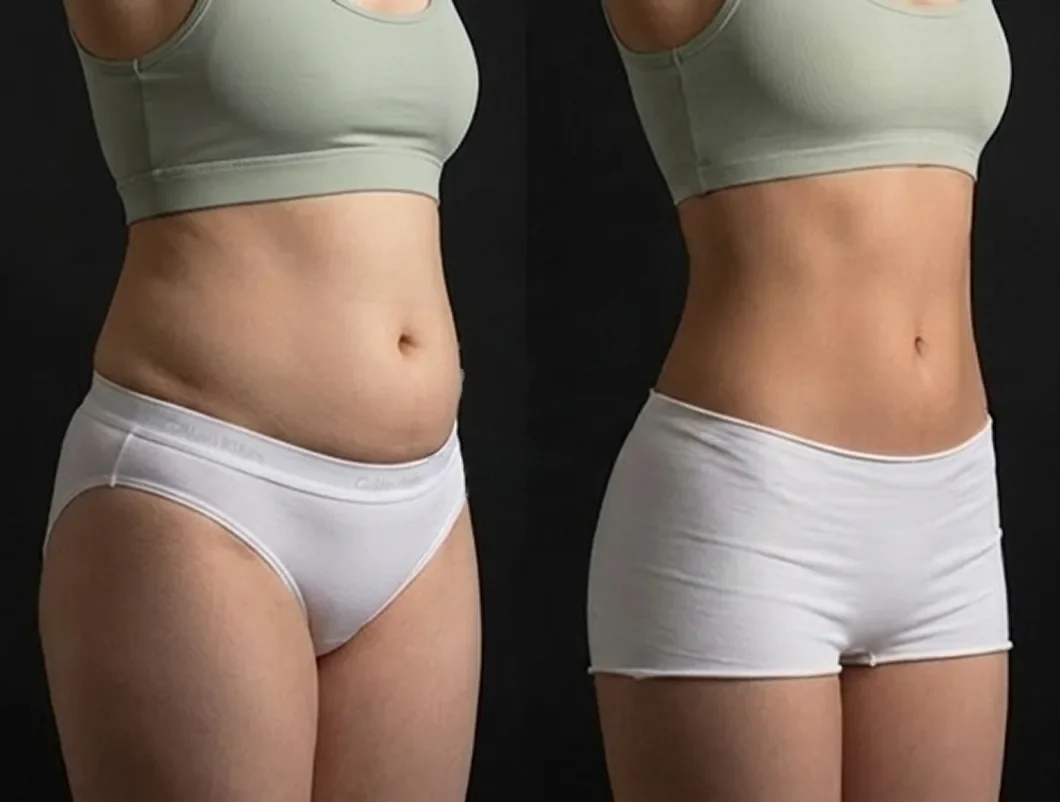 beforeafter
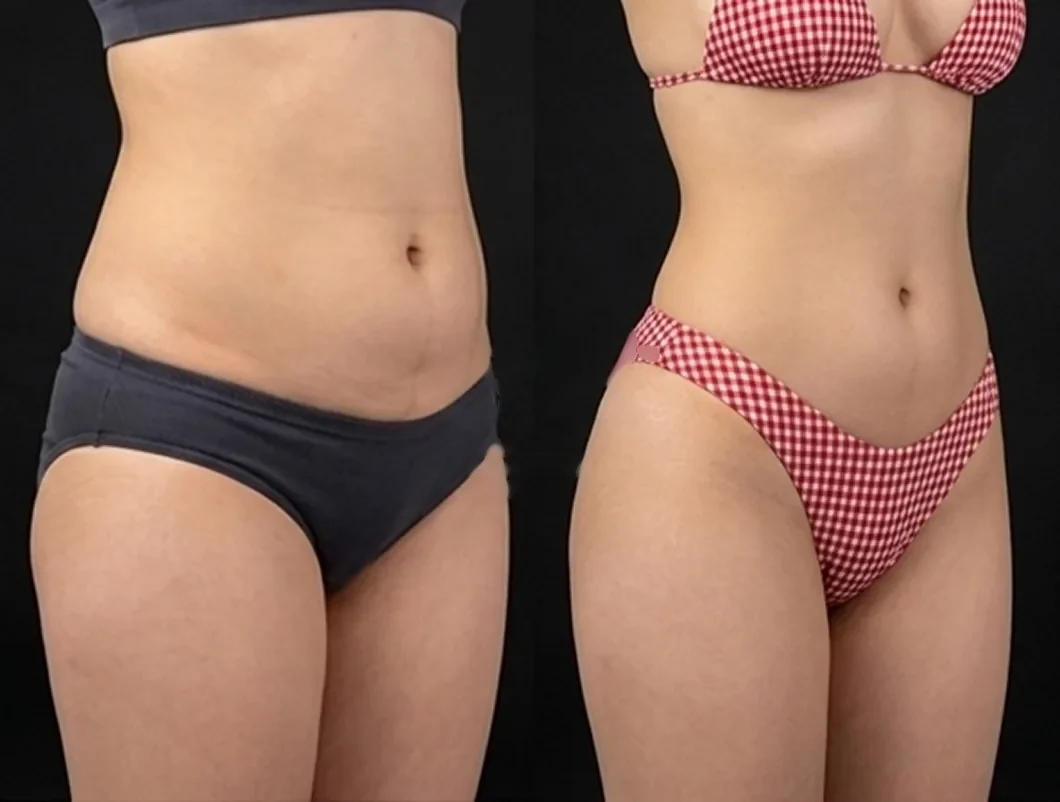 beforeafter
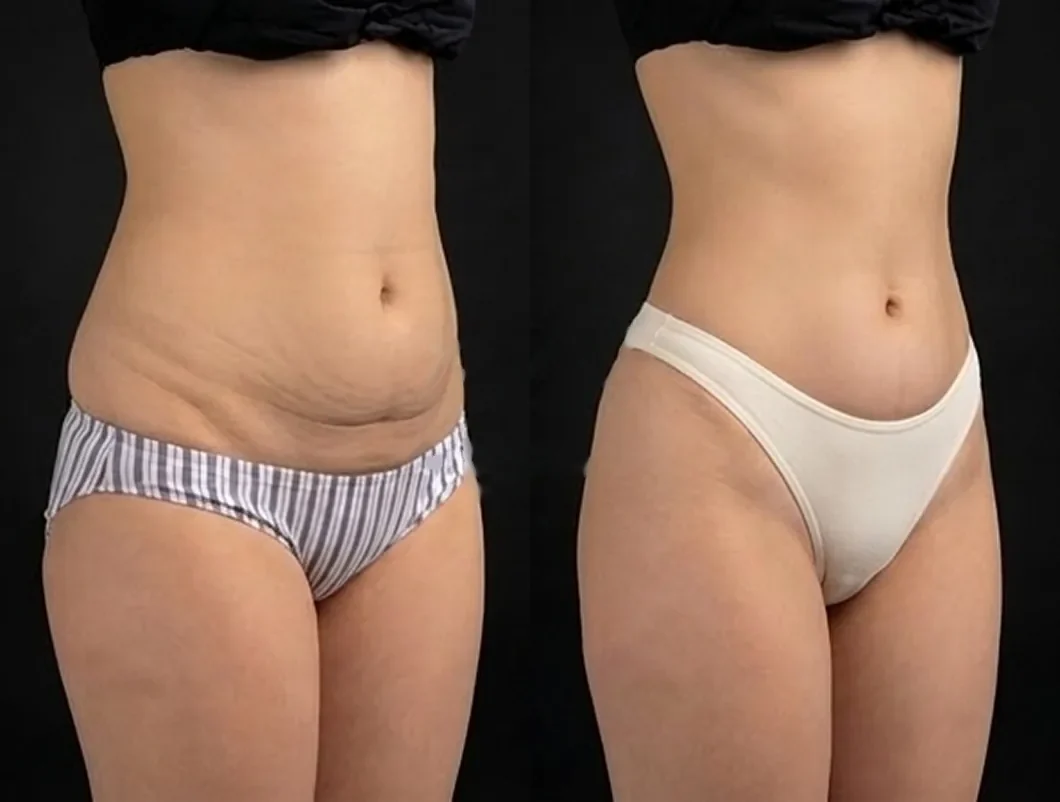 beforeafter
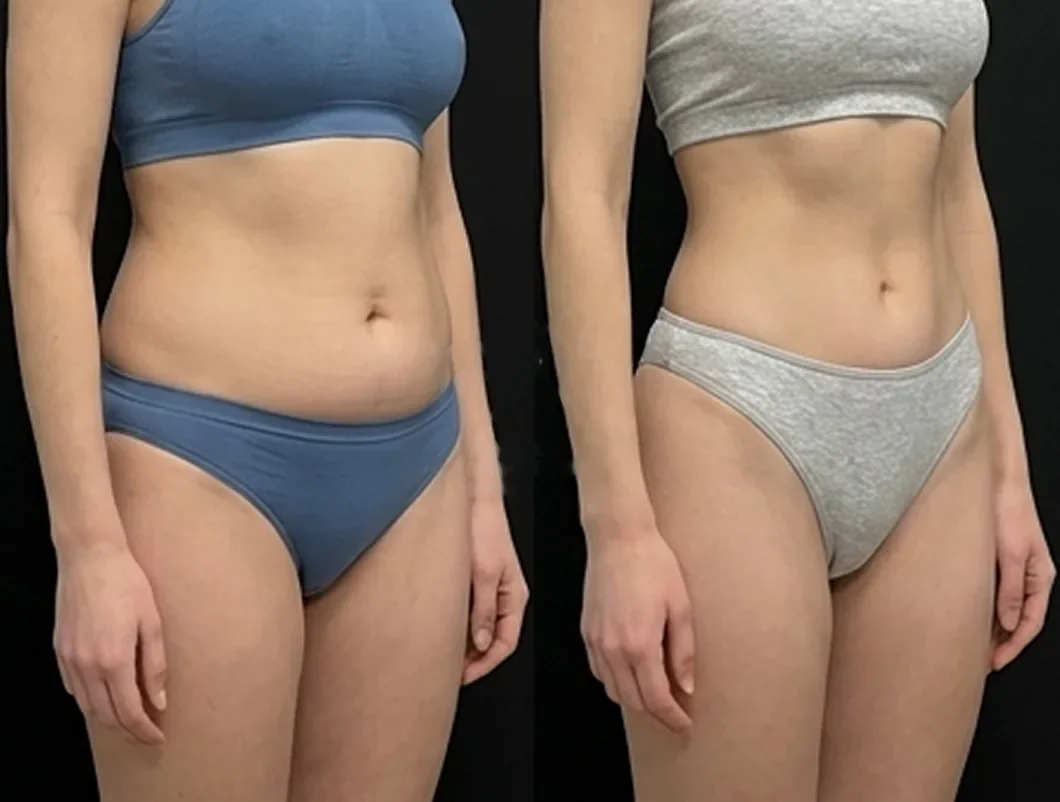 beforeafter
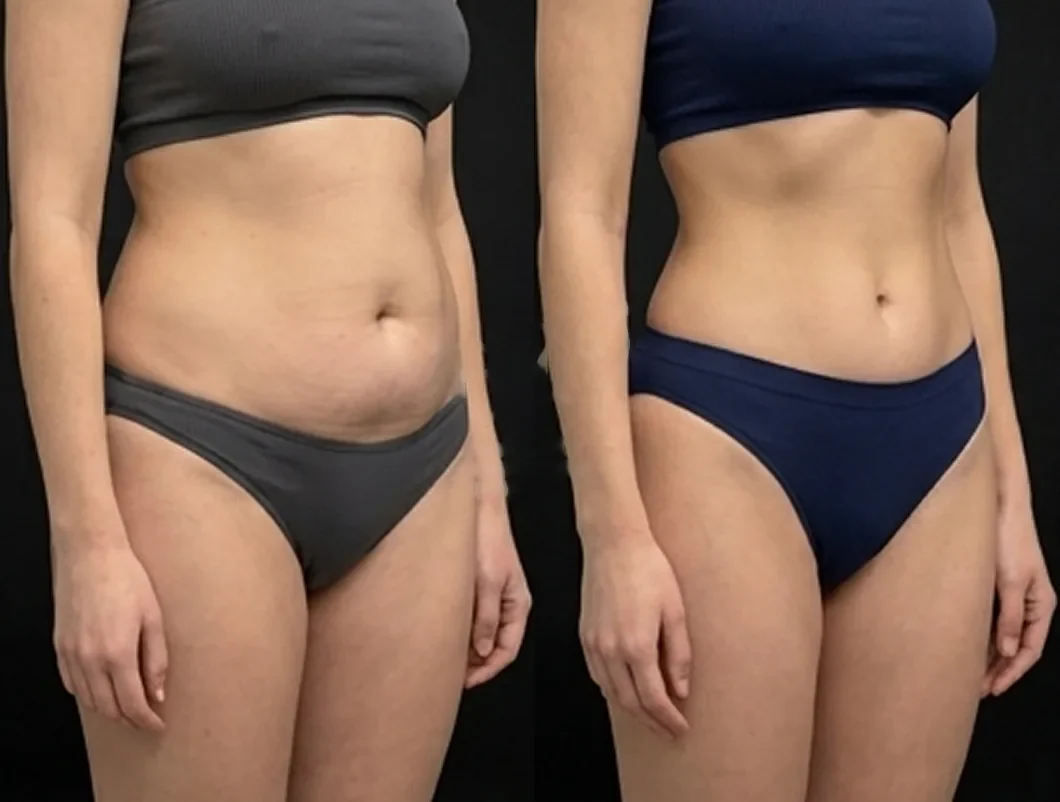 beforeafter
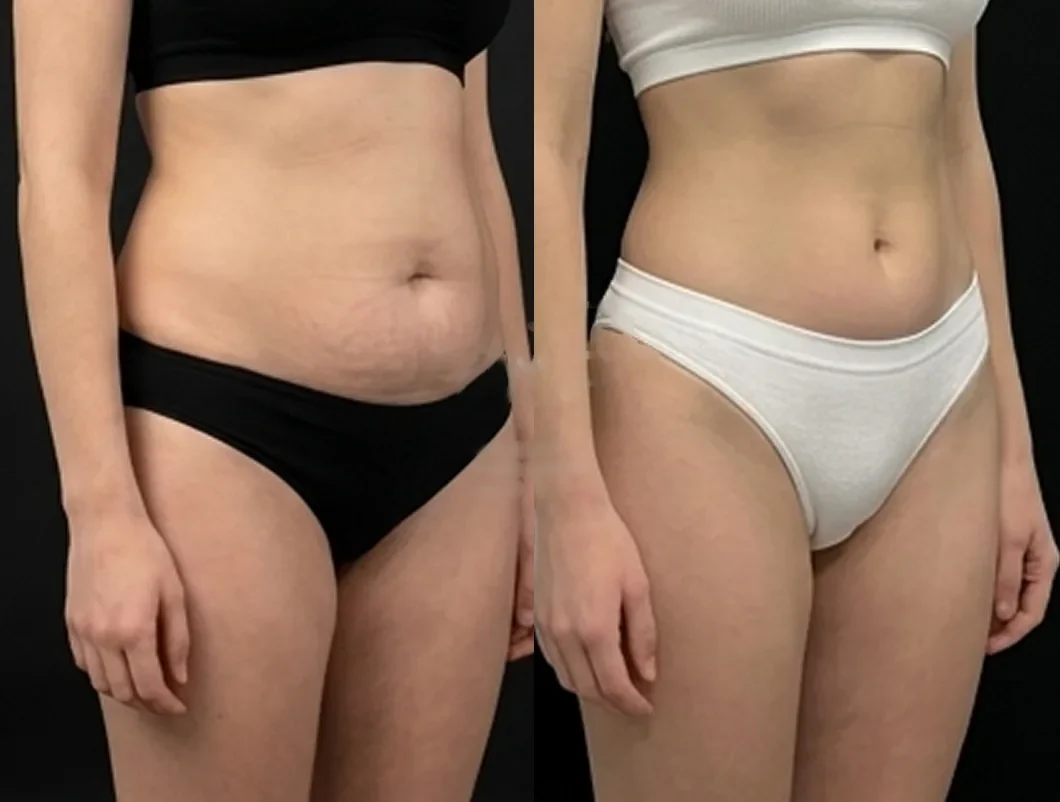 beforeafter
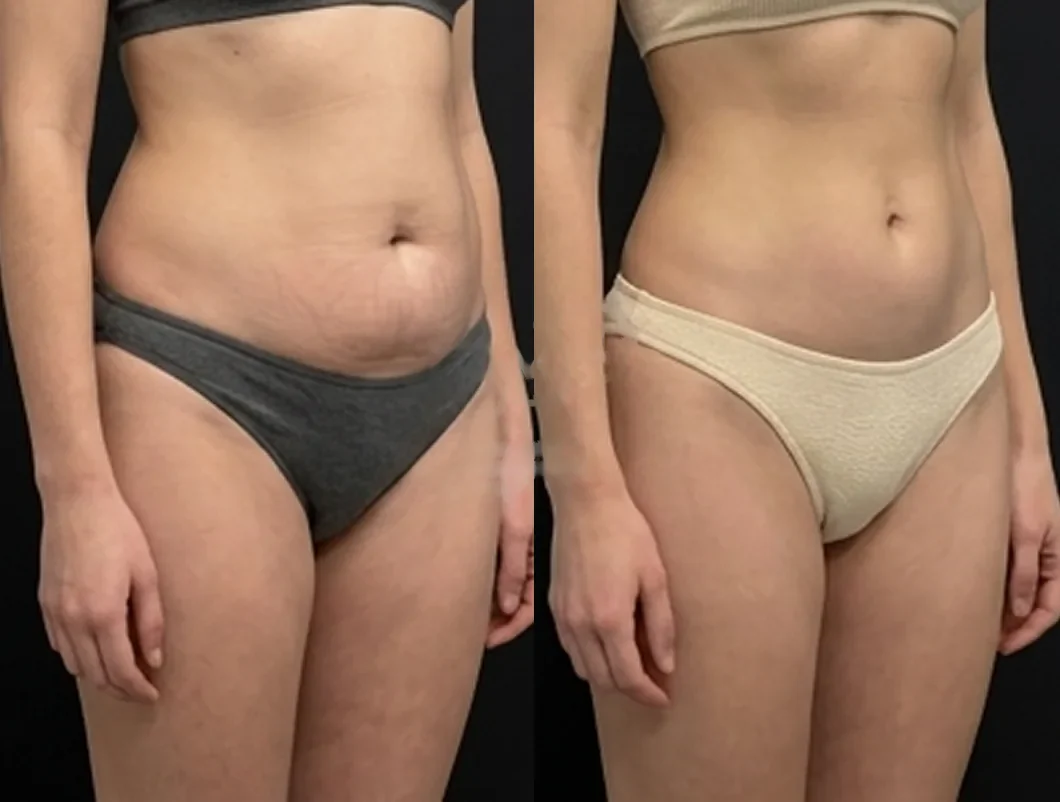 beforeafter







 1
 2
 3
 4
 5
 6