Beira and liposuction: why the city shapes the planning
Beira is the capital and largest city of Sofala Province, in the central region of Mozambique, and it is the fourth-largest city in the country after Maputo, Matola and Nampula. It had 397,368 inhabitants in 1997, and the figure grew to 530,604 in 2019. A city of this size has a mix of office workers, port employees, teachers, students, traders and families, and each of these groups plans body-contouring surgery differently. Liposuction removes stubborn fat from chosen areas such as the abdomen, flanks, thighs, arms or chin, and in Beira the main question is usually how to fit the procedure and the recovery into a busy working life.
Beira sits where the Pungwe River meets the Indian Ocean, on the Mozambique Channel. Life here is tied to the water, the heat and the port. People spend a lot of time outdoors, wear light clothing for most of the year and go to the shore on weekends. That is why many people from Beira ask the same practical things. How visible will the marks be under a swimsuit? When can I wear fitted clothes again? How do I manage compression garments in warm, humid weather? This text answers those questions with the city in mind.
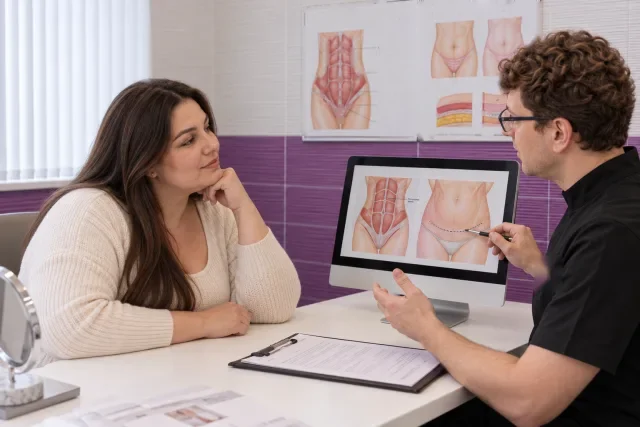
Everything starts with a free online consultation. You write to the coordinators on Telegram or WhatsApp from your own home in Beira. They are available 24/7, so you can send your first message after a shift at the port, in the evening after classes or on a weekend morning. You describe the areas that bother you, send photographs if you wish, and arrange a conversation with the surgeon. No one asks you to leave the city for this first step.
Climate of Beira and its effect on recovery
Beira has a tropical savanna climate. The average temperature in January is 27.6 °C, and in July, the coldest month, it is 20.3 °C. The rainy season runs roughly from November to April. These conditions matter after liposuction because swelling, bruising and the need to wear compression garments all interact with heat and humidity. The garments must be worn for 30–45 days, so you should think in advance about which part of that period will fall in the hottest weeks.
In the rainy season the air is hot and damp. A tight garment can feel uncomfortable, skin under it may sweat and itch, and you will want to change into clean, dry layers more often. Choose breathable cotton clothing to wear over the garment, keep the skin clean and dry, and follow your surgeon's instructions on how to wash and rotate the garments. Do not loosen or remove them on your own because the weather is warm. If the skin becomes irritated, tell the surgeon through the coordinators instead of experimenting.
The cooler months, around June to August, are often more comfortable for wearing compression every day, and many people in Beira find this period easier for planning. Cooler weather does not change the medical facts: the first changes show at 2 weeks, once swelling subsides, an interim result is assessed at 1.5–2 months, and the final result forms in 3–6 months. But a calmer season can make the first weeks easier, especially if you do not have to commute in strong heat.
Sun is another point to keep in mind. The marks left by 3–5 mm micro-punctures are small, and once healed they are barely visible. With proper care during recovery they fade completely. Direct strong sun on fresh marks is not helpful, so cover the treated area with clothing, avoid long hours on an open beach in the first weeks and avoid tanning beds, which are off-limits for at least a month. Your surgeon gives individual recommendations after the operation.
Daily life in Beira: work, study and family planning
The port of Beira is regionally significant and acts as a gateway for the central interior of the country and for neighbouring nations. Around it there is work in logistics, offices, warehouses, transport and services. Many jobs combine sitting, standing and some lifting. The medical facts say most patients return to their usual routine and work in 7–10 days, and that for the first 7 days there should be no physical exertion or heavy lifting. If your work is in an office, a return within that window is realistic for most people. If you handle cargo, drive for long periods or lift loads, tell the surgeon exactly what your day involves and ask how to phase your return.
Beira also has a student community. The city has three public university campuses, including Zambeze University and the Higher Institute of Health Sciences, as well as the Catholic University of Mozambique and the Jean Piaget University. There is also the Escola Portuguesa da Beira. Students and young teachers who are 18 or older can be candidates if there are no contraindications. They usually plan the operation for a break between semesters or a quieter teaching period, so that the first week at home and the days of compression do not collide with exams or practical classes.
Family events matter in Mozambican life: weddings, christenings, community gatherings and religious holidays. Many people in Beira prefer to finish the procedure well before such an event so that swelling and bruising, which clear by weeks 4–5, are no longer visible. If a celebration is coming, tell the coordinators the date when you first write. The surgeon can then say whether the timing is sensible, and you can avoid choosing a date that leaves you only a short time for recovery.
Parents with small children should arrange help at home for the first 7 days, since lifting a child counts as heavy lifting. Ask a relative, spouse or neighbour to take on school runs and carrying shopping. This is a simple arrangement, but it makes the first week much calmer.
Food culture of Beira and preparing for surgery
Being on the coast, Beira has a food culture built around fish and seafood, rice, cassava, beans, coconut and fresh fruit, with many meals shared by the whole family. Preparing for liposuction does not require a special diet from the city's cuisine, but it does require clear rules about alcohol and medication. You are asked to give up smoking, alcohol and medications that affect clotting, such as aspirin, 7–10 days before liposuction. Social meals and celebrations in Beira often include drinks, so plan this period in advance and tell friends and family that you are not drinking for a while.
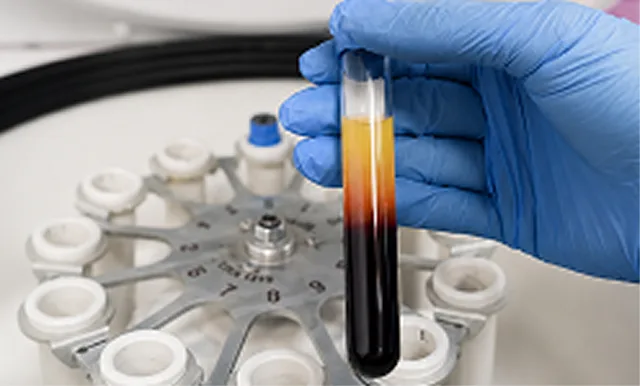
Before the procedure you need pre-operative tests: blood tests, ECG, ultrasound, and consultations with a GP and an anesthesiologist. You receive all instructions after the first consultation. Your coordinators explain which tests are needed, and you can usually do them locally in Beira, then send the results for the surgeon to review. Do not start or stop any medicine on your own; ask the doctor first, including about herbal remedies and supplements that are common in home care.
After surgery, eat light, regular meals and drink enough water, especially in the hot months. Heavy, very salty dishes can make swelling feel worse, so many patients choose grilled fish, vegetables and rice for the first weeks. These are general suggestions only, and your surgeon decides on individual advice.
It is also worth being honest with yourself about weight. Liposuction shapes the body contour; it is not a method of treating obesity. The World Health Organization describes overweight and obesity as a health condition that needs a broader approach, including diet, activity and medical follow-up. A good candidate is close to a stable weight and has localised fat that does not respond to diet and exercise. The surgeon will discuss this openly at the consultation.
Sport, the beach and the pool after liposuction in Beira
Sport has a visible place in the city. Clube Ferroviário da Beira, known for basketball, is part of local sporting life, and many residents play football, basketball or run along the coast, or just swim. After liposuction you need a patient restart. For the first 7 days there is no physical exertion or heavy lifting. For 4–6 weeks you wear compression garments and avoid the bathhouse, sauna, pool and active sport. Your surgeon gives the exact schedule for your case.
This matters in Beira because the sea and pools are a natural weekend plan. Water is off the list during the weeks when the garments are worn and the punctures are healing. Tell friends and teammates in advance that you will skip beach days and training for a while, so you are not pressured into joining. Light walking is usually what surgeons encourage early on, but follow your own instructions about when and how much.
When you return to sport, begin gently and increase the load step by step. Swelling and bruising clear by weeks 4–5, but tissues are still adapting until the final result forms in 3–6 months. A basketball player, runner or gym visitor should ask the surgeon at a check-up about the right moment to resume jumping, sprinting or abdominal exercise, rather than guess from how they feel.
For those who enjoy the beach, the plan is simple: after the restrictive period ends, return to the water gradually, protect the marks from strong sun with clothing, and keep skin moisturised. Alcohol is off-limits for at least a month, and this includes beach gatherings.
What patients in Beira ask about the operation itself
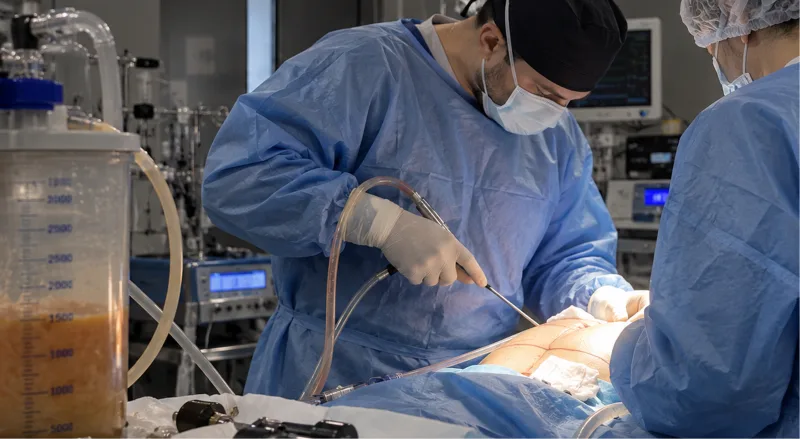
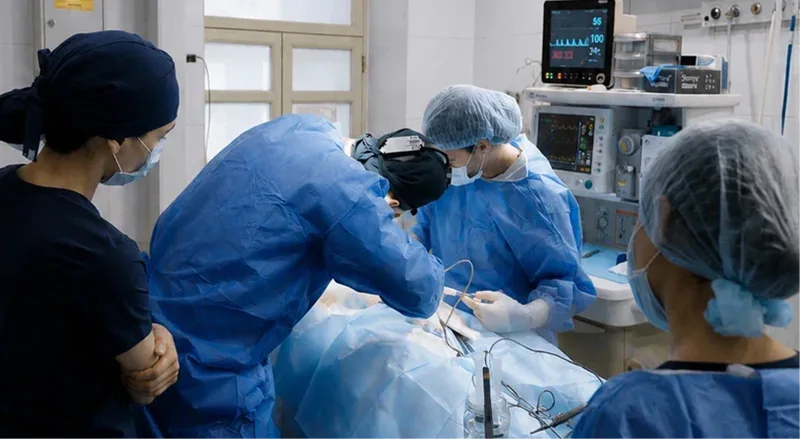
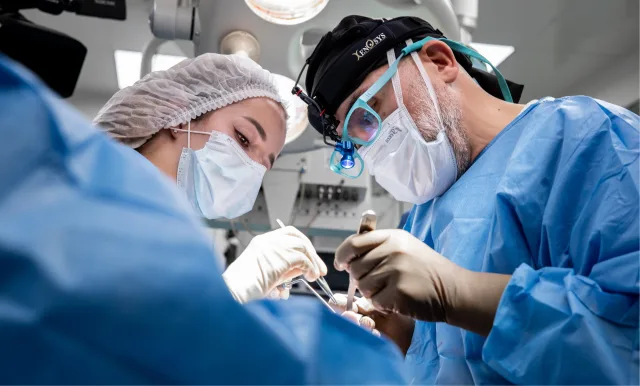
The first question is usually about the method. The surgeon uses tumescent and VASER techniques, with micro-incisions of 3–5 mm and precise volume control. The aim is a smooth contour that keeps the natural proportions of your body, not an exaggerated change. Under local or general anaesthesia the surgeon removes fat through 3–5 mm micro-punctures. Surgery takes from 1 hour for small areas to 3–4 hours for a combined procedure, and the general range is 1–4 hours. Because the punctures are only 3–5 mm across, they usually need no stitches.
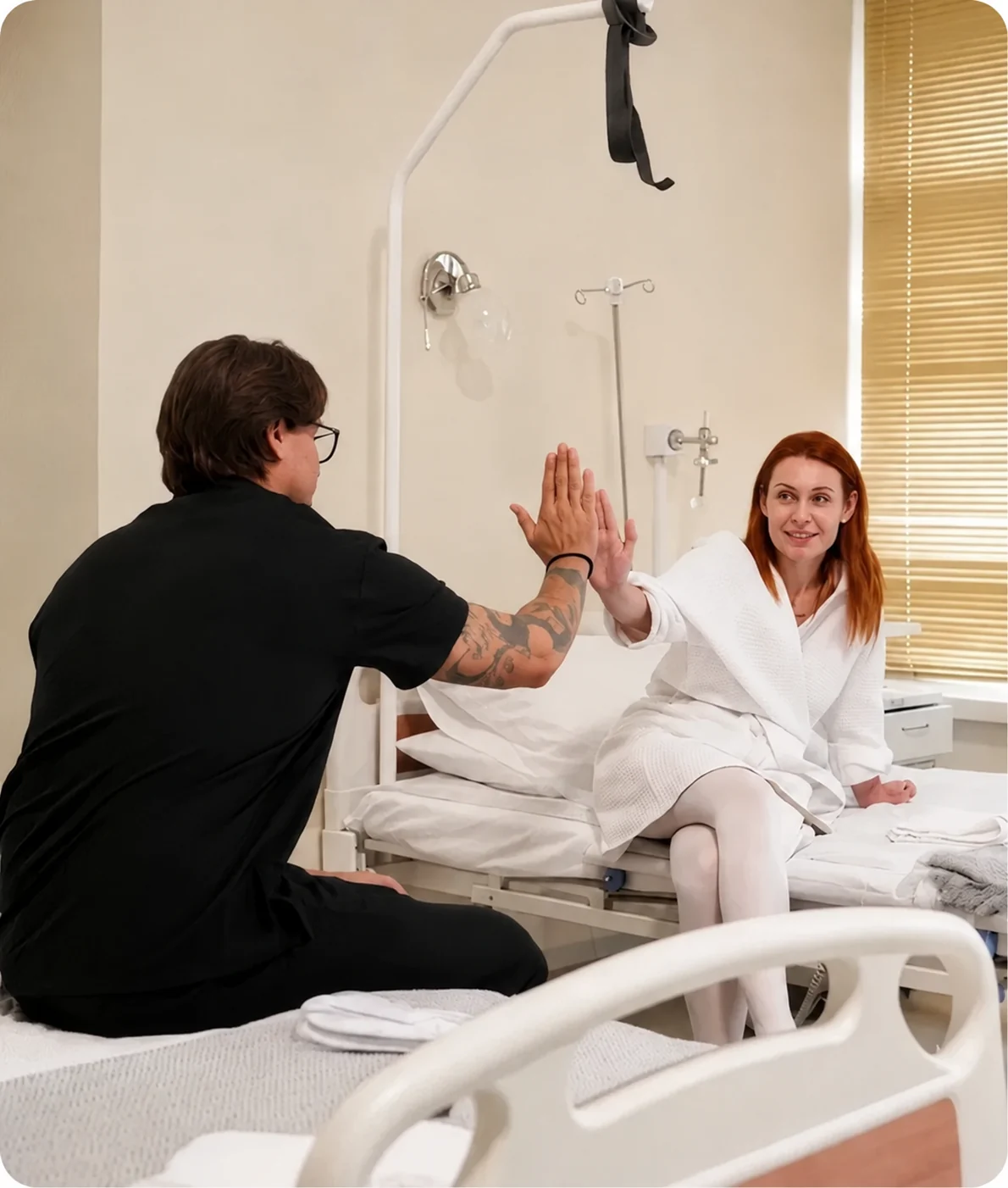
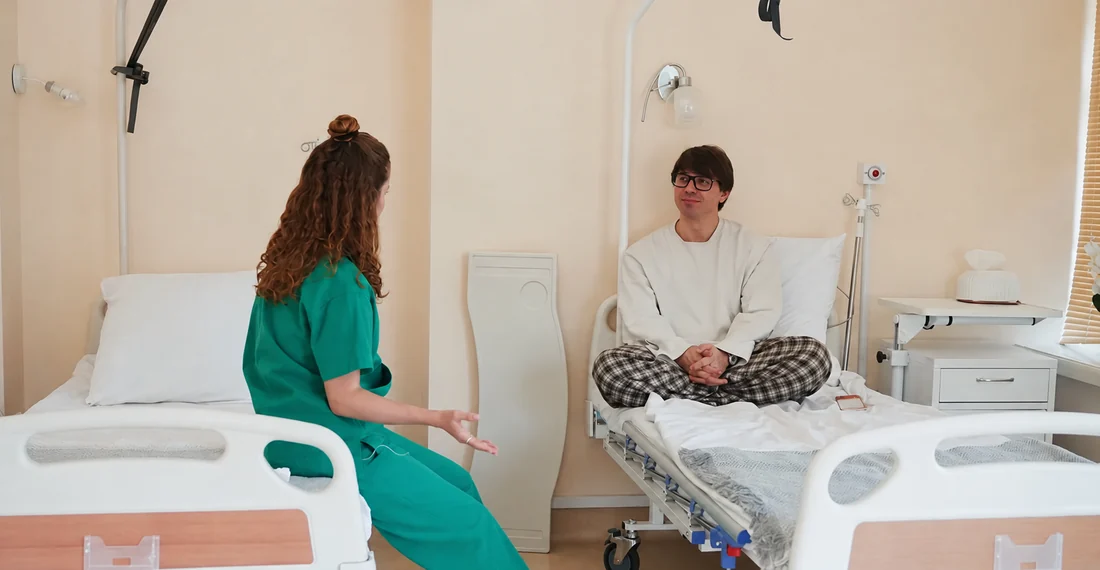
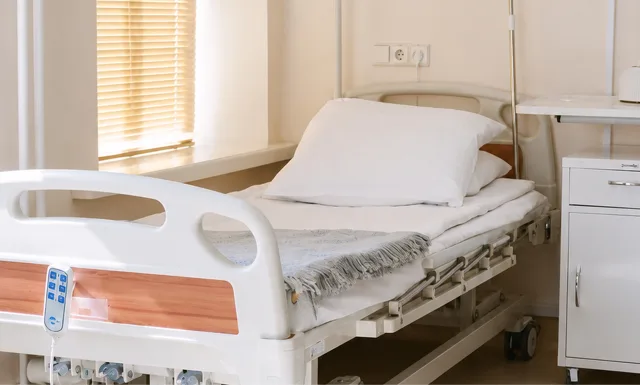
The second question is about anaesthesia and the stay. You can choose, with the doctor, between local and general anaesthesia. With local anaesthesia you go home 3–4 hours after surgery; with general anaesthesia you stay one day in a comfortable ward under medical supervision. In short, home the same day or after 1 day. People in Beira often ask who will take them home and stay with them in the first hours. Arrange this beforehand with a relative or a close friend.
The third question is about follow-up. The surgeon follows your recovery and the new body contour at check-ups after 7 days, 3 and 6 months. Check-ups, dressings and aftercare advice are included in the cost of surgery. Until the end of the year, you can also get a post-surgery consultation with your surgeon to review results and get more information, at the clinic's expense. Because you live in Beira, remote contact through Telegram and WhatsApp helps you keep these appointments without disrupting your week.
The fourth question is about marks. Many people worry about how visible they will be on a beach. Once healed, the marks are barely visible, and with proper care during recovery they fade completely. Send photographs of the healing area to the coordinators if something looks unusual, and the surgeon will advise you.
Best season and timeline for liposuction in Beira
There is no single correct month, but you can plan intelligently. The compression period lasts 30–45 days, and restrictions on the pool, sauna and active sport last 4–6 weeks. In Beira, with the rainy season running roughly from November to April and heat in the first months of the year, many people choose the cooler months from around May to September, because wearing a tight garment is easier. If your life leaves you only the summer months, it is still possible; you simply plan more rest, lighter clothing and shade.
Build the timeline backwards from the event that matters to you. The first changes show at 2 weeks after surgery, with the main swelling down. An interim result is assessed at 1.5–2 months, and the final contours are formed in 3–6 months, once the tissues have fully adapted. So if you want to feel confident at a wedding, a holiday or a graduation, do not plan the operation for the last weeks before it. Leave at least the period when swelling and bruising clear, by weeks 4–5.
Think also about the work calendar of the port and city offices. Periods with heavy workload, inventory, audits or exams are not ideal. Choose a time when you can take 7–10 days away from the usual routine, or at least reduce physical tasks. Most patients are back at their usual routine and work in that time.
The check-ups after 7 days, 3 months and 6 months should also fit your calendar. They are carried out with the surgeon, and because the first consultation is online from Beira, the coordinators help you put these dates in a sensible order. Tell them if the rainy season, family events or work shifts make a particular week difficult.
Candidates, contraindications and questions for the surgeon
We operate from age 18+, if there are no contraindications. There is no upper age limit; after an examination and health assessment, the decision is made individually. Good candidates have localised fat in specific areas and general good health. Contraindications are assessed individually by the doctor, which is why the tests listed earlier and the consultations with a GP and an anesthesiologist are required. Be honest about illnesses, medicines, previous operations and allergies, including any treated in Beira's local health facilities.
Prepare a list of questions before you speak to the surgeon. Ask which areas are realistic to treat for your body type, and whether a combined procedure suits you. Ask whether local or general anaesthesia is better in your case. Ask how long the surgery would take, how long you will wear compression garments, when you can return to your job, and when you can go back to sport and the pool. Ask what to do if you notice unusual swelling or discomfort in the first days, and how to reach the team at night, since the coordinators work 24/7.
Ask also about expectations. The final result forms in 3–6 months, and the surgeon can explain what is realistic. Liposuction does not replace healthy habits, and the contour you get depends on how you continue to live afterwards. If someone promises a result without examining you, be cautious.
Remember the preparation rules: give up smoking, alcohol and clotting-affecting medicines such as aspirin 7–10 days before. After surgery avoid alcohol and tanning beds for at least a month. Your surgeon gives all individual recommendations after surgery, and you should follow them even if a relative or friend in Beira suggests something different.
Working shifts in Beira and choosing the day of surgery
Beira is a port city, and the port of Beira is regionally significant as a gateway for the central interior of the country and for its landlocked neighbours. That means many residents work in shifts, in logistics, in transport or in services linked to cargo. A shift worker thinks about liposuction differently from an office employee, because the rhythm of nights and days affects sleep, meals and the ability to rest properly in the first week at home.
When you write to the coordinators, give your real schedule. Say whether you work nights, whether your days off come in a block, and whether your employer allows a short leave. The coordinators work 24/7, so you can send this message at the end of a night shift without waiting for an office to open. The surgeon can then suggest a date that places the first 7 days, with no physical exertion or heavy lifting, inside your days off.
Most patients return to their usual routine and work in 7–10 days. If your job means standing for many hours, climbing in and out of vehicles or moving boxes, ask the surgeon whether you should start with lighter duties. A short conversation with your supervisor before the operation is often more useful than any improvised solution afterwards.
Keep in mind that the compression garment stays on for 30–45 days, including during work. Under a uniform or work clothes it is usually not visible, but in a hot warehouse or on a loading yard it can feel heavy. Bring a spare garment if your surgeon allows it, wear cotton underneath, and drink water regularly.
Rivers, estuary and the damp air: skin care during healing
Beira lies where the Pungwe River meets the Indian Ocean on the Mozambique Channel, and the Buzi River also reaches the sea nearby. Life near an estuary brings damp air, and in the rainy season, which runs roughly from November to April, the humidity stays high for weeks. Damp air does not change the surgical technique, but it changes how you look after the skin under the dressings and the garment.
Keep the punctures clean and dry, change garments as the surgeon instructs and do not use home creams, oils or traditional preparations on the healing marks unless the doctor approves. The punctures are only 3–5 mm across and usually need no stitches, which makes care simple, but they still need protection from sweat, dust and dirty water.
Avoid walking through floodwater or standing in muddy puddles after heavy rain while the marks are healing. Also avoid river or estuary swimming; the pool, bathhouse and sauna are already off the list for 4–6 weeks, and the same caution is sensible for any natural water. Your surgeon gives all individual recommendations after surgery.
If you notice redness, unusual discharge or growing discomfort, send a photograph to the coordinators at once, at any hour. Do not wait for the next check-up at 7 days. Quick contact is one of the advantages of an online format when you live in a humid coastal city.
Support at home: who helps you in Beira during the first days
In Beira, as in much of Mozambique, family networks are strong, and relatives, neighbours and friends often help each other in practical ways. Use this when you plan liposuction. If you choose local anaesthesia, you go home 3–4 hours after surgery. With general anaesthesia you stay one day in a comfortable ward under medical supervision and then go home. In both cases someone should be with you in the first hours.
Agree in advance who will accompany you home, who will stay with you for the first evening and who will help with cooking, water, children and errands during the first 7 days. A spouse, a sister, a close colleague or a neighbour can each take one task. Written lists work well: medicines, times for changing garments, and the telephone number of the coordinators.
Explain to your household what you are allowed to do. For the first 7 days there is no heavy lifting, and for 4–6 weeks you avoid active sport. Relatives who understand this will not ask you to carry buckets, move furniture or join a long walk in the sun. It also helps if they know that alcohol is off-limits for at least a month, so the family table does not turn into pressure.
Power cuts and heat can make a recovery room uncomfortable. Prepare a shaded, ventilated place to rest, a supply of drinking water and a simple way to keep the room cool. These small details matter more than people expect when swelling is at its peak.
How the remote consultation works from Beira
You do not need to leave Beira for the first step. You write to the coordinators on Telegram or WhatsApp at any hour; they work around the clock, 24/7, with easy booking and a personal approach, adapting to your pace. You tell them your age, the areas of concern, your general health, your medicines and your goals. If you want, you add photographs. The consultation is free and online.
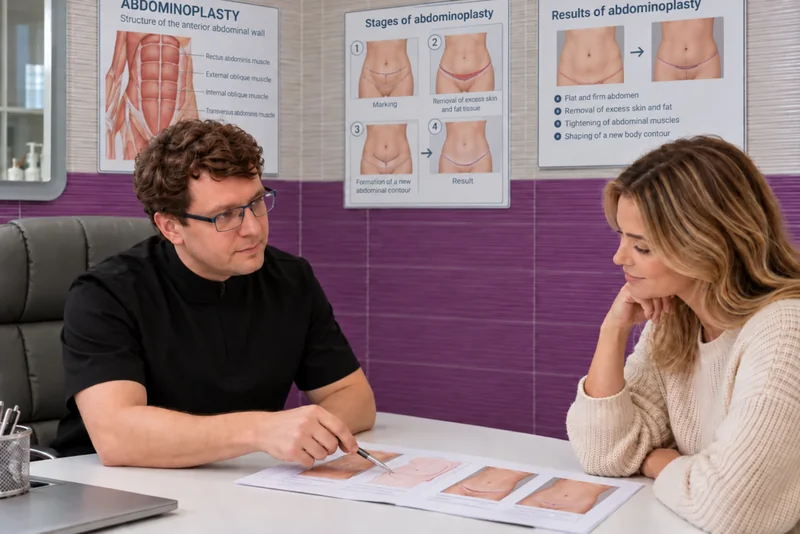
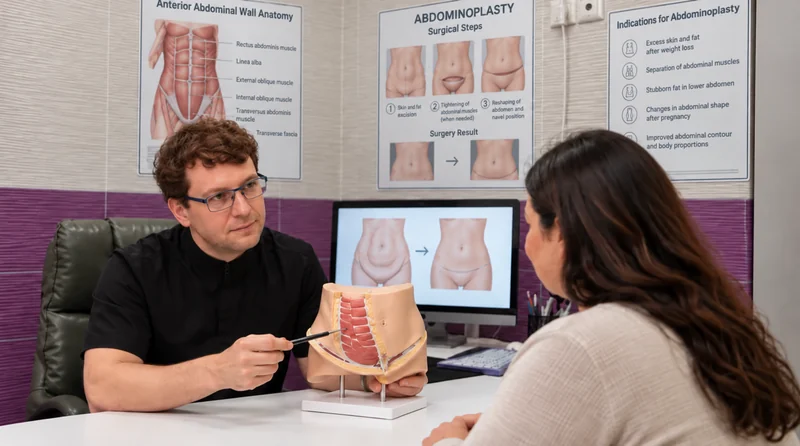
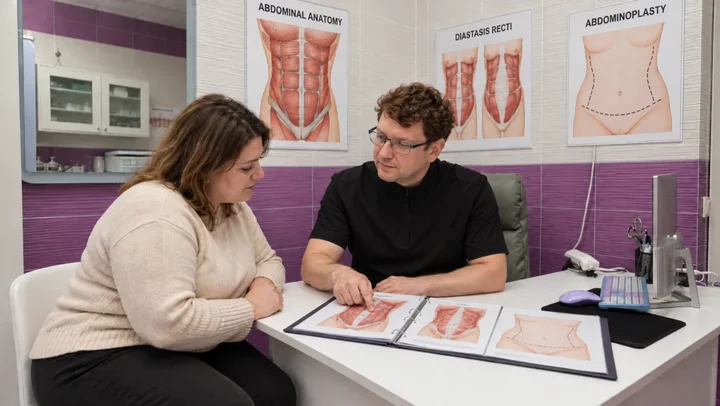
Next, the surgeon talks with you, reviews your information and explains what is possible, which technique fits, and what tests you will need. You receive all instructions after the first consultation. Then you can do blood tests, ECG, ultrasound and the GP and anesthesiologist consultations at home, and send the results. There is no need to decide on the first conversation; you may think, discuss with your family and return with more questions.
If you decide to go ahead, the team explains each stage: marking the areas, fitting compression garments, the surgery itself, the stay and the check-ups at 7 days, 3 and 6 months. The coordinators remain your point of contact between these steps, so questions about dressings, garments, swelling or activity do not wait for the next appointment.
For someone living in Beira, between the Pungwe River and the Indian Ocean, with a busy port city rhythm, this format saves time and lets you prepare in a familiar environment, with family nearby. Write a message, describe what you want to change, and the coordinators will take the next step with you.
How long does liposuction take, and can I go home the same day?
Surgery takes 1–4 hours: from 1 hour for small areas to 3–4 hours for a combined procedure. With local anaesthesia you go home 3–4 hours after surgery. With general anaesthesia you stay one day in a comfortable ward under medical supervision.
When can I go back to work in Beira?
Most patients return to their usual routine and work in 7–10 days. For the first 7 days there should be no physical exertion or heavy lifting, so if your work involves lifting loads, discuss a gradual return with the surgeon.
How long must I wear compression garments in Beira's warm climate?
Compression garments are worn for 30–45 days. Beira is hot and humid for much of the year, so choose breathable cotton clothing over the garment, keep the skin clean and dry, and ask the surgeon if you notice irritation. Do not remove the garment on your own.
Can I swim in the sea or go to the pool after surgery?
For 4–6 weeks you should avoid the bathhouse, sauna, pool and active sport. The beach and sea are part of life in Beira, so plan to skip them during this time, and return gradually when your surgeon allows it.
When will I see the result?
The first changes show at 2 weeks, once swelling subsides. An interim result is assessed at 1.5–2 months. Swelling and bruising clear by weeks 4–5, and the final result forms in 3–6 months, once the tissues have fully adapted.
Will the marks be visible?
The surgery is done through punctures only 3–5 mm across, and they usually need no stitches. Once healed, the marks are barely visible. With proper care during recovery they fade completely. Protect them from strong sun with clothing.
How should I prepare before the operation?
Give up smoking, alcohol and medicines that affect clotting, such as aspirin, 7–10 days before. You need blood tests, ECG, ultrasound, and GP and anesthesiologist consultations. You receive all instructions after the first consultation, which you can have online from Beira.
Who can have liposuction?
We operate from age 18+, if there are no contraindications. There is no upper age limit; after an examination and health assessment, the decision is made individually. Liposuction is for shaping localised fat, not for treating obesity.
What follow-up is there after surgery?
The surgeon follows your recovery and body contour at check-ups after 7 days, 3 and 6 months. Check-ups, dressings and aftercare advice are included in the cost of surgery. Until the end of the year, you can also get a post-surgery consultation with your surgeon, at the clinic's expense.
How do I start from Beira?
Write to the coordinators on Telegram or WhatsApp. They work 24/7, and the first online consultation is free. You describe your goals, share photographs if you like, and the surgeon will explain what is possible and what tests you need.
I work shifts at the port. How should I choose the date?
Tell the coordinators your real schedule when you first write. The surgeon can then place the first 7 days, without physical exertion or heavy lifting, inside your days off. Most patients return to their usual routine and work in 7–10 days, and a gradual return is wise for heavy duties.
Can I use home remedies on the marks?
Do not apply creams, oils or traditional preparations to healing marks unless the surgeon approves. The punctures are 3–5 mm across and usually need no stitches. Keep them clean and dry, and send a photograph to the coordinators if anything looks unusual.
Who should stay with me after surgery?
Arrange a relative or close friend. With local anaesthesia you go home 3–4 hours after surgery, with general anaesthesia you stay one day under medical supervision. Someone should accompany you home and help during the first 7 days, when there is no heavy lifting.



























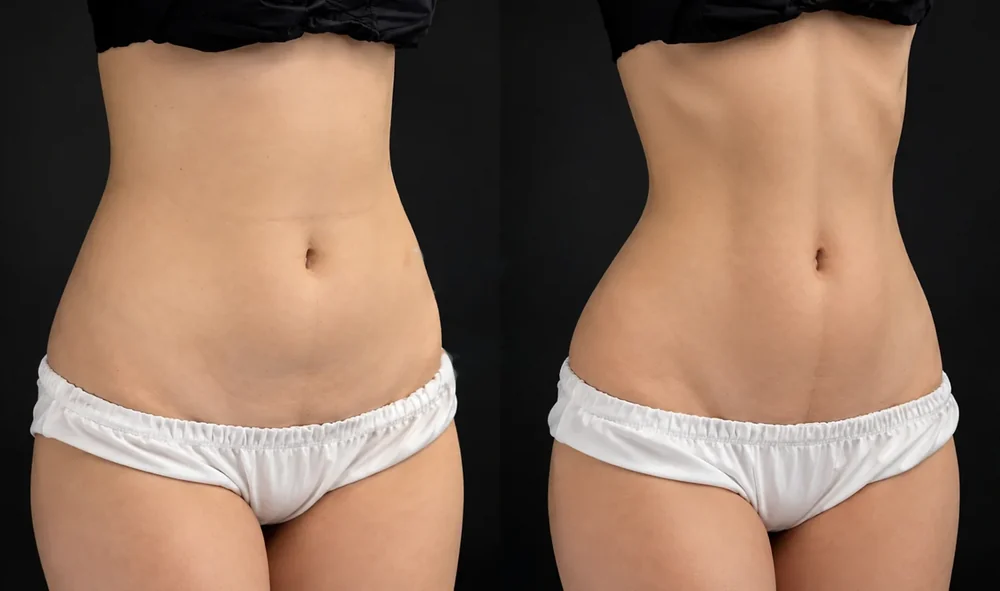
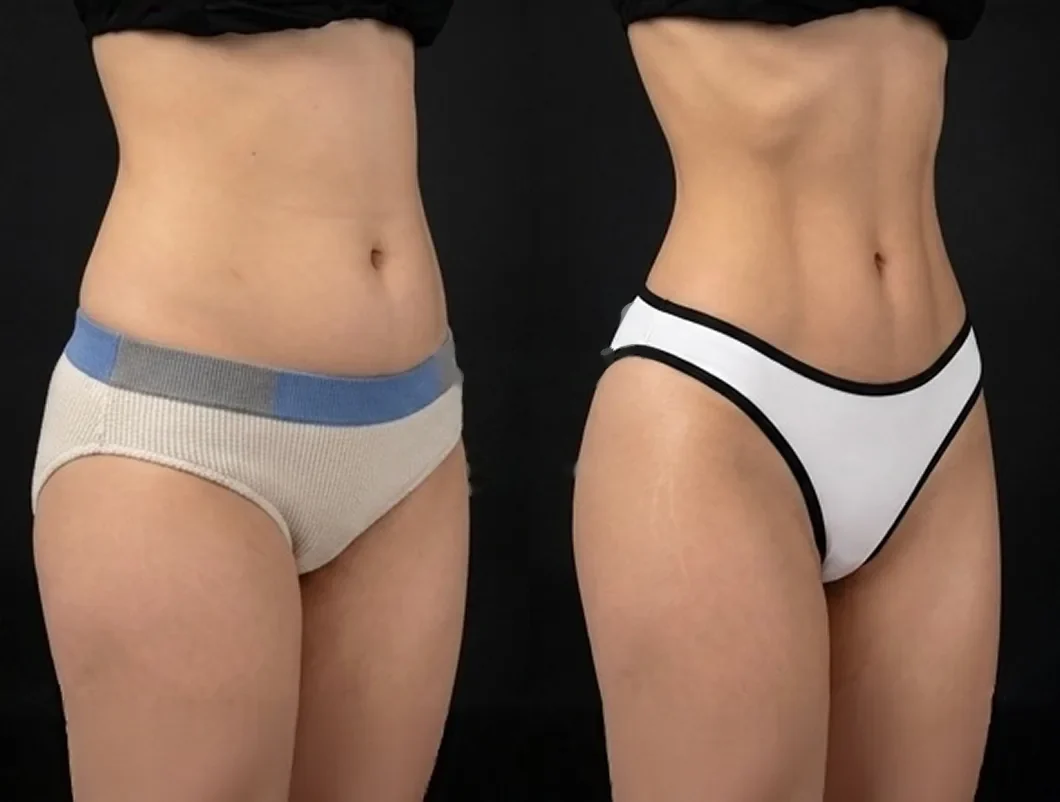 beforeafter
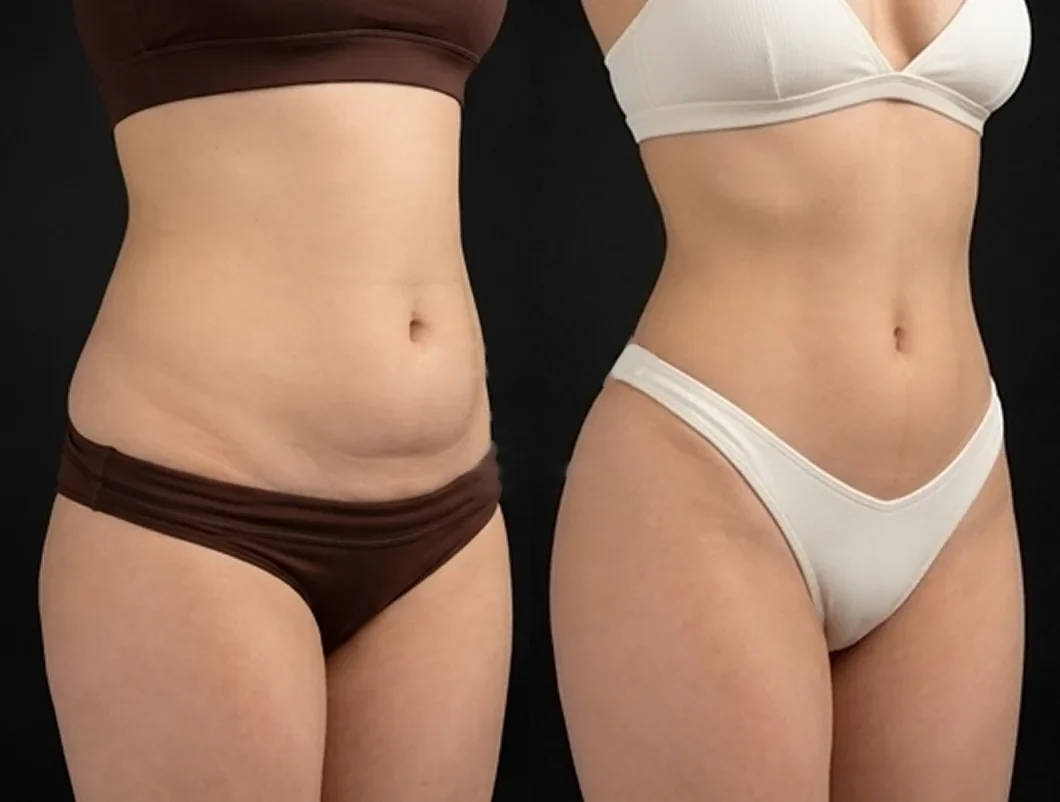 beforeafter
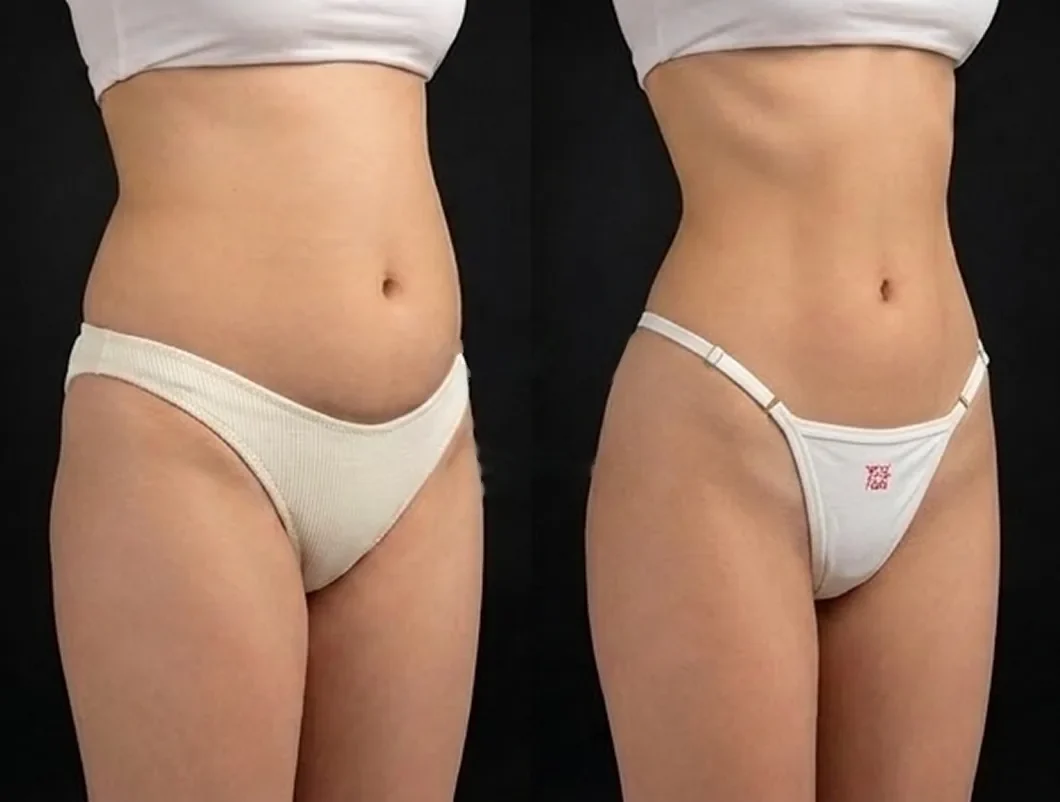 beforeafter
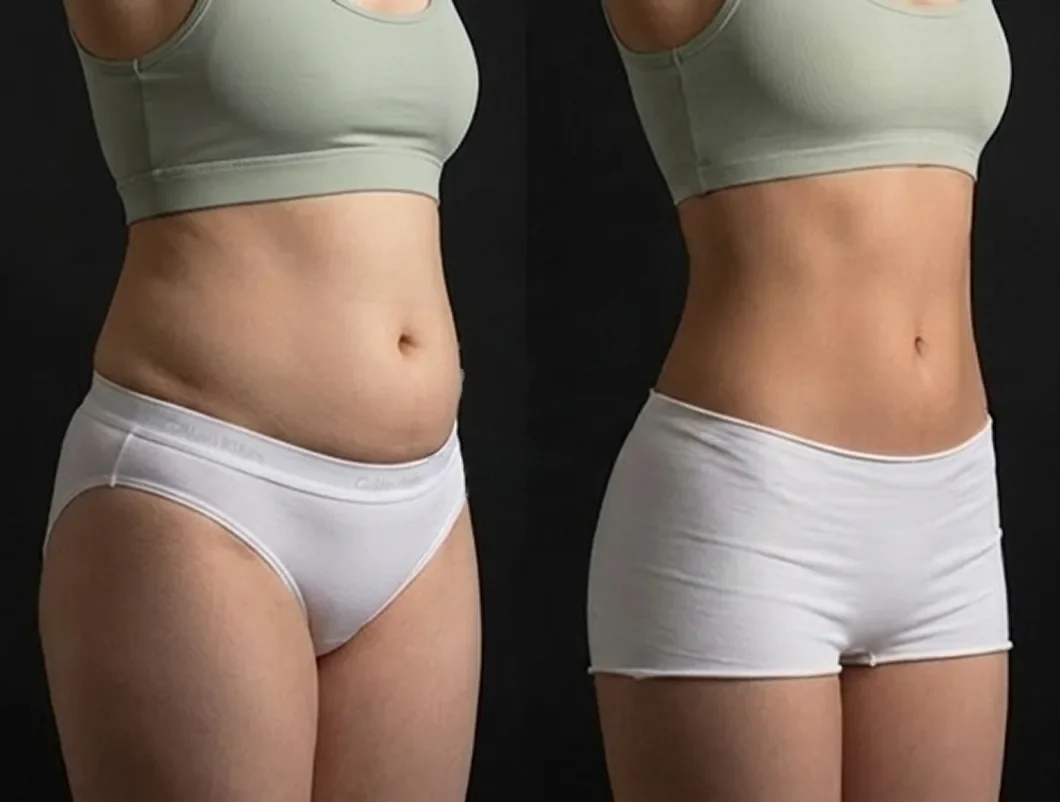 beforeafter
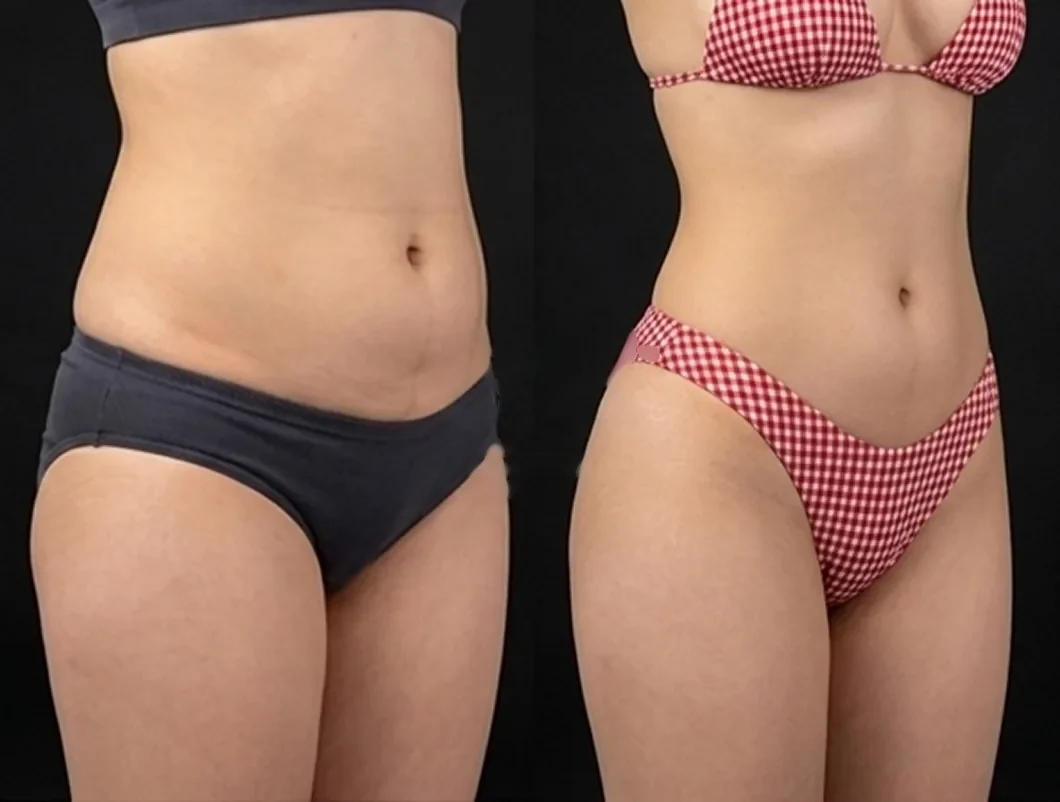 beforeafter
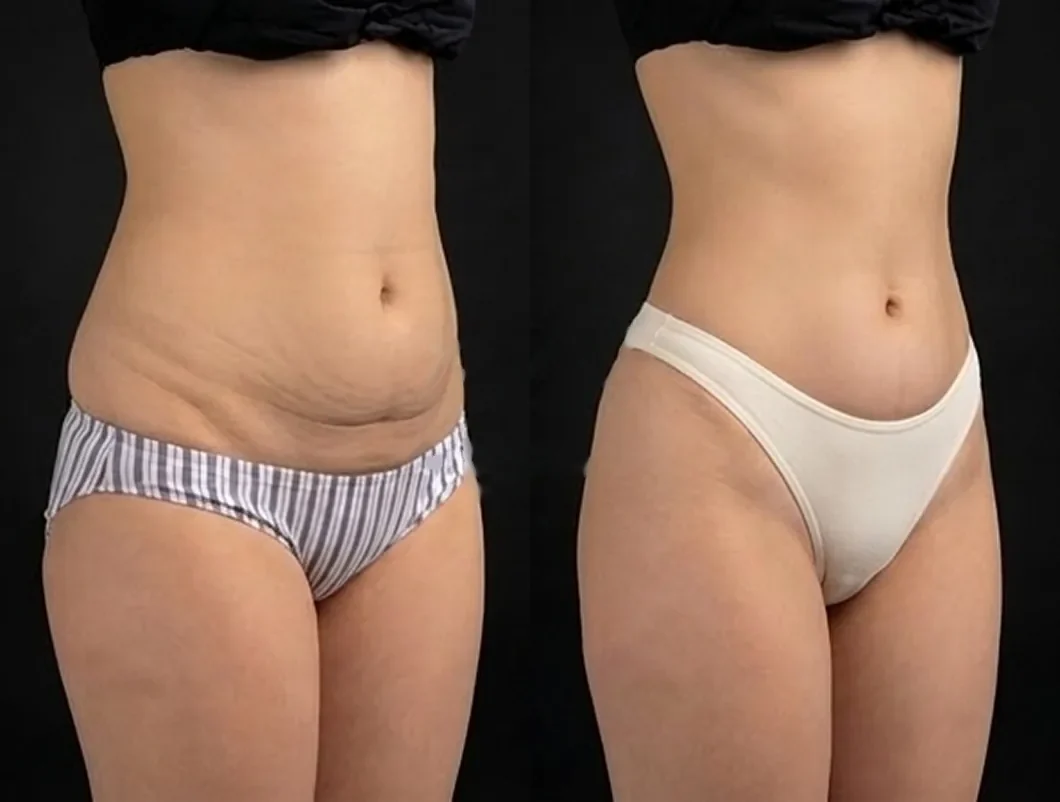 beforeafter
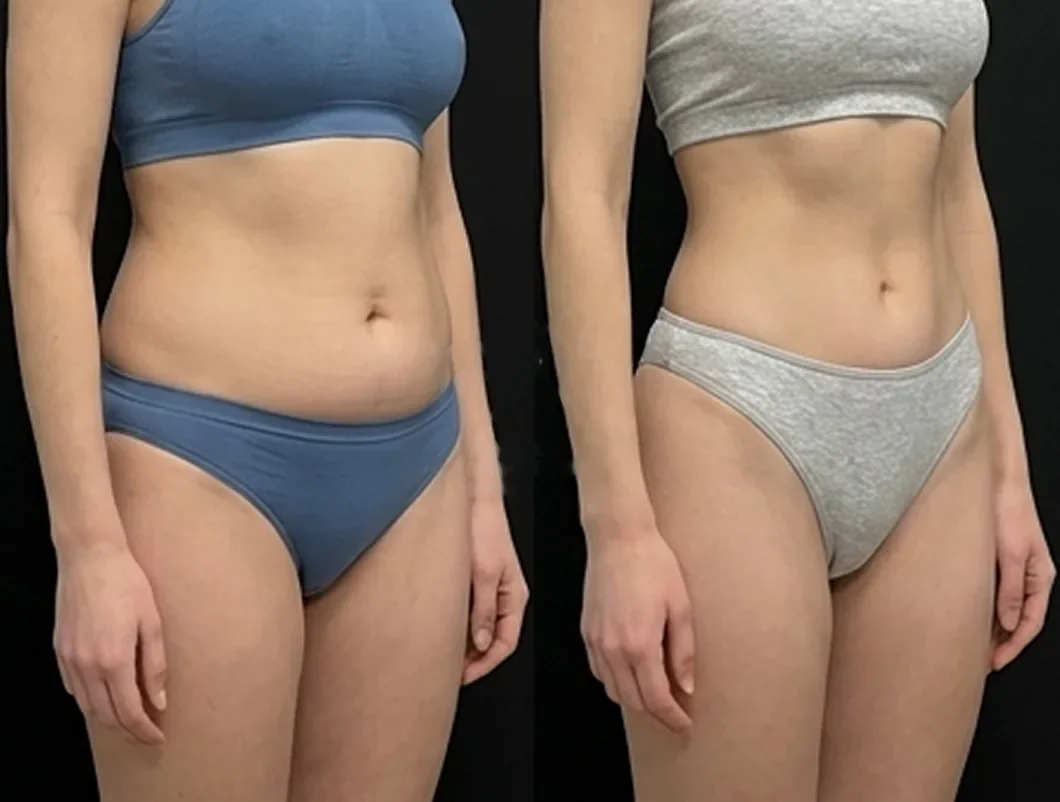 beforeafter
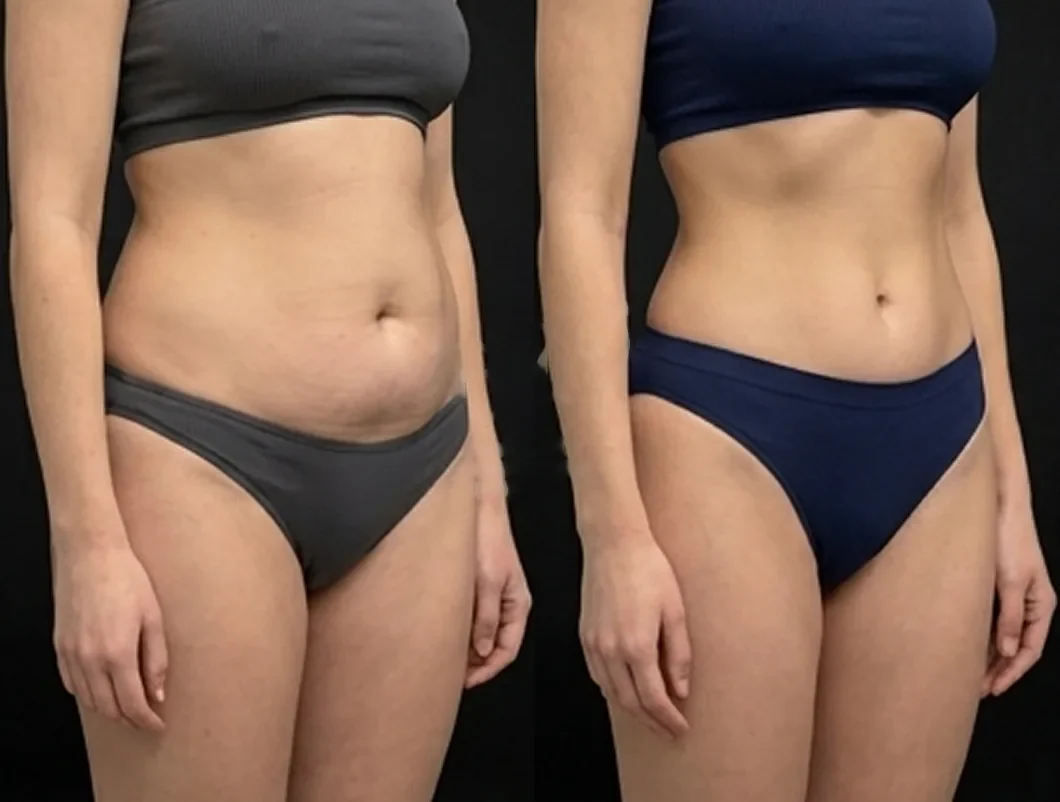 beforeafter
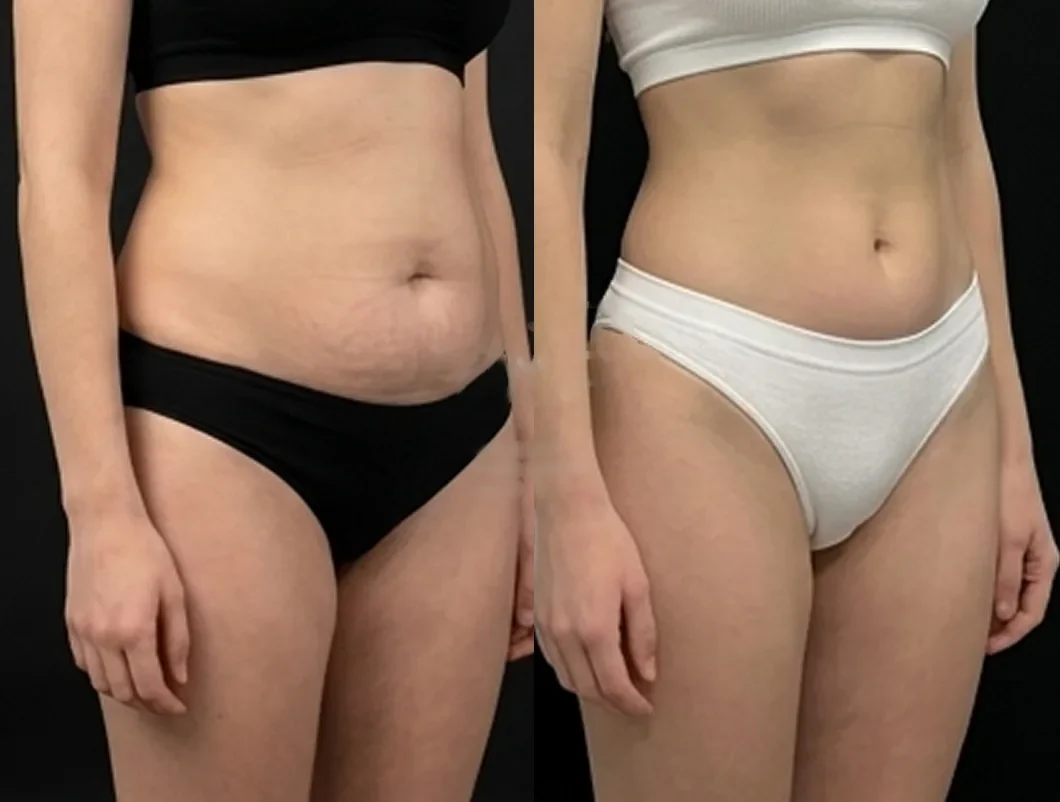 beforeafter
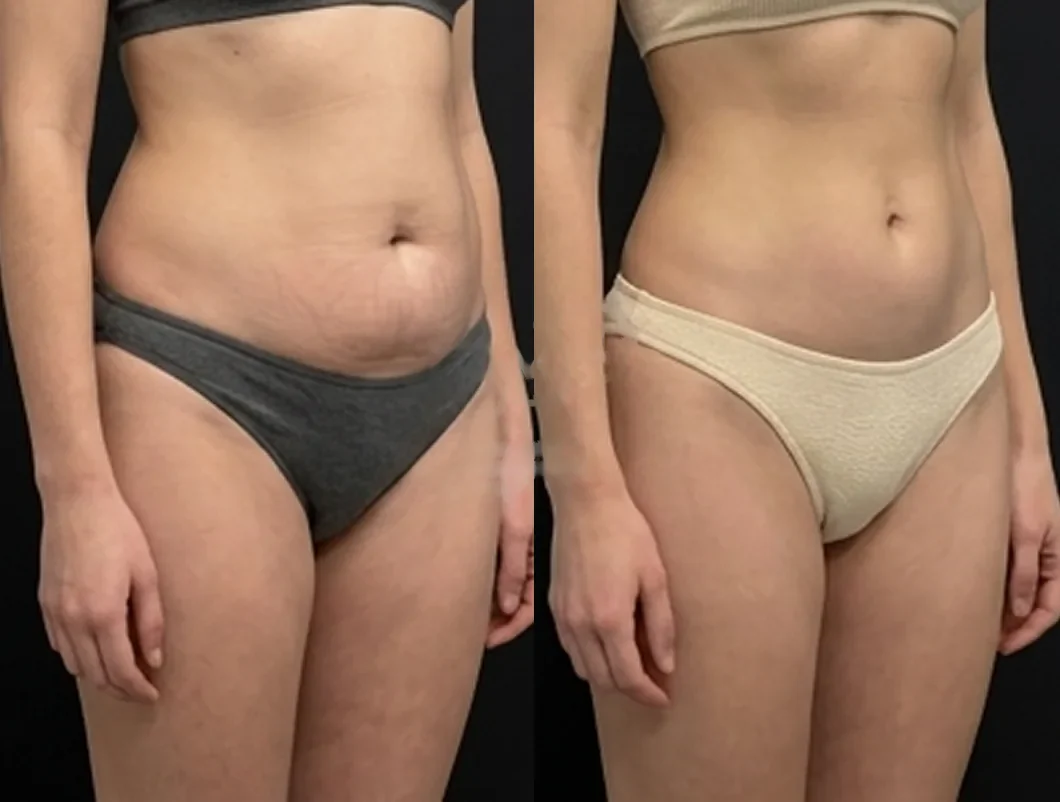 beforeafter
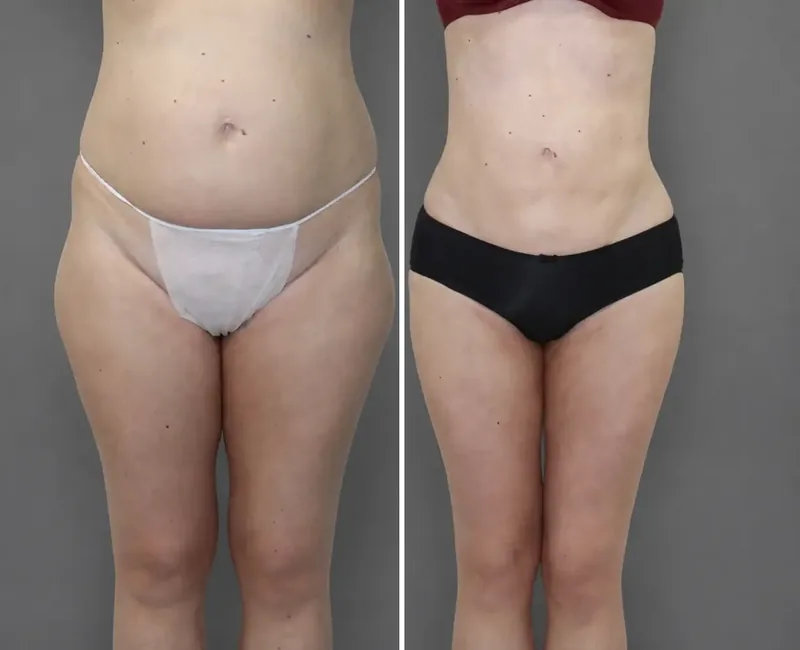
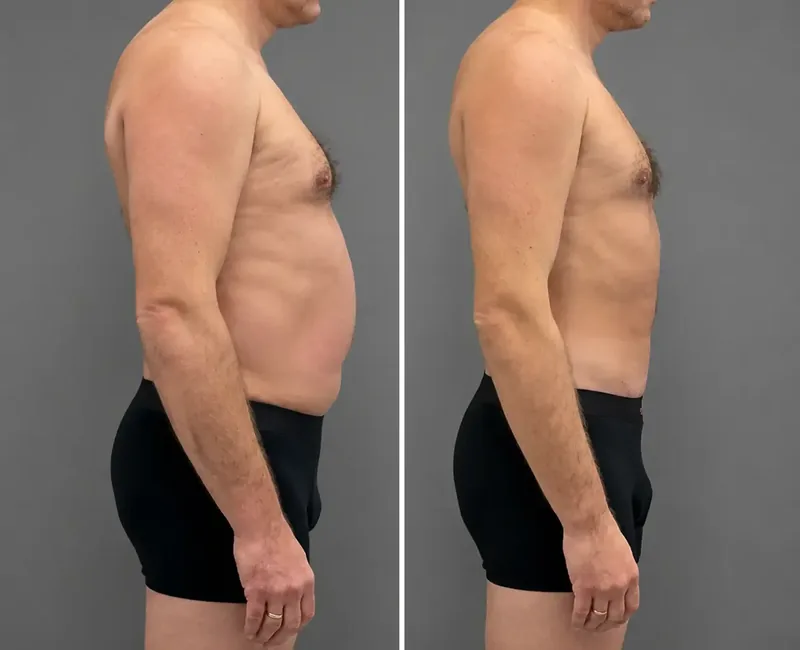
 1
 2
 3
 4
 5
 6