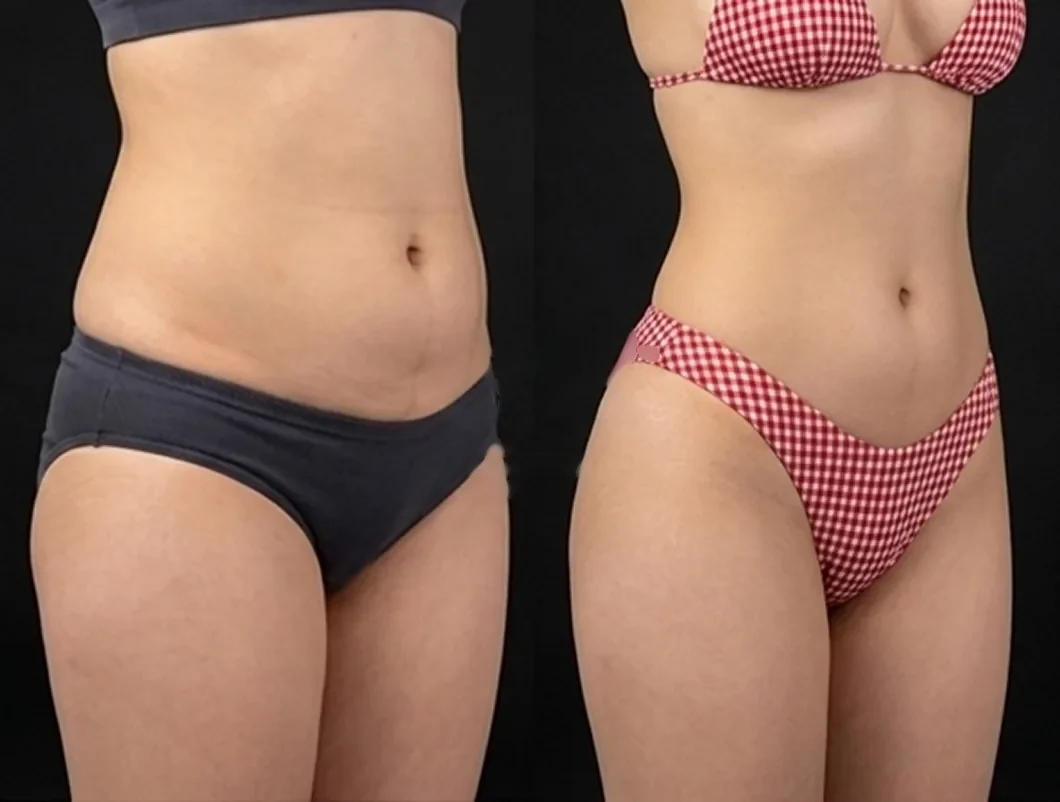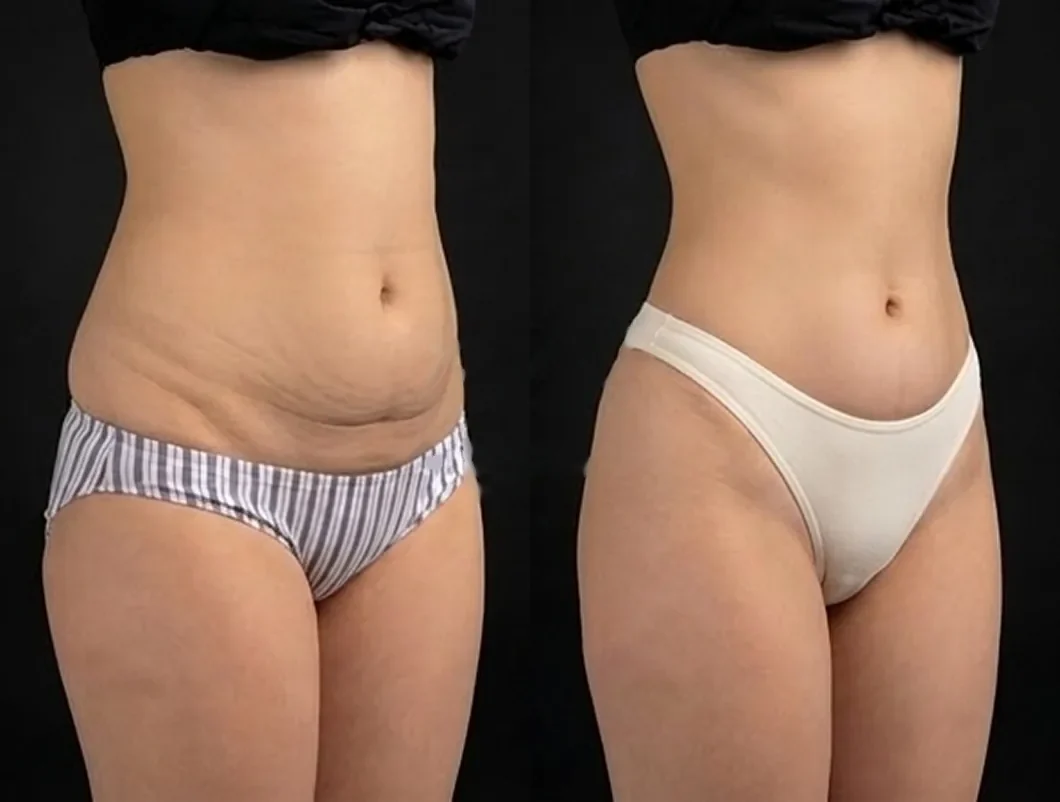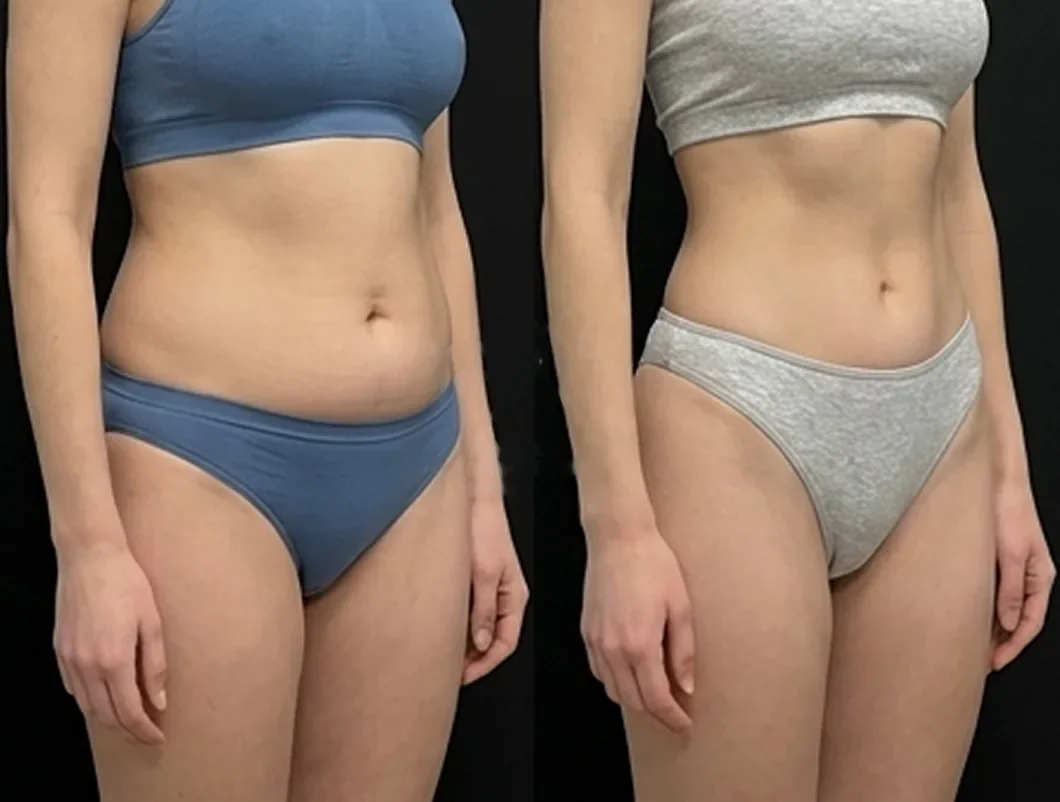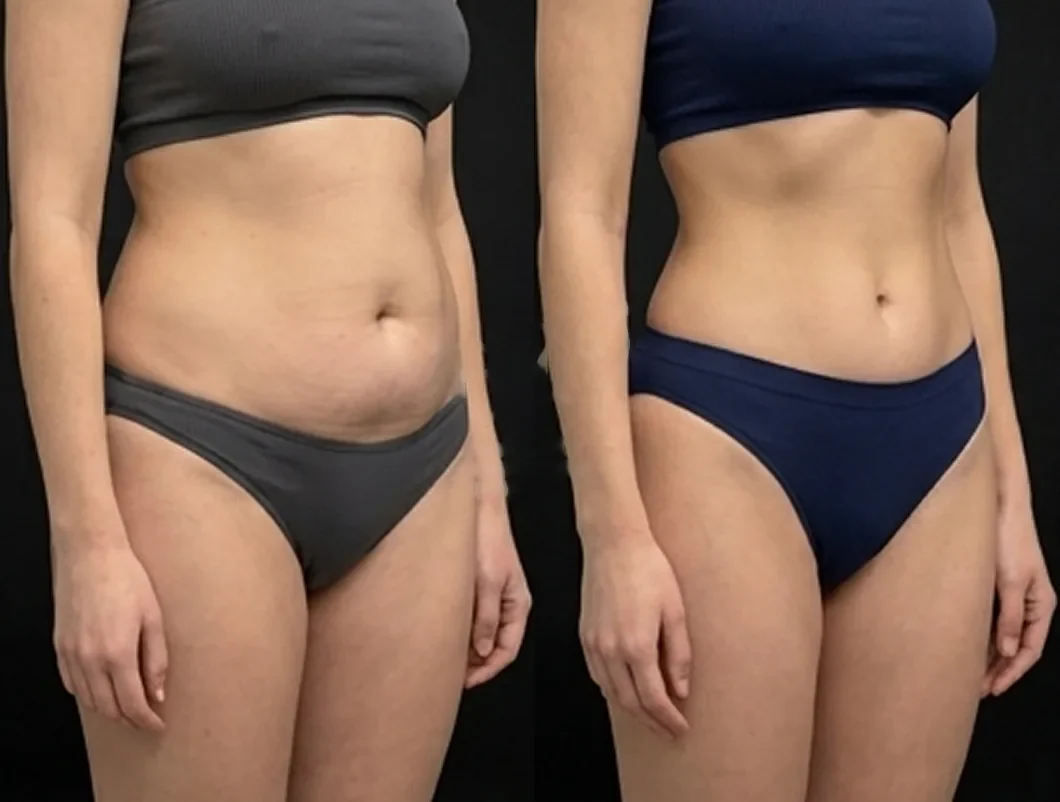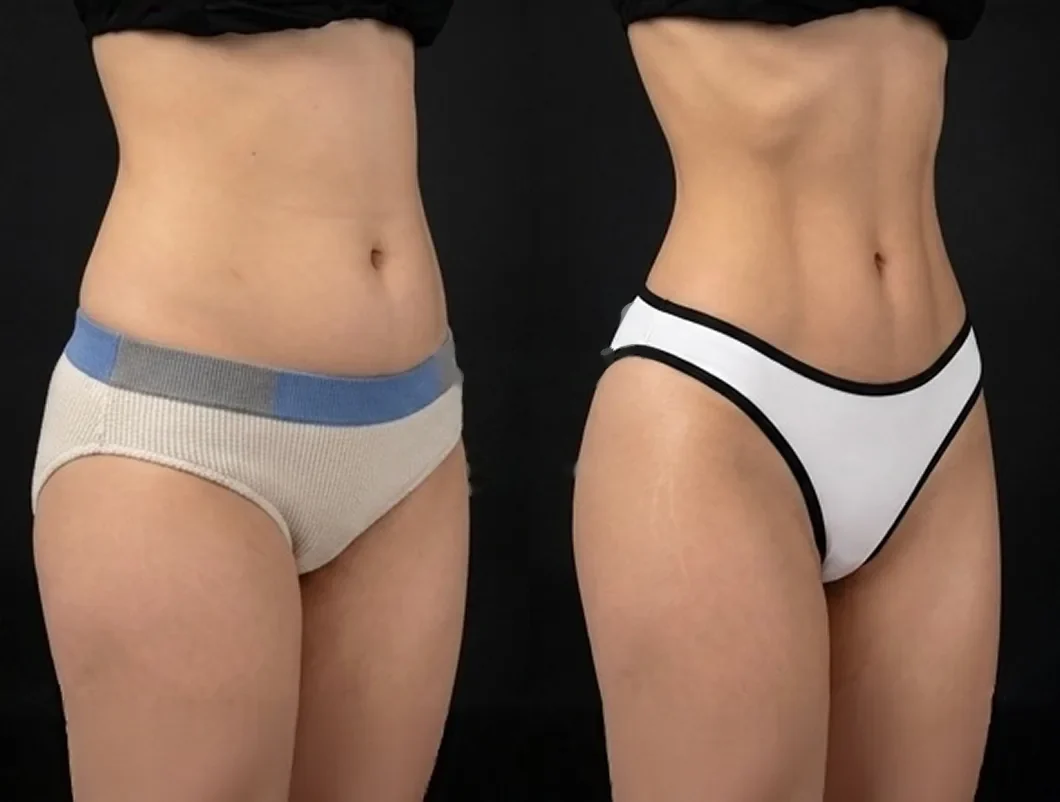
Matola and liposuction: why this city asks about body contouring
Matola is the largest suburb of Maputo, adjacent to the western side of the capital, and it is the capital of Maputo Province. It has had its own elected municipal government since 1998. According to the 2017 census, the municipality had 1,032,197 inhabitants, which makes it the second largest city in Mozambique after Maputo. A city of this size has a wide mix of ages, jobs and lifestyles, and so a wide mix of reasons for asking about liposuction.
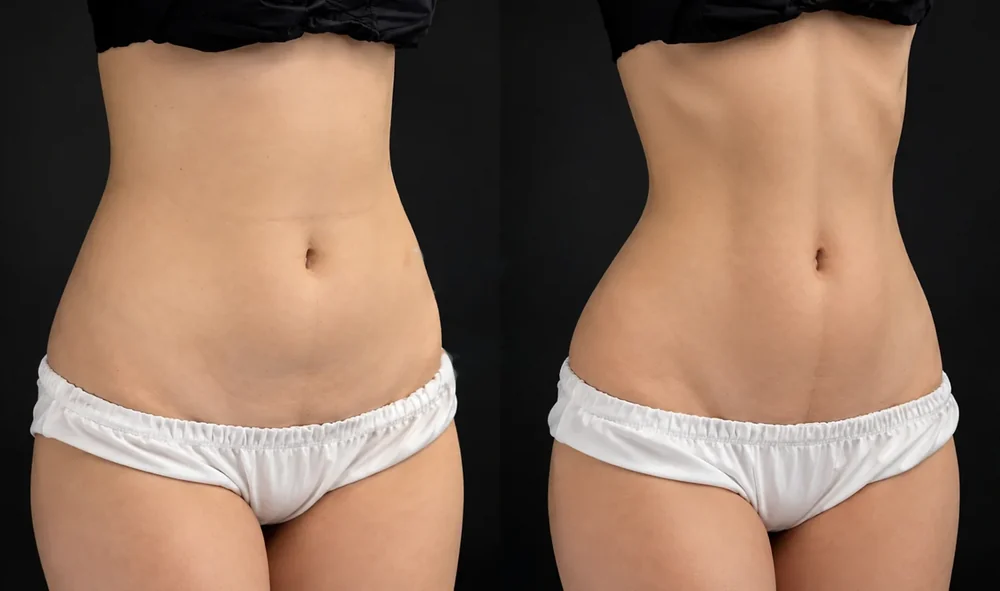
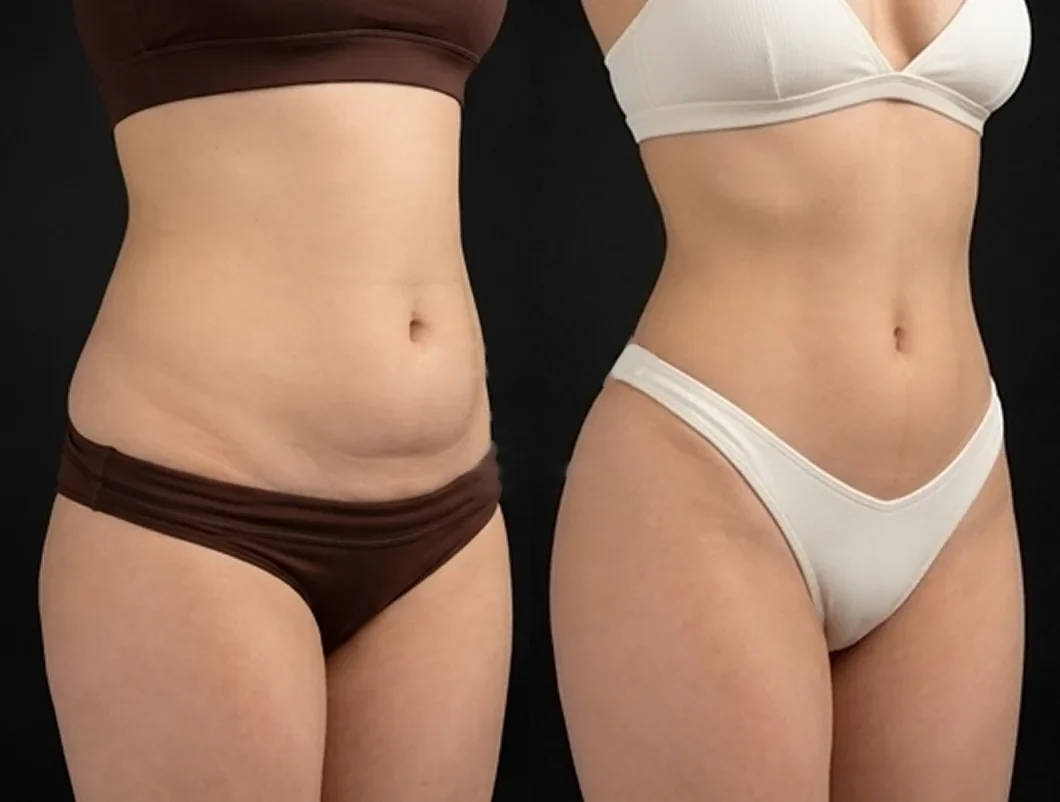
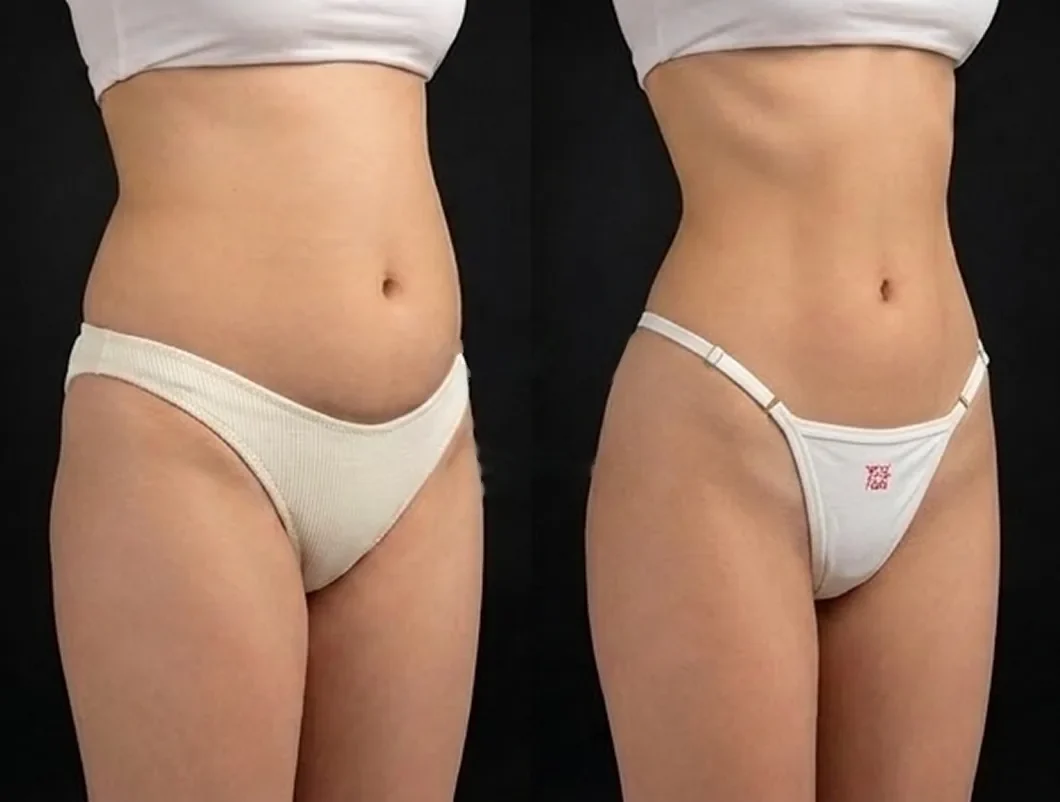
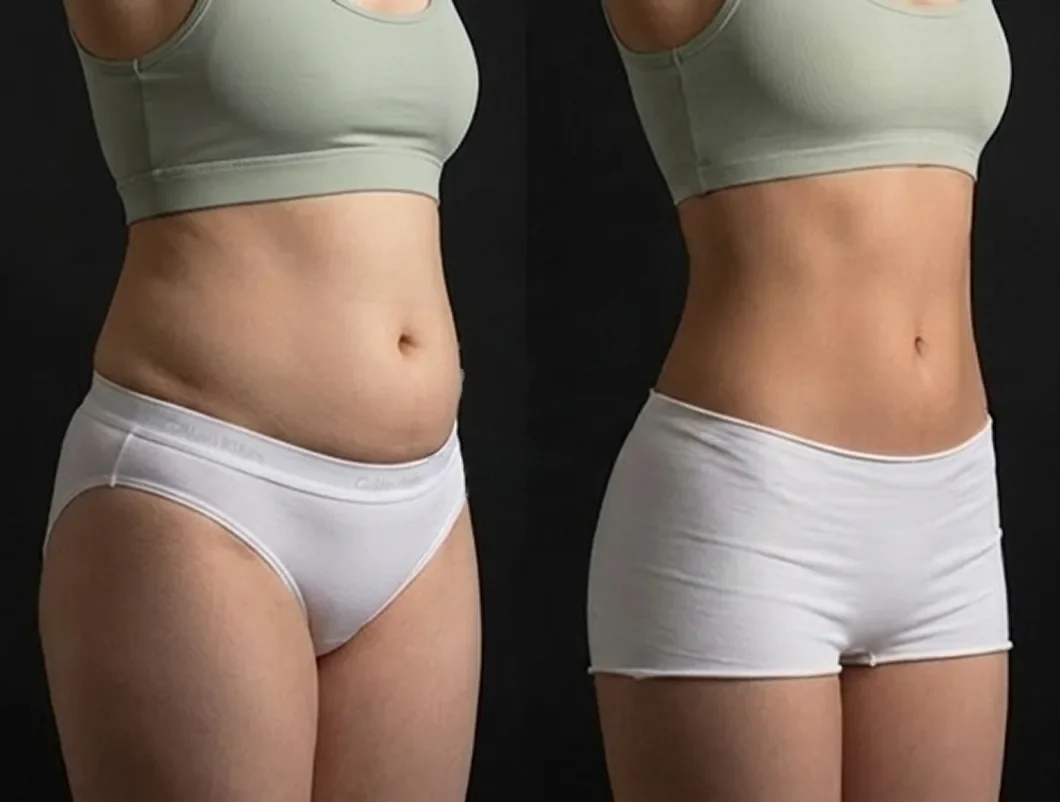
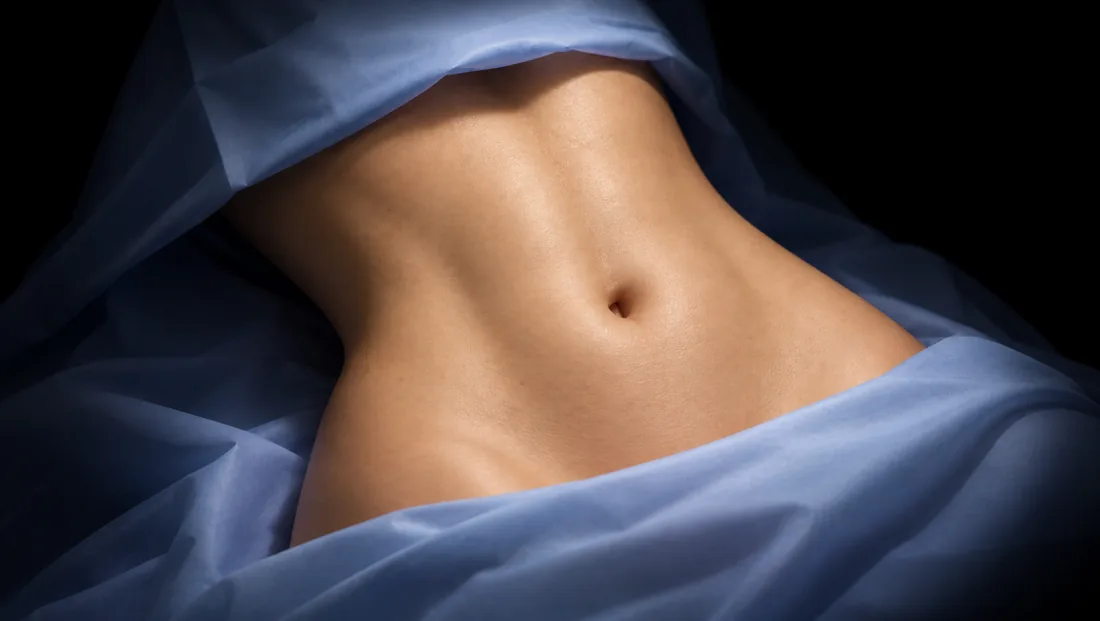
Some people in Matola have a stubborn pocket of fat on the abdomen, flanks, thighs, hips, arms or under the chin. It stays in place despite regular walking, football with friends or a careful diet. Others notice that the body has changed after pregnancy, after a period of heavy work, or after the weight settled in one area. Liposuction is a contouring operation. It reshapes localised fat deposits and is not a method of treating obesity. The World Health Organization describes overweight and obesity as a matter of general health that needs a broader approach, and a responsible surgeon will talk to you about that honestly before agreeing to operate.
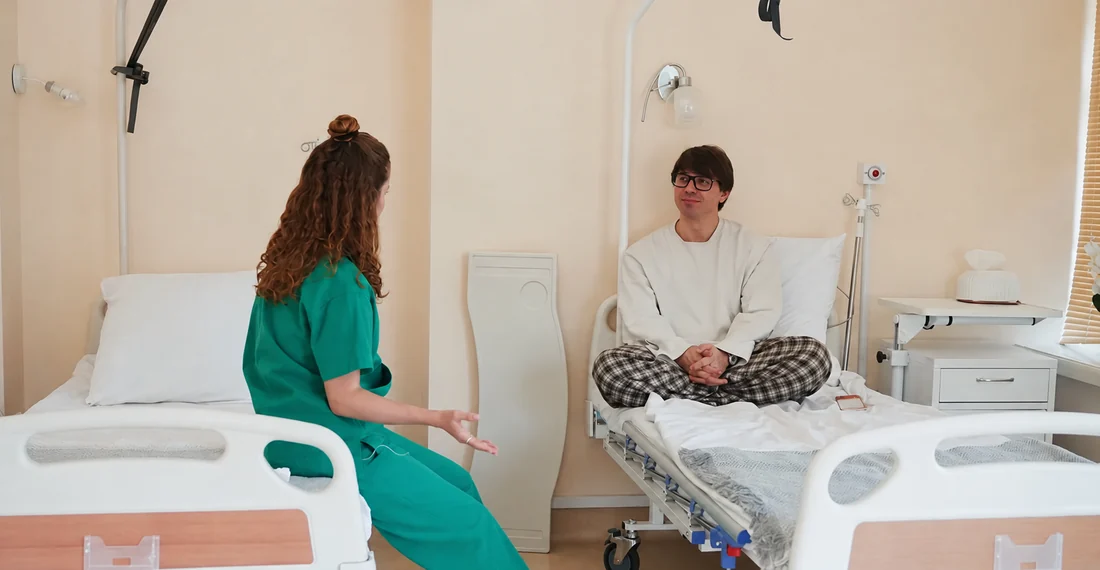
City Medical Centre works with patients in Matola through a free online consultation. You do not need to arrange anything in advance. You write to the coordinators on Telegram or WhatsApp, they are available 24/7, and the conversation starts from your own home, from the break room at work or from a quiet corner after the family has gone to bed. The aim of the first talk is simple: to understand what bothers you, to see whether liposuction is the right tool, and to explain how the operation works.
Climate of Matola and what it means for recovery
Mozambique has a tropical climate with two seasons: a wet season from October to March and a dry season from April to September. Rainfall is heavy along the coast, and cyclones are common during the wet season. Average temperatures in Maputo, right next to Matola, range from 13 to 24 °C in July to 22 to 31 °C in February. For anyone planning liposuction in Matola, this temperature range matters more than almost any other local factor.
The reason is the compression garment. After liposuction you wear it for 30–45 days, and it is a close-fitting, firm piece of clothing. In the hot, humid months it can feel heavy, and sweat under it can irritate the skin around the micro-punctures. In the cooler dry months the same garment is much easier to tolerate. This does not mean you cannot have surgery in summer, but it does mean that you should plan lighter cotton layers, change the garment as your surgeon advises, and keep the skin clean and dry.
Swelling also reacts to heat. Warm weather and long hours standing can make the treated area feel fuller in the evening. Resting with the legs raised, drinking enough water and avoiding long hours in the sun help you pass these first weeks more comfortably. Your surgeon gives all individual recommendations after the operation, and the coordinators can talk through the practical details of your own week with you.
Sun, sea, dust and the pool: general care in coastal Matola
Matola lies on the coast of Maputo Bay, and the small Matola river that marks the northern border of the municipality flows into the bay. Sea air, strong sunshine and the habit of weekend outings to the water are part of local life. After liposuction these habits need to be adjusted for a while.
For 4–6 weeks you wear compression garments and avoid the bathhouse, sauna, pool and active sport. In practice that also means staying out of the sea and out of public pools during this time, because the micro-punctures need to close and heal in clean, controlled conditions. Alcohol and tanning beds are off-limits for at least a month, and direct sun on the treated areas is best avoided for the same reason: skin that has just been treated reacts more strongly to ultraviolet light, and uneven pigmentation is easier to prevent than to correct.
Dust is another everyday fact in a busy industrial and port city. Matola has a port and the largest industrial area in Mozambique, and during the dry season the air can carry more fine dust. Keep dressings clean, change clothes after being outdoors, and wash your hands before touching the treated area. If you work close to dusty streets or yards, ask your surgeon how to protect the micro-punctures during your first days. For headwear, a light hat or cap is useful on any outing, as it keeps the sun off your face and neck while you are still avoiding long hours outdoors.
Work, study and daily rhythm in Matola: planning the days after surgery
Matola is the home of the biggest industrial area in the country and of a major port, so many residents work in logistics, warehouses, factories, transport, trade or small businesses. Others are students, teachers, office employees or run a family stall. The question we hear most often is: when can I go back to my normal day?
Most patients get back to their usual routine and work in 7–10 days. For office and desk work, that is realistic for many people. For work that includes heavy lifting, loading, long hours on your feet or repeated bending, you should think more carefully. For the first 7 days there is no physical exertion or heavy lifting at all, and after that your surgeon decides, based on your recovery and the areas treated, when you can return to physical tasks. If your job is physical, it is wise to talk to your employer in advance and plan a lighter schedule at the start.
For students, the same logic applies. Sitting in a lecture hall or classroom is usually easier than standing for hours, and you can plan the operation in a break between exams or terms. Parents with young children should arrange help at home for the first week, since lifting a toddler counts as heavy lifting. A good plan made in Matola before the operation, with a family member or a friend ready to help, makes the first week calmer and the recovery smoother.
Sport, football and active life in Matola after liposuction
Football is part of the identity of the city. The Estádio da Machava, one of the main stadiums in Mozambique with a capacity for 60,000 people, is located in the municipality of Matola, and Associação Black Bulls, the leading club of the city, plays in the national league. Many men and women in Matola play, run or train regularly, and many ask when they can return to the pitch or the gym.
The answer is staged. In the first 7 days there is no physical exertion at all. For 4–6 weeks you wear compression garments and avoid the bathhouse, sauna, pool and active sport. Light walking is usually welcome from the early days because it supports circulation, but running, football, weight training and team sport wait until your surgeon allows them at a check-up. Going back too early can increase swelling and bruising, and it can disturb the contour that is still forming.
Swelling and bruising clear by weeks 4–5, and the final result forms in 3–6 months, once the tissues have fully adapted. That is a useful frame for planning your sport calendar. If you play in a local amateur league, a company team or a weekend group, think about the season in advance and choose a time when missing matches does not cost you much. After recovery, a stable routine of exercise and balanced eating is what helps you keep the new contour in the long term.
Family events, food culture and choosing the season
In Matola, as in the whole of southern Mozambique, family life has a strong calendar: weddings, baptisms, funerals, church gatherings, school ceremonies and large Sunday meals. Food is central to these occasions, with shared dishes, seafood from the nearby coast, rice, cassava, matapa and plenty of festive cooking. When you plan liposuction, it helps to look at these dates before booking a day for the operation.
There are two practical reasons. First, you will want to be comfortable and in good form for the event, and in the first days after the operation you will have swelling, bruising and a compression garment under your clothes. Second, alcohol is off-limits for at least a month, and heavy, salty meals can increase swelling in the first weeks. It is easier to avoid a major family feast during the early recovery than to explain to everyone why you are not drinking or eating the usual dishes.
As for the season, the dry months from April to September are generally more comfortable for wearing a compression garment, because temperatures are lower, with Maputo averages from 13 to 24 °C in July. The wet season, from October to March, is hotter and more humid, and cyclones are common. If your schedule allows only the hot months, the operation is still possible. You simply plan lighter clothes, more rest at home and fewer outings. Whichever season you choose, leave enough room before important dates: the first changes show at 2 weeks, but the final contours form only in 3–6 months.
How the remote consultation works for patients in Matola
The first step is a free online consultation. You write to the coordinators on Telegram or WhatsApp, and they answer around the clock, 24/7. You describe the areas that bother you, your age, your general health, any previous operations, medications you take and what you hope to change. Photos taken in good light, in simple underwear and from several sides, help the surgeon understand the body proportions.
After the first conversation you receive the plan. If liposuction is suitable, the team explains which techniques are used: tumescent and VASER techniques, micro-incisions of 3–5 mm and precise volume control. The aim is a smooth contour that keeps the natural proportions of your body. You also learn which tests are needed before surgery: blood tests, ECG, ultrasound, and consultations with a GP and an anesthesiologist. You receive all instructions after the first consultation, and you can ask the same question twice if something is not clear.
The practical advantage for people in Matola is that the decision does not have to be rushed. You can read the plan in the evening, talk to your husband, wife, parents or a close friend, and come back with more questions the next day. We respect your time: we work 24/7, with easy booking and a personal approach, and we adapt to your pace. After the operation the same channels stay open for questions about dressings, swelling or the garment.
What the operation involves, step by step
Liposuction starts with marking the areas and fitting compression garments. Under local or general anaesthesia the surgeon removes fat through 3–5 mm micro-punctures. The duration runs from 1 hour for small areas to 3–4 hours for a combined procedure, and the whole operation is described as 1–4 hours of surgery. The choice between local and general anaesthesia depends on the extent of the work, your health and your preference, and you discuss it with the surgeon and the anesthesiologist before the day of surgery.
With local anaesthesia you go home 3–4 hours after surgery. With general anaesthesia you stay one day in a comfortable ward under medical supervision. In short, you go home the same day with local anaesthesia, or after 1 day with general anaesthesia. If you live far from the centre of the city or have to rely on someone to take you home, it is sensible to settle this in advance, and to have a family member or a colleague ready for the first evening.
The punctures are only 3–5 mm across, and they usually need no stitches. Once healed, the marks are barely visible, and with proper care during recovery they fade completely. This is one of the reasons many people prefer liposuction to open operations: the visible traces on the skin are small, and clothes, swimwear and sports kit hide them easily.
Recovery timeline: from the first week to the final contour
The first week is the quietest. There is no physical exertion or heavy lifting, you rest, you follow the dressing instructions and you wear the compression garment. Check-ups are scheduled at 7 days, 3 months and 6 months, and the surgeon follows your recovery and the new body contour at each of them. Check-ups, dressings and aftercare advice are already included in the cost of the surgery. Until the end of the year, you can also get a post-surgery consultation with your surgeon to review results and get more information, at the clinic's expense.
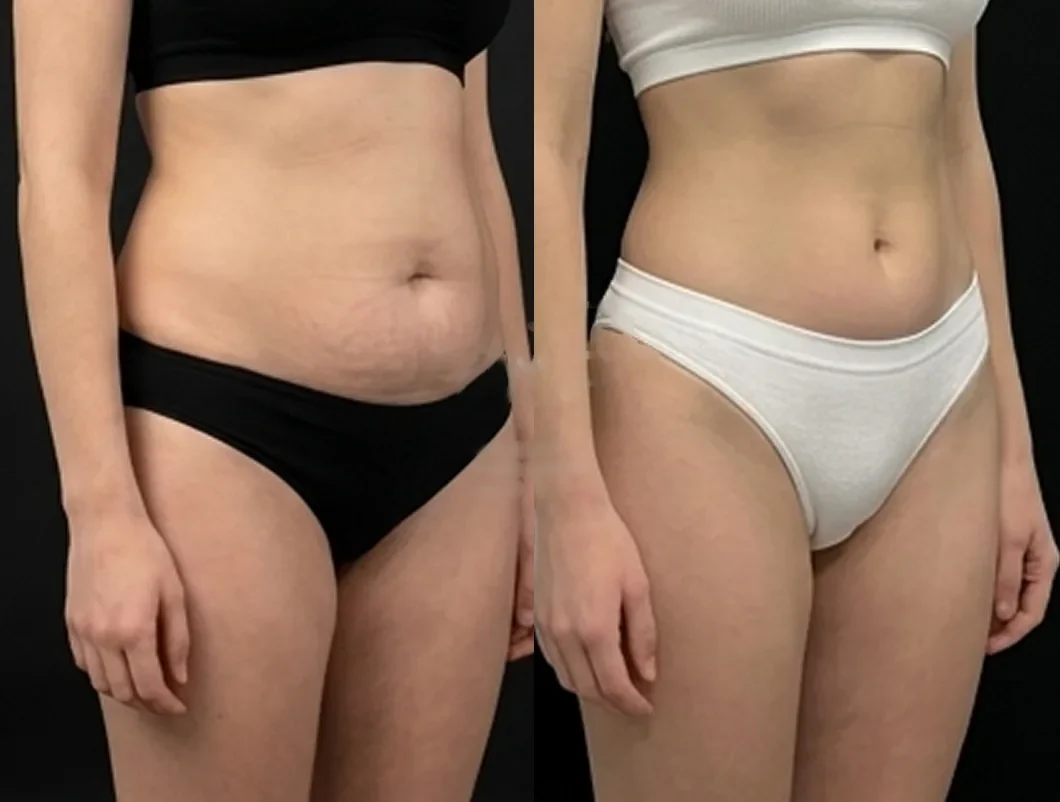
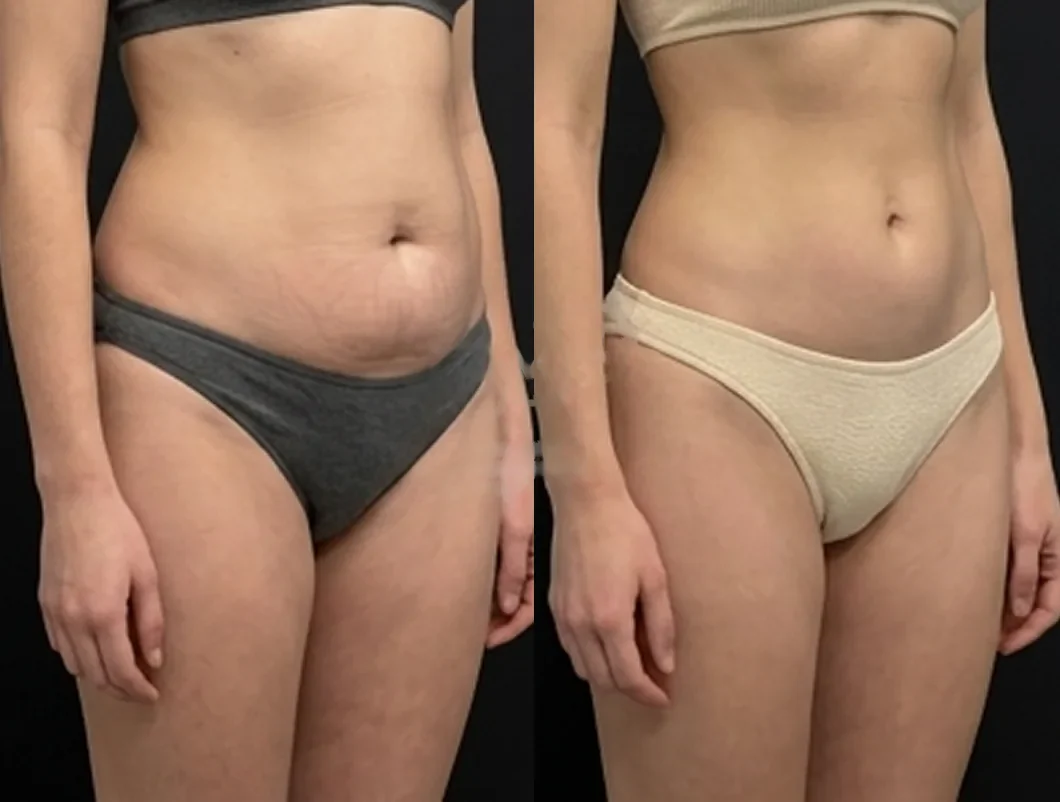
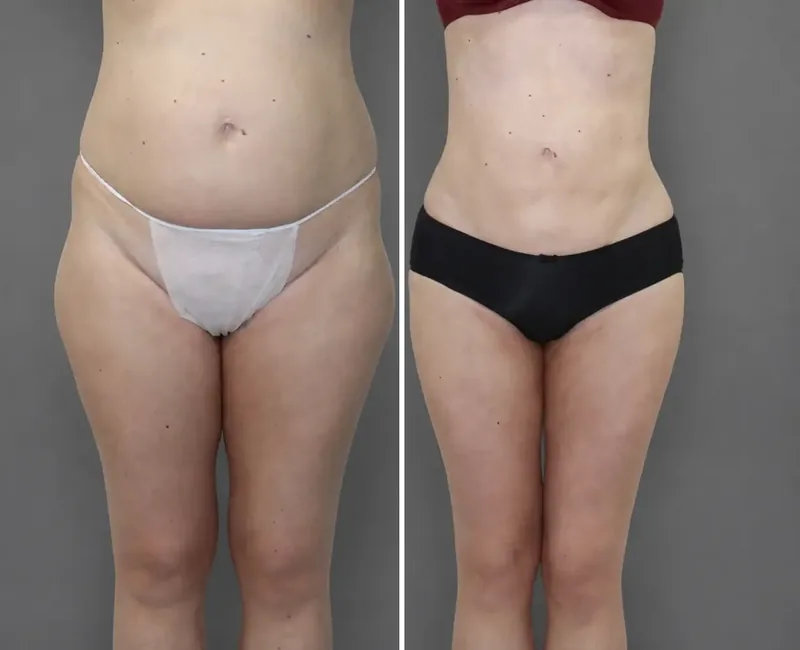
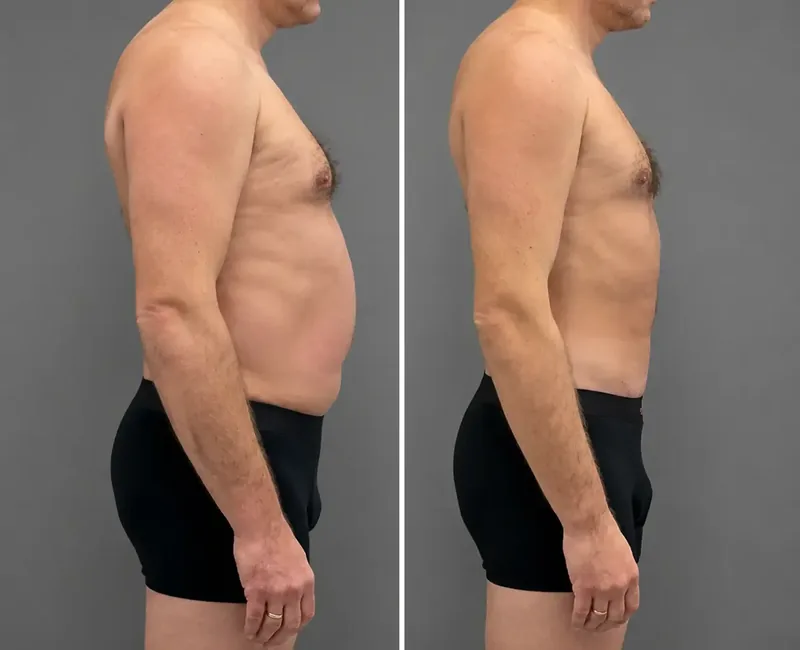
Compression garments are worn for 30–45 days. The first changes show at 2 weeks, once swelling subsides, and an interim result is assessed at 1.5–2 months. Swelling and bruising clear by weeks 4–5, and the final result forms in 3–6 months, once the tissues have fully adapted. Many people feel disappointed in the early weeks because the body still looks fuller than expected. That is normal, and the contour becomes clearer step by step.
In the climate of Matola, patience has a practical side. In hot weeks the garment may feel unpleasant, and the temptation to take it off early is real. Keep to the schedule your surgeon has given you. In the cooler months the garment is easier to wear, and you may find that the weeks pass faster. In both cases, regular contact with the coordinators and the surgeon through Telegram or WhatsApp helps you check whether what you feel is normal.
Candidates, contraindications and preparation
We operate from age 18+, if there are no contraindications. There is no upper age limit: after an examination and health assessment, the decision is made individually. The best candidates are people whose weight is relatively stable and who have localised fat that does not respond to diet and exercise. Liposuction is not a way to lose a large amount of weight, and it does not replace a healthy lifestyle. In general terms, serious heart, blood or clotting problems, active infections, and some chronic conditions can be contraindications, and only a full assessment can say what applies to you.
Preparation matters. Give up smoking, alcohol and medications that affect clotting (aspirin, etc.) 7–10 days before liposuction. Pre-operative tests are also required: blood tests, ECG, ultrasound, GP and anesthesiologist consultations. You receive all instructions after the first consultation. Tell the team honestly about every tablet, herbal remedy and supplement you take, including those bought at a local market or pharmacy, because some of them can affect clotting.
For patients in Matola, a good way to prepare is to write a short list of your questions before the consultation and to collect your previous medical documents, if you have any. Think about who will be at home with you in the first days, how you will rest, and what you will wear. A calm, organised start is one of the simplest ways to make recovery easier.
Public transport, commuting and the first days at home in Matola
Matola is a city of movement. It is the home of a port, of the biggest industrial area in Mozambique and of a railway station on the southern network that connects the Goba railway with the Pretoria-Maputo railway. The main highways link the city with the capital next door and with the neighbouring districts of Boane, Moamba and Marracuene. Many residents spend a good part of the day in minibuses, on foot or in the queue at a crossing, and this daily rhythm needs to be thought through before the operation.
For the first 7 days there is no physical exertion or heavy lifting. A crowded minibus, a long walk with shopping bags and a rush to catch a connection do not fit that rule. If you go home the same day after local anaesthesia, about 3–4 hours after surgery, it is sensible to have a relative, a friend or a colleague with you for the journey home and for the first evening. After general anaesthesia you stay one day under medical supervision and go home after 1 day, so the same arrangement applies on the next day.
The first outings are best kept short and calm. Plan to stay at home for the first days, ask someone to bring food and medicines, and return to the daily commute only when you feel steady. Most patients get back to their usual routine and work in 7–10 days, but the surgeon at the check-up after 7 days is the person who confirms what is realistic for your own body and your own daily route.
Preparing the home in Matola before the operation
A short list of preparations makes the first week easier. Arrange a comfortable place to rest, with a bed or sofa where you can lie with the legs slightly raised, a bottle of water within reach and a phone with a charger. Keep the numbers of the coordinators close, because they are available 24/7 on Telegram and WhatsApp and can answer a practical question at any hour.
Matola has frequent rain in the wet season and warm nights, so think about ventilation and a fan or a cool room, because the compression garment is worn for 30–45 days and a hot bedroom makes sleep harder. Prepare two sets of loose cotton clothes that fit over the garment, and ask your surgeon how many garments you need so that you can wash one while wearing the other.
Think about household tasks too. Carrying water, lifting buckets, moving furniture and picking up children all count as heavy lifting during the first 7 days. If you cook for a large family, agree in advance who will take over for a week. Avoid alcohol for at least a month, and tell the people around you, so that nobody offers you a drink at a gathering. A calm, organised home is one of the simplest ways to support recovery.
Realistic expectations and the mood of recovery
Body contouring is a change that develops slowly, and patients in a lively city like Matola often expect to see the result at once. The first changes show at 2 weeks, once the swelling subsides. An interim result is assessed at 1.5–2 months, swelling and bruising clear by weeks 4–5, and the final contours form in 3–6 months, once the tissues have fully adapted.
It helps to keep a simple diary with dates and photos taken in the same light and from the same angles. Photos make slow changes visible and are very useful to show the surgeon at the check-ups after 7 days, 3 months and 6 months. Do not compare yourself with other people or with pictures on social networks: every body heals at its own pace.
If you feel low or impatient in the second or third week, this is common, because the body is still swollen and the garment is still on. Talk to the coordinators, and to your family. Our aim is a smooth contour that keeps the natural proportions of your body, and that takes time. Stable habits after recovery, with regular walking and balanced meals, help you keep what you have achieved.
Questions to ask the surgeon
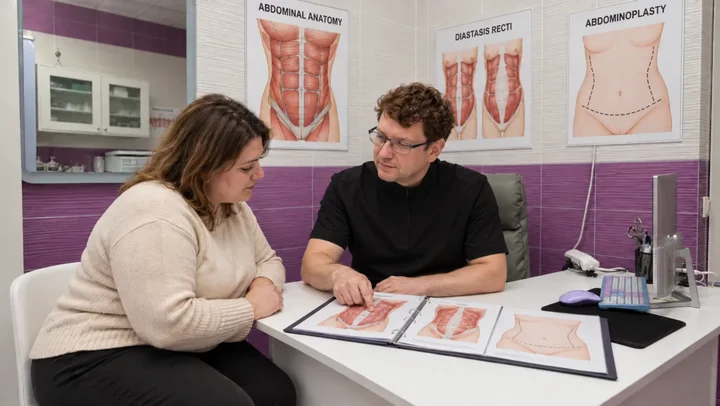
A good consultation is a conversation, not a presentation. Before agreeing to the operation, ask which areas are suitable for treatment in your case, how much can be corrected in one session, and whether a combined procedure makes sense for you. Ask which technique will be used, why it suits your body, and whether local or general anaesthesia is better in your situation.
Ask what to expect on each day of the first week, what is normal in terms of swelling, bruising and sensation, and which signs mean you should contact the team immediately. Ask how to wear the compression garment, how many sets you need, and how to wash and change it in a warm climate. Ask when you can return to your job, to your studies, to your usual walking and to sport, and which tasks should wait for longer.
Finally, ask about follow-up. The surgeon follows your recovery at check-ups after 7 days, 3 and 6 months, and you can use the post-surgery consultation until the end of the year to review the results and get more information. Knowing this schedule in advance helps you plan your own calendar in Matola, around work, family events and the seasons of the year.
Can I have a liposuction consultation if I live in Matola?
Yes. The first consultation is free and online. You write to the coordinators on Telegram or WhatsApp from Matola, they are available 24/7, and you send your photos and questions at the time that suits you. The surgeon then assesses whether liposuction is suitable for your body and explains the plan.
How long does the operation take and when do I go home?
The surgery lasts 1–4 hours: from 1 hour for small areas to 3–4 hours for a combined procedure. With local anaesthesia you go home 3–4 hours after surgery. With general anaesthesia you stay one day in a comfortable ward under medical supervision, and you go home after 1 day.

When can I go back to work?
Most patients get back to their usual routine and work in 7–10 days. If your job is physical, for example loading, lifting or long hours on your feet, ask your surgeon at the check-up before returning to full duties. For the first 7 days there is no physical exertion or heavy lifting.
Is the hot weather in Matola a problem for the compression garment?
Compression garments are worn for 30–45 days, and in the wet season from October to March the heat and humidity make them less comfortable. The operation is still possible in these months. Choose light cotton clothes over the garment, keep the skin clean and dry, and follow your surgeon's advice on changing the garment.
Can I go to the beach, the sea or the pool after liposuction?
Not at first. For 4–6 weeks you wear compression garments and avoid the bathhouse, sauna, pool and active sport. Alcohol and tanning beds are off-limits for at least a month. Your surgeon gives all individual recommendations after surgery, including when it is safe to return to the sea.
When can I play football or go back to the gym?
For the first 7 days there is no physical exertion at all. Active sport waits for 4–6 weeks, and your surgeon confirms when you can restart. Swelling and bruising clear by weeks 4–5, and the final result forms in 3–6 months.
Will there be visible scars?
The surgery is done through punctures only 3–5 mm across, which usually need no stitches. Once healed, the marks are barely visible. With proper care during recovery they fade completely.
When will I see the result?
The first changes show at 2 weeks after surgery, once the main swelling goes down. An interim result is assessed at 1.5–2 months, and the final contours form in 3–6 months, once the tissues have fully adapted. Check-ups take place at 7 days, 3 and 6 months.
How should I prepare for liposuction?
Give up smoking, alcohol and medications that affect clotting (aspirin, etc.) 7–10 days before liposuction. You also need blood tests, ECG, ultrasound, and consultations with a GP and an anesthesiologist. You receive all instructions after the first consultation.
Who can have liposuction, and is there an age limit?
We operate from age 18+, if there are no contraindications. There is no upper age limit: after an examination and health assessment, the decision is made individually. Liposuction is a contouring operation for localised fat, not a treatment for obesity.
Can I use a minibus or public transport after liposuction?
In the first 7 days avoid crowded transport, long walks and anything that involves physical exertion or heavy lifting. Plan for a relative or a friend to take you home after the operation. Your surgeon tells you at the check-up when you can return to your usual routes.
What should I prepare at home before the operation?
Prepare a comfortable resting place, loose cotton clothes that fit over the compression garment, water, and help with household tasks for the first week. Remember that the garment is worn for 30–45 days, and keep the coordinators' contact on Telegram or WhatsApp at hand, as they work 24/7.
How can I follow my progress at home?
Take photos in the same light and from the same angles at regular dates and note how you feel. The first changes show at 2 weeks, the interim result is assessed at 1.5–2 months and the final contours form in 3–6 months. Show your notes to the surgeon at the check-ups after 7 days, 3 and 6 months.