



initial
12 months later
2,800 grafts
FUE method
City Medical Centre
0% instalments
from $367/mo
Review and the figure — $0.
Actual case
initial
12 months later
Graft count, plus a forecast of the result. FUE without stitches checked over at no charge — before you decide.
Costs nothing, no surgery booking required
Message our coordinator
Free online consultation · Reply within 15 minutes
Message us on TelegramMessage us on WhatsAppBy messaging us, you agree to our Privacy Policy
results
Nothing staged: genuine CMC patient results.
initial
12 months later
2,800 grafts
FUE method

initial
12 months later
3,500 grafts
FUE method

initial
12 months later
2,600 grafts
FUE method

initial
12 months later
3,000 grafts
FUE method

initial
12 months later
2,700 grafts
FUE method

initial
12 months later
3,300 grafts
FUE method

initial
12 months later
2,900 grafts
FUE method

initial
12 months later
2,500 grafts
FUE method

initial
12 months later
3,400 grafts
FUE method

initial
12 months later
2,500 grafts
FUE method

initial
12 months later
3,100 grafts
FUE method

initial
12 months later
3,600 grafts
FUE method

initial
12 months later
4,000 grafts
FUE method

initial
12 months later
3,200 grafts
FUE method

initial
12 months later
3,000 grafts
FUE method

initial
12 months later
3,700 grafts
FUE method

initial
12 months later
2,700 grafts
FUE method

initial
12 months later
3,800 grafts
FUE method

initial
12 months later
3,300 grafts
FUE method

initial
12 months later
2,800 grafts
FUE method

initial
12 months later
2,500 grafts
FUE method

initial
12 months later
3,900 grafts
FUE method

initial
12 months later
3,500 grafts
FUE method

initial
12 months later
3,800 grafts
FUE method

initial
12 months later
2,900 grafts
FUE method

initial
12 months later
3,600 grafts
FUE method

initial
12 months later
2,600 grafts
FUE method

initial
12 months later
2,700 grafts
FUE method

initial
12 months later
3,700 grafts
FUE method

initial
12 months later
3,200 grafts
FUE method

initial
12 months later
3,000 grafts
FUE method

initial
12 months later
2,800 grafts
FUE method

initial
12 months later
4,000 grafts
FUE method

initial
12 months later
3,400 grafts
FUE method

initial
12 months later
2,900 grafts
FUE method

initial
12 months later
3,100 grafts
FUE method

initial
12 months later
2,600 grafts
FUE method

initial
12 months later
3,300 grafts
FUE method

initial
12 months later
3,900 grafts
FUE method

initial
12 months later
3,500 grafts
FUE method

initial
12 months later
2,700 grafts
FUE method

initial
12 months later
3,800 grafts
FUE method

initial
12 months later
3,200 grafts
FUE method

initial
12 months later
3,000 grafts
FUE method

initial
12 months later
2,800 grafts
FUE method

initial
12 months later
3,100 grafts
FUE method

initial
12 months later
3,600 grafts
FUE method
Comparison
Three graft transfer technologies are at work here: classic FUE, suture-free DHI and a combined protocol. Compare implantation technique, tissue trauma and graft survival, and choose your method.
Classic technique without incisions or stitches

$2,200
$2,700
Graft implantation technique
ForcepsGraft trauma
MinimalHair's natural angle
NaturalGraft survival
98–100%Suitable for
Androgenetic alopeciaNo-stitch implantation with a Choi pen

$2,500
$2,900
Graft implantation technique
DHI pen, Choi implanterGraft trauma
MinimalHair's natural angle
NaturalGraft survival
98–100%Suitable for
DensificationFUE extraction, DHI pen implantation

$2,700
$2,900
Graft implantation technique
FUE extraction + DHI implantationGraft trauma
MinimalHair's natural angle
NaturalGraft survival
98–100%Suitable for
Androgenetic alopecia and densificationAveraged for each method, the survival and trauma figures are a guide only: the exact numbers depend on the transplant area and the patient's individual features and are clarified by the doctor at the consultation.
Have a consultation


















about the clinic
Attentive care, quality equipment and rooms that feel comfortable

We will answer the questions you have and find a convenient consultation time
Message us on WhatsApp Submit the formIf an operation is the wrong answer for you, you will hear so at the consultation and no money is wasted. Below you will find the situations where a transplant is truly effective.
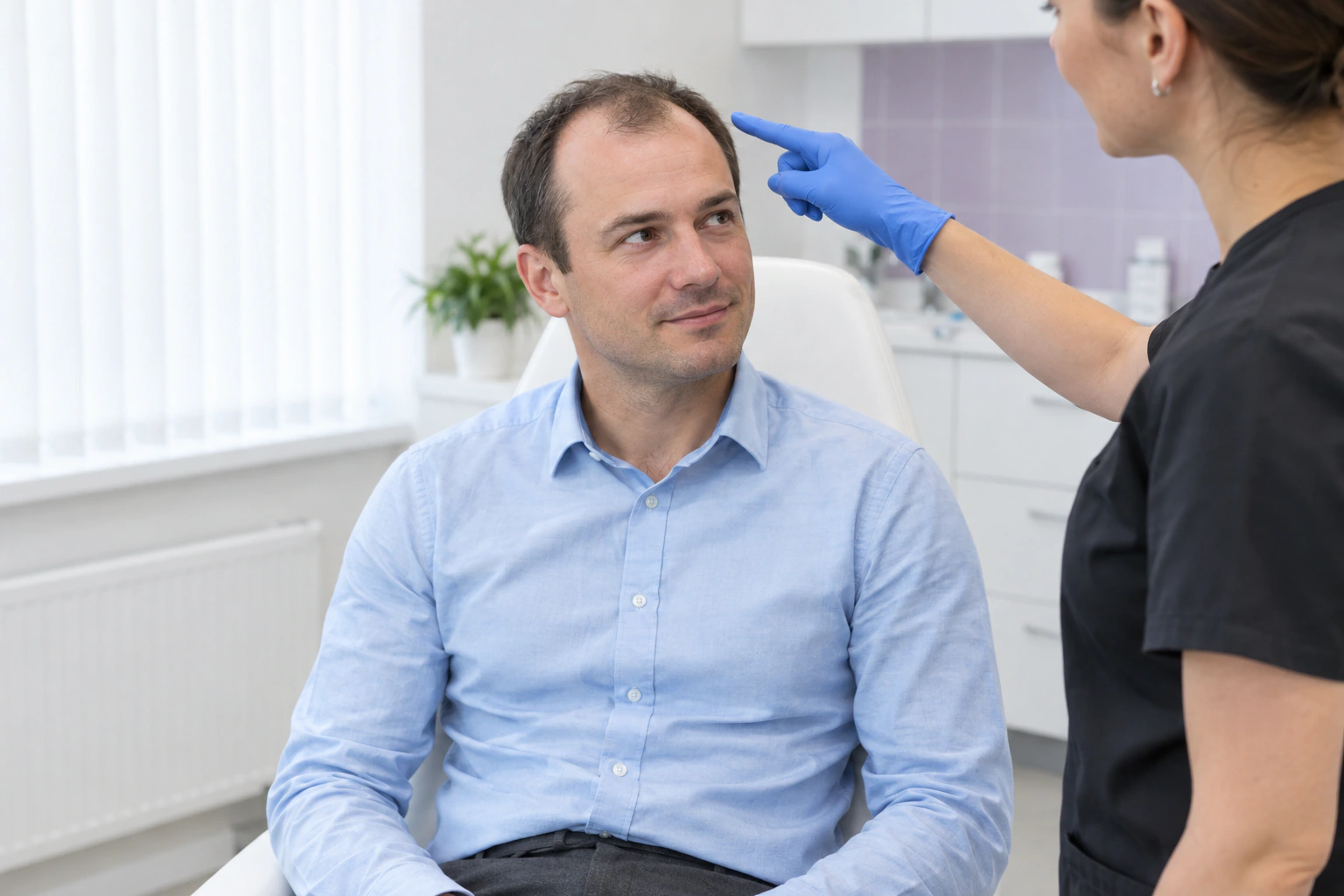

Leave a phone number. Photos of the thinning area go to a coordinator in a messenger, a doctor assesses them and answers whether a transplant would help. No cost, no obligation.

services
A free consultation, a graft count, then a figure that is written into the contract.
suture-free graft extraction

$2,200$2,700
or $367/mo — 0% instalments for 6 months
Freeze your quoteimplantation without channels

$2,500$2,900
or $417/mo — 0% instalments for 6 months
Freeze your quotecombined technique

$2,700$2,900
or $450/mo — 0% instalments for 6 months
Freeze your quote| Assessing your hair | Free |
|---|---|
| Eyebrow transplant, FUE | |
| Beard transplant, FUEinstalments $467/mo | |
| Hair trichopigmentation | |
| PRP therapy / session | $200 |
all included
Support spans the pre-op stage and the next 12 months.
Surgery day brings no new charges.
two more patches
A hair transplant is not just the scalp. The same grafts from the back of the head, the same FUE method — only the area changes.
FUE method, no incisions or stitches

Grafts are drawn from the donor area at the back of the head and moved through micro-punctures of about 1 mm, and no scars are left behind. The shape is agreed with the doctor before the operation, taking your facial features into account. Transplanted hair grows for life: trim and style the beard as usual.
$2,800$3,000
or $467/mo — 0% instalments for 6 months
Freeze your quoteFUE method, no incisions or stitches

The brow contour is the surgeon's work at the first appointment: references are compared with you, and your facial proportions decide the design. Hairs implanted at the growth angle give brows that hold up close. Where tweezers have stopped the growth over the years, it works.
$1,600$1,700
a day-clinic operation, the scalp numbed first
Freeze your quoteFirst the doctor assesses your donor area, counts the grafts and shows the achievable result. The cost is quoted at the consultation and fixed in the contract.

Message our coordinator
Free online consultation · Reply within 15 minutes
Message us on TelegramMessage us on WhatsAppBy messaging us, you agree to our Privacy Policy
Process
From consultation to going home — all in one day

The process opens with a free consultation where the FUE and DHI methods are explained, your questions are answered, and an individual operation plan is created.

Reserving a day means putting down a deposit, and there are two routes for that: using a card in the clinic or paying online.

Before the hair transplant, the necessary tests are completed using the list and instructions the clinic provides.

With the scalp numbed by a local anaesthetic, the surgery causes nothing to be felt.

The area behind the head, or the temples, supplies the grafts, extracted with no need for sutures.

Every graft collected earlier finds its place in the balding zone.
Healing is supported by what the clinic provides and by detailed directions on using it.

The crusts come off, the swelling goes down, the area gradually recovers

A normal stage. Only the hairs leave, the follicles stay in place

Hair returns little by little, and the change is obvious

Density improves, the main volume and hairline are apparent

You see the full volume and a convincingly natural edge

Free, before surgery and without any obligation.
Have a consultationdoctors

Hair transplant doctor, trichologist, surgeon
10 years of experience

Dermatovenereologist, trichologist, surgeon
11 years of experience

Plastic surgeon
9 years of experience

Plastic surgeon
9 years of experience

Assistant
9 years of experience
The doctor will inspect your donor area, count the grafts and say what result is possible.
Have a consultationcoordinators
A personal coordinator leads you from your very first enquiry through to recovery.
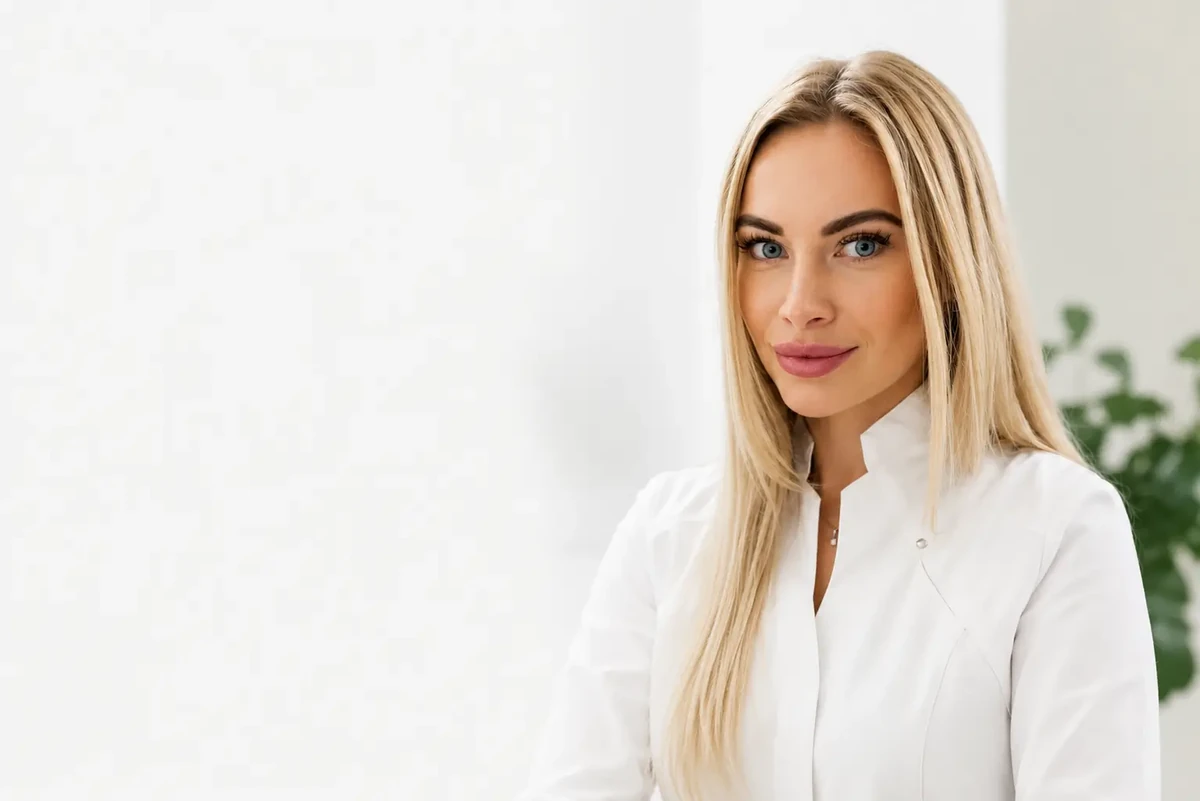
Care and support lead
Will be there before and after the surgery
Sorts out all your paperwork and bookings

Care and support lead
Will be there before and after the surgery
Sorts out all your paperwork and bookings
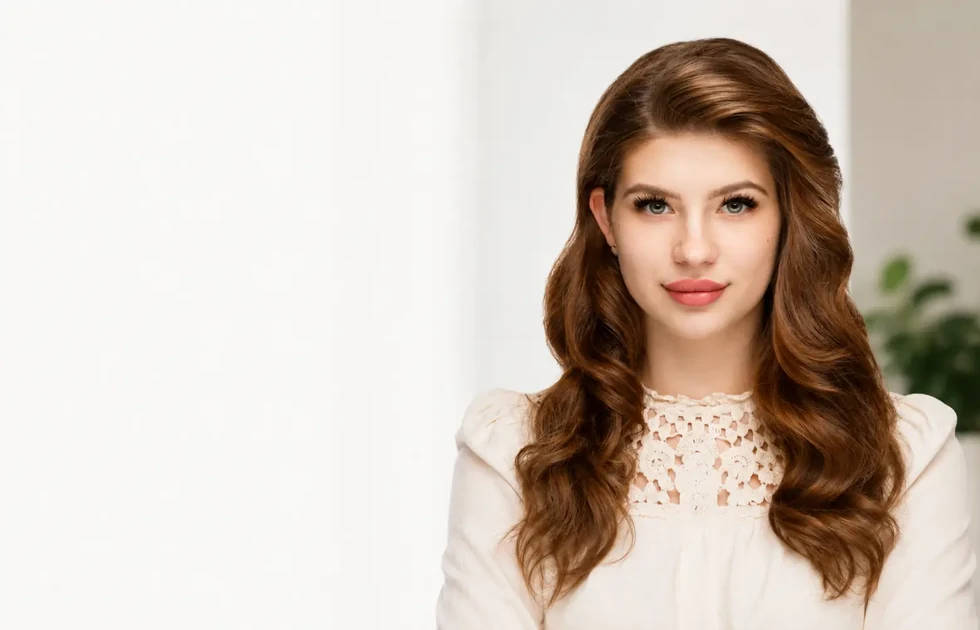
Care and support lead
Will be there before and after the surgery
Sorts out all your paperwork and bookings
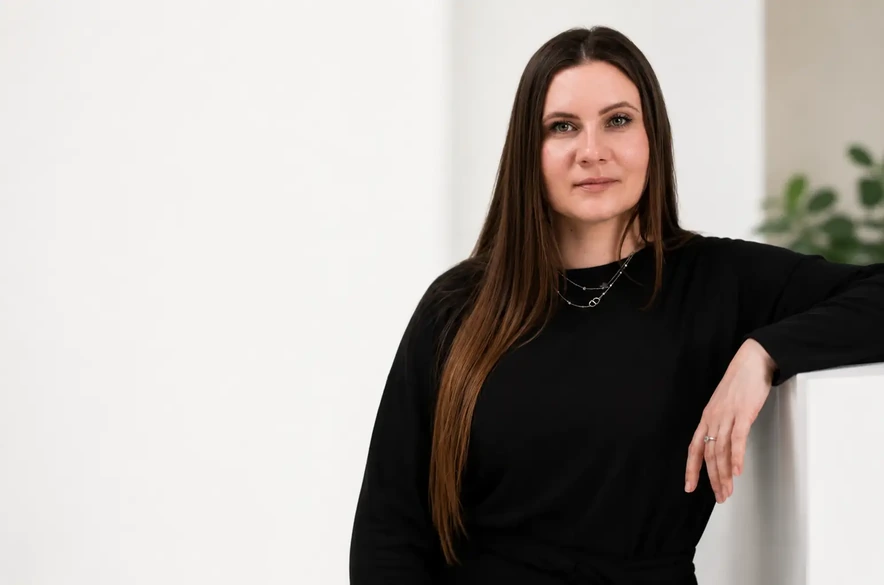
Care and support lead
Will be there before and after the surgery
Sorts out all your paperwork and bookings













We will answer the questions you have and find a convenient consultation time
Message us on WhatsApp Submit the formThings people ask

This is possible, yes. The clinic treats people from other regions and other countries, and an online meeting comes before you commit.
FUE: $2,200 (≈ BIF 6,700,000). DHI: $2,500 (≈ BIF 7,600,000). Combined: $2,700 (≈ BIF 8,200,000). A free consultation and graft count gives you the final, contract-fixed price with no hidden extras.
The procedure is completed within a single day, after which you head home.
The answer is no; local anaesthesia removes any pain entirely.
With FUE, grafts are taken by tweezer with no incisions. With DHI, grafts are implanted directly using a Choi pen, without pre-made channels. The combined method mixes FUE harvesting with DHI implantation.
Expect the doctor to count grafts at the free consultation, taking the donor area as the starting point.
Healing completes in 0–10 days. Transplanted hair sheds at 2–4 weeks, which is normal. Regrowth appears at 3–4 months, fullness at 6–9 months, and the final result settles at 12–18 months.
Hair growth is covered by a lifetime guarantee, fixed in the signed contract.
We work under a medical licence, and care follows the standards and clinical guidelines
per Ministry of Health.

Diplomas and certificates of the doctors on your surgical team
Look at the documentsAKC POMOSHCH LLC
the clinic's legal name
1057746096924
OGRN
7728536872
INN
The procedure asks one day of a patient in Bujumbura and nothing more dramatic than local anaesthesia. FUE and DHI involve no incisions and no stitches, so there are no stitched wounds to look after.
The doctor can see what is going on from photographs, so a patient in Bujumbura begins online and free of charge, with a straight answer on whether a transplant helps. The clinic keeps in touch 24/7.
Wounds close within 0-10 days. The shedding of transplanted hairs at 2-4 weeks is a stage, not a loss, and everyone passes through it. From 3-4 months onwards the new hairs start pushing through.
Prices are in US dollars; the amount in brackets is an approximate conversion to BIF at the rate of 02.10.2026. The final price is fixed in your contract.
By messaging us, you agree to our Privacy Policy
What patients write after this operation. Reviews are translated from the original language.
Andrey M.
I had the operation a month ago. Before and after surgery they were always in touch and helped with questions about my tests. The operation itself went wonderfully, the staff are polite and masters of their craft, you feel you are in safe hands. I am recovering now, and they answer all my questions. I am happy and I recommend them!
DHI hair transplant
Pavel Sinitsyn
The best clinic of all the ones I was choosing from. No regrets at all! The result is simply amazing, I am thrilled. I recommend it to everyone: these people do great work and make people happy. Once again, a huge thank you to everyone. Roman, the head of the clinic, is the best: he was personally in touch with me and looked after my recovery. Thank you for making my dream come true.
FUE hair transplant
Maria Akopyan
I thought about an eyebrow transplant for a long time and finally went for it. At first I was afraid the result would look unnatural, but when I saw my new eyebrows I was delighted! They came out full and in harmony with my face. I can hardly believe that now I just wash my face and go, I have never felt so free. For anyone tired of constant make-up, a transplant is a real lifesaver!
Eyebrow transplant (FUE)
Alexander M.
I really wanted a thick beard, but I had problems with it. I tried every home remedy and minoxidil, and nothing helped. After a long search for the best clinic I settled on this one. Thank you so much for the service, I liked everything and now I am happy! I had the beard transplant 10 months ago and I am very pleased with the result. By the way, the music in the clinic was great, as far as I remember. A friend of mine has already come to you for a transplant on my advice and was also happy with the result. I wish you every success!
Beard transplant (FUE)
Vladimir Z.
I went to the clinic to see a trichologist and had a hair transplant. I really liked the doctor's approach, and all the recommendations helped. I want to point out that nobody tries to sell you extra services: they tell you things as they are, and if some treatment is not needed, they do not push it. Cosy and clean.
DHI hair transplant
Artem Popov
This may sound obvious, but a head of hair really changes everything in your life. You feel much more confident and go through life like a winner. And it is all thanks to the doctor at this clinic and to the staff who take care of their patients. Many thanks to the clinic for a happy life with new hair, for the comfortable conditions and for the professionalism during the hair transplant.
FUE hair transplant
Page medically reviewed by Anastasia A. Kolesnik, hair transplant doctor. Review date: .
Bujumbura is the economic capital and the largest city of Burundi, and its main port. It lies on the north-eastern shore of Lake Tanganyika, the second deepest lake in the world, at the mouth of the Ruzizi River and the smaller Mutimbuzi, Ntahangwa, Muha and Kanyosha rivers. It is a working city of traders, port employees, students, civil servants and people in the service sector. Many of them look at their appearance with a practical eye: a hair line that has moved back or a thin beard is noticed in every meeting, at every family event and in every photograph.
The city is projected to be among the fastest growing cities on the African continent between 2020 and 2025, with growth of 5.75%. A growing city means more young professionals who want a lasting solution rather than a quick cosmetic fix. That is why questions about FUE and DHI reach us from Bujumbura more and more often, and they are usually concrete: how long does it take, when can I go back to work, and what will my hair look like in a year.
City Medical Centre works with patients from Bujumbura through a free online consultation. Coordinators are available around the clock (24/7) on WhatsApp and Telegram, so you can write after work, in the evening or at the weekend and still receive a reply in your own time.
You do not need to leave the city to start. You send a few clear photographs of the front, the crown, the sides and the back of the head through WhatsApp or Telegram, and tell the coordinator about your age, how your hair loss has developed, any medicines you take and any chronic conditions. The doctor then reviews the material and explains whether you are a suitable candidate and what a realistic plan looks like.
The doctor discusses the shape of the hair line with you before the operation, taking your facial features into account. This is the right moment to say what you want: a soft, natural frontal hair line, more density in the crown, or a fuller beard. Bring photographs of styles you like, and also of styles you do not want.
Our team stays with you from pre-op planning to 12 months later. Check-ups take place at months 1, 3, 6, 9 and 12, and a coordinator will be on the phone 24/7. For a patient in Bujumbura this means that questions about swelling, itching or shedding can be asked from home at any hour, without waiting for an appointment.
In both methods grafts are taken from the back of the head, the donor area, and moved through micro-punctures of about 1 mm, so nothing scars over. FUE and DHI differ in how the grafts are placed, and the doctor will explain which approach suits your hair type, the size of the area to be covered and your goals.
Transplanted hair grows for life, which is why patients who choose beard transplantation can trim and style the beard as usual. The same applies to the scalp: once the new hairs have settled, you can cut, wash and style them in the normal way.
One patient described the outcome of a beard transplant like this: from about the 4th month active, even growth began, the transplanted hair took very well, the beard looks as natural as possible, no bald patches are left, and it became much thicker and denser with the shape he had thought about for a long time. That is the kind of result to discuss with the surgeon, and your own timeline will follow the stages described below.
Bujumbura has a tropical savanna climate bordering on hot semi-arid, with distinct wet and dry seasons. The wet season runs from October to April. Because the city is close to the equator, temperatures change little over the year, and thanks to the moderate altitude they are lower than you might expect: the high is around 29 °C and the low around 19 °C.
For recovery this means the sun is a constant factor all year, not only in one season. During the first days the treated area and the donor area should be protected from direct sun, and a loose, clean, breathable cap approved by your doctor is usually better than a tight one. Heat makes you sweat, and sweat and dust on a fresh wound are not welcome, so plan the first days in a calm, clean, shaded place.
In the wet months from October to April, humidity and sudden rain are more of a concern than heat. Keep the head dry and clean as instructed, avoid crowded places where you might be jostled, and ask the coordinator exactly how and when to wash. Swelling and itching are common in the early stage, and the doctor will give you personal instructions for them.
Life in Bujumbura is closely tied to the lake and to outdoor activity. The city has many basketball and tennis courts, a multitude of indoor and outdoor swimming pools, and the Intwari stadium, mainly used for football. For a patient who plays or swims regularly, the question is when to go back, and the answer must come from the doctor rather than from friends.
Do not go into the lake, a pool or the sea until the surgeon allows it, and keep heavy sport, sweating and contact games such as football and basketball on hold until you have been cleared. Ask the coordinator for the dates that apply to your personal case, and agree on them before the operation so that you can arrange your training schedule and team commitments.
Remember also that the sun reflected from water is strong. When the doctor allows you to return to the beach or the pool, protect the scalp with a hat or an approved sun product and do not rush. Patience in the first weeks supports the final look later.
Bujumbura is a city of offices, the port, markets and many universities, including the University of Burundi and a number of private institutions. Students and employees often ask whether they can keep up with lectures or work shortly after the operation. Healing takes 0–10 days, and during that time visible redness and small crusts are normal, so many patients choose to schedule the procedure around a quieter stretch in their work or study calendar.
Plan family events too. Weddings, religious celebrations and gatherings with relatives are important in Burundian life, and nobody wants to be photographed in the middle of healing. Look at your calendar and leave a margin. Shedding of transplanted hair at 2–4 weeks is expected, and if you have a major event in that window, tell your coordinator in advance so that the timing can be discussed.
If your job involves wearing a helmet, a uniform cap or working in dusty and hot conditions, mention this during the consultation. The doctor can advise when such headwear is acceptable. Taxi-moto riders, for example, should ask specifically about helmets, because pressure and friction on the grafts are things to avoid early on.
The result develops in stages, and understanding them helps to avoid worry. Healing takes 0–10 days. Then 2–4 weeks bring the expected shedding, when transplanted hairs let go, which is normal and not a failure. At 3–4 months hair comes back, at 6–9 months it looks visibly thicker, and at 12–18 months the look has settled. The full result is therefore assessed 12–18 months after surgery.
Check-ups at months 1, 3, 6, 9 and 12 are done remotely from Bujumbura: you send photographs in the same angles as at the start, and the doctor compares them. Take your photographs in similar natural light each time, because good comparison is the basis of an honest assessment.
Do not judge the outcome in the second month. Many people feel discouraged at this point, because the shedding has happened and new growth has not yet started. This is the stage at which your coordinator can calm you and explain what is happening.
Bujumbura grew from a small village after it became a military post in German East Africa in 1889. After the First World War it became the administrative centre of the Belgian mandate of Ruanda-Urundi, and it was called Usumbura until independence in 1962, when the name changed to Bujumbura. A city that has changed its name and its role more than once is used to planning for the long term, and a hair transplant fits that habit: the result is judged over 12-18 months, not over a weekend.
The Belgian period left a clear mark on the city centre, where Modernism and Art Deco buildings from the first half of the 20th century can still be seen. Many patients like to choose a calm, neat, well-lit place at home for the first days of healing. A simple routine matters more than a fashionable setting: clean bedding, a quiet room and the coordinator's instructions close at hand.
Bujumbura is also the economic capital and centre of commerce, while Gitega took over the political capital status after the vote of January 2019. For the many people who work in trade, banking and administration here, the working week stays busy, so it helps to agree the date of the procedure with your coordinator well ahead of time.
The city is divided into the communes of Muha, Mukaza and Ntahangwa. Mukaza includes Rohero with the city centre, Bwiza, Buyenzi and Nyakabiga. Ntahangwa includes Kamenge, Gihosha, Ngagara, Cibitoke, Kinama and Buterere. Muha includes Kanyosha, Kinindo and Musaga. A person living in a quiet quarter such as Kinindo and a person in a busy quarter such as Buyenzi or Kamenge will recover in very different conditions.
When you write to the coordinator, say which quarter you live in and how many people share your home. If the household is crowded, noisy or dusty, the doctor can help you plan the first days: where to sleep, how to keep the head clean and how to avoid knocks while moving around in the evening.
Stay out of dense crowds in the first days. Busy places near the Central Market and the main bus terminal are examples of places where you can easily be jostled, and it is wise to send a relative on errands during early healing.
The Central Market on Rwagasore Avenue is the heart of local trade, even after the serious fire of 27 January 2013. Many traders spend long hours outdoors in sun and dust. If you work in a market stall, ask the doctor how long you should stay away from dust and from the midday sun, and arrange for a relative or colleague to cover your stall in the first days.
Public transport consists of taxis and white and blue Hiace mini-buses, with taxi-motos and taxi-bicycles in some areas. Packed minibuses and motorbikes expose a fresh scalp to knocks, wind and dust. In the early days of healing, ask a relative to drive you or choose an ordinary taxi, and always discuss helmets with the surgeon before you return to a motorbike.
Coffee, cotton and tin ore pass through the port, so many people in the city work for shipping, transport and trading firms. Shift workers should tell the coordinator about their working hours, because messages can be answered on WhatsApp or Telegram at any hour, including after a night shift.
Bujumbura hosts the University of Burundi, Hope Africa University, the Université du Lac Tanganyika and many other institutions, plus several international schools. Students often want the procedure during a break between exam periods. Healing takes 0-10 days and shedding at 2-4 weeks is normal, so plan the date with your coordinator before the semester starts rather than during exams.
The Intwari stadium is the country's largest football stadium, now with an artificial pitch and floodlights after its renovation, and football and basketball are popular in the city. Teammates and club players should ask when contact sport is allowed and how to protect the scalp from balls and collisions. Do not decide this with friends in the changing room; ask the doctor.
Swimming in the pools or in Lake Tanganyika is a favourite pastime. Agree with the surgeon on a date for returning to water, and remember that this date is individual.
Bujumbura has many Catholic, Anglican, Baptist and Pentecostal churches, as well as mosques across the city. Sunday services and religious holidays bring families together, and people dress with care. If you wish to look your best at such an occasion, count back at least a few months from the date, because shedding at 2-4 weeks and renewed growth at 3-4 months set the pace.
Talk to your coordinator if you wear a head covering for religious or cultural reasons. A loose, clean, breathable covering is usually preferred early on, but the doctor must confirm what is acceptable for your case.
A good candidate has enough healthy hair in the donor area at the back of the head, realistic expectations and stable general health. Hair loss that is still progressing quickly, scalp disease, certain chronic conditions or blood clotting problems may call for a different plan or a delay. Only the doctor can decide after reviewing your photographs and medical history, so be honest about medicines and illnesses.
Questions worth asking: Which method, FUE or DHI, suits me and why? How will the hair line be designed for my face? How many grafts can the donor area safely provide, and will I need a second session later? What does aftercare look like during the first days at home in Bujumbura? Whom do I write to at night if something worries me?
Also ask about the continuing hair loss in non-transplanted areas. Transplanted hair grows for life, but your own remaining hair may continue to thin, and the surgeon can explain how to plan for that.
Yes. The online consultation is free. Write to a coordinator on WhatsApp or Telegram, send photographs of your head and the doctor will review them.
Yes. Coordinators are available around the clock (24/7), and a coordinator will be on the phone 24/7 during your recovery.
Healing takes 0–10 days. Redness and small crusts in this period are normal.
At 2–4 weeks the transplanted hairs let go, as expected. It is normal shedding, and new hair follows.
Hair comes back at 3–4 months, becomes visibly thicker at 6–9 months, and the look settles at 12–18 months.
Grafts are taken from the back of the head and moved through micro-punctures of about 1 mm, so nothing scars over.
Temperatures stay moderate, with a high around 29 °C, but the sun is present all year. Protect the head as the doctor instructs and avoid long exposure in the early stage.
Wait for the surgeon's permission. Pools, the lake, football and basketball should be discussed with the coordinator before the operation so that you have clear dates.
Yes. Transplanted hair grows for life, so you can trim and style the beard as usual. The shape is discussed with the doctor beforehand.
We stay with you from pre-op planning to 12 months later, with check-ups at months 1, 3, 6, 9 and 12.
Only indirectly. It is a busy economic capital, so most patients plan around work. Choose a date, then agree the recovery steps with your coordinator.
Usually yes. Tell the coordinator about your household and surroundings, and the doctor will advise how to keep the head clean and avoid crowds and dust in the first days.
Avoid packed minibuses and motorbikes early in healing, and ask the surgeon when a helmet is acceptable. Pressure and friction on the grafts should be avoided.
Choose a calm period between exams. Healing takes 0-10 days, shedding at 2-4 weeks is normal, and hair comes back at 3-4 months.

 Forceps
 Minimal


