

Message our coordinator
Free online consultation · Reply within 15 minutes
Message us on TelegramMessage us on WhatsAppBy messaging us, you agree to our Privacy Policy

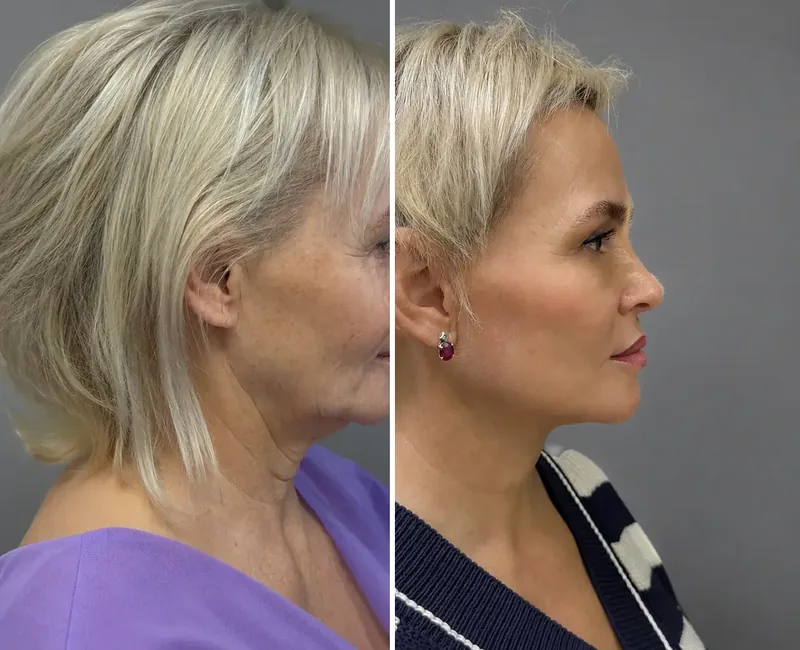
50 years
9 months
SMAS facelift
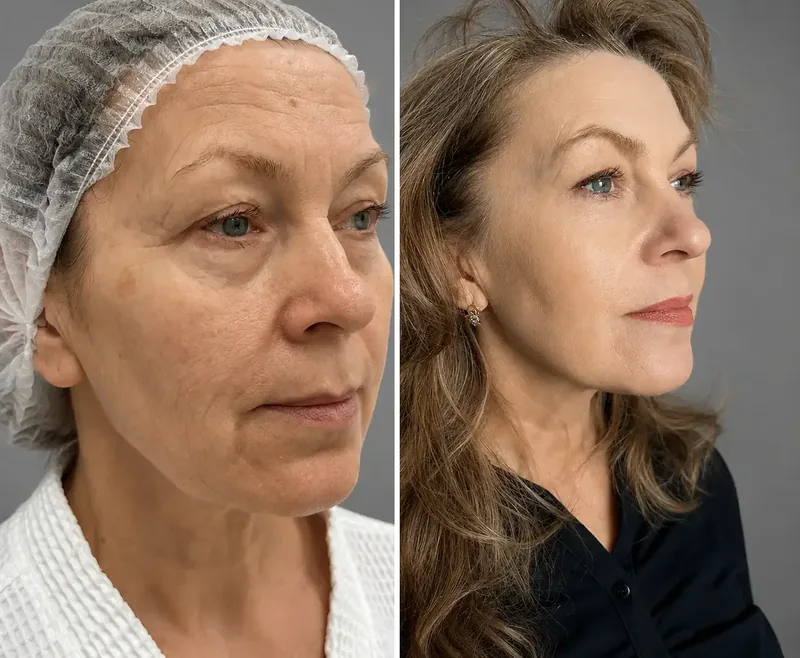
58 years
8 months
SMAS facelift
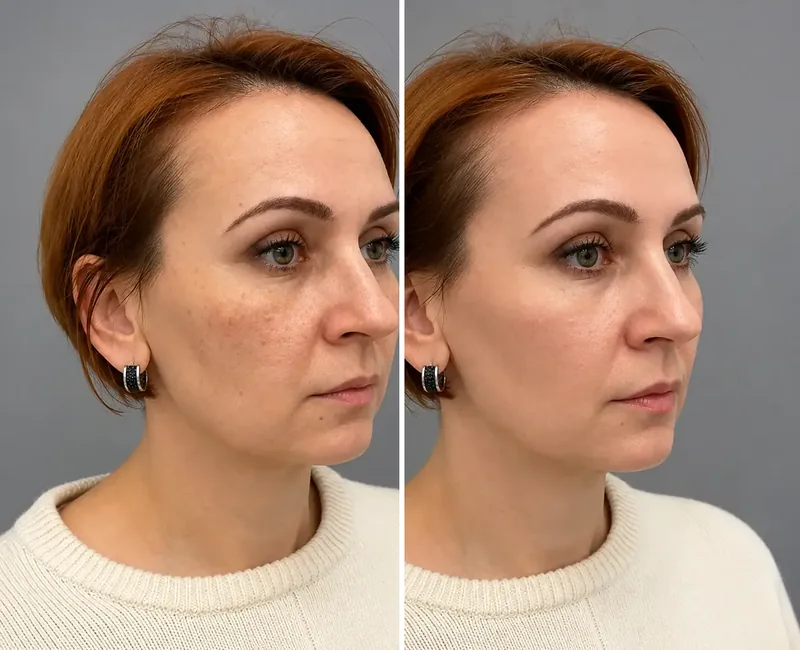
34 years
5 months
SMAS facelift
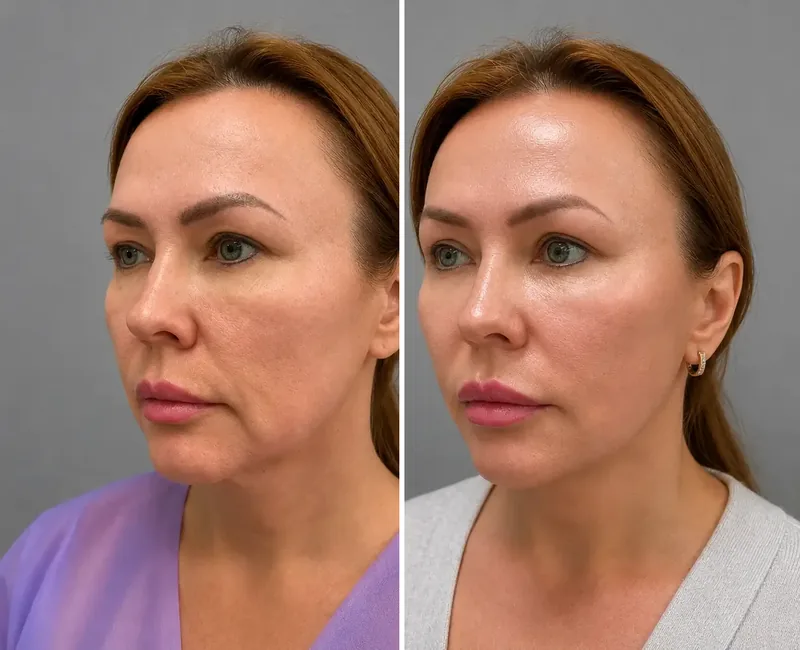
32 years
7 months
SMAS facelift
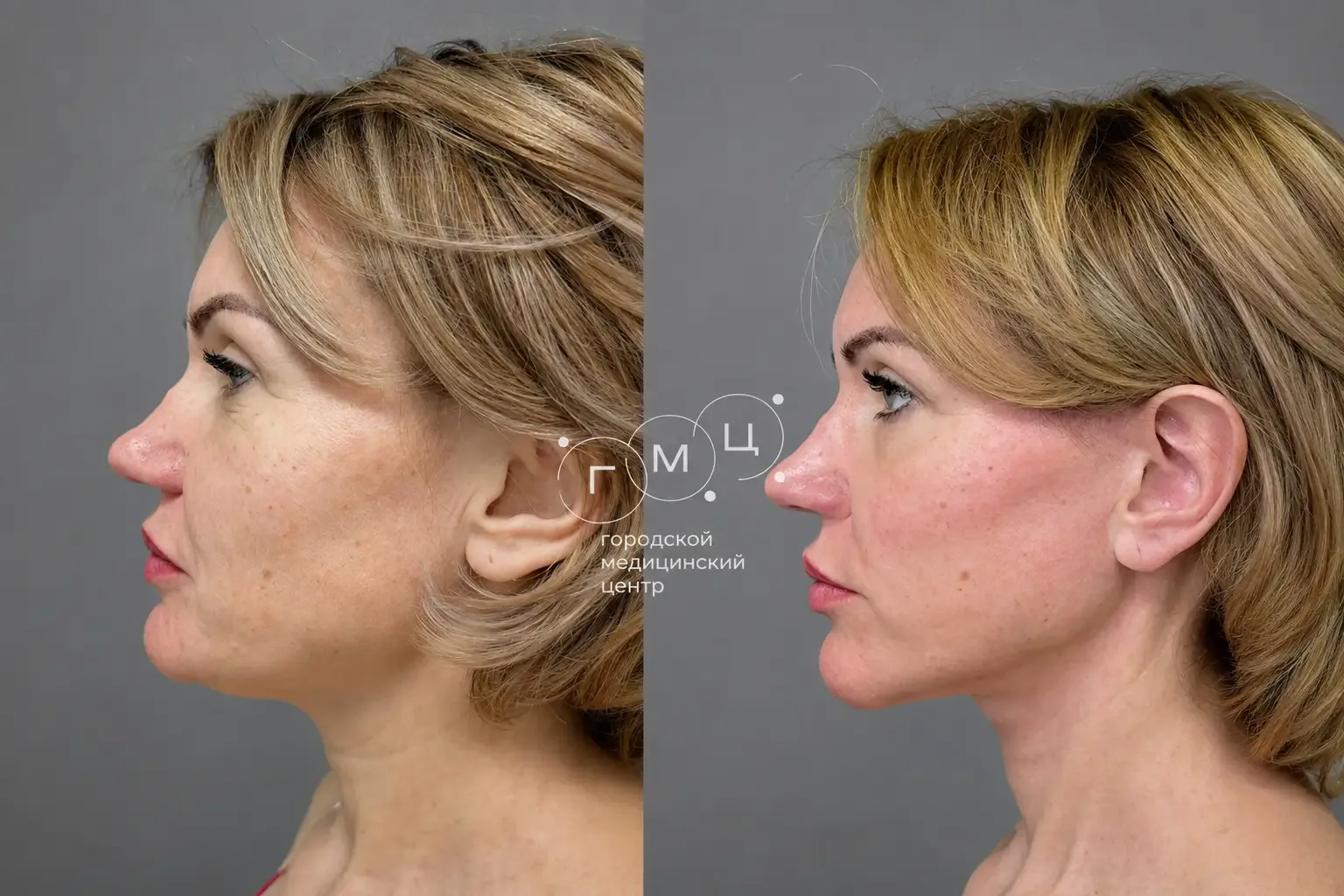
40 years
6 months
SMAS facelift
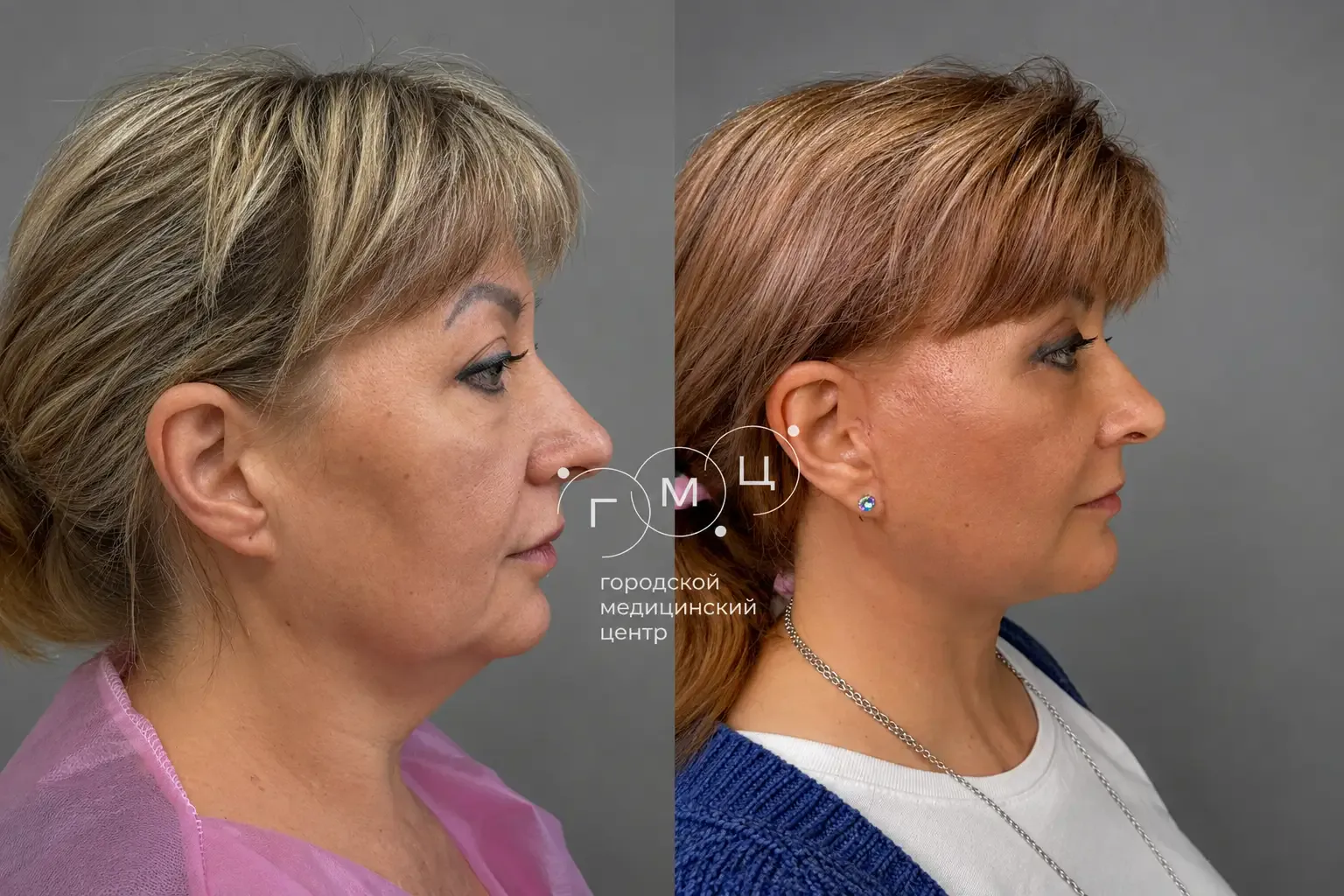
45 years
8 months
SMAS facelift
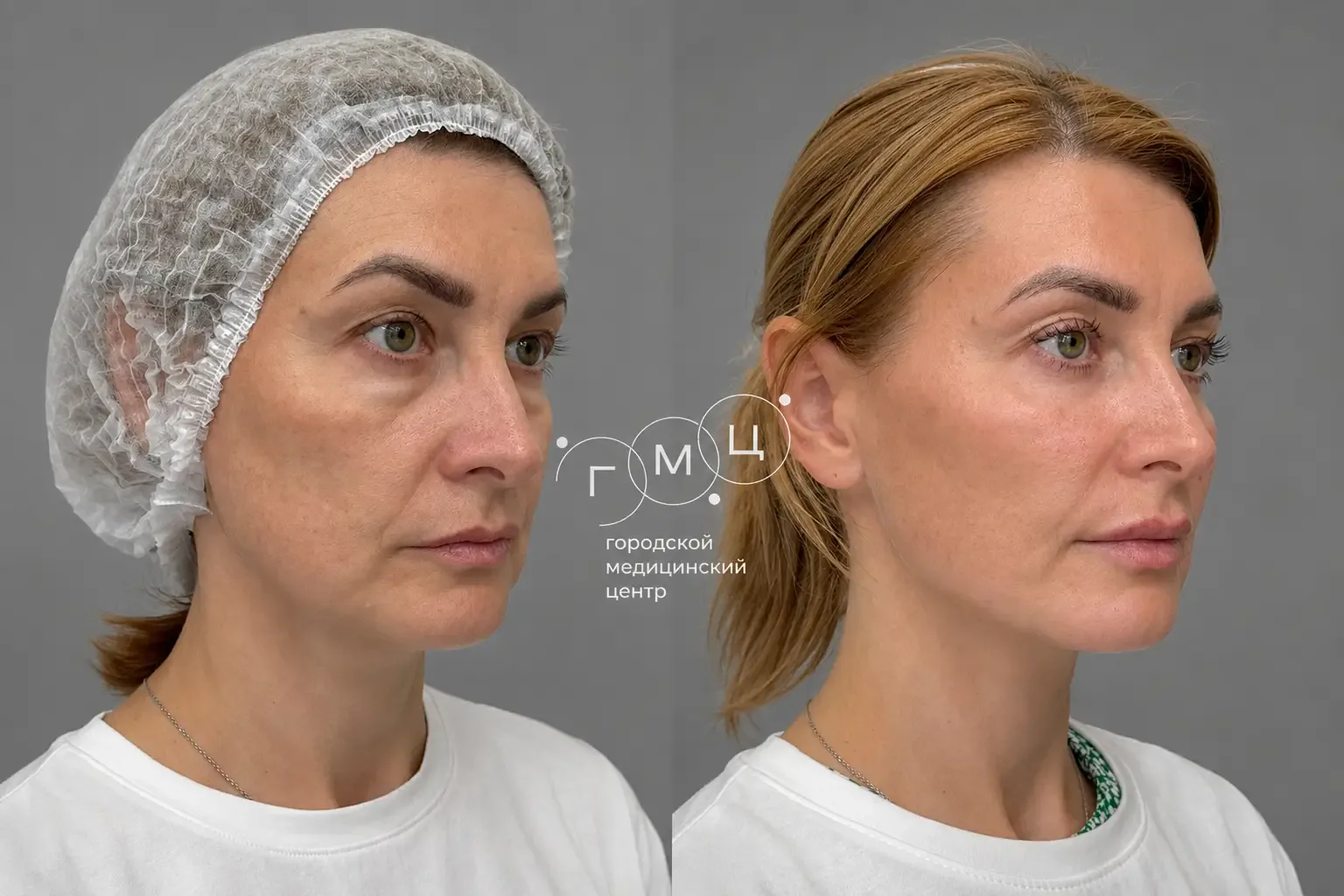
38 years
5 months
SMAS facelift
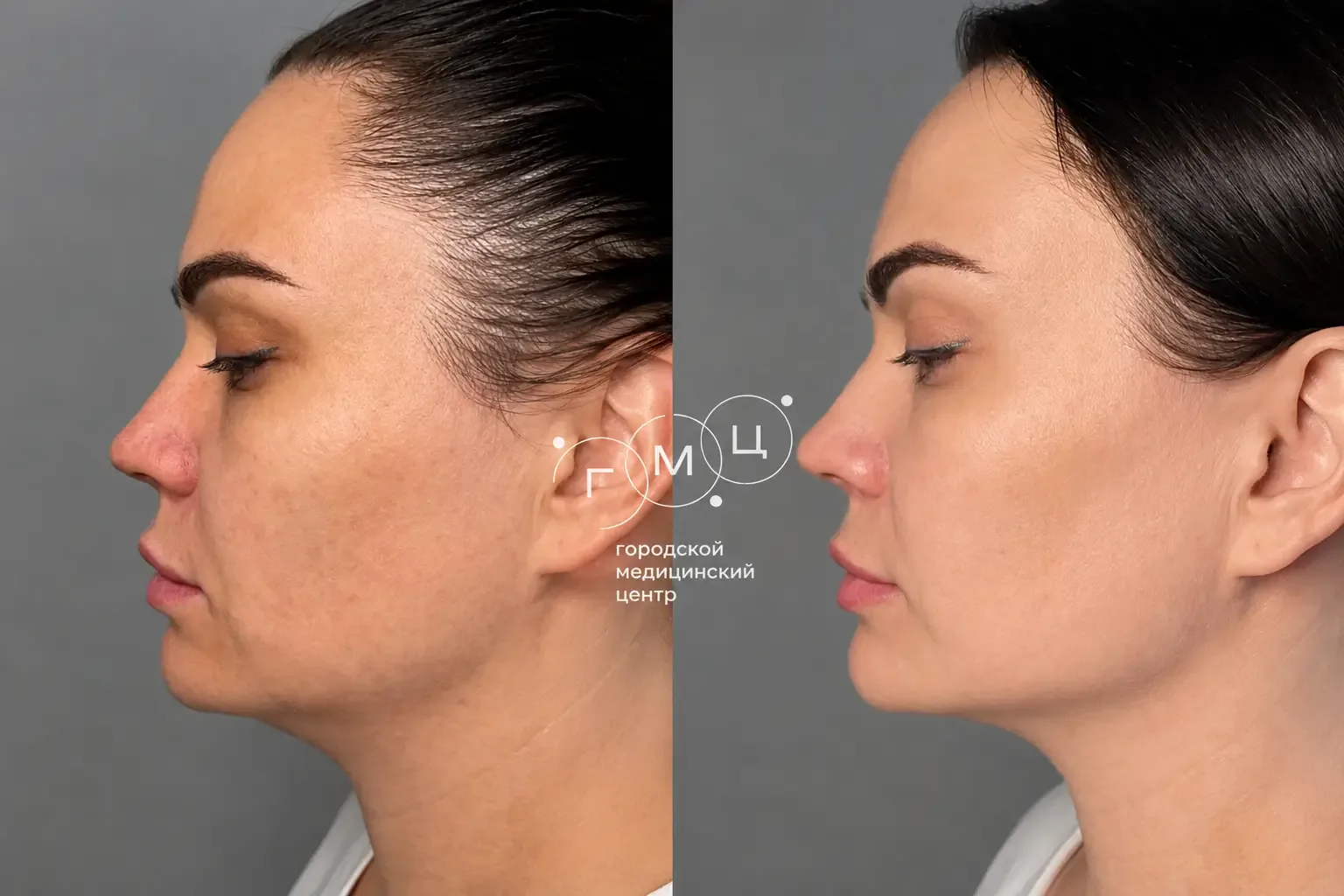
33 years
6 months
SMAS facelift
50 years
9 months
SMAS facelift
58 years
8 months
SMAS facelift
34 years
5 months
SMAS facelift
32 years
7 months
SMAS facelift
40 years
6 months
SMAS facelift
45 years
8 months
SMAS facelift
38 years
5 months
SMAS facelift
33 years
6 months
SMAS facelift
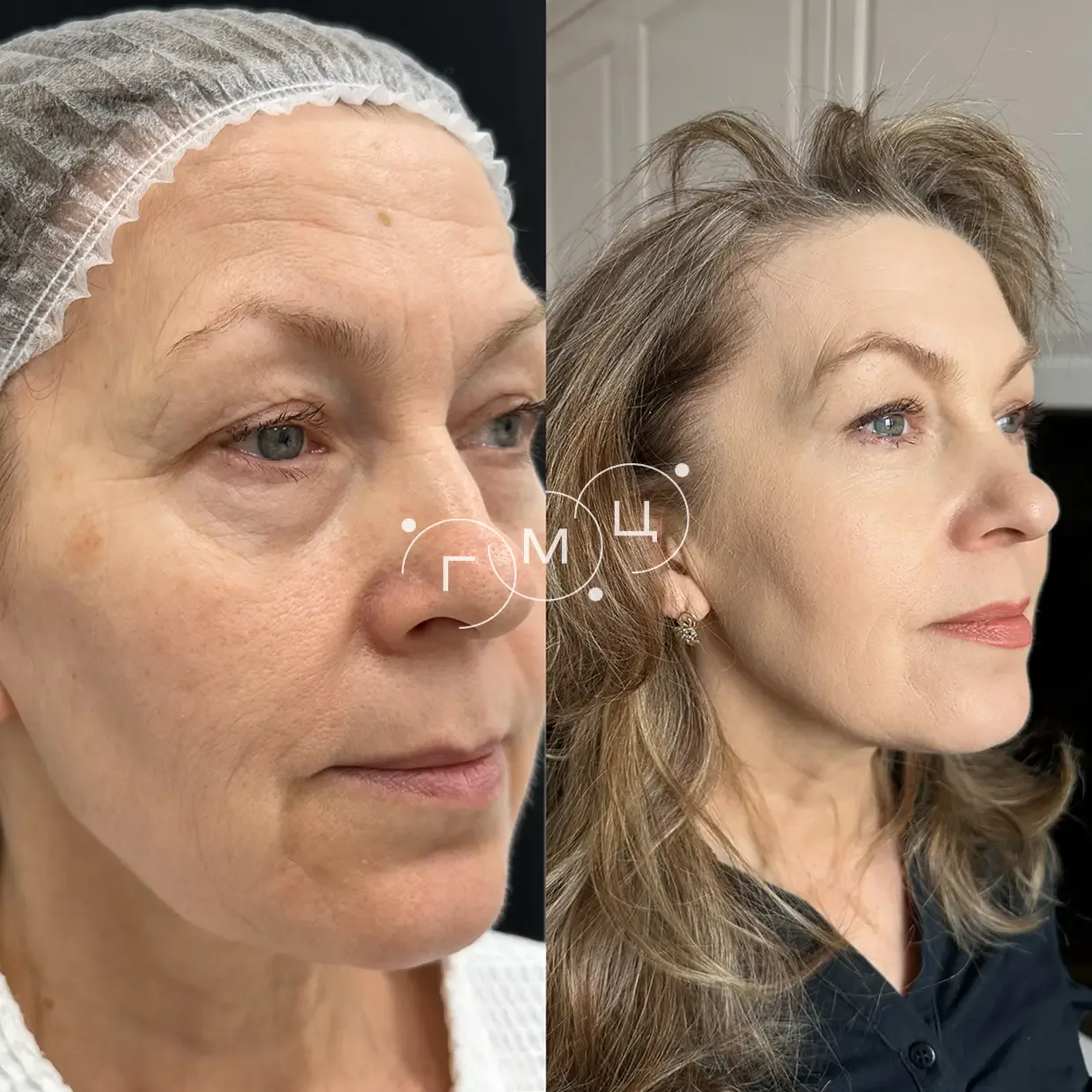

Marked sagging across the face and neck
A loss of jawline definition, jowls
Loose neck skin and a double chin
Deep nasolabial folds and marionette lines
Drooping brows and a heavy look
A significant drop in skin firmness after 40
Wish for a long-term result (7–10 years)

Being under 30
Acute inflammation of the skin
Pregnancy or the breastfeeding period
Severe cardiovascular disease
Impaired blood clotting
Cancer
Decompensated diabetes
Choosing a facelift in Bujumbura
What changes after a facelift? The lower-face contour becomes crisp, the cheeks are lifted, the chin line is clean without a double chin and nasolabial folds soften. Brows rise and the eyes look more open. The aim for patients from Bujumbura is a younger, fresher look without an overdone effect or a mask-like appearance. One surgery gives a complete result, and a full lift keeps it for up to 10 years.
Here is the route in brief. A free consultation with an assessment of sagging. A choice between a SMAS, full, neck and lower face or endoscopic lift. Surgery under general anaesthesia. A stay in an inpatient room with meals and round-the-clock monitoring. Then 7–10 days of rest in a compression bandage and a year of follow-up. Patients from Bujumbura follow this same sequence.
What do you pay for? From $2,400 (≈ BIF 7,300,000) covers the operation and everything around it: a one-to-one consultation, the medical team, anaesthesia, inpatient care with meals, 24/7 monitoring and twelve months of surgeon follow-up. The first consultation is free and comes with no pressure to decide. Anyone in Bujumbura can apply via the form or any messenger to arrange a convenient time.
Facelift in Bujumbura: price and what is included
Prices are in US dollars; the amount in brackets is an approximate conversion to BIF at the rate of 02.10.2026. The final price is fixed in your contract.
- Faceliftfrom $2,400 (≈ BIF 7,300,000)
How much does a facelift in Bujumbura cost?
Prices start from $2,400 (≈ BIF 7,300,000). The surgeon sets the final price at the free consultation, and it is fixed in the contract, with no hidden extras.
What is included in the price?
A one-to-one consultation, the medical team, anaesthesia, inpatient care with meals, 24/7 monitoring and twelve months of follow-up by the surgeon.
How do I get my exact price?
Message us on WhatsApp or Telegram using the buttons below. A coordinator will answer your questions and book a free consultation where the doctor names the exact price.
By messaging us, you agree to our Privacy Policy
Bujumbura and the question of a facelift
Bujumbura is the economic capital and largest city of Burundi, with about 769317 inhabitants. It is also the country's main port, which ships coffee, cotton and tin ore. It is a working city of traders, port employees, teachers, university staff, civil servants, health workers and people in business. Many of them spend the day in front of other people, in meetings, classrooms, shops and offices, so the way the face looks and the way it reflects tiredness matter more than people usually admit.
Residents who start thinking about a facelift are usually in their forties or fifties. They notice that the jowls have appeared, the jawline has blurred, the cheeks have dropped and the neck no longer looks the way it did. As a rule, surgery is recommended for patients aged 40+ with marked tissue sagging, and in some cases from 35. The recommendation is made individually after an examination, so age alone does not decide anything.
City Medical Centre works with patients in Bujumbura through a free online consultation. Coordinators are available around the clock (24/7) on WhatsApp and Telegram, so you can write when it suits your day, after work, between lectures or late in the evening, and get an answer without arranging your schedule around an appointment.
What a SMAS facelift does and why it differs from cosmetology
Beyond 40–50 the skin gradually loses firmness: noticeable sagging, jowls, a blurred jawline and drooping cheeks. Creams, massage and many salon procedures act on the surface. A surgical SMAS facelift works deeper than cosmetology by repositioning the muscle and fascia layer. It treats the cause of sagging, not its effects, and delivers a lasting result even with significant changes.
The operation corrects at 3 levels. The central step is lifting and securing the muscle and fascia layer, which allows the surgeon to treat the cause of sagging itself: weakened ligaments and descended muscles. Deep work on the SMAS gives a natural look and a result lasting up to 10 years. Because the deep layer is tightened and not only the skin, the lower face, jawline and neck stay firmer for longer.
For a person in Bujumbura this means a practical thing: you do not have to repeat small corrections every season. One operation gives a complete result. A repeat procedure is possible after 7–10 years if the patient wants it, and that decision belongs to you and your surgeon, not to the calendar.
Four options and how to choose among them
We have 4 main options. At the consultation, the surgeon helps select the best one for your age and type of ageing. You do not need to arrive with a decision. Photographs of your face from the front and the side, taken in daylight without make-up, are enough for the first conversation with the coordinator and the surgeon.
The classic SMAS lift of the mid and lower face is one option. The surgeon works on the skin and the SMAS layer through incisions hidden along the hair line and around the ears. It removes jowls, sagging cheeks, a double chin and deep nasolabial folds. Results last 7–10 years.
The comprehensive lift covers the forehead, temples, mid and lower face and neck and suits marked sagging in several areas at once. It delivers the most complete rejuvenation and a natural look, free of a «mask» effect. Results last up to 10 years.
A teacher or a trader in Bujumbura who is mainly bothered by the lower face and jowls will discuss a different scope from someone who sees changes in the forehead and temples as well. Say clearly which areas bother you in everyday life, for example in photographs at family events or on video calls, and the surgeon will match the scope of surgery to that.
Climate of Bujumbura and recovery
Bujumbura has a tropical savanna climate with distinct wet and dry seasons. The wet season runs from October to April. Being close to the equator, average temperatures vary little over the year, and because of the moderate altitude it is not as hot as many expect: the high is around 29 °C and the low around 19 °C. For recovery this is a fairly stable background, with no sharp cold or extreme heat to plan around.
During the first 7–10 days the schedule is rest, a compression bandage and less physical activity. In a warm climate, warmth can make swelling feel more noticeable, so keep the room ventilated, avoid long exposure to heat and sleep with the head slightly raised. Walking in the shade in the cooler part of the day is more comfortable than going out at midday.
Direct sun is the main thing to manage. Scars and healing skin should be protected from strong sunlight, with a wide-brimmed hat or a light scarf for any time outdoors, and the surgeon will tell you how long and in what form to protect the area. During the rainy months, dampness and puddles are an extra reason to keep outings short and to keep dressings and the skin around the ears clean and dry.
Dust also matters. On dry days, traffic on city roads raises dust, so ask the surgeon how to protect the incision areas and what care routine to follow while they heal. General advice is useful, but follow the individual instructions you receive after the operation.
Lake, pools, sport and the rhythm of the city
Bujumbura lies on the north-eastern shore of Lake Tanganyika, the second deepest lake in the world after Lake Baikal, and the city has many indoor and outdoor swimming pools, as well as basketball and tennis courts and the large Intwari stadium used mainly for football. Water and sport are part of local life, and people often ask when they can return to them.
Plan on a calm first period. Swelling and bruising fade within 2–4 weeks, and full recovery takes about 2 months. Until the surgeon allows it, avoid swimming in the lake or a pool, saunas, hard training, and games with a risk of a blow to the face, such as basketball. Return to each activity should be step by step, and the permission comes from the operating surgeon, not from how you feel on a given day.
Tennis, walking and light exercise return earlier than contact games and swimming, but the exact order depends on your healing. Ask the surgeon for a clear list: what is allowed in the first weeks, what after a month and what only toward the end of recovery. Write it down and keep it with the care instructions.
Do not judge the result by the first days. After 3–4 weeks, as the swelling settles, the first clear changes appear. Your face takes on its final look in 3–6 months. If you are a regular at the stadium or the courts, this is a long-term plan, and patience in the early weeks pays off in the final appearance.
Work, study, family events and food
Bujumbura is a city of offices, the port, markets, universities and international schools. Lecturers, administrators, traders and parents who deal with many people daily want to know when they can return. During the first 7–10 days rest is the main task, so plan leave from work, lessons or the market stall for that period, and agree on cover with colleagues in advance.
Even after returning, expect that bruising and swelling may still be visible for 2–4 weeks. Many patients choose a quieter period for the operation: after an exam session, outside a busy trading season or between large projects. Full recovery takes about 2 months, so avoid scheduling the operation right before a wedding, graduation or other family celebration where you will be photographed. It is better to schedule it afterwards, so the final look appears for the next occasion.
Food culture matters for the first days. Soft, easy-to-chew food is more comfortable when the face is tight and swollen, and very salty dishes can increase the feeling of swelling. Ask the surgeon about eating, alcohol and smoking before and after surgery. Ask relatives to prepare simple meals in advance so that you are not cooking and standing over a hot stove during the first days.
Family support helps. Agree beforehand who will stay with you at home, who will take children to school, and who will help with the household. Getting around the city mostly by taxi or minibus is tiring in the early period, so it is easier to arrange rides with a trusted person and avoid crowds, where someone could bump your face.
Candidates, contraindications and questions for the surgeon
The best candidates are those with a marked loss of skin firmness after 40, or those looking for a result that lasts, 7–10 years. Realistic expectations matter too: the aim is a rested and natural face that looks like you, not a different person and not a stretched «mask».
Surgery is not suitable for everyone, and in general terms the surgeon will need to know about chronic illnesses, blood pressure, bleeding or clotting problems, smoking, medicines and supplements you take, and previous operations. Excess body weight also affects the choice of anaesthesia and healing, and the WHO publishes general information on overweight and health that is worth reading before the consultation. The decision is always made after an individual examination.
Questions worth asking: which of the 4 options suits my age and type of ageing; where exactly the incisions will be and how they will be hidden along the hair line and around the ears; what the anaesthesia involves; how long I will stay in the hospital; what the first 7–10 days will look like at home; when bruising will fade; what to do if something worries me; and how the follow-up will be organised.
Also ask what changes you should expect in the first weeks, because the face looks swollen and uneven before the tissues settle. Ask to see before and after photographs of patients with a similar type of ageing, and ask what the surgeon would not advise doing in your case. An honest «not yet» or «a smaller operation» is a sign of a responsible approach.
How the remote consultation from Bujumbura works
The consultation is free and online. You write to the coordinators on WhatsApp or Telegram, available 24/7, send photographs and describe what bothers you, your health history and your questions. The coordinator passes the information to the medical team, and the surgeon discusses the options with you in a one-to-one consultation, with the aim of choosing the right one of the 4 options.
The centre is open 24/7 with flexible booking and a personal approach: we fit around your busy schedule and adapt to you. For a resident of Bujumbura this is convenient, since work, school pick-ups and family commitments do not need to be rearranged around a fixed time. The conversation can be conducted in several parts, and you can return to a question whenever it comes to you.
The programme covers a one-to-one consultation, the medical team, anaesthesia, inpatient care with meals, 24/7 monitoring and twelve months of follow-up by the surgeon. Continuous 24/7 monitoring by the medical team continues during inpatient care. For the whole first year, your operating surgeon follows you up, so you know whom to contact if questions arise at home, during the rainy season or on a hot day.
Before you decide, take your time: prepare your list of questions, talk to your family, and agree on leave from work. A good consultation leaves you with a clear picture of the scope, recovery and follow-up, and no pressure to decide on the same day.
At what age should a resident of Bujumbura consider a facelift?
As a rule, surgery is recommended for patients aged 40+ with marked tissue sagging, and in some cases from 35. The recommendation is made individually after an examination. Age is only one factor: the surgeon also looks at skin quality, the degree of sagging, general health and your expectations.
How is a SMAS facelift different from salon procedures?
Salon procedures act mainly on the skin. A surgical SMAS facelift works deeper by repositioning the muscle and fascia layer. It treats the cause of sagging, not its effects, and delivers a lasting result, so the lower face, jawline and neck stay firmer for longer.
How long does the result last?
The result lasts up to 10 years, and for the classic SMAS lift typically 7–10 years. One operation gives a complete result. A repeat procedure is possible after 7–10 years if the patient wants it.
How long is recovery?
During the first 7–10 days: rest, a compression bandage and less physical activity. Swelling and bruising fade within 2–4 weeks, and full recovery takes about 2 months. Your operating surgeon follows you up for the whole first year.
When will I see the final result?
After 3–4 weeks, as the swelling settles, the first clear changes appear. Your face takes on its final look in 3–6 months. That is worth remembering if an event in the family is coming: plan the operation well before it.
Does the climate of Bujumbura affect healing?
The city is warm all year, with a high around 29 °C and a low around 19 °C, and the wet season runs from October to April. Warmth can make swelling feel stronger, and strong sun is hard on healing skin. Wear a hat or scarf outdoors, avoid midday heat and dust, and follow the surgeon's skin-care instructions.
When can I swim in the lake or the pool, or play sport?
Not until the surgeon allows it. In the first weeks avoid swimming, saunas, intense training and games with a risk of facial injury. Light walking comes earlier, while full return to sport follows the stages of recovery, which take about 2 months to complete.
Who is not a good candidate?
Surgery may be postponed or reconsidered with certain chronic illnesses, blood pressure or clotting problems, smoking, or unrealistic expectations. The surgeon decides after a full examination and may suggest preparation first or a different scope of operation.
What is included in the programme?
A one-to-one consultation, the medical team, anaesthesia, inpatient care with meals, 24/7 monitoring and twelve months of follow-up by the surgeon. The first consultation online is free.
How do I start from Bujumbura?
Write to the coordinators on WhatsApp or Telegram, available around the clock. Send photographs, describe what bothers you and list your questions. The medical team will then arrange the consultation with the surgeon at a convenient time.