


























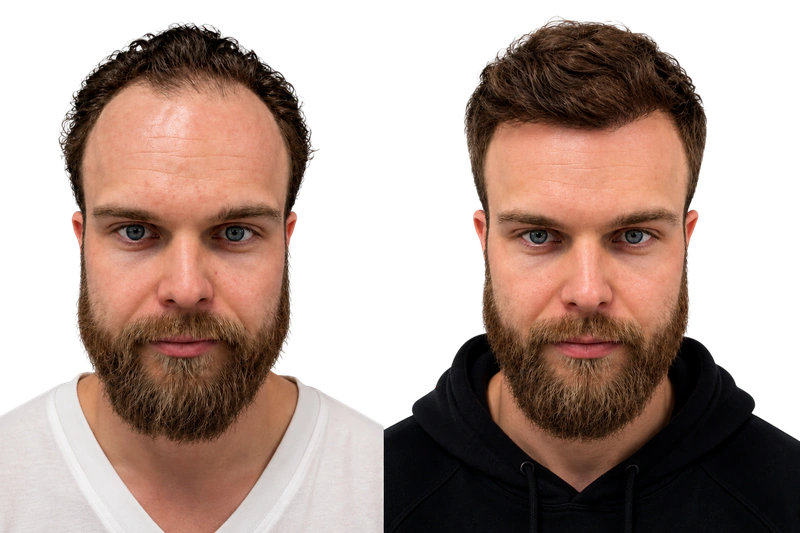

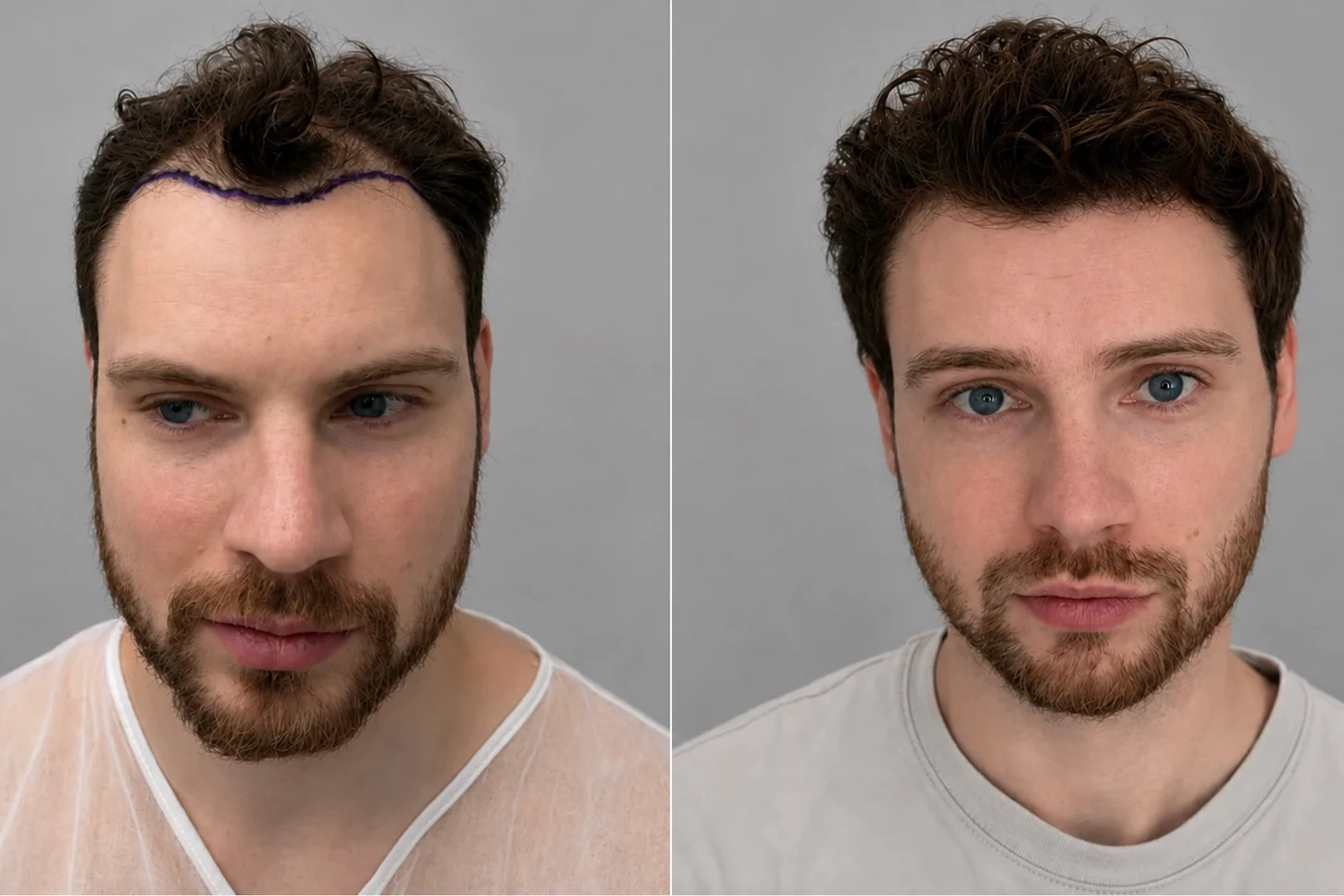
pre-op
12 months since
2,800 grafts
FUE method
City Medical Centre
0% instalments
from $367/mo
The first session, priced — $0.
Actual case
pre-op
12 months since
FUE: no incisions, no stitches. Graft count and result forecast worked out and not charged — before you decide.
No payment at all, no surgery booking required
Message our coordinator
Free online consultation · Reply within 15 minutes
Message us on TelegramMessage us on WhatsAppBy messaging us, you agree to our Privacy Policy
results
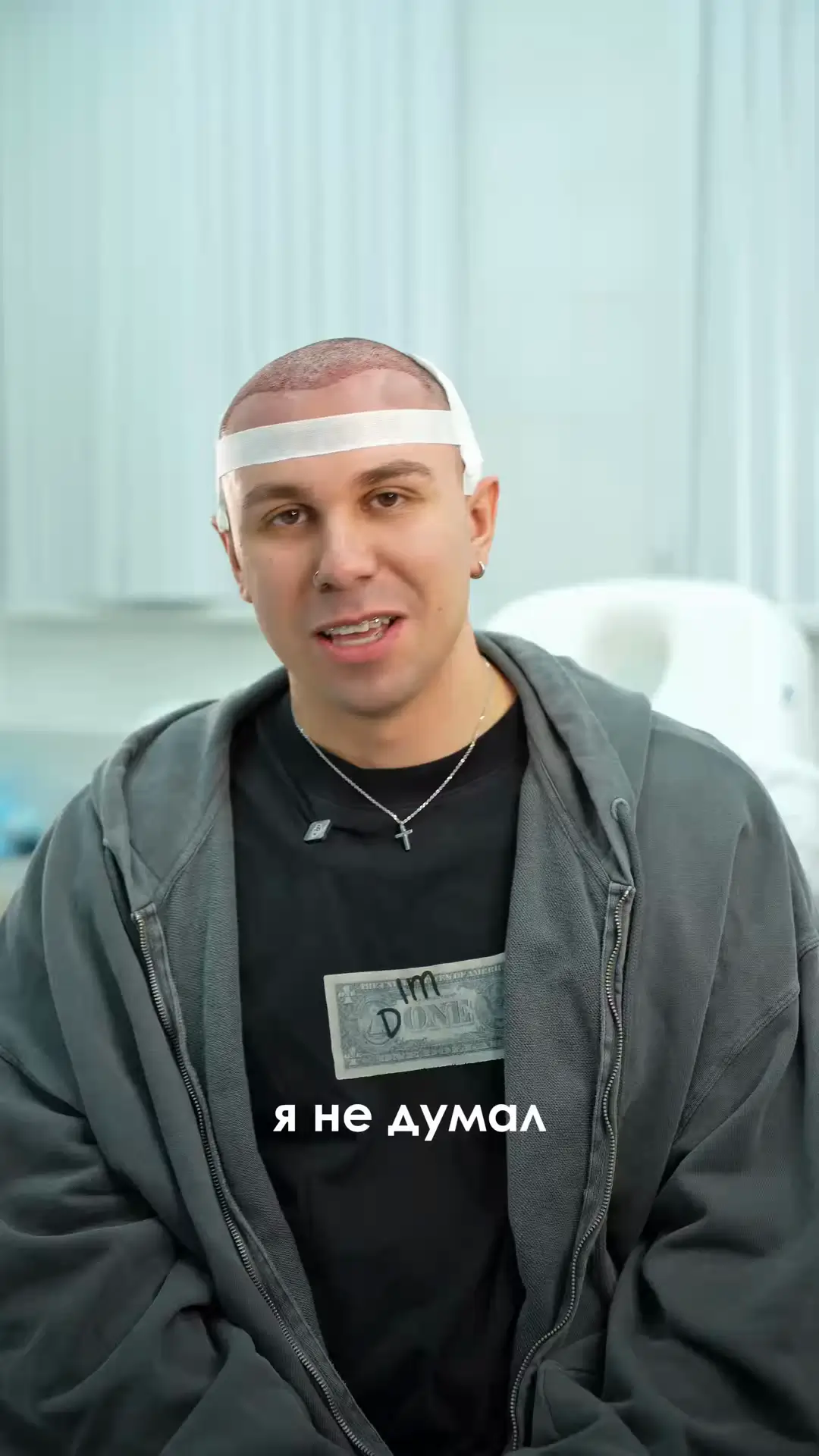
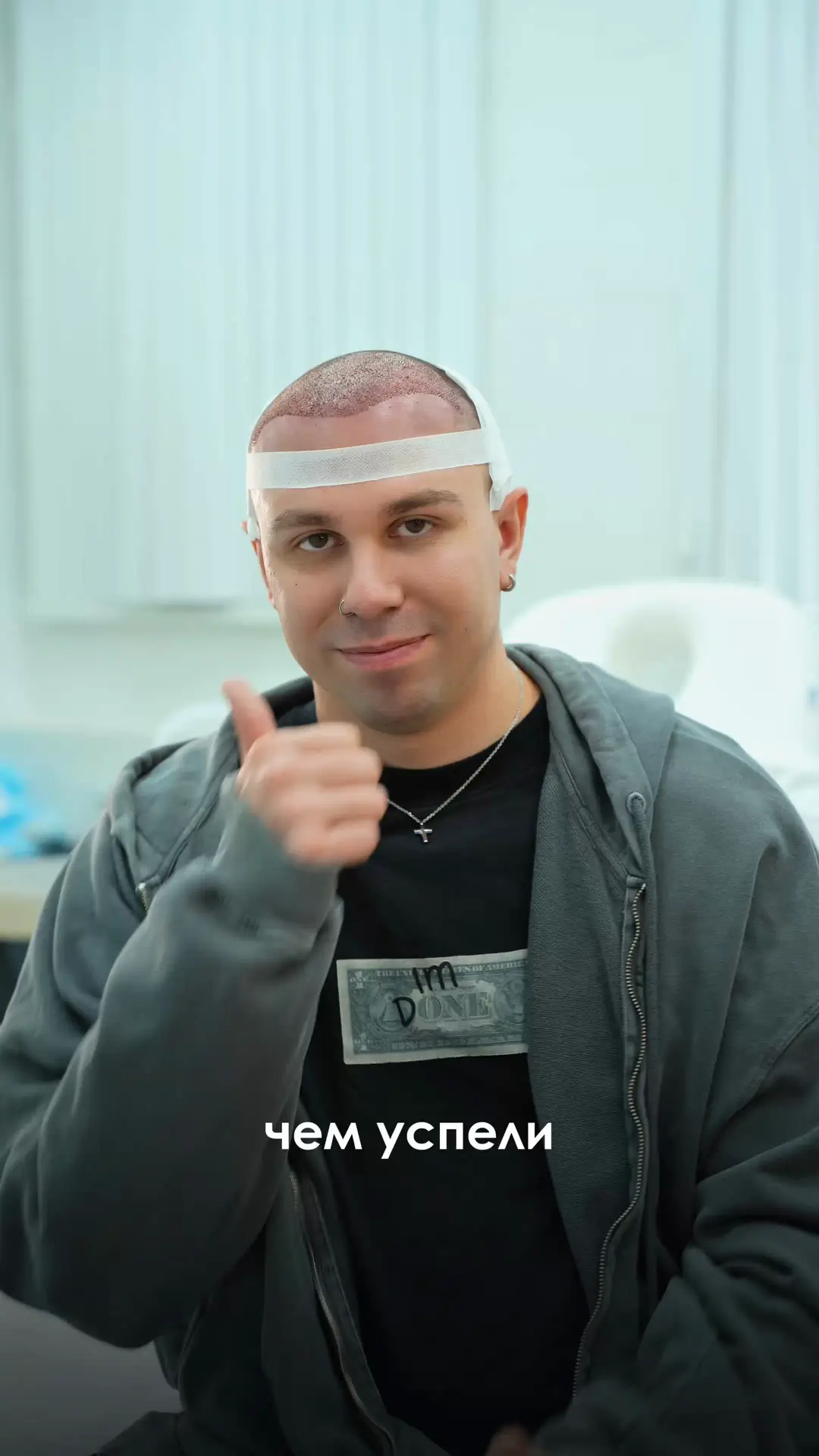
Genuine patients only, with nothing staged.
pre-op
12 months since
2,800 grafts
FUE method
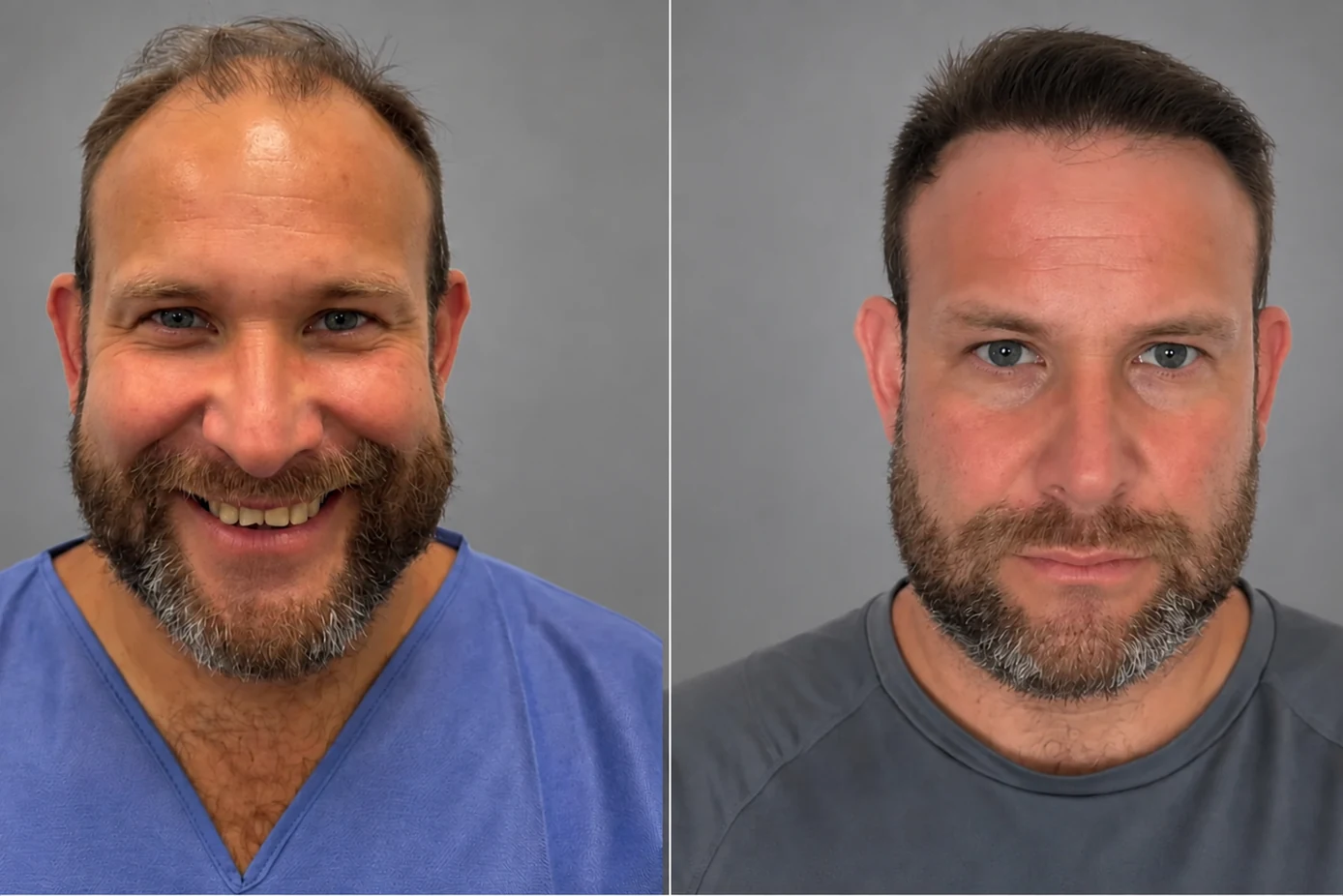
pre-op
12 months since
3,500 grafts
FUE method
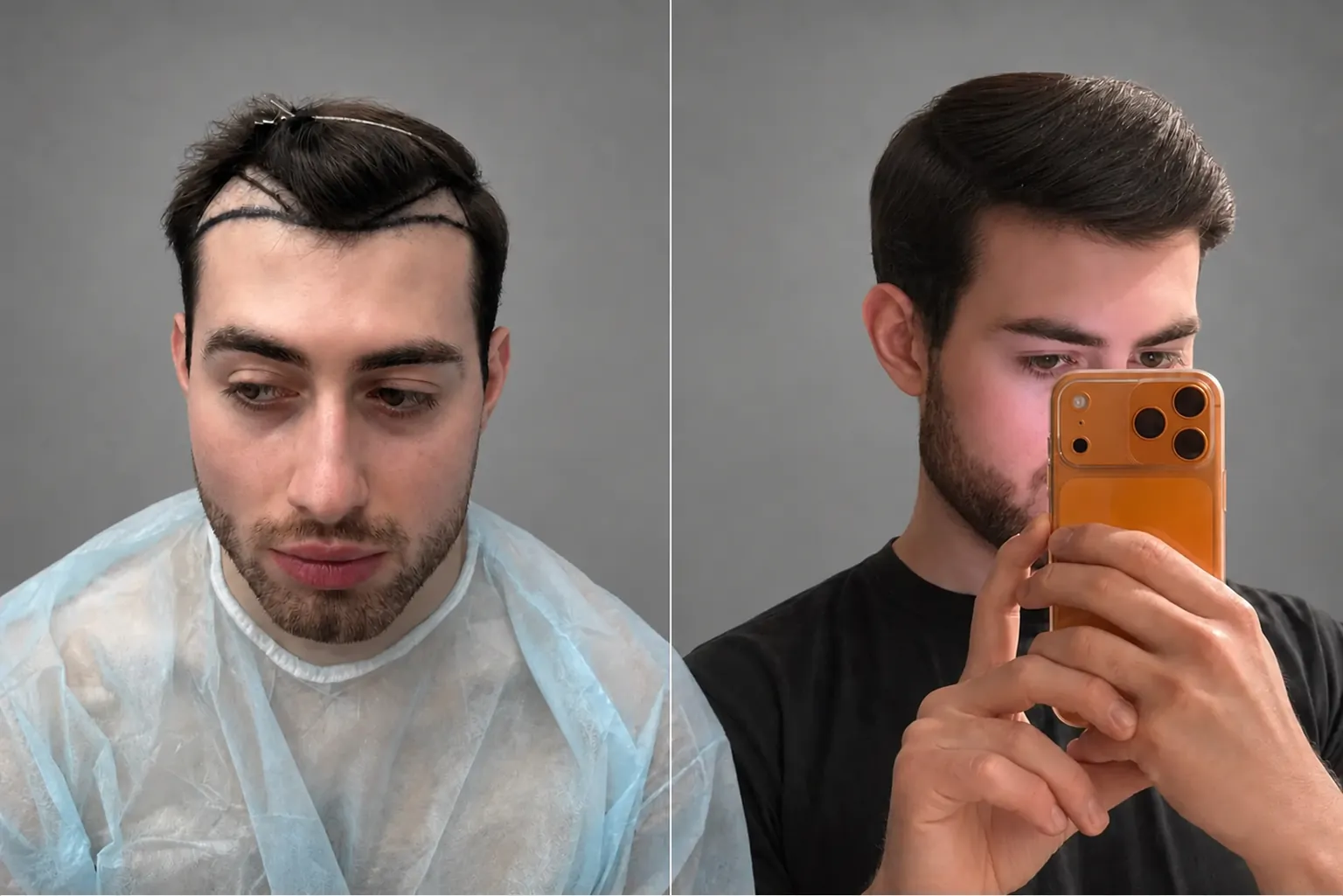
pre-op
12 months since
2,600 grafts
FUE method
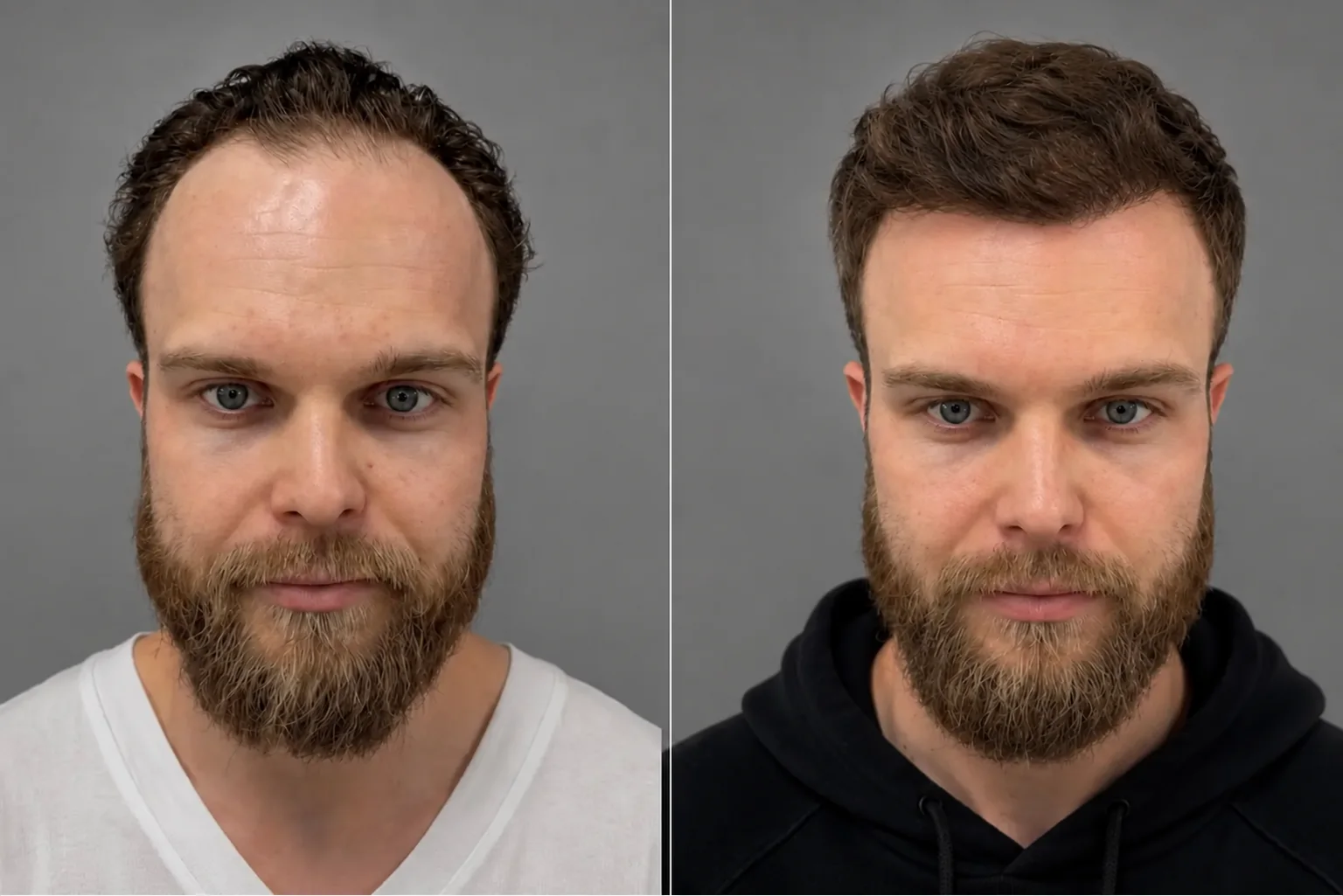
pre-op
12 months since
3,000 grafts
FUE method
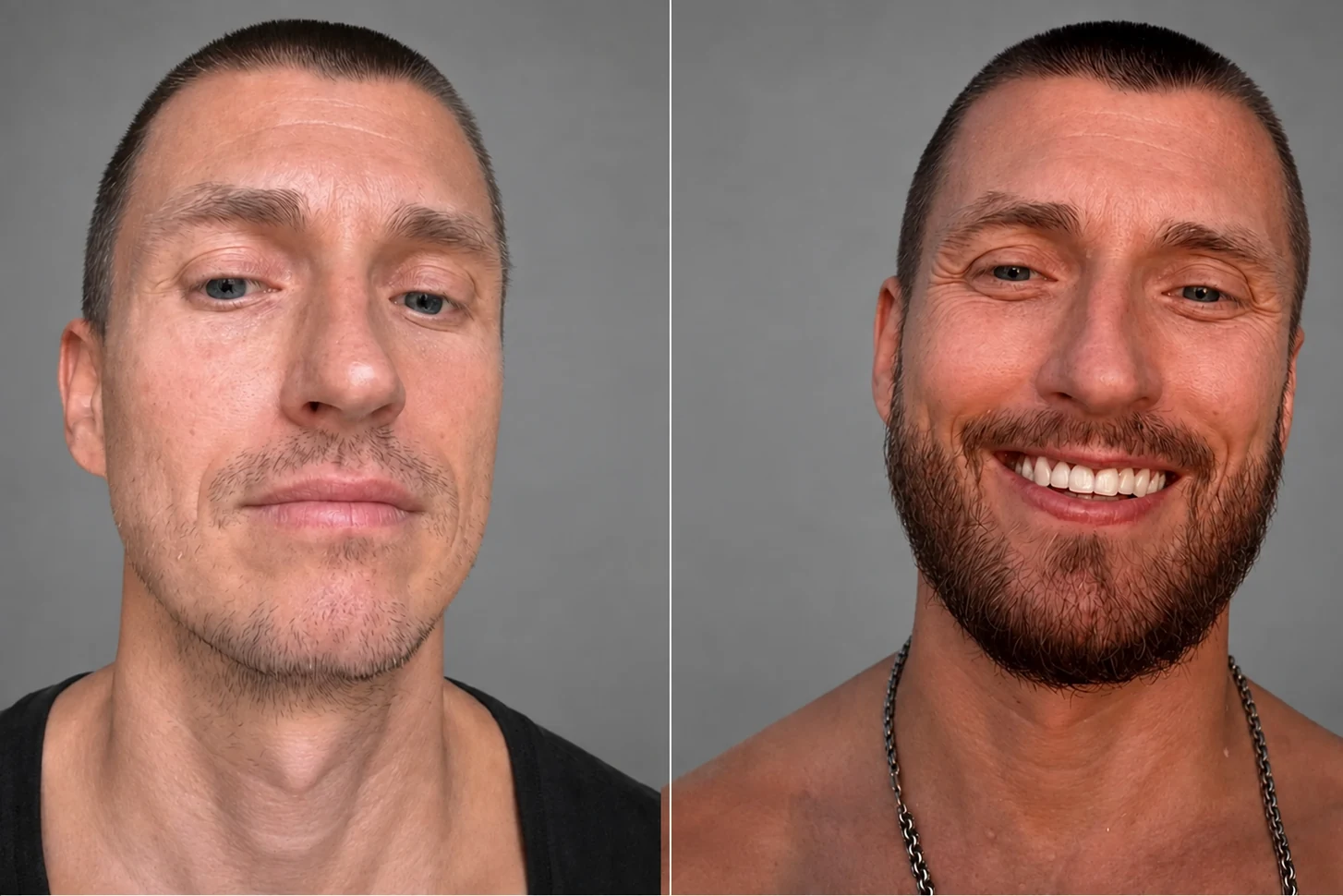
pre-op
12 months since
2,700 grafts
FUE method
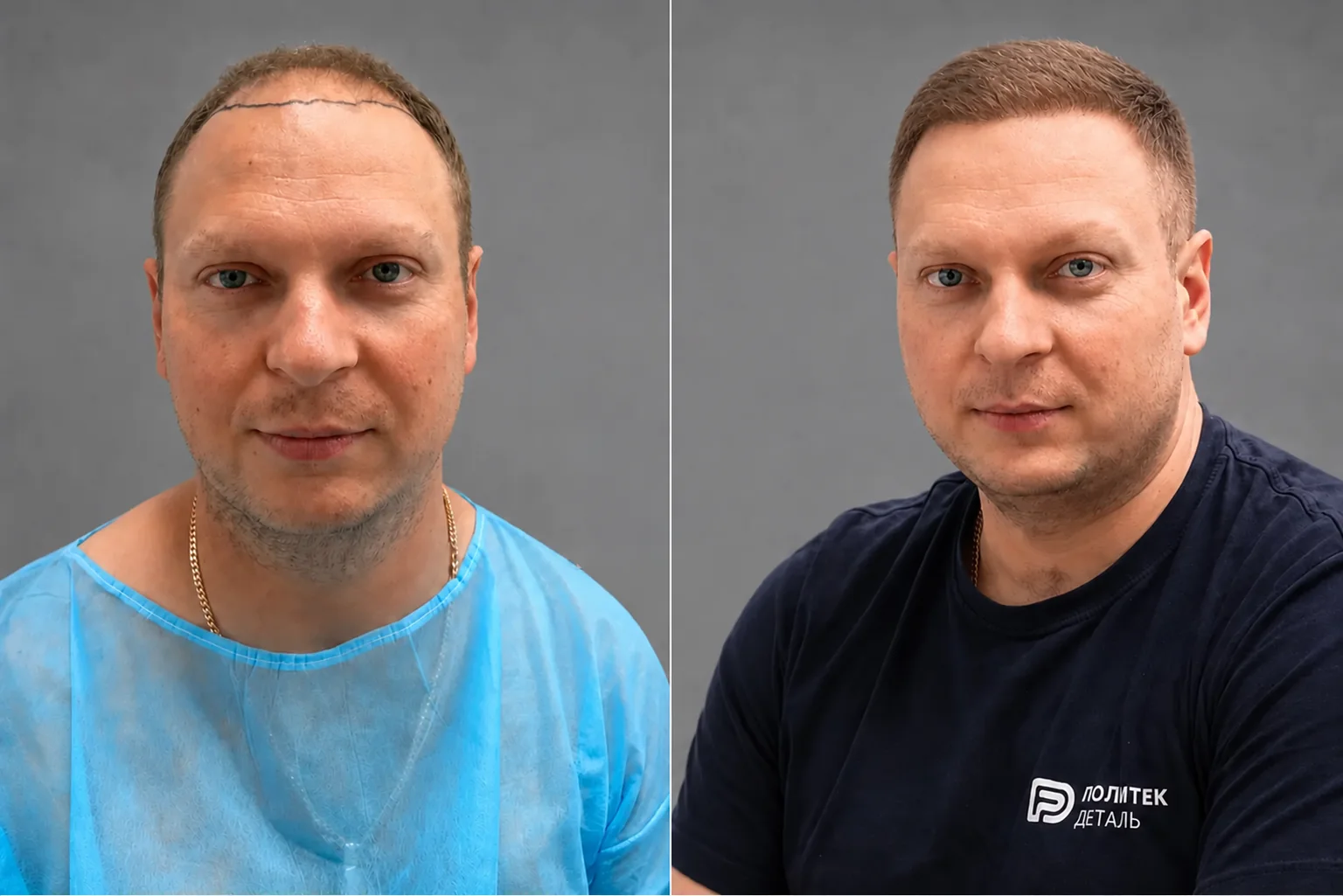
pre-op
12 months since
3,300 grafts
FUE method
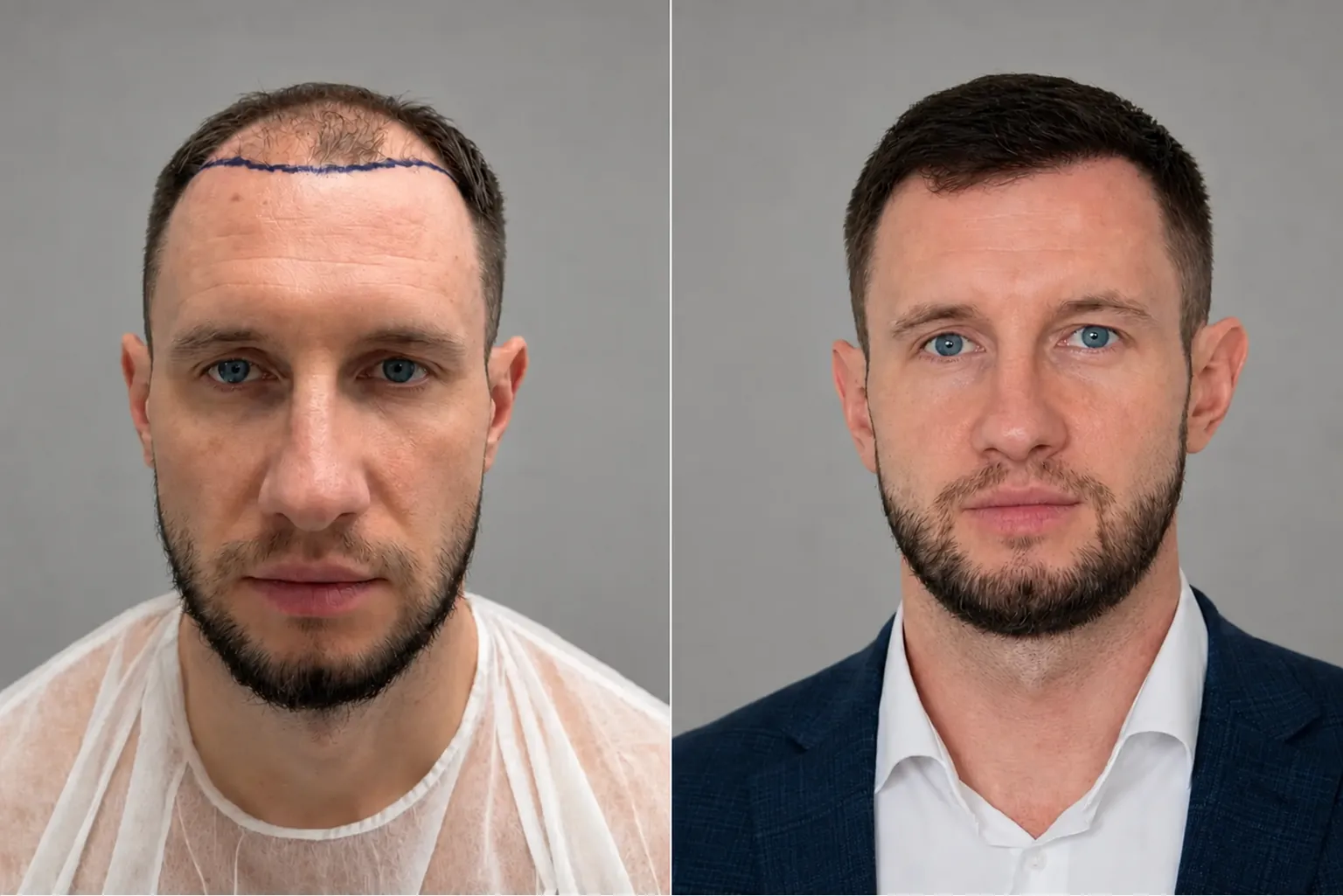
pre-op
12 months since
2,900 grafts
FUE method
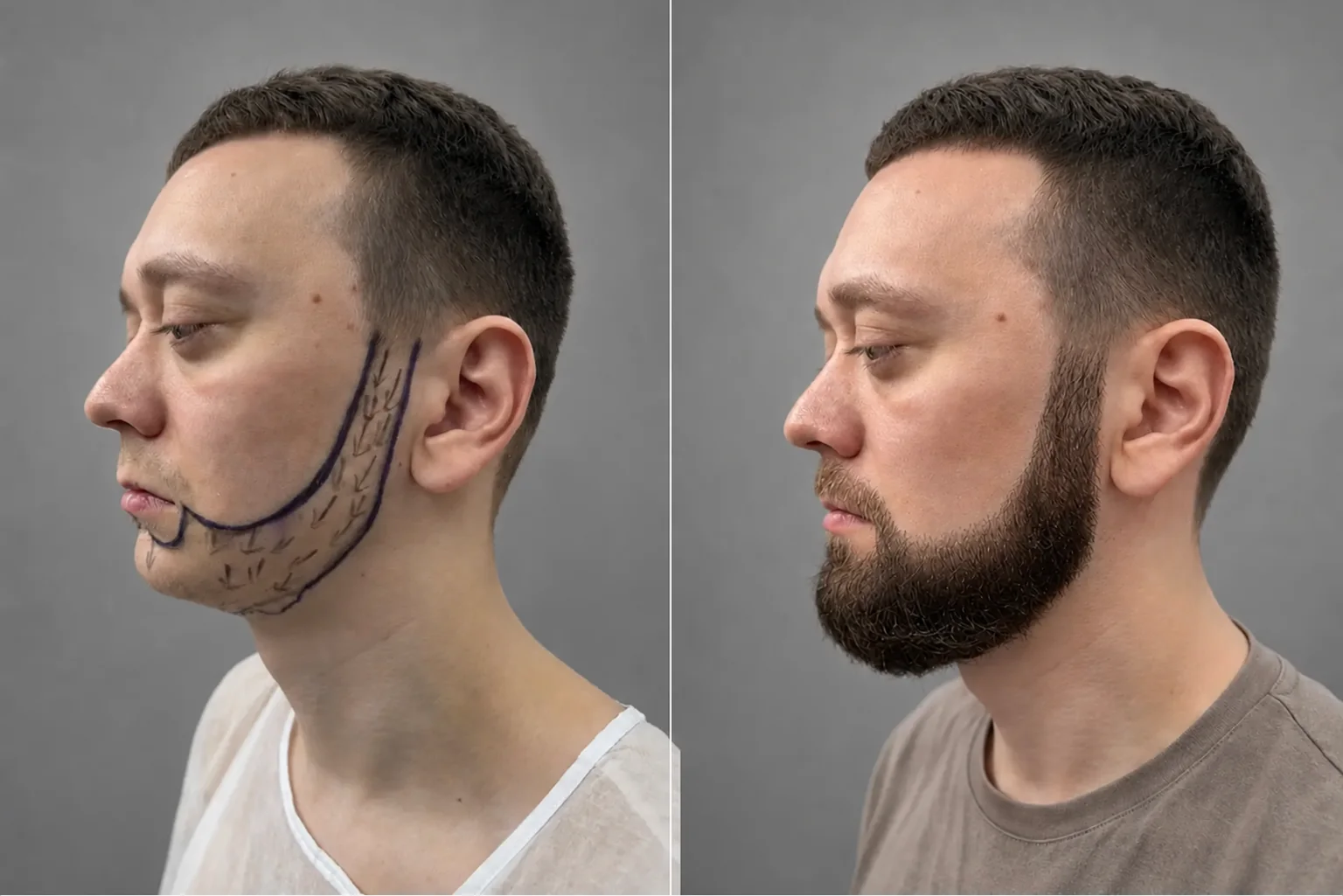
pre-op
12 months since
2,500 grafts
FUE method
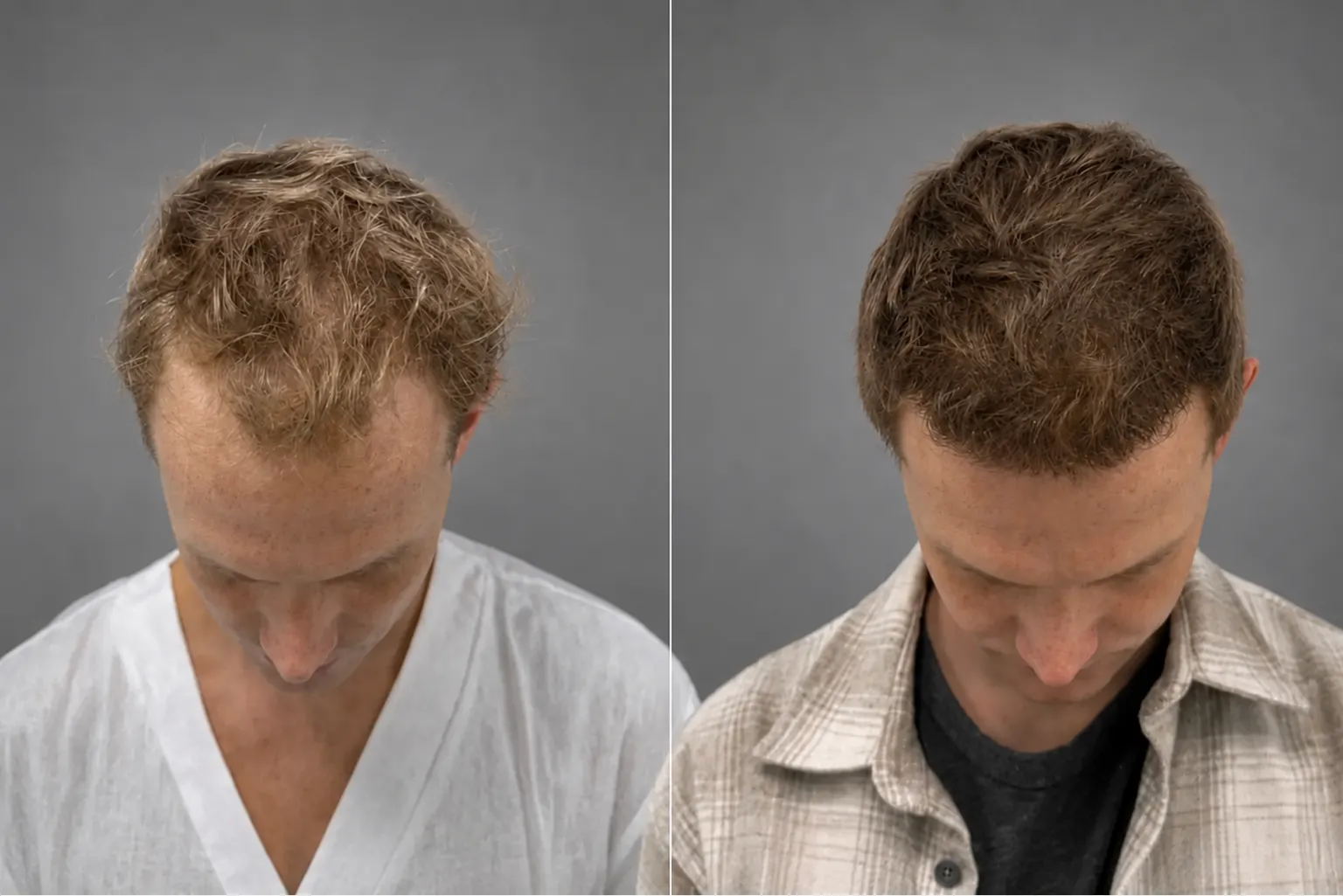
pre-op
12 months since
3,400 grafts
FUE method
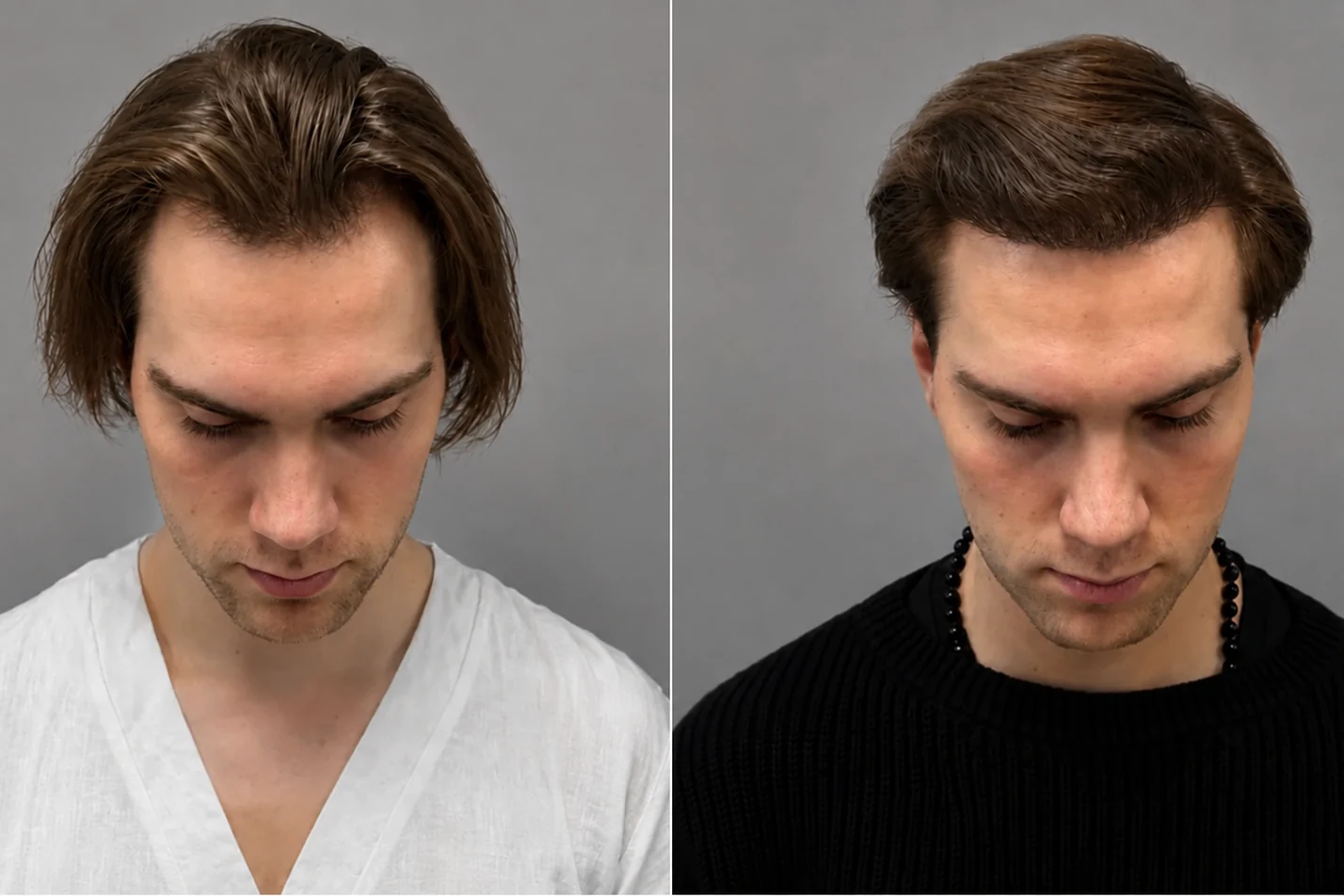
pre-op
12 months since
2,500 grafts
FUE method
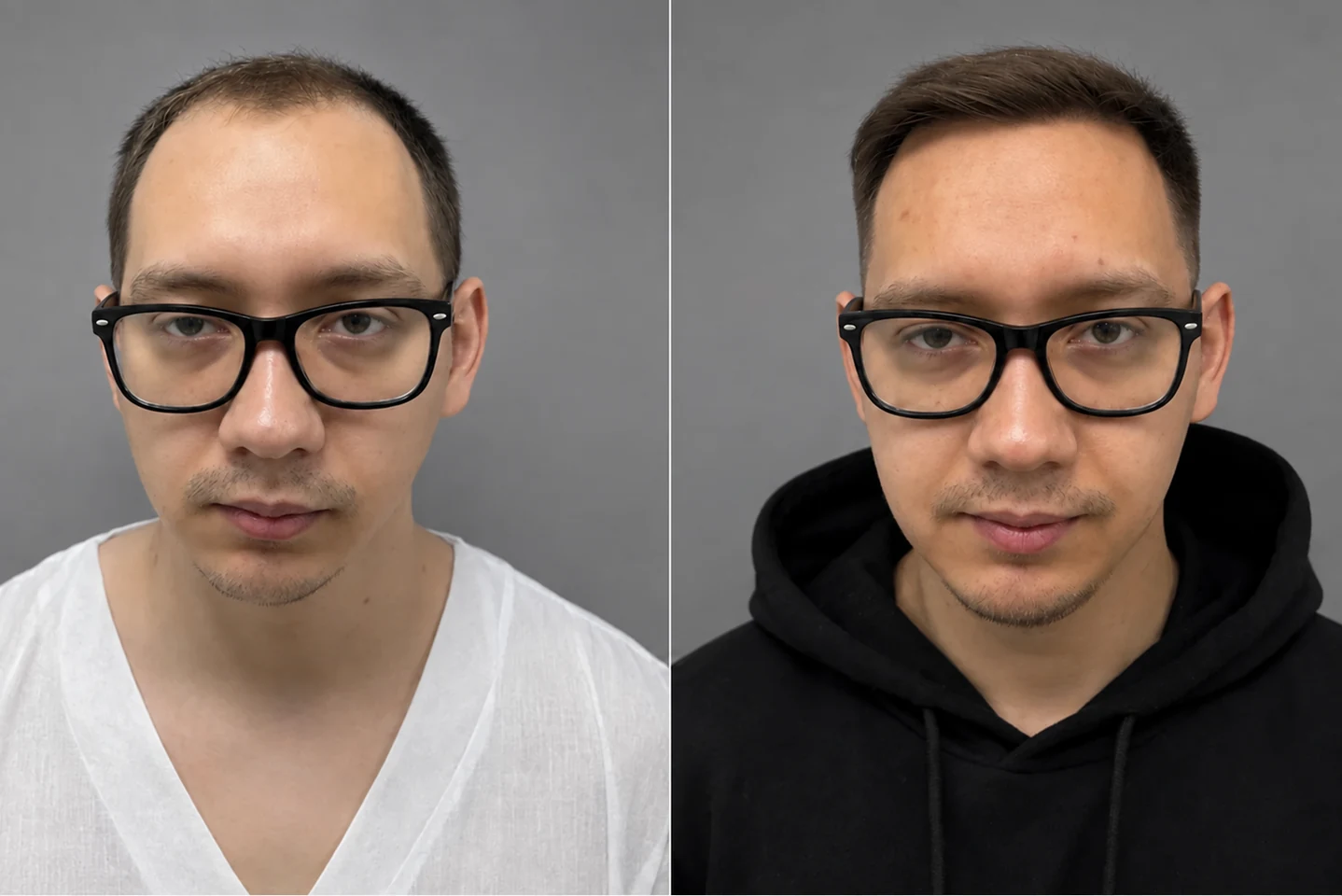
pre-op
12 months since
3,100 grafts
FUE method
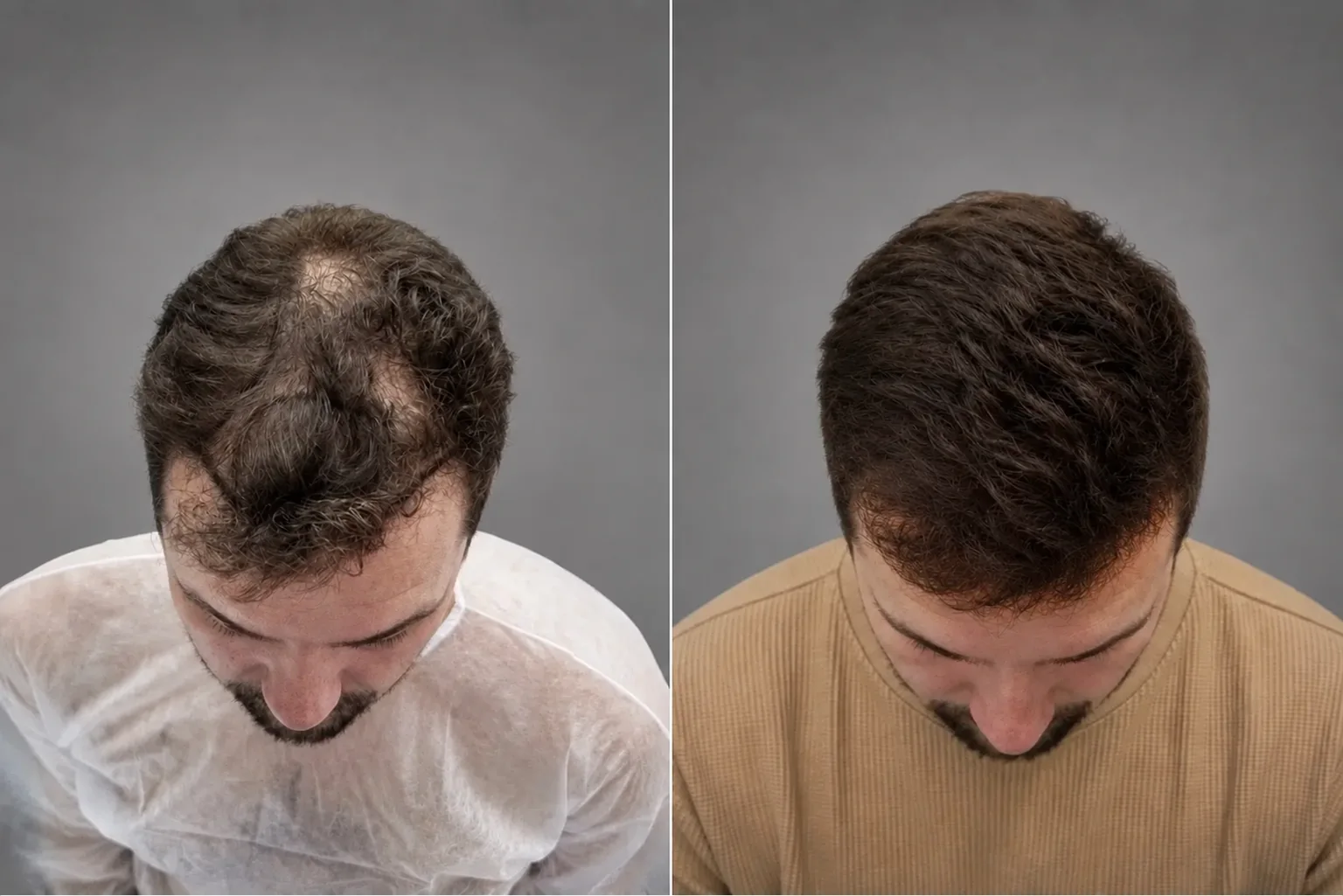
pre-op
12 months since
3,600 grafts
FUE method
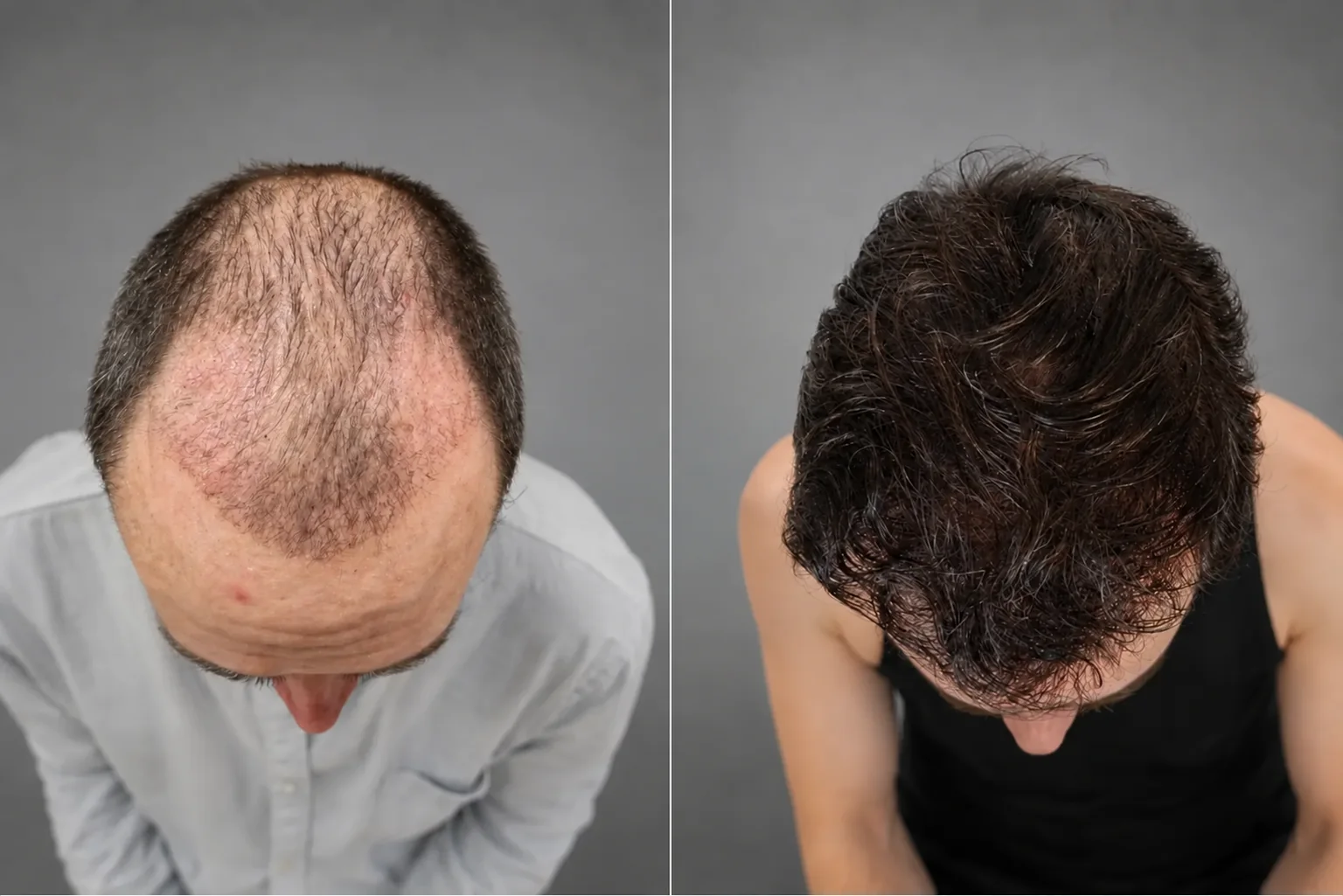
pre-op
12 months since
4,000 grafts
FUE method
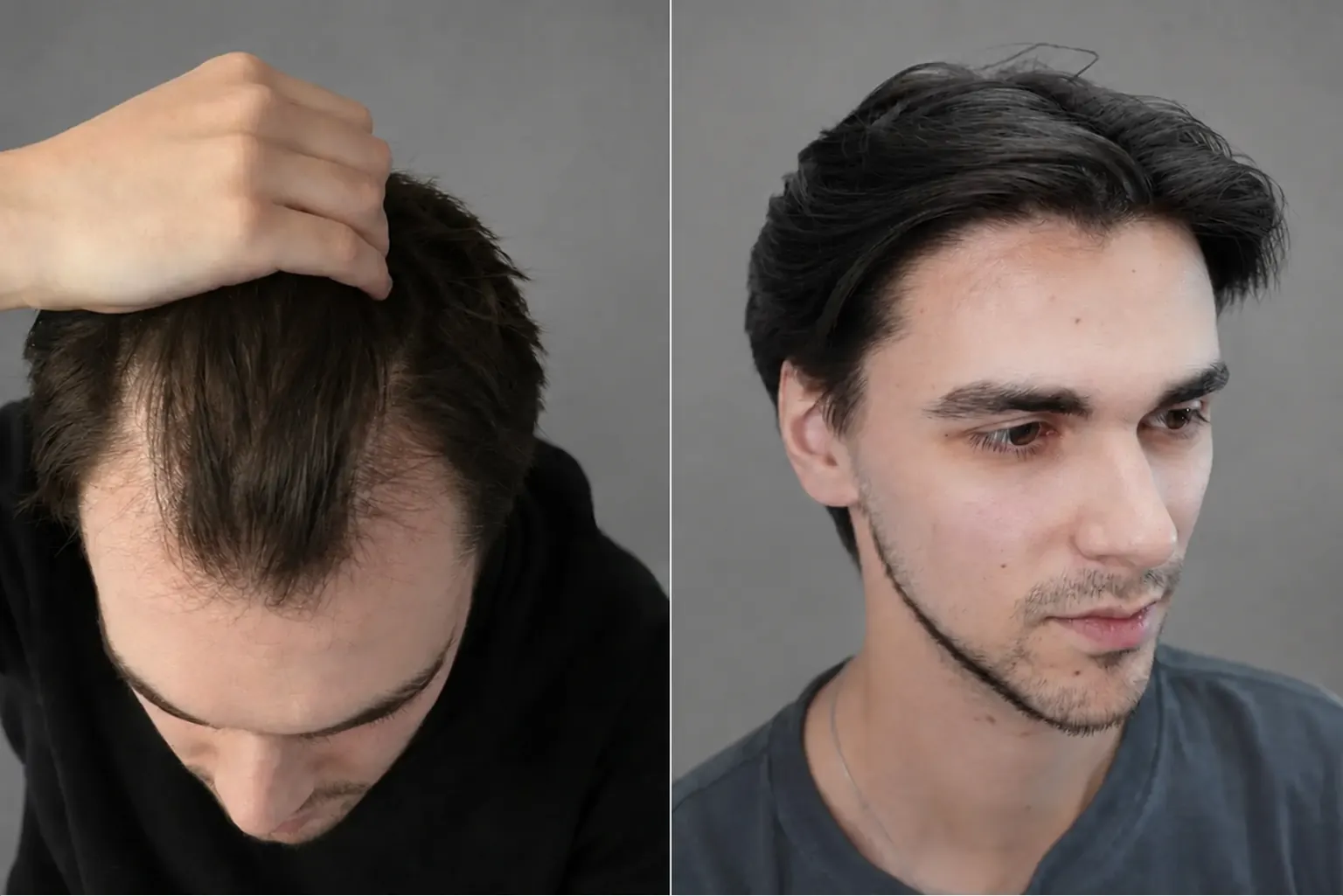
pre-op
12 months since
3,200 grafts
FUE method
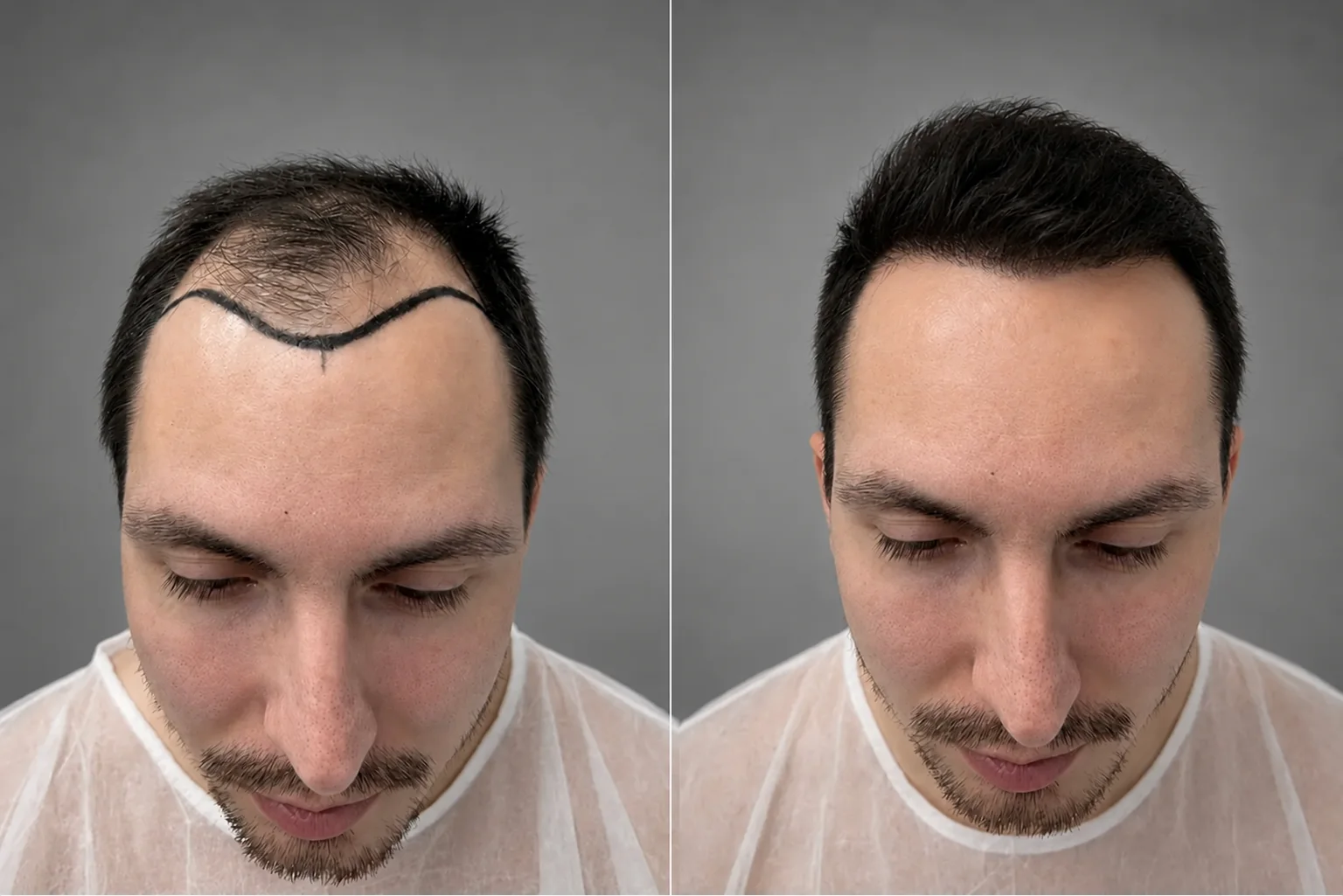
pre-op
12 months since
3,000 grafts
FUE method
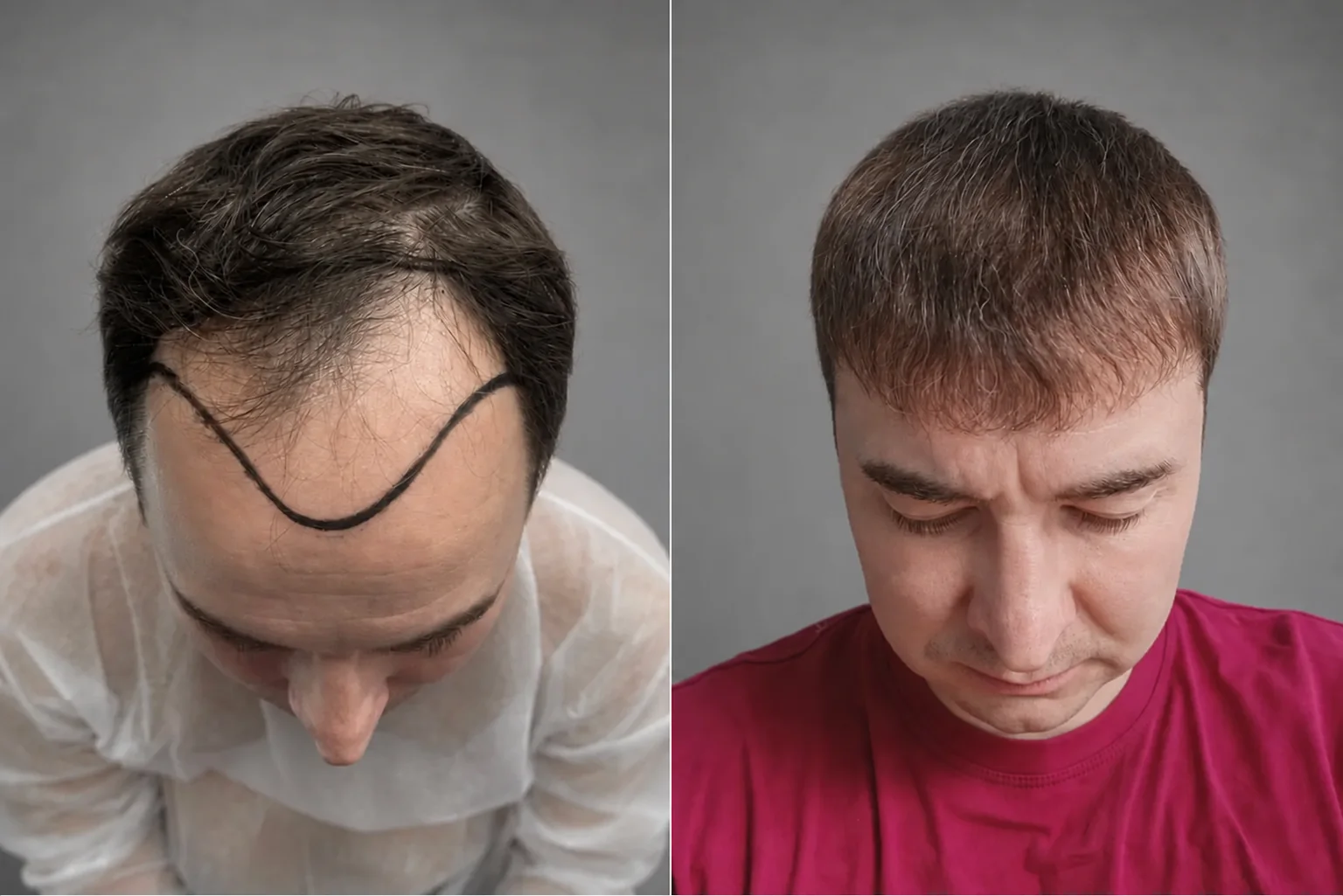
pre-op
12 months since
3,700 grafts
FUE method
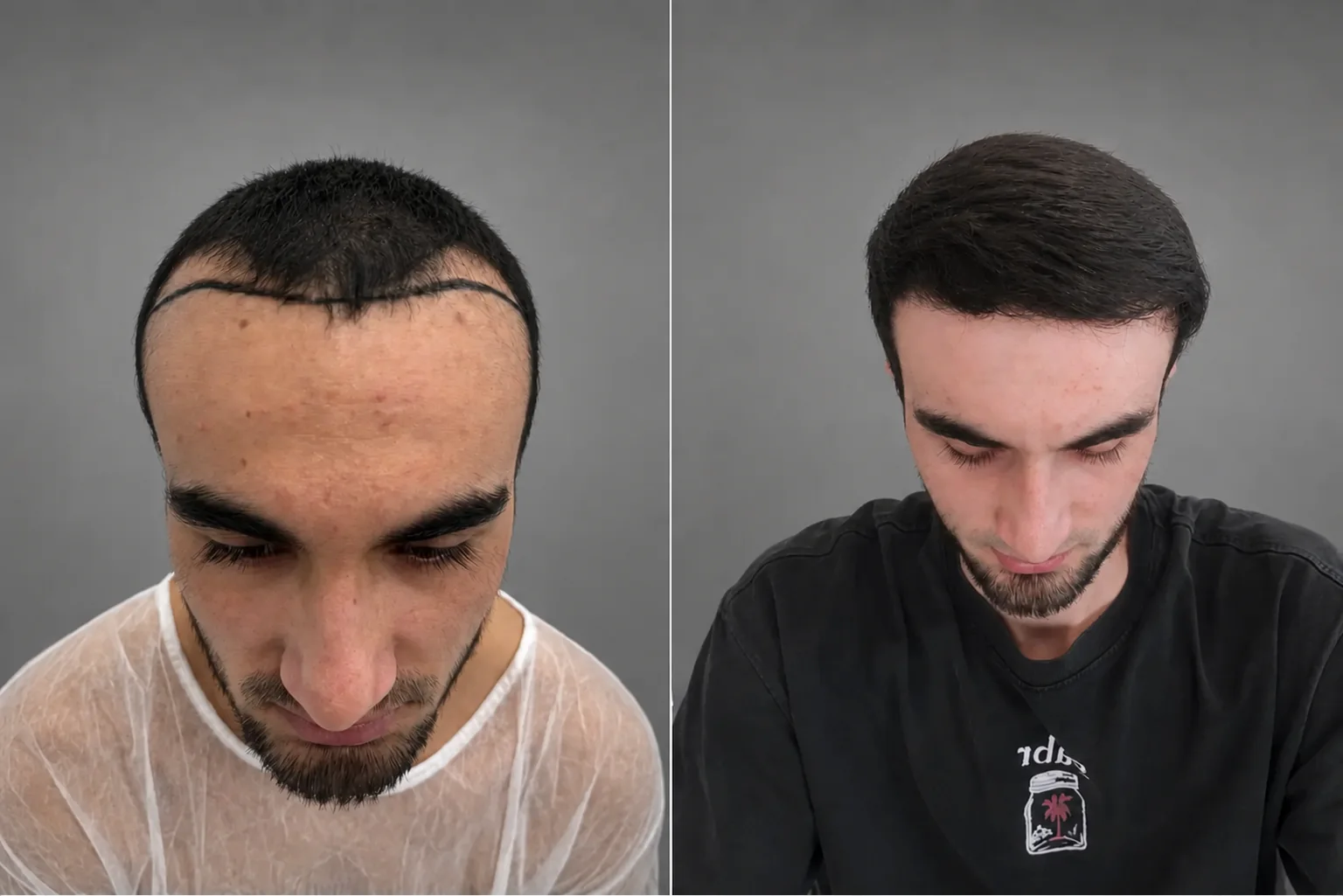
pre-op
12 months since
2,700 grafts
FUE method
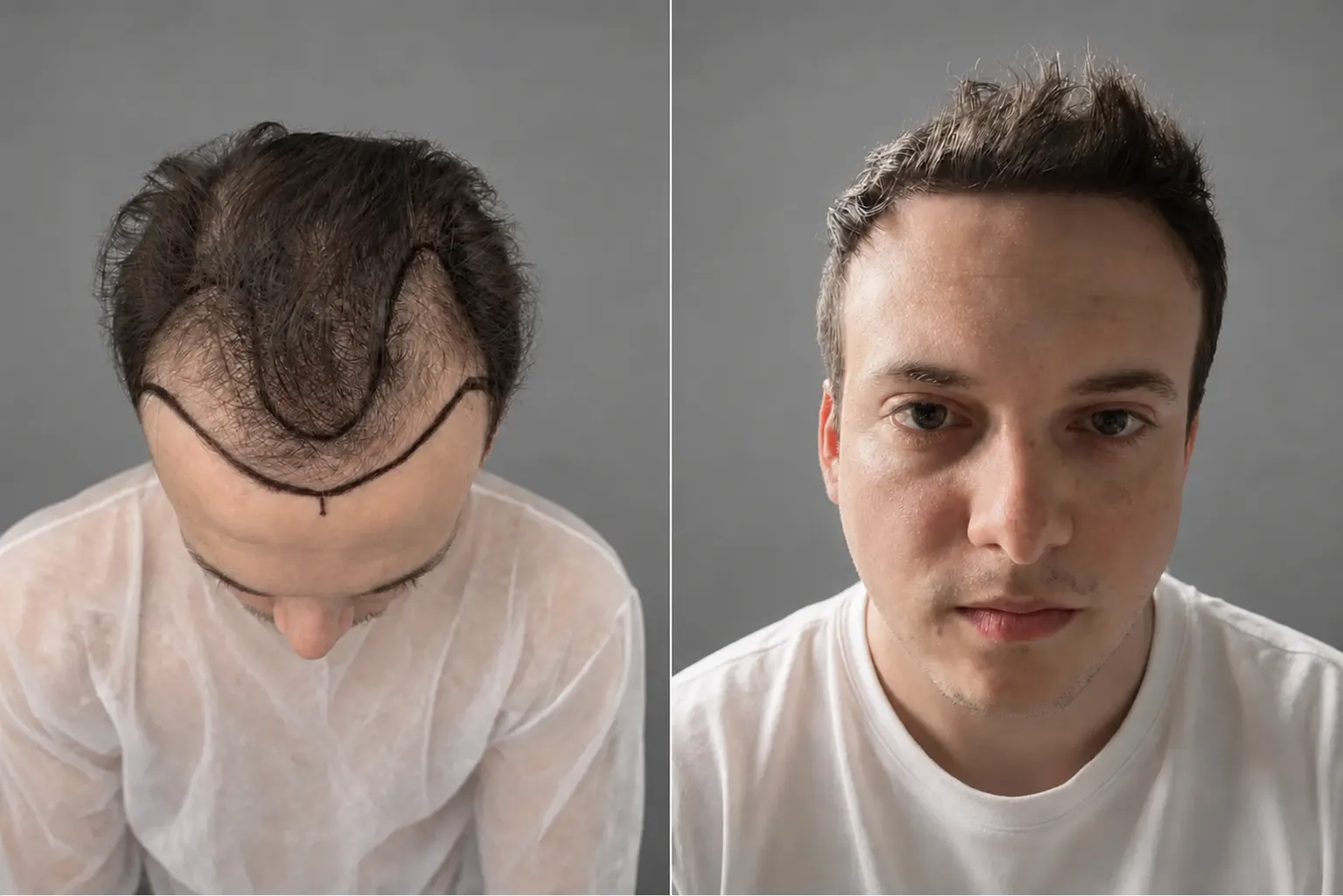
pre-op
12 months since
3,800 grafts
FUE method
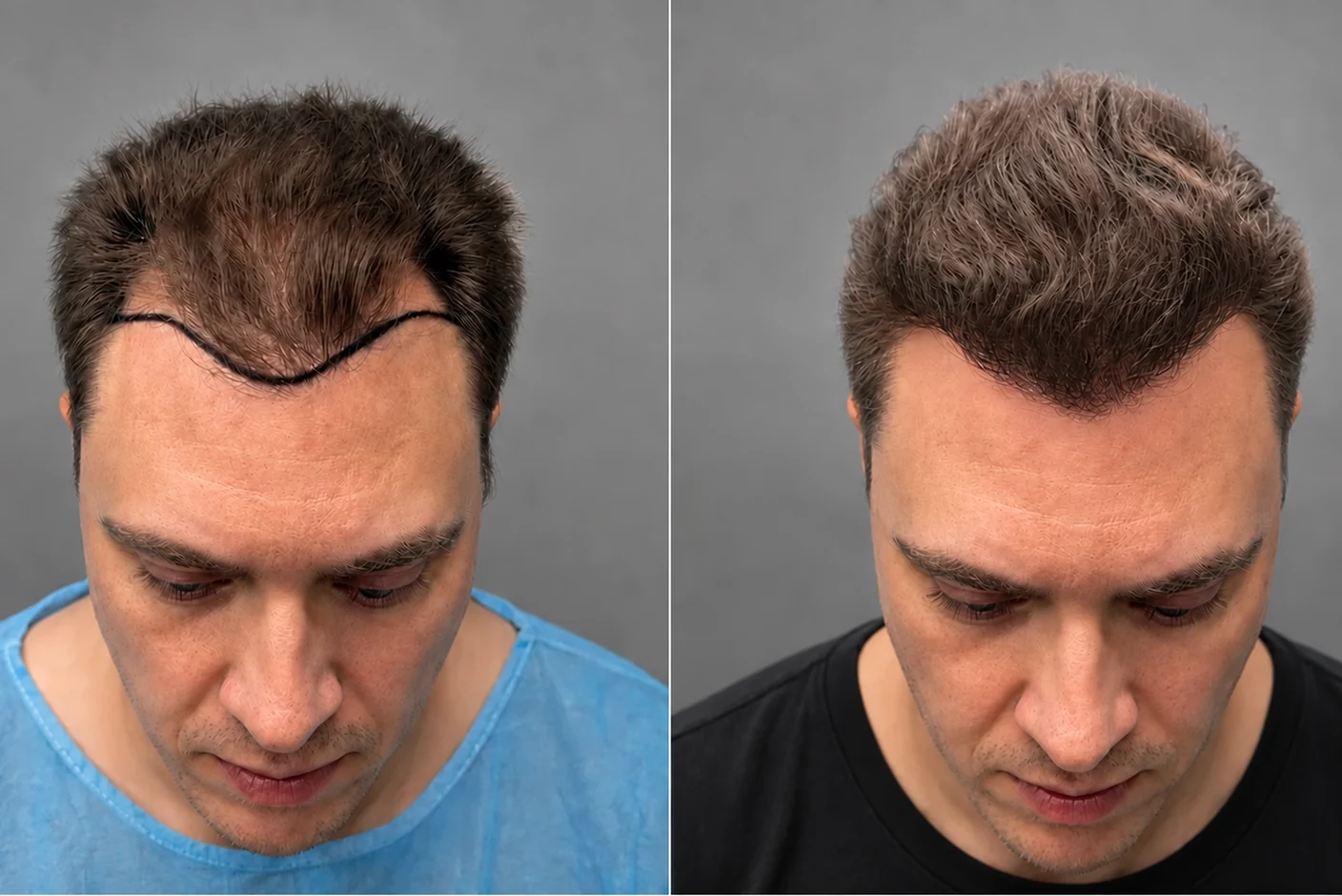
pre-op
12 months since
3,300 grafts
FUE method
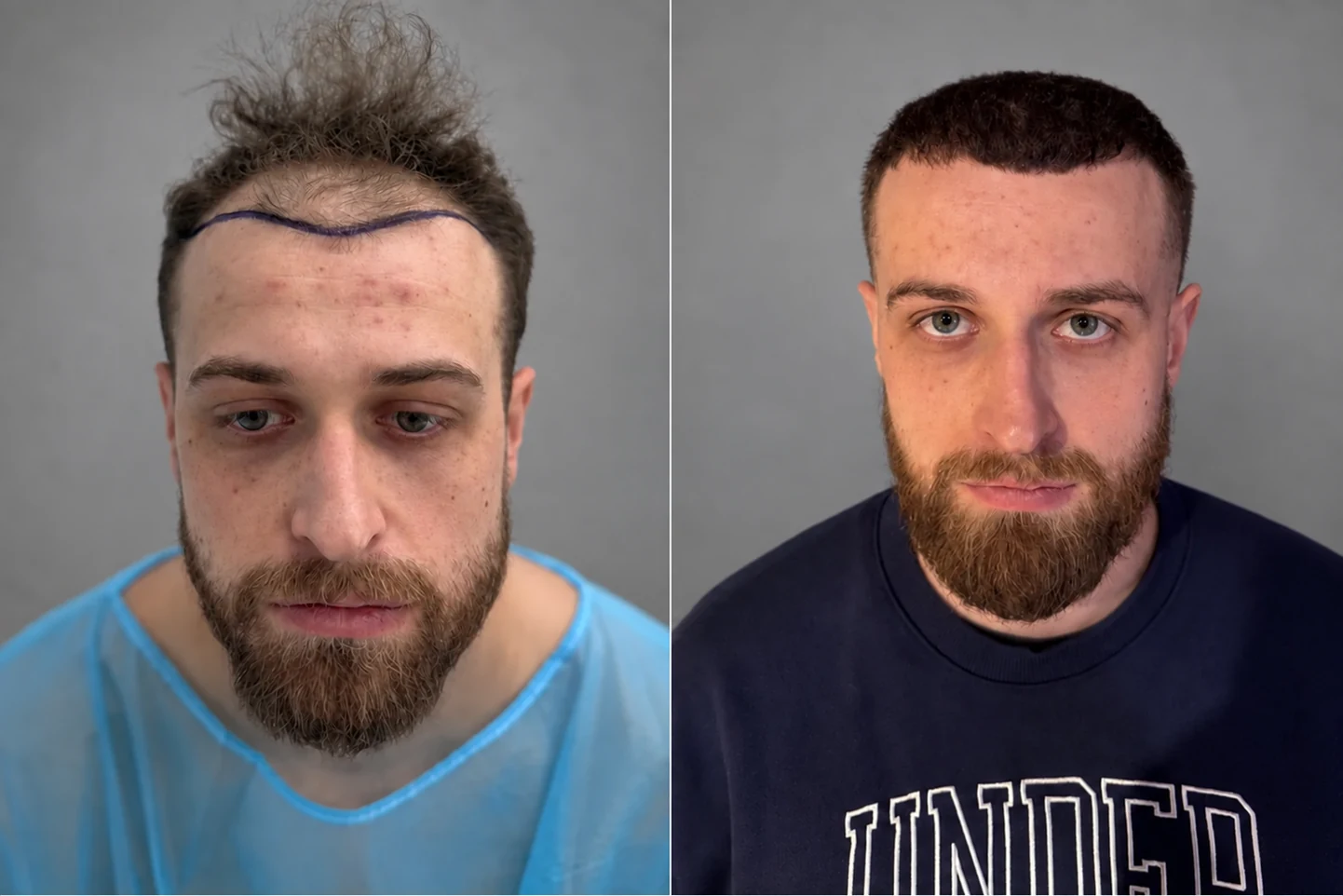
pre-op
12 months since
2,800 grafts
FUE method
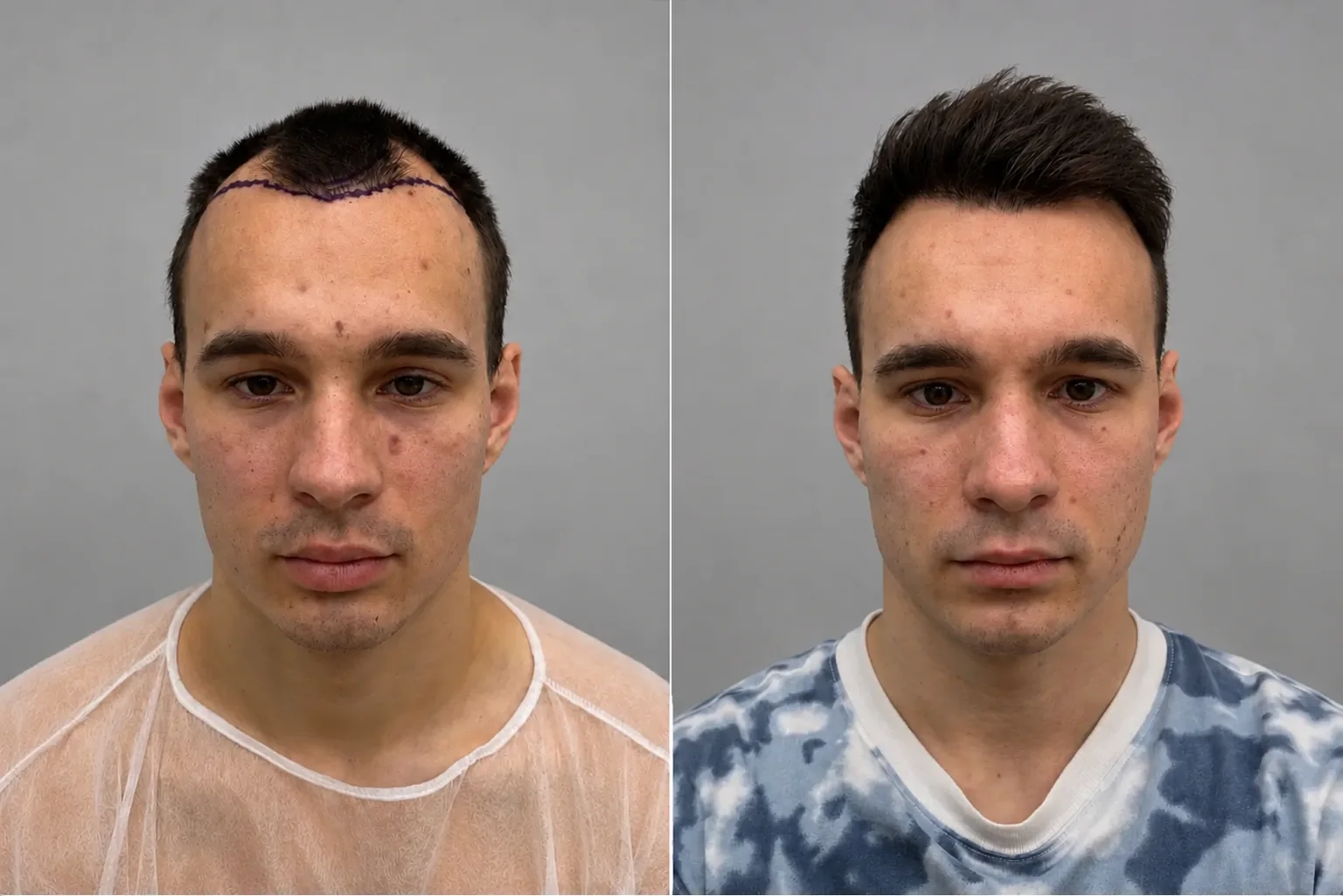
pre-op
12 months since
2,500 grafts
FUE method
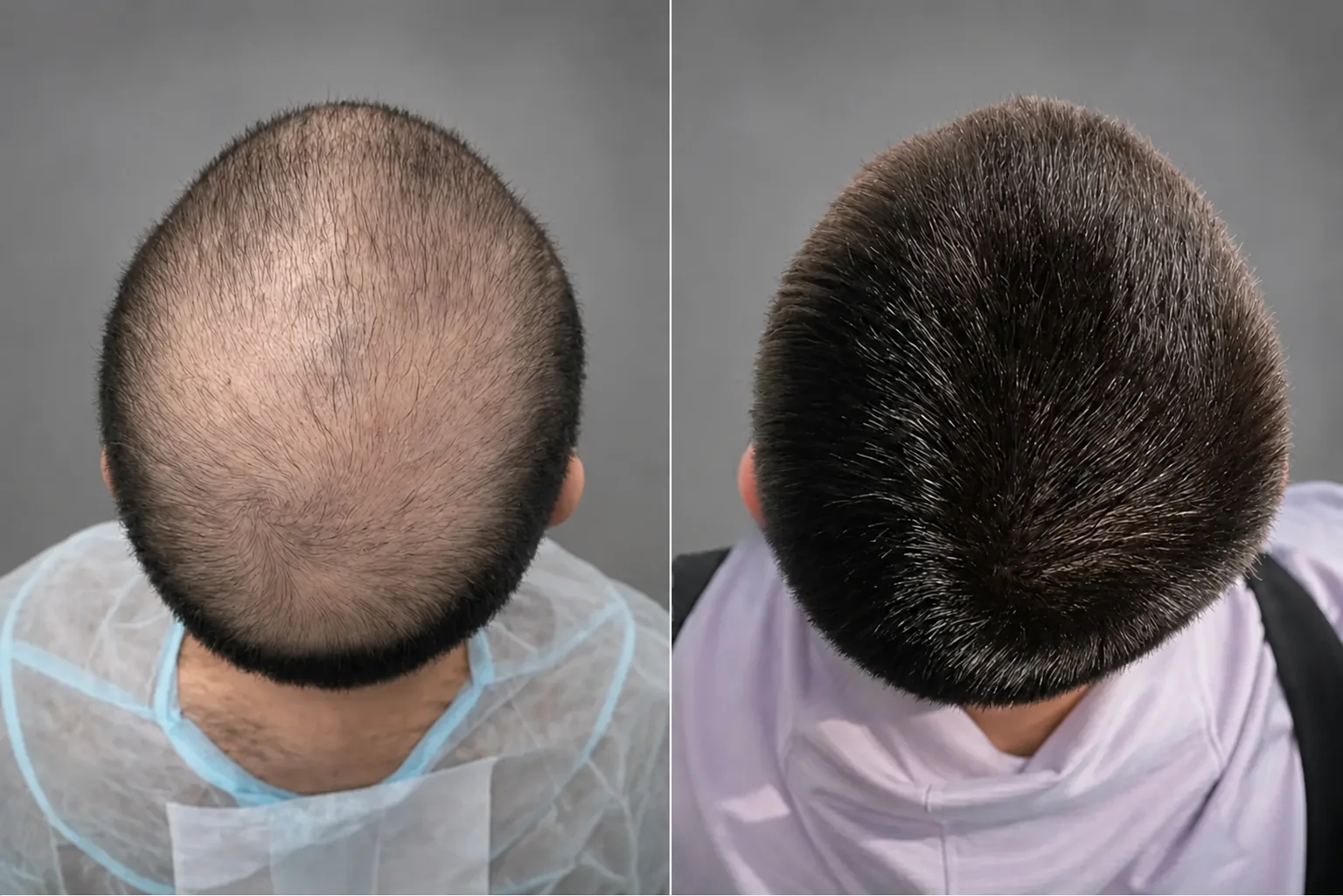
pre-op
12 months since
3,900 grafts
FUE method
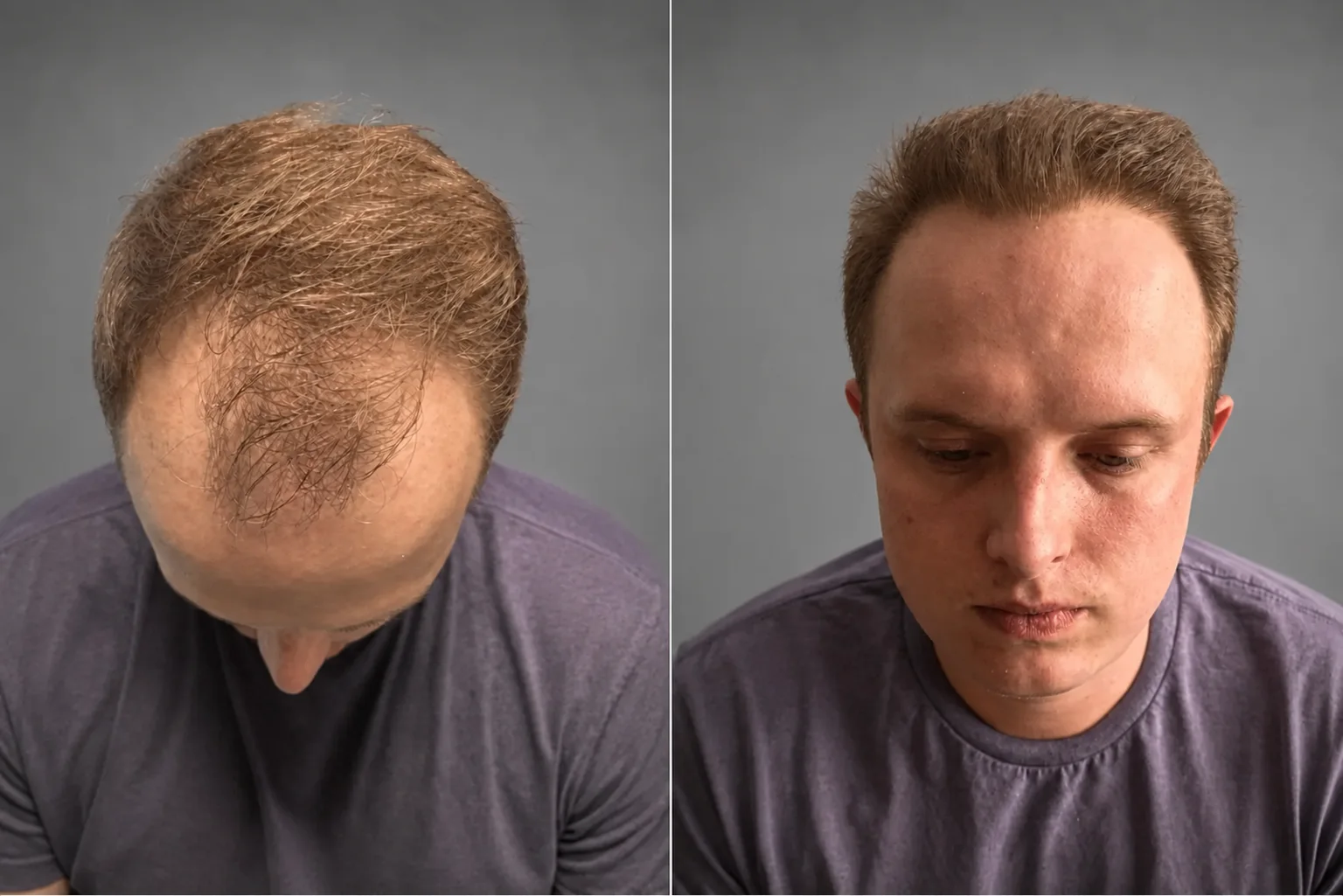
pre-op
12 months since
3,500 grafts
FUE method
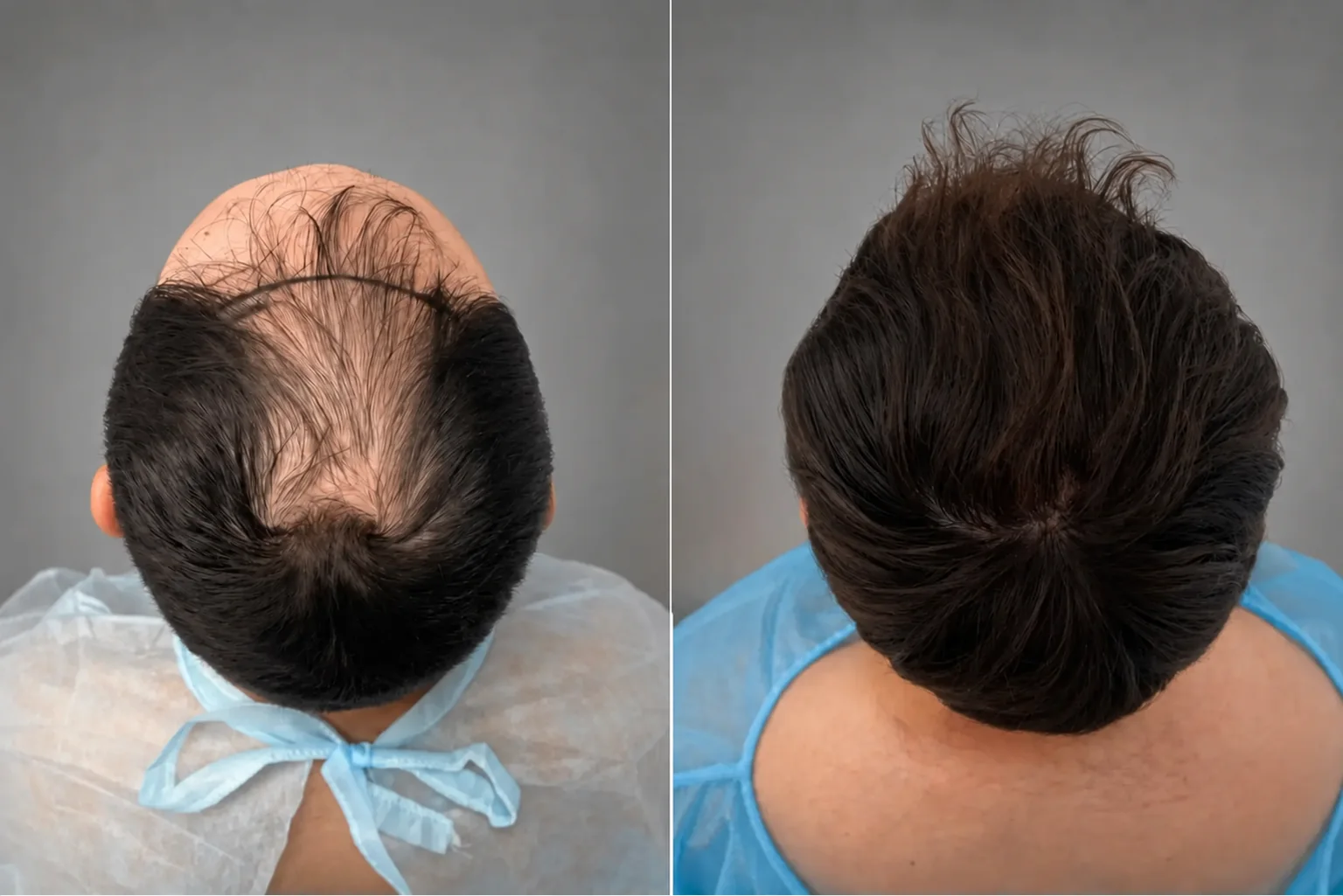
pre-op
12 months since
3,800 grafts
FUE method
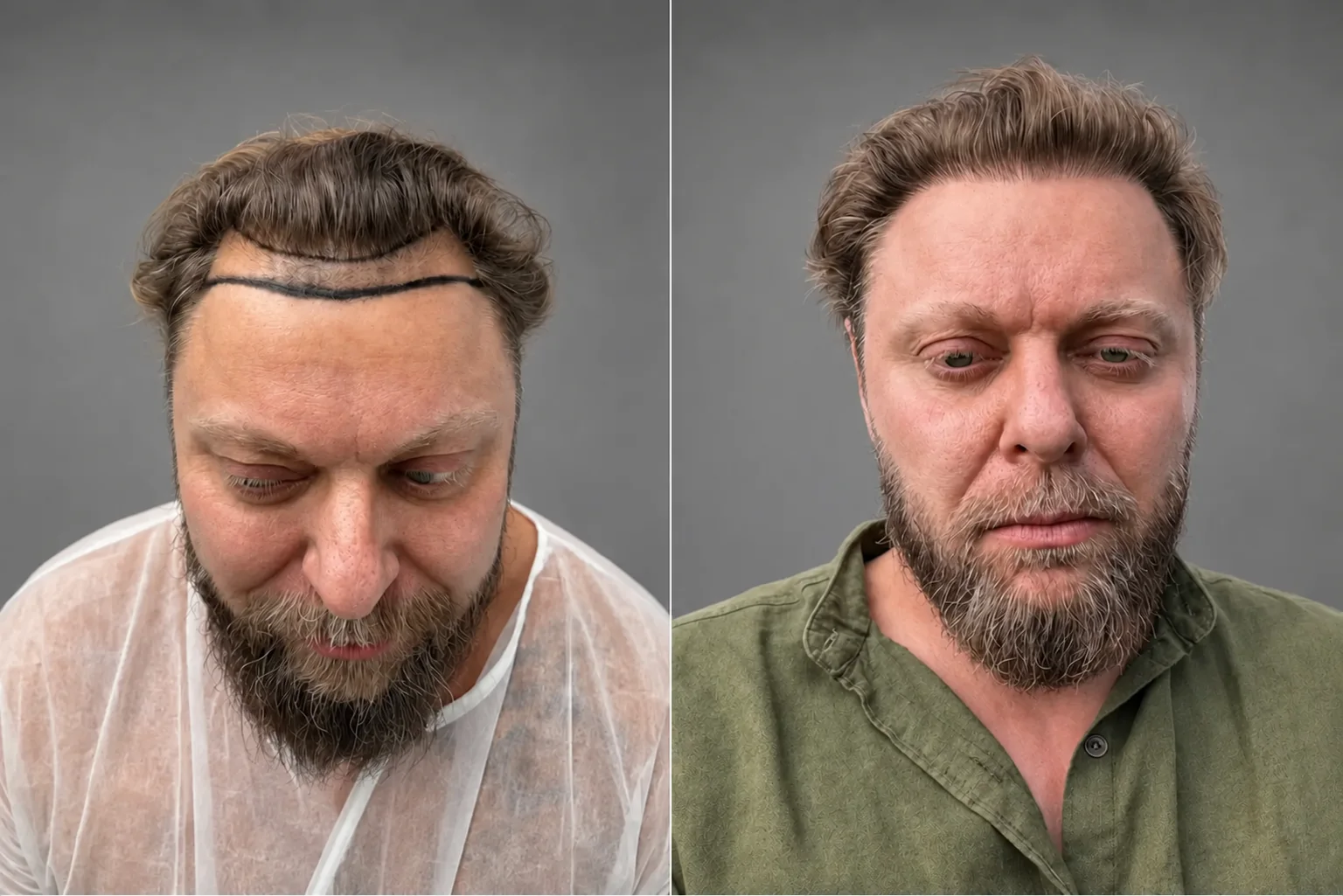
pre-op
12 months since
2,900 grafts
FUE method
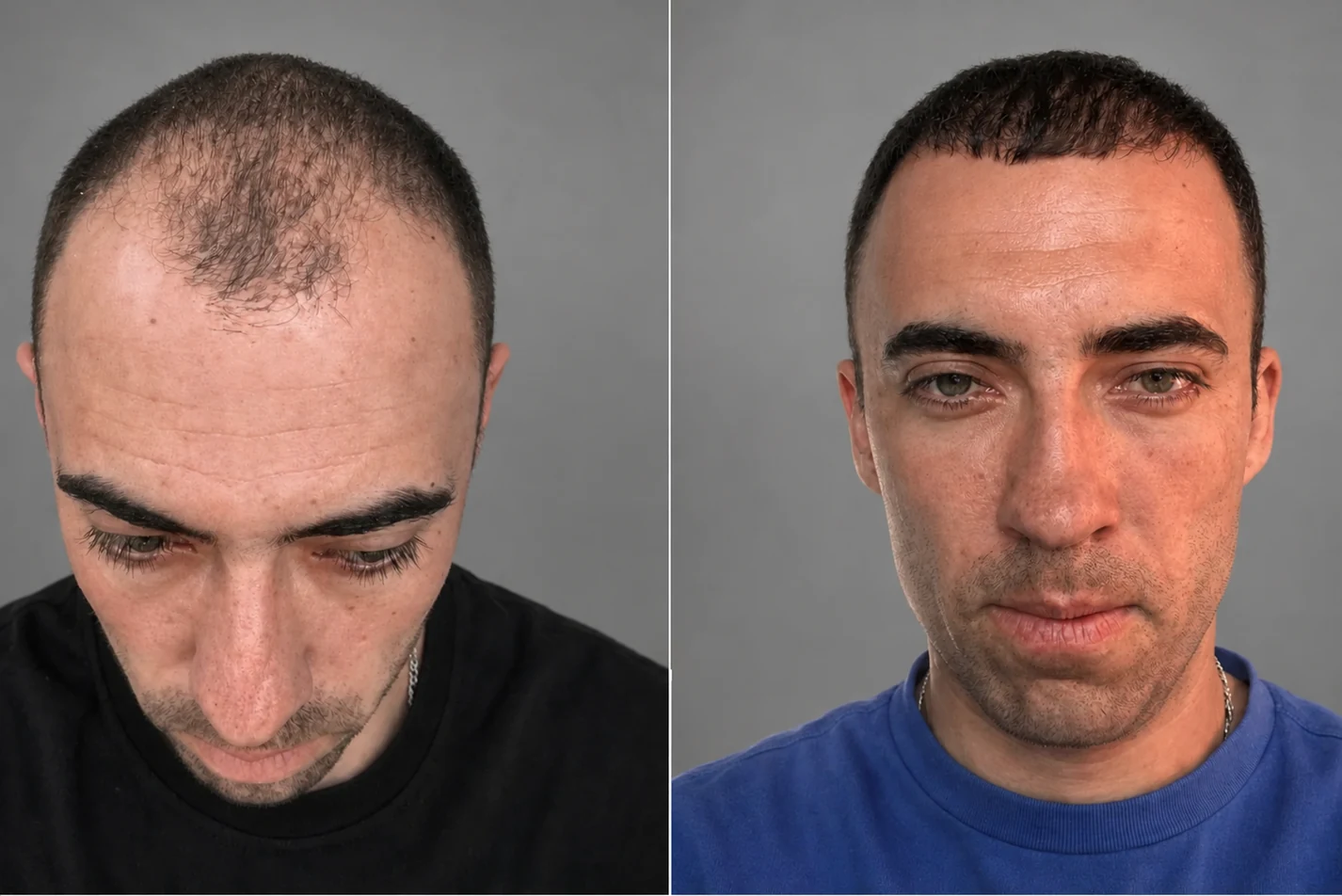
pre-op
12 months since
3,600 grafts
FUE method
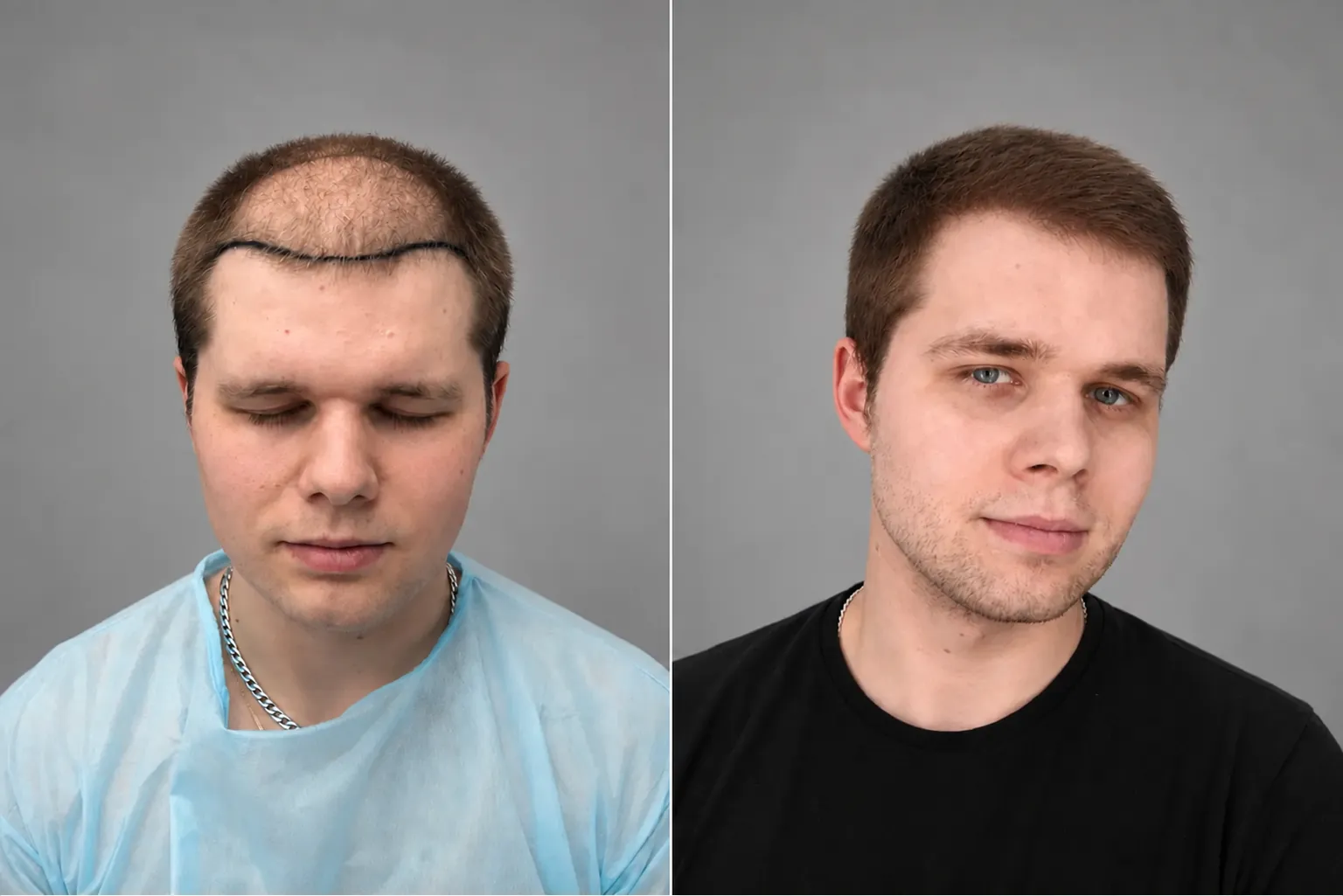
pre-op
12 months since
2,600 grafts
FUE method
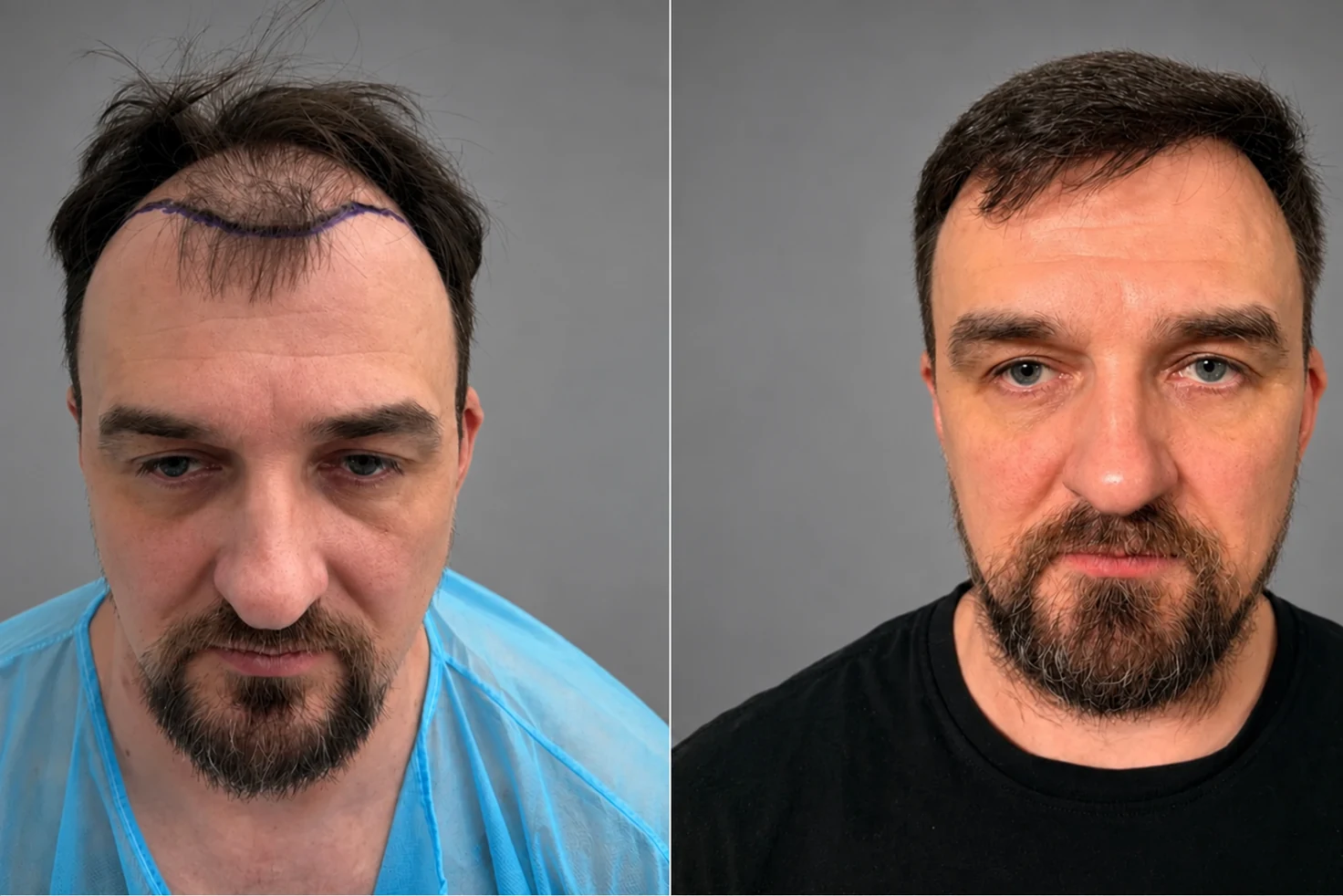
pre-op
12 months since
2,700 grafts
FUE method
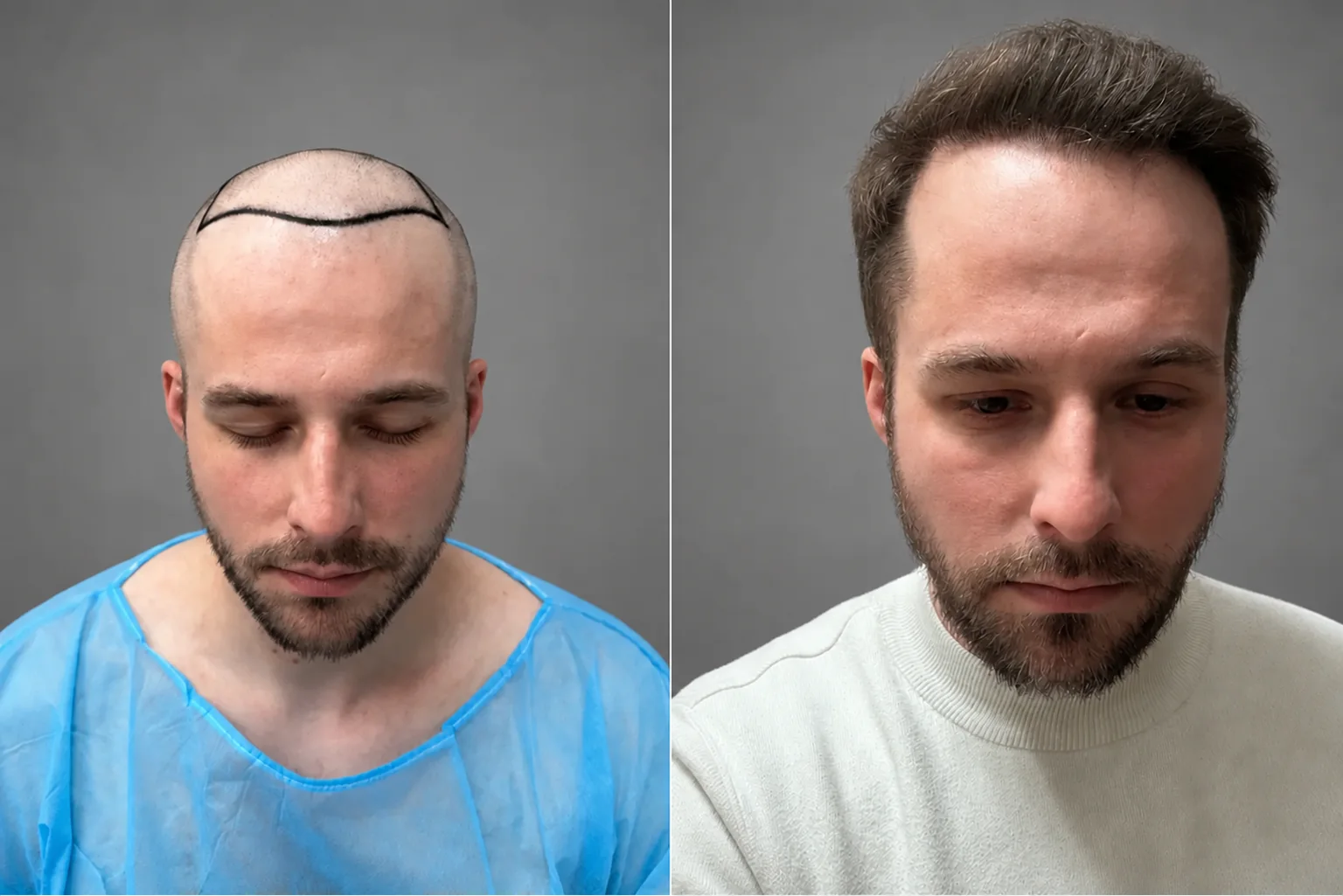
pre-op
12 months since
3,700 grafts
FUE method
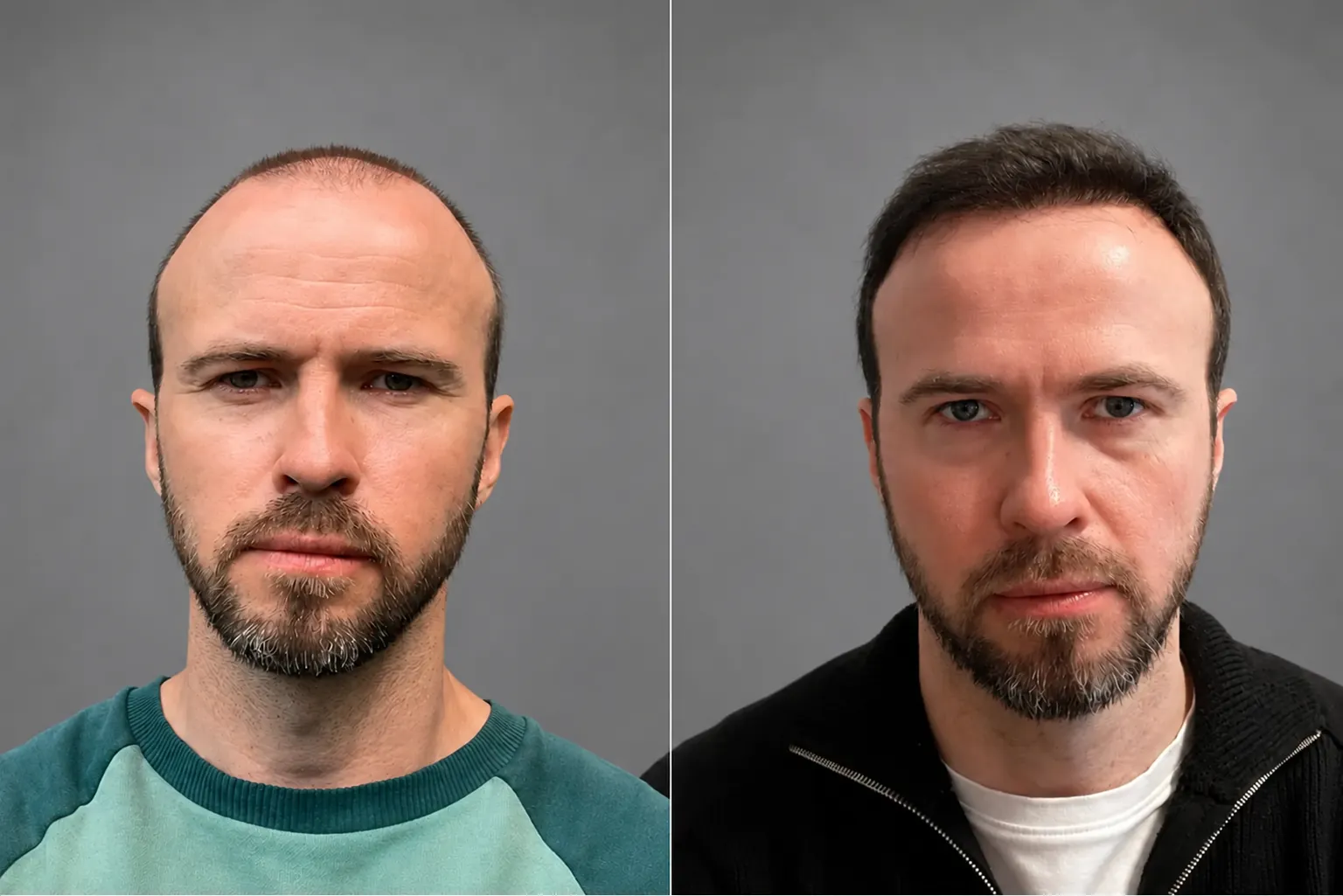
pre-op
12 months since
3,200 grafts
FUE method
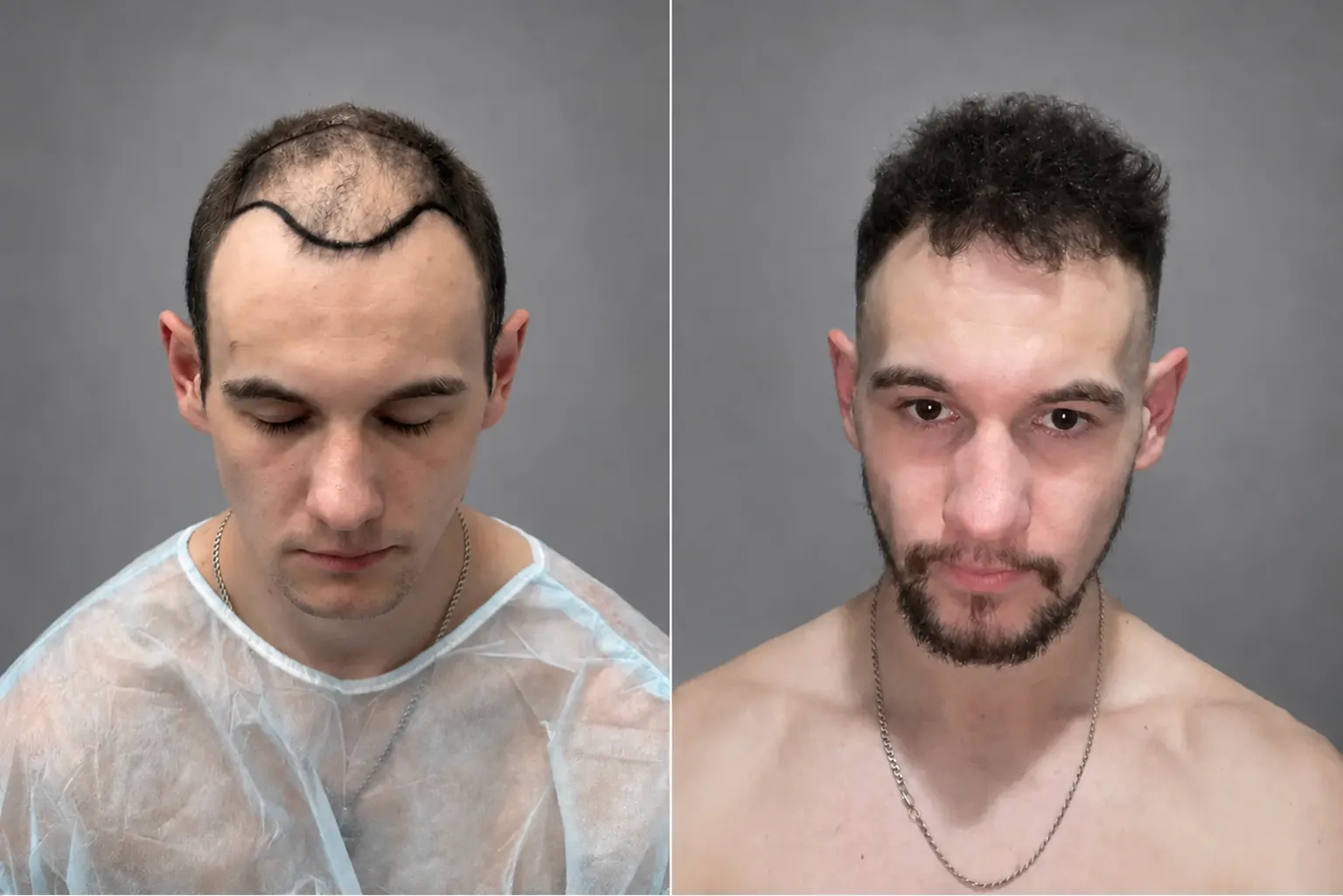
pre-op
12 months since
3,000 grafts
FUE method
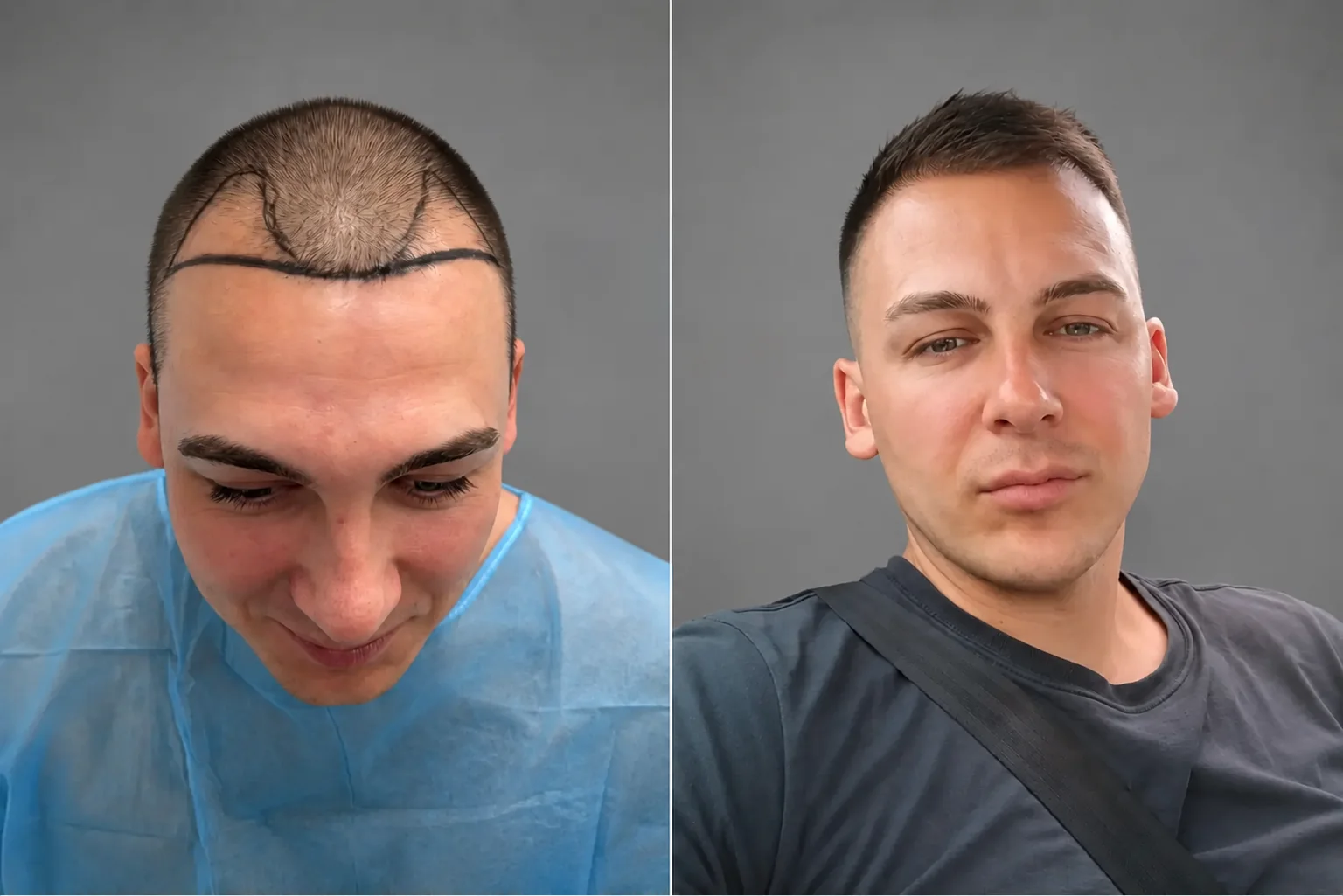
pre-op
12 months since
2,800 grafts
FUE method
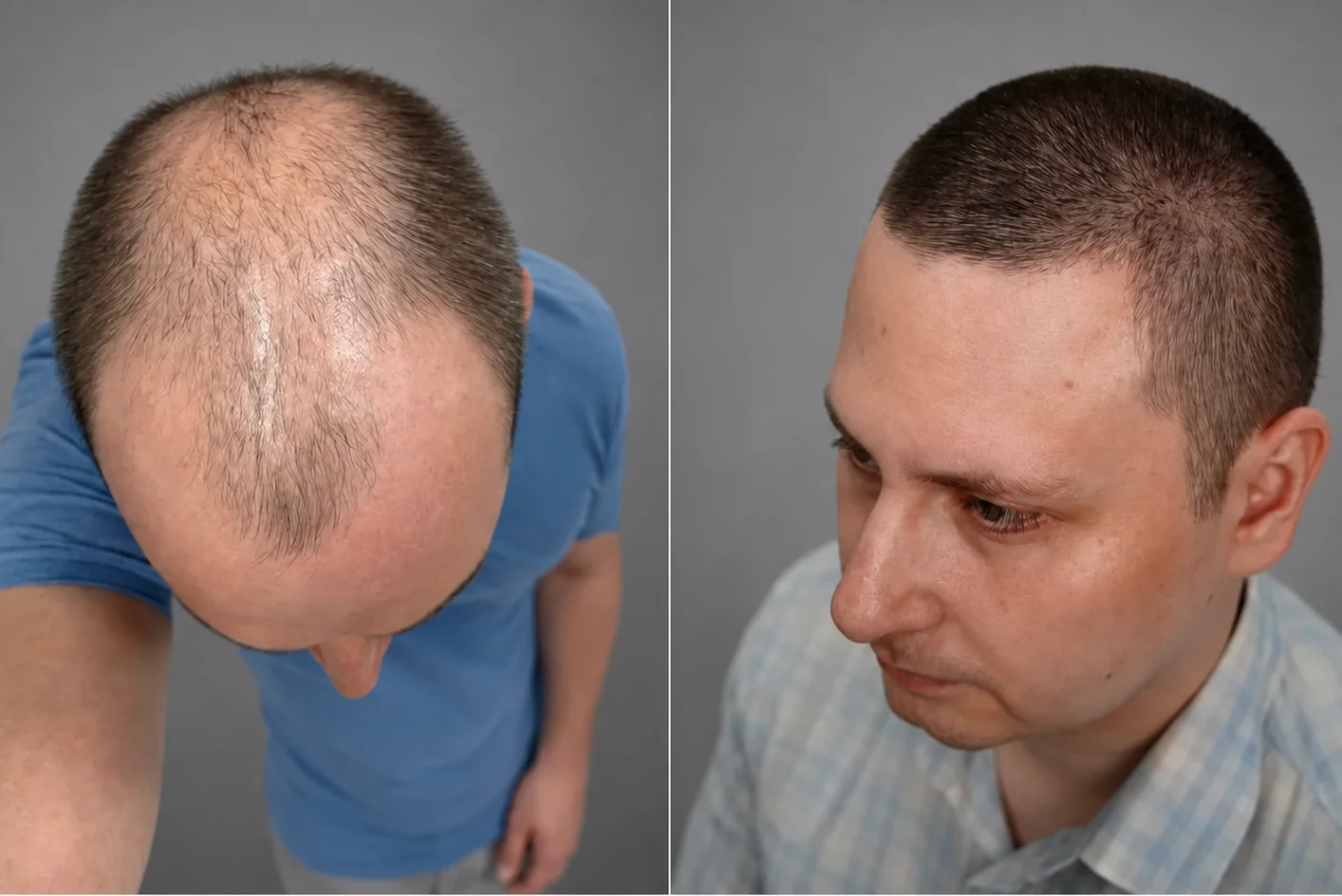
pre-op
12 months since
4,000 grafts
FUE method
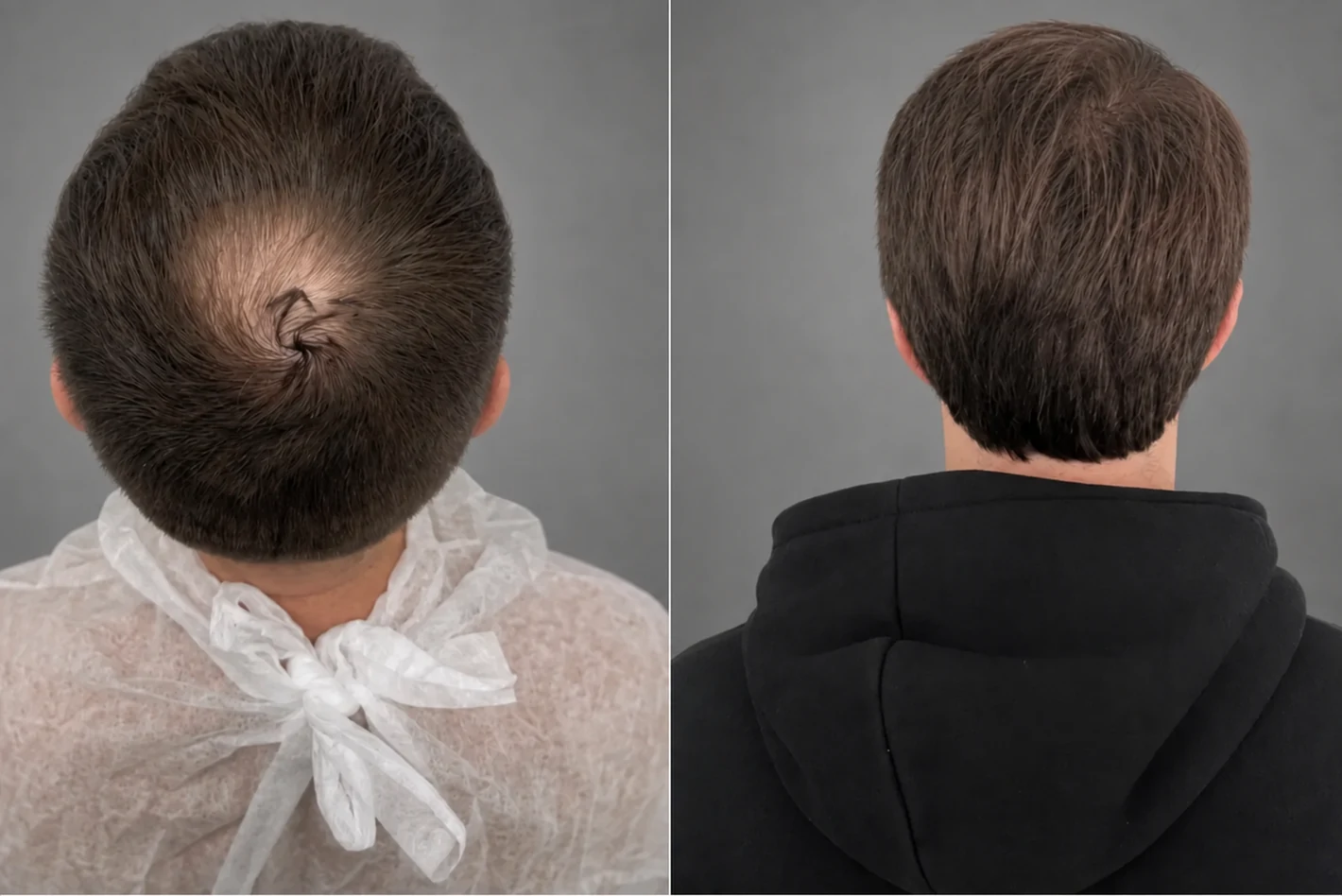
pre-op
12 months since
3,400 grafts
FUE method
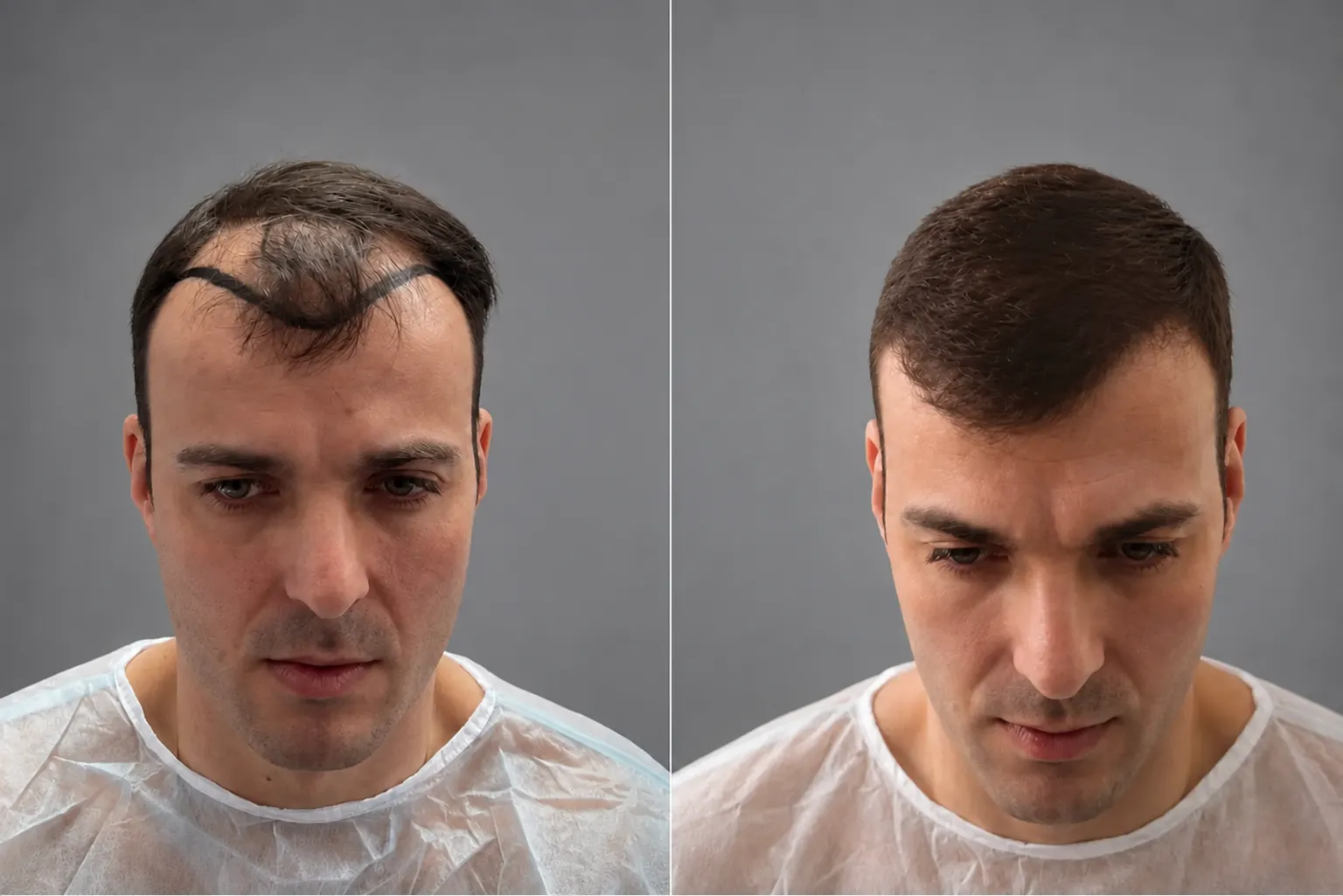
pre-op
12 months since
2,900 grafts
FUE method
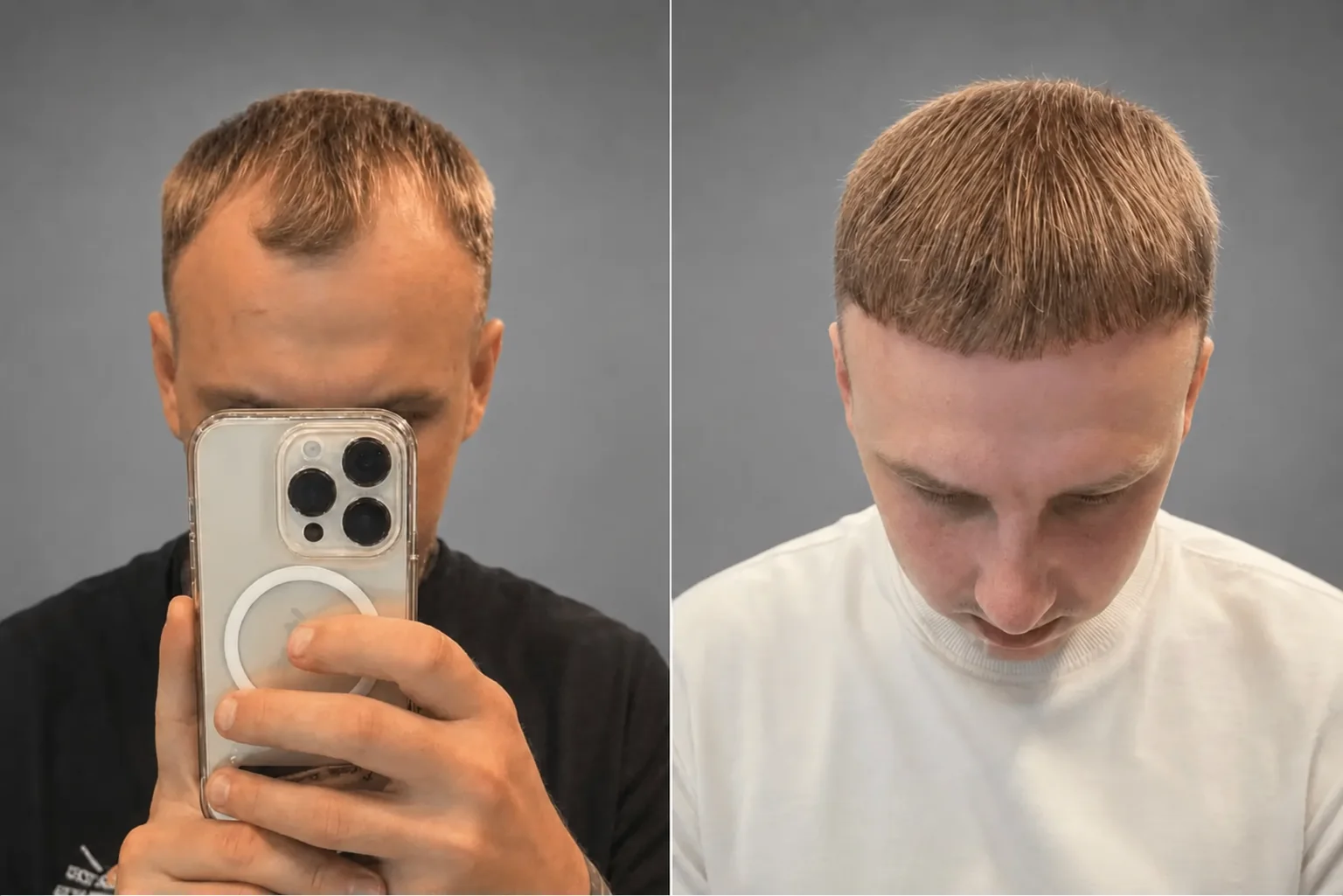
pre-op
12 months since
3,100 grafts
FUE method
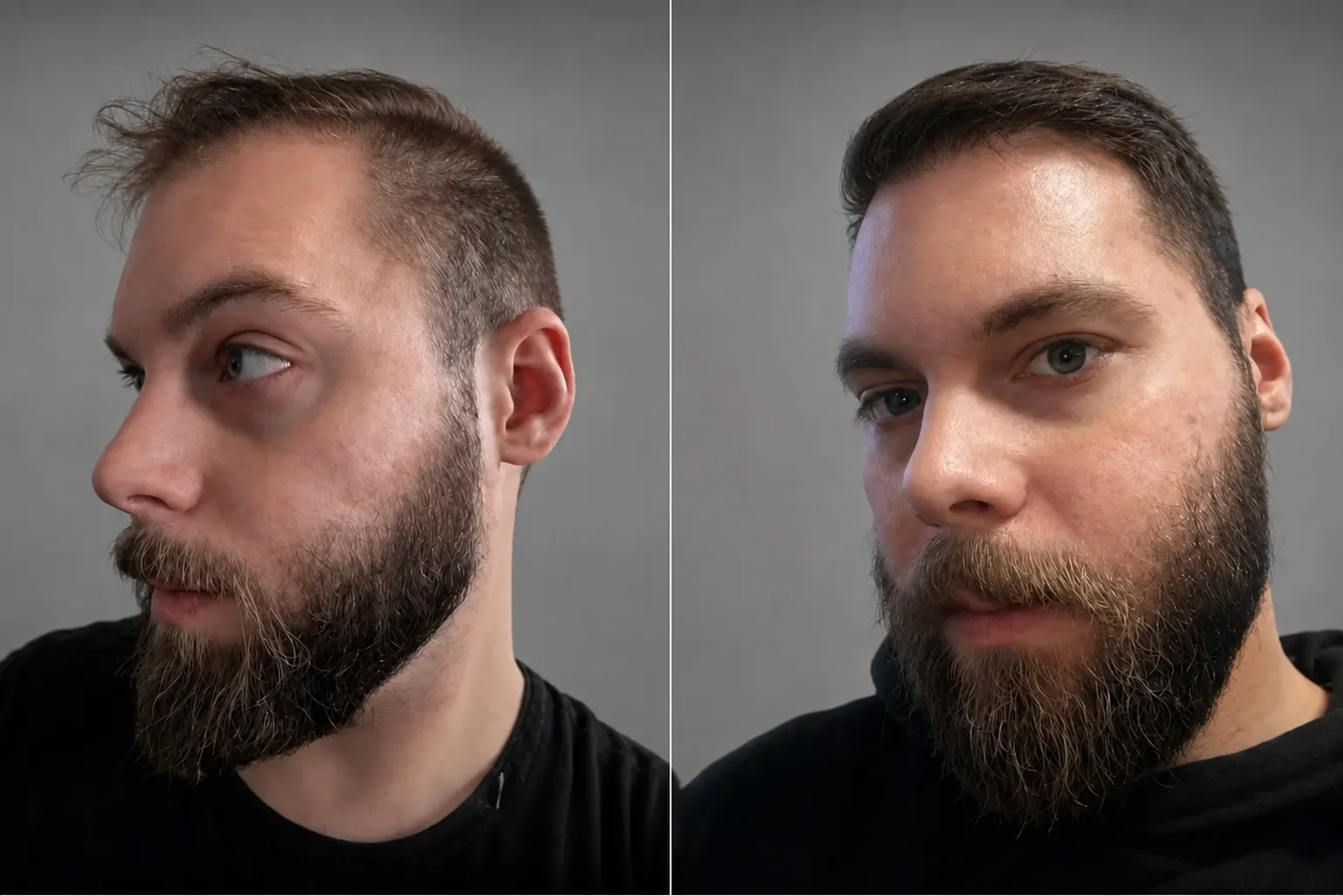
pre-op
12 months since
2,600 grafts
FUE method
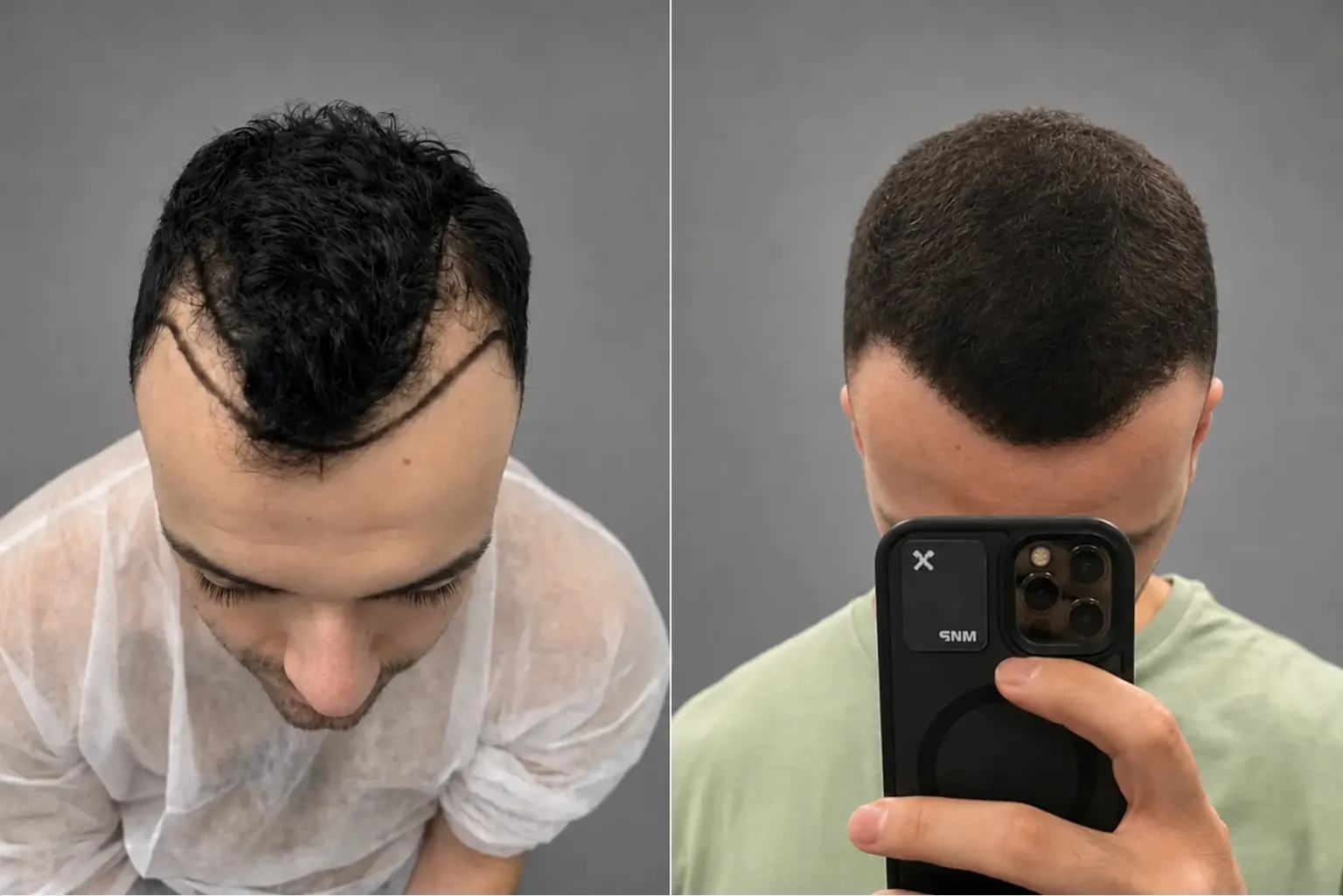
pre-op
12 months since
3,300 grafts
FUE method
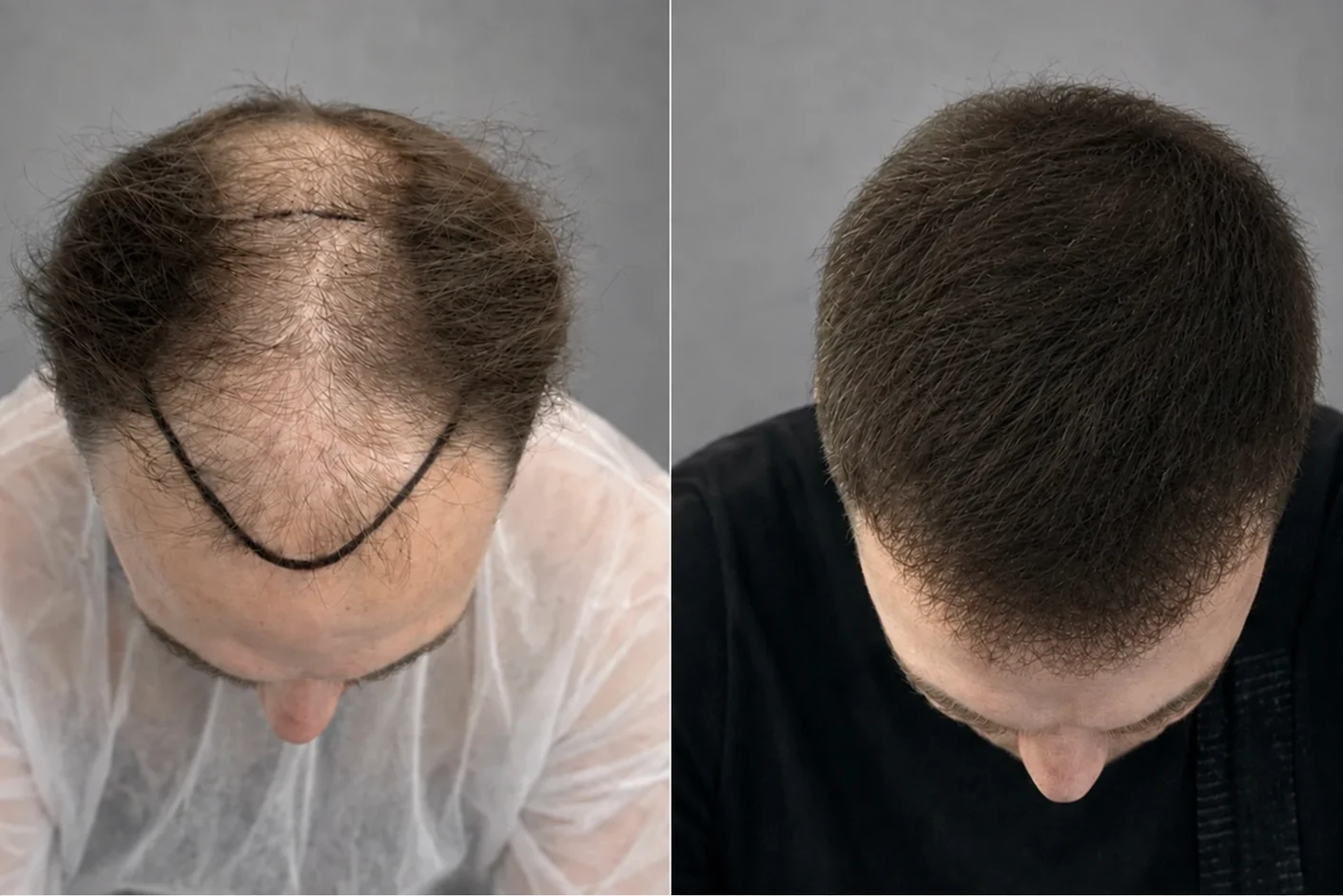
pre-op
12 months since
3,900 grafts
FUE method
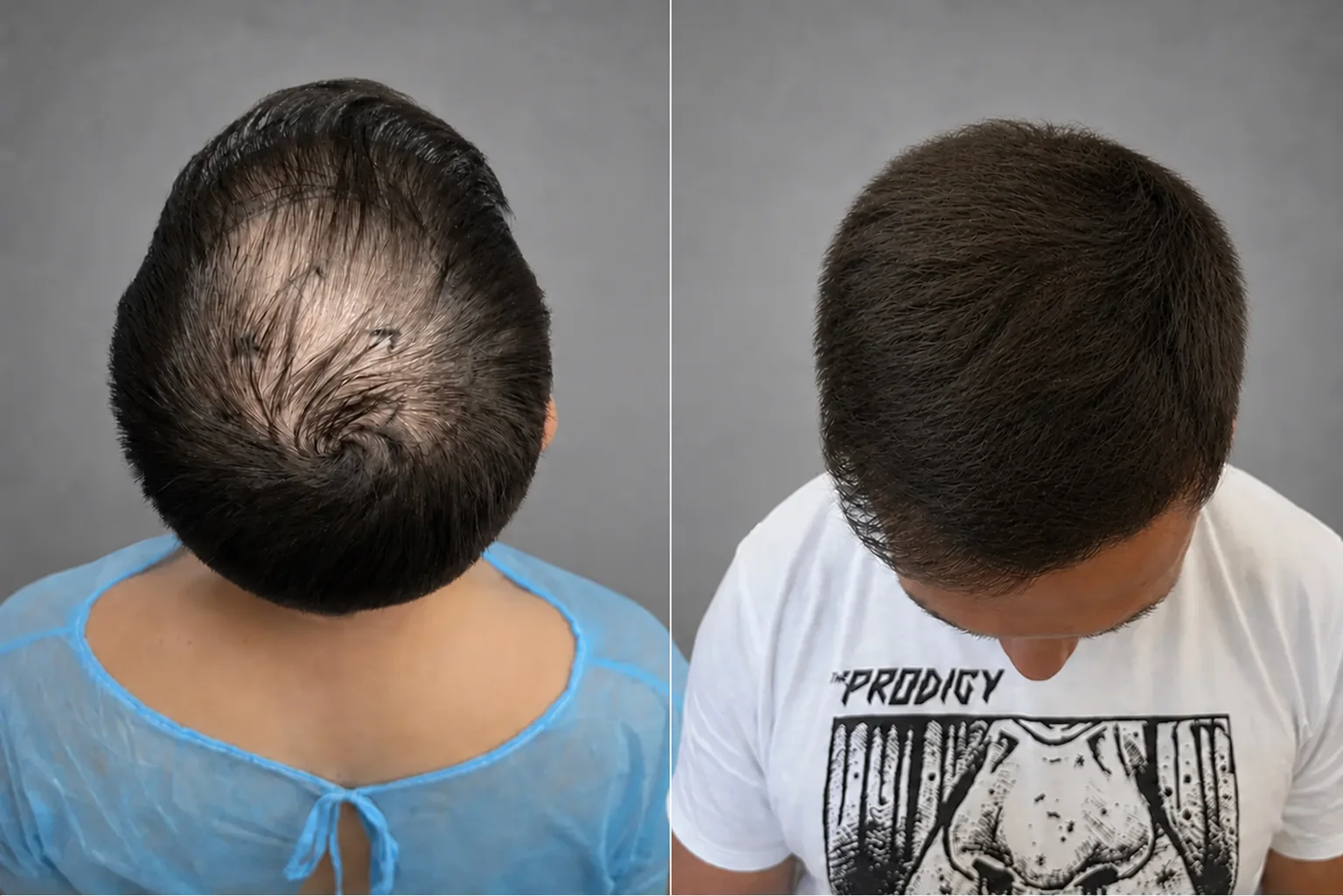
pre-op
12 months since
3,500 grafts
FUE method
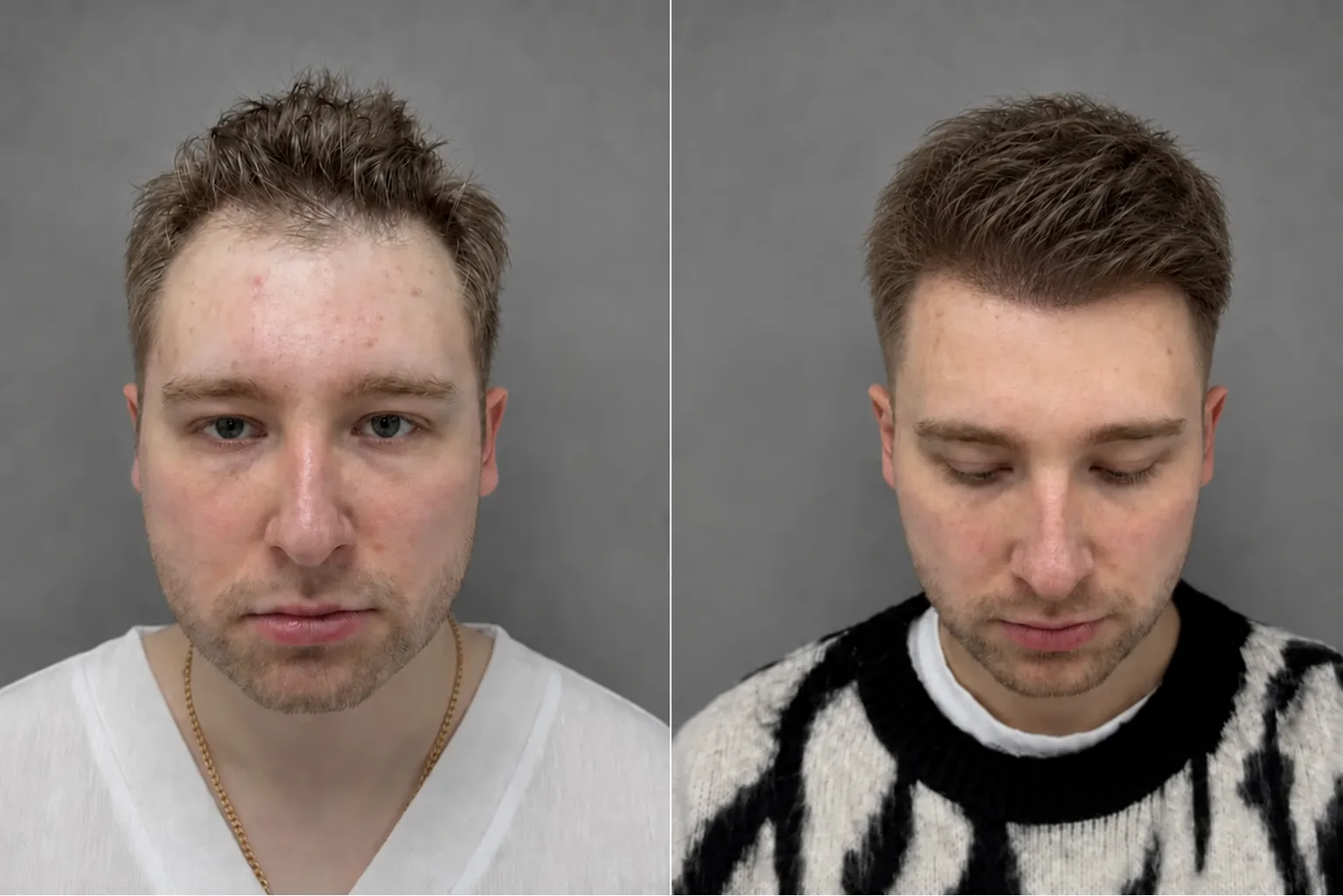
pre-op
12 months since
2,700 grafts
FUE method
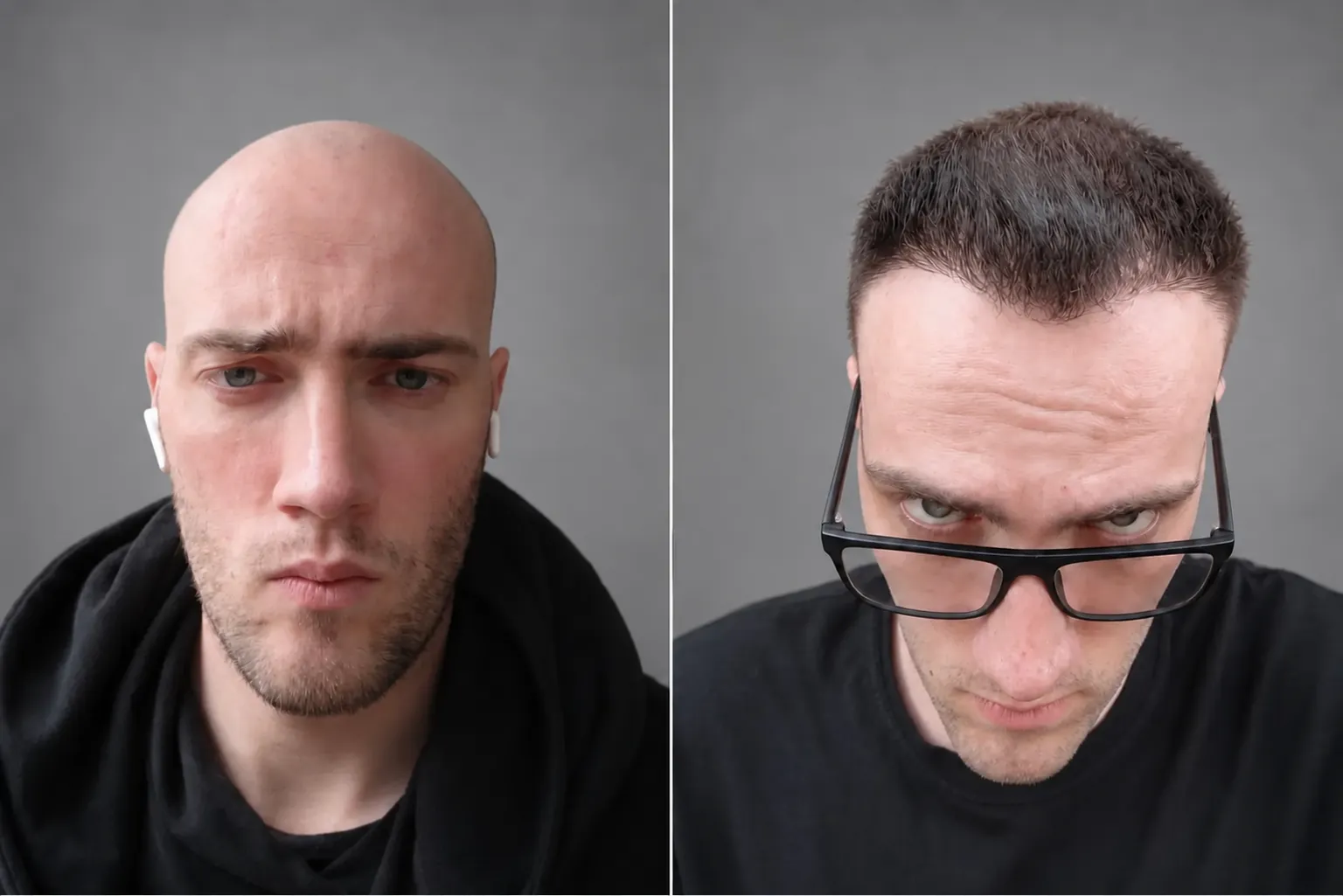
pre-op
12 months since
3,800 grafts
FUE method
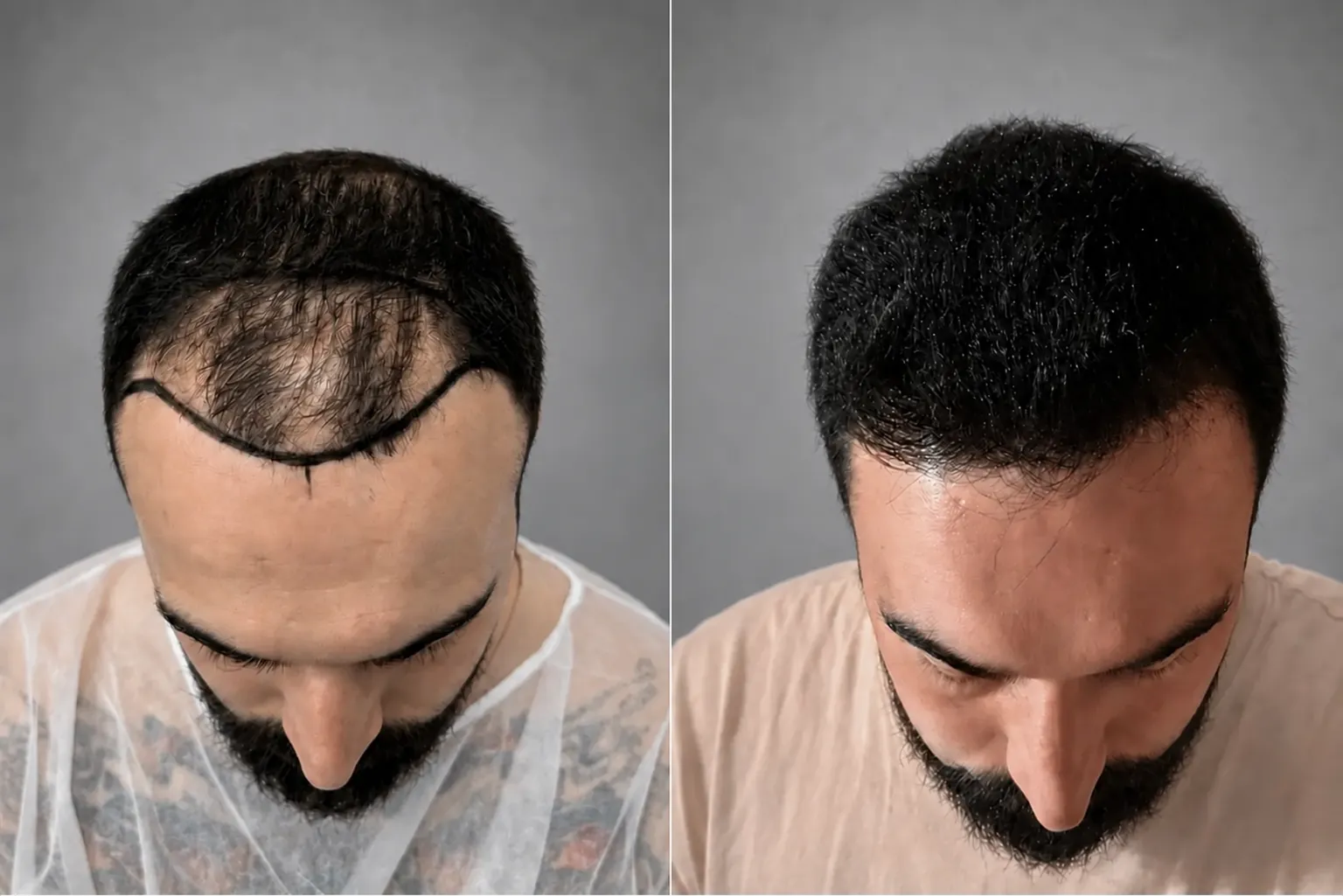
pre-op
12 months since
3,200 grafts
FUE method
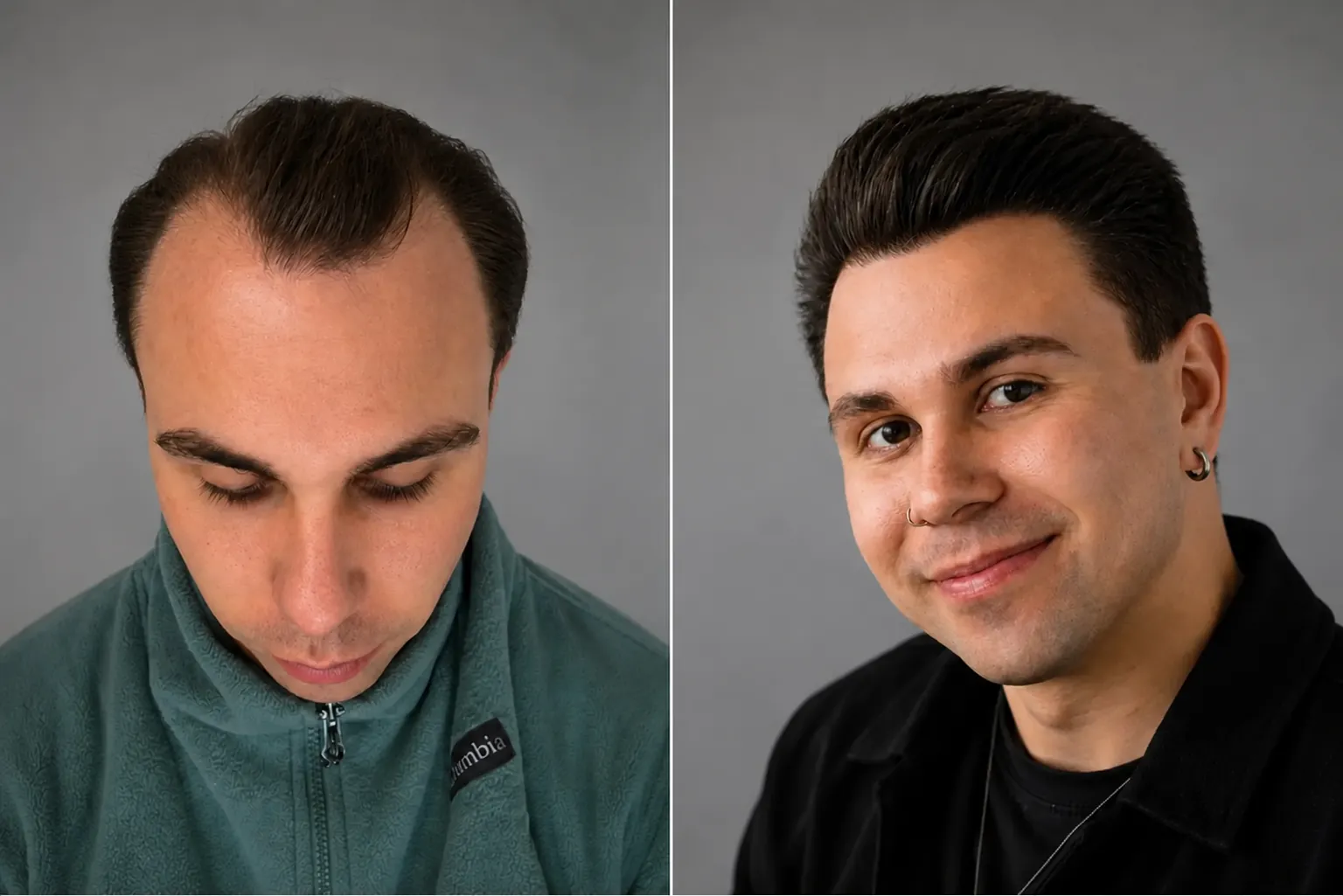
pre-op
12 months since
3,000 grafts
FUE method
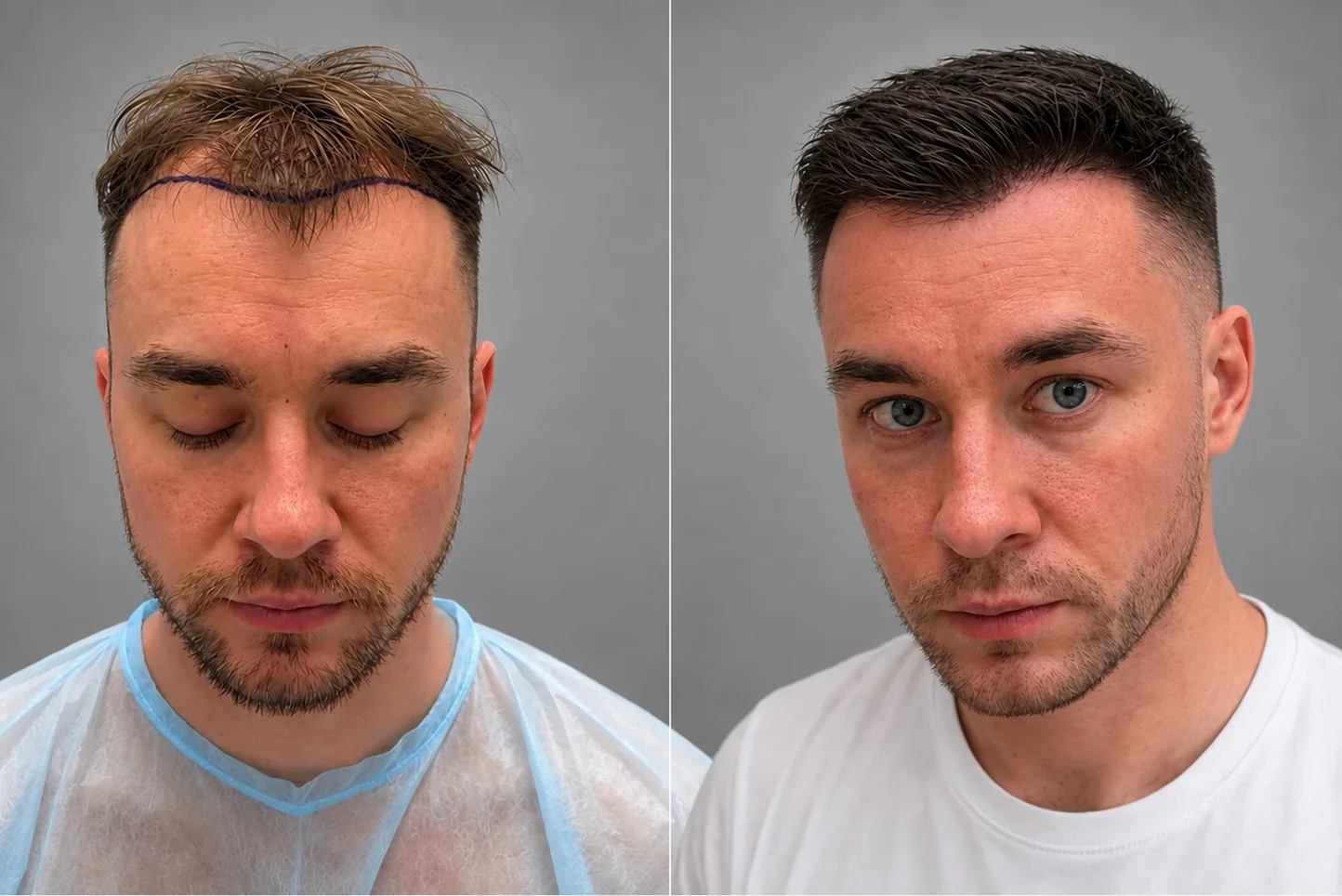
pre-op
12 months since
2,800 grafts
FUE method
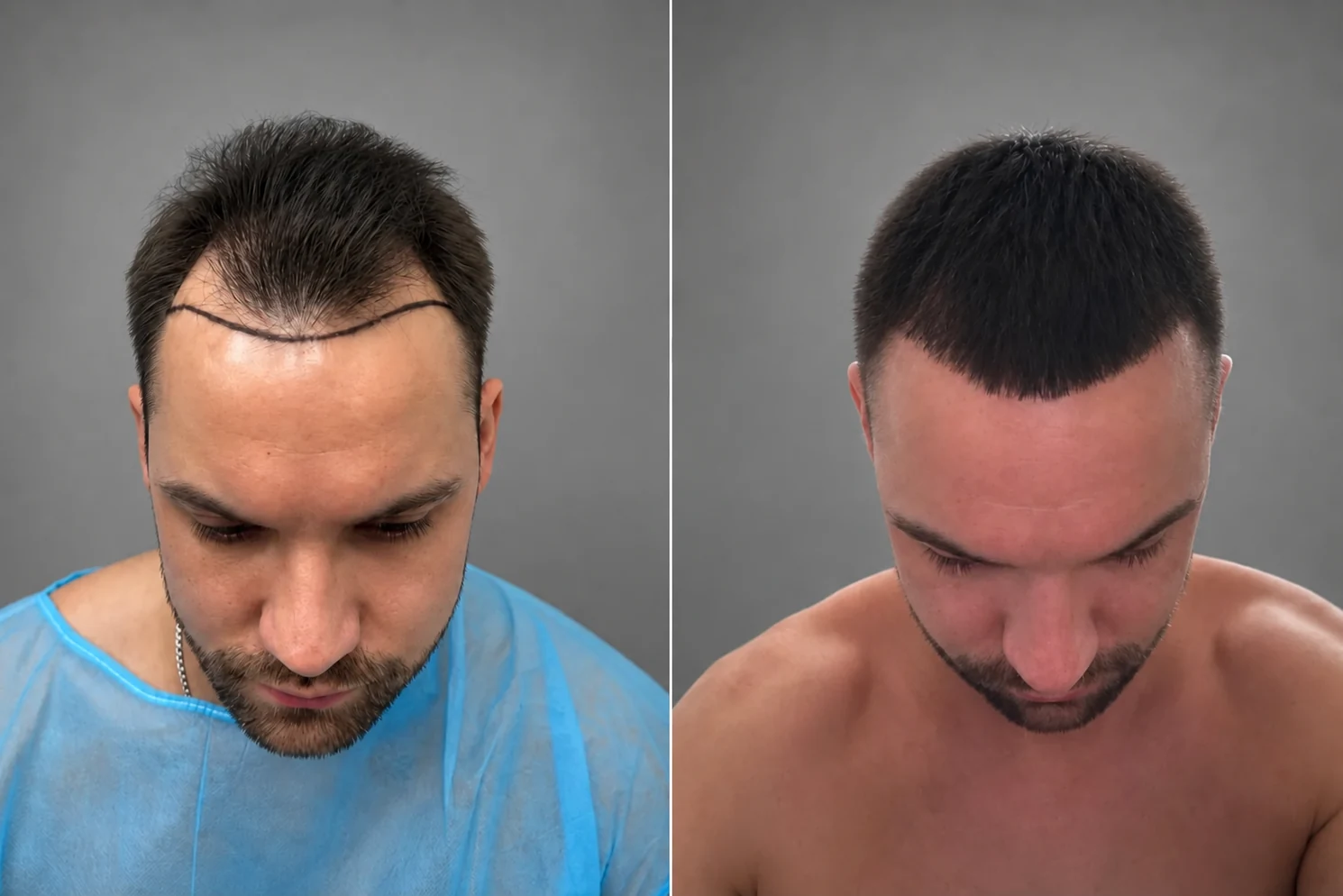
pre-op
12 months since
3,100 grafts
FUE method
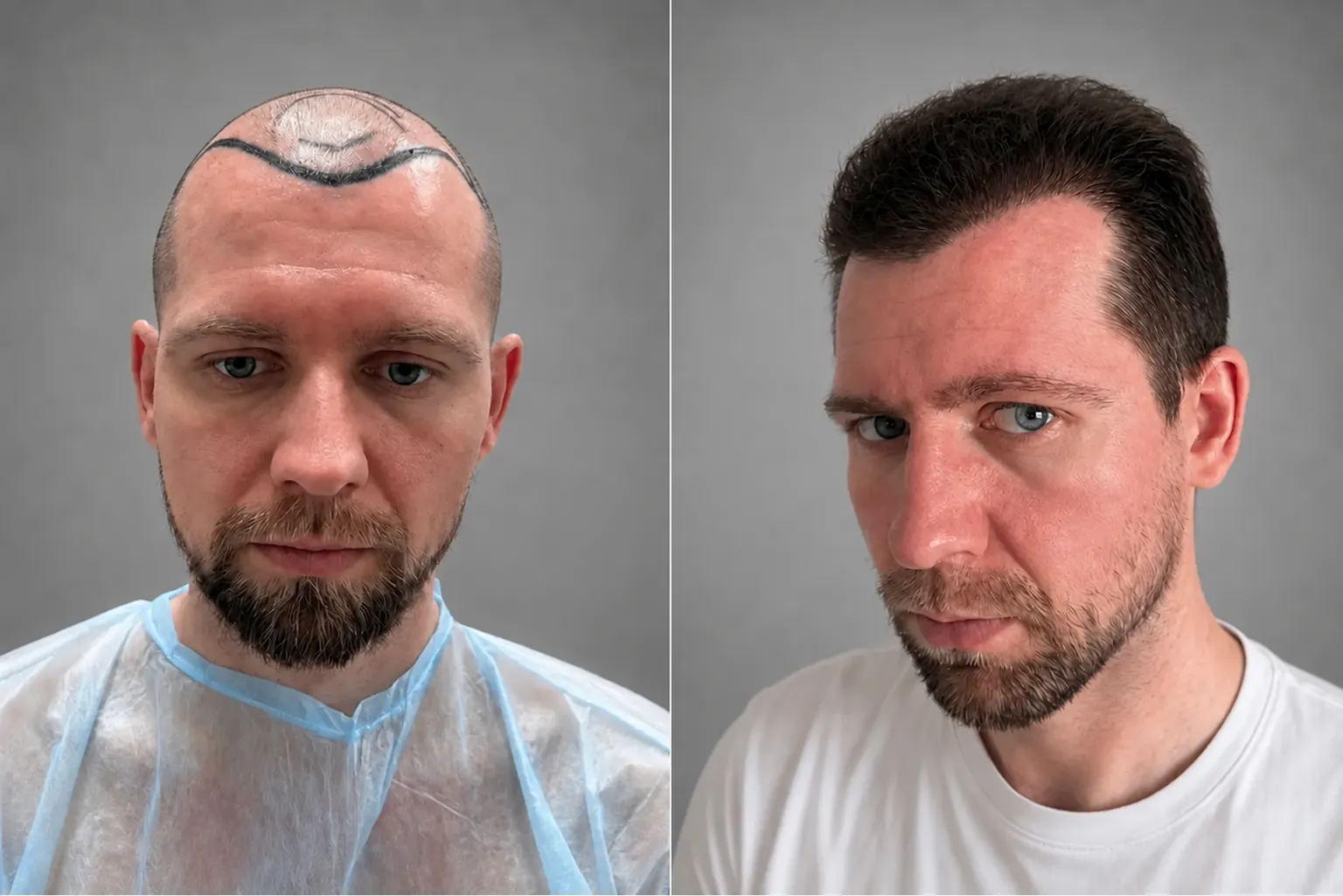
pre-op
12 months since
3,600 grafts
FUE method
Comparison
Three graft transfer technologies are at work here: classic FUE, suture-free DHI and a combined protocol. Compare implantation technique, tissue trauma and graft survival, and choose your method.
Classic method requiring no cuts or sutures
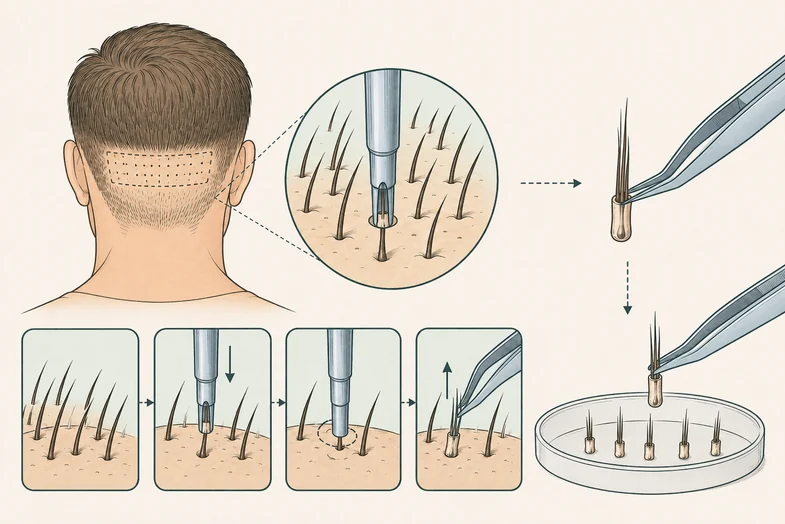
$2,200
$2,700
Graft implantation technique
ForcepsGraft trauma
MinimalHair's natural angle
NaturalGraft survival
98–100%Suitable for
Androgenetic alopeciaImplantation with a Choi pen, no sutures
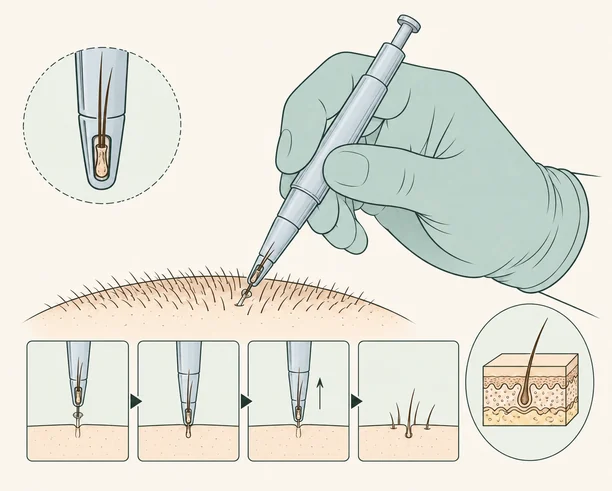
$2,500
$2,900
Graft implantation technique
DHI pen (Choi implanter)Graft trauma
MinimalHair's natural angle
NaturalGraft survival
98–100%Suitable for
DensificationFUE extraction, DHI pen implant
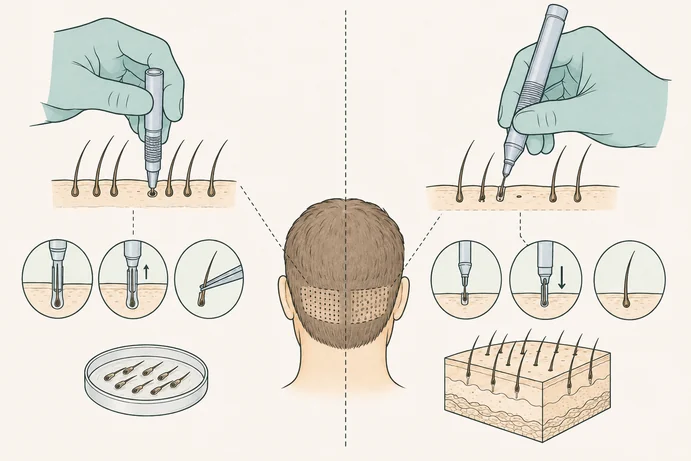
$2,700
$2,900
Graft implantation technique
FUE extraction plus DHI implantGraft trauma
MinimalHair's natural angle
NaturalGraft survival
98–100%Suitable for
Densification for androgenetic alopeciaPer method, survival and trauma figures are averaged and given for guidance: the exact numbers depend on the transplant area and the patient's individual features, and the doctor clarifies them at the consultation.
Meet a specialist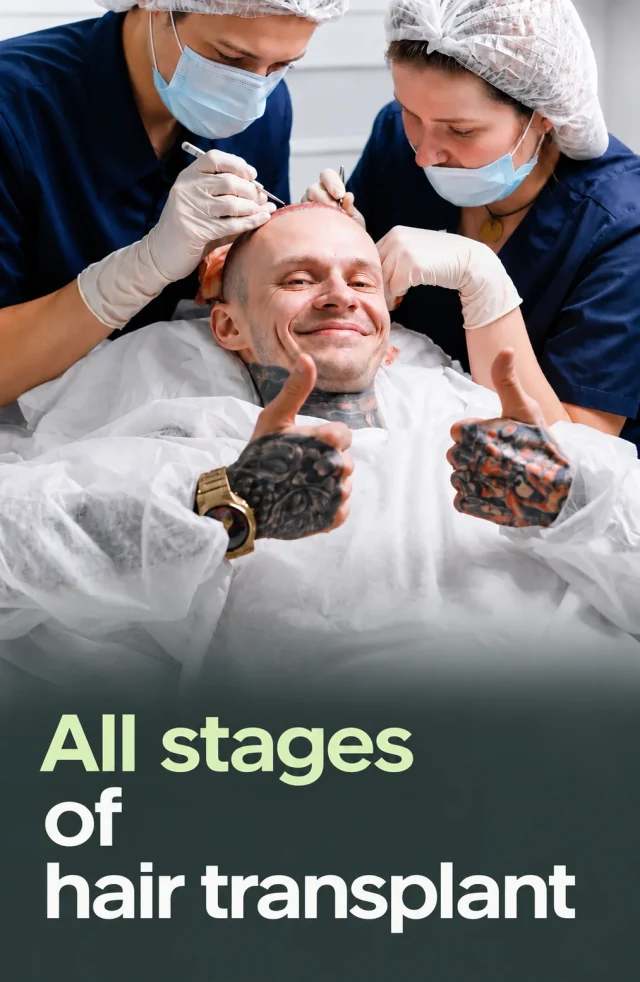
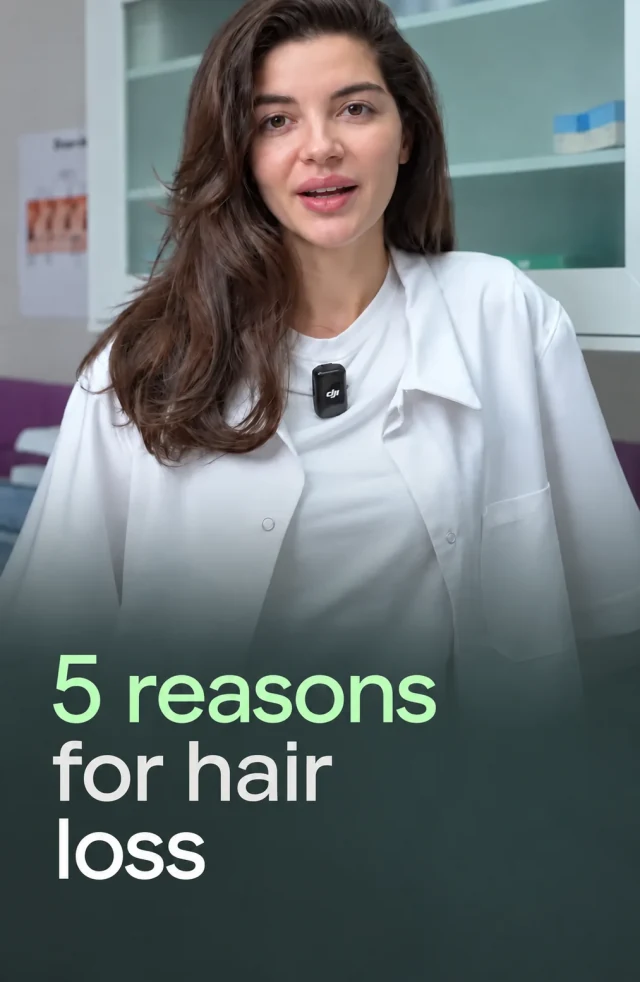
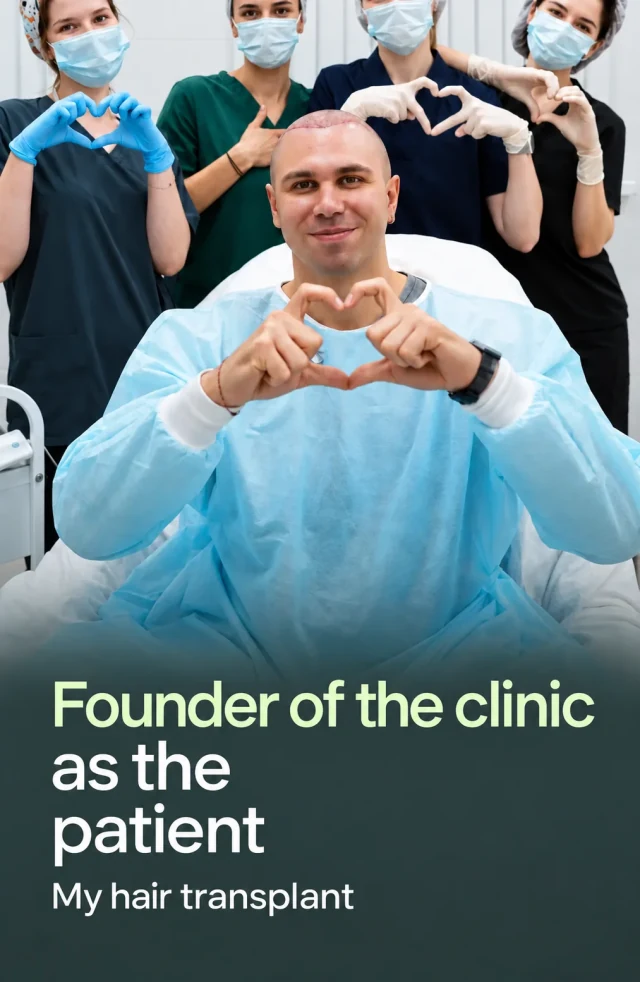
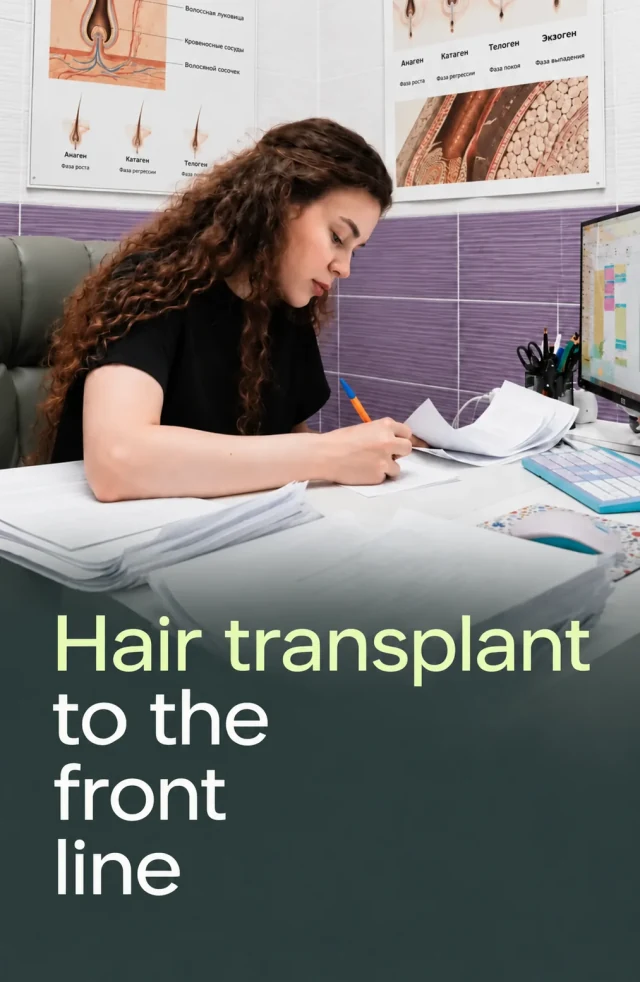
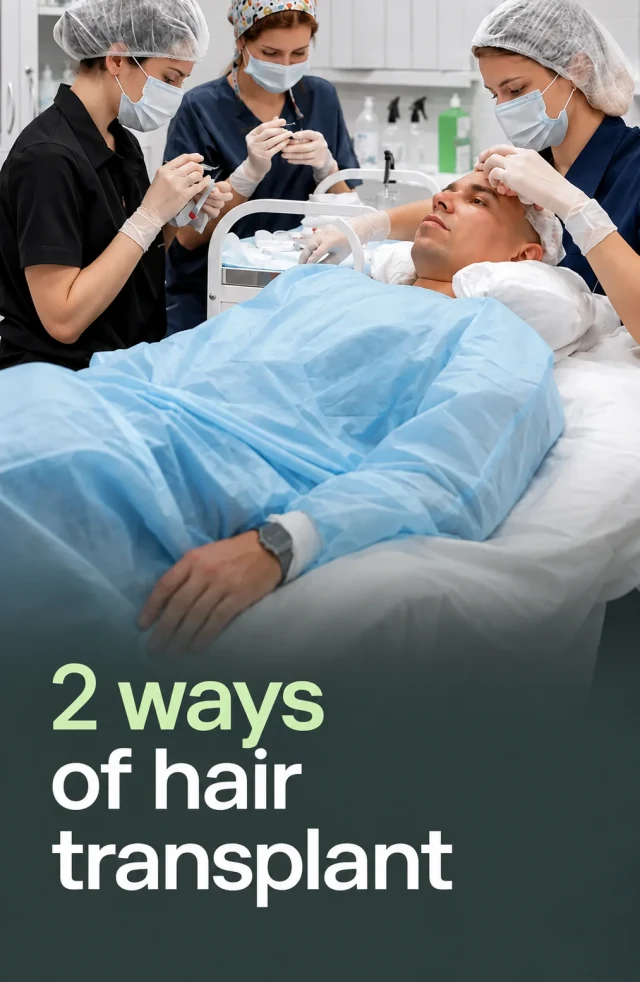


about the clinic
Care for every patient, comfortable rooms, modern equipment
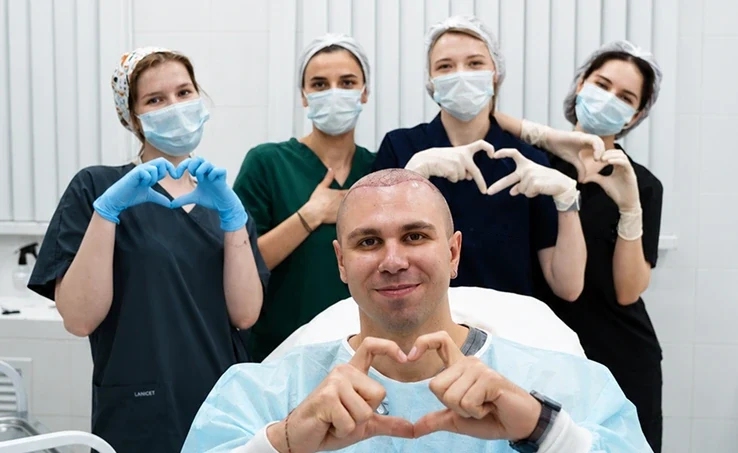
We will answer your questions and find you a convenient consultation time
Message us on Telegram Write to usWhen there is another way forward, the doctor names it at the consultation rather than booking you for surgery, and your money stays put. Just below are the situations where a transplant genuinely works.
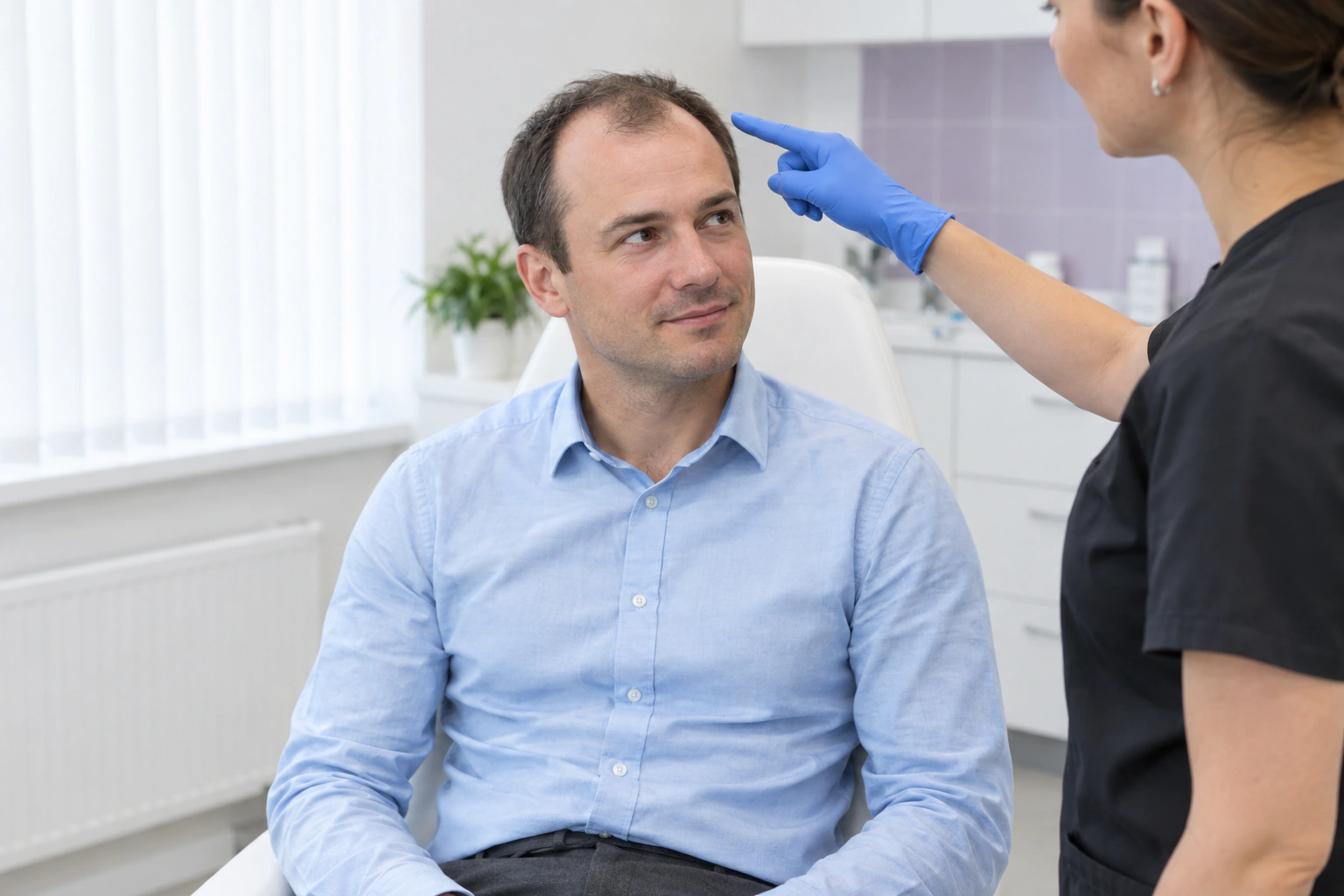

Tell us a number to call. Photographs of the affected area are sent to a coordinator in a messenger, a doctor examines them and answers whether a transplant would help. Free, and nothing is booked.
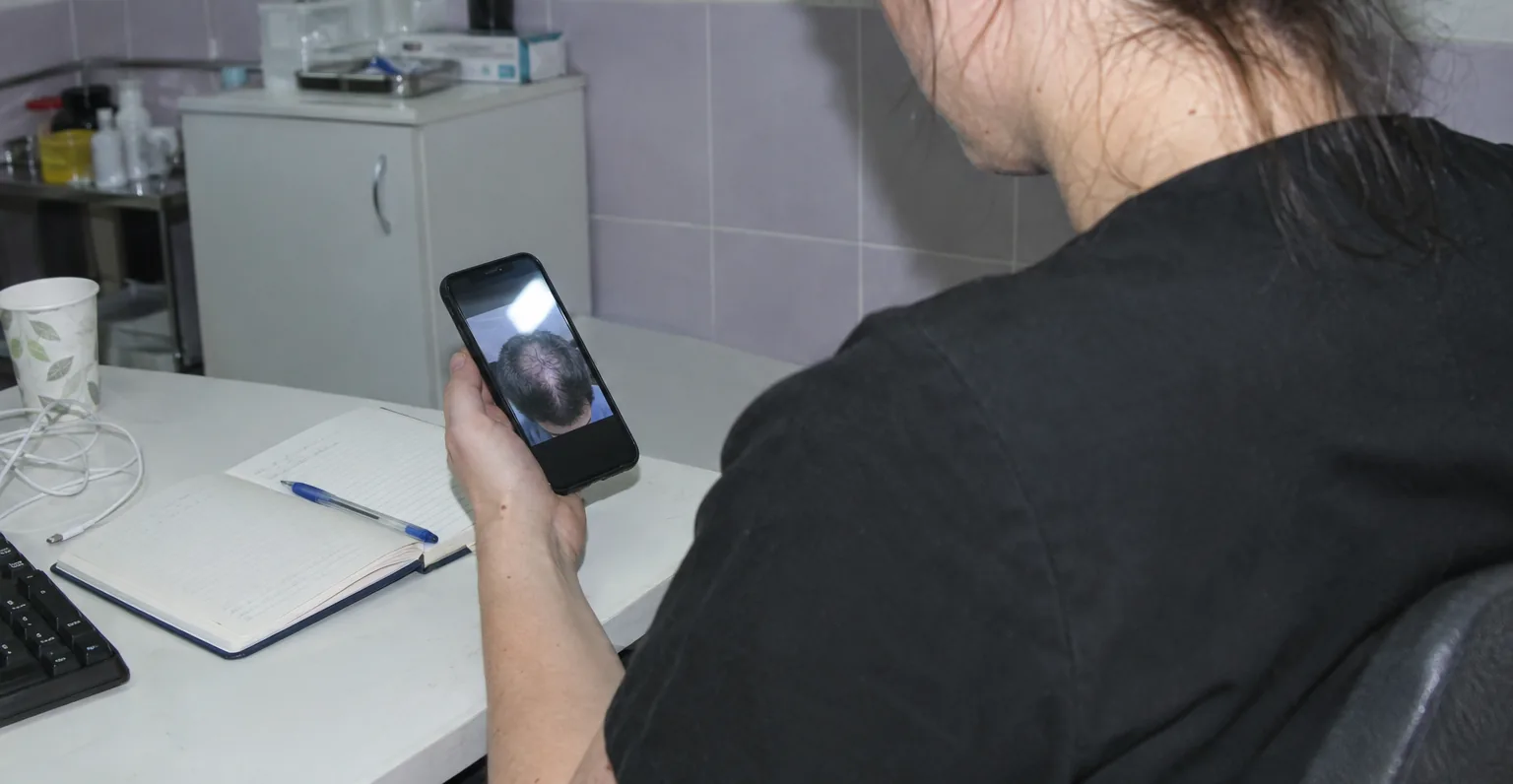
services
At the free consultation, after the grafts are counted, the cost is named and fixed in the contract.
suture-free graft extraction
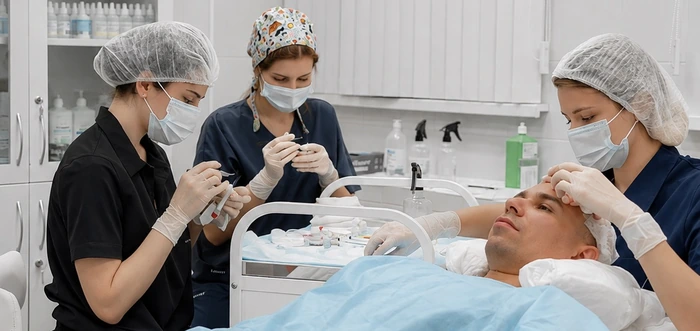
$2,200$2,700
or $367/mo — 0% instalments for 6 months
Set the price nowimplantation without channels
$2,500$2,900
or $417/mo — 0% instalments for 6 months
Set the price nowcombined technique
$2,700$2,900
or $450/mo — 0% instalments for 6 months
Set the price now| Your case reviewed | Free |
|---|---|
| Eyebrow transplant, FUE | |
| Beard transplant, FUEinstalments $467/mo | |
| Hair trichopigmentation | |
| PRP therapy / session | $200 |
all included
Planning beforehand and 12 months of follow-up after.
On surgery day the price stays where it was.
two extra zones
Not the scalp alone. The same grafts from the back of the head, the same FUE method — only the treated area changes.
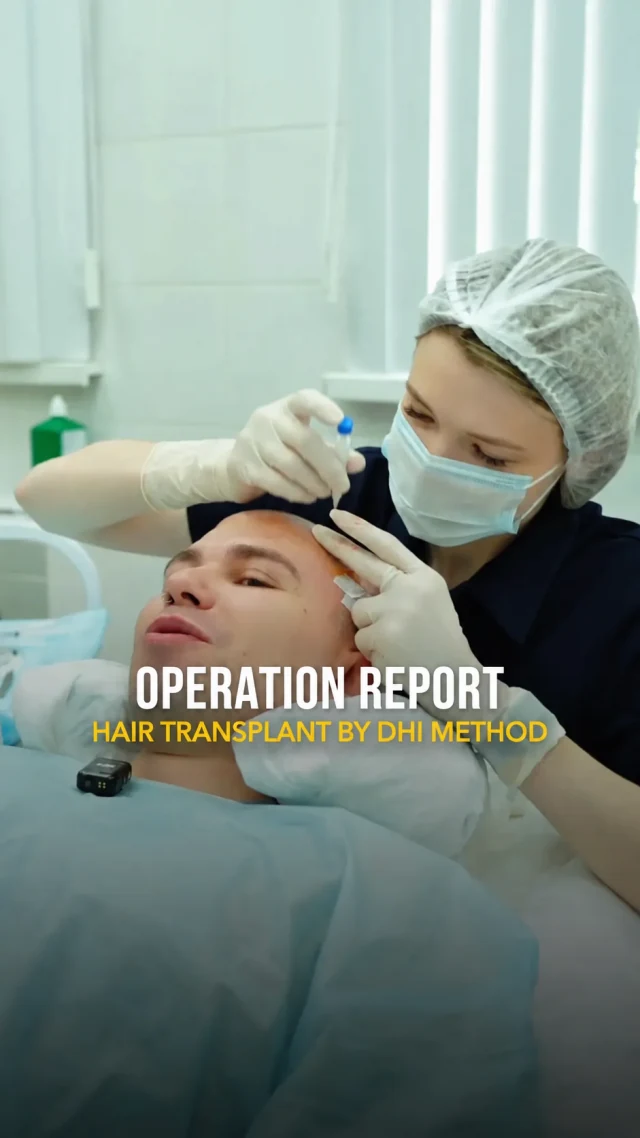
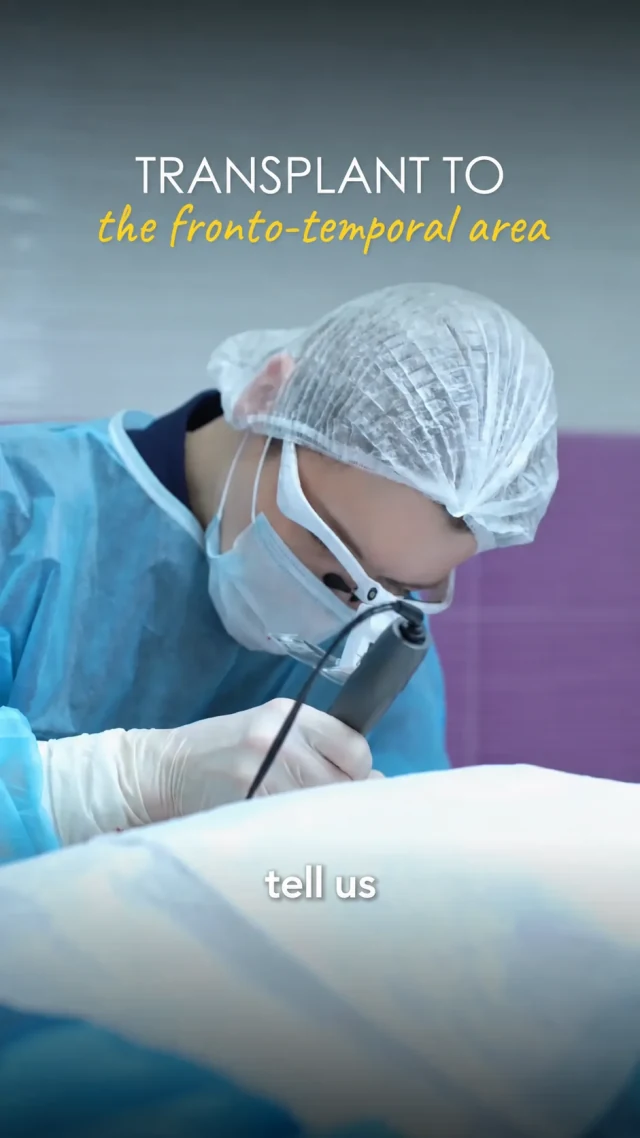
The FUE method, no incisions used
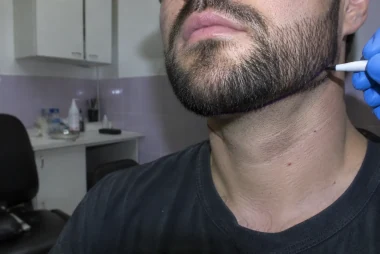
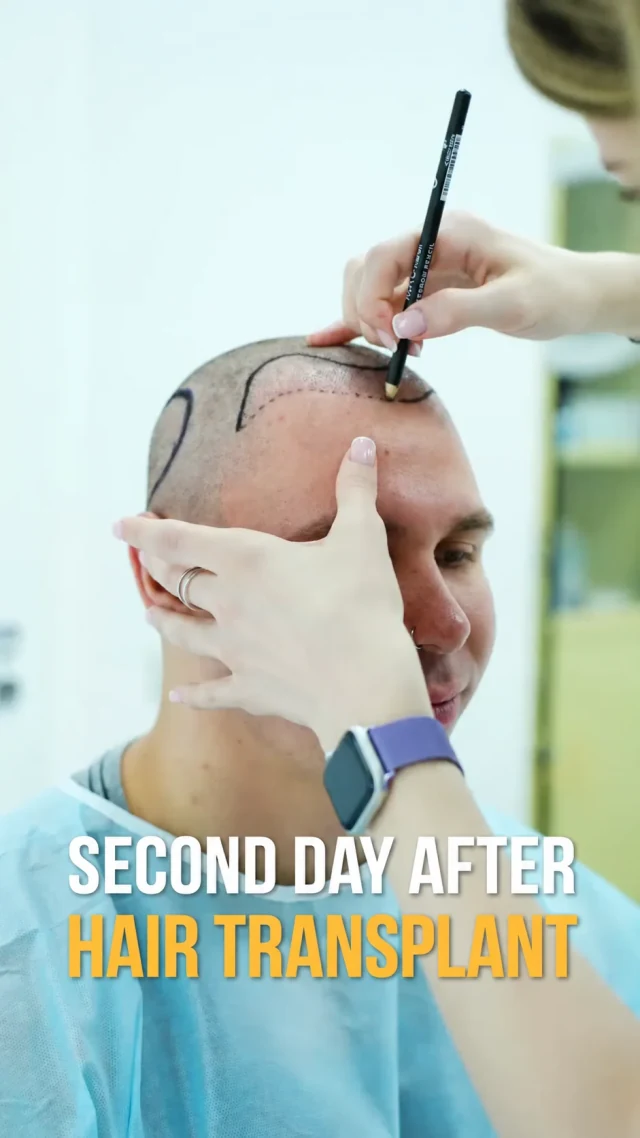
The grafts come from the donor area at the back of the head and go in through micro-punctures of about 1 mm, leaving no scars. Before the operation the doctor discusses the shape with you and takes your facial features into account. Transplanted hair grows for life: trim and style the beard as usual.
$2,800$3,000
or $467/mo — 0% instalments for 6 months
Set the price nowThe FUE method, no incisions used
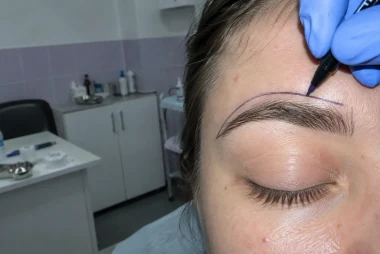
Design work happens up front: at the first appointment the surgeon draws the brow, reference photos are gone through jointly, and the lines follow the proportions of your face. Each hair is angled the way brow hair grows, so the result never looks stuck on. It also answers brows left bare by years with the tweezers.
$1,600$1,700
a day-case operation done under local anaesthesia
Set the price nowYou get an examination of the donor zone, a graft number and an honest forecast. The sum agreed at the appointment is the sum written in the contract.
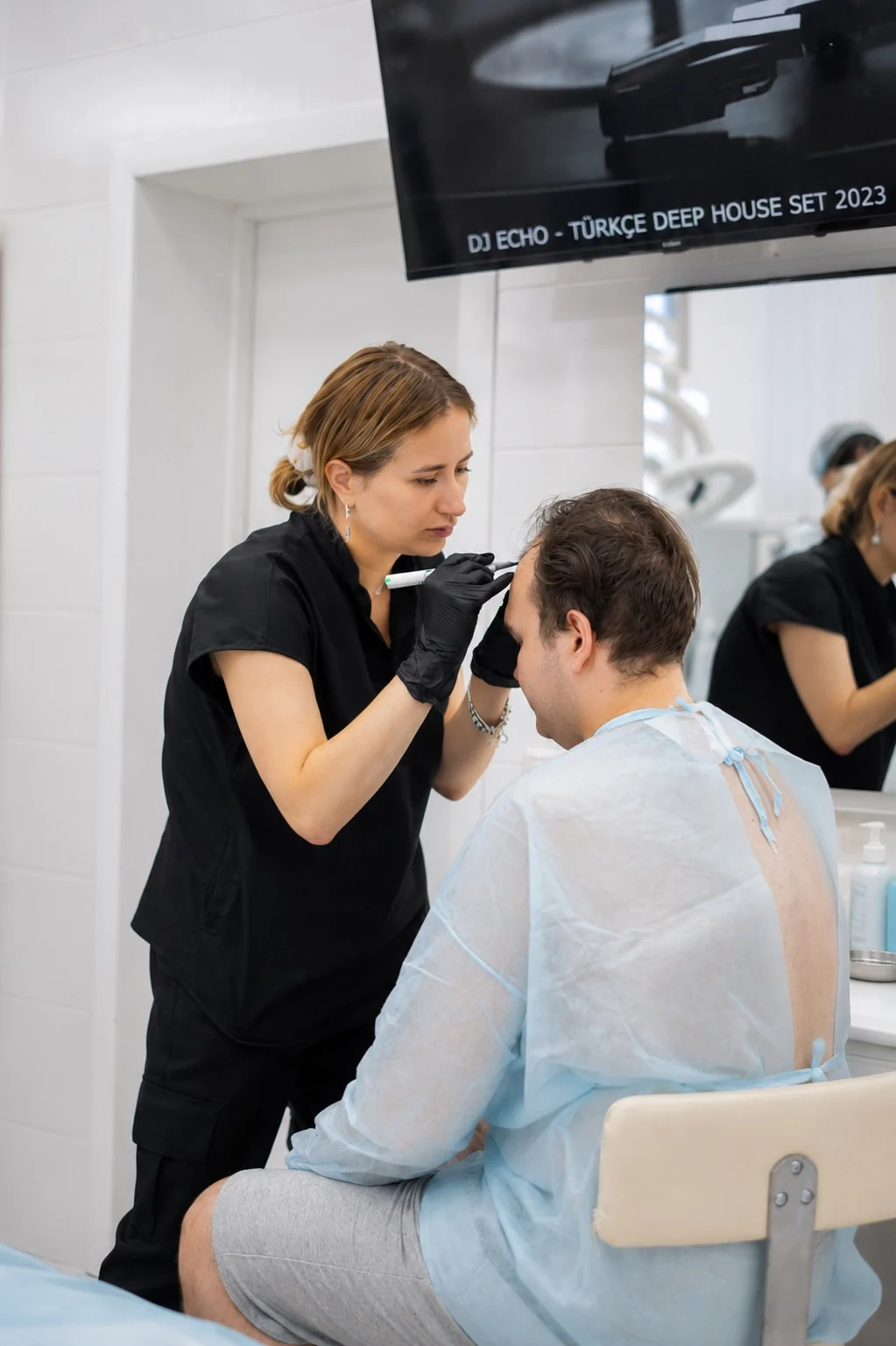
Message our coordinator
Free online consultation · Reply within 15 minutes
Message us on TelegramMessage us on WhatsAppBy messaging us, you agree to our Privacy Policy
Process
From consultation to going home — all in one day
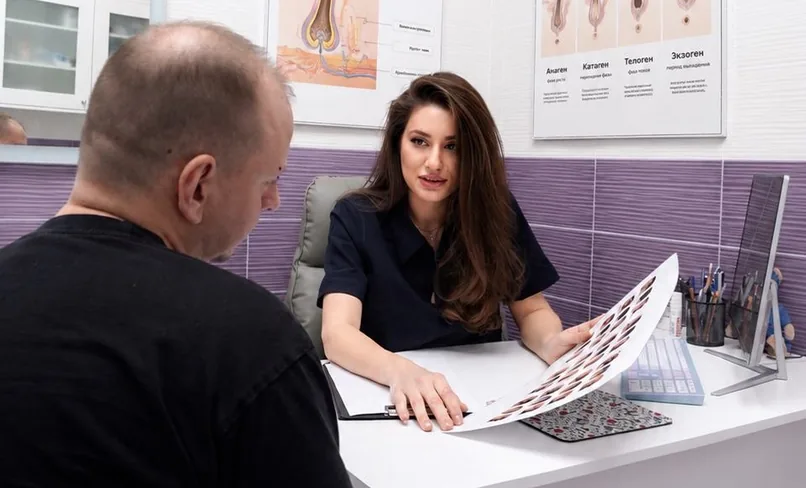
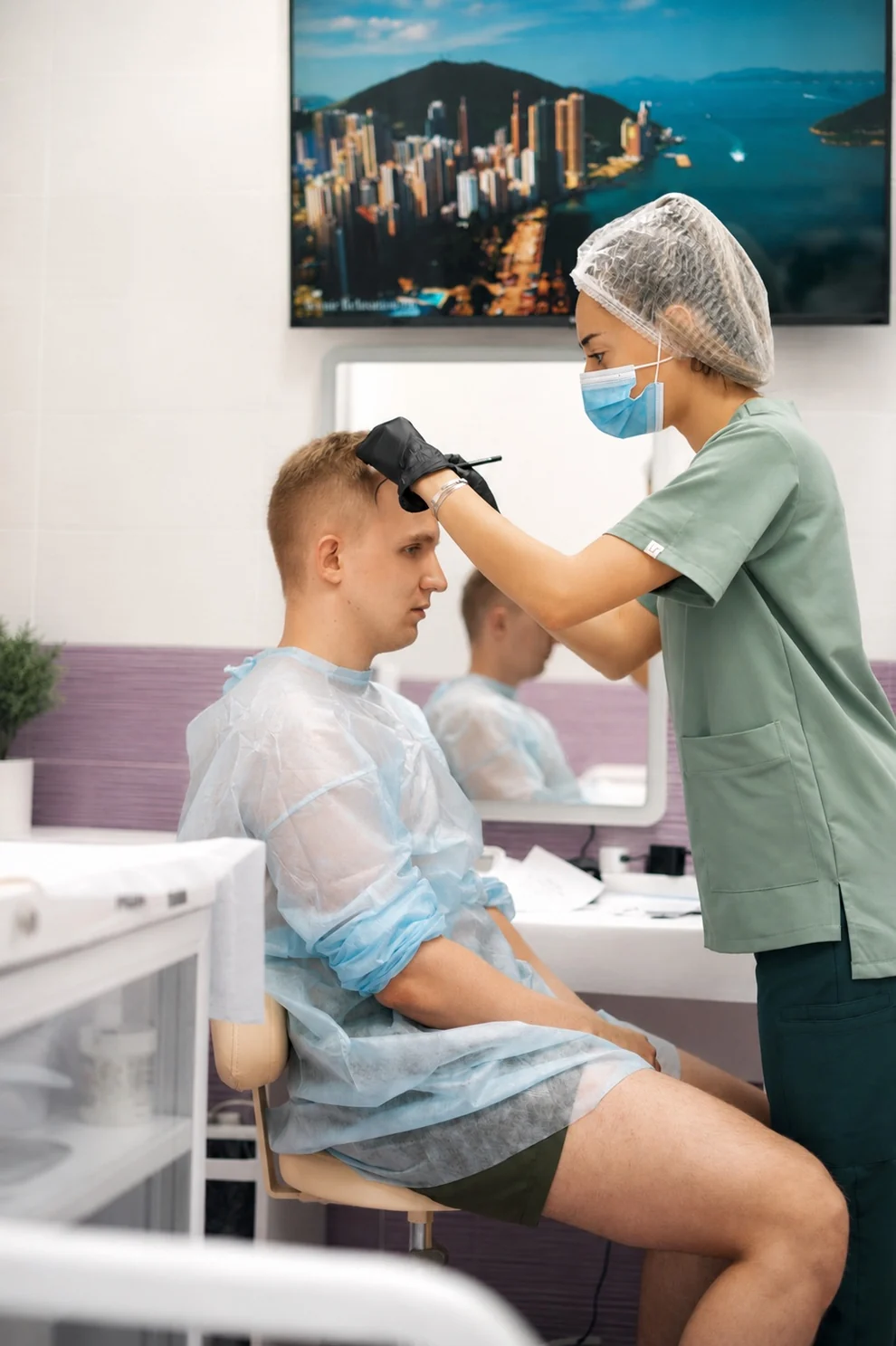
Your first contact with the doctor brings an explanation of FUE as well as DHI, replies to any questions, and a close look at the donor area.

A deposit reserves the day. Bring a card to the clinic if you prefer paying on site, or complete the payment online.
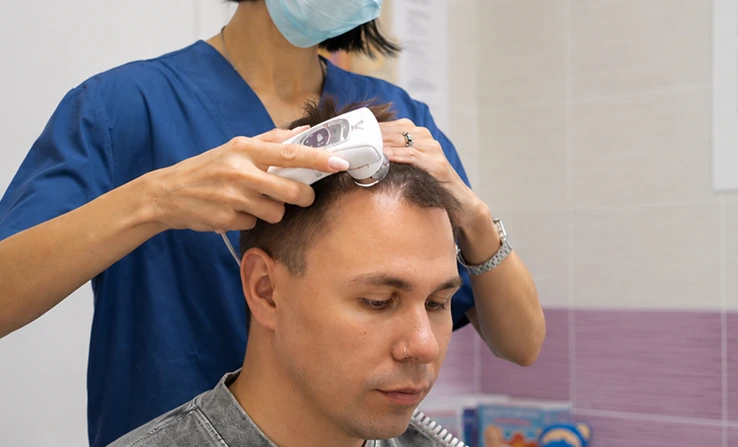
A list of required tests reaches you from the clinic, together with the instructions needed to complete them all.
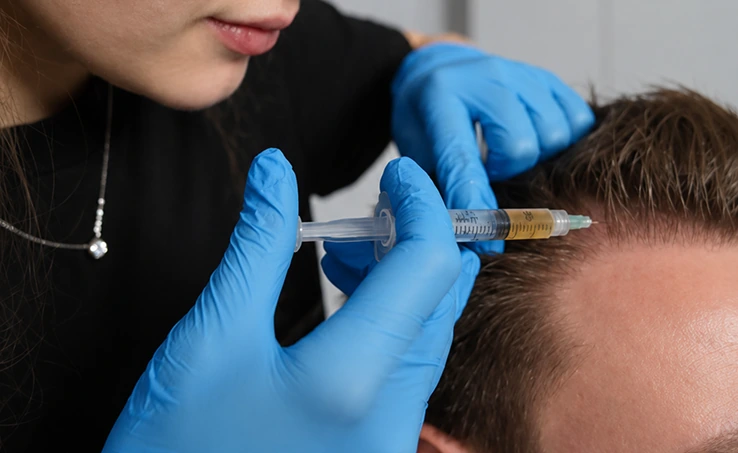
This step uses local anaesthesia to make sure the operation is completely painless.
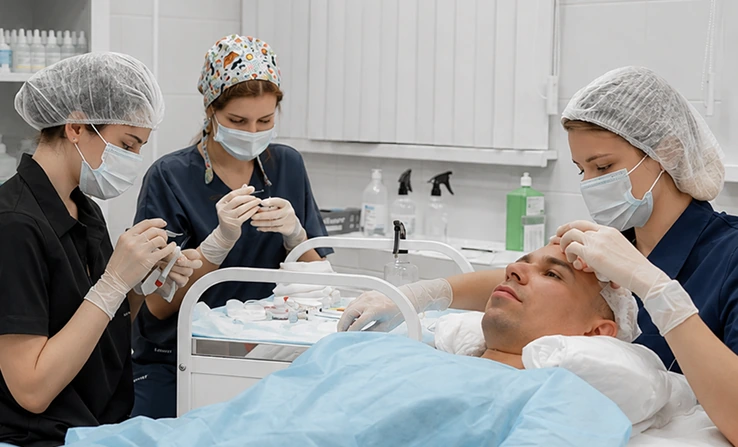
The area behind the head, or the temples, supplies the grafts, extracted with no need for sutures.
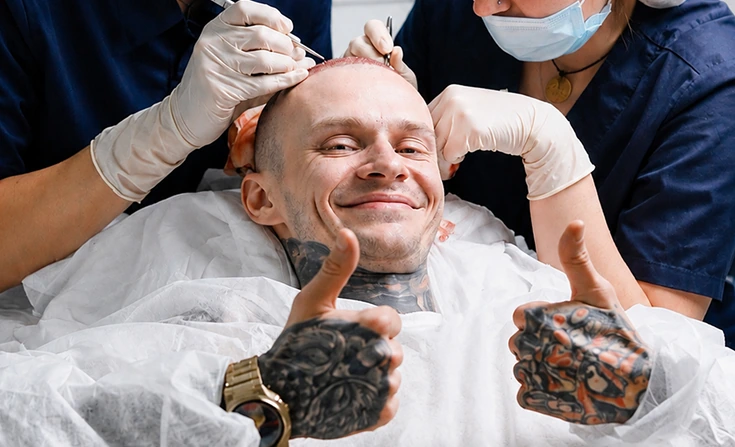
The grafts taken from the donor zone are implanted where hair is missing.
The necessary items are given out by the clinic, with instructions that cover the whole healing period.
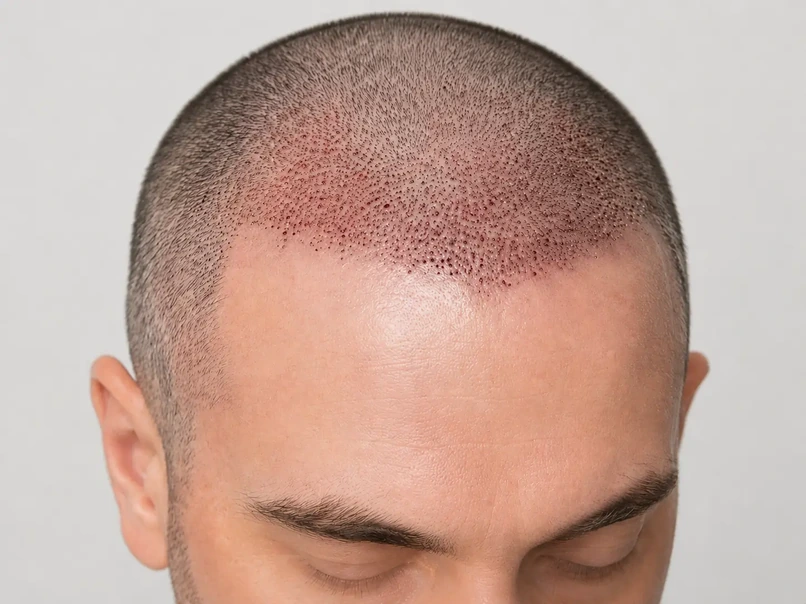
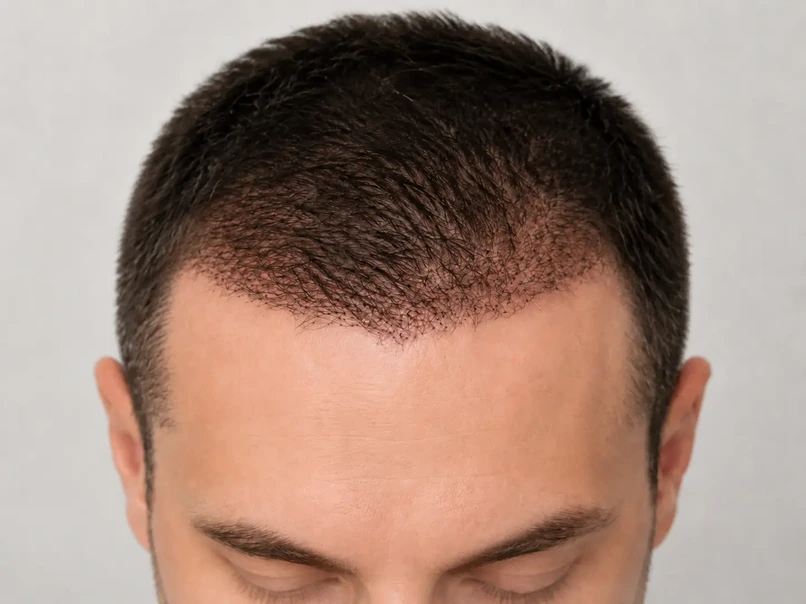
The crusts come off, the swelling falls, the area gradually recovers
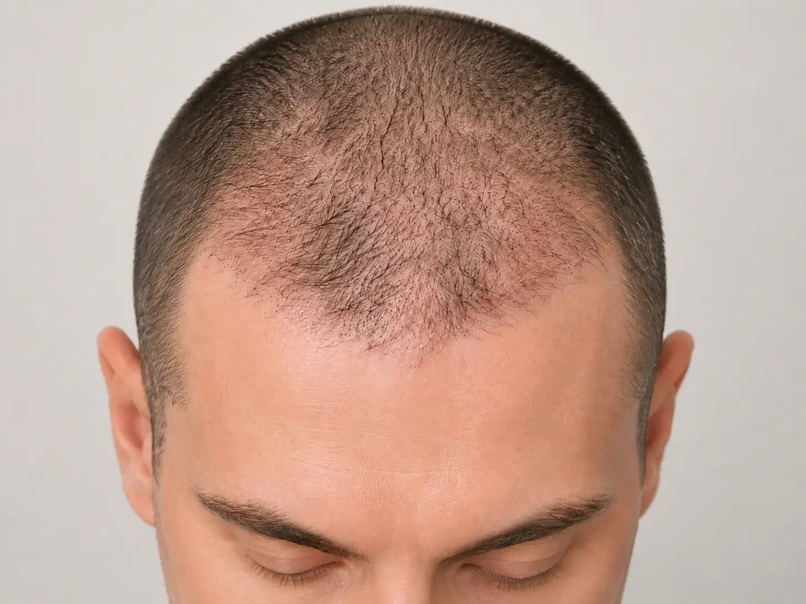
Expected and temporary: the shafts go, the roots stay put
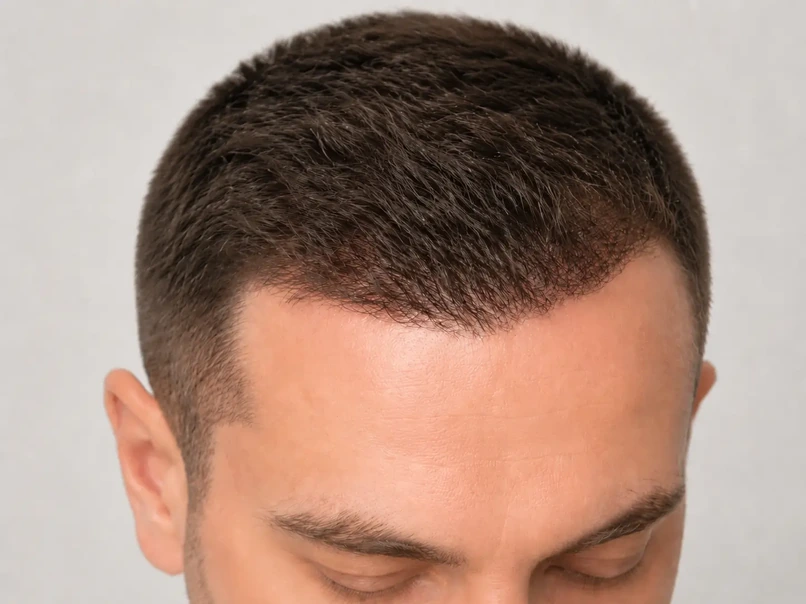
Fresh growth comes through, and the change becomes visible
The hair gains density, and the volume and hairline are clear
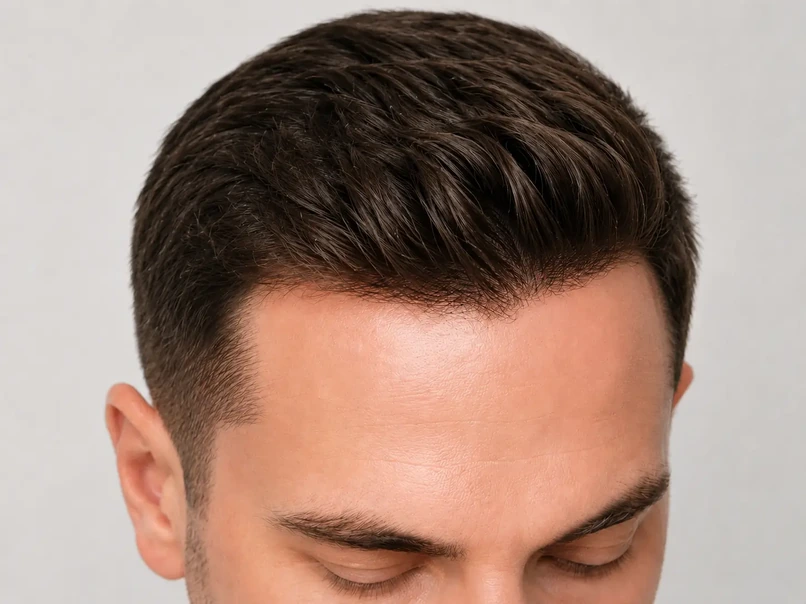
Full thickness arrives, with a natural-looking hairline
Free, ahead of surgery and with no obligations.
Meet a specialistdoctors
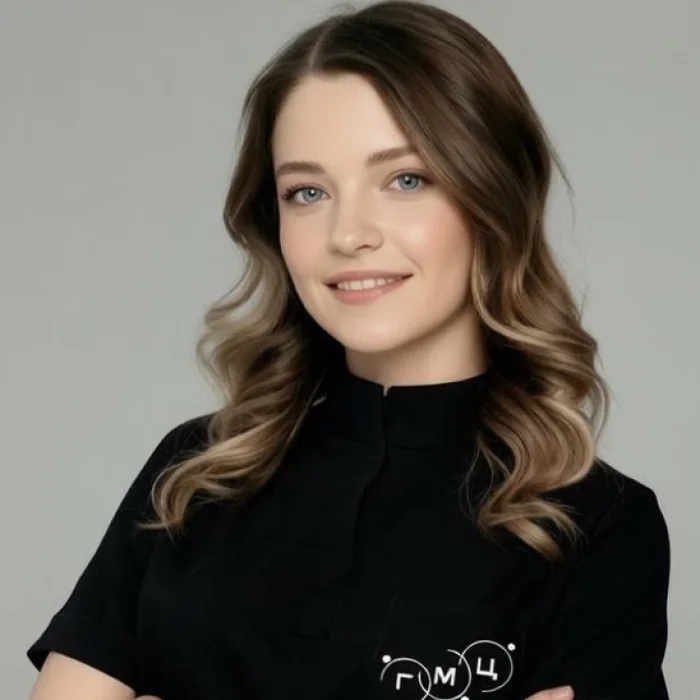
Hair transplant doctor, trichologist, surgeon
10 years of experience
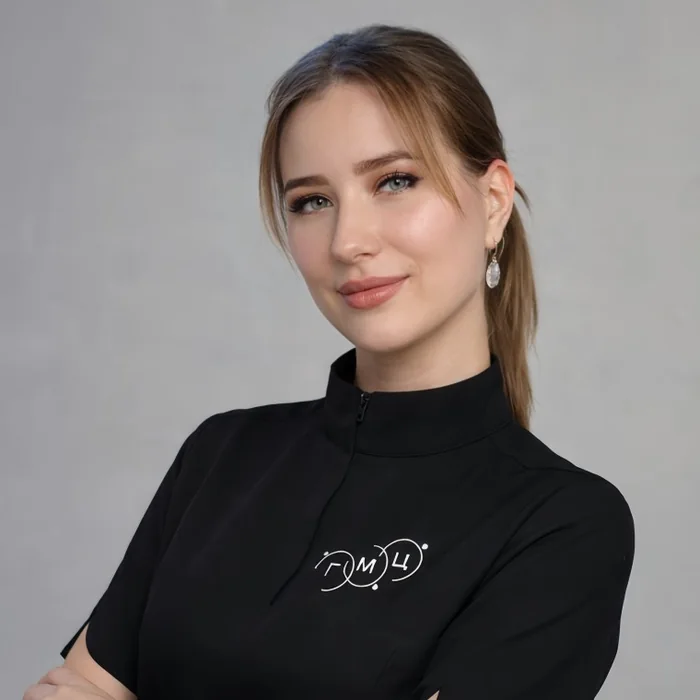
Dermatovenereologist, trichologist, surgeon
11 years of experience
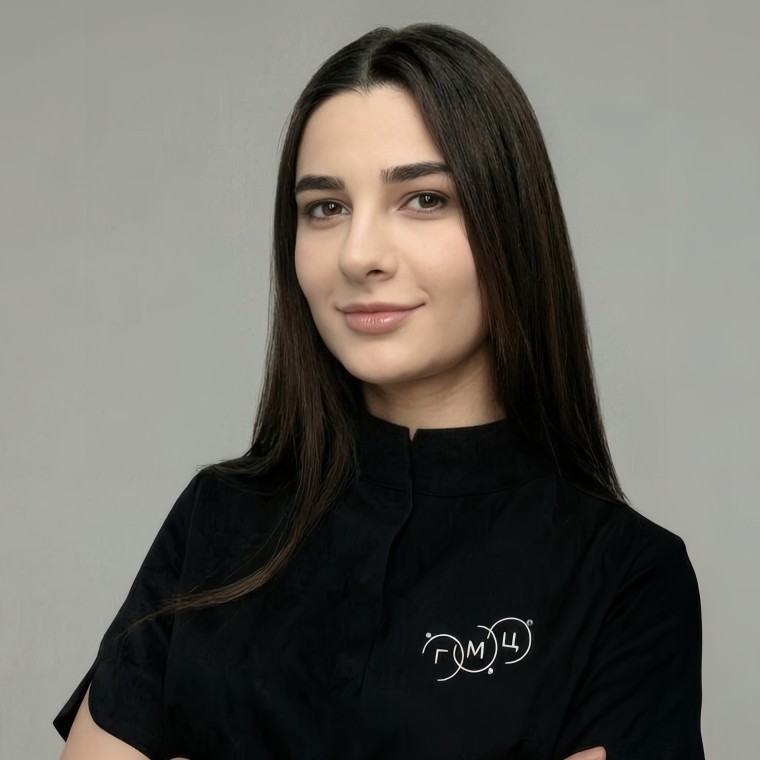
Plastic surgeon
9 years in practice
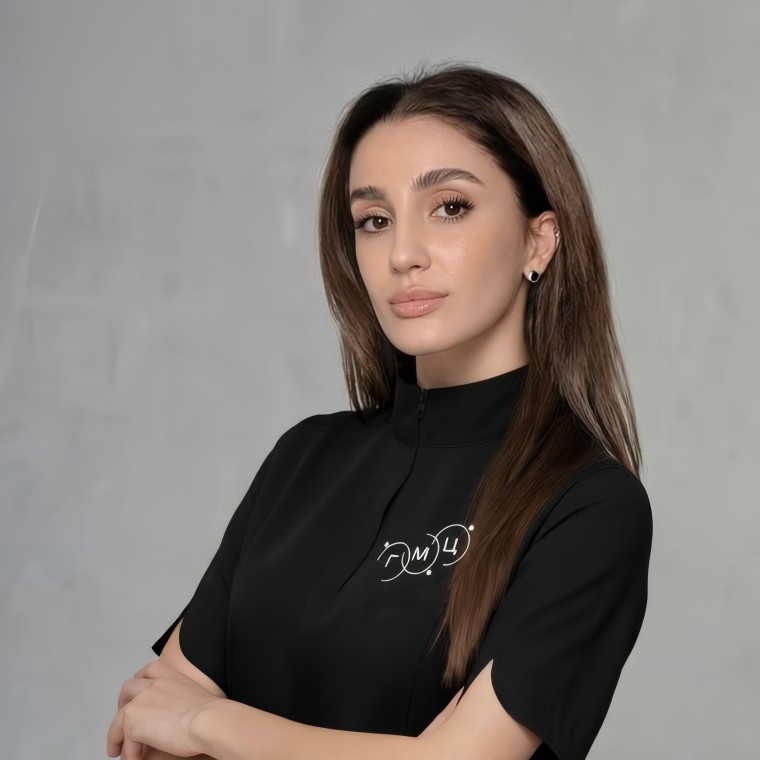
Plastic surgeon
9 years in practice
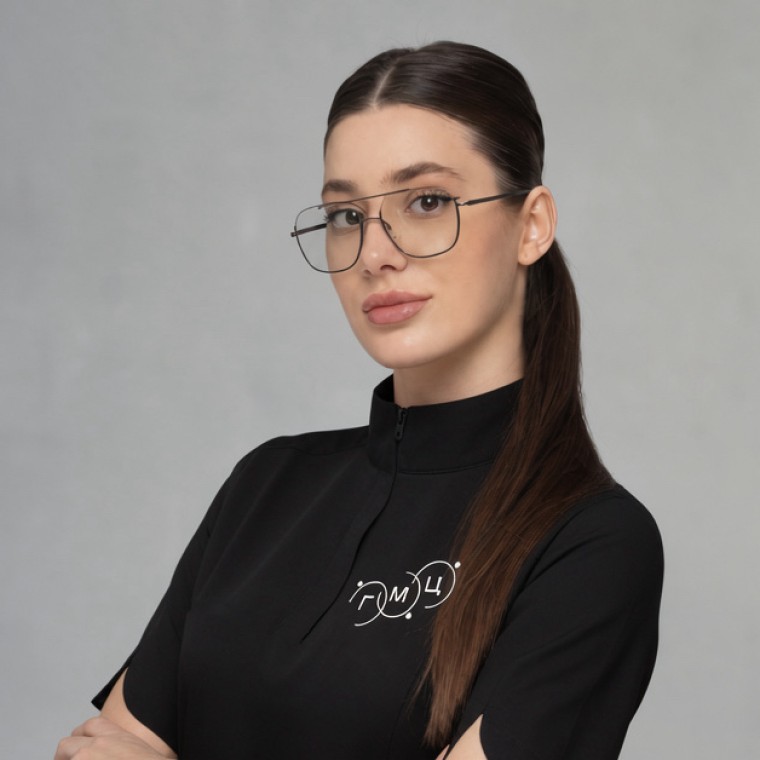
Assistant
9 years in practice
At the appointment the donor zone is assessed, the grafts counted and the outcome described.
Meet a specialistcoordinators
Your coordinator is the same person at the first message and at the last check during recovery.
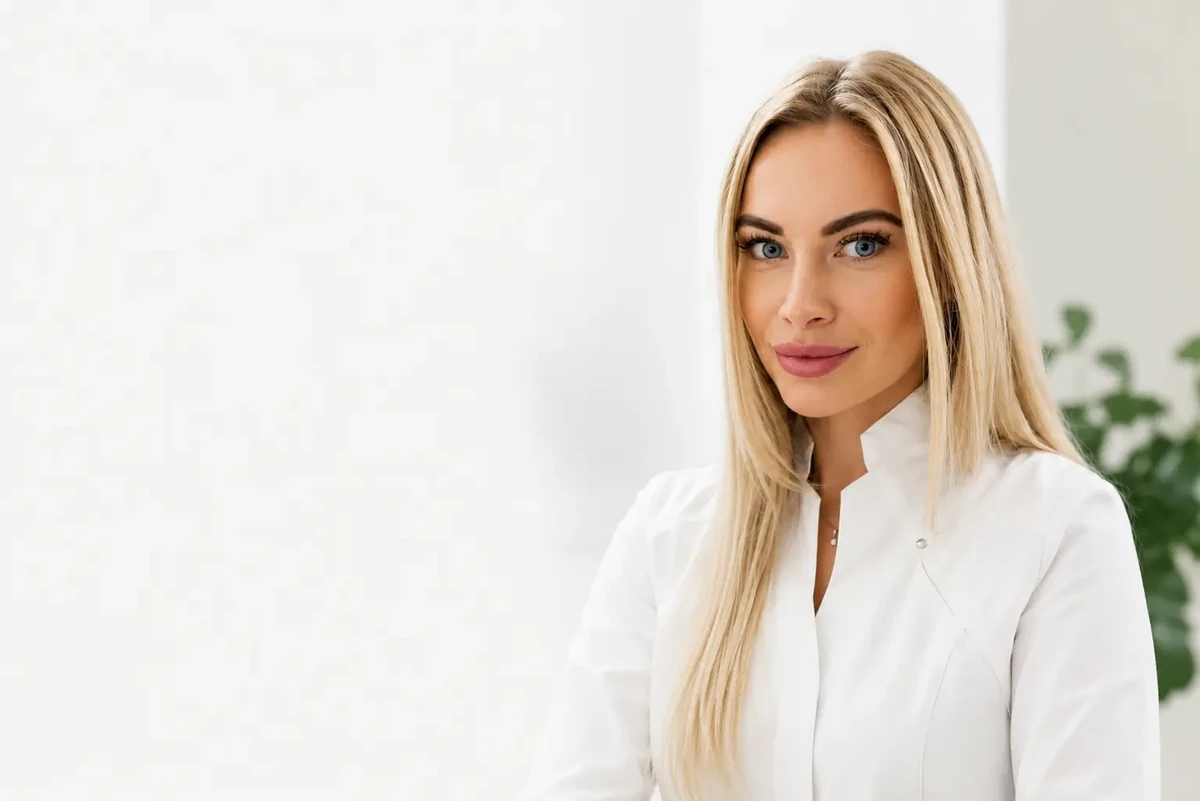
Patient care coordinator
Will support you ahead of and after surgery
Handles the paperwork and your bookings
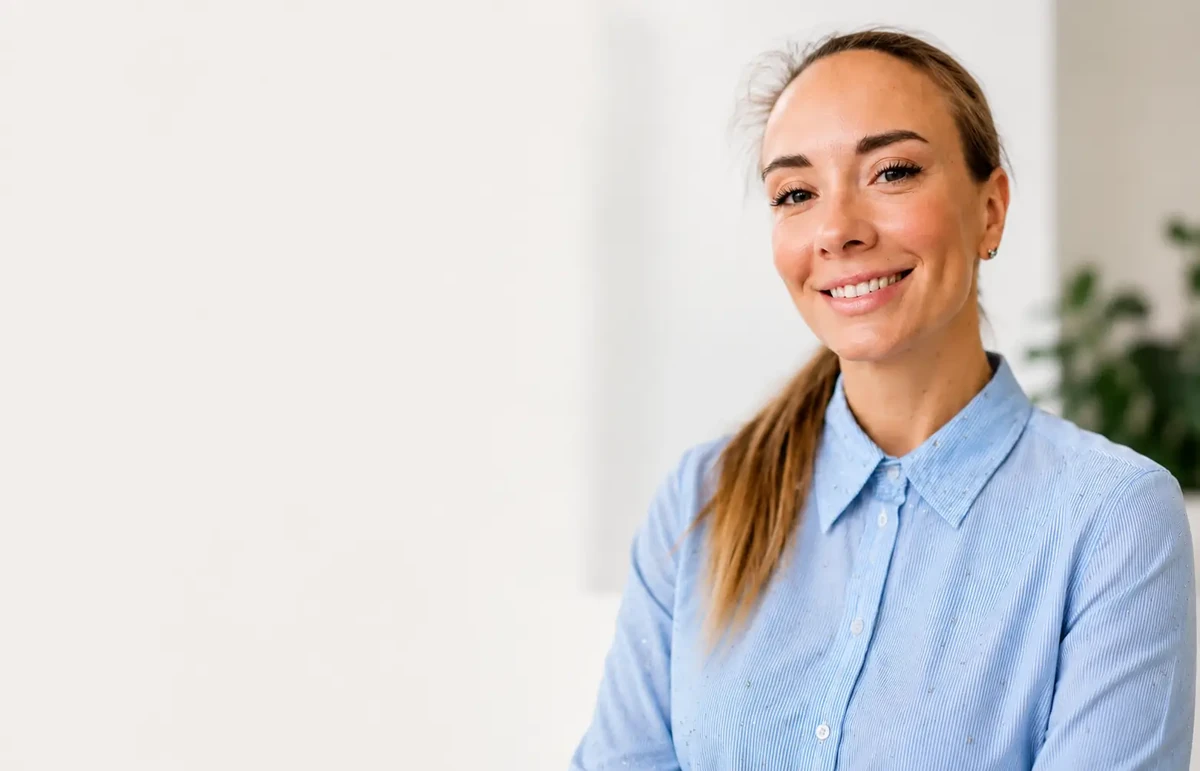
Patient care coordinator
Will support you ahead of and after surgery
Handles the paperwork and your bookings
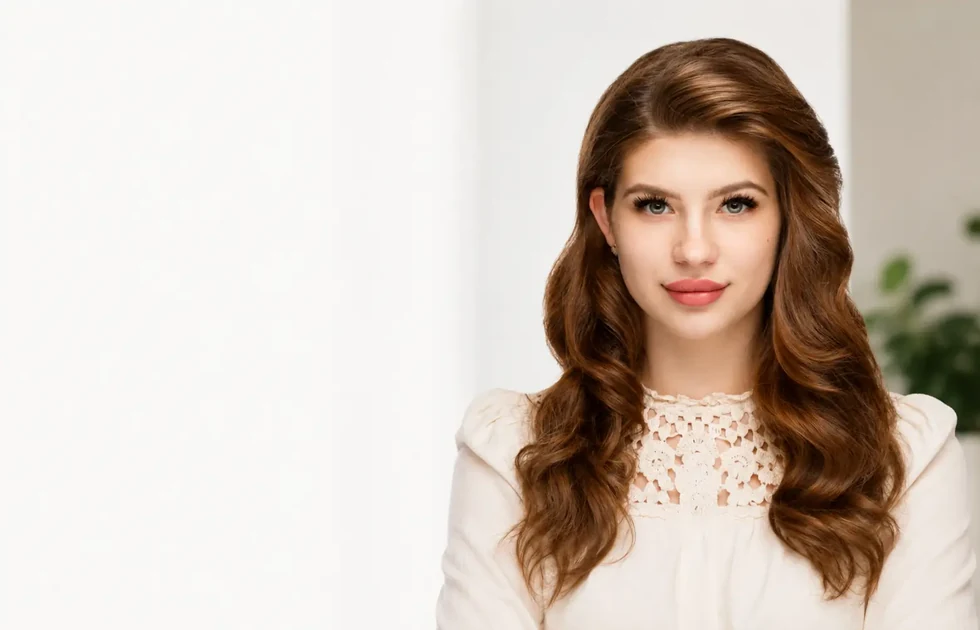
Patient care coordinator
Will support you ahead of and after surgery
Handles the paperwork and your bookings
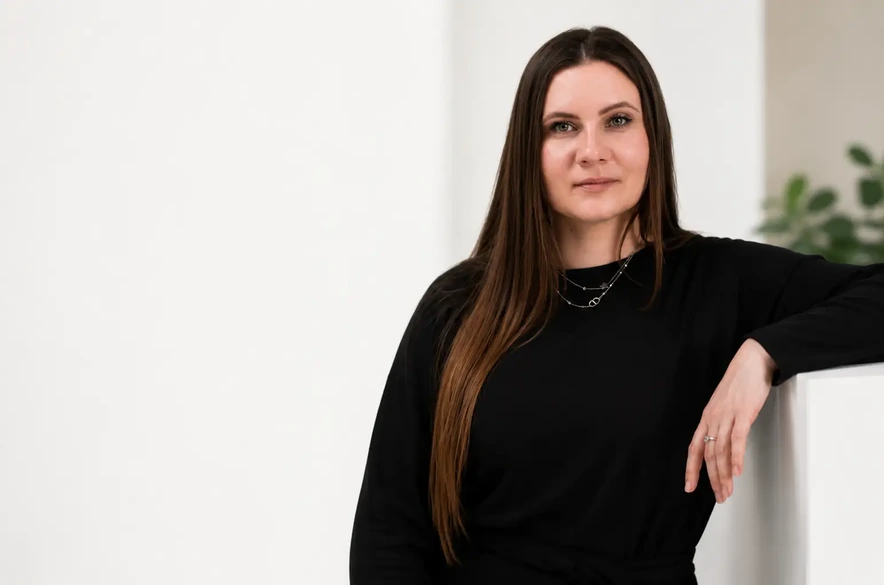
Patient care coordinator
Will support you ahead of and after surgery
Handles the paperwork and your bookings


We will answer your questions and find you a convenient consultation time
Message us on Telegram Write to usPoints people raise
Yes — City Medical Centre accepts patients wherever they happen to live, and an online consultation is the natural starting point.
FUE is $2,200 (≈ SAR 8,300), DHI is $2,500 (≈ SAR 9,400), combined DHI+FUE is $2,700 (≈ SAR 10,500). A free consultation with a graft count gives you the exact, contract-fixed price.
One day covers the entire operation, and home follows.
You will not feel pain — local anaesthesia covers the whole session.
FUE is the classic method: grafts are harvested with tweezers, with no cuts or stitches. DHI implants grafts without channels, using a Choi pen. A combined method harvests grafts by FUE and implants them with the DHI pen.
Your graft count is worked out for free by the doctor during the consultation, based on the donor zone.
After surgery, 0–10 days are enough for healing. A 2–4 week shed is normal. Hair starts again at 3–4 months, thickens visibly through 6–9 months, and the finished look lands at 12–18 months.
A contract-backed, lifetime guarantee of hair growth comes with every procedure.
The clinic holds a medical licence, care is provided to the standards and clinical guidelines
of the Ministry of Health.
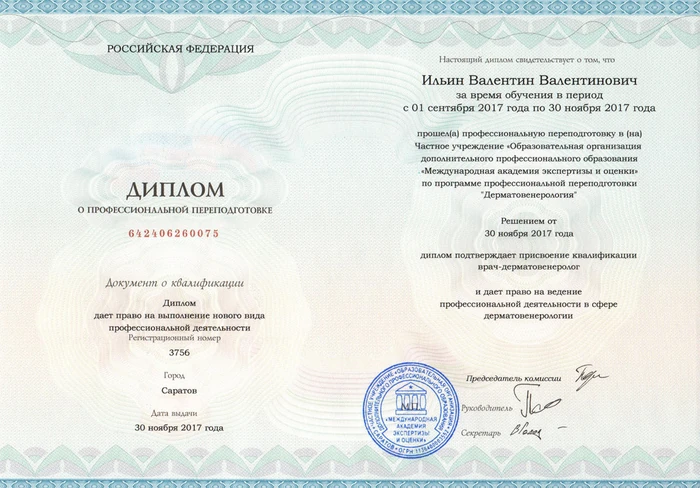
Papers proving the qualifications behind every operation
Look at the documentsAKC POMOSHCH LLC
the clinic's legal entity
1057746096924
OGRN
7728536872
INN
FUE and DHI suit the everyday realities of a patient in Al Kharj: one day of surgery, local anaesthesia rather than anything deeper, and a scalp that is neither cut nor stitched at any point.
Begin with a photo, not with paperwork, if you are in Al Kharj: the free online consultation gives the doctor a view of the thinning area and a graft count. The clinic is in touch 24/7, so the answer is never delayed for long.
Recovery runs 0-10 days; the transplanted hairs shed at 2-4 weeks and this frightens nobody who was warned; growth returns at 3-4 months, density at 6-9, the finished result at 12-18. A personal coordinator keeps photo control at 1, 3, 6, 9 and 12 months, and the growth guarantee is for life.
Prices are in US dollars; the amount in brackets is an approximate conversion to SAR at the rate of 02.10.2026. The final price is fixed in your contract.
By messaging us, you agree to our Privacy Policy
Known people who talked openly about this operation, in their own words.
 John Cena's hair transplant: “I got a problem, I try to fix it”John Cena spoke openly in 2025 about his hair transplant and the fan signs that pushed him to it. His words, how the procedure works and the recovery.
 Did Calum Best have a hair transplant? Yes, and he said so himselfCalum Best said in 2023 he had his sixth hair transplant, this time using patches of beard hair. His words, how the procedure works and recovery.
 Did Chloe Goodman have a hair transplant? Yes, and she explained whyChloe Goodman had a hair transplant in 2025 after losing hair following pregnancy. Her own words, how the procedure works and what recovery involves.
 Did Dean McCullough have a hair transplant? Yes, and he filmed itRadio 1 presenter Dean McCullough shared his FUE hair transplant on TikTok in 2024. His own words, what the swelling means and how results develop.
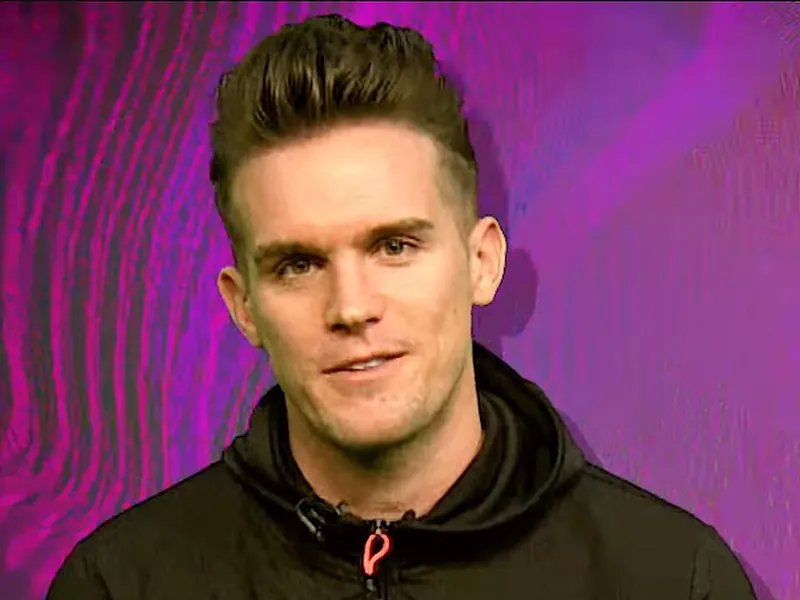 Gaz Beadle on his beard transplant: “I LOVE IT”Gaz Beadle told his 3.6 million followers he had a beard transplant after years of patchy stubble. His own words, and how a hair or beard transplant works today.
 Did Jack Fincham have a hair transplant? Yes, and he explained whyJack Fincham had a hair transplant in 2020 to cover a scar from a childhood head injury. His words, how the procedure works and recovery.
What patients write after this operation. Reviews are translated from the original language.
Andrey M.
I had the operation a month ago. Before and after surgery they were always in touch and helped with questions about my tests. The operation itself went wonderfully, the staff are polite and masters of their craft, you feel you are in safe hands. I am recovering now, and they answer all my questions. I am happy and I recommend them!
DHI hair transplant
Pavel Sinitsyn
The best clinic of all the ones I was choosing from. No regrets at all! The result is simply amazing, I am thrilled. I recommend it to everyone: these people do great work and make people happy. Once again, a huge thank you to everyone. Roman, the head of the clinic, is the best: he was personally in touch with me and looked after my recovery. Thank you for making my dream come true.
FUE hair transplant
Maria Akopyan
I thought about an eyebrow transplant for a long time and finally went for it. At first I was afraid the result would look unnatural, but when I saw my new eyebrows I was delighted! They came out full and in harmony with my face. I can hardly believe that now I just wash my face and go, I have never felt so free. For anyone tired of constant make-up, a transplant is a real lifesaver!
Eyebrow transplant (FUE)
Alexander M.
I really wanted a thick beard, but I had problems with it. I tried every home remedy and minoxidil, and nothing helped. After a long search for the best clinic I settled on this one. Thank you so much for the service, I liked everything and now I am happy! I had the beard transplant 10 months ago and I am very pleased with the result. By the way, the music in the clinic was great, as far as I remember. A friend of mine has already come to you for a transplant on my advice and was also happy with the result. I wish you every success!
Beard transplant (FUE)
Vladimir Z.
I went to the clinic to see a trichologist and had a hair transplant. I really liked the doctor's approach, and all the recommendations helped. I want to point out that nobody tries to sell you extra services: they tell you things as they are, and if some treatment is not needed, they do not push it. Cosy and clean.
DHI hair transplant
Artem Popov
This may sound obvious, but a head of hair really changes everything in your life. You feel much more confident and go through life like a winner. And it is all thanks to the doctor at this clinic and to the staff who take care of their patients. Many thanks to the clinic for a happy life with new hair, for the comfortable conditions and for the professionalism during the hair transplant.
FUE hair transplant
Al-Kharj's governorate was home to 373,177 people in Saudi Arabia's official 2022 census, with Saudi nationals accounting for roughly 242,630 of that count and non-Saudi residents for about 130,547. A city that size, built around large dairy farms, vegetable growers and an industrial zone of several hundred factories, has a workforce that spends long hours outdoors or under hard hats and safety caps, and thinning hair is one of the things people in that kind of daily routine notice early and ask about directly rather than let slide.
Most questions start the same way: a photo of the crown or the hairline sent to a coordinator on Telegram or Telegram, available at any hour, with a short description of how long the thinning has been going on and whether it runs in the family. From that alone a doctor can usually say whether FUE or DHI is the better fit, or whether the pattern needs a different kind of attention altogether, before anything is booked or paid for.
A transplant makes sense for androgenetic or diffuse hair loss, a receding hairline or thinning patches where the follicles at the back of the head are still healthy and can be relocated. It is not the right tool for hair loss tied to an active illness, a hormonal imbalance that has not been treated yet, or scarring from an injury or burn, because moving grafts into skin that has not settled rarely holds up.
A short list of conditions rules the procedure out on medical grounds — uncontrolled diabetes, serious heart disease, a pacemaker, epilepsy, an anaesthetic intolerance, or being under eighteen — and a consultation exists precisely to catch these before a date is set, not after. The procedure itself is done under local anaesthesia, so the day of surgery is not painful, and patients go home the same day.
Al-Kharj's summer is one of the harsher stretches on the Arabian Peninsula: daytime highs average close to 48°C with overnight lows still near 31°C, while winter sits far cooler, with highs around 18°C and lows near 5°C once December and January set in and rain becomes genuinely rare. In the first ten days after a transplant, while small crusts on the scalp are still finishing and the skin underneath is settling, that kind of heat makes a loose hat or scarf that does not press on the grafts, and simply staying out of direct midday sun, more than a comfort choice.
Once the transplanted hairs shed on schedule between weeks two and four, the scalp itself has already healed, and heat stops being a concern tied to the surgery and becomes an ordinary sun-care habit instead — a loose hat outdoors while new growth starts around month three or four. Some patients in Al-Kharj simply prefer to time the procedure for the cooler months between September and January, when the first ten days are easier to sit through indoors or in the shade, though nothing about the healing timeline itself changes with the season.
Staying properly hydrated matters in any season here, but it matters more during a summer where the air itself carries heat long after sunset; drinking water through the day rather than catching up in the evening is a simple habit that supports the same healing the clinic already expects to see. Anyone who works in the fields or factories around Al-Kharj and has to be outside by day usually finds that arranging outdoor shifts around the peak of the heat, rather than avoiding them entirely, is the most realistic approach.
The early shedding of the transplanted hairs between weeks two and four is a normal, expected stage, not a sign that anything has gone wrong — the follicles themselves stay in place under the skin. Visible new growth generally begins around three to four months, and by six to nine months the increase in density is usually obvious rather than something you have to look for.
The settled, final shape of a transplant is judged later still, typically between twelve and eighteen months, once the hair has grown in fully and the front line has taken its lasting form. Scheduled check-ins along the way — the clinic's own routine runs through roughly the first year — let a patient in Al-Kharj ask about any point in that stretch rather than guess at what a given week should look like. Photographs taken from the same angles before surgery and at each review make the gradual change easier to follow than memory, particularly because new growth arrives in stages over many months.
Every health practitioner working in Saudi Arabia is registered through the Saudi Commission for Health Specialties (SCFHS), which licenses doctors across specialties and runs a registration-verification service through its own digital portal. Asking a prospective surgeon for that registration detail, and confirming it through the Commission rather than taking a claim at face value, is a reasonable step before committing to anything.
Saudi Arabia's cooperative health insurance became compulsory for non-Saudi employees in 2005 and was extended to Saudi private-sector workers in 2008, under rules set by Saudi Arabia's dedicated health-insurance regulator; it is built to fund essential and curative medical care. An elective, cosmetic procedure like a hair transplant sits outside that core coverage, so patients in Al-Kharj — Saudi and non-Saudi alike, and the governorate's population is close to a third non-Saudi — arrange and pay for it privately, the same way patients do anywhere cosmetic surgery is a personal choice rather than a medical necessity.
The crown is the one part of your head your own eyes can never see, and that alone is reason enough to appoint one relative as your memory and third eye across the follow-up year. It starts on day one: joining the Telegram or Telegram conversation with the coordinator, keeping the written instructions in one place, and learning the crown angle, shot from above and behind in daylight, from the same spot every time. Homes in Al-Kharj are used to dividing roles between sons during harvest and factory seasons, and this is the lightest of all those roles.
Through the first weeks he takes over what your own hands cannot: arranging shifts at the industrial zone or the farm so midday hours stay indoors, keeping the loose cap that spares the grafts ready for outdoor workdays, and politely postponing the weekly majlis. The mother of the house completes the picture from the kitchen: light meals on time, a water bottle that follows you, and a room where the air conditioning does not blow directly at your head while you sleep.
Across the first year of reviews he stays behind the camera, noting your questions between check-ins and sending them to the coordinator at any hour. And when the transplanted hairs start shedding between weeks two and four, he already knows the explanation and tells the rest of the family that the follicles stay in place and new growth begins around month three or four. The boundary stays clear: he photographs, relays and organises, while everything that belongs to your decision, from technique to timing, remains between you and your doctor alone.
Yes. A photo of the thinning area sent to a coordinator on Telegram or Telegram, available around the clock, is usually enough for a doctor to give an initial read on whether FUE or DHI suits your case before anything is booked.
No. It is performed under local anaesthesia, so there is no pain during the procedure itself, and patients are free to go home the same day.
Transplanted hairs shed on schedule between weeks two and four — a normal stage, not a problem. New growth usually starts around three to four months, density becomes clear by six to nine months, and the final, settled shape is judged between twelve and eighteen months.
It makes the first ten days more demanding, since daytime highs average close to 48°C in summer against roughly 18°C in winter. Many patients simply prefer scheduling for the cooler months between September and January, though the healing timeline itself is the same whenever the procedure is done.
Ask for their registration with the Saudi Commission for Health Specialties (SCFHS), which licenses practitioners nationwide and offers a verification service through its own portal, and confirm it there rather than relying on what you are told.
Generally no. Compulsory cooperative health insurance here is built around essential and curative care; an elective cosmetic procedure like a hair transplant falls outside that coverage and is arranged and paid for privately.
FUE extracts grafts with fine forceps and leaves no incisions or stitches; DHI implants them directly with a channel-free pen. A combined approach uses FUE for extraction and the DHI pen for implantation. Which one fits your pattern of thinning is something the doctor confirms at the consultation, not a one-size answer.
People with hair loss from an untreated illness, active hormonal imbalance, or scarring from injury or burns, and anyone with uncontrolled diabetes, serious heart conditions, epilepsy, a pacemaker, an anaesthetic intolerance, or under eighteen years old — a consultation is where these are checked before any date is set.
Teach one person a single recipe: stand behind you on a higher step, shoot from behind and above in daylight, same place every time. Three practice rounds are usually enough, and those repeatable photos are what the doctor needs to compare growth month by month through the Telegram or Telegram coordinator at any hour.
A short answer is enough: temporary skin sensitivity calls for a loose cap for a few days, and sharing more than that is entirely your choice. Send the recovery questions that weigh on you to the coordinator at any hour, and let your household know in advance that the expected shedding in the early weeks means nothing is wrong, so nobody worries on your behalf.
Page medically reviewed by Anastasia A. Kolesnik, hair transplant doctor. Review date: .

 Forceps
 Minimal


