



























Message our coordinator
Free online consultation · Reply within 15 minutes
Message us on TelegramMessage us on WhatsAppBy messaging us, you agree to our Privacy Policy





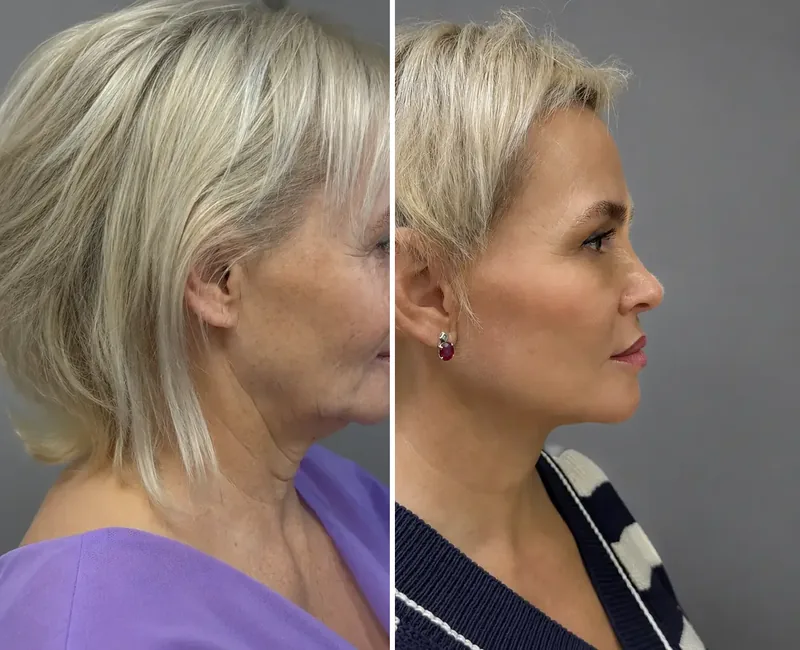

50 years
9 months
SMAS facelift
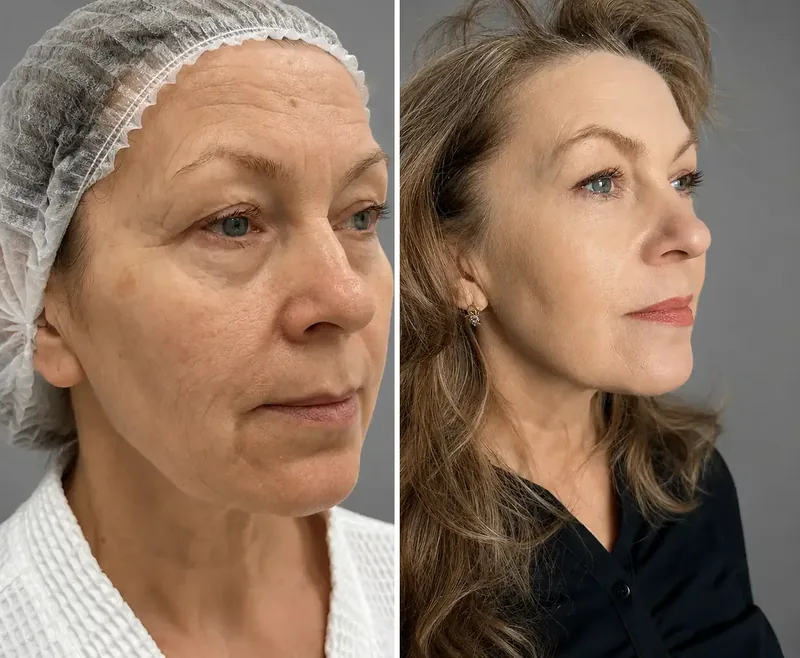
58 years
8 months
SMAS facelift
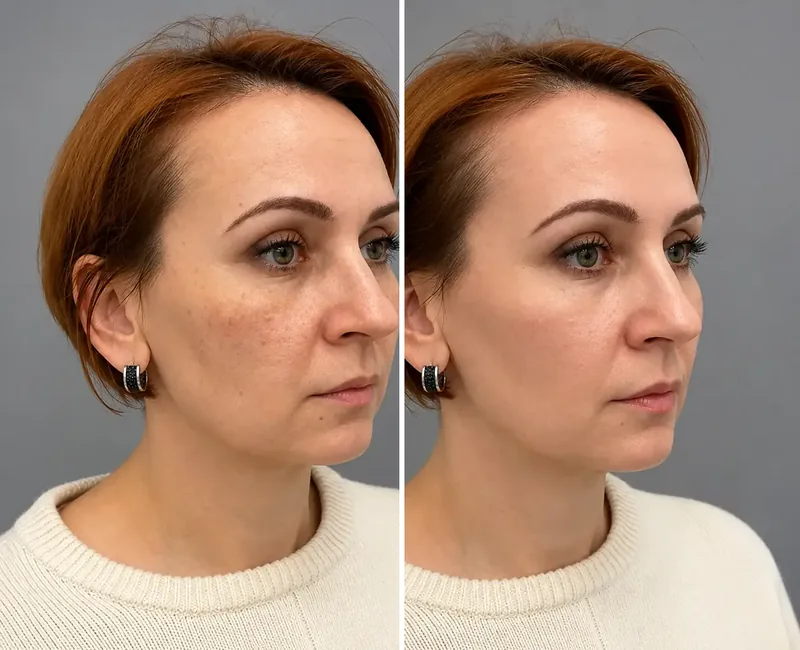
34 years
5 months
SMAS facelift
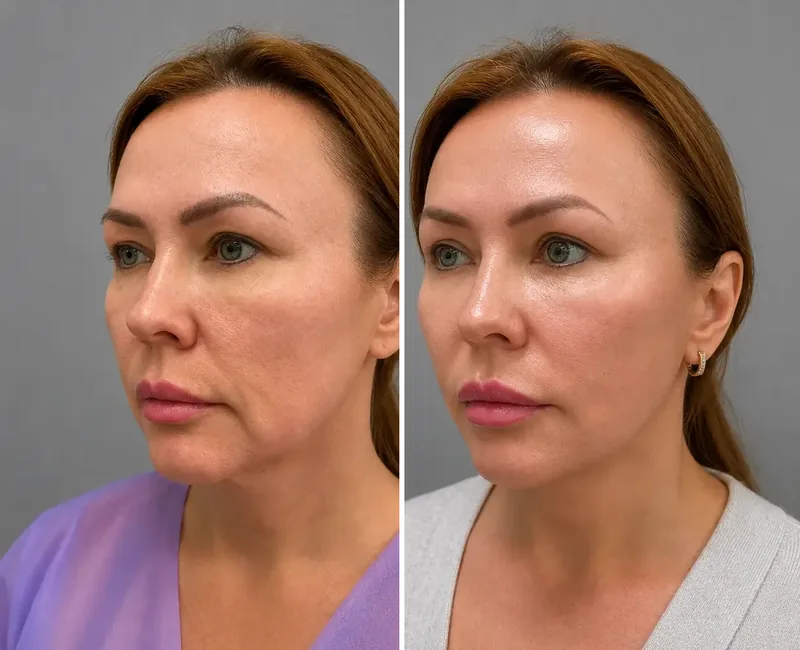
32 years
7 months
SMAS facelift
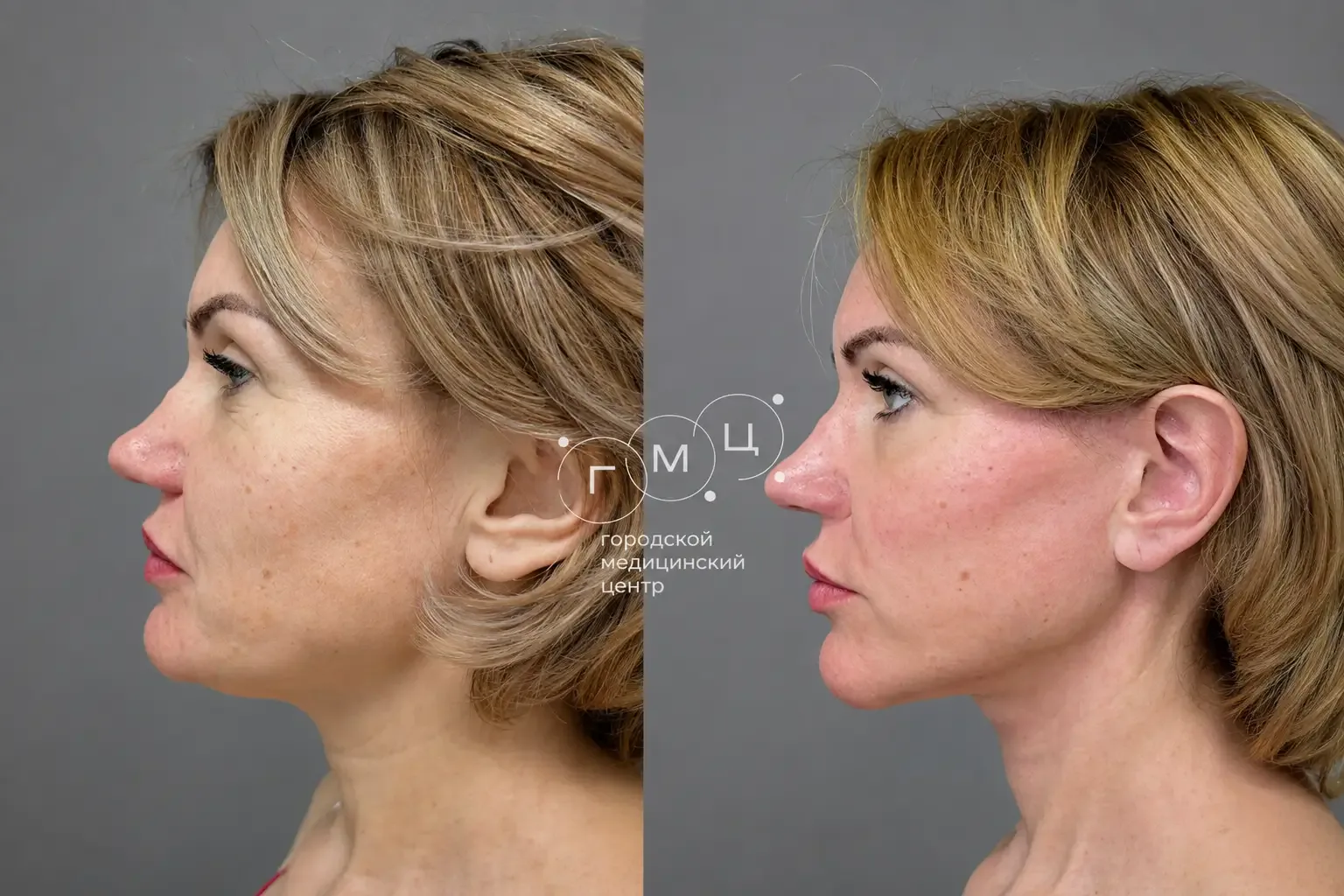
40 years
6 months
SMAS facelift
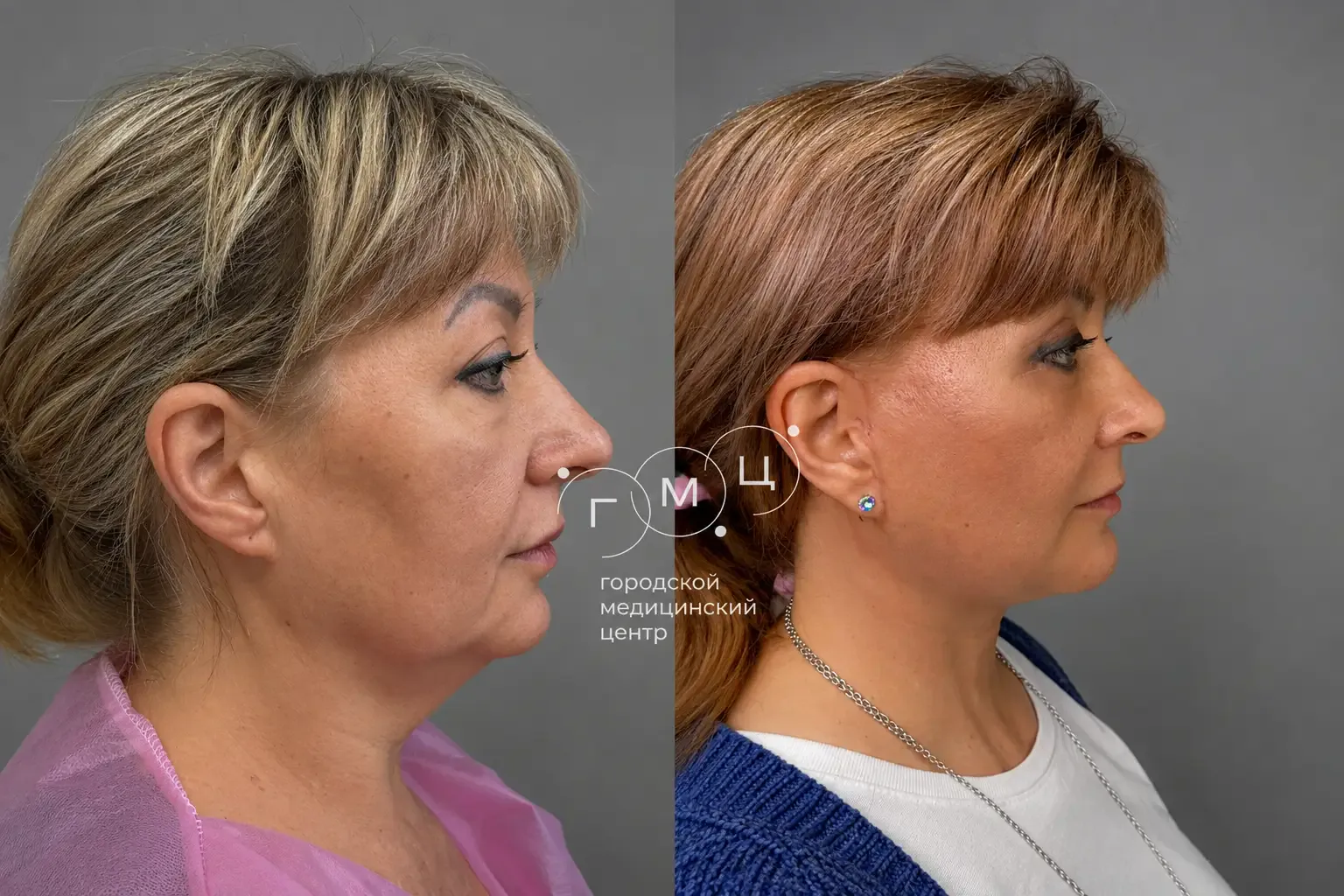
45 years
8 months
SMAS facelift
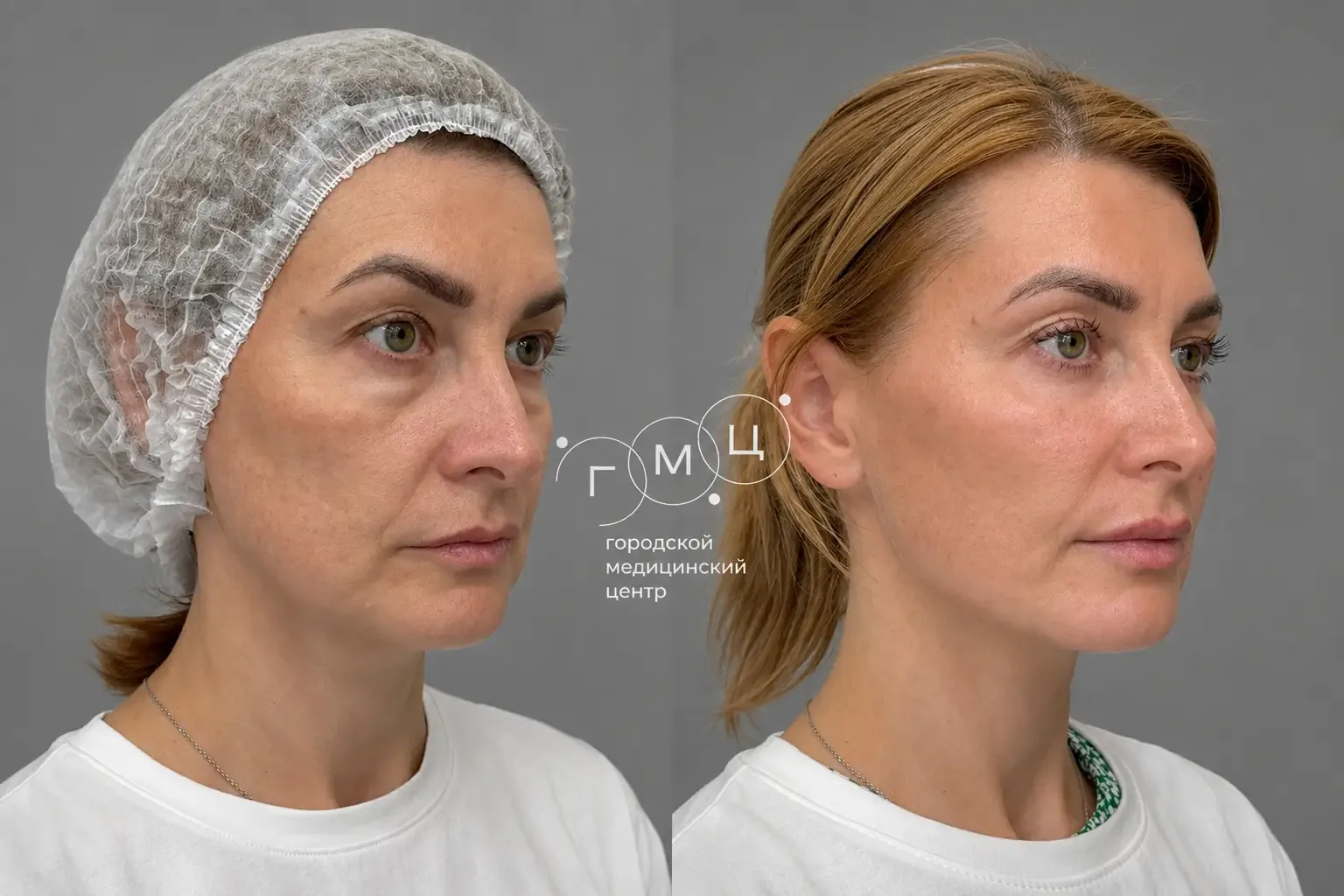
38 years
5 months
SMAS facelift
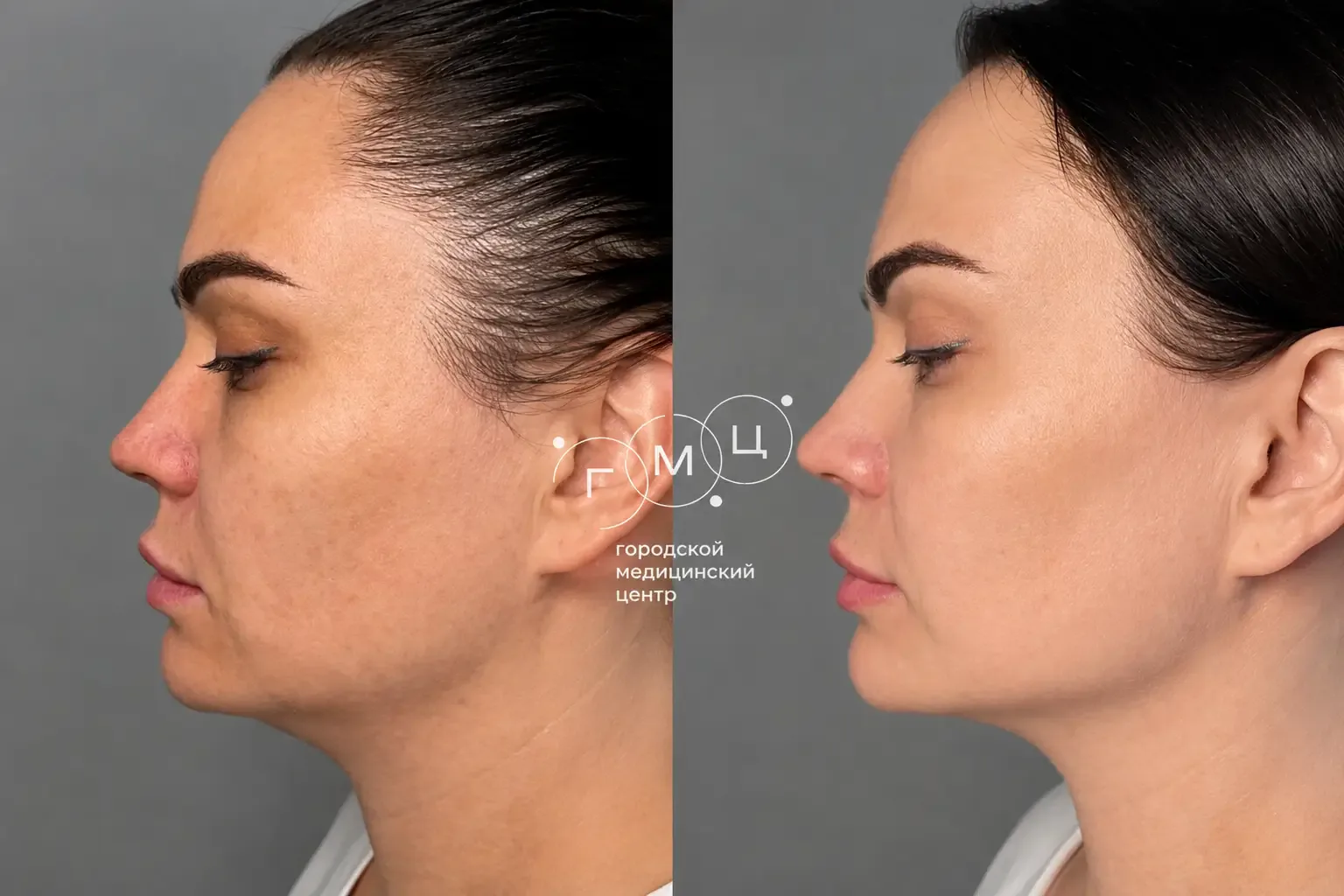
33 years
6 months
SMAS facelift
50 years
9 months
SMAS facelift
58 years
8 months
SMAS facelift
34 years
5 months
SMAS facelift
32 years
7 months
SMAS facelift
40 years
6 months
SMAS facelift
45 years
8 months
SMAS facelift
38 years
5 months
SMAS facelift
33 years
6 months
SMAS facelift
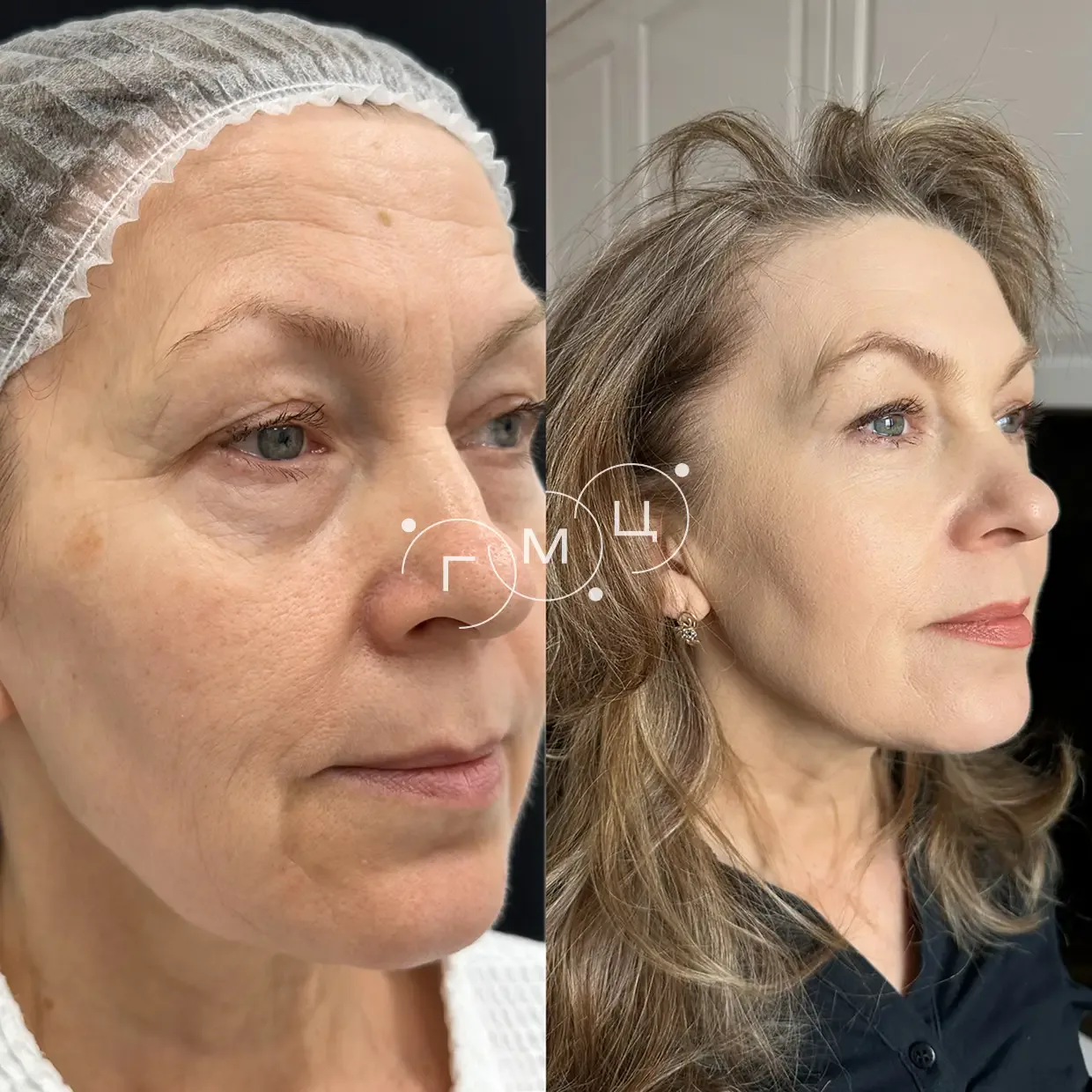

Marked sagging of the face and neck
A blurred jawline, jowls
A double chin and loose neck skin
Deep marionette lines and nasolabial folds
Drooping brows, a heavy look
A marked loss of skin firmness after 40
Looking for a result that lasts (7–10 years)

Age under 30
Acute skin inflammation
Pregnancy and breastfeeding
A severe cardiovascular condition
Blood clotting disorders
Cancer
Decompensated diabetes
Facelift in Al Kharj step by step
After 40–50 the skin gradually loses firmness: tissues sag, jowls form, the jawline blurs and the cheeks droop. A surgical SMAS facelift works deeper than cosmetology, repositioning the muscle and fascia layer so it treats the cause of sagging rather than its effects. For patients from Al Kharj, this gives a lasting result even when changes are significant, with the effect holding for 7–10 years.
The endoscopic brow and temple lift is the gentlest option: the surgeon uses an endoscope through tiny punctures, repositions the brows and smooths forehead and frown lines, with scars hidden in the hairline. A neck and lower face lift also uses small incisions, keeping scars barely visible. For people in Al Kharj, the choice of access depends on which zones need correction and how marked the sagging is.
A free consultation is the easiest way to get an exact figure. The surgeon assesses the degree of sagging and the zones to correct, recommends the type of lift and names the final price; a facelift starts from $2,400 (≈ SAR 9,000). Apply before the end of the year and the consultation is free. Patients from Al Kharj can use the form on the page or message us in any messenger.
Stories of well-known people
Well-known people who spoke openly about this operation, in their own words.
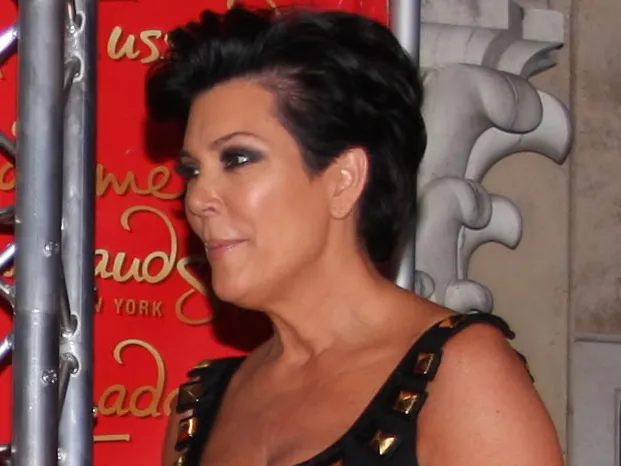 Kris Jenner’s facelift: “I love my facelift”Kris Jenner said she had a facelift about 15 years ago and a refresh before turning 70 — and that she loves it. How a SMAS facelift and recovery work.
 Did Vicki Gunvalson have a facelift? Yes, and she showed the result herselfVicki Gunvalson had a facelift in May 2018 after deciding fillers no longer looked like her. Her own words, how a facelift works and recovery.
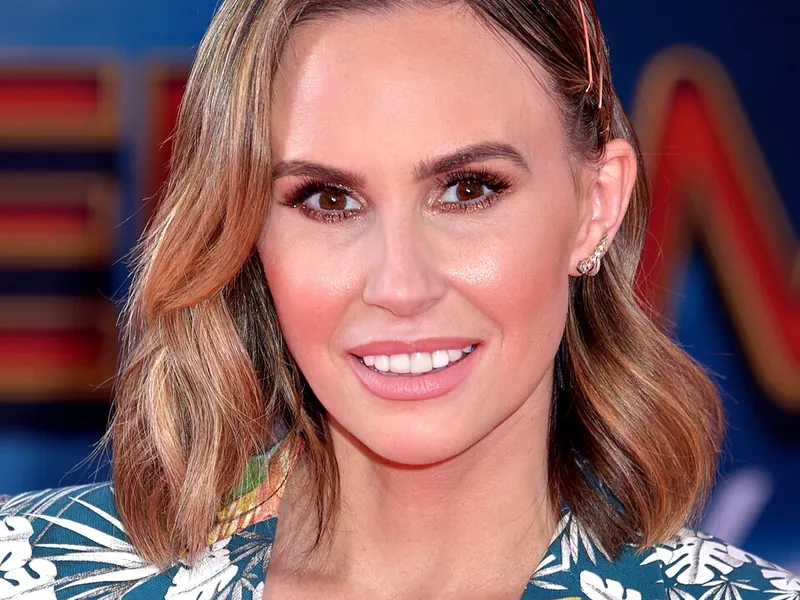 Keltie Knight’s facelift: why she decided to “just own it”Keltie Knight had a facelift in 2023 at 41 and chose to talk about it openly. What she said, how a SMAS facelift works and what recovery looks like.
 Did Linda de Mol have a neck lift? Yes, and she wrote about it herselfLinda de Mol wrote in LINDA. in 2025 that she had a neck lift. What she said, why she chose to be open, and how a face and neck lift works today.
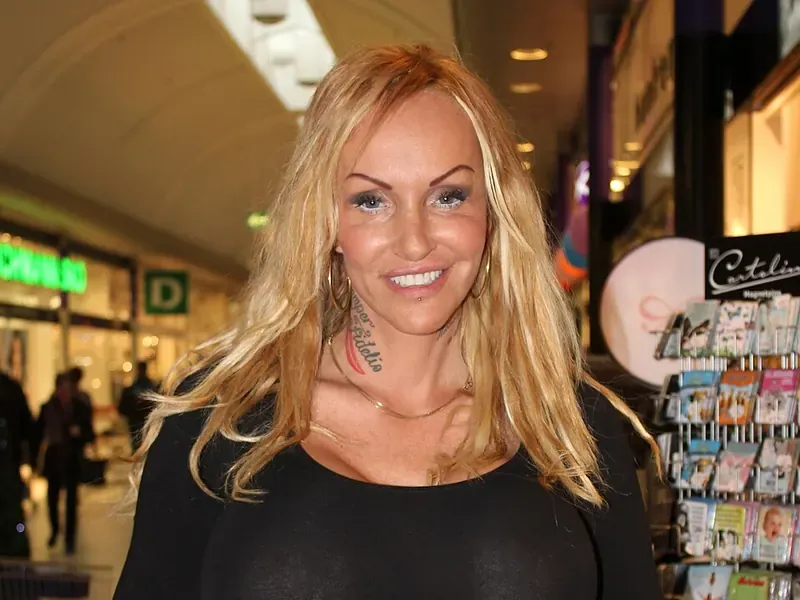 Linse Kessler and her facelifts: what she said herselfDanish reality star Linse Kessler has said openly that she has had several facelifts. Her words, how a modern facelift works and what recovery involves.
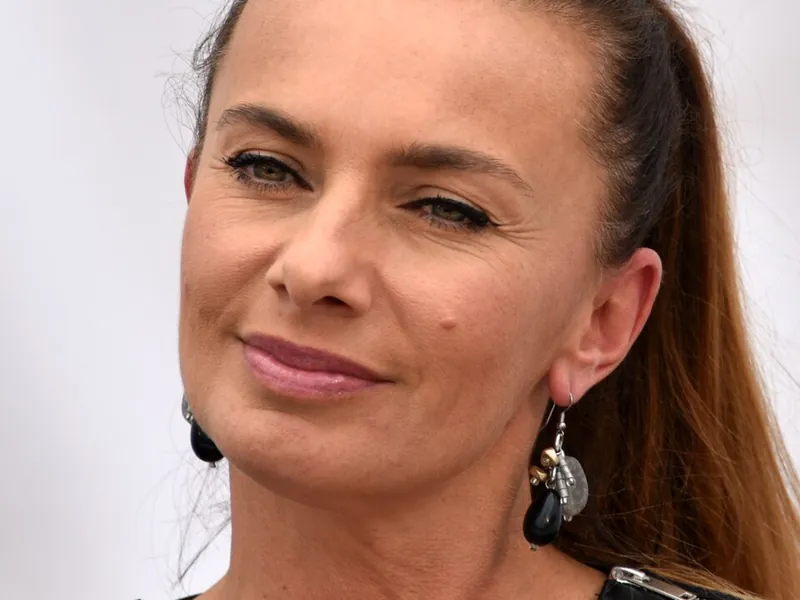 Did Alice Bendová have a facelift? Yes, and she explained why herselfAlice Bendová confirmed a deep plane facelift in September 2026. Her words, how a facelift works, who it suits and what recovery looks like.
Facelift Questions From Patients in Al-Kharj
Al-Kharj's governorate counted 373,177 residents in the 2022 national census, in a town shaped by dairy farms, vegetable fields and an industrial zone rather than a dense urban centre, and most first questions about a facelift start with a simple photo sent to a coordinator on Telegram or Telegram, available at any hour, describing what has changed with age — jowls, a blurred jawline, sagging cheeks.
Past 40 or 50, skin gradually loses firmness as muscle and connective tissue beneath it weaken, not just the surface skin itself. A surgical SMAS facelift works at that deeper layer, repositioning muscle and fascia rather than simply pulling skin tighter, which is why it treats the underlying cause of sagging and holds up even when the changes are significant. In Al-Saih, the governorate seat, the King Abdulaziz Palace from 1940–41 and the Abu Jafan Palace from 1946–47 still stand, and Abu Jafan remains open to visitors — kept up with care rather than rebuilt, which is a fair picture of what a deep-layer facelift aims for: restoring the structure underneath instead of repainting the surface. Conserving a structure's character rather than replacing it is the same instinct a good facial surgeon brings to a lift meant to leave a face recognisably its owner's.
The Surgery Itself
The procedure is carried out under combined inhalation anaesthesia, so there is no pain during the operation itself. Working through incisions hidden along the hairline and around the ears, the surgeon lifts the skin, redistributes fat and secures the SMAS layer, after which the patient stays in a comfortable inpatient room with meals and round-the-clock monitoring by medical staff.
In the first few days afterward, some discomfort and tightness are normal and are managed with medication prescribed by the doctor; this is expected and settles on its own rather than signalling a problem.
Healing Through Al-Kharj's Intense Desert Sun
Al-Kharj's summer combines extreme heat with equally intense sunlight — daytime highs average close to 48°C and overnight lows stay near 31°C — against a far gentler winter of around 18°C by day and 5°C by night once December and January set in. During the first seven to ten days after a SMAS facelift, when rest and a compression bandage are the main instructions, that combination of heat and strong desert light makes shade and a cool room more than a comfort choice, since swelling and bruising are already expected to ease gradually over the following two to four weeks.
Sun exposure on healing incisions along the hairline and around the ears is a general caution after any facial surgery, and it carries extra weight under Al-Kharj's summer sun specifically — a hat and genuine shade matter here more than in a milder climate, right through the two-month mark when full recovery is usually reached.
From Two-Week Swelling to a Result That Lasts Years
After three to four weeks, as swelling settles, the first clear changes in the face become visible, though the face only takes on its truly final look between three and six months, once every layer of tissue has fully adapted. A surgical SMAS facelift, done properly, gives a result that holds for seven to ten years — a long enough span that most patients in Al-Kharj think of it as a once-a-decade decision rather than something to repeat yearly. Makeup can usually return only once the surgeon has checked that the incision lines have closed, and until then a gentle fragrance-free cleanser and a light moisturiser keep the skin comfortable. Clothes that open at the front rather than pull over the head are also kinder to the skin around the ears in the early weeks.
Full recovery, in the sense of returning to every normal activity without restriction, is generally reached around two months, with the operating surgeon following up for a full year after surgery to confirm healing is on track at each stage. A few practical details are worth agreeing in advance: sleeping with the head raised on two pillows for the first week, avoiding bending forward to lift anything heavy, arranging for someone to wash and style the hair around the incision lines until the surgeon says it is safe, and keeping the scheduled check-ups where sutures are removed and the incision lines are examined.
Preparing for Surgery and Who It Suits
A facelift candidate is assessed individually at the consultation: skin elasticity, bone structure, general health and realistic expectations all matter more than age alone in deciding whether a SMAS lift is the right tool, or whether a less invasive option would serve the same goal. Certain chronic conditions need to be stable and confirmed safe for general anaesthesia before any date is set, and a frank conversation about what the surgery can and cannot change prevents a result that is technically successful but still disappointing in the mirror a year later.
Preparation beforehand typically includes blood tests, a cardiac check and stopping blood-thinning medication, alcohol and smoking for a period set by the surgeon, so the body is in the best possible condition going into a procedure of this length. Smokers are generally asked to stop well ahead of surgery, since smoking measurably slows how incisions along the hairline and around the ears heal, which matters more for a facelift than for most other procedures given how much of the result depends on clean, well-healed scar lines.
Checking Credentials and What Insurance Covers
A facelift works on deeper structures than the skin, so the surgeon's registration deserves a direct check. In Saudi Arabia that means the Saudi Commission for Health Specialties, which registers practitioners and offers a service to verify that a registration is valid; a copy of a certificate or an image on a wall is no substitute for that check.
The cooperative health insurance scheme — compulsory for non-Saudi employees since 2005 and for Saudi private-sector employees since 2008 — covers essential and curative care, and a facelift done for appearance falls outside it. Treatment after an accident or injury is a different matter and is assessed by the insurer case by case.
Seven Days at Home in Al-Kharj After a Facelift: A Daily Rhythm and Who Stands Beside You
Your first day is not at home at all but in a comfortable inpatient room, with meals and monitoring by medical staff around the clock, and then the house takes over: a light morning in the coolest hours, the whole midday spent indoors in an air-conditioned room away from the desert sun, and an evening that ends early. You sleep on two pillows that raise your head through this week, and every piece of clothing you wear opens at the front. The compression bandage and rest are the instructions of the first seven to ten days, and they are followed as written, not as patience allows.
Then the roles divide themselves through the household: one person takes charge of washing and styling your hair around the incision lines until the surgeon gives the word, another handles the market and the driving, and a third lifts anything heavy. Meals stay light and on time, medication keeps to its hours, and the majlis guests are postponed with one polite sentence: she rests for two weeks, then the house opens.
Every evening passes through one important point: a small review of the day. Swelling and bruising ease over two to four weeks as the team promised, so do not judge your face on the third night. Sutures come out at the scheduled reviews, where the incision lines are examined, and any question that appears between two appointments, from the bandage to your hair, finds a Telegram or Telegram coordinator answering at any hour.
What tests are needed before a facelift?
Blood tests, a cardiac check, and stopping blood-thinning medication, alcohol and smoking for a period set by the surgeon, so the body is in the best condition for a procedure of this length and for general anaesthesia.
Is a facelift suitable for everyone past 40?
Not automatically — skin elasticity, bone structure, general health and realistic expectations are assessed individually at the consultation, and chronic conditions need to be stable and confirmed safe for anaesthesia before any date is set.
Does a facelift hurt?
No, since it is performed under combined inhalation anaesthesia. Some tightness and discomfort in the first days afterward are managed with prescribed medication.
What makes a SMAS facelift different from a simple skin lift?
A skin-only lift works on the surface and fades quickly; a SMAS facelift repositions the muscle and fascia layer beneath the skin, treating the actual cause of sagging rather than just pulling skin tighter, which is why the result holds for seven to ten years.
Does Al-Kharj's summer heat and sun affect the healing incisions?
Yes — strong desert sun on healing skin along the hairline and around the ears is a real concern here, more so than in a milder climate, which is why a hat and genuine shade matter right through the first two months.
When will I see the final result?
First clear changes appear around three to four weeks as swelling settles, but the truly final look only takes shape between three and six months, once every tissue layer has fully adapted.
How long does the result actually last?
A properly performed surgical SMAS facelift typically holds for seven to ten years, which is why most patients think of it as a once-a-decade procedure rather than an annual treatment.
When is full recovery reached?
Generally around two months, with the operating surgeon following up for a full year afterward to confirm healing is progressing as expected at each stage.
How do I verify a surgeon's license in Saudi Arabia?
Ask for the registration number and check it with the Saudi Commission for Health Specialties; a certificate shown on a screen proves nothing until the Commission confirms it.
Will Saudi health insurance cover a facelift?
Generally no: a facelift for appearance falls outside cooperative insurance and is paid for privately.
Who should stay with me through the bandage week, my daughter or a housekeeper?
Whoever knows your house and calms it: a daughter who runs the household's meals and medication times beats unfamiliar hands that know the chores but not the reassurance. The two can also be combined: the one you love for company, the one you trust for hair and order, with the roles agreed before surgery day rather than on its night.
My bandage feels hot in the warm room. Can I loosen it for air?
Do not make that call yourself at this stage; the bandage is part of the first days' instructions, not an annoying accessory. Cool the room instead of the bandage, and put any adjustment you think necessary to the team through the Telegram or Telegram coordinator at any hour; changing the bandage is a medical decision that belongs to those who can see the incision lines.
Facelift in Al Kharj: price and what is included
Prices are in US dollars; the amount in brackets is an approximate conversion to SAR at the rate of 02.10.2026. The final price is fixed in your contract.
- Faceliftfrom $2,400 (≈ SAR 9,000)
How much does a facelift in Al Kharj cost?
Prices start from $2,400 (≈ SAR 9,000). The surgeon sets the final price at the free consultation, and it is fixed in the contract, with no hidden extras.
What is included in the price?
A one-to-one consultation, the medical team, anaesthesia, inpatient care with meals, 24/7 monitoring and twelve months of follow-up by the surgeon.
How do I get my exact price?
Message us on WhatsApp or Telegram using the buttons below. A coordinator will answer your questions and book a free consultation where the doctor names the exact price.
By messaging us, you agree to our Privacy Policy