
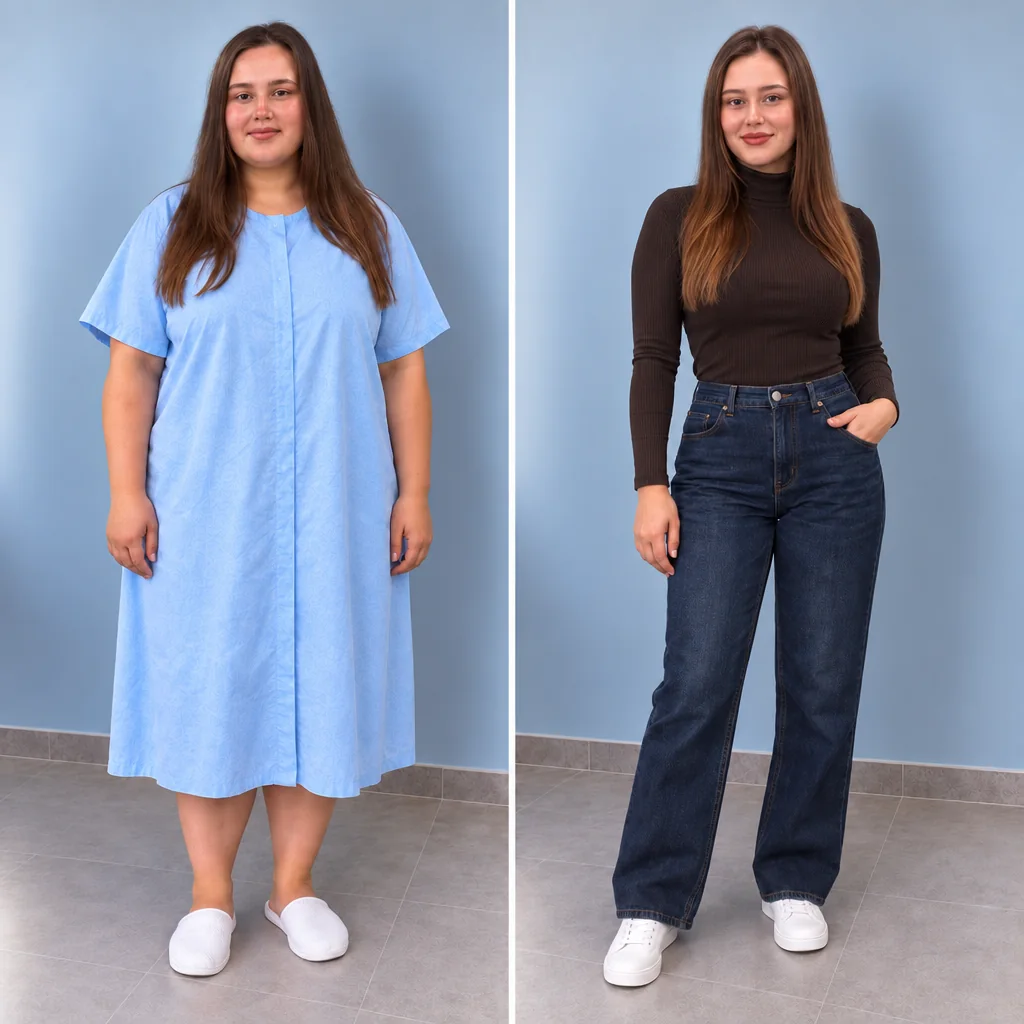
 beforeafter
Irina, 26
Bariatric surgery
Bariatric surgery
$3,600
$4,800 · First consultation — Free
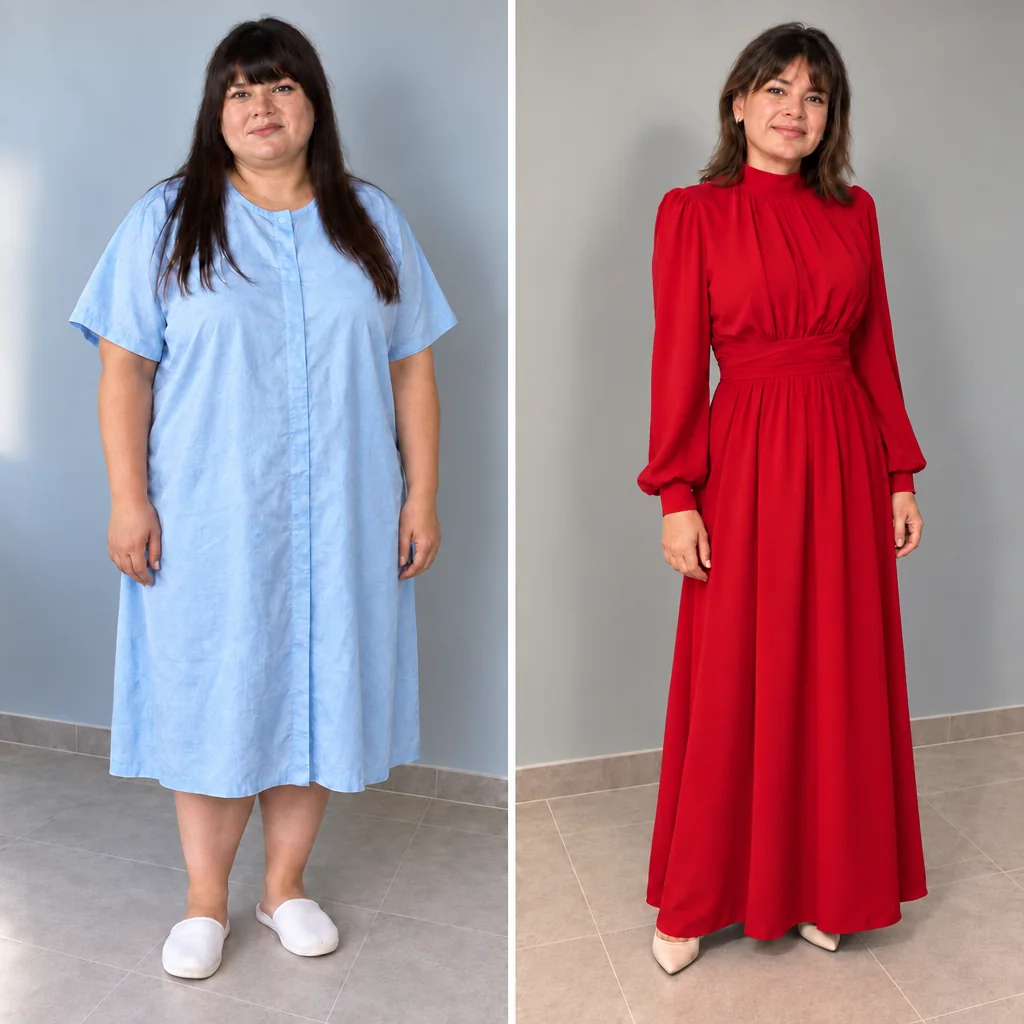 before
after
Message our coordinator
Free online consultation · Reply within 15 minutes
Message us on TelegramMessage us on WhatsAppBy messaging us, you agree to our Privacy Policy
Results
Each result belongs to a real patient of the clinic.
beforeafterBariatric surgery
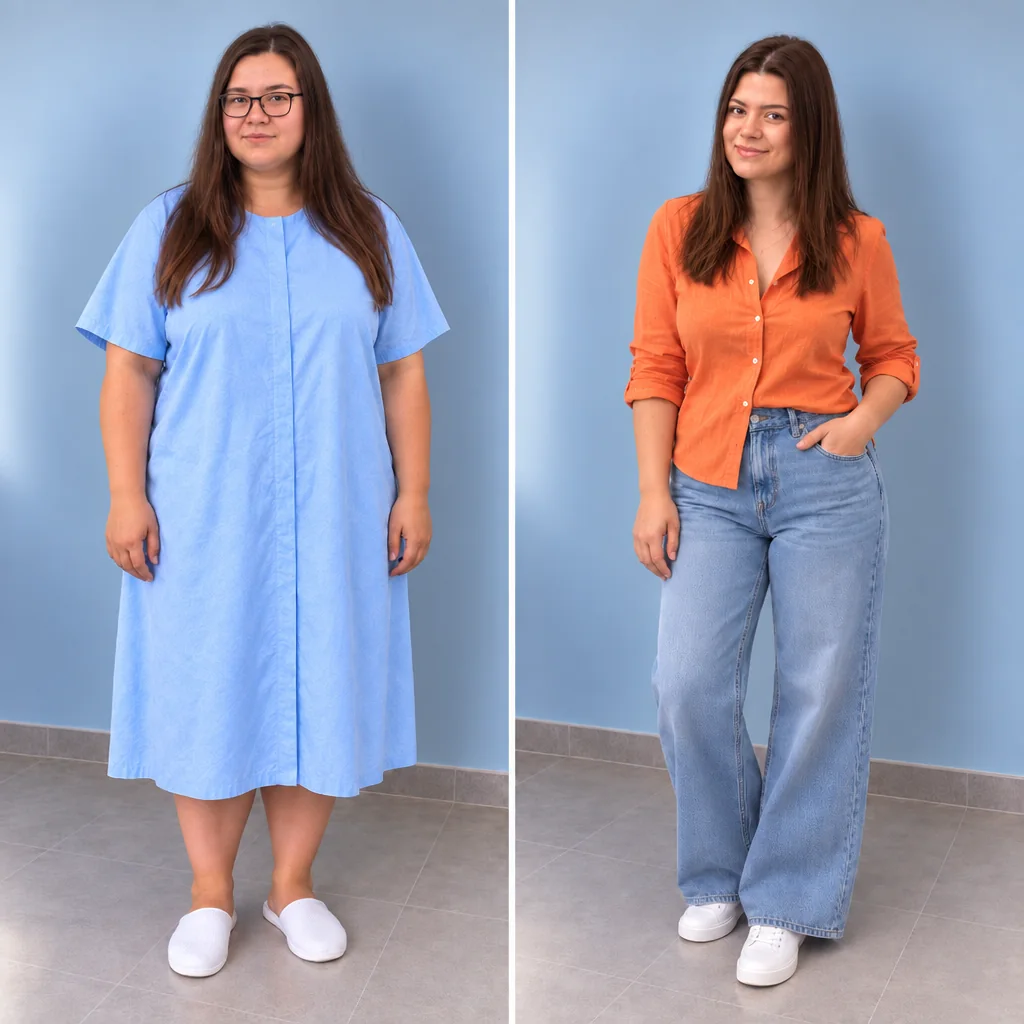 beforeafter
Bariatric surgery
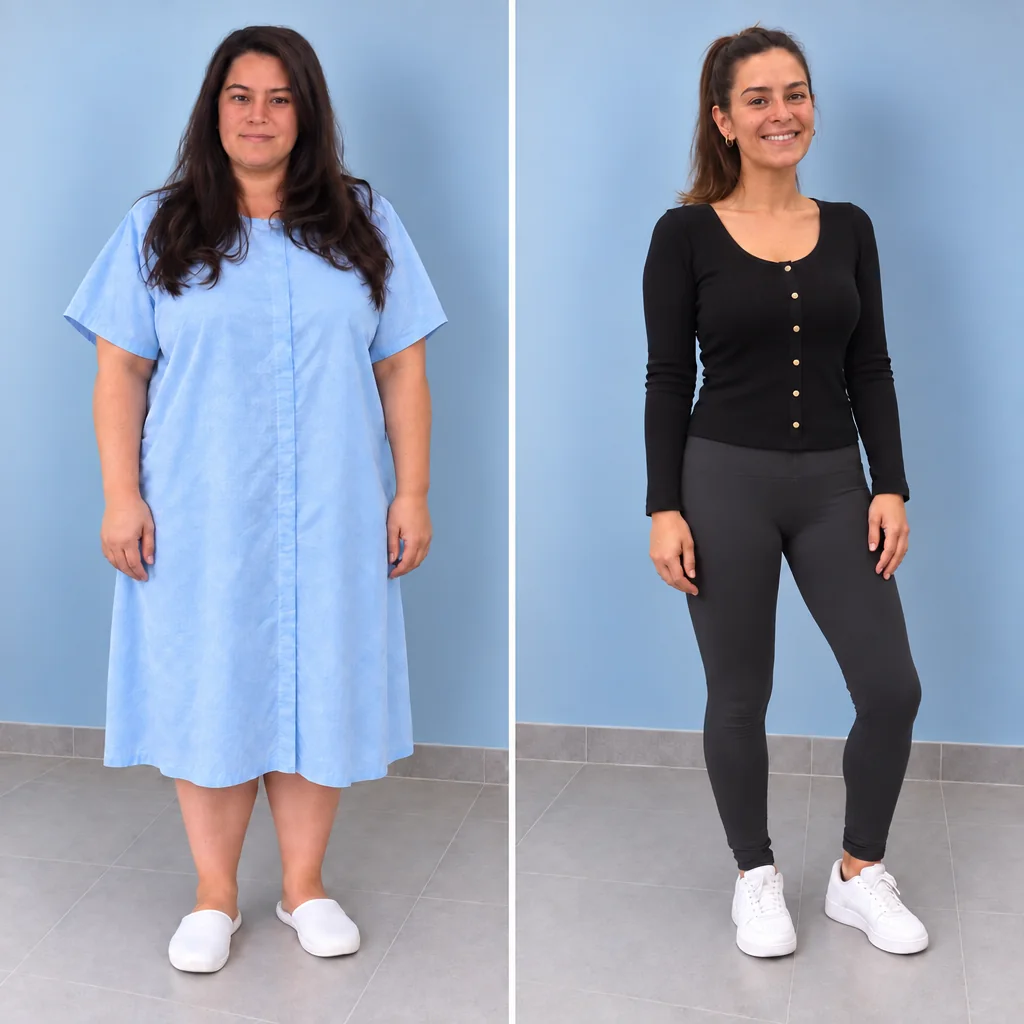 beforeafter
Bariatric surgery
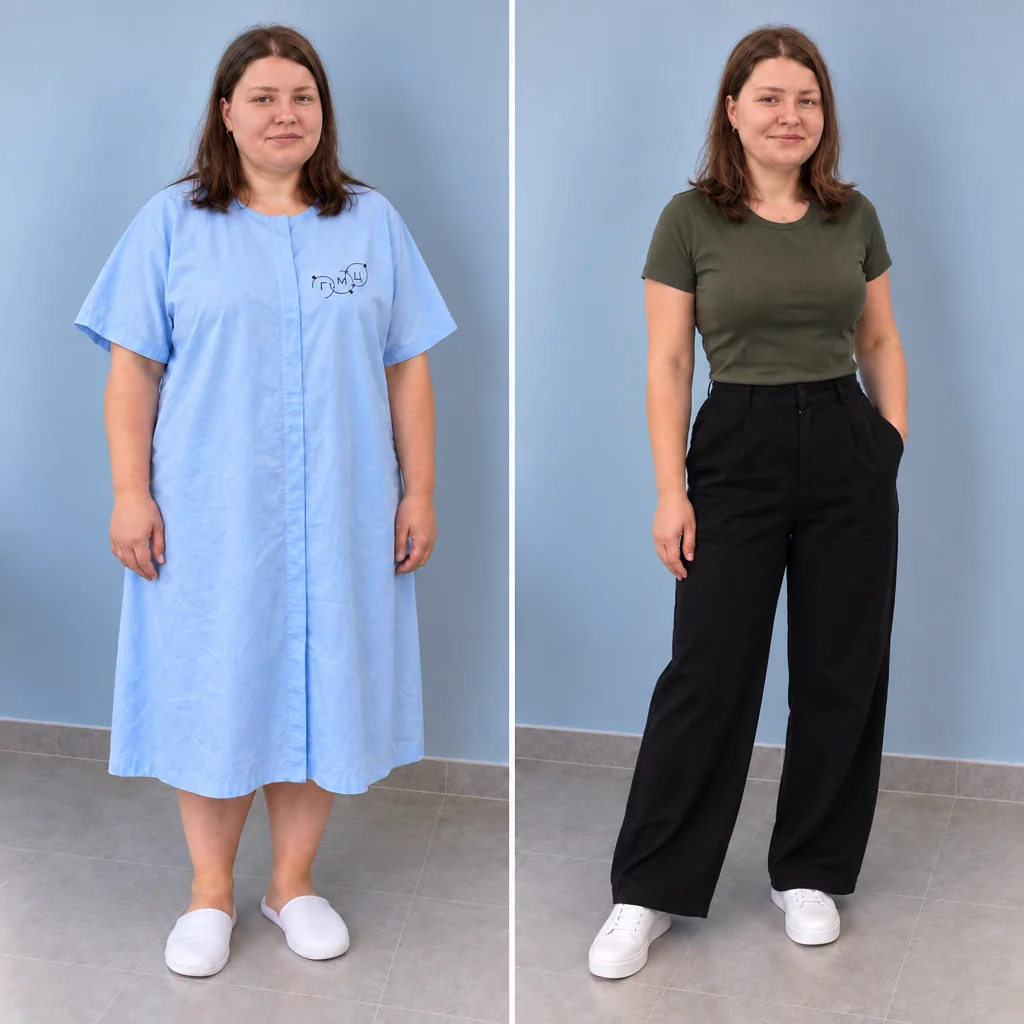 beforeafter
Bariatric surgery
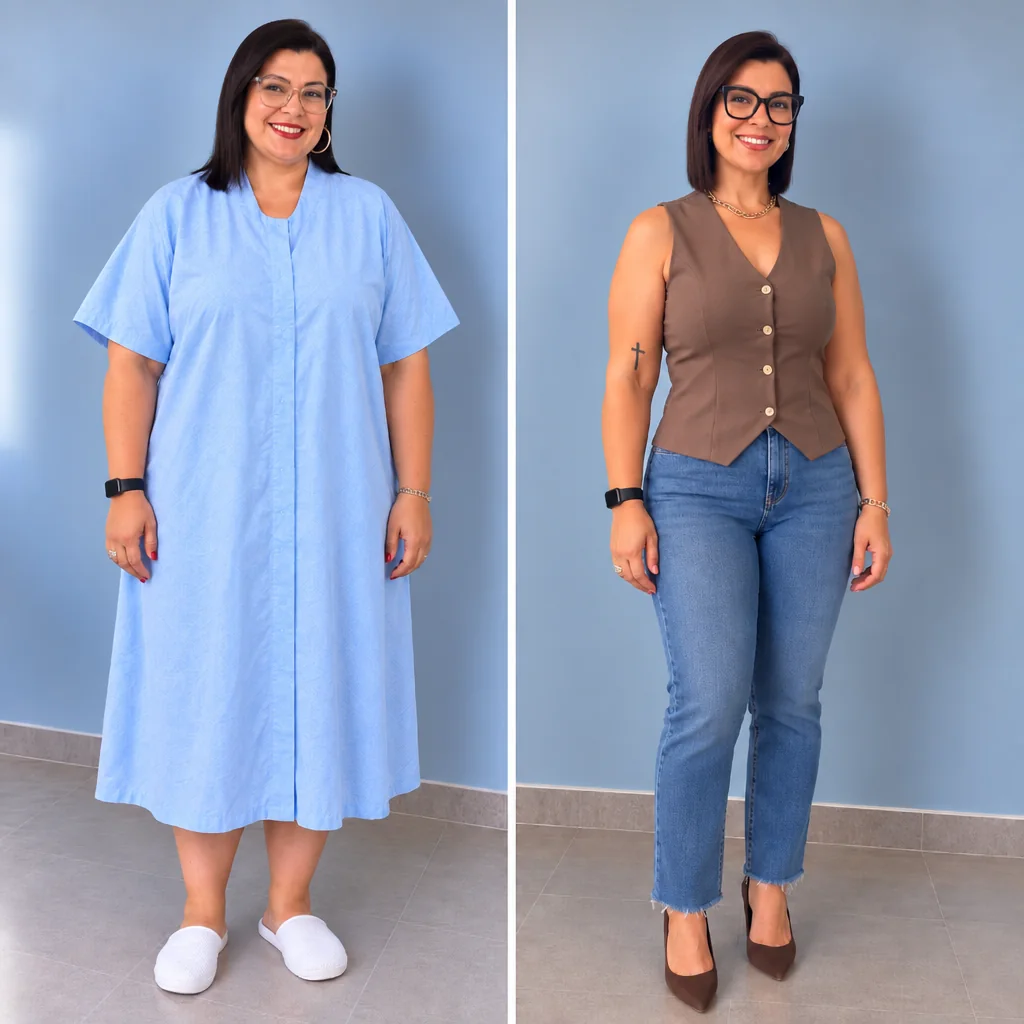 beforeafter
Bariatric surgery
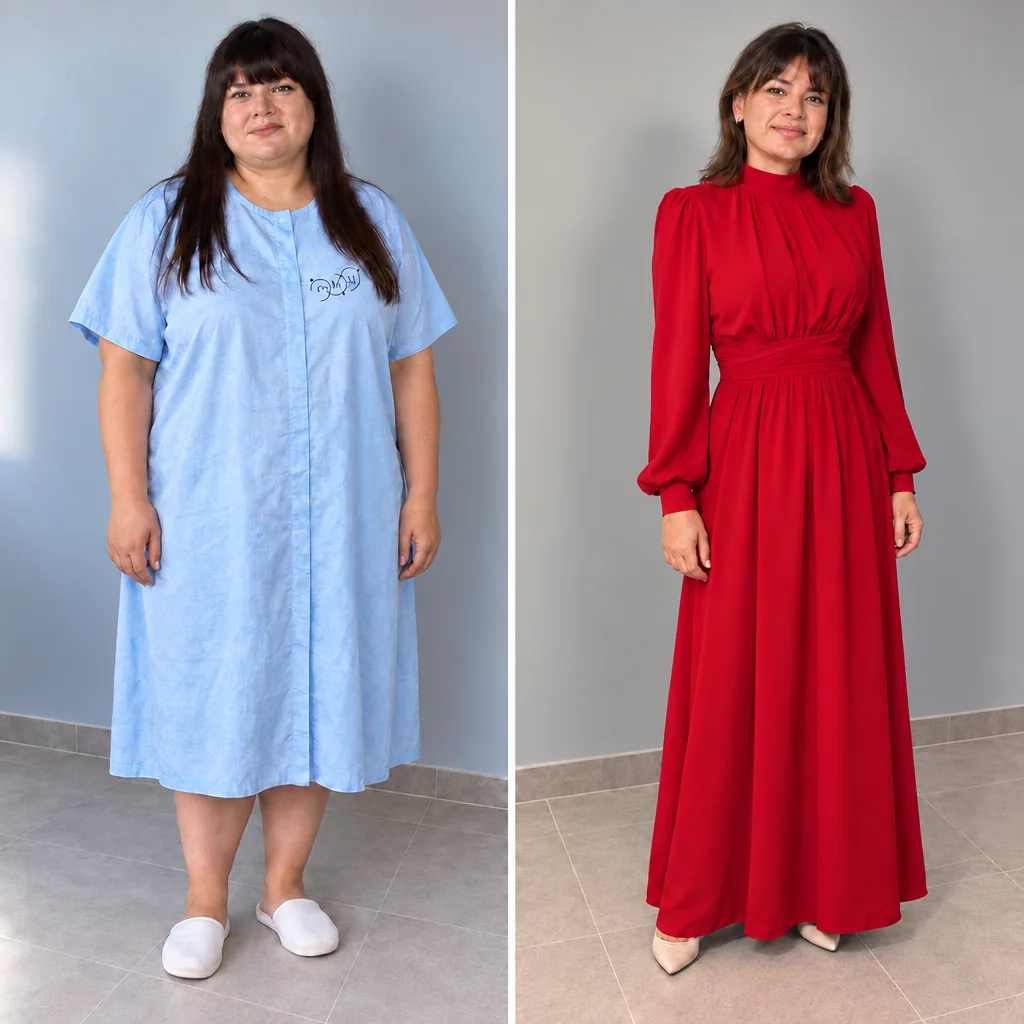 beforeafter
Bariatric surgery
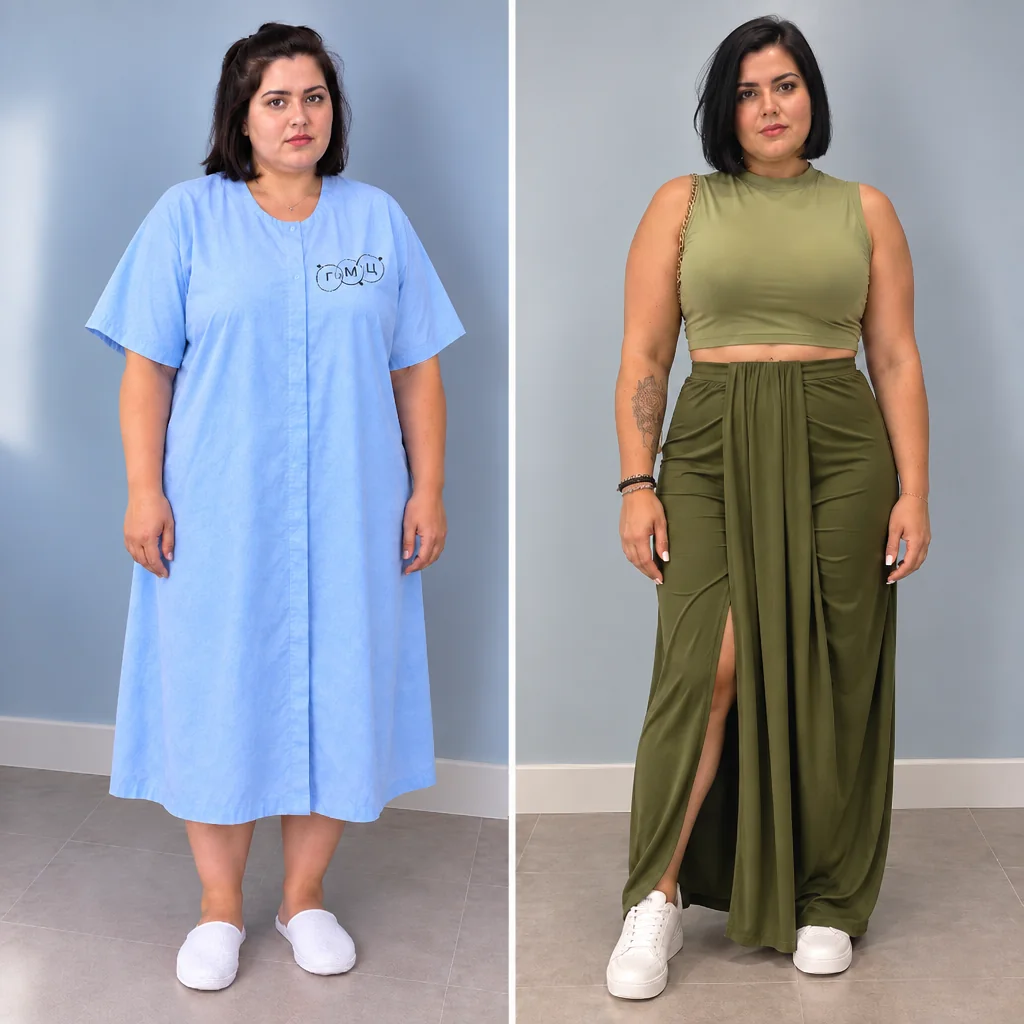 beforeafter
Bariatric surgery
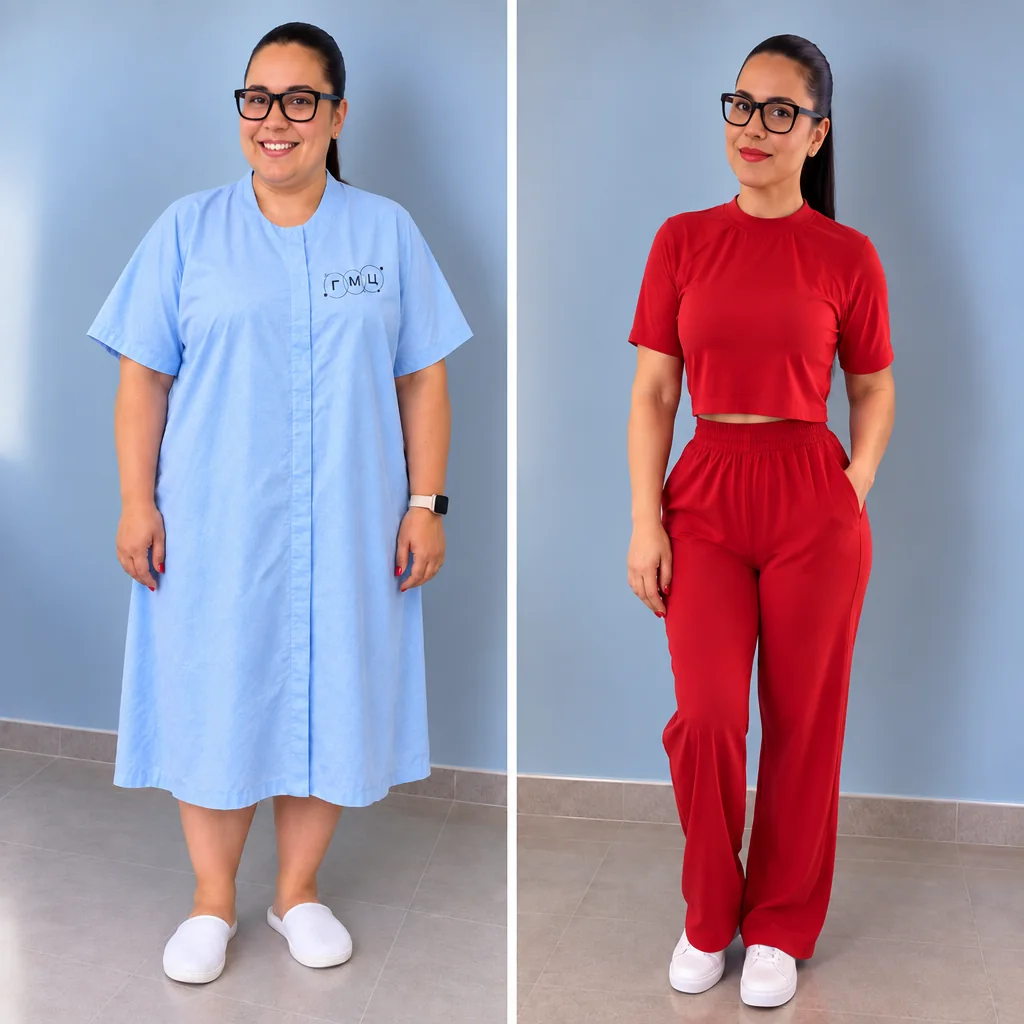 beforeafter
Bariatric surgery
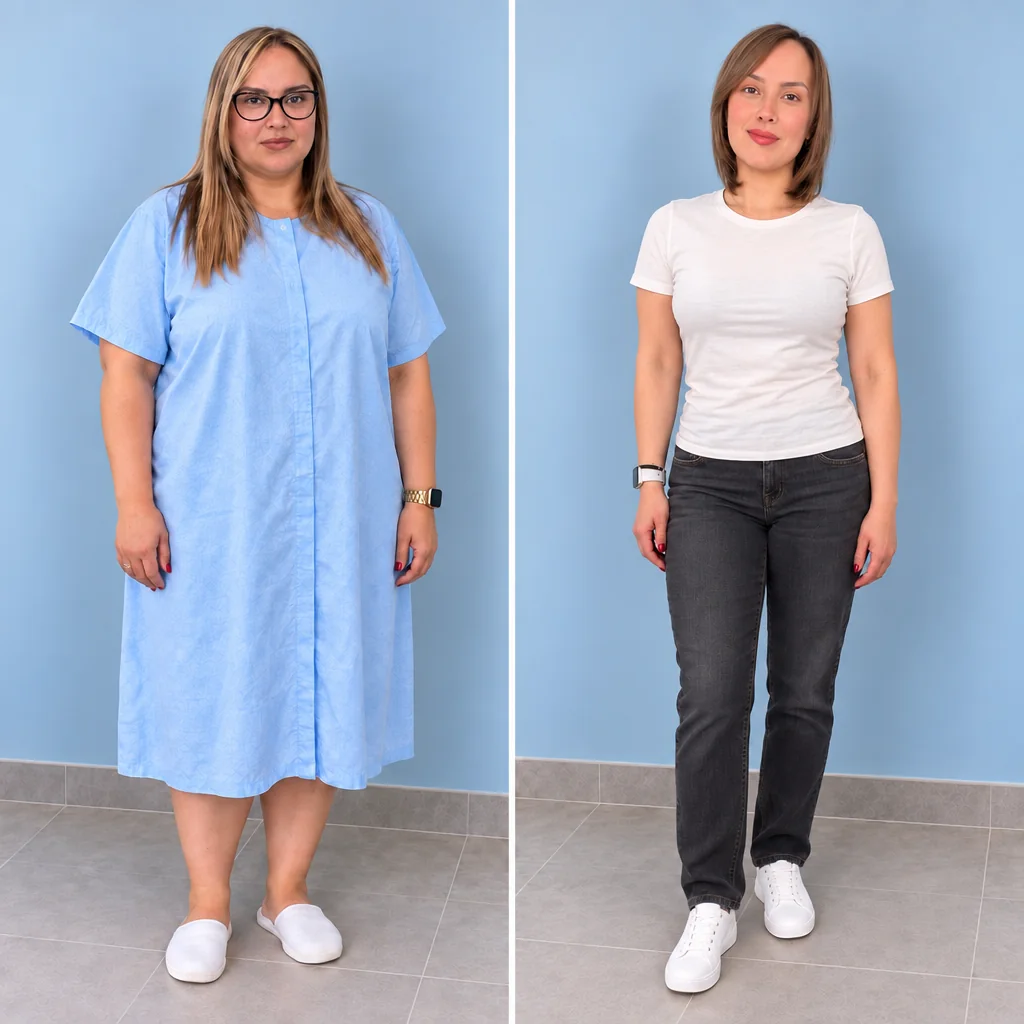 beforeafter
Bariatric surgery
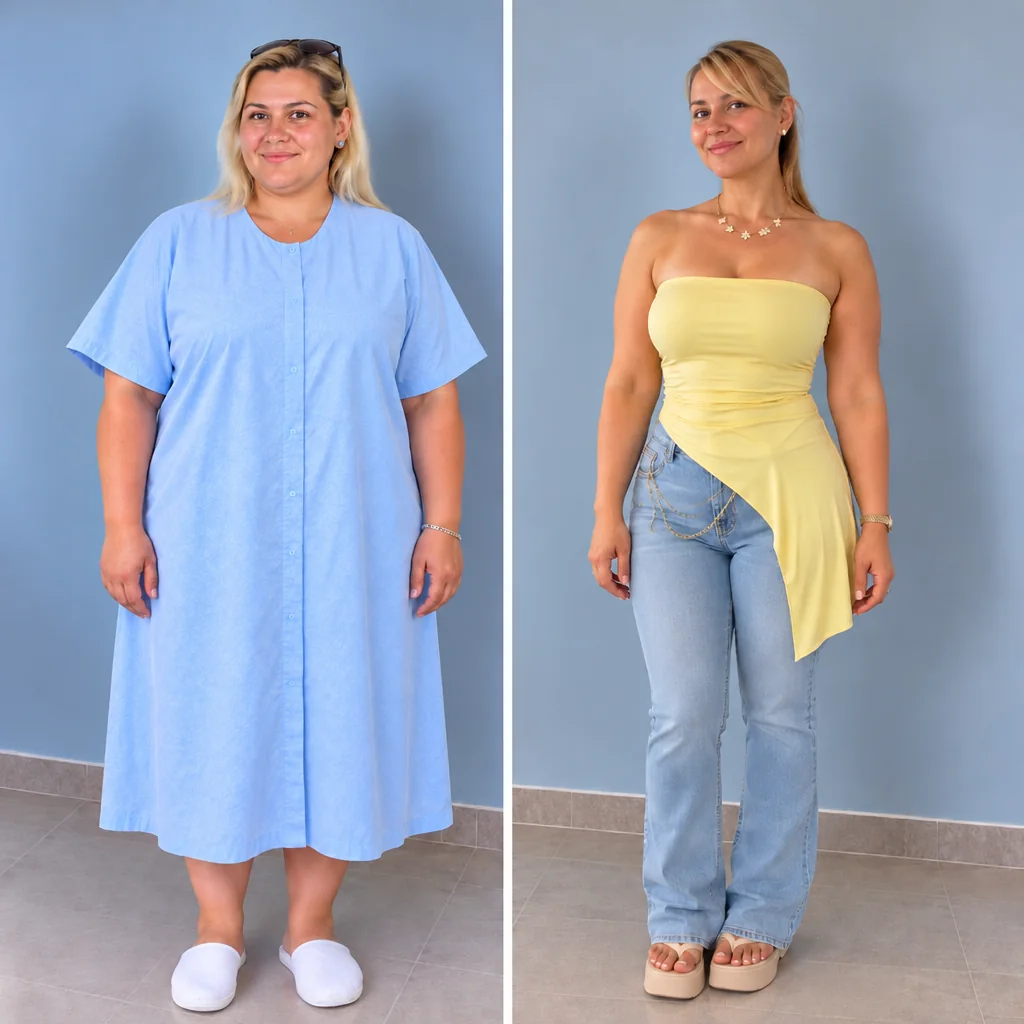 beforeafter
Bariatric surgery
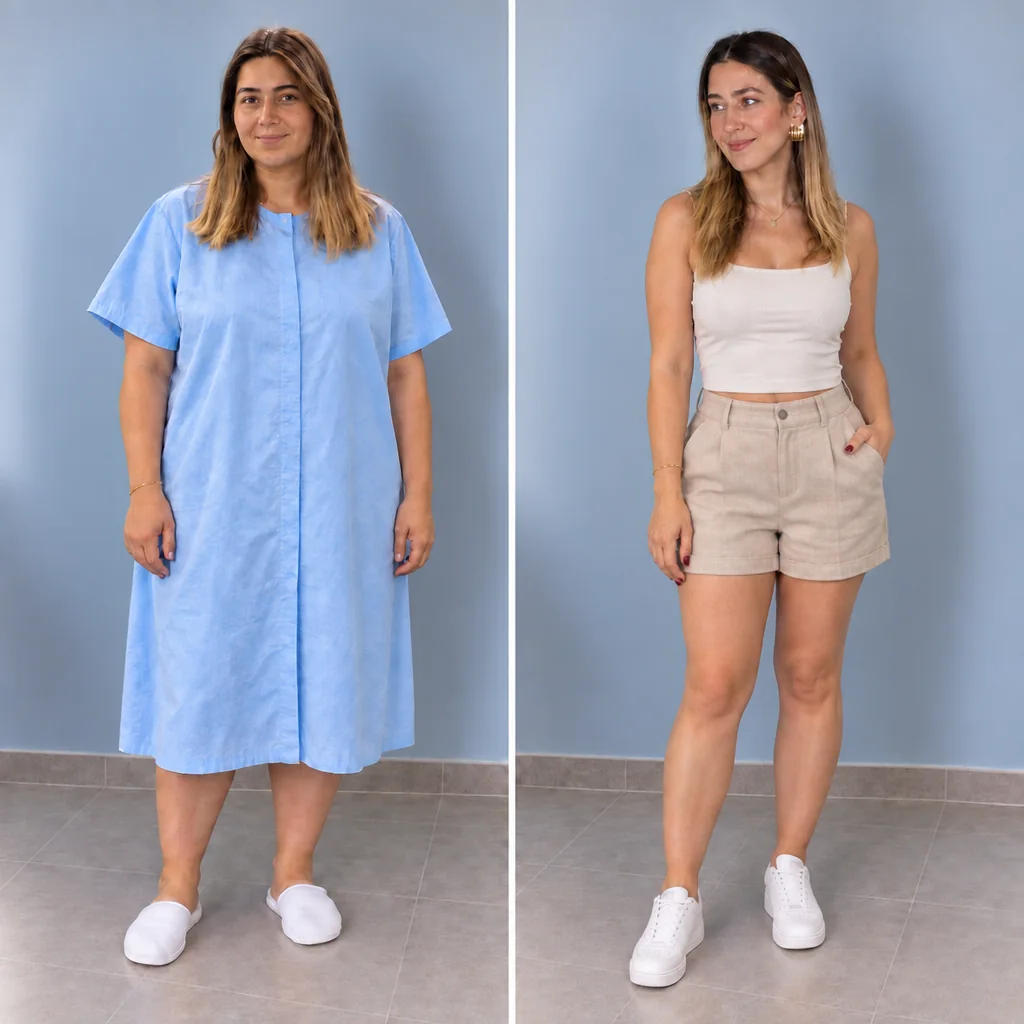 beforeafter
Bariatric surgery
Comparison
Two main bariatric operations are available: sleeve gastrectomy and gastric bypass. Study how they work, what they are meant for and when they apply, then choose confidently.
Reduction of stomach volume
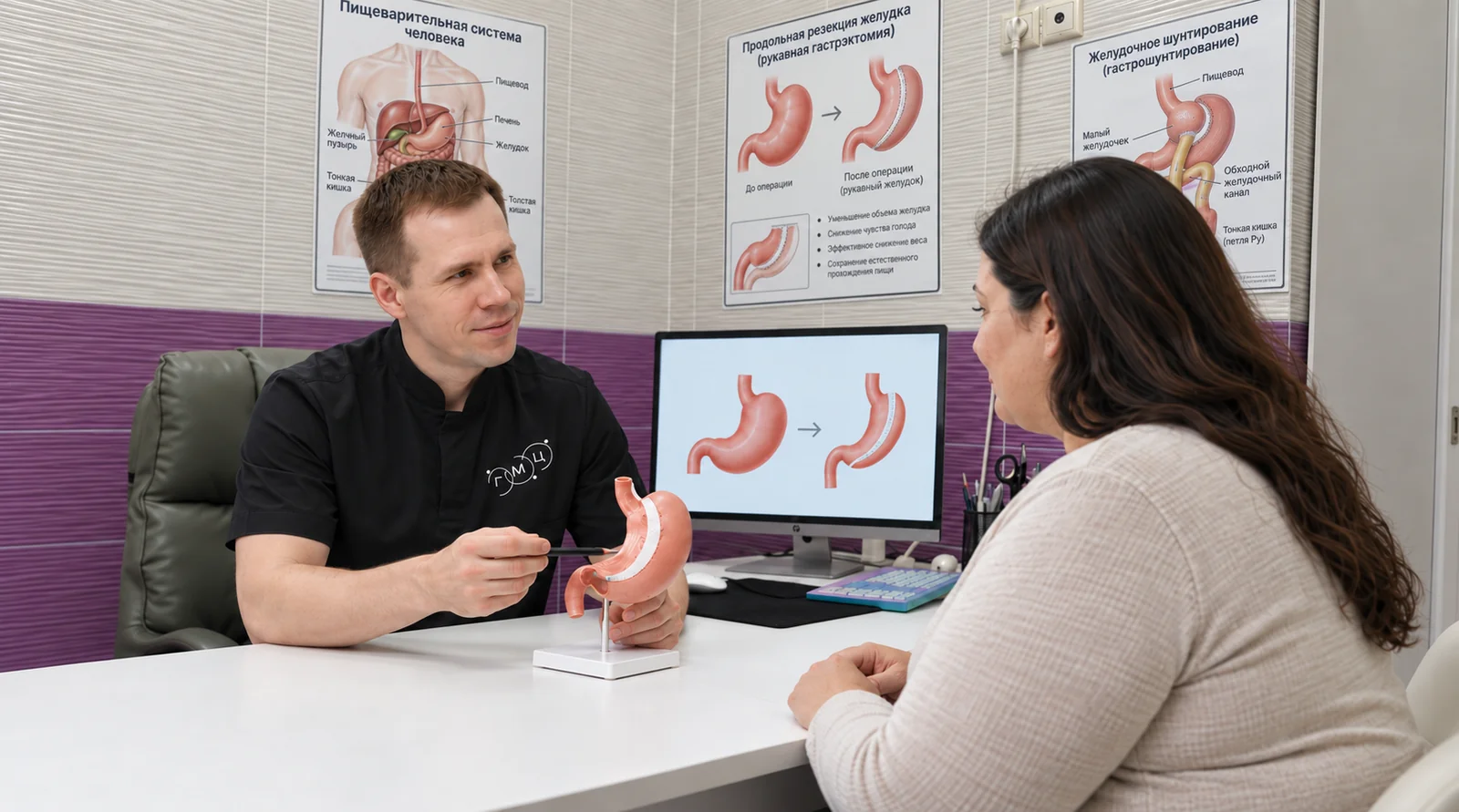
Discounted price
$3,600 $4,800
Less stomach volume and a changed route for food
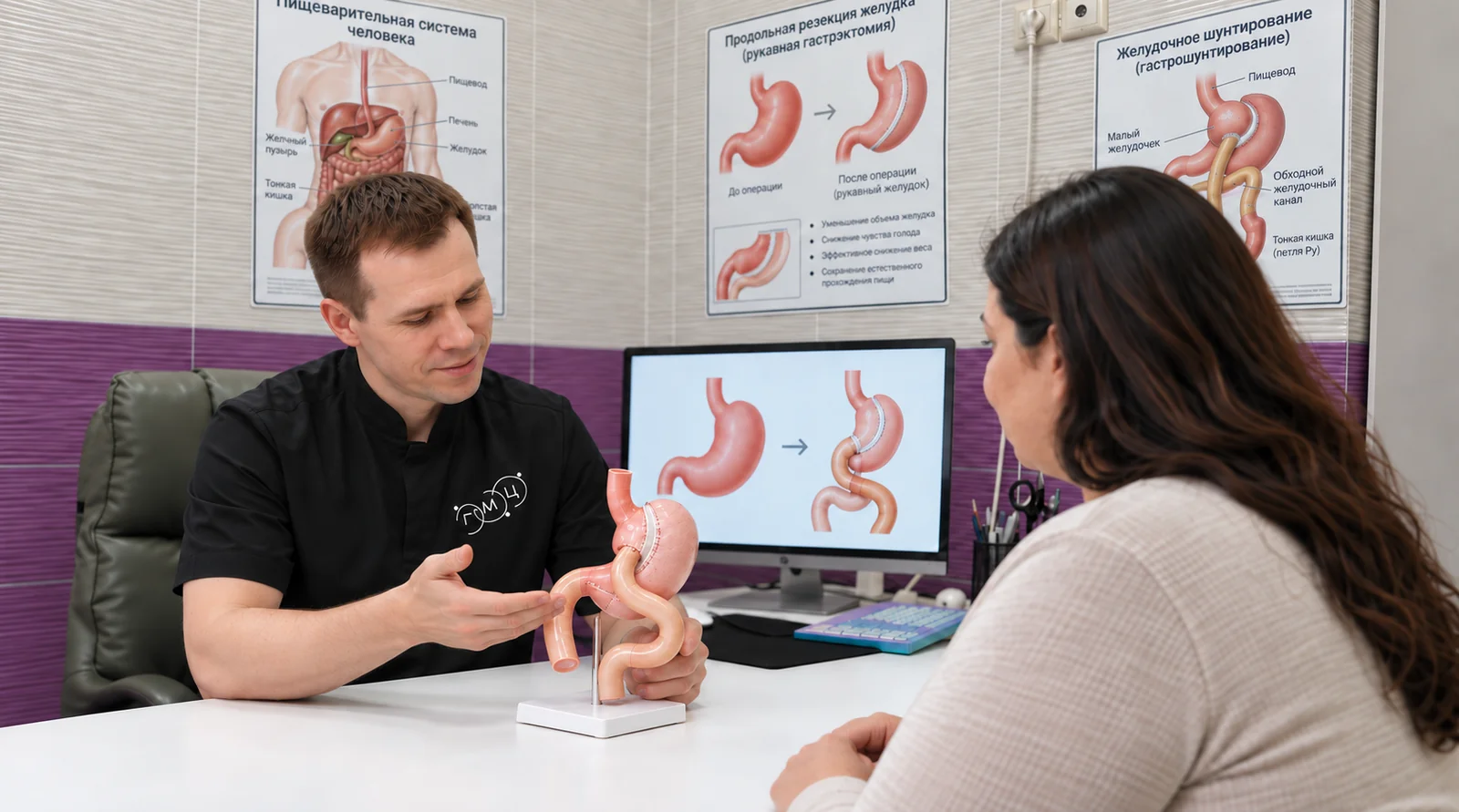
Discounted price
$4,000 $5,200
Recovery times and benefits are averaged for each method and shown for orientation. Your anatomy and individual features shape the extent of surgery and recovery, and the surgeon confirms both at the consultation.
Book a consultationThe clinic
Modern technology, cosy rooms and personal attention for every patient
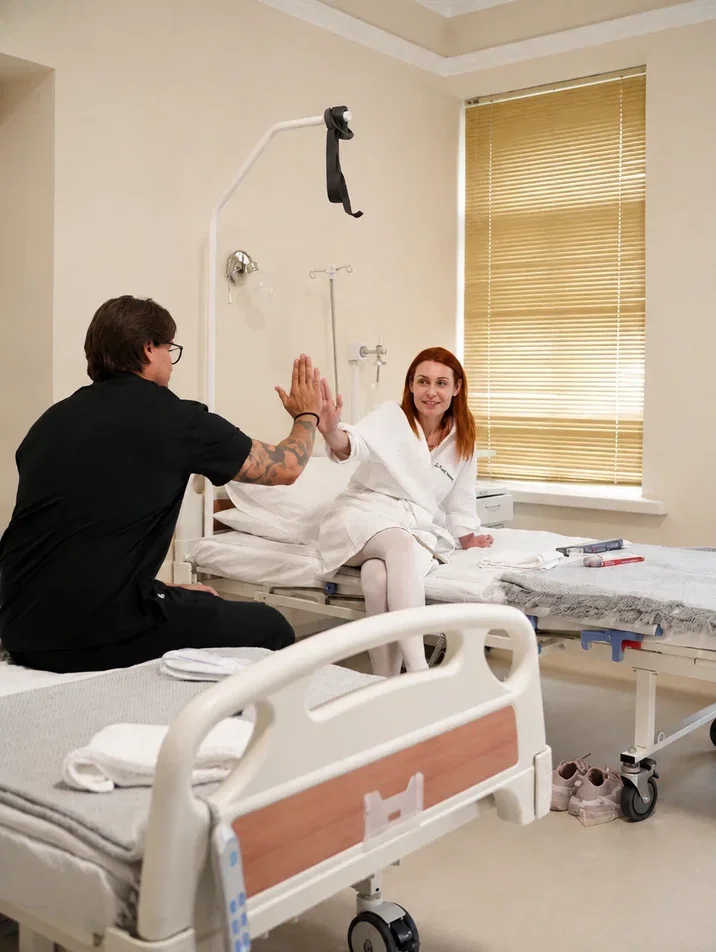
Ask us anything, and we will arrange a consultation at a time that suits you
Get a consultationTogether with the surgeon, you decide on surgery after a consultation and check-up.
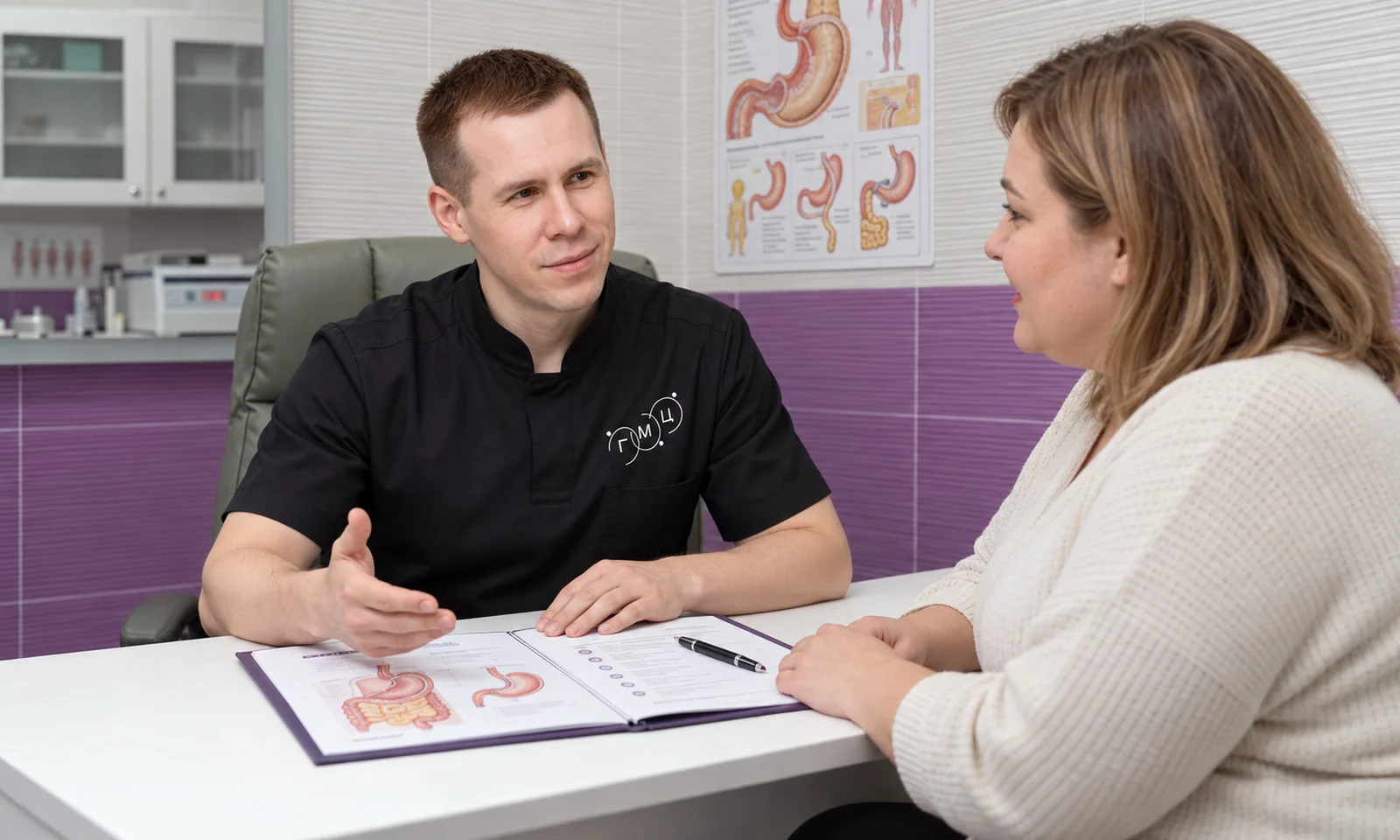
Not certain which side you are on?
Message us on Telegram and our coordinator will tell you if bariatric surgery suits you. The consultation with the surgeon is free and does not commit you to surgery.
Find out if it suits me
Prices
The contract fixes the cost, which is named at the consultation after your plan is drawn up.
Discounted price
Reduction of stomach volume
$3,600$4,800
Discounted price
Weight reduction with rerouting of food
$4,000$5,200
Free
Your treatment plan follows the surgeon's examination

Free
you are told the cost of surgery
and it is fixed in the contract
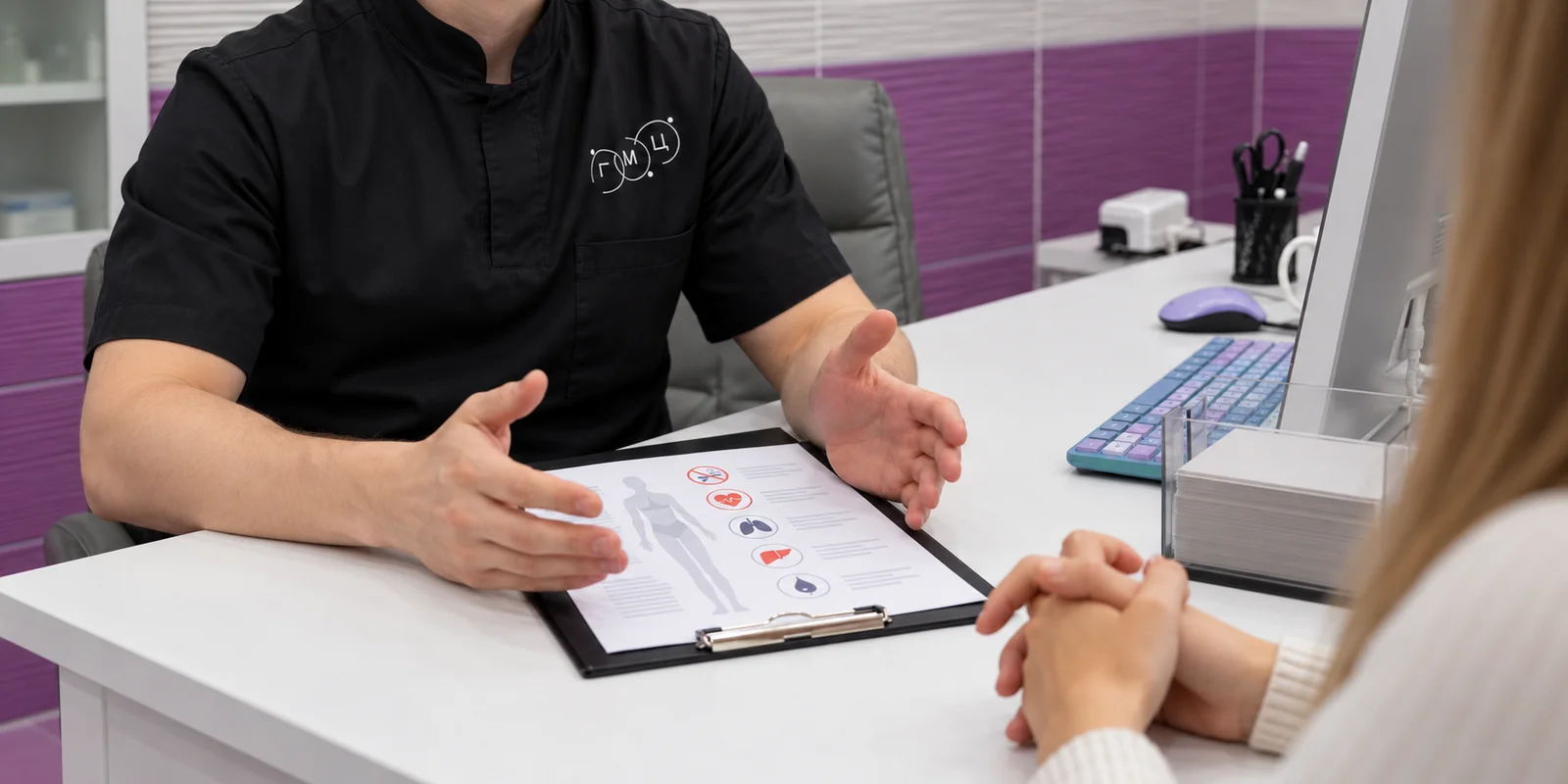
The doctor evaluates your health, talks through your goals and selects the right bariatric surgery method. The cost is named at the consultation and set in the contract.
Message our coordinator
Free online consultation · Reply within 15 minutes
Message us on TelegramMessage us on WhatsAppBy messaging us, you agree to our Privacy Policy
price
All in one package, from the preparation stage to 12 months of support — and no extra fees.From preparation for surgery
to support for 12 months.
What to expect
Support for a year, hospital monitoring and a treatment plan agreed in advance.
 1
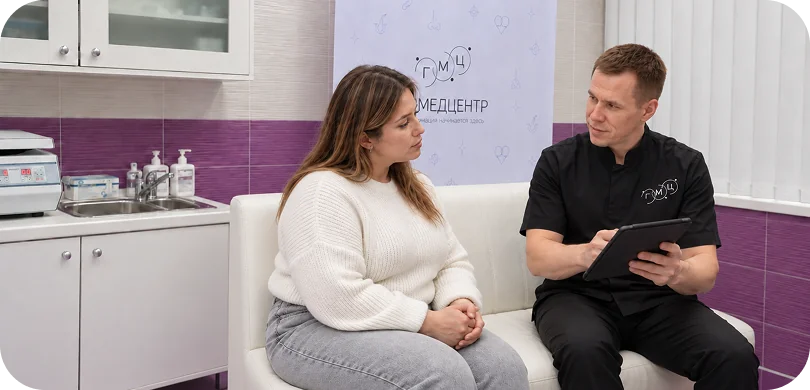
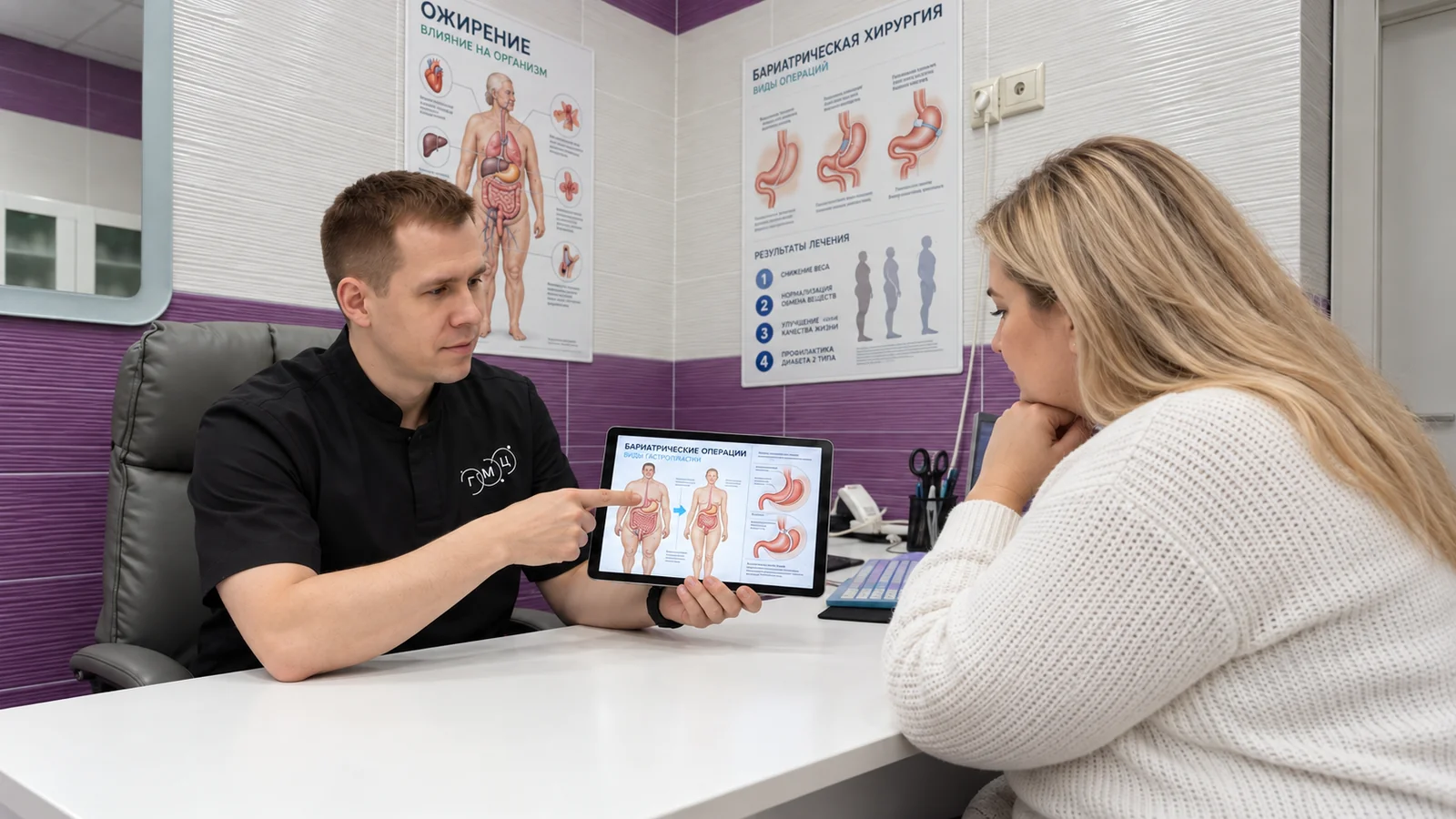
The doctor assesses your health, discusses your goals and orders the tests needed to choose the right bariatric surgery method.
2We set aside a surgery date for you — the deposit is paid by card at the clinic or online by bank transfer, and the terms are fixed in the contract for medical services
 3
Blood and urine tests, an ECG, an ultrasound, a gastroscopy and specialist visits come before surgery. At the consultation the doctor gives you the exact list.
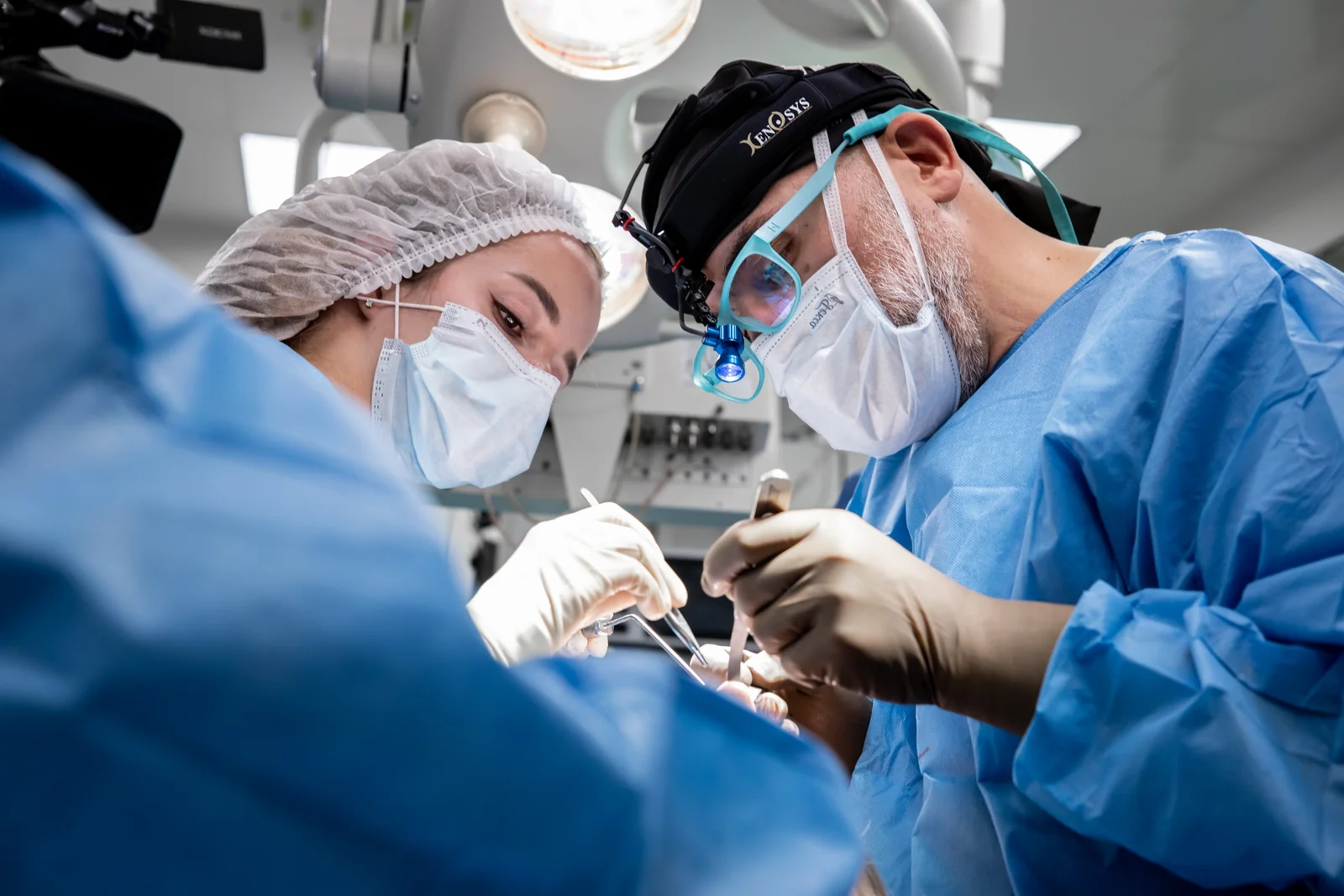 4
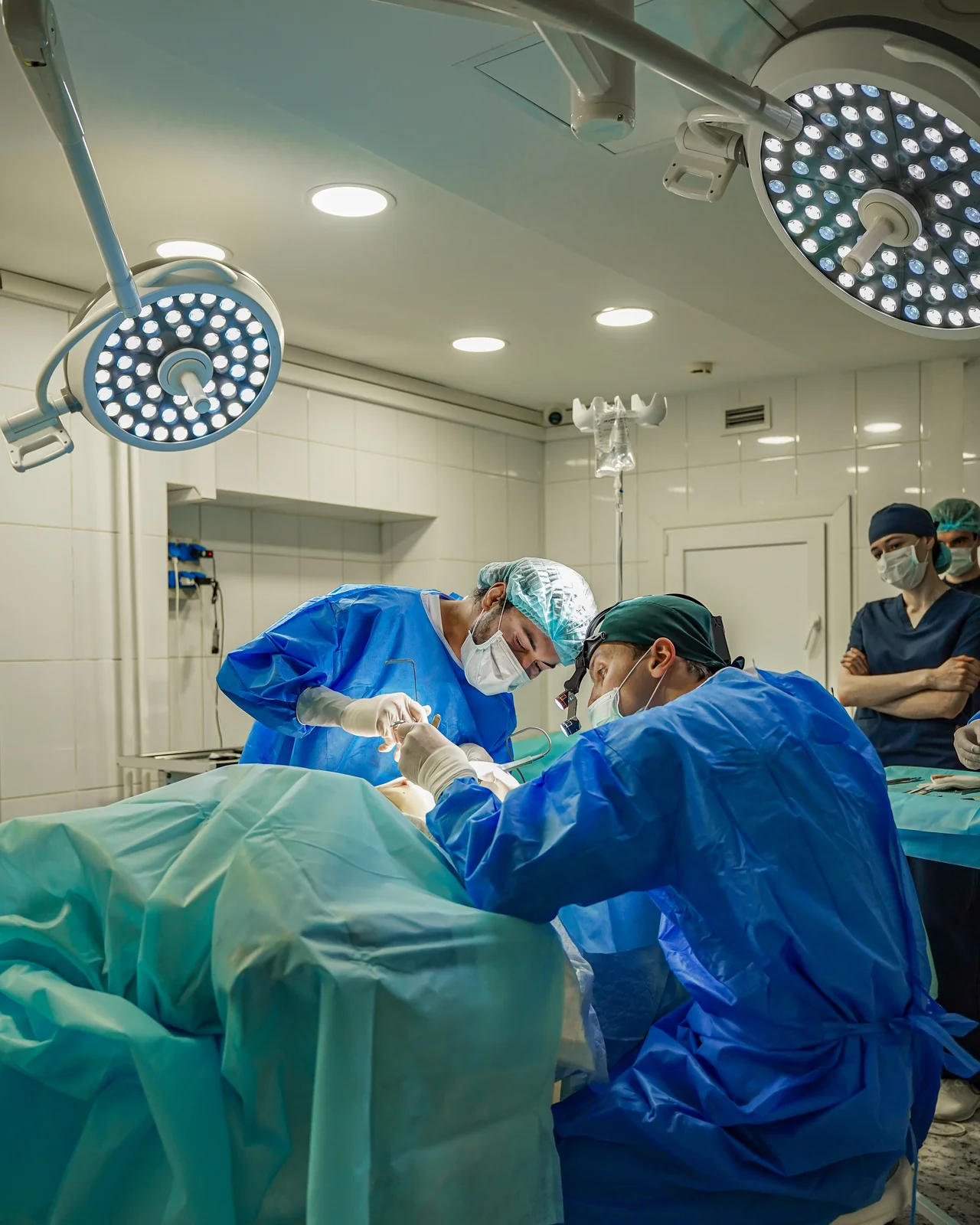
The bariatric operation takes place under general anaesthesia, performed by the surgeon with the chosen method; after surgery the medical team monitors the patient.
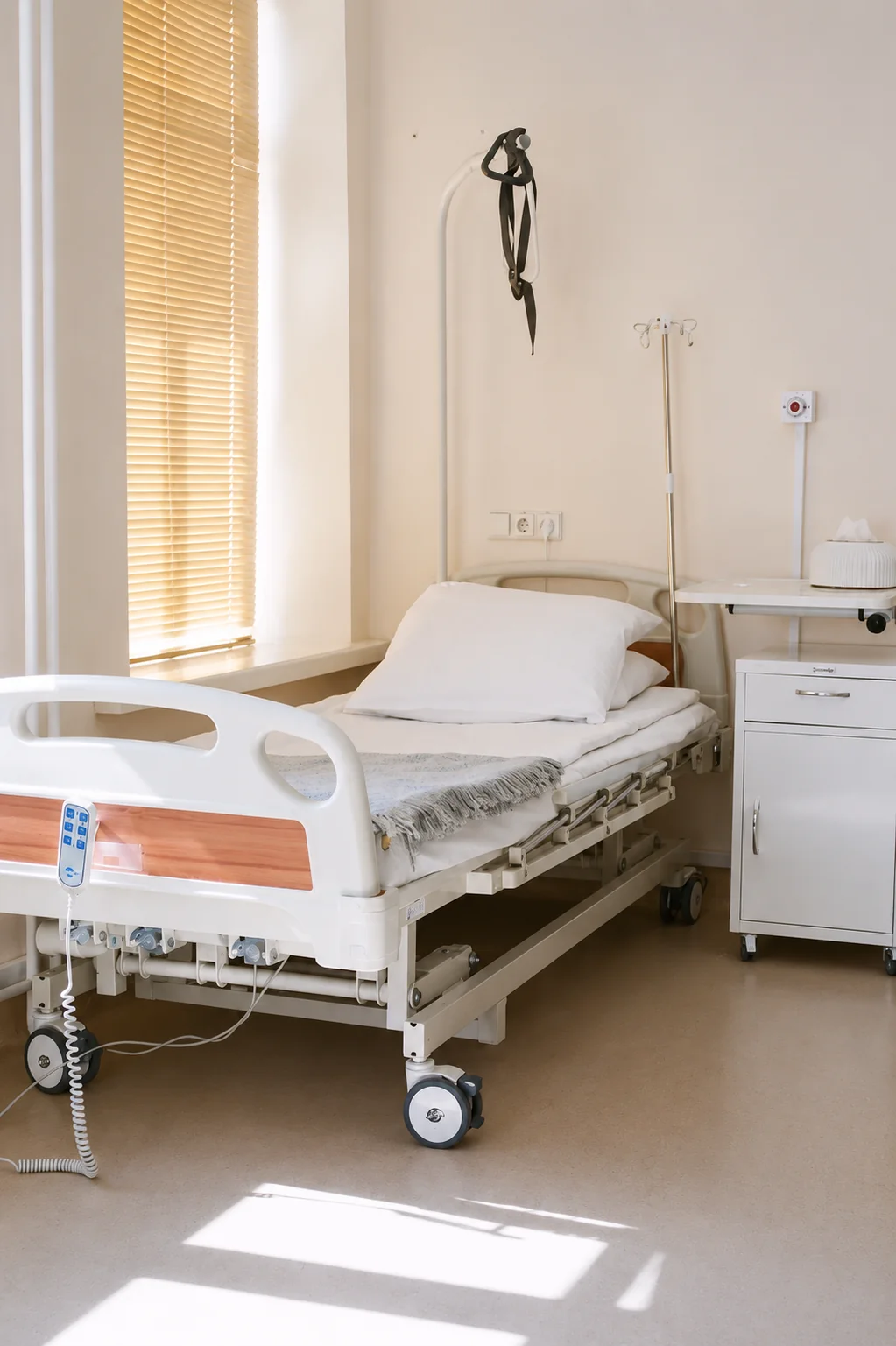 5
You stay in hospital under doctors' supervision after surgery; the stay runs from 1–3 to 4–5 days, depending on the operation's complexity and how you feel.
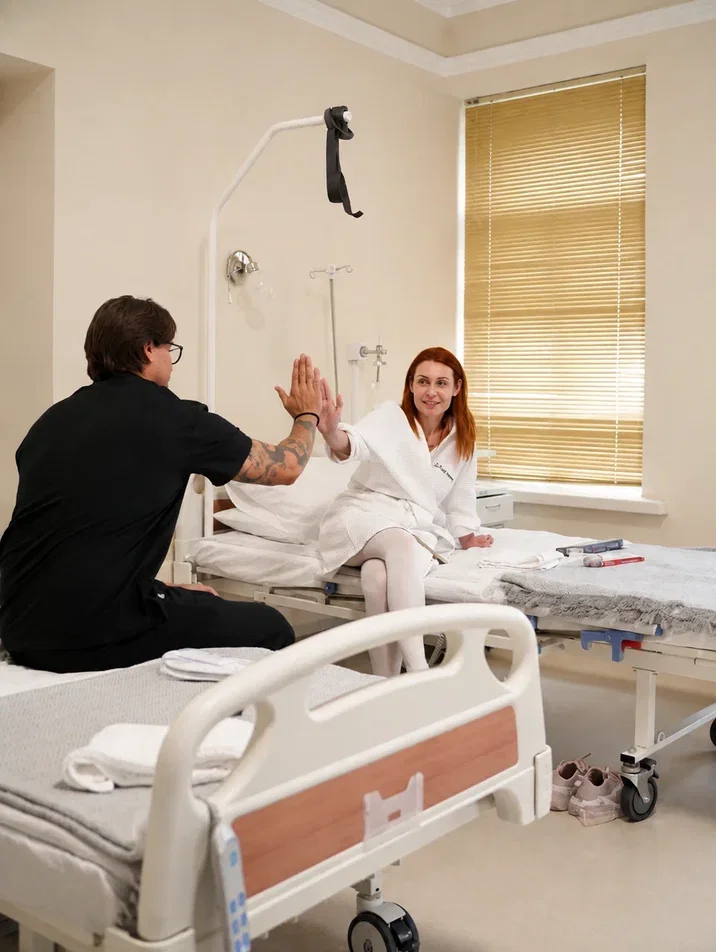 6
You leave with advice on diet and recovery. Scheduled check-ups then track how you feel, your weight and your test results, and the clinic team stays with you for a year.
Your plan is drawn up at the consultation, where the doctor explains how the surgery will go
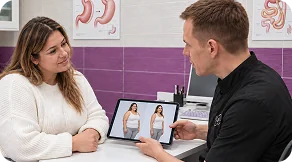
The consultation is free of charge, comes before surgery and obliges you to nothing.
Book a consultationDoctors
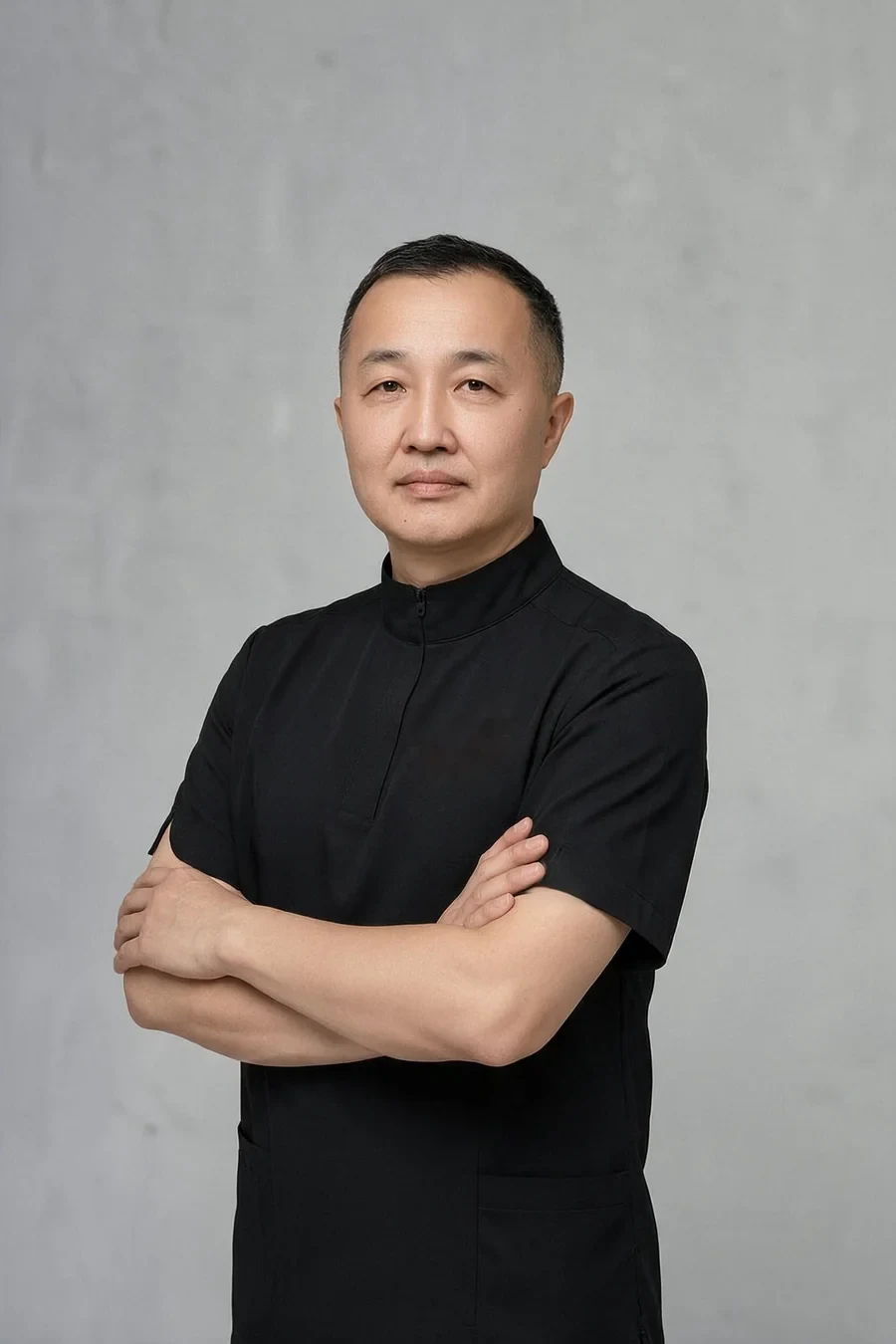
27 years of experience
Chief bariatric surgeon
Surgeon
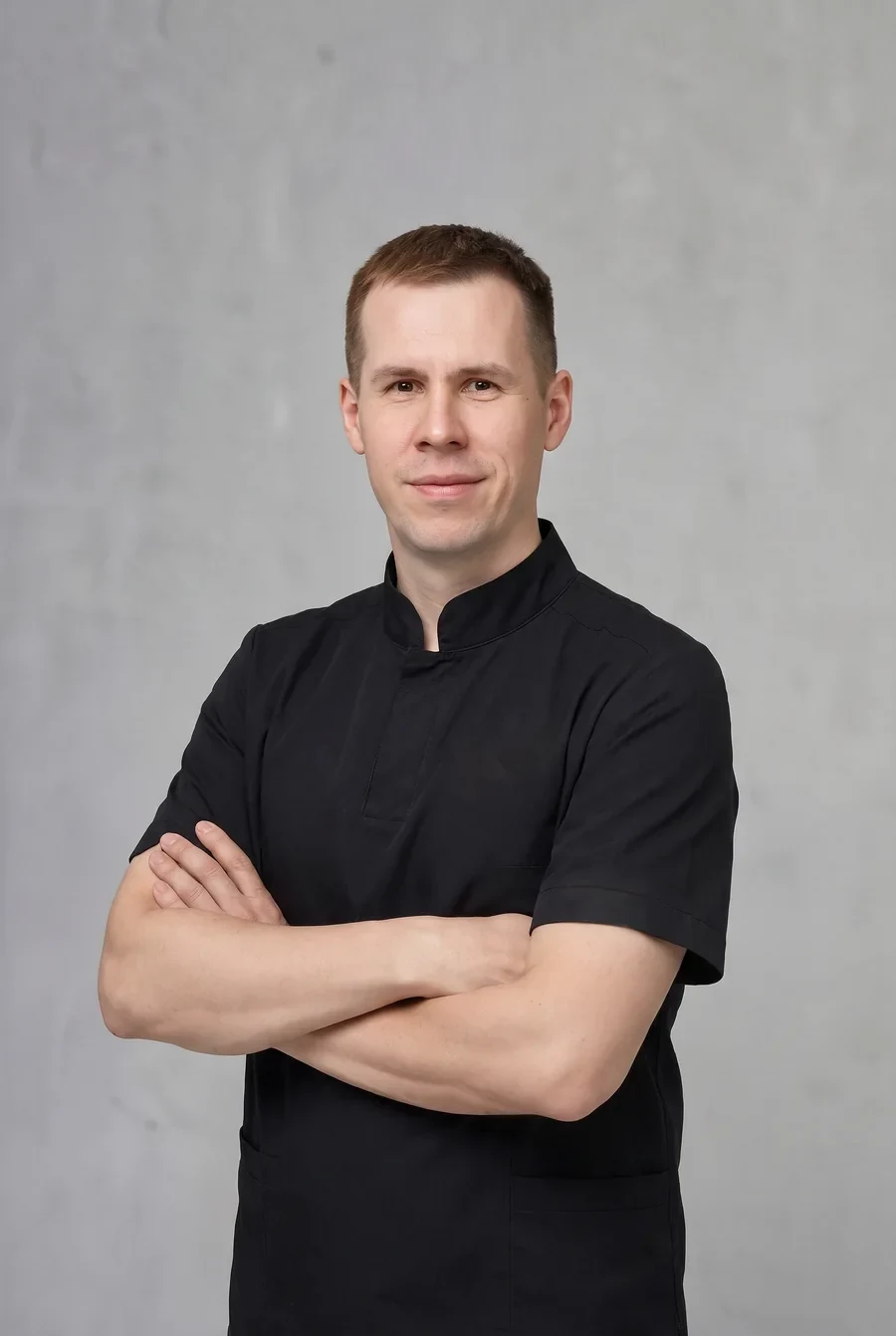
9 years of experience
Bariatric surgeon
Surgical oncologist
The surgeon who operates on you also follows you, from the first consultation to the result.
Our patient care manager holds the first consultation — calculating your BMI, explaining the methods and booking you with the surgeon. It costs nothing.
Book a consultationCoordinators
Support at every step of the way

Your first contact at the clinic — from your first message to the consultation
Patient support
Answers your questions before the first consultation and helps select a date that works for you

With you before and while you stay with us, from booking to discharge
Patient support
Helps you prepare for surgery and stays in touch during your stay at the clinic

With you throughout your recovery, from discharge to your final check-up
Patient support
Arranges your follow-up visits with the surgeon and stays in touch while you recover
Advantages
The method we choose is the best one for your health, lifestyle and goals — and our team stays with you throughout.
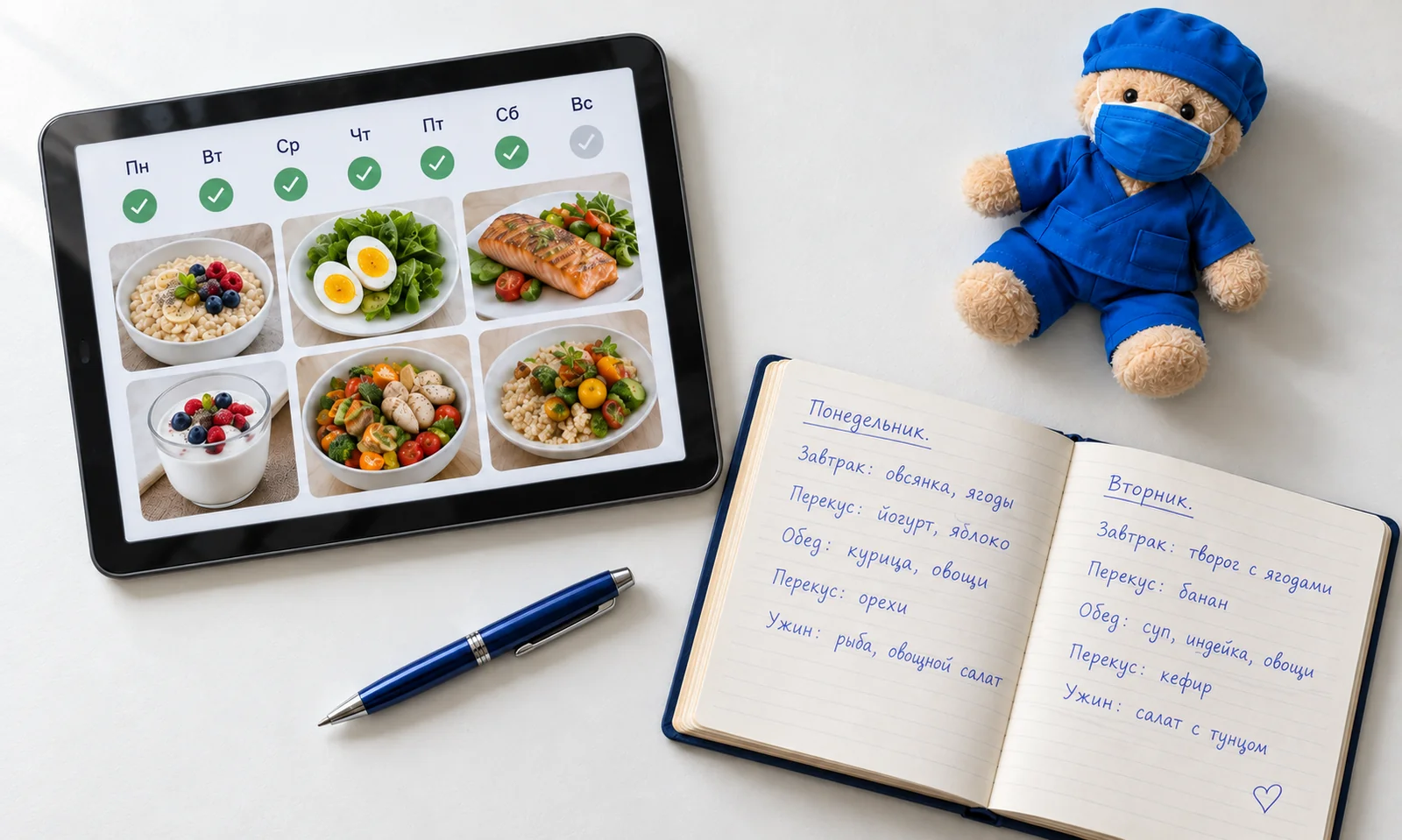
We help you get used to new eating habits, monitor your results and hold on to them.
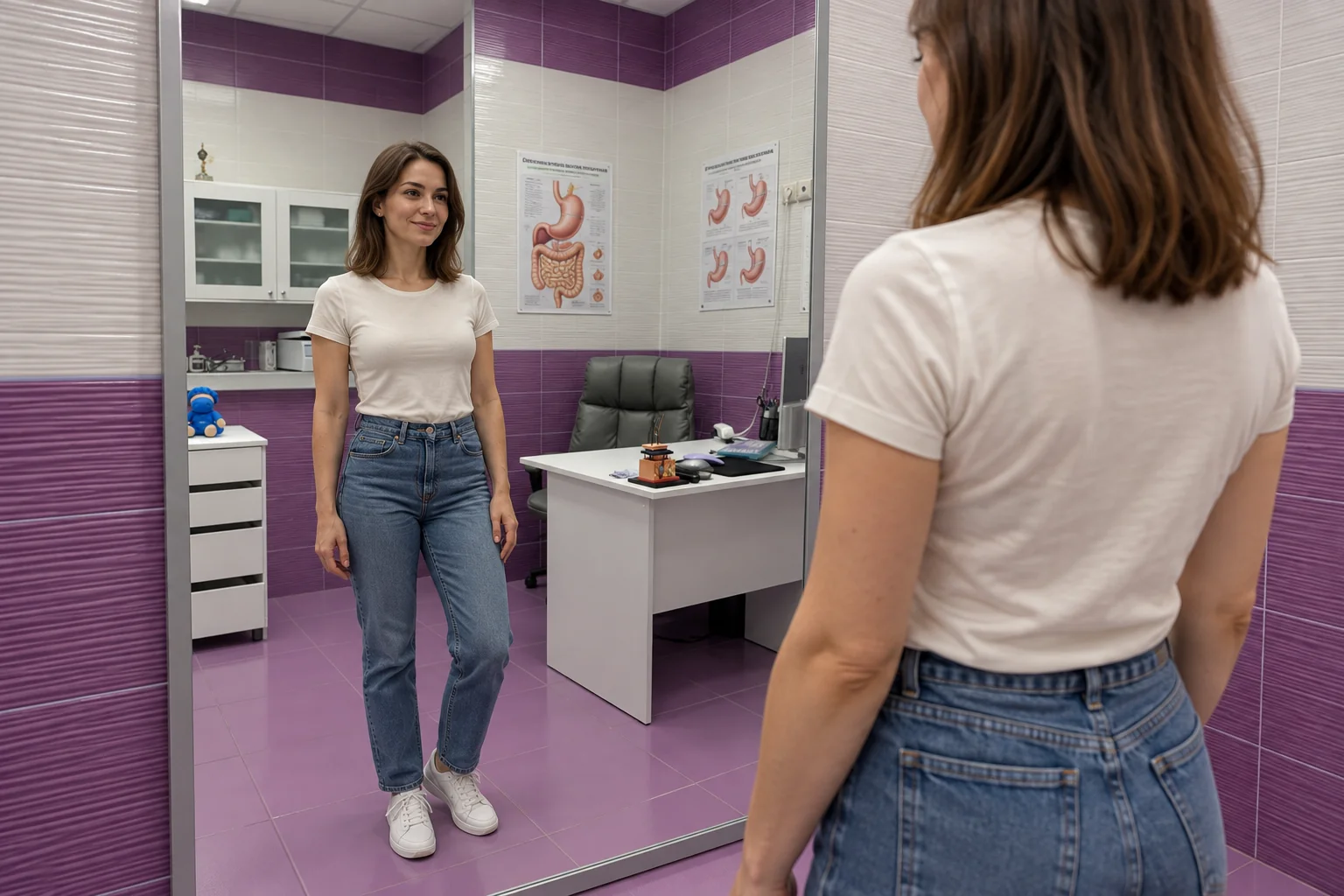
Weight loss that is steady, better well-being and a higher quality of life.
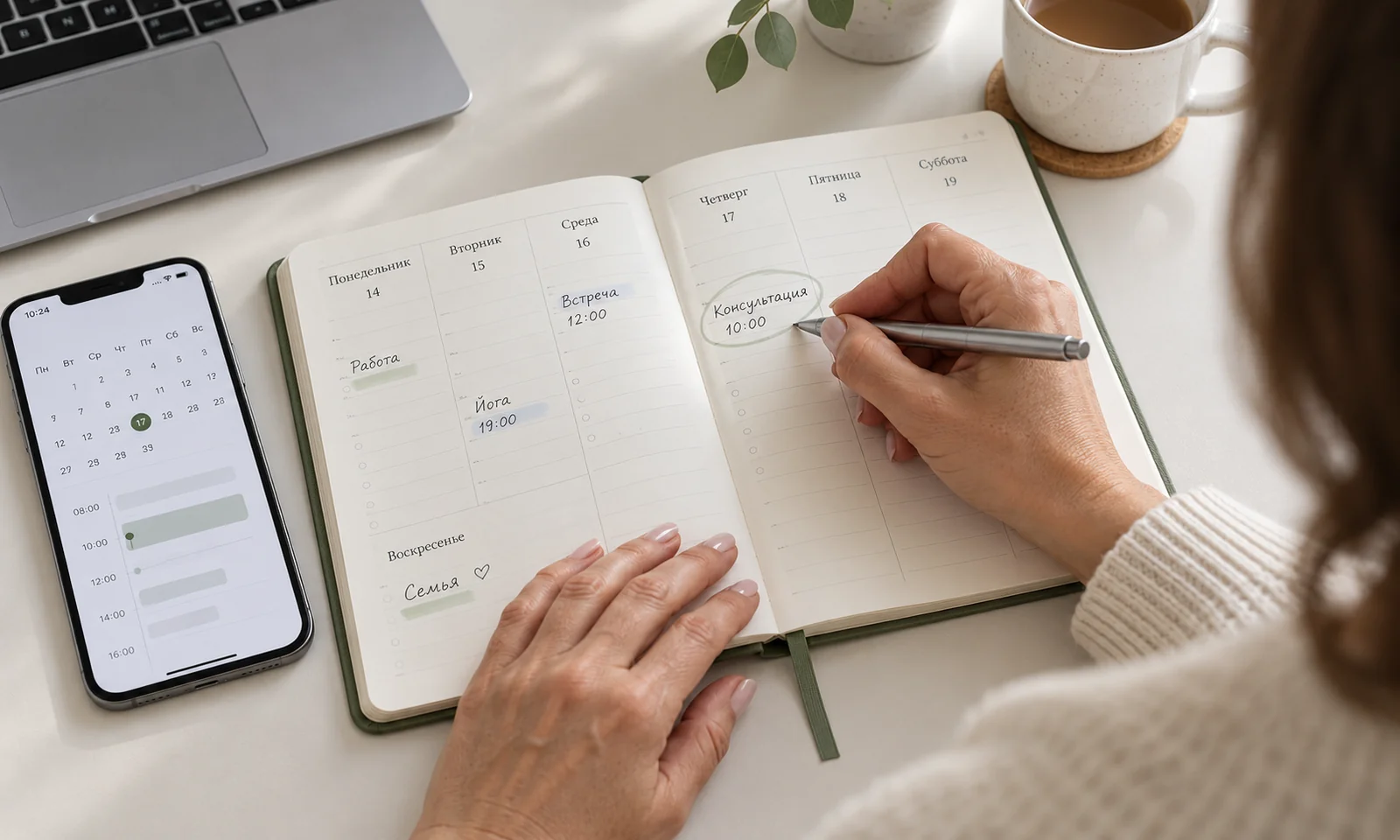
We work 24/7: booking is easy, the approach is personal and we adapt to your pace.
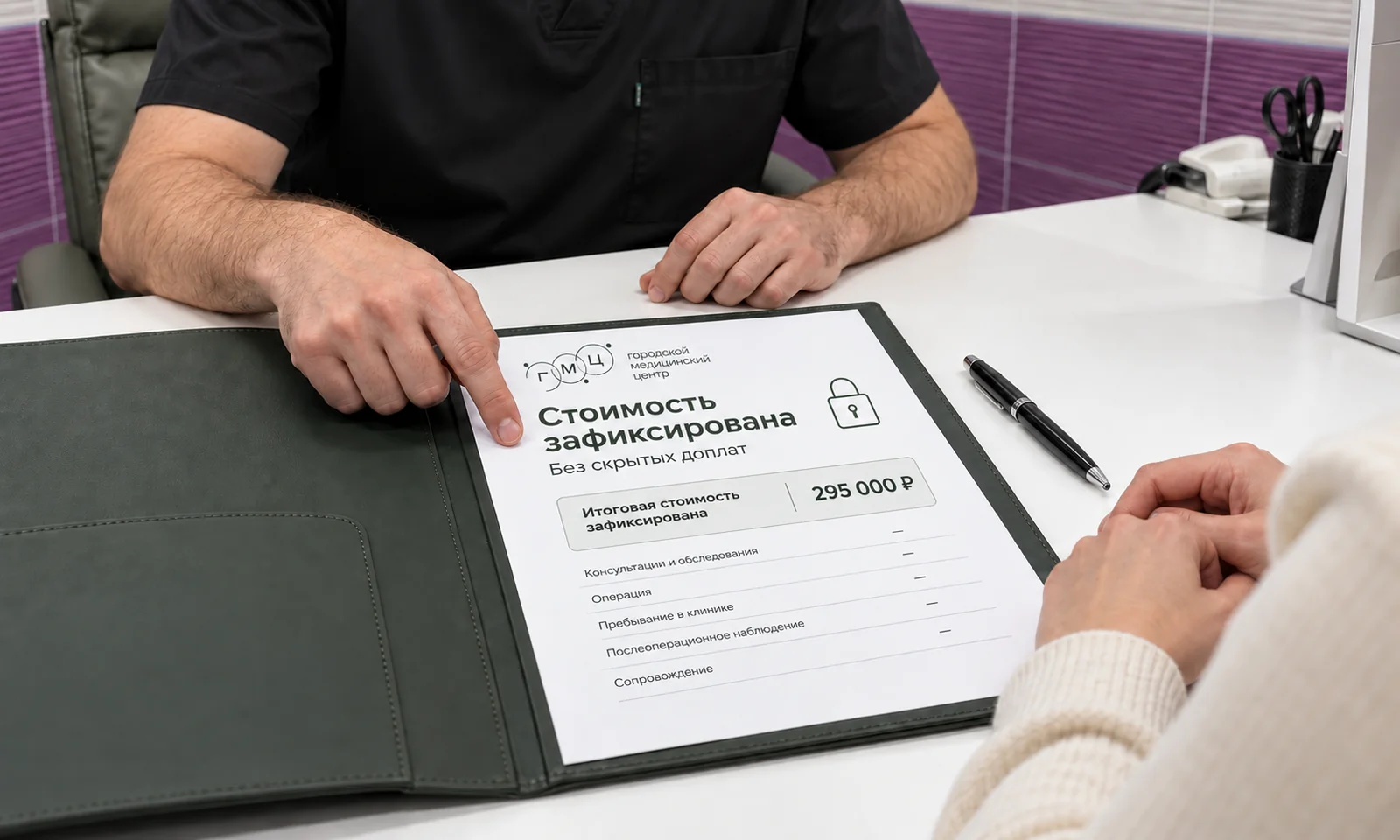
After your consultation, the method is chosen by the surgeon and the price is made clear — no hidden fees and no surprises before your result.
FAQ
The clinic's bariatric procedures are performed by experienced bariatric surgeons:
Message us — our coordinator will be in touch shortly to arrange your consultation. There is no charge for the bariatric surgeon consultation.
Surgery is prescribed only when clear criteria are met
BMI is the primary tool for judging obesity. The formula: body weight (kg) divided by height squared (m²). Surgery is typically justified at a BMI above 40, or above 35 if there are serious related conditions. At times surgery is also considered with lower figures — provided non-surgical treatment has failed.
It is common to confuse them, but their goals are fundamentally different. Bariatric surgery treats obesity and related diseases medically. By changing how the digestive tract works, it addresses the causes of excess weight and metabolism. Plastic surgery shapes the body's outer contours; it does not treat obesity and has no effect on metabolism.
Four main types of bariatric surgery are performed at City Medical Centre: sleeve gastrectomy, Roux-en-Y gastric bypass, mini gastric bypass (MGB) and SADI-S duodeno-ileal bypass. Each is selected individually based on BMI, related conditions and patient goals.
Modern laparoscopic technique is what we use. Just 4 small punctures of 5 to 15 mm are needed for the operation. Cosmetic sutures mean the marks are nearly invisible after healing.
Recovery depends on what you do. Office work: after 2–4 weeks. Physical work: after 1.5 months. Sport and activity: swimming is allowed after 30 days, other exercise is added gradually as weight drops. Travel and holidays: best planned no earlier than a month after surgery.
Eating changes gradually: liquid food first, then soft, then solid. The focus is protein, with high-calorie, fatty food kept to a minimum.
Pregnancy after bariatric surgery can happen, though doctors advise holding off at least 12–18 months. In this period the body becomes stable, weight reaches target values and nutritional status normalizes.
Yes, bariatric surgery makes vitamins a must. Since digestive anatomy is changed, absorption of some nutrients drops, and regular vitamin and mineral supplements become permanent in the patient's life.
Regain after bariatric surgery is possible, but very unlikely if you follow the doctor's advice. Proper nutrition, no high-calorie drinks and regular follow-up visits with City Medical Centre specialists make the difference.
Prices are in US dollars; the amount in brackets is an approximate conversion to ZAR at the rate of 02.10.2026. The final price is fixed in your contract.
Prices start from $3,600 (≈ R61,000). The surgeon sets the final price at the free consultation, and it is fixed in the contract, with no hidden extras.
General anaesthesia, a personal coordinator from day one, monitoring in the hospital and support for one year.
The hospital stay is 1–5 days, depending on the method and how you feel. Office work is possible after 2–4 weeks.
Yes. The first consultation is free and does not oblige you to anything. You can start online by sending a message to the coordinator.
Message us on WhatsApp or Telegram using the buttons below. A coordinator will answer your questions and book a free consultation where the doctor names the exact price.
By messaging us, you agree to our Privacy Policy
Weight that began in childhood, a family history of obesity, shortness of breath on stairs, avoiding photos — these are common reasons people in Klerksdorp start thinking about surgery. A consultation is warranted not only by a high BMI but also by related conditions. The surgeon reviews your health and weight history and offers the most suitable of the four surgical methods.
Preparation is practical. Two to four weeks before surgery, cut fast carbohydrates and fats; a month before, quit smoking, reduce physical activity and avoid stress. The day before, switch to light meals, with the last light meal in the evening and last fluids 3–4 hours before the operation. The same plan applies to everyone preparing for bariatric surgery in Klerksdorp.
Weight loss is written into the contract, and the package includes every stage: consultation, diagnostics, the operation, inpatient care with meals and a year of support. A personal coordinator guides you from day one. To begin, patients from Klerksdorp leave a request on the page or message the clinic, then receive a free consultation with a bariatric surgeon.
What patients write after this operation. Reviews are translated from the original language.
Irina, 26
For a long time I doubted whether to go ahead with surgery, but after the consultation I felt much calmer. Andrey Georgievich explained in detail how gastric bypass is done, what to expect after the operation and how recovery would go. I especially liked that they talked to me calmly and without pressure. I am now gradually getting used to my new way of life and I am very glad I took this step.
Bariatric surgery
Doctor: Andrey G. Ugay
Angelina, 22
For me the hardest part was deciding to have the operation. At the consultation Ruslan Sergeyevich answered all my questions in detail and explained the specifics of sleeve gastrectomy and recovery. After the operation I always understood what I was doing and why. Thank you to the doctor and the whole team for their attentiveness.
Bariatric surgery
Doctor: Ruslan S. Menzulin
Anna, 31
For a very long time I tried to deal with my excess weight on my own, but I did not get the result I wanted. After the consultation with Andrey Georgievich I finally understood what to do next. I came through the operation well, and my recovery was supervised by the doctors. It was important for me to feel that I was not left alone after surgery.
Bariatric surgery
Doctor: Andrey G. Ugay
Veronika, 25
Before the operation I had many fears, mostly of the unknown. Ruslan Sergeyevich explained every stage of treatment in detail and answered even the simplest questions. Thanks to that I felt much more confident. I keep following the recommendations and I am gradually seeing the changes I had the operation for.
Bariatric surgery
Doctor: Ruslan S. Menzulin
Valentina, 23
The decision to have bariatric surgery was not easy for me. I worried both about the operation itself and about how my life would change afterwards. At the consultation Andrey Georgievich explained everything in detail, so little by little my fear turned into confidence. What matters most to me now is the result and the chance to treat my health and lifestyle differently.
Bariatric surgery
Doctor: Andrey G. Ugay
Anna, 27
I am very grateful to Ruslan Sergeyevich for his attentiveness. Before the operation I had a huge number of questions, and I got a clear answer to every one of them. After the operation it was also clear which recommendations to follow and how to eat. It was important to me that the doctor stayed in touch and I felt supported at every stage.
Bariatric surgery
Doctor: Ruslan S. Menzulin
Klerksdorp sits in the North West Province, 165 km southeast of Mahikeng, the provincial capital. It was the first capital of the Transvaal Republic and once housed the first Stock Exchange in the region. It grew as a trading town linking Kimberley to Johannesburg, home to farmers, miners and immigrants serving both industries. The city has about 227,039 inhabitants. That is large enough to have its own medical, retail and education sector, yet it keeps the practical, community-minded character of a farming and mining centre.
People in Klerksdorp who think about bariatric surgery, meaning sleeve gastrectomy or gastric bypass, are usually people who have already tried diets, supervised programmes and exercise, and who are now looking for a more lasting medical tool. The World Health Organization treats obesity as a chronic condition linked to other serious illnesses, not as a question of willpower. That framing matters in a city where meals are often social and generous, and where weight can become a sensitive topic within families.
City Medical Centre works with you remotely. You start with a free online consultation from Klerksdorp, and coordinators are available around the clock (24/7) on Telegram and Telegram. You can send questions in the evening after work or at the weekend and keep the process at your own pace. We work 24/7: booking is easy, the approach is personal and we adapt to your pace.
BMI is the main tool for assessing the degree of obesity. It is calculated by dividing body weight (kg) by height squared (m²). Surgery is usually justified with a BMI above 40, or above 35 with serious related conditions. In some cases surgery is considered at lower values too, if non-surgical approaches have failed. The surgeon confirms whether surgery suits you at the consultation, so the numbers are a starting point and not a verdict.
For a person in Klerksdorp the practical first step is simple: weigh yourself, measure your height, calculate your BMI and write down what you have already tried and for how long. Add any conditions you live with, such as raised blood pressure, type 2 diabetes, sleep apnoea or joint pain, and the medicines you take. This short summary makes the online consultation much more useful and saves time.
Some people are not suitable candidates, or need preparation first. General examples include untreated eating disorders, active substance dependence, serious uncontrolled illness that makes general anaesthesia unsafe, and unwillingness to follow the long-term eating plan and vitamin routine after the operation. Pregnancy planning also needs thought, which is covered below. The surgeon decides individually and may ask for extra tests before agreeing to proceed.
We rely on modern laparoscopic technique. The operation is performed through 4 small punctures of 5 to 15 mm. Cosmetic sutures are used, so after healing the marks are barely visible. This is useful to know if you wear fitted work clothes or swimwear and are concerned about visible scars.
Sleeve gastrectomy reduces the size of the stomach. Gastric bypass reduces the stomach and also changes the route food takes through the digestive tract. Which one fits you depends on your BMI, your related conditions, your eating habits and your history, for example reflux or diabetes. Ask your surgeon why one is recommended over the other for you, how each affects vitamin and mineral absorption, and what the follow-up looks like.
Good questions to prepare from Klerksdorp: which method do you recommend for me and why; what does preparation involve; how long will I stay in hospital; what will I eat in the first weeks; which supplements will I need; how will my diabetes or blood pressure medicines be adjusted; and who do I contact when I have a concern at night. Because coordinators answer 24/7, you can raise those questions at any point, also after the consultation.
Klerksdorp has a semi-arid climate with warm to hot summers and cool, dry winters. Average annual precipitation is 482 mm, with most of the rain falling in summer. For recovery this means two different seasons to plan around, and each has its own practical points.
In the hot months, the main concerns are hydration, comfort and the healing marks. After a bariatric operation you drink in small, regular sips, and heat makes this more important. Choose light, loose cotton clothing, avoid long periods in direct sun while the small wounds are healing, and protect the skin with shade and a hat. Heat can also increase swelling and tiredness in the first days, so plan quiet, cool rest at home. If you are advised to wear compression garments, pick breathable fabric and follow the surgeon's instructions.
Winters are cool and dry, which many patients find comfortable for the first weeks at home. Mornings and evenings can be cold, so layers are useful, and dry air makes it easy to forget to drink, so keep a bottle within reach. Dust in dry weather can irritate the throat and nose, which is worth knowing if you are sensitive. Gentle walks in the milder part of the day help circulation and are generally encouraged, in line with what your surgeon advises.
There is no single best month, and your medical readiness matters more than the calendar. Still, local conditions can help you choose. Many people prefer the cooler, dry months because the first weeks of recovery are more comfortable than in the peak of summer heat, and clothing, rest and hydration are easier to manage.
Summer rain mostly falls in the warm months, so a summer plan should allow for storms and humid, hot afternoons. That is not a reason to avoid surgery then, but it is a reason to arrange comfortable, cool rest at home and an easy way to reach your medical contacts. Agree in advance who will help with shopping, cooking and school runs.
Think also about your own calendar: school terms, work deadlines, harvest-linked work in the farming district, family celebrations and sports events. Choose a window when you can take the leave you need and avoid a large family event in the first weeks, when your portions are small and eating needs to be calm. Your coordinator can help you match the preparation timeline with the date that suits you.
The operation is performed under general anaesthesia, with 1–5 days in hospital. Doctors supervise you in hospital after surgery for a stay of 1–3 to 4–5 days, depending on the complexity of the operation and how you are feeling. Since the stay depends on the method and how you feel, it is sensible to plan for the longer end and be pleasantly surprised if it is shorter.
At home, the first weeks revolve around small portions, steady fluids, short walks and rest. Prepare your kitchen before the operation: containers for small portions, a water bottle, suitable protein products as advised, and the supplements your surgeon lists. Klerksdorp is a farming district where maize, sorghum, groundnuts and sunflower are important crops, and the cattle herds are well known, so the family table often features hearty dishes. Tell the household in advance that your meals will change and that you will not be able to taste everything at gatherings.
From the day of the operation, support continues. The package runs from preparation to 12 months of support, all in one package, with no added fees, and a coordinator will call you back 24/7. If you feel unsure about pain, nausea, fluid intake or the look of a wound, contact the coordinator rather than waiting; the message can then be passed to the medical team.
Recovery time depends on the activity. Office work: after 2–4 weeks. Physical work: after 1.5 months. That matters in Klerksdorp, where many people work in mining, agriculture, retail, banking, public offices and education. Office staff in banks and government branches can plan a return to the desk in the 2–4 week window, with a gradual start. People in physically demanding jobs on farms, mines or in warehouses should plan on 1.5 months before heavy lifting and long hours, and ask the surgeon for a written note for their employer if needed.
For sport, swimming is allowed after 30 days, and other exercise is gradually added as weight goes down. If you enjoy walking, the Oudorp hiking trail through the oldest parts of town, or the paths around Faan Meintjies Nature Reserve and the Johan Neser Dam, can become part of your routine once the surgeon clears you, starting with short, easy distances. Athletes and parents following school athletics events at the Harry Oppenheimer Stadium should still build up slowly.
Students and parents with school-age children can arrange school runs and homework help ahead of time. Klerksdorp has many public and private schools, so there is usually a community of other parents who can support with lifts for a few weeks. Telling a few trusted people what you need makes the first weeks calmer.
Getting pregnant after bariatric surgery is possible, but doctors advise waiting at least 12–18 months, so the body can stabilize, weight can reach target values and nutritional status can normalize. If you are a woman planning a family, discuss contraception and timing with the surgeon before the operation, not after.
Weight loss continues over a long period, with the result developing 18–24 months after surgery. During that time your eating habits, vitamin routine and activity level determine how well the result holds. Follow-up support for 12 months is part of the package, and regular check-ups and blood tests help catch deficiencies early.
Living in Klerksdorp, you may be asked to do blood tests or check-ups with local medical services. The city has four private hospitals and is a notable medical centre for North West Province and Northern Free State, so routine tests are usually close to home. Share the results with your coordinator so the surgical team stays informed.
Klerksdorp was founded in 1837 or 1838, when Voortrekkers settled on the banks of the Schoonspruit, the 'Clear stream' that still flows through the town. It is the oldest European settlement north of the Vaal River. Hendrik Grobler claimed a farm called Elandsheuwel, the 'Hill of the Eland', and gave plots to other settlers in return for their labour on a dam and an irrigation canal. The name Klerksdorp later honoured the first landdrost, Jacob de Clercq.
A story built on shared work and slow progress is a useful frame for bariatric surgery. Sleeve gastrectomy and gastric bypass are not a single event but a long process: preparation, the operation under general anaesthesia, 1–5 days in hospital, and then a result that develops 18–24 months after surgery. Like the early settlers who dug a canal before they saw the harvest, patients here do the groundwork first and see the full benefit later.
The Schoonspruit and the shaded old town streets also suit gentle recovery walks. Once your surgeon allows it, short, easy distances on flat ground are a sensible way to start, building up as weight goes down.
In November 1885 gold was found in the Klerksdorp district, and thousands of fortune-seekers turned a small village into a town with 70 taverns and its own stock exchange, which opened in 1888. The boom faded in the late 1890s, a short revival followed the McArthur–Forrest process, and the industry was revived again by large mining companies in 1932. The town has lived through booms and slumps, and survived them with mining together with agriculture.
Many people who ask about surgery have lived their own cycles of quick diets and rebounds. A fast start that cannot be sustained is the pattern to avoid. Ask the surgeon how the first weeks of small portions will progress, and agree on a steady plan rather than a sprint. The 12 months of follow-up support in the package exist for exactly this reason.
Mining and shift work also shape daily rhythm here. If you work shifts, tell the coordinator, because meal timing, supplements and sleep need to fit your roster, and the 24/7 availability of coordinators on Telegram and Telegram suits night-shift schedules.
Klerksdorp is divided into 35 suburbs, including Jouberton, laid out from 1949, and Alabama, surveyed in 1956. The wider urban area takes in Orkney, Stilfontein, Khuma, Kanana, Hartbeesfontein and Tigane, with more than 350,000 inhabitants, and Klerksdorp, Hartbeesfontein, Orkney and Stilfontein are together known as the KOSH area.
Where you live affects practical planning. Someone in Jouberton or Khuma may rely on shared transport for check-ups and on neighbours for help in the first weeks, while a resident of a quieter suburb may have more space at home but fewer people nearby. Whichever applies, write down who can shop, cook and help in the first two weeks, and share that plan with your coordinator.
Because the first consultation is online, residents of Orkney or Stilfontein need no extra effort to begin. The same coordinators answer everyone in the KOSH area, at any hour.
Matlosana Mall, the largest shopping centre in North West Province with 145 stores, includes Checkers, Pick n Pay and Woolworths, plus restaurants and sports retailers. After surgery it is a convenient place to find protein products, small food containers, a water bottle and comfortable clothing, once your surgeon says you can walk around for longer.
The Rio Casino Resort, with its carnival theme, is one of the largest casinos in the Southern Hemisphere and a place for buffets, entertainment and long evenings out. In the first weeks, large buffets and celebratory dinners are best avoided, because portions are small and eating should be slow. Tell friends in advance that you will be ordering little and drinking in sips.
The district grows maize, sorghum, groundnuts and sunflower and is known for Sussex cattle, so meat and maize dishes are familiar at family tables. Your surgeon and dietitian will explain which textures and foods to reintroduce and when; bring a list of your usual meals to the consultation so the advice fits your own kitchen.
The first consultation is free and online. You contact the coordinators on Telegram or Telegram at any hour, send your height, weight, history and test results if you have them, and agree on a time for a conversation with the surgeon. Everything is done from your home or workplace in Klerksdorp, so you do not need to take a day off for the first discussion.
At the consultation the surgeon reviews your BMI, related conditions and previous attempts at weight loss, then explains which approach might suit you or whether more preparation is needed. The usual guide is a BMI over 40, or over 35 with related health conditions. Bring your questions, and ask a family member to join if you want support in decisions.
If surgery goes ahead, preparation, the operation, the hospital stay and 12 months of follow-up are organised as one process. A coordinator will call you back 24/7, so you are not left waiting for office hours. Take your time: you can ask for clarification and decide at your own pace.
Yes. The first consultation is free and online, and coordinators are available around the clock (24/7) on Telegram and Telegram. You send your basic details and tests, then speak to the surgeon remotely.
Usually a BMI over 40, or over 35 with related health conditions. In some cases surgery is considered at lower values too, if non-surgical approaches have failed. The surgeon confirms whether surgery suits you at the consultation.
Divide your body weight in kilograms by your height in metres squared. BMI is the main tool for assessing the degree of obesity, but the surgeon also looks at your overall health.
The operation is done under general anaesthesia, with 1–5 days in hospital. The exact stay depends on the method and how you feel.
The operation uses laparoscopic technique through 4 small punctures of 5 to 15 mm. Cosmetic sutures are used, so after healing the marks are barely visible.
Office work is possible after 2–4 weeks. Physical work: after 1.5 months. In Klerksdorp, that applies to bank and office staff on one side and to farm, mine and warehouse workers on the other.
Swimming is allowed after 30 days. Other exercise is gradually added as weight goes down. Start with short walks and follow your surgeon's guidance, especially in the heat of summer.
It can. Summers are warm to hot, so hydration, light clothing, shade and a hat matter while the small wounds heal. Choose breathable fabrics, rest in the cool and avoid long exposure to direct sun in the early weeks.
Getting pregnant after bariatric surgery is possible, but doctors advise waiting at least 12–18 months, so the body can stabilize, weight can reach target values and nutritional status can normalize.
The package runs from preparation to 12 months of support, all in one package, with no added fees. Follow-up support for 12 months is included, and a coordinator will call you back 24/7 if you have questions.
Once your surgeon clears you, gentle options include the Oudorp hiking trail through the oldest parts of town, the paths near the Johan Neser Dam and Faan Meintjies Nature Reserve. Begin with short, easy distances.
Yes. The first consultation is free and online, so anyone in the KOSH area can contact the coordinators 24/7 on Telegram or Telegram.
Not necessarily. Tell the coordinator your roster so supplements, meals and rest can be planned. Physical work is possible after 1.5 months, office work after 2–4 weeks.
Avoid big gatherings in the first weeks, tell hosts that your portions will be small, and eat slowly. Your surgeon will explain how your diet progresses.
Page medically reviewed by Andrey G. Ugay, lead bariatric surgeon. Review date: .