
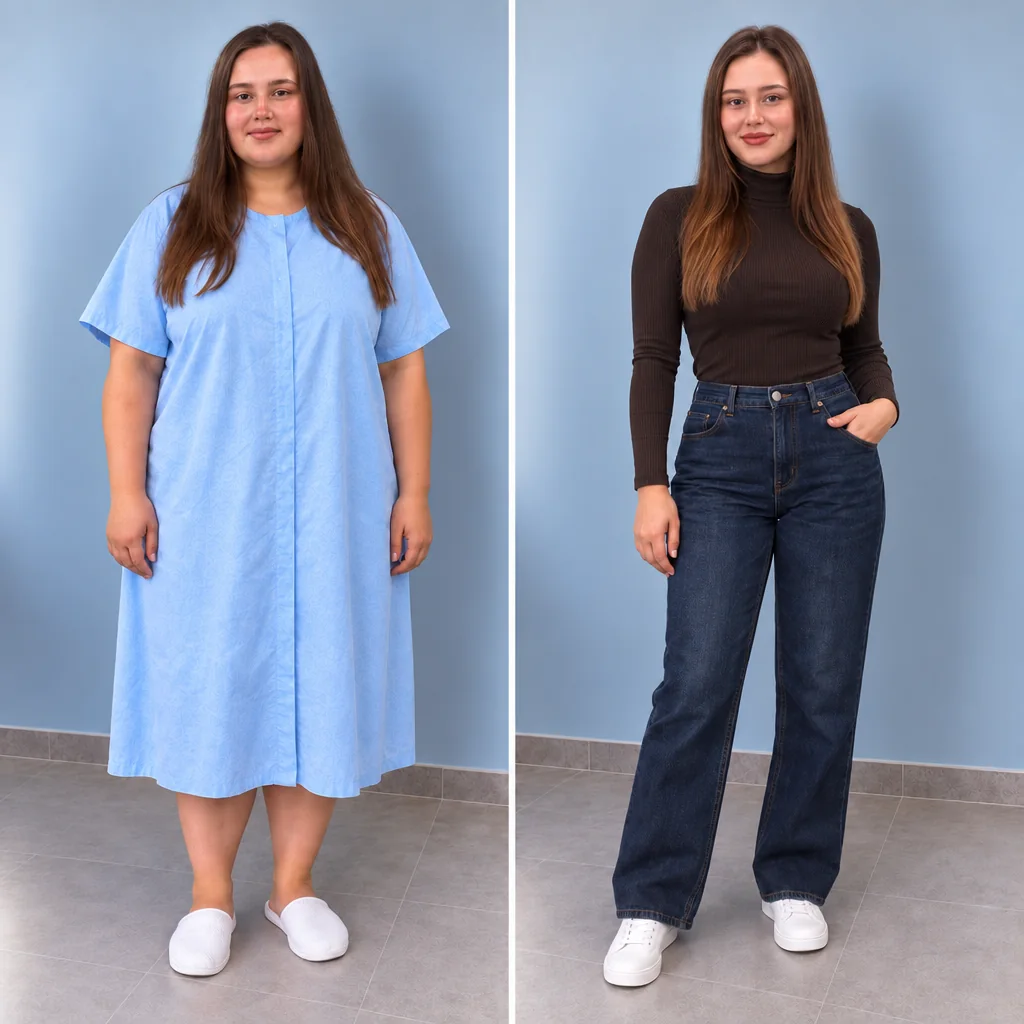
 beforeafter
Irina, 26
Bariatric surgery
Bariatric surgery
$3,600
$4,800 · First consultation — Free
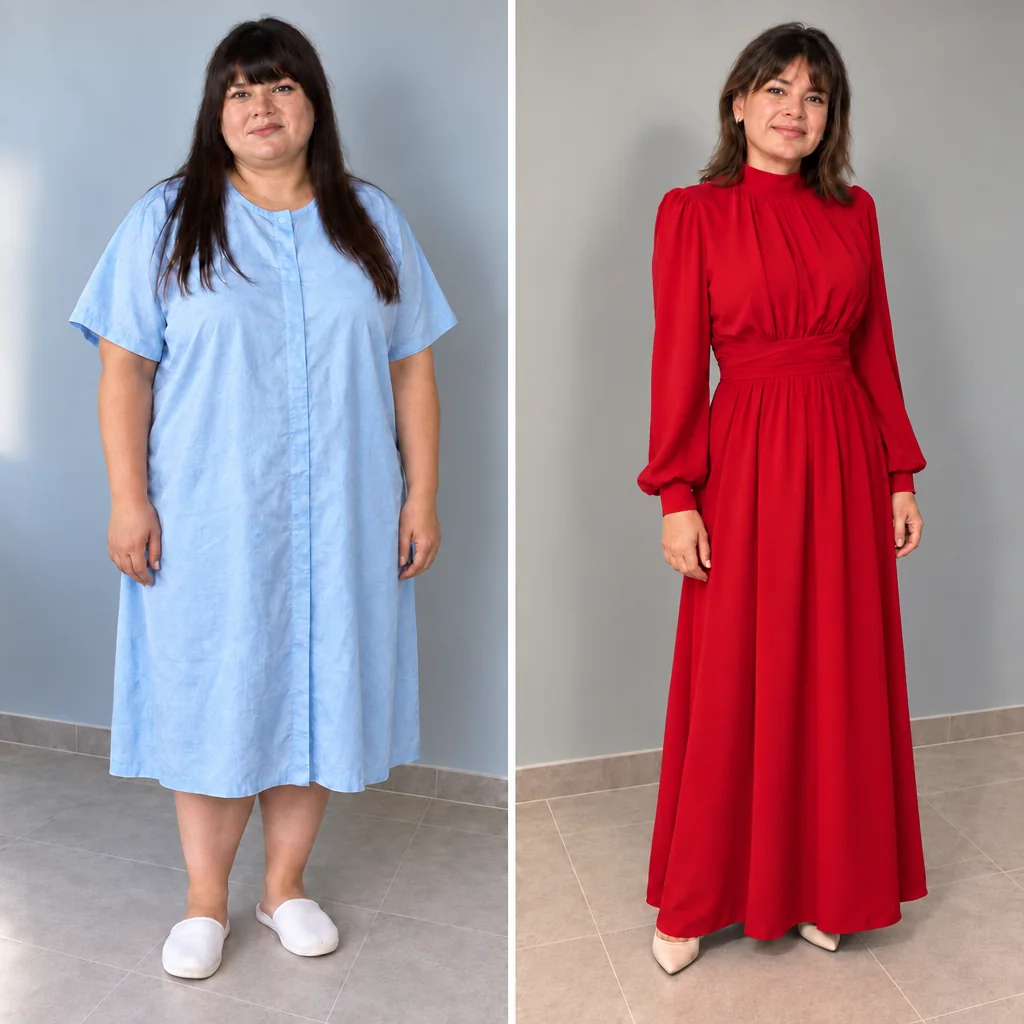 before
after
Message our coordinator
Free online consultation · Reply within 15 minutes
Message us on TelegramMessage us on WhatsAppBy messaging us, you agree to our Privacy Policy
Results
All cases are real patients of the clinic.
beforeafterBariatric surgery
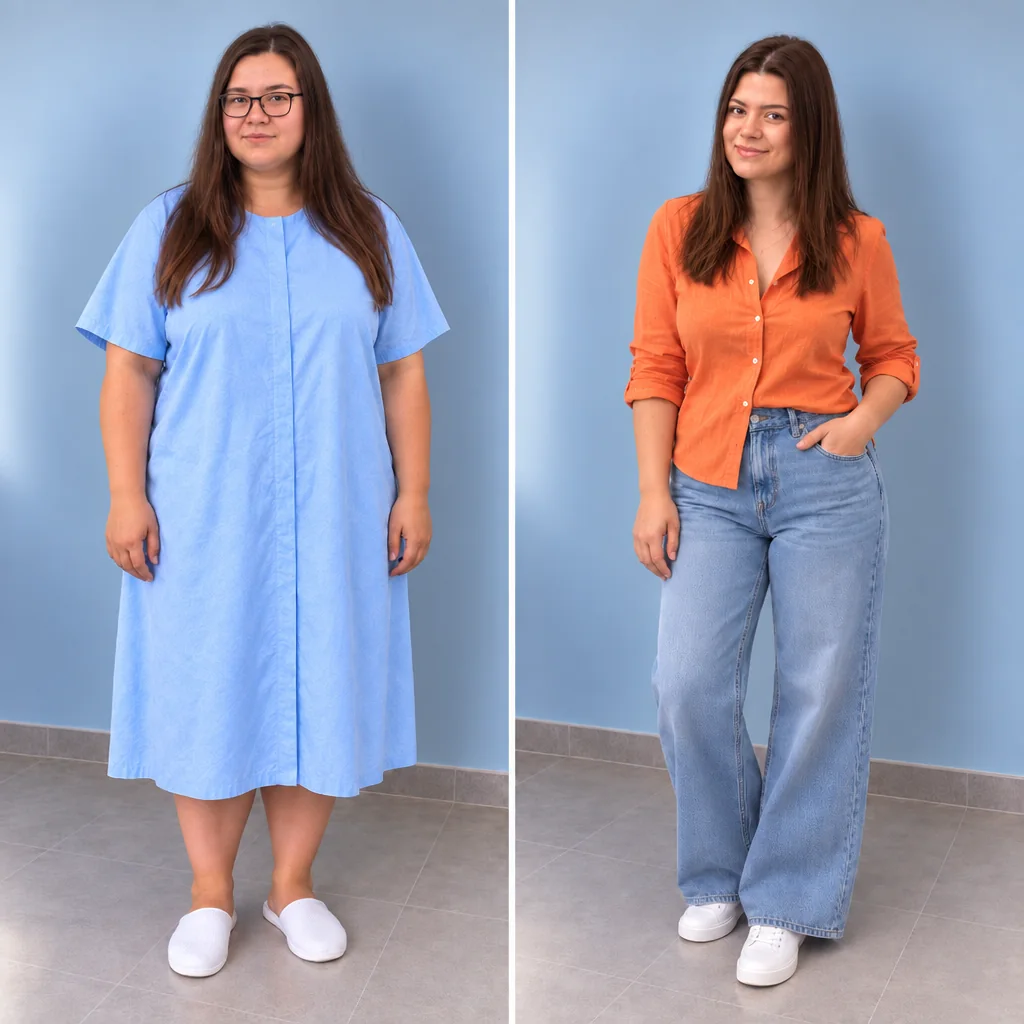 beforeafter
Bariatric surgery
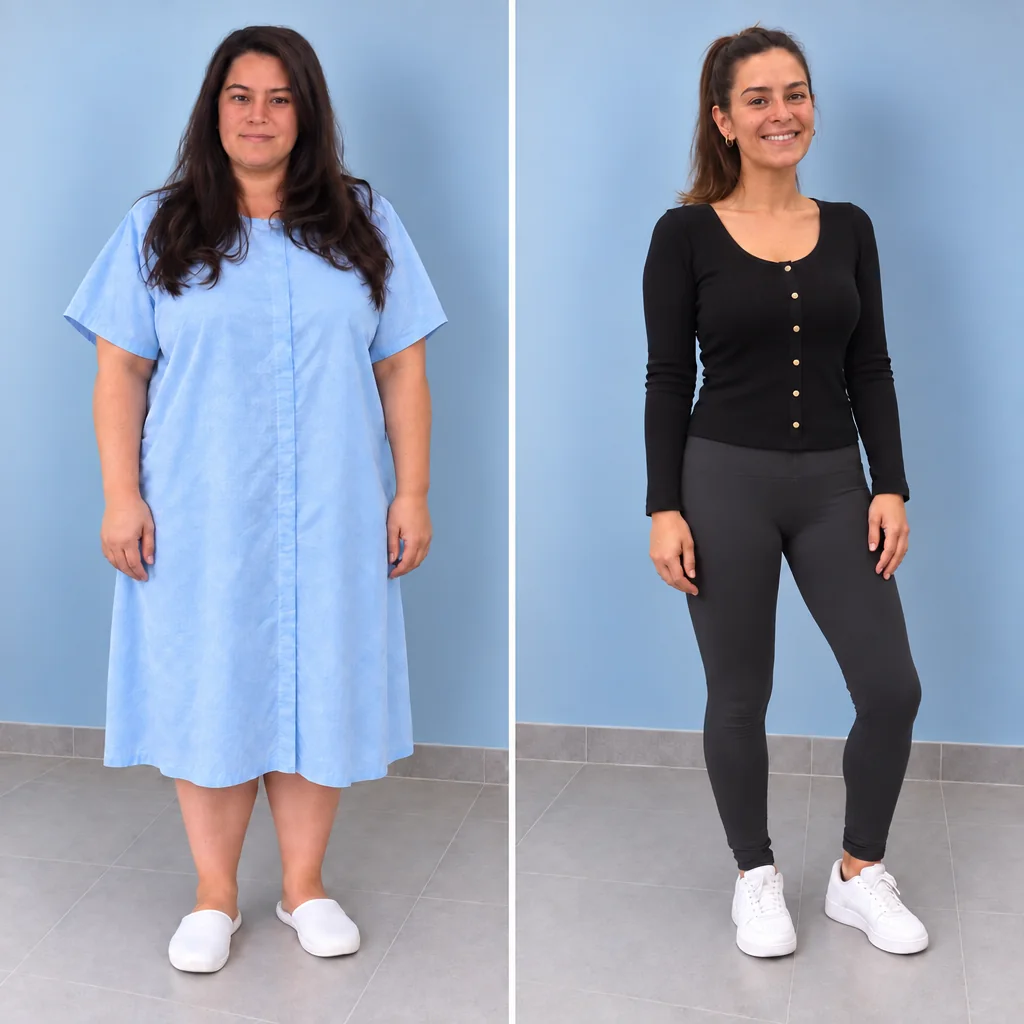 beforeafter
Bariatric surgery
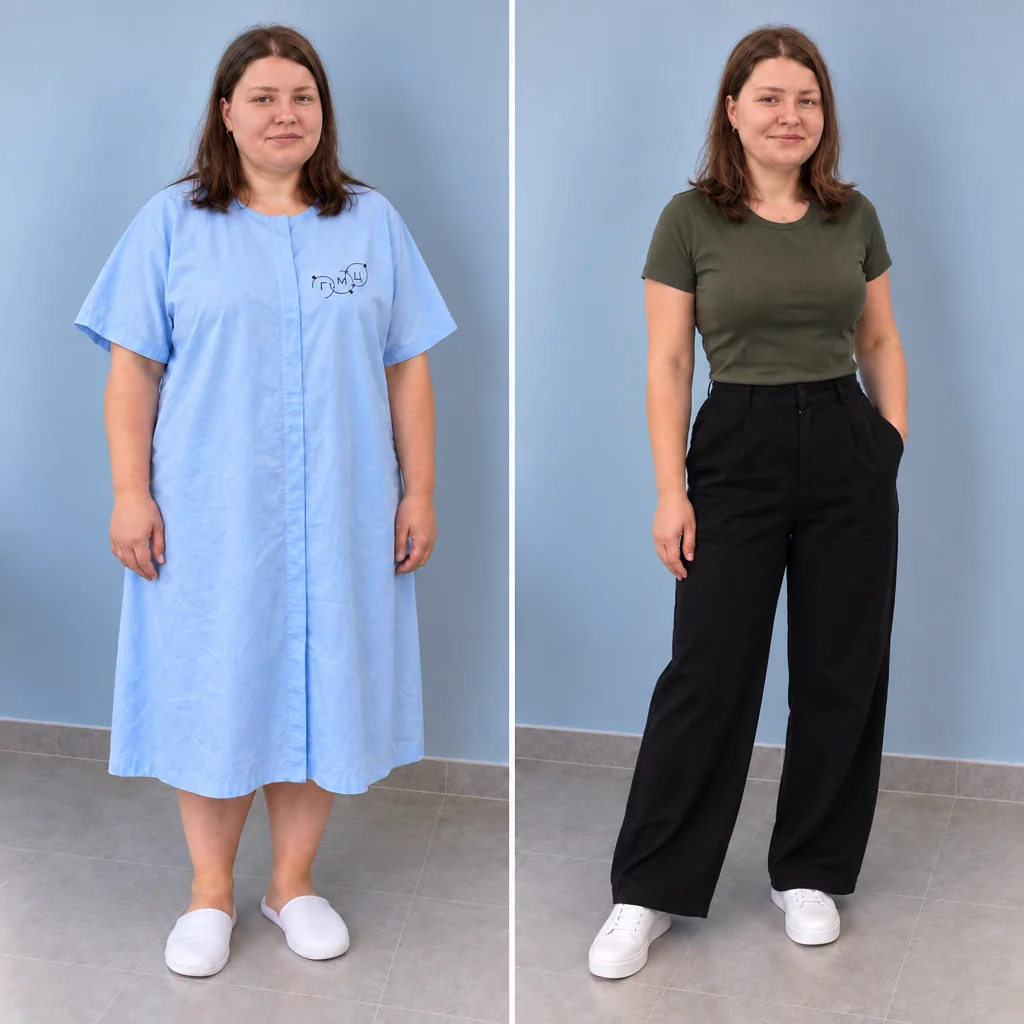 beforeafter
Bariatric surgery
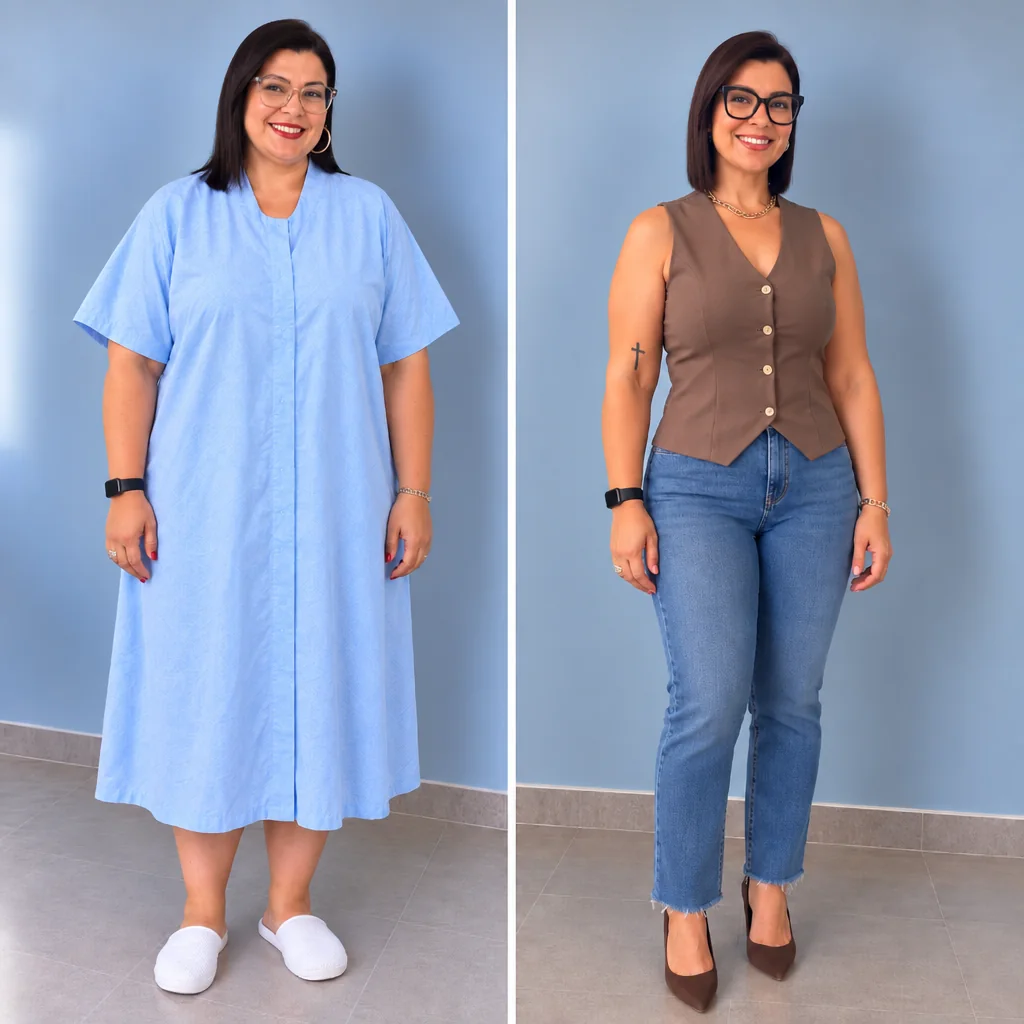 beforeafter
Bariatric surgery
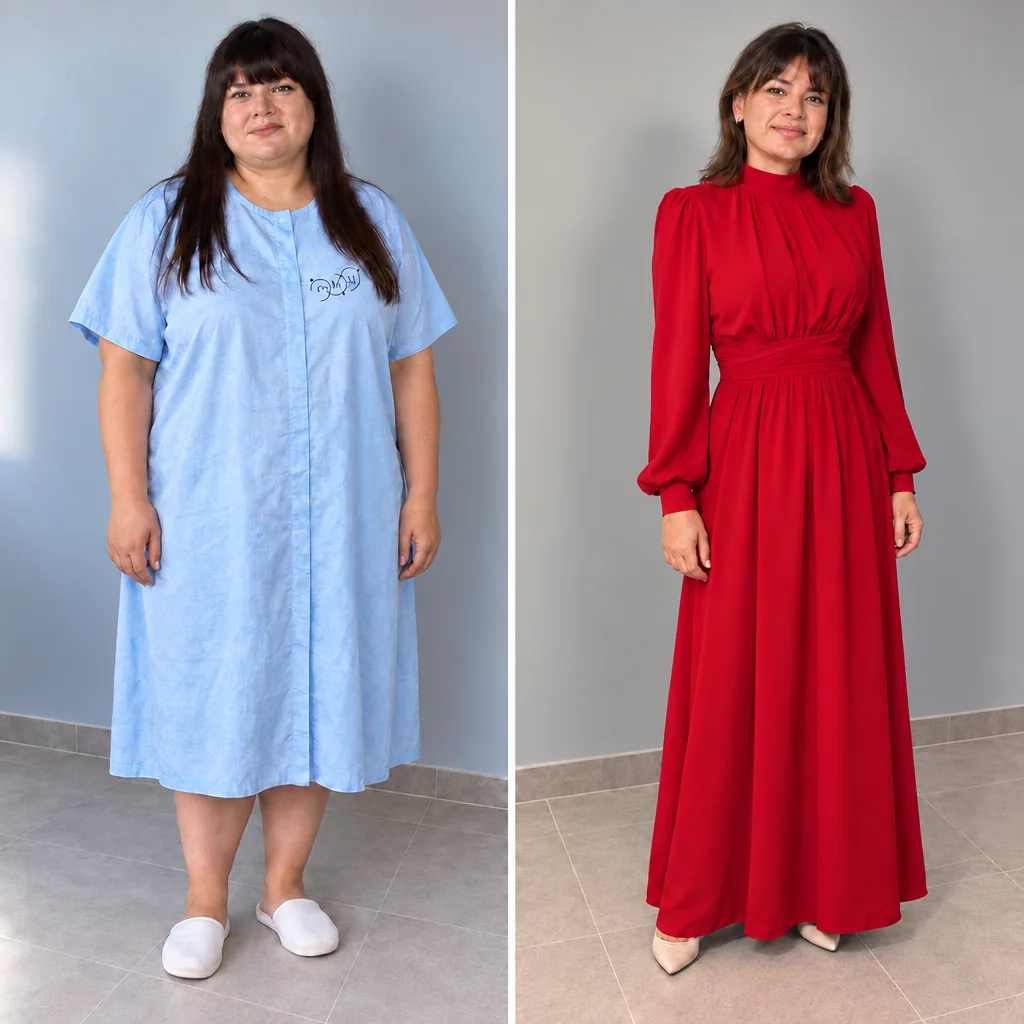 beforeafter
Bariatric surgery
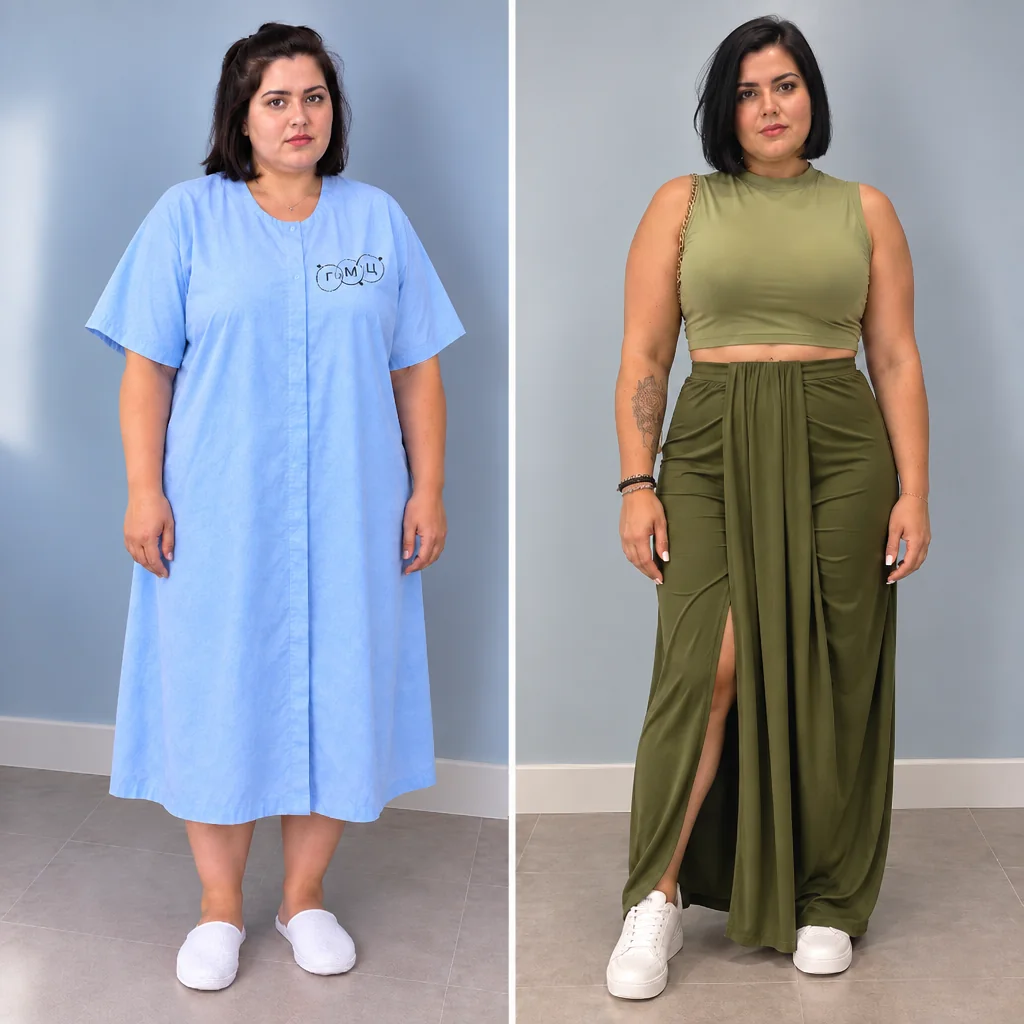 beforeafter
Bariatric surgery
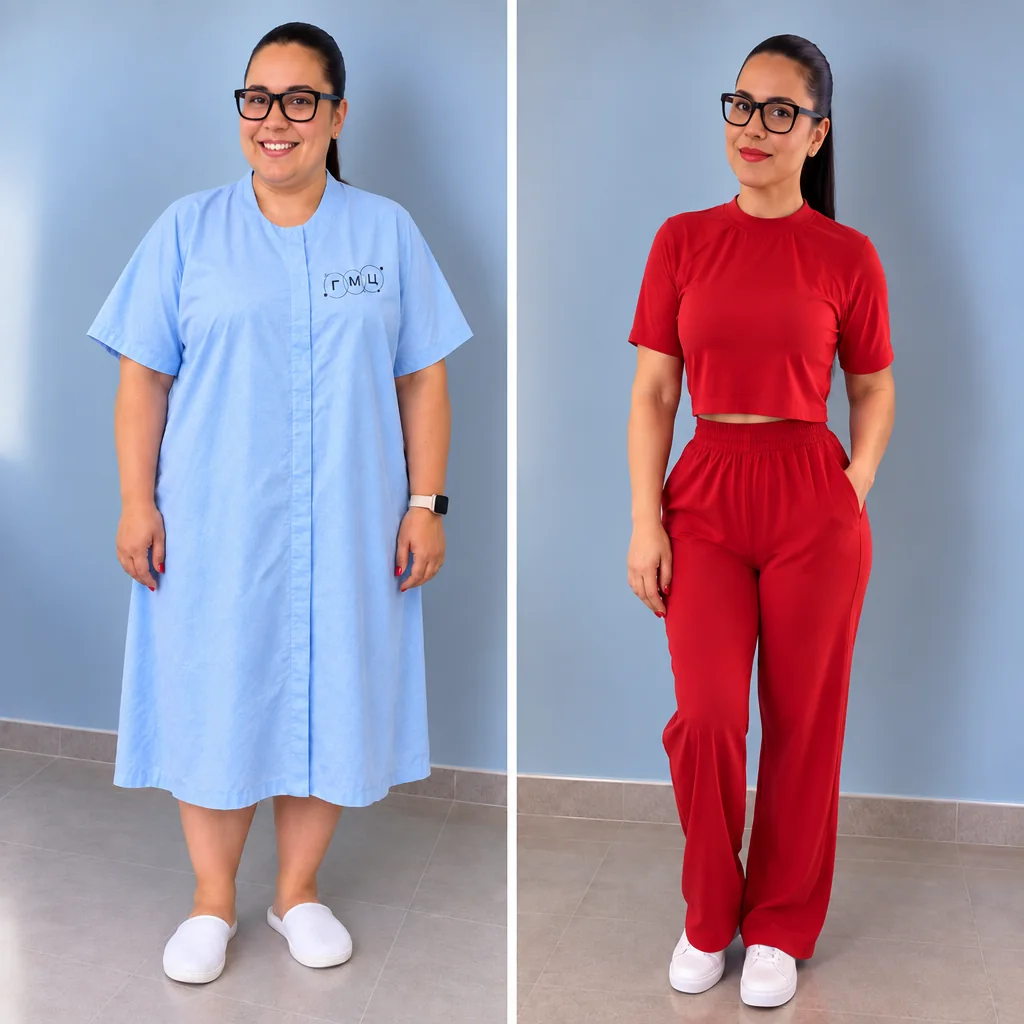 beforeafter
Bariatric surgery
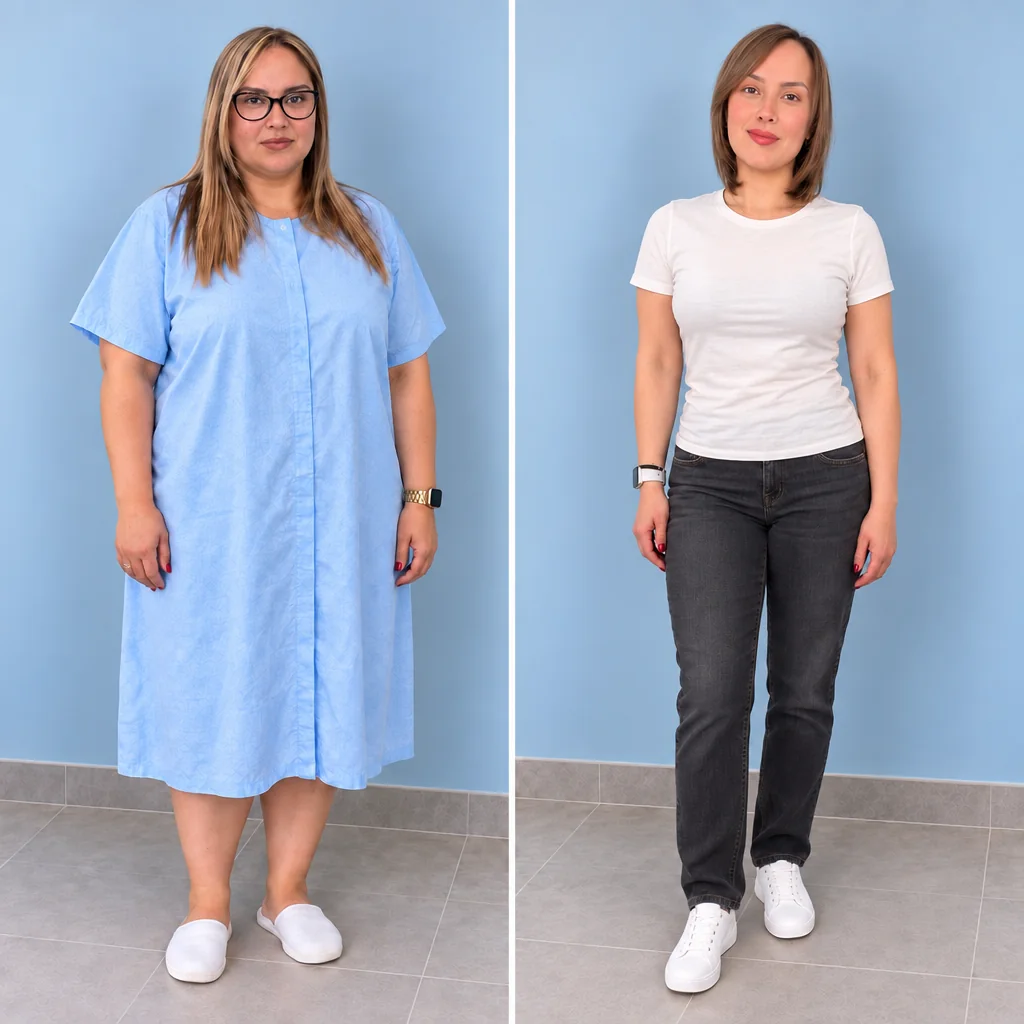 beforeafter
Bariatric surgery
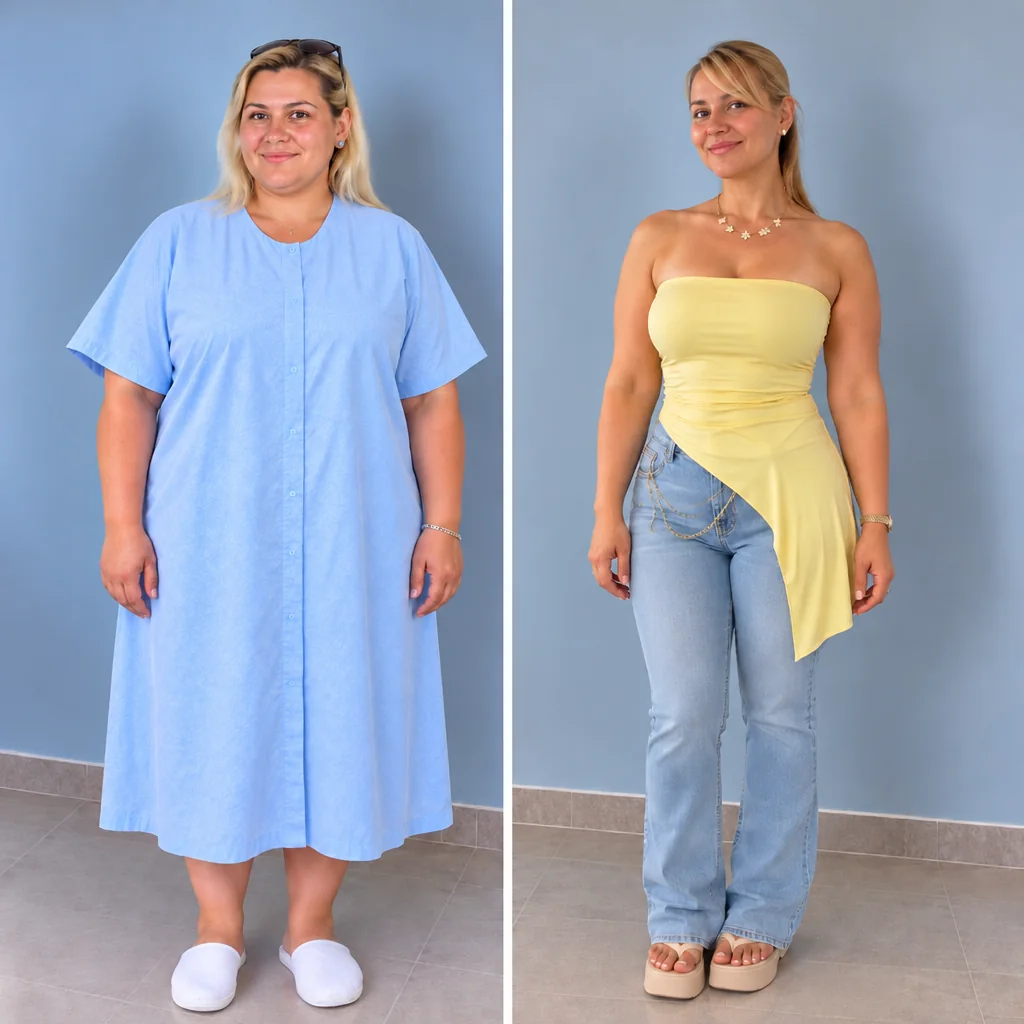 beforeafter
Bariatric surgery
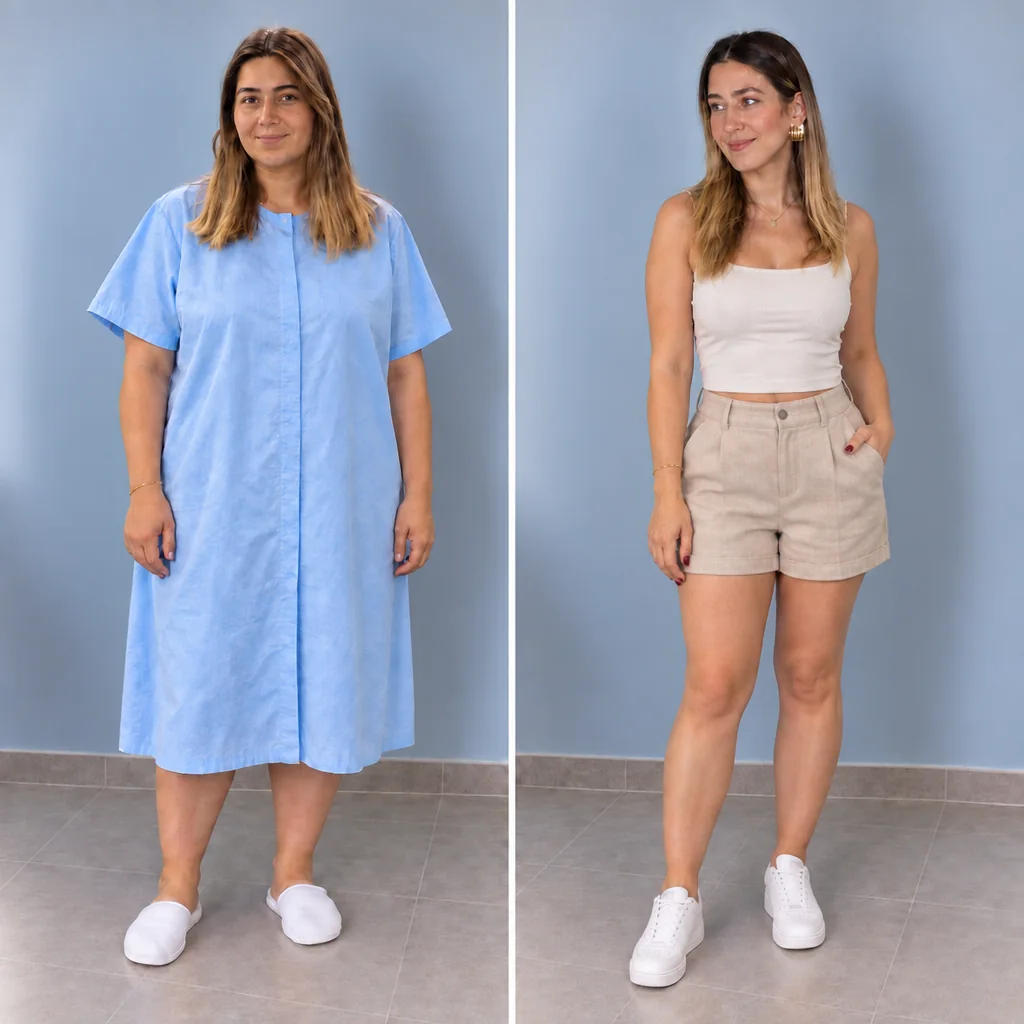 beforeafter
Bariatric surgery
Comparison
Sleeve gastrectomy and gastric bypass are the two main operations we perform. Compare their mechanism, goals and indications to make a confident choice of method.
Less stomach volume
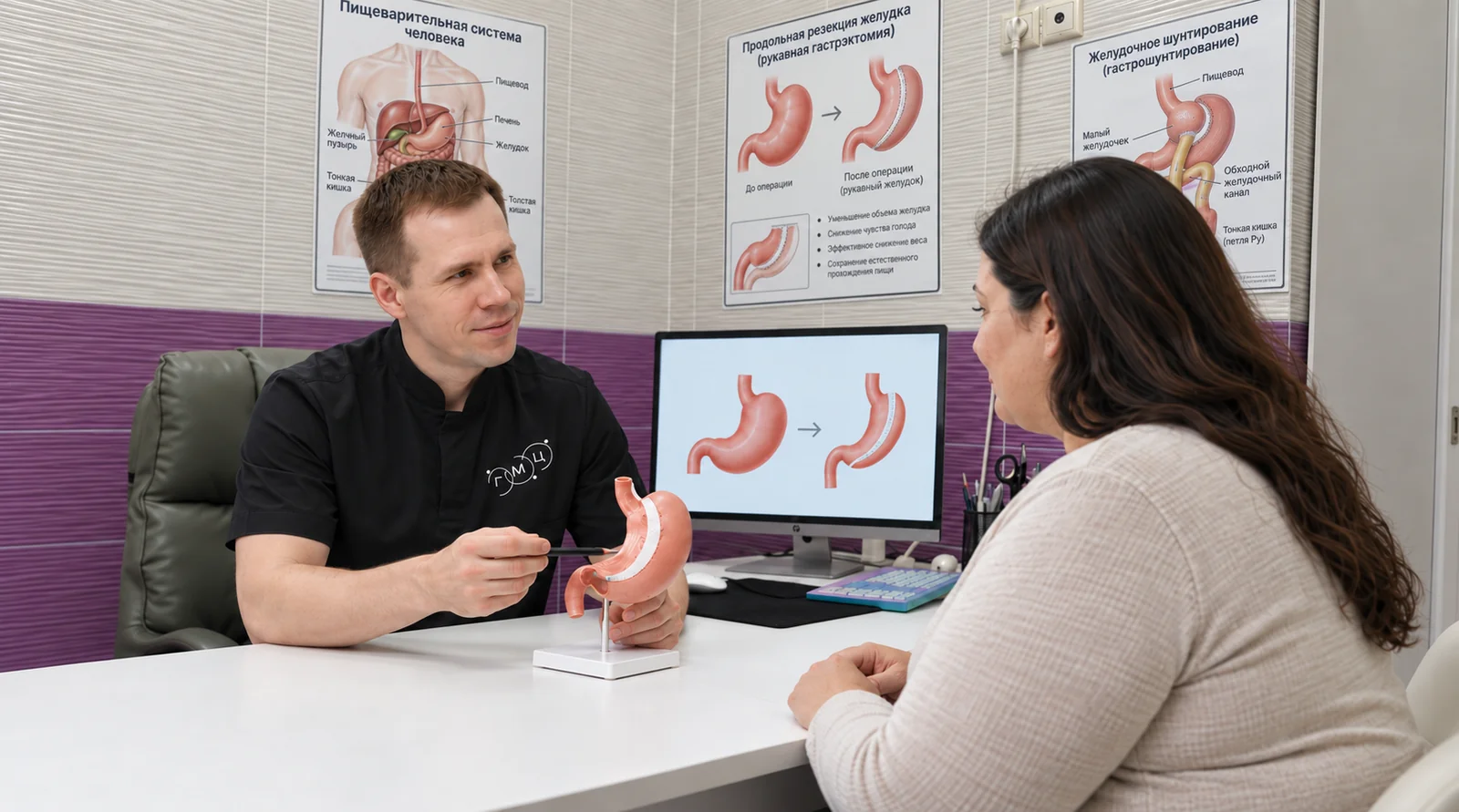
Discounted price
$3,600 $4,800
Reducing the stomach volume and rerouting food
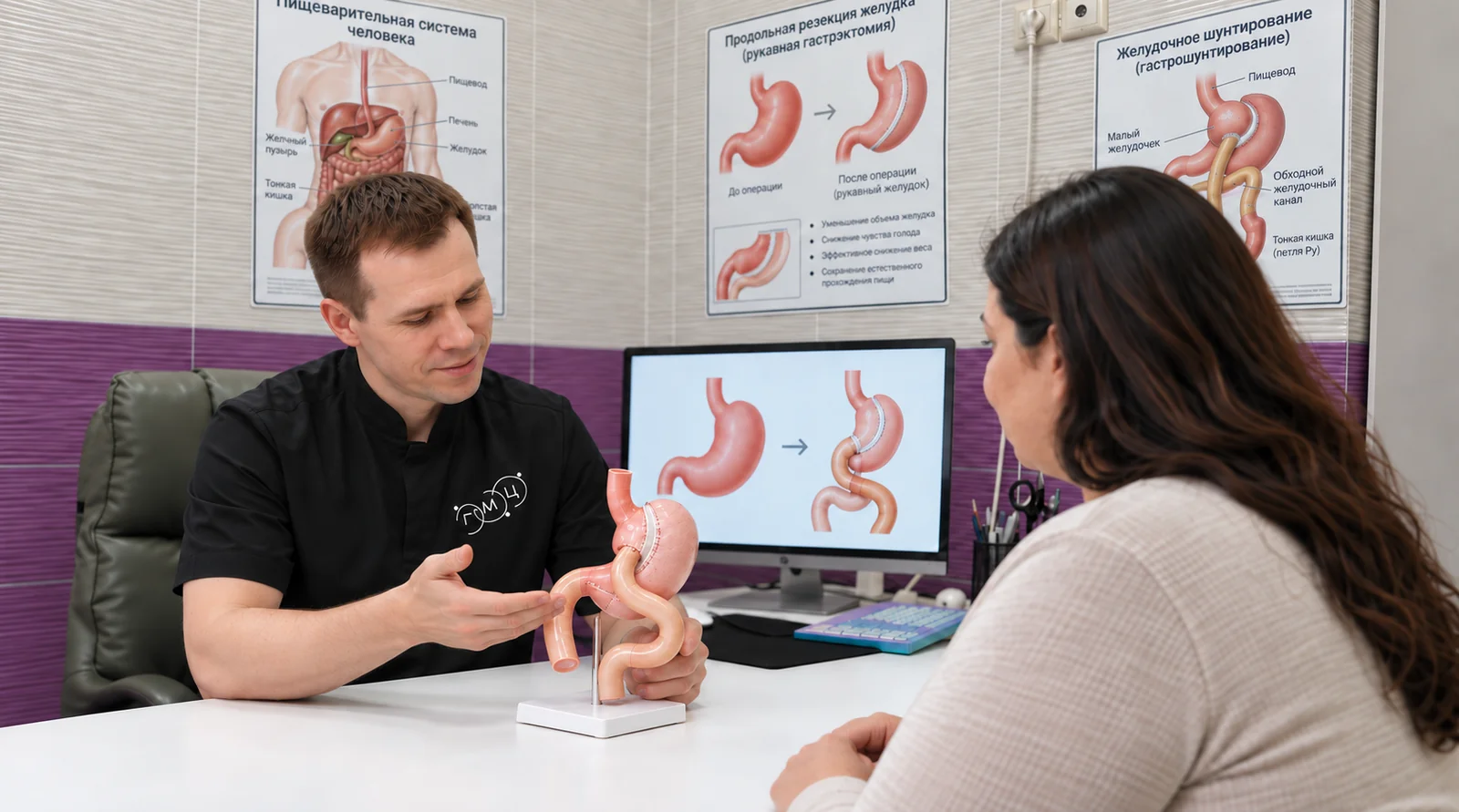
Discounted price
$4,000 $5,200
We show average benefits and recovery times for each method as a guide only: the extent of the operation and recovery are individual, set by your anatomy and features, and confirmed by the surgeon at the consultation.
Book a consultationThe clinic
Up-to-date equipment, comfortable rooms and attention to each patient
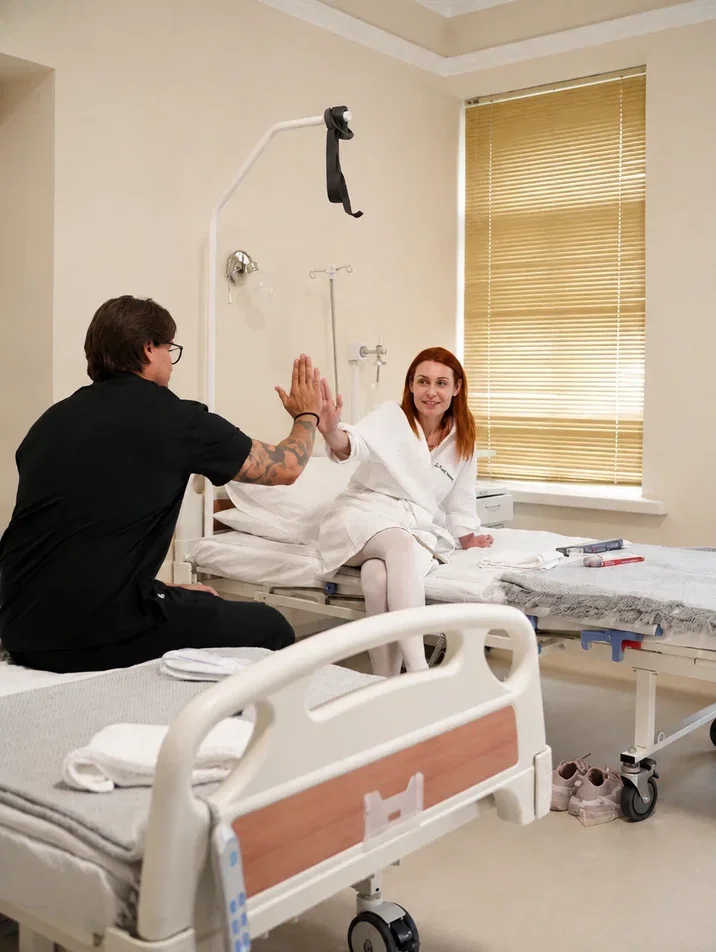
Ask us anything, and we will arrange a consultation at a time that suits you
Get a consultationOnly after a consultation and check-up is the decision on surgery made, jointly with the surgeon.
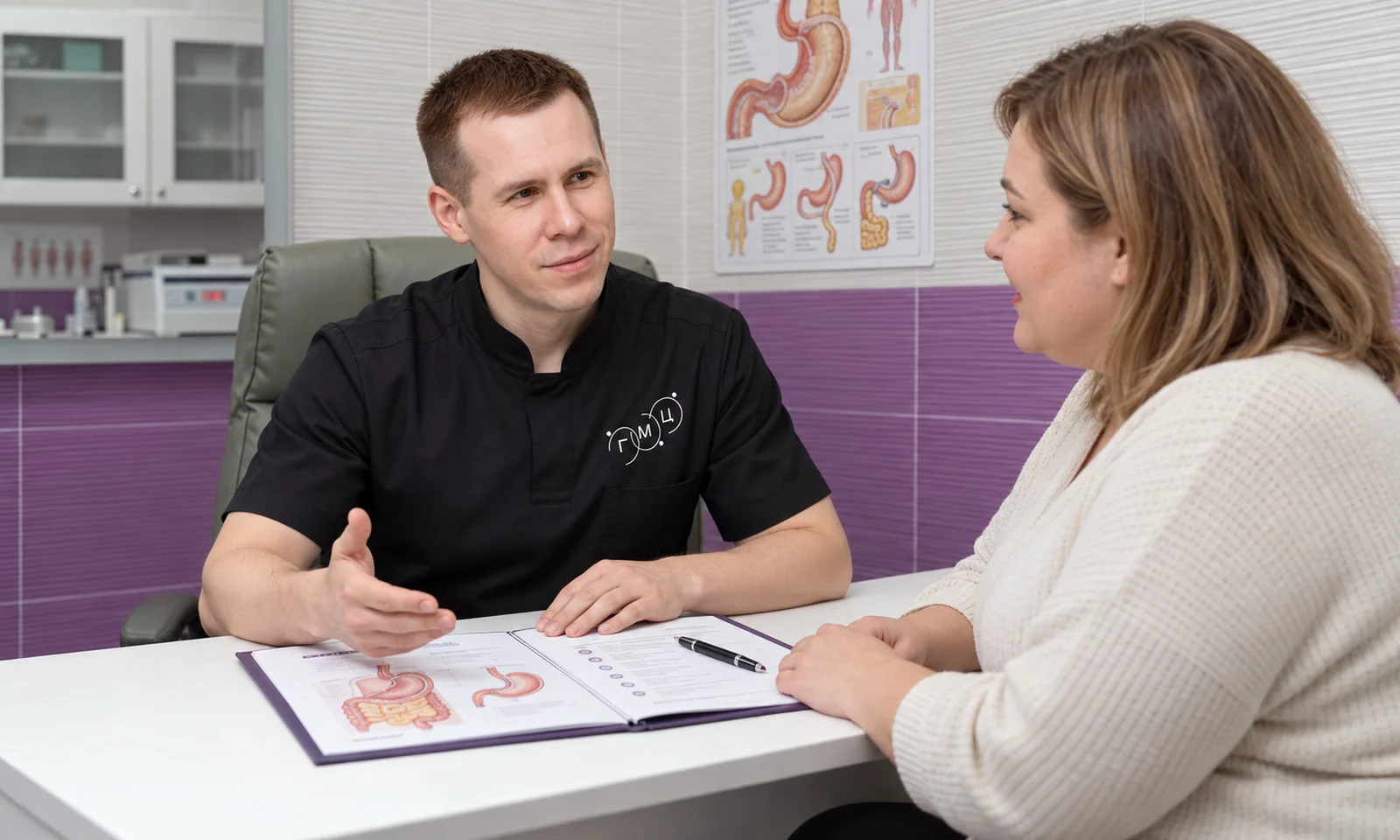
Not sure which group you fall into?
Get in touch on Telegram — our coordinator will explain whether bariatric surgery is right for you. The consultation with a surgeon is free, and there is no commitment to an operation.
Find out if it suits me
Prices
The contract fixes the cost, which is named at the consultation after your plan is drawn up.
Discounted price
Less stomach volume
$3,600$4,800
Discounted price
Weight loss and a new route for food
$4,000$5,200
Free
Your treatment plan follows the surgeon's examination

Free
the cost of the operation is named
and recorded in the contract
The doctor looks at your health, talks about your goals and chooses the right method of bariatric surgery. You get the cost at the consultation, fixed in the contract.
Message our coordinator
Free online consultation · Reply within 15 minutes
Message us on TelegramMessage us on WhatsAppBy messaging us, you agree to our Privacy Policy

price
Preparation to 12 months of support in one package — nothing extra to pay.From getting ready for surgery
to 12 months of support.
What to expect
An agreed treatment plan, close monitoring in hospital and support lasting a year.
 1
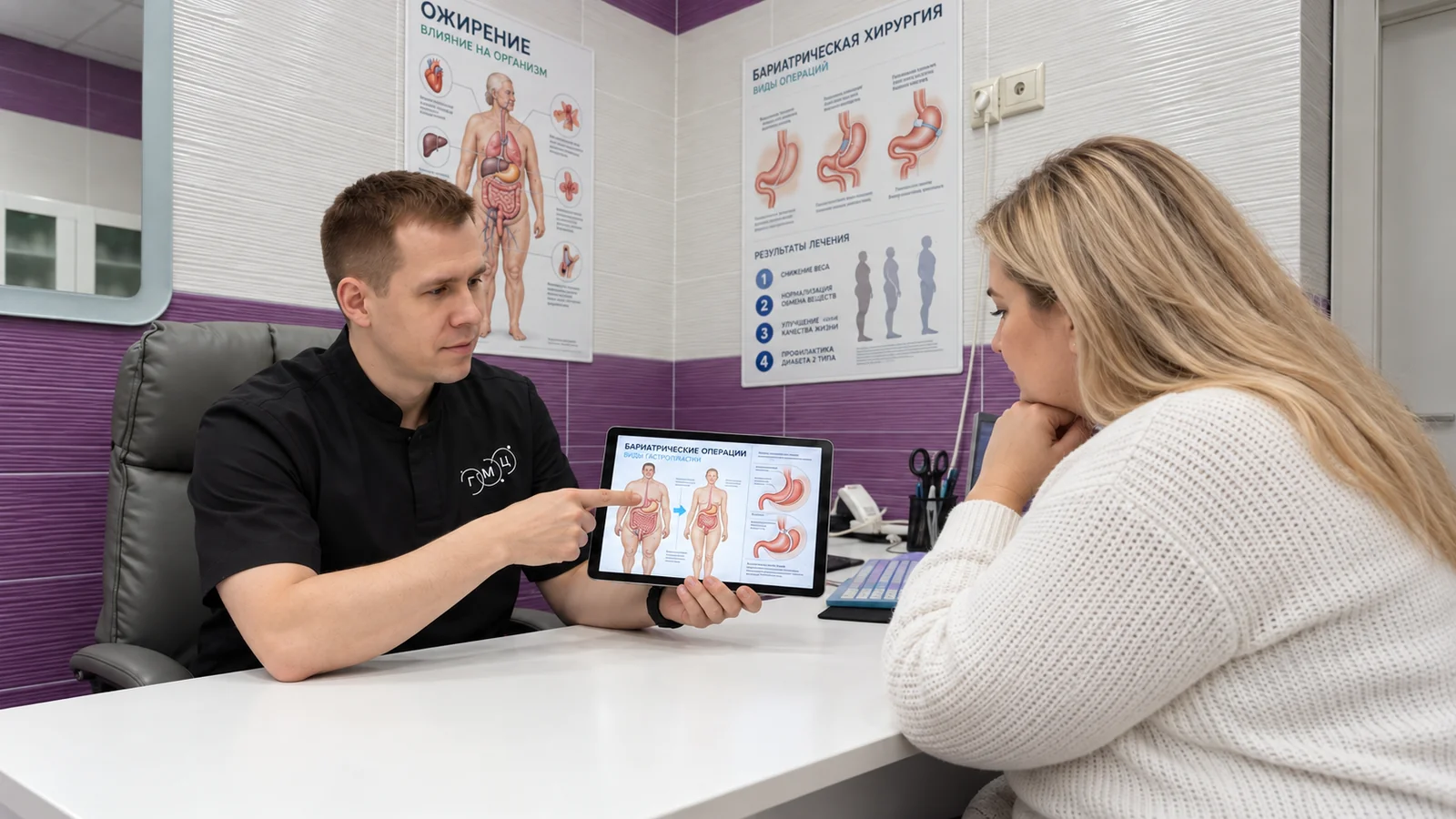
The doctor evaluates your health, talks through your goals and orders the tests needed to select the right bariatric surgery method.
2We set aside a surgery date for you — the deposit is paid by card at the clinic or online by bank transfer, and the terms are fixed in the contract for medical services
 3
Preparation for surgery means blood and urine tests, an ECG, an ultrasound, a gastroscopy and specialist consultations. Your doctor gives you the exact list at the consultation.
 4
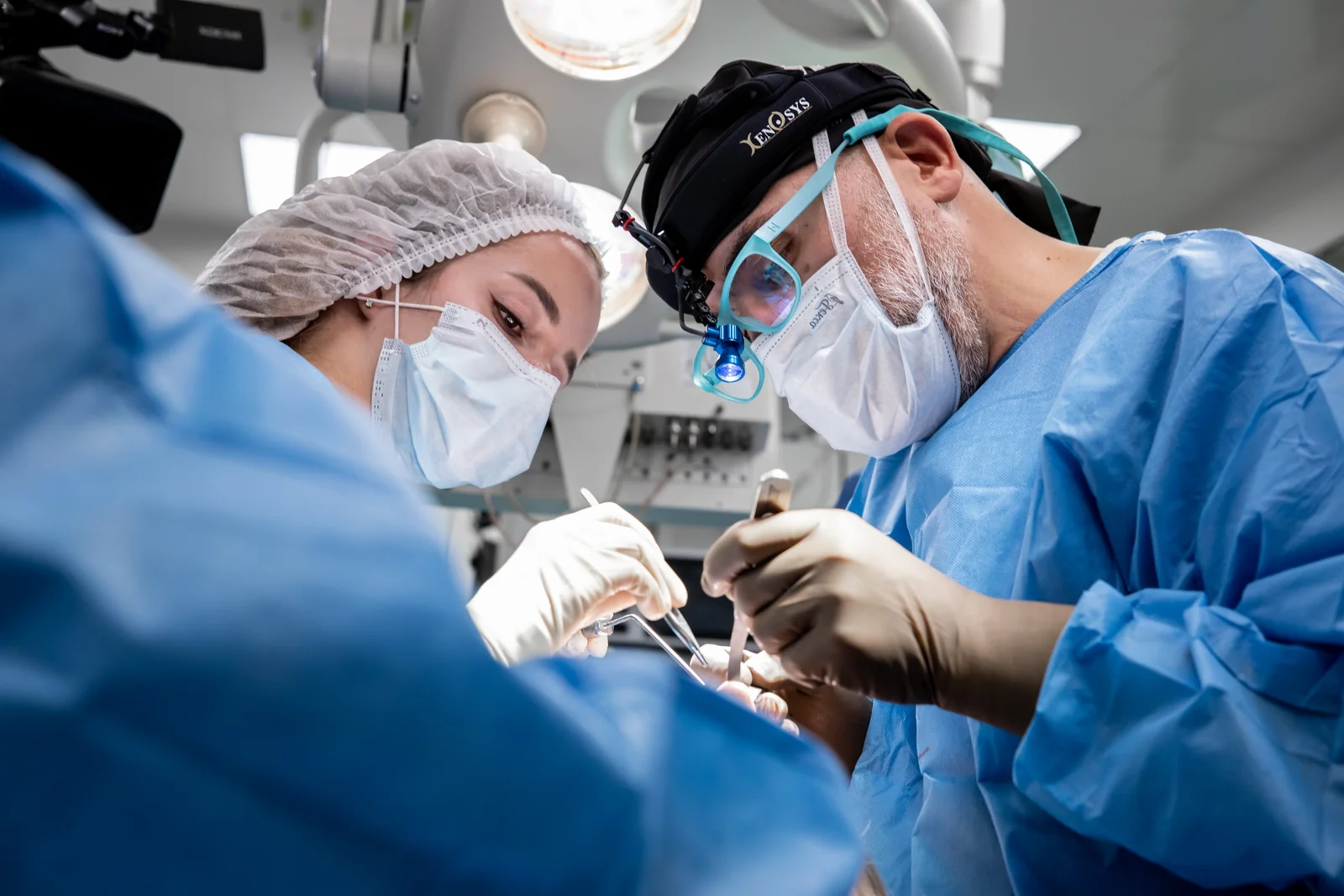
The bariatric operation is performed by the surgeon under general anaesthesia with the selected method. Afterwards the patient is monitored by the medical team.
 5
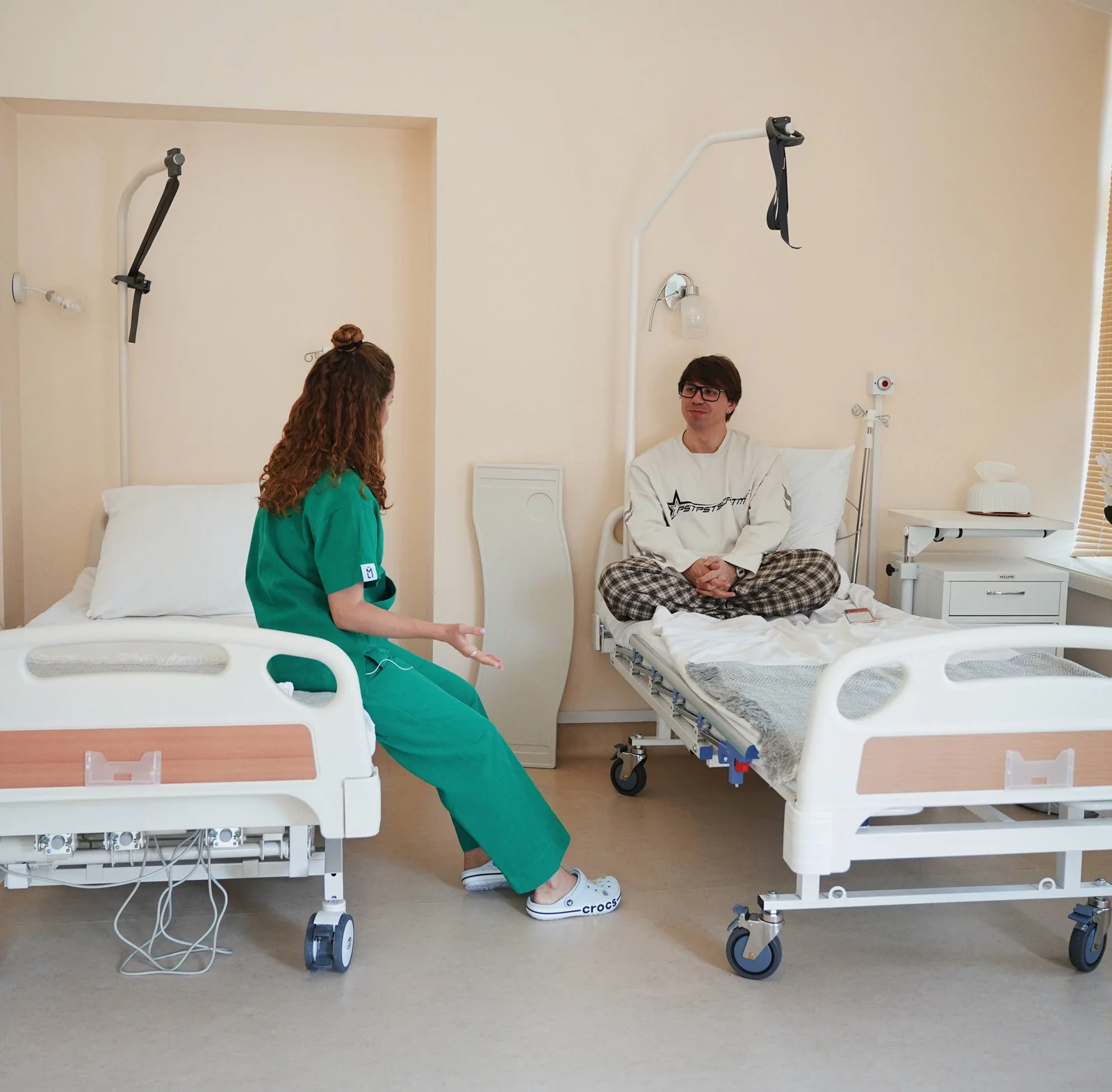
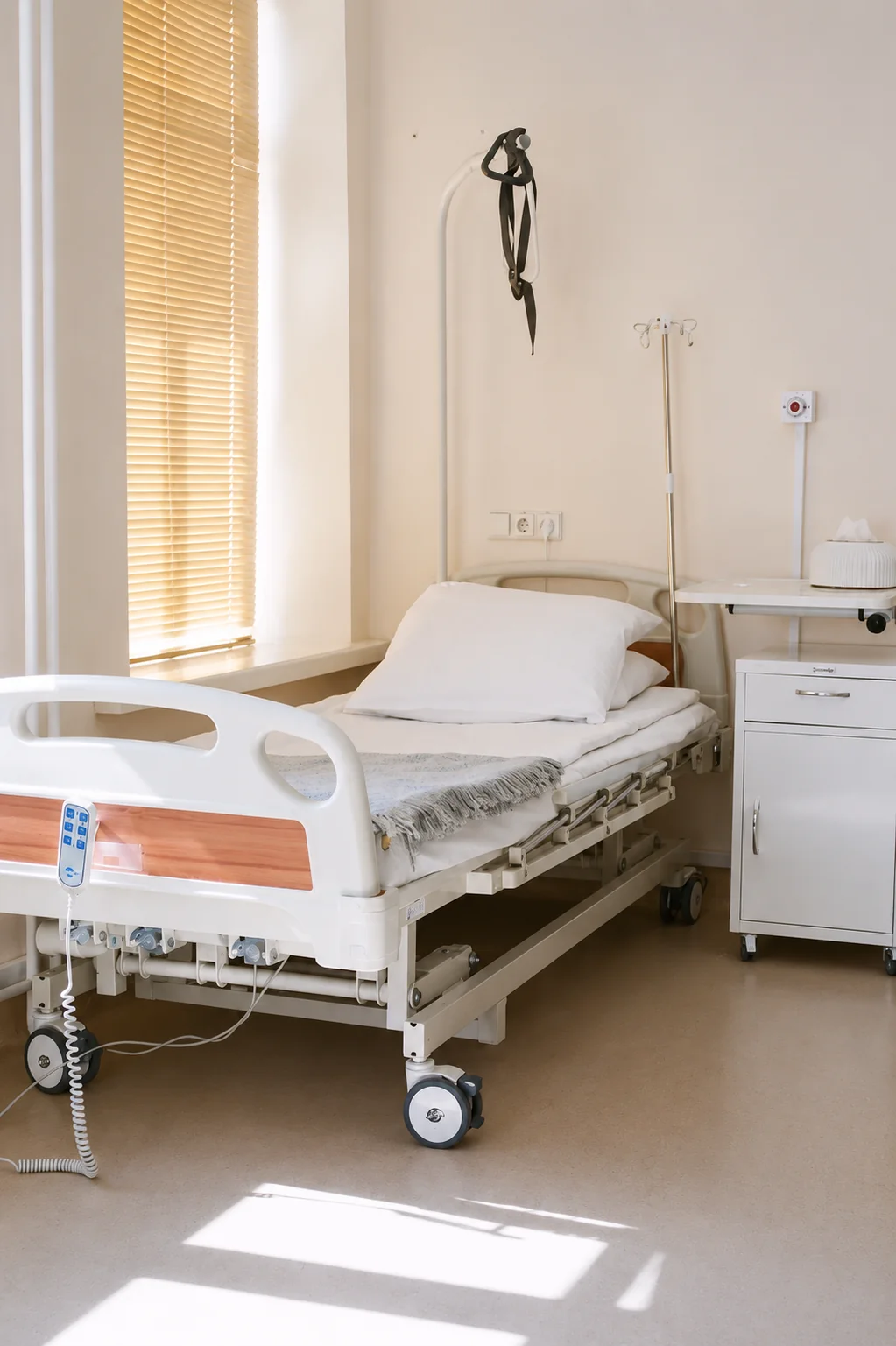
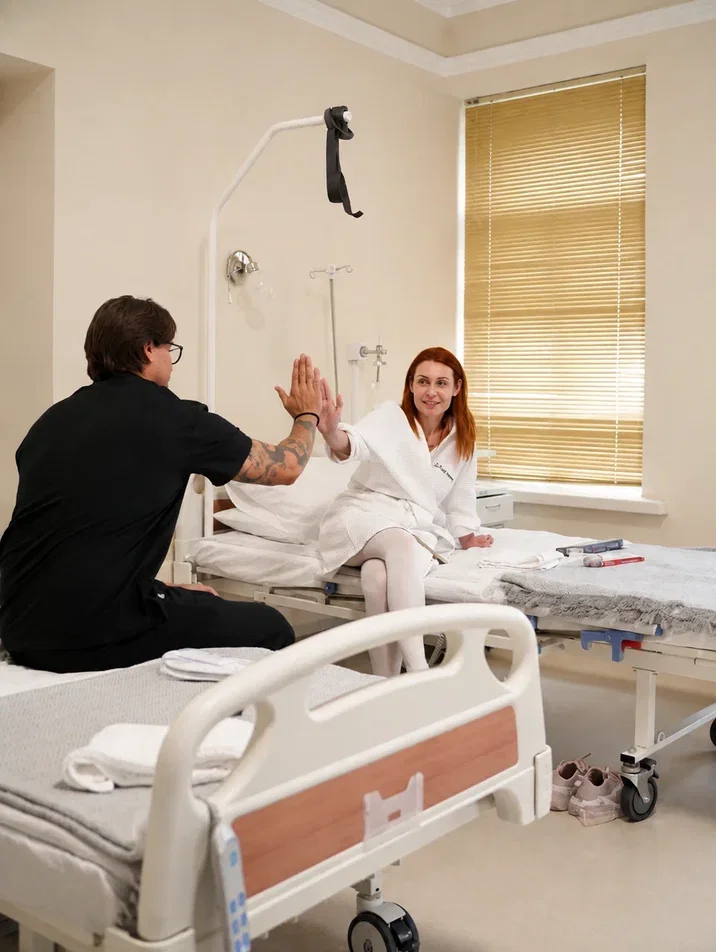
After the operation you stay in hospital under doctors' supervision for 1–3 to 4–5 days, depending on the complexity of the operation and how you feel.
 6
Scheduled check-ups after discharge follow your well-being, weight and test results, alongside advice on diet and recovery. For a year, the clinic team supports you.
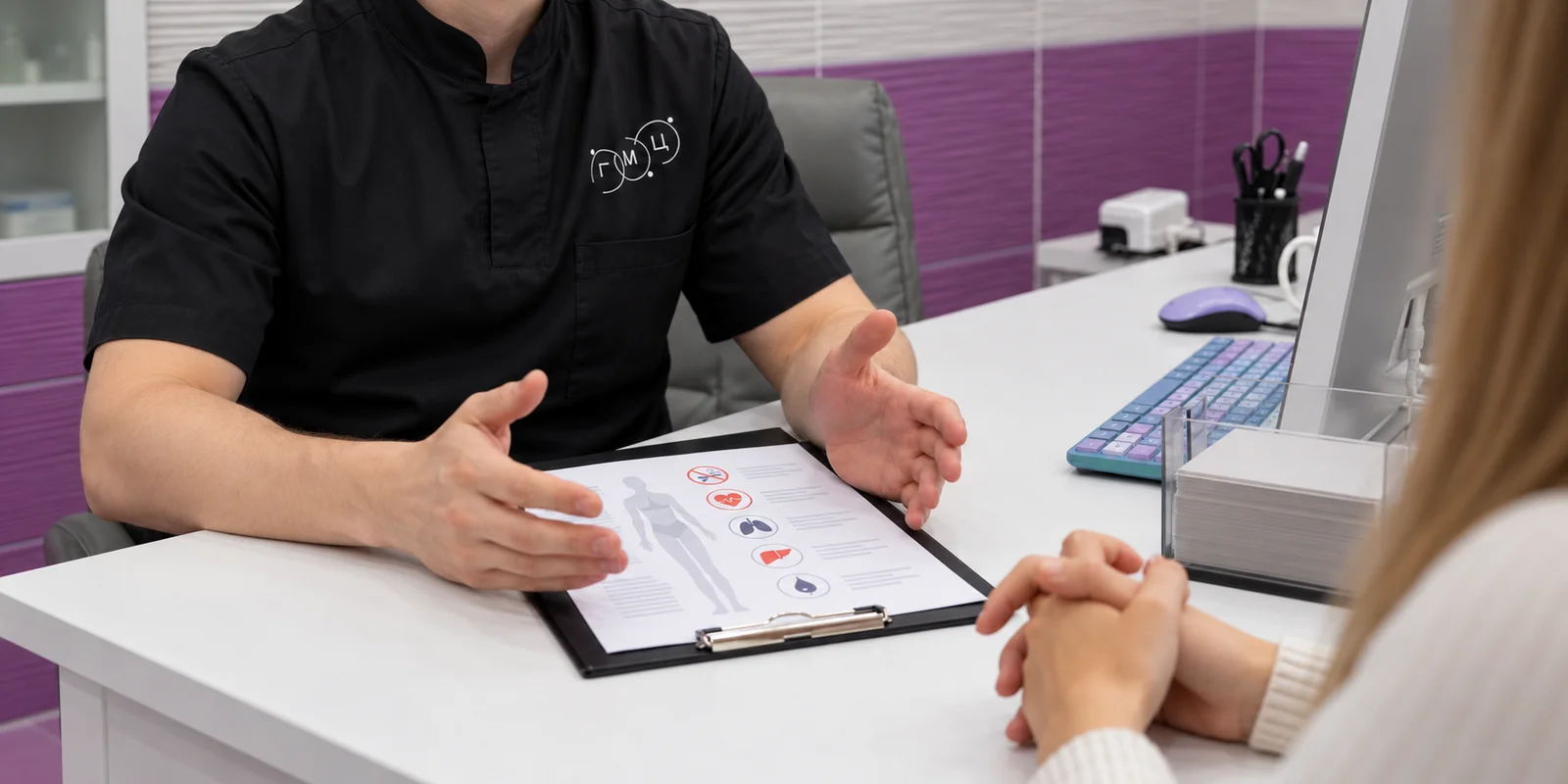
At the consultation the doctor draws up your plan and explains the surgery step by step
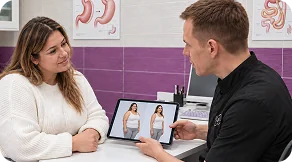
The consultation is free, before surgery and with no obligation.
Book a consultationDoctors
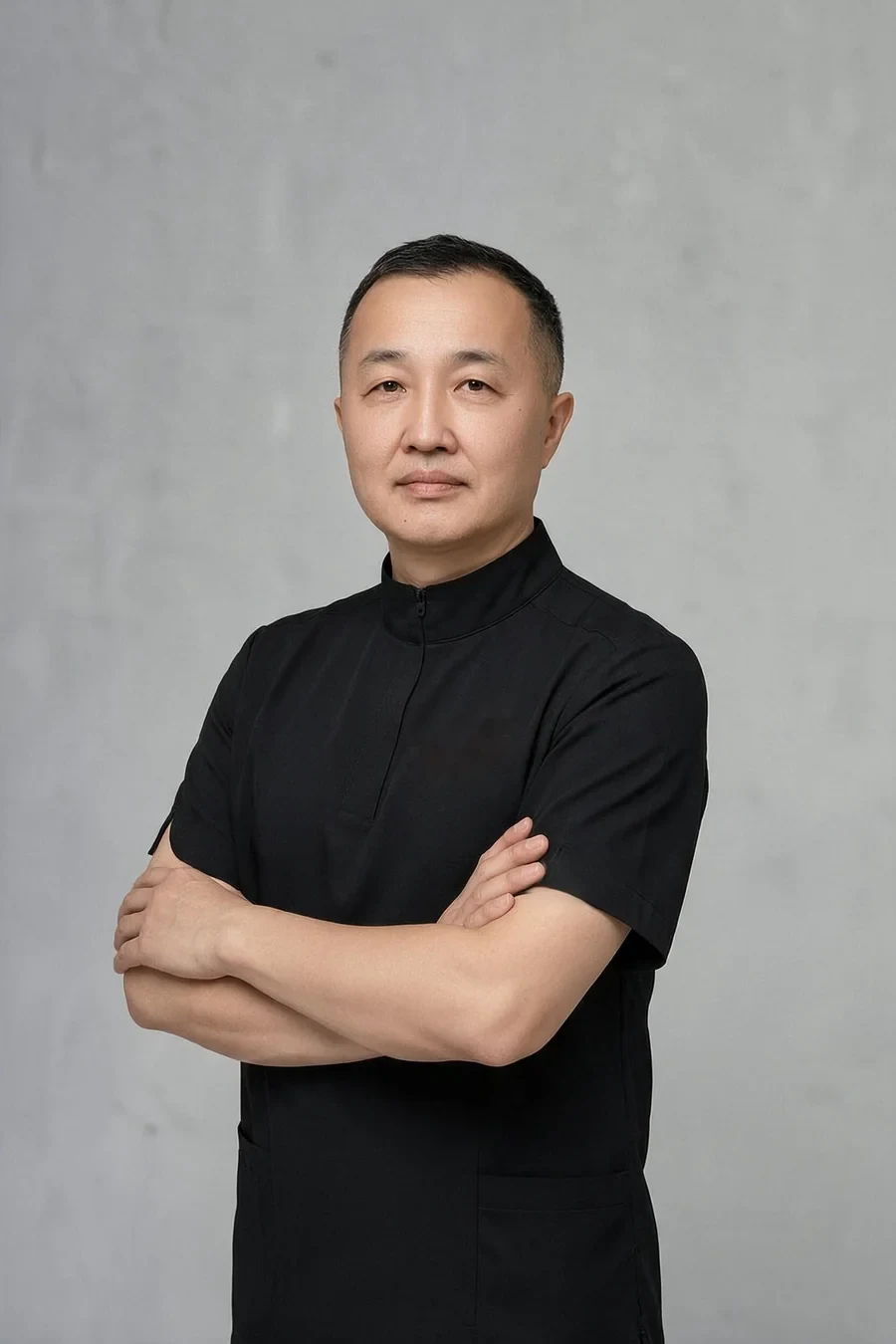
27 years of experience
Leading bariatric surgeon
Surgeon
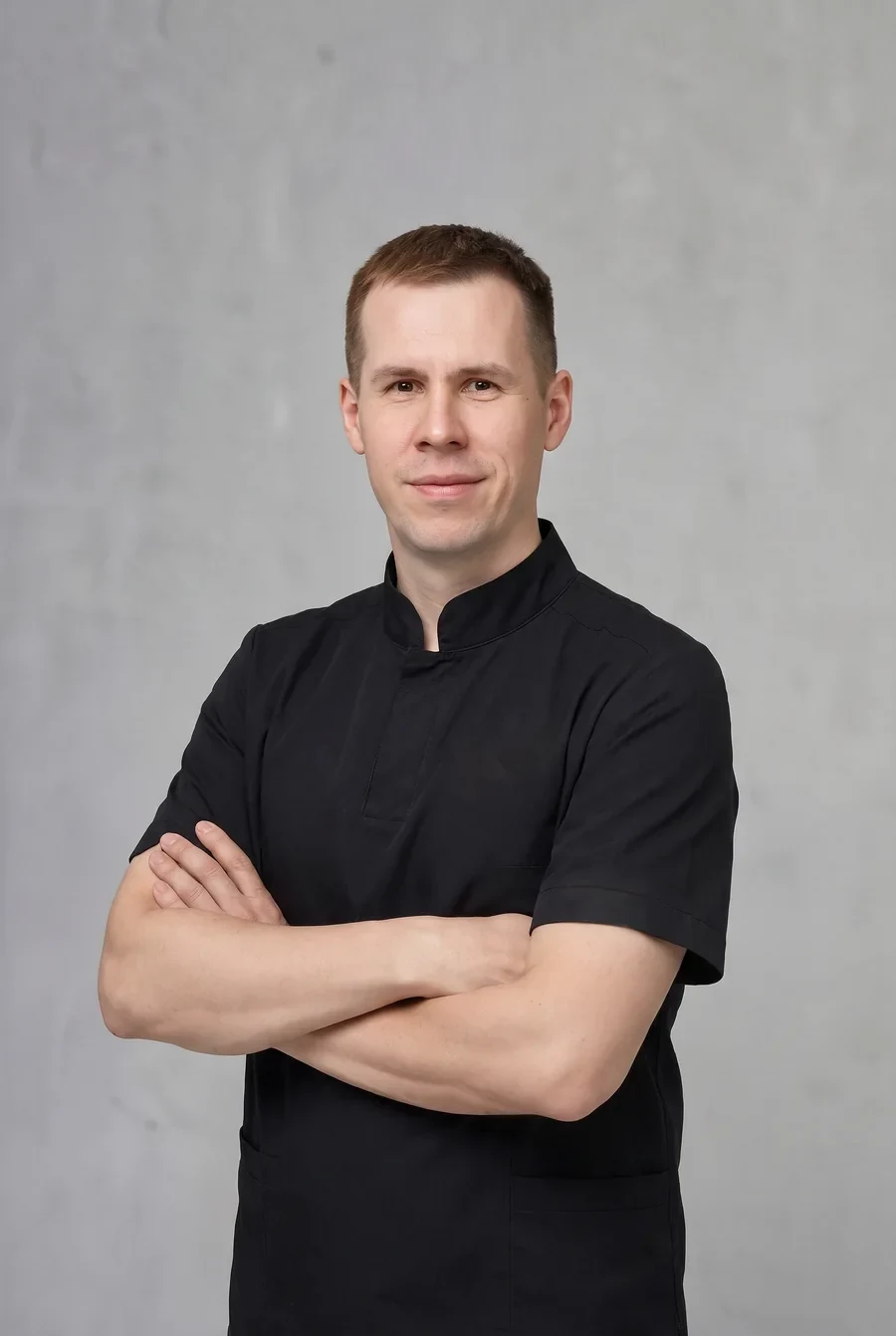
9 years of experience
Bariatric surgeon
Surgical oncologist
Your surgeon operates and follows you — from the first consultation to the result.
The first consultation is with our patient care manager: they calculate your BMI, explain the methods and book you in with the surgeon. Free of charge.
Book a consultationCoordinators
We are with you at each stage

Your first clinic contact, from the very first message to the consultation
Patient support
Handles your questions before the first consultation and helps you choose a convenient date

Accompanies you before and during your stay, from booking to discharge
Patient support
Helps you prepare for surgery, then keeps in touch throughout your stay at the clinic

By your side from discharge to your final check-up during recovery
Patient support
Keeps in contact throughout recovery and arranges your follow-up visits with the surgeon
Advantages
The method we choose is the best one for your health, lifestyle and goals — and our team stays with you throughout.
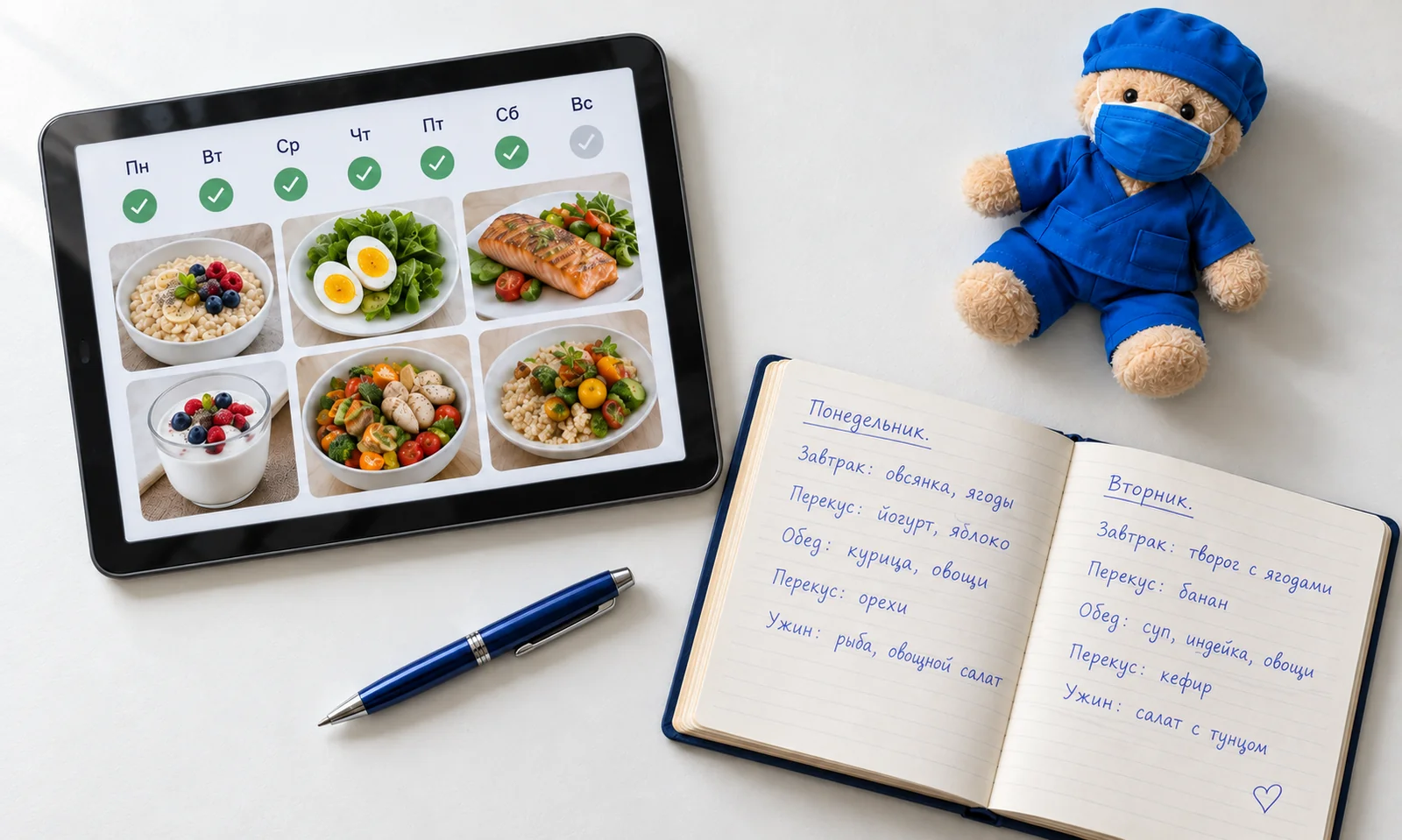
We help you adjust to new eating habits, follow your results and maintain them.
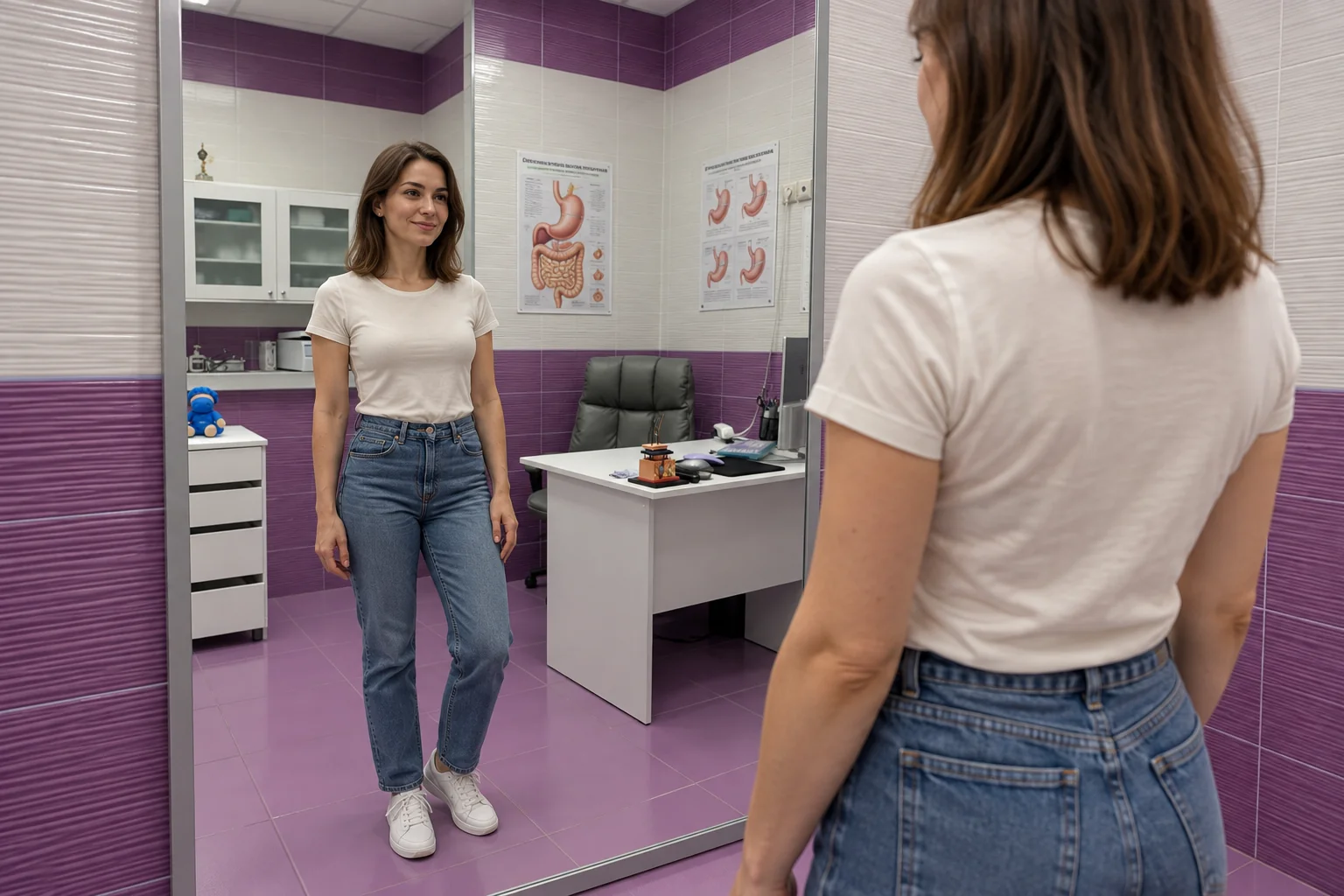
Weight loss that is steady, better well-being and a higher quality of life.
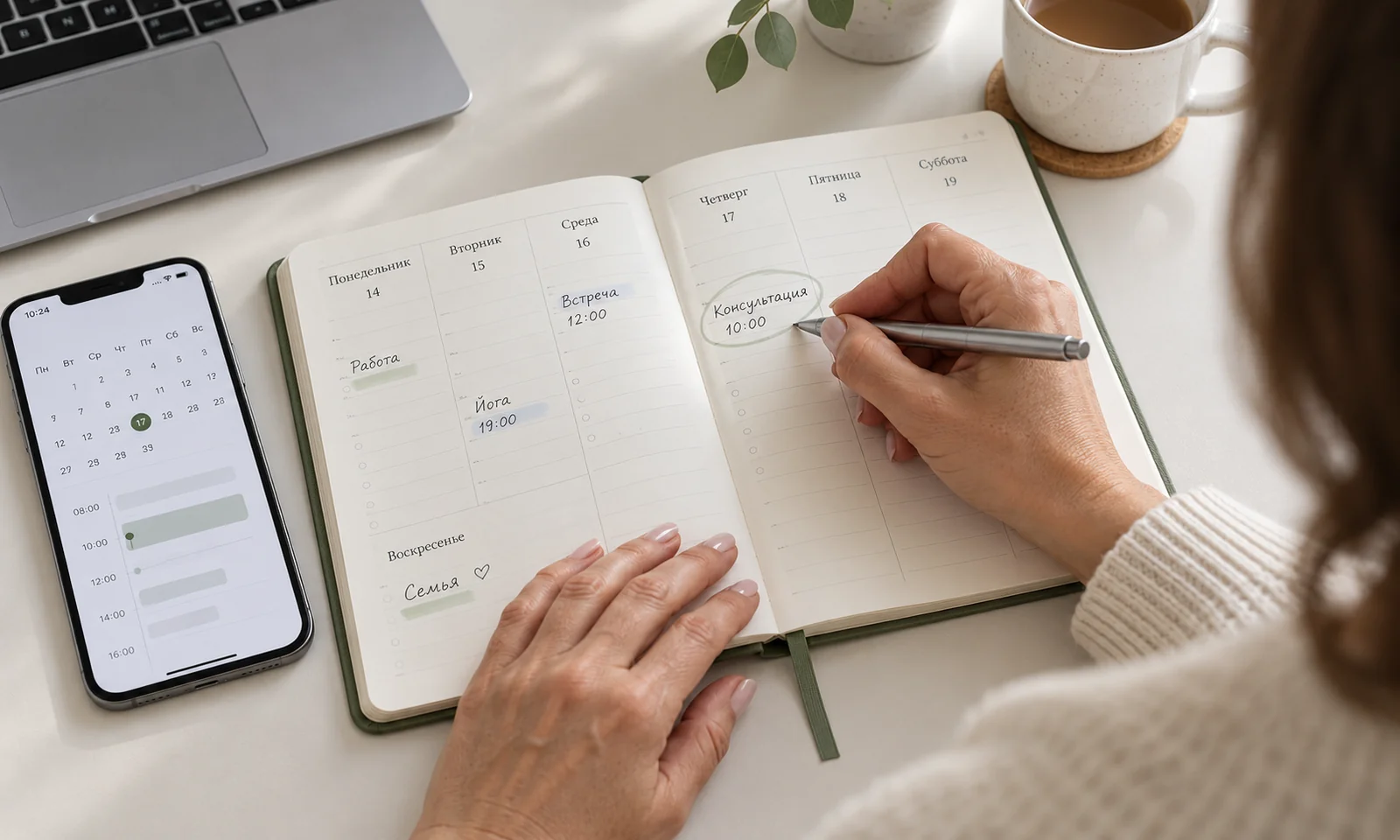
We respect your time, working 24/7 with easy booking and a personal approach that adapts to your pace.
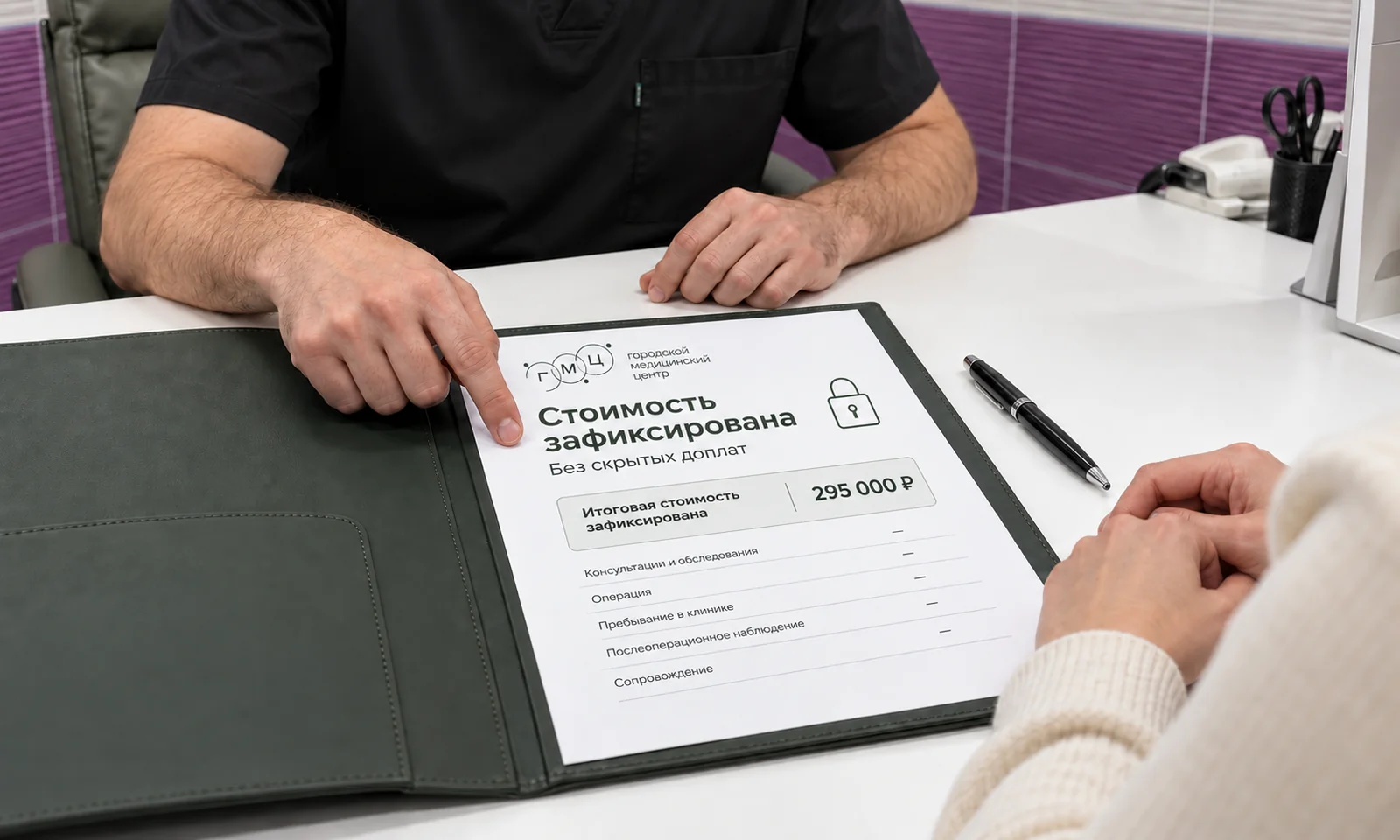
Once the consultation is over, the surgeon chooses the method and you receive a clear price — no hidden fees and no surprises on the way to your result.
FAQ
The clinic's bariatric procedures are performed by experienced bariatric surgeons:
Write to us and our coordinator will respond shortly and book you in for a consultation. The consultation with the bariatric surgeon is free.
Surgery is prescribed only when clear criteria are met
Obesity is graded mainly by BMI, calculated as body weight (kg) over height squared (m²). A BMI above 40 usually justifies surgery, as does a BMI above 35 with serious related conditions. In certain cases surgery is considered at lower values too, if approaches without surgery have not succeeded.
Many mix them up, but they pursue fundamentally different goals. Bariatric surgery medically treats obesity and related diseases by changing how the digestive tract functions, addressing the causes of excess weight and metabolism. Plastic surgery reshapes the external contours of the body; it does not treat obesity or influence metabolism.
There are four main types of bariatric surgery at City Medical Centre: sleeve gastrectomy, Roux-en-Y gastric bypass, mini gastric bypass (MGB) and SADI-S duodeno-ileal bypass. BMI, related conditions and the patient's goals guide the individual choice of method.
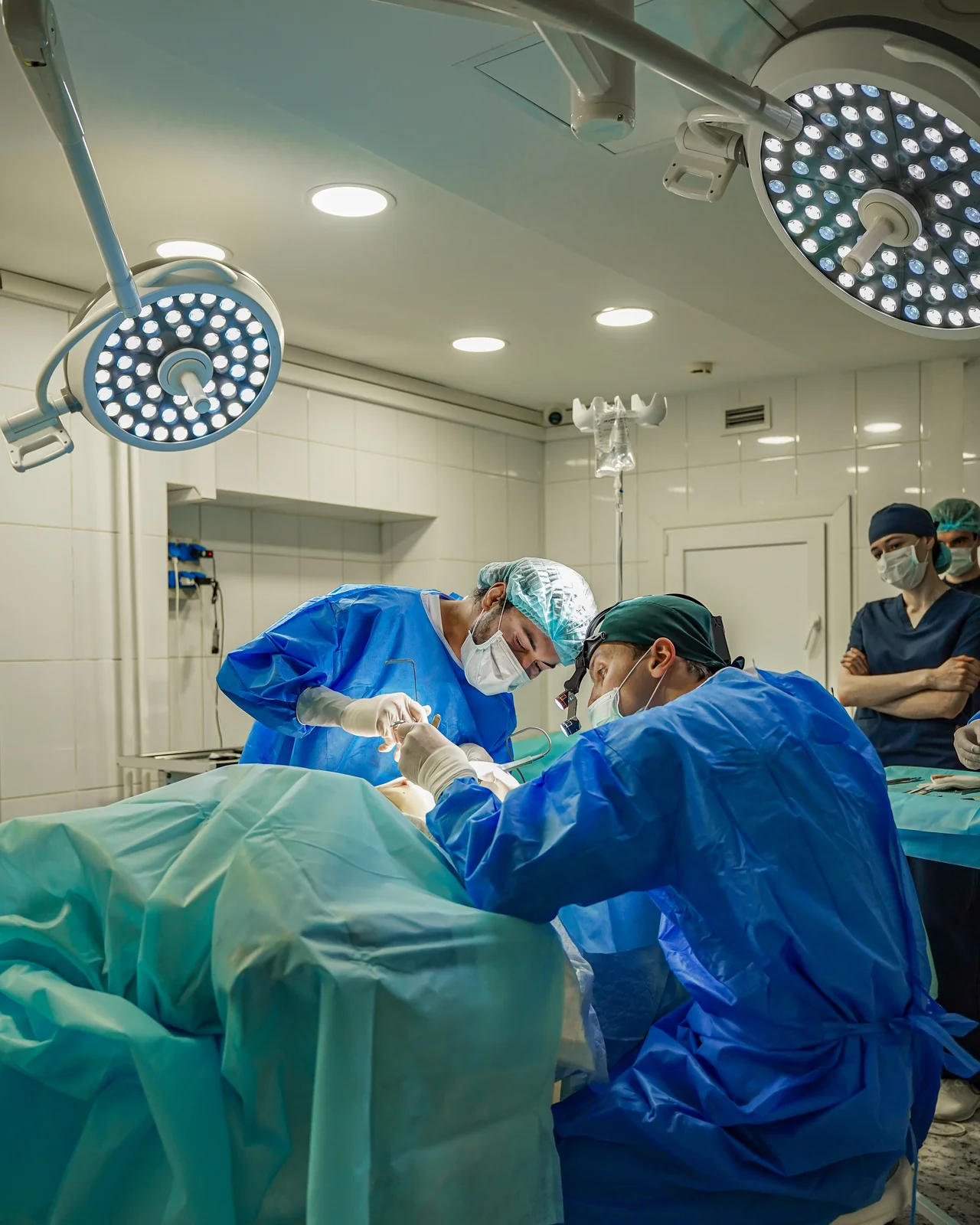
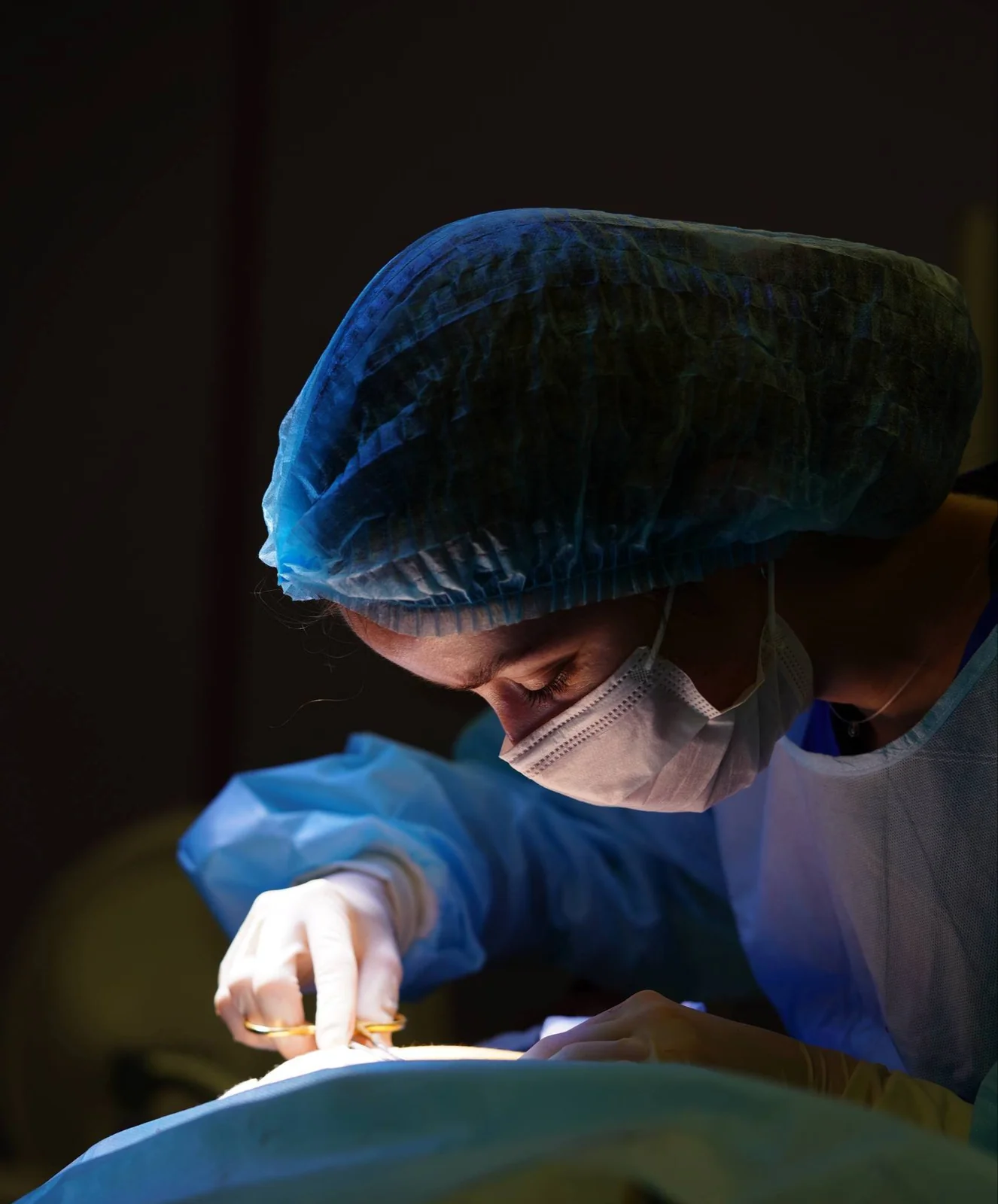
We use modern laparoscopic technique. The operation is done through 4 small punctures of 5 to 15 mm. Cosmetic sutures are placed, so once healed the marks become almost invisible.
The recovery timeline depends on your activity. Office work: after 2–4 weeks. Physical work: after 1.5 months. Sport and activity: swimming allowed from 30 days, other exercise added gradually as weight comes down. Travel and holidays: best planned at least a month after surgery.
Your diet changes step by step: from liquid food to soft and then to solid. The emphasis is on protein and on cutting high-calorie, fatty food.
Pregnancy is an option after bariatric surgery, but doctors advise waiting at least 12–18 months. By then the body has stabilized, weight has reached target values and nutritional status has normalized.
Yes, after bariatric surgery vitamins are a must. The altered digestive anatomy reduces absorption of some nutrients, which makes regular vitamin and mineral supplements a permanent part of the patient's life.
Weight regain is possible after bariatric surgery but very unlikely provided you follow the doctor's advice. Eat properly, avoid high-calorie drinks and keep up regular follow-up with City Medical Centre specialists.
Prices are in US dollars; the amount in brackets is an approximate conversion to NGN at the rate of 02.10.2026. The final price is fixed in your contract.
Prices start from $3,600 (≈ ₦4,800,000). The surgeon sets the final price at the free consultation, and it is fixed in the contract, with no hidden extras.
General anaesthesia, a personal coordinator from day one, monitoring in the hospital and support for one year.
The hospital stay is 1–5 days, depending on the method and how you feel. Office work is possible after 2–4 weeks.
Yes. The first consultation is free and does not oblige you to anything. You can start online by sending a message to the coordinator.
Message us on WhatsApp or Telegram using the buttons below. A coordinator will answer your questions and book a free consultation where the doctor names the exact price.
By messaging us, you agree to our Privacy Policy
Roux-en-Y gastric bypass creates a small 50–70 ml pouch at the top of the stomach and connects it straight to the small intestine. It is considered the gold standard for a BMI over 45–50 with type 2 diabetes, bringing excess weight loss of 75–85%. Anyone researching bypass in Gusau should know that it requires lifelong vitamin and mineral supplements.
The work-up is done in one building with its own lab, ultrasound and gastroscopy, so preparation is quick and without queues. After laparoscopic surgery, the patient stays under observation for 1 to 5 days depending on the extent of the operation. Within the first hours you may sit up, stand and drink. Most Gusau patients are up and moving on day one.
Weight loss is written into the contract, and the package includes every stage: consultation, diagnostics, the operation, inpatient care with meals and a year of support. A personal coordinator guides you from day one. To begin, patients from Gusau leave a request on the page or message the clinic, then receive a free consultation with a bariatric surgeon.
What patients write after this operation. Reviews are translated from the original language.
Irina, 26
For a long time I doubted whether to go ahead with surgery, but after the consultation I felt much calmer. Andrey Georgievich explained in detail how gastric bypass is done, what to expect after the operation and how recovery would go. I especially liked that they talked to me calmly and without pressure. I am now gradually getting used to my new way of life and I am very glad I took this step.
Bariatric surgery
Doctor: Andrey G. Ugay
Angelina, 22
For me the hardest part was deciding to have the operation. At the consultation Ruslan Sergeyevich answered all my questions in detail and explained the specifics of sleeve gastrectomy and recovery. After the operation I always understood what I was doing and why. Thank you to the doctor and the whole team for their attentiveness.
Bariatric surgery
Doctor: Ruslan S. Menzulin
Anna, 31
For a very long time I tried to deal with my excess weight on my own, but I did not get the result I wanted. After the consultation with Andrey Georgievich I finally understood what to do next. I came through the operation well, and my recovery was supervised by the doctors. It was important for me to feel that I was not left alone after surgery.
Bariatric surgery
Doctor: Andrey G. Ugay
Veronika, 25
Before the operation I had many fears, mostly of the unknown. Ruslan Sergeyevich explained every stage of treatment in detail and answered even the simplest questions. Thanks to that I felt much more confident. I keep following the recommendations and I am gradually seeing the changes I had the operation for.
Bariatric surgery
Doctor: Ruslan S. Menzulin
Valentina, 23
The decision to have bariatric surgery was not easy for me. I worried both about the operation itself and about how my life would change afterwards. At the consultation Andrey Georgievich explained everything in detail, so little by little my fear turned into confidence. What matters most to me now is the result and the chance to treat my health and lifestyle differently.
Bariatric surgery
Doctor: Andrey G. Ugay
Anna, 27
I am very grateful to Ruslan Sergeyevich for his attentiveness. Before the operation I had a huge number of questions, and I got a clear answer to every one of them. After the operation it was also clear which recommendations to follow and how to eat. It was important to me that the doctor stayed in touch and I felt supported at every stage.
Bariatric surgery
Doctor: Ruslan S. Menzulin
Gusau is a city in northwestern Nigeria and the capital of Zamfara State. The Gusau Local Government Area covers 3,364 km² and had a population of 383,162 at the 2006 census. A city of this size has its own routines around food, work and family, and these routines shape how people think about weight and about bariatric surgery.
The Hausa people are the indigenous inhabitants of Gusau, and the town has long been an important agricultural and commercial centre. Farming, livestock rearing and trade have shaped daily life here for generations. Today a person may work a physically demanding day on a farm or a sedentary day in an office or shop, and this difference matters when planning surgery and recovery.
Patients in Gusau who write to the coordinators usually ask the same things first. Am I a suitable candidate? What does the operation involve? How long will I be away from work or from the family? What will I be able to eat afterwards? This text answers these questions with Gusau in mind, so that you can prepare calmly and in your own time.
The World Health Organization treats obesity and overweight as a major health concern, and its fact sheet explains how the condition is defined and why it matters. For patients in Gusau, as everywhere, the starting point is an honest look at weight, waist, general health and past attempts to lose weight.
BMI is the main tool for assessing the degree of obesity. It is calculated by dividing body weight (kg) by height squared (m²). Surgery is usually justified with a BMI above 40, or above 35 with serious related conditions. In some cases surgery is considered at lower values too, if non-surgical approaches have failed.
BMI is only a first filter. It does not show how the weight is distributed, what conditions you have or how you live. That is why the final decision is never made from a number alone. The surgeon confirms at the consultation whether surgery suits you. You can calculate your own BMI at home before the call, which makes the first conversation with the coordinator more concrete.
The two operations most often discussed with patients from Gusau are sleeve gastrectomy and gastric bypass. Both change how the stomach works and how much food you can comfortably eat. The choice between them depends on your health, your eating habits, your other conditions and the surgeon's assessment, so do not pick a method in advance from what you read online.
The centre relies on modern laparoscopic technique. The operation is performed through 4 small punctures of 5 to 15 mm. Cosmetic sutures are used, so after healing the marks are barely visible. This is worth knowing if you are concerned about visible scars, for example when wearing traditional clothing or swimwear.
The operation is done under general anaesthesia. The hospital stay is 1–5 days, depending on the method and how you feel. Doctors supervise you in hospital after surgery for a stay of 1–3 to 4–5 days, depending on the complexity of the operation and how you are feeling. Ask the surgeon which of the two methods is proposed for you and why, and what the alternative would mean in your case.
Gusau has a tropical savanna climate (Köppen Aw). The dry season is partially cloudy and hot all year round, while the wet season is oppressive and generally cloudy. Climate change is making the local climate warmer. For someone recovering from abdominal surgery, heat and humidity are practical matters, not background details.
In hot weather the main concerns are comfort, hydration and skin care. Loose, breathable clothing is more comfortable over the healing punctures than tight waistbands. Protect the skin of the abdomen from direct sun while the marks heal, and keep the area clean and dry in humid weather. Follow the surgeon's instructions on dressings and on any compression garment, and ask how to manage it in the heat.
During the oppressive wet season, a cloudy and humid home can make you feel tired and slow, so plan for rest, regular light walking inside the house or yard, and a cool, ventilated place to sleep. In the dry season, dust and strong sun make short walks better in the cooler parts of the day. Drink fluids in small, regular sips as your team advises, since heat can make you feel thirsty and tired more quickly.
The local source notes that late October to mid-March is the best time of year for hot-weather activities such as the pool. Whether or not you plan to swim, this stretch is a sensible window to think about, because the conditions for recovery are easier to manage than in the oppressive wet season.
Swimming is allowed after 30 days. If you plan the operation so that day 30 falls in a warm, dry period, you can return to the pool or other water activity when the doctors permit it, without having to wait for better weather. Check with the surgeon before you go back to the water.
Season is only one factor. Your health, preparation and the availability of the surgical team matter more. Family events, farming or trading seasons and religious observances also deserve a place in the calendar. Talk through all of them with the coordinator, who works 24/7, so booking is easy and the approach adapts to your pace.
Recovery time depends on the activity. Office work is possible after 2–4 weeks. Physical work: after 1.5 months. For a teacher, clerk, trader behind a counter or student, a return after 2–4 weeks is the figure to plan around. For anyone whose day involves lifting, farm labour or long hours on their feet, the plan should be 1.5 months.
Gusau grew as an agricultural and commercial centre, and many families still depend on farming, livestock or trade. If your work is physical, tell the surgeon exactly what you do each day, so that the plan for returning is realistic. If you run your own shop or business, think about who will cover for you during the first weeks.
Sport and activity follow the same careful logic: swimming is allowed after 30 days, and other exercise is gradually added as weight goes down. Start with walking, and let the team confirm each step. Do not compare your pace with someone else's, because recovery depends on the method and on how you feel.
Food is at the centre of family life in northern Nigeria, and meals are often shared. After surgery, the way you eat changes, and families of patients from Gusau often ask how to cope at gatherings, weddings and religious celebrations. Plan ahead: tell relatives that you will eat smaller portions and that this is part of your treatment, not a sign of illness or disrespect to the host.
The bariatric team gives a staged eating plan after the operation. Ask for it in writing and ask how to adapt it to the foods you actually cook at home, including staple grains, stews, soups, millet-based and other local dishes, and drinks. Ask which dishes are suitable early on and which should wait. Do not rely on general internet lists, because the plan has to match your operation and your health.
Support continues after you leave hospital. The programme includes follow-up support for 12 months, and the package runs from preparation to 12 months of support, all in one package. No added fees. Use this time to ask practical questions about meals, fluids, vitamins and the first months at home.
Surgery is usually considered for a BMI over 40, or over 35 with related health conditions. Related conditions are things the doctor will ask about, such as diabetes, high blood pressure or sleep problems. In some cases surgery is considered at lower values if non-surgical approaches have failed. Only the surgeon can say whether it suits you.
Some conditions make surgery unsuitable or require extra preparation. Examples include serious heart or lung disease, untreated eating disorders, active substance dependence and unstable mental health. This is a general outline, not a diagnosis, and you should give your full medical history, including medicines and past operations, at the consultation.
For women in Gusau planning a family, getting pregnant after bariatric surgery is possible, but doctors advise waiting at least 12–18 months, so the body can stabilize, weight can reach target values and nutritional status can normalize. Weight loss changes over time, and results are assessed 18–24 months after surgery, so it helps to discuss family plans before the operation rather than after.
Gusau district emerged after the nineteenth-century jihad movement in Hausa land led by Sheikh Usman dan Fodio. It was founded around 1799 by Mallam Muhammadu Sambo Dan Ashafa, a disciple of dan Fodio, and it became prominent only after the fall of Yandoto in 1806. A town with this kind of past has a strong sense of family authority and community order, and that is useful when you plan a major operation: decisions are rarely made alone.
The town was divided into five wards: Shiyar Magaji, Uban Dawaki, Galadima, Mayana and Sarkin Fada. Each ward was a link between residents and the Emir. In the same spirit, it helps to name one person in your family as the point of contact for the bariatric team. That relative can hear the explanation of sleeve gastrectomy or gastric bypass, write down the answers and help you at home during the 1–5 days in hospital and afterwards.
The Emirate remains part of local life. The current Emir, Alh Dr. Abdulkadir Ibrahim Bello Sarkin Katsinan Gusau, was crowned on 29 July 2025. Many families in Gusau seek the counsel of elders before a big step, and a patient can calmly share what the surgeon says at the online consultation, including the BMI criteria, so that elders understand that this is a medical decision confirmed by the surgeon and not a quick fix.
Before the colonial period Gusau was an agrarian society, and farming was the backbone of the local economy. Most farming was done in Damina, where the major crops were cultivated. The area also drew large numbers of farmers and livestock rearers, especially cattle-owning Fulani. For a farmer or herder with a high BMI, the working day is long and physical, so the return-to-work figure matters: physical work is possible after 1.5 months, not after the 2–4 weeks that apply to office work.
Gusau also had builders, thatchers, butchers, blacksmiths, drummers and praise-singers, and the trades that grew from them are still familiar. A builder or blacksmith should describe exactly what lifting and standing the job requires. A butcher or market trader on his feet from early morning should ask the surgeon how to build up the working day step by step. A drummer or singer who uses breath and the upper body can ask when such effort is appropriate.
Colonial times brought tarred roads, railways, modern stores, businesses, schools and a hospital, and Gusau's role as a commercial centre grew with them. Today a shopkeeper or clerk can plan for office-type work after 2–4 weeks, arranging cover for the first period. Agree beforehand who will open the shop, collect payments or supervise the farm, so you can rest in the days under observation, which last 1–5 days.
The land around Gusau is interrupted by a few small rocky outcrops, such as the hills of Mareri and Dokau. Gusau Local Government Area covers 3,364 km², so the district is wide and mostly open. Hills should not be a goal in the early weeks, but they are a good picture of a long-term target: as weight goes down and the team agrees, other exercise is gradually added, and walking can become longer and more varied.
Start with short, flat walks near home, in the cooler part of the day. Keep the hills of Mareri and Dokau as a distant aim, not a plan for the first month. Swimming is allowed after 30 days, and everything else is added gradually as weight goes down. If you live in the town itself, the compound or a quiet nearby lane is enough for the first days. If you live in a village around Gusau, ask someone to walk with you in the beginning.
The reservoir of Gusau Dam, listed among the places linked to the city, is a sensible reminder of how the area uses water, but swimming must wait until the 30-day mark and the doctors' approval. Do not take on any water sport earlier because friends are doing it.
Gusau has the Federal Medical Centre, and the city is also linked with an airstrip, a dam and railway stations. For bariatric surgery, local health services still matter after the operation: for routine checks, blood tests and everyday health questions, you may need a general doctor close to home. Share the plan from the bariatric team with whoever looks after you locally, and keep your coordinator informed.
The colonial period brought tarred roads and railways, and the main roads still tie the town to the surrounding villages. If you live outside the town centre, think ahead about how a relative would reach you or how you would reach a local health worker if you felt unwell at home. Having this arranged beforehand lets you concentrate on recovery instead of logistics.
Whatever your location, a coordinator will call you back 24/7, and the package includes follow-up support for 12 months. Keep a charged phone and a written list of questions near your bed. If something feels wrong, write to the coordinator without waiting for the next scheduled contact.
You do not need to leave Gusau for the first step. The consultation is free and online. Coordinators are available around the clock, 24/7, on Telegram and Telegram, so you can write at a time that suits you, whether after work, after prayers or when the household is quiet.
Prepare your height and weight, a list of current medicines, your medical conditions, previous operations and the weight-loss methods you have already tried. Recent test results, if you have them, help the surgeon form a picture. A coordinator will call you back 24/7, so if you leave a message you will not have to wait for a particular day.
After the consultation you will know whether surgery is likely to suit you, which method is being considered and what preparation is needed. You can then discuss the plan with your family and decide without pressure. If your power supply or network is unstable, write to the coordinator and agree on a convenient way to continue the conversation.
Yes. The online consultation is free, and coordinators are available 24/7 on Telegram and Telegram. You can write from home in Gusau.
Usually a BMI over 40, or over 35 with related health conditions. In some cases surgery is considered at lower values too, if non-surgical approaches have failed. The surgeon confirms at the consultation whether surgery suits you.
Divide your body weight in kilograms by your height in metres squared. This gives a first idea of the degree of obesity, but the decision is made by the surgeon.
It uses modern laparoscopic technique through 4 small punctures of 5 to 15 mm, under general anaesthesia. Cosmetic sutures are used, so after healing the marks are barely visible.
The hospital stay is 1–5 days, depending on the method and how you feel. Doctors supervise you after surgery depending on the complexity of the operation.
Office work is possible after 2–4 weeks. Physical work: after 1.5 months. Tell the surgeon about your daily tasks so the plan fits your job.
Heat and humidity can make recovery less comfortable. Wear loose, breathable clothing, protect the healing area from direct sun, keep it clean and dry, and follow the surgeon's advice on dressings and compression garments.
Swimming is allowed after 30 days. Other exercise is gradually added as weight goes down. Confirm each step with your doctors.
It is possible, but doctors advise waiting at least 12–18 months, so the body can stabilize, weight can reach target values and nutritional status can normalize.
The package covers everything from preparation to 12 months of support, all in one package. No added fees. Follow-up support lasts 12 months.
Many families in Gusau decide together. It is reasonable to share what the surgeon explains at the free online consultation, including the BMI criteria and the 1–5 day hospital stay, so that relatives understand the plan. The medical decision is confirmed by the surgeon.
Physical work is possible after 1.5 months. Tell the surgeon what your day involves so the plan is realistic, and ask how to increase the load step by step.
Not in the first weeks. Begin with short flat walks, and add other exercise gradually as weight goes down, with the team's approval. Swimming is allowed after 30 days.
The bariatric team supports you for 12 months, and a coordinator will call you back 24/7. For routine local checks, share your written plan with your general doctor in Gusau.
Page medically reviewed by Andrey G. Ugay, lead bariatric surgeon. Review date: .