
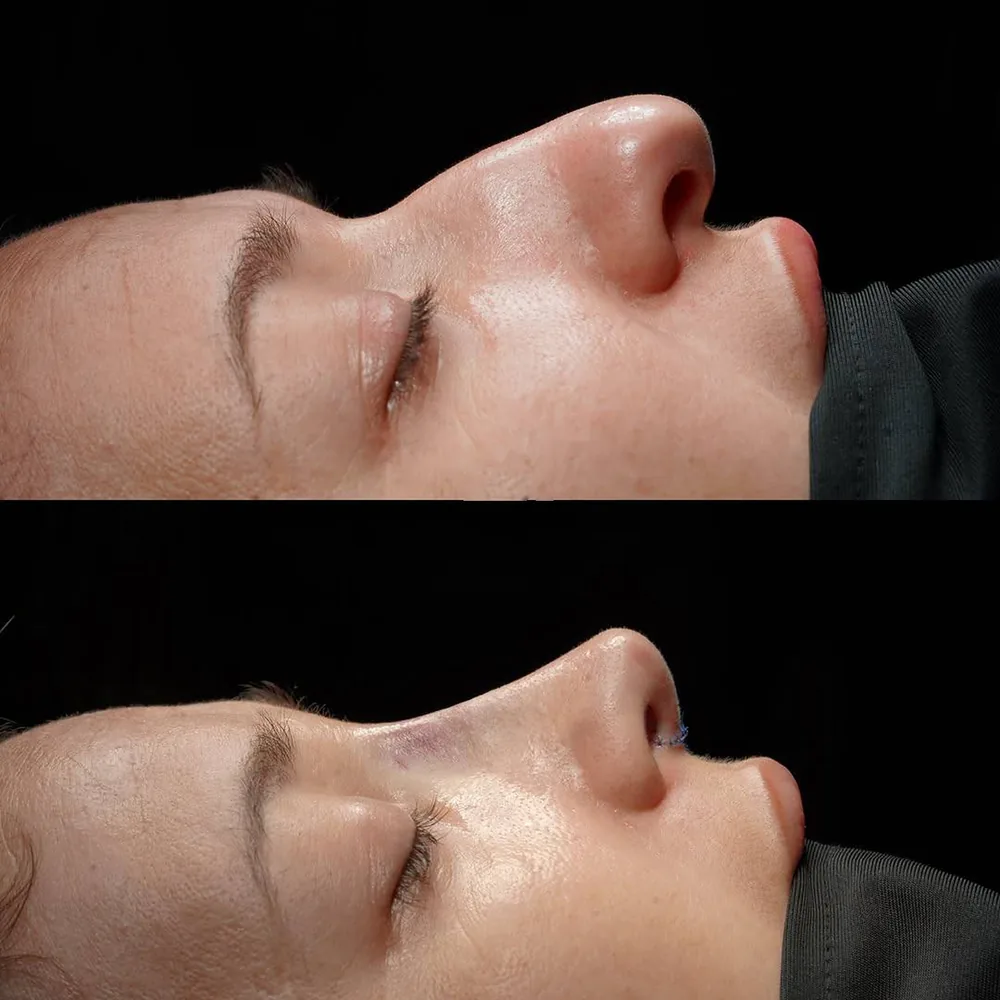
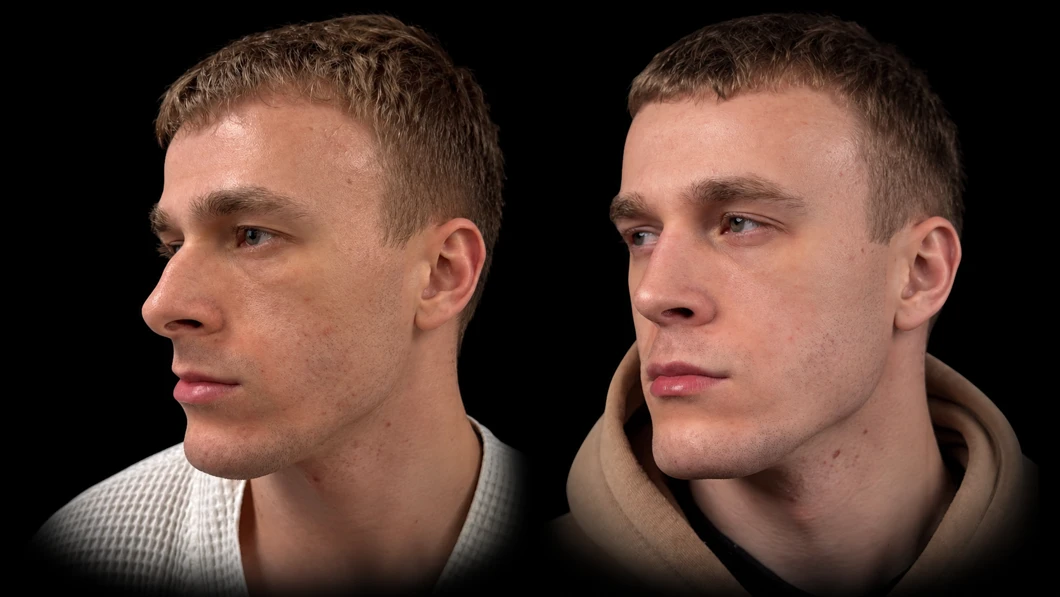
 beforeafter
Irina, 24
Rhinoplasty
Rhinoplasty
$4,200
Instead of $6,000 (≈ ₦8,000,000) · First consultation — Free
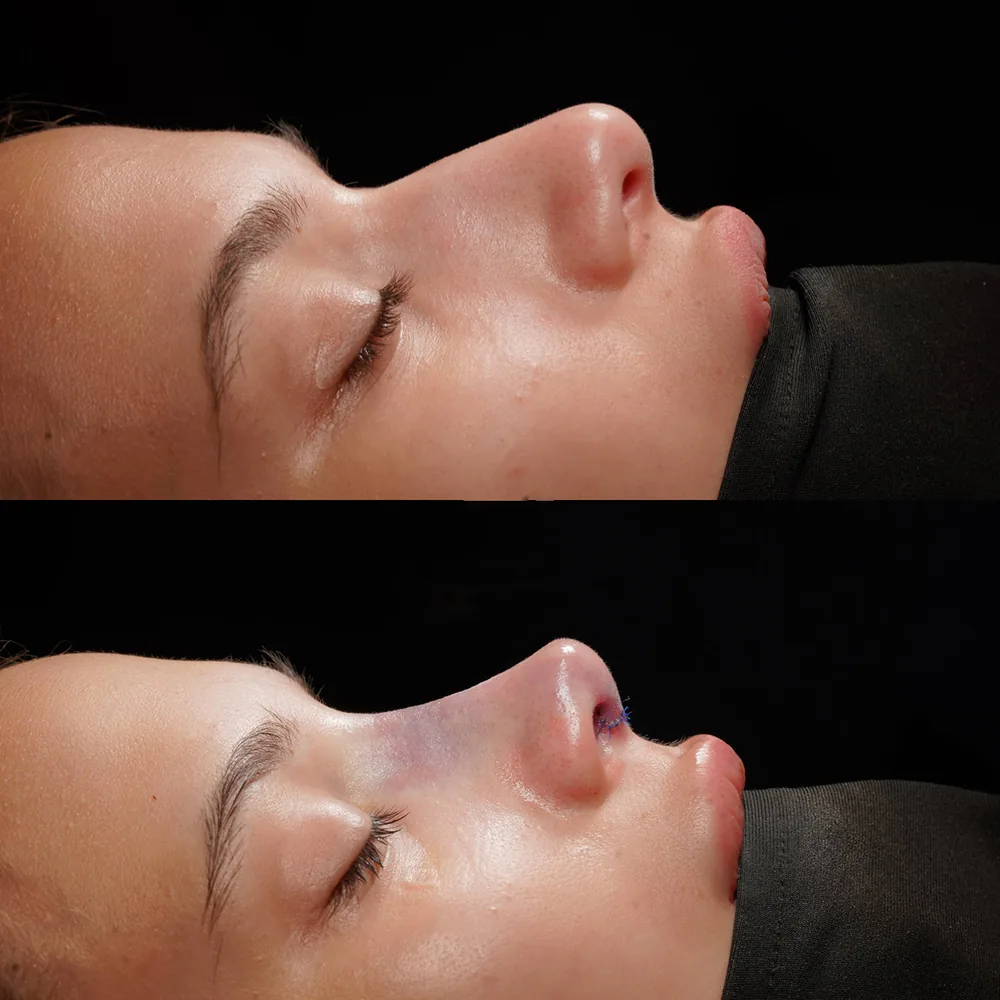 before
after
Message our coordinator
Free online consultation · Reply within 15 minutes
Message us on TelegramMessage us on WhatsAppBy messaging us, you agree to our Privacy Policy
Results
All cases are real patients of the clinic.
beforeafterRhinoplasty
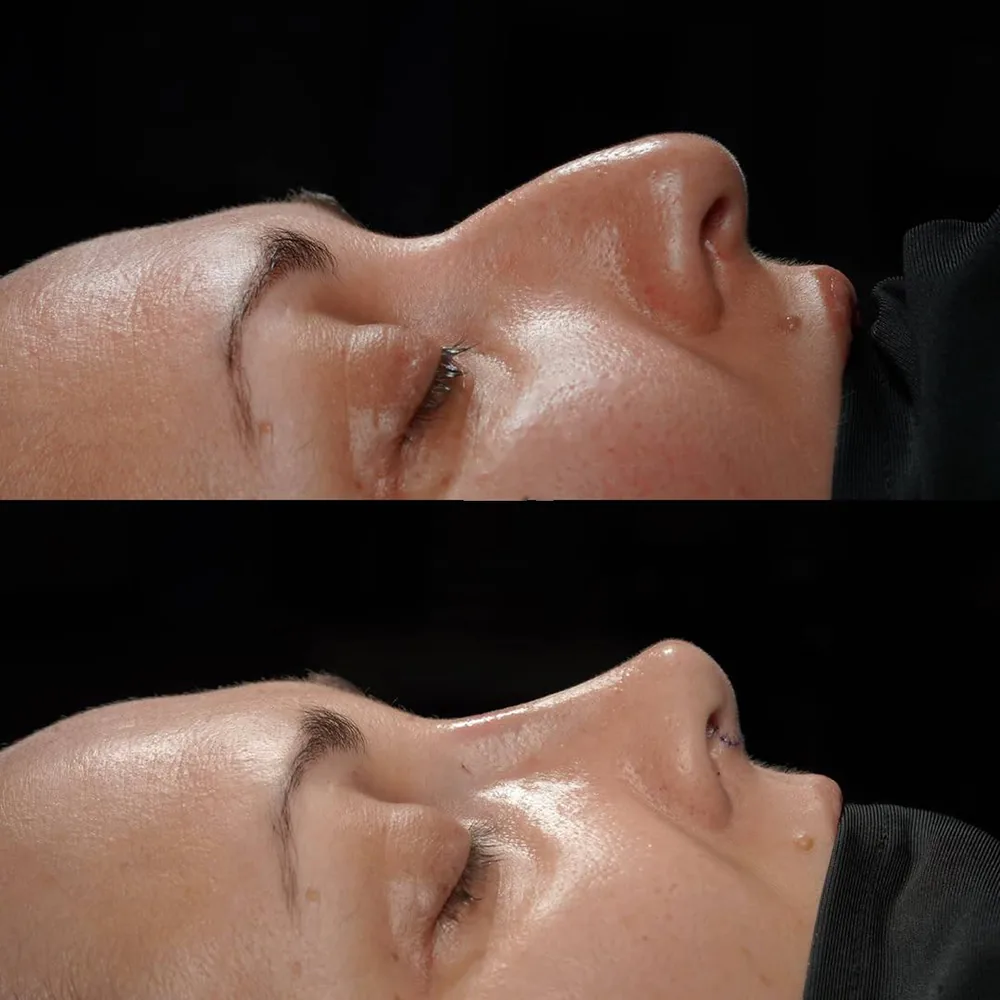 beforeafter
Rhinoplasty
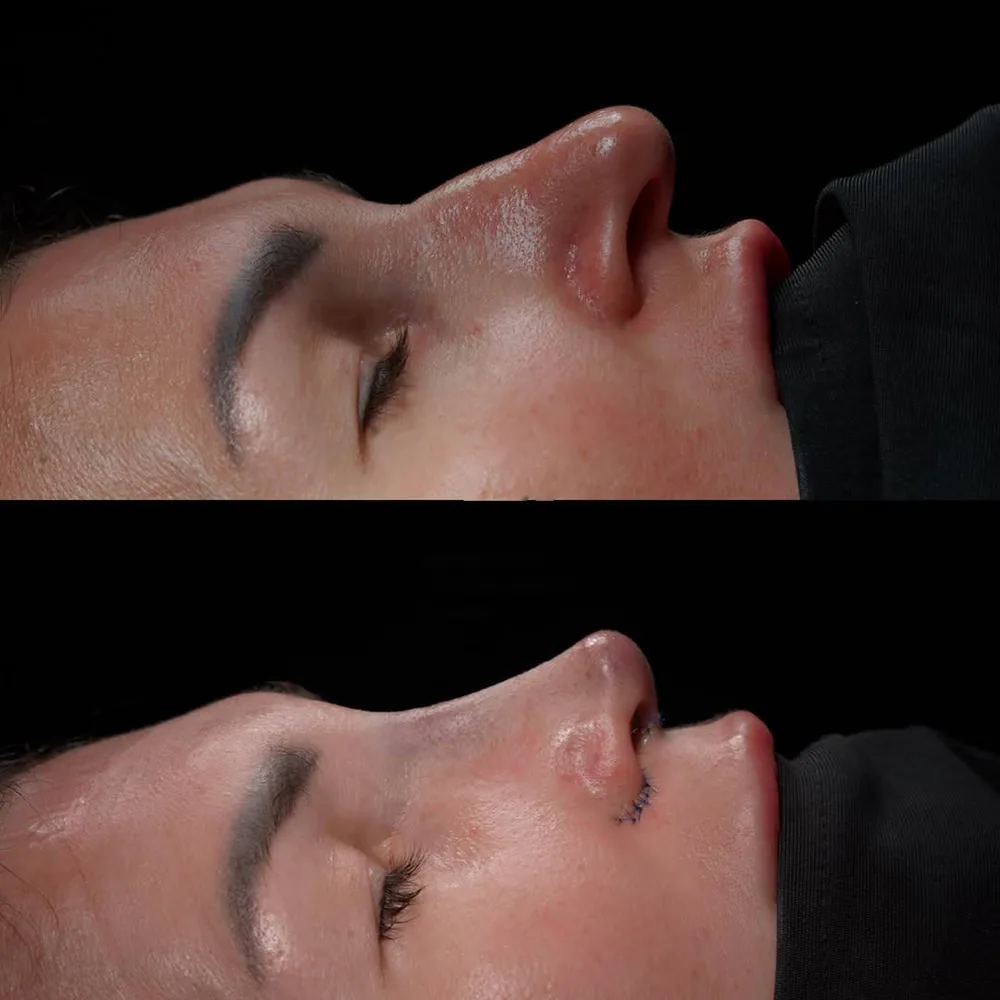 beforeafter
Rhinoplasty
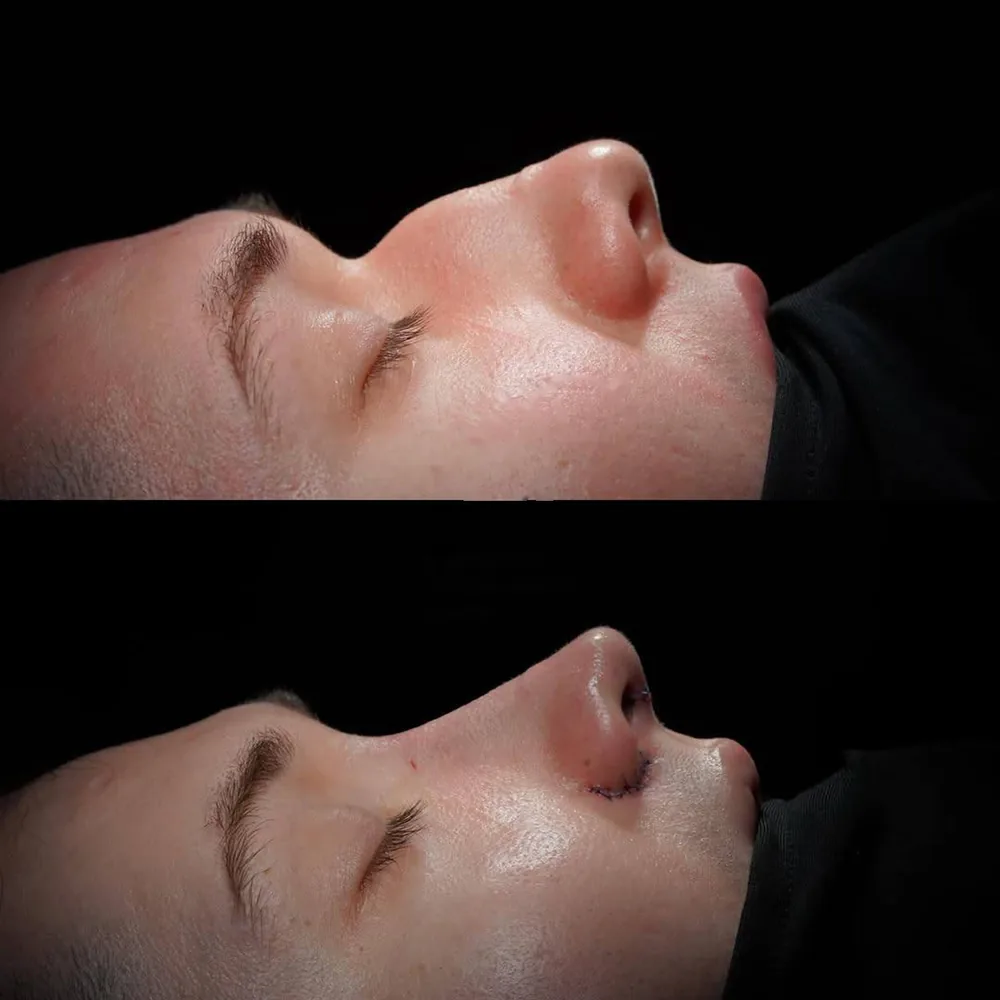 beforeafter
Rhinoplasty
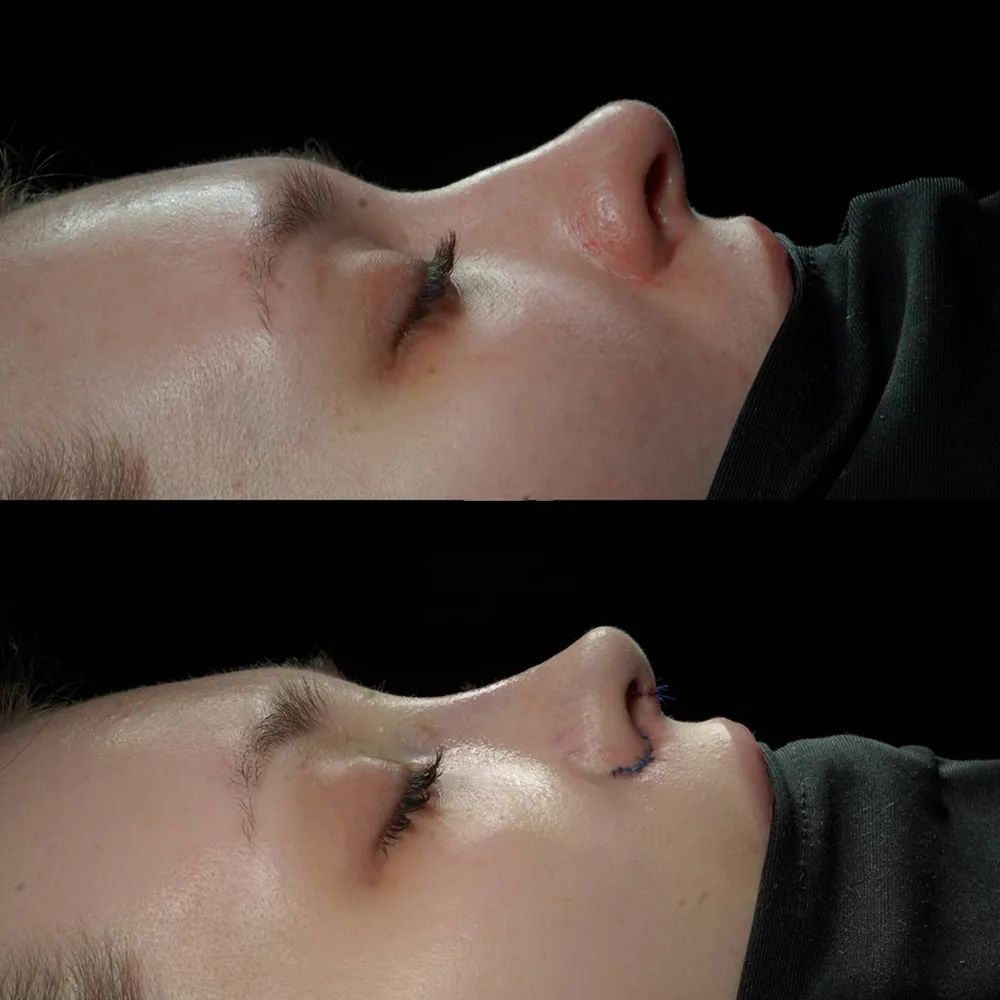 beforeafter
Rhinoplasty
beforeafterRhinoplasty
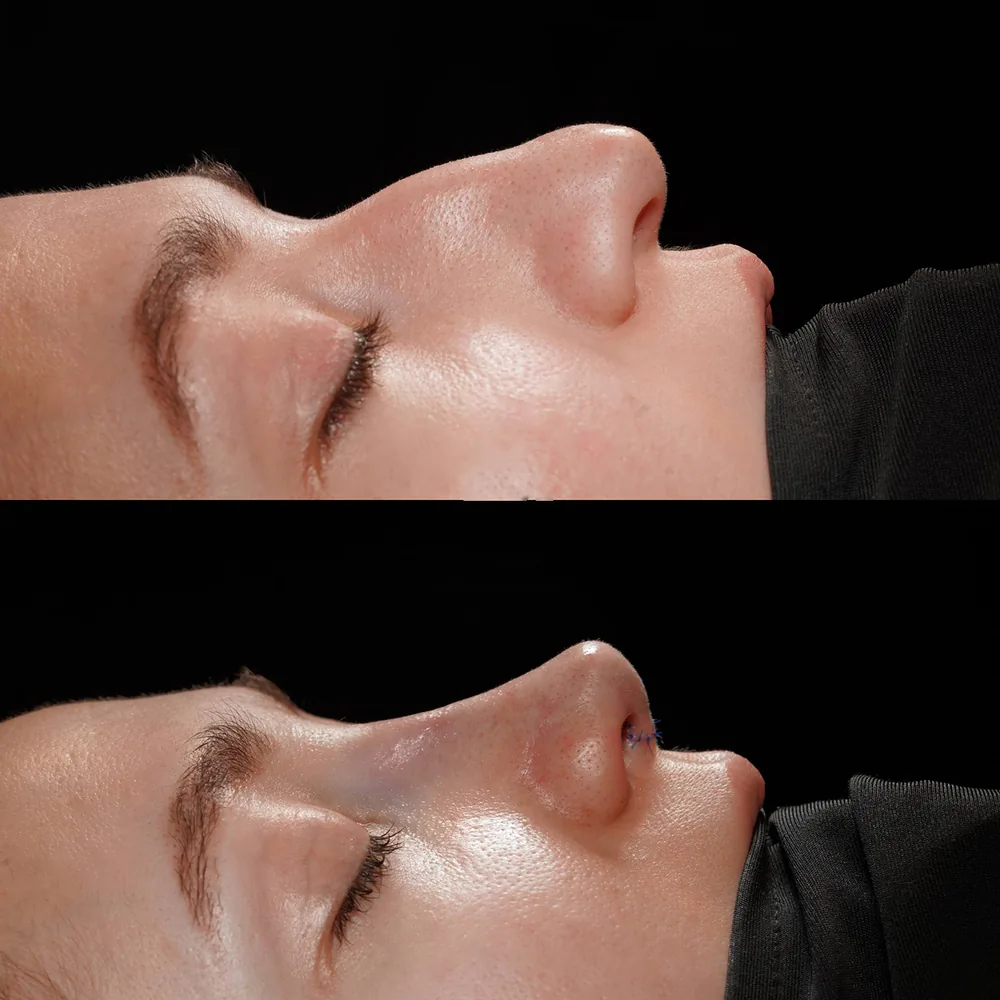 beforeafter
Rhinoplasty
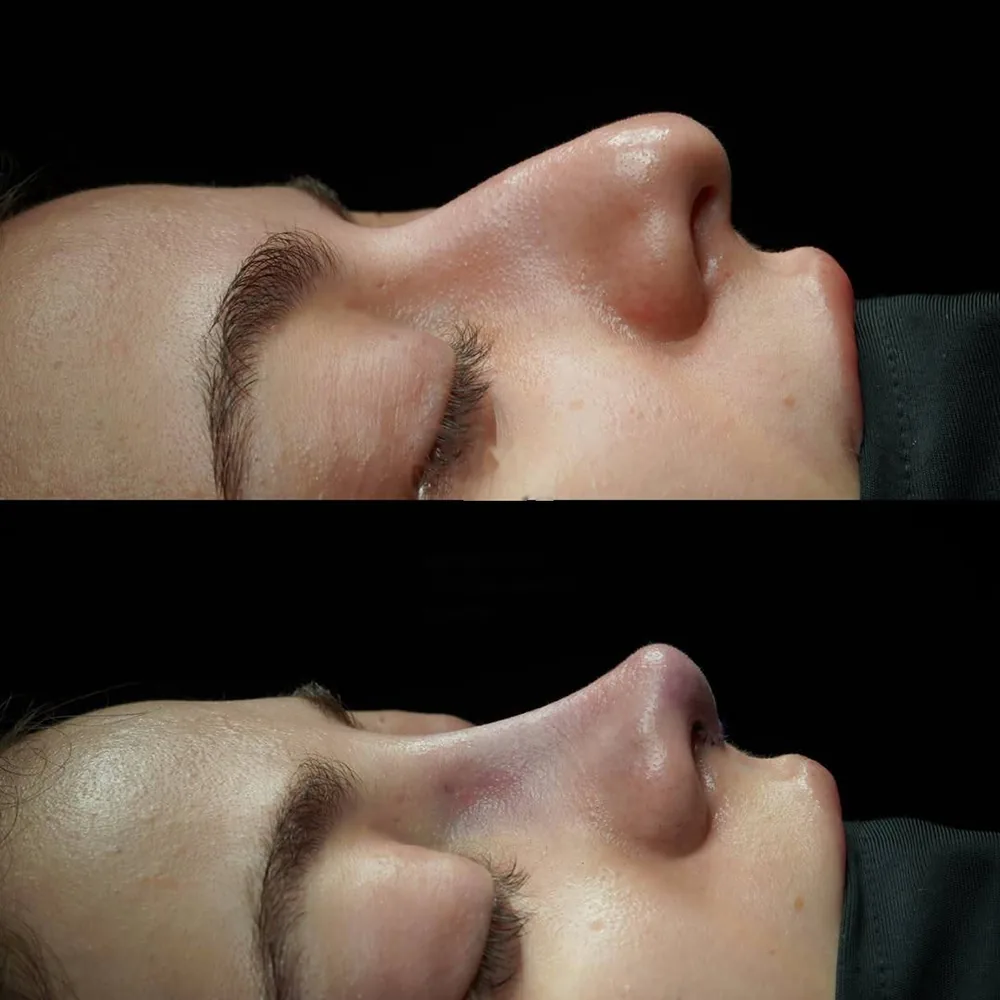 beforeafter
Rhinoplasty
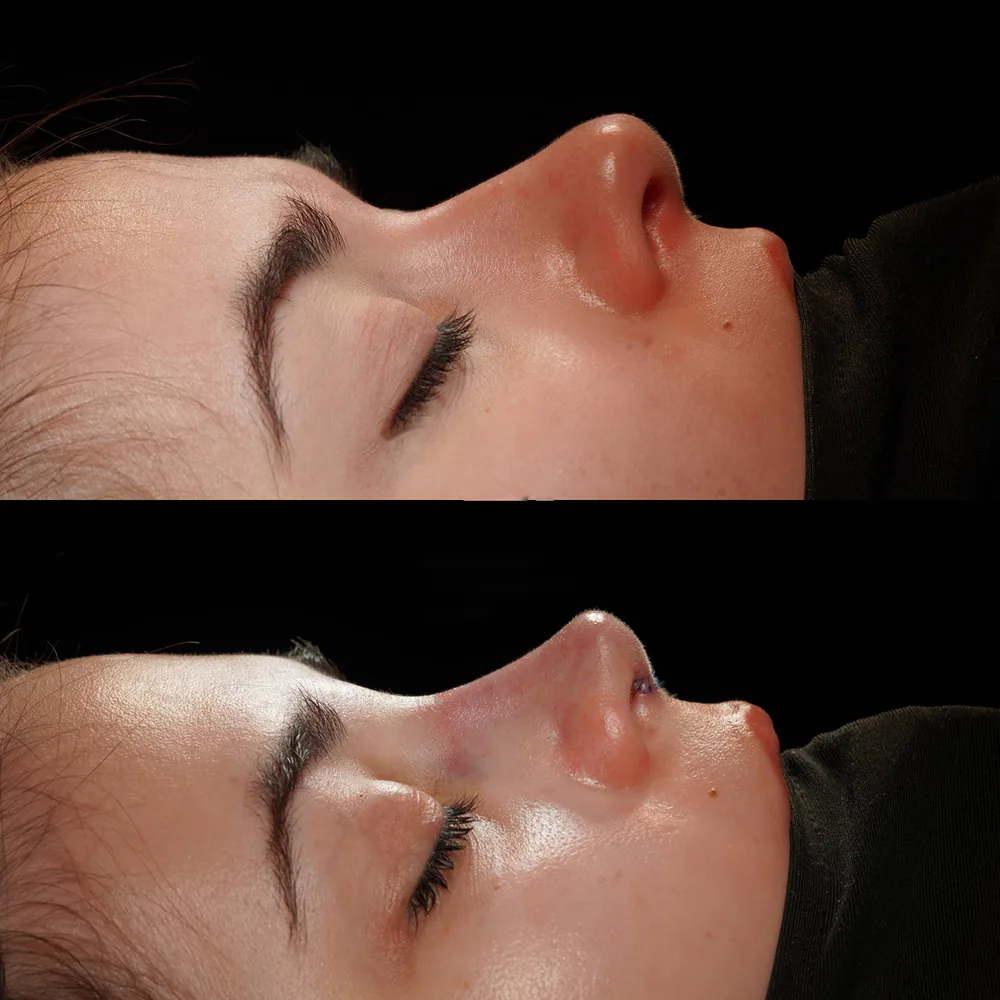 beforeafter
Rhinoplasty
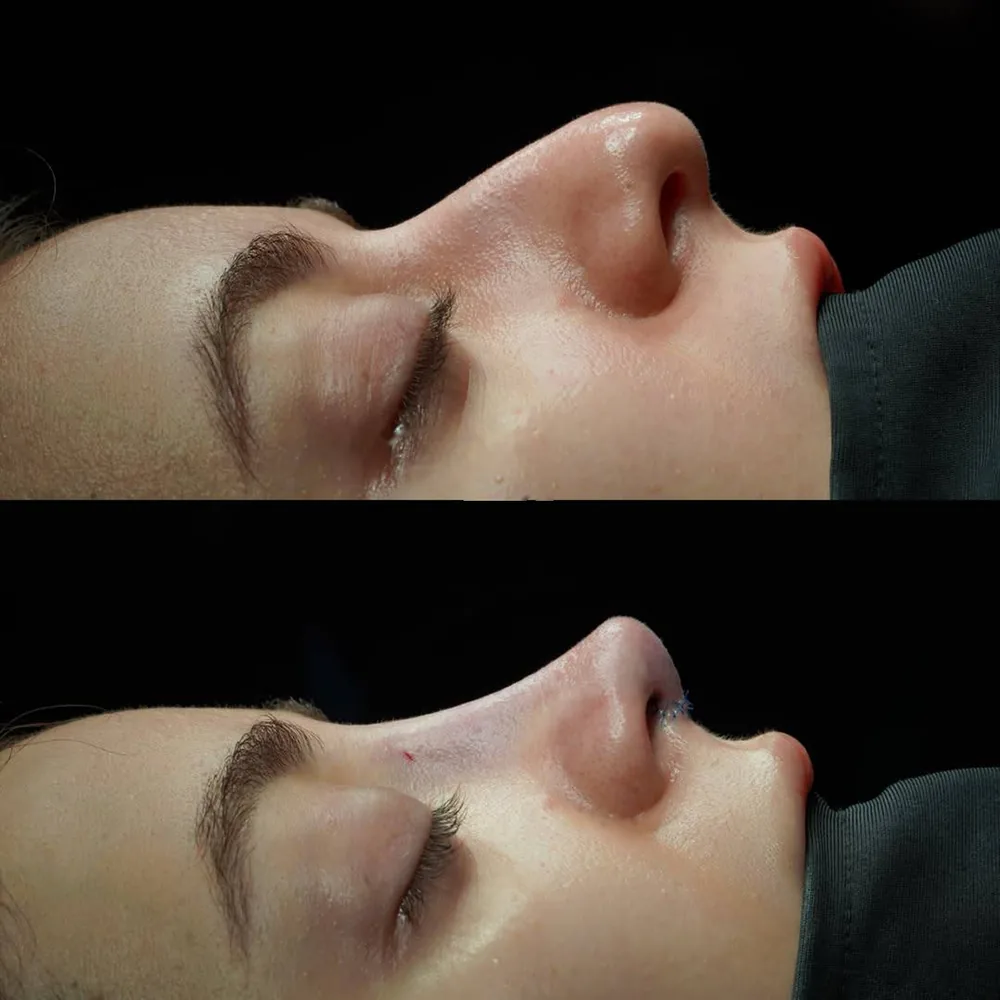 beforeafter
Rhinoplasty
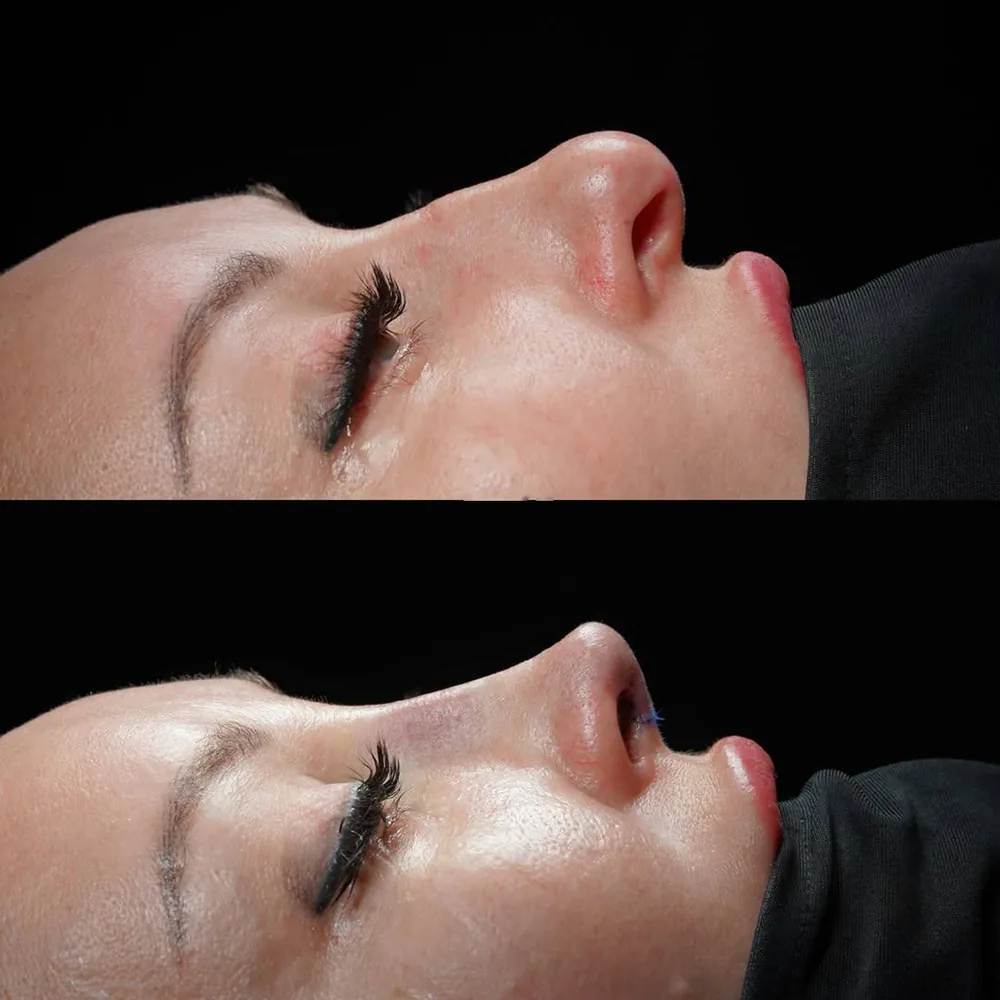 beforeafter
Rhinoplasty
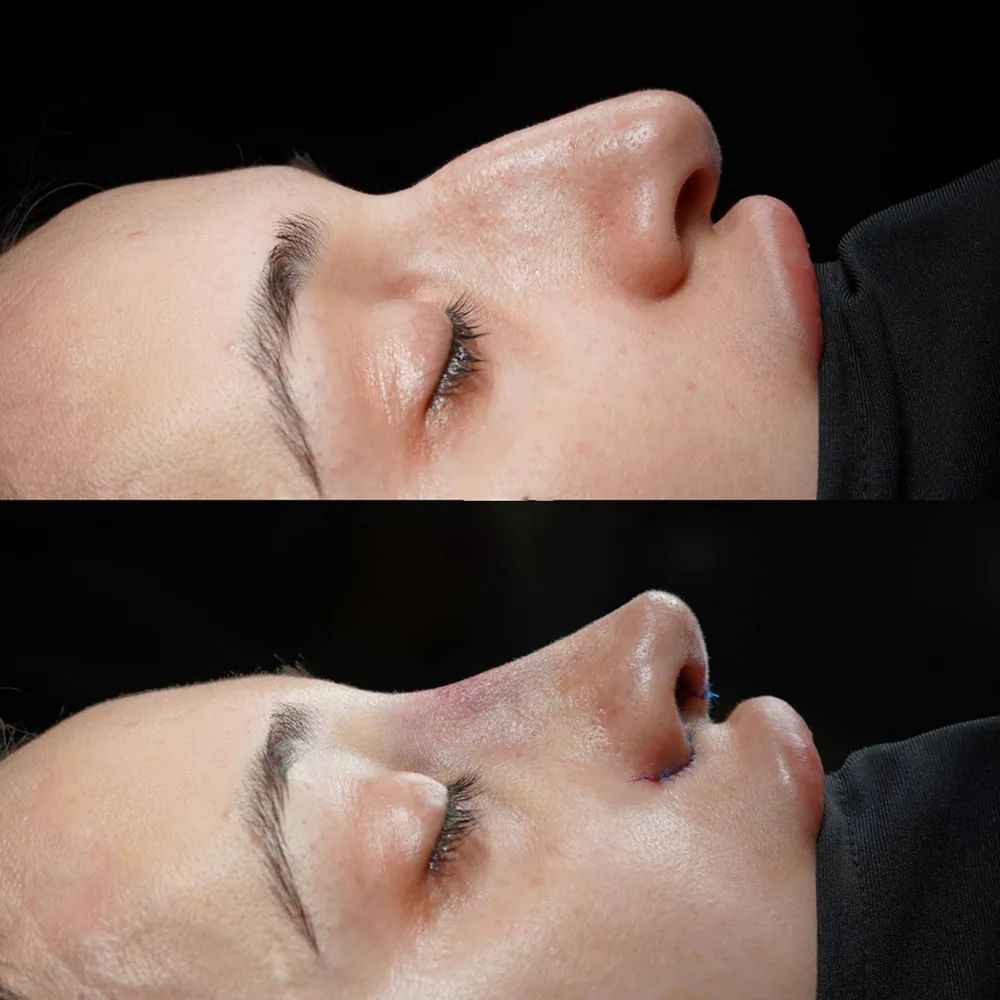 beforeafter
Rhinoplasty
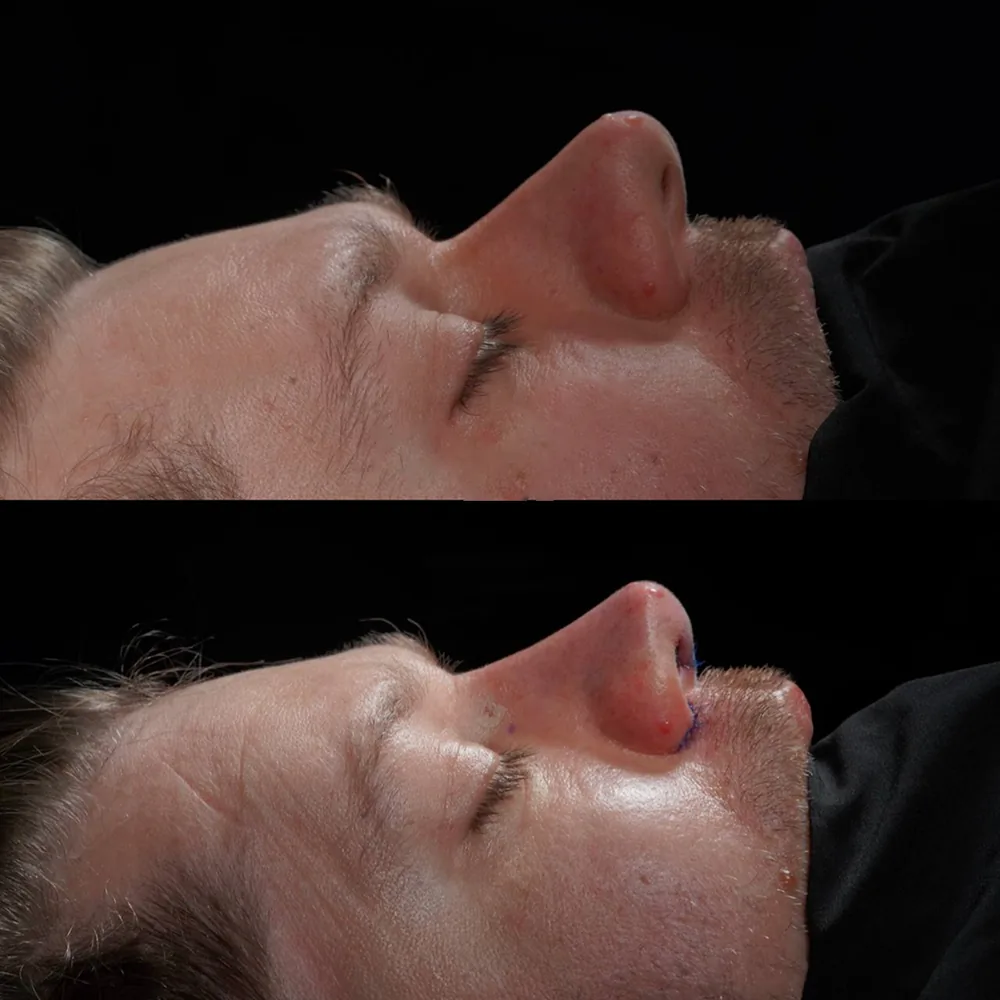 beforeafter
Rhinoplasty
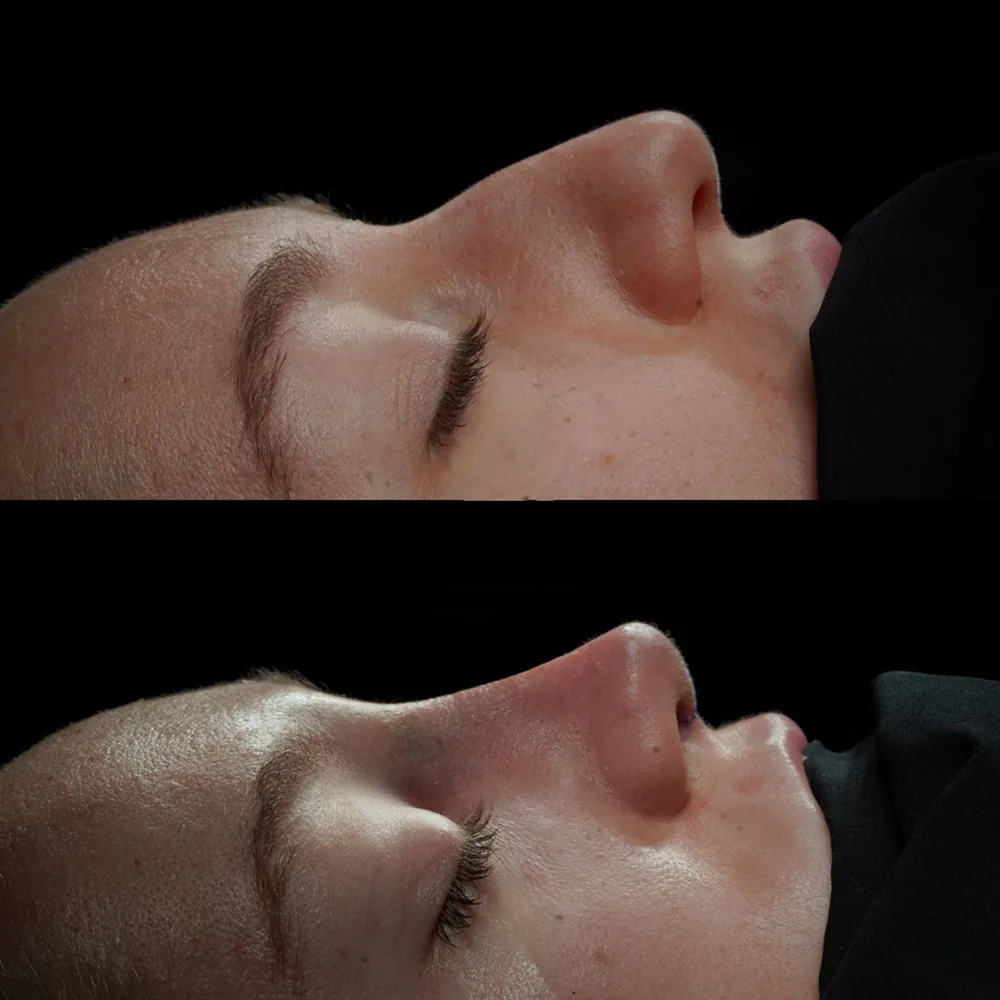 beforeafter
Rhinoplasty
Comparison
We will choose the most effective option for you and deliver an excellent outcome.
A primary nasal operation that adjusts appearance and improves breathing when airflow is restricted.
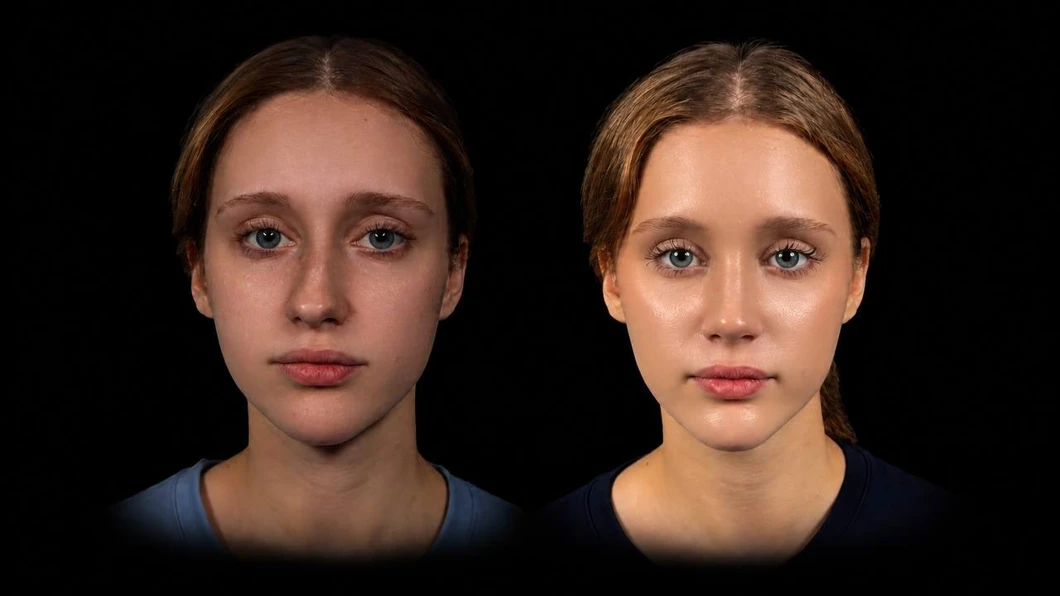
Discounted price
$4,200 $6,000
Repeat rhinoplasty: used to correct the nose following an operation that did not fully succeed. Scheduled no earlier than one year after the original surgery.
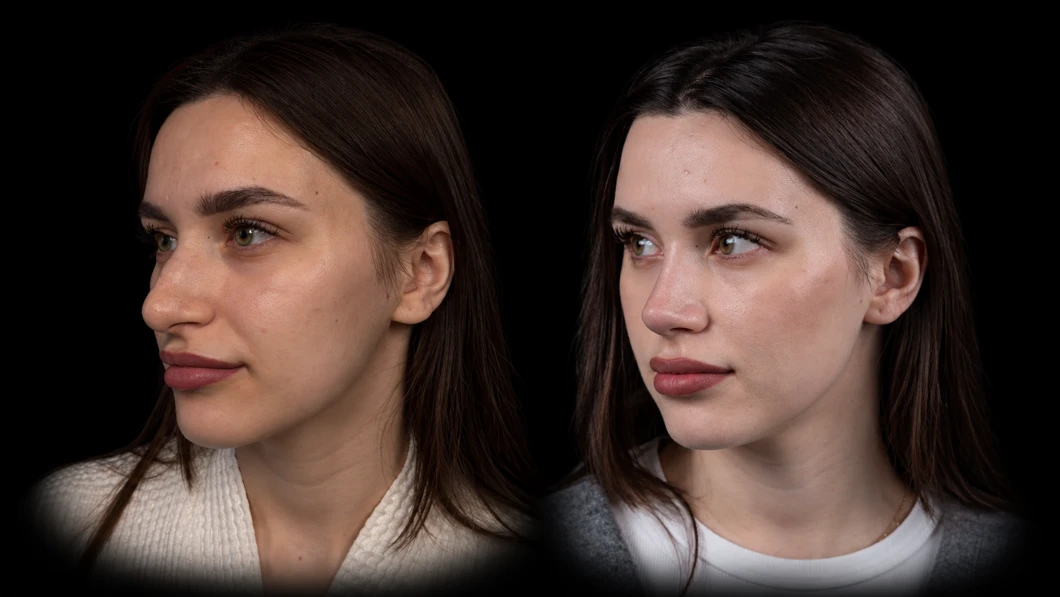
Discounted price
$5,400 $7,200
A single surgery addressing both the septum and the shape of the nose.
Discounted price
$5,000 $6,600
Shown here are average benefits and recovery times by surgery type, for guidance only: the real extent of correction and recovery time depends on your anatomy, confirmed by the surgeon at the consultation.
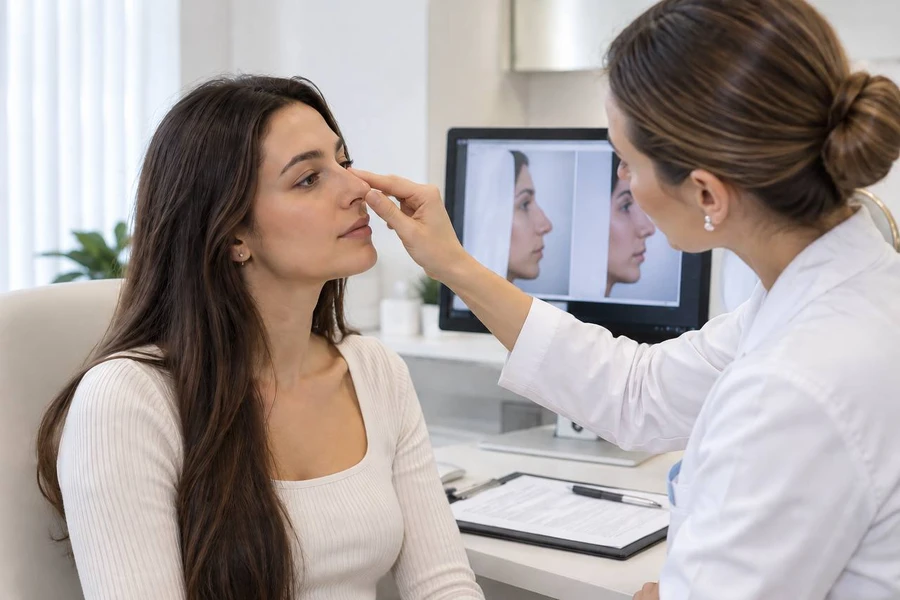
At the consultation, the doctor will build a 3D model of the expected result and explain
what your rhinoplasty will involve
The consultation costs nothing, takes place before surgery and carries no commitment.
Book a consultationThe clinic
Up-to-date equipment, comfortable rooms and attentive care for every patient
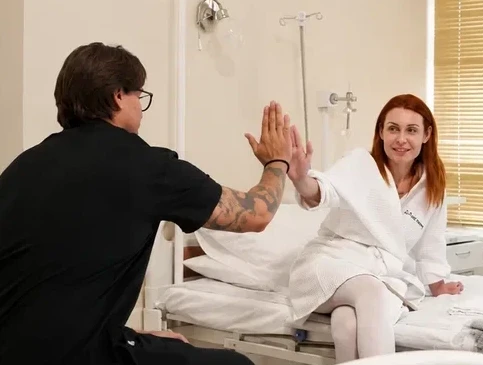
We answer every question and schedule the consultation at a time that suits you
Get a consultationIf an operation turns out not to be necessary, the doctor will say so during the consultation — you won't pay for nothing.

Unsure which column applies to you?
Message us on Telegram and send photos of your nose — the doctor will tell you whether rhinoplasty is right for you. Free and with no commitment to surgery.
Find out if it suits me
Prices
The cost is named at the free consultation, after result modelling, and fixed in the contract.
Discounted price
a new shape for the nose
$4,200$6,000
Discounted price
secondary, revision
$5,400$7,200
Discounted price
nose shape and septum
$5,000$6,600
Free
surgeon's examination and 3D modelling
Free
the cost of the operation is named
and recorded in the contract
The doctor will assess the anatomy of your nose, listen to your wishes
and pick the correction technique that suits you. The price is named at the consultation and set in the contract.

Message our coordinator
Free online consultation · Reply within 15 minutes
Message us on TelegramMessage us on WhatsAppBy messaging us, you agree to our Privacy Policy
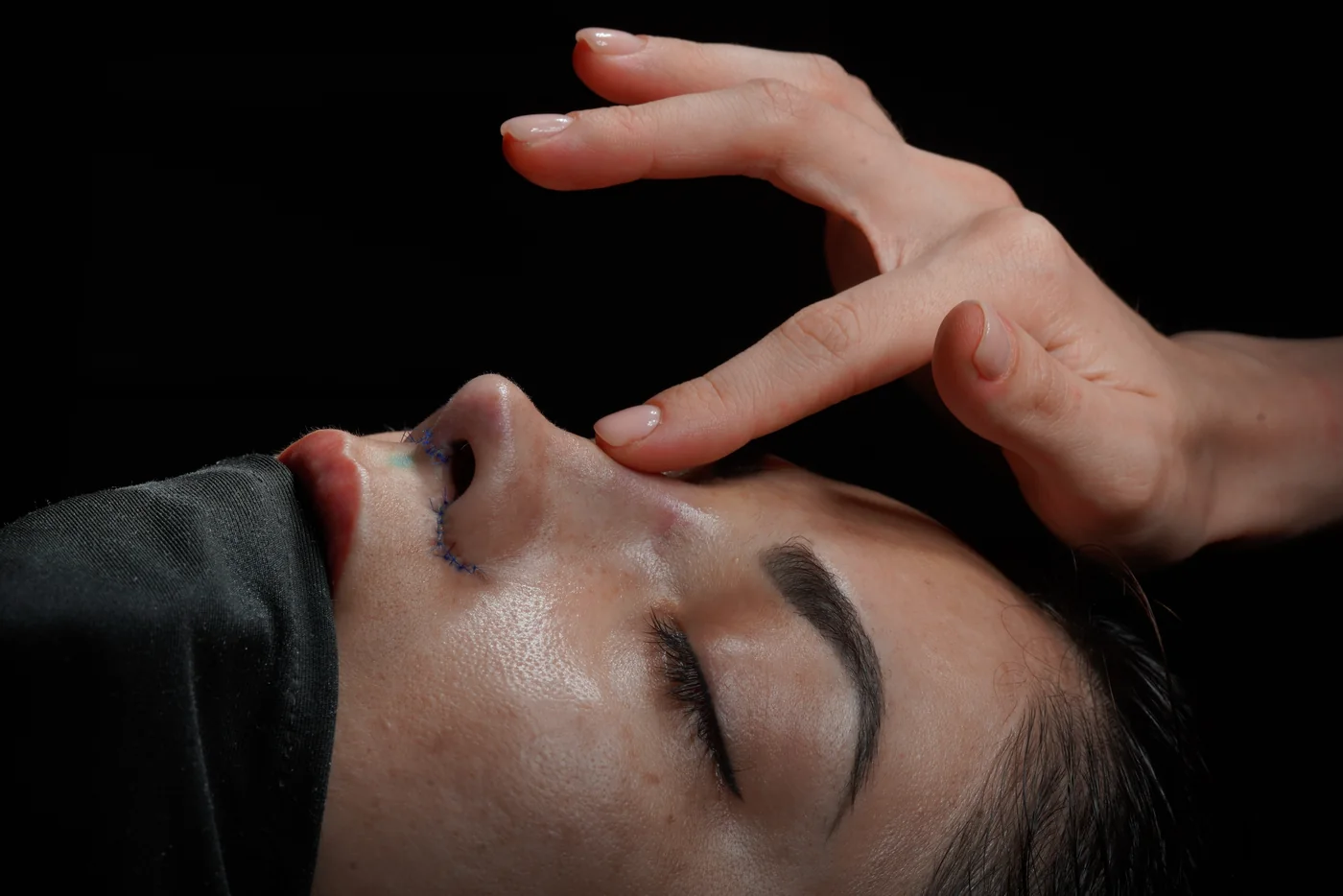
Price
From getting ready for surgery
to 12 months of support.
Discounted price
$4,200$6,000Discounted price
What to expect
An agreed plan of correction, time under inpatient observation, and a year of recovery monitoring.
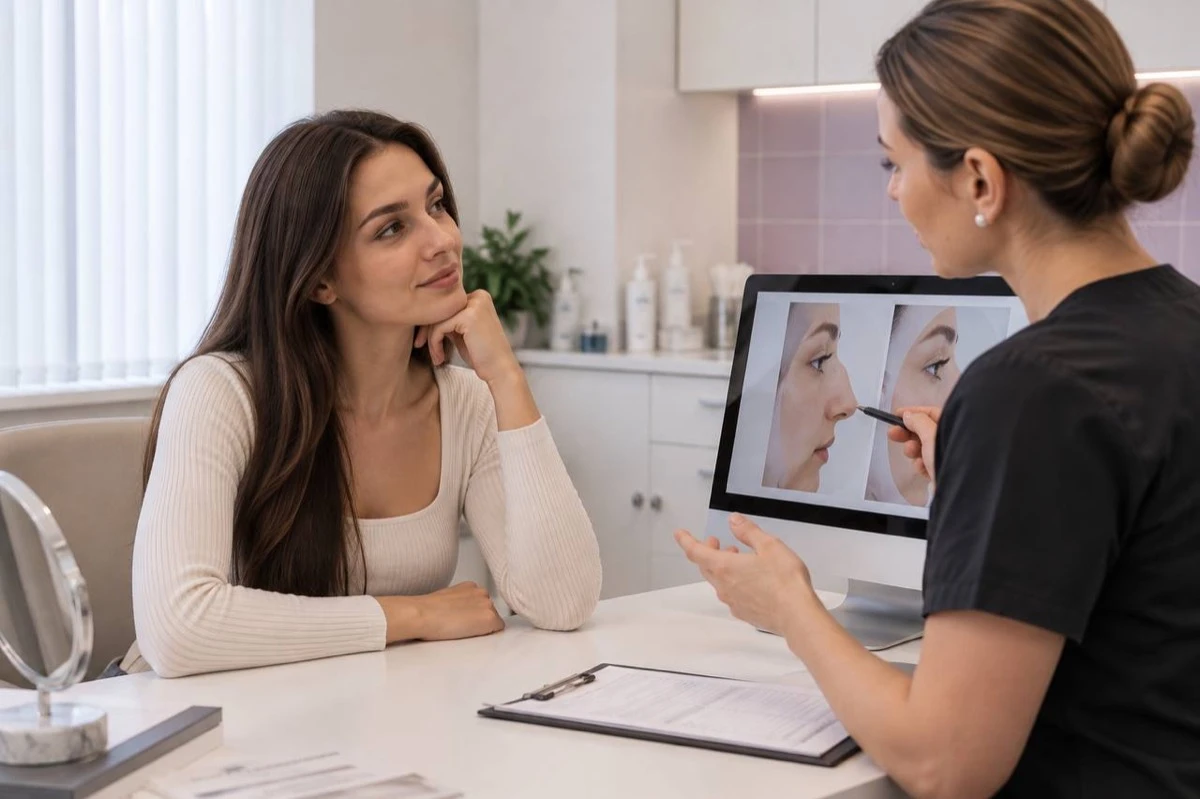
The doctor assesses your nose and your wishes, then performs the examinations needed to choose the right correction technique

We hold a surgery date for you; the deposit may be paid at the clinic by card or online via bank transfer, with the terms fixed in the contract for medical services
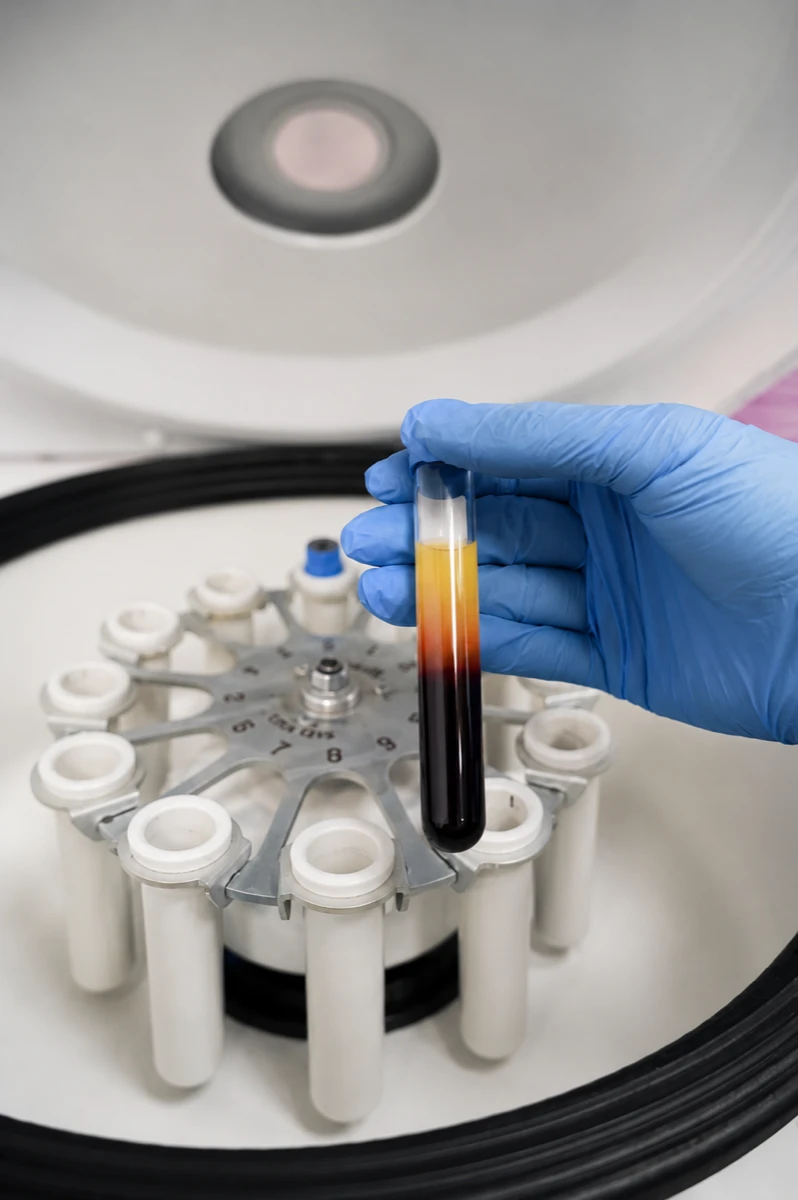
Ahead of surgery, a full set of lab tests is required: complete blood count, biochemistry, coagulation panel, chest X-ray and a sinus X-ray
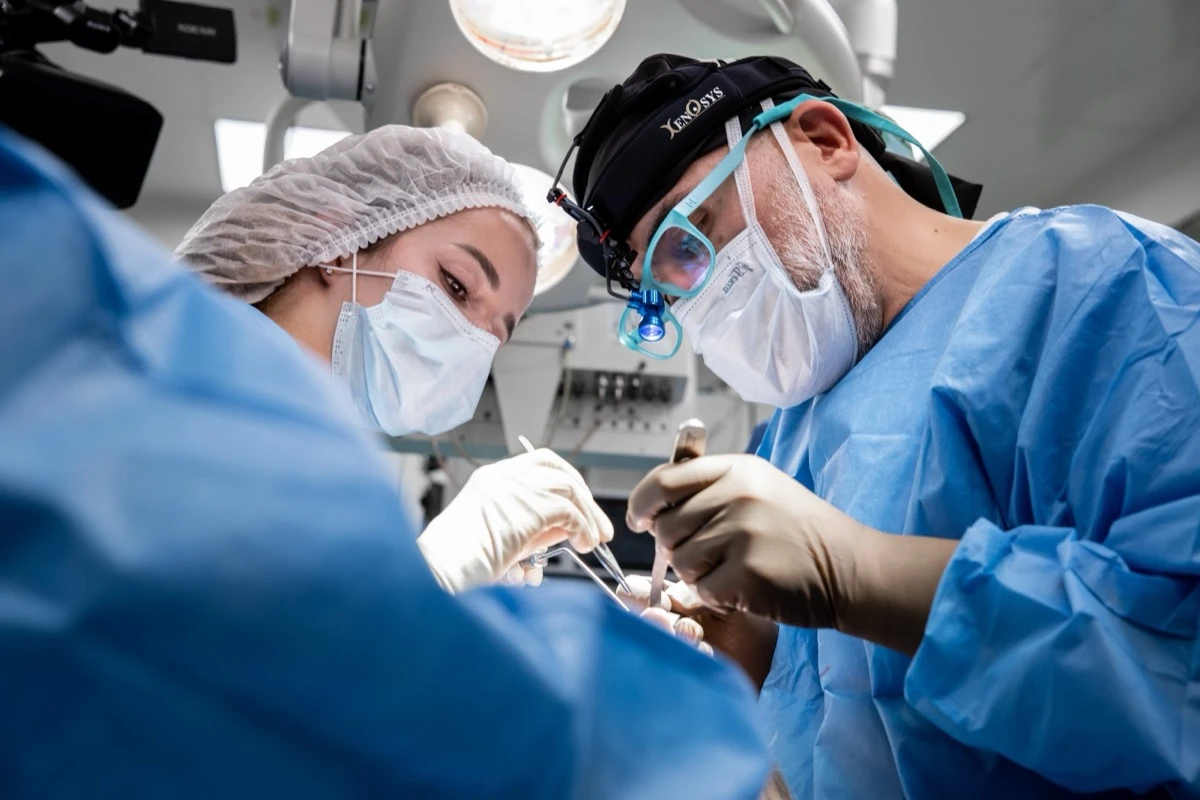
Using the chosen technique, the surgeon carries out the rhinoplasty under general or local anaesthesia, correcting both the shape and structure of the nose
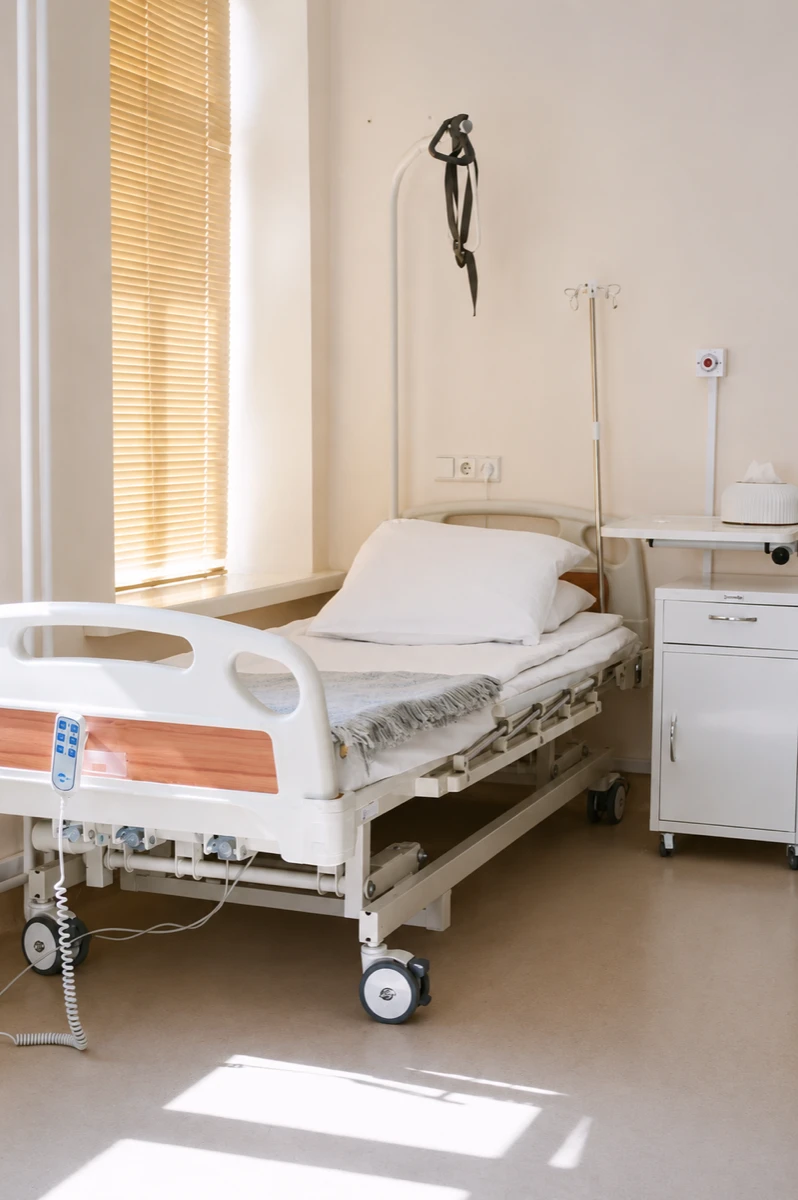
All procedures are performed in the clinic's inpatient unit. After surgery you stay there for one day
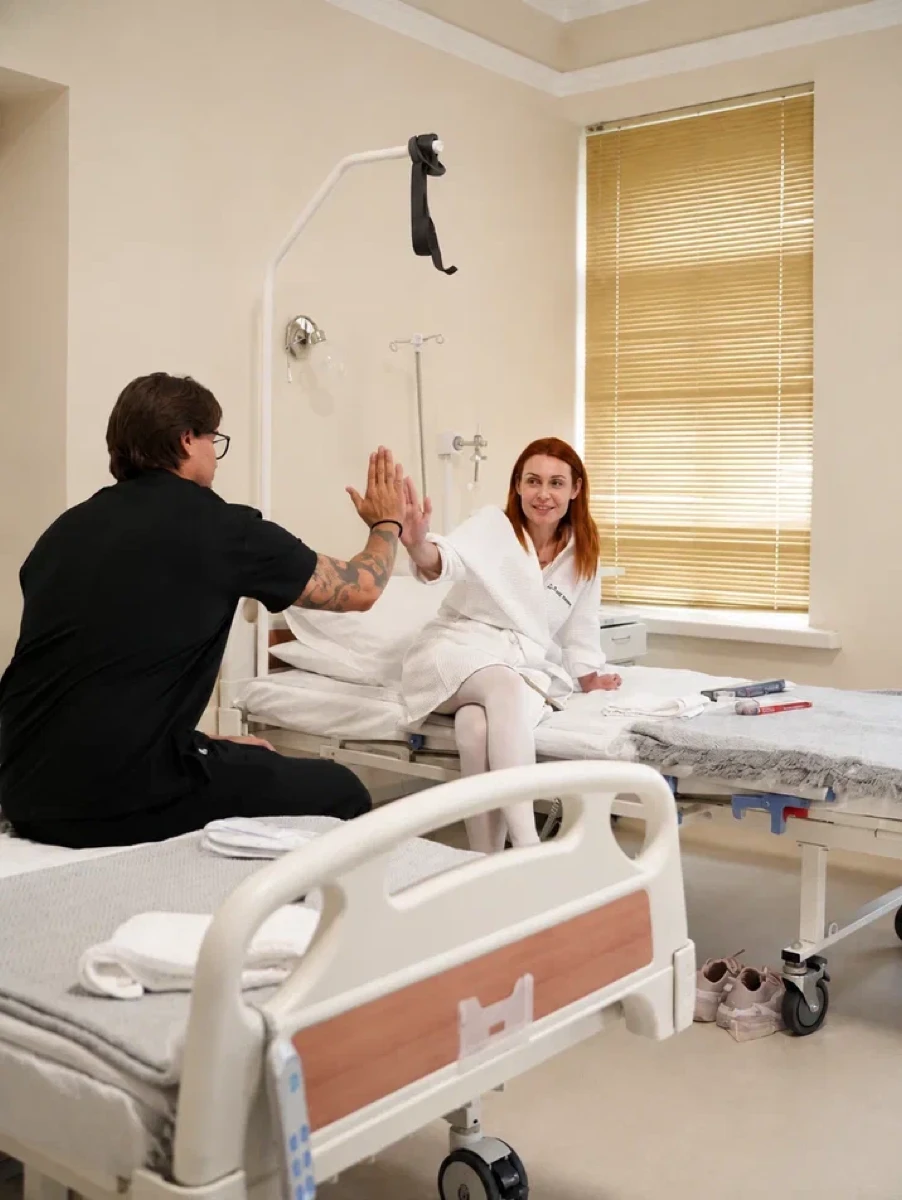
After the operation you receive a recovery programme; check-ups at 7 days, 3 and 6 months help monitor your recovery, and surgeon consultations remain free for a year afterwards.
At the consultation you will see a realistic forecast of the result
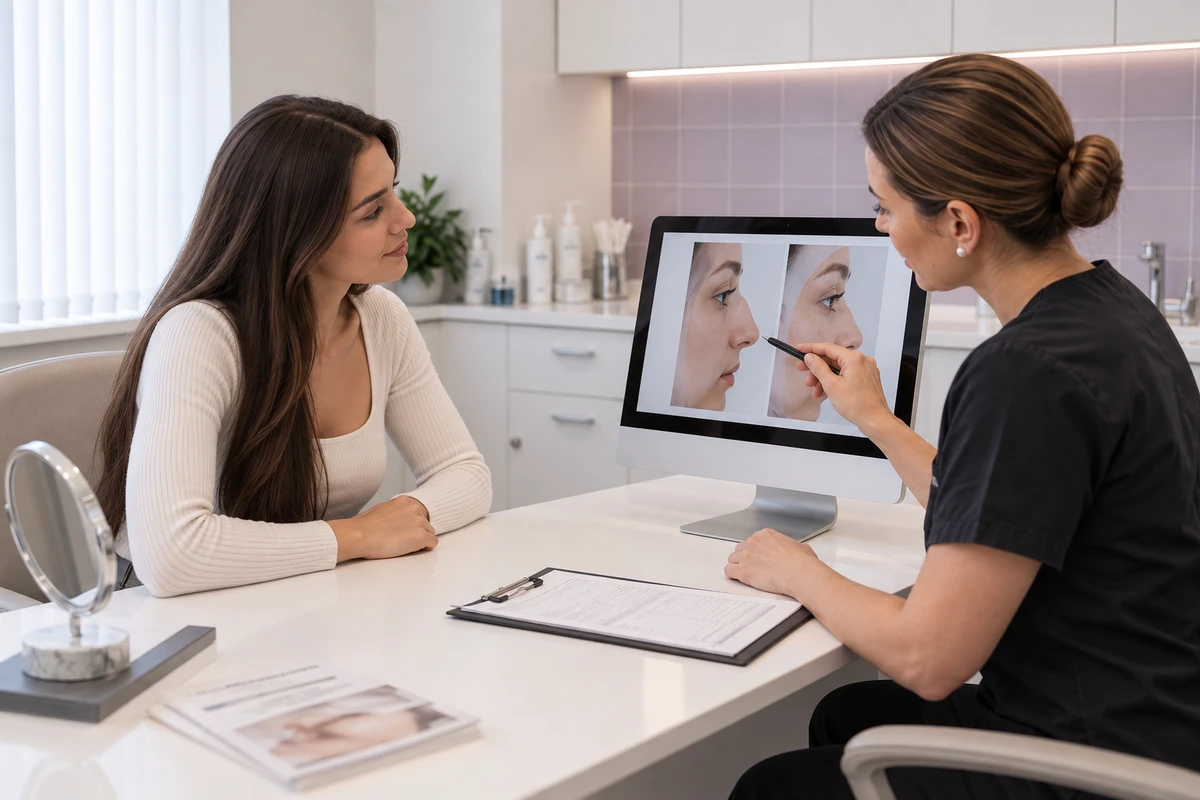
The consultation costs nothing, takes place before surgery and carries no commitment.
Book a consultationNasal splint
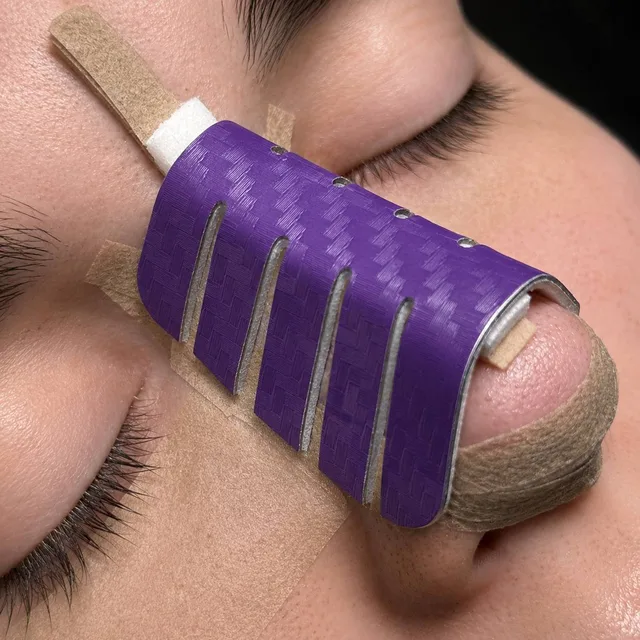
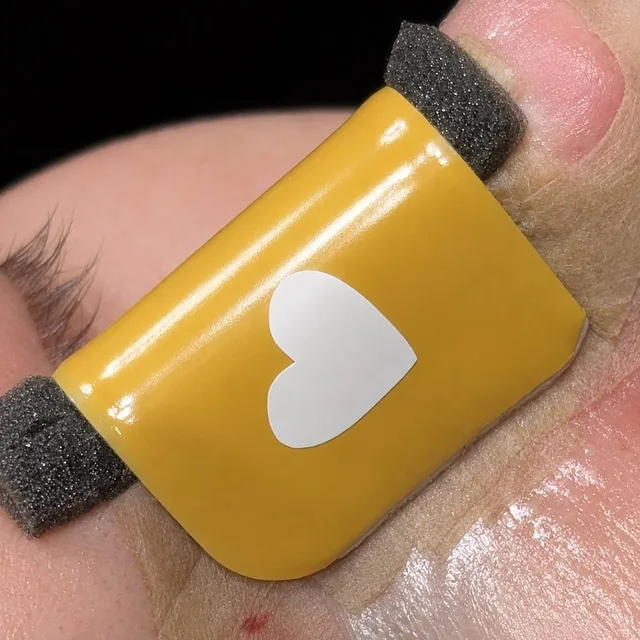
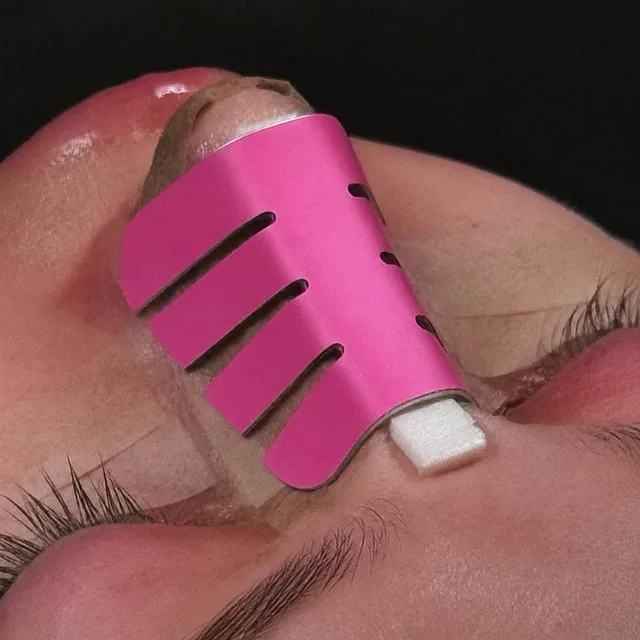
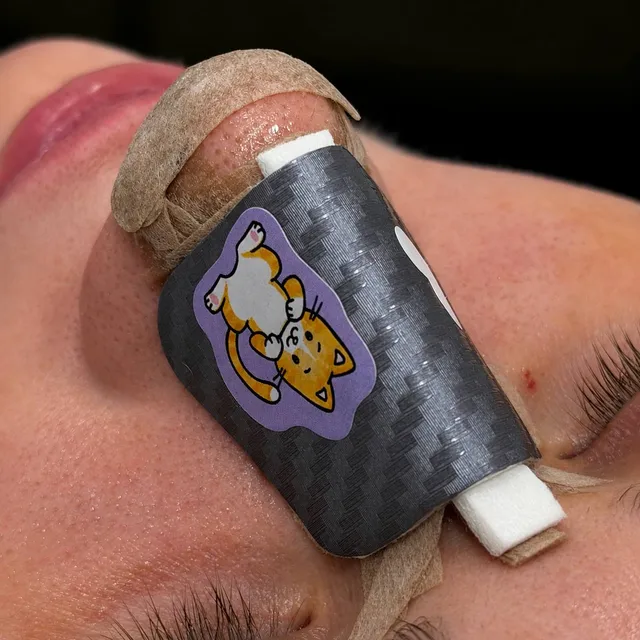
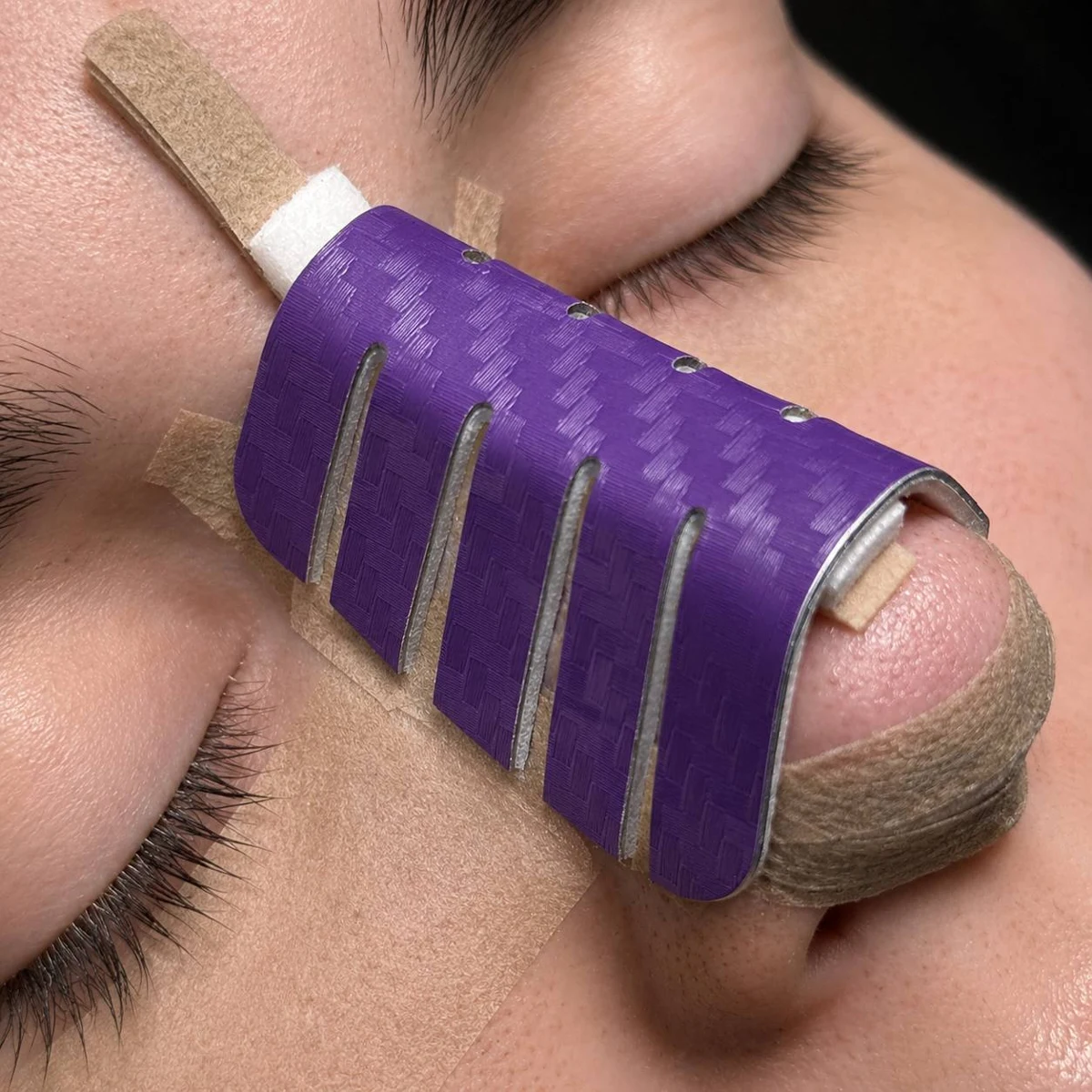
Every detail is chosen to highlight your natural beauty. So that you enjoy the change even while recovering, you can choose the colour of your own nasal splint.
Your personal style, down to the details:
Choose the splint colour that fits your mood
Confidence starts with small things, just like your future profile
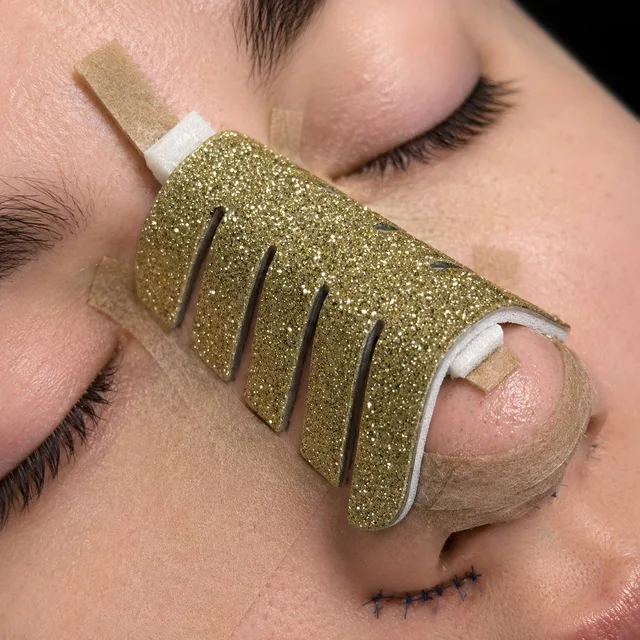
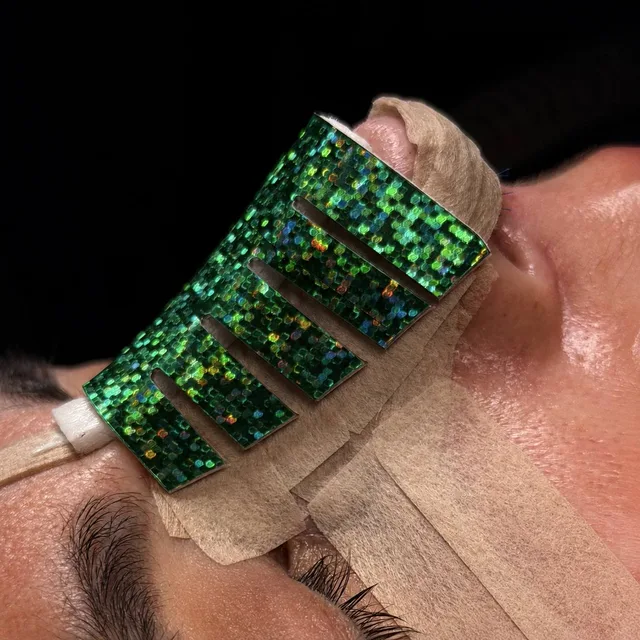
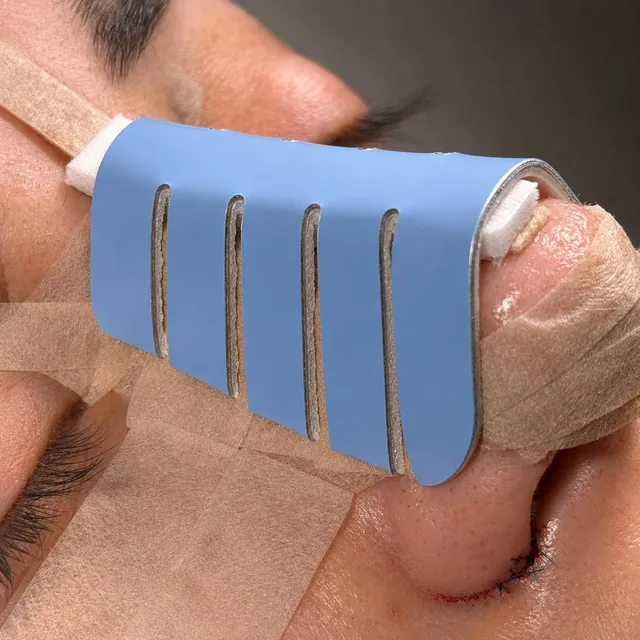
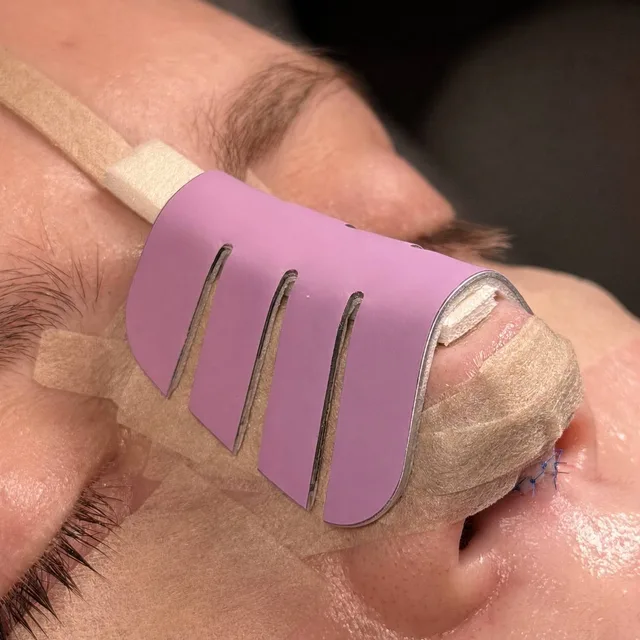
Doctors
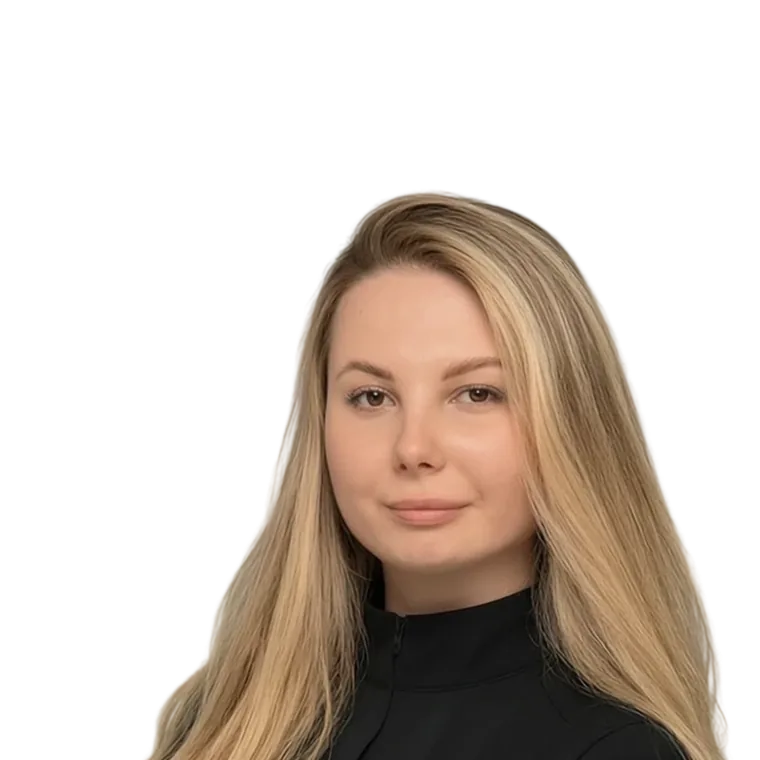
Rhinoplasty surgeon
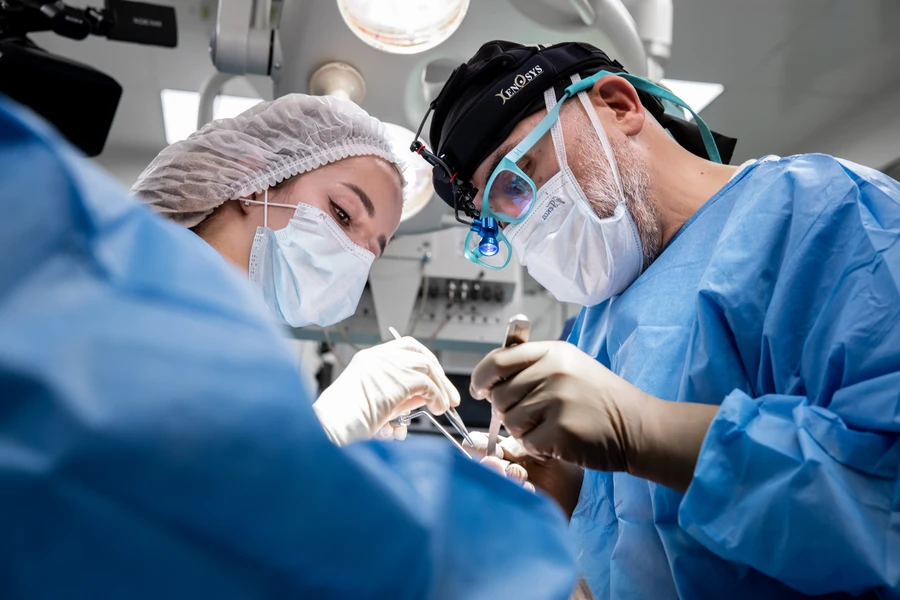
The surgeon who will carry out your operation is who you talk to at the consultation
Your facial proportions are assessed by the doctor, who listens to your wishes and explains the possible changes.
Book a consultationCoordinators
You're supported at every stage of the process

A personal coordinator
From your first message to the consultation — this is your first contact at the clinic
Patient support
Responds to your questions ahead of the consultation and helps you settle on a convenient date

A personal coordinator
With you from booking through your stay to discharge
Patient support
Guides your preparation for surgery and keeps in contact throughout your stay

A personal coordinator
Supporting you through recovery, from discharge to your final check-up
Patient support
During recovery, keeps in touch with you and books your surgeon follow-up visits
A members-only channel for people who value honest, expert information
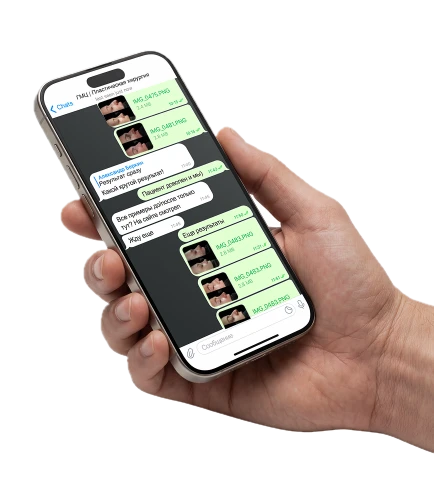
Message us — our coordinator will contact you shortly and book your consultation
Advantages
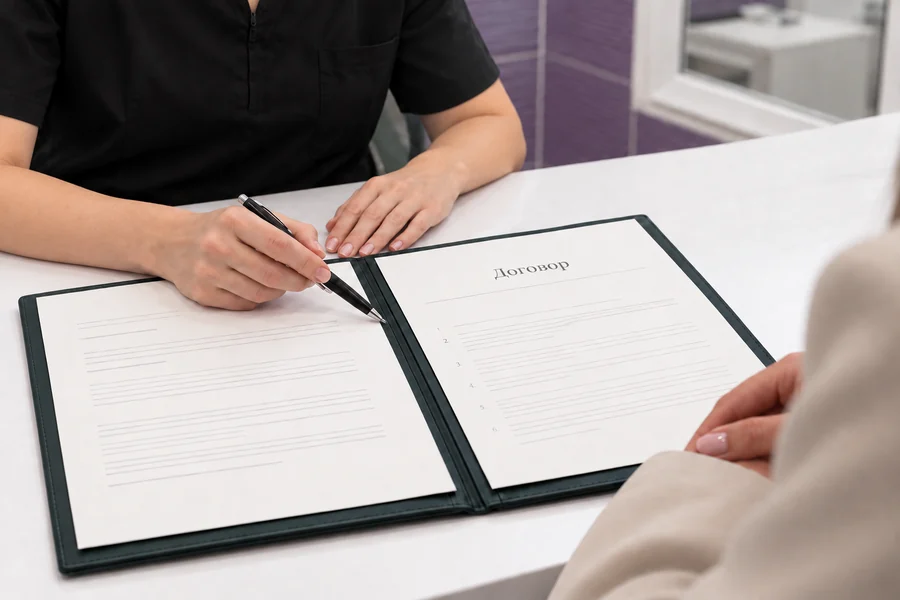
A lifetime guarantee, set out in the contract. The terms of the surgery, ongoing support and post-operative follow-up are all agreed in advance.
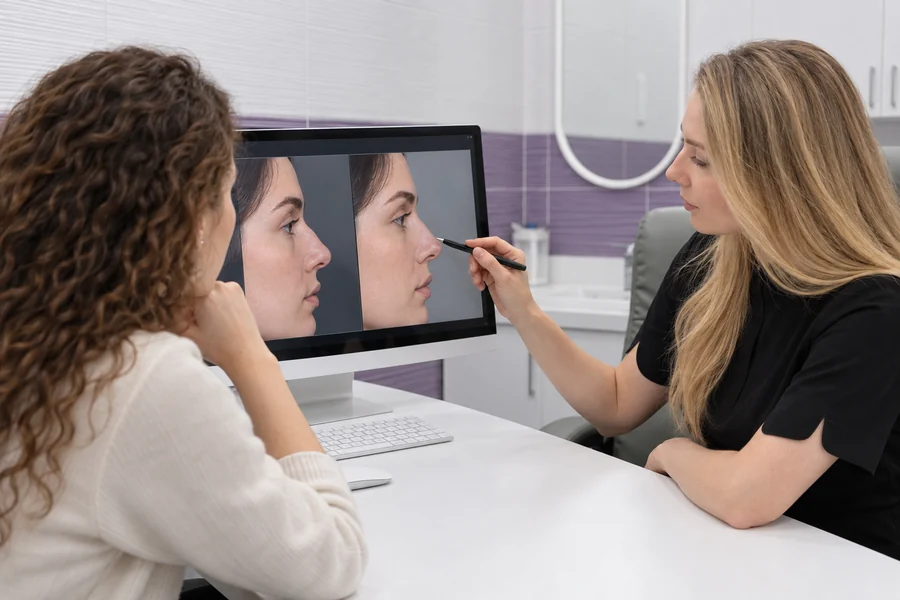
During a free consultation, we look at your case and tell you honestly whether rhinoplasty suits you — facts only, with no pressure to go ahead.
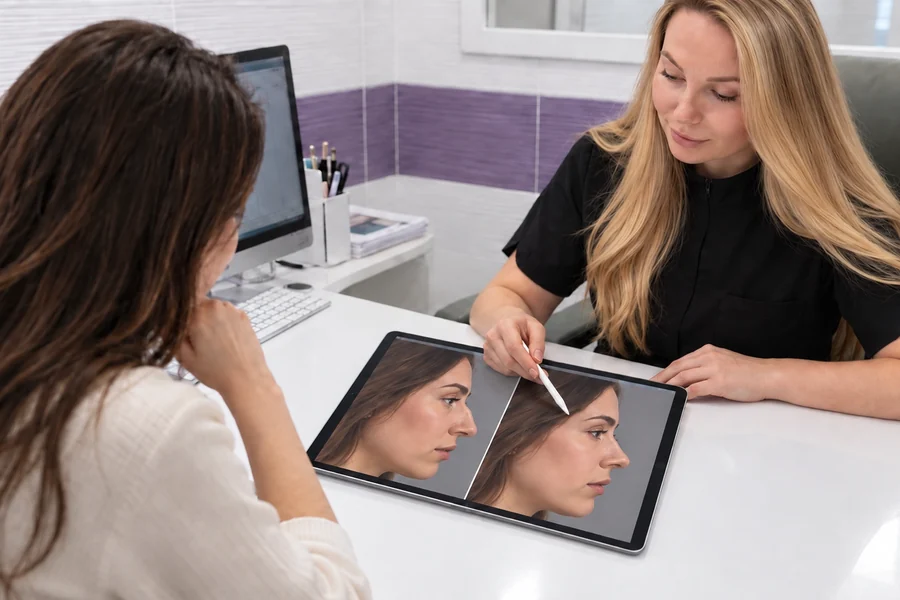
If you come from another city or country, we arrange the consultation and the necessary preparation in one trip — so that the path to change is more comfortable and needs fewer journeys.
We respect your time: we work 24/7, with easy booking and a personal approach — we adapt to your pace.
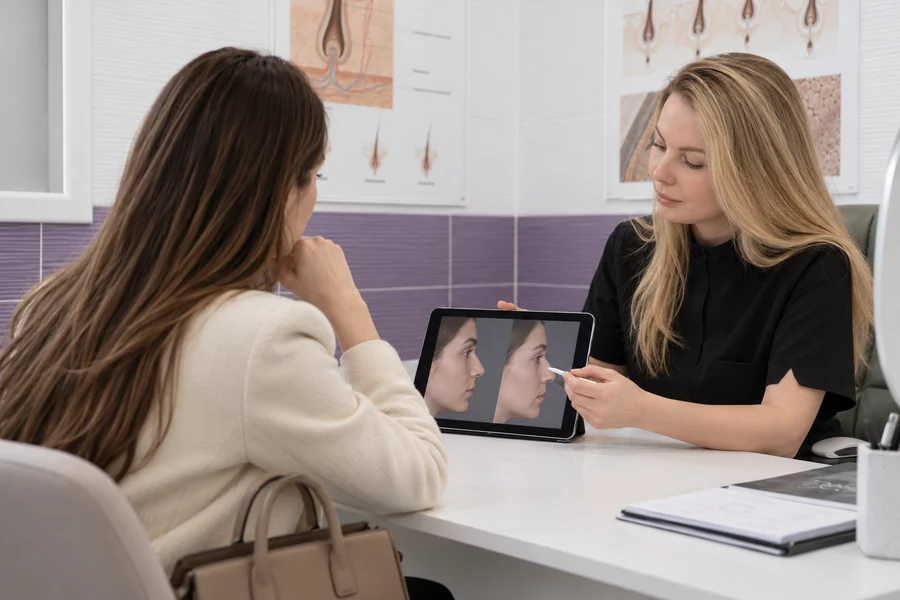
After the consultation, the surgeon sets out the extent of correction needed and gives you a clear price for the surgery, so there are no surprises on the way to the result.
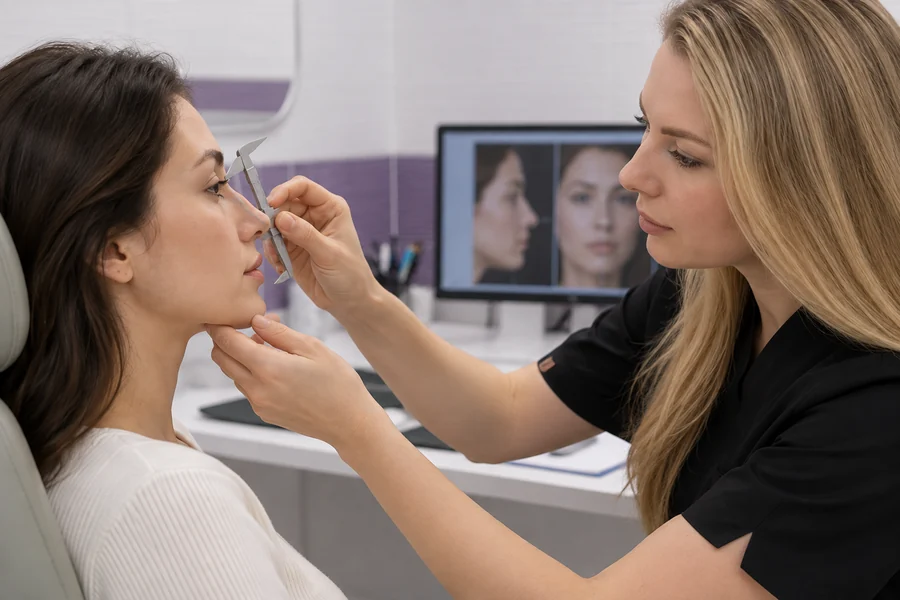
Modern equipment helps the surgeon work gently and precisely — especially where millimetres affect proportions, profile and facial harmony.
Prices
Send a request and get a free consultation on any service
Free
BookPrice without discount: $6,000$4,200
Price without discount: $7,200$5,400
Price without discount: $6,600$5,000
Price without discount: $6,500$4,700
Price without discount: $7,200$5,400
FAQ
Rhinoplasty (nose job) — one of the more delicate and frequently requested plastic surgeries, meant to adjust the nose's shape to the individual proportions of the nose and the whole face. Modern rhinoplasty is not merely a procedure to change how the nose appears, but complex surgical work aimed at an aesthetic ideal without risking health.
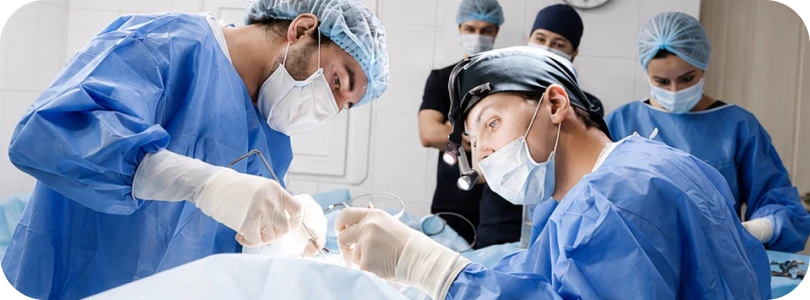
18 to 45 is the optimal age. By this age the nose has formed completely, while tissues still heal well. With medical indications, older patients can have surgery if their general health allows
At its core, rhinoplasty is a comprehensive solution. It corrects both congenital and acquired nasal deformities, for example after a nasal injury. Patients are often bothered by a dorsal hump or an overly wide nose. Nose correction can also target the tip (tip rhinoplasty) or the nostrils (alar rhinoplasty). The surgical plan is created individually for each patient, taking every feature of their nose into account.
Rhinoplasty is performed under general anaesthesia and, depending on complexity, takes 1.5 to 3 hours.
The surgeon determines the extent and course of the surgery at the consultation, based on your goals and the anatomy of your nose.
Rhinoplasty — surgery to change the appearance of the nose (an aesthetic goal) and improve its function if breathing is impaired.
Septoplasty — a septum-correcting surgery that restores normal breathing and does not change the outer contour of the nose.
Often both surgeries are combined, especially when a patient has a deviated septum and aesthetic concerns. This gives a harmonious look and restores full breathing. At City Medical Centre we perform rhinoseptoplasty — a combined surgery that solves both tasks at once
For a successful operation, preparation should begin 21 days before rhinoplasty. At the first appointment our plastic surgeon will give you a list of the required tests.
| Complete blood count (including ESR, white cell differential, platelets) | 2 weeks |
| Urinalysis | 2 weeks |
| Infection tests: HIV, HBsAg, anti-HCV, antibodies to Treponema pallidum | 2 weeks |
| Blood group and Rh factor | 2 weeks |
| Blood biochemistry (total protein; urea; uric acid; creatinine; glucose; total, unconjugated and conjugated bilirubin; ALT; AST; K; Na; Cl; cholesterol) | 2 weeks |
| Coagulation panel (Quick prothrombin, INR, APTT, D-dimer, antithrombin III) | 2 weeks |
| Electrocardiogram (ECG) tracing with a report | 2 weeks |
| Doppler ultrasound of the leg vessels / duplex scan of the leg veins | 2 weeks |
| Chest X-ray or fluorography with a report | 6 months |
| MSCT of the paranasal sinuses | 6 months |
| After the full laboratory work-up — a physician's report confirming there are no contraindications to surgery | 2 weeks |
Pre-op preparation includes plastic surgeon consultations, lab tests (CBC, biochemistry, coagulation, infection tests), ECG, chest X-ray, and a nasal X-ray or CT. Anticoagulants, alcohol and smoking are stopped a week before surgery. The day before, eat lightly; fast 6 hours before surgery
Although nose surgery is one of the most popular and well-established aesthetic operations, like any surgery it carries certain risks. To minimise the likelihood of complications after rhinoplasty, our clinic provides thorough pre-operative preparation and post-operative monitoring.
Important: if after rhinoplasty you have difficulty breathing, severe pain, a high temperature or a change in the shape of your nose, contact your doctor immediately.
Rhinoplasty at City Medical Centre is performed with modern technology, safe materials and constant medical supervision, which keeps the risk of complications to a minimum.
We also provide post-operative monitoring and prescribe recovery therapy.
Recovery after nose surgery is just as important as the operation itself. Proper recovery determines how aesthetic and harmonious the final result will be. At City Medical Centre recovery is closely monitored and divided into three phases: early, intermediate and late
The first improvements appear as swelling goes down (2–3 weeks), but the final rhinoplasty result can be assessed in 1–1.5 years, once tissues fully stabilise
The nose needs to be protected after surgery. An aluminium cast is placed over the nose, with special silicone splints inside the nasal cavity. Nasal function is limited in the first days but recovers quickly. The final result of rhinoplasty can be assessed after 1–1.5 years, once the swelling has fully subsided.
Important: if nasal function is impaired after the first operation or you are not satisfied with the result, revision (secondary) rhinoplasty may be needed. It is a more complex procedure, performed no earlier than one year after the primary operation.
In the days right after surgery, splints or swelling may partly block the nasal passages. You usually breathe fully again within 1–2 weeks, depending on your body and how extensive the surgery was
Our doctors use microsurgical techniques and quality sutures to keep scars minimal
With rhinoplasty, facial features gain harmony and aesthetics improve, while individuality stays intact. 3D modelling allows you to view the predicted result ahead of time and settle the changes with your surgeon
Rhinoplasty is a serious step. A well-performed rhinoplasty means the new nose is in perfect harmony with your facial features and works flawlessly. At the consultation the nasal surgeon assesses every parameter in detail: the size of the nose, tip projection, and the condition of the septum and nasal mucosa. We use 3D modelling so you can see the future proportions of your nose before the surgery is performed.
Don't just browse rhinoplasty photos online. Book a consultation to discuss what modern rhinoplasty can and cannot do for you. Correcting external nasal deformities and reshaping the nose is our speciality.
City Medical Centre offers rhinoplasty for $4,200 (≈ ₦5,600,000) instead of $6,000 (≈ ₦8,000,000) with the current discount. First consultation is free.
The final cost depends on the scope of surgery and is set at the consultation, with the doctor naming the exact price after examining your nose and facial proportions.
Surgery with general anaesthesia, one day in the inpatient unit, monitoring by the doctor and a free post-surgery check-up. The clinic provides a lifetime guarantee on the result.
The first consultation at City Medical Centre is free. The doctor examines your nose, assesses facial proportions and names the exact cost of surgery.
Blog
Articles about rhinoplasty
Find out how recovery after rhinoplasty goes in the first 7, 14 and 30 days
Read the article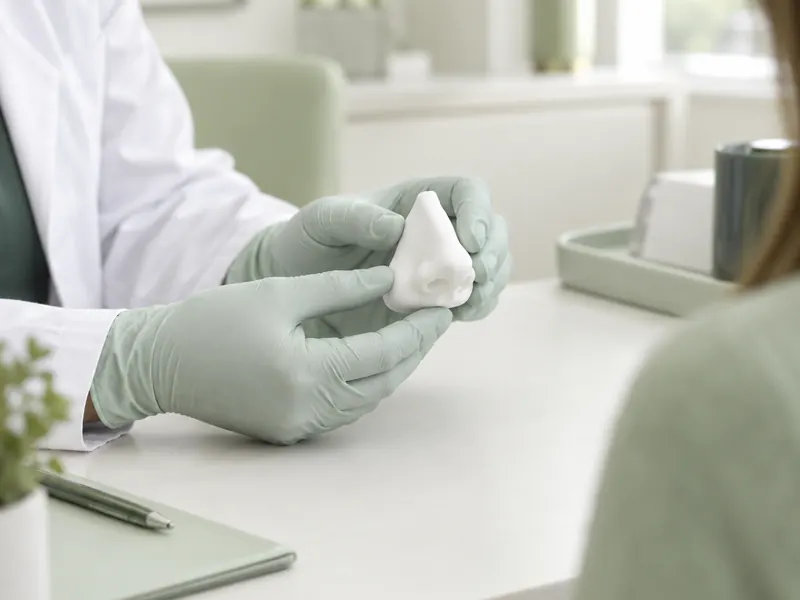
Preparation, recovery week by week, when the splint and stitches come out and how long to wait before flying home.
Read the articlePrices are in US dollars; the amount in brackets is an approximate conversion to NGN at the rate of 02.10.2026. The final price is fixed in your contract.
Prices start from $4,200 (≈ ₦5,600,000). The surgeon sets the final price at the free consultation, and it is fixed in the contract, with no hidden extras.
The operation under general anaesthesia, a one-day inpatient stay, follow-up visits and dressings, plus a lifetime guarantee on the result.
Surgery takes 1.5–3 hours and you stay one day in the clinic. The nasal splints come out on day 7, and the cast is worn for up to 14 days.
Yes. The first consultation is free and does not oblige you to anything. You can start online by sending a message to the coordinator.
Message us on WhatsApp or Telegram using the buttons below. A coordinator will answer your questions and book a free consultation where the doctor names the exact price.
By messaging us, you agree to our Privacy Policy
Rhinoplasty covers several procedures. Tip rhinoplasty targets the nasal tip, alar rhinoplasty the nostrils, septorhinoplasty the septum together with the outer shape, and revision surgery corrects an earlier unsuccessful result. Revision is more complex and is done no earlier than a year after the primary operation. The plan for each person from Gusau is built around their anatomy and wishes.
In the operating room, the anaesthetist uses TIVA or classic general anaesthesia depending on complexity. The surgeon opens access by the chosen technique, corrects bone and cartilage with a piezo device, reshapes the nose and closes with atraumatic or self-absorbing sutures. Packing and an external splint stabilise the new shape. For those in Gusau, the first 24 hours are spent under observation.
Start with a free, non-binding consultation: you get an assessment of nasal anatomy, a 3D forecast and answers on recovery. If you decide to proceed, rhinoplasty costs $4,200 (≈ ₦5,600,000), including the operation, inpatient stay, follow-up visits and dressings, with a lifetime guarantee on the result. Patients from Gusau can send a request online or message a coordinator.
What patients write after this operation. Reviews are translated from the original language.
Ekaterina Ivanova
For a long time I was self-conscious about the length of my nose, until a friend who had had rhinoplasty recommended this clinic. At the very first consultation they set the date of surgery and explained every stage in detail. The rhinoplasty under general anaesthesia was performed by Mareta Meirieva: the swelling went down quickly, and after just a week my nose looked natural and neat. Modern equipment, attentive staff and appointments without delays made the whole process comfortable. I recommend the clinic to anyone who values professionalism and a quality result.
Rhinoplasty
Olga Vasilyeva
This was my first visit to the clinic, for rhinoseptoplasty, and to be honest I was very nervous. At the consultation they explained every stage of the operation and recovery in detail, which calmed me down straight away. The operation was performed by Mareta Meirieva: the swelling started to go down on the third day, and the result is visible to the naked eye. Everything inside is sterile and pleasant, the atmosphere inspires trust, and the staff are always responsive. I thank the clinic for the high level of service and the warm approach!
Rhinoplasty
Marina Samarina
Everything was first-class: clean, cosy and calm. Booking and choosing the right date was easy. The nose operation went smoothly and the nerve block was done perfectly: now I breathe freely without nasal drops! It is a real lifesaver for anyone tired of endless prescriptions and ineffective procedures. I recommend it to everyone who values professionalism and results.
Rhinoplasty
Viktoria Petrova
I recently had rhinoplasty and I am absolutely delighted. At the consultation they told me about every stage in detail, so I went into surgery fully prepared. The operation went smoothly: they straightened the bridge of my nose and made the nostrils symmetrical, and the shape came out very neat. The swelling lasted a little longer than I expected, but they explained straight away that full recovery takes more time. No unpleasant surprises, everything was within the normal range. I recommend the clinic to anyone looking for a confident result and an attentive attitude.
Rhinoplasty
Gusau is a city in northwestern Nigeria and the capital of Zamfara State. It is also the name of the Local Government Area of Gusau, which covers 3,364 km² and had a population of 383,162 at the 2006 census. People in a city of this size often know each other through family, trade and neighbourhood ties, so a decision about changing the shape of the nose is rarely made in private. Many patients from Gusau start with quiet questions: what can realistically change, how long the recovery lasts, and how to plan it around family and work.
City Medical Centre works with patients in Gusau through a free online consultation. You write to a coordinator on Telegram or Telegram, and coordinators are available 24/7, so you can send your first message in the evening after work or early in the morning before the day gets busy. A coordinator will call you back 24/7, which suits a city where the rhythm of the day follows prayer times, the market and family obligations.
This text is about rhinoplasty from the point of view of a person living in Gusau: climate, daily routine, food, work, study and the questions that come up again and again. It does not replace the surgeon's examination. It helps you arrive at the conversation prepared.
Gusau has a tropical savanna climate (Köppen Aw). The dry season is partly cloudy and hot all year round, while the wet season feels oppressive and is generally cloudy. Climate change is also making the local climate warmer. For a person recovering from nose surgery this matters more than it may seem, because heat and strong light affect swelling, skin comfort and the way you wear the protective cast.
In hot weather tissues tend to feel fuller and the face can feel heavier. The first improvements show once swelling subsides (2–3 weeks), but the final rhinoplasty result can be judged in 1–1.5 years, when tissues fully stabilise. It is sensible to spend the early days in a cool, shaded room, drink enough water and avoid long periods outdoors in the midday sun. Your surgeon will explain how to protect the skin of the nose from direct sun during recovery.
During the wet season the air is humid and cloudy. Humidity can make a cast and the skin around it feel uncomfortable, and dust or damp conditions are not ideal for a nose with splints. Ask the surgeon how to keep the area clean and dry, and how to manage the cast if you sweat a lot. These are everyday details, but they decide how comfortable the first two weeks will be.
There is no single perfect month. The dry season in Gusau is hot, and the wet season is oppressive and cloudy. The period from late October to mid-March is described as the best time for hot-weather activities, which also suggests a spell when you would be tempted to spend more time outdoors, at gatherings and in the sun. For rhinoplasty that is not necessarily an advantage, because you need calm weeks at home.
A practical approach is to choose a time when your calendar is lightest rather than when the weather looks most pleasant. Surgery takes 1.5–3 hours and you stay one day in the clinic. The nasal splints come out on day 7, and the cast is worn for up to 14 days. Plan around these two weeks first, then add the weeks of gentle routine after that.
Think about family events too: weddings, naming ceremonies and religious holidays bring photographs and many visitors. Since the first improvements show only after 2–3 weeks and the final result takes 1–1.5 years, it is better not to schedule surgery just before an important event. Leave enough room so that you are not judging your nose while it is still swollen.
The first step is free and takes place online. You contact the coordinators on Telegram or Telegram, describe what you would like to change and send clear photos of your face from the front and from the sides, as the coordinator asks. A coordinator will call you back 24/7, so you do not have to adjust to office hours.
The next step is examination by the surgeon and 3D modelling. At the consultation, the doctor will build a 3D model of the expected result and explain it. With 3D modelling the predicted result is visible in advance, and you agree on changes with your surgeon. This is especially valuable when family members have opinions: you can look at the model together and discuss concrete shapes instead of general wishes.
Our approach is personal and adapts to your pace. Booking is straightforward, and you can ask as many questions as you need. If the connection in Gusau is unstable, you can send questions in writing and receive answers when the network allows. Support continues afterwards: follow-up support lasts for 12 months.
For a successful operation, preparation should begin 21 days before rhinoplasty. At the first appointment our plastic surgeon will give you a list of the required tests. Getting ready involves consultations with the plastic surgeon, lab work (CBC, biochemistry, coagulation, infection tests), ECG, chest X-ray, plus a nasal X-ray or CT.
A week ahead, give up anticoagulants, alcohol and smoking. Tell the surgeon about every medicine and supplement you take, including those bought at a pharmacy or market stall, because some of them affect bleeding. In a city where many people rely on herbal preparations and traditional remedies, mention these as well, and let the surgeon decide what should be stopped.
The day before, eat light food; no food 6 hours before surgery. On the day of surgery, your last food and any fluids must be taken at least 6 hours before the scheduled time of the operation. During the days of preparation it helps to plan meals with your household in advance, so that nobody offers you food by habit of hospitality. Hospitality is a strong part of daily life in northern Nigerian cities, and a clear word to family members about the fasting rule prevents mistakes.
For your hospital stay, buy compression stockings (class 2 compression) in advance and bring them with you. Do not leave this for the last day.
Rhinoplasty is performed under general anaesthesia and, depending on complexity, takes 1.5 to 3 hours. Rhinoplasty is done in 1 day, and for 24 hours following the operation the patient remains under observation in the inpatient unit.
Days 1–3: breathing is through the mouth, with splints in the nostrils. Nasal function is limited in the first days but recovers quickly. In a hot climate like that of Gusau, mouth breathing can dry the lips and throat, so keep water close and rest in a cool place.
Day 7: the splints are removed. The aluminium nasal cast is worn for up to 14 days; stitches are removed on day 14 together with the cast. The nose needs to be protected after surgery: an aluminium cast is placed over the nose, with special silicone splints inside the nasal cavity. Avoid crowds, children playing near you and anything that could knock the nose.
Once surgery is done, you follow a recovery programme, with check-ups at 7 days, 3 and 6 months to track progress. Consultations with your surgeon stay free for a year after surgery.
In the days right after surgery, splints or swelling may partly block the nasal passages. You usually breathe fully again within 1–2 weeks, depending on your body and how extensive the surgery was. For 1–1.5 months after nose surgery you may feel slight congestion. This is part of normal healing and should not cause alarm, but you should report anything that worries you to the coordinator.
The first improvements show once swelling subsides (2–3 weeks). The nose takes its final shape after 1–1.5 years. Psychological readiness matters here: the patient should understand that the final result will be visible in 1–1.5 years. In a close community where relatives may comment on your appearance after two weeks, it helps to explain this timeline in advance.
Dust is a practical concern in a savanna climate, especially in the dry season. While the nose is healing, avoid dusty roads and open work areas, and ask the surgeon whether a light covering or other protection is suitable for you. Do not use anything that presses on the nose, and ask about spectacles in particular, since heavy frames can rest right on the operated area.
Gusau has long been an agricultural and commercial centre, with farmers, livestock rearers and traders in its history. Many people in the city and the surrounding area work outdoors, in markets or in physical jobs. If your work involves sun, dust or heavy lifting, discuss it with the surgeon before choosing a date. Office work, teaching or study at home are easier to combine with the first two weeks, because you can stay indoors while the cast is on.
Do not set a return date by yourself. Ask the surgeon at the consultation when you can go back to your own type of work, when it is safe to return to physical activity and sport, and when to avoid contact games or football with friends. We do not give invented figures here: the surgeon names the dates for your case, and the check-ups at 7 days, 3 and 6 months help to confirm them.
Students should think about the school calendar and exams, since concentration and comfort are lower in the first days. If you must be at an event, plan to wear the cast without embarrassment rather than hide at home entirely; a short, calm appearance is better than a long strain.
Swimming and pools are popular as a way to cool down in the heat. Do not go to a pool or open water until the surgeon permits it, and ask for the exact date at your check-up.
Gusau district was one of the districts that emerged after the nineteenth-century jihad movement in Hausa land led by Sheikh Usman dan Fodio. It was founded around 1799 by Mallam Muhammadu Sambo Dan Ashafa, a disciple of dan Fodio, and it became prominent after the fall of Yandoto in 1806. A town with more than two centuries of settled history has deep family lines, and many residents know whose cousin, neighbour or trading contact someone is. For a person thinking about rhinoplasty, this means a personal choice quickly becomes a matter that relatives ask about. It is worth deciding in advance who in the family you will tell, and when.
The leadership of the town is also visible in daily life. Gusau has an emirate, and the present Emir of Gusau, Alh Dr. Abdulkadir Ibrahim Bello, Sarkin Katsinan Gusau, was crowned on 29 July 2025. Respect for elders and traditional institutions shapes how people speak about appearance and medical decisions. If an elder in your household has doubts about surgery, the 3D model made at the online consultation can help. You can sit down together, look at the expected result on screen and talk about real shapes rather than rumours.
The town of Gusau became a centre of agriculture and trade as part of the Sokoto Caliphate. Practical, commercial habits remain strong: people ask what a decision involves, how long it takes and who will be answerable. These are good questions for rhinoplasty. The honest answers are these: the operation is done in 1 day, takes 1.5 to 3 hours under general anaesthesia, and the coordinators who prepare you are available 24/7 on Telegram and Telegram.
In the traditional administration the town was divided into five wards: Shiyar Magaji, Uban Dawaki, Galadima, Mayana and Sarkin Fada. Each ward linked its people to the Emir through its own head. Whatever the modern boundaries, people in Gusau still tend to think in terms of close neighbourhoods where compounds are shared by extended families, and visitors come without much notice. In the first two weeks after rhinoplasty this is the main practical challenge: the aluminium nasal cast is worn for up to 14 days and the nose needs protection.
Agree with your household before surgery about who may enter your room, how children will be kept from jumping onto the bed or running into you, and who will answer the door. A simple plan helps: one relative acts as the point of contact for visitors, and the others know that you rest in the first days. Days 1–3 mean breathing through the mouth with splints in the nostrils, so long conversations are tiring. Politely limiting visits is not rudeness; it is part of the recovery programme.
If you live in a compound with a shared courtyard, think about where you will sit during the day. A shaded, quiet place away from cooking smoke and swept dust is better than a busy yard. Day 7 brings the removal of the splints, and stitches come out on day 14 together with the cast. Until then, pick a corner of the house where the nose will not be knocked, and ask relatives to avoid sudden hugs and greetings that involve touching your face.
Before the colonial period, Gusau was an agrarian society where farming was the backbone of the economy. The area attracted farmers and livestock rearers, especially cattle-owning Fulani. Its history also lists builders, thatchers, butchers, blacksmiths, drummers and praise-singers. The colonial era then brought tarred roads, railways, modern stores, businesses and manufacturing, plus offices, schools and a hospital. Trade is therefore in the character of the town. Many people in Gusau have a shop, a stall, a farm or a small business that cannot simply be closed without a plan.
If you trade in a market, think about how to cover the first two weeks. Standing in the open under the sun, among dust, crowds and shouting customers, is not a good setting for a nose in a cast. Arrange for a brother, wife, husband, cousin or employee to manage the stall or the shop. Explain to regular customers that you will be away briefly, without going into detail if you prefer privacy. Return to work depends on the type of work, so ask the surgeon at the consultation about your specific duties.
For farmers and livestock keepers, the main concerns are dust, sun, sweat and animals. Working in the fields with the cast on is not advisable, and contact with cattle or heavy loads carries a risk of a knock to the face. Discuss with the surgeon when you can resume such work. Teachers, office workers and people who work with phones and documents have an easier time, because their work can be done indoors in a shaded room. The check-ups at 7 days, 3 and 6 months help you to confirm each stage of returning to normal duties.
A note for anyone whose work involves a helmet, a turban or a head covering: ask the surgeon what you can wear and when, so that nothing presses on the nose or on the cast.
The area around Gusau is broken by a few small rocky outcrops, such as the hills of Mareri and Dokau, and the Gusau Dam is a well-known feature of the surroundings. Such places draw families for walks and gatherings. After rhinoplasty it is better to leave these outings for later. Climbing rocks, walking on uneven ground and being in strong sun are all poor choices while the nose is protected and swelling is present.
Water deserves particular attention. Swimming in a dam, river or pool is tempting in the heat, but you should not enter a pool or open water until the surgeon permits it. Ask for the exact date at your check-up. Open water also brings questions about cleanliness, which matter for a healing nose. Wait for the surgeon's clear answer rather than relying on advice from friends.
Football is the sport most young people in a Nigerian city think about first. Contact games and a ball hitting the face are the obvious dangers after nose surgery. Tell your coach or teammates that you will be away for a time, and agree the return date with the surgeon, not with the group. Gentle walking in a shaded area, once your surgeon agrees, is a more suitable way to stay active in the early weeks.
Over the next months, as the nose settles toward its final shape in 1–1.5 years, you can return to your usual activities step by step, with the surgeon's approval at each stage.
Hospitality in a Hausa city is shown through food and drink offered to guests. Before surgery, remember the fasting rule: your last food and any fluids must be taken at least 6 hours before the scheduled time of the operation, with light food the day before. Tell the family clearly, because a host who offers tea or a meal out of kindness may not realise it is a problem. Having one relative responsible for your meals the day before is a simple and effective measure.
After surgery, breathing through the mouth in the first days makes chewing large, hard or very spicy food tiring. Ask the surgeon what kind of diet suits your recovery, and prepare soft and simple meals in advance rather than leaving it to the day. Because the nose is limited in function, you may notice that taste and smell are less sharp for a while. This is a temporary part of healing, and the slight congestion that may last 1–1.5 months should not cause alarm. Report anything unusual to the coordinator.
Large gatherings are a feature of life in Gusau: weddings, naming ceremonies, religious festivals and visits from relatives. They mean crowds, hugging, greeting, photographs and long hours. The first improvements show only after 2–3 weeks, when swelling subsides, so do not plan surgery just before a major celebration. Choose a quieter period, and if you must attend an event, do so briefly and in a calm place away from crowds. A guest who greets people warmly but leaves early is fully respected.
18 to 45 is the optimal age. By this age the nose has formed completely, while tissues still heal well. With medical indications, older patients can have surgery if their general health allows. Rhinoplasty improves aesthetics and makes facial features more harmonious, without loss of individuality. Whether you are a suitable candidate is decided by the surgeon after examination and tests, not by the coordinator and not by a photo alone.
General health conditions, blood clotting problems, active infections and unrealistic expectations can all make surgery unsuitable or require postponement. Be honest about your history, previous nose injuries and breathing problems, and about smoking.
Questions worth bringing from Gusau: What does the 3D model show, and what can the surgery not achieve? How long will the cast stay on in my case? How should I handle heat, sweat and dust during recovery? Which activities are forbidden, and for how long? Who answers my messages if something worries me at night? The answer to the last one is clear: coordinators are reachable 24/7, and follow-up support lasts for 12 months.
If you want to read more, look at the material on recovery after rhinoplasty in the first 7, 14 and 30 days, then bring your own questions to the consultation.
Yes. The consultation is free and online. Write to the coordinators on Telegram or Telegram, who are available around the clock (24/7), send your photos, and the surgeon will examine them and build a 3D model.
Rhinoplasty is performed under general anaesthesia and takes 1.5 to 3 hours, depending on complexity. It is done in 1 day, and for 24 hours afterwards you remain under observation in the inpatient unit.
Preparation should begin 21 days before rhinoplasty. At the first appointment the plastic surgeon gives you a list of required tests, which include lab work, ECG, chest X-ray and a nasal X-ray or CT.
A week ahead, give up anticoagulants, alcohol and smoking. Tell the surgeon about all medicines and herbal remedies you use. No food 6 hours before surgery, and light food the day before.
Heat and strong sun can make swelling and the cast feel more uncomfortable. Rest in a cool, shaded place, drink water, avoid dusty areas and ask the surgeon how to protect the skin of the nose from sun.
Day 7: the splints are removed. The aluminium nasal cast is worn for up to 14 days, and stitches are removed on day 14 together with the cast.
In the first days splints or swelling may partly block the nasal passages. You usually breathe fully again within 1–2 weeks, and for 1–1.5 months you may feel slight congestion.
First improvements show once swelling subsides (2–3 weeks), but the final result can be judged in 1–1.5 years, when tissues fully stabilise.
You follow a recovery programme with check-ups at 7 days, 3 and 6 months. Consultations with your surgeon stay free for a year after surgery, and follow-up support lasts for 12 months.
18 to 45 is the optimal age. With medical indications, older patients can have surgery if their general health allows. The surgeon makes the final decision after examination.
It varies from household to household. In a city where families live close together, many people choose to tell only one trusted relative at first. The online consultation is private, and the 3D model can help you explain the plan to elders or a spouse in concrete terms.
Arrange for a relative or employee to run your stall or shop, because the cast is worn for up to 14 days and the nose must be protected from dust, sun and crowds. Ask the surgeon when you can return to your type of work, and confirm it at your check-ups.
Not until the surgeon permits it. Do not enter a pool or open water without clear approval, and ask for the exact date at your check-up. Uneven ground and strong sun are also best avoided while the nose is healing.
After. The first improvements show once swelling subsides (2–3 weeks), and the final result takes 1–1.5 years. Do not schedule surgery just before an important event, and if you attend one during recovery, keep the visit short and calm.
Page medically reviewed by Marina T. Pershikova, rhinoplasty surgeon. Review date: .