
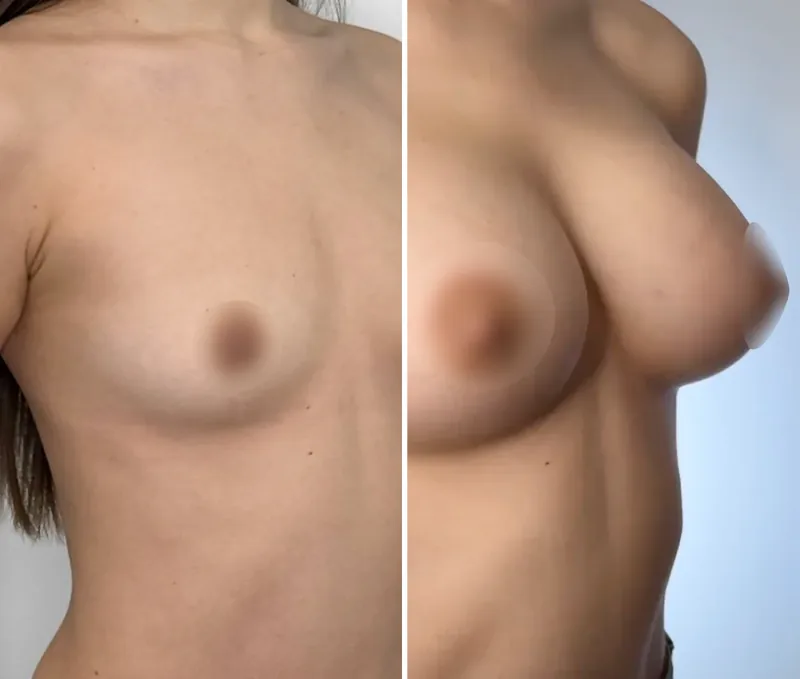
 beforeafter
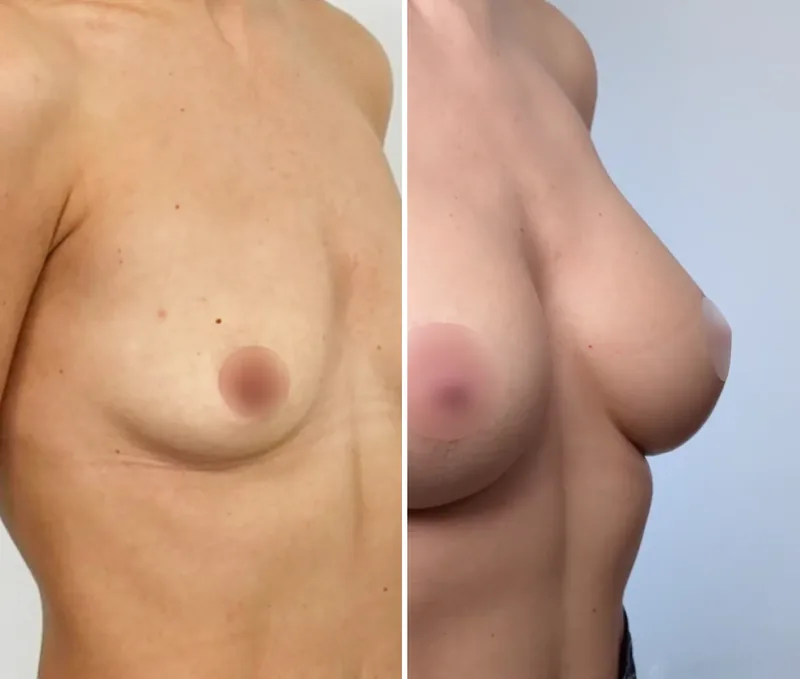
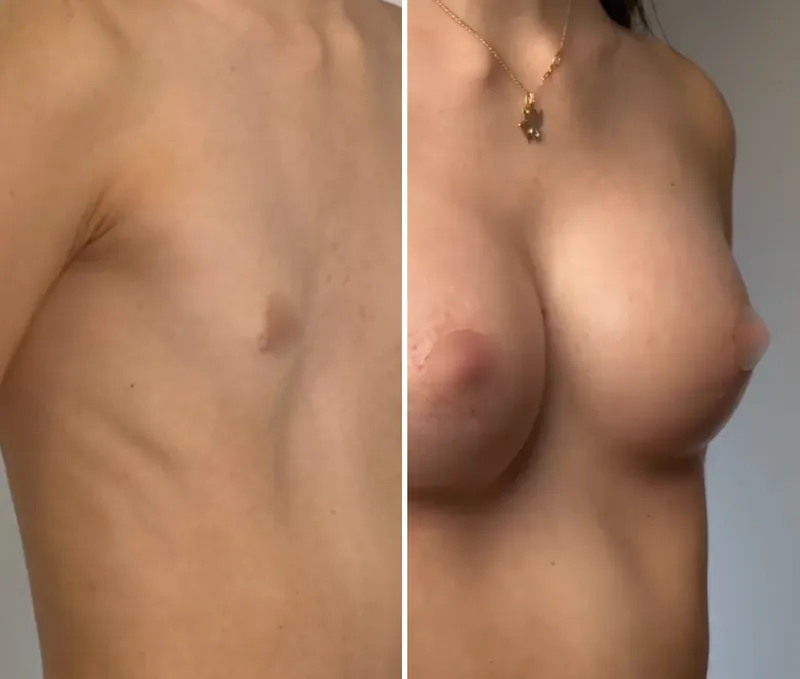
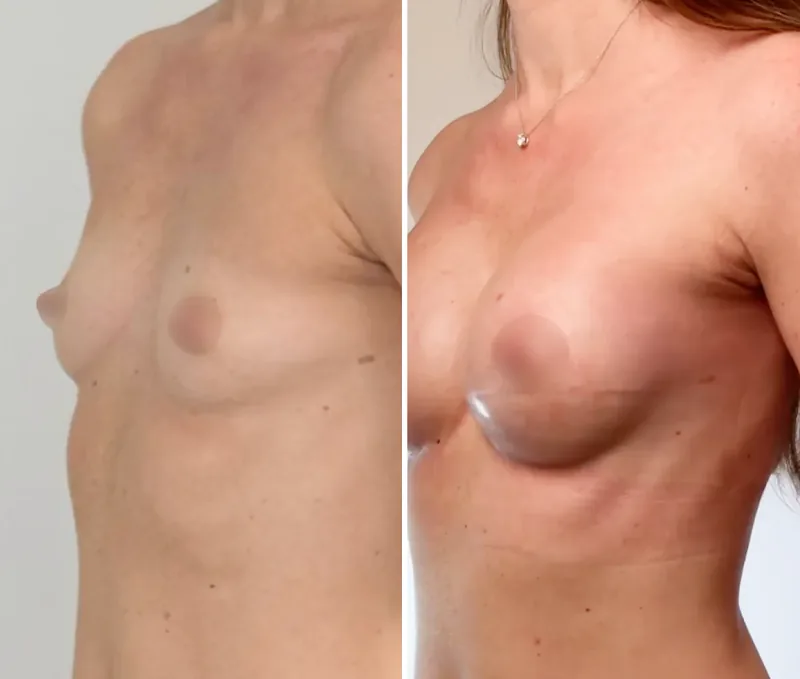
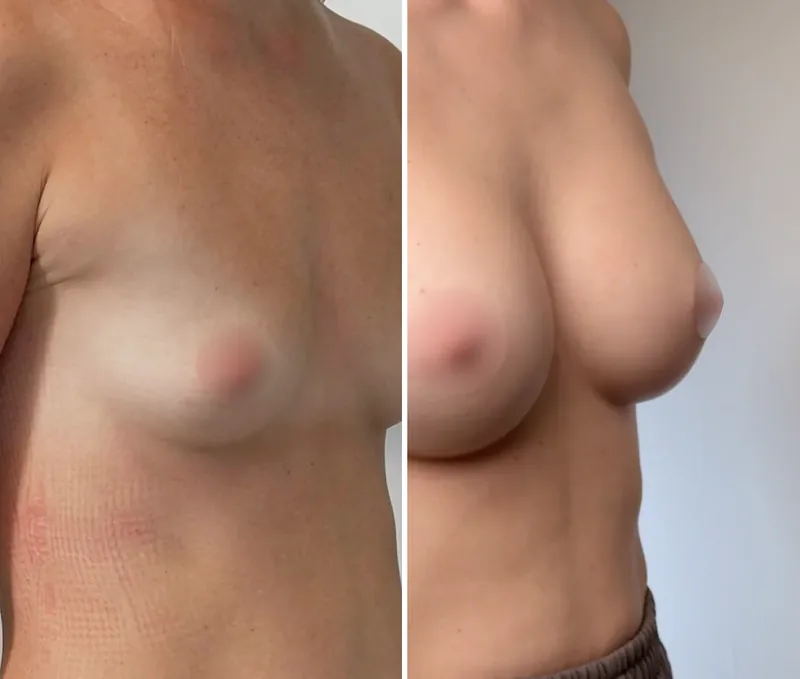
Mammoplasty
Method: implants
Breast augmentation
$4,700
$5,900 · First consultation — Free
Message our coordinator
Free online consultation · Reply within 15 minutes
Message us on TelegramMessage us on WhatsAppBy messaging us, you agree to our Privacy Policy
Results
These are real patients of the clinic, with faces and identifying details hidden.
beforeafterMethod: implants
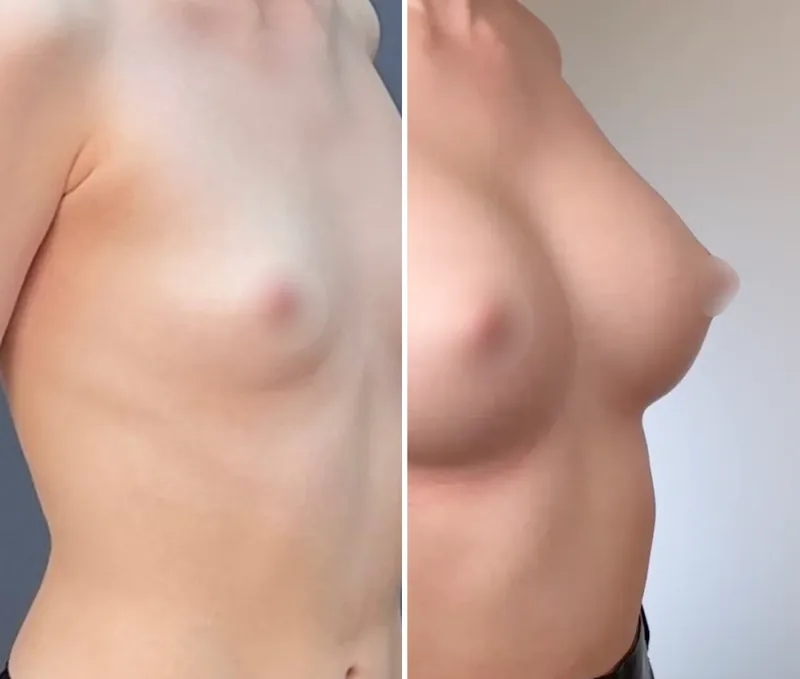 beforeafter
Method: implants
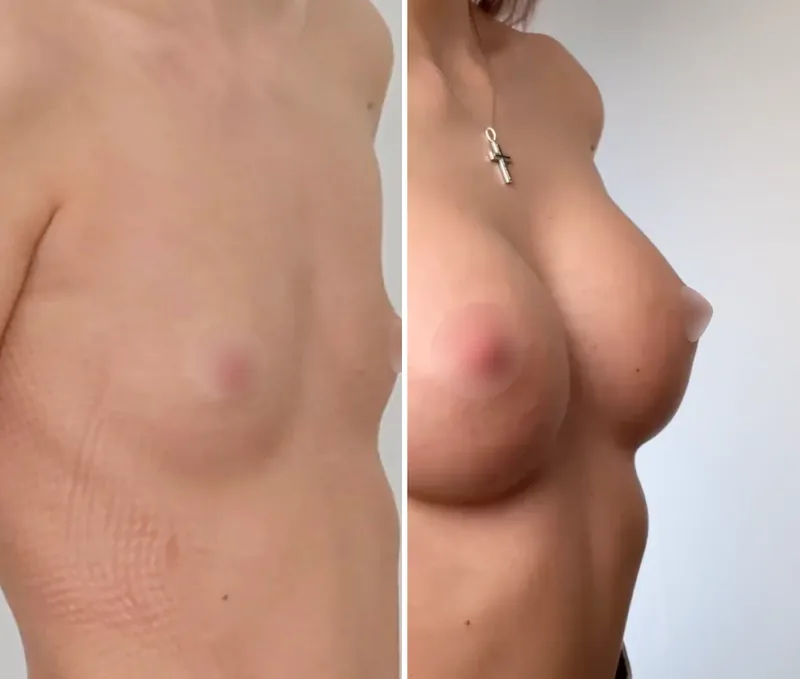 beforeafter
Method: implants
 beforeafter
Method: implants
 beforeafter
Method: implants
 beforeafter
Method: implants
 beforeafter
Method: implants
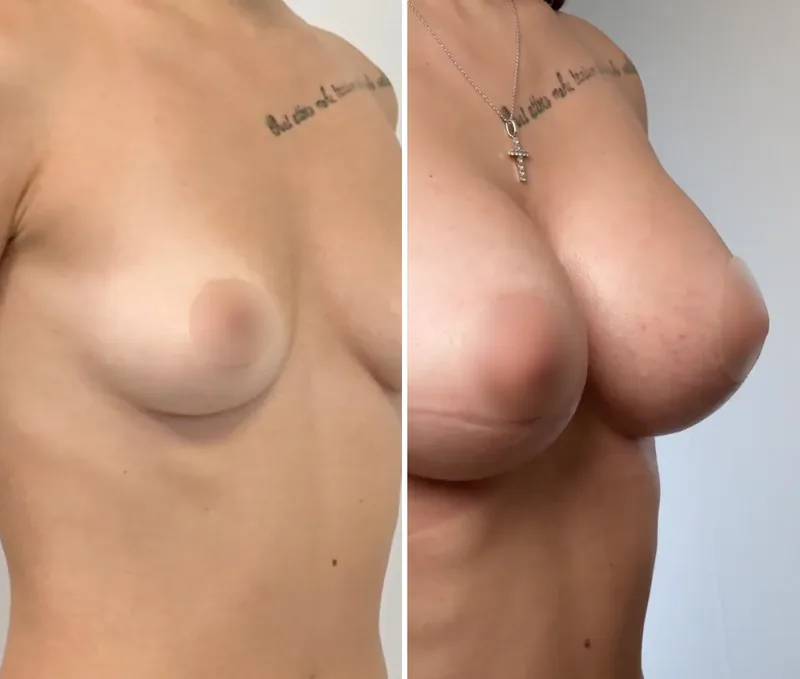 beforeafter
Method: implants
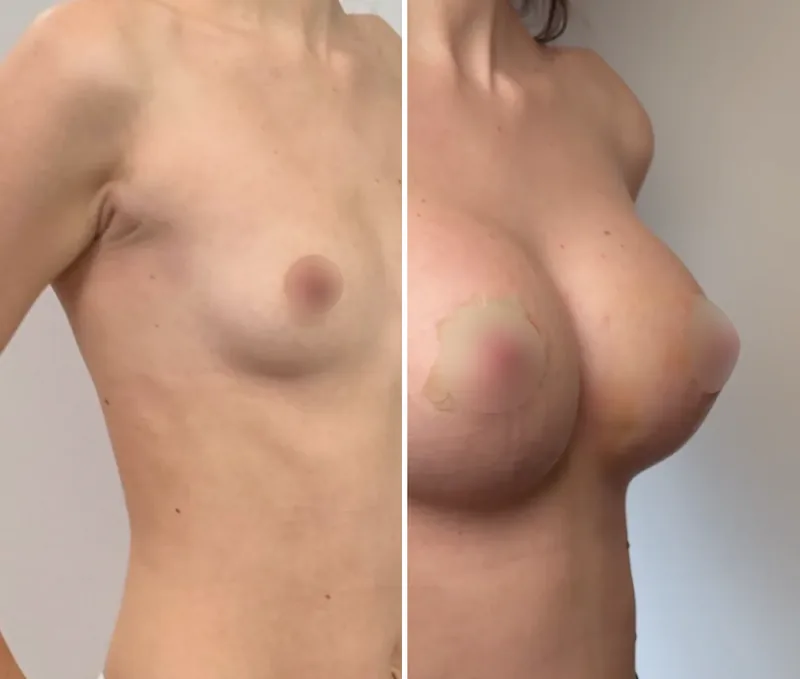 beforeafter
Method: implants
Comparison
We work with two main breast correction methods: augmentation and reduction. Compare the main goal, the precision of correction and the indications to choose your method with confidence.
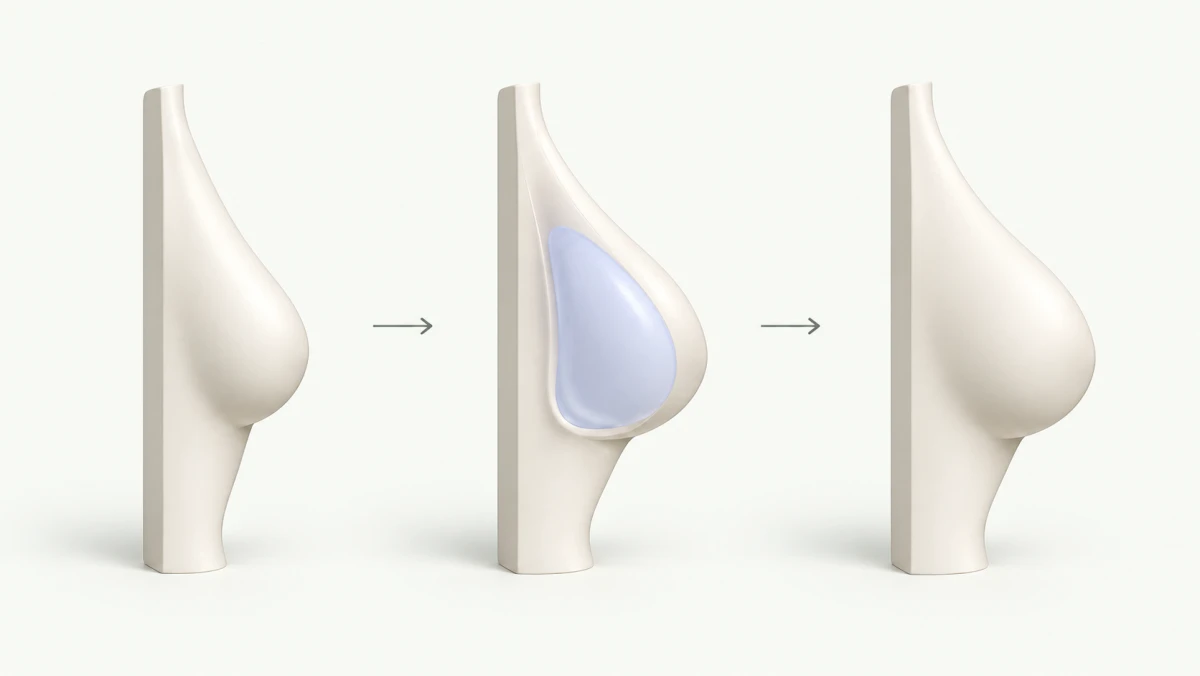
Size and shape correction with implants
Discounted price
$4,700 $5,900
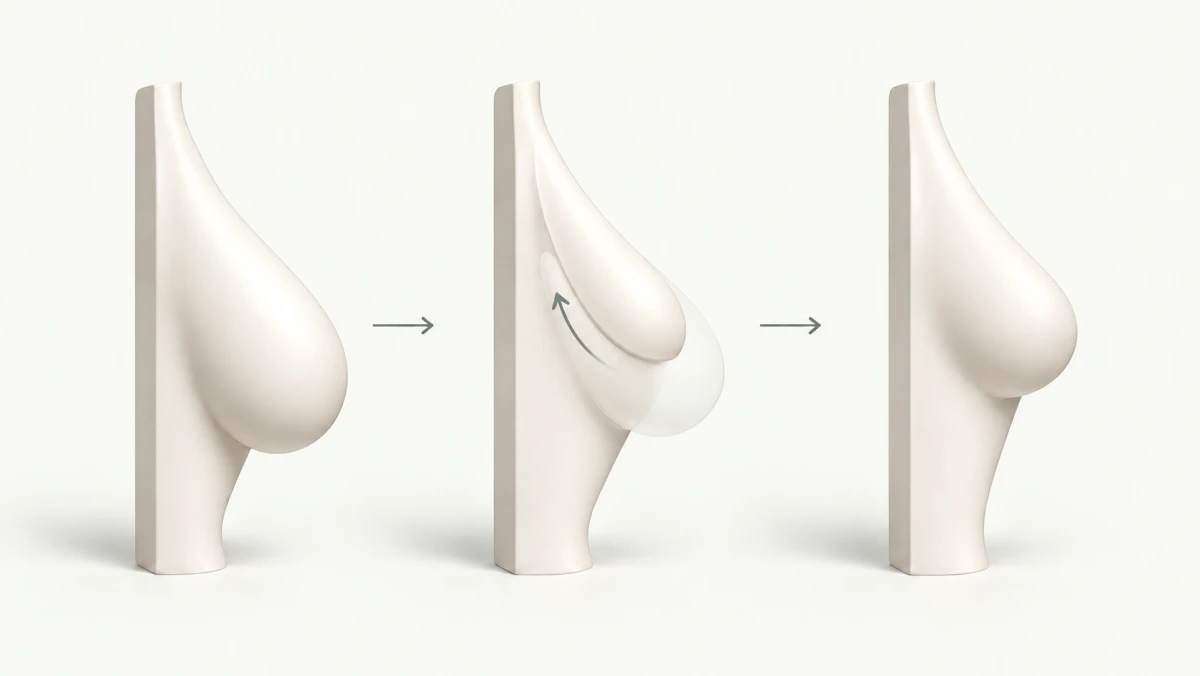
Reducing breast volume and weight to correct size
Discounted price
$4,700 $5,900
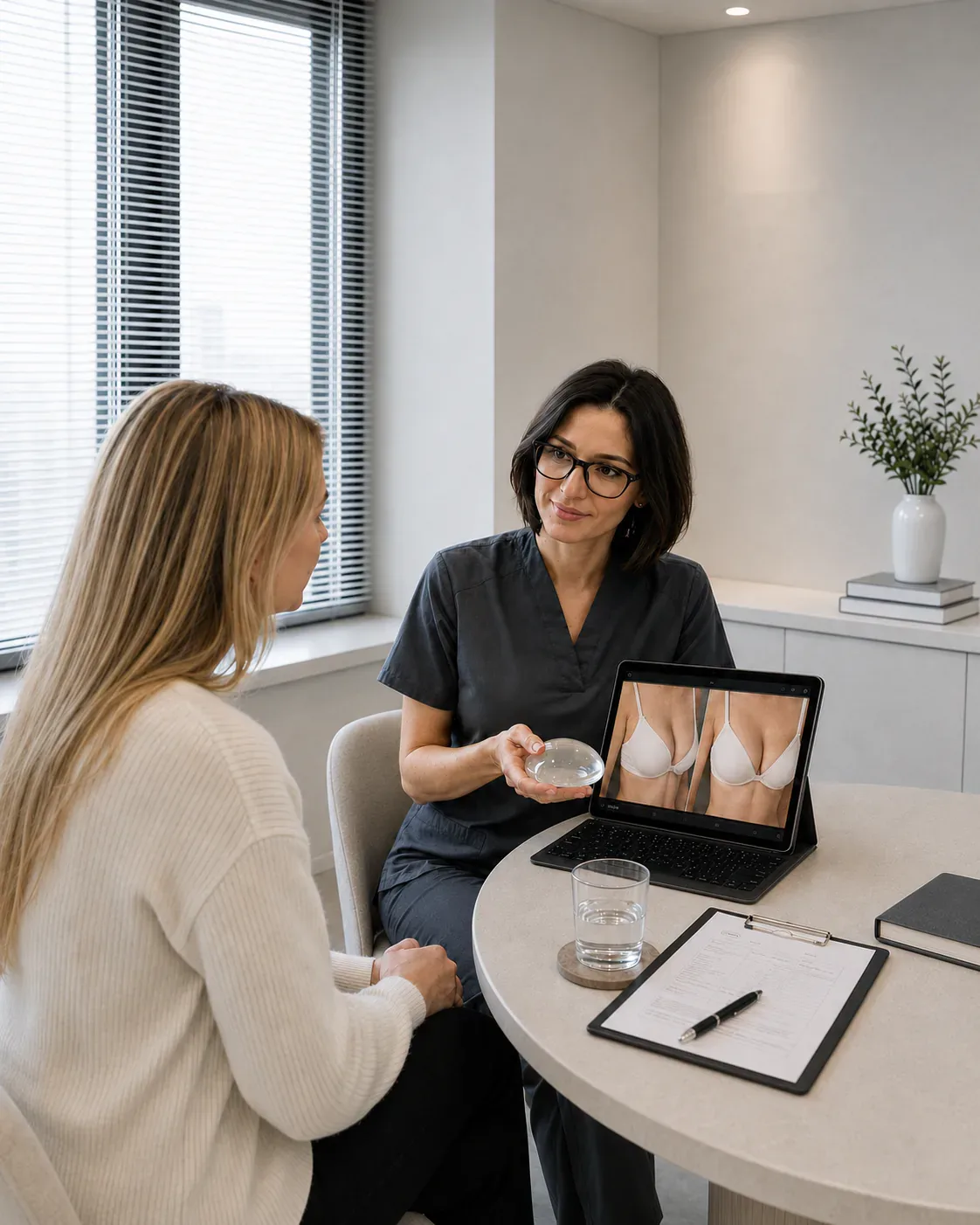
At your consultation the surgeon looks at the shape and proportions of your breasts, talks through what you want and recommends the best mammoplasty option.
The consultation is free, before surgery and with no commitment.
Comparison
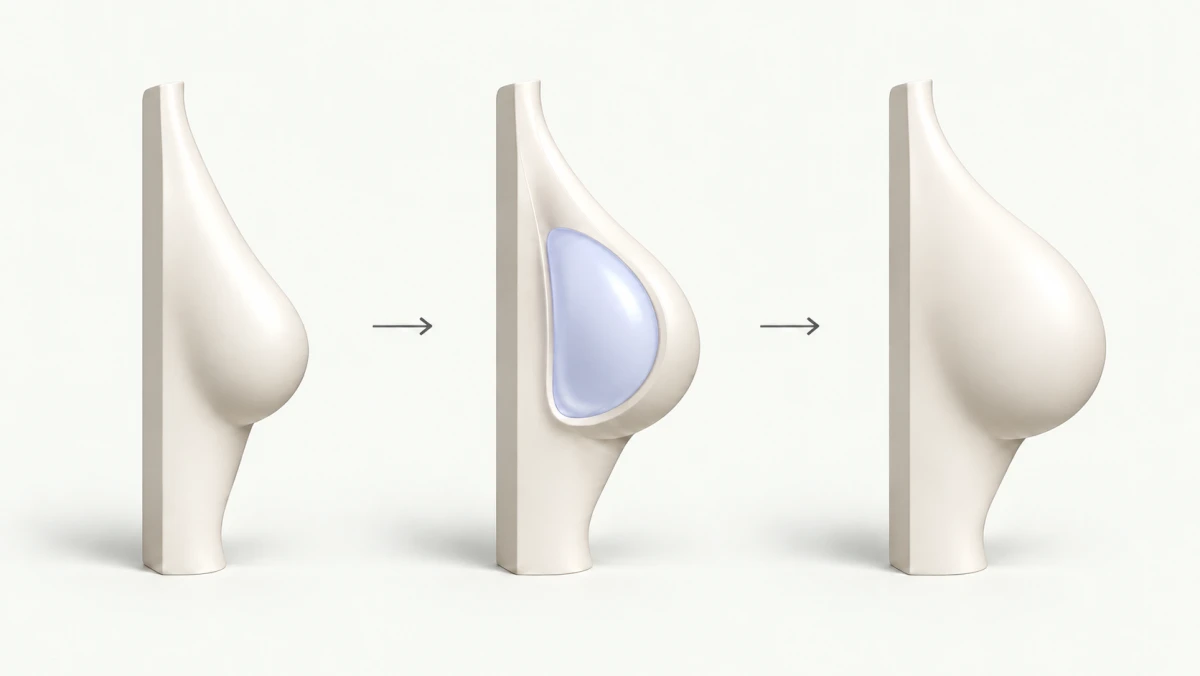
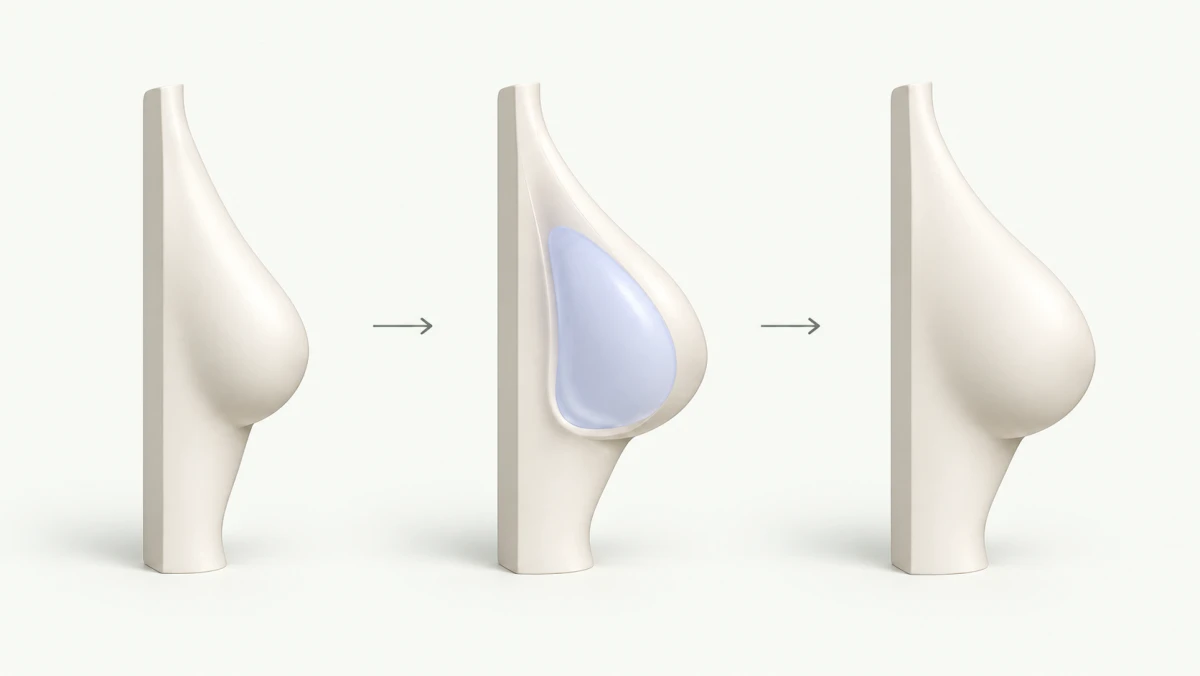
Round and anatomical implants are the two main types we work with. Each adds volume and corrects the shape, but the form and the final look differ.
Balanced volume and a fuller upper pole
A natural slope with a soft, teardrop-like shape
The surgeon will help you choose the implant shape and volume.
The clinic
Up-to-date equipment, comfortable rooms and attention to each patient
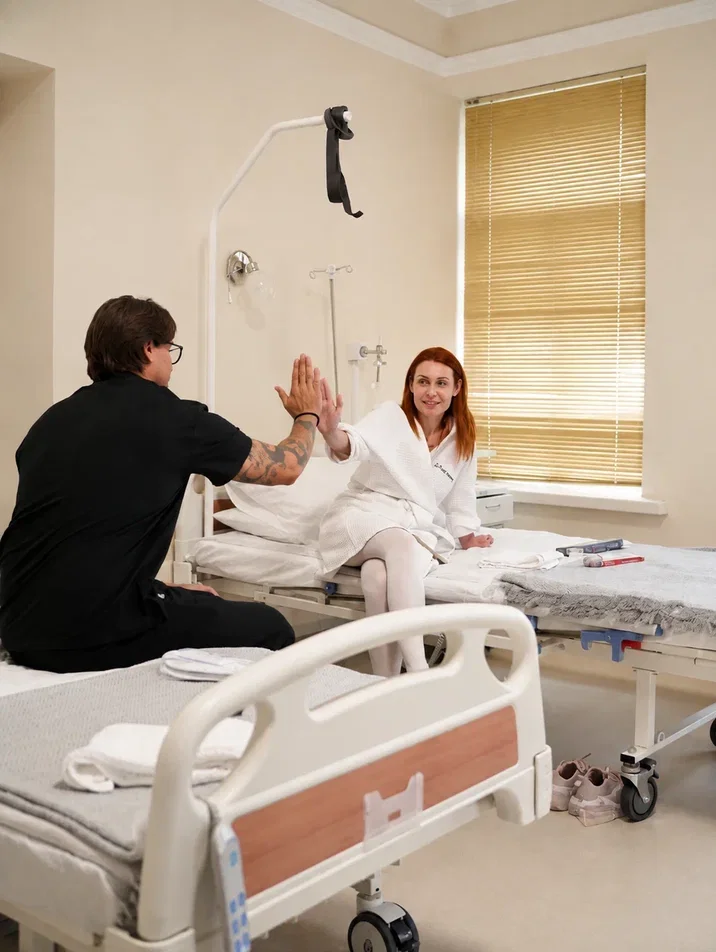
Ask us anything, and we will arrange a consultation at a time that suits you
Should your case not require surgery, you will hear it from the doctor at the consultation, and no money will be spent in vain.

Not certain if surgery is the right choice for you?
Write to us: your coordinator will request photos in a messenger, and the surgeon will review them and tell you whether mammoplasty suits you.
Find out if it suits me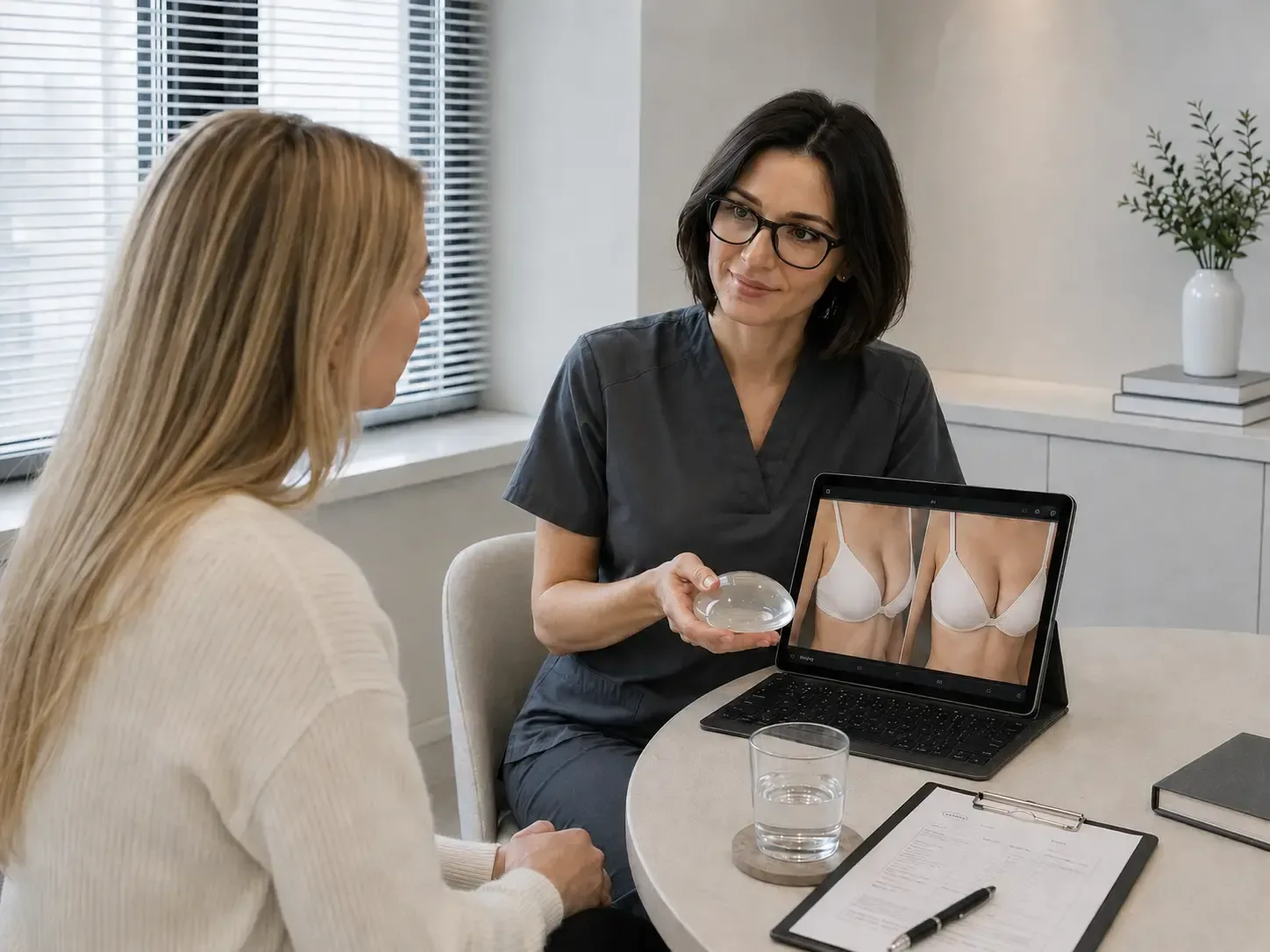
Prices
The price is set at the consultation and fixed in the contract.
Discounted price
Size and shape correction with implants
$4,700$5,900
Discounted price
Reducing the volume and weight of the breasts
$4,700$5,900
Breast restoration after mastectomy
The price is set at the consultation and fixed in the contract.
Get a consultationThe surgeon evaluates the anatomy and proportions of your breasts, hears what you want and selects the most suitable correction method.
The price is set at the consultation and fixed in the contract.
Message our coordinator
Free online consultation · Reply within 15 minutes
Message us on TelegramMessage us on WhatsAppBy messaging us, you agree to our Privacy Policy
all inclusive
From getting ready for surgery
to 12 months of support.
Discounted price
$4,700$5,900
What to expect
An agreed plan for correction, hospital observation and a year of recovery monitoring.
 1
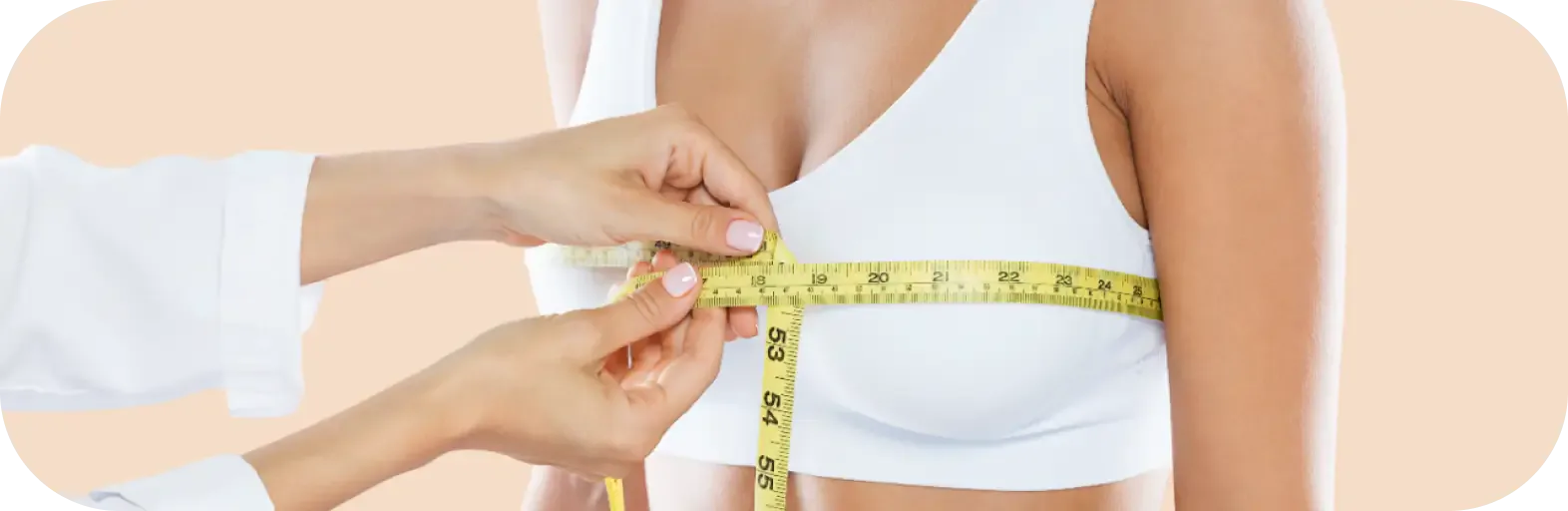
After assessing your figure and discussing your wishes, the surgeon chooses the best volume, shape and correction method.
 2
A surgery date is booked in your name: pay the deposit by card at the clinic or by online bank transfer. The terms are recorded in the contract for medical services
 3
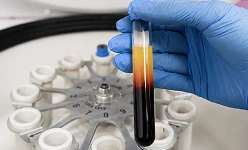
Ahead of surgery you go through full testing — blood tests, an ECG and other examinations as prescribed by the doctor.
 4
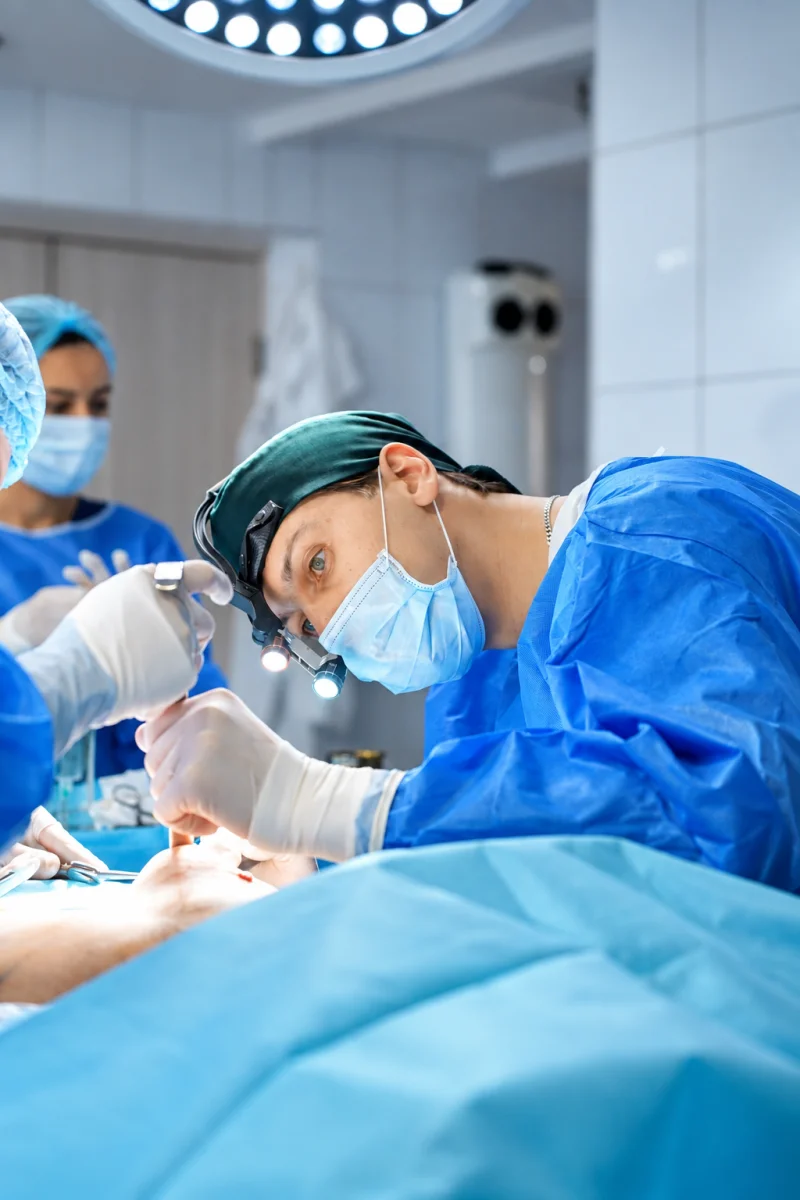
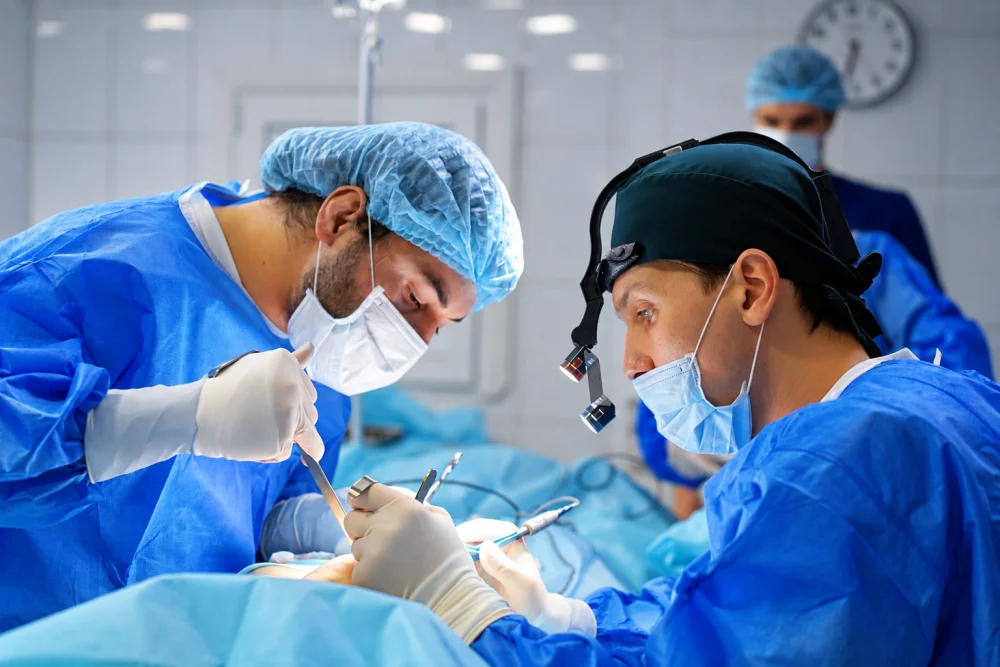
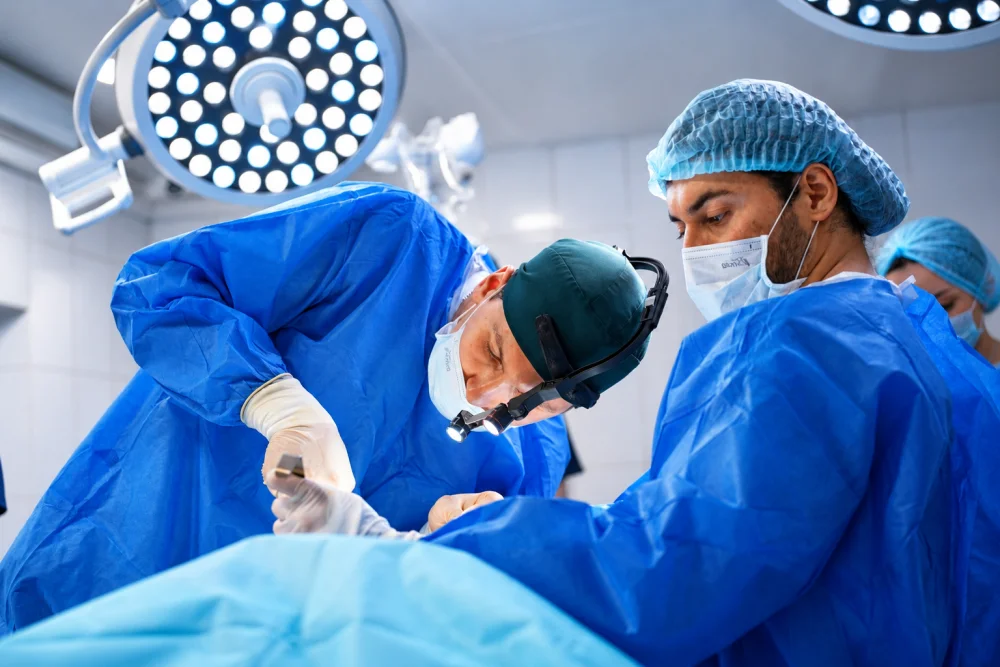
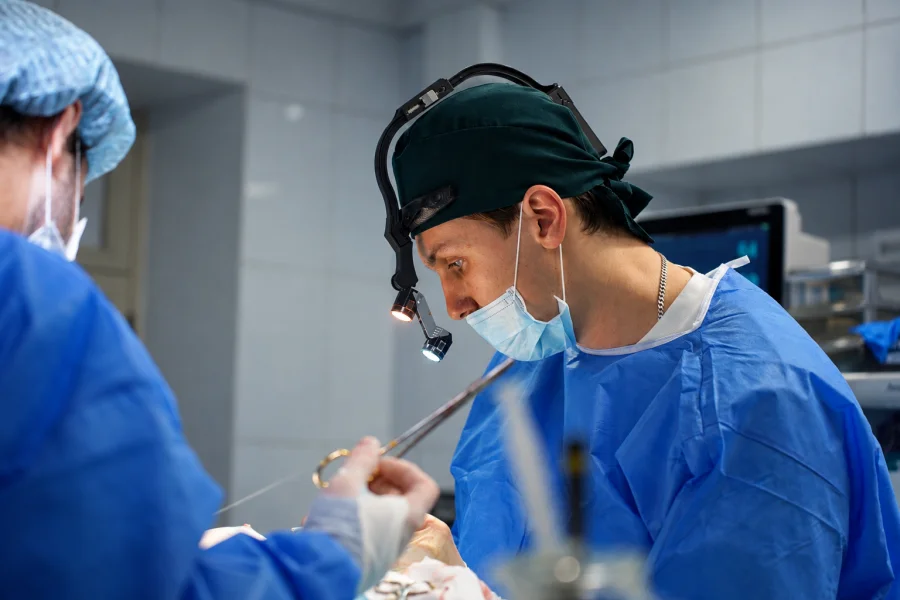
The surgeon performs mammoplasty according to your individual plan. The operation takes place under general anesthesia with continuous patient monitoring.
 5
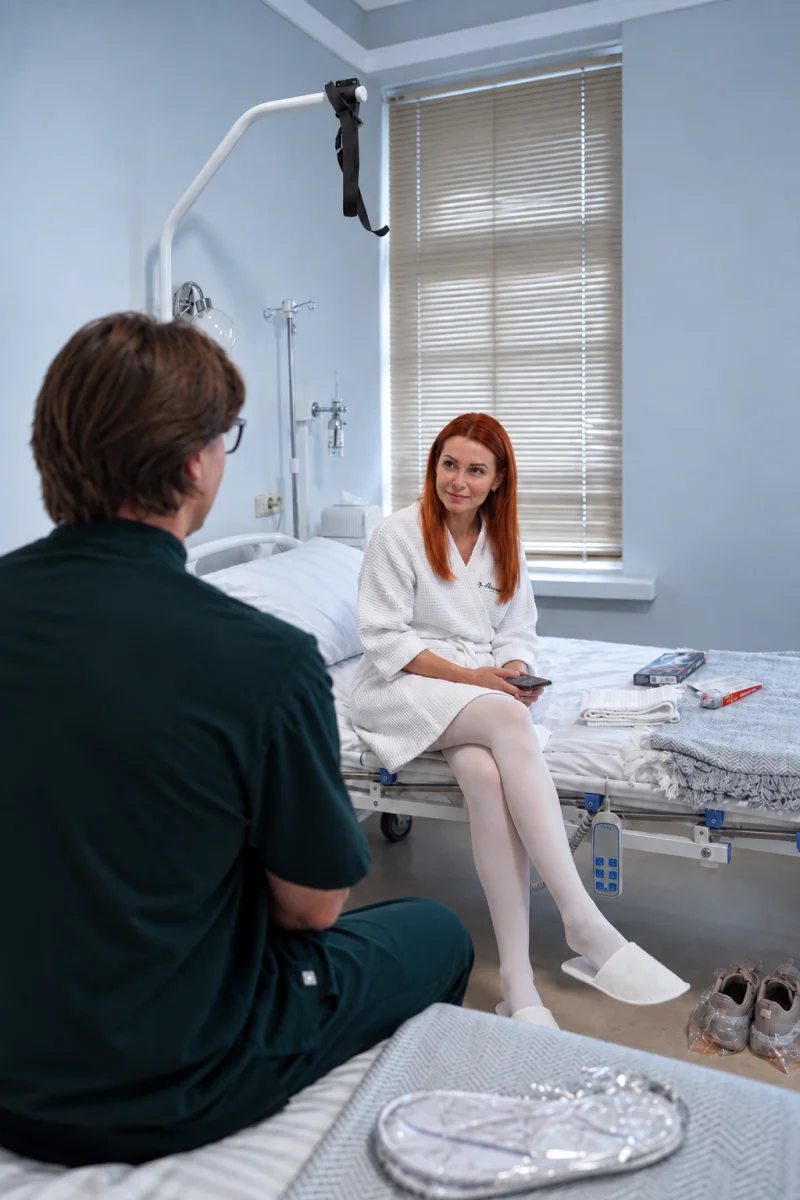
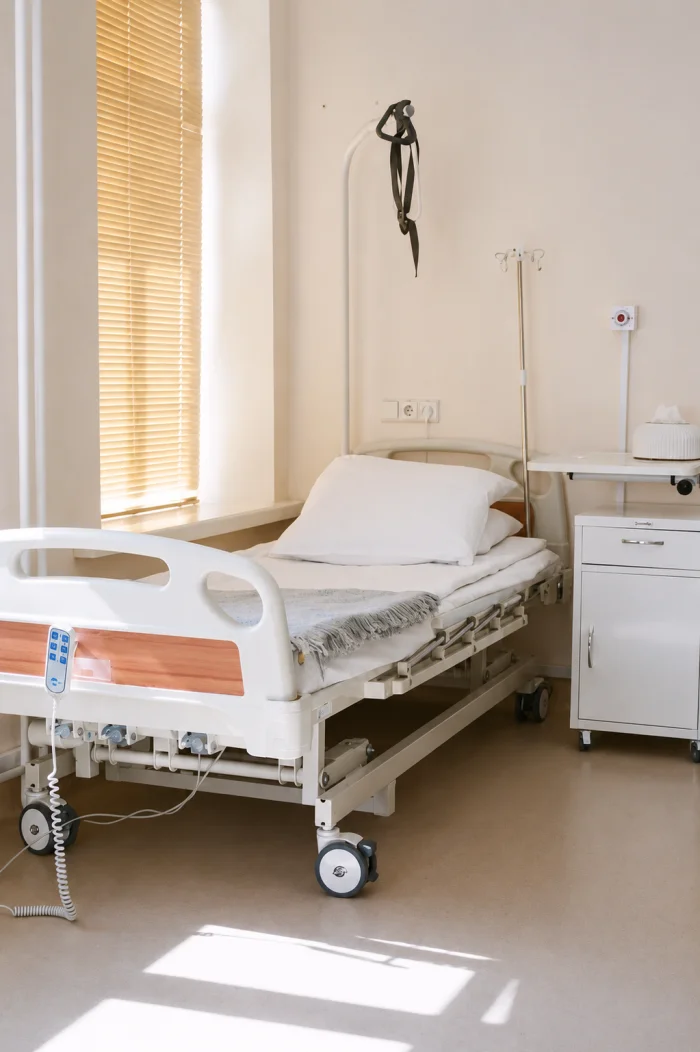
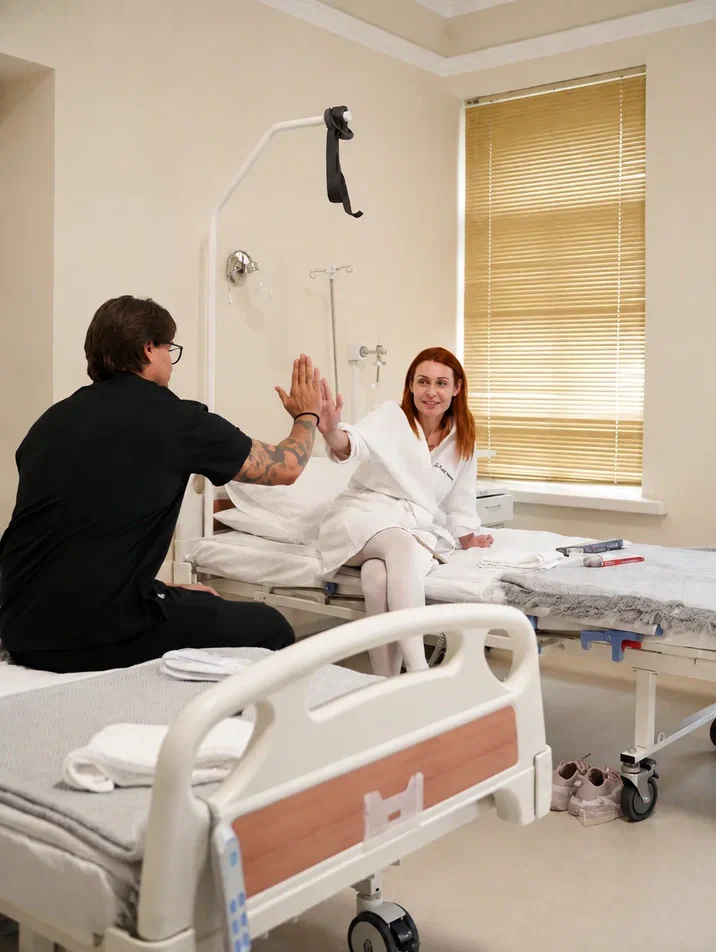
Once the operation is over, you stay in the clinic's comfortable ward under the medical team's supervision until discharge.
 6
You get a personal recovery programme after the operation. Follow-up visits at 7 days, 3 and 6 months monitor healing; for a year, surgeon consultations are free of charge.
Prior to surgery, cease taking aspirin-containing medicines, steroids and hormonal drugs for chronic illness
Stop hormonal oral contraceptives at least one month before the procedure
Have your tests done a week before surgery
Before the operation, follow some easy steps: maintain a sound work-rest balance, sleep more, avoid stress, anxiety and strong feelings, and reduce your physical load.
Up to 40 days without intense gym workouts or overly active aerobics; after a month you can try light cardio. Stay mindful of your diet and meals.
Swelling after surgery goes away after 3 weeks
Within 3 months, discomfort disappears
Scars form within 3 weeks
No heavy exertion (lifting more than 3 kg)
Over 3 months, all inflammatory changes in the tissue resolve and a “pocket” forms around the implant
Recovery after correction includes wearing compression garments for 1–1.5 months
Keep arms below shoulder level — 3 weeks
Avoid baths and saunas for up to three months, and skip physiotherapy
Doctors
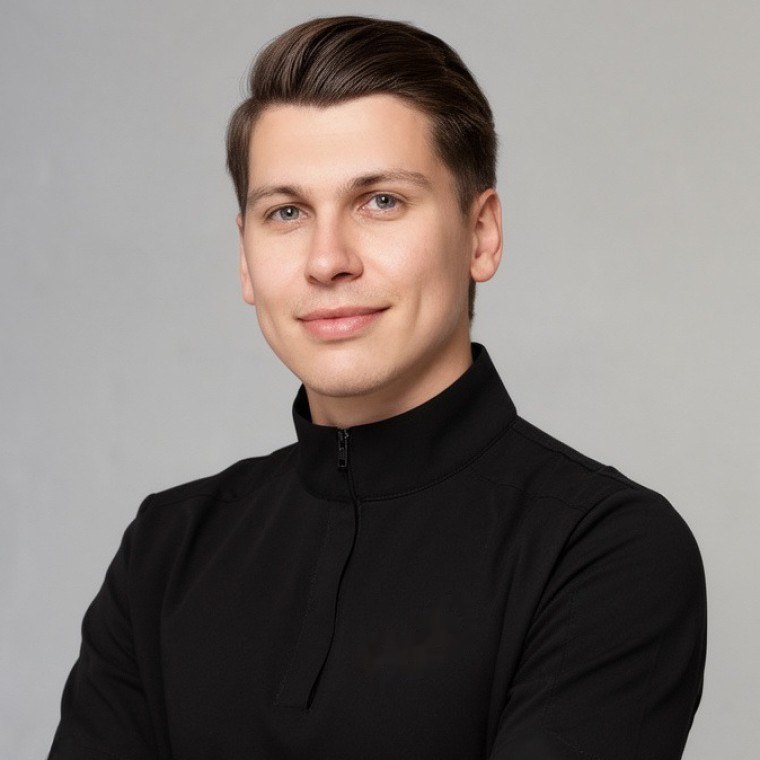
7 years of experience
Plastic surgeon
Did a residency in plastic surgery at the Petrovsky National Research Centre of Surgery. Specialty: aesthetic and reconstructive breast and body surgery.
At the consultation, you talk directly to your operating surgeon
A skilled plastic surgeon who cares about the beauty and health of patients
Book a consultationAdvantages
We review your wishes at the consultation and model the planned result. The surgeon explains what the operation can do, so you understand exactly what we are aiming for.
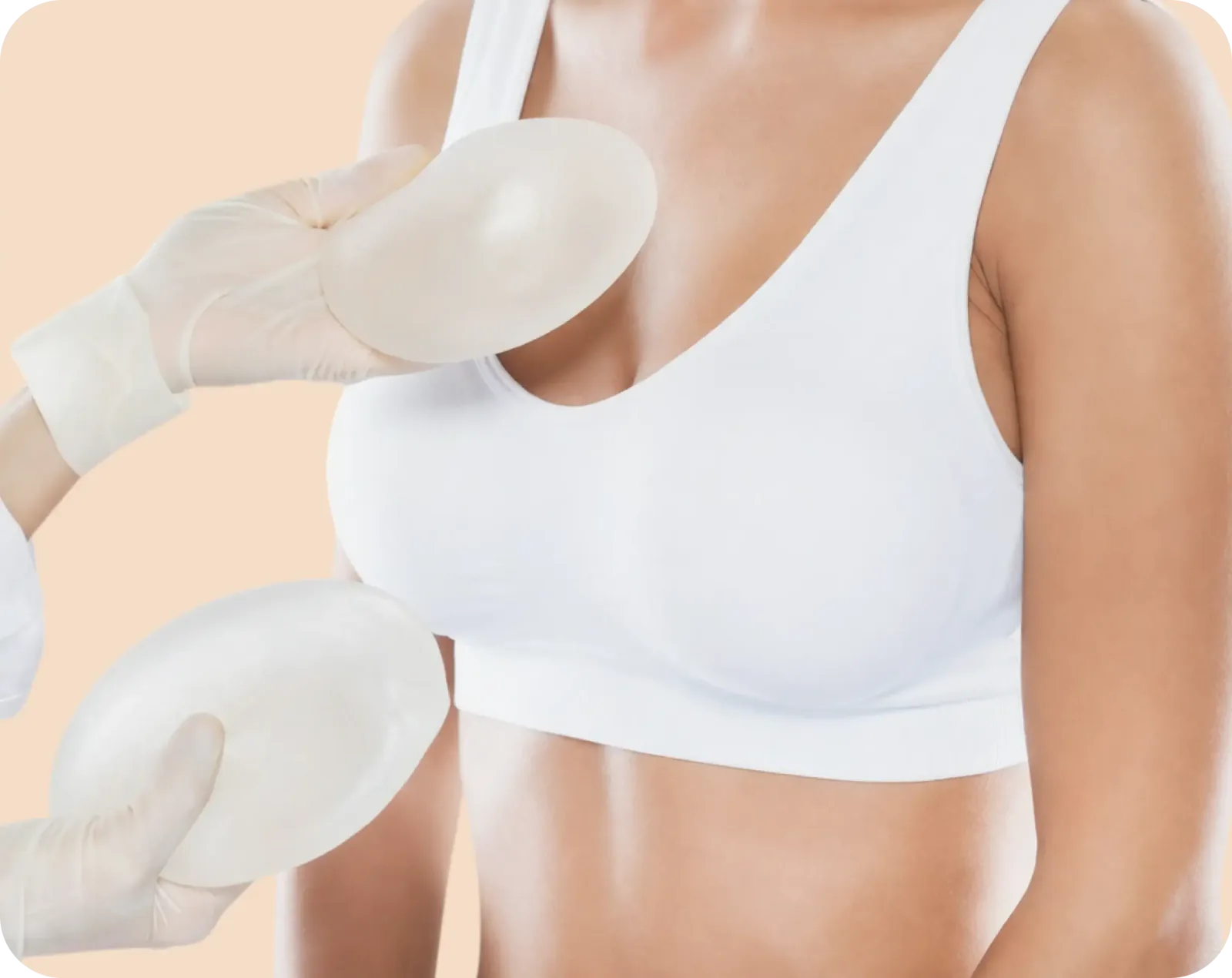
For a year the surgeon monitors your recovery and how your breast shape settles. Check-ups and dressings are already included in the price.
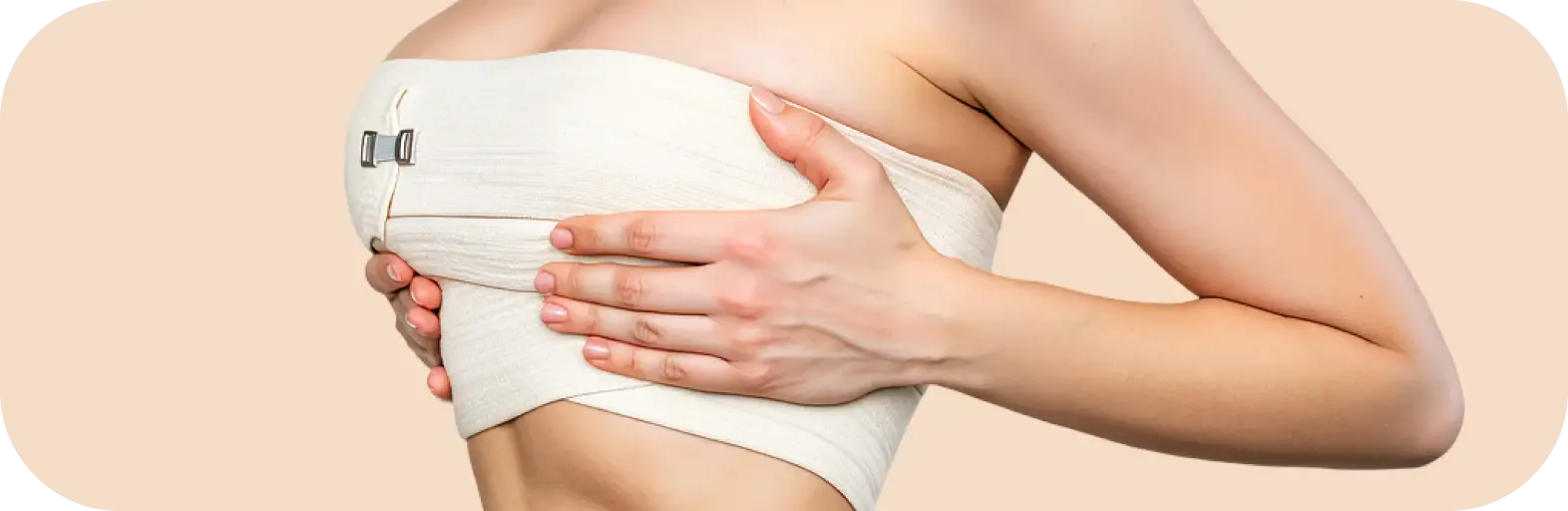
We choose the shape, volume and correction method based on your anatomy and wishes. For augmentation, implant size and profile are chosen individually.
We respect your time: we work 24/7, with easy booking and a personal approach — we adapt to your pace.
After the consultation the surgeon defines the extent of correction, and you get a clear price for the surgery — no surprises on the way to the result you want.

You begin your recovery in a comfortable ward under constant nursing supervision; the stay and meals are included in the price.
FAQ
The term mammoplasty covers several operations: augmentation (implants to increase volume), reduction (excess tissue and skin removed), mastopexy (a lift for sagging), reconstruction (after mastectomy) and correction of asymmetry. Which method is best is decided individually, from your wishes and the surgeon's advice.
Message us — our coordinator will get back to you shortly and book your consultation. The plastic surgeon consultation is free.
Following all recommendations makes complications rare. Still, they may involve hematoma or seroma, infection of the wound, decreased or increased nipple sensitivity, capsular contracture, aesthetic asymmetry, wound separation and tissue necrosis.
You can expect a long-lasting mammoplasty result: about 10–15 years after augmentation (until the implants are replaced) and 5–10 years after a lift or reduction. How long it lasts is affected by weight, pregnancy, skin aging and gravity. Wear supportive underwear and control your weight to keep it.
Breastfeeding after mammoplasty depends on which surgery was done. When augmentation is performed through an under-breast or armpit incision and the implant sits under the muscle, lactation is usually kept, as the glandular tissue stays intact. With a lift or reduction the risk rises, because ducts may be cut. Discuss this with your surgeon in advance.
In choosing implants, the surgeon considers material (silicone looks most natural, saline is less common), shape (round or anatomical teardrop), surface (smooth or textured), size and profile, and selects the best option for your anatomy and wishes.
Surgery takes place under general anesthesia, and the patient feels no pain. Moderate discomfort is possible in the first 1–3 days and is managed with painkillers. Pain eases considerably by day 5–7 and discomfort disappears by weeks 2–3. Tell your doctor immediately if pain is severe.
You can return to work (without physical exertion) after 7–14 days. Light walks after 1–2 weeks. Fitness and swimming after 4–6 weeks, strength training after 3 months. Pool and sea after 4–6 weeks. Wear compression garments for 4–6 weeks. Exact timing depends on your recovery.
Mammoplasty is not linked by scientific evidence to an increased breast cancer risk, and implants do not cause cancer. After surgery, keep doing regular screening: self-exams, mammography and ultrasound. Tell any examining doctor about your implants every time.
You can have mammoplasty after a C-section, though your body needs to recover completely first. Wait a minimum of 6–12 months after childbirth and the end of breastfeeding. Before surgery, a surgeon's consultation and examination are mandatory.
Mammoplasty leaves scars, yet a skilled surgeon makes them minimal. Incisions are made where they are hidden: under the breast, around the areola or in the armpit. Scars are reddish at first, and within 6–12 months they fade until they are almost invisible.
Mild asymmetry in the first weeks after surgery is normal and results from swelling and uneven healing. If a difference in shape or size remains after 3–6 months, see your surgeon for an examination to identify the cause.
Nipple and breast sensitivity can change temporarily after mammoplasty, either decreasing or increasing. It happens because nerve endings are irritated. Sensitivity usually returns within 3–12 months. If there is still no improvement after a year, consult your surgeon.
Implants are not directly affected by hormonal drugs (contraceptives, hormone replacement therapy), though these can cause swelling or changes in the volume of breast tissue and temporarily change appearance. Tell your surgeon about them before the operation.
Prices are in US dollars; the amount in brackets is an approximate conversion to NGN at the rate of 02.10.2026. The final price is fixed in your contract.
Prices start from $4,700 (≈ ₦6,300,000). The surgeon sets the final price at the free consultation, and it is fixed in the contract, with no hidden extras.
The surgical team's work, anaesthesia, the inpatient stay with meals, dressings and follow-up visits for twelve months.
Message us on WhatsApp or Telegram using the buttons below. A coordinator will answer your questions and book a free consultation where the doctor names the exact price.
By messaging us, you agree to our Privacy Policy
Enlargement with implants corrects both size and shape. It is aimed at patients who feel their breasts are too small, have lost volume or look asymmetrical. People searching for this surgery in Gusau should know that results typically last about 10 to 15 years, until the implants are replaced; weight, pregnancy, skin aging and gravity all influence how long they hold.
For anyone in Gusau planning augmentation, preparation starts weeks ahead. Aspirin-containing drugs, steroids and some hormonal medications are stopped 1–2 weeks before; oral contraceptives, at least a month before. Tests are taken a week prior. After the operation you remain in hospital for one day, then follow a recovery program focused on reducing swelling and caring for the breasts.
What do you pay for? From $4,700 (≈ ₦6,300,000) covers the operation itself and everything around it: preparation with the surgeon, anesthesia, one day in an inpatient room with meals and 24/7 supervision, then twelve months of dressings, check-ups and surgeon follow-up. Consultations with the plastic surgeon are free. Anyone from Gusau can apply via the form or any messenger to arrange one.
What patients write after this operation. Reviews are translated from the original language.
Anna Smirnova
I went to Dmitry Sergeyevich for breast augmentation with implants. At the consultation everything was explained in detail, and together we chose the best size. The operation under combined anaesthesia took 2 hours, and I was discharged home the next day. The swelling went down in about a month, and my breasts look very natural. The year of follow-up care is a real lifesaver: you can always ask a question and get an answer. Thank you to the clinic!
Breast augmentation
Doctor: Dmitry S. Kuznetsov
Ekaterina Morozova
After two births I decided on a breast lift without implants. I chose Dmitry Sergeyevich and have no regrets. The result exceeded all my expectations: my breasts are lifted and the shape is youthful and firm. The incisions are minimal and almost invisible. I spent one day in the hospital, and the room was very comfortable. I recommend him!
Breast lift
Doctor: Dmitry S. Kuznetsov
Olga Kuznetsova
I had a combined operation, a breast lift with augmentation, with Dmitry Sergeyevich. At the consultation it was immediately clear that I was in the right place. Everything is included in the price, with no hidden charges. After a month my breasts already feel soft and natural. Personal follow-up after the operation is very valuable.
Breast lift with implants
Doctor: Dmitry S. Kuznetsov
Maria Lebedeva
Breast augmentation from a size 3 to a size 4 with Dmitry Sergeyevich. He chose perfect anatomical implants. The operation took 2 hours, and I woke up with almost no pain. In the ward I was fed and monitored around the clock. Four months have passed and the result looks like a magazine cover.
Breast augmentation
Doctor: Dmitry S. Kuznetsov
Natalia Vorobyova
I went to Dmitry Sergeyevich to correct breast asymmetry with a small lift. A true professional: at the consultation he immediately showed before-and-after photos of similar cases. Recovery was easy and the swelling went down quickly. I had my check-up after just 7 days. An excellent clinic!
Breast reconstruction
Doctor: Dmitry S. Kuznetsov
Yulia Romanova
I had a lift with implants after losing a lot of weight. I chose Dmitry Sergeyevich. At the consultation everything was explained in simple words, and my fears were gone. One day in the hospital, then care at home. Now my breasts look natural and keep their shape. I am very happy!
Breast lift with implants
Doctor: Dmitry S. Kuznetsov
Gusau is a city in northwestern Nigeria and the capital of Zamfara State. The Gusau Local Government Area covers 3,364 km² and had a population of 383,162 at the 2006 census. The Hausa people are the indigenous inhabitants. For a city of this size, breast augmentation is a decision usually made quietly, after a lot of thought and often after talking with a sister, a close friend or a spouse. Many women from Gusau begin by asking practical questions. How long will I be away from my routine? What will I wear during recovery? Who will check on me once the operation is done?
Our free online consultation is built for this situation. You speak with a coordinator from your own home in Gusau, on Telegram or Telegram, at the hour that suits your household. Coordinators are available 24/7, so a late evening after the children are asleep or an early morning before the market opens works as well as any other time. A coordinator will call you back 24/7, which means you do not have to wait for a particular day to ask about implants, scars or the stages of recovery.
This text is written for women in Gusau who want a calm, realistic picture before making any decision. It covers climate and recovery, daily life and work, family occasions, food, the questions worth taking to a surgeon, and how the remote consultation proceeds step by step. None of it replaces a personal examination. It is meant to help you arrive at the consultation prepared.
Gusau has a tropical savanna climate (Köppen Aw). The dry season is partly cloudy and hot throughout the year, and the wet season feels oppressive and is mostly cloudy. These conditions matter after breast augmentation, because heat and humidity affect how comfortable you are in a compression garment and how you manage swelling and skin care around the incisions.
During the hot dry months the main concern is sweating under the garment. After the correction, recovery involves 1–1.5 months of compression garments, so it helps to prepare several soft, breathable sets that you can change during the day. Light cotton clothing worn over the garment, loose tops that open at the front and a cool, shaded room for resting make the first weeks easier. Direct strong sun on fresh scars is best avoided. Early on the scars are reddish, and over 6–12 months they fade and become almost unnoticeable. Covering them when you are outdoors is a sensible habit.
In the wet season, cloud and humidity can make a garment feel heavier and slow its drying. Keep spare garments and make sure the skin underneath stays clean and dry. Roads and household routines can also be disrupted by heavy rain, so give yourself some flexibility around follow-up calls and check-ups. Your coordinator can help you adjust your plan to the weather you are actually having.
Gusau's best period for hot-weather activities, judged by the beach and pool score, runs from late October to mid-March. For a patient planning surgery this is useful in a different way. These months are the ones when many people in the city want to be outdoors, so you may prefer to schedule the operation when you are not giving up plans you value. Swimming and pool or sea activity are allowed only after 4–6 weeks, so it is better to match your calendar to that restriction than to hope for exceptions.
If you choose the hot dry months, count on discomfort from heat while wearing compression. If you choose the wet season, expect humidity and cloud, but often fewer demands for outdoor events. Neither period is automatically better. The right moment is the one when you can rest for the first days, avoid heavy household tasks and keep to the recovery programme.
Think also about the calendar of your family and community: weddings, naming ceremonies, religious festivals and harvest-related periods that keep relatives busy. Surgery works best when you have help at home and no major obligation in the first weeks. Share your preferred dates with the coordinator during the online consultation, and the plan can be built around them.
Gusau grew from a settlement founded around 1799 into an important agricultural and commercial centre. Farming and trade remain part of its identity, and many families run small businesses or work in markets, in offices, in schools or on the land. For recovery, the nature of your work is the key factor. After surgery you may go back to work, with no physical exertion, after 7–14 days. If your day involves carrying goods, lifting children or working in the fields, you should talk through the details with the surgeon in advance.
The medical guidance is clear. There is no heavy exertion, meaning lifting more than 3 kg. There is also no lifting of the arms above shoulder height for 3 weeks. In a household this affects many small things: carrying water or shopping, taking items from high shelves, hanging washing and lifting a toddler. Plan in advance who will take over these tasks. Arrange for relatives to help, put daily items at waist height and prepare meals before the operation.
Office or teaching work is easier to resume than manual work. If you study, a short absence may be enough, but sitting for long hours in a hot classroom while wearing compression requires comfortable clothing. Light walks are possible after 1–2 weeks, and timing always depends on your own recovery. Do not rush: a good return to routine is gradual.
Food culture in Gusau is closely tied to the farming heritage of the region, with shared family meals, hospitality for guests and large gatherings at celebrations. After the operation you will want to take part in these occasions without overloading your body. Fatty, heavy meals in hot weather may leave you feeling sluggish, and your surgeon will advise that you monitor your diet and meals. A stable weight also protects the result. Weight changes affect how long the result lasts, so lighter, balanced food is a good habit to build before the operation as well as after.
Family events deserve planning. A large wedding, with long hours of standing, greeting and carrying plates, is tiring in the first weeks. Many women choose to wait until the swelling has settled. Swelling after surgery goes away after 3 weeks, and by then you will be more comfortable in fitted clothes. Discomfort fades after 3 months.
The programme that follows surgery gives structure to all this. After surgery you get a recovery programme. Check-ups at 7 days, 3 and 6 months help track your recovery. For a year after surgery, consultations with your surgeon are free. Support continues for 12 months, and 24/7 monitoring by medical staff is part of the care. You can ask any question, however small, through the same messaging channels you used at the beginning.
General anaesthesia is used for the surgery itself, so there is no sensation during the operation. The hospital stay is 1–2 days. In the first 1–3 days you may feel moderate discomfort, which painkillers relieve. Pain subsides significantly by day 5–7, and discomfort is gone by weeks 2–3. If pain becomes severe, inform your doctor right away, and do not wait to see whether it passes.
In Gusau's heat, rest at home requires a few adjustments. Keep a fan or cooling system working, drink enough fluids and sleep in a position that your surgeon recommends. Arrange for someone to stay with you during the first days. The coordinator on Telegram or Telegram is available 24/7, which matters when a worry appears at night.
Slight asymmetry in the first weeks is normal, because swelling and uneven healing are behind it. If shape or size still differ after 3–6 months, see your surgeon for a check-up to find the reason. In 3 months any inflammatory changes in the tissue disappear, and a pocket forms around the implant. This is why final judgments about shape should wait. Many patients worry too early, and a calm explanation of the timetable often helps more than anything else.
Physical activity in Gusau ranges from walking and household work to football with relatives and gym training in some parts of the city. After augmentation the schedule is specific. You may take light walks after 1–2 weeks and do fitness and swimming after 4–6 weeks. Strength training is allowed after 3 months. Pool and sea are possible after 4–6 weeks. Compression garments stay on for 4–6 weeks, although after the correction recovery can involve 1–1.5 months of compression. Timing depends on your recovery.
For as long as 40 days, stay away from intense gym workouts and overly active aerobics. Light cardio is possible after a month. Monitor your diet and meals. If you have a regular exercise routine, ask the surgeon to give you a clear written plan, because returning too early to push-ups, weights or intense classes can disturb the healing.
Results after mammoplasty last a long while: about 10–15 years for augmentation (until implant replacement) and 5–10 years for a lift or reduction. Weight changes, pregnancy, skin aging and gravity affect their duration. To maintain the result, choose supportive underwear and control your weight. Keeping a steady, healthy weight is a general health goal as well, and it is worth discussing during the consultation.
Breast augmentation suits adult women in good general health who want a larger or more balanced shape and have realistic expectations. It is less suitable during pregnancy or breastfeeding, with untreated chronic illness, or when the person is not ready to follow the recovery rules. Mammoplasty after a C-section is possible, but only once your body has fully recovered. Allow at least 6–12 months after giving birth and after breastfeeding stops. A consultation and check-up with a surgeon are required before surgery. For women in Gusau with young children, this timing deserves honest planning.
Ask about scars. There are scars after mammoplasty, though a skilled surgeon keeps them minimal. The incisions go in discreet areas, such as under the breast, around the areola or in the armpit. Ask also about sensitivity: breast and nipple sensitivity may change for a time, going down or up, because of irritation of nerve endings. In the majority of cases sensitivity is restored within 3–12 months. If nothing has improved after a year, consult your surgeon.
Useful questions to bring: Which incision and implant position are suitable for me? What size fits my frame and daily life? How will check-ups at 7 days, 3 and 6 months be organised if I am in Gusau? What should I do if I notice unusual swelling or pain? Who do I contact at night? Writing the questions down before the call keeps the conversation focused.
Gusau district emerged after the nineteenth-century jihad movement led by Sheikh Usman dan Fodio. It was founded around 1799 by Mallam Muhammadu Sambo Dan Ashafa, a disciple of dan Fodio, and became prominent after the fall of Yandoto in 1806. A city with this history of orderly administration and close community ties tends to treat big personal decisions with patience. A woman considering breast augmentation here often wants time, family understanding and a clear timetable before she writes to a coordinator.
The town was once divided into five wards: Shiyar Magaji, Uban Dawaki, Galadima, Mayana and Sarkin Fada. These wards were described as the eyes and ears of the Emir, and that spirit of neighbourhood closeness still shapes daily life. In practice, news travels fast between relatives and neighbours. If you want discretion, tell the coordinator on Telegram or Telegram, and decide in advance who will know about the operation and who will help you at home during recovery.
Plan the first days with a small circle of trusted helpers. Surgery needs 1–2 days in hospital under general anaesthesia, and then rest at home. Choose one or two relatives who can take over lifting and carrying, because lifting more than 3 kg is not allowed and the arms must not go above shoulder height for 3 weeks.
Gusau has long been an agricultural and commercial centre, with farmers and livestock rearers, especially cattle-owning Fulani, living in and around the town. Farming in the area was mainly undertaken in Damina with the cultivation of the major crops. Before the colonial period, builders, thatchers, butchers, blacksmiths, drummers and praise-singers also worked here. Many Gusau families still combine trade, farming and household production, so physical work is a real question for local patients.
If you sell at a market stall, you lift crates, sacks and bundles. If your family farms, you may walk to fields, carry water or help at harvest. None of this suits the first weeks. You may return to work, with no physical exertion, after 7–14 days. Ask a relative or an employee to cover heavy tasks, and agree on this before the operation, not after it.
For women who manage a household shop or tailor at home, seated work is easier to resume. Keep materials at waist height and avoid reaching for high shelves. Strength training is allowed only after 3 months, and in the same spirit heavy farm work should wait until your surgeon confirms that you are ready.
The land around Gusau is interrupted by a few small rocky outcrops, such as the hills of Mareri and Dokau, and the Gusau Dam is one of the well-known features of the area. These places attract families for outings, and they are natural reasons to go outdoors once you feel well. In the first weeks, though, keep to short, flat walks near home. Light walks are possible after 1–2 weeks, and the pace is set by your own recovery.
Climbing hills, carrying a child on your back or walking long distances in strong sun is not suitable early on. Leave such outings until your check-up at 7 days and the later check-ups at 3 and 6 months show that all is well. Swimming and pool or open-water activity are allowed after 4–6 weeks, so do not plan a day at the water before then.
When you do go outside, cover fresh scars and wear a light, loose top over the compression garment. Compression garments stay on for 4–6 weeks, and for some patients 1–1.5 months after a correction, so choose breathable fabrics for outings in the Gusau heat.
The colonial period brought tarred roads, railways, modern stores, schools and a hospital to Gusau, and the town expanded as a transport and trading point. Today the Federal Medical Centre in Gusau is part of the city's medical landscape, which is useful for ordinary local care such as dressing questions or routine tests. Your surgeon remains the person who leads your recovery, so share any local findings with the coordinator.
Think about the practical side of check-ups. Check-ups at 7 days, 3 and 6 months help track your recovery. Keep a record of dates, send photographs when asked and note any swelling, pain or change in sensitivity. Sensitivity is usually restored within 3–12 months, and keeping a short diary helps the surgeon see the pattern.
If heavy rain or traffic on the main highway makes a local visit hard, tell the coordinator, who will call you back 24/7. For one year after surgery consultations with your surgeon are free, and 24/7 monitoring by medical staff means you do not depend on the weather or on the distance.
You start by writing to the coordinators on Telegram or Telegram. Your time matters to us: we work 24/7, booking is easy, and our personal approach adapts to your pace. You describe your goals, your health history, previous operations, pregnancies and any medicines you take, and you may send photographs if you feel comfortable. Everything is arranged remotely and free of charge for the first consultation.
Next, the medical team studies your information and suggests the options, including the likely approach and the stages of preparation and recovery. A coordinator will call you back 24/7, so you can choose a quiet moment at home. If you want a family member to join the call, that can be arranged. A decision never needs to be made on the first conversation.
After surgery, the follow-up continues the same way. Check-ups and questions are handled through the remote channel, with 24/7 monitoring by medical staff and follow-up support for 12 months. For patients in Gusau this means that distance from the care team does not leave you without answers when you most need them.
You may go back to work, with no physical exertion, after 7–14 days. If your job involves lifting, farm work or long hours on your feet, discuss it with the surgeon in advance, because lifting more than 3 kg is not allowed and the arms must not go above shoulder height for 3 weeks.
Gusau is hot in the dry season and humid and cloudy in the wet season, so the main difficulty is comfort under the compression garment. Prepare several breathable garments, stay in a cool room, drink enough fluids and protect scars from strong sun. Compression garments stay on for 4–6 weeks.
Pool and sea are possible after 4–6 weeks, and fitness and swimming are allowed after the same period. Strength training is allowed after 3 months. Timing depends on how your recovery goes, so confirm with your surgeon.
General anaesthesia is used for the surgery itself, so there is no sensation. In the first 1–3 days you may feel moderate discomfort, which painkillers relieve. Pain subsides significantly by day 5–7 and discomfort is gone by weeks 2–3. If pain becomes severe, inform your doctor right away.
Results after mammoplasty last a long while: about 10–15 years for augmentation, until implant replacement. Weight changes, pregnancy, skin aging and gravity affect the duration. Supportive underwear and weight control help maintain the result.
It is possible, but only once your body has fully recovered. Allow at least 6–12 months after giving birth and after breastfeeding stops. A consultation and check-up with a surgeon are required before surgery.
There are scars after mammoplasty, though a skilled surgeon keeps them minimal. The incisions go under the breast, around the areola or in the armpit. Early on the scars are reddish, but over 6–12 months they fade and are almost unnoticeable.
In the first weeks slight asymmetry is normal because of swelling and uneven healing. If shape or size still differ after 3–6 months, see your surgeon for a check-up to find the reason.
Breast and nipple sensitivity may change for a time, going down or up, because nerve endings are irritated. In the majority of cases it is restored within 3–12 months. If nothing has improved after a year, consult your surgeon.
You get a recovery programme, with check-ups at 7 days, 3 and 6 months. Consultations with your surgeon are free for a year, follow-up support lasts 12 months, and coordinators and medical staff are reachable 24/7 on Telegram and Telegram.
Yes, if you can arrange help with heavy tasks. You may return to work, with no physical exertion, after 7–14 days. Lifting more than 3 kg is not allowed, and arms must not go above shoulder height for 3 weeks, so stall work with sacks or crates should be done by someone else at first.
Not at first. Light walks are possible after 1–2 weeks, but hill climbing and long outings in the sun should wait. Pool and open-water activity are allowed after 4–6 weeks, and the exact timing depends on your recovery.
They can help with ordinary care and simple checks, but your surgeon leads the recovery. Share any findings with your coordinator. You have check-ups at 7 days, 3 and 6 months and free surgeon consultations for a year.
Contact the coordinators directly on Telegram or Telegram, and decide who will help you at home. A coordinator will call you back 24/7, so you can choose a private moment for the conversation.
Page medically reviewed by Dmitry S. Kuznetsov, plastic surgeon. Review date: .