
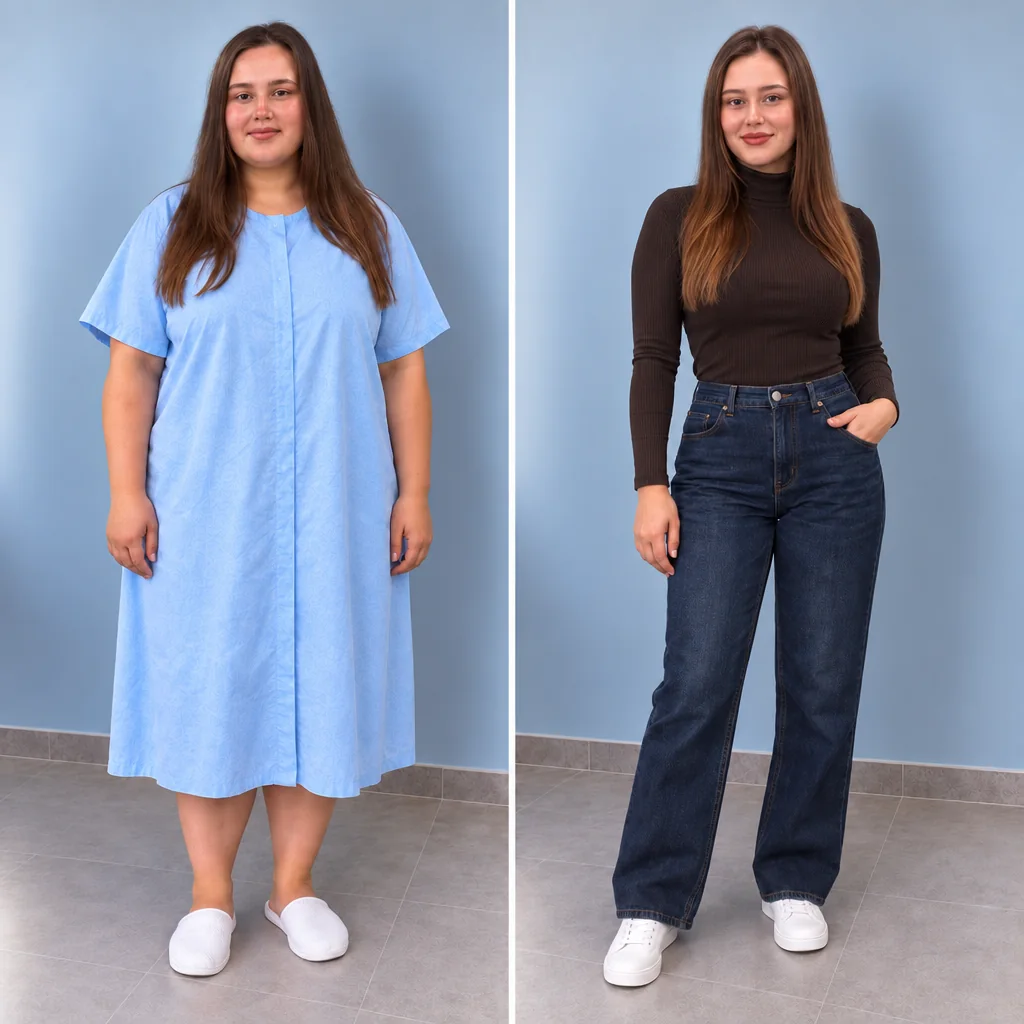
 beforeafter
Irina, 26
Bariatric surgery
Bariatric surgery
$3,600
$4,800 · First consultation — Free
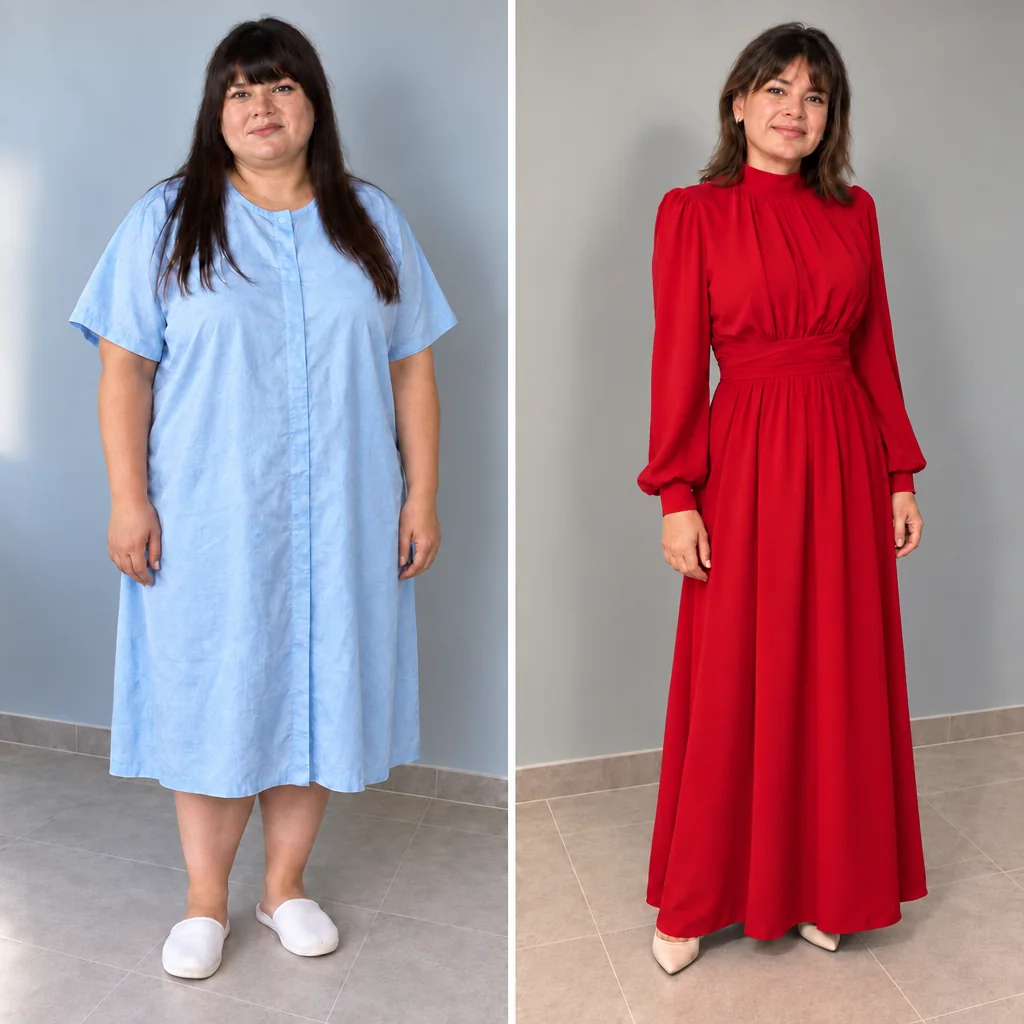 before
after
Message our coordinator
Free online consultation · Reply within 15 minutes
Message us on TelegramMessage us on WhatsAppBy messaging us, you agree to our Privacy Policy
Results
Every case shown is a real clinic patient.
beforeafterBariatric surgery
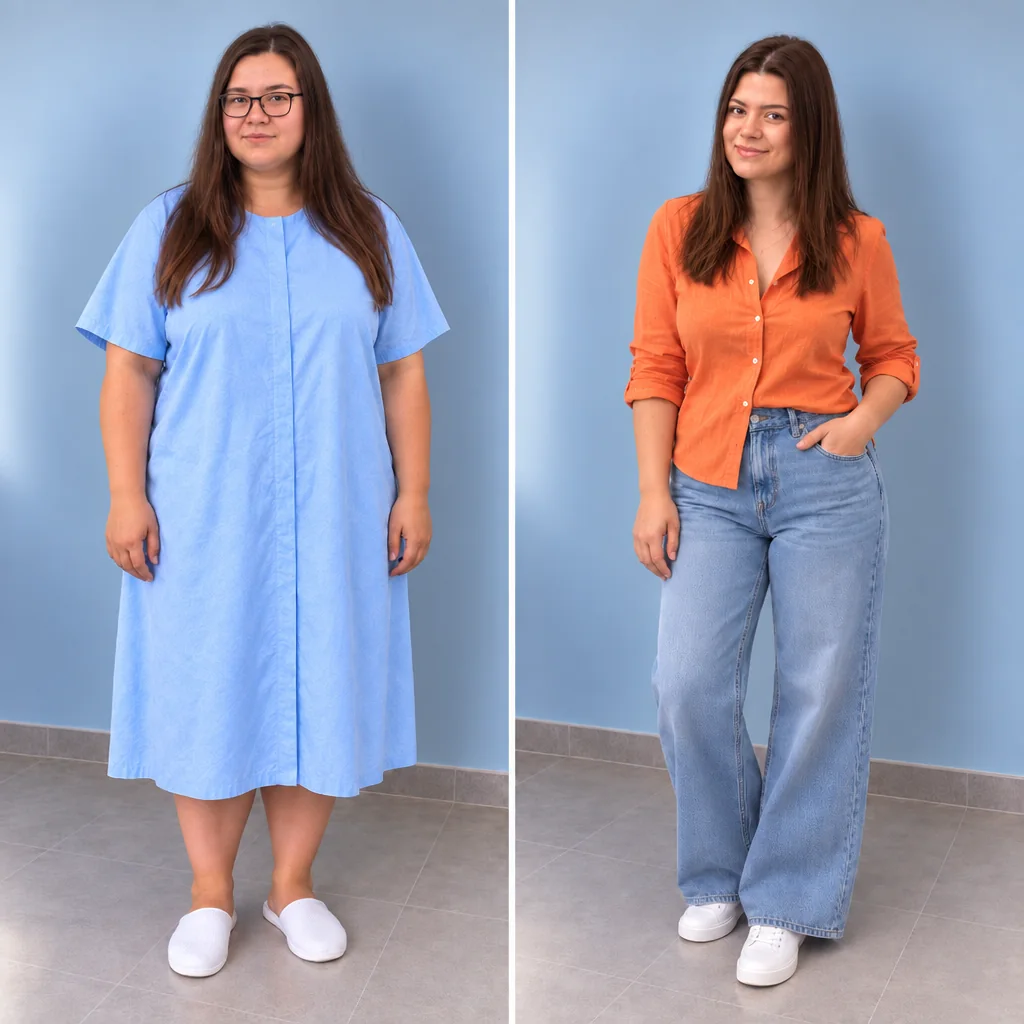 beforeafter
Bariatric surgery
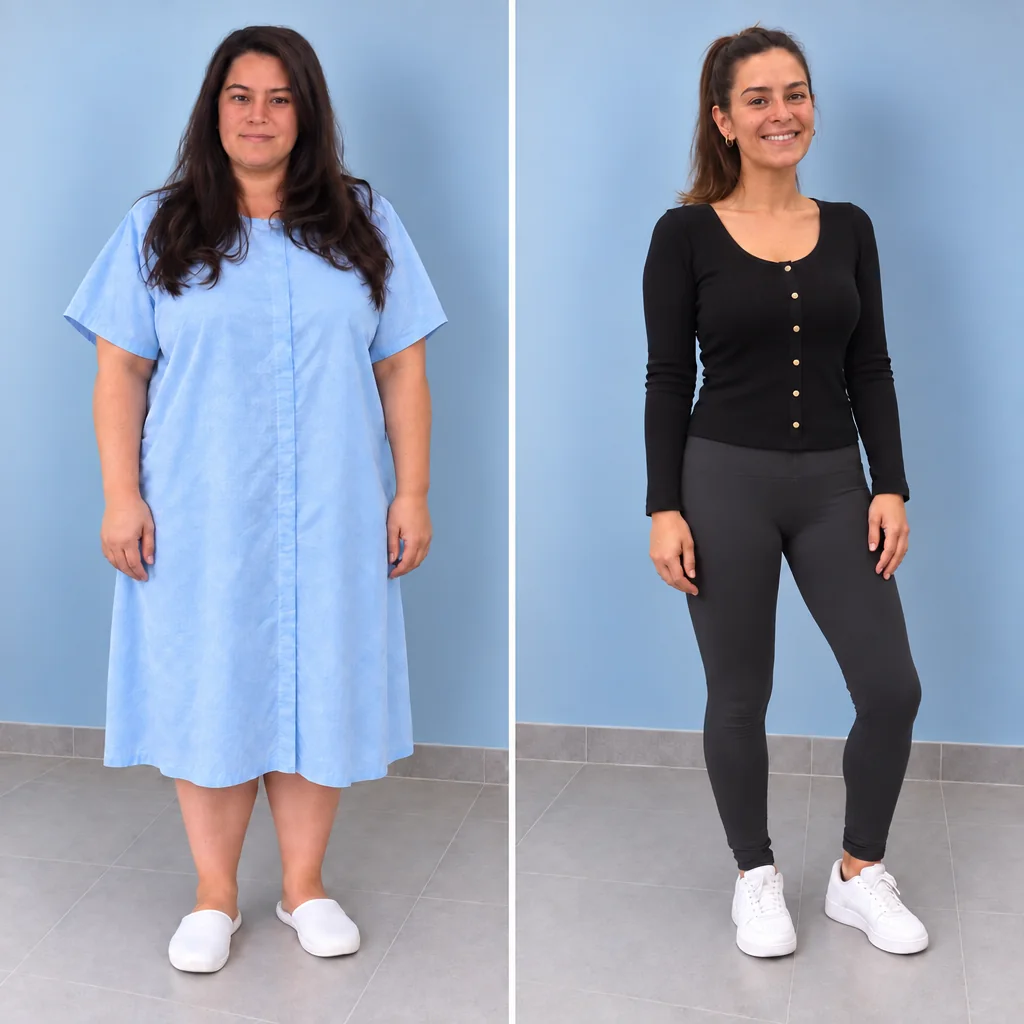 beforeafter
Bariatric surgery
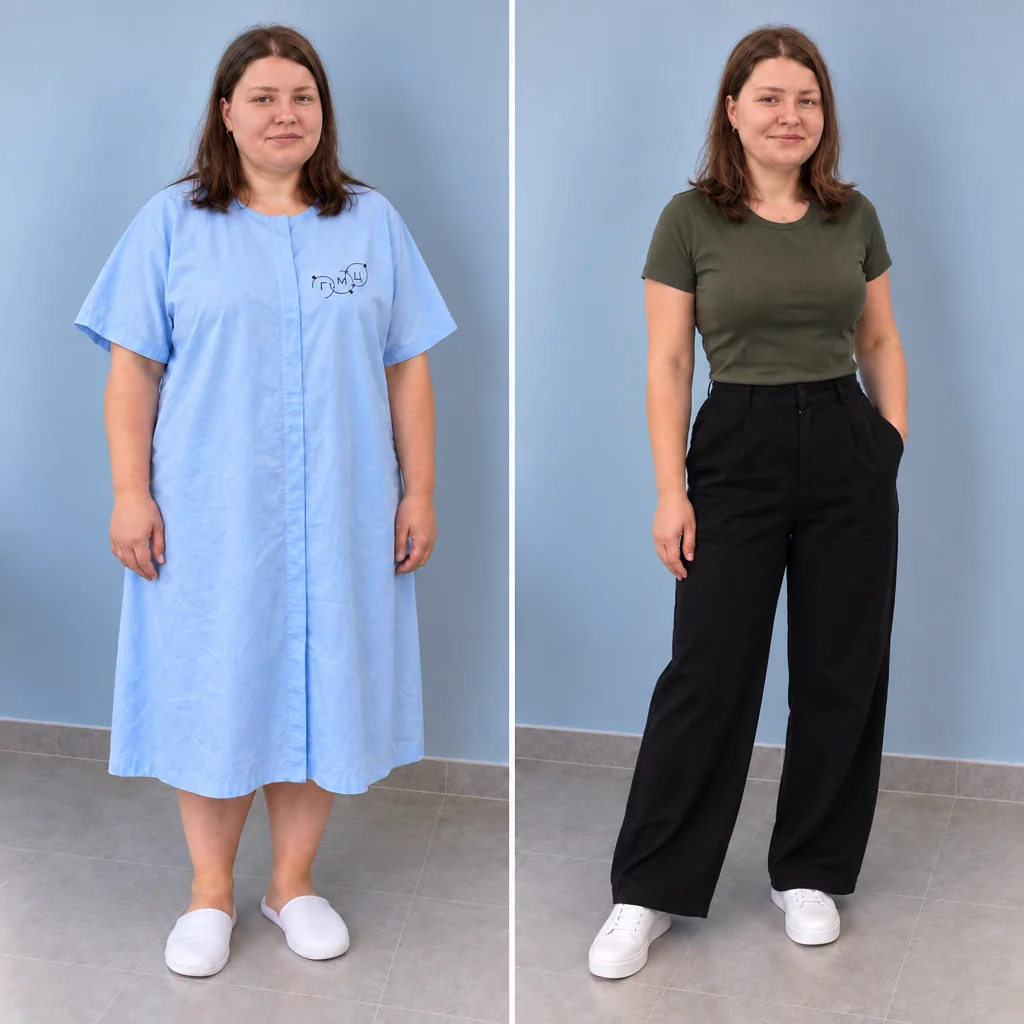 beforeafter
Bariatric surgery
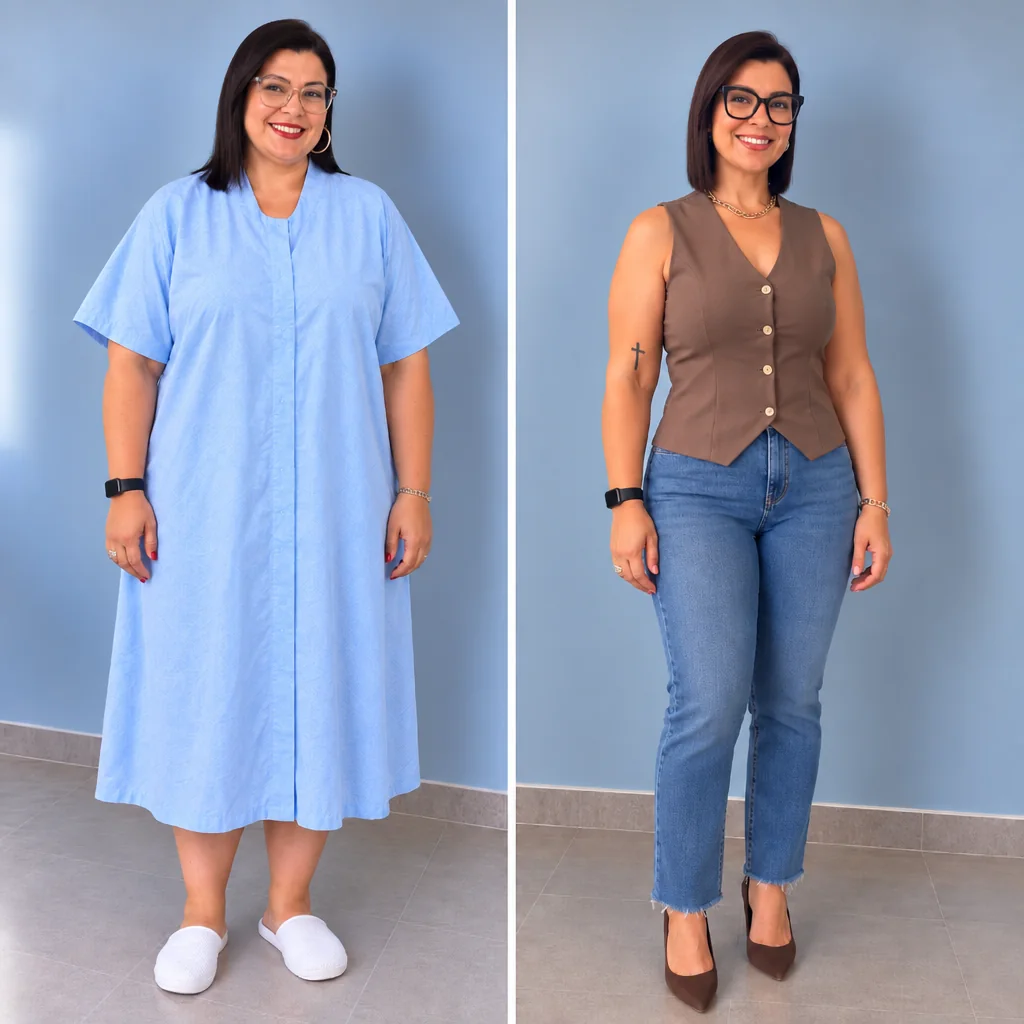 beforeafter
Bariatric surgery
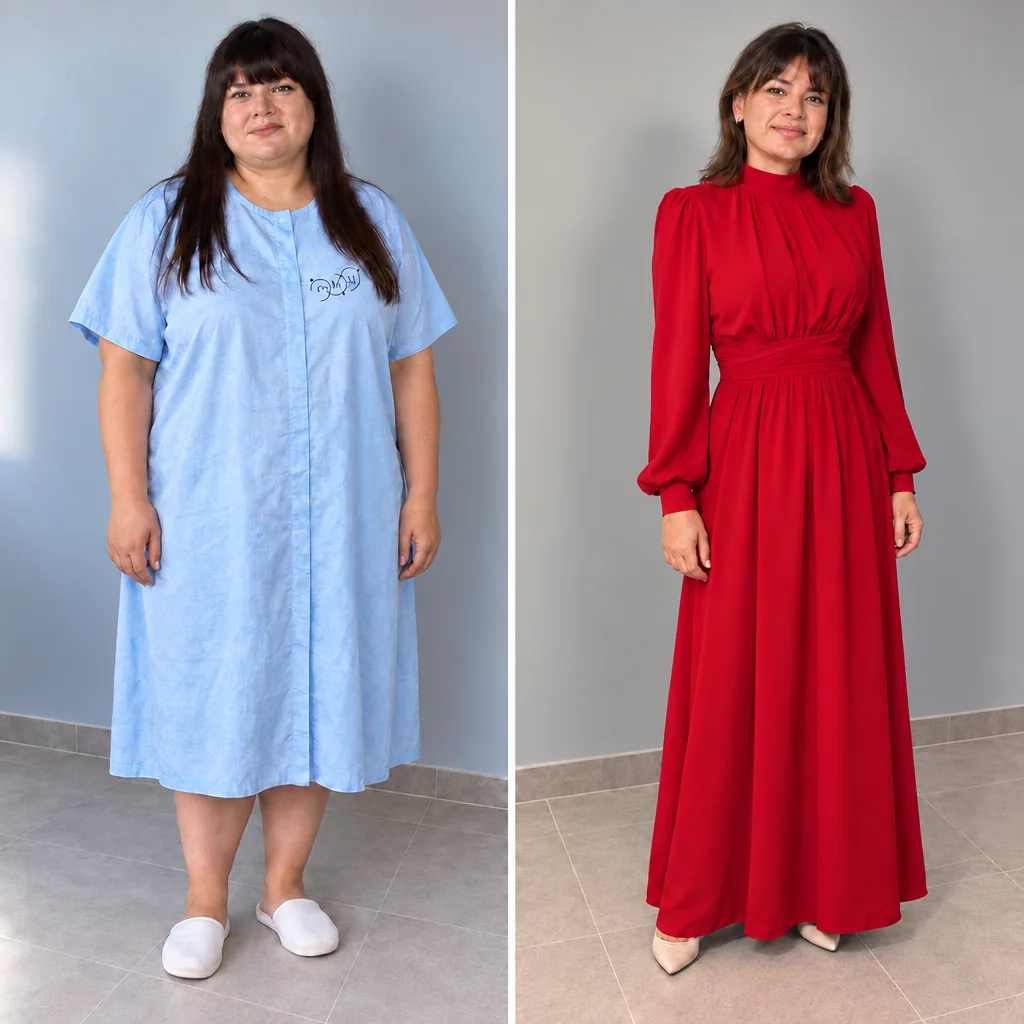 beforeafter
Bariatric surgery
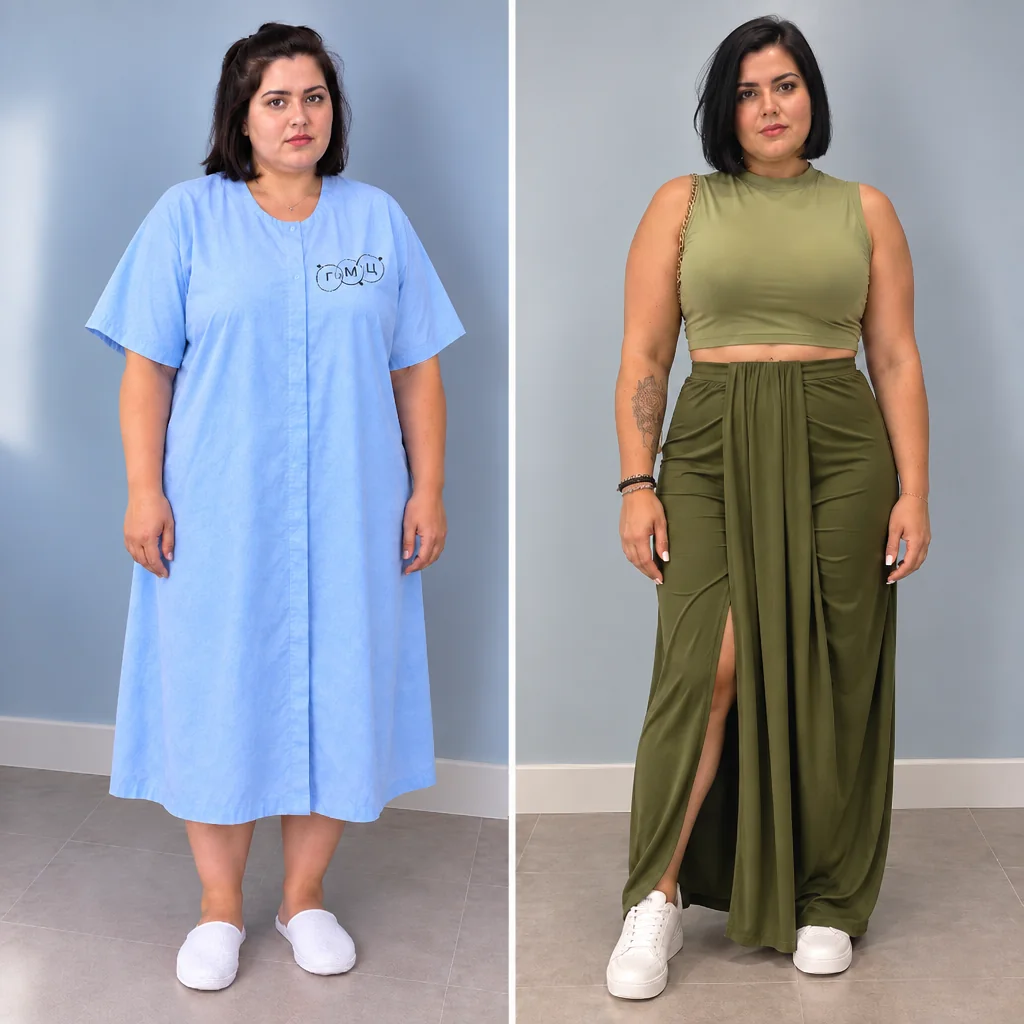 beforeafter
Bariatric surgery
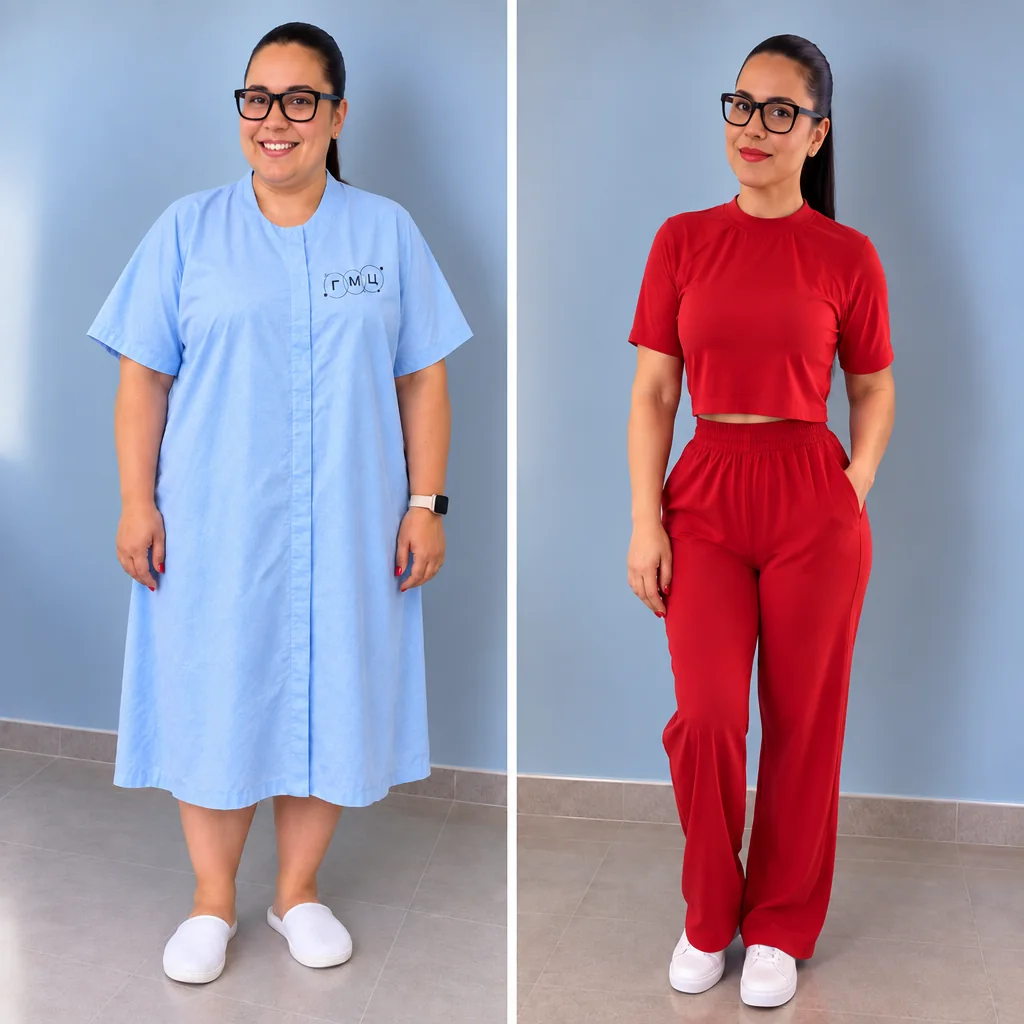 beforeafter
Bariatric surgery
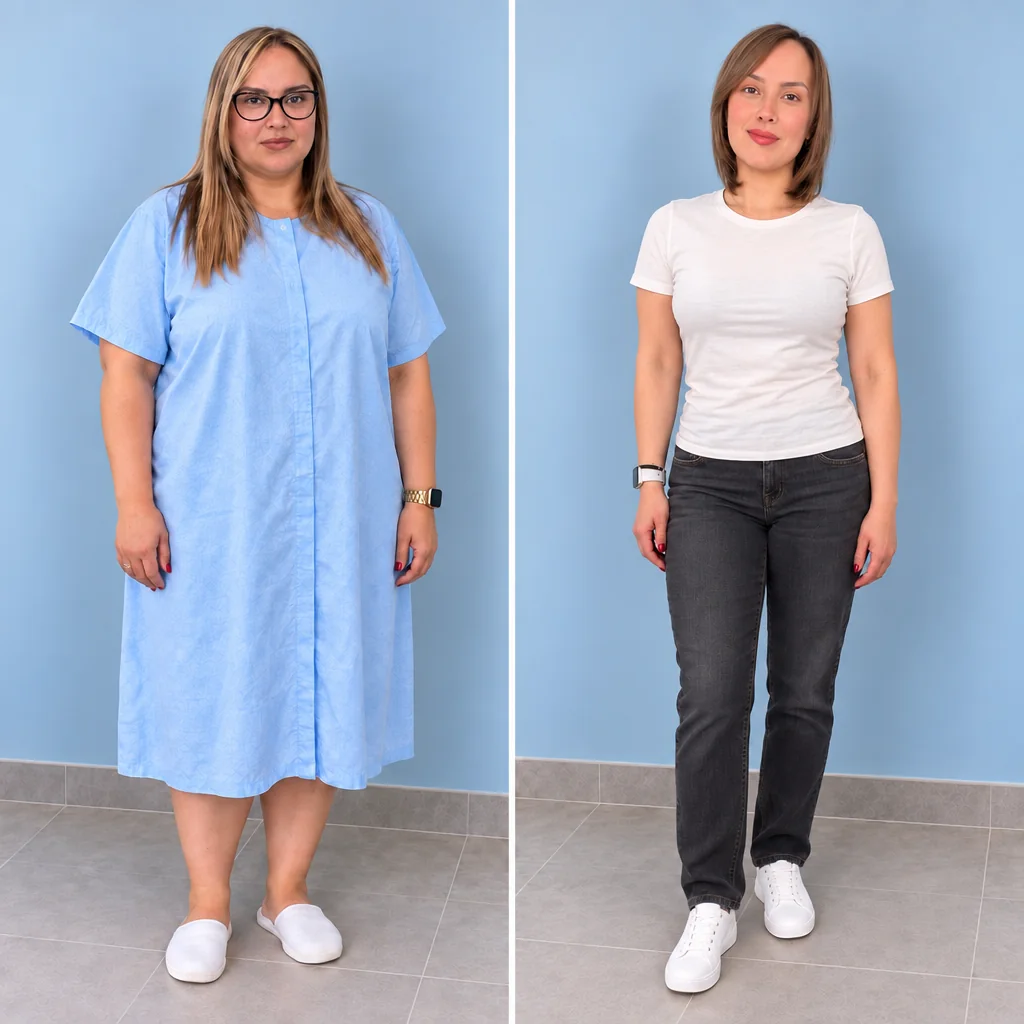 beforeafter
Bariatric surgery
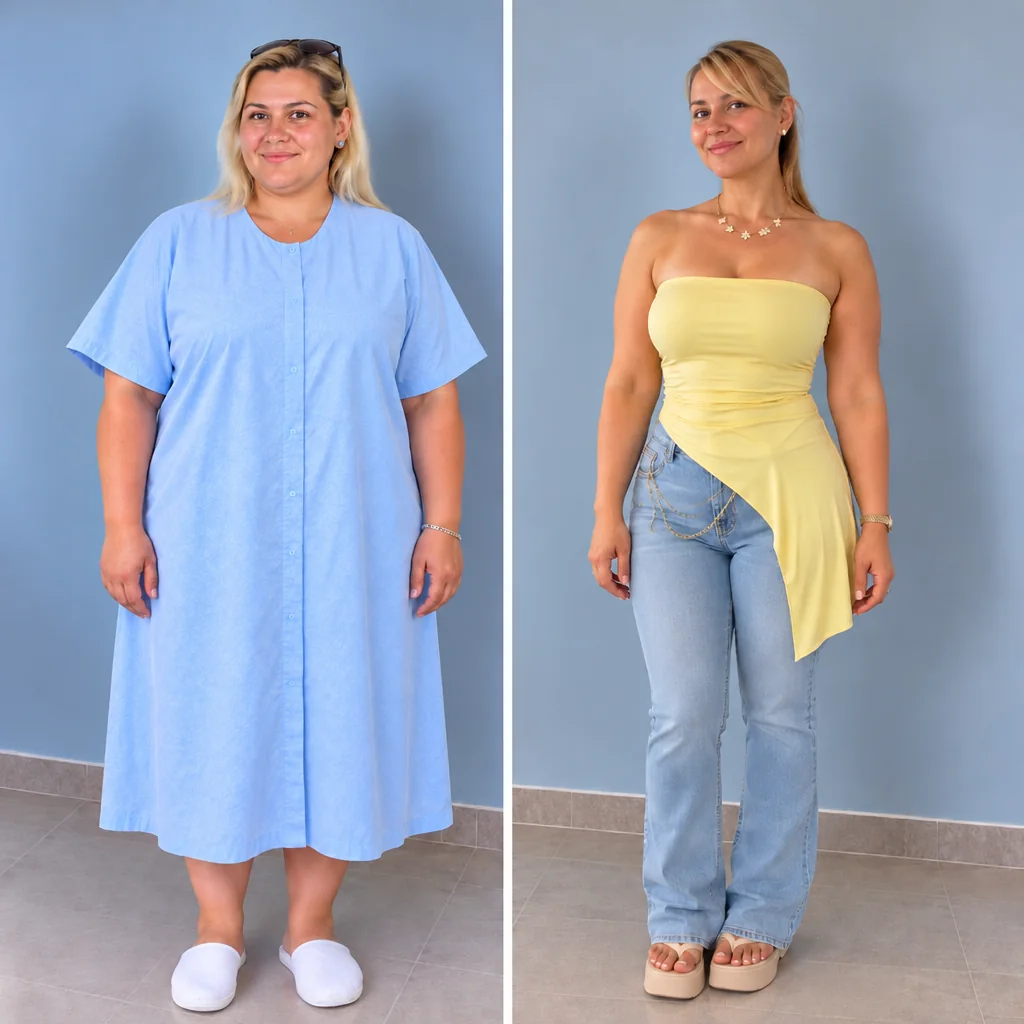 beforeafter
Bariatric surgery
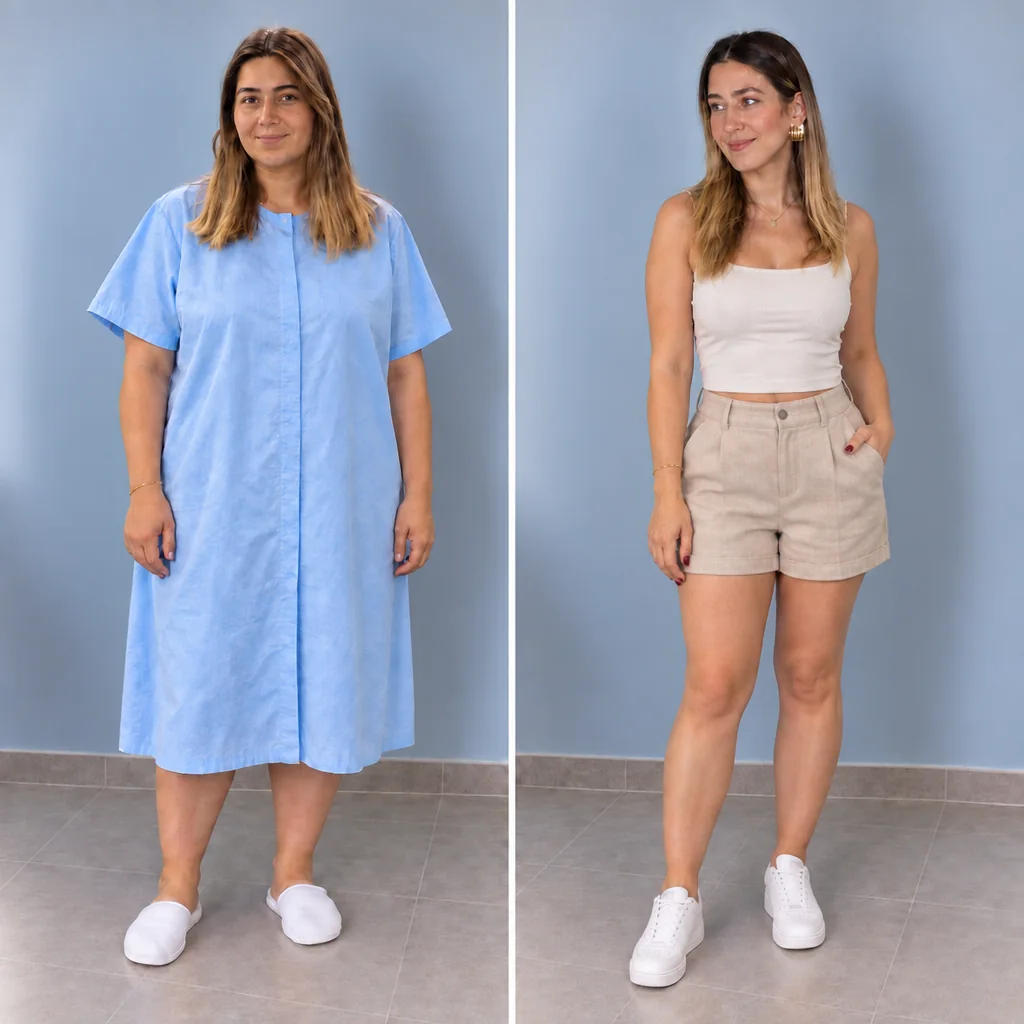 beforeafter
Bariatric surgery
Comparison
Our clinic focuses on two operations, the sleeve gastrectomy and the gastric bypass. Look at the mechanism, the aim and the indications of each before you confidently choose.
Reducing the stomach volume
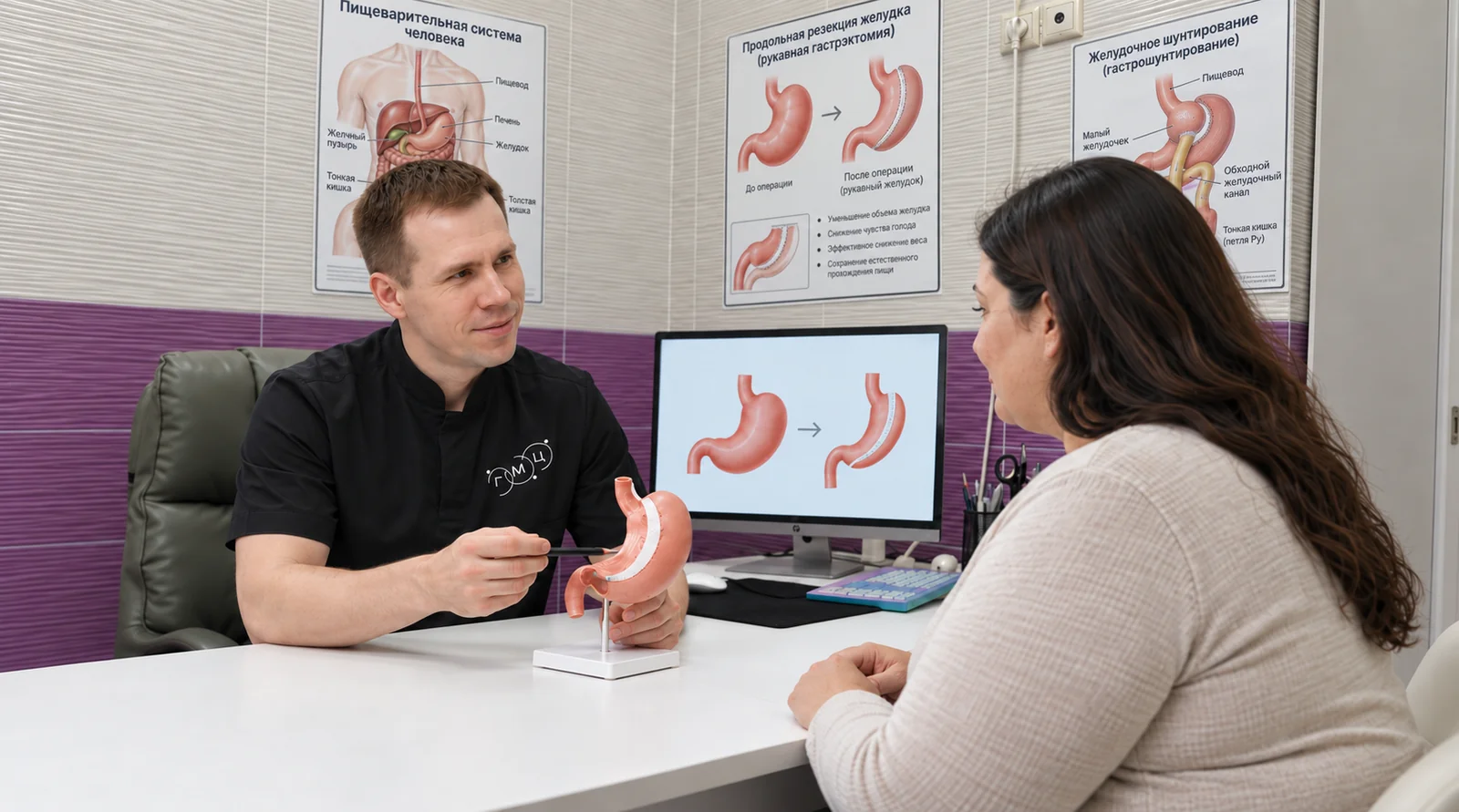
Discounted price
$3,600 $4,800
Reducing the stomach volume and rerouting food
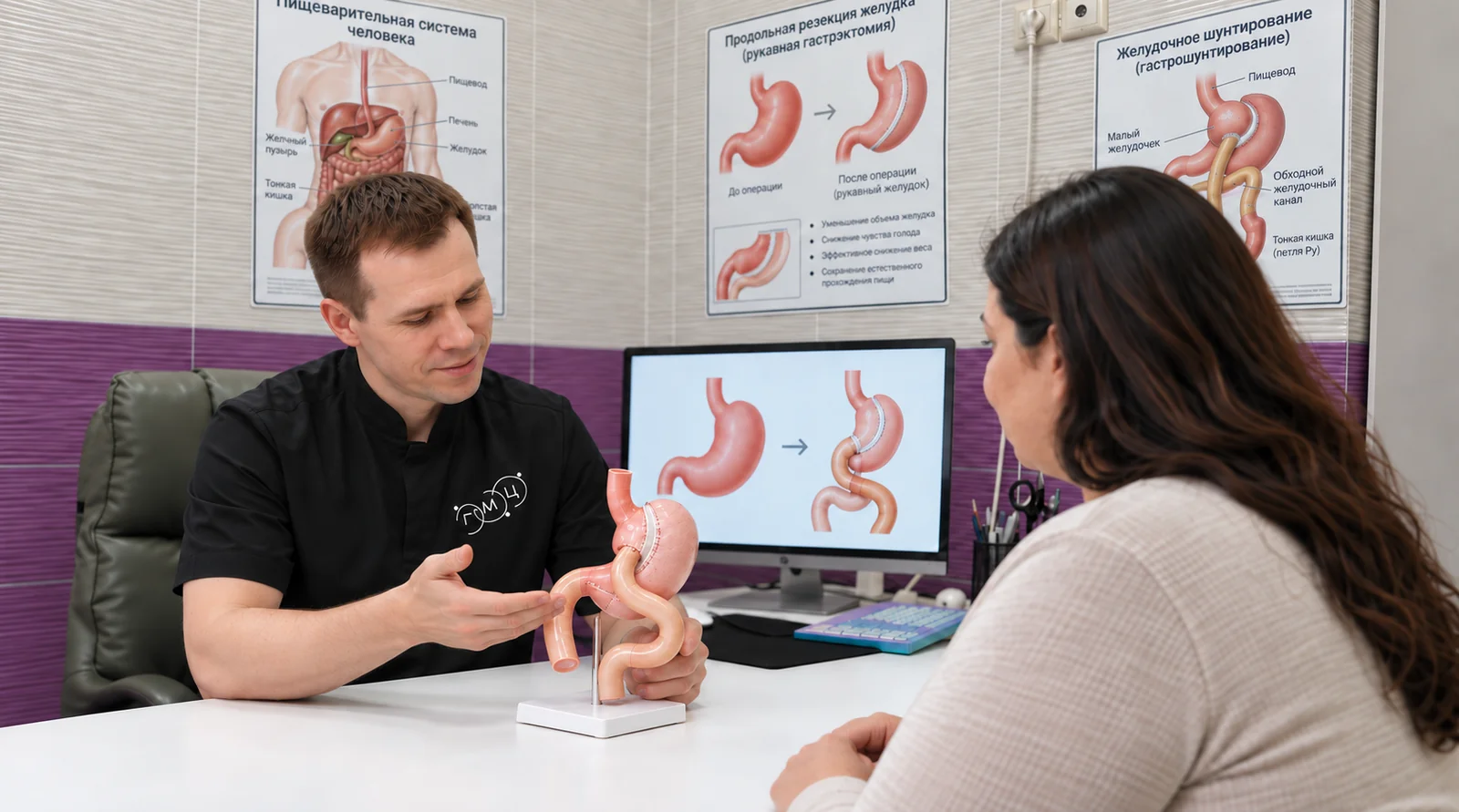
Discounted price
$4,000 $5,200
The listed benefits and recovery times are guideline averages per method. How much surgery is needed and how recovery goes depend on your anatomy and individual features — the surgeon confirms this at the consultation.
Book a consultationInside the clinic
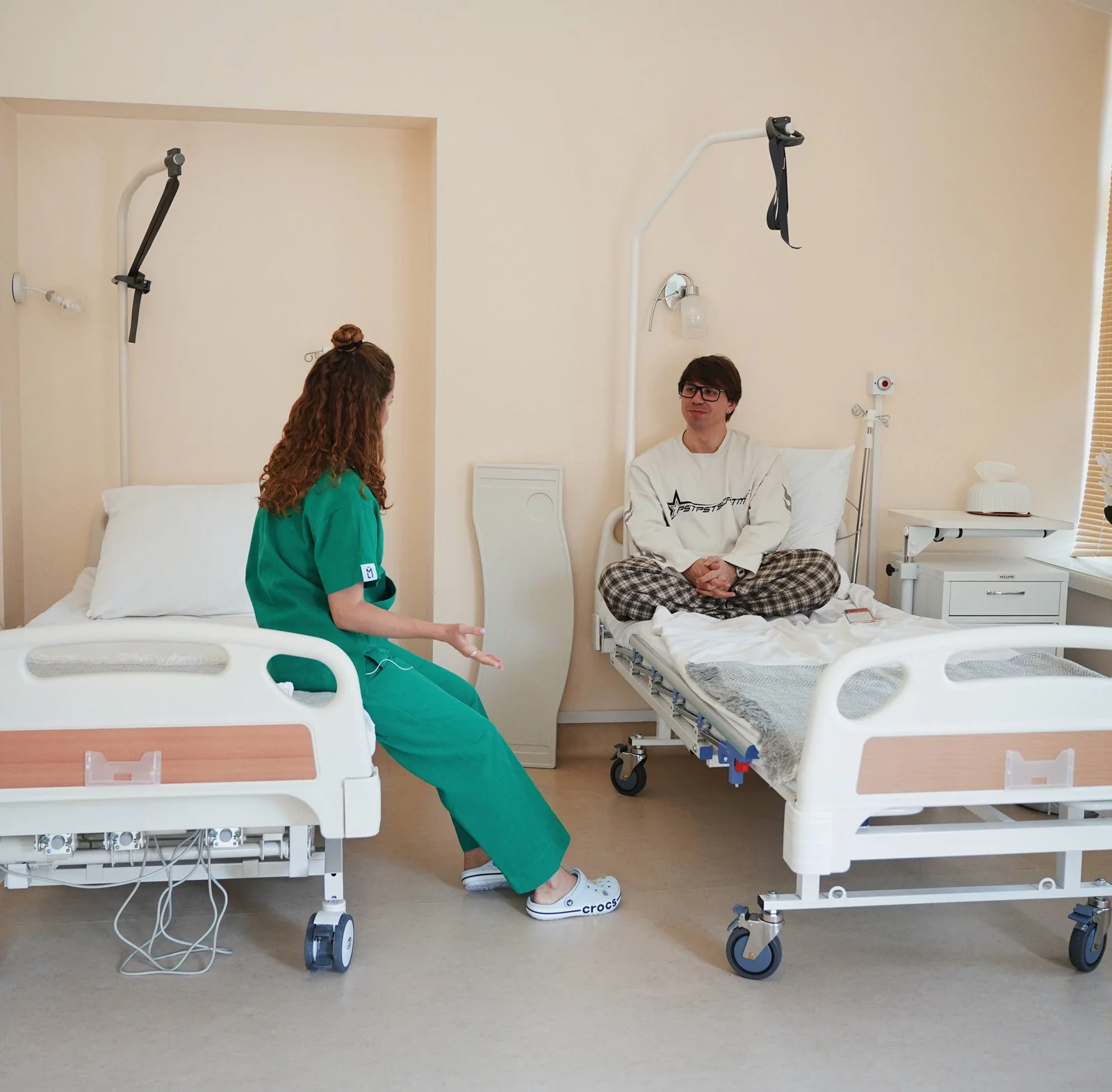
Modern technology, cosy rooms and personal attention for every patient
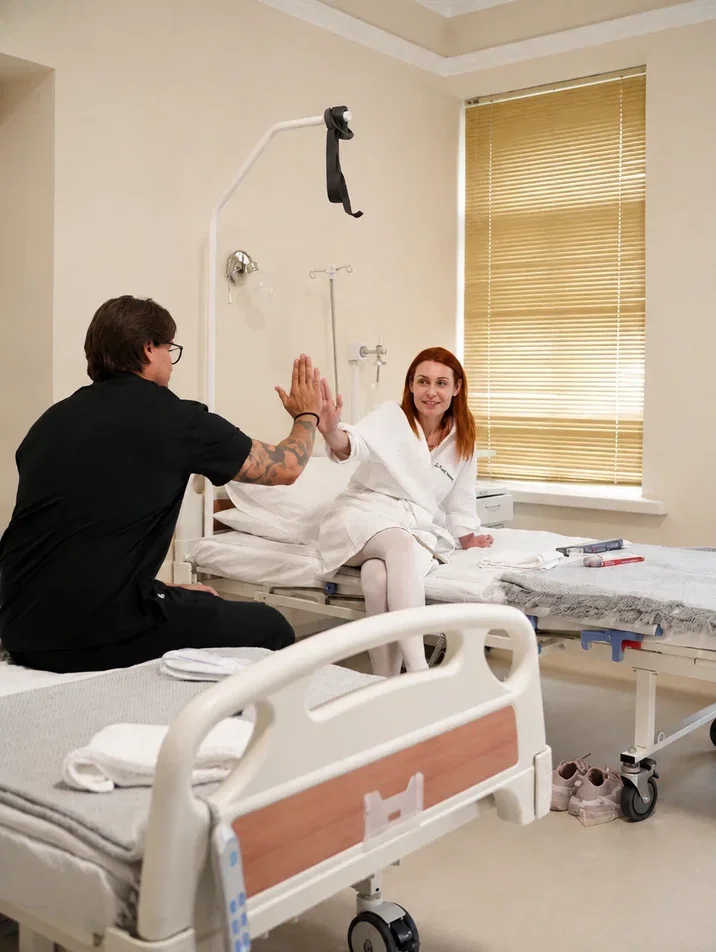
Ask us anything, and we will arrange a consultation at a time that suits you
Get a consultationThe choice to operate is made jointly with your surgeon following a consultation and check-up.
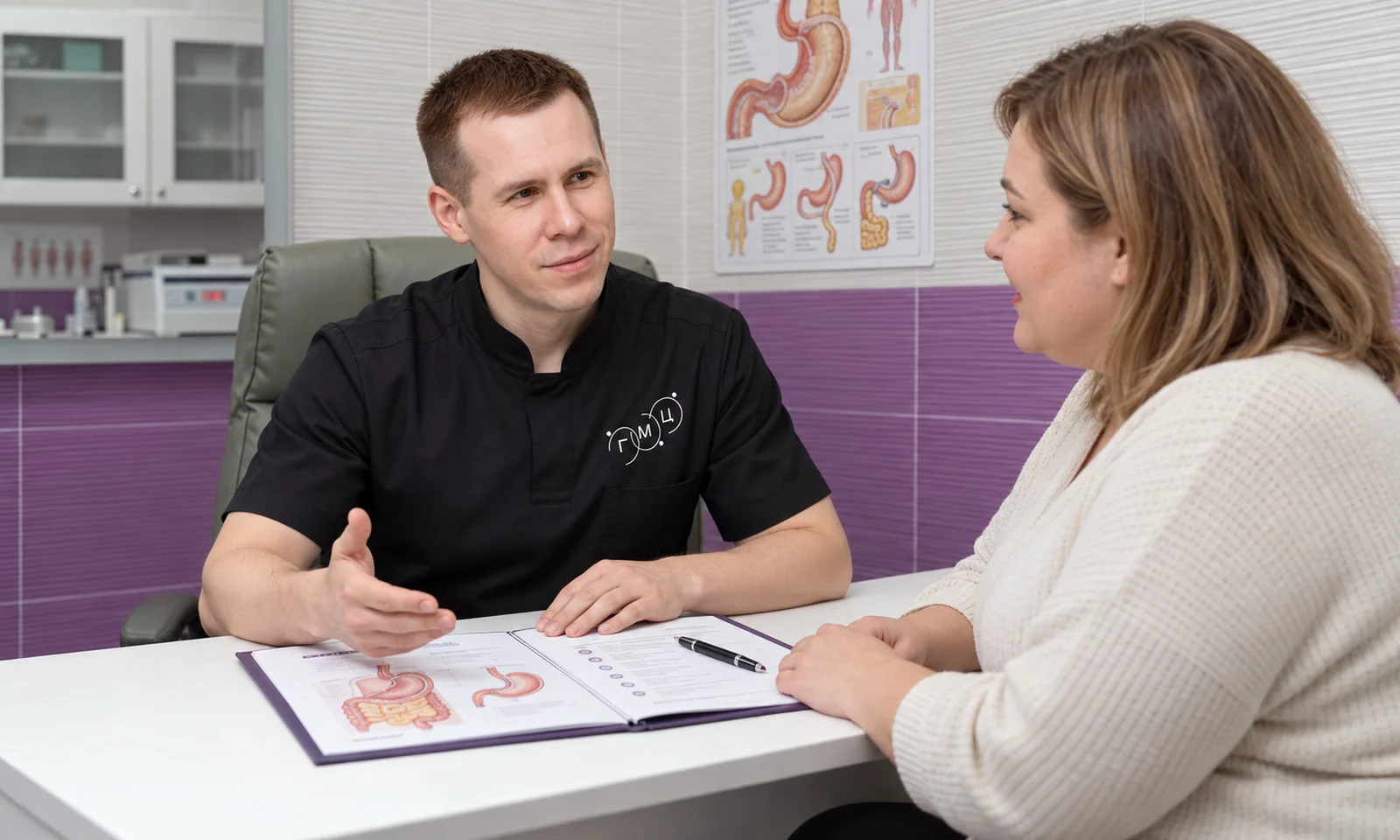
Not sure which group you fall into?
Drop us a line on Telegram — our coordinator will tell you whether you are a candidate for bariatric surgery. The surgeon consultation is free, with no obligation to have surgery.
Find out if it suits me
Prices
Once your plan is ready, the price is given at the consultation and set in the contract.
Discounted price
Reducing the stomach volume
$3,600$4,800
Discounted price
Rerouting food and losing weight
$4,000$5,200
Free
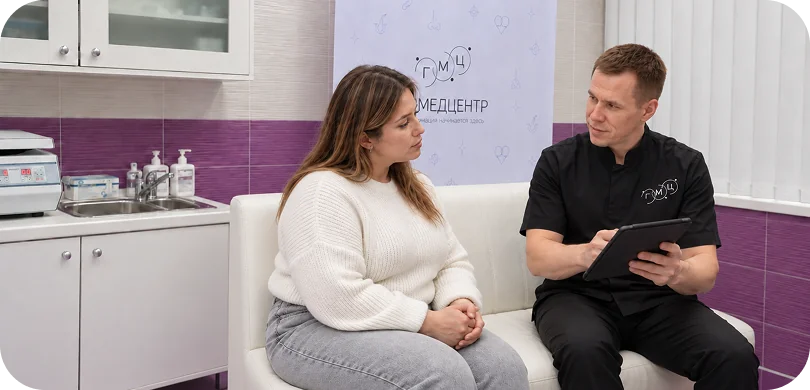
Examination by the surgeon and a personal treatment plan

Free
the cost of the operation is named
and recorded in the contract
The doctor checks your health, goes over your goals and chooses a suitable bariatric surgery method. The cost is stated at the consultation and fixed in the contract.
Message our coordinator
Free online consultation · Reply within 15 minutes
Message us on TelegramMessage us on WhatsAppBy messaging us, you agree to our Privacy Policy
price
You get one package, preparation to 12 months of support, with nothing extra.Everything from surgery preparation
to support over 12 months.
What to expect
Your agreed treatment plan, monitoring during your hospital stay and support for a year.
 1
The doctor evaluates your health, talks through your goals and orders the tests needed to select the right bariatric surgery method.
2The contract for medical services fixes the terms; we reserve a surgery date for you, and the deposit can be paid by card at the clinic or by bank transfer online
 3
Preparation for surgery means blood and urine tests, an ECG, an ultrasound, a gastroscopy and specialist consultations. Your doctor gives you the exact list at the consultation.
 4
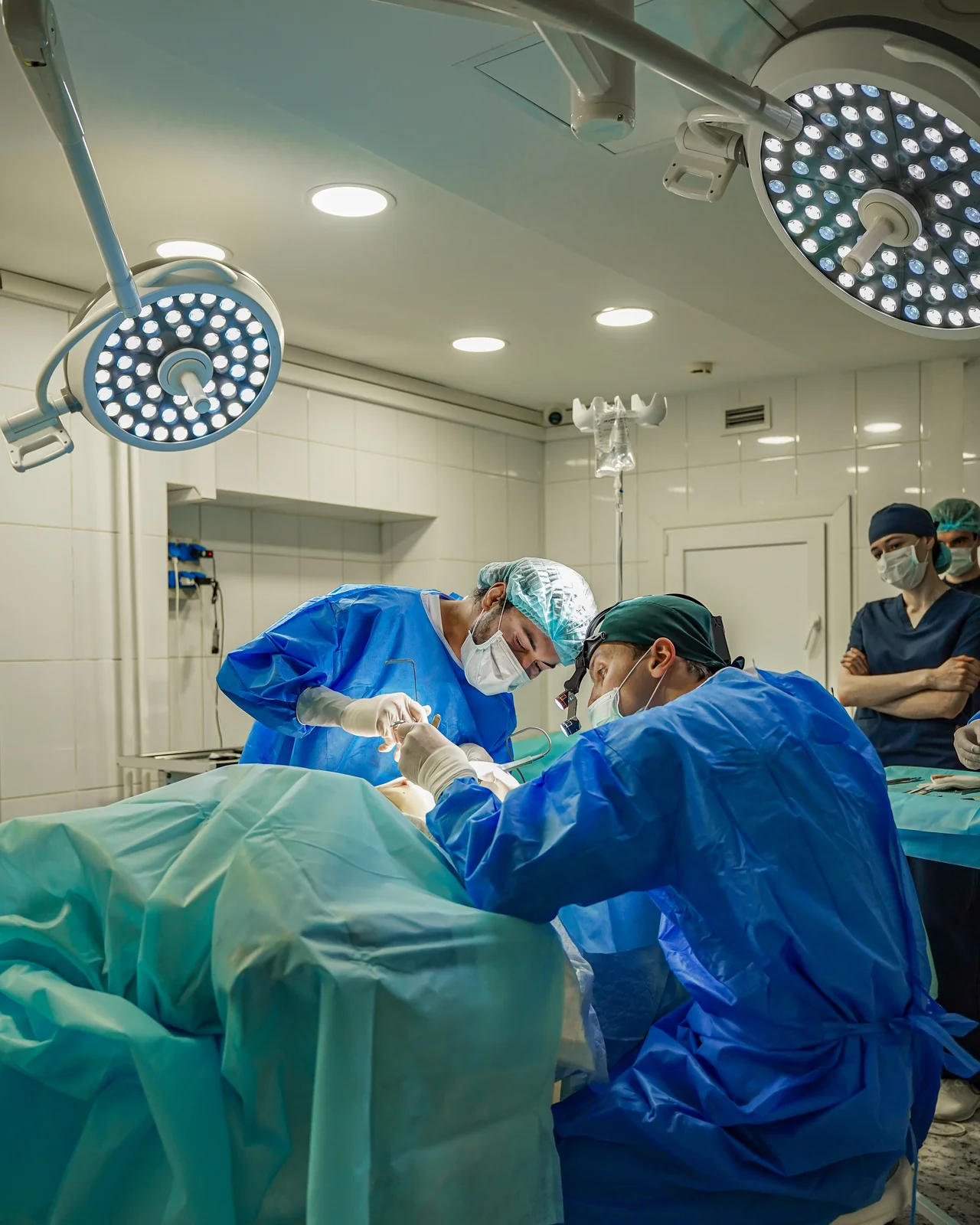
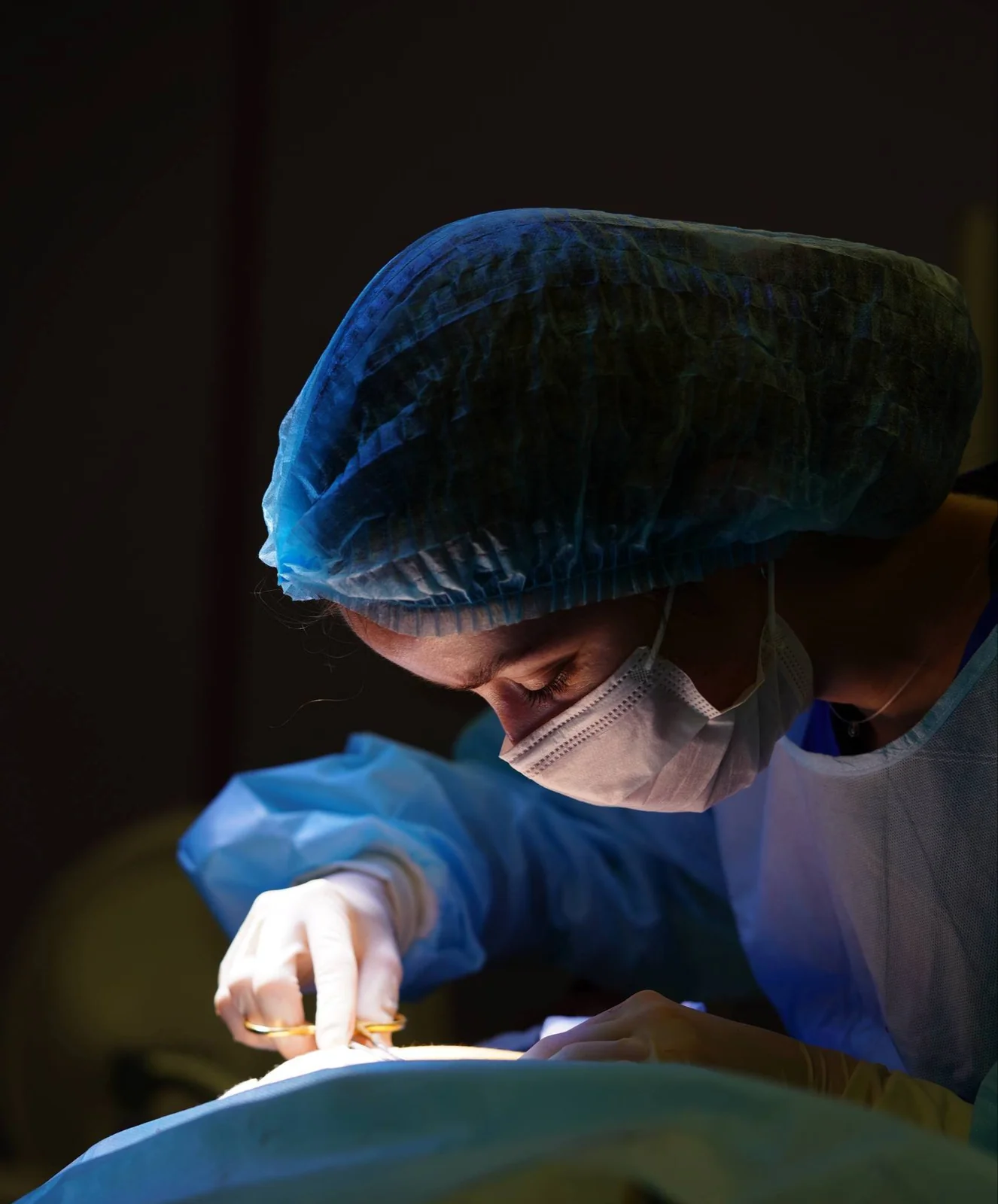
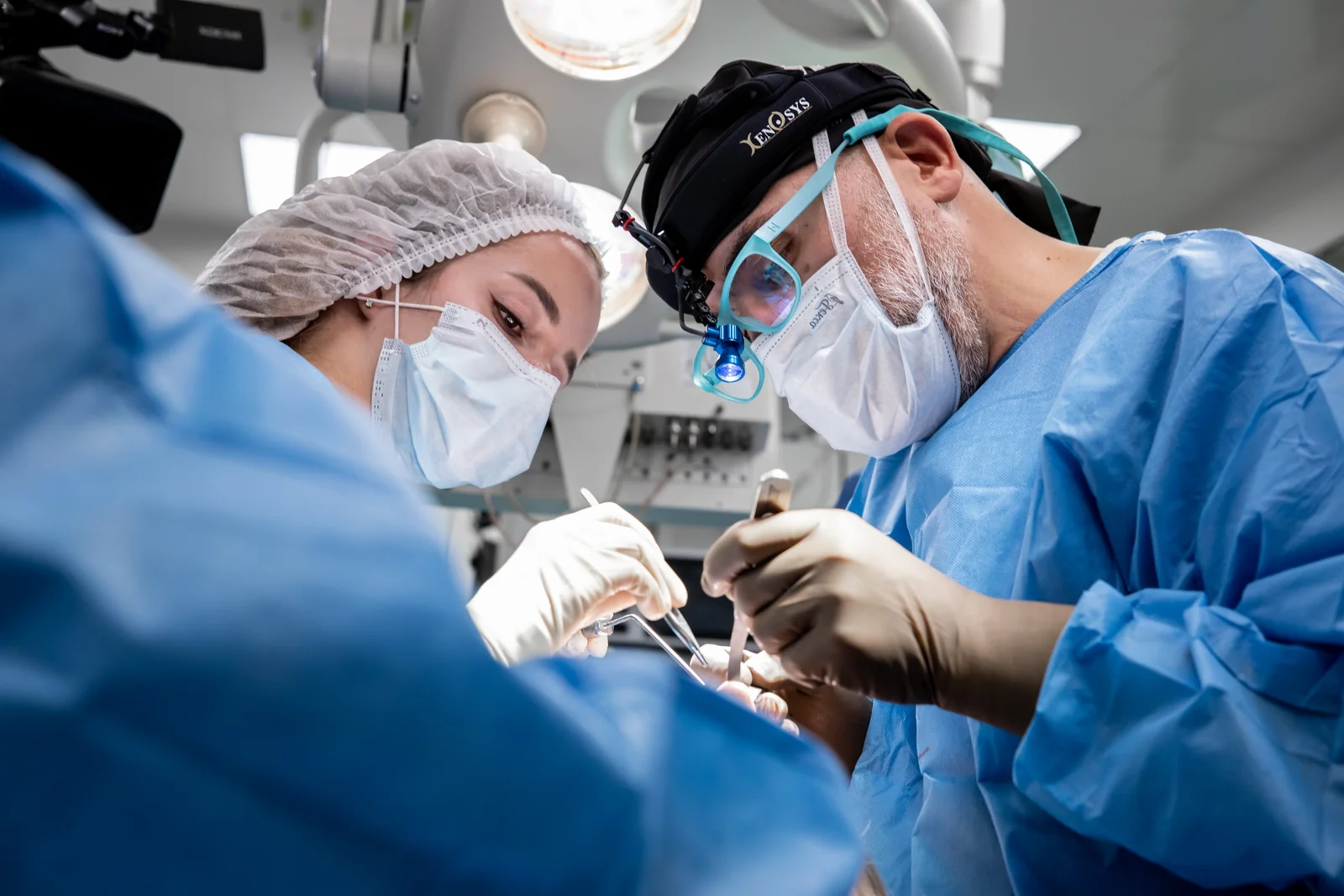
Your surgeon performs the bariatric operation with the chosen method under general anaesthesia, and after surgery the medical team monitors you.
 5
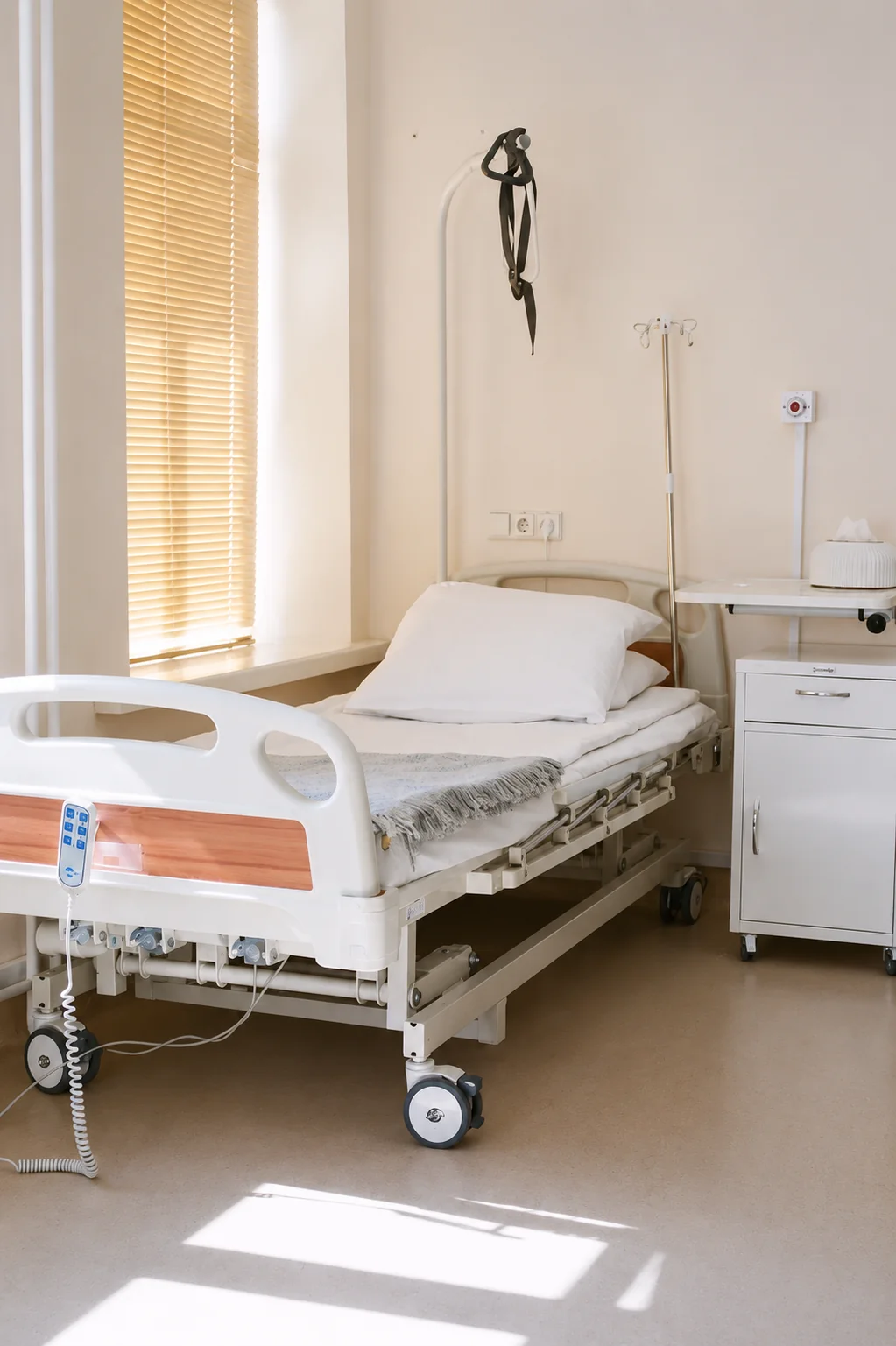
After surgery you stay in hospital under doctors' supervision. The stay lasts from 1–3 to 4–5 days, depending on the complexity of the operation and how you feel.
 6
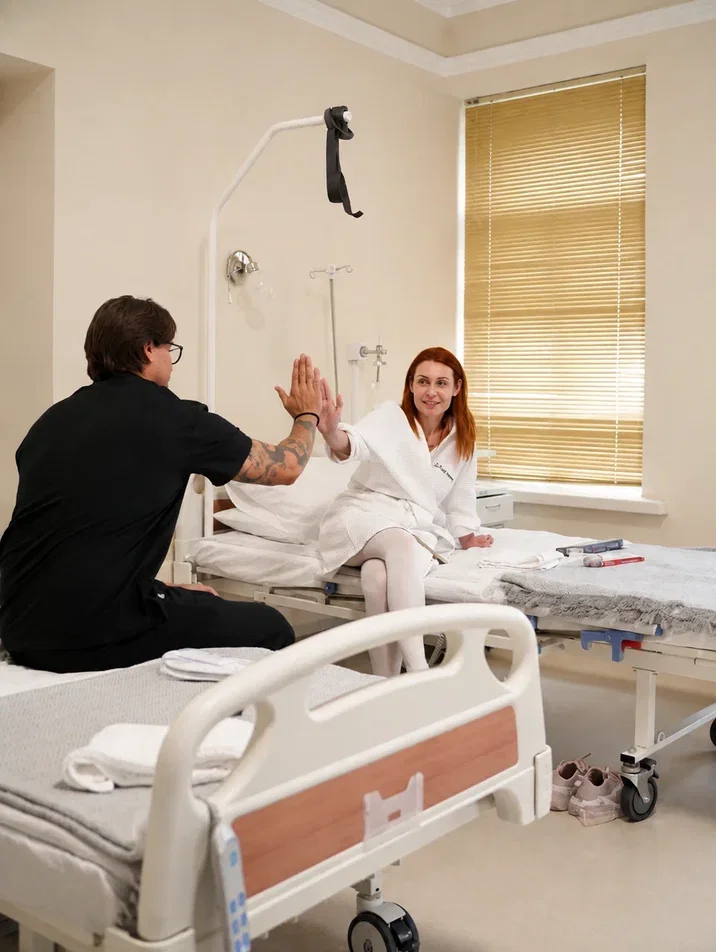
Following discharge you get advice on diet and recovery, while scheduled check-ups track how you feel, your weight and tests. The clinic team supports you for a year.
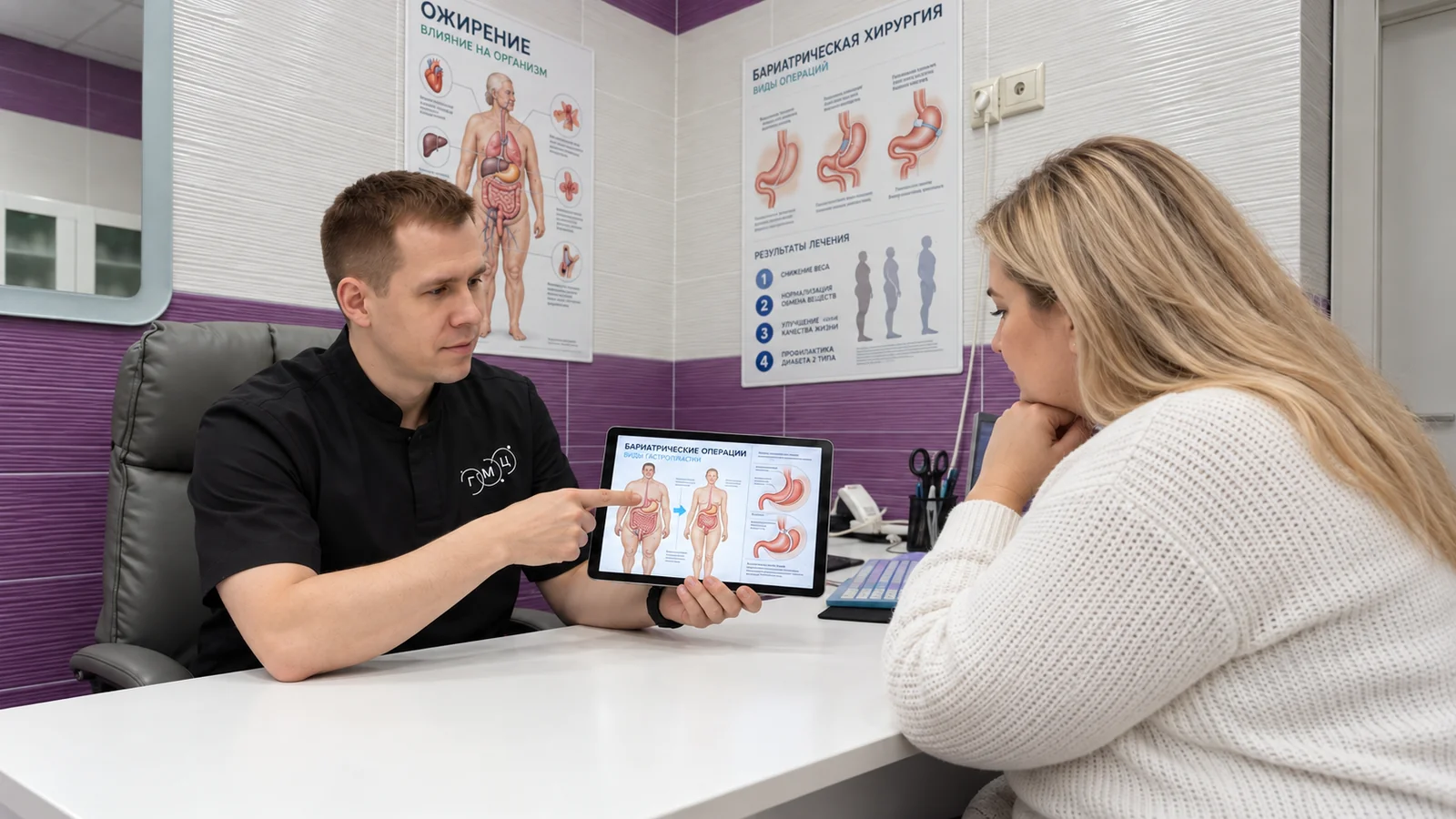
At the consultation you get a plan from the doctor and an explanation of how surgery will go
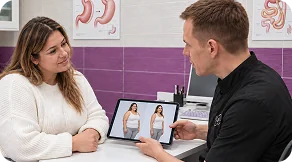
You pay nothing for the consultation, happens before surgery, with no obligation.
Book a consultationDoctors
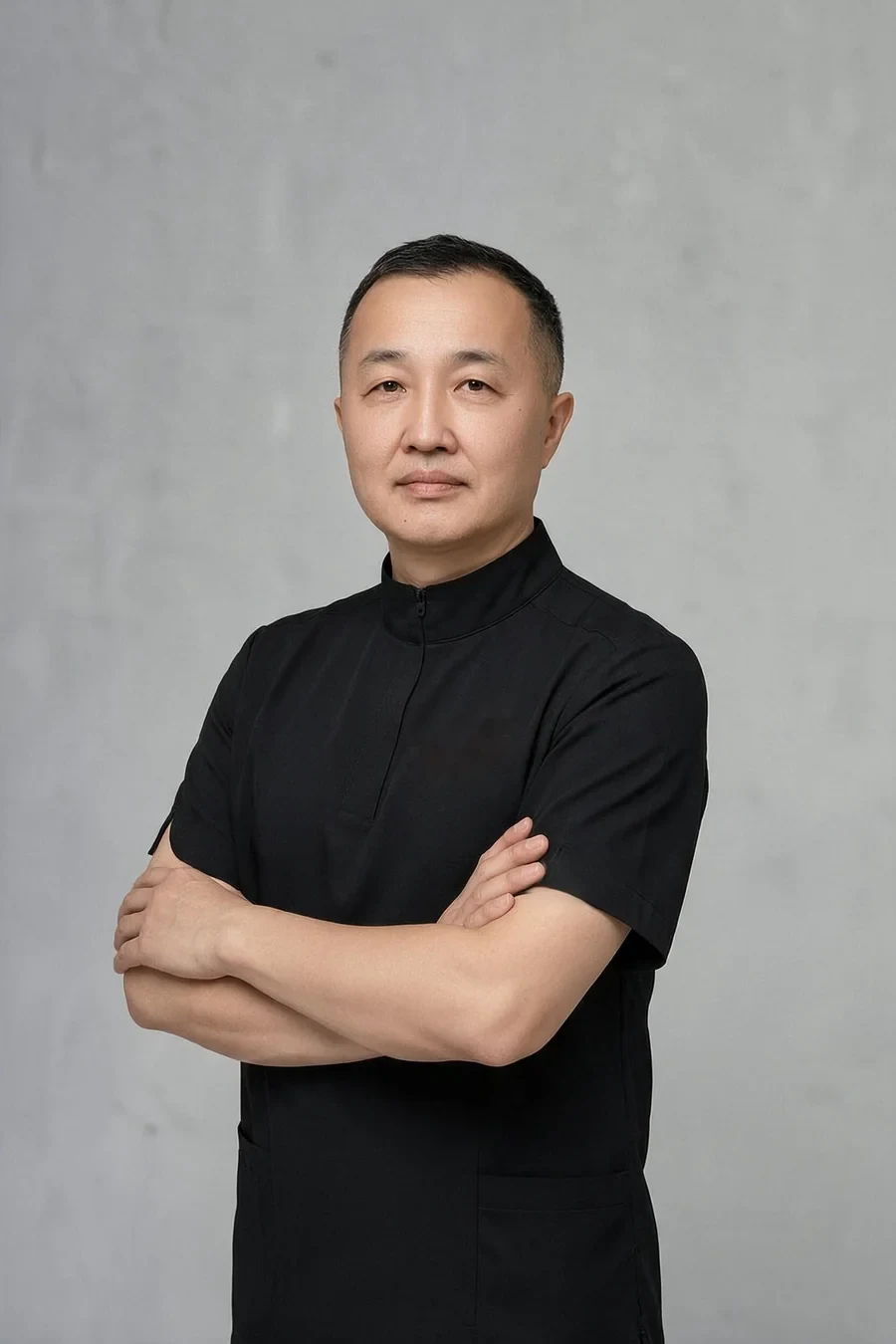
27 years of experience
Senior bariatric surgeon
Surgeon
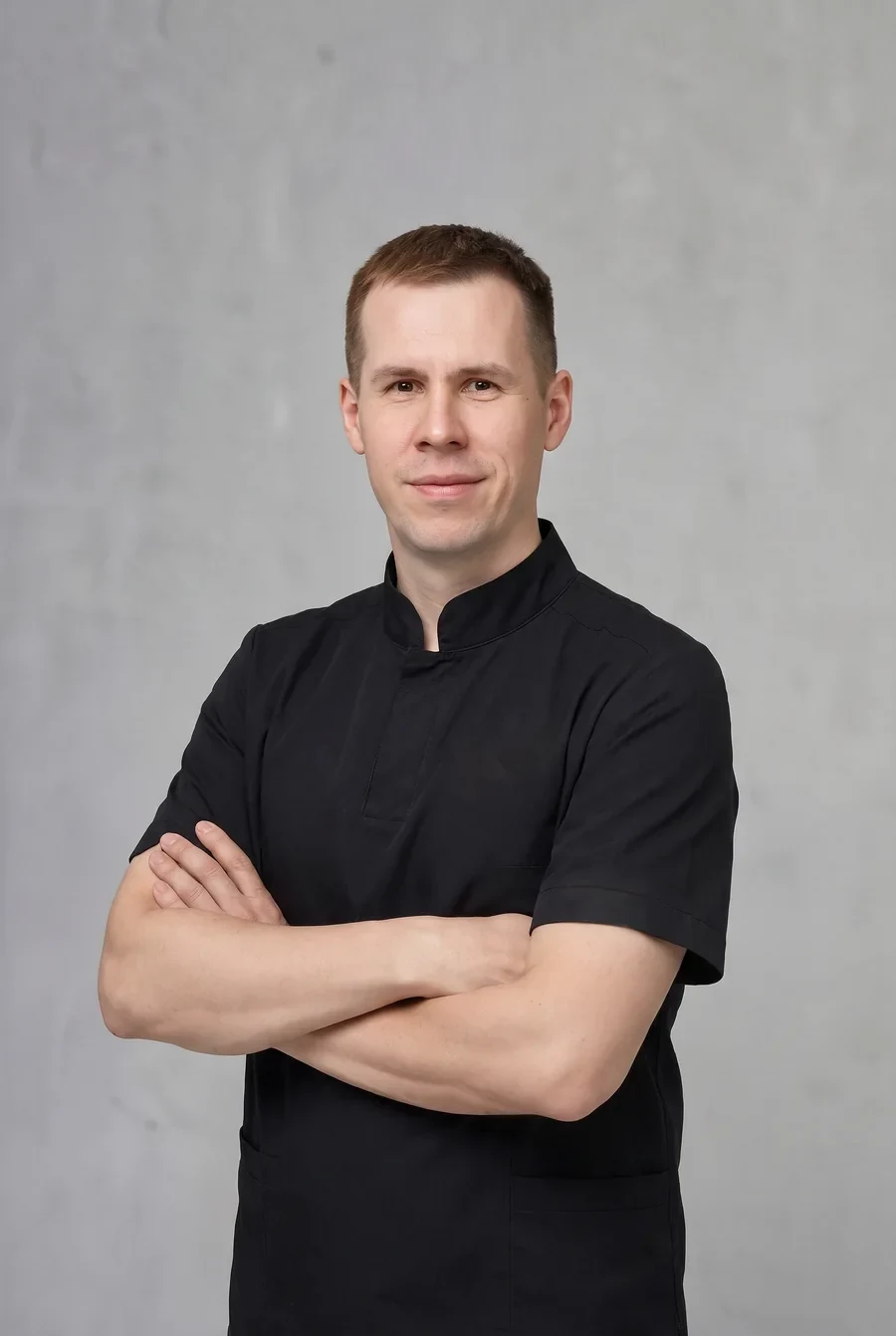
9 years of experience
Bariatric surgeon
Surgical oncologist
The surgeon operates and then follows you, from the very first consultation to the result.
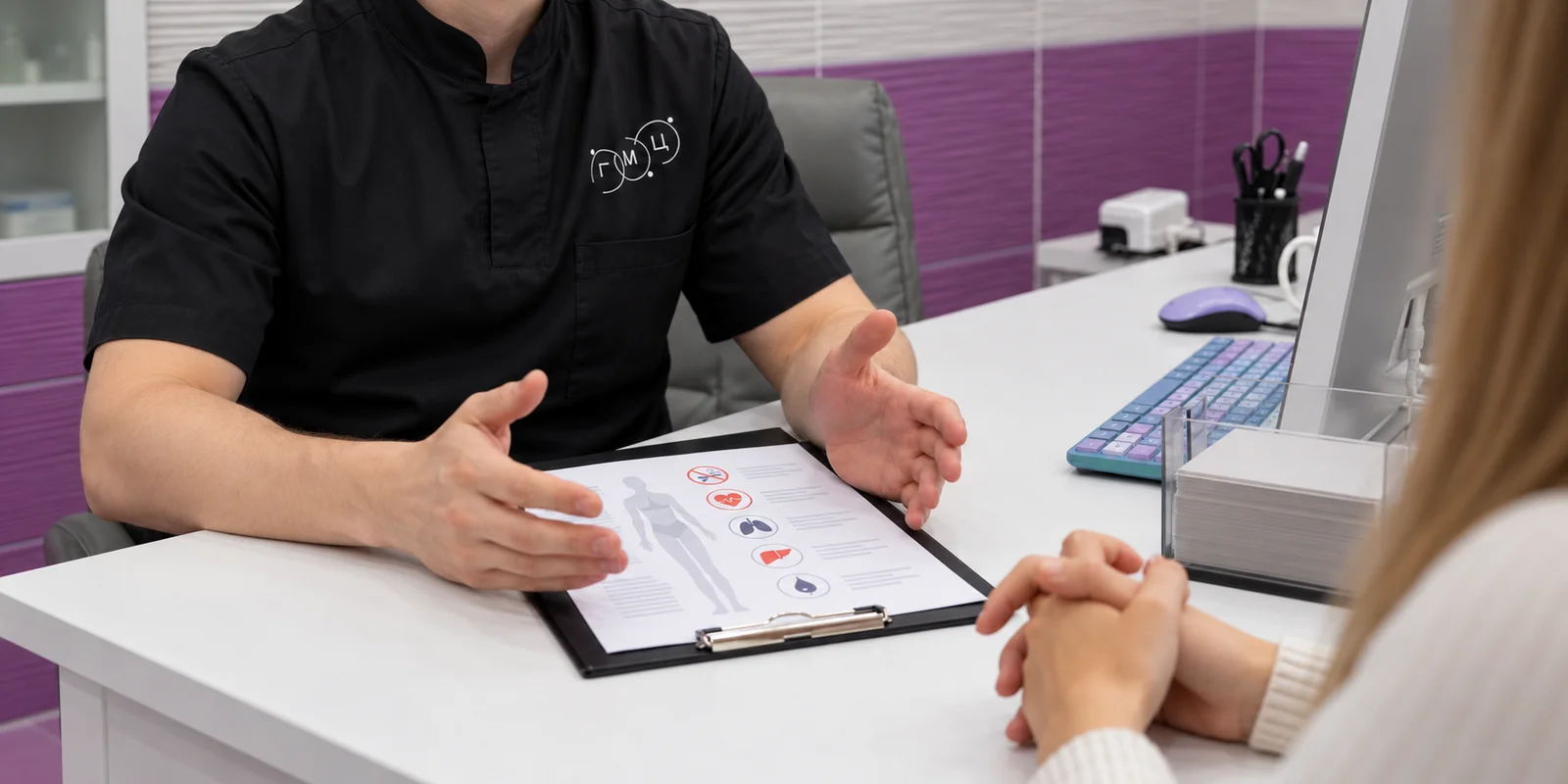
First you meet our patient care manager: they calculate your BMI, go over the methods and arrange your surgeon appointment. Free of charge.
Book a consultationCoordinators
We are with you at each stage

First contact at the clinic for you — from your first message through to the consultation
Patient care specialist
Answers your questions before the first consultation and helps you choose a convenient date

By your side before and during your stay, from booking to discharge
Patient care specialist
Helps you prepare for the operation and stays in touch while you are at the clinic

Accompanies you through recovery, from discharge to your final check-up
Patient care specialist
Stays in touch while you recover and books your follow-up visits with the surgeon
Advantages
Your health, lifestyle and goals guide us to the best method, and our team is with you every step of the way.
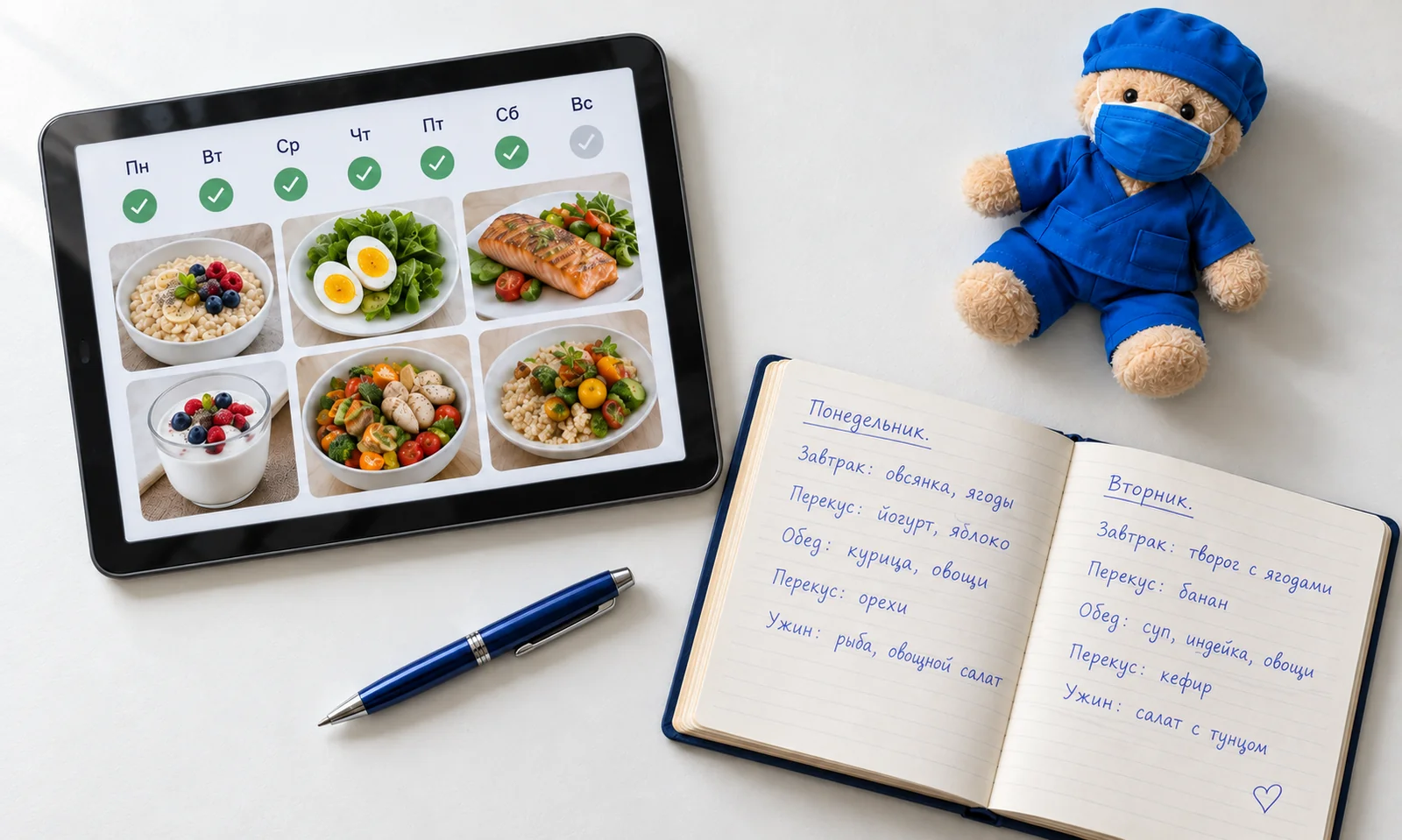
We support you in adapting to new eating habits, tracking results and keeping them.
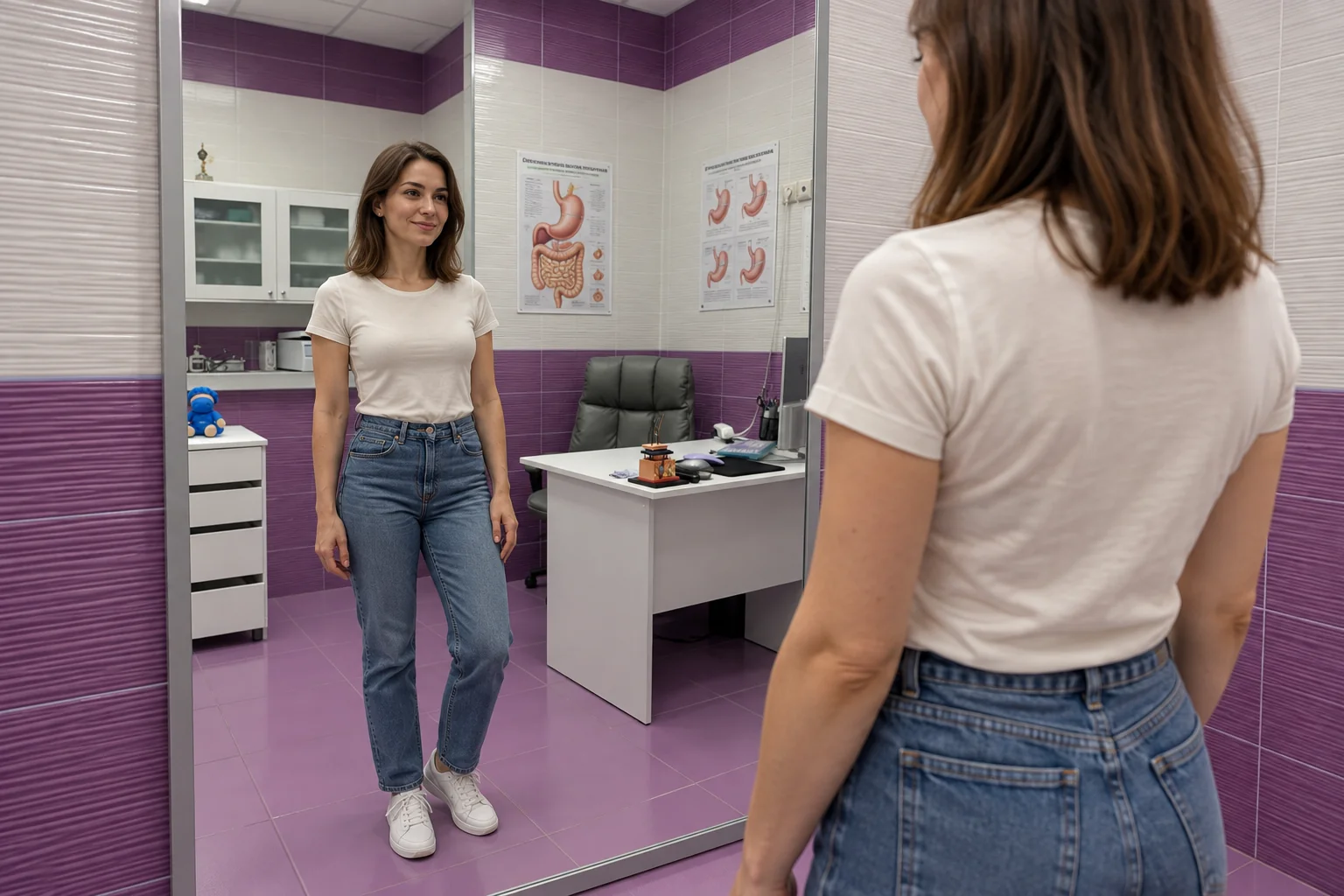
A higher quality of life, better well-being and steady weight loss.
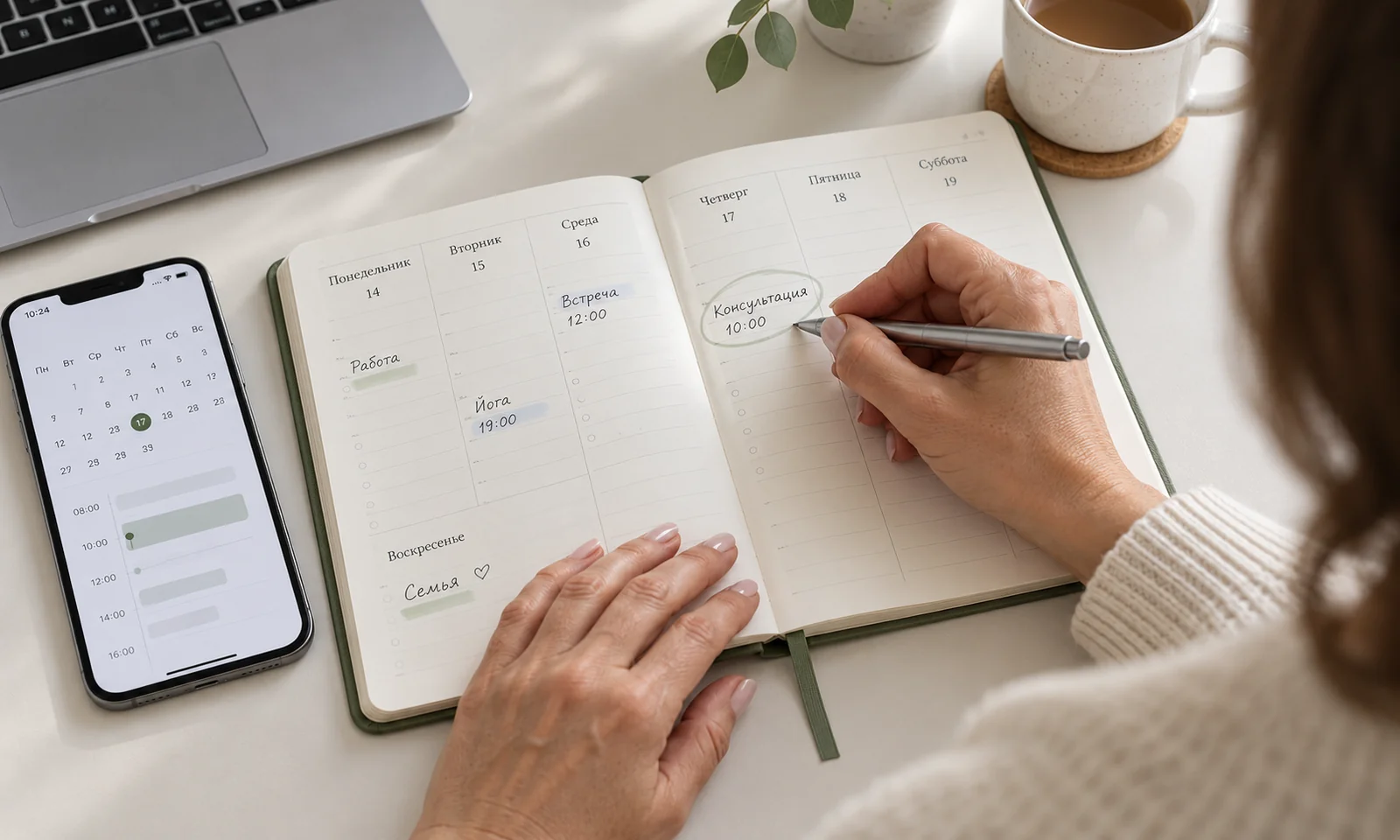
We value your time: we are open 24/7, booking is easy and the approach is personal — we adapt to your pace.
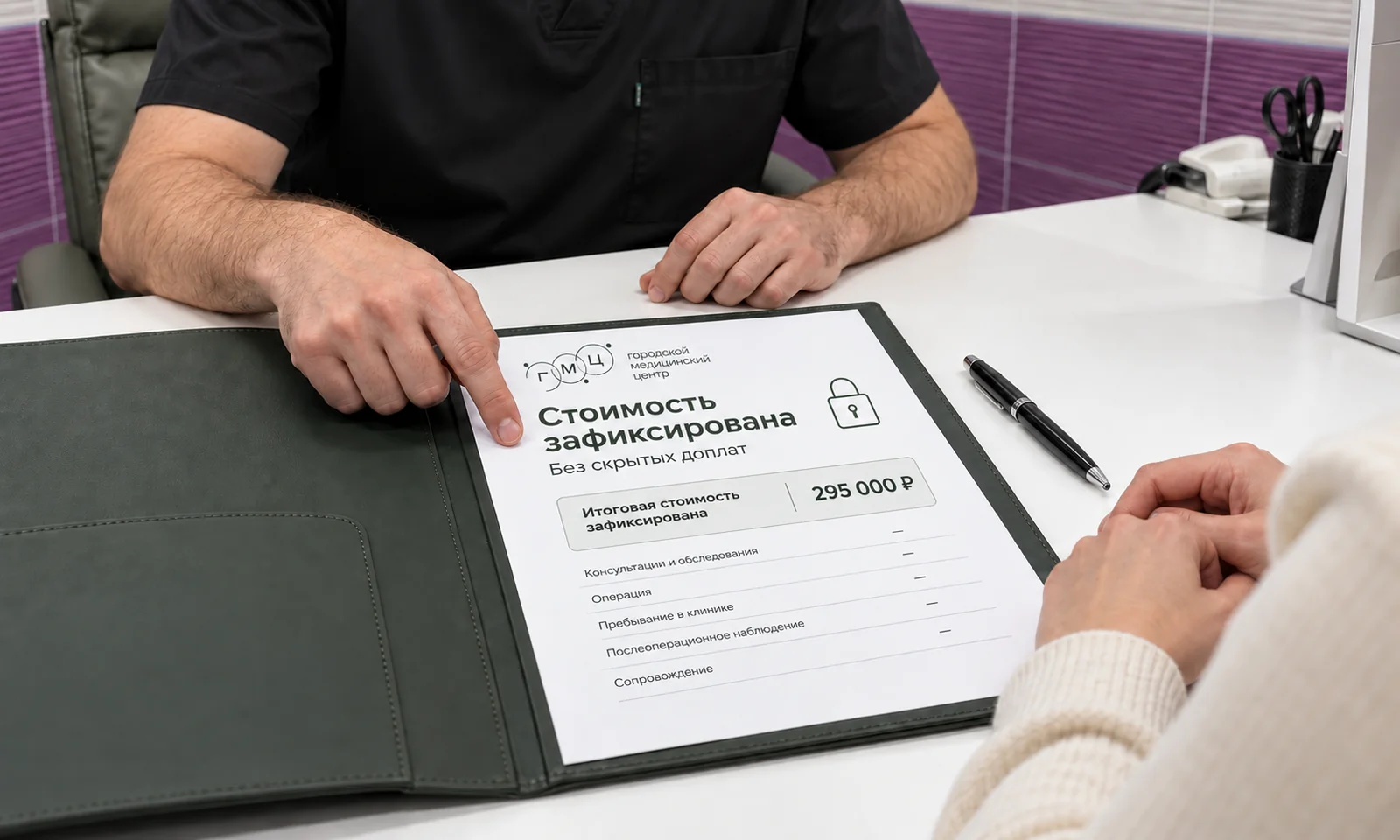
After the consultation the surgeon chooses the method and you get a clear price — no hidden fees and no surprises on the way to your result.
FAQ
Bariatric operations here are carried out by experienced bariatric surgeons:
Drop us a message and our coordinator will get back to you shortly to book your consultation. The bariatric surgeon consultation is free.
Surgery is prescribed only when clear criteria are met
To gauge obesity, doctors rely primarily on BMI, which equals body weight (kg) divided by the square of height (m²). An operation is usually warranted with a BMI over 40, or over 35 with serious associated conditions. Occasionally surgery is weighed at lower values as well, once non-surgical options have failed.
Many people confuse the two, but their goals are fundamentally different. Bariatric surgery is a medical treatment for obesity and related diseases. It changes how the digestive tract works, addressing the causes of excess weight and metabolism. Plastic surgery reshapes the body's outer contours; it does not treat obesity or affect metabolism.
City Medical Centre carries out four main types of bariatric surgery: sleeve gastrectomy, Roux-en-Y gastric bypass, mini gastric bypass (MGB) and SADI-S duodeno-ileal bypass. The choice of method is individual, based on BMI, related conditions and the patient's goals.
We use modern laparoscopic technique. The operation is done through 4 small punctures of 5 to 15 mm. Cosmetic sutures are placed, so once healed the marks become almost invisible.
The recovery timeline depends on your activity. Office work: after 2–4 weeks. Physical work: after 1.5 months. Sport and activity: swimming allowed from 30 days, other exercise added gradually as weight comes down. Travel and holidays: best planned at least a month after surgery.
Eating changes gradually: liquid food first, then soft, then solid. The focus is protein, with high-calorie, fatty food kept to a minimum.
It is possible to get pregnant after bariatric surgery, but doctors recommend a minimum wait of 12–18 months. During it the body stabilizes, weight reaches its target and nutritional status is normalized.
Yes, taking vitamins after bariatric surgery is mandatory. Because digestion is anatomically altered, the body absorbs some nutrients poorly, so regular vitamin and mineral supplements stay in the patient's life permanently.
Weight can come back after bariatric surgery, but this is very unlikely if you follow your doctor's advice. Proper nutrition, skipping high-calorie drinks and regular follow-up with City Medical Centre specialists are key.
Prices are in US dollars; the amount in brackets is an approximate conversion to NGN at the rate of 02.10.2026. The final price is fixed in your contract.
Prices start from $3,600 (≈ ₦4,800,000). The surgeon sets the final price at the free consultation, and it is fixed in the contract, with no hidden extras.
General anaesthesia, a personal coordinator from day one, monitoring in the hospital and support for one year.
The hospital stay is 1–5 days, depending on the method and how you feel. Office work is possible after 2–4 weeks.
Yes. The first consultation is free and does not oblige you to anything. You can start online by sending a message to the coordinator.
Message us on WhatsApp or Telegram using the buttons below. A coordinator will answer your questions and book a free consultation where the doctor names the exact price.
By messaging us, you agree to our Privacy Policy
Weight that began in childhood, a family history of obesity, shortness of breath on stairs, avoiding photos — these are common reasons people in Ogbomoso start thinking about surgery. A consultation is warranted not only by a high BMI but also by related conditions. The surgeon reviews your health and weight history and offers the most suitable of the four surgical methods.
Step one: consultation. Step two: laboratory and instrumental tests, gastroscopy and specialist reviews. Step three: surgery through small punctures by a permanent team, not a duty shift. Step four: 1–5 days in the ward with meals and nursing. Step five: a staged diet and a year of follow-up. People in Ogbomoso follow this route from start to finish.
A permanent team — not a duty shift — handles your case, and the whole package is transparent. Included are the operation, 24/7 care in the ward, meals, nursing and a personal coordinator from day one, plus support throughout the first year. Ogbomoso patients also get a contractual result guarantee. Book a free consultation to discuss your situation.
What patients write after this operation. Reviews are translated from the original language.
Irina, 26
For a long time I doubted whether to go ahead with surgery, but after the consultation I felt much calmer. Andrey Georgievich explained in detail how gastric bypass is done, what to expect after the operation and how recovery would go. I especially liked that they talked to me calmly and without pressure. I am now gradually getting used to my new way of life and I am very glad I took this step.
Bariatric surgery
Doctor: Andrey G. Ugay
Angelina, 22
For me the hardest part was deciding to have the operation. At the consultation Ruslan Sergeyevich answered all my questions in detail and explained the specifics of sleeve gastrectomy and recovery. After the operation I always understood what I was doing and why. Thank you to the doctor and the whole team for their attentiveness.
Bariatric surgery
Doctor: Ruslan S. Menzulin
Anna, 31
For a very long time I tried to deal with my excess weight on my own, but I did not get the result I wanted. After the consultation with Andrey Georgievich I finally understood what to do next. I came through the operation well, and my recovery was supervised by the doctors. It was important for me to feel that I was not left alone after surgery.
Bariatric surgery
Doctor: Andrey G. Ugay
Veronika, 25
Before the operation I had many fears, mostly of the unknown. Ruslan Sergeyevich explained every stage of treatment in detail and answered even the simplest questions. Thanks to that I felt much more confident. I keep following the recommendations and I am gradually seeing the changes I had the operation for.
Bariatric surgery
Doctor: Ruslan S. Menzulin
Valentina, 23
The decision to have bariatric surgery was not easy for me. I worried both about the operation itself and about how my life would change afterwards. At the consultation Andrey Georgievich explained everything in detail, so little by little my fear turned into confidence. What matters most to me now is the result and the chance to treat my health and lifestyle differently.
Bariatric surgery
Doctor: Andrey G. Ugay
Anna, 27
I am very grateful to Ruslan Sergeyevich for his attentiveness. Before the operation I had a huge number of questions, and I got a clear answer to every one of them. After the operation it was also clear which recommendations to follow and how to eat. It was important to me that the doctor stayed in touch and I felt supported at every stage.
Bariatric surgery
Doctor: Ruslan S. Menzulin
Ogbomoso, also written Ogbomosho, is a city in Oyo State in south-western Nigeria. It was founded in the mid 17th century. The urban population was approximately 744,835 in 2024, which makes it the second largest city in Oyo State and one of the most populated in the country. Most residents are Yoruba, and there are also people from other parts of Nigeria and from other West African countries. A city of this size has a wide mix of lifestyles, family habits and food traditions, and all of them shape how a person thinks about weight.
Bariatric surgery, meaning sleeve gastrectomy or gastric bypass, is a serious medical decision, and many people in Ogbomoso first ask whether it is meant for them at all. The honest answer starts with measurement. BMI is the main tool for assessing the degree of obesity. It is calculated by dividing body weight in kilograms by height in metres squared. Surgery is usually justified with a BMI above 40, or above 35 with serious related conditions. In some cases it is considered at lower values too, if non-surgical approaches have failed.
City Medical Centre does not run a clinic in Ogbomoso. Instead, residents start with a free online consultation from home, and coordinators are available around the clock (24/7) on Telegram and Telegram. You can send your height, weight and health history from your own phone, in your own time, and receive a first assessment without rearranging your working week.
Sleeve gastrectomy reduces the size of the stomach so that a smaller portion produces fullness. Gastric bypass changes the route food takes, with a small stomach pouch connected to the intestine. Which of the two fits a particular patient is a decision for the surgeon after reviewing the history, the eating pattern and any related conditions such as raised blood sugar or high blood pressure. Nobody should choose a method only because a friend or relative had it.
The operation is done with modern laparoscopic technique. It is performed through 4 small punctures of 5 to 15 mm. Cosmetic sutures are used, so after healing the marks are barely visible. For many people in Ogbomoso who wear fitted clothes for church services, weddings and naming ceremonies, this matters, and it is reasonable to ask the surgeon how the marks usually look once healed.
The procedure is carried out under general anaesthesia, and the hospital stay is 1–5 days, depending on the method and how you feel. Doctors supervise you in hospital after surgery for a stay of 1–3 to 4–5 days, depending on the complexity of the operation and how you are feeling. Ask at the online consultation which of these ranges is likely for you, and plan family and work cover for the longest one.
In general terms, surgery suits adults with a BMI over 40, or over 35 with related health conditions. The surgeon confirms whether surgery suits you at the consultation. For an Ogbomoso resident, the practical step is simple: measure your height and weight, calculate your BMI, and list any long-term conditions and the medicines you take. Bring recent test results if you have them.
Some situations call for caution or a delay. These include untreated serious illness, an unstable mental health situation, active substance dependence, or an unwillingness to follow the dietary and follow-up plan after surgery. Pregnancy is also a reason to wait. The surgeon decides case by case, and a refusal or a postponement is not a judgement but a safety step.
The World Health Organization treats obesity as a long-term health condition, not a matter of willpower. That is a useful way to see the decision. Surgery is one tool among others, and it works best when the person also changes eating habits, builds activity gradually and keeps in contact with the medical team afterwards.
Rain in Ogbomoso is most common from May to October, and the sky is cloudier during this wet season. This pattern is worth planning around. In the rainy months, wet roads and damp air can make short walks less pleasant, yet walking is an important part of early recovery, so choose a dry part of the day, or walk inside the house or a covered compound if you can.
In the warmer, drier part of the year, heat and strong sun matter more. After laparoscopic surgery, small wounds should be kept clean and out of direct sun, and loose, breathable clothing helps. If the surgeon advises a compression garment, choose a soft cotton one and ask how to manage sweating under it. Keep fluids in small, frequent sips, as the surgical team instructs, rather than drinking large amounts at once.
Swelling, tiredness and a feeling of heaviness can vary with the weather, so do not judge your progress by a single hot or humid day. Pool or open-water swimming is not for the first weeks. Swimming is allowed after 30 days, and only when the wounds have healed and the surgeon agrees. A hat or cap helps for outdoor walks, but the main rule is to rest in the shade and not push yourself.
There is no single best month for surgery in Ogbomoso, but there are points to weigh. The wet season runs from May to October. Heavy rain can make movement outside the home harder, and the follow-up calls and walks are easier when you are not worrying about the road. On the other hand, a cooler, cloudier period can be more comfortable for someone wearing a compression garment.
Think also about the calendar of your family. Ceremonies, weddings, festivals and religious gatherings in Ogbomoso often involve long hours, rich food and many guests. In the first weeks after surgery your diet is limited and your energy is low, so it is easier to schedule the operation in a quiet stretch rather than just before a major event.
Work and study matter too. Many people in the city work in trade, agriculture, banking, construction and small-scale manufacturing, and some study at the universities in the area. Students may prefer a period between terms, and traders may prefer a slow season in their business. Whatever you choose, discuss the date with the coordinator, who can explain the preparation steps and the support plan that goes with the operation.
Recovery time depends on the activity. Office work is possible after 2–4 weeks. Physical work comes after 1.5 months. For an Ogbomoso resident, this difference is important. A bank employee or teacher may be back at the desk earlier, while someone who lifts loads at a market, works on a farm or a construction site needs longer before returning to full duties.
Agriculture is central to the land around the city, with cashew and mango plantations and cassava fields. If your work involves long hours outdoors, ask the surgeon how to organise a gradual return, perhaps with lighter tasks first. Keep water and a small, permitted snack with you instead of waiting until you are very hungry.
Food culture needs honest thought. Yoruba and other Nigerian dishes are often hearty, with starchy staples, stews and oil. After sleeve gastrectomy or gastric bypass, portions are small and the dietitian will give a stage-by-stage plan. It helps to discuss it with the family who cook for you. Cook smaller amounts, put protein first, eat slowly and chew well, and ask relatives not to press more food on you. Ask the team how to handle shared meals at gatherings without feeling awkward.
Sport and activity return step by step. Swimming is allowed after 30 days, and other exercise is gradually added as weight goes down. Start with short walks in the cooler part of the day, then lengthen them. Football, dancing and gym sessions can come back slowly. Do not rush to heavy training, because the body is still healing and your intake is low.
Results take time. Weight changes continue for a long period, and the expected timing of the result is 18–24 months after surgery. This is useful to remember when someone in the neighbourhood loses weight faster or slower than you. Each body is different, and comparing yourself to others only creates stress.
For women in Ogbomoso planning a family, getting pregnant after bariatric surgery is possible, but doctors advise waiting at least 12–18 months, so the body can stabilize, weight can reach target values and nutritional status can normalize. Raise this at the first consultation, together with any plan for contraception, and let the team advise on vitamins and blood tests.
The first step is a free online consultation. You write to the coordinators on Telegram or Telegram, available 24/7, and a coordinator will call you back 24/7. Prepare your height, weight, a list of conditions and medicines, and any earlier operations. If you have photos of recent test results, send them, but you do not need everything at once.
The centre works on the principle that booking is easy, the approach is personal and the team adapts to your pace. The service is arranged as one package, from preparation to 12 months of support. After the operation there is follow-up support for 12 months, which suits people who live in a large city and cannot be in the hospital every week. Ask the coordinator exactly what the follow-up contains.
Because the consultation is remote, mobile network and data matter more than distance. Choose a quiet place with a stable connection, keep your documents nearby and write your questions in advance. A relative may join the call, which is useful because family support makes a real difference to eating habits at home.
Ogbomoso was founded in the mid 17th century by Ogunlola, a hunter of Ibariba origin who built his hut beside the Ajagbon tree. Hunters who gathered there formed the Alongo Society for defence and mutual help, and after each day's hunting they shared beans and Sekete wine brewed from fermented guinea corn at his home. That tradition of eating together is still part of the city's character, and it is a useful starting point for thinking about weight surgery: the table is a place of belonging here, so the change should be discussed with the people who sit at it.
In 1891 an early missionary described the town as walled, with gates watched by day and closed at night. The wall and moat were its strength, and the warriors held back and chose their moment. A similar patience suits bariatric surgery. Sleeve gastrectomy and gastric bypass are not decisions for a single evening. Take time to read, ask questions at the free online consultation and talk to your family. Coordinators answer on Telegram and Telegram around the clock (24/7), so you can raise a question the moment it occurs to you.
During the Fulani wars of the 19th century about 147 towns and villages were deserted, and their people took refuge in Ogbomoso, which strengthened the town. Today the urban population is approximately 744,835 in 2024, and about 257 surrounding villages and emerging towns are under the rulership of the Soun. Many families in the city have relatives in those villages, so a recovering patient may be visited by people from several households.
Use this network wisely. Ask one relative to manage visits, one to help with small meals and one to drive you to calls or checks. For the hospital stay of 1–5 days, depending on the method and how you feel, agree in advance who will be at home with children or elderly parents. The package runs from preparation to 12 months of support, and a family that understands the plan makes those months easier.
Ogbomoso has four degree-awarding institutions of higher learning. Ladoke Akintola University of Technology awards degrees in science, engineering, technology and medicine and has a teaching hospital. Bowen University Teaching Hospital, which began in March 1907 as a missionary medical facility, became a teaching hospital in 2009 and has over 400 beds. Medicine has therefore been part of daily conversation in the city for more than a century, and many residents are used to asking doctors detailed questions.
Bring that habit to your consultation. Students, lecturers, nurses and administrative staff in the city often have fixed timetables, so ask the coordinator to match the date to your term or duty roster. Office work is possible after 2–4 weeks, so a lecturer or teacher can plan a return to the desk, while a student can plan around exams. City Medical Centre has no clinic in Ogbomoso; the consultation is remote and the operation is organised through the coordinators.
Cashew and mango plantations are widely spread around the city, and Ogbomoso was once among the largest planters of cassava in the world. People also trade, and rear goats and sheep. Food is therefore close to the source: fresh fruit, cassava products and meat are part of everyday life, and the market is a social place as much as a shop.
After sleeve gastrectomy or gastric bypass the dietitian's stage-by-stage plan decides what you can eat and when. Ask which local foods fit each stage, how to treat cassava-based dishes and sweet mango, and how to put protein first. A cashew in the hand is easy to overeat, so ask whether and when nuts are allowed. If you sell at a market, prepare small permitted meals in advance. Physical work such as carrying loads is possible after 1.5 months.
Ogbomoso has Soun Stadium and the Ogbomoso Recreation Club, which has an indoor sports hall and a golf course. These places give residents ways to become active again as weight goes down. Swimming is allowed after 30 days, and other exercise is added gradually as weight goes down. Begin with walking, then lengthen the distance, and ask the surgeon before returning to team sport or the gym.
Weight keeps changing for a long time, and the expected timing of the result is 18–24 months after surgery. If you play or watch football with friends, tell them your goals and ask them to support slow progress. A teammate who understands that you are not skipping training from laziness, but following a medical plan, is a real help.
Before deciding, write a short list. Which operation do you recommend for me, sleeve gastrectomy or gastric bypass, and why? What would my hospital stay be within the 1–5 days? What preparation tests do I need? What are the possible complications, and how are they handled? How will the small puncture sites look after healing?
Ask also about life after surgery. When can I return to office work, which is after 2–4 weeks, or to physical work, after 1.5 months? Which foods should I avoid? Which vitamins will I need? How often is the follow-up in the 12 months of support, and who do I contact in Ogbomoso if I feel unwell at night or at a weekend?
Finally, ask what the surgeon expects of you. A good team states plainly that surgery is a tool and that results depend on a long-term change of habits. If an answer is unclear, ask again. A clear, calm explanation is a sign of a reliable team.
Yes. The first consultation is free and online. You contact the coordinators on Telegram or Telegram, where they are available 24/7, and a coordinator will call you back 24/7.
Usually a BMI over 40, or over 35 with related health conditions. In some cases surgery is considered at lower values too, if non-surgical approaches have failed. The surgeon confirms whether surgery suits you at the consultation.
Divide your body weight in kilograms by your height in metres squared. BMI is the main tool for assessing the degree of obesity.
The hospital stay is 1–5 days, depending on the method and how you feel. Doctors supervise you after surgery, and the stay may be 1–3 or 4–5 days depending on the complexity of the operation.
General anaesthesia. The operation is laparoscopic and performed through 4 small punctures of 5 to 15 mm.
Cosmetic sutures are used, so after healing the marks are barely visible. Ask the surgeon how your own skin is likely to heal.
Office work is possible after 2–4 weeks. Physical work, for example on a farm, in a market or on a building site, is possible after 1.5 months.
Rain is most common in Ogbomoso from May to October, and it is cloudier then. It does not prevent recovery, but plan short walks for dry moments, keep wounds clean and dry, and avoid pools and open water until the surgeon allows swimming after 30 days.
Pregnancy is possible, but doctors advise waiting at least 12–18 months, so the body can stabilize, weight can reach target values and nutritional status can normalize.
The package runs from preparation to 12 months of support, and follow-up support continues for 12 months. The expected timing of the weight result is 18–24 months after surgery.
No. The centre works with residents of Ogbomoso through a free online consultation. Coordinators are available around the clock (24/7) on Telegram and Telegram.
Yes. Office work is possible after 2–4 weeks, and the hospital stay is 1–5 days, so discuss your timetable with the coordinator and choose a date that fits your term or duty roster.
Physical work is possible after 1.5 months. Until then arrange help with lifting and carrying, and agree a gradual return of duties with the surgeon.
Swimming is allowed after 30 days. Other exercise is added gradually as weight goes down, and the surgeon should agree before you return to sport.
Page medically reviewed by Andrey G. Ugay, lead bariatric surgeon. Review date: .