Ogbomoso and the decision to have liposuction
Ogbomoso is a city in Oyo State, in south-western Nigeria, founded in the mid 17th century. The urban population was approximately 744,835 in 2024, which makes it the second largest city in Oyo State and one of the most populated cities in the country. It is also the third most populated city in South Western Nigeria after Lagos and Ibadan. A city of this size has many people who think quietly about body contour and who rarely have anyone to discuss it with in detail.
Liposuction is a contouring procedure. It removes localised fat deposits that stay in place despite regular meals, activity and a stable weight. Typical areas are the abdomen, flanks, thighs, hips, arms, chin and neck. It is not a method of treating obesity. The World Health Organization describes overweight and obesity as abnormal or excessive fat accumulation that may impair health, and that is a question of overall health and lifestyle, not of one operation. Residents of Ogbomoso who are considering surgery should first separate two goals: general weight management, and refining the shape of the body once the weight is reasonably stable.
City Medical Centre works with patients in Ogbomoso through a free online consultation. Coordinators are available around the clock, 24/7, on Telegram and Telegram. You write from home, from your shop, from a campus or from a family compound, and you can send questions at the moment they occur to you instead of waiting for a convenient day. Nothing about this first step commits you to surgery. It is a way to understand whether liposuction suits your body and your plans.
The people of Ogbomoso and what they ask about liposuction
The principal inhabitants of Ogbomoso are the Yoruba people, and the city also has residents from other parts of Nigeria and from other West African countries. This mix of backgrounds means that questions about the body come from many directions. Some patients want a flatter abdomen after pregnancies. Some want to reduce fat on the flanks or the back that makes clothes sit badly. Men often ask about the chest and abdomen. Others ask about the thighs and upper arms, where fat can remain even in people who are active.
The questions patients from Ogbomoso send are practical. How long will I be away from my work or my stall? Will people notice that I had surgery? How soon can I wear fitted clothes for a family celebration? Will the marks be visible? These are sensible questions, and the answers depend on the area treated and on the technique.
On the technique, the surgery uses tumescent and VASER methods, with micro-incisions of 3–5 mm and precise volume control. The aim is a smooth contour that keeps the natural proportions of your body, not an exaggerated shape. Patients in Ogbomoso often say they do not want an obvious change but a balanced result, and this is exactly the aim the surgeon works toward.
Another common question concerns scars. The surgery is done through punctures only 3–5 mm across, and they usually need no stitches. Once healed, the marks are barely visible. With proper care during recovery they fade completely. This matters to patients who spend much of their life in public, whether in trading, banking, teaching or church and community gatherings.
Who is a suitable candidate, and who is not
In general terms, the best candidate for liposuction is an adult in good health with a stable weight who has localised fat and reasonably elastic skin. We operate from age 18+, if there are no contraindications. There is no upper age limit. After an examination and health assessment, the decision is made individually. A person in Ogbomoso who is older but healthy is not excluded for age alone, and a young adult is not accepted automatically.
Liposuction is not suitable as a shortcut for weight loss. If the main concern is general excess weight, the right first step is a conversation about nutrition, activity and medical follow-up. Cashew, mango and cassava are central to the farming economy around Ogbomoso, and the local food culture is rich in starchy and energy-dense dishes. Liposuction does not change eating habits, and fat can accumulate again in untreated areas if habits do not support the result.
Contraindications are decided by the doctor after examination and tests. In general terms, serious heart, lung or clotting problems, active infection, poorly controlled chronic illness and some other conditions call for caution or postponement. Loose skin after major weight change may mean that liposuction alone is not the right operation, and the surgeon may discuss other options. Unrealistic expectations are also a reason to pause.
The remote consultation helps you find out early. You describe your health, medications and goals, and the medical team tells you whether the next step is reasonable. This is far better than spending weeks planning your family and work calendar around an operation that may not be right for you.
How the online consultation works from Ogbomoso
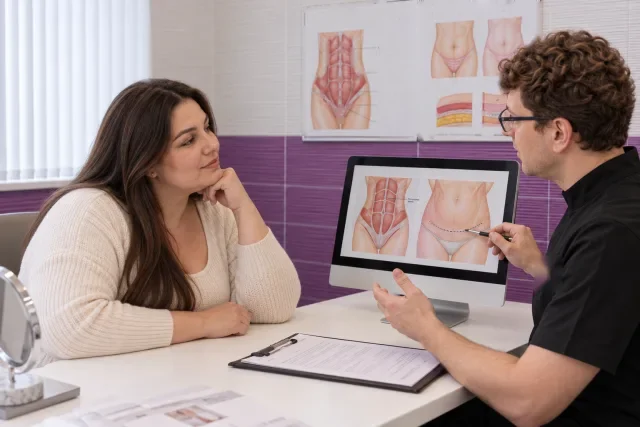
The process begins when you write to the coordinators on Telegram or Telegram. They are available around the clock, 24/7, so you can contact them in the evening after the market closes, between lectures, or late at night when the household is quiet. You describe the area that concerns you, your general health, any earlier operations and the medications you take. Clear photographs help the surgeon understand the contour, and you decide what you are comfortable sharing.
The consultation is free and takes place online, so it does not depend on the road network. Ogbomoso is described as having a poor road network, and moving around the region can take time and effort. For a first discussion, none of that matters, because the conversation happens on your phone. Your questions are answered at your own pace, and we adapt to your rhythm.
After the first consultation you receive all instructions for preparation. These include the pre-operative tests: blood tests, ECG, ultrasound, and consultations with a general practitioner and an anaesthesiologist. The coordinators explain which tests are needed and in what order, so you can plan them around your normal week. Then the surgeon reviews the results and confirms the plan, the areas to be treated and the type of anaesthesia.
We respect your time: we work 24/7, with easy booking and a personal approach. If you need to stop the conversation to think, discuss it with your spouse or a family elder, or talk to your own doctor, you can return to it whenever you are ready. There is no pressure to decide on the first day.
The operation itself, step by step
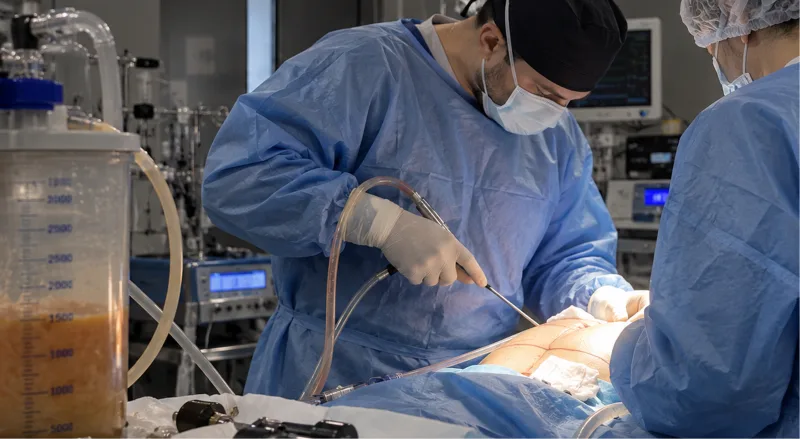
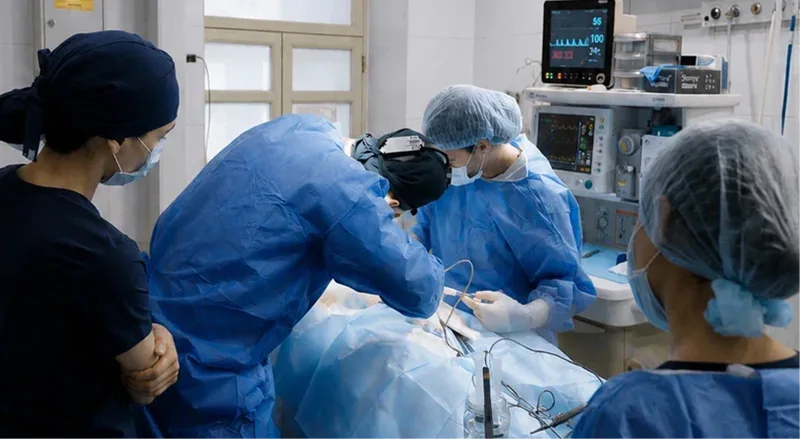
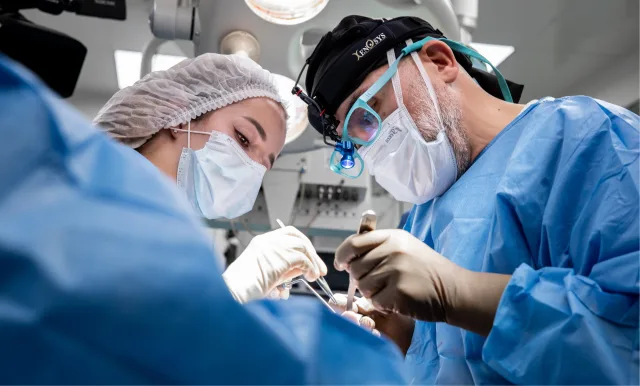
The procedure starts with marking the areas and fitting compression garments. Under local or general anaesthesia, the surgeon removes fat through 3–5 mm micro-punctures. The surgery lasts from 1 hour for small areas to 3–4 hours for a combined procedure, and in general the range is 1–4 hours depending on how many areas are treated.
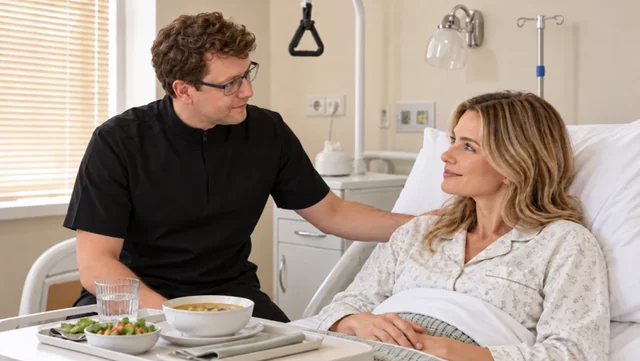
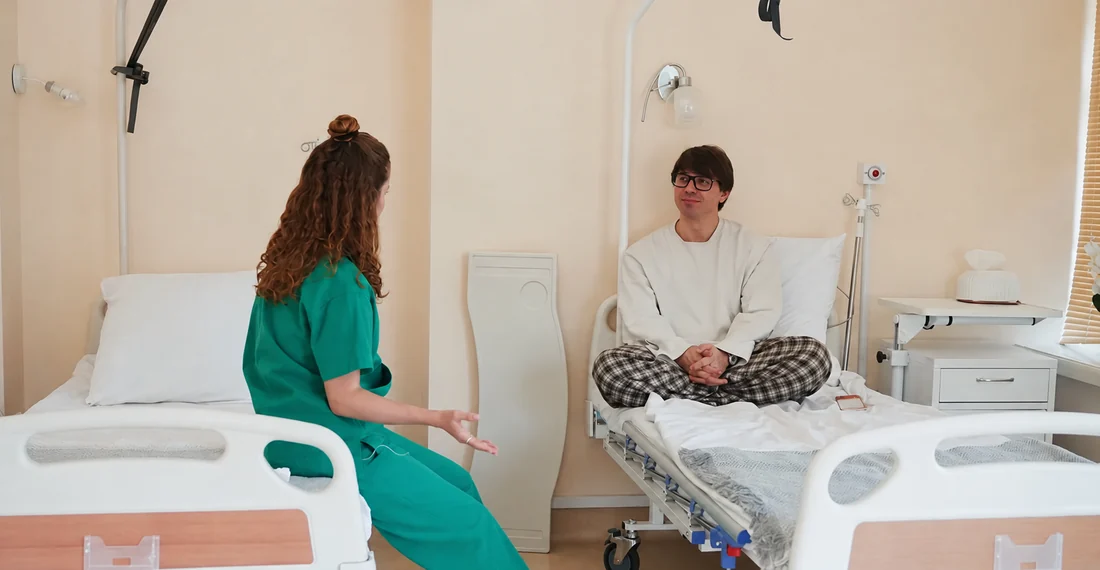
The choice between local and general anaesthesia depends on the extent of the work, your health and your preference, and it is agreed in advance with the surgeon and the anaesthesiologist. With local anaesthesia you go home 3–4 hours after surgery. With general anaesthesia you stay one day in a comfortable ward under medical supervision. So the stay is either the same day or after 1 day.
Tumescent and VASER techniques are used, with micro-incisions of 3–5 mm and precise volume control. The purpose of volume control is a smooth contour without hollows or irregular areas. The surgeon works on the plan agreed during consultation, adjusting as the shape develops during the operation.
For a patient from Ogbomoso, it helps to understand this timeline when arranging help at home. If you are a parent, a trader or a student, you should know in advance whether you will be home the same day or the next day, and who will help with children, shopping or errands during the first days. A short plan made before the operation removes most of the stress afterwards.
Recovery in Ogbomoso: swelling, compression and the weather
Recovery follows a clear sequence. For the first 7 days there should be no physical exertion or heavy lifting. Compression garments are worn for 30–45 days, and for 4–6 weeks you avoid the bathhouse, sauna, pool and active sport. Alcohol and tanning beds are off-limits for at least a month. Your surgeon gives all individual recommendations after surgery, and these always take priority over general advice.
Precipitation in Ogbomoso is most common from May to October, and the wet season is also the cloudier time of year. For recovery this has practical consequences. Wet weather and humidity can make compression garments uncomfortable, so having more than one garment allows you to change when one becomes damp. Keep the skin clean and dry as instructed, and avoid wet, muddy surroundings during the first days when you should not be exerting yourself anyway. In sunny or hot conditions, avoid prolonged exposure of the treated areas to direct sun, wear loose, breathable clothing over the garment, and drink enough fluids.
The first changes show at 2 weeks, once the main swelling subsides. Swelling and bruising clear by weeks 4–5. An interim result is assessed at 1.5–2 months, and the final contours form in 3–6 months, once the tissues have fully adapted. Patients should not judge the result in the first days, when swelling hides the real shape.
Check-ups take place at 7 days, 3 months and 6 months. The surgeon follows your recovery and the new body contour at these visits, which are held remotely for patients in Ogbomoso when appropriate. Check-ups, dressings and aftercare advice are already included in the cost of surgery. Until the end of the year, you can also get a post-surgery consultation with your surgeon to review results and get more information, at the clinic's expense.
Work, study, sport and family life after liposuction
Most patients get back to their usual routine and work in 7–10 days. In Ogbomoso, working life is varied. Many people are involved in agriculture, trading and the rearing of goats and sheep, while others work in banking, small-scale manufacturing and construction. The right return date depends on how physical your job is. Desk work, banking or teaching can often resume close to the 7-day mark, as long as you feel well and your surgeon agrees. Heavy lifting, loading goods or farm work should wait, since the first 7 days require no physical exertion or heavy lifting, and the surgeon will advise on further limits.
Students are another large group in the city. Ogbomoso has four degree-awarding institutions of higher learning, among them Ladoke Akintola University of Technology and the Nigerian Baptist Theological Seminary. A student can plan surgery around a quieter part of the academic calendar, and arrange to catch up on any missed sessions. Sitting in lectures is usually possible when you are comfortable, and the compression garment can be worn under normal clothes.
Sport and exercise need patience. For 4–6 weeks you wear compression garments and avoid active sport and the pool. Light walking is usually welcome, but the surgeon decides when to go back to training. Athletes and people who attend the gym regularly should ask for a clear schedule, covering walking, light exercise and full training.
Family events are central to life in Ogbomoso, and many people do not want to miss a naming ceremony, a wedding or a church gathering. Plan the operation so that important events fall after the early recovery, when swelling has settled. Remember that the final result forms over 3–6 months, so an outfit chosen for an event a few weeks after surgery should be loose or adjustable. Tell the coordinators about your calendar and they will help you find a realistic window.
The best season for surgery and preparation before it
There is no single right month, and the choice is personal. Precipitation in Ogbomoso is most common from May to October, and this period is also cloudier. Some patients prefer to recover during these months because there is less strong sun to protect the treated areas from, and staying indoors feels natural. Others prefer the months outside the rainy season, when moving around the city is easier on a road network that is described as poor, and when check-ups, tests and errands are simpler to arrange. Think about which factors matter more to you.
Preparation matters more than the calendar. Give up smoking, alcohol and medications that affect clotting, such as aspirin, 7–10 days before liposuction. Pre-operative tests are also required: blood tests, ECG, ultrasound, and consultations with a general practitioner and an anaesthesiologist. You receive all instructions after the first consultation, and you should follow them exactly. Tell the team about every medicine and supplement, including herbal products, because some of them can affect clotting.
Arrange practical matters before the operation. Prepare your compression garments, loose clothing, simple food and drinking water at home. Organise help with transport home after the procedure, and with household tasks in the first days. If you run a business, brief someone you trust. If you are a student or an employee, inform your supervisor of the expected 7–10 day absence.
Think about how the operation fits with your personal plans. Planning liposuction just before a major life event leaves little margin. A schedule with some free time before and after is calmer, and it allows the result to develop without anxiety.
Planning liposuction around the rhythm of Ogbomoso
Ogbomoso is a large city, and its daily rhythm is shaped by farming, trading, study and church and community life. Around the city there are about 257 surrounding villages and emerging towns, and many families move between the city and these smaller settlements. For someone planning liposuction, this means that the calendar often involves more people than the patient alone: relatives, colleagues, customers and neighbours. A clear plan made in advance makes the first days after surgery calmer.
Start by listing the commitments of the coming two months. Note market days, lectures, examinations, work deadlines and family occasions. Then compare this list with the medical timeline: home the same day with local anaesthesia or after 1 day with general anaesthesia, back to work after 7–10 days, compression garments for 30–45 days, and a final result that forms in 3–6 months. Seen side by side, the two calendars show quickly which weeks are realistic for surgery and which are not.
The coordinators of City Medical Centre are available around the clock, 24/7, on Telegram and Telegram, so this planning can be done in short messages whenever you have a free moment. You can send your calendar, ask what is realistic and adjust the plan after talking to your family. Nobody expects a decision in a single conversation.
Who helps at home, and how to talk to your family
In Ogbomoso, major personal decisions are often discussed with a spouse, parents or older relatives. Liposuction is a private matter, but the recovery is easier when at least one trusted person knows about it. This person can help in the first days, bring water and simple food, assist with the compression garment and notice if something seems wrong. Decide in advance who this will be, and explain clearly what the operation involves so that nobody is worried unnecessarily.
It helps to describe the procedure in plain words. Fat is removed through micro-punctures of 3–5 mm under local or general anaesthesia. It is a contouring operation, not a treatment for obesity. For the first 7 days there is no physical exertion or heavy lifting, so household tasks, carrying shopping and looking after small children should be handed to someone else during that period.
If you prefer to keep the operation private, that is also possible to plan. Fitted clothes are worn over the compression garment, the marks are small, and many patients return to ordinary routines in 7–10 days. Even so, one person who knows the plan and can reach the coordinators for you if needed is a sensible safety measure.
Food, hydration and everyday habits during recovery
The food culture of Ogbomoso is built around the produce of the region. Cassava, cashew and mango are widely grown around the city, and meals often include starchy staples. After liposuction no single dish is forbidden by the medical facts, but the general principle is simple: eat regular, balanced meals, drink enough water and avoid anything that leaves you heavy and uncomfortable while you are moving less than usual. Your surgeon gives individual advice, and it takes priority.
Alcohol is off-limits for at least a month after surgery, and this matters at celebrations where drinks are offered. Decide in advance what you will say, and keep a non-alcoholic drink in your hand. Smoking and medications that affect clotting, such as aspirin, are stopped 7–10 days before the operation, so check your home medicines early and ask the team about anything you are unsure of.
Stable habits protect the result. Liposuction removes fat cells from the treated areas, but it does not change how you eat or move. The best outcome comes from a smooth contour followed by a steady, sensible routine. The World Health Organization treats overweight and obesity as a broader health matter, which is one more reason to see liposuction as a refinement of shape and not a replacement for general care of your health.
Remote follow-up: staying in touch after the operation
After surgery, contact does not stop. The surgeon follows your recovery and the new body contour at check-ups after 7 days, 3 months and 6 months. Dressings, check-ups and aftercare advice are already included in the cost of surgery, and until the end of the year you can get a post-surgery consultation with your surgeon to review results and get more information, at the clinic's expense.
Between check-ups you can write to the coordinators at any hour on Telegram or Telegram. Typical questions in the first weeks concern swelling that looks uneven, a garment that feels too tight or slips, bruising that changes colour, and when light walking can increase. Keep a short note on your phone with the date and any question so that you can describe the situation exactly.
Photographs taken in the same light and from the same angles at each stage help to follow the change. Remember that the first changes show at 2 weeks, the interim result is assessed at 1.5–2 months, and the final contours form in 3–6 months. Judging the result too early is the most common cause of unnecessary worry, and a calm view of the timeline is part of good recovery.
Questions to ask your surgeon
A good consultation is a conversation in both directions, and patients from Ogbomoso should prepare their questions before the call. Ask which areas are suitable for treatment and which are not, and whether combining areas is sensible for you. Ask how long the surgery will take within the 1–4 hours range, and whether local or general anaesthesia is recommended for your case and why.
Ask what the technique will be and how the surgeon controls volume to keep a smooth contour. Ask how many compression garments you will need, and how to care for them in humid weather. Ask what to do if swelling seems uneven, and how to contact the team in the early days. The coordinators answer on Telegram and Telegram around the clock, 24/7, so you are not left alone with a worry.
Ask about realistic results. The first changes show at 2 weeks, an interim result is assessed at 1.5–2 months, and the final contour forms in 3–6 months. Ask how the result may change if your weight changes, and what habits help keep it. A frank surgeon will tell you what liposuction can and cannot do, and will not promise more than the body can deliver.
Ask about follow-up. Check-ups are held at 7 days, 3 months and 6 months, with dressings and aftercare advice included in the cost of surgery. Ask how photographs will be used to compare your progress, and how the post-surgery consultation until the end of the year works. Write the answers down so you can return to them during recovery.
Can I have the first consultation from Ogbomoso without leaving the city?
Yes. The first consultation is free and online. You write to the coordinators on Telegram or Telegram, where they are available 24/7, and describe your goals, health and medications. The surgeon then assesses whether liposuction is suitable for you.
Will I go home the same day?
It depends on the anaesthesia. With local anaesthesia you go home 3–4 hours after surgery. With general anaesthesia you stay one day in a comfortable ward under medical supervision. The choice is made with the surgeon and the anaesthesiologist.
How long does the operation take?
The surgery takes 1–4 hours. It lasts from 1 hour for small areas to 3–4 hours for a combined procedure, depending on how many areas are treated.
When can I go back to work?
Most patients get back to their usual routine and work in 7–10 days. If your job in trading, farming or construction is physically demanding, ask the surgeon for a specific date, since the first 7 days require no physical exertion or heavy lifting.
Will there be visible scars?
The surgery is done through punctures only 3–5 mm across, which usually need no stitches. Once healed, the marks are barely visible. With proper care during recovery they fade completely.
How long must I wear compression garments, and how does the rainy season affect this?
Compression garments are worn for 30–45 days, and for 4–6 weeks you avoid the bathhouse, sauna, pool and active sport. Precipitation in Ogbomoso is most common from May to October, so having a spare garment to change into when one is damp is practical. Follow your surgeon's individual recommendations.
When will I see the final result?
The first changes show at 2 weeks, once swelling subsides. Swelling and bruising clear by weeks 4–5, an interim result is assessed at 1.5–2 months, and the final contour forms in 3–6 months, once the tissues have fully adapted.
How should I prepare before surgery?
Give up smoking, alcohol and medications that affect clotting, such as aspirin, 7–10 days before liposuction. Pre-operative tests are required: blood tests, ECG, ultrasound, and consultations with a general practitioner and an anaesthesiologist. You receive all instructions after the first consultation.
Is there an age limit?
We operate from age 18+, if there are no contraindications. There is no upper age limit. After an examination and health assessment, the decision is made individually.
What follow-up do I get after surgery?
Check-ups take place at 7 days, 3 months and 6 months, and dressings and aftercare advice are already included in the cost of surgery. Until the end of the year, you can also get a post-surgery consultation with your surgeon to review results and get more information, at the clinic's expense.
Can I keep the operation private from colleagues and neighbours in Ogbomoso?
Many patients do. The punctures are only 3–5 mm across, most people return to their routine and work in 7–10 days, and the compression garment is worn under normal clothes. It is still wise to tell one trusted person who can help in the first days.
Is liposuction a way to treat obesity?
No. It is a contouring procedure for localised fat. Overweight and obesity are a wider health question, and the right first step is a conversation about nutrition, activity and medical follow-up.
Can I write to the coordinators at night?
Yes. The coordinators work around the clock, 24/7, on Telegram and Telegram, so you can send a question whenever it occurs to you and receive an answer at your own pace.

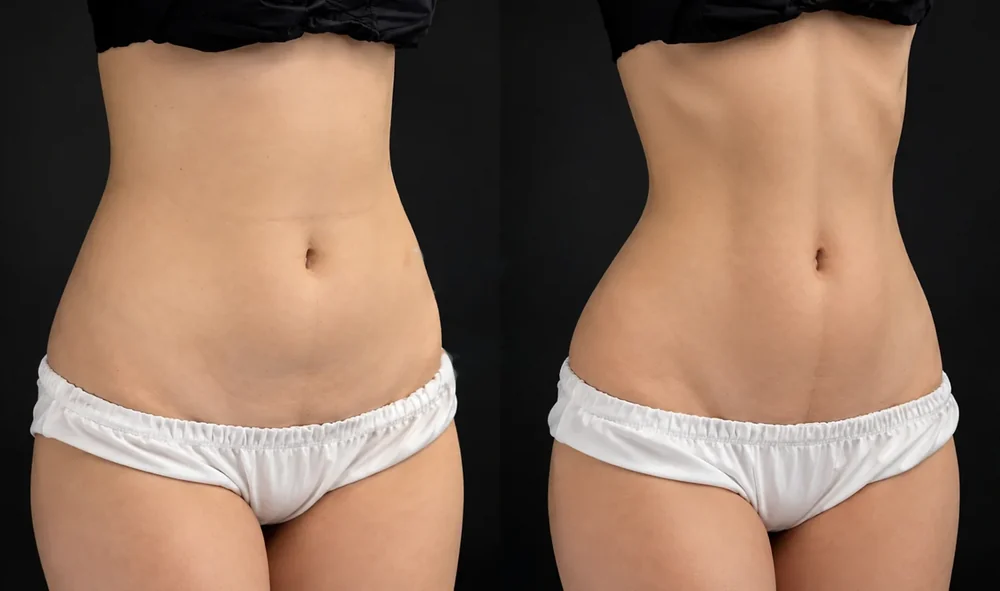
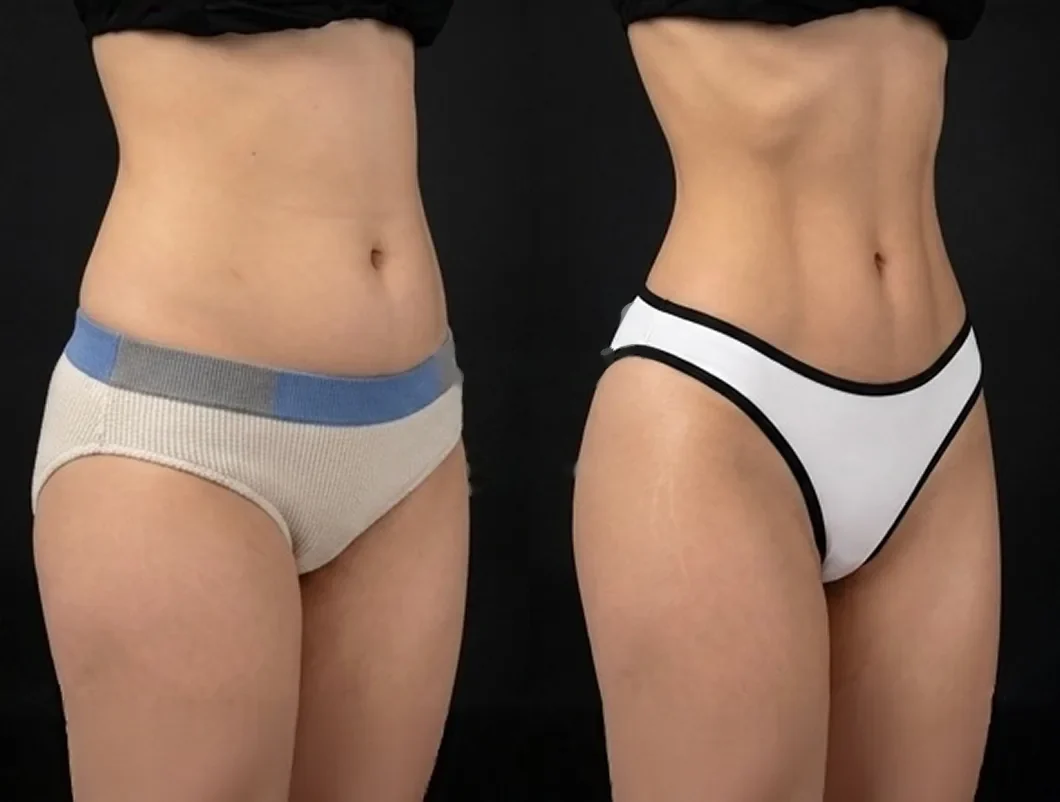 beforeafter
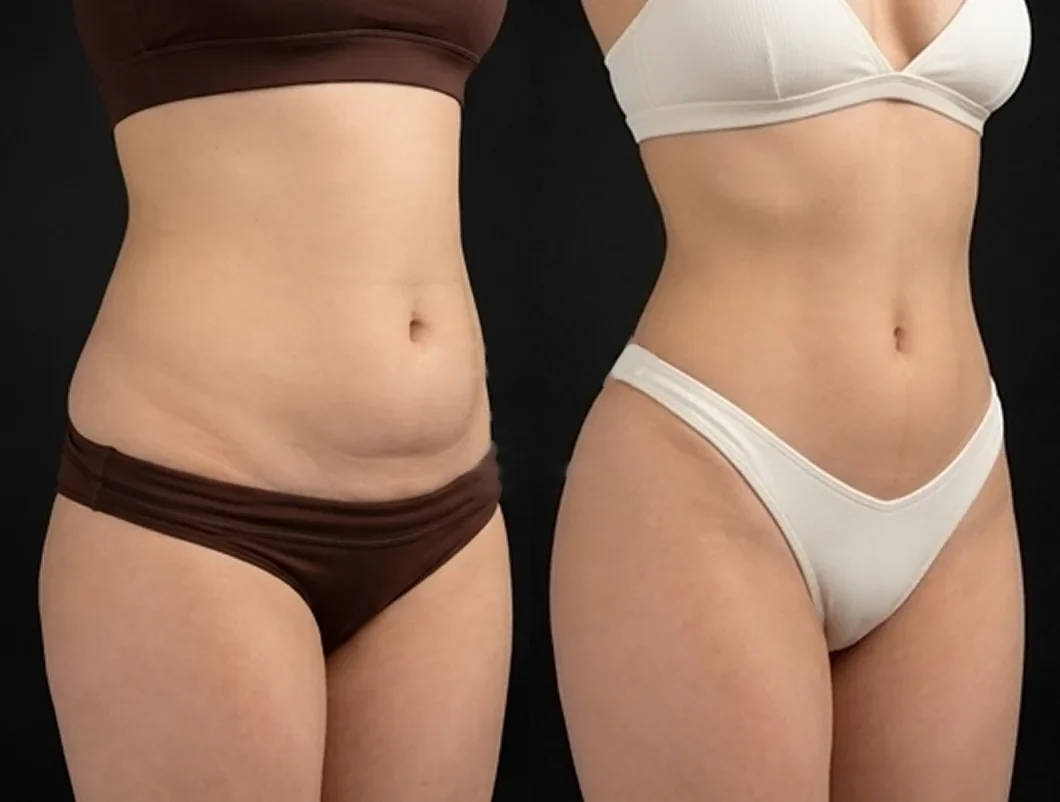 beforeafter
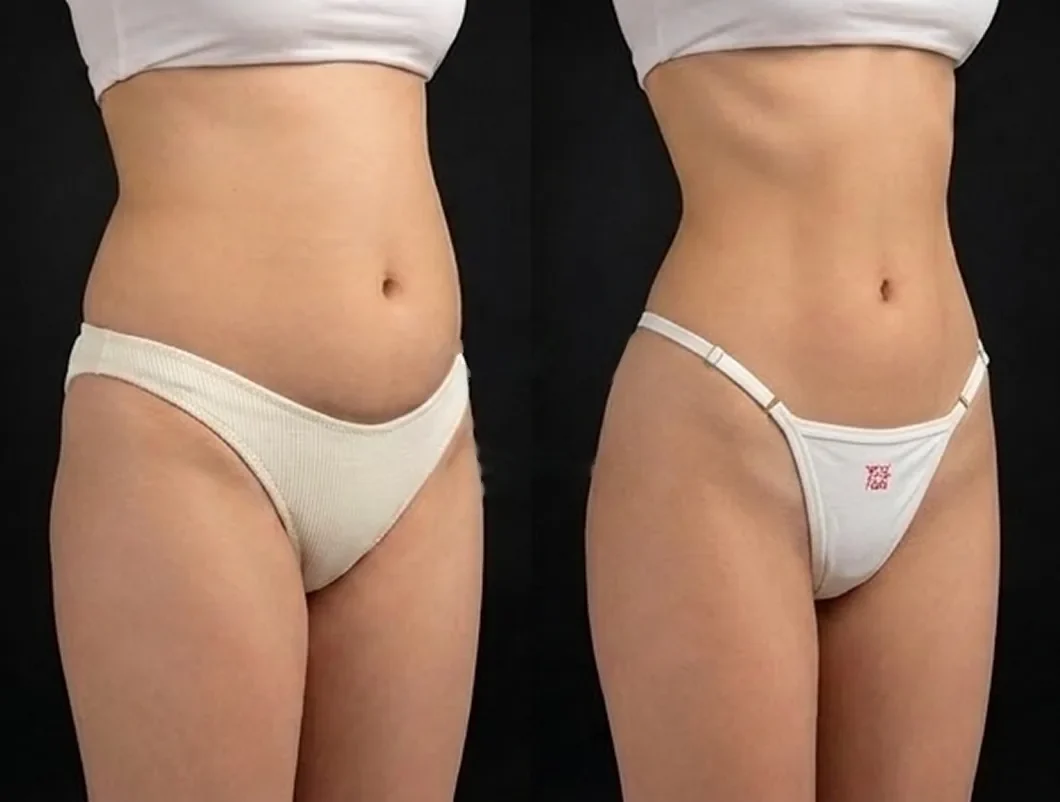 beforeafter
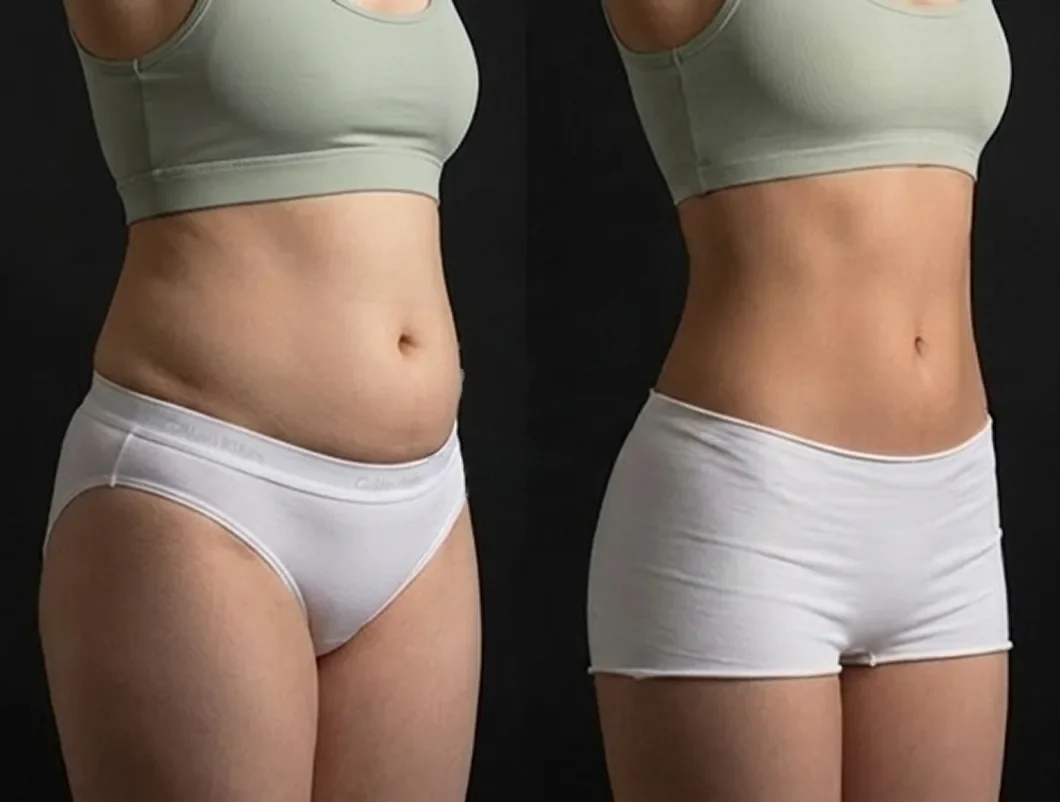 beforeafter
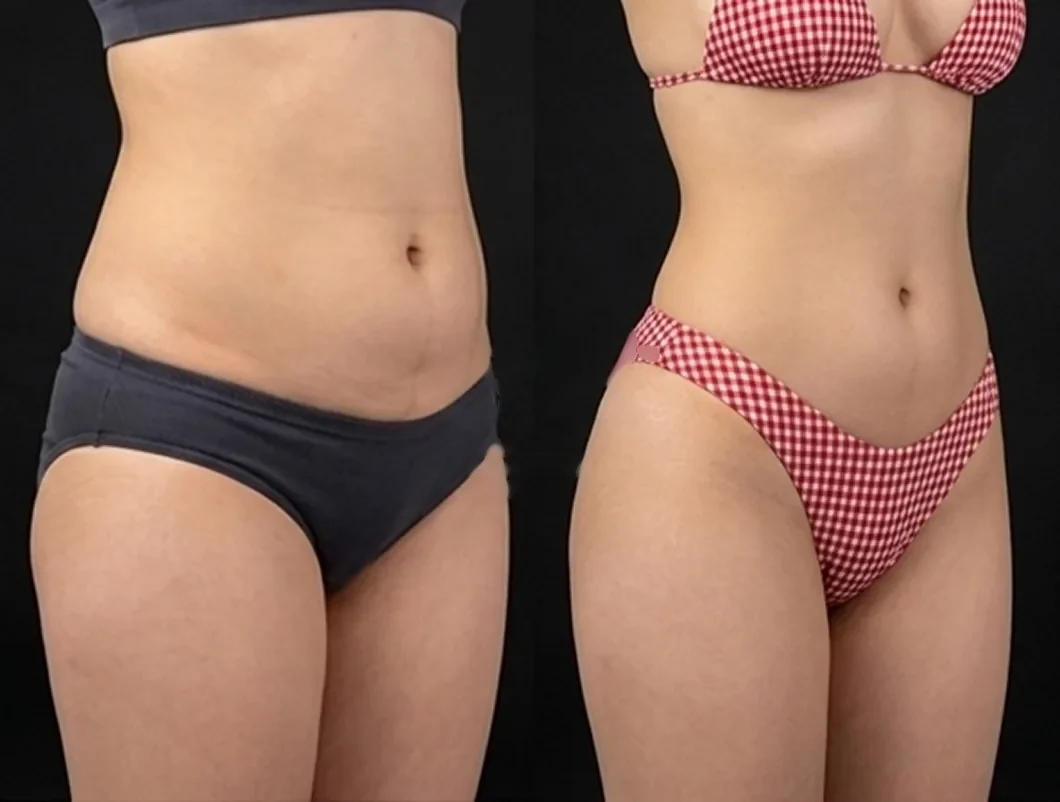 beforeafter
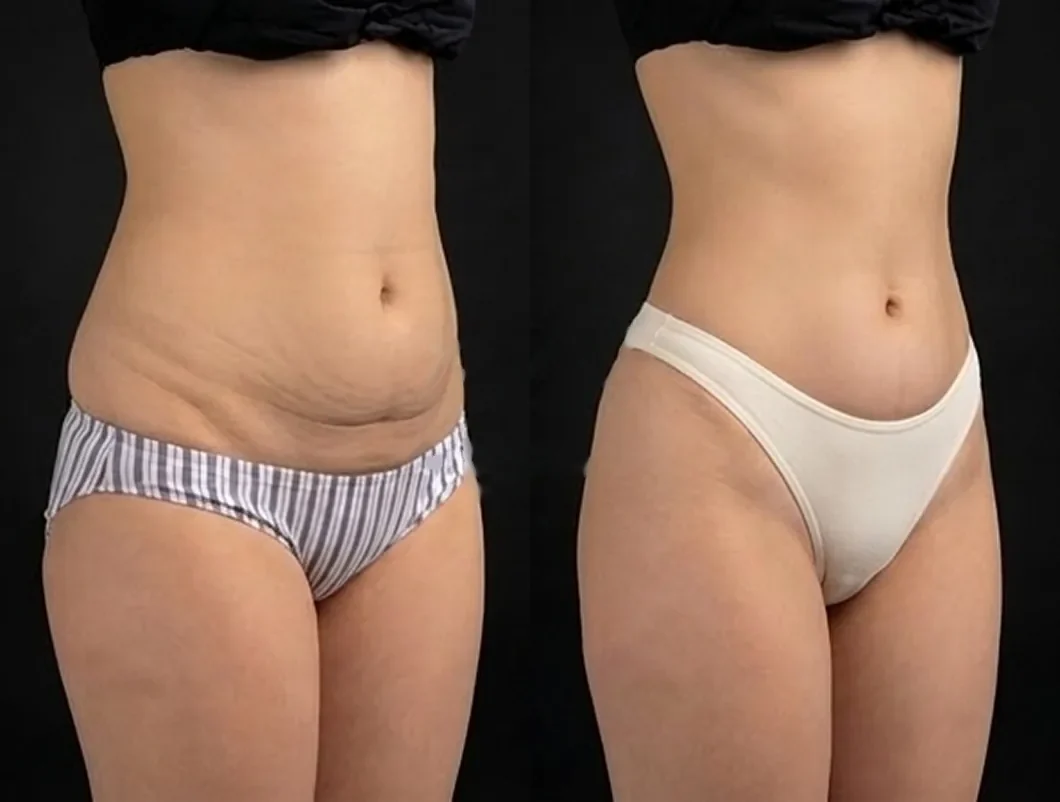 beforeafter
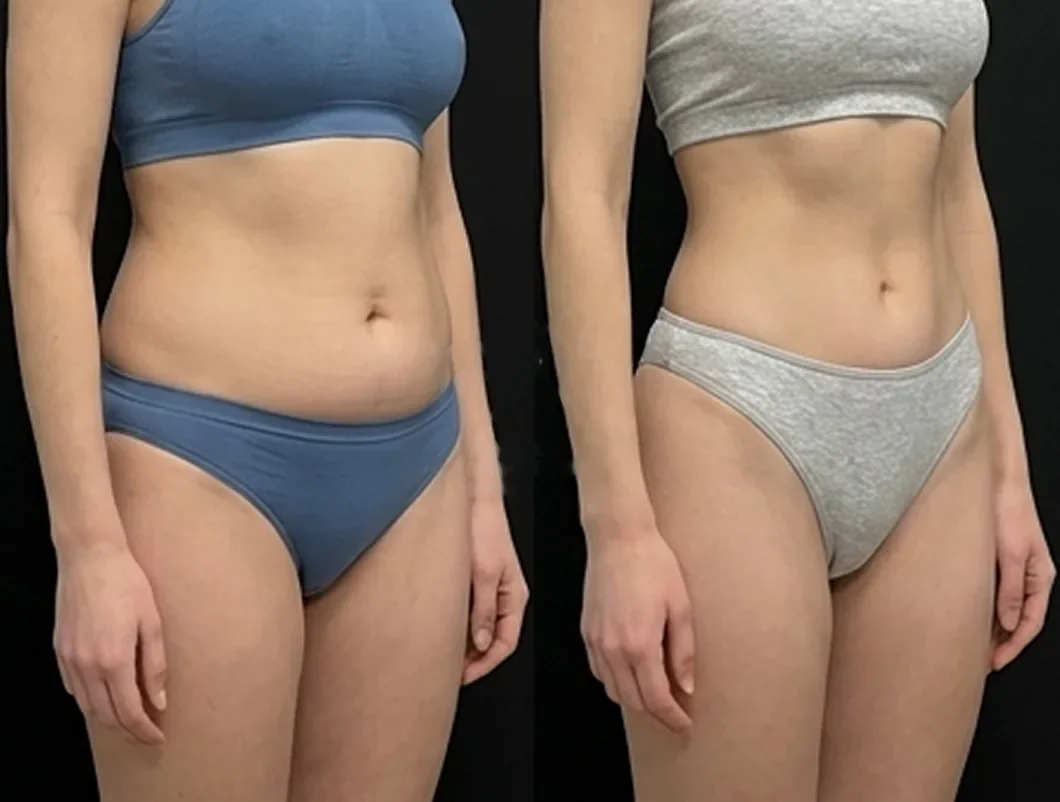 beforeafter
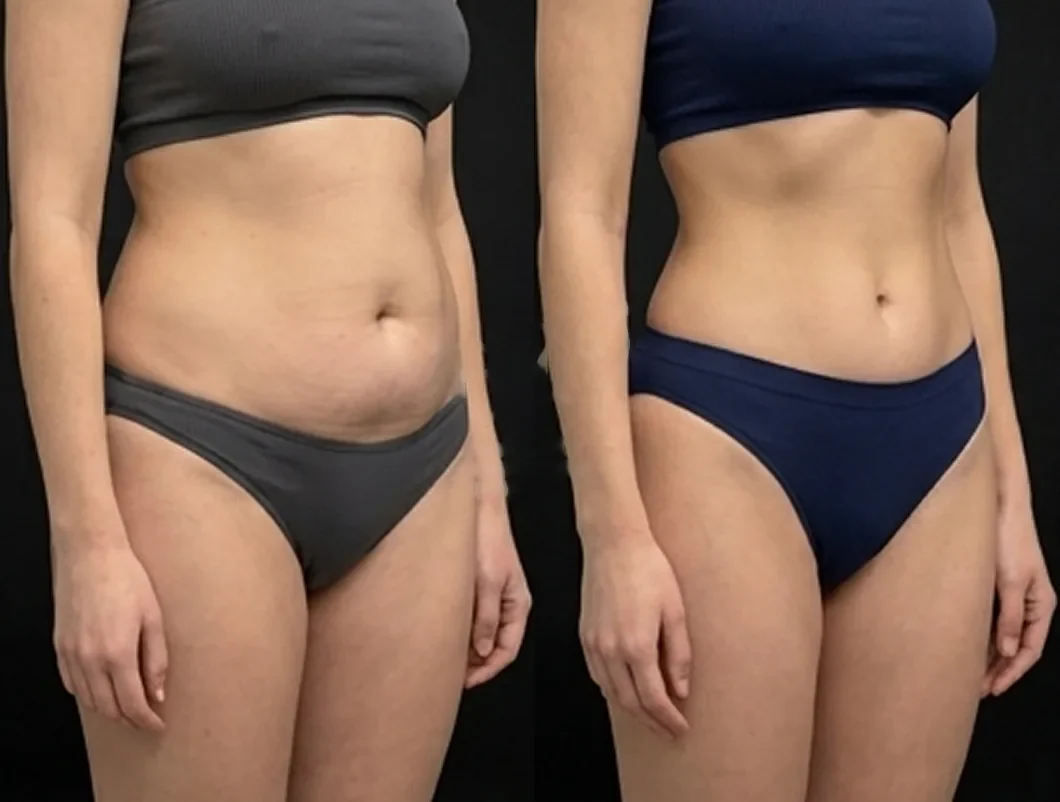 beforeafter
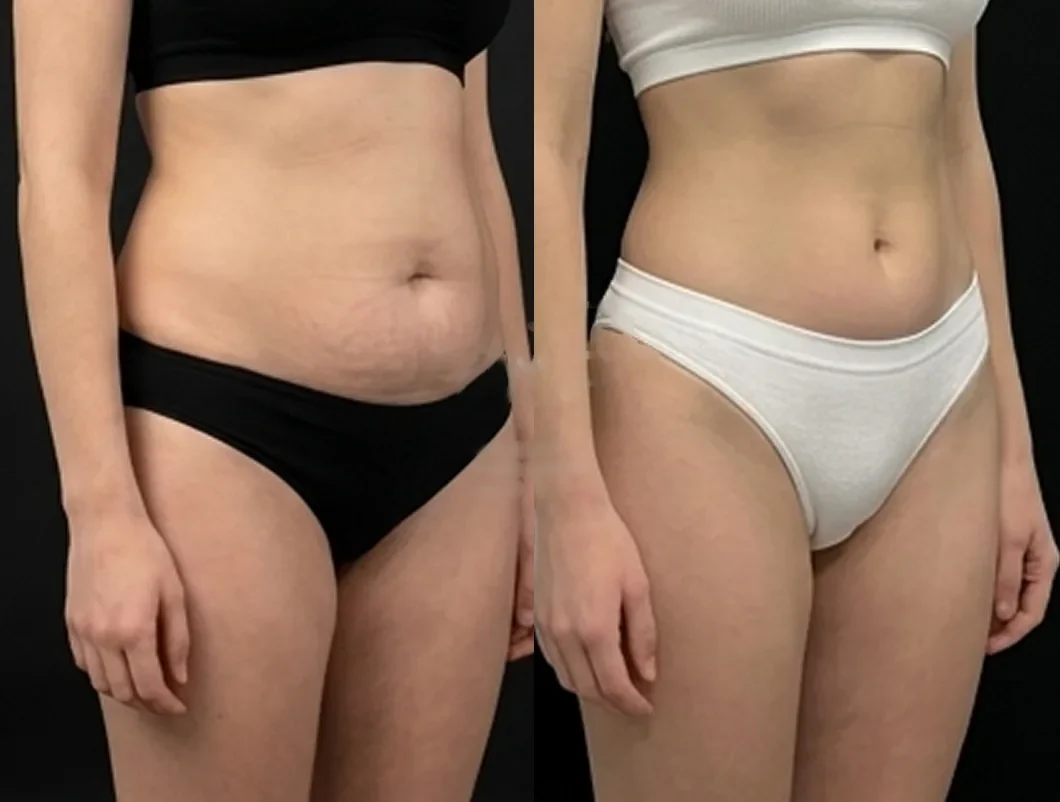 beforeafter
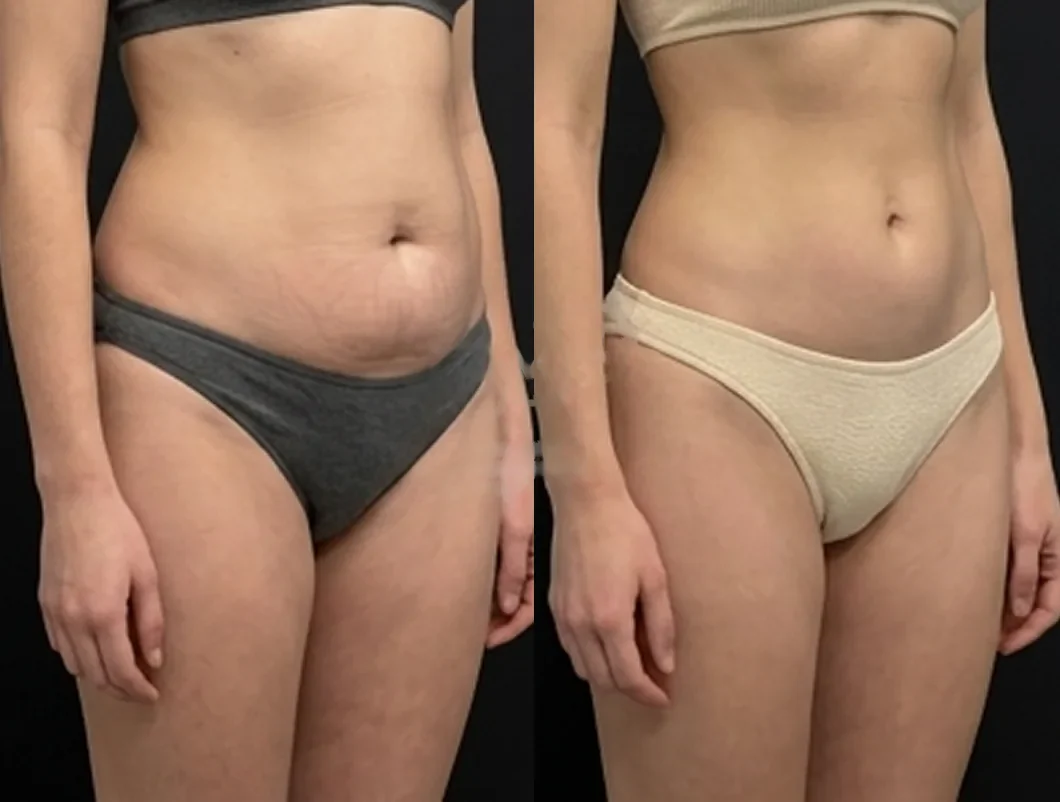 beforeafter
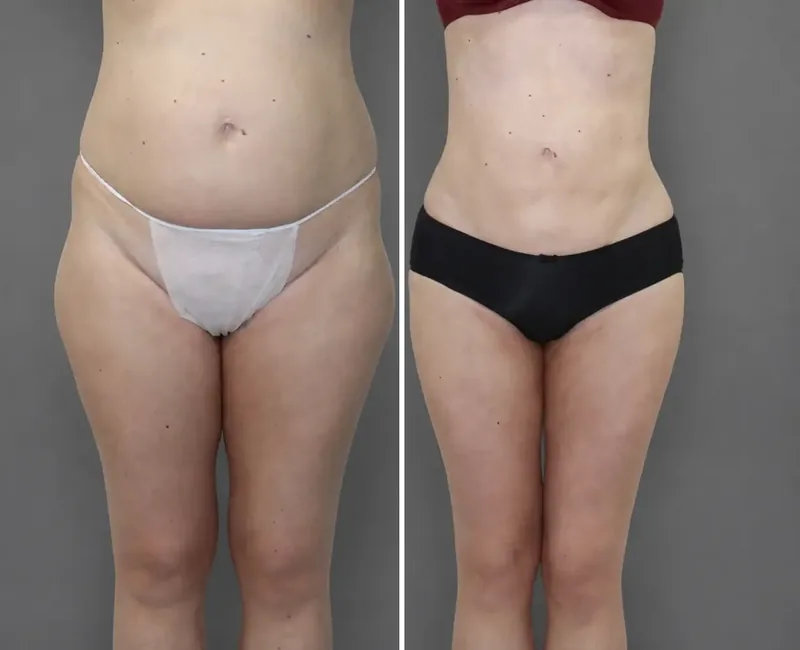
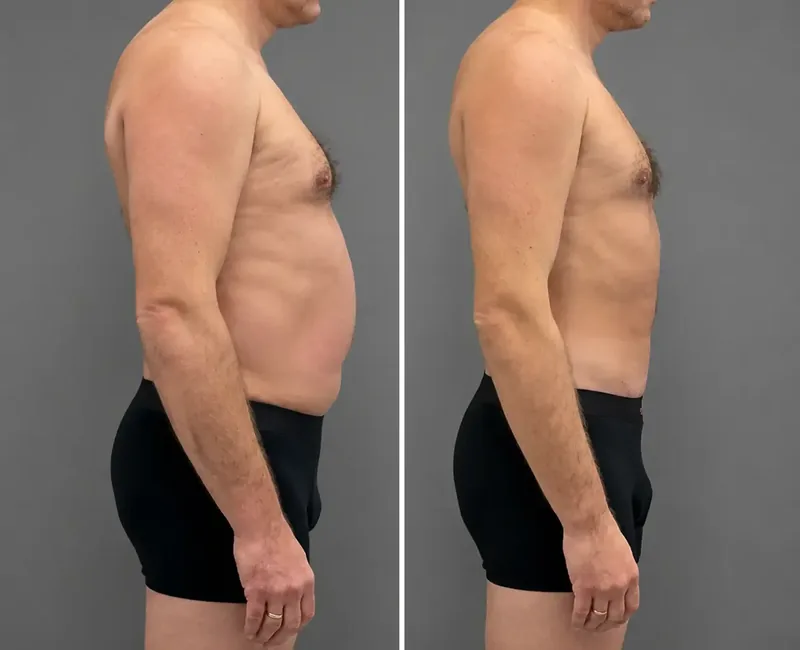
 1
 2
 3
 4
 5
 6