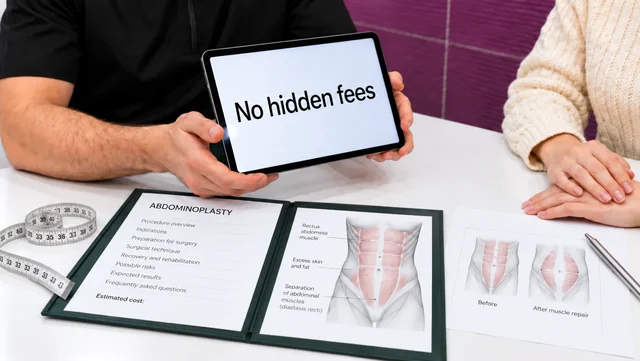
Kisangani and why a tummy tuck is planned here with care
Kisangani is the capital of Tshopo Province, on the Congo River in the eastern part of the central Congo Basin. It is the fifth-most populous urban area in the Democratic Republic of the Congo, with an estimated population of 1,602,144 as of 2016, and the largest of the cities in the tropical woodlands of the Congo. The city covers a large area and is divided into six communes, five on the right bank and Lubunga on the left. Daily life therefore involves real distances, river crossings and busy streets, and this matters when you plan an operation that asks you to move gently for the first weeks.
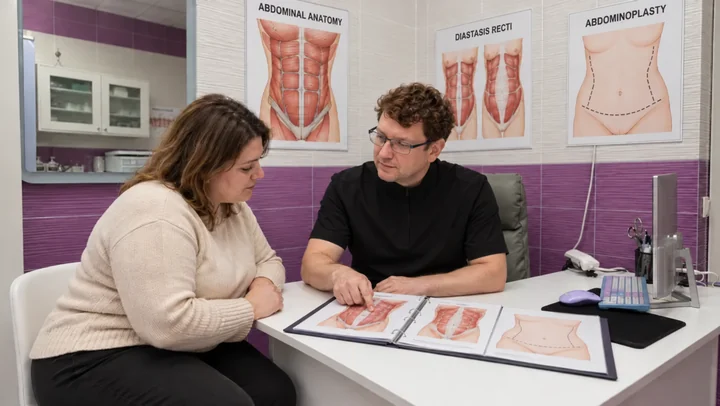
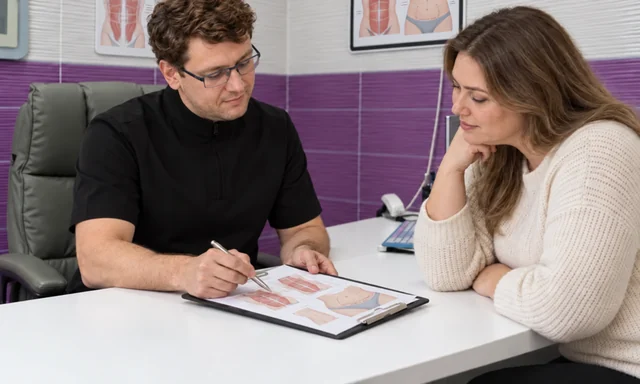
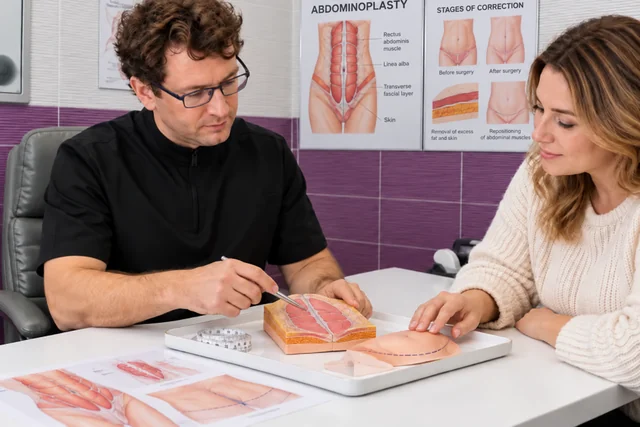
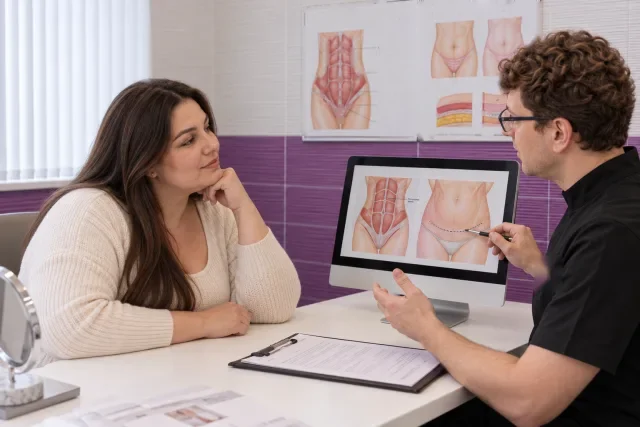
Abdominoplasty, or tummy tuck, removes excess skin and fat from the lower abdomen and tightens the abdominal wall. People in Kisangani usually think about it after pregnancies, after a large loss of weight, or when the skin of the abdomen no longer follows the body's shape. Whatever the reason, the decision deserves a calm, unhurried conversation with a surgeon. The City Medical Centre offers that conversation online, free of charge, from your own home in Kisangani, and the coordinators answer on Telegram and WhatsApp around the clock, 24/7.
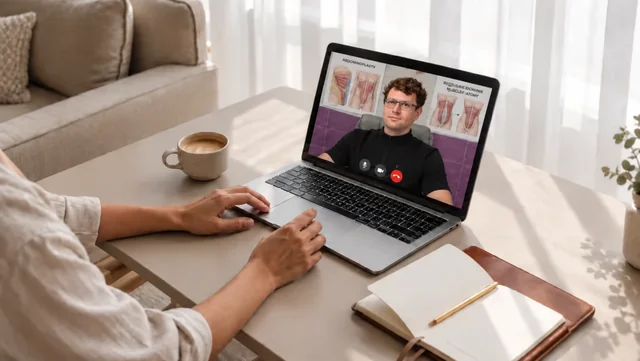
The centre does not have an office in Kisangani, and this is stated openly. What it offers is a clear path: you send your questions and photographs, you speak with the surgeon by video, you receive a written plan, and you decide at your own pace. We respect your time: we work 24/7, with easy booking and a personal approach, and we adapt to your pace. This suits a city where many people combine work, family duties and community life.
Climate of Kisangani and its effect on recovery after abdominoplasty
Kisangani lies close to the equator and has a tropical monsoon climate. Temperatures stay around 25 °C through the year with little change between day and night, humidity averages 86%, and annual rainfall is about 1,620 mm, falling fairly regularly. Even the driest month, January, brings rain. For a patient this means there is no truly cool or dry season in which recovery is easy, so planning should focus on managing heat and moisture rather than waiting for a perfect month.
Heat and humidity make the compression garment the main practical question. The garment is a requirement: recovery is worse without it because it supports the tissues and reduces swelling. The first 3–4 weeks it stays on around the clock, then during the daytime for roughly a month more. Your operating surgeon will name the exact period. In a humid city you should ask about breathable fabrics, how many garments to have so one can dry while you wear the other, and how to keep the skin under the garment clean and dry.
The cool breeze that often blows off the Congo River can help in the evening, but it is not a reason to relax the rules. Rain also means wet ground, slippery steps and muddy courtyards, so plan safe footing in the first 2–3 weeks, when sudden movements and heavy lifting are to be avoided. Keep dressings dry, follow the aftercare advice given at the check-ups, and ask the surgeon what to do if a dressing becomes damp from sweat or from a heavy rain shower.
Sun matters too. Tanning beds are excluded for at least a month, and in the same spirit you should keep fresh scars out of strong sun in the early period. Light, loose clothing, a shaded seat and a hat for walking outside make the weeks easier.
Daily life in Kisangani: work, family and the first weeks at home
Kisangani is a trading city. It is the country's most important inland port after Kinshasa, a commercial hub for river and land transport and a distribution centre for the north-eastern part of the country. Many residents work in trade, transport, markets, offices, schools or small businesses. Some of these jobs demand standing, carrying and long hours, others are desk work, and the difference decides how soon you can return.
The medical rule is clear: back to work after 2–3 weeks, and at that stage we mean office work. After 2–3 weeks you can do office work; heavier duties wait for the surgeon's approval. If your work involves carrying goods at a market or loading at the river, talk this through at the online consultation and ask your surgeon how to arrange lighter duties or a longer break. For the first 2–3 weeks you avoid physical exertion, heavy lifting and sudden movements.
Family is central to life in the city, and this helps recovery. Ask a relative to stay with you for the first days at home, to help with cooking, laundry, the children and shopping. Lifting a small child, a basket from the market or a full water container is exactly the kind of effort the surgeon asks you to avoid. Arrange this before the operation, not afterwards.
Think also about timing around family events. Weddings, funerals, religious celebrations and long gatherings involve standing, hosting, dancing and heavy dishes. Choose a time when you are not responsible for organising such an event, so that you can rest and wear your garment without explaining it to everyone.
Food culture of Kisangani and healing after the operation
Food in Kisangani is varied. The city is known for manioc dishes, and river prawns, sold as kosa kosa or cossa cossa, together with Kisangani coffee, are still the main street fare. Arab-Swahili and Indian traditions have also shaped what people eat. A tummy tuck does not require an exotic diet, but a few practical points are worth discussing with your surgeon.
Before surgery, you will be asked to stop smoking, drinking alcohol and taking medicines that affect blood clotting 7–10 days before a tummy tuck. If you often take coffee or herbal drinks, mention them, together with every tablet and traditional remedy you use, so the surgeon can say which ones to pause. Do not decide this alone, and do not hide any remedy because it seems harmless.
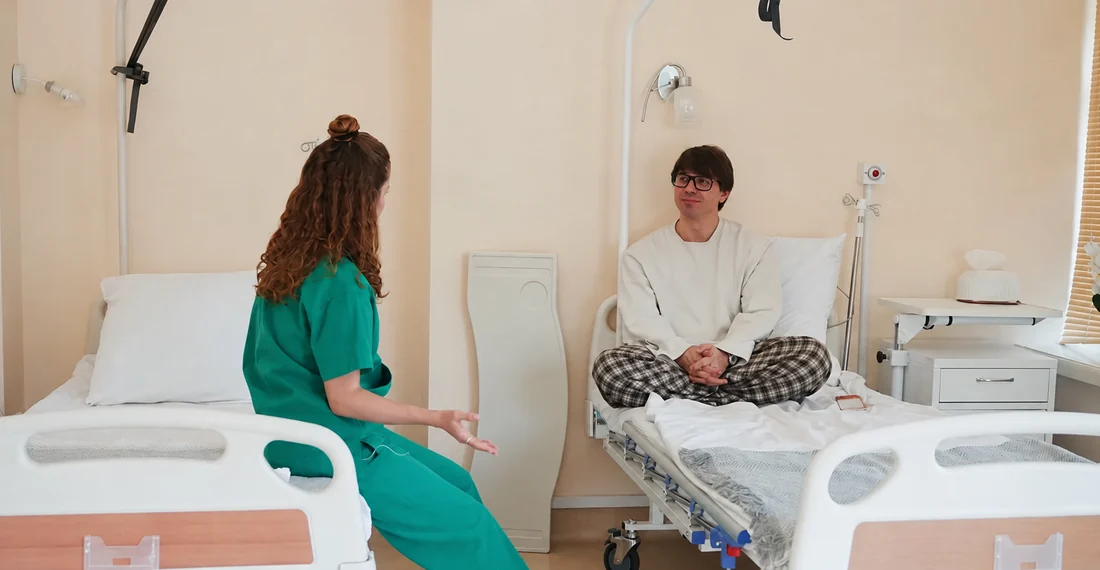
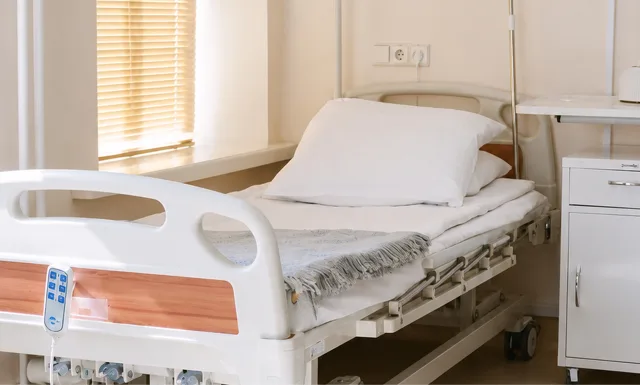
After surgery, simple, light meals are easier on the abdomen, and in the hospital you stay in a comfortable ward with meals under medical supervision. At home, think about how to keep fresh food in a warm, humid climate: choose well-cooked dishes, avoid leaving food standing, and ask your family to prepare it. Street food is part of the city's life, but while your body is healing you may prefer meals made at home so you can control freshness and hygiene.
Alcohol and smoking are out for at least a month. This is worth remembering at gatherings where drinks are offered. Prepare a polite answer in advance, because it is easier to refuse when you already know what you will say.
Choosing the season and the date in Kisangani
Because temperature barely changes through the year, the best date in Kisangani depends less on the weather and more on your own calendar. Look for a window in which you can rest for 2–3 weeks without heavy duties, in which a relative can help at home, and in which you do not have a large event to organise. Check with your employer or your own business whether this period is realistic.
Rain is the second thing to consider. During heavy rainfall, getting to appointments, buying supplies or moving around the city can be slow. You will have check-ups at 7 days, 3 and 6 months, and the first one comes early, while you are still careful with movements. Plan how you will reach the consultation or send photographs and messages, so that rain does not become an obstacle.
Also consider the school calendar if you have children, and your community life. If you sing, play music or take part in cultural events, remember that the city enjoys festivals, concerts and a lively downtown, but these are not the places to be in the first weeks, with a garment on and swelling still present. Plan the operation so that the first festival you attend is one where you can sit comfortably.
Tests also influence timing. Tests usually stay valid for 10–14 days, so do not complete them too early or too late. Get them done in advance, not the day before, and agree the date of surgery with the coordinator once you have the results.
Candidates, contraindications and preparation for patients in Kisangani
You must be at least 18, with no contraindications. No upper limit exists; at our clinic each case is considered individually, after an examination and health assessment. A tummy tuck is not a method of losing weight. The World Health Organization describes overweight and obesity as abnormal or excessive fat accumulation that may impair health, and a surgeon will want your weight to be stable and your general health to be assessed before an operation of this kind.
Candidates are often women after childbirth with loose skin or separated muscles, and men or women after significant weight loss. Women who plan another pregnancy should say so at the first consultation, because it affects timing. Smokers, people with unmanaged chronic illness or blood clotting problems need a particularly careful assessment, and the surgeon may decline or postpone the operation.
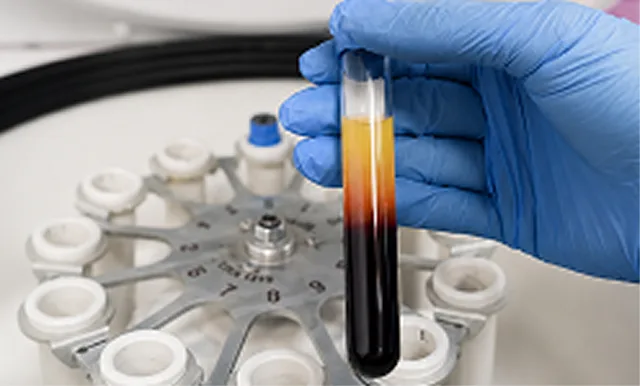
Preparation is a must. The pre-surgery check-up covers blood tests, ECG, leg vein ultrasound and consultations with a GP and anaesthetist. The list is identical for all: blood and urine tests, coagulation panel, biochemistry, infection tests, ECG, chest X-ray, ultrasound of the leg veins and a GP's report. The exact list comes from the surgeon at the consultation.
In Kisangani you can arrange these tests at laboratories and clinics of your choice, and then send the results to the coordinator. Ask the surgeon in advance what format is needed, how to photograph or scan the documents, and what to do if one result is unclear.
The operation, the hospital stay and recovery milestones
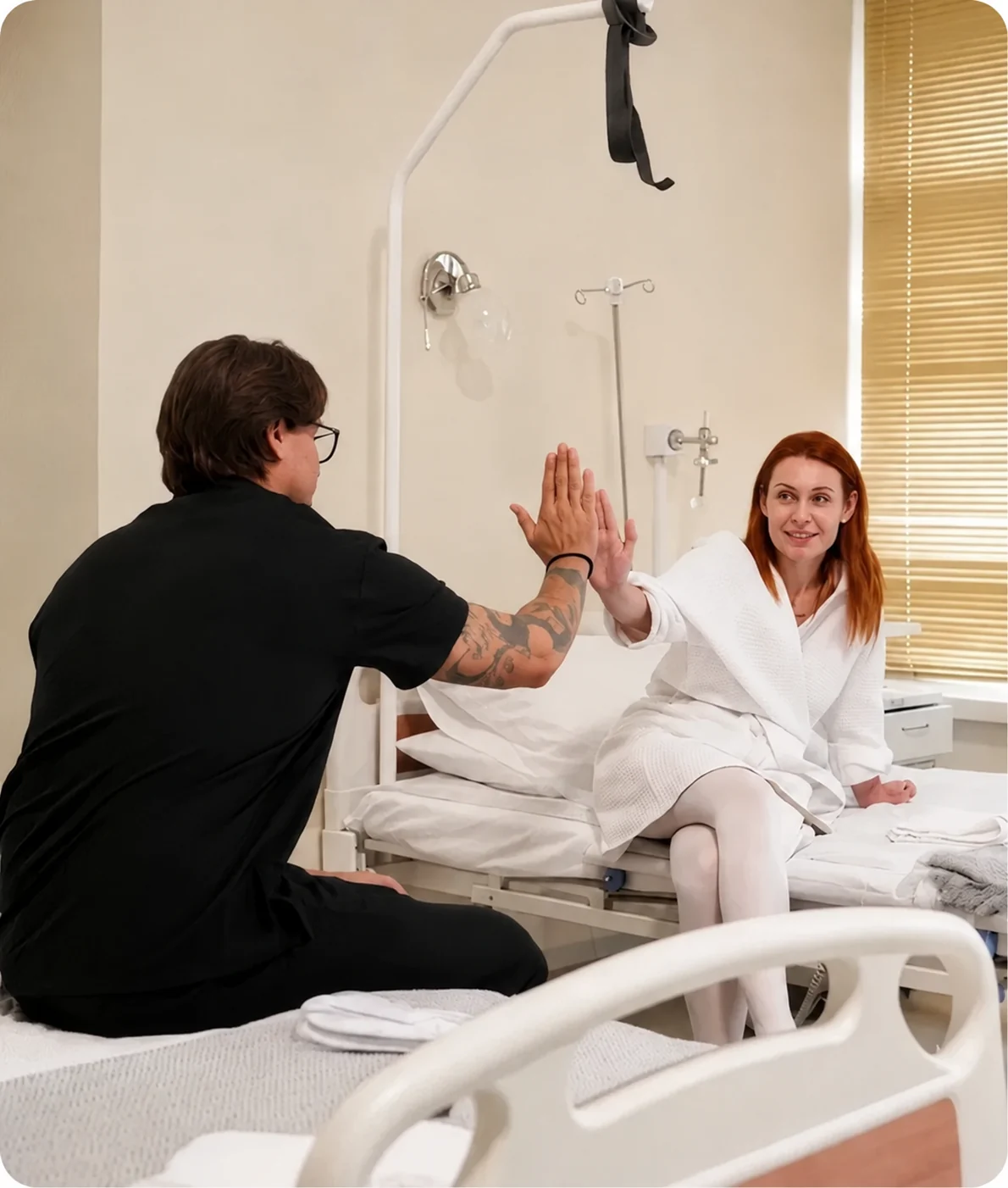
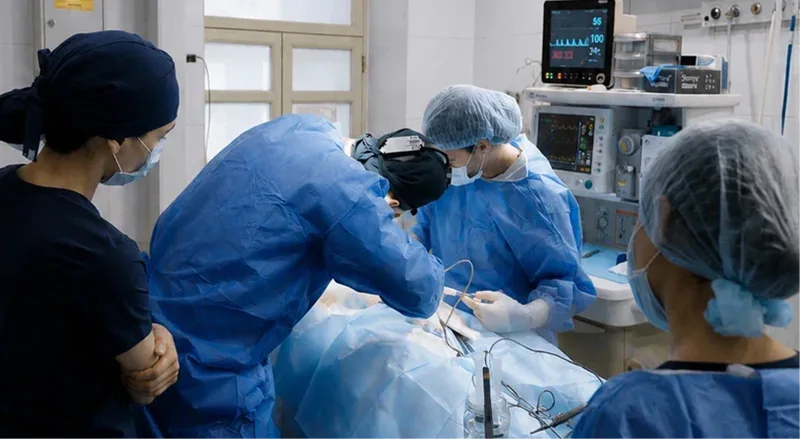
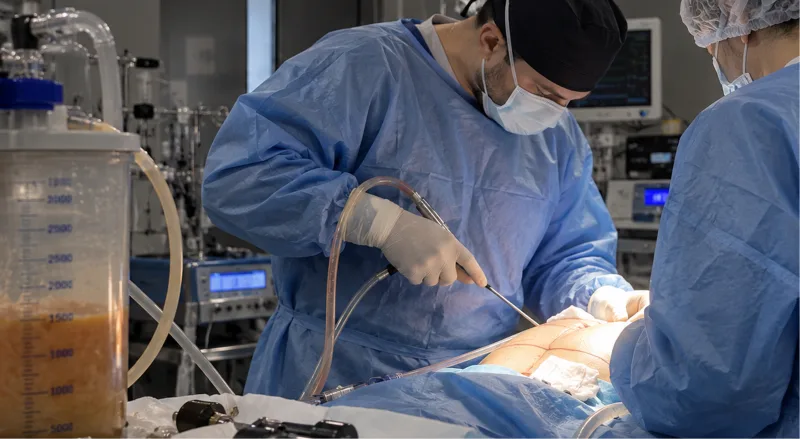
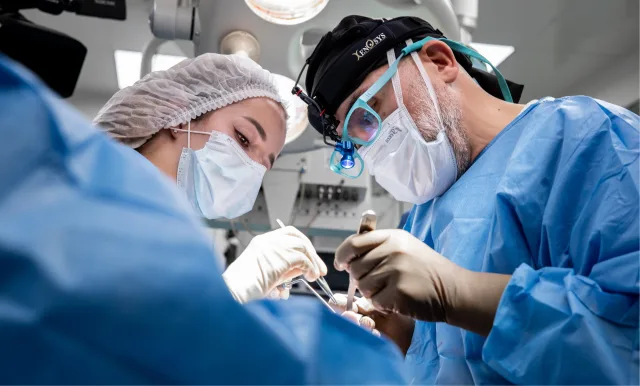
A tummy tuck is performed under general anaesthesia, with up to 3 days in hospital. After surgery the patient stays for 1–3 days in a comfortable hospital ward with meals, under medical supervision. A classic tummy tuck means 1–3 days under medical supervision; for a mini tummy tuck, one day is usually enough. At home recovery continues, and the surgeon monitors it at scheduled check-ups.
After surgery you get a recovery programme. Check-ups at 7 days, 3 and 6 months help track your recovery. The surgeon follows your recovery and the changing abdominal contour at those check-ups. Check-ups, dressings and aftercare advice are already included in the surgery package. Until the end of the year, you can get a post-surgery consultation with your surgeon to review results and get more information, at the clinic's expense.
Three milestones mark recovery: after 2–3 weeks you can do office work, by 1.5–2 months swelling and tightness pass, and at 6–12 months, with the tissues fully adapted, the final result and scar are assessed. The first changes appear 2 weeks after surgery as the main swelling subsides, followed by two checkpoints: the interim result at 1.5–2 months and the final contours at 6–12 months. Be patient with the mirror before then.
For a person in a hot, humid city, these milestones need practical translation. In the first weeks you may feel tightness and tire easily, and heat adds to it. Rest in the shade, drink enough fluids as advised, and use your messaging channel with the coordinator whenever something looks unusual, instead of waiting for the next scheduled check-up.
Sport, water and movement in Kisangani after a tummy tuck
Sport is part of many residents' lives in Kisangani. Football is followed with passion, the city has several stadiums, and many people play on neighbourhood pitches or watch matches with friends. After a tummy tuck, watching is fine once you feel strong, but playing is not. For the first 2–3 weeks you avoid physical exertion, heavy lifting and sudden movements, and sport is resumed gradually, with the surgeon's approval only.
The rules are the same for everyone. Sauna, steam bath, pool, tanning beds, alcohol and smoking are out for at least a month. In a city on a great river, with warm weather throughout the year, the temptation to cool off in water is real, but swimming in the river or a pool during healing is not allowed in that period, and river water should be avoided as long as the wounds are not fully closed. Ask your surgeon when it will be safe.
Compression garments are worn for another 4–8 weeks, depending on what the surgeon decides. When you return to exercise, begin with walking in the cooler hours and shaded places, and add other activities step by step. If you coach a team, teach children or exercise in a group, tell the others that you are on a medical plan so that nobody pushes you.
Dance and music are also part of the city's culture. Light movement helps circulation, but vigorous dancing at a party is a sudden, repeated effort. Wait for the surgeon's permission, and when you return, listen to your body and stop if you feel pulling or pain.
Planning a tummy tuck around the rhythm of the Congo River in Kisangani
Kisangani sits at the furthest navigable point upstream on the Congo River, about 2,100 kilometres from its mouth, and the river shapes the daily routine of the city. Boats, markets and loading areas set the pace of the working day, and many families organise their week around them. When you plan a tummy tuck, it helps to think of your recovery as a quiet period beside this busy rhythm. You step back from it for a short time, so that your body can heal without being pushed.
Start by listing the tasks you do in a normal week: cooking, carrying water, shopping at the market, taking children to school, visiting relatives, going to church or to the mosque. Next to each one write who can do it for you in the first 2–3 weeks, when you avoid physical exertion, heavy lifting and sudden movements. This simple list is often the most useful preparation, and you can share it with the coordinator and the surgeon during the online consultation.
The city is spread over a large area, so short errands can turn into long walks or crowded rides. Arrange in advance who will bring medicines, dressings and food to your home. After the hospital stay you want to be in a calm place with everything within reach: water, light meals, your compression garment, a phone to write to the coordinators and a comfortable chair or bed with extra pillows.
Clothing, fabrics and the compression garment in a warm, humid city
Kisangani has a long tradition of textile and clothing production, and local fabrics are part of everyday life. This is useful for a patient. After a tummy tuck you will wear the compression garment under your clothes, and the clothes on top should be loose, soft and breathable. Prepare several light, wide garments in cotton or similar fabrics that do not press on the abdomen and do not rub against the dressings.
The garment is a requirement: recovery is worse without it because it supports the tissues and reduces swelling. The first 3–4 weeks it stays on around the clock, then during the daytime for roughly a month more. Your operating surgeon will name the exact period. With average humidity of 86% and a temperature of around 25 °C all year, skin under the garment can become irritated, so ask the surgeon how to wash it, how often to change it and how to care for the skin beneath it.
Think also about shoes and bending. In the early days it is difficult to bend forward, so choose slip-on footwear and keep items at waist height. If you attend church or a community gathering in the first weeks, wear a loose dress or wide trousers so that the garment is not noticeable and you can sit comfortably. Plan to leave early rather than stay through a long event.
Questions people in Kisangani often ask before an abdominoplasty
Patients from Kisangani often start with practical questions rather than technical ones. How long will I be away from my shop, my classroom or my office? Who will look after the house? Will people see the scar? Can I have the operation if I plan more children? Will I still be able to follow my community duties? These are sensible questions, and the surgeon expects them at the online consultation.
Another common question concerns the scar. A tummy tuck leaves a scar, and the final result and scar are assessed at 6–12 months, once the tissues have fully adapted. Ask the surgeon where the scar will lie, which clothes will cover it and how to care for it. Remember to avoid strong sun on fresh scars and to follow the aftercare advice from the check-ups.
People also ask whether a mini tummy tuck is enough. The answer depends on how much skin and fat there is and on the condition of the abdominal wall. Only the surgeon can decide after reviewing your photographs and health information. For a mini tummy tuck, one day in hospital is usually enough, while a classic tummy tuck means 1–3 days under medical supervision.
Finally, many ask what happens if they feel worried at night. The coordinators work 24/7 on Telegram and WhatsApp, so you can write at any hour, send a photo of the treated area and receive guidance on when to wait and when to ask the surgeon for an earlier review.
Pressure from a busy city: rest, sleep and mood during healing
Kisangani is a lively place with music, radio, theatre and a social life that continues into the evening. During the first weeks after a tummy tuck, this energy can feel far away. You may be tired, tight in the abdomen and unable to join friends. This is normal, and it passes as swelling reduces: by 1.5–2 months swelling and tightness pass.
Give yourself permission to rest. Sleep with your upper body slightly raised if the surgeon advises it, take short walks inside the house as recommended, and avoid sudden movements when you get up. Keep your phone nearby, but limit the time you spend answering messages about work or family matters. Tell colleagues and relatives in advance that you will be less available for a short time.
Mood can change in the first days, because the mirror shows swelling rather than the final contour. The first changes appear 2 weeks after surgery as the main swelling subsides, and the final contours appear at 6–12 months. Look at your photographs at the same angle and in the same light only at the planned check-ups, and do not judge the result too early.
How the remote consultation works from Kisangani
The first step is a message to the coordinators on Telegram or WhatsApp. They answer around the clock, 24/7, so you can write when it suits you, after work or late in the evening when the house is quiet. You describe what you would like to change, mention your age, general health, previous operations and any medicines, and send photographs as requested.
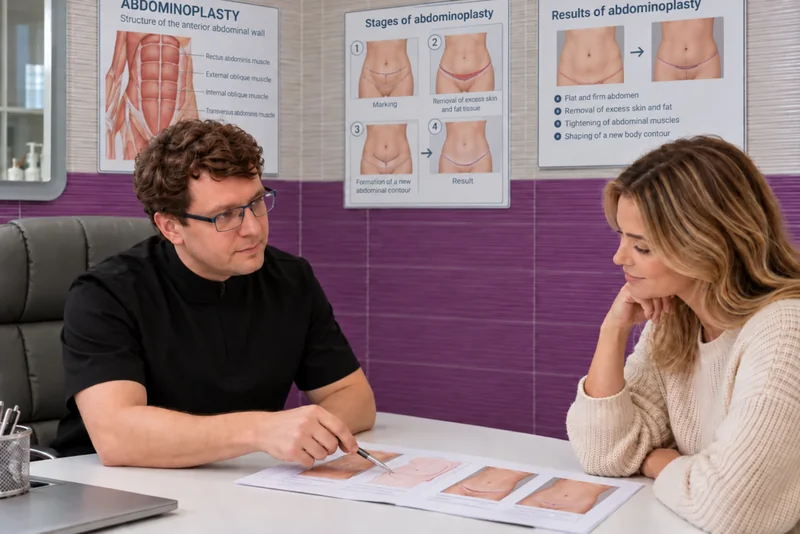
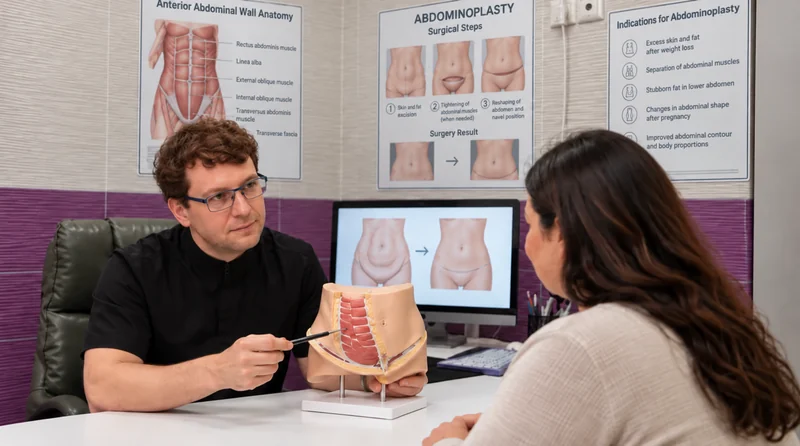
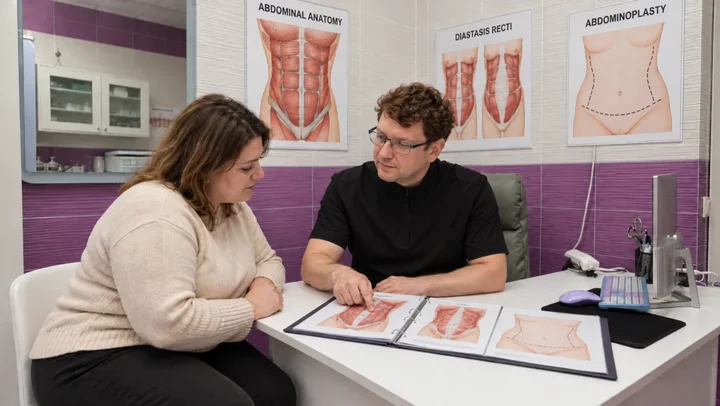
Next comes a free online consultation with the surgeon. Prepare your questions in advance and keep a good internet connection in mind. In Kisangani, connection quality can vary, so choose a quiet moment and tell the coordinator if you would prefer messages and voice notes first. The surgeon will assess whether you are a candidate, whether a classic or a mini tummy tuck is more suitable, and what tests you need.
Questions worth asking: which technique is proposed and why; how long you will stay in hospital; how the scar will be placed and how it will change; which garment you need and for how long; what the recovery programme includes; when you can return to office work and to sport; and what happens if a complication appears after you go home. Ask for the answers in writing.
After the operation, the contact continues. The check-ups at 7 days, 3 and 6 months, the dressings and the aftercare advice are all part of the plan. Keep your messages organised: photos of the treated area at the same angle and in the same light make it easier for the surgeon to follow the changing contour.
Can I have the first consultation about a tummy tuck from Kisangani?
Yes. The online consultation is free and takes place from your own home. You contact the coordinators on Telegram or WhatsApp, who are available around the clock, 24/7, then speak with the surgeon by video. The centre has no office in Kisangani, so everything at the planning stage is arranged remotely.
When can I go back to work after a tummy tuck?
You can go back to work after 2–3 weeks, and at that stage we mean office work. If your job in Kisangani involves carrying, loading or long standing, talk to the surgeon about when heavier duties are safe. For the first 2–3 weeks you avoid physical exertion, heavy lifting and sudden movements.
Does the hot, humid climate of Kisangani make recovery harder?
Heat and humidity of about 86% on average make the compression garment less comfortable, but it is still required. The first 3–4 weeks it stays on around the clock, then during the daytime for roughly a month more. Keep the skin clean and dry, have more than one garment, and ask your surgeon about suitable fabrics.
How long will I stay in hospital?
The operation is done under general anaesthesia, with up to 3 days in hospital. A classic tummy tuck means 1–3 days under medical supervision; for a mini tummy tuck, one day is usually enough. You stay in a comfortable ward with meals, and recovery then continues at home under scheduled check-ups.
What tests do I need before the operation?
The list is identical for all: blood and urine tests, coagulation panel, biochemistry, infection tests, ECG, chest X-ray, ultrasound of the leg veins and a GP's report. The exact list comes from the surgeon at the consultation, and tests usually stay valid for 10–14 days, so do them in advance but not too early.
What must I stop before surgery?
Stop smoking, drinking alcohol and taking medicines that affect blood clotting 7–10 days before a tummy tuck. Tell the surgeon about every tablet, herbal remedy and supplement you use, so that nothing important is missed.
When can I swim or exercise again?
Sauna, steam bath, pool, tanning beds, alcohol and smoking are out for at least a month. Sport is resumed gradually, with the surgeon's approval only, and compression garments are worn for another 4–8 weeks. Avoid river water while any wound is not fully healed, and ask the surgeon for the exact date.
When will I see the result?
The first changes appear 2 weeks after surgery as the main swelling subsides. The interim result comes at 1.5–2 months, when swelling and tightness pass, and the final contours and scar are assessed at 6–12 months, once the tissues have fully adapted.
Are check-ups included, and how often are they?
Check-ups at 7 days, 3 and 6 months help track your recovery. Check-ups, dressings and aftercare advice are already included in the surgery package. Until the end of the year you can also get a post-surgery consultation with your surgeon, at the clinic's expense.
Is there an age limit for a tummy tuck?
You must be at least 18, with no contraindications. No upper limit exists; at our clinic each case is considered individually, after an examination and health assessment.
Is a tummy tuck suitable after pregnancies if I live in Kisangani?
Many women ask about this. The decision is individual and is made after an examination and health assessment. You must be at least 18, with no contraindications. If you plan another pregnancy, tell the surgeon at the first online consultation, because it affects timing.
What clothes should I prepare for the first weeks?
Prepare loose, breathable clothes that do not press on the abdomen, and slip-on shoes. The compression garment stays on around the clock for the first 3–4 weeks, then during the daytime for roughly a month more. Your surgeon will name the exact period.
Who can help me if I worry at night?
The coordinators are available 24/7 on Telegram and WhatsApp. You can write at any hour, describe how you feel and send a photo of the treated area, then follow the guidance given by the medical team.



























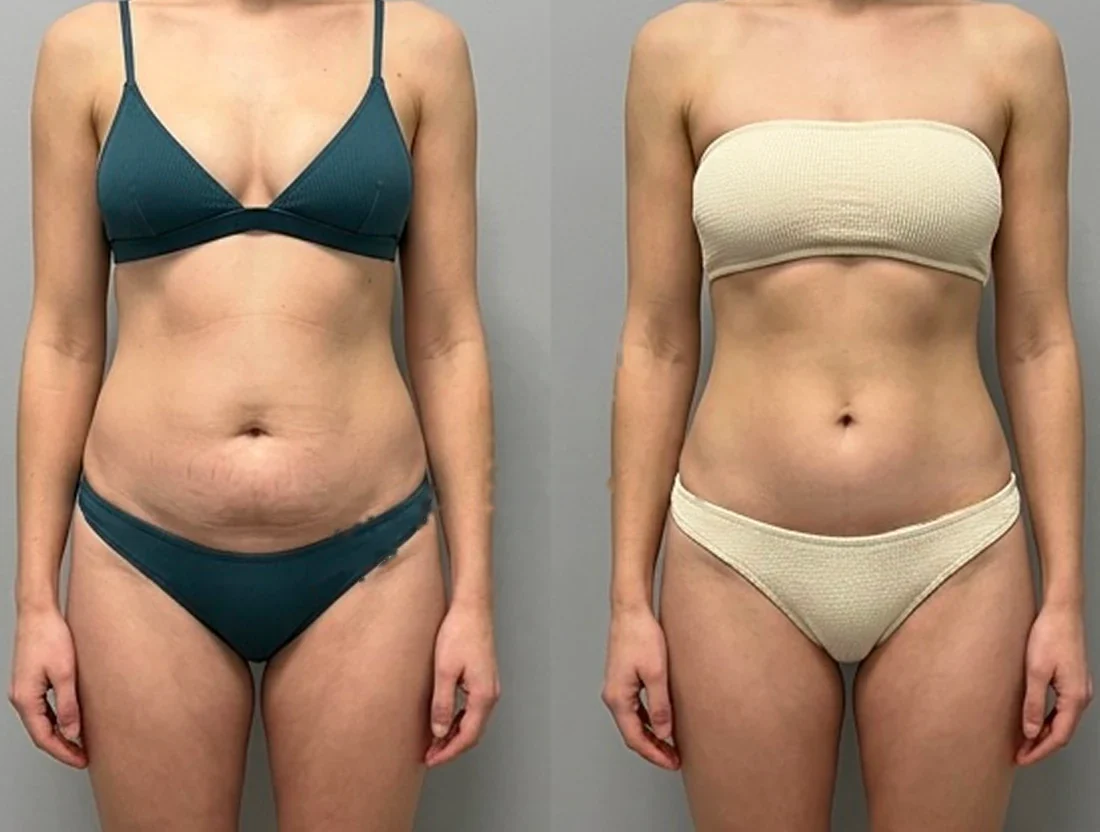 beforeafter
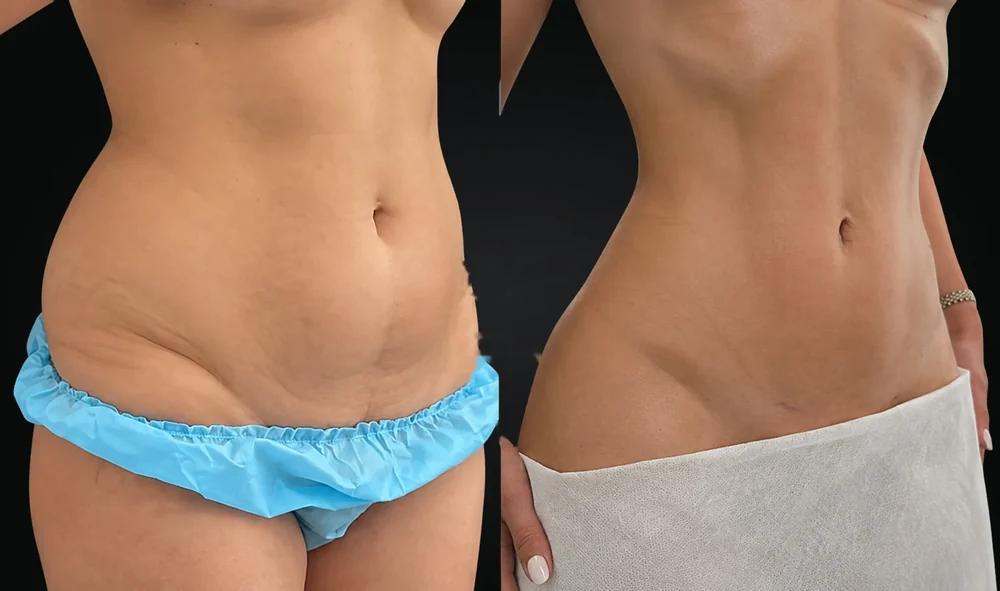
 beforeafter
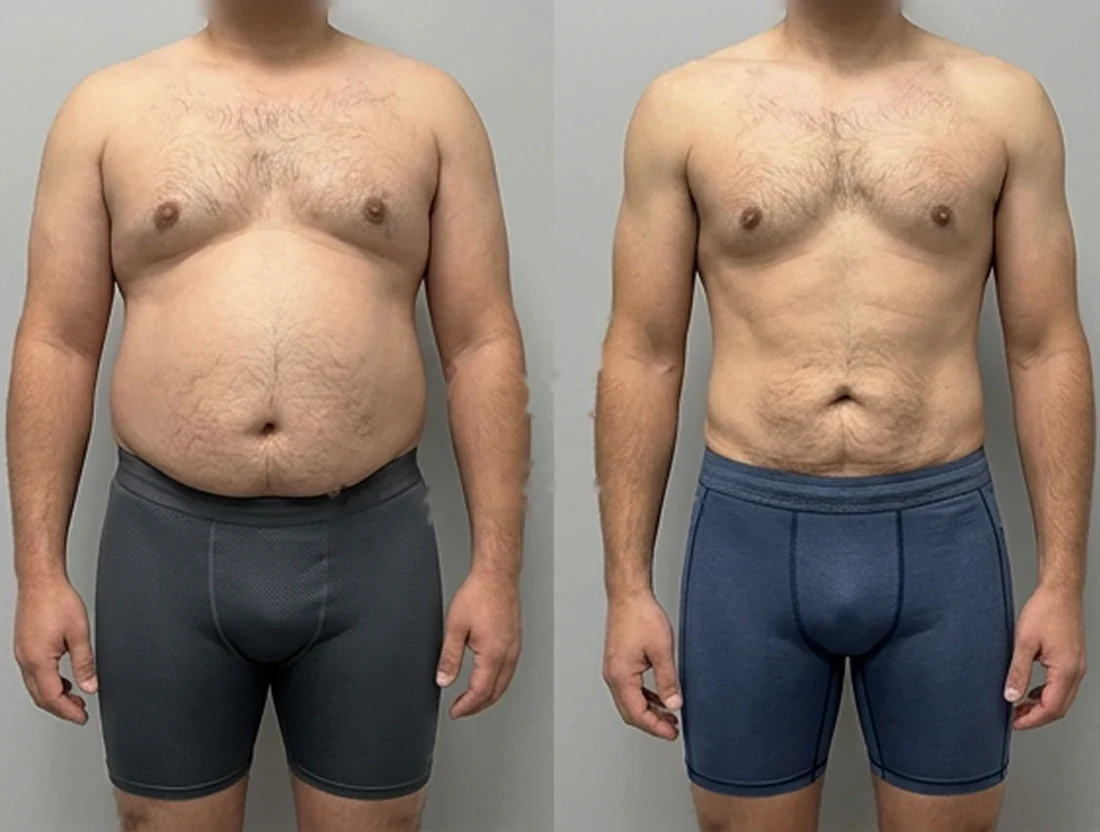
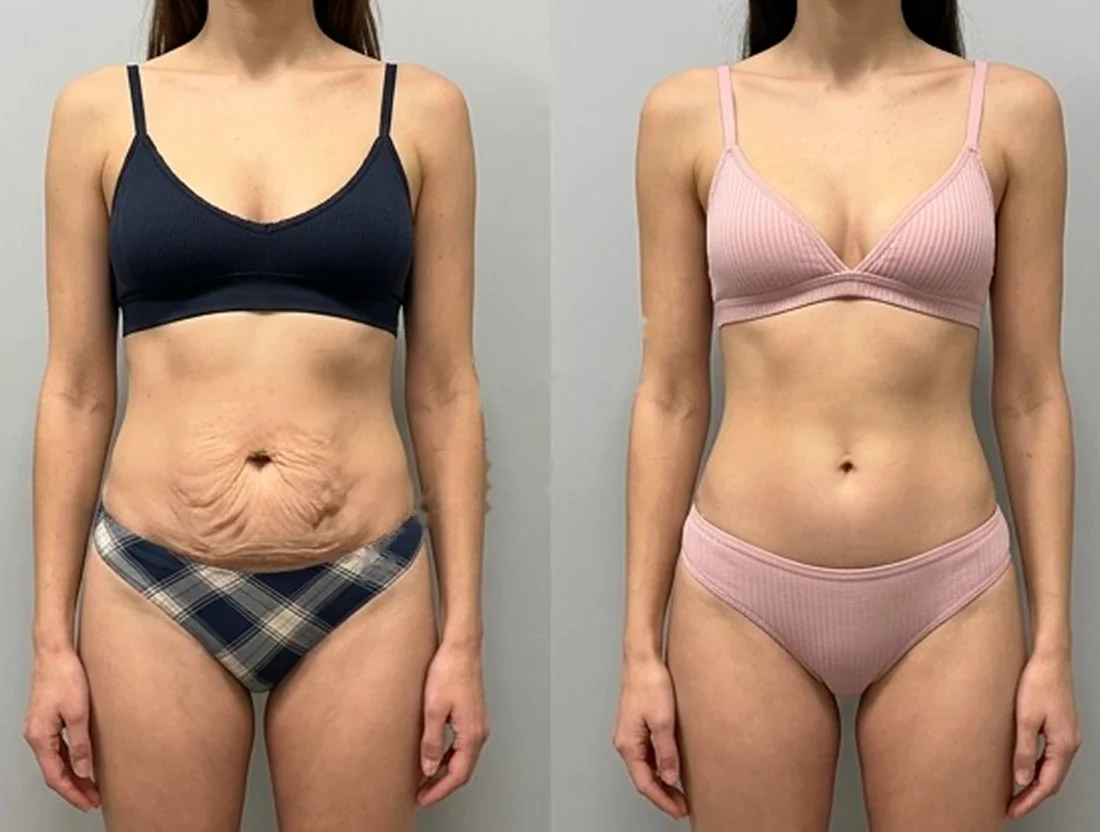 beforeafter
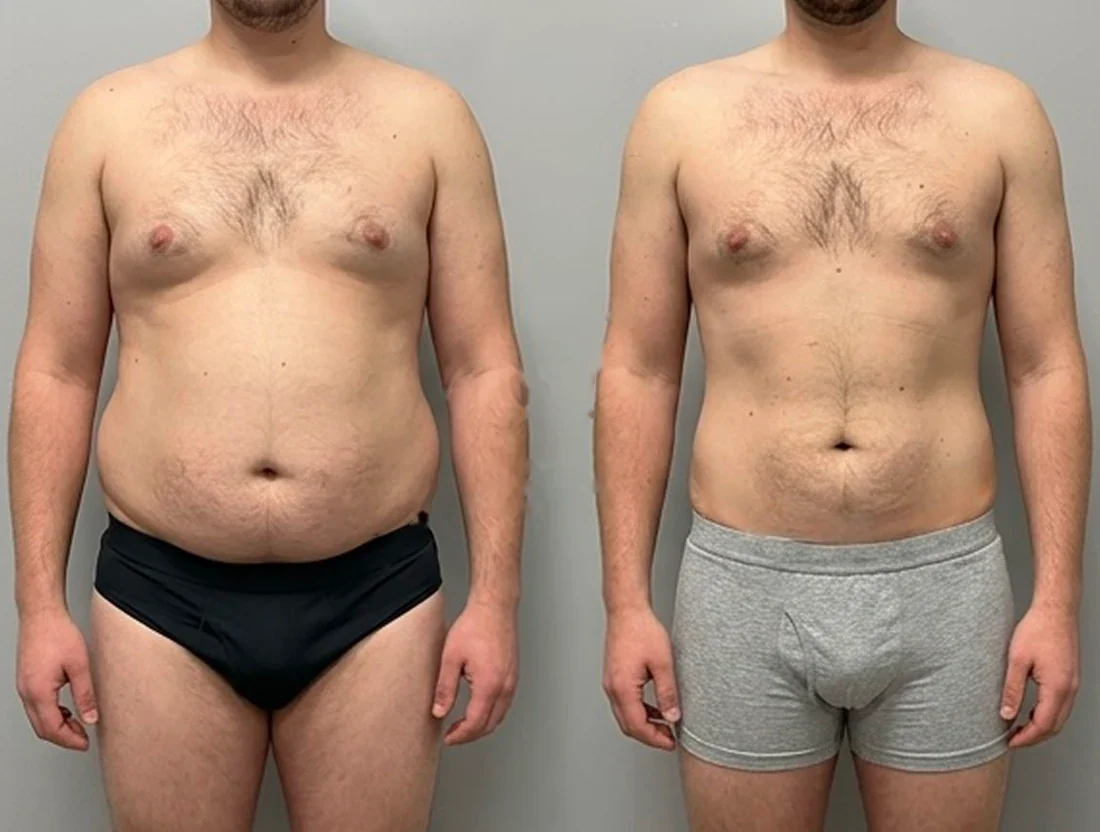 beforeafter
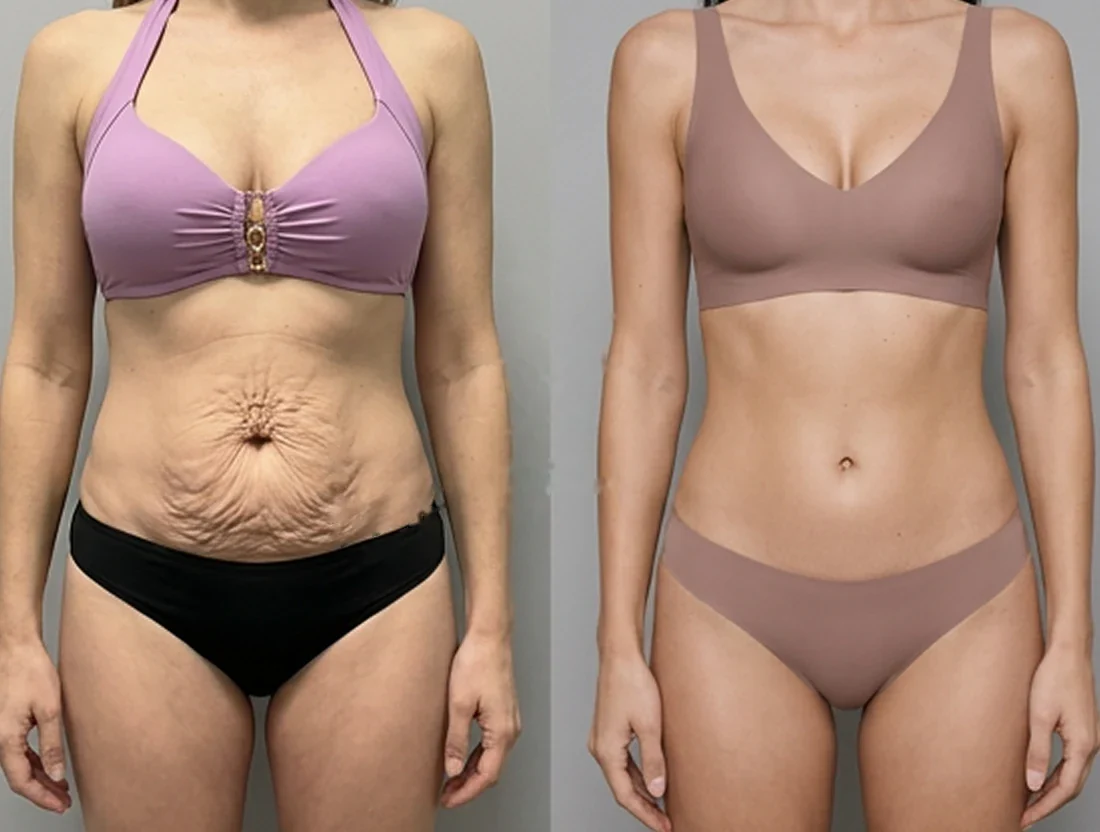 beforeafter
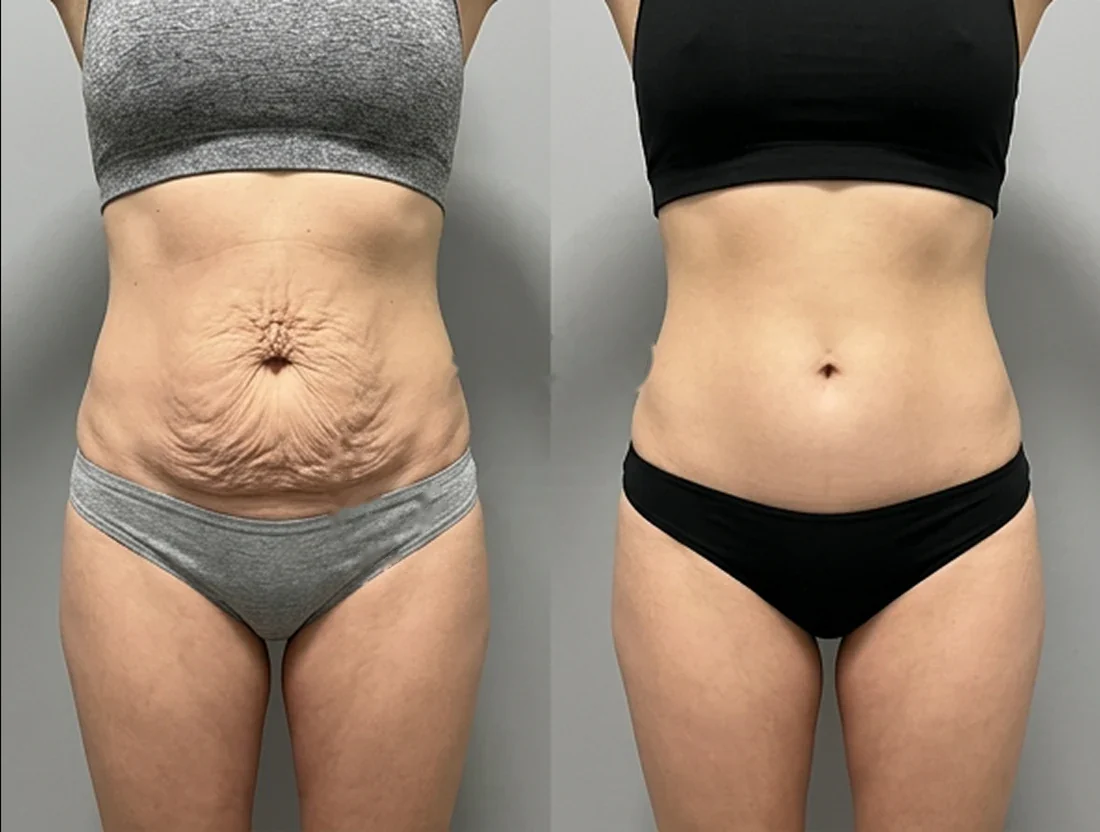 beforeafter
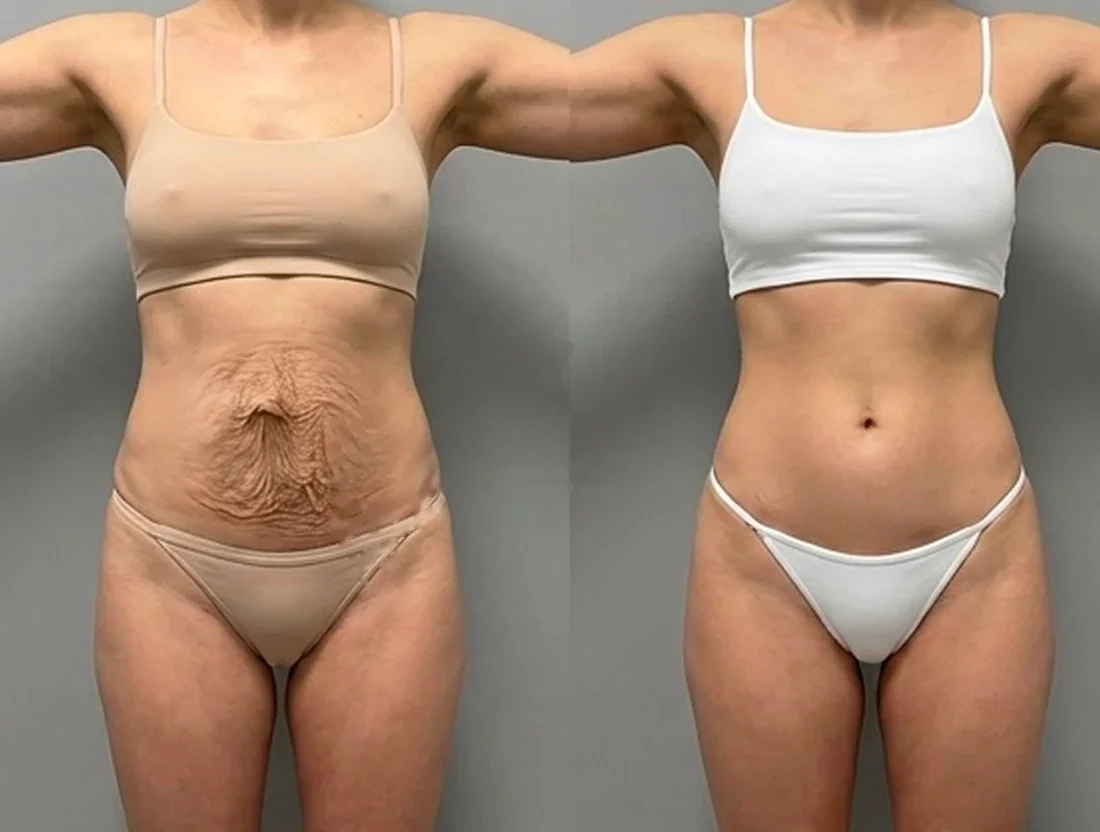 beforeafter
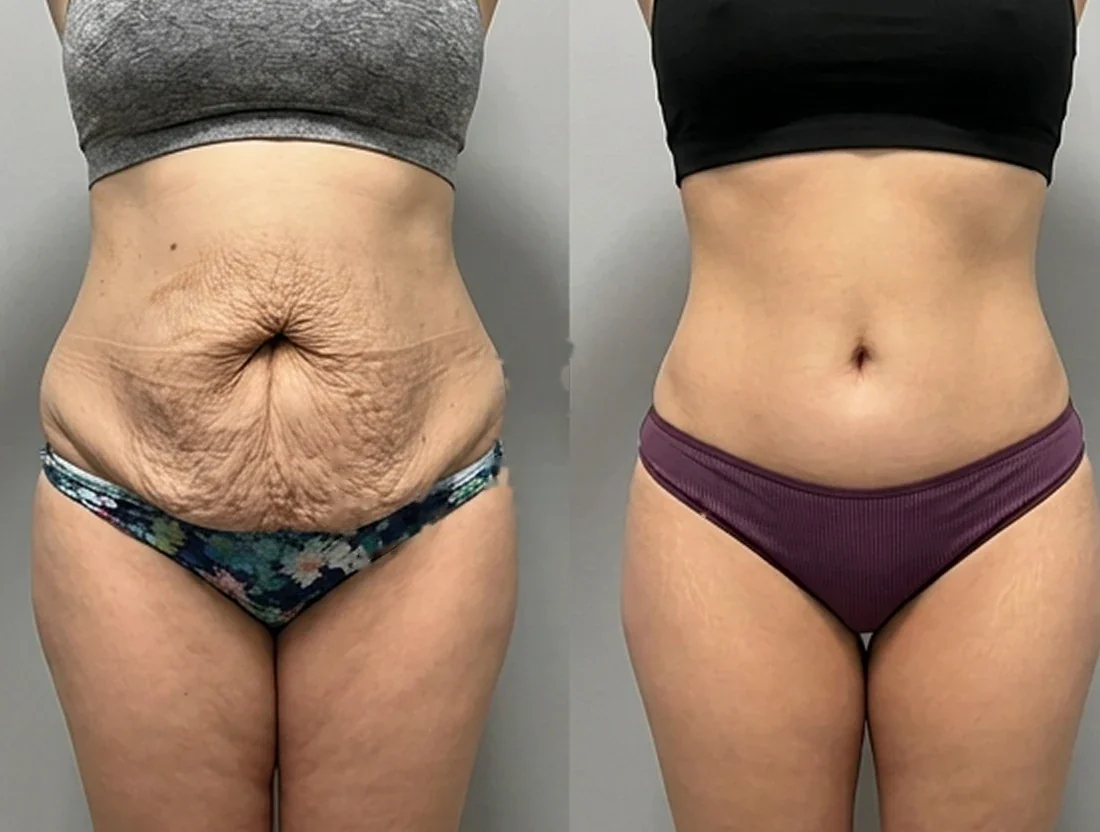 beforeafter
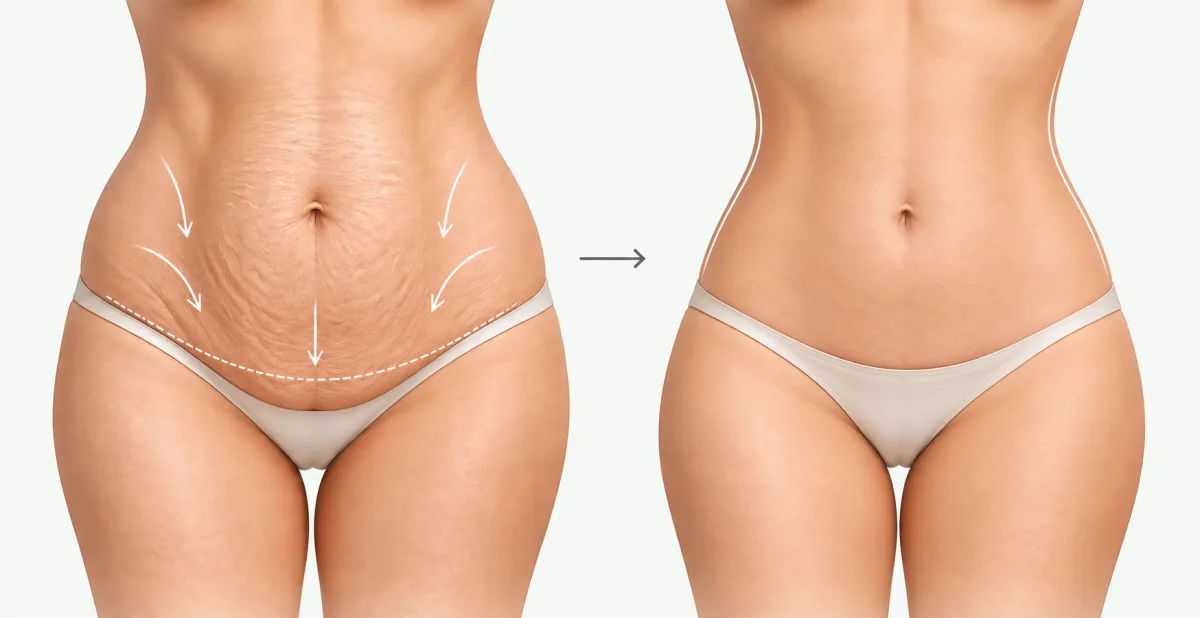
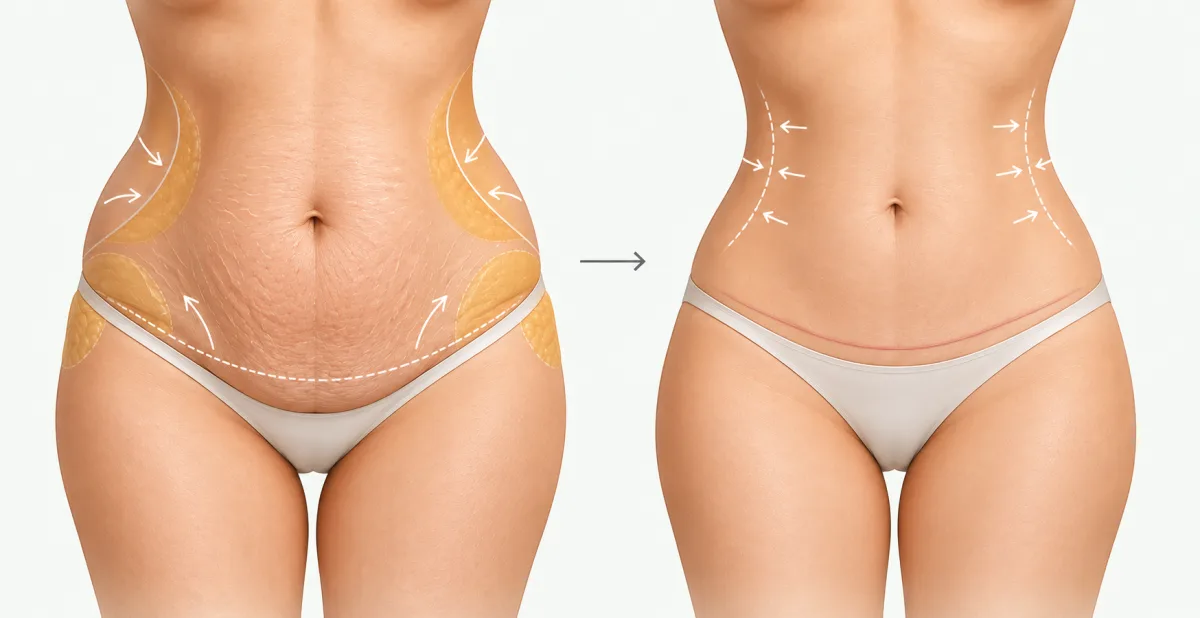
 1
 2
 3
 4
 5
 6