City Medical Centre · multi-specialty surgery clinicOpen 24/7

Body Contouring with Liposuction in Kisangani

Free consultation

from $1,200

The price is fixed in the contract before surgery
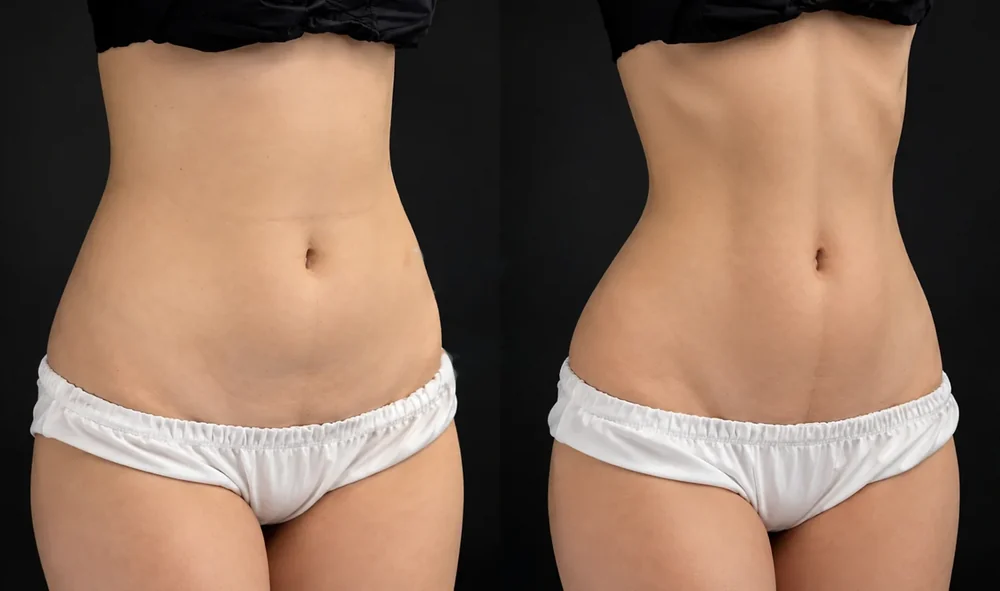
Real case
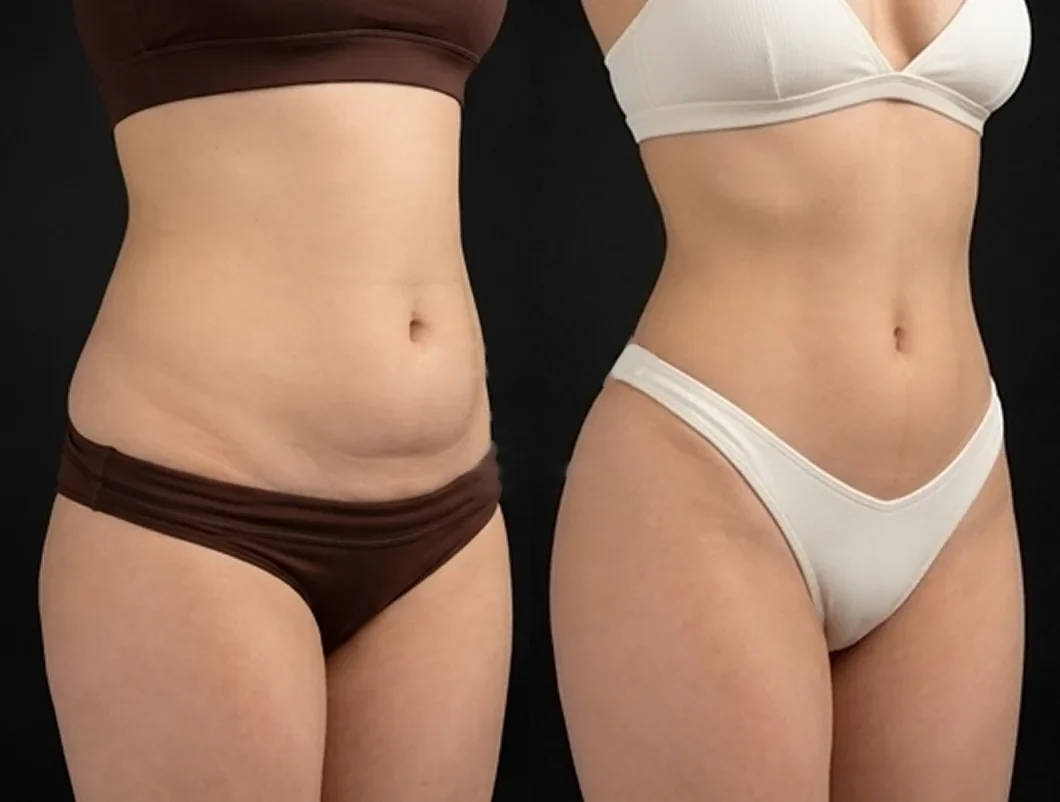
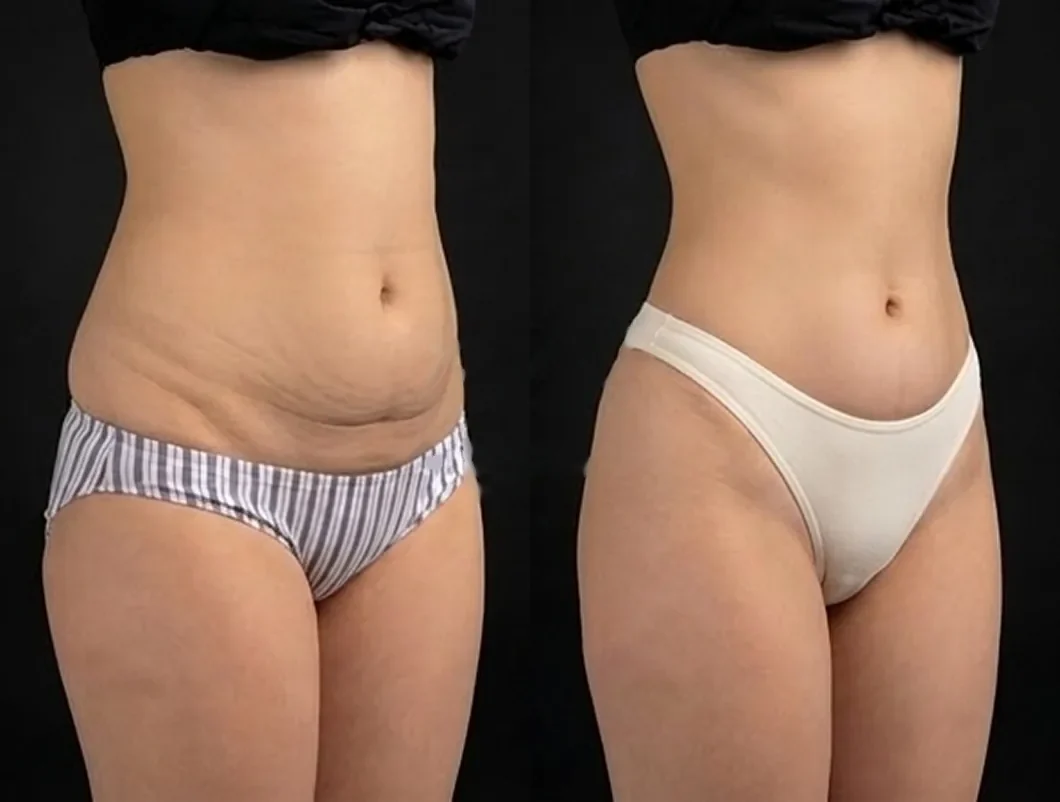
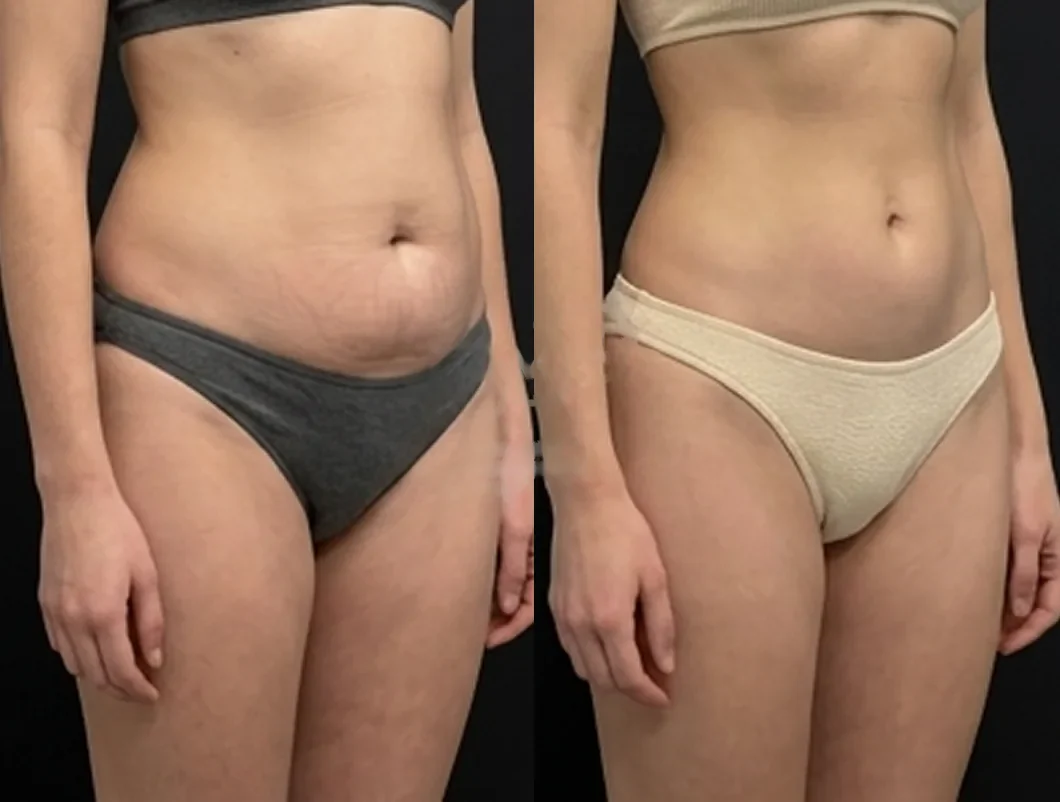
Liposuction: a patient's abdomen and flanks before and after surgery before after
Stubborn local fat that diet and exercise don't shift. Your plan is set at the consultation

Message our coordinator

Free online consultation · Reply within 15 minutes

Message us on Telegram

By messaging us, you agree to our Privacy Policy

Results

Liposuction results
of our patients

All cases are real patients. Faces and identifying details are hidden.

Abdomen and flanks

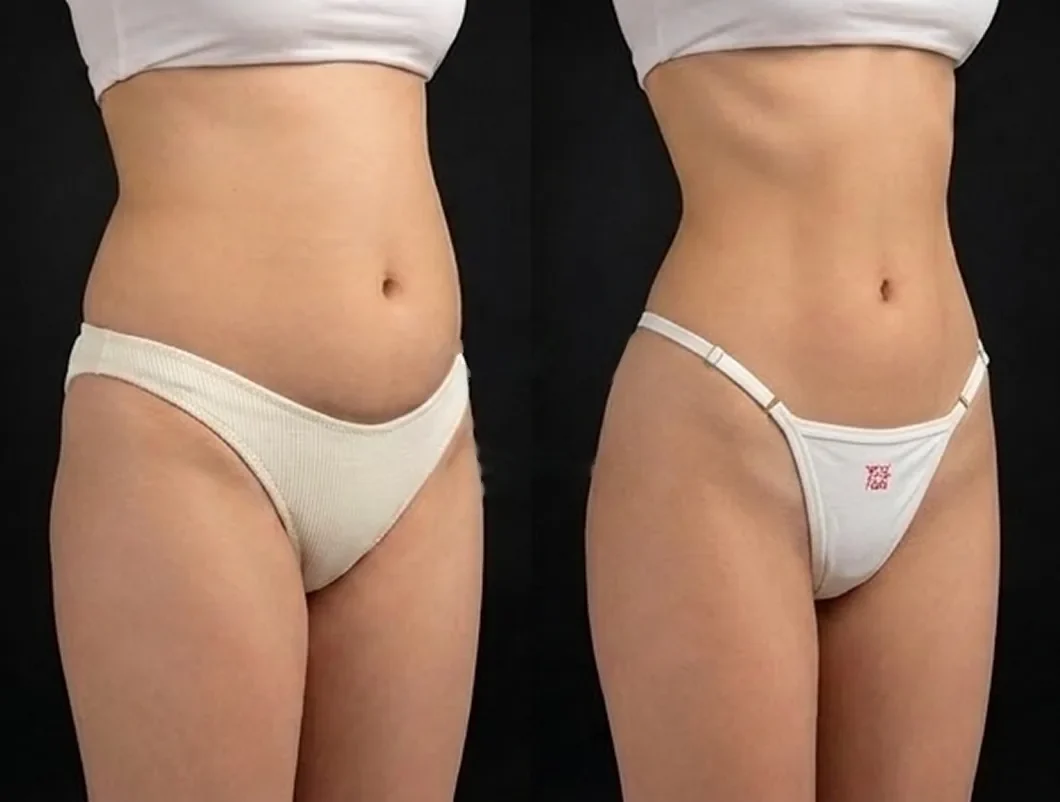
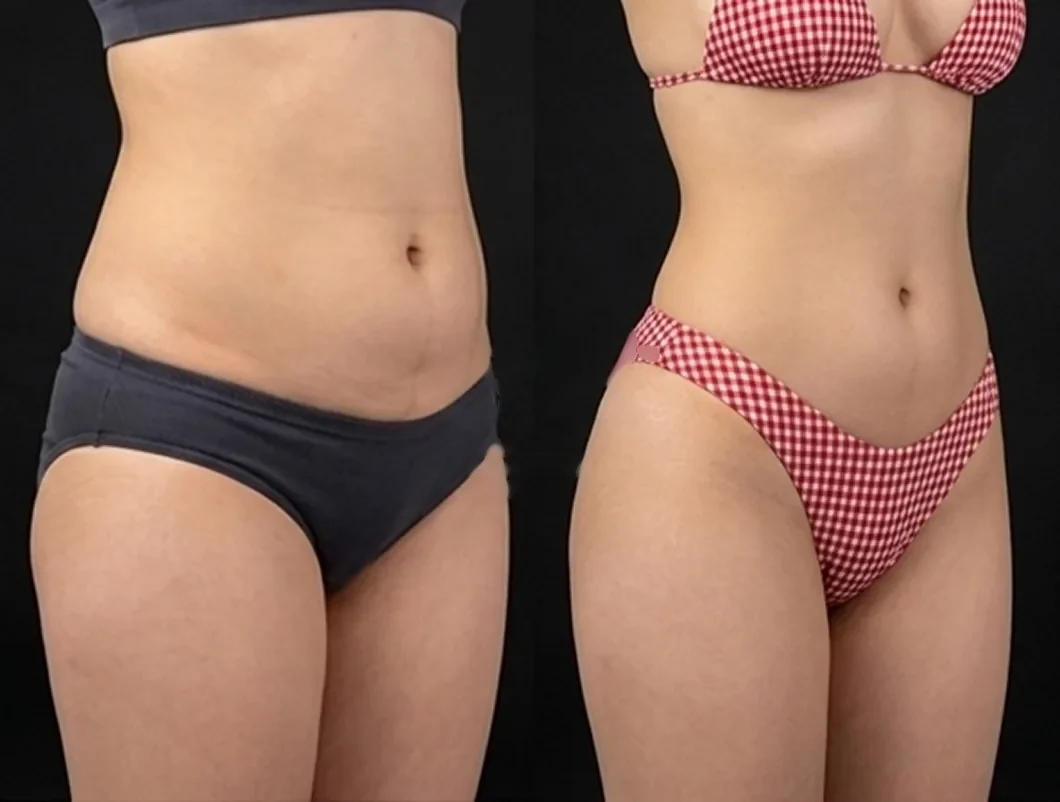
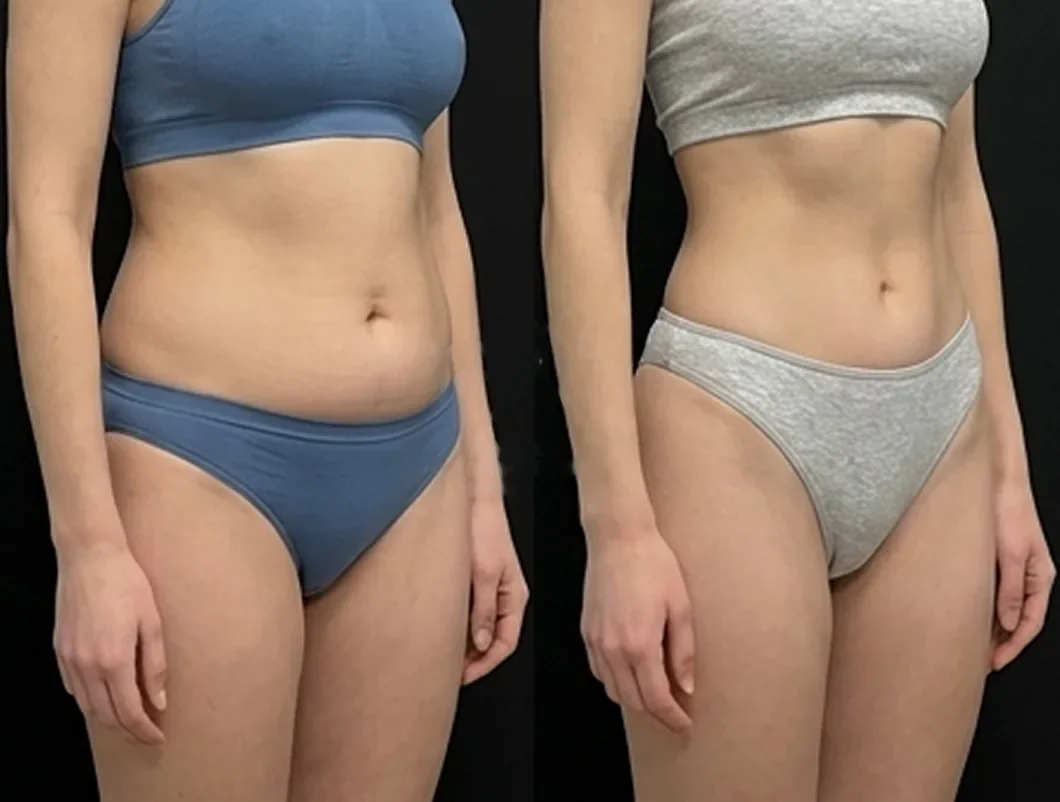
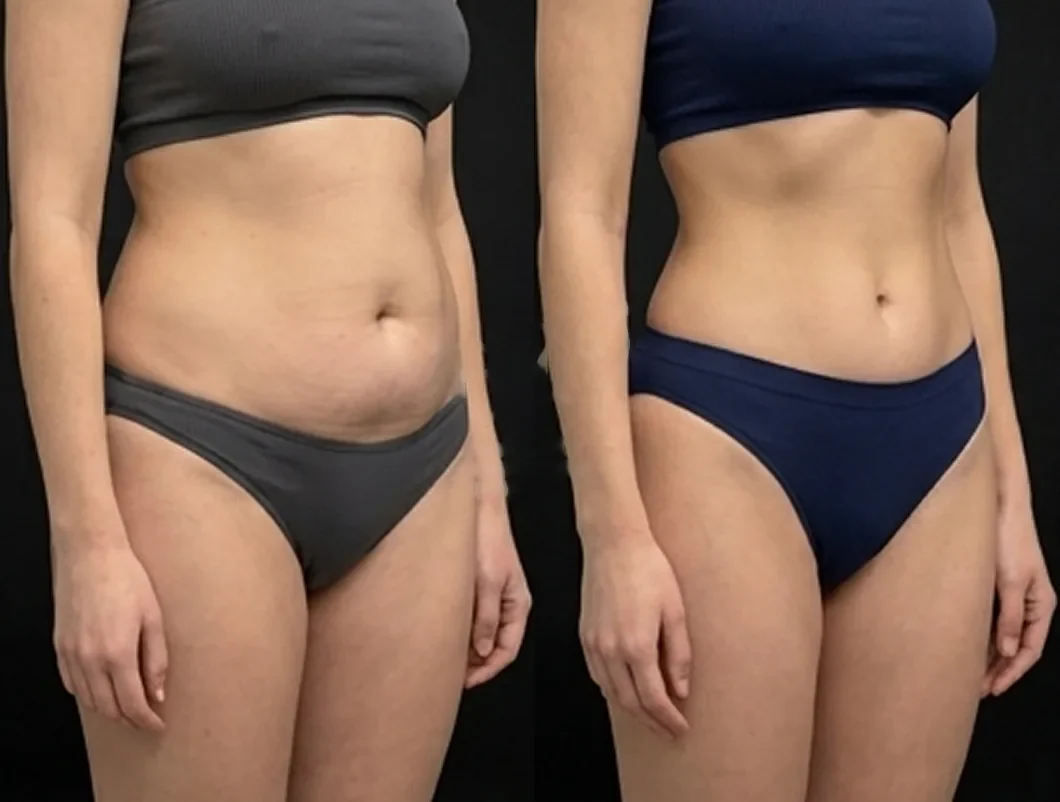
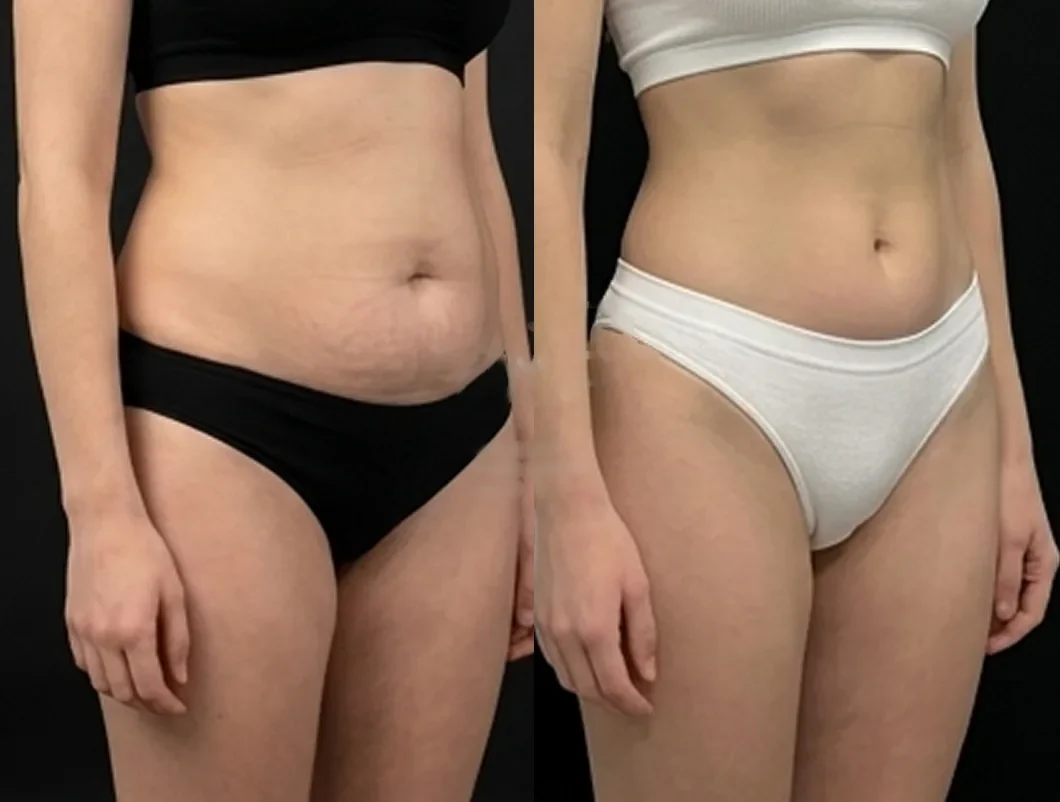
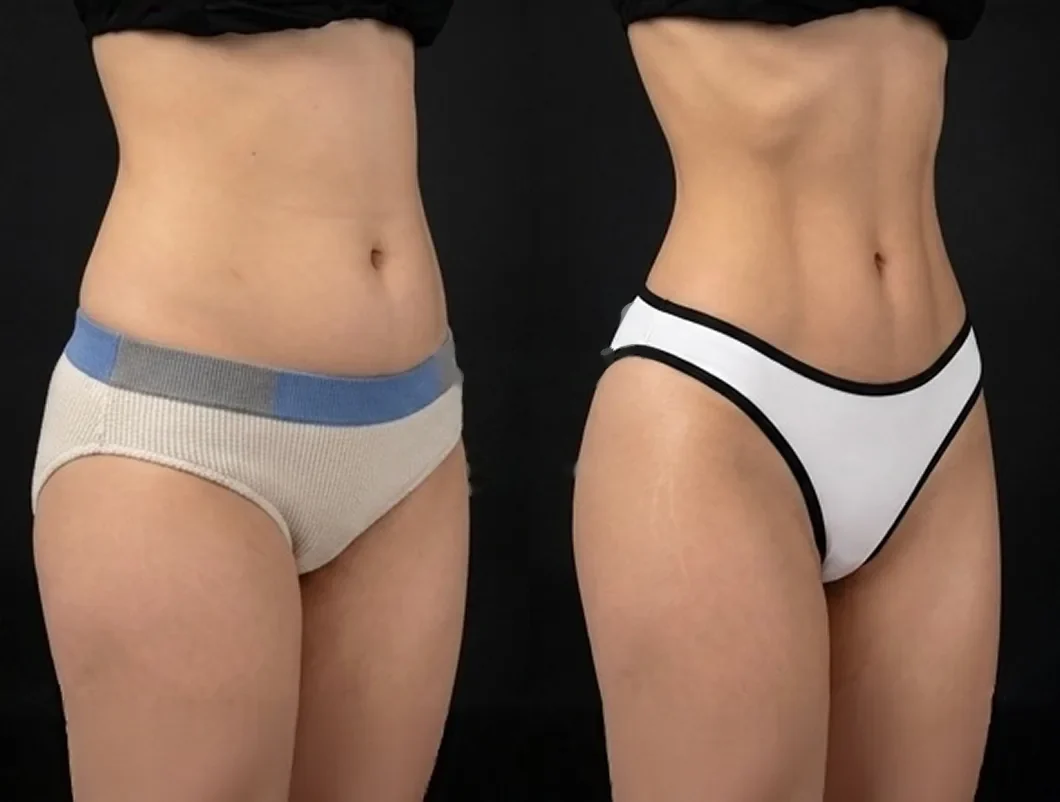
Liposuction of the abdomen and waist: before and after surgerybeforeafter
1 of 10

Comparison

Liposuction techniques

We use two liposuction techniques: tumescent (classic) and VASER (ultrasound). Compare the goal, the indications and the anaesthesia to choose the right technique together with your surgeon.

Tumescent liposuction

A special solution loosens fat for removal through a thin cannula
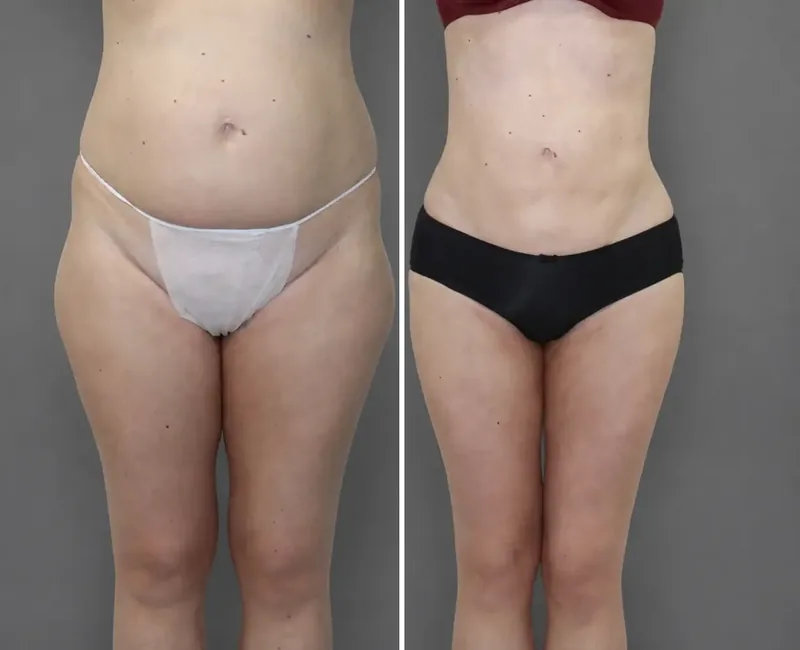
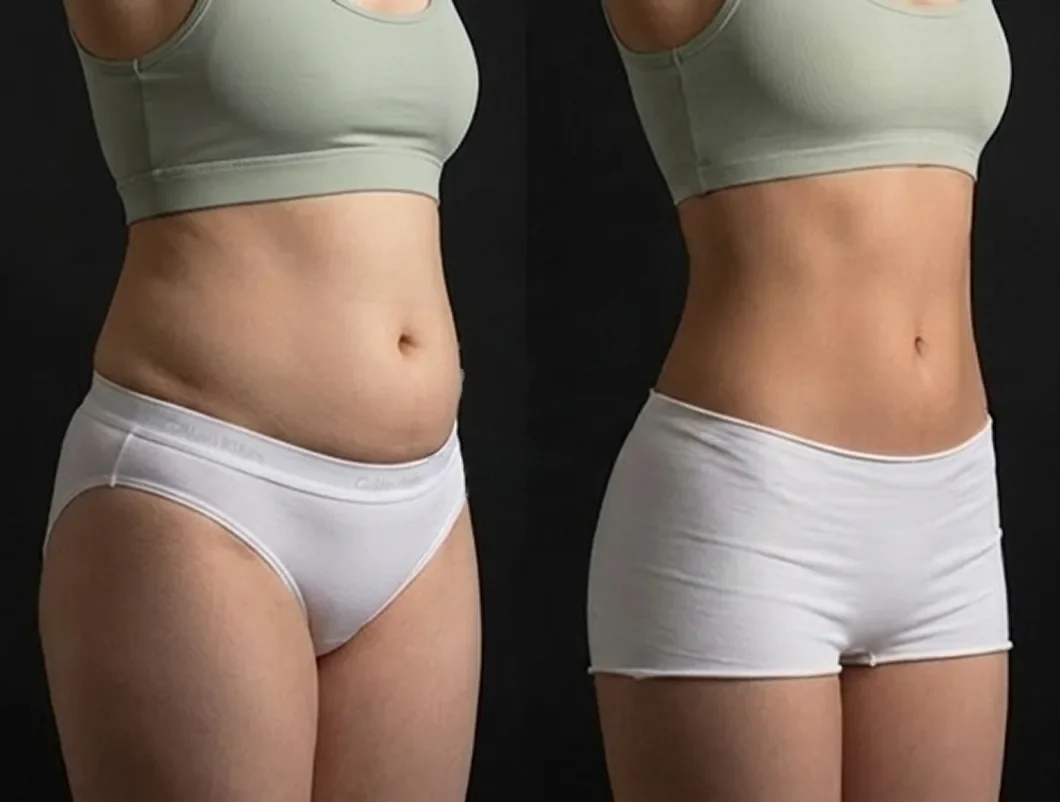
Tumescent liposuction: abdomen and thighs before and after surgery

from $1,200

Main goal
Removal of local fat with minimal blood loss
When it is done
Abdomen, flanks, thighs, back, arms, chin
Anaesthesia and stay
Local or general anaesthesia, home the same day or after 1 day

VASER liposuction

Ultrasound breaks down fat cells before vacuum removal
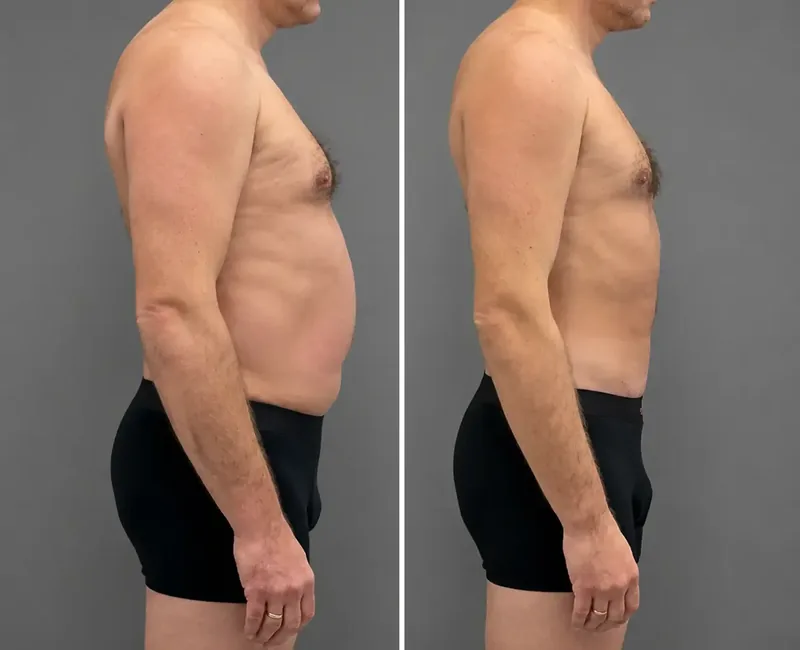
VASER liposuction: a male patient before and after surgery

Price at consultation

Main goal
Defined muscle relief and body contouring
When it is done
Athletic abs and delicate areas
Anaesthesia and stay
Local or general anaesthesia, 1–4 hours of surgery

The benefits and recovery times shown are averaged for each technique and given for guidance: the scope of correction and rehabilitation depend on your anatomy and individual features, and the surgeon confirms them at the consultation.

At the consultation the surgeon draws up a plan for your case and explains how your liposuction will go.

Free, before surgery and with no obligation.

Book a consultation

Body areas we treat

Treating several zones in one operation saves recovery time and money

  • Abdomen and flanks

    The most requested area for women and men, often combined with abdominoplasty

  • Thighs (outer and inner)

    Fat pockets that resist training

  • Back, including the lower back

    Rolls that affect the back's silhouette

  • Upper arms and shoulders

    A cosmetic issue seen in warm weather

  • Chin and neck

    Small volume, quick visible result

  • Knees

    A delicate area that needs precise work

  • Chest (for men)

    Fat-related gynecomastia and pseudogynecomastia

About the clinic

A clinic where you can feel at ease

Modern equipment, comfortable rooms and care for every patient
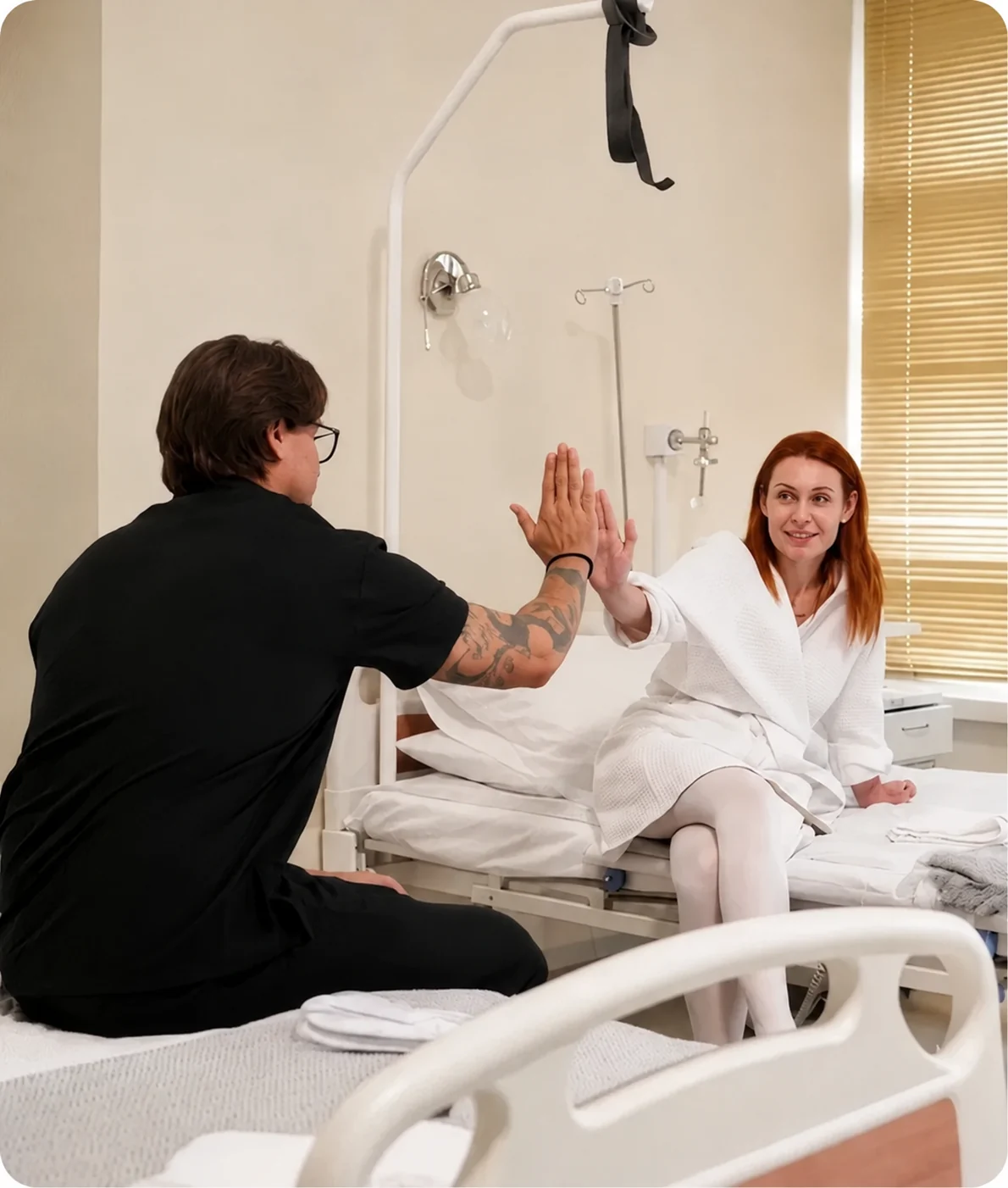
A doctor and a patient in a clinic ward

Contact us the way that suits you

We will answer your questions and find a convenient time for a consultation

By messaging us, you agree to our Privacy Policy

Request a free call

Liposuction is not for everyone

If your case can be solved without surgery, the doctor will tell you so at the consultation — and you will not spend money for nothing.

Suitable
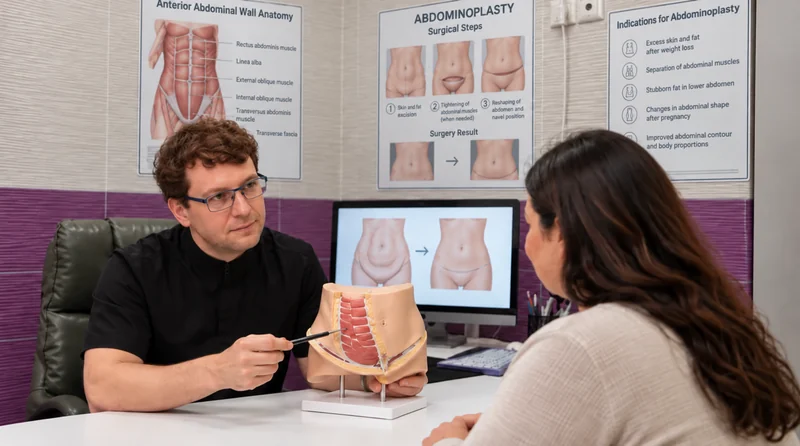
A surgeon shows a patient on a model and a monitor how the body contour changes after liposuction
  • Local fat that resists diet and exercise
  • Uneven subcutaneous fat
  • Disrupted body proportions
  • Silhouette changes after childbirth or weight loss
  • Fat component of gynecomastia in men
  • Good skin tone and elasticity

Not suitable
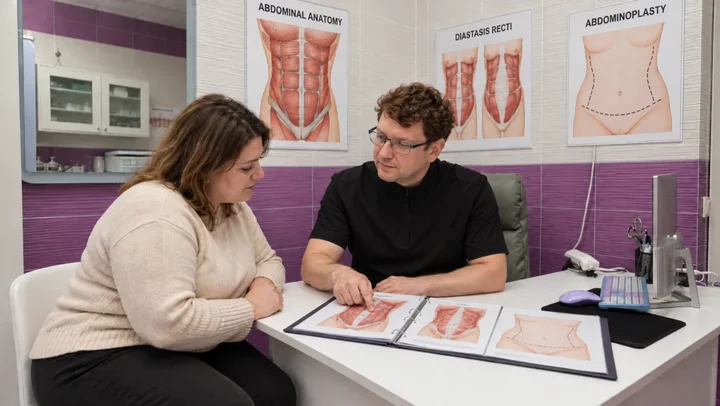
A surgeon discusses the indications and contraindications for liposuction with a patient
  • Not yet 18
  • Being pregnant or breastfeeding
  • Endocrine obesity
  • Decompensated diabetes
  • Conditions affecting blood clotting
  • Serious heart, kidney or liver disease, cancer

Not sure the surgery is right for you?

Leave your number — the coordinator will call you back, and the surgeon will tell you whether liposuction suits you. No surgery booking needed.

Find out if it suits me
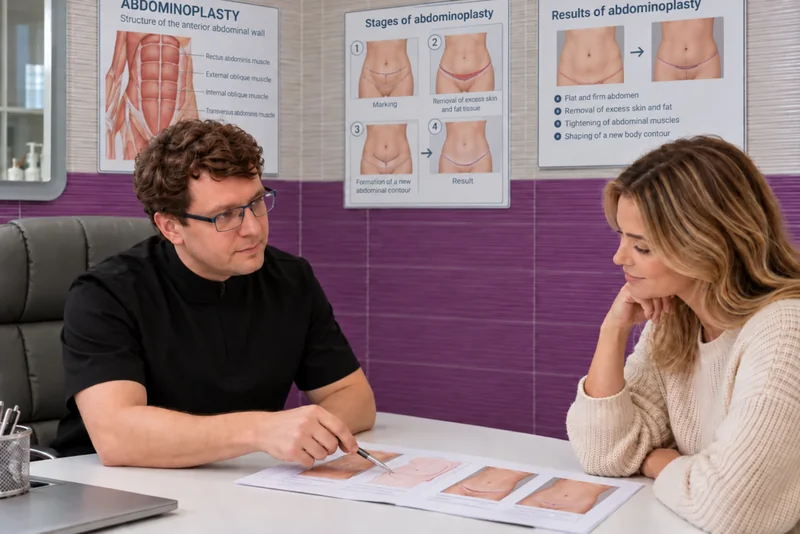
A surgeon goes through the treatment areas with a patient at the consultation

Prices

You know the price
before surgery

The final price is calculated individually after an examination and fixed in the contract.

Liposuction prices

  • First consultationFree
  • Flanks / waist liposuctionfrom $1,400
  • Thigh liposuction (outer)from $1,200
  • Thigh liposuction (inner)from $1,200
  • Torso liposuction (lower back, sides of the abdomen, front abdominal wall)from $3,600
Book a consultation

Find out your liposuction plan and price

The surgeon assesses the fat deposits and skin tone, listens to your wishes and chooses the right technique.
A nurse talks to a patient in a clinic ward

Message our coordinator

Free online consultation · Reply within 15 minutes

Message us on Telegram

By messaging us, you agree to our Privacy Policy
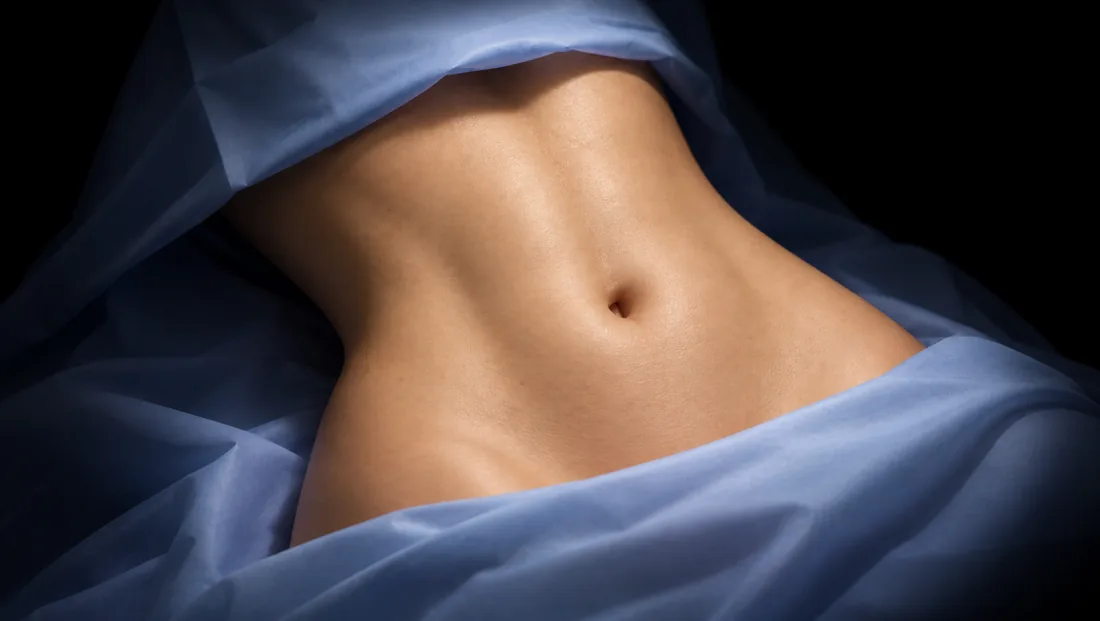
A patient before liposuction in the operating room

all inclusive

What the price includes

From preparation for surgery
to post-op check-ups.

  • All scheduled dressings
  • Scheduled post-op check-ups
  • A personal coordinator on call
  • Compression garments fitted on the day of surgery
  • A stay in a comfortable
    hospital ward with meals
  • Individual recommendations
    for recovery
  • Remote progress monitoring
    by photos

from $1,200

Book a consultation

How it works

From consultation —
to your new contour

An agreed treatment plan, careful monitoring after surgery and post-op check-ups.
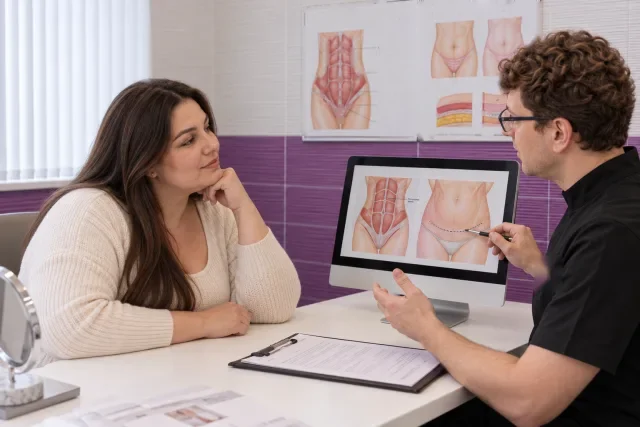
A surgeon goes through the liposuction plan with a patient on a monitor1

Consultation
and the surgical plan

The surgeon listens to your wishes, assesses the fat deposits and skin tone and rules out contraindications. A hormonal screening is also ordered — it helps predict the long-term result.
Paying the deposit by card at the clinic reception2

Booking the date
of surgery

We reserve a surgery date for you: the deposit can be paid by card at the clinic or online by bank transfer. The terms are fixed in the contract for medical services
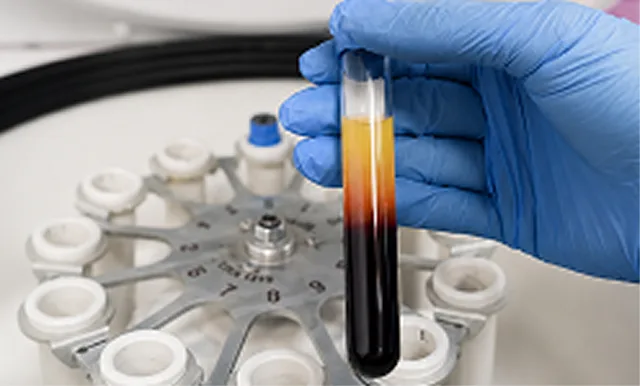
A blood sample tube for tests before liposuction3

Check-up before
surgery

Blood tests (complete count, coagulation panel, biochemistry, infections), an ECG, a chest X-ray and, if needed, a GP consultation. All tests can be done at the clinic with no waiting.
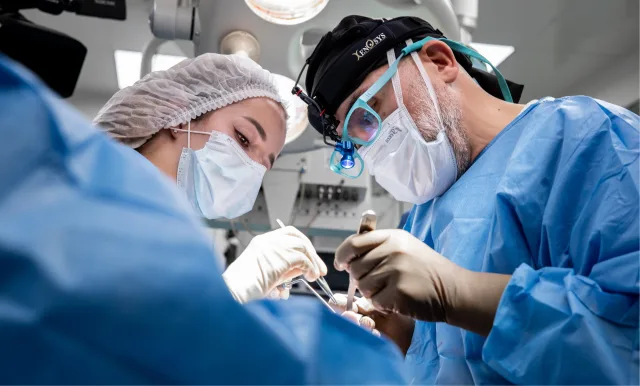
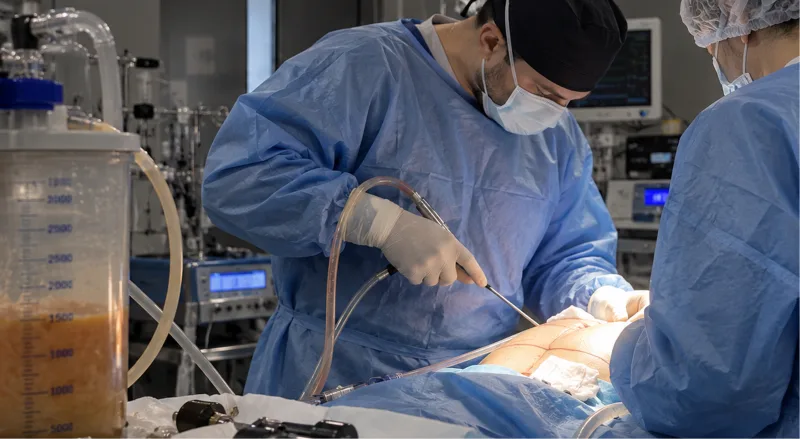
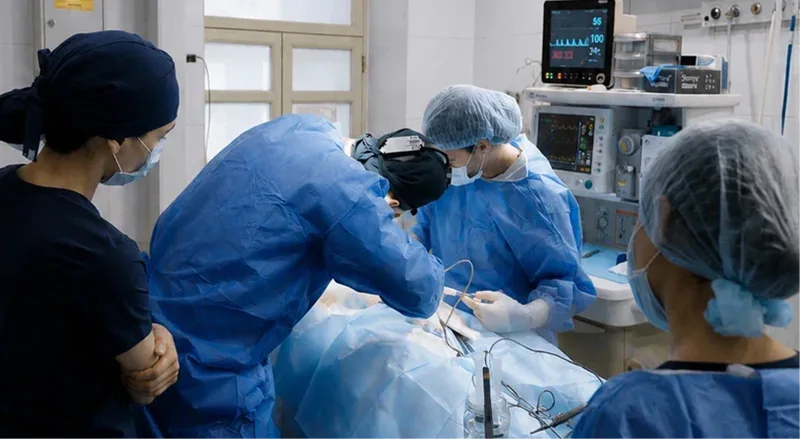
The surgical team during the operation4

Surgery

Marking the areas and fitting compression garments. Under local or general anaesthesia the surgeon removes fat through 3–5 mm micro-punctures — from 1 hour for small areas to 3–4 hours for a combined procedure.
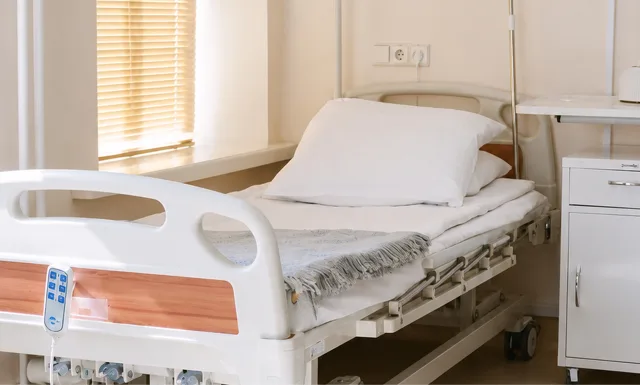
A hospital ward at the clinic5

Waking up
and monitoring

With local anaesthesia you go home 3–4 hours after surgery; with general anaesthesia you stay one day in a comfortable ward under medical supervision.
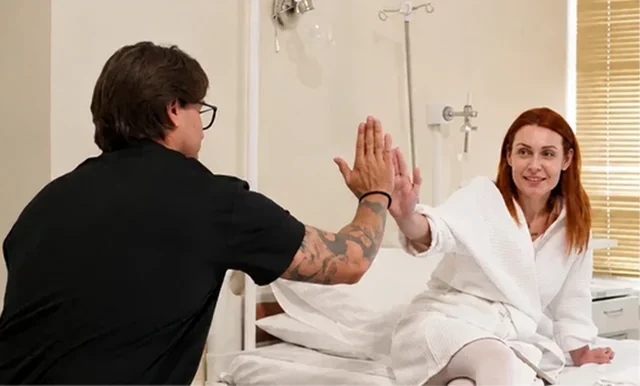
A surgeon and a patient in the ward during recovery6

Recovery

Compression garments for 30–45 days. First changes show at 2 weeks, once swelling subsides; the final result forms in 3–6 months. Check-ups at 7 days, 3 and 6 months.
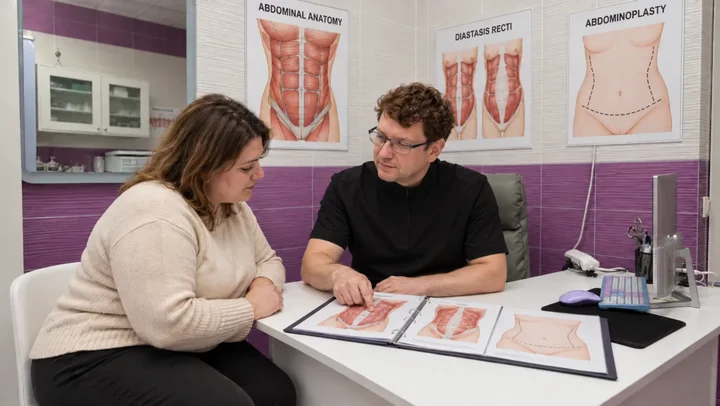
Book a free consultation — the surgeon will plan every step with you.

A doctor discusses the liposuction plan with a patient
Book a consultation
A doctor discusses the liposuction plan with a patient

Recovering after liposuction

After tumescent liposuction, recovery is much shorter than after a conventional procedure. Most patients return to work within 7–10 days. In the first week, mild swelling and a raised temperature are possible — a normal response to surgery. Compression garments are worn for 30–45 days: they fix the new contours and speed up tissue recovery. In the first month, bathhouse, sauna, pool and intense sport are off-limits. For the best result and faster recovery we recommend lymphatic drainage massage, pressotherapy and a gradual return to activity. First visible changes show 2 weeks after surgery, when the main swelling subsides; the final result forms in 3–6 months.

Post-op check-ups

After 7 days, at 3 months and at 6 months. Until the end of the year, get a post-surgery consultation with your surgeon to review results and get more information, at the clinic's expense.

Advantages

What makes patients choose City Medical Centre
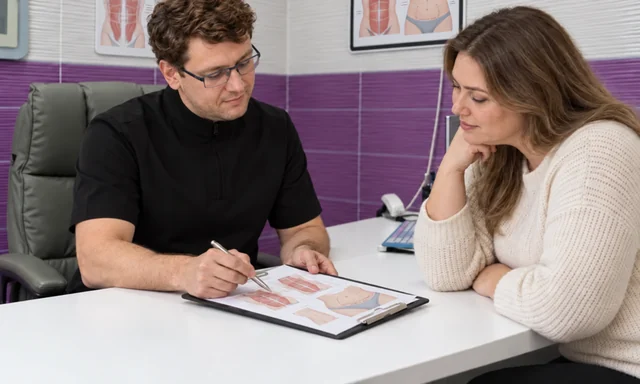
A surgeon discusses the liposuction plan with a patient at the consultation

Just find out — you lose nothing

At the consultation we discuss your wishes and assess the fat deposits and skin tone. Before surgery an endocrinologist rules out hormonal causes of the fat deposits — this improves the long-term result.
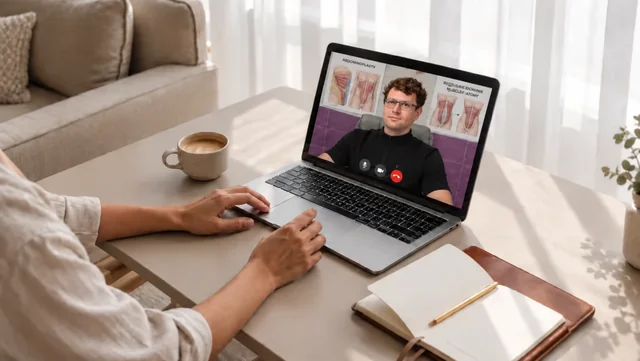
A surgeon on a video call with a patient after surgery

We stay with you after surgery

The surgeon follows your recovery and the new body contour at check-ups after 7 days, 3 and 6 months. Check-ups, dressings and aftercare advice are already included in the price of surgery.
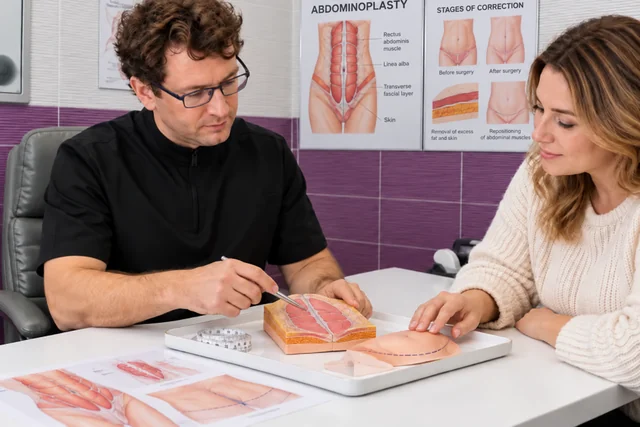
A surgeon shows a patient a model and body contouring diagrams

A beautiful contour that fits your figure

Tumescent and VASER techniques, micro-incisions of 3–5 mm and precise volume control. Our aim is a smooth contour that keeps the natural proportions of your body.

A patient writes down a convenient visit time in her planner

Your schedule is our priority

We respect your time: we work 24/7, with easy booking and a personal approach — we adapt to your pace.
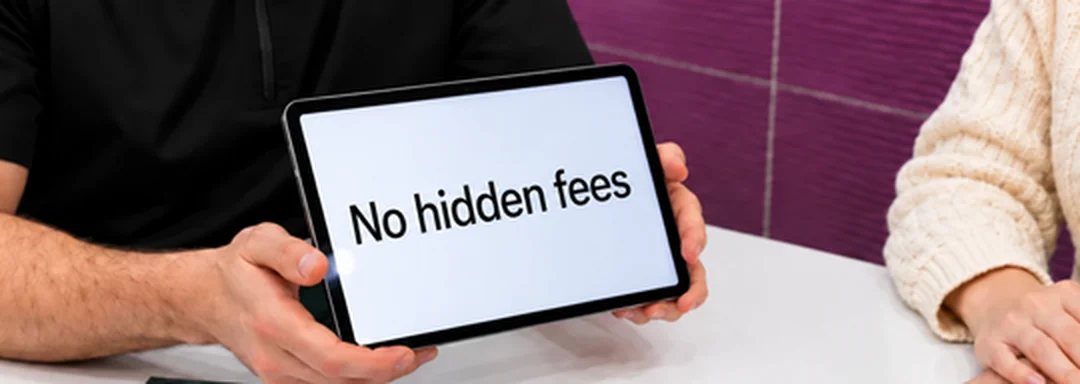
A surgeon shows a patient a tablet: no hidden fees

Fixed prices

After the consultation the surgeon defines the areas and the scope of surgery, and you get a clear price fixed in the contract — no hidden extras.
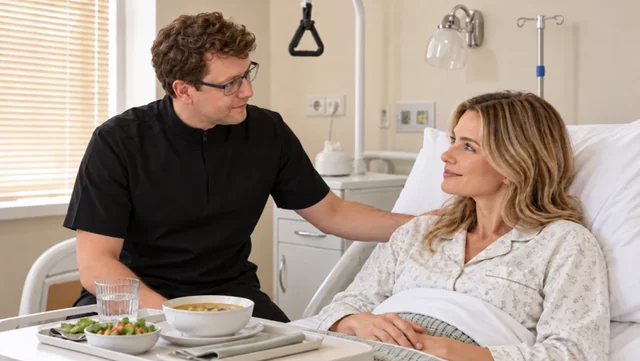
A surgeon visits a patient in the hospital ward after surgery

Round-the-clock care after surgery

With general anaesthesia recovery starts in a comfortable hospital ward under round-the-clock nursing care. The stay and meals are already included in the price.

FAQ

We answer what
people ask before booking

Liposuction in Kisangani: price and what is included

Prices are in US dollars; the amount in brackets is an approximate conversion to CDF at the rate of 02.10.2026. The final price is fixed in your contract.

How much does liposuction in Kisangani cost?

Prices start from $1,200 (≈ CDF 2,800,000) per area. The surgeon sets the final price at the free consultation, and it is fixed in the contract, with no hidden extras.

What is included in the price?

The operation under local or general anaesthesia and the surgeon's support throughout recovery. The price is per area and fixed in the contract.

How do I get my exact price?

Message us on WhatsApp or Telegram using the buttons below. A coordinator will answer your questions and book a free consultation where the doctor names the exact price.

By messaging us, you agree to our Privacy Policy

Everything about body contouring in Kisangani

Some areas keep their fat no matter how active you are or how normal your weight is. That is exactly who liposuction in Kisangani is for: people with local deposits that resist training and diet, uneven fat distribution or disrupted body proportions. It also helps restore the silhouette after childbirth or sudden weight loss, and in men it removes the fat component of gynecomastia.

Preparation follows a simple schedule. Two weeks before surgery, medications that affect blood clotting are stopped; a week before, alcohol and smoking are cut out for faster healing; the last meal is eight hours before the operation. On the day itself, the surgeon meets you, marks the areas and fits compression garments. This is the routine for everyone in Kisangani.

The cost is built around your zones: from $1,200 (≈ CDF 2,800,000) for the most compact area, rising for larger combinations such as the torso or the abdomen with flanks. Nothing is added later, because the contract fixes the price. Kisangani residents can split payment into interest-free instalments and begin with a free surgeon consultation, booked through the form on the page.

Liposuction for residents of Kisangani: a city of river and forest

Kisangani, the capital of Tshopo Province, stands on the Congo River in the eastern part of the central Congo Basin. It is the fifth-most populous urban area of the Democratic Republic of the Congo, with an estimated population of 1,602,144 as of 2016. It is also the largest of the cities in the tropical woodlands of the Congo. A city of this size has many people who think about body contouring but have few places to discuss it calmly, so the first question is usually where to get reliable information. This text is written for readers in Kisangani who are weighing liposuction and want to plan it around their own city, climate and routine.

Liposuction removes localised fat deposits that stay in place despite regular meals, activity and a stable weight. Typical areas are the abdomen, flanks, thighs, hips, arms and the area under the chin. The techniques used are tumescent and VASER, with micro-incisions of 3–5 mm and precise volume control. The aim is a smooth contour that keeps the natural proportions of your body, not a dramatic change of silhouette. People in Kisangani often tell us they want clothes to fit better, whether for daily wear, for church, for a wedding or for a stage appearance.

The city has a strong public life. It is a centre for radio, television, theatre, film and music, and it has a long tradition of Congolese rumba, soukous and ndombolo. People who work on stage, in media or in front of a camera, as well as those who simply like to dress well for festivals, often care about how their figure looks. Liposuction is a planned, elective procedure, so you can fit it into the calendar of your work and family events rather than the other way round.

Every step before and after the operation can be organised from Kisangani. The first conversation is a free online consultation, and our coordinators are available around the clock (24/7) on Telegram and WhatsApp. You can write at any hour, including after a day at the market, at the port or at the university, and you do not have to rearrange your schedule to fit ours.

Climate of Kisangani and what it means for recovery after liposuction

Kisangani lies about 80 kilometres from the equator and has a tropical monsoon climate. Temperatures are uniformly high all year, averaging around 25 °C, with little difference between day and night. Humidity averages 86%, and annual rainfall is about 1,620 millimetres, falling fairly regularly. The driest month, January, still brings just under 60 millimetres of rain. There is no true cold season in the city, so the question is never 'when is it cool enough' but rather 'how do I manage steady warmth and moisture while I heal'.

Compression garments are worn for 30–45 days, and for the first 4–6 weeks you avoid the bathhouse, sauna, pool and active sport. In a humid climate the garment is the part of recovery that needs the most thought. Choose a breathable fabric, keep a second garment so you can change when the first is damp, and keep the skin underneath clean and dry. Wash your hands before touching dressings, and do not apply creams or home remedies to the puncture areas unless your surgeon has advised it. Wearing loose cotton clothing over the garment helps with the heat and also hides it at work.

Swelling and bruising are part of the normal course and clear by weeks 4–5. Warm, humid air can make the legs feel heavier by evening, especially if you have been on your feet. Short walks in the cooler early morning and resting with the legs raised in the afternoon are sensible habits. Drink water regularly, and ask your surgeon about any signs that need a quick call, such as increasing redness, unusual warmth in one area or a sudden change in swelling.

Rain is frequent, so plan your movement around it. Wet pavements and muddy paths are a practical hazard in the first days, when you should avoid sudden movements and heavy lifting. Keep dressings dry in a downpour, and arrange for someone to drive you or accompany you rather than trying to walk long distances. The breeze that often blows off the Congo River is pleasant for a gentle evening walk once your surgeon allows it, but it does not replace rest.

Sun matters too. Tanning beds are off-limits for at least a month, and in an equatorial city it is just as sensible to protect the treated areas from strong direct sun while the skin is healing, using clothing rather than creams on fresh marks. The marks left by 3–5 mm punctures are barely visible once healed, and with proper care during recovery they fade completely. Covering them from the sun in the first weeks supports that.

Daily life, work and study in Kisangani: planning the days after surgery

Kisangani is the nation's most important inland port after Kinshasa and a commercial hub for river and land transport and for the whole north-eastern part of the country. Many residents work in trade, transport, logistics, manufacturing, media and public service. Others study at the University of Kisangani and its Faculty of Medicine. Each of these routines has different physical demands, and they should be matched to the recovery plan.

Most patients get back to their usual routine and work in 7–10 days. For desk work, teaching, administration, media work or shop counters, that usually means the lower end of the range, provided you feel well and your surgeon agrees. For jobs that involve carrying goods, loading at the river port, long standing at a market stall or heavy lifting, plan for the first 7 days without any physical exertion or heavy lifting, and ask the surgeon in your remote consultation how to phase in a full load. It is better to take a few extra days than to return too early.

Students can plan the same way. Arrange the operation at a time when lectures, practical sessions and examinations are not clustered, and tell your coordinator about any fixed dates. Sitting for long hours is generally manageable in the garment, but you should get up and walk regularly rather than stay seated through an entire lecture day.

Family matters as well. In a city with many cultural communities, family gatherings, weddings, funerals and church events are frequent and are often planned weeks ahead. Decide in advance which events you must attend and which you can skip. The days right after surgery are not the time to host guests, cook for a large family or carry children. If you can, ask a relative to take over heavy household tasks for the first week.

Because the consultation is remote, you do not spend time away from home for appointments before the operation. You can ask your questions in the evening after work, send photographs, share your medical history and receive written instructions, all while staying in your own routine.

Food culture of Kisangani and the contour after liposuction

Kisangani's food culture reflects its ethnic and working-class roots and the influence of its many immigrants. The city is known for deep-dish manioc, for river prawns known as kosa kosa and for Kisangani coffee, which are all still the main street fare. Arab-Swahili and Indian traditions have also shaped the local table. Many residents eat out often, and food is a central part of social life.

Liposuction is not a diet and does not give you licence to ignore what you eat. It removes fat cells from treated areas, and the contour can still change if weight changes significantly later. Eating regularly, with plenty of vegetables, fish and fruit, and enjoying fried or starchy dishes in moderation, helps keep the result stable. This is general advice, and your surgeon can tell you more about your own situation.

In the first days after surgery, many people prefer light meals. River fish, boiled vegetables, soups and plenty of water are easy on the body. Heavy, very salty or spicy food can make you feel uncomfortable and can increase swelling in some people, so it is wise to keep meals simple while you are in the garment. Alcohol is off-limits for at least a month, and this is worth planning for if your social calendar includes celebrations with beer or other drinks.

Street food is part of daily life, but in the first weeks it is sensible to eat at home or at places whose hygiene you trust well. An upset stomach in the first days would be an unnecessary complication, especially when you are wearing a garment and moving carefully. If you take any regular medication, mention it during the consultation so the instructions can be adapted.

A frequent question from Kisangani is whether liposuction can replace weight loss. It cannot. Obesity and overweight are medical conditions that the World Health Organization describes in its fact sheets, and they call for a broader approach to health than a single procedure. Liposuction is a body-contouring operation for stubborn deposits in people who are generally close to a stable weight, and the surgeon will tell you honestly during the consultation whether it suits you.

Sport, stadiums and returning to activity

Sport plays an important part in the lives of many people in Kisangani. The city has several stadiums, among them Stade Lumumba, Stade du Marche and the Stade of Athenee Royal, and football matches draw large crowds. Many residents play on neighbourhood pitches, run in the early morning or exercise in groups. For this reason, return to sport is one of the most frequent questions we hear.

The rules are clear. For the first 7 days there is no physical exertion or heavy lifting. For 4–6 weeks you wear compression garments and avoid the bathhouse, sauna, pool and active sport. This applies to football, running, gym training with weights and swimming. Walking is encouraged from the first days, within what your surgeon advises, because it supports circulation.

Your surgeon gives all individual recommendations after surgery, and they depend on the areas treated and the extent of the procedure. A person who had a small area treated under local anaesthesia may feel ready earlier than someone who had a combined procedure. Even so, feeling well is not the same as being ready: tissues are still adapting, and the final result forms in 3–6 months.

If you coach a team, refereeing or helping at matches, plan for a period when you can attend but not run, kick or carry equipment. If you are a spectator, remember that crowded stands in hot, humid weather are tiring, and it is better to watch from home in the first weeks. Once your surgeon agrees, return to activity gradually, beginning with light sessions and increasing the load over time.

Dancing is part of the city's cultural life too, from rumba to ndombolo, and festivals are lively. Energetic dancing falls under active sport in the early weeks. Plan so that the major festivals you want to enjoy fall after your surgeon has cleared you, so you can celebrate without worrying about the garment or the healing areas.

Who can have liposuction: candidates and contraindications

We operate from age 18+, if there are no contraindications. There is no upper age limit: after an examination and health assessment, the decision is made individually. Good candidates are adults in generally good health with localised fat that does not respond to a stable routine of food and activity, and with realistic expectations about the result.

Liposuction is not suitable for everyone. General contraindications include conditions that raise the risk of anaesthesia or poor healing, problems with blood clotting, serious heart or lung disease, infections and some chronic illnesses that are not under control. Pregnancy and breastfeeding are reasons to postpone. The decision belongs to the surgeon and the anaesthesiologist after tests and a medical history, not to a general rule, so be completely open about your health, previous operations and the medication you take.

In the tropical climate of the Congo Basin, some health topics deserve a clear mention during the consultation. If you have had malaria recently or have an ongoing fever, tell the coordinator, because an operation should not be planned while you are unwell. Anaemia is another topic that is commonly checked, and the pre-operative blood tests are meant to reveal such problems before surgery rather than after.

Preparation is also required. Give up smoking, alcohol and medications that affect clotting (aspirin, etc.) 7–10 days before liposuction. Pre-operative tests, which include blood tests, ECG, ultrasound, GP and anesthesiologist consultations, are also required. You will receive all instructions after the first consultation, and the coordinators will help you understand which tests you can complete in Kisangani.

Expectations matter as much as health. Liposuction shapes the contour but does not tighten significantly loose skin, remove stretch marks or treat obesity. If you have a lot of loose skin after pregnancy or major weight loss, the surgeon may suggest a different approach or a combination. Hearing this honestly at the consultation is a good sign, not a disappointment.

How the remote consultation works from Kisangani

The consultation is online, free and begins in the messenger you already use. Write to the coordinators on Telegram or WhatsApp, from anywhere in Kisangani, at any hour: we work 24/7, with easy booking and a personal approach, and we adapt to your pace. You do not need to go to an office, and you do not need to take time off work to start the conversation.

In the first message, tell us which areas bother you, your approximate age, any chronic illnesses, previous operations, allergies and medication. Photographs taken in good daylight, from the front, side and back, help the surgeon judge the volume and quality of the skin. Photos are handled confidentially, and you decide how much you share. Many people in Kisangani value privacy, and this format lets you ask your questions without being seen entering any clinic.

The coordinator then arranges a conversation with the surgeon, who reviews your photographs and history, explains whether liposuction is suitable, which areas can be treated and which technique is likely to be used. Because internet connections in a large river city can vary, you can also send questions in writing and receive answers in writing, and calls can be rescheduled if the connection drops.

After this conversation you receive a list of the pre-operative tests and a clear plan. The operation itself is explained step by step: marking the areas and fitting compression garments, then removal of fat through 3–5 mm micro-punctures under local or general anaesthesia, lasting from 1 hour for small areas to 3–4 hours for a combined procedure.

The consultation does not oblige you to anything. You can take time, talk it through with your family, and return with new questions. Our coordinators will not pressure you, and a calm, informed decision is the best basis for the operation.

The operation and the first days: what to expect

The operation uses local or general anaesthesia, and the choice depends on the extent of the procedure and on your preference and health. With local anaesthesia you go home 3–4 hours after surgery. With general anaesthesia you stay one day in a comfortable ward under medical supervision. In both cases it means home the same day or after 1 day, which makes planning simple for someone who has family responsibilities in Kisangani.

The surgery is done through punctures only 3–5 mm across, and they usually need no stitches. Once healed, the marks are barely visible, and with proper care they fade completely. This is one reason liposuction suits people who work with their bodies in the public eye, in front of a camera, at events or in sport.

In the first days, expect tightness, bruising and swelling under the garment. Rest, walking short distances at home and following the dressing instructions are the priorities. Arrange for a relative or friend to be with you for the first night, particularly after general anaesthesia. Keep your phone charged, because the coordinators are available around the clock if you have questions in the middle of the night.

The recovery timeline is predictable. First changes show at 2 weeks, once swelling subsides. An interim result is assessed at 1.5–2 months, swelling and bruising clear by weeks 4–5, and the final result forms in 3–6 months, once the tissues have fully adapted. Be patient: the contour at 2 weeks is not the contour you will have in 6 months.

Check-ups take place after 7 days, at 3 months and at 6 months, and the surgeon follows your recovery and the new body contour at each of them. Check-ups, dressings and aftercare advice are already included in the cost of surgery. Until the end of the year, you can also get a post-surgery consultation with your surgeon to review results and get more information, at the clinic's expense. You can take part in all of these remotely from Kisangani, sending photos and describing how you feel.

Best season to plan liposuction in Kisangani and questions for the surgeon

Because temperatures stay around 25 °C all year and humidity remains high, there is no cold season to choose. The real question is which months fit your life. January is the driest month, with just under 60 millimetres of rain, and may be more comfortable for moving around the city in the first days, but rain falls fairly regularly throughout the year, so no month is entirely dry. Choose a period when your work is not at its peak, when no major family event falls in the first weeks and when you can rest at home.

The city has an active festival calendar, including the Cercle Boyoma Culture festival, the Kisangani Jazz Festival, the Kisangani Film Festival, Nuits d'Afrique and the Kisangani Fireworks Festival. If you want to be in good shape for one of them, count back: first changes show at 2 weeks, but the final contour forms in 3–6 months, and active sport and dancing should wait for 4–6 weeks. Planning the operation a few months before an important event gives a more comfortable margin.

Prepare a list of questions for the online consultation. Ask which technique is suitable for you, tumescent, VASER or a combination, and why. Ask how many areas can be treated safely at one time and how long the surgery will last, from 1 hour for small areas to 3–4 hours for a combined procedure. Ask whether local or general anaesthesia is better in your case, and what the plan is if you feel unwell during recovery.

Ask what the garment should look like, how many you need, and how to care for it in a humid climate. Ask when you can return to work given your actual job, how long to avoid lifting and when you may restart a sport you play. Ask what signs would need an urgent call, and how the check-ups after 7 days, 3 months and 6 months will be carried out in practice for a patient in Kisangani.

Finally, ask about what you may not take before the operation. Give up smoking, alcohol and medications that affect clotting (aspirin, etc.) 7–10 days beforehand, and ask the surgeon about any other regular medicine. Good answers are specific, calm and tailored to you, and you should expect no vague promises.

Is the consultation really free, and how do I start from Kisangani?

Yes. The online consultation is free. Write to the coordinators on Telegram or WhatsApp from anywhere in Kisangani, describe the areas that concern you, and send photographs. The coordinators work 24/7, so you can write at any hour and they adapt to your pace.

Do I need to leave Kisangani for the first consultation?

No. The first consultation, the review of your photographs and history, the explanation of the technique and the planning of tests all happen remotely. You continue with your normal routine while you decide.

How long does the operation take and when can I go home?

The surgery lasts from 1 hour for small areas to 3–4 hours for a combined procedure. With local anaesthesia you go home 3–4 hours after surgery. With general anaesthesia you stay one day in a comfortable ward under medical supervision.

How soon can I go back to work in Kisangani?

Most patients get back to their usual routine and work in 7–10 days. For desk work it is often earlier within that range. For heavy work, such as loading goods or lifting, ask the surgeon how to phase in your tasks, because the first 7 days allow no physical exertion or heavy lifting.

How long must I wear the compression garment in this humid climate?

Compression garments are worn for 30–45 days. Because Kisangani is humid, with average humidity of 86%, choose breathable fabric, keep a spare garment, keep the skin dry and clean, and follow the surgeon's advice about washing and dressings.

When can I play football, run or dance again?

For the first 7 days there is no physical exertion or heavy lifting. For 4–6 weeks you wear compression garments and avoid the bathhouse, sauna, pool and active sport. Your surgeon gives all individual recommendations after surgery, and you should return to sport gradually.

Will there be visible scars?

The surgery is done through punctures only 3–5 mm across, which usually need no stitches. Once healed, the marks are barely visible, and with proper care during recovery they fade completely. Protect them from strong sun during healing, and avoid tanning beds for at least a month.

When will I see the final result?

The first changes show at 2 weeks, once the main swelling subsides. An interim result is assessed at 1.5–2 months, swelling and bruising clear by weeks 4–5, and the final contours form in 3–6 months, once the tissues have fully adapted.

How should I prepare for the operation?

Give up smoking, alcohol and medications that affect clotting (aspirin, etc.) 7–10 days before liposuction. You also need blood tests, ECG, ultrasound, and GP and anesthesiologist consultations. You will receive all instructions after the first consultation.

Who can have liposuction, and is it a way to lose weight?

We operate from age 18+, if there are no contraindications, and there is no upper age limit: after an examination and health assessment, the decision is made individually. Liposuction is body contouring for localised fat, not a treatment for obesity, so the surgeon will assess honestly whether it suits you.