City Medical Centre · multi-specialty surgery clinicOpen 24/7

Body Contouring with Liposuction in Mogadishu

Free consultation

from $1,200

The price is fixed in the contract before surgery
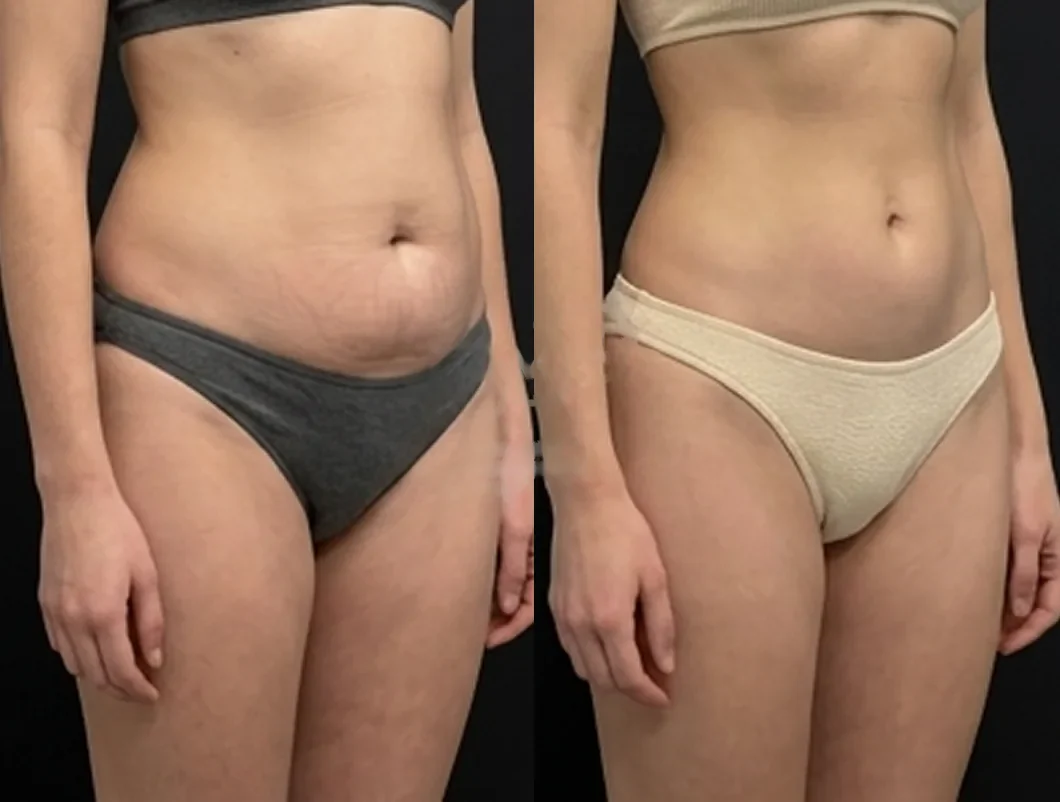
Real case
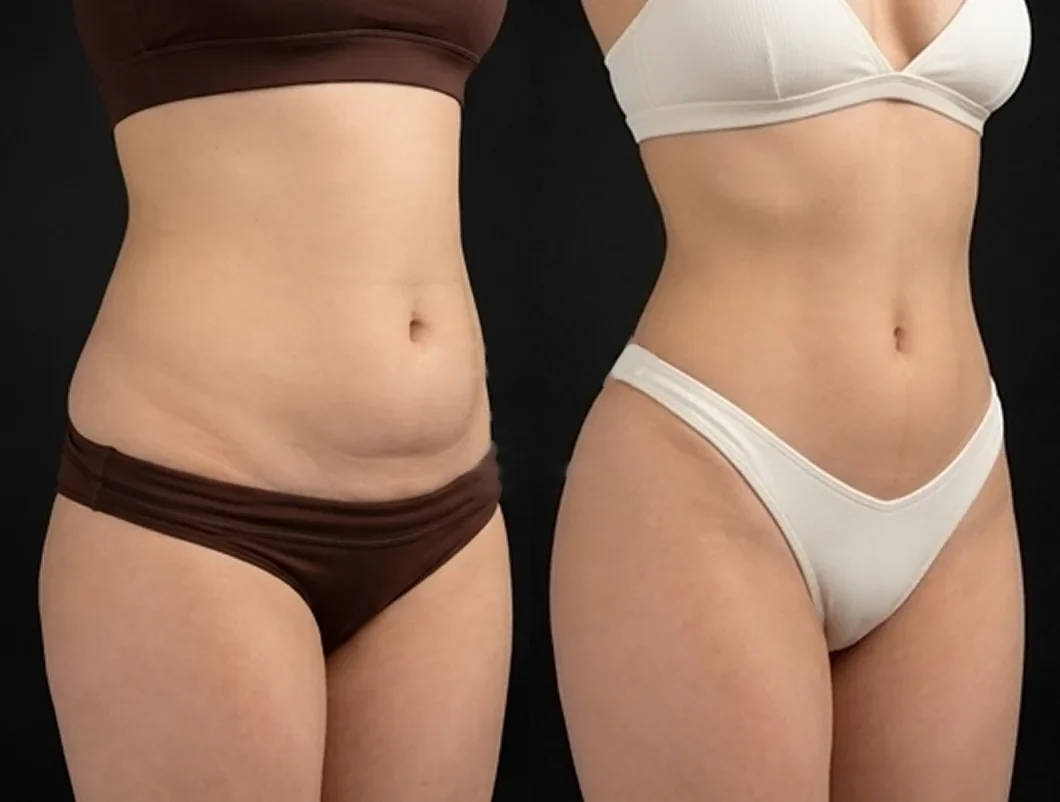
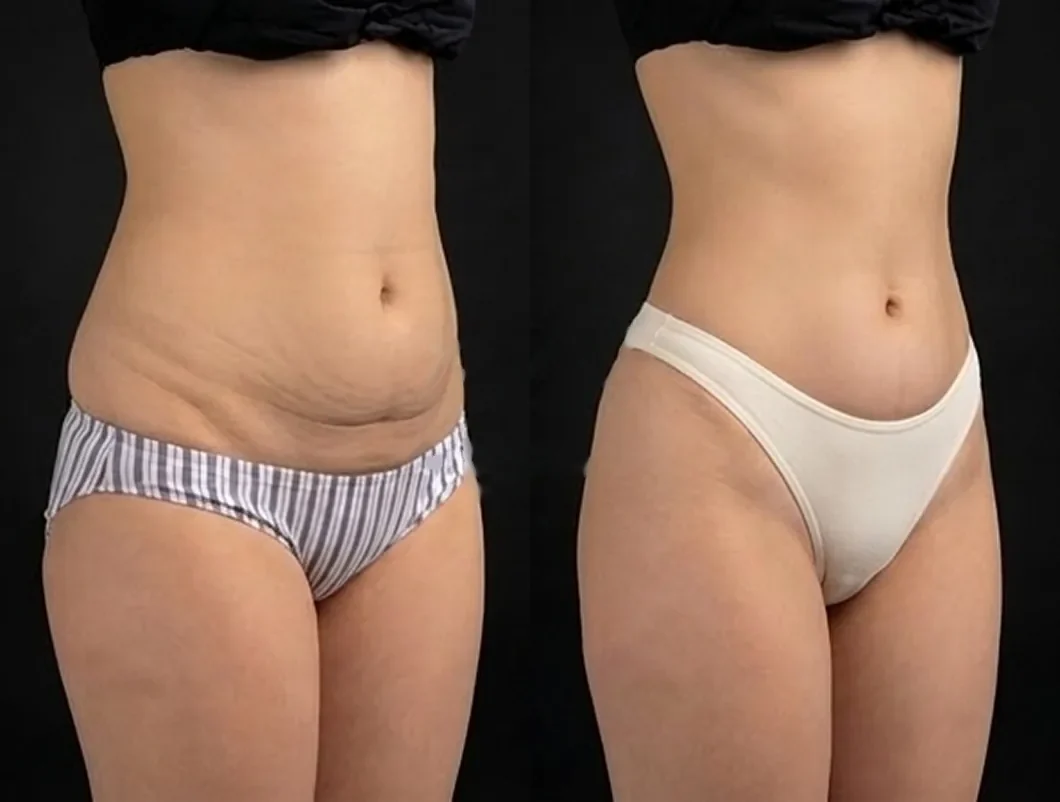
Liposuction: a patient's abdomen and flanks before and after surgery before after
Stubborn local fat that diet and exercise don't shift. Your plan is set at the consultation

Message our coordinator

Free online consultation · Reply within 15 minutes

Message us on Telegram

By messaging us, you agree to our Privacy Policy

Results

Liposuction results
of our patients

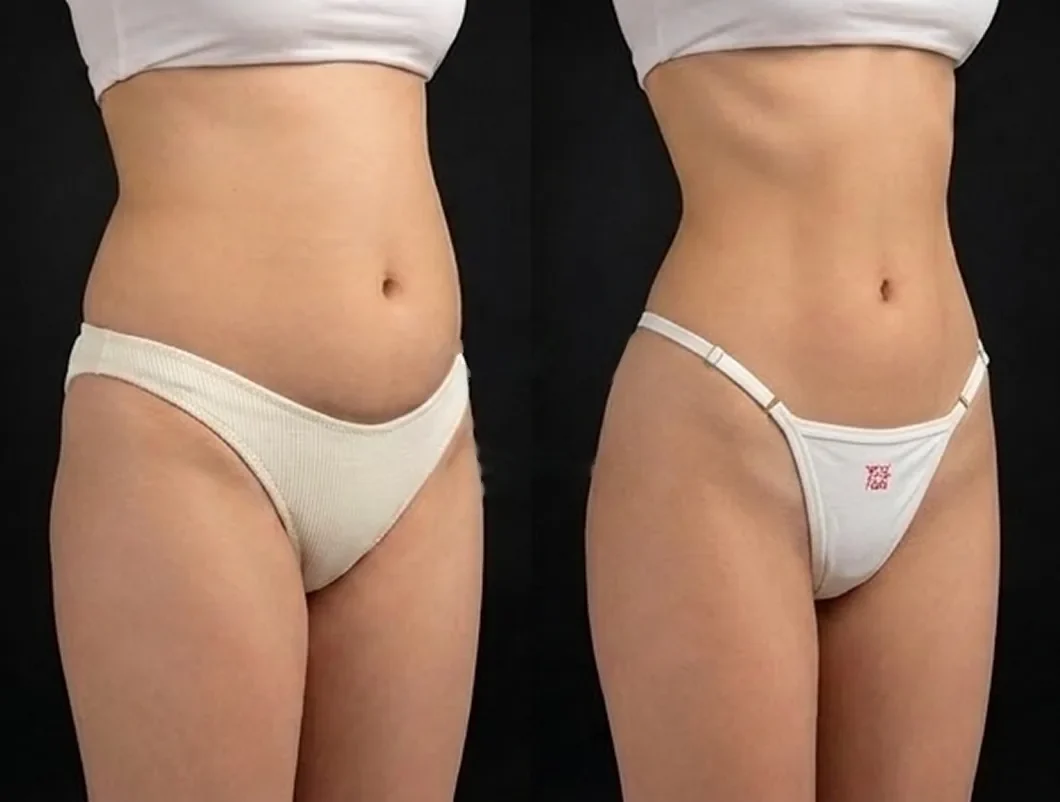
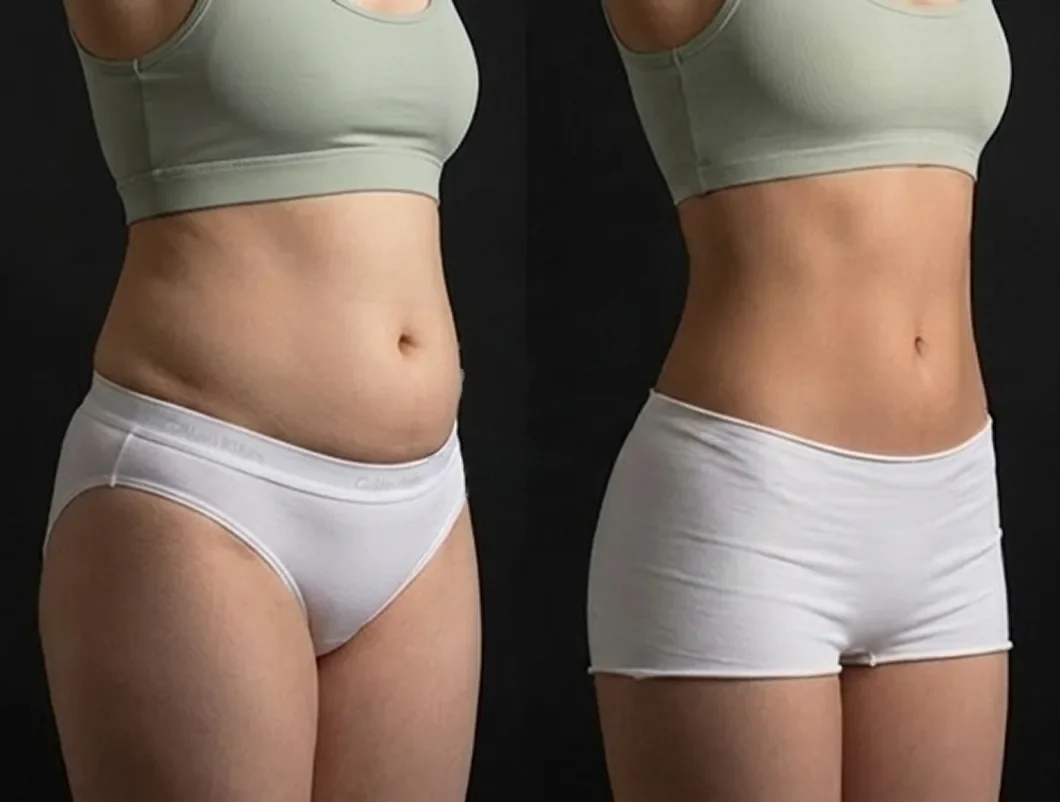
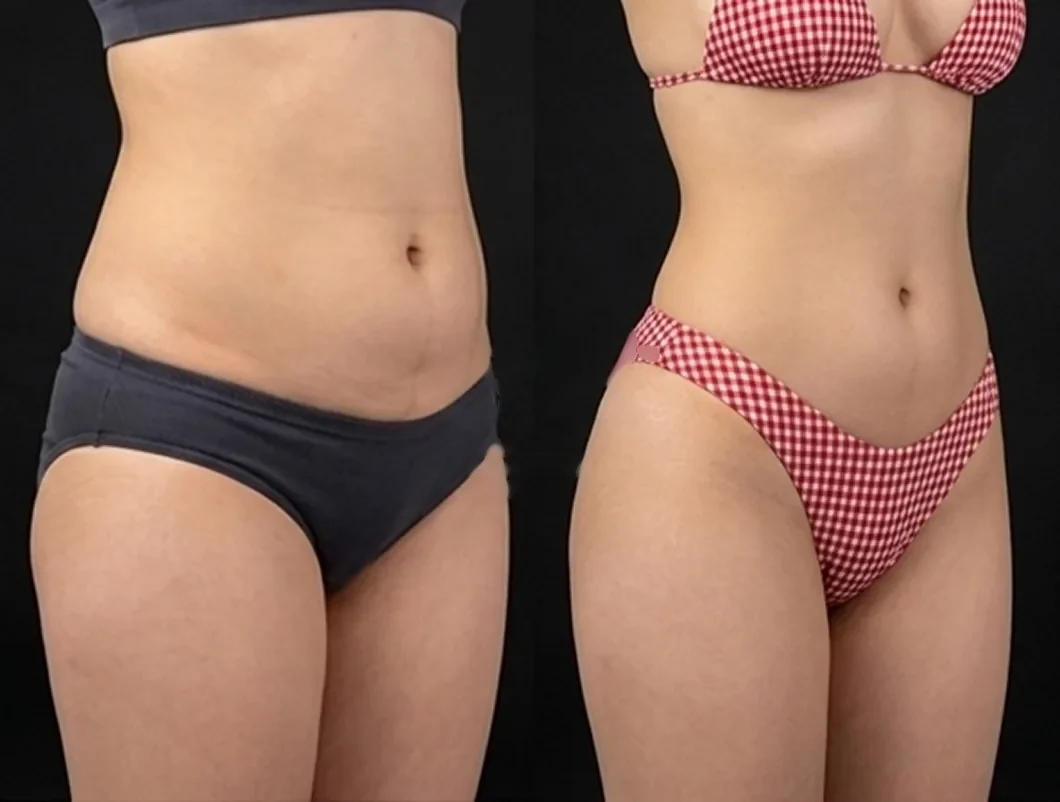
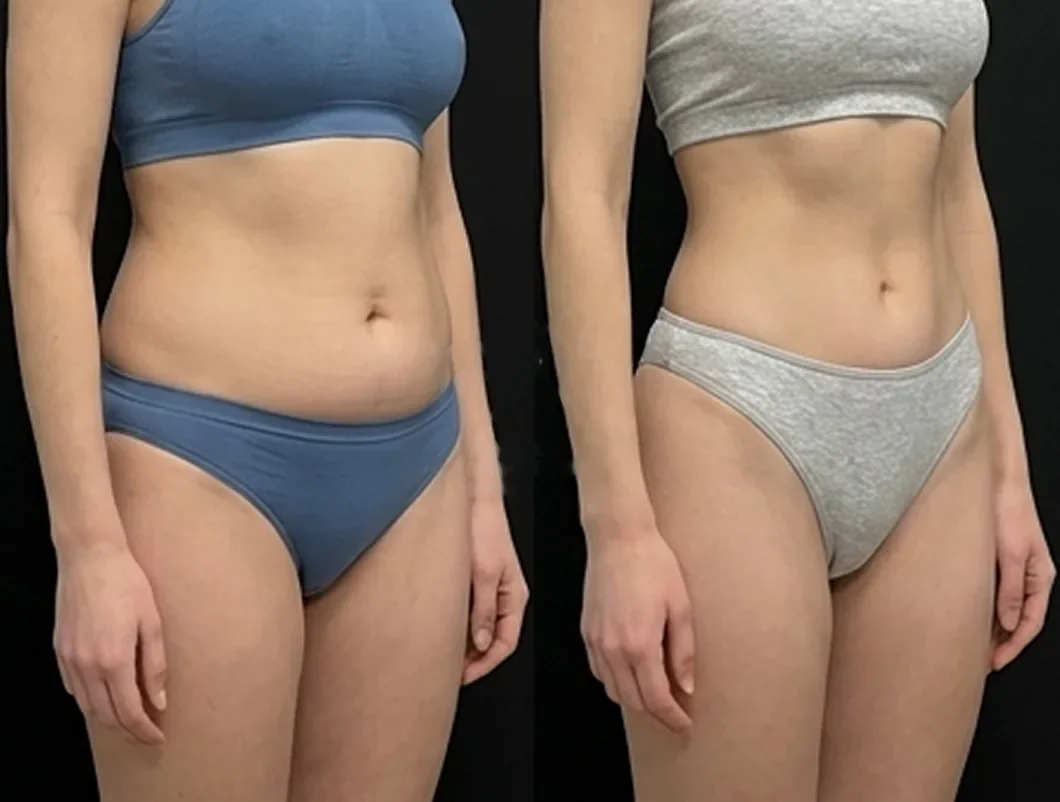
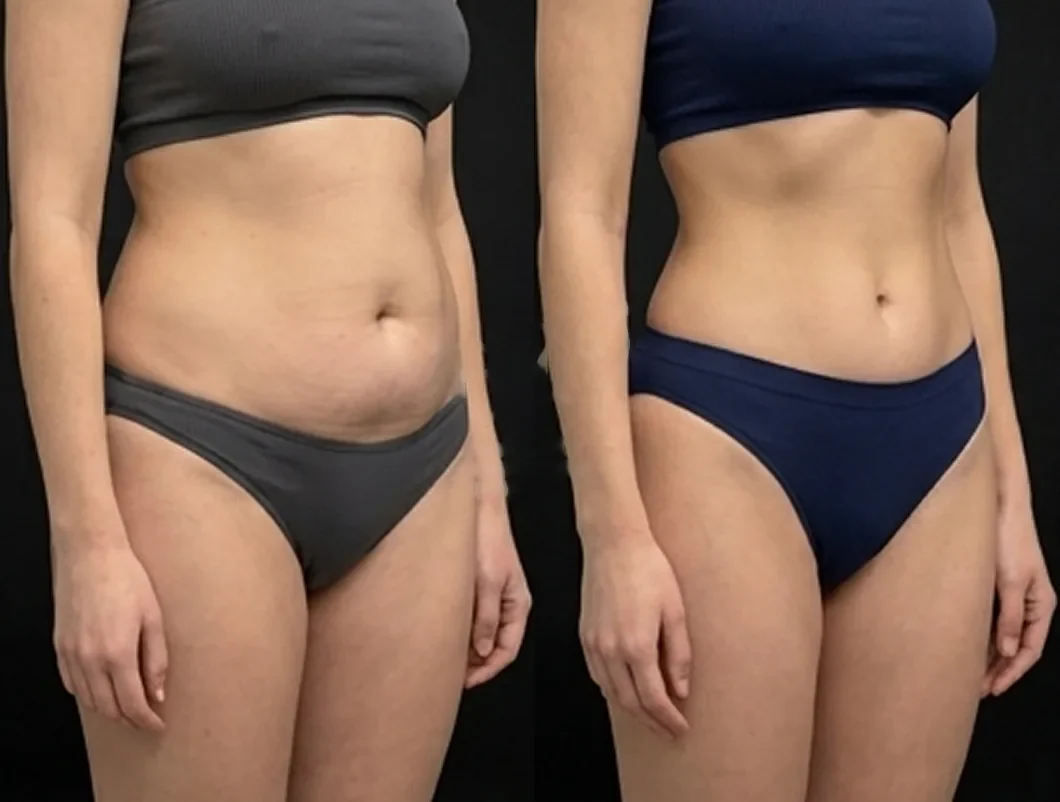
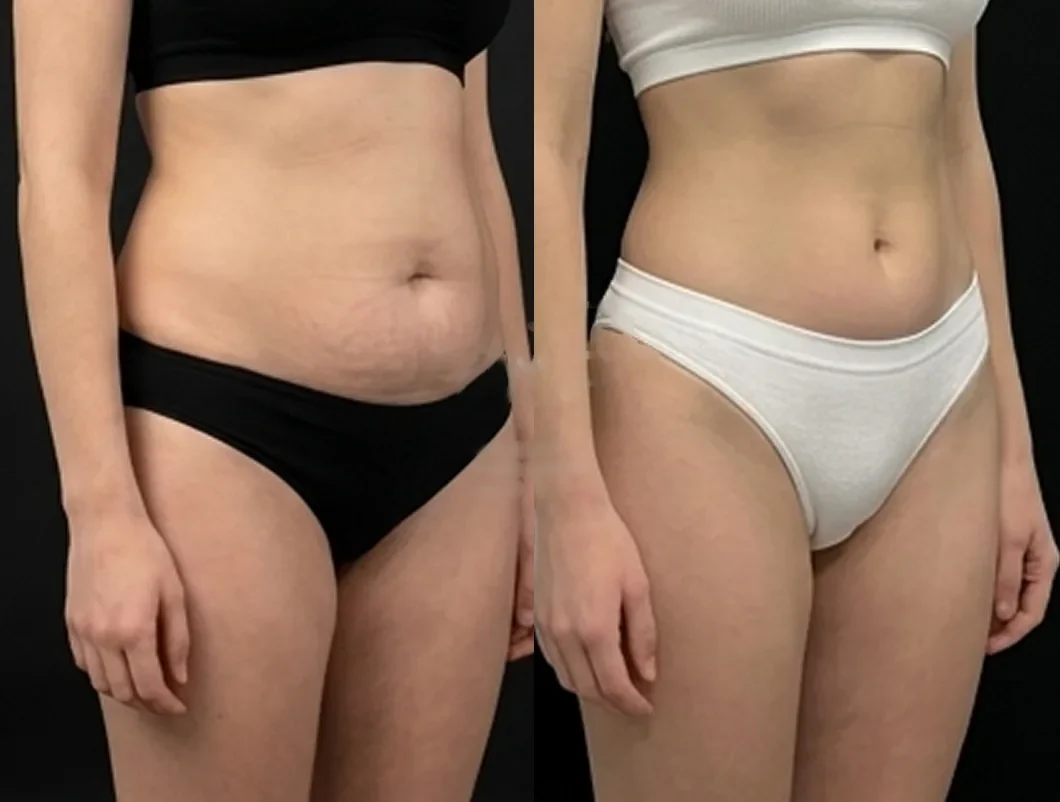
All cases are real patients. Faces and identifying details are hidden.

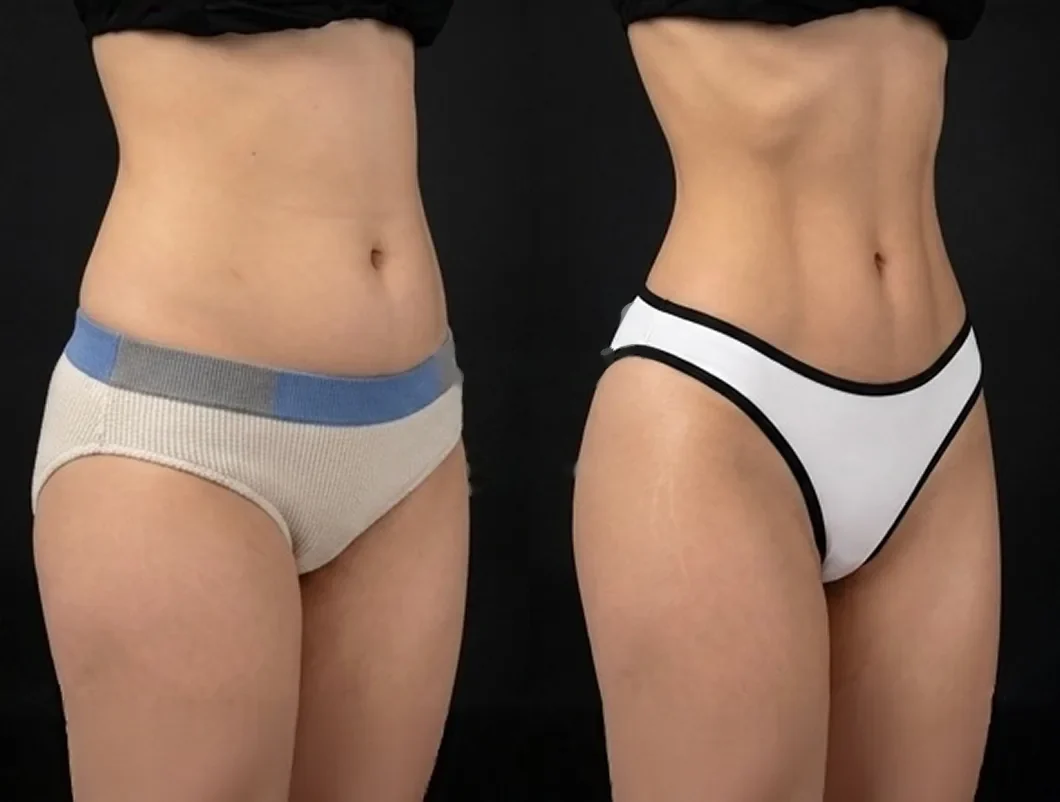
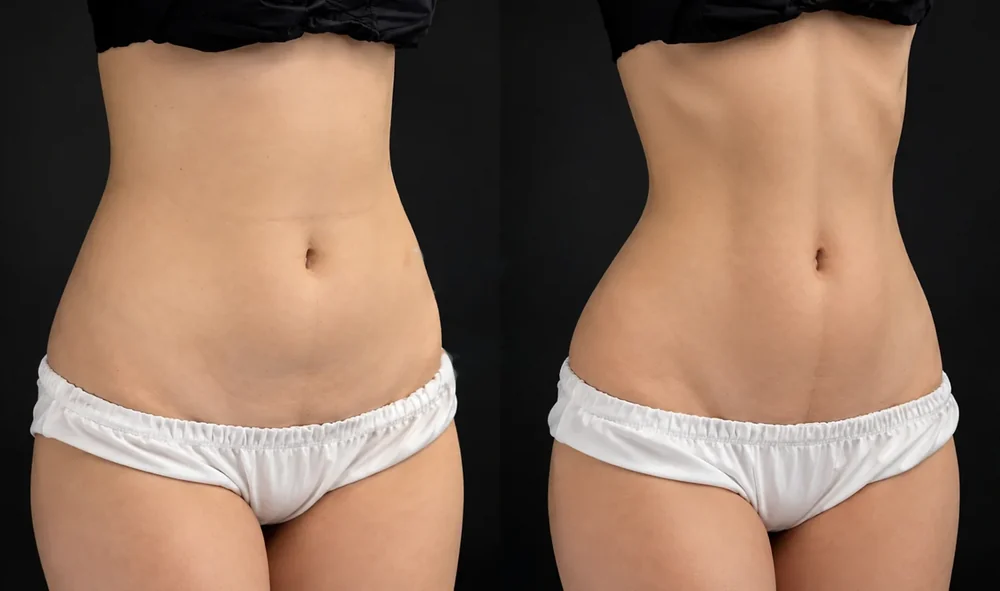
Abdomen and waist

Liposuction of the abdomen and waist: before and after surgerybeforeafter
1 of 10

Comparison

Liposuction techniques

We use two liposuction techniques: tumescent (classic) and VASER (ultrasound). Compare the goal, the indications and the anaesthesia to choose the right technique together with your surgeon.

Tumescent liposuction

A special solution loosens fat for removal through a thin cannula
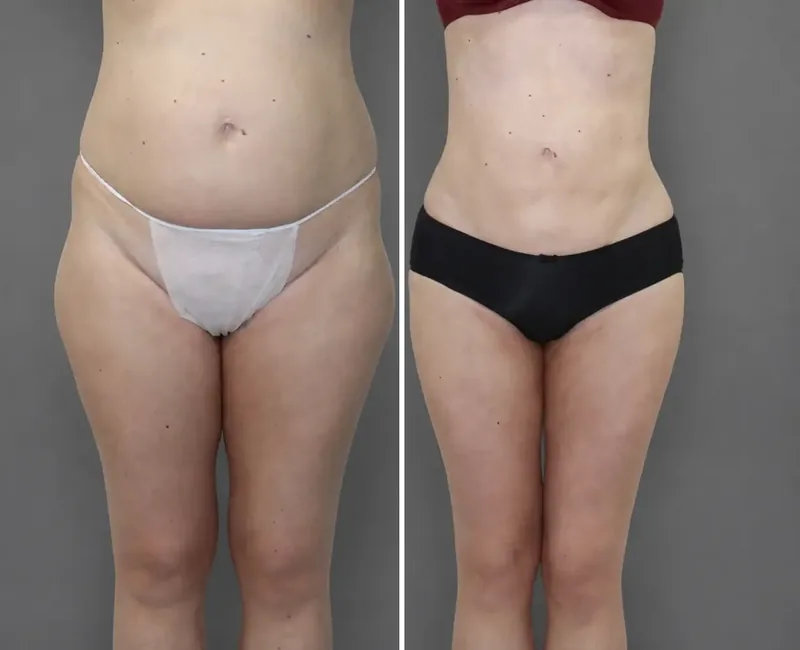
Tumescent liposuction: abdomen and thighs before and after surgery

from $1,200

Main goal
Removal of local fat with minimal blood loss
When it is done
Abdomen, flanks, thighs, back, arms, chin
Anaesthesia and stay
Local or general anaesthesia, home the same day or after 1 day

VASER liposuction

Ultrasound breaks down fat cells before vacuum removal
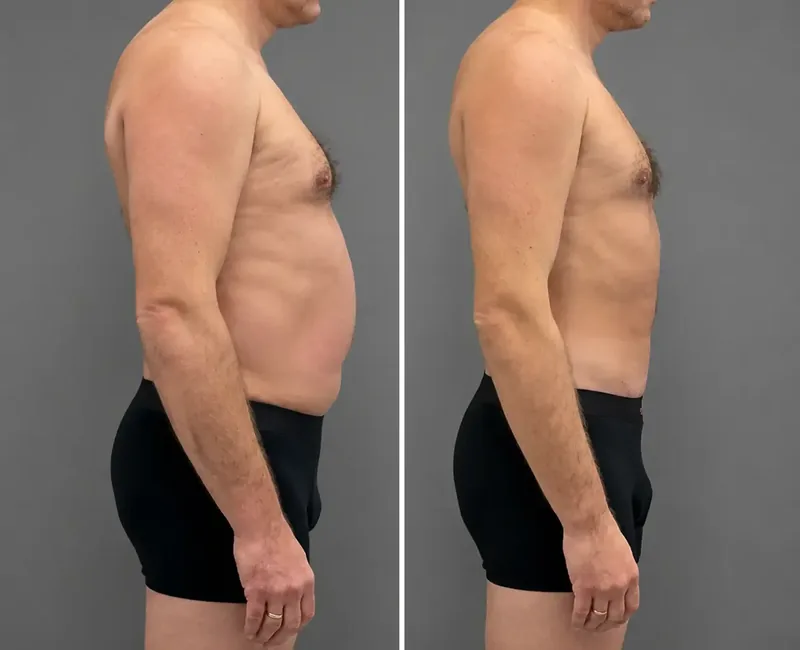
VASER liposuction: a male patient before and after surgery

Price at consultation

Main goal
Defined muscle relief and body contouring
When it is done
Athletic abs and delicate areas
Anaesthesia and stay
Local or general anaesthesia, 1–4 hours of surgery

The benefits and recovery times shown are averaged for each technique and given for guidance: the scope of correction and rehabilitation depend on your anatomy and individual features, and the surgeon confirms them at the consultation.

At the consultation the surgeon draws up a plan for your case and explains how your liposuction will go.

Free, before surgery and with no obligation.

Book a consultation

Areas covered by liposuction

Multiple areas can be done during one operation, which saves recovery time and budget

  • Abdomen and waist

    The most requested area for women and men, often combined with abdominoplasty

  • Thighs (outer and inner)

    Fat “traps” that resist exercise

  • Back and lower back area

    Back fat that spoils body contours

  • Arms and shoulders

    A concern that becomes visible in warm weather

  • Chin and neck

    Small volume, quick visible result

  • Knees

    An area that needs careful, precise work

  • Chest (for men)

    Gynecomastia and pseudogynecomastia — the fat component

About the clinic

A clinic where you can feel at ease

Modern equipment, comfortable rooms and care for every patient

A doctor and a patient in a clinic ward

Contact us the way that suits you

We will answer your questions and find a convenient time for a consultation

By messaging us, you agree to our Privacy Policy

Request a free call

Liposuction is not for everyone

If your case can be solved without surgery, the doctor will tell you so at the consultation — and you will not spend money for nothing.

Suitable

A surgeon shows a patient on a model and a monitor how the body contour changes after liposuction
  • Local fat that resists diet and exercise
  • Uneven subcutaneous fat
  • Disrupted body proportions
  • Silhouette changes after childbirth or weight loss
  • Fat component of gynecomastia in men
  • Good skin tone and elasticity

Not suitable

A surgeon discusses the indications and contraindications for liposuction with a patient
  • Under 18 years of age
  • Expecting a baby or breastfeeding
  • Endocrine obesity
  • Decompensated diabetes
  • Blood coagulation disorders
  • Serious heart, kidney or liver disease, cancer

Not sure the surgery is right for you?

Leave your number — the coordinator will call you back, and the surgeon will tell you whether liposuction suits you. No surgery booking needed.

Find out if it suits me

A surgeon goes through the treatment areas with a patient at the consultation

Prices

You know the price
before surgery

The final price is calculated individually after an examination and fixed in the contract.

Liposuction prices

  • First consultationFree
  • Flanks / waist liposuctionfrom $1,400
  • Thigh liposuction (outer)from $1,200
  • Thigh liposuction (inner)from $1,200
  • Torso liposuction — the front abdominal wall, sides of the belly, lower backfrom $3,600
Book a consultation

Find out your liposuction plan and price

The surgeon assesses the fat deposits and skin tone, listens to your wishes and chooses the right technique.
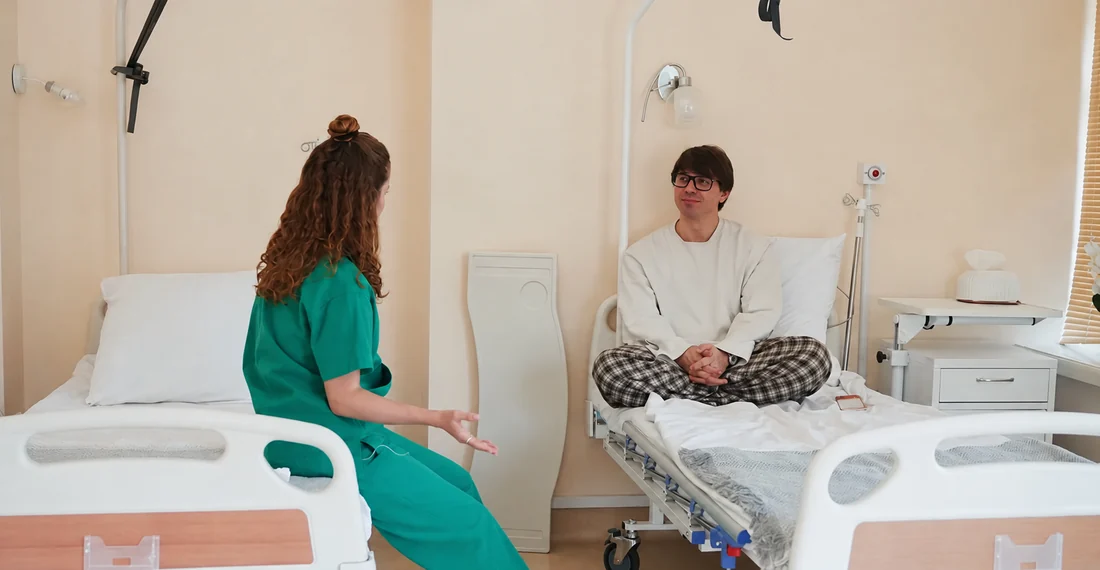
A nurse talks to a patient in a clinic ward

Message our coordinator

Free online consultation · Reply within 15 minutes

Message us on Telegram

By messaging us, you agree to our Privacy Policy
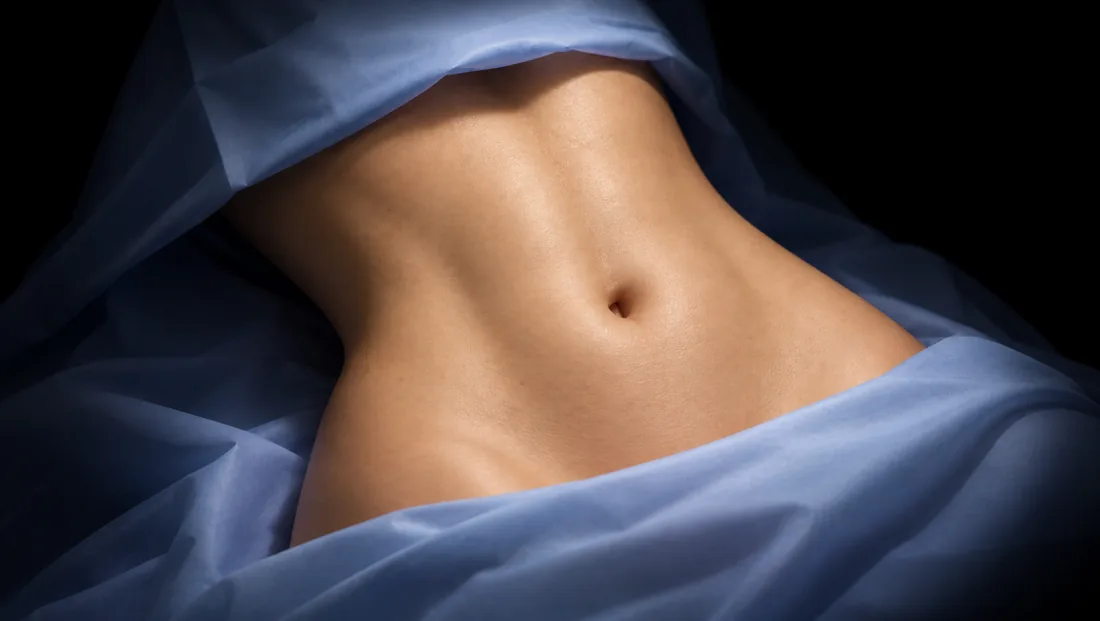
A patient before liposuction in the operating room

all inclusive

What the price includes

From preparation for surgery
to post-op check-ups.

  • All scheduled dressings
  • Scheduled post-op check-ups
  • A personal coordinator on call
  • Compression garments fitted on the day of surgery
  • A stay in a comfortable
    hospital ward with meals
  • Individual recommendations
    for recovery
  • Remote progress monitoring
    by photos

from $1,200

Book a consultation

How it works

From consultation —
to your new contour

An agreed treatment plan, careful monitoring after surgery and post-op check-ups.

A surgeon goes through the liposuction plan with a patient on a monitor1

Consultation
and the surgical plan

The surgeon listens to your wishes, assesses the fat deposits and skin tone and rules out contraindications. A hormonal screening is also ordered — it helps predict the long-term result.

Paying the deposit by card at the clinic reception2

Booking the date
of surgery

We reserve a surgery date for you: the deposit can be paid by card at the clinic or online by bank transfer. The terms are fixed in the contract for medical services

A blood sample tube for tests before liposuction3

Check-up before
surgery

Blood tests (complete count, coagulation panel, biochemistry, infections), an ECG, a chest X-ray and, if needed, a GP consultation. All tests can be done at the clinic with no waiting.

The surgical team during the operation4

Surgery

Marking the areas and fitting compression garments. Under local or general anaesthesia the surgeon removes fat through 3–5 mm micro-punctures — from 1 hour for small areas to 3–4 hours for a combined procedure.

A hospital ward at the clinic5

Waking up
and monitoring

With local anaesthesia you go home 3–4 hours after surgery; with general anaesthesia you stay one day in a comfortable ward under medical supervision.

A surgeon and a patient in the ward during recovery6

Recovery

Compression garments for 30–45 days. First changes show at 2 weeks, once swelling subsides; the final result forms in 3–6 months. Check-ups at 7 days, 3 and 6 months.
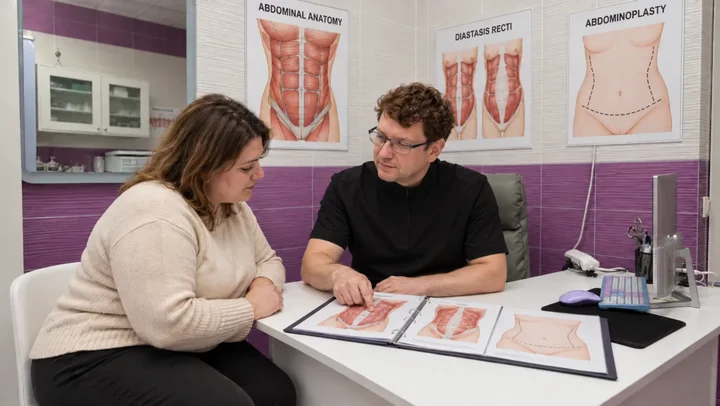
Book a free consultation — the surgeon will plan every step with you.

A doctor discusses the liposuction plan with a patient
Book a consultation
A doctor discusses the liposuction plan with a patient

Recovering after liposuction

After tumescent liposuction, recovery is much shorter than after a conventional procedure. Most patients return to work within 7–10 days. In the first week, mild swelling and a raised temperature are possible — a normal response to surgery. Compression garments are worn for 30–45 days: they fix the new contours and speed up tissue recovery. In the first month, bathhouse, sauna, pool and intense sport are off-limits. For the best result and faster recovery we recommend lymphatic drainage massage, pressotherapy and a gradual return to activity. First visible changes show 2 weeks after surgery, when the main swelling subsides; the final result forms in 3–6 months.

Post-op check-ups

After 7 days, at 3 months and at 6 months. Until the end of the year, get a post-surgery consultation with your surgeon to review results and get more information, at the clinic's expense.

Advantages

Why people choose City Medical Centre

A surgeon discusses the liposuction plan with a patient at the consultation

Just find out — you lose nothing

At the consultation we discuss your wishes and assess the fat deposits and skin tone. Before surgery an endocrinologist rules out hormonal causes of the fat deposits — this improves the long-term result.

A surgeon on a video call with a patient after surgery

We stay with you after surgery

The surgeon follows your recovery and the new body contour at check-ups after 7 days, 3 and 6 months. Check-ups, dressings and aftercare advice are already included in the price of surgery.

A surgeon shows a patient a model and body contouring diagrams

A beautiful contour that fits your figure

Tumescent and VASER techniques, micro-incisions of 3–5 mm and precise volume control. Our aim is a smooth contour that keeps the natural proportions of your body.

A patient writes down a convenient visit time in her planner

Your schedule is our priority

We respect your time: we work 24/7, with easy booking and a personal approach — we adapt to your pace.
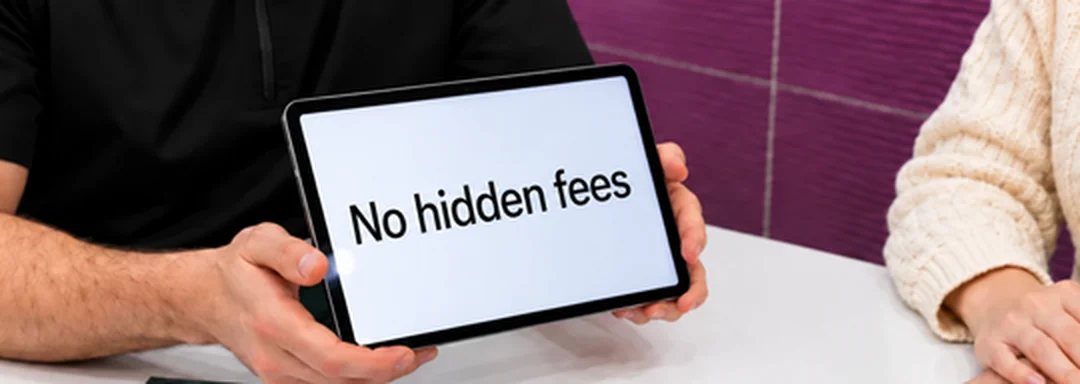
A surgeon shows a patient a tablet: no hidden fees

Fixed prices

After the consultation the surgeon defines the areas and the scope of surgery, and you get a clear price fixed in the contract — no hidden extras.

A surgeon visits a patient in the hospital ward after surgery

Round-the-clock care after surgery

With general anaesthesia recovery starts in a comfortable hospital ward under round-the-clock nursing care. The stay and meals are already included in the price.

FAQ

We answer what
people ask before booking

Liposuction in Mogadishu: price and what is included

Prices are in US dollars; the amount in brackets is an approximate conversion to SOS at the rate of 02.10.2026. The final price is fixed in your contract.

How much does liposuction in Mogadishu cost?

Prices start from $1,200 (≈ SOS 690,000) per area. The surgeon sets the final price at the free consultation, and it is fixed in the contract, with no hidden extras.

What is included in the price?

The operation under local or general anaesthesia and the surgeon's support throughout recovery. The price is per area and fixed in the contract.

How do I get my exact price?

Message us on WhatsApp or Telegram using the buttons below. A coordinator will answer your questions and book a free consultation where the doctor names the exact price.

By messaging us, you agree to our Privacy Policy

Choosing liposuction in Mogadishu

Which zones can be treated? The abdomen and flanks are the most requested, for women and men alike. Thighs (outer and inner), back and lower back, arms and shoulders, chin and neck, knees and the male chest are also corrected. Several areas can be done in one operation, saving recovery time and budget, which is why patients from Mogadishu rarely limit themselves to a single zone.

Here is the route in brief. Consultation and hormonal screening. Blood tests, ECG and chest X-ray at the clinic. Two weeks of preparation. Marking and compression garments on the day, then surgery under local or general anaesthesia. Observation, discharge, 30–45 days in compression and check-ups at 7 days and 3 months. Patients in Mogadishu follow this same sequence.

One operation can cover several problem zones, and the price reflects that: from $1,200 (≈ SOS 690,000) for a single area, calculated individually for combinations. The contract fixes the sum with no hidden extras, and instalments carry no interest. For patients from Mogadishu, a free surgeon consultation is the place to plan scope and cost together. Leave a request to book yours.

Liposuction for residents of Mogadishu: why the question comes up

Mogadishu, known locally as Xamar or Hamar, is the capital and most populous city of Somalia, with an estimated urban population of 4,126,815. It sits on the Indian Ocean coast in the Banaadir region, which is treated as a municipality and not as a federal state. A city of this size has people of every age, profession and family situation, and a growing number of them ask about body contouring: how liposuction works, who it suits, how long recovery lasts and how to plan it around work, study and family life.

City Medical Centre works with patients from Mogadishu through a free online consultation. You do not need to arrange anything in advance. Our coordinators are available 24/7 on Telegram and WhatsApp, so you can write in the evening after work, early in the morning before the heat builds, or at any other hour that suits your household. We adapt to your pace and do not push you to decide quickly.

This text is written for a reader in Mogadishu. It links the procedure to the climate of the coast, to the rhythm of the city's working week, to family events and to food culture, because these are the things that decide whether recovery is comfortable. Liposuction is a contouring operation. It removes localised fat deposits that do not respond to diet and exercise, and it is not a method of treating overweight in general. Candidates are assessed individually, and the decision is made after an examination, not on the basis of a photograph alone.

What liposuction is and how the operation is carried out

The operation is done under local or general anaesthesia. The surgeon removes fat through micro-punctures of 3–5 mm. The surgery lasts from 1 hour for small areas to 3–4 hours for a combined procedure, so the length depends on how many zones are treated. In practice the whole procedure takes 1–4 hours of surgery. Before it begins, the areas are marked, and compression garments are fitted as part of the process.

We use tumescent and VASER techniques, with micro-incisions of 3–5 mm and precise volume control. The aim is a smooth contour that keeps the natural proportions of your body. Nobody is trying to make you look like someone else. A patient in Mogadishu who wants a flatter abdomen, a cleaner line at the flanks or a more balanced thigh will discuss the plan with the surgeon in terms of proportion, not in terms of an ideal picture from a magazine.

Because the punctures are only 3–5 mm across, they usually need no stitches. Once healed, the marks are barely visible, and with proper care during recovery they fade completely. This matters for people in a coastal city where beach clothing, light summer fabrics and traditional dress are all part of ordinary life: the entry points are small and placed so that they are easy to look after.

The operation is not a substitute for a healthy routine. After the result forms, weight that is gained again can change the contour. A frank conversation about eating, activity and expectations belongs in the first consultation, and your coordinator can arrange it at a convenient time.

Climate of Mogadishu and what it means for recovery

Mogadishu lies close to the equator, yet its climate is dry: it is classed as semi-arid, and winter is hotter than summer. The mean temperature through the year is 27 °C, with an average maximum of 30 °C and an average minimum of 24 °C, and monthly means differ by only about 3 °C. The coast brings high humidity, averaging 79% for the year. The city has an average of 3,066 hours of sunshine per year, around 8.4 hours of sunlight per day.

For recovery this means a steady, warm and humid setting with very little seasonal relief. Heat and humidity can make compression garments feel heavier, so patients plan their first weeks with that in mind. Choose breathable cotton clothing to wear over the garment, keep the garment clean and dry, and ask the surgeon how often it may be changed. Compression is worn for 30–45 days, and your surgeon gives the individual details after the operation.

Swelling can feel more noticeable in warm weather, and strong sun is not a friend of healing skin. Avoid direct sun on treated areas while the tissues are recovering, wear loose, light-coloured clothing outdoors and keep to shade at midday. Tanning beds are off-limits for at least a month, and natural sun exposure should be treated with the same caution. Drink enough water through the day, and keep the dressings dry in humid weather, since damp fabric near the punctures is uncomfortable and not helpful.

Dust and wind from the dry months are another practical point. Cover dressings when you go outside and ask the surgeon what to do if dust or sweat gets under the garment. These are general recommendations; your surgeon will adjust them to your body and your daily routine.

Choosing a season for the operation

In Mogadishu summer, from June to August, is described as the coldest and rainiest season, while winter is hotter than summer. Annual precipitation averages 429.2 mm across 47 wet days, so rain is not frequent, but the cooler, wetter months may feel gentler to someone wearing a compression garment all day. Many patients prefer to plan for the milder part of the year so that the first weeks at home are less tiring.

That said, there is no single correct month. The spread of temperature over the year is small, and the real question is what else is happening in your life. The 30–45 days of compression and the 4–6 weeks without the pool, sauna or active sport are easier to manage when no major event falls in that window. Ask yourself about family gatherings, weddings, religious observances, exams and work deadlines before choosing a date.

If you want the garment off and the swelling mostly gone before a specific occasion, remember the timeline. The first changes show at 2 weeks, once swelling subsides. Swelling and bruising clear by weeks 4–5. An interim result is assessed at 1.5–2 months, and the final contours form in 3–6 months. A date that is only a few weeks away is therefore too close if you hope to see the finished outline.

Our coordinators can go through your calendar with you online. They do not choose for you; they help you see which weeks are realistic, so that the operation fits your life and not the other way round.

Daily life in Mogadishu: work, study, sport and family

Mogadishu has been a commercial and financial centre for a long time, and its economy has been growing in recent years, with factories reopened, banks established and construction under way. Many residents work in trade, services, administration, education and small businesses, and some jobs depend on being on your feet, talking to clients or moving between districts. Most patients get back to their usual routine and work in 7–10 days, and you can be back at work after 7–10 days. If your job involves heavy lifting, discuss this with the surgeon in advance, because for the first 7 days there should be no physical exertion or heavy lifting.

Students at the city's universities and schools face a different question: how to keep up with classes. The city has the Somali National University and Mogadishu University among its institutions of higher learning. A student who plans the operation outside exam periods and arranges to receive notes from classmates will find the first week much easier. Sitting for long hours in a lecture hall in a compression garment is possible for most people after the first days, but it should be agreed with the surgeon.

Sport is part of life on the coast, whether it is walking along Gezira Beach, football or exercise at home. For the first 7 days there should be no physical exertion. For 4–6 weeks, avoid active sport, the pool, the sauna and the bathhouse. Light walking is usually welcome as the days pass, but ask the surgeon what pace is right for you.

Family life matters too. In many households several generations live close together, and relatives often want to help. Tell someone you trust about the plan, and ask them to help with carrying, shopping and household tasks in the first week. Practical support at home is one of the best predictors of a calm recovery.

Food culture and preparation before surgery

Mogadishu's market life, with places such as Bakaara Market, and its coastal position mean that fresh food, rice, pasta, fish, fruit and sweet tea are part of everyday meals, and the city also has an Italian influence from its history. Shared family meals and hospitality are important. Liposuction does not require a special diet, but how you eat before and after the operation does affect how you feel.

Before surgery, give up smoking, alcohol and medications that affect clotting, such as aspirin, 7–10 days before liposuction. Pre-operative tests are also required: blood tests, ECG, ultrasound, and consultations with a GP and an anaesthesiologist. You will receive all instructions after the first consultation, and the coordinator can explain in simple language which tests are needed and in what order, so that you can arrange them locally in Mogadishu in good time.

After surgery, alcohol is off-limits for at least a month. Light meals in the first days, plenty of water and a balanced diet help you feel better. Heavy, very salty or very rich food can leave you uncomfortable while you wear the compression garment, so it is wise to plan meals for the first week in advance. If a family celebration falls in that period, ask a relative to serve you small portions and do not feel obliged to stay for the whole event.

Fasting rules before anaesthesia are given by the anaesthesiologist. Follow them exactly. If your usual routine includes fasting for religious reasons, tell the team at the first consultation, so that preparation and recovery can be planned around it.

Who is a suitable candidate and who is not

We operate from age 18+, if there are no contraindications. There is no upper age limit: after an examination and health assessment, the decision is made individually. Suitable candidates are usually people close to a stable weight who have local fat deposits and reasonably elastic skin, and who have realistic expectations. Liposuction changes shape; it is not a weight-loss method, and the World Health Organization treats overweight and obesity as a broader health matter that needs medical support and lifestyle change.

Contraindications are assessed by the doctors after your tests. In general terms, serious heart, blood-clotting or other chronic problems, active infection, and some medications can make an operation unsuitable or require postponement. Pregnancy and breastfeeding are reasons to wait. A person who smokes will be asked to stop beforehand. None of this can be decided online without your results, so be honest about your history, including past operations and allergies.

Women in Mogadishu often ask about timing after childbirth, and men ask about the abdomen and chest area. Both questions are normal. The surgeon will explain whether the shape you see comes mostly from fat, from loose skin or from muscle, because liposuction treats only fat. If skin is very loose, the plan may differ, and you will hear that before any decision.

Expectations matter as much as health. A realistic goal is a smoother contour that suits your body, not a different body. If you feel pressure from relatives or friends to change, discuss it calmly with the coordinator, because the decision should be yours.

How the remote consultation works from Mogadishu

The first step is free and takes place online. Write to the coordinators on Telegram or WhatsApp at any hour, since they work 24/7, and tell them which areas you want to correct, your age, your general health and any medicines you take. You may be asked for a few photographs in good light and for details of past illnesses. Everything is handled privately.

Next, the surgeon reviews your information and explains the technique, the likely duration of surgery, the type of anaesthesia and the number of zones that can safely be treated at once. You will be told about the stay: with local anaesthesia you go home 3–4 hours after surgery, and with general anaesthesia you stay one day in a comfortable ward under medical supervision. You will also receive the list of pre-operative tests.

After the operation the surgeon follows your recovery and the new body contour at check-ups after 7 days, 3 and 6 months. Check-ups, dressings and aftercare advice are already included in the cost of surgery. Until the end of the year, you can get a post-surgery consultation with your surgeon to review results and get more information, at the clinic's expense. Because these contacts can be held online, a patient living in Mogadishu can stay in touch without rearranging daily life.

Connection quality varies, so choose a quiet moment with a stable signal for the video call, and keep a short list of questions near you. If the call drops, the coordinator will simply continue by message. No decision is final until you have all the answers you need.

Mogadishu neighbourhoods, commuting and planning the first days at home

Mogadishu is divided into eighteen districts, among them Hodan, Wadajir, Waberi, Yaqshid, Karan, Shibis, Hamar-Weyne and Shangani. People often live in one district, work in another and visit relatives in a third. For liposuction this matters in a practical way: in the first days after the operation you will want to stay close to home, avoid long journeys through busy streets and keep your movements gentle. Plan who will bring food, water and medicines so that you do not have to go out.

Think about how you move around the city on an ordinary day. Sitting for a long time in a crowded minibus or a car, climbing stairs several times, carrying bags from the market: all of these put strain on a body that is recovering. For the first 7 days there should be no physical exertion or heavy lifting, so shopping at Bakaara Market or similar busy places should be left to a relative or a neighbour during that week.

When you return to work after 7–10 days, try to make the first week back lighter if you can. Ask a colleague to cover tasks that need lifting or long walking, and keep the compression garment on under loose clothing. Your surgeon gives all individual recommendations after surgery, so show the working day to the team during the online consultation and ask what is realistic for your profession.

Gezira Beach, the sea and swimming plans after liposuction

The Indian Ocean is part of life in Mogadishu, and Gezira Beach and the sandy shoreline attract families, friends and young people, especially at weekends. After liposuction the sea is not a place for the first weeks. For 4–6 weeks you should avoid the pool, the sauna, the bathhouse and active sport, and sea swimming belongs in the same careful category until the surgeon says the punctures have healed and the garment is no longer needed.

Salt water, sand and wet fabric near fresh punctures are poor companions for healing skin, and long walks in strong sun can increase swelling. A calm walk in the shade in the cooler part of the day is fine for most people once the first week has passed, but ask the surgeon how far to go. Wearing the compression garment for 30–45 days also means that beach clothes are a question for later.

If you hope to enjoy the beach with the family at a particular time of year, count backwards. Allow the compression period, the weeks without swimming, and the time for swelling and bruising to clear by weeks 4–5. The first changes show at 2 weeks, an interim result is assessed at 1.5–2 months and the final contours form in 3–6 months. Planning in this order helps you arrive at the shore comfortable and calm.

Privacy, trust and talking about cosmetic surgery in Mogadishu

Mogadishu is a city of close family and clan ties, and news travels quickly. Some patients prefer to keep a cosmetic operation private, others share the plan with a spouse, a sister or a close friend. Both choices are acceptable. What matters is that at least one trusted person knows when you will be in surgery and can help you at home afterwards.

An online consultation suits those who value discretion. You write to the coordinators on Telegram or WhatsApp, available 24/7, from your own phone and at an hour of your choosing. You can ask the same question twice, ask for an explanation in simpler words and take time with your family before deciding. Nobody will hurry you, because we adapt to your pace.

Trust is built on clear information. Ask for the technique to be explained, ask what the surgeon will and will not be able to change, and ask what is included in aftercare. Check-ups, dressings and aftercare advice are already included in the cost of surgery, and follow-up takes place after 7 days, 3 and 6 months. A calm, honest conversation before the decision is worth more than any promise.

Questions to ask the surgeon and a sensible recovery plan

Prepare your questions in advance. Ask which areas are suitable for treatment and whether they can be combined, how long the surgery will last, which anaesthesia is recommended for you, how many days you will stay, what the compression garment should look like and how often to change it, what to do if swelling is uneven, and when you can drive, work and exercise. Ask also how the surgeon will judge the result at the check-ups after 7 days, 3 and 6 months.

Plan the first week at home. Arrange a comfortable place to rest, loose clothes, easy meals, drinking water and someone who can help. Keep the compression garment on for 30–45 days as instructed. Avoid the bathhouse, sauna, pool and active sport for 4–6 weeks, and do not drink alcohol for at least a month. Your surgeon gives all individual recommendations after surgery, and they take priority over any general advice.

Be patient with the result. The first changes appear at 2 weeks, when the main swelling is down. Bruising and swelling clear by weeks 4–5, the interim result is assessed at 1.5–2 months, and the final contours form in 3–6 months, once the tissues have fully adapted. Judging the outcome too early is a common source of worry that disappears with time.

If something seems unusual, such as increasing pain, fever, redness or fluid from a puncture, contact the coordinators immediately. They are available around the clock and will connect you to the medical team. In a large city like Mogadishu, quick communication is the most useful safety tool you can have during recovery.

Can I have a liposuction consultation from Mogadishu without leaving the city?

Yes. The first consultation is free and online. Write to the coordinators on Telegram or WhatsApp; they work 24/7. The surgeon then reviews your details and explains the plan, the tests and the recovery.

How long does the operation take?

It depends on the number of zones: from 1 hour for small areas to 3–4 hours for a combined procedure. The surgeon removes fat through 3–5 mm micro-punctures under local or general anaesthesia.

Do I stay in hospital?

With local anaesthesia you go home 3–4 hours after surgery. With general anaesthesia you stay one day in a comfortable ward under medical supervision.

When can I go back to work?

Most patients return to their usual routine and work in 7–10 days. If your work involves heavy lifting, ask the surgeon, because for the first 7 days there should be no physical exertion or heavy lifting.

How should I manage the heat and humidity of Mogadishu during recovery?

Wear breathable clothing over the compression garment, keep it clean and dry, drink enough water, avoid direct sun on treated areas and avoid tanning beds for at least a month. The surgeon will give individual advice.

How long do I wear the compression garment?

For 30–45 days. During 4–6 weeks you should also avoid the bathhouse, sauna, pool and active sport.

When will I see the result?

The first changes show at 2 weeks, once swelling subsides. An interim result is assessed at 1.5–2 months, and the final contours form in 3–6 months.

Will there be visible scars?

The punctures are only 3–5 mm across and usually need no stitches. Once healed, the marks are barely visible, and with proper care during recovery they fade completely.

What must I do before the operation?

Give up smoking, alcohol and medications that affect clotting, such as aspirin, 7–10 days before. Tests include blood tests, ECG, ultrasound and consultations with a GP and an anaesthesiologist. You receive full instructions after the first consultation.

Is there an age limit?

We operate from age 18+, if there are no contraindications. There is no upper age limit; after an examination and health assessment the decision is made individually.

What follow-up is included?

Check-ups at 7 days, 3 months and 6 months, plus dressings and aftercare advice, are included in the cost of surgery. Until the end of the year you can also have a post-surgery consultation with your surgeon, at the clinic's expense.

Can I have liposuction if I live in a busy district of Mogadishu and cannot rest at home for long?

Rest matters mostly in the first days. For the first 7 days avoid physical exertion and heavy lifting, then most patients return to their usual routine and work in 7–10 days. Ask relatives to help with shopping and errands, and discuss your daily schedule with the surgeon during the online consultation.

Can I swim in the Indian Ocean after liposuction?

Not in the first weeks. For 4–6 weeks avoid the pool, sauna, bathhouse and active sport, and treat sea swimming with the same caution. Your surgeon will tell you when it is safe, based on how you are healing.

Is the consultation private if I do not want my family to know?

You contact the coordinators directly on Telegram or WhatsApp, 24/7, from your own phone. You decide who learns about the plan. Still, it is wise to have one trusted person who can help you at home after the operation.