City Medical Centre · multi-specialty surgery clinicOpen 24/7

Liposuction in Likasi: Recovery and Results

Free consultation

from $1,200

The price is fixed in the contract before surgery
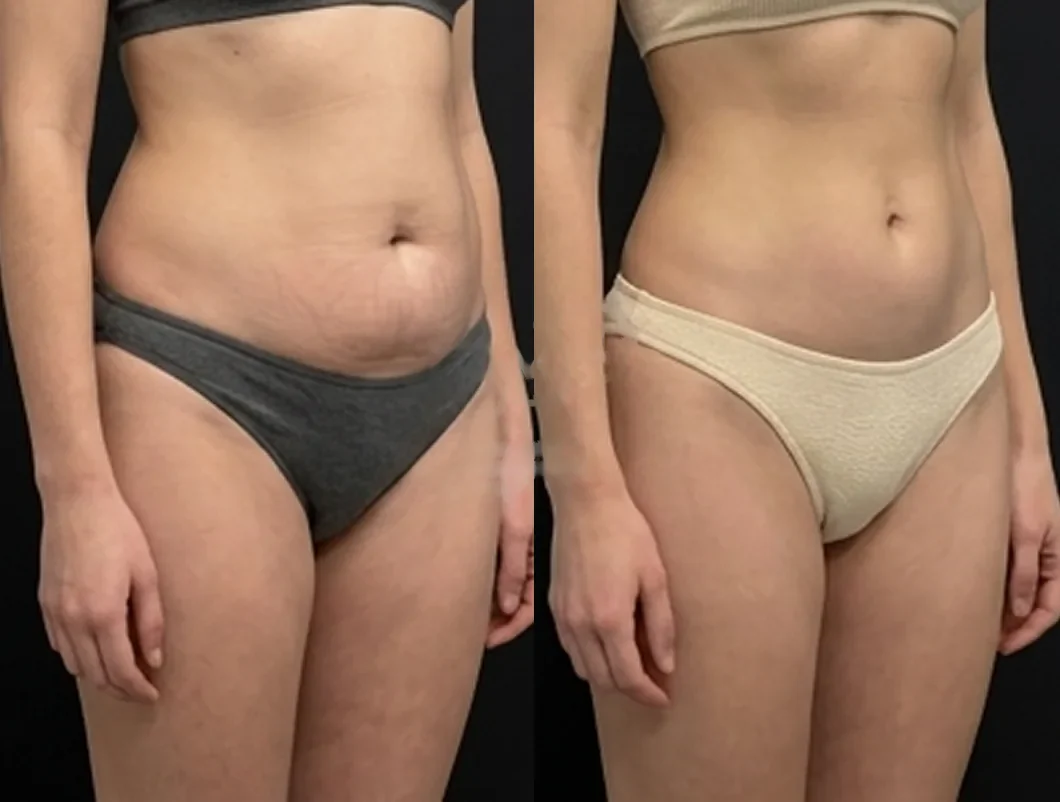
Real case
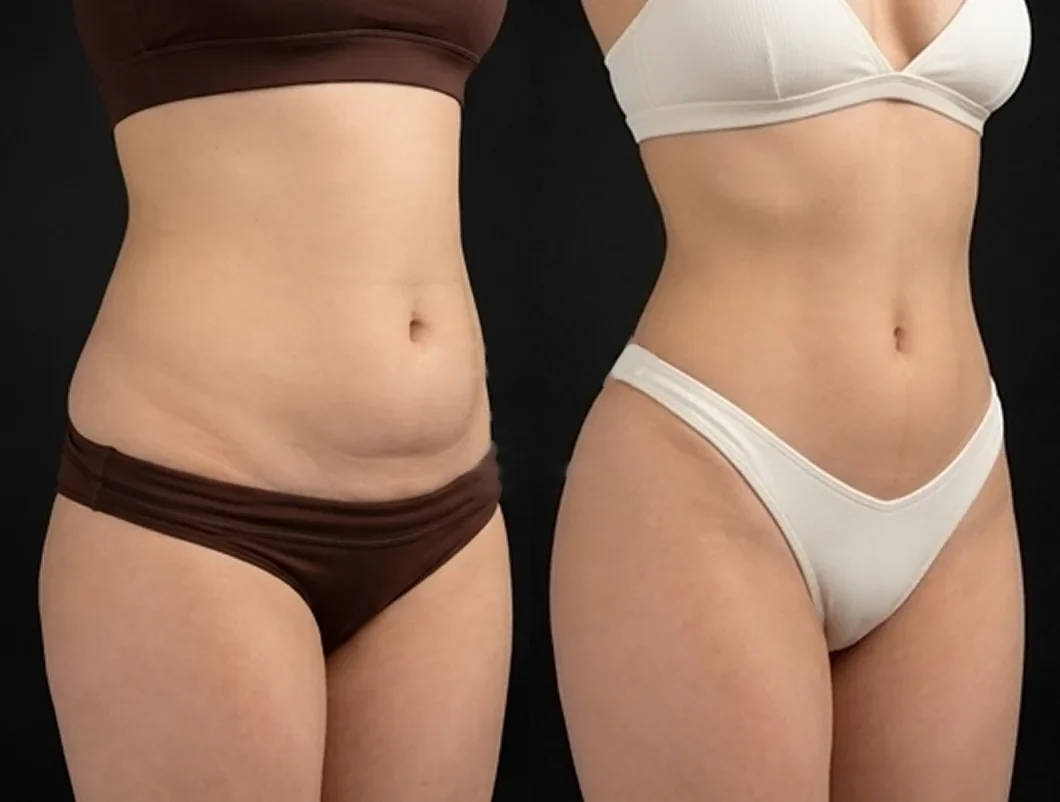
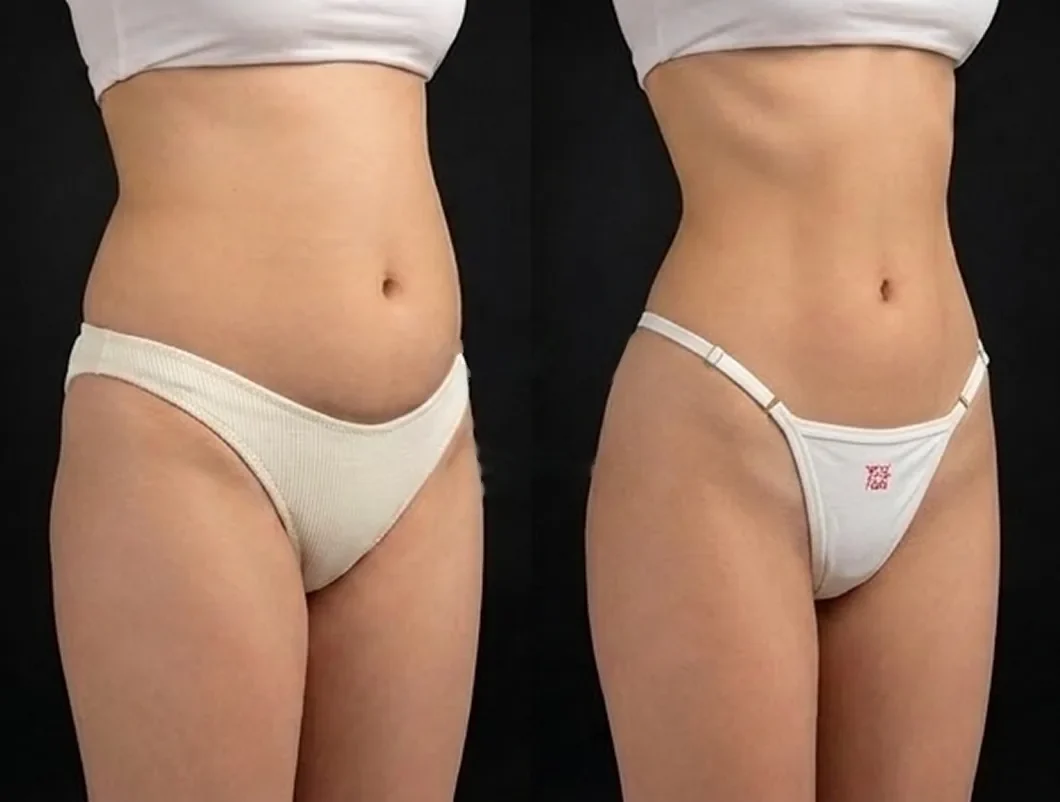
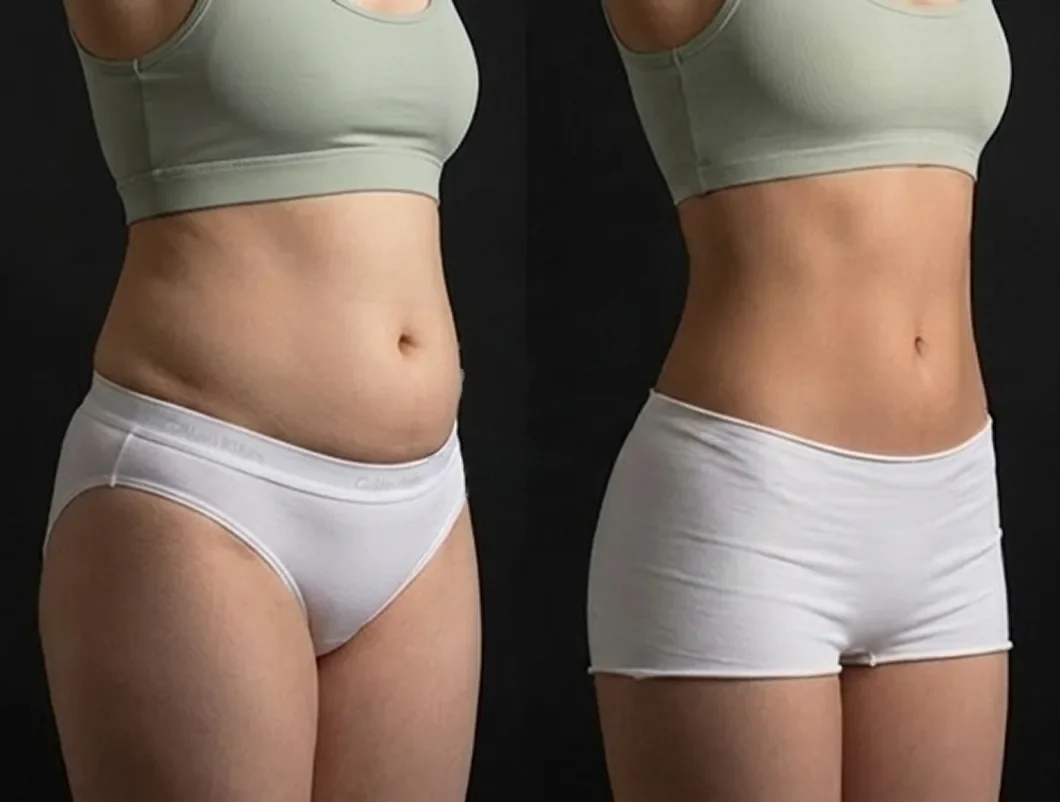
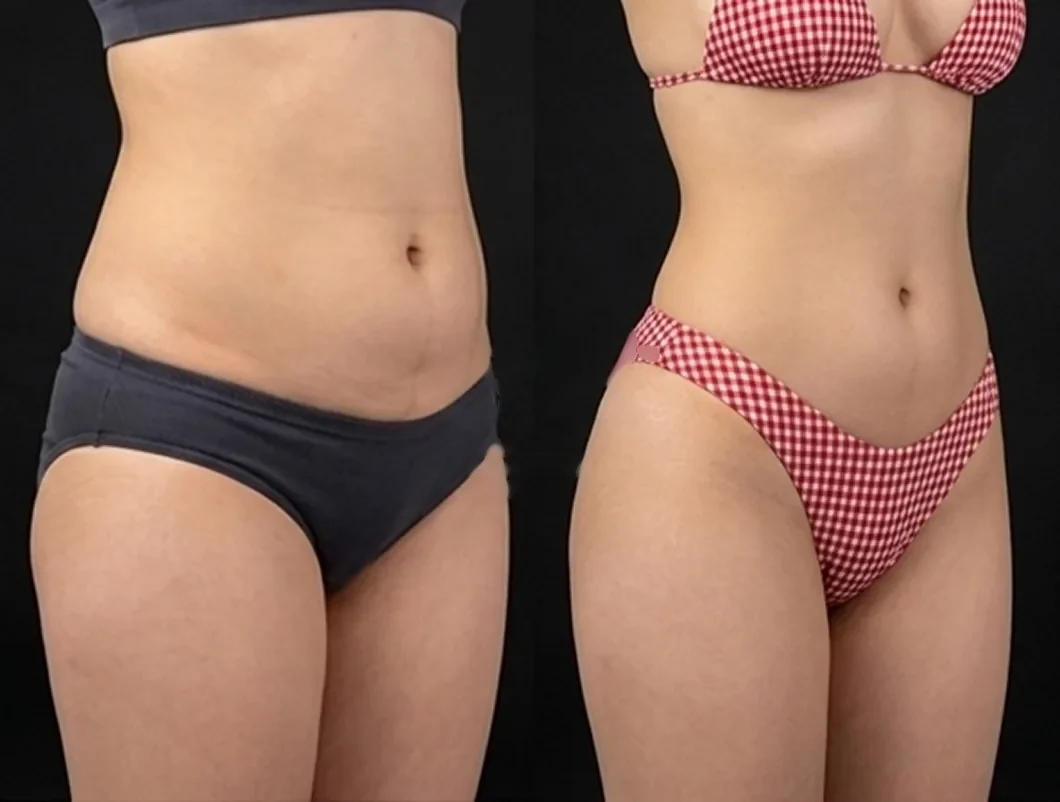
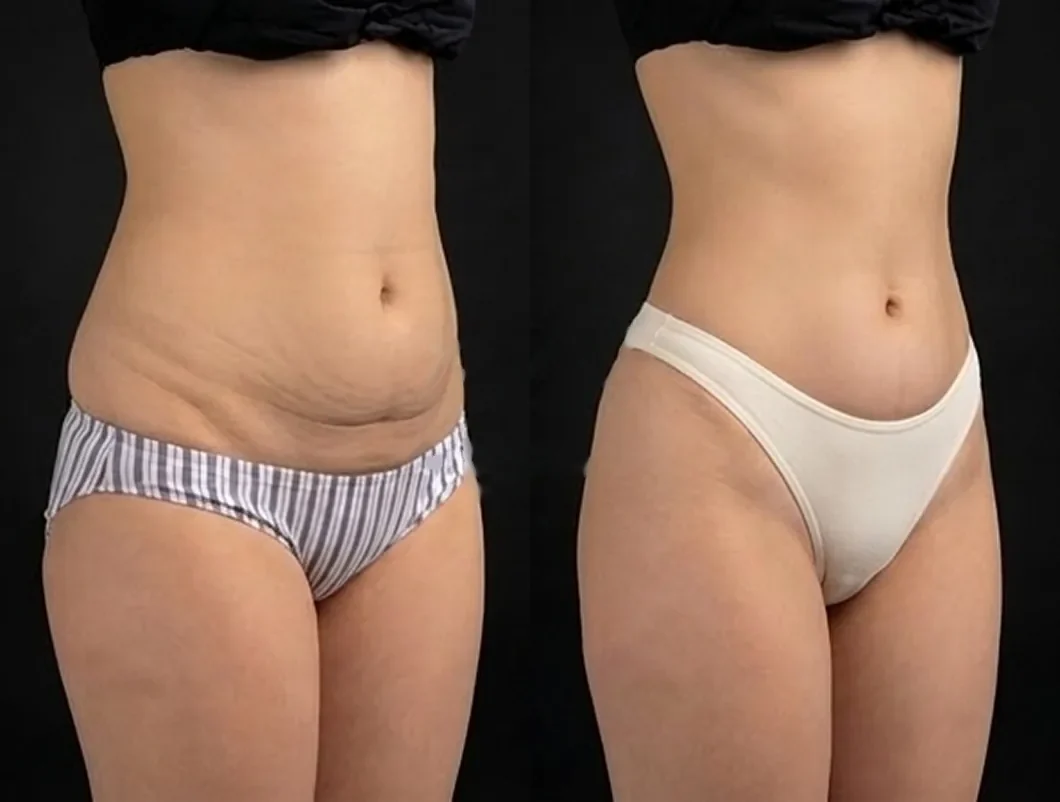
Liposuction: a patient's abdomen and flanks before and after surgery before after
Stubborn local fat that diet and exercise don't shift. Your plan is set at the consultation

Message our coordinator

Free online consultation · Reply within 15 minutes

Message us on Telegram

By messaging us, you agree to our Privacy Policy

Results

Liposuction results
of our patients

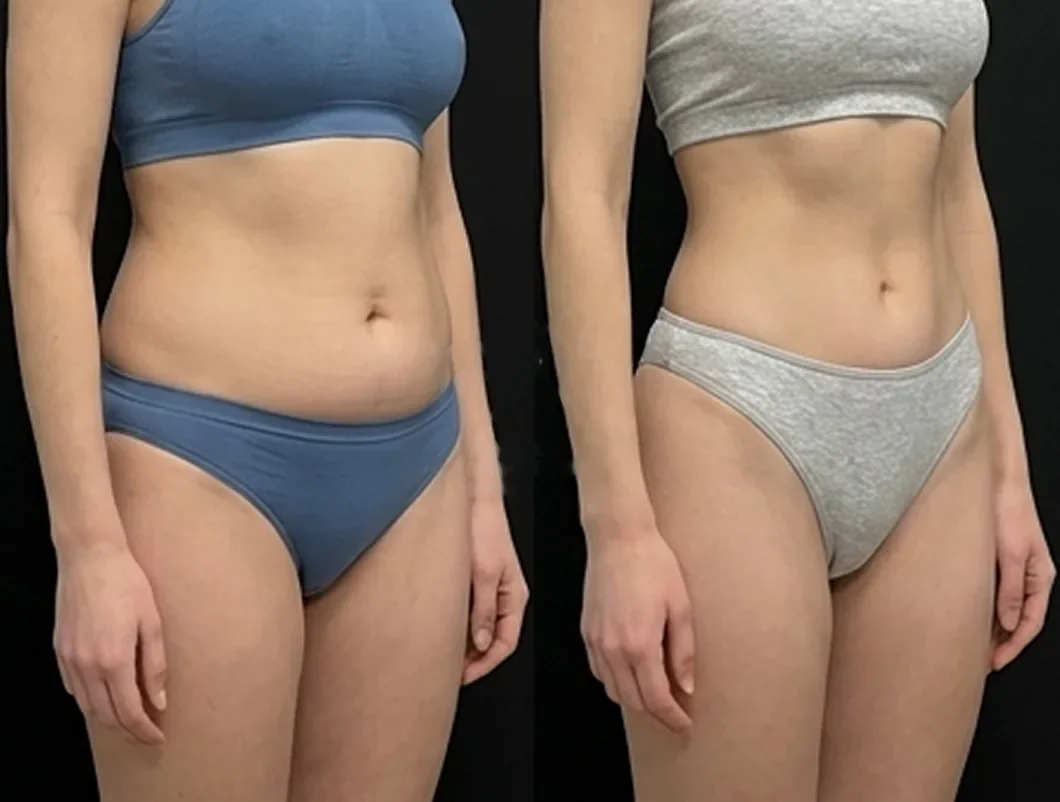
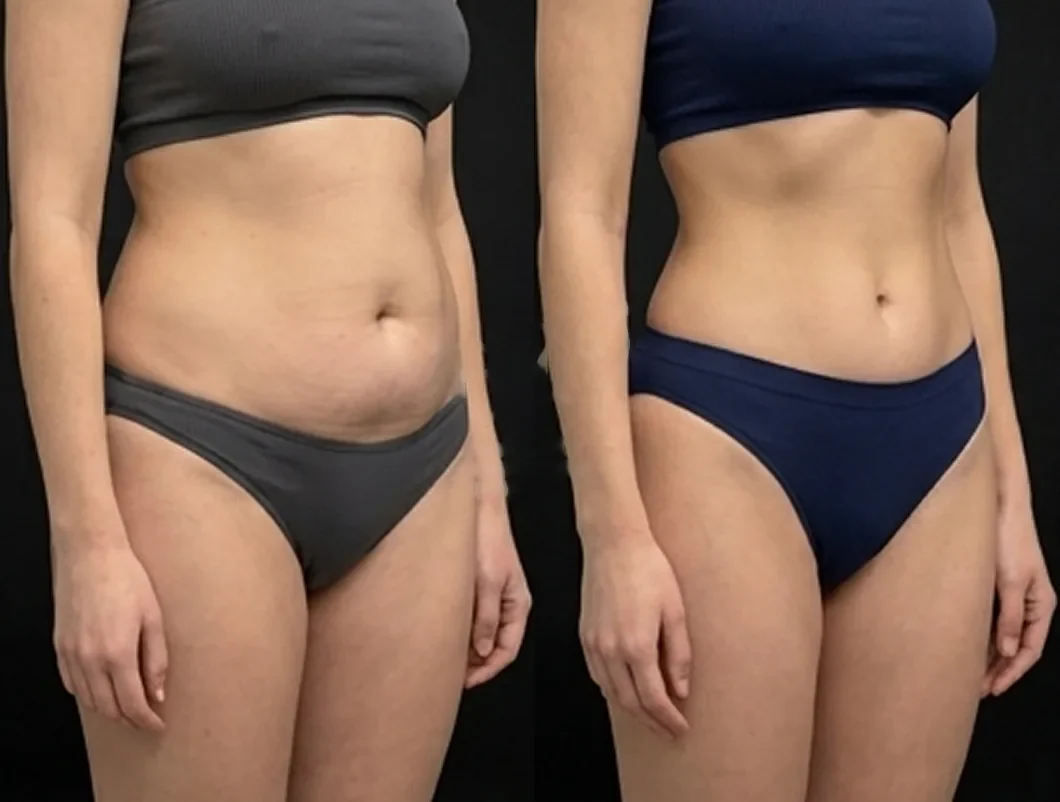
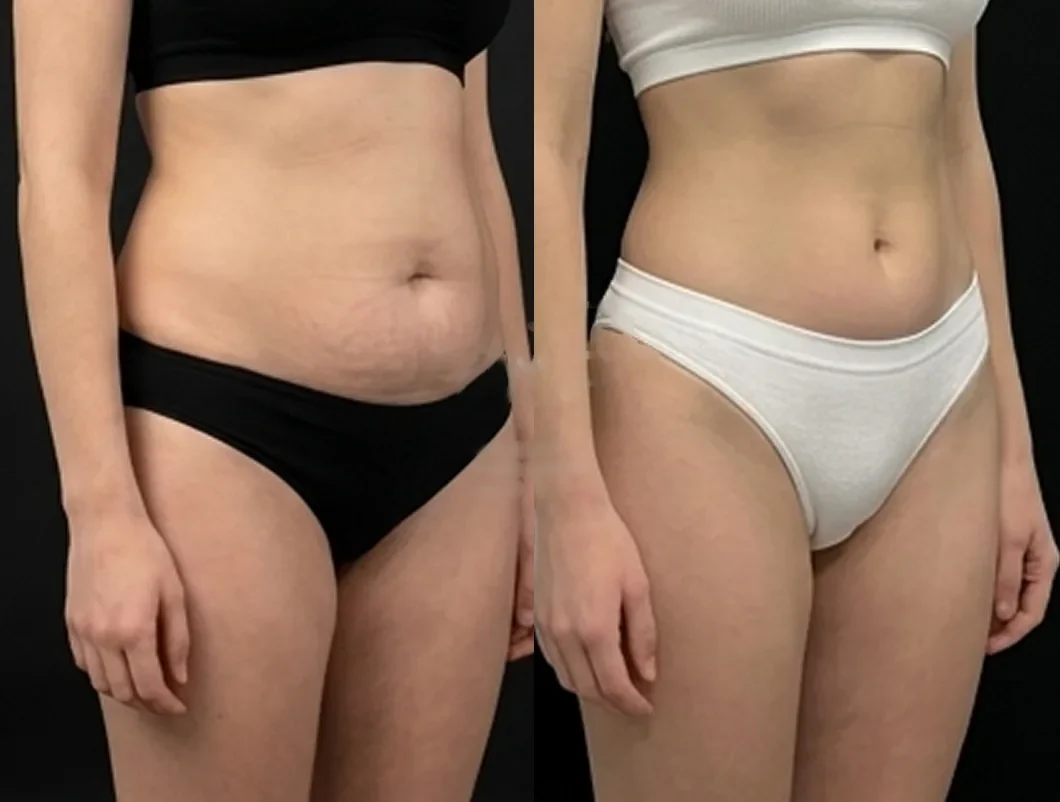
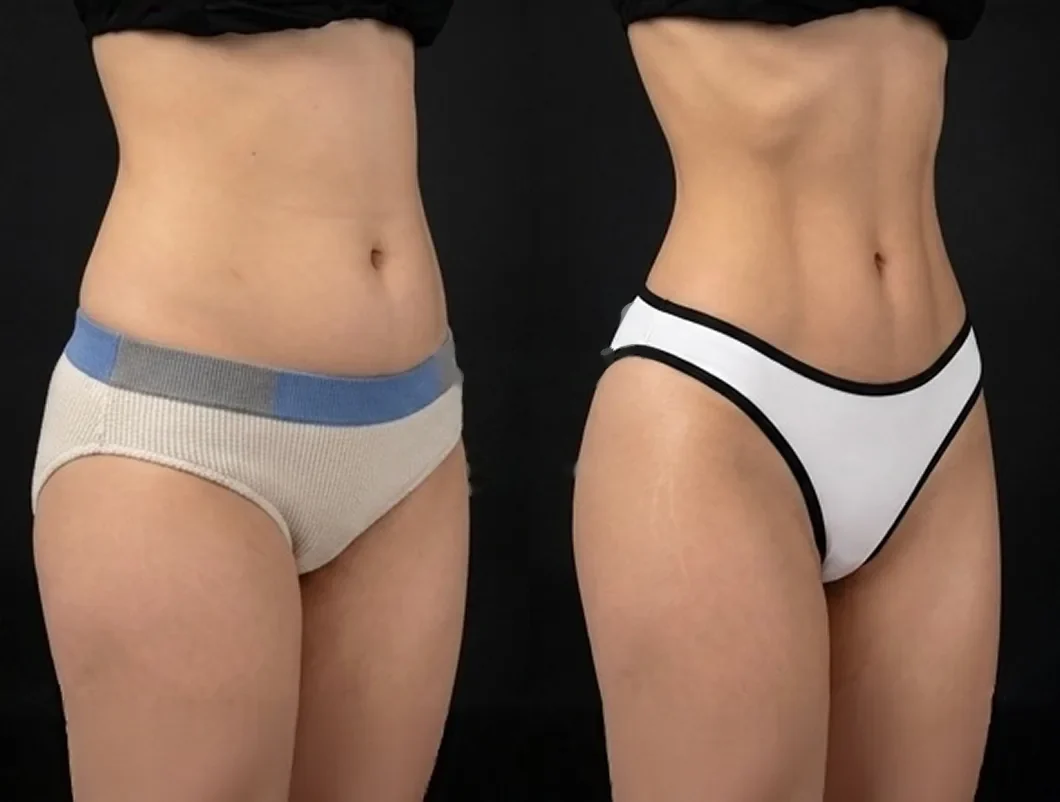
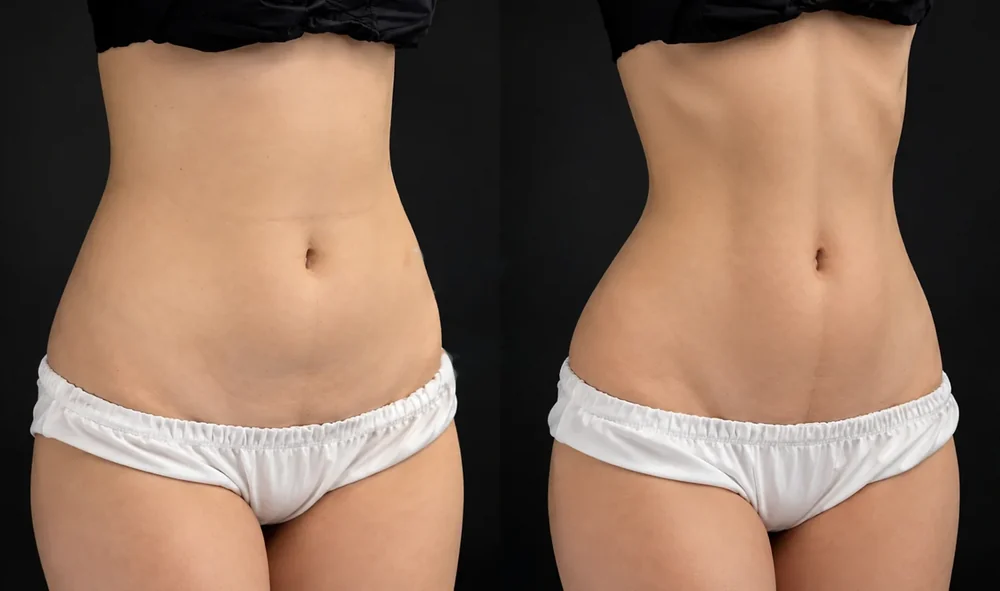
All cases are real patients. Faces and identifying details are hidden.

Abdomen and sides

Liposuction of the abdomen and waist: before and after surgerybeforeafter
1 of 10

Comparison

Liposuction techniques

We use two liposuction techniques: tumescent (classic) and VASER (ultrasound). Compare the goal, the indications and the anaesthesia to choose the right technique together with your surgeon.

Tumescent liposuction

A special solution loosens fat for removal through a thin cannula
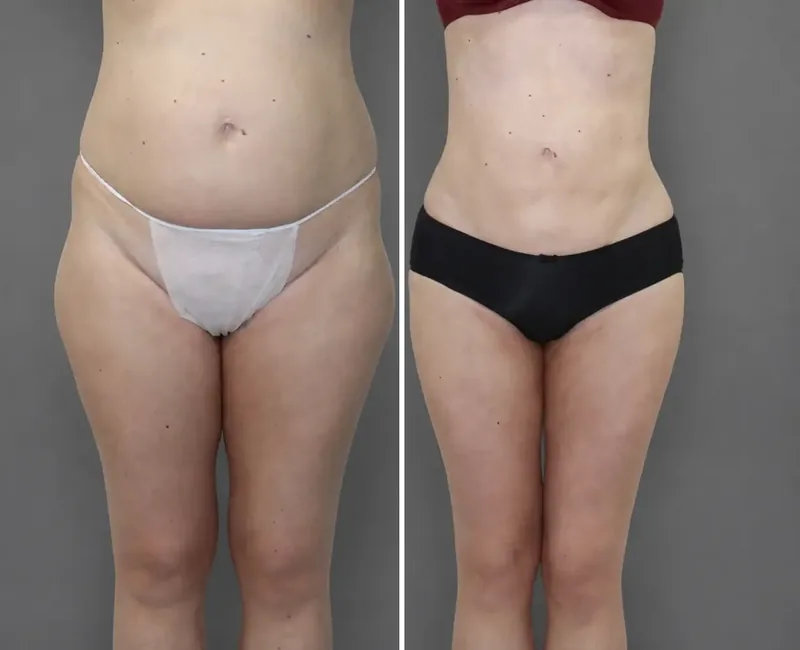
Tumescent liposuction: abdomen and thighs before and after surgery

from $1,200

Main goal
Removal of local fat with minimal blood loss
When it is done
Abdomen, flanks, thighs, back, arms, chin
Anaesthesia and stay
Local or general anaesthesia, home the same day or after 1 day

VASER liposuction

Ultrasound breaks down fat cells before vacuum removal
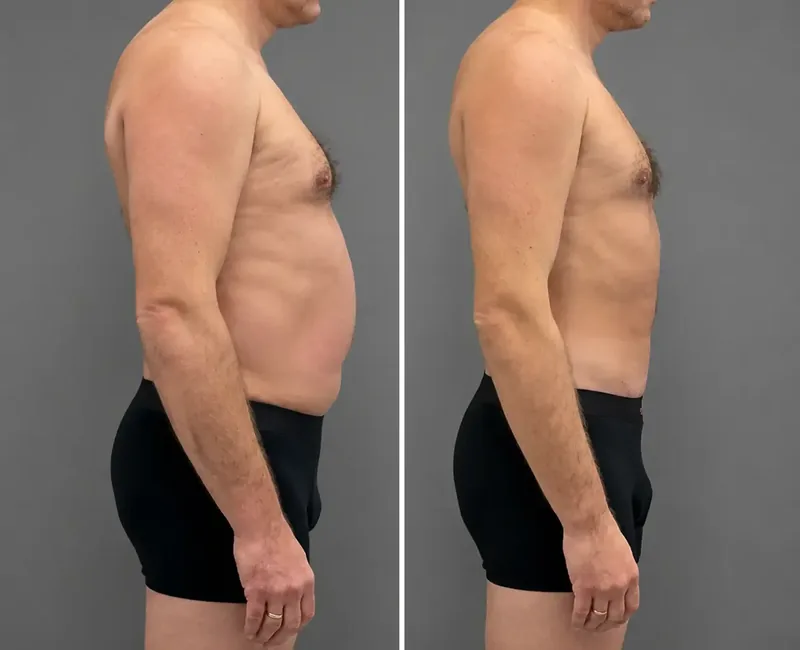
VASER liposuction: a male patient before and after surgery

Price at consultation

Main goal
Defined muscle relief and body contouring
When it is done
Athletic abs and delicate areas
Anaesthesia and stay
Local or general anaesthesia, 1–4 hours of surgery

The benefits and recovery times shown are averaged for each technique and given for guidance: the scope of correction and rehabilitation depend on your anatomy and individual features, and the surgeon confirms them at the consultation.

At the consultation the surgeon draws up a plan for your case and explains how your liposuction will go.

Free, before surgery and with no obligation.

Book a consultation

Body areas we treat

Several areas can be treated in one operation — this saves recovery time and budget

  • Abdomen and sides

    The most requested area for women and men, often combined with abdominoplasty

  • Thighs (outer and inner)

    Fat “traps” that resist exercise

  • Back and lower back

    Back rolls that disrupt the silhouette

  • Arms, including the shoulders

    A cosmetic concern that shows in warm weather

  • Chin and neck

    Small area, fast visible result

  • Knees

    An area that needs careful, precise work

  • Chest (for men)

    Gynecomastia, pseudogynecomastia: the fat part

About the clinic

A clinic where you can feel at ease

Modern equipment, comfortable rooms and care for every patient

A doctor and a patient in a clinic ward

Contact us the way that suits you

We will answer your questions and find a convenient time for a consultation

By messaging us, you agree to our Privacy Policy

Request a free call

Liposuction is not for everyone

If your case can be solved without surgery, the doctor will tell you so at the consultation — and you will not spend money for nothing.

Suitable

A surgeon shows a patient on a model and a monitor how the body contour changes after liposuction
  • Local fat that resists diet and exercise
  • Uneven subcutaneous fat
  • Disrupted body proportions
  • Silhouette changes after childbirth or weight loss
  • Fat component of gynecomastia in men
  • Good skin tone and elasticity

Not suitable

A surgeon discusses the indications and contraindications for liposuction with a patient
  • Patients under 18
  • Pregnancy or breastfeeding
  • Endocrine obesity
  • Decompensated diabetes
  • Problems with blood clotting
  • Serious heart, kidney or liver disease, cancer

Not sure the surgery is right for you?

Leave your number — the coordinator will call you back, and the surgeon will tell you whether liposuction suits you. No surgery booking needed.

Find out if it suits me

A surgeon goes through the treatment areas with a patient at the consultation

Prices

You know the price
before surgery

The final price is calculated individually after an examination and fixed in the contract.

Liposuction prices

  • First consultationFree
  • Flanks / waist liposuctionfrom $1,400
  • Thigh liposuction (outer)from $1,200
  • Thigh liposuction (inner)from $1,200
  • Liposuction of the torso (front abdominal wall, sides of the abdomen, lower back)from $3,600
Book a consultation

Find out your liposuction plan and price

The surgeon assesses the fat deposits and skin tone, listens to your wishes and chooses the right technique.
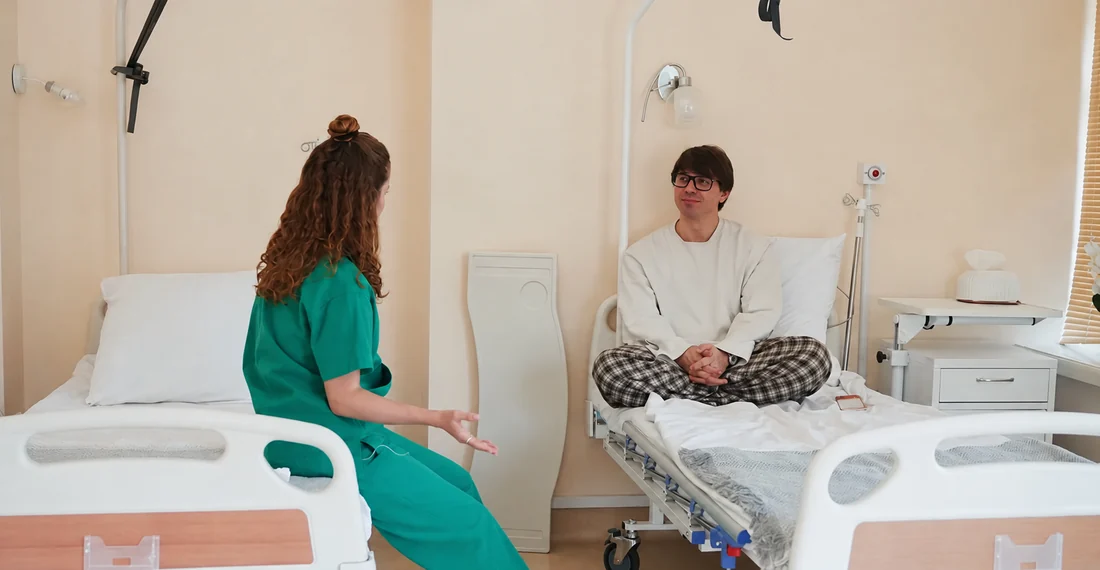
A nurse talks to a patient in a clinic ward

Message our coordinator

Free online consultation · Reply within 15 minutes

Message us on Telegram

By messaging us, you agree to our Privacy Policy
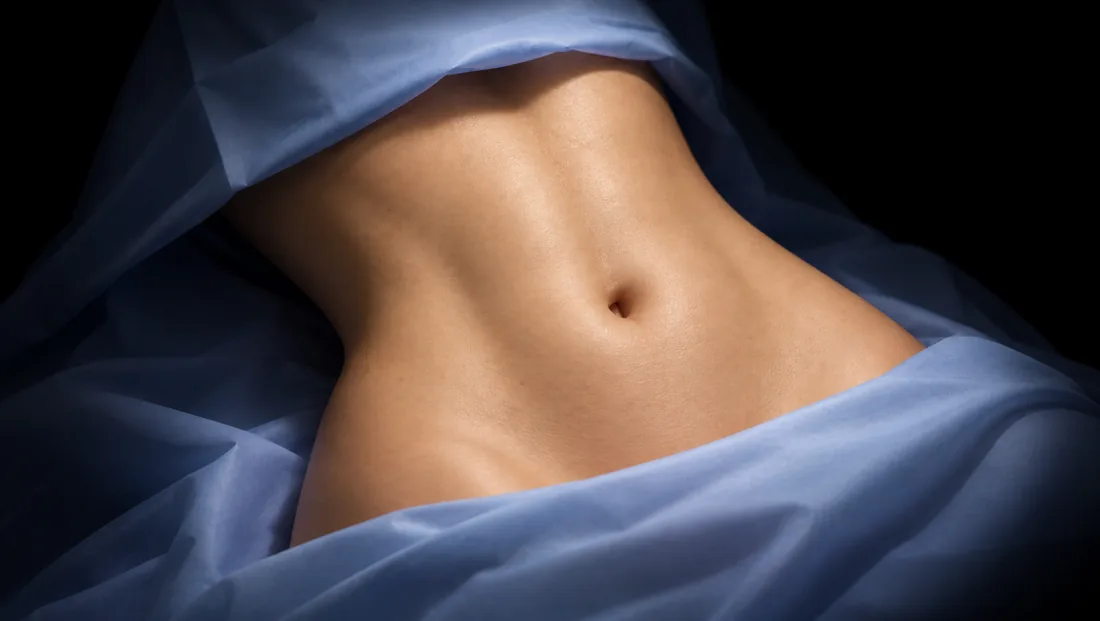
A patient before liposuction in the operating room

all inclusive

What the price includes

From preparation for surgery
to post-op check-ups.

  • All scheduled dressings
  • Scheduled post-op check-ups
  • A personal coordinator on call
  • Compression garments fitted on the day of surgery
  • A stay in a comfortable
    hospital ward with meals
  • Individual recommendations
    for recovery
  • Remote progress monitoring
    by photos

from $1,200

Book a consultation

How it works

From consultation —
to your new contour

An agreed treatment plan, careful monitoring after surgery and post-op check-ups.

A surgeon goes through the liposuction plan with a patient on a monitor1

Consultation
and the surgical plan

The surgeon listens to your wishes, assesses the fat deposits and skin tone and rules out contraindications. A hormonal screening is also ordered — it helps predict the long-term result.

Paying the deposit by card at the clinic reception2

Booking the date
of surgery

We reserve a surgery date for you: the deposit can be paid by card at the clinic or online by bank transfer. The terms are fixed in the contract for medical services

A blood sample tube for tests before liposuction3

Check-up before
surgery

Blood tests (complete count, coagulation panel, biochemistry, infections), an ECG, a chest X-ray and, if needed, a GP consultation. All tests can be done at the clinic with no waiting.

The surgical team during the operation4

Surgery

Marking the areas and fitting compression garments. Under local or general anaesthesia the surgeon removes fat through 3–5 mm micro-punctures — from 1 hour for small areas to 3–4 hours for a combined procedure.

A hospital ward at the clinic5

Waking up
and monitoring

With local anaesthesia you go home 3–4 hours after surgery; with general anaesthesia you stay one day in a comfortable ward under medical supervision.

A surgeon and a patient in the ward during recovery6

Recovery

Compression garments for 30–45 days. First changes show at 2 weeks, once swelling subsides; the final result forms in 3–6 months. Check-ups at 7 days, 3 and 6 months.
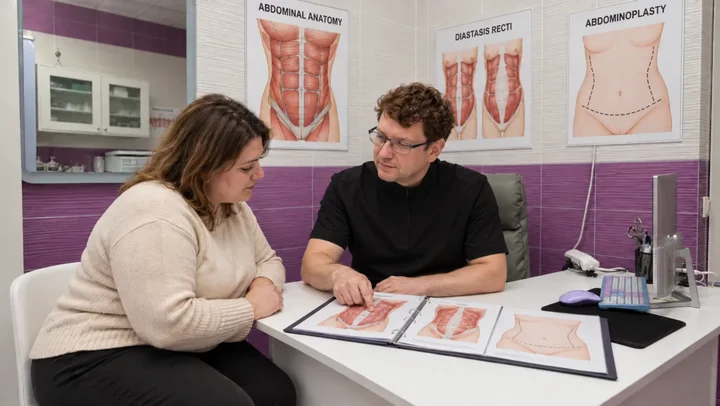
Book a free consultation — the surgeon will plan every step with you.

A doctor discusses the liposuction plan with a patient
Book a consultation
A doctor discusses the liposuction plan with a patient

Recovery after liposuction

After tumescent liposuction, recovery is much shorter than after a conventional procedure. Most patients return to work within 7–10 days. In the first week, mild swelling and a raised temperature are possible — a normal response to surgery. Compression garments are worn for 30–45 days: they fix the new contours and speed up tissue recovery. In the first month, bathhouse, sauna, pool and intense sport are off-limits. For the best result and faster recovery we recommend lymphatic drainage massage, pressotherapy and a gradual return to activity. First visible changes show 2 weeks after surgery, when the main swelling subsides; the final result forms in 3–6 months.

Post-op check-ups

After 7 days, at 3 months and at 6 months. Until the end of the year, get a post-surgery consultation with your surgeon to review results and get more information, at the clinic's expense.

Advantages

Why patients choose City Medical Centre

A surgeon discusses the liposuction plan with a patient at the consultation

Just find out — you lose nothing

At the consultation we discuss your wishes and assess the fat deposits and skin tone. Before surgery an endocrinologist rules out hormonal causes of the fat deposits — this improves the long-term result.

A surgeon on a video call with a patient after surgery

We stay with you after surgery

The surgeon follows your recovery and the new body contour at check-ups after 7 days, 3 and 6 months. Check-ups, dressings and aftercare advice are already included in the price of surgery.

A surgeon shows a patient a model and body contouring diagrams

A beautiful contour that fits your figure

Tumescent and VASER techniques, micro-incisions of 3–5 mm and precise volume control. Our aim is a smooth contour that keeps the natural proportions of your body.

A patient writes down a convenient visit time in her planner

Your schedule is our priority

We respect your time: we work 24/7, with easy booking and a personal approach — we adapt to your pace.
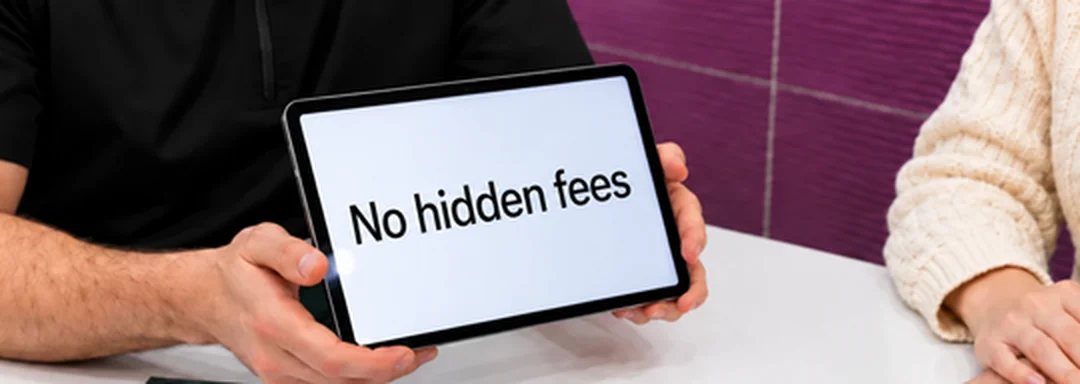
A surgeon shows a patient a tablet: no hidden fees

Fixed prices

After the consultation the surgeon defines the areas and the scope of surgery, and you get a clear price fixed in the contract — no hidden extras.

A surgeon visits a patient in the hospital ward after surgery

Round-the-clock care after surgery

With general anaesthesia recovery starts in a comfortable hospital ward under round-the-clock nursing care. The stay and meals are already included in the price.

FAQ

We answer what
people ask before booking

Liposuction in Likasi: price and what is included

Prices are in US dollars; the amount in brackets is an approximate conversion to CDF at the rate of 02.10.2026. The final price is fixed in your contract.

How much does liposuction in Likasi cost?

Prices start from $1,200 (≈ CDF 2,800,000) per area. The surgeon sets the final price at the free consultation, and it is fixed in the contract, with no hidden extras.

What is included in the price?

The operation under local or general anaesthesia and the surgeon's support throughout recovery. The price is per area and fixed in the contract.

How do I get my exact price?

Message us on WhatsApp or Telegram using the buttons below. A coordinator will answer your questions and book a free consultation where the doctor names the exact price.

By messaging us, you agree to our Privacy Policy

Liposuction in Likasi: a short guide

Two techniques are used. In tumescent liposuction a saline-based solution with lidocaine and adrenaline is injected first; it loosens fat and constricts vessels, so blood loss is minimal and there is almost no bruising. In VASER liposuction ultrasound breaks down fat cells before vacuum removal, which suits athletic abs and delicate zones. The surgeon picks the method for each patient in Likasi.

Results appear in stages. The first changes show about two weeks after surgery as the main swelling subsides, visible contouring comes at 3–4 weeks, and the interim result is assessed at 1.5–2 months. The final contours form within 3–6 months, once the skin has fully tightened and the tissues have adapted. Patients from Likasi see the surgeon at check-ups after 7 days and 3 months.

A free consultation is the easiest way to get an exact figure. The surgeon assesses the fat deposits, skin tone and your health, suggests the technique and the scope of surgery, and gives the price; liposuction starts from $1,200 (≈ CDF 2,800,000). Apply before the end of the year and the consultation is at the clinic's expense. Patients from Likasi can apply via the form or any messenger.

Likasi and the question of body contouring: why local context matters

Likasi is a city in Haut-Katanga Province, in the south-east of the Democratic Republic of the Congo. It has around 635,000 inhabitants (2015). It was founded in 1916-1917 when the copper mines of Likasi and Shituru began operating. From 1931 to 1971 it was called Jadotville, and many older residents still know it by that name. People here are used to planning their lives around shifts, family obligations and a working week, and a surgical procedure such as liposuction has to fit into that routine without chaos.

Liposuction is a body-contouring operation, not a method of weight loss. The surgeon removes localised fat deposits that do not respond to diet and exercise, usually on the abdomen, flanks, thighs, arms or under the chin. Patients in Likasi often ask the same practical question first: how many days will I be out of my normal life? The honest answer is that most people return to their usual routine and work in 7–10 days, while the final result takes longer to form, from 3 to 6 months.

This text is written for people in Likasi who are weighing the decision calmly. It explains how the city's climate, work rhythm and food culture connect with preparation and recovery, what to ask the surgeon, who is a suitable candidate and how the free online consultation works. Nothing here replaces an individual examination. It helps you arrive at that consultation with clear questions.

Climate of Likasi and what it means for recovery

Likasi has a humid subtropical climate (Köppen: Cwa). In the wider south-east of Katanga, winters are cool and dry and summers are warm and damp, and some parts of the south-east have a long dry season of four to five months. For a patient planning liposuction this matters more than it might seem, because heat, humidity and sun all influence swelling, comfort and skin care in the weeks after surgery.

In the warm and damp part of the year, a compression garment can feel heavy and the skin under it can become irritated by sweat. You will need to wear the garment for 30–45 days, so plan for it. Choose breathable cotton layers under it, keep a second garment so that one can be washed and dried, and follow your surgeon's advice on how to clean the skin. In the cool dry part of the year the garment is generally easier to tolerate, and loose clothing over it hides it well at work or at family gatherings.

Sun is the second consideration. Fresh punctures of 3–5 mm heal well, and once healed the marks are barely visible, but strong sun on healing skin is not a good idea. Tanning beds are off-limits for at least a month, and the same common sense applies to long hours in direct sunlight. In Likasi, where many people work or move around outdoors, cover the treated area with clothing, use shade and ask the surgeon when sun protection products may be applied.

Dust is also part of life in an industrial mining region, especially in the dry season. Dressings and healing skin should stay clean, so avoid dusty work in the first days, and ask what to do if a dressing gets dirty. Your surgeon gives all individual recommendations after surgery, and these climate habits simply help you follow them in everyday conditions.

Choosing the season for the operation

There is no single correct month for liposuction in Likasi. The better question is which period gives you a calm first week and a comfortable 4–6 weeks in the compression garment. Many patients prefer the cool and dry part of the year, because a snug garment is more pleasant when it is not hot and damp, and because swelling and bruising, which clear by weeks 4–5, are easier to manage without constant sweating.

The warm and damp season is not a barrier, but it needs better planning. Make sure you can rest in a ventilated room, drink enough fluids and change clothes often. If the rains make movement around the city difficult, arrange check-ups and errands in advance so that you do not have to push yourself in the first 7 days, when physical exertion and heavy lifting are not allowed.

Also think about the calendar of your life, not only the weather: school terms, the end of a reporting period at work, weddings, funerals and church or community celebrations. Funerals and family events in Congolese cities often involve long days, standing, carrying and shared meals. It is sensible to place the operation so that the first week and the following weeks are free of such obligations.

If you want to see a visible change before a particular event, remember the stages. The first changes show at 2 weeks, once the main swelling subsides, an interim result is assessed at 1.5–2 months, and the final contour forms in 3–6 months. An event only a few weeks after surgery is therefore not the best target date.

Work, mining shifts, study and daily routine after surgery

Likasi is a centre for industry, especially mining, and a transport hub for the surrounding region. Mines and refineries are supplied by nearby deposits of copper and cobalt, and the Shituru factories process copper solution into electrodes. People in the city work in offices, plants, trade, transport, schools and health services, and the physical demands of these jobs differ greatly. This is why the return to work after liposuction is not one number for everybody.

The general rule is that most patients get back to their usual routine and work in 7–10 days. For desk work, teaching, administration or a shop counter this is usually realistic, provided you feel well and the surgeon agrees. For heavy physical work, such as loading, lifting, long shifts on your feet or work in dusty plant areas, discuss with the surgeon whether you need extra time. For the first 7 days, no physical exertion or heavy lifting is allowed at all, and a good employer should understand a short planned absence.

Students and young adults over 18 should plan around lectures and exams. Sitting for long periods in a compression garment is possible, but you should get up and walk regularly, as your surgeon will advise. Avoid scheduling the operation just before an exam week when stress and lack of sleep would make recovery harder.

Parents and people who care for relatives need to prepare help in advance. Lifting a small child, carrying water or shopping and cooking over a hot stove are tasks that you should hand over to a spouse, relative or neighbour during the first week. Writing down who will do what before the operation is a simple step that makes recovery easier.

Food culture, body shape and expectations in Likasi

Food in Likasi follows the rhythm of Congolese family life: shared meals, staples such as cassava and maize porridge with vegetables, fish or meat, and generous hospitality at celebrations. Haut-Katanga relies on food imports because much of the land and workforce is used by mining, so many households adapt their diet to what is available at the market. None of this is a problem in itself, but it is useful to be realistic about what liposuction can and cannot do.

Liposuction removes fat cells from chosen areas. It does not replace a balanced diet, and it does not prevent weight gain later. If a patient returns to heavy weight gain, the contour can change again. The World Health Organization describes overweight and obesity as a major health issue, and a surgeon will consider your general health and weight before recommending the operation. Liposuction is not a treatment for obesity, and the surgeon may suggest that you first stabilise your weight.

During recovery, light and regular meals are easier than heavy feasts. Alcohol and tanning beds are off-limits for at least a month, and alcohol should also be given up 7–10 days before the operation. At social events in Likasi, where refusing a drink or a second plate may feel awkward, it helps to tell close relatives in advance that you are following medical advice.

Aim for a smooth contour that keeps the natural proportions of your body, not for a figure copied from a photograph. The techniques used include tumescent and VASER methods, micro-incisions of 3–5 mm and precise volume control. At the consultation, bring photographs that show what you like about a result, and discuss honestly whether it suits your body type.

How the free online consultation works from Likasi

The first step is a free online consultation. You contact the coordinators on Telegram or WhatsApp from Likasi, and they are available around the clock, 24/7. You do not need to arrange anything in advance and you can write at a moment that suits your shift or your family schedule. Booking is simple, and the approach is personal, so the process follows your pace rather than the reverse.

Prepare a few things before you write: your age, the areas that bother you, any chronic illnesses, medications you take regularly (especially aspirin or others that affect clotting), previous operations and any allergies. Clear photographs of the areas in good light help the surgeon form an initial opinion. Your coordinator will explain what else is needed.

After the first consultation you receive all instructions for preparation. Pre-operative tests are required: blood tests, ECG, ultrasound and consultations with a general practitioner and an anaesthesiologist. Many of these can be arranged through the medical services you already use in your city, and the results are then reviewed remotely. You should also give up smoking, alcohol and medications that affect clotting 7–10 days before liposuction.

Communication does not stop with the operation. The surgeon follows your recovery and the new body contour at check-ups after 7 days, 3 months and 6 months. Until the end of the year, you can also get a post-surgery consultation with your surgeon to review results and get more information. Check-ups, dressings and aftercare advice are already included in the cost of the surgery, so you do not need to worry about being left alone with questions in Likasi.

What the operation involves, step by step

Understanding the procedure removes much of the fear. First comes marking the areas and fitting compression garments. The operation is then performed under local or general anaesthesia. The surgeon removes fat through 3–5 mm micro-punctures, and the surgery lasts from 1 hour for small areas to 3–4 hours for a combined procedure. The overall range is 1–4 hours depending on how many areas are treated.

The choice of anaesthesia affects how soon you go home. With local anaesthesia you go home 3–4 hours after surgery. With general anaesthesia you stay one day in a comfortable ward under medical supervision. Either way, arrange for a relative or friend to be with you at home on the first day, especially if you live in a quarter of Likasi where moving around after dark is inconvenient.

Because the punctures are only 3–5 mm across, they usually need no stitches. Once healed, the marks are barely visible, and with proper care during recovery they fade completely. This is a point that many people in Likasi ask about, because beach days at Lake Tshangalele, family photographs and summer clothing are part of normal life, and nobody wants visible scars.

Techniques matter as well. Tumescent and VASER methods with precise volume control let the surgeon work more gently and shape the area more evenly. Ask which technique is planned for you and why. Ask also how much fat is expected to be removed and whether combining areas in one session is sensible for your health.

Recovery timeline and rules for everyday life in Likasi

Recovery follows a clear sequence. For the first 7 days: no physical exertion or heavy lifting. For 4–6 weeks you wear compression garments and avoid the bathhouse, sauna, pool and active sport. The garments themselves are worn for 30–45 days. Swelling and bruising clear by weeks 4–5. The first changes show at 2 weeks, an interim result is assessed at 1.5–2 months, and the final contours are formed in 3–6 months once the tissues have fully adapted.

In practice, this means that swimming at the lake, the pool and sauna-type heat are postponed. Football, running, gym training and dancing, which are popular in the city, also wait. Gentle walking around the house and the neighbourhood is usually encouraged, but follow your surgeon's individual instructions. Do not go back to sport simply because you feel well after two weeks, since internal tissues are still healing.

A few practical tips for the daily routine: keep clothing loose and soft over the garment, sleep in a position recommended by the surgeon, drink water regularly and report unusual pain, fever, spreading redness or sudden swelling immediately through your coordinator. Keep the dressings clean and dry, and do not remove the compression garment on your own to relieve discomfort.

Power and water supply can influence home recovery. Likasi receives electricity from the hydro-electric dam of Mwadingusha on the Lufira, and in any city outages can happen. Wash garments when you can dry them properly, keep a spare, and keep a small supply of clean water and dressing materials at home, as your surgeon advises.

Likasi's mining rhythm and how it shapes a surgical calendar

Likasi grew out of copper mining. The city was created in 1916-1917 when the mines of Likasi and Shituru began operating, and mining and refining remain central to local life. Work here often follows shifts, deliveries and production cycles, so a patient considering liposuction should think about the operation as a project with a start, a quiet week and a gradual return to normal activity.

Start by talking to the people who depend on you: an employer or supervisor, a spouse, parents, adult children, a colleague who can cover tasks. Explain that you need a planned absence and that most patients are back to their usual routine and work in 7–10 days. A clear, calm explanation usually works better than a last-minute request.

Likasi is also a transport hub for the surrounding region, and the main highway through the city carries heavy traffic. Long hours in a vehicle, bumpy roads and sitting still for a long time are poor companions for the first days of recovery. If your work involves driving or riding, ask the surgeon when you can return to it and how often you should stand and walk.

Quarters of Likasi, home setup and support during the first days

Likasi is made up of many quarters, from Quartier Mission and Kapumpi to Kamatanda and Golf Kyabula. Living conditions differ between them: some households have a quiet private room and easy access to water, others share space with a large family. Before the operation, look honestly at your own home and decide where you will rest.

Prepare a resting corner with a clean bed, loose clothing, a spare compression garment, clean towels, drinking water and a way to call your coordinator at any hour. The coordinators work 24/7 on Telegram and WhatsApp, so keep your phone charged and a power bank nearby in case of an outage.

Agree in advance who will stay with you on the first day. If you have local anaesthesia, you go home 3–4 hours after surgery; after general anaesthesia you spend one day in a ward under medical supervision. In both cases a calm, reliable person at home makes the first evening easier, and neighbours can help with errands so that you avoid physical exertion during the first 7 days.

Leisure, lake outings and community life after liposuction

Likasi has been nicknamed the City of Lights, and the reservoir of Lake Tshangalele, on the Lufira not far from the city, is known as a place for weekend outings. Such outings usually mean sun, water, long walks and shared food, which are not compatible with the early weeks of recovery.

Plan to skip swimming, pools, saunas and the bathhouse for 4–6 weeks, together with active sport. Alcohol and tanning beds are off-limits for at least a month. When friends invite you to a gathering, you can attend briefly in loose clothing, sit comfortably and leave early, but heavy lifting, dancing and long standing should wait.

Church services, community meetings and family celebrations are important in the life of the city. Tell the people close to you what you are doing so that nobody pushes you to carry chairs, serve large pots or join energetic dancing. After your 3-month check-up you will have a clearer view of how the contour is forming, and that is a better moment to return to these activities fully than the first weeks.

Candidates, contraindications and questions for the surgeon

Surgery is performed from the age of 18+ if there are no contraindications. There is no upper age limit: after an examination and health assessment, the decision is made individually. A good candidate has localised fat that resists diet and exercise, reasonably elastic skin, stable weight and realistic expectations. People with serious heart, blood-clotting or chronic conditions, active infection or uncontrolled illness may not be suitable, and only the examination can decide.

Women and men in Likasi frequently ask whether past pregnancies, malaria treatment or other illnesses matter. Mention them all. Tell the surgeon about every medication, including traditional or herbal remedies, since some affect bleeding. Be honest about smoking and alcohol, because they influence healing.

Prepare your questions in writing. Useful ones are: Which areas are suitable and which are not? Which anaesthesia do you recommend for me, local or general, and why? How long will the operation take? Which technique will be used? What does the compression garment look like and when do I put it on? When can I return to my job given its physical demands? When can I return to sport and swimming? What are the signs that I must contact you urgently? How do the check-ups after 7 days, 3 months and 6 months work online?

Finally, remember that nobody can promise a particular outcome. A responsible surgeon explains the limits of the method, the possible complications and the need for patience. If your questions are answered clearly and without pressure, you can make the decision at your own pace, at home in Likasi.

Can I really have the first consultation from Likasi without leaving the city?

Yes. The first consultation is online and free. You write to the coordinators on Telegram or WhatsApp, they are available 24/7, and you can send your questions and photographs at any convenient time. The surgeon reviews your information and explains the options, so you can decide calmly at home.

How long does liposuction take and when do I go home?

The surgery takes 1–4 hours depending on the areas: from 1 hour for small areas to 3–4 hours for a combined procedure. With local anaesthesia you go home 3–4 hours after surgery. With general anaesthesia you stay one day in a comfortable ward under medical supervision.

When can I go back to work in Likasi?

Most patients return to their usual routine and work in 7–10 days. If your work is physically heavy, for example lifting or long shifts in industrial areas, discuss it with the surgeon, because the first 7 days allow no physical exertion or heavy lifting. Your surgeon gives individual recommendations after surgery.

Is the hot and damp season a problem for the compression garment?

It is not a barrier, but it needs preparation. You wear compression garments for 30–45 days. In warm and damp weather choose breathable layers under the garment, keep a second one for changing, and keep the skin clean and dry. Many patients find the cool dry season more comfortable.

Will there be visible scars?

The operation is done through punctures only 3–5 mm across, and they usually need no stitches. Once healed, the marks are barely visible. With proper care during recovery they fade completely. Protect the area from strong sun and avoid tanning beds for at least a month.

When can I swim, use a sauna or play sport again?

For 4–6 weeks you should avoid the bathhouse, sauna, pool and active sport. For the first 7 days no physical exertion or heavy lifting is allowed. Your surgeon will tell you when you may return to each activity, since it depends on how your recovery goes.

When will I see the final result?

The first changes show at 2 weeks, once swelling subsides. An interim result is assessed at 1.5–2 months. Swelling and bruising clear by weeks 4–5, and the final contour forms in 3–6 months, when the tissues have fully adapted. Check-ups take place after 7 days, 3 months and 6 months.

How should I prepare before the operation?

Give up smoking, alcohol and medications that affect clotting, such as aspirin, 7–10 days before liposuction. You also need pre-operative tests: blood tests, ECG, ultrasound, and consultations with a general practitioner and an anaesthesiologist. You receive all instructions after the first consultation.

Who can have liposuction, and is there an age limit?

Surgery is performed from age 18+ if there are no contraindications. There is no upper age limit: after an examination and health assessment, the decision is made individually. Liposuction is for body contouring, not for treating obesity, so your general health and weight are assessed first.

What follow-up do I get after returning to normal life in Likasi?

The surgeon follows your recovery and the new body contour at check-ups after 7 days, 3 months and 6 months. Check-ups, dressings and aftercare advice are already included in the cost of surgery. Until the end of the year you can also get a post-surgery consultation with your surgeon to review results and get more information.

Should I tell my employer in Likasi why I need time off?

You decide how much to share. It is enough to say that you have a planned medical procedure and need a short absence. Most patients return to their usual routine and work in 7–10 days, and the surgeon can advise on the timing if your job is physically demanding.

Can I prepare my home in Likasi in advance?

Yes, and it helps. Prepare a clean resting place, a spare compression garment, drinking water, loose clothing and a charged phone. Arrange for a relative to stay with you on the first day, and hand over heavy household tasks for the first 7 days.

Is it all right to visit the lake or a pool a few weeks after surgery?

Not yet. For 4–6 weeks you should avoid the pool, sauna, bathhouse and active sport. Your surgeon will tell you when swimming is allowed again, based on how your recovery is going at the check-ups.