





























first
12 months later
2,800 grafts
FUE method
City Medical Centre
0% instalments
from $367/mo
Advice, then the price — $0.
Real result
first
12 months later
Graft count, plus a forecast of the result. FUE without stitches tallied without a penny — before you decide.
No payment at all, no surgery booking required
Message our coordinator
Free online consultation · Reply within 15 minutes
Message us on TelegramMessage us on WhatsAppBy messaging us, you agree to our Privacy Policy
results
Everyone pictured was operated on at CMC.
first
12 months later
2,800 grafts
FUE method

first
12 months later
3,500 grafts
FUE method

first
12 months later
2,600 grafts
FUE method

first
12 months later
3,000 grafts
FUE method

first
12 months later
2,700 grafts
FUE method

first
12 months later
3,300 grafts
FUE method

first
12 months later
2,900 grafts
FUE method

first
12 months later
2,500 grafts
FUE method

first
12 months later
3,400 grafts
FUE method

first
12 months later
2,500 grafts
FUE method

first
12 months later
3,100 grafts
FUE method

first
12 months later
3,600 grafts
FUE method

first
12 months later
4,000 grafts
FUE method

first
12 months later
3,200 grafts
FUE method

first
12 months later
3,000 grafts
FUE method

first
12 months later
3,700 grafts
FUE method

first
12 months later
2,700 grafts
FUE method

first
12 months later
3,800 grafts
FUE method

first
12 months later
3,300 grafts
FUE method

first
12 months later
2,800 grafts
FUE method

first
12 months later
2,500 grafts
FUE method

first
12 months later
3,900 grafts
FUE method

first
12 months later
3,500 grafts
FUE method

first
12 months later
3,800 grafts
FUE method

first
12 months later
2,900 grafts
FUE method

first
12 months later
3,600 grafts
FUE method

first
12 months later
2,600 grafts
FUE method

first
12 months later
2,700 grafts
FUE method

first
12 months later
3,700 grafts
FUE method

first
12 months later
3,200 grafts
FUE method

first
12 months later
3,000 grafts
FUE method

first
12 months later
2,800 grafts
FUE method

first
12 months later
4,000 grafts
FUE method

first
12 months later
3,400 grafts
FUE method

first
12 months later
2,900 grafts
FUE method

first
12 months later
3,100 grafts
FUE method

first
12 months later
2,600 grafts
FUE method

first
12 months later
3,300 grafts
FUE method

first
12 months later
3,900 grafts
FUE method

first
12 months later
3,500 grafts
FUE method

first
12 months later
2,700 grafts
FUE method

first
12 months later
3,800 grafts
FUE method

first
12 months later
3,200 grafts
FUE method

first
12 months later
3,000 grafts
FUE method

first
12 months later
2,800 grafts
FUE method

first
12 months later
3,100 grafts
FUE method

first
12 months later
3,600 grafts
FUE method
Comparison
There are three graft transfer technologies to pick from: classic FUE, suture-free DHI and a combined protocol. Compare the implantation technique, the tissue trauma and the graft survival of each.
Classic technique without incisions or stitches

$2,200
$2,700
Graft implantation technique
ForcepsGraft trauma
MinimalA natural angle for hair
NaturalGraft survival
98–100%Suitable for
Androgenetic alopeciaImplantation with a Choi pen, no sutures

$2,500
$2,900
Graft implantation technique
Choi implanter, DHI penGraft trauma
MinimalA natural angle for hair
NaturalGraft survival
98–100%Suitable for
DensificationFUE extraction, DHI pen implantation

$2,700
$2,900
Graft implantation technique
FUE extraction, DHI implantationGraft trauma
MinimalA natural angle for hair
NaturalGraft survival
98–100%Suitable for
Densification for androgenetic alopeciaFor every method the survival and trauma figures are averages and serve as a guide: the precise numbers follow from the transplant area and the patient's individual features, clarified by the doctor at consultation.
Book your assessment


















about the clinic
A well-equipped operating room, pleasant rooms, attentive care

Ask us anything, and a consultation slot that fits your day will be agreed
Message us on WhatsApp Send detailsYour case may be solvable without surgery; the doctor will say so right at the consultation — and you will not waste your money. Below are the conditions where a transplant works.
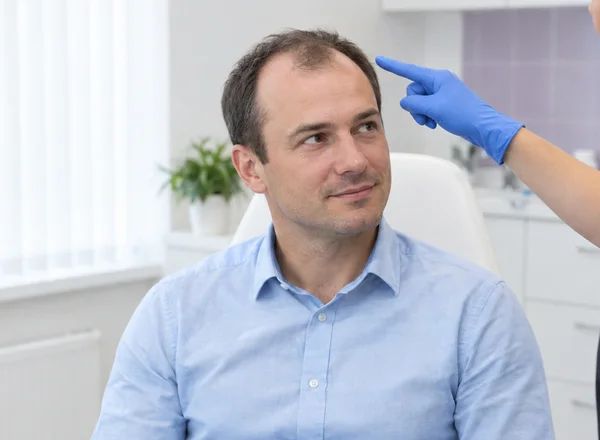

Write to us in Telegram or WhatsApp and a coordinator will ask for photos of the thinning area in a messenger; a doctor then says whether a transplant would help you. Free, with no obligation to book an operation.

services
Cost is quoted at the free consultation, after the grafts are counted, and fixed in the contract.
suture-free graft extraction

$2,200$2,700
or $367/mo — 0% instalments for 6 months
Fix your priceimplantation without channels

$2,500$2,900
or $417/mo — 0% instalments for 6 months
Fix your pricecombined technique

$2,700$2,900
or $450/mo — 0% instalments for 6 months
Fix your price| Your case reviewed | Free |
|---|---|
| Eyebrow transplant, FUE | |
| Beard transplant, FUEinstalments $467/mo | |
| Hair trichopigmentation | |
| PRP therapy / session | $200 |
all included
From preparation before surgery to 12 months after.
The price does not grow on surgery day.
two added areas
It is not only about the scalp. The same grafts from the back of the head, the same FUE method — just the area changes.
FUE, no incisions and no stitches

Grafts are taken from the donor area at the back of the head and moved through micro-punctures of about 1 mm, so no scars are left. The doctor agrees the shape with you before the operation, taking your facial features into account. Transplanted hair grows for life: trim and style the beard as usual.
$2,800$3,000
or $467/mo — 0% instalments for 6 months
Fix your priceFUE, no incisions and no stitches

When you first sit down with the surgeon, the brow shape is drawn, reference images are looked at together and the proportions of your face guide the lines. Every hair is angled to natural growth, which is what keeps the brows convincing. It also helps where years of plucking stopped growth.
$1,600$1,700
an op you walk out of, under local anaesthesia
Fix your priceExamination of the donor zone, a count of the grafts, and an honest picture of the outcome. The contract then holds the figure you were given at the appointment.

Message our coordinator
Free online consultation · Reply within 15 minutes
Message us on TelegramMessage us on WhatsAppBy messaging us, you agree to our Privacy Policy
Process
From consultation to going home — all in one day

A consultation opens the process: the doctor describes FUE, describes DHI, answers each question in turn, and evaluates the donor zone.

Patients in Likasi can reserve their surgery date with a deposit paid by card at the clinic or online, formalized through a medical services contract.

Before surgery day, the required tests are completed with the help of a list and instructions provided by the clinic.

The operation brings no pain, because a local anaesthetic is used for it.

From the occipital area or the temples, the grafts are taken, and the skin is left without a single stitch.

The grafts are implanted into the balding area, completing the surgical part of the procedure.
The necessary items are given out by the clinic, with instructions that cover the whole healing period.

Scabs clear off, the swelling settles, the skin returns to normal

The visible hair goes, the root underneath is untouched

The new hairs appear gradually and the result shows

Thickness grows, the main body of volume and the shape stand out

Full thickness shows, with a front line that looks your own

Free, before the operation and free of commitment.
Book your assessmentdoctors

Hair transplant doctor, trichologist, surgeon
10 years in practice

Dermatovenereologist, trichologist, surgeon
11 years of experience

Plastic surgeon
9 years in practice

Plastic surgeon
9 years in practice

Assistant
9 years in practice
The donor zone gets a proper look, the grafts get a number, and the outcome gets explained.
Book your assessmentcoordinators
You are assigned a personal coordinator who is with you from the first enquiry to recovery.
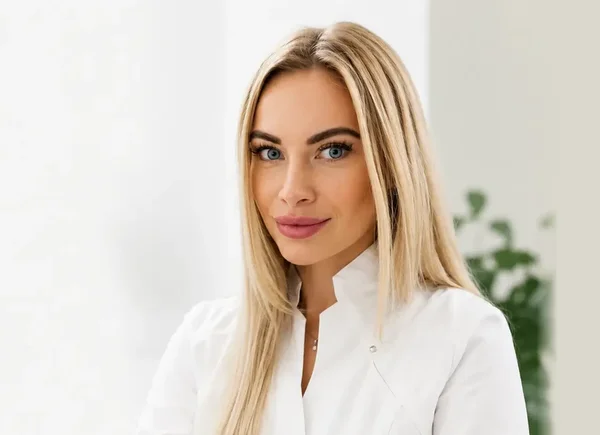
Patient care coordinator
Supports you before and after the surgery
Takes care of the forms and of scheduling
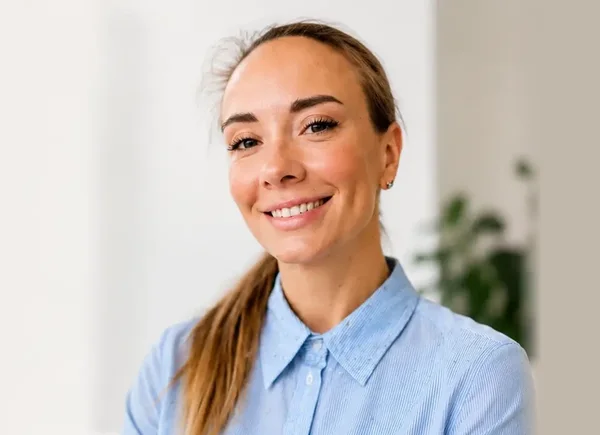
Patient care coordinator
Supports you before and after the surgery
Takes care of the forms and of scheduling

Patient care coordinator
Supports you before and after the surgery
Takes care of the forms and of scheduling
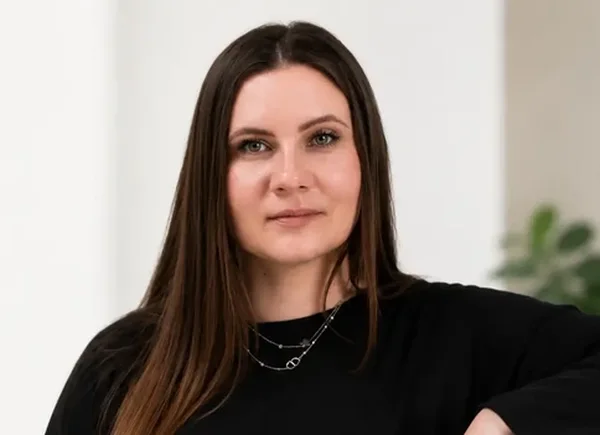
Patient care coordinator
Supports you before and after the surgery
Takes care of the forms and of scheduling













Ask us anything, and a consultation slot that fits your day will be agreed
Message us on WhatsApp Send detailsThings people ask

Yes, no difficulty at all. City Medical Centre treats patients from assorted cities and countries, and a consultation over the internet can be set up.
Prices start at $2,200 (≈ CDF 5,100,000) for FUE, $2,500 (≈ CDF 5,800,000) for DHI, and $2,700 (≈ CDF 6,300,000) for the combined method. Your final price is set after a free graft count and locked into the contract.
It is finished inside a day, and going home follows at once.
No. The scalp is numbed by a local anesthetic and stays pain-free.
FUE relies on tweezer harvesting with no incisions or stitches. DHI relies on Choi-pen implantation without channels. The combined DHI+FUE approach harvests by FUE and implants by DHI.
Only a doctor can give that figure, and it is worked out free of charge once your donor area is examined.
Healing lasts 0–10 days. When transplanted hairs shed at 2–4 weeks, nothing is wrong. Regrowth starts by 3–4 months, real density arrives at 6–9 months; 12–18 months gives the final outcome.
Hair growth is covered by a lifetime guarantee, fixed in the signed contract.
There is a medical licence, and care is provided to the standards and clinical guidelines
of the Ministry of Health.

Diplomas and certificates of the doctors who will operate
View the documentsAKC POMOSHCH LLC
the firm's legal entity
1057746096924
OGRN
7728536872
INN
A patient in Likasi can count on a light procedure: FUE and DHI involve no cuts and no stitches, nothing stronger than local anaesthesia is used, and one day covers the entire operation rather than a week of treatment.
For Likasi the entry point is simple and free: an online consultation where the doctor reviews photos of the thinning area and counts the grafts you would need. The clinic answers 24/7, so a message never sits overnight.
Healing runs for 0-10 days and needs no heroics. A shedding of the transplanted hairs arrives at 2-4 weeks and is completely normal, however unsettling it may look in the mirror. Growth gets under way at 3-4 months.
Prices are in US dollars; the amount in brackets is an approximate conversion to CDF at the rate of 02.10.2026. The final price is fixed in your contract.
By messaging us, you agree to our Privacy Policy
What patients write after this operation. Reviews are translated from the original language.
Andrey M.
I had the operation a month ago. Before and after surgery they were always in touch and helped with questions about my tests. The operation itself went wonderfully, the staff are polite and masters of their craft, you feel you are in safe hands. I am recovering now, and they answer all my questions. I am happy and I recommend them!
DHI hair transplant
Pavel Sinitsyn
The best clinic of all the ones I was choosing from. No regrets at all! The result is simply amazing, I am thrilled. I recommend it to everyone: these people do great work and make people happy. Once again, a huge thank you to everyone. Roman, the head of the clinic, is the best: he was personally in touch with me and looked after my recovery. Thank you for making my dream come true.
FUE hair transplant
Maria Akopyan
I thought about an eyebrow transplant for a long time and finally went for it. At first I was afraid the result would look unnatural, but when I saw my new eyebrows I was delighted! They came out full and in harmony with my face. I can hardly believe that now I just wash my face and go, I have never felt so free. For anyone tired of constant make-up, a transplant is a real lifesaver!
Eyebrow transplant (FUE)
Alexander M.
I really wanted a thick beard, but I had problems with it. I tried every home remedy and minoxidil, and nothing helped. After a long search for the best clinic I settled on this one. Thank you so much for the service, I liked everything and now I am happy! I had the beard transplant 10 months ago and I am very pleased with the result. By the way, the music in the clinic was great, as far as I remember. A friend of mine has already come to you for a transplant on my advice and was also happy with the result. I wish you every success!
Beard transplant (FUE)
Vladimir Z.
I went to the clinic to see a trichologist and had a hair transplant. I really liked the doctor's approach, and all the recommendations helped. I want to point out that nobody tries to sell you extra services: they tell you things as they are, and if some treatment is not needed, they do not push it. Cosy and clean.
DHI hair transplant
Artem Popov
This may sound obvious, but a head of hair really changes everything in your life. You feel much more confident and go through life like a winner. And it is all thanks to the doctor at this clinic and to the staff who take care of their patients. Many thanks to the clinic for a happy life with new hair, for the comfortable conditions and for the professionalism during the hair transplant.
FUE hair transplant
Page medically reviewed by Anastasia A. Kolesnik, hair transplant doctor. Review date: .
Likasi is a city in Haut-Katanga Province, in the south-east of the Democratic Republic of the Congo, with a population of around 635,000 (2015). It was founded in 1916-1917 when the copper mines of Likasi and Shituru began operating, and for decades it was known as Jadotville. Today it is still a centre for industry, above all mining, and a transport hub for the surrounding region. People here are used to planning ahead, to shift work, and to looking after their appearance for work and for family occasions.
Many residents think about a hair transplant for the same practical reasons: a receding frontal hair line, thinning at the crown, or patches in the beard that do not fill in. The FUE and DHI methods suit these cases because they work with your own hair from the back of the head, the donor area. This text explains how to plan the procedure around life in Likasi, from the first online conversation to the check-up at month 12.
The consultation is free and online, so you can start from home. Coordinators are available 24/7 on Telegram and WhatsApp, and a coordinator will be on the phone 24/7 once you are in the programme.
Likasi has a humid subtropical climate (Köppen: Cwa). In the wider south-east of the country, winters are cool and dry and summers are warm and damp. For a person recovering after a hair transplant, this means that the seasons bring different tasks: protecting the scalp from strong sun in the bright months and keeping the area clean when humidity and rain are high.
In the first days after surgery the treated area and the donor area are sensitive. In sunny weather, avoid long direct sun on the head and wear loose, clean, breathable headwear only as your surgeon allows, so that nothing presses on the grafts. Sweat and dust irritate the skin, so plan the first period of healing, which takes 0–10 days, for a time when you can stay mostly indoors.
Rain and damp air are not a reason to postpone, but muddy streets and crowded transport are a reason to arrange a quiet routine. Ask your coordinator for the exact washing and sleeping instructions that suit the weather where you live.
Because Likasi has a cool dry winter and a warm damp summer, many patients prefer the cooler dry months for the first weeks, when there is less sweating and less sun on the scalp. This is general advice, not a rule. What matters more is a calm calendar: no heavy outdoor work, no dust-heavy tasks and no major family event in the first period.
The timeline helps you plan. Healing takes 0–10 days. Shedding of the transplanted hair, which is expected and normal, happens at 2–4 weeks. New growth starts at 3–4 months, real density arrives at 6–9 months, and the final result settles at 12–18 months. If you want to look your best at a wedding, a graduation or a festival, count backwards from that date and leave generous time.
Do not choose a date only because a holiday is close. Hair at the shedding stage looks thinner for a while, and it is better to know this in advance than to be surprised.
Much of the economy of Likasi depends on mines, refineries, the copper processing plant and transport. People who work in dusty or hot places, or who wear a hard hat or work cap, should talk about this openly during the consultation. Pressure and friction on the grafted area, sweat and dust are the main concerns in the early days.
Office work, trade, teaching and similar jobs are easier to combine with the first period of healing. For physical work on site, discuss with the surgeon and the coordinator when it is reasonable to return and what protection to use. Do not decide on your own to go back early because the team is short-handed.
Shift workers should plan the check-ups at months 1, 3, 6, 9 and 12 in advance, so that the online sessions do not clash with a night shift. We stay with you from pre-op planning to 12 months later, so the schedule can be fitted to your working pattern.
Football, running and gym training are part of daily life for many young people in the city. Heavy exertion, sweating and contact are discouraged in the early period, and your surgeon will tell you when you can return to each activity. Swimming in a pool, a lake or any open water also needs the surgeon's approval; Lake Tshangalele, near Likasi, is a popular place for a day out, but plan it for after the permitted period.
Family gatherings are central to life here, and shared meals are part of them. In the first days after the operation, choose a quiet home routine, let relatives help with household tasks, and avoid smoky cooking areas and crowded gatherings while the scalp heals. Eat regular, balanced meals and drink enough water; ask your doctor about alcohol and smoking in the early period.
If you have a beard transplant, trimming and styling is normal once your surgeon says the skin has healed. Transplanted hair grows for life, so you can trim and style the beard as usual.
A hair transplant suits people who have enough healthy hair in the donor area at the back of the head and who have realistic expectations. The doctor reviews your hair, your scalp and your general health during the online consultation, using photographs you send on Telegram or WhatsApp.
Some conditions call for caution or for a different plan: active scalp disease, uncontrolled chronic illness, bleeding problems, a very small donor area, or hair loss that is still changing quickly. Tell the team about every medicine and every illness you have, including old ones. Hair loss in young people should be assessed carefully so that the plan fits how the loss may continue.
Overweight and general health also matter for any procedure. If you have a long-term condition, bring your medical records to the conversation so the doctor can judge it properly.
Grafts are taken from the back of the head, the donor area, and moved through micro-punctures of about 1 mm, so nothing scars over. The doctor discusses the shape with you before the operation, taking your facial features into account. This is especially important for the frontal hair line, where a natural shape matters more than maximum density.
The difference between FUE and DHI lies mainly in how the grafts are placed; the surgeon will explain which one fits your case. In both methods the aim is a natural direction, angle and spacing of the hair.
One patient described the result like this: from about the 4th month active, even growth began, the transplanted hair took very well, the beard looks as natural as possible, no bald patches are left, and the beard became much thicker and denser, with the shape he had thought about for a long time.
People in Likasi tend to ask practical questions first. How many days will I look different? Will colleagues and relatives notice? Can I keep up my routine while the scalp heals? The honest answer is that the early weeks have a visible stage: small marks of healing in 0–10 days, then the normal shedding of transplanted hair at 2–4 weeks. Knowing this in advance makes the process calm instead of worrying.
Another common question is whether the result will look natural. The doctor discusses the shape with you before the operation, taking your facial features into account, and the grafts come from your own donor area at the back of the head. Bring photos of yourself from earlier years, because they show the hair line you actually had and help the doctor design something that suits you.
Many people also ask whether a family member can be told about the plan. Sharing it with a spouse, a brother or a close friend is sensible, because someone at home can help with sleeping position, washing and quiet days at the start.
Prepare a short written list before the online call. Ask who performs each stage of the operation, which method, FUE or DHI, is suggested for you and why, how the frontal hair line will be shaped, and how the donor area will look afterwards. Ask what to do on the first night, how to sleep, and when washing starts.
Ask also about your daily life in Likasi: when you can return to your job, when to start running or football again, when a cap or hard hat is acceptable, and when swimming is allowed. Write the answers down, so that you can read them again when the days of recovery come and your memory is less clear.
Finally, ask how the follow-up works. Check-ups are planned at months 1, 3, 6, 9 and 12, and a coordinator will be on the phone 24/7, so you know whom to write to if something looks unusual.
The hardest part for most people is not the operation but the waiting. Between shedding at 2–4 weeks and the return of hair at 3–4 months, the head can look thinner than before. This is expected. From 6–9 months the hair becomes visibly thicker, and the settled look comes at 12–18 months.
A good result is hair that grows evenly, in a natural direction, with a hair line that fits your face and does not draw attention. In Likasi, where people meet daily in markets, churches, workplaces and at family events, natural is what counts, not dramatic change.
Keep photographs taken from the same angles each month in similar light. Comparing them is more reliable than looking in the mirror every morning, and the doctor can use them during online check-ups.
Likasi is nicknamed the City of Lights, and its name comes from a word meaning pleasant smells. The nickname suits a city where much of life happens outdoors and in the company of others: in the streets, at gatherings, at work and after work. When you plan a hair transplant, think about how many people you meet in an ordinary week and how you want to handle those meetings during the first weeks.
Some patients prefer to tell colleagues and neighbours openly and say they are taking a few quiet days. Others prefer to stay at home for the first period of healing, which lasts 0–10 days, and return once the small marks of healing have settled. Neither choice is wrong. What helps is deciding before the operation, not on the morning when you look in the mirror.
Evening outings, church services, weddings and crowded events are better planned for after the early stage. Large crowds mean dust, heat and accidental touching of the head, and none of these suits fresh grafts.
Lake Tshangalele, a large reservoir on the Lufira not far from the city, is a natural place for a weekend outing. After a hair transplant, however, open water, a pool and the sea are only for the time your surgeon permits. Until then, keep outings short, shaded and calm, and leave swimming for later.
Dust is a real part of life in a mining and industrial region with busy roads and a railway. Dust that settles on the scalp can irritate healing skin. Keep your home clean, change the pillowcase as the team advises, and ask the coordinator how to wash the head gently in the first days. Do not rub or scratch the area, even if it itches.
If you have to go out, avoid the most crowded and dusty routes and go at quieter times. A clean, loose item of headwear can be used only if the surgeon has allowed it, because pressure on the grafts is the thing to avoid.
Hair and beard are part of how people present themselves in Likasi, whether at work, in church or at a family event. A transplant can restore a frontal hair line, thicken the crown or fill in a beard, and each of these goals needs a slightly different plan.
For the hair line, the doctor discusses the shape with you before the operation, taking your facial features into account. For the beard, think about the shape you want to keep for years: a short neat cut, a fuller style or a sharp outline. One patient wrote that his beard now looks as natural as possible, with no bald patches left, thicker and denser, in the shape he had thought about for a long time.
Bring two or three photographs that show the style you like and one that shows your hair as it was a few years ago. Clear pictures let the doctor judge what is realistic and avoid a design that looks forced.
A hair transplant is slow by nature. The final look settles 12–18 months after surgery, so the follow-up matters as much as the operation day. We stay with you from pre-op planning to 12 months later, with check-ups at months 1, 3, 6, 9 and 12.
From Likasi, the contact is simple: a message to the coordinator on Telegram or WhatsApp, a few clear photographs, and a short description of what you notice. When the hair sheds at 2–4 weeks or looks thin before the return of growth at 3–4 months, a quick message can replace weeks of worry.
Put the check-up months in your phone calendar on the day you plan the operation. Then the follow-up becomes a habit and not something you remember only when a question appears.
The consultation is free and takes place online, so you do not leave your city to start. Write to the coordinators on Telegram or WhatsApp at any hour; they are available around the clock. You will be asked for clear photos of the front, top, crown and back of the head, and for a short history of your health.
The doctor then proposes a plan and the coordinator explains each step. Stable mobile data is useful for video calls, so choose a quiet place and a time when connection is good. If the connection drops, the coordinator can continue by message.
After the operation the follow-up continues online: check-ups at months 1, 3, 6, 9 and 12. We stay with you from pre-op planning to 12 months later.
Yes. The online consultation is free, and you can write to the coordinators from Likasi at any hour on Telegram or WhatsApp.
0–10 days for healing, 2–4 weeks for normal shedding of transplanted hair, 3–4 months for new growth to start, 6–9 months for real density, and 12–18 months for the final result.
No. At 2–4 weeks the transplanted hairs let go, as expected. New hair comes back at 3–4 months.
Grafts are taken from the back of the head and moved through micro-punctures of about 1 mm, so nothing scars over.
Ask the surgeon when. In the early period pressure and friction on the grafts should be avoided, and dust and sweat irritate the skin.
Only when your surgeon permits it. Plan any pool, lake or heavy exercise for after that approval.
The doctor discusses the shape with you before the operation, taking your facial features into account.
We stay with you from pre-op planning to 12 months later, with check-ups at months 1, 3, 6, 9 and 12.
Yes. Transplanted hair grows for life, so trim and style the beard as usual once the surgeon confirms the skin has healed.
Yes, and it is wise to plan them. The first period of healing takes 0–10 days, and the coordinator can help you decide how much time suits your type of work.
Dust and sweat irritate healing skin, so keep the area clean and avoid long direct sun in the early period. Follow the washing and headwear instructions you receive from the team.
Write to the coordinator. Shedding at 2–4 weeks is expected, and new hair comes back at 3–4 months. The team is available 24/7 to answer.
That is your decision. Many people find it easier to say they need a few quiet days. The early healing period lasts 0–10 days, and the coordinator can help you plan time at home.
A day out in the shade is possible later, but swimming in a lake, pool or any open water only when your surgeon permits it.
Clear photos of the front, top, crown and back of the head in daylight, plus one older photo that shows your earlier hair line. For a beard, add photos of the face from the front and both sides.

 Forceps
 Minimal


