Calumbo: a river town with a long history and a new status
Calumbo is a city and municipality in the Angolan province of Ícolo e Bengo. The first records of fixed settlement here date from 1836, the year the transatlantic slave trade was abolished. In that period Calumbo was a well-developed centre thanks to its important river port on the Cuanza. For anyone planning liposuction, this background matters less for the history itself than for what it says about the people. Calumbo is a place of work, trade and movement along the river, and its residents are used to planning practical matters carefully and counting on their own resources.
The administrative picture is recent. Calumbo used to be an urban district and commune of the municipality of Viana. On 5 September 2024 it was raised to the status of a city and municipality in the new province of Ícolo e Bengo. The municipality consists of the seat commune alone. Many residents still think of Viana and the capital area as their reference point for work, family and services, and this shapes the questions they ask about body contouring: how to fit a procedure into a working week, how to arrange care at home, and how to stay in touch with the surgeon after the operation.
The City Medical Centre does not have an office in Calumbo, and we do not pretend otherwise. What we offer is a free online consultation from your own city. Coordinators answer on Telegram and WhatsApp around the clock, so a person who works a shift schedule or comes home late can write at any hour and receive a considered reply rather than a standard message. This block explains how liposuction fits into the real life of a Calumbo resident: the seasons, the workplace, the family calendar and the kitchen table.
Industrial Calumbo and the rhythm of working life
Calumbo was split off from Viana, the great industrial centre of the nation, and has become, like its mother municipality, one of the largest industrial zones in the country. It lies within the Luanda-Bengo Special Economic Zone and took over the eastern parts of the Viana Industrial Reserve. For a resident this means that many households depend on factory, warehouse, logistics and service work, where the working day is often long and physically demanding.
That context directly affects the timing of liposuction. The medical facts are clear: most patients return to their usual routine and to work in 7–10 days, and for the first 7 days there should be no physical exertion or heavy lifting. A person who stands on a production line, loads goods or spends the day on their feet should plan this first week as complete rest, and should speak with the surgeon about the exact date of return to a physical role. An office or administrative job is a different matter: it can usually be resumed within the same 7–10 day window, provided the person feels well and wears the compression garment under their clothes.
We suggest raising this subject during the first online consultation. Tell the coordinator what you do at work, how many hours you stand, whether you lift loads, and whether your employer can adjust your tasks for a short time. With this information the surgeon can say whether a small area, which takes from 1 hour, or a combined procedure, which takes 3–4 hours, suits your schedule better. Planning around the working calendar of a shift-based industrial town is simply more realistic than planning around an abstract holiday.
Climate and seasons: what Calumbo residents should consider for recovery
Angola has alternating rainy and dry seasons. The dry season, called cacimbo, is often marked by heavy morning mist, and the coolest months are July and August, in the middle of the dry season. Temperatures tend to rise closer to the Atlantic Ocean, and Calumbo lies in the western part of the country, not far from the coast and the capital region. In general terms this means that a warm climate is the rule, and the question is how to manage the weeks of wearing compression garments in the heat.
The medical facts say that compression garments are worn for 30–45 days, and that for 4–6 weeks one should avoid the bathhouse, sauna, pool and active sport. In a warm climate a garment can feel tiring, so it is sensible to choose breathable cotton clothes over it, to keep the skin clean and dry, and to ask the surgeon how to care for the skin under the garment during humid weather. Do not remove the garment on your own because of heat; talk to the medical team first.
Many patients ask whether the cooler dry months are better for the operation. In general, a cooler period makes the garment easier to tolerate and reduces sweating around the micro-punctures, which are only 3–5 mm across. The rainy season brings its own concerns: damp conditions, muddy ground and the temptation to stay outdoors in the sun after a downpour. Neither season is forbidden, and the decision depends on your work and family calendar. Alcohol and tanning beds are off-limits for at least a month, and direct sun on healing skin should be limited; cover the treated area with loose clothing and ask the surgeon about sun protection for the marks.
How the online consultation works from Calumbo
The process begins with a message to the coordinators on Telegram or WhatsApp. They are available 24/7, so you can write when you have a quiet moment, whether that is early morning before a shift or late evening after the family has eaten. You describe the area you would like to correct, your general health, any previous operations, and the medicines you take. Photographs can be useful, and you decide what you are comfortable sending.
After that, the surgeon reviews your information and gives an opinion in the free online consultation. The conversation covers whether liposuction suits your situation, which techniques are appropriate, how many areas can be treated at once, and what kind of anaesthesia is likely. We work with tumescent and VASER techniques, micro-incisions of 3–5 mm and precise control of volume. Our aim is a smooth contour that keeps the natural proportions of your body, not an exaggerated change.
The format suits a city like Calumbo, where many people prefer to discuss a decision calmly with their family before taking a step. You can ask follow-up questions as often as you need, and a personal coordinator adapts to your pace. We respect your time: we work around the clock, booking is easy, and nobody expects a quick answer from you. If after the consultation you decide that the procedure is not for you, that is a perfectly good outcome.
Who is a candidate, and who should wait
Liposuction is a contouring procedure for localised fat that does not respond to diet and exercise. It is not a method of treating excess weight in general. Health organisations describe obesity and overweight as conditions that call for a broader approach to nutrition, activity and medical follow-up, and the surgeon will tell you honestly if your situation needs that first. A good candidate is an adult in stable health, with realistic expectations, whose body weight is reasonably steady and who wants to refine a specific area such as the abdomen, flanks, thighs, arms or chin.
We operate from age 18+, if there are no contraindications. There is no upper age limit: after an examination and health assessment, the decision is made individually. In general terms, conditions that affect clotting, the heart, the lungs, active infections, or uncontrolled chronic illness call for caution and may mean the operation must be postponed or declined. Pregnancy and the period of breastfeeding are also reasons to wait. The surgeon decides, and the decision is based on your tests, not on assumptions.
Residents of an industrial and river town often carry the same health questions as anywhere else: blood pressure, blood sugar, past infections, and old injuries from physical work. Be open about all of them during the consultation. Concealing a medication or a diagnosis to hear a more encouraging answer only creates problems later. The honest picture lets the surgeon plan the anaesthesia and the extent of surgery safely.
Preparation: tests, habits and planning at home
Preparation starts well before the operation. Give up smoking, alcohol and medications that affect clotting, such as aspirin, 7–10 days before liposuction. Pre-operative tests are also required: blood tests, ECG, ultrasound, and consultations with a general practitioner and an anaesthesiologist. You receive all instructions after the first consultation, so you do not have to remember everything from this text.
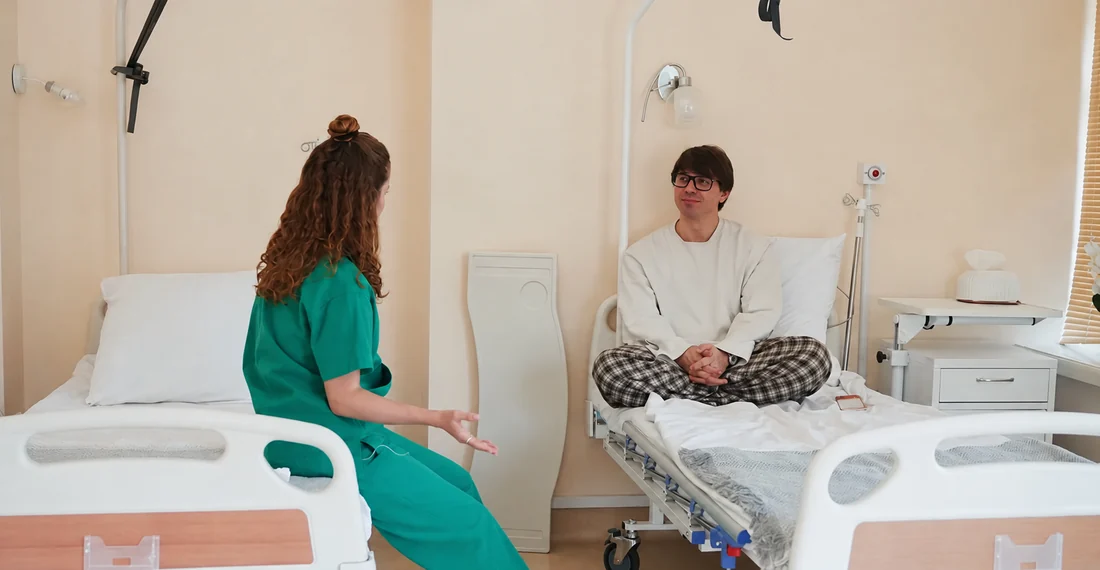
For a Calumbo resident the practical side of preparation is worth thinking through. Where will you do the tests, and how quickly can the results be sent to the medical team? Who will be with you on the day of surgery, and who will help at home during the first week? With local anaesthesia you go home 3–4 hours after surgery. With general anaesthesia you stay one day in a comfortable ward under medical supervision. In both cases someone close should be ready to help you at home, because the first days are for rest.
Prepare the home before the operation. Have the compression garment ready and learn how to put it on correctly. Stock the kitchen with simple, light food, so that no one needs to cook heavy meals or carry shopping. Arrange for someone to take over household tasks such as carrying water, lifting children or moving heavy pots. If you share a household with a large family, which is common in the area, agree in advance on a quiet room and a clear division of chores. A calm first week makes the whole recovery smoother.
The operation and the first days
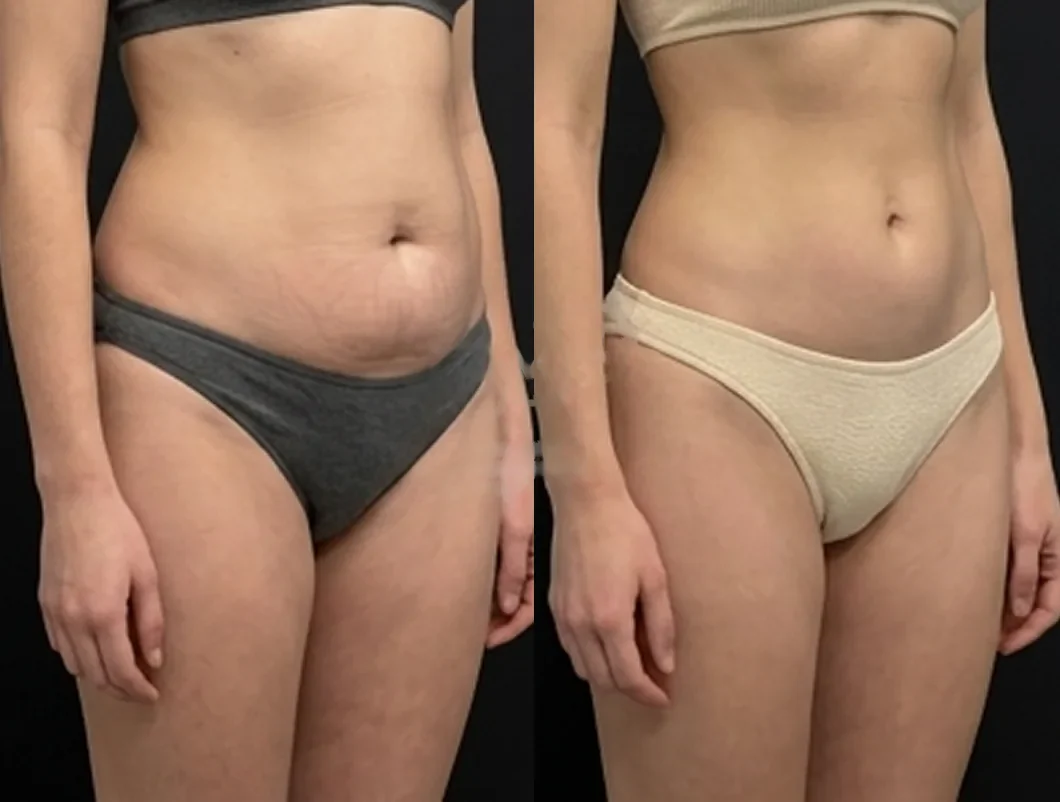
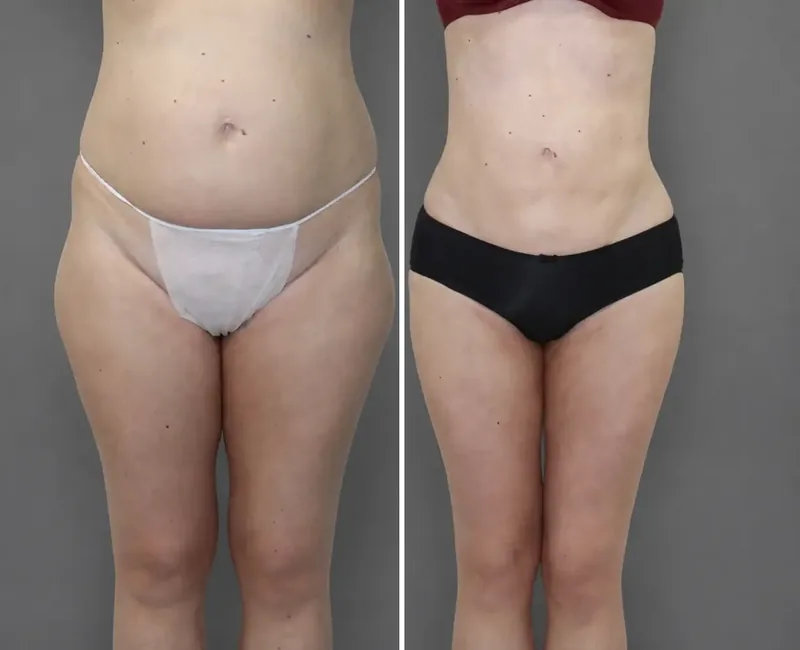
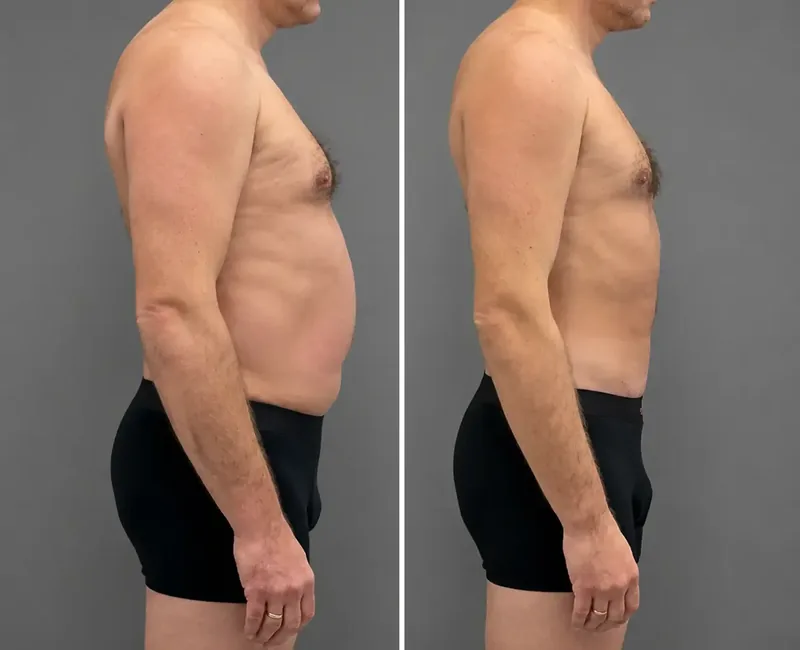
The operation begins with marking the areas and fitting compression garments. Under local or general anaesthesia the surgeon removes fat through micro-punctures of 3–5 mm. The surgery takes from 1 hour for small areas to 3–4 hours for a combined procedure. The punctures are only 3–5 mm across and usually need no stitches. Once healed, the marks are barely visible, and with proper care during recovery they fade completely.
The choice between local and general anaesthesia depends on the volume, the number of areas and your preference, discussed with the surgeon and anaesthesiologist. If it is local, you go home 3–4 hours after surgery. If it is general, you stay one day in a comfortable ward under medical supervision. Either way, you should not plan to be alone on the first night.
In the first days expect swelling, tightness and some bruising. This is normal and is part of the process by which the tissues adapt. The compression garment supports the treated area and helps the contour settle. Move gently around the house, because short walks are better than lying still all day, but avoid exertion and heavy lifting for the first 7 days. If something worries you, write to the coordinators at any hour. They are available 24/7 and will pass your message to the medical team quickly.
Recovery timeline and return to normal life in Calumbo
Most patients get back to their usual routine and work in 7–10 days. Swelling and bruising clear by weeks 4–5. The first changes show at 2 weeks after surgery, once the main swelling is down. An interim result is assessed at 1.5–2 months, and the final contours form in 3–6 months, once the tissues have fully adapted. It helps to remember these stages when you look in the mirror in the second week and wonder why the result does not look finished.
Compression garments are worn for 30–45 days. For 4–6 weeks, avoid the bathhouse, sauna, pool and active sport. In a town on a river, with family gatherings, weekend outings and sports on open ground, this restriction can be hard to keep. Plan it ahead: if there is a wedding, a christening, a funeral gathering or a family celebration during the first weeks, think honestly about whether you can attend while wearing the garment and avoiding strenuous dancing or lifting. Alcohol is off-limits for at least a month, which also matters at celebrations.
Food culture matters in recovery, too. Calumbo's daily meals, like those across Angola, often rely on starchy staples, fish, stews and sauces. There is no need for a special diet, but heavy, very salty meals can increase swelling, and plenty of water, light food and regular meals support healing. Your surgeon gives all individual recommendations after surgery, and these override any general advice.
The surgeon follows your recovery and the new body contour at check-ups after 7 days, 3 and 6 months. Aftercare advice is part of the programme. Until the end of the year you can also have a post-surgery consultation with your surgeon to review results and get more information, at the clinic's expense. Because you contact us from Calumbo, these check-ups are arranged in the way agreed with your coordinator.
Sport, family and daily activity after liposuction
Residents of Calumbo play football, walk long distances, work with their hands and care for children and elderly relatives, so questions about returning to activity are among the most frequent. The medical rules are simple. For the first 7 days, no physical exertion or heavy lifting. For 4–6 weeks, wear compression garments and avoid active sport. After that, the surgeon indicates when you may return to training and at what intensity. Do not decide this yourself on the basis of how good you feel, since a feeling of well-being appears before the tissues are ready.
If you have small children, ask a relative to do the lifting for the first week. Picking up a toddler repeatedly is a form of heavy lifting. If you are the main earner and cannot stop working, discuss with the surgeon whether lighter tasks are possible for the first days and when you can take on your full duties. Most patients are back to their routine and work in 7–10 days, but a physically demanding job may need a longer, individually agreed period.
Think about the sun and the open air as well. Calumbo is a warm place, and many people spend time outdoors. During healing, keep the treated area covered with loose clothing and avoid tanning beds and prolonged direct sun. A hat helps with comfort when you are outside, although it does not replace covering the body. Dust and dirt around construction and industrial zones can irritate the skin under a garment, so keep the garment and the skin clean, and follow the care instructions on dressings given by the medical team.
The river, the heat and the habit of planning ahead
Calumbo grew around its river port on the Cuanza, and a town built on water and trade tends to value practical planning. When a resident thinks about liposuction, the same habit helps: write down the area you want to refine, the dates when work and family obligations are lightest, and the questions you want answered before you commit. A decision made calmly, with the family informed, usually leads to a smoother recovery than one made in a hurry.
Warm, humid air near a river affects how the skin feels under a compression garment. The garment is worn for 30–45 days, and for the first weeks it should be treated as part of your clothing. Keep a spare so that one can be washed and dried while you wear the other, if the surgeon agrees, and choose loose cotton clothes on top so that air can circulate. Heat and sweating make the skin more sensitive, so gentle cleaning and careful drying are worth building into the daily routine.
Rainy-season dampness adds another point. Wet floors, muddy paths and crowded transport make a fall or a hard knock more likely, and in the first 7 days you should avoid physical exertion and heavy lifting. If you must go out in the rain, plan a short, safe route, ask someone to accompany you, and keep the garment dry. A wet garment left on the skin is uncomfortable and should be changed as soon as possible, after checking with the medical team how to do it correctly.
Planning around family events and the weekly calendar
Family life in Calumbo is full of gatherings: weddings, christenings, birthdays, church events and Sunday meals. Anyone planning liposuction should look at the calendar for the next two months and mark these dates. Swelling and bruising clear by weeks 4–5, and compression garments are worn for 30–45 days, so an event in the first month will find you still in recovery. Some people prefer to schedule the operation soon after a big celebration, so that the next one is far enough away.
Alcohol is off-limits for at least a month, and active sport, the pool, the sauna and the bathhouse are to be avoided for 4–6 weeks. At a celebration this means choosing drinks carefully, sitting rather than dancing for long periods and leaving the heavy lifting of chairs, tables and cooking pots to others. Telling close relatives in advance makes this easier, because they will understand why you are quieter than usual.
There is also the question of privacy. Some patients tell the whole family, others only their spouse or one trusted relative. Both choices are fine. What matters is that at least one adult knows the plan, can help in the first days at home, and can contact our coordinators on Telegram or WhatsApp at any hour if a question arises. The consultation is free and online, so you can discuss these practical points before taking any step.
What patients in Calumbo most often ask
Questions from residents tend to be down to earth. Will I have to stay in hospital, and for how long? With local anaesthesia you go home 3–4 hours after surgery, and with general anaesthesia you stay one day in a comfortable ward under medical supervision. How many weeks off work will I need? Most patients are back to routine and work in 7–10 days, though physically heavy work should be agreed individually with the surgeon.
Another frequent question is about scars. The punctures are only 3–5 mm across and usually need no stitches. Once healed, the marks are barely visible, and with proper care during recovery they fade completely. People also ask whether the fat can return. Liposuction removes fat cells from the treated area, but weight can still change with lifestyle, so stable habits after the operation matter. The surgeon will explain this at the consultation without exaggeration.
Many also ask about the difference between a result and a finished result. The first changes show at 2 weeks, an interim result is assessed at 1.5–2 months and the final contour forms in 3–6 months. Check-ups after 7 days, 3 and 6 months let the surgeon follow this process. If you feel worried between check-ups, you do not have to wait: the coordinators are available around the clock and pass your questions on to the medical team.
Questions to put to the surgeon before you decide
A good consultation is a two-way conversation, and the questions you ask are as important as the answers. Ask which techniques will be used and why they suit your body. We work with tumescent and VASER techniques, micro-incisions of 3–5 mm and precise volume control, and the surgeon should be able to explain what that means in your case. Ask how many areas can be treated in one session, how long the surgery will take, and whether local or general anaesthesia is recommended.
Ask what the recovery looks like for someone with your job and your household. Ask when you can return to work, when you may take a bath or go into a pool, and when you can resume sport. Ask what happens if you notice something unusual after you return home, and how quickly you can reach the medical team. Ask about the check-ups after 7 days, 3 and 6 months and how they are carried out for a patient who contacts the centre from Calumbo.
Finally, ask what the surgeon will not promise. An honest specialist will tell you that results depend on your skin quality, your habits and the way your tissues heal, and that the final contour is assessed only after 3–6 months. If the answers feel clear, calm and specific to you, you are in good hands. If they feel generic or hurried, take more time and ask again. Our coordinators are available around the clock, and you never need to decide in a rush.
Do you have a clinic in Calumbo?
No. The City Medical Centre does not have an office, clinic or doctors in Calumbo. You contact us from your own city: the online consultation is free, and coordinators answer on Telegram and WhatsApp 24/7. The surgeon reviews your information and explains whether liposuction is suitable for you.
How long does the operation take?
It depends on the number of areas. Surgery takes from 1 hour for small areas to 3–4 hours for a combined procedure. It is done under local or general anaesthesia, and the surgeon removes fat through micro-punctures of 3–5 mm.
Will I go home the same day?
With local anaesthesia you go home 3–4 hours after surgery. With general anaesthesia you stay one day in a comfortable ward under medical supervision. In either case, arrange for someone close to help you at home during the first days.
When can I return to work?
Most patients return to their usual routine and work in 7–10 days. For the first 7 days there should be no physical exertion or heavy lifting, so if your work in a factory, warehouse or on your feet is physically demanding, discuss the date of return with the surgeon beforehand.
How long do I wear the compression garment, and is it hard in warm weather?
Compression garments are worn for 30–45 days. In a warm climate it is wise to choose light, breathable clothing over the garment, keep the skin clean and dry, and ask the medical team for care advice. Do not take the garment off by yourself because of heat.
When will I see the result?
The first changes show at 2 weeks, once the main swelling is down. An interim result is assessed at 1.5–2 months. Swelling and bruising clear by weeks 4–5, and the final contour forms in 3–6 months, once the tissues have fully adapted.
Will there be visible scars?
The surgery is done through punctures only 3–5 mm across, and they usually need no stitches. Once healed, the marks are barely visible, and with proper care during recovery they fade completely. Protect the area from direct sun and follow the surgeon's instructions.
What must I do before the operation?
Give up smoking, alcohol and medications that affect clotting, such as aspirin, 7–10 days before liposuction. You also need blood tests, ECG, ultrasound, and consultations with a general practitioner and an anaesthesiologist. You receive all instructions after the first consultation.
Can I swim or play sport after liposuction?
For 4–6 weeks avoid the bathhouse, sauna, pool and active sport, and wear compression garments. For the first 7 days avoid any physical exertion. Alcohol and tanning beds are off-limits for at least a month. The surgeon tells you when to return to training.
Who can have liposuction, and is there an age limit?
We operate from age 18+, if there are no contraindications. There is no upper age limit: after an examination and health assessment, the decision is made individually. Liposuction is intended for contouring localised fat, not as a way to treat overweight in general.
What follow-up do I get after surgery?
The surgeon follows your recovery and the new body contour at check-ups after 7 days, 3 and 6 months. Dressings and aftercare advice are part of the programme, and until the end of the year you can have a post-surgery consultation to review results, at the clinic's expense.
Is the rainy season a bad time for liposuction?
No season is forbidden. The rainy months bring damp and slippery ground, so plan short, safe movements, keep the compression garment dry and avoid heavy lifting in the first 7 days. Choose the period that fits your work and family calendar.
Can I attend a family celebration during recovery?
Often yes, but with limits. Compression garments are worn for 30–45 days, alcohol is off-limits for at least a month and active sport and dancing should be avoided for 4–6 weeks. Sit, rest and ask relatives to handle lifting and cooking.
Should I tell my family about the operation?
That is your choice. It is wise, however, for at least one adult to know the plan and help you at home in the first days. Our coordinators answer on Telegram and WhatsApp 24/7 if you or your helper have questions.



























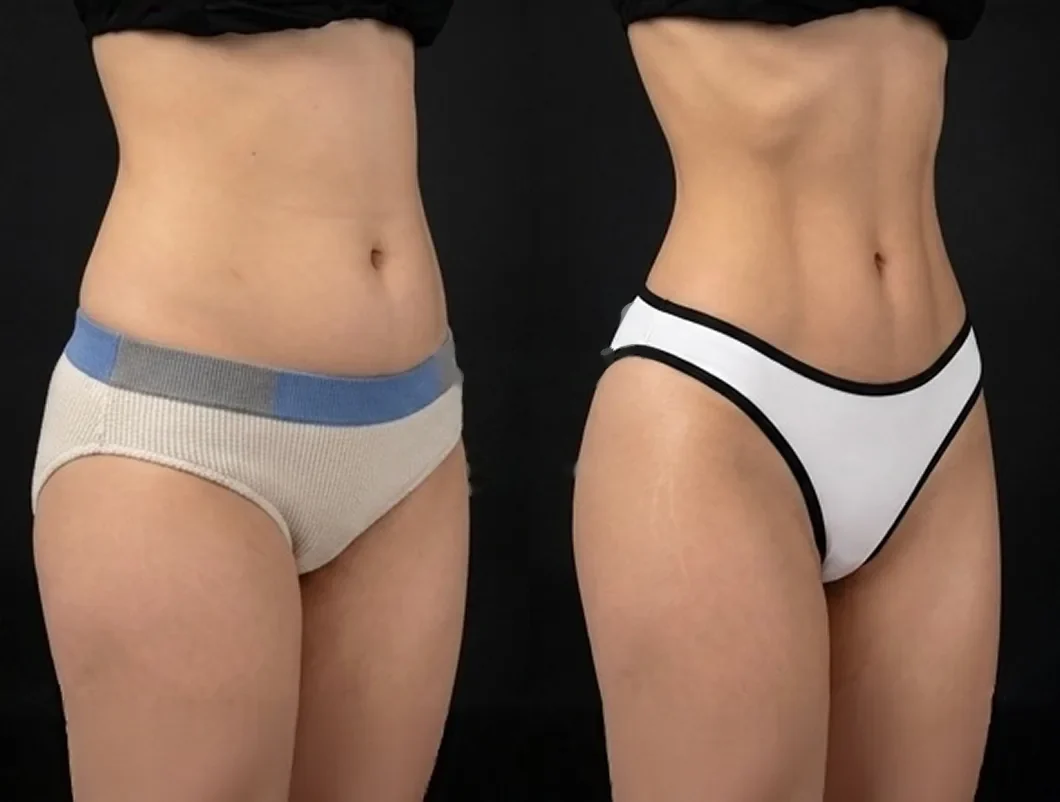 beforeafter
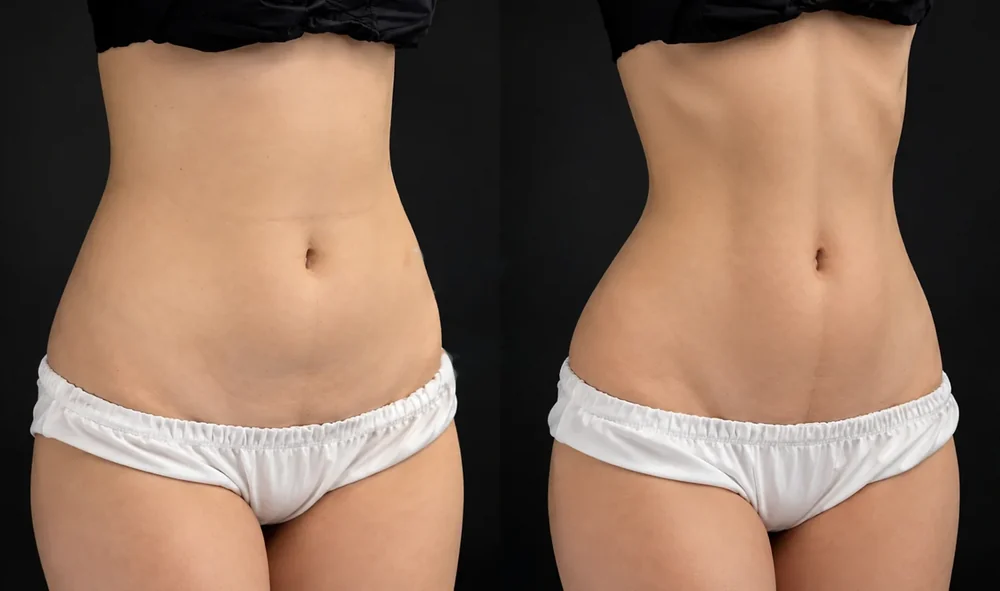
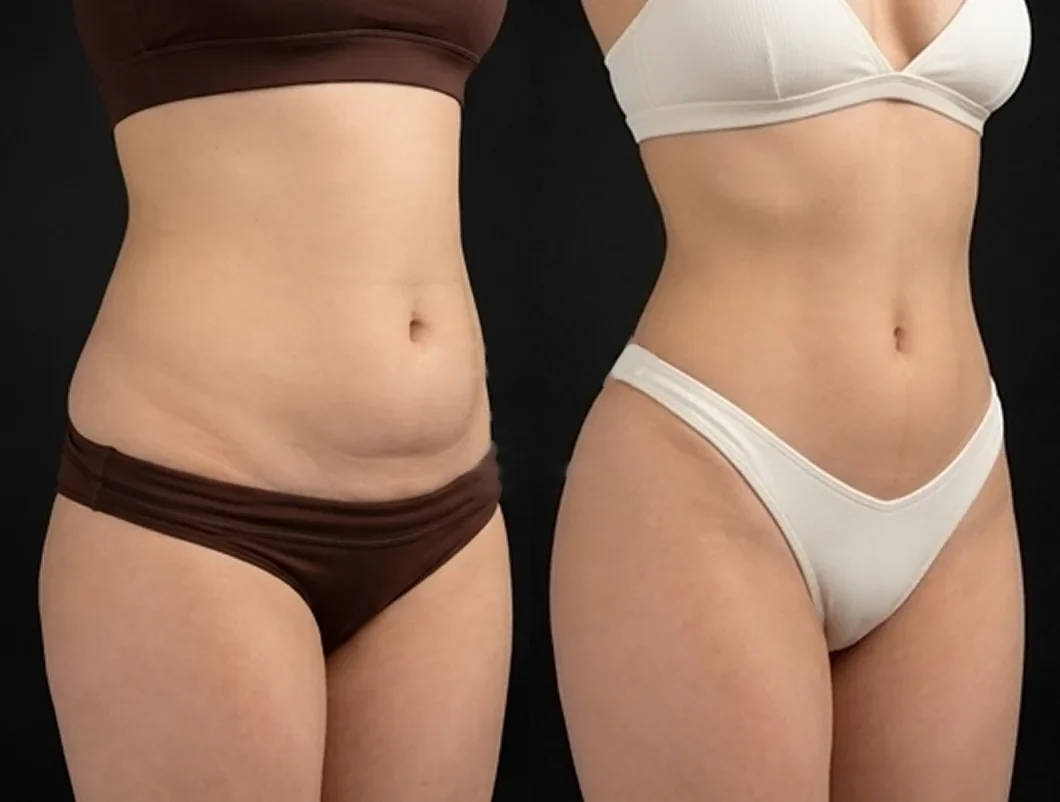 beforeafter
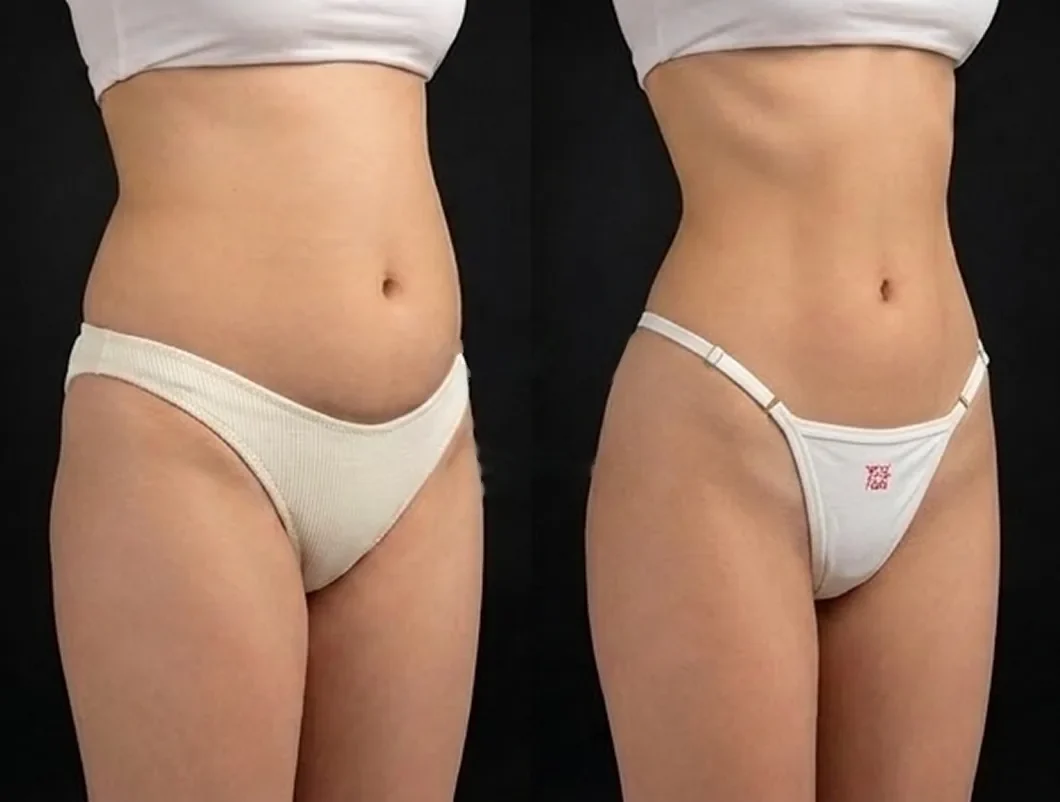 beforeafter
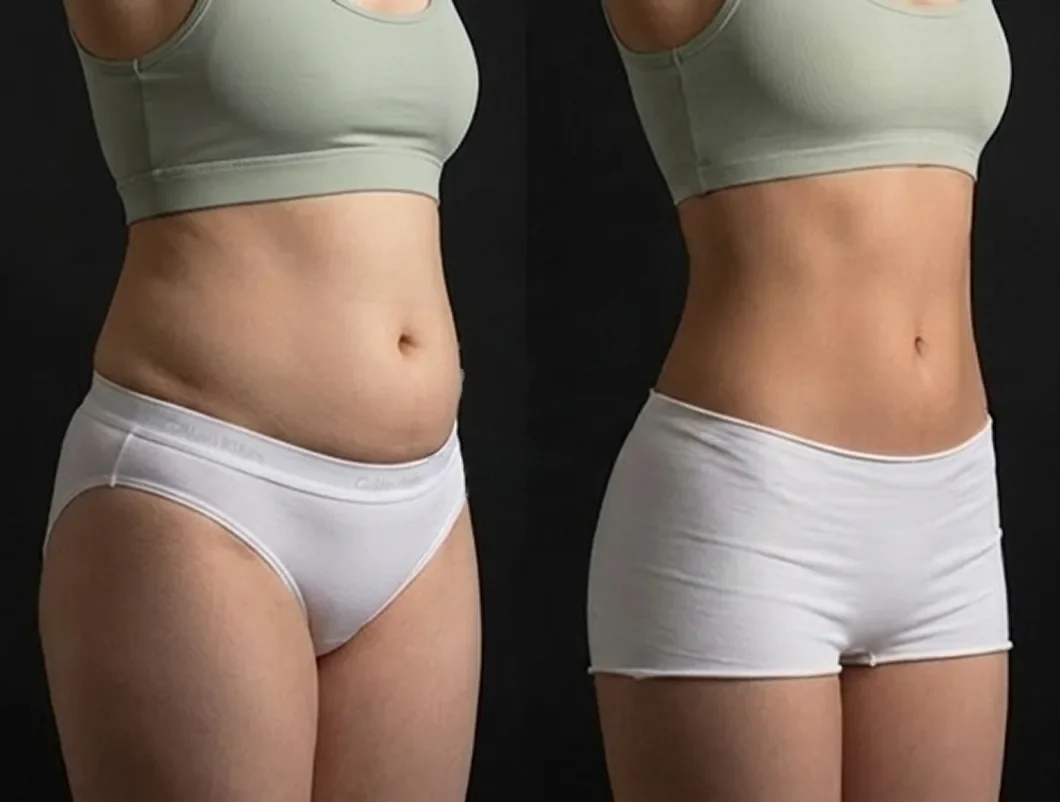 beforeafter
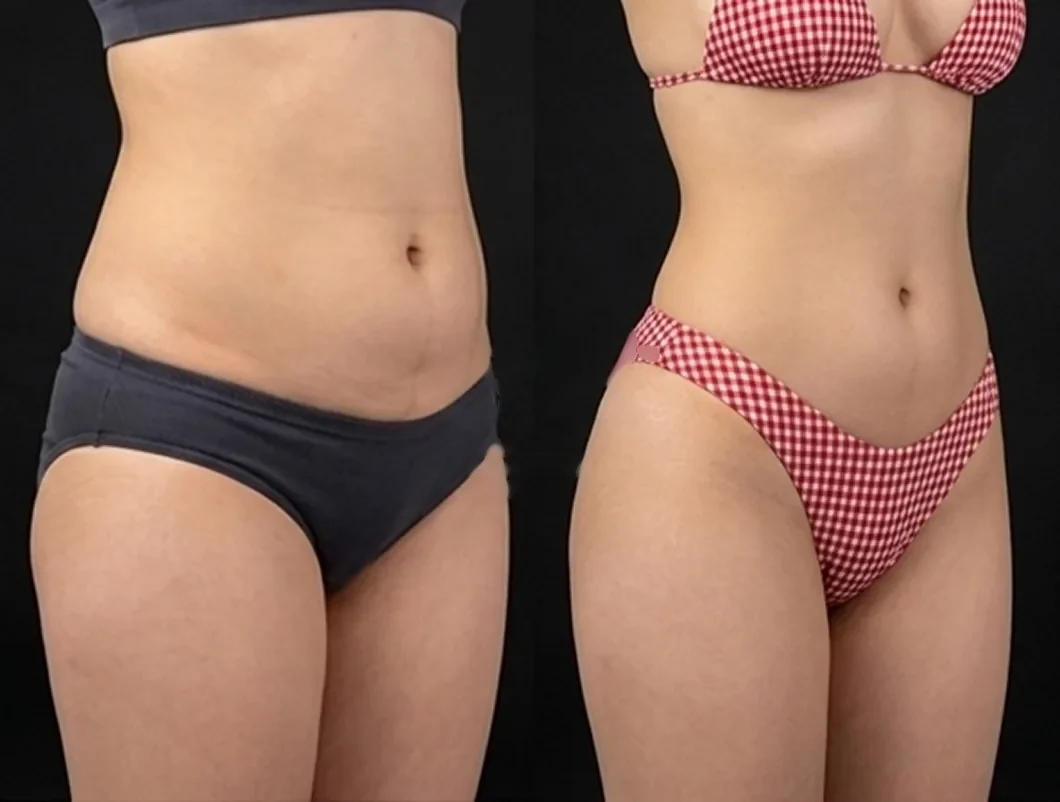 beforeafter
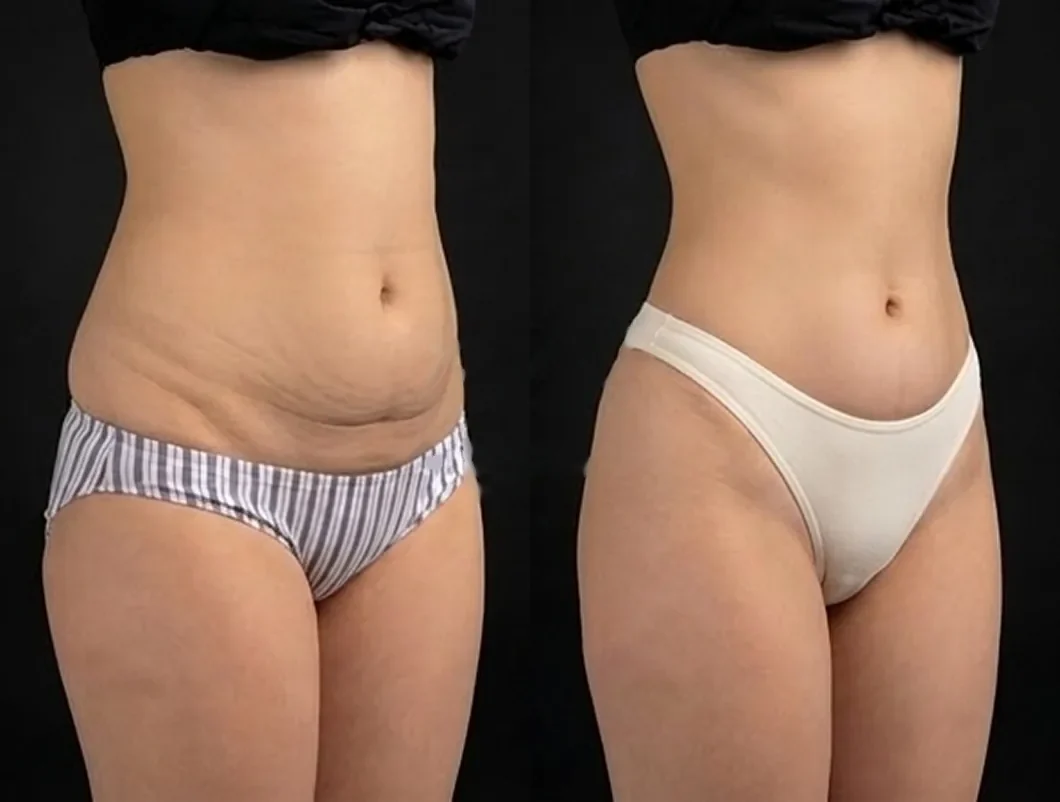 beforeafter
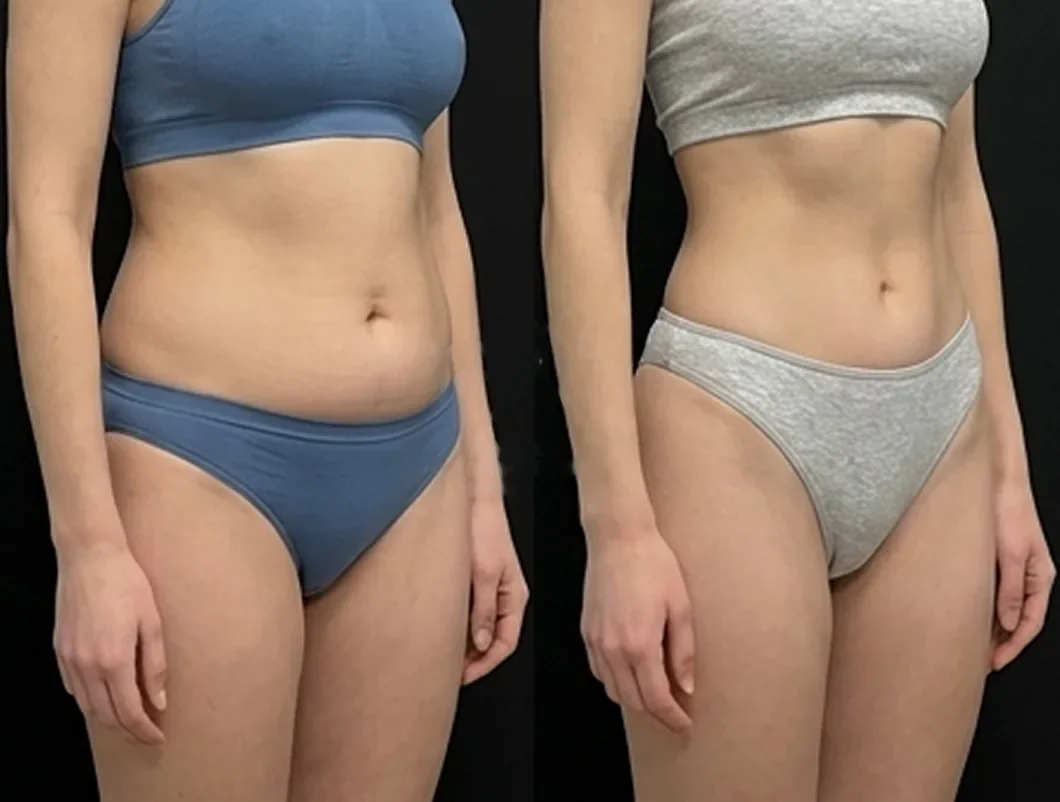 beforeafter
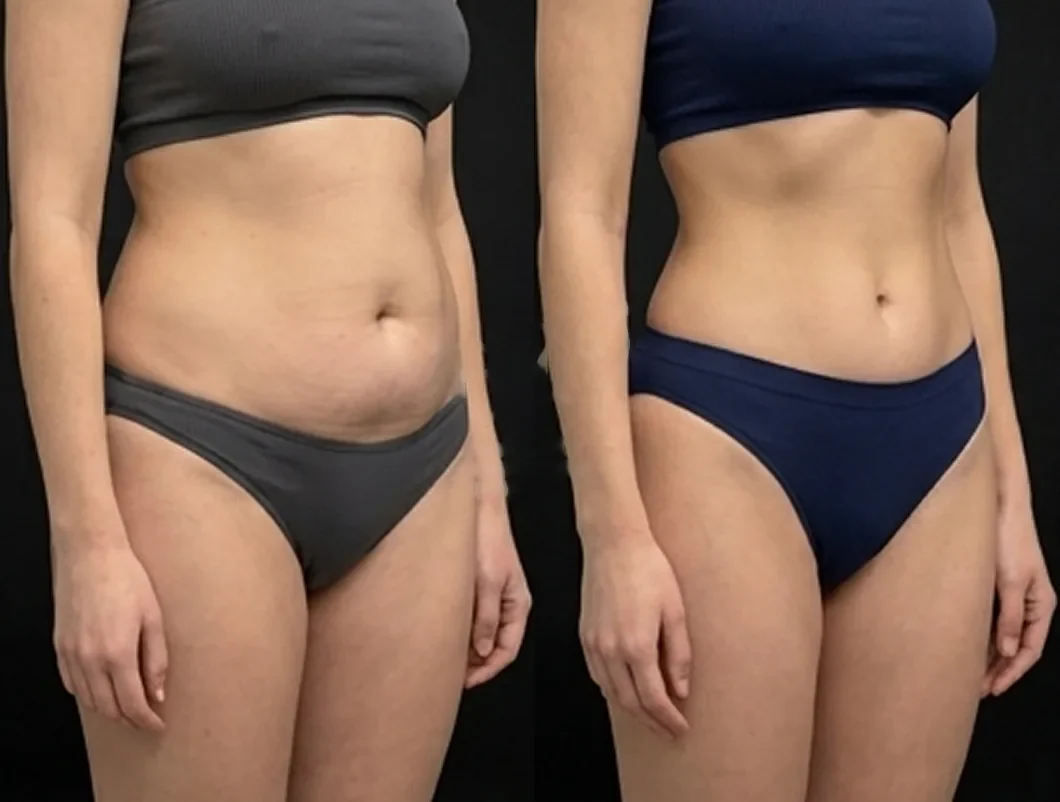 beforeafter
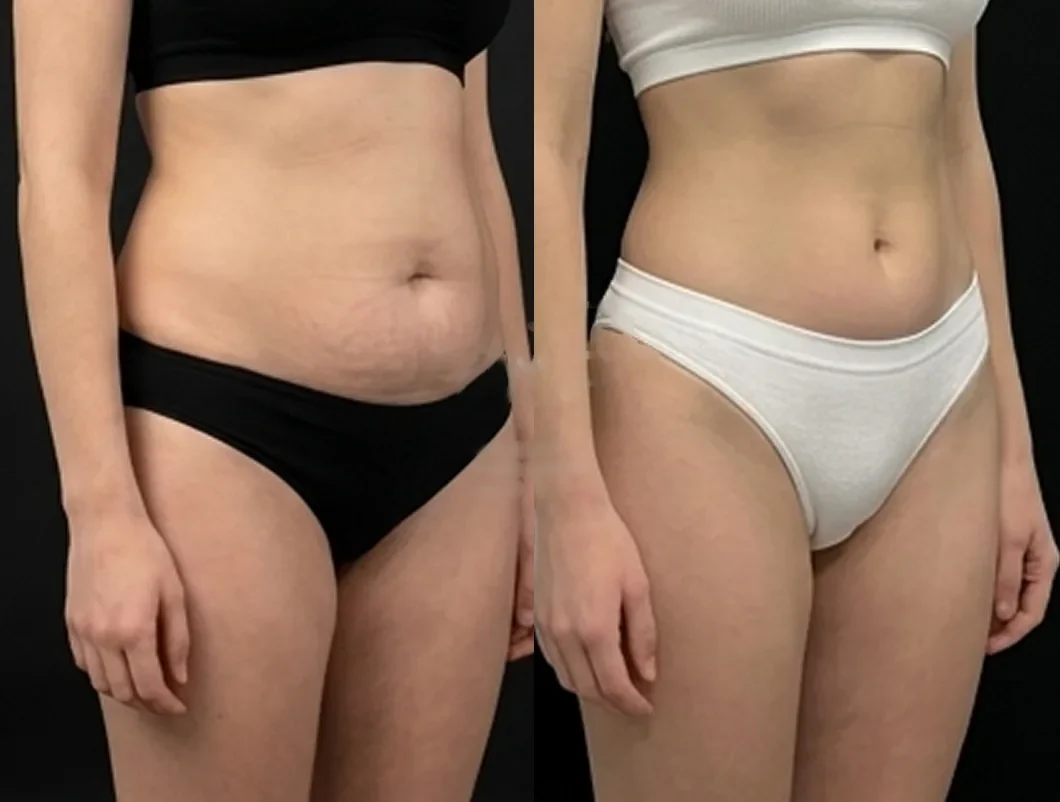 beforeafter
 beforeafter






 1
 2
 3
 4
 5
 6