





























before op
12 months on
2,800 grafts
FUE method
City Medical Centre
0% instalments
from $367/mo
Meeting and a quote — $0.
True story
before op
12 months on
FUE method, no incisions or stitches. Grafts and outcome forecast free of charge — before you decide.
Not a penny, no surgery booking required
Message our coordinator
Free online consultation · Reply within 15 minutes
Message us on TelegramMessage us on WhatsAppBy messaging us, you agree to our Privacy Policy
results
Genuine results from genuine patients, no exceptions.
before op
12 months on
2,800 grafts
FUE method

before op
12 months on
3,500 grafts
FUE method

before op
12 months on
2,600 grafts
FUE method

before op
12 months on
3,000 grafts
FUE method

before op
12 months on
2,700 grafts
FUE method

before op
12 months on
3,300 grafts
FUE method

before op
12 months on
2,900 grafts
FUE method

before op
12 months on
2,500 grafts
FUE method

before op
12 months on
3,400 grafts
FUE method

before op
12 months on
2,500 grafts
FUE method

before op
12 months on
3,100 grafts
FUE method

before op
12 months on
3,600 grafts
FUE method

before op
12 months on
4,000 grafts
FUE method

before op
12 months on
3,200 grafts
FUE method

before op
12 months on
3,000 grafts
FUE method

before op
12 months on
3,700 grafts
FUE method

before op
12 months on
2,700 grafts
FUE method

before op
12 months on
3,800 grafts
FUE method

before op
12 months on
3,300 grafts
FUE method

before op
12 months on
2,800 grafts
FUE method

before op
12 months on
2,500 grafts
FUE method

before op
12 months on
3,900 grafts
FUE method

before op
12 months on
3,500 grafts
FUE method

before op
12 months on
3,800 grafts
FUE method

before op
12 months on
2,900 grafts
FUE method

before op
12 months on
3,600 grafts
FUE method

before op
12 months on
2,600 grafts
FUE method

before op
12 months on
2,700 grafts
FUE method

before op
12 months on
3,700 grafts
FUE method

before op
12 months on
3,200 grafts
FUE method

before op
12 months on
3,000 grafts
FUE method

before op
12 months on
2,800 grafts
FUE method

before op
12 months on
4,000 grafts
FUE method

before op
12 months on
3,400 grafts
FUE method

before op
12 months on
2,900 grafts
FUE method

before op
12 months on
3,100 grafts
FUE method

before op
12 months on
2,600 grafts
FUE method

before op
12 months on
3,300 grafts
FUE method

before op
12 months on
3,900 grafts
FUE method

before op
12 months on
3,500 grafts
FUE method

before op
12 months on
2,700 grafts
FUE method

before op
12 months on
3,800 grafts
FUE method

before op
12 months on
3,200 grafts
FUE method

before op
12 months on
3,000 grafts
FUE method

before op
12 months on
2,800 grafts
FUE method

before op
12 months on
3,100 grafts
FUE method

before op
12 months on
3,600 grafts
FUE method
Comparison
Classic FUE, suture-free DHI and a combined protocol: three graft transfer technologies we work with. Compare implantation technique, tissue trauma and graft survival, and choose your method knowingly.
Classic technique without incisions or stitches

$2,200
$2,700
Graft implantation technique
ForcepsGraft trauma
MinimalThe natural growth angle
NaturalGraft survival
98–100%Suitable for
Androgenetic alopeciaSuture-free placement with a Choi pen

$2,500
$2,900
Graft implantation technique
DHI, a Choi implanterGraft trauma
MinimalThe natural growth angle
NaturalGraft survival
98–100%Suitable for
DensificationFUE extraction, DHI pen implantation

$2,700
$2,900
Graft implantation technique
FUE extraction with DHI implantGraft trauma
MinimalThe natural growth angle
NaturalGraft survival
98–100%Suitable for
Androgenetic alopecia and densificationThese survival and trauma figures are averages for each method, meant as a guide: exact numbers depend on the transplant area and the patient's individual features and are clarified by the doctor at consultation.
Set up an assessment


















about the clinic
Serious equipment, a comfortable room, care for the person

Tell us what is unclear and we will fix a slot that works for you
Message us on WhatsApp Send an enquiryIf surgery is not the answer for you, you will hear it straight at the consultation — no money wasted. The situations in which a transplant genuinely helps are listed below.
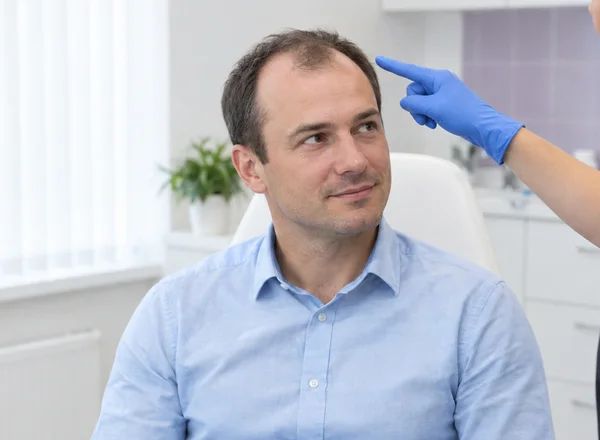

Write to us in Telegram or WhatsApp: photos go to a coordinator, the doctor looks and says if a transplant will help you. Free, no booking.

services
The grafts are counted at the free consultation, the cost is quoted and fixed in the contract.
suture-free graft extraction

$2,200$2,700
or $367/mo — 0% instalments for 6 months
Pin the price downimplantation without channels

$2,500$2,900
or $417/mo — 0% instalments for 6 months
Pin the price downcombined technique

$2,700$2,900
or $450/mo — 0% instalments for 6 months
Pin the price down| Where it all begins | Free |
|---|---|
| Eyebrow transplant, FUE | |
| Beard transplant, FUEinstalments $467/mo | |
| Hair trichopigmentation | |
| PRP therapy / session | $200 |
all included
Accompanied at every step and for 12 months afterwards.
No extras are slipped in on the day of surgery.
two more areas
Outside the scalp the work is identical: donor grafts from the back of the head, the FUE method, and only the zone is new.
FUE, no incisions and no stitches

Donor grafts are taken at the back of the head and moved through micro-punctures of about 1 mm, leaving no scars. The doctor talks the shape over with you before the operation, allowing for your facial features. Transplanted hair grows for life, so the beard can be trimmed and styled as usual.
$2,800$3,000
or $467/mo — 0% instalments for 6 months
Pin the price downFUE, no incisions and no stitches

The surgeon works out the brow shape on the spot at the initial appointment, references are compared together and your facial proportions set the design. Hairs go in at the natural growth angle, so the brows never look drawn on. It also helps brows that stopped growing after years of plucking.
$1,600$1,700
an outpatient op, the area numbed beforehand
Pin the price downThe doctor assesses what the donor zone holds, counts the grafts and explains the outcome you can expect. You are told the cost at the consultation and it goes into the contract.

Message our coordinator
Free online consultation · Reply within 15 minutes
Message us on TelegramMessage us on WhatsAppBy messaging us, you agree to our Privacy Policy
Process
From consultation to going home — all in one day

The doctor lays out the way a FUE or a DHI operation is done, takes your questions one by one, and assesses the donor area on your head.

Once the deposit is paid — in person by card or online — the surgery date is booked and confirmed under a medical services contract.

Laboratory work precedes the surgery, and the clinic sees to it that you have the list and know what to do.

A local anaesthetic is given first, so you feel nothing while the surgeon works.

Harvesting takes place in the donor zone, typically the back of the head or the temples, with no stitches involved.

For patients in Calumbo, surgeons set the harvested grafts into the bald area.
Recovery is thoroughly supported: the clinic gives you everything you need plus full instructions.

Crusts break away, puffiness flattens, the skin heals a little each day

Normal. Only the hairs fall out, the follicles remain in place

New hairs keep appearing, the result starts to show

The hair becomes denser, the main volume and contour are seen

The hair comes to full volume with a natural front line

Free, before surgery and with no obligation at all.
Set up an assessmentdoctors

Hair transplant doctor, trichologist, surgeon
10 years of experience

Dermatovenereologist, trichologist, surgeon
11 years of experience

Plastic surgeon
9 years of experience

Plastic surgeon
9 years of experience

Assistant
9 years of experience
The doctor looks over the donor zone, arrives at the number of grafts and explains what is achievable.
Set up an assessmentcoordinators
Every patient has a coordinator of their own, from first contact until recovery is done.
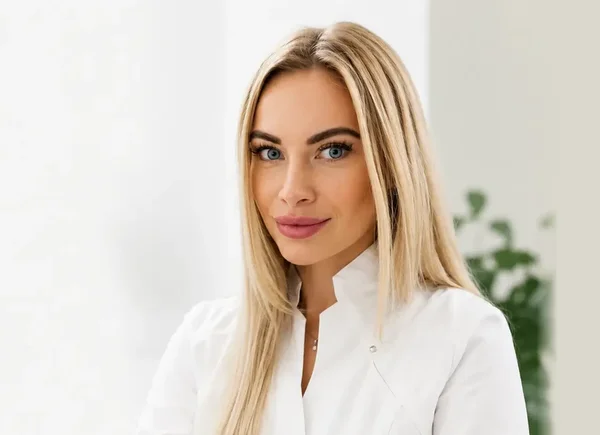
Personal support lead
Follows your case from the start to recovery
Gets the forms done and the times fixed
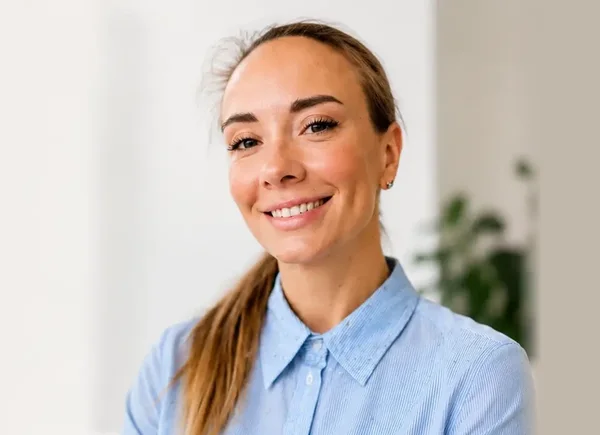
Personal support lead
Follows your case from the start to recovery
Gets the forms done and the times fixed

Personal support lead
Follows your case from the start to recovery
Gets the forms done and the times fixed
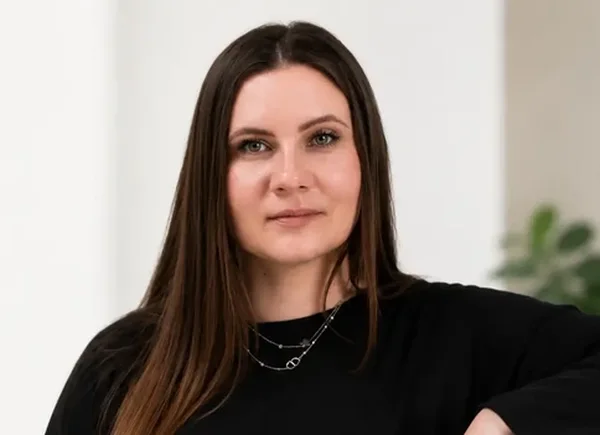
Personal support lead
Follows your case from the start to recovery
Gets the forms done and the times fixed













Tell us what is unclear and we will fix a slot that works for you
Message us on WhatsApp Send an enquiryRegular questions

Of course. City Medical Centre works with people from many cities and many countries; an online appointment is offered before anything is agreed.
Pricing starts from $2,200 (≈ AOA 2,050,000) for FUE, $2,500 (≈ AOA 2,350,000) for DHI, and $2,700 (≈ AOA 2,550,000) for combined DHI+FUE. The exact figure is confirmed for free after a graft count and written into the contract.
One day in surgery, then straight back to your own home.
No. Under local anaesthesia there is nothing painful about it.
FUE relies on tweezer harvesting with no incisions or stitches. DHI relies on Choi-pen implantation without channels. The combined DHI+FUE approach harvests by FUE and implants by DHI.
The doctor names the exact quantity at a free appointment, after looking at what the donor zone offers.
The timeline is: 0–10 days healing, 2–4 weeks shedding (normal), 3–4 months new growth, 6–9 months visible density, and 12–18 months for the final result.
Hair growth is covered by a lifetime guarantee, fixed in the signed contract.
The clinic works with a medical licence, care follows the standards and clinical guidelines
of Ministry of Health.

Look through the diplomas before trusting anyone with surgery
Look at the papersAKC POMOSHCH LLC
the clinic's legal name
1057746096924
OGRN
7728536872
INN
The procedure is built to fit a working life in Calumbo: FUE and DHI need neither cuts nor stitches, local anaesthesia is enough, and everything fits into one day. Graft survival is 98-100 %, and a price from $2,200 (≈ AOA 2,050,000) is fixed in the contract after a free count.
Ask now, decide later, and pay nothing for the asking: a patient in Calumbo sends photos of the area, the doctor looks at them online and says whether a transplant helps. Contact 24/7.
Healing occupies 0-10 days. At 2-4 weeks the transplanted hairs shed, which is normal and temporary. Growth starts at 3-4 months, density by 6-9 and the final result at 12-18. Your personal coordinator checks progress by photo at 1, 3, 6, 9 and 12 months, with a lifetime growth guarantee.
Prices are in US dollars; the amount in brackets is an approximate conversion to AOA at the rate of 02.10.2026. The final price is fixed in your contract.
By messaging us, you agree to our Privacy Policy
What patients write after this operation. Reviews are translated from the original language.
Andrey M.
I had the operation a month ago. Before and after surgery they were always in touch and helped with questions about my tests. The operation itself went wonderfully, the staff are polite and masters of their craft, you feel you are in safe hands. I am recovering now, and they answer all my questions. I am happy and I recommend them!
DHI hair transplant
Pavel Sinitsyn
The best clinic of all the ones I was choosing from. No regrets at all! The result is simply amazing, I am thrilled. I recommend it to everyone: these people do great work and make people happy. Once again, a huge thank you to everyone. Roman, the head of the clinic, is the best: he was personally in touch with me and looked after my recovery. Thank you for making my dream come true.
FUE hair transplant
Maria Akopyan
I thought about an eyebrow transplant for a long time and finally went for it. At first I was afraid the result would look unnatural, but when I saw my new eyebrows I was delighted! They came out full and in harmony with my face. I can hardly believe that now I just wash my face and go, I have never felt so free. For anyone tired of constant make-up, a transplant is a real lifesaver!
Eyebrow transplant (FUE)
Alexander M.
I really wanted a thick beard, but I had problems with it. I tried every home remedy and minoxidil, and nothing helped. After a long search for the best clinic I settled on this one. Thank you so much for the service, I liked everything and now I am happy! I had the beard transplant 10 months ago and I am very pleased with the result. By the way, the music in the clinic was great, as far as I remember. A friend of mine has already come to you for a transplant on my advice and was also happy with the result. I wish you every success!
Beard transplant (FUE)
Vladimir Z.
I went to the clinic to see a trichologist and had a hair transplant. I really liked the doctor's approach, and all the recommendations helped. I want to point out that nobody tries to sell you extra services: they tell you things as they are, and if some treatment is not needed, they do not push it. Cosy and clean.
DHI hair transplant
Artem Popov
This may sound obvious, but a head of hair really changes everything in your life. You feel much more confident and go through life like a winner. And it is all thanks to the doctor at this clinic and to the staff who take care of their patients. Many thanks to the clinic for a happy life with new hair, for the comfortable conditions and for the professionalism during the hair transplant.
FUE hair transplant
Page medically reviewed by Anastasia A. Kolesnik, hair transplant doctor. Review date: .
Calumbo is a municipality in the province of Ícolo e Bengo, and you can start the process without leaving it. The consultation is free and online. Coordinators answer around the clock (24/7) on Telegram and WhatsApp, so you can write after a shift at work, in the evening once the household is quiet, or early in the morning before the day gets hot.
In the first conversation you send a few photos of the thinning area and the donor area at the back of the head. You describe how your hair loss has developed and which medicines you take. You also say what you want: a stronger frontal hair line, more density on the crown, or a fuller beard. The coordinator explains how FUE and DHI differ and what each means for your case. The doctor then discusses the planned shape with you before the operation, taking your facial features into account.
We stay with you from pre-op planning to 12 months later. For someone living in Calumbo this means every question about recovery, shedding or washing can be asked from home, in writing, whenever it comes up.
Calumbo is a city and municipality that was raised to this status on 5 September 2024, when the new province of Ícolo e Bengo was formed. Before that it was an urban district and commune of Viana. The municipality consists of a single seat commune. Settlement here is recorded as early as 1836, and the town grew around an important river port on the Cuanza.
The area is also known for industry. Calumbo belongs to the Luanda-Bengo Special Economic Zone and took over the eastern parts of the Viana Industrial Reserve. Many residents therefore work shifts, in warehouses, in production or in transport. That shapes how a person plans a hair transplant: the main question is rarely «will I look good» but «when can I go back to my machine, my counter or my vehicle without a problem».
Plan the operation around your work calendar. Tell the coordinator what your job involves, whether it means dust, heat, helmets or caps, and how many days you can realistically take off. Then the schedule can be built around real life rather than the other way round.
Angola has a rainy season and a dry season, the dry one being called cacimbo and often marked by heavy morning mist. Temperatures tend to be higher closer to the Atlantic. For a person recovering after FUE or DHI, the weather matters mostly in two ways: heat with direct sun, and dust or damp.
In the first days the treated area and the donor area at the back of the head are healing. The advice is general: avoid long exposure to strong sun, wear a loose clean cap only if the doctor allows it, and do not let sweat build up under tight headwear. Heat also increases discomfort, so rest in a shaded, ventilated room during the hottest hours.
In the rainy months the main concern is cleanliness. Avoid crowded, wet places and dirty water, keep towels and pillowcases fresh, and follow the washing routine you are given. In the dry season the concern is dust from roads and building work, so cover the head only as the doctor instructs and avoid dusty jobs while the skin is healing.
There is no single perfect month. The choice depends on your work and family calendar more than on the weather. The healing stage is 0–10 days. Choose a period when you can stay at home in shade for that time, without long stretches on dusty roads and without heavy physical work.
The cooler dry-season weeks are comfortable for many people because there is less sweating and less discomfort from heat. The mist of cacimbo mornings is not a problem in itself, but air can be dusty, so protect the head as advised. The rainy season is also possible if you can stay indoors in a clean environment and keep your routine hygienic.
Think about the timeline after the operation too. Shedding begins at 2-4 weeks, which is expected. New growth starts at 3-4 months, density becomes visible at 6-9 months, and the settled look comes at 12-18 months. If you have a wedding, a graduation or a church event in the family, plan so that the early shedding stage does not fall right before it. Discuss the date with the coordinator and the doctor.
People in Calumbo have busy days. Some work in industrial areas, some trade, some study, and many look after family. After the operation, avoid anything that rubs the head, causes heavy sweating or exposes the grafts to dirt in the first days. Ask the doctor which tasks you can do at 0–10 days and which should wait. Office, counter or driving tasks are usually easier to resume than dusty manual work, but the doctor decides in your case.
For sport, football on a dusty pitch or intense training in the heat should wait until the doctor allows it. Swimming in the river, in the sea or in a pool is a separate question. Natural water and chlorinated water can both irritate healing skin, so do not go in until you receive clear instructions at your check-ups.
Food is part of the routine as well. Shared meals and family gatherings are important, so plan the first days at home to eat calmly, drink enough water, and avoid alcohol if the doctor advises it. A simple, regular diet helps you feel well while the skin heals. A coordinator will be on the phone 24/7, so you do not need to guess when something seems unusual.
The first question is usually whether the result will look natural. Grafts are taken from the back of the head, the donor area, and moved through micro-punctures of about 1 mm, so nothing scars over. The doctor discusses the shape with you before the operation, taking your facial features into account. Bring photos of how you looked at a younger age, which help set a realistic line.
The second question is about shedding. Many people worry when the transplanted hairs fall out at 2-4 weeks. This is expected. The hair then comes back at 3-4 months, becomes visibly thicker at 6-9 months, and shows its settled look at 12-18 months.
The third question is about the beard. One patient wrote that active, even growth began from about the 4th month, the transplanted hair took very well, the beard looked as natural as possible with no bald patches left, and it became much thicker and denser in the shape he had thought about for a long time. Transplanted hair grows for life, so you trim and style the beard as usual. Results differ between people, so use this as an example only.
In general terms, a good candidate has enough healthy hair in the donor area at the back of the head, realistic expectations, and stable general health. Hair loss is often still developing in younger men, so the doctor may suggest waiting or planning in stages. A beard transplant suits men with patchy areas or thin growth who want a more even shape.
Some conditions call for caution or a delay: active scalp infection or inflammation, unstable chronic illness, bleeding problems, or very thin donor hair. Tell the coordinator about all medicines and conditions, including high blood pressure or diabetes. The doctor reviews your photos and history and says whether the operation is sensible now.
Be honest about habits too. Smoking and alcohol can affect healing, and the doctor will explain what to avoid before and after. If you are unsure whether you qualify, start with the free online consultation. It does not commit you to anything.
Use the online consultation to prepare a short list. Ask which technique, FUE or DHI, suits your hair type and why. Ask how the frontal hair line will be designed and how your facial features are taken into account. Ask how many sessions you may need, and what happens if you want more density later.
Ask about the donor area: how it will look after healing and how to care for it in the heat and dust of your daily routine. Ask what anaesthesia is used, how long you will stay on the day, and when you can wash, cover the head, return to work and return to sport.
Ask about follow-up too. Check-ups take place at months 1, 3, 6, 9 and 12, and we stay with you from pre-op planning to 12 months later. Write the answers down and compare them with what the coordinator tells you. Clear, specific answers are a good sign of a well-organised process.
A hair transplant is easier when the first days at home are arranged in advance. For someone in Calumbo this means talking with the household before the date is fixed: who will cook, who will help with children or errands, and who will cover your tasks while you rest. Practical details like these matter more than most people expect, because a calm first week makes the healing stage of 0–10 days much easier to follow.
Prepare the room where you will sleep. Clean pillowcases, a spare set of towels, a fan or good ventilation and a place away from dust all help. Many families in a growing industrial municipality share small spaces, so tell the others that the head must not be touched or rubbed. Agree on a simple rule: nobody leans on the treated area, and children and pets keep their distance.
Write your questions in your phone before the operation. When a coordinator is on the phone 24/7, you do not need to wait for a check-up to ask about a small worry, but having a list means you will not forget the things you wanted to clarify.
Because Angola has hot weather and a dry season with heavy morning mist, clothing needs thought. Choose shirts with wide collars that you can take off without pulling anything over the head. Button-up shirts are better than tight T-shirts in the first days, because dragging fabric across the scalp is exactly what you want to avoid.
For the sun, ask the surgeon what kind of cover is allowed and from which day. A loose, clean, breathable cap may be permitted at some stage, but a tight helmet, a work hard hat or a thick scarf can press on the grafts and trap sweat. If your job requires a helmet, say so in the first consultation so the doctor can advise on the timing.
After the early days, sun protection still matters. The skin of the treated area stays sensitive for a while, so shade, a wide brim when allowed and short exposure at midday are sensible habits. Ask at your check-ups when normal outdoor life can return in full.
Patients in Calumbo come with different goals. Some want to restore a frontal hair line that has moved back, some want density on the crown, and some want a fuller beard with an even outline. The doctor discusses the shape with you before the operation, taking your facial features into account, so a clear goal from the start helps the plan.
Collect two or three photos that show the style you like and one that shows how you looked when your hair was thicker. Share them in the chat. Realistic references are more useful than a picture of someone with a very different hair type, and they help the doctor explain what can and cannot be done in your case.
Remember the timeline when you judge the goal: 3-4 months for the hair to come back, 6-9 months for it to look visibly thicker, and 12-18 months for the settled look. A good plan is one you can be patient with.
Recovery from hair transplant takes a year or more, so the follow-up matters as much as the operation day. At the check-ups in months 1, 3, 6, 9 and 12 you send fresh photos and describe how you feel. The doctor compares them with the earlier ones and tells you whether growth is on track.
The stages are simple to remember: 0–10 days for healing, 2–4 weeks for normal shedding of transplanted hair, 3–4 months for new growth to start, 6–9 months for real density, and 12–18 months for the final result. Do not judge the outcome in the shedding weeks, and do not compare yourself with someone else's photo from a different month.
Keep a photo diary in the same light, ideally morning light by a window, from the same angles. In Calumbo, with mist in cacimbo mornings and strong sun later, lighting changes a lot, so consistent photos make the comparison reliable. If something worries you between check-ups, a coordinator will be on the phone 24/7.
Yes. The online consultation is free. You write on Telegram or WhatsApp, send photos, and the coordinator explains the options. Coordinators are available around the clock (24/7).
Grafts are taken from the donor area and moved through micro-punctures of about 1 mm, so nothing scars over. Follow the care instructions and ask the doctor how your donor area will look as it heals.
Yes. Transplanted hairs let go at 2-4 weeks, as expected. New hair comes back at 3-4 months, becomes visibly thicker at 6-9 months and reaches a settled look at 12-18 months.
Plan for 12-18 months after surgery. Healing takes 0–10 days, shedding 2–4 weeks, new growth starts at 3-4 months and real density arrives at 6-9 months.
Yes, a beard can be treated for patchy or thin areas. The doctor discusses the shape with you beforehand. Transplanted hair grows for life, so you trim and style the beard as usual.
We stay with you from pre-op planning to 12 months later. Check-ups are at months 1, 3, 6, 9 and 12, done remotely with your photos, and a coordinator will be on the phone 24/7.
Neither is a barrier if you protect the head. Avoid strong sun, sweat under tight headwear, dust and dirty water in the first days, and follow the doctor's washing and covering instructions.
The first healing stage is 0–10 days. Ask the doctor about your exact job and sport, including football, dusty work, river or pool swimming, and follow the permission you receive at the check-ups.
Say whether you work in dust, heat, in a helmet or cap, or with heavy physical effort, and how many days you can rest. This lets the schedule and the advice on covering the head and returning to work fit your real routine.
Only when the doctor allows it. Tight headwear can press on the grafts and hold sweat, so ask in advance which kind of cover is acceptable and from which day, especially if your work requires a helmet.
Send clear photos of the thinning area, the donor area at the back of the head and, if relevant, the beard, in good daylight from several angles. A picture from a younger age and a few examples of the style you like also help.

 Forceps
 Minimal


