





























first
12 months along
2,800 grafts
FUE method
City Medical Centre
0% instalments
from $367/mo
Sit down, hear the cost — $0.
Real story
first
12 months along
FUE moves grafts without incisions or stitches. Graft count and forecast worked out and not charged — before you decide.
At no charge, no surgery booking required
Message our coordinator
Free online consultation · Reply within 15 minutes
Message us on TelegramMessage us on WhatsAppBy messaging us, you agree to our Privacy Policy
results
These are all real City Medical Centre patients.
first
12 months along
2,800 grafts
FUE method

first
12 months along
3,500 grafts
FUE method

first
12 months along
2,600 grafts
FUE method

first
12 months along
3,000 grafts
FUE method

first
12 months along
2,700 grafts
FUE method

first
12 months along
3,300 grafts
FUE method

first
12 months along
2,900 grafts
FUE method

first
12 months along
2,500 grafts
FUE method

first
12 months along
3,400 grafts
FUE method

first
12 months along
2,500 grafts
FUE method

first
12 months along
3,100 grafts
FUE method

first
12 months along
3,600 grafts
FUE method

first
12 months along
4,000 grafts
FUE method

first
12 months along
3,200 grafts
FUE method

first
12 months along
3,000 grafts
FUE method

first
12 months along
3,700 grafts
FUE method

first
12 months along
2,700 grafts
FUE method

first
12 months along
3,800 grafts
FUE method

first
12 months along
3,300 grafts
FUE method

first
12 months along
2,800 grafts
FUE method

first
12 months along
2,500 grafts
FUE method

first
12 months along
3,900 grafts
FUE method

first
12 months along
3,500 grafts
FUE method

first
12 months along
3,800 grafts
FUE method

first
12 months along
2,900 grafts
FUE method

first
12 months along
3,600 grafts
FUE method

first
12 months along
2,600 grafts
FUE method

first
12 months along
2,700 grafts
FUE method

first
12 months along
3,700 grafts
FUE method

first
12 months along
3,200 grafts
FUE method

first
12 months along
3,000 grafts
FUE method

first
12 months along
2,800 grafts
FUE method

first
12 months along
4,000 grafts
FUE method

first
12 months along
3,400 grafts
FUE method

first
12 months along
2,900 grafts
FUE method

first
12 months along
3,100 grafts
FUE method

first
12 months along
2,600 grafts
FUE method

first
12 months along
3,300 grafts
FUE method

first
12 months along
3,900 grafts
FUE method

first
12 months along
3,500 grafts
FUE method

first
12 months along
2,700 grafts
FUE method

first
12 months along
3,800 grafts
FUE method

first
12 months along
3,200 grafts
FUE method

first
12 months along
3,000 grafts
FUE method

first
12 months along
2,800 grafts
FUE method

first
12 months along
3,100 grafts
FUE method

first
12 months along
3,600 grafts
FUE method
Comparison
Classic FUE, suture-free DHI and a combined protocol: three graft transfer technologies we work with. Compare implantation technique, tissue trauma and graft survival, and choose your method knowingly.
Classic method requiring no cuts or sutures

$2,200
$2,700
Graft implantation technique
ForcepsGraft trauma
MinimalThe natural growth angle
NaturalGraft survival
98–100%Suitable for
Androgenetic alopeciaSuture-free implantation with a Choi pen

$2,500
$2,900
Graft implantation technique
DHI, a Choi implanterGraft trauma
MinimalThe natural growth angle
NaturalGraft survival
98–100%Suitable for
DensificationFUE extraction, DHI pen implant

$2,700
$2,900
Graft implantation technique
FUE extraction with DHI implantGraft trauma
MinimalThe natural growth angle
NaturalGraft survival
98–100%Suitable for
Androgenetic alopecia and densificationAveraged survival and trauma figures are given for each method as a guide: the exact numbers depend on the transplant area and the patient's individual features, and the doctor clarifies them at consultation.
Discuss your options


















about the clinic
Comfort in the room, quality equipment, attention to the patient

We explain what you want to know and pick an hour that fits your schedule
Message us on WhatsApp Make an enquiryWhen surgery is not needed in your case, the doctor will say so at the consultation — and you will not waste your money. Below are the conditions in which a transplant really works.
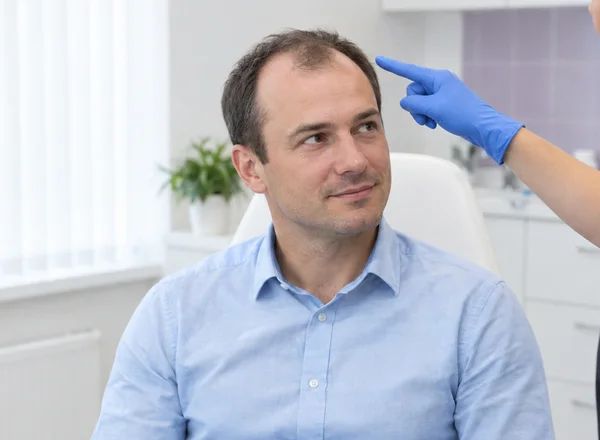

Write to us in Telegram or WhatsApp. A coordinator will request pictures of the thinning zone through a messenger, and a doctor reviews them and tells you whether a transplant would help. No fee, no obligation to book.

services
The price is set at the free consultation, after the grafts are counted, and fixed in the contract.
suture-free graft extraction

$2,200$2,700
or $367/mo — 0% instalments for 6 months
Freeze your quoteimplantation without channels

$2,500$2,900
or $417/mo — 0% instalments for 6 months
Freeze your quotecombined technique

$2,700$2,900
or $450/mo — 0% instalments for 6 months
Freeze your quote| Your case reviewed | Free |
|---|---|
| Eyebrow transplant, FUE | |
| Beard transplant, FUEinstalments $467/mo | |
| Hair trichopigmentation | |
| PRP therapy / session | $200 |
all included
From pre-surgery preparation to 12-month follow-up.
No unexpected costs on the day of surgery.
another two areas
It works away from the scalp on the same basis, with grafts from the back of the head, FUE, and a different zone.
FUE method, no cuts or stitches

Grafts are taken from the donor area at the back of the head and moved through micro-punctures of about 1 mm; scars are not left. Before the operation the doctor discusses what shape to give the beard, allowing for your facial features. Transplanted hair grows for life and is trimmed and styled as usual.
$2,800$3,000
or $467/mo — 0% instalments for 6 months
Freeze your quoteFUE method, no cuts or stitches

Everything starts with a drawing: the surgeon marks out the brow at the first consultation, reference images are considered one against another, and the proportions of your face steer the design. Hairs are set in at the angle they should follow, so nothing looks drawn on. Brows that quit growing under years with the tweezers respond well too.
$1,600$1,700
an outpatient session under a local anaesthetic
Freeze your quoteThe doctor assesses the donor zone, counts the grafts and explains the outcome that can be reached. The price named at that consultation is what the contract will state.

Message our coordinator
Free online consultation · Reply within 15 minutes
Message us on TelegramMessage us on WhatsAppBy messaging us, you agree to our Privacy Policy
Process
From consultation to going home — all in one day

This first step, offered free of charge, is where the doctor explains FUE and DHI, answers your questions, and drafts an individual plan for the operation.

Choosing the date is one thing, holding it is another: that takes a deposit, settled at the clinic by card or online.

Before the transplant is due to begin, the tests are completed according to the clinic's written list and directions.

Local anaesthesia is given ahead of the procedure, so it remains pain-free throughout.

The donor area, located at the back of the head or the temples, provides the grafts, collected without any stitching.

Implantation takes place here, with the grafts placed into the area of hair loss.
For patients in Camama, the clinic supplies everything necessary plus complete instructions to recover quickly.

The crusts clear away, the puffiness fades, the skin repairs itself

This shedding is expected, and it costs you no follicles

Little by little the area fills in, and the difference shows

The hair becomes thicker, the main volume and outline are visible

The hair comes to full volume with a natural front line

Free, before any operation with no strings attached.
Discuss your optionsdoctors

Hair transplant doctor, trichologist, surgeon
10 years in practice

Dermatovenereologist, trichologist, surgeon
11 years in practice

Plastic surgeon
9 years in practice

Plastic surgeon
9 years in practice

Assistant
9 years in practice
The doctor appraises the donor zone, sets the graft figure and explains what outcome is realistic.
Discuss your optionscoordinators
You get a personal coordinator — they guide you from your first enquiry through to recovery.

Recovery care manager
Answers and helps whenever you need it
Covers the paperwork and the scheduling
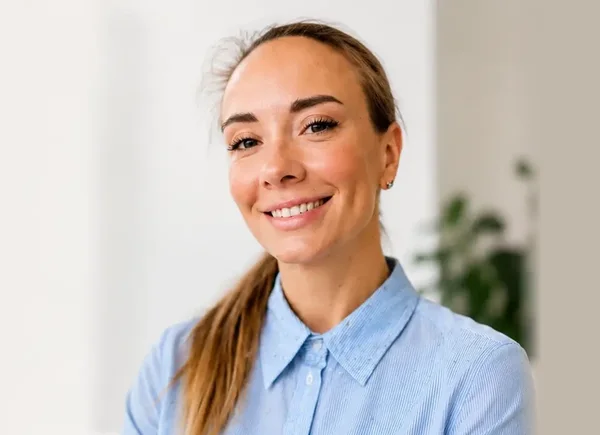
Recovery care manager
Answers and helps whenever you need it
Covers the paperwork and the scheduling

Recovery care manager
Answers and helps whenever you need it
Covers the paperwork and the scheduling
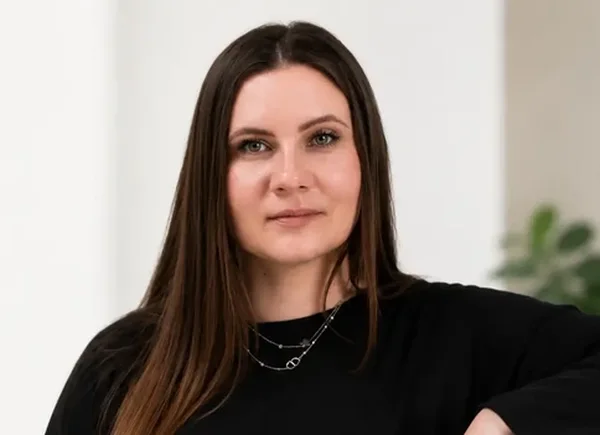
Recovery care manager
Answers and helps whenever you need it
Covers the paperwork and the scheduling













We explain what you want to know and pick an hour that fits your schedule
Message us on WhatsApp Make an enquiryPopular questions

Yes. The clinic works with patients from other cities and countries, and an online consultation is available first.
FUE is $2,200 (≈ AOA 2,050,000), DHI is $2,500 (≈ AOA 2,350,000), combined DHI+FUE is $2,700 (≈ AOA 2,550,000). A free consultation with a graft count gives you the exact, contract-fixed price.
Nothing more than one day is required before you are home.
Pain is not part of it; local anaesthesia is applied first.
In FUE, grafts are harvested with a tweezer, no cuts or stitches involved. In DHI, a Choi pen implants grafts without opening channels first. The combined method pairs FUE harvesting with DHI implantation.
That number is individual. It is calculated at no cost by the doctor, who looks at how much donor hair exists.
0–10 days and the scalp has healed. Between 2–4 weeks the placed hairs shed, as they should. New growth comes at 3–4 months, clear density at 6–9 months, the final picture at 12–18 months.
The clinic provides a lifetime guarantee on hair growth, stated in the contract.
The clinic works with a medical licence, care follows the standards and clinical guidelines
under Ministry of Health.

Documents showing the training of every operating doctor
Study the documentsAKC POMOSHCH LLC
the clinic's own entity
1057746096924
OGRN
7728536872
INN
A patient in Camama gets a procedure that keeps things simple. FUE and DHI are performed with no cutting and no suturing, under local anaesthesia, and the operation is wrapped up in the course of one day.
Starting in Camama costs neither money nor effort: the online consultation costs nothing at all and the doctor, looking at photos of the area, gives a verdict on whether a transplant makes sense for you. Answers come 24/7.
Within 0-10 days the healing is behind you. At 2-4 weeks the transplanted hairs shed, which is normal, and the scalp looks bare again for a while. Growth begins at 3-4 months and the gaps fill in.
Prices are in US dollars; the amount in brackets is an approximate conversion to AOA at the rate of 02.10.2026. The final price is fixed in your contract.
By messaging us, you agree to our Privacy Policy
What patients write after this operation. Reviews are translated from the original language.
Andrey M.
I had the operation a month ago. Before and after surgery they were always in touch and helped with questions about my tests. The operation itself went wonderfully, the staff are polite and masters of their craft, you feel you are in safe hands. I am recovering now, and they answer all my questions. I am happy and I recommend them!
DHI hair transplant
Pavel Sinitsyn
The best clinic of all the ones I was choosing from. No regrets at all! The result is simply amazing, I am thrilled. I recommend it to everyone: these people do great work and make people happy. Once again, a huge thank you to everyone. Roman, the head of the clinic, is the best: he was personally in touch with me and looked after my recovery. Thank you for making my dream come true.
FUE hair transplant
Maria Akopyan
I thought about an eyebrow transplant for a long time and finally went for it. At first I was afraid the result would look unnatural, but when I saw my new eyebrows I was delighted! They came out full and in harmony with my face. I can hardly believe that now I just wash my face and go, I have never felt so free. For anyone tired of constant make-up, a transplant is a real lifesaver!
Eyebrow transplant (FUE)
Alexander M.
I really wanted a thick beard, but I had problems with it. I tried every home remedy and minoxidil, and nothing helped. After a long search for the best clinic I settled on this one. Thank you so much for the service, I liked everything and now I am happy! I had the beard transplant 10 months ago and I am very pleased with the result. By the way, the music in the clinic was great, as far as I remember. A friend of mine has already come to you for a transplant on my advice and was also happy with the result. I wish you every success!
Beard transplant (FUE)
Vladimir Z.
I went to the clinic to see a trichologist and had a hair transplant. I really liked the doctor's approach, and all the recommendations helped. I want to point out that nobody tries to sell you extra services: they tell you things as they are, and if some treatment is not needed, they do not push it. Cosy and clean.
DHI hair transplant
Artem Popov
This may sound obvious, but a head of hair really changes everything in your life. You feel much more confident and go through life like a winner. And it is all thanks to the doctor at this clinic and to the staff who take care of their patients. Many thanks to the clinic for a happy life with new hair, for the comfortable conditions and for the professionalism during the hair transplant.
FUE hair transplant
Page medically reviewed by Anastasia A. Kolesnik, hair transplant doctor. Review date: .
Camama is a city and municipality in Luanda Province, Angola. It used to be an urban district and commune within the municipality of Talatona, and on 5 September 2024 it was raised to the status of a city and municipality of its own. The municipality consists of a single seat commune. For a patient planning a hair transplant, this matters in a practical way: Camama is part of the large Luanda urban area, where daily life is built around work, study, family and long days outside the home.
The wider province of Luanda covers an area of 1,649 km2 and has a population of approximately 8,665,510 according to the Census of 19 September 2024. Camama sits inside this dense urban setting, so many residents are used to organising their week around commuting, shared transport and busy schedules. A hair restoration plan has to fit into that rhythm, which is why we start by discussing your calendar before we discuss technique.
The municipality is known for the Arquivo Nacional de Angola, the TPA, the 11 de Novembro stadium, the Hospital Materno Infantil Azancot de Menezes, the Shopping Popular and several residential condominiums such as Jardim do Éden, Jardim de Rosas, Vila Flor, Monte das Oliveiras and Camama Park Residencial. People who live in such condominiums often ask whether they can recover quietly at home, and in most cases a calm home routine for the first days is exactly what we recommend.
You do not need to go anywhere to begin. The consultation with City Medical Centre is free and online, and you contact the centre from Camama itself. Coordinators are available around the clock (24/7) on Telegram and WhatsApp, so you can write in the evening after work or early in the morning before the day starts.
You send clear photos of the front, the top, the crown and the back of the head, and tell us about your hair loss history, any medicines you take and your general health. The doctor then assesses the donor area and discusses the shape of the hair line with you, taking your facial features into account. You get an honest view of whether FUE or DHI suits you, and what can realistically be expected.
The care does not stop after the operation. We stay with you from pre-op planning to 12 months later, with check-ups at months 1, 3, 6, 9 and 12. For a person in Camama this means that questions about shedding, itching or styling can be sent to a coordinator by message at any hour, without waiting for an appointment.
Both methods use your own hair. Grafts are taken from the back of the head, the donor area, and moved through micro-punctures of about 1 mm, so nothing scars over. FUE and DHI differ in how the grafts are placed, and the doctor will explain which one is more suitable for your density, your area to cover and your expectations.
Many people ask whether the transplanted hair will look natural. The doctor discusses the shape with you before the operation, taking your facial features into account, and the frontal hair line is planned to suit your age and face rather than copied from a template. Transplanted hair grows for life: trim and style the beard as usual, and the same applies to the scalp.
Men from Camama often ask about beard transplants as well as scalp work. One patient described the result like this: from about the 4th month active, even growth began, the transplanted hair took very well, the beard looks as natural as possible with no bald patches left, and it became much thicker and denser with the shape he had thought about for a long time. Every case is individual, but this shows how the timeline feels in real life.
Angola has alternating rainy and dry seasons. The dry season, known as cacimbo, is often marked by a heavy morning mist. Temperatures tend to rise closer to the Atlantic Ocean, and Luanda Province lies on the coast, so the sun and warmth are part of daily life in Camama for much of the year.
For the first days after a hair transplant, the main enemies of the new grafts are direct sun, heat, sweat and dust. Plan to stay in the shade, avoid long periods outdoors at midday, and follow the instructions on headwear that the doctor gives you. A loose, clean, breathable cap may be allowed at some stage, but never wear anything tight or dirty over the treated area without checking first.
Sea and pool are common pleasures on the Angolan coast, but they are not for the early weeks. Salt water, chlorine and sun on a healing scalp are an unnecessary irritation. Ask the doctor exactly when you may return to swimming, and keep that date in mind when you plan weekends and holidays. Dusty roads and crowded transport also call for a protected, clean head during the first period of healing.
There is no single perfect month in Camama, but you can choose a period that makes the first days easier. Many patients prefer the cooler dry season, when the mornings are misty and the sun is less aggressive, because it is simpler to stay comfortable and to avoid sweating. During the rainy months humidity and sudden downpours may complicate hygiene and movement around the city.
Think also about your social calendar. Weddings, baptisms, funerals, church events and large family gatherings are central to life in Luanda Province, and you may not want to appear at them during the first stage of healing. Pick a window with few obligations, ideally one that lets you stay home for the first days.
Remember the full timeline: 0–10 days for healing, 2–4 weeks for normal shedding of transplanted hair, 3–4 months for new growth to start, 6–9 months for real density, and 12–18 months for the final result. If an important event is planned in the coming year, count backwards from it so that you are not disappointed by the stages that are completely normal.
After the operation, the first stage is healing, covering 0–10 days. The treated area may look red or crusted, and you will follow the washing and sleeping instructions given by the doctor. A coordinator will be on the phone 24/7, so any doubt in this period can be sent to us by message.
Then comes the stage that worries people most. At 2–4 weeks the transplanted hairs let go, as expected. This is normal shedding, not a failure, and the follicles remain under the skin. At 3–4 months the hair comes back, at 6–9 months it is visibly thicker, and at 12–18 months you see the settled look.
The check-ups at months 1, 3, 6, 9 and 12 are tied to these stages. At each one we look at your photos, compare them with the previous ones and tell you whether the growth fits the expected course. Patients in Camama usually find it reassuring that these reviews happen remotely, without losing a working day to a clinic queue.
Return to work depends on your job. An office or administrative role in Luanda is simpler to resume than work that involves hours in the sun, dust, heavy physical effort or a helmet. Discuss your exact duties with the doctor and agree on a safe return date, and tell your employer in advance if you need adjustments.
Students and young professionals often want to know when it will be socially comfortable to show up again. The first days bring visible redness and small crusts, and shedding comes later, so plan around lectures, exams and presentations accordingly. Many people choose a quiet period or a few days off.
Sport is a big part of life in a municipality with its own stadium. Football, running and the gym are common, but sweat, impact and heat are not welcome in the early healing period. Ask the doctor for the exact moment you can return to light exercise, then to full training, and avoid contact sport until you are cleared. Food culture matters too: keep meals balanced, drink enough water, and avoid heavy alcohol in the first days, because it can affect healing and swelling.
In a city made up largely of residential condominiums, the home is the natural place to recover. Camama has complexes such as Jardim do Éden, Jardim de Rosas, Vila Flor, Monte das Oliveiras and Camama Park Residencial, and many families share a courtyard, a gate and a daily rhythm. Before the operation, tell the people you live with what to expect: a red, crusted scalp in the first days, careful sleeping positions, and no touching of the treated area.
Decide in advance who will help you with simple things in the first period: preparing meals, answering the door, keeping children and pets away from your head, and washing bedding. A clean pillowcase and a quiet room count for more than any product. Spouses, parents and older relatives often have strong opinions about hair and healing, so it helps to share the doctor's written instructions with them and agree on one set of rules.
If your household is busy, choose one room where you can rest with fewer visitors. Put a coordinator's chat on your phone so that questions about itching, crusts or sleeping can be sent at any hour, without asking neighbours or relatives who may give outdated advice.
The municipality has the Hospital Materno Infantil Azancot de Menezes, and Camama sits within the wider medical network of Luanda Province. We do not direct you to any particular facility, but it is sensible to keep your own medical file in order: a list of medicines, past operations, allergies and chronic conditions, plus any recent blood pressure or blood sugar readings.
Having this information ready makes the remote consultation faster and safer. The doctor can see whether your general health supports the operation and healing, and can tell you if a delay or an extra check is wise. If you take blood-thinning drugs, treatment for scalp conditions or long-term medicines of any kind, say so at the very first message.
After the operation, keep a simple diary on your phone: dated photos of the donor area and the treated area, notes on swelling, itching and sleep. At the check-ups at months 1, 3, 6, 9 and 12 this record lets the doctor compare stages precisely and answer you with facts rather than impressions.
Life in Camama involves shared transport, markets such as the Shopping Popular, offices and long days on the road. During the early healing period these are the places where the scalp is most exposed to dust, crowding, accidental knocks and sun. If possible, arrange a few days at home, and ask someone else to run errands.
When you must go out, choose shade, avoid pushing through crowds, and do not rub or scratch the treated area. Never let anyone press or massage the head. Sit away from open windows during dusty travel, and keep a clean, loose covering only if the doctor has approved it.
Think about the small moments too: a barber visit, a helmet on a motorbike taxi, a tight hat for work, a hug from a relative who pats your head. Tell people before they do it. After the settled stage of 12–18 months, these concerns fade and the hair can be cut and styled in the normal way.
A good candidate has enough healthy hair in the donor area, realistic expectations, stable general health and an understanding that the result takes time. People with active scalp disease, uncontrolled chronic illness, bleeding problems or very limited donor hair may need another plan or a delay. Tell us honestly about all your medicines and conditions; this is the basis of safe planning.
General health also counts. Weight, blood pressure and blood sugar can influence healing and anaesthesia, and the World Health Organization treats overweight and obesity as a significant health topic. This does not mean you are excluded, but the doctor should know your full picture before agreeing a plan.
Questions worth asking the surgeon: which method, FUE or DHI, suits my case and why; how will the frontal hair line be designed for my face; how many sessions might I need over time; what exactly should I do on the first night; when may I wash, swim, exercise and go into the sun; what are the signs that mean I should contact you immediately; and how will the follow-up at months 1, 3, 6, 9 and 12 be organised for me in Camama.
Yes. The consultation is free and online. You contact the coordinators on Telegram or WhatsApp, send photos and your history, and the doctor gives an assessment. Coordinators are available 24/7.
No. You contact us remotely from your own city, and the whole planning stage and the follow-up are handled by message and online calls.
In both methods grafts are taken from the back of the head, the donor area, and moved through micro-punctures of about 1 mm, so nothing scars over. They differ in the way grafts are placed, and the doctor explains which suits you.
The doctor discusses the shape with you before the operation, taking your facial features into account. Transplanted hair grows for life: trim and style the beard as usual.
Yes. At 2–4 weeks the transplanted hairs let go, as expected. At 3–4 months the hair comes back, at 6–9 months it is visibly thicker, and the settled look appears at 12–18 months.
Many people prefer the cooler dry season (cacimbo), with less strong sun. The most important thing is a quiet period without major events, so you can protect the scalp from sun, heat and dust.
Not in the early healing period. Salt water, chlorine and sun irritate the scalp. The doctor will give you the exact date for your case.
The first healing stage is 0–10 days. New growth starts at 3–4 months, real density comes at 6–9 months, and the final result at 12–18 months.
We stay with you from pre-op planning to 12 months later, with check-ups at months 1, 3, 6, 9 and 12, and a coordinator will be on the phone 24/7.
Explain that the scalp will look red and crusted for the first days, that nobody should touch it, and that shedding at 2–4 weeks is a normal stage. Share the doctor's written instructions so everyone follows the same rules.
Yes. Prepare a list of medicines, allergies, past operations and chronic conditions, and send clear photos of your head. This speeds up the assessment and helps the doctor judge whether the operation suits you.
It is better to stay at home in the first days. When you must go out, choose shade, avoid crowds and dust, and do not touch the treated area. Ask the doctor when ordinary daily movement is safe for you.

 Forceps
 Minimal


