


























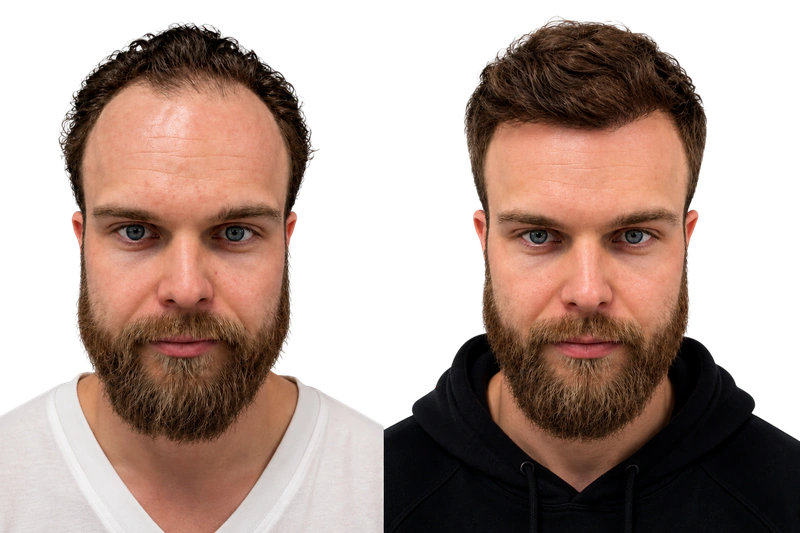

at first
now 12 months on
2,800 grafts
FUE method
City Medical Centre
0% instalments
from $367/mo
The first session, priced — $0.
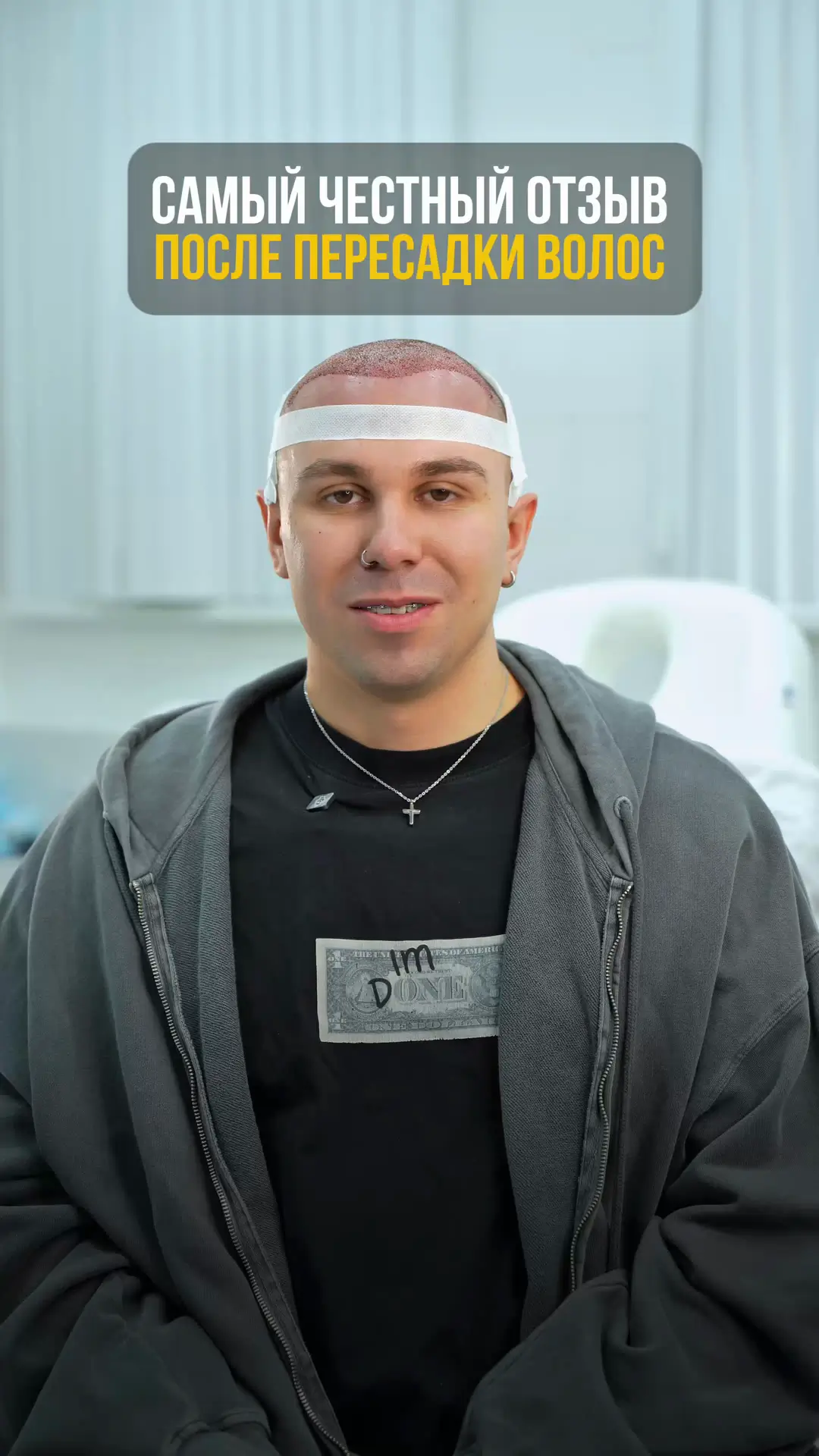
Real client
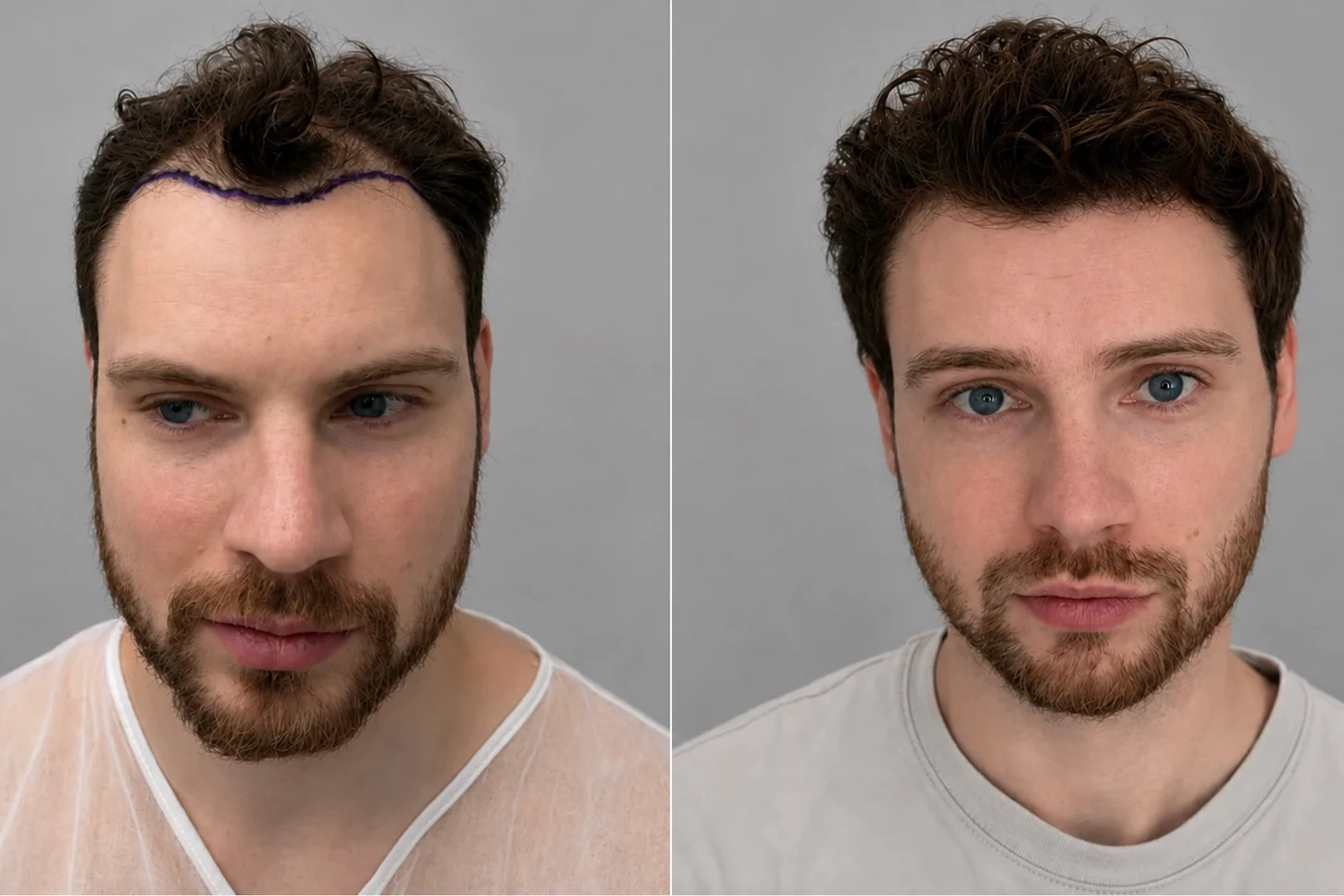
at first
now 12 months on
FUE method, no stitches needed. Graft count and a result forecast measured up and never billed — before you decide.
Without paying, no surgery booking required
Message our coordinator
Free online consultation · Reply within 15 minutes
Message us on TelegramMessage us on WhatsAppBy messaging us, you agree to our Privacy Policy
results
No stock images: only genuine CMC patients.
at first
now 12 months on
2,800 grafts
FUE method
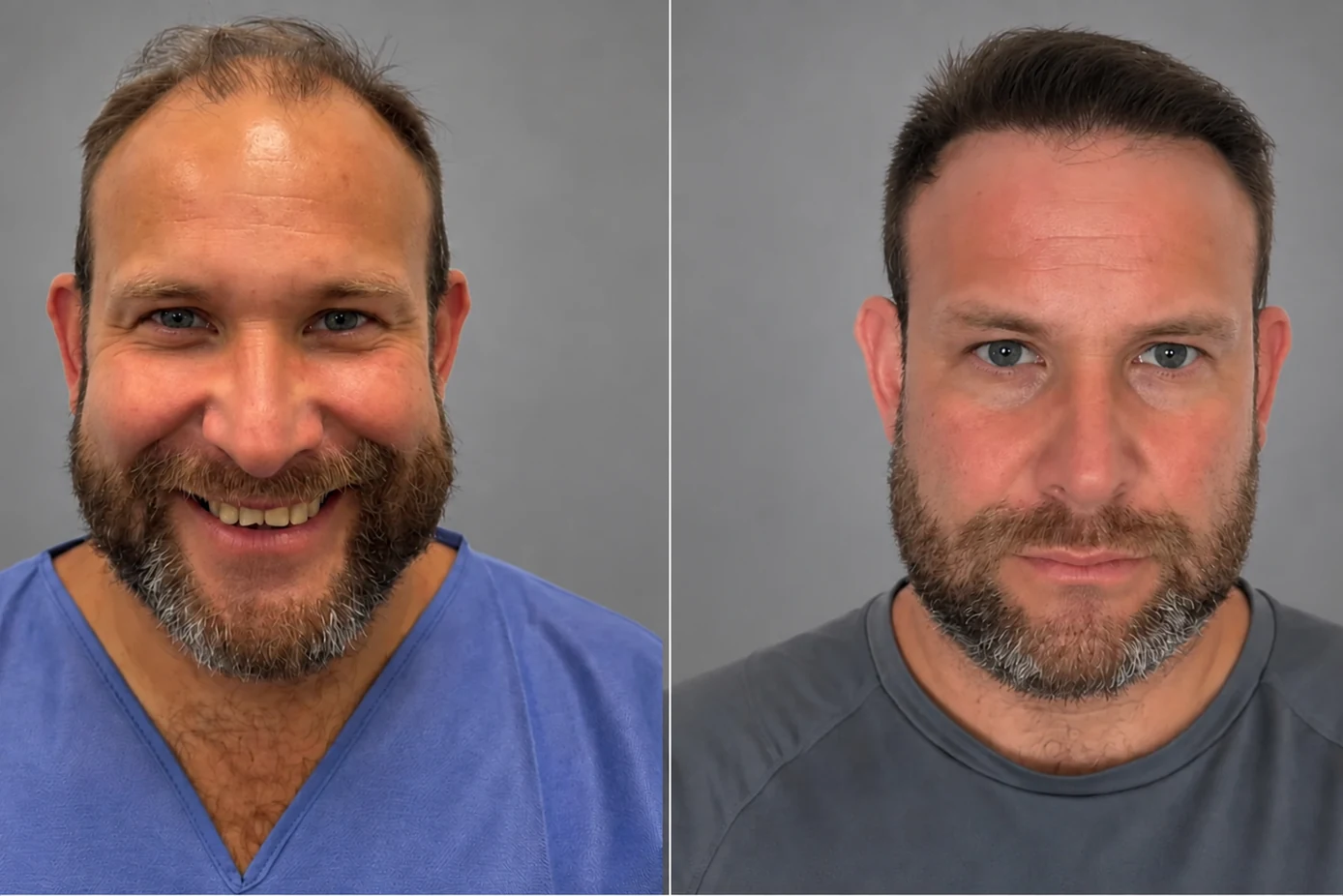
at first
now 12 months on
3,500 grafts
FUE method
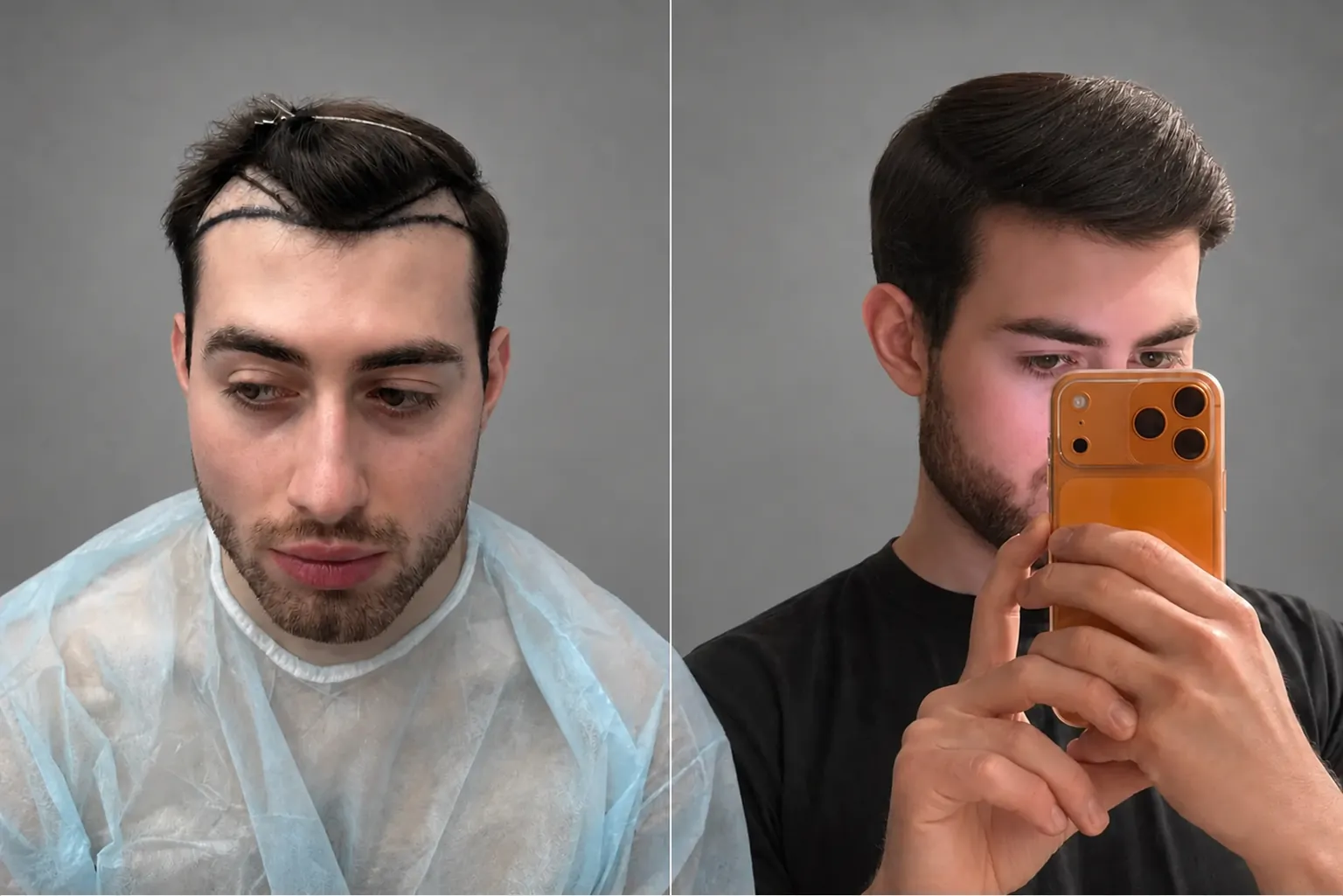
at first
now 12 months on
2,600 grafts
FUE method
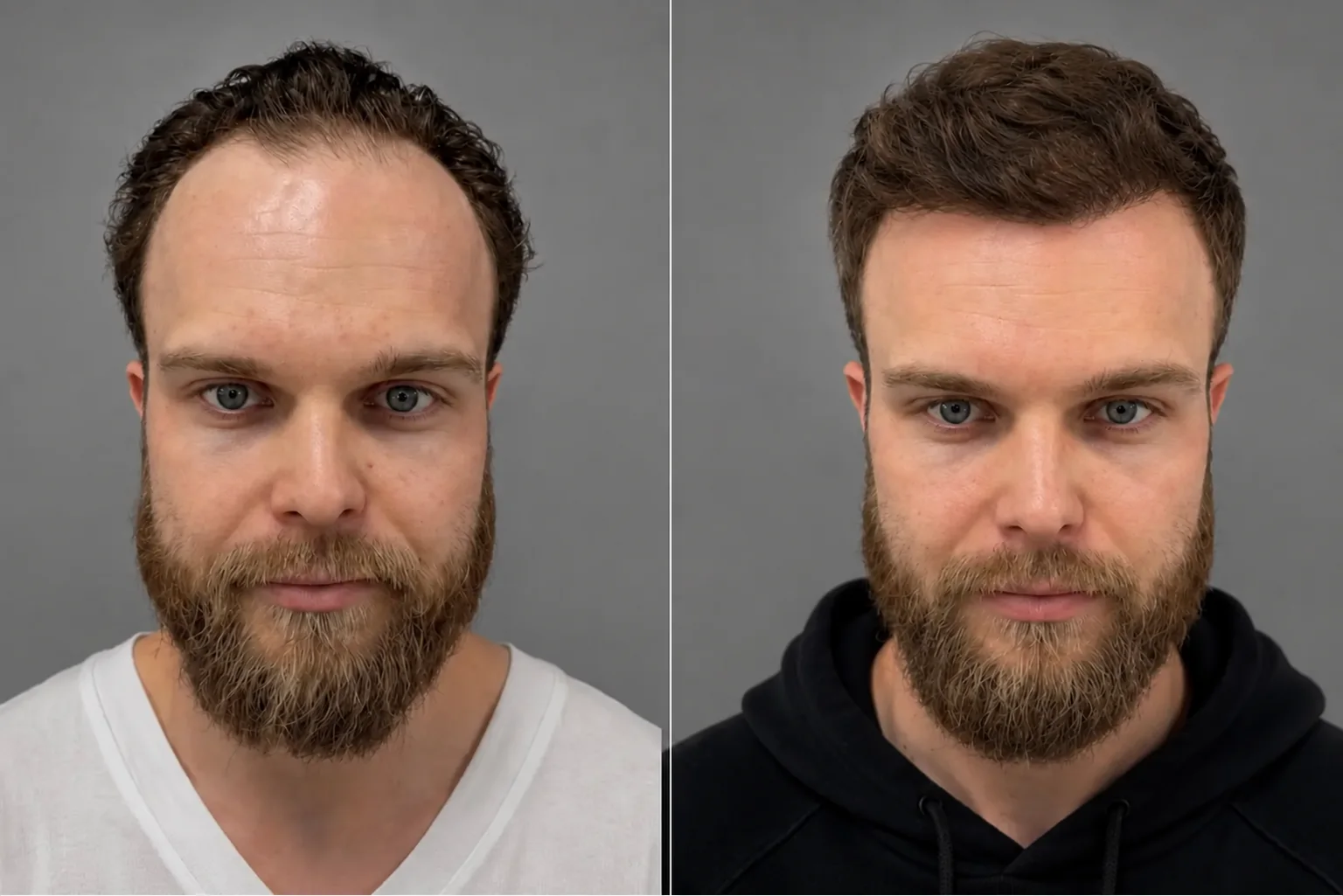
at first
now 12 months on
3,000 grafts
FUE method
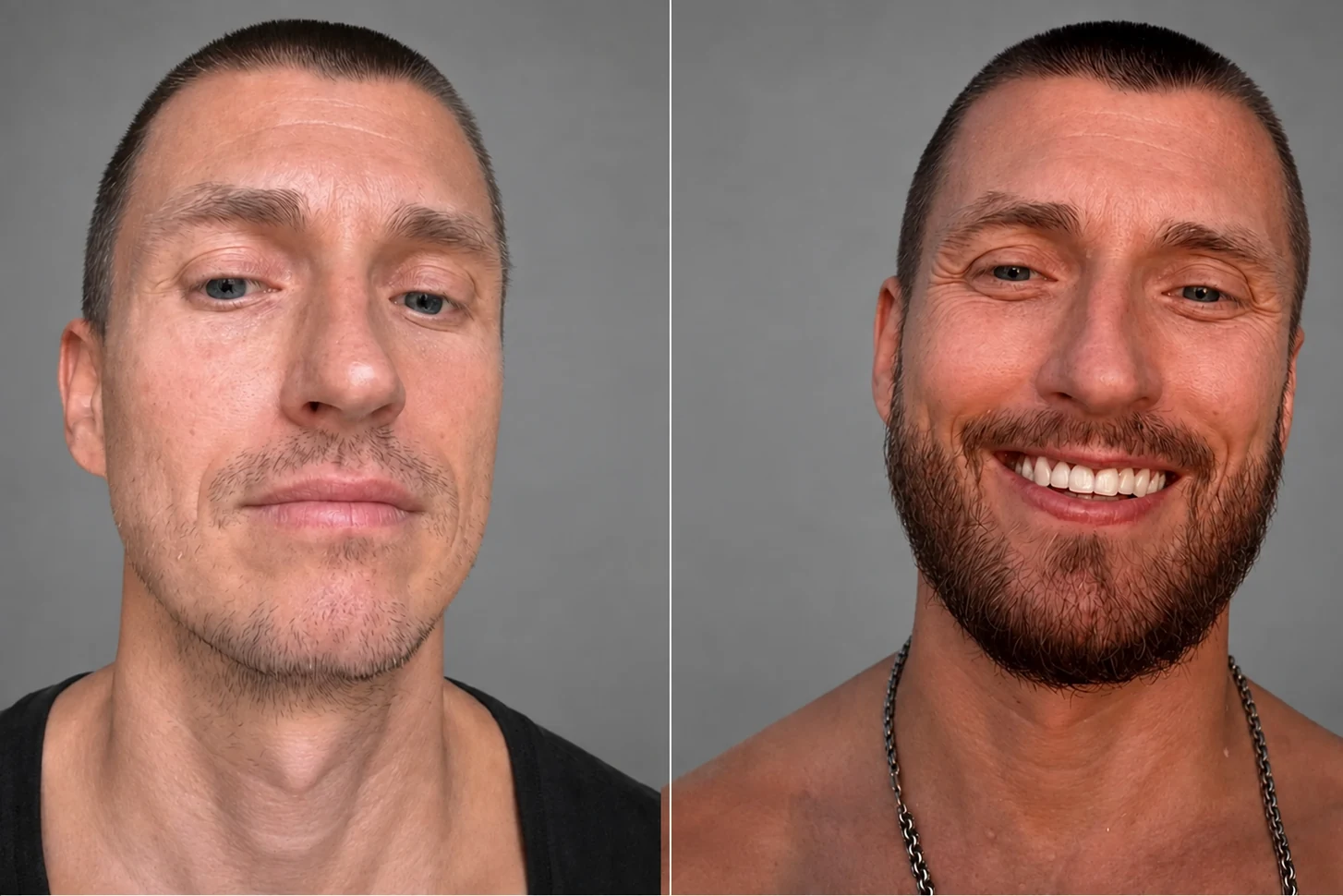
at first
now 12 months on
2,700 grafts
FUE method
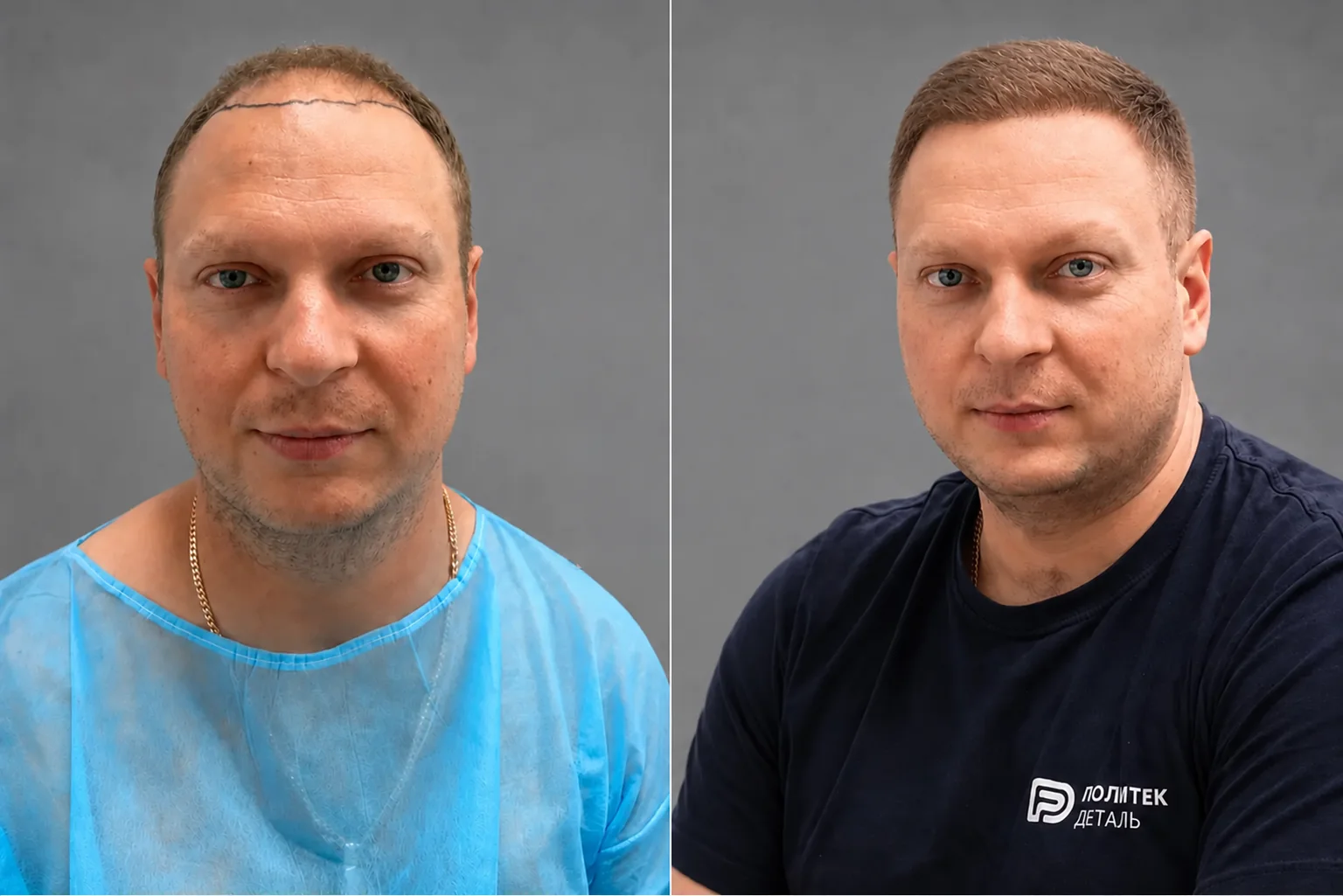
at first
now 12 months on
3,300 grafts
FUE method
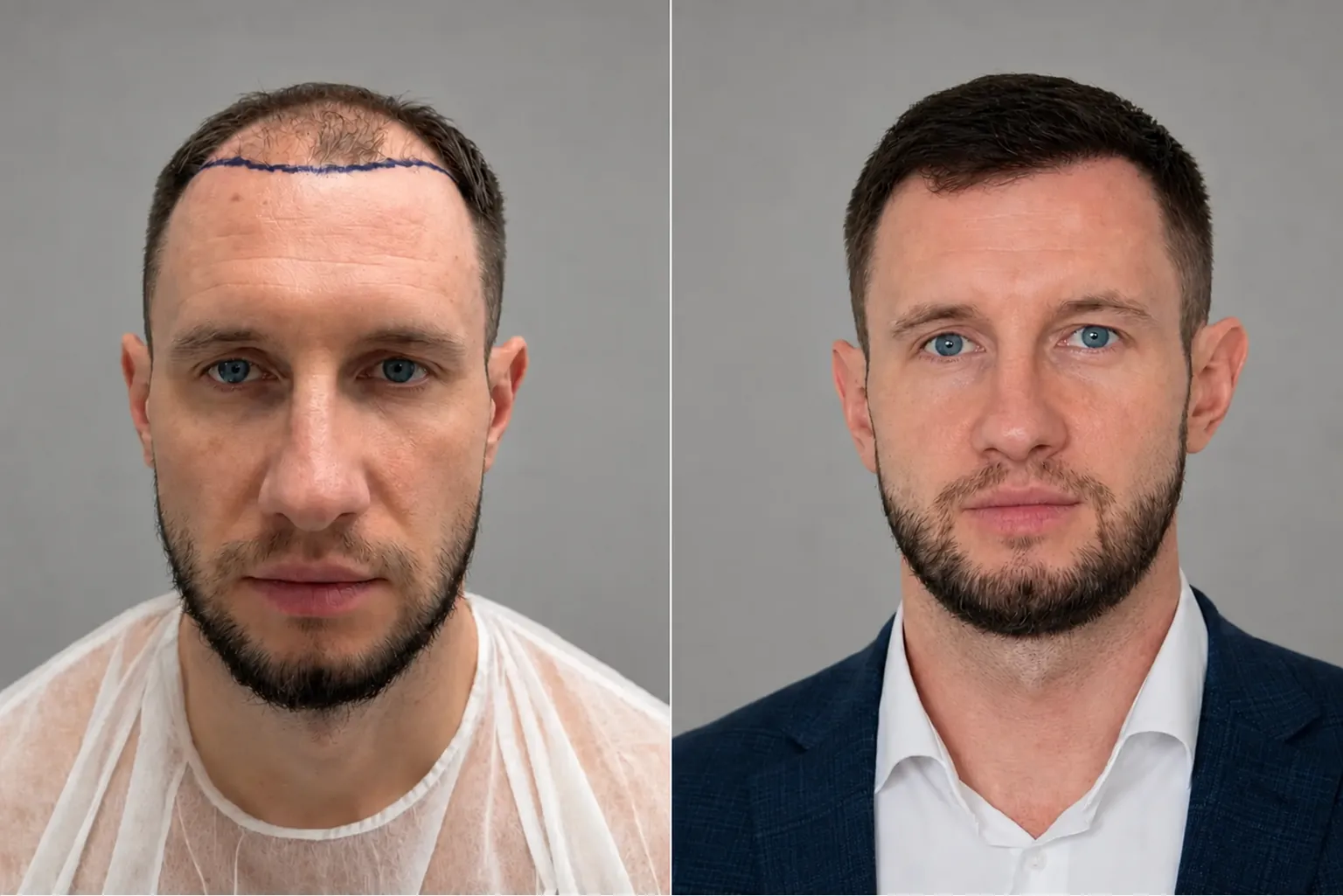
at first
now 12 months on
2,900 grafts
FUE method
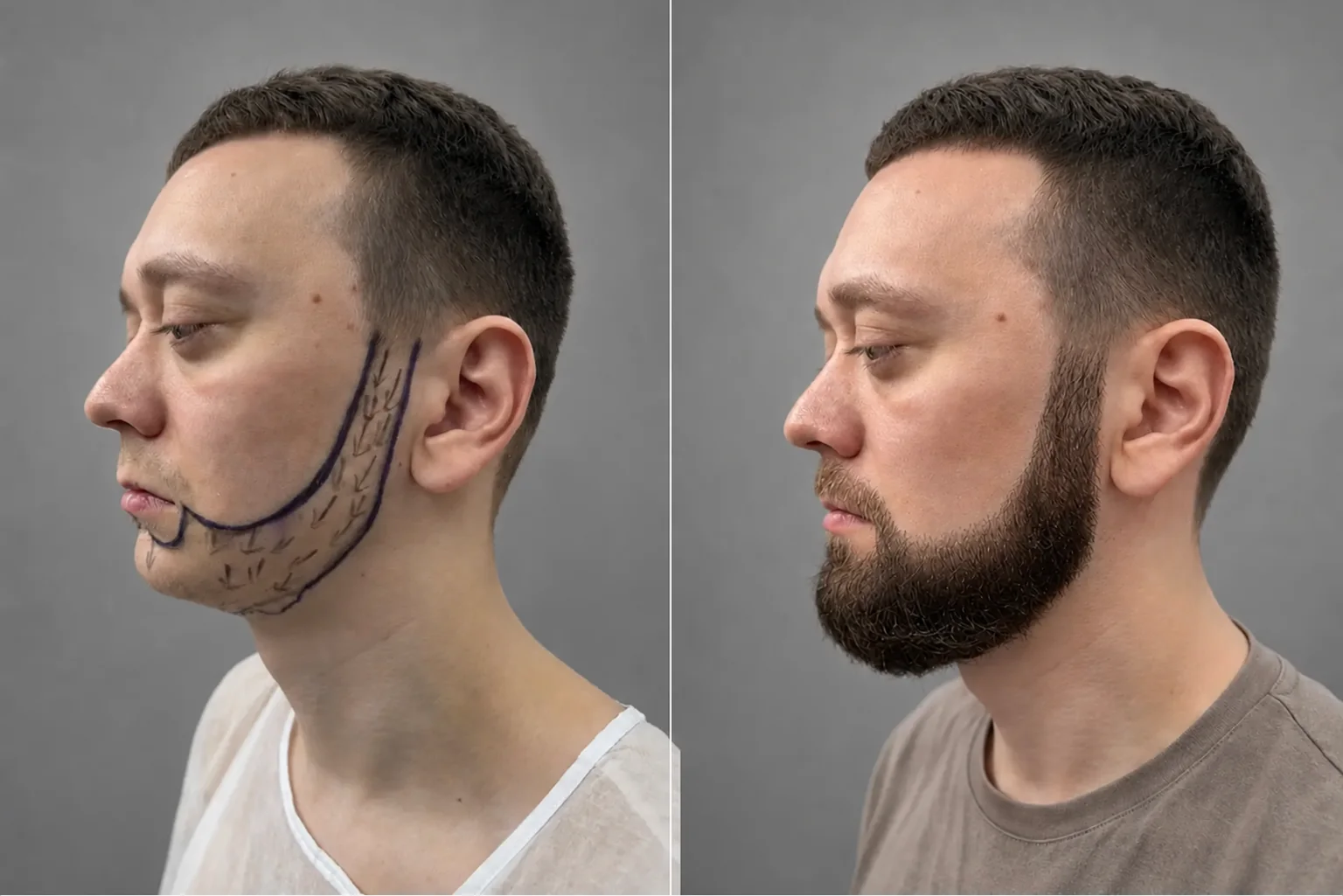
at first
now 12 months on
2,500 grafts
FUE method
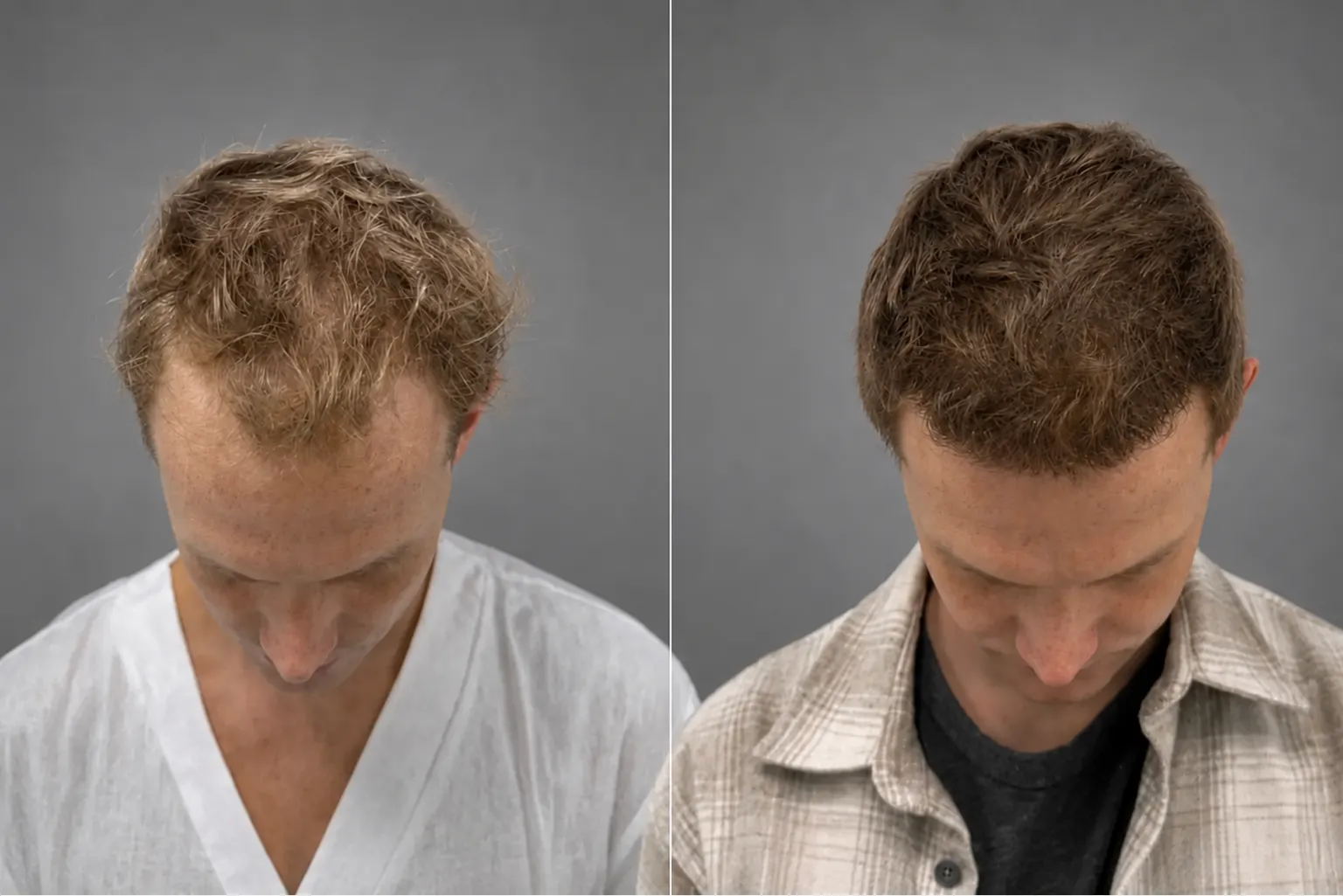
at first
now 12 months on
3,400 grafts
FUE method
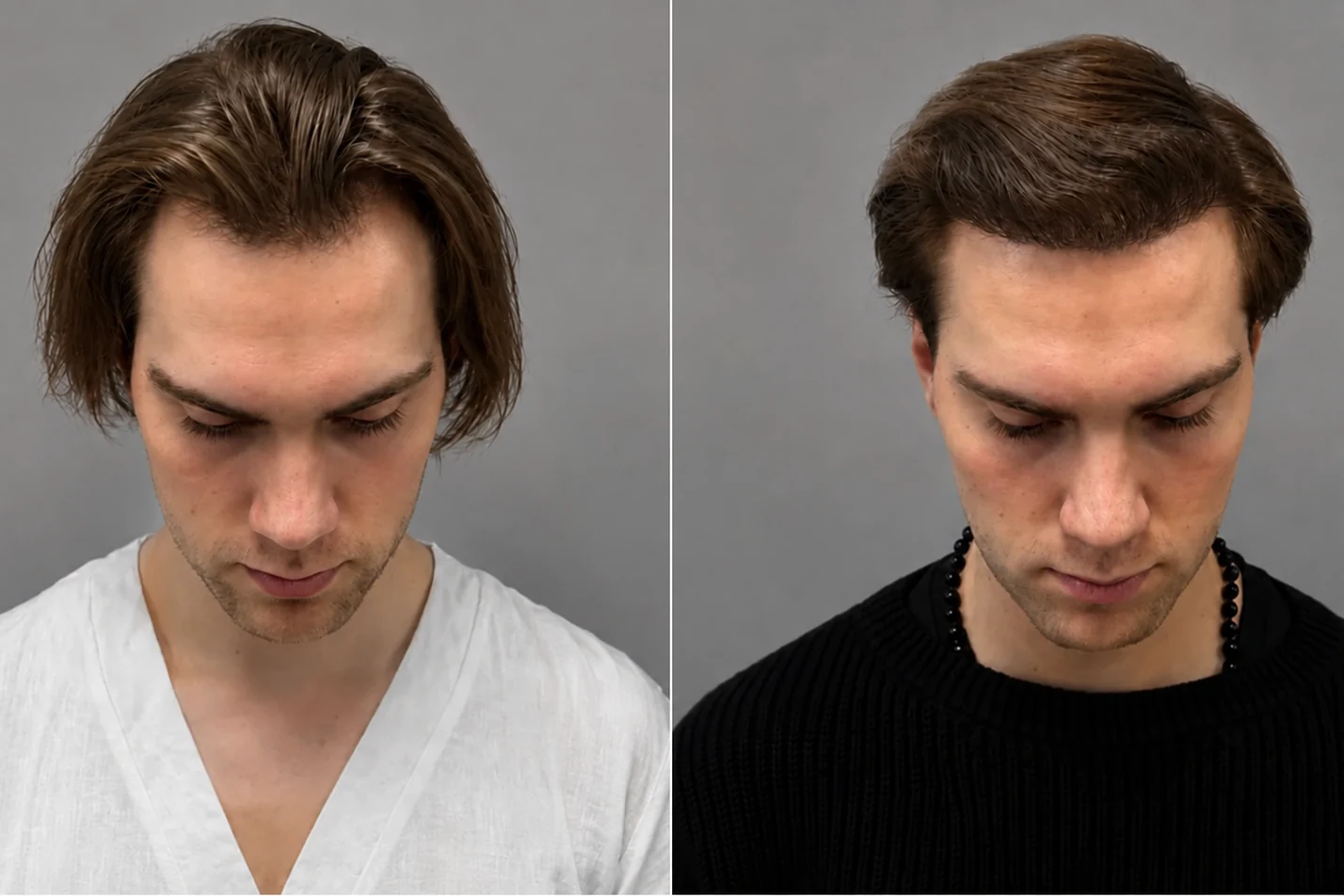
at first
now 12 months on
2,500 grafts
FUE method
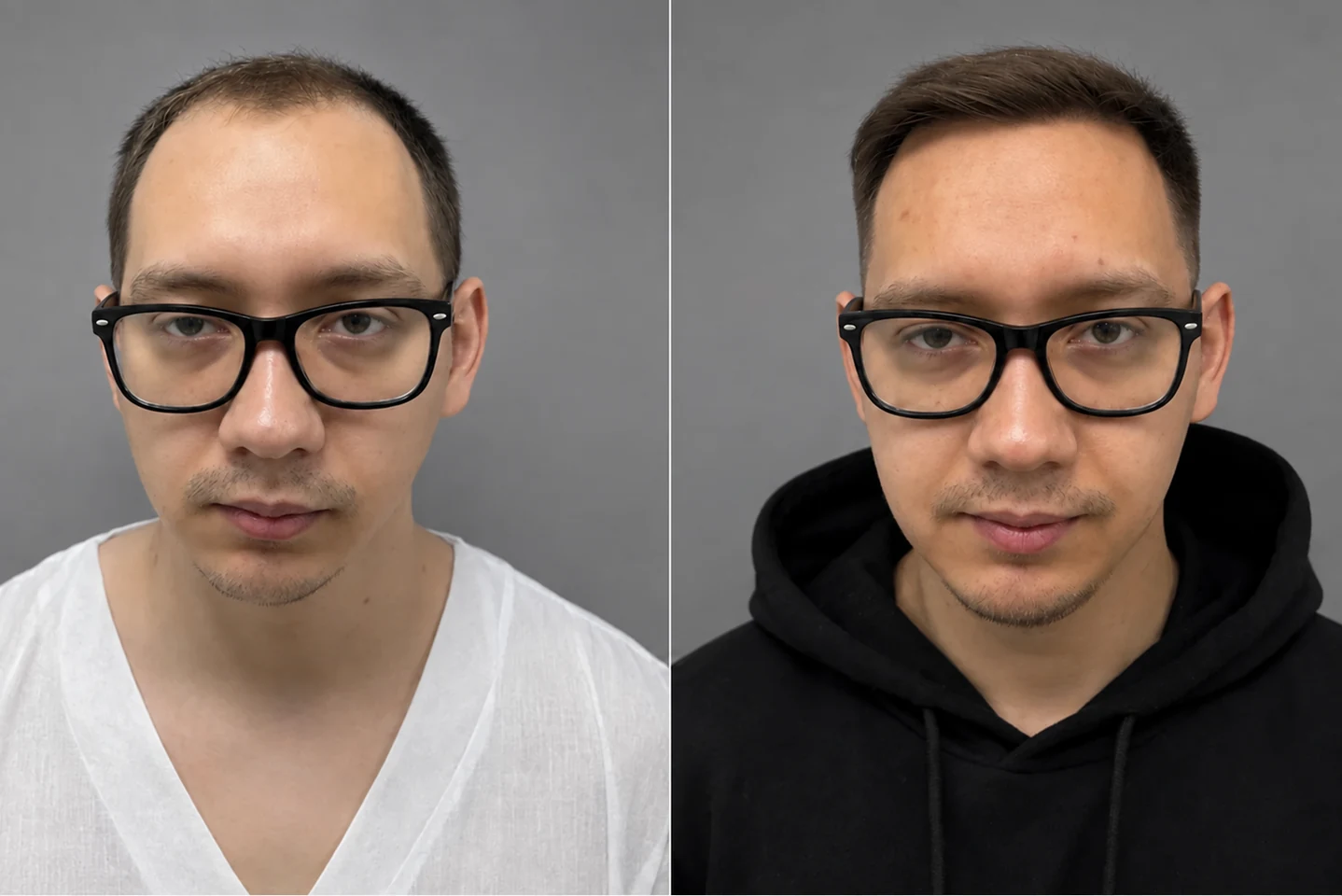
at first
now 12 months on
3,100 grafts
FUE method
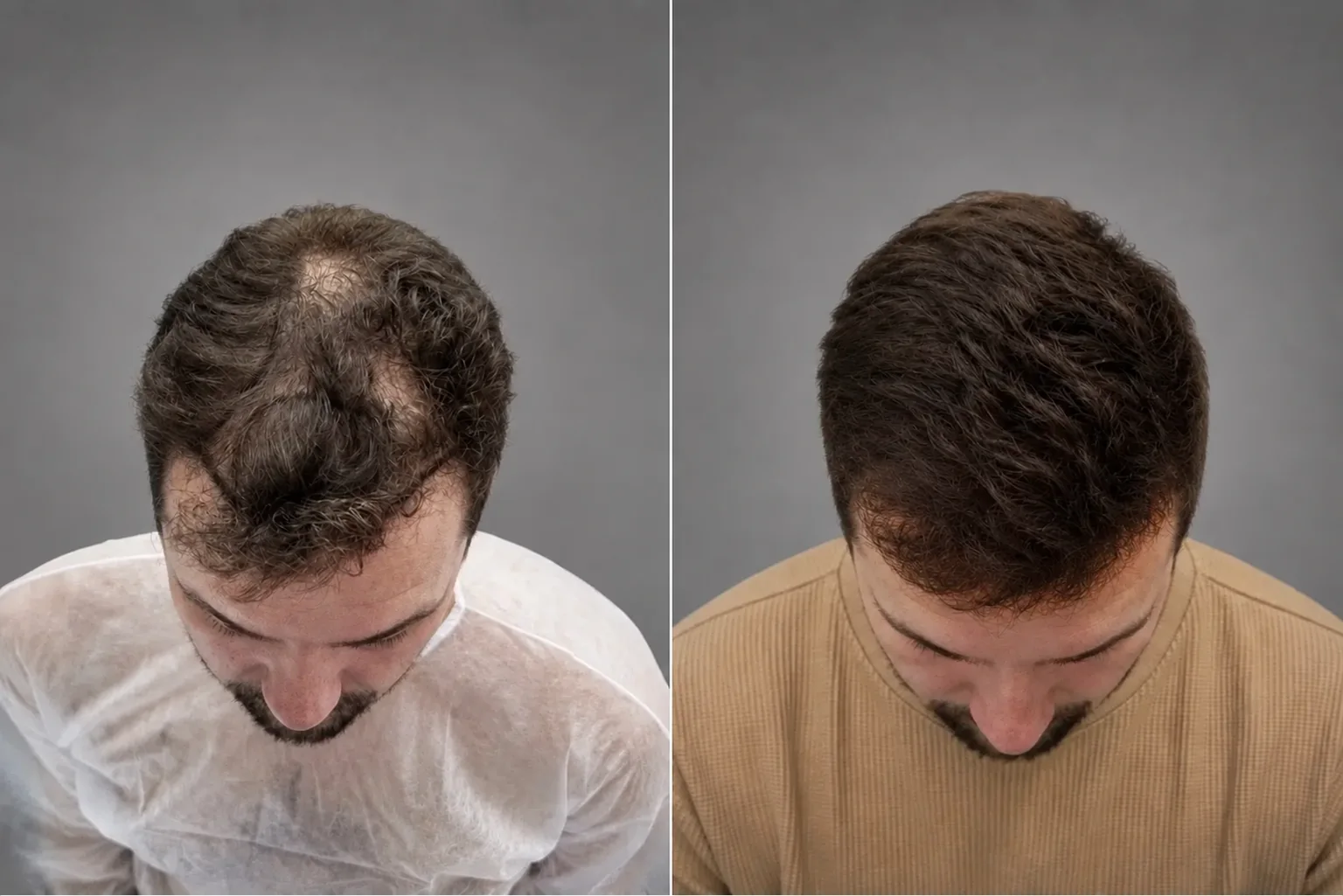
at first
now 12 months on
3,600 grafts
FUE method
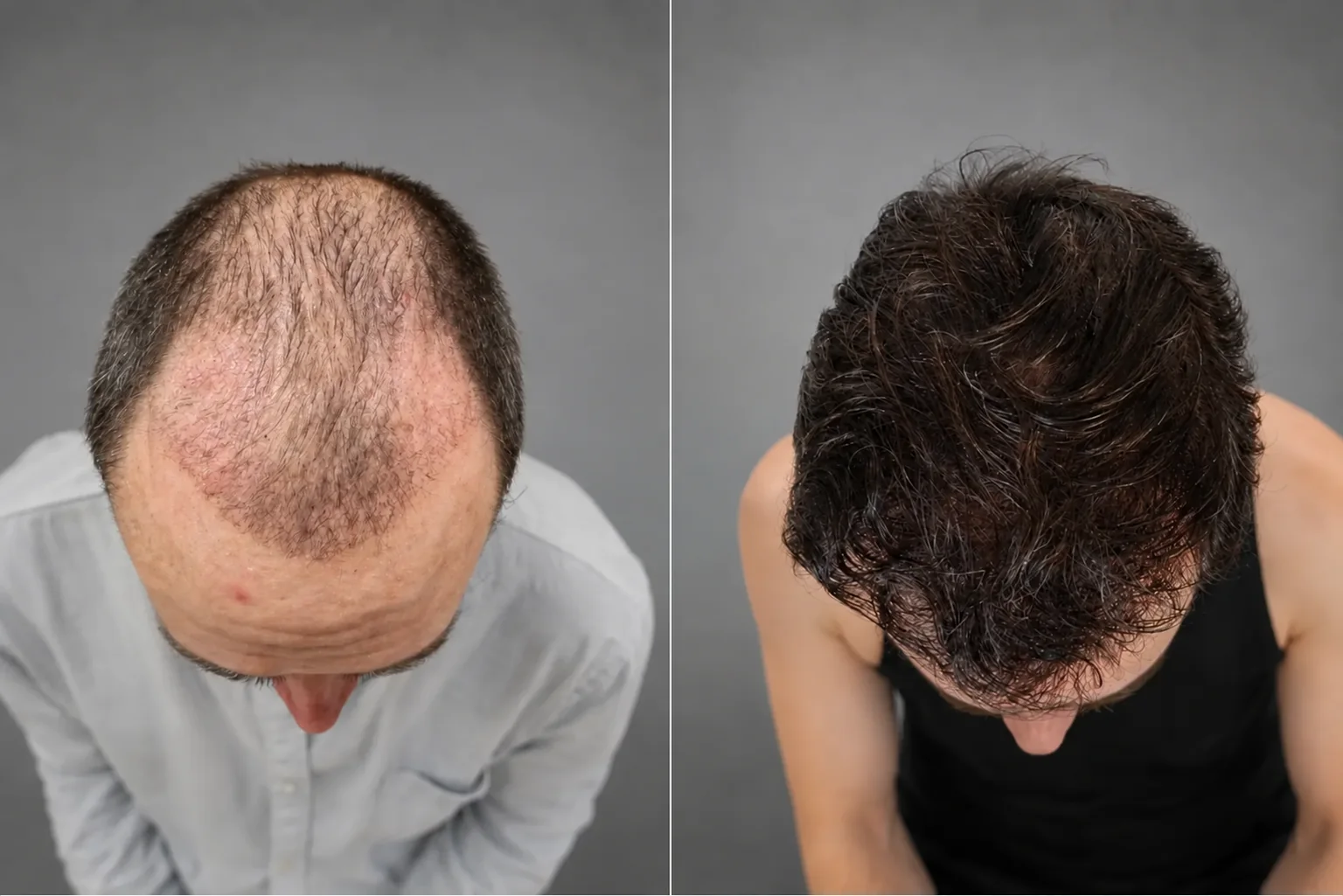
at first
now 12 months on
4,000 grafts
FUE method
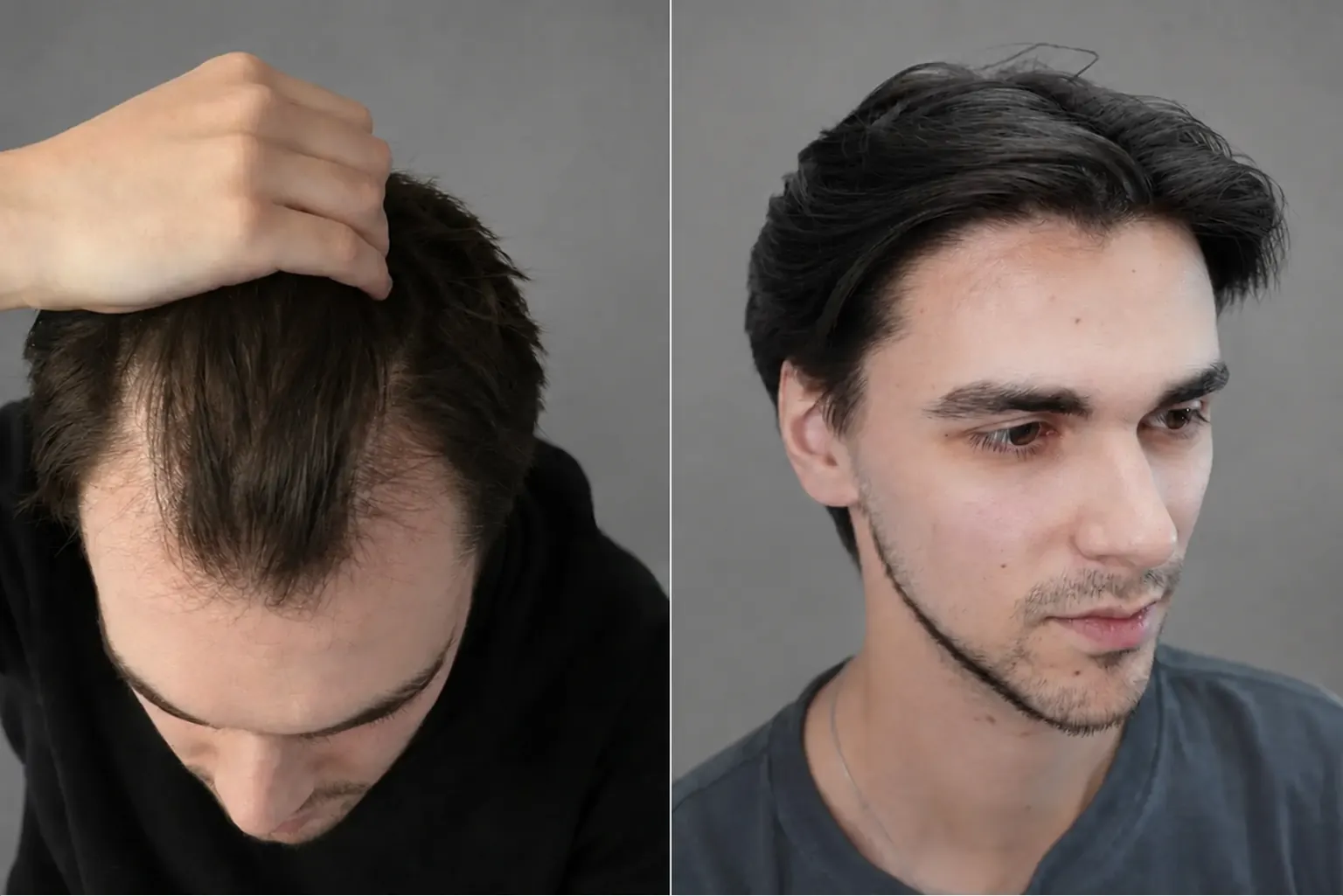
at first
now 12 months on
3,200 grafts
FUE method
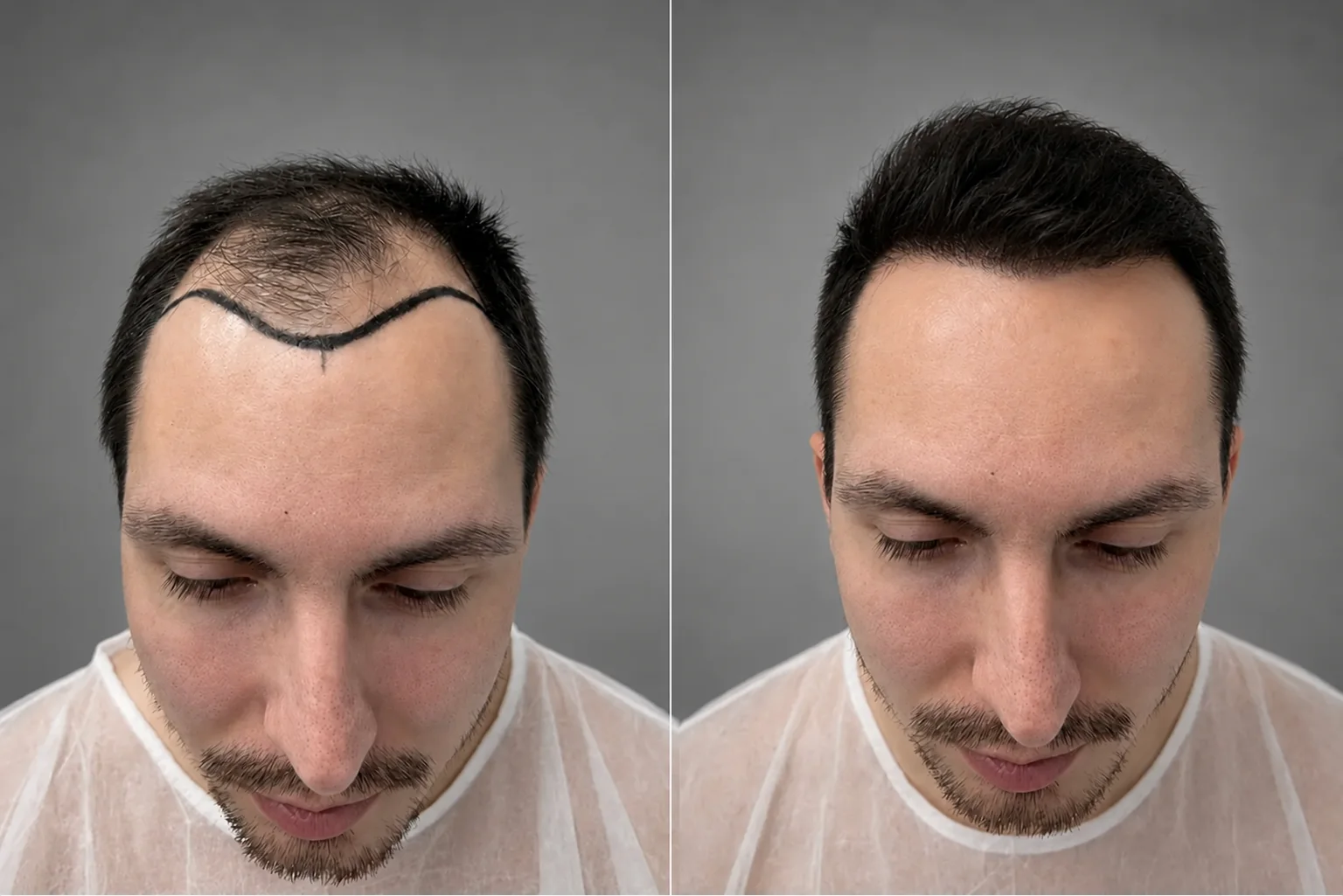
at first
now 12 months on
3,000 grafts
FUE method
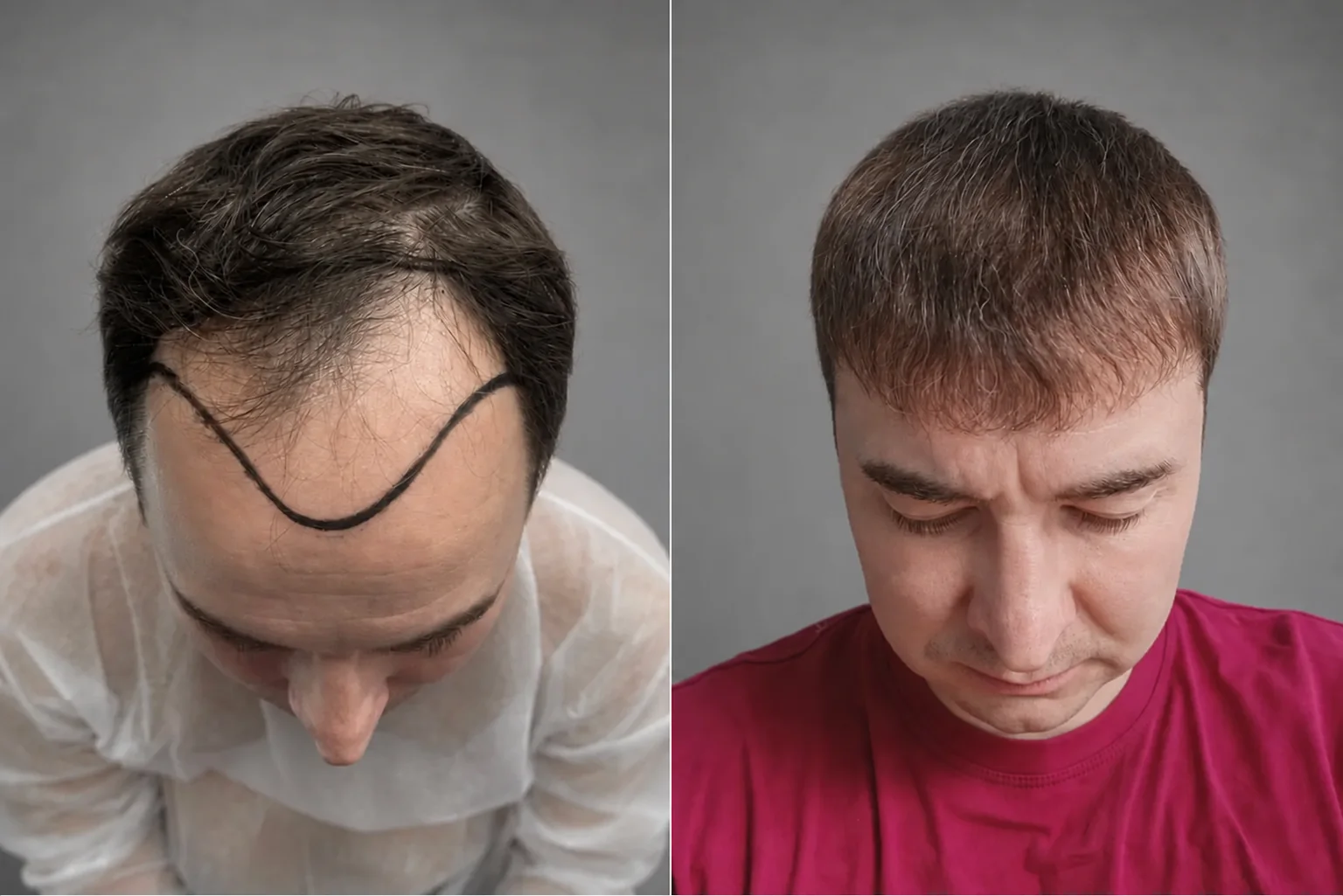
at first
now 12 months on
3,700 grafts
FUE method
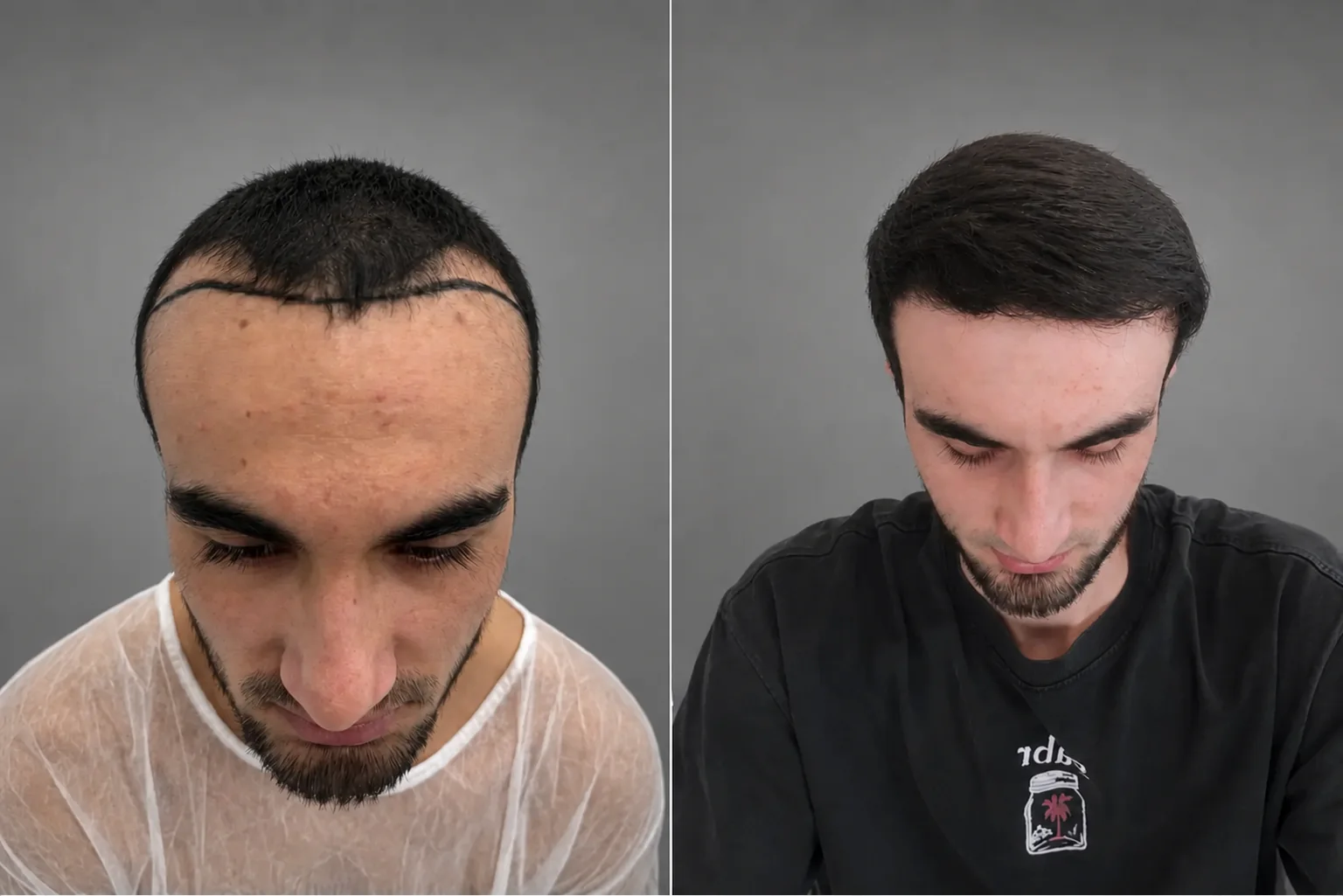
at first
now 12 months on
2,700 grafts
FUE method
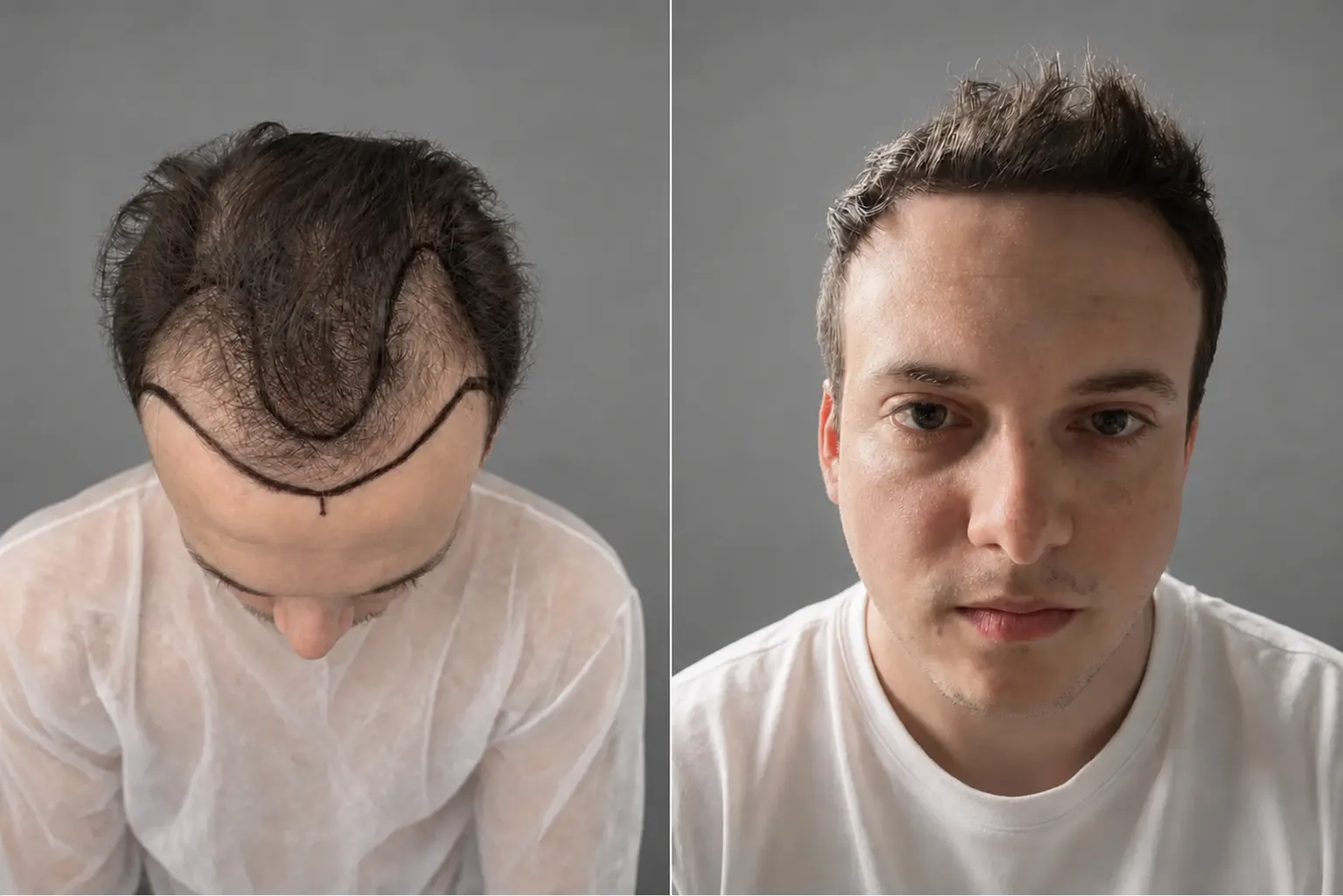
at first
now 12 months on
3,800 grafts
FUE method
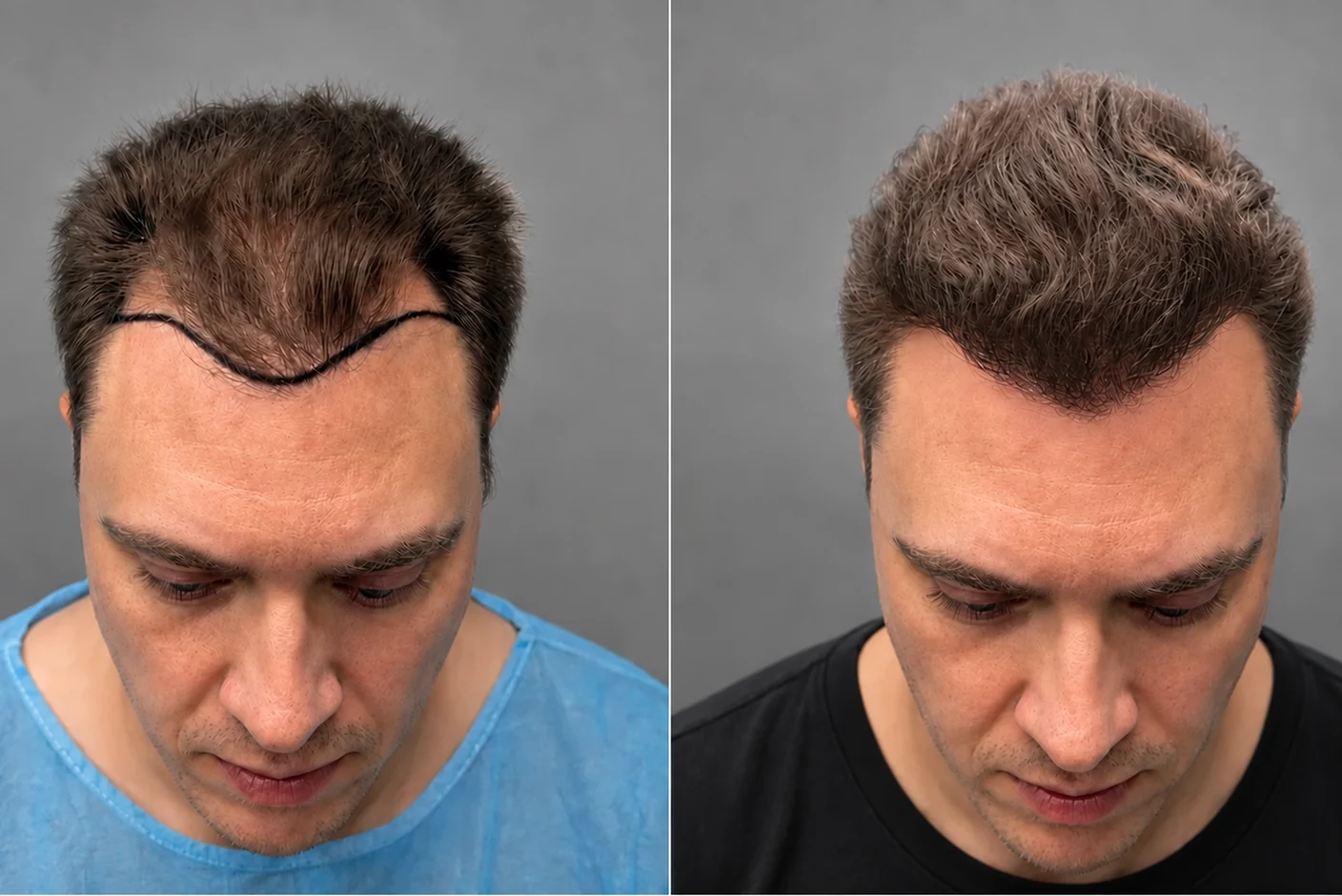
at first
now 12 months on
3,300 grafts
FUE method
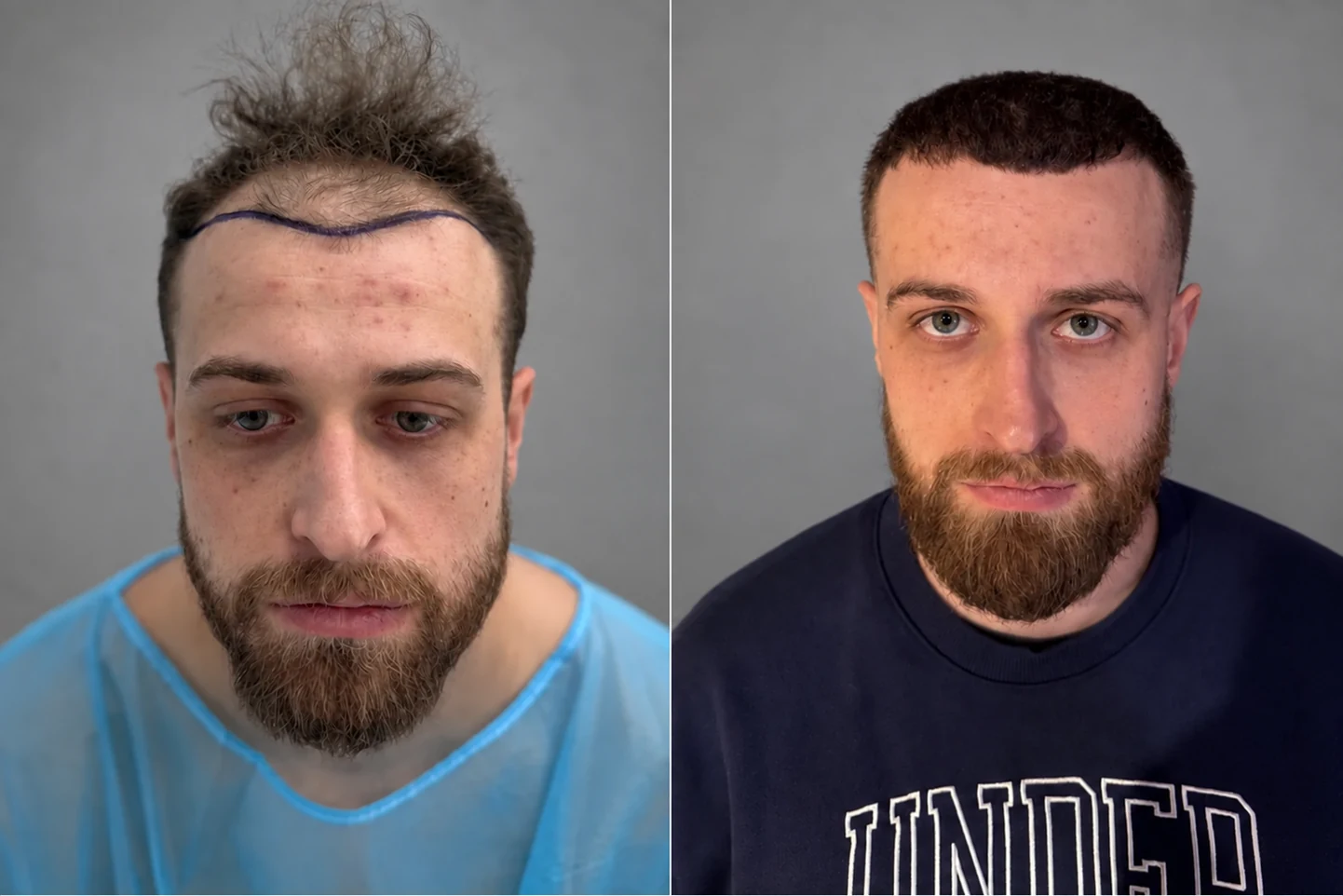
at first
now 12 months on
2,800 grafts
FUE method
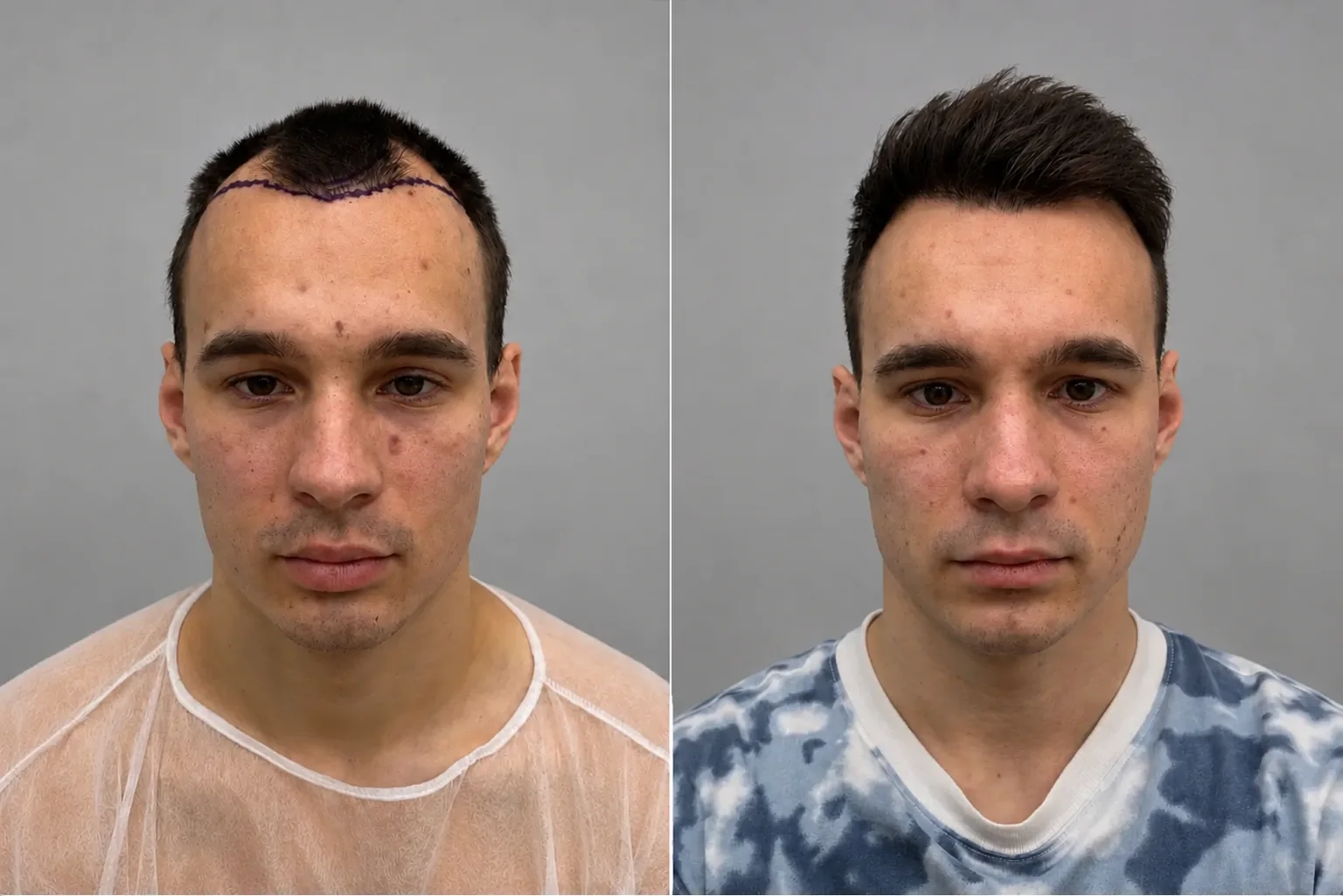
at first
now 12 months on
2,500 grafts
FUE method
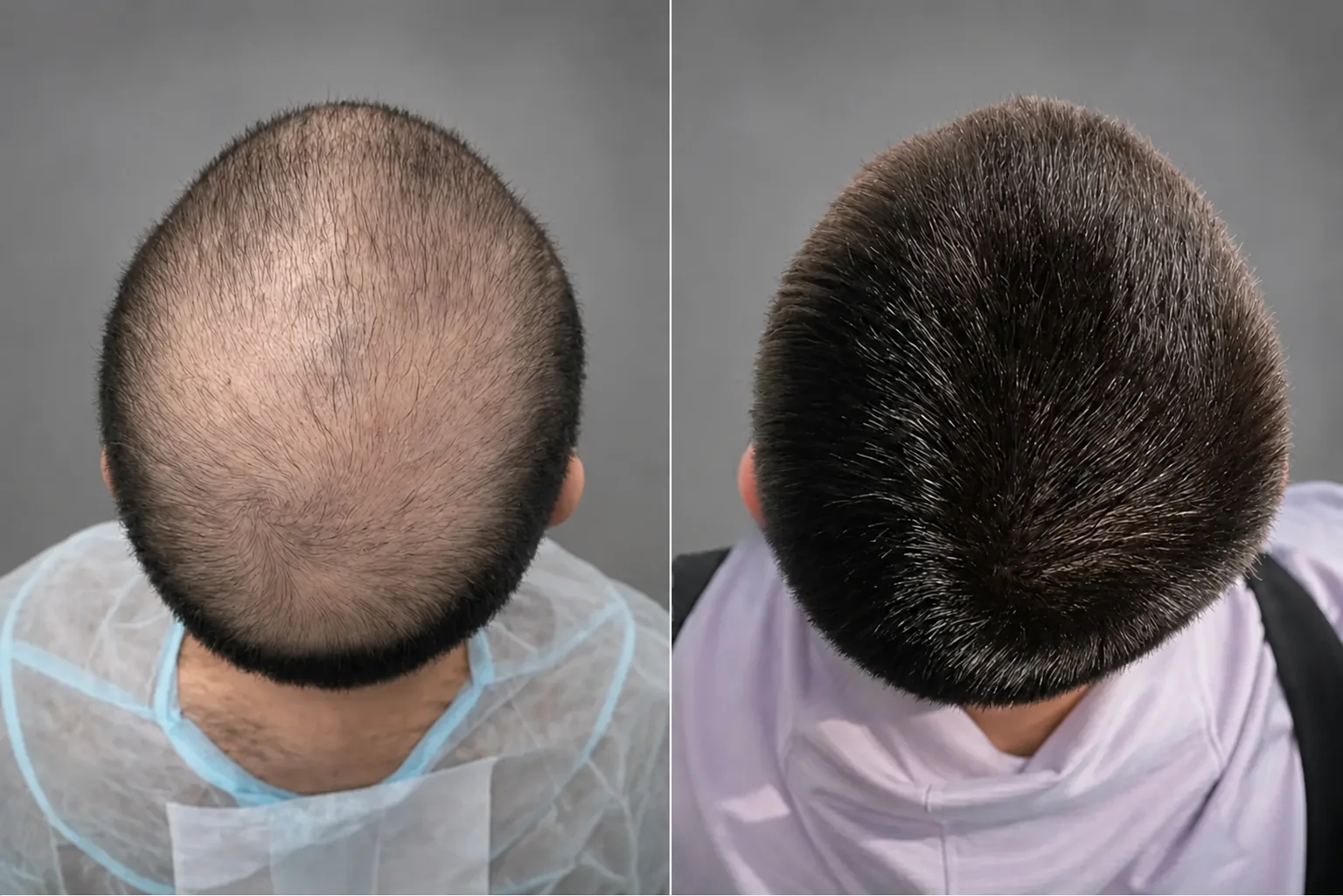
at first
now 12 months on
3,900 grafts
FUE method
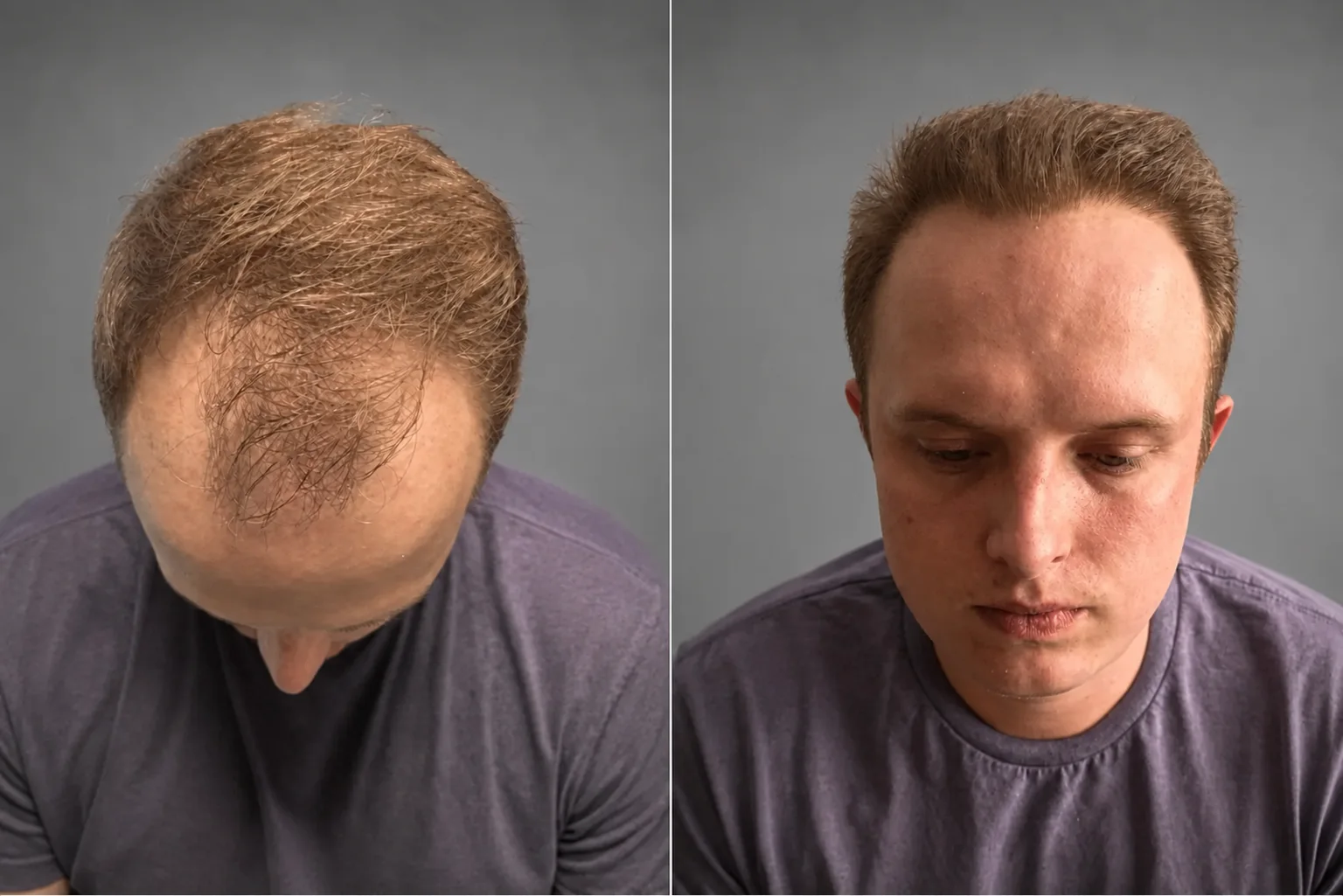
at first
now 12 months on
3,500 grafts
FUE method
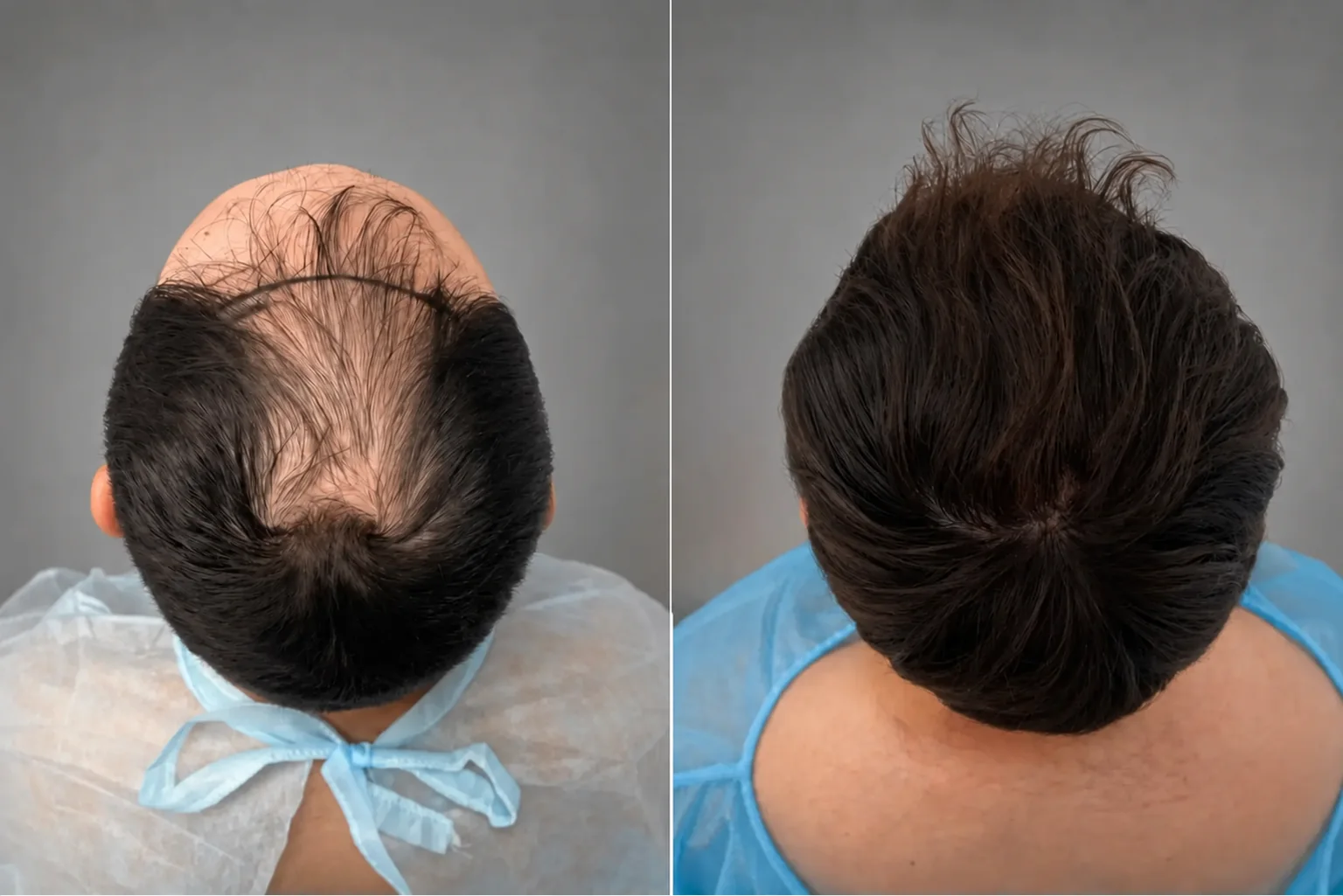
at first
now 12 months on
3,800 grafts
FUE method
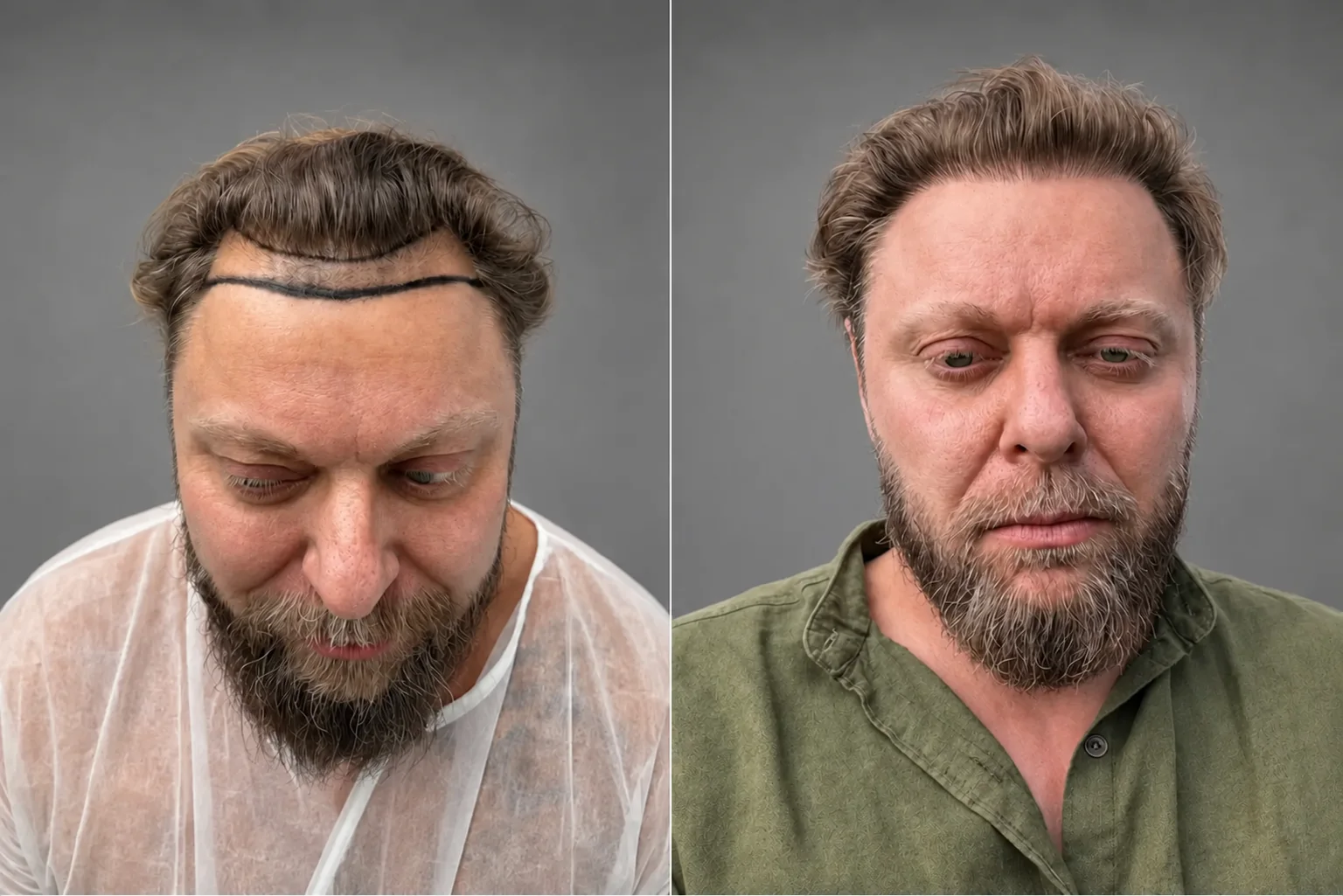
at first
now 12 months on
2,900 grafts
FUE method
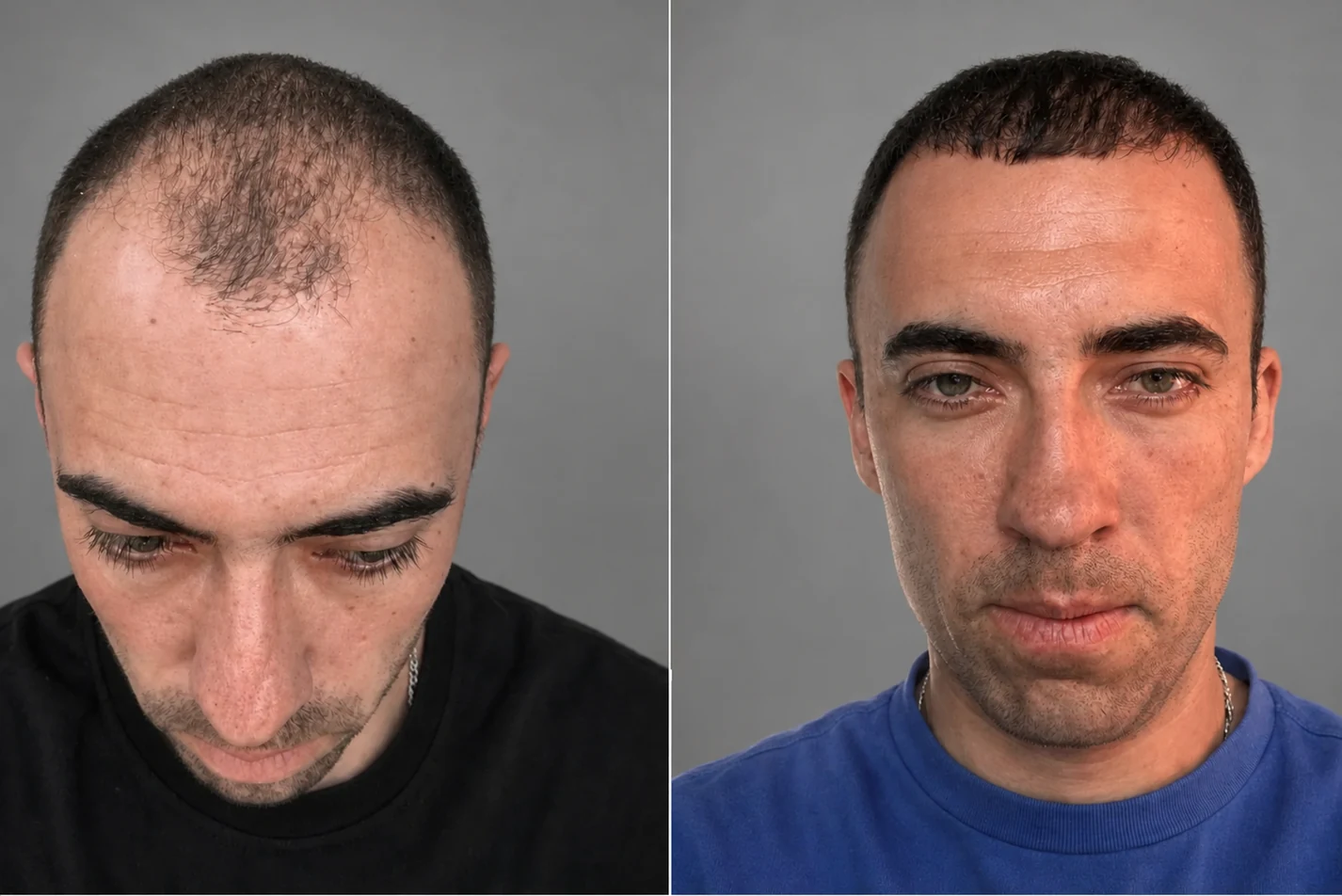
at first
now 12 months on
3,600 grafts
FUE method
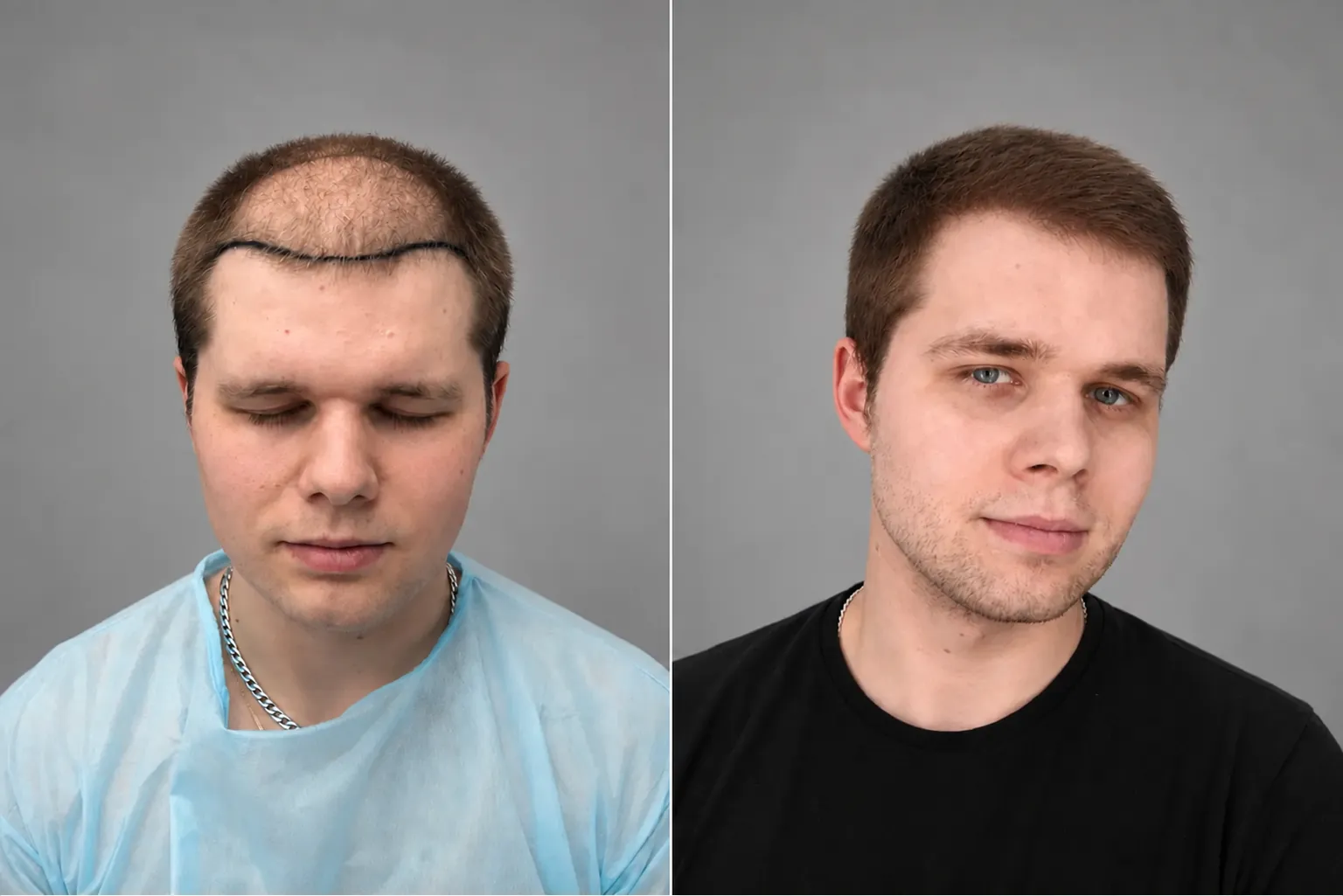
at first
now 12 months on
2,600 grafts
FUE method
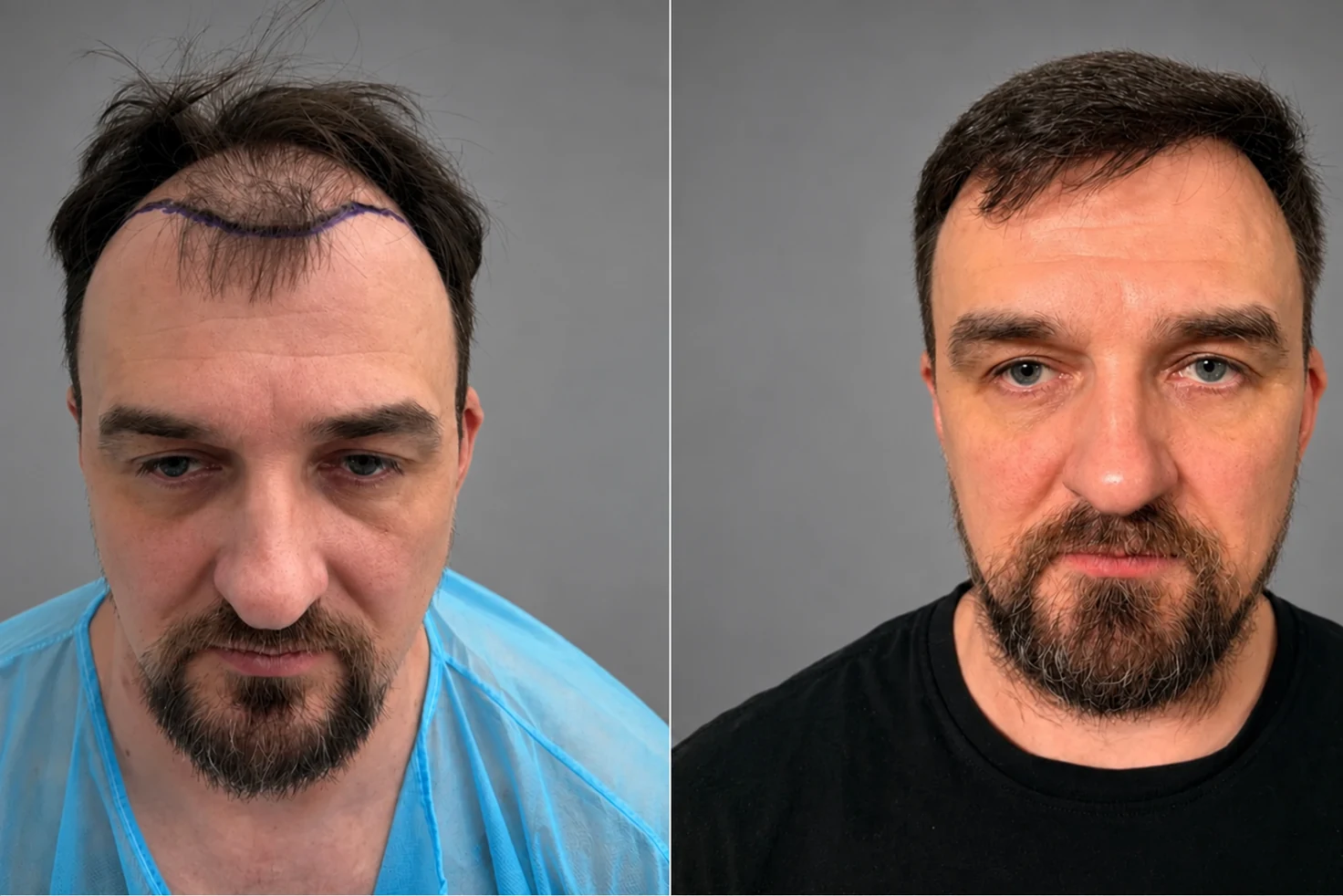
at first
now 12 months on
2,700 grafts
FUE method
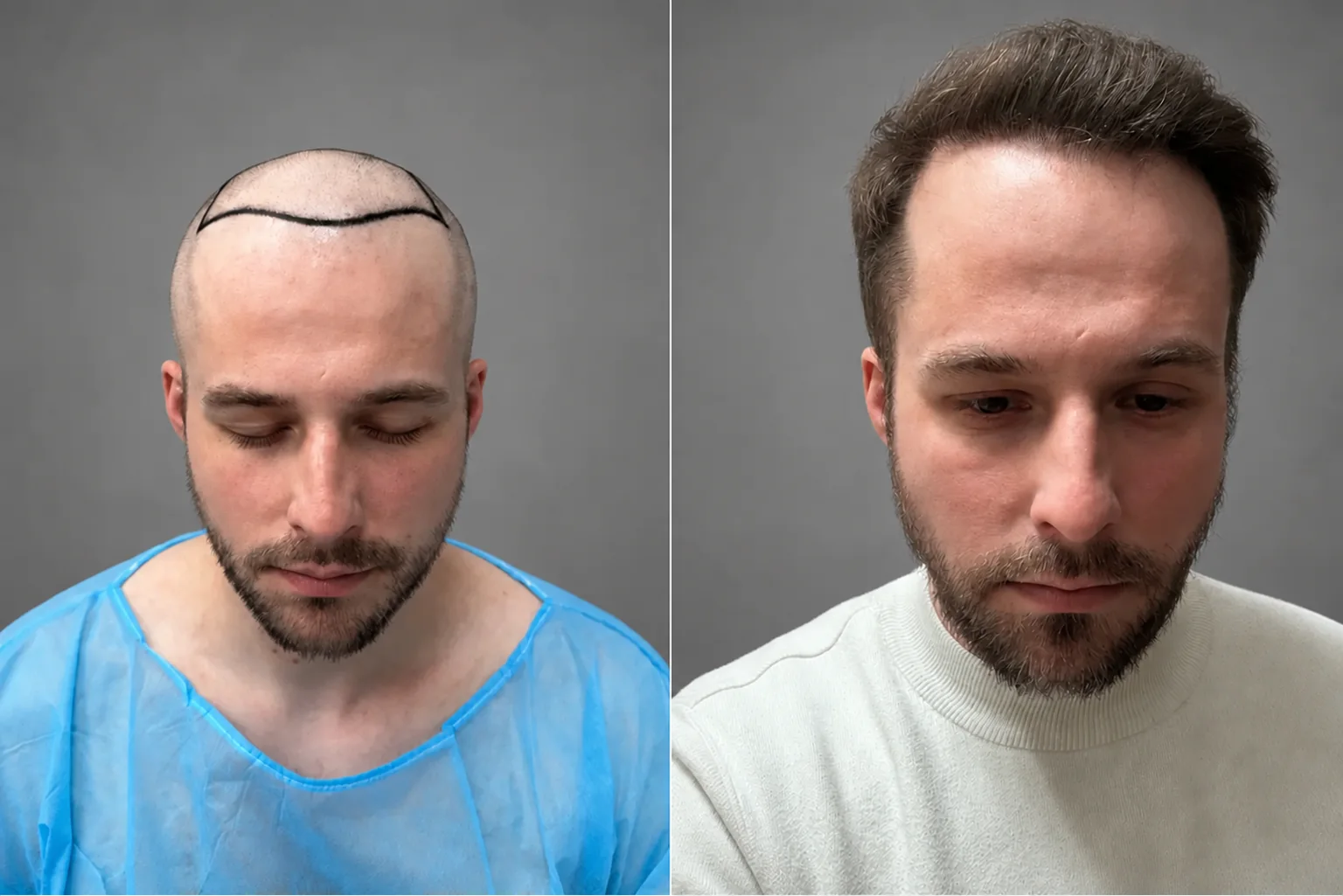
at first
now 12 months on
3,700 grafts
FUE method
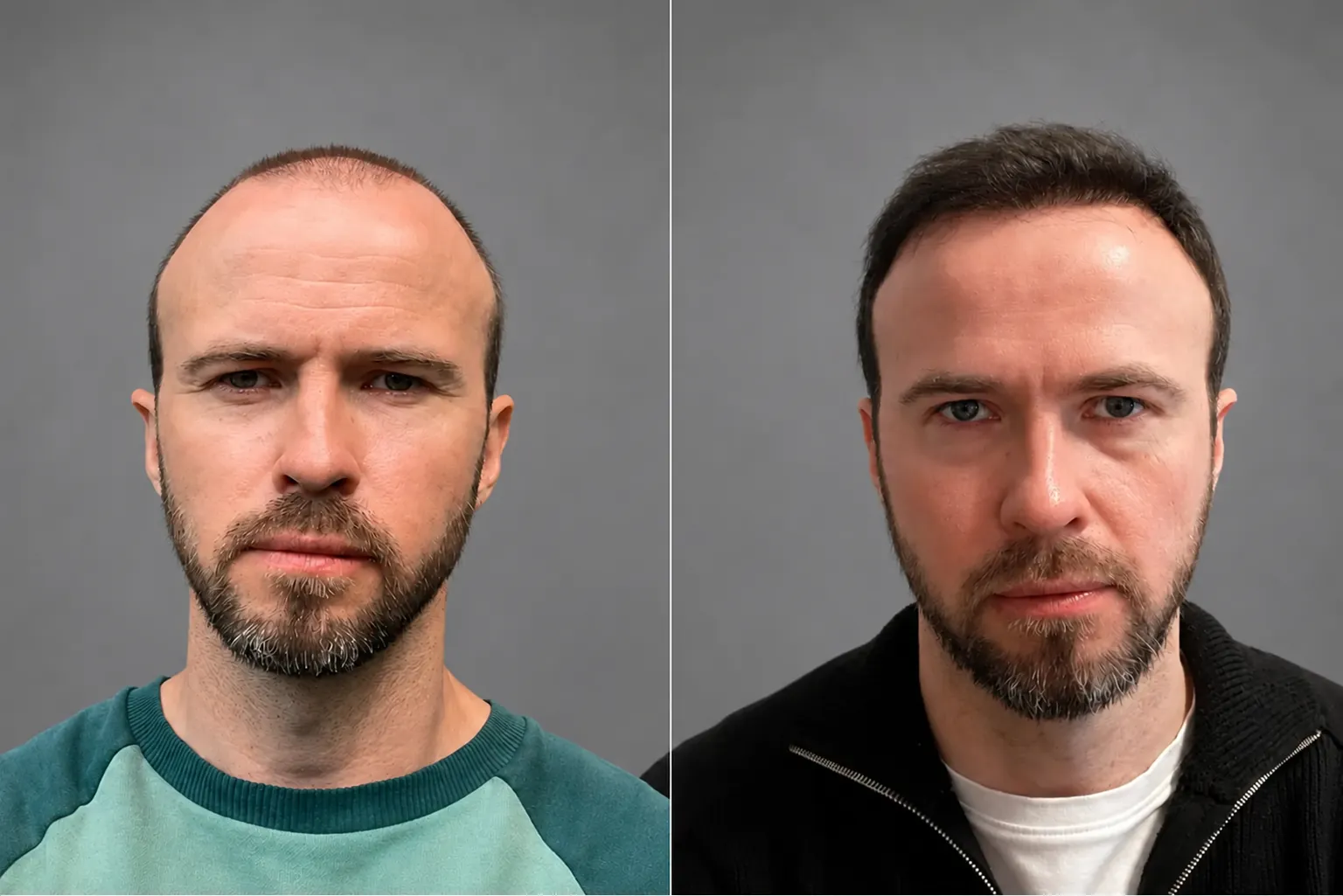
at first
now 12 months on
3,200 grafts
FUE method
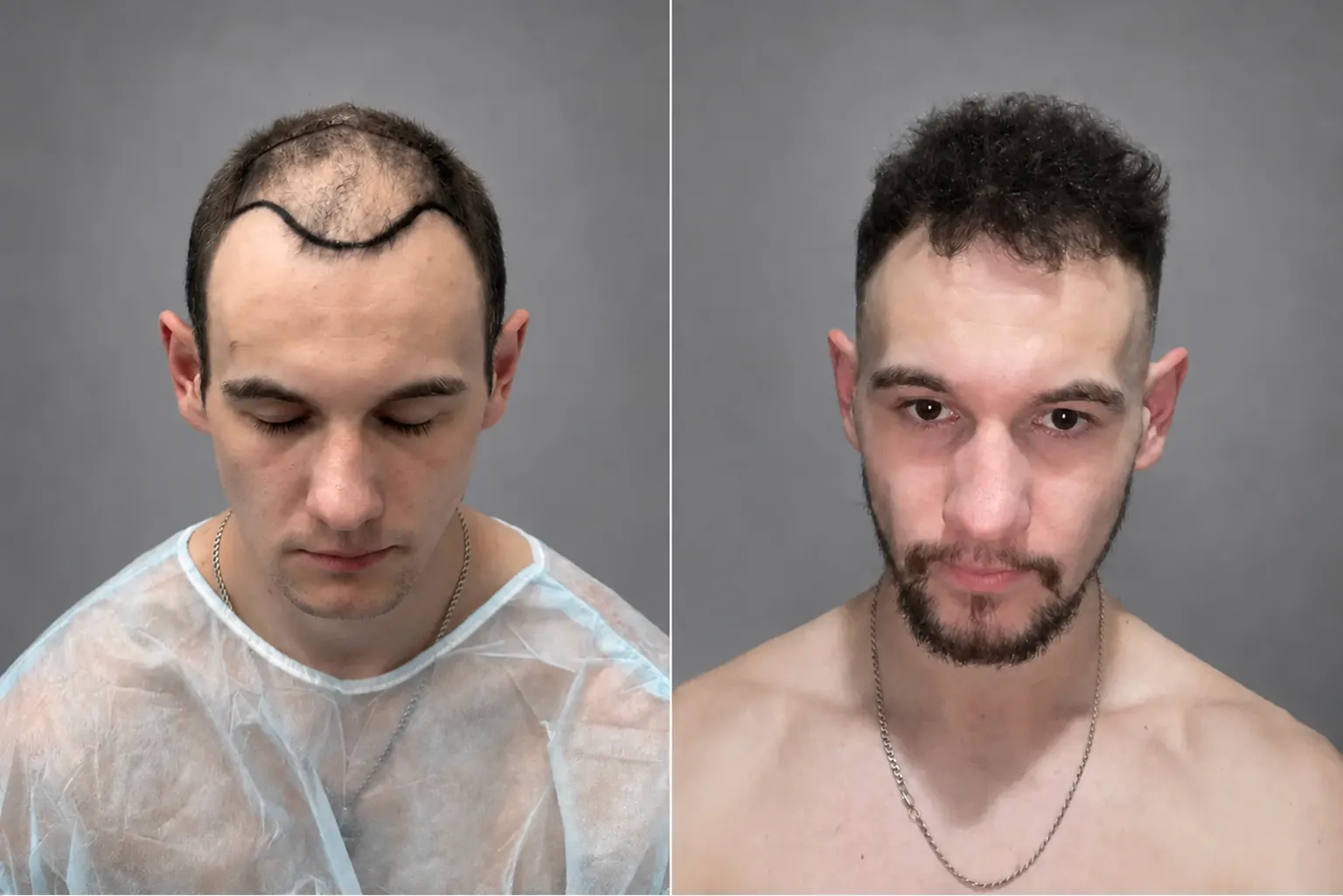
at first
now 12 months on
3,000 grafts
FUE method
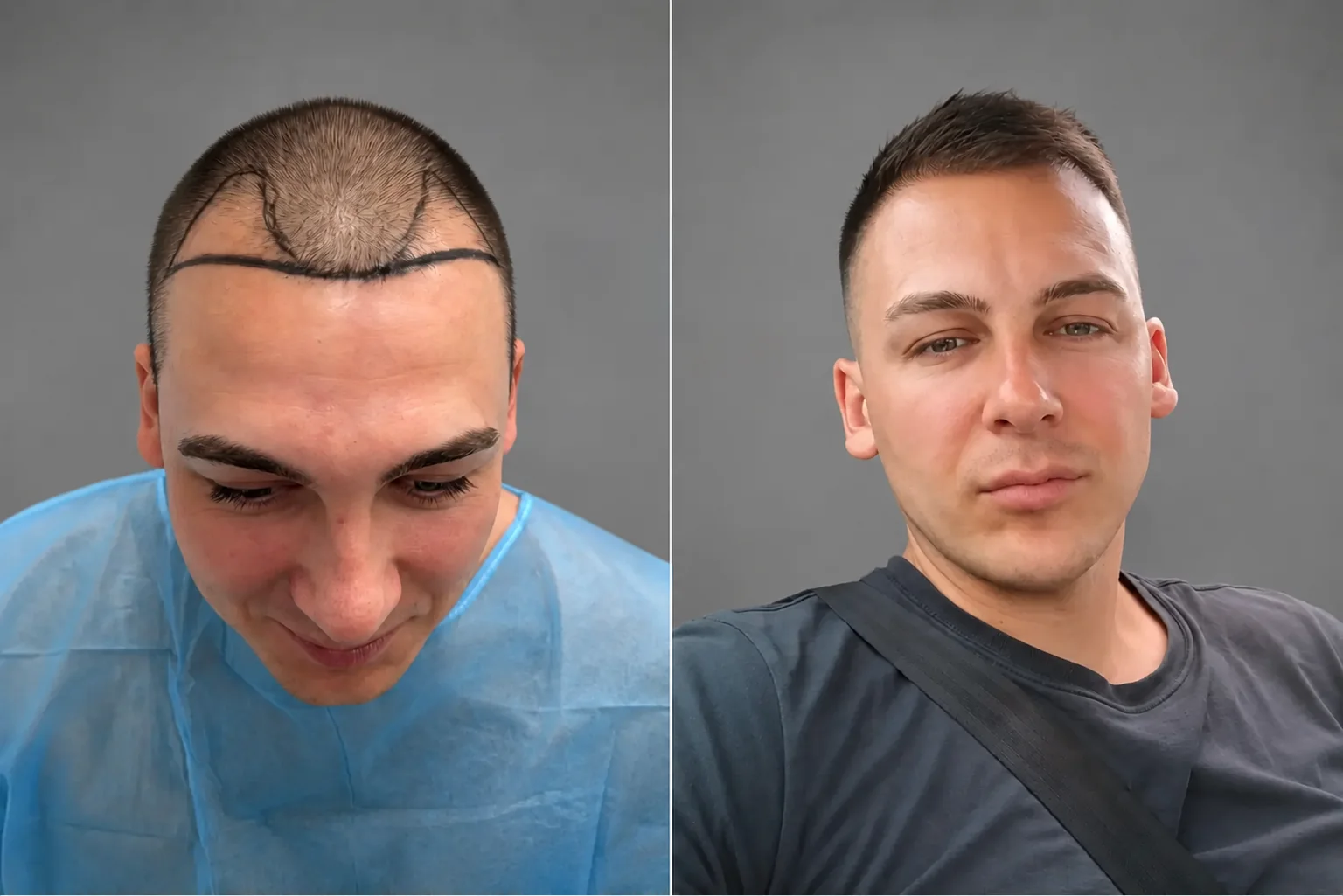
at first
now 12 months on
2,800 grafts
FUE method
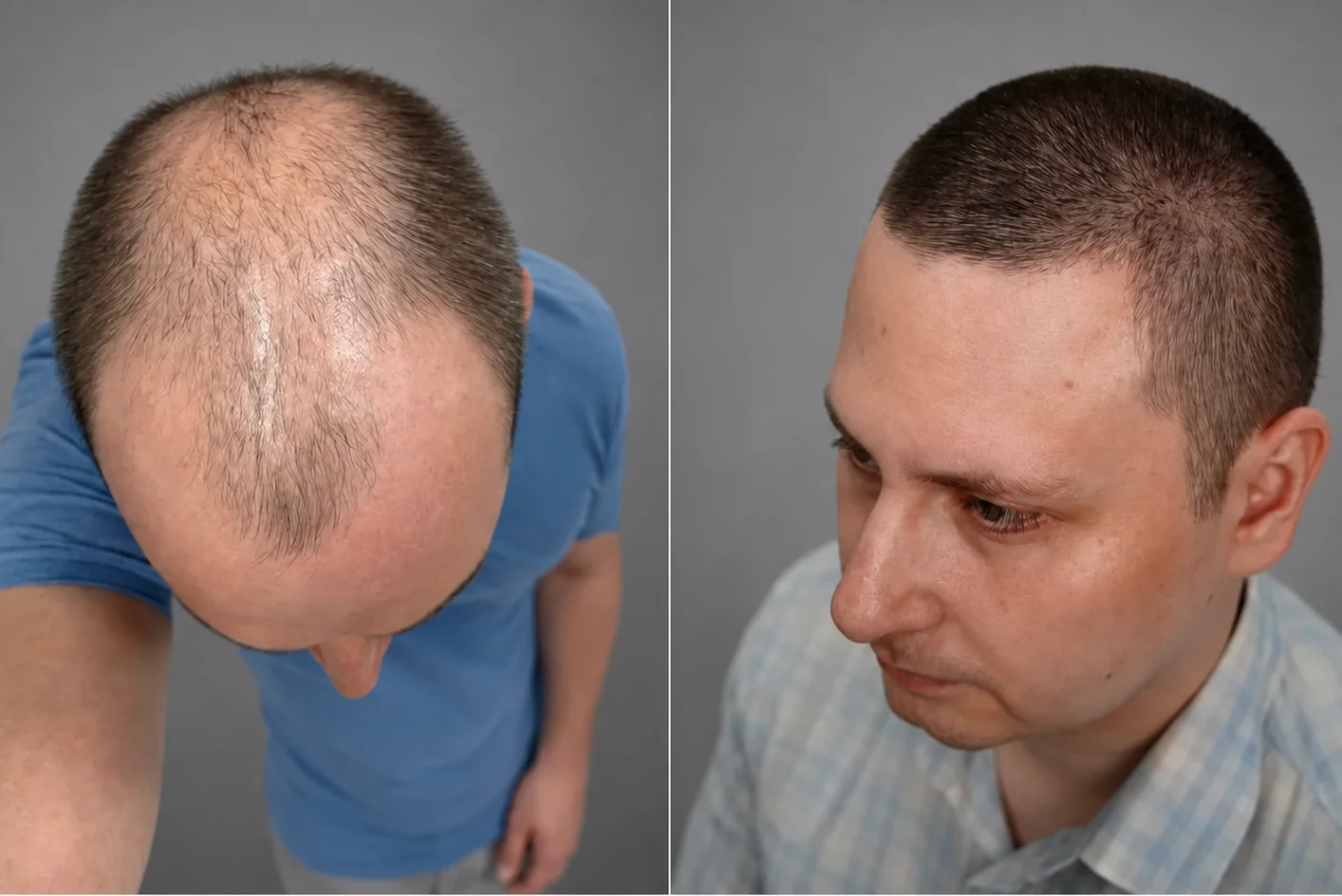
at first
now 12 months on
4,000 grafts
FUE method
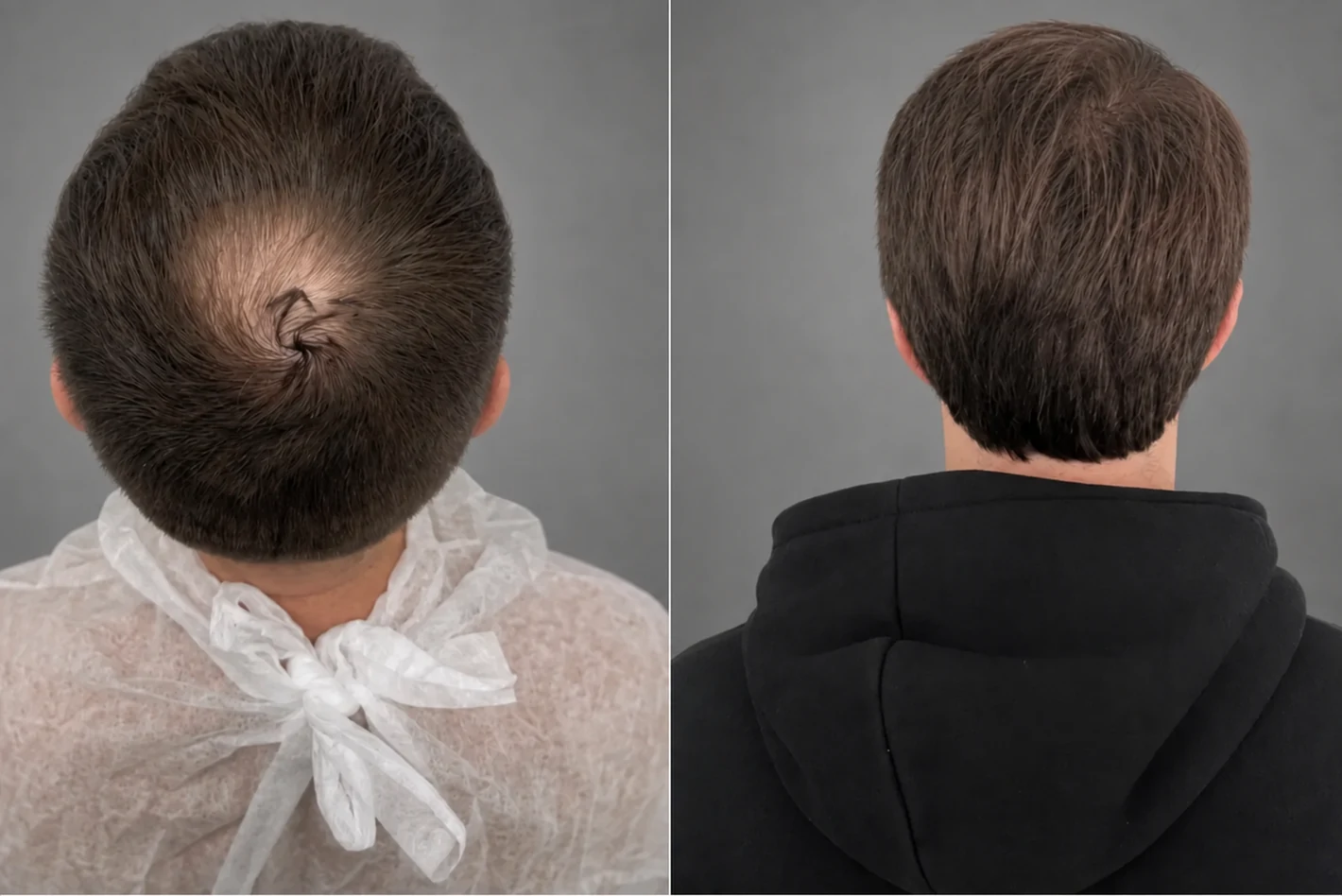
at first
now 12 months on
3,400 grafts
FUE method
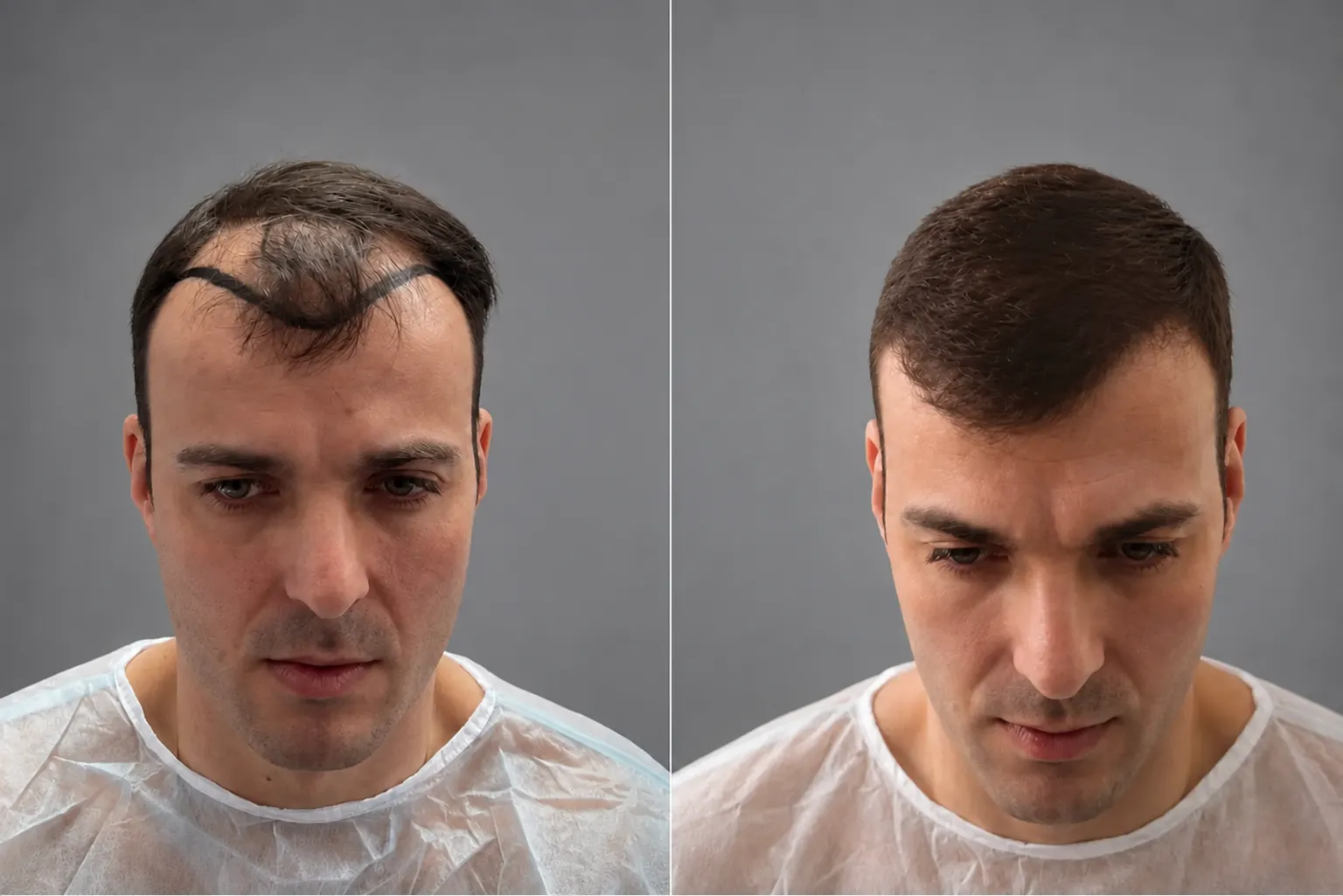
at first
now 12 months on
2,900 grafts
FUE method
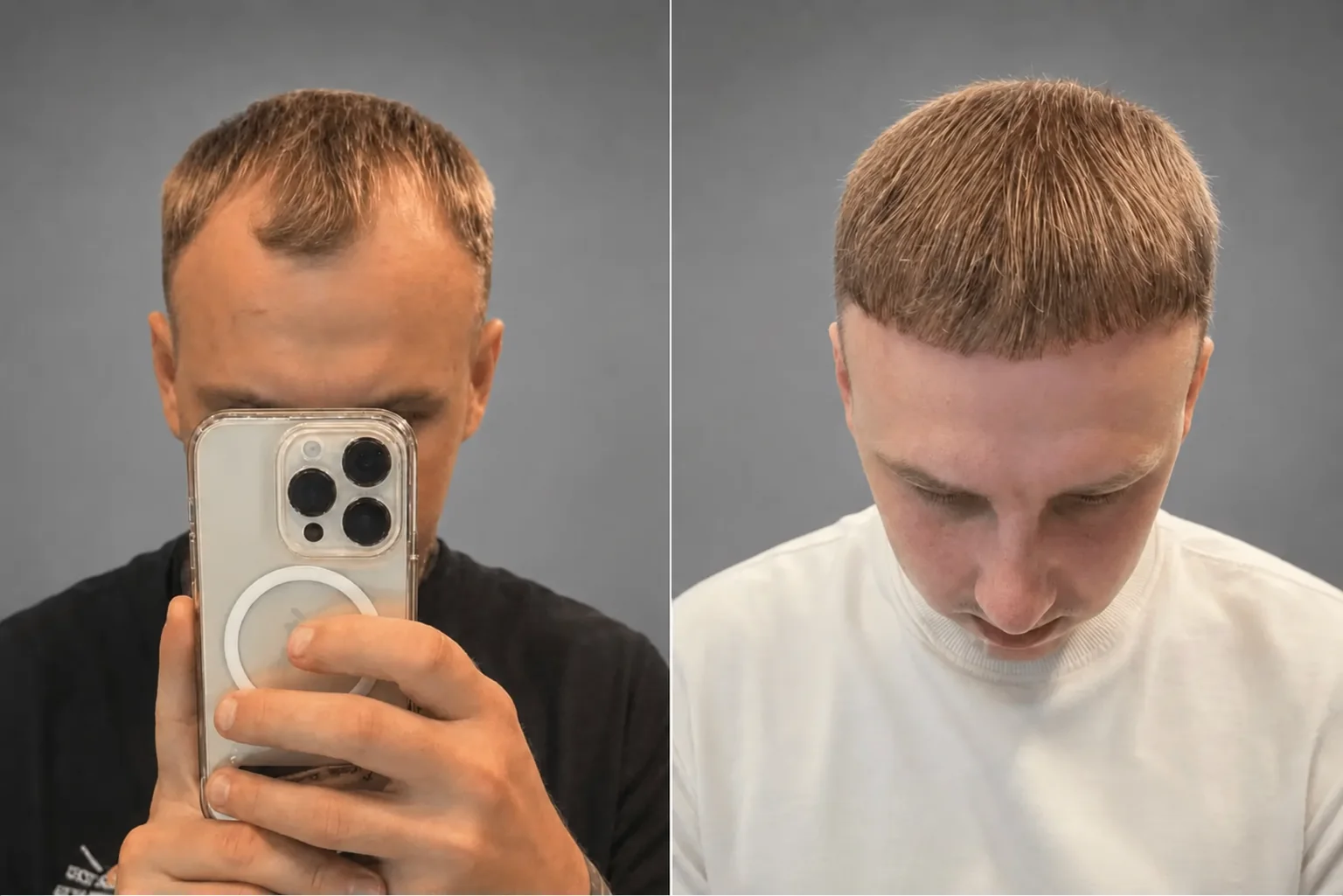
at first
now 12 months on
3,100 grafts
FUE method
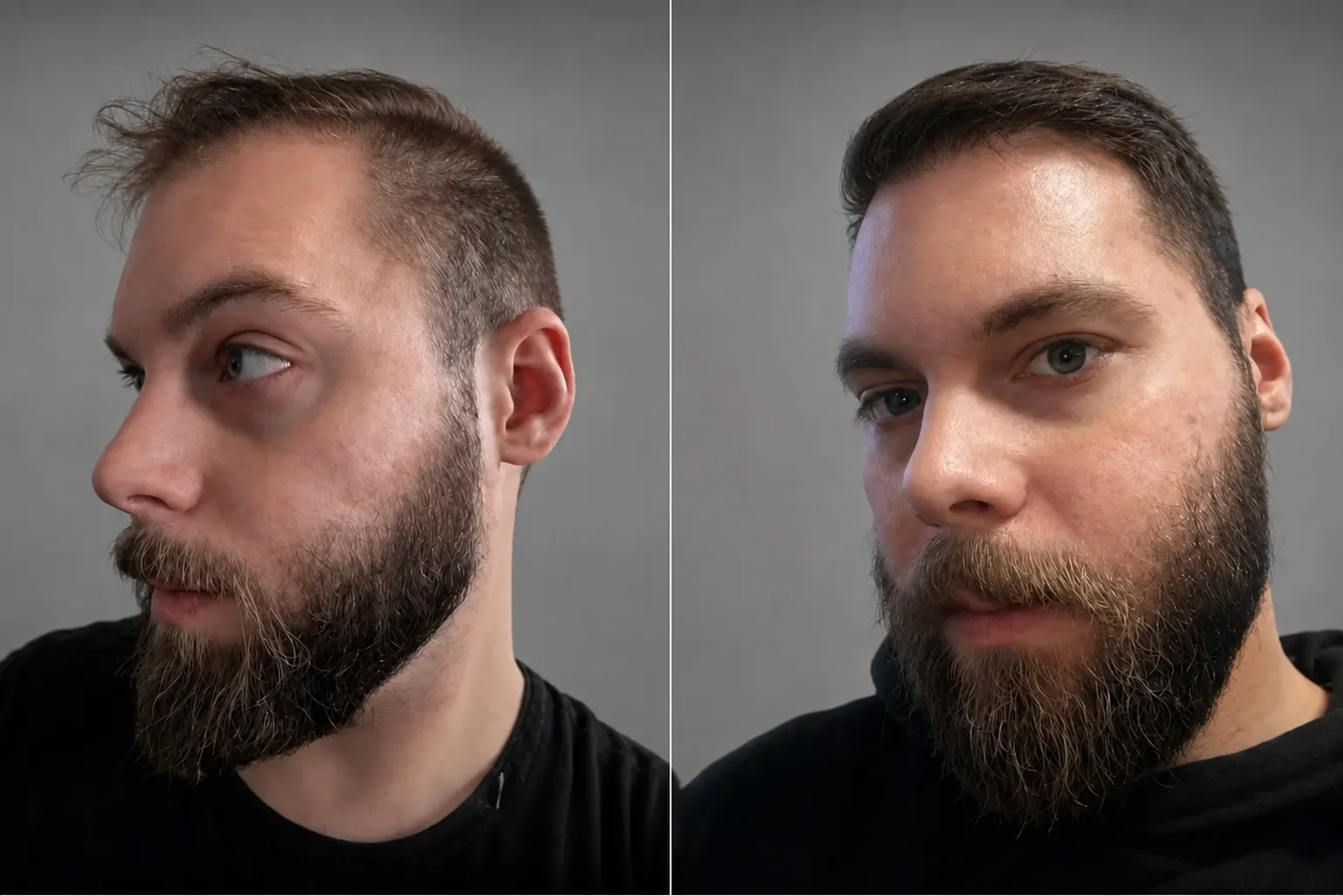
at first
now 12 months on
2,600 grafts
FUE method
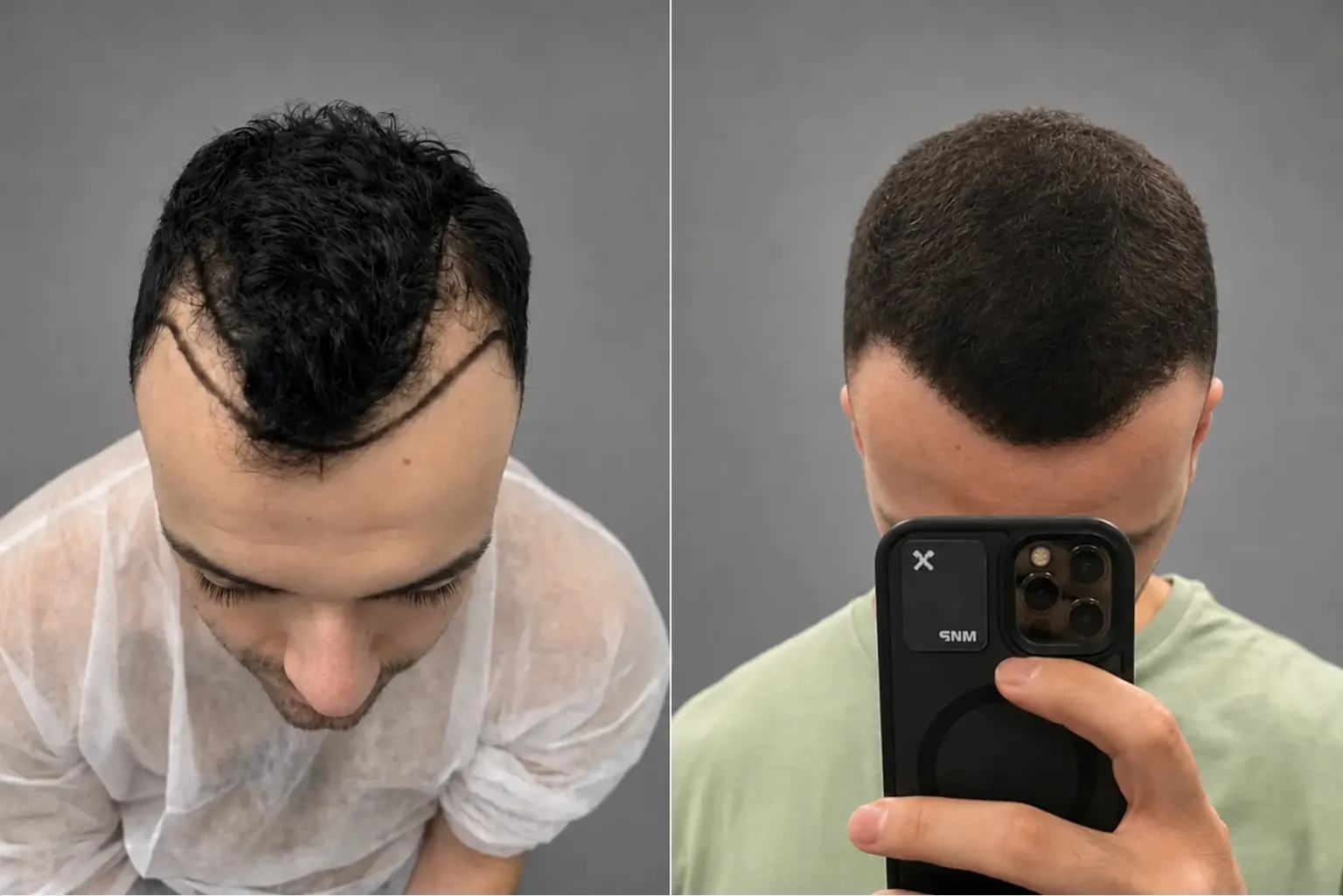
at first
now 12 months on
3,300 grafts
FUE method
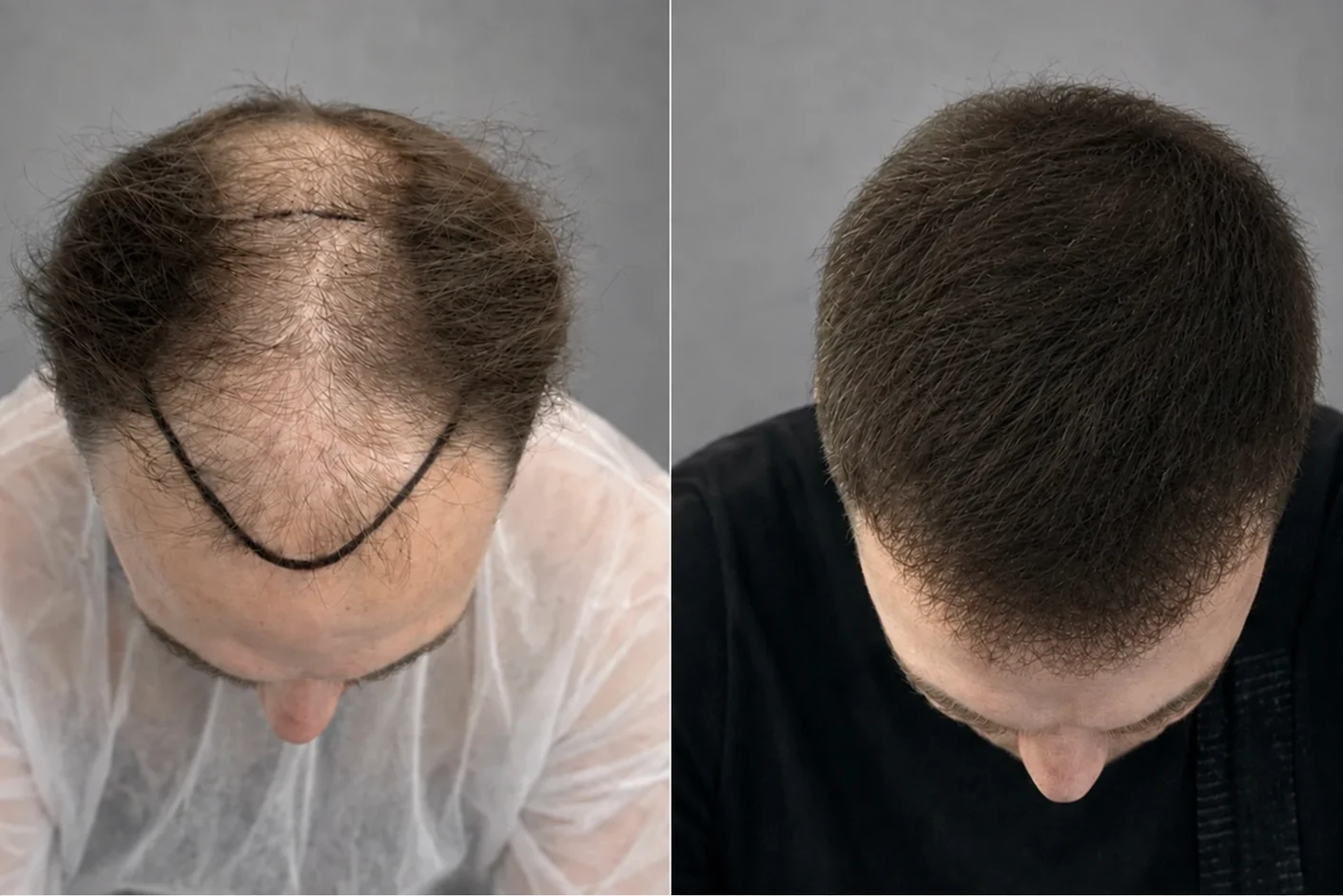
at first
now 12 months on
3,900 grafts
FUE method
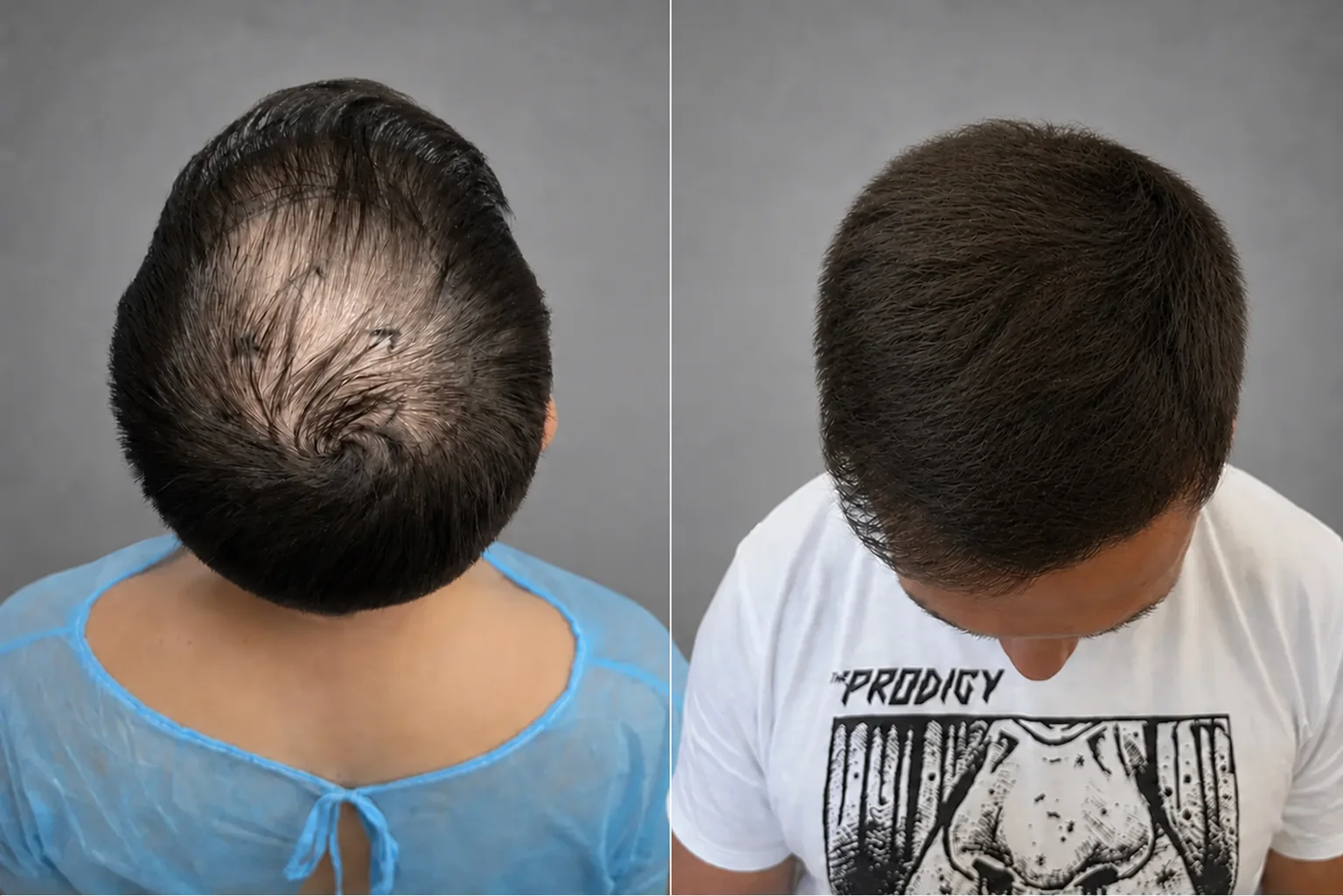
at first
now 12 months on
3,500 grafts
FUE method
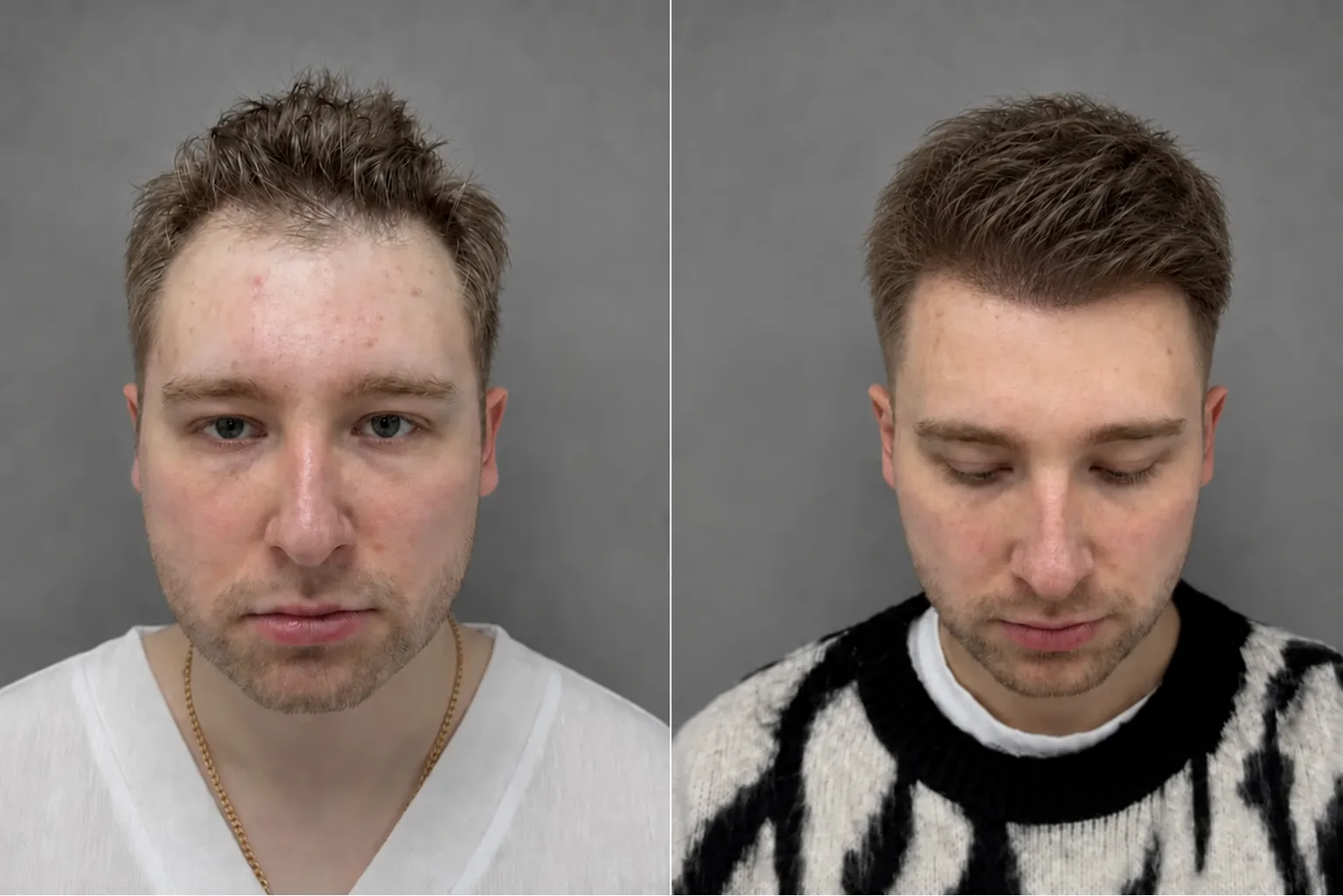
at first
now 12 months on
2,700 grafts
FUE method
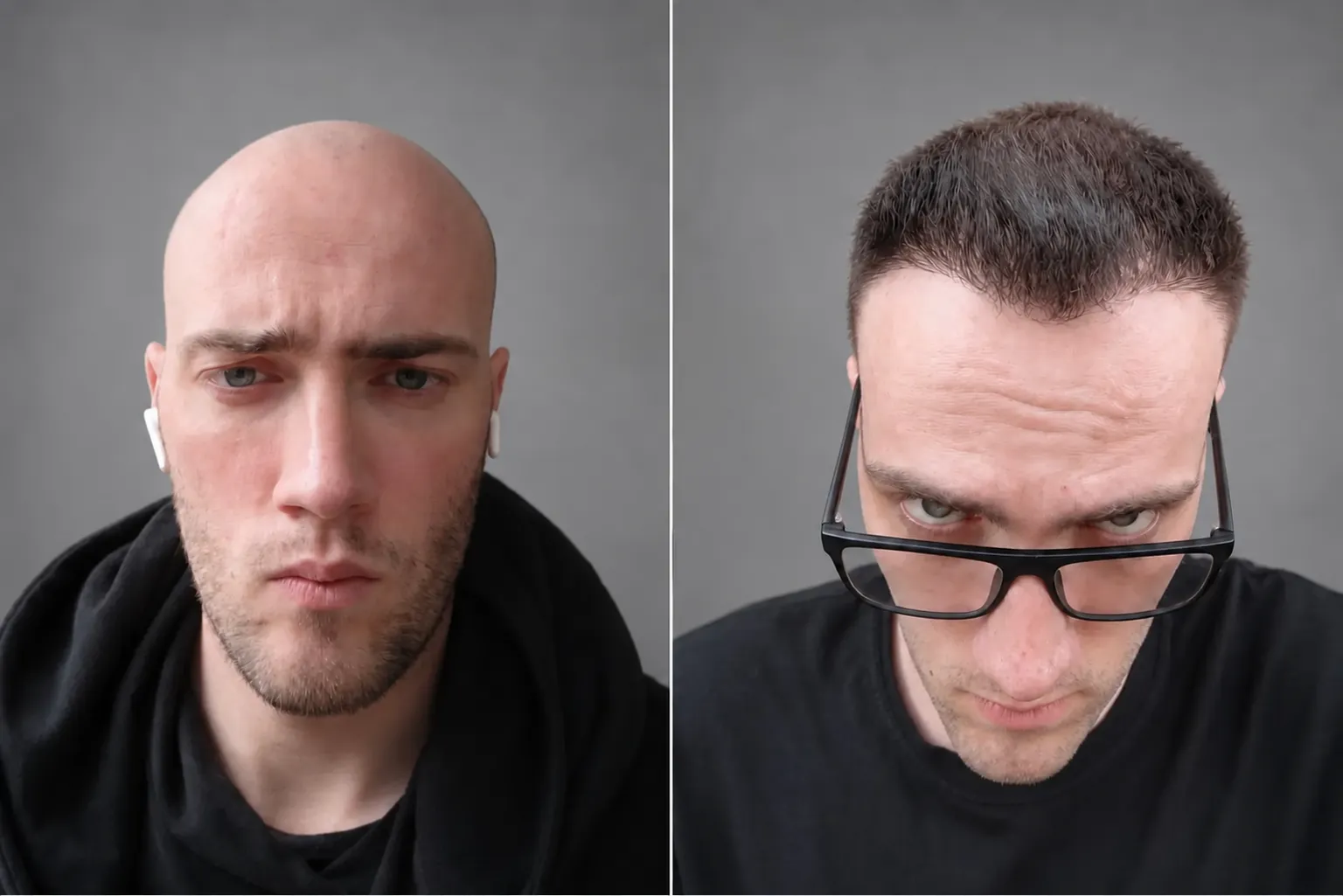
at first
now 12 months on
3,800 grafts
FUE method
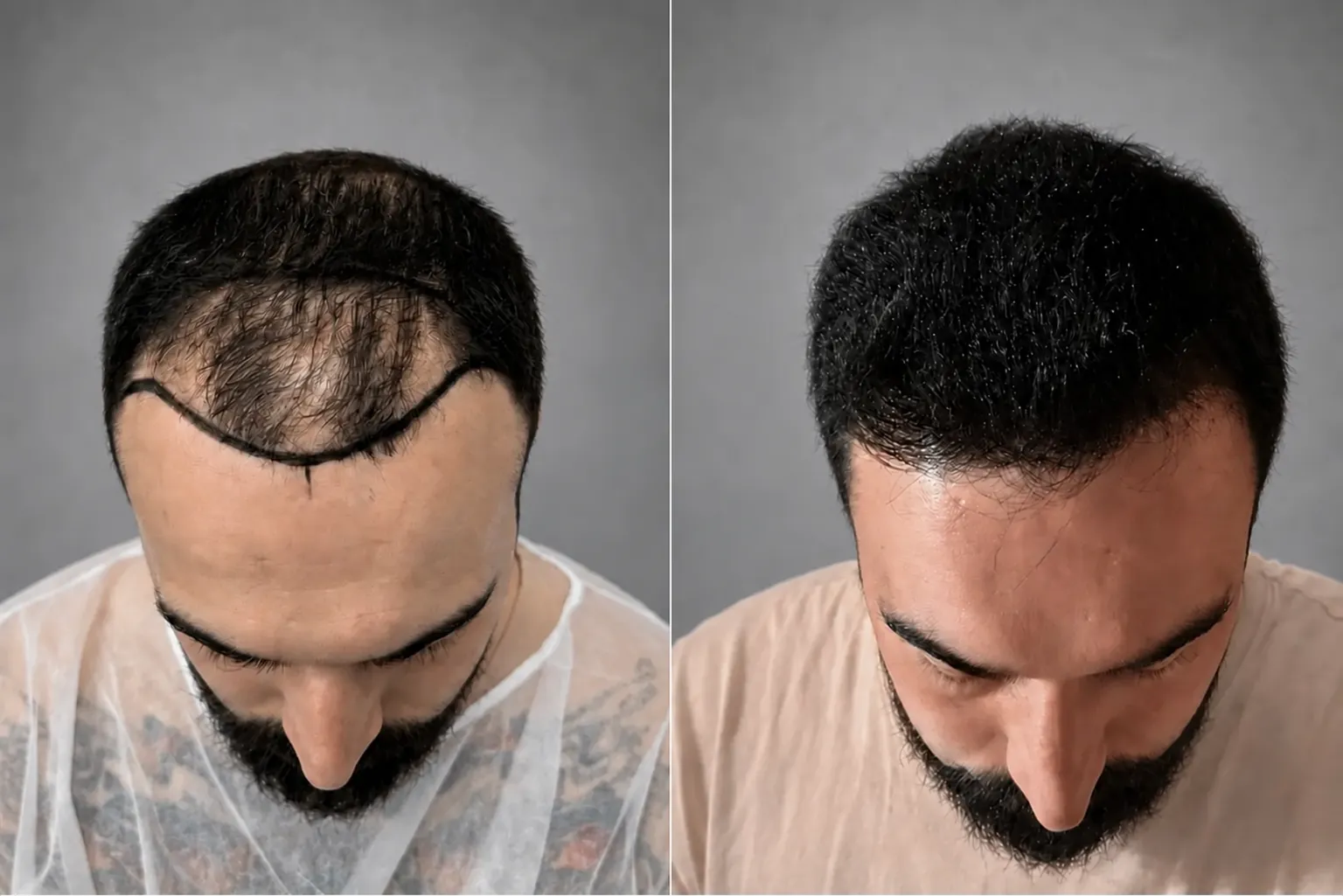
at first
now 12 months on
3,200 grafts
FUE method
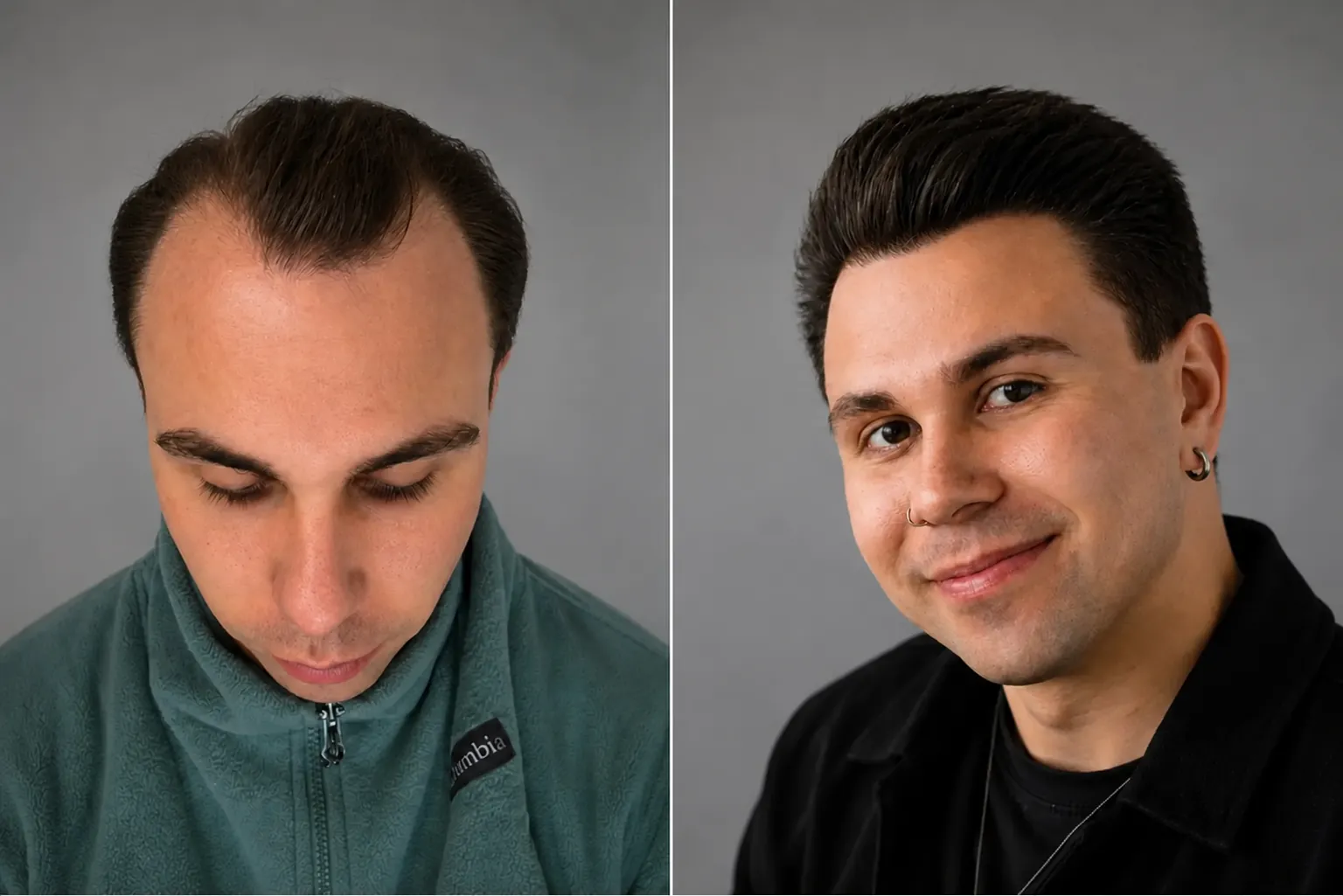
at first
now 12 months on
3,000 grafts
FUE method
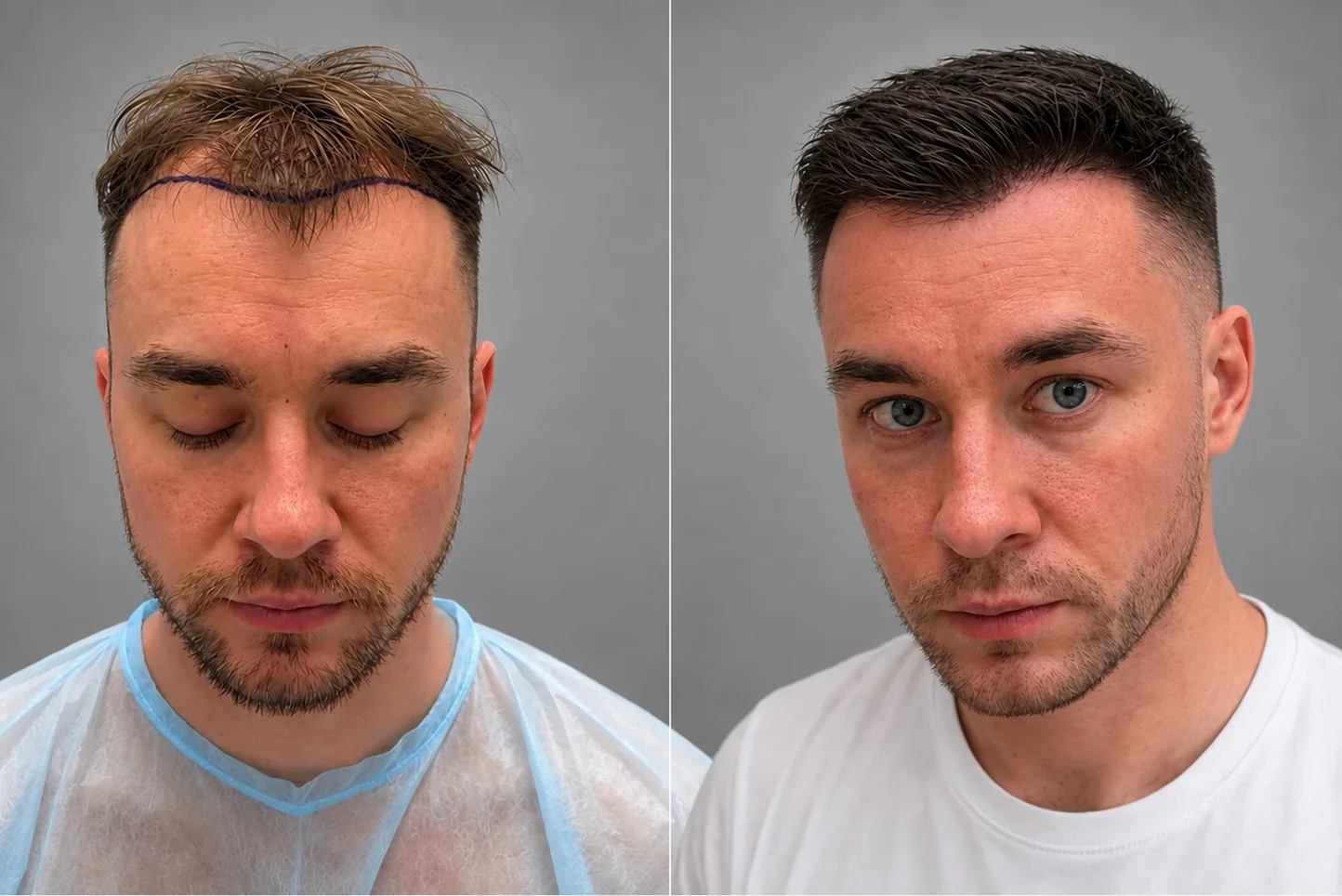
at first
now 12 months on
2,800 grafts
FUE method
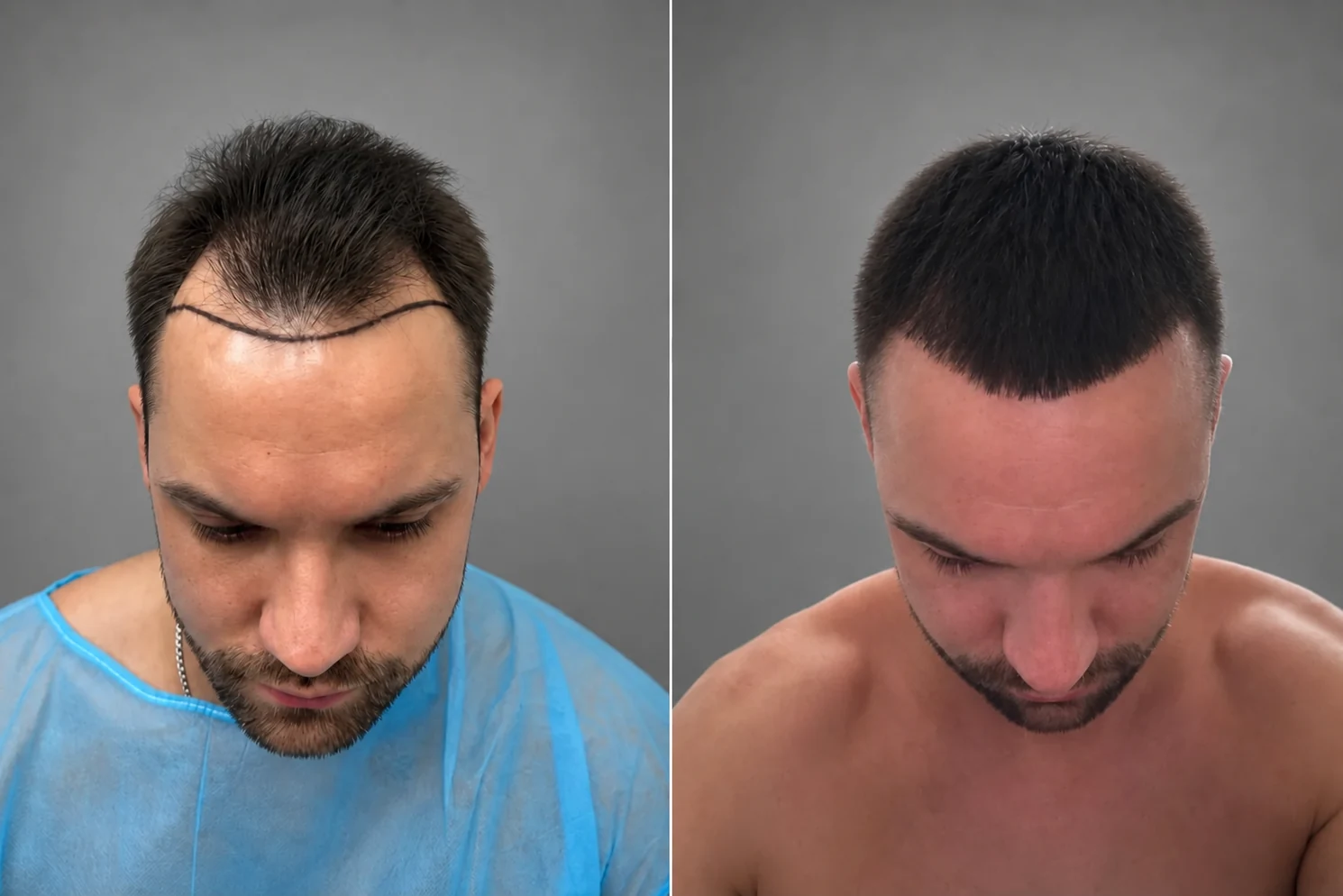
at first
now 12 months on
3,100 grafts
FUE method
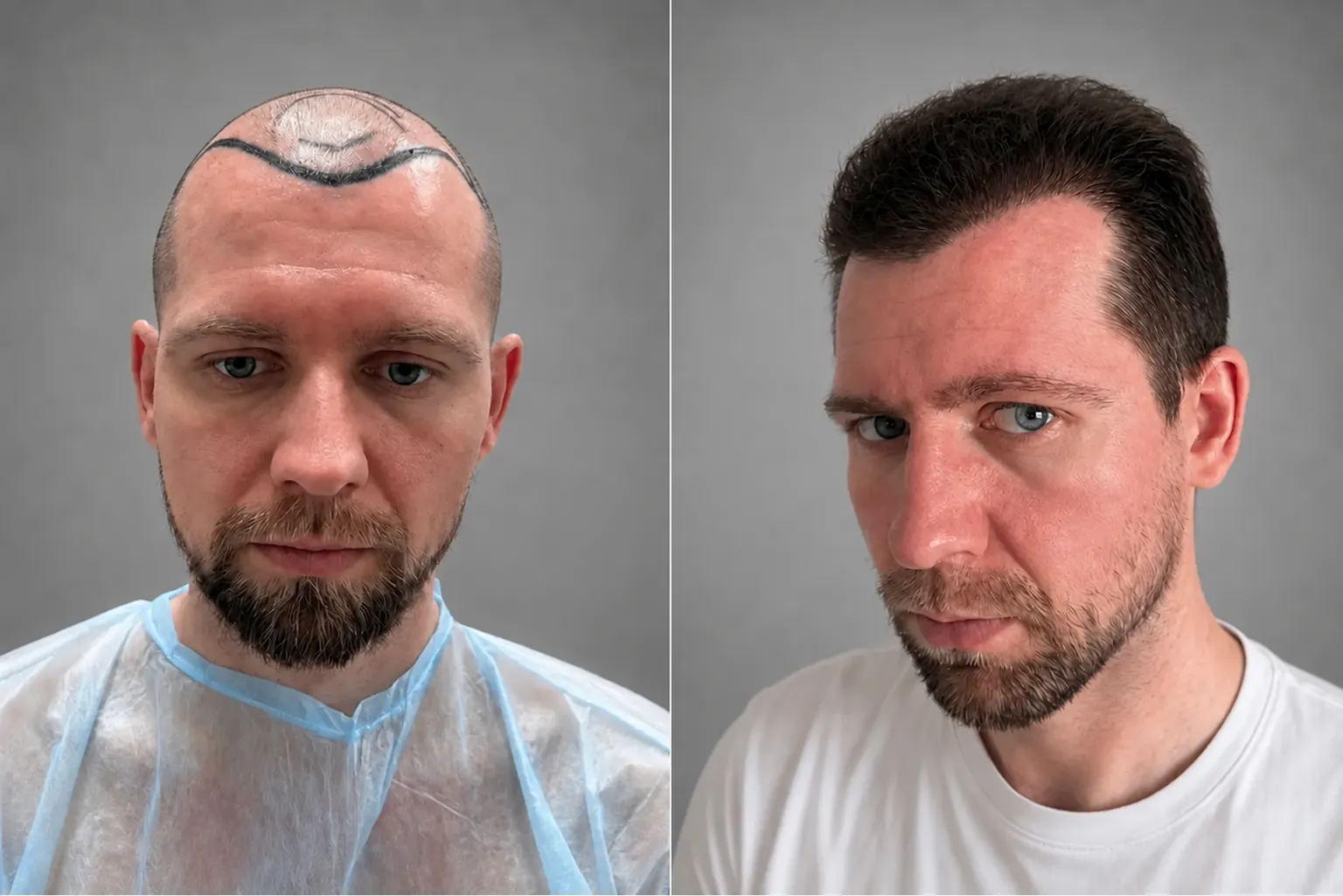
at first
now 12 months on
3,600 grafts
FUE method
Comparison
Three ways of transferring grafts are used here: classic FUE, suture-free DHI and a combined protocol. Weigh the implantation technique, tissue trauma and graft survival before you settle on one.
Classic method requiring no cuts or sutures
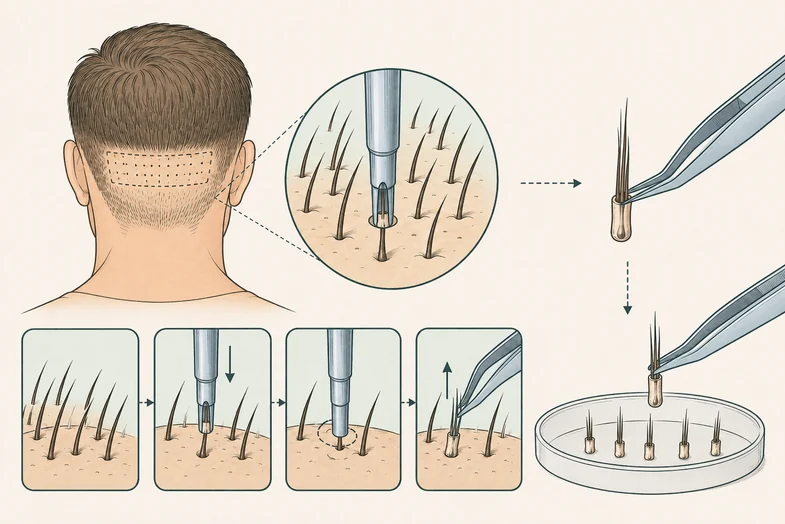
$2,200
$2,700
Graft implantation technique
ForcepsGraft trauma
MinimalThe natural growth angle
NaturalGraft survival
98–100%Suitable for
Androgenetic alopeciaImplantation with a Choi pen, no sutures
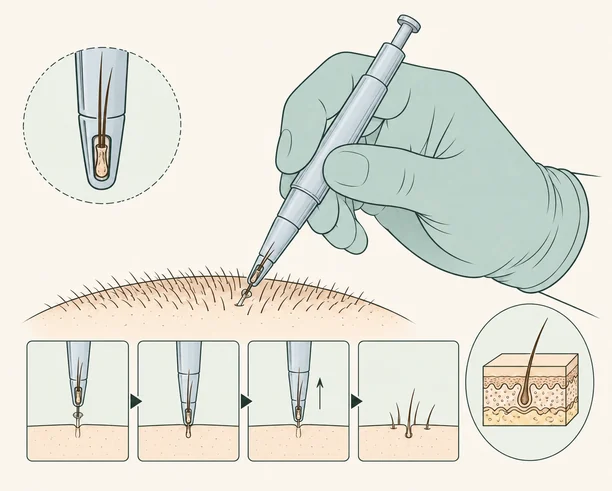
$2,500
$2,900
Graft implantation technique
DHI pen (Choi implanter)Graft trauma
MinimalThe natural growth angle
NaturalGraft survival
98–100%Suitable for
DensificationExtraction by FUE, DHI implant
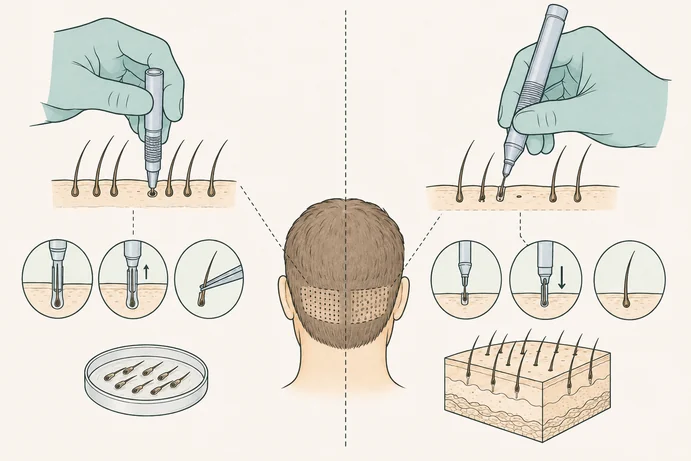
$2,700
$2,900
Graft implantation technique
FUE extraction with DHI implantGraft trauma
MinimalThe natural growth angle
NaturalGraft survival
98–100%Suitable for
Androgenetic alopecia and densificationSurvival and trauma figures are averaged for each method and given as a guide: the exact numbers depend on the transplant area and the patient's individual features, and the doctor clarifies them at the consultation.
Get expert advice
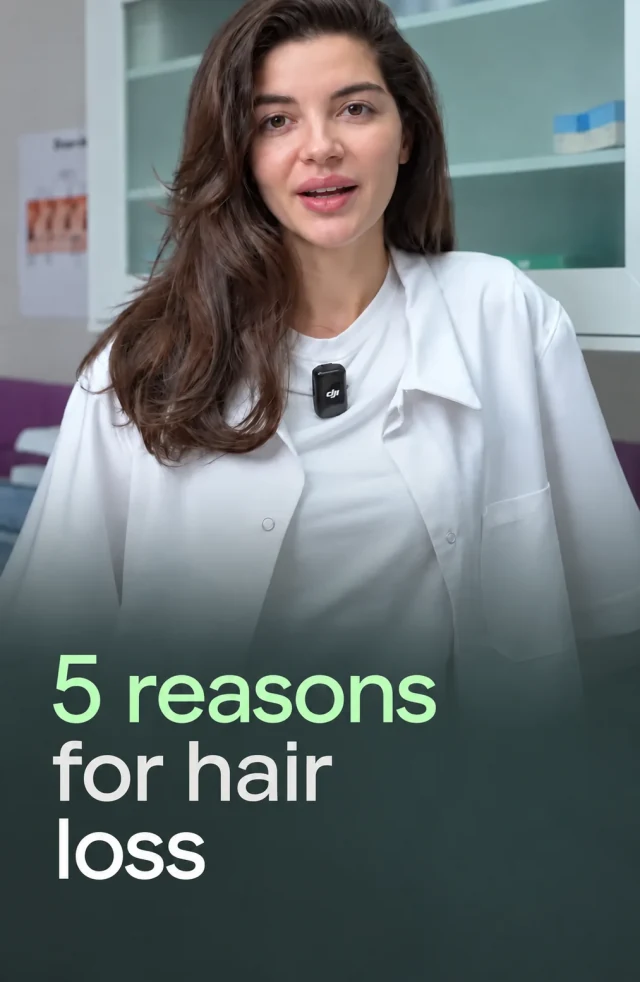
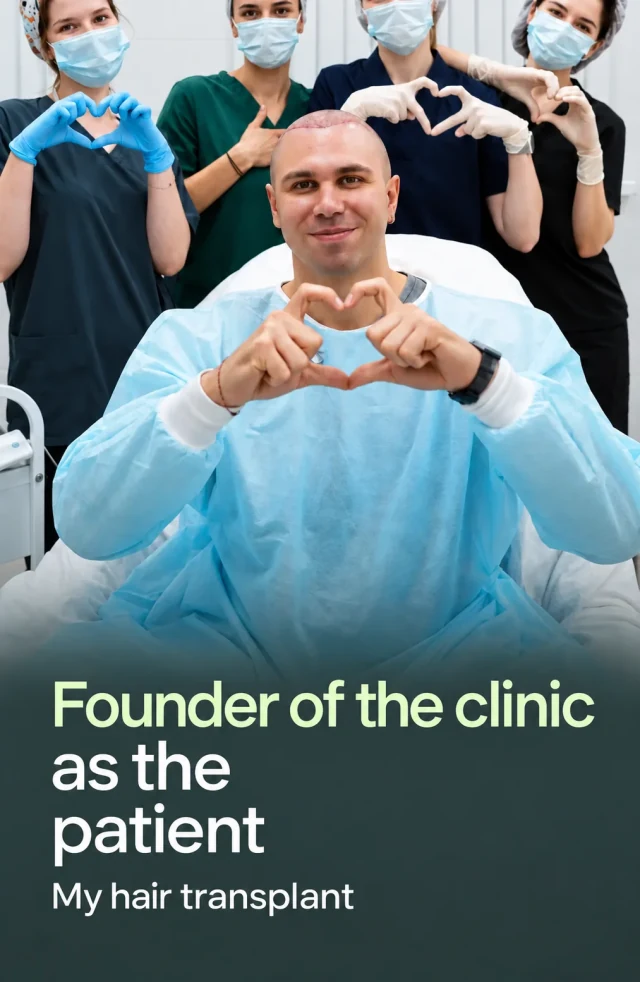
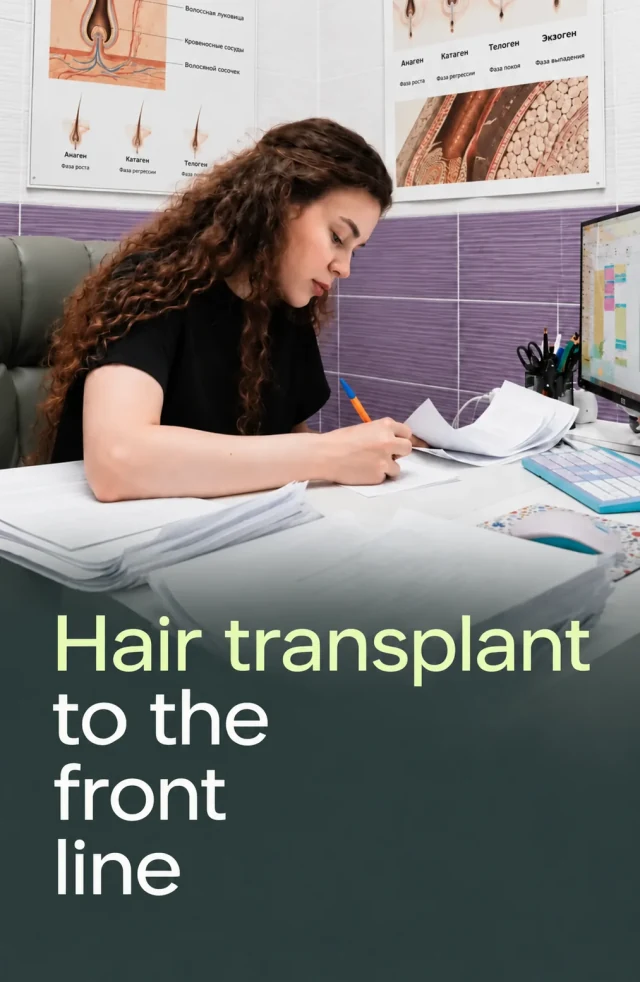
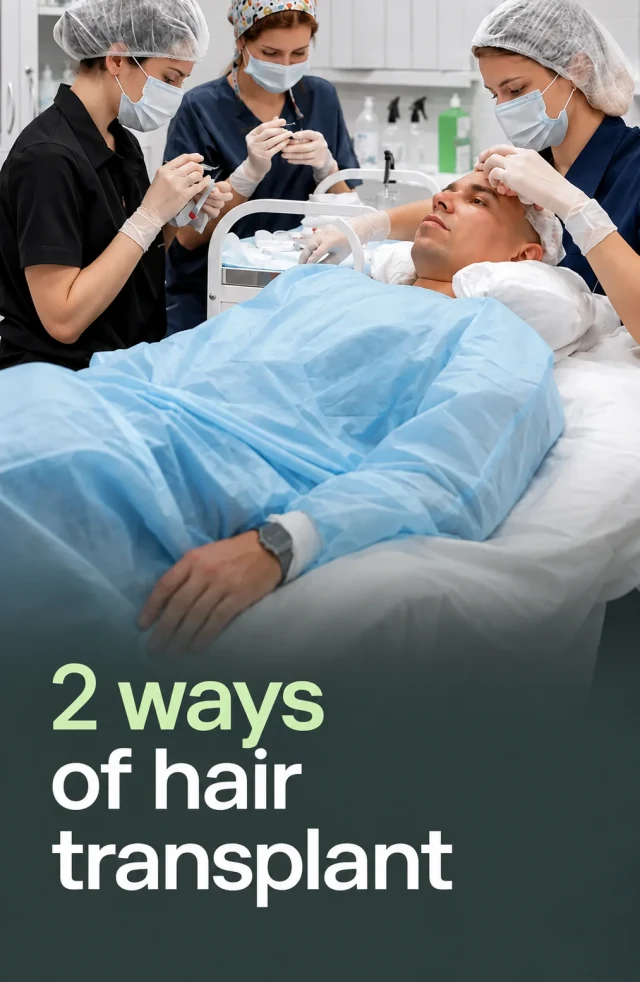




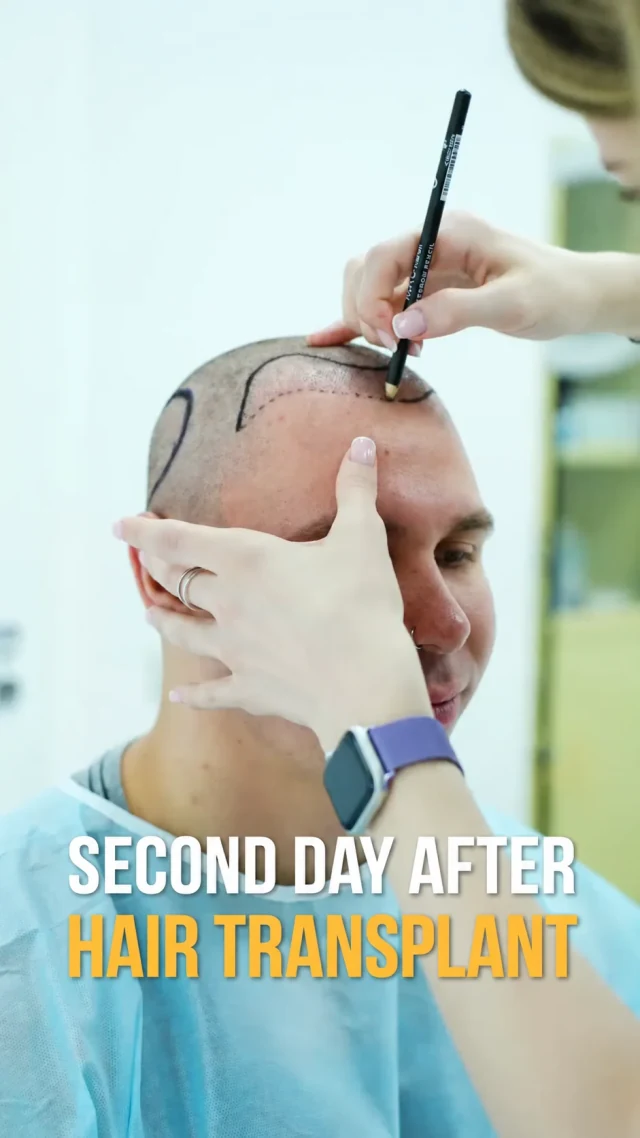




about the clinic
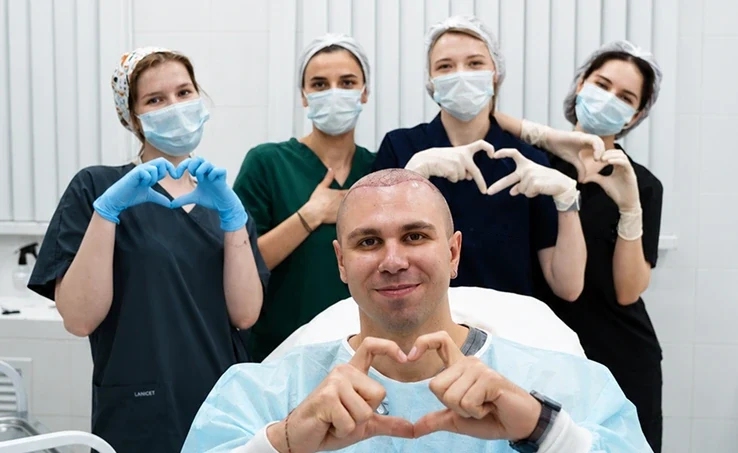
The rooms are comfortable, the equipment current, the care attentive
We will deal with your questions and pick a convenient time to consult you
Message us on Telegram Ask us a questionCases that can be solved without surgery are named by the doctor right at the consultation — so you will not waste your money. Below are the conditions in which a transplant works.
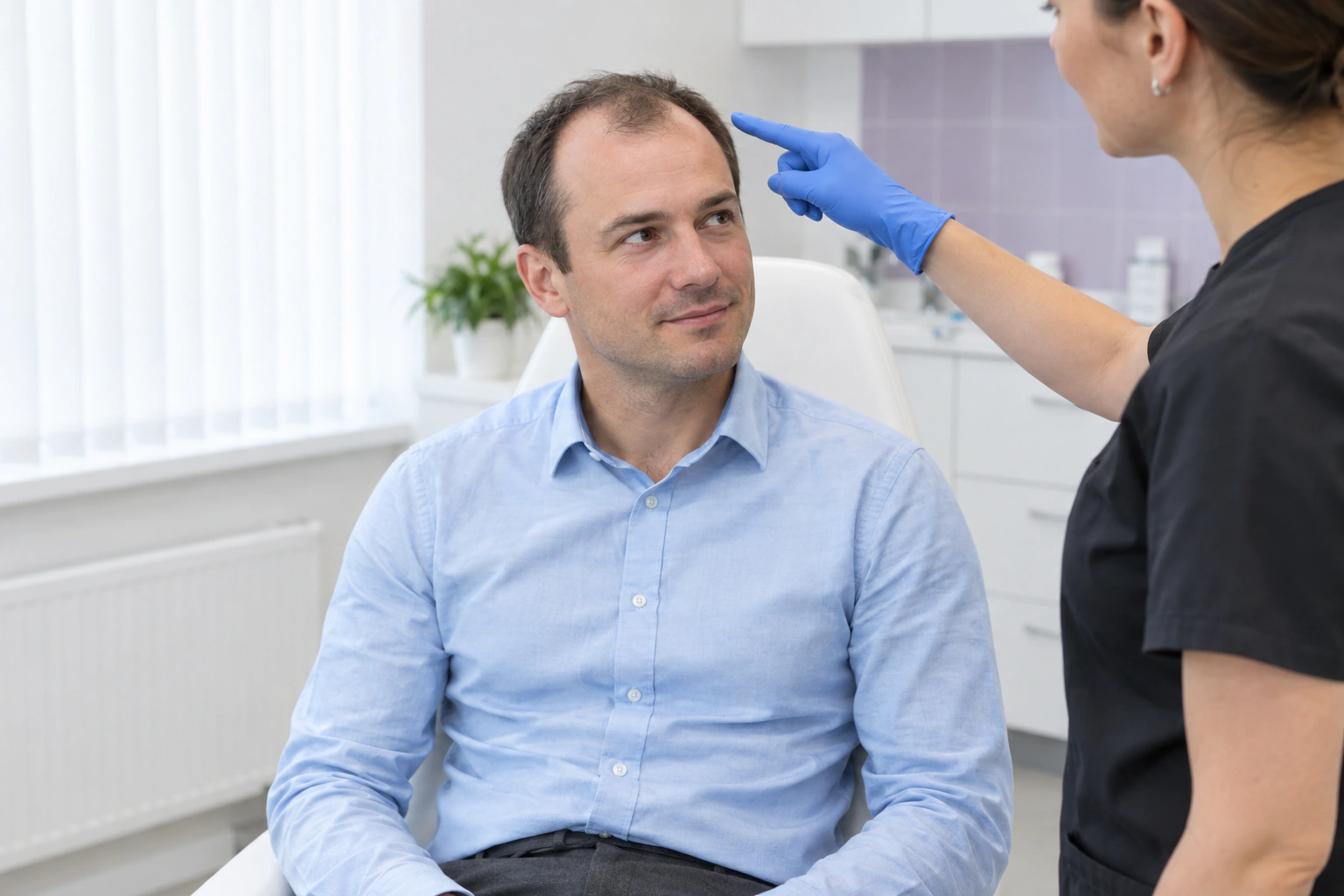

Send your number - a coordinator requests photos in a messenger, the doctor replies whether a transplant helps. Free, no booking.
services
The price is set after the free graft count and written into the contract.
suture-free graft extraction
$2,200$2,700
or $367/mo — 0% instalments for 6 months
Pin your priceimplantation without channels
$2,500$2,900
or $417/mo — 0% instalments for 6 months
Pin your pricecombined technique
$2,700$2,900
or $450/mo — 0% instalments for 6 months
Pin your price| The first appointment | Free |
|---|---|
| Eyebrow transplant, FUE | |
| Beard transplant, FUEinstalments $467/mo | |
| Hair trichopigmentation | |
| PRP therapy / session | $200 |
all included
One continuous path: pre-op prep and 12 months after.
No last-minute charges on the day of surgery.
two extra areas
The same donor zone at the back of the head and the same FUE method serve areas beyond the scalp.
FUE method, no cuts or stitches
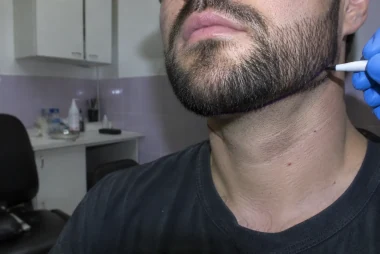
Grafts are taken from the back of the head, the donor area, and moved through micro-punctures of about 1 mm, so no scars are left. The doctor discusses the shape with you before the operation, taking your facial features into account. Transplanted hair grows for life: trim and style the beard as usual.
$2,800$3,000
or $467/mo — 0% instalments for 6 months
Pin your priceFUE method, no cuts or stitches
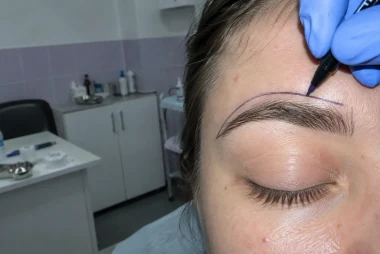
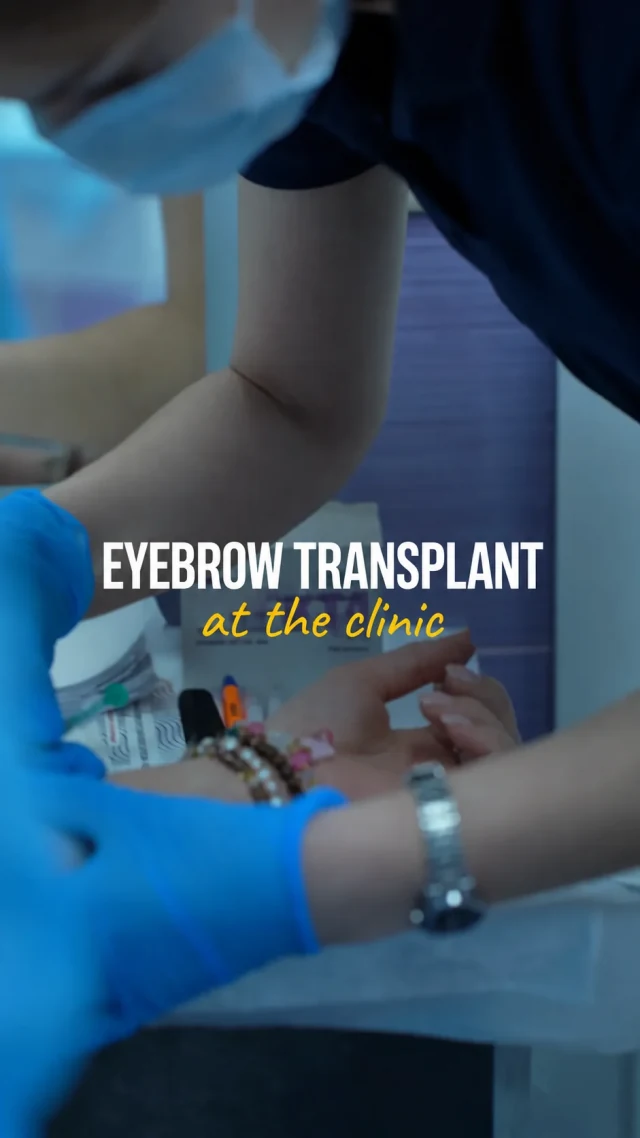
Everything starts with a drawing: the surgeon marks out the brow at the first consultation, reference images are considered one against another, and the proportions of your face steer the design. Hairs are set in at the angle they should follow, so nothing looks drawn on. Brows that quit growing under years with the tweezers respond well too.
$1,600$1,700
an operation under local anaesthetic, no stay
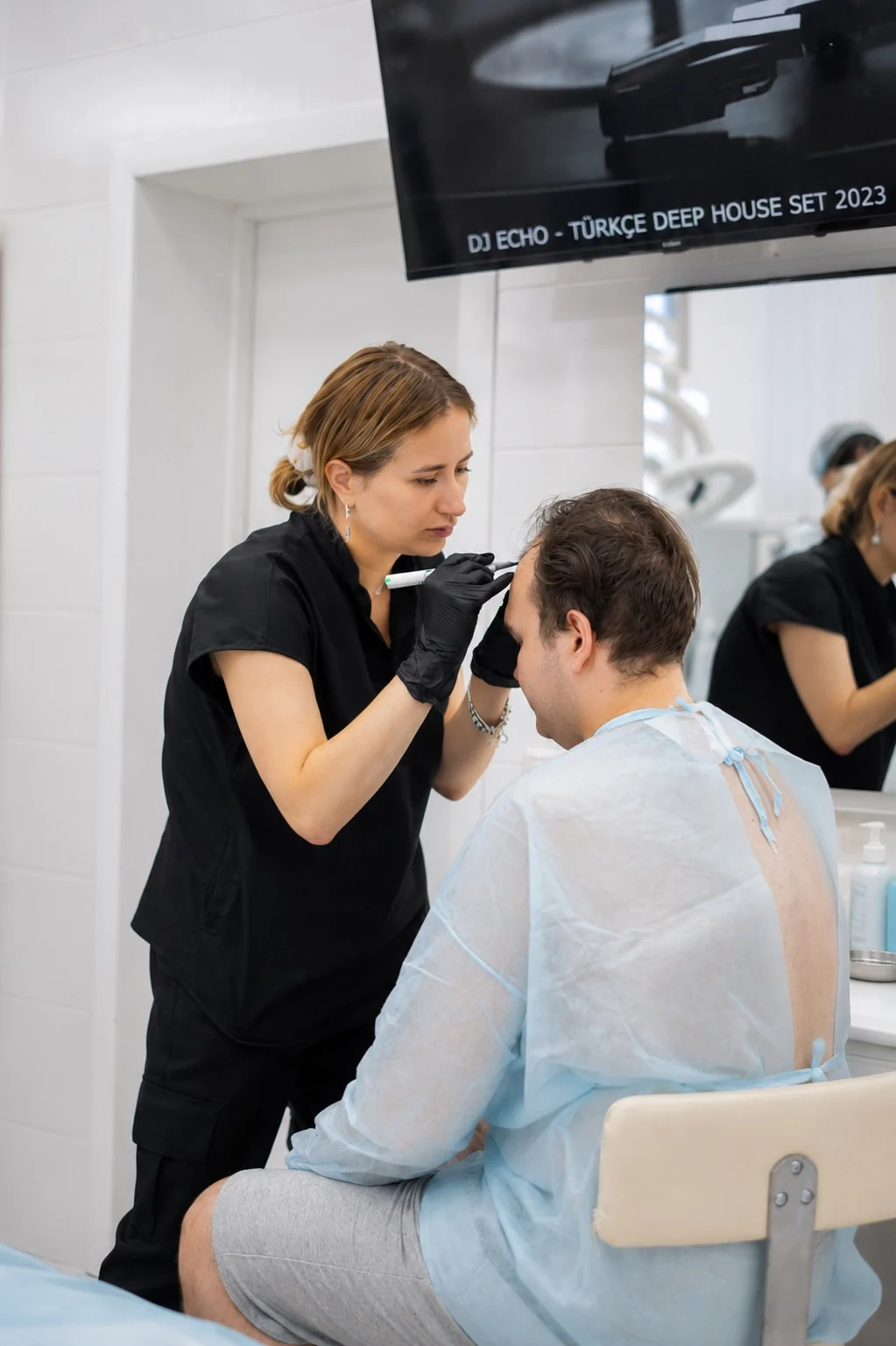
Pin your priceThe doctor assesses the donor zone, counts the grafts and explains the outcome that can be reached. The price named at that consultation is what the contract will state.
Message our coordinator
Free online consultation · Reply within 15 minutes
Message us on TelegramMessage us on WhatsAppBy messaging us, you agree to our Privacy Policy
Process
From consultation to going home — all in one day
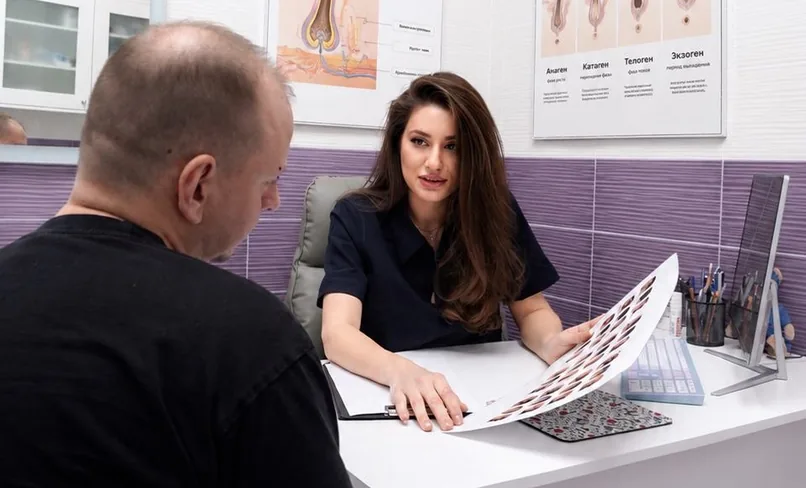
The consultation, free of charge, covers how FUE and DHI work, gives you space to ask questions, and ends with an individual plan tailored to your surgery.

A deposit is all it takes to lock the day in. Card payment happens at the clinic, or the payment can be made online.
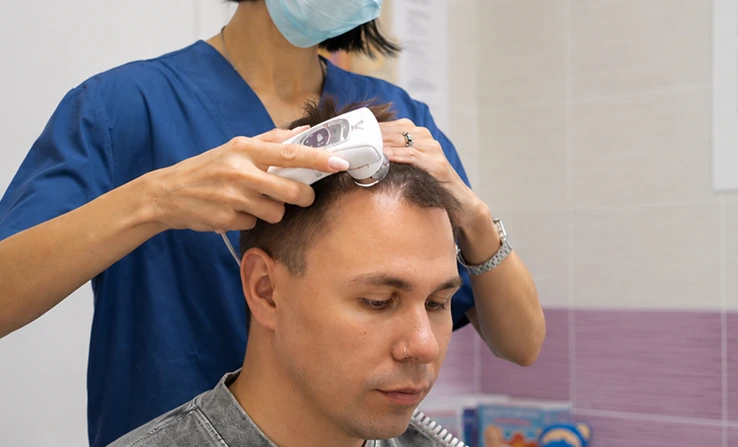
The clinic tells you which tests are required and how to go about them, so nothing is missed before the operation.
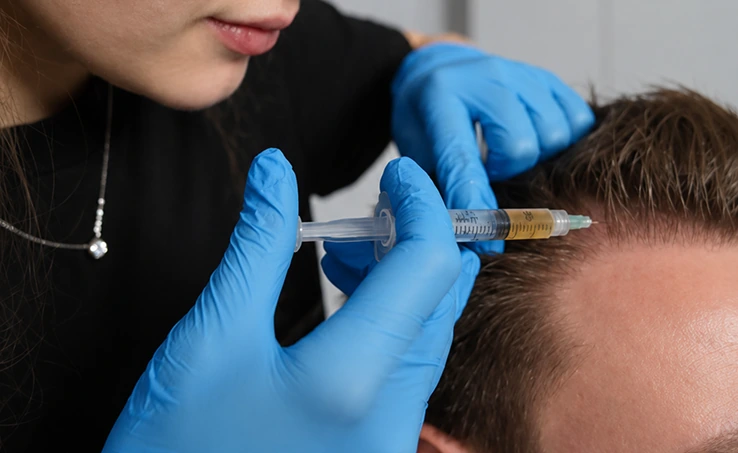
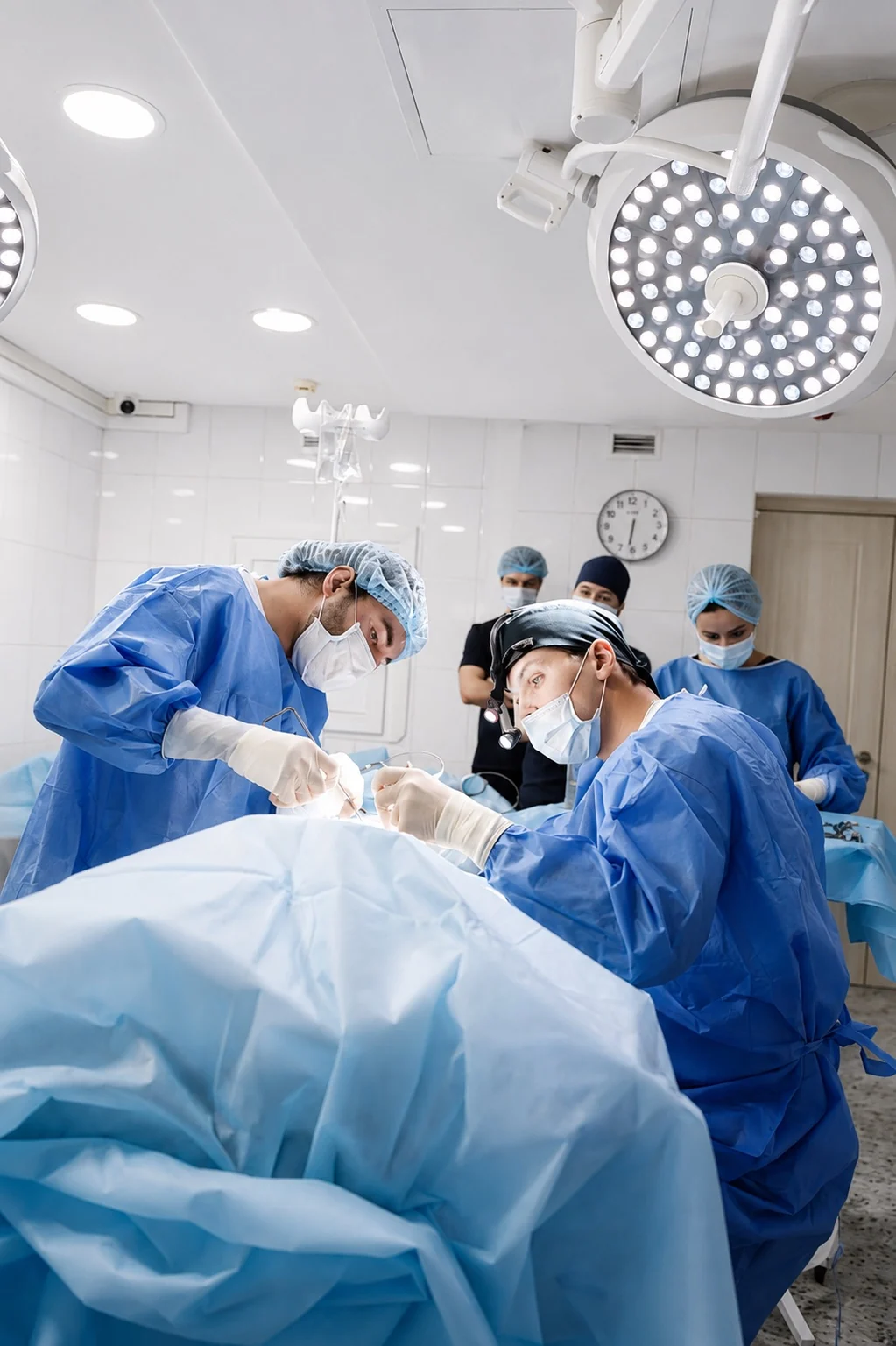
Local anaesthesia is used throughout, keeping the surgery painless from start to finish.
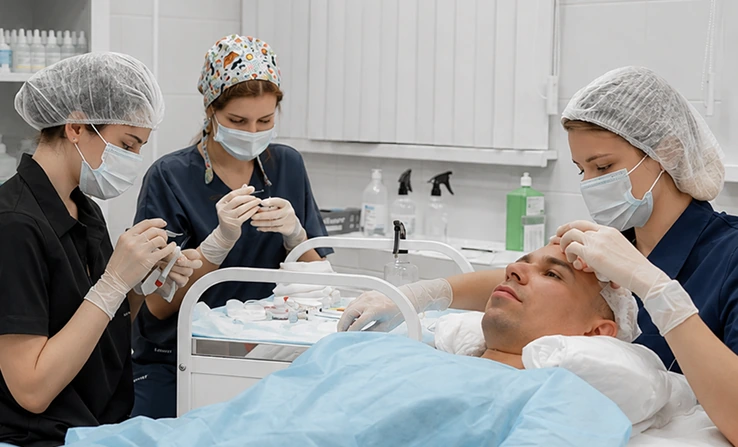
From the occipital area or the temples, the grafts are taken, and the skin is left without a single stitch.
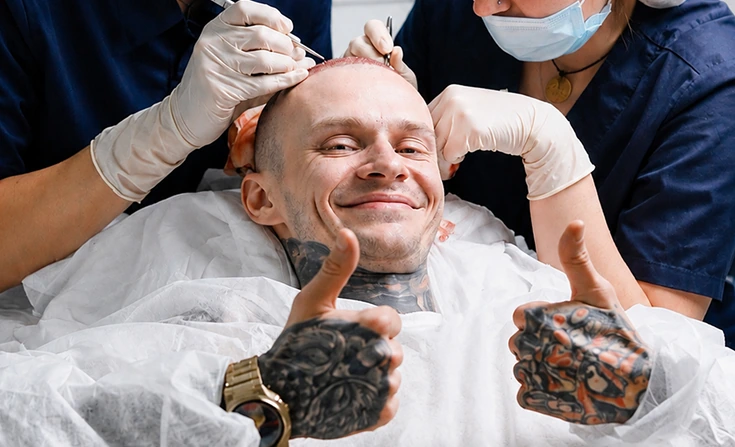
The collected units are implanted by surgeons into the thinning scalp.
For patients in Aswan, recovery comes with everything needed from the clinic plus full instructions for a fast healing process.
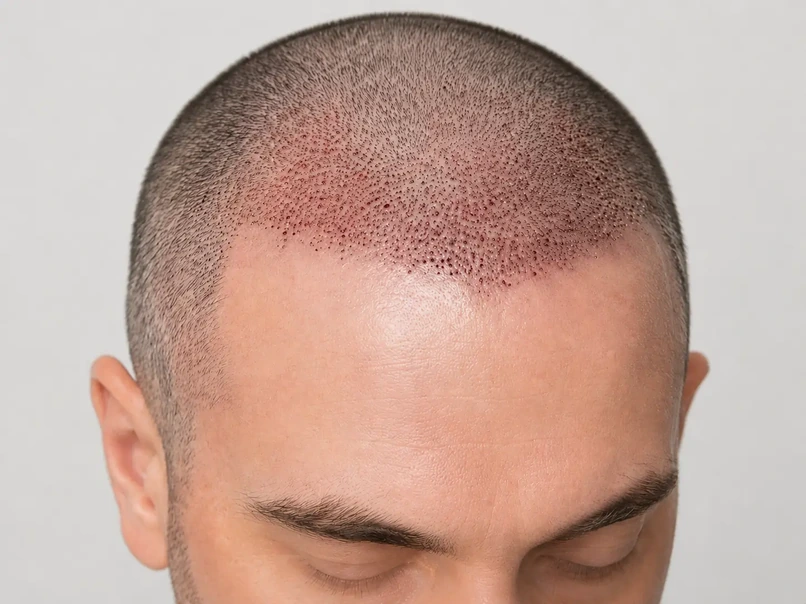
Crusts fall off, the swelling dies away, the skin repairs itself
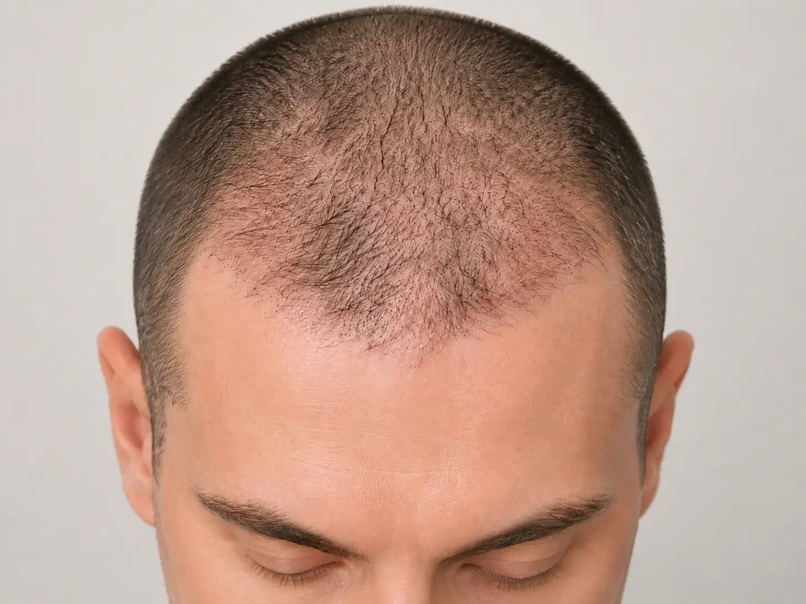
A normal stage. The hairs fall out, the follicles stay in place
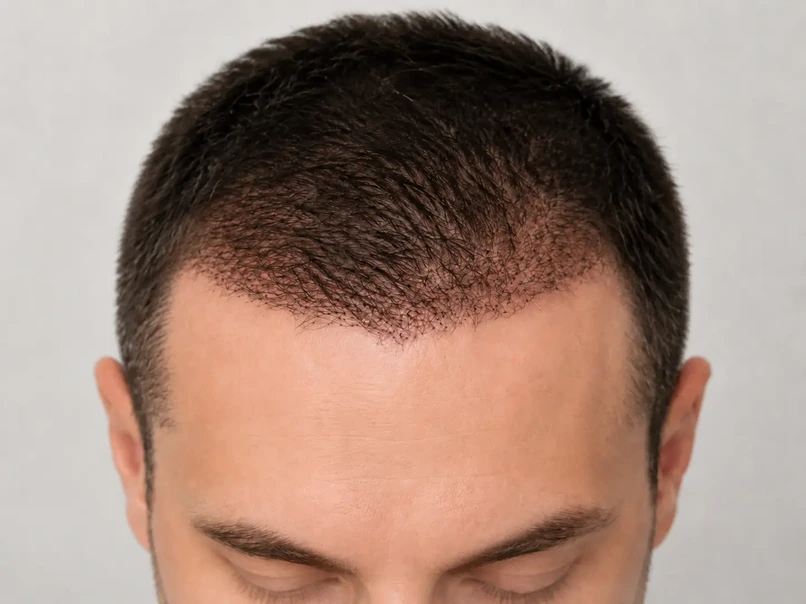
Growth picks up slowly, and the result becomes visible
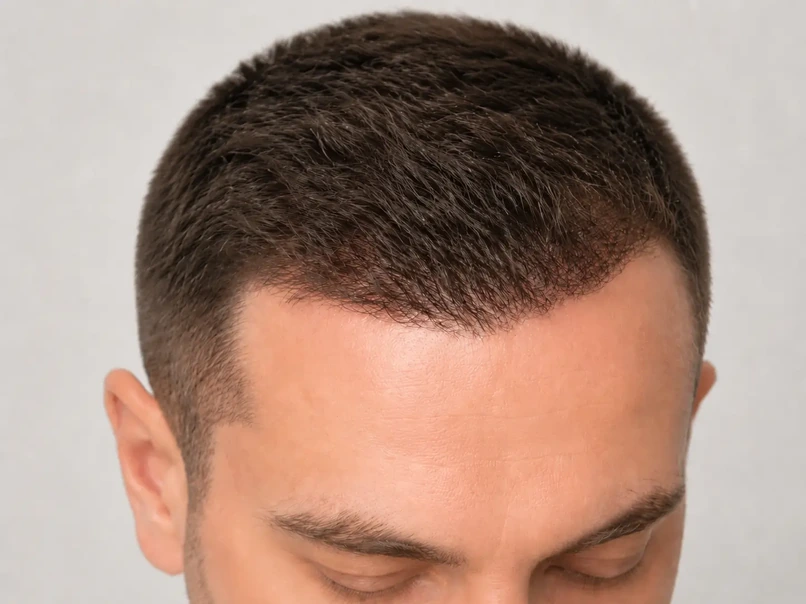
The hair becomes fuller, the main volume and contour are visible
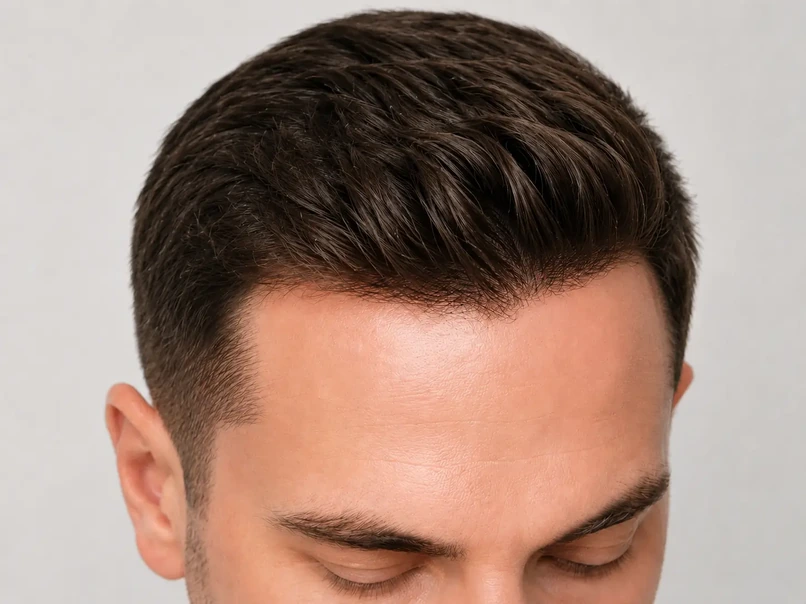
The picture completes: full volume, a natural front line
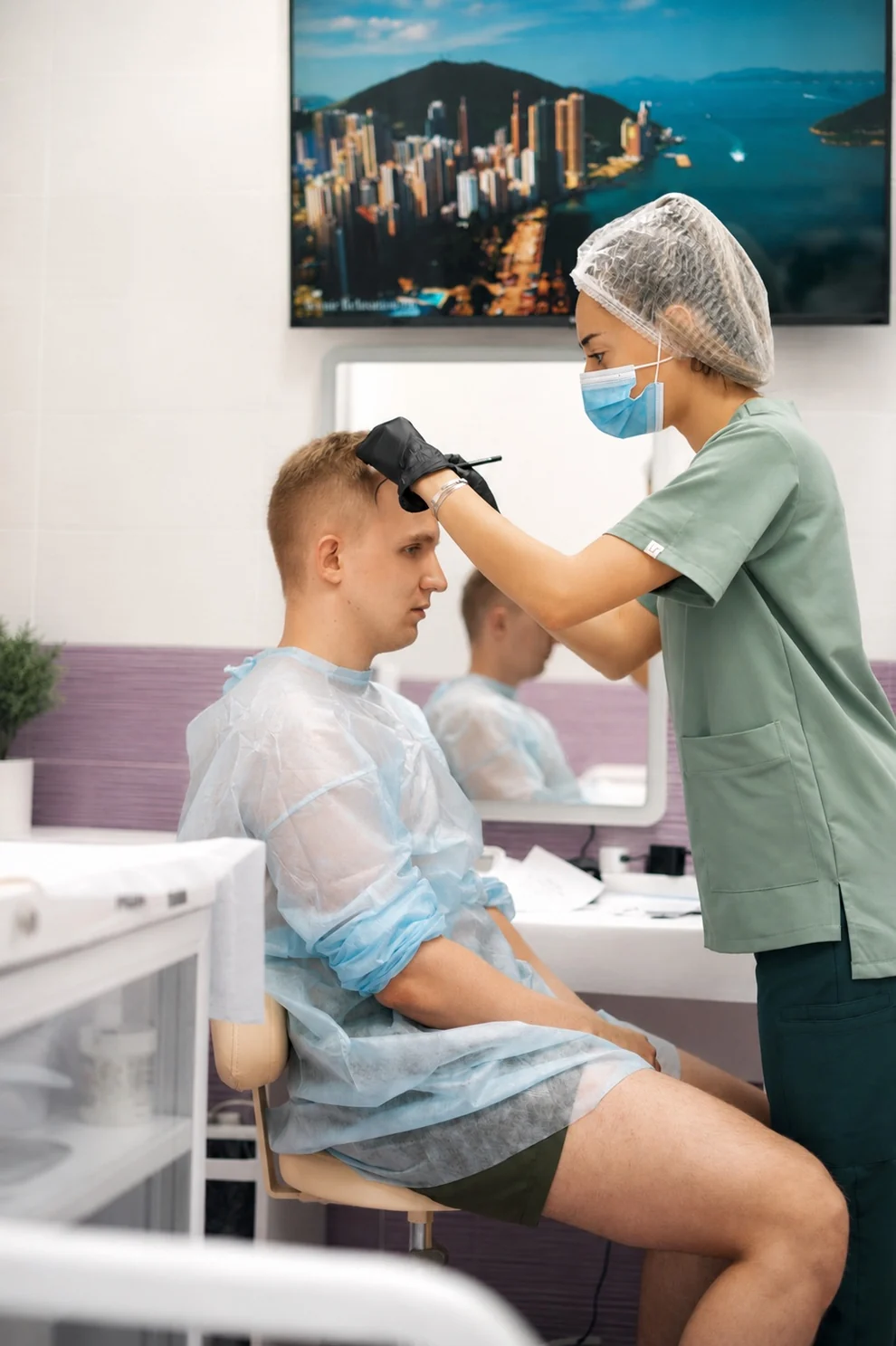
Free, before the operation, with no obligation.
Get expert advicedoctors
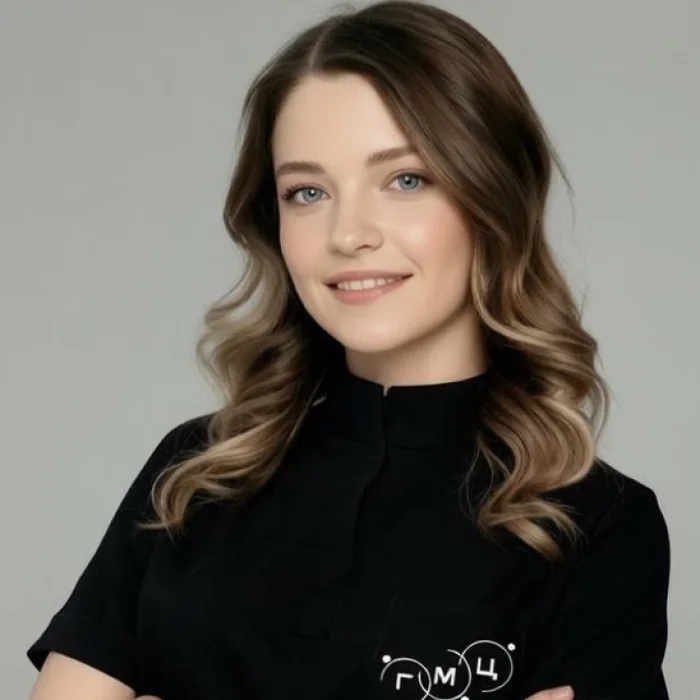
Hair transplant doctor, trichologist, surgeon
10 years of experience

Dermatovenereologist, trichologist, surgeon
11 years in practice
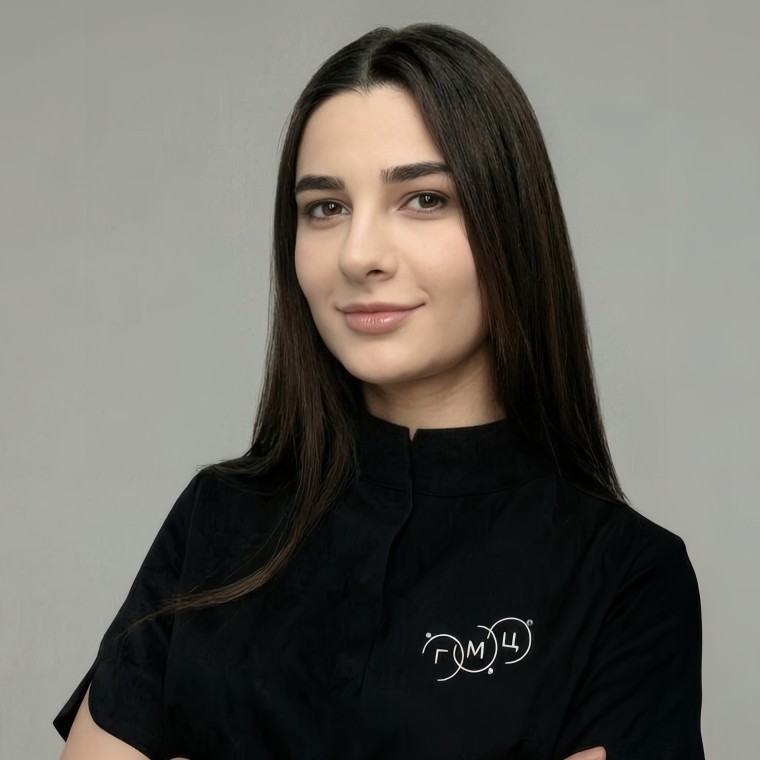
Plastic surgeon
9 years of experience

Plastic surgeon
9 years of experience

Assistant
9 years of experience
The doctor appraises the donor zone, sets the graft figure and explains what outcome is realistic.
Get expert advicecoordinators
A personal coordinator is assigned to you and guides you from enquiry to recovery.
Aftercare coordinator
In touch until you have healed
Gets the forms done and the times fixed
Aftercare coordinator
In touch until you have healed
Gets the forms done and the times fixed

Aftercare coordinator
In touch until you have healed
Gets the forms done and the times fixed
Aftercare coordinator
In touch until you have healed
Gets the forms done and the times fixed



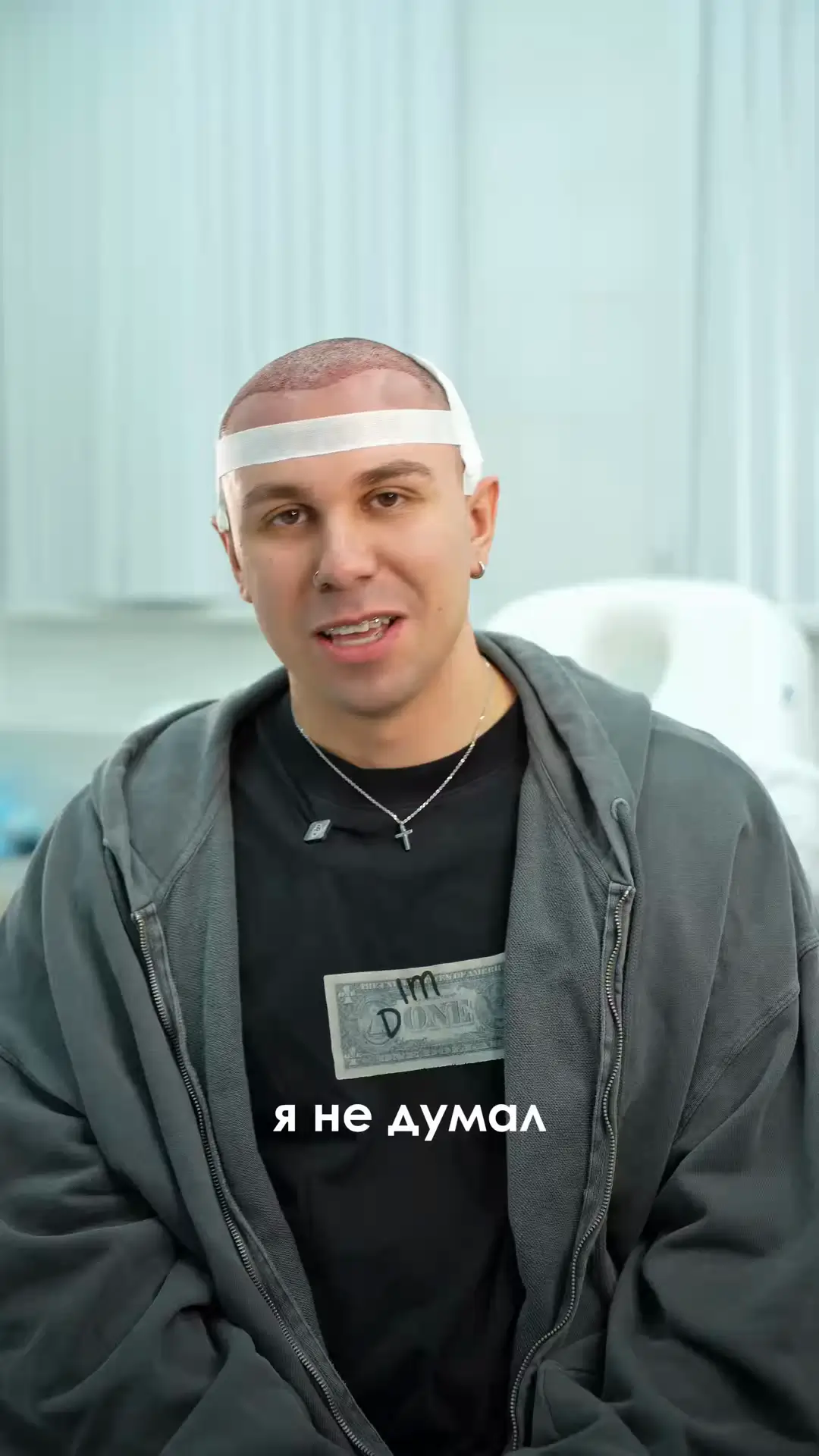
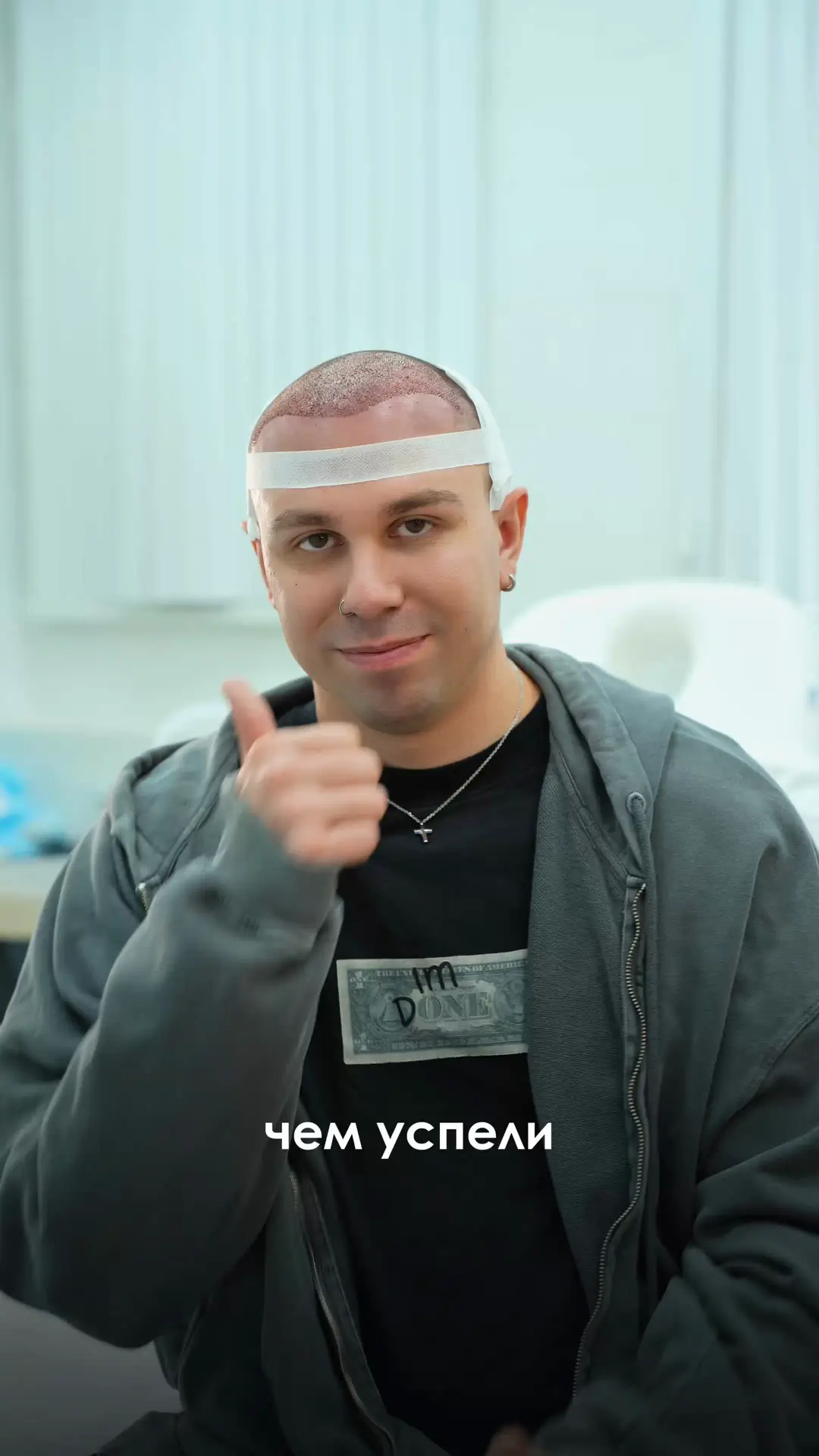


We will deal with your questions and pick a convenient time to consult you
Message us on Telegram Ask us a questionPoints people raise
Yes — applications are welcome from every kind of city and country, and questions are settled online in advance.
The base prices are $2,200 (≈ EGP 115,000) (FUE), $2,500 (≈ EGP 135,000) (DHI) and $2,700 (≈ EGP 145,000) (combined). The precise cost is determined at a free consultation and graft count, then fixed in your contract.
It is a one-day procedure — you leave for home right after.
Local numbing is used, which makes the operation painless.
FUE is cut-free graft extraction by tweezer. DHI is direct implantation with a Choi pen, skipping channel-making. The combined technique takes grafts by FUE and places them using the DHI method.
Counting grafts is the doctor's job at the free consultation, and the donor zone determines the total.
Reckon on 0–10 days of healing and a normal shed at 2–4 weeks. Hair returns from 3–4 months, becomes visibly dense at 6–9 months, and 12–18 months is where it ends.
You get a lifetime hair growth guarantee, written into the contract.
The clinic works under a medical licence, care meets the standards and clinical guidelines
of the Ministry of Health.

Papers proving the qualifications behind every operation
Go through the papersAKC POMOSHCH LLC
the clinic's legal entity
1057746096924
OGRN
7728536872
INN
FUE and DHI both work for a patient in Aswan. The skin is not cut open, there is nothing to stitch, local anaesthesia covers the session on its own, and the operation ends on the same day it began.
Nothing has to be arranged in advance to start in Aswan. The online consultation is free: the doctor studies photos of the thinning area and counts the grafts needed. The clinic is in touch 24/7, so you write when it suits you.
Healing occupies 0-10 days. At 2-4 weeks the transplanted hairs shed, which is normal and temporary. Growth starts at 3-4 months, density by 6-9 and the final result at 12-18. Your personal coordinator checks progress by photo at 1, 3, 6, 9 and 12 months, with a lifetime growth guarantee.
Prices are in US dollars; the amount in brackets is an approximate conversion to EGP at the rate of 02.10.2026. The final price is fixed in your contract.
By messaging us, you agree to our Privacy Policy
Known people who talked openly about this operation, in their own words.
 John Cena's hair transplant: “I got a problem, I try to fix it”John Cena spoke openly in 2025 about his hair transplant and the fan signs that pushed him to it. His words, how the procedure works and the recovery.
 Did Calum Best have a hair transplant? Yes, and he said so himselfCalum Best said in 2023 he had his sixth hair transplant, this time using patches of beard hair. His words, how the procedure works and recovery.
 Did Chloe Goodman have a hair transplant? Yes, and she explained whyChloe Goodman had a hair transplant in 2025 after losing hair following pregnancy. Her own words, how the procedure works and what recovery involves.
 Did Dean McCullough have a hair transplant? Yes, and he filmed itRadio 1 presenter Dean McCullough shared his FUE hair transplant on TikTok in 2024. His own words, what the swelling means and how results develop.
 Did Ella Morgan have a hair transplant? Yes — to cover a hairline scarThe Married at First Sight star revealed a hair transplant in 2025 to cover scarring along her hairline from facial surgery. Her own words and the facts.
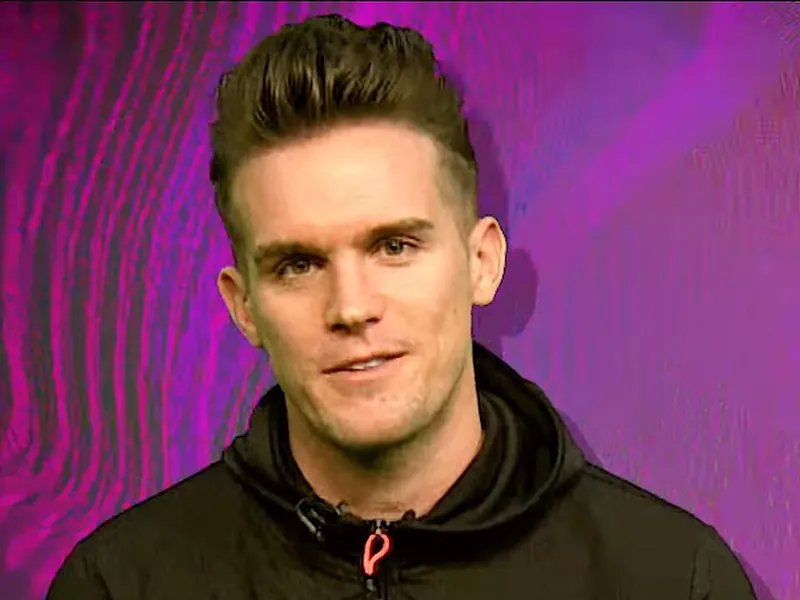 Gaz Beadle on his beard transplant: “I LOVE IT”Gaz Beadle told his 3.6 million followers he had a beard transplant after years of patchy stubble. His own words, and how a hair or beard transplant works today.
What patients write after this operation. Reviews are translated from the original language.
Andrey M.
I had the operation a month ago. Before and after surgery they were always in touch and helped with questions about my tests. The operation itself went wonderfully, the staff are polite and masters of their craft, you feel you are in safe hands. I am recovering now, and they answer all my questions. I am happy and I recommend them!
DHI hair transplant
Pavel Sinitsyn
The best clinic of all the ones I was choosing from. No regrets at all! The result is simply amazing, I am thrilled. I recommend it to everyone: these people do great work and make people happy. Once again, a huge thank you to everyone. Roman, the head of the clinic, is the best: he was personally in touch with me and looked after my recovery. Thank you for making my dream come true.
FUE hair transplant
Maria Akopyan
I thought about an eyebrow transplant for a long time and finally went for it. At first I was afraid the result would look unnatural, but when I saw my new eyebrows I was delighted! They came out full and in harmony with my face. I can hardly believe that now I just wash my face and go, I have never felt so free. For anyone tired of constant make-up, a transplant is a real lifesaver!
Eyebrow transplant (FUE)
Alexander M.
I really wanted a thick beard, but I had problems with it. I tried every home remedy and minoxidil, and nothing helped. After a long search for the best clinic I settled on this one. Thank you so much for the service, I liked everything and now I am happy! I had the beard transplant 10 months ago and I am very pleased with the result. By the way, the music in the clinic was great, as far as I remember. A friend of mine has already come to you for a transplant on my advice and was also happy with the result. I wish you every success!
Beard transplant (FUE)
Vladimir Z.
I went to the clinic to see a trichologist and had a hair transplant. I really liked the doctor's approach, and all the recommendations helped. I want to point out that nobody tries to sell you extra services: they tell you things as they are, and if some treatment is not needed, they do not push it. Cosy and clean.
DHI hair transplant
Artem Popov
This may sound obvious, but a head of hair really changes everything in your life. You feel much more confident and go through life like a winner. And it is all thanks to the doctor at this clinic and to the staff who take care of their patients. Many thanks to the clinic for a happy life with new hair, for the comfortable conditions and for the professionalism during the hair transplant.
FUE hair transplant
Aswan lives by seasons its residents can recite: palms that fruit after patient years, the karkadeh harvest at its appointed time, and seasonal crops that refuse to be hurried, in a city of roughly 370,000 residents counted in 2024. A hair transplant belongs to this family of decisions: one day for the procedure itself, then a growth season measured in known months. Anyone who has waited for a palm to bear fruit already understands that the result is raised, not purchased.
Open the process with an honest file from home: a front photo of the scalp, one from the top, one from behind, in daylight beside a window, plus a line about when the shedding started and how fast it moved, your regular medicines, and a note about your daily sun exposure. Ten minutes of honest recording returns a first reading about your scalp specifically, and it removes weeks of circular questions from the road.
Send the file in a single message to the follow-up team on Telegram or Telegram, reachable at any hour, and the reply comes back plainly: whether a transplant suits your degree of hair loss or a different start deserves the first word, and which tests belong before any date. With that reading saved, the specialist consultation becomes a working session on your own scalp rather than a lecture illustrated by other people's heads.
Take the palm grove lesson seriously, because the stages are already written: a trunk the first year, fronds the second, ripe dates the third. Transplanted hair walks the same curve in months instead of years, and every stage announces itself in advance. A patient who knows the markers does not panic in a temporary shedding week nor judge the project in an early month; he reads his progress the way a farmer reads his grove.
The session is gentler than its reputation: the operating area is numbed with local anaesthesia and you stay awake throughout, often listening to whatever helps the hours pass. Afterwards, one day separates you from your own bed in Aswan. No week of rest, no hospital stay as the old tales describe, just a planned morning, a calm session, and an evening return that ends the day where it should end, at home.
Friday and Saturday complete the Egyptian week, and they serve the arrangement directly: a date just before the rest days means the first day at home is followed by two full free days, and the freshly planted scalp takes its long sleep without a ringing phone. Karkadeh traders and seasonal farmers push the date away from their peak month; office staff announce a short leave early enough for the calendar to arrange itself around them.
The receiving house needs half an hour the evening before: a ventilated room, two pillows that keep the head raised, cold water near, clean towels in a light color, and a charged phone with the follow-up contact pinned at the top. Assign the parts by name, a week of shopping to one, companionship on the day to another, relatives' calls to a third. The household that rehearses its roles lets the patient sleep, and sleep is what the first night is for.
Ask for every detail of the day in writing: the arrival time, the expected length of the session, what the companion should bring, and how the observation hours are managed. Reassurance comes from lines of text, not from spoken promises, and a day that has been read in advance surprises nobody. A city that receives its visitors by known schedules understands the value of a written day.
Aswan ranks among the hottest, sunniest cities anywhere, and the table is blunt: July and August average 41.9C highs with lows near 27.8 and 27.9, against 2.0 mm of rain for the entire year. A freshly transplanted scalp in this city needs a written sun plan as part of the treatment itself: a wide hat for every outing, shade through the peak hours, and movement at the day's kind edges through the summer months.
Winter is the cooperative season: December averages 24.5C by day and 11.4 at night, January 23.2 and 10.0, weather that makes the light daily walk along the corniche a pleasure rather than an assignment, with no rain anywhere in the year to cancel it. Whoever holds a free calendar starts the journey in winter; whoever is pushed into summer splits the day at its edges, dawn errands, indoor noons, movement after sunset when the corniche fills.
Work seasons sit beside the sun in the same calculation: the karkadeh crop, the palm groves and the seasonal harvests that feed households around the city, and anyone whose work happens under direct sunlight needs special arrangements for the first weeks. Keep the date a full month clear of your professional peak, and ask for the hat and exposure instructions in writing inside the plan. A season aligned with the plan passes without a single collision.
Students at Aswan University, opened in 2012, and office staff both know the calendar law: the early-announced date is accommodated, the late one is crushed by the crowded week. Announce your date in your circle weeks ahead, remember the visitor season when the city fills in winter and the streets slow, and plan the three facts together, sun, season, announcement. The weeks after the session then pass without a collision worth mentioning.
The stages deserve a place on the household wall: in the first ten days the crusts come off and the swelling settles; between weeks two and four the transplanted hairs themselves fall out while the follicles stay firmly in place, which is normal and written in advance; growth begins in months three and four; visible density shows from months six to nine; and the final result forms across twelve to eighteen months. A household that knows this timetable spares itself every panic available to one that does not.
The shedding weeks are the true test of patience, and they separate those who read the schedule from those who heard the stories. Write the stage into your calendar on day one, and tell the household plainly: what falls now was planted to fall, the root remains. The team's written answer in the first message closes this door in advance, and the house that knows the follicle stays lives through the weeks as witnesses, not as plaintiffs.
Monthly dated photographs are the honest measure of the road: a front photo and one from the top, same light, same angle, every month, kept in one album named by dates. The morning mirror deceives because daily change is invisible; the comparison between month three and month six reveals what the impatient eye cannot see. Farmers do not visit the palm with a ruler every morning; they return in its season, and monthly photos are exactly that logic.
Then divide the waiting into roles: one remembers the care schedule, one keeps the photo album, one answers the relatives' repeating question about when the result will show, using the single timetable answer. A household that carries the plan together turns the waiting into a small family project with known dates, and the patient finds an organized calm around him that shortens months of tension for everyone involved.
Verification begins at the formal ceiling: the Egyptian Medical Syndicate, a quasi-governmental body assisting the health ministry in licensing physicians, born in January 1920 and a syndicate since 1926, its council holding 24 seats with more than 230,000 registered physicians in a general register. Every offer opens with the registration number, the exact specialty and the issuing body, requested in writing. The register answers the first question only; the rest are yours to put on paper.
So put them on paper: a written description of the transplant plan and the number of sessions if more than one, a follow-up plan with named dates and a named responder between reviews, the stage timetable attached to the offer from shedding to final result, and a clear statement of what happens if a question arises after discharge. Compare two offers the way a farmer compares two seed lots, by timetable and specification, never by praise.
Give the comparison its full week: re-read the offers in a cool winter morning on the corniche or in a quiet corner of the house, set them side by side, and choose the plan you understood from the first reading without anyone translating. A city that measured the stone of its monuments knows that whatever is built on talk gets questioned years later without an answer.
Then walk with the timetable, not ahead of it: ten first days of healing, two known shedding weeks, growth from months three and four, density between six and nine, and a completed picture at twelve to eighteen months. A patient who pins these numbers in his head and his house lives the waiting months calmly and arrives at the end knowing exactly how each stage passed. The palm planted in the right ground and the right season bears fruit on time.
No: the operating area is numbed with local anaesthesia and you stay awake throughout, which is what makes the day lighter than its reputation. Knowing this from the first message arranges everything else, a calm session, a companion who knows the timings, and an evening return home after one day of care. Nobody who has read this far needs to rearrange a week on the strength of an old story.
One day of care separates the session from your own bed, and the return is then arranged by your job's nature and the team's written instructions: a desk returns sooner, work under direct sun in karkadeh or palm seasons needs a longer arrangement the date must respect. Anchor the session to the Friday-Saturday weekend so the first days hold full rest, and announce the short leave early enough for the calendar to adapt.
Yes, and it is a normal, written stage: between weeks two and four the transplanted hairs fall while the follicles remain in place, and new growth begins in months three and four. Anyone who has read the timetable in advance does not panic in week three, and the household that pins the stages on the wall receives that week as a known season rather than a scare. Ask for the stages in writing inside the offer before signing.
Visible density shows between months six and nine, and the final result forms across twelve to eighteen months, with growth starting in months three and four. Document the road with monthly dated photographs in the same light, and compare at monthly intervals rather than in the morning mirror. A patient who lives by the timetable arrives at the first year seeing progress exactly as it happened, neither feared nor exaggerated.
With a written plan that precedes the date: a wide hat for every outing, shade through the peak hours, movement at the day's edges in summer when July and August average 41.9C, and a winter start in December at 24.5 or January at 23.2 if the calendar allows. Rain is a non-factor at 2.0 mm a year, so sun protection is the whole file. Ask for the hat and exposure instructions inside the offer and treat them like appointments.
A front photo of the scalp, one from the top and one from behind, in daylight near a window at home, without filters, plus a line on when the shedding began and how fast, your regular medicines, a note on your daily sun exposure, and your most important question stated plainly. One message to the follow-up team on Telegram or Telegram at any hour returns a plain first reading on suitability and the tests to prepare.
From the formal ceiling down: the Egyptian Medical Syndicate has licensed alongside the health ministry since its 1926 form, seats a 24-member council and registers over 230,000 physicians. Request the registration number, exact specialty and issuing body in writing, then continue with the transplant plan and its stage timetable, a follow-up plan with named dates, and a comparison of two offers by timetable and specification rather than by praise.
With the timetable pinned where everyone reads it: shedding between weeks two and four with follicles in place, growth from months three and four, density between six and nine, completion at twelve to eighteen months. Send the household's questions in one list at any hour, read the written answers at the next sitting, and give one person the job of answering relatives with the single timetable reply. A house that knows the stages receives them as witnesses, not as an audience to a scare.
Page medically reviewed by Anastasia A. Kolesnik, hair transplant doctor. Review date: .

 Forceps
 Minimal


