



























Message our coordinator
Free online consultation · Reply within 15 minutes
Message us on TelegramMessage us on WhatsAppBy messaging us, you agree to our Privacy Policy


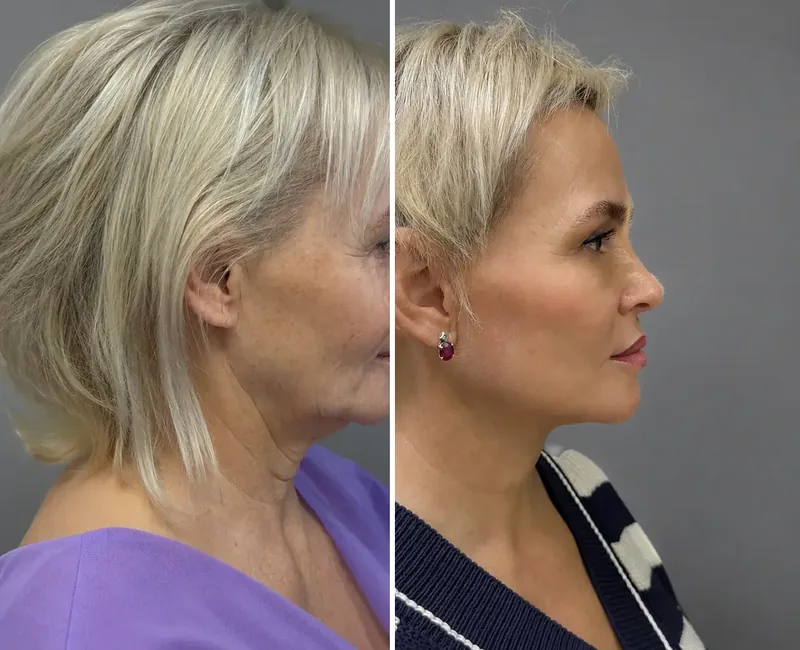
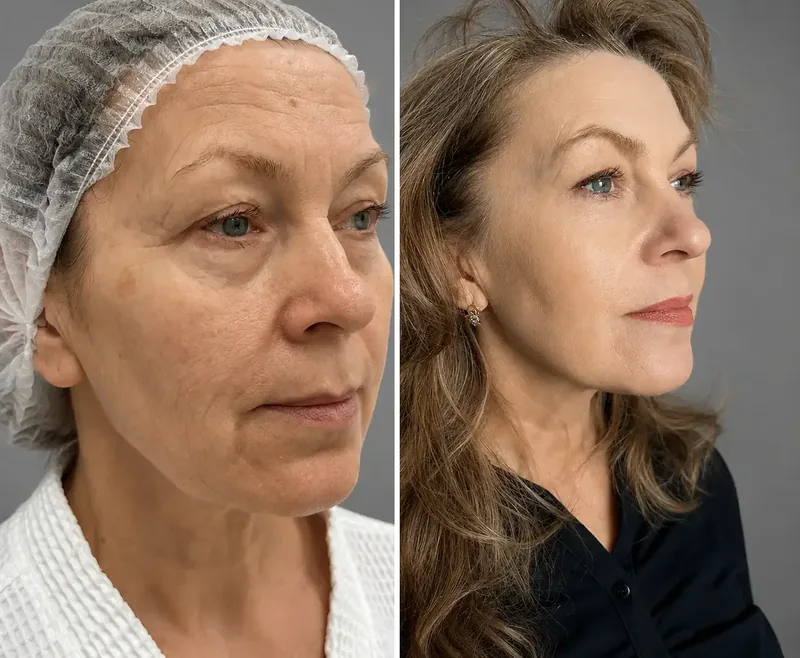
50 years
9 months
SMAS facelift
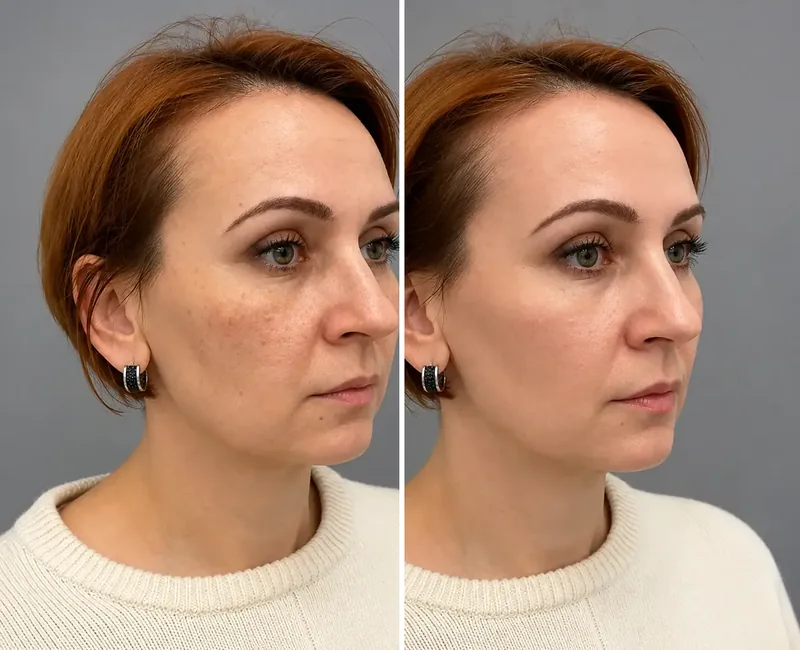
58 years
8 months
SMAS facelift
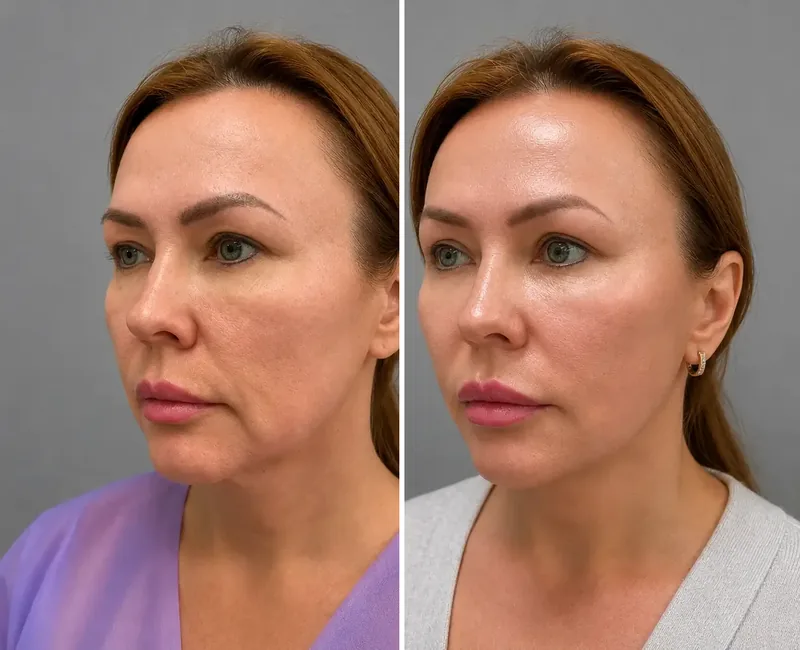
34 years
5 months
SMAS facelift
32 years
7 months
SMAS facelift
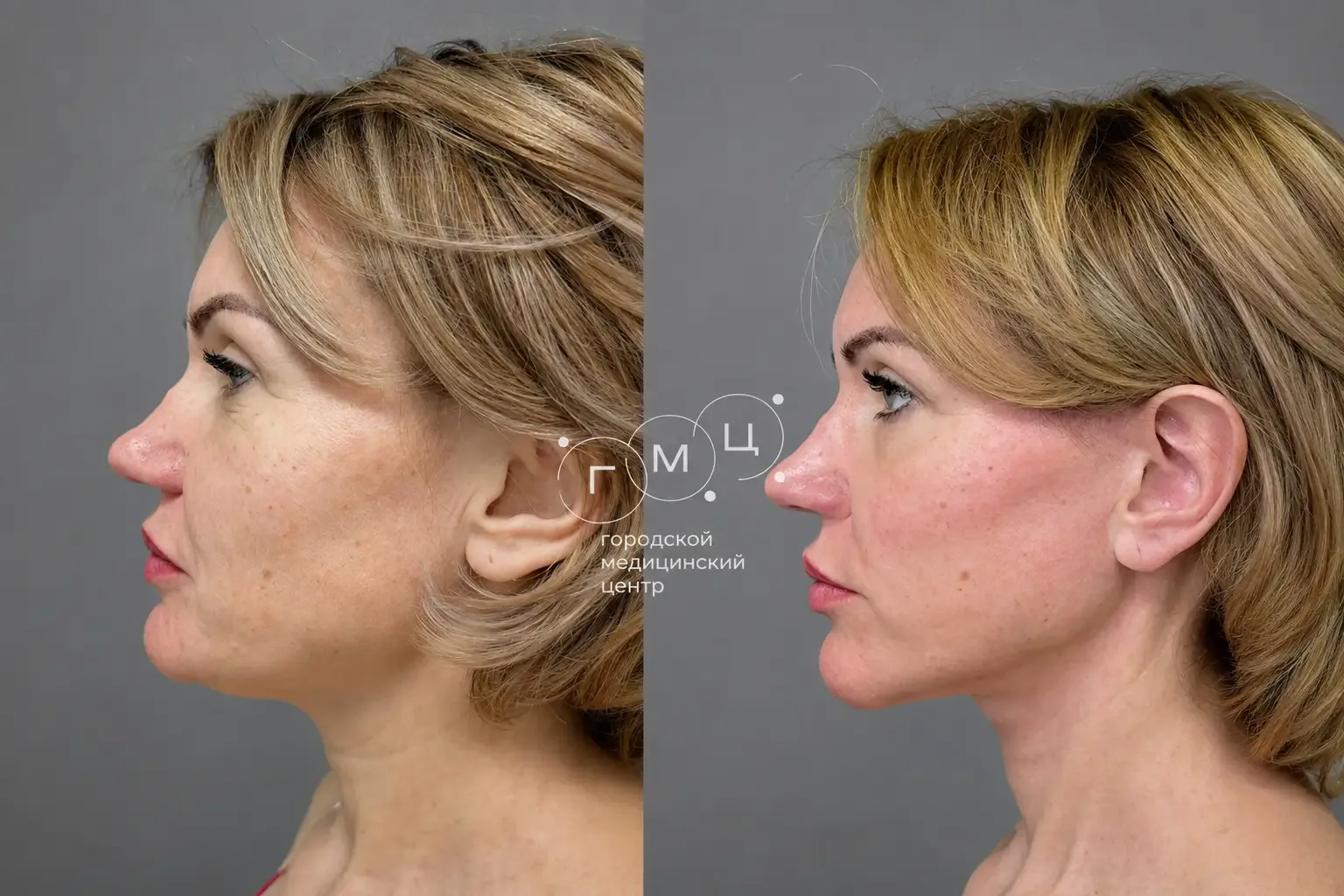
40 years
6 months
SMAS facelift
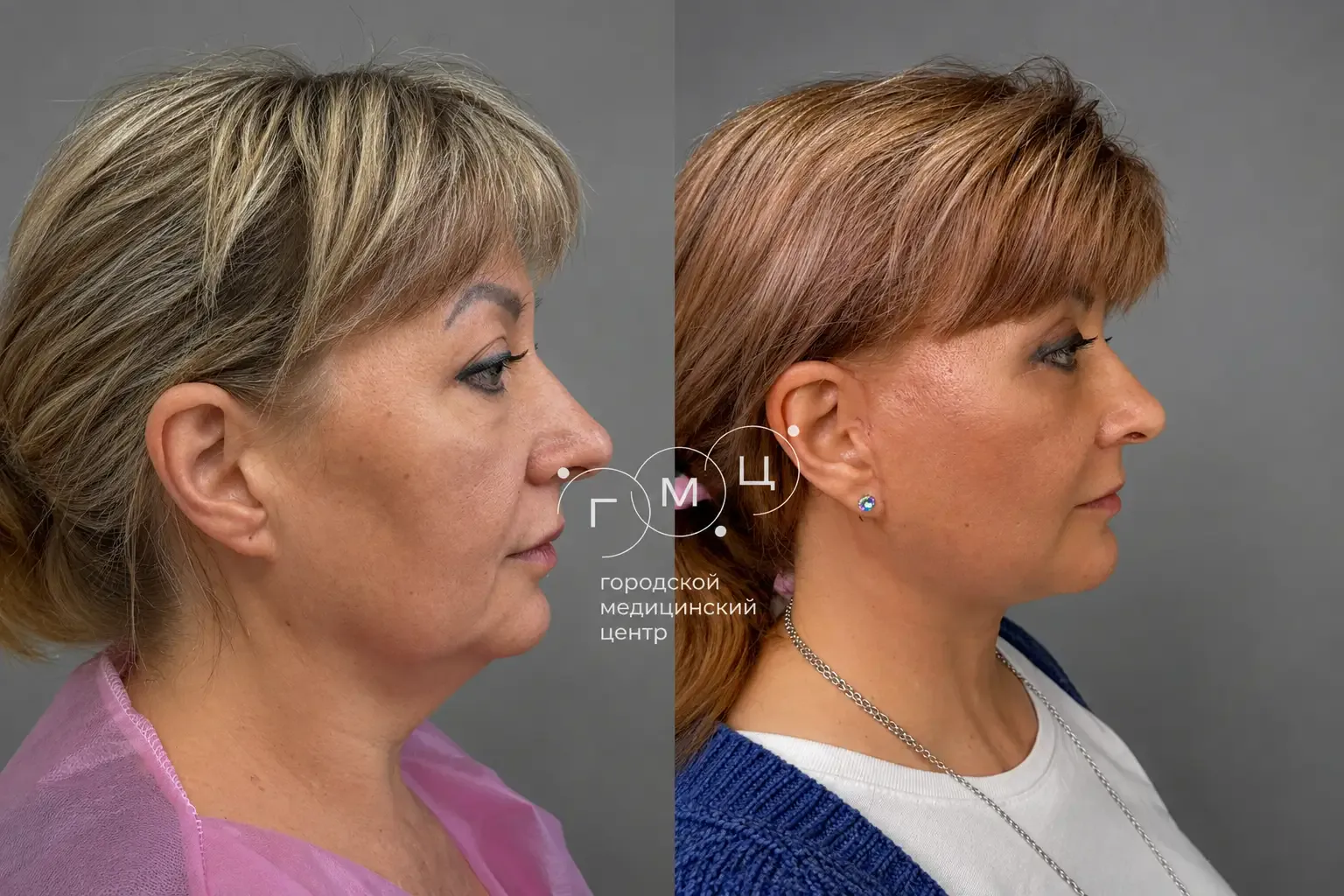
45 years
8 months
SMAS facelift
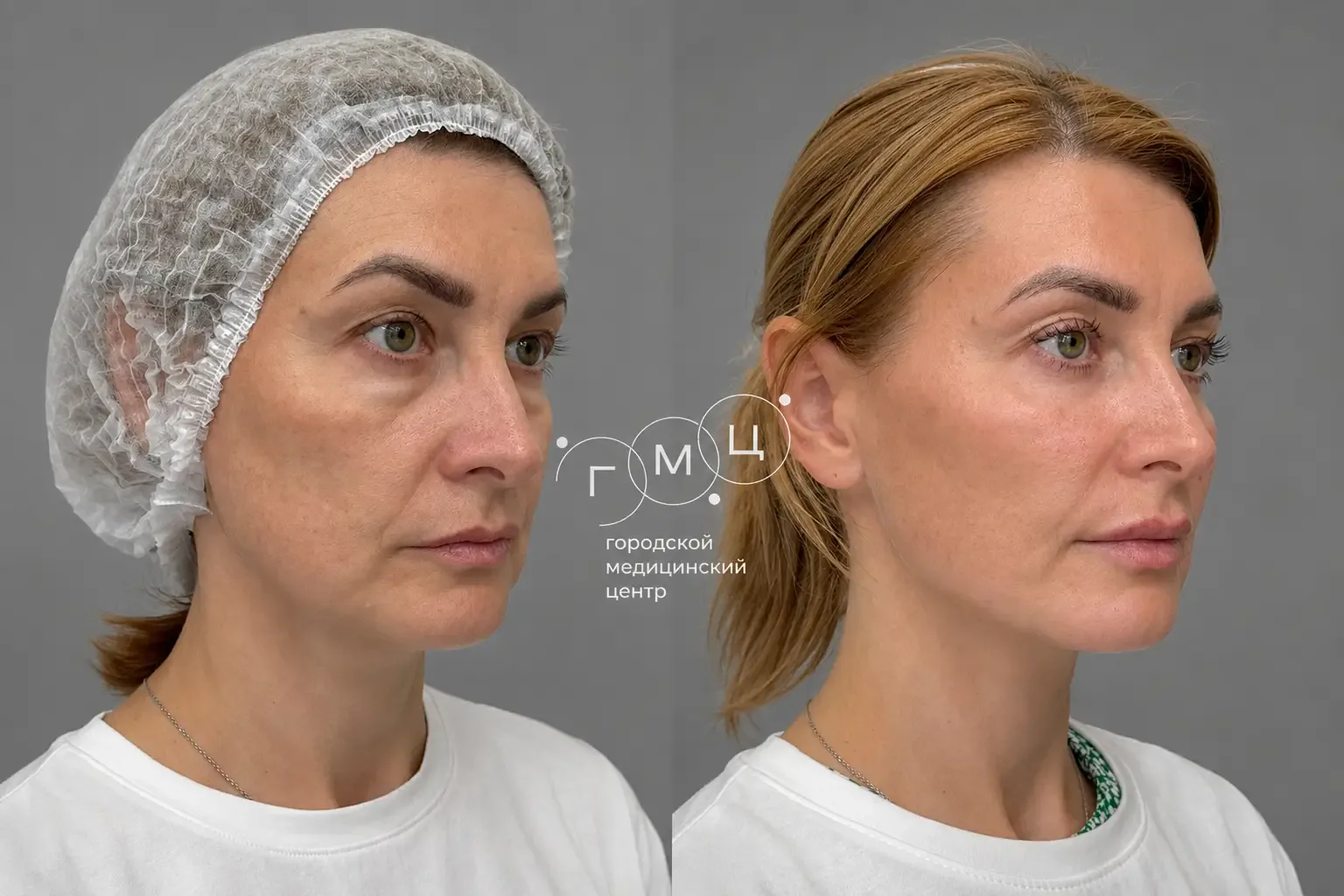
38 years
5 months
SMAS facelift
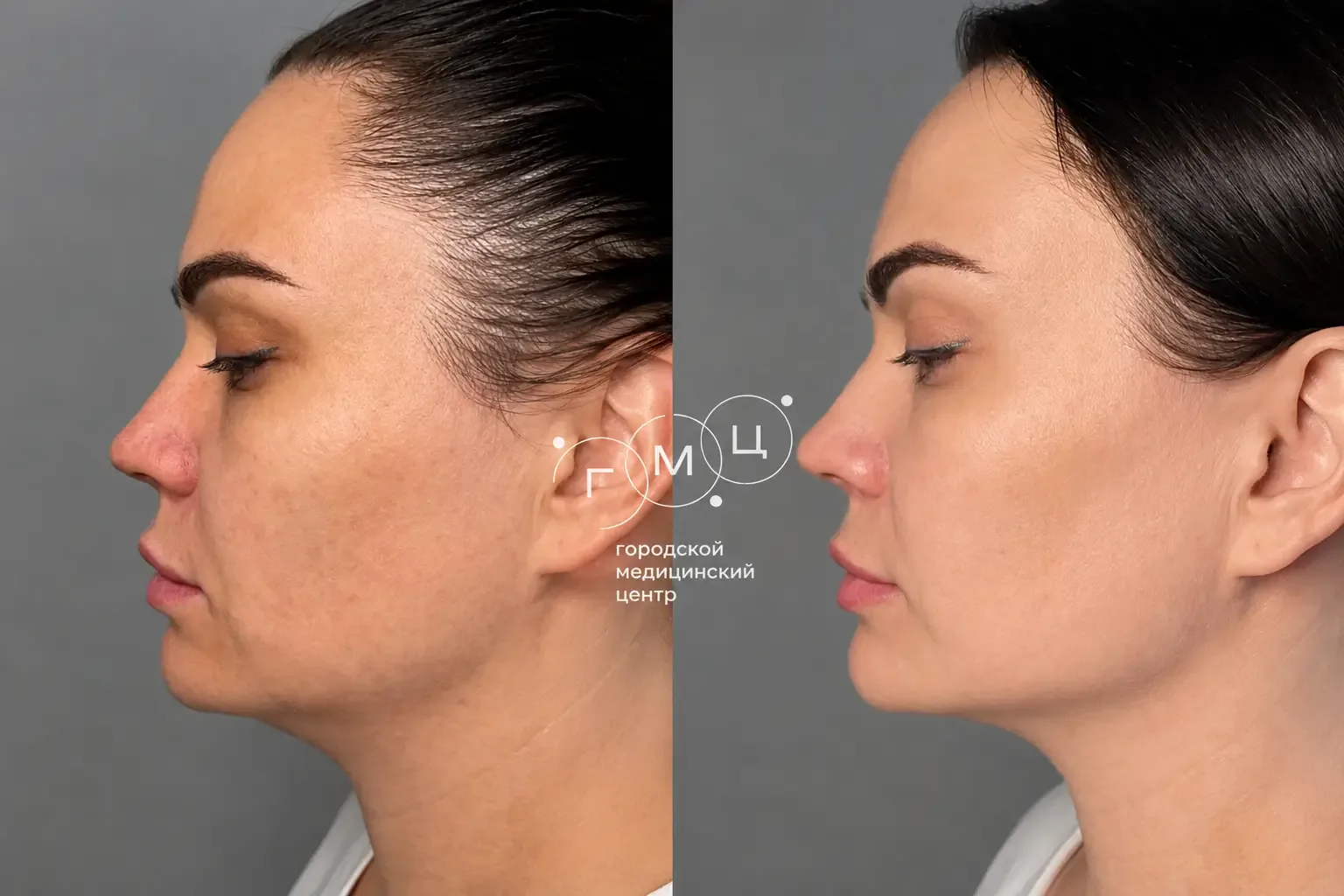
33 years
6 months
SMAS facelift
50 years
9 months
SMAS facelift
58 years
8 months
SMAS facelift
34 years
5 months
SMAS facelift
32 years
7 months
SMAS facelift
40 years
6 months
SMAS facelift
45 years
8 months
SMAS facelift
38 years
5 months
SMAS facelift
33 years
6 months
SMAS facelift
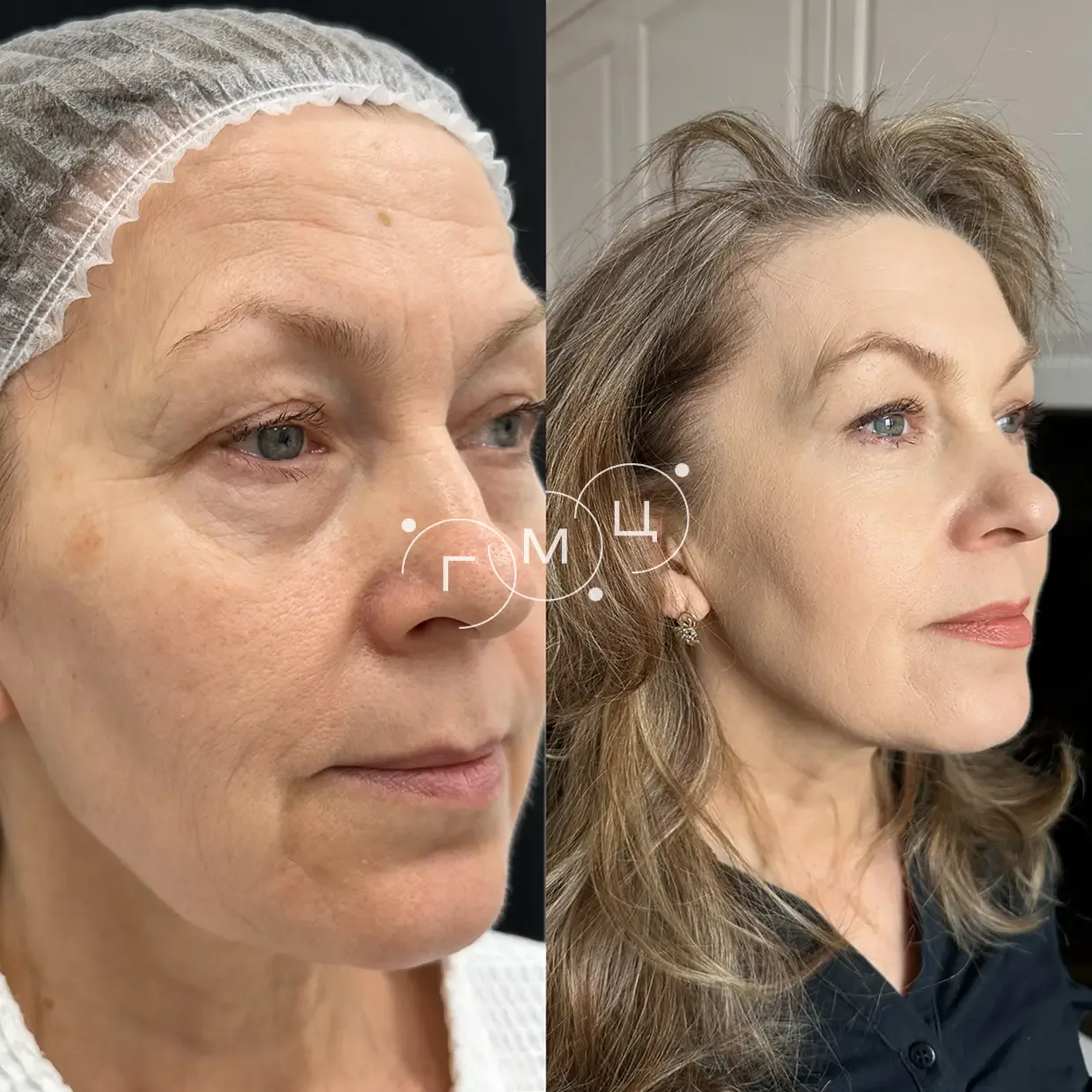

Noticeable sagging of the face and neck
The jawline is blurred, with jowls
Double chin, loose skin on the neck
Pronounced nasolabial folds and marionette lines
Drooping brows and a heavy look
Noticeable loss of skin firmness after 40
Preference for a long-term result (7–10 years)

Younger than 30
Skin in an acute inflammatory state
Being pregnant or currently breastfeeding
A severe disease of the cardiovascular system
Blood clotting disorders
Cancer
Decompensated diabetes
Everything about facial rejuvenation in Bukavu
As a rule, a surgical facelift is recommended from 40 with marked tissue sagging, and in some cases from 35; the recommendation is made individually after an examination. Contraindications include age under 30, acute skin inflammation, pregnancy and breastfeeding, severe cardiovascular disease, clotting disorders, cancer and decompensated diabetes. Bukavu patients with chronic conditions should consult a clinic doctor first.
Inside the operating room the SMAS facelift runs through three levels of correction. First the skin flap is lifted
and redraped, and excess skin removed. Next, fat in the cheeks and lower face is redistributed. Finally the muscle and fascia layer is lifted and secured, treating weakened ligaments and descended muscles. This is how the operation goes for patients from Bukavu.
A free consultation is the easiest way to get an exact figure. The surgeon assesses the degree of sagging and the zones to correct, recommends the type of lift and names the final price; a facelift starts from $2,400 (≈ CDF 5,600,000). Apply before the end of the year and the consultation is free. Patients from Bukavu can message us in any messenger.
Bukavu and the decision to have a facelift
Bukavu is the capital of South Kivu Province, in eastern Democratic Republic of the Congo, on the south-western edge of Lake Kivu. The city stands next to the outlet of the Ruzizi River, with the Rwandan town of Cyangugu on the opposite side of the water. It is a busy centre of trade, study and public life, and people here meet many others every day: at university, at work, in church, at the market and at family gatherings. In such a setting, a face that looks tired or older than the person feels is something many residents notice and think about.
A facelift is one of the procedures residents
of Bukavu ask about once they are past 40. Beyond 40–50 the skin gradually loses firmness: noticeable sagging, jowls, a blurred jawline and drooping cheeks. A surgical SMAS facelift works deeper than cosmetology by repositioning the muscle and fascia layer. It treats the cause of sagging, not its effects, and delivers a lasting result even with significant changes.
City Medical Centre works with patients from Bukavu through a free online consultation. Coordinators are available around the clock (24/7) on WhatsApp and Telegram, so you can ask the first questions from home, at any hour, without leaving the city and without rearranging your week.
Population and the pace of city life
Bukavu is a large urban area. Estimates give 806,940 inhabitants as of 2012, and an estimated urban population of 1,133,000 in 2021. Another reference describes an agglomeration of 1,190,000 in 2021. With so many people, the city has a wide mix of ages, professions and families, and the questions about facial ageing come from teachers, traders, civil servants, health workers, church leaders and people who work with the public all day.
For many of them the face is part
of their working life. A lecturer stands in front of a class, a trader meets clients every morning, a speaker leads a meeting or a service. When jowls, a heavy jawline or deep folds around the mouth begin to change how the face looks, people ask what can really be done and how long a result will last.
The honest answer starts with a consultation. Photographs, a description of your health and your goals are discussed remotely, and the surgeon explains whether an operation makes sense for you or whether it is better to wait.
Climate of Bukavu and recovery after a facelift
Bukavu has a tropical savanna climate that is milder than most climates of its type because of the high altitude. The days are very warm and the nights pleasant throughout the year. The eastern highlands around the city have a cool highland character, with a dry season from June to September and a longer rainy season.
For recovery this is a fairly gentle background, but it still needs planning. During the first 7–10 days the plan is rest, a compression bandage and less physical activity. Swelling and bruising fade within 2–4 weeks, and full recovery takes about 2 months. In the warm hours of the day, stay in a shaded, ventilated room, because heat
and a flushed face can make swelling feel worse.
In the dry season dust and strong sun are the main concerns. Protect the healing skin and the areas around the ears with a wide-brimmed hat or light scarf when you go out, as the surgeon advises, and avoid direct midday sun on the face. In the rainy season the concerns are different: avoid crowded, wet and slippery routes, keep dressings dry and do not rush back to a full schedule.
Ask the surgeon how to wash your hair, when you may use a hat and which products are safe to use around the incision lines. These details matter more than the weather itself.
Lake Kivu, pools and sport
Lake Kivu is part of everyday life in Bukavu: people walk along the shore, meet at lakeside places and spend weekends by the water. After a facelift the lake and any swimming pool should wait. Open water and shared pools carry a risk of irritating or infecting the incisions, and the surgeon will tell you when it is safe to return to them.
The same is true of sport. Football is popular in the city, with several local clubs in the national
leagues, and many residents play or train informally. Basketball also has a following. During the first 7–10 days physical activity should be reduced. After that, return to exercise step by step and only with the surgeon's approval, avoiding anything that may cause a blow to the face or a sharp rise in pressure in the head.
If you are a coach, a player or someone who runs along the hills of the city every morning, tell the surgeon at the consultation. The plan for returning to training can then be set around your habits, not around a general rule.
Planning around work, study and family events
Bukavu is known as a place with many schools and universities, including the Université Catholique de Bukavu and the Université Évangélique en Afrique, and the academic calendar shapes the life of many families. If you teach or study, choose a period when exams, defences and classes are lighter. Swelling and bruising fade within 2–4 weeks, so plan that stretch away from public appearances.
Family events such as weddings, baptisms and funerals are important in the life of the city, and missing them is not easy. The first clear changes appear after 3–4 weeks, as the swelling settles, and the face takes on its final look in 3–6 months. If an important celebration
is coming, do not schedule the operation right before it; leave enough time so that you attend with a calm, rested face.
Food culture also deserves attention. Meals with fish from the lake, cassava, beans, plantain and vegetables are a normal part of daily life. During the operation stay the patient receives inpatient care with meals, and afterwards the surgeon can advise on eating comfortably while the face is swollen: soft foods and small bites are easier at first.
Tell your employer or family in advance that you will be less available for about 2 months of full recovery, even if you are back to light activity earlier.
Which type of facelift suits you
There are 4 main options. At the consultation, the surgeon helps select the best one for your age and type of ageing. You do not need to decide alone from pictures.
The classic SMAS lift of the mid and lower face is one option. The surgeon works on the skin and the SMAS layer through incisions hidden along the hair line and around the ears. It removes jowls, sagging cheeks, a double chin and deep nasolabial folds. Results last 7–10 years.
The comprehensive lift covers the forehead, temples, mid and lower face and neck, and suits marked sagging in several areas at once. It delivers the most complete rejuvenation and a natural look, free of a «mask» effect. Results last up to 10 years.
A surgical SMAS facelift corrects at 3 levels. Lifting and securing the muscle and fascia layer is the central step: it allows the surgeon to treat the cause of sagging itself, which means weakened ligaments and descended muscles. Deep work on the SMAS gives a natural look and results lasting up to 10 years.
Who is a candidate, and who should wait
As a rule, surgery is recommended for patients aged 40+ with marked tissue sagging, and in some cases from 35. The recommendation is made individually after an examination. The typical candidate has a marked loss of skin firmness after 40 and is looking for a result that lasts (7–10 years).
Some situations call for caution or postponement. Chronic illnesses that are not controlled, problems with blood pressure
or clotting, smoking, and regular use of certain medicines need to be discussed with the surgeon openly. Excess weight can also affect planning, and general information on weight and health is available from the World Health Organization. Pregnancy and breastfeeding are reasons to wait.
If your concern is mainly skin quality or small wrinkles rather than deep sagging, the surgeon may suggest a different approach. A good consultation sometimes ends with advice not to operate yet, and that is a sign of a serious medical team.
How the remote consultation from Bukavu works
The first step is a message to the coordinators on Telegram or WhatsApp. They are available 24/7, which suits people in Bukavu who work long days, study in the evening or have a busy family routine. The centre is open 24/7 with flexible booking and a personal approach: we fit around your busy schedule and adapt to you.
You send photographs of your face from several angles, and tell the team about your health, your previous operations and your goals. Then comes the one-to-one online consultation
with the surgeon, free of charge. Connection quality in the city can vary, so choose a quiet moment and a place with a stable signal, and ask for a call-back or a switch to messages if the video drops.
The package includes a one-to-one consultation, the medical team, anaesthesia, inpatient care with meals, 24/7 monitoring and twelve months of follow-up by the surgeon. Continuous 24/7 monitoring by the medical team continues throughout the stay. For the whole first year, your operating surgeon follows you up.
Hills, lake and the daily walk: how Bukavu shapes your recovery routine
Bukavu lies on the south-western edge of Lake Kivu, and the city is known for its high altitude, which makes the climate milder than most of its tropical savanna type. Days are very warm and nights are pleasant all year. For someone recovering from a facelift this means that a cool, quiet evening is often the best moment for a short, calm walk near home, while the middle of the day is better spent resting indoors.
The first 7–10 days call for rest, a compression bandage and less physical activity. Plan these days
at home with someone who can help with meals, errands and the children. Keep your head slightly raised when you sleep if the surgeon recommends it, and avoid bending down for long, because that can make the face feel heavier.
Walking is part of life in a city built around a lake and its bays. Do not climb steep streets quickly in the early period. Choose flat, familiar paths, go slowly, and stop when you feel tension or throbbing in the face. Swelling and bruising fade within 2–4 weeks, and full recovery takes about 2 months, so let your pace increase gradually and not by the calendar alone.
Connection, communication and staying in touch from Bukavu
Remote care works well only when communication is simple. Coordinators answer on WhatsApp and Telegram around the clock (24/7), so you can send a question when it comes to you: late in the evening after work, early in the morning before classes, or on a quiet weekend.
Before the online consultation, prepare a small folder on your phone. Include clear photographs of the face from the front and both sides in daylight, without make-up and with the hair pulled back.
Add a short list of your medicines, past operations and allergies. A well-prepared file saves time and helps the surgeon give a precise opinion.
After the operation, the same channels stay open. Continuous 24/7 monitoring by the medical team covers the stay, and for the whole first year your operating surgeon follows you up. Take photographs at the same time of day and in the same light, for example after 3–4 weeks, when the first clear changes appear, so that you and the surgeon can compare progress honestly.
Everyday habits of Bukavu and how to adapt them
Many residents of Bukavu spend a lot of time in conversation: at the market, at church, at the university, at family tables. After a facelift, you will want to speak less and laugh less in the first days. Tell close family and colleagues that you are resting, and ask them to understand if you step away from long gatherings.
Cooking and eating are social. Large shared meals, strong smells from open cooking and busy kitchens can be tiring when the face is swollen. Arrange simple, soft food that someone else prepares, and keep your own plate and drinks within reach so that you do not need to stand or lean over for long.
Hair care and head coverings deserve attention too. Wigs, braids, tight headscarves and caps can press on the healing areas around the ears and along the hair line. Ask the surgeon before the operation which styles are acceptable and when, and arrange your hair in a loose, comfortable way before you begin the recovery period.
Finally, plan the return to your normal day in stages: first light household activity, then short outings, then work with the public, and only then sport. Full recovery takes about 2 months, and your face takes its final look in 3–6 months.
Questions to ask the surgeon
Prepare your questions before the call. Which of the 4 options is right for my age and type of ageing? Where will the incisions be, and how well will they be hidden along the hair line and around the ears? Will the neck and jawline be treated as well, or only the cheeks?
Ask what the first 7–10 days will look like, when the compression bandage is removed, and what you should avoid in the dry and in the rainy season. Ask when you can wash your hair, wear a hat, drive, return to teaching or to your shop, and go back to sport.
Ask what results to expect and when. After 3–4 weeks, as the swelling settles, the first clear changes appear. Your face takes on its final look in 3–6 months. The result lasts up to 10 years, and a repeat procedure is possible after 7–10 years if the patient wants it.
Finally, ask who will answer your questions after the operation and how to reach them. Follow-up by the operating surgeon for twelve months and the coordinators' 24/7 availability on WhatsApp and Telegram are meant for exactly this.
Can I start the consultation from Bukavu without leaving the city?
Yes. The consultation is free and online. Write to the coordinators on Telegram or WhatsApp at any time, 24/7, send photographs and describe your goals, and then speak with the surgeon one to one.
At what age is a facelift usually recommended?
As a rule, surgery is recommended for patients aged 40+ with marked tissue sagging, and in some cases from 35. The recommendation is made individually after an examination.
What makes a SMAS facelift different from cosmetology?
It is a face lift that tightens the deep SMAS layer under the skin, not only the skin itself, so the lower face, jawline and neck stay firmer for longer. The result lasts about 7–10 years.
How long does recovery take?
During the first 7–10 days: rest, a compression bandage and less physical activity. Swelling and bruising fade within 2–4 weeks, and full recovery takes about 2 months.
When will I see the result?
After 3–4 weeks, as the swelling settles, the
first clear changes appear. Your face takes on its final look in 3–6 months.
How long does the result last?
A surgical SMAS facelift gives an effect that lasts 7–10 years, and up to 10 years with the comprehensive lift.
Will I need a second operation?
One operation gives a complete result. A repeat procedure is possible after 7–10 years if the patient wants it.
Can I swim in Lake Kivu or a pool after the operation?
Not in the early period. Open water and pools can irritate the incisions, so wait until the surgeon confirms that it is safe, and return to sport gradually.
How does the sun and dust of the dry season affect healing?
Protect the healing skin from direct midday sun and dust with a hat or light scarf as the surgeon advises, and rest in a shaded, ventilated room.
What does the care include?
A one-to-one consultation, the medical team, anaesthesia, inpatient care with meals, 24/7 monitoring and twelve months of follow-up by the surgeon.
Is the climate of Bukavu a problem for healing after a facelift?
The climate is a fairly gentle background. Days are very warm and nights pleasant, so rest in a shaded, ventilated room during the hot hours, protect the face from sun and dust, and follow the surgeon's advice on dressings and washing.
Can I wear a wig, braids or a headscarf during recovery?
Ask the surgeon before the operation. Tight styles and head coverings can press on the incision lines around the ears and along the hair line, so loose and comfortable options are usually safer in the early period.
What should I send before the online consultation?
Clear photographs of the face from the front and both sides in daylight, a list of your medicines, past operations and allergies, and a short description of what bothers you. The coordinators on Telegram or WhatsApp, available 24/7, can tell you exactly what to prepare.
Facelift in Bukavu: price and what is included
Prices are in US dollars; the amount in brackets is an approximate conversion to CDF at the rate of 2 October 2026. The final price is fixed in your contract.
- Faceliftfrom $2,400 (≈ CDF 5,600,000)
How much does a facelift in Bukavu cost?
Prices start from $2,400 (≈ CDF 5,600,000). The surgeon sets the final price at the free consultation, and it is fixed in the contract, with no hidden extras.
What is included in the price?
A one-to-one consultation, the medical team, anaesthesia, inpatient care with meals, 24/7 monitoring and twelve months of follow-up by the surgeon.
How do I get my exact price?
Message us on WhatsApp or Telegram using the buttons below. A coordinator will answer your questions and book a free consultation where the doctor names the exact price.
By messaging us, you agree to our Privacy Policy