



























Message our coordinator
Free online consultation · Reply within 15 minutes
Message us on TelegramMessage us on WhatsAppBy messaging us, you agree to our Privacy Policy

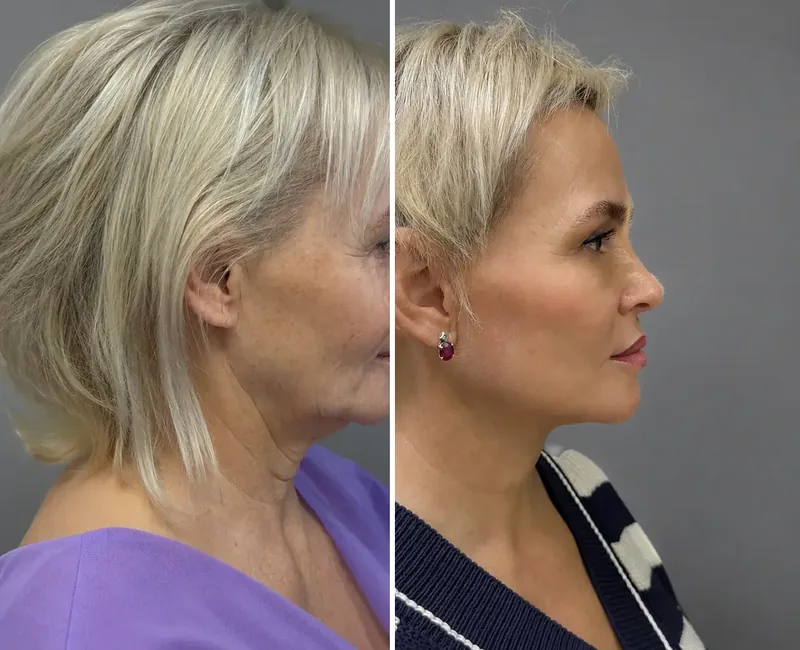
50 years
9 months
SMAS facelift
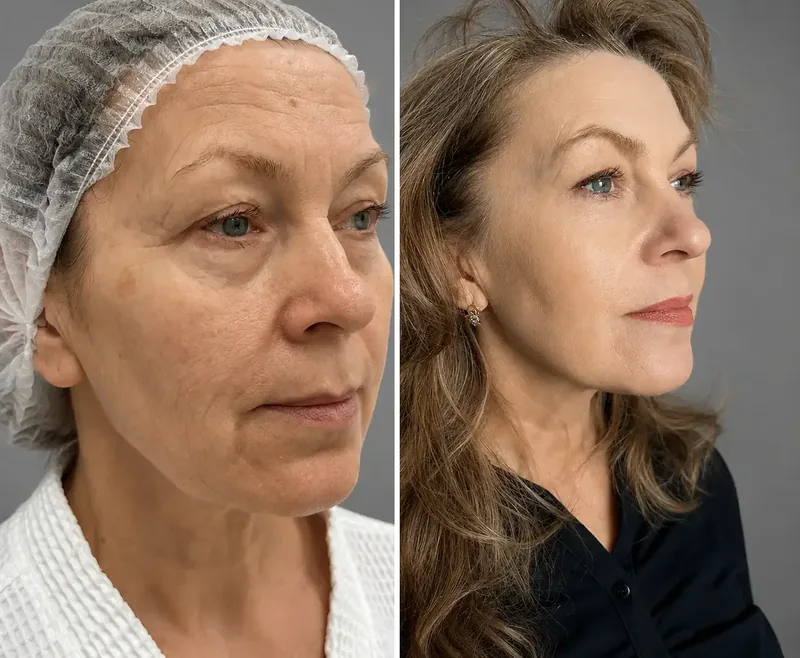
58 years
8 months
SMAS facelift
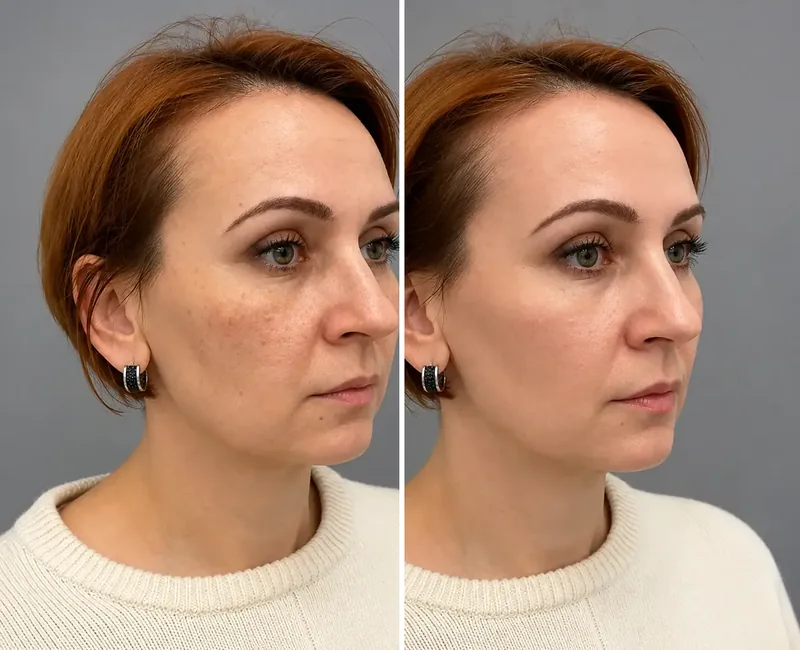
34 years
5 months
SMAS facelift
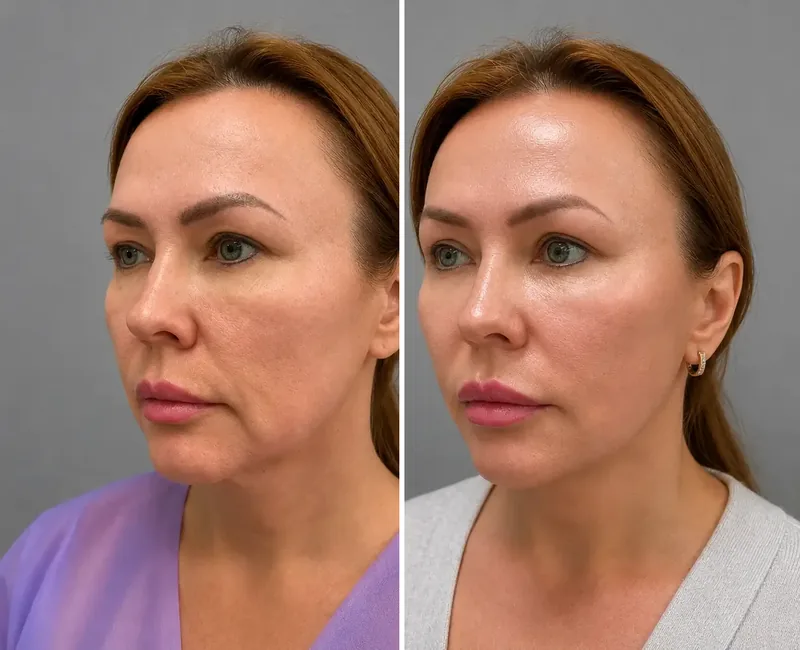
32 years
7 months
SMAS facelift
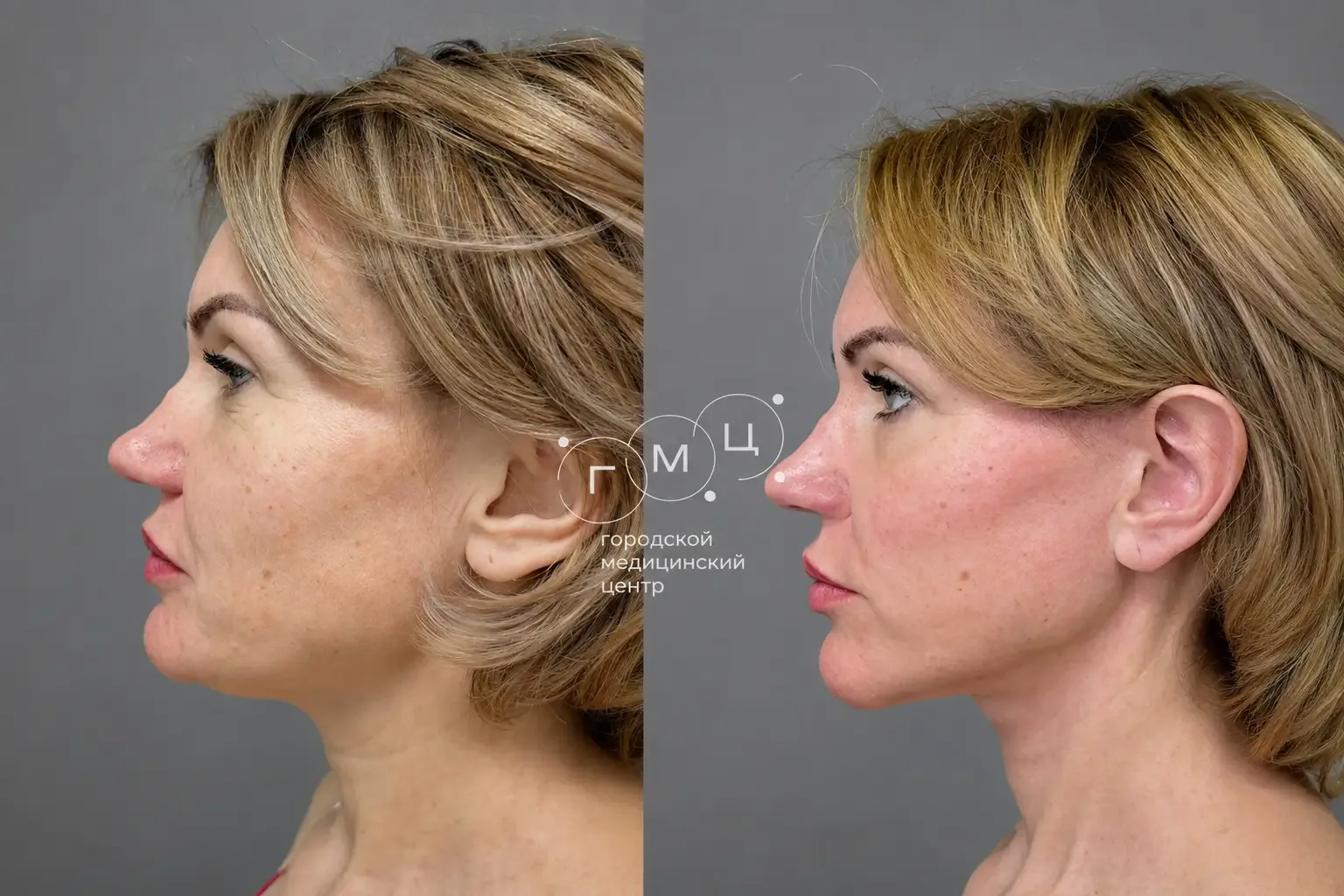
40 years
6 months
SMAS facelift
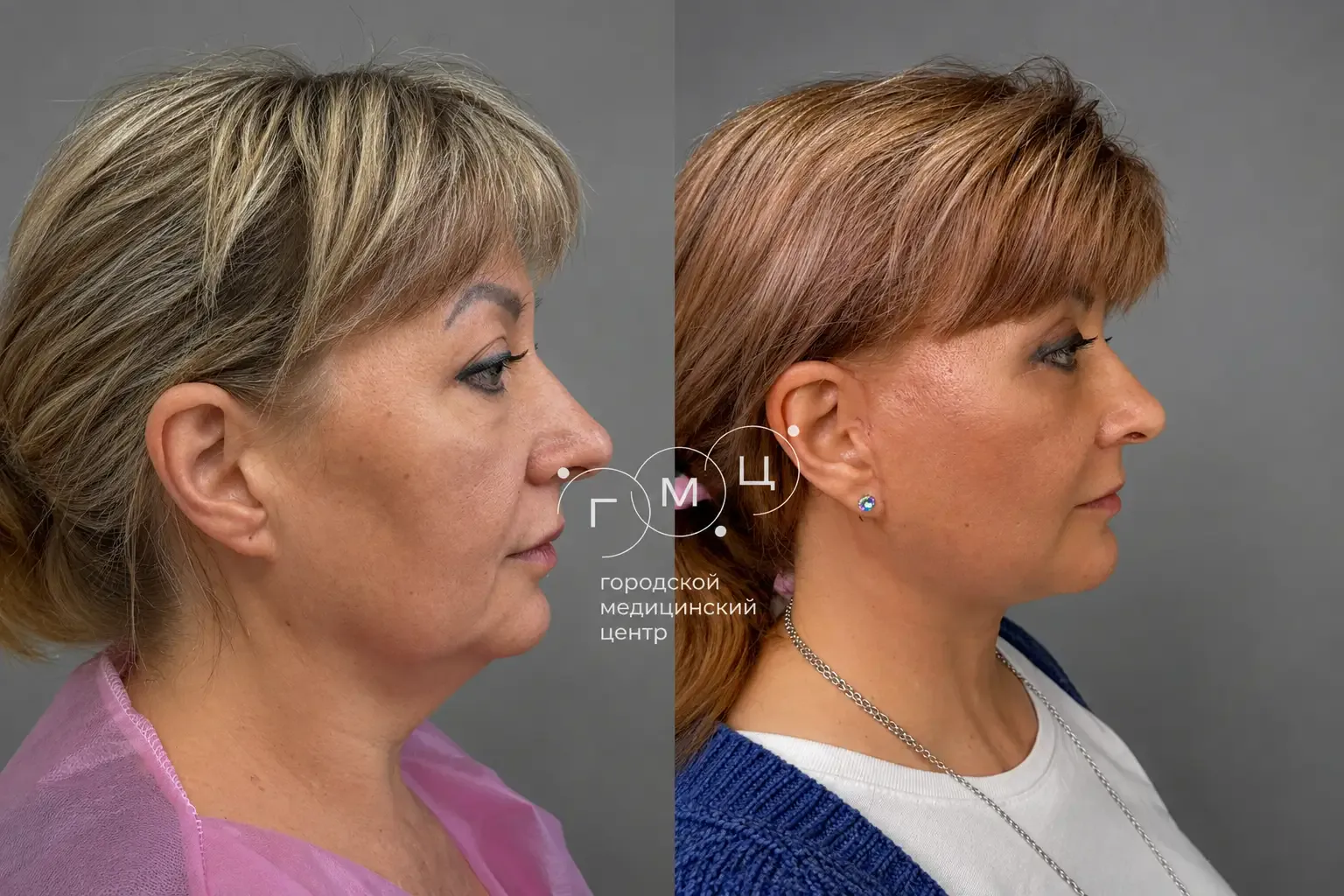
45 years
8 months
SMAS facelift
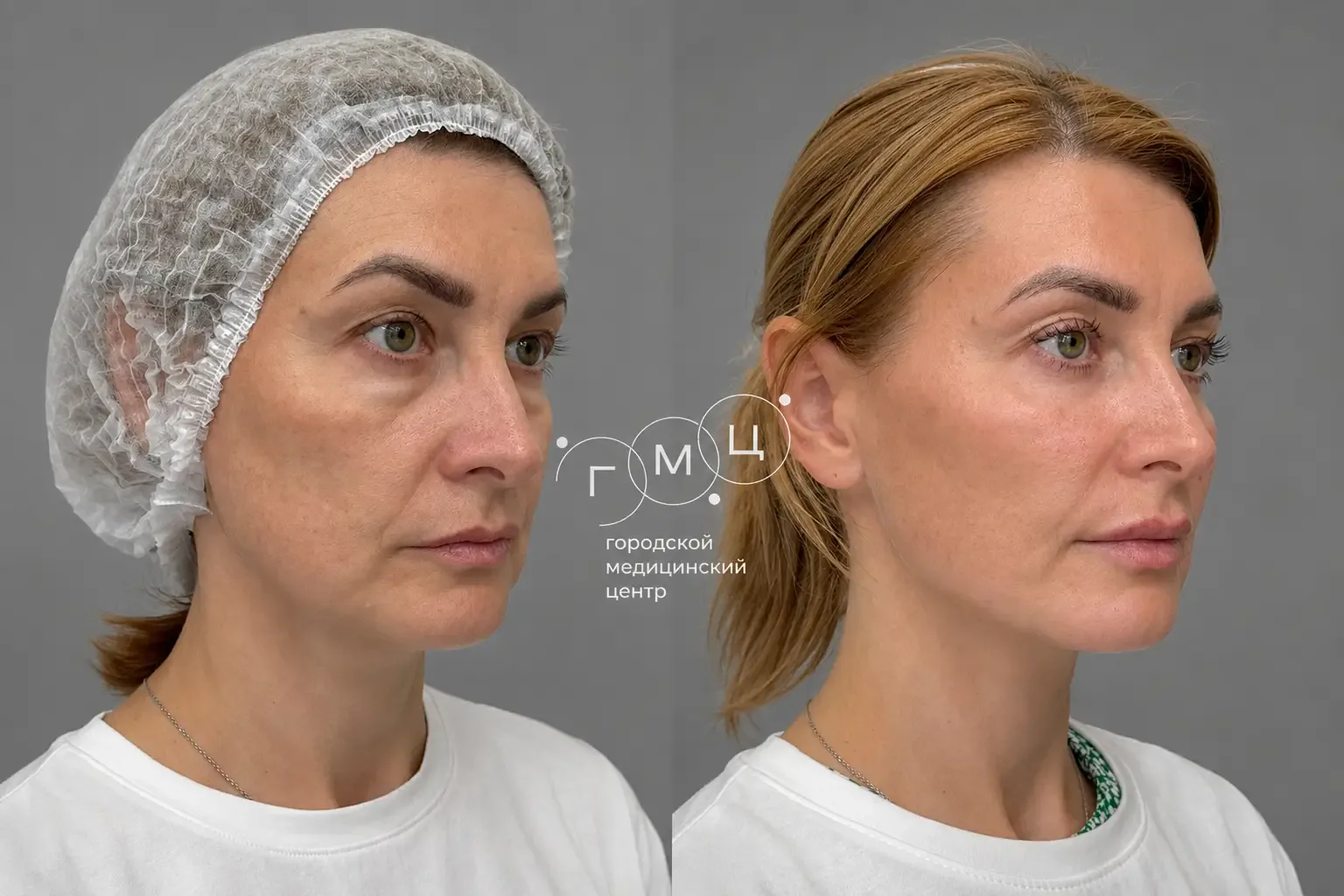
38 years
5 months
SMAS facelift
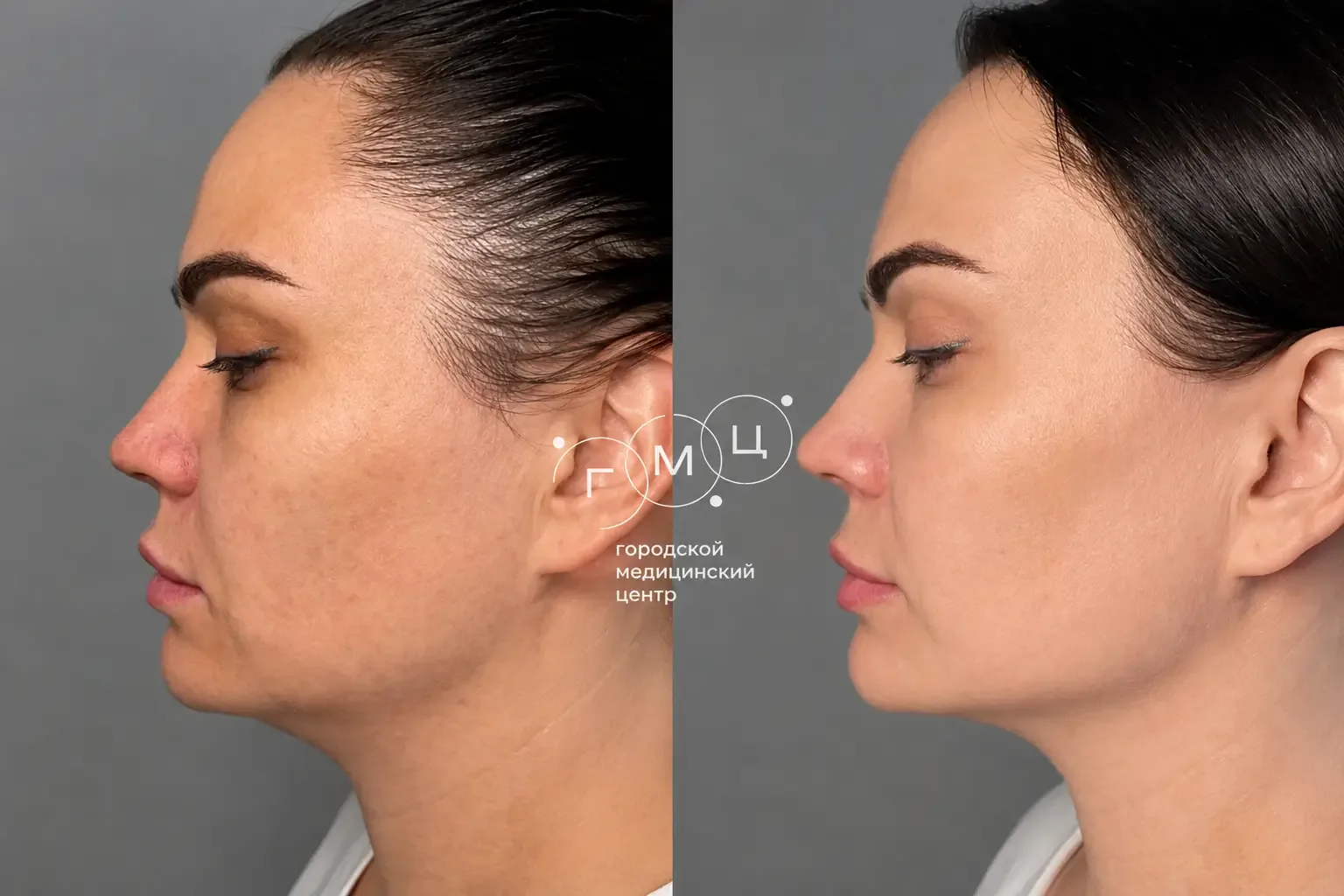
33 years
6 months
SMAS facelift
50 years
9 months
SMAS facelift
58 years
8 months
SMAS facelift
34 years
5 months
SMAS facelift
32 years
7 months
SMAS facelift
40 years
6 months
SMAS facelift
45 years
8 months
SMAS facelift
38 years
5 months
SMAS facelift
33 years
6 months
SMAS facelift

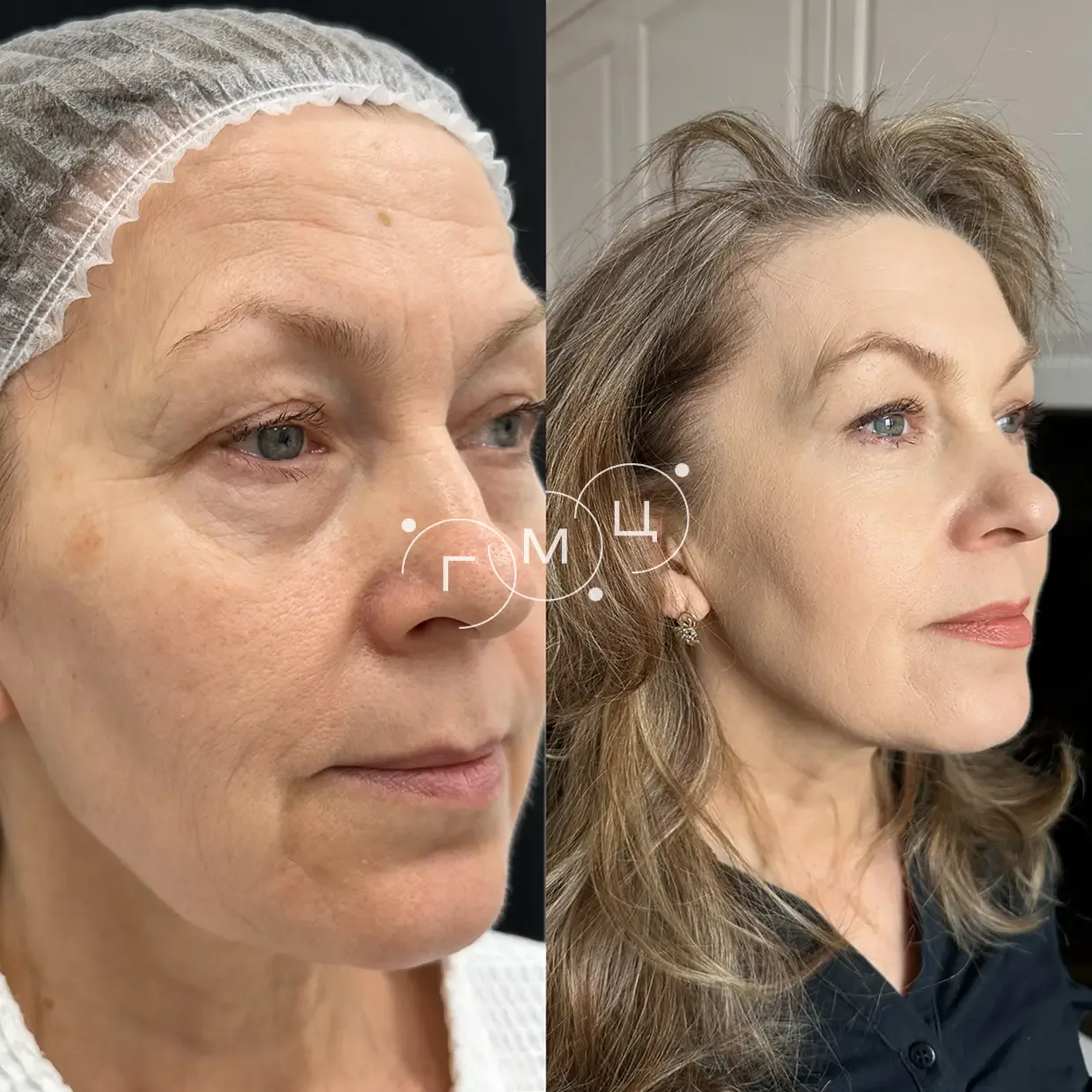

The face and neck show marked sagging
Jowls and a blurred jawline
A double chin and loose neck skin
Marionette lines and deep nasolabial folds
Drooping brows, a heavy look
Significant loss of skin firmness after 40
Preference for a long-term result (7–10 years)

Being under 30
An acute skin inflammation
Pregnancy and the breastfeeding stage
Severe cardiovascular disease
Blood clotting disorders
Cancer
Decompensated diabetes
Facelift in Boorama: a short guide
The operation works on three levels. The skin flap is lifted, redraped and the excess removed, so the surface lies smoothly without tension. Fat in the cheeks and lower face is redistributed to restore volume and remove heaviness. Finally, the SMAS layer of muscles and ligaments is lifted and secured, which is the key step. For patients in Boorama, this layered approach gives results of up to 10 years.
Is a SMAS facelift painful? No: the surgery is done under general inhalation anaesthesia, so you feel nothing. Afterwards, discomfort and tightness are possible for a few days
and are eased with prescribed medication. A compression bandage and reduced activity help the tissues settle in the first 7–10 days. That is the typical course for people in Boorama after surgery.
What do you pay for? From $2,400 (≈ SOS 1,400,000) covers the operation and everything around it: a one-to-one consultation, the medical team, anaesthesia, inpatient care with meals, 24/7 monitoring and twelve months of surgeon follow-up. The first consultation is free and comes with no pressure to decide. Anyone in Boorama can apply via any messenger to arrange a convenient time.
Facelift for residents of Boorama: what the city's context means for planning
Boorama is the largest city of the Awdal region of Somaliland and the commercial seat of the province. A 2023 estimate puts the city's population at 300,000, and the broader district at 398,609 according to a UN 2014 population estimate. In a city of this size, people know one another through family, trade and neighbourhood ties. That shapes how residents think about a facelift. Some want a discreet result that simply looks rested, and others are weighing the decision with relatives. We write this text for both groups.
A facelift is a planned operation, not a cosmetic quick fix. Beyond 40–50 the skin gradually loses firmness,
and sagging, jowls, a blurred jawline and drooping cheeks become noticeable. Many residents of Boorama in this age group are busy with trade, teaching, family responsibilities or community work, so they want to understand the whole process before committing. The consultation is free and online, which means you can ask your questions from home without interrupting your week.
Coordinators of City Medical Centre answer on WhatsApp and Telegram around the clock, 24/7. You can send photographs, describe what bothers you, and ask what the operation involves before you speak with the surgeon. Nothing at this stage obliges you to continue.
Climate of Boorama and its effect on recovery after a facelift
Boorama has a hot semi-arid climate. June is the warmest month, with an average temperature of 24.1 °C, and January is the coolest, at 17.1 °C. Average temperatures vary by only about 7 °C over the year, and the difference in rainfall between the driest and wettest month is 110 millimetres. This is a mild, fairly even climate for the region. Even so, the sun is strong, the air is dry and dust is common, and all three matter for healing facial skin.
In the early weeks after a facelift the skin of the face and neck is sensitive. The advice is general, and your surgeon will give you exact instructions. Keep the scars
out of direct sun, wear a wide-brimmed hat or use shade when you go outside, and do not expose the incision lines to dust. Dry air can make healing skin feel tight, so follow the surgeon's advice on moisturising and wound care. Do not improvise with creams or traditional remedies on the incisions.
Heat and sweating increase swelling and discomfort under a compression bandage, so plan the first days indoors in a cool, ventilated room. Rest, a compression bandage and reduced physical activity are the rule for the first 7–10 days. Swelling and bruising fade within 2–4 weeks, and full recovery takes about 2 months. Planning around the climate means avoiding long stretches in the midday sun during this period.
Choosing the season for the operation in Boorama
Because the seasonal range in Boorama is modest, there is no single perfect month. The question is practical: when can you spend the first 7–10 days resting at home, and when can you avoid strong sun while the scars are young? The cooler part of the year around January gives more comfortable rest indoors, while the warmer months around June call for more care with shade and hydration. Either can work if you plan for it.
Think also about the calendar of your family and community. Weddings, religious holidays, school terms and
busy trading periods all create obligations that are hard to refuse. Visible swelling and bruising fade within 2–4 weeks, and the first clear changes appear after 3–4 weeks. If you have an important family event, schedule the operation so that the event falls well after that point. Your face takes on its final look in 3–6 months, so it is wise not to judge the result too early.
The coordinators work around the clock and the booking is flexible. The centre fits around your busy schedule and adapts to you, so you can discuss dates in a chat and move step by step, without pressure to pick a date at once.
Who is a suitable candidate for a facelift, and who is not
As a rule, surgery is recommended for patients aged 40+ with marked tissue sagging, and in some cases from 35. The recommendation is made individually after an examination. Typical reasons to consider a facelift are a marked loss of skin firmness after 40, jowls, a blurred jawline, drooping cheeks, a double chin, deep nasolabial folds, and the wish for a result that lasts 7–10 years.
A facelift is not the right answer for every concern. Surface problems such as tone, small lines or pigmentation are usually handled by cosmetology. A surgical SMAS facelift works deeper, by repositioning the muscle and fascia layer.
It treats the cause of sagging, not its effects, and it is meant for people whose tissues have genuinely descended.
General contraindications are decided by the surgeon after a full review of health. Chronic illnesses, heart and blood pressure problems, blood clotting disorders, diabetes control, smoking and current infections all matter. Weight also matters, and the WHO describes excess weight and obesity as conditions that affect general health and the course of treatment. Tell the surgeon honestly about medications and past operations, including anything you have taken for blood pressure or from traditional healers. A good consultation includes the possibility of hearing that surgery should wait.
Four options for the operation and what each one changes
There are 4 main options. At the consultation, the surgeon helps select the best one for your age and type of ageing. You do not need to choose before you speak with the surgeon. Describe your face honestly and send clear photographs in natural daylight, which is easy to find in Boorama.
The classic SMAS lift of the mid and lower face is one option. The surgeon works on the skin and the SMAS layer through incisions hidden along the hair line and around the ears. It removes jowls, sagging cheeks, a double chin and deep nasolabial
folds. Results last 7–10 years. This option often suits patients whose concerns are concentrated in the lower half of the face.
The comprehensive lift covers the forehead, temples, mid and lower face and neck. It suits marked sagging in several areas at once and delivers the most complete rejuvenation, with a natural look free of a «mask» effect. Results last up to 10 years. For a woman or man in Boorama who is often in public, at work, at gatherings or in the market, a natural look matters, because the aim is to look rested and recognisable, not altered.
How a SMAS facelift works at 3 levels
A surgical SMAS facelift corrects at 3 levels. It tightens the deep SMAS layer under the skin, not only the skin itself, so the lower face, jawline and neck stay firmer for longer. The central step is lifting and securing the muscle and fascia layer, which lets the surgeon treat the cause of sagging itself: weakened ligaments and descended muscles. Deep work on the SMAS gives a natural look and results lasting up to 10 years.
This explains why a facelift differs from procedures that only pull the skin. When skin alone is tightened, tension
falls on the scars, and the look can become stretched. When the deeper layer carries the lift, the skin can settle naturally. For patients in a hot, dry climate like that of Boorama, the face also keeps its natural movement, which is important in daily conversation and in family life.
One operation gives a complete result. A repeat procedure is possible after 7–10 years if the patient wants it. The operation does not stop ageing, and your face will keep changing over the years. What the operation does is move the starting point back, and the surgeon will explain realistic expectations for your face.
Recovery: return to work, study and sport in Boorama
Recovery follows a clear sequence. During the first 7–10 days: rest, a compression bandage and less physical activity. Swelling and bruising fade within 2–4 weeks, and full recovery takes about 2 months. After 3–4 weeks, as the swelling settles, the first clear changes appear. Your face takes on its final look in 3–6 months.
Boorama has 52 primary and secondary schools and 15,314 students, so many residents work in education or have children in school, and their days are full. Teachers and trade workers who talk to many people a day should plan an absence long enough for the face to look settled, and should ask the
surgeon when a return to the classroom or the shop is reasonable. Office and desk work usually returns sooner than work that needs lifting, bending or long hours in the sun, but the surgeon decides.
For sport and physical work, the general rule is to reduce activity at first and increase it gradually, only with the surgeon's agreement. Football, running, heavy lifting and strenuous farm or market work should wait until the surgeon allows them. Do not go back to the pool or the sea, or to hot steam, before the surgeon says so, and keep scars covered and shaded outdoors. Walking at a calm pace in the cooler hours is usually a gentle way to start moving again.
Food, family life and support at home during healing
Hospitality is central to life in Boorama. Guests come, meals are shared and relatives visit, and in the first days after surgery this can be tiring. Agree with your family beforehand who will help, who will answer visitors and who will prepare soft food. A calm first week at home matters more than keeping up appearances. Many patients tell relatives simply that they are recovering and ask visitors to wait.
Soft, nutritious meals, enough water in the dry climate and avoiding very hot drinks and food in the first days
are sensible general habits. The surgeon will give exact instructions on diet, chewing, and alcohol or smoking, if relevant. Large family meals and festive events can be demanding, because chewing and talking for long periods may be uncomfortable while the face is swollen.
The inpatient stage at the centre includes care with meals and continuous 24/7 monitoring by the medical team. After that, your operating surgeon follows you up for the whole first year. Photographs, questions and concerns can be sent to the coordinators on Telegram or WhatsApp at any hour, so you are not left alone with doubts even when you are back at home.
How the online consultation works from Boorama
The consultation is a one-to-one conversation with the surgeon, free of charge and held online from your home in Boorama. First you write to the coordinators on Telegram or WhatsApp, and they are available 24/7. You describe what concerns you, send photographs, and tell them about your health, medications and previous operations. Then a time for the video conversation is arranged to suit your schedule.
During the conversation the surgeon looks at your face, asks about your age and type of ageing, and explains which
of the 4 options fits you. You can ask about incisions, scars, the first days, recovery, the number of days you should plan to rest, and what the follow-up looks like. The recommendation is individual, and it may include advice to wait or to choose a less invasive path.
The programme includes a one-to-one consultation, the medical team, anaesthesia, inpatient care with meals, 24/7 monitoring and twelve months of follow-up by the surgeon. Before deciding, ask for the programme to be written in the chat so that you and your family can read it together at home.
Boorama's working week and how to fit a facelift into it
Boorama is the commercial seat of the Awdal region, and much of daily life here revolves around trade, schooling and family obligations. A facelift needs a quiet stretch of time at home, so the first step is to look honestly at your own calendar. Who covers the shop, the classroom or the household while you rest? Settling this before the consultation makes every later decision easier.
The first 7-10 days are the strictest part: rest, a compression bandage and less physical activity. Swelling
and bruising fade within 2-4 weeks, and full recovery takes about 2 months. Residents who run their own business can plan to hand over daily tasks to a relative or colleague for the first weeks and keep in touch only by phone. People employed in a school or an office can ask the surgeon how long an absence is sensible for their kind of work.
Coordinators answer on WhatsApp and Telegram around the clock, 24/7, so you can plan in the evening after work or early in the morning. The booking is flexible, and the centre adapts to your schedule instead of asking you to rearrange your whole life at once.
Dust, sun and headwear in Boorama during healing
The climate of Boorama is hot semi-arid. June averages 24.1 °C and January 17.1 °C, so the year is fairly even, but sun and dry air are constant companions. Healing incision lines behind and around the ears, and along the hair line, are exposed to both whenever you step outside.
Light, breathable headwear that does not press on the face or the compression bandage is a sensible choice, and your surgeon will say what is acceptable in the first weeks. Anything tight
around the ears, jaw or neck can irritate the healing area. Choose loose cotton, avoid pulling garments over the head, and ask the surgeon how to remove and put on a headscarf, turban or hat without strain.
Wash and care for the wound only as instructed. Dust settles easily on a damp dressing, so keep windows and doors in mind when you choose the room where you rest. In the weeks of healing, travel by road on dusty days should be limited to what is truly needed, and then done with the face covered and shaded.
What patients in Boorama usually ask before a facelift
The first question is nearly always whether the face will look natural. The answer lies in the choice of option and in the depth of the work. A surgical SMAS facelift repositions the muscle and fascia layer instead of only pulling the skin, and the comprehensive lift is described as giving the most complete rejuvenation without a «mask» effect.
The second question concerns time: when can I be seen in public, when will the result be visible? The first
clear changes appear after 3-4 weeks, and your face takes on its final look in 3-6 months. The third is about durability. The result lasts up to 10 years, and the classic SMAS lift gives 7-10 years.
The fourth is about support. Residents want to know who will answer if something worries them at night. Continuous 24/7 monitoring by the medical team covers the inpatient stage, the coordinators answer in chat at any hour, and the operating surgeon follows you for twelve months.
Preparing family and home for the weeks after surgery
In Boorama, family is usually the main source of practical help. Before the operation, talk openly with your spouse, parents or adult children about what you will need: help with meals, quiet in the house, someone to answer the phone and visitors, and someone to accompany you to any follow-up conversation.
Prepare a cool, shaded, ventilated room for rest, soft pillows so that you can sleep with your head slightly raised
if the surgeon advises it, and a list of questions to put to the coordinators. Keep your photographs, medication list and notes about past operations in one place, so that anyone in the family can pass them on if you are tired.
Children and relatives often worry when they see bandages and bruising. Explain in advance that swelling and bruising are normal and fade within 2-4 weeks, and that full recovery takes about 2 months. A calm household helps you rest, and rest is the main part of the early recovery.
Questions to ask the surgeon before deciding
A useful consultation is one where you arrive with questions. Ask which of the 4 options the surgeon recommends for you and why, and what would change if you chose another. Ask where the incisions will be, how they are hidden along the hair line and around the ears, and how the scars usually look as they mature.
Ask how the recovery will look in your daily life: how many days of rest are needed, what to do about sun and dust in Boorama, when you can return to work or school, and when you can resume sport. Ask what to do if swelling is uneven or if you feel concern at night, and who will answer you. At this centre the answer is the coordinators around the clock, and your operating surgeon for the whole first year.
Finally, ask about expectations. A facelift gives a natural, rested look and a result that lasts 7–10 years, up to 10 years in the comprehensive option. It does not change the character of your face. A repeat procedure is possible after 7–10 years if you want it. A frank surgeon will discuss limits as openly as benefits.
Can I have the consultation without leaving Boorama?
Yes. The consultation is a free online conversation with the surgeon, arranged through the coordinators on Telegram or WhatsApp. They are available 24/7, so you can write at any time and choose a convenient time for the video call.
At what age is a facelift usually considered?
As a rule, surgery is recommended for patients aged 40+ with marked tissue sagging, and in some cases from 35. The recommendation is made individually after an examination. Beyond 40–50 the skin gradually loses firmness, which is when jowls and a blurred jawline become noticeable.
How is a SMAS facelift different from cosmetology?
A surgical SMAS facelift works deeper by repositioning the muscle and fascia layer. It treats the cause of sagging, not its effects, and corrects at 3 levels. The lower face, jawline and neck stay firmer for longer, and the result lasts about 7–10 years.
How long does the result last?
The result lasts up to 10 years. For the classic SMAS lift the figure is 7–10 years, and for the comprehensive lift up to 10 years. A repeat procedure is possible after 7–10 years if the patient wants it.
How long is recovery, and is it hard in the heat of Boorama?
During the first 7–10 days you rest, wear a compression bandage and limit physical activity. Swelling and
bruising fade within 2–4 weeks, and full recovery takes about 2 months. Since Boorama is warm and dusty, keep the scars shaded, wear a hat outdoors and rest in a cool, ventilated room.
When will I see the final result?
After 3–4 weeks, as the swelling settles, the first clear changes appear. Your face takes on its final look in 3–6 months. It is better not to judge the result earlier, and your surgeon follows you for the whole first year.
What are the 4 main options?
They include the classic SMAS lift of the mid and lower face and the comprehensive lift of the forehead, temples, mid and lower face and neck. At the consultation, the surgeon helps select the best one for your age and type of ageing.
What is included in the programme?
A one-to-one consultation, the medical team, anaesthesia, inpatient care with meals, 24/7 monitoring and twelve months of follow-up by the surgeon. Ask the coordinators to write the full programme in the chat for you and your family.
Do I need a second operation?
One operation gives a complete result. A repeat procedure is possible after 7–10 years if the patient wants it. It is a choice, not an obligation.
Can weight and general health affect my suitability?
Yes. General health, chronic illnesses, smoking and weight are reviewed by the surgeon before any recommendation. The WHO treats excess weight and obesity as factors that influence health in general, so be open about them at the consultation.
Is a facelift suitable if I work all day with customers in Boorama?
It can be, but plan an absence long enough for the swelling and bruising to settle, which takes 2-4 weeks. Ask the surgeon at the online consultation when a return to customer-facing work is reasonable for you.
Can I wear a headscarf or hat after the operation?
Ask your surgeon. In the first weeks anything tight around the ears, jaw and neck can irritate the incision lines, so loose, breathable headwear is usually preferred, and the surgeon will give exact instructions.
Who answers my questions after I am back home?
The coordinators reply on WhatsApp and Telegram around the clock, 24/7, and your operating surgeon follows you up for the whole first year.
Facelift in Boorama: price and what is included
Prices are in US dollars; the amount in brackets is an approximate conversion to SOS at the rate of 2 October 2026. The final price is fixed in your contract.
- Faceliftfrom $2,400 (≈ SOS 1,400,000)
How much does a facelift in Boorama cost?
Prices start from $2,400 (≈ SOS 1,400,000). The surgeon sets the final price at the free consultation, and it is fixed in the contract, with no hidden extras.
What is included in the price?
A one-to-one consultation, the medical team, anaesthesia, inpatient care with meals, 24/7 monitoring and twelve months of follow-up by the surgeon.
How do I get my exact price?
Message us on WhatsApp or Telegram using the buttons below. A coordinator will answer your questions and book a free consultation where the doctor names the exact price.
By messaging us, you agree to our Privacy Policy