
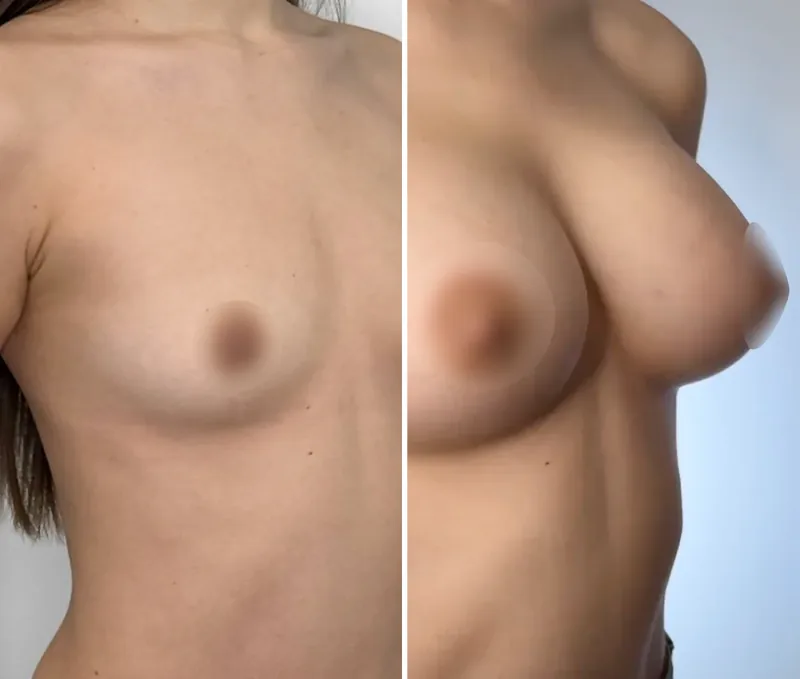
 beforeafter
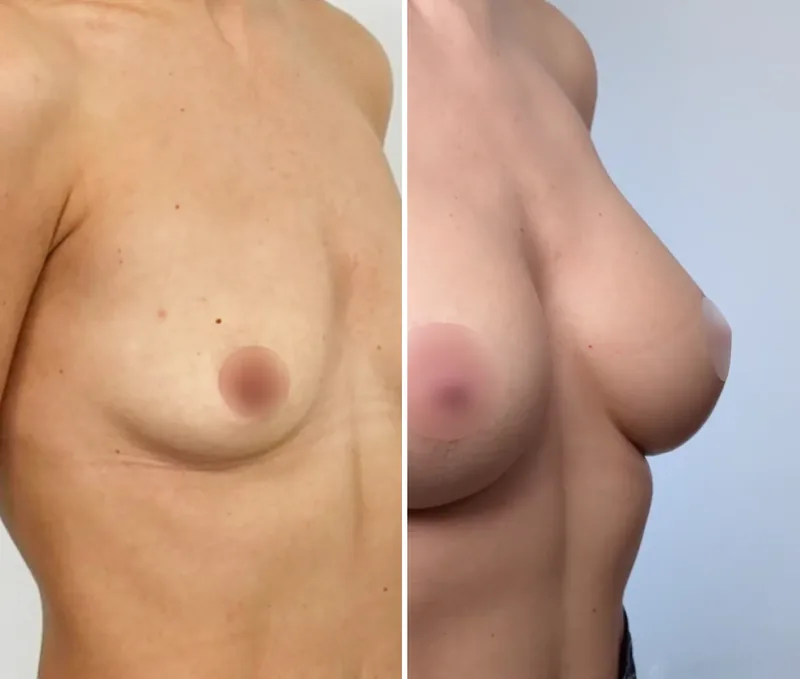
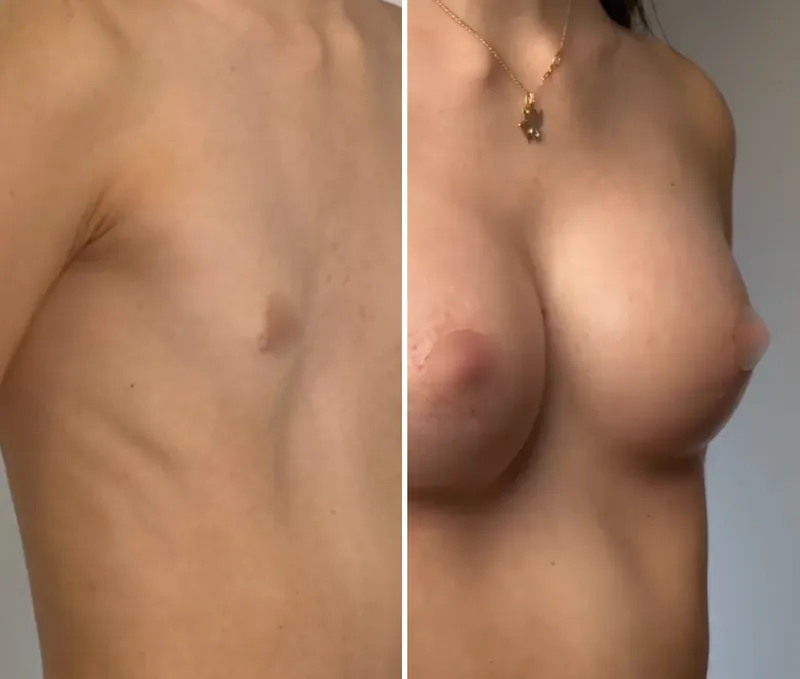
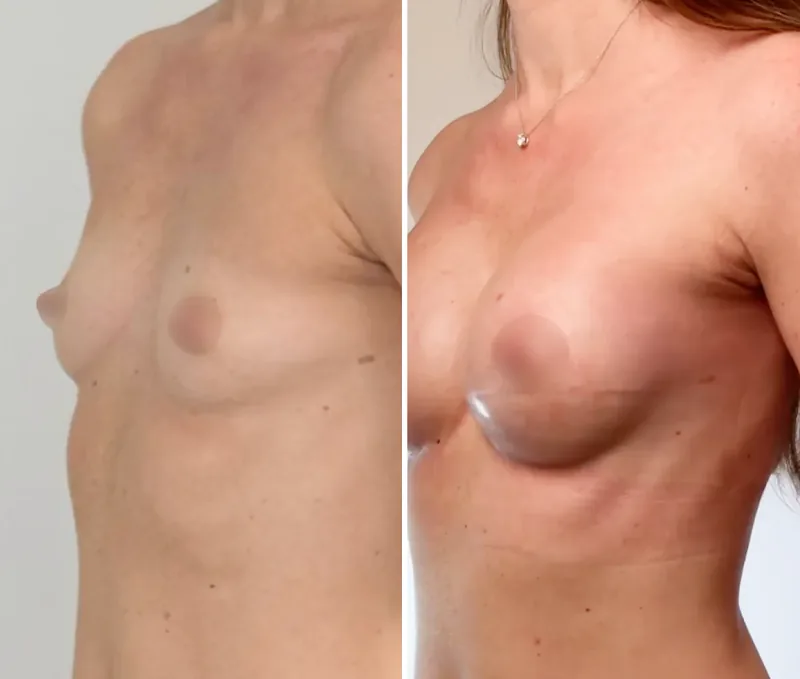
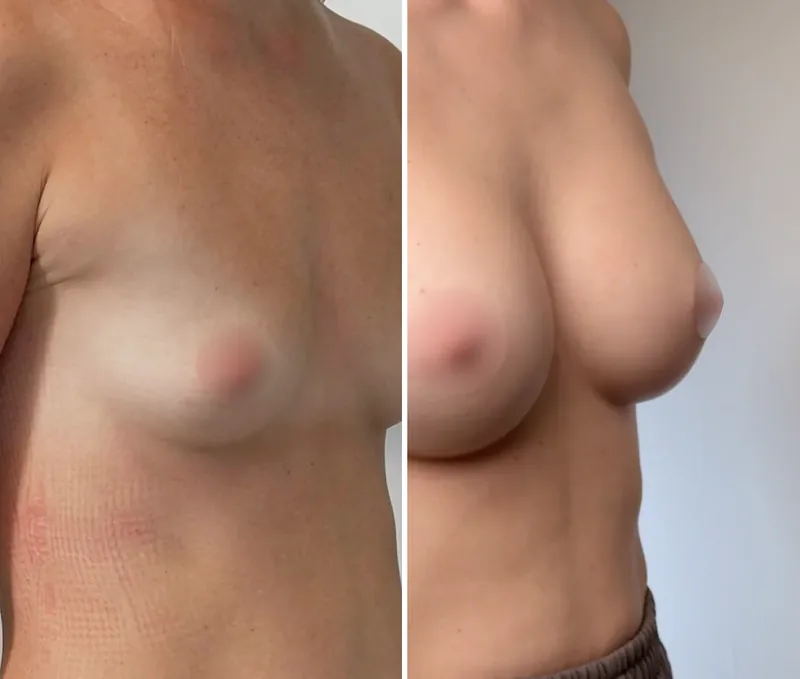
Mammoplasty
Method: implants
Breast augmentation
$4,700
$5,900 · First consultation — Free
Message our coordinator
Free online consultation · Reply within 15 minutes
Message us on TelegramMessage us on WhatsAppBy messaging us, you agree to our Privacy Policy
Results
All photos show real patients of the clinic, with identifying details and faces hidden.
beforeafterMethod: implants
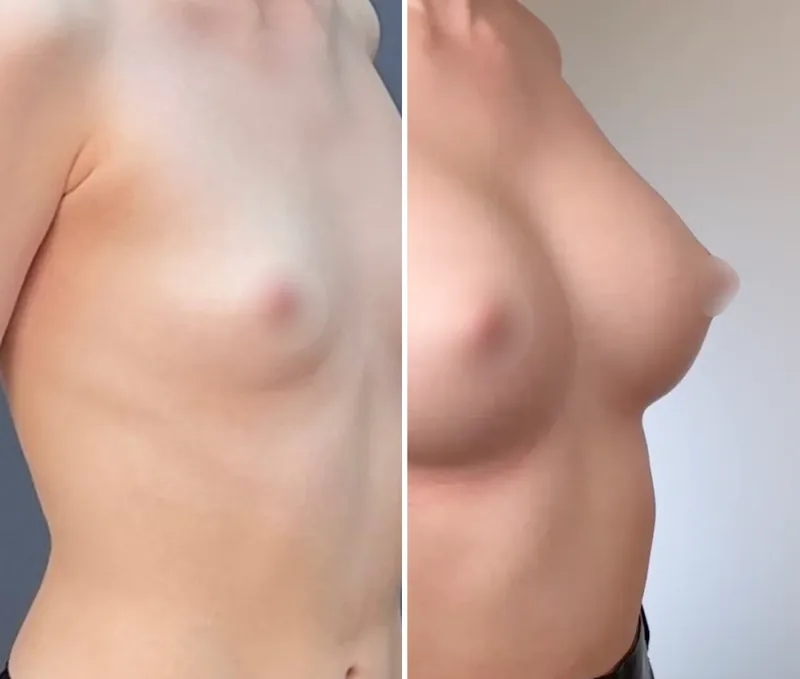 beforeafter
Method: implants
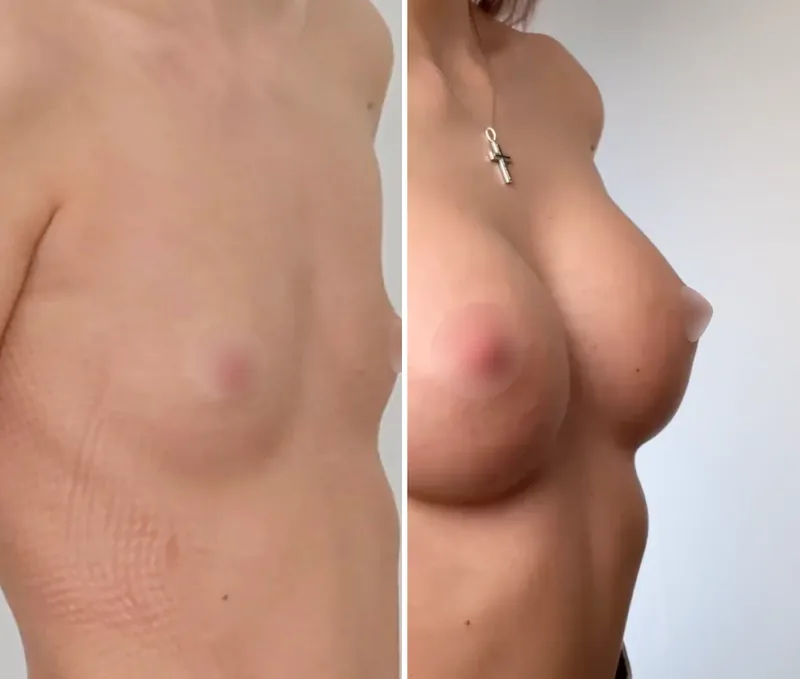 beforeafter
Method: implants
 beforeafter
Method: implants
 beforeafter
Method: implants
 beforeafter
Method: implants
 beforeafter
Method: implants
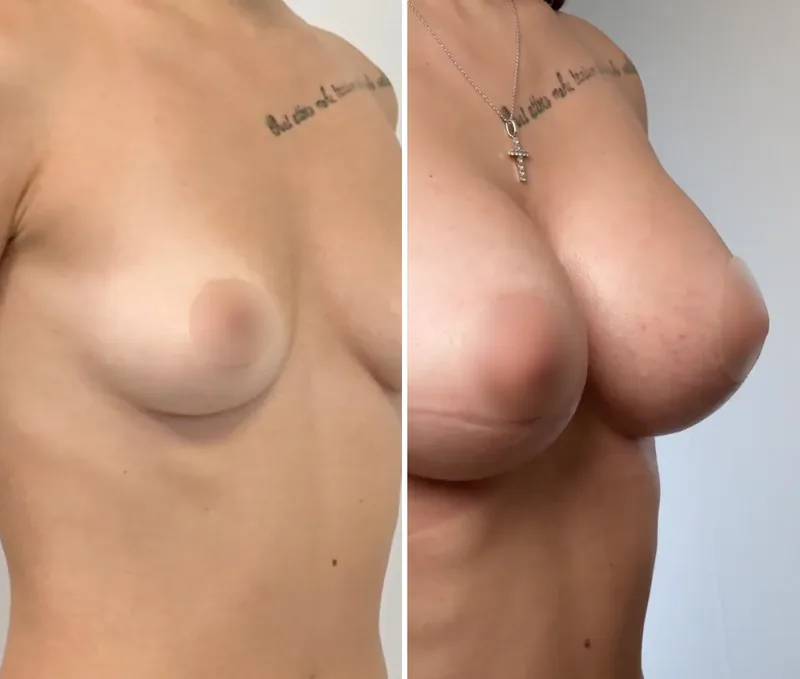 beforeafter
Method: implants
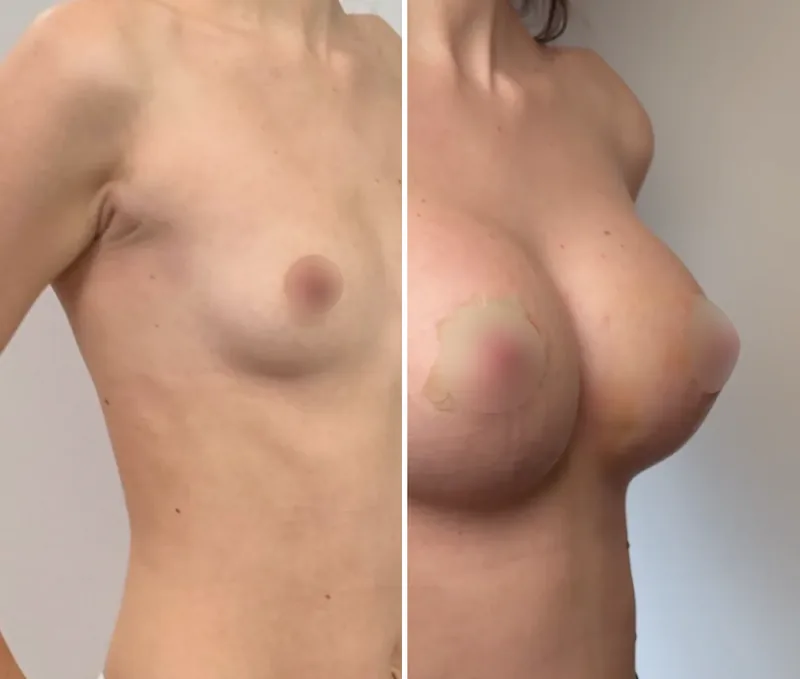 beforeafter
Method: implants
Comparison
Our surgeons use two main methods of breast correction — augmentation and reduction. See the goal, the precision and the indications of each to make an informed choice.
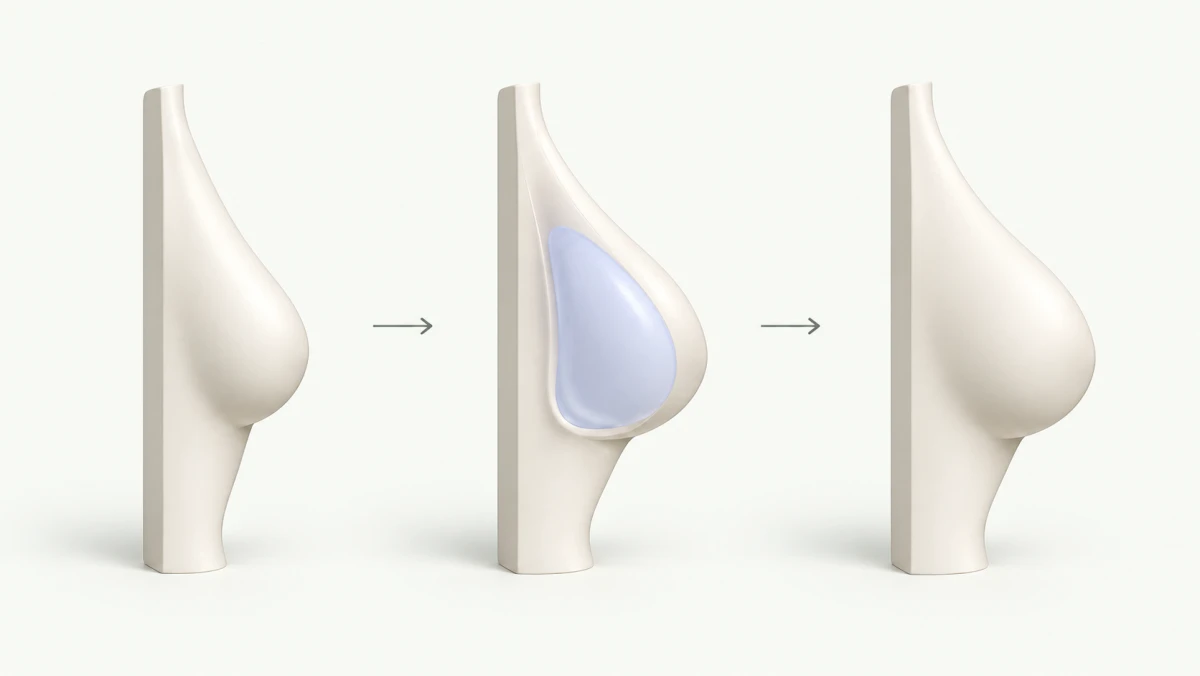
Size and shape correction with implants
Discounted price
$4,700 $5,900
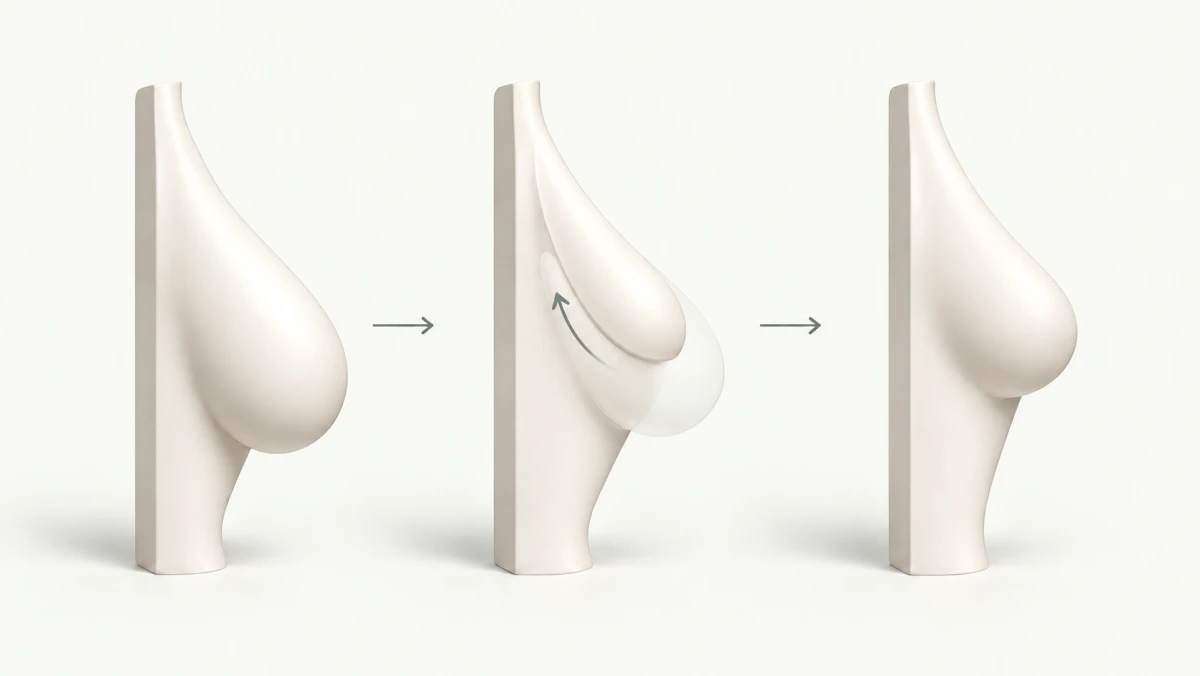
Correcting breast size by reducing volume and weight
Discounted price
$4,700 $5,900
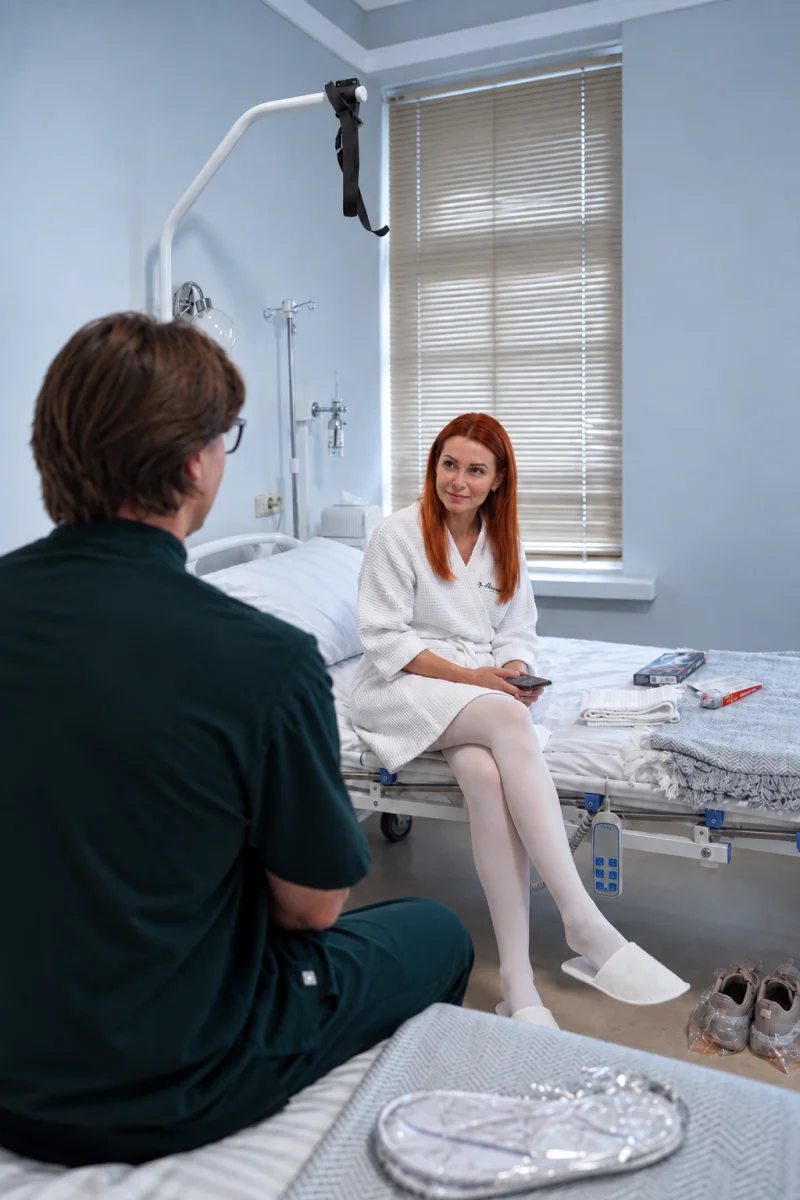
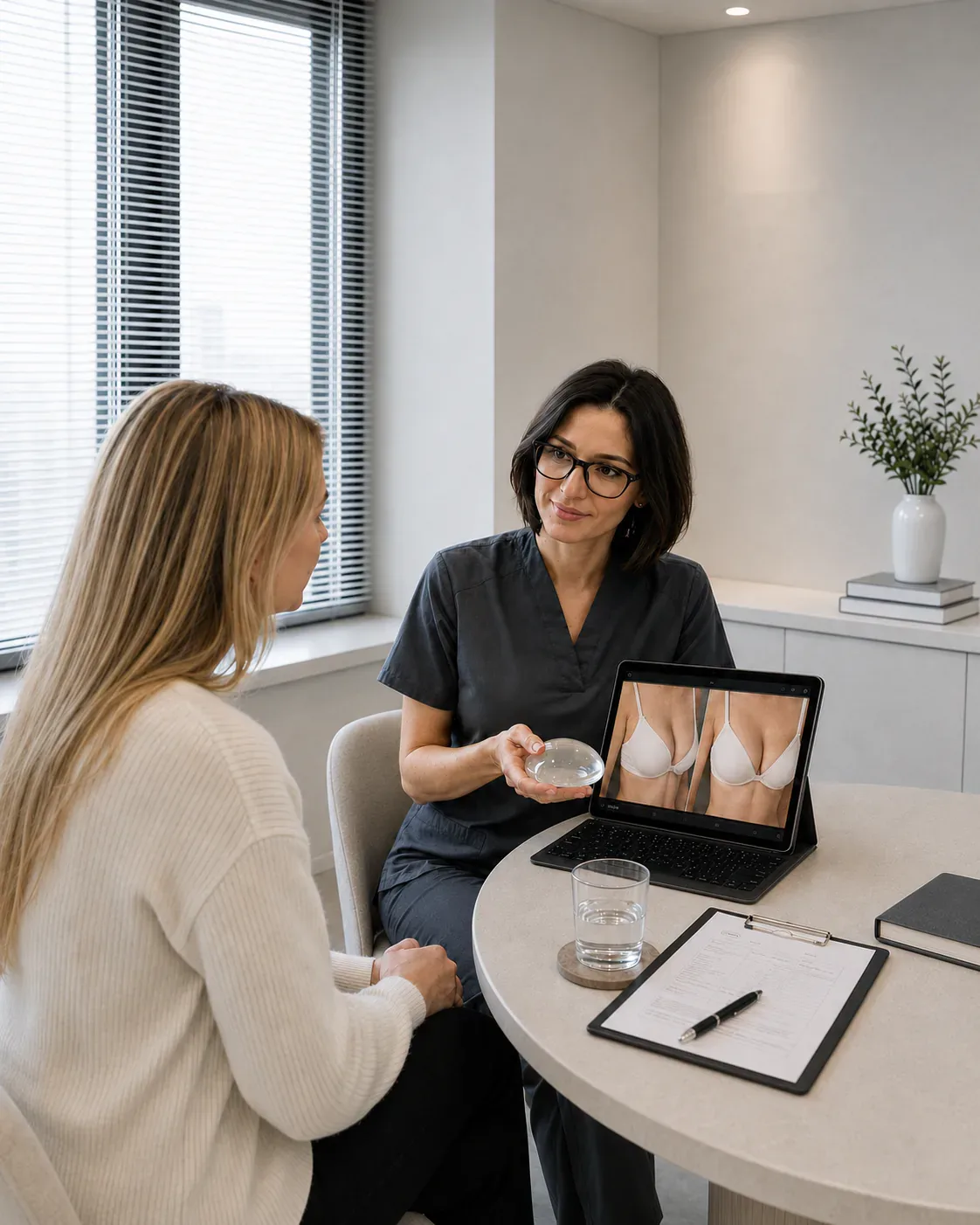
At the consultation the surgeon assesses the shape and proportions of your breasts, discusses your wishes and chooses the best mammoplasty option for you.
The consultation is free, before surgery and with no commitment.
Comparison
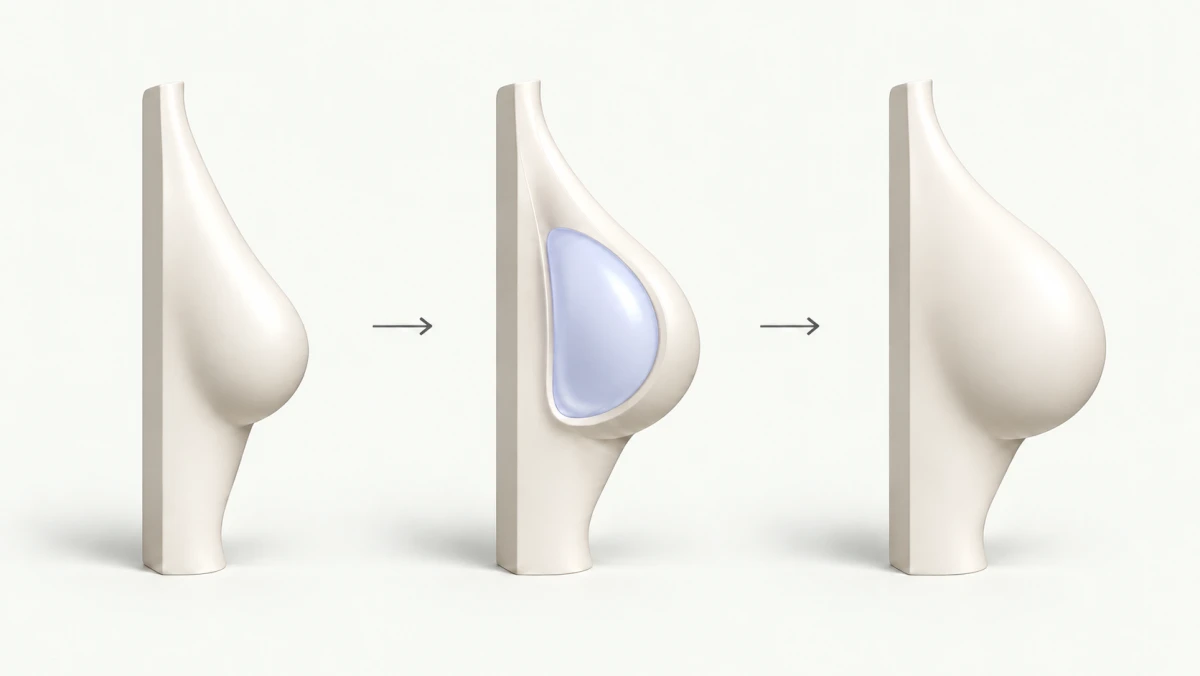
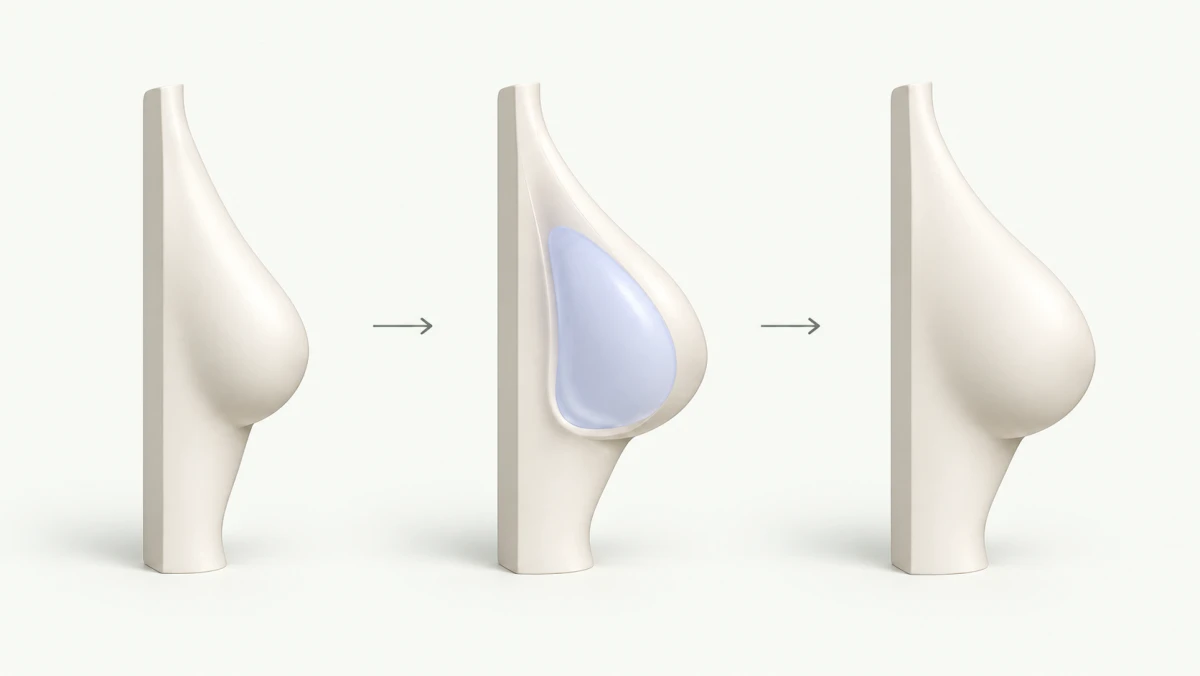
There are two main types of implants we place: round and anatomical. Both enlarge and reshape the breasts, while their form and the resulting look are different.
A fuller upper pole with even volume
A natural slope with a soft, teardrop-like shape
The surgeon will help you choose the implant shape and volume.
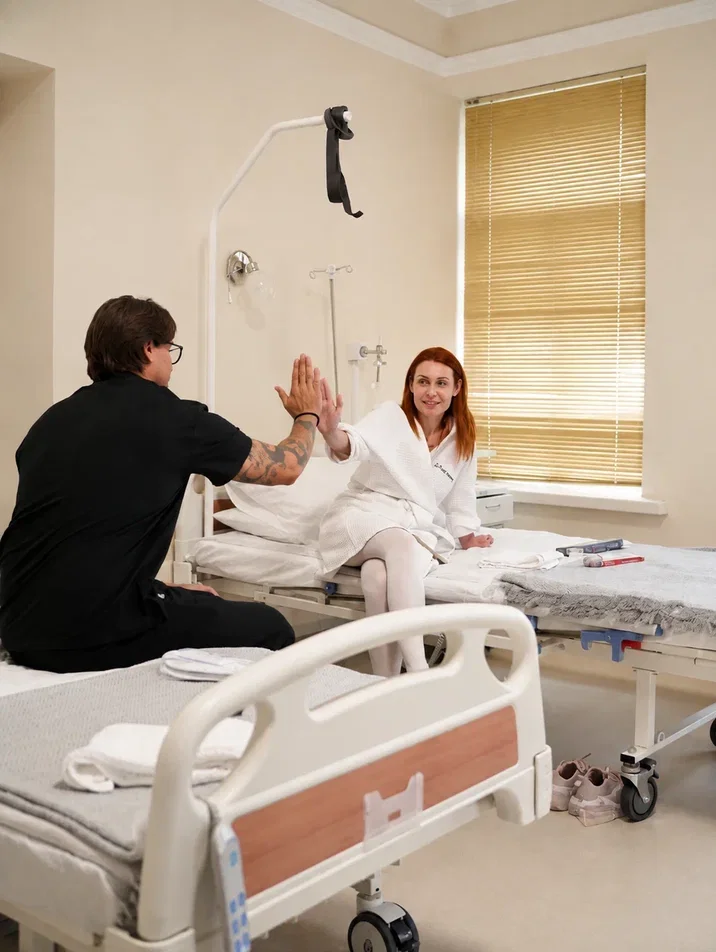
Inside the clinic
Modern equipment, comfortable rooms and care for every patient
We answer your questions and pick a convenient consultation time
Should your case not require surgery, you will hear it from the doctor at the consultation, and no money will be spent in vain.

Can't tell whether surgery is right for you?
Get in touch: your coordinator will ask you for photos in a messenger, the surgeon will study them and say whether mammoplasty is a good option for you.
Find out if it suits me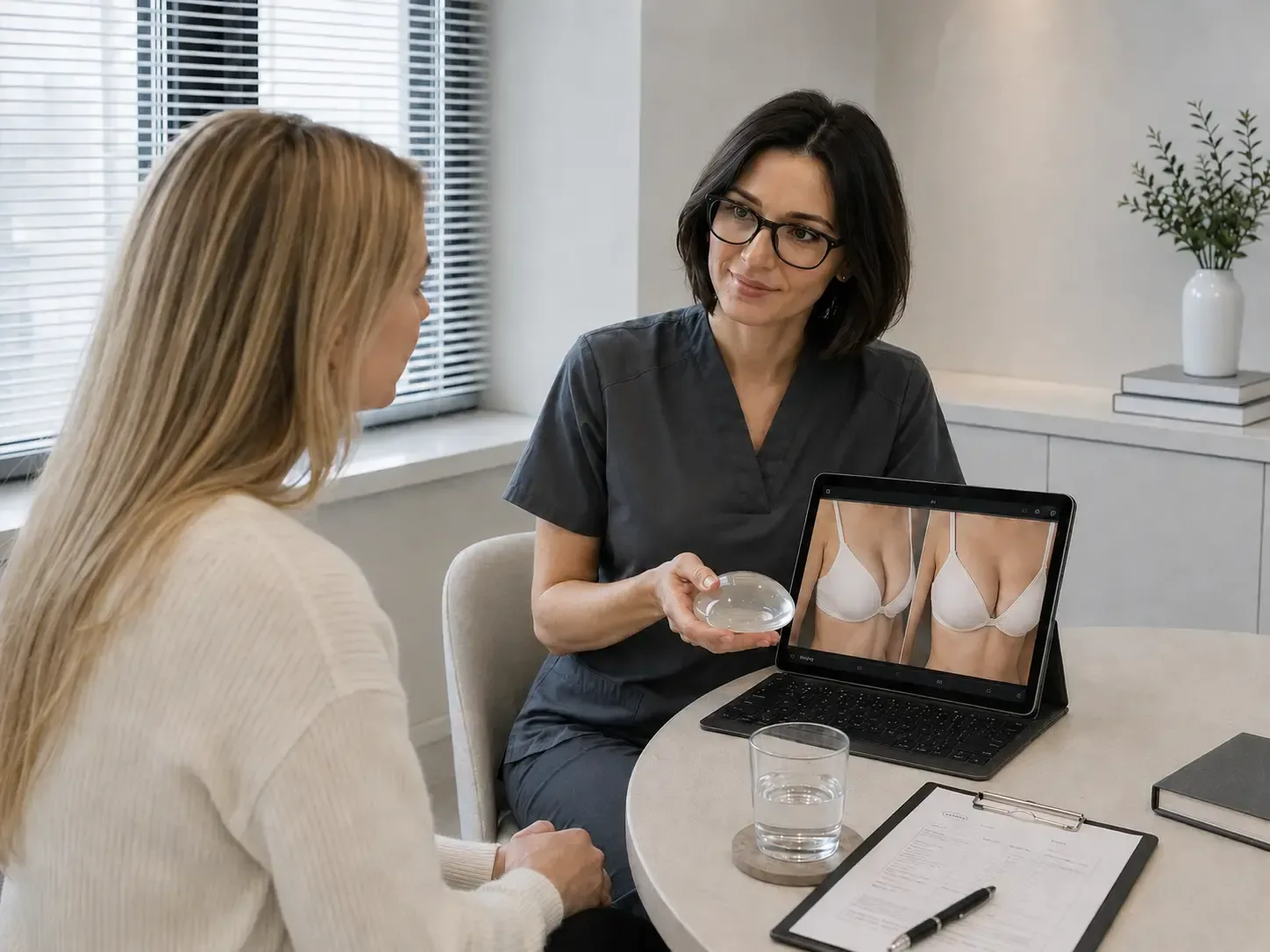
Prices
The price is set at the consultation and fixed in the contract.
Discounted price
Size and shape correction with implants
$4,700$5,900
Discounted price
Reducing the volume and weight of the breasts
$4,700$5,900
Breast restoration after mastectomy
The price is set at the consultation and fixed in the contract.
Get a consultationAfter assessing your breast anatomy and proportions and listening to your wishes, the surgeon chooses the appropriate correction method.
The price is set at the consultation and fixed in the contract.
Message our coordinator
Free online consultation · Reply within 15 minutes
Message us on TelegramMessage us on WhatsAppBy messaging us, you agree to our Privacy Policy
all inclusive
Everything from surgery preparation
to support over 12 months.
Discounted price
$4,700$5,900
How it goes
An agreed correction plan, inpatient observation and recovery monitoring for a year.
 1
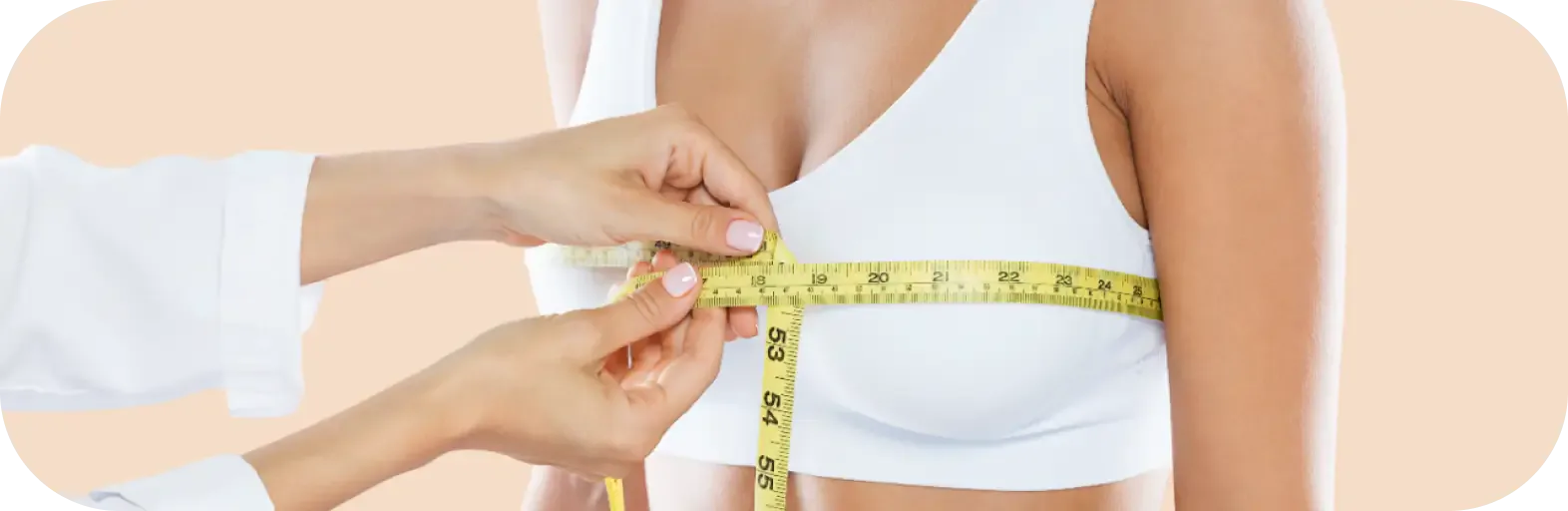
The surgeon examines your figure, discusses your wishes and selects the best volume, shape and correction method.
 2
We hold a surgery date for you. You can pay the deposit by card at the clinic or online by bank transfer; all terms are set out in the contract for medical services
 3
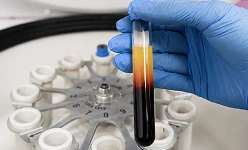
Before surgery you complete a full set of tests: blood tests, an ECG and other examinations prescribed by the doctor.
 4
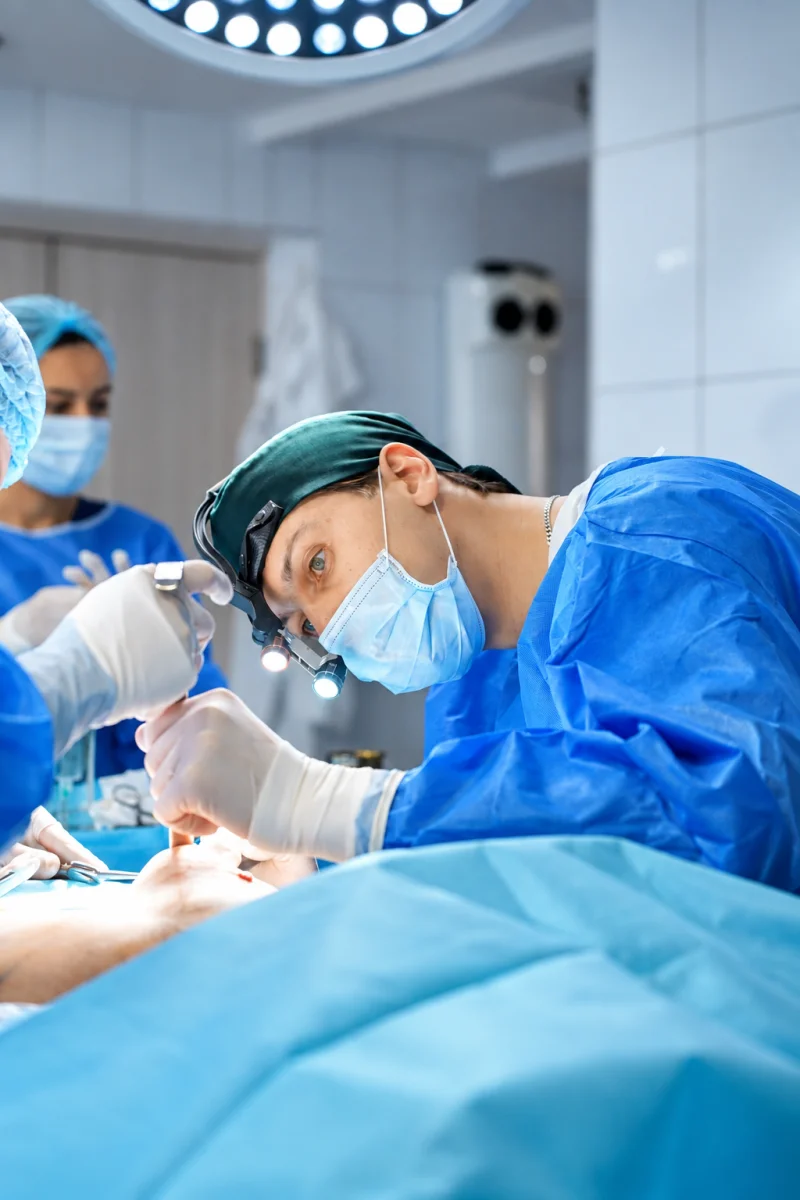
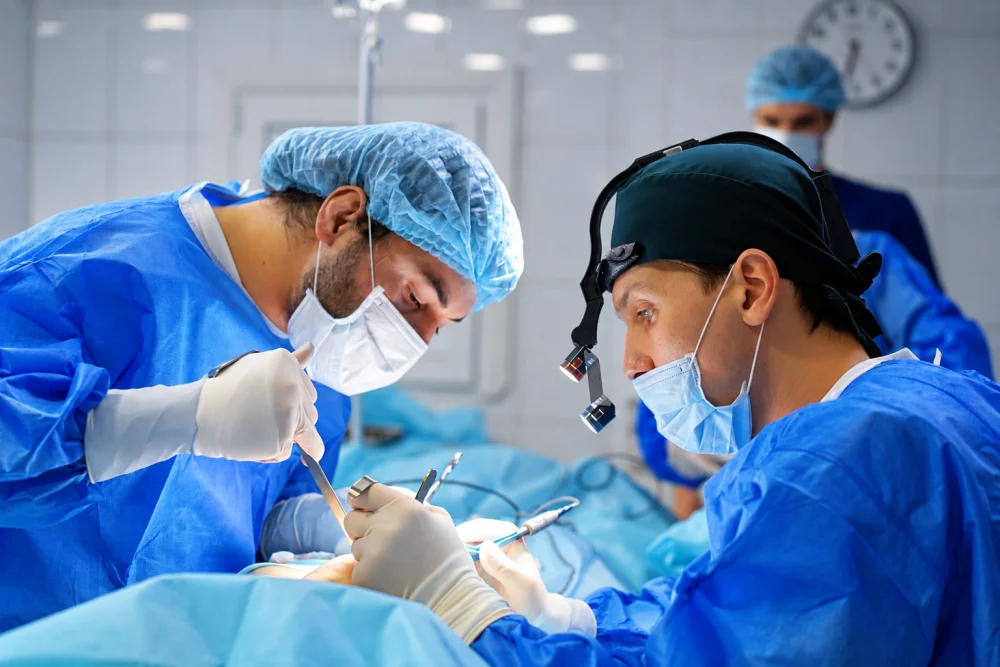
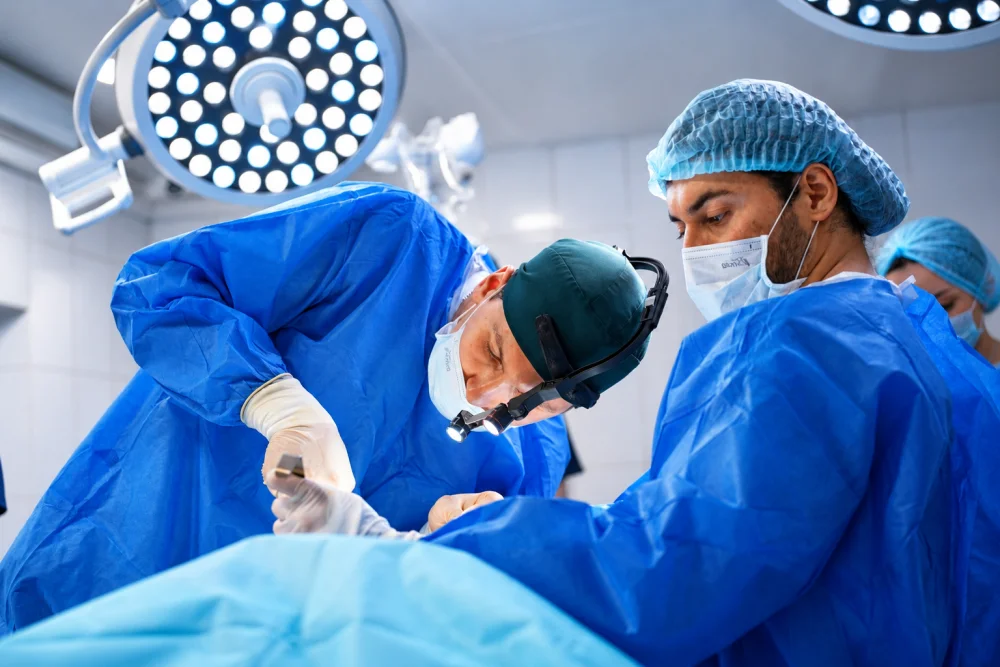
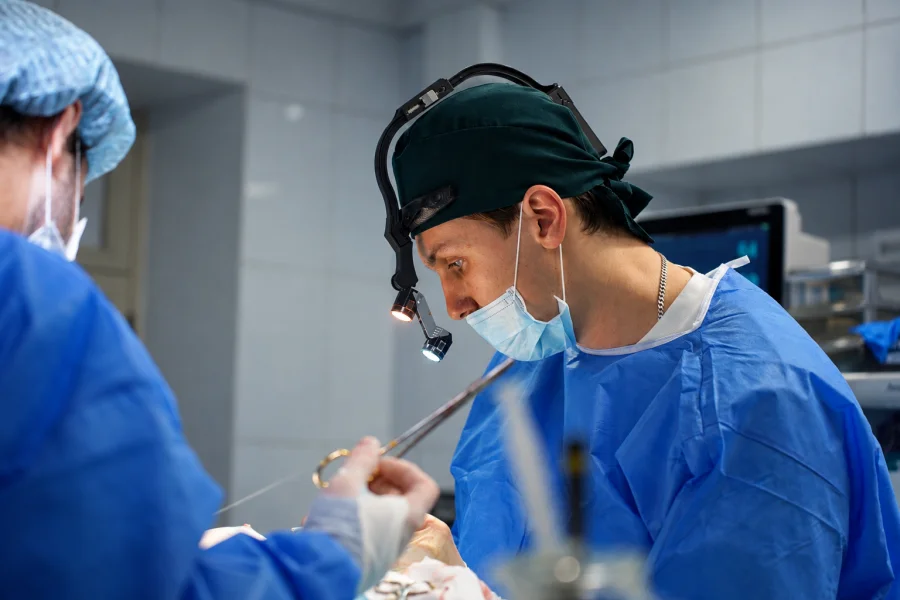
Your surgeon carries out the mammoplasty following your personal plan, under general anesthesia and with constant monitoring of your condition.
 5
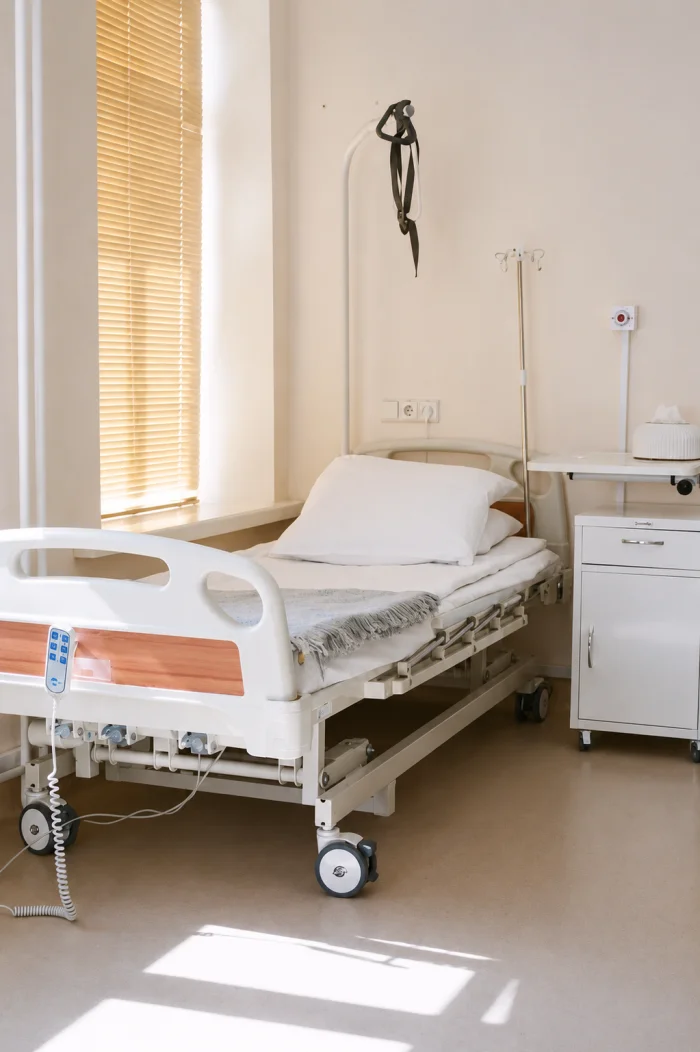
Once the operation is over, you stay in the clinic's comfortable ward under the medical team's supervision until discharge.
 6
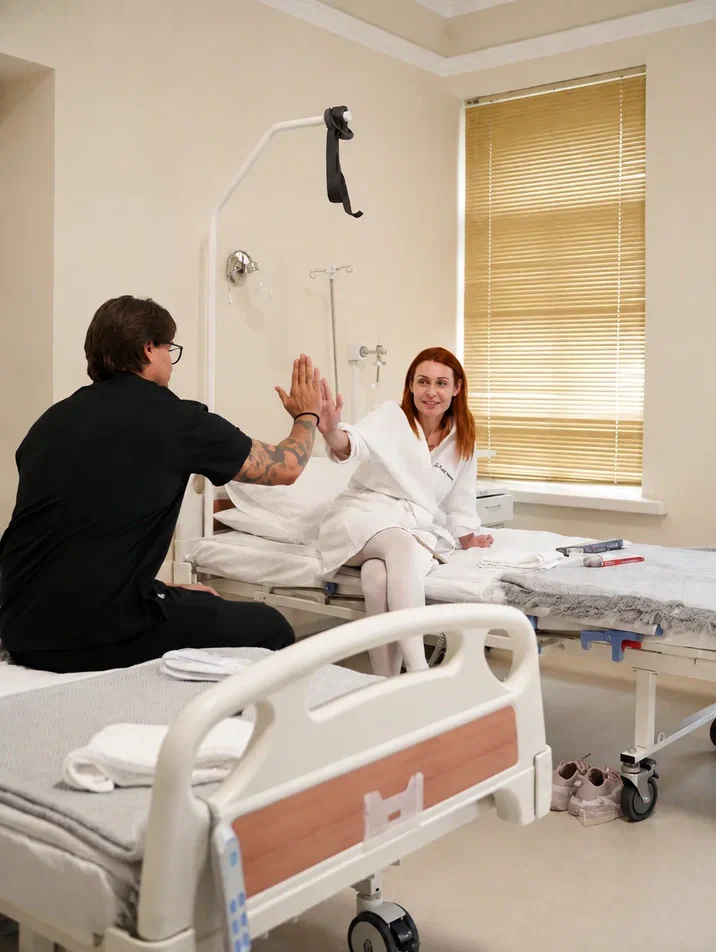
After surgery you get a recovery programme. Check-ups at 7 days, 3 and 6 months help track your recovery. For a year after surgery, consultations with your surgeon are free.
Discontinue aspirin-based drugs, steroids and hormonal medications for chronic illnesses ahead of the operation
Stop hormonal oral contraceptives at least one month before the procedure
Get your tests a week ahead of surgery
To prepare for surgery, stick to a few simple guidelines: balance work with rest, get extra sleep, avoid stress, anxiety and strong emotions, and limit exercise.
Skip intense gym training for up to 40 days and avoid overly active aerobics; light cardio may be possible after a month. Pay attention to your diet and meals.
Swelling after surgery goes away after 3 weeks
After 3 months, discomfort disappears
Scars form in 3 weeks
No physical exertion (lifting over 3 kg)
During 3 months all tissue inflammation subsides and a “pocket” forms around the implant
Post-correction recovery means wearing compression garments for 1–1.5 months
No lifting arms above shoulder height — 3 weeks
No baths or saunas for up to three months, and no physiotherapy
Doctors
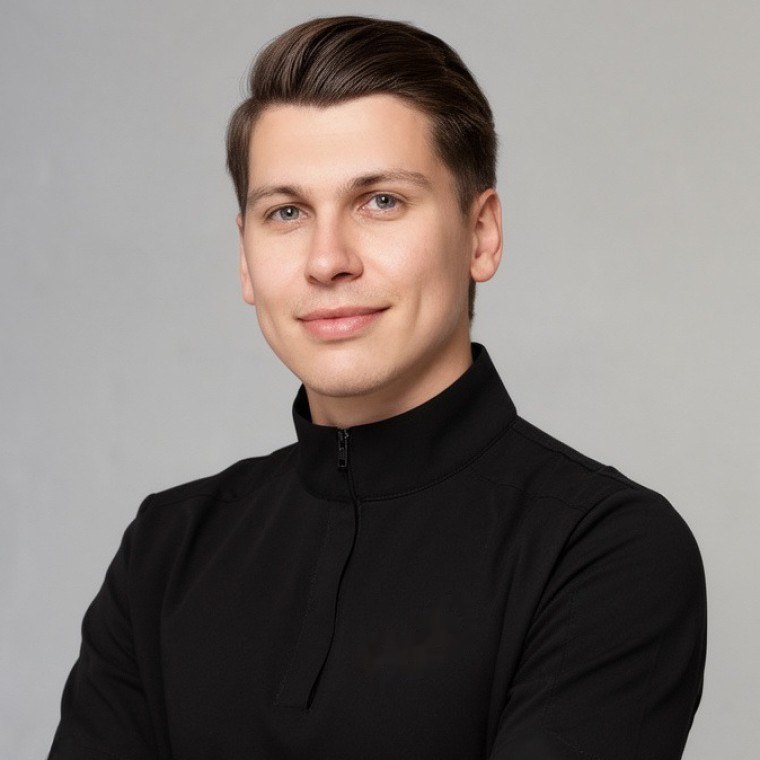
7 years of experience
Plastic surgeon
Trained in plastic surgery through residency at the Petrovsky National Research Centre of Surgery. Specialist in aesthetic and reconstructive breast and body surgery.
At the consultation, you meet the surgeon who will operate
An experienced plastic surgeon who looks after both beauty and patient health
Book a consultationAdvantages
At the consultation we talk through what you want and model the changes. The surgeon explains the possibilities of surgery so that the goal is clear to you.
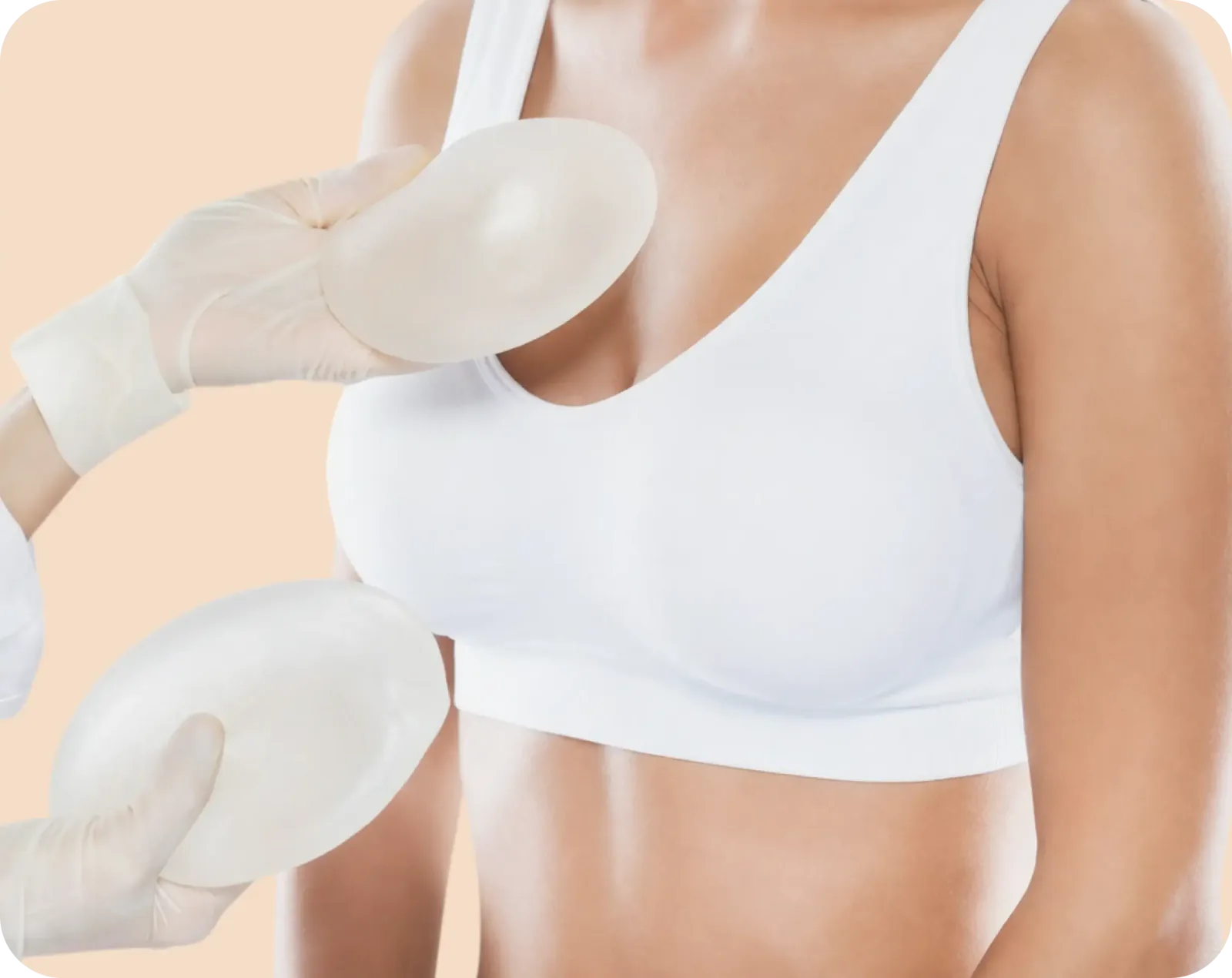
Your surgeon follows your recovery and the changes in your breast shape for a full year; check-ups and dressings are included in the price.
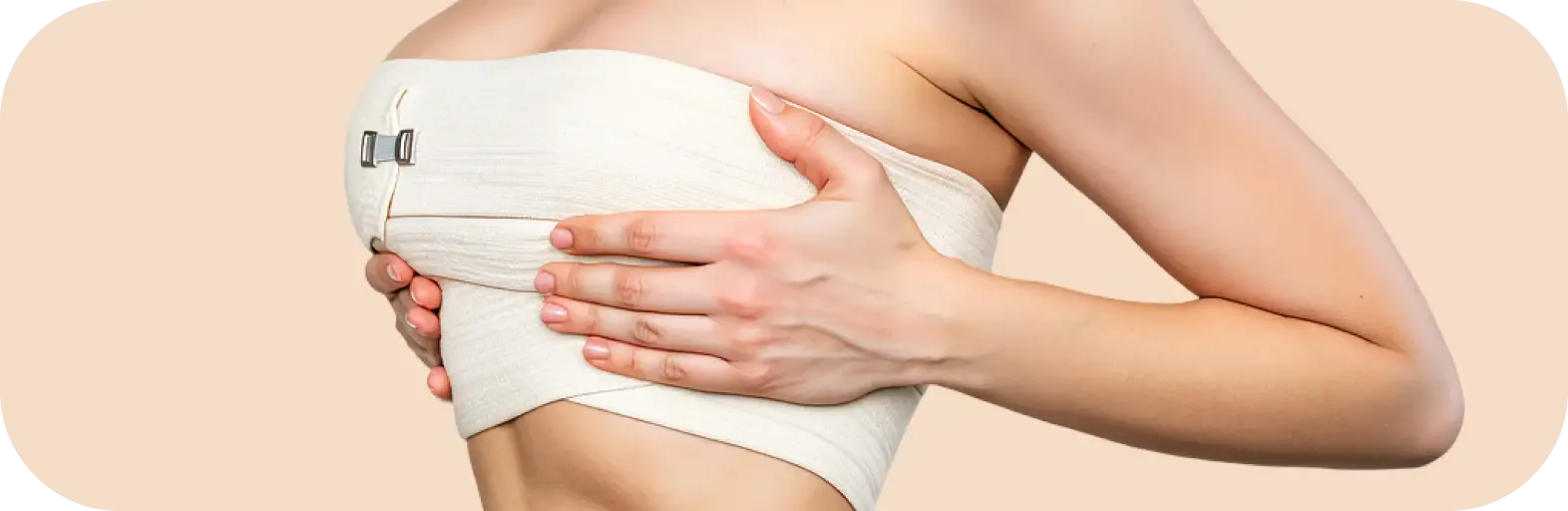
We choose the shape, volume and correction method based on your anatomy and wishes. For augmentation, implant size and profile are chosen individually.
We respect your time: we work 24/7, with easy booking and a personal approach — we adapt to your pace.
The surgeon sets the extent of correction after the consultation, and you get a transparent price for the operation, without unexpected costs.

You begin your recovery in a comfortable ward under constant nursing supervision; the stay and meals are included in the price.
FAQ
Mammoplasty brings together several procedures: augmentation (implants to add volume), reduction (removal of surplus tissue and skin), mastopexy (lift for sagging breasts), reconstruction (after mastectomy) and asymmetry correction. The most suitable method is selected individually, guided by your wishes and the surgeon's advice.
Message us — our coordinator will get back to you shortly and book your consultation. The plastic surgeon consultation is free.
If all recommendations are followed, complications are rare, but they may include hematoma or seroma, wound infection, reduced or increased nipple sensitivity, capsular contracture, aesthetic asymmetry, wound separation and tissue necrosis.
The outcome of mammoplasty is long-lasting: about 10–15 years after augmentation (until implants are replaced) and 5–10 years after a lift or reduction. Its duration is influenced by weight, pregnancy, skin aging and gravity. Keep the result by wearing supportive underwear and managing your weight.
Breastfeeding after mammoplasty depends on the procedure. Augmentation through an under-breast or armpit incision with a submuscular implant usually keeps lactation intact, since glandular tissue is not damaged. With a lift or reduction the risk is higher, because ducts may be cut. Be sure to discuss this with your surgeon in advance.
Choosing an implant takes into account the material (silicone looks the most natural, saline is used less often), shape (round or anatomical teardrop), surface (smooth or textured), size and profile. Your surgeon will select the best option for your anatomy and wishes.
Surgery takes place under general anesthesia, and the patient feels no pain. Moderate discomfort is possible in the first 1–3 days and is managed with painkillers. Pain eases considerably by day 5–7 and discomfort disappears by weeks 2–3. Tell your doctor immediately if pain is severe.
Returning to work without physical exertion is possible after 7–14 days, and light walks after 1–2 weeks. Fitness and swimming are allowed after 4–6 weeks, strength training after 3 months, and the pool and sea after 4–6 weeks. Compression garments: 4–6 weeks. Exact timing depends on recovery.
No scientific evidence shows that mammoplasty raises the risk of breast cancer, and implants do not cause cancer. After surgery, continue regular screening with self-exams, mammography and ultrasound, and always tell the examining doctor that you have implants.
Mammoplasty after a C-section is an option, though the body should recover fully beforehand. Wait at least 6–12 months after delivery and after you finish breastfeeding. You will need a surgeon's consultation and check-up before surgery.
There are scars after mammoplasty, though a skilled surgeon keeps them minimal. The incisions go in discreet areas, such as under the breast, around the areola or in the armpit. Early on the scars are reddish, but over 6–12 months they fade and are almost unnoticeable.
Mild asymmetry soon after surgery is normal during the first weeks and is caused by swelling and uneven healing. If shape or size remains different after 3–6 months, your surgeon should examine you to establish the cause.
Temporary changes in nipple and breast sensitivity, reduced or heightened, can occur after mammoplasty. The reason is irritation of nerve endings. For most patients sensitivity comes back within 3–12 months. If a year passes without improvement, see your surgeon.
Hormonal drugs (contraceptives, hormone replacement therapy) do not affect implants directly, but may cause swelling or changes in breast tissue volume, temporarily affecting appearance. Be sure to tell your surgeon about such medications before surgery.
Prices are in US dollars; the amount in brackets is an approximate conversion to GHS at the rate of 02.10.2026. The final price is fixed in your contract.
Prices start from $4,700 (≈ GHS 55,000). The surgeon sets the final price at the free consultation, and it is fixed in the contract, with no hidden extras.
The surgical team's work, anaesthesia, the inpatient stay with meals, dressings and follow-up visits for twelve months.
Message us on WhatsApp or Telegram using the buttons below. A coordinator will answer your questions and book a free consultation where the doctor names the exact price.
By messaging us, you agree to our Privacy Policy
This operation suits adult women who wish to restore or increase breast volume, including after childbirth once the body has fully recovered. Surgeons advise waiting at least 6–12 months after giving birth and after breastfeeding ends. Patients from Takoradi considering it after a C-section can go ahead too, but a consultation and check-up are mandatory first.
Follow-up does not end at discharge. Throughout the year after mammoplasty, patients from Takoradi can get free post-op consultations with the plastic surgeon, alongside dressings and planned check-ups. Slight asymmetry in the first weeks is normal and caused by swelling; if a difference persists after 3–6 months, the surgeon examines you to find the reason. Nipple sensitivity usually returns within 3–12 months.
If you are comparing breast augmentation prices in Takoradi, check what each offer includes. Here the all-inclusive rate from $4,700 (≈ GHS 55,000) already covers anesthesia, the clinic stay, meals, dressings and a year of check-ups with the plastic surgeon. Apply before the end of the year and your consultation is at the clinic's expense. Fill in the form or message the coordinator.
What patients write after this operation. Reviews are translated from the original language.
Anna Smirnova
I went to Dmitry Sergeyevich for breast augmentation with implants. At the consultation everything was explained in detail, and together we chose the best size. The operation under combined anaesthesia took 2 hours, and I was discharged home the next day. The swelling went down in about a month, and my breasts look very natural. The year of follow-up care is a real lifesaver: you can always ask a question and get an answer. Thank you to the clinic!
Breast augmentation
Doctor: Dmitry S. Kuznetsov
Ekaterina Morozova
After two births I decided on a breast lift without implants. I chose Dmitry Sergeyevich and have no regrets. The result exceeded all my expectations: my breasts are lifted and the shape is youthful and firm. The incisions are minimal and almost invisible. I spent one day in the hospital, and the room was very comfortable. I recommend him!
Breast lift
Doctor: Dmitry S. Kuznetsov
Olga Kuznetsova
I had a combined operation, a breast lift with augmentation, with Dmitry Sergeyevich. At the consultation it was immediately clear that I was in the right place. Everything is included in the price, with no hidden charges. After a month my breasts already feel soft and natural. Personal follow-up after the operation is very valuable.
Breast lift with implants
Doctor: Dmitry S. Kuznetsov
Maria Lebedeva
Breast augmentation from a size 3 to a size 4 with Dmitry Sergeyevich. He chose perfect anatomical implants. The operation took 2 hours, and I woke up with almost no pain. In the ward I was fed and monitored around the clock. Four months have passed and the result looks like a magazine cover.
Breast augmentation
Doctor: Dmitry S. Kuznetsov
Natalia Vorobyova
I went to Dmitry Sergeyevich to correct breast asymmetry with a small lift. A true professional: at the consultation he immediately showed before-and-after photos of similar cases. Recovery was easy and the swelling went down quickly. I had my check-up after just 7 days. An excellent clinic!
Breast reconstruction
Doctor: Dmitry S. Kuznetsov
Yulia Romanova
I had a lift with implants after losing a lot of weight. I chose Dmitry Sergeyevich. At the consultation everything was explained in simple words, and my fears were gone. One day in the hospital, then care at home. Now my breasts look natural and keep their shape. I am very happy!
Breast lift with implants
Doctor: Dmitry S. Kuznetsov
Takoradi is the western half of the twin city Sekondi-Takoradi, the capital of Ghana's Western Region. It is an industrial and commercial centre with a population of 245,382 people according to the 2021 census. Women here often work in trade, in port-related business, in offices linked to the oil industry, in schools or in family enterprises. Many of them plan their private medical decisions around a busy, practical routine. Breast augmentation is no exception. Most women who ask about it want to know how much time away from work they will need, how the first weeks will fit around family life, and how the whole process can be arranged without leaving their own city.
City Medical Centre works with patients from Takoradi through a free online consultation. You write to the coordinators on Telegram or Telegram, and they are available 24/7. You describe your goals, your general health and your daily schedule. You send photos if the surgeon requests them, and the discussion starts from there. You do not need to rearrange your week to take the first step, and you can ask questions at any hour, including late in the evening after the market or the workday has ended.
This text is general information for women in Takoradi. It does not replace a personal assessment. The decision about implant size, shape, placement and incision is made together with the surgeon after a proper examination and a review of your medical history.
Takoradi has a tropical savanna climate, with a wet and a dry season and heat all year round. The average annual high is 28 °C and the average annual low is 22.2 °C. The hottest period runs from January to May, as the wet season begins. The dry season is short and lasts from December to March, while the wet season falls between May and June. June is the wettest month. Humidity is moderate and changes with the sea and land breezes. It is highest in August after the rains and lowest in December.
For recovery this matters in practical ways. After breast augmentation you wear compression garments for a defined period. In the recovery notes of the procedure this is 4–6 weeks, and after a correction 1–1.5 months. In a hot coastal city a garment can feel heavy, so choose breathable, well-fitting fabric, keep spare sets so you can change them, and keep the skin clean and dry as the surgeon instructs. Wearing the garment is part of the treatment, so do not take it off simply because the day is warm.
Wet-season days bring heavy rain and damp air, which makes it harder to keep dressings and clothing dry. Dry-season days bring more dust and bright sun. Plan to rest in a shaded, ventilated room, wear loose cotton tops that open at the front so you do not have to lift your arms, and keep direct sun off healing scars. Ask the surgeon about sun protection for the incision area, since scars look reddish at first and fade over 6–12 months.
Since the heat is constant, no month is perfect. The choice comes down to which kind of weather is easier for you. The dry months from December to March have less rain, so getting to a follow-up appointment or a short walk is simpler. They are also the months when humidity falls, which many women find easier with a compression garment. On the other hand, January to May is the hottest period, so a long garment-wearing phase may feel warmer then.
The wet period around May and June, with the heaviest rain in June, brings damp conditions, which can make a recovery routine at home less comfortable, especially if you rely on public transport. The more important factors are personal: a quiet period at work, no major family event in the first weeks, and a person at home who can help with household tasks.
Discuss the date with the coordinator and the surgeon. The medical timetable does not change with the season. Swelling goes away after 3 weeks, discomfort fades after 3 months, and the garment stays on for the advised time. Pick the date that gives you the calmest first weeks.
Takoradi is a working city. The timber and cocoa trade, plywood, shipbuilding, the harbour, railway repair and the oil sector all shape the local economy, and fishing is the most common occupation. Many women have jobs that require standing, carrying or moving between market stalls, offices and port-linked workplaces. After breast augmentation you may go back to work after 7–14 days, but with no physical exertion. If your work is desk-based, you may be ready at the early end of that range. If you carry goods, lift boxes or care for small children, plan for longer or arrange lighter duties.
The practical limits are clear. No heavy exertion, meaning no lifting more than 3 kg. No lifting arms above shoulder height for 3 weeks. That affects ordinary things in a Takoradi household: lifting a full bucket, a pot from a high shelf, a child onto your hip, or a bag at the market. Rearrange the kitchen and wardrobe before surgery so everything you need sits at waist level, and ask a relative to help with shopping.
Students at the city's colleges and universities, or those in training, can usually return to lessons and desk work in the same period, but should avoid carrying heavy bags. The programme also includes 24/7 monitoring by medical staff and a recovery plan, so you are not left to guess whether something is normal.
Takoradi is a coastal city, and the sea is part of local life. The recovery programme is specific about water. Pool and sea are allowed after 4–6 weeks, and fitness and swimming after 4–6 weeks as well, depending on how you heal. Until then, keep out of the water so scars and incisions are not exposed to salt, sand or bacteria. If you usually spend weekends at the beach, make a plan for the first weeks with other activities.
For exercise the rules are these. Light walks are fine after 1–2 weeks. For as long as 40 days, stay away from intense gym workouts and overly active aerobics. Light cardio is possible after a month. Strength training is allowed after 3 months. Women who follow football in the city, which has its own stadiums and local teams, may enjoy watching rather than playing for a while, but a walk to a match is manageable once your surgeon agrees.
Your timing depends on your own recovery. The surgeon may extend or shorten the periods, so always check before returning to a class, a run or a swim. Heat adds to tiredness, so drink water and rest in shade.
General anaesthesia is used for the surgery itself, so there is no sensation during the operation. In the first 1–3 days you may feel moderate discomfort, which painkillers relieve. Pain subsides significantly by day 5–7, and discomfort is gone by weeks 2–3. If pain becomes severe, inform your doctor right away. In practice, tell the coordinator on Telegram or Telegram at any hour, and they will connect you with the medical team.
Swelling goes away after 3 weeks. Discomfort fades after 3 months. In the first weeks, slight asymmetry is normal, because swelling and uneven healing are behind it. If shape or size still differ after 3–6 months, see your surgeon for a check-up to find the reason. In 3 months any inflammatory changes in the tissue disappear, and a pocket forms around the implant.
Breast and nipple sensitivity may change for a time, going down or up, because of irritation of nerve endings. In the majority of cases it is restored within 3–12 months. If nothing has improved after a year, consult your surgeon. There are scars, though a skilled surgeon keeps them minimal. Incisions go in discreet areas, such as under the breast, around the areola or in the armpit. In a warm climate with plenty of sun, protect the scars as advised and wear loose clothing that does not rub them.
Life in Takoradi is full of community events. The population is mostly Christian, with a Muslim minority, and the main peoples include the Fante, Ahanta, Nzema, Asante and Wassa. Church services, family gatherings and festivals such as the Kundum Festival and the Ankos Festival are an important part of the year. If you have a wedding, naming ceremony or festival coming up, schedule the operation so there are enough weeks for swelling to settle before you appear in fitted clothes. Do not plan surgery in the days just before an event.
Food culture matters too. The programme advises that you monitor your diet and meals. In a city where fresh fish, soups, stews and starchy staples are everyday food, that means regular balanced meals, plenty of water, and no heavy or very salty eating that could add to swelling. Ask relatives who cook for you to prepare light dishes in the first week so you do not have to stand at the stove or lift heavy pots.
Weight is also relevant to the long-term result. Weight changes, pregnancy, skin aging and gravity affect how long the result lasts. WHO describes overweight and obesity as health issues that call for attention to diet and activity, so a steady weight is a sensible goal before and after surgery.
The consultation is free and takes place online from your own city. You contact the coordinators on Telegram or Telegram, available 24/7. You describe what you want, your height and weight, any previous operations, pregnancies, breastfeeding and chronic conditions. The surgeon reviews this and tells you whether augmentation looks suitable, what options exist and which tests are needed. Your time matters to us: we work 24/7, booking is easy, and our personal approach adapts to your pace.
If you cannot speak at the moment, a coordinator will call you back 24/7. That helps women who work shifts in port-linked jobs, who are at the market during the day, or who can talk only after the children are asleep. After surgery you get a recovery programme. Check-ups at 7 days, 3 and 6 months help track your recovery. For a year after surgery, consultations with your surgeon are free, and follow-up support lasts 12 months.
Prepare questions in advance, write them in your phone, and ask for answers in writing so you can show them to your family. This keeps the decision calm and informed.
Sekondi-Takoradi is a city made of two older towns. Both grew from Dutch and English forts built around the 17th century, in the early trading period. Sekondi is the older and larger of the two. Takoradi took on a new role when a deepwater seaport was built there in 1928, and the two towns merged on 2 December 1946. Today many residents move between them daily for work, school and family visits. When you plan breast augmentation, think about which part of the city you will be in during the first weeks. A quiet, ventilated room at the home of a relative, near the people who will help you, is often a better choice than your usual busy location.
The name Takoradi is linked to a tree. One account says it comes from the Ahanta expression Takora-adi, meaning under the takore tree, and the tree itself is now extinct. It is a small reminder that this is a place where people value shade. For a patient wearing a compression garment for 4–6 weeks, shade and cross-ventilation at home are not a luxury but part of a comfortable recovery.
Takoradi Harbour, the railway lines towards Kumasi and the Takoradi Market Circle are the economic heart of the city, and since the discovery of oil in the region in 2010 Sekondi-Takoradi has also been called the Oil City. Many women here have jobs linked to trade, ports, shipping offices or oil-related services, where days can start early and end late. When you talk to the coordinator on Telegram or Telegram, mention your shift pattern so the surgeon can help you plan the 7–14 days before a return to work with no physical exertion.
Market life deserves special thought. A trader who spends hours among stalls, carries goods and bends over crates cannot follow the rule of no lifting more than 3 kg, or the rule of no lifting arms above shoulder height for 3 weeks, while working normally. Arrange a relative or an assistant to handle loading, stock and heavy bags, and agree this before the operation date. The same applies to women working in the fishing trade around the Albert Bosomtwi-Sam Fishing Harbour in Sekondi, where hauling and lifting are daily tasks.
Because the Market Circle is crowded, keep your first outings short, avoid being jostled, and wear a front-opening top over your garment. Ask your surgeon when it is reasonable to go back to the stalls.
The metropolitan area lies near the Anankwari, Kansawura and Whin rivers, and a 2017 study found that the city is prone to flooding. In 2009 and 2011 more than 1,000 people were left homeless after heavy rain made the rivers overflow into nearby communities. For anyone planning surgery, this is a reason to check your own home and your route to follow-up contacts before choosing a date.
If your neighbourhood floods easily, avoid scheduling your first recovery weeks in the heart of the wet season, when June is the wettest month with an average of 346 mm. Think about where you will rest, how dry clothing and spare compression sets will be stored, and whether a relative on higher ground can host you. Wading through water or standing in a crowded shelter is the opposite of the calm rest your body needs. Keep your phone charged and your medical notes in a waterproof bag, so you can reach the coordinator, who is available 24/7, even when the weather is bad.
The Kundum Festival and the Ankos Festival are among the annual celebrations of Sekondi-Takoradi, and the city is almost entirely Christian, with large Pentecostal, Protestant and Catholic communities. Services, choir practice and long family gatherings after church are part of weekly life. Standing, singing, hugging and carrying children are all normal there, but hugs that press hard on the chest and lifting a child are things to avoid early in recovery.
Choose the operation date so that swelling, which goes away after 3 weeks, has settled before you wear tight festival clothing, and so that you are not carrying out heavy hosting duties. Tell your close family in advance that you will be resting. Many women find it easier to explain a medical recovery period as a planned rest than to cancel at the last minute.
If you sing in a choir or help to organise events, ask your surgeon when raising your arms and standing for long periods will be comfortable again. Remember that a 3-week limit on lifting arms above shoulder height may affect dancing and some typical festival movements.
Sekondi-Takoradi has many senior high schools, a technical university, a nurses and midwifery training college and teacher training colleges. Young women who study or teach in these places often ask whether they can plan surgery in a holiday period. Desk work and lessons are possible within the same 7–14 days, but carrying bags of books, teaching-aid boxes or equipment is not. Teachers who stand and write on a board should ask whether raising the arm is allowed.
In June 2024 a 60-bed polyclinic was commissioned in New Takoradi, replacing a smaller community health compound. It shows that local primary care is growing, and for you it may be a practical place to have routine checks such as blood pressure or a simple dressing check when your surgeon requests it. Always follow the plan from your own surgeon, and use the City Medical Centre coordinators to pass on any local findings. Check-ups at 7 days, 3 and 6 months help track recovery, and consultations with your surgeon are free for a year.
Good candidates are generally healthy adult women who want a fuller or more balanced breast shape and have realistic expectations. Contraindications in general terms include pregnancy, breastfeeding, uncontrolled chronic illness, active infection and conditions that affect healing. Only an examination and a medical history can decide. Be honest about all medicines, allergies and earlier surgery.
Mammoplasty after a C-section is possible, but only once your body has fully recovered. Allow at least 6–12 months after giving birth and after breastfeeding stops. A consultation and check-up with a surgeon are required before surgery. Many Takoradi women ask about this because of family planning, so raise it early.
Useful questions: Which implant size and shape suit my frame? Where will the incision be? What are the limits at home and at work? When can I swim in the sea? How long will the result last? Results after mammoplasty last a long while: about 10–15 years for augmentation, until implant replacement. To maintain the result, choose supportive underwear and control your weight. Ask also what the hospital stay involves: general anaesthesia, 1–2 days.
Yes. The consultation is free and online. You write to the coordinators on Telegram or Telegram, they are available 24/7, and a coordinator will call you back 24/7 if you prefer to talk by phone.
You may go back to work, with no physical exertion, after 7–14 days. If your job involves lifting, carrying goods or long hours on your feet, discuss lighter duties with the surgeon, because lifting more than 3 kg is not allowed during recovery.
Takoradi is warm all year, with an average high of 28 °C. Compression garments stay on for 4–6 weeks, so choose breathable fabrics, keep spare sets, rest in shade and protect scars from the sun. Follow the surgeon's advice on hygiene and dressings.
Pool and sea are allowed after 4–6 weeks, and fitness and swimming after 4–6 weeks. Timing depends on your recovery, so confirm with your surgeon before going into the water.
Light walks are possible after 1–2 weeks. For as long as 40 days, stay away from intense gym workouts and overly active aerobics. Light cardio is possible after a month, and strength training is allowed after 3 months.
General anaesthesia is used for the surgery itself, so there is no sensation. In the first 1–3 days you may feel moderate discomfort, which painkillers relieve. Pain subsides significantly by day 5–7 and discomfort is gone by weeks 2–3. If pain becomes severe, inform your doctor right away.
There are scars, though a skilled surgeon keeps them minimal. Incisions go under the breast, around the areola or in the armpit. Early on they are reddish, but over 6–12 months they fade and are almost unnoticeable.
Yes. In the first weeks slight asymmetry is normal because of swelling and uneven healing. If shape or size still differ after 3–6 months, see your surgeon for a check-up to find the reason.
About 10–15 years for augmentation, until implant replacement. Weight changes, pregnancy, skin aging and gravity affect the duration. To maintain the result, choose supportive underwear and control your weight.
You get a recovery programme, with check-ups at 7 days, 3 and 6 months. For a year after surgery, consultations with your surgeon are free. There is also 24/7 monitoring by medical staff and follow-up support for 12 months.
No. The consultation is online from either part of the twin city. What matters is where you will rest in the first weeks, who will help you at home, and how easy it is for you to reach a phone for the coordinators, who work 24/7.
You may go back to work after 7–14 days with no physical exertion. Stand and serve only if someone else lifts and carries, because lifting more than 3 kg is not allowed and arms should not go above shoulder height for 3 weeks.
Flooding is possible near the Anankwari, Kansawura and Whin rivers, and June is the wettest month. If your area floods, a dry-season date may be calmer. Medical timing does not change: swelling goes after 3 weeks and the garment is worn for 4–6 weeks.
Plan the operation with enough weeks for swelling to settle, and avoid heavy dancing, lifting and crowds early on. Ask your surgeon about your own timetable, since recovery varies.
Page medically reviewed by Dmitry S. Kuznetsov, plastic surgeon. Review date: .