
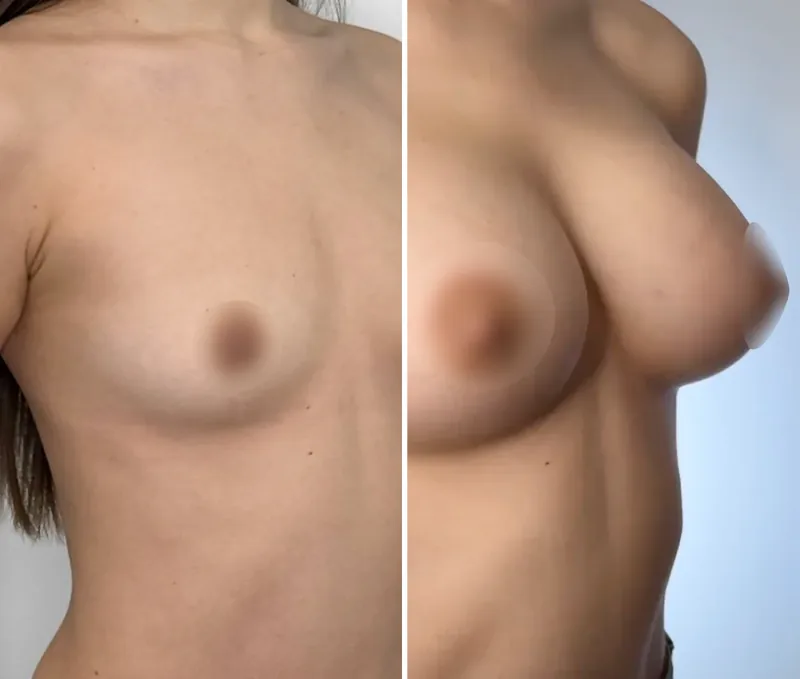
 beforeafter
Mammoplasty
Method: implants
Breast augmentation
$4,700
$5,900 · First consultation — Free
Message our coordinator
Free online consultation · Reply within 15 minutes
Message us on TelegramMessage us on WhatsAppBy messaging us, you agree to our Privacy Policy
Results
All photos show real patients of the clinic, with identifying details and faces hidden.
beforeafterMethod: implants
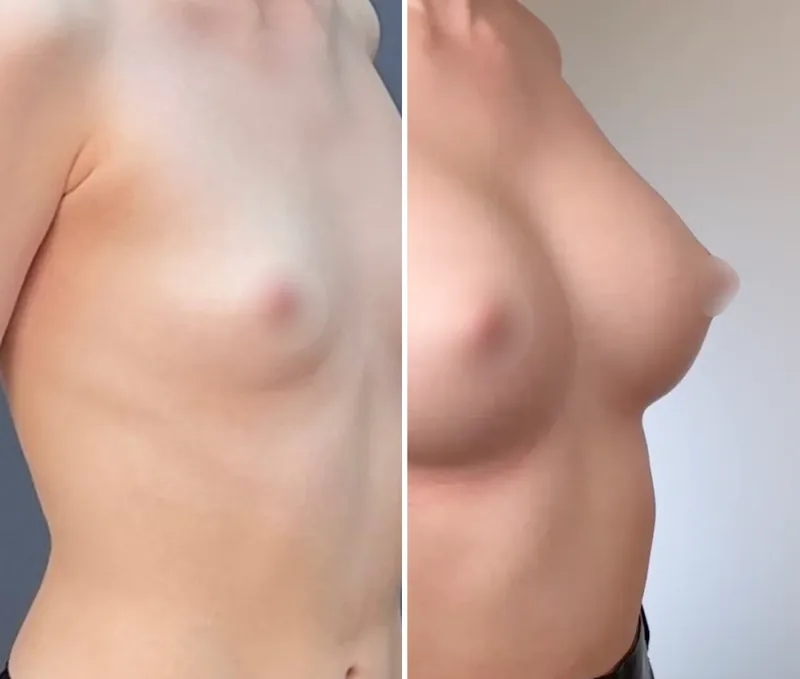 beforeafter
Method: implants
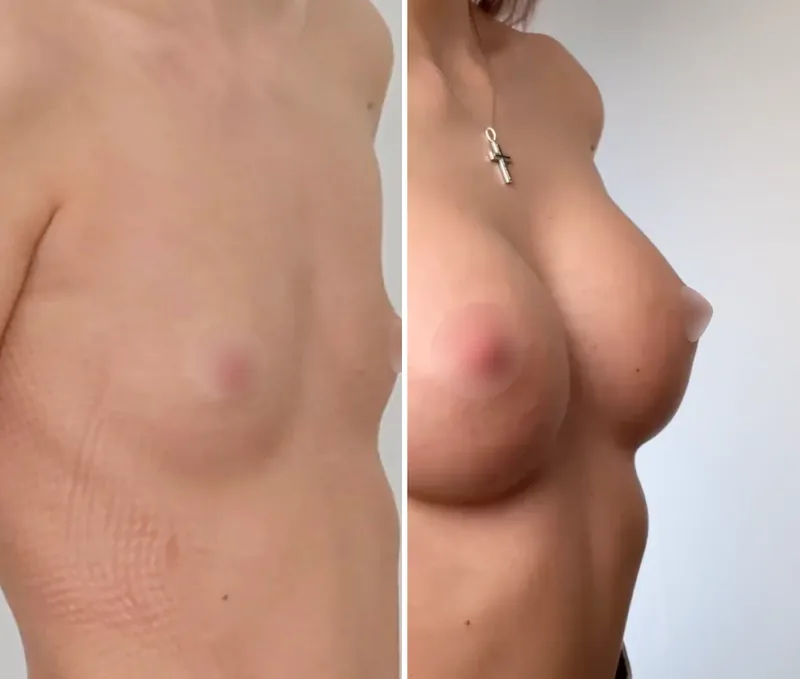 beforeafter
Method: implants
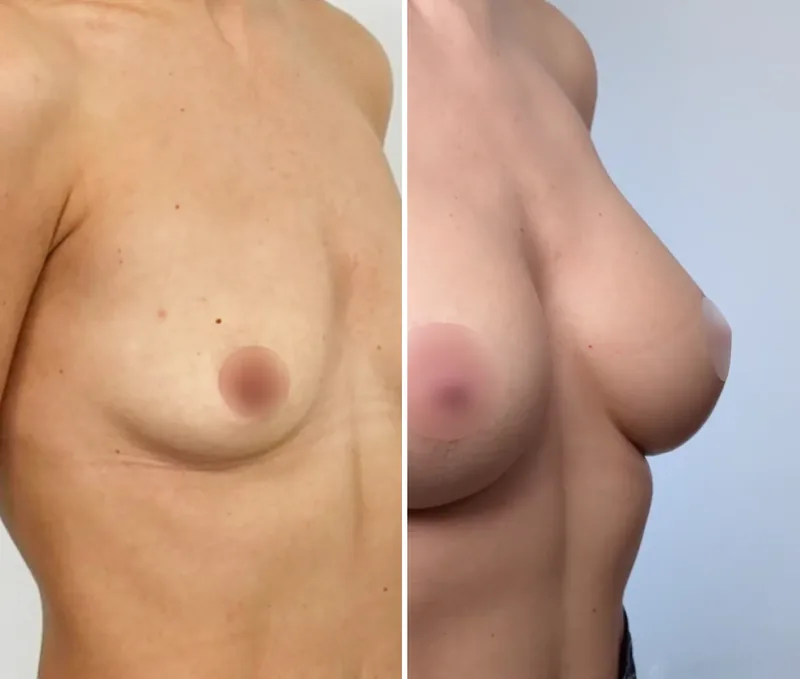 beforeafter
Method: implants
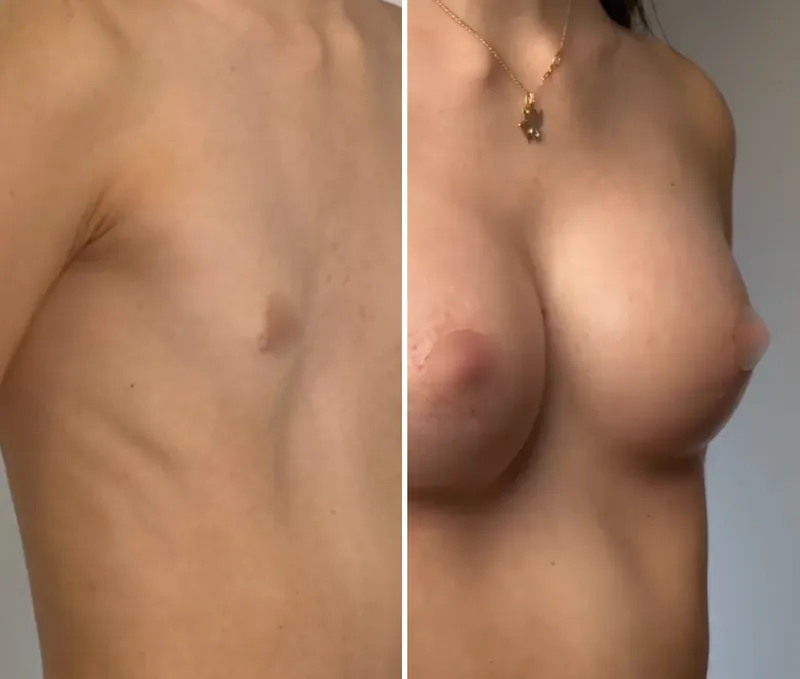 beforeafter
Method: implants
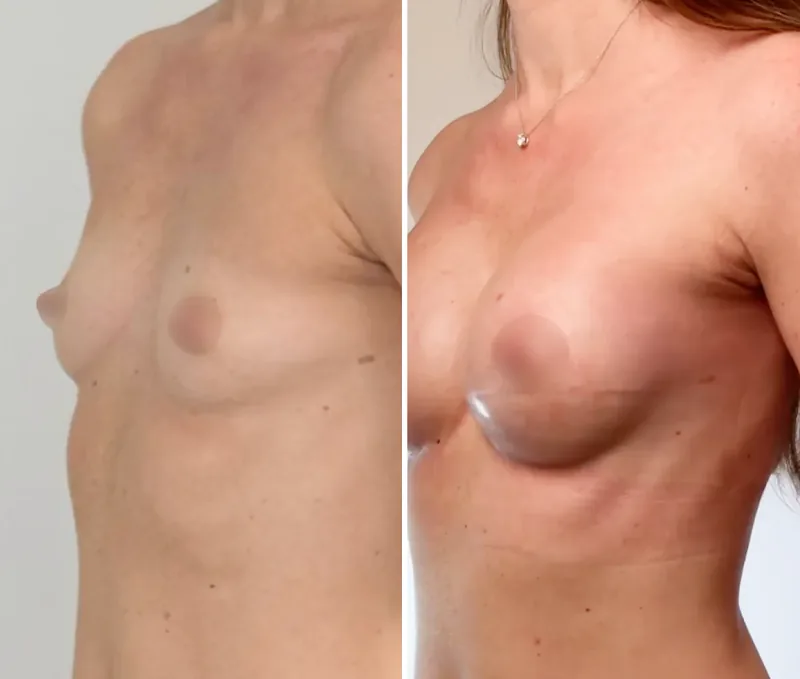 beforeafter
Method: implants
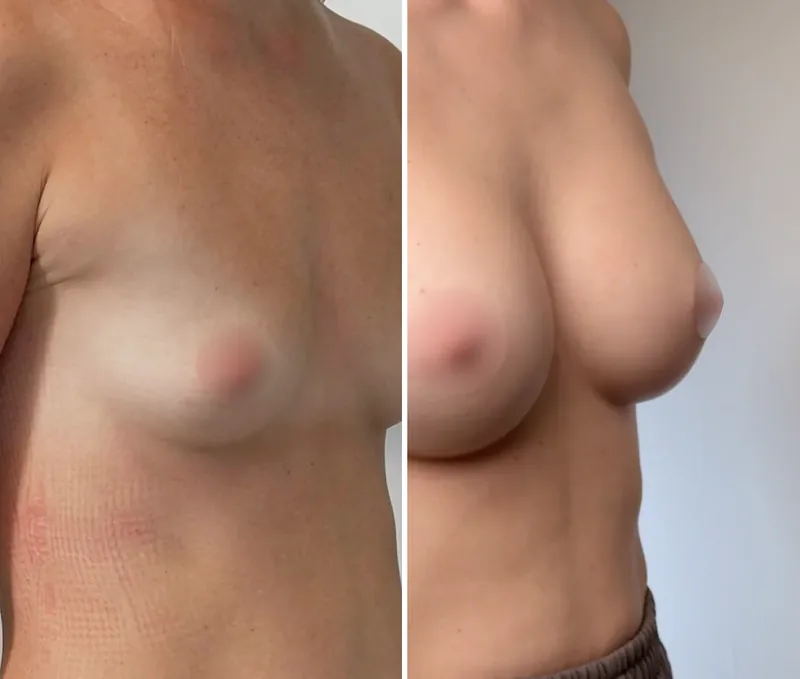 beforeafter
Method: implants
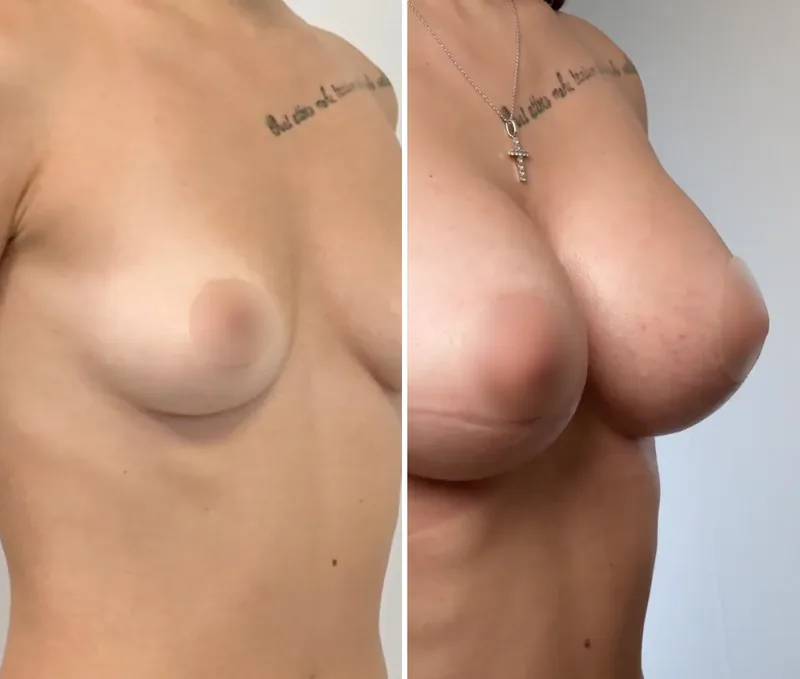 beforeafter
Method: implants
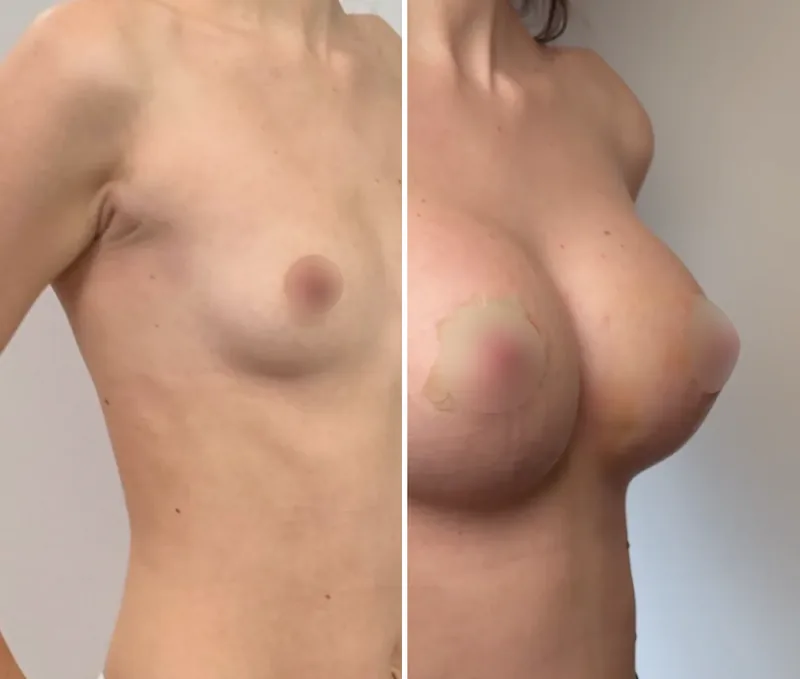 beforeafter
Method: implants
Comparison
We work with two main breast correction methods: augmentation and reduction. Compare the main goal, the precision of correction and the indications to choose your method with confidence.
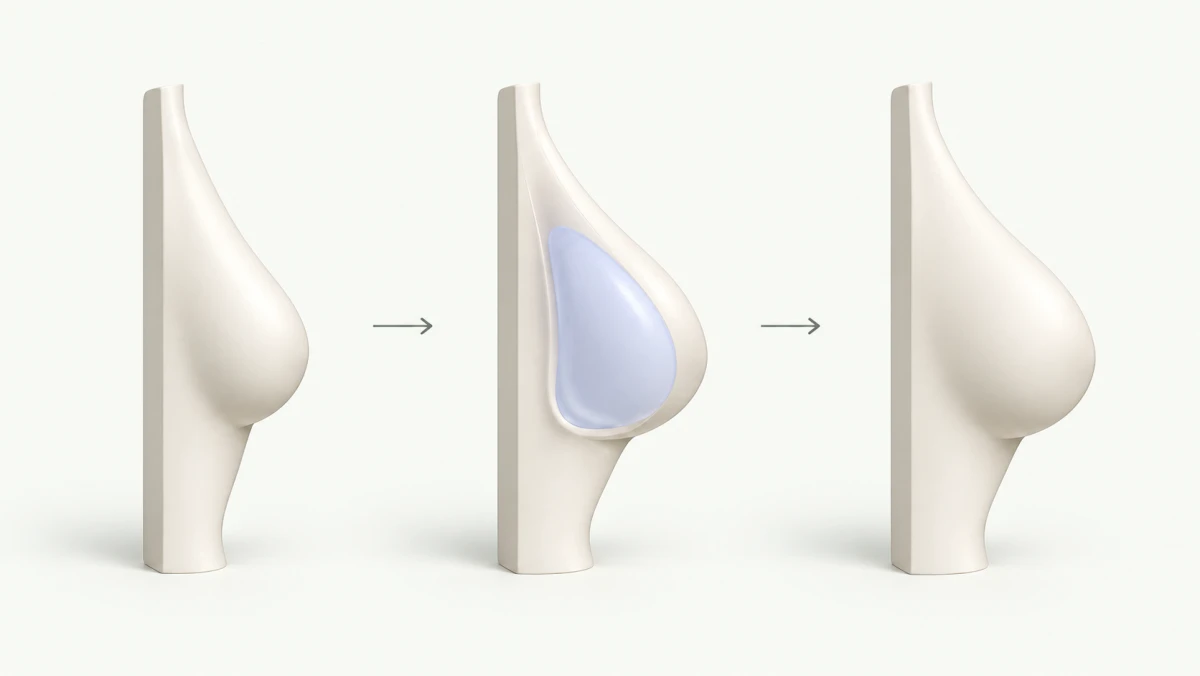
Size and shape correction with implants
Discounted price
$4,700 $5,900
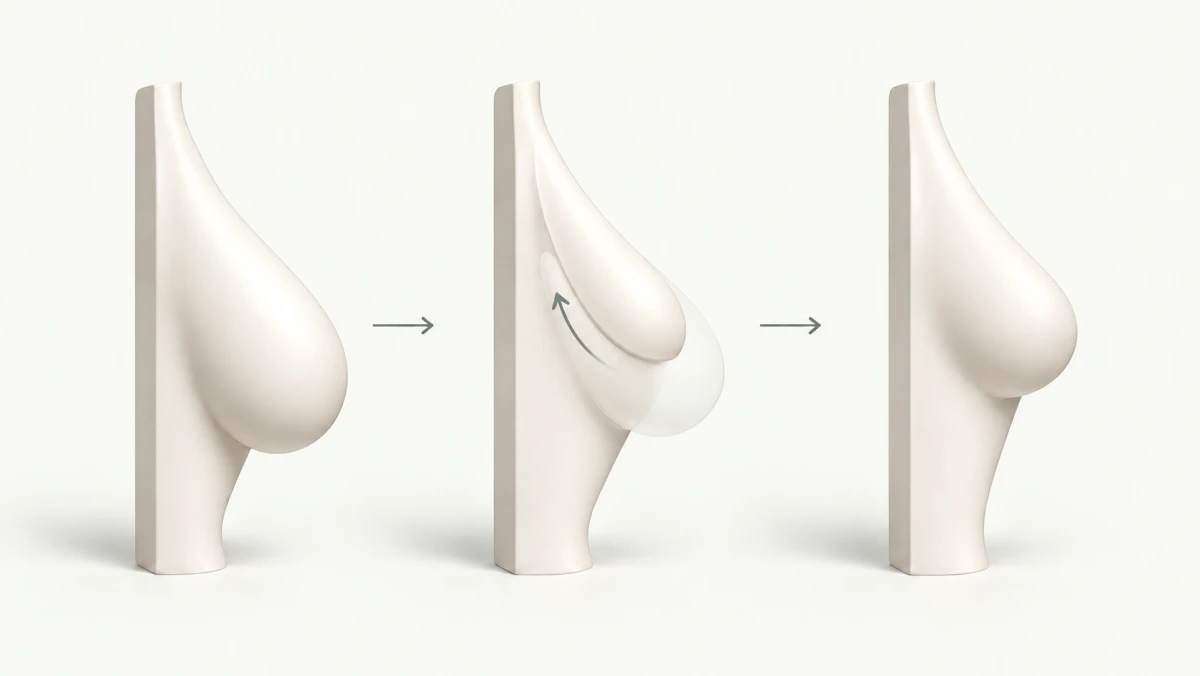
Breast size correction: reducing the volume and weight of the breasts
Discounted price
$4,700 $5,900
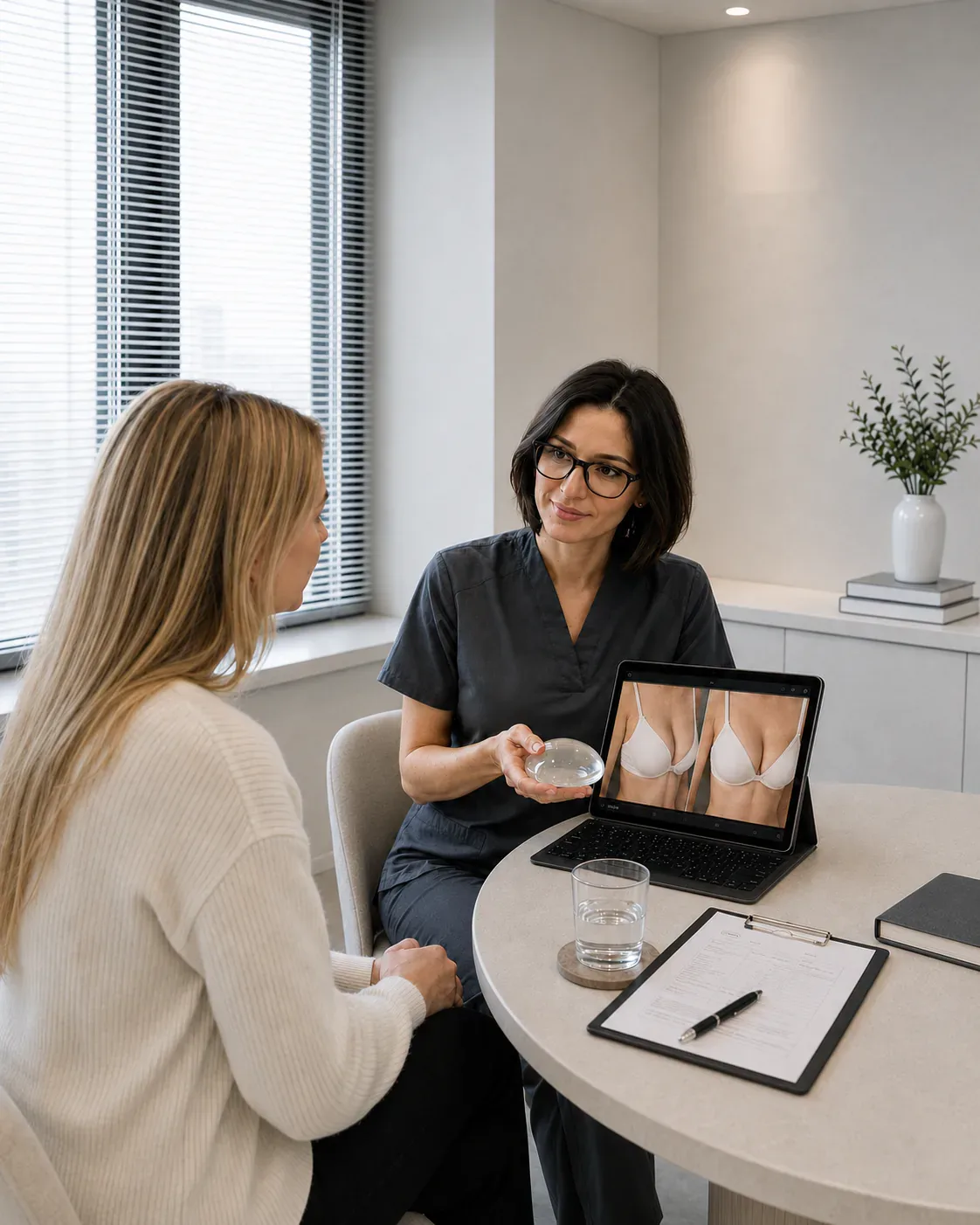
The surgeon examines the shape and proportions of your breasts at the consultation, discusses your goals and picks the mammoplasty option that fits you best.
The consultation is free, before surgery and with no commitment.
Comparison
There are two main types of implants we place: round and anatomical. Both enlarge and reshape the breasts, while their form and the resulting look are different.
Even volume and a fuller upper pole
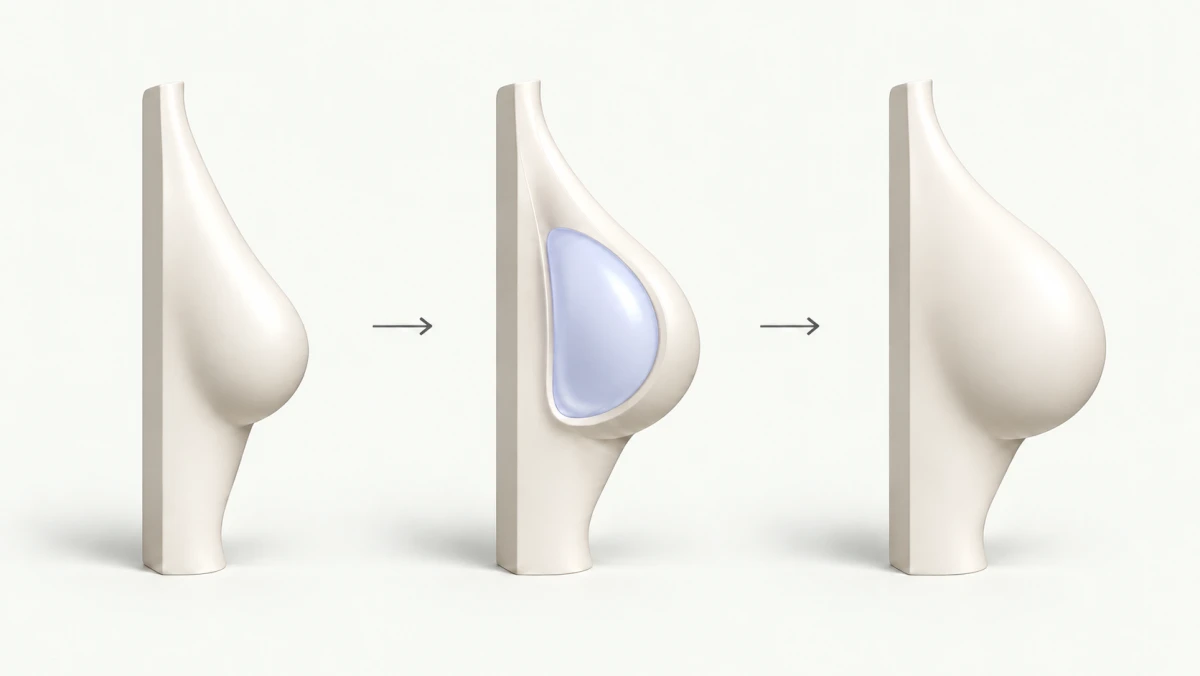
A natural slope and a soft teardrop shape
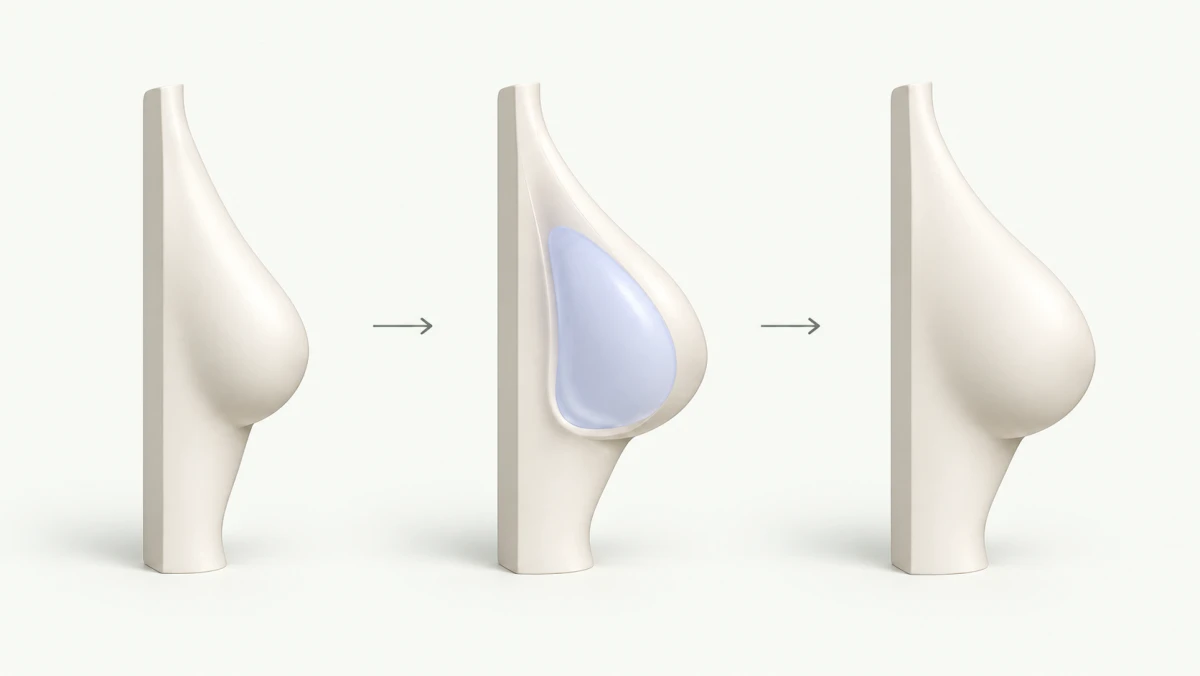
The surgeon will help you choose the implant shape and volume.
The clinic
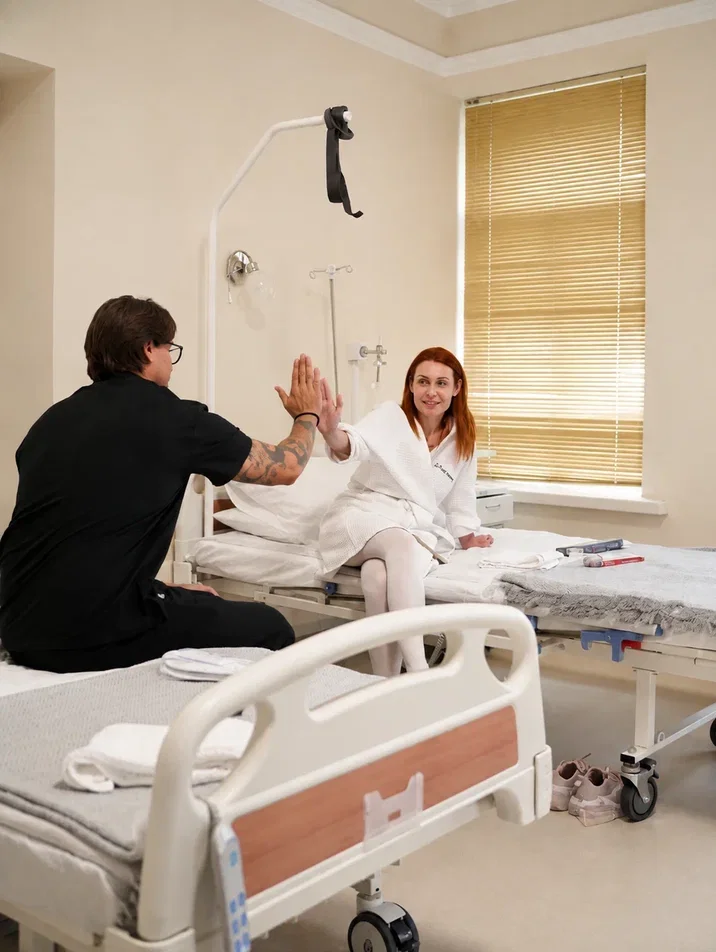
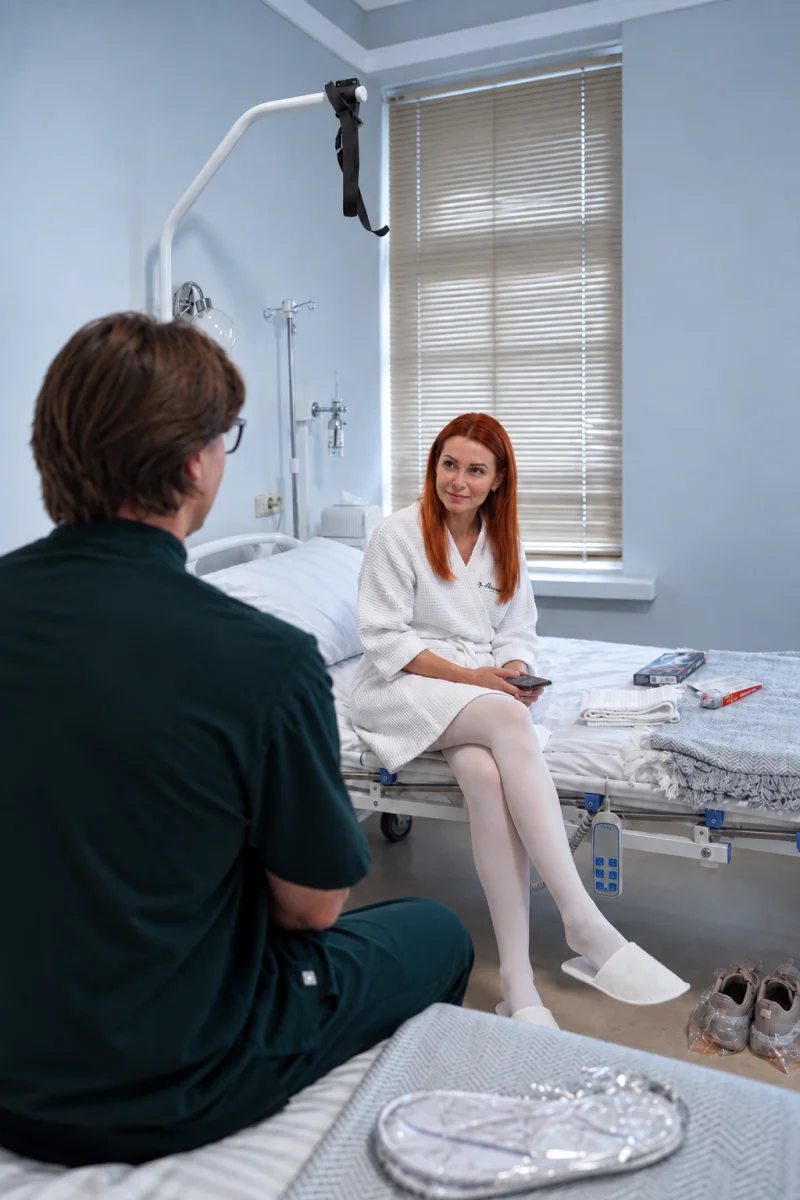
Comfortable rooms, modern equipment and care for each person
We answer your questions and pick a convenient consultation time
When surgery is not needed, the doctor tells you honestly at the consultation — and you avoid spending money on an unnecessary operation.

Unsure whether surgery suits your case?
Get in touch: your coordinator will ask you for photos in a messenger, the surgeon will study them and say whether mammoplasty is a good option for you.
Find out if it suits me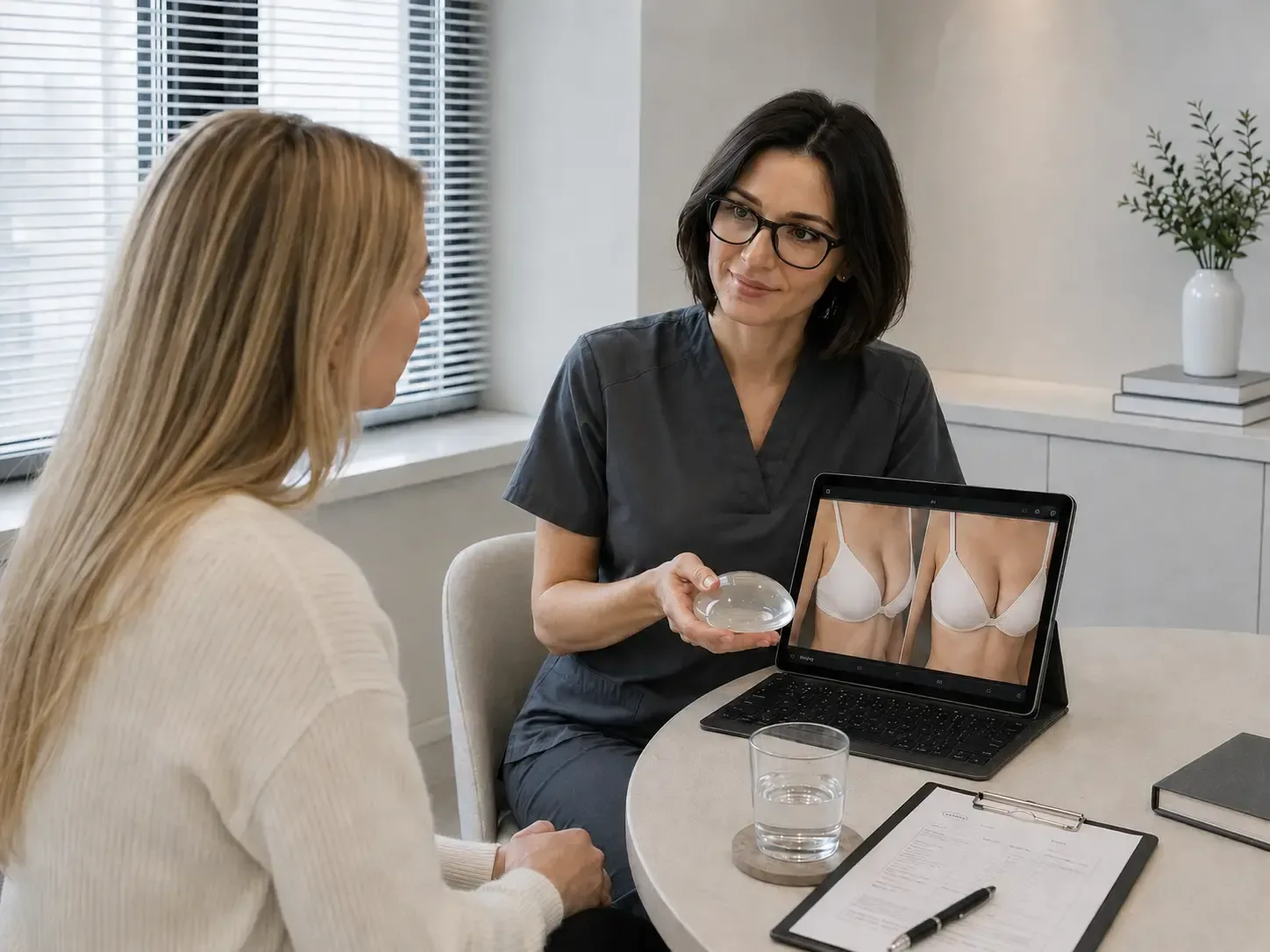
Prices
The price is set at the consultation and fixed in the contract.
Discounted price
Size and shape correction with implants
$4,700$5,900
Discounted price
Reducing the volume and weight of the breasts
$4,700$5,900
Breast restoration after mastectomy
The price is set at the consultation and fixed in the contract.
Get a consultationThe surgeon evaluates the anatomy and proportions of your breasts, hears what you want and selects the most suitable correction method.
The price is set at the consultation and fixed in the contract.
Message our coordinator
Free online consultation · Reply within 15 minutes
Message us on TelegramMessage us on WhatsAppBy messaging us, you agree to our Privacy Policy
all inclusive
From getting ready for surgery
to 12 months of support.
Discounted price
$4,700$5,900
Step by step
A personal correction plan, inpatient observation and a year of recovery monitoring.
 1
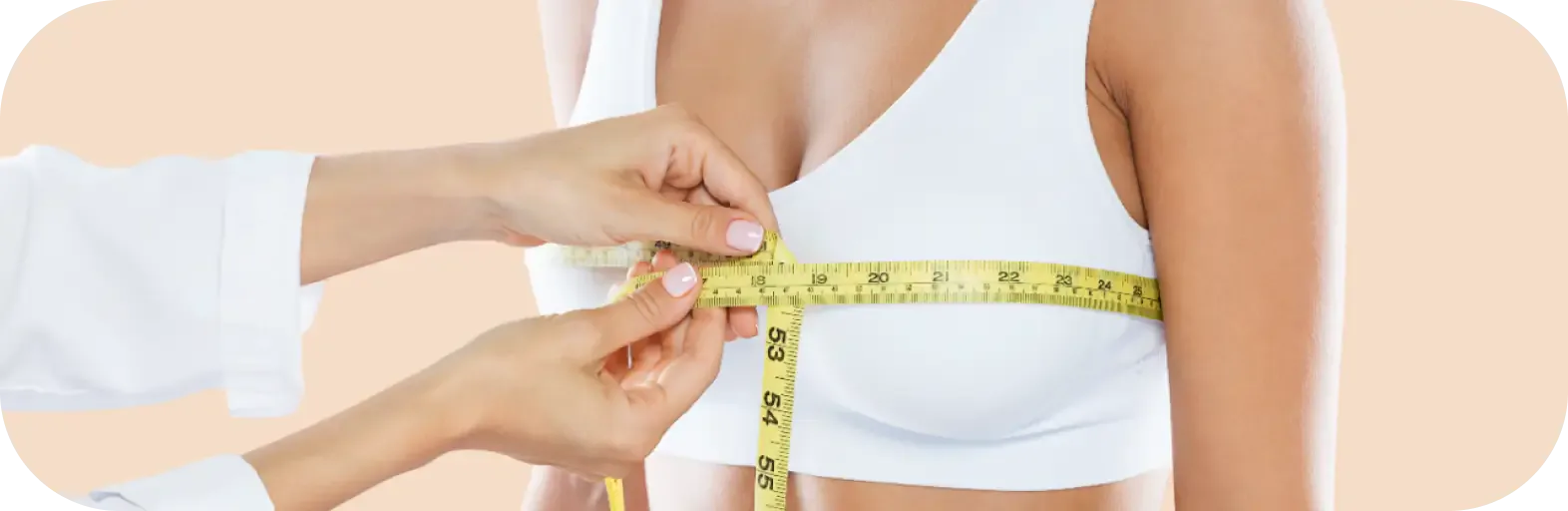
The surgeon examines your figure, discusses your wishes and selects the best volume, shape and correction method.
 2
Your surgery date is reserved for you: the deposit can be paid by card at the clinic or online by bank transfer, and the terms are fixed in the medical services contract
 3
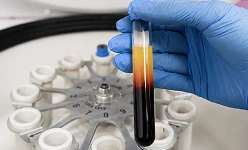
Ahead of surgery you go through full testing — blood tests, an ECG and other examinations as prescribed by the doctor.
 4
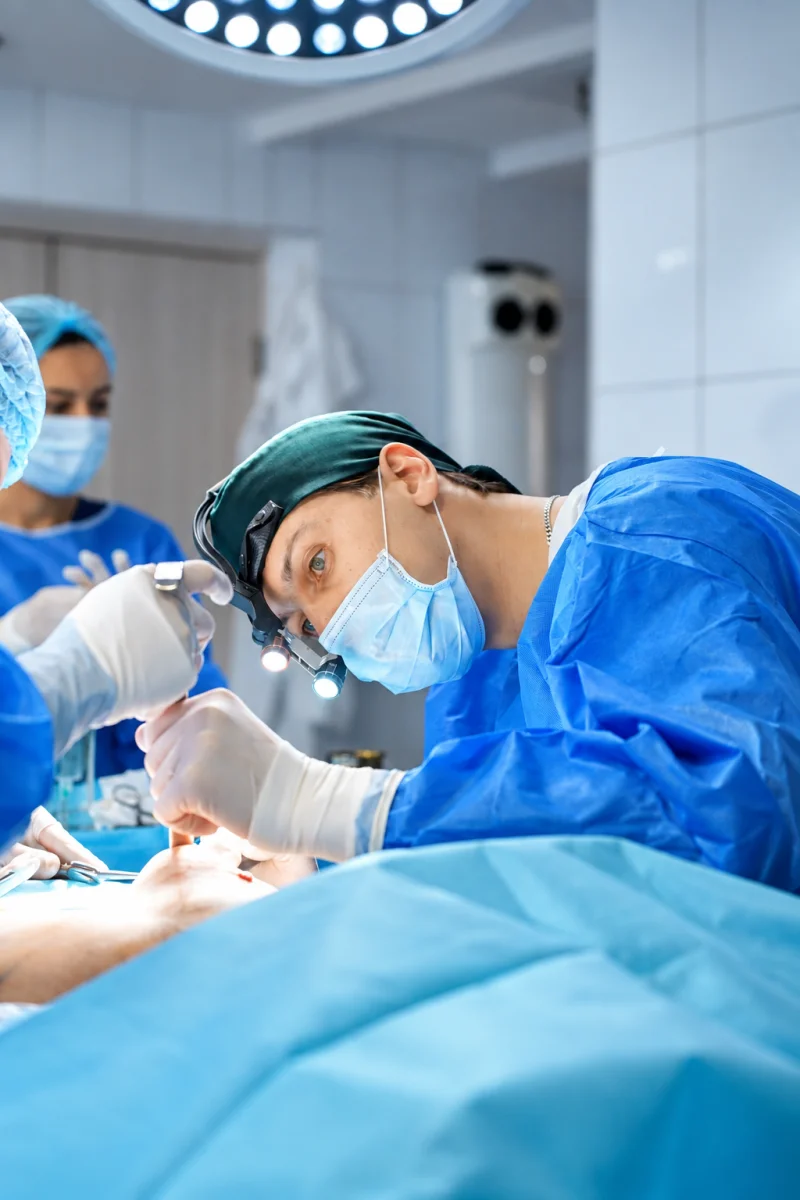
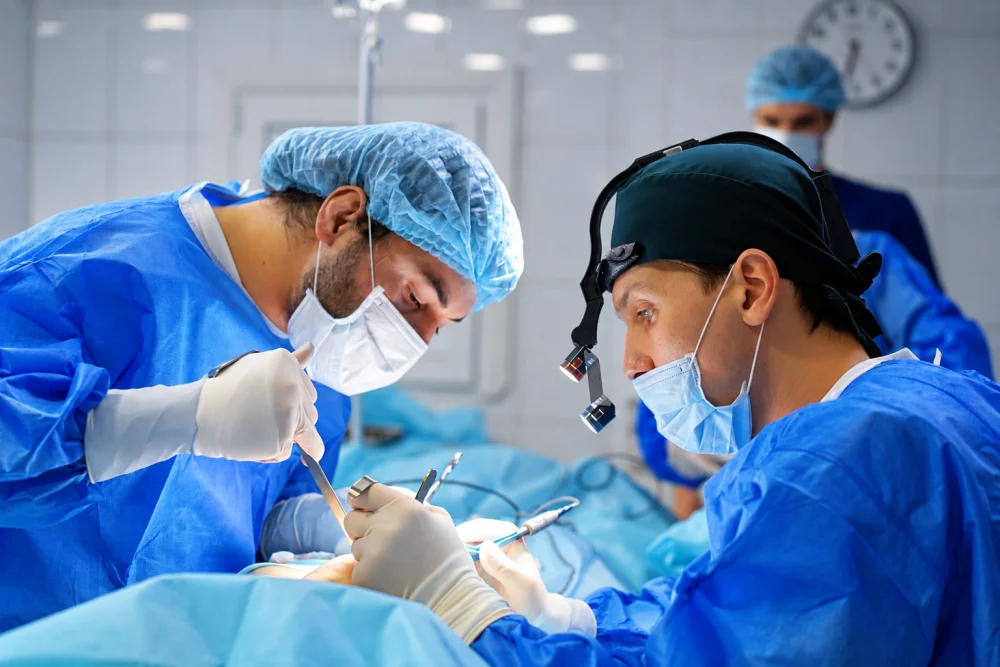
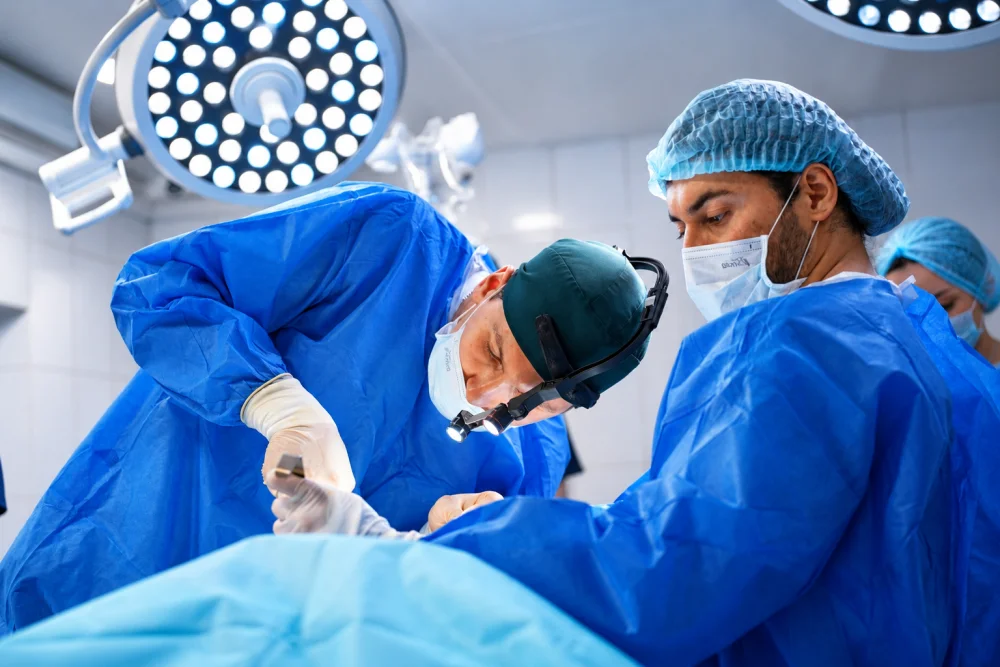
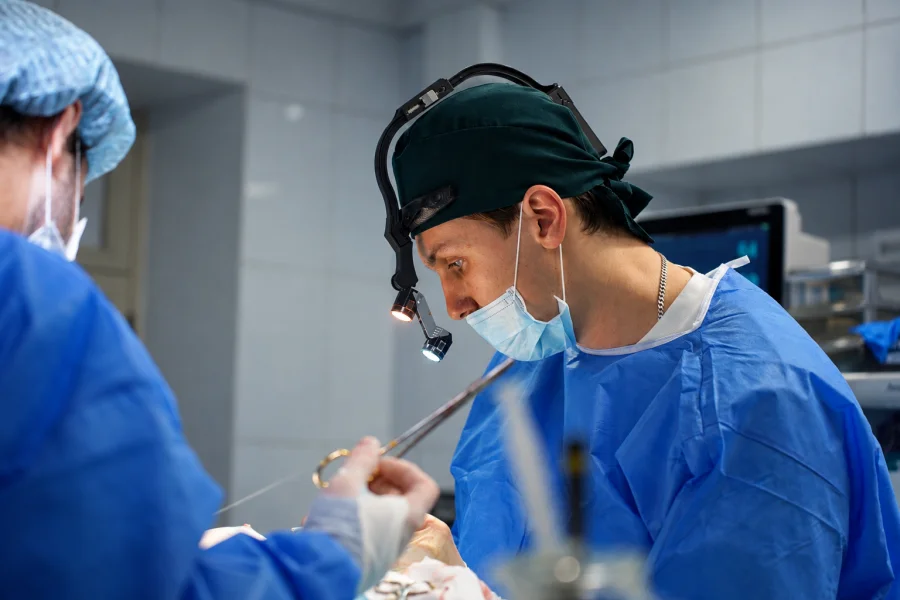
Mammoplasty is performed according to your individual plan. The surgery is done under general anesthesia while your condition is monitored throughout.
 5
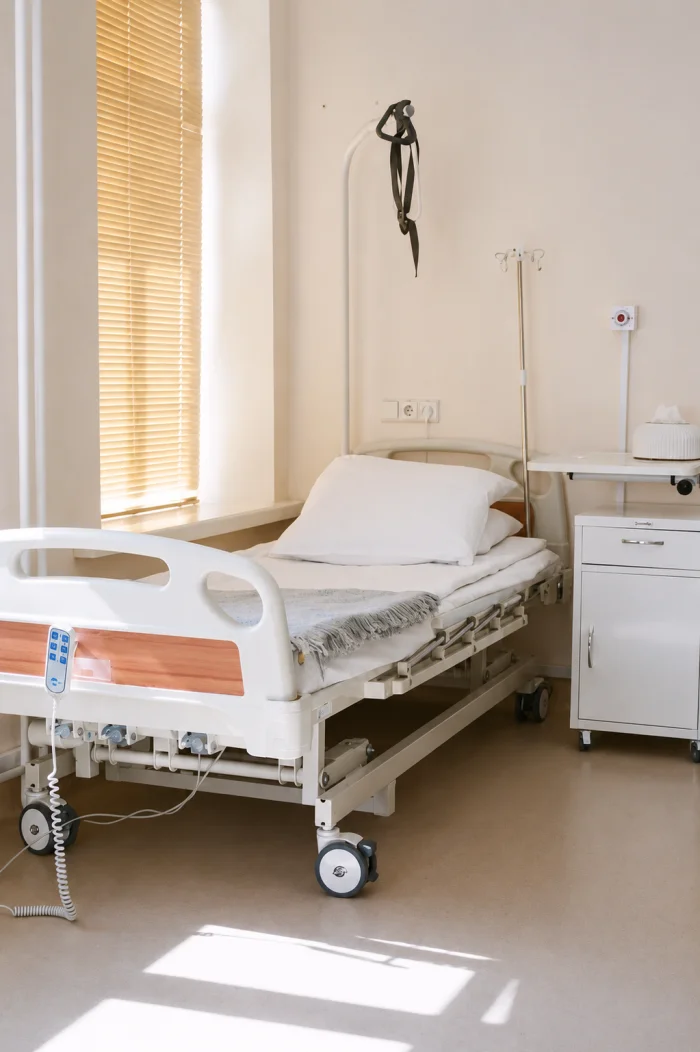
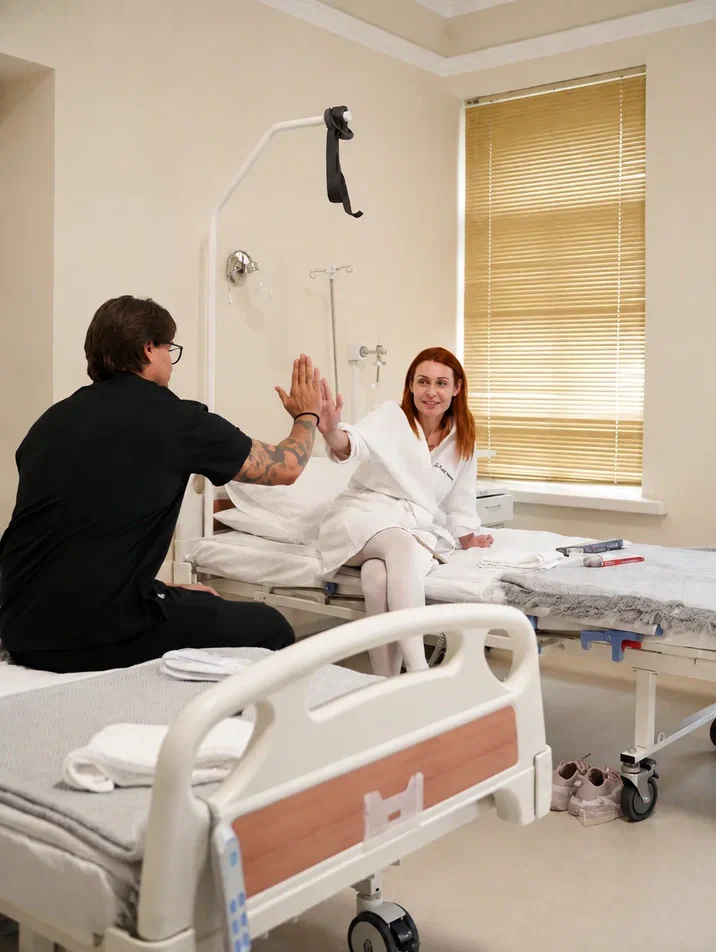
Following surgery, you recover in a comfortable inpatient ward of the clinic with the medical team looking after you until discharge.
 6
After surgery you receive a recovery programme. Check-ups at 7 days, 3 and 6 months track your progress, and consultations with your surgeon are free for a year.
Stop taking aspirin-containing drugs, steroids and hormonal medications for chronic conditions before surgery
Hormonal contraceptive pills need to be stopped a minimum of a month before the procedure
Get your tests a week ahead of surgery
In the run-up to surgery, follow simple advice: keep work and rest in healthy balance, sleep more, avoid stress, anxiety and emotional strain, and ease off physical activity.
Intense gym workouts should be avoided for up to 40 days, along with overly active aerobics; after a month light cardio may be possible. Watch your diet.
Swelling from surgery fades after 3 weeks
Within 3 months, discomfort disappears
Scars take shape within 3 weeks
No heavy exertion (lifting more than 3 kg)
Within 3 months, the tissue is free of inflammatory changes and a “pocket” surrounds the implant
Recovering after correction includes 1–1.5 months of wearing compression wear
Do not raise arms above shoulder level for 3 weeks
No tub baths or saunas for up to three months, and no physiotherapy
Doctors
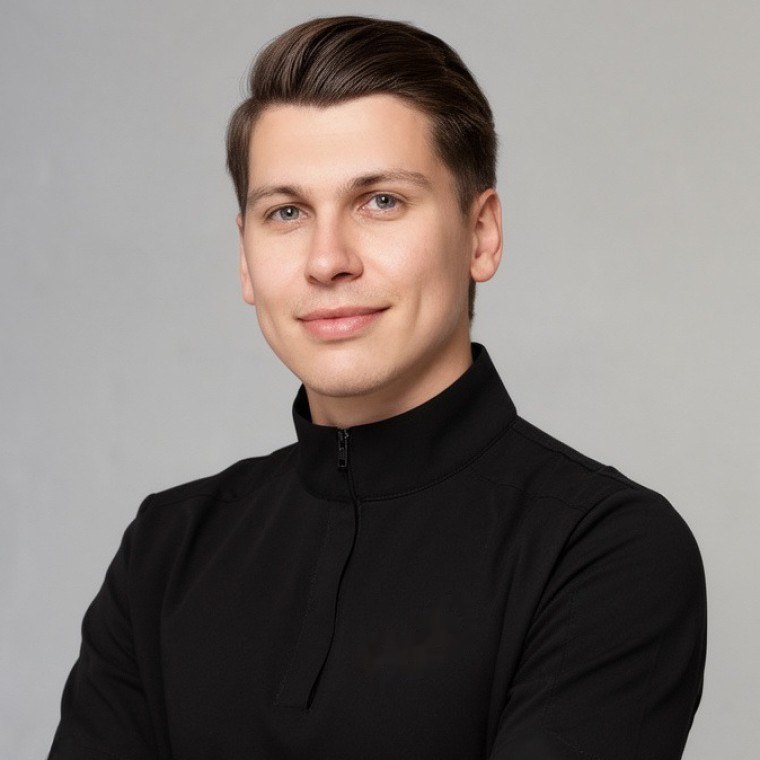
7 years of experience
Plastic surgeon
Residency in plastic surgery: Petrovsky National Research Centre of Surgery. Areas of expertise are aesthetic and reconstructive surgery of the breast and body.
At the consultation, you meet the surgeon who will operate
An experienced plastic surgeon attentive to the beauty and health of patients
Book a consultationAdvantages
During the consultation we discuss your wishes and model the planned changes. The surgeon explains what surgery can achieve, so you know exactly what result to expect.
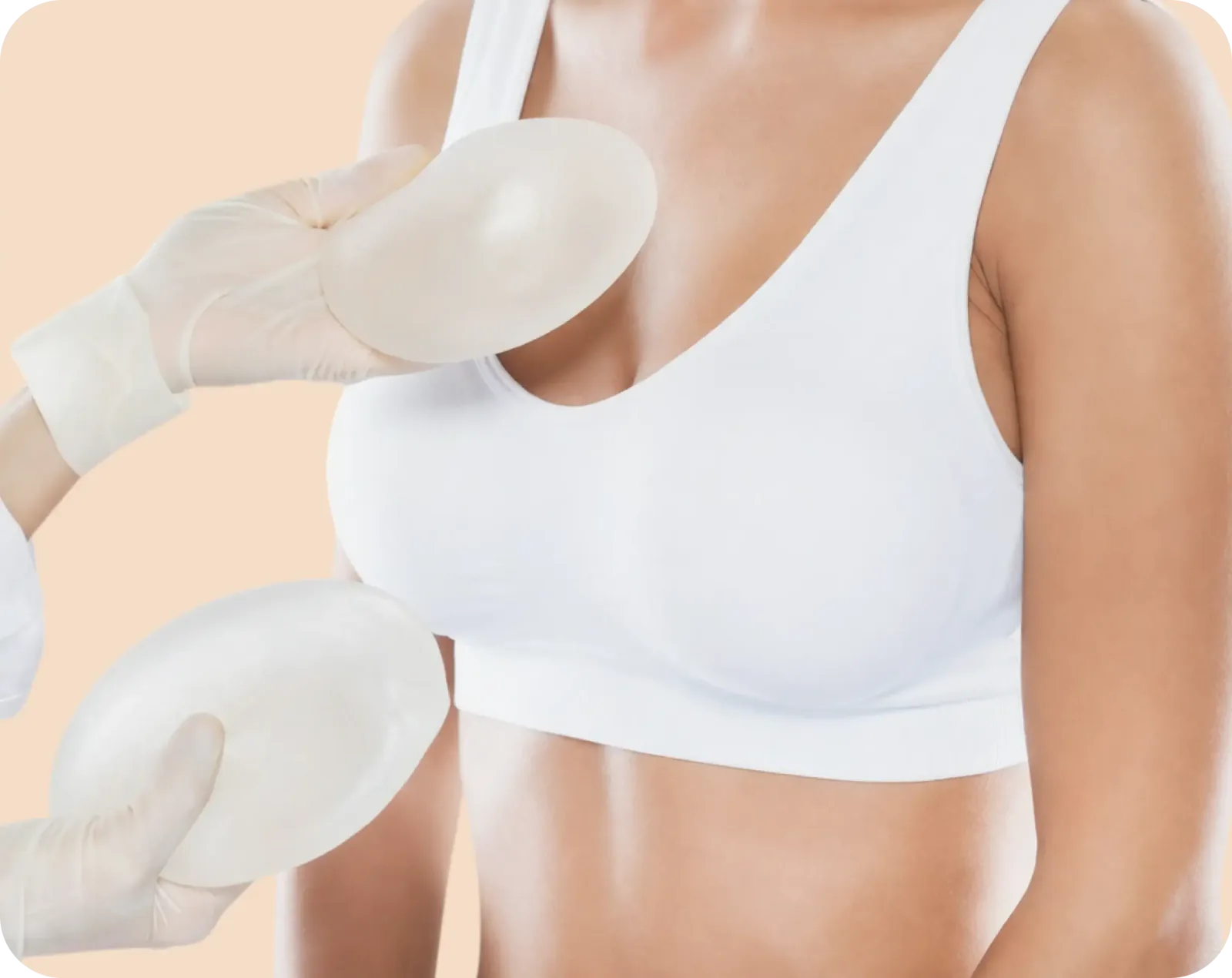
During the year after surgery the surgeon keeps track of your recovery and breast shape. The price already covers check-ups and dressings.
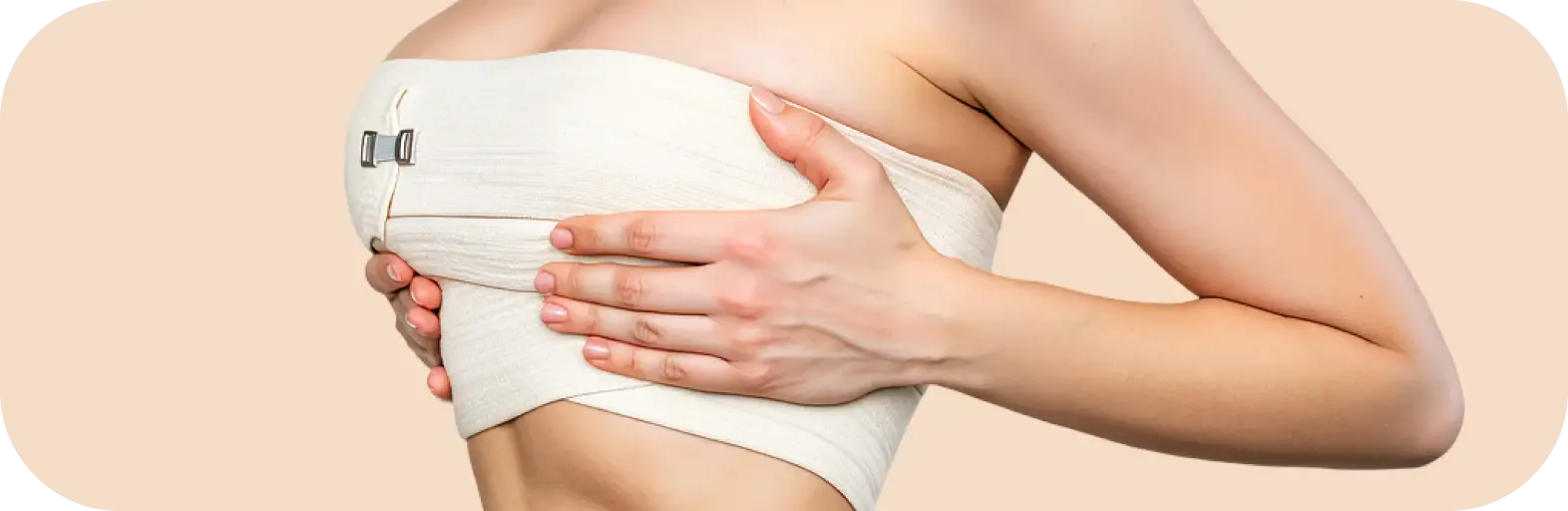
Shape, volume and correction method are chosen to match your anatomy and wishes. For augmentation, the implant size and profile are selected individually.
We respect your time: we work 24/7, with easy booking and a personal approach — we adapt to your pace.
The surgeon sets the extent of correction after the consultation, and you get a transparent price for the operation, without unexpected costs.

You begin your recovery in a comfortable ward under constant nursing supervision; the stay and meals are included in the price.
FAQ
Mammoplasty spans several procedures: augmentation (enlargement with implants), reduction (excess tissue and skin are removed), mastopexy (lift of sagging breasts), reconstruction (after mastectomy) and asymmetry correction. The ideal method is chosen for you individually, taking into account your wishes and the surgeon's advice.
Message us — our coordinator will get back to you shortly and book your consultation. The plastic surgeon consultation is free.
Complications rarely happen when all recommendations are respected. Possible ones are hematoma or seroma, wound infection, reduced or increased sensitivity of the nipple, capsular contracture, aesthetic asymmetry, wound separation and tissue necrosis.
Mammoplasty results are durable: about 10–15 years following augmentation (until implant replacement) and 5–10 years following a lift or reduction. Weight, pregnancy, aging skin and gravity influence how long the effect lasts. Maintain it by wearing supportive underwear and watching your weight.
Breastfeeding after mammoplasty depends on the type of surgery. With augmentation through an under-breast or armpit incision and the implant placed under the muscle, lactation is usually preserved — the glandular tissue is not damaged. After a lift or reduction the risk is higher because ducts may be cut. Discuss this with your surgeon in advance.
In choosing implants, the surgeon considers material (silicone looks most natural, saline is less common), shape (round or anatomical teardrop), surface (smooth or textured), size and profile, and selects the best option for your anatomy and wishes.
The patient feels nothing during surgery, which is performed under general anesthesia. Moderate discomfort in the first 1–3 days is possible and is treated with painkillers. By day 5–7 the pain is greatly reduced, and by weeks 2–3 no discomfort remains. With severe pain, contact your doctor immediately.
Returning to work without physical exertion is possible after 7–14 days, and light walks after 1–2 weeks. Fitness and swimming are allowed after 4–6 weeks, strength training after 3 months, and the pool and sea after 4–6 weeks. Compression garments: 4–6 weeks. Exact timing depends on recovery.
There is no scientific basis for saying mammoplasty raises breast cancer risk. Implants do not cause cancer. Post-surgery, maintain regular screening with self-exams, mammography and ultrasound, and always inform the examining doctor that you have implants.
A C-section does not rule out mammoplasty, but full recovery of the body must come first. Wait 6–12 months or more after giving birth and after you stop breastfeeding. Before surgery, you must have a surgeon's consultation and check-up.
Scarring is part of mammoplasty, but with an experienced surgeon it stays minimal. Incisions are hidden under the breast, around the areola or in the armpit. During the first months scars appear reddish; within 6–12 months they lighten and become almost invisible.
In the first weeks after surgery, slight asymmetry is normal: swelling and uneven healing are behind it. If shape or size still differ after 3–6 months, see your surgeon for a check-up to find the reason.
Following mammoplasty, the nipples and breasts may temporarily become less or more sensitive. Irritated nerve endings are the cause. In most cases normal sensitivity returns within 3–12 months. With no improvement after a year, visit your surgeon.
Hormonal drugs such as contraceptives and hormone replacement therapy do not influence implants directly. They may, however, cause swelling or breast tissue volume changes that temporarily affect how the breasts look. Inform your surgeon of these medications before surgery.
Prices are in US dollars; the amount in brackets is an approximate conversion to UGX at the rate of 02.10.2026. The final price is fixed in your contract.
Prices start from $4,700 (≈ UGX 18,500,000). The surgeon sets the final price at the free consultation, and it is fixed in the contract, with no hidden extras.
The surgical team's work, anaesthesia, the inpatient stay with meals, dressings and follow-up visits for twelve months.
Message us on WhatsApp or Telegram using the buttons below. A coordinator will answer your questions and book a free consultation where the doctor names the exact price.
By messaging us, you agree to our Privacy Policy
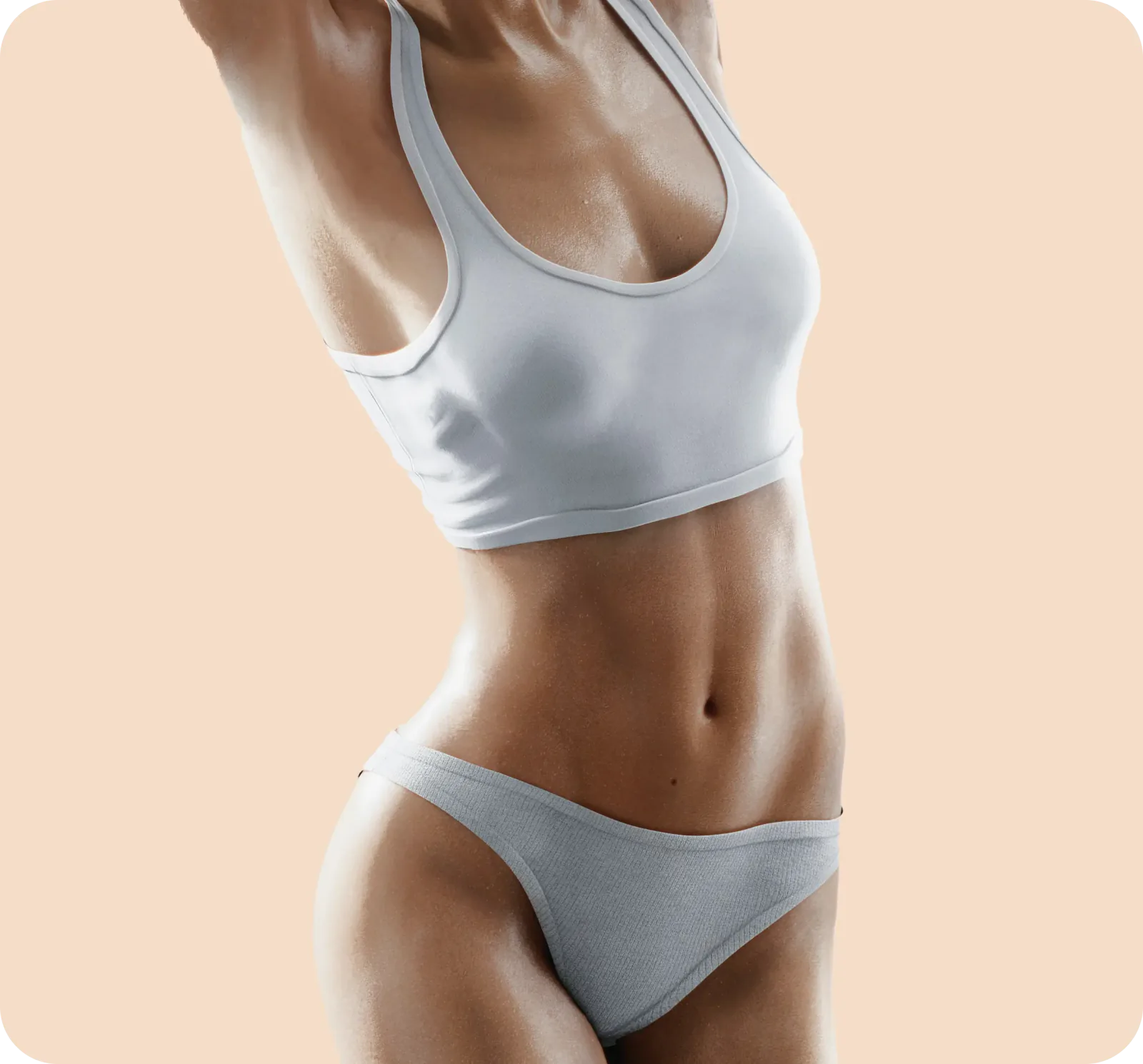
Augmentation mammoplasty is an elective aesthetic operation carried out under general anesthesia. It is chosen by women in Gulu who want more volume or a corrected contour. Anatomical precision matters here: the plastic surgeon marks the new breast position, plans the access around your anatomy and fits an implant that respects your proportions, keeping the look natural rather than artificial.
Recovery follows a clear timeline. Swelling subsides in about three weeks, scars form over the same period, and discomfort fades by three months. Compression garments are worn for 1–1.5 months, arms should not be raised above shoulder level for three weeks, and baths or saunas are off-limits for up to three months. Patients from Gulu get detailed care advice from the surgeon.
If you are comparing breast augmentation prices in Gulu, check what each offer includes. Here the all-inclusive rate from $4,700 (≈ UGX 18,500,000) already covers anesthesia, the clinic stay, meals, dressings and a year of check-ups with the plastic surgeon. Apply before the end of the year and your consultation is at the clinic's expense. Fill in the form or message the coordinator.
What patients write after this operation. Reviews are translated from the original language.
Anna Smirnova
I went to Dmitry Sergeyevich for breast augmentation with implants. At the consultation everything was explained in detail, and together we chose the best size. The operation under combined anaesthesia took 2 hours, and I was discharged home the next day. The swelling went down in about a month, and my breasts look very natural. The year of follow-up care is a real lifesaver: you can always ask a question and get an answer. Thank you to the clinic!
Breast augmentation
Doctor: Dmitry S. Kuznetsov
Ekaterina Morozova
After two births I decided on a breast lift without implants. I chose Dmitry Sergeyevich and have no regrets. The result exceeded all my expectations: my breasts are lifted and the shape is youthful and firm. The incisions are minimal and almost invisible. I spent one day in the hospital, and the room was very comfortable. I recommend him!
Breast lift
Doctor: Dmitry S. Kuznetsov
Olga Kuznetsova
I had a combined operation, a breast lift with augmentation, with Dmitry Sergeyevich. At the consultation it was immediately clear that I was in the right place. Everything is included in the price, with no hidden charges. After a month my breasts already feel soft and natural. Personal follow-up after the operation is very valuable.
Breast lift with implants
Doctor: Dmitry S. Kuznetsov
Maria Lebedeva
Breast augmentation from a size 3 to a size 4 with Dmitry Sergeyevich. He chose perfect anatomical implants. The operation took 2 hours, and I woke up with almost no pain. In the ward I was fed and monitored around the clock. Four months have passed and the result looks like a magazine cover.
Breast augmentation
Doctor: Dmitry S. Kuznetsov
Natalia Vorobyova
I went to Dmitry Sergeyevich to correct breast asymmetry with a small lift. A true professional: at the consultation he immediately showed before-and-after photos of similar cases. Recovery was easy and the swelling went down quickly. I had my check-up after just 7 days. An excellent clinic!
Breast reconstruction
Doctor: Dmitry S. Kuznetsov
Yulia Romanova
I had a lift with implants after losing a lot of weight. I chose Dmitry Sergeyevich. At the consultation everything was explained in simple words, and my fears were gone. One day in the hospital, then care at home. Now my breasts look natural and keep their shape. I am very happy!
Breast lift with implants
Doctor: Dmitry S. Kuznetsov
Page medically reviewed by Dmitry S. Kuznetsov, plastic surgeon. Review date: .
Gulu is a city in the Northern Region of Uganda and the commercial and administrative centre of Gulu District. The mid-year population of Gulu City in 2020 was projected at 177,400, spread over four divisions: Bar Dege, Laroo, Layibi and Pece. For a city of this size, decisions about cosmetic surgery are usually made quietly, after conversations with family, close friends and sometimes a trusted colleague. Many women in Gulu begin by reading, comparing and asking questions long before they speak to a surgeon.
City Medical Centre offers a free online consultation to patients in Gulu. You do not need to rearrange your week around an appointment: coordinators are available around the clock (24/7) on WhatsApp and Telegram, so you can write when the day's work is finished. Your time matters to us: we work 24/7, booking is easy, and our personal approach adapts to your pace.
Breast augmentation is a planned operation, not an urgent one. A sensible plan for a patient in Gulu covers the season of surgery, the days away from work, help at home, the compression garment and the follow-up schedule. The sections below go through each of these steps in the context of daily life in the city.
Gulu has a tropical wet and dry climate (Aw in the Köppen-Geiger classification). In practice this means a hot, drier part of the year and a wetter part of the year, and your recovery will fall into one of them. Neither season is automatically better; each has its own points to manage.
In the dry and hot months the main concerns are heat under the compression garment, sweating, dust and strong sun. Choose soft, breathable cotton clothing to wear over the garment, keep the incisions covered and out of direct sun, and avoid long hours outdoors. Compression garments stay on for 4–6 weeks, so plan for the garment to be part of your daily clothing during that period. Ask your surgeon how to wash and rotate garments so the skin stays clean and comfortable.
In the rainy months the air is humid and the ground can be muddy and slippery. Humidity makes a snug garment feel warmer, and a slip on a wet path is the last thing you want while you are told not to lift anything heavy. Arrange dry, safe transport for check-ups and for your first walks, and keep the wound areas dry until your surgeon says otherwise.
Swelling after surgery goes away after 3 weeks, and discomfort fades after 3 months. Hot weather can make swelling feel more noticeable by the end of the day, so rest with your upper body slightly raised and drink enough water. These are general habits and do not replace the instructions of your surgeon.
Gulu is a commercial and administrative centre, and it is also a university city: Gulu University, the Uganda Management Institute campus and the University of the Sacred Heart Gulu are all based here. Patients in Gulu include office workers, traders, teachers, health workers and students, and each has a different recovery plan.
You may go back to work (with no physical exertion) after 7–14 days. For a desk job, an office role or study that is mostly sitting, this is usually realistic. If your day involves carrying goods, lifting boxes or long hours on your feet in the heat, discuss this with your surgeon in advance, because there should be no heavy exertion (lifting more than 3 kg) and no lifting arms above shoulder height for 3 weeks.
For students, the best moment is a break between terms, so that the first weeks of swelling and tiredness do not collide with examinations. For working women, a quieter period at work, or a time when a colleague can cover your tasks, makes the first week easier.
Family matters too. If you care for children, ask someone to help with lifting, carrying and household tasks during the first weeks. Say clearly who will help and for how long, before the day of surgery, so that you are not forced to do too much too early.
The operation is performed under general anaesthesia, so there is no sensation during the surgery itself. Depending on the plan, the stay is 1 day or 1–2 days, with 24/7 monitoring by medical staff. Your coordinator explains which option applies to you during the online consultation.
In the first 1–3 days you may feel moderate discomfort, which painkillers relieve. Pain subsides significantly by day 5–7 and discomfort is gone by weeks 2–3. If pain becomes severe, inform your doctor right away. For a patient in Gulu this means keeping your phone charged and nearby and knowing in advance how to reach your coordinator at any hour.
Prepare the home before the operation: easy-to-reach everyday items, loose front-opening tops, enough water and food ready to eat, and a comfortable place to rest with your back supported. Ask your surgeon what to prepare in terms of medicines and what to avoid before surgery.
Food in Gulu is closely tied to family gatherings, shared meals and celebrations. During recovery you do not need to avoid meals with family, but you do need to monitor your diet and meals. Heavy, very salty dishes can increase swelling and a sense of heaviness, while balanced meals with vegetables, protein and plenty of water support healing.
Weight matters for the long-term result. Results after mammoplasty last a long while: about 10–15 years for augmentation (until implant replacement). Weight changes, pregnancy, skin aging and gravity affect their duration. To maintain the result, choose supportive underwear and control your weight.
The World Health Organization notes that overweight and obesity are a significant health issue, and a stable, healthy weight is also a reasonable aim for anyone planning elective surgery. Talk to your surgeon about your current weight and about what is realistic for you.
Sport is part of life in Gulu; football fans follow Gulu United FC, which plays at Pece War Memorial Stadium. Many patients ask when they can return to training, running or matches with friends. The answers need patience.
You can take light walks after 1–2 weeks. For as long as 40 days, stay away from intense gym workouts and overly active aerobics; light cardio is possible after a month. Fitness and swimming are possible after 4–6 weeks, strength training is allowed after 3 months, and pool and sea after 4–6 weeks. Timing depends on your recovery.
If you play or train with a team, tell your teammates and coach that you will be away for a while. Going back too early can increase swelling and discomfort, and it is easier to rest at the start than to deal with a setback later.
Scars: there are scars after mammoplasty, though a skilled surgeon keeps them minimal. The incisions go in discreet areas, such as under the breast, around the areola or in the armpit. Early on the scars are reddish, but over 6–12 months they fade and are almost unnoticeable. In a sunny climate it is sensible to protect fresh scars from direct sun.
Asymmetry: in the first weeks after surgery, slight asymmetry is normal, because swelling and uneven healing are behind it. If shape or size still differ after 3–6 months, see your surgeon for a check-up to find the reason.
Sensitivity: breast and nipple sensitivity may change for a time, going down or up, because nerve endings are irritated. In the majority of cases sensitivity is restored within 3–12 months. If nothing has improved after a year, consult your surgeon.
Implant pocket: in 3 months any inflammatory changes in the tissue disappear, and a pocket forms around the implant. This is why the final look is judged months after the operation and not in the first weeks.
In general terms, breast augmentation suits adult women in good general health who want a larger or fuller breast and have realistic expectations. Conditions such as unstable chronic illness, active infection, or an unresolved medical problem need to be discussed with the surgeon, who may postpone or advise against surgery. Smoking, anaemia and certain medicines should be mentioned during the consultation.
Many women in Gulu ask about surgery after children. Mammoplasty after a C-section is possible, but only once your body has fully recovered. Allow at least 6–12 months after giving birth and after breastfeeding stops. A consultation and check-up with a surgeon are required before surgery.
Gulu has moved from a modest town to a city with four divisions: Bar Dege, Laroo, Layibi and Pece. In 2002 the national census estimated its population at 119,430. The 2014 census put it at 152,276, and the 2020 mid-year projection for Gulu City was 177,400. A city that has grown this quickly has many women who built their own lives, businesses and households within a single generation. Many of them now plan breast augmentation as a personal decision of their own, taken calmly and without pressure from anyone.
Gulu's story includes long periods of hardship for families, and the city is known for the resilience of its people. In the 1960s, refugees from neighbouring countries settled in Gulu, and the city has long been a place where different communities live side by side. Many Gulu families are used to depending on each other and on their church or mosque community. Women who plan surgery often find that the most useful support is a trusted sister, friend or neighbour who can stay close in the first days and answer the door, cook and carry things for you.
Gulu has a strong culture of mutual help, and it is worth using that. Agree in advance who will check on you, who will take over lifting and carrying, and who will stay when you first come home. Remember the rule for the first 3 weeks: no heavy exertion (lifting more than 3 kg) and no lifting arms above shoulder height. Say it plainly to relatives, so that nobody hands you a heavy child or a full water container out of habit.
The four divisions of Gulu are quite different from one another. Pece, with a projected 53,500 residents in 2020, is the largest. Bar Dege had 47,700, Layibi 43,900 and Laroo 32,300. Pece is also the home of Pece War Memorial Stadium, built by the British in 1959, so many people there are used to busy match days and crowded streets. If you live in a lively part of the city, plan quieter rest at home during the first week and avoid crowds, where someone might bump into you.
Residents of the more central divisions may find a check-up call, a pharmacy and a shop all within easy reach, which makes the first walks short and simple. Residents of the outer parts of the city, where a trip to the market can be longer, should stock the home before the operation: water, soft food, loose front-opening tops and a charged phone. Light walks are possible after 1–2 weeks, so before then it is better to have everything brought to you.
Water at home matters for recovery, because the garment and wound care depend on clean conditions. Phase I of the Gulu Water Supply and Sanitation Project was completed in 2020, and a new sewage sludge treatment plant was built in Cubu. For a patient this is a reminder to ask your surgeon about washing and hygiene, and to keep a supply of clean water ready so that you never have to carry heavy containers while your arms are meant to stay below shoulder height.
Gulu University offers programmes in agriculture, medicine, business management and conflict resolution, and its School of Medicine is one of the nine accredited medical schools in Uganda as of February 2015. Gulu also hosts the Uganda Management Institute campus and the University of the Sacred Heart Gulu. Because of this, many women in the city work or study around health care, and they often arrive at the first consultation with sharp questions about implants, anaesthesia and follow-up. That is a good habit: write your questions down and ask every one of them.
The city has three hospitals: St. Mary's Hospital Lacor, the Gulu Regional Referral Hospital and Gulu Independent Hospital. Local hospitals are valuable for everyday health, and a patient planning surgery should tell her regular health workers about her plan and about any chronic conditions. Share your medical history openly with the surgeon during the online consultation as well. The surgery itself is carried out under general anaesthesia with 24/7 monitoring by medical staff, and the remote surgeon team stays in contact with you during the recovery programme.
Students and young staff in Gulu's universities often ask whether surgery fits into the academic year. The practical answer is that swelling goes away after 3 weeks and you may go back to a seated study routine after 7–14 days. Choose a gap between terms when possible, avoid the weeks before examinations, and tell your tutor or supervisor only what you wish to share.
Gulu is the commercial centre of the district, and many women work in trade, services, education or administration. A woman who runs a stall or shop faces a different problem from an office worker: stock to lift, customers who expect her to be there and long hours on her feet. If you can, hand over lifting and loading to a relative or an assistant for at least the first 3 weeks, and return to the counter when your surgeon agrees. You may go back to work (with no physical exertion) after 7–14 days.
Weekends in Gulu often revolve around church services, mosque visits, family gatherings and football. The city has Catholic, Anglican, Presbyterian, Baptist, Orthodox and Pentecostal congregations, as well as mosques, so many people spend long Sundays dressed up, seated and surrounded by others. In the early weeks, choose a loose, soft outfit that is comfortable over the compression garment. Garments stay on for 4–6 weeks. Do not skip rest for the sake of an event: tell people you are recovering from a minor illness or simply that you are resting.
Think also about the weeks before surgery. Finish big projects, pay bills ahead of time and arrange for transport for your first check-ups. In the first month, keep to light daily activity and avoid intense gym workouts for as long as 40 days. Light cardio is possible after a month.
Gulu is a close-knit city where news spreads quickly. Some women choose to tell their family and congregation about the operation, and others prefer privacy. Both choices are fine. What matters is that at least one adult you trust knows the dates, knows how to contact your coordinator and can stay with you during the first days.
If you are married, speak openly with your husband about the plan, the timing and your recovery needs. If you are single, a sister, a mother or a close friend can take the same role. Recovery goes better when someone else handles lifting, errands and cooking in the first weeks. After 3 months any inflammatory changes in the tissue disappear and a pocket forms around the implant, so the final look is assessed later, and it is better not to let comments from others influence you in the early weeks.
Your coordinator is available 24/7 on WhatsApp and Telegram, which suits a city where days often start early and evenings are for family. Write when the house is quiet, and ask your surgeon about every detail, including the check-ups at 7 days, 3 and 6 months.
You write to a coordinator on WhatsApp or Telegram at any hour. The coordinator collects your questions, your medical history and photographs as requested, and arranges a free online consultation with a surgeon. A coordinator will call you back 24/7.
After surgery you get a recovery programme. Check-ups at 7 days, 3 and 6 months help track your recovery. For a year after surgery, consultations with your surgeon are free, and follow-up support lasts 12 months. This matters if you live in Gulu and want to ask questions from home as your recovery progresses.
Questions worth asking your surgeon: which implant shape and size suit my frame, where will the incisions be, how long will I need the compression garment, when can I return to my work, and what are the warning signs that need an urgent call? Write the answers down and keep them next to your phone.
Yes. The consultation is free and online. Coordinators are available 24/7 on WhatsApp and Telegram, and a coordinator will call you back 24/7.
You may go back to work (with no physical exertion) after 7–14 days. If your job involves lifting, discuss it with your surgeon beforehand.
General anaesthesia is used, so there is no sensation during the surgery. The stay is 1 day or 1–2 days, with 24/7 monitoring by medical staff.
In the first 1–3 days you may feel moderate discomfort, which painkillers relieve. Pain subsides significantly by day 5–7 and discomfort is gone by weeks 2–3. If pain becomes severe, inform your doctor right away.
Compression garments stay on for 4–6 weeks. Choose breathable clothing over it, keep skin clean and follow your surgeon's care advice.
Light walks are possible after 1–2 weeks, and fitness and swimming after 4–6 weeks. Strength training is allowed after 3 months. Avoid intense gym workouts for as long as 40 days. Timing depends on your recovery.
About 10–15 years for augmentation, until implant replacement. Weight changes, pregnancy, skin aging and gravity affect the duration.
There are scars, though a skilled surgeon keeps them minimal. Incisions go under the breast, around the areola or in the armpit. They are reddish early on but fade over 6–12 months.
Yes, once your body has fully recovered. Allow at least 6–12 months after giving birth and after breastfeeding stops, with a surgeon's check-up before surgery.
You get a recovery programme with check-ups at 7 days, 3 and 6 months. Consultations with your surgeon are free for a year, and follow-up support lasts 12 months.
Gulu City had a projected mid-year population of 177,400 in 2020, across Bar Dege, Laroo, Layibi and Pece. In a city where many people know each other, it helps to decide in advance who will be told and who will help you at home during recovery. The online consultation is free and private.
You may go back to work (with no physical exertion) after 7–14 days. Lifting stock should wait: there should be no heavy exertion (lifting more than 3 kg) and no lifting arms above shoulder height for 3 weeks. Ask someone to cover the lifting.
A break between terms is usually best. Swelling goes away after 3 weeks, and seated study can often resume after 7–14 days. Avoid planning surgery just before examinations.
Many women do attend quiet events, wearing loose clothing over the compression garment, which stays on for 4–6 weeks. Keep the visit short, avoid lifting and hugging that strains your arms, and rest afterwards.