





City Medical Centre · multi-specialty surgery clinicDaily 10:00–18:00

Abdominoplasty in Oslo: Scar and Results

Classic and mini tummy tucks: we remove excess skin and fat from the abdomen and repair separated muscles, considering diastasis and post-pregnancy scars

Name *
Phone number *
01

Guarantee under an official contract

02

400+ successful surgeries

03

10 years of abdominal surgery experience

04

Free consultation
before surgery

What is a tummy tuck
and who is it for?

In a tummy tuck (abdominoplasty) the surgeon tightens the front abdominal wall and removes stretched excess skin and fat. It does not replace diet and exercise and is not for weight loss. What it gives is a flat abdominal contour: no overhanging skin-and-fat apron, repaired separated rectus muscles and, if needed, a new navel.

It is chosen when, after childbirth, a C-section or major weight loss, there is excess skin and diastasis — rectus abdominis muscles that have separated. This is not fixable by diet and exercise: stretched skin does not shrink and separated muscles need surgery to come together. Pregnancy should come 12 months or more later, and surgery is not done while breastfeeding.

01

Guarantee under an official contract

02

10 years of abdominal surgery experience

03

Free consultation before surgery

Tummy tuck techniques at City Medical Centre

Classic tummy tuck

A classic tummy tuck starts with a horizontal incision above the pubic area; how long it is depends on the excess tissue. The scar is placed so underwear and swimwear cover it. The surgeon repairs the separated rectus muscles, removes excess skin and fat, moves the navel and places drains, taking 2–4 hours under general anaesthesia.

Suitable for marked excess skin, diastasis and a C-section scar.

Mini tummy tuck with diastasis repair

The mini tummy tuck targets a narrower issue — correcting only the lower abdomen through a shorter incision, without moving the navel. It is used when excess skin is small and the main concern is diastasis or overhang above a C-section scar; recovery is then shorter. After assessing the abdominal muscles and skin at an in-person consultation, the surgeon chooses the technique.

Less traumatic, with shorter recovery, when excess skin is minor.

How the surgery goes: from consultation to result

Surgeon consultation

The surgeon takes note of your wishes, examines you, evaluates fat deposits and rules out any contraindications. At City Medical Centre we also order hormone screening, which helps predict the long-term result.

Pre-surgery check-up

A complete blood count, coagulation panel, biochemistry and infection screening (HIV, hepatitis, syphilis), an ECG, chest X-ray and, when needed, a GP consultation.
 
All tests can be done at the clinic with no waiting.

Preparation

Medicines affecting clotting stop 2 weeks before, alcohol and smoking stop a week before for faster healing, and the last meal is 8 hours before.

Surgery day

Consultation with the surgeon, skin marking and compression garment fitting. Surgery under general anaesthesia takes 2–4 hours.

Waking up and monitoring

After surgery the patient stays in hospital under medical supervision for 1–3 days.

Recovery

A compression binder for 1.5–2 months; most swelling disappears within 30 days; office work after 2–3 weeks; final result assessed at 3 months.

Stockholm-icons / Navigation / Angle-leftCreated with Sketch.
Stockholm-icons / Navigation / Angle-rightCreated with Sketch.

Post-op check-ups

After 7 days
3 months
6 months

Until the end of the year, a post-surgery consultation with your surgeon to review results and get more information is at the clinic's expense

Who the surgery suits and who it doesn't

With chronic diseases, please get advice from a clinic doctor!

Indications

Excess abdominal skin and fat after childbirth or weight loss

Separation of the rectus muscles (diastasis)

A sagging lower abdomen or an apron of skin

Rebuilding the silhouette after childbirth or a rapid drop in weight

Lower abdominal scars, including after a C-section

Contraindications

Age under 18

Endocrine obesity

Severe chronic and mental illness

Decompensated diabetes

Blood clotting disorders

Cancer

Pregnancy and breastfeeding

Severe heart, kidney or liver disease

Temporary contraindications: taking anticoagulants, acute infections, menstruation, inflammatory skin conditions in the treated area

Book a consultation

Call or message us —
our coordinator will contact you shortly
and book your consultation

Book a consultation

Call or message us —
our coordinator will contact you shortly
and book your consultation

Recovery after a tummy tuck

The patient stays in hospital under medical supervision for 1–3 days right after surgery. Usually drains are removed after two days and stitches after 7 days. Wearing a compression binder for 1.5–2 months supports the abdominal wall and gives a smooth contour. Most swelling is gone within 30 days, with office work resuming after 2–3 weeks. For 2–3 months avoid sports, sauna and heavy lifting; at first, sleeping on your back with knees bent is recommended. By 12 months the scar is fully mature, faded and barely noticeable.

Our specialists

Skilled plastic surgeons and doctors who look after patients' beauty and health

Stockholm-icons / Navigation / Angle-leftCreated with Sketch.
Stockholm-icons / Navigation / Angle-rightCreated with Sketch.
Stockholm-icons / Navigation / Angle-leftCreated with Sketch.
Stockholm-icons / Navigation / Angle-rightCreated with Sketch.

Why patients choose City Medical Centre

We take a hormonal approach — hormonal causes of obesity are ruled out by an endocrinologist before surgery, so the long-term result is more reliable

Combined procedures

One operation, one anaesthesia, one recovery period: a tummy tuck combined with flank and waist liposuction or diastasis repair

Support until the result

Throughout recovery the surgeon stays in contact; the contract fixes the price, with no hidden extra charges

Book a consultation

Call or message us —
our coordinator will contact you shortly
and book your consultation

Book a consultation

Call or message us —
our coordinator will contact you shortly
and book your consultation

Tummy tuck: frequently asked questions

Can a tummy tuck be done together with liposuction or diastasis repair?

Yes, it's allowed and very common in practice. Liposuction of the flanks and waist is added to a tummy tuck, and after childbirth — repair of rectus diastasis. A combination like this shortens recovery, and at an in-person consultation the surgeon will explain how extensive the procedure will be.

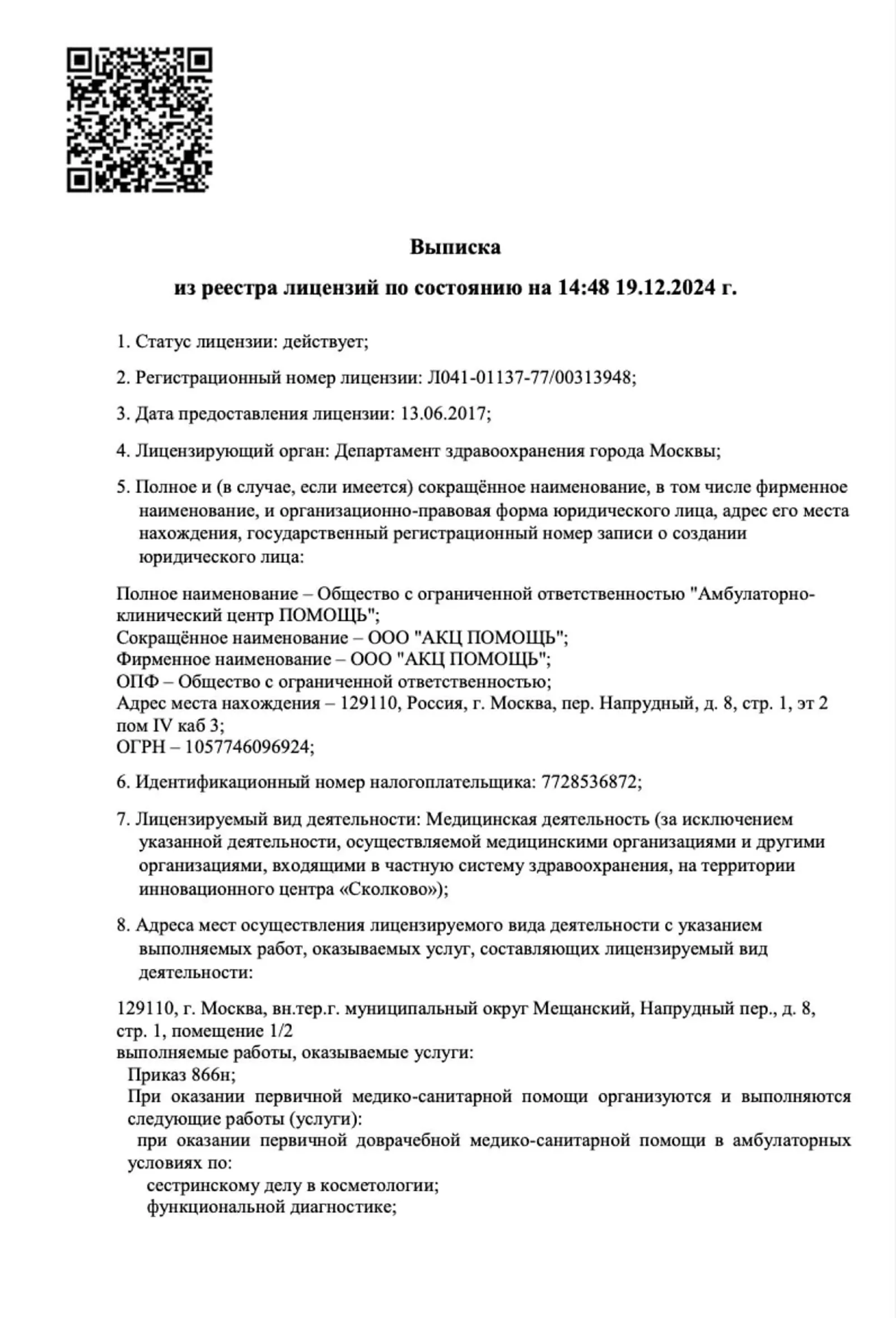
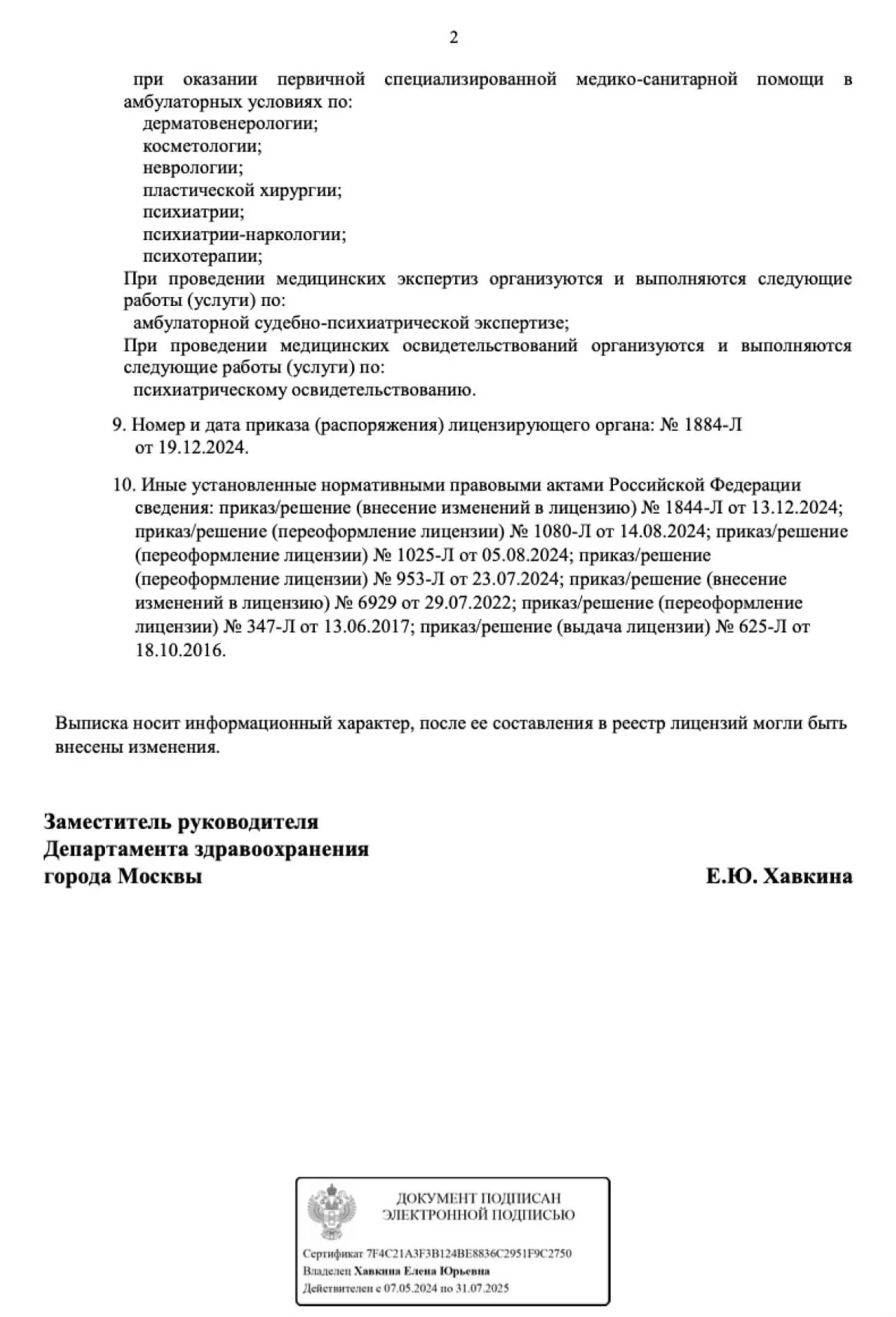
City Medical Centre licences

Licence and documents

What Oslo residents ask about a tummy tuck

An overhanging apron of skin, a belly that stays rounded despite training, a stretched area above a C-section scar: these are the usual reasons people in Oslo look into a tummy tuck. The operation tightens the front abdominal wall rather than reducing weight. With a small amount of excess skin, a mini tummy tuck may be enough; with marked changes, the classic technique is chosen.

Preparation is straightforward. Two weeks before surgery, medicines affecting blood clotting are stopped; a week before, alcohol and smoking are ruled out for faster healing; the last meal is eight hours before. On the day, you meet the surgeon, the skin is marked and compression garments are fitted. The operation takes 2–4 hours under general anaesthesia. This is the plan for everyone in Oslo.

A tummy tuck price is personal. It reflects how much excess skin needs removing, whether the navel is repositioned and whether separated muscles are repaired. To find out yours, book a free consultation: the surgeon examines you, answers questions about the scar, recovery and pregnancy planning and confirms the cost. Oslo residents can apply online or through a messenger.

This website uses cookies. By continuing to use it, you agree to the Privacy Policy and data processing terms