





City Medical Centre · multi-specialty surgery clinicDaily 10:00–18:00

Tummy Tuck in Kumasi: Free Consultation

Excess skin and fat are removed from the abdomen and separated muscles repaired. Classic and mini tummy tucks, with diastasis and post-pregnancy scars taken into account

Name *
Phone number *
01

Guarantee under an official contract

02

400+ successful surgeries

03

10 years of abdominal surgery experience

04

Free consultation
before surgery

What is a tummy tuck
and who is it for?

A tummy tuck (abdominoplasty) surgically tightens the front abdominal wall and removes excess stretched skin and fat. It is not a weight-loss method and does not replace diet and exercise. The aim is a flat abdominal contour: removing the overhanging skin-and-fat apron, repairing separated rectus muscles and, if needed, creating a new navel.

This surgery is chosen for excess skin and diastasis — separation of the rectus abdominis muscles — left after childbirth, a C-section or major weight loss. Diet and exercise can't correct it: stretched skin doesn't shrink and separated muscles don't rejoin without surgery. Pregnancy should be 12 months or more later, and there is no surgery while breastfeeding.

01

Guarantee under an official contract

02

10 years of abdominal surgery experience

03

Free consultation before surgery

Tummy tuck techniques at City Medical Centre

Classic tummy tuck

In a classic tummy tuck the surgeon makes a horizontal incision above the pubic area; the length depends on the amount of excess tissue. The scar line is planned for underwear and swimwear to hide it. Separated rectus muscles are repaired, excess skin and fat removed, the navel repositioned and drains placed, over 2–4 hours under general anaesthesia.

Suitable for marked excess skin, diastasis and a C-section scar.

Mini tummy tuck with diastasis repair

A mini tummy tuck solves a narrower task: only the lower abdomen is corrected, with a shorter incision and no navel repositioning. It suits a small excess of skin where the main issue is diastasis or overhang above a C-section scar, and recovery is shorter. The surgeon picks the technique at an in-person consultation, after assessing the abdominal muscles and skin.

Less trauma, shorter recovery — for cases with minor excess skin.

How the surgery goes: from consultation to result

Surgeon consultation

The surgeon discusses your wishes, carries out an examination, assesses fat deposits and excludes contraindications. City Medical Centre adds a hormone screening to help predict the long-term result.

Pre-surgery check-up

You'll need blood tests (complete count, coagulation panel, biochemistry, HIV, hepatitis, syphilis), an ECG, a chest X-ray and a GP consultation if necessary.
 
All tests can be done at the clinic with no waiting.

Preparation

Medicines affecting blood clotting are stopped 2 weeks before. A week before, no alcohol or smoking, so healing is faster. The last meal is 8 hours before.

Surgery day

On the day: meeting the surgeon, skin marking, fitting of compression garments. Then 2–4 hours of surgery under general anaesthesia.

Waking up and monitoring

After surgery the patient stays in hospital under medical supervision for 1–3 days.

Recovery

1.5–2 months in a compression binder. Most of the swelling is gone within 30 days; you can return to office work after 2–3 weeks. The final result is assessed at 3 months.

Stockholm-icons / Navigation / Angle-leftCreated with Sketch.
Stockholm-icons / Navigation / Angle-rightCreated with Sketch.

Post-op check-ups

After 7 days
3 months
6 months

Until the end of the year, the clinic pays for your post-surgery consultation with the surgeon, where you review results and get more information

Who the surgery suits and who it doesn't

Chronic conditions? Please seek a consultation with a clinic doctor!

Indications

Excess abdominal skin and fat after childbirth or weight loss

Separation of the rectus muscles (diastasis)

A sagging lower abdomen or an apron of skin

Rebuilding the silhouette after childbirth or a rapid drop in weight

Lower abdominal scars, including after a C-section

Contraindications

Age under 18

Endocrine obesity

Severe chronic and mental illness

Decompensated diabetes

Blood clotting disorders

Cancer

Pregnancy and breastfeeding

Severe heart, kidney or liver disease

Temporary contraindications: inflammatory skin conditions in the treated area, acute infections, menstruation, anticoagulant use

Book a consultation

Call or message us —
our coordinator will contact you shortly
and book your consultation

Book a consultation

Call or message us —
our coordinator will contact you shortly
and book your consultation

Recovery after a tummy tuck

Right after the operation, 1–3 days in hospital under medical supervision. Drains usually come out after two days and stitches after 7 days. The compression binder stays on for 1.5–2 months, supporting the abdominal wall and shaping a smooth contour. Most swelling passes within 30 days, and you can go back to office work after 2–3 weeks. Sport, sauna and heavy lifting are ruled out for 2–3 months; it's advised to sleep on your back with knees bent early on. After 12 months the scar is fully mature — faded and barely noticeable.

Our specialists

Experienced plastic surgeons and physicians devoted to patients' beauty and health

Stockholm-icons / Navigation / Angle-leftCreated with Sketch.
Stockholm-icons / Navigation / Angle-rightCreated with Sketch.
Stockholm-icons / Navigation / Angle-leftCreated with Sketch.
Stockholm-icons / Navigation / Angle-rightCreated with Sketch.

Why patients choose City Medical Centre

We take a hormonal approach — hormonal causes of obesity are ruled out by an endocrinologist before surgery, so the long-term result is more reliable

Combined procedures

In one operation, a tummy tuck can be paired with flank and waist liposuction or diastasis repair: one anaesthesia, one recovery period

Support until the result

Throughout recovery the surgeon stays in contact; the contract fixes the price, with no hidden extra charges

Book a consultation

Call or message us —
our coordinator will contact you shortly
and book your consultation

Book a consultation

Call or message us —
our coordinator will contact you shortly
and book your consultation

Tummy tuck: frequently asked questions

Can a tummy tuck be combined with liposuction or diastasis repair?

Yes, you can combine them, and in practice it is very common. Liposuction of the flanks and waist is added to the tummy tuck, and after childbirth, rectus diastasis repair. Such a combination shortens recovery, and the surgeon will explain at an in-person consultation how extensive the procedure will be.

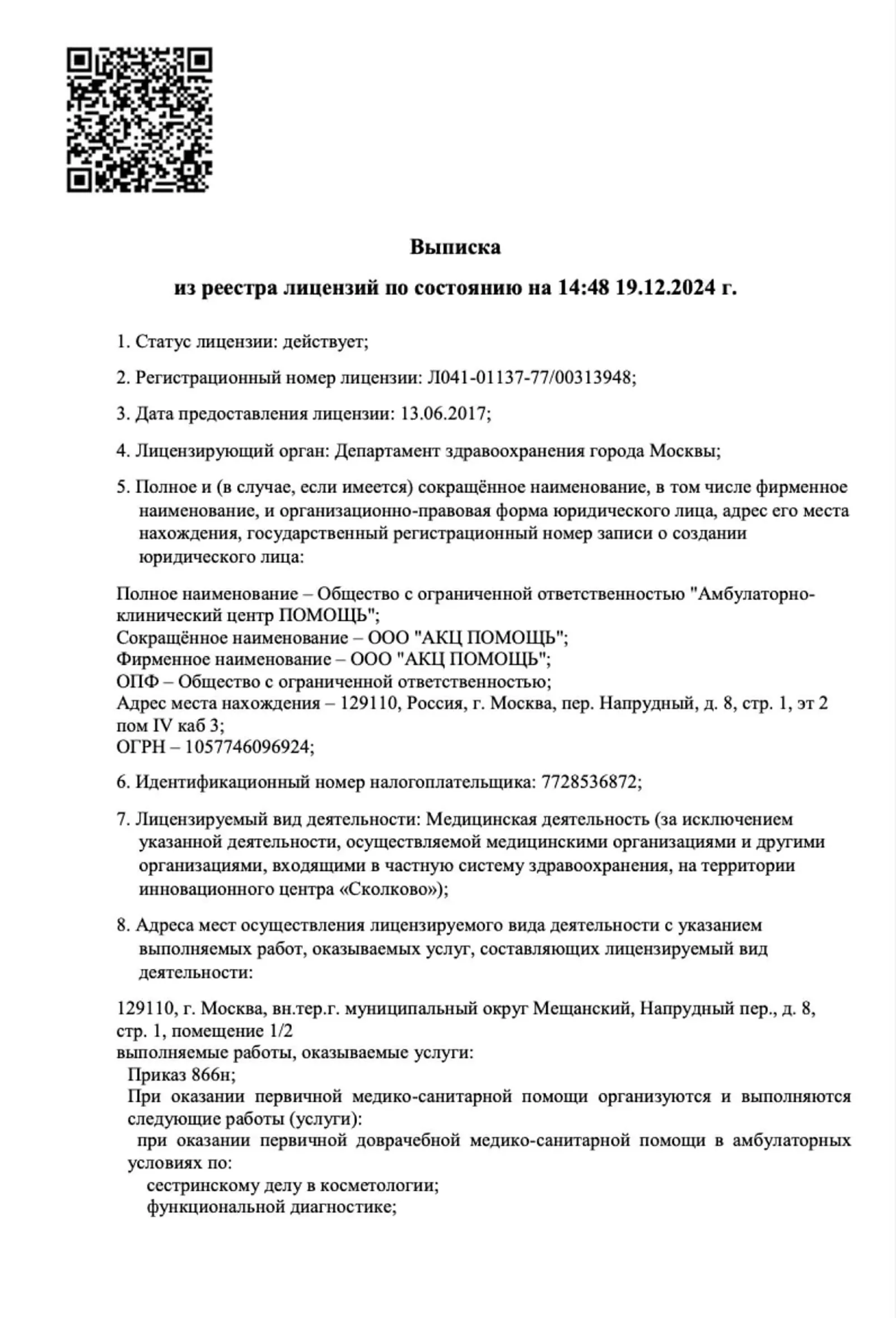
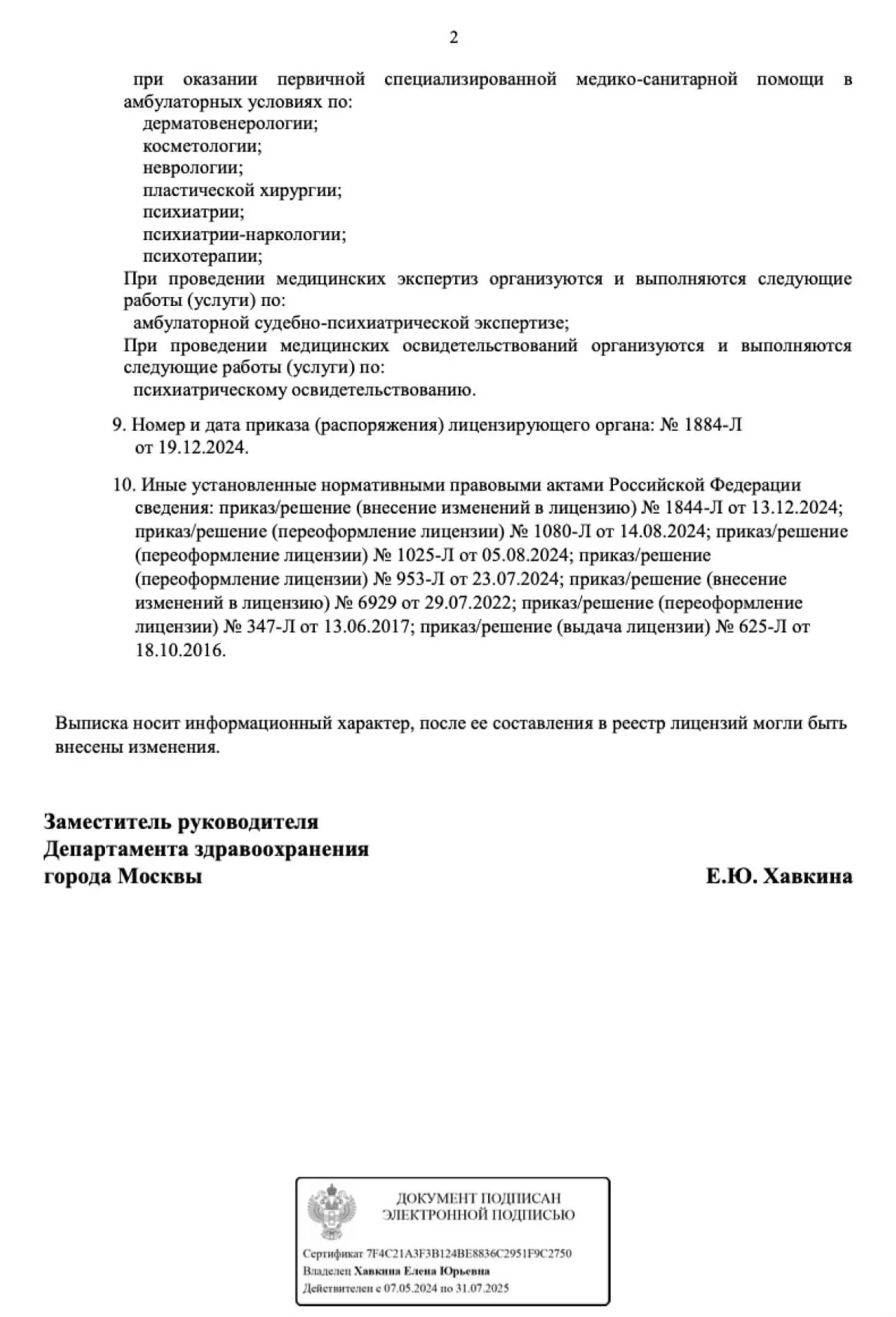
City Medical Centre licences

Licence and documents

Tummy tuck in Kumasi: from consultation to result

A tummy tuck, or abdominoplasty, is surgical tightening of the front abdominal wall that removes excess stretched skin and fat. It is not a weight-loss method and does not replace diet or exercise. For patients from Kumasi, the goal is a flat abdominal contour: removing the overhanging skin-and-fat apron, repairing separated rectus muscles and, where needed, creating a new navel.

Here is the route in brief. Consultation and hormone screening. Tests: blood and urine, coagulation, biochemistry, infections, ECG, chest X-ray, leg vein ultrasound and a GP's report. Surgery lasting 2–4 hours. One to three days in hospital. A compression binder, then check-ups at 7 days, 3 months and 6 months. Patients in Kumasi follow this same sequence from start to finish.

Start with a free consultation for a tummy tuck in Kumasi. The surgeon assesses your abdomen, explains the difference between the classic and mini techniques for your case and gives the final price, which is then recorded in the contract. Apply before the end of the year and the consultation is at the clinic's expense. Write to us in any messenger or use the form on the page.

This website uses cookies. By continuing to use it, you agree to the Privacy Policy and data processing terms