City Medical Centre · multi-specialty surgery clinicOpen 24/7

Liposuction in Libreville: Price and Techniques

Free consultation

from $1,200

The price is fixed in the contract before surgery
Real case
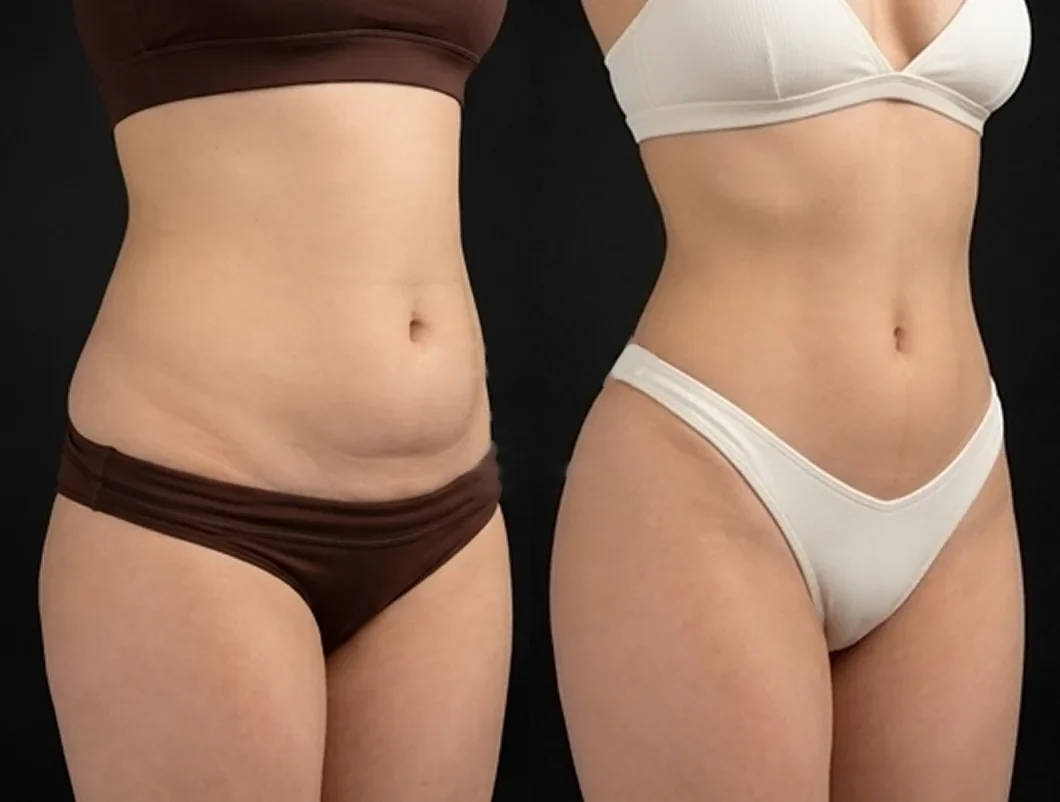
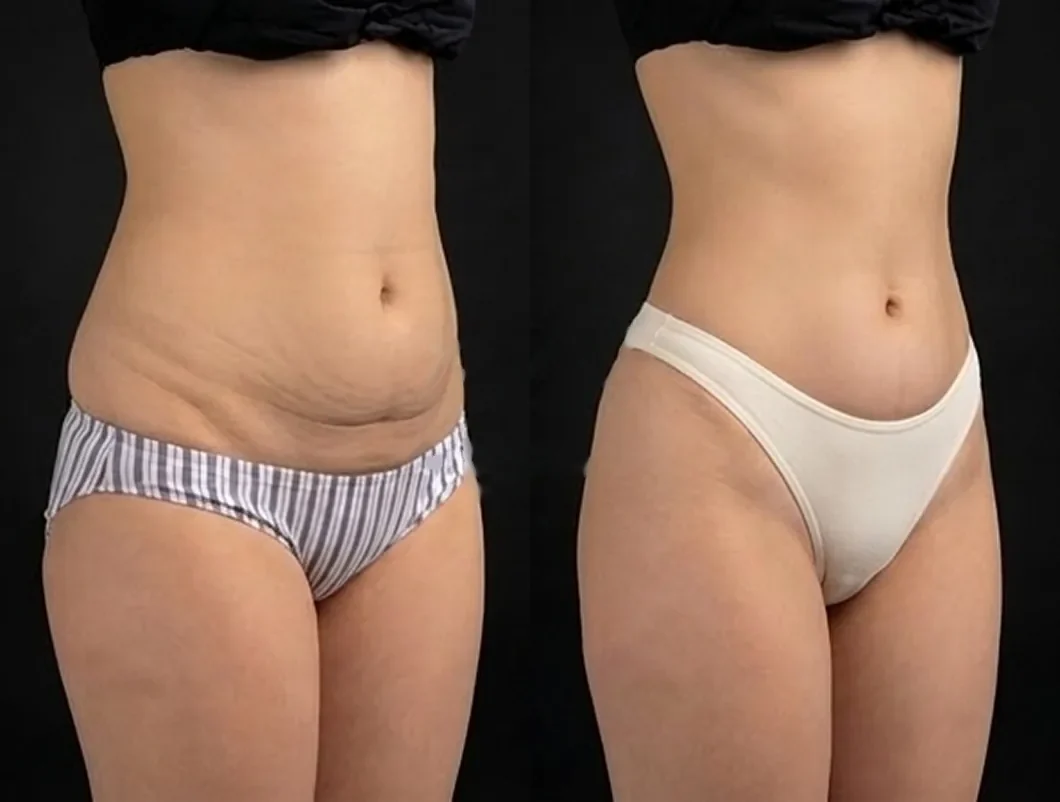
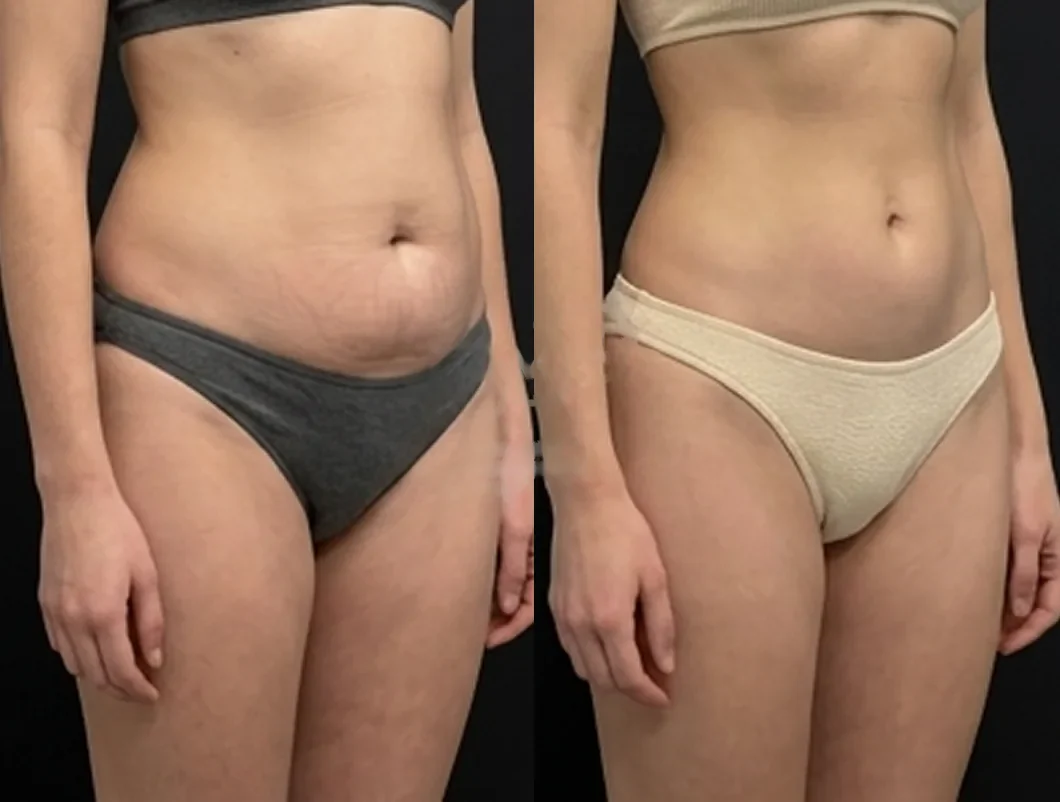
Liposuction: a patient's abdomen and flanks before and after surgery before after
Stubborn local fat that diet and exercise don't shift. Your plan is set at the consultation

Message our coordinator

Free online consultation · Reply within 15 minutes

Message us on Telegram

By messaging us, you agree to our Privacy Policy

Results

Liposuction results
of our patients

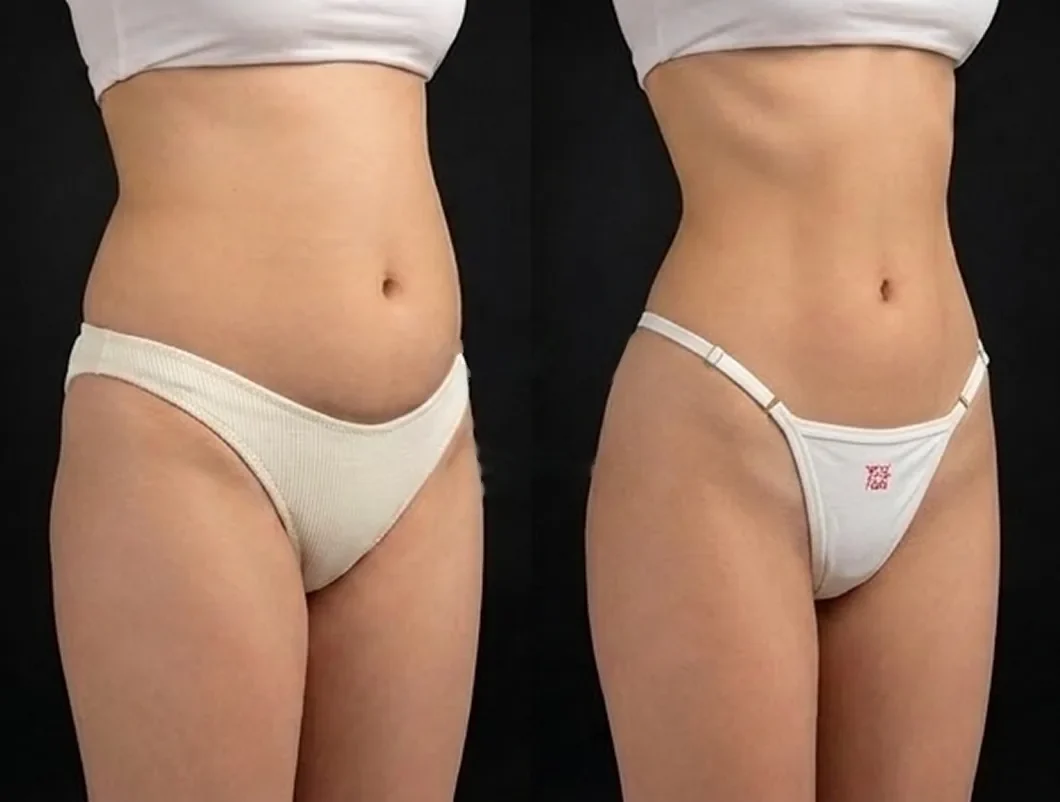
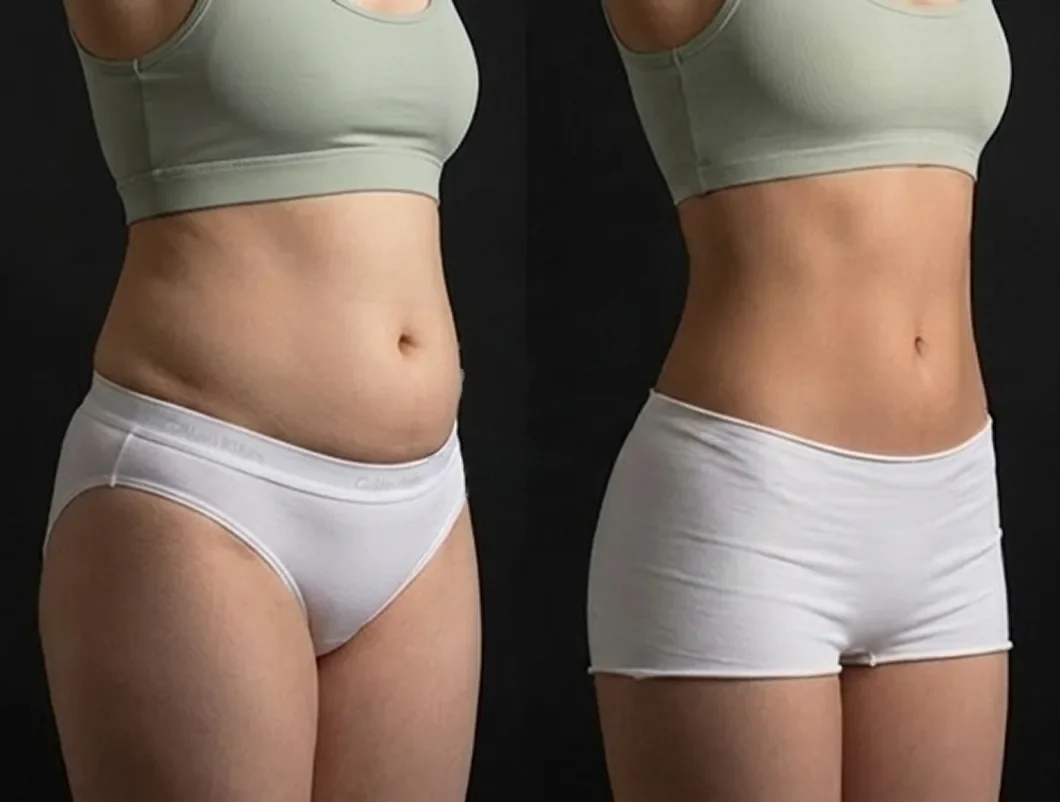
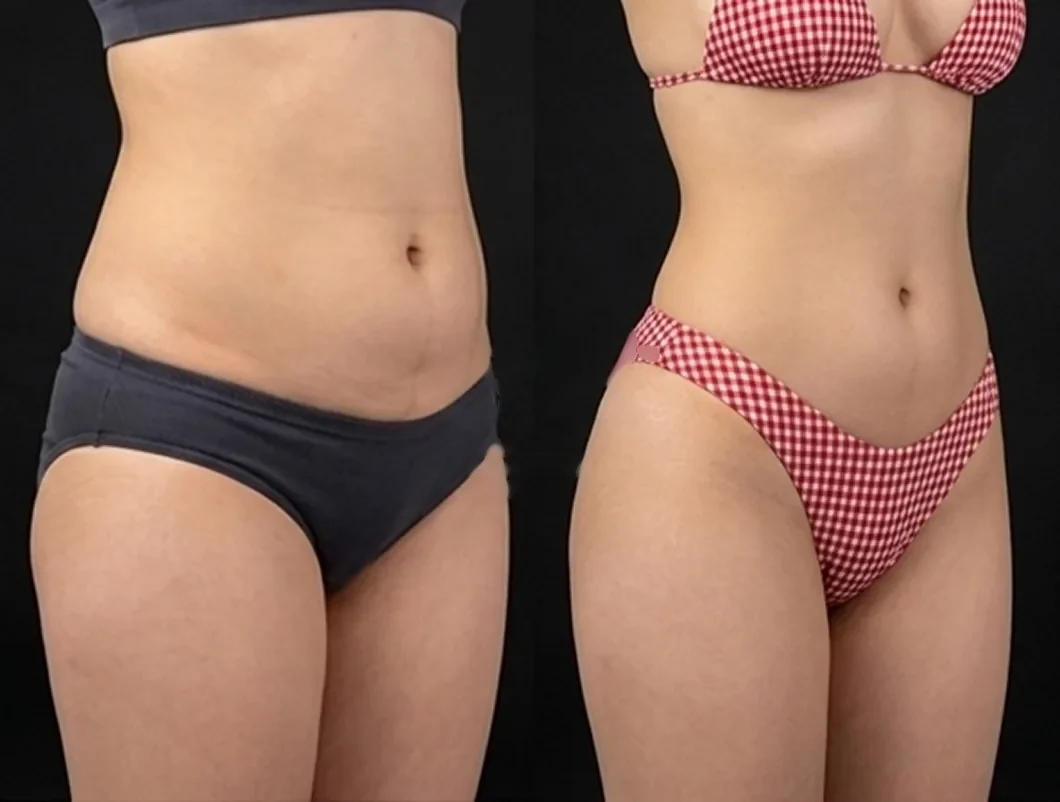
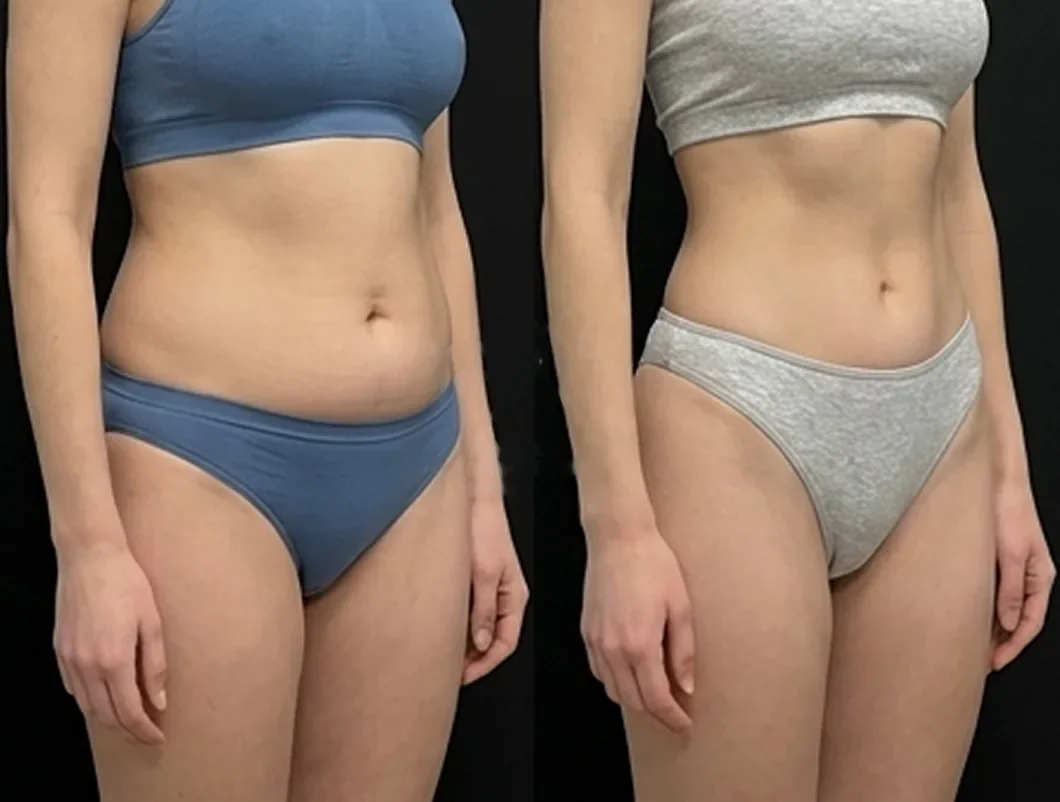
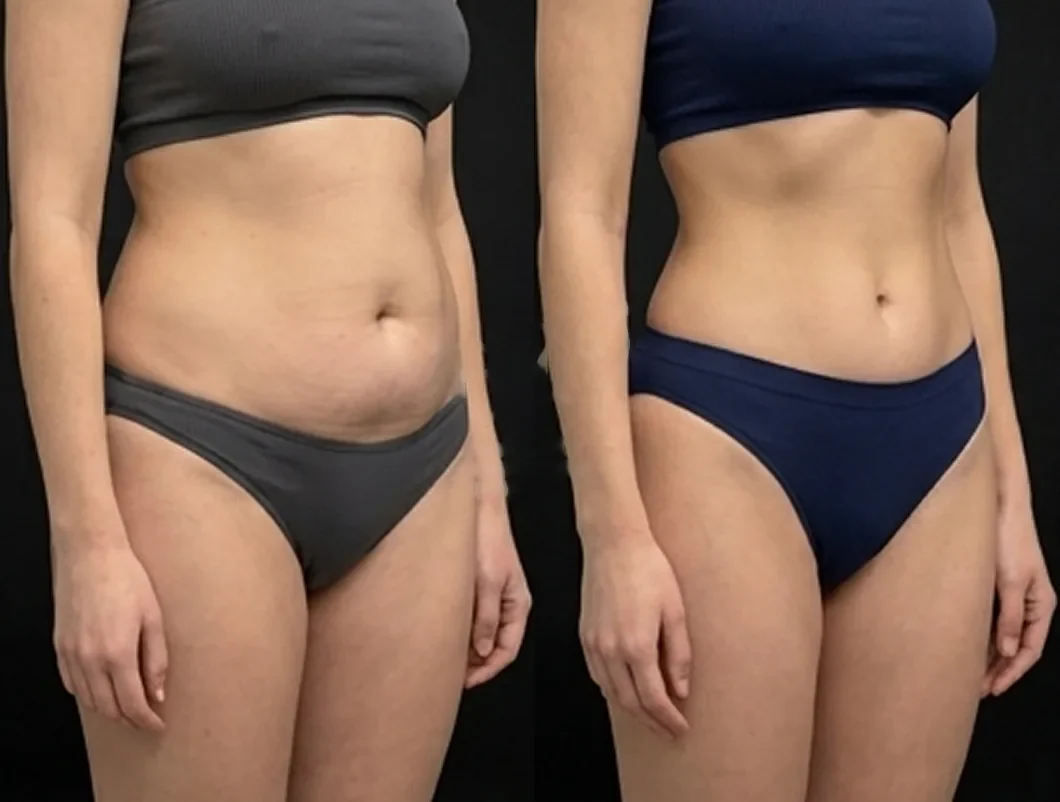
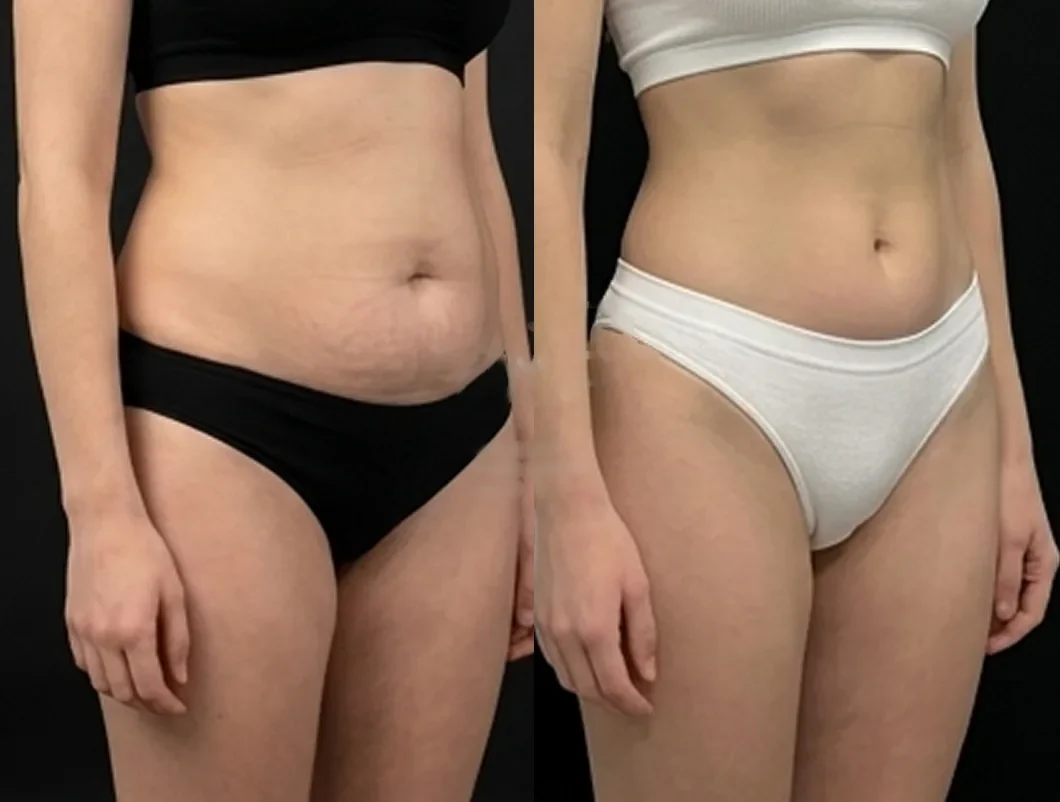
All cases are real patients. Faces and identifying details are hidden.

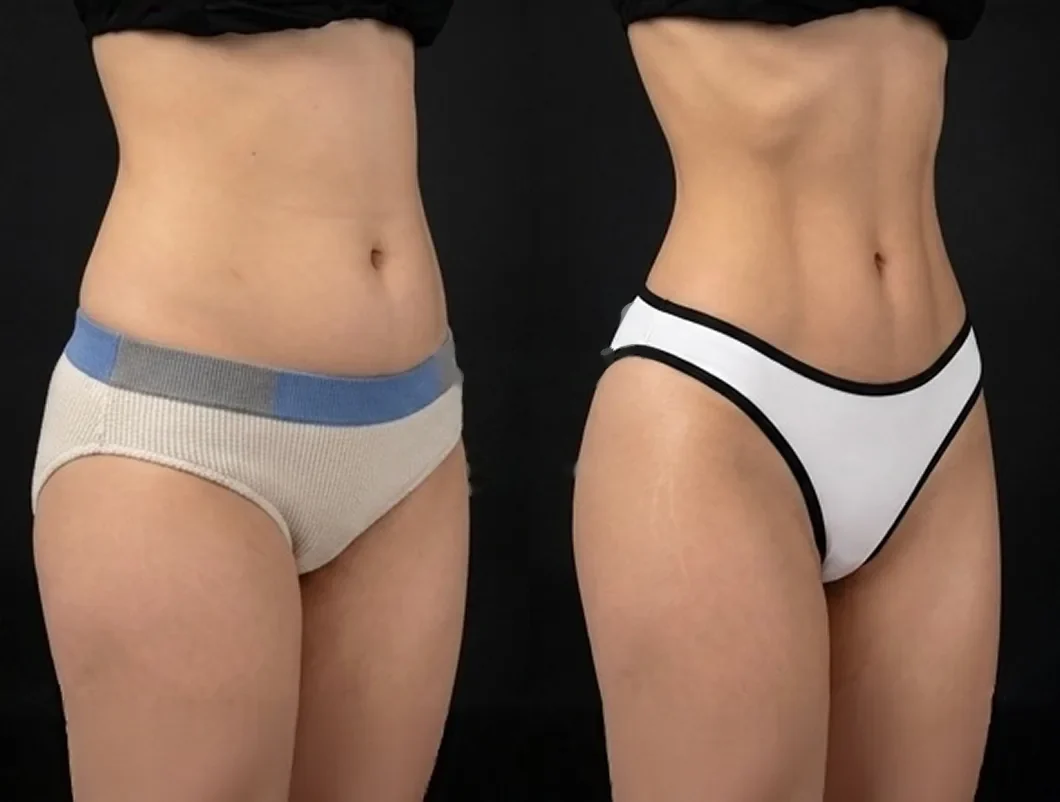
Abdomen and flanks

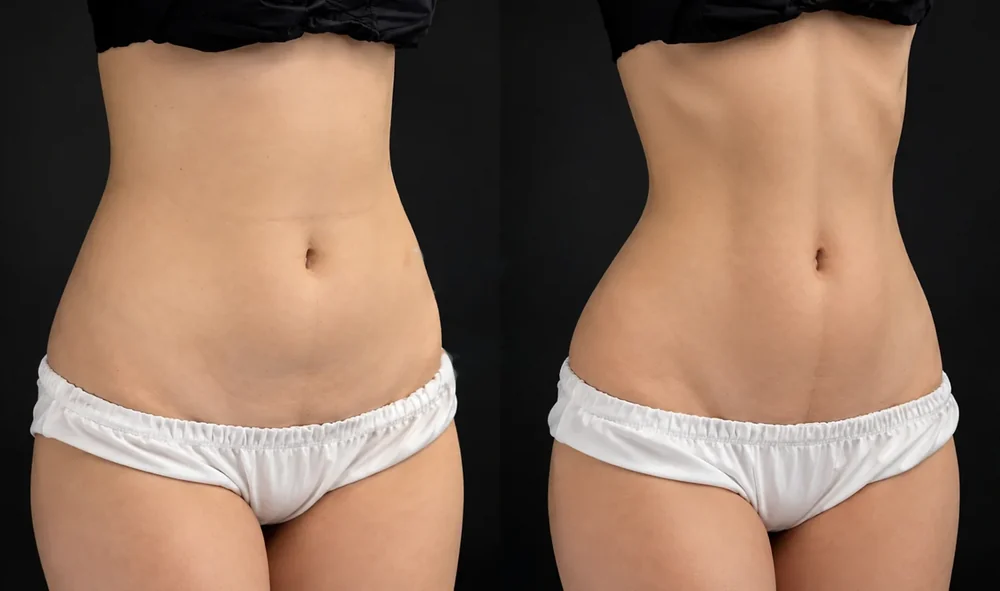
Liposuction of the abdomen and waist: before and after surgerybeforeafter
1 of 10

Comparison

Liposuction techniques

We use two liposuction techniques: tumescent (classic) and VASER (ultrasound). Compare the goal, the indications and the anaesthesia to choose the right technique together with your surgeon.

Tumescent liposuction

A special solution loosens fat for removal through a thin cannula
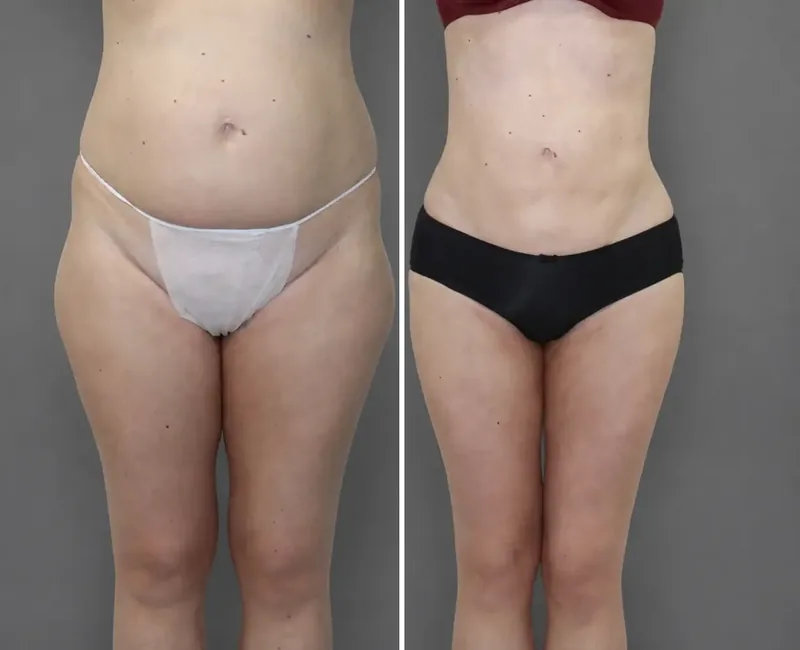
Tumescent liposuction: abdomen and thighs before and after surgery

from $1,200

Main goal
Removal of local fat with minimal blood loss
When it is done
Abdomen, flanks, thighs, back, arms, chin
Anaesthesia and stay
Local or general anaesthesia, home the same day or after 1 day

VASER liposuction

Ultrasound breaks down fat cells before vacuum removal
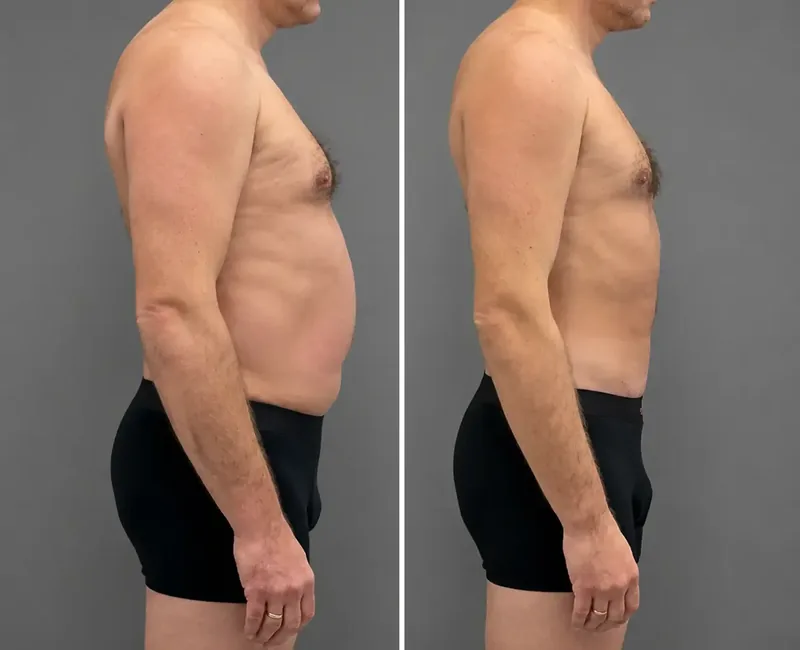
VASER liposuction: a male patient before and after surgery

Price at consultation

Main goal
Defined muscle relief and body contouring
When it is done
Athletic abs and delicate areas
Anaesthesia and stay
Local or general anaesthesia, 1–4 hours of surgery

The benefits and recovery times shown are averaged for each technique and given for guidance: the scope of correction and rehabilitation depend on your anatomy and individual features, and the surgeon confirms them at the consultation.

At the consultation the surgeon draws up a plan for your case and explains how your liposuction will go.

Free, before surgery and with no obligation.

Book a consultation

Areas we work on

Several zones can be corrected in one operation — a saving in recovery time and budget

  • Abdomen and flanks

    The most requested area for women and men, often combined with abdominoplasty

  • Thighs (outer and inner)

    Fat “traps” that resist exercise

  • Back and lower back area

    Back fat that spoils body contours

  • Arms, including the shoulders

    A concern that becomes visible in warm weather

  • Chin and neck

    Little volume, a quick visible result

  • Knees

    A sensitive area requiring precise work

  • Chest (for men)

    Fat-related gynecomastia and pseudogynecomastia

About the clinic

A clinic where you can feel at ease

Modern equipment, comfortable rooms and care for every patient

A doctor and a patient in a clinic ward

Contact us the way that suits you

We will answer your questions and find a convenient time for a consultation

By messaging us, you agree to our Privacy Policy

Request a free call

Liposuction is not for everyone

If your case can be solved without surgery, the doctor will tell you so at the consultation — and you will not spend money for nothing.

Suitable

A surgeon shows a patient on a model and a monitor how the body contour changes after liposuction
  • Local fat that resists diet and exercise
  • Uneven subcutaneous fat
  • Disrupted body proportions
  • Silhouette changes after childbirth or weight loss
  • Fat component of gynecomastia in men
  • Good skin tone and elasticity

Not suitable

A surgeon discusses the indications and contraindications for liposuction with a patient
  • Not yet 18
  • Being pregnant or breastfeeding
  • Endocrine obesity
  • Decompensated diabetes
  • Blood coagulation disorders
  • Serious heart, kidney or liver disease, cancer

Not sure the surgery is right for you?

Leave your number — the coordinator will call you back, and the surgeon will tell you whether liposuction suits you. No surgery booking needed.

Find out if it suits me

A surgeon goes through the treatment areas with a patient at the consultation

Prices

You know the price
before surgery

The final price is calculated individually after an examination and fixed in the contract.

Liposuction prices

  • First consultationFree
  • Flanks / waist liposuctionfrom $1,400
  • Thigh liposuction (outer)from $1,200
  • Thigh liposuction (inner)from $1,200
  • Torso liposuction: front abdominal wall, sides of the abdomen and lower backfrom $3,600
Book a consultation

Find out your liposuction plan and price

The surgeon assesses the fat deposits and skin tone, listens to your wishes and chooses the right technique.
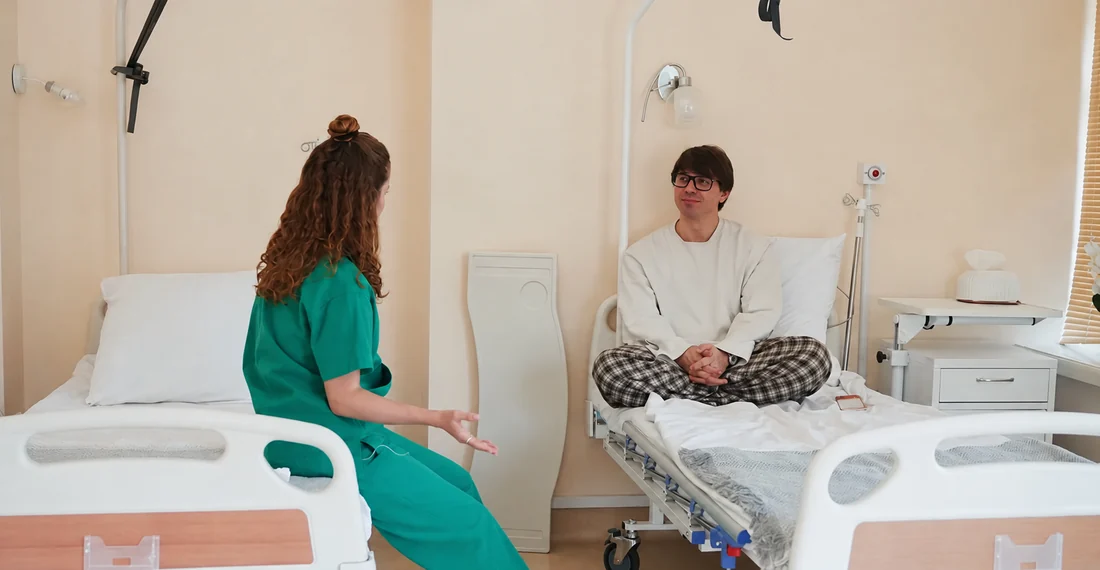
A nurse talks to a patient in a clinic ward

Message our coordinator

Free online consultation · Reply within 15 minutes

Message us on Telegram

By messaging us, you agree to our Privacy Policy
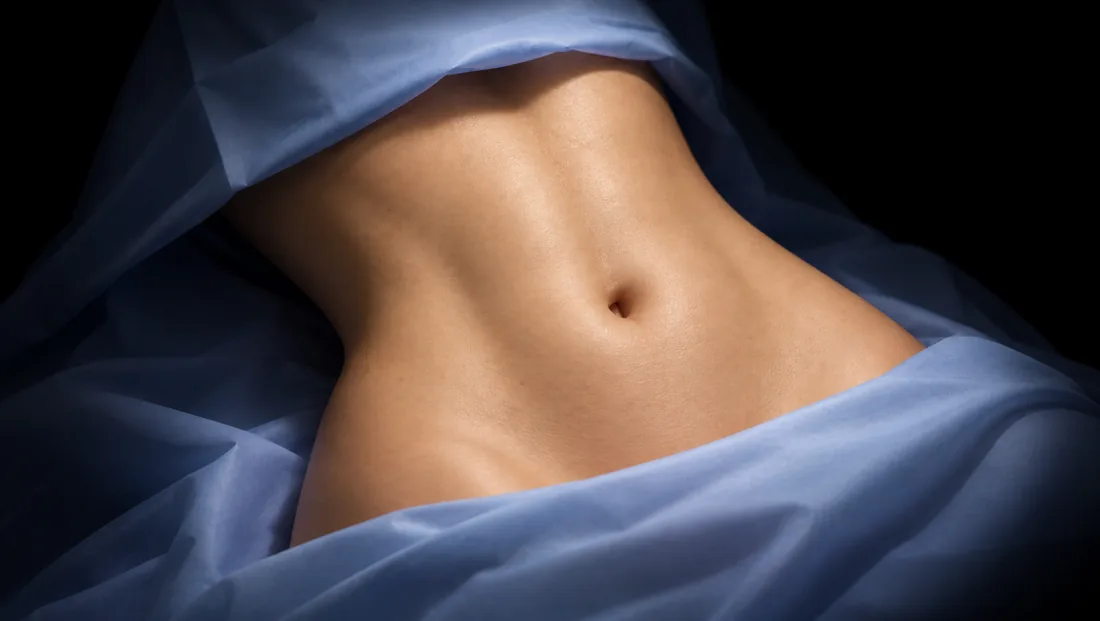
A patient before liposuction in the operating room

all inclusive

What the price includes

From preparation for surgery
to post-op check-ups.

  • All scheduled dressings
  • Scheduled post-op check-ups
  • A personal coordinator on call
  • Compression garments fitted on the day of surgery
  • A stay in a comfortable
    hospital ward with meals
  • Individual recommendations
    for recovery
  • Remote progress monitoring
    by photos

from $1,200

Book a consultation

How it works

From consultation —
to your new contour

An agreed treatment plan, careful monitoring after surgery and post-op check-ups.

A surgeon goes through the liposuction plan with a patient on a monitor1

Consultation
and the surgical plan

The surgeon listens to your wishes, assesses the fat deposits and skin tone and rules out contraindications. A hormonal screening is also ordered — it helps predict the long-term result.

Paying the deposit by card at the clinic reception2

Booking the date
of surgery

We reserve a surgery date for you: the deposit can be paid by card at the clinic or online by bank transfer. The terms are fixed in the contract for medical services

A blood sample tube for tests before liposuction3

Check-up before
surgery

Blood tests (complete count, coagulation panel, biochemistry, infections), an ECG, a chest X-ray and, if needed, a GP consultation. All tests can be done at the clinic with no waiting.

The surgical team during the operation4

Surgery

Marking the areas and fitting compression garments. Under local or general anaesthesia the surgeon removes fat through 3–5 mm micro-punctures — from 1 hour for small areas to 3–4 hours for a combined procedure.

A hospital ward at the clinic5

Waking up
and monitoring

With local anaesthesia you go home 3–4 hours after surgery; with general anaesthesia you stay one day in a comfortable ward under medical supervision.

A surgeon and a patient in the ward during recovery6

Recovery

Compression garments for 30–45 days. First changes show at 2 weeks, once swelling subsides; the final result forms in 3–6 months. Check-ups at 7 days, 3 and 6 months.
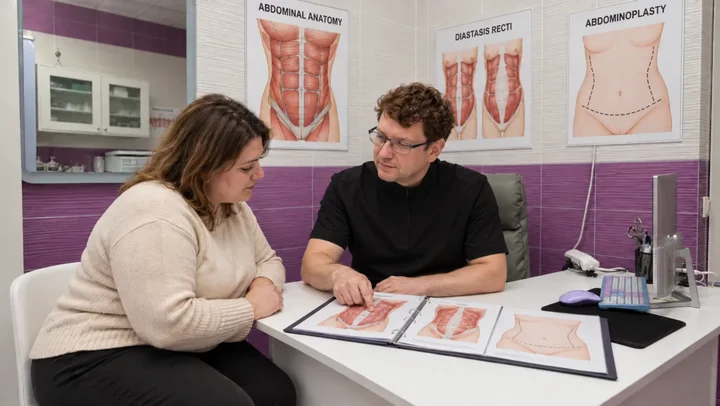
Book a free consultation — the surgeon will plan every step with you.

A doctor discusses the liposuction plan with a patient
Book a consultation
A doctor discusses the liposuction plan with a patient

After liposuction: recovery

After tumescent liposuction, recovery is much shorter than after a conventional procedure. Most patients return to work within 7–10 days. In the first week, mild swelling and a raised temperature are possible — a normal response to surgery. Compression garments are worn for 30–45 days: they fix the new contours and speed up tissue recovery. In the first month, bathhouse, sauna, pool and intense sport are off-limits. For the best result and faster recovery we recommend lymphatic drainage massage, pressotherapy and a gradual return to activity. First visible changes show 2 weeks after surgery, when the main swelling subsides; the final result forms in 3–6 months.

Post-op check-ups

After 7 days, at 3 months and at 6 months. Until the end of the year, get a post-surgery consultation with your surgeon to review results and get more information, at the clinic's expense.

Advantages

What makes patients choose City Medical Centre

A surgeon discusses the liposuction plan with a patient at the consultation

Just find out — you lose nothing

At the consultation we discuss your wishes and assess the fat deposits and skin tone. Before surgery an endocrinologist rules out hormonal causes of the fat deposits — this improves the long-term result.

A surgeon on a video call with a patient after surgery

We stay with you after surgery

The surgeon follows your recovery and the new body contour at check-ups after 7 days, 3 and 6 months. Check-ups, dressings and aftercare advice are already included in the price of surgery.

A surgeon shows a patient a model and body contouring diagrams

A beautiful contour that fits your figure

Tumescent and VASER techniques, micro-incisions of 3–5 mm and precise volume control. Our aim is a smooth contour that keeps the natural proportions of your body.

A patient writes down a convenient visit time in her planner

Your schedule is our priority

We respect your time: we work 24/7, with easy booking and a personal approach — we adapt to your pace.
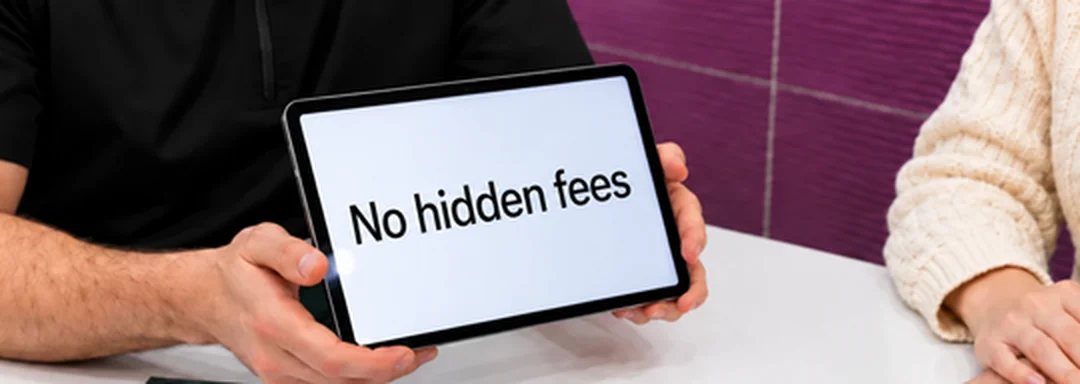
A surgeon shows a patient a tablet: no hidden fees

Fixed prices

After the consultation the surgeon defines the areas and the scope of surgery, and you get a clear price fixed in the contract — no hidden extras.

A surgeon visits a patient in the hospital ward after surgery

Round-the-clock care after surgery

With general anaesthesia recovery starts in a comfortable hospital ward under round-the-clock nursing care. The stay and meals are already included in the price.

FAQ

We answer what
people ask before booking

Liposuction in Libreville: price and what is included

Prices are in US dollars; the amount in brackets is an approximate conversion to XAF at the rate of 02.10.2026. The final price is fixed in your contract.

How much does liposuction in Libreville cost?

Prices start from $1,200 (≈ XAF 700,000) per area. The surgeon sets the final price at the free consultation, and it is fixed in the contract, with no hidden extras.

What is included in the price?

The operation under local or general anaesthesia and the surgeon's support throughout recovery. The price is per area and fixed in the contract.

How do I get my exact price?

Message us on WhatsApp or Telegram using the buttons below. A coordinator will answer your questions and book a free consultation where the doctor names the exact price.

By messaging us, you agree to our Privacy Policy

How liposuction works for Libreville residents

It is worth being clear about what the surgery does not do. Liposuction does not treat obesity and is not a way to lose kilos; if your weight is unstable, a nutritionist or endocrinologist comes first. Nor does it change the skin structure behind cellulite, although smoother contours make it less visible. What it does for people in Libreville is remove local fat and reshape the silhouette.

Inside the operating room the process is gentle. With the tumescent method a solution of saline, lidocaine and adrenaline is injected into the area, loosening the fat and narrowing vessels. The fat emulsion is then removed by vacuum through a thin cannula. With VASER, ultrasound breaks down fat cells first. Either way, patients from Libreville get micro-incisions that are barely visible later.

Liposuction in Libreville costs from $1,200 (≈ XAF 700,000). The exact amount depends on which areas you want to correct — abdomen, flanks, thighs, back, arms, chin or knees — and on whether they are combined in one operation. The surgeon calculates it individually after the examination. The first consultation is free, and a coordinator will book it once you leave a request.

Liposuction in Libreville: how the city shapes your planning

Libreville is the capital and largest city of Gabon. It lies on the Gabon Estuary near the Gulf of Guinea, in the northwestern province of Estuaire, and covers 65 square kilometres. At the 2013 census its population was 703,904, and the city is home to about one third of all Gabonese. In a city this size most people know someone who has asked about body contouring, but few have seen the process explained step by step. This text is written for people in Libreville who are considering liposuction and want to plan it around their own life, not around a generic brochure.

Liposuction removes stubborn fat deposits that do not respond to diet and exercise: the abdomen, flanks, thighs, arms, chin or back. It is a contouring procedure, not a weight-loss method. Under local or general anaesthesia the surgeon removes fat through 3–5 mm micro-punctures. Tumescent and VASER techniques are used, with micro-incisions of 3–5 mm and precise volume control. The aim is a smooth contour that keeps the natural proportions of your body.

What makes planning in Libreville particular is the rhythm of the city. The working week is shaped by the administrative and commercial hub, by the traffic between districts such as Batterie IV, Glass, Nombakélé and Lalala, and by the long wet season. A good plan chooses a quiet stretch of the calendar, arranges help at home for the first days, and leaves room for follow-up checks. You do not need to leave the city to start: the first consultation is free and online, and coordinators answer on Telegram and WhatsApp around the clock, 24/7, so you can ask questions at the hour that suits you after work or after the children are asleep.

Climate of Libreville and what it means for recovery

Libreville has a tropical monsoon climate with a long wet season and a short dry one. The wet season lasts about nine months, from September through May, with a great deal of rain. The dry season runs from June through August, when the cold Benguela Current reaches its northernmost extent and suppresses rainfall. Even then the sky stays very cloudy. Average high temperatures hover around 29 °C throughout the year, so there is no cool season in which compression garments feel comfortable without effort.

This matters for liposuction because you wear compression garments for 30–45 days, and for the first 4–6 weeks you should avoid sauna, bathhouse, pool and active sport. In a warm, humid city the garment can feel heavy. Practical habits help: choose breathable cotton layers to wear under the garment, keep a spare garment so that you can change it when it is damp, wash the skin gently as your surgeon instructs, and stay in airy rooms. Loose, light clothing in natural fabrics fits over the garment and does not press on the treated areas.

Rain also shapes daily movement. During heavy downpours the streets fill with water and traffic slows, so plan your check-ups and any errands with extra time and do not rush on slippery ground. In the first 7 days you must avoid physical exertion and heavy lifting, so arrange for someone else to carry shopping, water containers or luggage. The cloudy dry season is not a reason to forget the sun: the Equator is close, and light still reaches the skin. Tanning beds are off-limits for at least a month, and in general you should keep the treated areas covered and out of direct sun while the skin is healing. Your surgeon will give individual advice.

Choosing the season for the operation

Because temperatures stay almost constant, the choice of season in Libreville is about rain, cloud and your own calendar rather than cold or heat. The long wet season from September through May offers no ideal window, so most people pick a time according to work and family. The short dry season from June through August has less rain and easier movement around the city, which is convenient for the first check-up after 7 days and for short walks in the early recovery period. Light walking helps circulation, as long as your surgeon agrees.

If you plan for the wet months, prepare for practical details: a driver or a trusted relative for the day of surgery and the next day, an umbrella and non-slip shoes for the way home, and a dry, well-ventilated place to rest. With local anaesthesia you go home 3–4 hours after surgery; with general anaesthesia you stay one day in a comfortable ward under medical supervision. Either way, someone should be with you on the way back, and the car should be comfortable enough to sit in with a compression garment on.

Think too about the rest of the year. The final result forms in 3–6 months, once tissues have fully adapted, and the first changes show at 2 weeks. Many people like the idea of having the result visible for a family occasion, a wedding or a holiday, but swelling and bruising only clear by weeks 4–5, and an interim result is assessed at 1.5–2 months. So do not schedule the surgery in the last days before an important event. Count backwards from the date by several months and leave a margin. Your coordinator can help you do this calculation during the online consultation.

Work, study and daily life in Libreville after liposuction

Libreville concentrates the bulk of Gabon's formal employment: public administration, banking and finance, commerce, services and light industry, from the ports at Owendo to the markets around Mont-Bouët. Many residents work in offices, shops or on the move between districts. Most patients get back to their usual routine and work in 7–10 days. Office and desk work are usually the easiest to resume; work that involves lifting, long standing in heat or heavy physical effort needs a more careful conversation with your surgeon, and your return date should depend on his or her assessment.

If you work in an office, tell your employer only what you wish to share, and ask for a short leave covering the first week. When you do return, wear the compression garment under your normal clothes, take short breaks to stand and walk, and drink water regularly in the warm climate. Do not sit in one position for hours. If your job includes frequent commuting across the city, plan the first days with a lift or a quiet hour, and avoid crowded, jostling places while the treated areas are tender.

Students at Omar Bongo University, founded in 1970, and at the schools of the city can also plan around the academic calendar. A student can take the procedure during a break and use the first week for rest and the following weeks for light study. Teachers and parents with school-age children should arrange help with school runs and housework for the first 7 days, when no heavy lifting is allowed. Swelling and bruising clear by weeks 4–5, so a person who appears in front of classes or customers every day may prefer to wait until the most visible swelling has gone down before taking on public events.

Food culture, seafood and eating well while you heal

Libreville has a distinct food culture shaped by the sea. Seafood restaurants along the Boulevard du Bord de Mer and around the Pointe Denis ferry terminal are sustained by daily landings from artisanal fishers, and fresh fish is part of many tables. Markets such as the Marché du Mont-Bouët supply fruit, vegetables, cassava and staples. For recovery this gives you good options: lean fish, vegetables, fruit and plenty of water are simple, familiar choices that support healing without needing special products.

Liposuction is not a diet and it does not give you permission to ignore your eating habits. It removes fat cells from treated areas, but the body can still gain weight elsewhere if daily habits change. The World Health Organization describes obesity and overweight as conditions linked to many health problems, and it is a useful reminder that body contouring works best for people who are already close to a stable weight and maintain it. Ask your surgeon in the online consultation whether your weight is appropriate for the planned areas.

Alcohol is off-limits for at least a month after surgery, and you should give up smoking, alcohol and medications that affect clotting, such as aspirin, 7–10 days before the operation. In a city with an active nightlife in Quartier Louis and a social calendar full of gatherings, this takes planning. Tell friends and family in advance, choose non-alcoholic drinks for the evenings, and eat lighter meals the day before surgery as your anaesthesiologist advises. Heavy, salty or very spicy food may make swelling feel worse, so keep meals simple while the garment is on. All individual recommendations come from your surgeon after surgery.

Family events, sport and the beach: what to avoid and for how long

Life in Libreville includes family gatherings, weddings, church and community events, long meals and music. Many of them involve standing, dancing and carrying things. For the first 7 days, avoid physical exertion and heavy lifting. For 4–6 weeks, wear compression garments and avoid the bathhouse, sauna, pool and active sport. Dancing at a celebration counts as active exertion in the early weeks, so decline politely or limit yourself to sitting with family. Your compression garment may be visible under tight clothing, so choose a looser outfit for any event you cannot miss.

The city lies on the coast, and the sea and the estuary are part of everyday leisure. For the first 4–6 weeks do not swim in the pool and avoid active sport; discuss with your surgeon when a sea swim is acceptable, because open water and wounds do not mix before the punctures have healed. The punctures are only 3–5 mm across and usually need no stitches. Once healed the marks are barely visible, and with proper care during recovery they fade completely. Sun and salt water are harsh on new scars, so the surgeon's advice on protection is worth following.

For those who run along the seafront, play football or train in a gym, a gradual return is key. Start with walking after the first week if allowed, and return to more intense workouts only when your surgeon confirms it at a check-up. Avoid tanning beds and the sauna during the first month and longer if told. Remember that the final result forms in 3–6 months, so do not judge it in the first weeks while swelling is present. Patience at this stage protects the smooth contour that the technique aims for.

Remote consultation from Libreville, step by step

The process begins at home. You contact the coordinators on Telegram or WhatsApp, available 24/7, and arrange a free online consultation. You describe the areas that concern you, your health history, medications, previous operations and your goals. Photos taken in good light can help the surgeon give a realistic idea of what can be done. We respect your time: we work around the clock, with easy booking and a personal approach, and we adapt to your pace, so a person with a busy shift or school schedule can speak in the evening or at night.

After the first consultation you receive all instructions, including pre-operative tests: blood tests, ECG, ultrasound, and consultations with a GP and an anaesthesiologist. These can be organised in your own city. Bring up any chronic conditions, allergies and medicines you take, since some, such as aspirin, affect clotting and must be stopped 7–10 days before surgery. Be honest about smoking and alcohol; they directly influence healing.

On the day of surgery the areas are marked and compression garments are fitted. Under local or general anaesthesia the surgeon removes fat through 3–5 mm micro-punctures, from 1 hour for small areas to 3–4 hours for a combined procedure. Afterwards, you return home the same day with local anaesthesia or after 1 day with general anaesthesia. The surgeon then follows your recovery and your new body contour at check-ups after 7 days, 3 and 6 months. Check-ups, dressings and aftercare advice are already included in the cost of the operation. Until the end of the year you can also get a post-surgery consultation with your surgeon to review results, at the clinic's expense. Between check-ups the coordinators stay available online if you have questions about swelling, the garment or daily activity.

Who is a candidate and who should wait

Liposuction is performed from age 18+, if there are no contraindications. There is no upper age limit: after an examination and health assessment, the decision is made individually. In practice the best candidates are adults with localised fat deposits, reasonably elastic skin, a stable weight and realistic expectations. People in Libreville often ask whether the procedure is meant for those who want to lose a lot of weight. It is not; it reshapes specific areas, and general weight issues need a different medical approach.

Some conditions call for caution or delay: problems with blood clotting, serious heart or lung disease, active infection, uncontrolled diabetes, pregnancy and breastfeeding, and unrealistic goals. Only the examination, the tests and the surgeon's judgement can decide. If you have a chronic illness, bring your records to the online consultation. If you plan a pregnancy soon, say so, because it will change the timing and the planning of body contouring.

Mental readiness matters too. Swelling and bruising are normal and clear by weeks 4–5; the first changes show at 2 weeks, with the main swelling down, and the contour keeps improving until 3–6 months. A person who expects an instant perfect result may be disappointed in the second week. Good candidates understand that recovery is gradual, follow the aftercare rules, wear their garment for the full 30–45 days and attend all check-ups.

Getting about Libreville during recovery: districts, traffic and comfort

Libreville stretches along the Gabon Estuary, and daily life often means moving between districts that serve very different purposes. Batterie IV and Lalala are largely residential, Mont-Bouët and Nombakélé are busy commercial areas, Oloumi is the industrial zone, and the port and the Trans-Gabon Railway station lie in Owendo, south of the main built-up area. Whoever lives in one of these districts and works or studies in another knows how much of the day can be spent in vehicles and on foot. After liposuction this routine needs a short pause and a little organisation.

For the first 7 days, no physical exertion or heavy lifting is allowed, so errands around busy commercial areas such as Mont-Bouët are better handed to a relative or a friend. Crowded markets mean jostling, long standing and carrying bags, which are the opposite of what the treated areas need. Online ordering from home, or a short list given to a family member, is a sensible way to keep the household running while you rest.

When you start going out again, wear the compression garment as instructed, choose a seat that lets you sit comfortably, and get up to walk a little from time to time. Short, calm outings help circulation, but your surgeon should confirm what is suitable for you at the check-up after 7 days. If a check-up or a test appointment is planned, leave extra time so that you never need to hurry in the heat and the damp.

Libreville's international community, privacy and discretion

Libreville is the seat of government and a centre of public administration, banking and diplomacy, and it has international schools with American, French and IB curricula. People in such circles often value discretion. Some patients prefer to share little about their decision with colleagues, neighbours or parents at school, and this is entirely understandable. A remote consultation helps here: you speak from your own home, at an hour you choose, without anyone knowing that you have asked about body contouring.

Coordinators work 24/7 on Telegram and WhatsApp, so you can write late in the evening or very early in the morning, between meetings or after the school run. You decide what to share and when. Photos for the surgeon are used for medical assessment of the areas of concern, and you can ask the team how your information is handled before you send anything.

Discretion also concerns recovery. Compression garments can be worn under ordinary loose clothing, and swelling and bruising clear by weeks 4–5. Some people plan the quietest weeks around holidays or periods of lighter workload, so that they feel comfortable. Mention this to the coordinator during the consultation: the timing can be adapted to your pace and your calendar.

Common myths that people in Libreville ask about

A frequent question is whether liposuction is a quick way to lose weight before an event. It is not. It reshapes areas where fat remains despite diet and exercise, and it works best when your weight is stable. The World Health Organization treats overweight and obesity as health matters that call for medical attention, and in such cases a surgeon will first discuss general health with you instead of promising a transformation.

Another worry is that the fat will simply move elsewhere. Fat cells removed from a treated area do not return there in the same way, but the body can still gain fat in other places if habits change. Balanced meals, regular walking once your surgeon permits it, and attention to your daily routine help you keep the new contour that forms over 3–6 months.

People also ask whether the marks will be obvious. The surgery is done through punctures only 3–5 mm across, which usually need no stitches. Once healed, the marks are barely visible, and with proper care during recovery they fade completely. A third question concerns pain and recovery: you will feel tightness, swelling and some bruising, and your surgeon gives individual advice on how to manage them. The best protection against myths is a direct conversation with the surgeon during the free online consultation.

Questions to ask your surgeon before you decide

A useful consultation is a conversation, not a sales call. Prepare a short list of questions. Which areas are suitable for me, and which are not? Which technique, tumescent or VASER, fits my body, and why? How much fat can be removed safely in one session, and should areas be combined? Will I need local or general anaesthesia, and what does the choice change for my stay? How long will the surgery last, from 1 hour for small areas to 3–4 hours for a combined procedure?

Ask about recovery in terms of your own life in Libreville. When can I go back to my work, which needs standing, lifting or long commutes? How should I wear and wash the compression garment in a warm and humid climate? When can I swim, exercise or dance? What signs of a problem should make me contact the team immediately? Ask who will see me at the check-ups after 7 days, 3 and 6 months, and how I can send photos and messages between them.

Finally, ask about the marks. The punctures are 3–5 mm across and usually need no stitches; once healed the marks are barely visible. Ask how to protect them from sun and how to care for the skin. Make sure you know which tests are required and which medications to stop before surgery. A clear, calm answer to each question is a sign that the team respects you and your decision.

How does the first consultation work for someone living in Libreville?

It is free and online. You write to the coordinators on Telegram or WhatsApp, available 24/7, and then speak with the surgeon by video or messages. You describe your goals, health history and medications, and you receive an assessment and instructions for the pre-operative tests, which can be done in your own city.

How long does the operation take and when do I go home?

Surgery lasts 1–4 hours: from 1 hour for small areas to 3–4 hours for a combined procedure. With local anaesthesia you go home 3–4 hours after surgery, and with general anaesthesia you stay one day in a comfortable ward under medical supervision.

Does the humid climate of Libreville affect recovery?

The average high is around 29 °C all year, so the compression garment can feel warm. Wear breathable cotton underneath, keep a spare garment, stay in ventilated rooms and drink water. You wear compression garments for 30–45 days, and your surgeon will give individual advice on skin care and sun protection.

When can I go back to work?

Most patients return to their usual routine and work in 7–10 days. If your job involves heavy lifting, long standing or crowded commuting, discuss the date with your surgeon, since swelling and bruising clear only by weeks 4–5.

When can I swim in the sea or the pool, or go to the gym?

For the first 7 days avoid physical exertion and heavy lifting. For 4–6 weeks wear compression garments and avoid the bathhouse, sauna, pool and active sport. Ask your surgeon at the check-up before returning to the sea or intense workouts.

How should I prepare before the operation?

Give up smoking, alcohol and medications that affect clotting, such as aspirin, 7–10 days before liposuction. You also need pre-operative tests: blood tests, ECG, ultrasound, and consultations with a GP and an anaesthesiologist. You receive all instructions after the first consultation.

Will there be visible scars?

The surgery is done through punctures only 3–5 mm across, which usually need no stitches. Once healed, the marks are barely visible, and with proper care during recovery they fade completely.

When will I see the result?

The first changes show at 2 weeks, when the main swelling is down. An interim result is assessed at 1.5–2 months, and the final contours form in 3–6 months, once the tissues have fully adapted.

Is there an age limit for liposuction?

We operate from age 18+, if there are no contraindications. There is no upper age limit: after an examination and health assessment, the decision is made individually.

What follow-up do I get after surgery?

The surgeon follows your recovery and your new body contour at check-ups after 7 days, 3 and 6 months. Check-ups, dressings and aftercare advice are already included in the cost of the operation, and until the end of the year you can get a post-surgery consultation to review results, at the clinic's expense.

Can a relative join my online consultation in Libreville?

Yes, if you wish. Many people ask a spouse, a parent or a close friend to listen in, because a second person helps to remember the details and prepare practical help at home for the first 7 days. You decide who takes part, and the coordinators on Telegram and WhatsApp can arrange the time around the clock.

Is liposuction a method of losing weight?

No. It is a contouring procedure for localised fat deposits that do not respond to diet and exercise. The aim is a smooth contour that keeps the natural proportions of your body. If you have significant overweight, the surgeon will discuss it with you at the consultation and advise what is reasonable.

Who should help me at home after surgery in Libreville?

Ask a trusted adult to stay with you on the day of surgery and to help during the first 7 days, when no physical exertion or heavy lifting is allowed. They can handle shopping, carrying water, school runs and housework, so that you can rest and wear your compression garment correctly.