
Cell Therapy for Joints in Albuquerque
Cell therapy (SVF) and platelet-rich plasma for knee, hip and shoulder joints and beyond, plus a free look at your scans first
No surgery — an injection instead of an operation
Own tissue — your blood and adipose tissue

Ultrasound guidance for every injection

Free consultation
and review of your scans
What is regenerative
joint treatment?
Material from your own body is at the heart of regenerative joint treatment — PRP, a platelet-rich plasma derived from blood, and SVF, the stromal vascular fraction derived from a small sample of adipose tissue. Placed into the affected joint by injection, it reduces pain and inflammation and supports the joint's tissues.
If you live with joint pain and hope to postpone or avoid surgery — or were told that replacement is the only option — this may be for you. How early the condition is matters for a lasting effect, and the doctor determines the stage from your scans.
No surgery — an injection instead of an operation
Ultrasound guidance for every injection
Free consultation and review of your scans
Joints we treat
Large and small joints — after looking at your scans, the doctor selects the joint, the method and how many injections you need
Elbow
Pain following overuse or sports strain, wear of joint surfaces
Hand and wrist joints
Stiff, painful small joints in the fingers and wrist
Knee
Worn cartilage, meniscus problems, pain on stairs or after walking
Hip
Early hip osteoarthritis, groin pain, limited rotation
Ankle
Pain and stiffness after sprains and old injuries
Shoulder
Pain when raising the arm, wear of the joint and surrounding tendons

Methods we use
Cell therapy (SVF) from your own adipose tissue
A small sample of your adipose tissue is processed to isolate the stromal vascular fraction (SVF) — a mix of cells involved in tissue repair. Combined with your own plasma, it is injected into the affected joint.
It is typically chosen for more pronounced joint changes, with a longer-lasting result in mind.
PRP — platelet-rich plasma from your own blood
Plasma rich in platelets and growth factors is separated from a small amount of your blood and injected into the joint. It helps calm inflammation and creates better conditions for tissue repair.
As a course of injections it can be used alone, or it can be added to SVF.
How the procedure goes: step by step

Consultation and scan review
At the consultation the joint is examined and your X-rays, MRI or ultrasound are reviewed to decide if the procedure suits you. You can send existing scans before you come.

Blood sample for PRP
A small volume of blood is drawn from a vein, which is later turned into platelet-rich plasma with growth factors.
The doctor tells you in advance which tests are needed.

Adipose tissue sample
The doctor numbs the area with local anaesthetic and takes about 30 ml of adipose tissue through a puncture on the abdomen or inner thigh. Stitches are not needed.

Processing in a centrifuge
The centrifuge separates the sample into layers, the stromal vascular fraction is isolated, and it is then mixed with platelet-rich plasma.
The whole procedure is done in one day.

Injection into the joint
Directly into the affected joint: the prepared material is injected under ultrasound guidance for precise placement.

Follow-up
The procedure needs no crutches or hospital stay. Afterwards the doctor remains in touch and follows the joint's response.
Consultation and scan review
At the consultation the joint is examined and your X-rays, MRI or ultrasound are reviewed to decide if the procedure suits you. You can send existing scans before you come.
Blood sample for PRP
A small volume of blood is drawn from a vein, which is later turned into platelet-rich plasma with growth factors.
The doctor tells you in advance which tests are needed.
Adipose tissue sample
The doctor numbs the area with local anaesthetic and takes about 30 ml of adipose tissue through a puncture on the abdomen or inner thigh. Stitches are not needed.
Processing in a centrifuge
The centrifuge separates the sample into layers, the stromal vascular fraction is isolated, and it is then mixed with platelet-rich plasma.
The whole procedure is done in one day.
Injection into the joint
Directly into the affected joint: the prepared material is injected under ultrasound guidance for precise placement.
Follow-up
The procedure needs no crutches or hospital stay. Afterwards the doctor remains in touch and follows the joint's response.
Follow-up visits
Through follow-up visits the doctor monitors the joint and adjusts the plan. As a rule, pain eases over the first month, mobility improves over around three months, and the full effect appears over about six months.
Conditions we treat
Whether this treatment is right for you is decided by a doctor after an examination and a scan review
What we work with

Arthritis
Arthrosis
Avascular necrosis
Osteoarthritis
Gonarthrosis (knee osteoarthritis)
Coxarthrosis (hip osteoarthritis)
Meniscus pathology and injury
Rehabilitation after injuries and surgery
Inflammatory joint conditions
Contraindications

Cancer
Pregnancy
Blood clotting disorders
Acute infections, including infection in or near the joint
Flare-up of a serious chronic illness
Cancer
Pregnancy and breastfeeding
Serious heart, kidney or liver disease
Temporary contraindications: a cold, flu or fever, skin inflammation above the joint being treated
Book a consultation
Call or message us —
our coordinator will contact you shortly
and book your consultation
Book a consultation
Call or message us —
our coordinator will contact you shortly
and book your consultation
After the procedure
Most patients return home that same day and get back to their usual daily activity in a day or two, with small dressings on the puncture sites. It is an expected reaction for the joint to ache slightly more in the first week. Over the first month the pain usually eases, over about three months mobility and activity get better, and over around six months the full effect develops. How long it lasts is individual — the stage of the condition, body weight, activity and other factors all play a part — and no one can promise a fixed result. In the first weeks, your doctor advises you individually on exercise and load.
Why patients choose City Medical Centre
No surgery: our work is about keeping your own joint, not swapping it for an implant
Your own tissue
Only material from your own blood and adipose tissue is used, with no donor or synthetic components

No crutches
No incisions — just punctures under local anaesthetic, with no long rehabilitation
Second opinion
Forward your X-rays, MRI or reports to get a free, independent assessment from a doctor
Support after the procedure
Contact continues after the procedure — we track the result, not just the injection itself
Joint treatment prices
The joint, the method and the stage of the condition determine the cost, so it is set after the consultation
Service
Price
Book a consultation
Call or message us —
our coordinator will contact you shortly
and book your consultation
Book a consultation
Call or message us —
our coordinator will contact you shortly
and book your consultation
Joint treatment: frequently asked questions
What is the difference between PRP and SVF?
Platelet-rich plasma (PRP) is prepared from your blood, while SVF is a cell fraction taken from a small adipose tissue sample. Because they work differently, they are often combined to strengthen the regenerative effect in the joint.
Is the treatment safe?
Both methods use your own tissue, so the risk of rejection or an allergic reaction is very low. As with any injection, temporary pain, swelling or bruising are possible, and infection is rare. The doctor explains the risks for your case at the consultation.
How long does the effect last?
Results vary. The effect of PRP often holds for several months to about a year; SVF can keep working longer. How long it lasts depends on the stage of the condition and your own body — no one can promise a fixed result.
Who should not have the procedure?
The doctor checks at the consultation that you have no cancer, acute infection or blood clotting disorder, are not pregnant and are not in a flare-up of a serious chronic illness — in these cases the procedure is not done.
Does hip osteoarthritis (coxarthrosis) always need surgery, or can it be treated without?
Early on, PRP or SVF injections plus exercise therapy and physiotherapy can lessen pain and improve how the joint moves. For a joint that is already badly damaged, replacement may be the more realistic option; after reviewing your scans the doctor will tell you honestly.
Can avascular necrosis of the hip be treated?
When the condition is at an early stage (1–2), SVF therapy may be considered to support blood supply to the femoral head and delay a joint replacement; at later stages surgery is usually required.
Why try to avoid joint replacement?
Replacing a joint is major surgery, with long rehabilitation, risks such as infection and implants that may one day need replacing again. For early or moderate changes, it is often worth trying to keep your own joint first.
Can I get a second opinion on my scans?
Yes. Send us your X-rays, MRI, CT or medical reports; a doctor will review them free of charge and tell you whether the procedure could suit you and what else might be needed.
How soon can I return to normal life?
Most people return within a day or two. There is no long rehabilitation and no need for crutches; the doctor gives advice on load and exercise for the first weeks.
Does the treatment help with shoulder pain?
The doctor first establishes what is causing the pain: PRP is used for shoulder joint and rotator cuff problems, and SVF may be considered for more advanced arthritis of the shoulder. Suitability depends on that cause.
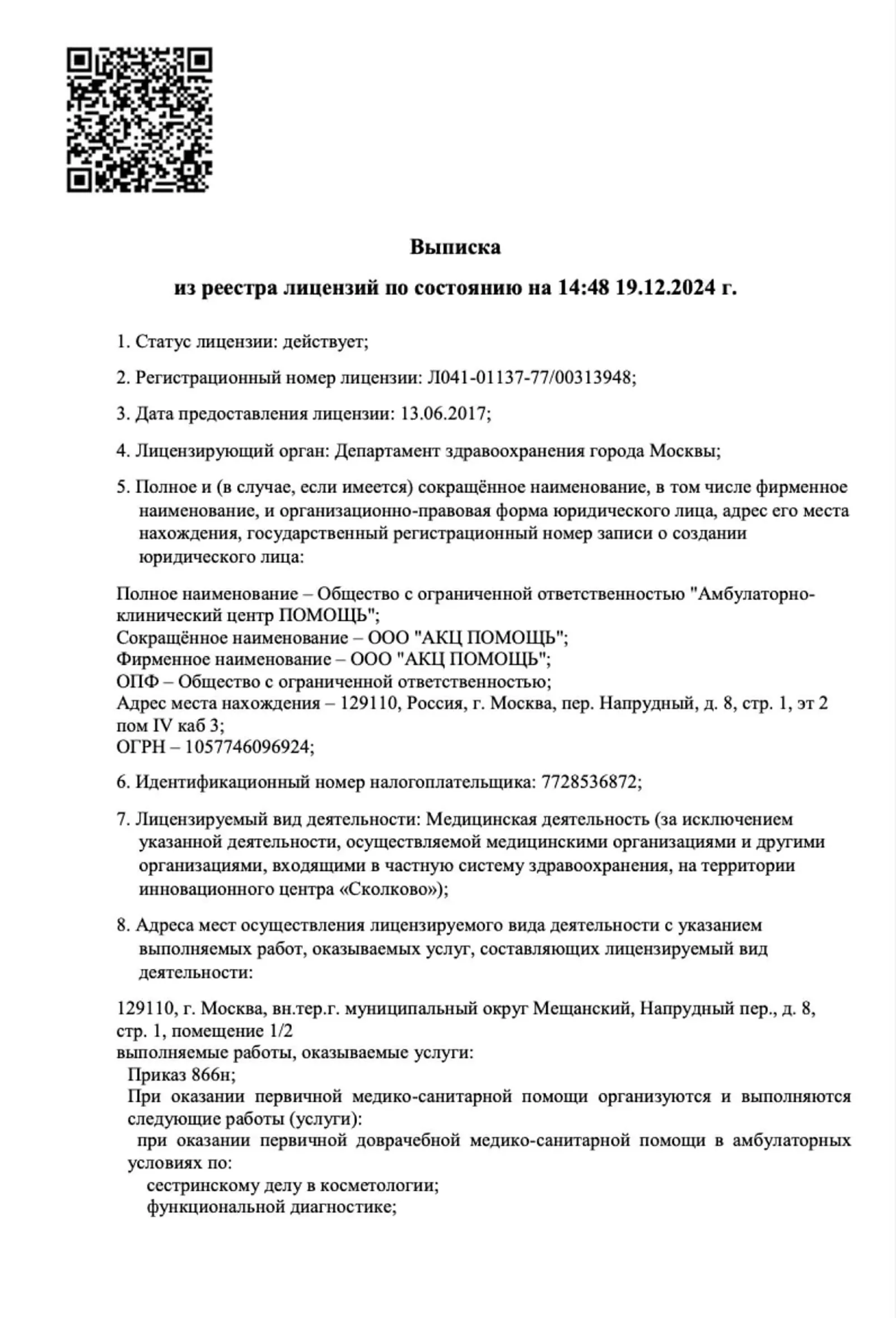
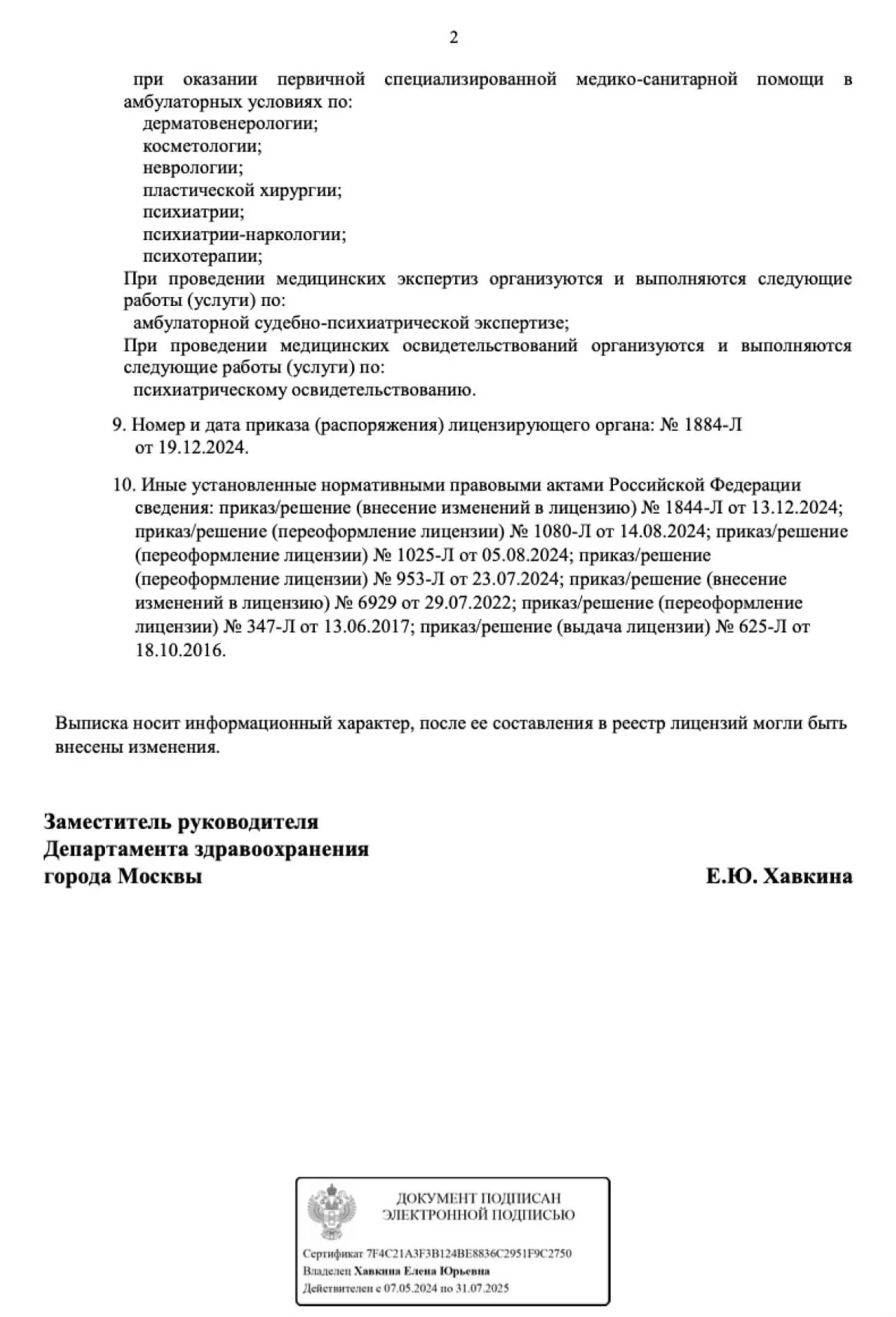
City Medical Centre licences
Other services at our clinic
Everything about regenerative joint treatment in Albuquerque
Joint pain does not always mean surgery. In Albuquerque, many people with early or moderate changes in the knee, hip or shoulder first try to preserve their own joint. SVF and PRP injections aim to reduce pain and inflammation and to slow further wear of the cartilage.
Over about three months mobility and activity usually improve, and the full effect develops over around six months. How long it lasts depends on the stage of the condition, body weight and activity, so no one can promise a fixed result to patients in Albuquerque.
To get started, send your scans or book a visit. Patients from Albuquerque receive a free review, a clear answer on whether treatment is suitable, and the price for their case.
This website uses cookies. By continuing to use it, you agree to the Privacy Policy and data processing terms
Get a consultation
Apply before the end of the year and get a consultation at the clinic's expense!