



























Message our coordinator
Free online consultation · Reply within 15 minutes
Message us on TelegramMessage us on WhatsAppBy messaging us, you agree to our Privacy Policy


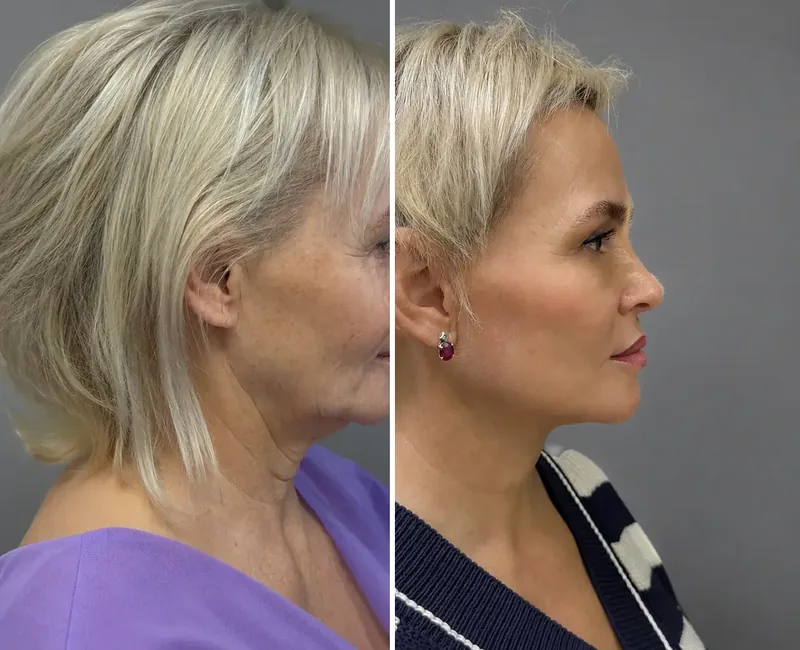
50 years
9 months
SMAS facelift
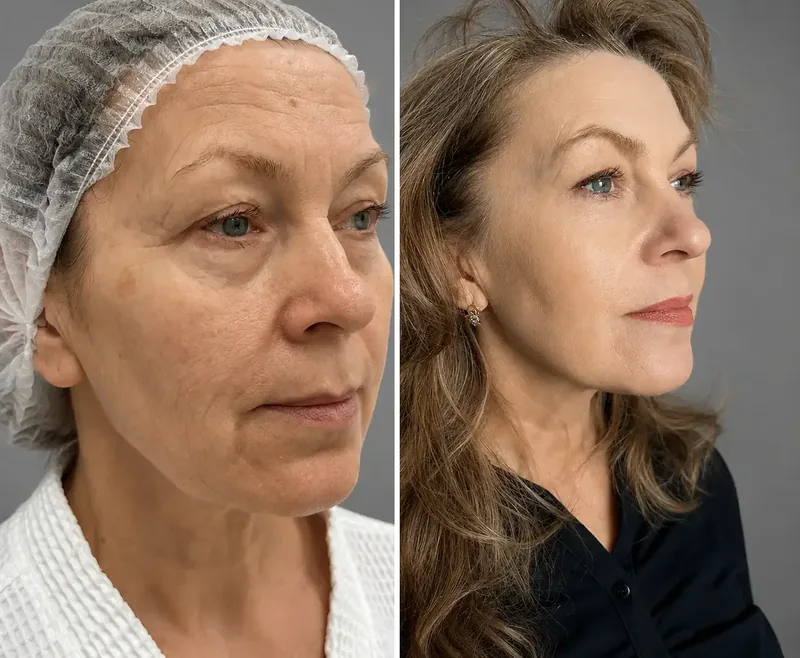
58 years
8 months
SMAS facelift
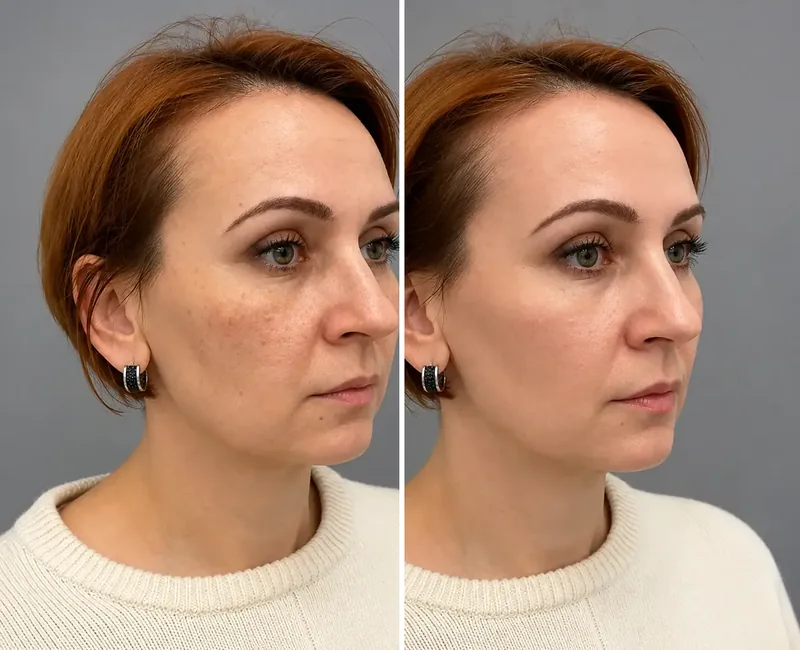
34 years
5 months
SMAS facelift
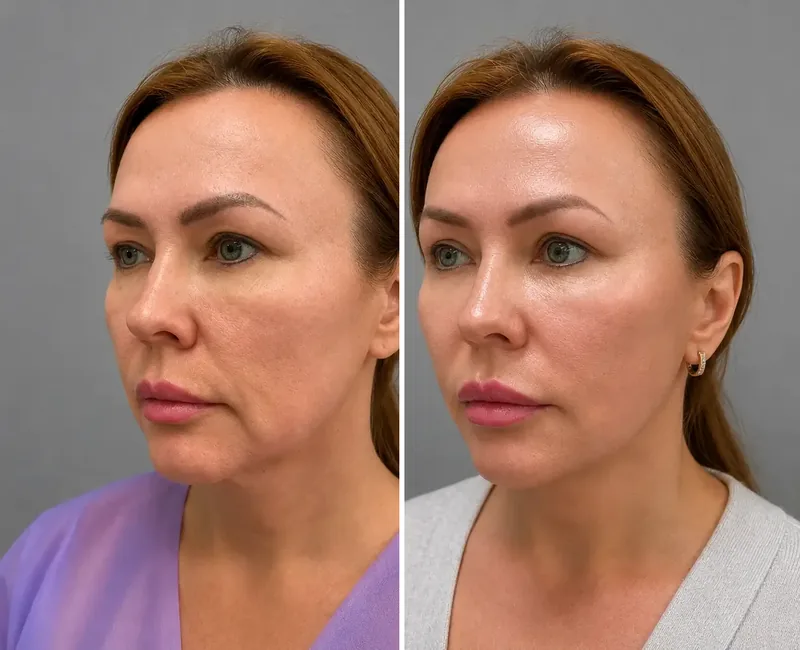
32 years
7 months
SMAS facelift
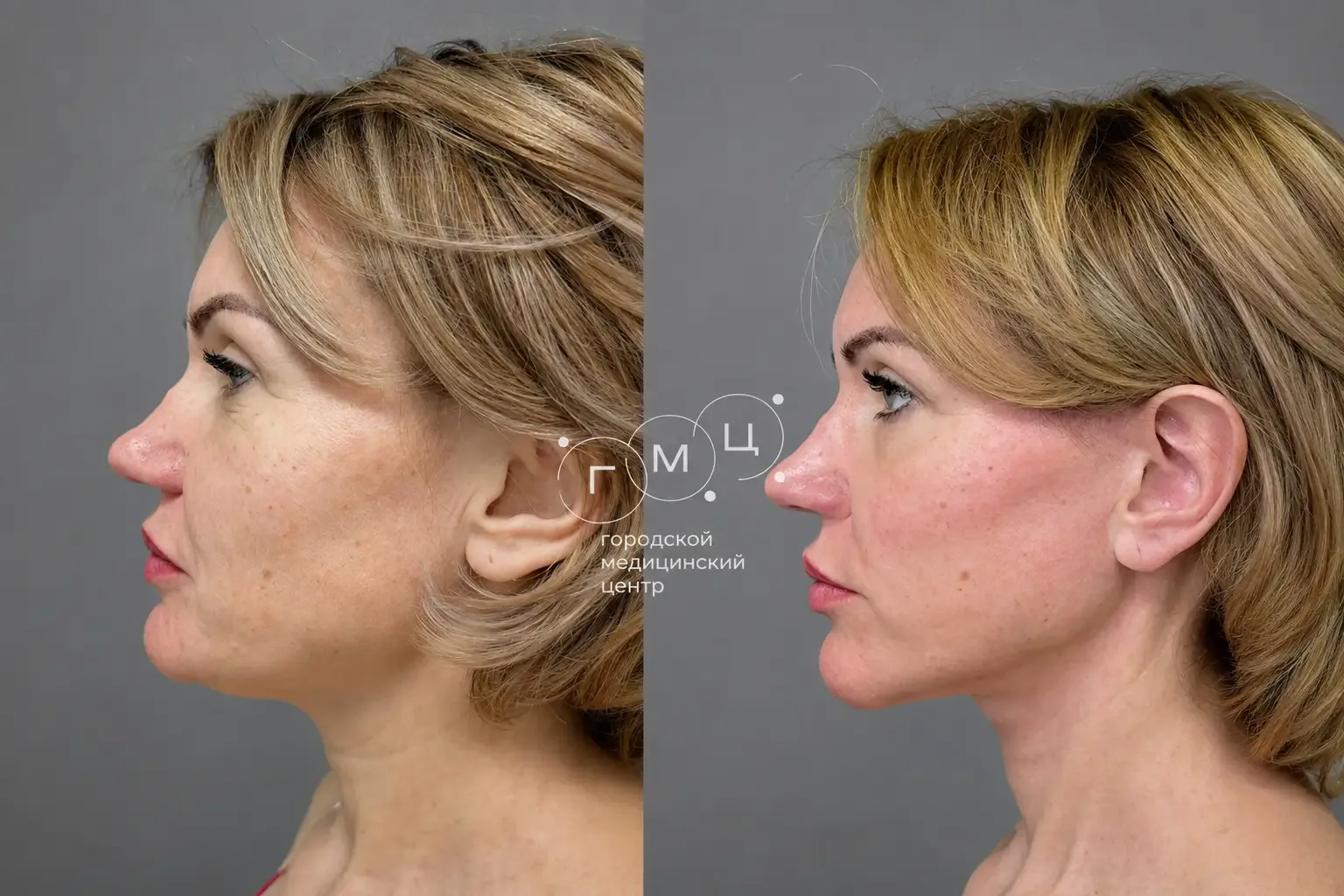
40 years
6 months
SMAS facelift
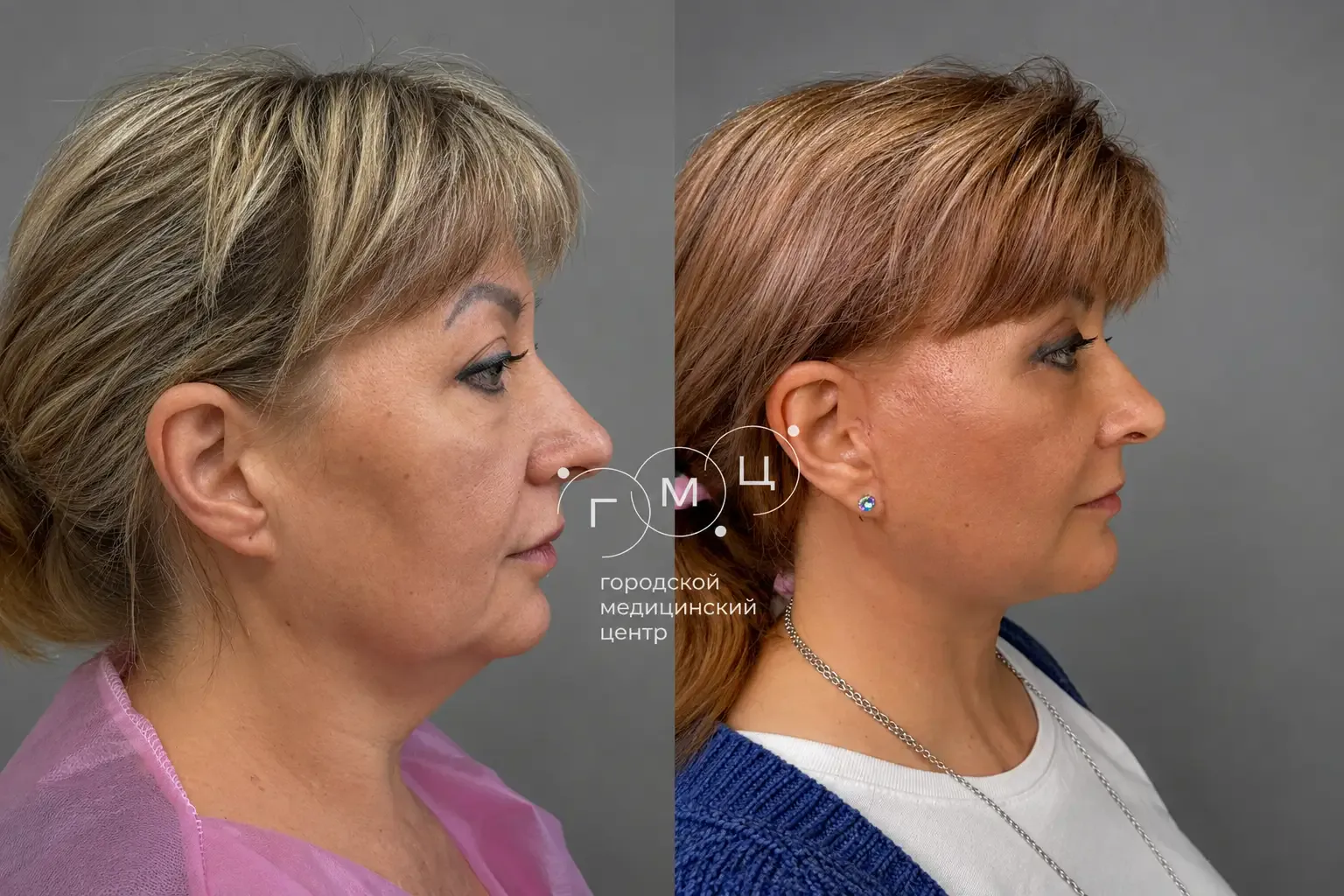
45 years
8 months
SMAS facelift
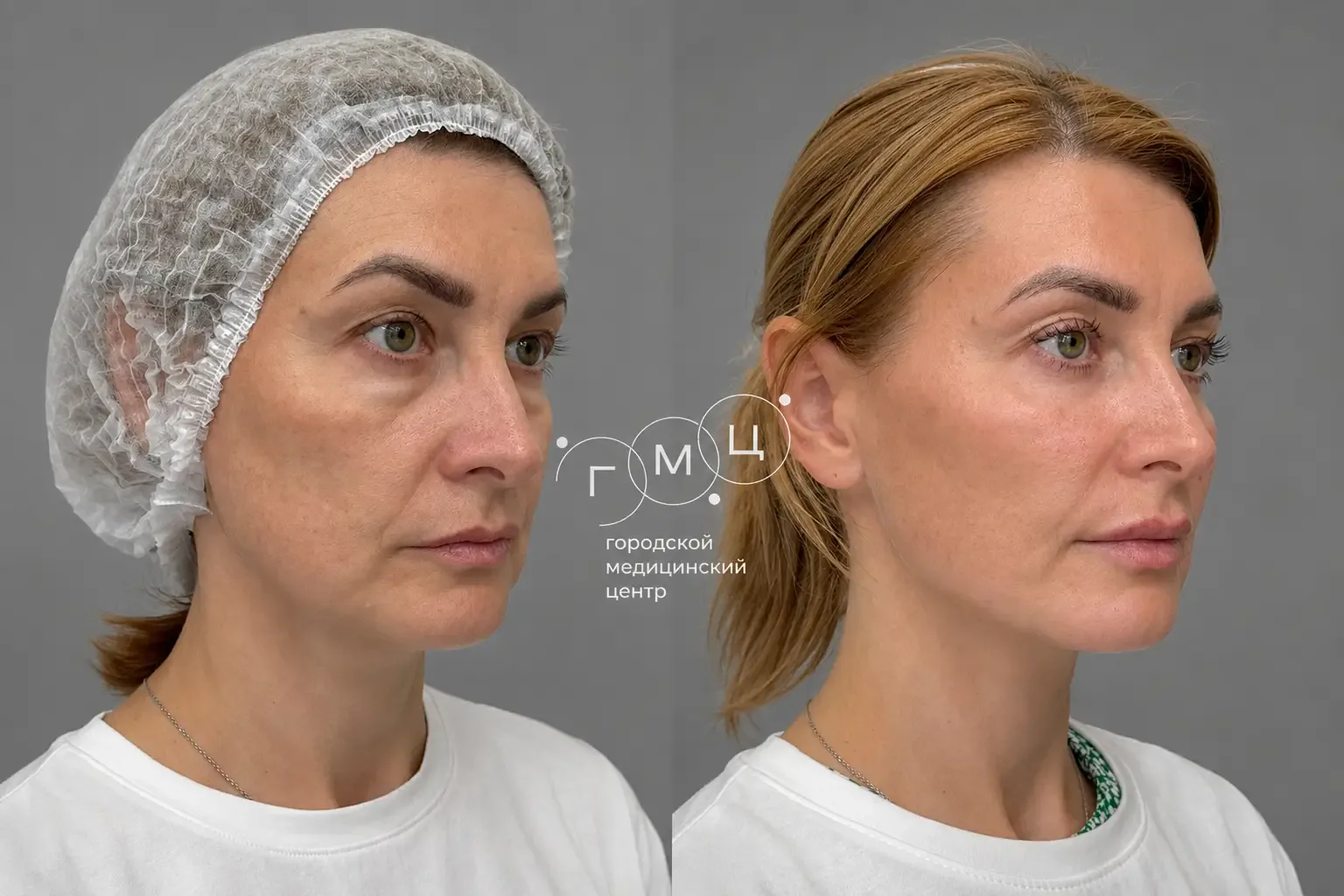
38 years
5 months
SMAS facelift
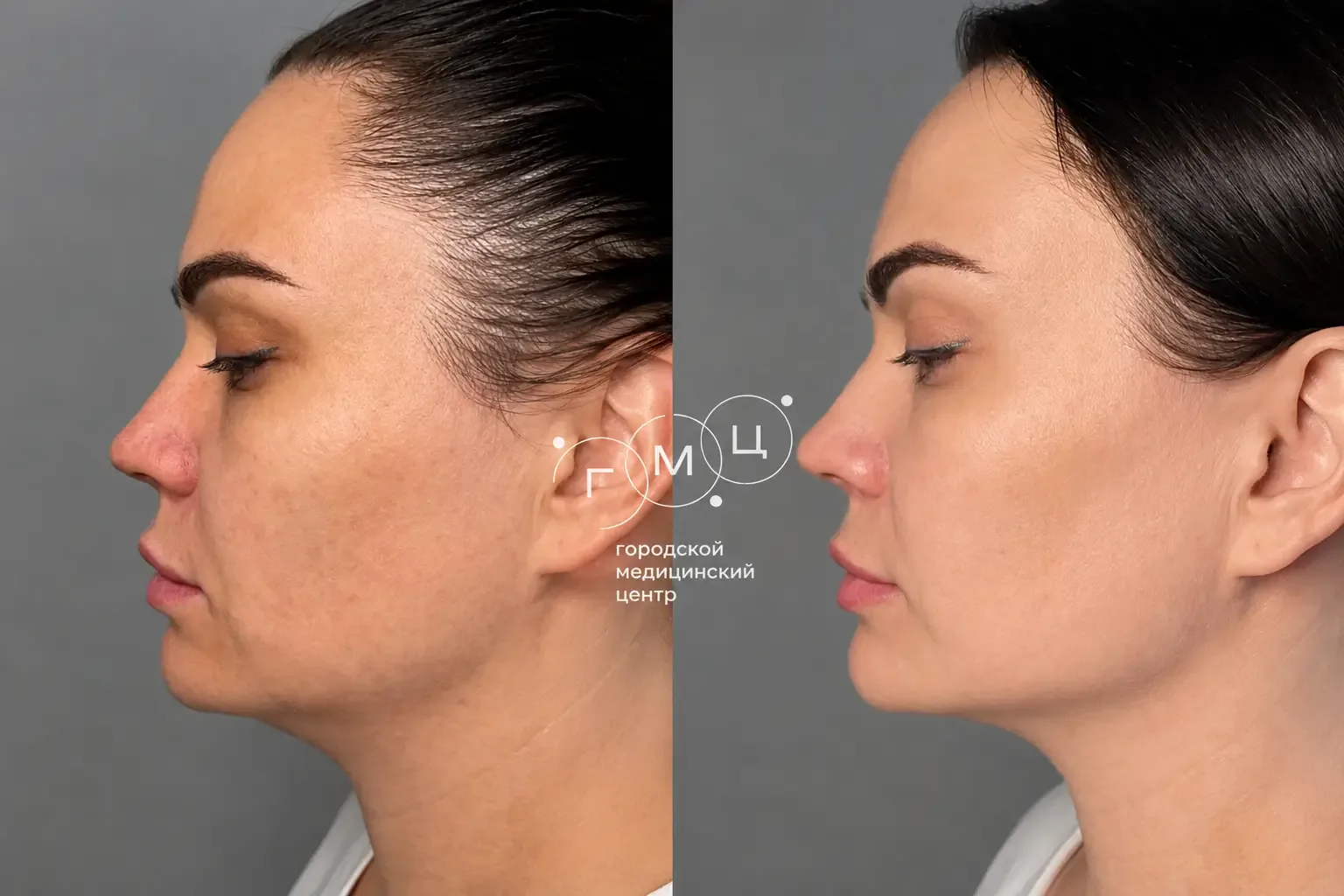
33 years
6 months
SMAS facelift
50 years
9 months
SMAS facelift
58 years
8 months
SMAS facelift
34 years
5 months
SMAS facelift
32 years
7 months
SMAS facelift
40 years
6 months
SMAS facelift
45 years
8 months
SMAS facelift
38 years
5 months
SMAS facelift
33 years
6 months
SMAS facelift
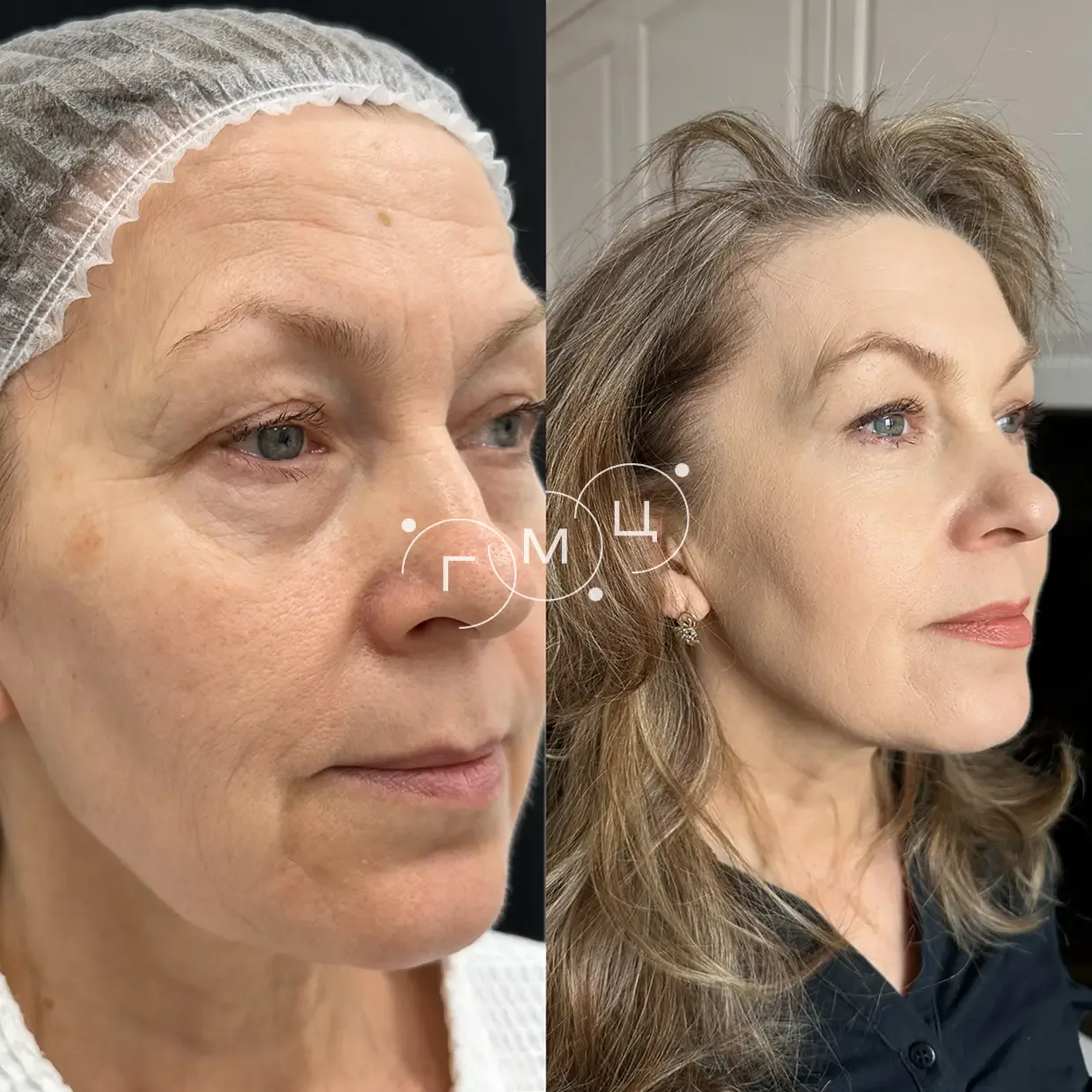

Pronounced sagging in the face and neck
Jowls and a blurred jawline
Double chin, loose skin on the neck
Deep nasolabial folds, marionette lines
A heavy, tired look from drooping brows
Significant loss of skin firmness after 40
A long-term result is wanted (7–10 years)

Under 30 years old
Acute inflammation of the skin
Pregnancy or the breastfeeding period
A severe cardiovascular condition
Problems with blood clotting
Cancer
Decompensated diabetes
Everything about facial rejuvenation in Pointe-Noire
One surgery gives a complete result; a repeat procedure may be considered after 7–10 years if the patient wishes. That is the main advantage of a surgical approach over cosmetology for people in Pointe-Noire with pronounced sagging. Because the surgeon works on the deep muscle and fascia layer rather than only the skin, the face keeps its new contours for years and continues to look natural.
Recovery follows a clear timeline. For the first 7–10 days you need rest, a compression bandage and reduced physical activity. Swelling and bruising fade in 2–4 weeks, and full recovery
takes about two months. The first clear changes appear after 3–4 weeks, and the face takes on its final look within 3–6 months. Patients from Pointe-Noire are guided by the surgeon throughout.
If you are comparing facelift prices in Pointe-Noire, check what each offer includes and how long the result lasts. Here the price starts from $2,400 (≈ XAF 1,400,000) and covers anaesthesia, the stay, meals, 24/7 monitoring and a year of follow-up, while a surgical SMAS lift holds for 7–10 years. The final amount is fixed at the consultation. Book yours for free via any messenger.
Pointe-Noire: a coastal city and the planning of a facelift
Pointe-Noire is the second largest city and the main economic centre of the Republic of the Congo, with a population of 1,420,612 inhabitants in 2023. It lies on a headland between Pointe-Noire Bay and the Atlantic Ocean, and the sea shapes the rhythm of daily life: the wind, the humidity, the salt air and the long hours spent outdoors.
A facelift is a planned operation, and in a busy port city the best preparation starts with the calendar.
Work, family obligations, school terms and social events all have to be fitted around a recovery period of about 2 months to full recovery. Patients in Pointe-Noire who think about this in advance usually feel calmer during the first weeks.
The first step is a free online consultation. From Pointe-Noire you contact the coordinators on Telegram or WhatsApp, around the clock, 24/7, send photographs, describe your concerns and receive a clear explanation of what is realistic for your face.
Who asks about a facelift in Pointe-Noire
The city is the centre of the oil industry of the Republic of the Congo and is also known for its fishing industry and its port. Many residents work in demanding jobs with long days, meetings and contact with clients. Faces show tiredness and sun exposure, and questions about sagging cheeks, jowls and a blurred jawline come up often.
Beyond 40–50 the skin gradually loses firmness: noticeable sagging, jowls, a blurred jawline and drooping cheeks. A surgical
SMAS facelift works deeper than cosmetology by repositioning the muscle and fascia layer. It treats the cause of sagging, not its effects, and delivers a lasting result even with significant changes.
Typical candidates are people with a marked loss of skin firmness after 40 who are looking for a result that lasts (7–10 years). As a rule, surgery is recommended for patients aged 40+ with marked tissue sagging, and in some cases from 35. The recommendation is made individually after an examination.
Climate of Pointe-Noire and its effect on recovery
Pointe-Noire has a tropical savanna climate. The wet season runs from October through April, and the remaining 5 months form the dry season. Annual precipitation is roughly 1,000 millimetres. Average temperatures are around 24 degrees Celsius in the dry season and around 28 degrees Celsius in the wet season.
The warm and humid weather matters for the early period. During the first 7–10 days the plan is rest, a compression bandage and less physical activity. In heat, patients should stay in a cool, ventilated room, avoid long exposure to the sun and keep the bandage clean and dry, following the surgeon's instructions.
In the wet season rain and humidity make outings less comfortable, which can actually help you stay at home and rest. In the cooler dry season it is easier to go out for short walks. Either way, a wide-brimmed hat, sunglasses and shade protect healing skin when you leave the house.
Swelling and bruising fade within 2–4 weeks. Heat can make swelling feel more noticeable, so cool rooms, a raised head position at night and calm daily routines are practical habits. Ask the surgeon what to do if you notice unusual warmth, redness or discharge.
The best season for the operation in Pointe-Noire
There is no single correct month. The dry season, with average temperatures around 24 degrees Celsius, feels gentler for the first weeks of rest. The wet season, with about 28 degrees Celsius on average, is also workable if you keep your home cool and avoid crowded outings.
Choose a period when your schedule is lighter.
Since full recovery takes about 2 months, it is sensible to avoid weeks with major family celebrations, important contracts or intensive work deadlines. The final look appears in 3–6 months, so an early date also lets you see the result before the next big occasion.
Your coordinator will help you choose a date in the online consultation, and the centre is open 24/7 with flexible booking, adapting to your schedule.
Which type of facelift: options for patients
We have 4 main options. At the consultation, the surgeon helps select the best one for your age and type of ageing.
The classic SMAS lift of the mid and lower face means the surgeon works on the skin and the SMAS layer through incisions hidden along the hair line and around the ears. It removes jowls, sagging cheeks, a double chin and deep nasolabial folds. Results last 7–10 years.
The comprehensive lift covers the forehead, temples, mid
and lower face and neck and suits marked sagging in several areas at once. It delivers the most complete rejuvenation and a natural look, free of a «mask» effect. Results last up to 10 years.
A surgical SMAS facelift corrects at 3 levels. The central step is lifting and securing the muscle and fascia layer, which allows the surgeon to treat the cause of sagging itself: weakened ligaments and descended muscles. Deep work on the SMAS gives a natural look and results lasting up to 10 years.
Daily life, work and study during recovery
Pointe-Noire has a large working population in the oil and port sectors, and a lively student community, with institutions such as the École Supérieure de Technologie du Littoral, the University of Loango and several private institutes. Office and classroom work are easier to resume than physical jobs, but in the first 7–10 days rest and less physical activity are the rule.
If your work is in the field, on
a site of heavy manual activity or in a hot workshop, discuss the timing with the surgeon and plan a longer break. If you work in an office, ask whether remote tasks are possible while the swelling and bruises fade over 2–4 weeks.
Parents with school-age children, including families whose children attend the international schools of the city, should arrange help with school runs and housework in the first days. A relative or a close friend nearby makes the first week much easier.
Sport, the sea and food in Pointe-Noire
Football is part of city life, with local teams such as Association Sportive des Cheminots and Jeunesse Sportive les Bougainvillées. Fans and players should skip matches, training and any contact or strenuous activity during the early recovery, and agree with the surgeon when each kind of exercise can return.
Living between the bay and the Atlantic, many residents enjoy the beach. In the early period, avoid the sea,
pool, strong sun and sweat-heavy exercise until the surgeon clears you. Salt water and sand are not suitable for healing incisions.
Fishing is a well-known part of the local economy, and fish is a natural part of the table. After the operation, choose soft, simple food that is easy to chew, drink enough water and ask the hospital team about dietary advice. The inpatient stay includes meals, so you do not need to organise food at the start.
Results and timeline
After 3–4 weeks, as the swelling settles, the first clear changes appear. Your face takes on its final look in 3–6 months. A surgical SMAS facelift gives an effect that lasts 7–10 years, and the result lasts up to 10 years.
One operation gives a complete result. A repeat
procedure is possible after 7–10 years if the patient wants it.
For the whole first year, your operating surgeon follows you up. For a patient in Pointe-Noire this is reassuring: you can write to the coordinators 24/7 and show your progress with photographs.
Questions Pointe-Noire patients ask before a facelift
In a city built around a port, an oil industry and a long Atlantic shoreline, people tend to ask practical questions first. How many days will I be away from work? Will colleagues and clients notice? When can I appear at a family gathering without visible bruising? These are sensible questions, and the surgeon answers them during the online consultation, based on your photographs and your own plans.
Another frequent question is whether a facelift will look natural. A surgical SMAS facelift works on the deep muscle and fascia layer instead of simply pulling the skin, which is
why the comprehensive and classic options aim for a natural look, free of a «mask» effect. Residents of Pointe-Noire who spend much of their lives outdoors often want a fresh face that still looks like their own.
Many people also ask what the operation actually changes. It corrects at 3 levels, and the central step is lifting and securing the muscle and fascia layer, so the surgeon treats weakened ligaments and descended muscles. Write your own list of questions and send it to the coordinators on Telegram or WhatsApp; they are available 24/7 and the answers come before you make any decision.
Planning around work and public life in the city
Pointe-Noire is the main economic centre of the Republic of the Congo, and many residents have schedules tied to shifts, port activity, offices and client meetings. When you plan the operation, think about the first 7–10 days as a protected period of rest, a compression bandage and less physical activity. Tell your employer or your team only what you wish; a short planned absence is usually enough explanation.
The centre is open 24/7 with flexible booking and a personal approach, so the date can be adapted to your own
calendar instead of the other way round. Swelling and bruising fade within 2–4 weeks, and full recovery takes about 2 months. If you manage a business or lead a team, agree in advance who will cover urgent decisions, and keep screen time and phone calls short at the start.
Think also about the social side of life in a large coastal city: weddings, church events, funerals and school ceremonies fill the calendar. Look at the next 3–6 months and choose a date that leaves a calm gap before the event you care about most, because the face takes on its final look in 3–6 months.
Practical advice for the first weeks at home in Pointe-Noire
Prepare the room before the operation. A cool, ventilated bedroom matters in a city where the average temperature is around 28 degrees Celsius in the wet season. Arrange pillows so that you can sleep with the head raised, keep clean towels and your prescribed items within reach, and ask a relative to stay close during the first days.
Dust, traffic and humidity are part of city life, so plan short and quiet outings, ideally in the cooler
hours and in the shade. Wear a loose hat and sunglasses to protect the healing skin, and avoid crowded places while the incisions along the hair line and around the ears are still sensitive.
Keep in touch with the medical team. Because the operating surgeon follows you up for the whole first year, you can send photographs and questions through the coordinators at any time, including at night. Early contact about anything unusual is always better than waiting.
Pointe-Noire and the question of a natural look
In a coastal city where people meet at the market, in church, at the office and at the port, a face that looks rested matters more than a face that looks changed. Patients in Pointe-Noire often say the same thing: they want to look like themselves, only less tired. That wish fits the way a surgical SMAS facelift is planned, because the surgeon works on the deep muscle and fascia layer and not only on the skin.
Ask the surgeon to show on your own photographs what will move and what will stay the same. The comprehensive lift is described as giving the most complete rejuvenation and
a natural look, free of a «mask» effect, while the classic SMAS lift of the mid and lower face concentrates on jowls, sagging cheeks, a double chin and deep nasolabial folds. Knowing the difference helps you explain to the surgeon what you expect.
Take time with the decision. Look at your face in daylight, from the front and from both sides, and note what bothers you most: the jawline, the cheeks, the neck or the forehead. A clear list makes the online consultation shorter and more useful, and the coordinators are on WhatsApp and Telegram 24/7 if a new question comes to mind late in the evening.
Family and community life around the recovery period
Pointe-Noire is a large city of 1,420,612 inhabitants in 2023, and for most families life is full of visits, celebrations and obligations. Neighbours and relatives notice a lot. Decide in advance whom you will tell and what you will say, so that the first weeks are quiet and you do not feel pressure to receive guests.
During the first 7–10 days the plan is rest, a compression bandage and less physical activity. Ask a spouse, an adult child or a close friend to take over cooking, shopping and school runs.
If you usually host or organise gatherings, hand that role to someone else for a while. Swelling and bruising fade within 2–4 weeks, so short visits from close family are usually realistic after that, while full recovery takes about 2 months.
Think about the people who will see you in the first weeks, and how they might react. Some relatives support the decision; others may have opinions. A calm, short explanation is enough, and your own comfort comes first. The surgeon follows you for the whole first year, so you always have a medical contact who is not part of the family conversation.
Getting ready: a checklist for a patient from Pointe-Noire
Before the consultation, gather clear photographs, a list of the medicines you take, notes about past operations and any chronic illness. Mention smoking and blood-thinning medicines honestly. This allows the surgeon to judge whether you are a suitable candidate and to say what needs to be adjusted first.
Questions to ask the surgeon: which of the 4 main options suits my age and type of ageing, where the incisions will lie along the hair line and around the ears, what anaesthesia is used, how long
the inpatient stay lasts, how the compression bandage is worn, and when I can return to work and exercise. Write the answers down, because they will guide your calendar.
At home, prepare a cool, ventilated room, extra pillows for sleeping with the head raised, soft food and drinking water within reach. Agree who will stay with you in the first days. The programme includes a one-to-one consultation, the medical team, anaesthesia, inpatient care with meals, 24/7 monitoring and twelve months of follow-up by the surgeon, so most of the medical side is already organised for you.
Sun, sea air and skin care in a city on the Atlantic
The sea gives Pointe-Noire its fresh wind, but the sun, salt and humidity are demanding for healing skin. After the operation, protect the face with shade, a wide-brimmed hat and sunglasses whenever you leave the house, and avoid long exposure at midday, especially in the wet season when temperatures average around 28 degrees Celsius.
Leave the beach, the sea and the pool until the surgeon clears you. Salt, sand and sweat irritate fresh
incisions, and strenuous exercise raises swelling. Return to sport step by step, starting with calm walking and adding effort only with the surgeon's approval.
Skin care for the long term matters too. A result that lasts up to 10 years is helped by sun protection, enough water, balanced food and avoiding smoking. A surgical SMAS facelift treats the cause of sagging, but daily habits in a sunny coastal climate still influence how your skin looks over the years.
How the remote consultation works from Pointe-Noire
Write to the coordinators on Telegram or WhatsApp at any hour. Send clear photographs in daylight from the front and both sides, and note your age, your health history, medicines and any previous operations.
The surgeon reviews your case, explains the options and says whether a facelift suits you. Contraindications are decided individually and in general include serious uncontrolled illness; also mention smoking and blood-thinning medicines, which the doctor will want to know about. Excess body weight can also matter for surgery planning, and the WHO publishes general information on overweight and obesity.
The programme includes a one-to-one consultation, the medical team, anaesthesia, inpatient care with meals, 24/7 monitoring and twelve months of follow-up by the surgeon. Continuous 24/7 monitoring by the medical team is part of the care.
Can I have the first consultation from Pointe-Noire?
Yes. The online consultation is free. Coordinators answer on WhatsApp and Telegram around the clock, 24/7, and you can send photographs from home.
What age is suitable for a facelift?
As a rule, surgery is recommended for patients aged 40+ with marked tissue sagging, and in some cases from 35. The recommendation is made individually after an examination.
How is a SMAS facelift different from cosmetology?
It tightens the deep SMAS layer under the skin, not only the skin itself, so the lower face, jawline and neck stay firmer for longer. The result lasts about 7–10 years.
How long does recovery take?
During the first 7–10 days: rest, a compression bandage and less physical activity. Swelling and bruising fade within 2–4 weeks, and full recovery takes about 2 months.
Does the hot, humid climate of Pointe-Noire change anything?
Heat and humidity can make swelling feel stronger. Stay in a cool room, protect the skin from the sun with a hat and shade, and follow the surgeon's advice on the bandage.
When will I see the final look?
After 3–4 weeks the first clear changes appear. Your face takes on its final look in 3–6 months.
How long does the result last?
The result lasts up to 10 years, and
a surgical SMAS facelift gives an effect that lasts 7–10 years. A repeat procedure is possible after 7–10 years if the patient wants it.
Which facelift option will I get?
We have 4 main options. At the consultation, the surgeon helps select the best one for your age and type of ageing, for example the classic SMAS lift or the comprehensive lift.
Will anyone follow me after the operation?
Yes. For the whole first year, your operating surgeon follows you up, and the programme includes 24/7 monitoring and twelve months of follow-up.
Is a facelift suitable for someone who works long hours in the oil or port sector?
Yes, if you plan the rest period. In the first 7–10 days you need rest, a compression bandage and less physical activity. The surgeon will discuss the timing of your return to work depending on whether your job is office-based or physical.
Can the operation be planned around a family event in Pointe-Noire?
Yes. Swelling and bruising fade within 2–4 weeks, full recovery takes about 2 months, and the final look appears in 3–6 months. Choose a date that leaves enough time before the event.
Who can I write to if I have a question at night?
The coordinators are available around the clock, 24/7, on WhatsApp and Telegram, and the medical team provides continuous 24/7 monitoring during the stay.
Will people in Pointe-Noire notice that I had a facelift?
The aim is a natural look, free of a «mask» effect. Because the surgeon works on the deep SMAS layer, the face looks rested rather than pulled. Early swelling and bruising fade within 2–4 weeks, and the final look appears in 3–6 months.
What should I prepare at home before the operation?
A cool, ventilated room, pillows for sleeping with the head raised, soft food, water, and a relative or friend who can stay close in the first days. Rest, a compression bandage and less physical activity are the rule for the first 7–10 days.
Can I go to the beach after a facelift?
Not in the early period. Avoid the sea, pool, strong sun and sweaty exercise until your surgeon allows it. Full recovery takes about 2 months, and the surgeon will tell you when each activity can return.
Facelift in Pointe-Noire: price and what is included
Prices are in US dollars; the amount in brackets is an approximate conversion to XAF at the rate of 2 October 2026. The final price is fixed in your contract.
- Faceliftfrom $2,400 (≈ XAF 1,400,000)
How much does a facelift in Pointe-Noire cost?
Prices start from $2,400 (≈ XAF 1,400,000). The surgeon sets the final price at the free consultation, and it is fixed in the contract, with no hidden extras.
What is included in the price?
A one-to-one consultation, the medical team, anaesthesia, inpatient care with meals, 24/7 monitoring and twelve months of follow-up by the surgeon.
How do I get my exact price?
Message us on WhatsApp or Telegram using the buttons below. A coordinator will answer your questions and book a free consultation where the doctor names the exact price.
By messaging us, you agree to our Privacy Policy