



























Message our coordinator
Free online consultation · Reply within 15 minutes
Message us on TelegramMessage us on WhatsAppBy messaging us, you agree to our Privacy Policy

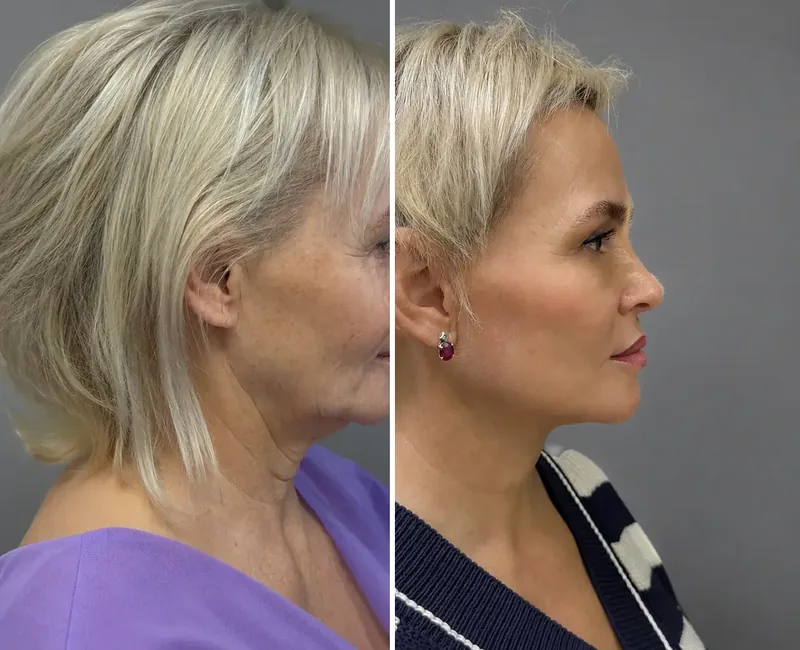
50 years
9 months
SMAS facelift
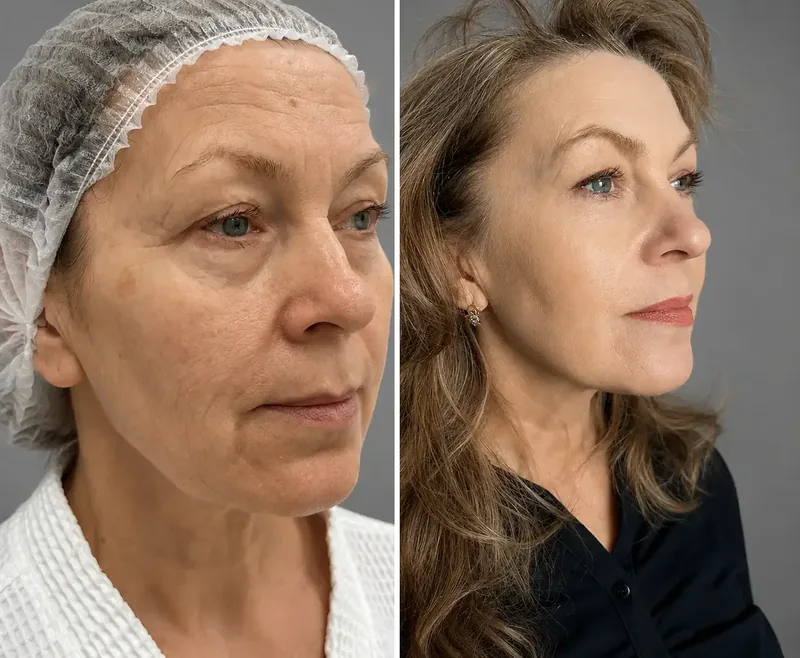
58 years
8 months
SMAS facelift
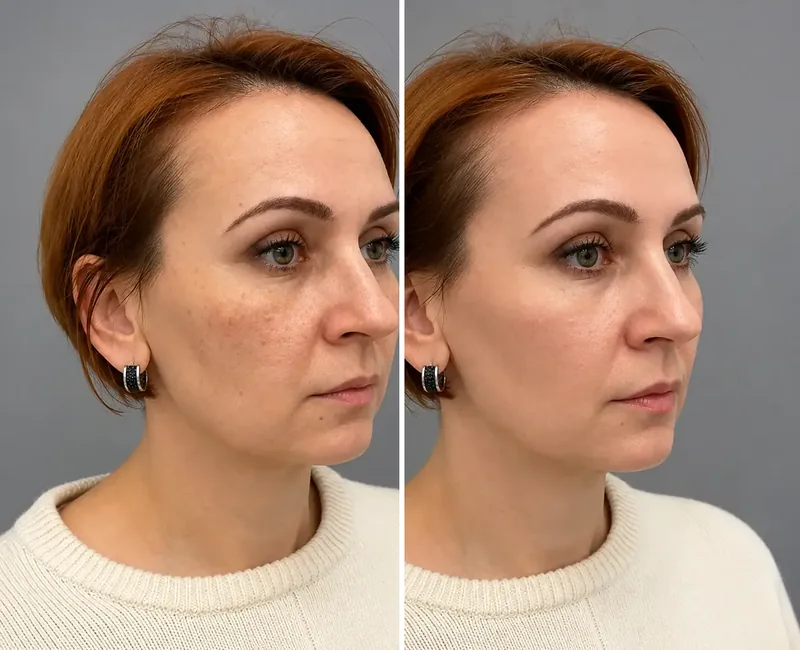
34 years
5 months
SMAS facelift
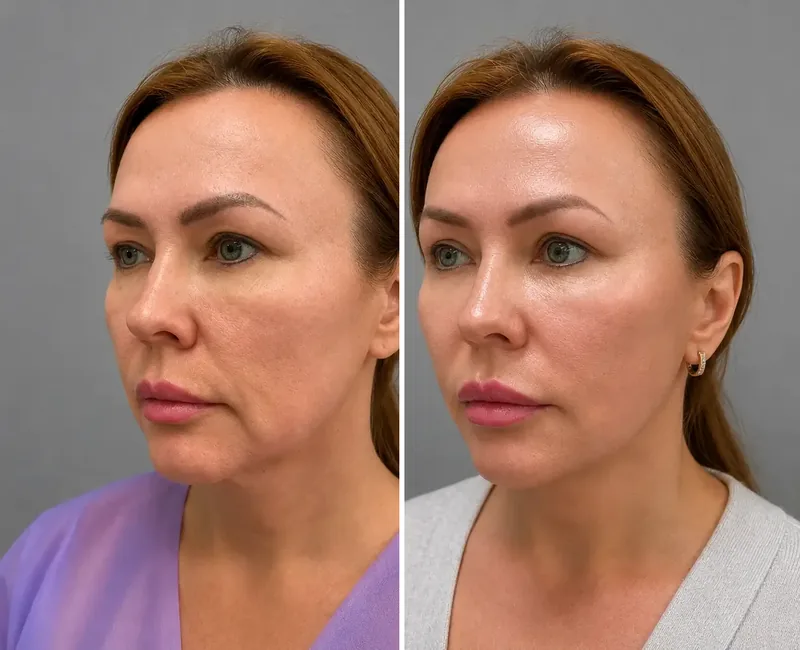
32 years
7 months
SMAS facelift
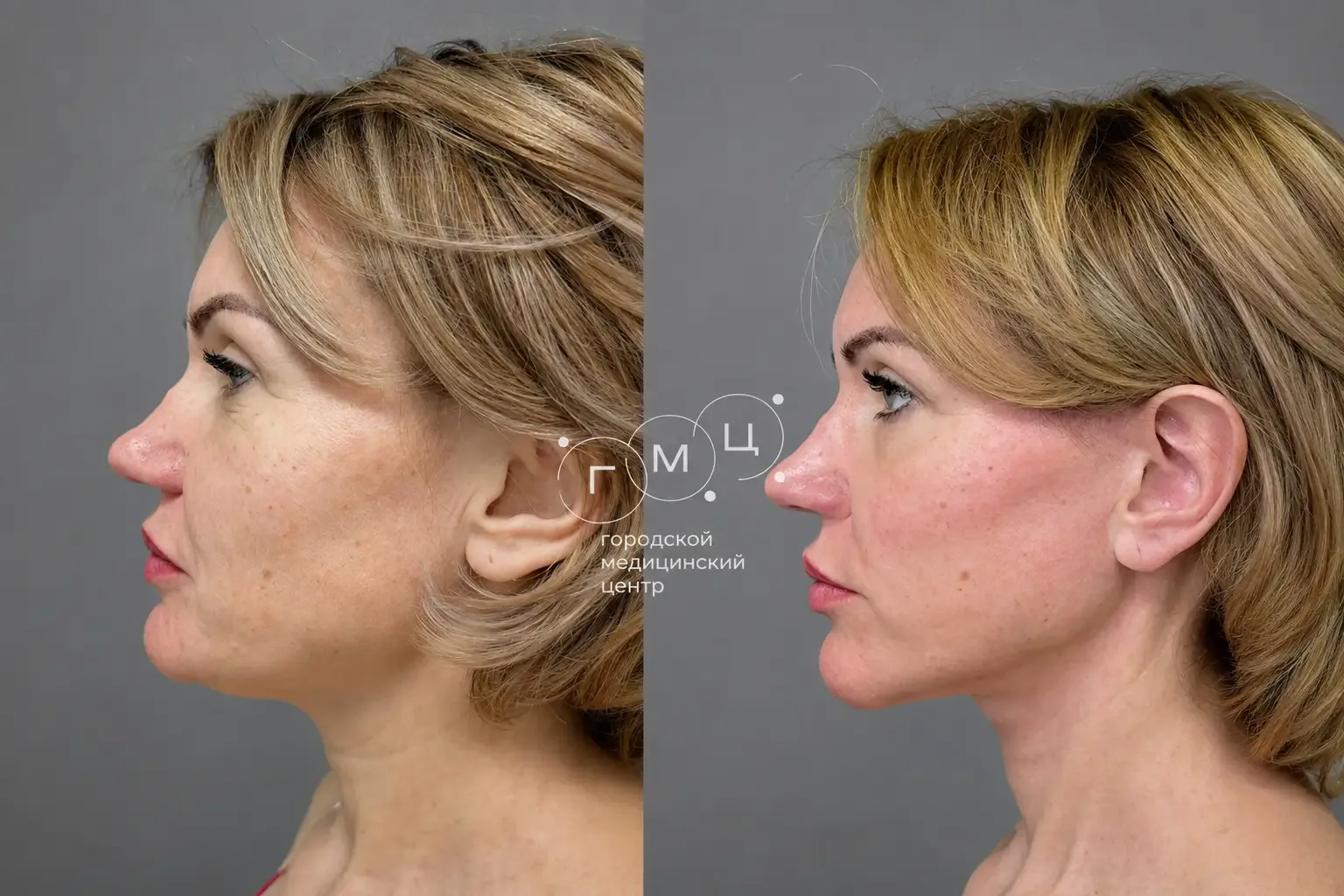
40 years
6 months
SMAS facelift
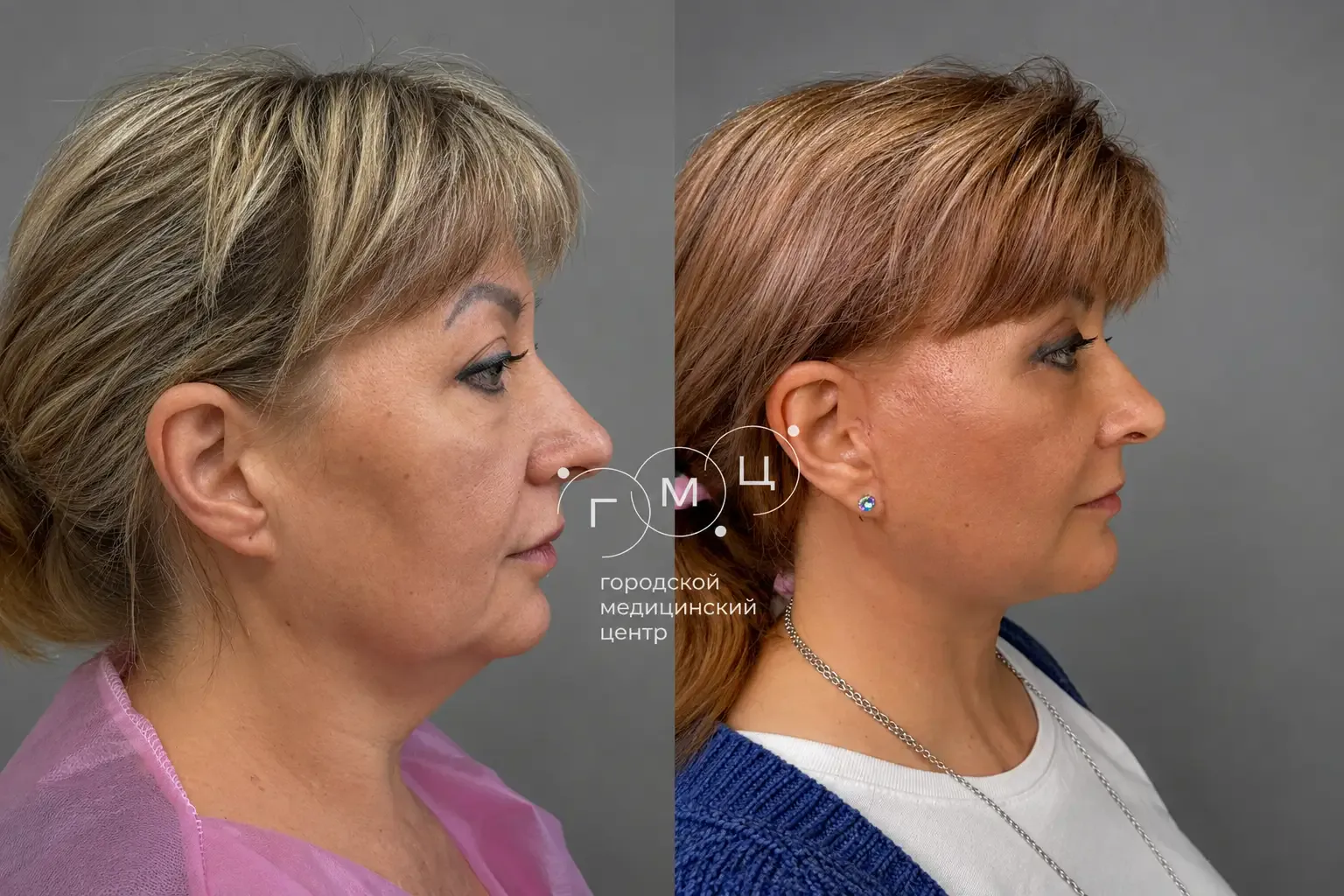
45 years
8 months
SMAS facelift
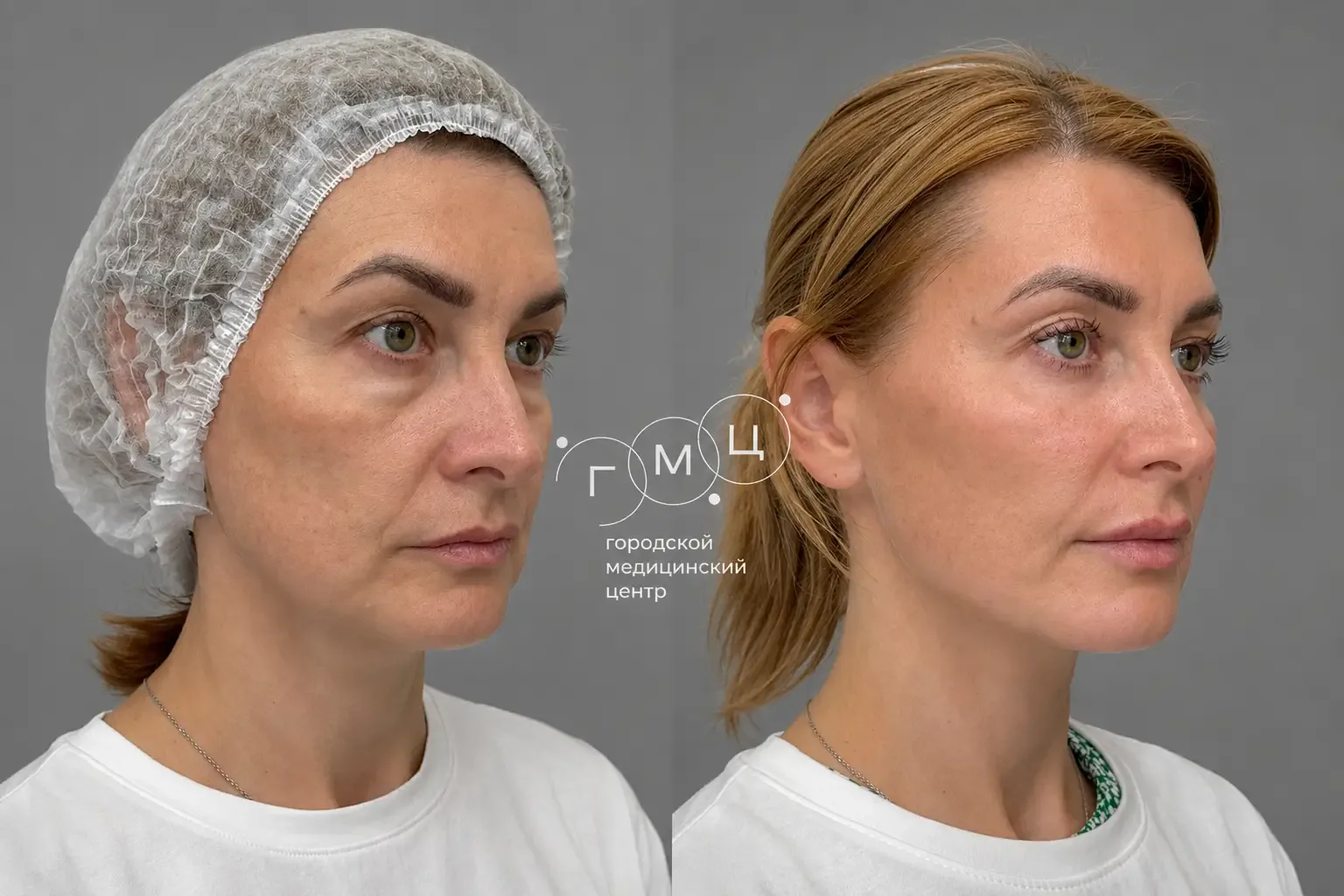
38 years
5 months
SMAS facelift
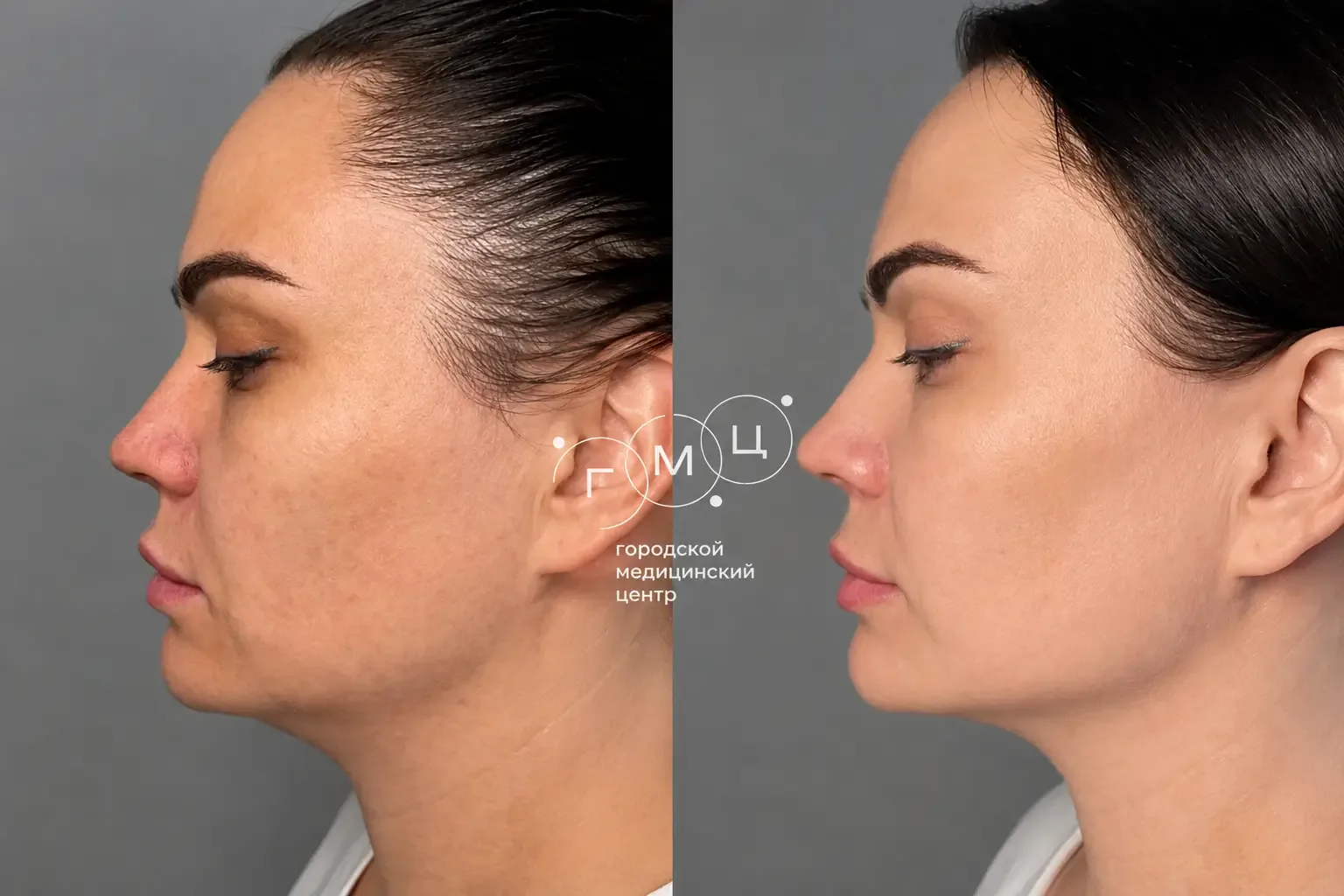
33 years
6 months
SMAS facelift
50 years
9 months
SMAS facelift
58 years
8 months
SMAS facelift
34 years
5 months
SMAS facelift
32 years
7 months
SMAS facelift
40 years
6 months
SMAS facelift
45 years
8 months
SMAS facelift
38 years
5 months
SMAS facelift
33 years
6 months
SMAS facelift
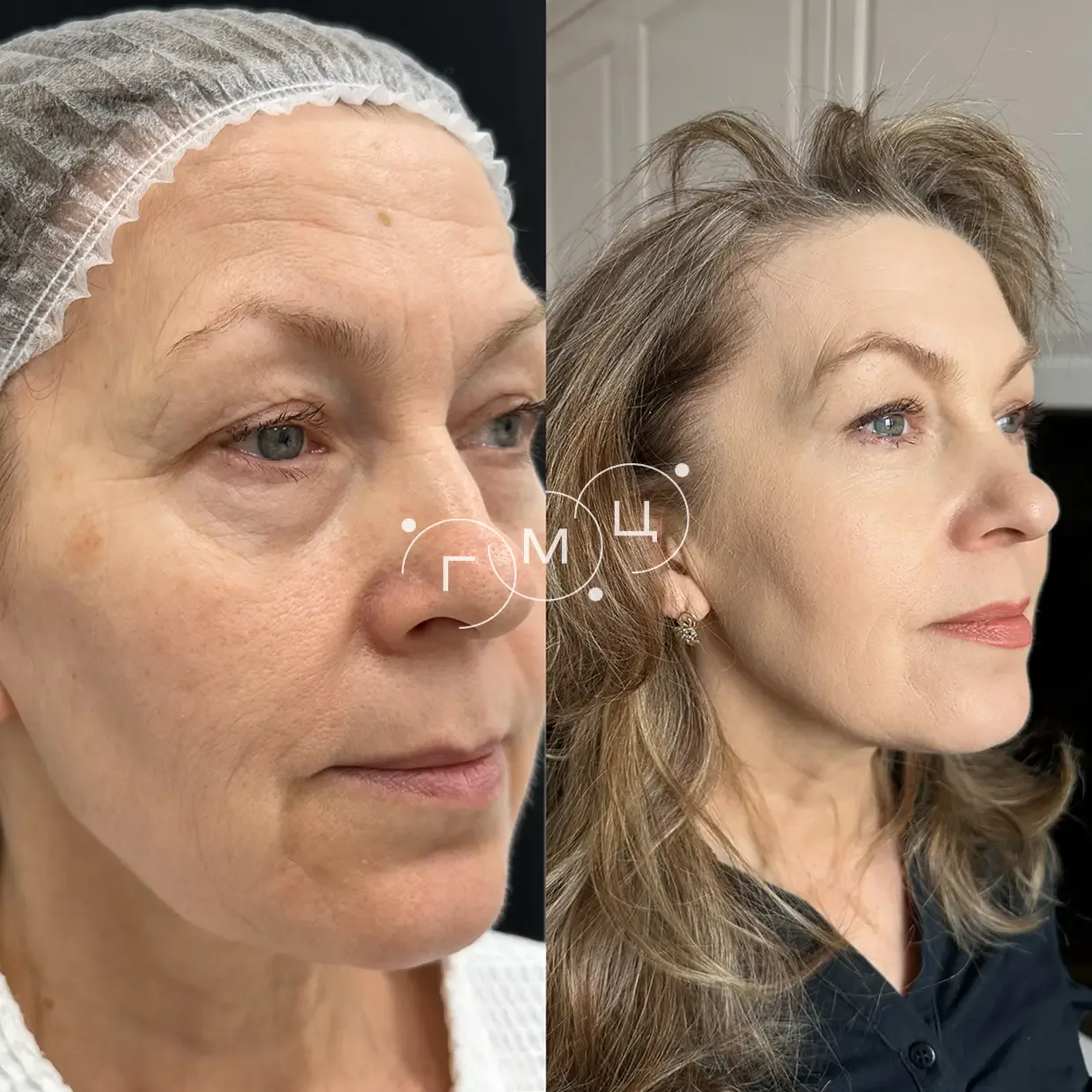

Marked sagging of the face and neck
A blurred jawline, jowls
A double chin with loose skin on the neck
Marionette lines and deep nasolabial folds
A heavy look caused by drooping brows
Noticeable loss of skin firmness after 40
A long-term result is wanted (7–10 years)

Under 30 years old
An acute skin inflammation
Being pregnant or currently breastfeeding
A severe disease of the cardiovascular system
Problems with blood clotting
Cancer
Decompensated diabetes
Choosing a facelift in Brazzaville
A facelift can also be part of a broader plan. It is often combined with blepharoplasty (eyelid surgery), rhinoplasty or double-chin liposuction, and the scope of a combined procedure is set by the surgeon at the consultation. This lets patients from Brazzaville address several concerns in one combined procedure. The surgeon never suggests surgery where it is not needed and never prescribes anything extra.
Is a SMAS facelift painful? No: the surgery is done under general inhalation anaesthesia, so you feel nothing.
Afterwards, discomfort and tightness are possible for a few days and are eased with prescribed medication. A compression bandage and reduced activity help the tissues settle in the first 7–10 days. That is the typical course for people in Brazzaville after surgery.
A free consultation is the easiest way to get an exact figure. The surgeon assesses the degree of sagging and the zones to correct, recommends the type of lift and names the final price; a facelift starts from $2,400 (≈ XAF 1,400,000). Apply before the end of the year and the consultation is free. Patients from Brazzaville can message us in any messenger.
Brazzaville and the question of a facelift
Brazzaville is the capital and largest city of the Republic of the Congo, and it is the financial and administrative centre of the country. According to the 2023 census the city had a population of 2.15 million. For many residents, a facelift is not an impulse decision but a plan that is built slowly: first a conversation with the family, then a look at the work calendar, then a series of questions about recovery.
The city lies on the north side of the Congo River, opposite Kinshasa, and the two capitals face each
other across the water. Daily life here is busy: offices, ministries, regional organisations, markets and schools all keep people on a tight schedule. That is why the first step for a person in Brazzaville is usually a free online consultation. It is held from your own city, without any need to rearrange the week.
City Medical Centre coordinators answer on WhatsApp and Telegram around the clock, 24/7. You can send your questions in the evening after work, in the early morning, or at the weekend, and the coordinator will tell you what photographs and information the surgeon needs for a first assessment.
Who is a candidate for a SMAS facelift
Beyond 40–50 the skin gradually loses firmness: noticeable sagging, jowls, a blurred jawline and drooping cheeks appear. As a rule, surgery is recommended for patients aged 40+ with marked tissue sagging, and in some cases from 35. The recommendation is made individually after an examination, so age alone never decides the question.
Typical reasons to consider the operation are a marked loss of skin firmness after 40 and the wish for a result that lasts, 7–10 years. A woman or man in Brazzaville who works with the public, teaches, speaks at meetings or appears at family ceremonies often notices these changes first in photographs and on video calls, and this is what starts the conversation.
In general terms, the surgeon will also look at general health, chronic conditions, medicines you take, smoking, and how realistic your expectations are. Some conditions make elective surgery unsuitable until they are treated or stabilised. The surgeon will go through all of this with you at the consultation, and you should answer as fully as you can, including about earlier procedures and allergies.
Excess weight can also matter when planning any operation. The World Health Organization describes overweight and obesity as a major health concern, and it is reasonable to discuss your weight and general fitness openly with the surgeon before choosing a date.
Why the SMAS layer matters
A surgical SMAS facelift works deeper than cosmetology by repositioning the muscle and fascia layer. It treats the cause of sagging, not its effects, and delivers a lasting result even with significant changes. It is a face lift that tightens the deep SMAS layer under the skin, not only the skin itself, so the lower face, jawline and neck stay firmer for longer.
A surgical SMAS facelift corrects at 3 levels. The central step is lifting and securing the muscle and fascia
layer. This allows the surgeon to treat the cause of sagging itself, which is weakened ligaments and descended muscles. Deep work on the SMAS gives a natural look and results lasting up to 10 years.
Patients in Brazzaville often ask how this differs from creams, massage or light procedures that they have heard about. The honest answer is that surface care can support the skin, but it does not reposition tissue that has descended. If the main complaint is jowls and a blurred jawline, the deep layer is what the surgeon will talk about.
Four options and how the surgeon chooses
We have 4 main options. At the consultation, the surgeon helps select the best one for your age and type of ageing. You do not have to choose the technique alone from pictures or from what a friend had done.
The classic SMAS lift of the mid and lower face is one option. The surgeon works on the skin and the SMAS layer through incisions hidden along the hair line and around the ears. It removes jowls, sagging cheeks, a double chin and deep nasolabial folds. Results last 7–10 years.
The comprehensive lift covers the forehead, temples, mid and lower face and neck. It suits marked sagging in several areas at once. It delivers the most complete rejuvenation and a natural look, free of a «mask» effect. Results last up to 10 years.
Because the incisions are hidden along the hair line and around the ears, many patients ask how visible the scars are in daily life. Bring this question to the surgeon, show your usual hairstyle in the photographs, and ask what can be expected in your case.
Climate of Brazzaville and recovery
Brazzaville has a tropical wet and dry climate. The wet season runs from October to May and is longer than the dry season, which covers the remaining months. July and August are the driest months. Temperatures stay relatively consistent through the year, so heat is a factor in every month, not only in one season.
During the first 7–10 days the plan is rest, a compression bandage and less physical activity. In a warm city this means staying in a cool, ventilated room, avoiding long hours outdoors, and keeping out of direct sun. When you do go out, shade, a wide hat or a loose scarf that does not press on the healing area, and
sun protection as the surgeon advises are sensible habits.
Swelling and bruising fade within 2–4 weeks, and full recovery takes about 2 months. Humid wet-season days can feel tiring, and dusty dry-season days can irritate the skin, so ask the surgeon how to clean and protect the incision lines and what to avoid in the first weeks.
Swimming pools, river excursions and crowded outdoor events are part of normal life for many families. Do not return to them until the surgeon confirms that the wounds have healed. Ask for clear instructions in writing so that you and your family know the rules.
Choosing the season and planning around city life
There is no single correct month. The dry season, with July and August the driest, may feel easier for people who dislike humidity and heavy rain. The wet season, from October to May, can suit someone whose work is quieter then. Either way the decision should follow your calendar and the surgeon's advice.
Think about what fills your weeks. Brazzaville is a city of government offices, regional organisations, trading companies and a large university, Marien Ngouabi University, with about 26,000 students. Teachers, lecturers, civil servants and business people usually want to plan the first days away from colleagues and students. A first stage of rest at home, then a gradual return to meetings and lessons, is a realistic approach.
Family events matter too. Weddings, funerals, church gatherings and celebrations are central in Congolese life and often involve long hours of standing, greeting, music and shared meals. Choose a date that leaves enough time before such an event so that swelling and bruising, which fade within 2–4 weeks, are not a concern on the day.
Food culture is also part of planning. Many meals are shared, with fish, cassava, plantain and spicy sauces common on the table. Ask the surgeon about eating in the first days, about very salty dishes that can worsen swelling for some people, and about alcohol, which should be discussed before and after the operation.
Return to work, sport and daily activity
During the first 7–10 days you rest, wear the compression bandage and reduce physical activity. After that, many patients start light daily tasks, but the surgeon decides what is suitable for you. Office work with little physical effort is usually easier to resume than work that involves lifting, bending or long hours in the sun.
After 3–4 weeks, as the swelling settles, the first clear changes appear. Your face takes on its final look in 3–6 months. This is important for people who appear in public, since the early weeks show an intermediate stage. Plan meetings, photographs and ceremonies with that in mind.
Football is a passion in the city, which has produced many well-known players, and recreational games, running and gym sessions are part of life for many residents. Return to such activities should be gradual and agreed with the surgeon. Full recovery takes about 2 months, and the surgeon will tell you when sport and swimming are acceptable.
Do not judge your progress by comparison with another person. Age, skin type, the chosen technique and the way you follow instructions all change the course of recovery.
How the remote consultation works from Brazzaville
You write to the coordinators on Telegram or WhatsApp, which are available 24/7. You describe your concerns, send clear photographs in daylight from the front and both sides, and list your health history, medicines and earlier operations. The coordinator passes this to the medical team.
Then the one-to-one online consultation with the surgeon takes place. It is free and held from your own city, at a moment that fits your schedule. The centre is open 24/7 with flexible booking and a personal approach: we fit around your busy schedule and adapt to you.
The package includes a one-to-one consultation, the medical team, anaesthesia, inpatient care with meals, 24/7 monitoring and twelve months of follow-up by the surgeon. Continuous 24/7 monitoring by the medical team is part of the care. For the whole first year, your operating surgeon follows you up.
After the consultation you receive a recommendation on the technique and the plan. You are free to ask more questions, discuss with your family and decide without pressure.
Planning a facelift with the family in Brazzaville
In Brazzaville a decision about appearance is rarely made alone. Spouses, grown children, siblings and close friends often take part in the discussion, and their questions are usually practical: who will help at home during the first days, how long the face will look swollen, and when the person can appear at work again. It helps to answer these questions before the online consultation, so that the conversation with the surgeon is calm and focused.
Tell your family clearly what the operation is.
A surgical SMAS facelift works on the deep muscle and fascia layer, not only on the skin, and the operating surgeon follows you up for the whole first year. During the first 7–10 days you will need rest, a compression bandage and less physical activity, so one reliable person at home is a real advantage.
Households in a large city are often busy, with children coming home from school, visitors, and neighbours dropping in. Agree in advance on a quiet room and on a simple rule: in the early days, visits are short. This protects your rest and lets the swelling settle without stress.
A creative city and the wish to look rested
Brazzaville was designated a City of Music by UNESCO in 2013 and is a member of the Creative Creative Cities Network. Musicians, painters, teachers, presenters and event organisers often work in front of an audience or a camera, and the Poto-Poto School of Painting is one of the places that show how much the city values the arts. For people in these professions a tired, sagging lower face and a blurred jawline can become a daily concern.
If your work involves a stage, a studio or a lectern, tell the surgeon about it. The comprehensive lift
covers the forehead, temples, mid and lower face and neck and gives a natural look, free of a «mask» effect, while the classic SMAS lift concentrates on the mid and lower face. Which one suits you depends on your age and type of ageing, and the surgeon makes that choice with you at the consultation.
Remember the timing of the result. After 3–4 weeks the first clear changes appear, and the face takes its final look in 3–6 months. Anyone with a concert, a recording or a public ceremony in the calendar should leave a generous margin before it.
Sun, river air and everyday protection
The city stands on the Congo River at an altitude of 317 m, about 474 km south of the equator, and sunlight is strong for much of the year. Healing skin and fresh incision lines along the hair line and around the ears need shade in the weeks after the operation. A loose, soft head covering that does not press on the treated area and a shaded walk early or late in the day are sensible habits.
Many people in Brazzaville move around by taxi, by bus or on foot, and the car window or an open street means dust and sun on the face. Ask the surgeon how to protect the skin on short errands, which products to avoid near the incisions, and when you may wash your hair.
Full recovery takes about 2 months. Until the surgeon agrees, keep away from crowded markets at midday, from dusty building areas, and from the river bank outings that families like at weekends.
Why patients here value long follow-up
Patients in Brazzaville often say that the hardest part of any operation is not the day itself but the weeks afterwards, when questions appear in the evening and no one is nearby. That is why the follow-up matters. The package includes twelve months of follow-up by the surgeon, together with continuous 24/7 monitoring by the medical team, and the coordinators answer on WhatsApp and Telegram around the clock.
Keep a simple diary: a photograph in daylight every week, a few notes about swelling, sleep and comfort, and a list of questions. When you send these to the coordinator, the surgeon can see the course of healing and give advice without delay.
A repeat procedure is possible after 7–10 years if the patient wants it, and the same surgeon's records will help in that conversation.
Questions to ask the surgeon
Prepare a short list before the online consultation. Ask which of the 4 main options suits your age and type of ageing, and why. Ask which areas will be treated, where the incisions run, and how they will look next to your hair line and ears.
Ask what anaesthesia is used, how long the inpatient stay is, what is included in the care, and what the first days look like. Ask how to use the compression bandage, how to sleep, and what signs should make you contact the team at once.
Ask how recovery fits the Brazzaville climate: sun protection, heat, dust, humidity, and when it is safe to be in a pool or in the river. Ask how follow-up works during the twelve months and how you can send photographs and questions to the surgeon.
Ask also about expectations. One operation gives a complete result. A repeat procedure is possible after 7–10 years if the patient wants it. A good surgeon will describe what a facelift can do and what it cannot do, without exaggeration.
At what age is a facelift usually considered?
As a rule, surgery is recommended for patients aged 40+ with marked tissue sagging, and in some cases from 35. The recommendation is made individually after an examination.
How long does the result last?
The result lasts up to 10 years. A surgical SMAS facelift gives an effect that lasts 7–10 years, depending on the technique and the individual patient.
How is a SMAS facelift different from skin-only treatments?
It tightens the deep SMAS layer under the skin, not only the skin itself, so the lower face, jawline and neck stay firmer for longer. It treats the cause of sagging, not just its effects.
How many techniques are there?
We have 4 main options. At the consultation, the surgeon helps select the best one for your age and type of ageing, for example the classic SMAS lift or the comprehensive lift.
How long is recovery?
During the first 7–10 days: rest, a compression bandage and less physical activity. Swelling and bruising fade within 2–4 weeks, and full recovery takes about 2 months.
When will I see the final result?
After 3–4 weeks, as the swelling settles, the first clear changes appear. Your face takes on its final look in 3–6 months.
Does the hot climate of Brazzaville affect healing?
Heat, humidity, dust and sun are all worth planning for. Stay in a cool room at first, protect the healing area from direct sun, and follow the surgeon's advice on cleaning, headwear and swimming.
Can I have the consultation without leaving Brazzaville?
Yes. The online consultation is free and takes place from your own city. Coordinators reply on WhatsApp and Telegram 24/7.
What does the package include?
A one-to-one consultation, the medical team, anaesthesia, inpatient care with meals, 24/7 monitoring and twelve months of follow-up by the surgeon.
Can the operation be repeated?
One operation gives a complete result. A repeat procedure is possible after 7–10 years if the patient wants it.
Should I tell my employer or colleagues about the operation?
That is your personal decision. Many patients simply plan a period of rest at home, in line with the first 7–10 days of rest and the 2–4 weeks in which swelling and bruising fade, and return to work step by step after the surgeon's approval.
Is a facelift suitable if I work on stage or in front of a camera?
Often yes, if the examination confirms that you are a suitable candidate. Tell the surgeon about your public work, because it affects the choice among the 4 main options and the timing of events after the operation.
What should I send to the coordinator before the online consultation?
Clear daylight photographs from the front and both sides, a list of medicines, chronic conditions, allergies and earlier operations, and your questions. Coordinators are available 24/7 on WhatsApp and Telegram.
Facelift in Brazzaville: price and what is included
Prices are in US dollars; the amount in brackets is an approximate conversion to XAF at the rate of 2 October 2026. The final price is fixed in your contract.
- Faceliftfrom $2,400 (≈ XAF 1,400,000)
How much does a facelift in Brazzaville cost?
Prices start from $2,400 (≈ XAF 1,400,000). The surgeon sets the final price at the free consultation, and it is fixed in the contract, with no hidden extras.
What is included in the price?
A one-to-one consultation, the medical team, anaesthesia, inpatient care with meals, 24/7 monitoring and twelve months of follow-up by the surgeon.
How do I get my exact price?
Message us on WhatsApp or Telegram using the buttons below. A coordinator will answer your questions and book a free consultation where the doctor names the exact price.
By messaging us, you agree to our Privacy Policy