
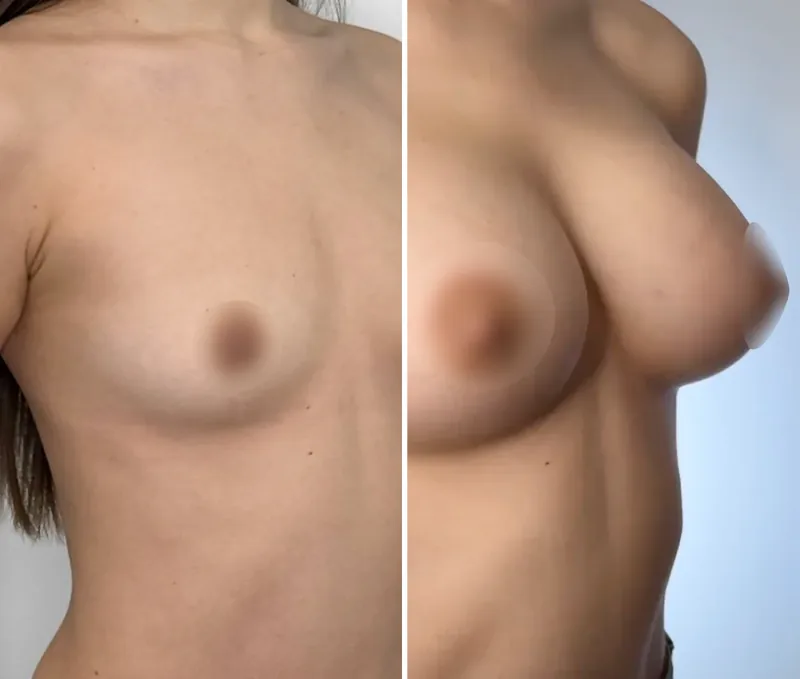
 beforeafter
Mammoplasty
Method: implants
Breast augmentation
$4,700
$5,900 · First consultation — Free
Message our coordinator
Free online consultation · Reply within 15 minutes
Message us on TelegramMessage us on WhatsAppBy messaging us, you agree to our Privacy Policy
Results
These are real patients of the clinic, with faces and identifying details hidden.
beforeafterMethod: implants
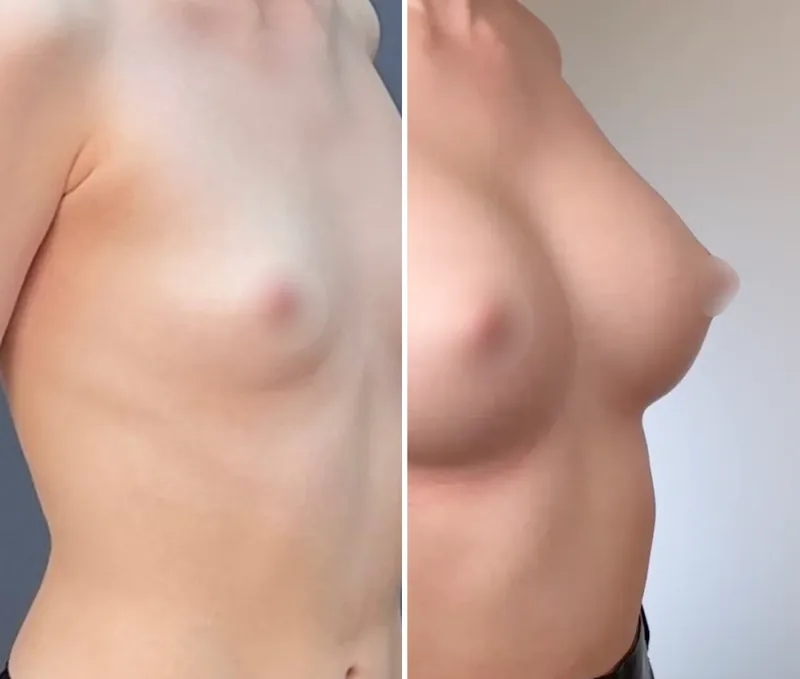 beforeafter
Method: implants
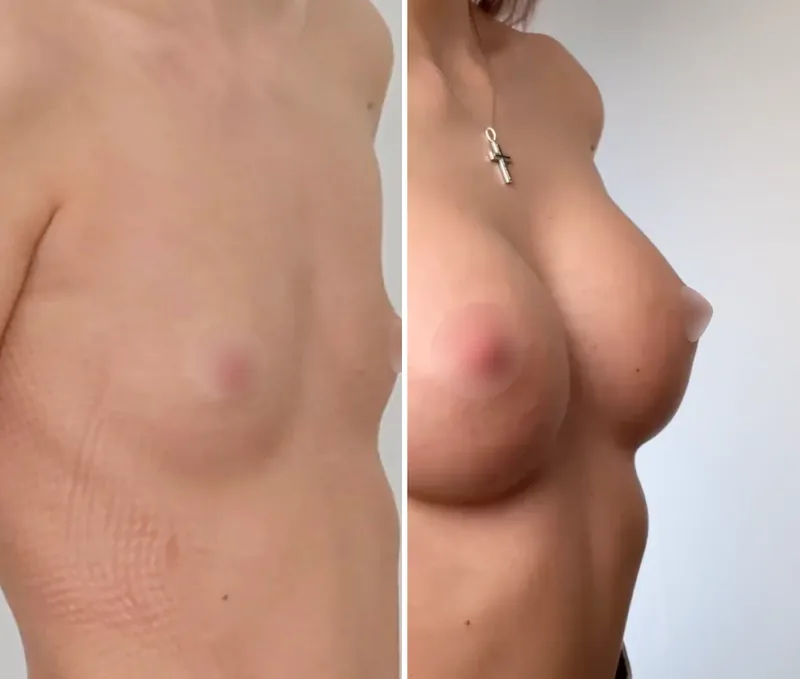 beforeafter
Method: implants
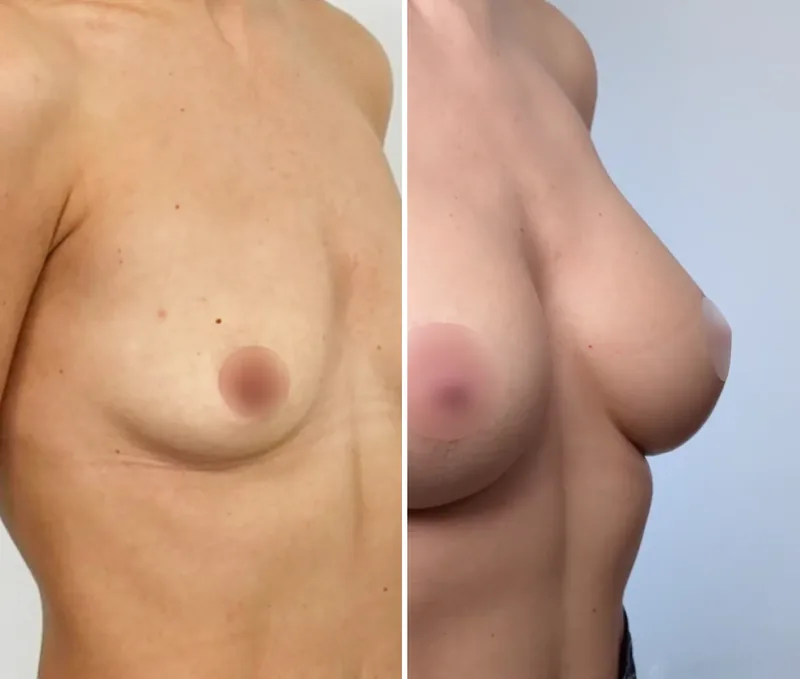 beforeafter
Method: implants
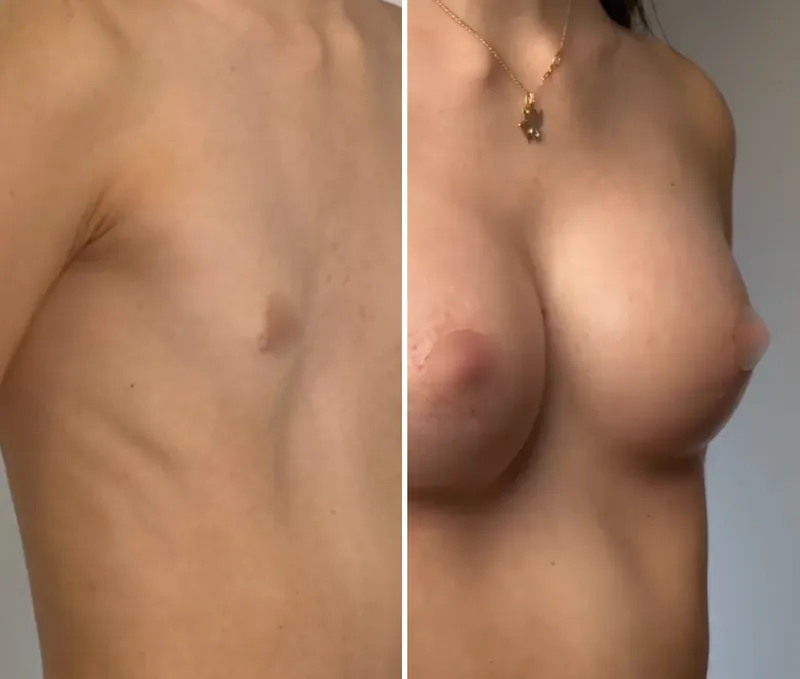 beforeafter
Method: implants
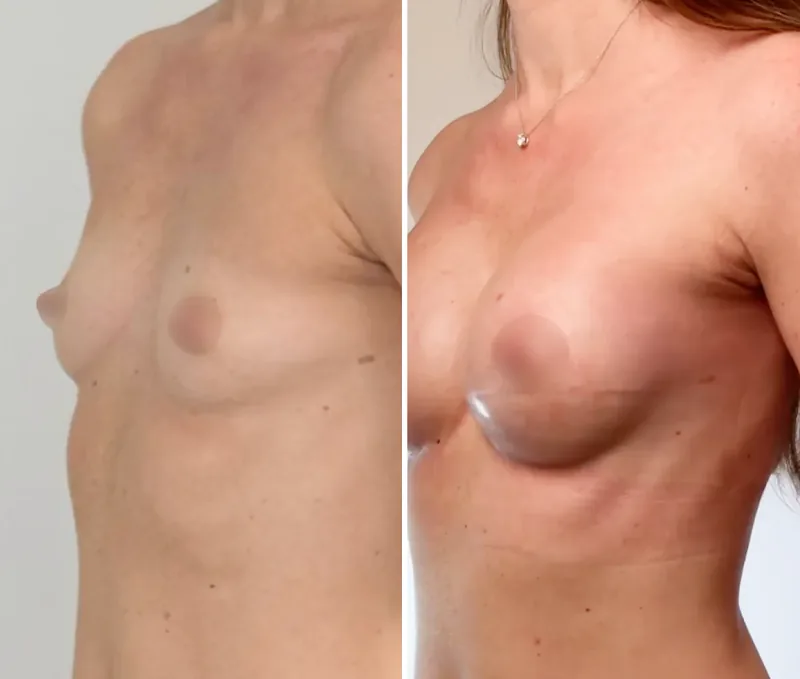 beforeafter
Method: implants
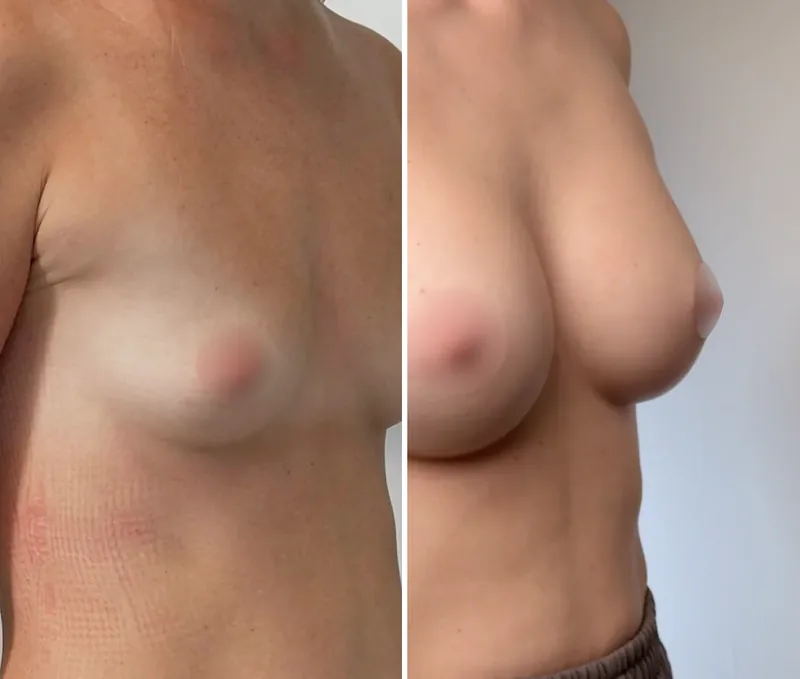 beforeafter
Method: implants
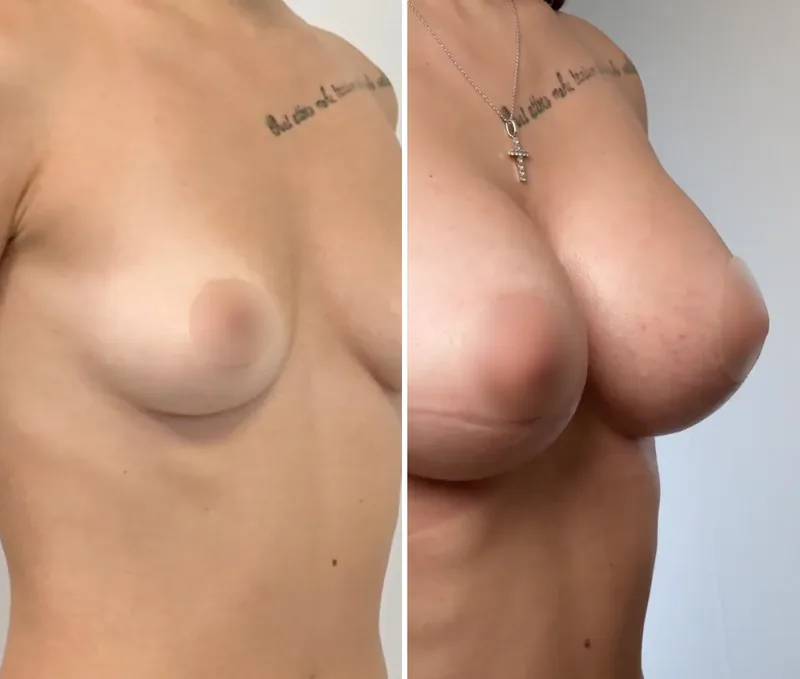 beforeafter
Method: implants
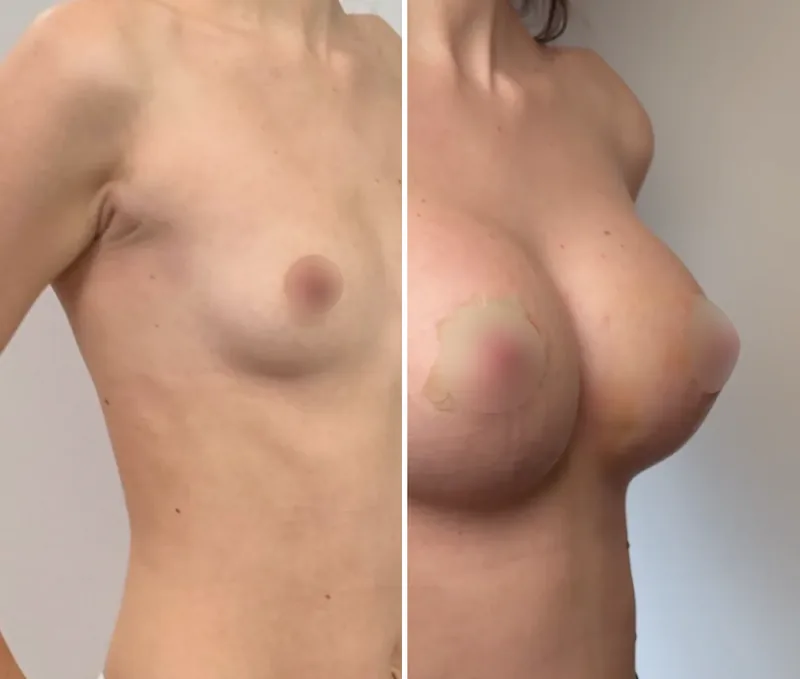 beforeafter
Method: implants
Comparison
Our surgeons use two main methods of breast correction — augmentation and reduction. See the goal, the precision and the indications of each to make an informed choice.
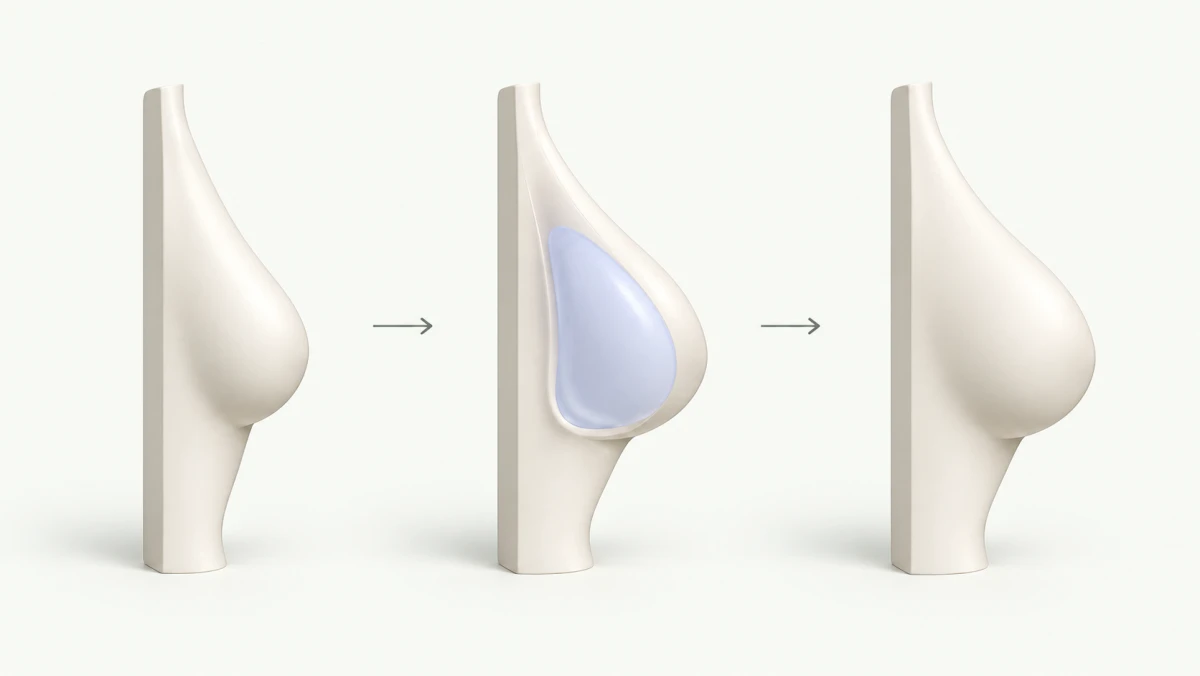
Size and shape correction with implants
Discounted price
$4,700 $5,900
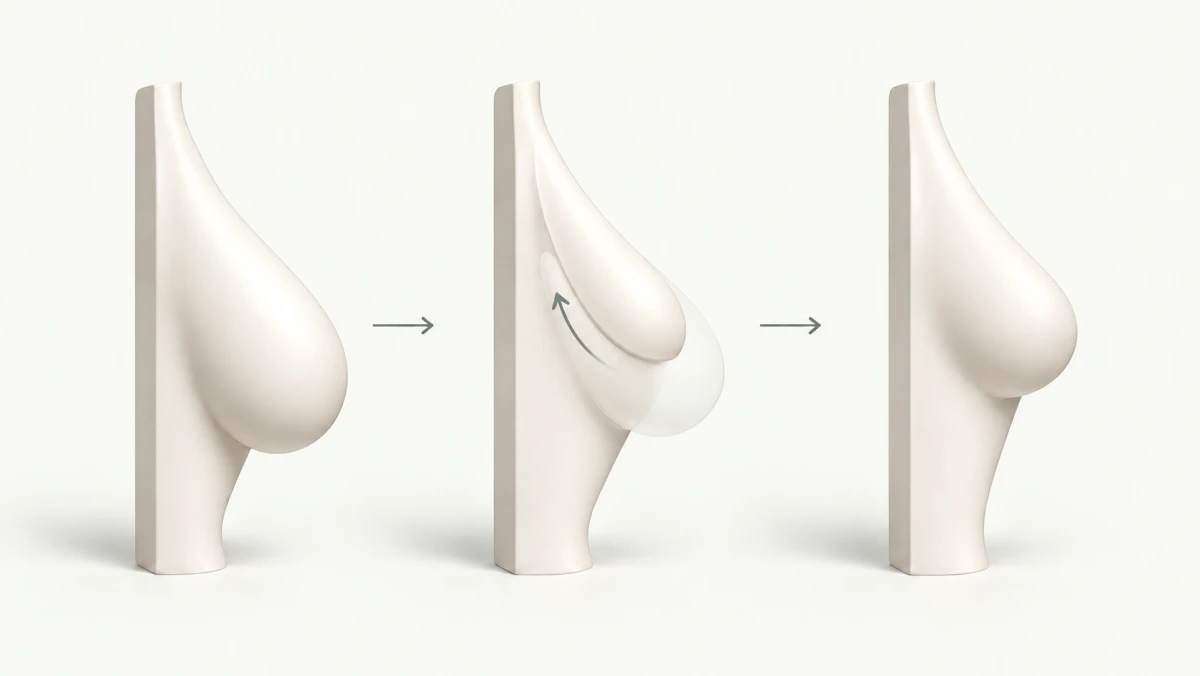
Reducing breast volume and weight to correct size
Discounted price
$4,700 $5,900
At your consultation the surgeon looks at the shape and proportions of your breasts, talks through what you want and recommends the best mammoplasty option.
The consultation is free, before surgery and with no commitment.
Comparison
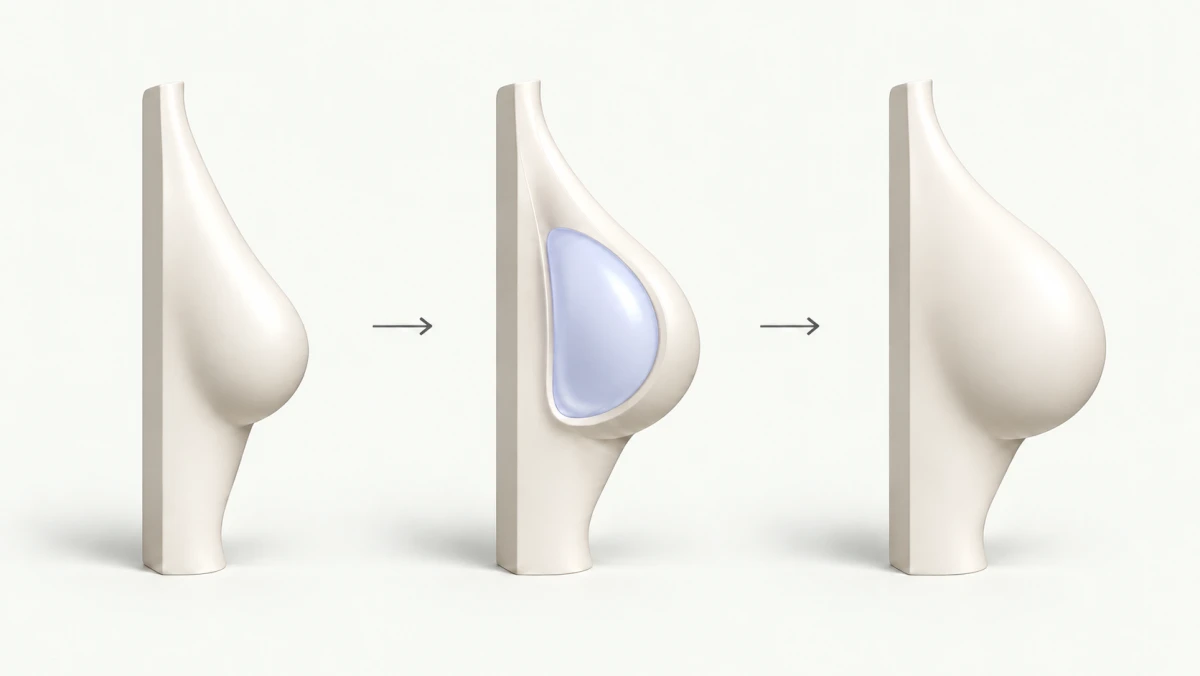
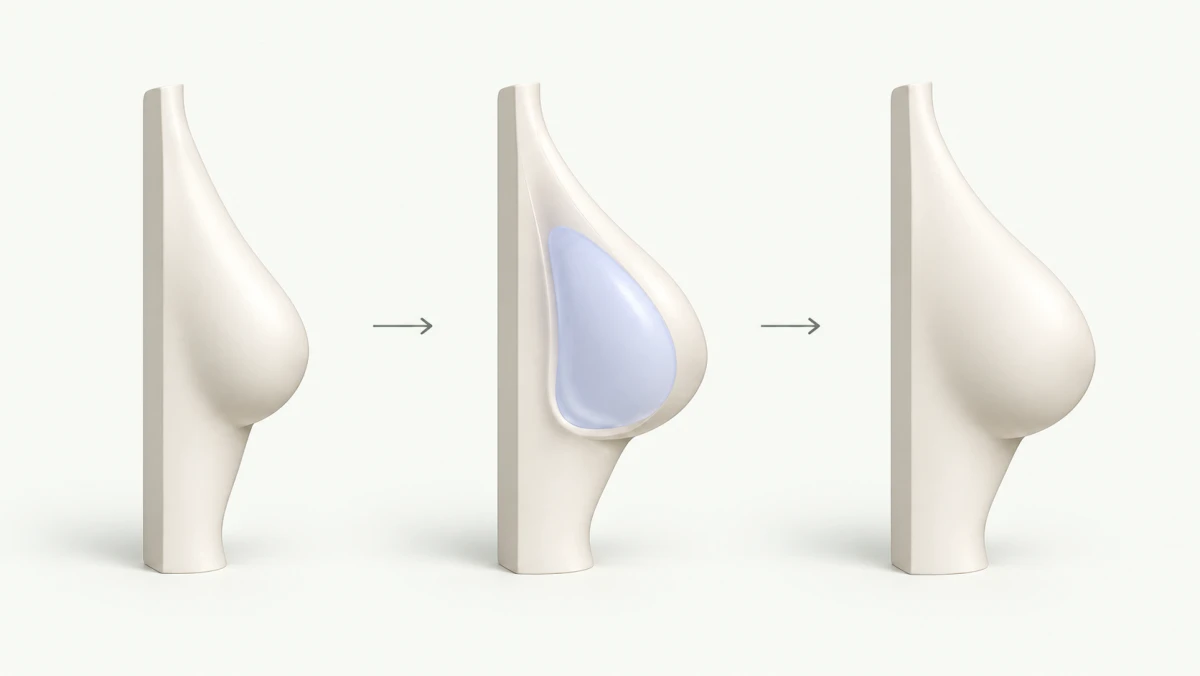
There are two main types of implants we place: round and anatomical. Both enlarge and reshape the breasts, while their form and the resulting look are different.
Even volume and a fuller upper pole
A natural slope and a soft teardrop shape
The surgeon will help you choose the implant shape and volume.
About us
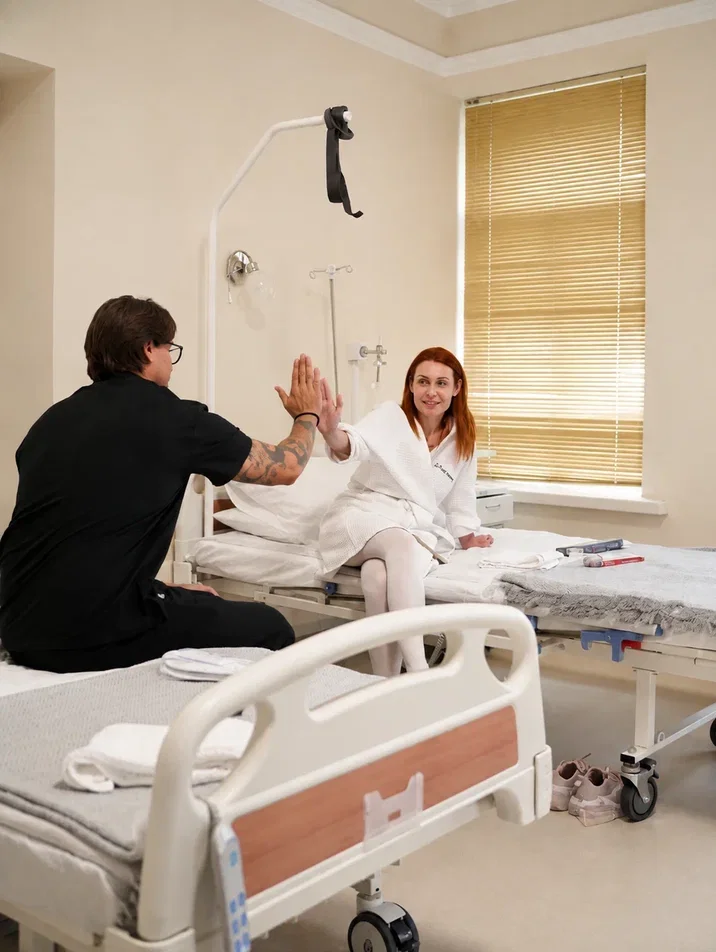
Modern technology, cosy rooms and personal attention for every patient
We will answer your questions and find a convenient time for a consultation
If your case can be solved without surgery, the doctor will tell you so at the consultation — and you will not spend money for nothing.

Not certain if surgery is the right choice for you?
Get in touch: your coordinator will ask you for photos in a messenger, the surgeon will study them and say whether mammoplasty is a good option for you.
Find out if it suits me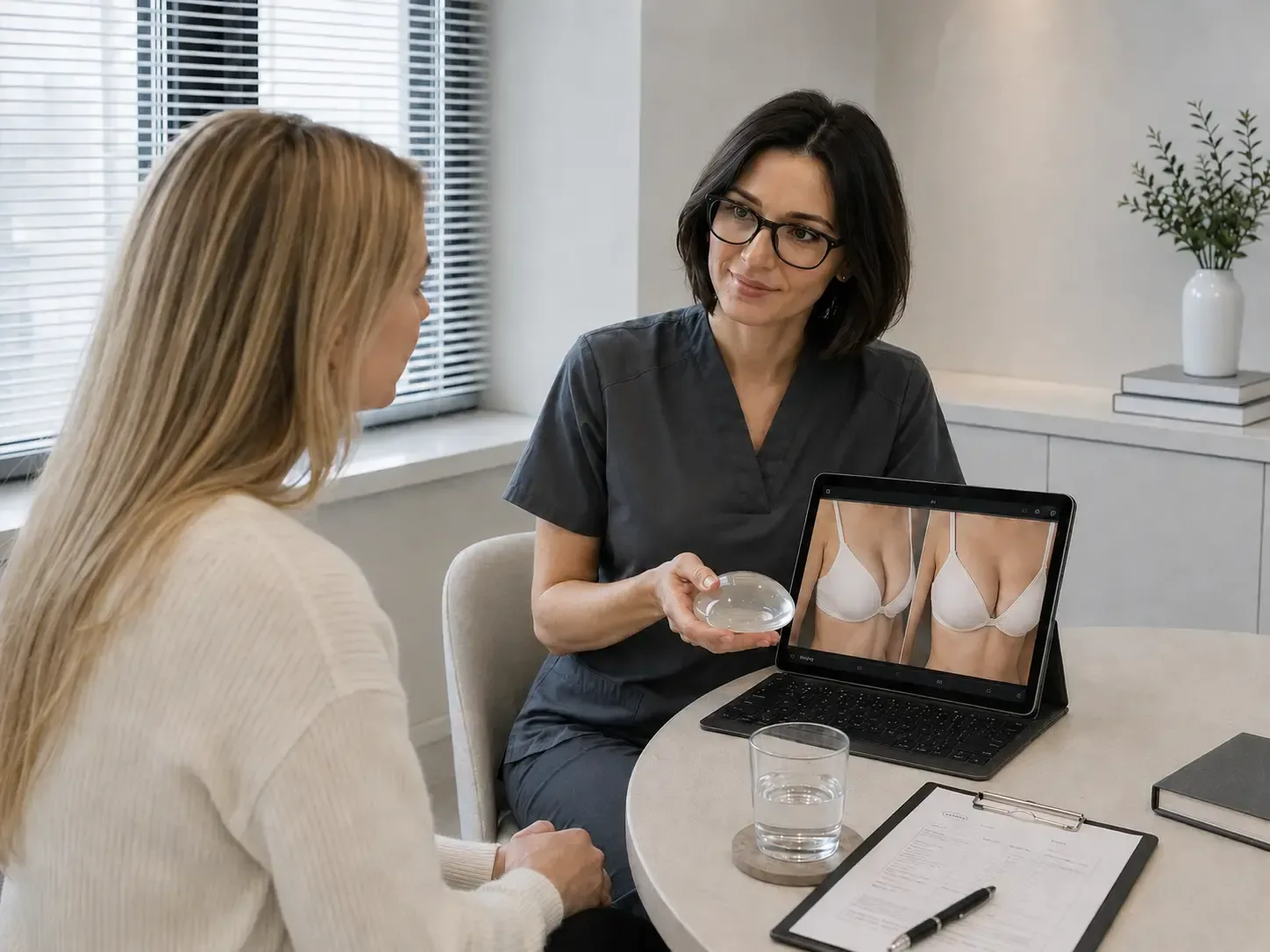
Prices
The price is set at the consultation and fixed in the contract.
Discounted price
Size and shape correction with implants
$4,700$5,900
Discounted price
Reducing the volume and weight of the breasts
$4,700$5,900
Breast restoration after mastectomy
The price is set at the consultation and fixed in the contract.
Get a consultationAfter assessing your breast anatomy and proportions and listening to your wishes, the surgeon chooses the appropriate correction method.
The price is set at the consultation and fixed in the contract.
Message our coordinator
Free online consultation · Reply within 15 minutes
Message us on TelegramMessage us on WhatsAppBy messaging us, you agree to our Privacy Policy
all inclusive
From getting ready for surgery
to 12 months of support.
Discounted price
$4,700$5,900
How it goes
An agreed plan for the correction, observation in hospital and recovery monitoring for a year.
 1
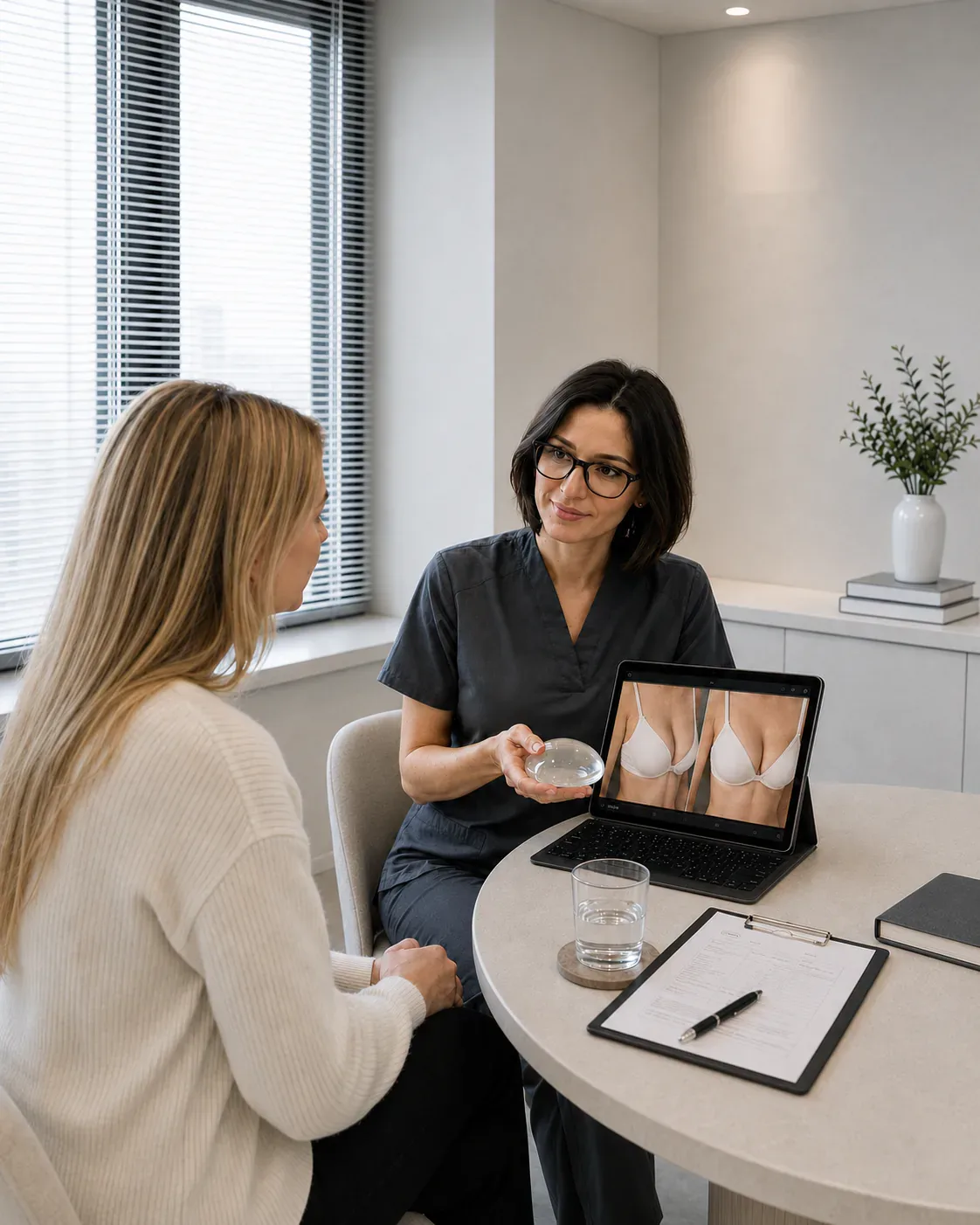
The surgeon examines your figure, discusses your wishes and selects the best volume, shape and correction method.
 2
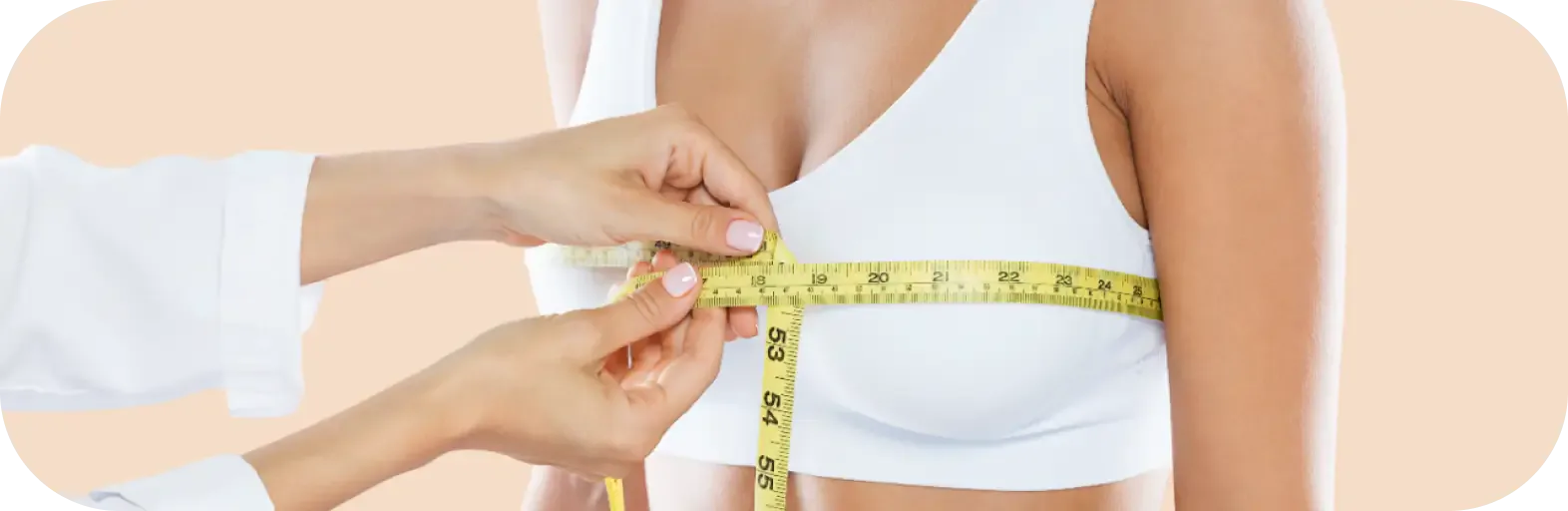
A surgery date is booked in your name: pay the deposit by card at the clinic or by online bank transfer. The terms are recorded in the contract for medical services
 3
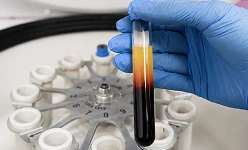
A complete pre-operative check-up comes first: blood tests, an ECG and the other examinations prescribed by your doctor.
 4
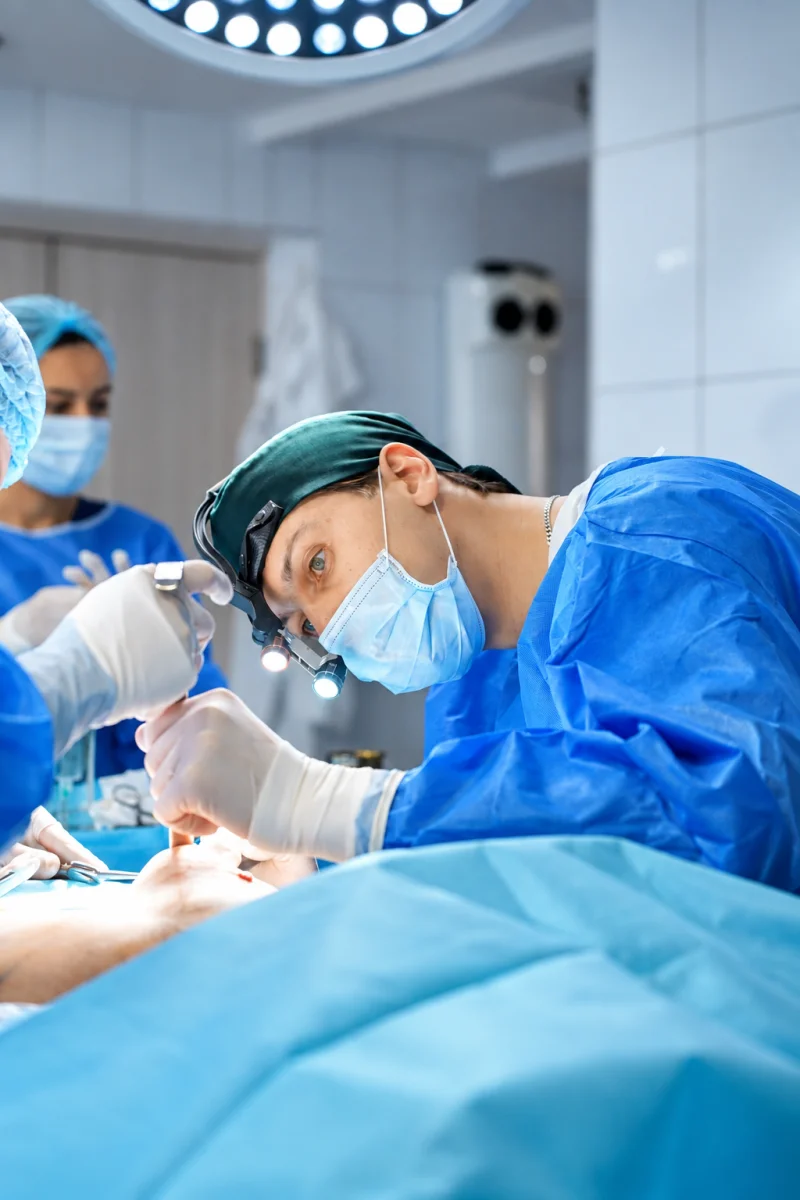
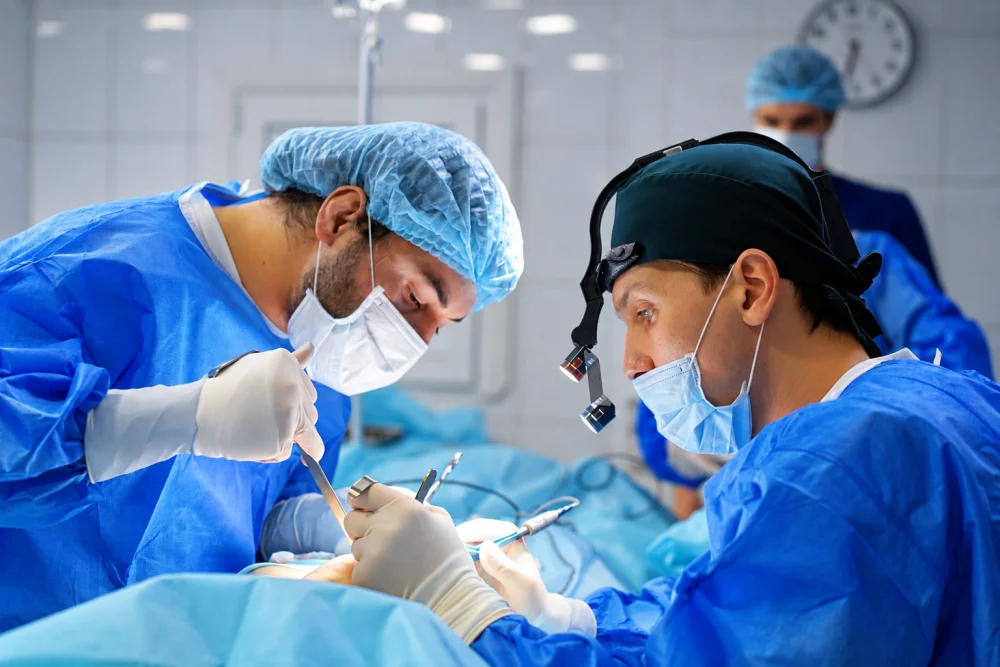
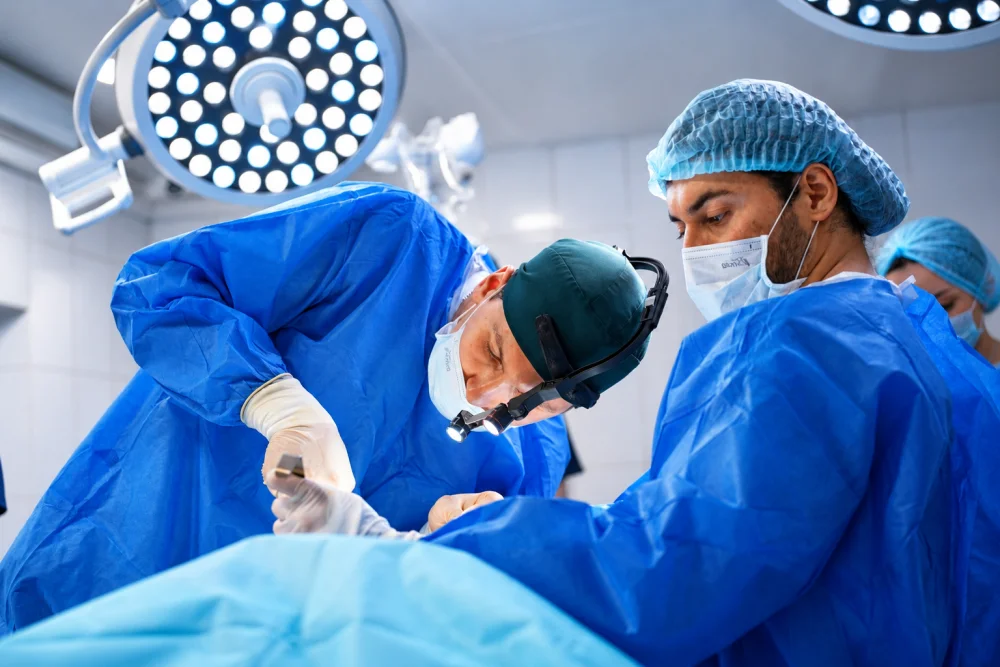
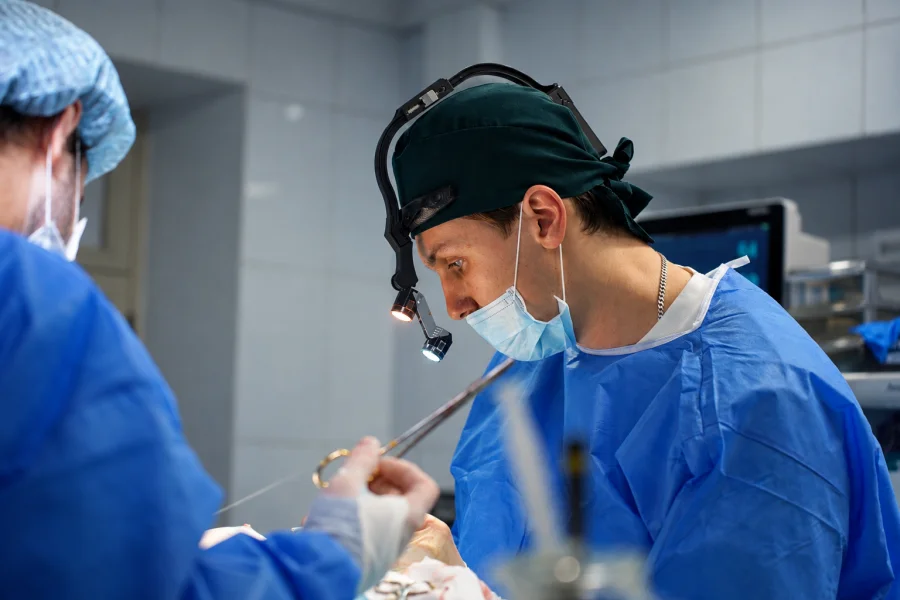
The operation follows your individual mammoplasty plan and is performed under general anesthesia with continuous monitoring of the patient.
 5
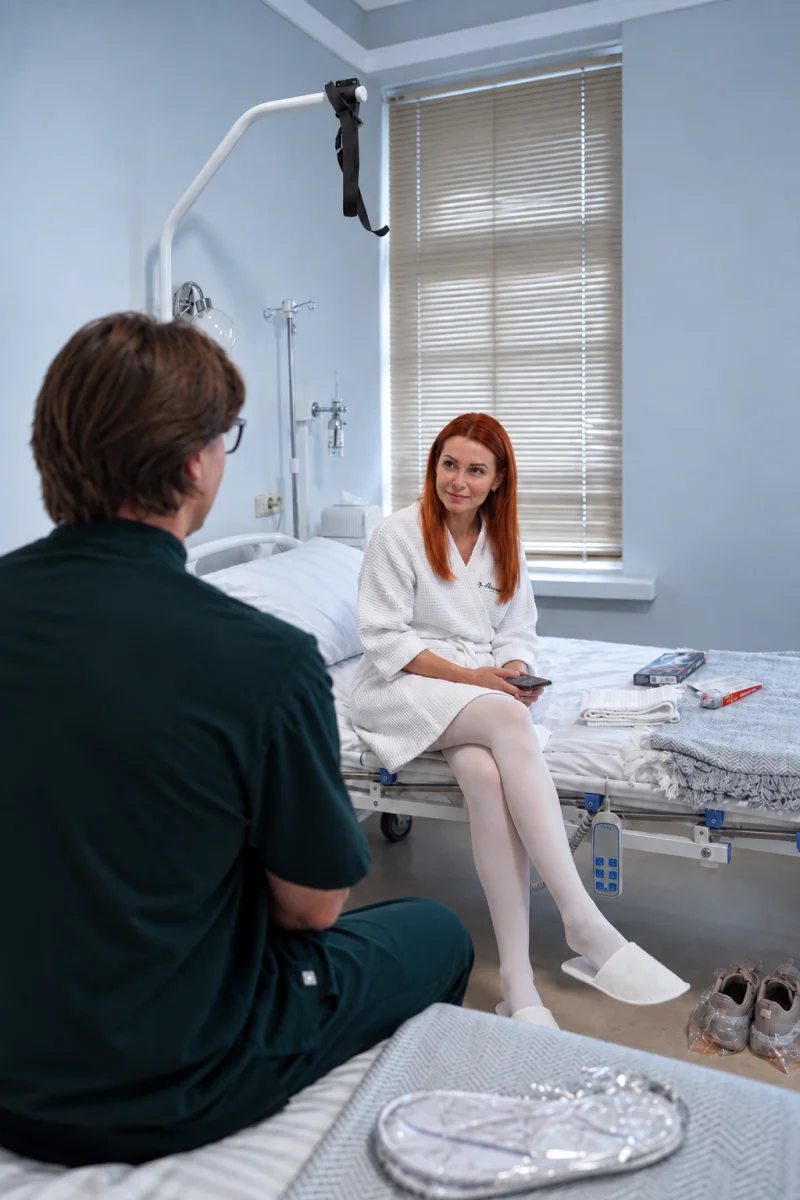
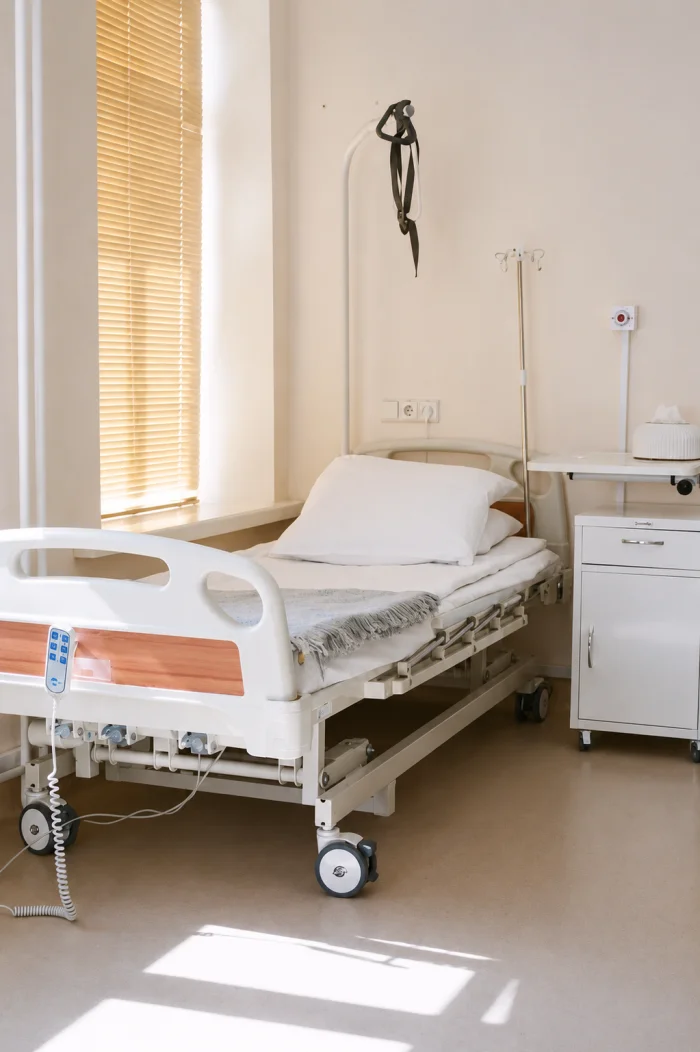
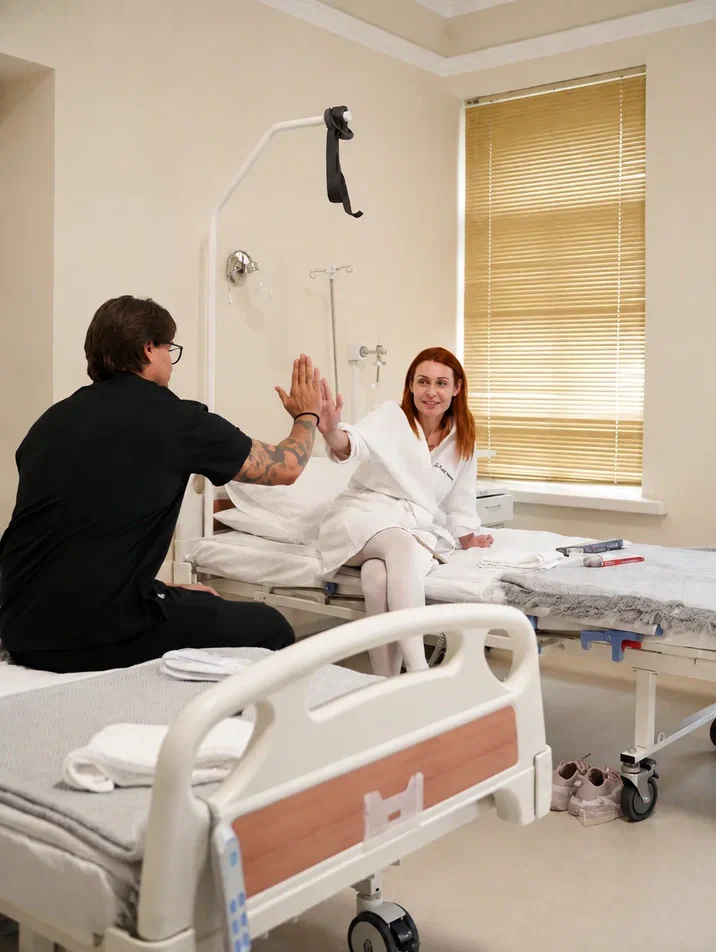
After the operation you remain in the clinic's comfortable inpatient ward, cared for by the medical team until you are discharged.
 6
You get a personal recovery programme after the operation. Follow-up visits at 7 days, 3 and 6 months monitor healing; for a year, surgeon consultations are free of charge.
Before the operation, discontinue aspirin-containing drugs, steroids and hormonal therapy for chronic conditions
Hormonal birth control pills must be discontinued a month or more before surgery
Take your tests a week before surgery
Ahead of surgery, take a few simple steps: balance work and rest, get more sleep, steer clear of stress, anxiety and strong emotions, and cut back on physical activity.
Up to 40 days without intense gym workouts or overly active aerobics; after a month you can try light cardio. Stay mindful of your diet and meals.
After 3 weeks, post-op swelling disappears
Discomfort goes away after 3 months
Scars take shape within 3 weeks
Avoid physical exertion (lifting over 3 kg)
Within 3 months, inflammation in the tissue fully resolves and a “pocket” takes shape around the implant
Post-correction recovery means wearing compression garments for 1–1.5 months
No lifting arms above shoulder height — 3 weeks
Stay away from baths and saunas for up to three months; no physiotherapy
Doctors
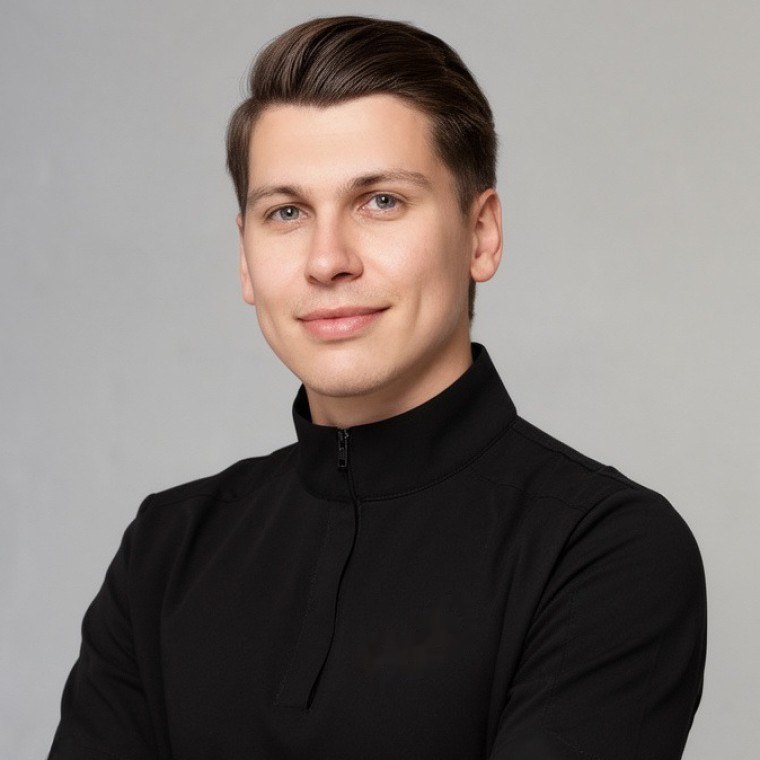
7 years of experience
Plastic surgeon
Underwent residency in plastic surgery at the Petrovsky National Research Centre of Surgery. Specializes in breast and body surgery, aesthetic and reconstructive.
At the consultation you talk to the surgeon who will operate
A plastic surgeon with experience who takes care of patients' health and beauty
Book a consultationAdvantages
During the consultation we discuss your wishes and model the planned changes. The surgeon explains what surgery can achieve, so you know exactly what result to expect.
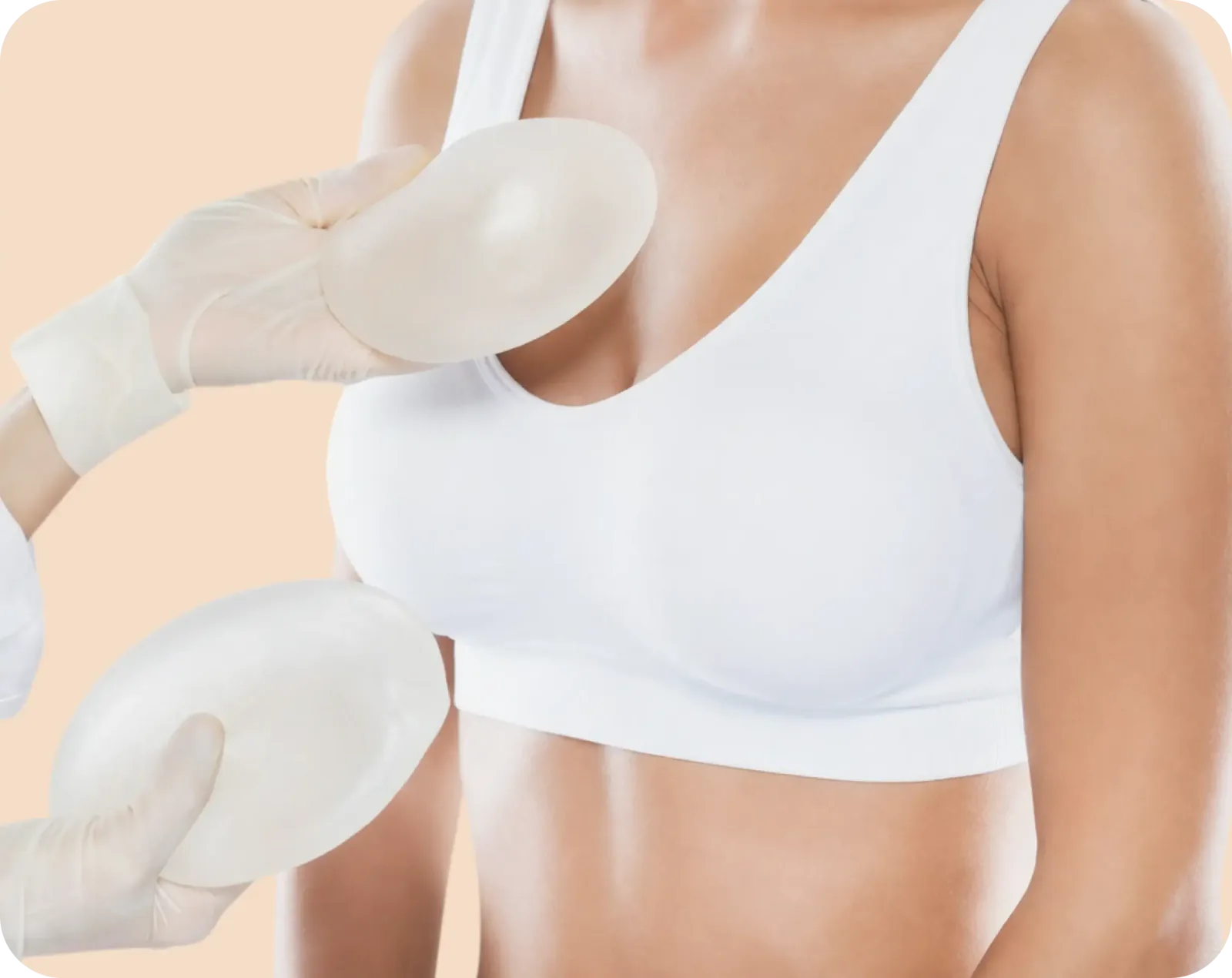
Your surgeon follows your recovery and the changes in your breast shape for a full year; check-ups and dressings are included in the price.
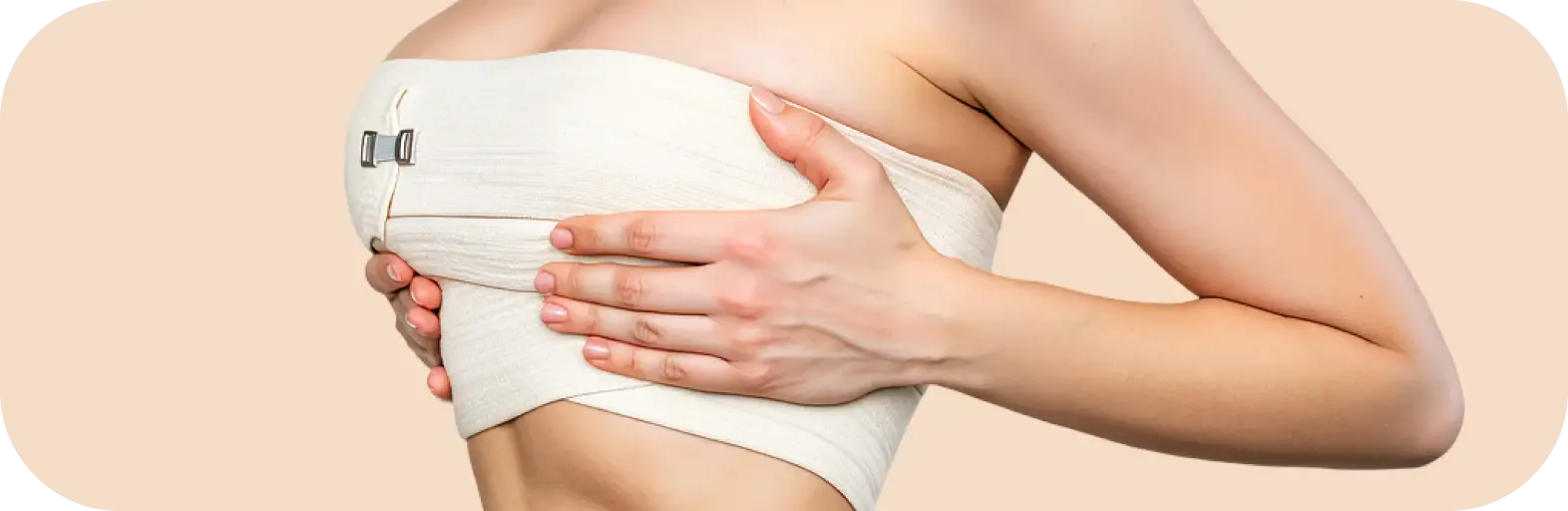
Your anatomy and wishes determine the shape, volume and correction method. In breast augmentation the implant size and profile are picked individually.
We respect your time: we work 24/7, with easy booking and a personal approach — we adapt to your pace.
After the consultation the surgeon determines the scope of correction, and you receive a clear price for the surgery with no surprises along the way.

You begin your recovery in a comfortable ward under constant nursing supervision; the stay and meals are included in the price.
FAQ
Mammoplasty brings together several procedures: augmentation (implants to add volume), reduction (removal of surplus tissue and skin), mastopexy (lift for sagging breasts), reconstruction (after mastectomy) and asymmetry correction. The most suitable method is selected individually, guided by your wishes and the surgeon's advice.
Message us — our coordinator will get back to you shortly and book your consultation. The plastic surgeon consultation is free.
As long as all recommendations are kept, complications are rare. Among the possible ones: hematoma or seroma, wound infection, reduced or increased nipple sensitivity, capsular contracture, aesthetic asymmetry, wound separation and tissue necrosis.
The effect of mammoplasty lasts for years: about 10–15 years after augmentation (until the implants are replaced) and 5–10 years after a lift or reduction. Duration depends on weight, pregnancy, skin aging and gravity. Supportive underwear and a stable weight help the result last.
Breastfeeding after mammoplasty is determined by the type of surgery. Augmentation through an under-breast or armpit incision, with the implant under the muscle, usually preserves lactation, since the glandular tissue is left undamaged. The risk is higher after a lift or reduction because ducts may be cut. Talk to your surgeon about it in advance.
Choosing an implant takes into account the material (silicone looks the most natural, saline is used less often), shape (round or anatomical teardrop), surface (smooth or textured), size and profile. Your surgeon will select the best option for your anatomy and wishes.
Because the operation is done under general anesthesia, the patient feels no pain. The first 1–3 days may bring moderate discomfort, eased with painkillers. By day 5–7 the pain is much milder, and by weeks 2–3 the discomfort disappears. Let your doctor know immediately if pain is severe.
You may go back to work (with no physical exertion) after 7–14 days, take light walks after 1–2 weeks, and do fitness and swimming after 4–6 weeks. Strength training is allowed after 3 months, pool and sea after 4–6 weeks. Compression garments stay on for 4–6 weeks. Timing depends on your recovery.
No scientific evidence shows that mammoplasty raises the risk of breast cancer, and implants do not cause cancer. After surgery, continue regular screening with self-exams, mammography and ultrasound, and always tell the examining doctor that you have implants.
Mammoplasty after a C-section is possible, but only once your body has fully recovered. Allow at least 6–12 months after giving birth and after breastfeeding stops. A consultation and check-up with a surgeon are required before surgery.
Scars after mammoplasty are unavoidable, but with a skilled surgeon they stay minimal. Incisions are made in hidden places, namely under the breast, around the areola or in the armpit. Scars look reddish during the first months, but within 6–12 months they fade to almost invisible.
Mild asymmetry soon after surgery is normal during the first weeks and is caused by swelling and uneven healing. If shape or size remains different after 3–6 months, your surgeon should examine you to establish the cause.
A temporary decrease or increase in nipple and breast sensitivity is possible after mammoplasty, caused by irritated nerve endings. Most of the time sensitivity returns within 3–12 months. If it has not improved after one year, see your surgeon.
Hormonal medicines (contraceptives, hormone replacement therapy) do not directly affect implants but may trigger swelling or changes in breast tissue volume, which temporarily affects appearance. You must tell your surgeon about such drugs before the operation.
Prices are in US dollars; the amount in brackets is an approximate conversion to NGN at the rate of 02.10.2026. The final price is fixed in your contract.
Prices start from $4,700 (≈ ₦6,300,000). The surgeon sets the final price at the free consultation, and it is fixed in the contract, with no hidden extras.
The surgical team's work, anaesthesia, the inpatient stay with meals, dressings and follow-up visits for twelve months.
Message us on WhatsApp or Telegram using the buttons below. A coordinator will answer your questions and book a free consultation where the doctor names the exact price.
By messaging us, you agree to our Privacy Policy
Some patients want a modest change, others a noticeable one; both are possible with implants. Breast enlargement for Yola residents means an individually planned operation in which the surgeon selects implant type and placement. There is no scientific evidence that mammoplasty raises breast cancer risk, and implants do not cause cancer, though regular screening should continue afterwards.
Before the operation, a healthy balance of work and rest helps: sleep more, avoid stress and reduce physical activity for 1–2 months. Afterwards, avoid lifting over 3 kg and intense gym workouts for about 40 days; light cardio becomes possible after a month. Within three months the tissue settles and a pocket forms around the implant. Clear guidance is given to every Yola patient.
Breast augmentation costs from $4,700 (≈ ₦6,300,000), and the price is all-inclusive. For patients from Yola, it covers a personal consultation with result modelling, an experienced medical team, combined inhalation anesthesia, comfortable inpatient rooms, 24/7 monitoring, meals, personal support before and after surgery, and dressings plus check-ups for a full year. Start with a free consultation by leaving a request.
What patients write after this operation. Reviews are translated from the original language.
Anna Smirnova
I went to Dmitry Sergeyevich for breast augmentation with implants. At the consultation everything was explained in detail, and together we chose the best size. The operation under combined anaesthesia took 2 hours, and I was discharged home the next day. The swelling went down in about a month, and my breasts look very natural. The year of follow-up care is a real lifesaver: you can always ask a question and get an answer. Thank you to the clinic!
Breast augmentation
Doctor: Dmitry S. Kuznetsov
Ekaterina Morozova
After two births I decided on a breast lift without implants. I chose Dmitry Sergeyevich and have no regrets. The result exceeded all my expectations: my breasts are lifted and the shape is youthful and firm. The incisions are minimal and almost invisible. I spent one day in the hospital, and the room was very comfortable. I recommend him!
Breast lift
Doctor: Dmitry S. Kuznetsov
Olga Kuznetsova
I had a combined operation, a breast lift with augmentation, with Dmitry Sergeyevich. At the consultation it was immediately clear that I was in the right place. Everything is included in the price, with no hidden charges. After a month my breasts already feel soft and natural. Personal follow-up after the operation is very valuable.
Breast lift with implants
Doctor: Dmitry S. Kuznetsov
Maria Lebedeva
Breast augmentation from a size 3 to a size 4 with Dmitry Sergeyevich. He chose perfect anatomical implants. The operation took 2 hours, and I woke up with almost no pain. In the ward I was fed and monitored around the clock. Four months have passed and the result looks like a magazine cover.
Breast augmentation
Doctor: Dmitry S. Kuznetsov
Natalia Vorobyova
I went to Dmitry Sergeyevich to correct breast asymmetry with a small lift. A true professional: at the consultation he immediately showed before-and-after photos of similar cases. Recovery was easy and the swelling went down quickly. I had my check-up after just 7 days. An excellent clinic!
Breast reconstruction
Doctor: Dmitry S. Kuznetsov
Yulia Romanova
I had a lift with implants after losing a lot of weight. I chose Dmitry Sergeyevich. At the consultation everything was explained in simple words, and my fears were gone. One day in the hospital, then care at home. Now my breasts look natural and keep their shape. I am very happy!
Breast lift with implants
Doctor: Dmitry S. Kuznetsov
Yola is the capital and administrative centre of Adamawa State in Nigeria, on the Benue River. Its name comes from the Fulfulde word for a 'Great Plain' or 'Vast Plain Land'. The city has two parts: the old town of Yola, where the Lamido of Adamawa resides, and the newer Jimeta, about 5 km to the north-west, which is the administrative and commercial centre. The city had a population of over 392,854 as of 2006.
For a woman in Yola, thinking about breast augmentation usually starts with practical questions rather than with the operation itself. How will it fit around work in Jimeta or in the old town? Who will help at home in the first days? How will recovery coincide with the heat and the rainy season? A good plan answers each of these before a date is chosen.
Patients from Yola use a free online consultation. You do not need to arrange anything in person to begin: you describe your wishes, send your questions, and a coordinator answers on Telegram or Telegram. Coordinators are available around the clock, 24/7, which suits women who can only write in the evening after work or between family duties.
Yola has a tropical savanna climate that borders on a hot semi-arid one, with a dry season and a wet season. The temperature is warm all year. March has the highest average high, 42.8 °C, and April has the highest average low, 27.0 °C. August and September have the lowest average high, 31.3 °C, and December has the lowest average low, 16.9 °C. The hottest weeks come in March and April, just before the rains.
Heat matters after breast augmentation because the body is already dealing with swelling. Compression garments stay on for 4–6 weeks, and after a correction recovery involves 1–1.5 months of compression garments. In a very hot spell a garment feels warmer and heavier, so women in Yola should plan light cotton clothing over it, fans or cooled rooms, and enough fluids. The skin under the garment should be kept clean and dry, and any irritation should be reported to the surgeon.
The sun is another consideration. Yola receives 2,845.5 hours of sunshine a year, well distributed through the months, with November the sunniest and August the least sunny. Fresh scars are reddish at the beginning and fade over 6–12 months, so it is sensible to keep the chest covered from direct sun in the early period and to ask the surgeon about scar care.
The wet season runs from May to October, and the dry season takes up the rest of the year. No precipitation falls from December to February. Humidity is low in the dry season, dropping to just 13.5% in February, but it can get quite humid in the wet season, especially from July to September. August is the wettest month, with 196.1 mm of rain on average over 16 precipitation days.
For many patients the dry months of December to February look the most comfortable for a period in compression garments: lower overnight temperatures, no rain and dry air. March and April bring the highest temperatures, so a patient who plans surgery then should prepare her home for heat. Humid weeks from July to September are not a barrier, but they can make the garment feel stickier, and rain can make short walks less convenient.
The choice also depends on your calendar. Think about school terms, work deadlines, weddings and family celebrations. You may return to work, without physical exertion, after 7–14 days, and the garments stay on for 4–6 weeks. It is better to leave a free margin than to schedule the operation immediately before an event.
The surgery is done under general anaesthesia, so there is no sensation during the procedure. The stay is 1 day in one plan and 1–2 days in another, depending on your recovery. There is 24/7 monitoring by medical staff, and after the operation you get a recovery programme.
In the first 1–3 days you may feel moderate discomfort, which painkillers relieve. Pain subsides significantly by day 5–7, and discomfort is gone by weeks 2–3. If pain becomes severe, tell your doctor right away. Swelling goes away after 3 weeks, and in the early weeks slight asymmetry is normal because swelling and uneven healing are behind it.
For a woman living in Yola it helps to arrange the home before the operation: a comfortable place to rest, loose front-opening tops, water and light meals within reach, and a relative or friend who can help with children and housework in the first days.
Yola combines the administrative and commercial life of Jimeta with the traditional setting of the old town. Women who work in offices, shops, schools or trading may return to work after 7–14 days, provided the work involves no physical exertion. If your job involves carrying goods, lifting boxes or children, speak to the surgeon about timing.
The limits are clear: no heavy exertion, meaning lifting more than 3 kg, and no lifting the arms above shoulder height for 3 weeks. In everyday terms this affects carrying water containers or shopping bags, reaching to high shelves, hanging washing and lifting a small child. Ask relatives to take over these tasks and arrange the home so that the things you need are at waist height.
Light walks are possible after 1–2 weeks. Short walks in the cooler morning or evening hours are more pleasant in Yola than at midday, especially in the hot weeks before the rains.
Recovery goes more smoothly when meals are regular and simple. Monitor your diet and meals, and keep an eye on your weight, because weight changes affect how long the result lasts. After the operation choose light, balanced dishes, enough water, protein and vegetables, and avoid heavy meals that leave you sluggish in the heat.
Family gatherings and celebrations in Yola often involve generous meals. In the first weeks it is wise to eat in moderation and to avoid standing for long hours helping with the cooking, which can mean lifting heavy pots. Let others take over the heavy work.
Weight matters in the long term. The World Health Organization treats overweight and obesity as a health topic in its own right. For a woman with implants, a large change in weight can alter the look of the breast, so a stable weight supports a steadier result.
Active women in Yola often ask when they can exercise again. Light walks come after 1–2 weeks. Fitness and swimming come after 4–6 weeks, and pool and sea are allowed after 4–6 weeks. Strength training is allowed after 3 months. For as long as 40 days, stay away from intense gym workouts and overly active aerobics; light cardio is possible after a month. Timing depends on your recovery.
In 3 months any inflammatory changes in the tissue disappear and a 'pocket' forms around the implant. Discomfort fades after 3 months. Breast and nipple sensitivity may change for a time, going down or up, and in the majority of cases it is restored within 3–12 months. If nothing has improved after a year, consult your surgeon.
Results after augmentation last a long while: about 10–15 years, until implant replacement. Weight changes, pregnancy, skin aging and gravity affect the duration. To maintain the result, choose supportive underwear and control your weight.
In general terms, candidates are healthy adult women who want a fuller breast and have realistic expectations. Contraindications are decided individually after a consultation and check-up. Pregnancy and breastfeeding are reasons to wait. Mammoplasty after a C-section is possible, but only once your body has fully recovered: allow at least 6–12 months after giving birth and after breastfeeding stops.
Prepare your questions in advance. Ask where the incisions will be: they go in discreet areas, such as under the breast, around the areola or in the armpit. Ask how the scars will look: early on they are reddish, but over 6–12 months they fade and are almost unnoticeable. Ask about the implant, the anaesthesia, the stay, the garment and the planned check-ups.
Ask also about follow-up. After surgery you get a recovery programme, with check-ups at 7 days, 3 and 6 months. For a year after surgery, consultations with your surgeon are free, and follow-up support lasts 12 months. If shape or size still differ after 3–6 months, see your surgeon to find the reason.
Yola was founded in 1841 by Modibbo Adama, a local Fulani chief recognised as a Muslim scholar who could lead the people of the Upper Benue area during the movement of Shehu Usman Dan Fodio. The old town is where the Lamido of Adamawa resides, while Jimeta, a short distance to the north-west, is the commercial and administrative centre. A woman living in the old town and one living near the Jimeta markets have quite different days, so her recovery plan should differ too.
If you live in the old town, your first weeks may be shaped by family and neighbours who visit often. Decide in advance who will be told about the operation and who will simply be told that you are resting. Visitors who stay long, or who expect you to serve food and drinks, tire a person who must avoid lifting more than 3 kg and keep the arms below shoulder height for 3 weeks. A relative can act as a gatekeeper at the door.
If you work in Jimeta, the question is the daily movement between home and work. Buses and taxis are the usual means of getting around in a state capital, and a crowded vehicle is not a good place for a person with fresh swelling. Back at work after 7–14 days, with no physical exertion, many women prefer to arrange a quieter way of getting there for the first weeks.
Yola lies on the Benue River and spreads across a hillside, built on a level sandstone ridge. To the north are the Mandara Mountains, and to the south the Shebshi Mountains and Mount Dimlang, also known as Vogel Peak. The city is also an access point to Gashaka Gumpti Nature Reserve, the Mambilla Plateau, the Yadin Waterfalls and the Kiri Dam on the Gongola River.
These places are tempting for a weekend outing, but they belong to a later stage of recovery. In the first weeks, walks should be short and flat, and the Benue riverside in the cooler hours is a gentler choice than any climb. Hill walking, carrying a bag uphill and long days in the sun can wait. Fitness and swimming come after 4–6 weeks, and strength training after 3 months.
River and waterfall swimming deserves special care. Pool and sea are allowed after 4–6 weeks, and the same wait applies to any open water. Natural water cannot be kept as clean as a pool, and a healing wound should not be exposed to it. Ask your surgeon when the scars are ready.
Yola is a city of learning. It is home to the American University of Nigeria, Adamawa State Polytechnic, the Modibbo Adama University, formerly the Federal University of Technology, about 10 km north of the city on the road to Mubi, and one of the campuses of the Nigerian Law School. There are also secondary schools such as the Federal Government Girls College, Ahmadu Ribadu College and Concordia College.
For a student, the calendar of lectures and examinations is the first thing to check. Sitting for hours in a lecture hall is possible once you return to work or study after 7–14 days, but carrying a heavy bag of books is not, because lifting more than 3 kg is off limits. A rucksack with a full laptop and textbooks can easily go over that. Ask a classmate to carry your things, or use a lighter set for a few weeks.
For lecturers, teachers and lawyers, the board and the files are the difficulty. Writing high on a board means raising the arms above shoulder height, which you should not do for 3 weeks. Plan the operation for a period of reduced teaching or examinations, and tell your department only what you wish to share.
Jimeta has a market, and trading is a large part of the life of the city. For women who run a stall or help in a family business, the main difficulty is standing for long hours, handling stock and lifting. These tasks are physical, so an early return at 7–14 days applies only to work without exertion. A trader should arrange for someone else to move goods and to open and close the stall.
Yola has a long cattle tradition, and the economy of the area was built on farming and livestock. Meals with meat, rice and generous portions are central to hospitality. In the weeks after the operation, accept the invitation but eat lightly, keep to water or other plain drinks and avoid heavy dishes in the heat. Monitor your diet and meals, as weight changes affect how the result looks later.
The annual horse-riding durbar at the Lamido's Palace is a big event for the city. Crowds, pushing and long standing in the sun are poor companions for early recovery. If the durbar falls within your first weeks, consider watching with family from a shaded, seated place, or plan the operation so that the event comes after the 4–6 weeks of compression garments.
You write to the coordinators on Telegram or Telegram from your phone. They collect your questions, your history and photos if required, and arrange a free online consultation with a surgeon. Because coordinators work 24/7, you choose a time that suits you, and a coordinator will call you back 24/7.
During the consultation the surgeon discusses your goals, your health, previous pregnancies and operations, and the realistic options. You can ask about recovery in the heat, the garment and the timing around your work. Nothing is decided in a hurry: our personal approach adapts to your pace.
After the consultation you can think it over at home, talk with your family and return with further questions. A good decision is an informed one.
Yes. The online consultation is free, and coordinators answer on Telegram and Telegram around the clock, 24/7.
General anaesthesia is used, so there is no sensation during surgery. The stay is 1 day or 1–2 days, with 24/7 monitoring by medical staff.
You may go back to work, with no physical exertion, after 7–14 days. Timing depends on your recovery.
Compression garments stay on for 4–6 weeks. In hot weeks wear light cotton clothing over them, keep the skin clean and dry, drink enough fluids and report any irritation to your surgeon.
Light walks are possible after 1–2 weeks. Fitness, swimming, pool and sea come after 4–6 weeks. Strength training is allowed after 3 months. Avoid intense gym workouts and overly active aerobics for as long as 40 days.
Avoid heavy exertion, meaning lifting more than 3 kg, and do not lift your arms above shoulder height for 3 weeks.
There are scars, though a skilled surgeon keeps them minimal. The incisions go under the breast, around the areola or in the armpit. They are reddish early on and fade over 6–12 months.
In the first weeks slight asymmetry is normal because of swelling and uneven healing. If shape or size still differ after 3–6 months, see your surgeon.
Breast and nipple sensitivity may change for a time. In the majority of cases it is restored within 3–12 months. If nothing has improved after a year, consult your surgeon.
Augmentation lasts about 10–15 years, until implant replacement. After surgery you get a recovery programme with check-ups at 7 days, 3 and 6 months, and follow-up support for 12 months.
The medical timetable is the same, but the practical plan differs. In the old town, manage visitors and household tasks. In Jimeta, plan a calmer way to reach work, since you may return after 7–14 days with no physical exertion.
Not in the early weeks. Keep to short, flat walks in the cooler hours. Fitness and swimming come after 4–6 weeks, and strength training after 3 months. Ask your surgeon before swimming in any open water.
Do not lift more than 3 kg, and do not raise your arms above shoulder height for 3 weeks. Use a lighter bag, ask a classmate to help and discuss your timetable with the coordinator.
It is better to wait. Compression garments stay on for 4–6 weeks, and crowds and long standing are tiring. If you attend, sit in the shade, eat lightly and avoid lifting.
Page medically reviewed by Dmitry S. Kuznetsov, plastic surgeon. Review date: .