











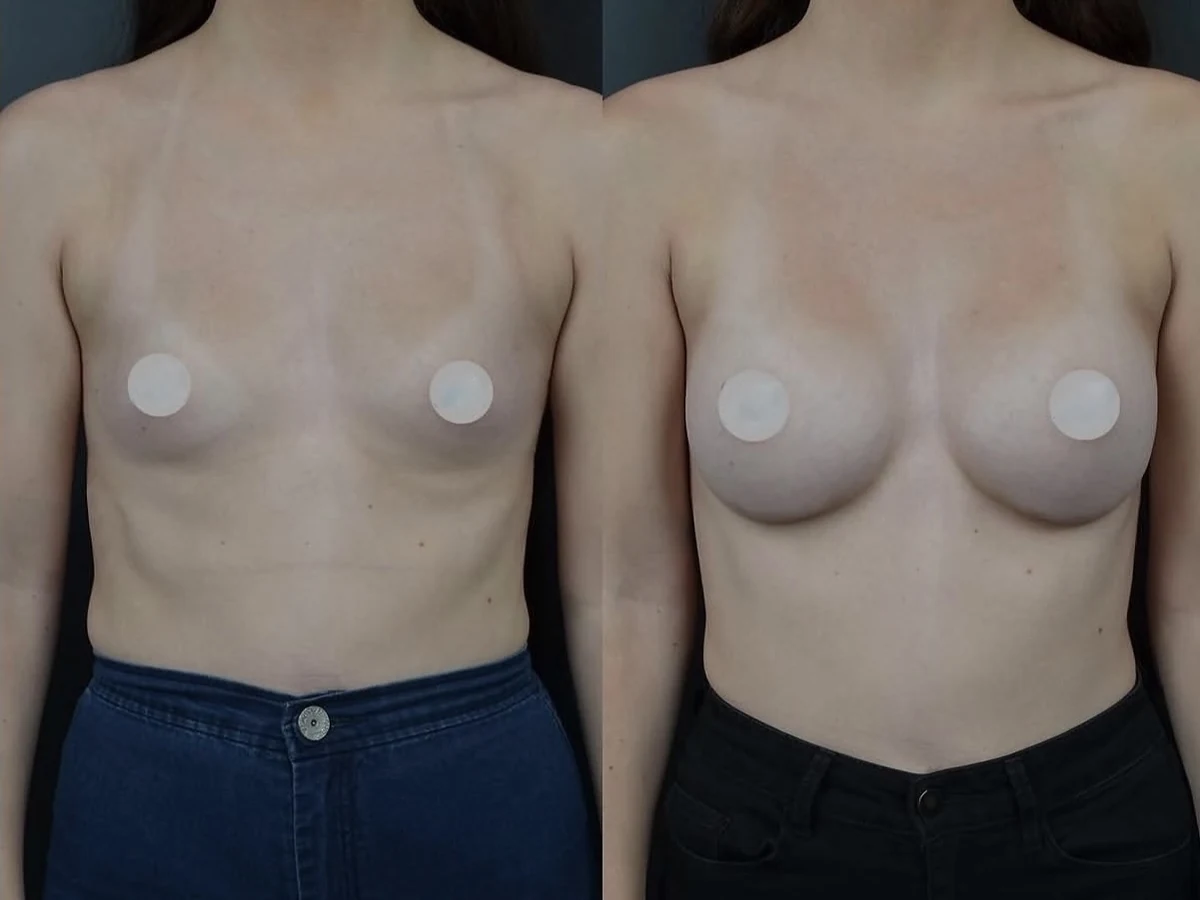
 beforeafter
Mammoplasty
Method: implants
Breast augmentation
$4,700
$5,900 · First consultation — Free
Free online consultation · Reply within 15 minutes
Message our coordinator
Free online consultation · Reply within 15 minutes
Message us on TelegramMessage us on WhatsAppBy messaging us, you agree to our Privacy Policy
Breast augmentation for patients from Dublin at City Medical Centre starts at €4,200 (from $4,700). The first online consultation is free; the doctor names the final price and it is fixed in the contract.
How it works · Breast augmentation prices
Information current as of 5 November 2026
Results
Each case belongs to a real clinic patient; faces and identifying details are not shown.
beforeafterMethod: implants
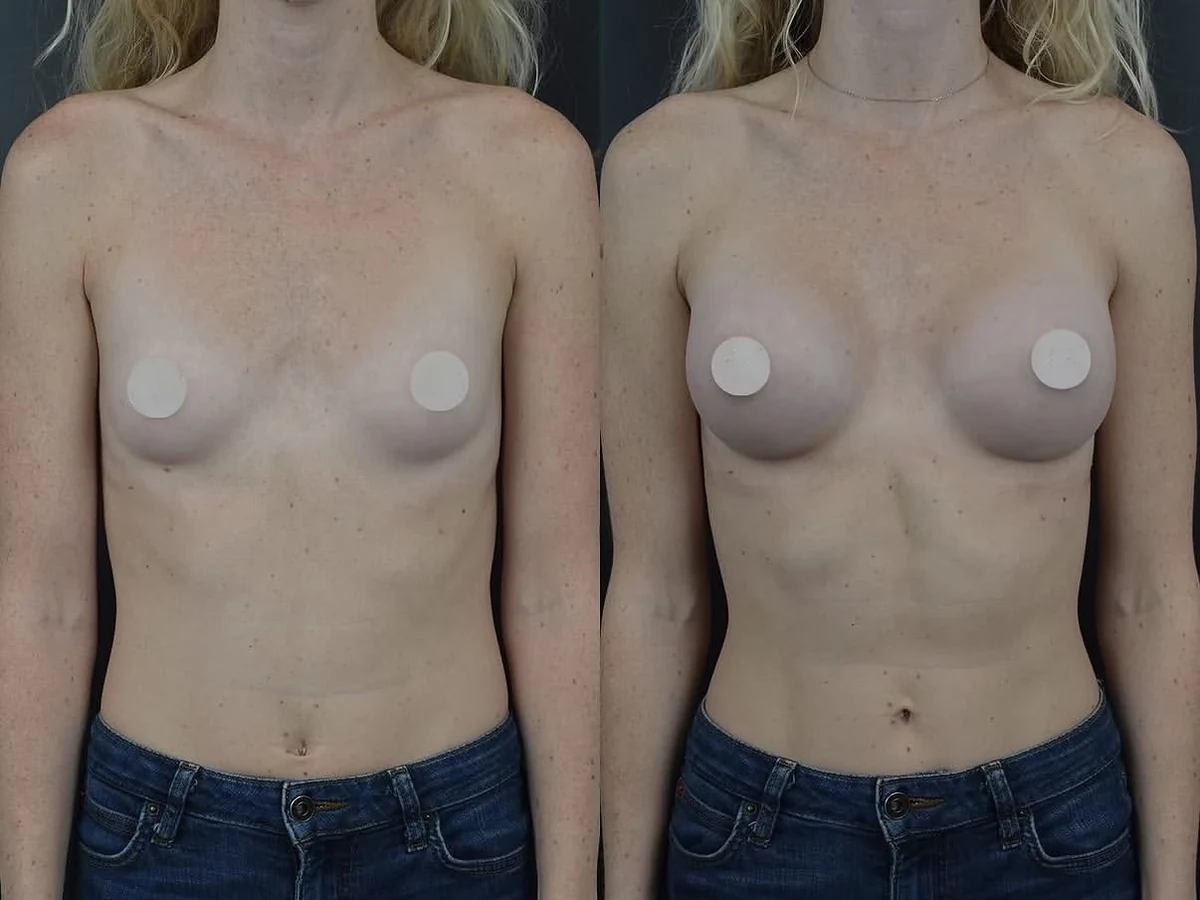 beforeafter
Method: implants
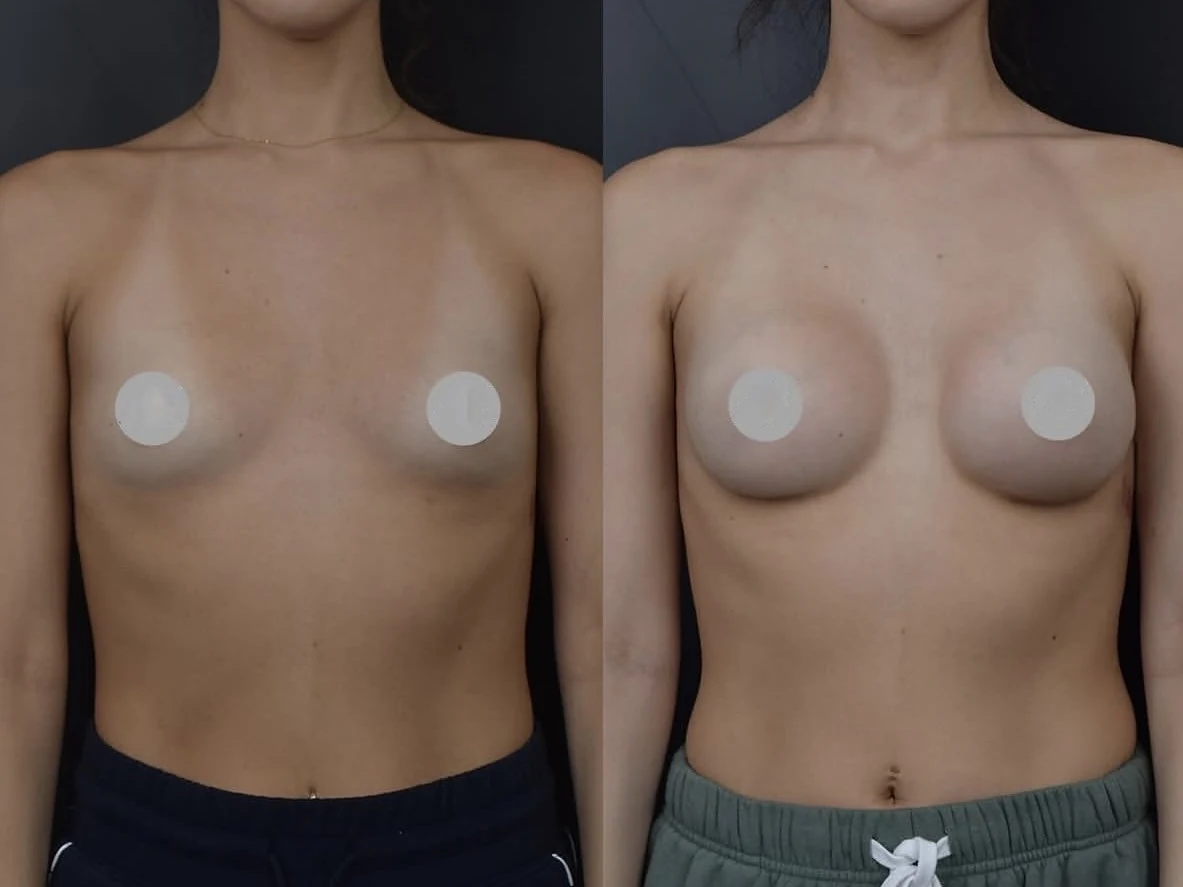 beforeafter
Method: implants
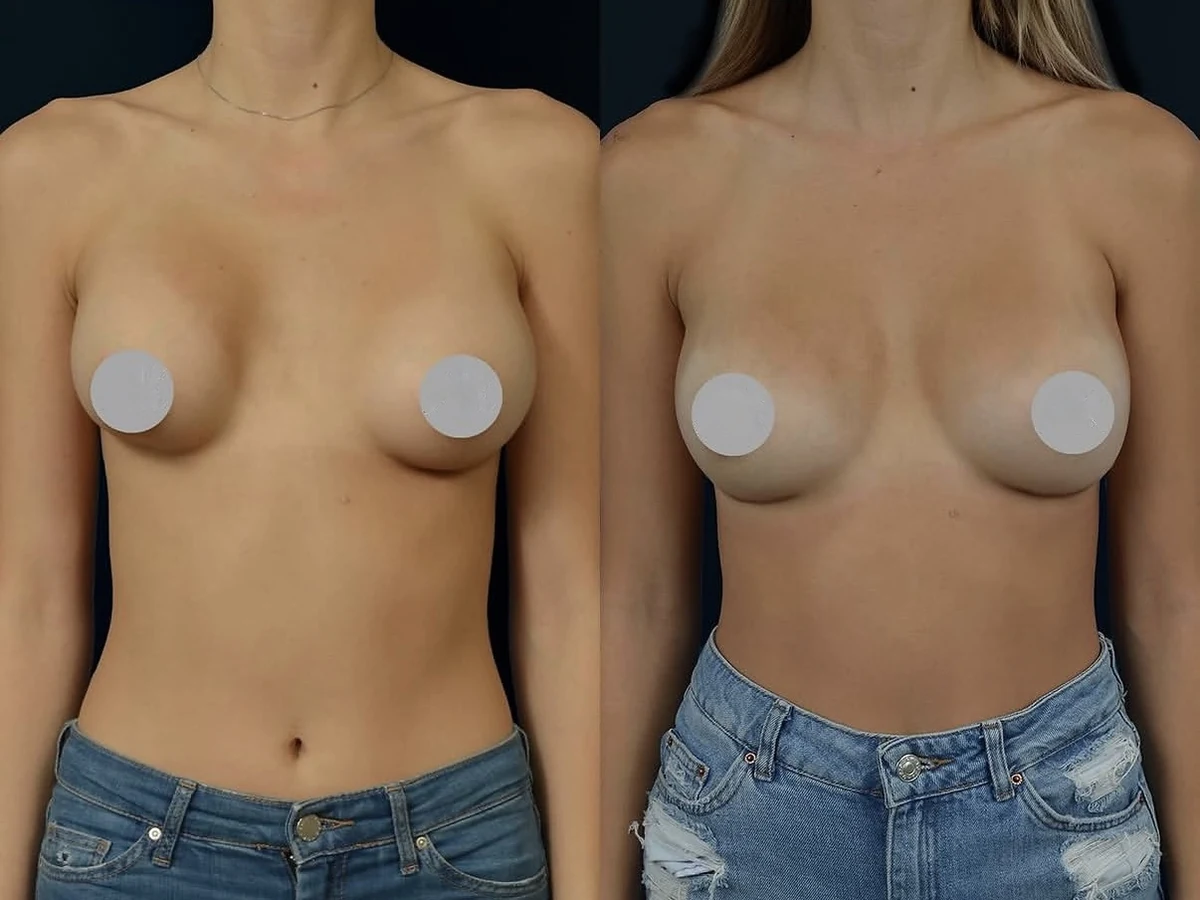 beforeafter
Method: implants
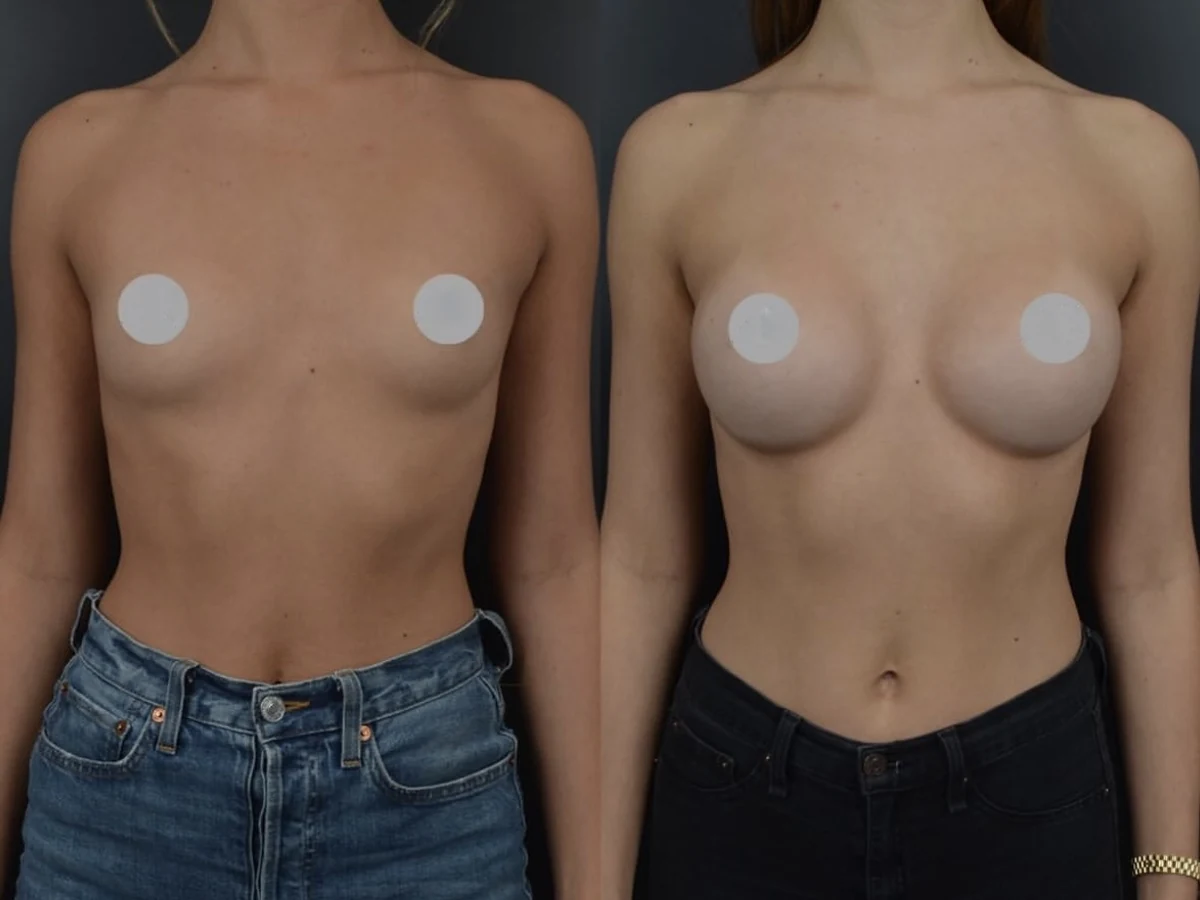 beforeafter
Method: implants
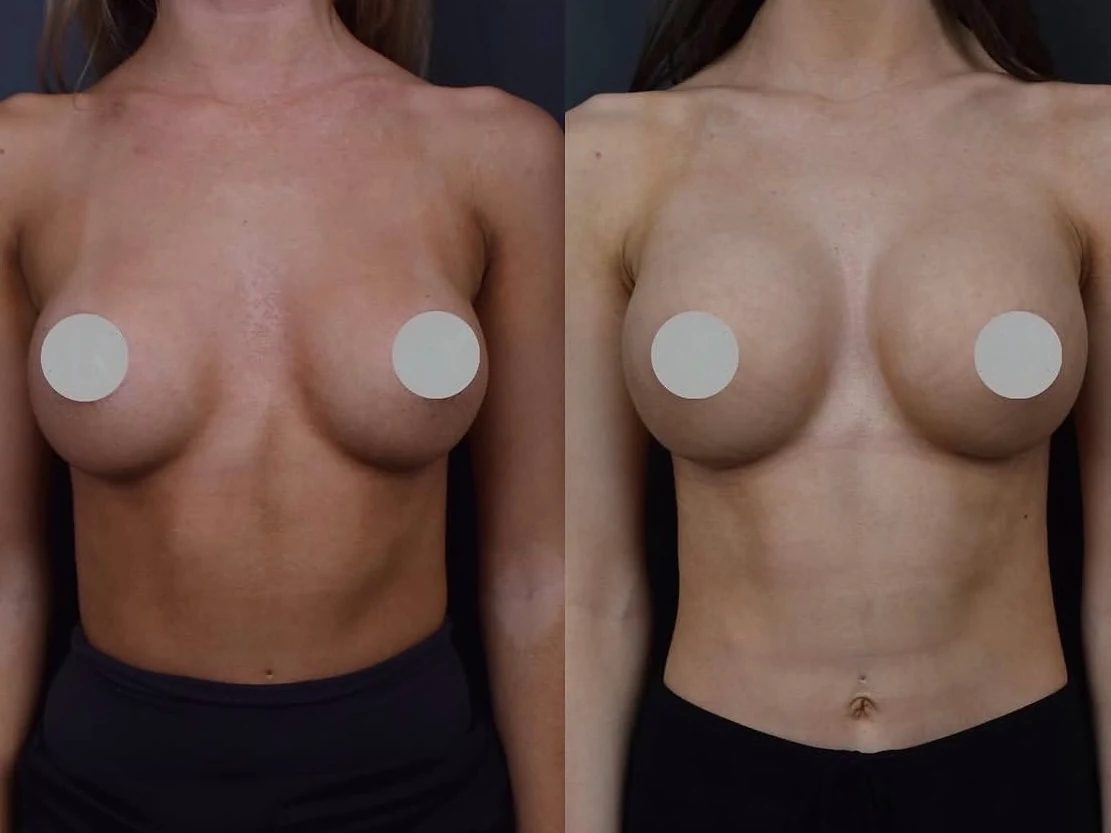 beforeafter
Method: implants
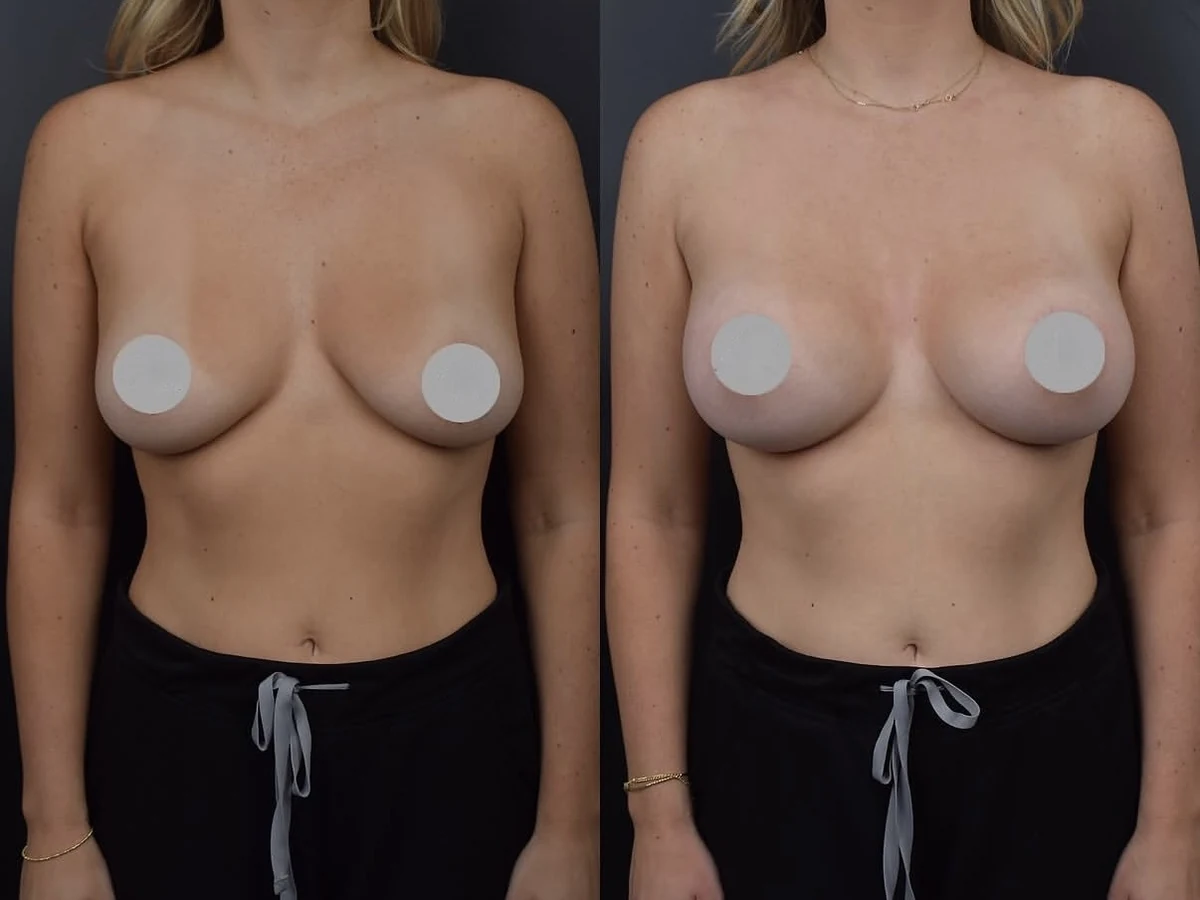 beforeafter
Method: implants
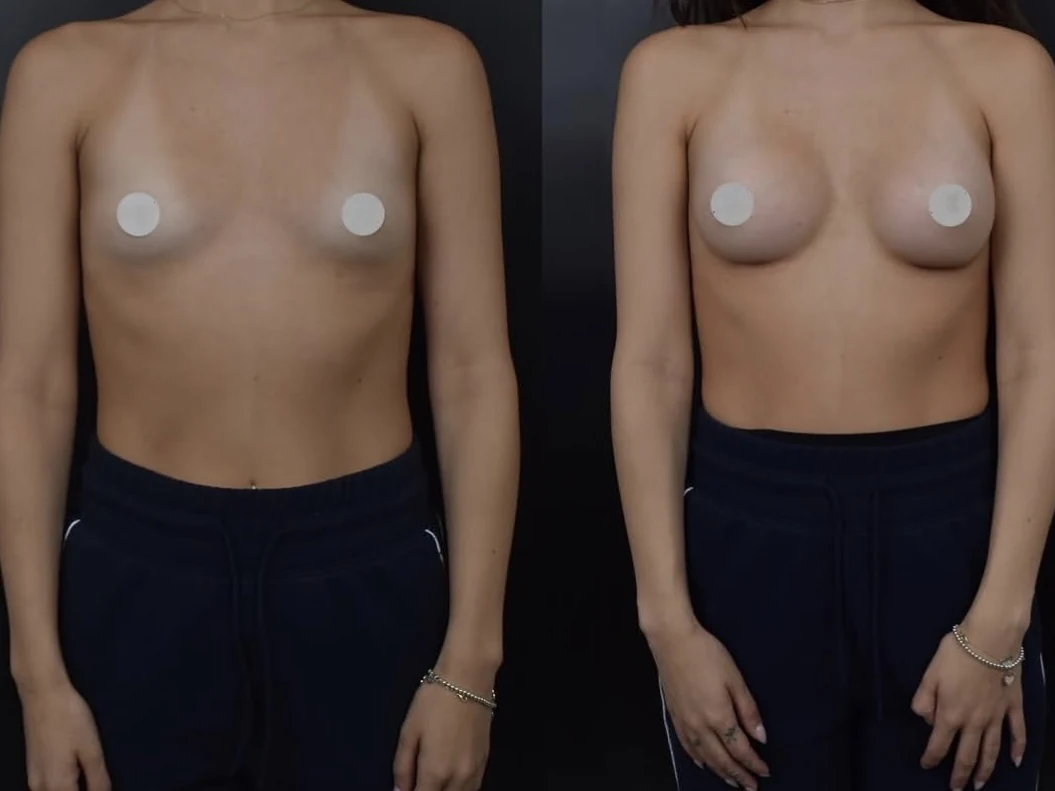 beforeafter
Method: implants
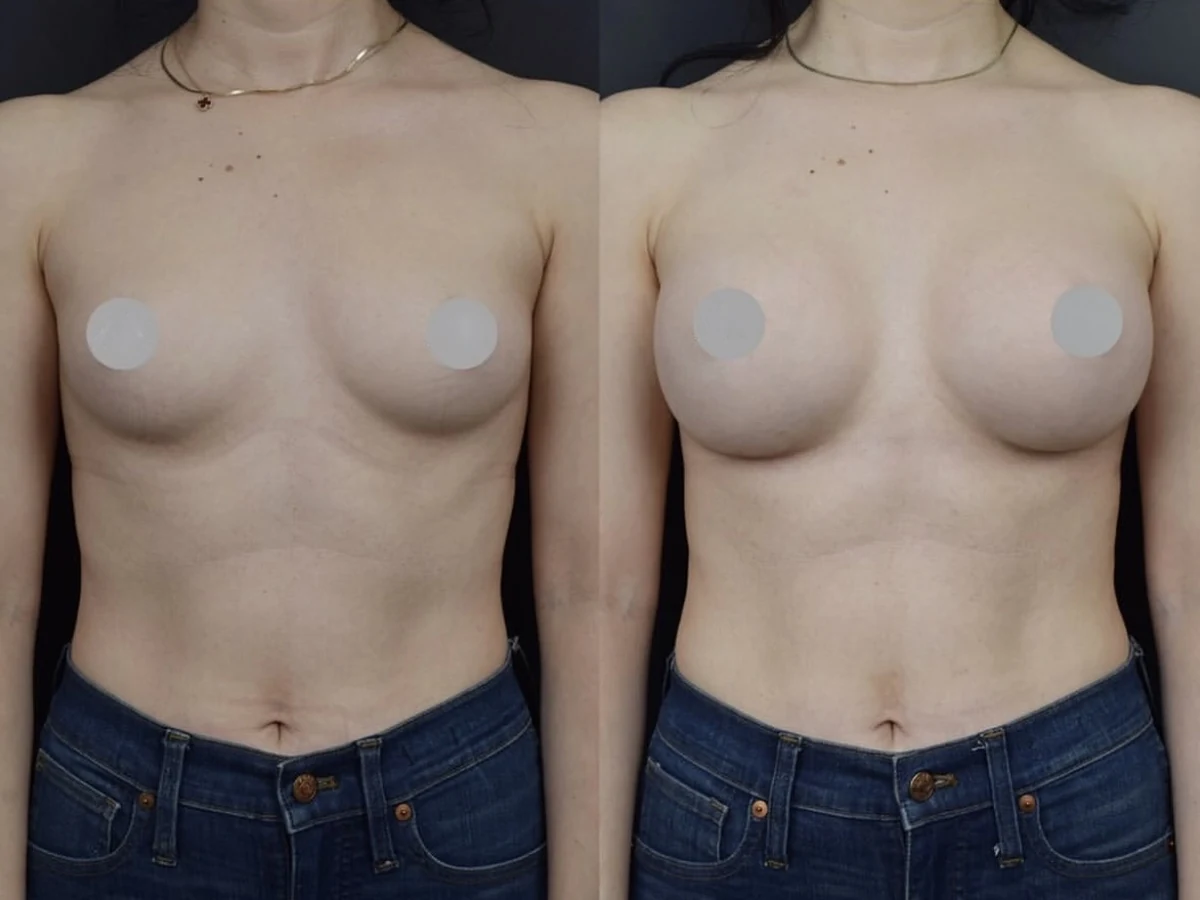 beforeafter
Method: implants
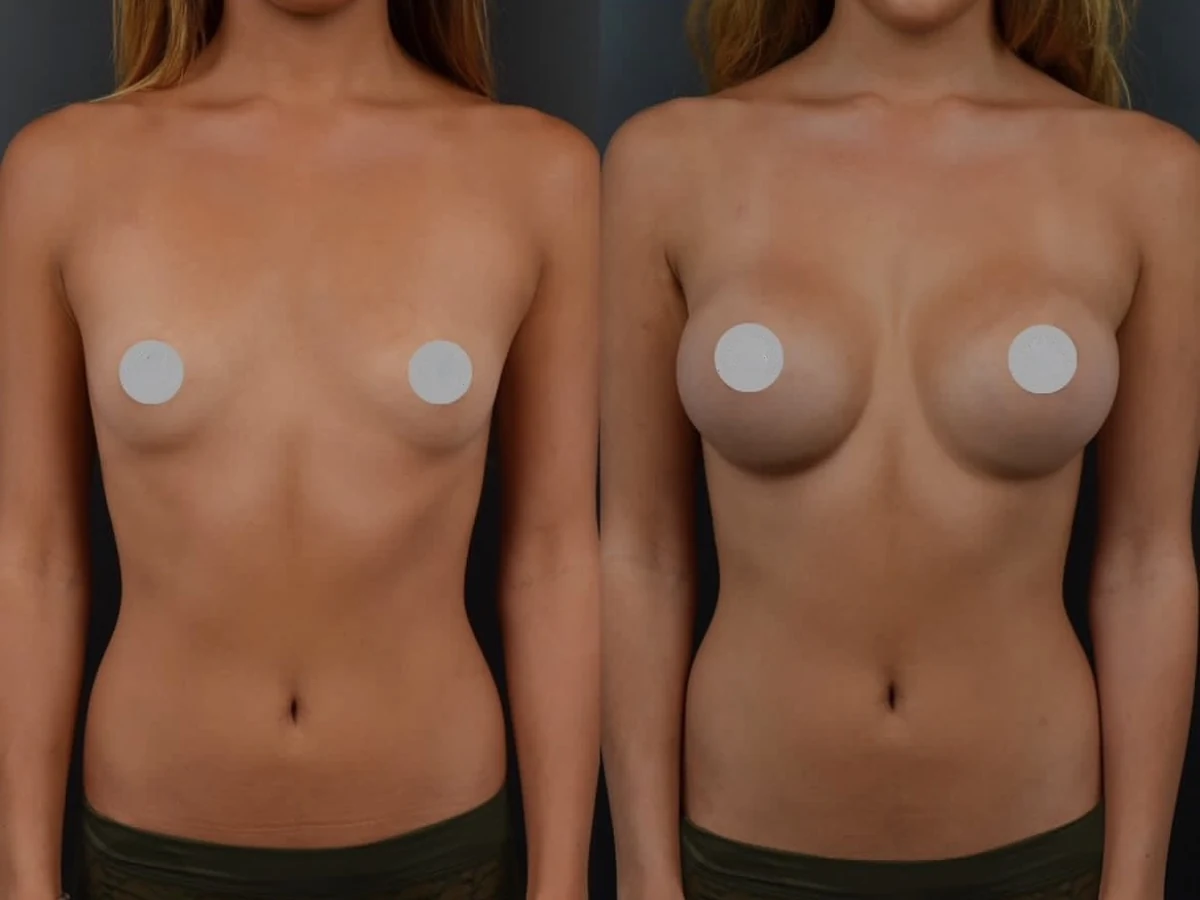 beforeafter
Method: implants
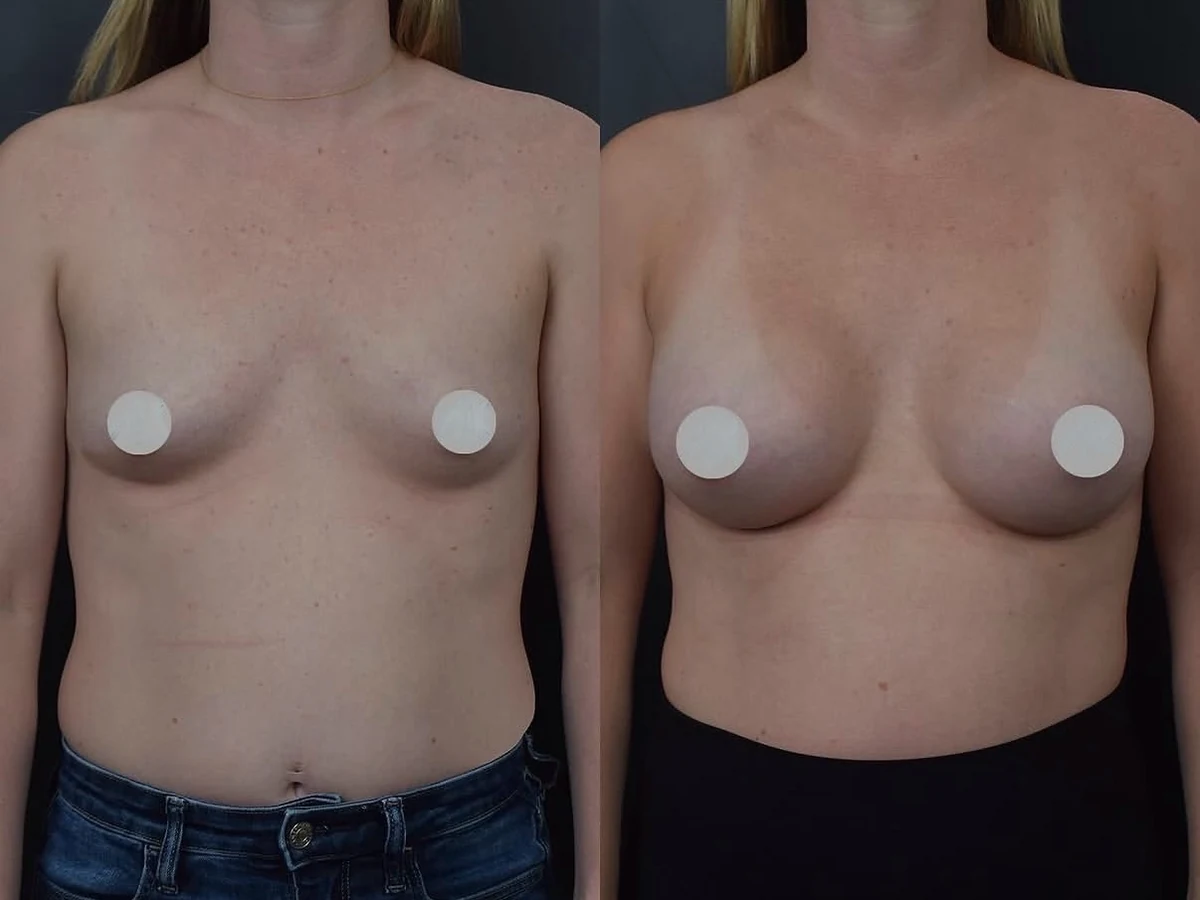 beforeafter
Method: implants
Comparison
Our surgeons use two main methods of breast correction — augmentation and reduction. See the goal, the precision and the indications of each to make an informed choice.
Size and shape correction with implants
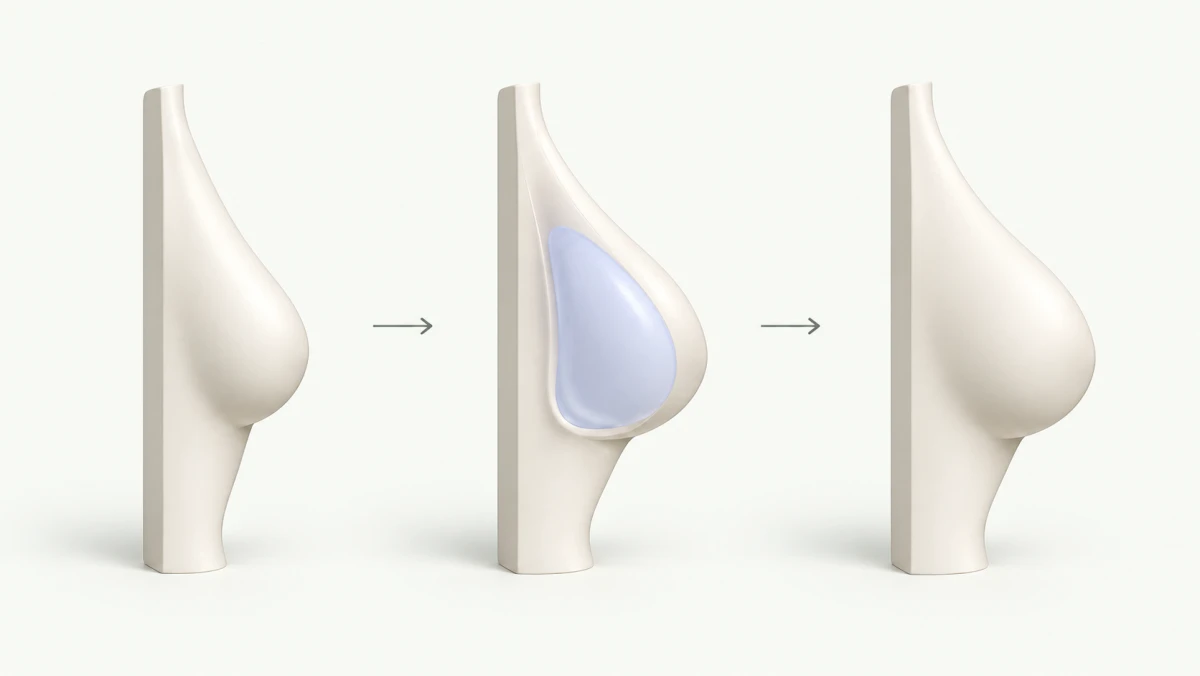
Discounted price
$4,700 $5,900
Correcting breast size by reducing volume and weight
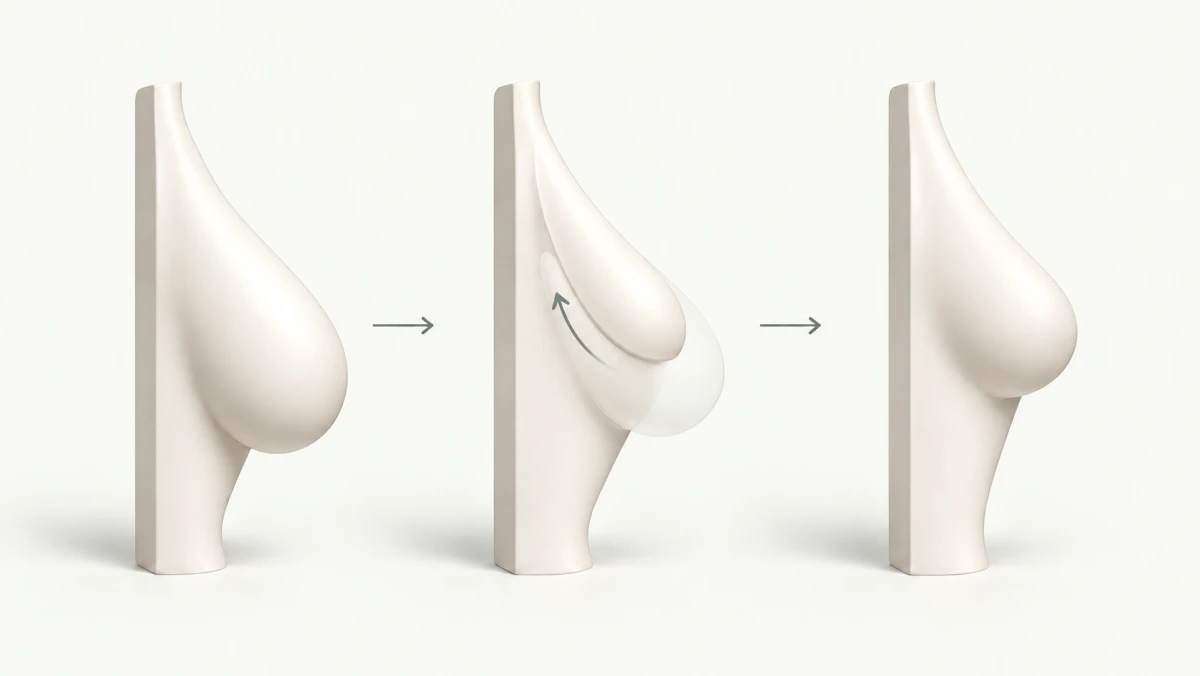
Discounted price
$4,700 $5,900
At the consultation the surgeon assesses the shape and proportions of your breasts, discusses your wishes and chooses the best mammoplasty option for you.
The consultation is free, before surgery and with no commitment.
Comparison
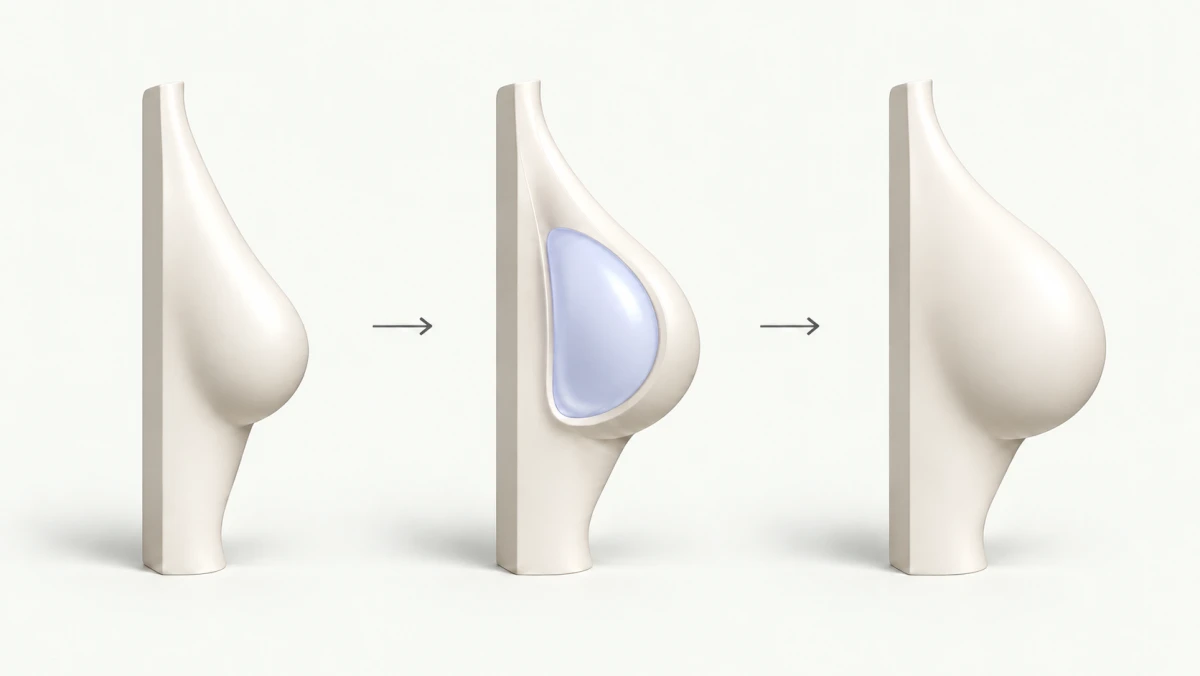
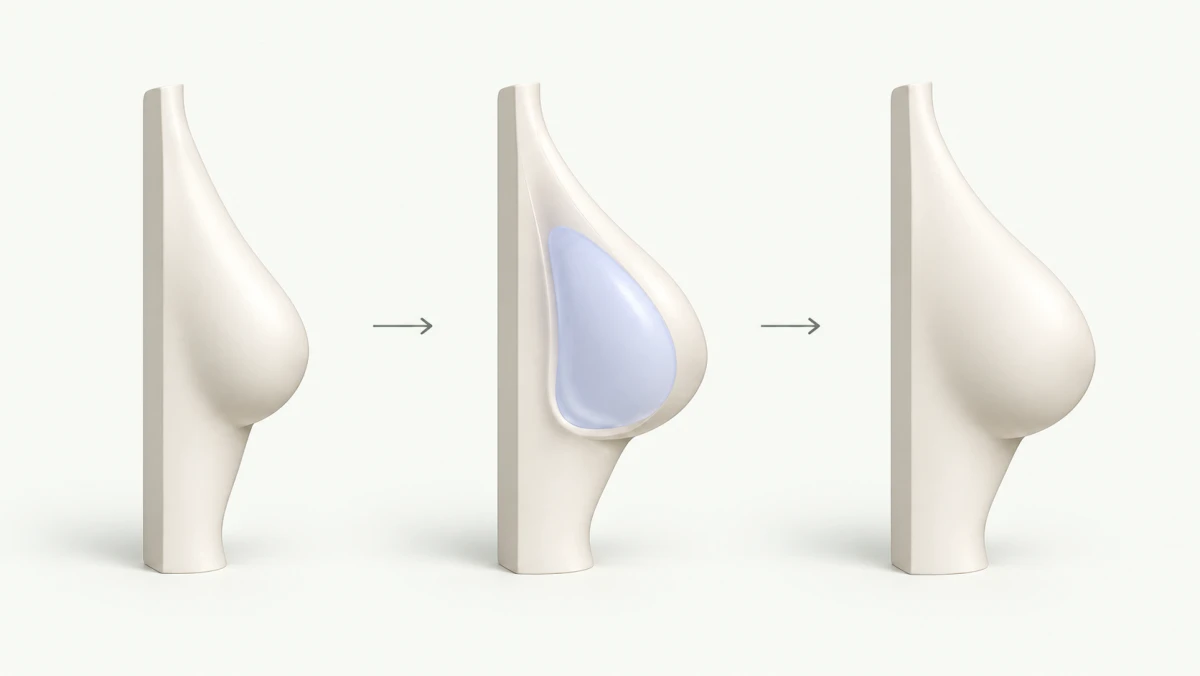
Round and anatomical implants are the two main types we work with. Each adds volume and corrects the shape, but the form and the final look differ.
Balanced volume and a fuller upper pole
A natural slope and a soft teardrop shape
The surgeon will help you choose the implant shape and volume.
The clinic
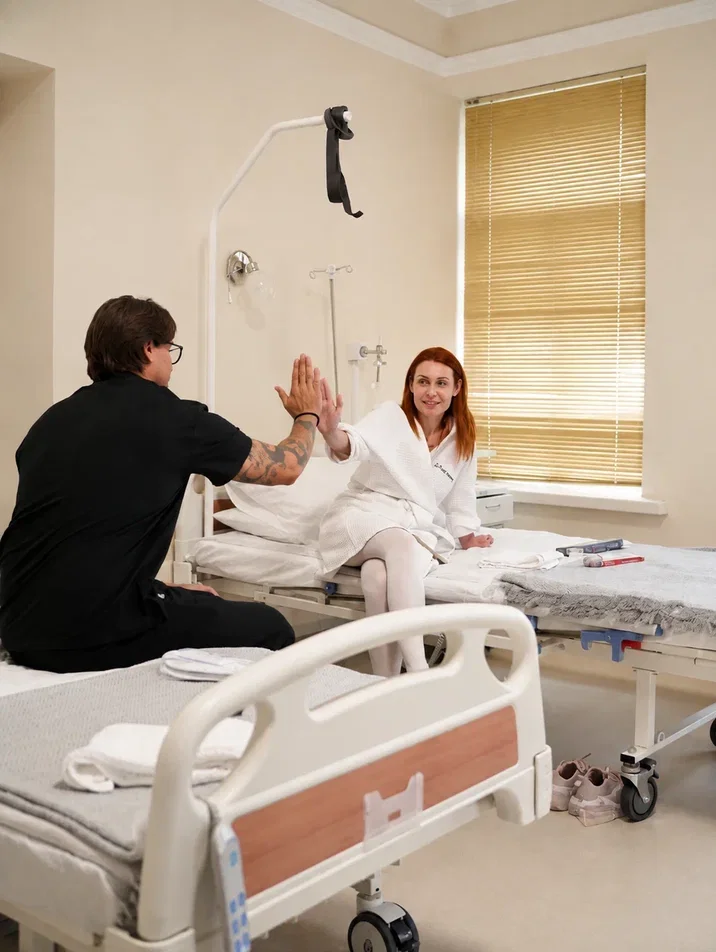
Each patient gets care, comfortable rooms and modern equipment
Our team will reply to your questions and help you choose a consultation time
By messaging us, you agree to our Privacy Policy
When surgery is not needed, the doctor tells you honestly at the consultation — and you avoid spending money on an unnecessary operation.


Not sure whether surgery is right for you?
Message us — your coordinator will ask for photos in a messenger, and the surgeon will look at them and tell you whether mammoplasty is right for you.
Find out if it suits me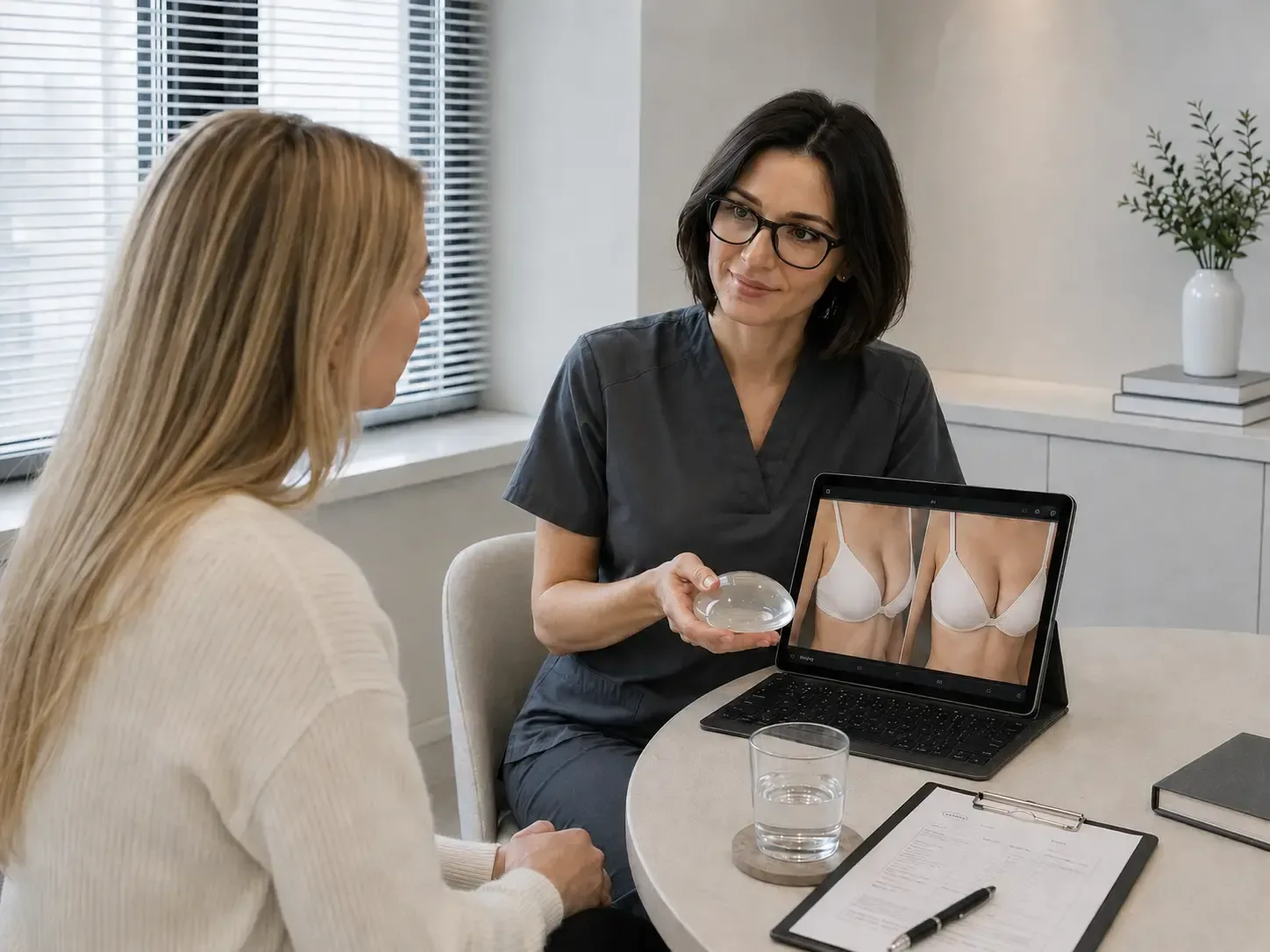
Prices
The price is set at the consultation and fixed in the contract.
Discounted price
Size and shape correction with implants
$4,700$5,900
Discounted price
Reducing the volume and weight of the breasts
$4,700$5,900
Breast restoration after mastectomy
The price is set at the consultation and fixed in the contract.
Get a consultationAfter assessing your breast anatomy and proportions and listening to your wishes, the surgeon chooses the appropriate correction method.
The price is set at the consultation and fixed in the contract.
Message our coordinator
Free online consultation · Reply within 15 minutes
Message us on TelegramMessage us on WhatsAppBy messaging us, you agree to our Privacy Policy

all inclusive
Starting with preparation for surgery
and ending with support for 12 months.
Discounted price
$4,700$5,900
The process
An agreed correction plan, inpatient observation and recovery monitoring for a year.
 1
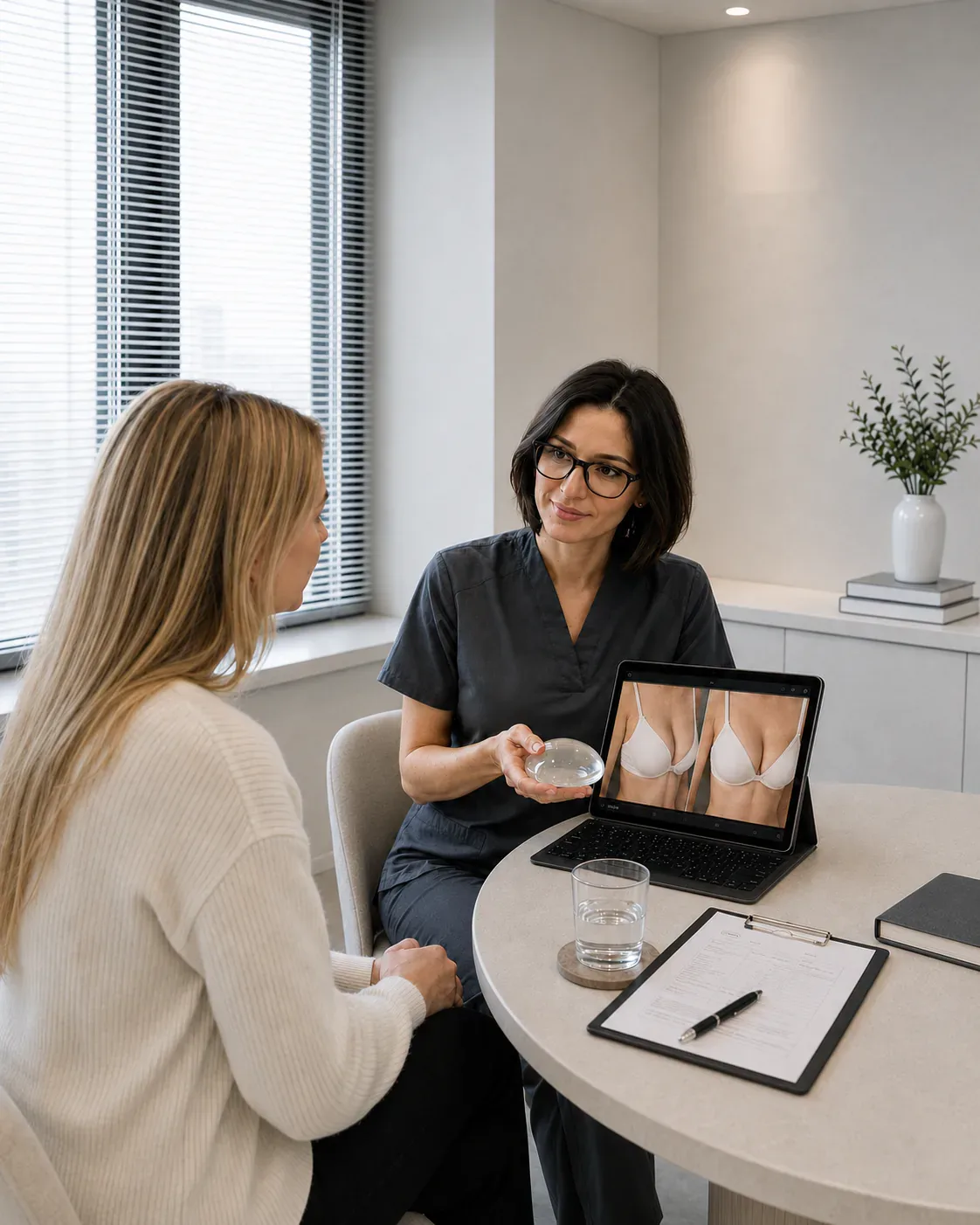
After assessing your figure and discussing your wishes, the surgeon chooses the best volume, shape and correction method.
 2
We hold a surgery date for you. You can pay the deposit by card at the clinic or online by bank transfer; all terms are set out in the contract for medical services
 3
Ahead of surgery you go through full testing — blood tests, an ECG and other examinations as prescribed by the doctor.
 4
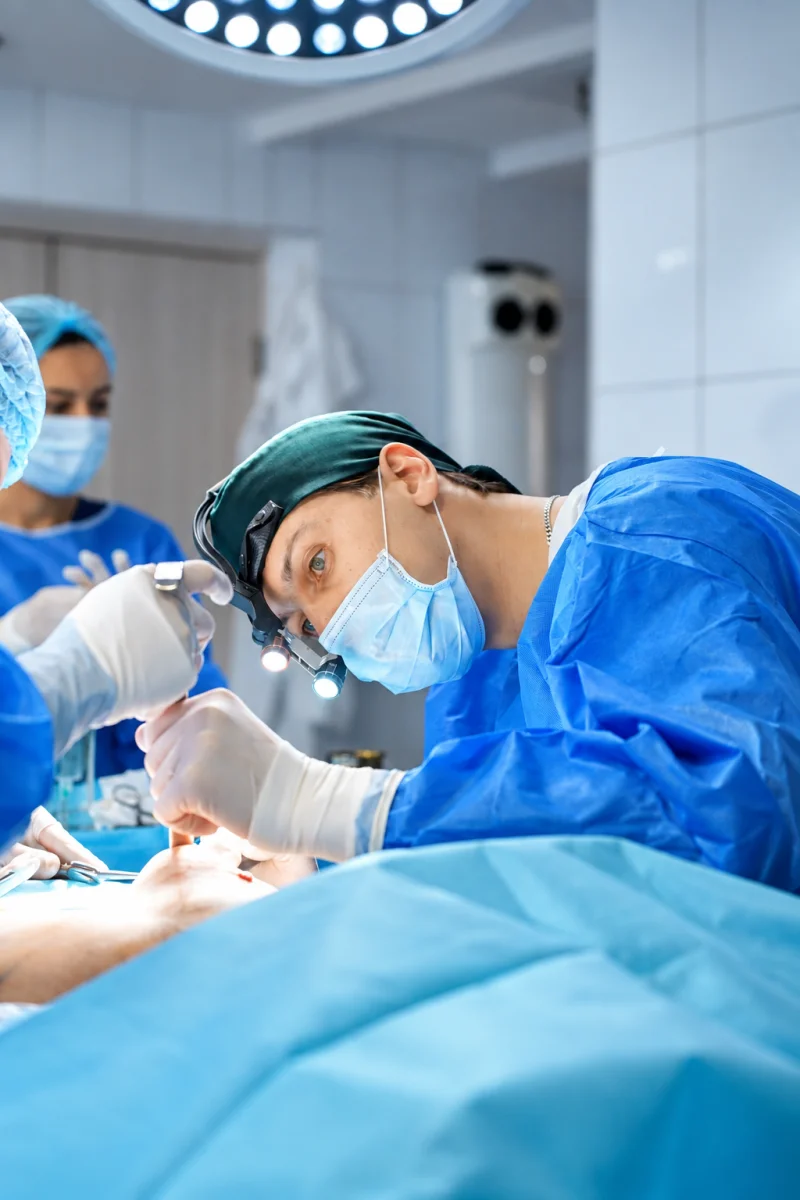
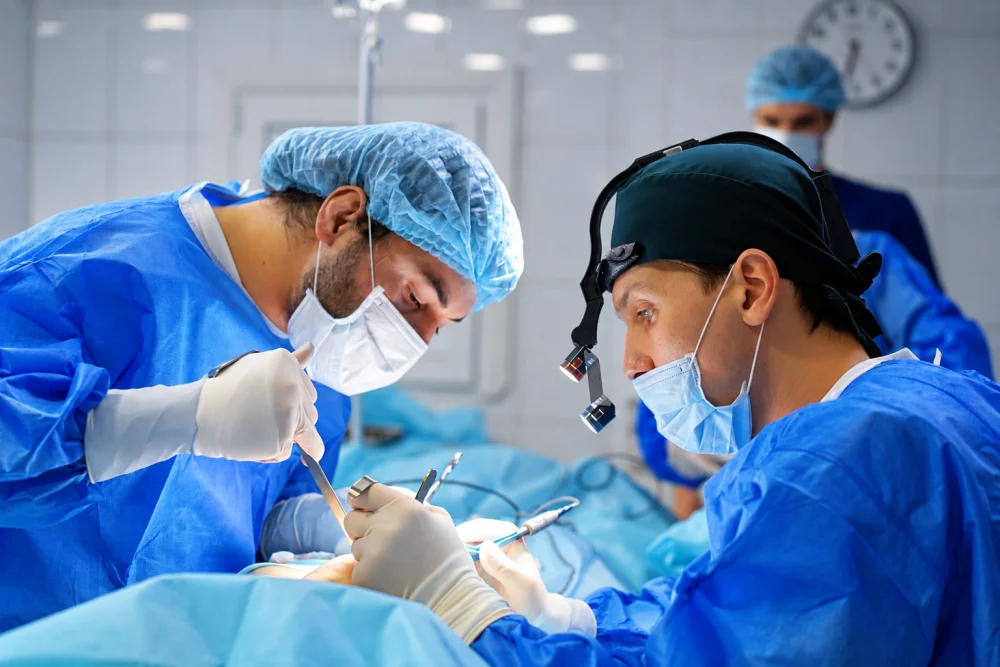
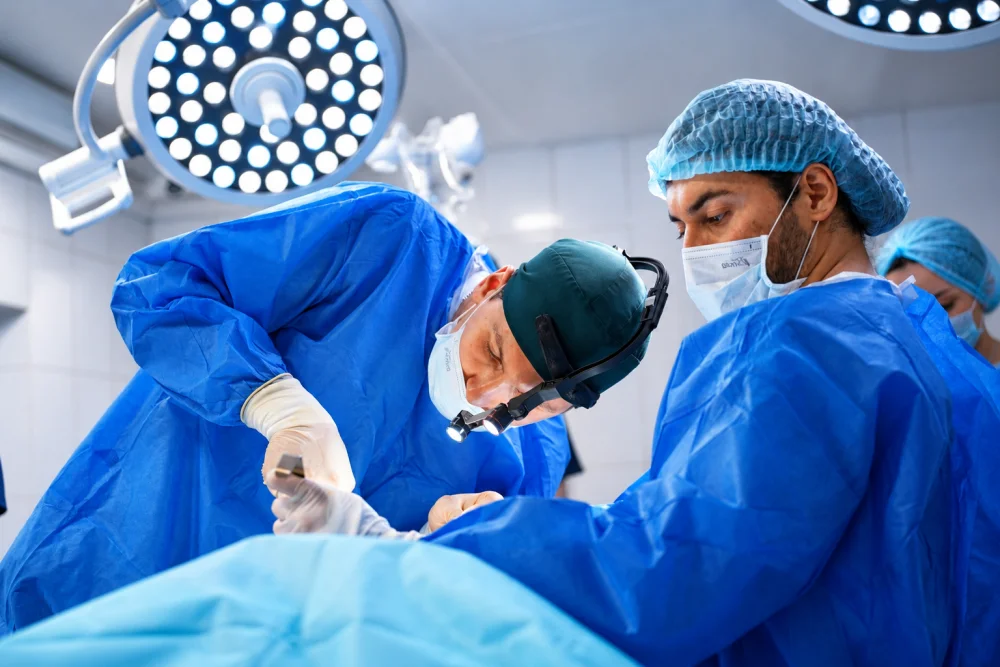
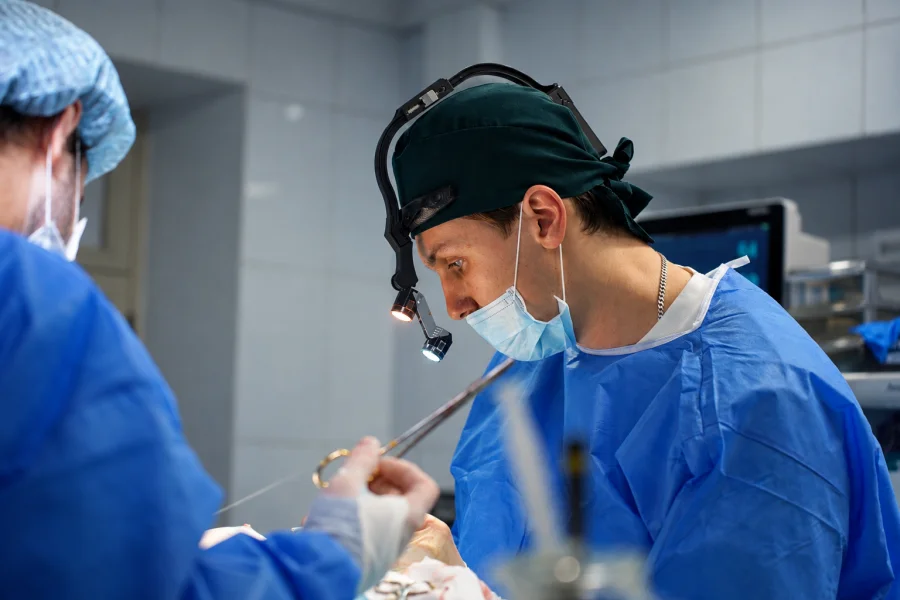
The operation follows your individual mammoplasty plan and is performed under general anaesthesia with continuous monitoring of the patient.
 5
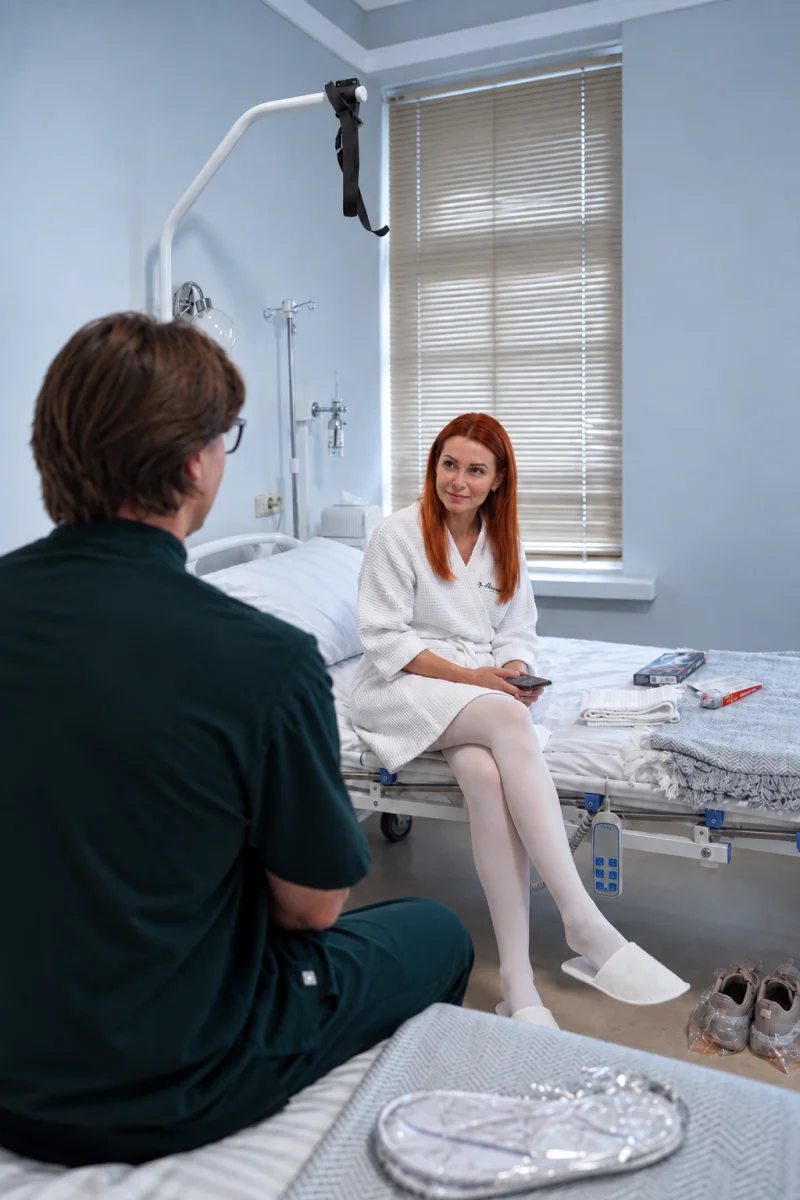
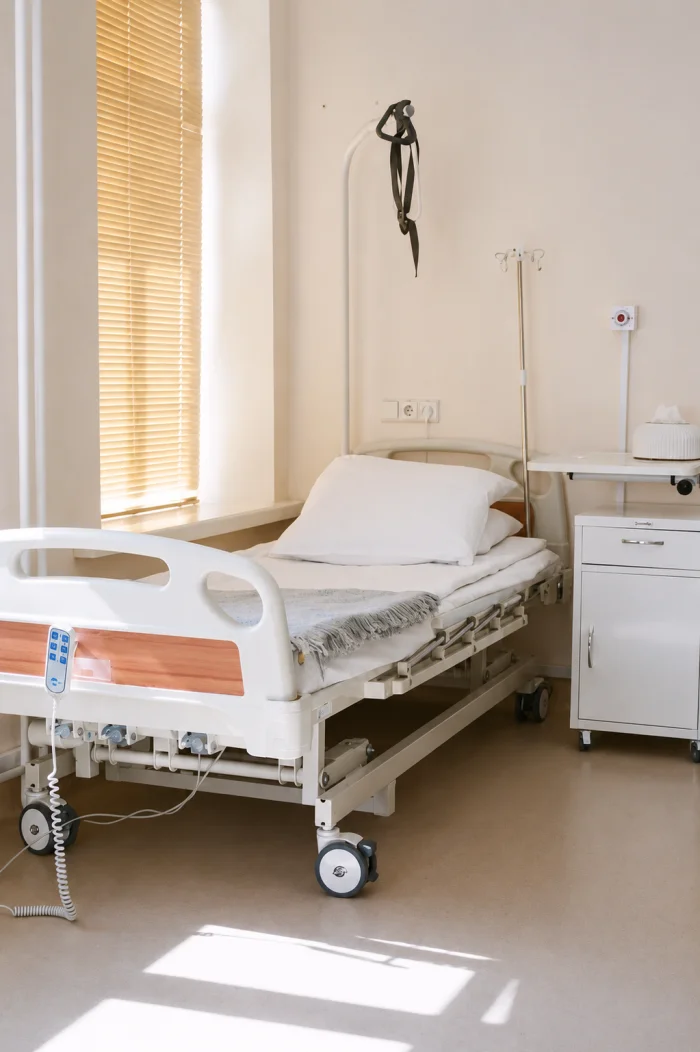
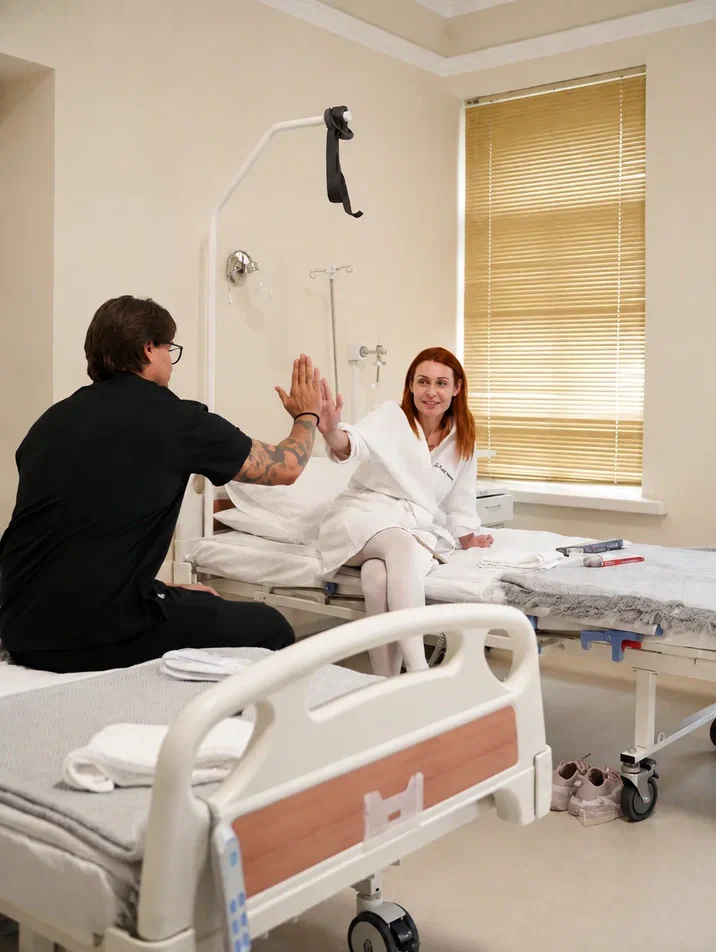
After surgery you stay in the clinic's comfortable inpatient ward under the care of the medical team until discharge.
 6
A recovery programme is prescribed after surgery. Check-ups at 7 days, 3 and 6 months follow your recovery, and for a year after surgery you consult your surgeon for free.
In the run-up to surgery, follow simple advice: keep work and rest in healthy balance, sleep more, avoid stress, anxiety and emotional strain, and ease off physical activity.
Stop taking hormonal oral contraceptives at least one month prior to the procedure
Stop using drugs with aspirin, steroids and hormonal medications prescribed for chronic conditions before surgery
Have your tests done a week before surgery
Post-op swelling disappears after 3 weeks
Scars take shape within 3 weeks
Avoid physical exertion (lifting over 3 kg)
No raising arms above shoulder level — 3 weeks
Part of recovery after the correction is wearing compression garments for 1–1.5 months
Avoid intense gym workouts for up to 40 days and overly active aerobics; after a month light cardio is possible. Watch your diet and meals.
Within 3 months, discomfort disappears
No baths or saunas for up to three months, and no physiotherapy
Inflammatory changes in the tissue resolve within 3 months, while a “pocket” forms around the implant
Doctors
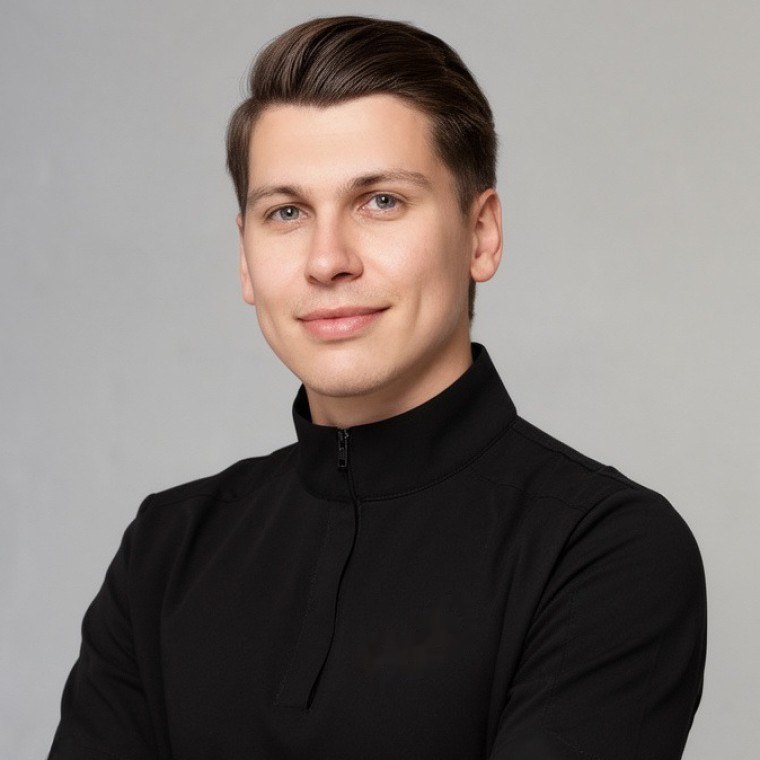
7 years of experience
Plastic surgeon
Plastic surgery residency completed at the Petrovsky National Research Centre of Surgery. Works in aesthetic and reconstructive surgery of the breast and body.
At the consultation you talk to the surgeon who will operate
An experienced plastic surgeon attentive to the beauty and health of patients
Book a consultationAdvantages
We review your wishes at the consultation and model the planned result. The surgeon explains what the operation can do, so you understand exactly what we are aiming for.
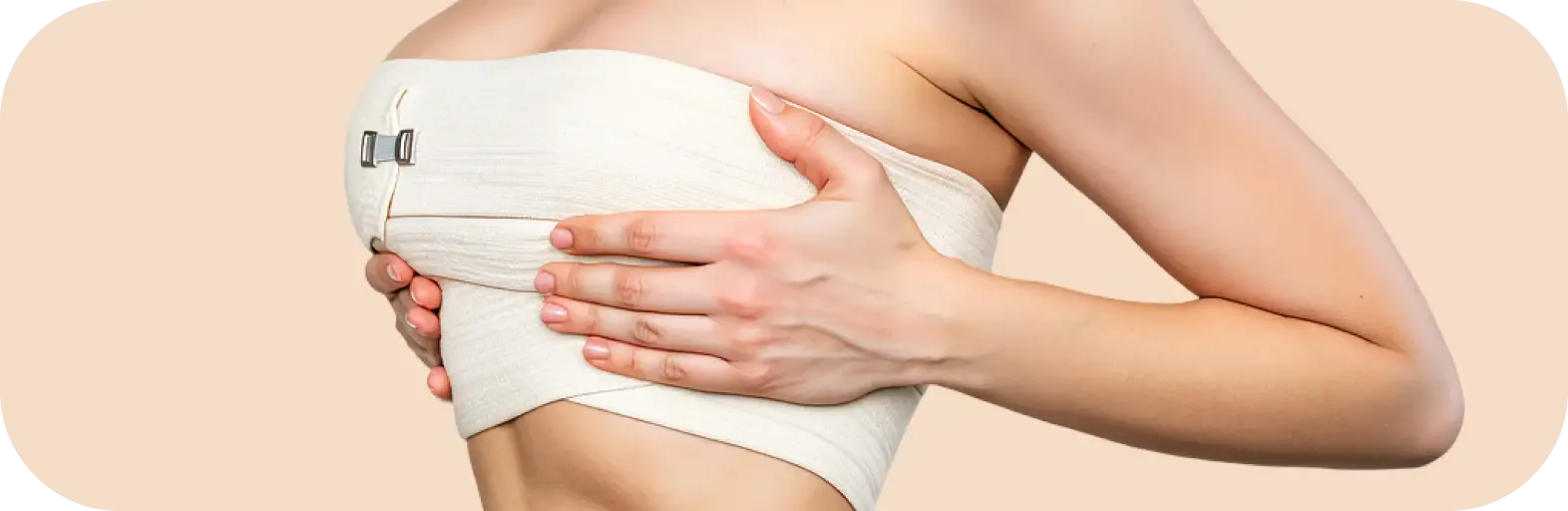
Your surgeon follows your recovery and the changes in your breast shape for a full year; check-ups and dressings are included in the price.
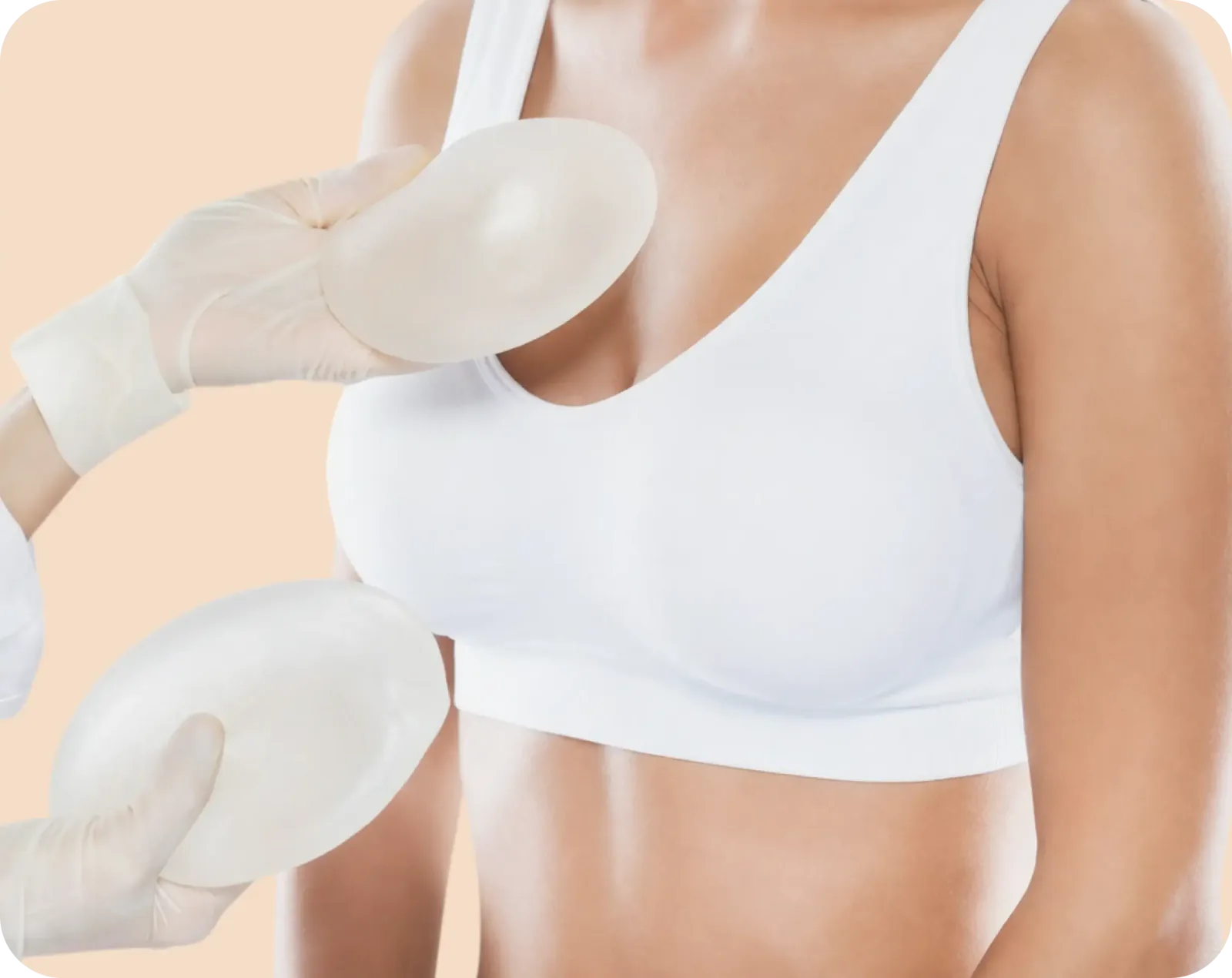
Shape, volume and correction method are chosen to match your anatomy and wishes. For augmentation, the implant size and profile are selected individually.

Your time matters to us: we work 24/7, booking is easy, and our personal approach adapts to your pace.
Once the surgeon has defined the extent of correction at the consultation, you get a clear surgery price — no surprises on the way to your result.
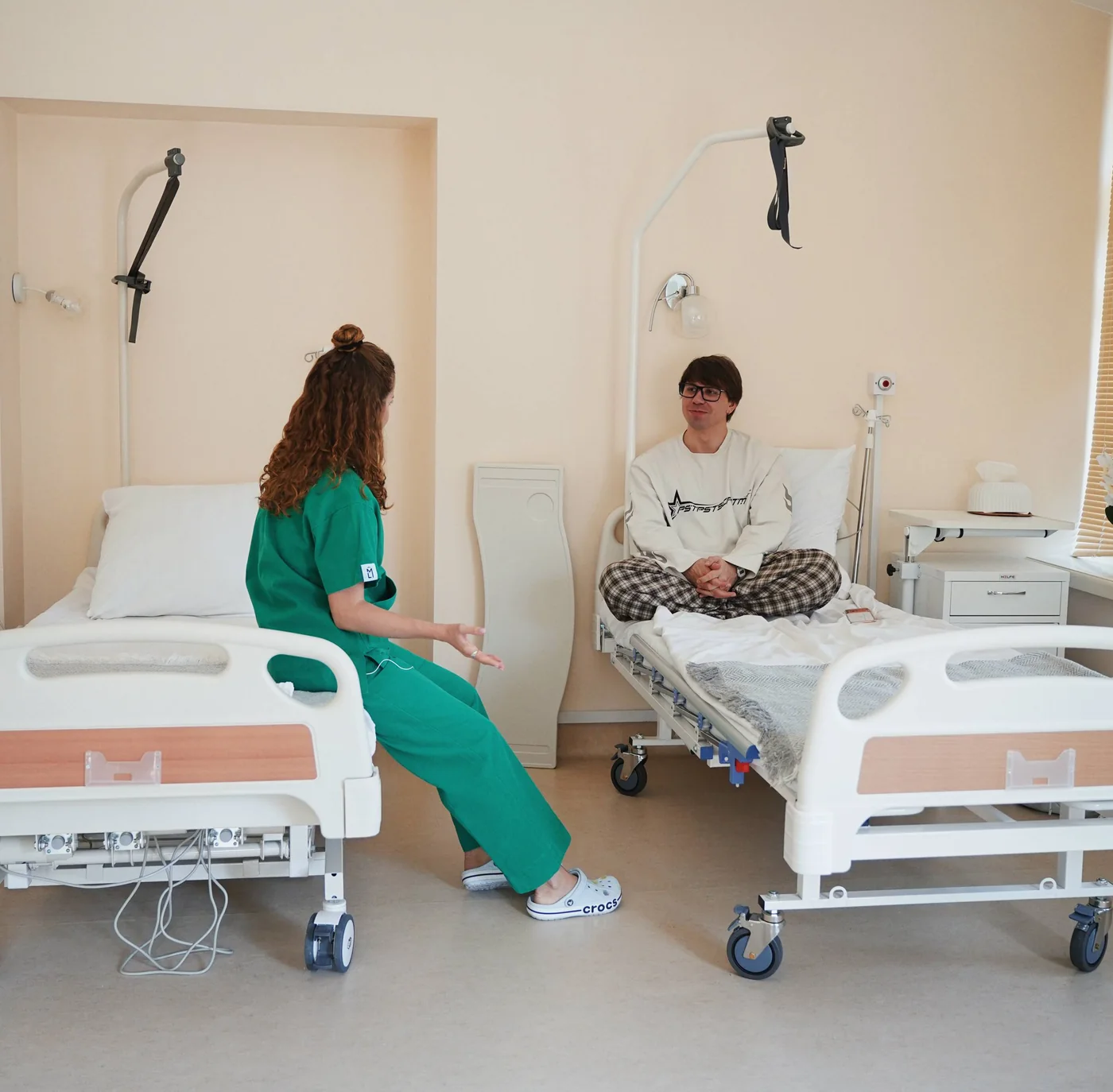
Your recovery begins in a comfortable inpatient ward, with nurses on hand day and night. The price already covers your stay and meals.
FAQ
Yes. Boob job is the everyday name for breast augmentation. At City Medical Centre it is done with round or anatomical implants that the surgeon chooses with you at the consultation.
Breast enlargement adds volume with implants. A breast lift (mastopexy) raises sagging breasts and removes excess skin. Which one suits you is decided at the free consultation.
There are several types of mammoplasty: augmentation (bigger volume with implants), reduction (removal of excess tissue and skin), mastopexy (a lift for sagging), reconstruction (after mastectomy) and correction of asymmetry. The best approach is chosen individually, considering your wishes and the surgeon's recommendation.
Message us — our coordinator will get back to you shortly and book your consultation. The plastic surgeon consultation is free.
With every recommendation followed, complications seldom occur, though they can include hematoma or seroma, wound infection, reduced or increased nipple sensitivity, capsular contracture, aesthetic asymmetry, wound separation and tissue necrosis.
Mammoplasty results last a long time: about 10–15 years after augmentation (until implant replacement) and 5–10 years after a lift or reduction. Weight, pregnancy, skin aging and gravity affect how long it lasts. To maintain the result, wear supportive underwear and control your weight.
Breastfeeding after mammoplasty varies with the type of surgery. Lactation is usually preserved after augmentation through an under-breast or armpit incision with the implant under the muscle, because glandular tissue is not injured. After a lift or reduction there is more risk, since ducts may be cut. Discuss this in advance with your surgeon.
Implant choice is based on material (silicone gives the most natural appearance, saline is used more rarely), shape (round or anatomical teardrop), surface (smooth or textured), size and profile. Your surgeon will pick the best one for your anatomy and goals.
During the operation the patient is under general anaesthesia and feels nothing at all. For the first 1–3 days there may be moderate discomfort, relieved by painkillers. By day 5–7 pain is much lower, and by weeks 2–3 discomfort passes. Report severe pain to your doctor straight away.
Work is possible after 7–14 days, as long as it involves no physical exertion. Take light walks after 1–2 weeks. Fitness and swimming after 4–6 weeks; strength training after 3 months. Pool and sea after 4–6 weeks. Compression garments are worn for 4–6 weeks. Timing depends on your recovery.
Mammoplasty is not linked by scientific evidence to an increased breast cancer risk, and implants do not cause cancer. After surgery, keep doing regular screening: self-exams, mammography and ultrasound. Tell any examining doctor about your implants every time.
Mammoplasty after a C-section is an option, though the body should recover fully beforehand. Wait at least 6–12 months after delivery and after you finish breastfeeding. You will need a surgeon's consultation and check-up before surgery.
Mammoplasty does result in scars, but a skilled surgeon keeps them minimal. Incisions are made in areas that are out of sight: under the breast, around the areola or in the armpit. At first scars are reddish, and within 6–12 months they fade and become nearly invisible.
It is normal to have slight asymmetry in the first weeks after surgery, because of swelling and uneven healing. If a difference in size or shape persists after 3–6 months, book an examination with your surgeon to find the cause.
Following mammoplasty, the nipples and breasts may temporarily become less or more sensitive. Irritated nerve endings are the cause. In most cases normal sensitivity returns within 3–12 months. With no improvement after a year, visit your surgeon.
Hormonal drugs (contraceptives, hormone replacement therapy) do not affect implants directly, but may cause swelling or changes in breast tissue volume, temporarily affecting appearance. Be sure to tell your surgeon about such medications before surgery.
Prices are in US dollars; the amount in brackets is an approximate conversion to EUR at the rate of 02.10.2026. The final price is fixed in your contract.
Prices start from $4,700 (≈ €4,200). The surgeon sets the final price at the free consultation, and it is fixed in the contract, with no hidden extras.
The surgical team's work, anaesthesia, the inpatient stay with meals, dressings and follow-up visits for twelve months.
Message us on WhatsApp or Telegram using the buttons below. A coordinator will answer your questions and book a free consultation where the doctor names the exact price.
By messaging us, you agree to our Privacy Policy
This operation suits adult women who wish to restore or increase breast volume, including after childbirth once the body has fully recovered. Surgeons advise waiting at least 6–12 months after giving birth and after breastfeeding ends. Patients from Dublin considering it after a C-section can go ahead too, but a consultation and check-up are mandatory first.
Nothing is rushed. First, surgeon and patient agree on a plan together; then a full diagnostic work-up confirms it is safe to proceed. During surgery you feel nothing thanks to general anaesthesia. The first one to three days bring moderate discomfort relieved by painkillers, and by the second or third week it passes. That is the typical course for women in Dublin.
A free consultation is the easiest way to get an exact figure. The surgeon assesses your anatomy, models the result and confirms the plan; the base cost of augmentation is from $4,700 (≈ €4,200). Everything around the surgery — anaesthesia, inpatient stay, 24/7 monitoring, personal support and a year of follow-up — is in that amount. Patients from Dublin can apply through the site or a messenger.
Well-known people who spoke openly about this operation, in their own words.
Written by Dmitry S. Kuznetsov, plastic surgeon
How we prepare and review medical content · Medical disclaimer
Page last updated:
County Dublin held 1,501,500 people in 2022 within a state of 5,149,139 on census night, 3 April 2022. By law every doctor must register with the Medical Council in order to practise, and the public register can be searched by last name, first name or registration number, with the number the most reliable route. Open the full record: conditions or a suspension may only appear there.
Take the surgeon's full name from the coordinator, who is on duty 24/7 in WhatsApp and Telegram. The plastic surgeon who sees you at the consultation is the one who operates. In the same message, request the medical licence, the contract for medical services and the written list of inclusions, and ask that each item be confirmed by return message.
Check that the document says what was said. The deposit that reserves a date can be paid by card at the clinic or by online bank transfer; the terms should be set out in the contract.
A short call is no substitute for a written trail. After any conversation with the coordinator, send a two-line message that restates what you understood, and wait for a yes. Over a week this builds a record that is easy to reread, and it shows quickly whether the clinic answers precisely or in generalities. Precise answers are what you are paying attention to, because they are the only ones that can later be checked against the contract.
Save a dated screenshot of the register record and put it beside the surgeon's name exactly as the clinic gave it. If the spelling or the specialty differs, ask which version is right and wait for the answer in writing.
Augmentation with implants adds volume and corrects shape. The reasons that bring people to a consultation include too little breast volume, asymmetry of shape or size, loss of volume after pregnancy and breastfeeding, a change of shape after weight loss, congenital features of the breast and correction after a previous operation. A surgeon will tell you honestly if your case can be solved without surgery.
The same family of operations also includes reduction, a lift with or without implants, implant removal, reconstruction after mastectomy and correction of asymmetry. The purpose differs in each, so ask the surgeon to name the proposed operation and the reason for it in writing.
Some conditions rule the operation out: pregnancy and breastfeeding, acute infectious diseases, inflammation or damaged skin in the surgical area, decompensated chronic diseases, age under 18, uncorrected blood clotting disorders, uncontrolled diabetes, and a malignant breast tumour before treatment is complete. Mention anything on this list in your first message, not at the last minute.
Two implant shapes are discussed, round and anatomical teardrop, along with material, surface, size and profile. The surgeon recommends; you are entitled to hear why.
Bring a short brief of your own: what you dislike now, what you want, and a few daylight photographs from the front and both sides.
Take a page of questions to the consultation. How do you decide between the two shapes for my frame? Where would the incision be hidden, and how do scars usually develop? What is your reasoning on the position of the implant? When and how will we look at the result together? Whom do I contact if a worry appears between visits?
Rewrite the answers in your own words that evening and return them to the coordinator to confirm. A slip corrected in a message is trivial; the same slip found at the bedside is not. File the confirmed notes with the other papers.
Treat the modelled result as a draft of the surgeon's intentions, not as a commitment. Say honestly whether it matches your picture, and pause if it does not.
Keep to the sequence: papers first, shape second, and the date last.
One to two weeks ahead, aspirin-containing drugs, steroids and hormonal medicines taken for chronic conditions are stopped, and the tests are completed a week before the date. Hormonal oral contraceptives stop earlier, on the surgeon's own schedule. For 40 days intense gym work and very active aerobics are set aside, and light cardio is possible after a month.
Recovery follows a pattern. Swelling goes away after about 3 weeks and scars take shape within the same time. Arms stay below shoulder level for 3 weeks, and lifting over 3 kg waits up to 3 months. Compression garments are worn for 1 to 1.5 months, and baths and saunas are avoided for up to three months. Within 3 months discomfort disappears, and all inflammatory changes in the tissue resolve while a pocket forms around the implant.
Ask for these dates in the written plan so that they sit next to the check-ups at 7 days, 3 months and 6 months. A programme you can reread is easier to follow than one you remember.
A contract for medical services is the one document that outlasts every conversation, so read it slowly and in two passes. On the first pass, look only for names and nouns: the legal name of the provider, the surgeon, the operation, the implant shape and material, the anaesthesia and the ward stay. On the second, look for promises: check-ups, dressings, round-the-clock monitoring, the year of free consultations.
Mark anything that you were told but cannot find. Send the marked list to the coordinator and wait for a written reply before paying the deposit. This is not distrust; it is how two parties end up remembering the same thing.
Keep a copy of the licence, the surgeon's details and every written answer together. If you later need to check what was agreed, the folder answers the question in a minute.
Think also about what the paper should not leave to memory. If a revision or a removal is ever discussed, who would you contact, and where is that written? If your plans change before the date, what happens to the deposit? These are dull questions to ask early and expensive ones to ask late, and a coordinator who answers them calmly and in writing is showing you how the rest of the process will go.
Finally, ask yourself whether you could explain the plan to a friend in five sentences without looking at your notes. If you can, you understand it well enough to proceed. If you cannot, the missing sentence is your next question.
If you are weighing two surgeons, set the same four lines side by side: the operation named, the implant described, the check-up dates and the inclusions. The column with blanks tells you what to ask next, and the surgeon who fills every line in writing gives you something firm to decide on.
None of this requires an appointment in person. The first review is online and free, and coordinators answer at any hour.
Number your questions in each message and ask the coordinator to answer under the same numbers. A numbered reply is easy to check against the contract line by line, and a question left without a number stays visible until it is answered.
Search the Medical Council register by registration number, open the full record, and look for specialist registration, conditions or a suspension.
The Medical Council notes that a doctor whose details are not found by the search may still be registered. Ask the clinic for the exact name and registration details, then search again.
The operation, the implant shape and material, the anaesthesia, the length of stay, the check-up dates and what the agreed sum includes through the follow-up year.
Pregnancy and breastfeeding, acute infections, damaged skin in the surgical area, decompensated chronic disease, age under 18, uncorrected clotting disorders, uncontrolled diabetes and an untreated malignant breast tumour.
Stop aspirin-containing drugs, steroids and hormonal medicines taken for chronic conditions one to two weeks ahead, stop oral hormonal contraceptives earlier, on the surgeon's own schedule, and complete the tests a week before.
No. The consultation is online and free, and coordinators answer on WhatsApp and Telegram round the clock, within 15 minutes.