
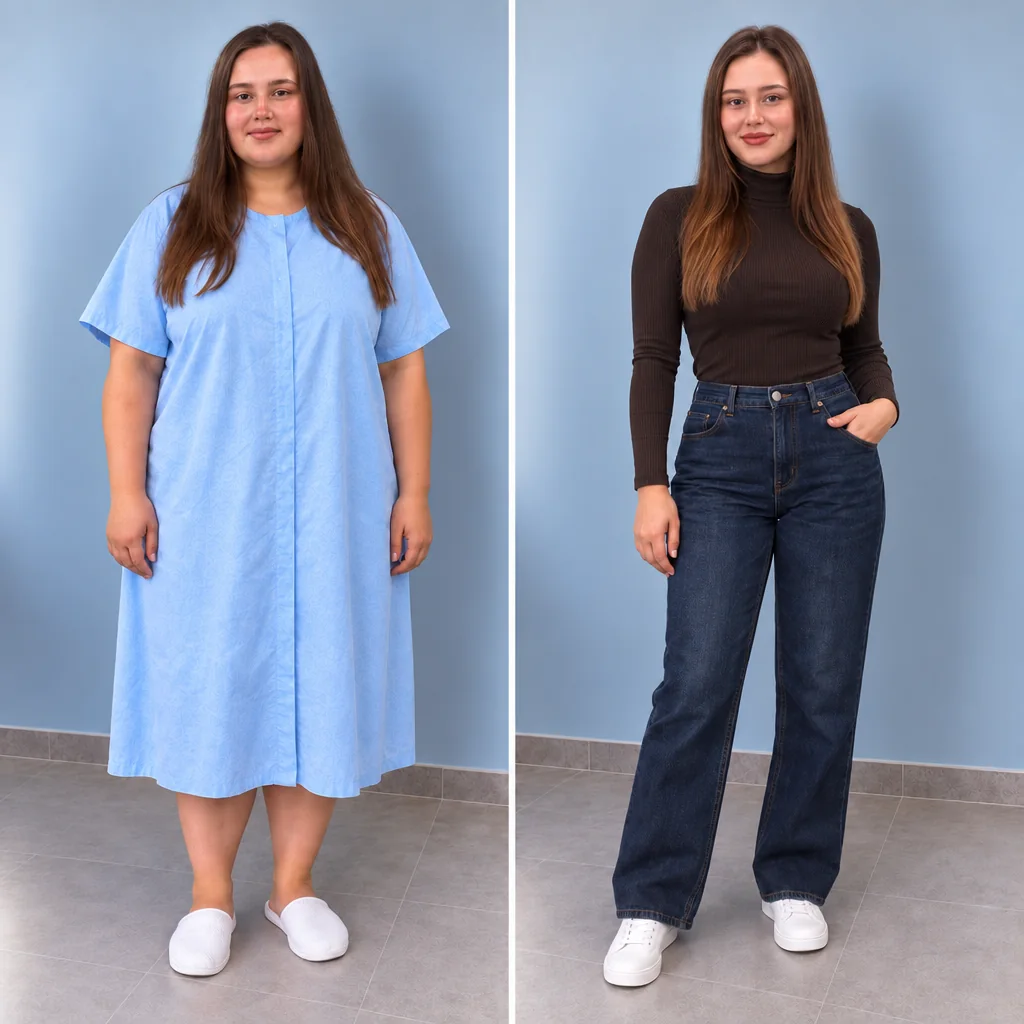
 beforeafter
Irina, 26
Bariatric surgery
Bariatric surgery
$3,600
$4,800 · First consultation — Free
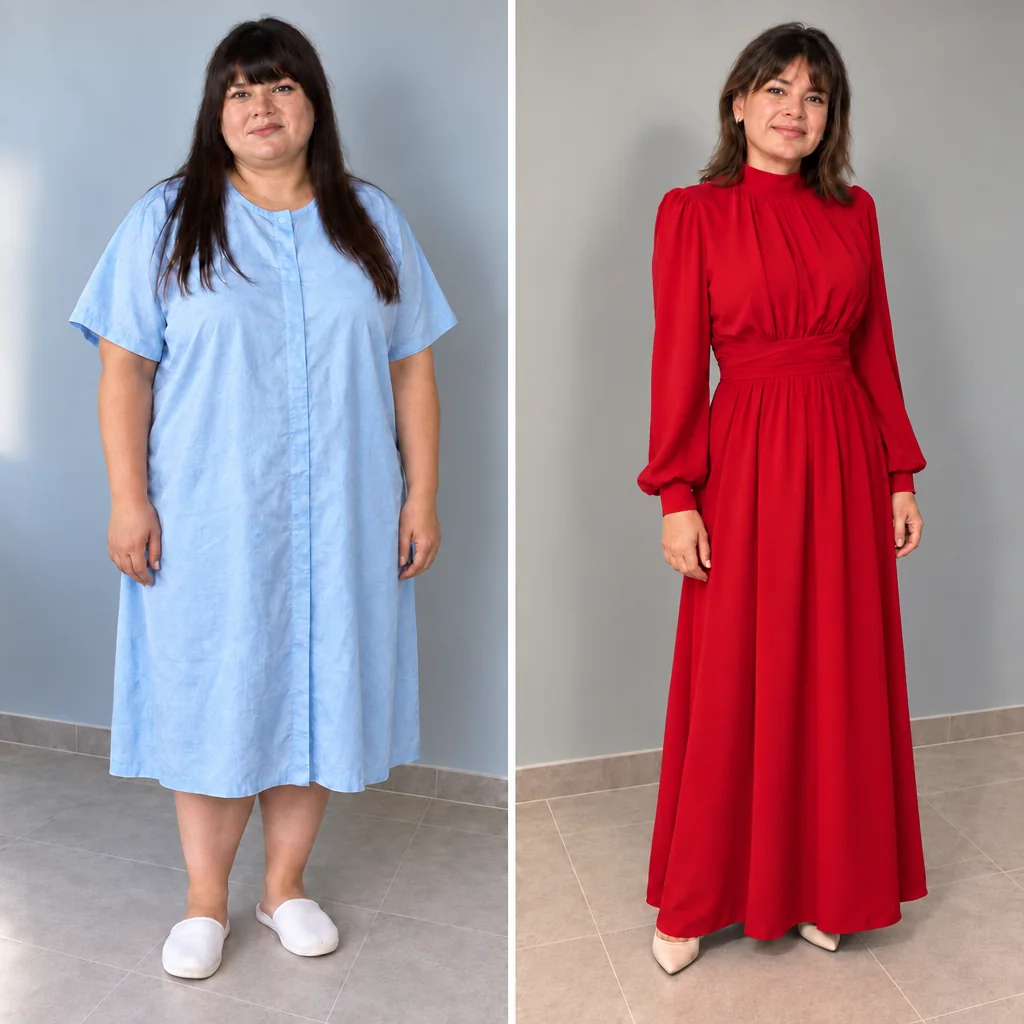 before
after
Message our coordinator
Free online consultation · Reply within 15 minutes
Message us on TelegramMessage us on WhatsAppBy messaging us, you agree to our Privacy Policy
Results
Each result belongs to a real patient of the clinic.
beforeafterBariatric surgery
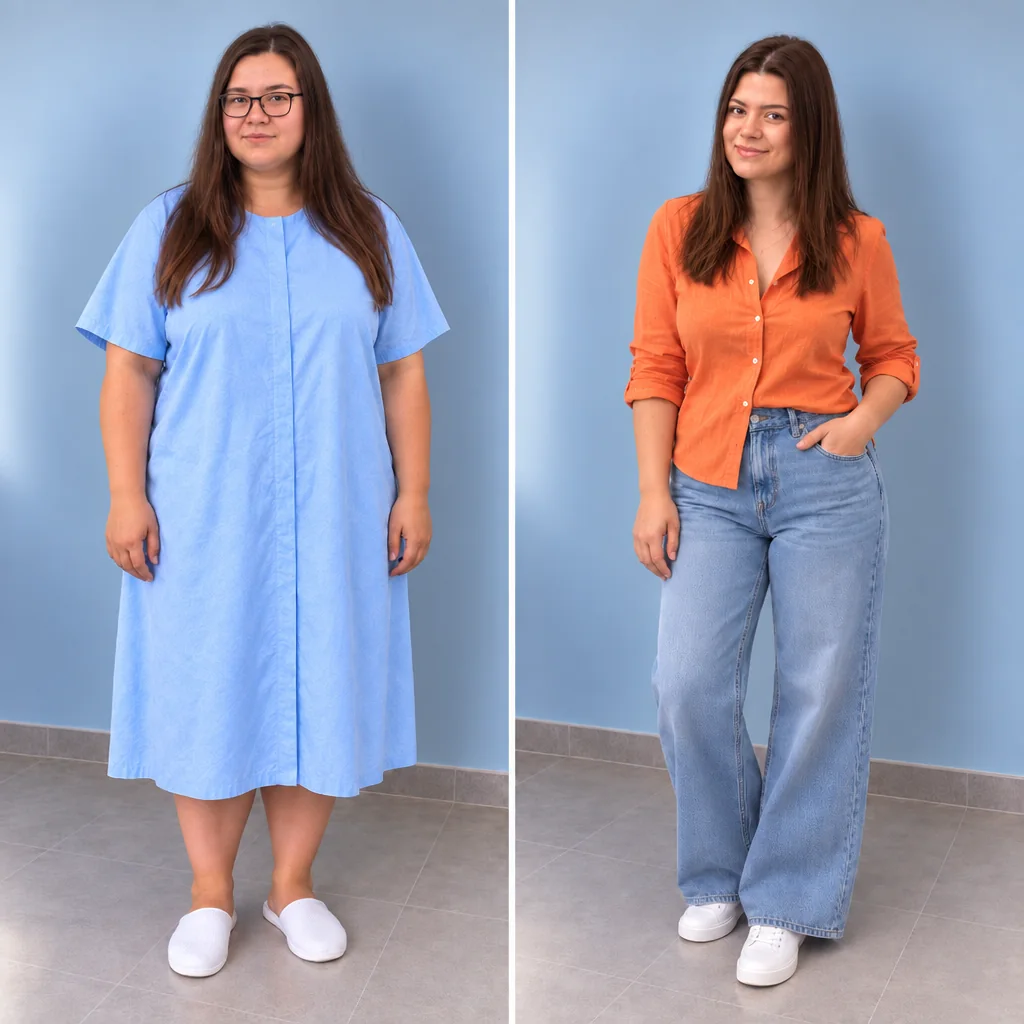 beforeafter
Bariatric surgery
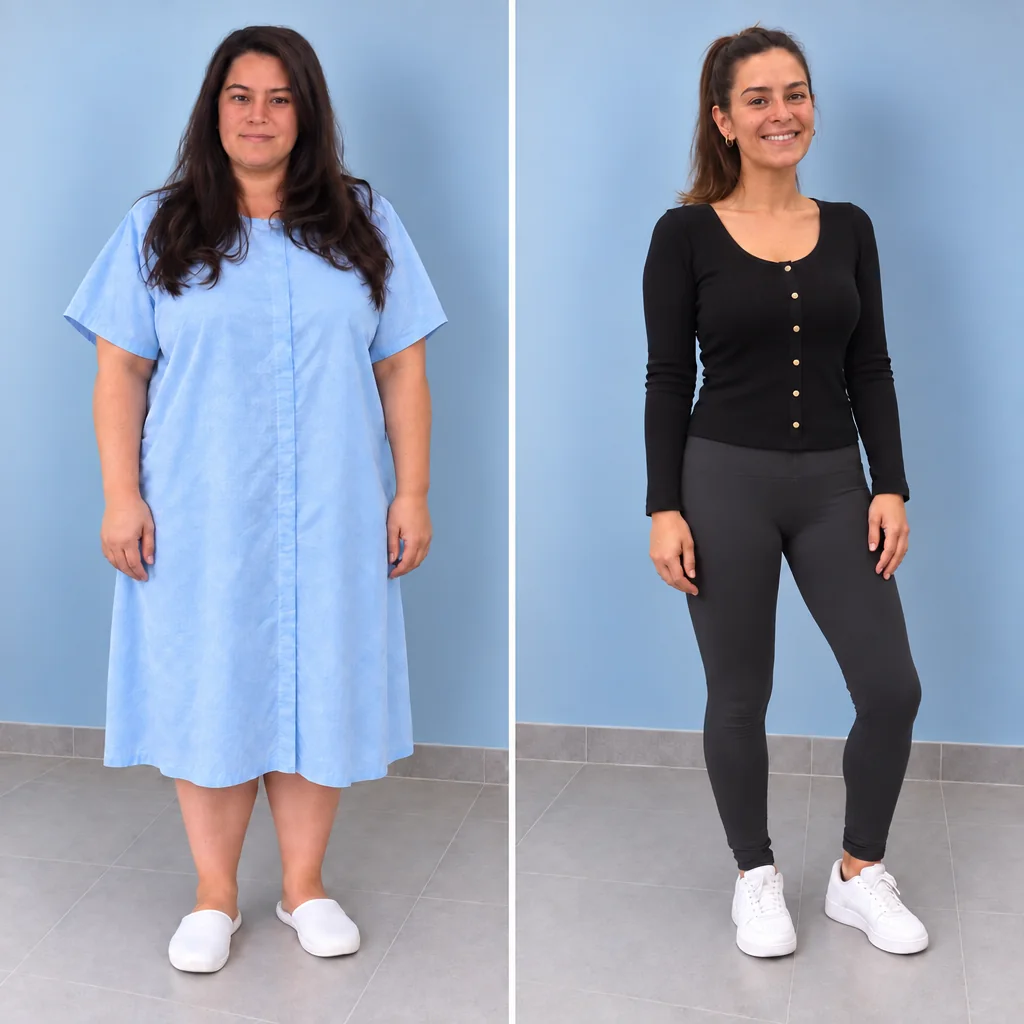 beforeafter
Bariatric surgery
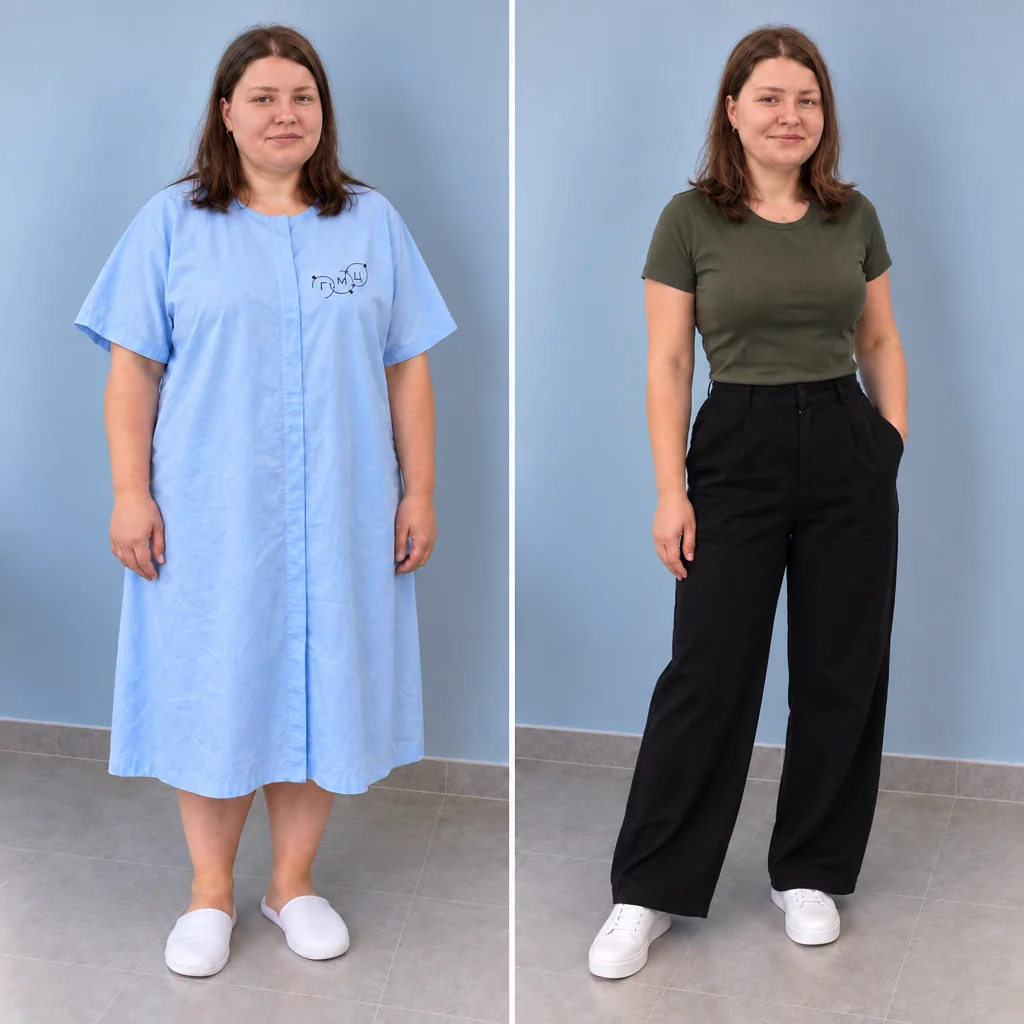 beforeafter
Bariatric surgery
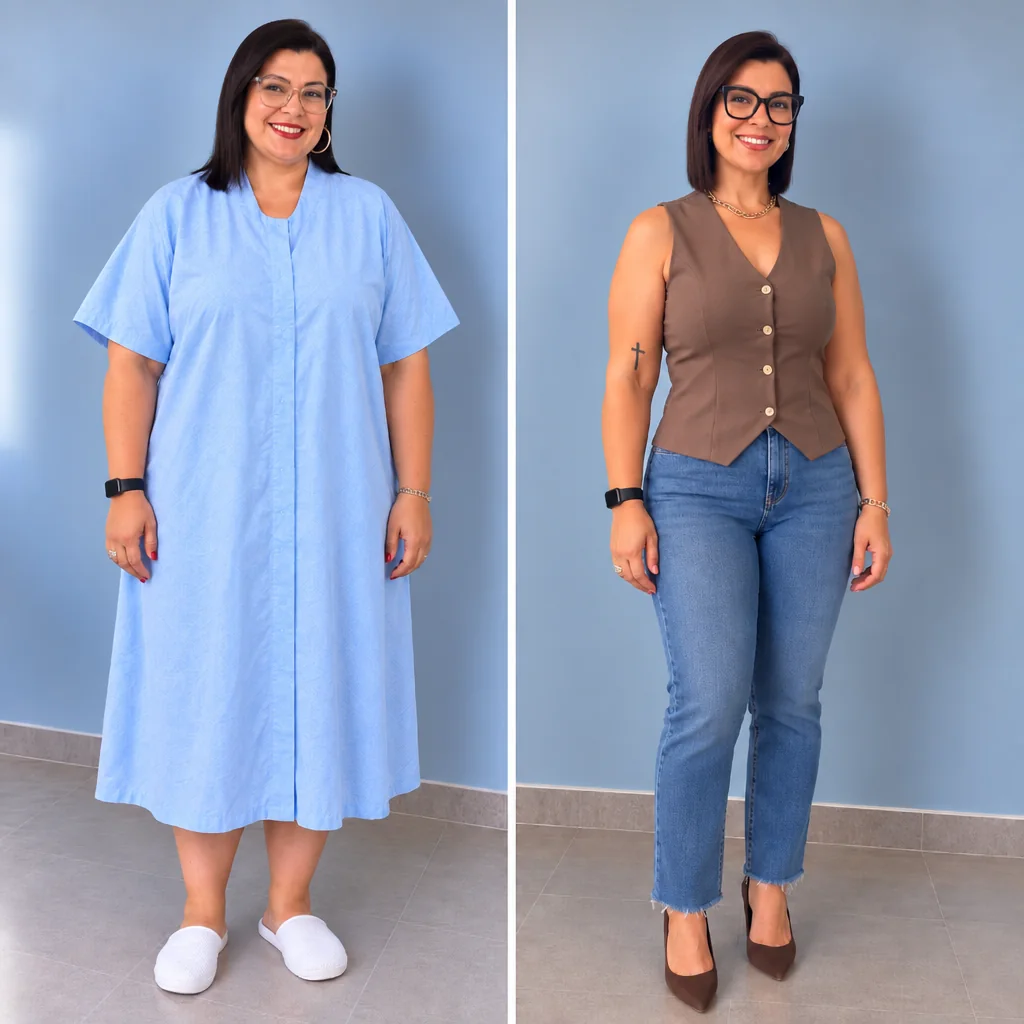 beforeafter
Bariatric surgery
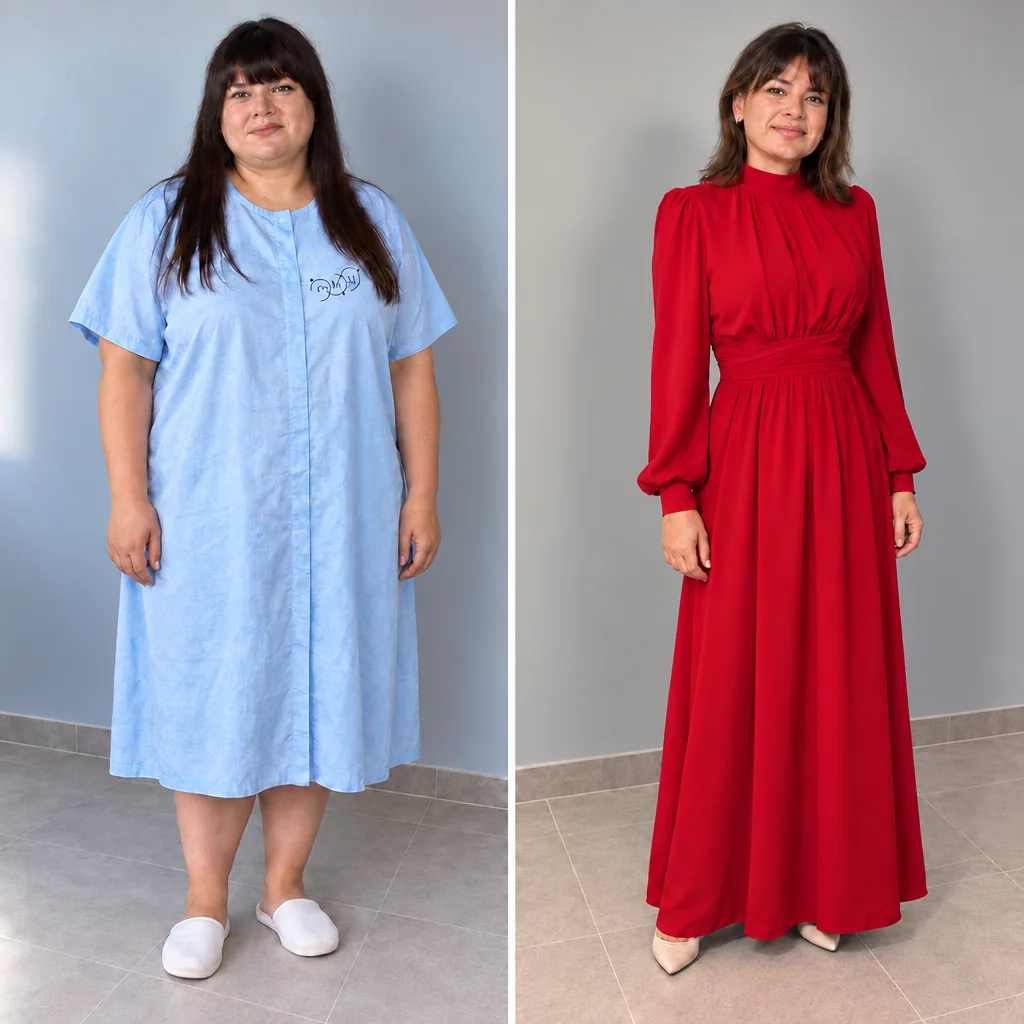 beforeafter
Bariatric surgery
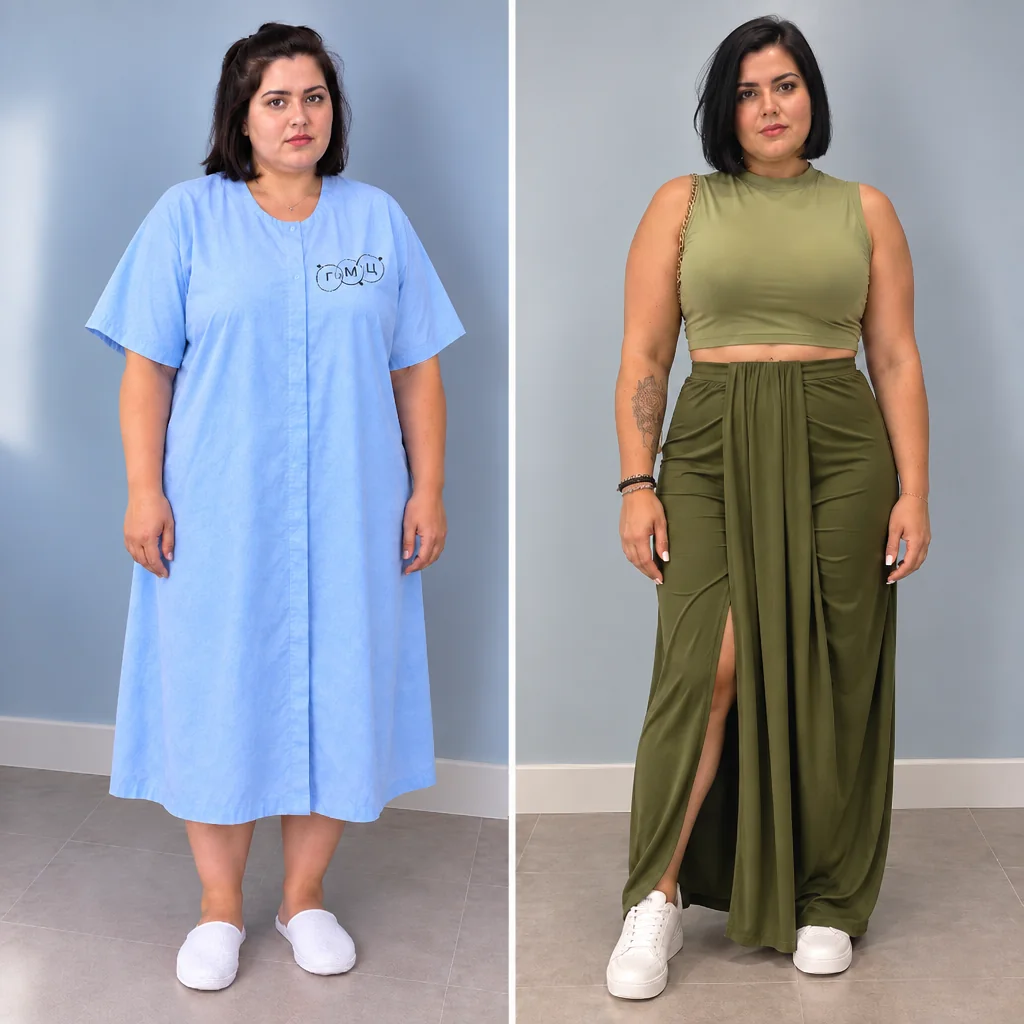 beforeafter
Bariatric surgery
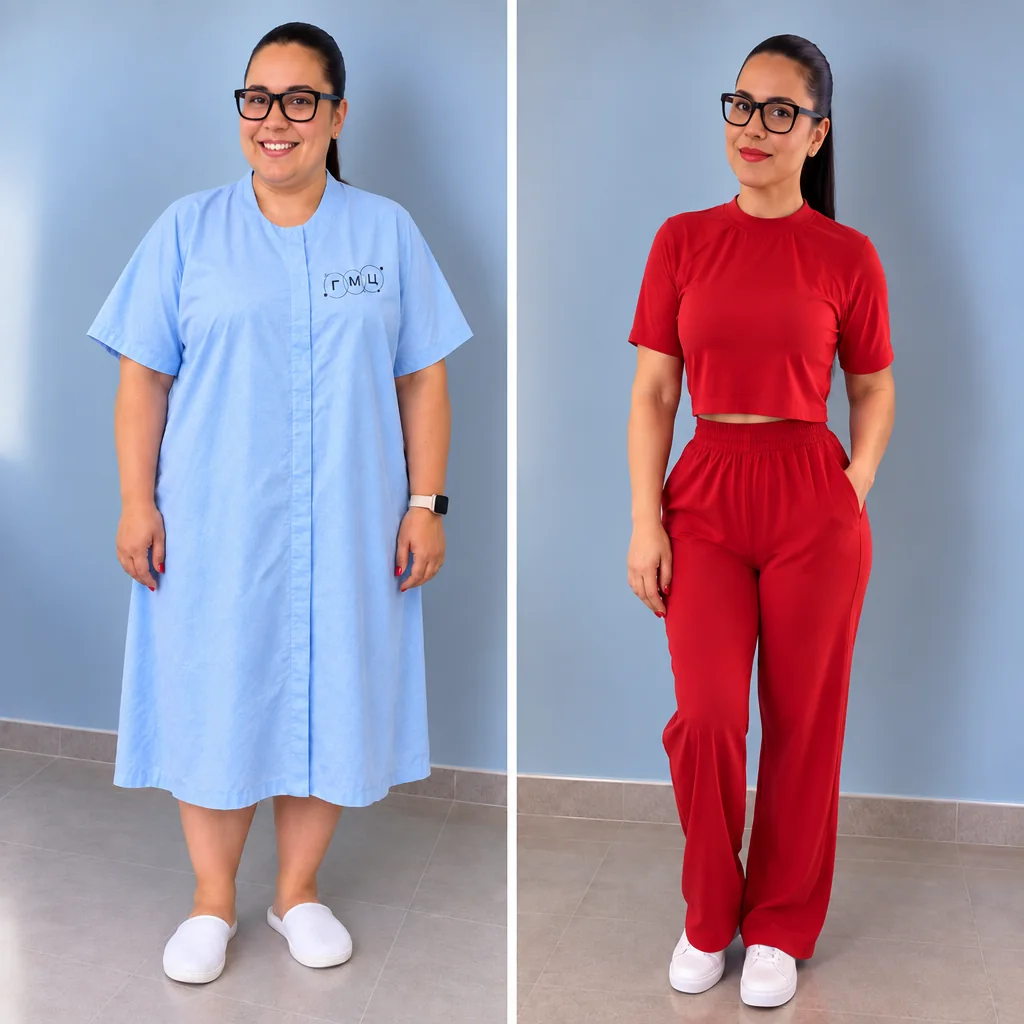 beforeafter
Bariatric surgery
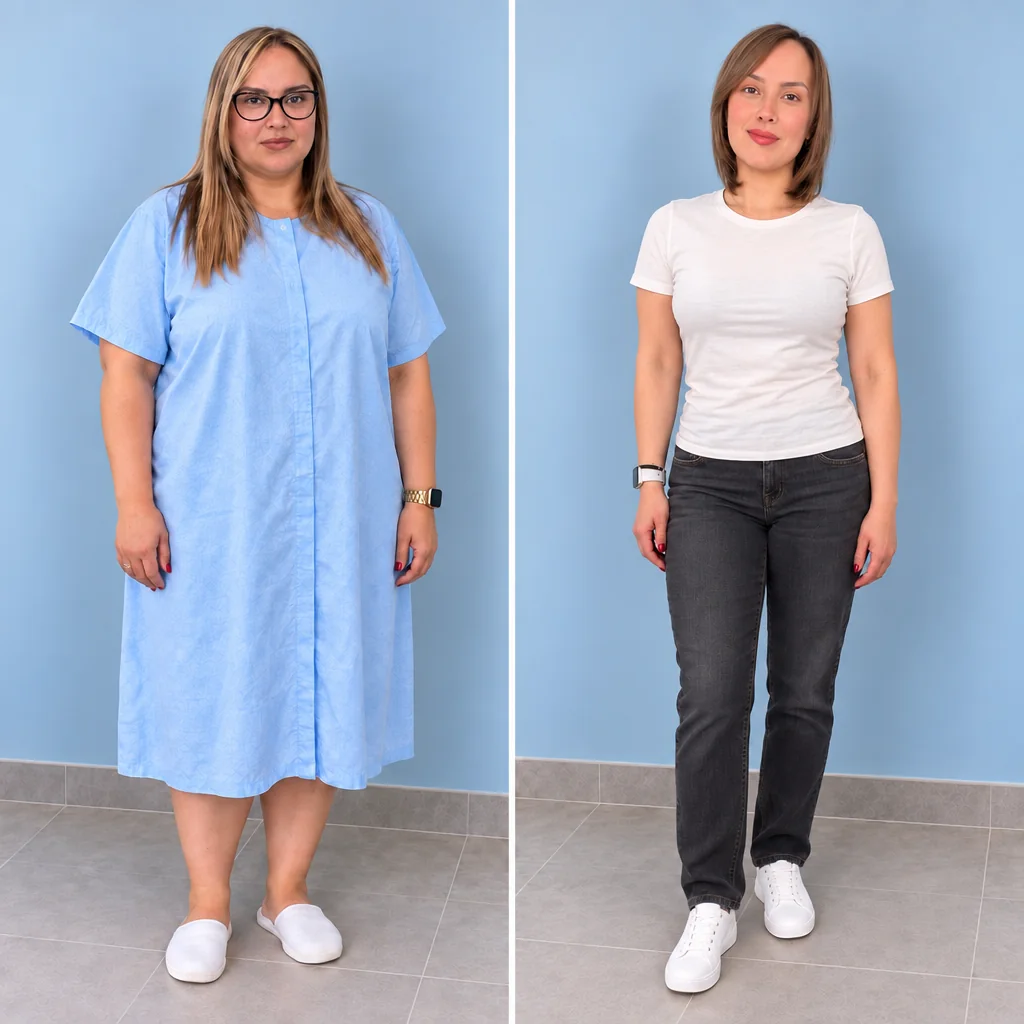 beforeafter
Bariatric surgery
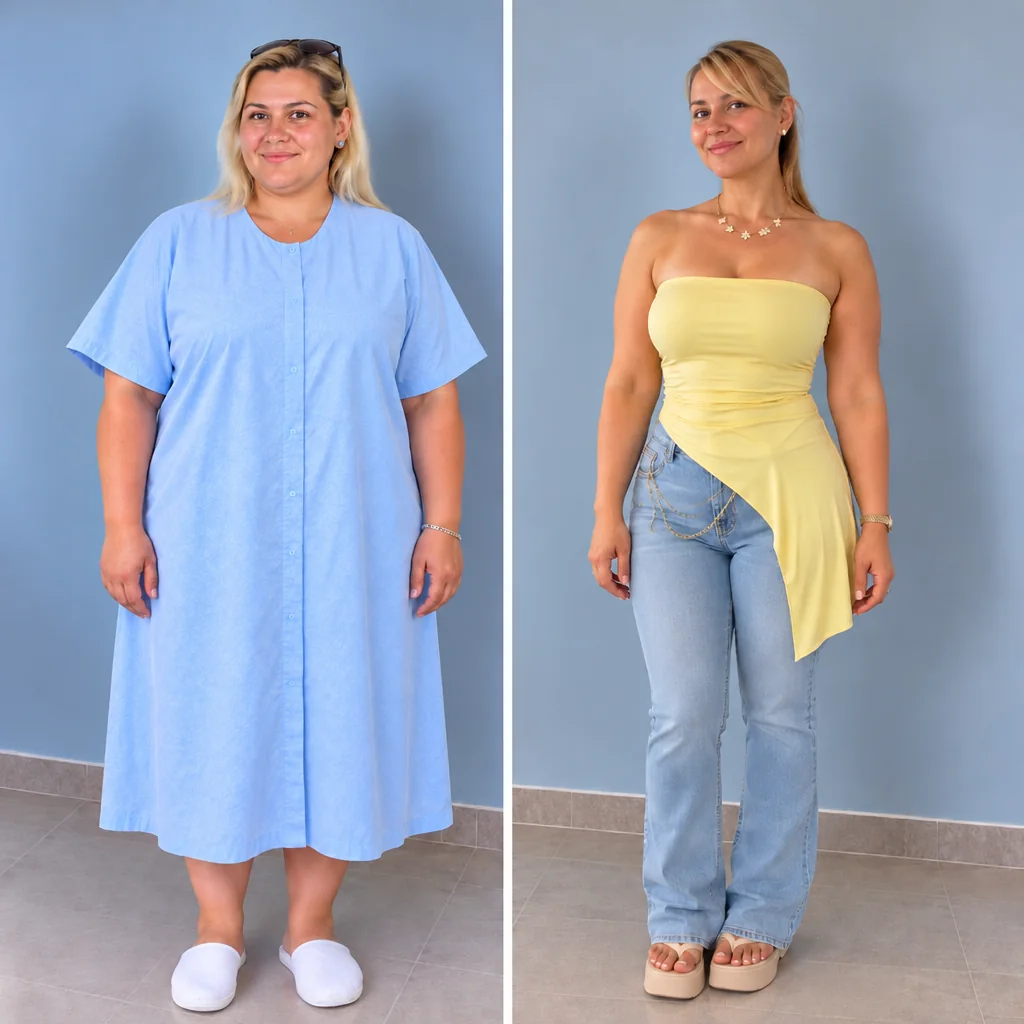 beforeafter
Bariatric surgery
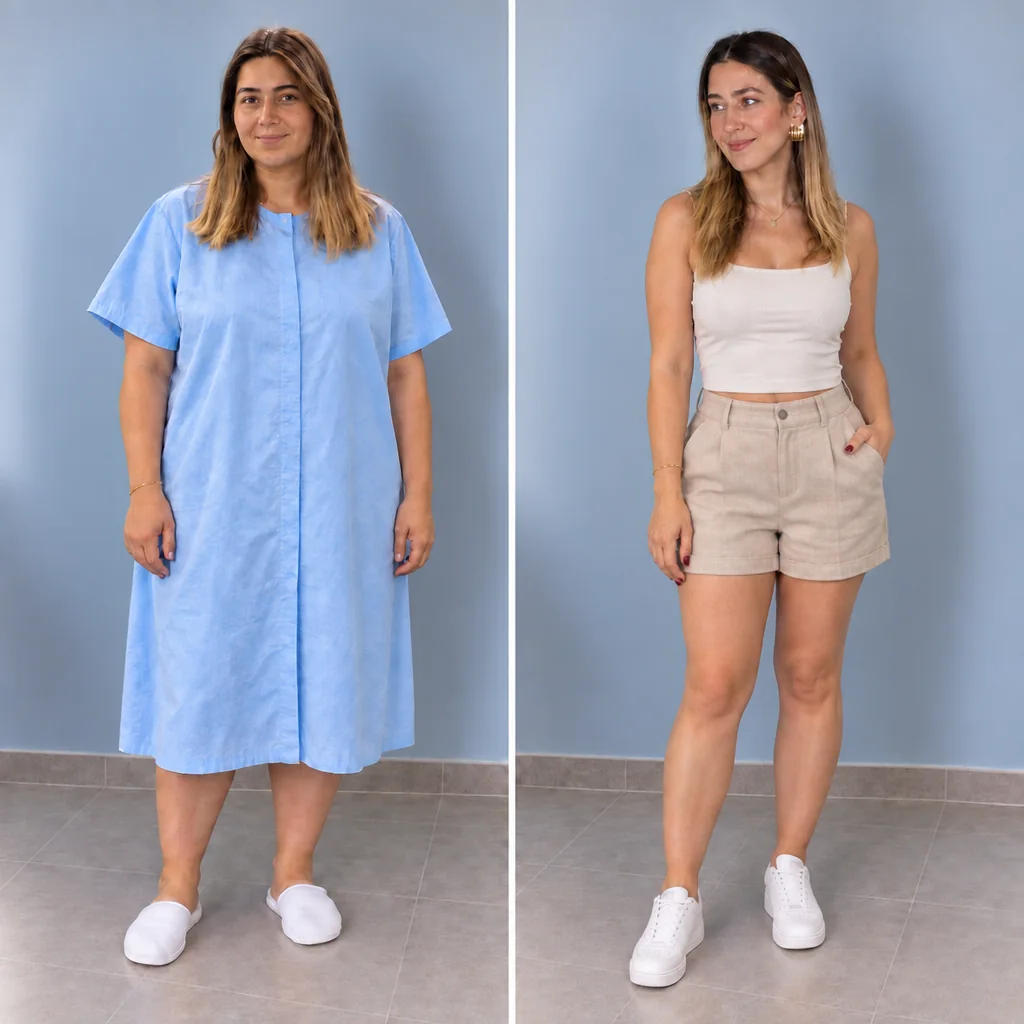 beforeafter
Bariatric surgery
Comparison
We offer two main options: gastric bypass and sleeve gastrectomy. Weigh up how each works, its purpose and its indications to settle on your method with confidence.
A smaller stomach volume
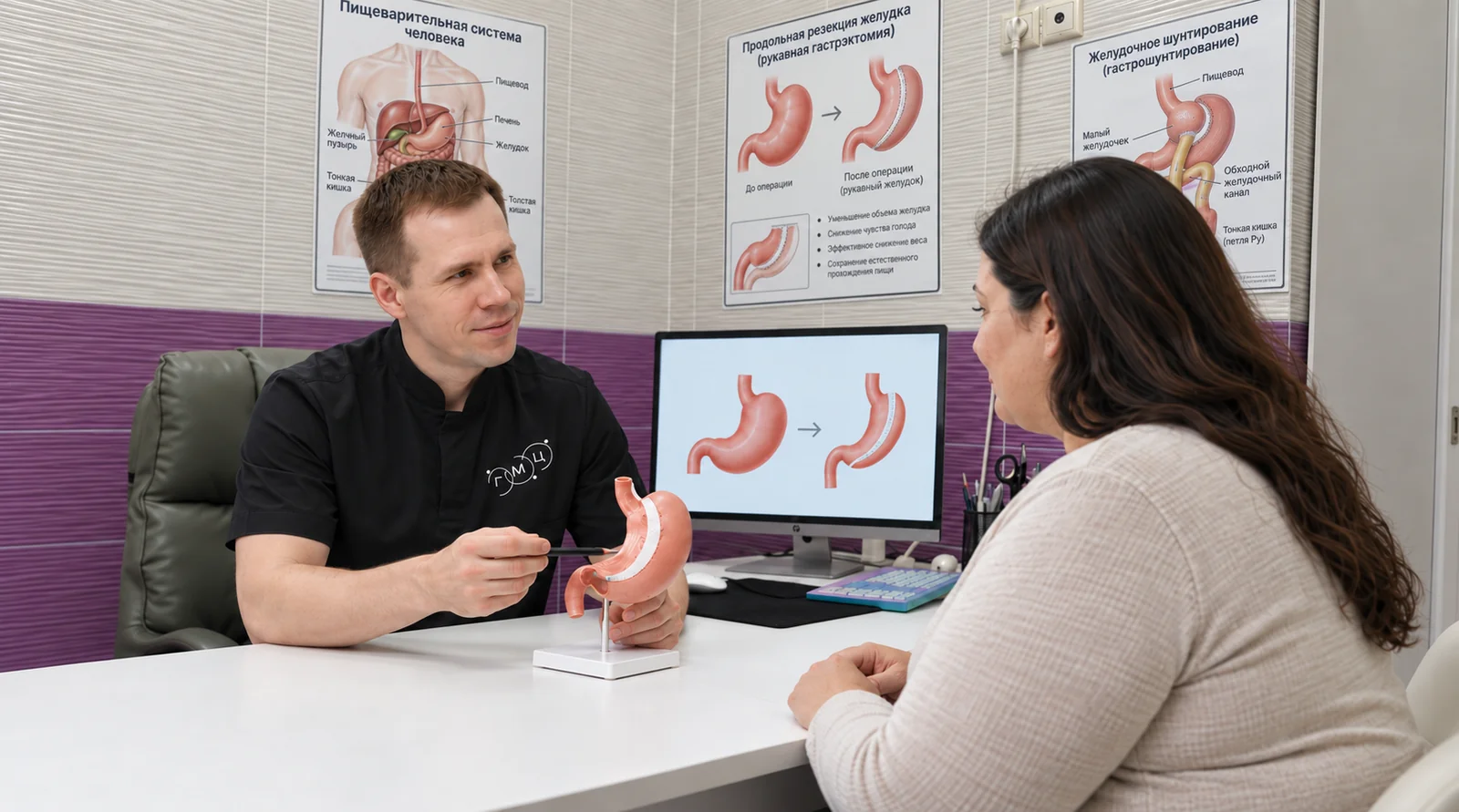
Discounted price
$3,600 $4,800
Reducing the stomach volume and rerouting food
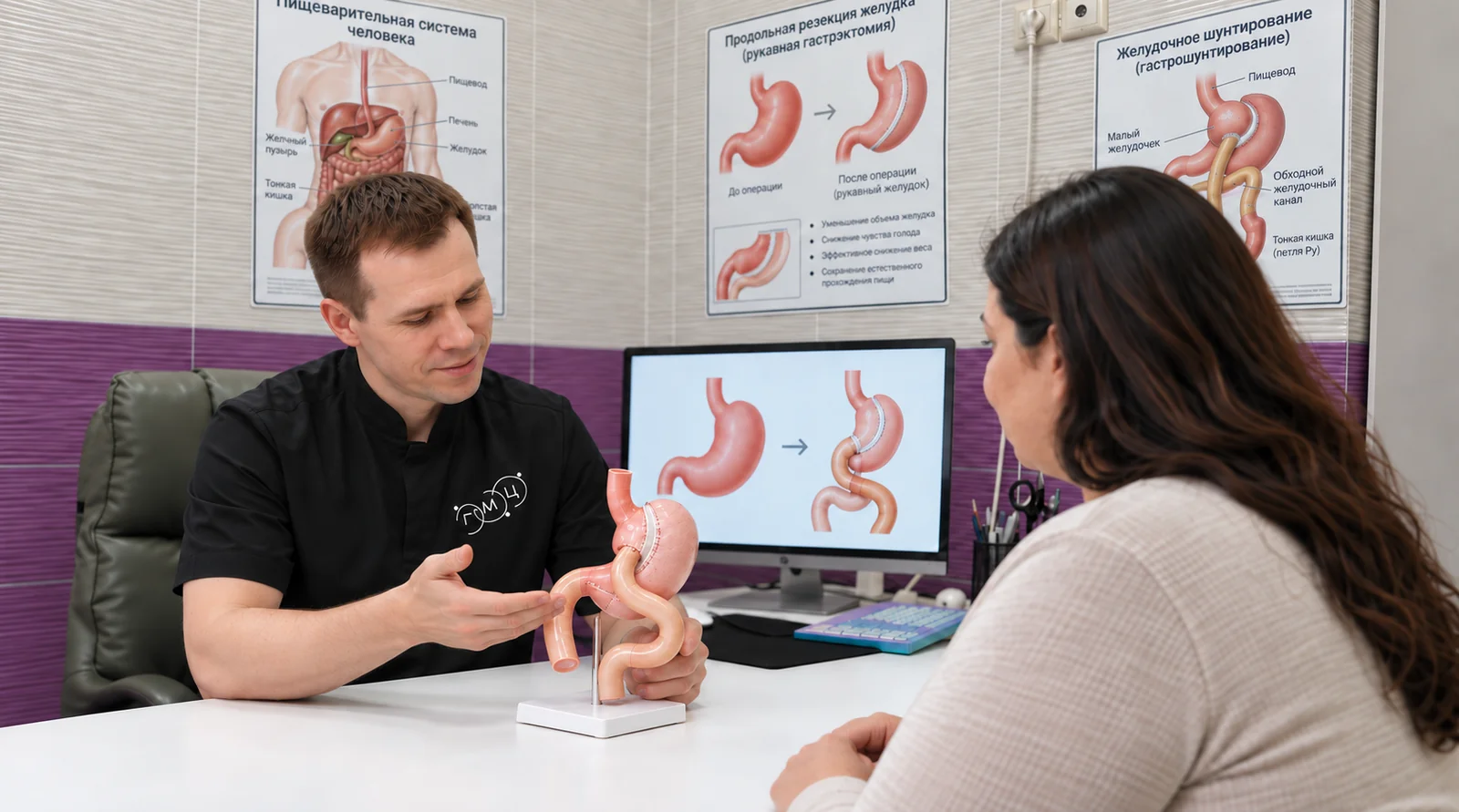
Discounted price
$4,000 $5,200
All benefits and recovery periods listed are averages per method, for guidance only. The extent of surgery and recovery vary with your anatomy and individual traits and are confirmed by the surgeon at the consultation.
Book a consultationOur clinic
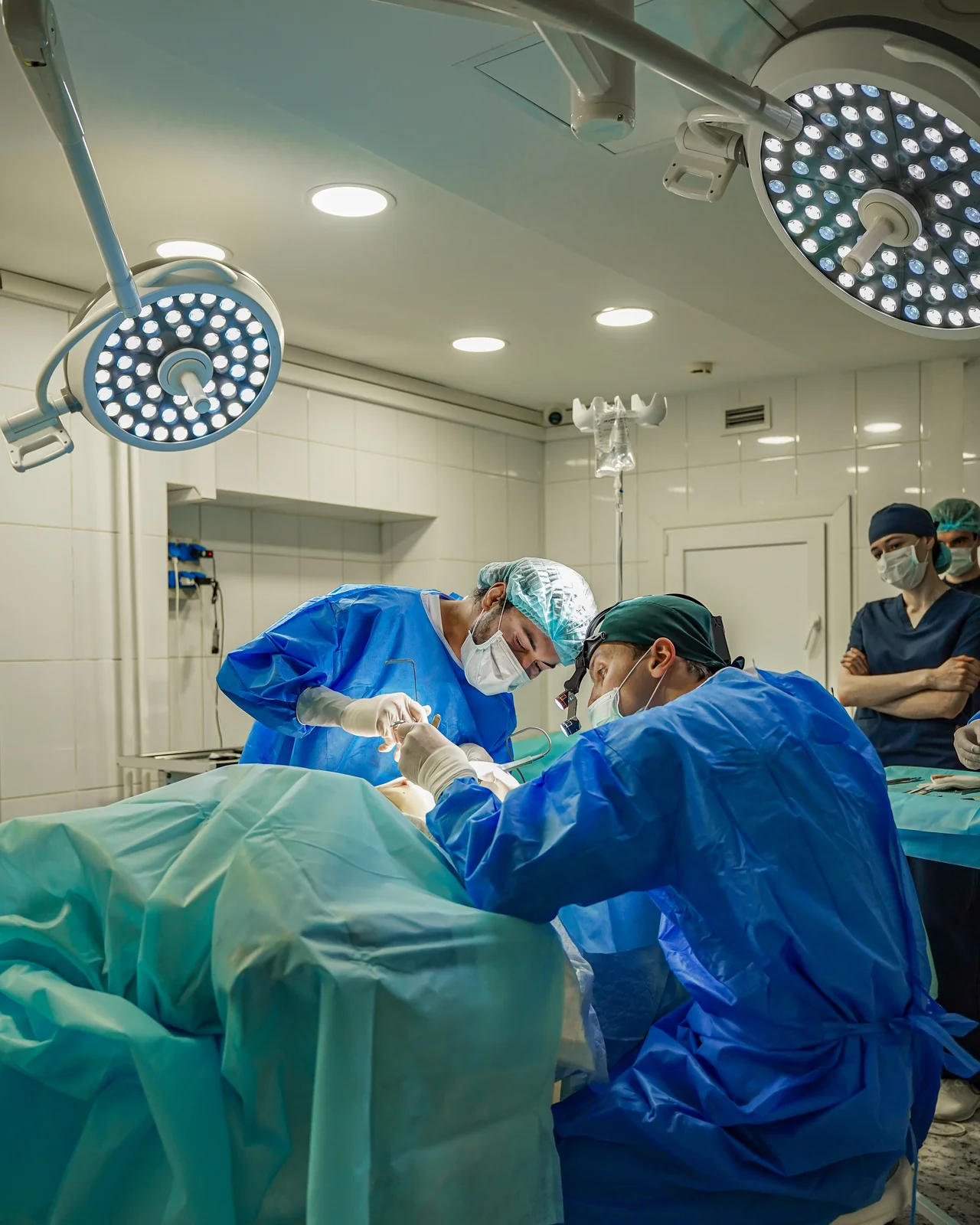
Modern equipment, comfortable rooms and care for every patient
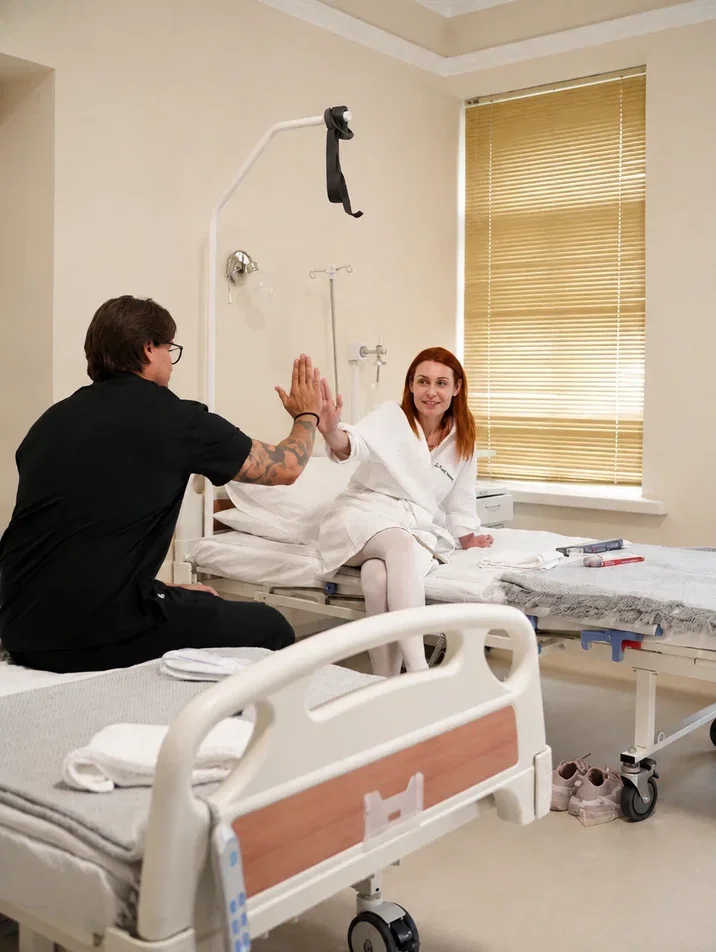
We answer your questions and pick a convenient consultation time
Get a consultationSurgery is only decided jointly with the surgeon, once the consultation and check-up are done.
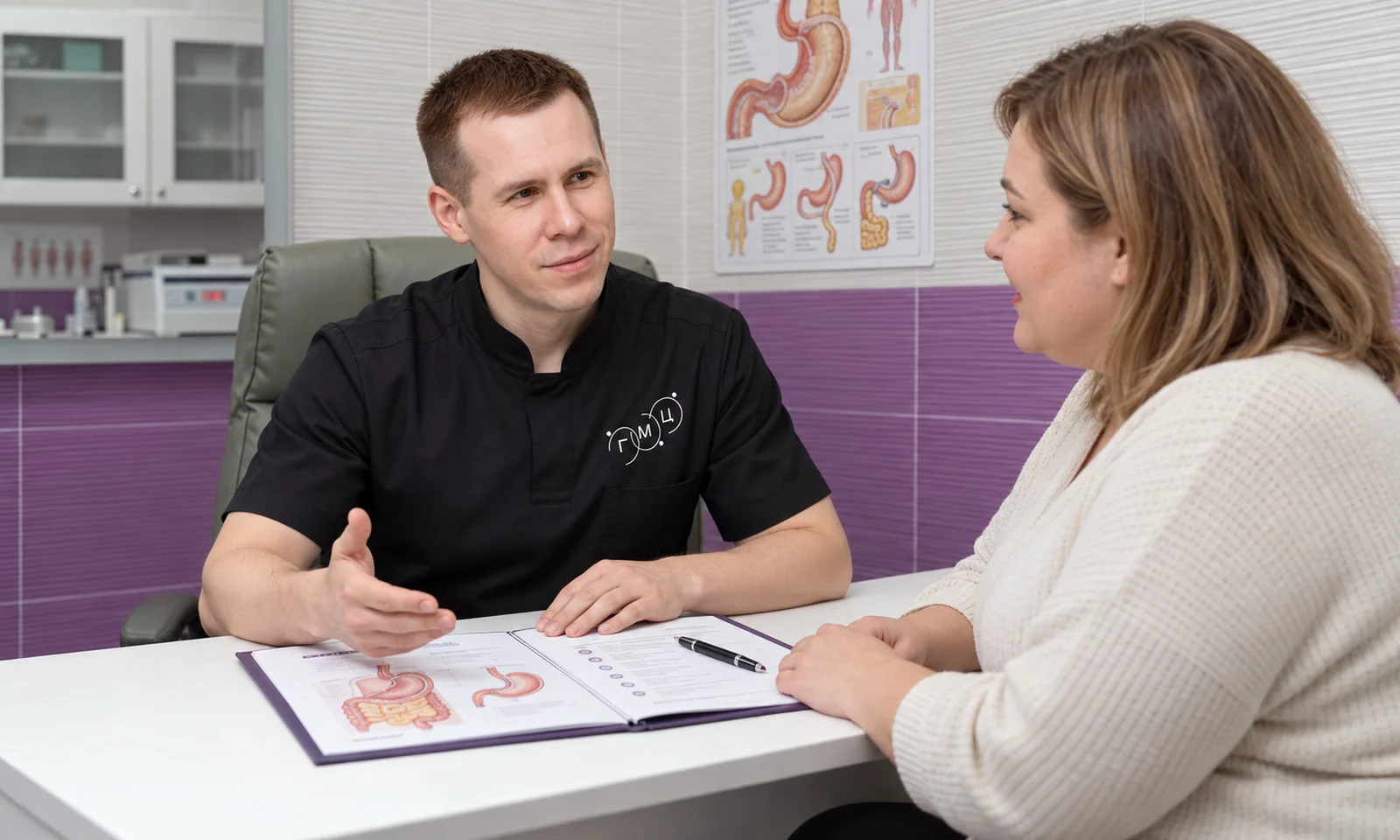
Not sure which column you belong to?
Contact us on Telegram, and our coordinator will say whether bariatric surgery is suitable for you. You pay nothing for the surgeon consultation and are not committed to surgery.
Find out if it suits me
Prices
The contract fixes the cost, which is named at the consultation after your plan is drawn up.
Discounted price
A smaller stomach volume
$3,600$4,800
Discounted price
Weight reduction with rerouting of food
$4,000$5,200
Free
The surgeon examines you and draws up a treatment plan

Free
the surgery price is set
and written into the contract
After assessing your health and discussing your goals, the doctor picks the right bariatric surgery method. You learn the cost at the consultation, and the contract fixes it.
Message our coordinator
Free online consultation · Reply within 15 minutes
Message us on TelegramMessage us on WhatsAppBy messaging us, you agree to our Privacy Policy

price
No extra charges: one package takes you from preparation through 12 months of support.Everything from surgery preparation
to support over 12 months.
The process
Hospital monitoring, a treatment plan agreed with you and a year of support.
 1
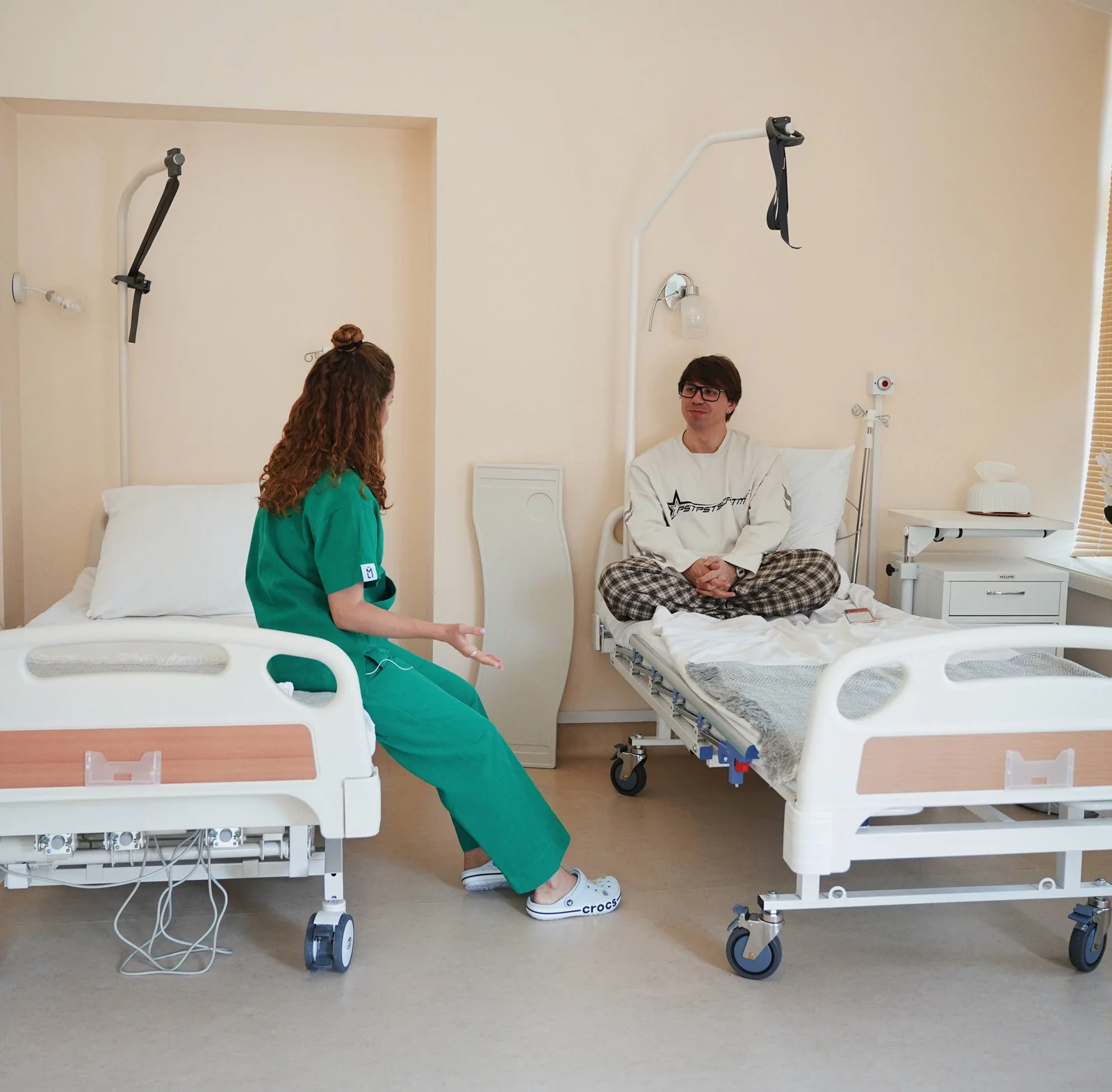
Your health is assessed, your goals are discussed and the doctor orders the tests required to pick the right bariatric method.
2We secure a date for your surgery: you can pay the deposit by card at the clinic or by bank transfer online. The terms are fixed in the medical services contract
 3
Before surgery you have blood and urine tests, an ECG, an ultrasound and a gastroscopy, and see the specialists. The doctor gives you the exact list at the consultation.
 4
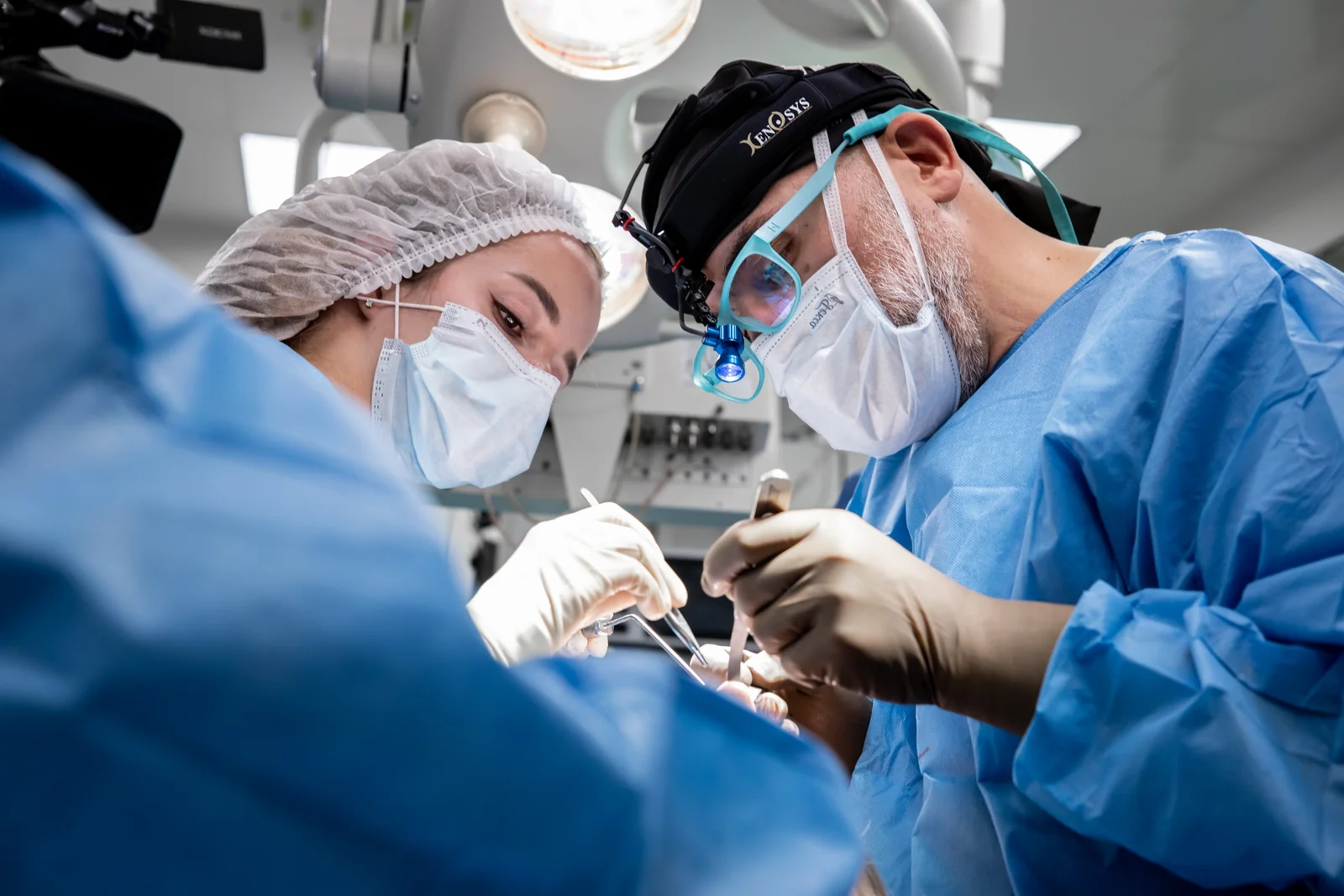
Using the chosen method, the surgeon performs the bariatric surgery under general anaesthesia. Once it is over, the medical team monitors the patient.
 5
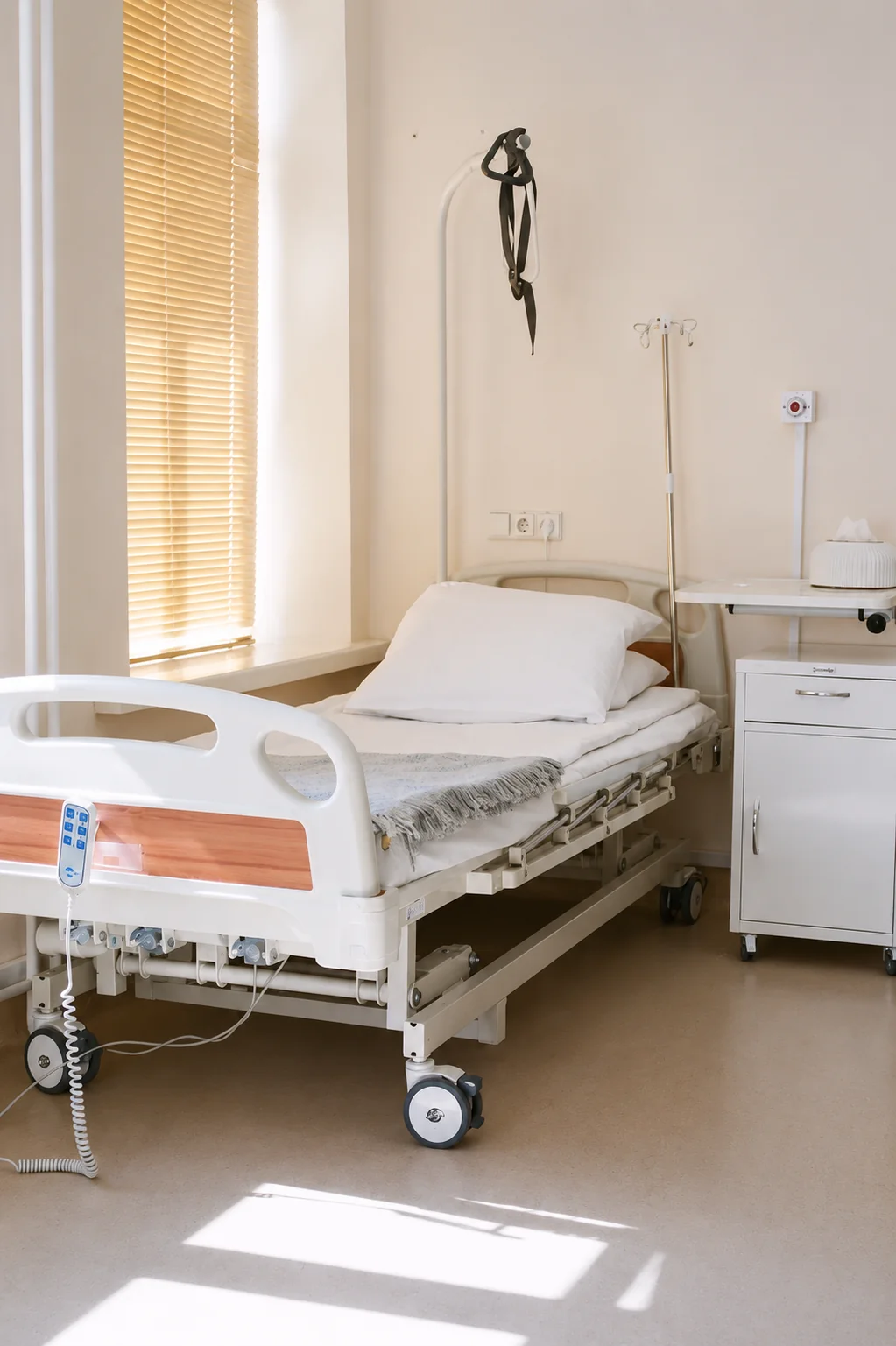
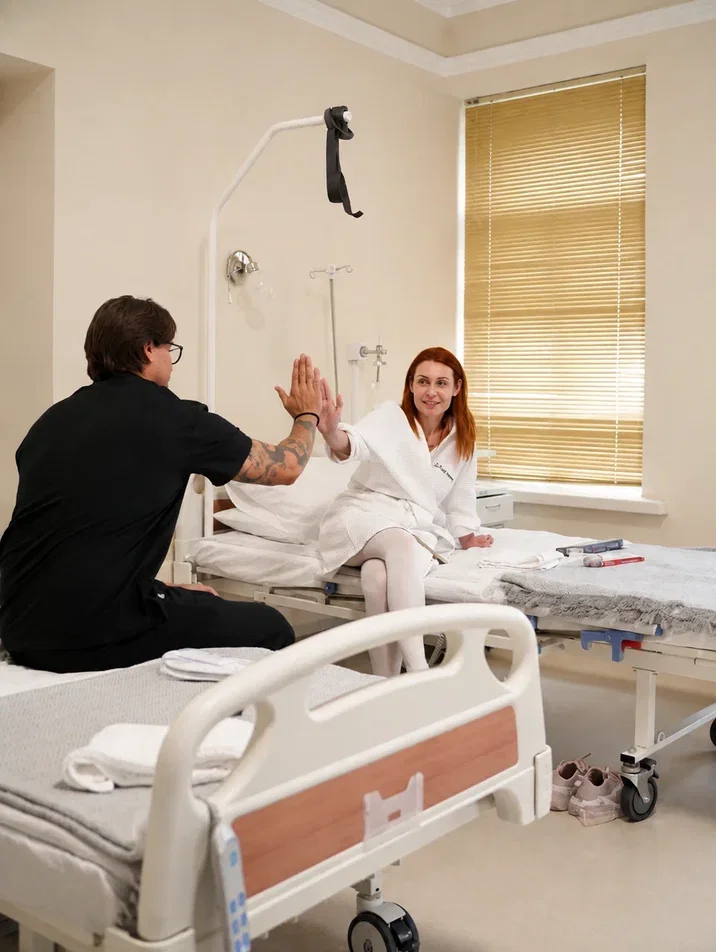
After surgery, doctors supervise you in hospital. You stay from 1–3 to 4–5 days, depending on the complexity of the operation and your well-being.
 6
After you leave hospital, you receive advice on diet and recovery. Scheduled check-ups monitor your weight, test results and how you feel. The clinic team supports you for a year.
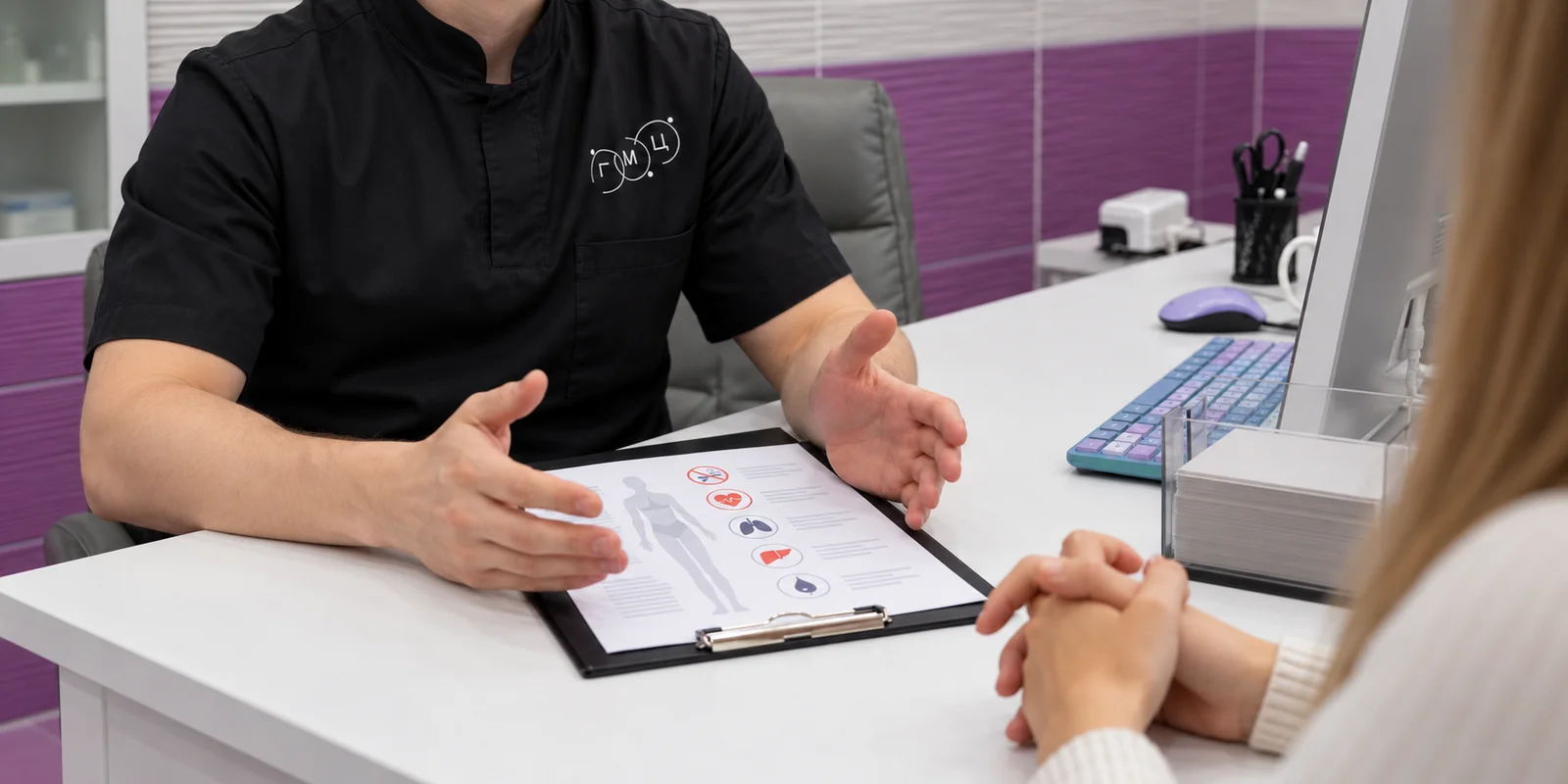
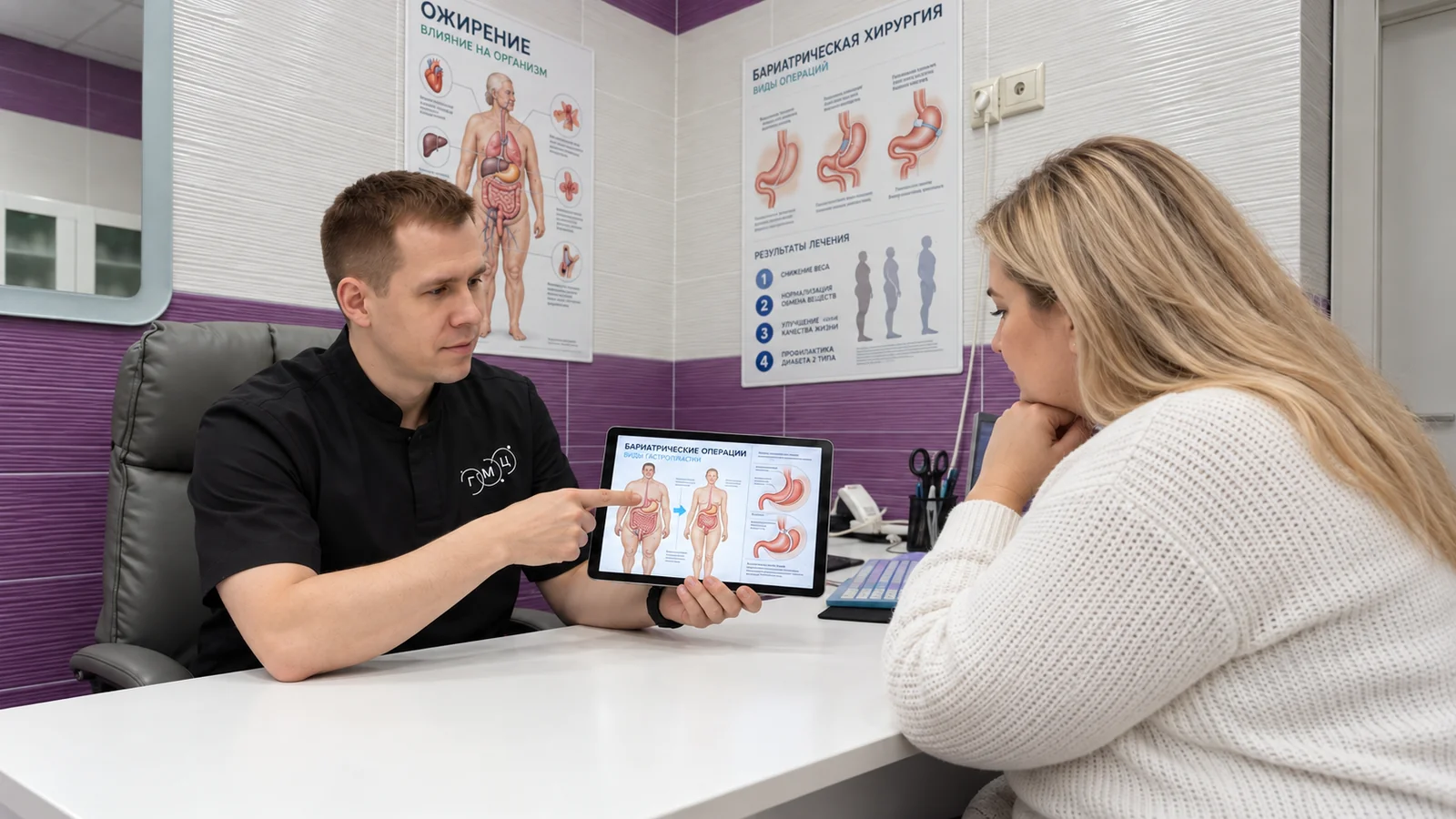
At the consultation the doctor draws up your plan and explains the surgery step by step
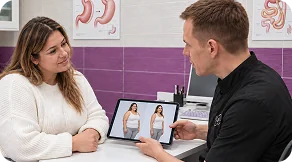
The consultation is free of charge, comes before surgery and obliges you to nothing.
Book a consultationDoctors
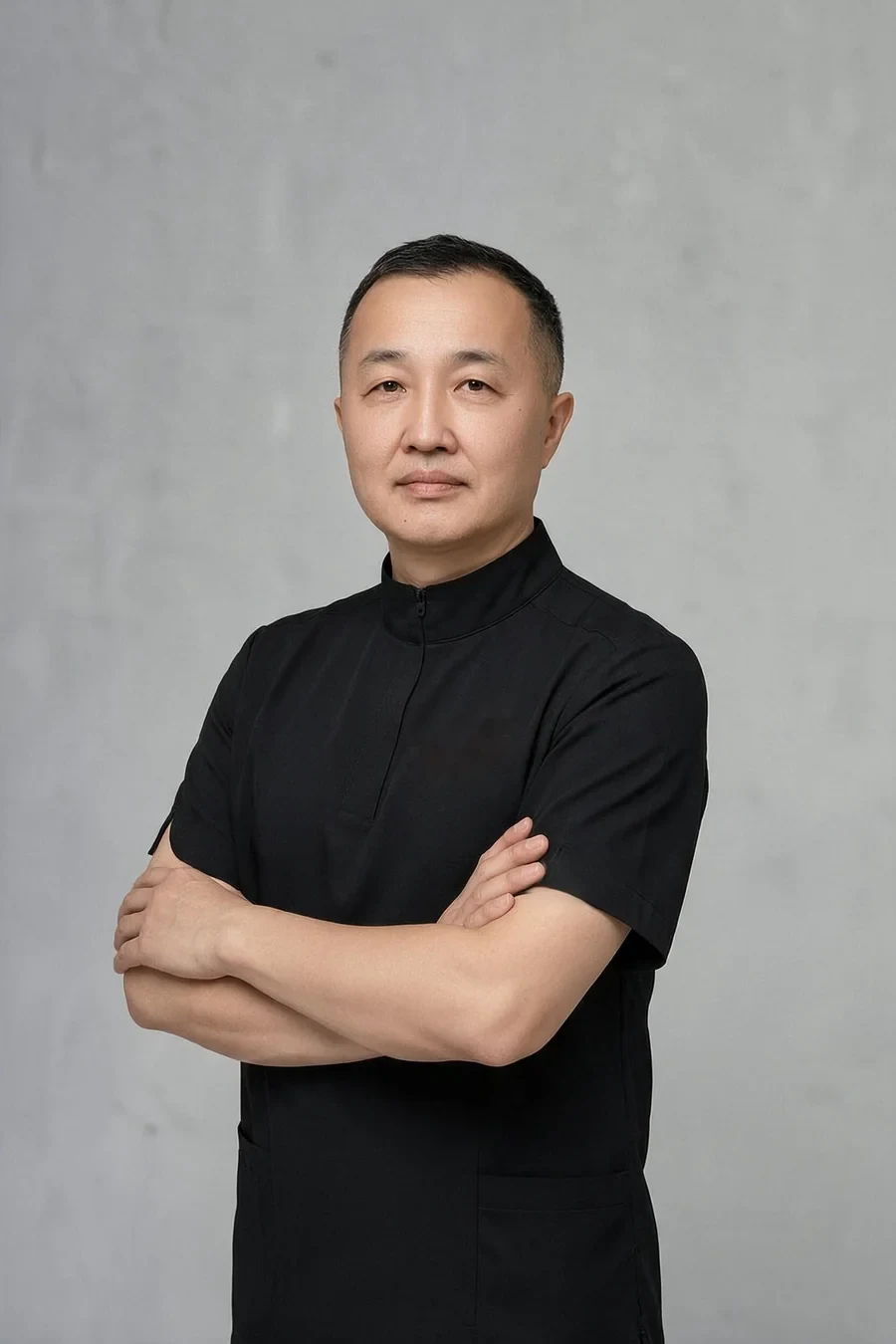
27 years of experience
Lead bariatric surgeon
Surgeon
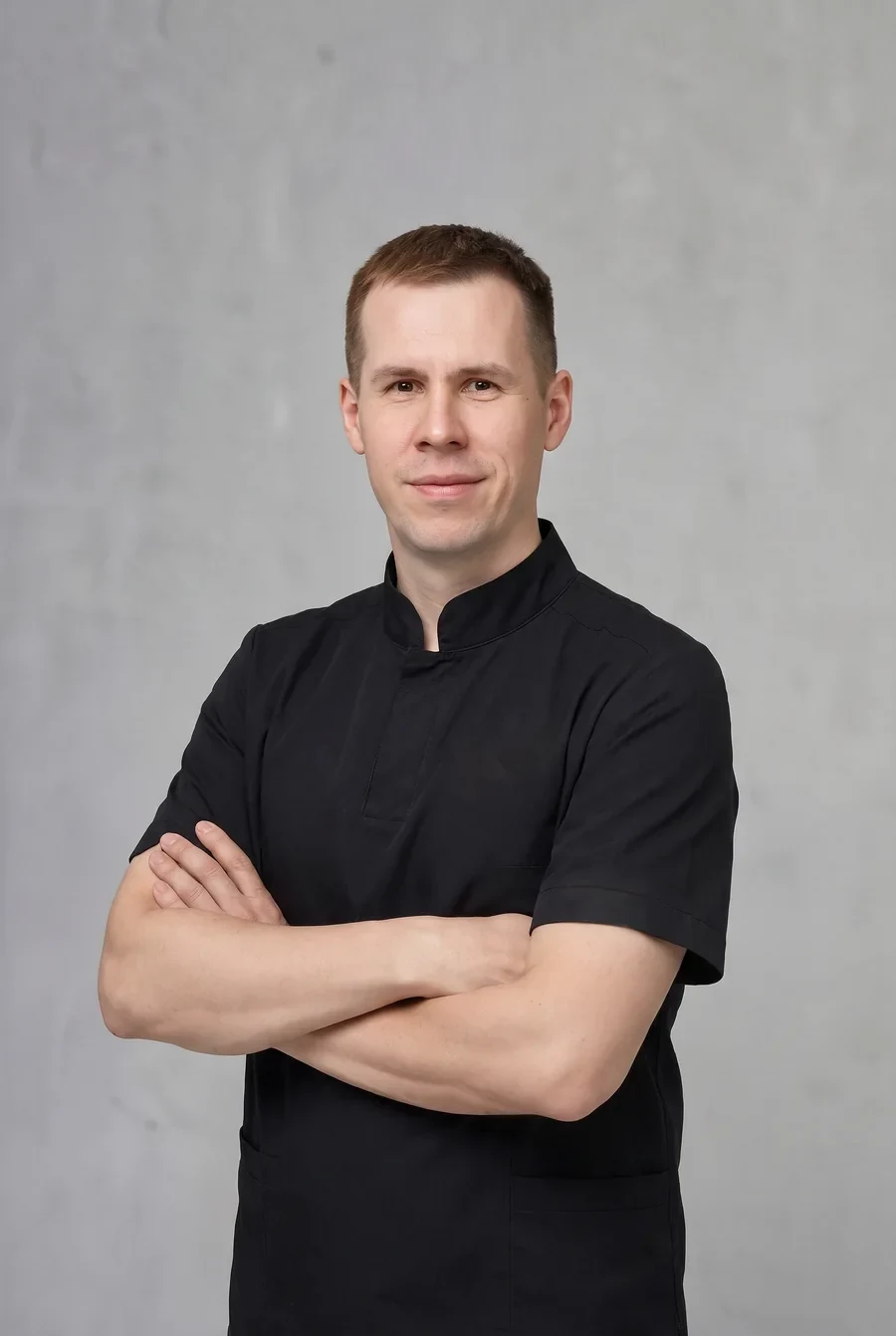
9 years of experience
Bariatric surgeon
Surgical oncologist
The same surgeon operates and follows your case — from first consultation to result.
The first consultation, free of charge, is with our patient care manager, who works out your BMI, explains the methods and books you in with the surgeon.
Book a consultationCoordinators
We are with you at each stage

Your first point of contact at the clinic, from your first message to the consultation
Patient support
Answers your questions before the first consultation and helps select a date that works for you

With you before and while you stay with us, from booking to discharge
Patient support
Helps prepare you for surgery and remains in touch during your stay at the clinic

Stays with you during recovery, from discharge until your final check-up
Patient support
Remains in touch during recovery and books your follow-up appointments with the surgeon
Advantages
We pick the best method for your health, lifestyle and goals, and our team is with you all the way.
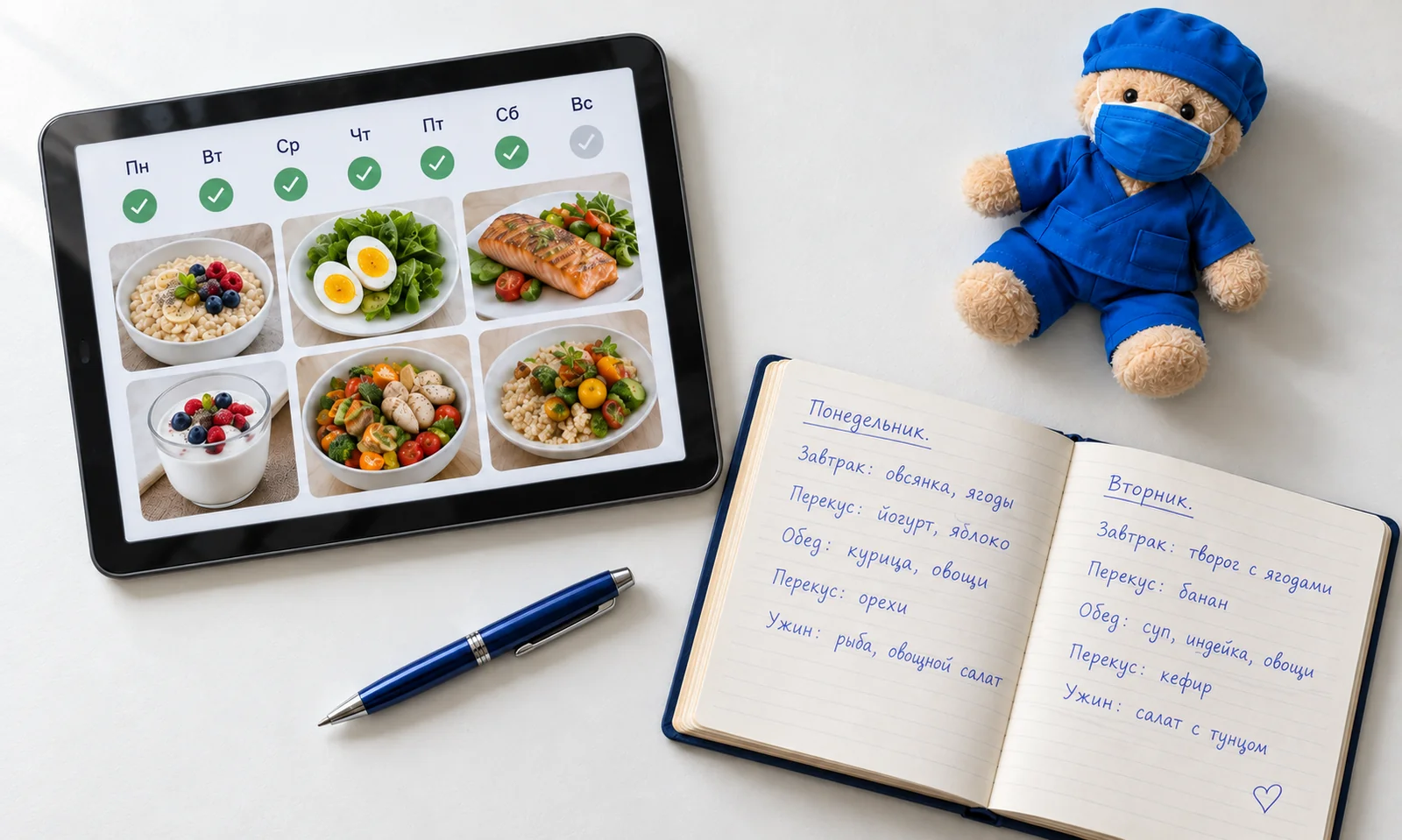
We help you adjust to new eating habits, follow your results and maintain them.
Steady weight loss, improved well-being and a better quality of life.

Respecting your time, we are available 24/7, offer easy booking and a personal approach, and adapt to your pace.
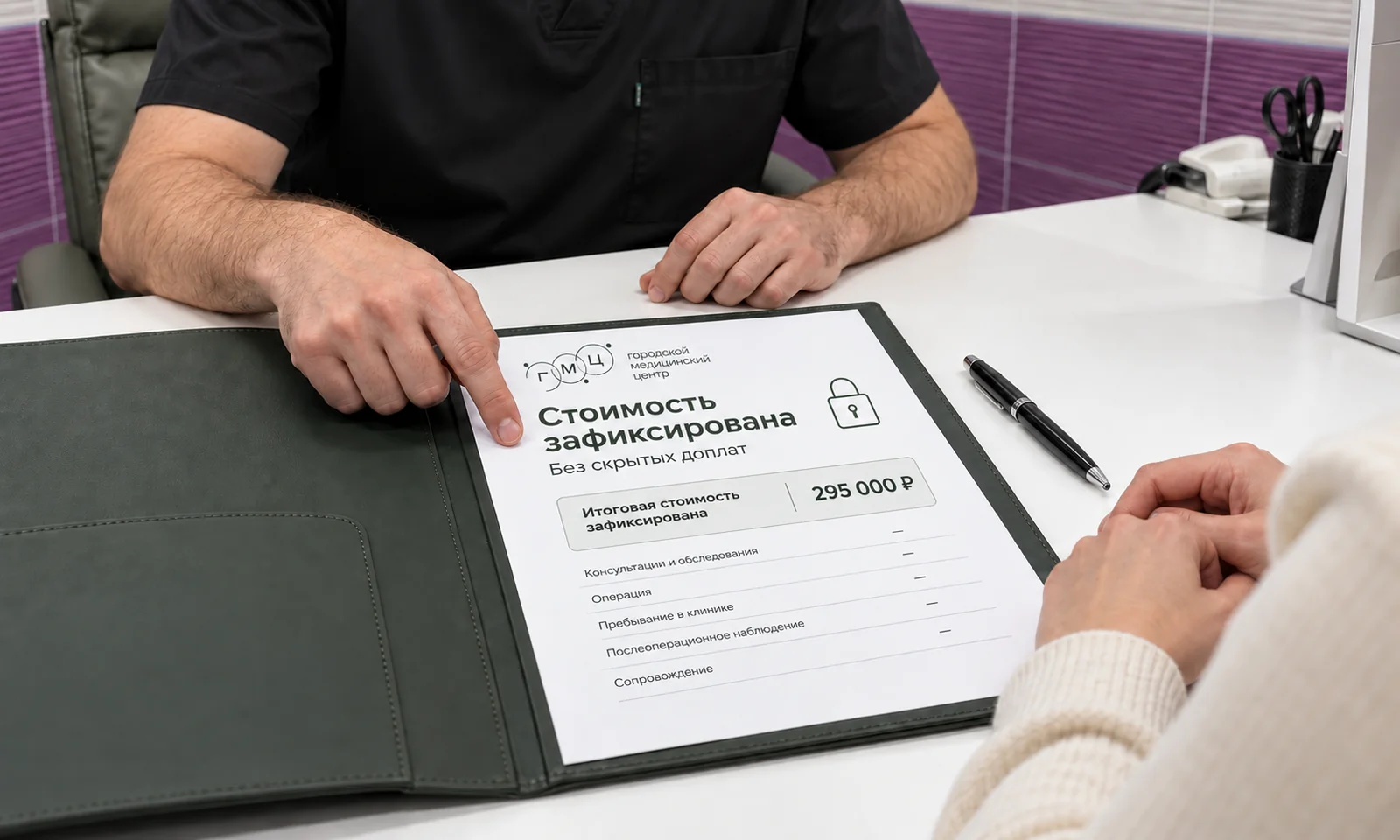
No hidden fees and no surprises on the way to your result: after the consultation the surgeon chooses the method and you get a clear price.
FAQ
Bariatric surgery at the clinic is performed by experienced bariatric surgeons:
Message us — our coordinator will be in touch shortly to arrange your consultation. There is no charge for the bariatric surgeon consultation.
Surgery is prescribed only when clear criteria are met
BMI is the main tool for assessing the degree of obesity. It is calculated by dividing body weight (kg) by height squared (m²). Surgery is usually justified with a BMI above 40, or above 35 with serious related conditions. In some cases surgery is considered at lower values too — if non-surgical approaches have failed.
Many people confuse the two, but their goals are fundamentally different. Bariatric surgery is a medical treatment for obesity and related diseases. It changes how the digestive tract works, addressing the causes of excess weight and metabolism. Plastic surgery reshapes the body's outer contours; it does not treat obesity or affect metabolism.
Four main types of bariatric surgery are performed at City Medical Centre: sleeve gastrectomy, Roux-en-Y gastric bypass, mini gastric bypass (MGB) and SADI-S duodeno-ileal bypass. Each is selected individually based on BMI, related conditions and patient goals.
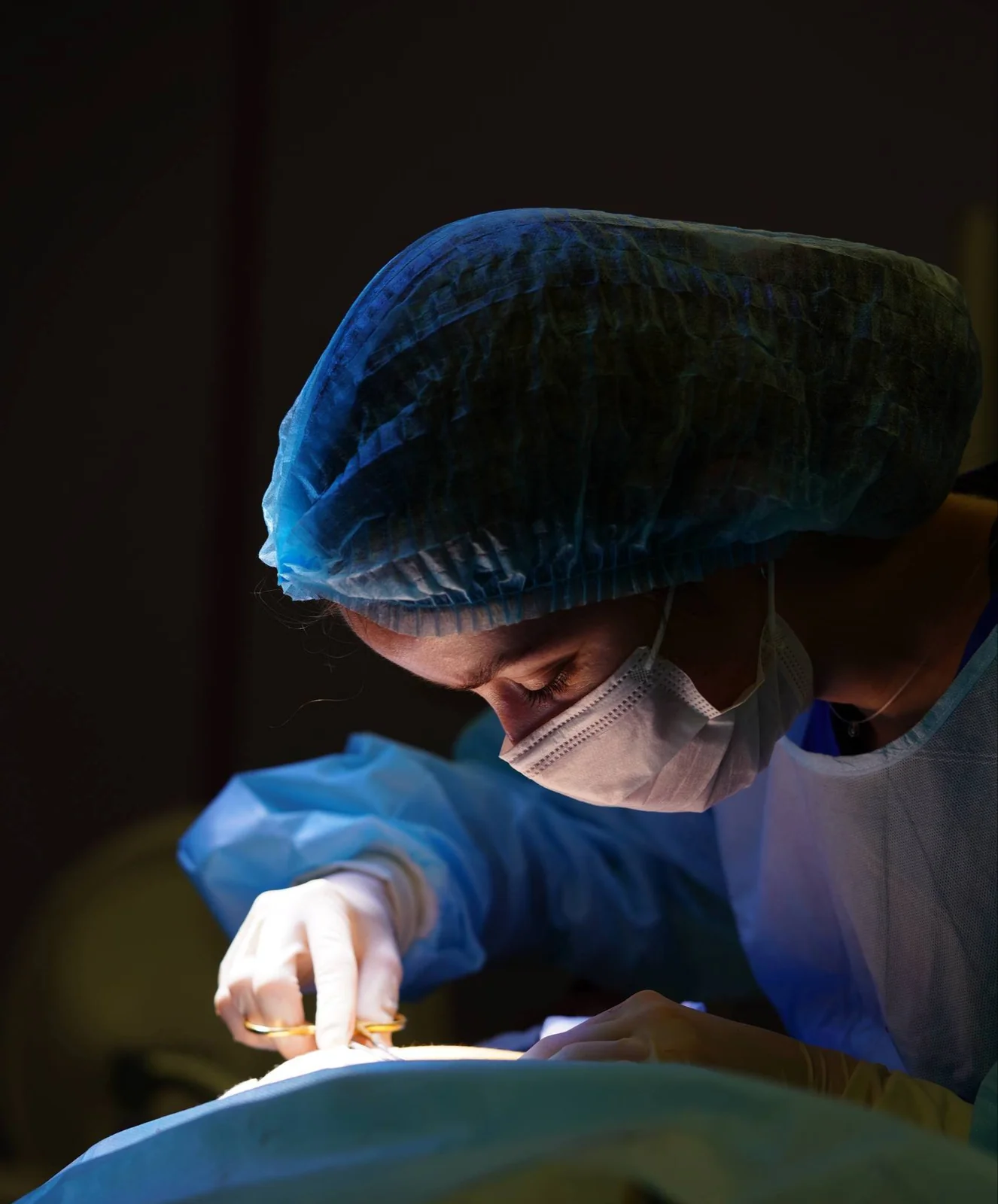
Our approach is modern laparoscopic technique: 4 small punctures of 5 to 15 mm. We use cosmetic sutures, so the marks turn almost invisible after healing.
Recovery is tied to what you do. Office work: after 2–4 weeks. Physical work: after 1.5 months. Sport and activity: you may swim after 30 days, and other exercise is added bit by bit as weight drops. Travel and holidays: best left until at least a month after surgery.
Stage by stage, you move from liquid food to soft and then solid. Priority goes to protein, and high-calorie, fatty food is limited.
You can become pregnant after bariatric surgery, but doctors advise a wait of at least 12–18 months. Over this period the body stabilizes, weight hits target values and nutritional status normalizes.
Yes, after bariatric surgery vitamins cannot be skipped. As the digestive anatomy changes, some nutrients are absorbed less well, making regular vitamin and mineral supplements a permanent feature of the patient's life.
After bariatric surgery weight regain can happen, but it is very unlikely if the doctor's advice is followed. What matters is proper nutrition, avoiding high-calorie drinks and regular follow-up with City Medical Centre specialists.
Prices are in US dollars; the amount in brackets is an approximate conversion to ZAR at the rate of 02.10.2026. The final price is fixed in your contract.
Prices start from $3,600 (≈ R61,000). The surgeon sets the final price at the free consultation, and it is fixed in the contract, with no hidden extras.
General anaesthesia, a personal coordinator from day one, monitoring in the hospital and support for one year.
The hospital stay is 1–5 days, depending on the method and how you feel. Office work is possible after 2–4 weeks.
Yes. The first consultation is free and does not oblige you to anything. You can start online by sending a message to the coordinator.
Message us on WhatsApp or Telegram using the buttons below. A coordinator will answer your questions and book a free consultation where the doctor names the exact price.
By messaging us, you agree to our Privacy Policy
Sleeve gastrectomy turns most of the stomach into a narrow tube, reducing portion size and levels of ghrelin, the hunger hormone. It suits a BMI of 35 to 45, with patients losing on average 60–70% of excess weight. For anyone from Richards Bay with a higher BMI or type 2 diabetes, a bypass may fit better; the surgeon compares options at the consultation.
It begins with a surgeon's consultation: medical history, choice of method and a recovery plan. Patients from Richards Bay then complete a work-up — blood and urine tests, biochemistry, HbA1c, coagulation, chest X-ray, ECG, abdominal and kidney ultrasound, leg vein Doppler and a required gastroscopy — plus consultations with a GP, endocrinologist, psychiatrist, cardiologist and, for women, a gynecologist.
A permanent team — not a duty shift — handles your case, and the whole package is transparent. Included are the operation, 24/7 care in the ward, meals, nursing and a personal coordinator from day one, plus support throughout the first year. Richards Bay patients also get a contractual result guarantee. Book a free consultation to discuss your situation.
What patients write after this operation. Reviews are translated from the original language.
Irina, 26
For a long time I doubted whether to go ahead with surgery, but after the consultation I felt much calmer. Andrey Georgievich explained in detail how gastric bypass is done, what to expect after the operation and how recovery would go. I especially liked that they talked to me calmly and without pressure. I am now gradually getting used to my new way of life and I am very glad I took this step.
Bariatric surgery
Doctor: Andrey G. Ugay
Angelina, 22
For me the hardest part was deciding to have the operation. At the consultation Ruslan Sergeyevich answered all my questions in detail and explained the specifics of sleeve gastrectomy and recovery. After the operation I always understood what I was doing and why. Thank you to the doctor and the whole team for their attentiveness.
Bariatric surgery
Doctor: Ruslan S. Menzulin
Anna, 31
For a very long time I tried to deal with my excess weight on my own, but I did not get the result I wanted. After the consultation with Andrey Georgievich I finally understood what to do next. I came through the operation well, and my recovery was supervised by the doctors. It was important for me to feel that I was not left alone after surgery.
Bariatric surgery
Doctor: Andrey G. Ugay
Veronika, 25
Before the operation I had many fears, mostly of the unknown. Ruslan Sergeyevich explained every stage of treatment in detail and answered even the simplest questions. Thanks to that I felt much more confident. I keep following the recommendations and I am gradually seeing the changes I had the operation for.
Bariatric surgery
Doctor: Ruslan S. Menzulin
Valentina, 23
The decision to have bariatric surgery was not easy for me. I worried both about the operation itself and about how my life would change afterwards. At the consultation Andrey Georgievich explained everything in detail, so little by little my fear turned into confidence. What matters most to me now is the result and the chance to treat my health and lifestyle differently.
Bariatric surgery
Doctor: Andrey G. Ugay
Anna, 27
I am very grateful to Ruslan Sergeyevich for his attentiveness. Before the operation I had a huge number of questions, and I got a clear answer to every one of them. After the operation it was also clear which recommendations to follow and how to eat. It was important to me that the doctor stayed in touch and I felt supported at every stage.
Bariatric surgery
Doctor: Ruslan S. Menzulin
Richards Bay is a city in KwaZulu-Natal on a 30-square-kilometre lagoon of the Mhlatuze River. It is home to one of the country's largest harbours and the deepest natural harbour on the African continent. The city has about 252,968 inhabitants. It is a working port and industrial city with a coastal rhythm, and that rhythm shapes how people here think about health, weight and time off.
Many residents come to the question of bariatric surgery after years of trying diets, gym memberships and short-lived programmes. The WHO describes obesity as a chronic condition that raises the likelihood of other illnesses, and that matches what families in Richards Bay tell our coordinators: weight is rarely the only issue, and it often arrives together with blood pressure, blood sugar, sleep and joint complaints.
This text is written for a person in Richards Bay who is still collecting information. It covers the two operations most often discussed, sleeve gastrectomy and gastric bypass, and ties each step to local life: shift patterns, the humid coast, family gatherings, food habits and the distances between suburbs. It is general information. Only the surgeon, after reviewing your tests, can say which operation fits you.
Richards Bay lies in a transitional zone between a humid subtropical climate inland and a tropical savanna climate along the shore. Summers are warm and wet, and winters are mild, moist to dry and frost-free. Average annual rainfall is 1228 millimetres and the average annual temperature is 21.5 °C. From January to March daytime maxima peak at about 29 °C, while from June to August daytime highs are around 23 °C with minimums near 12 °C.
For recovery this matters in practical ways. In the humid summer months, sweating under a compression garment or a waistband can irritate the skin around the small laparoscopic wounds, so loose breathable clothing, clean dry dressings and following your surgeon's wound instructions become more important. Heat also increases fluid loss, which is relevant because sipping fluids in small amounts is a central part of early eating after these operations.
The mild winter is gentler on a patient who wants to rest at home and take short, easy walks. Cooler, drier days make it more comfortable to wear layers over the abdomen. Whatever the season, direct strong sun on healing marks should be avoided, and a hat and shade are sensible for outdoor walks. Keep the wounds covered until your surgeon says otherwise.
Because the coastal plain is very flat, with suburbs only a few metres above sea level, gentle walking is easy to build into daily life in the days after discharge. There are no steep hills to climb, which suits the gradual return to activity that the medical team recommends.
There is no single correct month, but local conditions can help you choose. The warm wet summer, with its peak heat from January to March, is the most demanding time for wound care and hydration. Patients who plan the operation for the cooler months from June to August often find it easier to rest indoors, wear soft clothing and keep a steady routine.
Planning should also take into account the working calendar of a port and industrial city. If your employer runs on shifts, ask early about leave. Office work is possible after 2–4 weeks, and physical work after 1.5 months. Anyone employed in heavy labour around the harbour, the smelters or the mineral works should plan the longer period, not the shorter one.
Family events matter too. Birthdays, religious holidays, weddings and long weekend braai gatherings are central in Richards Bay, and large festive meals are difficult in the first stages after surgery. Pick a window when you can step back from them without pressure. A coordinator can help you line up the preparation, the operation and the follow-up around your own calendar, because we work 24/7 and adapt to your pace.
The population here is young: 74.19 per cent of residents are under 34. Many patients are therefore balancing a career, studies and small children. The medical facts give clear planning anchors: a hospital stay of 1–5 days depending on the method and how you feel, and a return to office work after 2–4 weeks.
If you work in the port or at a plant, the physical demands matter more than the title on your contract. Physical work is generally resumed after 1.5 months. Discuss your exact duties, lifting and long hours in the heat with the surgeon at the consultation, and ask for a written plan you can show your employer.
Students can usually return to lectures and desk study within the office-work window, but should arrange flexible deadlines for the first weeks. Sport follows the same gradual logic: swimming is allowed after 30 days, and other exercise is added gradually as weight goes down. Richards Bay is known for kitesurfing in consistent north-east winds. Water sports are a motivating goal, but treat them as a later milestone and confirm with the surgeon before you return to them. Begin with walking along flat paths near home, then add more once you are cleared.
Food in Richards Bay reflects its mix of communities: white, black African, Indian and coloured residents live in suburbs such as Meerensee, Brackenham, Aquadene and Ngwelezane. That means shared tables with grilled meat, rich curries, bread, maize dishes, fried snacks and sweet drinks, often at large family meals. None of these is forbidden for life, but after bariatric surgery the way you eat changes.
The stomach becomes much smaller, so portions are small, eating is slow and protein comes first. Ask the team how to adapt dishes you love rather than give them up. A curry can be made with less oil, a braai can focus on lean protein, and sweet fizzy drinks are the first thing most patients are asked to drop. Ask for guidance on vitamins and supplements, because nutritional status must be monitored in the months after the operation.
Talk to your household before the date is set. If one person cooks for everyone, they need to know about the new portions and textures. Sharing the plan makes family meals and community events much less stressful, and it protects you from well-meant pressure to eat more.
Bariatric surgery is usually considered with a BMI over 40, or over 35 with related health conditions. BMI is the main tool for assessing the degree of obesity: body weight in kilograms divided by height in metres squared. In some cases surgery is also considered at lower values, if non-surgical approaches have failed. The surgeon confirms at the consultation whether surgery suits you.
Candidates normally have a history of serious attempts to lose weight by other means. Contraindications are decided individually and include untreated conditions that make general anaesthesia or the eating changes unsafe, unstable mental health, or an unwillingness to follow the dietary and follow-up plan. Be fully honest about your medical history, medicines and any history of eating disorders or alcohol use. Without that, nobody can judge your case properly.
Pregnancy planning deserves its own conversation. Getting pregnant after bariatric surgery is possible, but doctors advise waiting at least 12–18 months so the body can stabilize, weight can reach target values and nutritional status can normalize. Young women in Richards Bay should discuss this with the surgeon before the date is fixed.
Both operations are performed under general anaesthesia and rely on modern laparoscopic technique. The operation is performed through 4 small punctures of 5 to 15 mm. Cosmetic sutures are used, so after healing the marks are barely visible, which is reassuring for patients who spend much of the year in light summer clothing and at the beach.
In a sleeve gastrectomy, a large part of the stomach is removed and a narrow tube remains. In a gastric bypass, a small stomach pouch is connected to a lower part of the intestine so food bypasses a section of the digestive tract. The surgeon chooses between them after looking at your weight, other illnesses, eating habits and goals. Ask what each option means for vitamins, reflux and long-term follow-up in your case.
Doctors supervise you in hospital after surgery for a stay of 1–5 days, depending on the complexity of the operation and how you are feeling. The weight loss result develops over time and is reached 18–24 months after surgery. Treat the early weeks as a phase of adaptation, not as the final picture.
The first step is a free online consultation. You contact the centre from Richards Bay on Telegram or Telegram, and coordinators are available around the clock, 24/7. If you leave a request, a coordinator will call you back 24/7. Booking is easy, the approach is personal and we adapt to your pace.
Prepare a short summary before the call: height, weight, past illnesses, medicines, previous operations and your earlier attempts to lose weight. Add recent test results if you have them. A stable connection helps, and you can join from home in any suburb, so you can speak privately and invite a family member.
The programme is organised in one package: from preparation to 12 months of support, all in one package, with no added fees. The follow-up means support for 12 months, so you are not left alone after discharge. You can ask your coordinator about every stage before you decide.
Richards Bay began as a makeshift harbour set up during the Anglo-Zulu War of 1879. In 1902 the harbour engineer Cathcart Methven recognised its potential in his Zululand Port Survey. The town was laid out on the lagoon shore in 1954 and proclaimed a town in 1969. The deep water harbour opened on 1 April 1976 after four years of construction that began in 1972.
That history of patient preparation before the big opening is a useful model for bariatric surgery. A sleeve gastrectomy or gastric bypass is the visible event, but the work lies in the months of preparation before it and the 12 months of support after it. Treat the date of the operation like the opening of the port: a milestone in a longer plan, not the whole project.
The first suburb, Meerensee, started in 1970. Arboretum followed in 1975 and Veldenvlei in 1980. Brackenham and Aquadene opened after 1985, and Esikhaweni lies fifteen kilometres south of the city centre. Households in these areas live at different distances from shops, workplaces and each other.
Esikhaweni residents have a longer daily distance to cover. Plan lifts, shopping and rest days before the date is set, so that you do not have to carry heavy bags or sit for long periods in the first weeks. Meerensee is known for its coastal dune forest, and shaded, level walks nearby are an easy way to add gentle daily movement once the surgeon allows it.
Richards Bay's economy rests on the port, the aluminium smelters operated by South32, the Foskor fertiliser plant and mineral mining on the dunes by Richards Bay Minerals. The Industrial Development Zone adds heavy, medium and light industry beside the port. Many patients work in or around these operations.
Tell the surgeon exactly what your shift involves: lifting, heat near furnaces, long standing or driving. Office work is possible after 2–4 weeks, but physical work is generally resumed after 1.5 months. Ask your occupational health contact or employer for flexible duties in the first weeks, and bring the surgeon's written plan to that conversation.
Tourism is also a major part of the local economy, as the city is a gateway to Zululand. Guides, drivers and hospitality staff spend long hours on their feet, so the same careful, stepped return to full duties applies.
Richards Bay has a proud sporting record. It hosted the ITU Triathlon World Cup in 2006, 2007 and 2008, and the South African Surfski Championships in 2011 and the South African Surf Championships at Alkantstrand in 2015. Local clubs include the Zululand Kayak Club, the Zululand Cycling Club and Richards Bay F.C. The Olympic canoeing medallist Bridgitte Hartley comes from the city.
For a patient, these clubs are a practical goal. Swimming is allowed after 30 days, and other exercise is added gradually as weight goes down. A first step could be walking or easy cycling, then a beginner session at a surf ski school once the surgeon agrees. Setting a modest club activity as a target can keep motivation high through the 18–24 months it takes for the weight result to develop.
Prepare your list before the call and write down the answers. Useful questions are: which operation suits my BMI and health conditions, and why? What does the hospital stay of 1–5 days look like for my case? When can I return to office work, and when to physical work? What changes in my diet in the first weeks, and which vitamins will I need?
Also ask how the follow-up for 12 months is organised, who I contact if something worries me at night, and how my chronic conditions and medicines will be reviewed as my weight changes. If you plan a family, ask about the advised waiting time of at least 12–18 months. If sport matters to you, ask when swimming is allowed, which is after 30 days, and how to increase exercise gradually.
Finally, ask what the surgeon would advise if you decided to wait. A good consultation includes a clear explanation of alternatives, not just of the operation.
Yes. The first consultation is free and online. You write on Telegram or Telegram from Richards Bay, and coordinators answer around the clock, 24/7. A coordinator will call you back 24/7.
Usually a BMI over 40, or over 35 with related health conditions. In some cases surgery is considered at lower values too, if non-surgical approaches have failed. The surgeon confirms whether surgery suits you at the consultation.
Divide your body weight in kilograms by your height in metres squared. BMI is the main tool for assessing the degree of obesity, but the surgeon also looks at your related conditions and history.
The hospital stay is 1–5 days, depending on the method and how you feel. Doctors supervise you in hospital after surgery, depending on the complexity of the operation.
Office work is possible after 2–4 weeks. Physical work, which is common in a port and industrial city like Richards Bay, is resumed after 1.5 months. Discuss your specific duties with the surgeon.
Warm wet summers can make sweating and skin irritation more likely under clothing or a compression garment. Choose loose breathable clothing, keep wounds clean and dry, shade healing marks from strong sun and follow your surgeon's wound instructions. Mild winters are usually more comfortable for rest.
Swimming is allowed after 30 days. Other exercise is added gradually as weight goes down. Ask the surgeon before returning to demanding water sports.
The operation is performed through 4 small punctures of 5 to 15 mm, using modern laparoscopic technique. Cosmetic sutures are used, so after healing the marks are barely visible.
It is possible, but doctors advise waiting at least 12–18 months, so the body can stabilize, weight can reach target values and nutritional status can normalize.
The programme runs from preparation to 12 months of support, all in one package, with no added fees. Follow-up support lasts 12 months, and the weight result develops by 18–24 months after surgery.
The coastal plain is very flat, so gentle daily walks are easy to plan. Follow your surgeon's advice on how much to do, and shade healing marks from strong sun.
Office tasks are possible after 2–4 weeks, but physical work is generally resumed after 1.5 months. Discuss your exact duties with the surgeon and ask for a written plan.
Swimming is allowed after 30 days, and other exercise is added gradually as weight goes down. Ask the surgeon before starting demanding water sports.
The first consultation is online, so distance does not matter for that step. Plan lifts and help at home for the first weeks, and a coordinator is available 24/7 if you have questions.
Page medically reviewed by Andrey G. Ugay, lead bariatric surgeon. Review date: .