
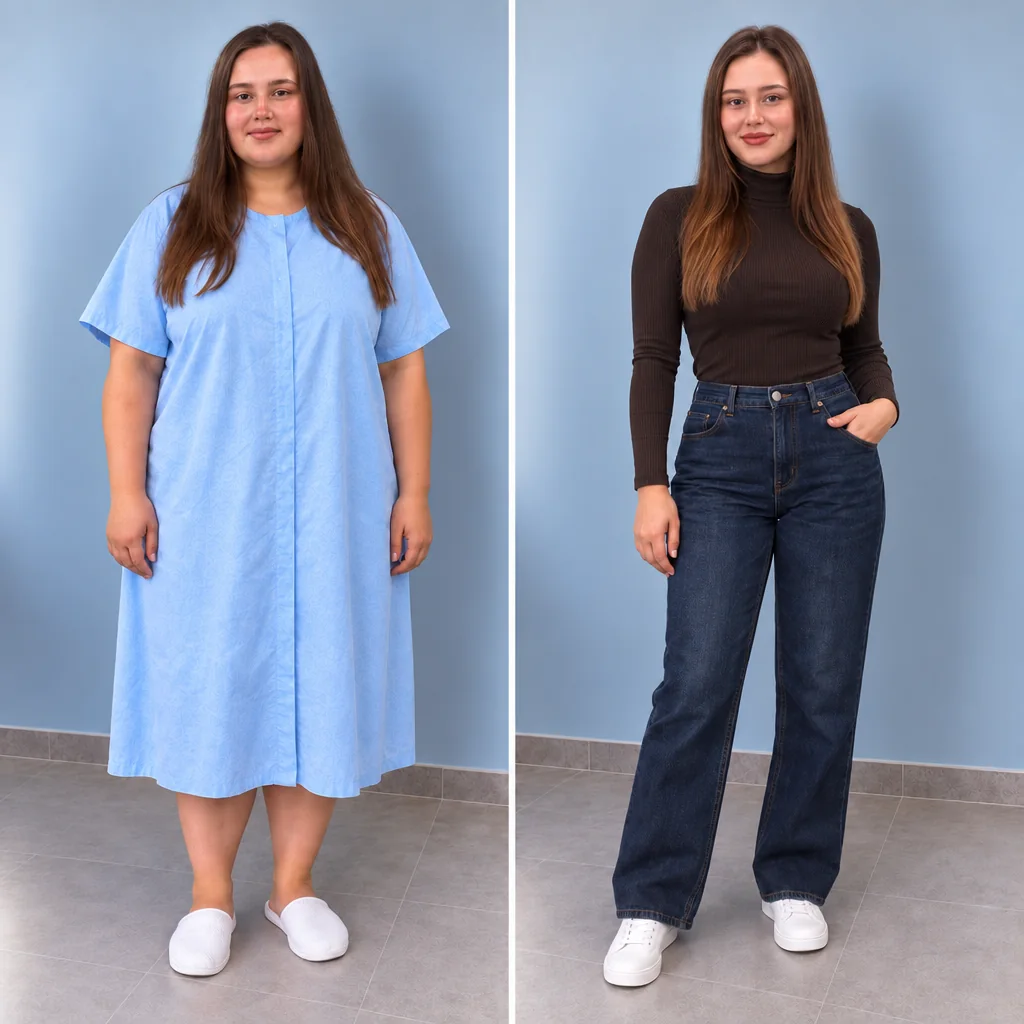
 beforeafter
Irina, 26
Bariatric surgery
Bariatric surgery
$3,600
$4,800 · First consultation — Free
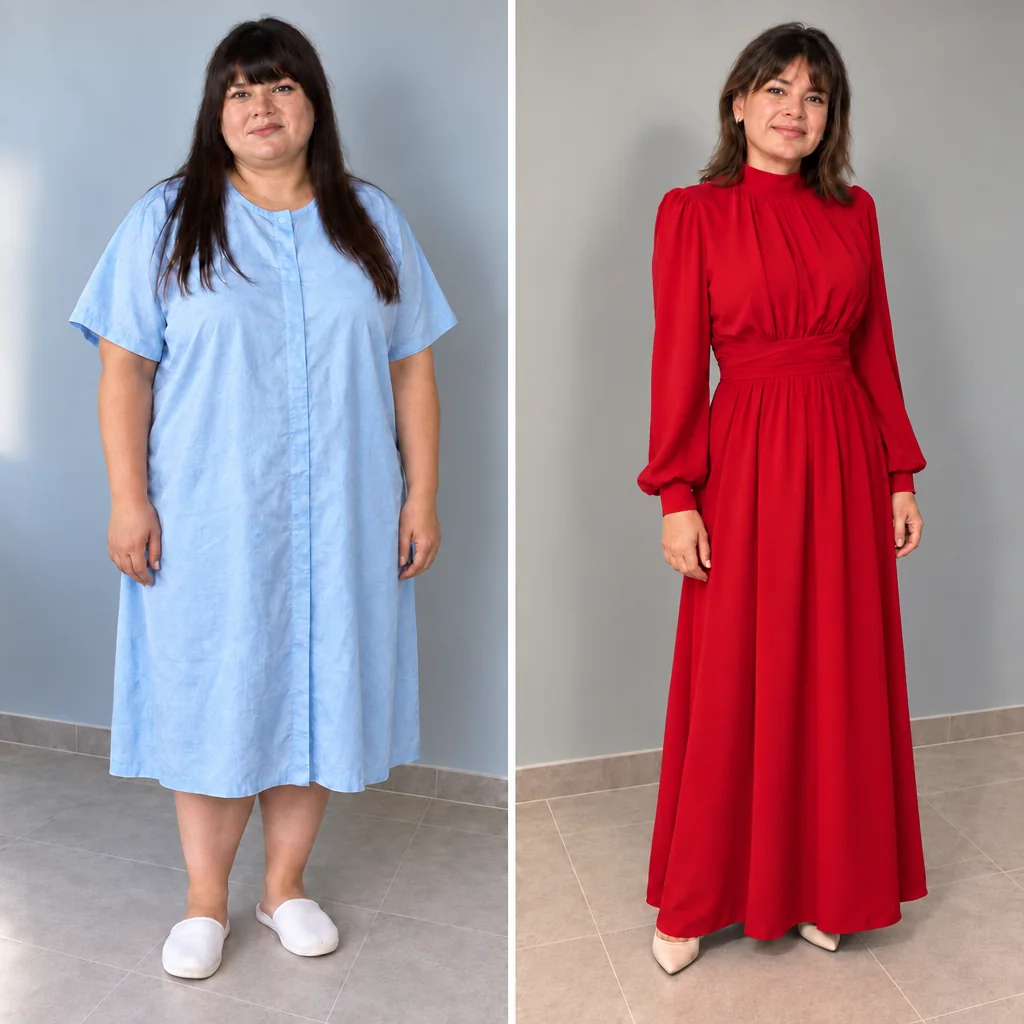 before
after
Message our coordinator
Free online consultation · Reply within 15 minutes
Message us on TelegramMessage us on WhatsAppBy messaging us, you agree to our Privacy Policy
Results
All cases are real patients of the clinic.
beforeafterBariatric surgery
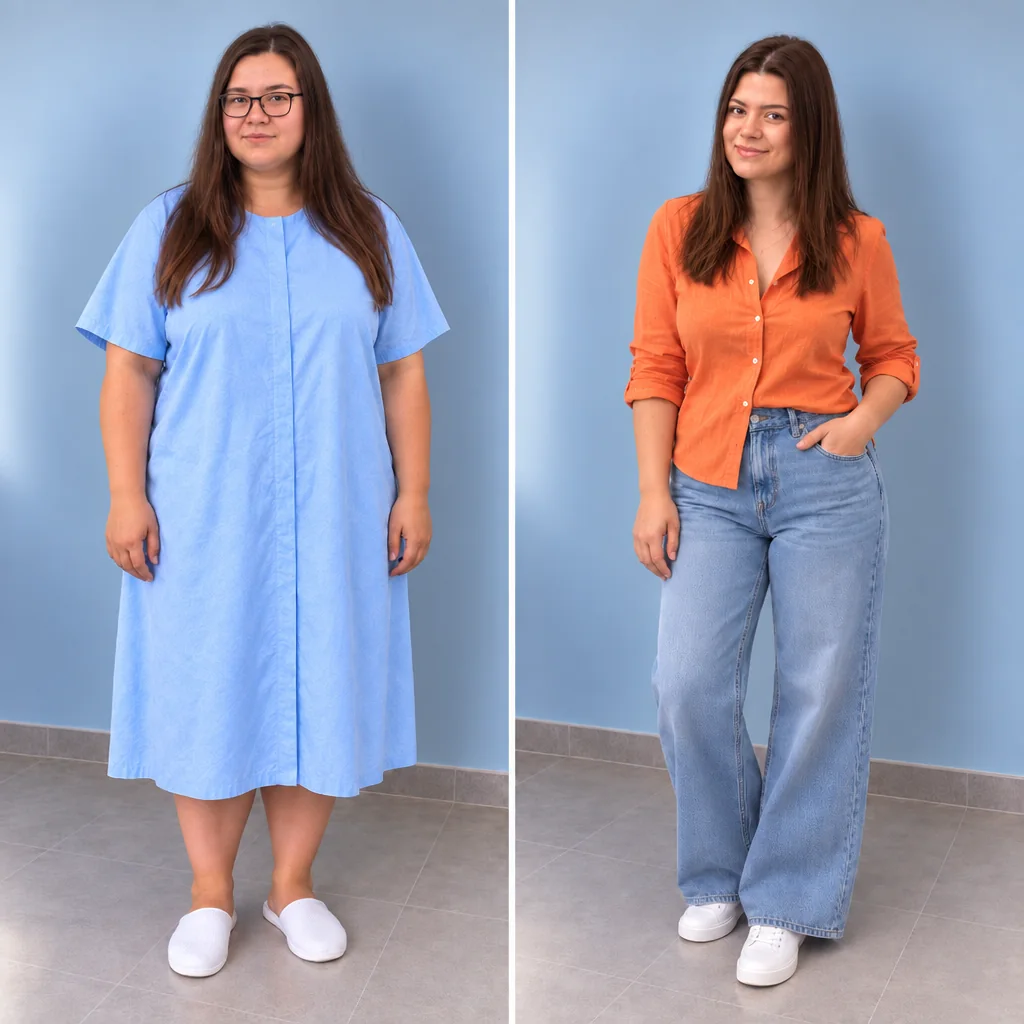 beforeafter
Bariatric surgery
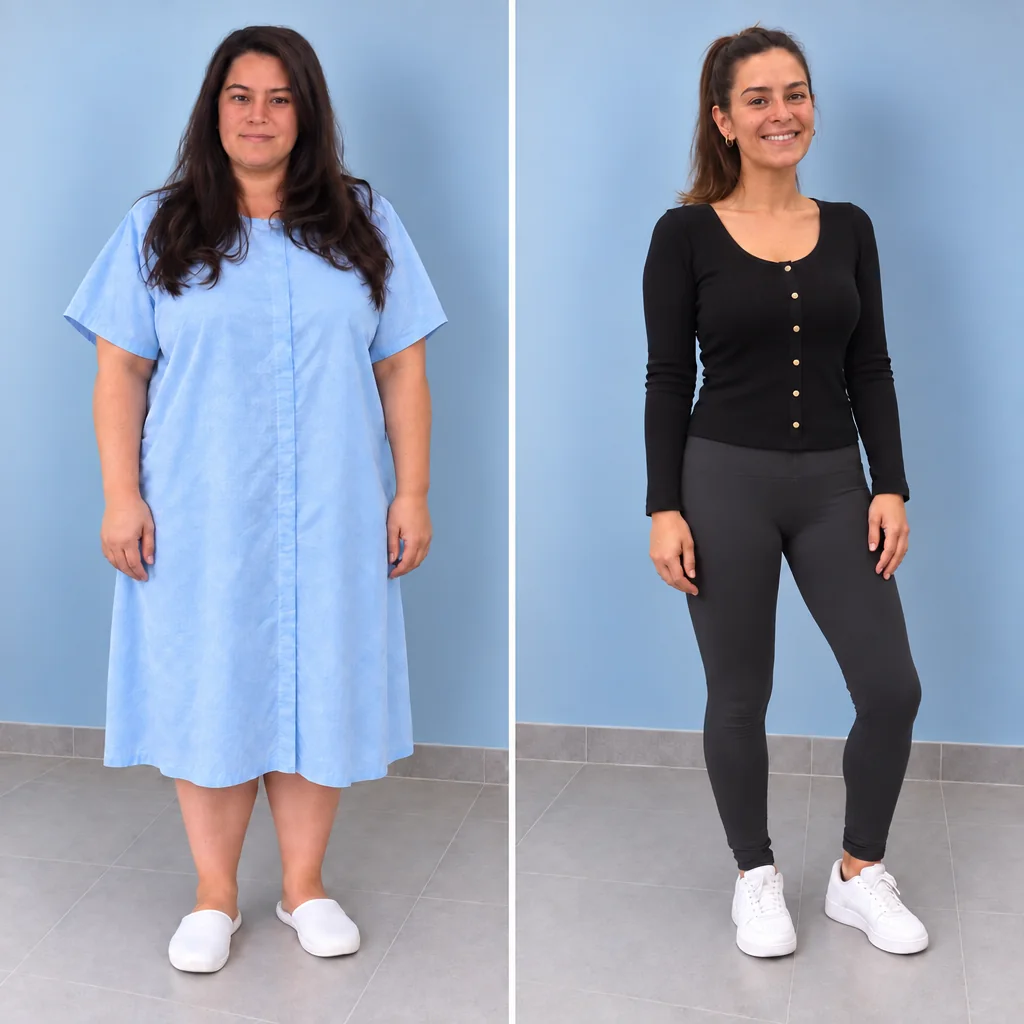 beforeafter
Bariatric surgery
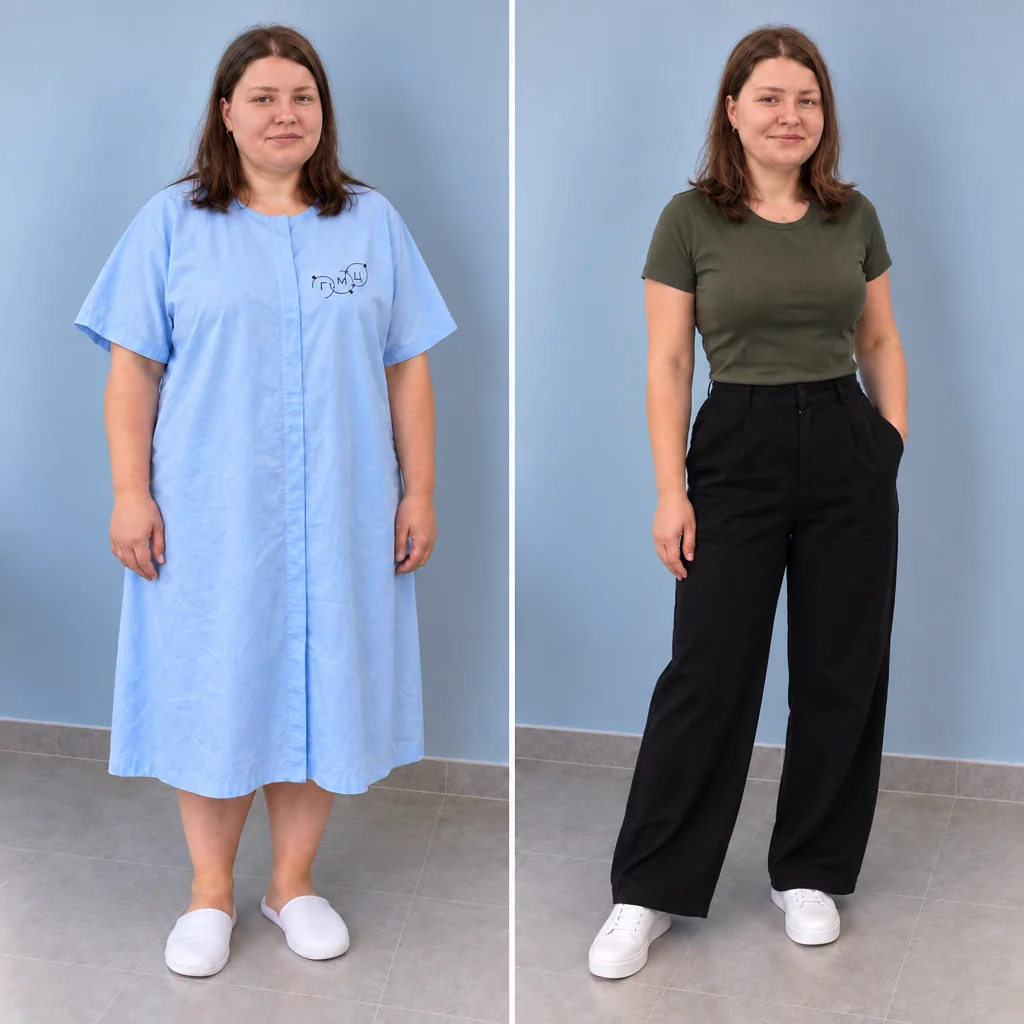 beforeafter
Bariatric surgery
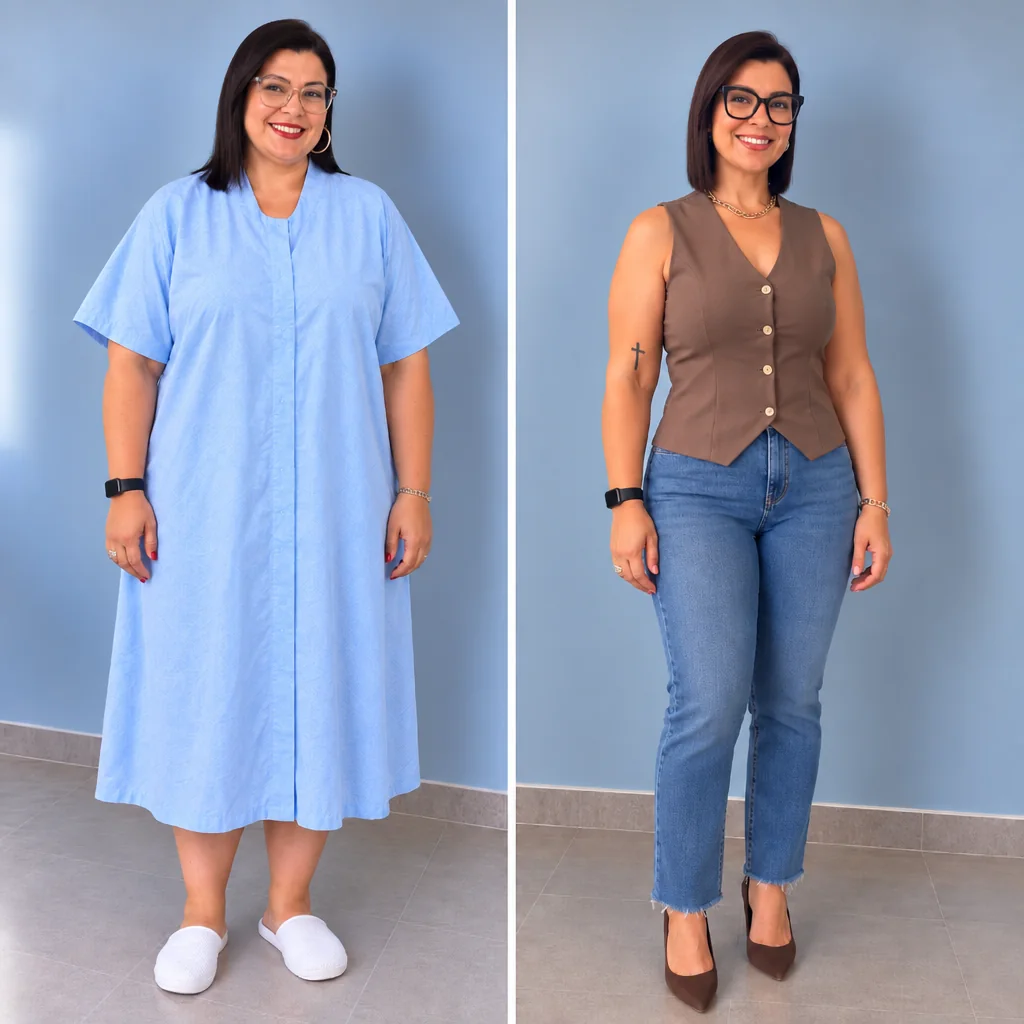 beforeafter
Bariatric surgery
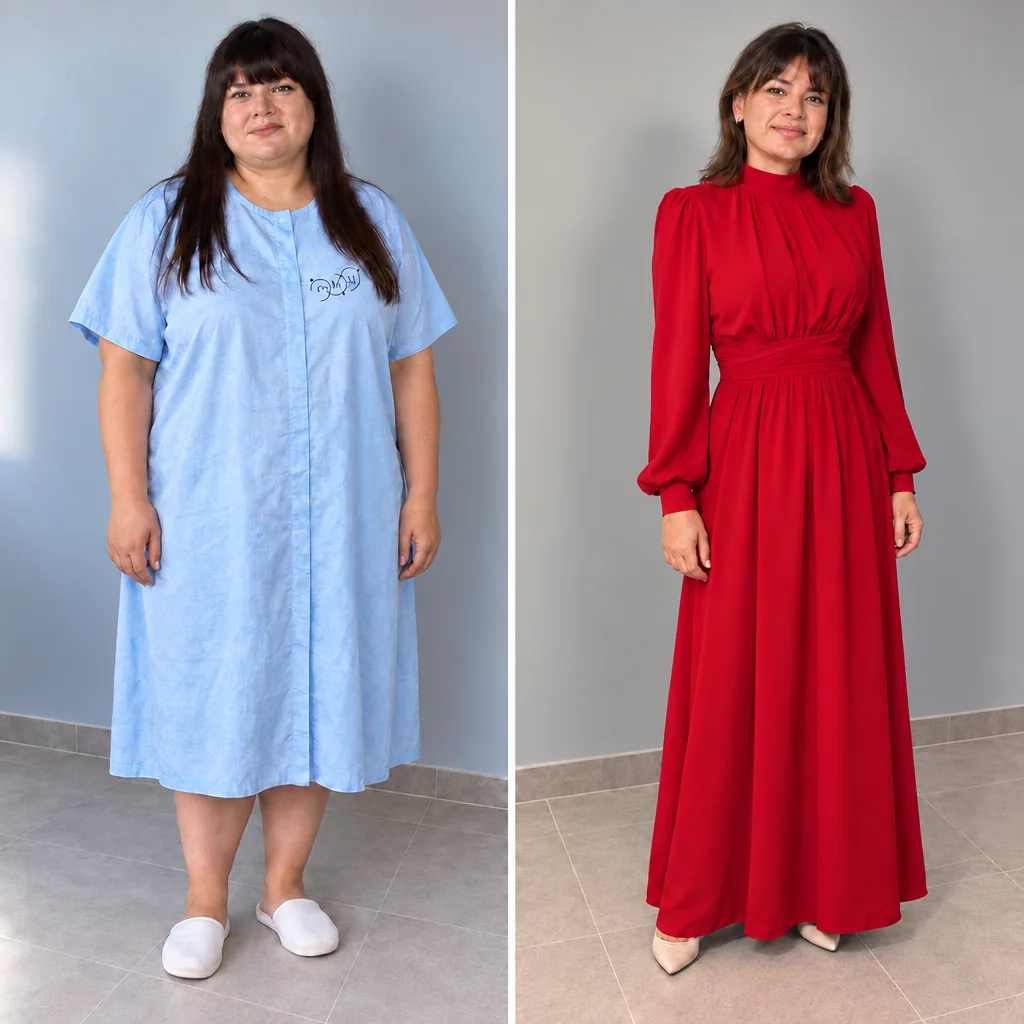 beforeafter
Bariatric surgery
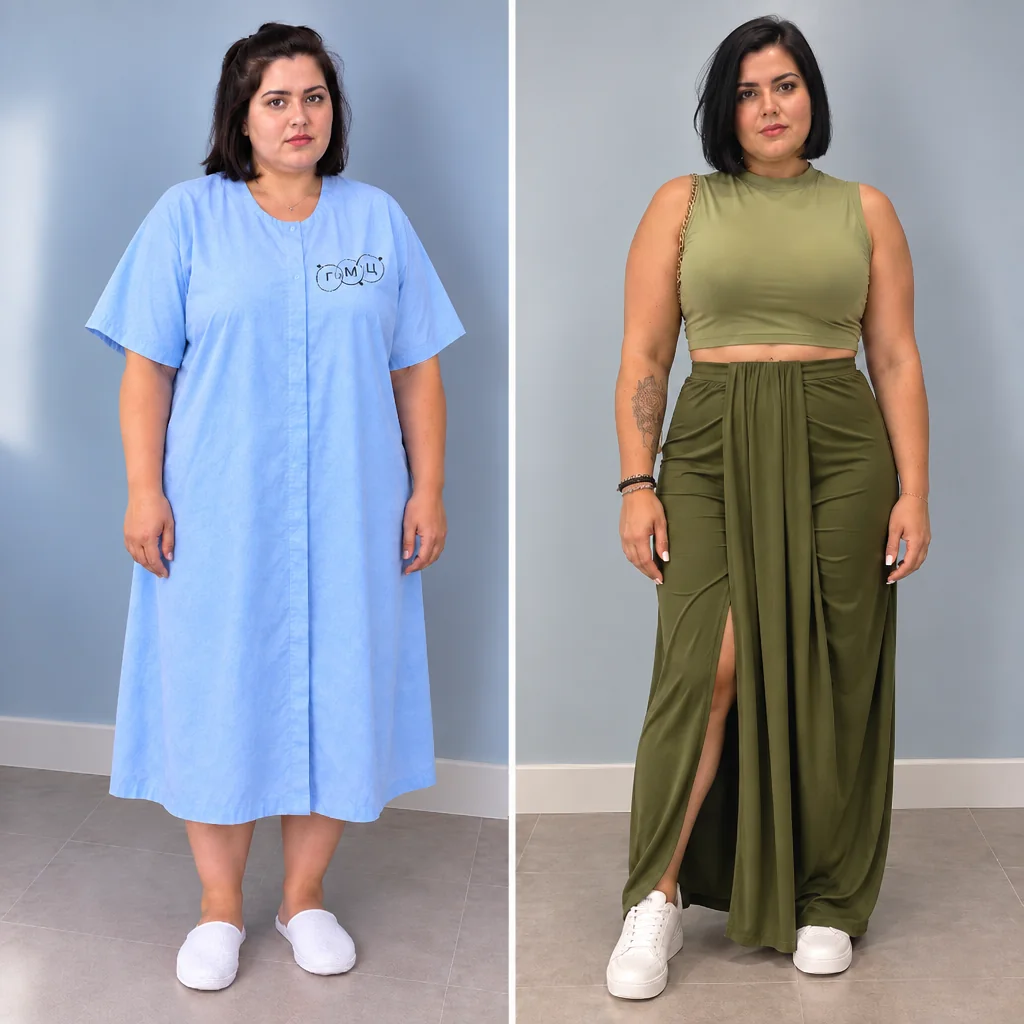 beforeafter
Bariatric surgery
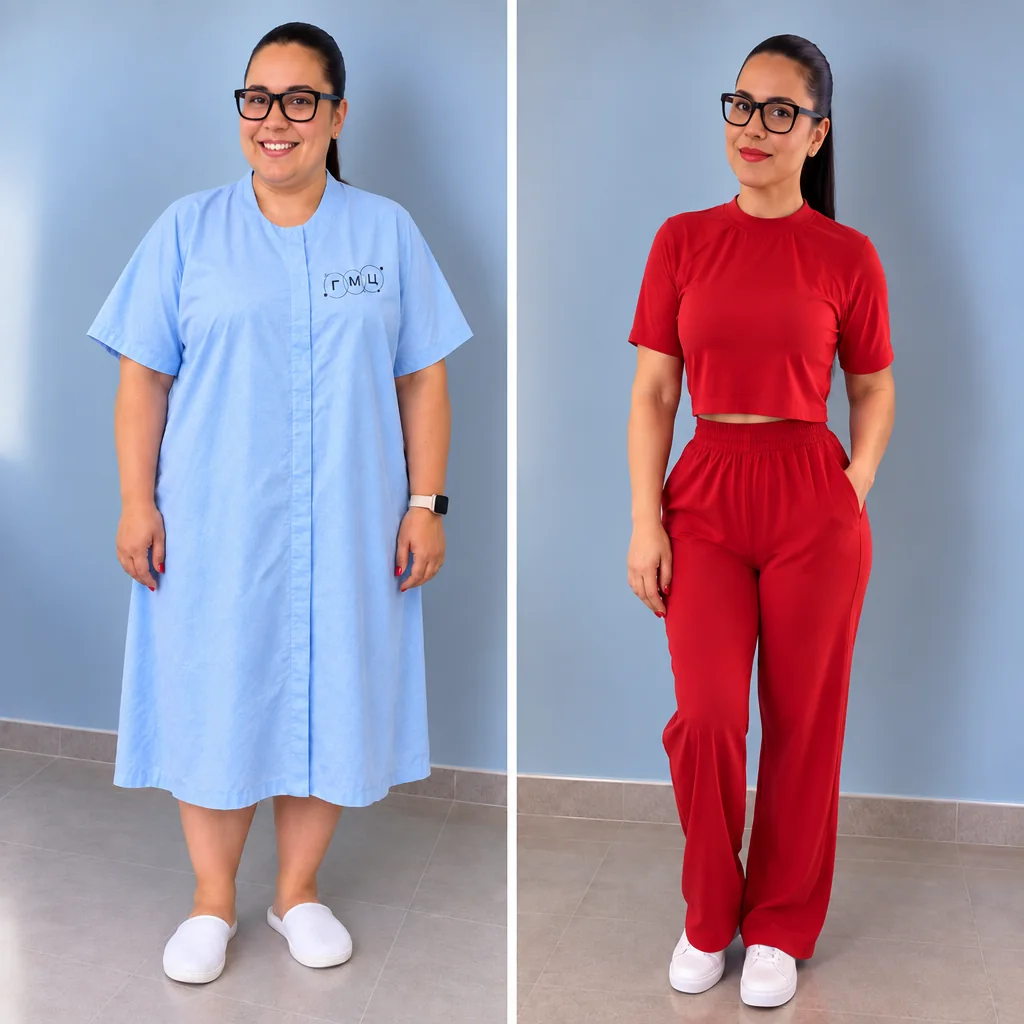 beforeafter
Bariatric surgery
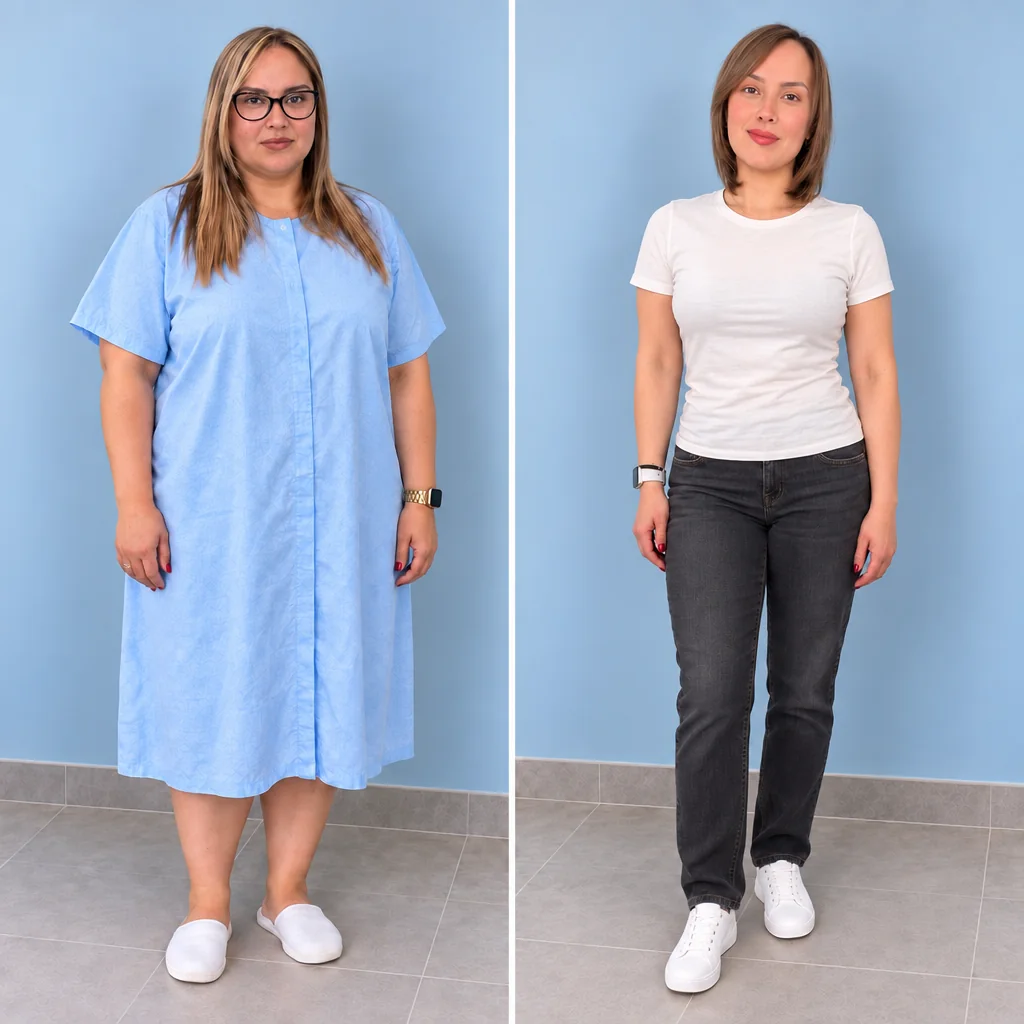 beforeafter
Bariatric surgery
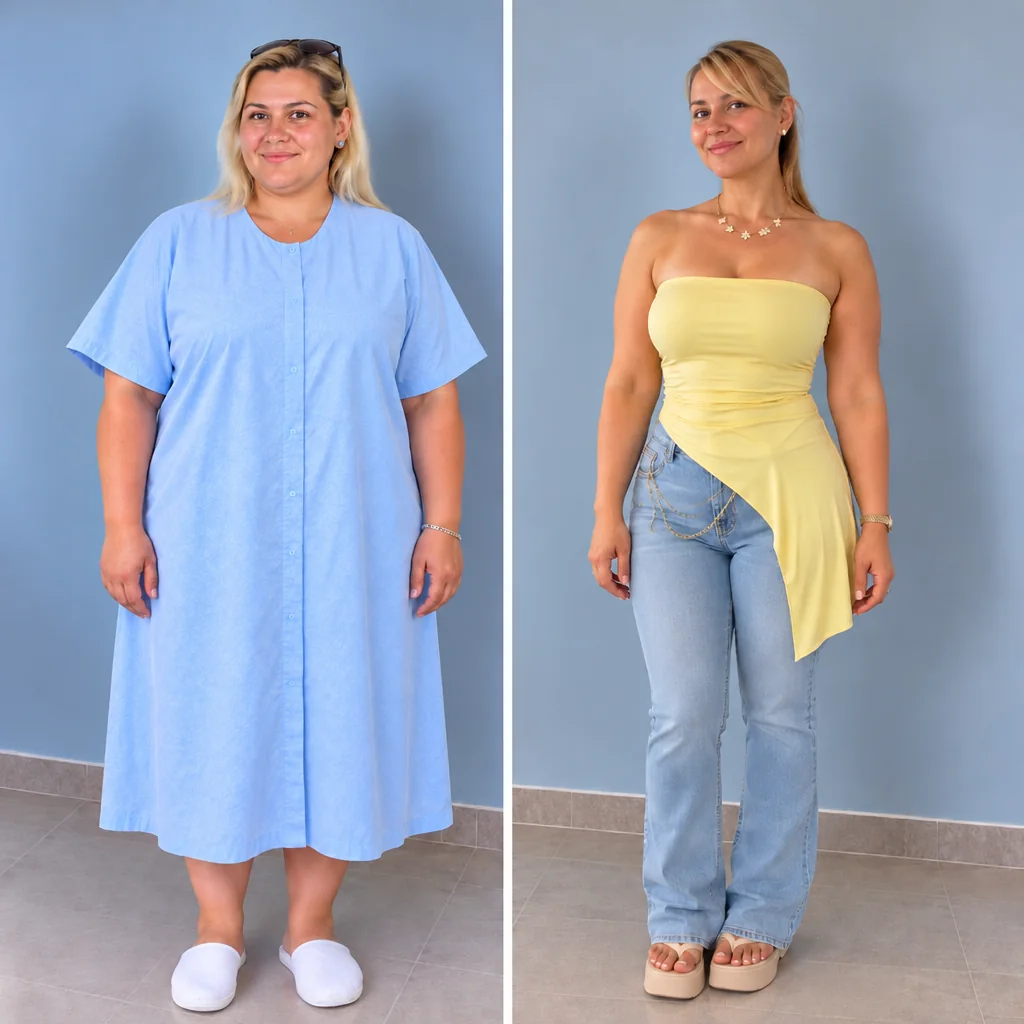 beforeafter
Bariatric surgery
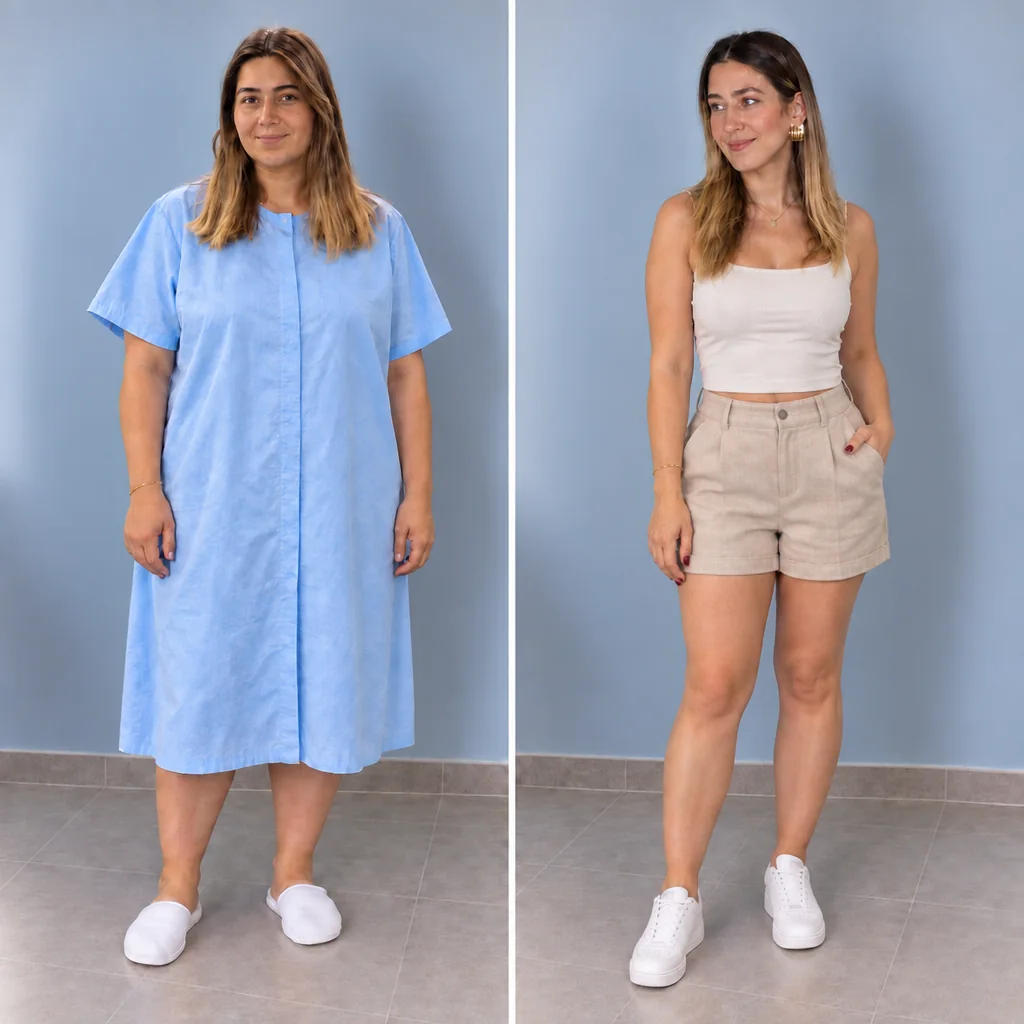 beforeafter
Bariatric surgery
Comparison
We perform two main operations: sleeve gastrectomy and gastric bypass. Compare how they work, what they are for and when they are indicated to choose your method with confidence.
Reduction of stomach volume
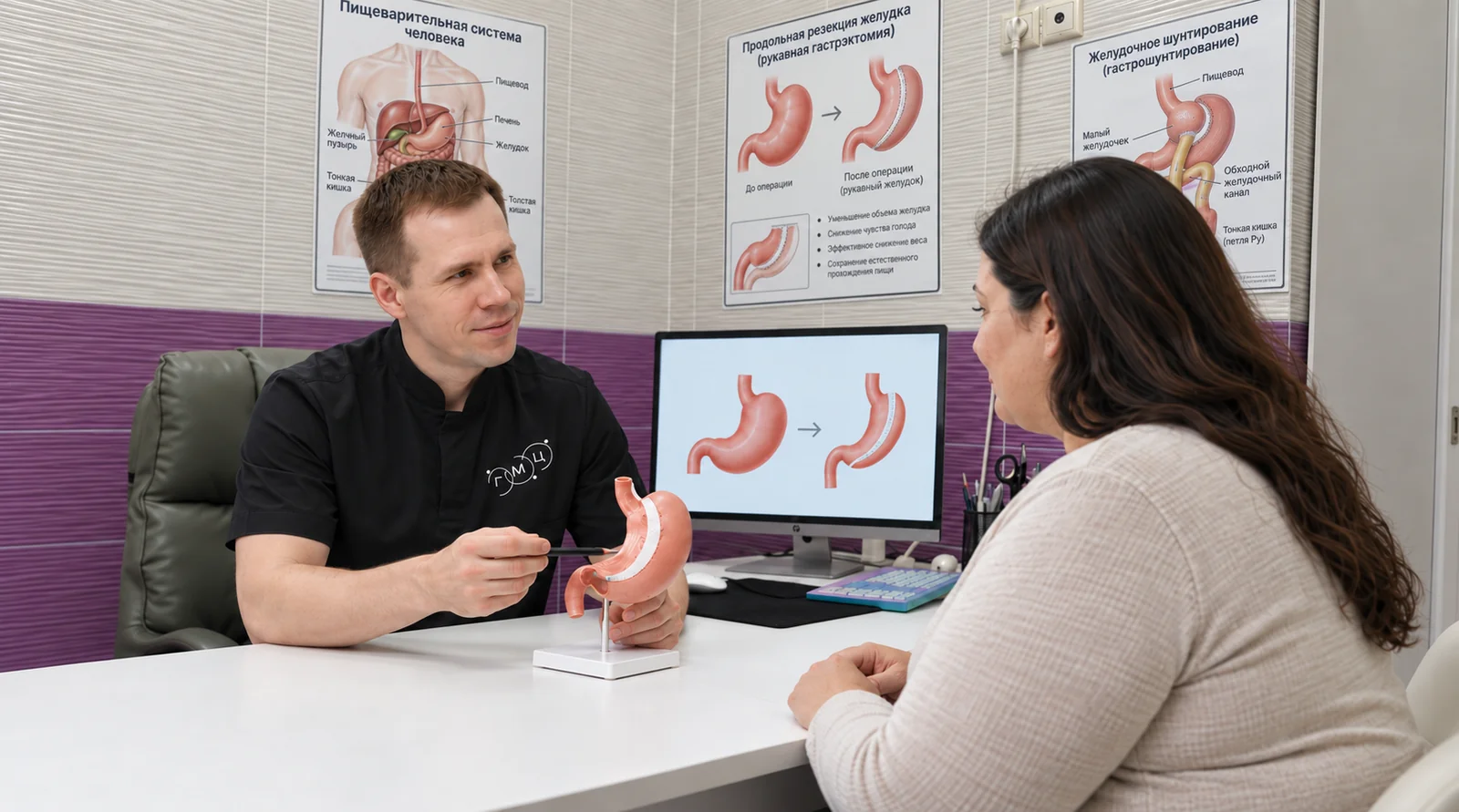
Discounted price
$3,600 $4,800
The stomach is made smaller and food is rerouted
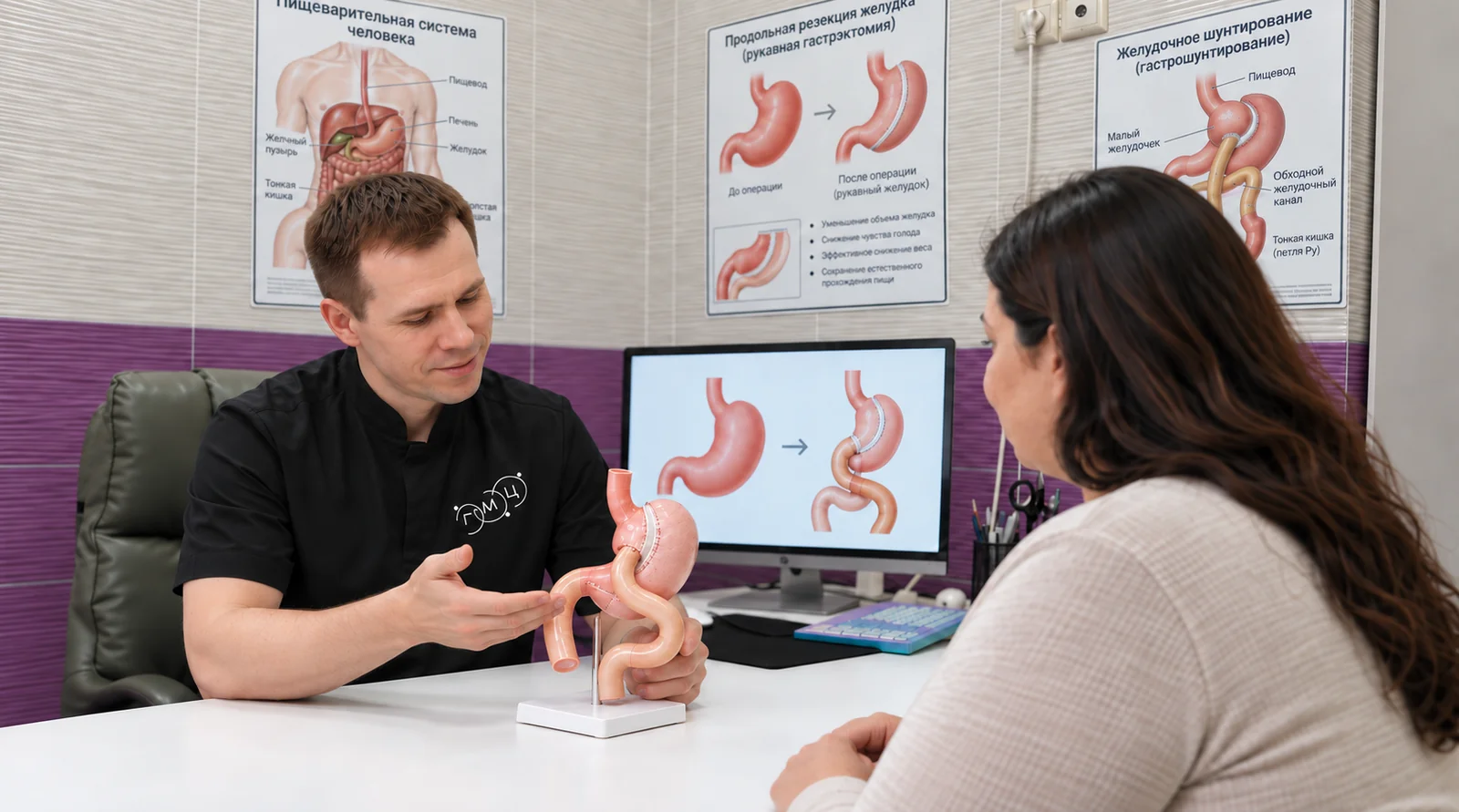
Discounted price
$4,000 $5,200
Treat the recovery times and benefits here as guidance averaged by method: how extensive the surgery is and how you recover depend on your own anatomy and features, and the surgeon confirms this at the consultation.
Book a consultationOur clinic
Comfortable rooms, modern equipment and care for each person
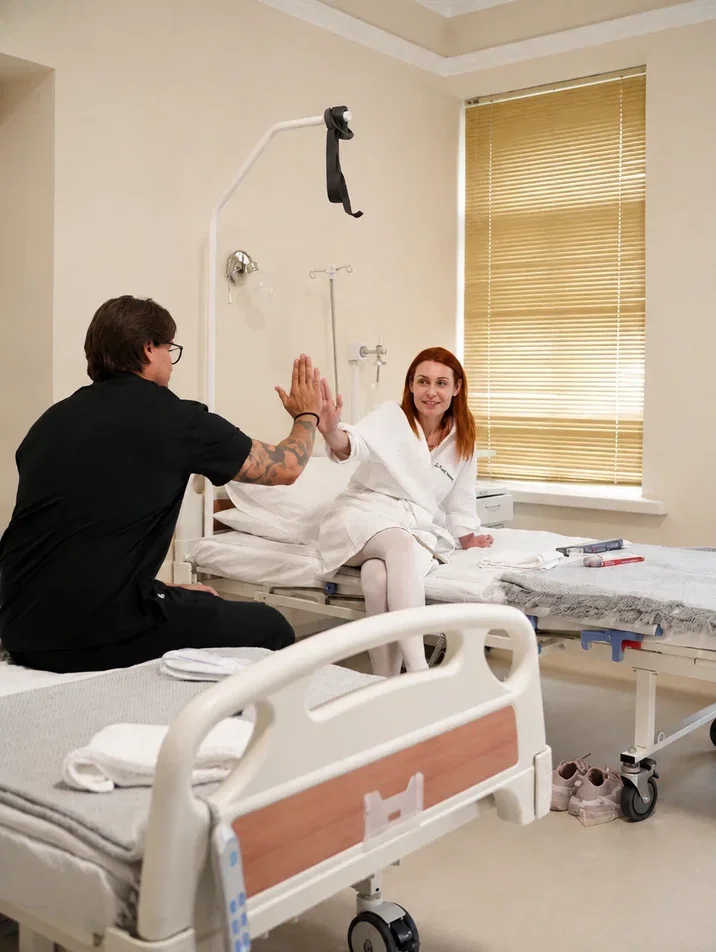
Our team will reply to your questions and help you choose a consultation time
Get a consultationWhether to have surgery is decided together with the surgeon after the consultation and check-up.
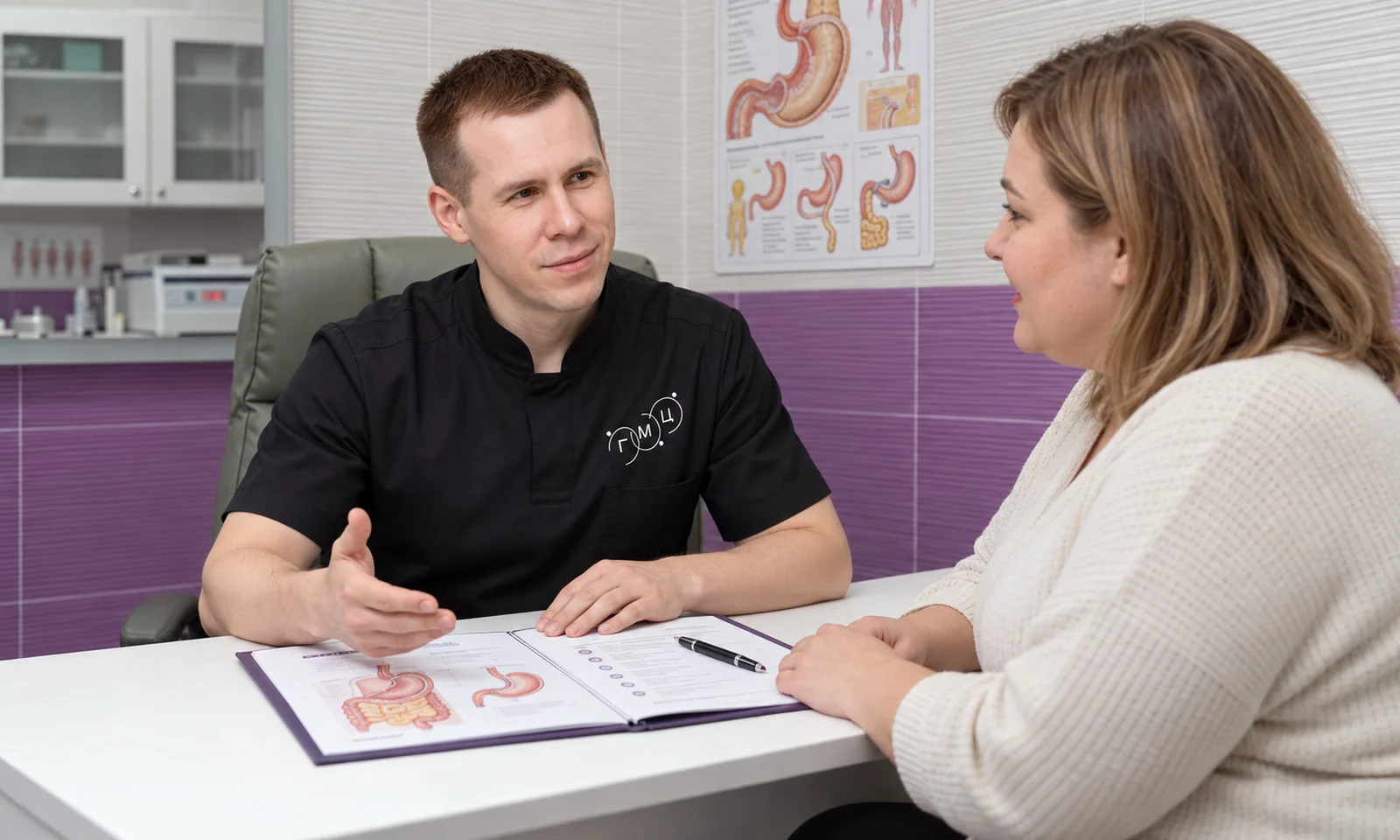
Not sure which column you belong to?
Get in touch on Telegram — our coordinator will explain whether bariatric surgery is right for you. The consultation with a surgeon is free, and there is no commitment to an operation.
Find out if it suits me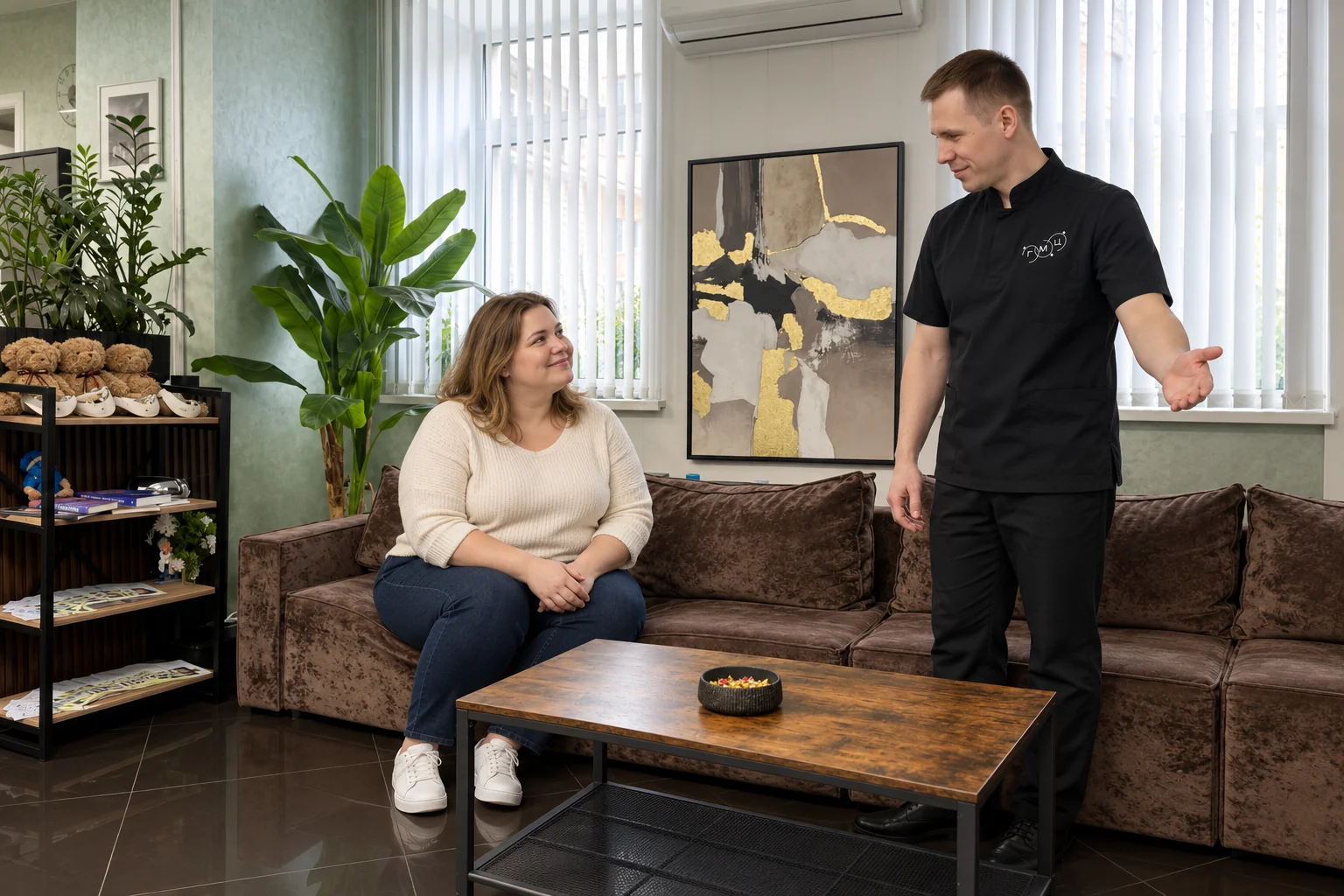
Prices
The cost is named at the consultation once your plan is ready, and it is fixed in the contract.
Discounted price
Reduction of stomach volume
$3,600$4,800
Discounted price
Weight loss and rerouting food
$4,000$5,200
Free
Examination by the surgeon and a personal treatment plan

Free
the cost of surgery is named
and fixed in the contract
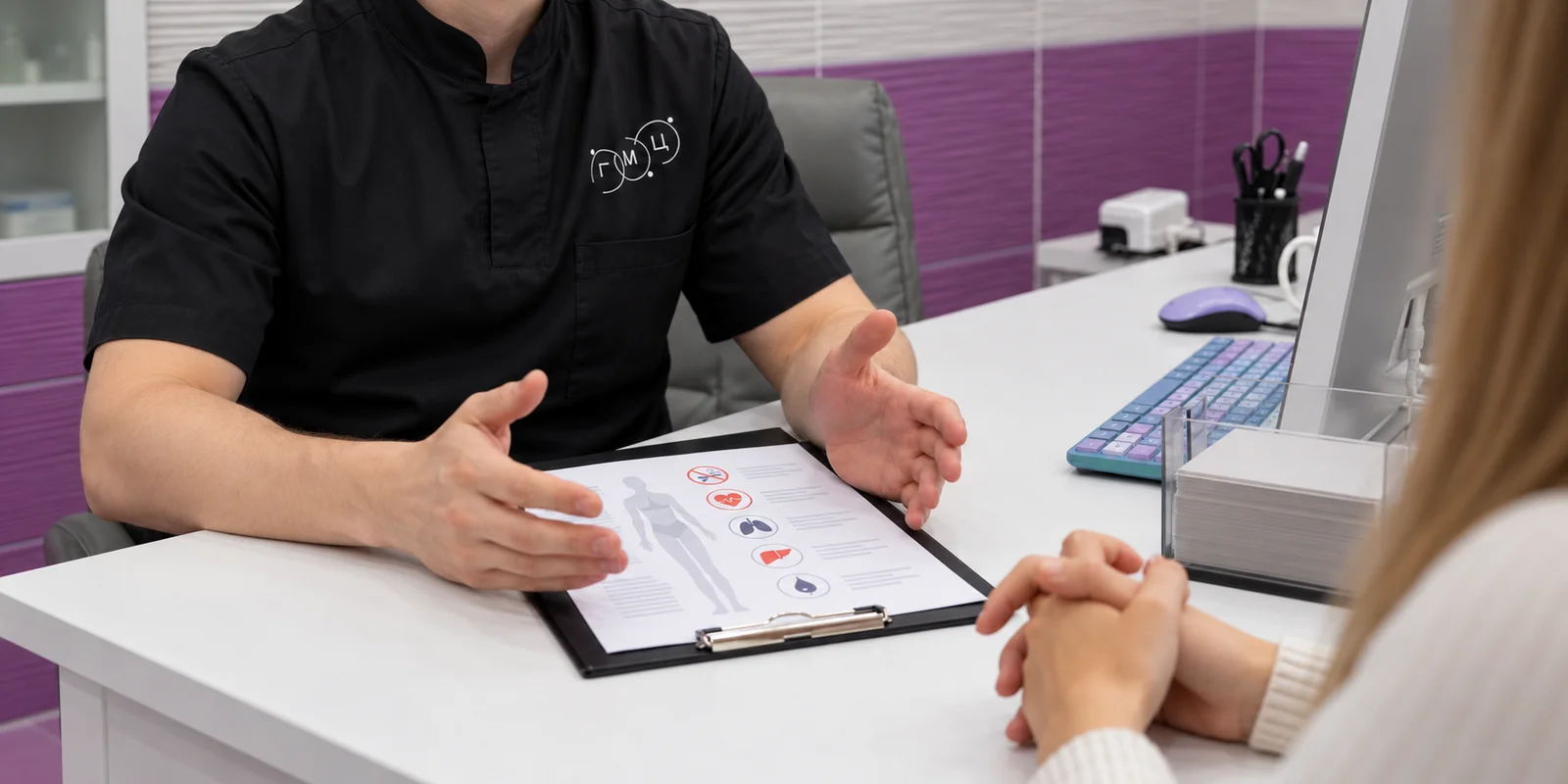
Following a health assessment and a talk about your goals, the doctor chooses the right bariatric surgery method. The cost is named at the consultation and set in the contract.
Message our coordinator
Free online consultation · Reply within 15 minutes
Message us on TelegramMessage us on WhatsAppBy messaging us, you agree to our Privacy Policy
price
One package — from preparation to 12 months of support. No extra charges.From getting ready for surgery
to 12 months of support.
How it goes
Your agreed treatment plan, monitoring during your hospital stay and support for a year.
 1
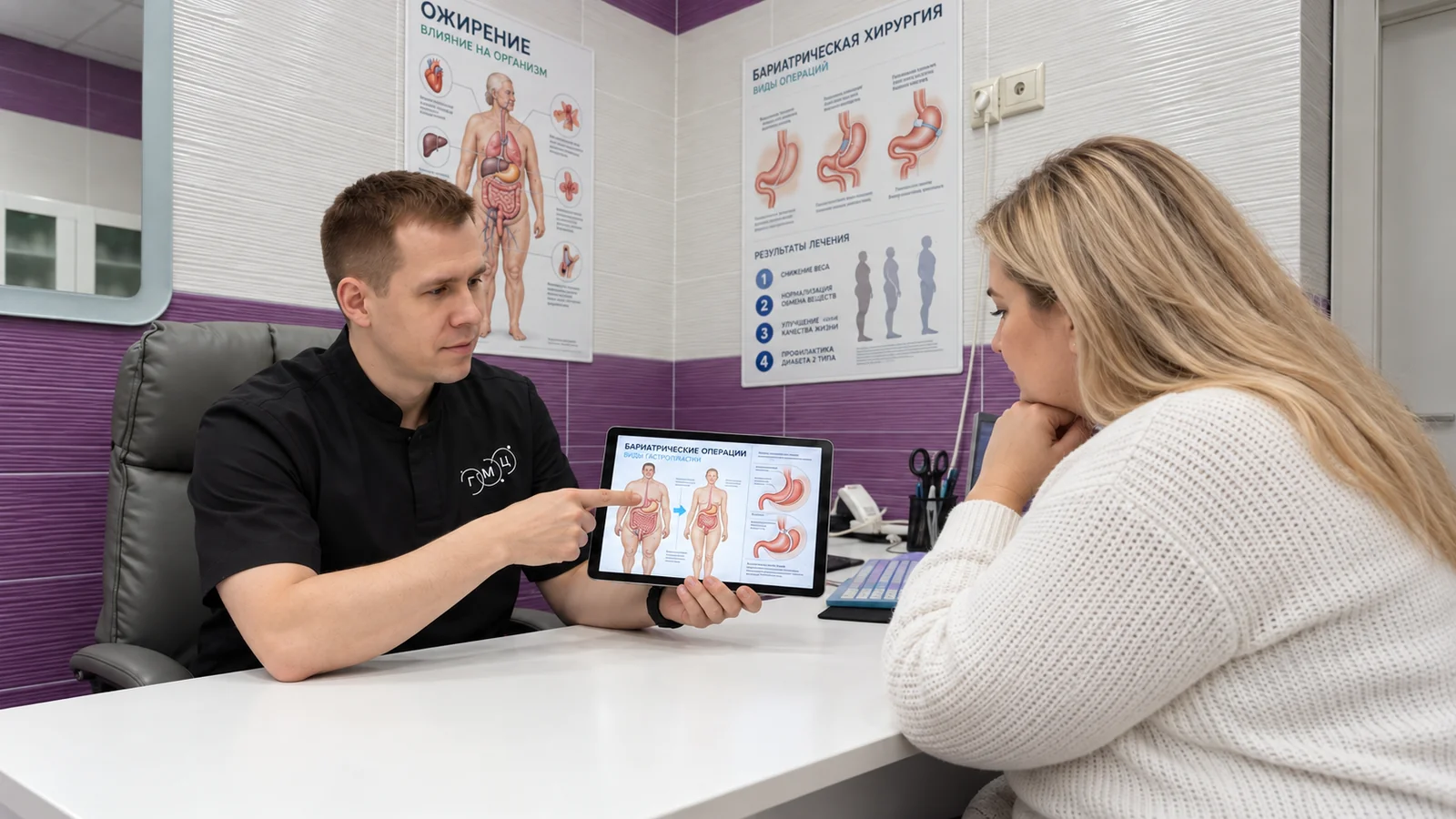
Assessing your health and discussing your goals, the doctor orders the tests needed to select the appropriate bariatric method.
2The contract for medical services fixes the terms; we reserve a surgery date for you, and the deposit can be paid by card at the clinic or by bank transfer online
 3
You see the specialists and have blood and urine tests, an ECG, an ultrasound and a gastroscopy before surgery. The doctor gives you the precise list at the consultation.
 4
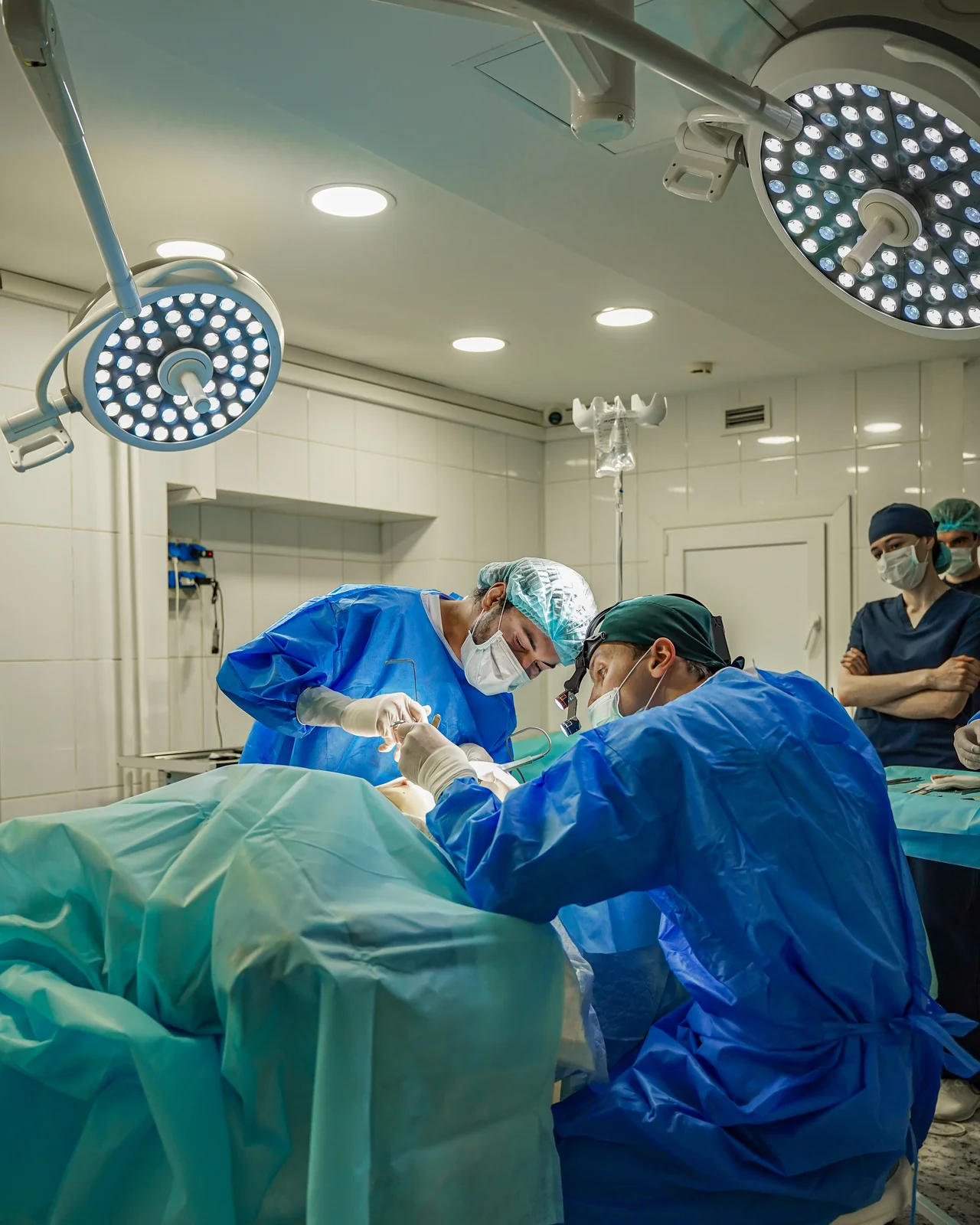
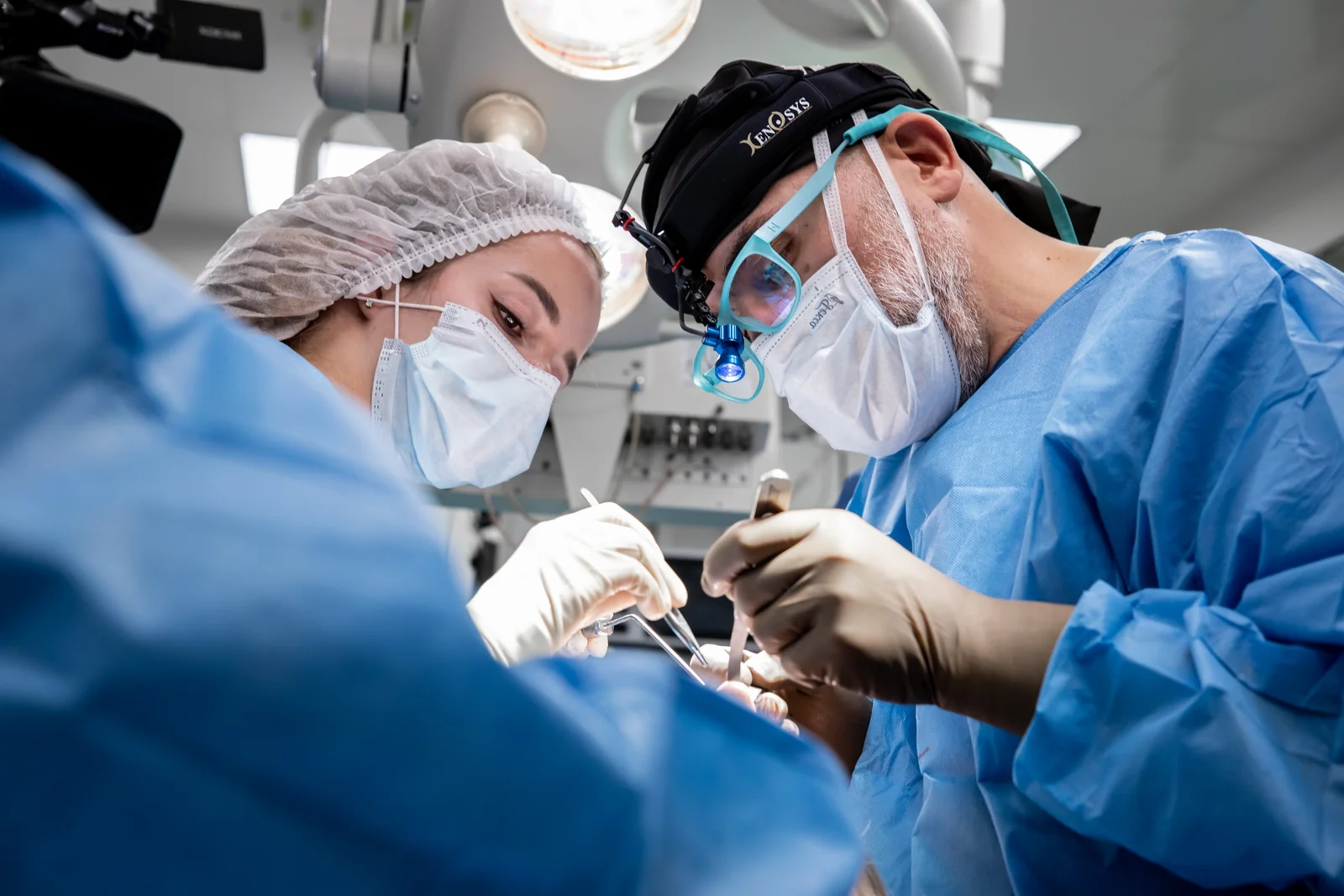
Your surgeon performs the bariatric operation with the chosen method under general anaesthesia, and after surgery the medical team monitors you.
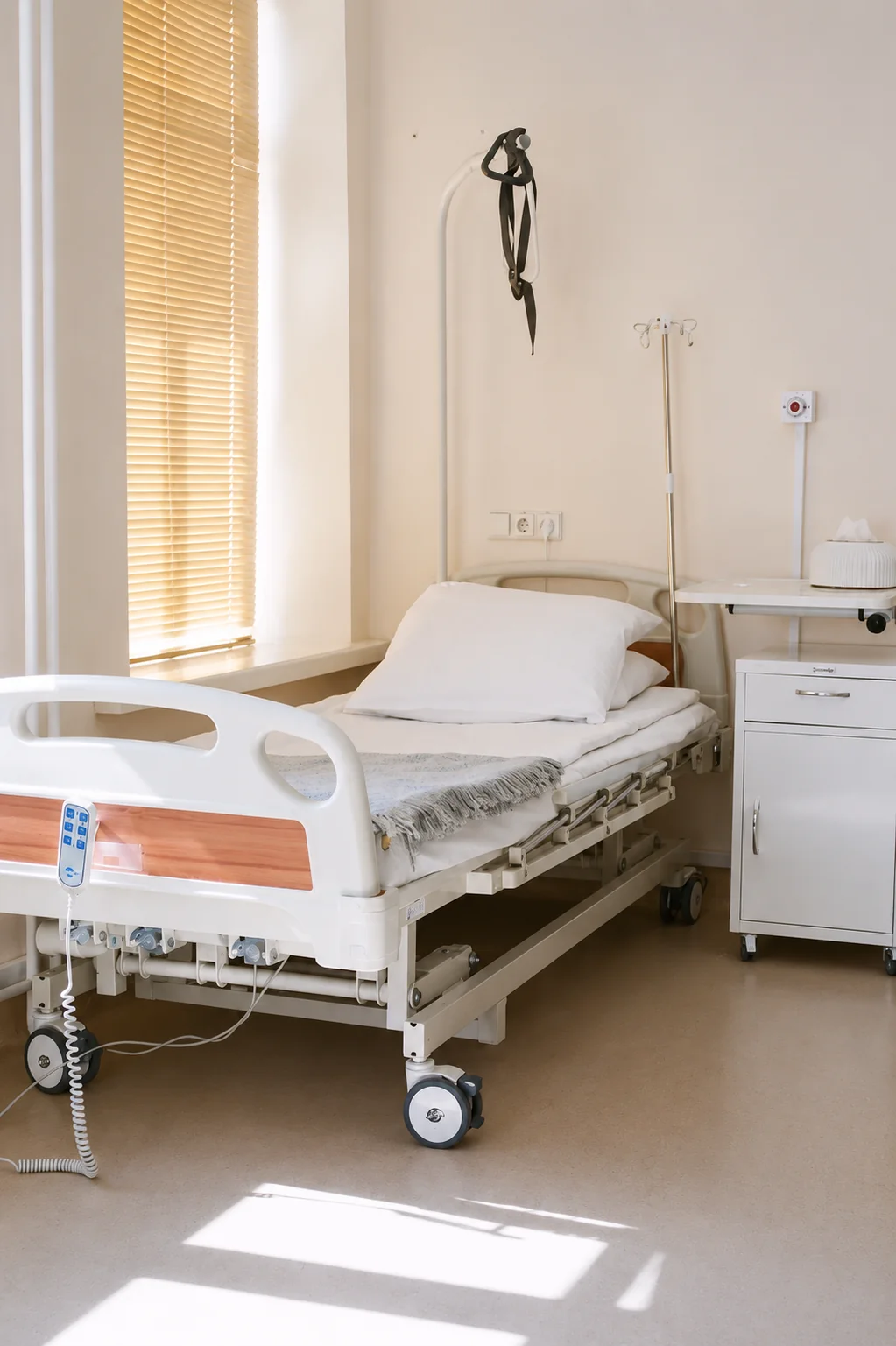 5
After surgery you stay in hospital under doctors' supervision. The stay lasts from 1–3 to 4–5 days, depending on the complexity of the operation and how you feel.
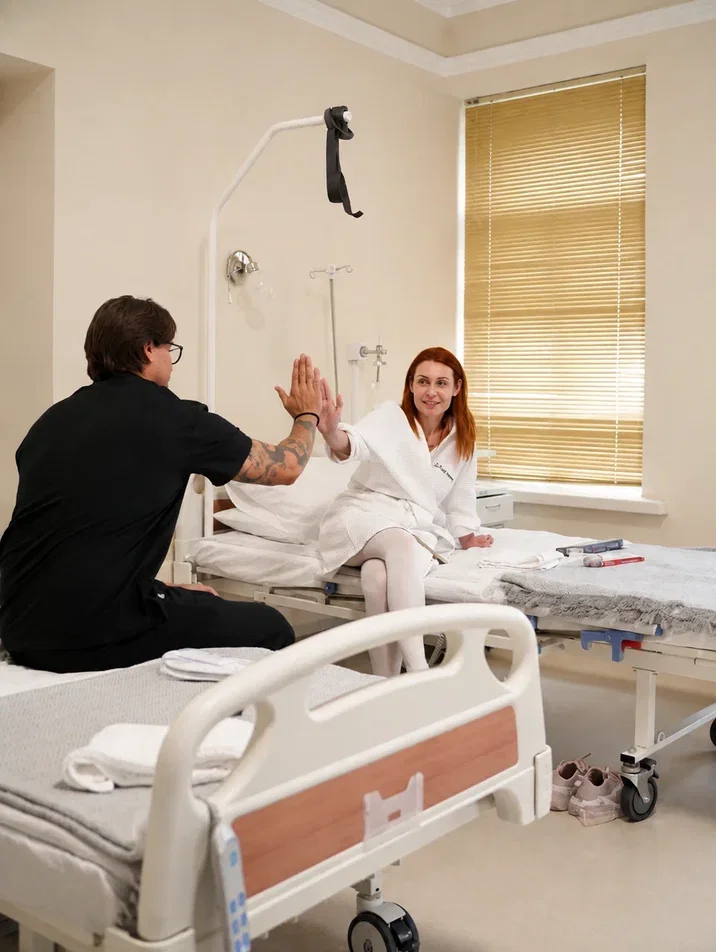 6
When you are discharged, you get diet and recovery advice. Regular scheduled check-ups track your well-being, weight and test results, and the clinic team supports you for a year.
At the consultation you get a plan from the doctor and an explanation of how surgery will go
There is no fee for the consultation, is held before surgery and carries no obligation.
Book a consultationDoctors
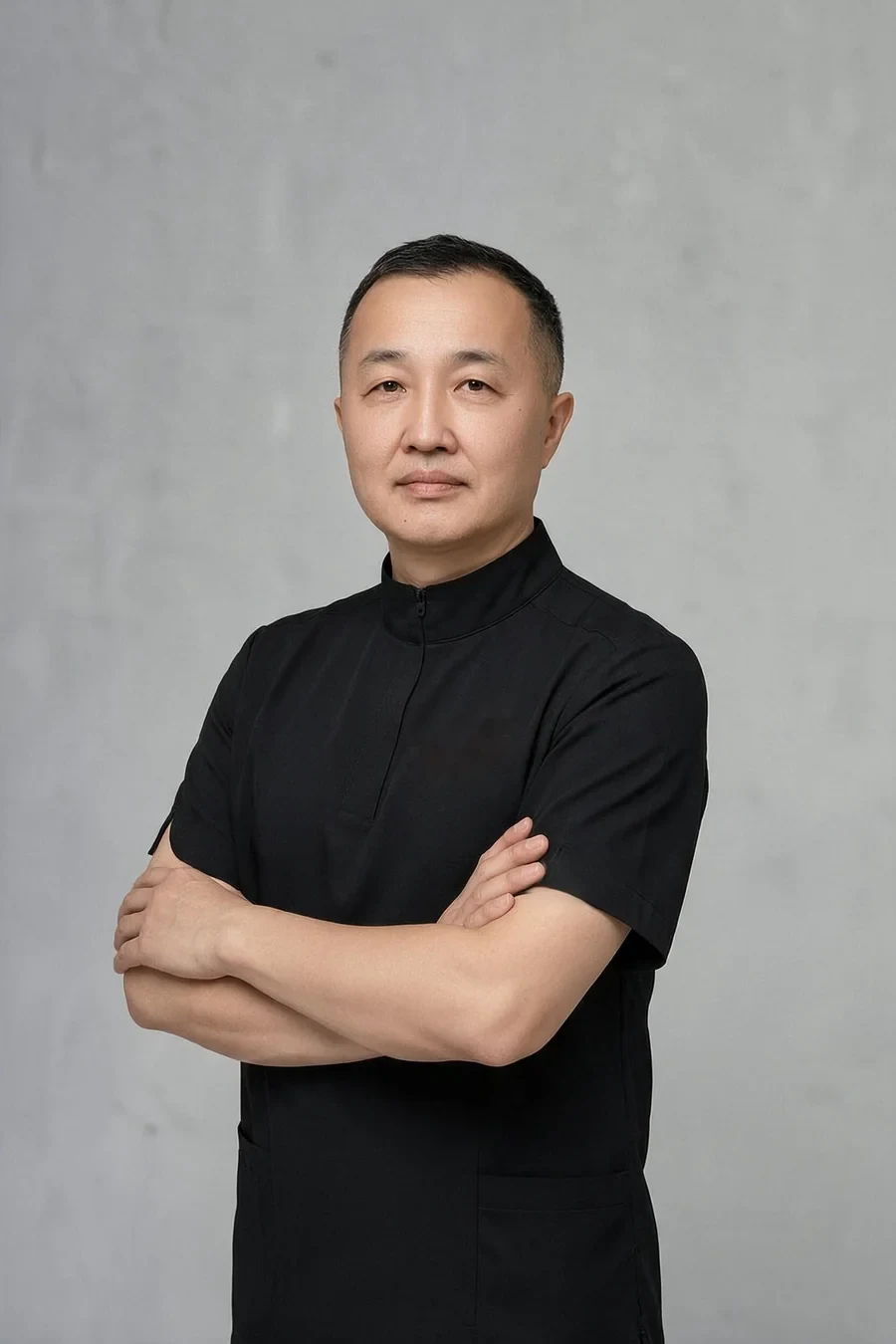
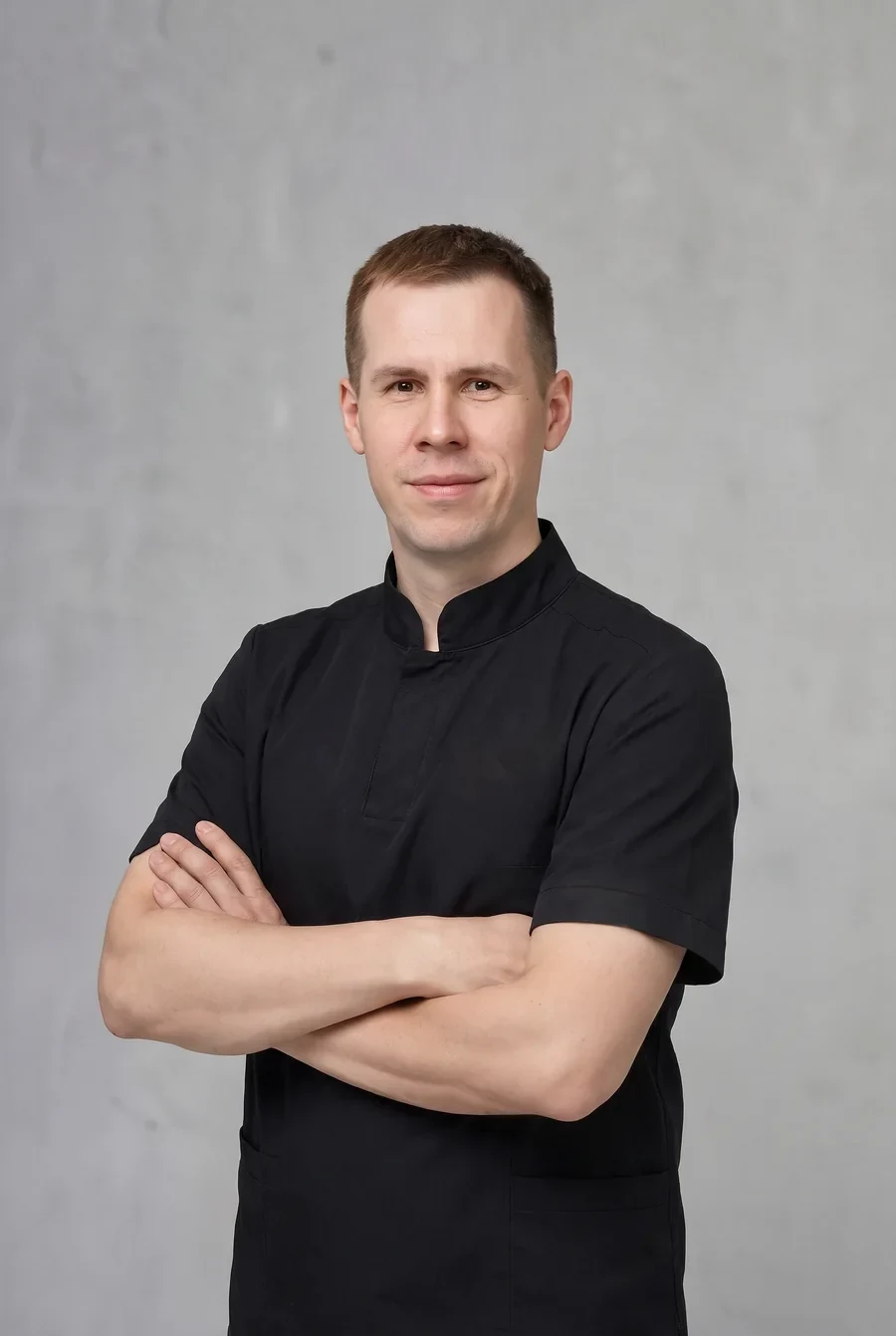
27 years of experience
Chief bariatric surgeon
Surgeon
9 years of experience
Bariatric surgeon
Surgical oncologist
From the first consultation to the result, your surgeon operates and follows you.
The first consultation is with our patient care manager: they calculate your BMI, explain the methods and book you in with the surgeon. Free of charge.
Book a consultationCoordinators
We support you at every stage

The first person you deal with at the clinic, from your first message to the consultation
Patient care specialist
Replies to your questions before the first consultation and helps you choose a convenient date

From the moment you book to discharge — with you before and during your stay
Patient care specialist
Helps with your preparation for surgery and stays in touch throughout your clinic stay

With you throughout your recovery, from discharge to your final check-up
Patient care specialist
Books your follow-up visits with the surgeon and keeps in touch during recovery
Advantages
The best method is chosen for your health, lifestyle and goals, and our team is with you all the way.
We help you get used to new eating habits, monitor your results and hold on to them.
Steady weight loss, better well-being and a higher quality of life.
Your time matters to us: we work 24/7, booking is simple and we take a personal approach at your pace.
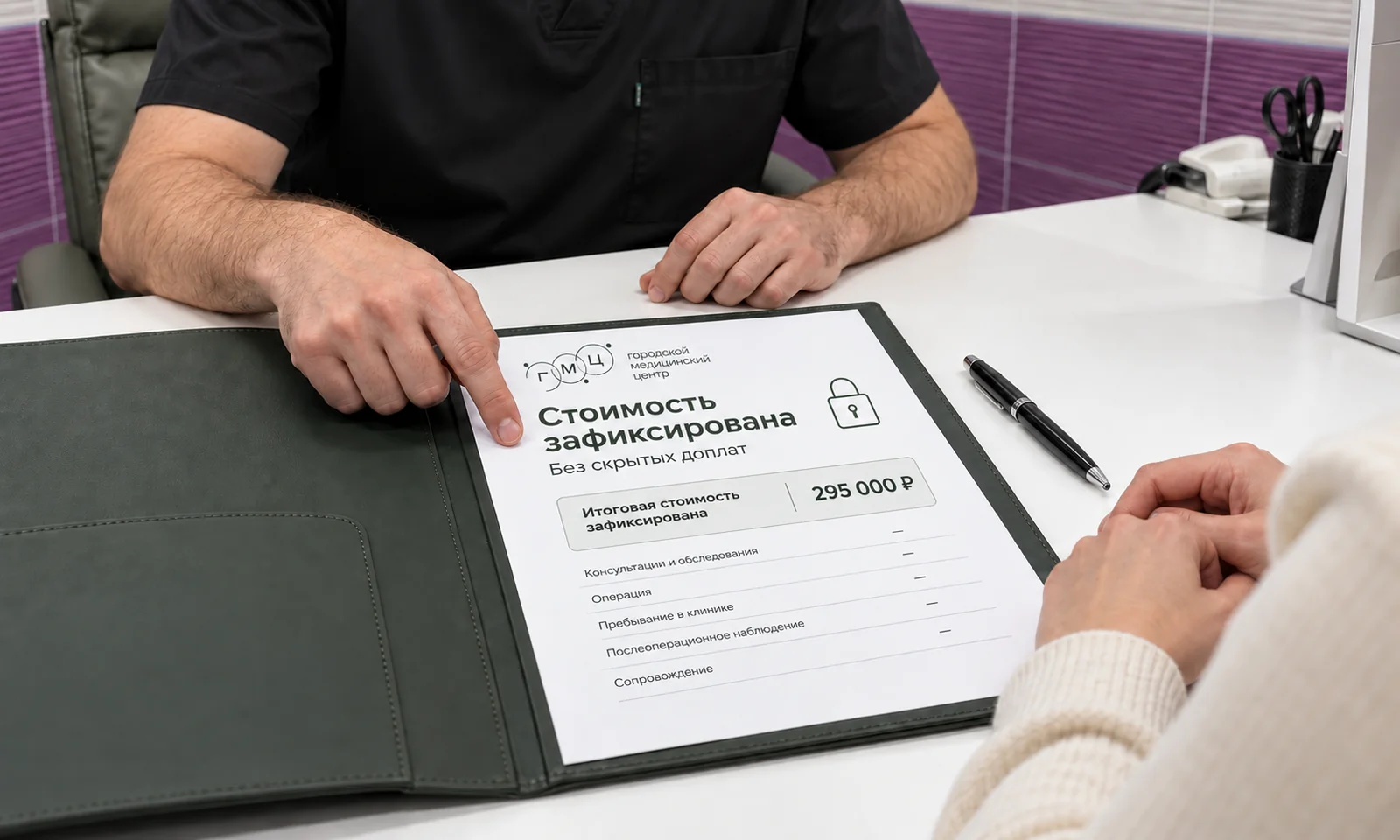
Once the consultation is over, the surgeon chooses the method and you receive a clear price — no hidden fees and no surprises on the way to your result.
FAQ
Experienced bariatric surgeons perform the bariatric operations at the clinic:
Drop us a message and our coordinator will get back to you shortly to book your consultation. The bariatric surgeon consultation is free.
Surgery is prescribed only when clear criteria are met
BMI is the main tool for assessing the degree of obesity. It is calculated by dividing body weight (kg) by height squared (m²). Surgery is usually justified with a BMI above 40, or above 35 with serious related conditions. In some cases surgery is considered at lower values too — if non-surgical approaches have failed.
People often confuse these two, though their aims are fundamentally different. Bariatric surgery is medical treatment of obesity and associated diseases. It changes the way the digestive tract works, acting on the causes of excess weight and on metabolism. Plastic surgery alters outer body contours and does not treat obesity or affect metabolism.
Four main types of bariatric surgery are performed at City Medical Centre: sleeve gastrectomy, Roux-en-Y gastric bypass, mini gastric bypass (MGB) and SADI-S duodeno-ileal bypass. Each is selected individually based on BMI, related conditions and patient goals.
Modern laparoscopic technique is what we use. Just 4 small punctures of 5 to 15 mm are needed for the operation. Cosmetic sutures mean the marks are nearly invisible after healing.
Recovery depends on what you do. Office work: after 2–4 weeks. Physical work: after 1.5 months. Sport and activity: swimming is allowed after 30 days, other exercise is added gradually as weight drops. Travel and holidays: best planned no earlier than a month after surgery.
Your meals progress in stages: liquid food, soft food, then solid. The stress is on protein and on reducing high-calorie, fatty food.
After bariatric surgery pregnancy is possible, yet doctors recommend at least 12–18 months of waiting. Meanwhile the body stabilizes, weight arrives at target values and nutritional status normalizes.
Yes, vitamins are essential after bariatric surgery. As digestive anatomy changes, the body absorbs certain nutrients less well, so regular vitamin and mineral supplements become a lasting part of the patient's life.
Regaining weight after bariatric surgery is possible, yet very unlikely when you stick to the doctor's advice. The keys are proper nutrition, no high-calorie drinks and regular check-ups with City Medical Centre specialists.
Prices are in US dollars; the amount in brackets is an approximate conversion to NGN at the rate of 02.10.2026. The final price is fixed in your contract.
Prices start from $3,600 (≈ ₦4,800,000). The surgeon sets the final price at the free consultation, and it is fixed in the contract, with no hidden extras.
General anaesthesia, a personal coordinator from day one, monitoring in the hospital and support for one year.
The hospital stay is 1–5 days, depending on the method and how you feel. Office work is possible after 2–4 weeks.
Yes. The first consultation is free and does not oblige you to anything. You can start online by sending a message to the coordinator.
Message us on WhatsApp or Telegram using the buttons below. A coordinator will answer your questions and book a free consultation where the doctor names the exact price.
By messaging us, you agree to our Privacy Policy
Roux-en-Y gastric bypass creates a small 50–70 ml pouch at the top of the stomach and connects it straight to the small intestine. It is considered the gold standard for a BMI over 45–50 with type 2 diabetes, bringing excess weight loss of 75–85%. Anyone researching bypass in Ondo should know that it requires lifelong vitamin and mineral supplements.
Several things are worth planning ahead. Pregnancy is advised no earlier than 12–18 months after surgery, once weight and nutritional status stabilise. Vitamins become a permanent part of life because the body absorbs some nutrients less well. Swimming waits 30 days, strength work longer. Patients from Ondo discuss these points with the surgeon well before the operation date.
Your investment covers more than surgery. The package includes the full diagnostic programme, the chosen laparoscopic method, inpatient care with food and nursing staff, round-the-clock medical presence and specialists tracking your weight and tests throughout the first year. For people searching for weight loss surgery in Ondo, the first consultation with the surgeon is free and takes about 15 minutes.
What patients write after this operation. Reviews are translated from the original language.
Irina, 26
For a long time I doubted whether to go ahead with surgery, but after the consultation I felt much calmer. Andrey Georgievich explained in detail how gastric bypass is done, what to expect after the operation and how recovery would go. I especially liked that they talked to me calmly and without pressure. I am now gradually getting used to my new way of life and I am very glad I took this step.
Bariatric surgery
Doctor: Andrey G. Ugay
Angelina, 22
For me the hardest part was deciding to have the operation. At the consultation Ruslan Sergeyevich answered all my questions in detail and explained the specifics of sleeve gastrectomy and recovery. After the operation I always understood what I was doing and why. Thank you to the doctor and the whole team for their attentiveness.
Bariatric surgery
Doctor: Ruslan S. Menzulin
Anna, 31
For a very long time I tried to deal with my excess weight on my own, but I did not get the result I wanted. After the consultation with Andrey Georgievich I finally understood what to do next. I came through the operation well, and my recovery was supervised by the doctors. It was important for me to feel that I was not left alone after surgery.
Bariatric surgery
Doctor: Andrey G. Ugay
Veronika, 25
Before the operation I had many fears, mostly of the unknown. Ruslan Sergeyevich explained every stage of treatment in detail and answered even the simplest questions. Thanks to that I felt much more confident. I keep following the recommendations and I am gradually seeing the changes I had the operation for.
Bariatric surgery
Doctor: Ruslan S. Menzulin
Valentina, 23
The decision to have bariatric surgery was not easy for me. I worried both about the operation itself and about how my life would change afterwards. At the consultation Andrey Georgievich explained everything in detail, so little by little my fear turned into confidence. What matters most to me now is the result and the chance to treat my health and lifestyle differently.
Bariatric surgery
Doctor: Andrey G. Ugay
Anna, 27
I am very grateful to Ruslan Sergeyevich for his attentiveness. Before the operation I had a huge number of questions, and I got a clear answer to every one of them. After the operation it was also clear which recommendations to follow and how to eat. It was important to me that the doctor stayed in touch and I felt supported at every stage.
Bariatric surgery
Doctor: Ruslan S. Menzulin
Ondo Town is the second largest city in Ondo State, Nigeria, with about 375000 inhabitants. It is a trade centre for the surrounding region, where people grow yams, cassava, grain, tobacco and cotton, and where cocoa products are a major part of local business. In a place built around markets, farms, family trade and long working days, weight is rarely discussed as a medical question. It tends to come up only when knees hurt, breathing becomes heavy, blood sugar rises or a doctor raises the subject.
Sleeve gastrectomy and gastric bypass are serious operations. They are not a shortcut and not a cosmetic choice. They are medical tools for people whose obesity is affecting their health and who have not achieved lasting change through non-surgical approaches. This text is for residents of Ondo who are thinking it over calmly and want to know how the process fits into the rhythm of their own city.
City Medical Centre works with patients from Ondo through a free online consultation. The coordinators are available 24/7 on Telegram and Telegram, so you can ask your first questions from home, between work and family obligations, without arranging your day around an appointment.
The usual starting point is the body mass index. BMI is the main tool for assessing the degree of obesity, and it is calculated by dividing body weight in kilograms by height in metres squared. Surgery is usually justified with a BMI above 40, or above 35 with serious related conditions. In some cases surgery is considered at lower values too, if non-surgical approaches have failed. The World Health Organization uses the same measure when it describes overweight and obesity.
In practice this means that many people in Ondo can do the calculation at home with a tape measure and a scale. The number is only an entry point, though. The surgeon looks at the whole picture: related health conditions, previous attempts at weight loss, eating habits, medication, and your readiness to follow a long plan. The surgeon confirms at the consultation whether surgery suits you.
Some people will be advised to wait or to choose another path. These can include people with conditions that make general anaesthesia unsafe, people who are not ready to change how they eat, or people whose weight does not fall within the usual criteria. A responsible consultation can end with the answer that surgery is not the right step now, and that is a legitimate result.
Patients in Ondo often ask which of the two operations is better. There is no single answer, because the choice depends on your health, your eating pattern, your related conditions and your goals. Sleeve gastrectomy reduces the size of the stomach. Gastric bypass changes how food travels through the digestive tract as well. The surgeon explains the differences in the context of your own case.
Bring practical questions to the online consultation. How will each method change what I can eat at family gatherings? How will it affect my appetite and my energy during a working week? What vitamins or supplements will I need to take afterwards? What does follow-up look like for each method? The length of the hospital stay also varies with the method, and it is 1–5 days depending on the method and how you feel.
The centre relies on modern laparoscopic technique. The operation is performed through 4 small punctures of 5 to 15 mm. Cosmetic sutures are used, so after healing the marks are barely visible. For many people this matters when they think about daily life, clothing and confidence.
Food in Ondo is tied to the land around it. Yams, cassava and grain are staples of the region, and the city sits in an area known for cocoa. Meals are social, shared with relatives and neighbours, and often built around starchy foods that are filling and familiar. Bariatric surgery does not ask you to give up your own cuisine as a matter of principle, but it does change portions, pace and the order in which you eat.
Before the operation, it helps to think about which dishes you eat most often and in what quantities. Ask the surgeon and the dietitian how to adapt familiar meals, how to prioritize protein, how to chew slowly and stop at the right moment, and which drinks and snacks to limit. Practical advice about your own plate is more useful than a general diet sheet.
Family cooperation is important. If the person who cooks at home understands the plan, the first weeks are much easier. It is worth explaining to relatives in advance that smaller portions are medically necessary and not a sign of dislike for the food. At festive meals you can serve yourself a small plate and eat unhurriedly, and people around you will usually adapt.
Ondo is a city of traders, farmers, civil servants, teachers and students. It has many schools, among them Ondo Boys' High School, founded in 1919, and higher institutions such as Wesley University and Adeyemi Federal University of Education. For each of these groups, the plan for time off is different.
The medical guidance is clear. The hospital stay is 1–5 days, depending on the method and how you feel. Office work is possible after 2–4 weeks. Physical work, such as lifting loads at a market stall, farm work or heavy trade, usually waits until after 1.5 months. If your work involves carrying produce or standing for long hours, discuss this with the surgeon in advance so that your return is planned and not improvised.
Students and teachers should look at the academic calendar and choose a period with fewer deadlines, though the final decision is medical. Parents of young children should arrange practical help at home for the first weeks, since lifting and long days on your feet are not advisable too early. Talk to your employer or school in general terms, and keep the coordinator informed about your schedule so the plan can follow your pace.
There is no single perfect month for the operation, and the choice depends on your own calendar more than on the weather. Still, the season matters for comfort. In hot or humid weeks, loose breathable clothing, plenty of shade and a calm schedule make the early days easier. In dusty or rainy periods, think about how you will move around the city for check-ups and errands, and keep walking routes short and safe.
Ask the surgeon whether you will need a compression garment or any special clothing, and how to manage it in warm conditions. Follow the instructions on wound care exactly, keep the small incision sites clean and dry, and avoid strong sun on healing skin. Wear a hat or use shade when you are outdoors, and keep a bottle of water within reach, drinking in small sips as advised.
Water activity needs patience. Swimming is allowed after 30 days, and other exercise is gradually added as weight goes down. Until then, avoid rivers, pools and any water that could irritate fresh wounds. The right time for the operation is a period when you can rest properly, without a major event or a heavy workload in the first weeks.
Recovery time depends on the activity. In Ondo, activity can mean a morning walk, football with friends, farm work or dancing at a celebration. After the operation the plan is gradual. Light walking is encouraged early, and swimming is allowed after 30 days. Other exercise is added step by step as weight goes down, so the load matches your body at each stage.
Many patients ask about family planning. Getting pregnant after bariatric surgery is possible, but doctors advise waiting at least 12–18 months, so the body can stabilize, weight can reach target values and nutritional status can normalize. If you are a woman planning a family, raise this at the first consultation, so that surgery and pregnancy can be timed sensibly.
Big family events such as weddings, naming ceremonies and festivals, where traditional Aso Oke cloth is worn, are good motivation, but do not choose a date by an event alone. The result develops over time. The full effect is typically seen at 18–24 months after surgery, and during that period the weight, the measurements and the clothing size all change. Plan for gradual improvement, not a fixed moment.
You start by writing to the coordinators on Telegram or Telegram. They are available around the clock, 24/7, so you can message in the evening after the market closes or early before work. A coordinator will call you back 24/7, and booking is easy, the approach is personal and the team adapts to your pace.
The consultation is free and takes place online. Prepare your height and weight, a list of medicines you take, existing diagnoses such as diabetes, high blood pressure or sleep problems, previous operations, and what you have already tried for weight loss. If you have recent test results, have them at hand. The surgeon reviews this information and explains whether the operation is appropriate for you and which method is more suitable.
The programme is designed as one continuous path: from preparation to 12 months of support, all in one package. No added fees. The operation is done under general anaesthesia, with 1–5 days in hospital, and follow-up support lasts 12 months. Doctors supervise you in hospital after surgery for a stay of 1–3 to 4–5 days, depending on the complexity of the operation and how you are feeling.
Ondo has a monarch with the title Osemawe, and the story of the name is well known in the town. The current holder, Dr. Adesimbo Victor Kiladejo, was crowned in September 2006 after the death of Dr. Festus Ibidapo Adesanoye. In a town with this kind of living tradition, public life is full of ceremonies, family gatherings and formal dress, and many patients think about surgery in relation to these occasions.
Aso Oke, the woven cloth made from local cotton and commonly worn by people in Ondo, is a practical reminder that the body changes over many months. Tailors measure for fitted outfits, and during active weight loss those measurements go out of date. Many patients find it sensible to wait before commissioning expensive new outfits and to choose looser cuts for the first months. The full effect is typically seen 18–24 months after surgery, so a ceremony in the first weeks is a poor measure of progress.
If a major family event is coming, discuss the timing openly with the surgeon. Office work is possible after 2–4 weeks, but a long day of standing, greeting guests and eating rich shared food is different from a desk job. Ask the coordinator to help you choose a date that leaves room for rest.
Ondo Town is the largest producer of cocoa products in the region, and yams, cassava, grain, tobacco and cotton are grown around it. For farming families and for traders who buy and sell these crops, a day often means early starts, loading, carrying and long hours outdoors. That kind of effort is exactly what must be paused after bariatric surgery.
The guidance for physical work is to wait until after 1.5 months. If you supervise a farm or a trading business, plan who will handle lifting and transport during that time. A relative, a hired helper or a trusted colleague can cover the heavy tasks while you keep to light supervision by phone. Tell the surgeon what your work really involves so the plan is realistic.
Harvest and market seasons shape income in a cocoa town, so many patients prefer to book surgery in a quieter stretch of the agricultural year. This is a personal decision, not a medical rule, but planning it in advance reduces pressure to return too early.
Ondo hosts the Ondo State University of Medical Sciences, established in 2015, along with Wesley University, Adeyemi Federal University of Education, Ondo City Polytechnic, founded in 2017, and the National Institute for Educational Planning and Administration, set up in 1992. The town also has over 200 public and private schools. A large share of residents are therefore lecturers, administrators, students and teachers whose year follows an academic calendar.
For staff with office-type duties, a return after 2–4 weeks is the medical reference, and a break between semesters or after examinations can make it easier. Students should think about practical matters such as meals in hostels and canteens, where portion control is harder, and discuss with the dietitian how to manage this. Sitting in long lectures soon after surgery needs a plan for water, small meals and rest.
People who work in health education or medicine in the town may feel they already know the subject. Still, being a patient is different. Ask the same questions anyone would ask and follow the follow-up support for 12 months in full.
Ondo is a town where many people walk, use motorcycles and shared vehicles for daily errands, and cross busy junctions such as the Ife Roundabout, where the statue of Brigadier Samuel Ademulegun stands above Brigadier Ademulegun Road. In the first days after you leave hospital, bumpy rides and crowded vehicles are uncomfortable, so ask a family member to arrange a calm, planned return home.
Light walking is encouraged early, so a short stroll near your home is a good start. Choose quiet streets and cooler parts of the day, and carry water. Avoid carrying heavy shopping from the market, and ask someone to help with it.
Later, walking can become a regular habit and a way of joining others, as many in Ondo enjoy football and community sport. Swimming is allowed after 30 days, and other exercise is added gradually as weight goes down.
A good consultation is a conversation, and you should come with a written list. Ask whether your BMI and related conditions make you a suitable candidate, which method the surgeon recommends for you and why, and what the alternatives are. Ask what preparation is needed before the operation and what you should stop or start doing.
Ask about the stay and the first weeks. How long will you be under observation, which is 1–5 days? What will you be able to eat and when? When can you return to office work, which is after 2–4 weeks, or to physical work, after 1.5 months? Which warning signs mean you should contact the team immediately? How will the follow-up support over 12 months be organized, and who will you speak to?
Finally, ask about long-term life. What supplements will be needed? How should you plan pregnancy? How will you adjust meals at family celebrations in Ondo? Honest answers to these questions are a better basis for the decision than any promise of a quick transformation.
Yes. The consultation is online and free. You write to the coordinators on Telegram or Telegram, who are available 24/7, and a coordinator will call you back 24/7. Then you speak with the surgeon, who reviews your health and goals.
Usually a BMI over 40, or over 35 with related health conditions. In some cases surgery is considered at lower values too, if non-surgical approaches have failed. The surgeon confirms whether surgery suits you at the consultation.
BMI is calculated by dividing body weight in kilograms by height squared in metres. It is the main tool for assessing the degree of obesity, but the surgeon also looks at related conditions and your history.
The operation is done under general anaesthesia. The hospital stay is 1–5 days, depending on the method and how you feel. Doctors supervise you after surgery, and the exact length depends on the complexity of the operation.
The centre uses modern laparoscopic technique. The operation is performed through 4 small punctures of 5 to 15 mm. Cosmetic sutures are used, so after healing the marks are barely visible.
Recovery time depends on the activity. Office work is possible after 2–4 weeks. Physical work, for example loading goods or farm work, is possible after 1.5 months. Discuss your specific job with the surgeon.
Swimming is allowed after 30 days. Other exercise is gradually added as weight goes down. Follow the surgeon's plan and do not hurry the return to heavy exercise.
It is possible, but doctors advise waiting at least 12–18 months, so the body can stabilize, weight can reach target values and nutritional status can normalize. Plan this with the surgeon in advance.
Support continues for 12 months, and the package covers everything from preparation to 12 months of support with no added fees. The result develops gradually, and the full effect is seen 18–24 months after surgery.
Ondo State University of Medical Sciences was established in 2015, which shows the town's growing medical profile. The choice of surgeon and method is a medical decision based on your own case, discussed at the free online consultation.
Physical work is possible after 1.5 months. Until then arrange help with lifting and transport. Tell the surgeon exactly what your work involves.
It is wiser to wait. Your measurements will keep changing, and the full effect is typically seen 18–24 months after surgery. Looser cuts are more practical in the early months.
Yes. Office work is possible after 2–4 weeks, and the hospital stay is 1–5 days. A quieter period of the term is easier, though the final timing is agreed with the surgeon.
Page medically reviewed by Andrey G. Ugay, lead bariatric surgeon. Review date: .