


























Osteoarthritis Treatment for Patients from Freetown
PRP and SVF cell therapy for the knee, hip and other arthritic joints, plus a free X-ray or MRI review to see which stage you are at
Message our coordinator
We reply right in the chat — you can send photos
Message us on TelegramMessage us on WhatsAppBy messaging us, you agree to our Privacy Policy
No surgery — an injection instead of an operation
Own tissue — your blood and adipose tissue

Ultrasound guidance for every injection

Free consultation
and review of your scans
What is osteoarthritis
(arthrosis)?
In osteoarthritis, sometimes called arthrosis, the joint's cartilage lining wears away bit by bit over years. That cartilage normally absorbs shock; once it breaks down, bone rubs on bone and the joint becomes painful, stiff and less mobile. It is a disease of wear rather than inflammation, even if episodes of swelling happen.
The knee (gonarthrosis) and the hip (coxarthrosis) are the most common sites, being the most loaded joints, together with the ankle and the small joints in the hand. Early and moderate stages are where treatment works best, before the joint surfaces are seriously harmed; at an advanced stage you will get an honest answer if joint replacement is more realistic.
No surgery — an injection instead of an operation
Ultrasound guidance for every injection
Free consultation and review of your scans
Joints we treat
Any joint, large or small — once your scans are reviewed, the doctor settles on the joint, the method and the injection count
Elbow
Overuse or sports strain causing pain; worn joint surfaces
Hand and wrist joints
Painful, stiff small joints of the wrist and fingers
Knee
Cartilage wearing down, meniscus problems, pain on stairs and after a walk
Hip
Early hip osteoarthritis, groin pain, limited rotation
Ankle
Pain and stiffness after sprains and old injuries
Shoulder
Joint and tendon wear around it, pain on lifting the arm

Methods we use
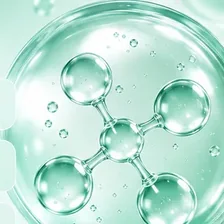
Cell therapy (SVF) from your own adipose tissue
The stromal vascular fraction (SVF), a mix of cells that play a part in tissue repair, is obtained by processing a small sample of your adipose tissue. Together with your own plasma, it goes into the affected joint by injection.
It is mainly indicated for early and moderate stages of osteoarthritis, where it slows cartilage wear and eases friction between the joint surfaces.
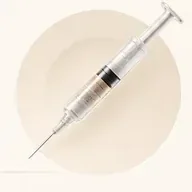
PRP — platelet-rich plasma from your own blood
From a little of your blood, plasma rich in platelets and growth factors is separated and injected into the joint. It calms inflammation and gives tissue repair better conditions.
It is a common option in mild osteoarthritis and is combined with SVF where a stronger effect is needed.
How the procedure goes: step by step

Consultation and scan review
The joint is examined, your X-rays, MRI or ultrasound are reviewed, and the doctor decides if the procedure is right for you. Any scans you have can be sent prior to the visit.

Blood sample for PRP
A little blood is drawn from a vein; platelet-rich plasma with growth factors is prepared from it later.
The doctor tells you in advance which tests are needed.

Adipose tissue sample
With local anaesthetic, a small amount of adipose tissue — around 30 ml — is obtained through a puncture on the abdomen or inner thigh, and no stitches are needed.

Processing in a centrifuge
The sample is centrifuged so that it splits into layers. The stromal vascular fraction is then isolated and mixed with platelet-rich plasma.
The whole procedure is done in one day.

Injection into the joint
The material is injected directly into the affected joint, guided by ultrasound for precise placement.

Follow-up
There is no hospital stay and you will not need crutches. The doctor remains in contact after the procedure and follows the joint's response.
Consultation and scan review
The joint is examined, your X-rays, MRI or ultrasound are reviewed, and the doctor decides if the procedure is right for you. Any scans you have can be sent prior to the visit.
Blood sample for PRP
A little blood is drawn from a vein; platelet-rich plasma with growth factors is prepared from it later.
The doctor tells you in advance which tests are needed.
Adipose tissue sample
With local anaesthetic, a small amount of adipose tissue — around 30 ml — is obtained through a puncture on the abdomen or inner thigh, and no stitches are needed.
Processing in a centrifuge
The sample is centrifuged so that it splits into layers. The stromal vascular fraction is then isolated and mixed with platelet-rich plasma.
The whole procedure is done in one day.
Injection into the joint
The material is injected directly into the affected joint, guided by ultrasound for precise placement.
Follow-up
There is no hospital stay and you will not need crutches. The doctor remains in contact after the procedure and follows the joint's response.
Follow-up visits
Follow-up visits let the doctor see how the joint responds and adjust the plan — pain usually eases over the first month, mobility improves over about three months, and the full effect develops over around six months.
Get a consultation
Apply before the end of the year and get a consultation at the clinic's expense!
Message our coordinator
We reply right in the chat — you can send photos
Message us on TelegramMessage us on WhatsAppBy messaging us, you agree to our Privacy Policy
Or message us in any messenger
Conditions we treat
It is up to the doctor, after examining you and reviewing your scans, to decide whether the treatment fits
What we work with

Arthritis
Arthrosis
Avascular necrosis
Osteoarthritis
Gonarthrosis (knee osteoarthritis)
Coxarthrosis (hip osteoarthritis)
Meniscus pathology and injury
Rehabilitation after injuries and surgery
Inflammatory joint conditions
Contraindications

Cancer
Pregnancy
Blood clotting disorders
Acute infections, including infection in or near the joint
Flare-up of a serious chronic illness
Cancer
Pregnancy and breastfeeding
Serious heart, kidney or liver disease
Temporary contraindications: skin inflammation over the treated joint, a cold or flu, fever
Book a consultation
Message our coordinator
Call or message us —
our coordinator will contact you shortly
and book your consultation
We reply right in the chat — you can send photos
Message our coordinator
We reply right in the chat — you can send photos
Message us on TelegramMessage us on WhatsAppBy messaging us, you agree to our Privacy Policy
Book a consultation
Message our coordinator
Call or message us —
our coordinator will contact you shortly
and book your consultation
We reply right in the chat — you can send photos
After the procedure
Usually you leave the same day and return to everyday activity within a day or two; the puncture sites just need small dressings. The joint can ache a bit more in the first week — this reaction is expected. Pain typically eases over the first month, mobility and activity improve over about three months, and the full effect develops over around six months. How long the result lasts is individual and depends on the stage of the condition, body weight, activity and other factors; a fixed result cannot be promised by anyone. A healthy weight and regular joint-friendly exercise help it last.
- 1 week
- 1 month
- ~3 months
- ~6 months
Why patients choose City Medical Centre
Treatment without surgery — our aim is to keep your own joint, not to replace it
Your own tissue
Your own blood and adipose tissue only; donor and synthetic material are not used

No crutches
Punctures in place of incisions, local anaesthetic and no lengthy rehabilitation period
Second opinion
Your X-rays, MRI or reports are assessed independently by a doctor at no charge once you send them
Support after the procedure
We stay in contact once the procedure is done and follow the result beyond the day of the injection
Get a consultation
Apply before the end of the year and get a consultation at the clinic's expense!
Message our coordinator
We reply right in the chat — you can send photos
Message us on TelegramMessage us on WhatsAppBy messaging us, you agree to our Privacy Policy
Or message us in any messenger
Osteoarthritis treatment prices
The stage of osteoarthritis, the joint and the method all affect the cost, so it is named after the consultation
Service
Price
Consultation and review of your scans
Free
Get a consultation
Apply before the end of the year and get a consultation at the clinic's expense!
Message our coordinator
We reply right in the chat — you can send photos
Message us on TelegramMessage us on WhatsAppBy messaging us, you agree to our Privacy Policy
Or message us in any messenger
PRP therapy (platelet-rich plasma)
Price at consultation
Get a consultation
Apply before the end of the year and get a consultation at the clinic's expense!
Message our coordinator
We reply right in the chat — you can send photos
Message us on TelegramMessage us on WhatsAppBy messaging us, you agree to our Privacy Policy
Or message us in any messenger
Cell therapy (SVF + PRP), one joint
Price at consultation
Get a consultation
Apply before the end of the year and get a consultation at the clinic's expense!
Message our coordinator
We reply right in the chat — you can send photos
Message us on TelegramMessage us on WhatsAppBy messaging us, you agree to our Privacy Policy
Or message us in any messenger
Get a consultation
Apply before the end of the year and get a consultation at the clinic's expense!
Message our coordinator
We reply right in the chat — you can send photos
Message us on TelegramMessage us on WhatsAppBy messaging us, you agree to our Privacy Policy
Or message us in any messenger
Get a consultation
Apply before the end of the year and get a consultation at the clinic's expense!
Message our coordinator
We reply right in the chat — you can send photos
Message us on TelegramMessage us on WhatsAppBy messaging us, you agree to our Privacy Policy
Or message us in any messenger
Get a consultation
Apply before the end of the year and get a consultation at the clinic's expense!
Message our coordinator
We reply right in the chat — you can send photos
Message us on TelegramMessage us on WhatsAppBy messaging us, you agree to our Privacy Policy
Or message us in any messenger
Get a consultation
Apply before the end of the year and get a consultation at the clinic's expense!
Message our coordinator
We reply right in the chat — you can send photos
Message us on TelegramMessage us on WhatsAppBy messaging us, you agree to our Privacy Policy
Or message us in any messenger
Consultation and review of your scans
Free
Get a consultation
Apply before the end of the year and get a consultation at the clinic's expense!
Message our coordinator
We reply right in the chat — you can send photos
Message us on TelegramMessage us on WhatsAppBy messaging us, you agree to our Privacy Policy
Or message us in any messenger
PRP therapy (platelet-rich plasma)
Price at consultation
Get a consultation
Apply before the end of the year and get a consultation at the clinic's expense!
Message our coordinator
We reply right in the chat — you can send photos
Message us on TelegramMessage us on WhatsAppBy messaging us, you agree to our Privacy Policy
Or message us in any messenger
Cell therapy (SVF + PRP), one joint
Price at consultation
Get a consultation
Apply before the end of the year and get a consultation at the clinic's expense!
Message our coordinator
We reply right in the chat — you can send photos
Message us on TelegramMessage us on WhatsAppBy messaging us, you agree to our Privacy Policy
Or message us in any messenger
Book a consultation
Message our coordinator
Call or message us —
our coordinator will contact you shortly
and book your consultation
We reply right in the chat — you can send photos
Book a consultation
Message our coordinator
Call or message us —
our coordinator will contact you shortly
and book your consultation
We reply right in the chat — you can send photos
Message our coordinator
We reply right in the chat — you can send photos
Message us on TelegramMessage us on WhatsAppBy messaging us, you agree to our Privacy Policy
Joint treatment: frequently asked questions
What is osteoarthritis in simple terms?
This is the gradual wear of the cartilage that lines the bone ends in a joint. When cartilage thins, the joint is no longer cushioned; the bones rub, and pain, stiffness and crunching appear. The condition is degenerative and not inflammatory.
Can hip osteoarthritis be treated without surgery?
Yes, in many cases, provided treatment is not left too late. SVF and PRP injections aim to ease pain and support cartilage without an operation. Joint replacement is the last option, for a joint that has already been destroyed.
How soon will I notice a result?
Many patients report the first changes 2–3 weeks after the procedure. A stable result develops over about six months and lasts from several months to several years depending on the individual. Because osteoarthritis is chronic, the approach is an ongoing plan rather than a single injection.
At which stage does the treatment work best?
Early and moderate stages respond best. Generally, the milder the stage, the faster and longer-lasting the effect, which may cut the need for regular hyaluronic acid injections. When the joint space has almost disappeared at the most advanced stage, a lasting effect cannot be expected.
Which joints are most often affected?
The joints that carry the most load: the knees, hips and ankles, as well as the small joints of the hand and the spine. Regenerative treatment is used for all of these joints.
What happens if osteoarthritis is left untreated?
Usually it gets worse — pain turns constant, movement is increasingly limited, the joint can deform and walking may become difficult. Early diagnosis, controlling weight, exercise and cooperation with a doctor make a real difference.
Which tests and scans are needed?
X-ray is the main method and it shows the stage; MRI provides detail on the cartilage and soft tissues; ultrasound shows inflammation and joint fluid; blood tests help rule out inflammatory conditions. The doctor can review your existing results free of charge.
How is osteoarthritis different from arthritis?
Osteoarthritis means worn cartilage — aching pain when moving, crunching, stiffness after rest. Arthritis means inflammation — pain at night and at rest, swelling, redness, warmth over the joint. As the approach to treatment differs, the diagnosis comes first.
Can I get a consultation about my case?
Yes. Send us your X-rays, MRI or test results and a doctor will review them free of charge, assess the stage of osteoarthritis and propose a non-surgical plan where appropriate.
Can I exercise with osteoarthritis?
It is not only possible but advisable. Proper activity strengthens the muscles that unload the joint, improves cartilage nutrition and maintains your mobility. Swimming, water aerobics, cycling, Nordic walking and yoga are good choices; running on hard surfaces, jumps, heavy lifting and sudden movements are to be avoided.
Other services at our clinic
Everything about arthrosis treatment in Freetown
Cartilage works as a shock absorber. When it thins, the bones start to rub against each other, and the joint becomes painful and less mobile. Osteoarthritis in Freetown is a degenerative condition rather than an inflammatory one, although flare-ups with swelling happen.
PRP is often used for mild osteoarthritis, and SVF with PRP when a stronger effect is needed. The method and the number of injections are chosen for each patient in Freetown after the examination.
Knee or hip osteoarthritis? Patients from Freetown can send their X-rays or MRI and get a free assessment of the stage and a clear answer on suitable treatment and its price.
This website uses cookies. By continuing to use it, you agree to the Privacy Policy and data processing terms
Get a consultation
Apply before the end of the year and get a consultation at the clinic's expense!
Message our coordinator
We reply right in the chat — you can send photos
Message us on TelegramMessage us on WhatsAppBy messaging us, you agree to our Privacy Policy