
























Non-Surgical Joint Treatment in Al Mansurah
Regenerative SVF and PRP injections for knees, hips, shoulders and other joints, with your scans checked free beforehand
Message our coordinator
We reply right in the chat — you can send photos
Message us on TelegramMessage us on WhatsAppBy messaging us, you agree to our Privacy Policy
No surgery — an injection instead of an operation
Own tissue — your blood and adipose tissue
Ultrasound guidance for every injection

Free consultation
and review of your scans
What is regenerative
joint treatment?
The treatment is regenerative and uses only what your body supplies: PRP (platelet-rich plasma from the blood) and SVF (the stromal vascular fraction from a small piece of adipose tissue). Injected into the joint that hurts, it aims to calm inflammation, ease pain and support the tissue within.
For someone with joint pain who wants to avoid surgery or delay it, or who has been told replacement is the only choice, this is worth considering. The doctor reviews your scans to assess the stage — earlier stages give a better chance of a lasting result.
No surgery — an injection instead of an operation
Ultrasound guidance for every injection
Free consultation and review of your scans
Joints we treat
From large joints to small ones: the doctor picks the joint, the technique and the injection count after studying your scans
Elbow
Joint surface wear and pain after overload or sports strain
Hand and wrist joints
Small joints of the wrist and fingers that are stiff and sore
Knee
Pain climbing stairs or after walking, cartilage wear, meniscus trouble
Hip
Early hip osteoarthritis, groin pain, limited rotation
Ankle
Pain and stiffness after sprains and old injuries
Shoulder
Pain on raising the arm and wear of the joint and nearby tendons

Methods we use
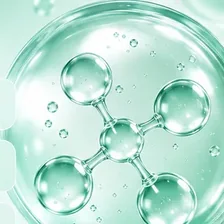
Cell therapy (SVF) from your own adipose tissue
From a small sample of your adipose tissue, the stromal vascular fraction (SVF) is isolated — cells that are involved in tissue repair. This fraction, combined with your plasma, is injected into the affected joint.
This option is usually picked for more advanced changes in the joint, when the goal is an effect that lasts longer.
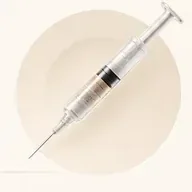
PRP — platelet-rich plasma from your own blood
Your blood, in a small amount, is used to separate plasma rich in platelets and growth factors. This plasma is injected into the joint to help calm inflammation and support tissue repair.
A course of injections can be done with it alone, or it can be paired with SVF.
How the procedure goes: step by step

Consultation and scan review
The doctor examines your joint, looks at your X-rays, MRI or ultrasound and decides whether the procedure is right for you. Scans you already have can be sent ahead of the visit.

Blood sample for PRP
Blood is taken from a vein in a small amount, and it is later used to prepare platelet-rich plasma with growth factors.
The doctor tells you in advance which tests are needed.

Adipose tissue sample
A puncture on the abdomen or inner thigh, made under local anaesthetic, is used to take a small portion of adipose tissue, about 30 ml. No stitches follow.

Processing in a centrifuge
Centrifugation divides the sample into layers, so the stromal vascular fraction can be isolated and then mixed with the platelet-rich plasma.
The whole procedure is done in one day.

Injection into the joint
The finished material is injected into the affected joint itself, guided by ultrasound so that it lands precisely.

Follow-up
The procedure needs no crutches or hospital stay. Afterwards the doctor remains in touch and follows the joint's response.
Consultation and scan review
The doctor examines your joint, looks at your X-rays, MRI or ultrasound and decides whether the procedure is right for you. Scans you already have can be sent ahead of the visit.
Blood sample for PRP
Blood is taken from a vein in a small amount, and it is later used to prepare platelet-rich plasma with growth factors.
The doctor tells you in advance which tests are needed.
Adipose tissue sample
A puncture on the abdomen or inner thigh, made under local anaesthetic, is used to take a small portion of adipose tissue, about 30 ml. No stitches follow.
Processing in a centrifuge
Centrifugation divides the sample into layers, so the stromal vascular fraction can be isolated and then mixed with the platelet-rich plasma.
The whole procedure is done in one day.
Injection into the joint
The finished material is injected into the affected joint itself, guided by ultrasound so that it lands precisely.
Follow-up
The procedure needs no crutches or hospital stay. Afterwards the doctor remains in touch and follows the joint's response.
Follow-up visits
Follow-up visits let the doctor see how the joint responds and adjust the plan — pain usually eases over the first month, mobility improves over about three months, and the full effect develops over around six months.
Get a consultation
Apply before the year is out and your consultation is free!
Message our coordinator
We reply right in the chat — you can send photos
Message us on TelegramMessage us on WhatsAppBy messaging us, you agree to our Privacy Policy
Or message us in any messenger
Conditions we treat
The decision on whether the treatment suits you is made by a doctor, after an examination and a look at your scans
What we work with

Arthritis
Arthrosis
Avascular necrosis
Osteoarthritis
Gonarthrosis (knee osteoarthritis)
Coxarthrosis (hip osteoarthritis)
Meniscus pathology and injury
Rehabilitation after injuries and surgery
Inflammatory joint conditions
Contraindications

Cancer
Pregnancy
Blood clotting disorders
Acute infections, including infection in or near the joint
Flare-up of a serious chronic illness
Cancer
Pregnancy and breastfeeding
Serious heart, kidney or liver disease
Temporary contraindications: fever, a cold or the flu, inflammation of the skin over the joint to be treated
Book a consultation
Message our coordinator
Call or message us —
our coordinator will contact you shortly
and book your consultation
We reply right in the chat — you can send photos
Message our coordinator
We reply right in the chat — you can send photos
Message us on TelegramMessage us on WhatsAppBy messaging us, you agree to our Privacy Policy
Book a consultation
Message our coordinator
Call or message us —
our coordinator will contact you shortly
and book your consultation
We reply right in the chat — you can send photos
After the procedure
Small dressings go over the puncture sites and, in most cases, you go home the same day and return to normal daily activity within a day or two. During the first week a little more aching in the joint is an expected reaction. Pain usually eases over the first month; mobility and activity improve over around three months; the full effect develops over about six months. Duration differs between individuals, depending on the stage of the condition, body weight, activity and other factors — no fixed result can be promised by anyone. The doctor gives individual advice on exercise and load for the first weeks.
- 1 week
- 1 month
- ~3 months
- ~6 months
Why patients choose City Medical Centre
The goal is your own joint kept, not replaced, through treatment without surgery
Your own tissue
Only your own blood and adipose tissue — no donor or synthetic material is used
No crutches
No long rehabilitation: punctures instead of incisions, done under local anaesthetic
Second opinion
Send X-rays, MRI or medical reports for an independent assessment by a doctor at no cost
Support after the procedure
After the procedure we keep in touch and follow the result, not only the day of the injection
Get a consultation
Apply before the year is out and your consultation is free!
Message our coordinator
We reply right in the chat — you can send photos
Message us on TelegramMessage us on WhatsAppBy messaging us, you agree to our Privacy Policy
Or message us in any messenger
Joint treatment prices
After the consultation the doctor gives the price, which depends on the joint, the stage and the method
Service
Price
Consultation and review of your scans
Free
Get a consultation
Apply before the year is out and your consultation is free!
Message our coordinator
We reply right in the chat — you can send photos
Message us on TelegramMessage us on WhatsAppBy messaging us, you agree to our Privacy Policy
Or message us in any messenger
PRP therapy (platelet-rich plasma)
Price at consultation
Get a consultation
Apply before the year is out and your consultation is free!
Message our coordinator
We reply right in the chat — you can send photos
Message us on TelegramMessage us on WhatsAppBy messaging us, you agree to our Privacy Policy
Or message us in any messenger
Cell therapy (SVF + PRP), one joint
Price at consultation
Get a consultation
Apply before the year is out and your consultation is free!
Message our coordinator
We reply right in the chat — you can send photos
Message us on TelegramMessage us on WhatsAppBy messaging us, you agree to our Privacy Policy
Or message us in any messenger
Get a consultation
Apply before the year is out and your consultation is free!
Message our coordinator
We reply right in the chat — you can send photos
Message us on TelegramMessage us on WhatsAppBy messaging us, you agree to our Privacy Policy
Or message us in any messenger
Get a consultation
Apply before the year is out and your consultation is free!
Message our coordinator
We reply right in the chat — you can send photos
Message us on TelegramMessage us on WhatsAppBy messaging us, you agree to our Privacy Policy
Or message us in any messenger
Get a consultation
Apply before the year is out and your consultation is free!
Message our coordinator
We reply right in the chat — you can send photos
Message us on TelegramMessage us on WhatsAppBy messaging us, you agree to our Privacy Policy
Or message us in any messenger
Get a consultation
Apply before the year is out and your consultation is free!
Message our coordinator
We reply right in the chat — you can send photos
Message us on TelegramMessage us on WhatsAppBy messaging us, you agree to our Privacy Policy
Or message us in any messenger
Consultation and review of your scans
Free
Get a consultation
Apply before the year is out and your consultation is free!
Message our coordinator
We reply right in the chat — you can send photos
Message us on TelegramMessage us on WhatsAppBy messaging us, you agree to our Privacy Policy
Or message us in any messenger
PRP therapy (platelet-rich plasma)
Price at consultation
Get a consultation
Apply before the year is out and your consultation is free!
Message our coordinator
We reply right in the chat — you can send photos
Message us on TelegramMessage us on WhatsAppBy messaging us, you agree to our Privacy Policy
Or message us in any messenger
Cell therapy (SVF + PRP), one joint
Price at consultation
Get a consultation
Apply before the year is out and your consultation is free!
Message our coordinator
We reply right in the chat — you can send photos
Message us on TelegramMessage us on WhatsAppBy messaging us, you agree to our Privacy Policy
Or message us in any messenger
Book a consultation
Message our coordinator
Call or message us —
our coordinator will contact you shortly
and book your consultation
We reply right in the chat — you can send photos
Book a consultation
Message our coordinator
Call or message us —
our coordinator will contact you shortly
and book your consultation
We reply right in the chat — you can send photos
Message our coordinator
We reply right in the chat — you can send photos
Message us on TelegramMessage us on WhatsAppBy messaging us, you agree to our Privacy Policy
Joint treatment: frequently asked questions
What is the difference between PRP and SVF?
PRP is a platelet-rich plasma produced from your blood, and SVF is a fraction of cells isolated from a small sample of adipose tissue. They have different modes of action and are often combined to enhance the regenerative effect in the joint.
Is the treatment safe?
The risk of rejection or allergy is very low, since both methods use your own tissue. Like any injection, they can cause temporary pain, swelling or bruising, while infection happens rarely. At the consultation the doctor explains what the risks are for you.
How long does the effect last?
It depends. PRP usually gives an effect lasting from several months to about a year; with SVF it can last longer. Because the stage of the condition and your body affect the duration, no one can promise a fixed result.
Who should not have the procedure?
The procedure is ruled out for cancer, acute infections and blood clotting disorders, during pregnancy and during a flare-up of a serious chronic illness. This is checked by the doctor at the consultation.
Hip osteoarthritis (coxarthrosis): can it be treated without surgery?
PRP or SVF injections, combined with exercise therapy and physiotherapy, can reduce pain and improve movement at early stages. If damage to the joint is already severe, replacement may be more realistic — the doctor gives an honest answer after seeing your scans.
Can avascular necrosis of the hip be treated?
Stages 1–2 are early enough for SVF therapy to be considered, supporting blood supply to the femoral head and delaying joint replacement. At later stages, surgery is usually unavoidable.
Why try to avoid joint replacement?
Major surgery, long rehabilitation, risks like infection and implants that may need to be redone eventually — that is what a replacement involves. With early or moderate changes, preserving your own joint first is often sensible.
Can I get a second opinion on my scans?
Yes. Your X-rays, MRI, CT or medical reports are reviewed by a doctor free of charge, and you will hear whether the procedure could suit you and what else may be needed.
How soon can I return to normal life?
In most cases within a day or two. No crutches, no long rehabilitation — the doctor recommends how to manage load and exercise in the first weeks.
Does the treatment help with shoulder pain?
For the rotator cuff and the shoulder joint, PRP is used; SVF may be considered in more advanced shoulder arthritis. Whether this is right for you depends on the cause of the pain, which the doctor determines first.
Other services at our clinic
Joint treatment in Al Mansurah: methods, steps and price
Joint treatment in Al Mansurah is built around keeping your own joint. Instead of a long rehabilitation after surgery, you get injections under local anaesthetic, no crutches and no hospital stay, and the doctor stays in touch afterwards.
Follow-up visits help the doctor see how the joint responds and adjust the plan. In Al Mansurah, you receive recommendations on load and exercise for the first weeks, and the doctor stays in touch after the procedure.
Do not put off joint pain for years. Book a free consultation in Al Mansurah: the doctor reviews your scans, assesses the stage and suggests a non-surgical plan if it is appropriate. The price is set at the consultation.
This website uses cookies. By continuing to use it, you agree to the Privacy Policy and data processing terms
Get a consultation
Apply before the end of the year and get a consultation at the clinic's expense!
Message our coordinator
We reply right in the chat — you can send photos
Message us on TelegramMessage us on WhatsAppBy messaging us, you agree to our Privacy Policy