





























earlier
12 months on
2,800 grafts
FUE method
City Medical Centre
0% instalments
from $367/mo
Advice, then the price — $0.
Honest case
earlier
12 months on
FUE spares you incisions and stitches. Graft count and forecast checked over at no charge — before you decide.
No bill for it, no surgery booking required
Message our coordinator
Free online consultation · Reply within 15 minutes
Message us on TelegramMessage us on WhatsAppBy messaging us, you agree to our Privacy Policy
results
These are all real City Medical Centre patients.
earlier
12 months on
2,800 grafts
FUE method

earlier
12 months on
3,500 grafts
FUE method

earlier
12 months on
2,600 grafts
FUE method

earlier
12 months on
3,000 grafts
FUE method

earlier
12 months on
2,700 grafts
FUE method

earlier
12 months on
3,300 grafts
FUE method

earlier
12 months on
2,900 grafts
FUE method

earlier
12 months on
2,500 grafts
FUE method

earlier
12 months on
3,400 grafts
FUE method

earlier
12 months on
2,500 grafts
FUE method

earlier
12 months on
3,100 grafts
FUE method

earlier
12 months on
3,600 grafts
FUE method

earlier
12 months on
4,000 grafts
FUE method

earlier
12 months on
3,200 grafts
FUE method

earlier
12 months on
3,000 grafts
FUE method

earlier
12 months on
3,700 grafts
FUE method

earlier
12 months on
2,700 grafts
FUE method

earlier
12 months on
3,800 grafts
FUE method

earlier
12 months on
3,300 grafts
FUE method

earlier
12 months on
2,800 grafts
FUE method

earlier
12 months on
2,500 grafts
FUE method

earlier
12 months on
3,900 grafts
FUE method

earlier
12 months on
3,500 grafts
FUE method

earlier
12 months on
3,800 grafts
FUE method

earlier
12 months on
2,900 grafts
FUE method

earlier
12 months on
3,600 grafts
FUE method

earlier
12 months on
2,600 grafts
FUE method

earlier
12 months on
2,700 grafts
FUE method

earlier
12 months on
3,700 grafts
FUE method

earlier
12 months on
3,200 grafts
FUE method

earlier
12 months on
3,000 grafts
FUE method

earlier
12 months on
2,800 grafts
FUE method

earlier
12 months on
4,000 grafts
FUE method

earlier
12 months on
3,400 grafts
FUE method

earlier
12 months on
2,900 grafts
FUE method

earlier
12 months on
3,100 grafts
FUE method

earlier
12 months on
2,600 grafts
FUE method

earlier
12 months on
3,300 grafts
FUE method

earlier
12 months on
3,900 grafts
FUE method

earlier
12 months on
3,500 grafts
FUE method

earlier
12 months on
2,700 grafts
FUE method

earlier
12 months on
3,800 grafts
FUE method

earlier
12 months on
3,200 grafts
FUE method

earlier
12 months on
3,000 grafts
FUE method

earlier
12 months on
2,800 grafts
FUE method

earlier
12 months on
3,100 grafts
FUE method

earlier
12 months on
3,600 grafts
FUE method
Comparison
You have three graft transfer technologies to choose between: classic FUE, suture-free DHI and a combined protocol. They differ in implantation technique, tissue trauma and graft survival.
Classic technique without incisions or stitches

$2,200
$2,700
Graft implantation technique
ForcepsGraft trauma
MinimalA natural growth angle
NaturalGraft survival
98–100%Suitable for
Androgenetic alopeciaSuture-free placement with a Choi pen

$2,500
$2,900
Graft implantation technique
DHI pen (Choi implanter)Graft trauma
MinimalA natural growth angle
NaturalGraft survival
98–100%Suitable for
DensificationFUE extraction, DHI pen implant

$2,700
$2,900
Graft implantation technique
FUE extraction, DHI implantationGraft trauma
MinimalA natural growth angle
NaturalGraft survival
98–100%Suitable for
Androgenetic alopecia and densificationSurvival and trauma figures are averaged per method and given as a guide: the exact numbers follow the transplant area and the patient's individual features, and the doctor clarifies them at the consultation.
Seek expert guidance


















about the clinic
Modern equipment, comfortable rooms and care for each patient

We will deal with your questions and pick a convenient time to consult you
Message us on WhatsApp Apply onlineThe consultation gives you a straight answer, including that an operation may be pointless, so nothing is spent needlessly. The situations in which a transplant is genuinely justified are listed below.
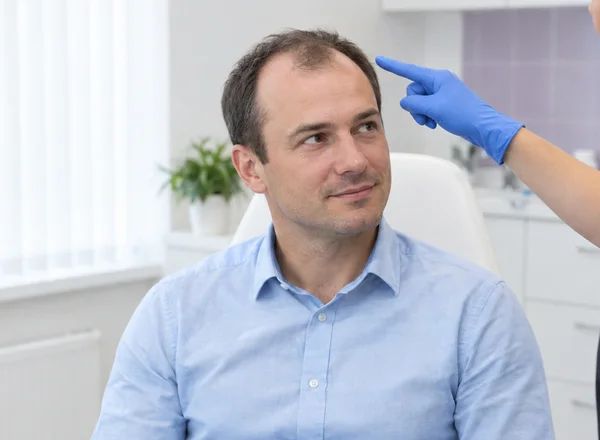

Write to us in Telegram or WhatsApp; photos go to a coordinator there, and the doctor says if a transplant helps. Free, with no booking.

services
The cost is quoted at the free consultation, after the graft count, and fixed in the contract.
suture-free graft extraction

$2,200$2,700
or $367/mo — 0% instalments for 6 months
Hold your priceimplantation without channels

$2,500$2,900
or $417/mo — 0% instalments for 6 months
Hold your pricecombined technique

$2,700$2,900
or $450/mo — 0% instalments for 6 months
Hold your price| A look at your scalp | Free |
|---|---|
| Eyebrow transplant, FUE | |
| Beard transplant, FUEinstalments $467/mo | |
| Hair trichopigmentation | |
| PRP therapy / session | $200 |
all included
From preparation for surgery up to 12 months after.
No extra payments on surgery day.
two added areas
Only the area being treated varies. The donor grafts come from the back of the head and the method remains FUE.
FUE method, no incisions or stitches

Grafts are taken from the donor area at the back of the head and moved through micro-punctures of about 1 mm; scars are not left. Before the operation the doctor discusses what shape to give the beard, allowing for your facial features. Transplanted hair grows for life and is trimmed and styled as usual.
$2,800$3,000
or $467/mo — 0% instalments for 6 months
Hold your priceFUE method, no incisions or stitches

At the very first consultation the surgeon pencils in the brow line, you both go over reference images, and the drawing is matched to the proportions of your face. Placing each hair at the proper angle is what makes the result believable. Where plucking over many years has halted growth, this works as well.
$1,600$1,700
a procedure done with local anaesthesia only
Hold your priceDonor zone inspected, grafts counted, realistic outcome explained. Your cost is decided at that consultation and written down in the contract.

Message our coordinator
Free online consultation · Reply within 15 minutes
Message us on TelegramMessage us on WhatsAppBy messaging us, you agree to our Privacy Policy
Process
From consultation to going home — all in one day

The consultation costs nothing and gives you a full explanation of FUE and DHI, answers to your questions, and an individual plan built for your surgery.

A deposit is what holds the slot in the surgical calendar. Pay it by card when you are at the clinic, or send it online.

The clinic tells you which tests are required and how to go about them, so nothing is missed before the operation.

Everything is done under local anaesthetic. There is no pain during the work.

Harvesting takes place in the donor zone, typically the back of the head or the temples, with no stitches involved.

The extracted grafts are then set into the thinning area by the surgeons.
The final step is recovery, backed by the clinic's supplies and full instructions for fast healing.

Crusts fall off, swelling goes down, the area heals step by step

Normal stage — only the hairs fall out, the follicles stay in place

Fresh hairs settle in and density starts to build

The hair fills in, the main volume and contour are visible

The final density and natural hairline take shape

Free, before the operation and with nothing owed.
Seek expert guidancedoctors

Hair transplant doctor, trichologist, surgeon
10 years in practice

Dermatovenereologist, trichologist, surgeon
11 years of experience

Plastic surgeon
9 years of experience

Plastic surgeon
9 years of experience

Assistant
9 years of experience
The doctor studies the donor zone, arrives at the graft count and sets out the achievable outcome.
Seek expert guidancecoordinators
You are assigned a personal coordinator, your guide from the first enquiry to recovery.

Patient services lead
Stays with you through the whole process
Helps with the forms and the arrangements
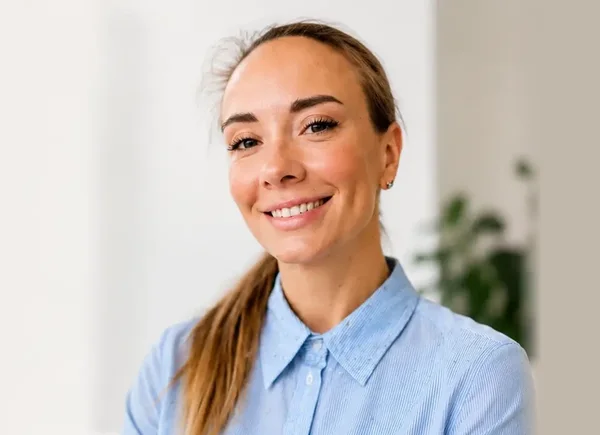
Patient services lead
Stays with you through the whole process
Helps with the forms and the arrangements

Patient services lead
Stays with you through the whole process
Helps with the forms and the arrangements
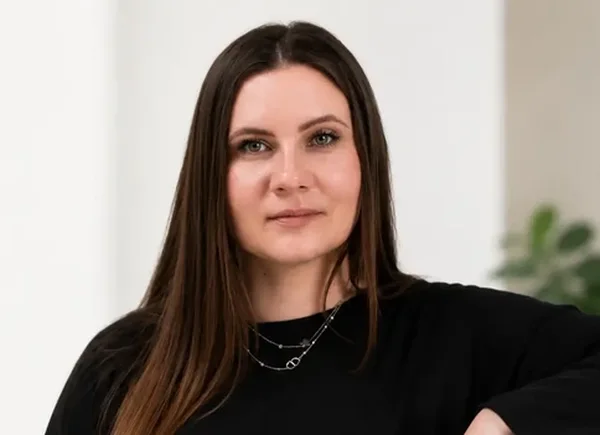
Patient services lead
Stays with you through the whole process
Helps with the forms and the arrangements













We will deal with your questions and pick a convenient time to consult you
Message us on WhatsApp Apply onlineYour main worries

Of course. City Medical Centre works with people from many cities and many countries; an online appointment is offered before anything is agreed.
FUE costs $2,200 (≈ AOA 2,050,000), DHI costs $2,500 (≈ AOA 2,350,000), and the combined DHI+FUE method costs $2,700 (≈ AOA 2,550,000). The exact amount is confirmed at a free consultation after your grafts are counted, and it is fixed in the contract.
A day-long operation, after which everyone returns home.
Pain is ruled out by local anaesthesia during the operation.
In FUE, grafts are harvested with a tweezer, no cuts or stitches involved. In DHI, a Choi pen implants grafts without opening channels first. The combined method pairs FUE harvesting with DHI implantation.
How many you need depends on the donor area; the doctor establishes the number and charges nothing for it.
Roughly 0–10 days for healing, then a normal shedding of transplanted hairs at 2–4 weeks. Growth appears around 3–4 months, becomes noticeable across 6–9 months, and completes at 12–18 months.
A contract-backed, lifetime guarantee of hair growth comes with every procedure.
Care is provided under a medical licence, to the standards and clinical guidelines
under Ministry of Health.

Diplomas and certificates of those who will operate
Check our paperworkAKC POMOSHCH LLC
the clinic's legal name
1057746096924
OGRN
7728536872
INN
A patient in Huambo is not facing an ordeal. FUE and DHI leave no cuts to heal and no stitches to remove, local anaesthesia is enough throughout, and the operation is over within a day of starting.
A patient in Huambo can find out where they stand without going anywhere: the online consultation is free, photos of the area are looked at by the doctor, and the verdict on whether a transplant helps follows. Open 24/7.
The scalp heals across 0-10 days. A shedding of transplanted hairs follows at 2-4 weeks and is a normal stage rather than a complication. Growth begins at 3-4 months and carries on without help.
Prices are in US dollars; the amount in brackets is an approximate conversion to AOA at the rate of 02.10.2026. The final price is fixed in your contract.
By messaging us, you agree to our Privacy Policy
What patients write after this operation. Reviews are translated from the original language.
Andrey M.
I had the operation a month ago. Before and after surgery they were always in touch and helped with questions about my tests. The operation itself went wonderfully, the staff are polite and masters of their craft, you feel you are in safe hands. I am recovering now, and they answer all my questions. I am happy and I recommend them!
DHI hair transplant
Pavel Sinitsyn
The best clinic of all the ones I was choosing from. No regrets at all! The result is simply amazing, I am thrilled. I recommend it to everyone: these people do great work and make people happy. Once again, a huge thank you to everyone. Roman, the head of the clinic, is the best: he was personally in touch with me and looked after my recovery. Thank you for making my dream come true.
FUE hair transplant
Maria Akopyan
I thought about an eyebrow transplant for a long time and finally went for it. At first I was afraid the result would look unnatural, but when I saw my new eyebrows I was delighted! They came out full and in harmony with my face. I can hardly believe that now I just wash my face and go, I have never felt so free. For anyone tired of constant make-up, a transplant is a real lifesaver!
Eyebrow transplant (FUE)
Alexander M.
I really wanted a thick beard, but I had problems with it. I tried every home remedy and minoxidil, and nothing helped. After a long search for the best clinic I settled on this one. Thank you so much for the service, I liked everything and now I am happy! I had the beard transplant 10 months ago and I am very pleased with the result. By the way, the music in the clinic was great, as far as I remember. A friend of mine has already come to you for a transplant on my advice and was also happy with the result. I wish you every success!
Beard transplant (FUE)
Vladimir Z.
I went to the clinic to see a trichologist and had a hair transplant. I really liked the doctor's approach, and all the recommendations helped. I want to point out that nobody tries to sell you extra services: they tell you things as they are, and if some treatment is not needed, they do not push it. Cosy and clean.
DHI hair transplant
Artem Popov
This may sound obvious, but a head of hair really changes everything in your life. You feel much more confident and go through life like a winner. And it is all thanks to the doctor at this clinic and to the staff who take care of their patients. Many thanks to the clinic for a happy life with new hair, for the comfortable conditions and for the professionalism during the hair transplant.
FUE hair transplant
Page medically reviewed by Anastasia A. Kolesnik, hair transplant doctor. Review date: .
Huambo, formerly called Nova Lisboa, is the capital of Huambo Province and stands on a high plateau in the Angolan central highlands, at an elevation of 1,721 metres. The city has a population of 710,000 (2024), and the municipality of Huambo has 836,293 inhabitants (Census 2024). It is the third-most populous city in Angola, so many people here are thinking about the same questions: how to look after their appearance, how to plan time off, and whom to trust with a procedure.
For hair transplant (FUE / DHI) the altitude is a real advantage. Temperatures in Huambo stay mild and spring-like through the year, and the intense heat that makes the first weeks hard in lowland cities is much less of a problem. Still, the plateau sun is strong, and the recovery plan should take it into account. This text explains how to plan a hair transplant while living in Huambo, with a free online consultation from your own home.
Huambo has wet summers from October through April and dry winters from May to September. September is the warmest month, with a mean of 21.0 °C, and June is the coolest, with a mean of 16.2 °C. June and July bring no rain at all, and winter has more sunshine than summer. The city receives 2273 hours of sunshine in total.
For the early healing days the dry months are practical. There is less mud and less dust splashed around in the rainy season, and the days are cool, so you sweat less under a cap or loose headwear. On the other hand, winter sun is bright, so the treated scalp needs protection when you go out. Ask your doctor which kind of headwear is suitable and for how long.
The rainy season is not a barrier, but plan around it. Heavy downpours make daily errands harder, and you will want to avoid getting the scalp soaked or standing in a crowd in the first days. Choose a start date when your calendar is quiet, then fit the rest of the plan around it. A coordinator will help you pick a sensible window during the online consultation.
Plan your life in Huambo around the real stages of recovery. The first 0–10 days are for healing. Then, 2–4 weeks after surgery, the transplanted hairs let go, which is the expected shedding and not a failure. New growth starts at 3–4 months, when the hair comes back. By 6–9 months the hair is visibly thicker, and the settled look arrives at 12–18 months.
One patient described it this way: from about the 4th month active, even growth began, the transplanted hair took very well, and the beard now looks as natural as possible, with no bald patches left. The beard became much thicker and denser, in the shape he had thought about for a long time. It is a good reminder that the early weeks can look unfinished and that patience pays off.
For people in Huambo this matters socially. If you have a wedding, a church event, a graduation or a family gathering on the calendar, count the months honestly. The shedding stage at 2–4 weeks is the time when many patients prefer to stay out of the spotlight, so do not schedule important photographs for that period.
At 1,721 metres the air is thinner and the sun stronger than the cool temperatures suggest. After a hair transplant the scalp and the donor area at the back of the head are sensitive. Cover them with the headwear your doctor approves when you are outside, and avoid long hours in direct sun during the early weeks. This applies especially to the dry months, when the sky is clear and sunshine is at its peak.
Dust is the other everyday factor. In the dry season, unpaved side streets and vehicles raise dust, and in the rainy season mud is common. Keep the treated area clean as instructed, avoid dusty work in the first days, and do not touch or scratch the micro-puncture area. Wash gently exactly the way the clinic team explains.
Water needs care too. Rivers, lakes and swimming pools are popular for weekends, but heavy chlorine, untreated water and crowds are not what a healing scalp needs. Ask the surgeon when you can return to a pool or to open water, and follow the answer rather than a friend's opinion.
Huambo is a university city. It hosts the José Eduardo dos Santos University and the Higher Institute of Education Sciences, and it is home to research institutes in veterinary science and agriculture. Students and lecturers can usually plan the procedure around an exam period or a break. Office staff, teachers and researchers often have the easiest return to work, because the work is indoors and away from dust and sweat.
If your job is outdoors, in construction, farming, transport or on the railway, ask the surgeon how long to stay away from dust, sun and heavy sweating. Huambo is a main hub of the Benguela Railway and the richest agricultural province in Angola, so many residents work in physically demanding jobs. A sensible break from them in the first days protects the result.
Football is the most popular sport in the city, and the local clubs are followed closely. Playing, heading the ball or training hard is something to postpone until the surgeon allows it. Ask for a clear answer about when light exercise is fine and when contact sport is fine, and avoid improvising. Spectating from home is the safest option early on.
A good candidate has enough healthy hair in the donor area at the back of the head and realistic expectations. Grafts are taken from that area and moved through micro-punctures of about 1 mm, so nothing scars over. FUE and DHI differ in how the grafts are placed, and the doctor will explain which suits your case. The same principle applies to beard and moustache work.
General reasons to postpone or decline include unstable chronic illness, active scalp infection or skin disease, bleeding disorders and unrealistic goals. Tell the doctor about every medicine you take, including traditional remedies, and about previous operations. Honest answers here prevent problems later.
Prepare questions before the online consultation. Who will do the work and who will be with you during the operation? How will the shape be planned? The doctor discusses the shape with you before the operation, taking your facial features into account. What does aftercare look like in a city with strong sun and a dusty dry season? How are the follow-ups handled? Write the questions down and keep the answers.
Everything starts online and costs nothing. You contact the coordinators on Telegram or WhatsApp from Huambo; they are available around the clock, 24/7. You send clear photographs of the front, top and back of the head, or of the beard area, and describe your goals, your medical history and your calendar. The doctor reviews the material and discusses the likely plan with you.
Think about what you want to ask before you start: the shape of the frontal hair line, the number of areas to treat, the rest period you can afford and the timing within the Huambo calendar. If a mobile connection is weak, send photographs in several short messages. Voice notes work well when typing is slow.
The service does not end with the operation. We stay with you from pre-op planning to 12 months later, and a coordinator will be on the phone 24/7. That means you can ask a question at night after a stressful day, rather than waiting and worrying.
Huambo is the capital of the richest agricultural province in Angola, so fresh local produce is easy to find for most families. During recovery, simple home meals with vegetables, cereals, beans, fish or chicken are a sensible choice. Plan the cooking before the operation, so that during the 0–10 days of healing nobody has to stand over a hot, smoky stove with a freshly treated scalp.
Family meals and long gatherings around the table are a normal part of life in the city. In the first days, ask a relative to help with shopping and cooking, and keep your own rest time. Ask the surgeon about alcohol and smoking in the early period, because both can interfere with healing, and follow the advice you are given instead of the habits of the group.
If you take regular medicine for blood pressure, diabetes or another condition, mention it during the online consultation. Your doctor will tell you what to continue and what to pause. Do not stop any treatment on your own.
Evenings in Huambo are cool, especially in the dry months, and many people sleep under heavy blankets. After the operation, a clean pillowcase and a comfortable sleeping position matter more than the blanket. Ask the doctor how to lie down during the first nights so that the grafted area and the donor area at the back of the head are not rubbed.
Prepare the bathroom in advance: clean towels, the washing products the team recommends, and a plan for rinsing gently without strong water pressure. In homes where water supply is irregular, store clean water ahead of time so that you can follow the washing routine on schedule.
Keep a short list near your bed with the care steps, the dates of the check-ups at months 1, 3, 6, 9 and 12, and the coordinator contact. If something looks unusual, you can write at once instead of guessing.
Hair is part of personal style in Huambo, from short fades to braids and natural textures. Before the operation, discuss with the doctor how your hair type, curl and thickness affect the plan, and how the frontal hair line should look with your face. The shape is discussed with you before the operation, taking your facial features into account.
Braids, tight hairstyles, extensions and chemical treatments can pull on healing skin. Ask when each of them is safe again, and do not return to a tight style simply because an event is coming up. For the beard, the answer is simpler: transplanted hair grows for life, so you can trim and style the beard as usual once healing allows.
Women who consider a transplant for thinning at the parting or the temples should also describe their medical history, hormonal changes and the products they use. The doctor can then tell you honestly whether the procedure suits your case.
The schedule of check-ups is fixed: months 1, 3, 6, 9 and 12. Each is a chance to compare photographs, discuss shedding and growth, and adjust care. Send photos taken in the same light and from the same angles each time, so progress is easy to judge. In sunny Huambo, take them in the shade or indoors with even light.
Transplanted hair grows for life, so you can trim and style the beard as usual, and cut or style the scalp hair as you like once the doctor allows it. The final look settles at 12–18 months, so judge the result at that point and not at the first month.
Fix a few habits for your daily life: protect the scalp from strong sun, keep to the care routine during the dust of the dry season, and keep the follow-up dates in your phone calendar. A hair transplant is a medical procedure, and results depend on your body, the plan and the care you give it.
Mostly yes. Huambo is on a high plateau with mild temperatures all year, with a mean of 16.2 °C in June and 21.0 °C in September, so there is less sweating under headwear. The sun is still strong, and the dry season brings dust, so protect the scalp as your doctor advises.
Many people prefer the dry months, May to September, because there is less mud and the days are cool and sunny. The rainy season, October to April, is also possible if you can stay indoors in the first days. Choose according to your work and family calendar.
The first 0–10 days are for healing. Transplanted hairs let go at 2–4 weeks, which is expected. New growth begins at 3–4 months, the hair is visibly thicker at 6–9 months, and the settled look comes at 12–18 months.
Ask the surgeon for a clear answer based on your job. Dust, strong sun and heavy sweating are not good for a healing scalp, so outdoor and physical work usually needs a longer break than office work.
Do not decide it yourself. Ask the surgeon when light exercise and later contact sport are allowed, and keep to that advice. Heading the ball or a knock to the head is a risk early on.
Grafts are taken from the donor area and moved through micro-punctures of about 1 mm, so nothing scars over. Your doctor explains how the donor area is managed and how it heals.
The consultation is free. You write to the coordinators on Telegram or WhatsApp from Huambo, send photographs and your medical history, and the doctor reviews them. Coordinators are available around the clock, 24/7.
We stay with you from pre-op planning to 12 months later. Check-ups take place at months 1, 3, 6, 9 and 12, and a coordinator will be on the phone 24/7 between them.
Not in the early period. Wait for your surgeon's permission before any clipper, razor or styling on the treated or donor area. After that, ask your coordinator what to tell the barber.
Prepare clean pillowcases, the recommended washing products, loose headwear, easy meals and stored water. Arrange help from a relative for the first days and write the care steps and follow-up dates down.
In many cases yes, depending on the pattern of hair loss and the donor area. Send photographs and your medical history to the coordinators, and the doctor will give an honest opinion.

 Forceps
 Minimal


