



























Message our coordinator
Free online consultation · Reply within 15 minutes
Message us on TelegramMessage us on WhatsAppBy messaging us, you agree to our Privacy Policy


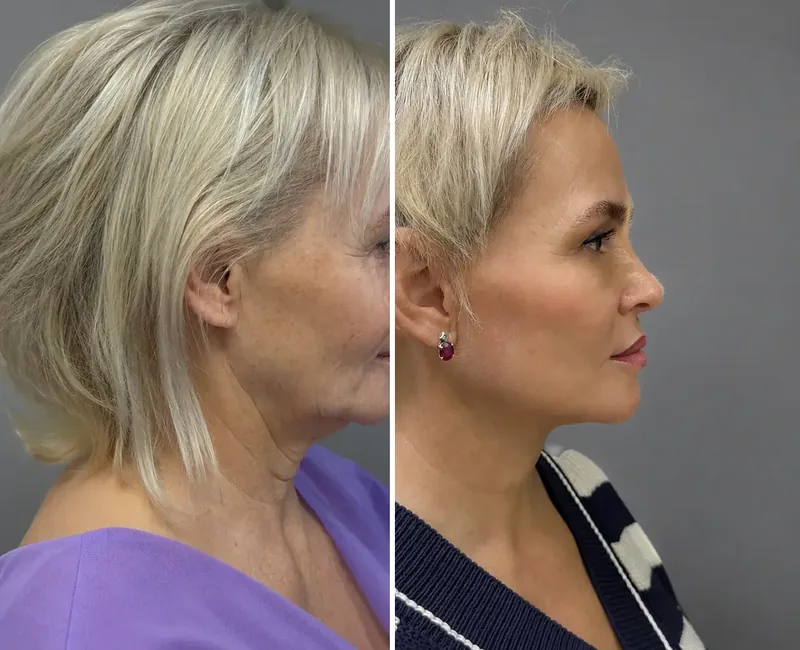

50 years

9 months
SMAS facelift
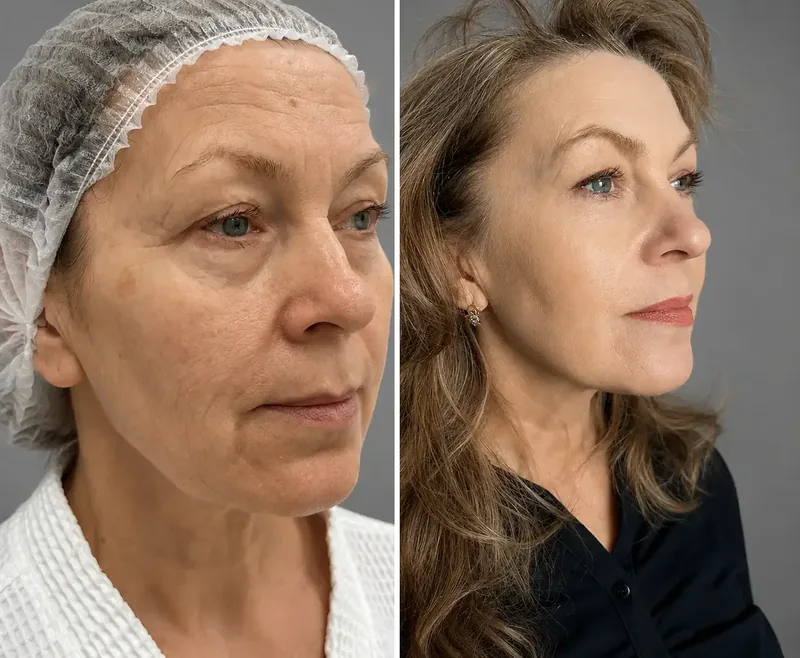
58 years
8 months
SMAS facelift
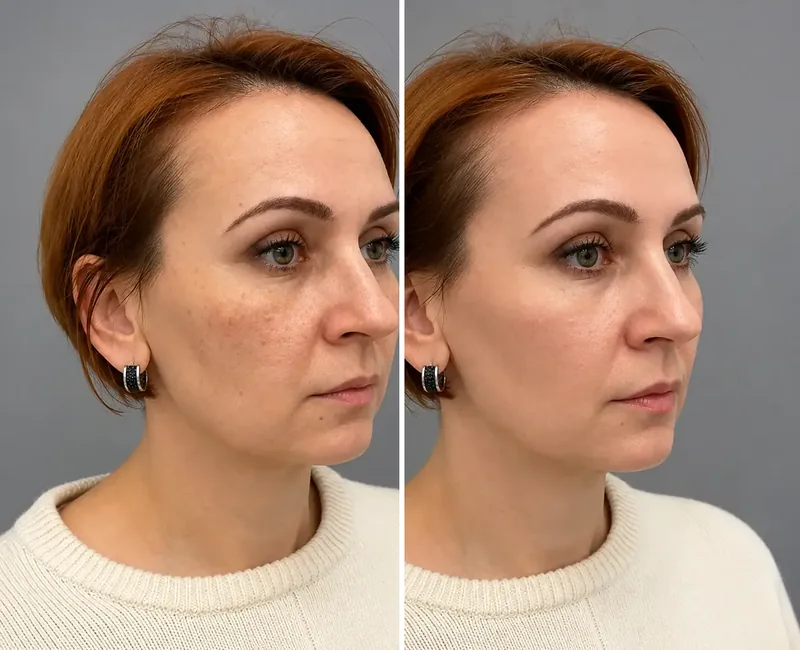
34 years
5 months
SMAS facelift
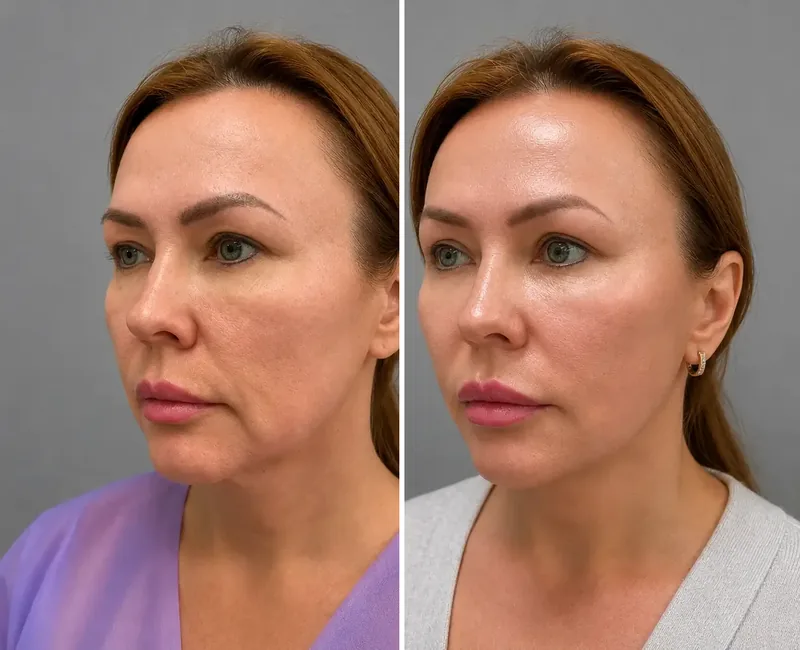
32 years
7 months
SMAS facelift
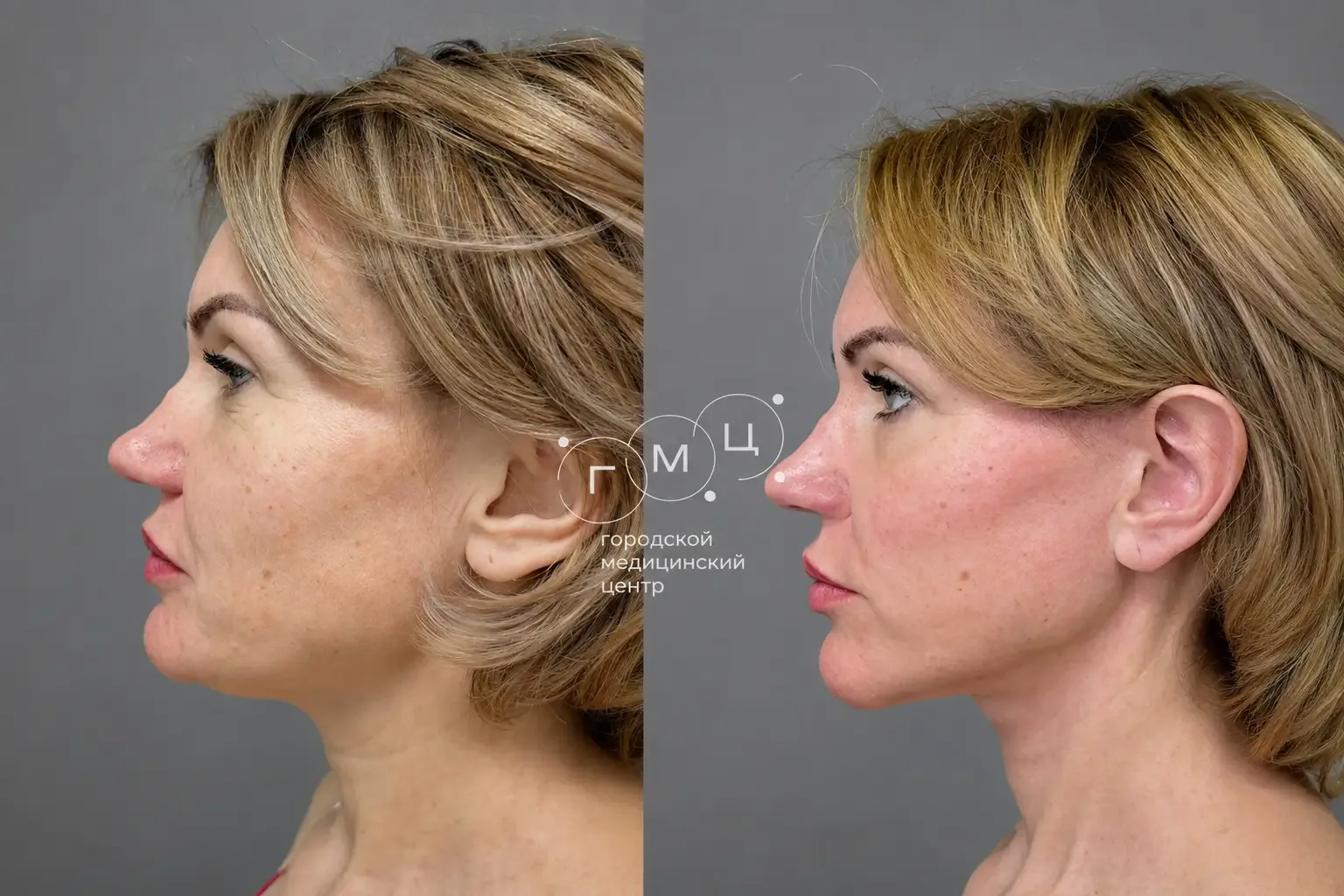
40 years
6 months
SMAS facelift
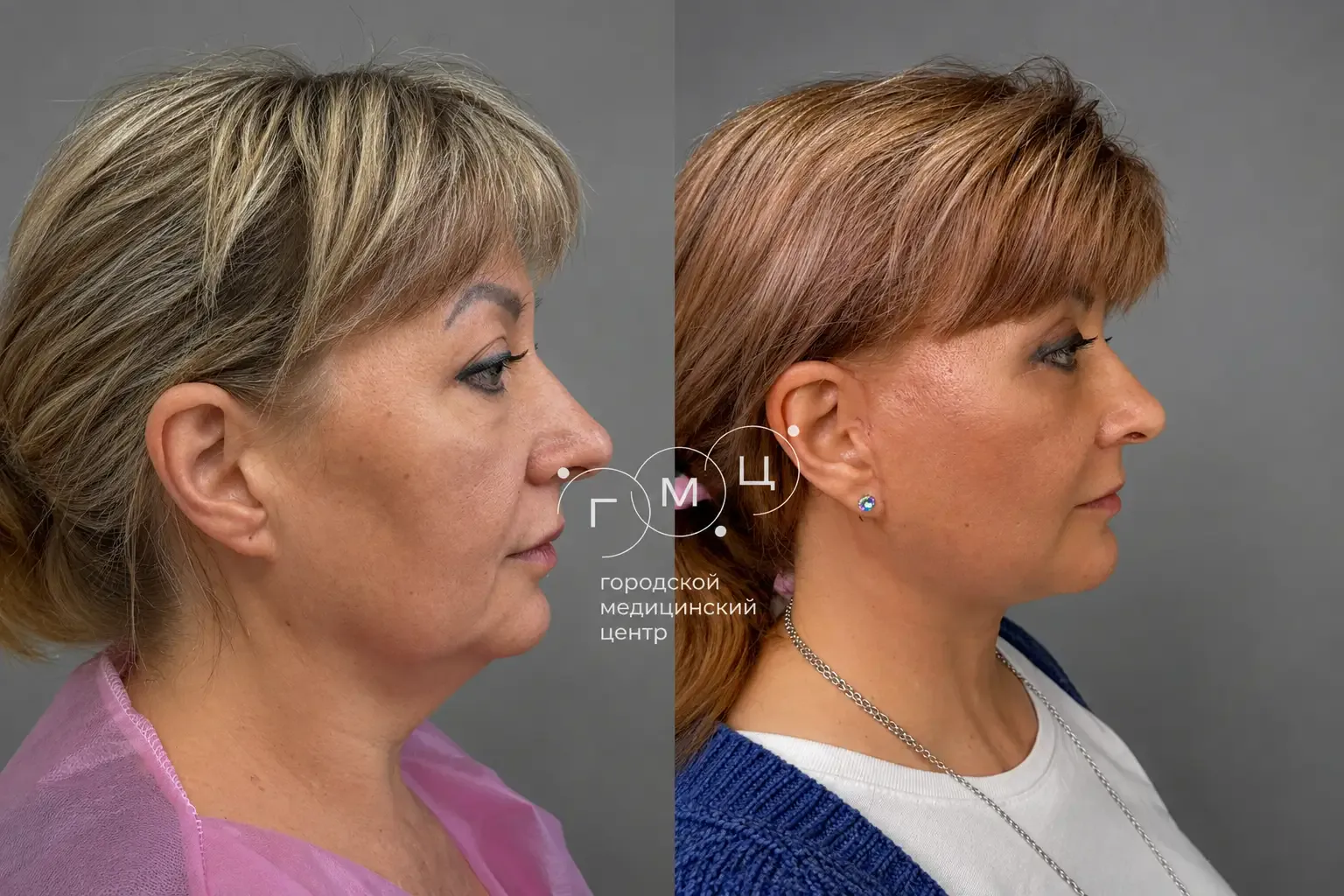
45 years
8 months
SMAS facelift
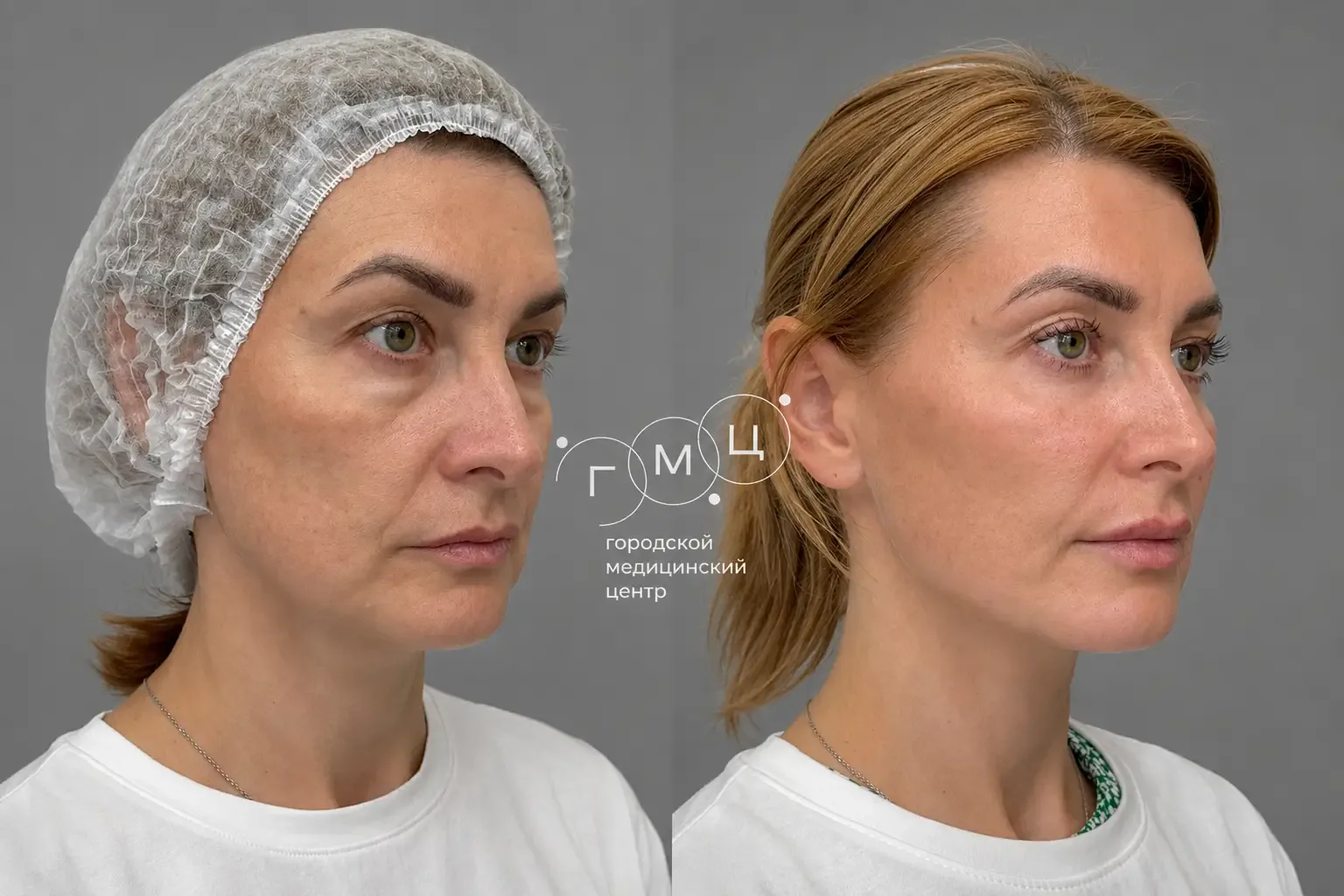
38 years
5 months
SMAS facelift
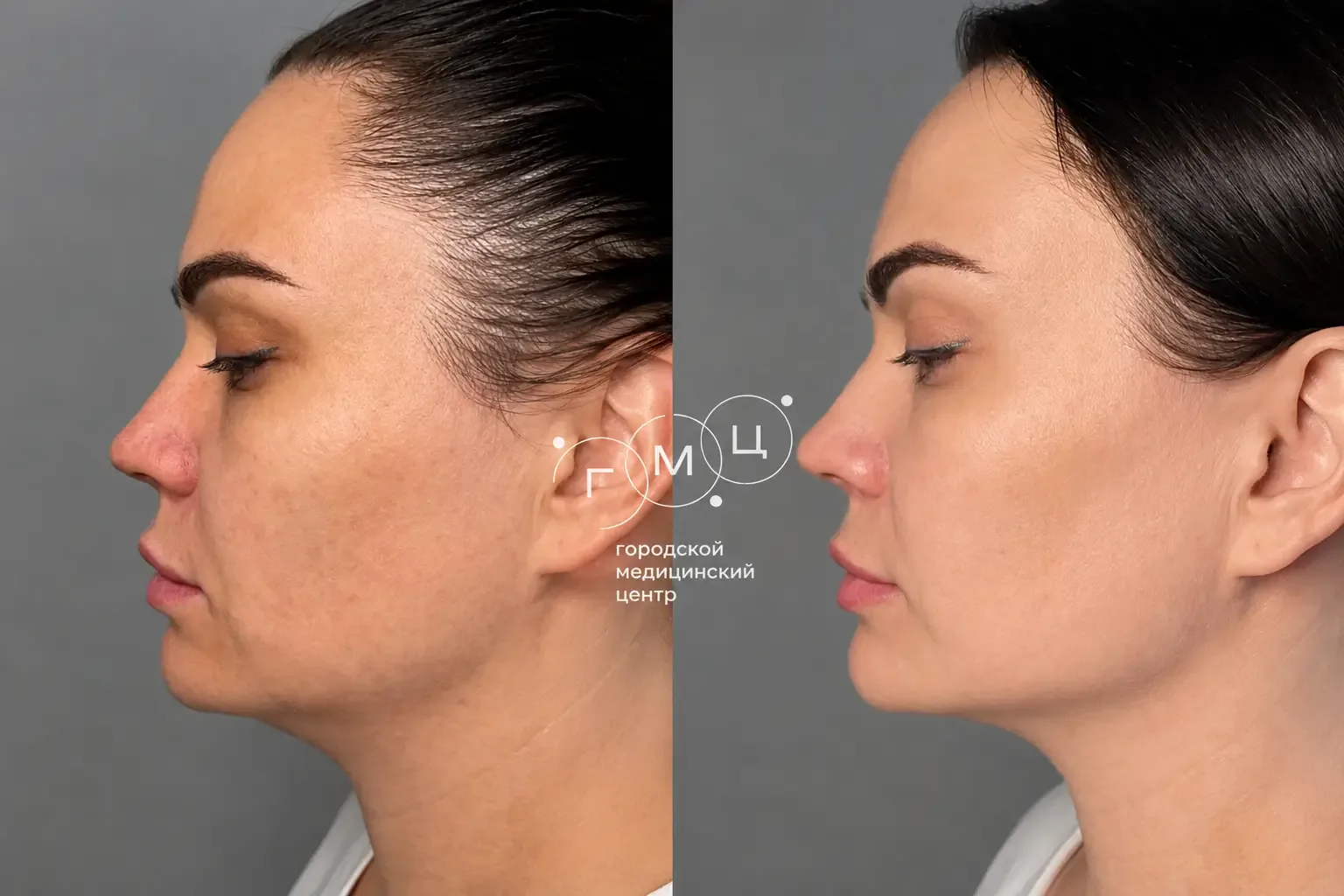
33 years
6 months
SMAS facelift
50 years
9 months
SMAS facelift
58 years
8 months
SMAS facelift
34 years
5 months
SMAS facelift
32 years
7 months
SMAS facelift
40 years
6 months
SMAS facelift
45 years
8 months
SMAS facelift
38 years
5 months
SMAS facelift
33 years
6 months
SMAS facelift

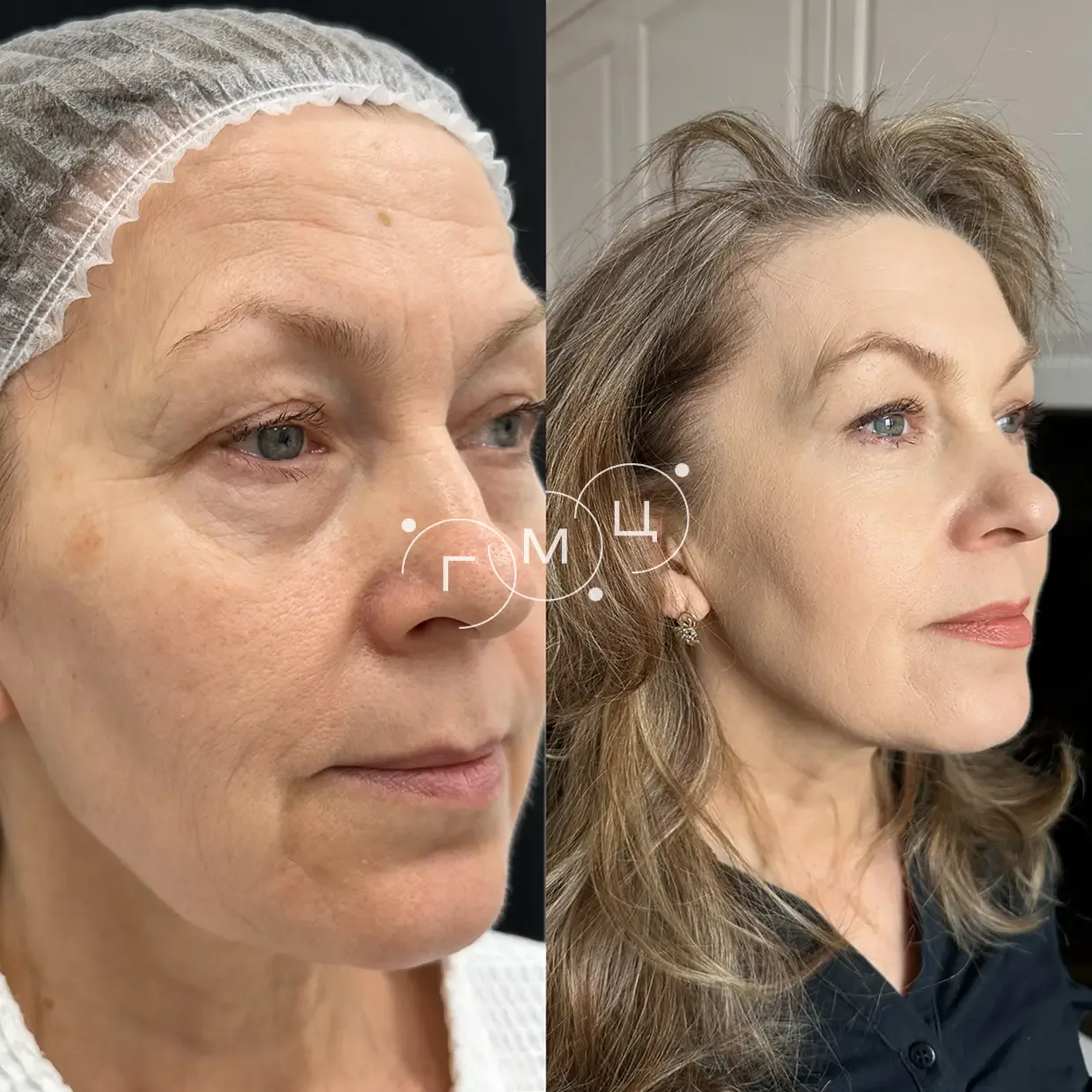

Marked sagging of the face and neck
Jowls and a blurred jawline
A double chin with loose skin on the neck
Deep nasolabial folds and marionette lines
Drooping brows and a heavy look
A marked loss of skin firmness after 40
Wanting a long-term result (7–10 years)

Being under 30
Acute inflammation of the skin
Pregnancy and the breastfeeding stage
Serious cardiovascular disease
Problems with blood clotting
Cancer
Decompensated diabetes
How a SMAS facelift works for Benguela residents
There are four main options. A standard SMAS facelift lifts the mid and lower face. A full circular lift covers the forehead, temples, mid and lower face and neck. A neck and lower face lift targets the chin, jowls and loose neck skin. An endoscopic brow and temple lift repositions the brows through tiny punctures. The surgeon helps each patient from Benguela choose by age and ageing type.
On the day of surgery you are under combined inhalation anaesthesia, so there is no pain. The surgeon works through incisions hidden along the hairline and around the ears,
lifts the skin, redistributes fat and secures the SMAS layer. Afterwards you stay in a comfortable inpatient room with meals and 24/7 monitoring by medical staff. The same care applies to everyone in Benguela.
Start with a free, no-pressure consultation: you get an assessment of your ageing type, an explanation of the expected result and answers on recovery. If you decide to proceed, a facelift costs from $2,400 (≈ AOA 2,250,000), with anaesthesia, the inpatient stay, meals and a year of follow-up included, and 0% instalments available. People in Benguela can send a request online or message a coordinator.
Benguela and the question of a facelift
Benguela is a city in western Angola and the capital of Benguela Province. It is one of the most populous cities in the country, with 555,124 inhabitants in the city and 561,775 in the municipality at the 2014 census. In a city of this size, people tend to know each other through work, church, school, football and family. A change in someone's face is noticed, discussed and sometimes joked about. For many residents this is the main reason to plan a facelift carefully and to choose a natural result over a dramatic one.
The questions we hear from Benguela are practical. Will I look like myself? Will people see that I have had surgery?
How long must I stay away from work? Can I return to my usual routine in the warm coastal climate? This text answers them in the context of daily life in Benguela, so you can come to your online consultation with a clear picture.
A surgical SMAS facelift suits people who notice that the skin and deeper tissues are losing firmness. Beyond 40–50 the skin gradually loses firmness: noticeable sagging, jowls, a blurred jawline and drooping cheeks. Creams and surface procedures work on the skin. The SMAS lift works deeper, by repositioning the muscle and fascia layer. It treats the cause of sagging, not its effects, and delivers a lasting result even with significant changes.
What a SMAS facelift does and why it differs from cosmetology
Many patients in Benguela first try cosmetic procedures. That is a reasonable first step for early changes. When sagging becomes marked, surface treatments cannot reposition tissue that has descended. A surgical SMAS facelift corrects at 3 levels, and the central step is lifting and securing the muscle and fascia layer. This lets the surgeon treat the cause of sagging itself, meaning weakened ligaments and descended muscles.
It is a face lift that tightens the deep SMAS layer under the skin, not only the skin itself, so the
lower face, jawline and neck stay firmer for longer. The result lasts about 7–10 years. Deep work on the SMAS gives a natural look and results lasting up to 10 years. A face that is lifted from below does not look pulled or fixed in one expression.
One operation gives a complete result. A repeat procedure is possible after 7–10 years if the patient wants it. For someone planning around family life, work and the calendar of a busy coastal city, this matters: you plan one period of recovery, not a series of small interventions.
The four options and how the surgeon chooses
We have 4 main options. At the consultation, the surgeon helps select the best one for your age and type of ageing. You do not need to decide in advance. Look at photographs of yourself from several years ago, note which areas bother you most, and bring them to the conversation.
The classic SMAS lift of the mid and lower face is one option. The surgeon works on the skin and the SMAS layer through incisions hidden along the hair line and around the ears. It removes jowls, sagging cheeks, a double chin and deep nasolabial folds. Results last 7–10 years. It suits people whose main concern is the lower half of the face.
The comprehensive lift covers the forehead, temples, mid and lower face and neck. It suits marked sagging in several areas at once. It delivers the most complete rejuvenation and a natural look, free of a «mask» effect. Results last up to 10 years.
Ask the surgeon which option fits your face and why, which areas will be treated, where the incisions will lie in relation to your hair line, and what you can expect for the neck. In a city where many people see each other every week, the concern is usually that the face should look rested, and these questions help you set that goal.
Climate of Benguela and recovery after a facelift
Benguela lies on the Atlantic coast. Angola has alternating rainy and dry seasons. In the south the rainy season begins in November and lasts until about February. The dry season, called cacimbo, is often marked by heavy morning mist. In general, precipitation is lower along the coast than in the interior, and temperatures tend to rise closer to the Atlantic Ocean. The coolest months are July and August, in the middle of the dry season.
For recovery this has practical consequences. During the first 7–10 days you need rest, a compression bandage and less physical activity. Heat and humidity can make a bandage uncomfortable,
so plan a cool, shaded room at home with good airflow. Swelling and bruising fade within 2–4 weeks, and full recovery takes about 2 months. During this time, avoid direct sun on the face, and protect healing skin with a wide-brimmed hat or a loose scarf when you go outside. Follow the surgeon's advice on sun protection for the scars.
Coastal air and wind carry dust and salt. Keep dressings and the skin around the ears clean, and do not touch the healed areas with unwashed hands. Ask the surgeon when sea bathing and pool swimming become acceptable. Do not decide this yourself, because the sea is one of the main attractions of the city and it is tempting to return early.
Choosing the season for the operation
Many patients ask whether there is a better time of year. The surgery itself can be planned in any season, but the recovery goes more comfortably when you avoid the hottest and most humid weeks. The cooler dry months, with July and August the coolest, are a natural choice for people who want to spend the first weeks indoors without heat. The mornings of the cacimbo season can be misty and cool, which is pleasant for short, quiet walks once the surgeon allows them.
The rainy season is also workable. In the south it begins in November and lasts until about February. Rain
keeps people at home anyway, which suits the first days of rest. The only point to remember is that damp weather is not a reason to skip wound care. Keep your dressings dry and follow the instructions of the medical team.
Pick the date around events, not only the weather. Weddings, funerals, baptisms and community gatherings are central to life in Benguela, and a face with fading bruises is better kept away from them. Swelling and bruising fade within 2–4 weeks, and after 3–4 weeks, as the swelling settles, the first clear changes appear. Your face takes on its final look in 3–6 months. Leave a margin of several months before an important family event.
Work, study and daily life during recovery
Benguela has long been a commercial city and an important link between western and eastern Angola. Coffee, corn, sisal, sugarcane and tobacco from the interior are traded here, and manganese too. Local industries include fish processing and sugarcane milling, and the city also produces pottery, soap and tools. People work in offices, trade, workshops and processing plants. Each setting brings its own recovery questions.
If you work at a desk or from home, you can plan the first 7–10 days of rest and a gradual return as the swelling goes down. If your work is physical, for example lifting, standing
for long hours in warm conditions or working near dust and fumes, discuss it in advance with the surgeon. Less physical activity is part of the first stage of recovery, and strain on the face and neck should be avoided.
Students and teachers also ask. The Universidade Katyavala Bwila and Ruvandro Ferreira was founded in 2009, and it has added to the student life of the city. A lecturer or an administrator who wants to return to a classroom needs a realistic plan. Many people prefer to schedule the operation during an academic break. Because the centre's coordinators are available around the clock on WhatsApp and Telegram, you can write at any hour and share your timetable, so that the plan fits your commitments.
Sport, leisure and food in the recovery period
Football is part of the identity of Benguela. The Estádio Nacional de Ombaka, opened in December 2009, holds 35,000 spectators. It is the home of Estrela Clube Primeiro de Maio. Clube Nacional de Benguela, founded in 1920, is another well-known name in the city, and there are other local teams too. A match day brings crowds, sun, noise and jostling. In the early weeks after a facelift, avoid crowds where your face could be knocked, and avoid long hours in the sun without cover.
Capoeira is also linked to the name of the city: the toque called «Benguela» is the slowest in regional capoeira. If you practise any contact or dynamic sport, ask the
surgeon exactly when you may return. In the first period, physical activity is reduced, and the surgeon will tell you when to restart walking, light exercise and then full training. Do not take the pace of your teammates as a guide.
Food culture is simple to plan around. Corn and fish are part of the local economy and of many family tables. After surgery, choose food that is easy to chew and gentle on the face during the first days, and drink enough water in the warm climate. Meals are included in inpatient care. At home, ask a relative to prepare soft meals so you do not strain while you rest. Ask the surgeon about alcohol and smoking, since both affect healing and should be discussed openly.
Who is a candidate and who should wait
As a rule, surgery is recommended for patients aged 40+ with marked tissue sagging, and in some cases from 35. The recommendation is made individually after an examination. The typical candidate has a marked loss of skin firmness after 40, notices jowls and a blurred jawline, and is looking for a result that lasts (7–10 years).
There are situations in which the surgeon may advise waiting or choosing a different approach: unstable chronic illnesses, poor healing, heavy smoking, or unrealistic expectations. Body weight and general health also matter for planning surgery and anaesthesia. The WHO publishes
general information on overweight and obesity, which is useful background if you are working on your health before an operation. Be honest about medications and past illnesses, including malaria, since the doctors need the full picture.
A facelift does not change who you are. It does not replace a healthy lifestyle, sun protection or skin care. Think about what you want to see when you look in the mirror and about what you can accept in terms of scars hidden along the hair line and around the ears. A good candidate is a person who understands the operation, accepts the recovery period and wants a natural result.
Questions to ask the surgeon before you decide
A good consultation is a conversation in both directions. Many people in Benguela come with one worry, such as the jowls or the neck, and leave with a clearer picture after asking the right questions. Write them down beforehand and keep the list next to your phone during the online call.
Useful questions are these. Which of the 4 main options suits my age and type of ageing, and why? Which of the 3 levels of correction matter most in my case? How will the result look in the first weeks, and how will it look when the face takes on its final look in 3–6 months? Who
will follow me up after the operation, and how can I reach that person? What do I need to stop or change at home before the operation, for example medicines, smoking or alcohol?
Ask also about the plan for the first 7–10 days: how to sleep, how to wear the compression bandage, how to wash, and which signs mean that you should write to the team at once. The medical team monitors you continuously 24/7, and for the whole first year your operating surgeon follows you up, so you can raise a concern as soon as it appears instead of waiting. Take notes on the answers and compare them with what you read here. If something is unclear, ask again until it is.
Family and the people around you during recovery
In Benguela, family is rarely far away. Relatives call, neighbours visit and friends ask where you have been. Decide in advance whom you will tell about the operation and what you will say. Some patients speak openly, others prefer to say only that they are resting. Both choices are acceptable, but make the decision before the operation, not in the middle of the swelling.
Ask a husband, wife, sister, brother or close friend to be your helper for the first days. During the first 7–10 days you need rest, a compression bandage and less physical
activity, so someone should handle shopping, cooking, children and errands. A helper can also take photographs of your face once a week, which makes it easier to see progress and to show the surgeon what you see.
Visitors can be tiring. Keep early visits short, and ask guests not to hug your face or lean on your head. Swelling and bruising fade within 2–4 weeks, and full recovery takes about 2 months, so be patient with yourself and with others. When people say that you look rested, without being able to say why, that is usually the natural result the operation aims for.
Realistic expectations and a calm mindset
A facelift is a planned change, and the mood of the first weeks is not always cheerful. Swelling, tightness and bruises can make a face look strange before it looks better. This is part of the process. After 3–4 weeks, as the swelling settles, the first clear changes appear, and your face takes on its final look in 3–6 months.
Keep realistic goals. The operation lifts deep tissue and makes the jawline, cheeks and neck firmer, but it does not make you a different person. A surgical SMAS facelift gives an
effect that lasts 7–10 years, and the ageing process continues afterwards, as it does for everyone. If you want, a repeat procedure is possible after 7–10 years.
Helpful habits for the weeks of waiting: sleep enough, drink water, walk gently when the surgeon allows it, and avoid comparing your face in the mirror every hour. Look at photographs once a week instead. If worry becomes strong, write to the coordinators, who are available around the clock on WhatsApp and Telegram, and ask the surgeon for guidance.
How the remote consultation from Benguela works
The first step is a free online consultation from your own city. You do not need to go anywhere. Coordinators are available 24/7 on WhatsApp and Telegram, so you can write in the evening after work or at weekends. The centre is open 24/7 with flexible booking and a personal approach: we fit around your busy schedule and adapt to you.
Prepare a few clear photographs of your face in daylight, from the front and from both sides, without make-up. Write down your age, past operations, medicines, allergies and your main concerns. Then the surgeon can propose a suitable option, explain what is possible and what is not, and answer your questions. A one-to-one consultation, the medical team, anaesthesia, inpatient care with meals, 24/7 monitoring and twelve months of follow-up by the surgeon are all part of the programme.
After the operation you are under continuous 24/7 monitoring by the medical team. For the whole first year, your operating surgeon follows you up. This is useful for patients in Benguela, because you can report any concern about swelling, bruising or scars by message and receive guidance, rather than wait for a visit.
At what age should I consider a facelift in Benguela?
As a rule, surgery is recommended for patients aged 40+ with marked tissue sagging, and in some cases from 35. The recommendation is made individually after an examination. Beyond 40–50 the skin gradually loses firmness, so many people begin to ask about surgery at that stage.
How is a SMAS facelift different from cosmetic procedures?
It is a face lift that tightens the deep SMAS layer under the skin, not only the skin itself, so the lower face, jawline and neck stay firmer for longer. It works on the muscle and fascia layer and treats the cause of sagging, not its effects.
How long does the result last?
The result lasts up to 10 years, and for the classic lift it lasts 7–10 years. One operation gives a complete result. A repeat procedure is possible after 7–10 years if the patient wants it.
What are the options?
We have 4 main options. At the consultation, the surgeon helps select the best one for your age and type of ageing. They include the classic SMAS lift of the mid and lower face and the comprehensive lift of the forehead, temples, mid and lower face and neck.
Where are the incisions?
In the classic SMAS lift the surgeon works through incisions hidden along the hair line and around the ears. Ask the surgeon to show you on
a photograph where they will lie for your chosen option.
How long is recovery, and is the Benguela heat a problem?
During the first 7–10 days you need rest, a compression bandage and less physical activity. Swelling and bruising fade within 2–4 weeks, and full recovery takes about 2 months. In warm weather, stay in shade, wear a hat outside and follow the surgeon's advice on sun protection.
When will I see the result?
After 3–4 weeks, as the swelling settles, the first clear changes appear. Your face takes on its final look in 3–6 months. Plan important family events with this in mind.
Do I need to be away from work?
Yes, rest and reduced activity are needed in the first 7–10 days. If your work is physical or outdoors, discuss it with the surgeon beforehand. Desk workers may return more easily, but only when the surgeon agrees.
Can I swim in the sea or play football after the operation?
Do not return to the sea, a pool or sport on your own initiative. The surgeon will tell you when each activity is acceptable, and the early period is for rest and reduced physical activity.
How do I start from Benguela?
Write to the coordinators on Telegram or WhatsApp at any time, 24/7, and arrange a free online consultation. Send clear photographs and a short medical history, and the surgeon will discuss options and answer your questions.
Should I tell my employer and relatives in Benguela about the facelift?
That is your own decision. Many patients tell only their closest family and the person who will help at home. It is useful to prepare a short explanation in advance for the weeks when swelling and bruising are still visible, which fade within 2–4 weeks.
Who can help me at home after the operation?
Choose a husband, wife, relative or close friend who can take care of cooking, shopping and errands during the first 7–10 days, when you need rest, a compression bandage and less physical activity.
What if I feel worried during recovery?
Write to the coordinators on Telegram or WhatsApp, available 24/7. The medical team monitors you continuously, and your operating surgeon follows you up for the whole first year, so questions about swelling, bruising or mood can be discussed early.
Facelift in Benguela: price and what is included
Prices are in US dollars; the amount in brackets is an approximate conversion to AOA at the rate of 2 October 2026. The final price is fixed in your contract.
- Faceliftfrom $2,400 (≈ AOA 2,250,000)
How much does a facelift in Benguela cost?
Prices start from $2,400 (≈ AOA 2,250,000). The surgeon sets the final price at the free consultation, and it is fixed in the contract, with no hidden extras.
What is included in the price?
A one-to-one consultation, the medical team, anaesthesia, inpatient care with meals, 24/7 monitoring and twelve months of follow-up by the surgeon.
How do I get my exact price?
Message us on WhatsApp or Telegram using the buttons below. A coordinator will answer your questions and book a free consultation where the doctor names the exact price.
By messaging us, you agree to our Privacy Policy