
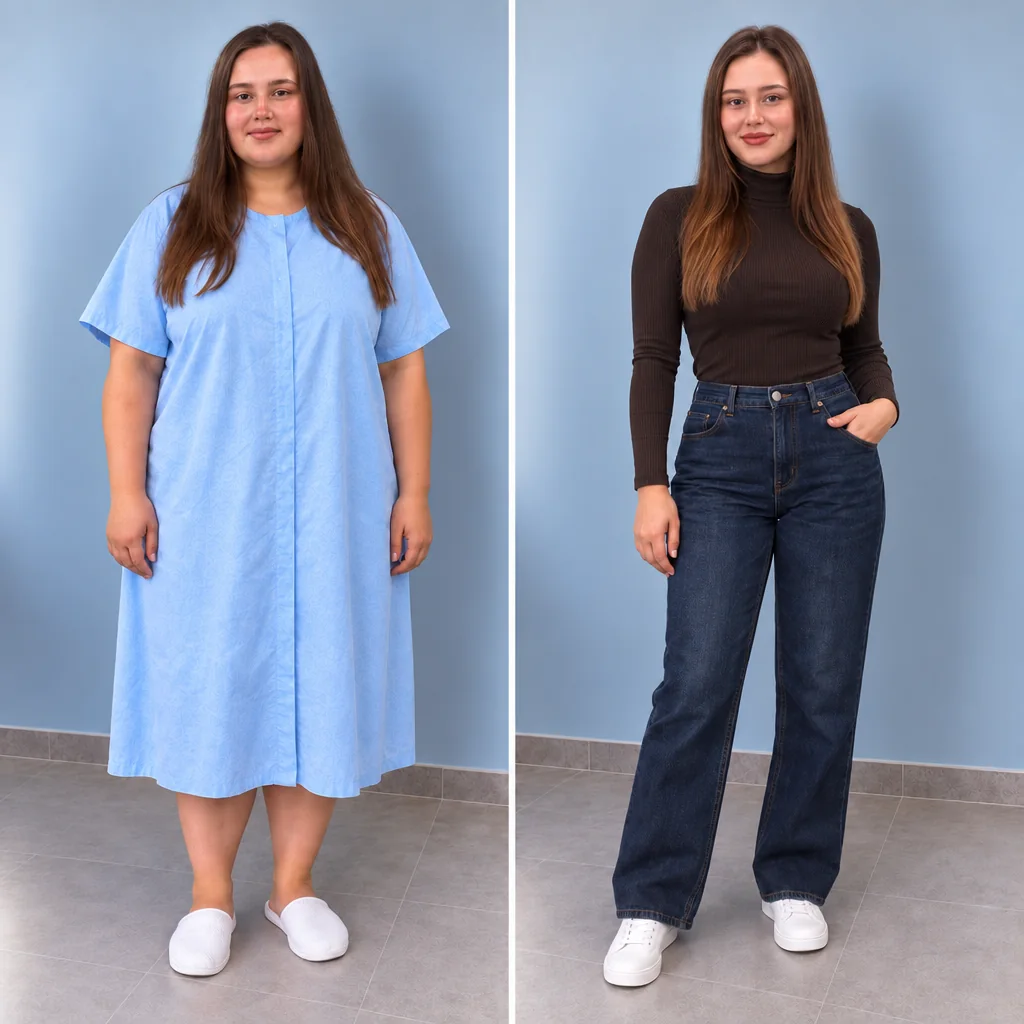
 beforeafter
Irina, 26
Bariatric surgery
Bariatric surgery
$3,600
$4,800 · First consultation — Free
 before
after
Message our coordinator
Free online consultation · Reply within 15 minutes
Message us on TelegramMessage us on WhatsAppBy messaging us, you agree to our Privacy Policy
Results
All cases are real patients of the clinic.
beforeafterBariatric surgery
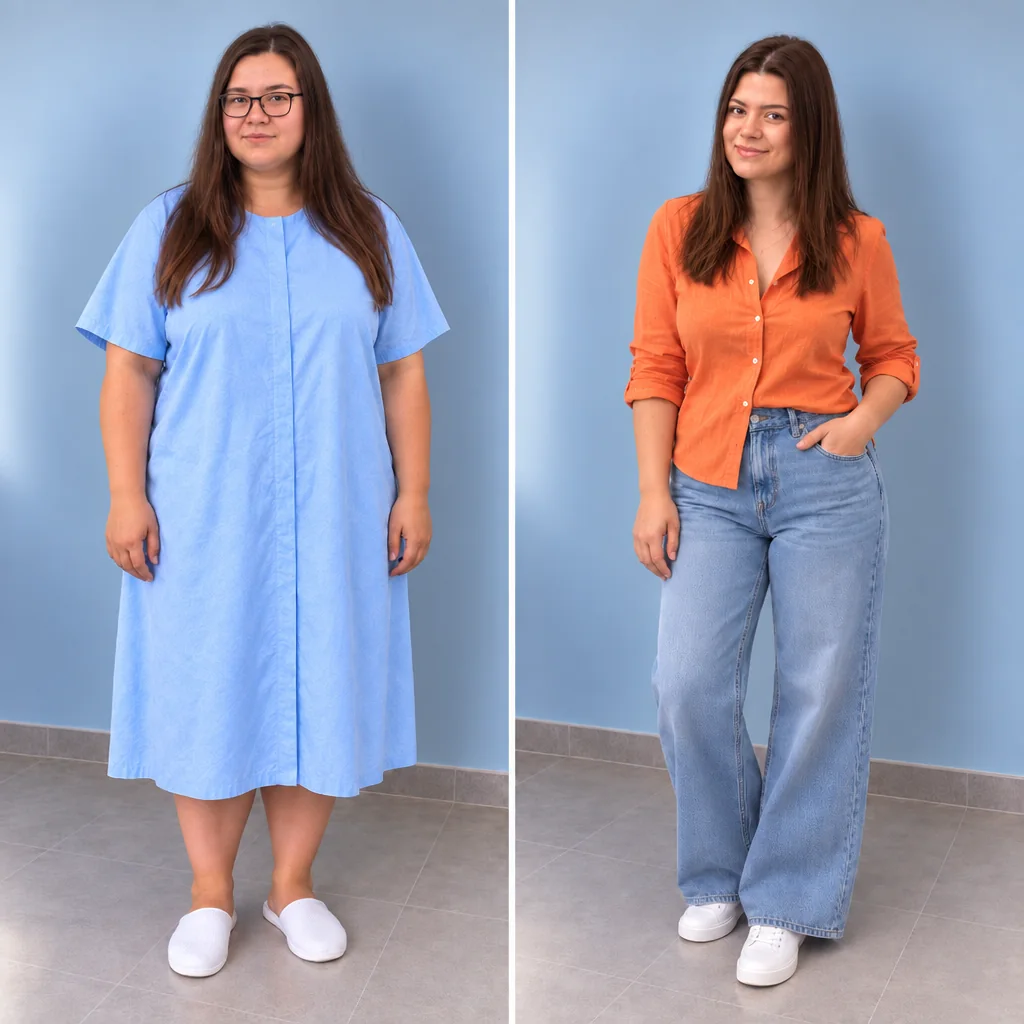 beforeafter
Bariatric surgery
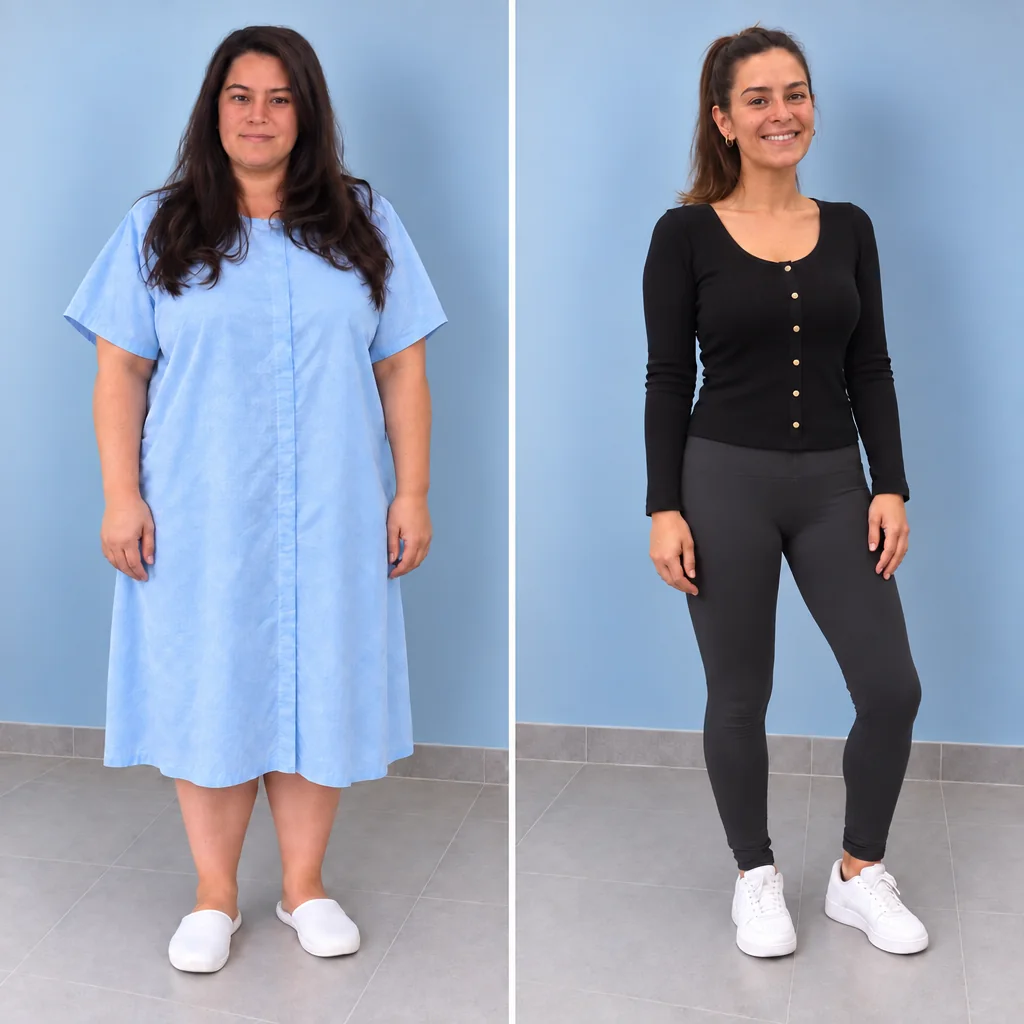 beforeafter
Bariatric surgery
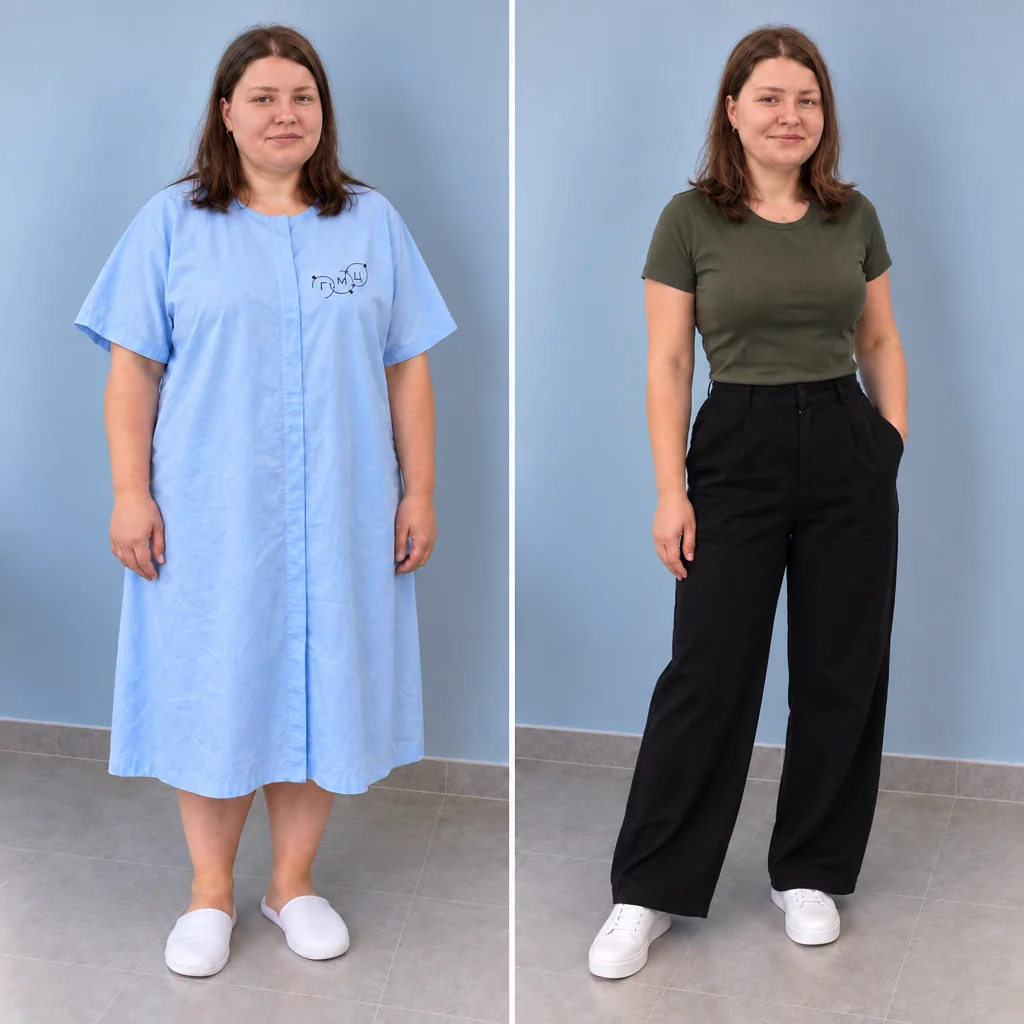 beforeafter
Bariatric surgery
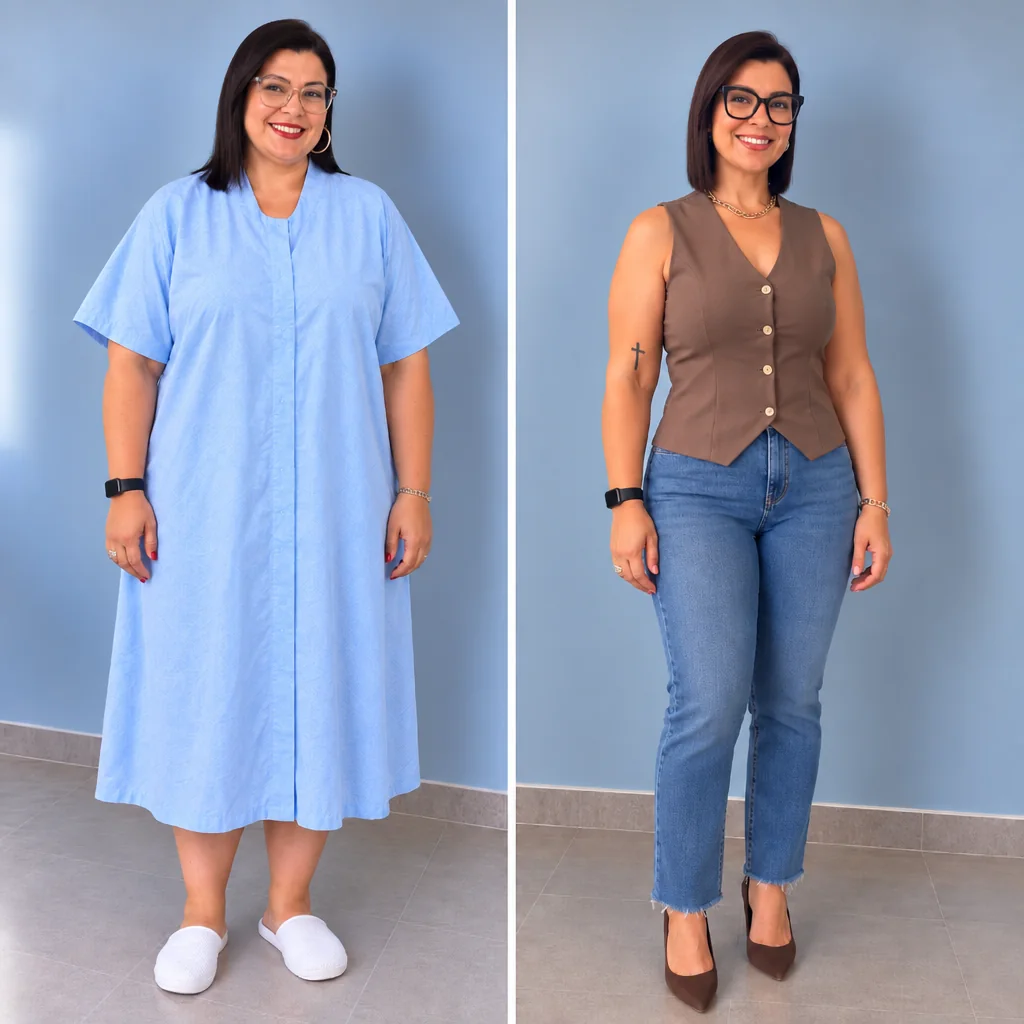 beforeafter
Bariatric surgery
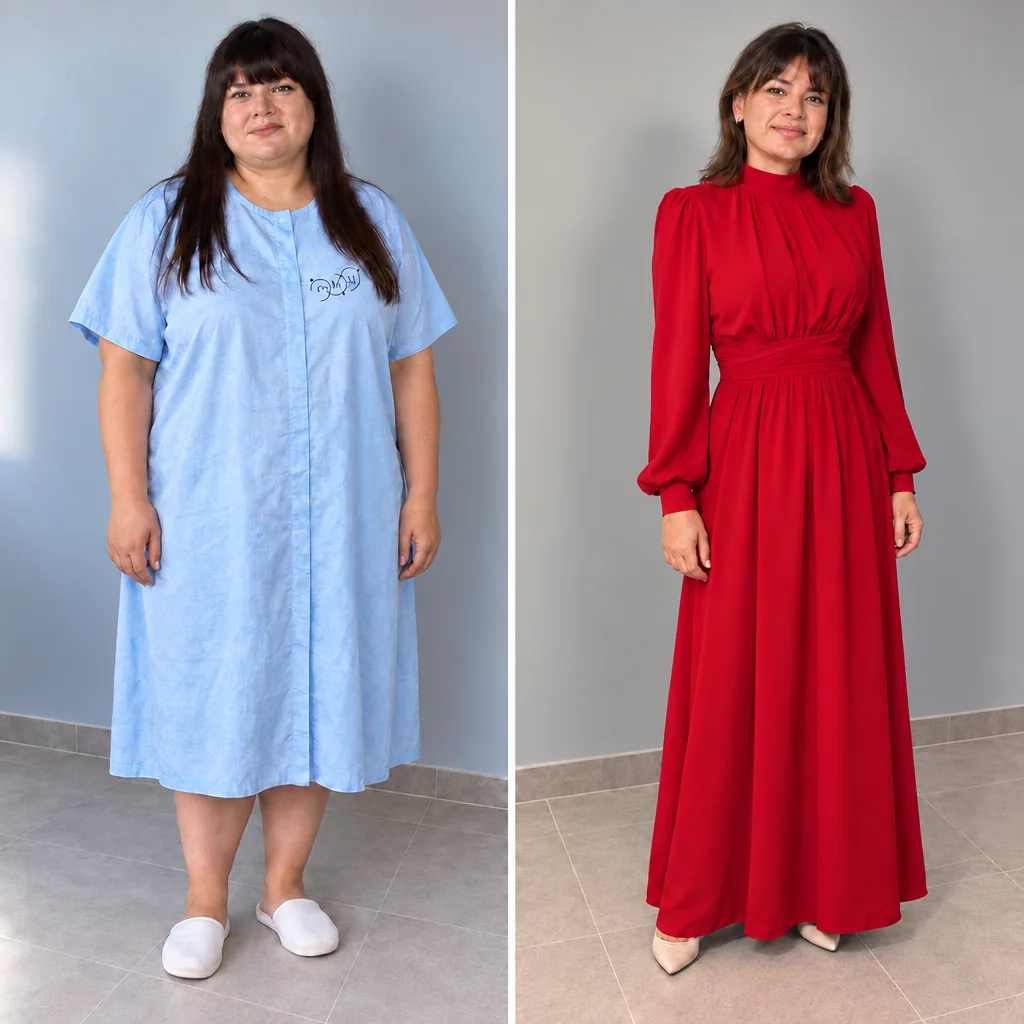 beforeafter
Bariatric surgery
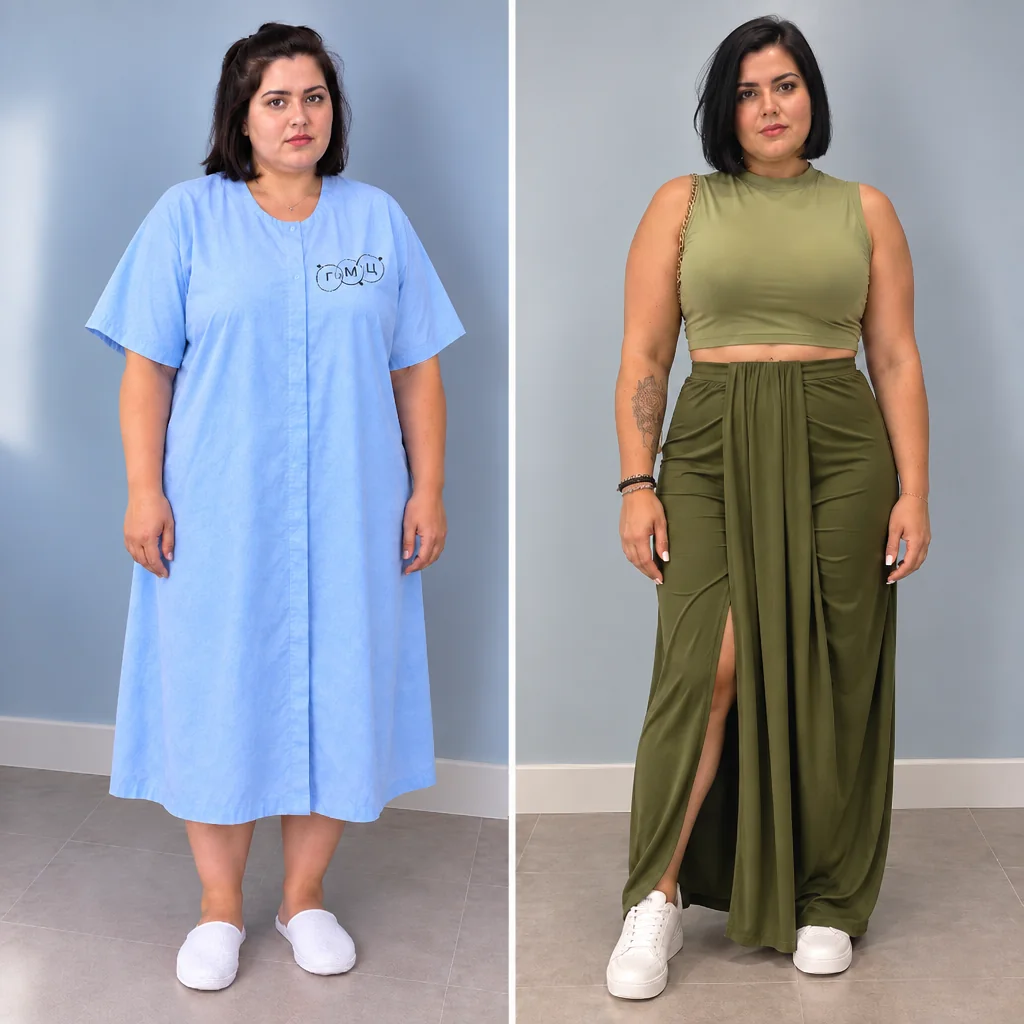 beforeafter
Bariatric surgery
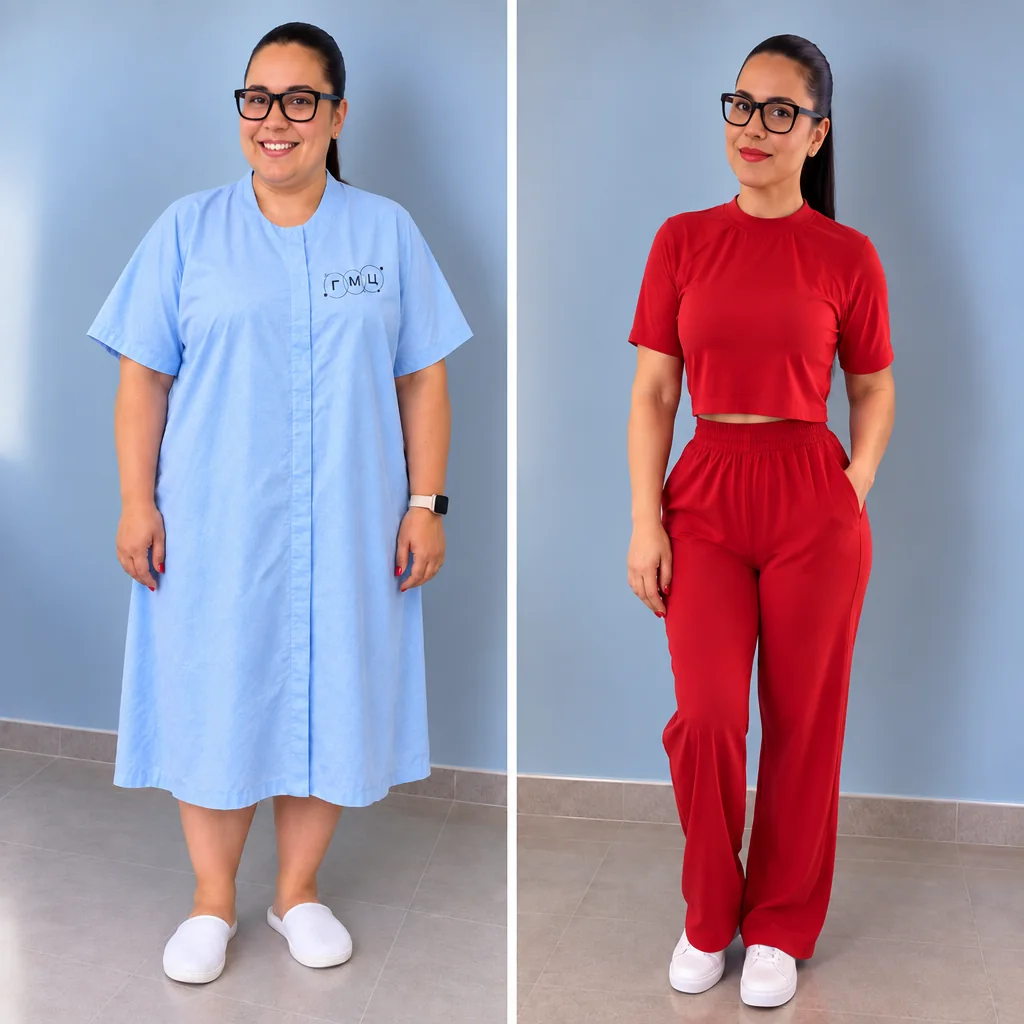 beforeafter
Bariatric surgery
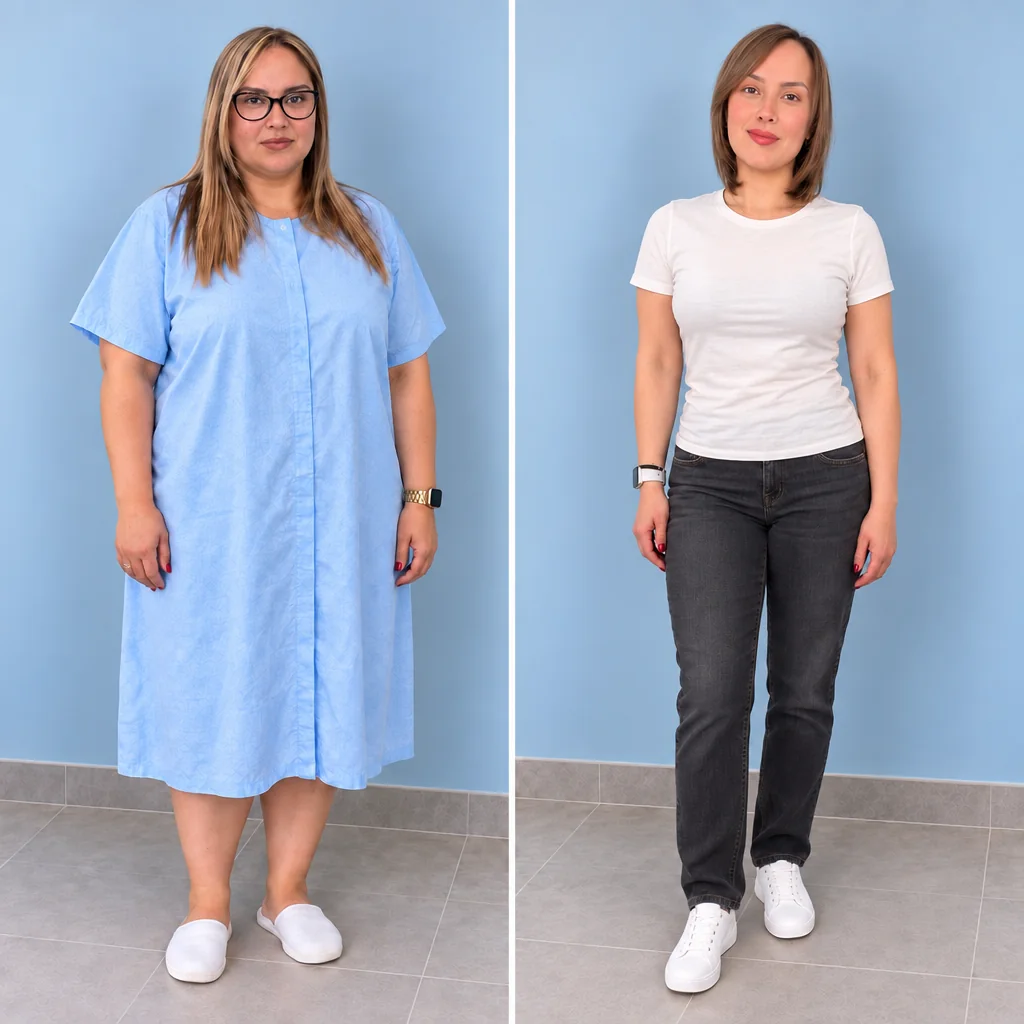 beforeafter
Bariatric surgery
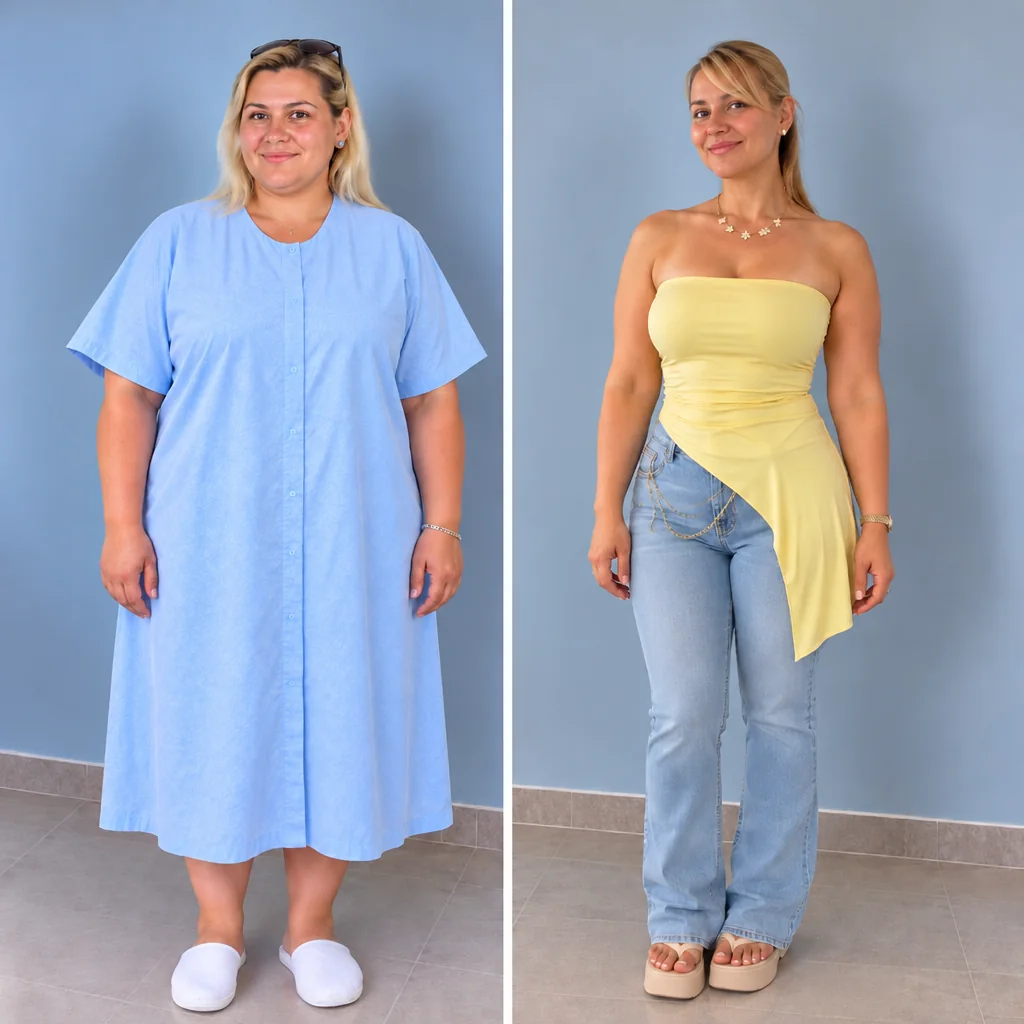 beforeafter
Bariatric surgery
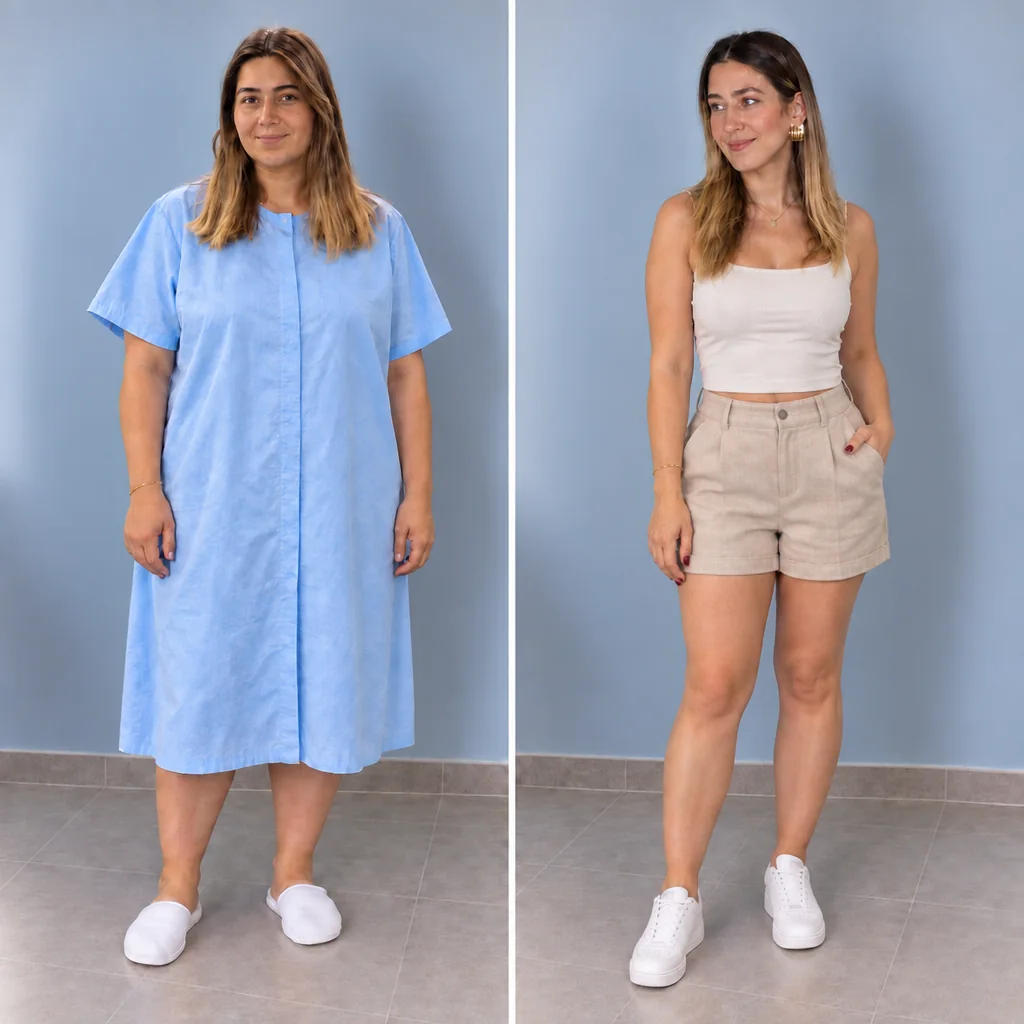 beforeafter
Bariatric surgery
Comparison
Choose your method with confidence by comparing our two main procedures — sleeve gastrectomy and gastric bypass — in terms of how they work, their purpose and their indications.
Reducing the stomach volume
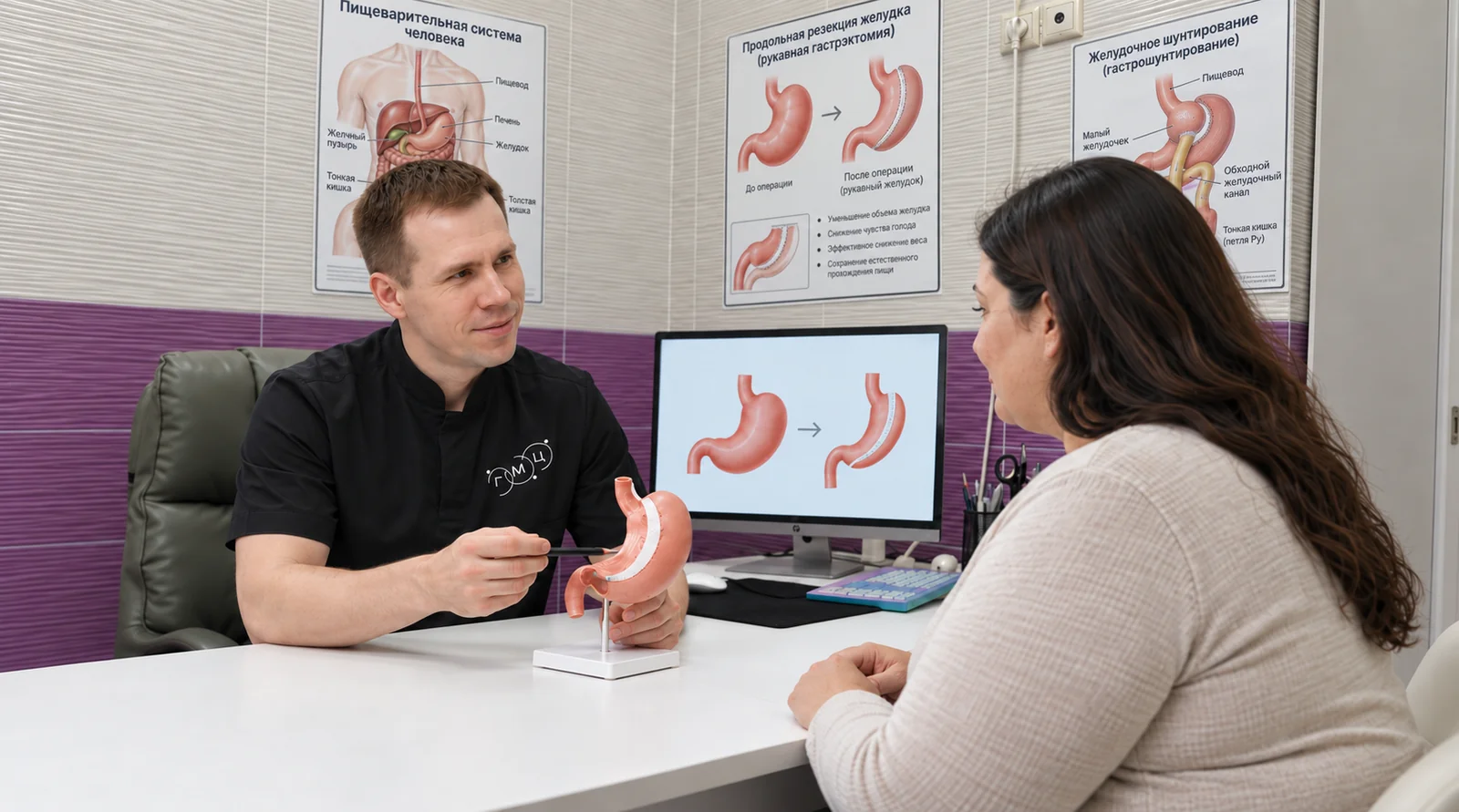
Discounted price
$3,600 $4,800
The stomach is made smaller and food is rerouted
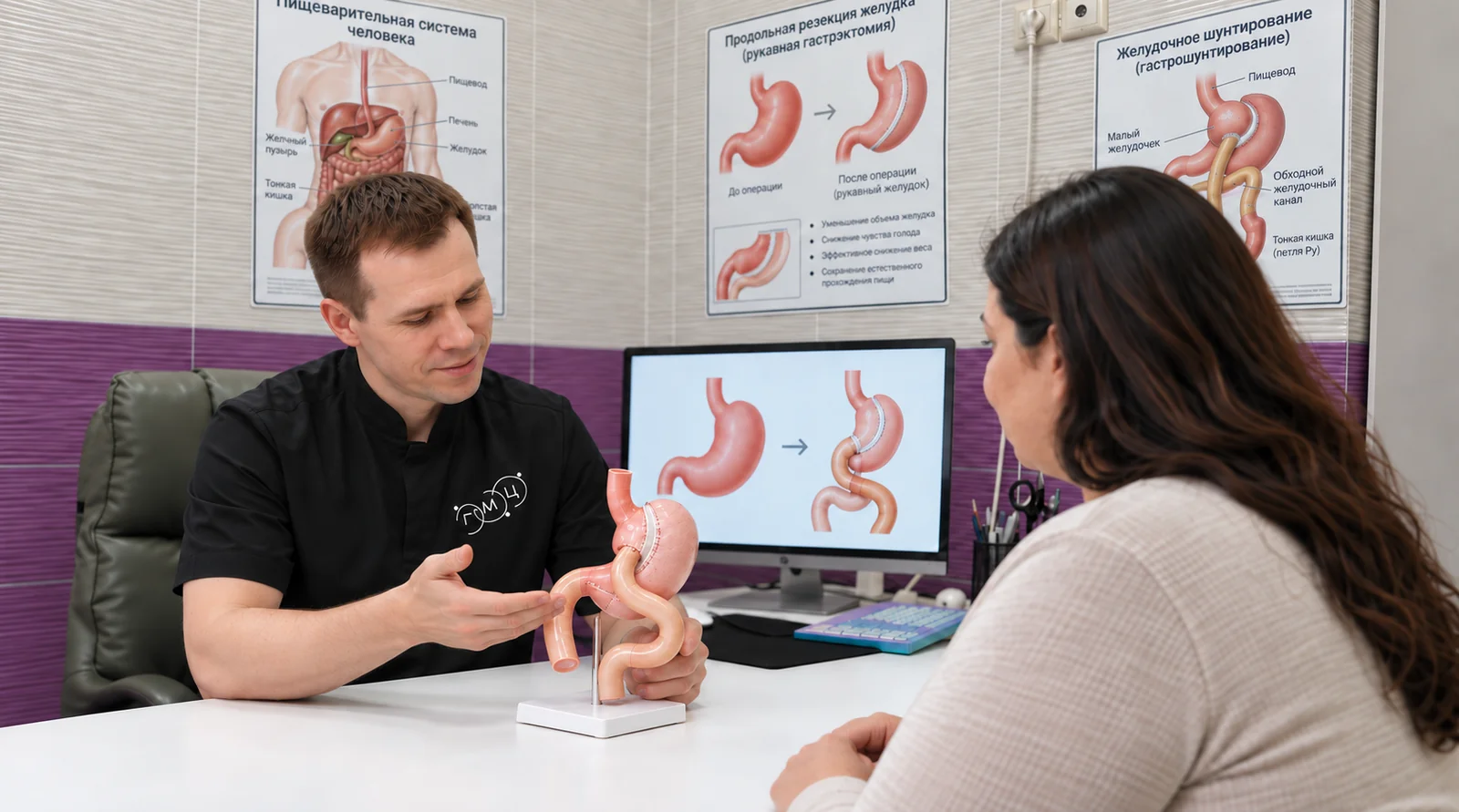
Discounted price
$4,000 $5,200
Recovery times and benefits are averaged for each method and shown for orientation. Your anatomy and individual features shape the extent of surgery and recovery, and the surgeon confirms both at the consultation.
Book a consultationAbout the clinic
Up-to-date equipment, comfortable rooms and attention to each patient
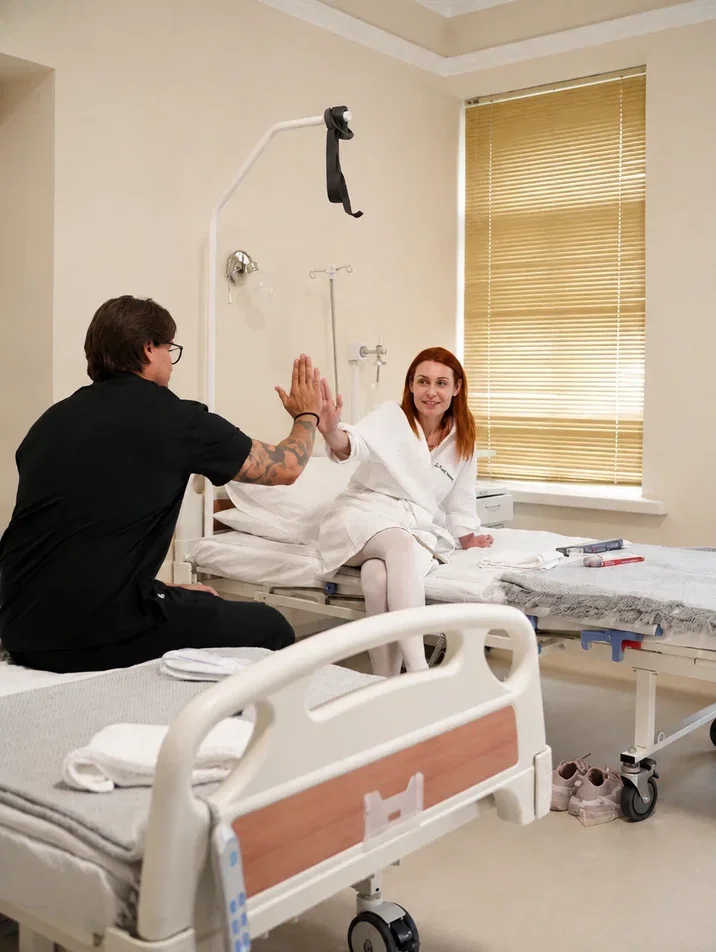
You get answers to your questions and a consultation slot that fits your schedule
Get a consultationAfter a consultation and check-up, the surgeon and you make the decision on surgery together.
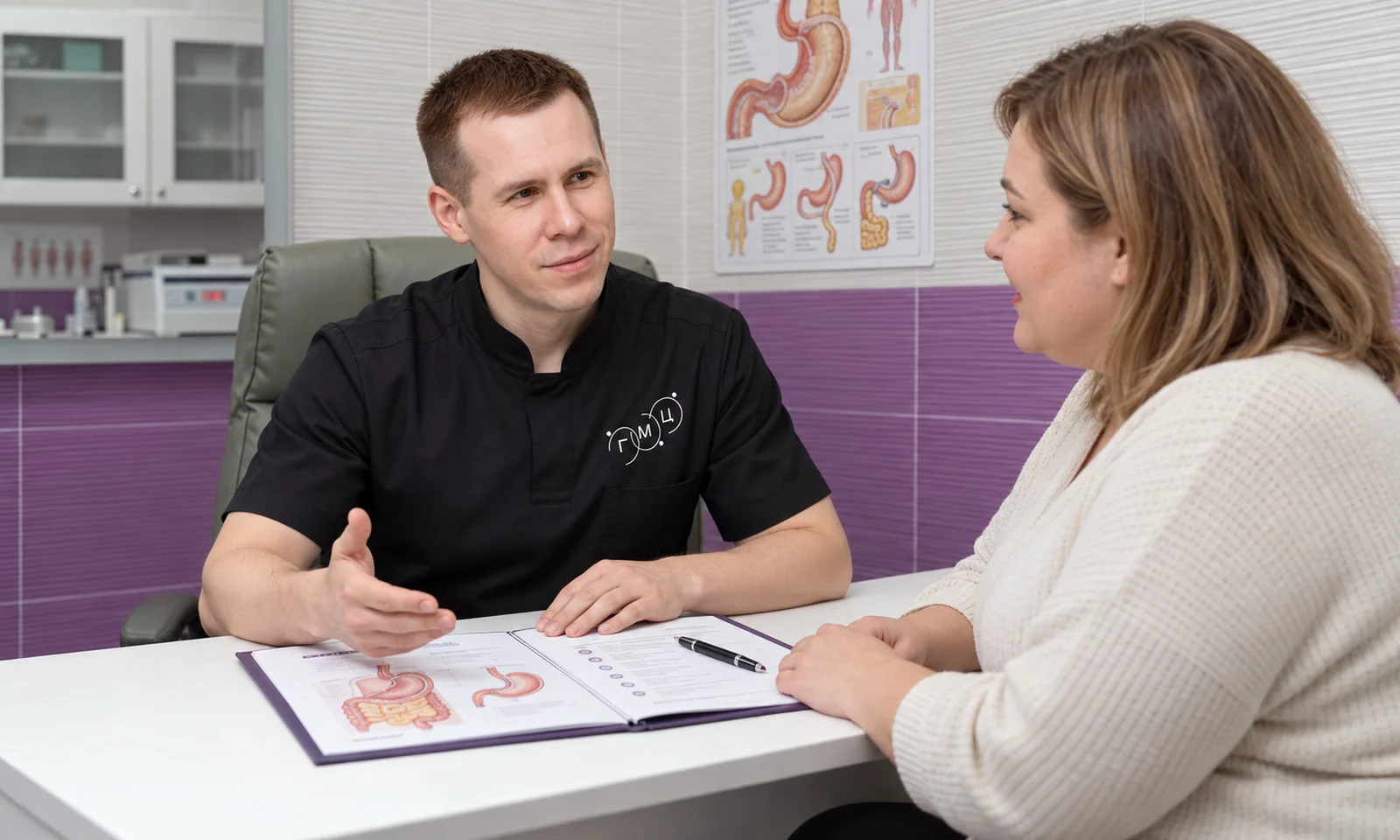
Unsure which column describes you?
Message us on Telegram — our coordinator will tell you whether bariatric surgery is right for you. The surgeon consultation is free, with no commitment to surgery.
Find out if it suits me
Prices
The cost becomes known at the consultation after your plan is ready, and the contract fixes it.
Discounted price
Reducing the stomach volume
$3,600$4,800
Discounted price
Weight loss and a new route for food
$4,000$5,200
Free
A treatment plan after the surgeon's examination

Free
the cost of surgery is named
and fixed in the contract
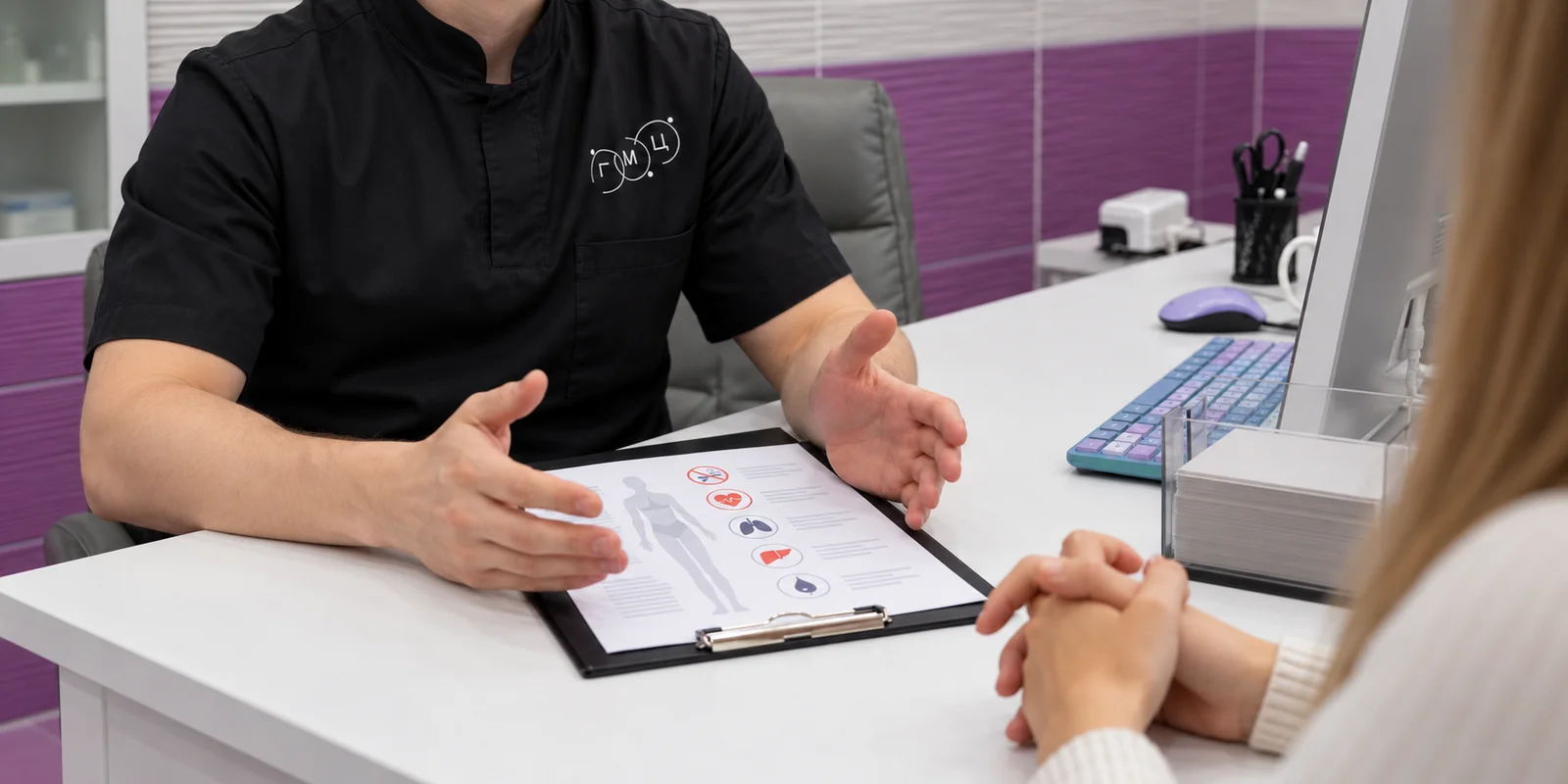
Assessing your health and discussing what you want to achieve, the doctor selects the right bariatric method. The cost is named at the consultation and written into the contract.
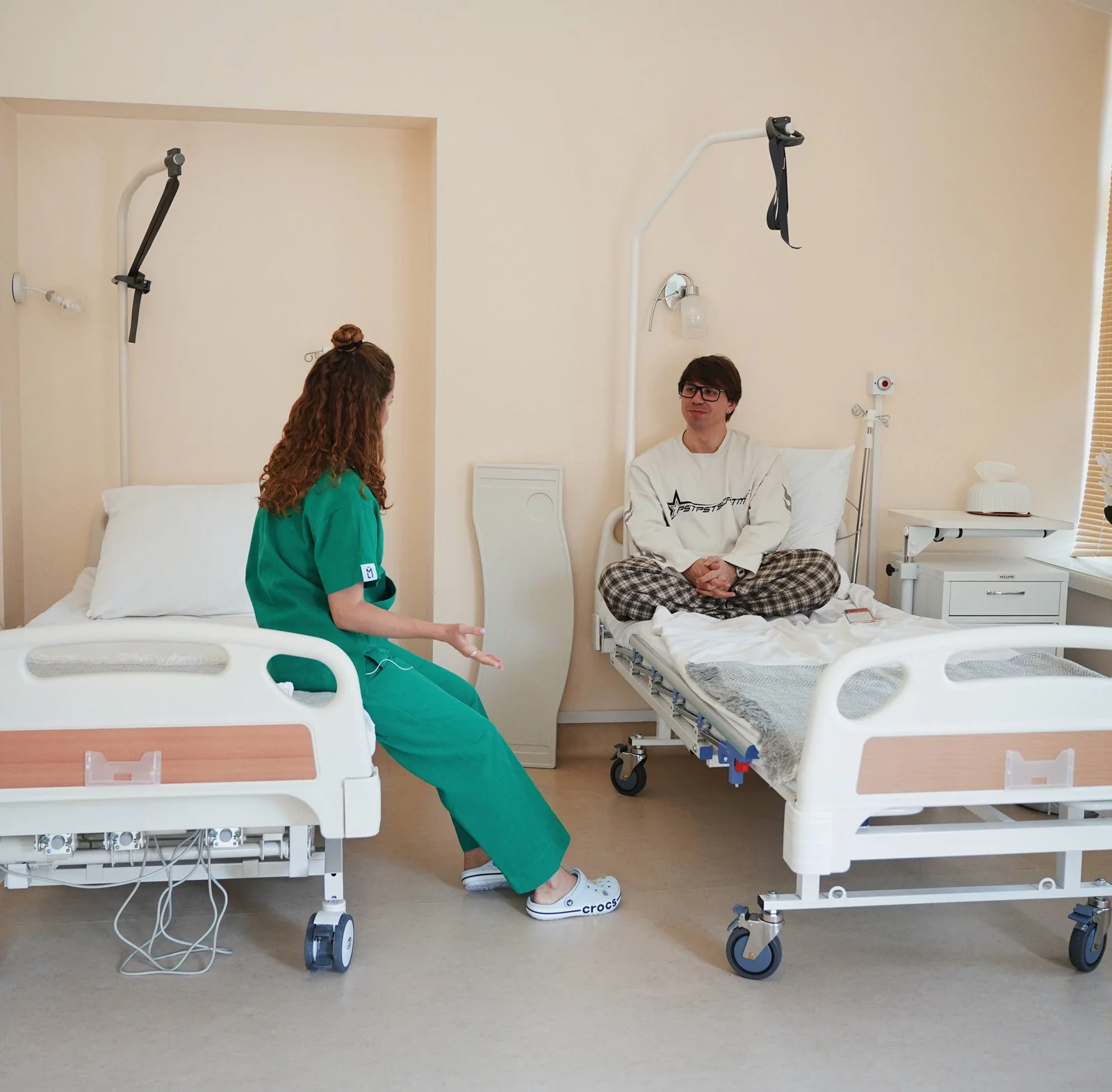
Message our coordinator
Free online consultation · Reply within 15 minutes
Message us on TelegramMessage us on WhatsAppBy messaging us, you agree to our Privacy Policy

price
One package — from preparation to 12 months of support. No extra charges.From preparation for surgery
to support for 12 months.
How it goes
Support for a year, hospital monitoring and a treatment plan agreed in advance.
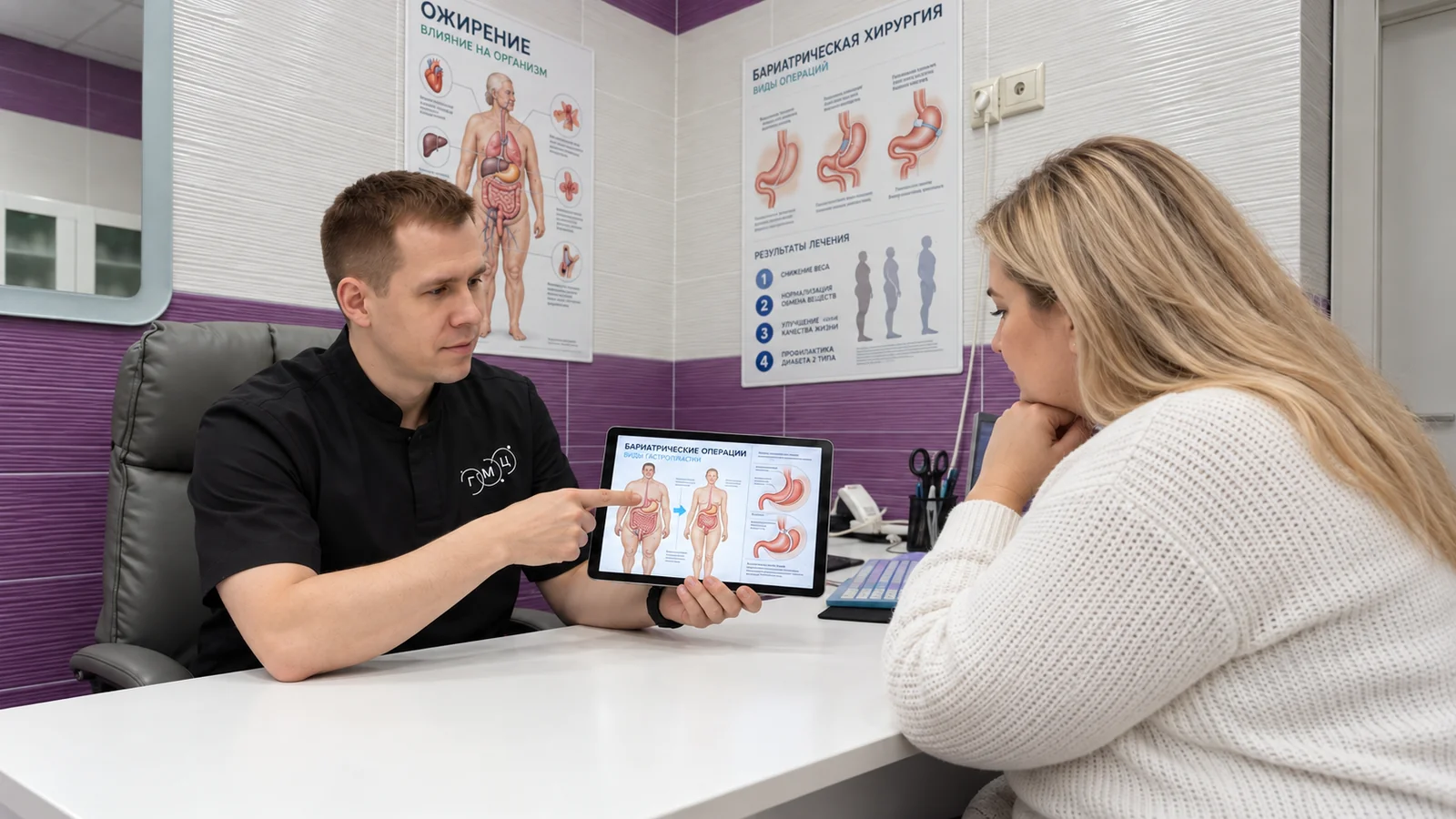 1
The doctor evaluates your health, talks through your goals and orders the tests needed to select the right bariatric surgery method.
2We reserve a surgery date for you: the deposit can be paid by card at the clinic or online by bank transfer. The terms are fixed in the contract for medical services
 3
Ahead of surgery you take blood and urine tests, an ECG, an ultrasound and a gastroscopy, and see the specialists. The exact list is given by the doctor at the consultation.
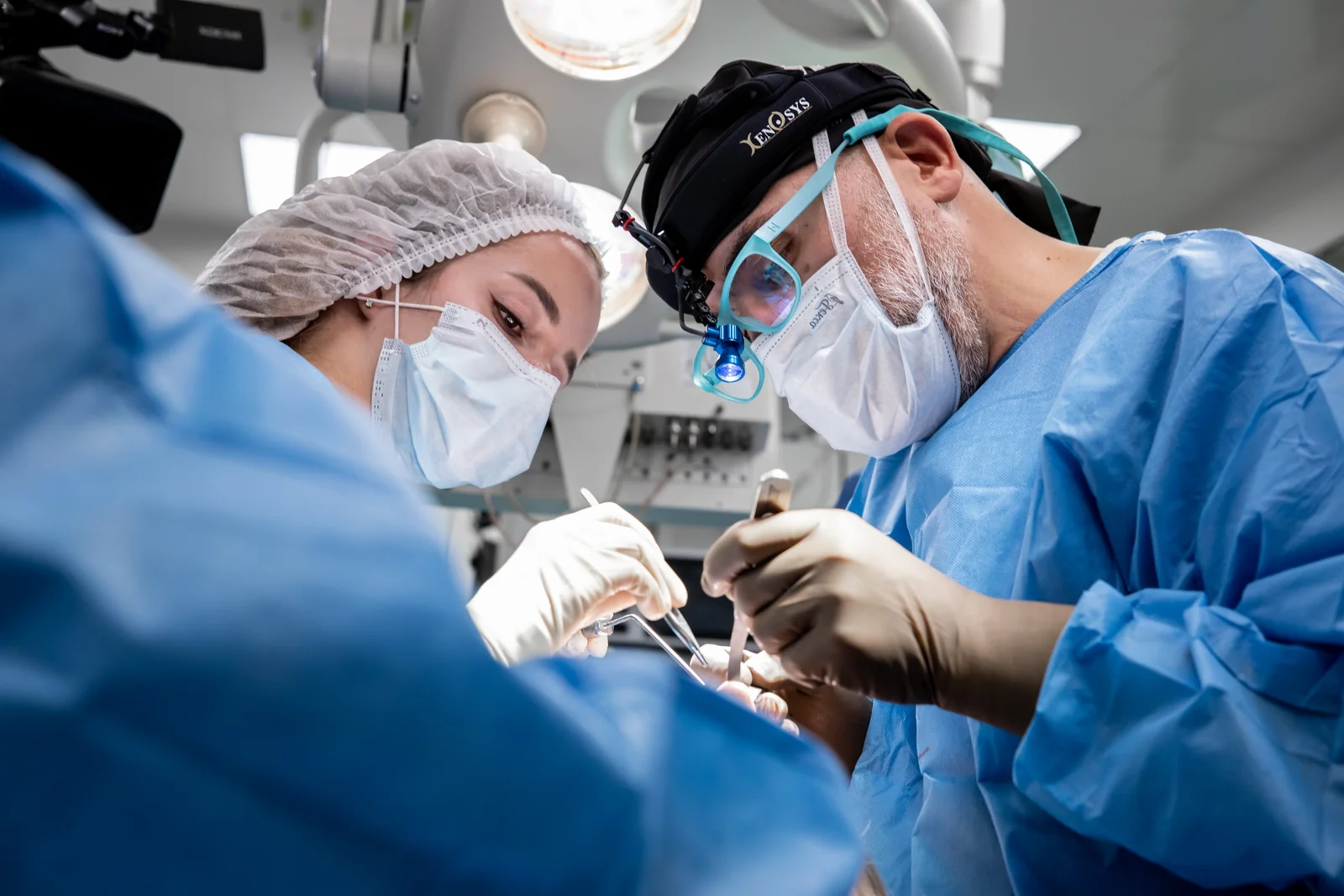 4
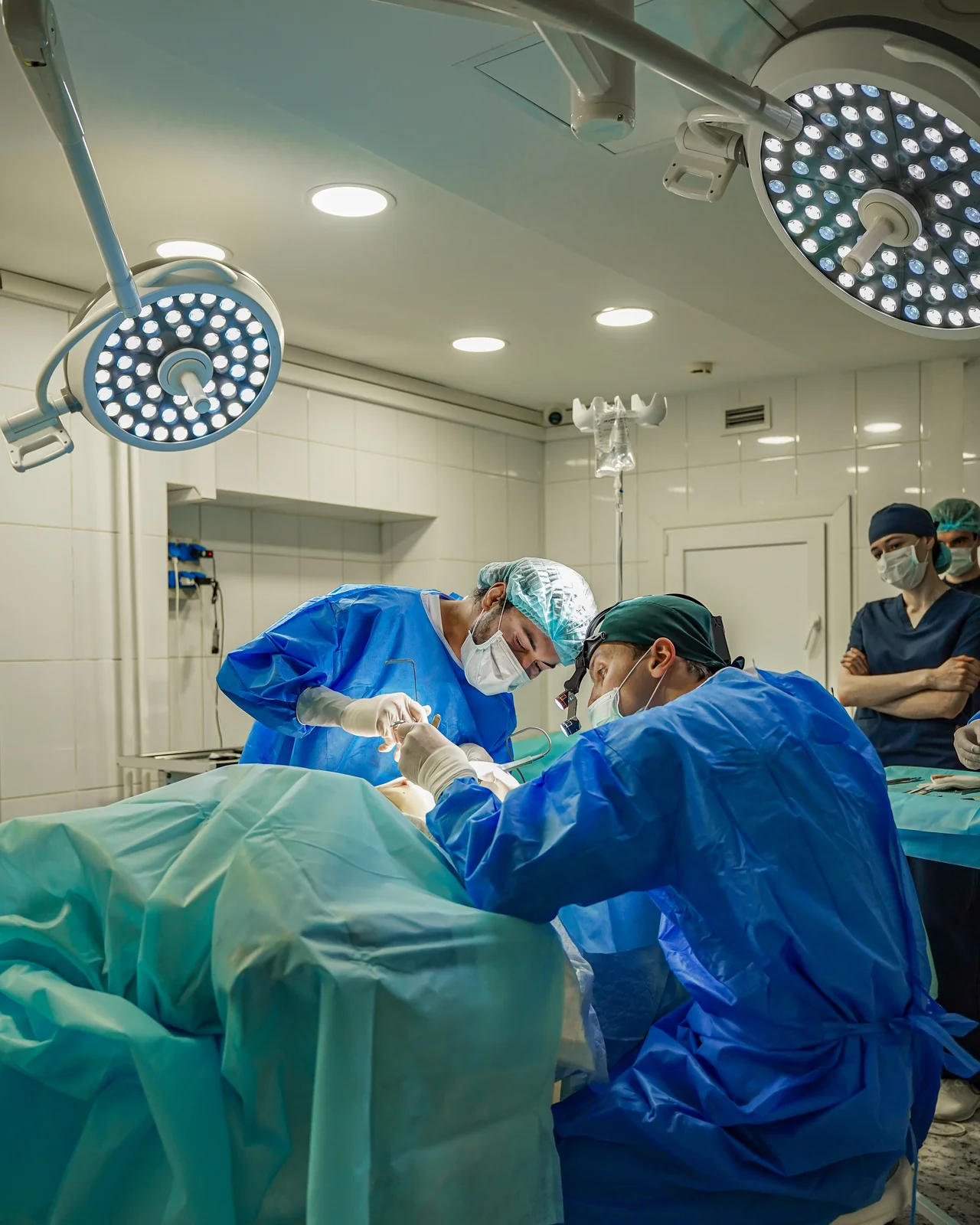
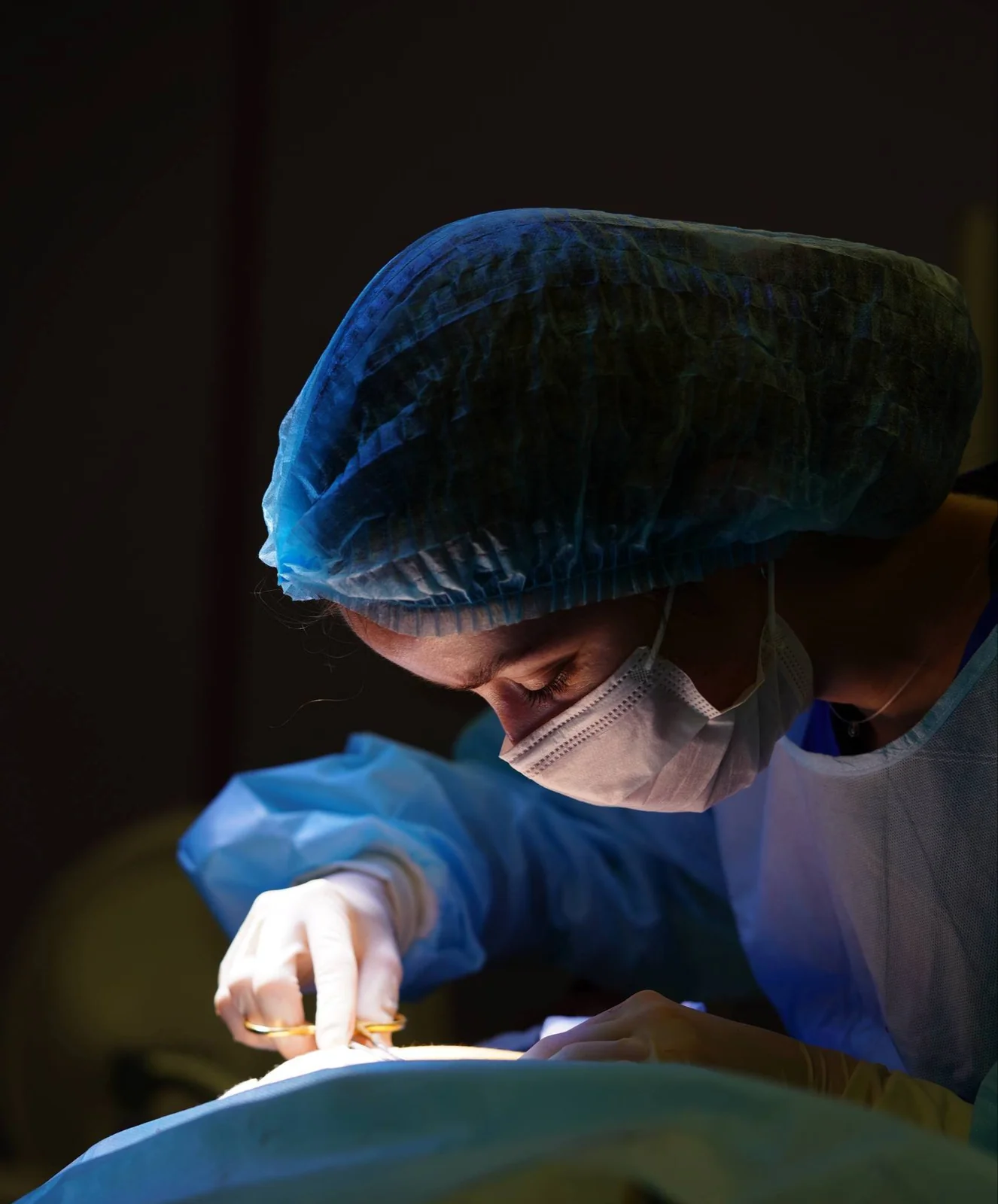
Using the chosen method, the surgeon performs the bariatric surgery under general anaesthesia. Once it is over, the medical team monitors the patient.
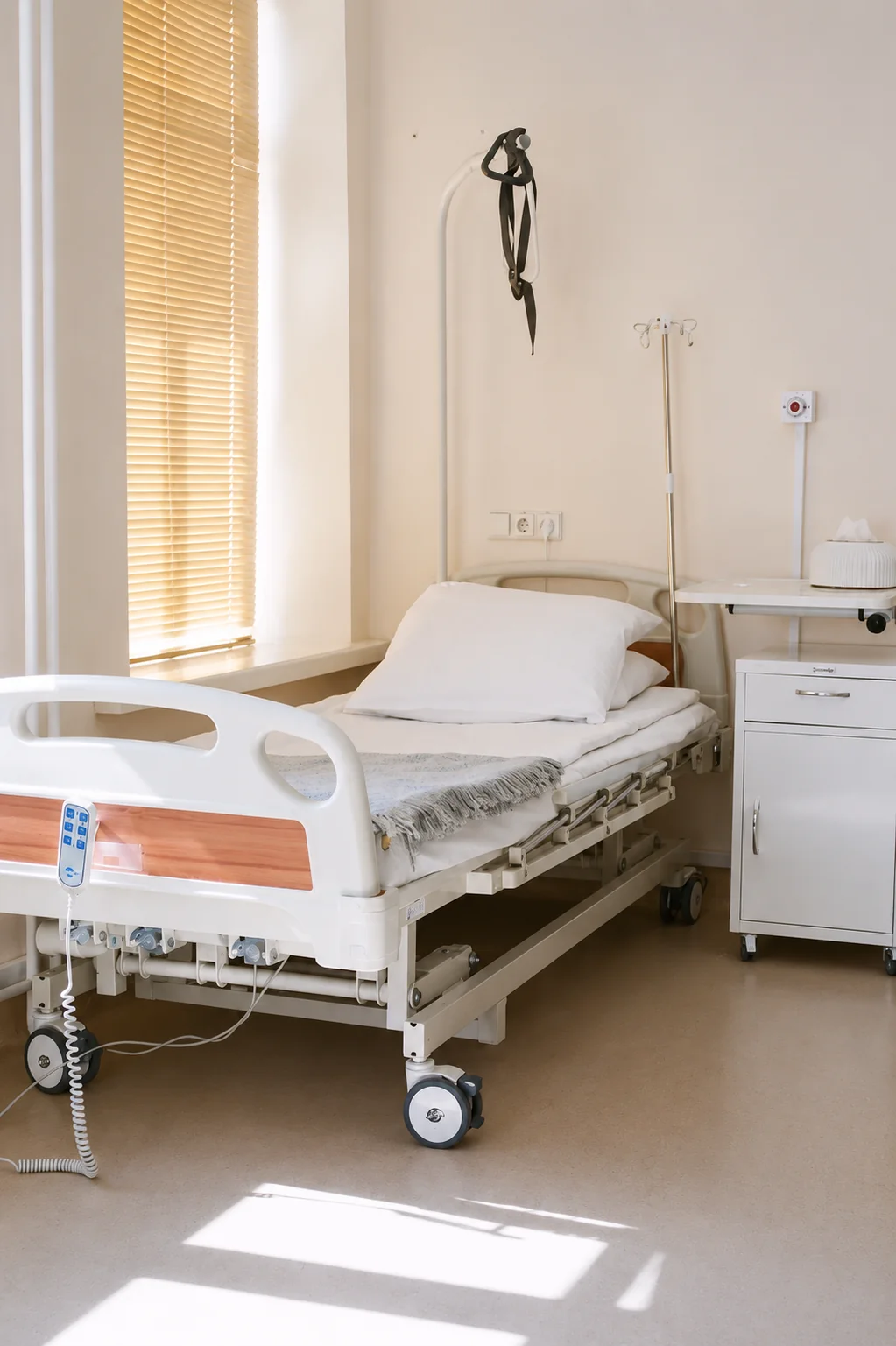 5
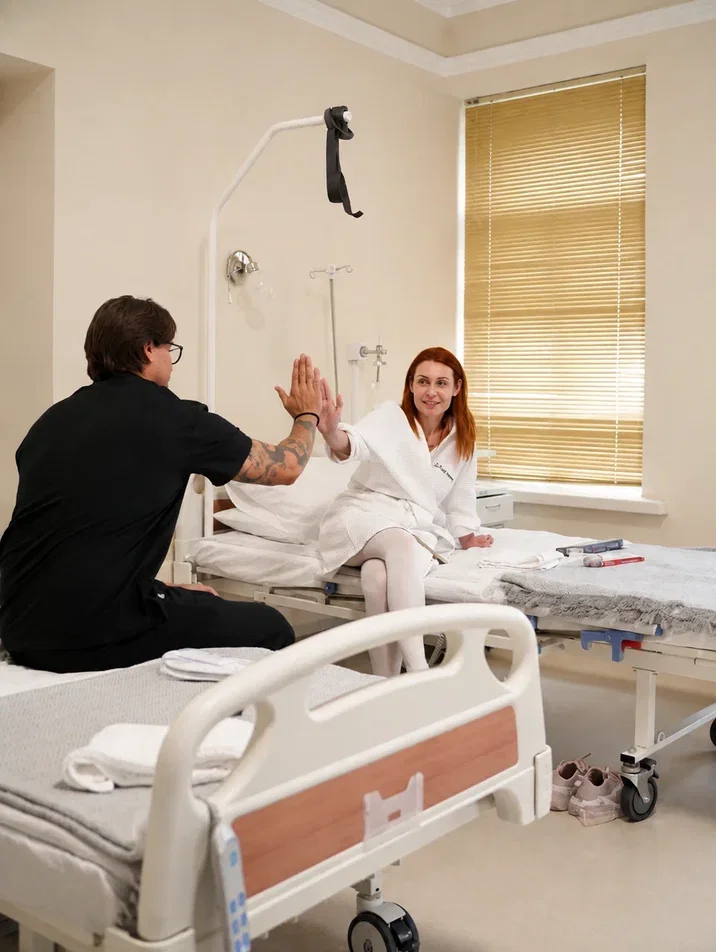
How you feel and how complex the operation was determine your hospital stay after surgery — from 1–3 to 4–5 days, under doctors' supervision.
 6
After discharge you are given recommendations on diet and recovery. Planned check-ups track how you feel, your weight and test results. The clinic team supports you for a year.
At the consultation the doctor makes a plan and tells you how the surgery will go
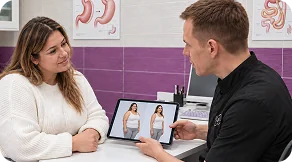
The consultation is free, before surgery and with no obligation.
Book a consultationDoctors

27 years of experience
Senior bariatric surgeon
Surgeon

9 years of experience
Bariatric surgeon
Surgical oncologist
Your surgeon operates and follows you — from the first consultation to the result.
Our patient care manager holds the first consultation — calculating your BMI, explaining the methods and booking you with the surgeon. It costs nothing.
Book a consultationCoordinators
You have our support at every step

The first person you deal with at the clinic, from your first message to the consultation
Patient support specialist
Helps you choose a convenient date and answers your questions before the first consultation

By your side before and during your stay, from booking to discharge
Patient support specialist
Keeps in contact during your stay at the clinic and helps you prepare for surgery

From discharge to your final check-up — with you throughout recovery
Patient support specialist
Books your follow-up visits with the surgeon and keeps in touch during recovery
Advantages
Our team is with you all the way, and we choose the method that best fits your health, lifestyle and goals.
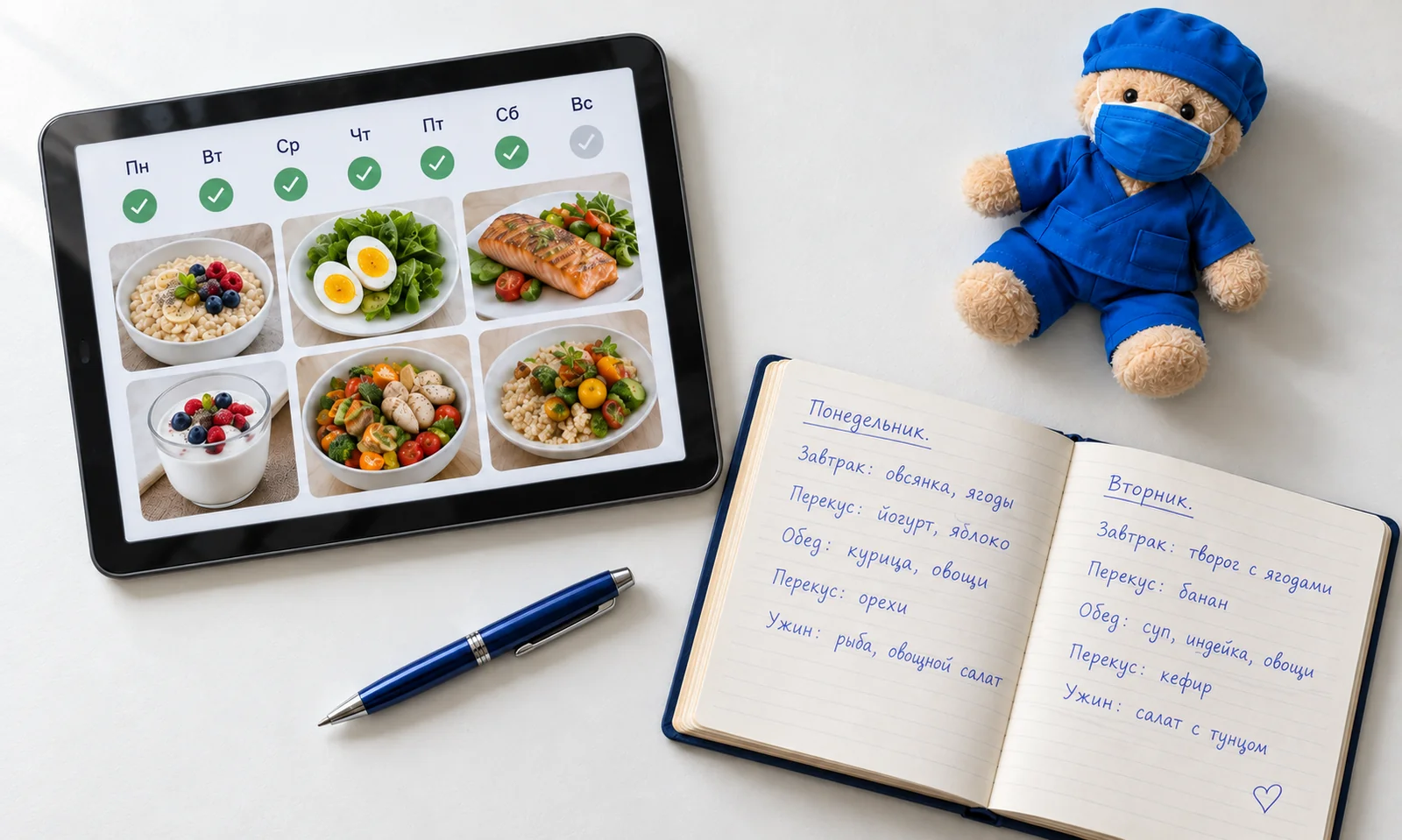
We support you in adapting to new eating habits, tracking results and keeping them.
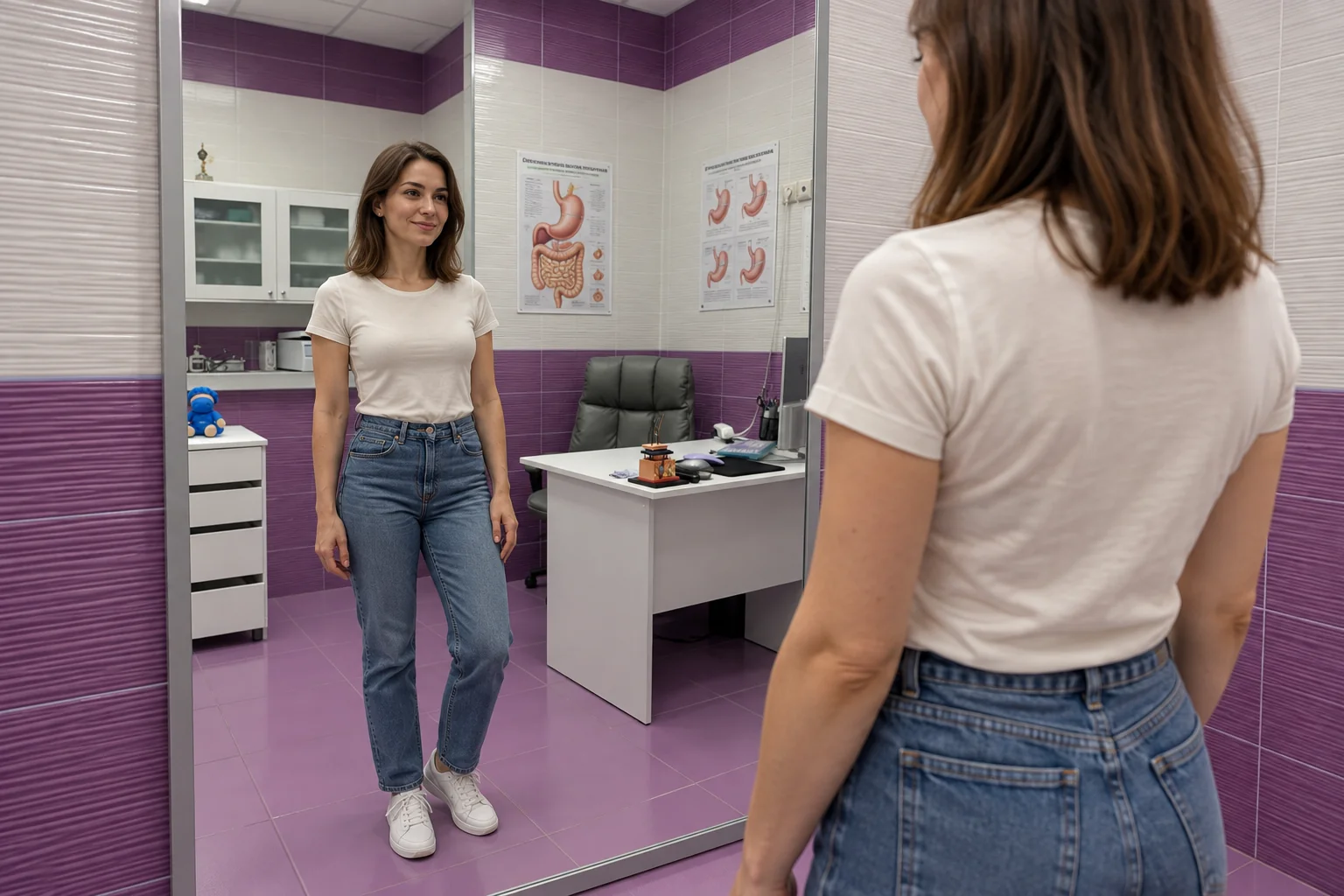
Weight loss that is steady, better well-being and a higher quality of life.

Your time matters to us: we work 24/7, booking is simple and we take a personal approach at your pace.
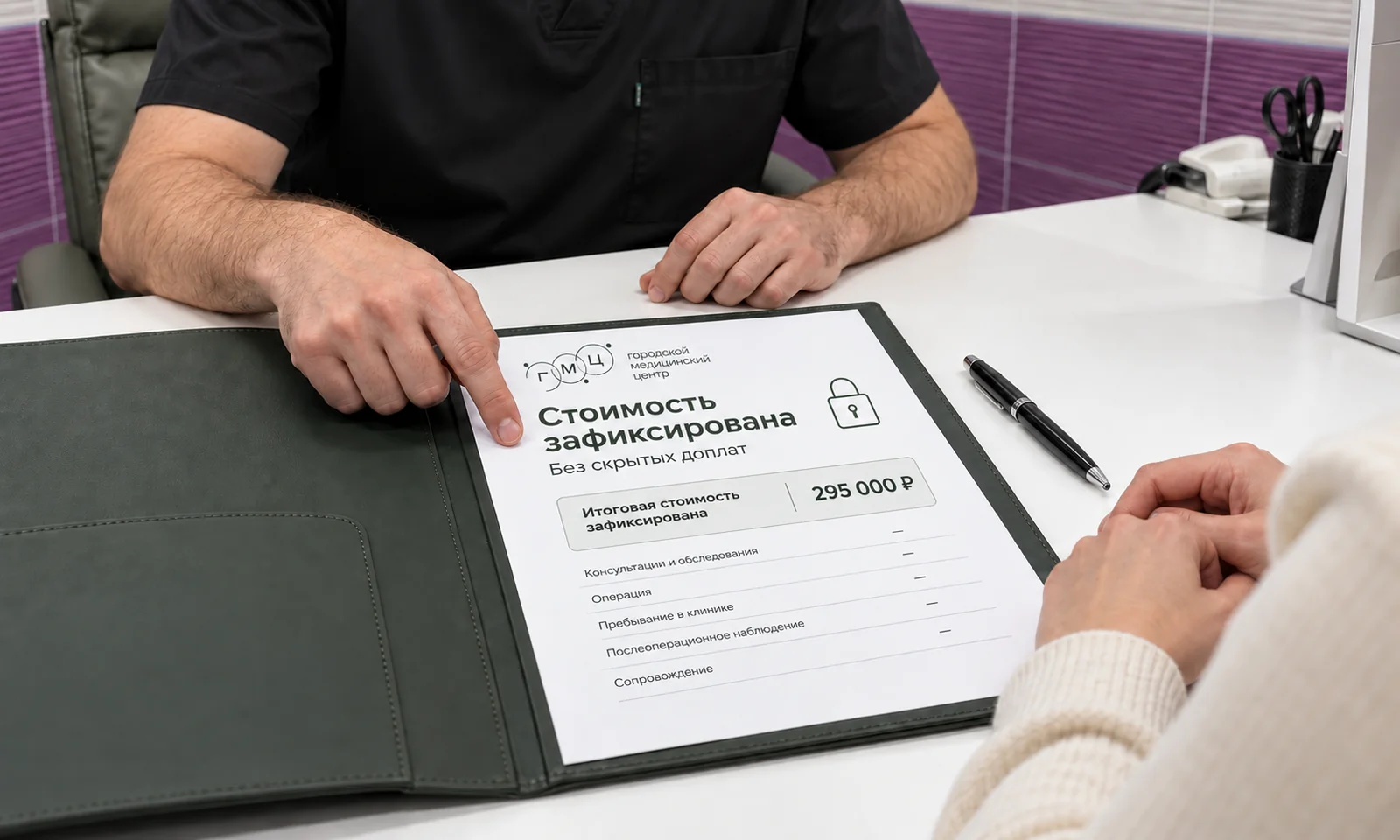
After the consultation you know the method the surgeon has chosen and the clear price, with no hidden fees and no surprises on the way to your result.
FAQ
Our clinic's bariatric operations are performed by experienced bariatric surgeons:
Message us and our coordinator will reply shortly and book your consultation. The consultation with a bariatric surgeon is free.
Surgery is prescribed only when clear criteria are met
The main way to assess the degree of obesity is BMI. It is body weight (kg) divided by height squared (m²). Generally, surgery is justified with BMI above 40, or above 35 combined with serious related conditions. Lower values may sometimes be considered for surgery too, when non-surgical measures have failed.
The two are often confused, yet their goals differ fundamentally. Bariatric surgery is a medical treatment for obesity and its related diseases. It alters how the digestive tract works, tackling the causes of excess weight and metabolism. Plastic surgery changes the body's outer contours; it neither treats obesity nor affects metabolism.
City Medical Centre performs four core types of bariatric surgery: sleeve gastrectomy, Roux-en-Y gastric bypass, mini gastric bypass (MGB) and SADI-S duodeno-ileal bypass. Selection is individual and takes into account BMI, related conditions and the patient's goals.
Our approach is modern laparoscopic technique: 4 small punctures of 5 to 15 mm. We use cosmetic sutures, so the marks turn almost invisible after healing.
Recovery depends on your activity. Office work: after 2–4 weeks. Physical work: after 1.5 months. Sport and activity: swimming allowed after 30 days, other exercise added step by step as weight drops. Travel and holidays: plan them no earlier than a month after surgery.
The diet shifts in stages — liquid, then soft, then solid food. Protein is the priority, while high-calorie, fatty food is limited.
Pregnancy after bariatric surgery is possible, though doctors recommend waiting at least 12–18 months. In that time the body stabilizes, weight reaches its target and nutritional status returns to normal.
Yes, vitamins after bariatric surgery are a must. Because the digestive anatomy changes, the body absorbs some nutrients less well, so regular vitamin and mineral supplements become a permanent part of the patient's life.
Weight can come back after bariatric surgery, but this is very unlikely if you follow your doctor's advice. Proper nutrition, skipping high-calorie drinks and regular follow-up with City Medical Centre specialists are key.
Prices are in US dollars; the amount in brackets is an approximate conversion to NGN at the rate of 02.10.2026. The final price is fixed in your contract.
Prices start from $3,600 (≈ ₦4,800,000). The surgeon sets the final price at the free consultation, and it is fixed in the contract, with no hidden extras.
General anaesthesia, a personal coordinator from day one, monitoring in the hospital and support for one year.
The hospital stay is 1–5 days, depending on the method and how you feel. Office work is possible after 2–4 weeks.
Yes. The first consultation is free and does not oblige you to anything. You can start online by sending a message to the coordinator.
Message us on WhatsApp or Telegram using the buttons below. A coordinator will answer your questions and book a free consultation where the doctor names the exact price.
By messaging us, you agree to our Privacy Policy
Why do diets fail? The body fights back: metabolism slows, appetite grows, and lost kilos return. When diet changes and medication cannot fundamentally improve the situation, surgery becomes the effective way out. Minna residents who have tried diets, fasting and pills for years without a lasting result are exactly the patients for whom bariatric operations are intended.
It begins with a surgeon's consultation: medical history, choice of method and a recovery plan. Patients from Minna then complete a work-up — blood and urine tests, biochemistry, HbA1c, coagulation, chest X-ray, ECG, abdominal and kidney ultrasound, leg vein Doppler and a required gastroscopy — plus consultations with a GP, endocrinologist, psychiatrist, cardiologist and, for women, a gynecologist.
A permanent team — not a duty shift — handles your case, and the whole package is transparent. Included are the operation, 24/7 care in the ward, meals, nursing and a personal coordinator from day one, plus support throughout the first year. Minna patients also get a contractual result guarantee. Book a free consultation to discuss your situation.
What patients write after this operation. Reviews are translated from the original language.
Irina, 26
For a long time I doubted whether to go ahead with surgery, but after the consultation I felt much calmer. Andrey Georgievich explained in detail how gastric bypass is done, what to expect after the operation and how recovery would go. I especially liked that they talked to me calmly and without pressure. I am now gradually getting used to my new way of life and I am very glad I took this step.
Bariatric surgery
Doctor: Andrey G. Ugay
Angelina, 22
For me the hardest part was deciding to have the operation. At the consultation Ruslan Sergeyevich answered all my questions in detail and explained the specifics of sleeve gastrectomy and recovery. After the operation I always understood what I was doing and why. Thank you to the doctor and the whole team for their attentiveness.
Bariatric surgery
Doctor: Ruslan S. Menzulin
Anna, 31
For a very long time I tried to deal with my excess weight on my own, but I did not get the result I wanted. After the consultation with Andrey Georgievich I finally understood what to do next. I came through the operation well, and my recovery was supervised by the doctors. It was important for me to feel that I was not left alone after surgery.
Bariatric surgery
Doctor: Andrey G. Ugay
Veronika, 25
Before the operation I had many fears, mostly of the unknown. Ruslan Sergeyevich explained every stage of treatment in detail and answered even the simplest questions. Thanks to that I felt much more confident. I keep following the recommendations and I am gradually seeing the changes I had the operation for.
Bariatric surgery
Doctor: Ruslan S. Menzulin
Valentina, 23
The decision to have bariatric surgery was not easy for me. I worried both about the operation itself and about how my life would change afterwards. At the consultation Andrey Georgievich explained everything in detail, so little by little my fear turned into confidence. What matters most to me now is the result and the chance to treat my health and lifestyle differently.
Bariatric surgery
Doctor: Andrey G. Ugay
Anna, 27
I am very grateful to Ruslan Sergeyevich for his attentiveness. Before the operation I had a huge number of questions, and I got a clear answer to every one of them. After the operation it was also clear which recommendations to follow and how to eat. It was important to me that the doctor stayed in touch and I felt supported at every stage.
Bariatric surgery
Doctor: Ruslan S. Menzulin
Minna is a city in the North Central region of Nigeria and the capital of Niger State, one of the country's 36 federal states. Its original major ethnic groups are the Gbagyi, Nupe and Hausa peoples. The city has about 425,000 inhabitants. For many residents, the conversation about bariatric surgery begins quietly, at home or with a family doctor, long before any decision is made.
This text is written for people in Minna who are considering sleeve gastrectomy or gastric bypass and want to understand how the process fits into local life: the climate, the working week, family events, the food on the table and the months of recovery that follow. It does not replace a medical opinion. It helps you prepare better questions and a calmer plan.
The centre works with you remotely. You contact the coordinators from Minna through a free online consultation, and they are available around the clock (24/7) on Telegram and Telegram. You do not need to rearrange your week to take the first step.
Both operations reduce the size of the stomach and change how much food you can comfortably eat. Sleeve gastrectomy removes a large part of the stomach and leaves a narrow tube. Gastric bypass creates a small stomach pouch and reroutes the passage of food. Which of the two suits you is decided by the surgeon after reviewing your health history, your eating habits and your goals.
The centre relies on modern laparoscopic technique. The operation is performed through 4 small punctures of 5 to 15 mm. Cosmetic sutures are used, so after healing the marks are barely visible. For people who worry about visible scars, especially in hot weather when lighter clothing is worn, this is a practical point to raise.
The operation is carried out under general anaesthesia, and the hospital stay is 1–5 days, depending on the method and how you feel. Doctors supervise you in hospital after surgery for a stay of 1–3 to 4–5 days, depending on the complexity of the operation and how you are feeling.
BMI is the main tool for assessing the degree of obesity. It is calculated by dividing body weight (kg) by height squared (m²). The World Health Organization describes obesity and overweight as conditions that raise the likelihood of other chronic illnesses, which is why the measurement is taken seriously by surgeons.
Surgery is usually justified with a BMI above 40, or above 35 with serious related conditions. In some cases surgery is considered at lower values too, if non-surgical approaches have failed. Put simply: usually a BMI over 40, or over 35 with related health conditions. The surgeon confirms whether surgery suits you at the consultation.
If you live in Minna and have tried diets, exercise programmes or supervised plans without lasting change, tell the surgeon exactly what you tried and for how long. That history matters. Also describe any conditions you live with, such as raised blood pressure or blood sugar problems, because they affect both the choice of operation and the preparation.
General contraindications are assessed individually: unstable heart or lung disease, untreated eating disorders, ongoing substance dependence, or an unwillingness to follow the long-term nutritional plan can all change the recommendation. Be honest in the consultation; the aim is your safety, not a quick yes.
Minna has a typical Middle Belt tropical savanna climate with two seasons: an arid, dusty, harmattan-dominated dry season from November to April, and a humid wet season from May to October shaped by monsoonal air. Temperatures are hot to sweltering year round, and at the height of the wet season the air is merely very warm but the humidity can feel equally or more uncomfortable.
In the dry season the dust and dry air can irritate the throat and skin. After abdominal surgery, coughing and sneezing are unpleasant, so keep windows closed during dusty days, wear a light mask outdoors if you must go out, and keep water close at hand. Sip fluids slowly in the amounts the team recommends, since your stomach capacity is smaller.
In the wet season the main issue is humidity. Small wounds need to stay clean and dry, and damp, heavy air can make dressings uncomfortable. Choose loose cotton clothing, change it when it becomes damp, and ask the surgeon how to care for the wounds when sweating a lot.
Heat itself is a reason to plan carefully. Avoid long walks in the midday sun during early recovery, rest in the shade or indoors, and increase your walking gradually in the cooler parts of the day. Dehydration is a real concern for anyone with a reduced stomach, so make fluid planning part of your daily routine from the first week.
There is no single correct month, and the surgeon will not choose it for you based on the weather. Still, the two seasons of Minna offer different trade-offs. The dry season from November to April brings dust and strong heat; the wet season from May to October brings humidity and, for many families, the busy farming period.
Many people prefer a time when they can stay at home in a calm environment, with a family member nearby for the first days. If your household depends on the farming calendar, trading or seasonal work, choose a period when your absence causes the least disruption. Discuss this with the coordinator, who can help you place the operation date around your obligations.
Whatever the season, plan comfortable, ventilated rest space, a supply of safe drinking water and reliable access to phone communication, because follow-up contact with the coordinators is part of the process.
Minna is the capital of Niger State, so many residents work in administration, education, trade and services, while agriculture and markets also shape daily life. The economy includes cattle trading, shea nut processing, brewing and crafts such as leather work and metalworking, and a number of people do physically demanding jobs.
Recovery time depends on the activity. Office work: after 2–4 weeks. Physical work: after 1.5 months. For a civil servant, teacher or office worker in Minna, that means planning a leave of absence of about two to four weeks. For someone who lifts goods, works in a workshop or farms, the longer figure applies, and the surgeon should hear exactly what your job involves.
Students should also talk to their institution about a pause. Discuss the timing with your employer or school before the date is fixed, so you are not tempted to return too early. Back to work after 2–4 weeks is the figure for desk-based roles; do not use it for heavy labour.
Where possible, ask whether lighter duties can be arranged during the first weeks. A phased return is often easier than all-or-nothing.
Cotton, guinea corn (sorghum), maize and ginger are the main agricultural products around Minna, and yam is also extensively cultivated. These staples are part of family meals, markets and celebrations. After a bariatric operation, the way you eat changes more than the ingredients themselves.
Portions are small, eating is slow, and the team gives you a stage-by-stage plan. Heavy starchy dishes, sugary drinks and fried food usually need to be reduced, and protein becomes a priority. Rather than giving up the foods you grew up with, ask the dietitian how to adapt familiar meals: smaller portions, different cooking methods and the right order of foods on the plate.
Family events, weddings, naming ceremonies and religious gatherings bring generous hospitality, and refusing food can feel awkward. Prepare in advance: tell close relatives about your plan, bring your own suitable portion if needed, and do not feel obliged to finish what is offered. Most relatives respond with support once they understand it is a medical programme.
Ginger and other familiar flavourings may or may not be well tolerated in the early weeks. Test them only when the team has allowed that stage of the diet.
Sport and activity: swimming allowed after 30 days, other exercise gradually added as weight goes down. Begin with short, easy walks at home or in your neighbourhood, preferably in the cooler parts of the day given the heat of Minna.
Do not rush into football, gym sessions or heavy lifting just because you feel well. Increase activity step by step, and follow the surgeon's guidance on when each level is appropriate. If you plan to swim, wait until the 30 days have passed and the wounds are fully healed, then choose a clean, well-maintained pool and avoid open water of uncertain quality.
Sun protection matters during recovery walks: a hat or cap, light clothing and shade breaks. A comfortable, breathable support garment may be recommended by your surgeon; ask what type and for how long, rather than guessing.
Getting pregnant after bariatric surgery is possible, but doctors advise waiting at least 12–18 months, so the body can stabilize, weight can reach target values and nutritional status can normalize. If you are planning a family, tell the coordinator at the start so the timing is built into your plan.
Weight changes continue over time. The expected timing of the full result is 18–24 months after surgery. Changes are gradual, and your habits during that period are as important as the operation itself.
Follow-up matters. The programme runs from preparation to 12 months of support, all in one package, with no added fees. Follow-up support lasts for 12 months, so you are not left alone after discharge.
You start by writing on Telegram or Telegram, or by requesting a call. We work 24/7: booking is easy, the approach is personal and we adapt to your pace. A coordinator will call you back 24/7, so a night-shift worker or a student with a tight timetable can still find a suitable time.
Prepare your height and weight, a list of chronic conditions, current medicines, previous operations, and any recent test results you have. Photos of documents sent through the messenger are usually enough for the first discussion. The consultation is free and online.
Minna has many primary health clinics, with the General Hospital, Minna serving as the general health care provider. Your local doctor can still help with routine checks and blood tests before and after the operation, and it is sensible to keep them informed of your plans.
After the consultation the surgeon explains whether surgery suits you, which operation is more appropriate, and what preparation is needed. You decide at your own pace.
Archaeological evidence suggests that people have lived in the Minna area for tens of thousands of years, from about 47,000 to 37,000 years ago. Later, Muslim culture reached the city along the old Saharan trade routes. Gbagyi, Nupe and Hausa families have shaped Minna's customs, and many households carry food habits and celebration traditions that are generations old. When you plan bariatric surgery here, you are changing habits that are tied to this history, so it helps to speak to relatives as well as to doctors.
Minna is also known as the home state of former leaders General Ibrahim Babangida and General Abdulsalami Abubakar. For many residents this is a matter of local pride, and the city is used to being seen as a place where weighty decisions are made. A decision about your own health deserves the same care: gather information, ask questions, and take the time you need before you commit.
Religion is a visible part of life in Minna. The city has many mosques, among them Minna Central Mosque, and organisations such as the Islamic Education Trust and the Muslim Students' Society of Nigeria. Christianity is the second most practised religion, with Anglican, Baptist, ECWA, Apostolic and other congregations. Many people consult an imam, pastor or respected elder before a major medical step, and this counsel can be a real source of calm.
If your community holds fasting periods or long worship gatherings, tell the surgeon and the dietitian early. Early recovery needs regular small amounts of fluid and protein, and long gaps without drinking can be a problem. A good plan fits your faith life instead of ignoring it, and the coordinators can help you shape the timetable around observances that matter to you.
Thanksgiving gatherings, Sunday services and Friday prayers are often followed by shared meals. Decide beforehand how you will handle the food, and ask a trusted relative to speak for you if you are pressed to eat more than your stomach can take.
Minna has a large student population. Federal University of Technology Minna, Niger State Polytechnic and Niger State College of Education are all based here, and the Federal Polytechnic Bida is also part of the region's higher education landscape. If you are a student or a lecturer, the academic calendar is your main planning tool for surgery.
Choose a period away from examinations and practical sessions, because the first weeks call for rest, short walks and regular small meals rather than long lectures or late-night study. Ask your department about a deferment or a lighter load. Staff at these institutions often work long hours in lecture halls and offices, and for them a return to desk work after 2–4 weeks is the realistic range, with a gradual start.
Campus life also brings fast food, sweet drinks and irregular meals. Before returning, prepare a simple routine: a water bottle, protein-rich food in small portions, and a few trusted friends who know about your plan.
Minna's economy rests on cotton, guinea corn, maize, ginger and yam, along with cattle trading, shea nut processing and traditional leather work and metalworking. Fresh produce and protein sources are part of the city's trade, which means you can build a suitable post-operative shopping list from local ingredients.
Practical steps: buy in small quantities, choose fresh protein sources your dietitian approves, and avoid sugary drinks and heavily processed snacks that are easy to find. Cooking at home in small batches usually works better than buying ready-made dishes, because you control the oil, salt and portion size.
Some people in Minna work in trading or farming and spend long days outdoors. If that is you, plan how you will carry water and approved food, and arrange for someone to take over heavy loading and carrying during the early weeks, as physical work is advised only after 1.5 months.
Write your questions down before the call. Useful ones include: Which operation, sleeve or bypass, fits my health and why? What are the specific risks in my case? How long will I stay in hospital, and what does the 1–5 day range depend on? What will I eat in each stage? Which vitamins and supplements will I need, and for how long?
Also ask: What happens if I have a problem after returning home? Who do I contact at night? How will my local doctor be involved? When can I return to my specific job, and when can I swim or exercise? What does the 12-month support include?
A good consultation leaves you with clear answers and no pressure. If something is unclear, ask again; it is your decision.
Usually a BMI over 40, or over 35 with related health conditions. In some cases surgery is considered at lower values too, if non-surgical approaches have failed. The surgeon confirms at the consultation whether surgery suits you.
Through a free online consultation. Coordinators are available around the clock (24/7) on Telegram and Telegram, and a coordinator will call you back 24/7.
The operation is performed under general anaesthesia, with 1–5 days in hospital depending on the method and how you feel.
With modern laparoscopic technique, through 4 small punctures of 5 to 15 mm. Cosmetic sutures are used, so after healing the marks are barely visible.
Office work is possible after 2–4 weeks. Physical work after 1.5 months. Tell the surgeon what your job involves so the advice fits you.
Swimming is allowed after 30 days. Other exercise is added gradually as weight goes down.
Heat, dust in the harmattan season and humidity in the wet season make hydration, clean dry wounds, loose clothing and rest in the shade important. Ask the team for specific advice on your wound care.
It is possible, but doctors advise waiting at least 12–18 months, so the body can stabilize, weight can reach target values and nutritional status can normalize.
The result is usually assessed 18–24 months after surgery, as weight changes gradually.
The programme runs from preparation to 12 months of support, all in one package, with no added fees. Follow-up support continues for 12 months.
Many people recover at home with family nearby. Minna has a hot climate with a dusty dry season and a humid wet season, so plan shade, ventilation, drinking water and a quiet room. The coordinators stay in contact 24/7 during follow-up.
Pick a period away from exams and practical work and speak to your institution about a pause. Desk-based study can restart after about 2–4 weeks, but increase the load gradually and follow the surgeon's advice.
Tell close relatives about your plan in advance, take small portions, eat slowly and do not feel obliged to finish what is offered. If you fast, discuss it with the surgeon and dietitian so fluid and protein needs are met.
Often in adapted form: small portions, different cooking methods and protein first. Ask the dietitian how to fit each stage of the diet to the foods you know.
Page medically reviewed by Andrey G. Ugay, lead bariatric surgeon. Review date: .