
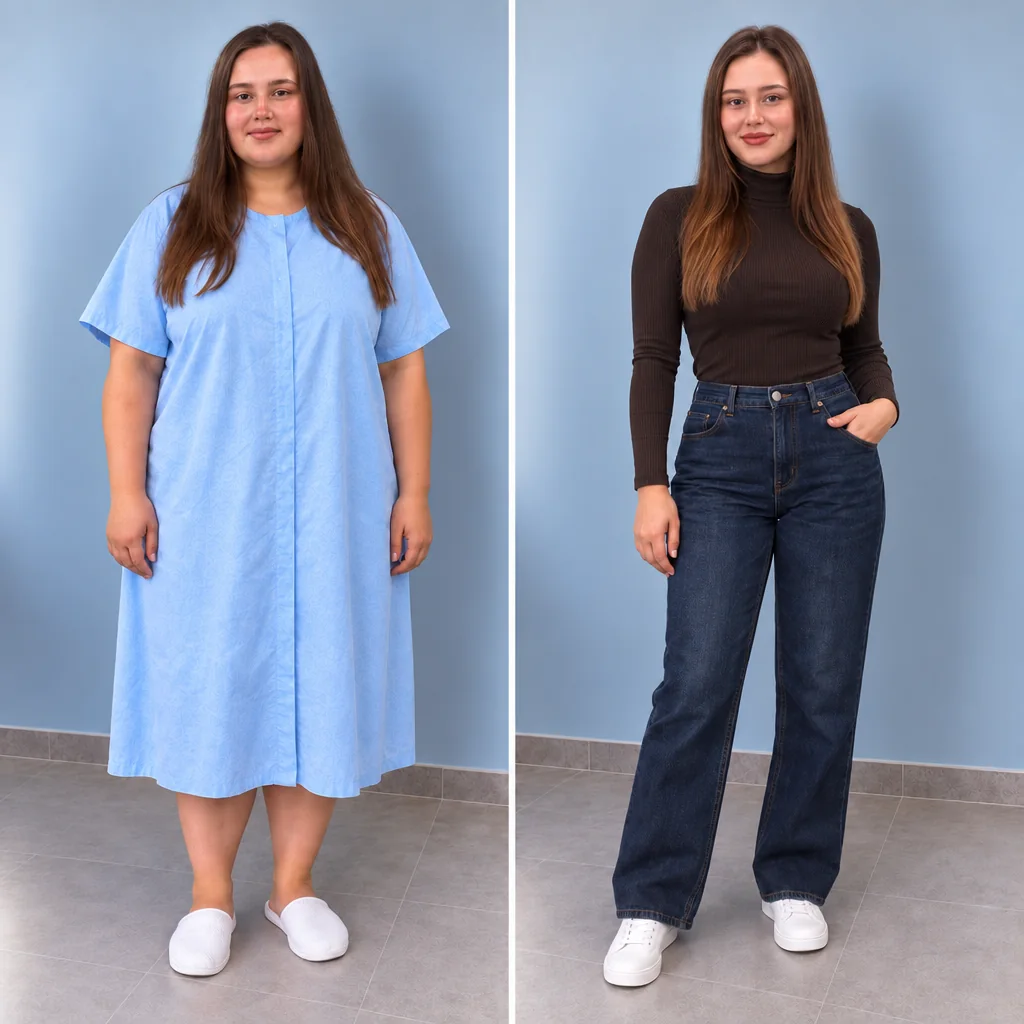
 beforeafter
Irina, 26
Bariatric surgery
Bariatric surgery
$3,600
$4,800 · First consultation — Free
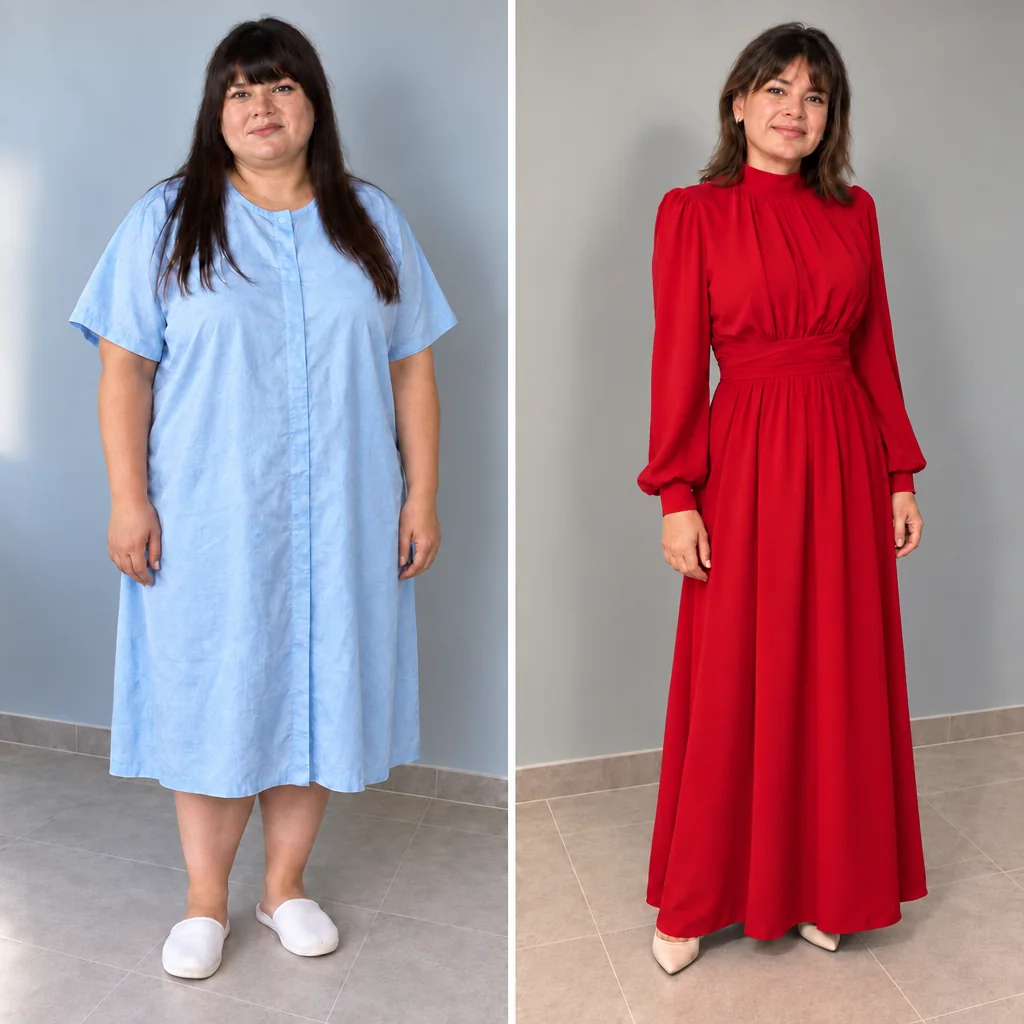 before
after
Message our coordinator
Free online consultation · Reply within 15 minutes
Message us on TelegramMessage us on WhatsAppBy messaging us, you agree to our Privacy Policy
Results
These are real patients treated at the clinic.
beforeafterBariatric surgery
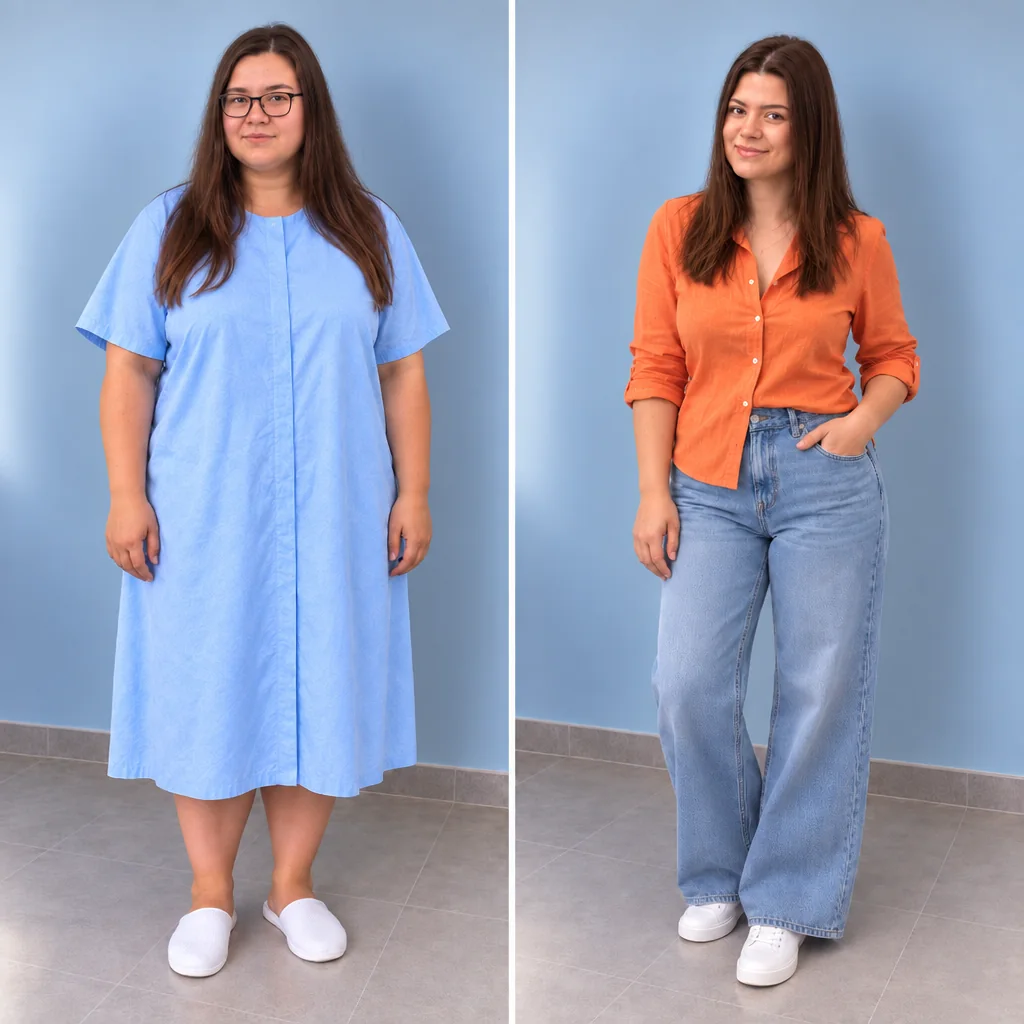 beforeafter
Bariatric surgery
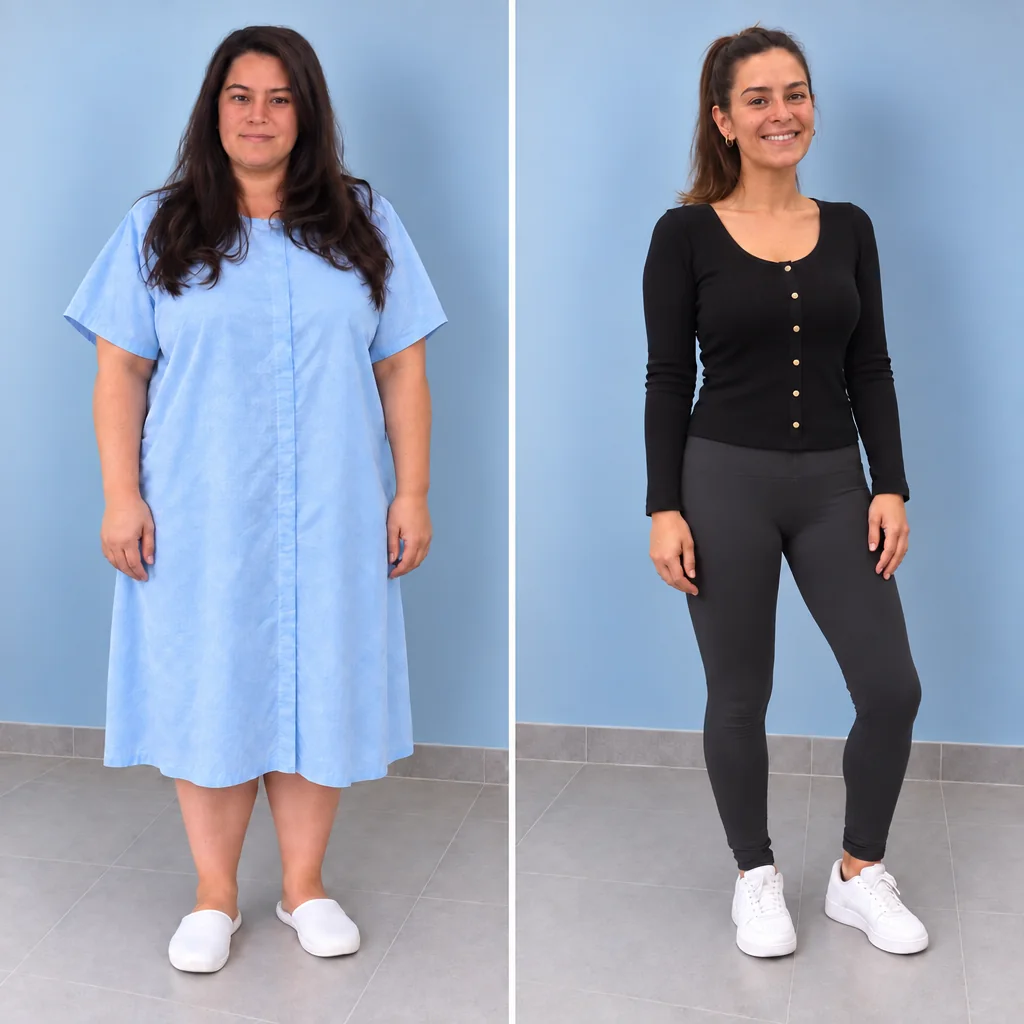 beforeafter
Bariatric surgery
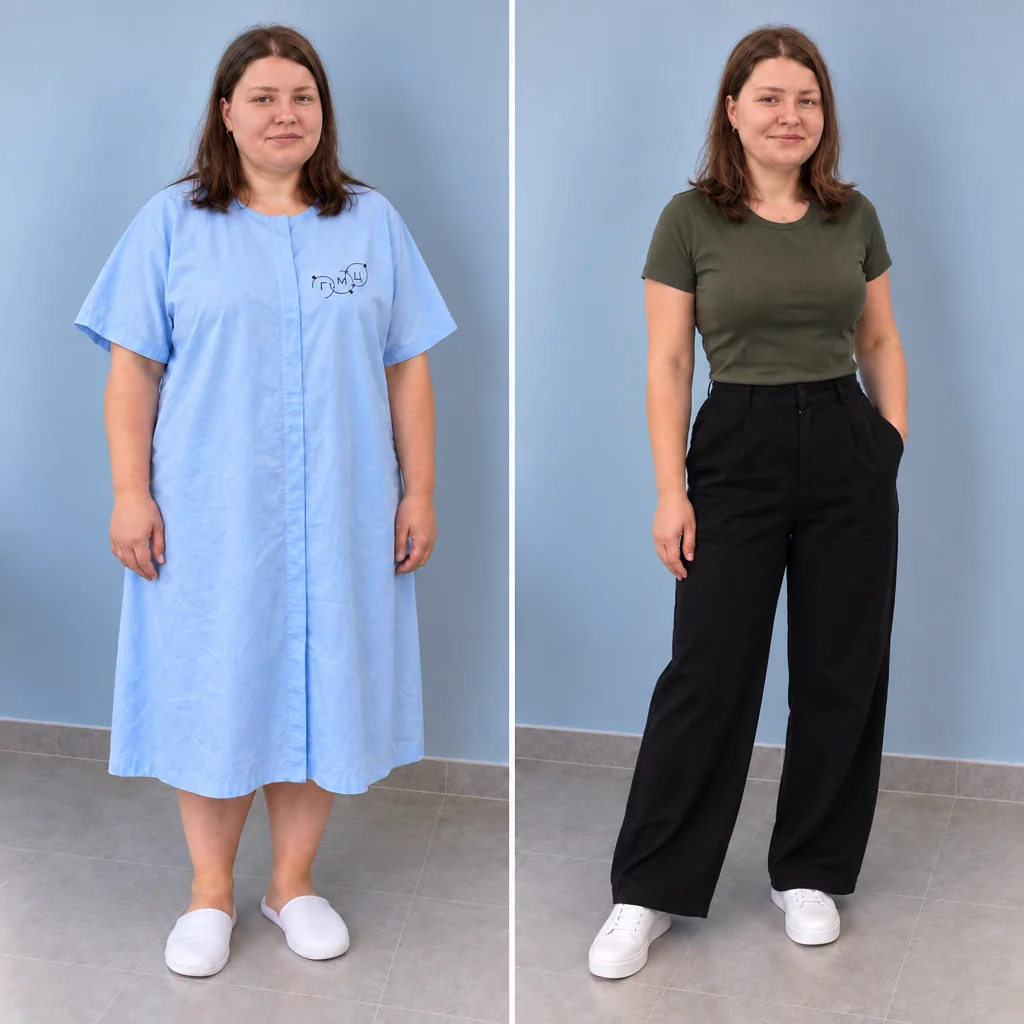 beforeafter
Bariatric surgery
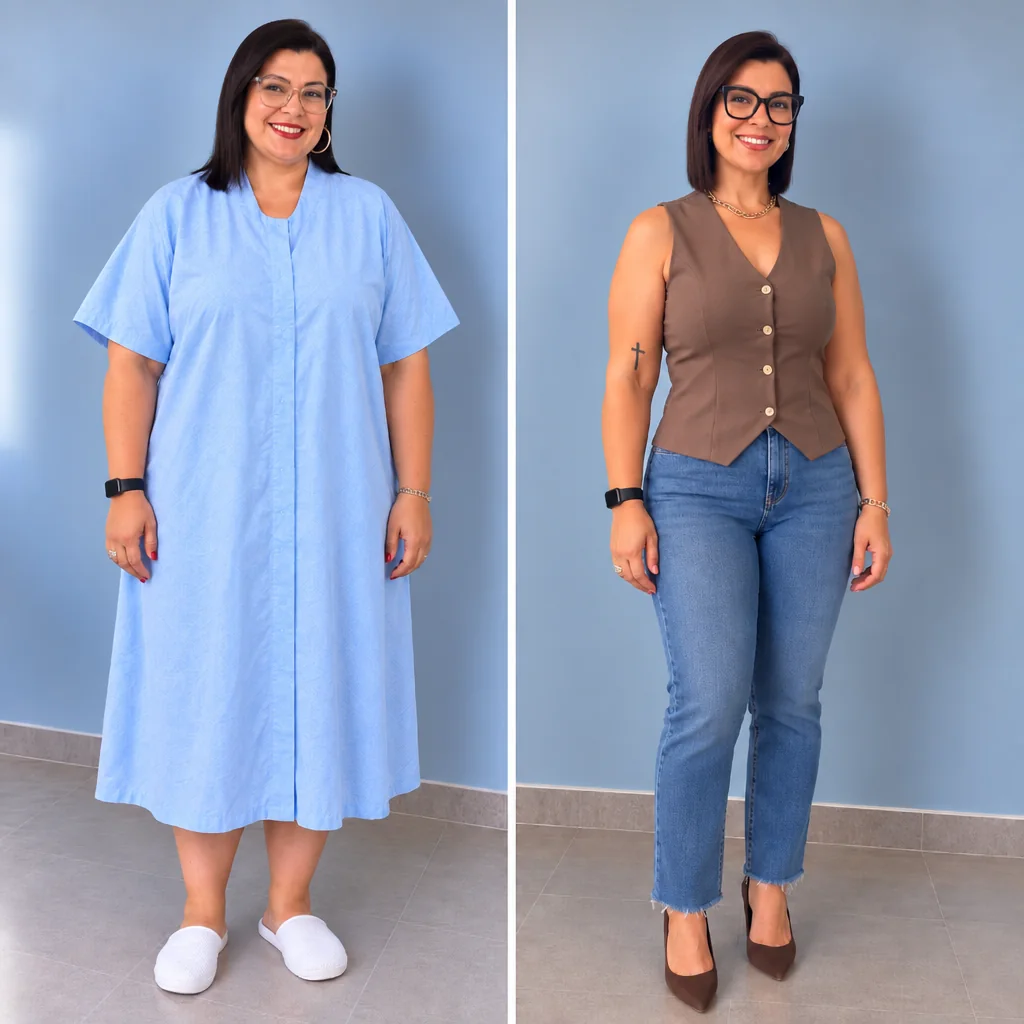 beforeafter
Bariatric surgery
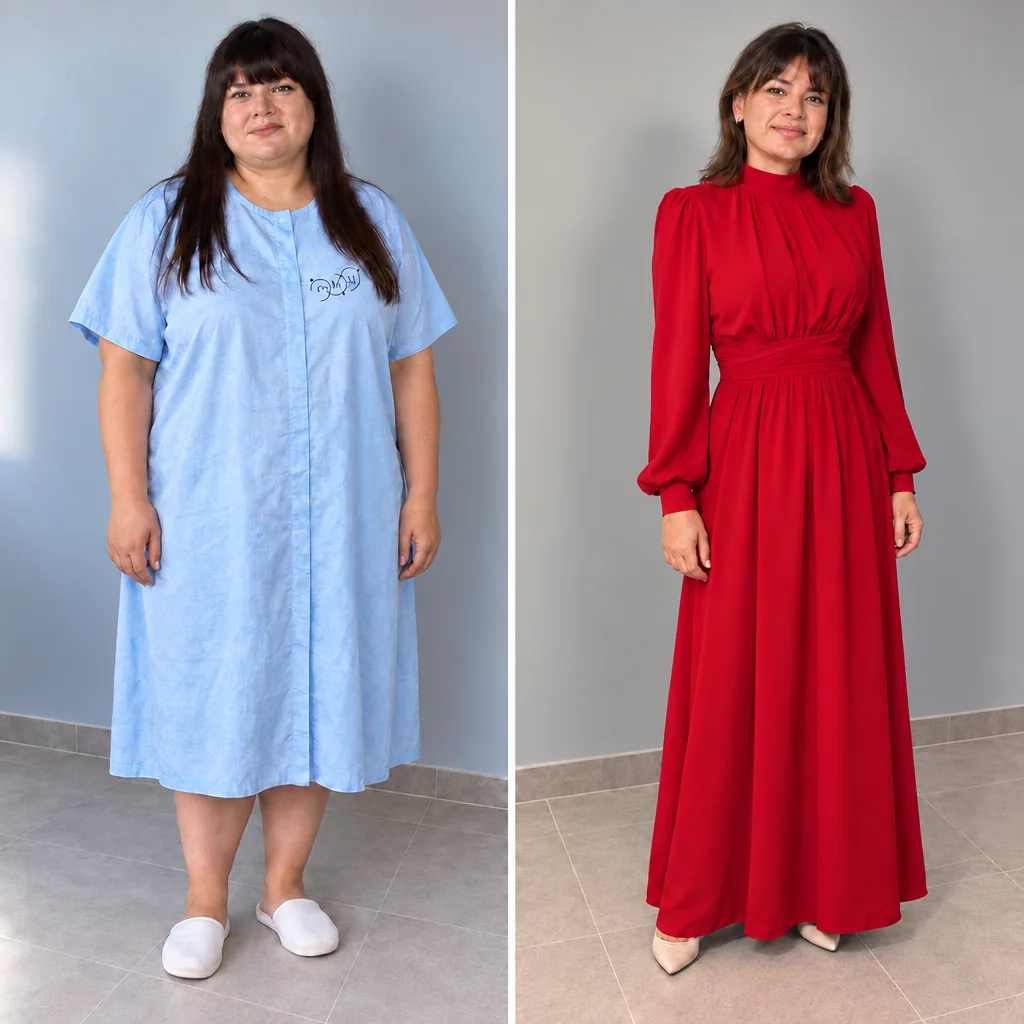 beforeafter
Bariatric surgery
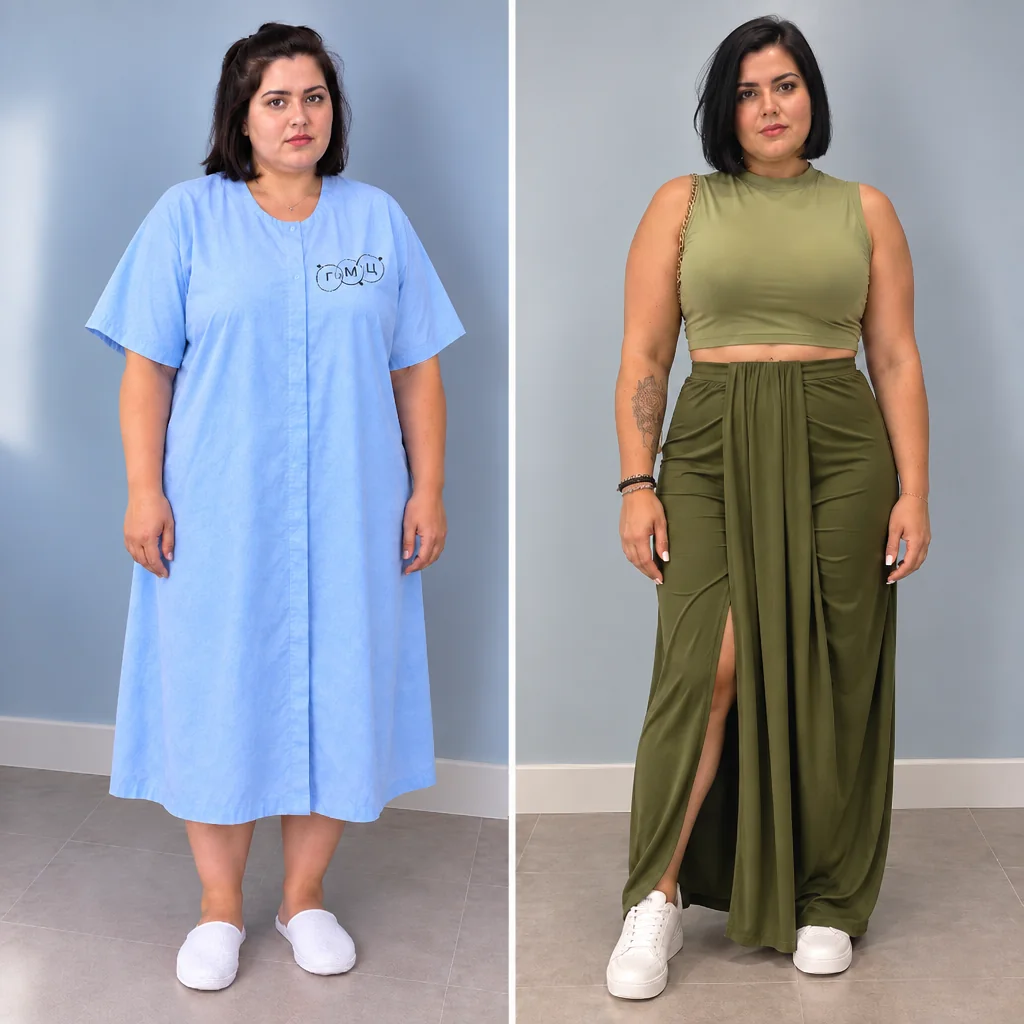 beforeafter
Bariatric surgery
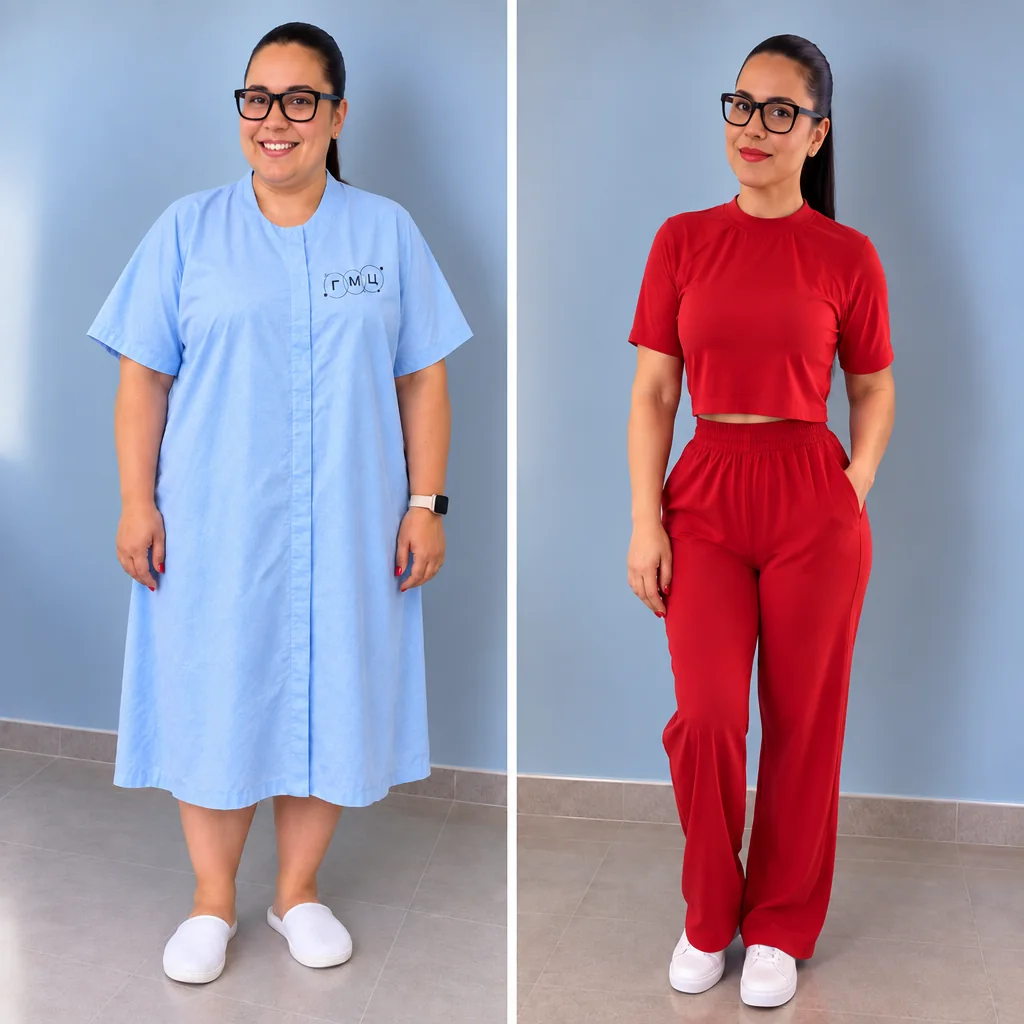 beforeafter
Bariatric surgery
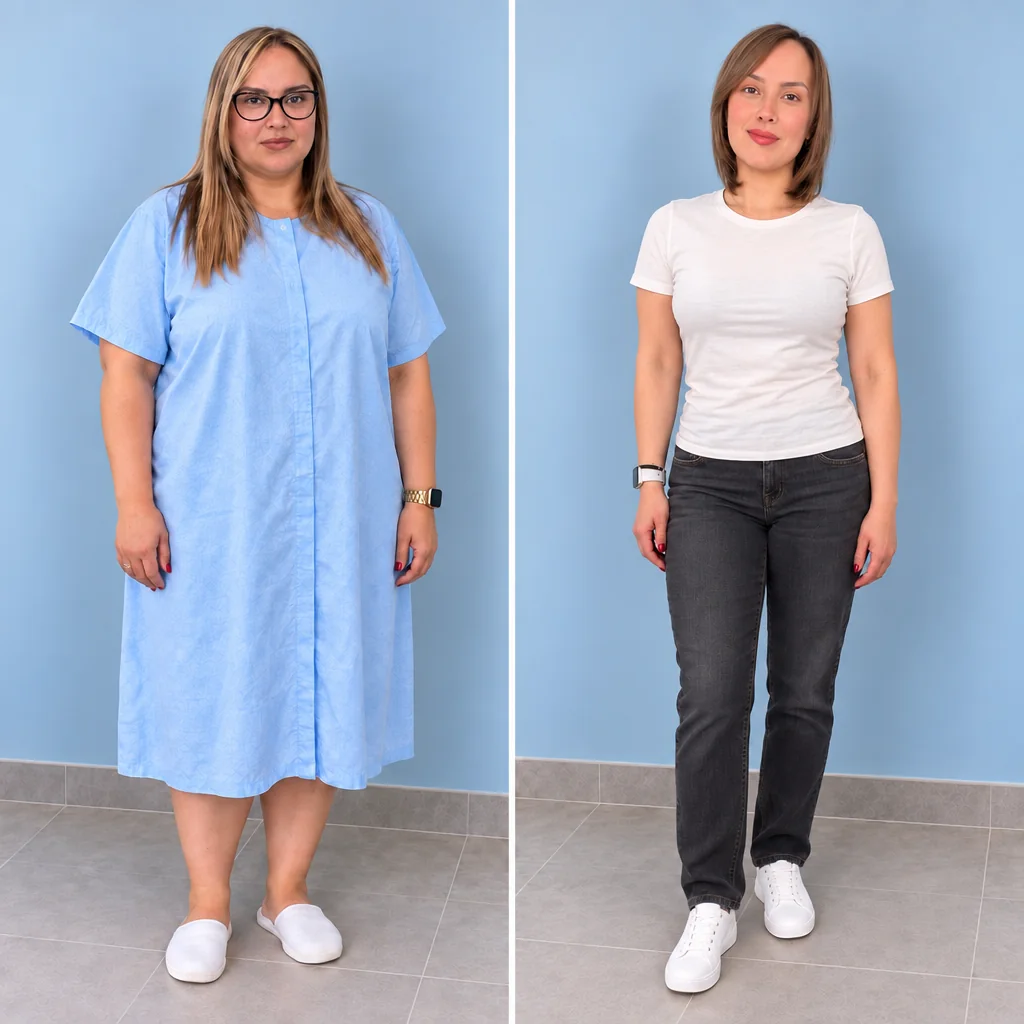 beforeafter
Bariatric surgery
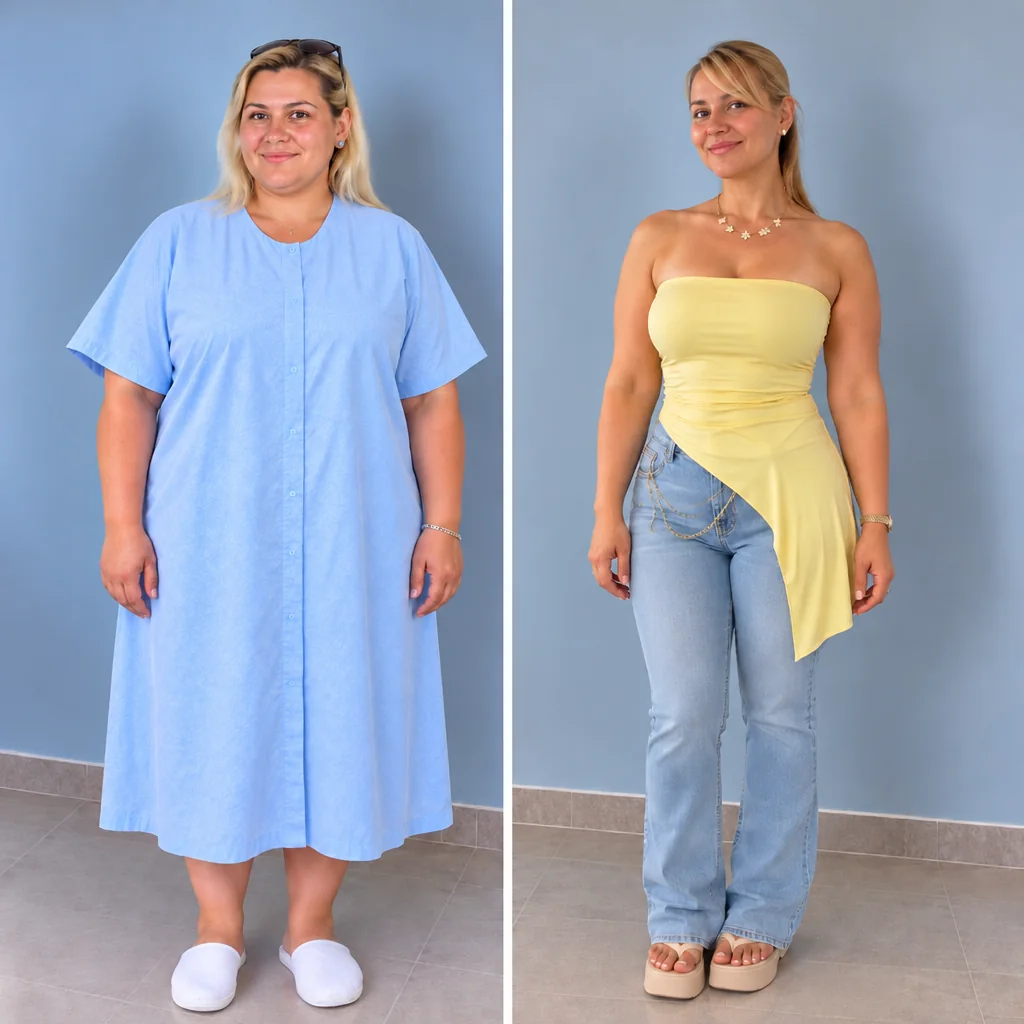 beforeafter
Bariatric surgery
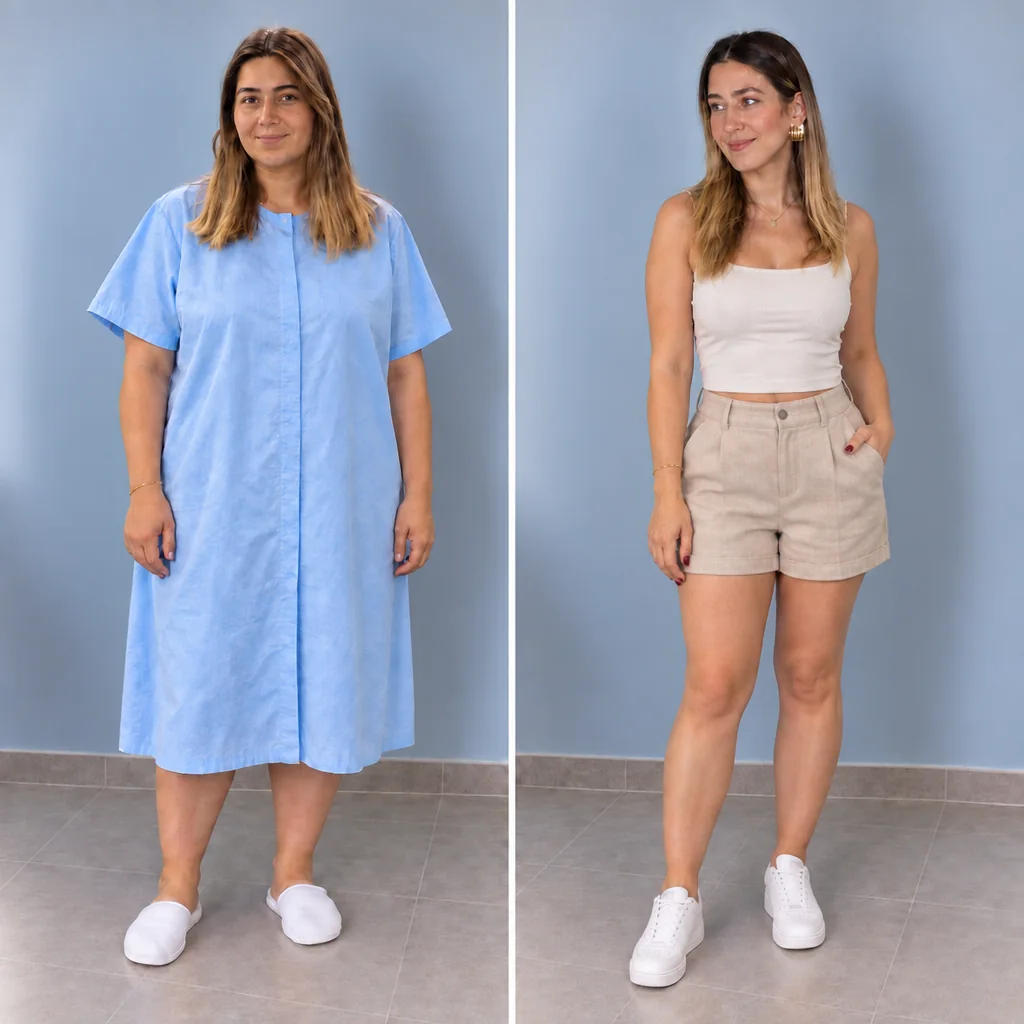 beforeafter
Bariatric surgery
Comparison
Our clinic focuses on two operations, the sleeve gastrectomy and the gastric bypass. Look at the mechanism, the aim and the indications of each before you confidently choose.
A smaller stomach volume
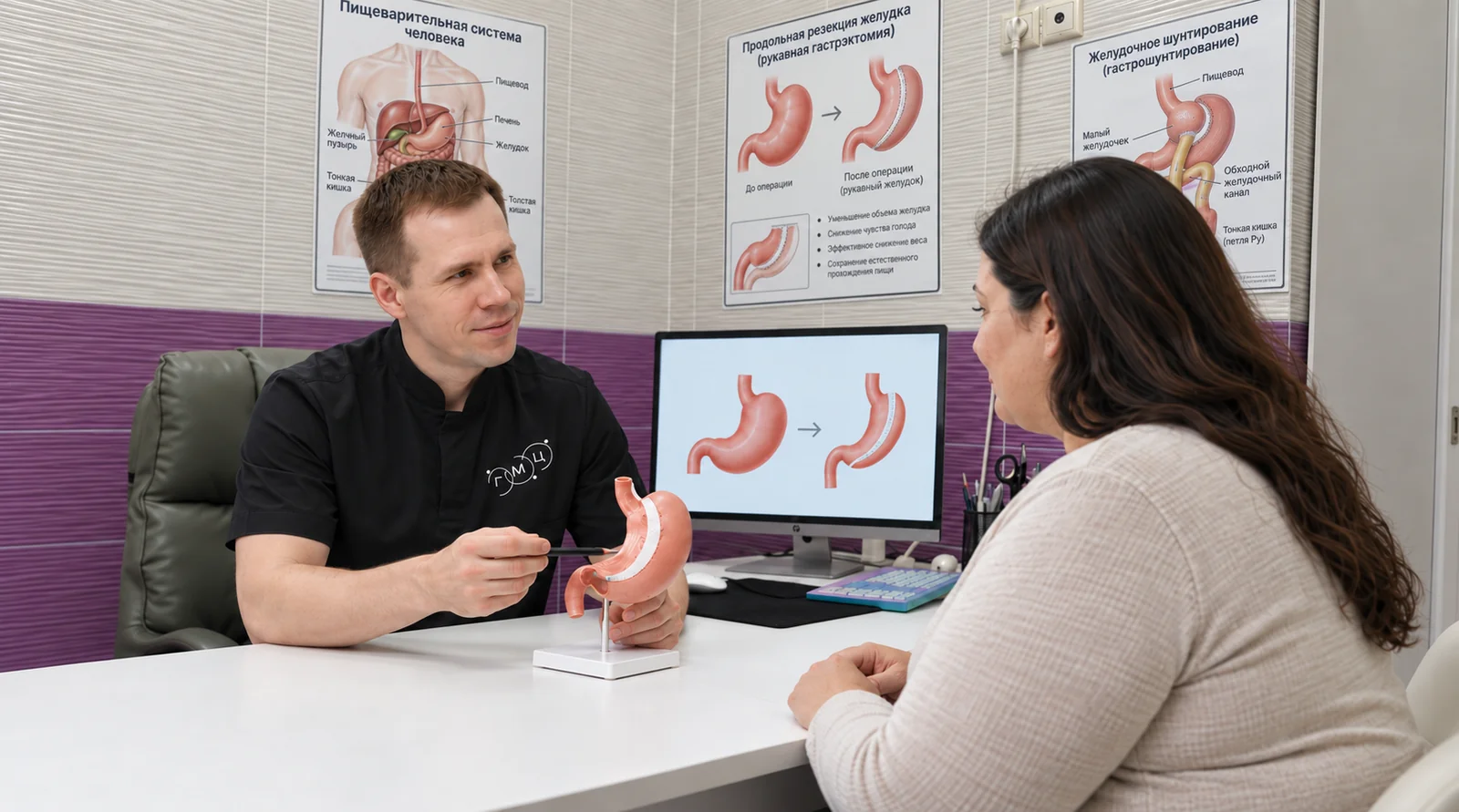
Discounted price
$3,600 $4,800
A smaller stomach volume plus a new route for food
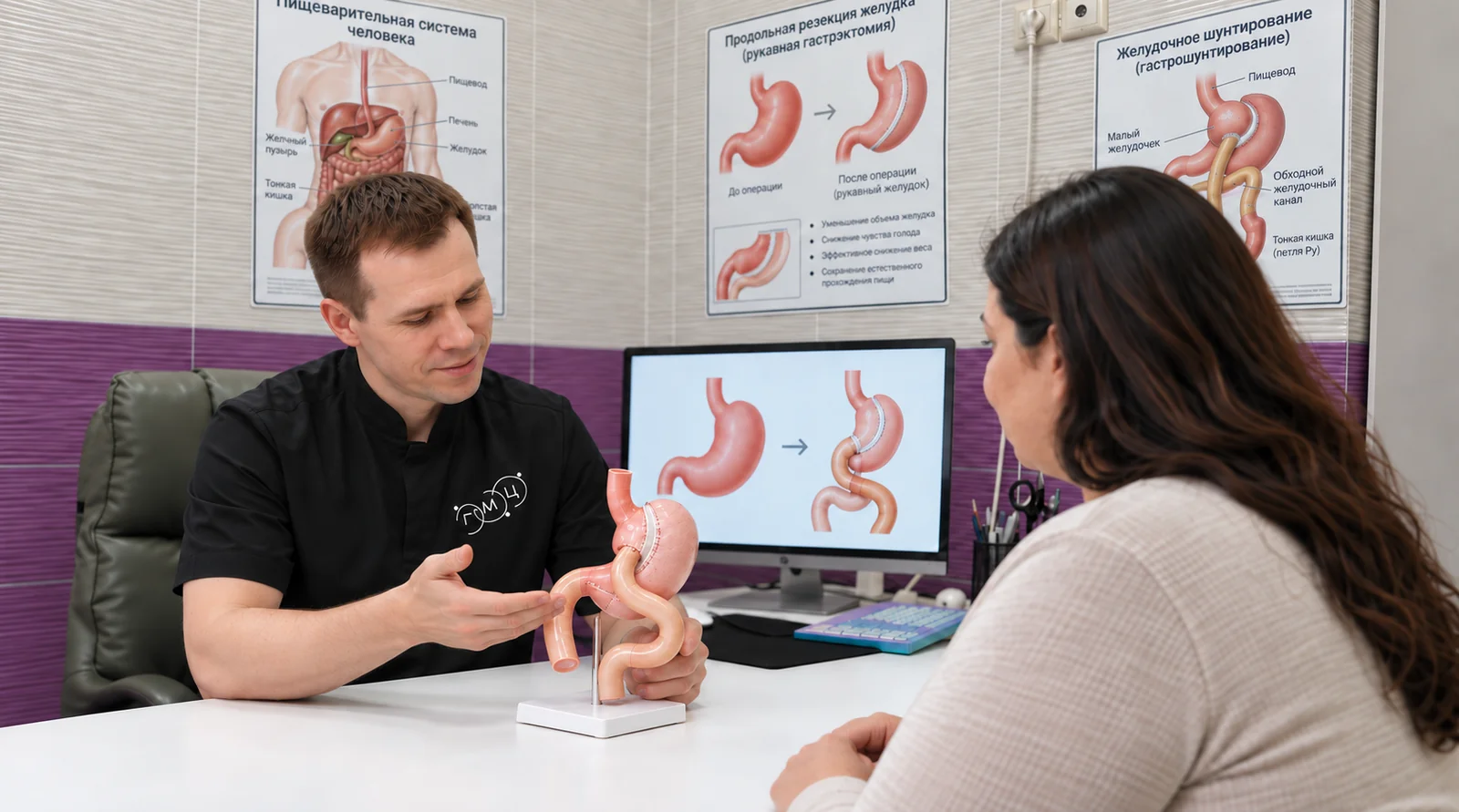
Discounted price
$4,000 $5,200
The listed benefits and recovery times are guideline averages per method. How much surgery is needed and how recovery goes depend on your anatomy and individual features — the surgeon confirms this at the consultation.
Book a consultationInside the clinic
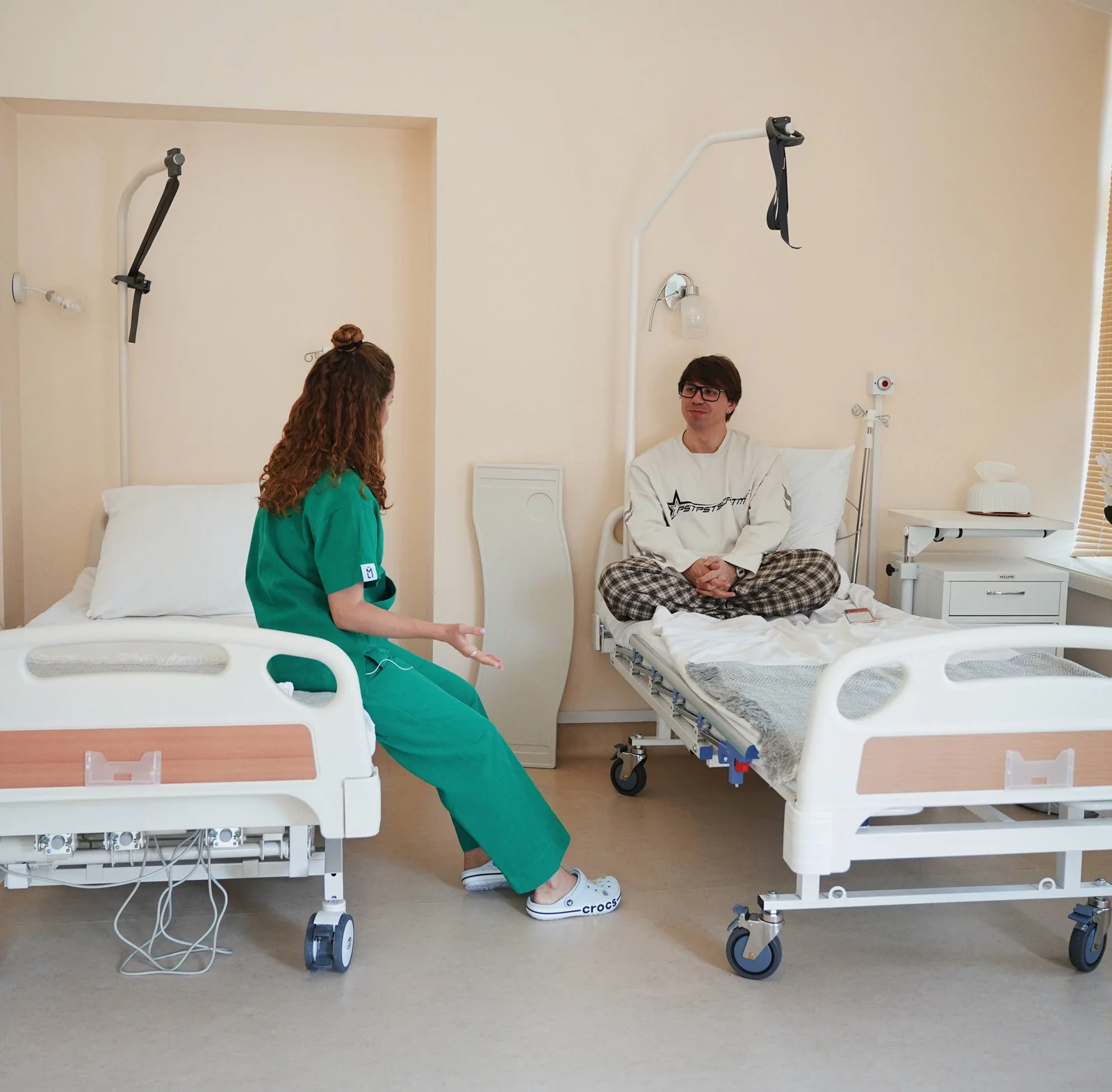
Up-to-date equipment, comfortable rooms and attention to each patient
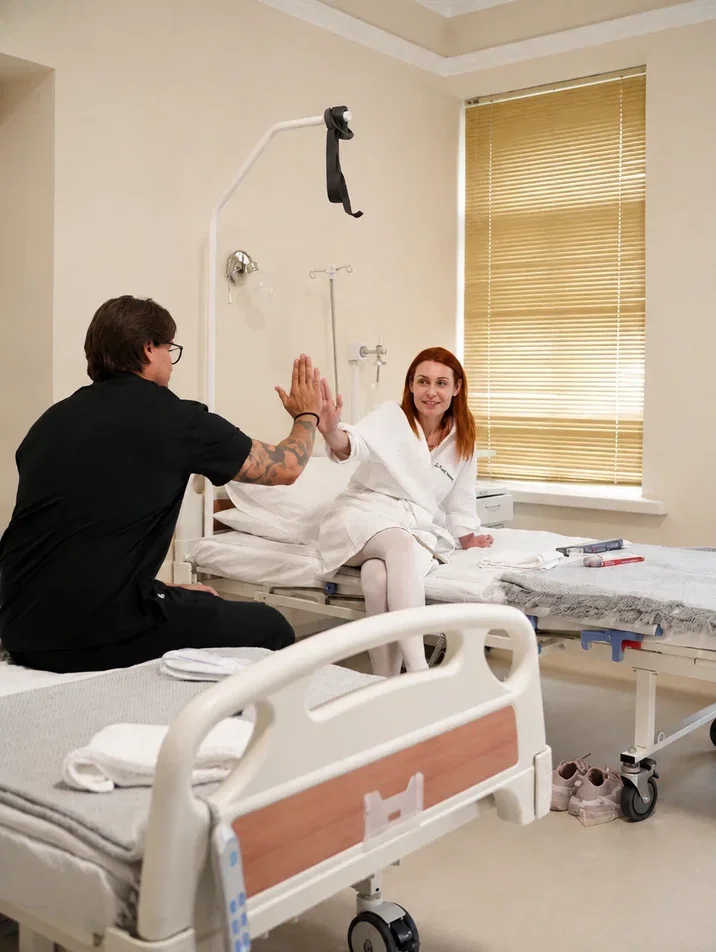
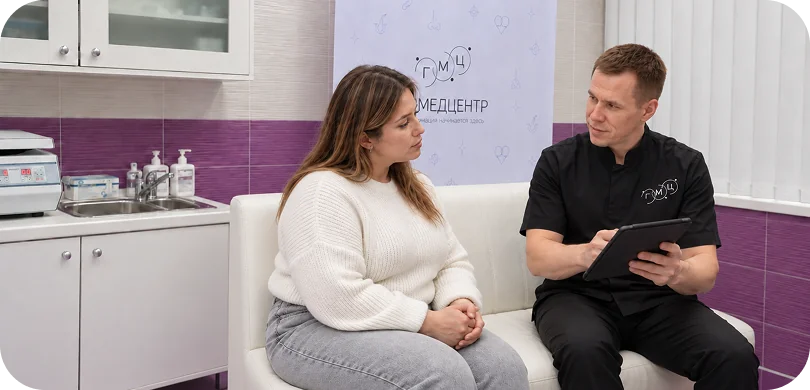
We will answer your questions and find a convenient time for a consultation
Get a consultationOnly after a consultation and check-up is the decision on surgery made, jointly with the surgeon.
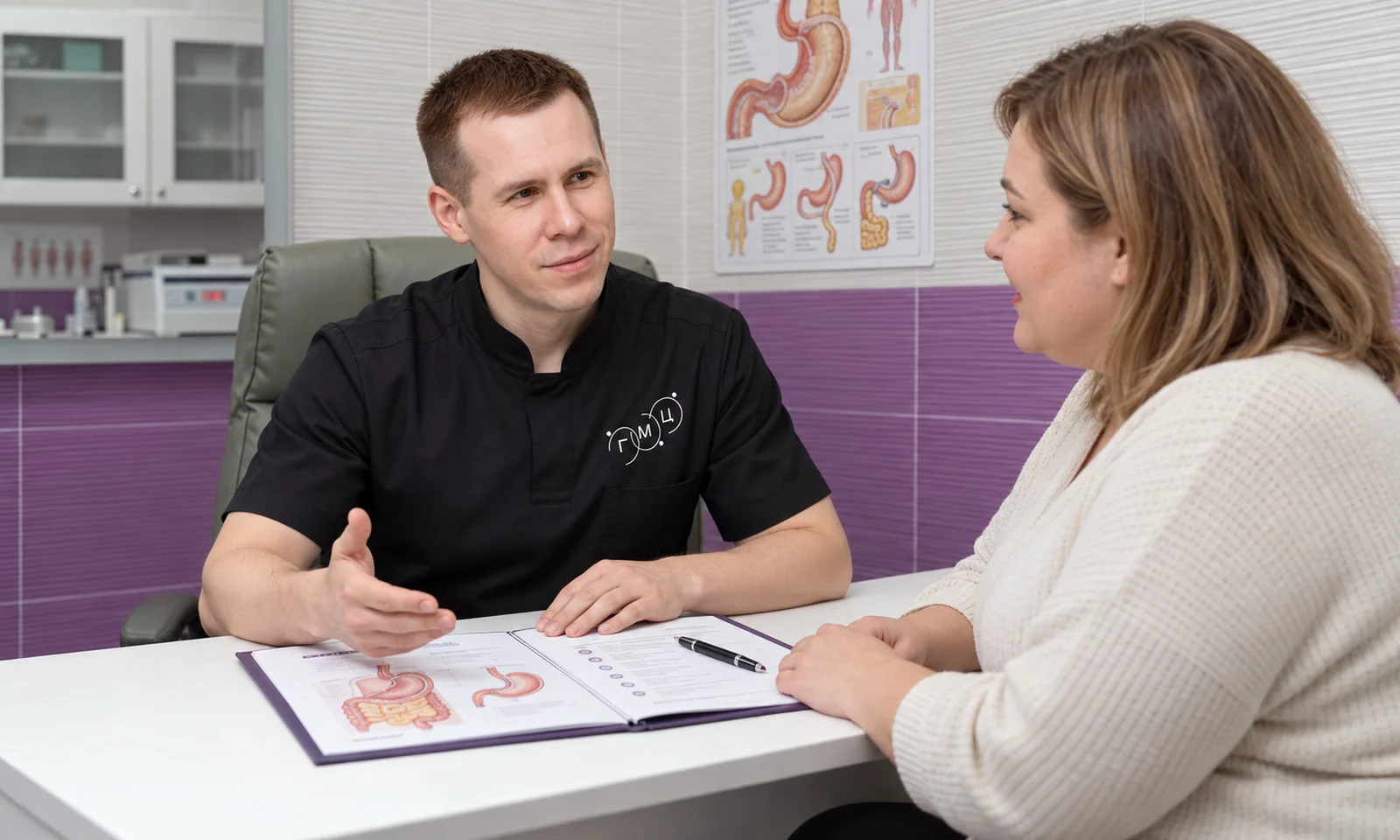
Not certain which side you are on?
Text us on Telegram — our coordinator will let you know if bariatric surgery is the right choice for you. The surgeon consultation is free, with no obligation to go ahead with surgery.
Find out if it suits me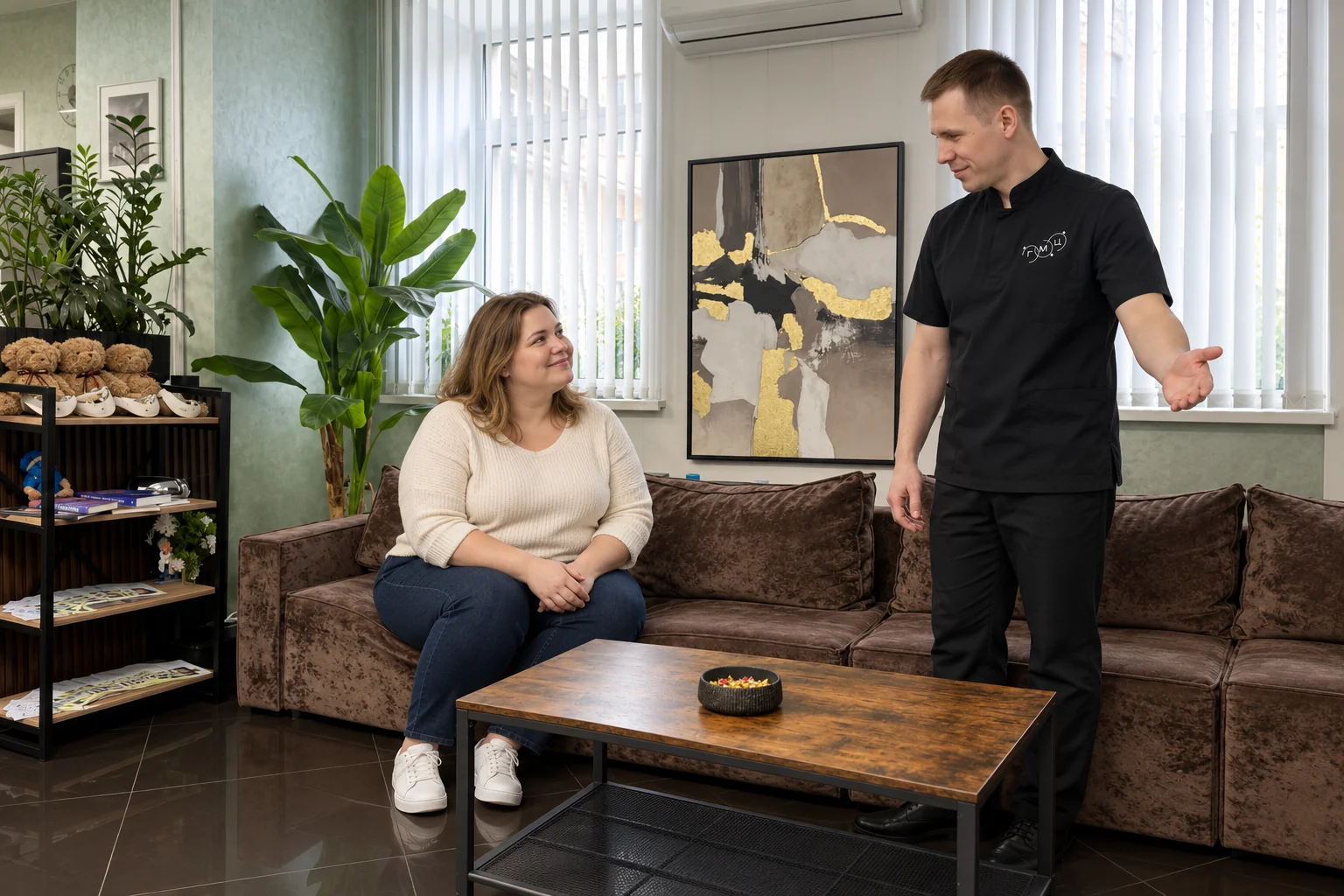
Prices
Your cost is confirmed at the consultation once the plan is ready and written into the contract.
Discounted price
A smaller stomach volume
$3,600$4,800
Discounted price
Weight loss and a new route for food
$4,000$5,200
Free
Your treatment plan follows the surgeon's examination

Free
the cost of the operation is named
and recorded in the contract
Assessing your health and discussing what you want to achieve, the doctor selects the right bariatric method. The cost is named at the consultation and written into the contract.
Message our coordinator
Free online consultation · Reply within 15 minutes
Message us on TelegramMessage us on WhatsAppBy messaging us, you agree to our Privacy Policy
price
You get one package, preparation to 12 months of support, with nothing extra.From your pre-surgery preparation
to follow-up support for 12 months.
How it goes
Support for a year, hospital monitoring and a treatment plan agreed in advance.
 1
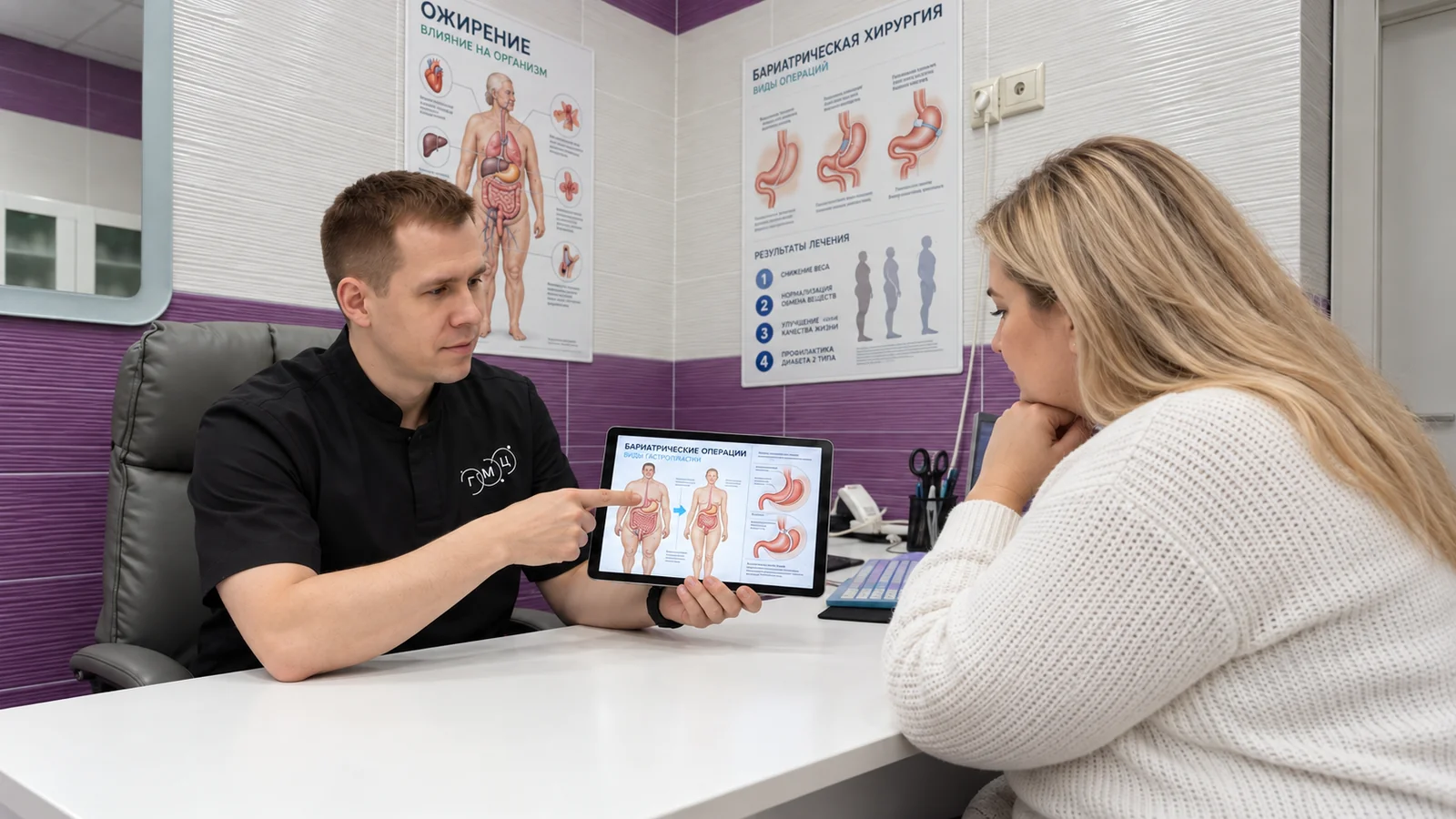
To choose the right bariatric surgery method, the doctor assesses your health, discusses your goals and orders the necessary tests.
2We reserve your surgery date; the deposit can be made by card in the clinic or by online bank transfer. The contract for medical services sets the terms
 3
Preparation for surgery means blood and urine tests, an ECG, an ultrasound, a gastroscopy and specialist consultations. Your doctor gives you the exact list at the consultation.
 4
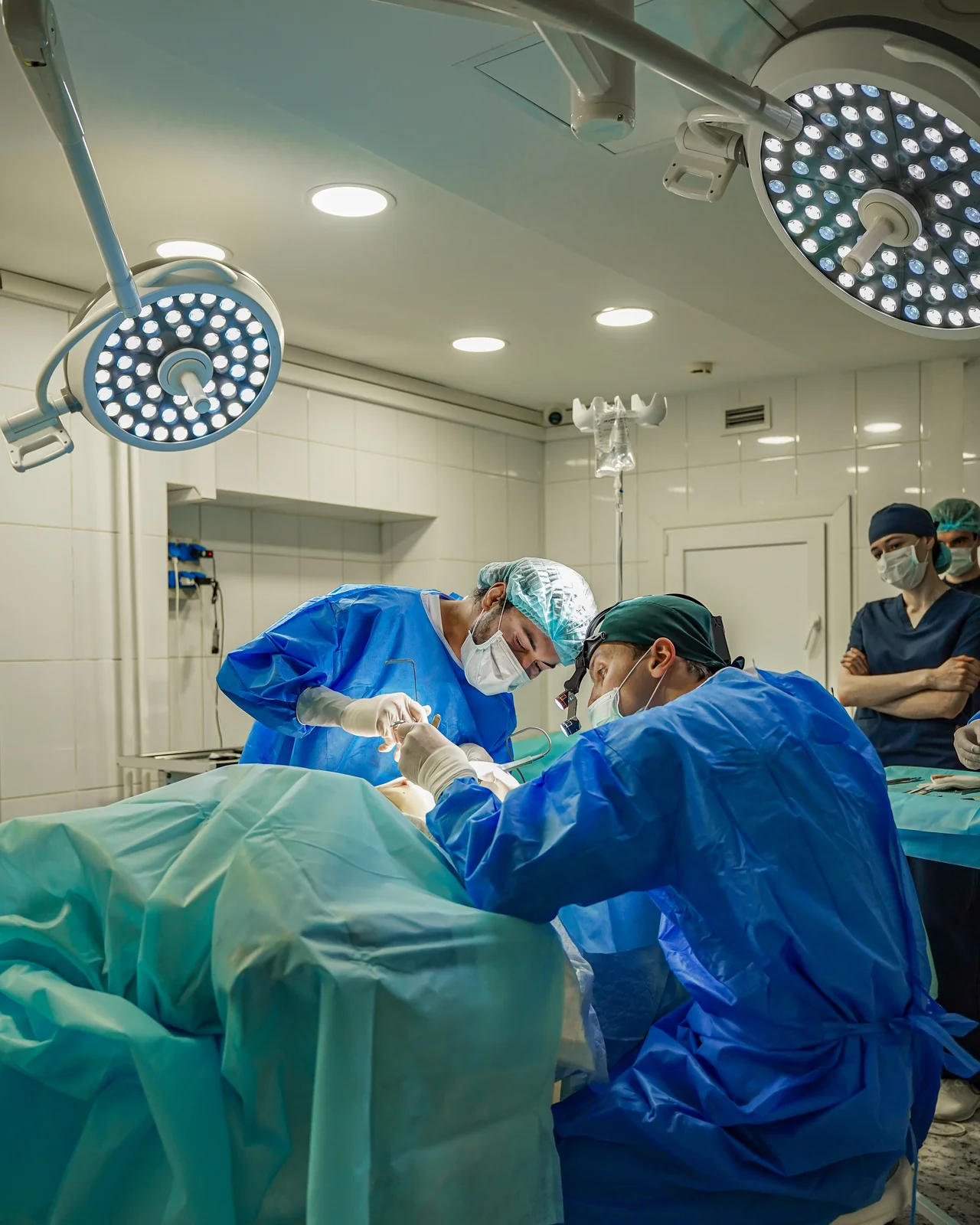
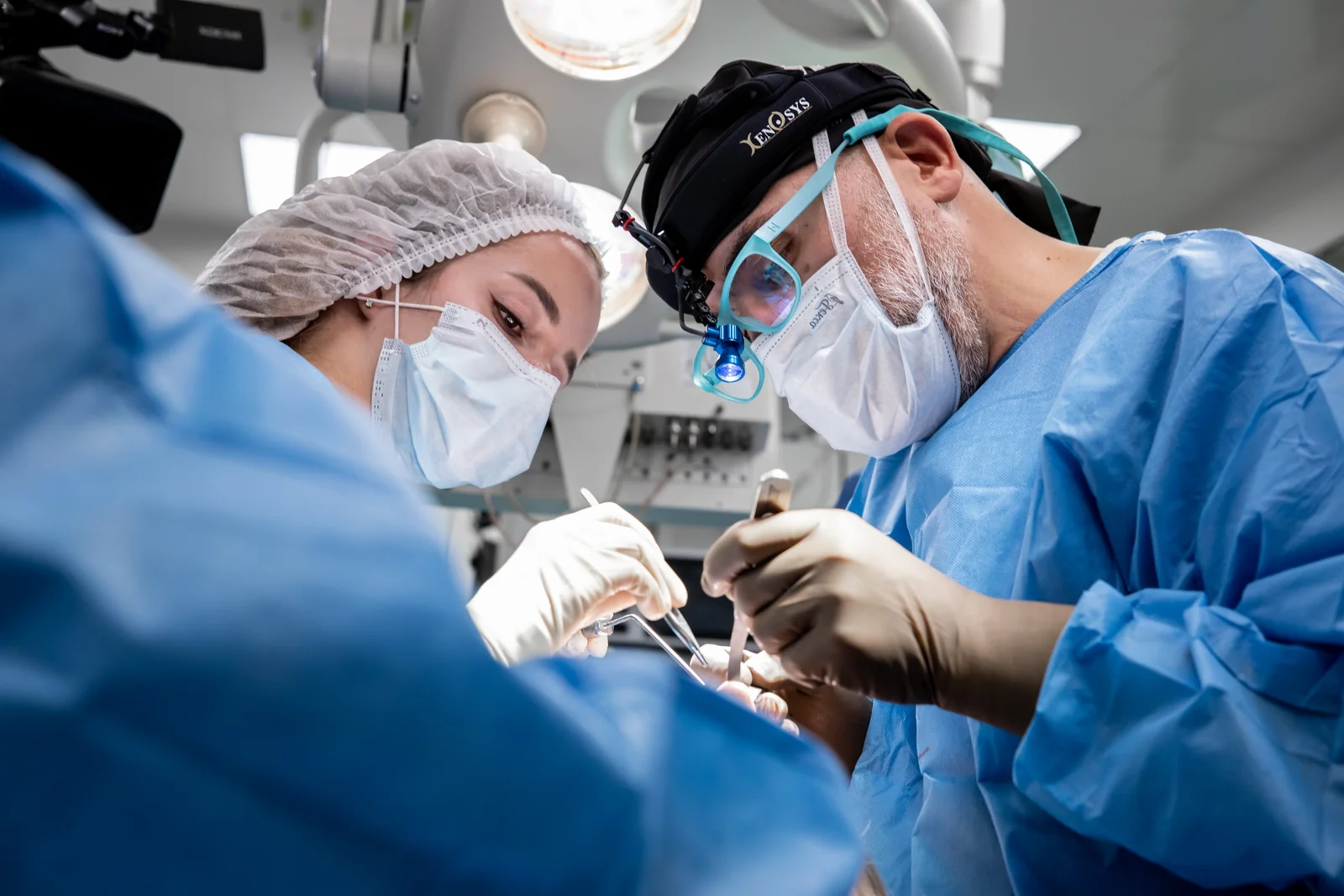
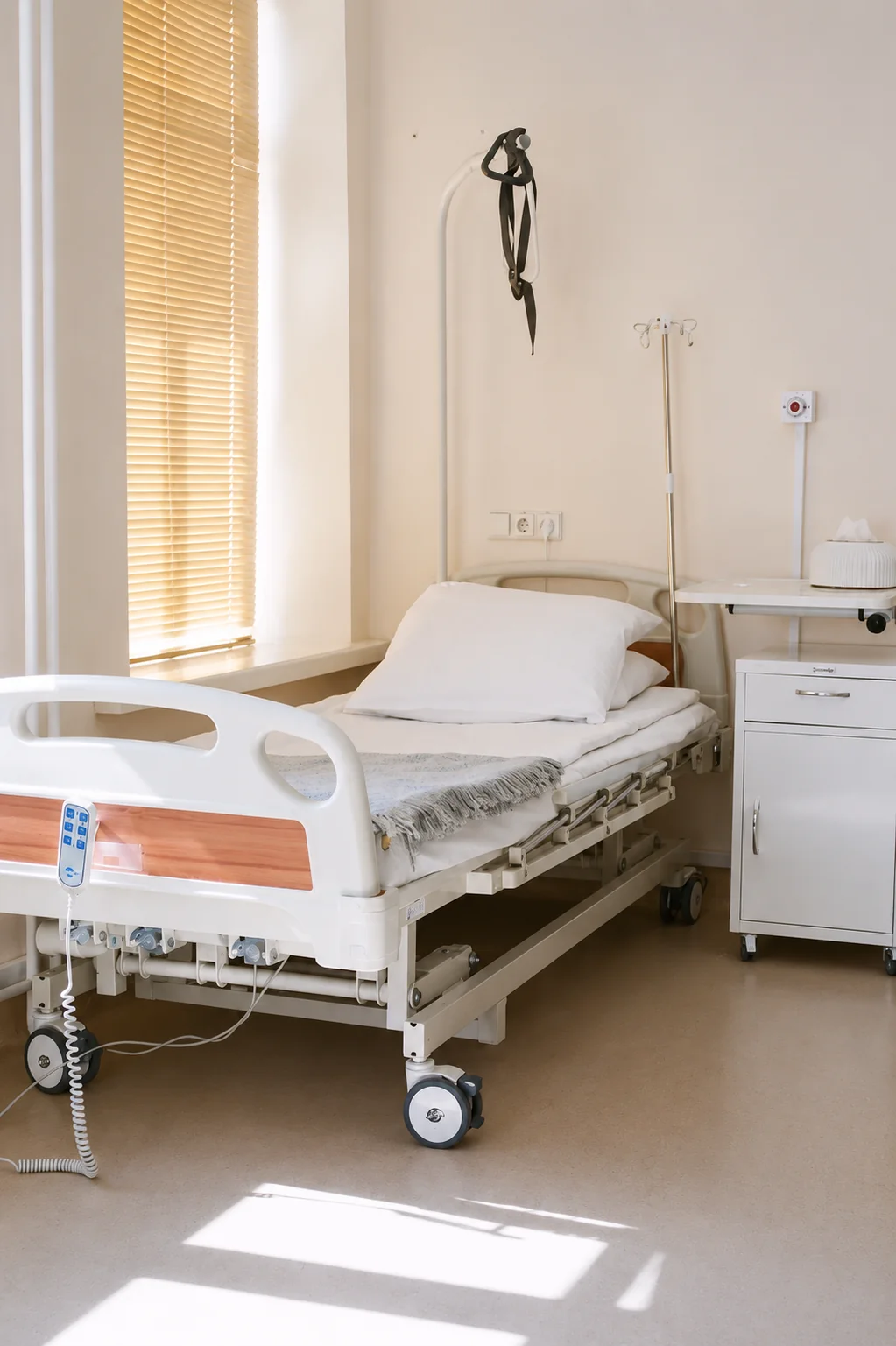
Using the chosen method, the surgeon performs the bariatric surgery under general anaesthesia. Once it is over, the medical team monitors the patient.
 5
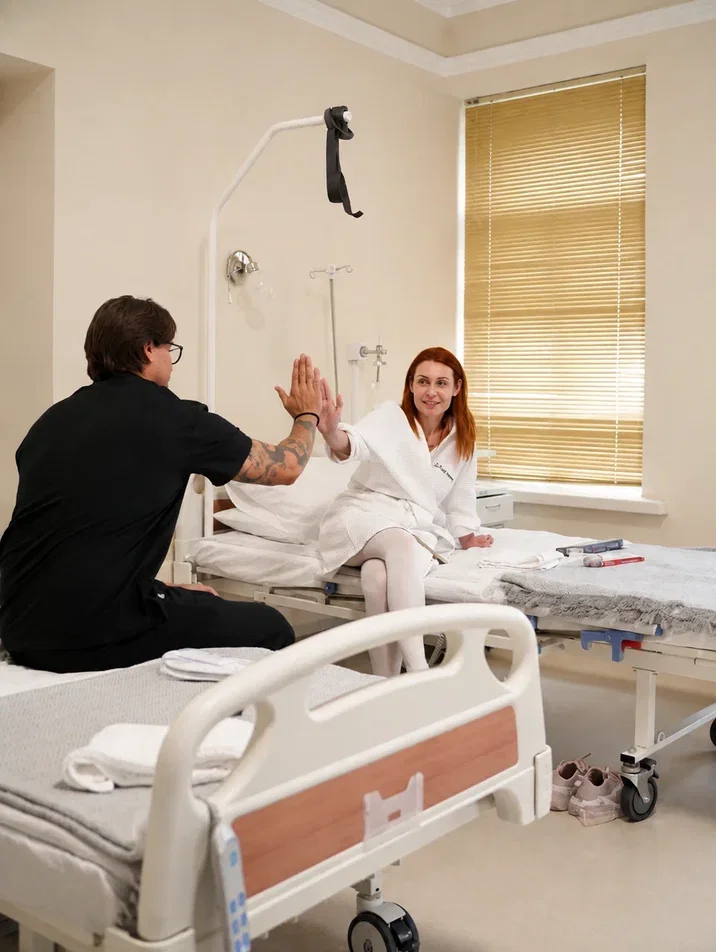
Following surgery you remain in hospital, supervised by doctors. The stay is from 1–3 to 4–5 days, depending on the operation's complexity and how you feel.
 6
Following discharge you get advice on diet and recovery, while scheduled check-ups track how you feel, your weight and tests. The clinic team supports you for a year.
The doctor puts together a plan at the consultation and explains the course of surgery
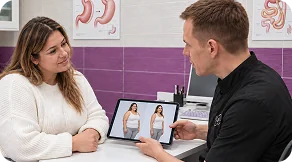
There is no fee for the consultation, is held before surgery and carries no obligation.
Book a consultationDoctors
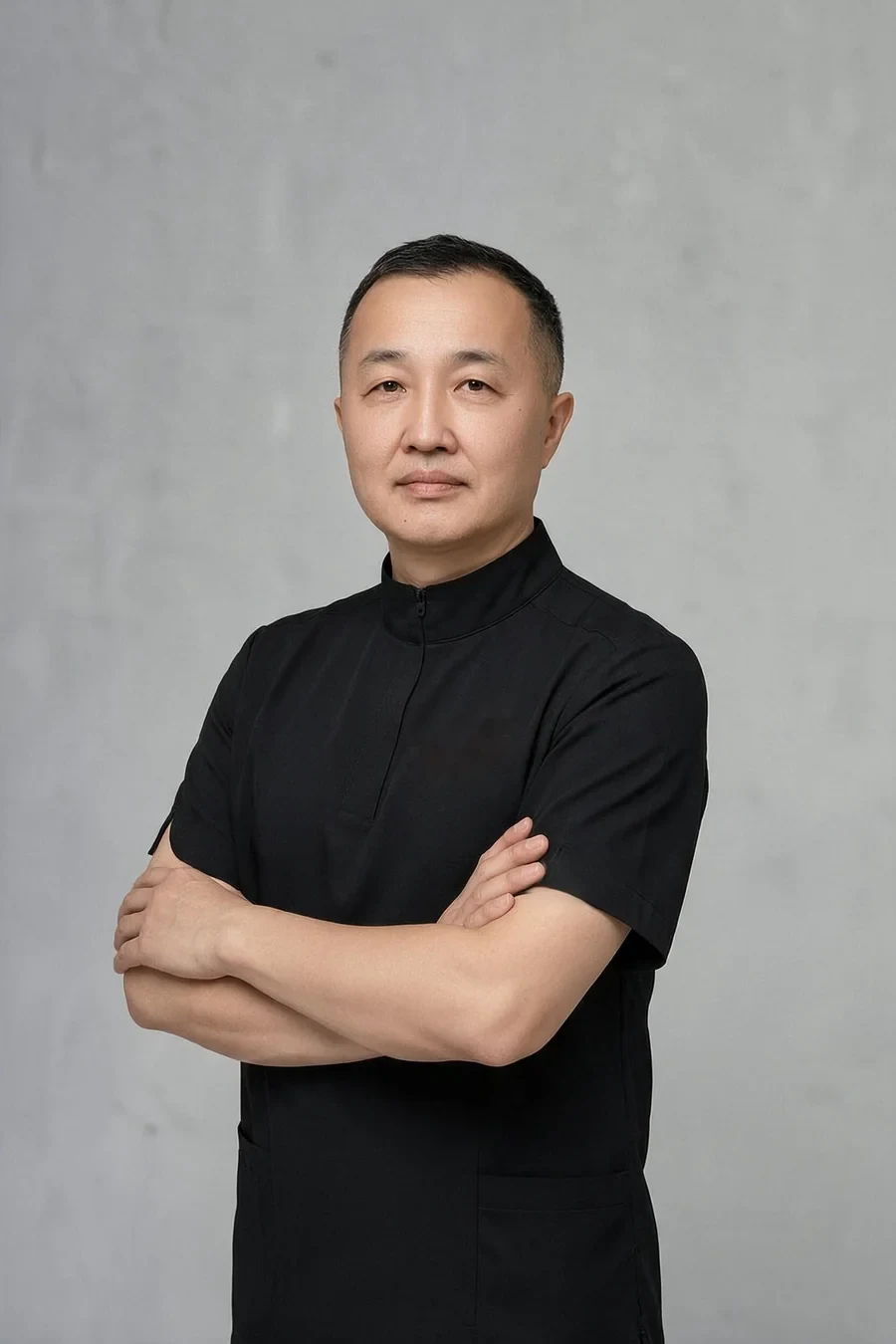
27 years of experience
Lead bariatric surgeon
Surgeon
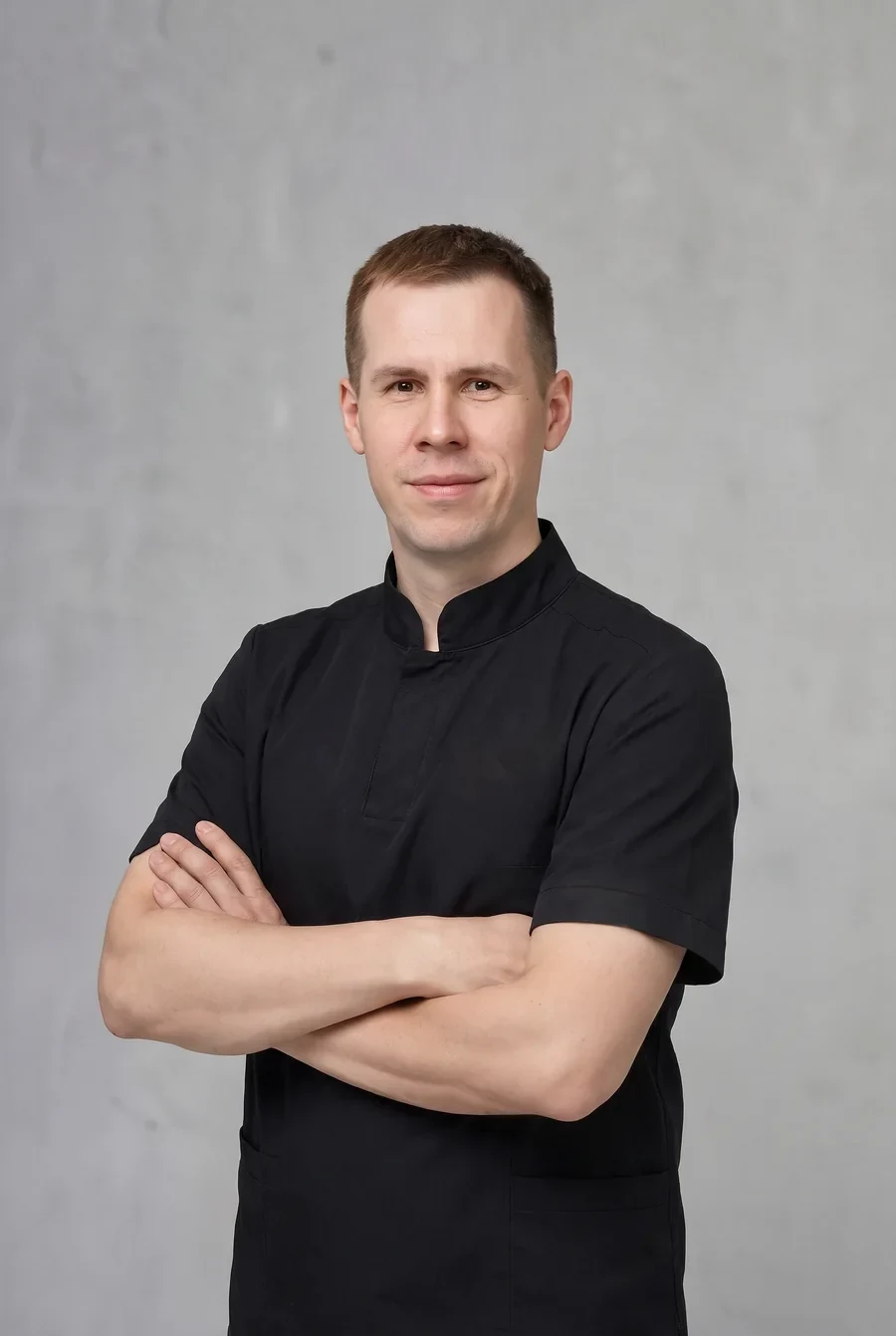
9 years of experience
Bariatric surgeon
Surgical oncologist
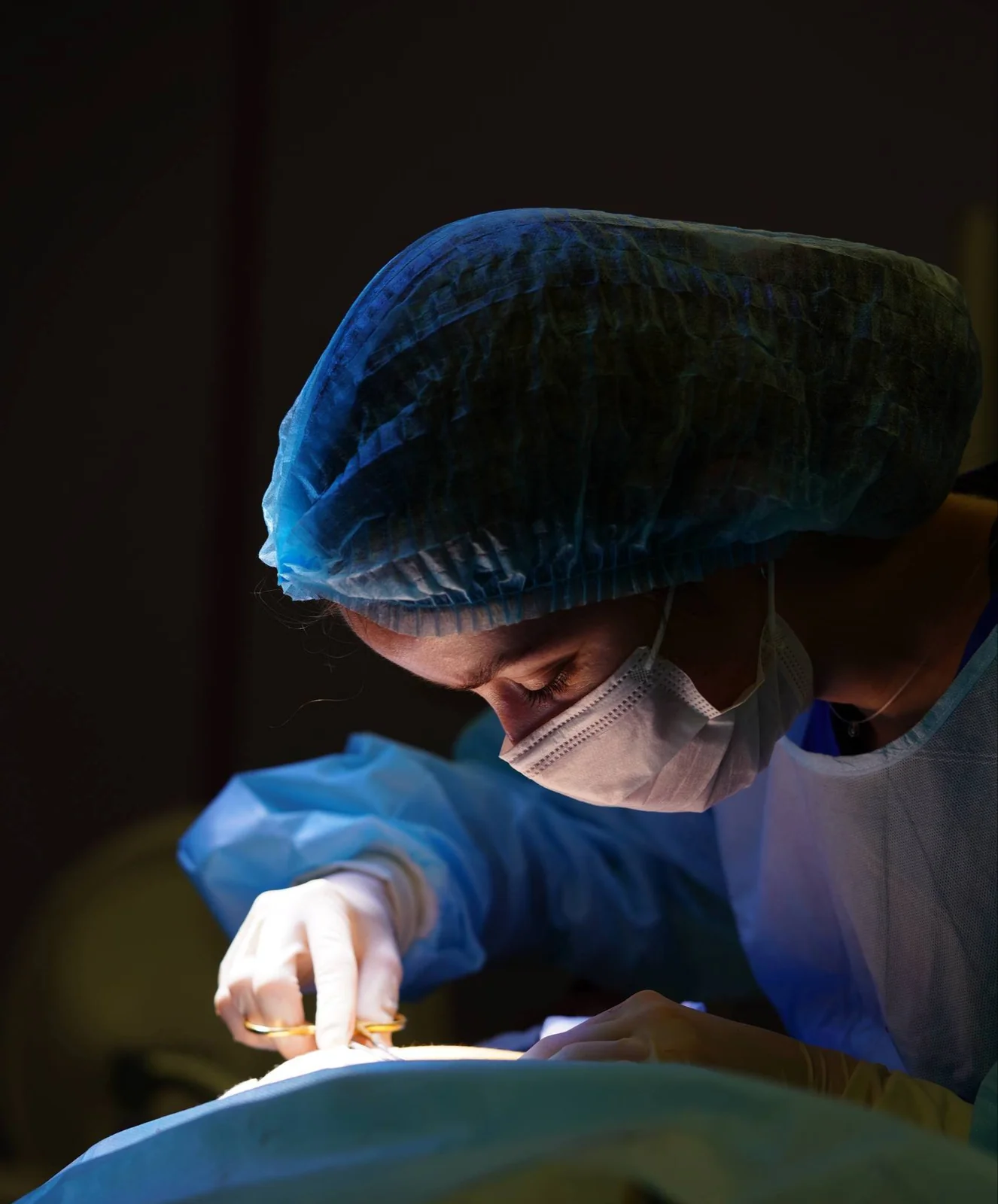
The surgeon who operates on you also follows you, from the first consultation to the result.
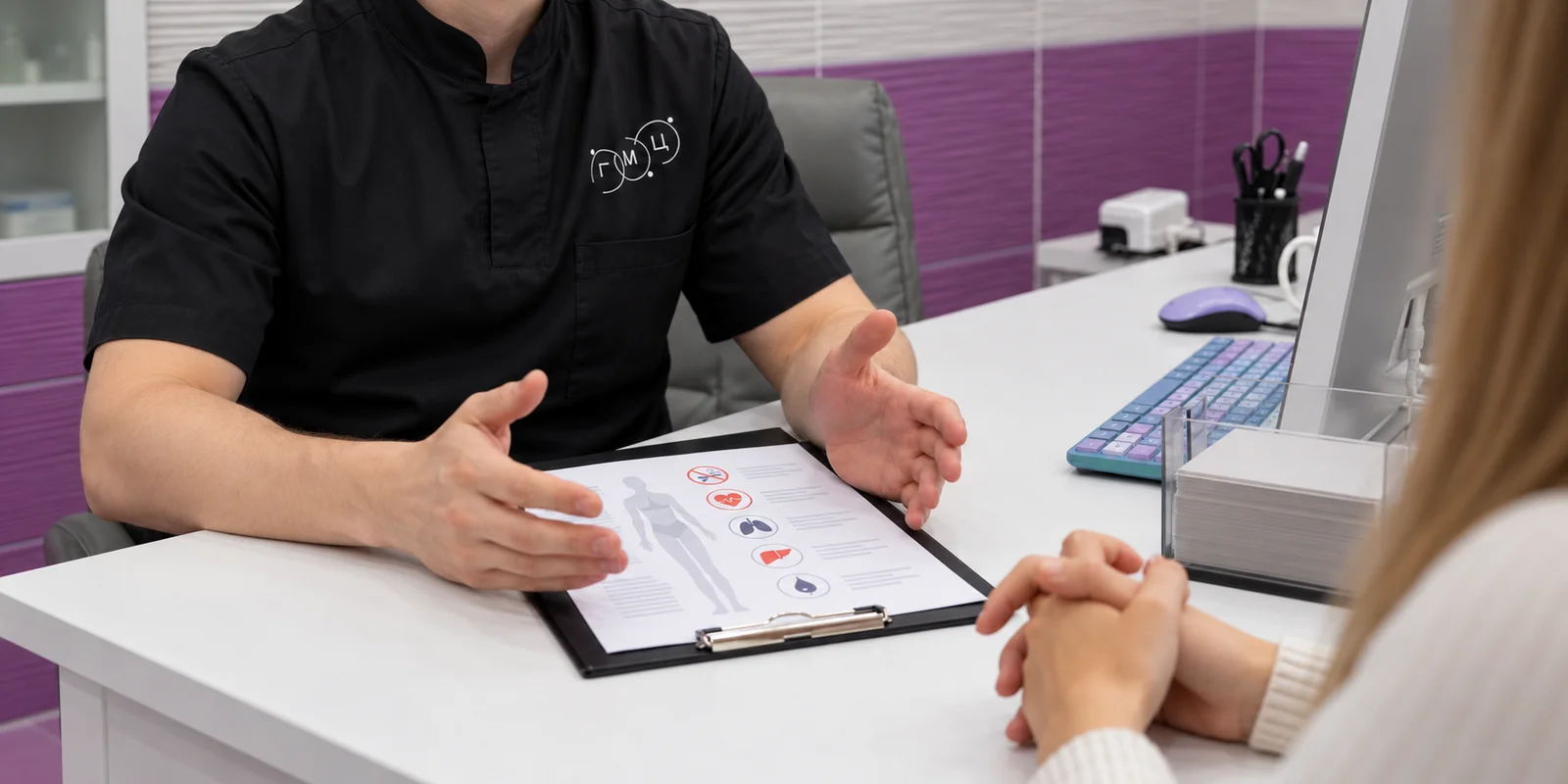
The patient care manager holds your first consultation free of charge: they work out your BMI, explain the methods and book your appointment with the surgeon.
Book a consultationCoordinators
Our team supports you at each stage

The person you reach first at the clinic, from your first message up to the consultation
Care specialist for patients
Answers your questions before the first consultation and helps you choose a convenient date

With you before and while you stay with us, from booking to discharge
Care specialist for patients
Helps you prepare for the operation and stays in touch while you are at the clinic

From discharge to your final check-up — with you throughout recovery
Care specialist for patients
Stays in touch while you recover and books your follow-up visits with the surgeon
Advantages
We select the most suitable method for your health, lifestyle and goals. Our team supports you all the way.
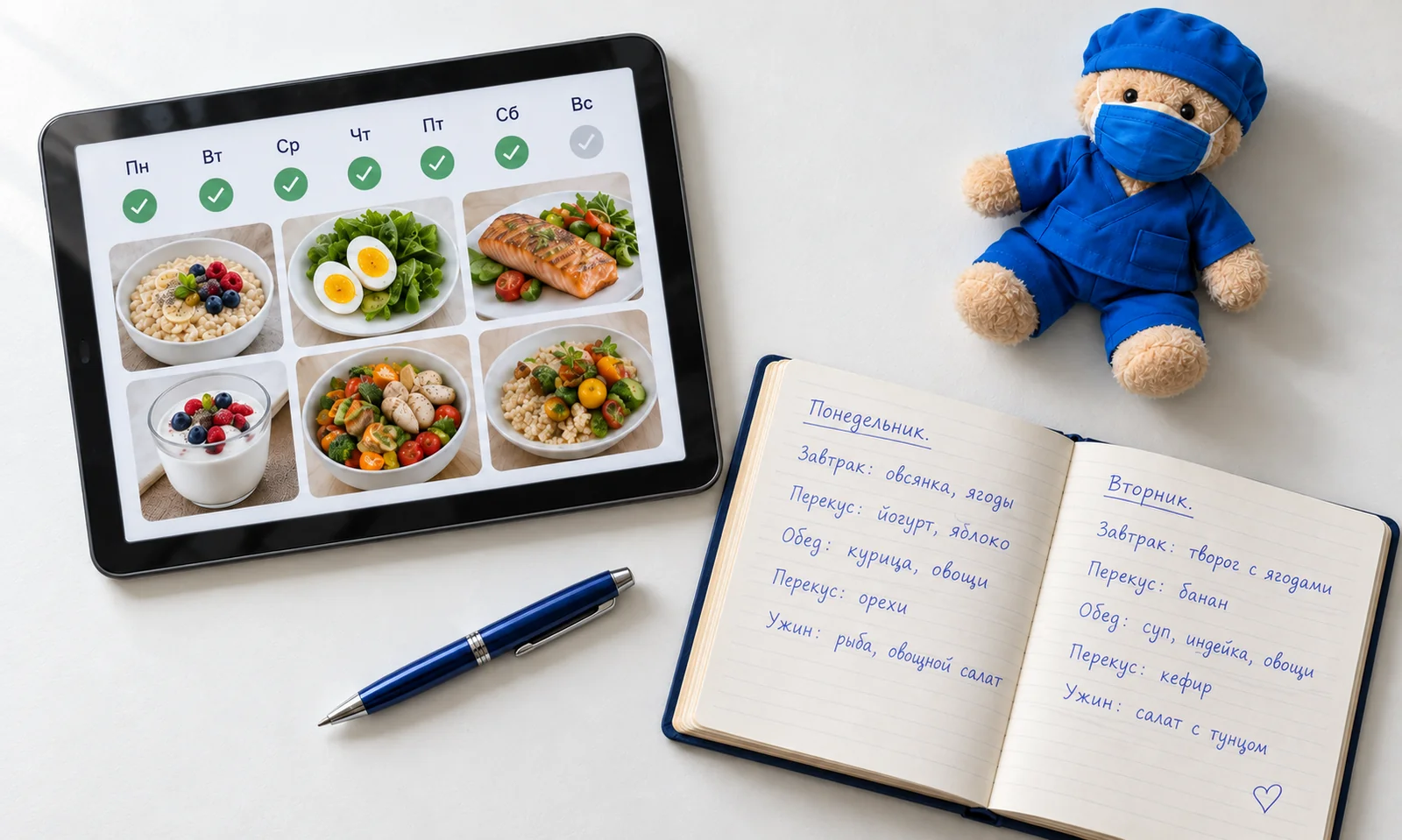
We help you track your results, keep them and adapt to new eating habits.
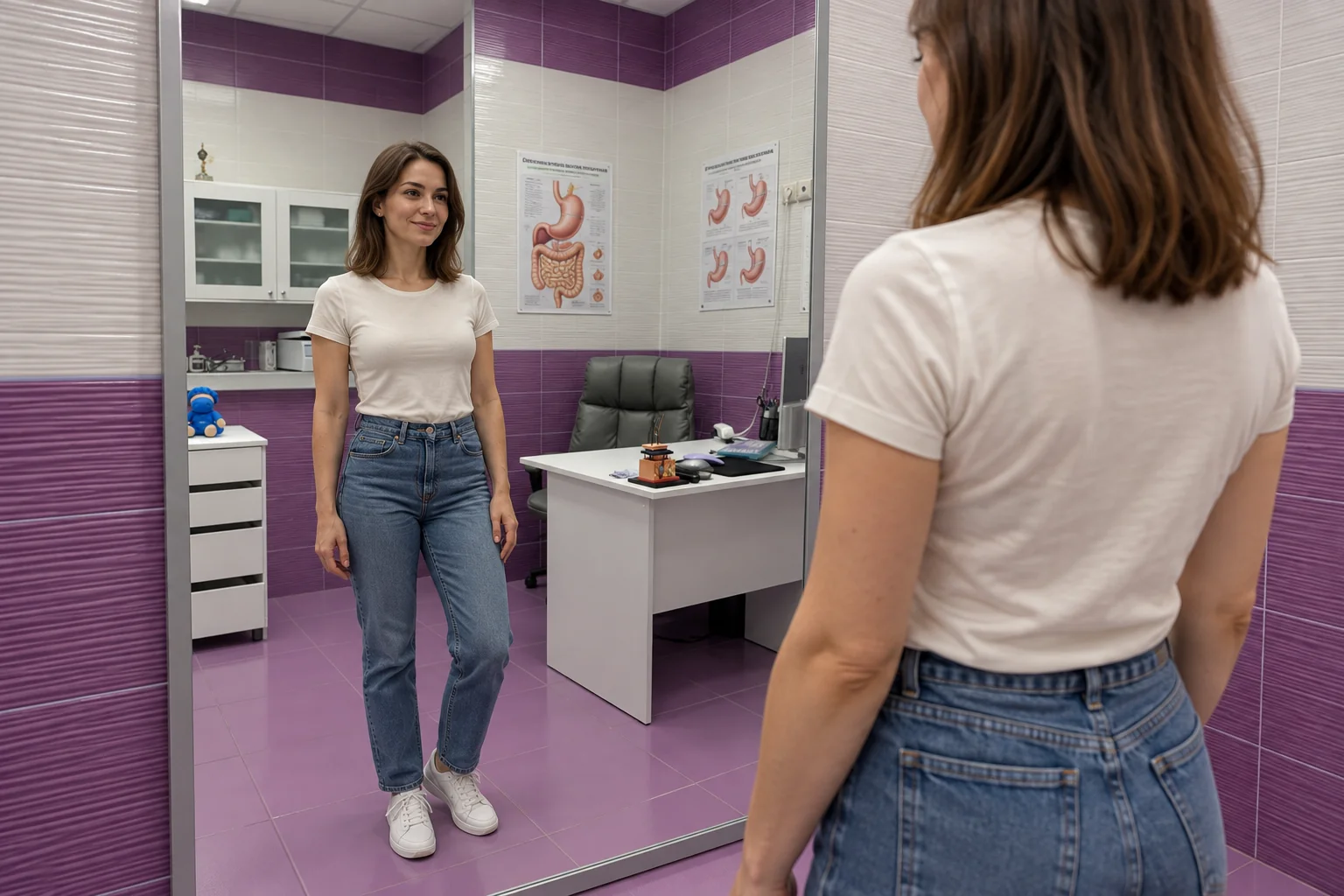
Stable weight loss, improved well-being and a higher quality of life.
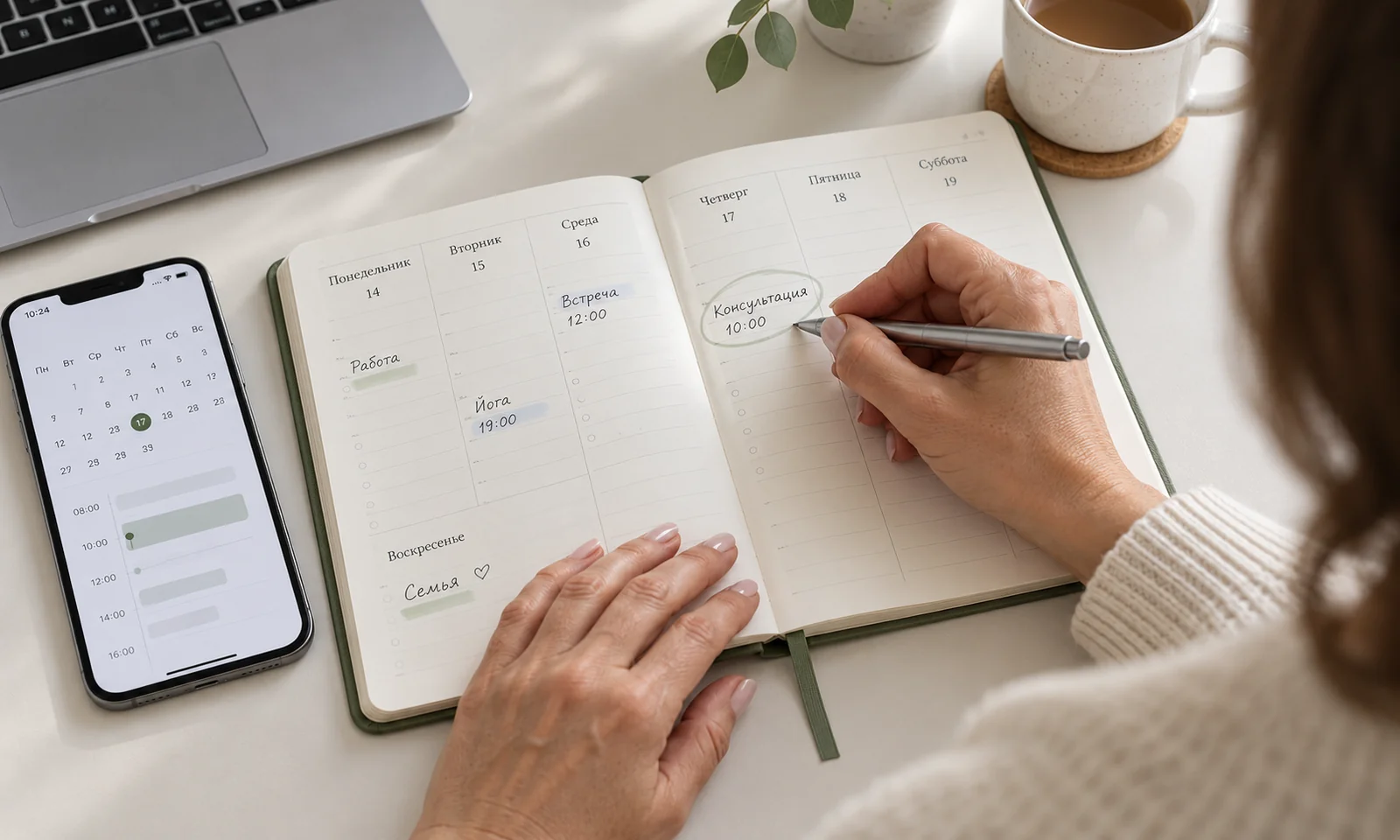
We value your time: we are open 24/7, booking is easy and the approach is personal — we adapt to your pace.
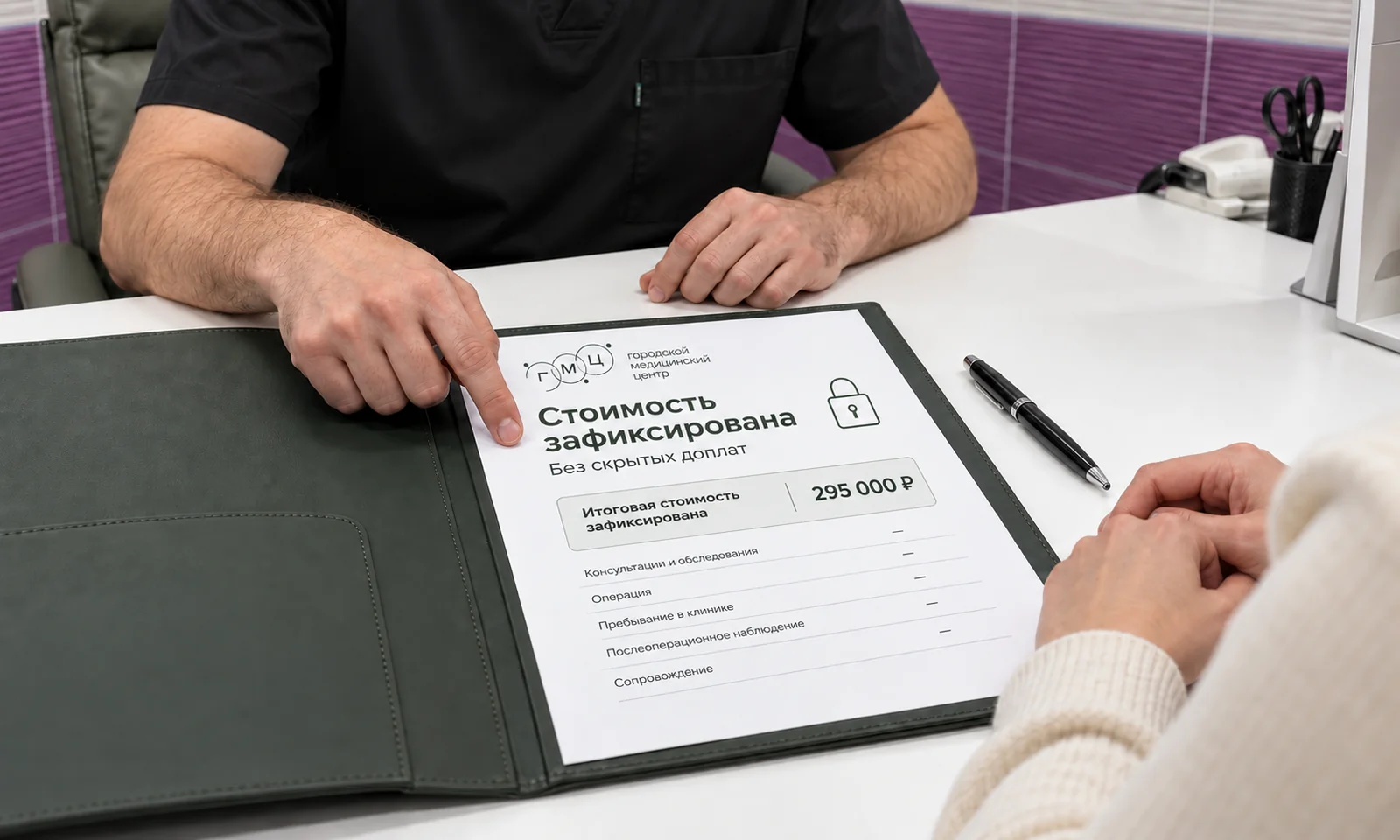
No hidden fees and no surprises on the way to your result: after the consultation the surgeon chooses the method and you get a clear price.
FAQ
Bariatric operations at the clinic are performed by experienced bariatric surgeons:
Send us a message — our coordinator will get back to you shortly and set up your consultation. The bariatric surgeon consultation is free.
Surgery is prescribed only when clear criteria are met
BMI is the key measure used to assess how severe obesity is. You get it by dividing body weight (kg) by height squared (m²). Surgery is generally justified at a BMI above 40, or above 35 when serious related conditions are present. Sometimes it is also considered at lower values — when non-surgical methods have not worked.
Many people confuse them, but the goals are fundamentally different. Bariatric surgery is a medical way to treat obesity and related diseases. It changes how the digestive tract works, getting at the causes of excess weight and metabolism. Plastic surgery only reshapes the body's outer contours; it does not treat obesity or affect metabolism.
City Medical Centre offers four main types of bariatric surgery: sleeve gastrectomy, Roux-en-Y gastric bypass, mini gastric bypass (MGB) and SADI-S duodeno-ileal bypass. The method is chosen individually according to BMI, related conditions and the patient's goals.
Modern laparoscopic technique is what we use. Just 4 small punctures of 5 to 15 mm are needed for the operation. Cosmetic sutures mean the marks are nearly invisible after healing.
Recovery depends on what you do. Office work: after 2–4 weeks. Physical work: after 1.5 months. Sport and activity: swimming is allowed after 30 days, other exercise is added gradually as weight drops. Travel and holidays: best planned no earlier than a month after surgery.
Your diet changes in stages: from liquid food to soft, then to solid. The focus is on protein and on limiting high-calorie, fatty food.
Bariatric surgery does not rule out pregnancy, but doctors suggest waiting 12–18 months or more. During that time the body settles, weight reaches target values and nutrition status normalizes.
Yes, vitamins after bariatric surgery are necessary. The body absorbs certain nutrients less well due to the changed digestive anatomy, so regular vitamin and mineral supplements become a permanent part of the patient's life.
Weight regain is possible after bariatric surgery but very unlikely provided you follow the doctor's advice. Eat properly, avoid high-calorie drinks and keep up regular follow-up with City Medical Centre specialists.
Prices are in US dollars; the amount in brackets is an approximate conversion to GHS at the rate of 02.10.2026. The final price is fixed in your contract.
Prices start from $3,600 (≈ GHS 42,000). The surgeon sets the final price at the free consultation, and it is fixed in the contract, with no hidden extras.
General anaesthesia, a personal coordinator from day one, monitoring in the hospital and support for one year.
The hospital stay is 1–5 days, depending on the method and how you feel. Office work is possible after 2–4 weeks.
Yes. The first consultation is free and does not oblige you to anything. You can start online by sending a message to the coordinator.
Message us on WhatsApp or Telegram using the buttons below. A coordinator will answer your questions and book a free consultation where the doctor names the exact price.
By messaging us, you agree to our Privacy Policy
Mini gastric bypass is an improved version of the classic operation with a single connection between the small stomach and the intestine. The technique is simpler, recovery shorter, and weight loss reaches 75–80% of excess weight. It is technically reversible, but bile reflux is a possible risk. For people from Ashaiman, the surgeon explains such trade-offs before any decision.
Eating changes in stages. A staged diet lasts 1–2 months, moving from liquid to soft to solid food so the stomach can adapt, with the focus on protein and limited high-calorie, fatty dishes. Following specialist advice, patients lose on average 10% of excess weight per month. Those from Ashaiman build stable eating habits that keep the weight from returning.
Weight loss is written into the contract, and the package includes every stage: consultation, diagnostics, the operation, inpatient care with meals and a year of support. A personal coordinator guides you from day one. To begin, patients from Ashaiman leave a request on the page or message the clinic, then receive a free consultation with a bariatric surgeon.
What patients write after this operation. Reviews are translated from the original language.
Irina, 26
For a long time I doubted whether to go ahead with surgery, but after the consultation I felt much calmer. Andrey Georgievich explained in detail how gastric bypass is done, what to expect after the operation and how recovery would go. I especially liked that they talked to me calmly and without pressure. I am now gradually getting used to my new way of life and I am very glad I took this step.
Bariatric surgery
Doctor: Andrey G. Ugay
Angelina, 22
For me the hardest part was deciding to have the operation. At the consultation Ruslan Sergeyevich answered all my questions in detail and explained the specifics of sleeve gastrectomy and recovery. After the operation I always understood what I was doing and why. Thank you to the doctor and the whole team for their attentiveness.
Bariatric surgery
Doctor: Ruslan S. Menzulin
Anna, 31
For a very long time I tried to deal with my excess weight on my own, but I did not get the result I wanted. After the consultation with Andrey Georgievich I finally understood what to do next. I came through the operation well, and my recovery was supervised by the doctors. It was important for me to feel that I was not left alone after surgery.
Bariatric surgery
Doctor: Andrey G. Ugay
Veronika, 25
Before the operation I had many fears, mostly of the unknown. Ruslan Sergeyevich explained every stage of treatment in detail and answered even the simplest questions. Thanks to that I felt much more confident. I keep following the recommendations and I am gradually seeing the changes I had the operation for.
Bariatric surgery
Doctor: Ruslan S. Menzulin
Valentina, 23
The decision to have bariatric surgery was not easy for me. I worried both about the operation itself and about how my life would change afterwards. At the consultation Andrey Georgievich explained everything in detail, so little by little my fear turned into confidence. What matters most to me now is the result and the chance to treat my health and lifestyle differently.
Bariatric surgery
Doctor: Andrey G. Ugay
Anna, 27
I am very grateful to Ruslan Sergeyevich for his attentiveness. Before the operation I had a huge number of questions, and I got a clear answer to every one of them. After the operation it was also clear which recommendations to follow and how to eat. It was important to me that the doctor stayed in touch and I felt supported at every stage.
Bariatric surgery
Doctor: Ruslan S. Menzulin
Ashaiman is a large town and the capital of the Ashaiman Municipal District in the Greater Accra Region of Ghana. According to the 2021 census, the town, along with the district, has a population of 208,060 people. In a community of this size, many families share the same questions about weight, diabetes, blood pressure and joint pain, and many people quietly wonder whether surgery could help them.
This text is written for residents of Ashaiman who are considering sleeve gastrectomy or gastric bypass. It explains how the decision is usually made, what the preparation involves, how recovery fits into the rhythm of the town and how you can speak to specialists from home, without leaving your own neighbourhood for the first step.
Obesity is a long-term medical condition, not a failure of willpower. The World Health Organization describes obesity and overweight as a major health concern, and bariatric surgery is one of the tools doctors use when non-surgical approaches have not given a lasting result. It is a serious operation that works only together with a changed way of eating and living.
Body mass index, or BMI, is the main tool for assessing the degree of obesity. It is calculated by dividing body weight in kilograms by height in metres squared. Surgery is usually justified with a BMI above 40, or above 35 with serious related conditions. In some cases surgery is considered at lower values too, if non-surgical approaches have failed.
In practical terms: a BMI over 40, or over 35 with related health conditions, is the usual starting point. The surgeon confirms whether surgery suits you at the consultation. A figure on a calculator is only the first step. Your history of diets, your other illnesses, your medicines and your daily habits are all discussed.
General contraindications are decided individually by the surgeon and the anaesthetist. Serious heart or lung disease, untreated eating disorders, active dependence on alcohol or other substances, and an inability to follow the dietary rules afterwards are the kinds of issues that need careful discussion. Bring a list of your medicines and past tests to the first conversation.
Ashaiman has a tropical savanna climate, with a wet season and a dry season and hot temperatures all year round. Average annual rainfall ranges from 730 to 790 mm. The wet season usually runs from April to June, while the dry season is from September to November.
Heat matters for recovery after bariatric surgery mainly because of fluids. After the operation you drink in small, frequent sips, and in hot weather it is easy to fall behind. Keep a bottle with you, follow the fluid plan from your team and tell the coordinator if you feel dizzy, very tired or have a dry mouth.
Light, breathable clothing is the practical choice in Ashaiman. Avoid tight waistbands over the small incisions. In the rainy months, damp air and wet streets call for care: keep the wounds clean and dry, and avoid long walks in heavy rain in the first days. In the dry months, dust and strong sun make it sensible to rest indoors during the hottest hours and walk early or late in the day.
There is no single perfect month. For many people in Ashaiman the dry season from September to November offers steadier weather for the first walks, while the wet season from April to June can make movement outside less comfortable. This is general advice only, and your own work and family calendar matters more than the weather.
Think about big events in the family: funerals, weddings, naming ceremonies and religious festivals are important in a town where Christianity (approx. 80%) and Islam (16.5%) are the biggest religions. Rich meals and long gatherings are hard for the first period after a stomach operation, so plan the surgery so that you are not under social pressure to eat.
The centre works around the clock, 24/7. Booking is easy, the approach is personal and the schedule adapts to your pace. You can talk through possible dates with a coordinator on Telegram or Telegram at any hour, including in the evening after work.
In sleeve gastrectomy the stomach is made smaller. In gastric bypass the stomach is reduced and the route of food through the digestive system is changed. The choice depends on your weight, your illnesses, your eating habits and the surgeon's assessment, and it is made together with you at the consultation.
The centre relies on modern laparoscopic technique. The operation is performed through 4 small punctures of 5 to 15 mm. Cosmetic sutures are used, so after healing the marks are barely visible. This is useful to know if you wear fitted clothes or work in a job where you are often on show.
The operation is done under general anaesthesia. The hospital stay is 1–5 days, depending on the method and how you feel. Doctors supervise you in hospital after surgery, and the stay can be shorter or longer depending on the complexity of the operation and your condition.
Plan for 1–5 days under observation in hospital. Recovery time depends on activity. Office work is possible after 2–4 weeks. Physical work is possible after 1.5 months. Many people in Ashaiman work in demanding, active jobs, and agriculture is the biggest economic sector in the town, followed by manufacturing and services. If your job involves lifting, long hours on your feet or work in the sun, discuss it in detail with the surgeon and plan the longer break.
Back to work after 2–4 weeks applies to desk and light duties. If you are self-employed or run a small trade, talk to family about who covers the work for the first weeks. Arranging this before the operation removes much stress.
Students and parents have their own questions. Ashaiman Senior High School alone has about 1,400 students, which gives an idea of how many young people live in the town. Adults who care for children should arrange help with lifting and carrying in the first period and make sure someone is at home at the start.
Ashaiman is home to many groups: Ga-Adangbe, Ga, Guan, Hausa, Fante, Dagomba, Ewe, Ashanti and Akuapem. That means many food traditions, with shared dishes, family plates and street food. After surgery, portions are very small and the diet moves in stages. Talk to the dietitian about how to adapt familiar dishes at home, how to cook with less oil and sugar and how to say no politely at gatherings.
On activity: swimming is allowed after 30 days, and other exercise is added gradually as weight goes down. Walking is the best start. Do not rush to heavy training; the surgeon will tell you when it is safe to progress.
Getting pregnant after bariatric surgery is possible, but doctors advise waiting at least 12–18 months, so the body can stabilize, weight can reach target values and nutritional status can normalize. Women in Ashaiman who plan a family should discuss contraception and timing before the operation.
The first consultation is free and online, so you can take it at home in Ashaiman. A coordinator is available 24/7 on Telegram and Telegram, and a coordinator will call you back 24/7. You send your height, weight, list of illnesses and medicines, and any recent test results. The surgeon then assesses whether surgery suits you.
The programme is organised as one package: from preparation to 12 months of support, all in one package, with no added fees. Follow-up support lasts 12 months. This includes questions about diet, fluids, vitamins, exercise and your weight loss pace. Expect the result to develop over time, with weight loss continuing until 18–24 months after surgery.
Local health infrastructure is developing. A 190-bed district hospital was announced for Ashaiman under Ghana's Agenda 111 programme, but construction had not started as of December 2025. For long-term follow-up, it is useful to identify a nearby general doctor and laboratory for routine blood tests, and to share the results with your remote team.
According to local belief, the name Ashaiman joins two Ga words: Ashai, the first name of Ibrahim Nii Ashai, who founded the town, and Mang, which means town. Nii Ashai settled here after he had moved from Tema. A place named after one man who left a larger settlement to start his own tends to keep a strong sense of family and personal loyalty, and that is useful when you plan a major operation.
The town later grew as squatters who were building Tema, and others, moved onto government land. Many households therefore have a history of building something from nothing, and of managing on little. People with this background are often practical and reluctant to rest. After a sleeve gastrectomy or gastric bypass, that habit needs to be adjusted. Your first days at home are for recovery, not for catching up on chores.
A good first step is a family conversation. Explain which operation you are considering, that the stay is 1–5 days under observation, and that office work is usually possible after 2–4 weeks. When elders and relatives know the plan in advance, fewer people will urge you to eat large portions or to return to heavy tasks too soon.
Ashaiman has a paramount chief, or Omanhene, and the current Mantse is Nii Annang Adzor. In towns with a traditional leadership, family decisions are often discussed with respected relatives, and health choices are no exception. If an elder or a church or mosque leader is important in your household, tell them what you have decided and why. Their understanding helps you at gatherings where food is offered.
The population includes Ga-Adangbe, Ga, Guan, Hausa, Fante, Dagomba, Ewe, Ashanti and Akuapem families, and the biggest religions are Christianity at about 80% and Islam at 16.5%. Neighbours from different backgrounds may give very different advice about weight, remedies and herbal products. Before you take any herbal drink or supplement, ask your surgical team, because after surgery the body absorbs and tolerates things differently.
Some people in a mixed town fear gossip about surgery. You decide who to tell. A coordinator on Telegram or Telegram is available 24/7, so you can ask questions privately at night without discussing them in the compound or the workplace.
Agriculture is the biggest economic sector in Ashaiman, followed by manufacturing and services. These sectors place very different demands on the body, so the return date depends on your daily tasks. A person who files papers or serves customers at a counter can think about 2–4 weeks. A person who carries loads, works the land or stands at a production line should plan for about 1.5 months before physical work.
Because Ashaiman borders Tema Metropolitan District to the south and west, many residents work in factories and services in the neighbouring area. If you commute, ask your employer about lighter duties for the first weeks and about time off for check-ups. A commute in crowded transport is tiring early on, so think about whether someone can accompany you on the first days.
If you work for yourself, prepare in advance: tell regular customers about a short break, arrange for a relative to cover the stall or trade, and avoid taking large orders in the weeks around the operation. This planning matters as much as the medical preparation.
Ashaiman Senior High School is the best-known school in the town. It was founded in September 1990 with 39 students and two teachers and now has about 1,400 students and 104 teachers, offering General Arts, General Science, Agriculture, Business and Visual Arts. Many parents of such students are in the age group that considers weight surgery, and many are also the main earners of the household.
If you are a parent or a teacher, the school calendar helps you choose the time. Planning the operation during a school break means children are at home to help with light tasks, and you are not obliged to attend school events while still tired. Teachers who stand for many hours should discuss with the surgeon when long standing is realistic again.
Young adults in the town sometimes ask whether they are too young. Age is judged by the surgeon together with BMI, health conditions and earlier attempts at weight loss, not by a fixed rule from a neighbour. The consultation is free and online, so a young person can send height, weight and medicines and hear an individual assessment.
Prepare your questions before the call. Which operation is better for me and why? What does my BMI and my other illnesses mean for the choice? How long will I stay in hospital, within the 1–5 day range? What will the first weeks of eating look like? When can I return to my office or physical work?
Ask also about vitamins and supplements, how often tests are needed, what signs mean you should call the coordinator immediately, and how follow-up support for 12 months is organised. Ask what happens if your weight loss slows down, and how to manage medicines for diabetes or blood pressure after the operation.
Write the answers down and share them with a family member. Support at home is among the strongest factors in the long period after surgery, and in Ashaiman, where family networks are strong, involving relatives early is a real advantage.
Usually a BMI over 40, or over 35 with related health conditions. In some cases surgery is considered at lower values too, if non-surgical approaches have failed. The surgeon confirms whether surgery suits you at the consultation.
Yes. The online consultation is free and you take it from home in Ashaiman. A coordinator is available 24/7 on Telegram and Telegram.
Divide your body weight in kilograms by your height in metres squared. It is the main tool for assessing the degree of obesity.
General anaesthesia. The operation is done laparoscopically through 4 small punctures of 5 to 15 mm.
The hospital stay is 1–5 days, depending on the method and how you feel. Doctors supervise you after surgery.
Office work is possible after 2–4 weeks. Physical work is possible after 1.5 months.
Swimming is allowed after 30 days. Other exercise is added gradually as weight goes down.
Heat means you must keep up with small, frequent sips of fluid. Wear light clothes, rest in the hottest hours and follow your team's advice on hydration.
Doctors advise waiting at least 12–18 months, so the body can stabilize, weight can reach target values and nutritional status can normalize.
The package runs from preparation to 12 months of support, with no added fees. Follow-up support lasts 12 months, and a coordinator will call you back 24/7.
Heat and family gatherings are practical points. Keep up with small sips of fluid, wear light clothes and tell relatives in advance about your new portions so that you are not pressed to eat at events.
Physical work is possible after about 1.5 months, while office work is possible after 2–4 weeks. Describe your exact tasks to the surgeon at the free online consultation so the date fits your job.
That is your choice. Many people find that telling one respected relative or leader helps them refuse large servings politely, and a coordinator is available 24/7 to answer your questions privately.
Yes. A school break can make home help easier. Plan for 1–5 days in hospital and 2–4 weeks before office work, and arrange help with lifting and carrying at home.
Page medically reviewed by Andrey G. Ugay, lead bariatric surgeon. Review date: .