













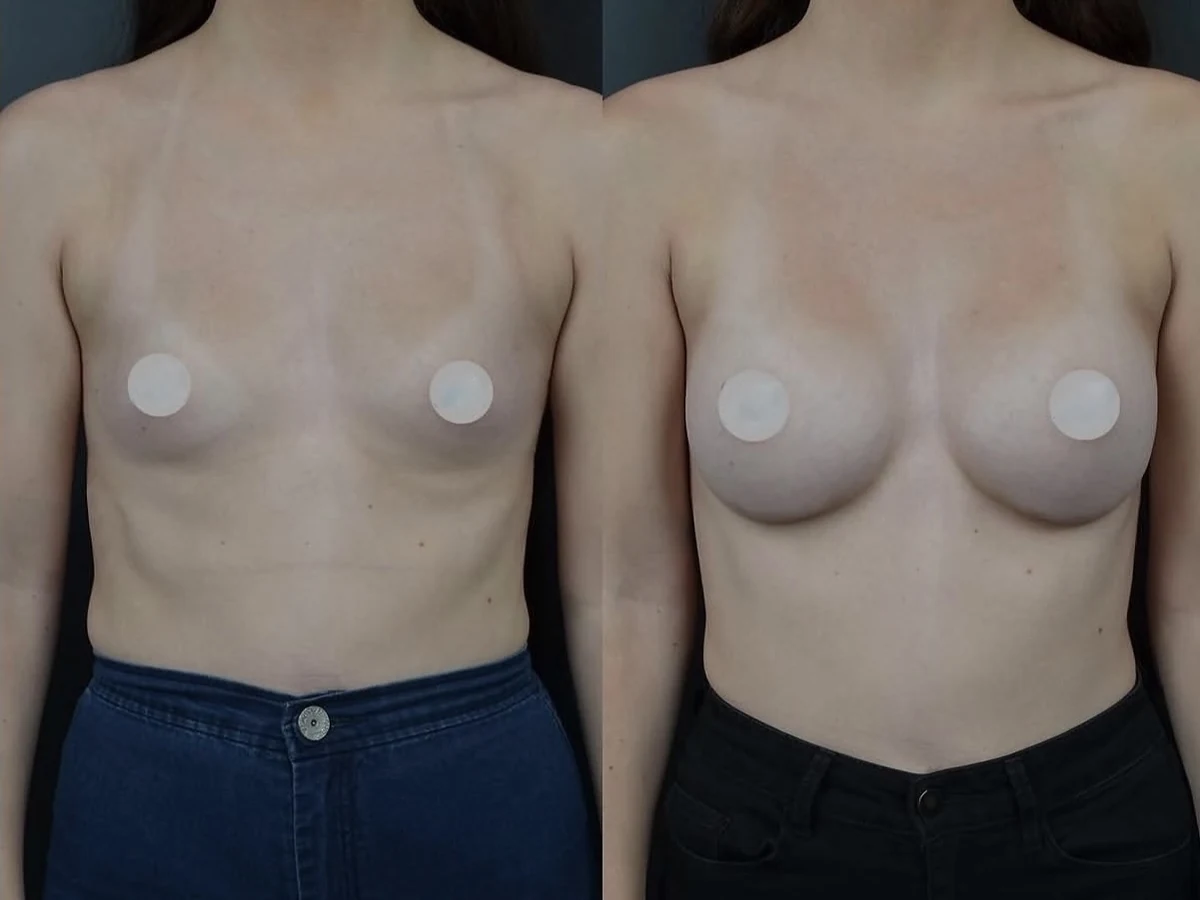
 beforeafter
Mammoplasty
Method: implants
Breast augmentation
$4,700
$5,900 · First consultation — Free
Free online consultation · Reply within 15 minutes
Message our coordinator
Free online consultation · Reply within 15 minutes
Message us on TelegramMessage us on WhatsAppBy messaging us, you agree to our Privacy Policy
Breast augmentation for patients from Gothenburg at City Medical Centre starts at SEK 47,500 (from $4,700). The first online consultation is free; the doctor names the final price and it is fixed in the contract.
How it works · Breast augmentation prices
Information current as of 5 November 2026
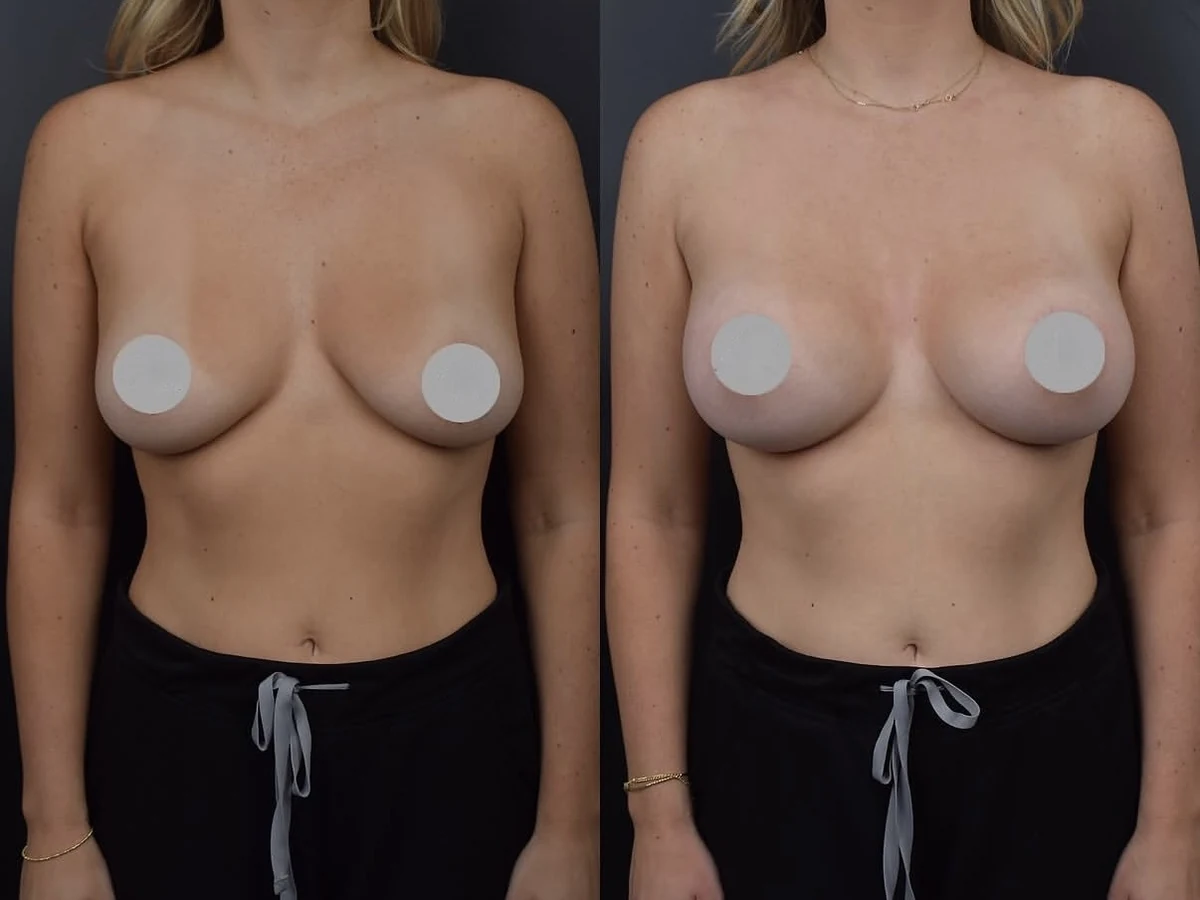
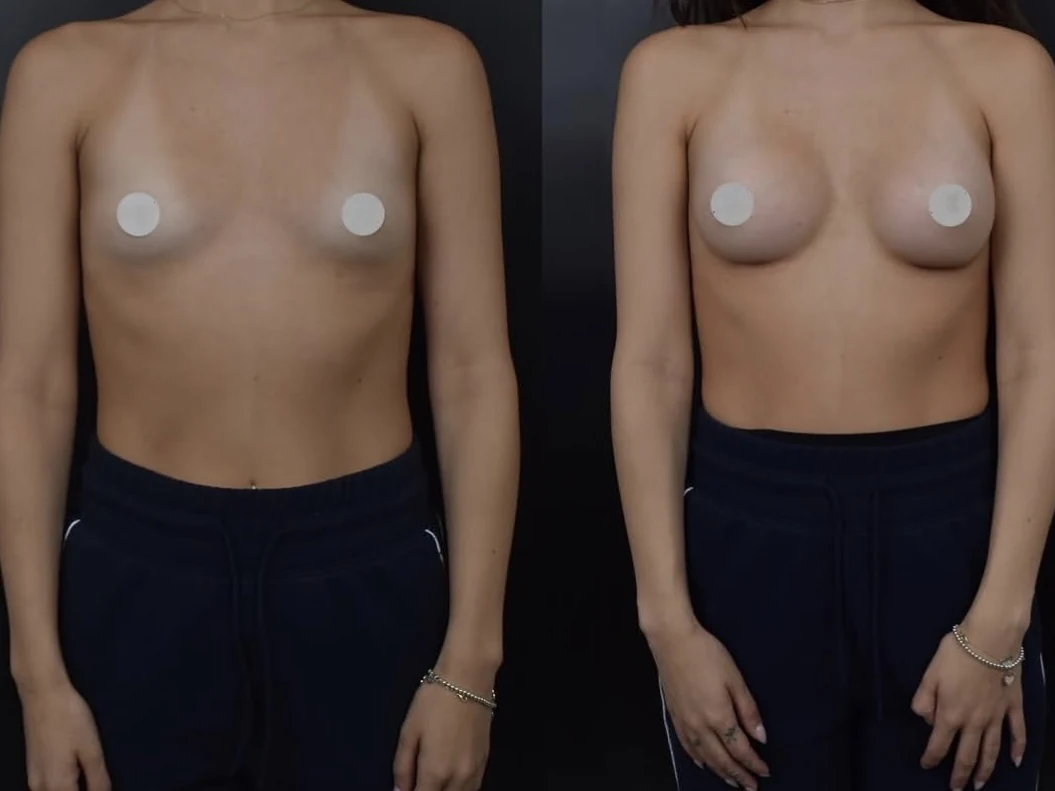
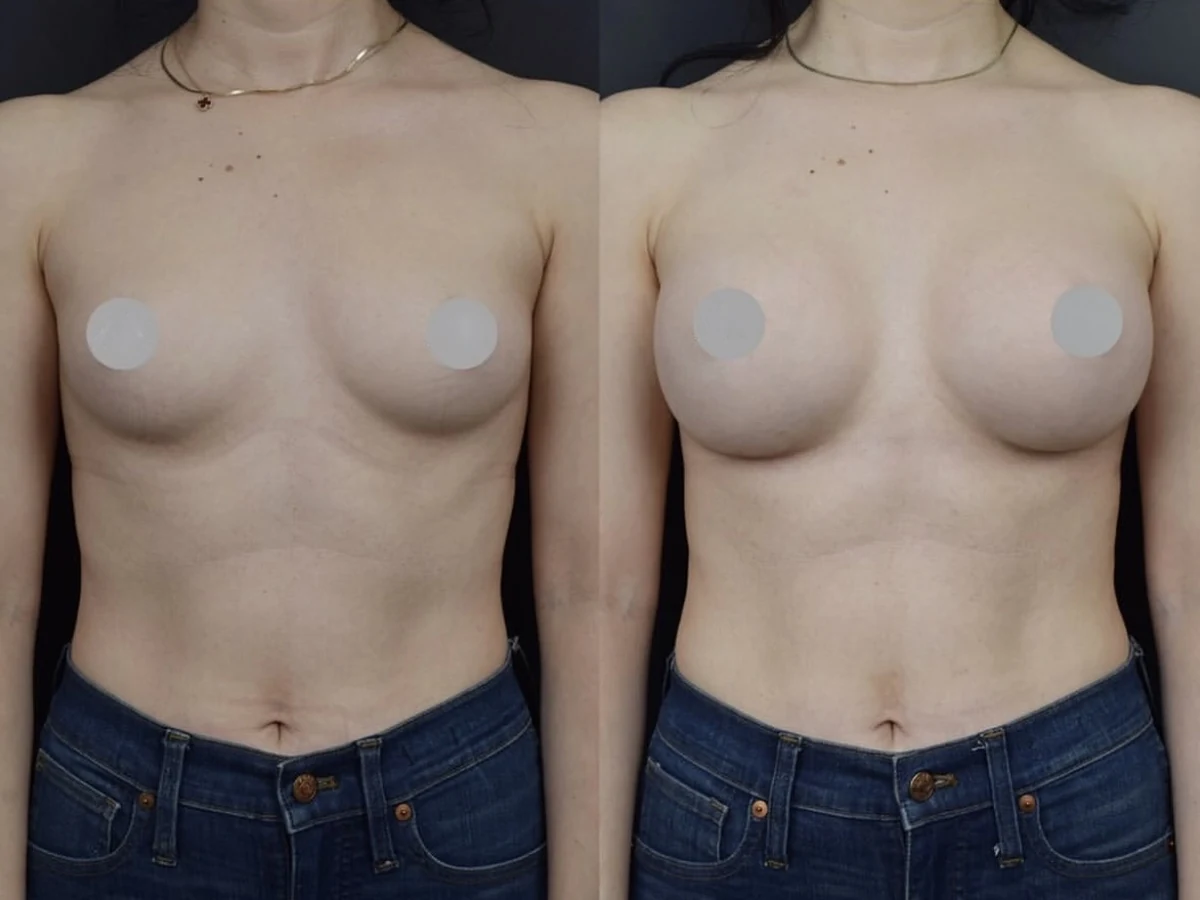
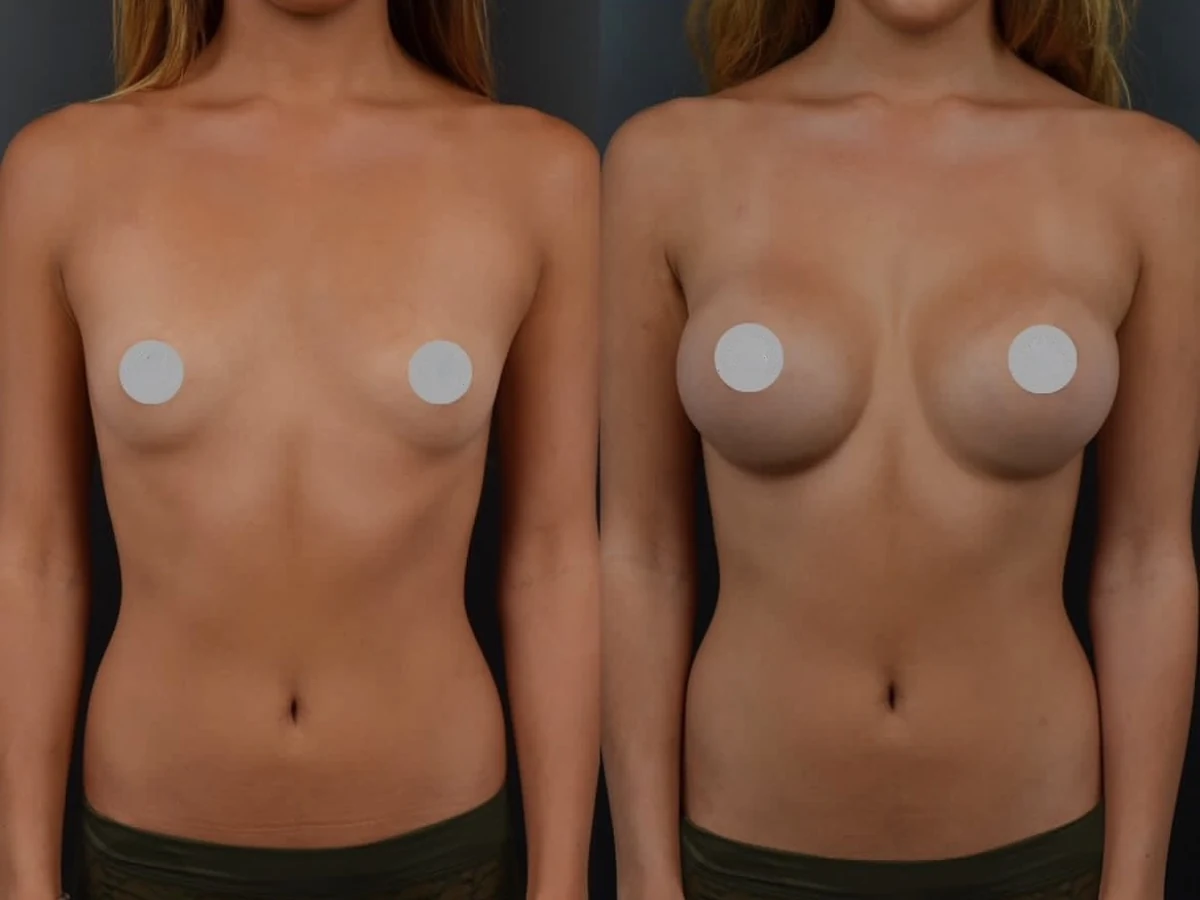
Results
These are real patients of the clinic, with faces and identifying details hidden.
beforeafterMethod: implants
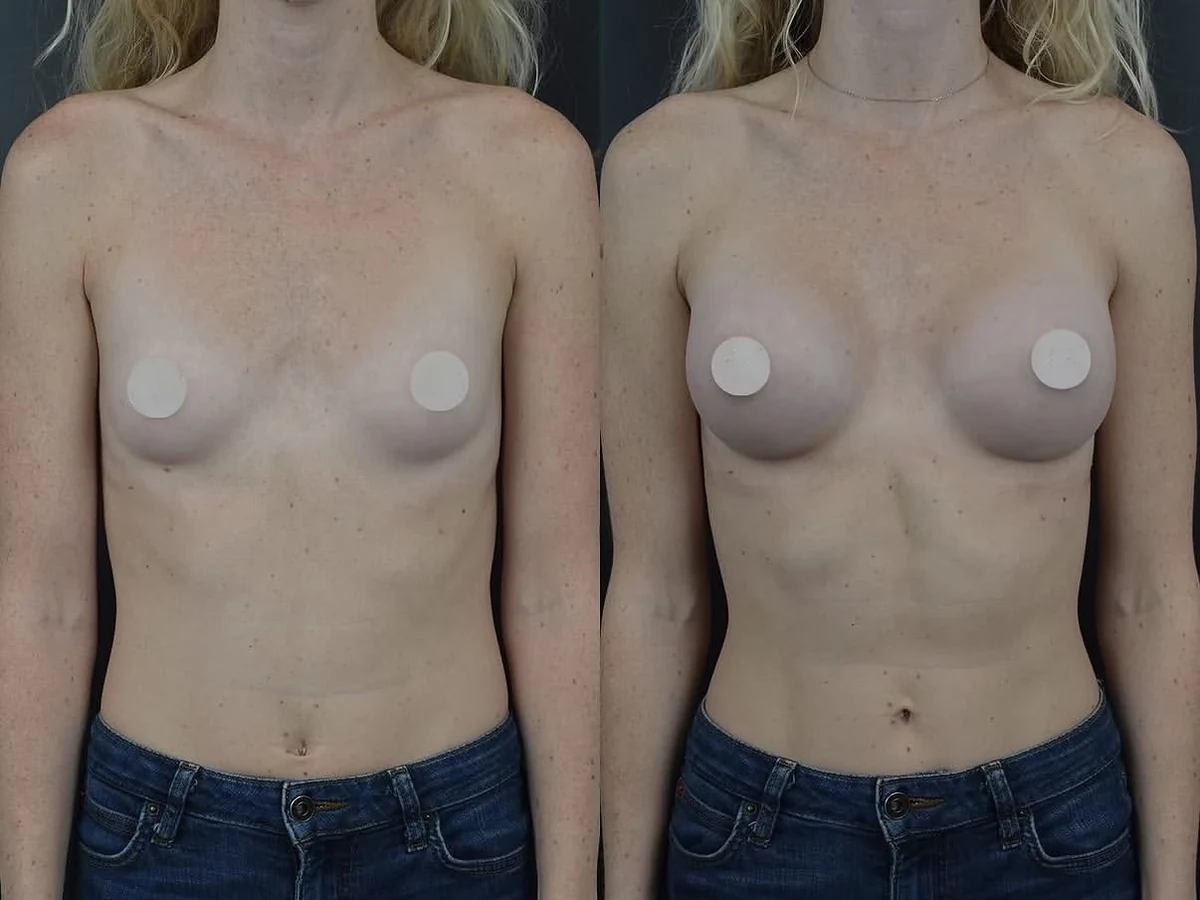 beforeafter
Method: implants
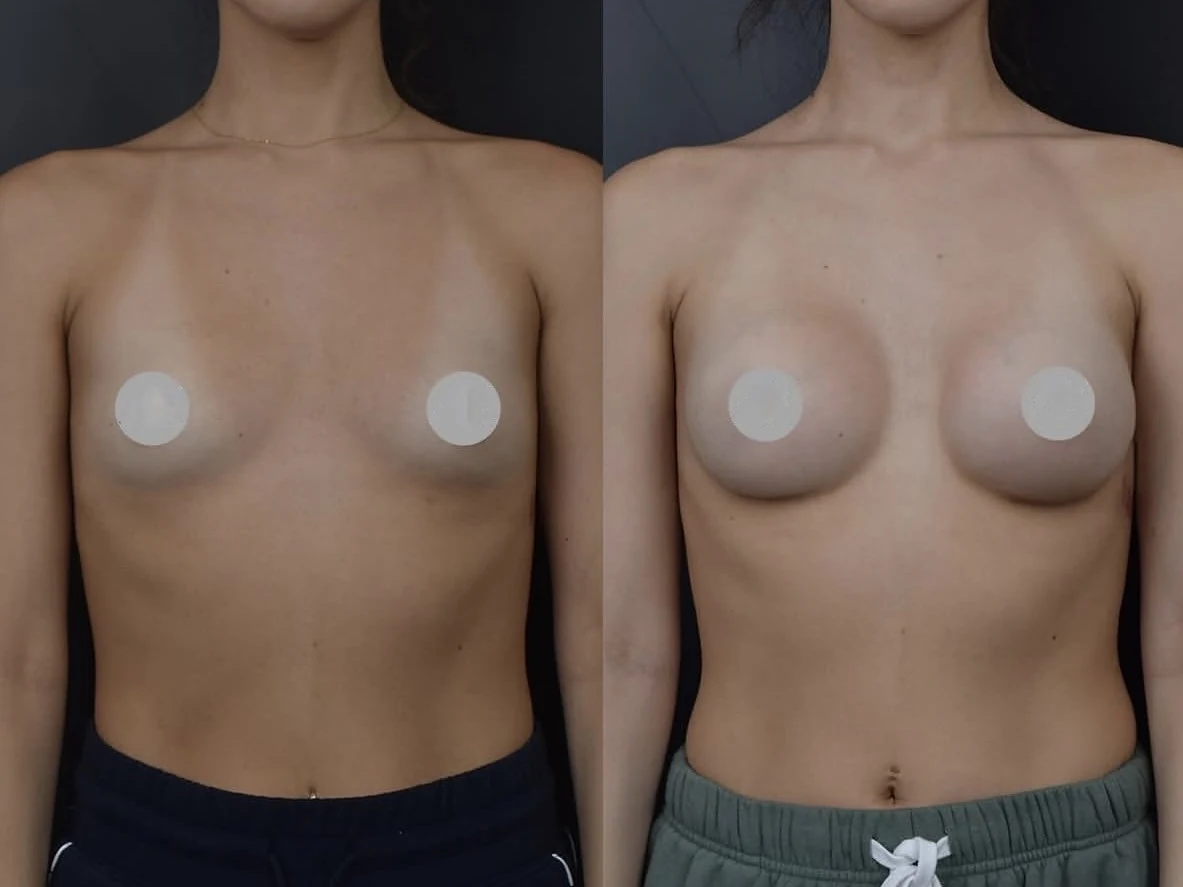 beforeafter
Method: implants
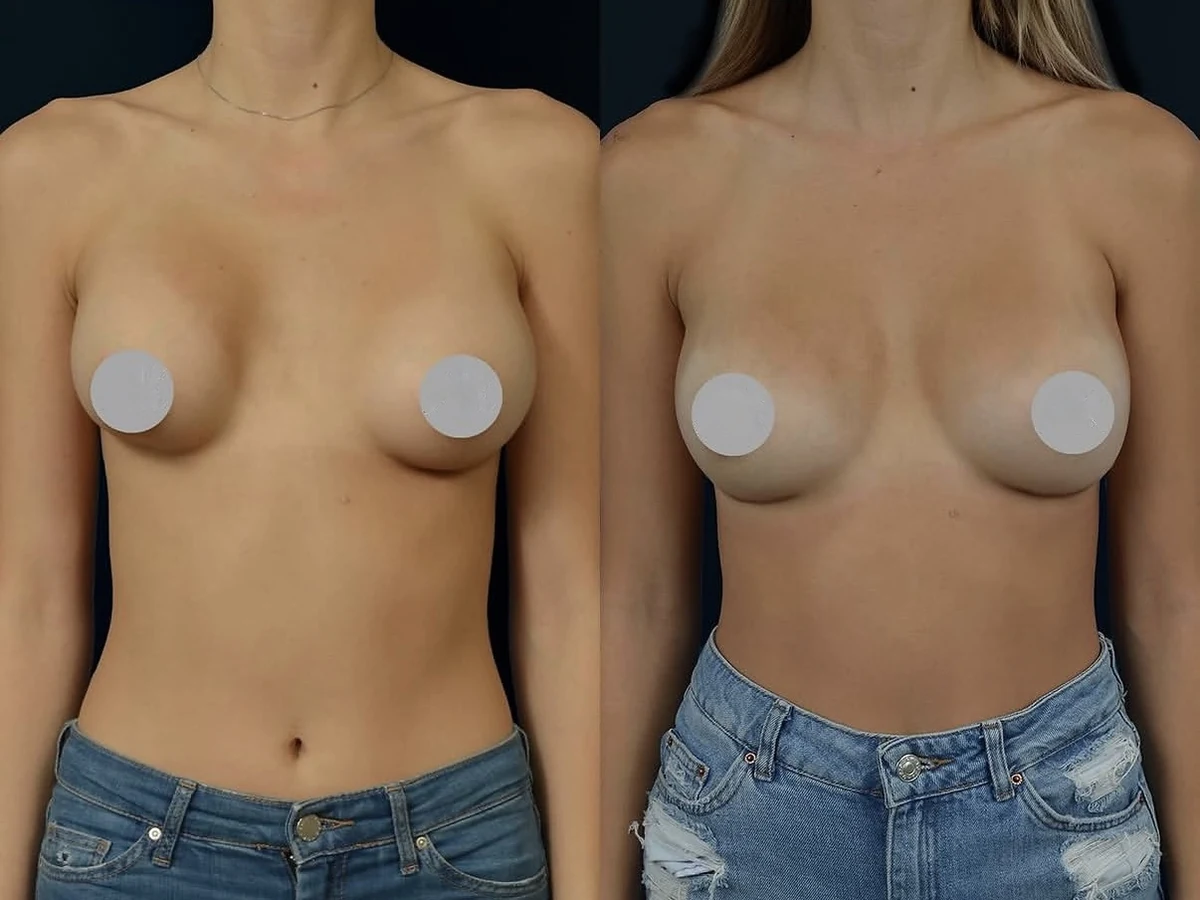 beforeafter
Method: implants
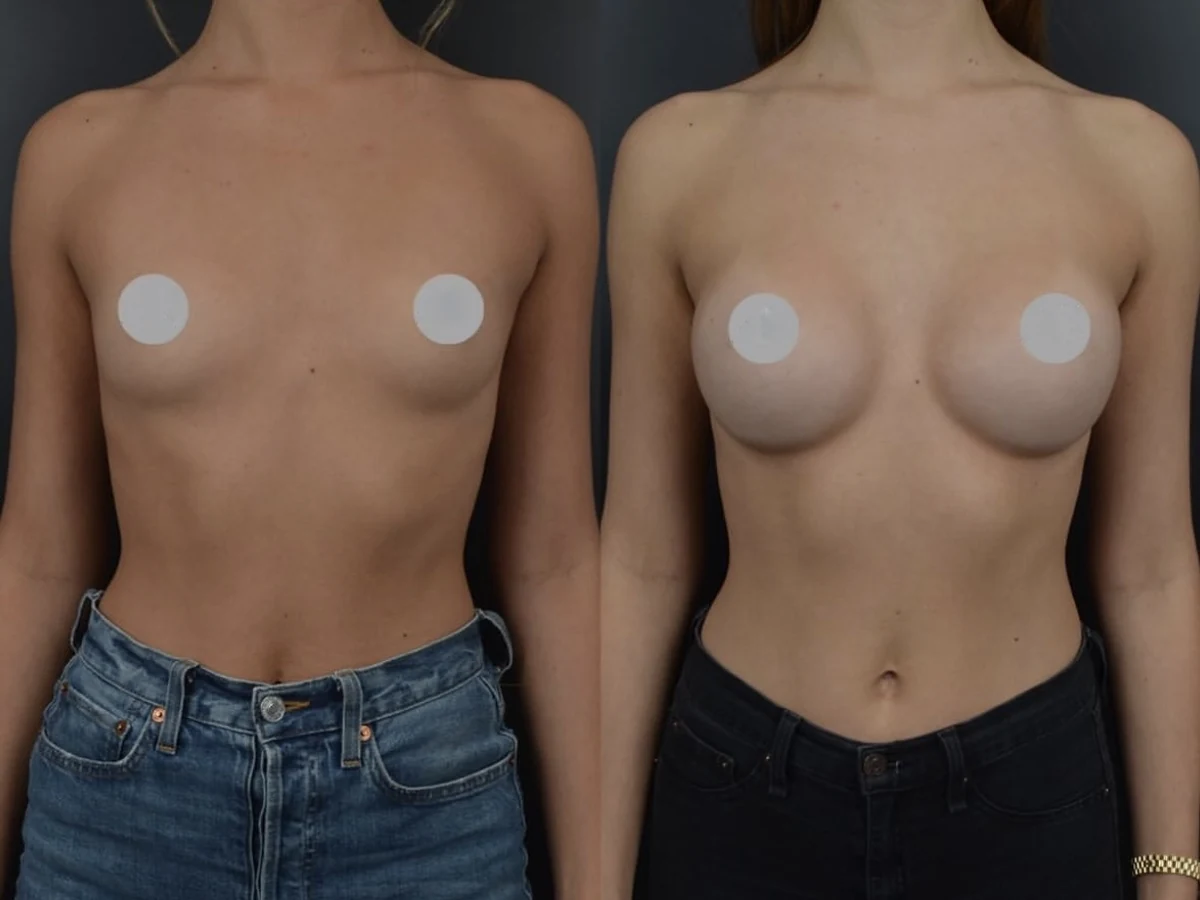 beforeafter
Method: implants
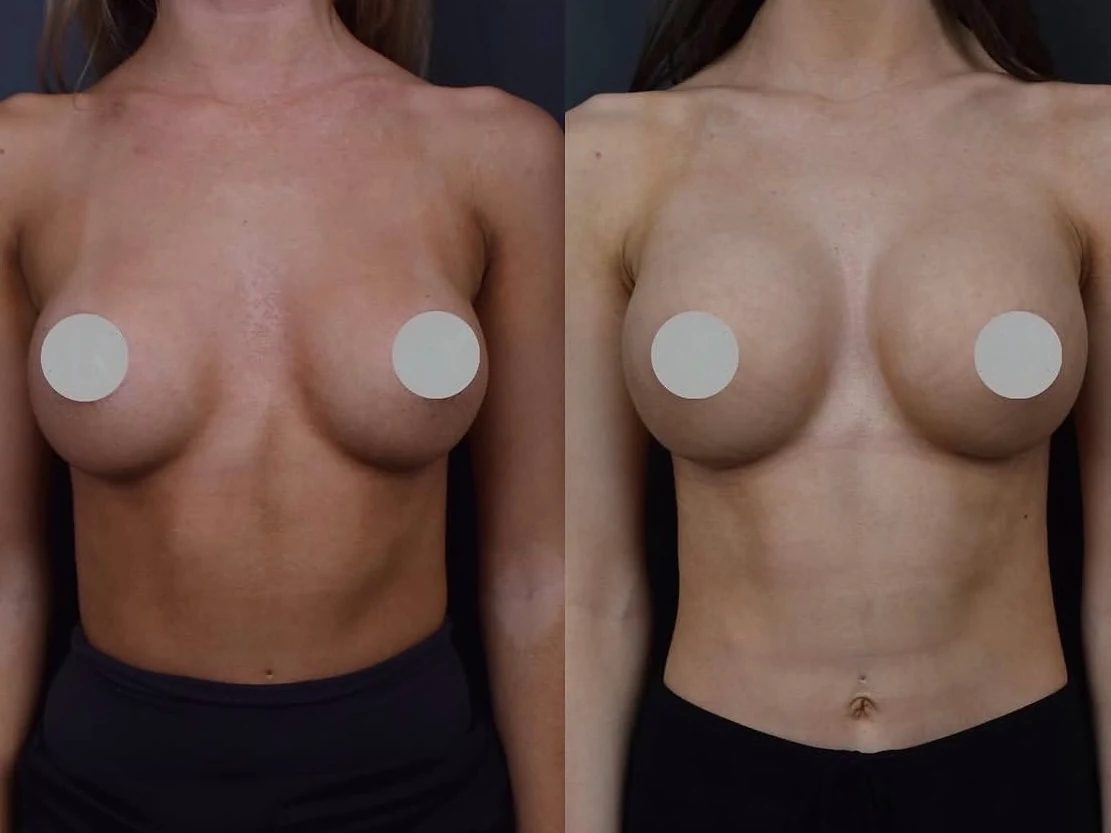 beforeafter
Method: implants
 beforeafter
Method: implants
 beforeafter
Method: implants
 beforeafter
Method: implants
 beforeafter
Method: implants
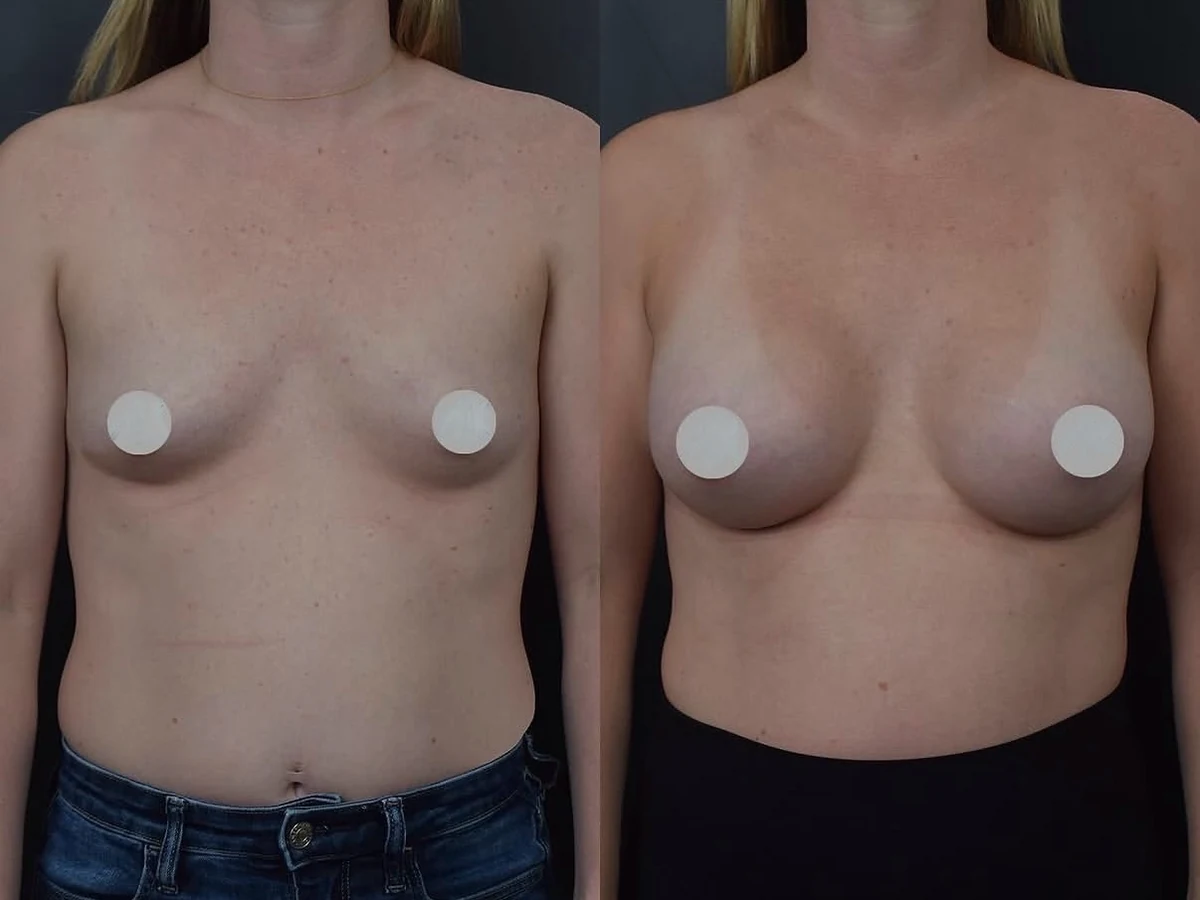 beforeafter
Method: implants
Comparison
Augmentation and reduction are the two main breast correction methods we perform. Compare what each one achieves, how precise it is and when it is indicated.
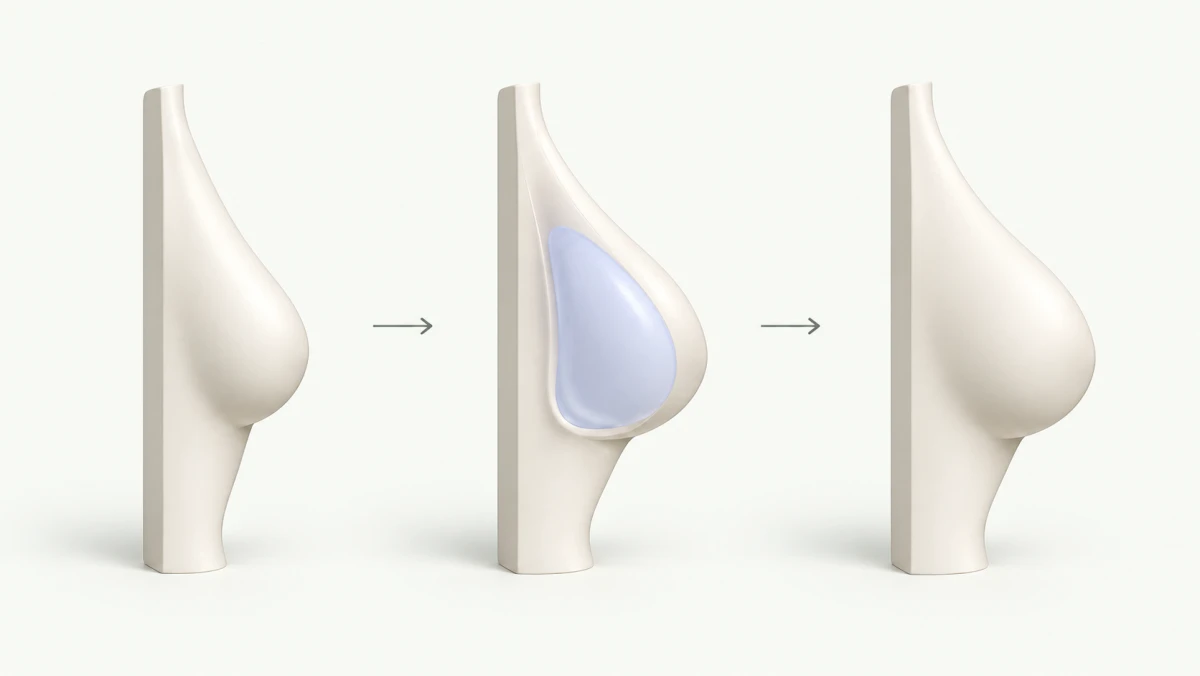
Size and shape correction with implants
Discounted price
$4,700 $5,900
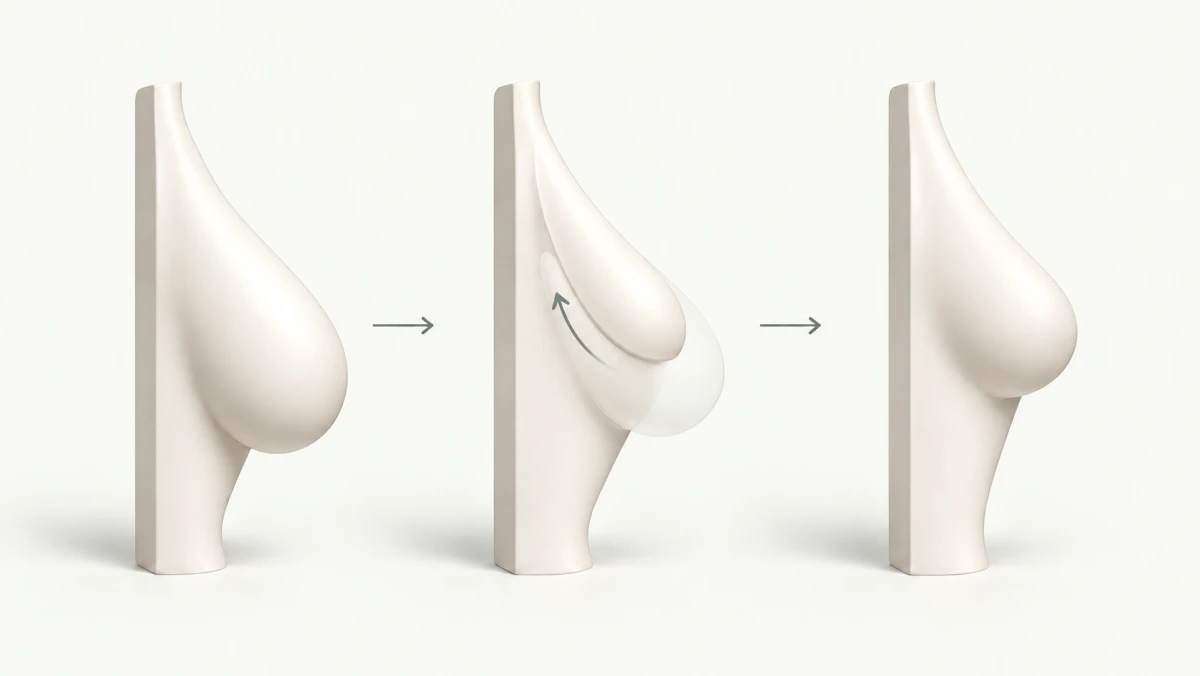
Reducing breast volume and weight to correct size
Discounted price
$4,700 $5,900
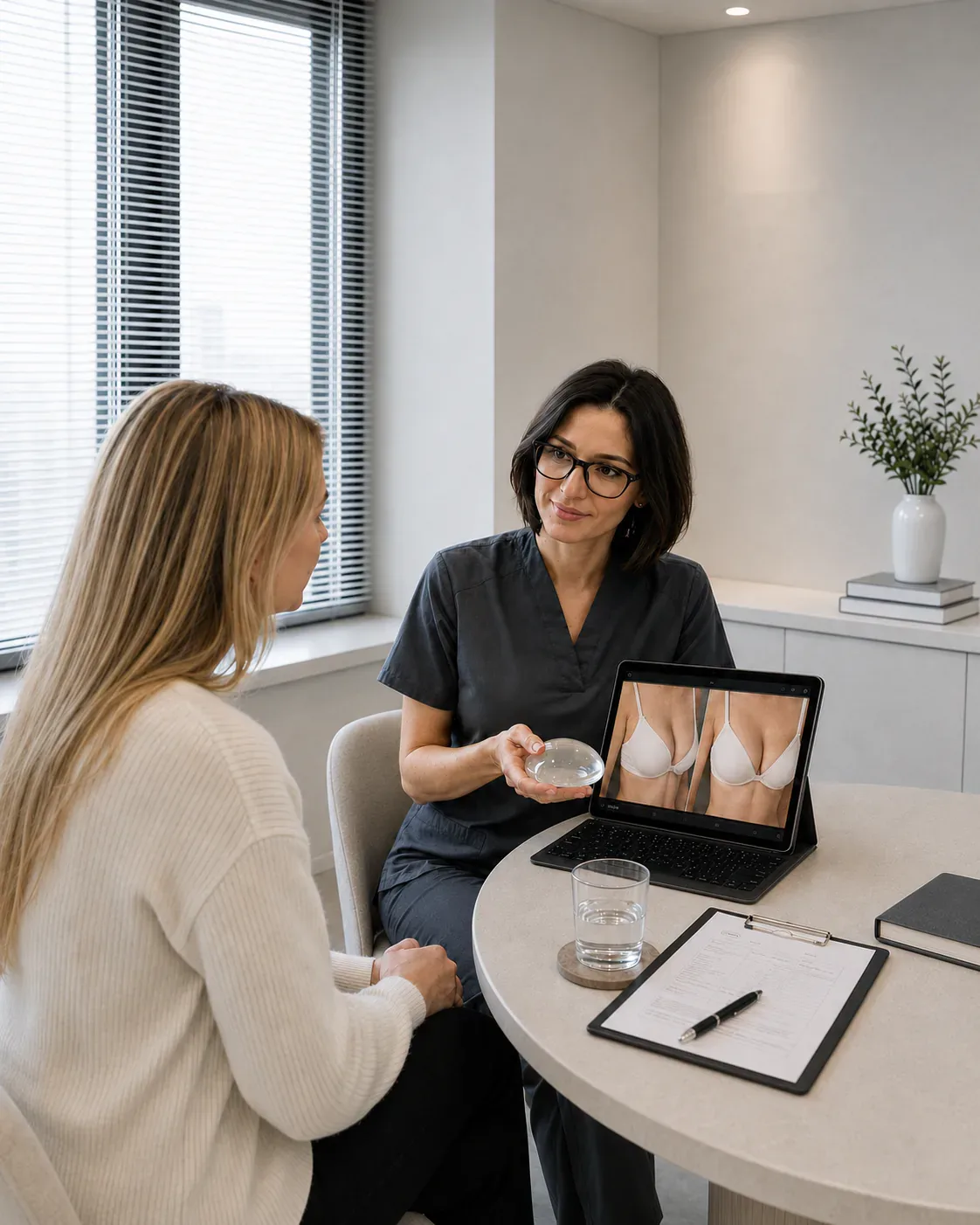
During the consultation the surgeon evaluates the shape and proportions of your breasts, listens to your wishes and selects the most suitable type of mammoplasty.
The consultation is free, before surgery and with no commitment.
Comparison
We use two main implant types — round and anatomical. Both increase volume and improve breast shape, yet each gives a different contour and result.
Even volume with more fullness at the top
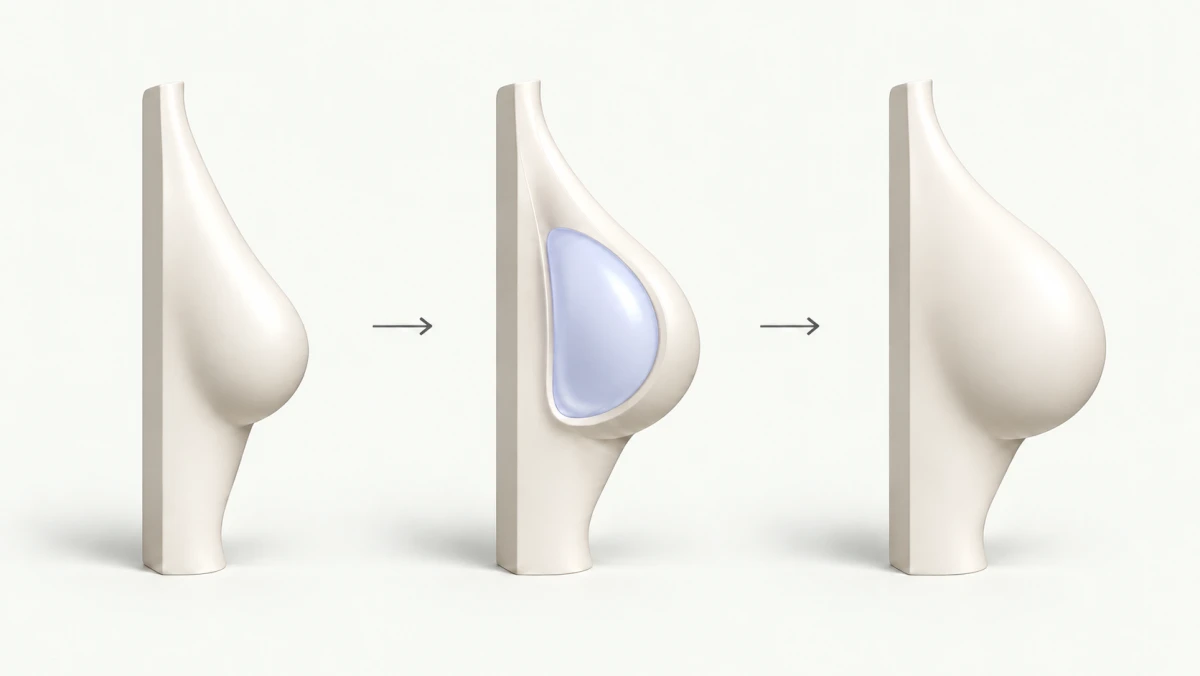
A smooth slope and a soft teardrop outline
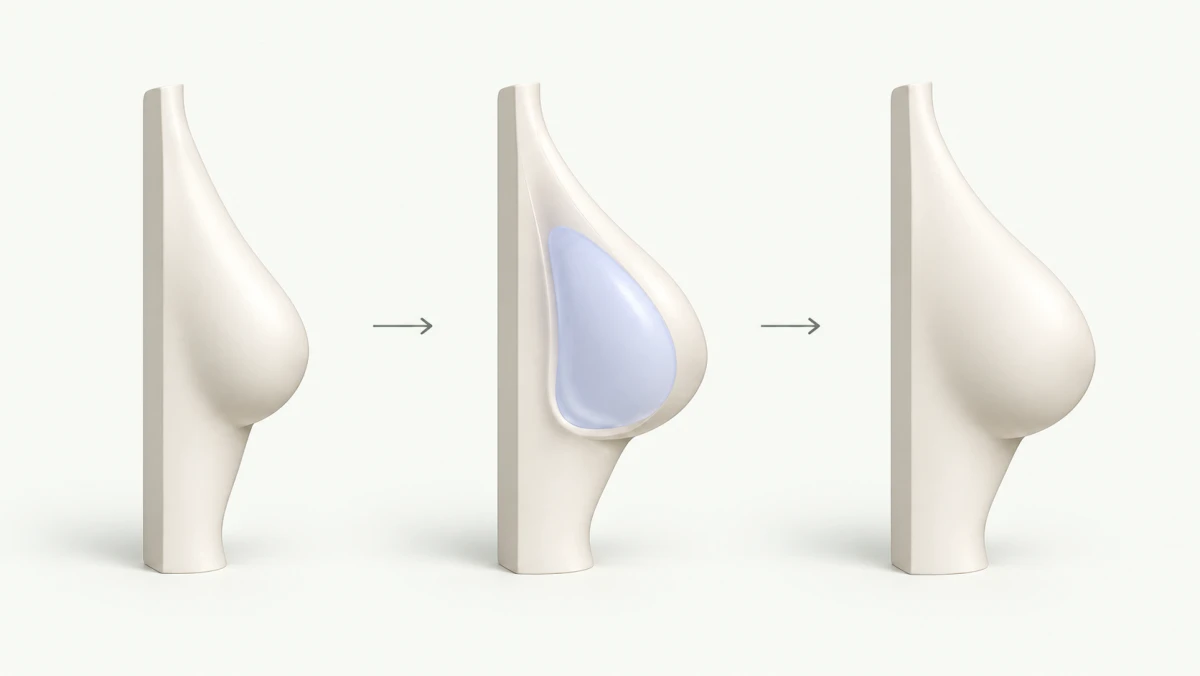
The surgeon will help you choose the implant shape and volume.
About us
Comfortable rooms, modern equipment and care for each person
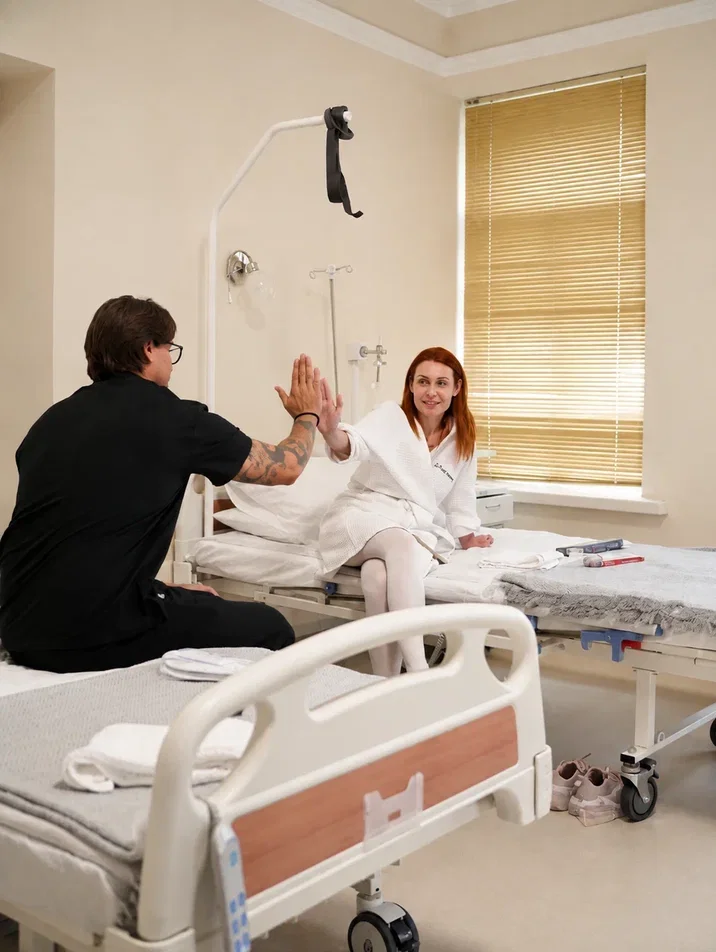
We will answer your questions and find a convenient time for a consultation
By messaging us, you agree to our Privacy Policy
If your concern can be addressed without an operation, the doctor will say so at the consultation, so you do not pay for surgery you do not need.


Not certain if surgery is the right choice for you?
Message us — your coordinator will ask for photos in a messenger, and the surgeon will look at them and tell you whether mammoplasty is right for you.
Find out if it suits me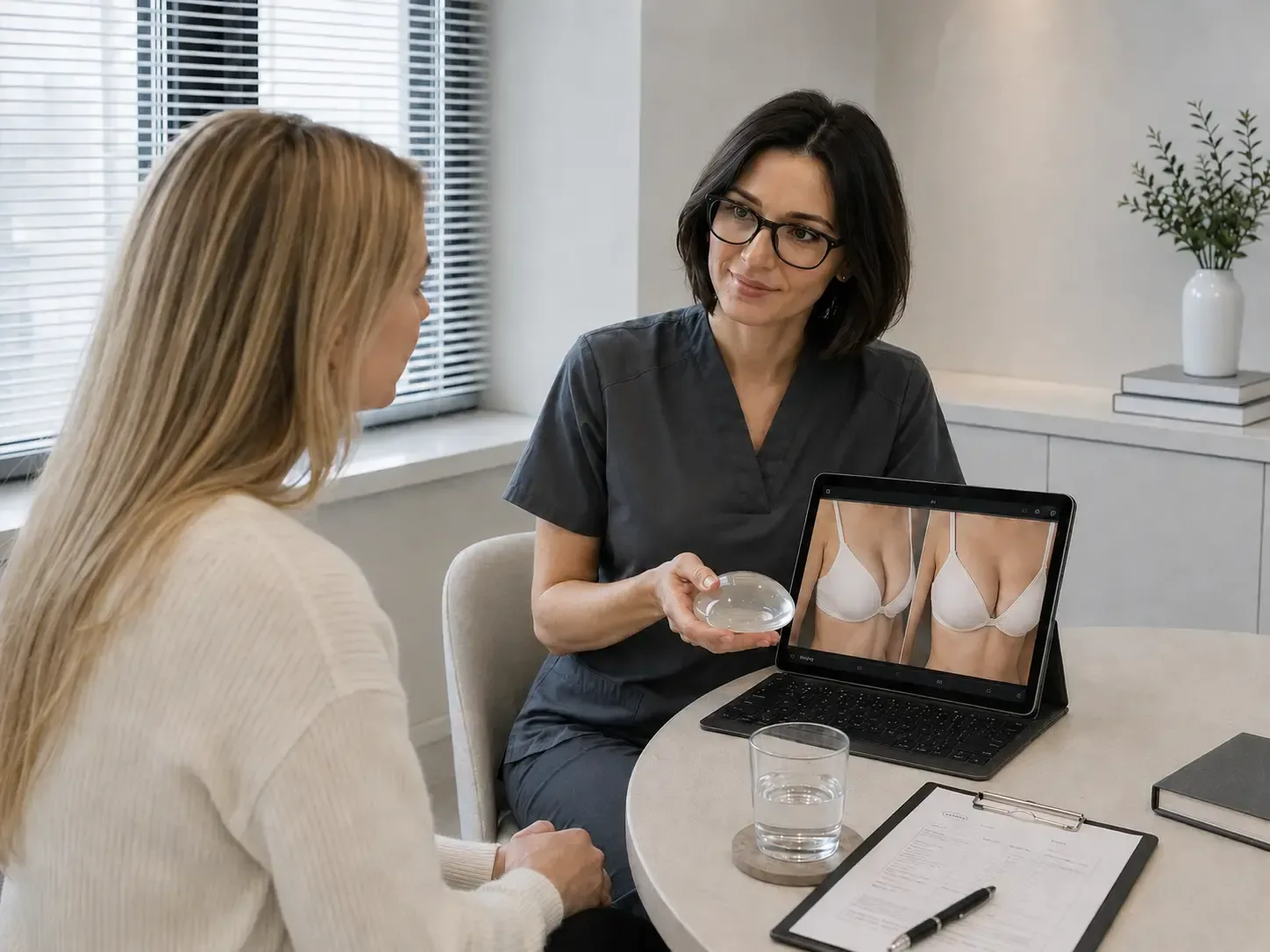
Prices
The price is set at the consultation and fixed in the contract.
Discounted price
Size and shape correction with implants
$4,700$5,900
Discounted price
Reducing the volume and weight of the breasts
$4,700$5,900
Breast restoration after mastectomy
The price is set at the consultation and fixed in the contract.
Get a consultationThe surgeon evaluates the anatomy and proportions of your breasts, hears what you want and selects the most suitable correction method.
The price is set at the consultation and fixed in the contract.
Message our coordinator
Free online consultation · Reply within 15 minutes
Message us on TelegramMessage us on WhatsAppBy messaging us, you agree to our Privacy Policy

all inclusive
Everything from surgery preparation
to support over 12 months.
Discounted price
$4,700$5,900
Step by step
A personal correction plan, inpatient observation and a year of recovery monitoring.
 1
The surgeon looks at your figure, talks through your wishes and picks the best volume, shape and correction method.
 2
A surgery date is booked in your name: pay the deposit by card at the clinic or by online bank transfer. The terms are recorded in the contract for medical services
 3
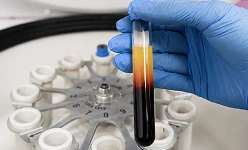
Before surgery you complete a full set of tests: blood tests, an ECG and other examinations prescribed by the doctor.
 4
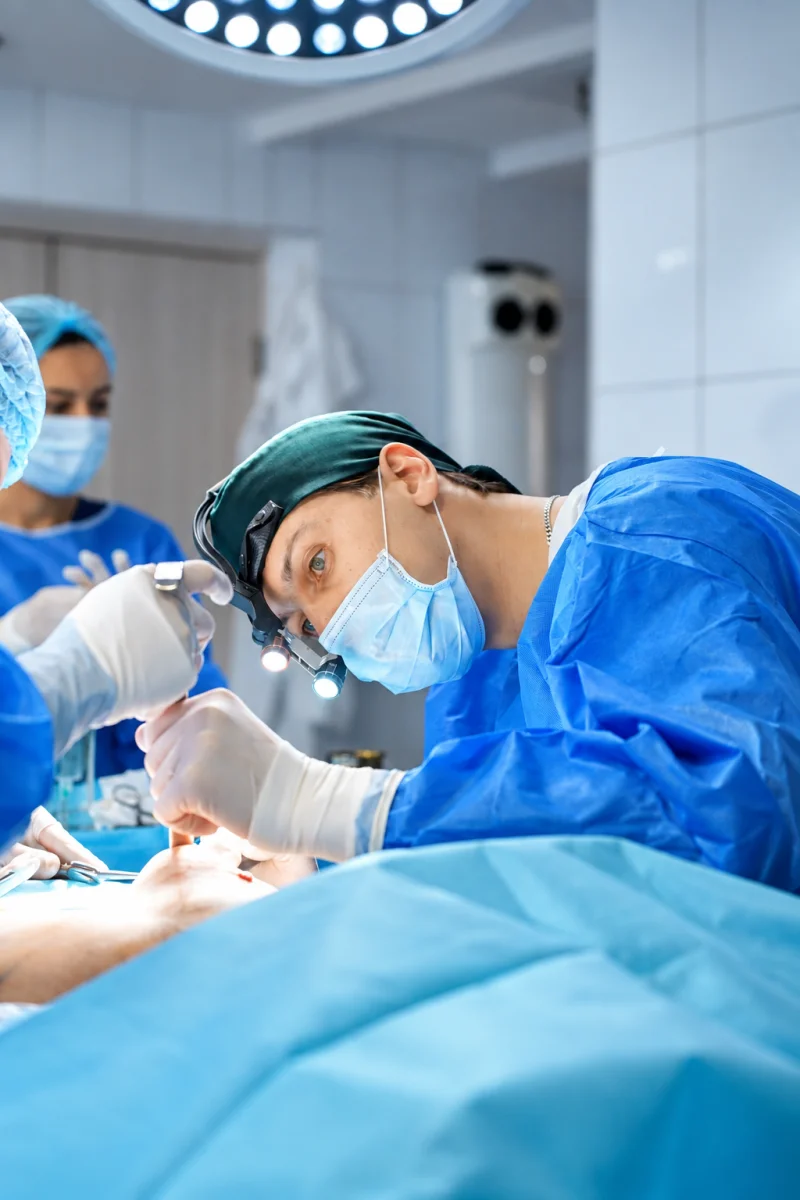
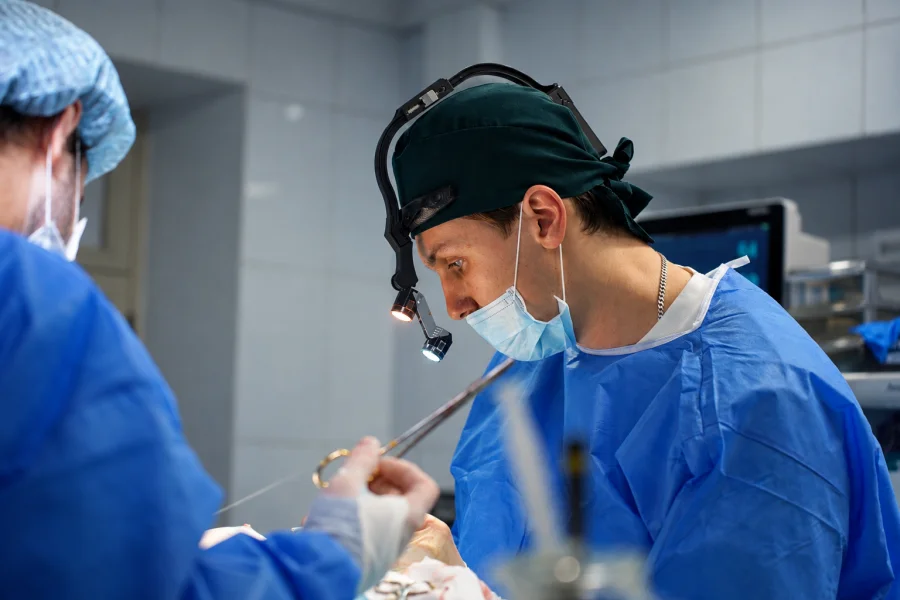
Your surgeon carries out the mammoplasty following your personal plan, under general anaesthesia and with constant monitoring of your condition.
 5
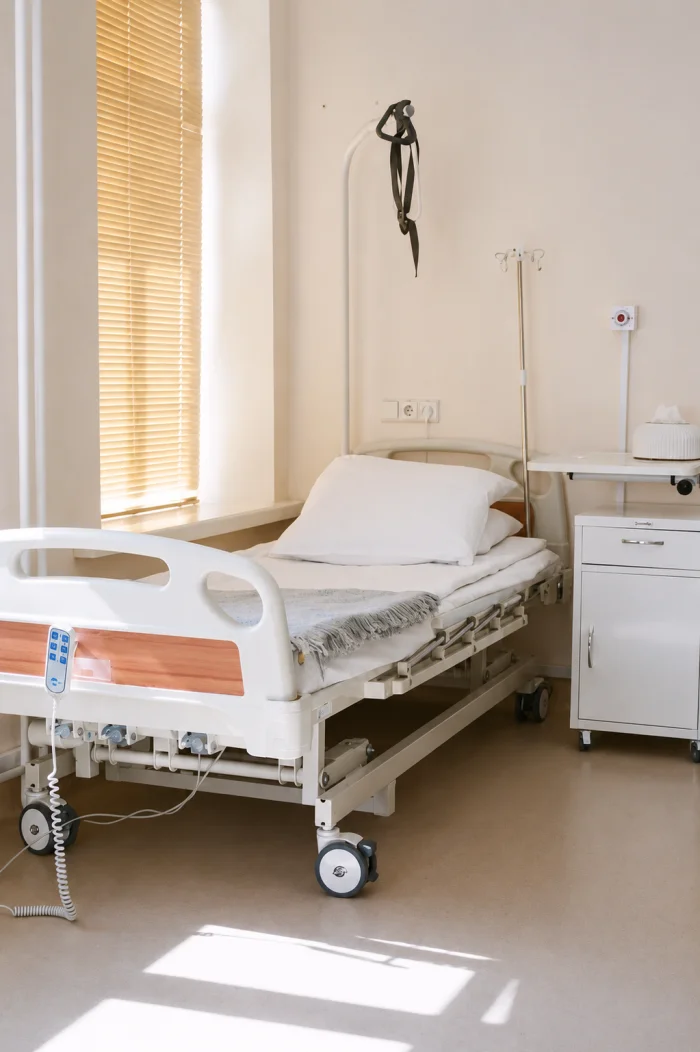
After the operation you remain in the clinic's comfortable inpatient ward, cared for by the medical team until you are discharged.
 6
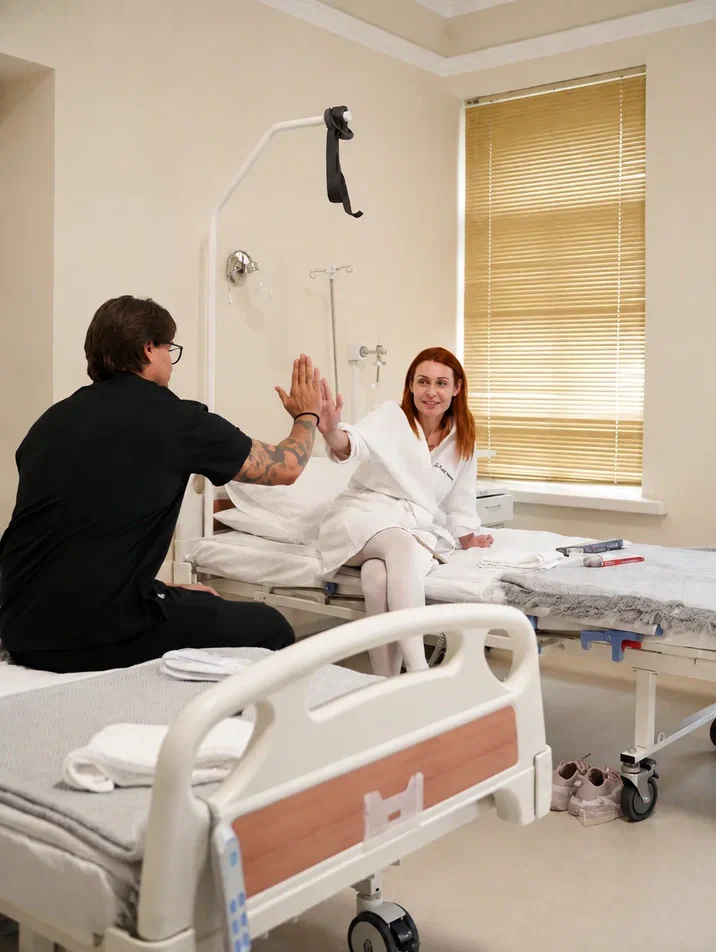
After surgery you receive a recovery programme. Check-ups at 7 days, 3 and 6 months track your progress, and consultations with your surgeon are free for a year.
Prepare for surgery with a few simple steps: a healthy balance of work and rest, more sleep, no stress, anxiety or strong emotions, and reduced physical activity.
Oral hormonal contraceptives should be stopped no less than a month before the procedure
Discontinue aspirin-based drugs, steroids and hormonal medications for chronic illnesses ahead of the operation
Take your tests a week before surgery
Swelling after surgery goes away after 3 weeks
Within 3 weeks, scars form
No physical exertion (lifting over 3 kg)
Avoid raising arms above shoulder level — 3 weeks
Post-correction recovery means wearing compression garments for 1–1.5 months
For up to 40 days, avoid hard gym workouts and very active aerobics; after a month you may do light cardio. Keep an eye on your diet and meals.
After 3 months, discomfort disappears
No tub baths or saunas for up to three months, and no physiotherapy
By 3 months, inflammatory changes in the tissue have resolved and a “pocket” has formed around the implant
Doctors
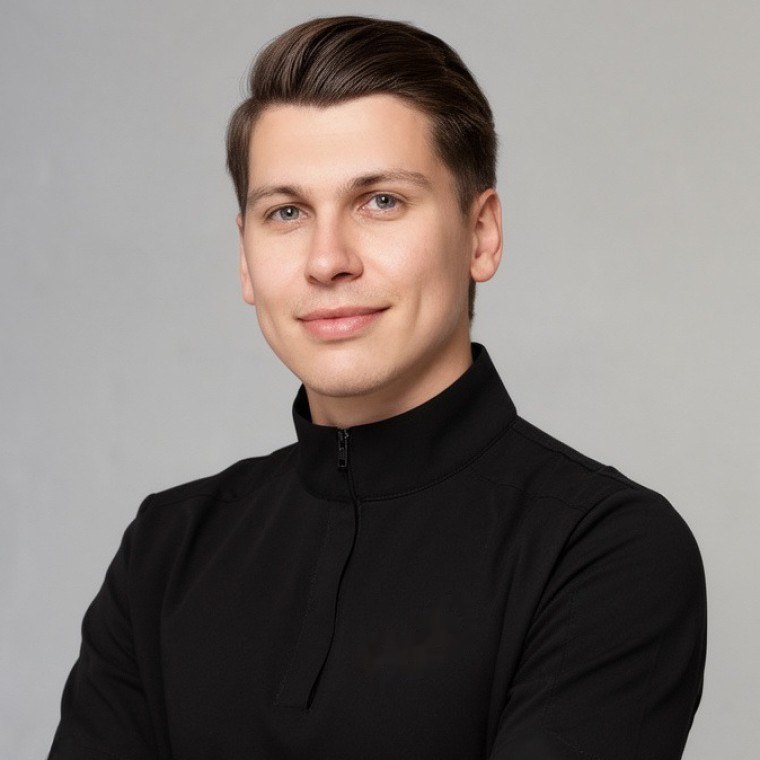
7 years of experience
Plastic surgeon
Did a residency in plastic surgery at the Petrovsky National Research Centre of Surgery. Specialty: aesthetic and reconstructive breast and body surgery.
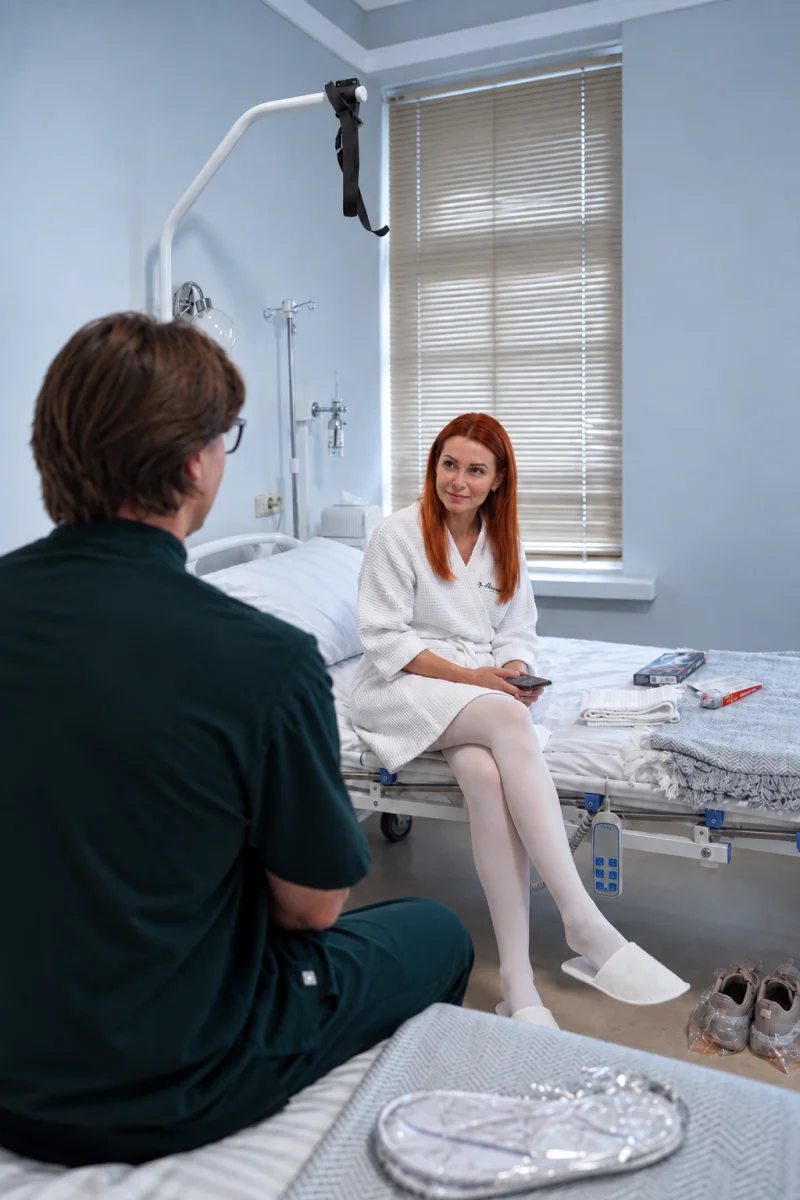
At the consultation, you meet the surgeon who will operate
An experienced plastic surgeon who cares about patients' beauty and health
Book a consultationAdvantages
We review your wishes at the consultation and model the planned result. The surgeon explains what the operation can do, so you understand exactly what we are aiming for.
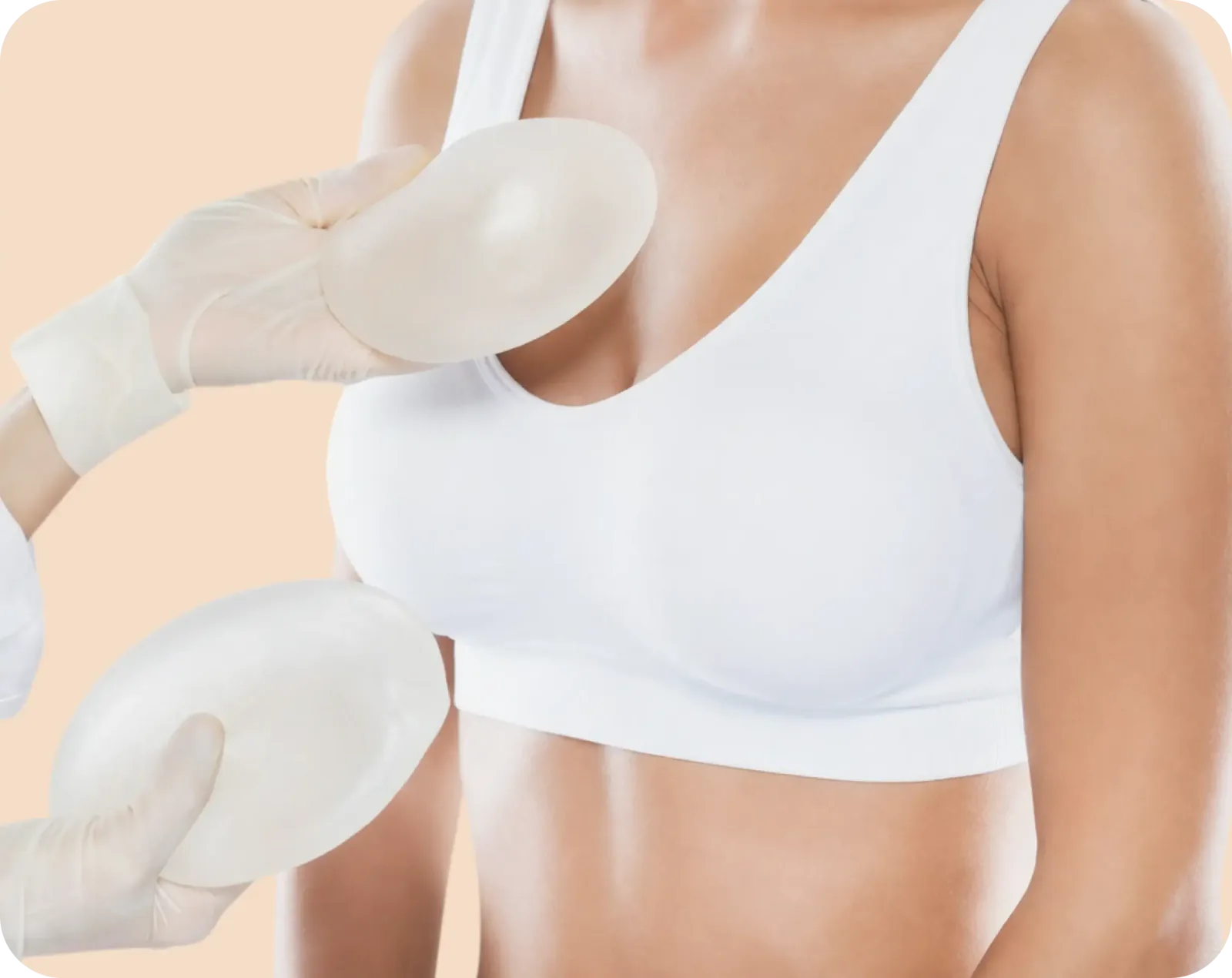
Your surgeon follows your recovery and the changes in your breast shape for a full year; check-ups and dressings are included in the price.
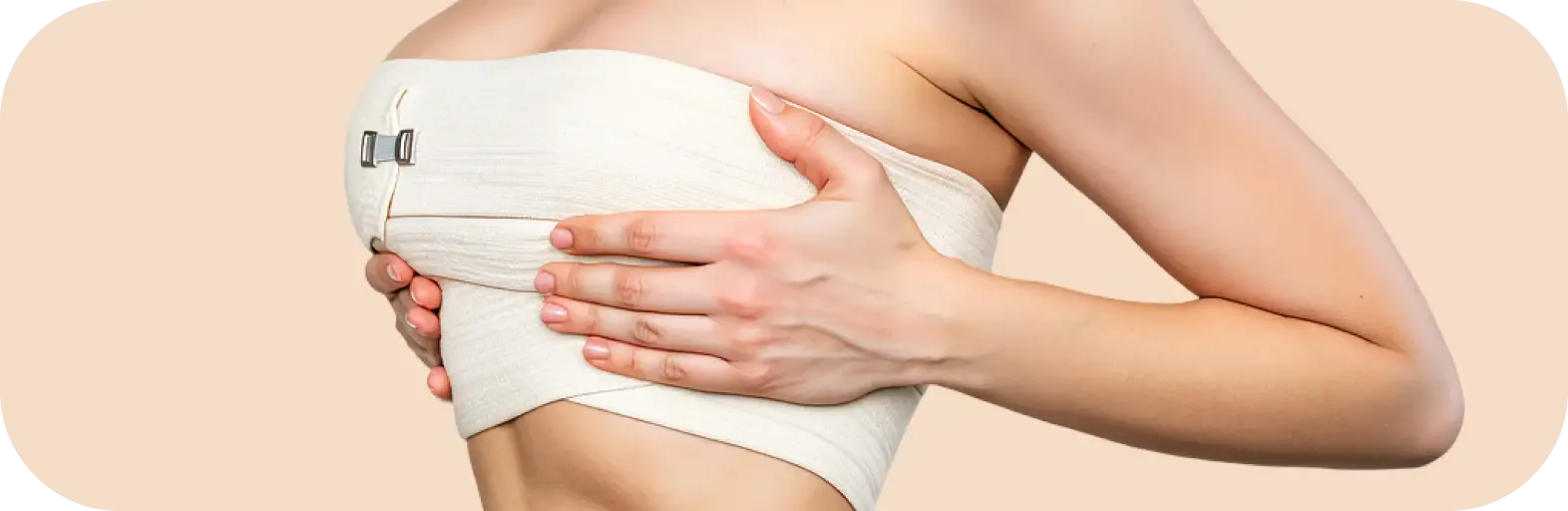
We select the shape, volume and correction method according to your anatomy and goals; for augmentation, implant size and profile are chosen just for you.

Your time matters to us: we work 24/7, booking is easy, and our personal approach adapts to your pace.
Once the surgeon has defined the extent of correction at the consultation, you get a clear surgery price — no surprises on the way to your result.
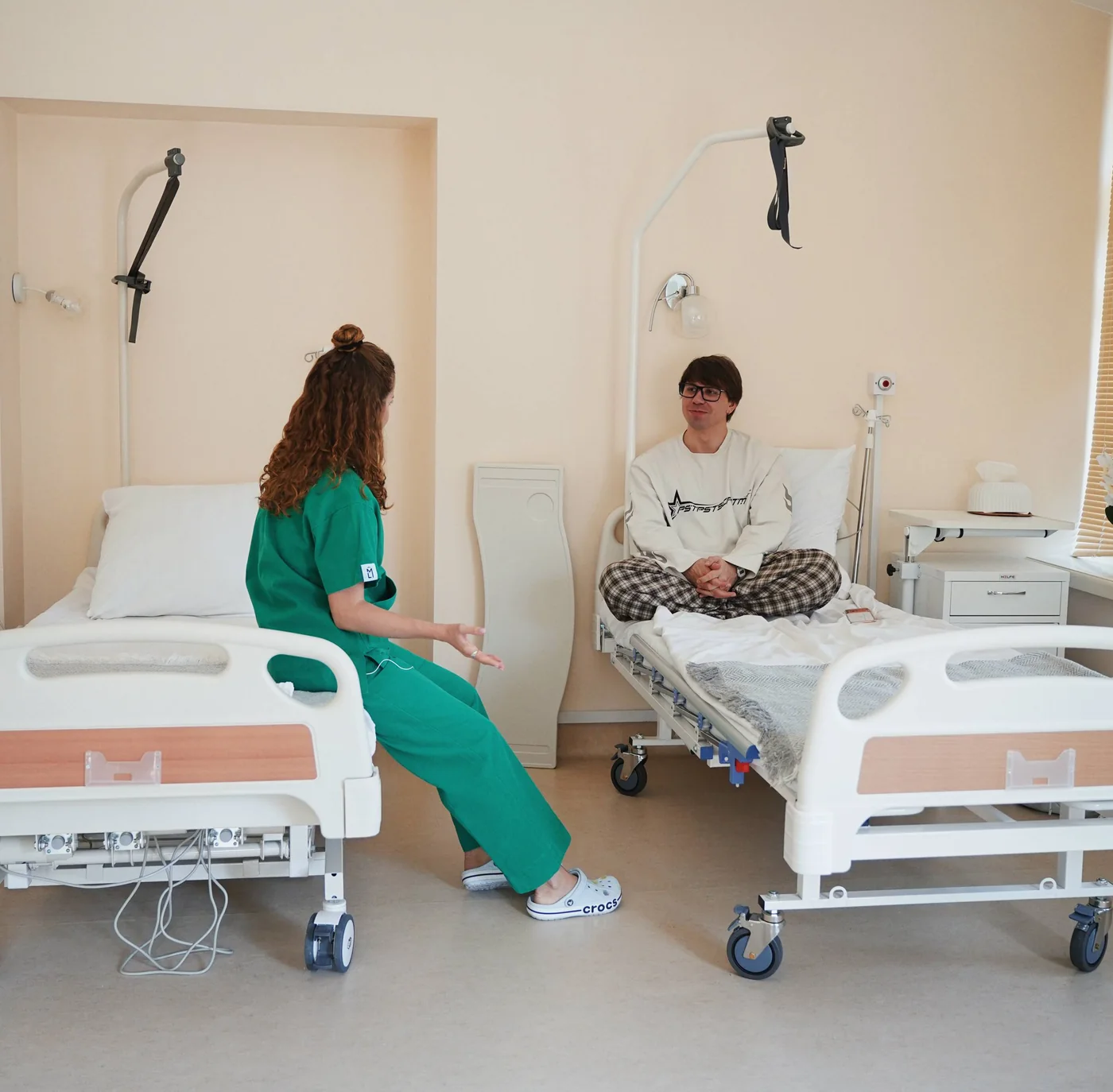
You begin your recovery in a comfortable ward under constant nursing supervision; the stay and meals are included in the price.
FAQ
Yes. Boob job is the everyday name for breast augmentation. At City Medical Centre it is done with round or anatomical implants that the surgeon chooses with you at the consultation.
Breast enlargement adds volume with implants. A breast lift (mastopexy) raises sagging breasts and removes excess skin. Which one suits you is decided at the free consultation.
Mammoplasty is an umbrella for several procedures: augmentation (increasing volume with implants), reduction (taking away excess tissue and skin), mastopexy (lifting sagging breasts), reconstruction (after mastectomy) and asymmetry correction. Your wishes and the surgeon's advice determine the best individual method.
Message us — our coordinator will get back to you shortly and book your consultation. The plastic surgeon consultation is free.
Complications are infrequent provided all recommendations are followed. They may include hematoma or seroma, infection of the wound, changes in nipple sensitivity (lower or higher), capsular contracture, aesthetic asymmetry, wound separation and tissue necrosis.
Mammoplasty results are durable: about 10–15 years following augmentation (until implant replacement) and 5–10 years following a lift or reduction. Weight, pregnancy, aging skin and gravity influence how long the effect lasts. Maintain it by wearing supportive underwear and watching your weight.
The ability to breastfeed after mammoplasty depends on the type of operation. With augmentation through an under-breast or armpit incision and a submuscular implant, lactation usually remains, because the glandular tissue is not harmed. After a lift or reduction the risk is greater, as ducts may be cut. Raise this with your surgeon ahead of time.
Implant choice considers material (silicone looks most natural, saline is used less often), shape (round or anatomical teardrop), surface (smooth or textured), size and profile. The surgeon will choose the best option for your anatomy and wishes.
Because the operation is done under general anaesthesia, the patient feels no pain. The first 1–3 days may bring moderate discomfort, eased with painkillers. By day 5–7 the pain is much milder, and by weeks 2–3 the discomfort disappears. Let your doctor know immediately if pain is severe.
You can return to work (without physical exertion) after 7–14 days. Light walks after 1–2 weeks. Fitness and swimming after 4–6 weeks, strength training after 3 months. Pool and sea after 4–6 weeks. Wear compression garments for 4–6 weeks. Exact timing depends on your recovery.
Mammoplasty has not been scientifically shown to increase the risk of breast cancer, and implants do not cause it. Keep up regular screening after surgery (self-exams, mammography and ultrasound) and always mention your implants to the doctor examining you.
Mammoplasty is possible after a C-section once your body has completely recovered. Leave at least 6–12 months after childbirth and after breastfeeding has ended. Surgery requires a prior consultation and check-up by the surgeon.
Mammoplasty does result in scars, but a skilled surgeon keeps them minimal. Incisions are made in areas that are out of sight: under the breast, around the areola or in the armpit. At first scars are reddish, and within 6–12 months they fade and become nearly invisible.
Mild asymmetry in the first weeks after surgery is normal and results from swelling and uneven healing. If a difference in shape or size remains after 3–6 months, see your surgeon for an examination to identify the cause.
Temporary changes in nipple and breast sensitivity, reduced or heightened, can occur after mammoplasty. The reason is irritation of nerve endings. For most patients sensitivity comes back within 3–12 months. If a year passes without improvement, see your surgeon.
Hormonal drugs such as contraceptives and hormone replacement therapy do not influence implants directly. They may, however, cause swelling or breast tissue volume changes that temporarily affect how the breasts look. Inform your surgeon of these medications before surgery.
Prices are in US dollars; the amount in brackets is an approximate conversion to SEK at the rate of 02.10.2026. The final price is fixed in your contract.
Prices start from $4,700 (≈ SEK 47,500). The surgeon sets the final price at the free consultation, and it is fixed in the contract, with no hidden extras.
The surgical team's work, anaesthesia, the inpatient stay with meals, dressings and follow-up visits for twelve months.
Message us on WhatsApp or Telegram using the buttons below. A coordinator will answer your questions and book a free consultation where the doctor names the exact price.
By messaging us, you agree to our Privacy Policy
Mammoplasty is a family of procedures, and augmentation is only one of them. Alongside it, Gothenburg patients can discuss breast reduction, a lift with or without implants, implant removal, reconstruction after surgery or injury and asymmetry correction. The right method is picked individually, weighing your wishes against the surgeon's advice, so the result highlights your individuality rather than following a template.
After the operation, check-ups are scheduled at 7 days, 3 months and 6 months. At each one the surgeon evaluates the result, monitors healing and answers questions. You can usually return to office work in 7–14 days, walk after 1–2 weeks and resume fitness in 4–6 weeks, with strength training after three months. The same schedule applies to Gothenburg patients.
A free consultation is the easiest way to get an exact figure. The surgeon assesses your anatomy, models the result and confirms the plan; the base cost of augmentation is from $4,700 (≈ SEK 47,500). Everything around the surgery — anaesthesia, inpatient stay, 24/7 monitoring, personal support and a year of follow-up — is in that amount. Patients from Gothenburg can apply through the site or a messenger.
Well-known people who spoke openly about this operation, in their own words.
 Bianca Ingrosso on her breast surgery: “I promised myself I would wait five years”Bianca Ingrosso waited five years before her breast surgery and spoke openly about the pain. Her words, how augmentation works and what recovery involves.
 Kenza Zouiten Subosic on her breast surgery: “better to be honest”In February 2025 Kenza Zouiten Subosic said she had small breast implants after three children. Her words, how augmentation works and what recovery involves.
Written by Dmitry S. Kuznetsov, plastic surgeon
How we prepare and review medical content · Medical disclaimer
Page last updated:
Gothenburg has 612,231 residents in the municipality (2025) and around 1,080,980 in the wider Stor-Göteborg area (2023), so a woman considering breast surgery here is one of a great many asking the same questions. The first step can be taken from home: write to a coordinator in WhatsApp or Telegram, send photographs, and a plastic surgeon looks at them. The consultation is free and commits you to nothing.
Give yourself a pause before any decision, whatever the provider. Ask for the written plan, read the contract for medical services at home and sleep on it. Pressure to pay quickly is a signal to slow the conversation down.
The way the clinic describes its order of events is deliberately unhurried. First the consultation and the simulation of the result, then a reserved surgery date secured with a deposit, either by card at the clinic or online by bank transfer, and after that the laboratory tests: blood work, an ECG and the other examinations your doctor prescribes. The terms of that deposit, and everything else agreed, are recorded in the contract.
Before the first message, prepare a short brief. Send photographs in good daylight, standing straight, taken from the front, from each side and at a three-quarter angle, in a plain top or bare, whichever you are comfortable sharing in a messenger. Add a few lines: what you would like to change, whether you have had breast surgery before, any regular medicines, and whether you are pregnant, breastfeeding or planning either. The surgeon then looks at the pictures and tells you whether mammoplasty would suit you.
Treat the exchange as a test of the clinic as well. Does the coordinator answer the question you actually asked? Are unclear points explained twice without irritation? Is every promise sent in writing? Answers to these small tests predict how the months after surgery will feel.
Think of the implant shape as a choice between two silhouettes. A round implant puts fullness high on the breast and keeps a symmetrical, rounded outline; an anatomical one is a soft teardrop that slopes the way a natural breast does. Either can add volume and refine shape, and the surgeon guides you in picking shape and volume.
Bring photographs that show what you like, and photographs that show what you do not. Describe your wish in everyday words rather than in sizes: more fullness at the top, a gentler slope, a better balance with your hips. Then ask the surgeon to explain what the operation can and cannot do for your anatomy, because the consultation includes a simulation of the planned result so that the goal is clear on both sides.
Augmentation is performed under general anaesthesia with a one-day stay; the clinic describes combined inhalation anaesthesia for the operation. Ask who monitors you during and after, and request that the arrangement be written into your plan. The clinic states that medical staff watch over you round the clock after surgery.
Ask also about the other procedures in the same family: lift with or without implants, implant removal, reduction and reconstruction. A surgeon who knows your case will say if another option fits better than the one you came for.
A short written list helps in the room. Which silhouette appeals to you, and what draws you to it? How would the surgeon describe the difference on your frame? What does the simulation reveal, and what is it unable to show? Write the answers with the date and compare them calmly the next morning.
In Sweden the National Board of Health and Welfare, Socialstyrelsen, maintains the Register of Authorised Healthcare Professionals, HOSP. It includes physicians and specialist certificates, and its information is generally public. Compare the name and specialty of the surgeon you are given with what the register records.
Request the clinic's own papers too: the medical licence with the number, the registered name of the organisation that provides care, and the credentials of the surgeon. The plastic surgeon leading breast work has a residency in plastic surgery and focuses on aesthetic and reconstructive surgery of the breast and body, and at the consultation you speak with the surgeon who will operate. Get that sentence confirmed in writing.
Keep the contract for medical services at the centre. It should say what the price covers, which stays, tests and follow-up are included, and how the deposit is handled. Everything promised by voice and missing from the paper remains an intention. Ask for the draft before the date is discussed, so you can read it at home.
Compare the inclusions before anything else. The clinic names a consultation with result modelling, the surgical team, anaesthesia, a ward stay with meals, dressings and check-ups for a full year, and round-the-clock monitoring by medical staff. Set another offer beside that list and mark every line the other side lacks; a lower total often hides fewer inclusions.
On the question of public funding: a legal adviser at Socialstyrelsen told The Local in 2017 that the county council can prioritise patients who have the greatest need of care. Elective augmentation is not an urgent need, so do not assume that public funding applies. If it matters to you, ask your region directly and keep the reply.
Preparation begins weeks ahead. Around one to two weeks before, the surgeon tells you to stop aspirin-containing drugs, steroids and hormonal medicines taken for chronic conditions, and hormonal oral contraceptives are stopped earlier, on the surgeon's own schedule. Blood work and an ECG are completed about a week prior. In the month or two before, sleep and calm come first.
For up to 40 days before the operation, avoid intense gym workouts and very active aerobics; light cardio is possible after a month. Watch your diet and meals. Ask your coordinator for the list of tests the surgeon requires, with instructions, and keep the results in the same folder as the contract.
Equally important is knowing who should wait. Augmentation addresses small volume, uneven breasts, fullness lost after pregnancy and breastfeeding, and a shape altered by weight loss. Pregnancy, breastfeeding, acute infections, skin that is inflamed or damaged in the operating area, decompensated chronic diseases, clotting disorders, uncontrolled diabetes, a breast tumour not yet treated and an age under 18 are reasons to hold off.
Write down your own health history in full, including medicines, and send it with your photos. The surgeon can weigh only what has been disclosed.
After the operation you remain in a comfortable ward, with meals and nursing supervision at hand, and then the recovery programme takes over. Check-ups come at 7 days, 3 months and 6 months; consultations with your surgeon stay free for a year.
Markers worth writing down: swelling subsides after 3 weeks, and scars take shape in the same time. Keep your arms below shoulder level for 3 weeks. Lift nothing over 3 kg for up to 3 months, and leave baths, saunas and physiotherapy out for up to three months. Compression garments are worn for 1–1.5 months. By 3 months discomfort has gone and a pocket has formed around the implant.
Put the dates in your diary on the day your surgery is confirmed, and ask for the instructions in writing. A calm first month, with fewer errands and no heavy bags, is easier to arrange before the operation than during it.
Last, remember that you are free to stop at any point before surgery. Choose the surgeon who welcomes your doubts and answers them in writing.
Think about practical matters in advance. Who will help with shopping and lifting in the first weeks? Which clothes open at the front? When must you be back at work, and does the job involve carrying? Raise these at the consultation so the instructions fit your real life.
No. The first consultation is free and commits you to nothing. Ask for the written plan and the contract, and read them at home.
Slow down. In the clinic's order of events the deposit reserves a surgery date after the consultation, with its terms written into the contract.
Compare the surgeon's name and specialty with HOSP, the Register of Authorised Healthcare Professionals kept by Socialstyrelsen.
Do not assume so. In 2017 a Socialstyrelsen legal adviser told The Local that the county council can prioritise patients with the greatest need of care. Ask your region in writing.
Yes, the surgeon you talk to is the one who operates. Ask to have this noted in your plan.
Aspirin-containing drugs, steroids, hormonal medicines and hormonal contraceptives; the surgeon tells you when to stop each.
Surgeon consultations are free for a year, with check-ups at 7 days, 3 months and 6 months.
The contract, the licence details, the list of tests with results, the written plan and the aftercare instructions.