


























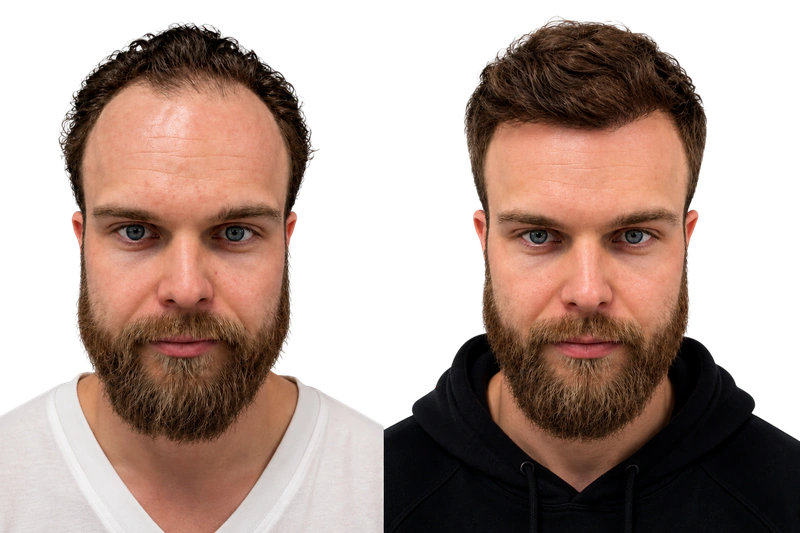

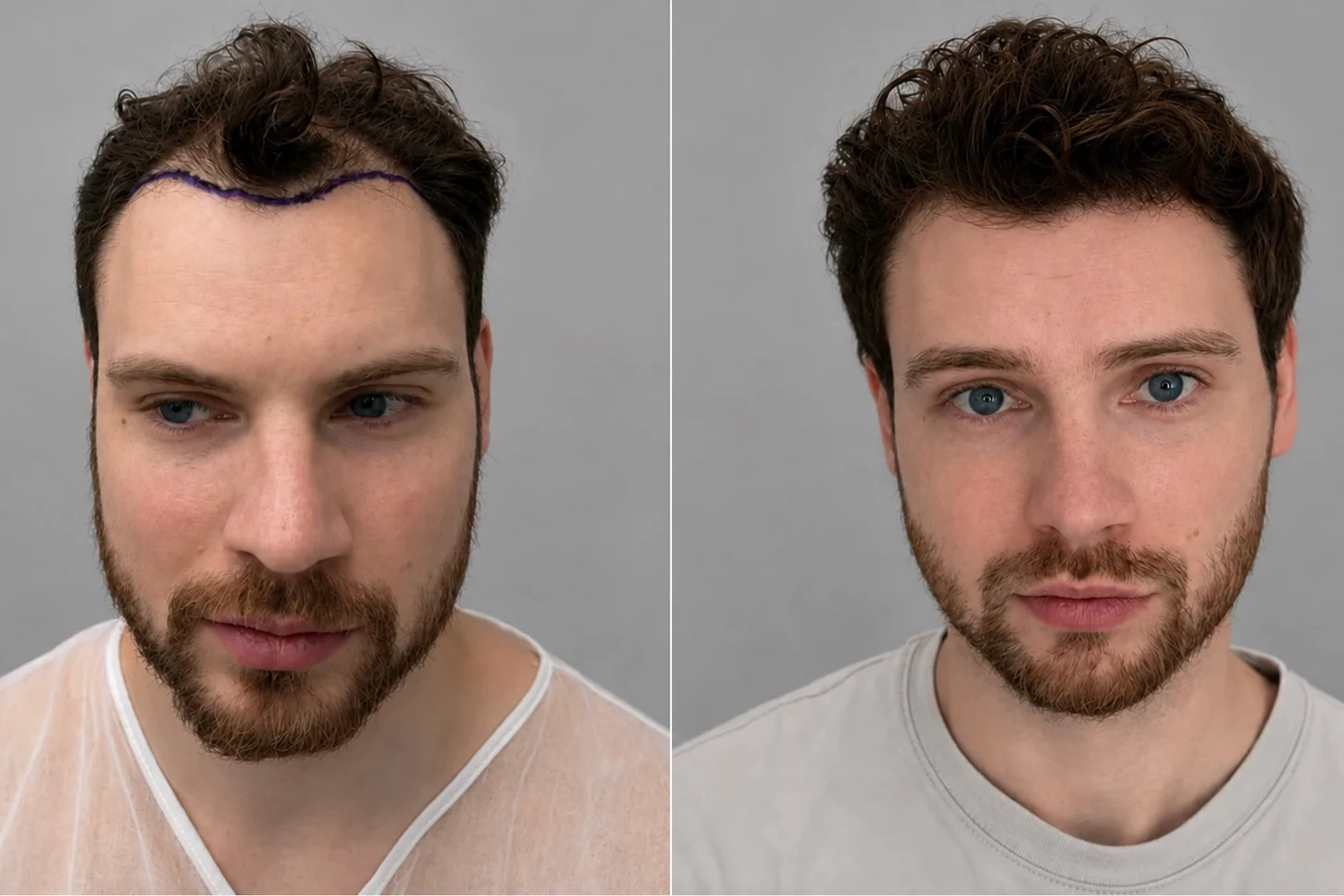
pre-op
12 months later
2,800 grafts
FUE method
City Medical Centre
0% instalments
from $367/mo
Advice, then the price — $0.
Actual case
pre-op
12 months later
A method that spares cuts and stitches: FUE. Graft count, forecast counted up, you pay nothing — before you decide.
No bill for it, no surgery booking required
Message our coordinator
Free online consultation · Reply within 15 minutes
Message us on TelegramMessage us on WhatsAppBy messaging us, you agree to our Privacy Policy
results
Everyone pictured was operated on at CMC.
The clinic's patients are reachable directly in our Telegram community.
pre-op
12 months later
2,800 grafts
FUE method
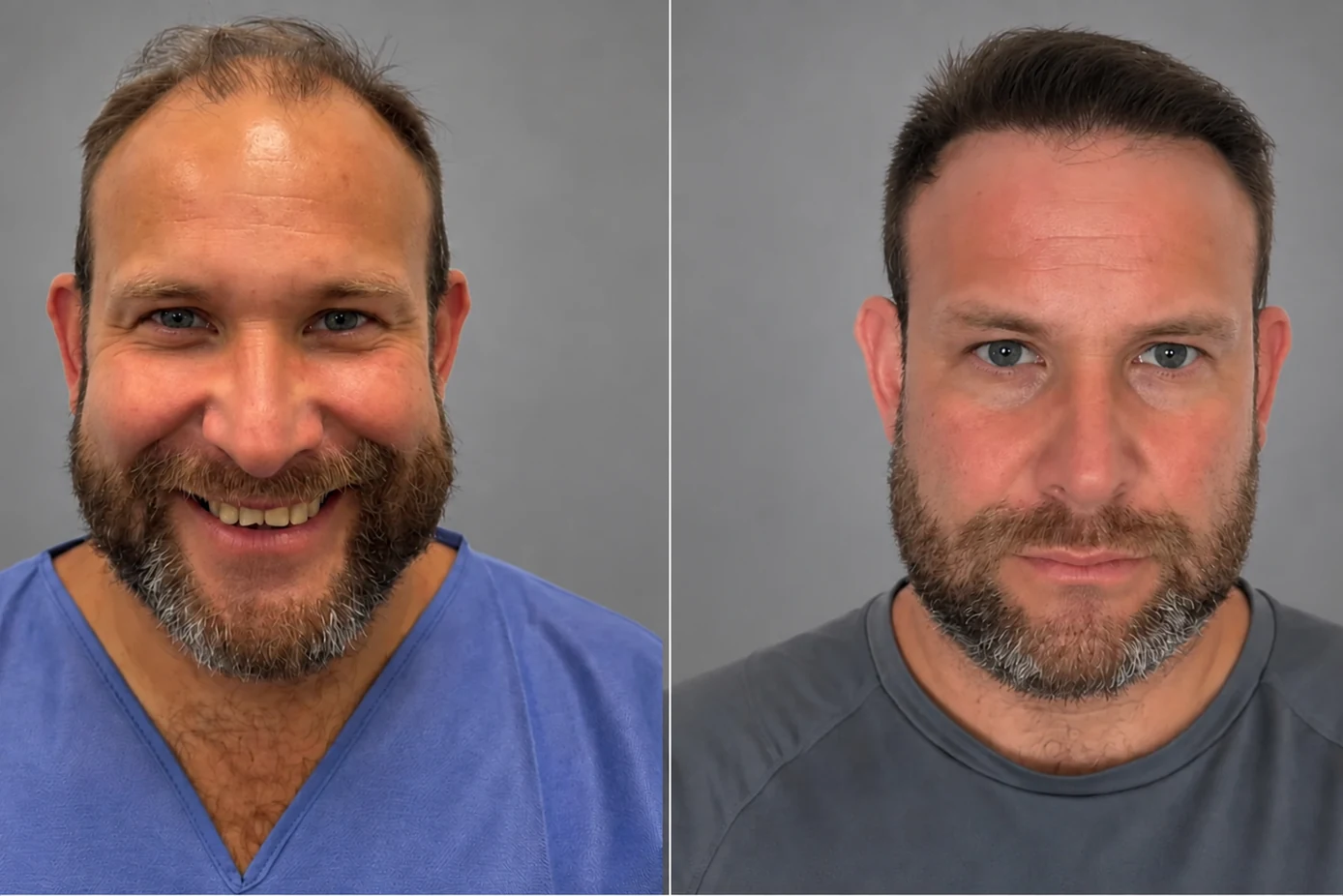
pre-op
12 months later
3,500 grafts
FUE method
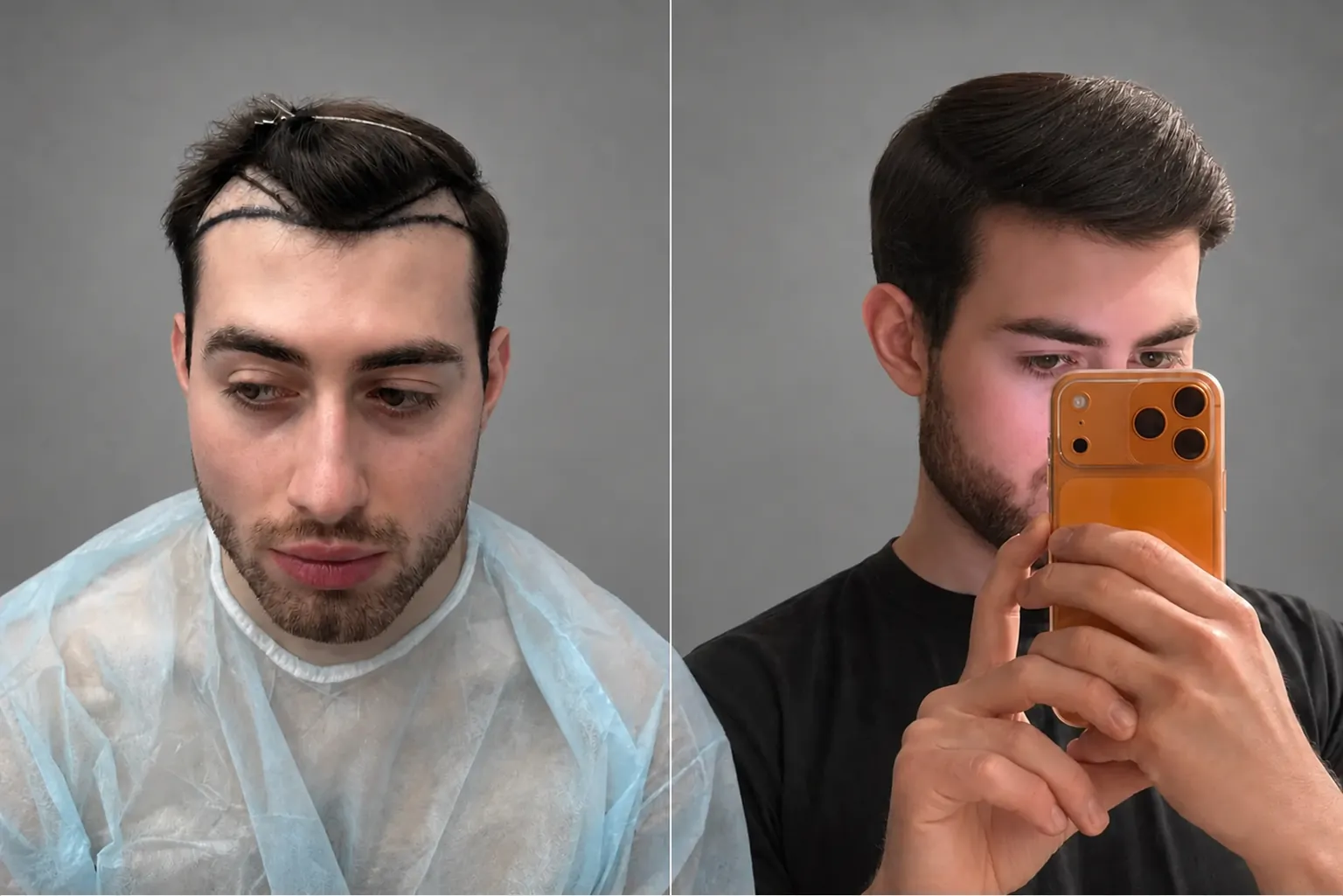
pre-op
12 months later
2,600 grafts
FUE method
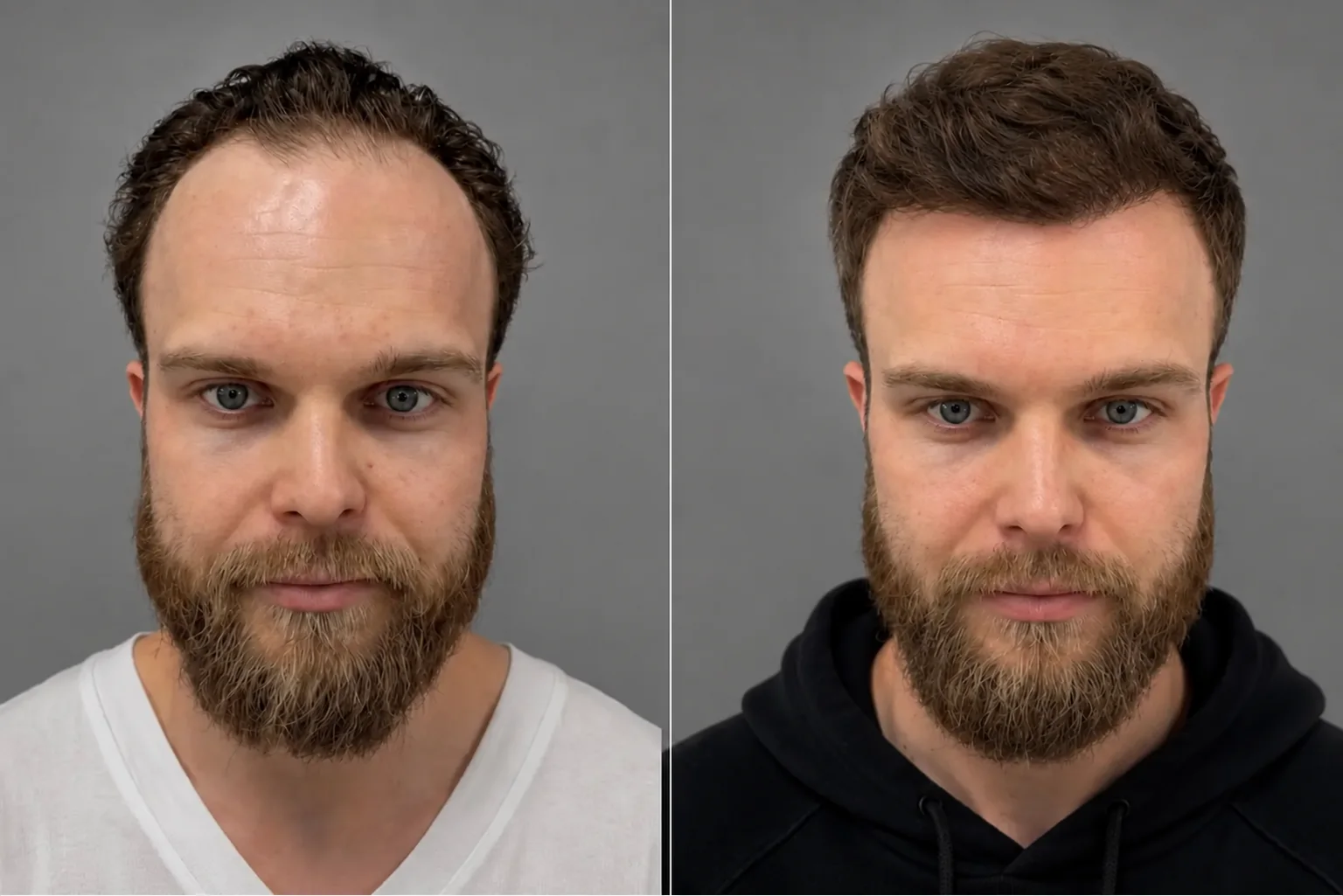
pre-op
12 months later
3,000 grafts
FUE method
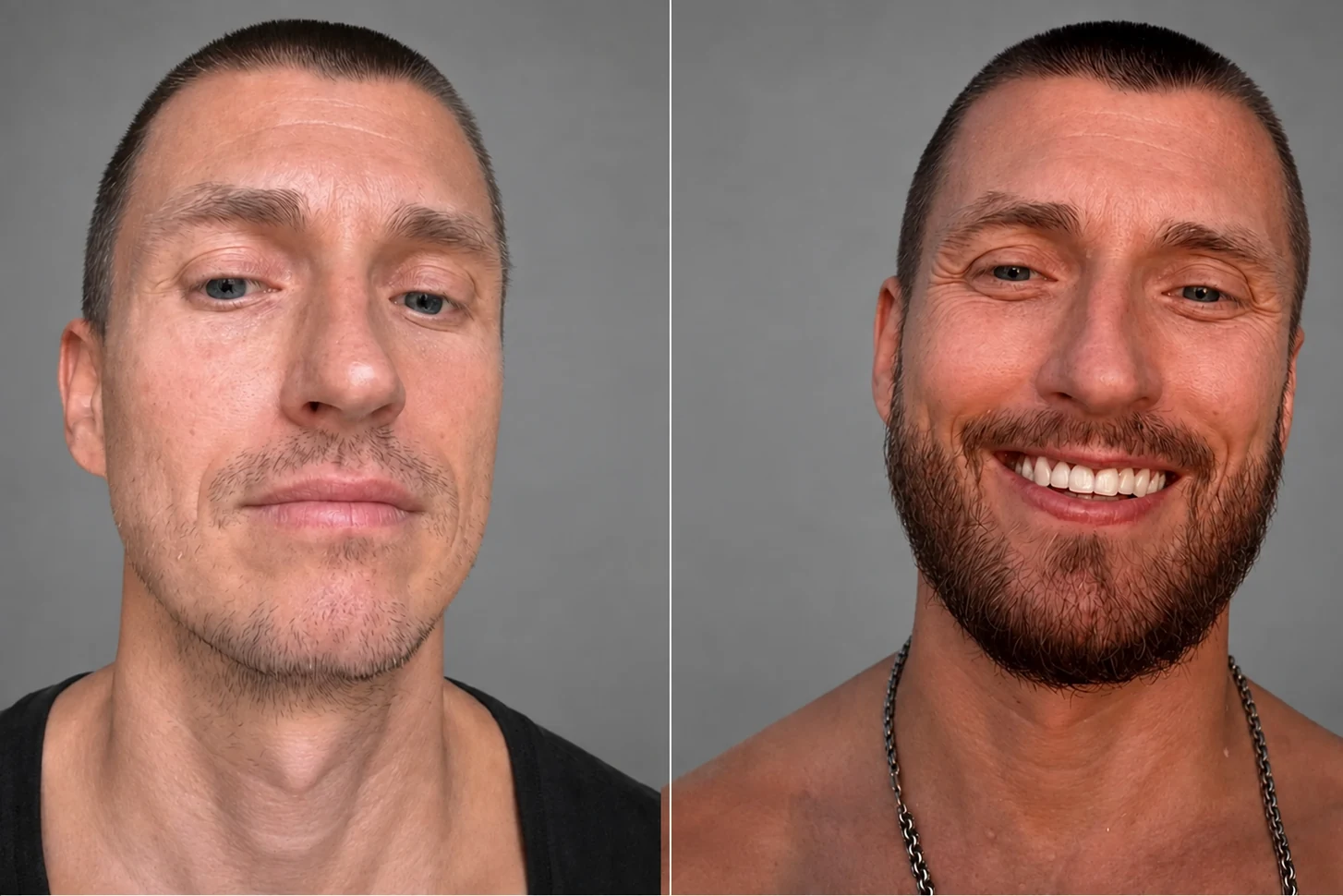
pre-op
12 months later
2,700 grafts
FUE method
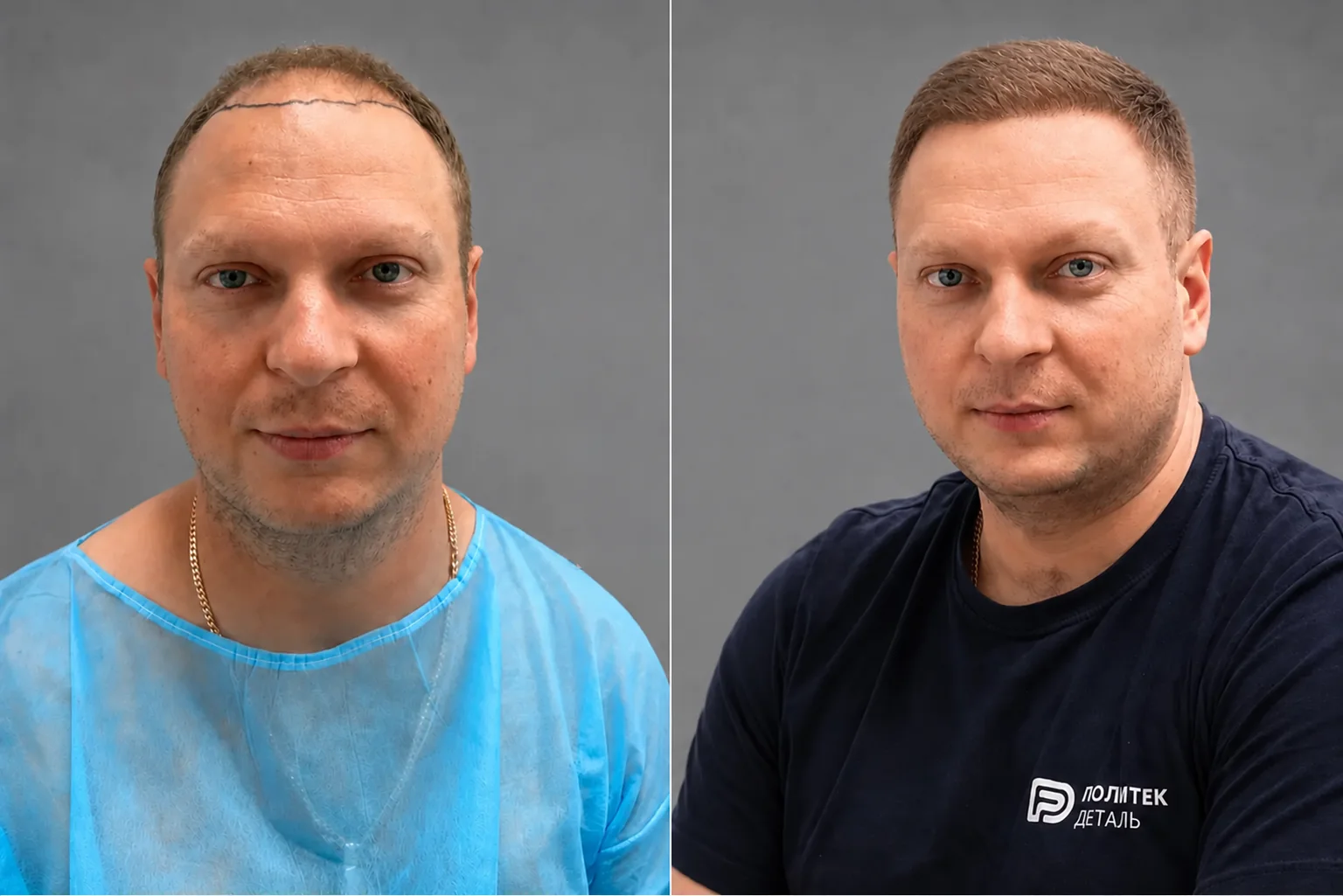
pre-op
12 months later
3,300 grafts
FUE method
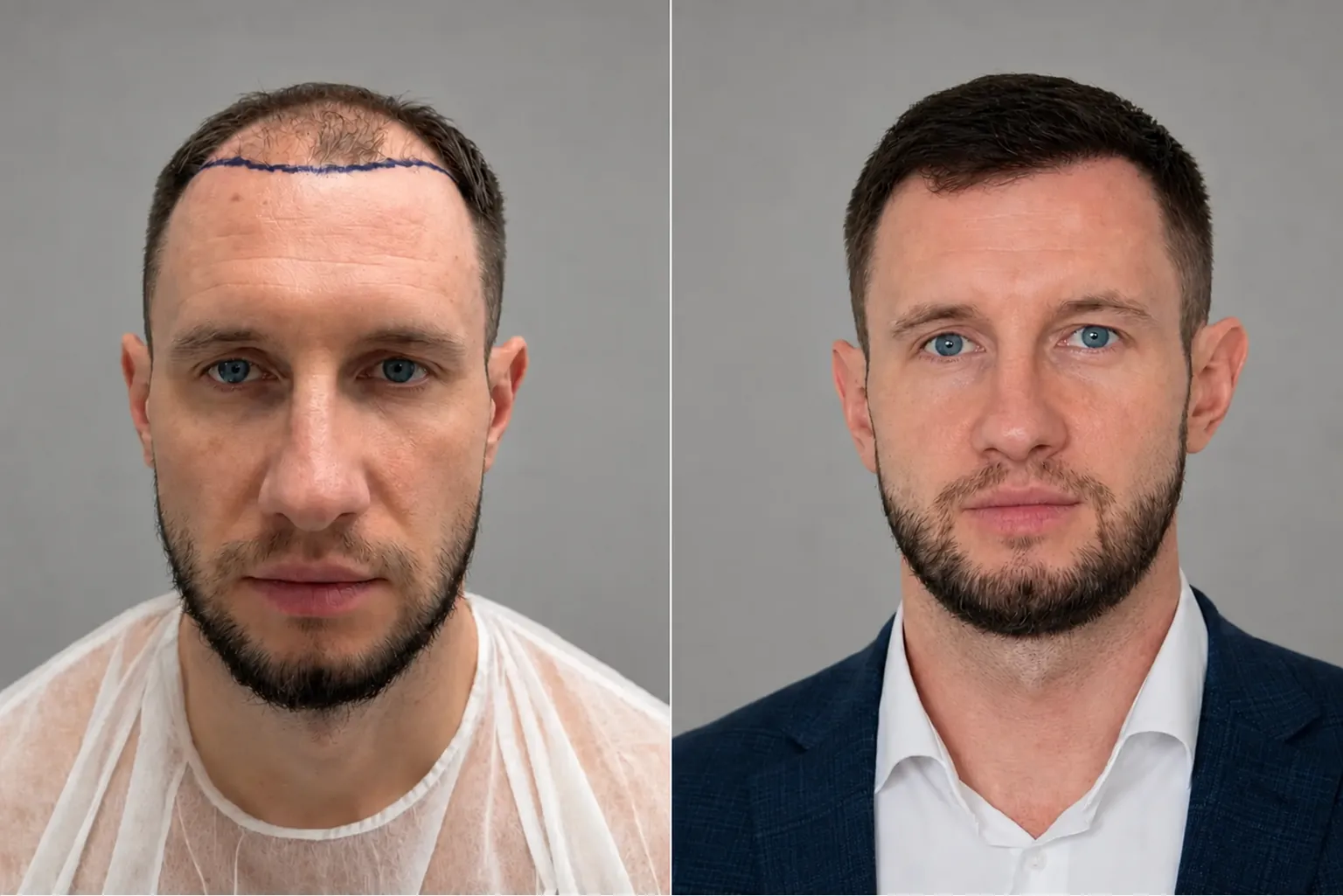
pre-op
12 months later
2,900 grafts
FUE method
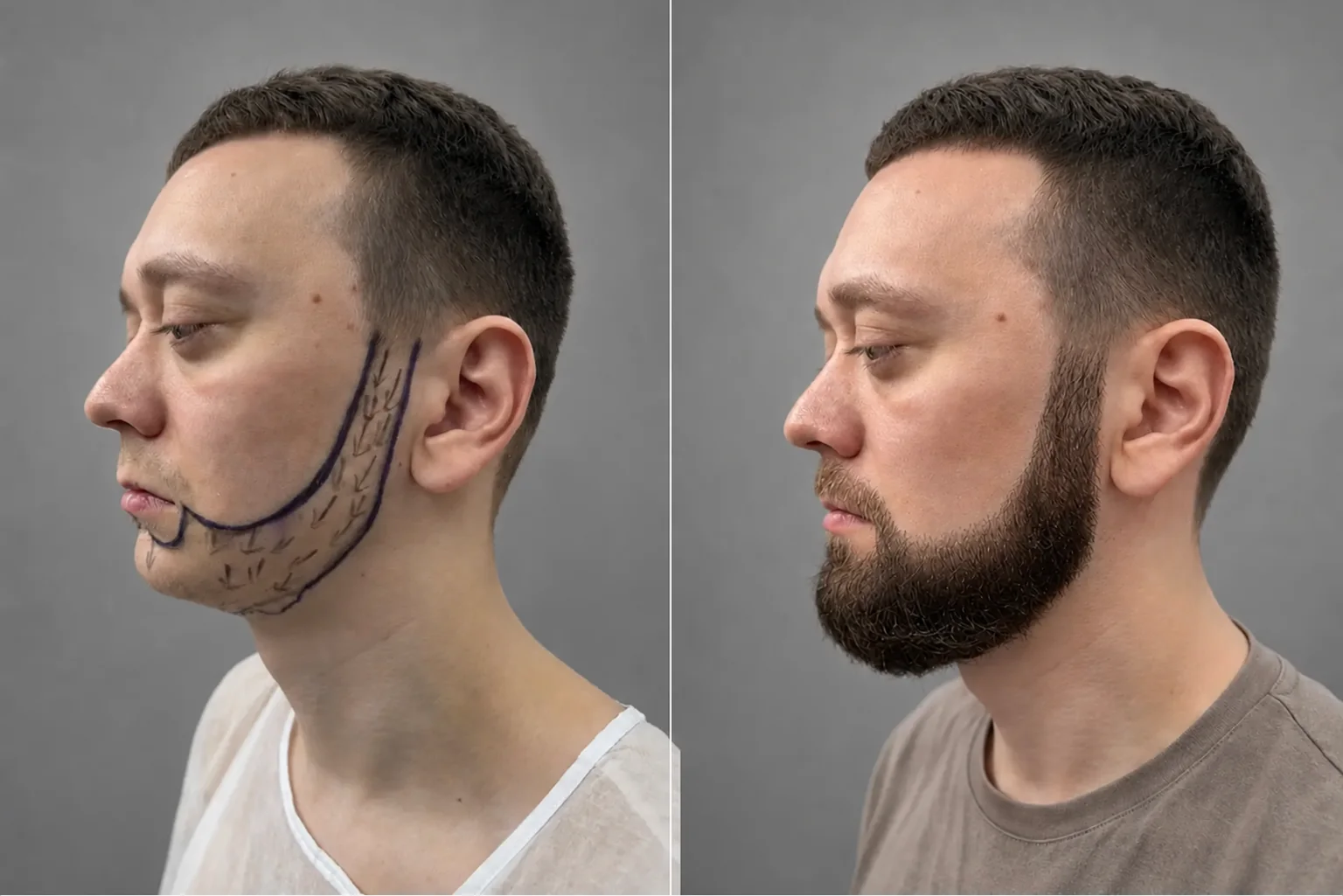
pre-op
12 months later
2,500 grafts
FUE method
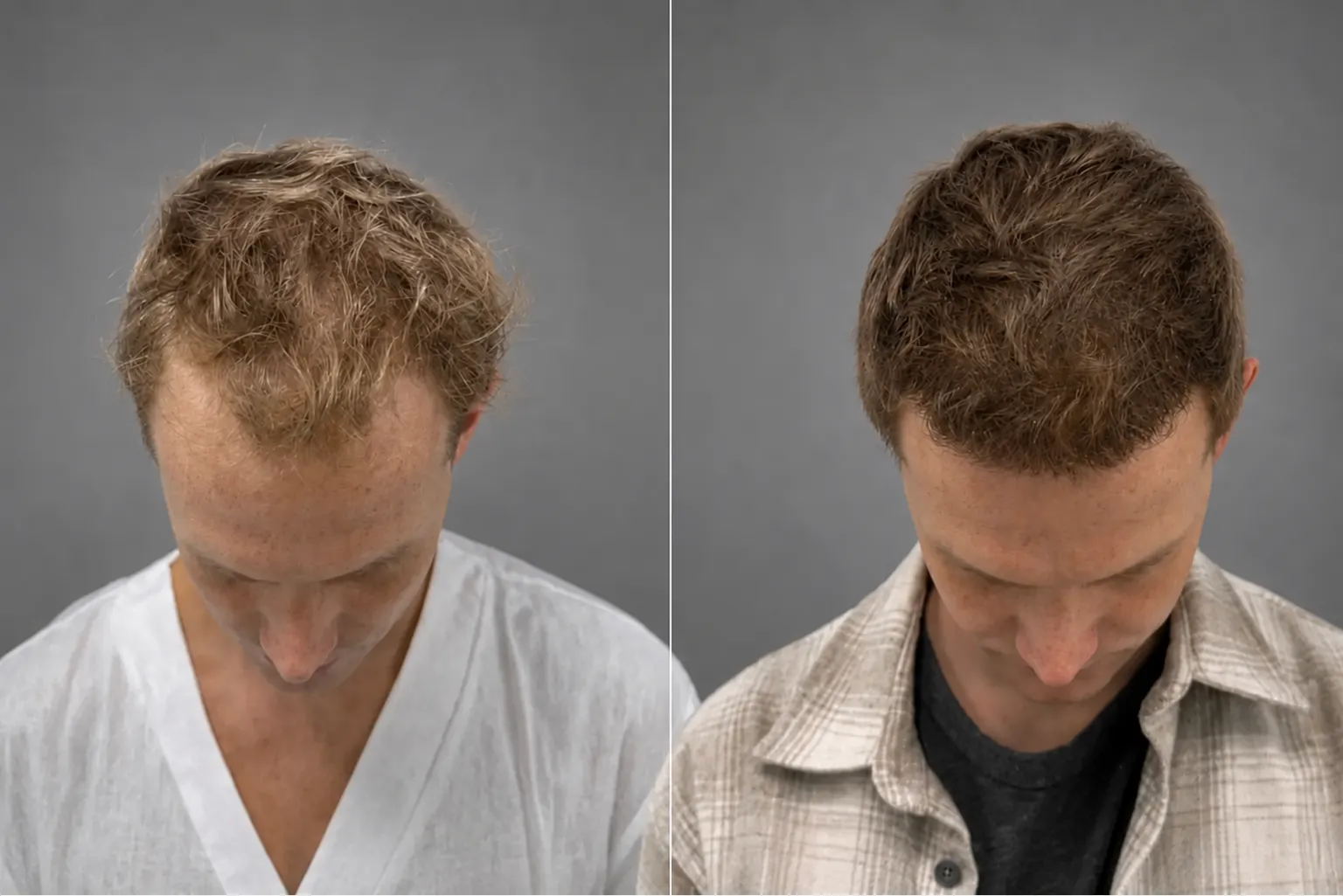
pre-op
12 months later
3,400 grafts
FUE method
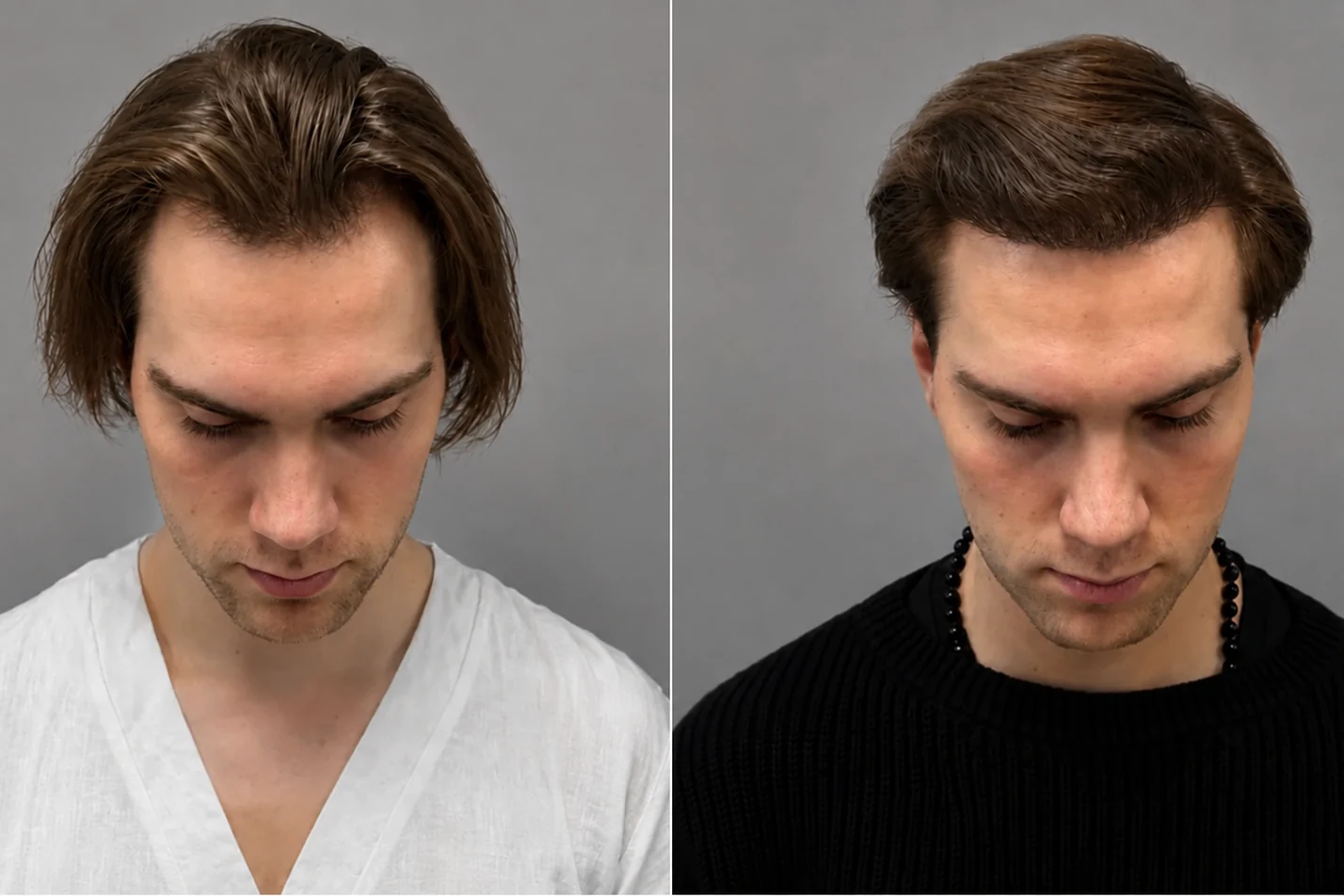
pre-op
12 months later
2,500 grafts
FUE method
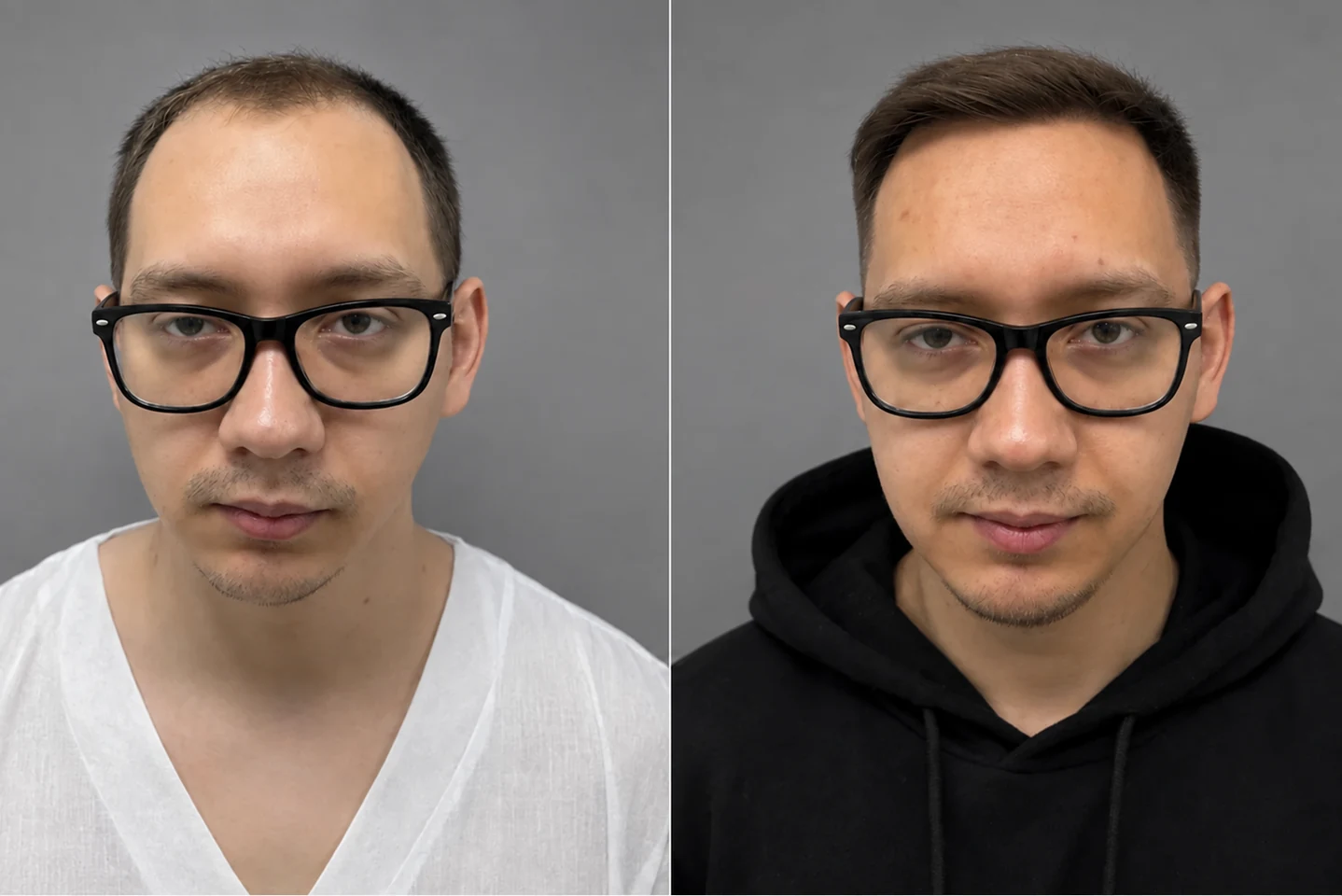
pre-op
12 months later
3,100 grafts
FUE method
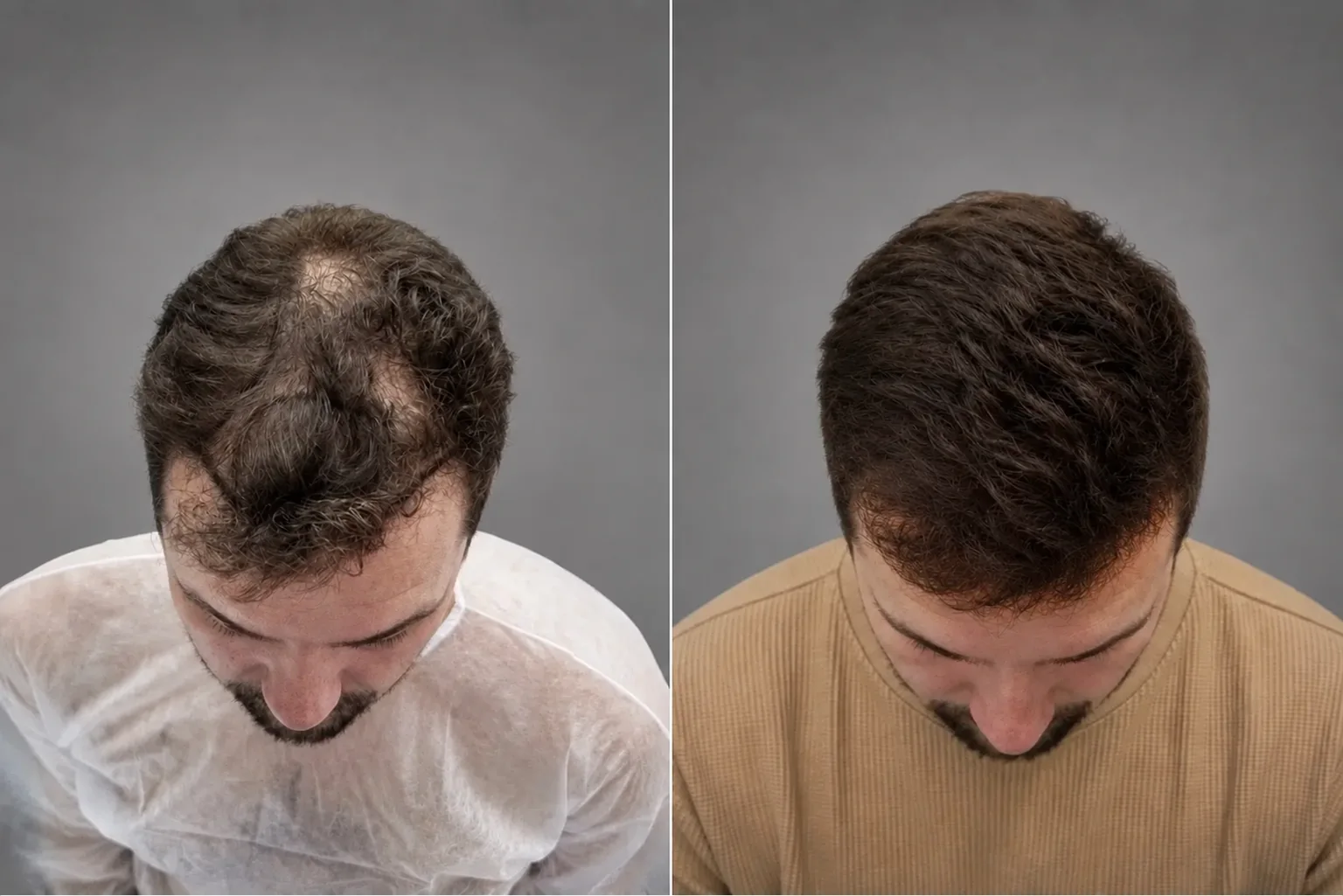
pre-op
12 months later
3,600 grafts
FUE method
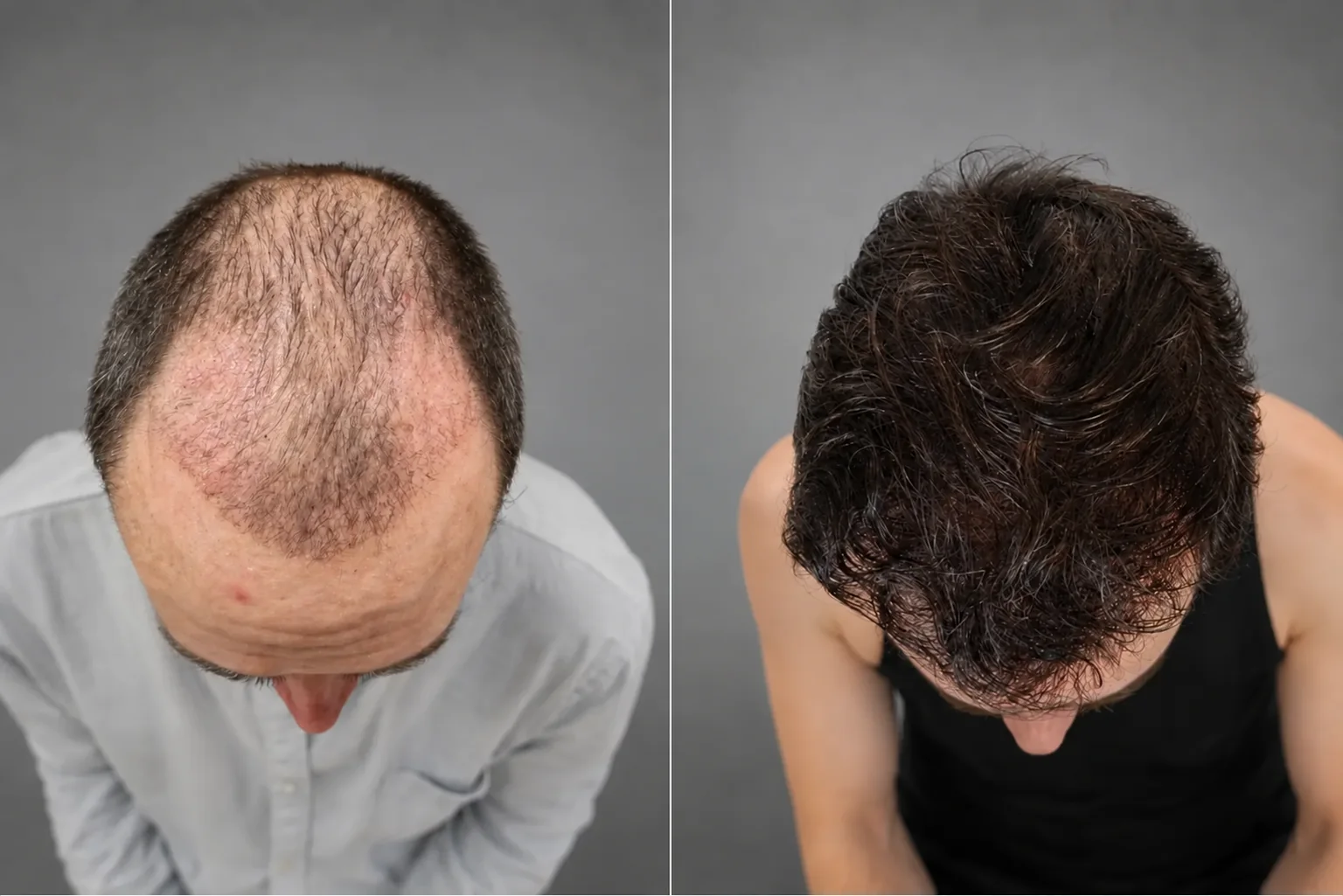
pre-op
12 months later
4,000 grafts
FUE method
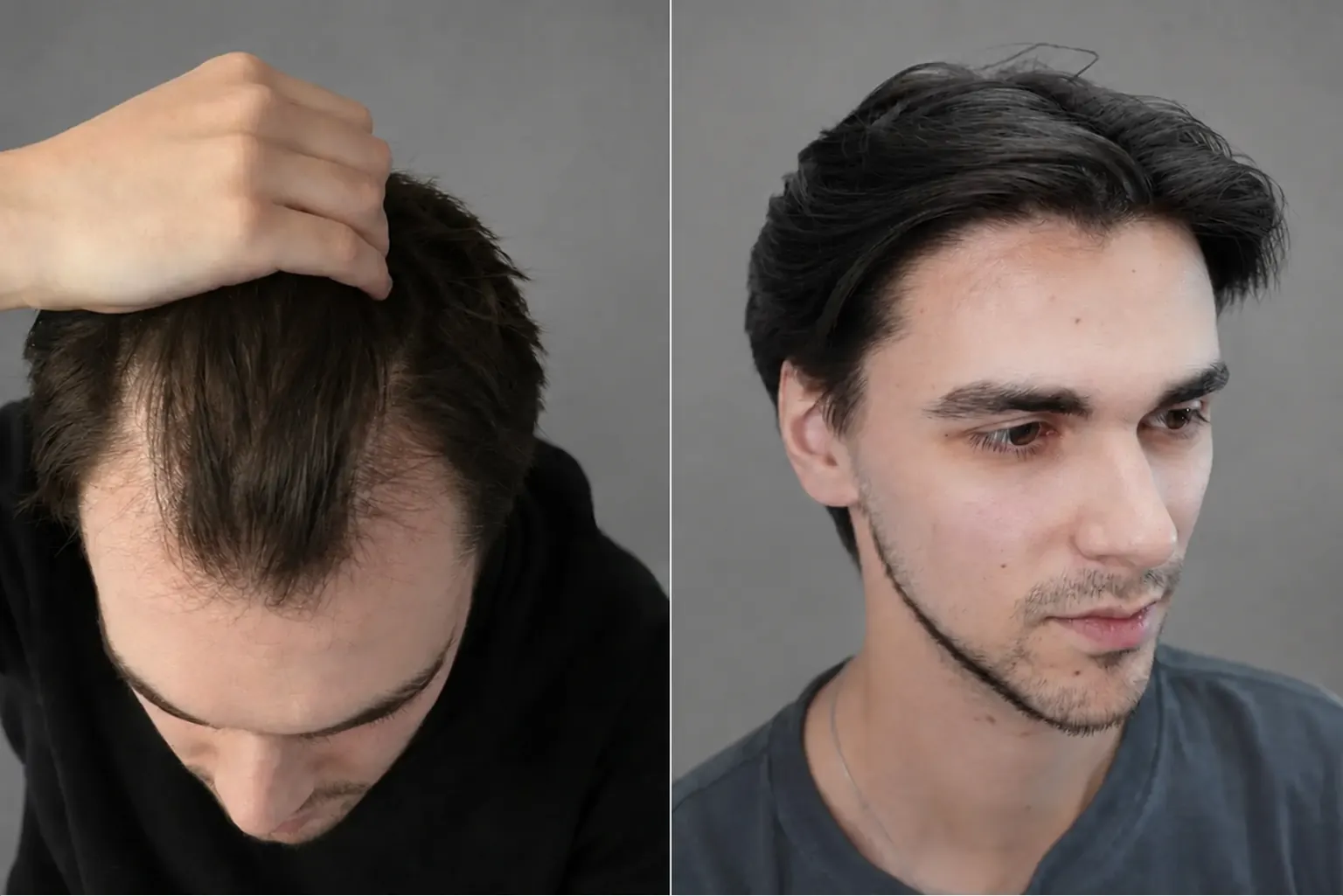
pre-op
12 months later
3,200 grafts
FUE method
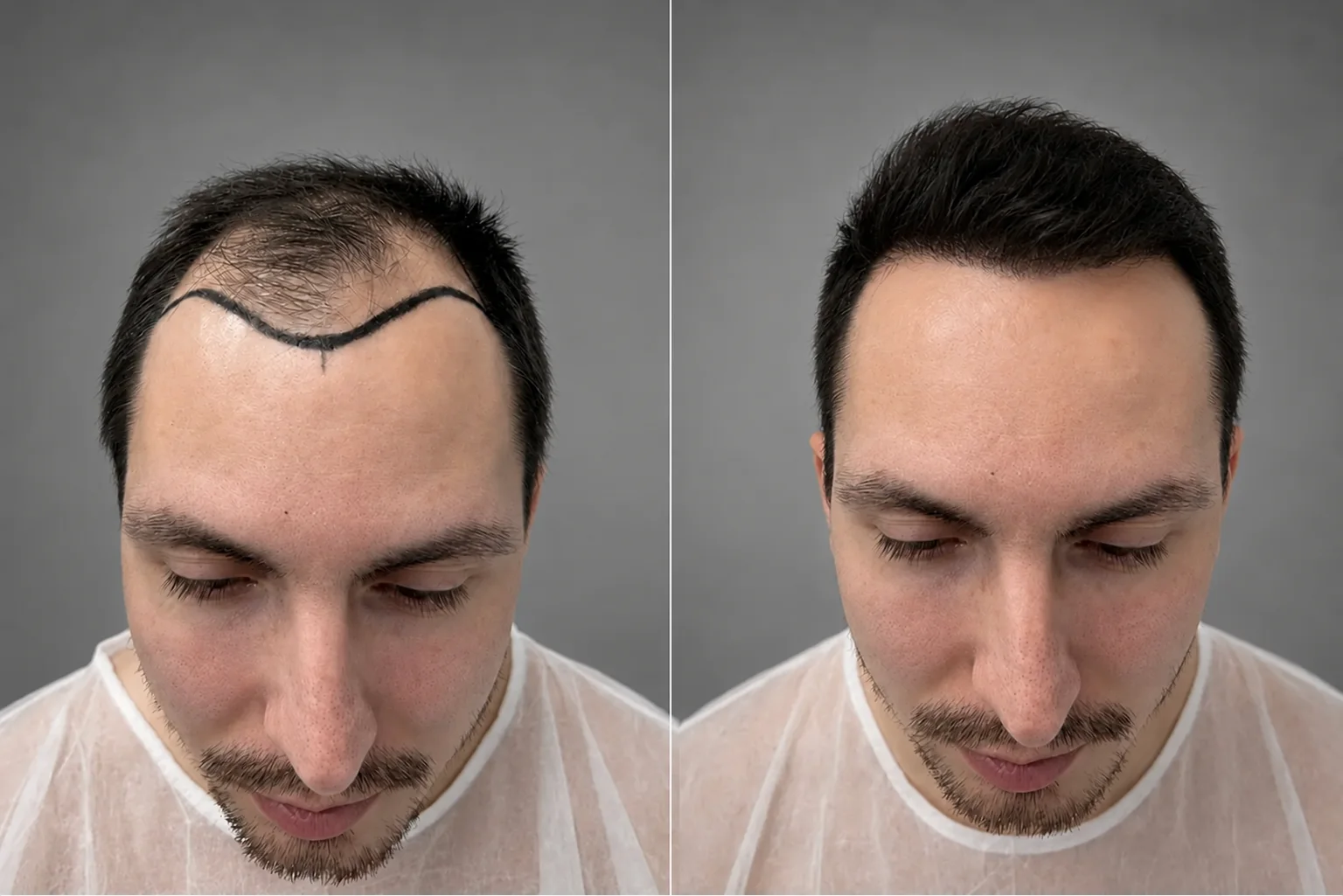
pre-op
12 months later
3,000 grafts
FUE method
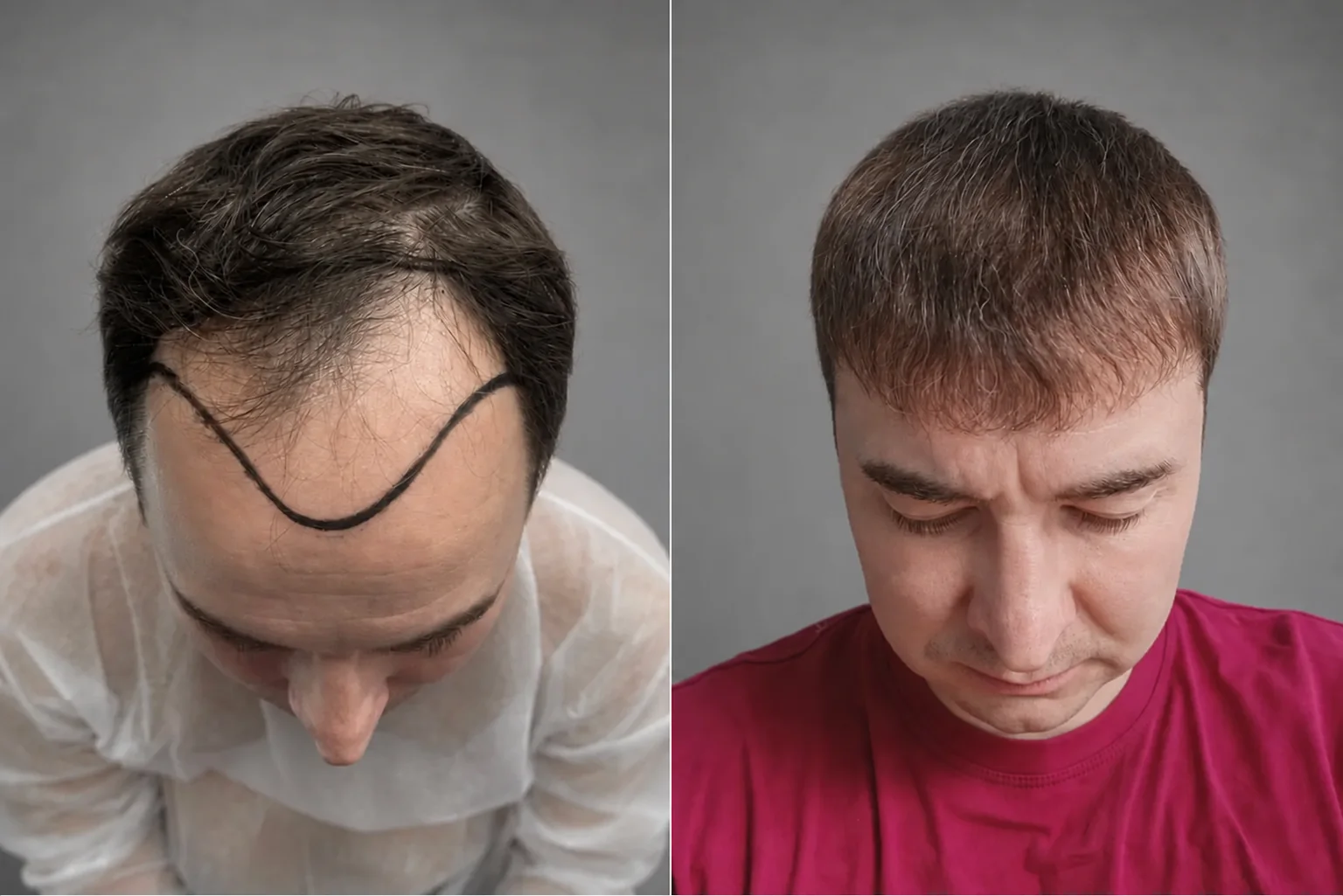
pre-op
12 months later
3,700 grafts
FUE method
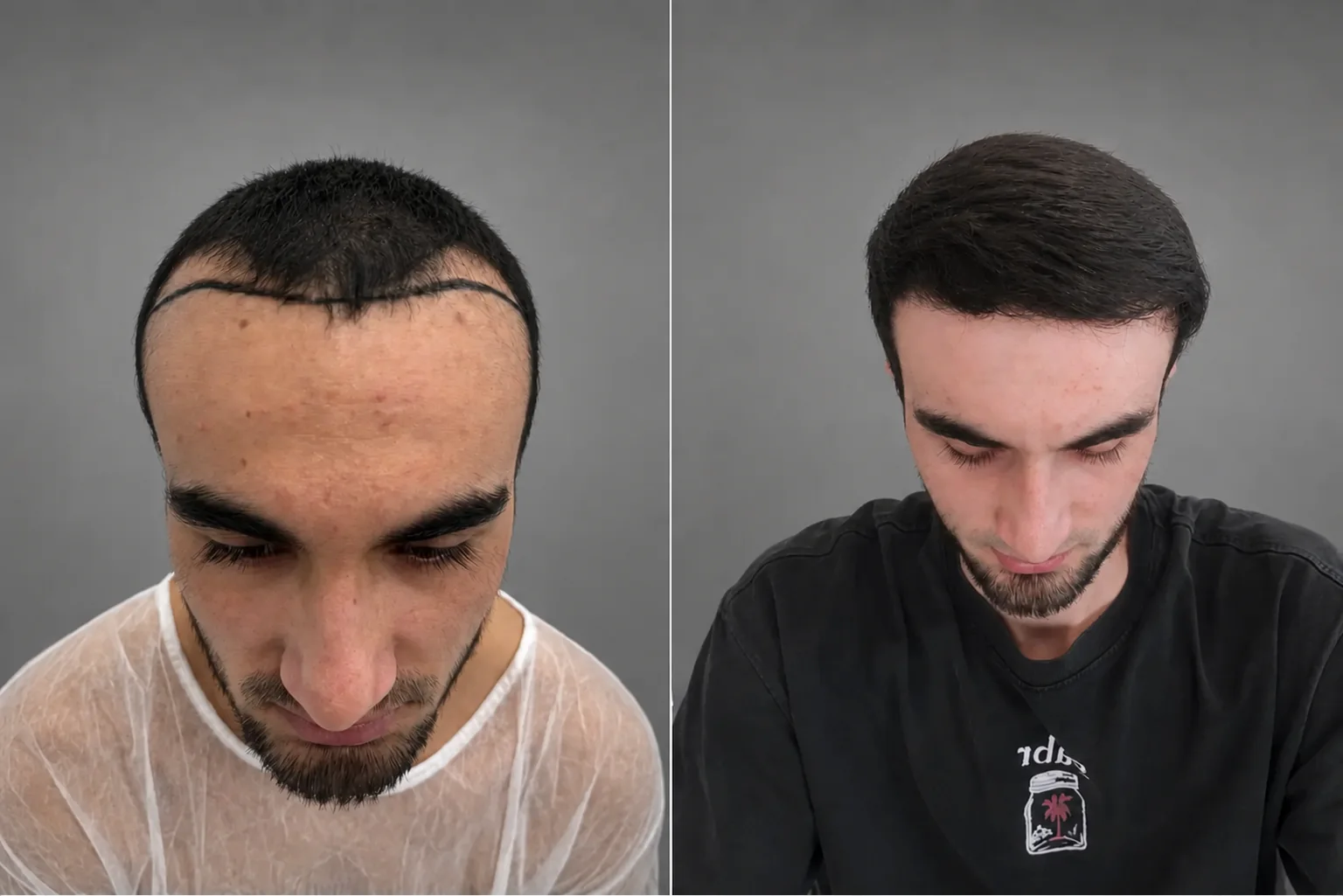
pre-op
12 months later
2,700 grafts
FUE method
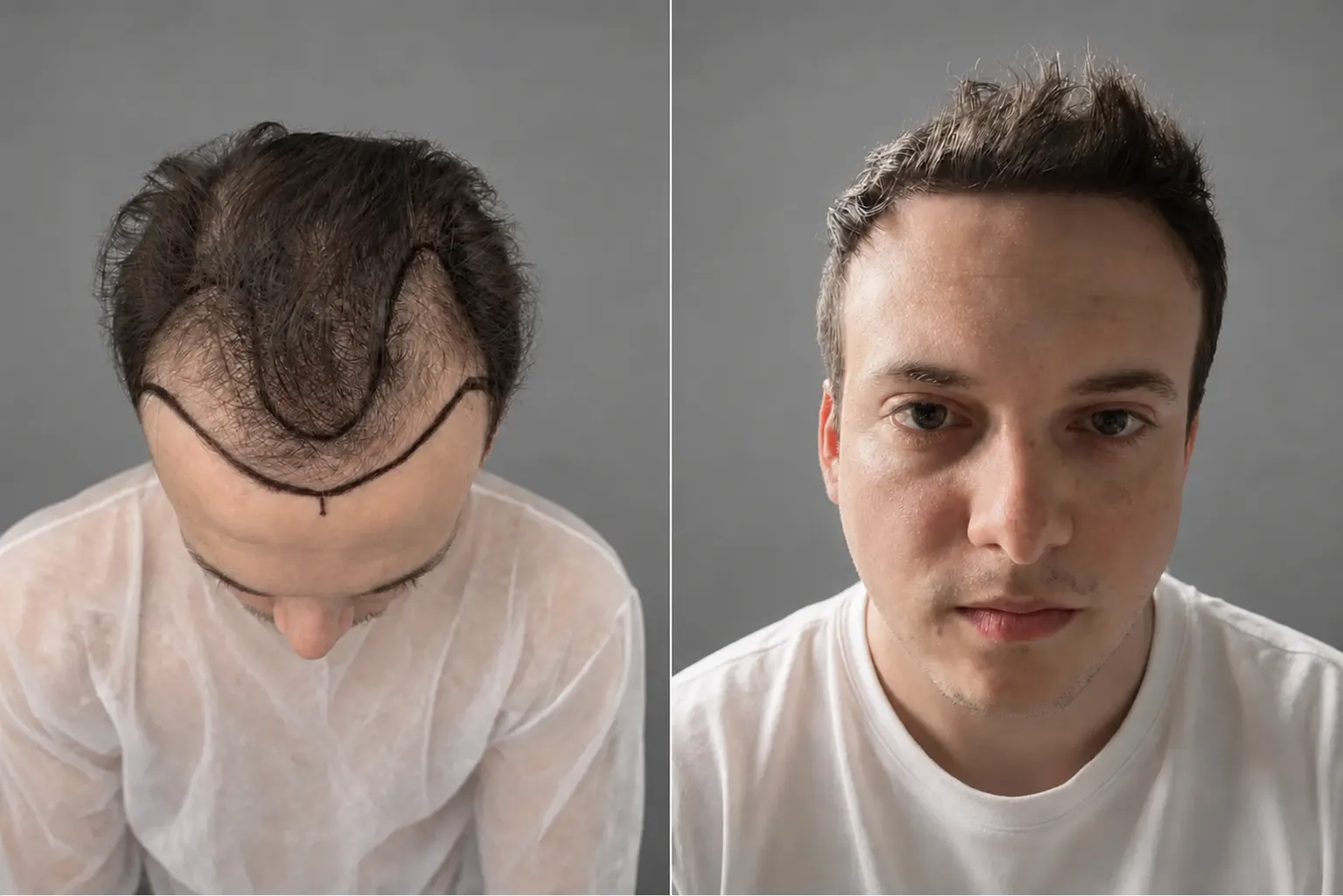
pre-op
12 months later
3,800 grafts
FUE method
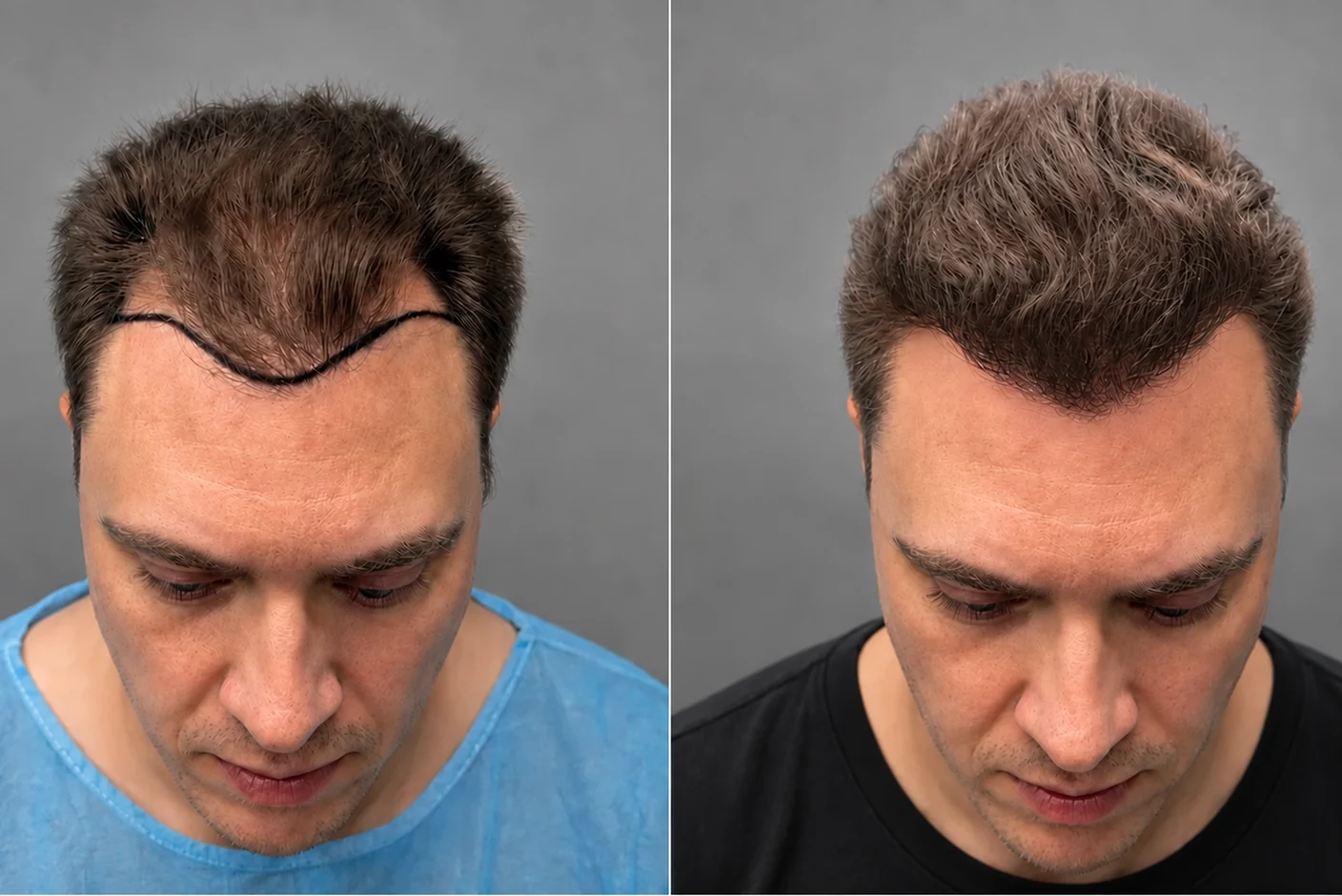
pre-op
12 months later
3,300 grafts
FUE method
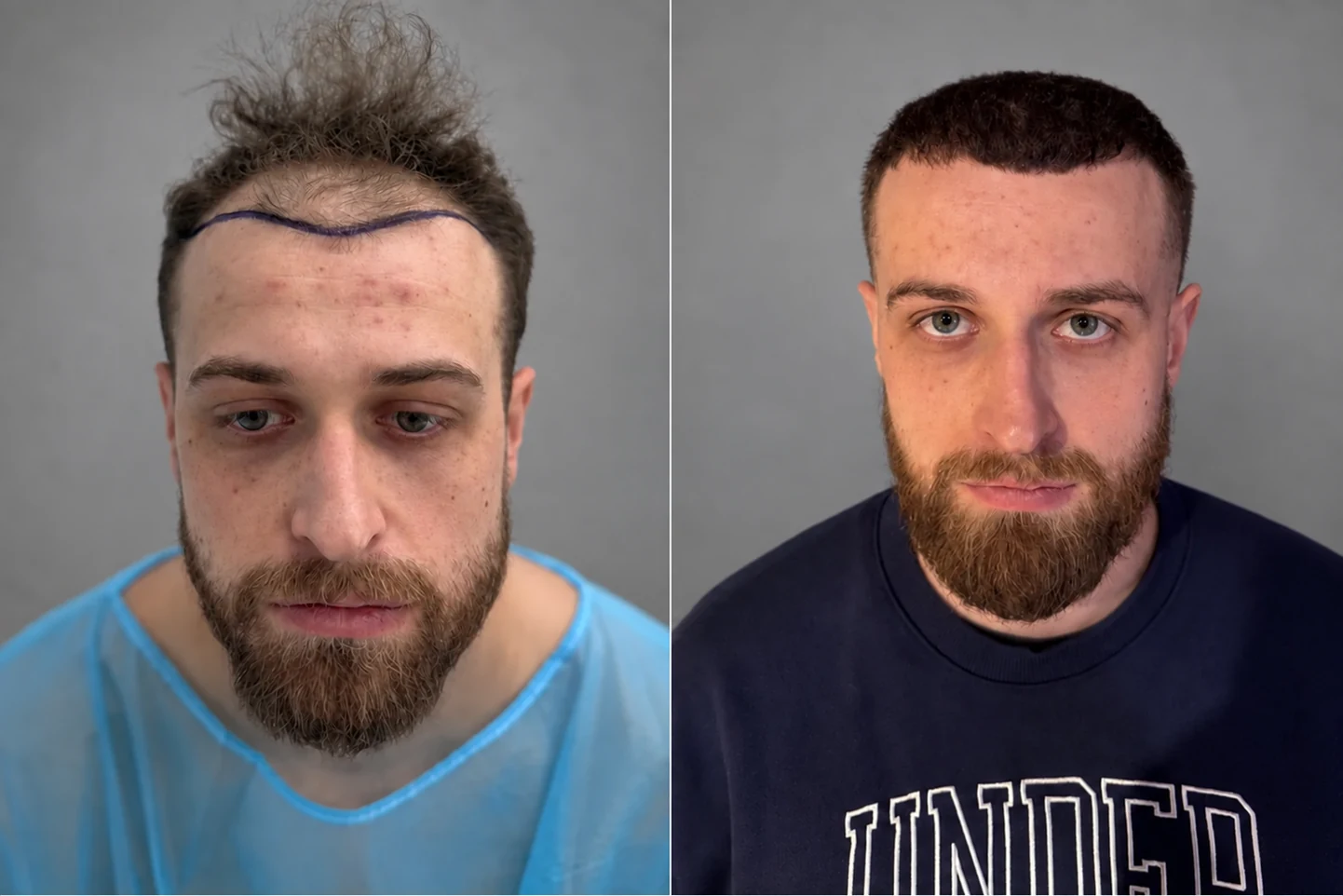
pre-op
12 months later
2,800 grafts
FUE method
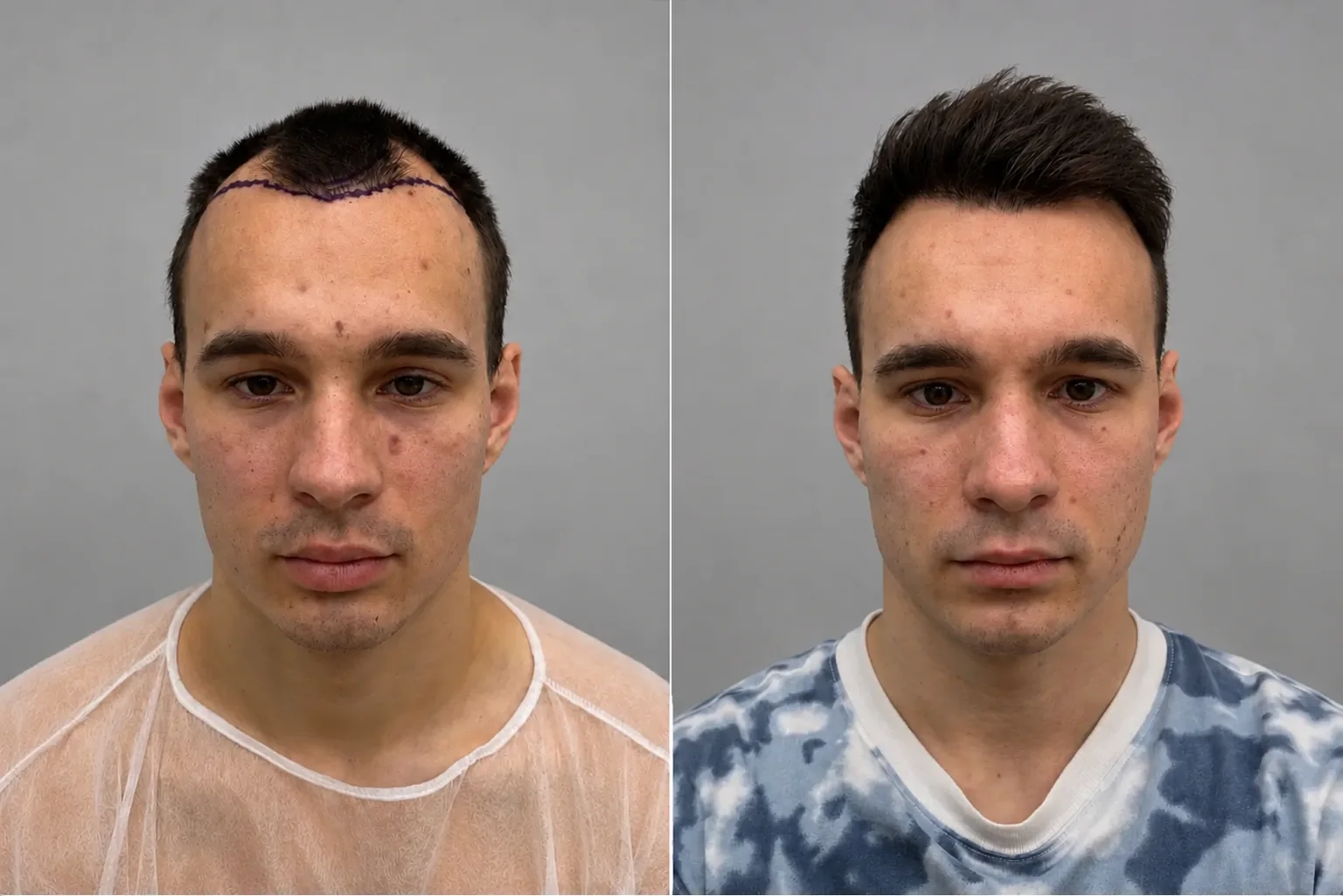
pre-op
12 months later
2,500 grafts
FUE method
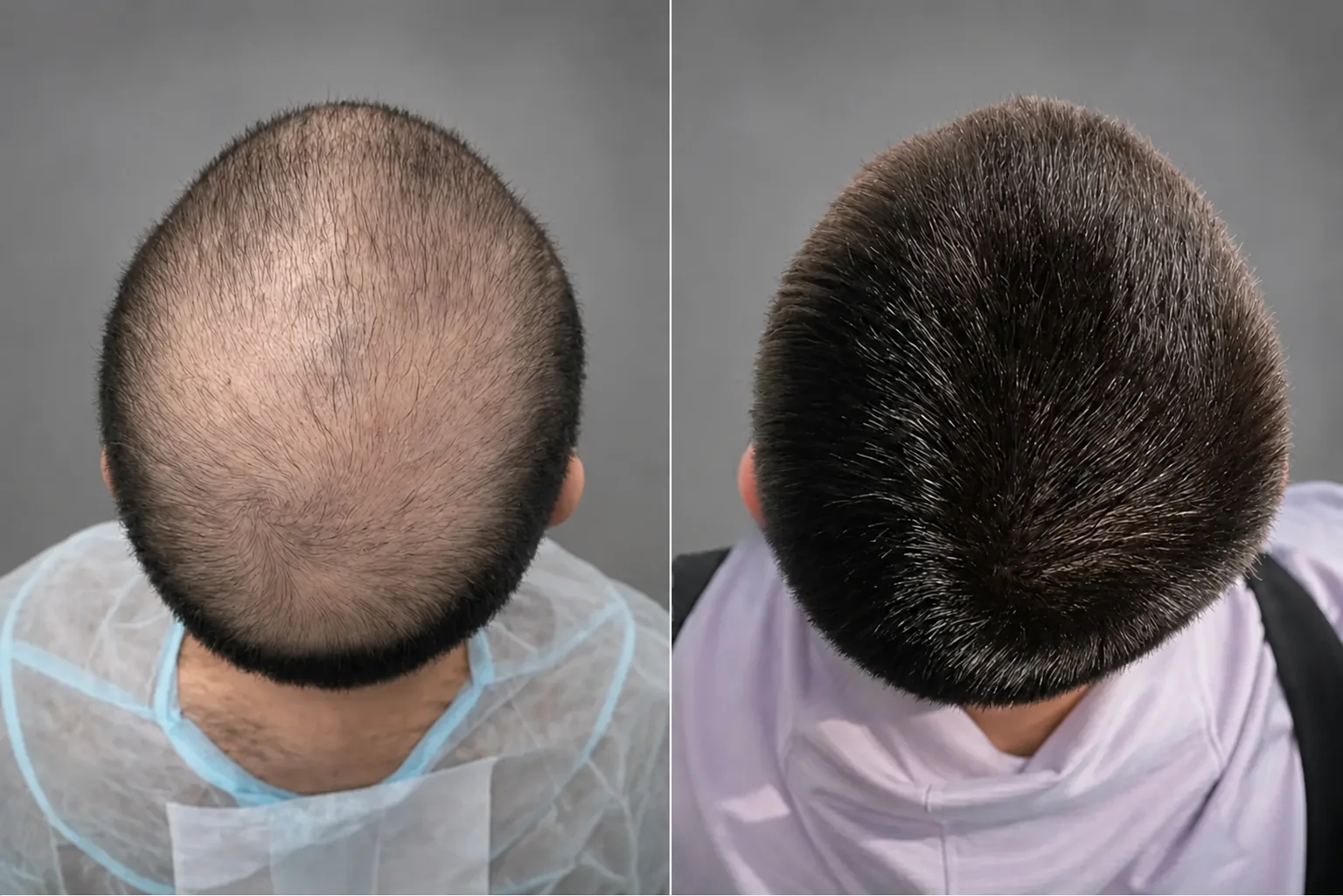
pre-op
12 months later
3,900 grafts
FUE method
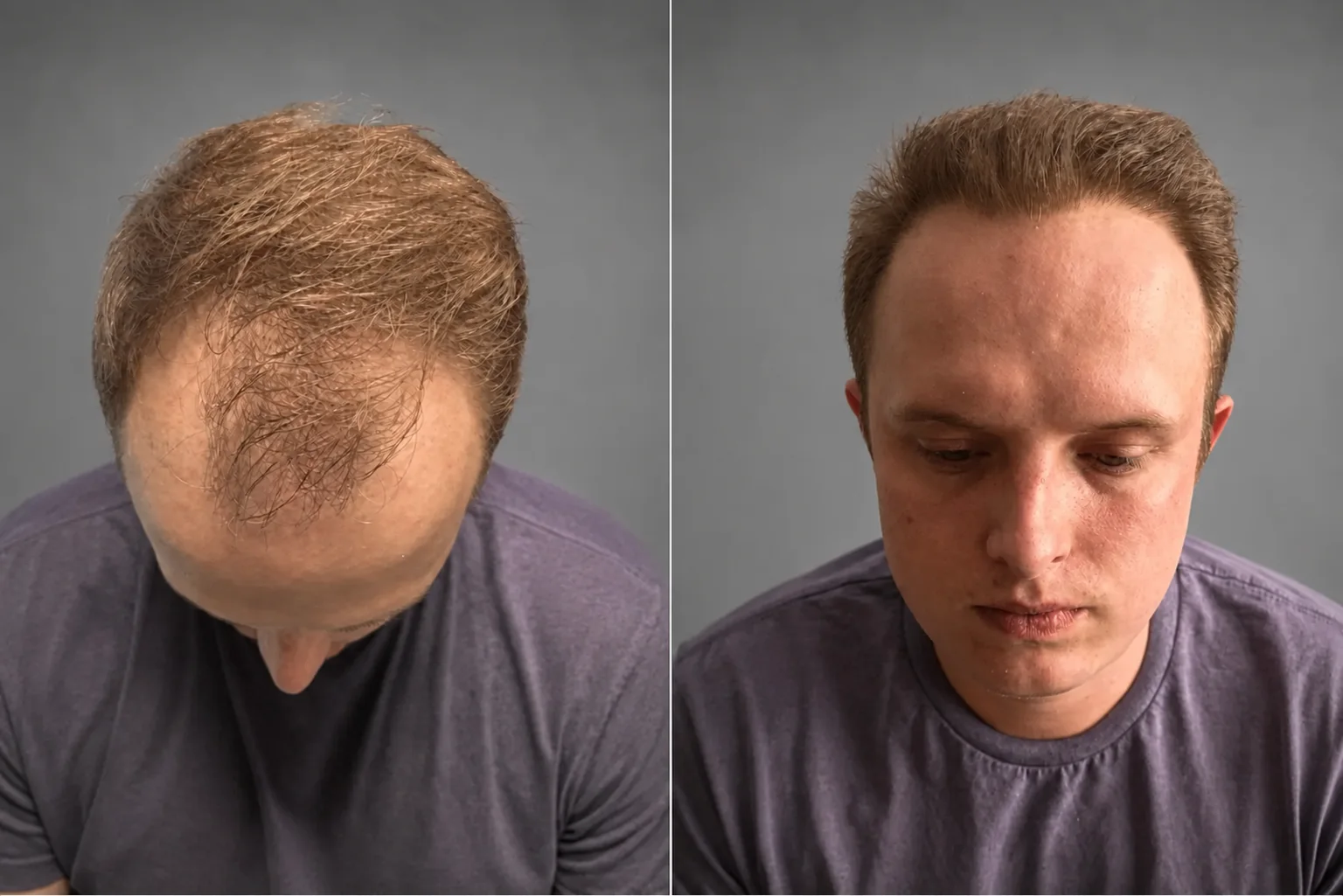
pre-op
12 months later
3,500 grafts
FUE method
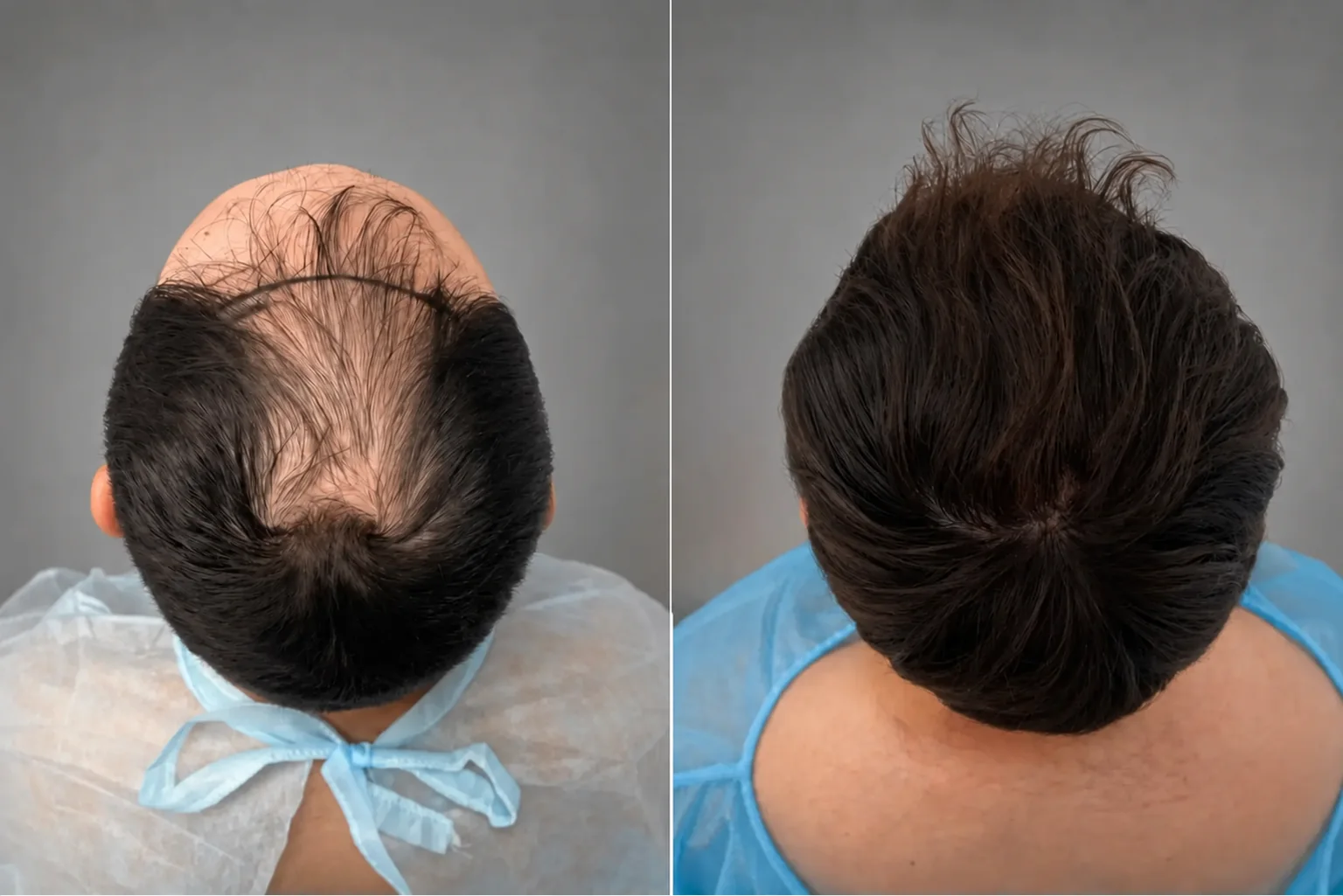
pre-op
12 months later
3,800 grafts
FUE method
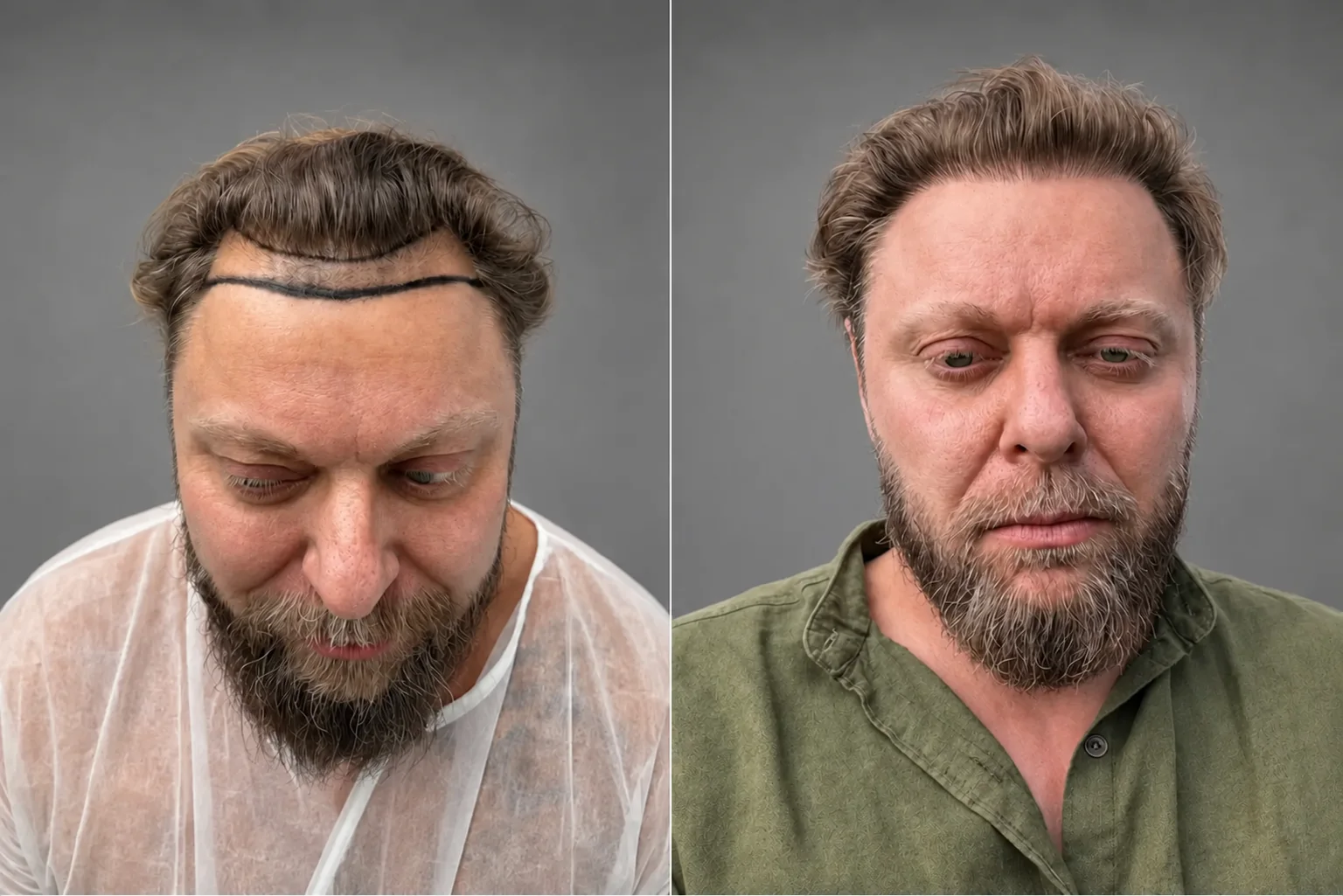
pre-op
12 months later
2,900 grafts
FUE method
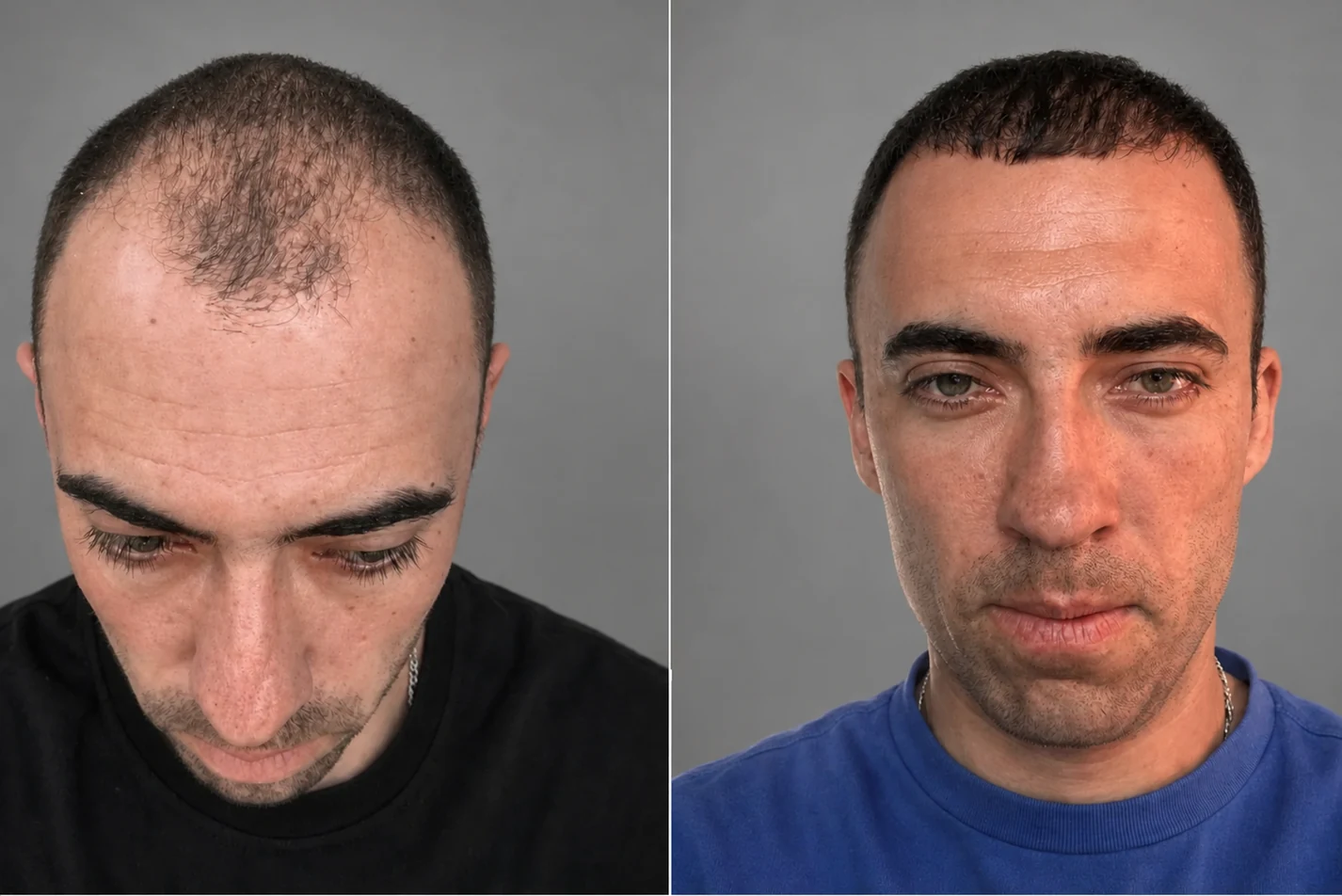
pre-op
12 months later
3,600 grafts
FUE method
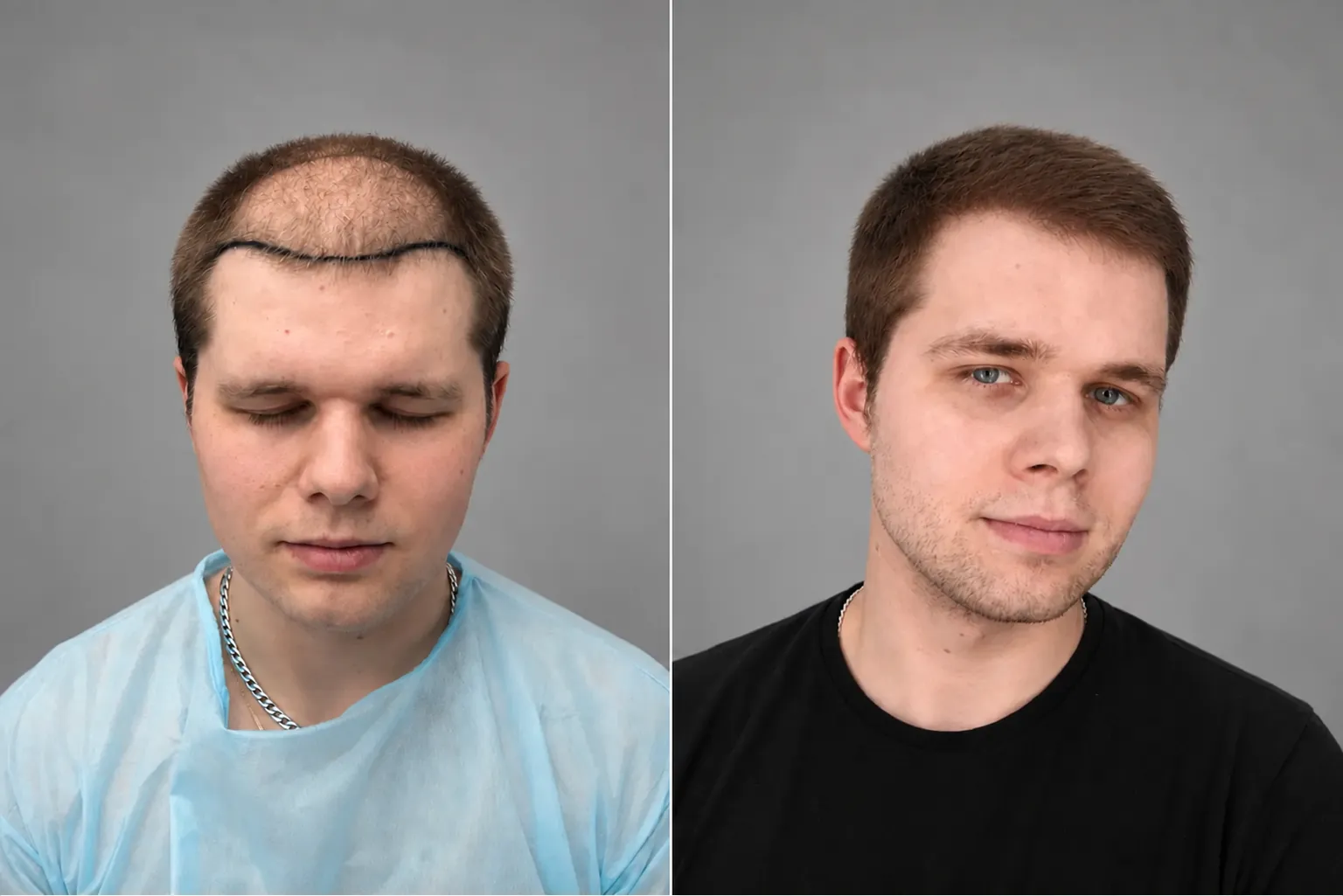
pre-op
12 months later
2,600 grafts
FUE method
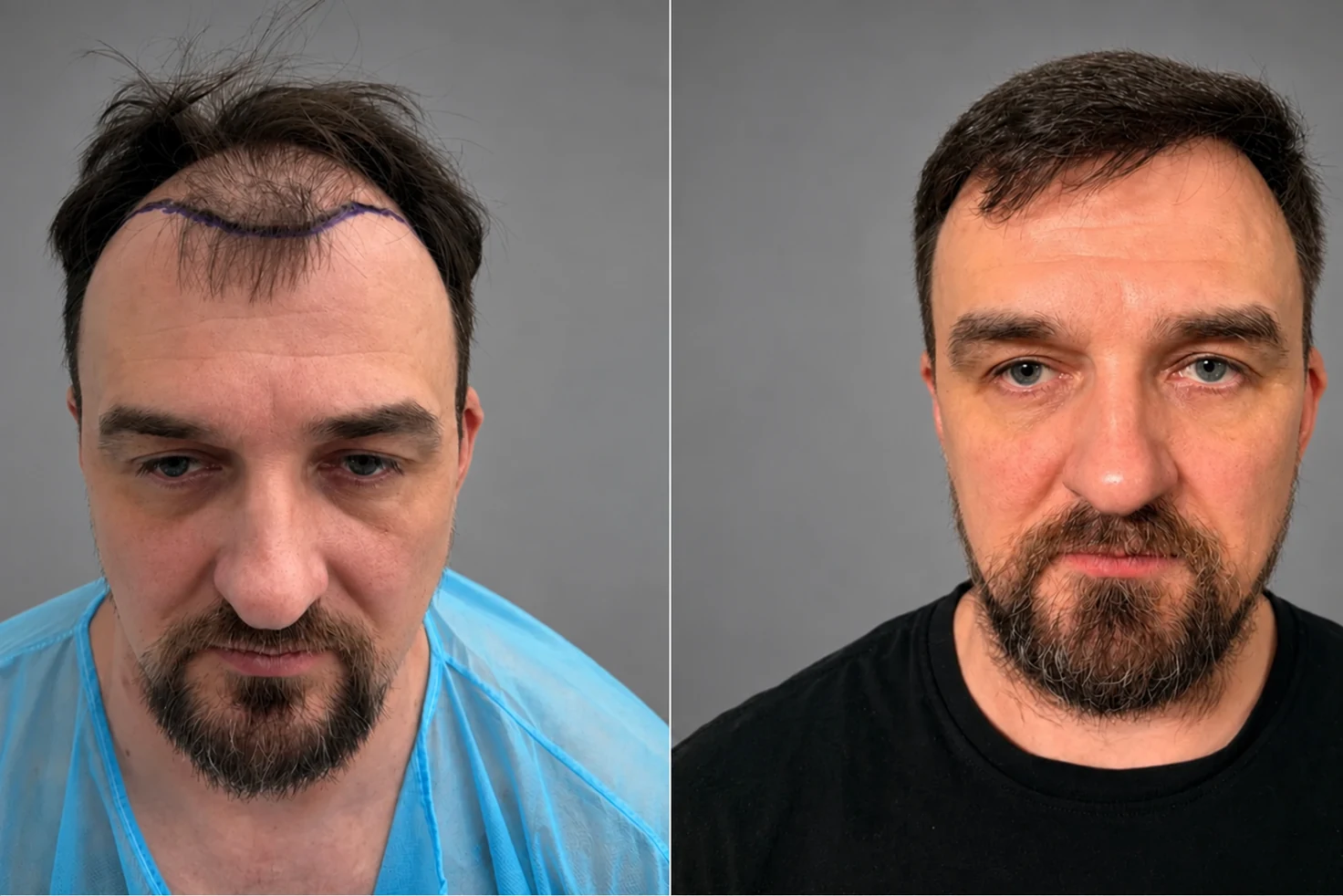
pre-op
12 months later
2,700 grafts
FUE method
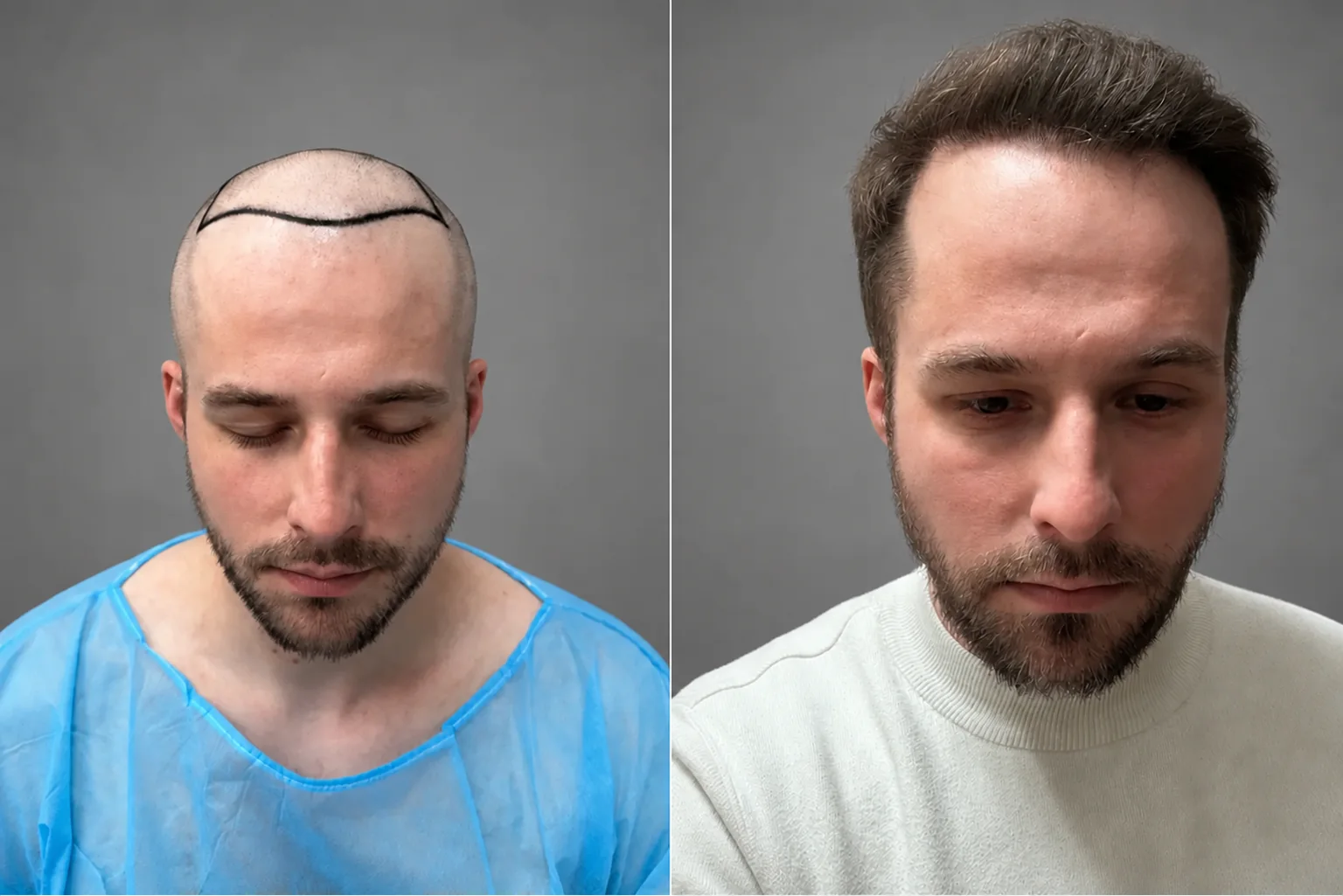
pre-op
12 months later
3,700 grafts
FUE method
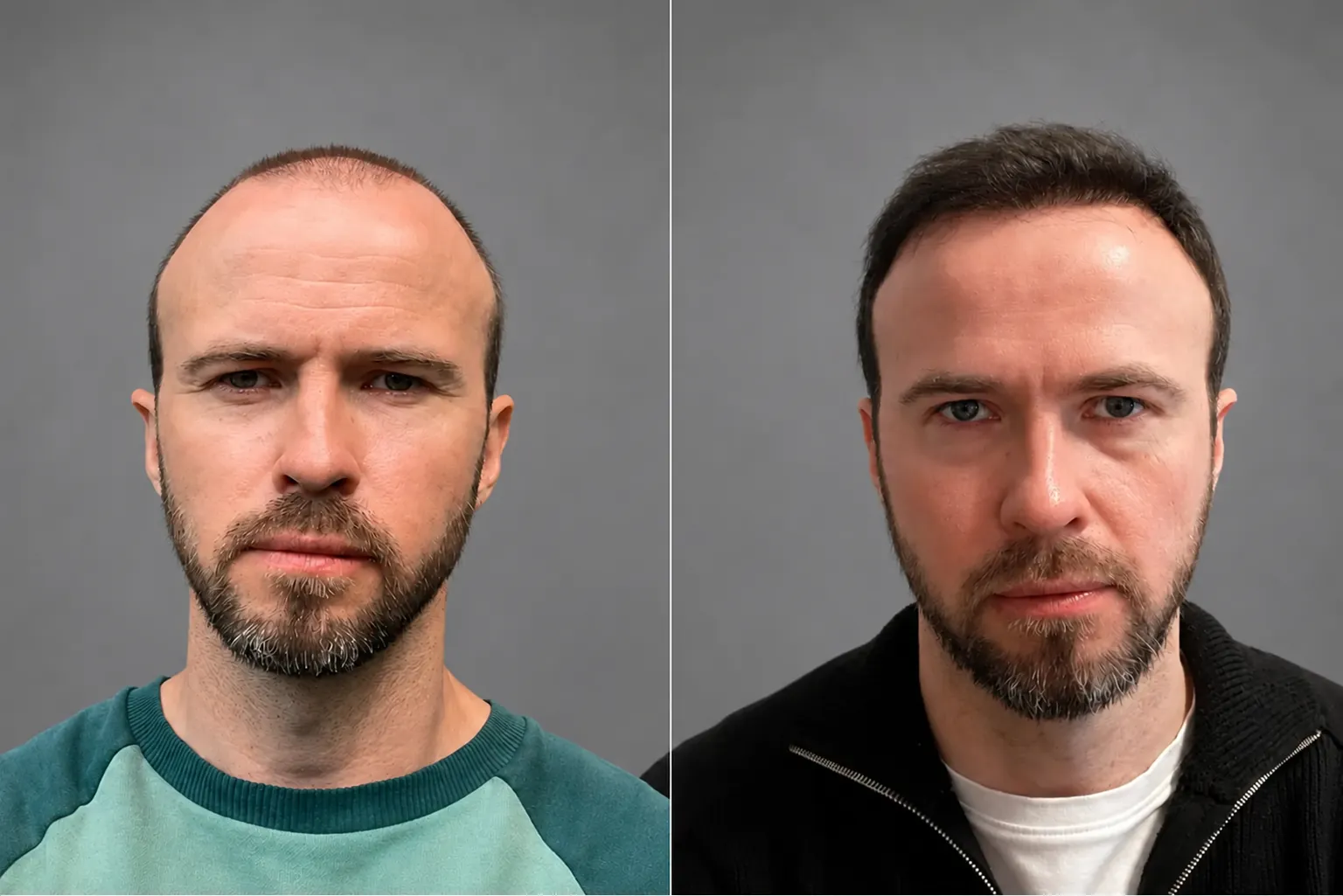
pre-op
12 months later
3,200 grafts
FUE method
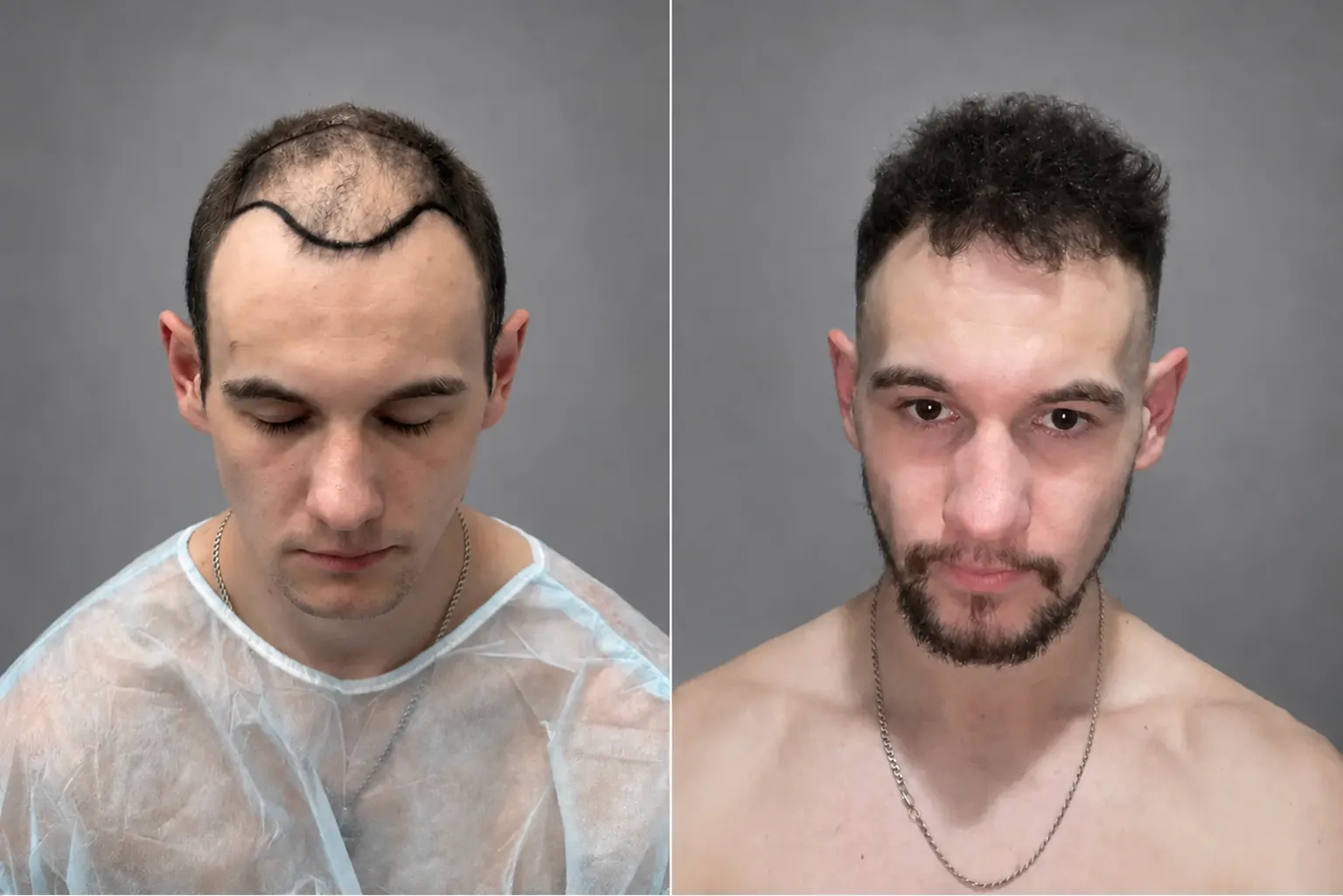
pre-op
12 months later
3,000 grafts
FUE method
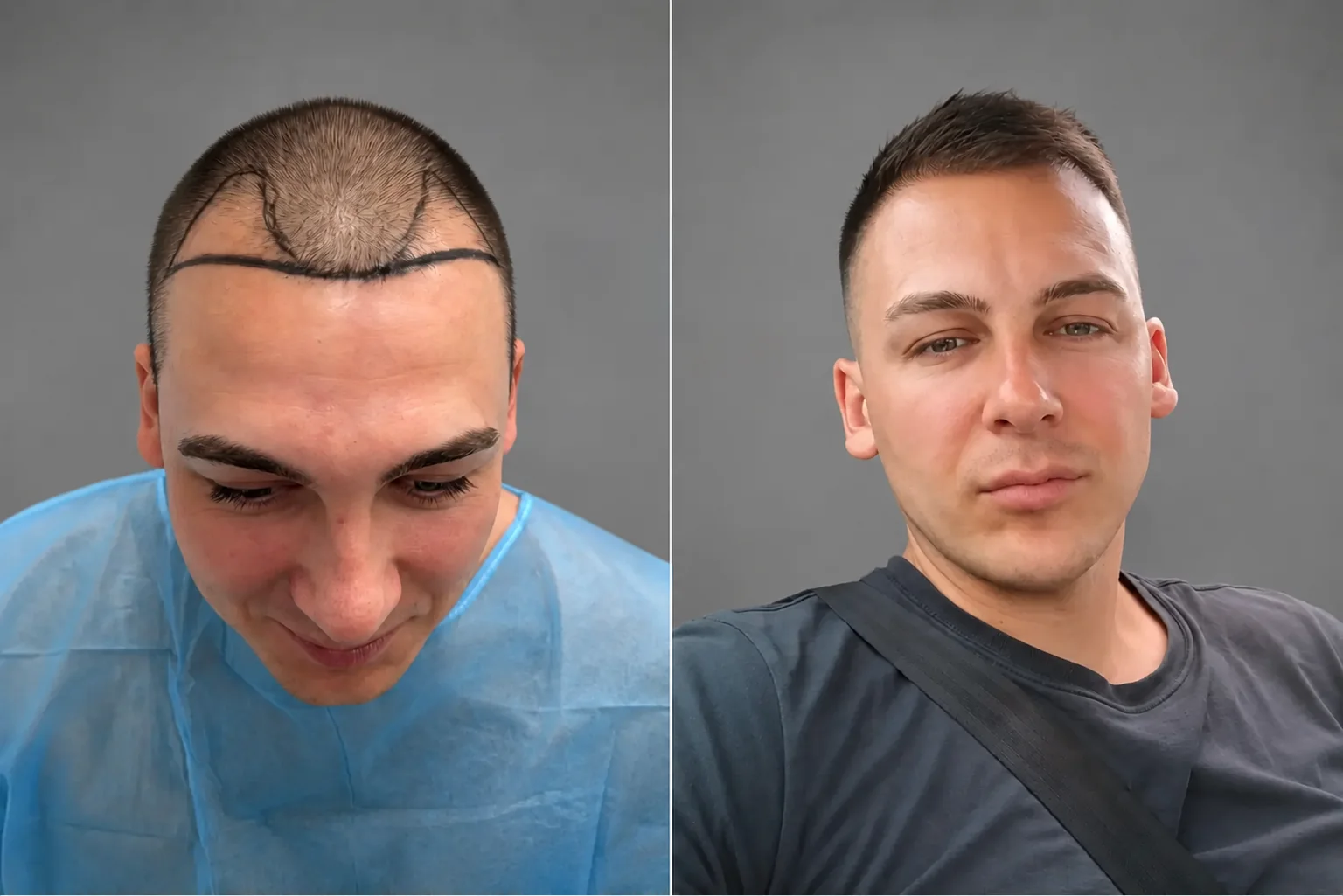
pre-op
12 months later
2,800 grafts
FUE method
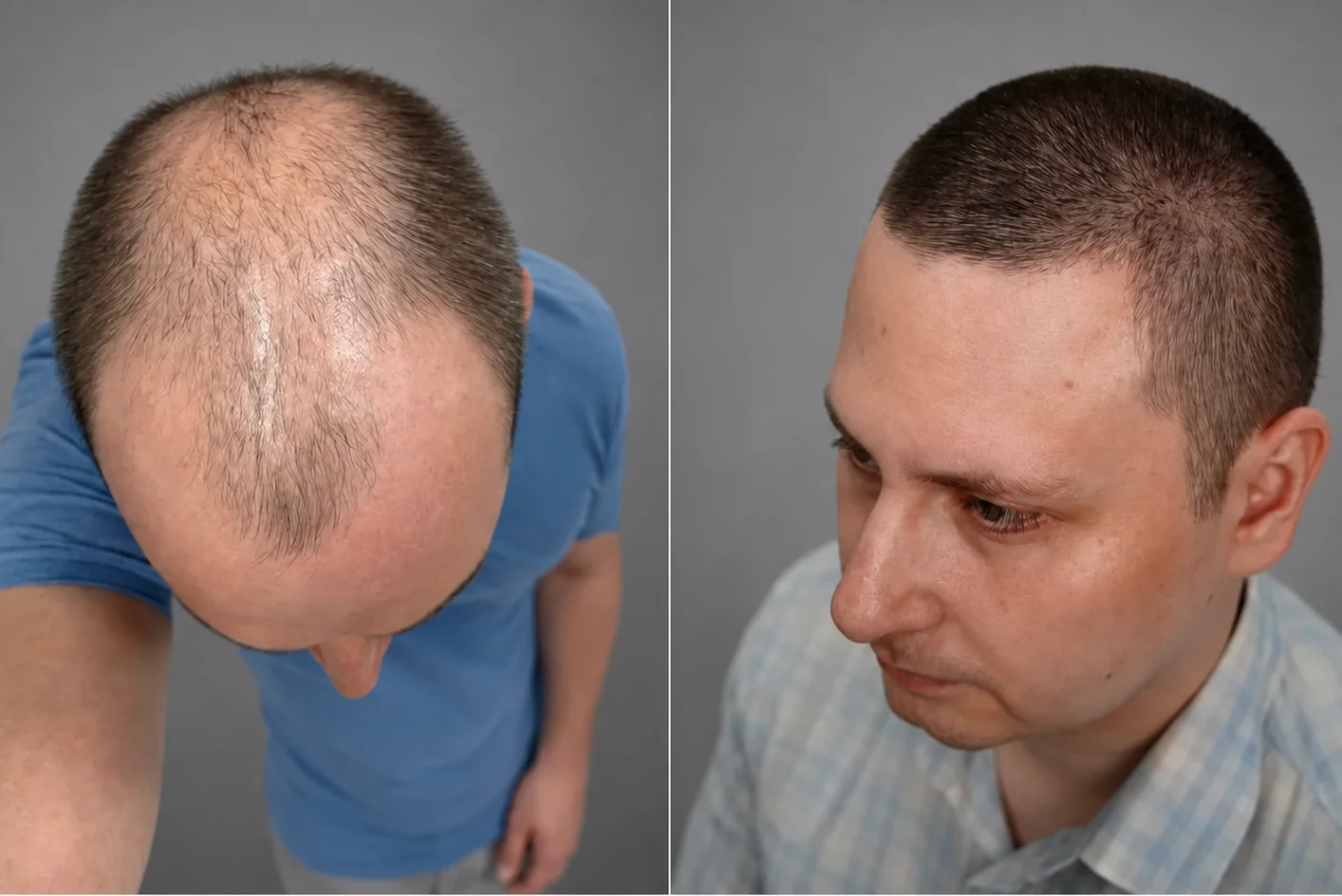
pre-op
12 months later
4,000 grafts
FUE method
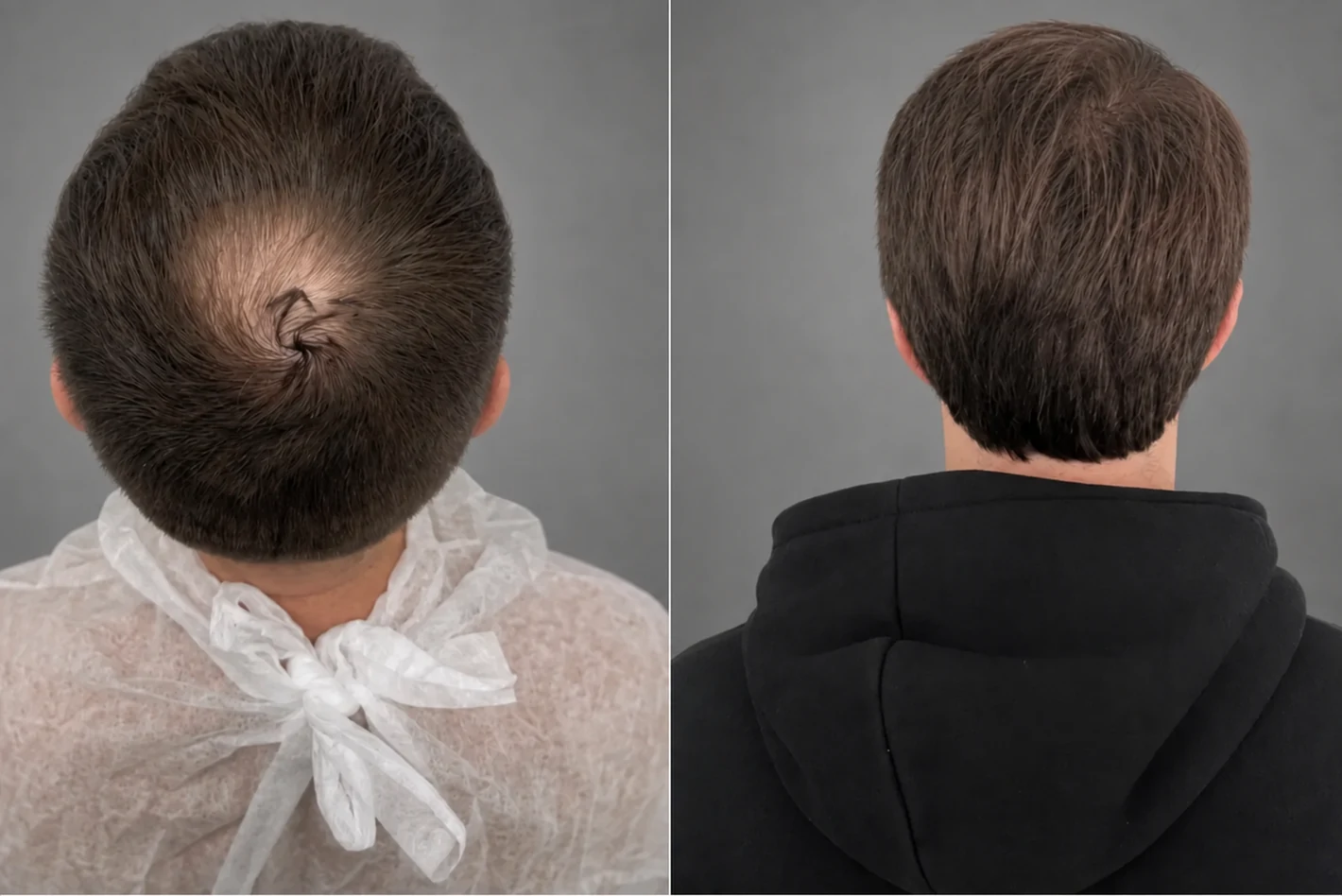
pre-op
12 months later
3,400 grafts
FUE method
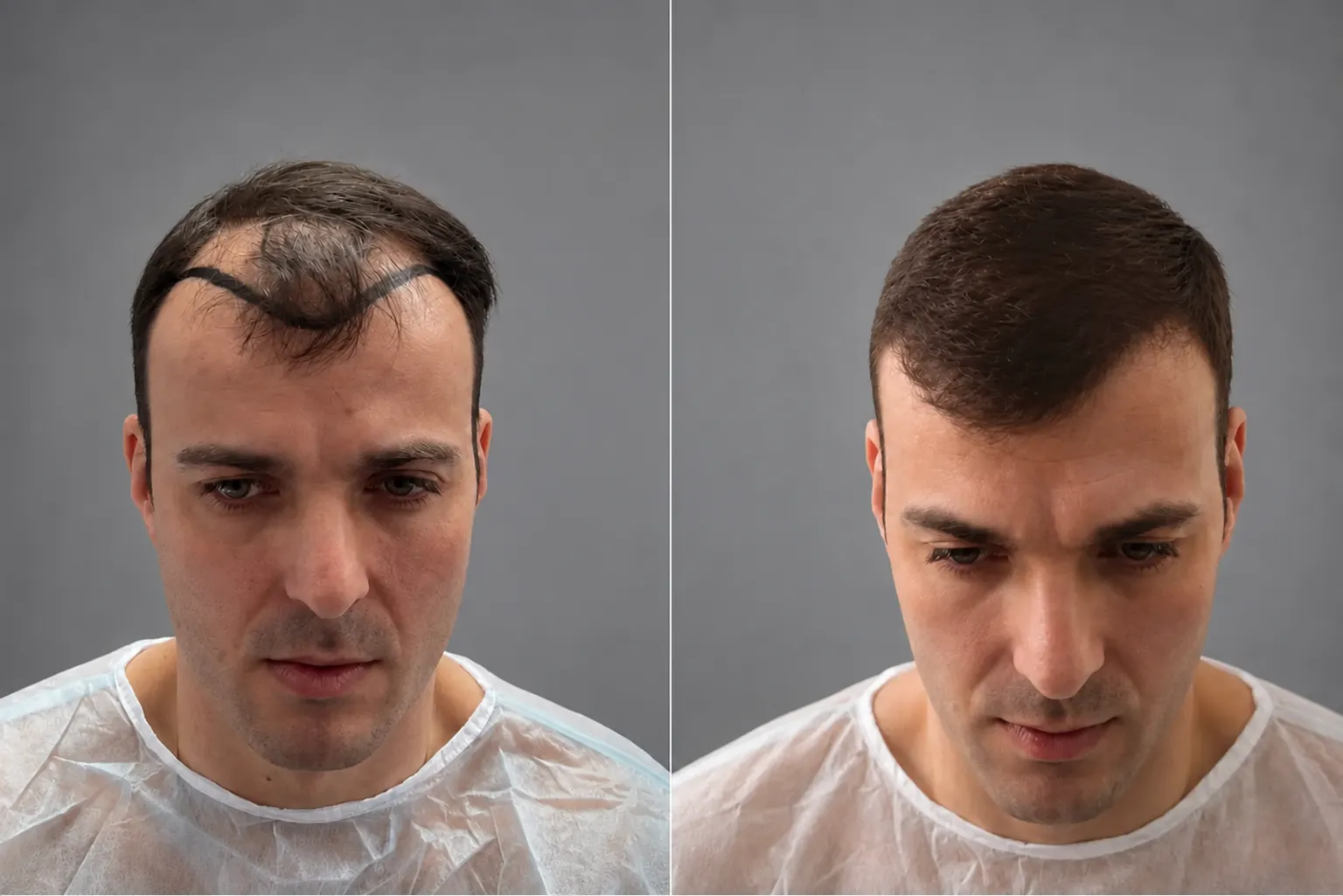
pre-op
12 months later
2,900 grafts
FUE method
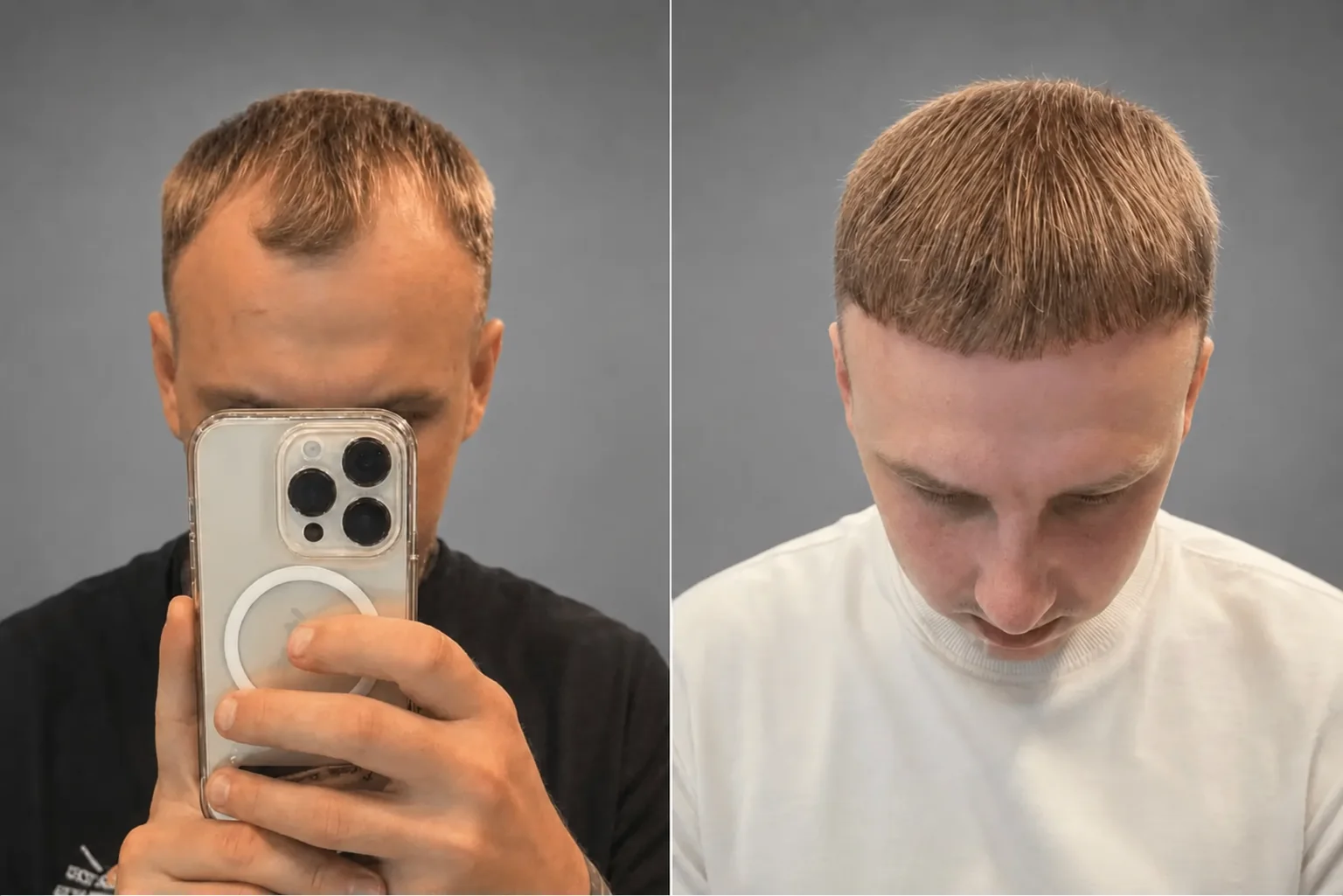
pre-op
12 months later
3,100 grafts
FUE method
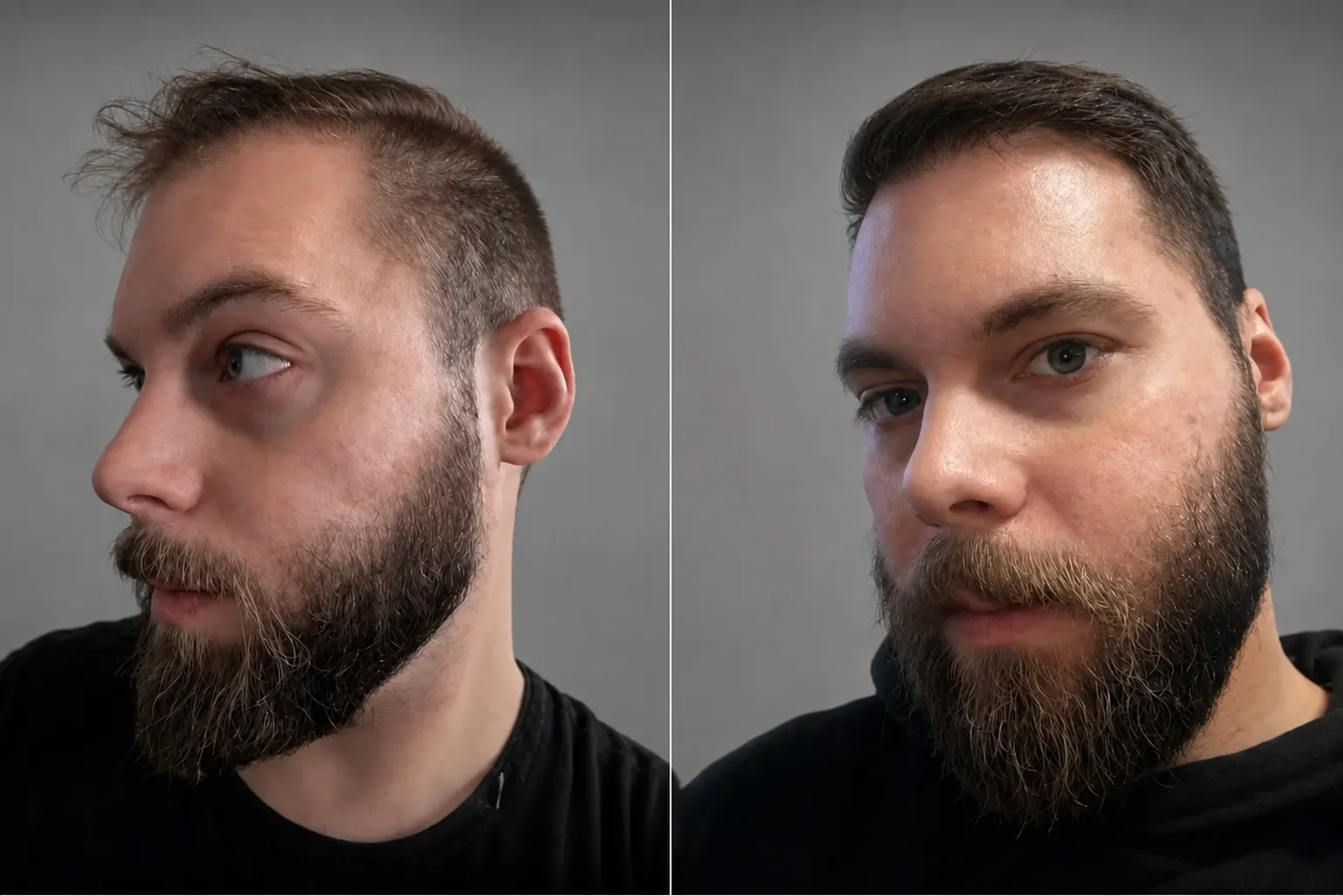
pre-op
12 months later
2,600 grafts
FUE method
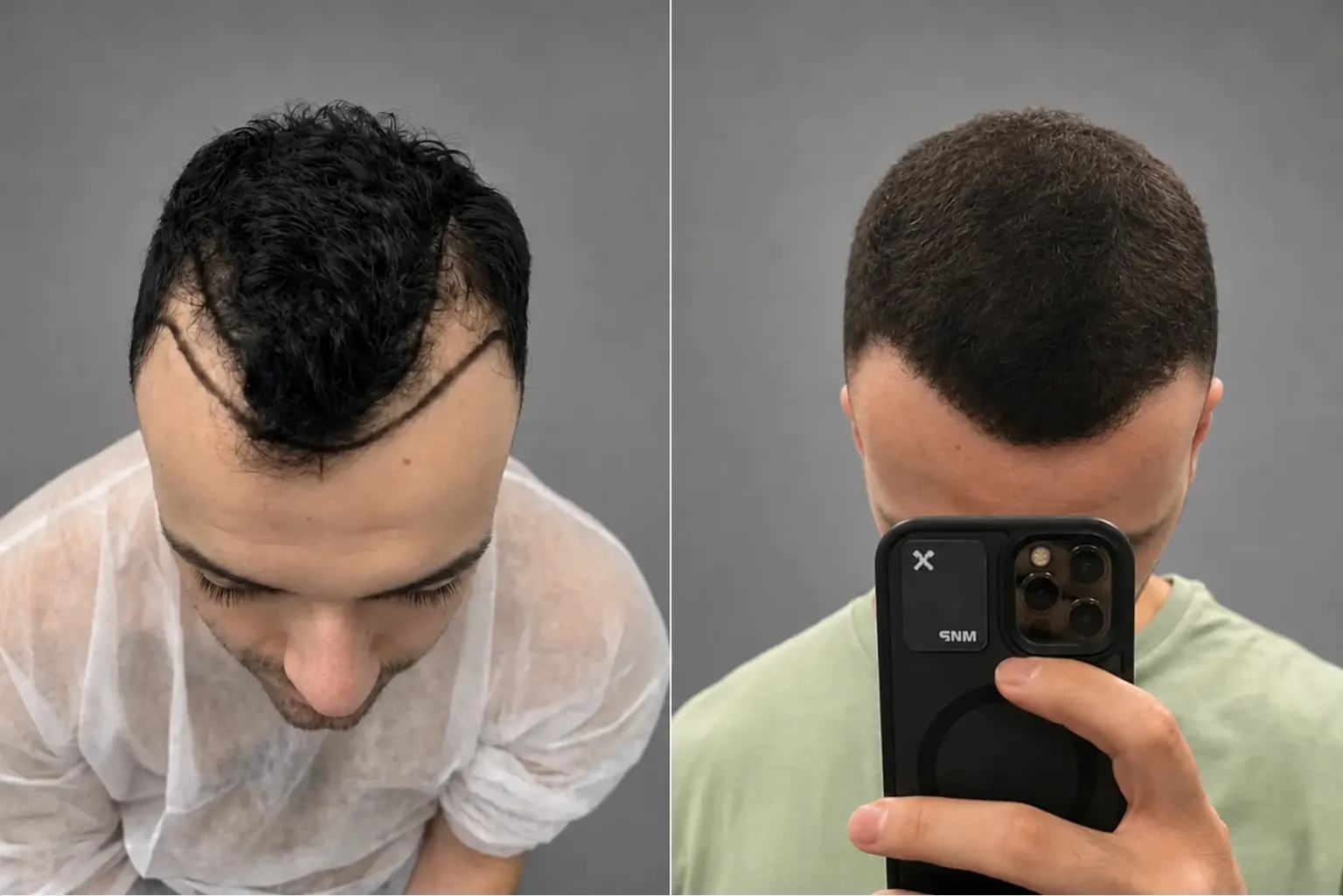
pre-op
12 months later
3,300 grafts
FUE method
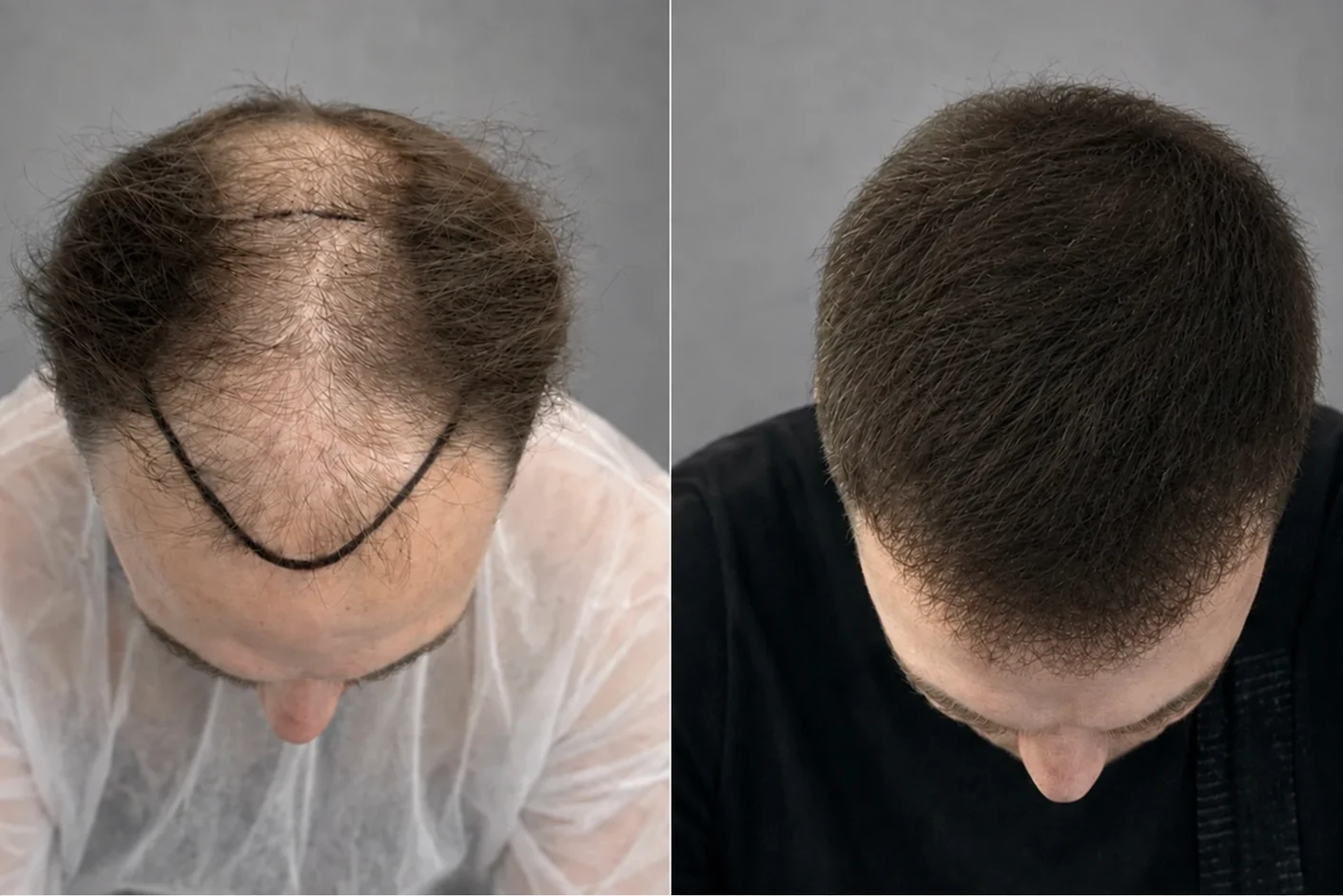
pre-op
12 months later
3,900 grafts
FUE method
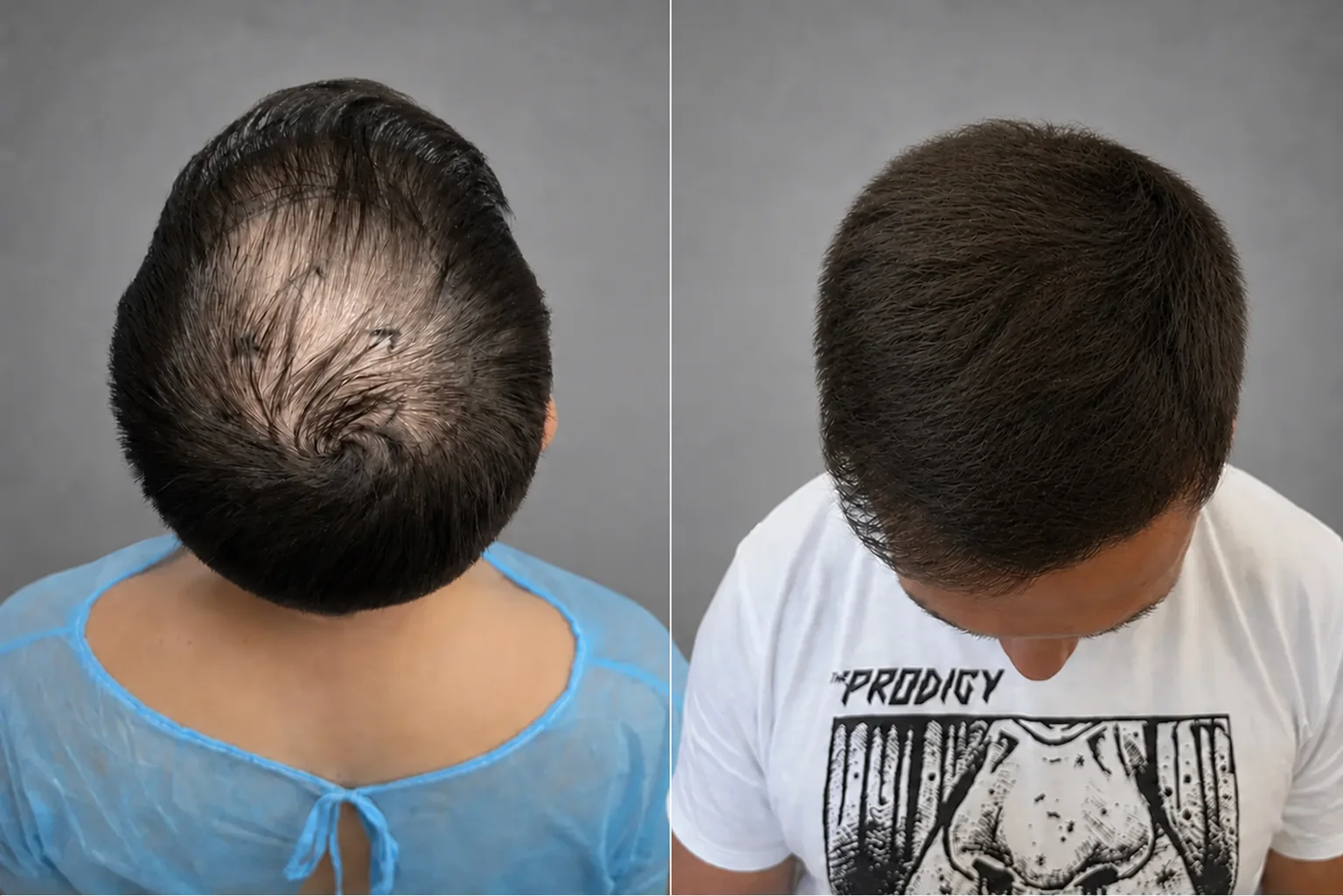
pre-op
12 months later
3,500 grafts
FUE method
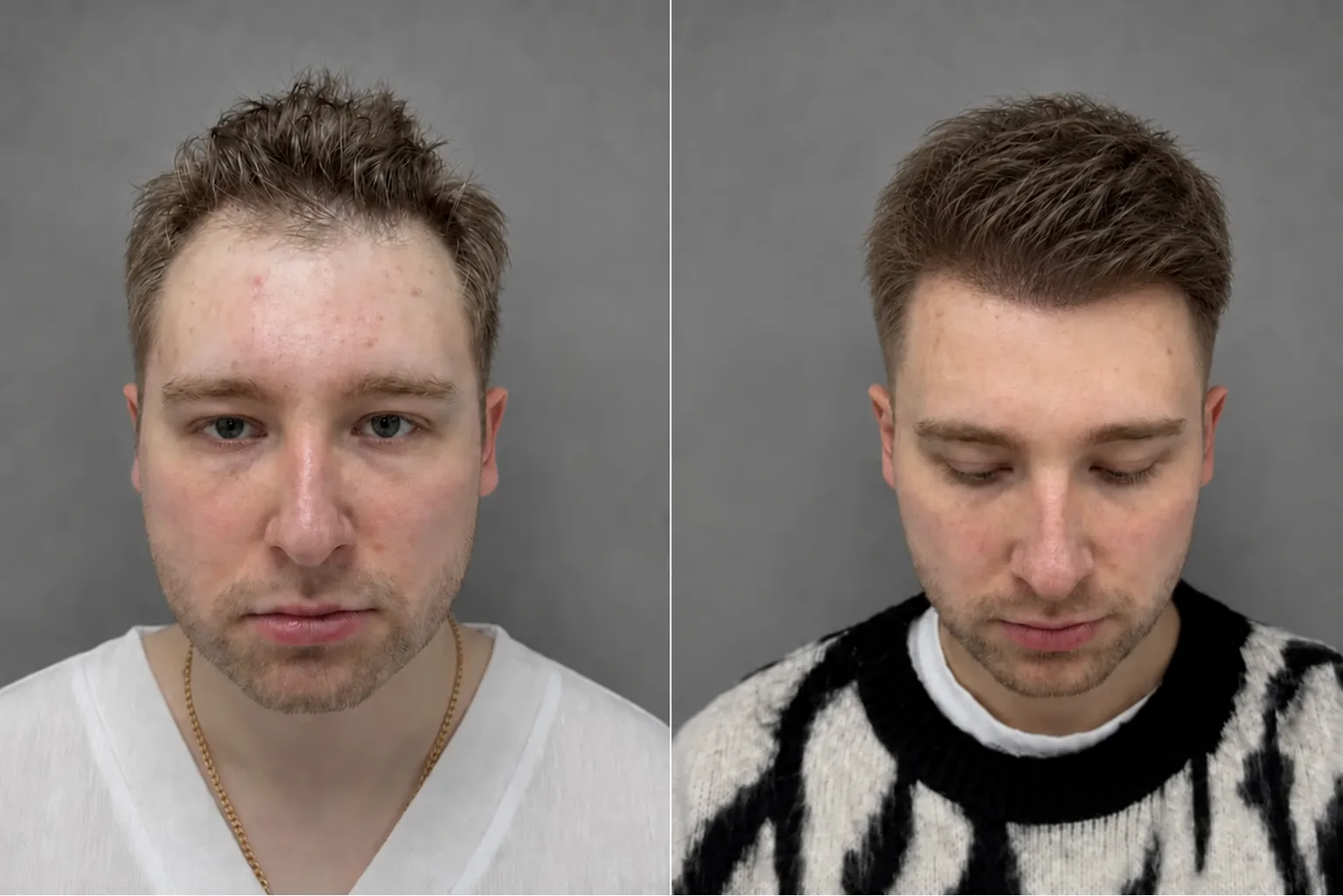
pre-op
12 months later
2,700 grafts
FUE method
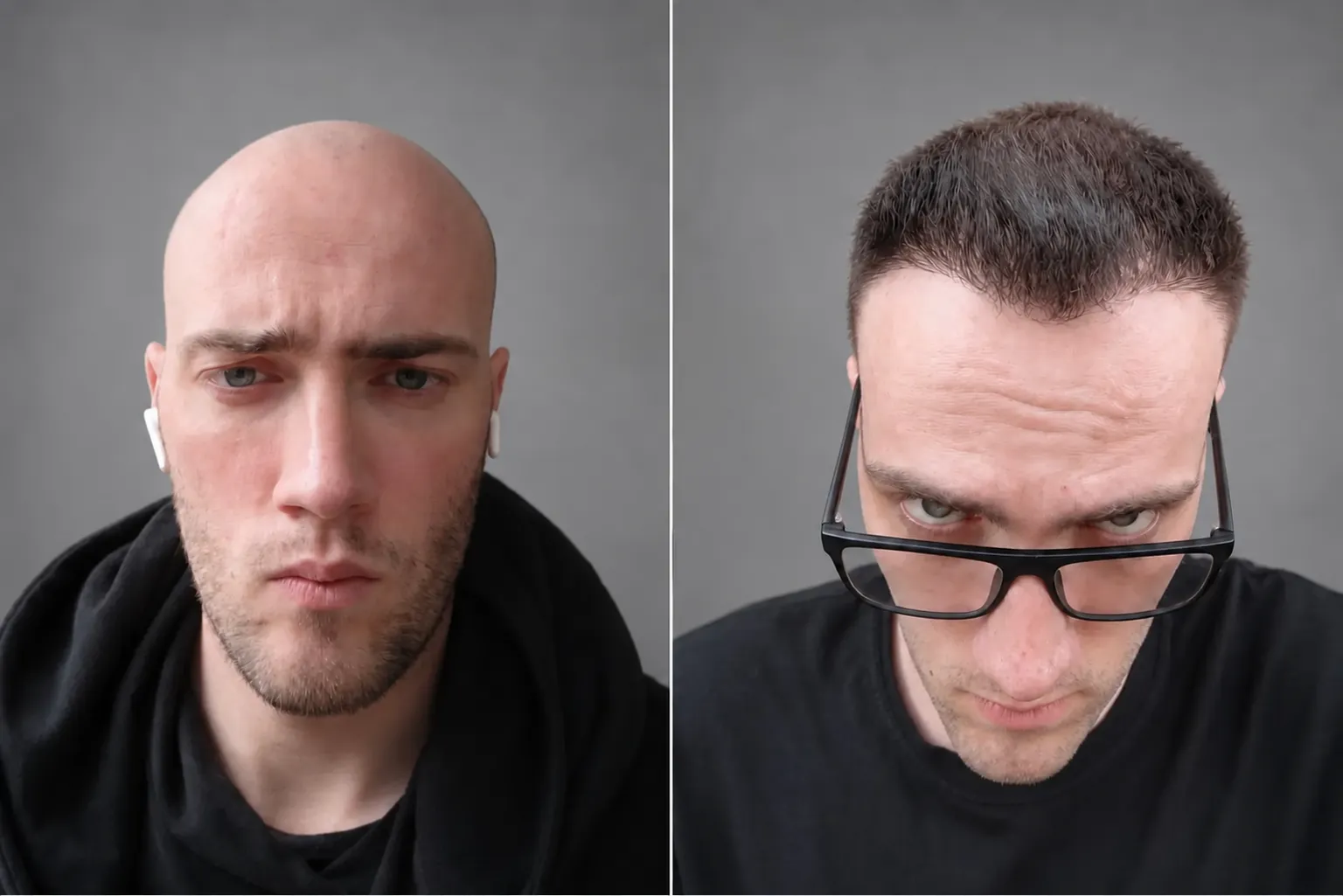
pre-op
12 months later
3,800 grafts
FUE method
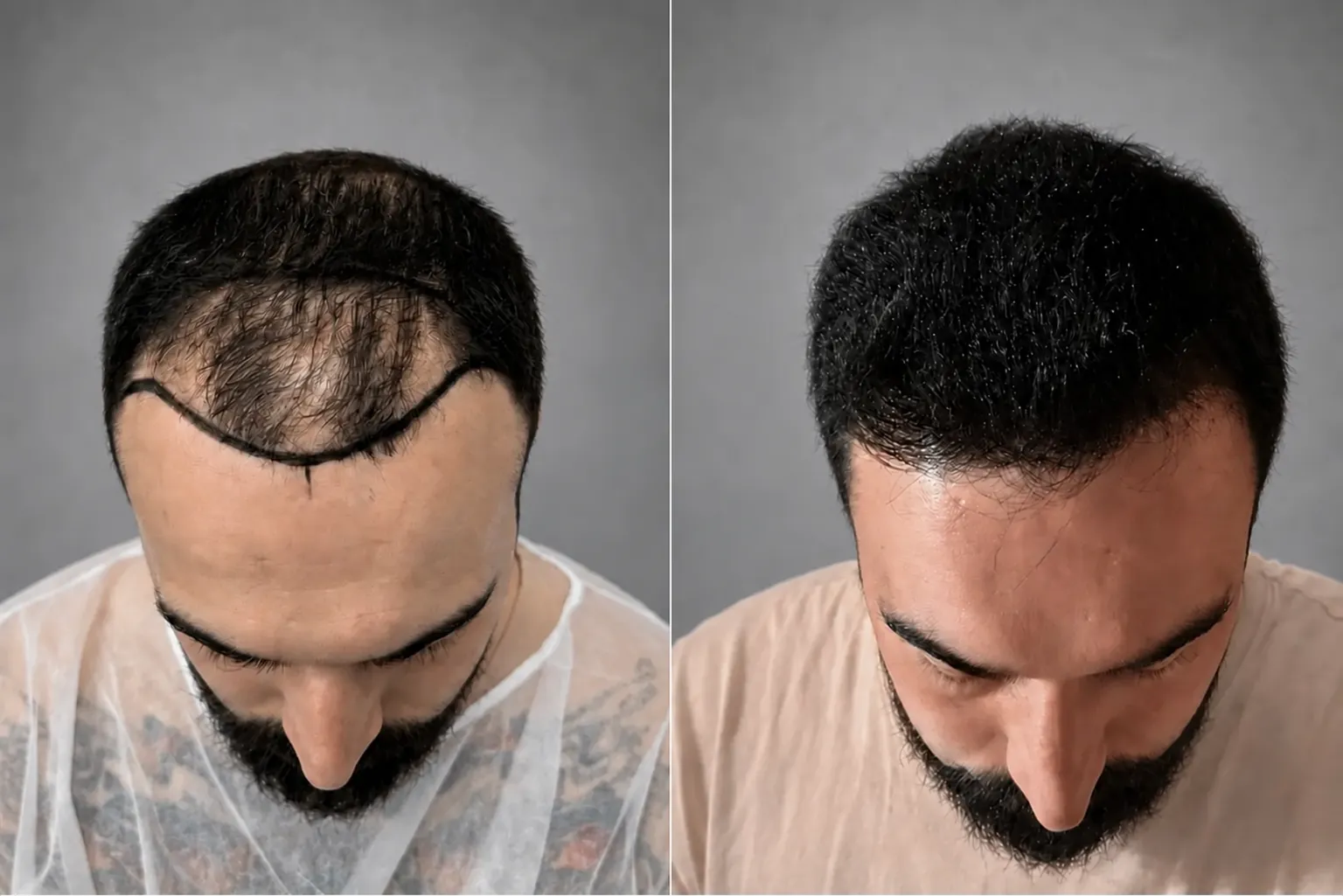
pre-op
12 months later
3,200 grafts
FUE method
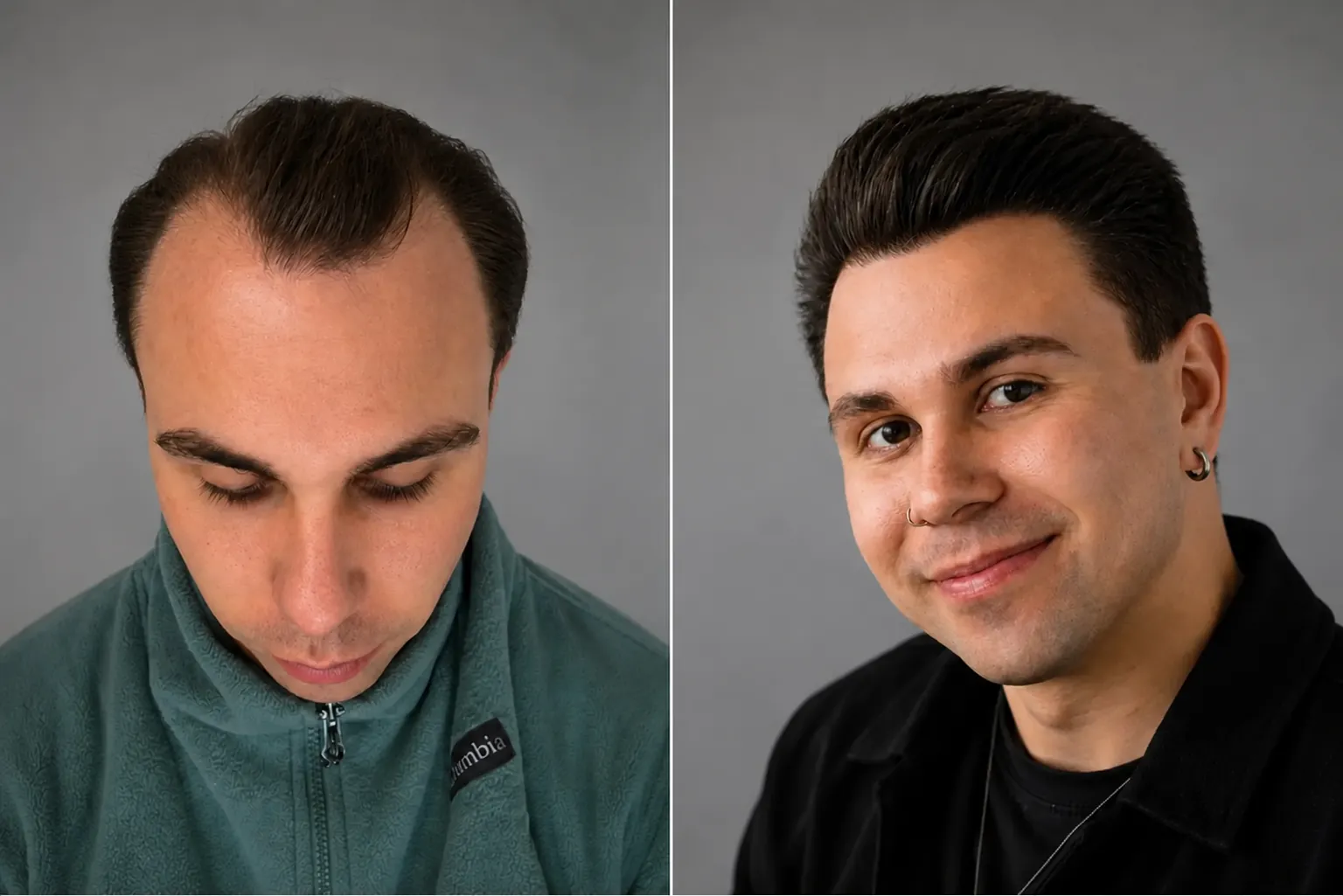
pre-op
12 months later
3,000 grafts
FUE method
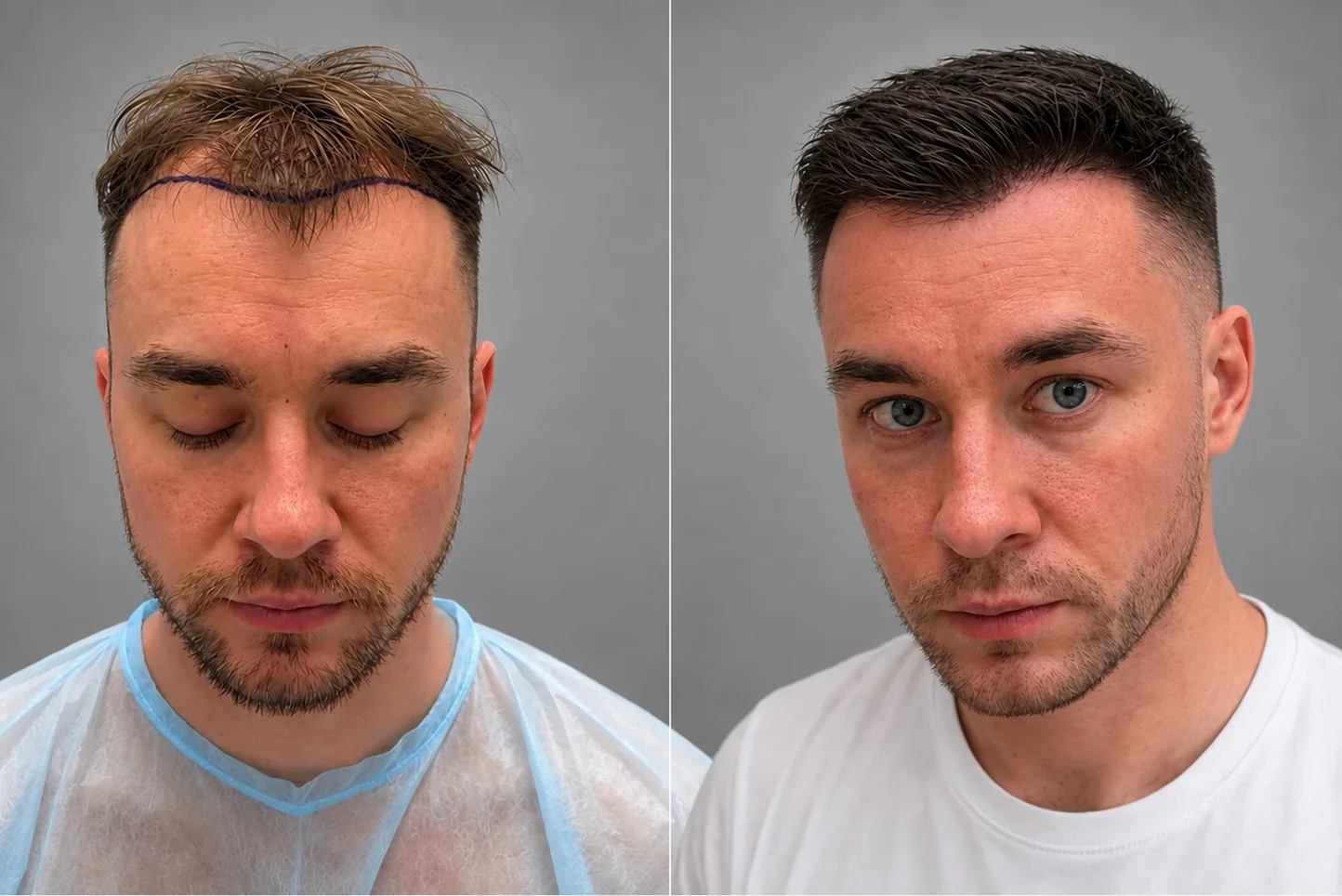
pre-op
12 months later
2,800 grafts
FUE method
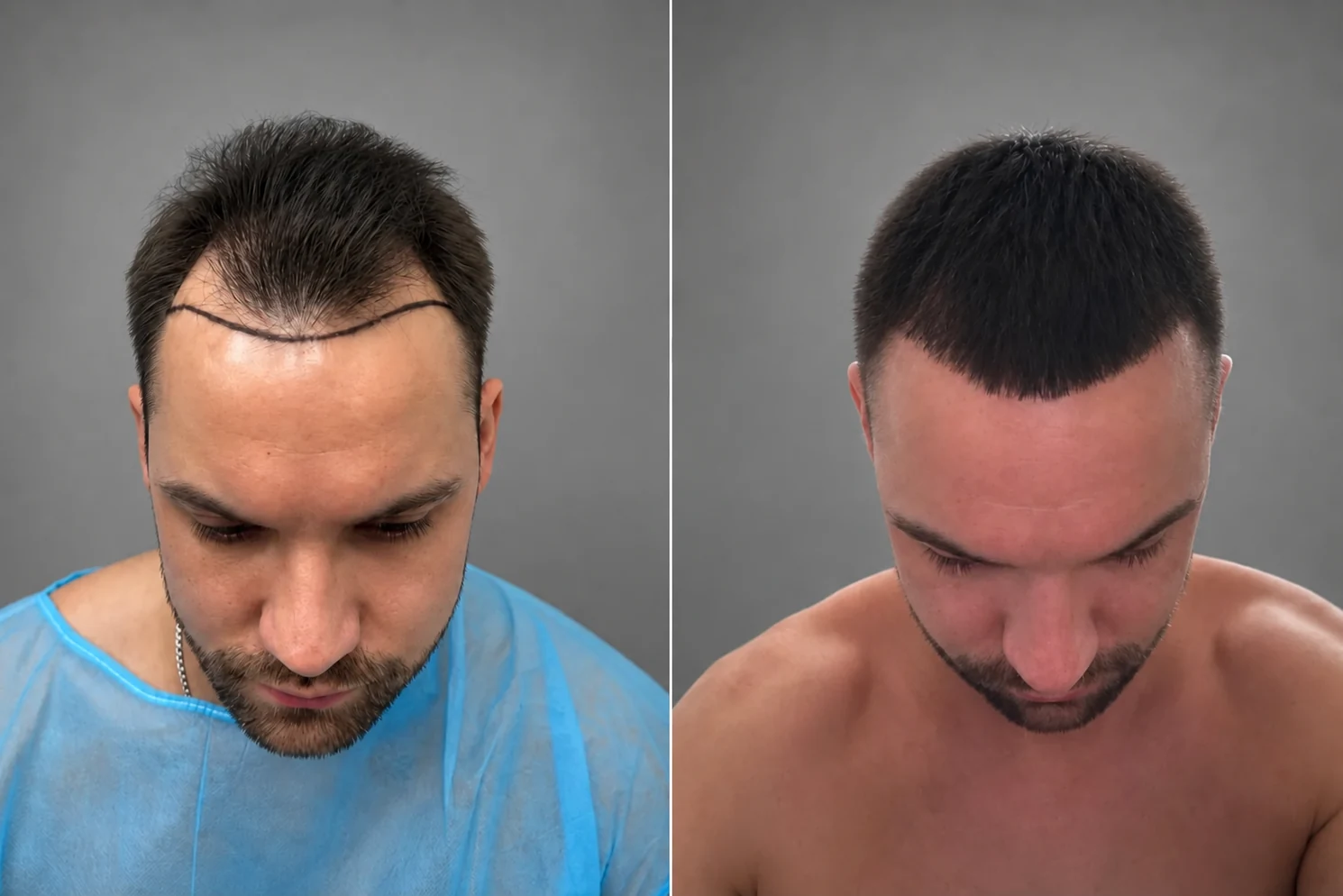
pre-op
12 months later
3,100 grafts
FUE method
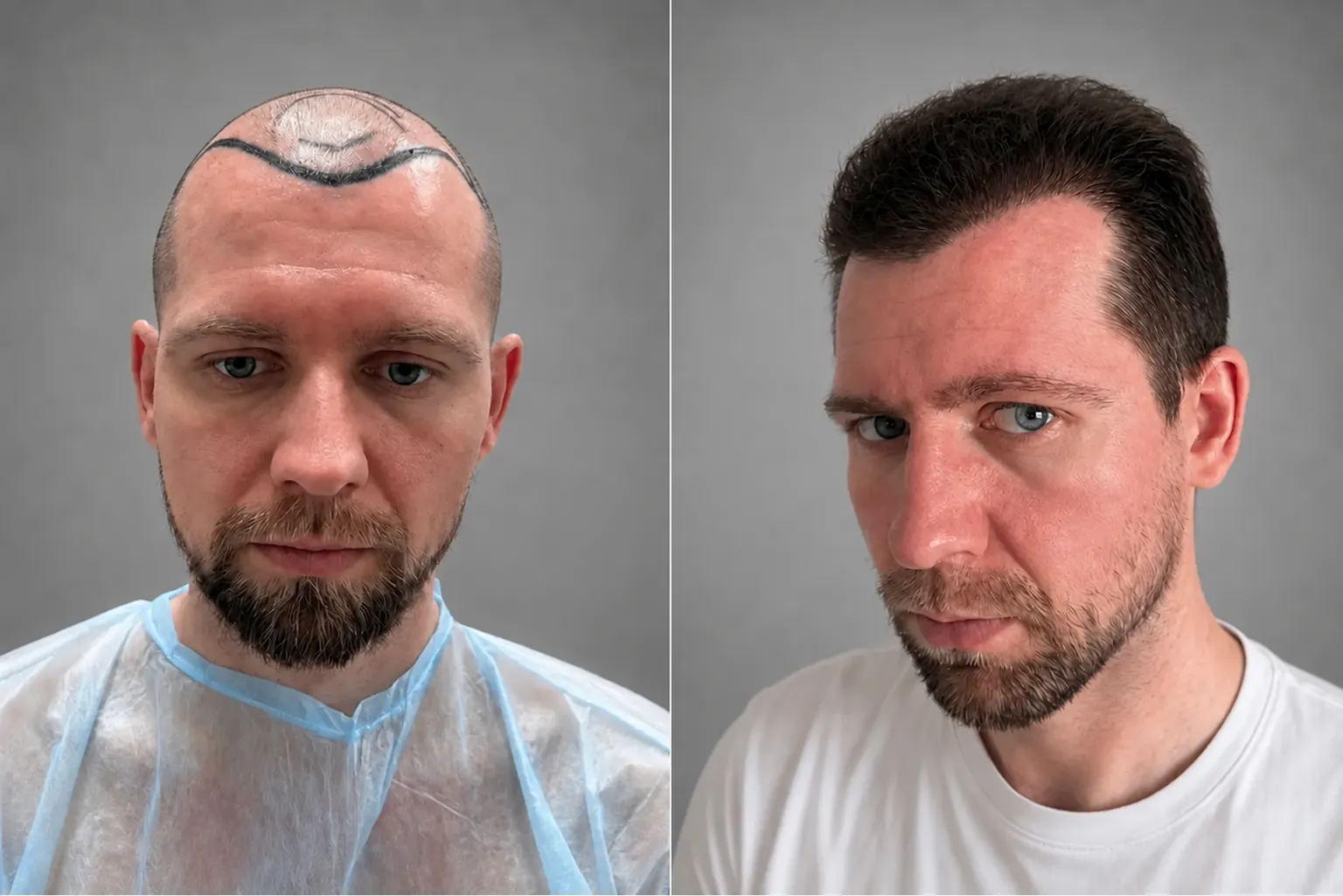
pre-op
12 months later
3,600 grafts
FUE method
Comparison
We work with three graft transfer technologies: classic FUE, suture-free DHI and a combined protocol. Compare the implantation technique, tissue trauma and graft survival to choose your method with open eyes.
Classic technique without incisions or stitches
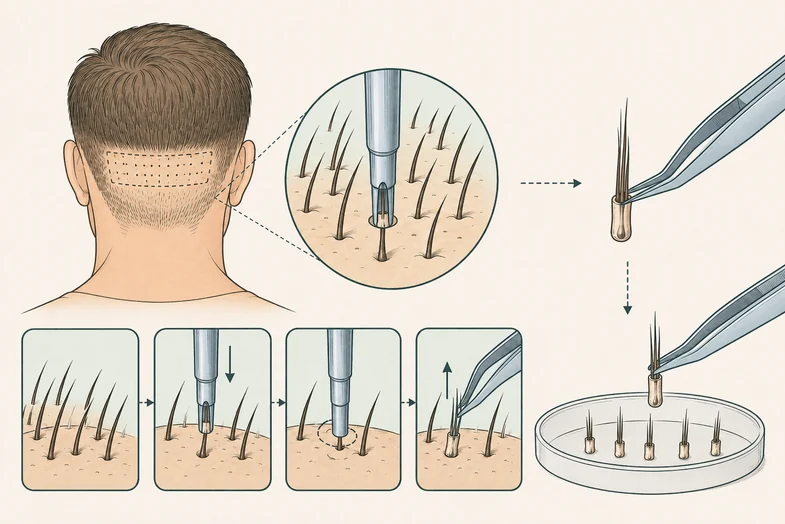
$2,200
$2,700
Graft implantation technique
ForcepsGraft trauma
MinimalNatural hair growth angle
NaturalGraft survival
98–100%Suitable for
Androgenetic alopeciaSuture-free implantation with a Choi pen
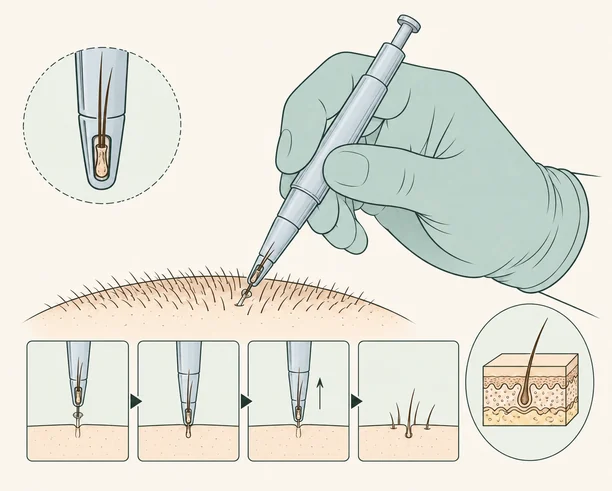
$2,500
$2,900
Graft implantation technique
DHI pen (Choi implanter)Graft trauma
MinimalNatural hair growth angle
NaturalGraft survival
98–100%Suitable for
DensificationFUE extraction, DHI pen implantation
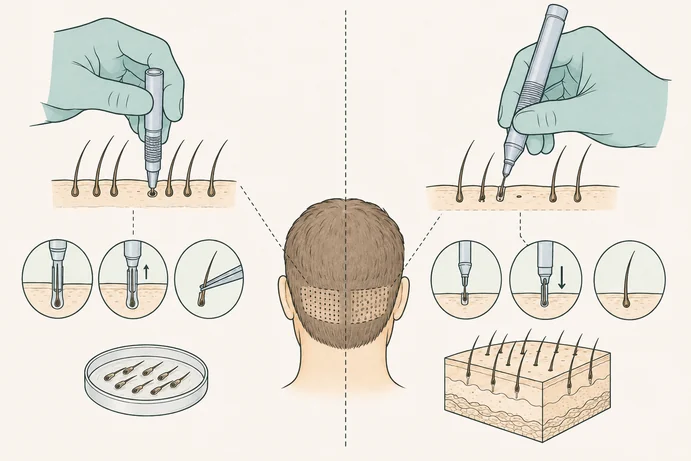
$2,700
$2,900
Graft implantation technique
FUE extraction + DHI implantationGraft trauma
MinimalNatural hair growth angle
NaturalGraft survival
98–100%Suitable for
Androgenetic alopecia and densificationFor every method the survival and trauma figures are averages and serve as a guide: the precise numbers follow from the transplant area and the patient's individual features, clarified by the doctor at consultation.
Reserve an appointment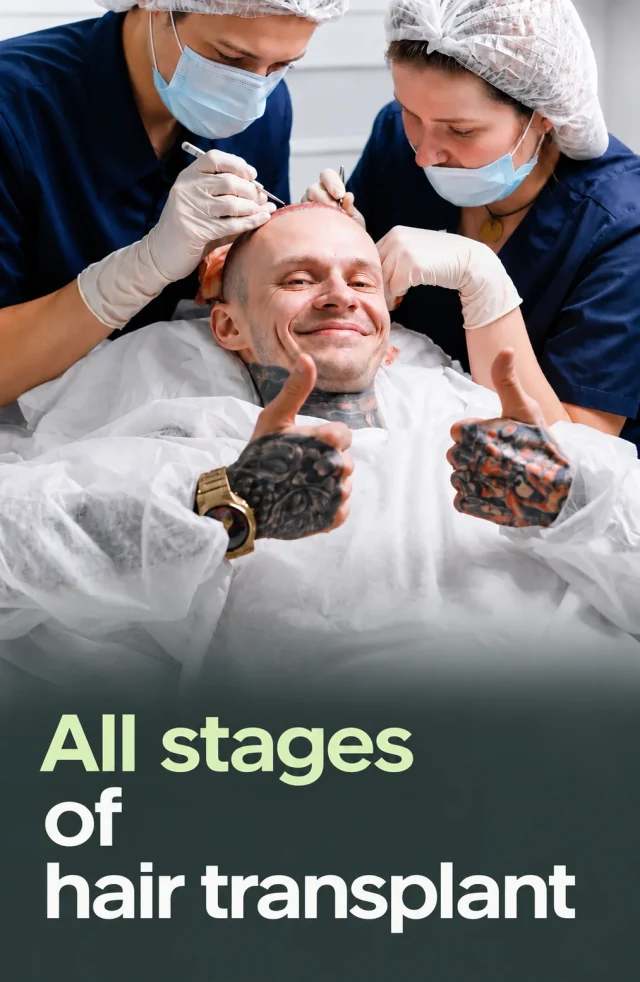
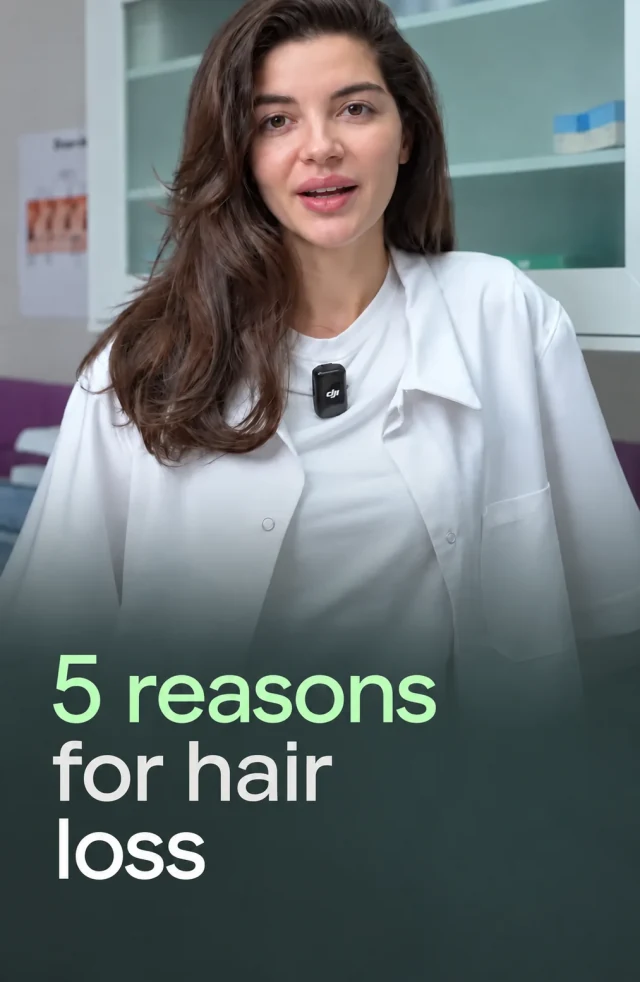
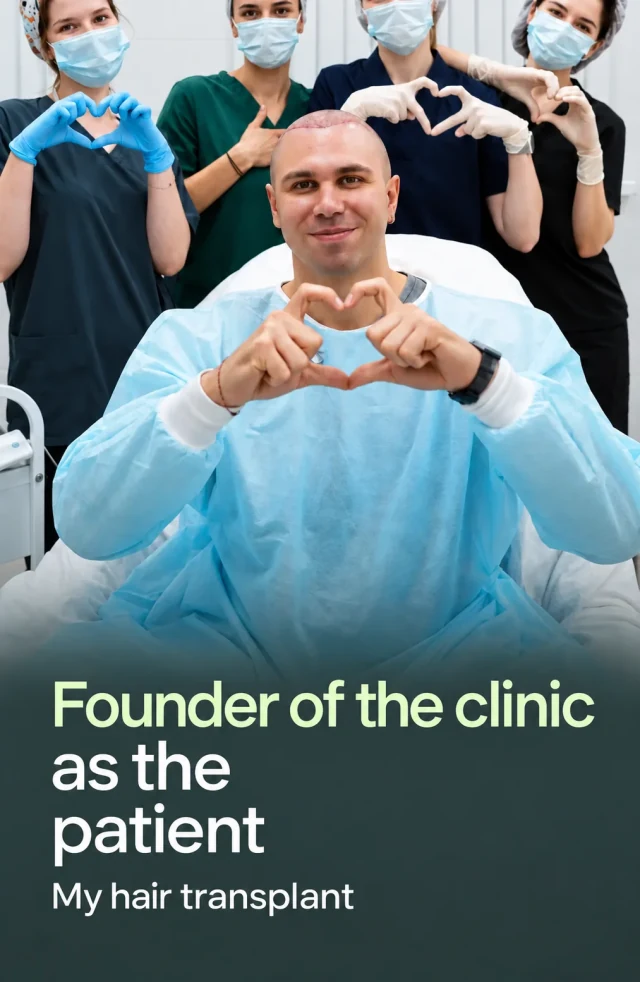
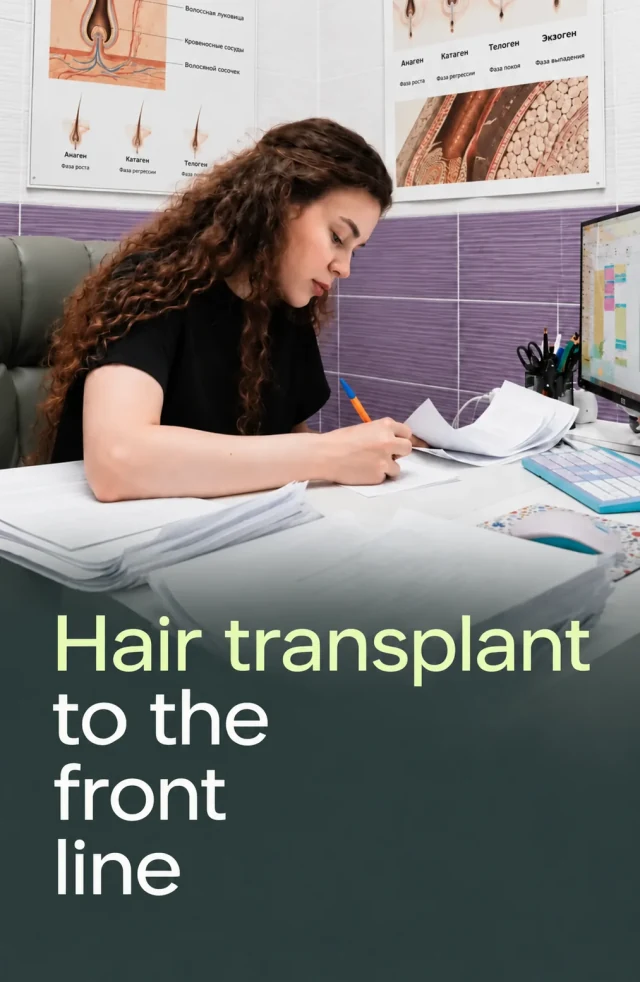
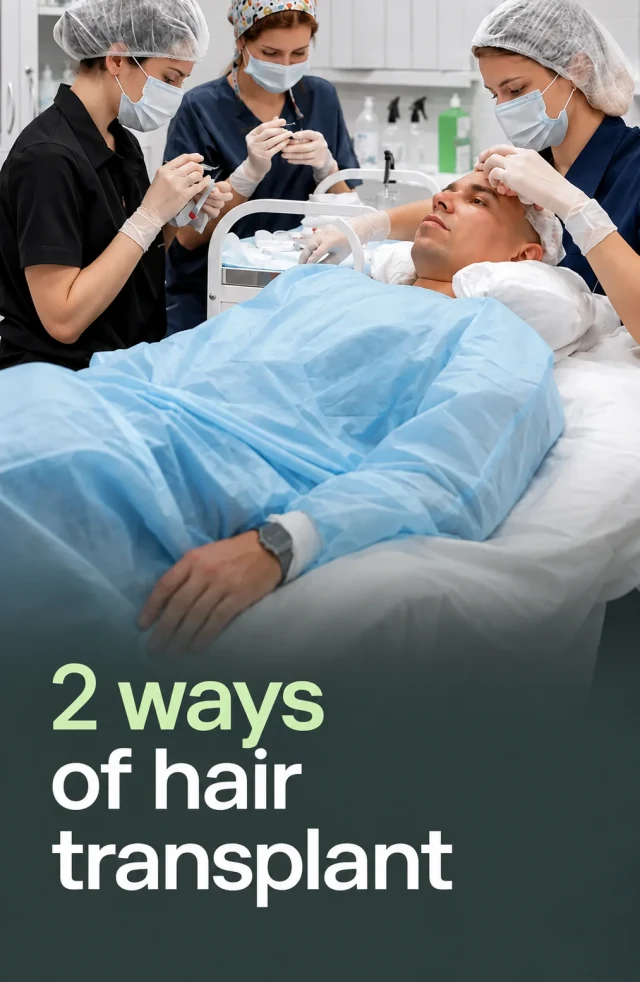


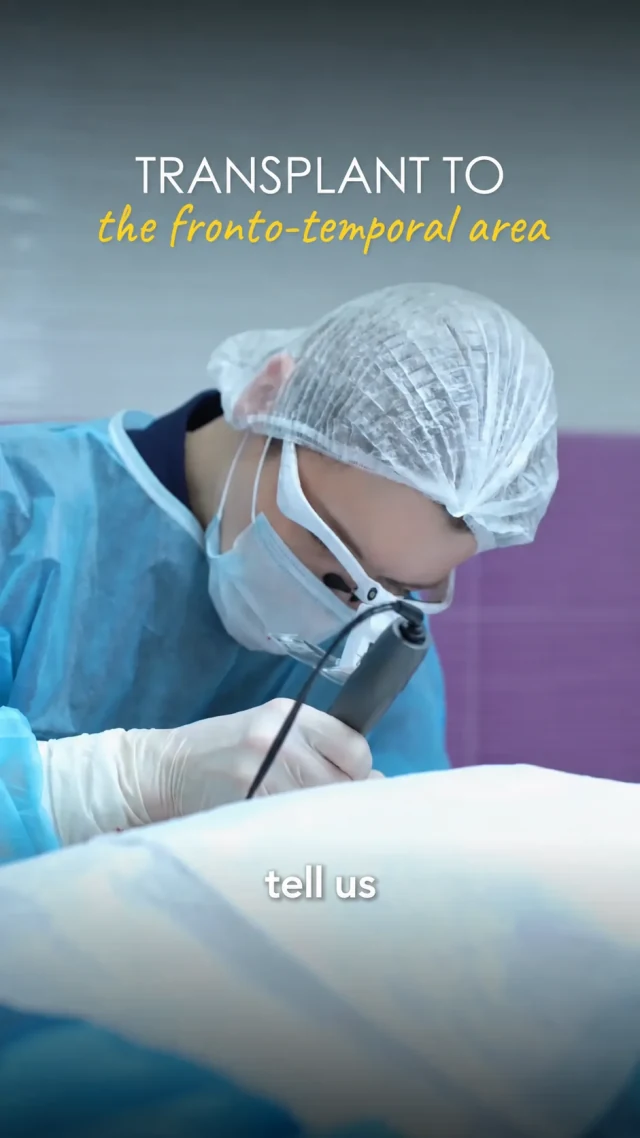

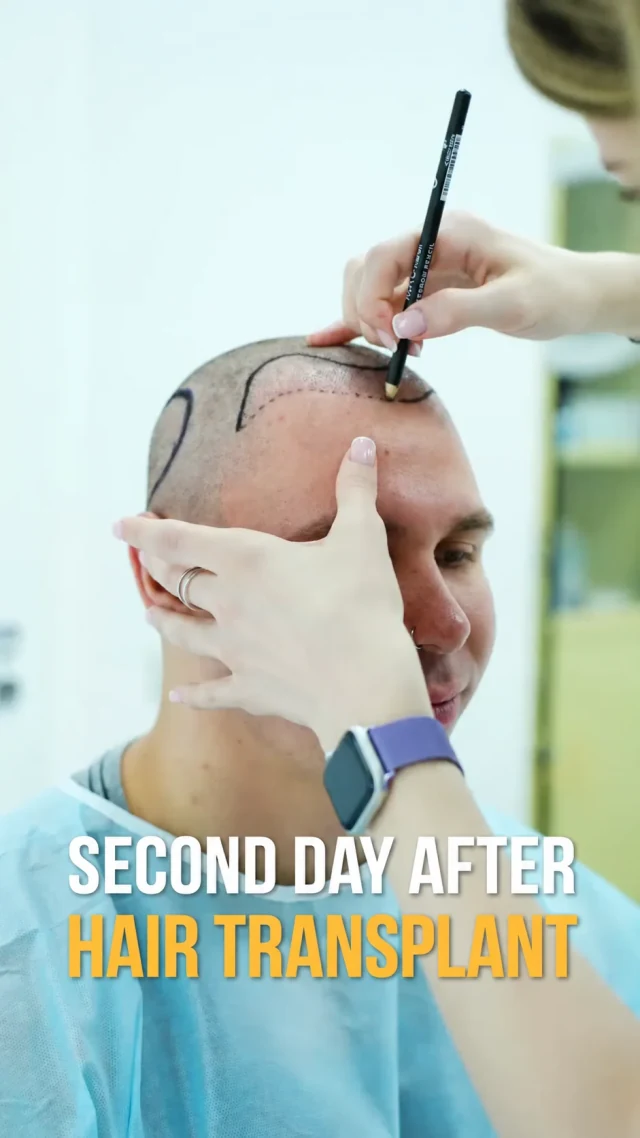
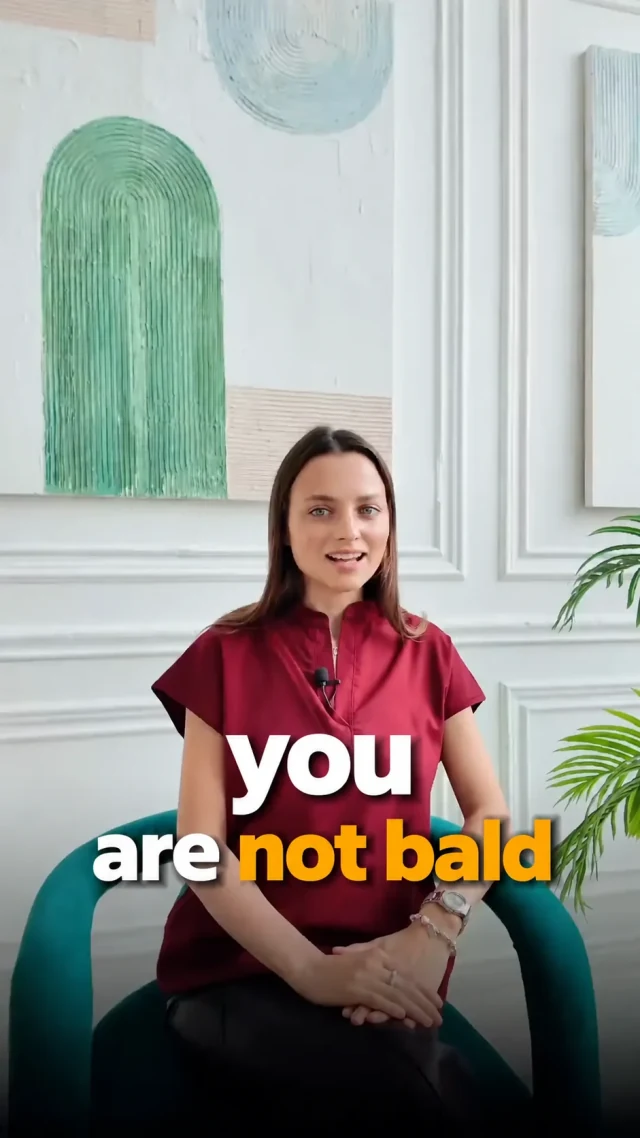

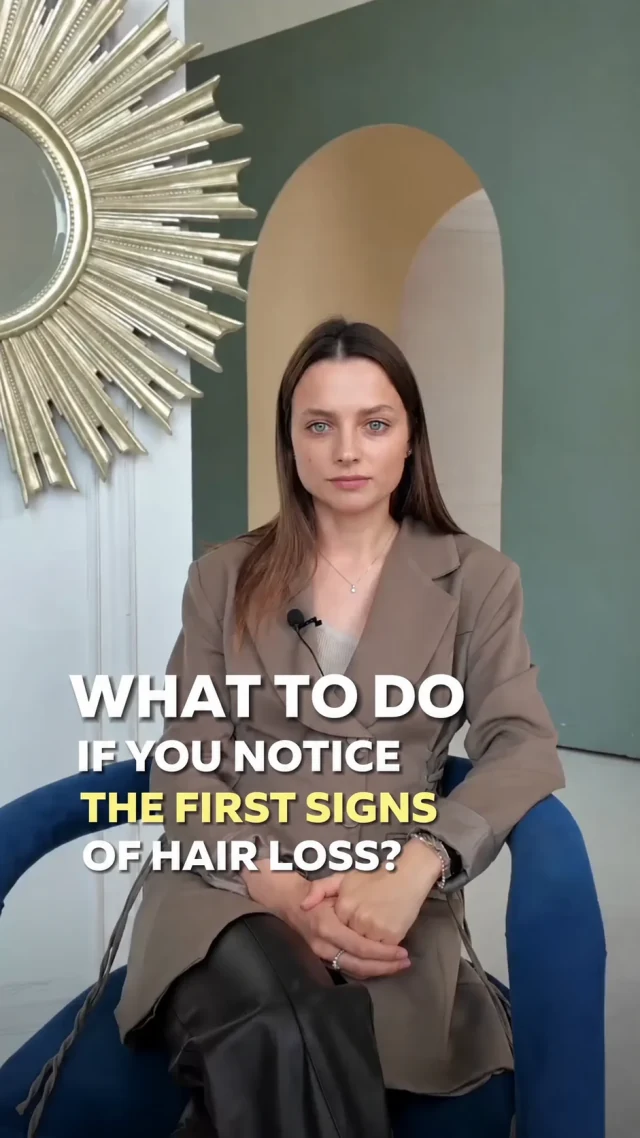
about the clinic
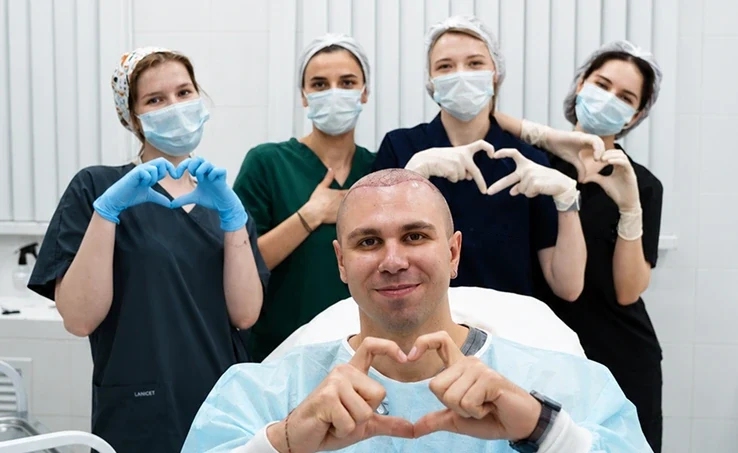
Clean, well-equipped rooms and staff who notice you
We will answer your questions and find a convenient time for your consultation
Message us on Telegram Message us on WhatsApp Submit a requestCases that can be solved without surgery are named by the doctor right at the consultation — so you will not waste your money. Below are the conditions in which a transplant works.
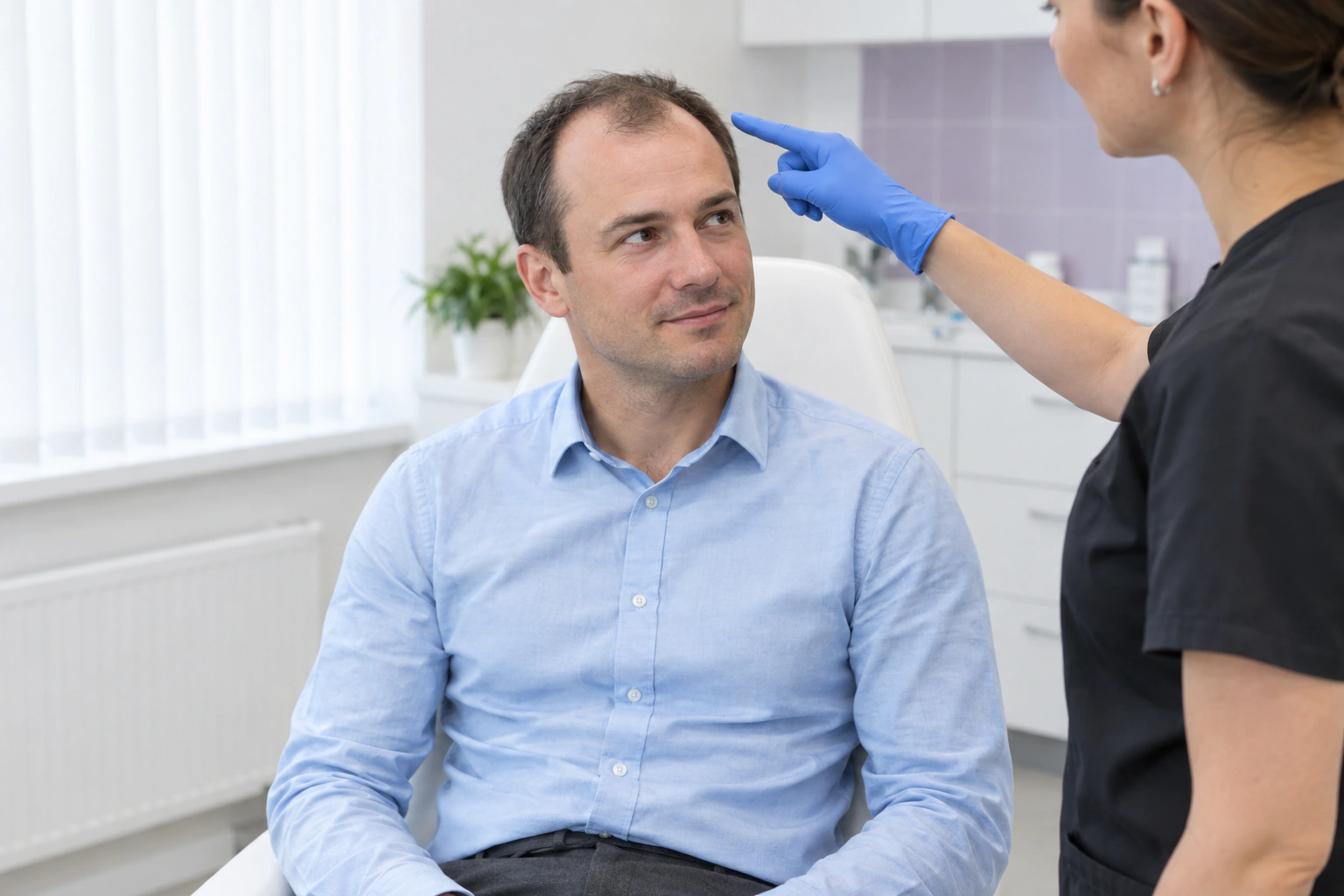

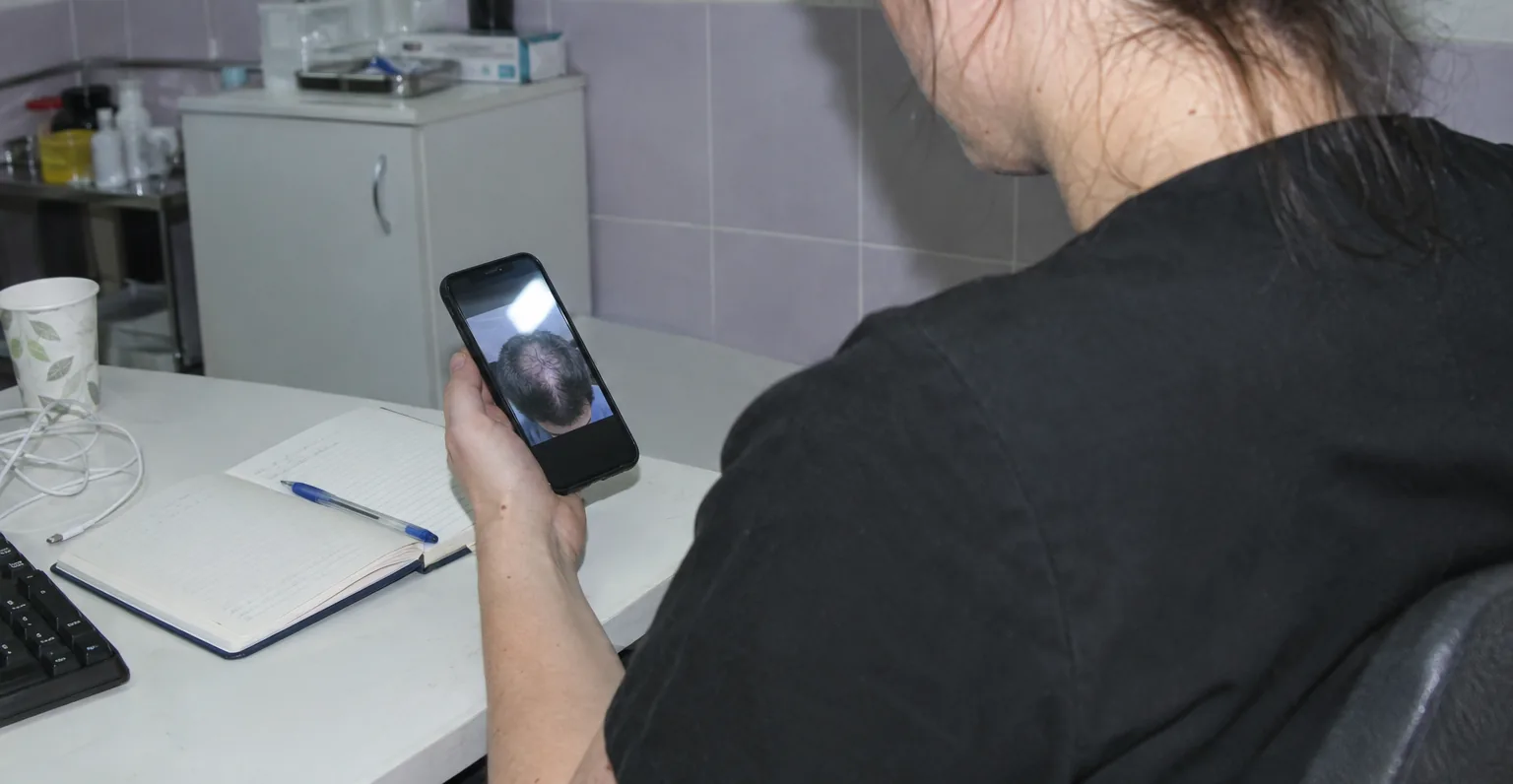
Leave a number and the coordinator will ask for photos of the thinning area in a messenger; a doctor examines them and tells you honestly whether a transplant would help. Free, nothing booked.
services
At the free consultation the doctor counts the grafts, tells you the price, and that price goes into the contract.
suture-free graft extraction
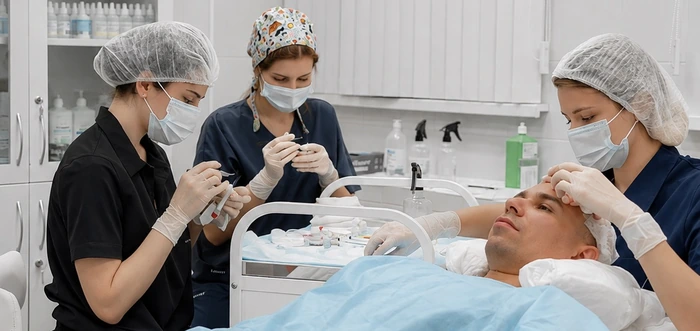
$2,200$2,700
or $367/mo — 0% instalments for 6 months
Hold the priceimplantation without channels
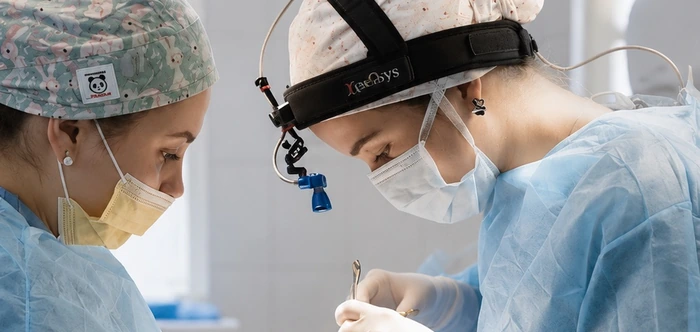
$2,500$2,900
or $417/mo — 0% instalments for 6 months
Hold the pricecombined technique
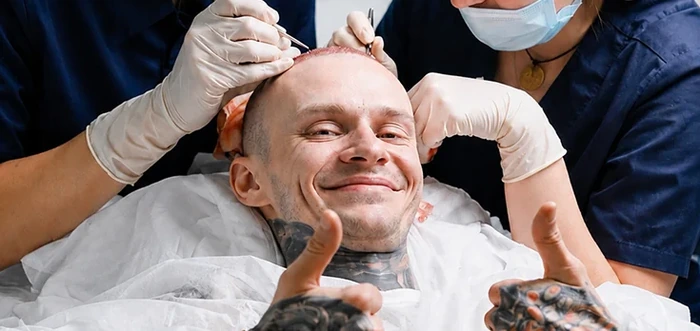
$2,700$2,900
or $450/mo — 0% instalments for 6 months
Hold the price| The first assessment | Free |
|---|---|
| Eyebrow transplant, FUE | |
| Beard transplant, FUEinstalments $467/mo | |
| Hair trichopigmentation | |
| PRP therapy / session | $200 |
all included
We see it through: pre-op planning and 12 months of care.
Your payment does not grow on the day of surgery.
two added zones
The area may change, the surgery stays the same: grafts from the back of the head, taken with FUE.
FUE method, no incisions or stitches
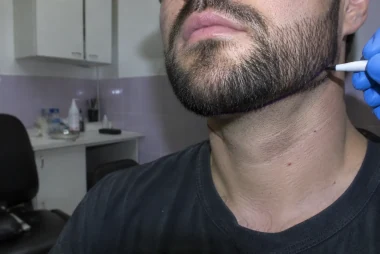
Grafts are taken from the donor area at the back of the head and moved through micro-punctures of roughly 1 mm — no scars are left. You and the doctor discuss the shape before the operation, taking your facial features into account. Transplanted hair grows for life: the beard can be trimmed and styled as usual.
$2,800$3,000
or $467/mo — 0% instalments for 6 months
Hold the priceFUE method, no incisions or stitches
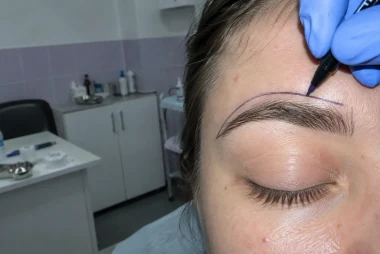
The surgeon draws the eyebrow shape at the initial consultation: you look through references with them and the design takes your facial features into account. The hairs are implanted at the right angle, so the eyebrows look natural. It also helps where plucking ended growth years ago.
$1,600$1,700
a procedure with no overnight stay, numbed locally
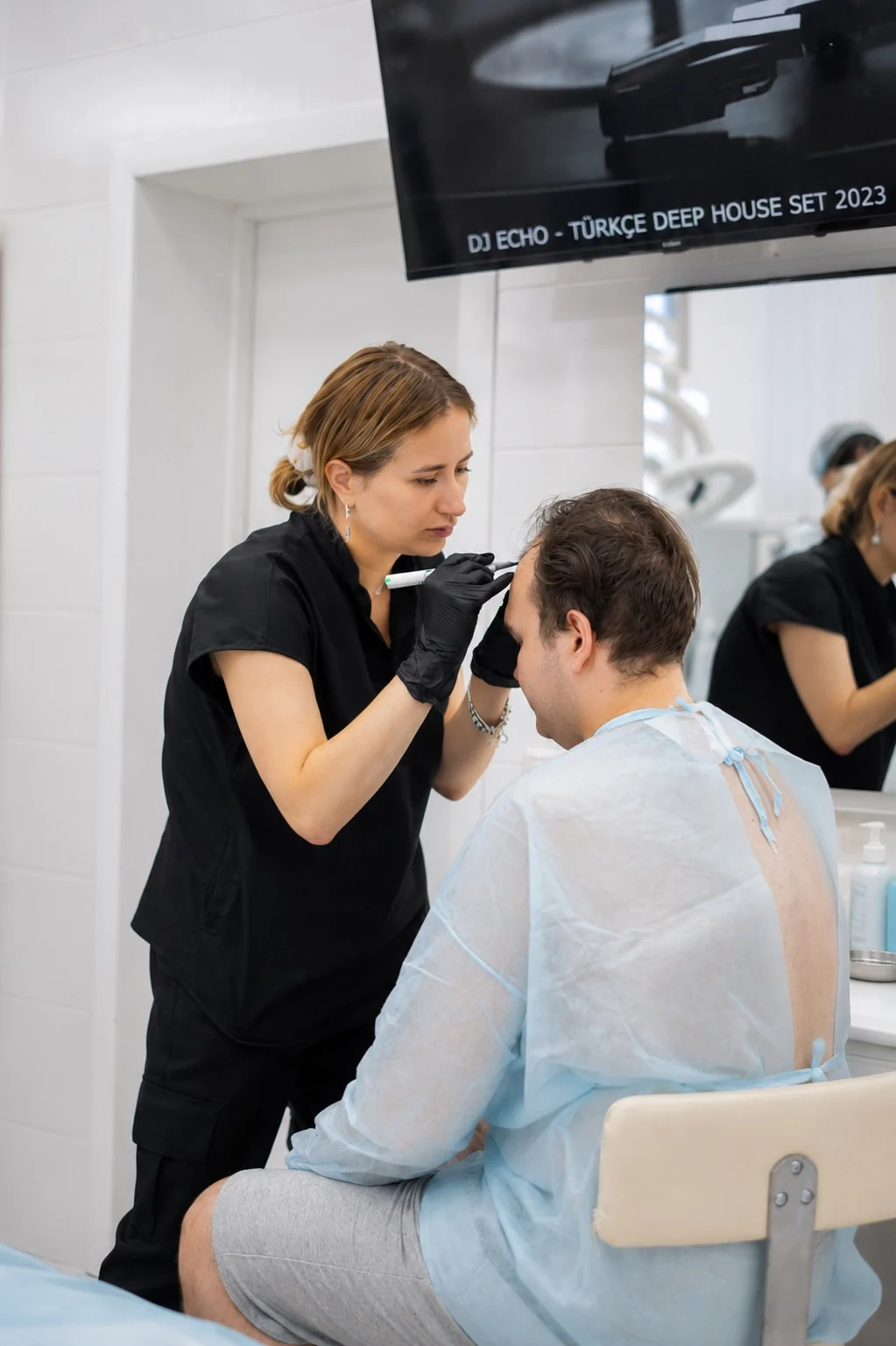
Hold the priceAt the consultation the doctor assesses your donor area, counts the grafts and shows the achievable result. The cost is quoted there and fixed in the contract.
Message our coordinator
Free online consultation · Reply within 15 minutes
Message us on TelegramMessage us on WhatsAppBy messaging us, you agree to our Privacy Policy
Process
From consultation to going home — all in one day
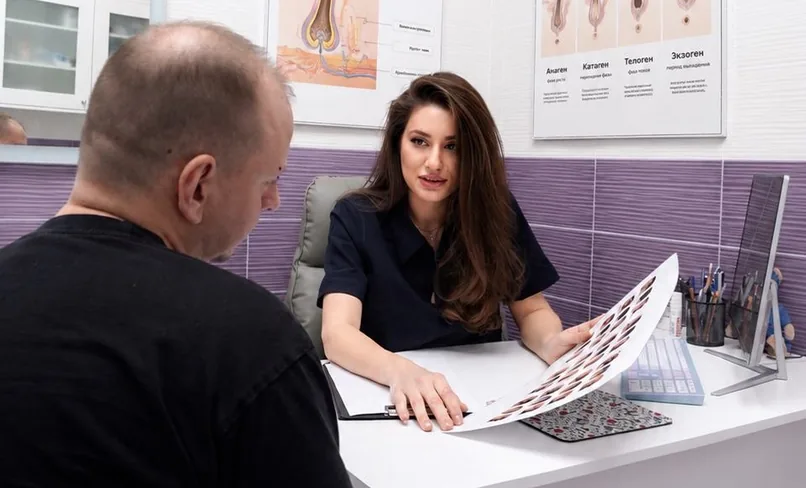
The doctor uses this free first consultation to explain the FUE and DHI approaches, answer your questions, and design a plan specific to your case.

The date is held with a deposit payment, made by card at the clinic or online, and the terms are documented in a medical services contract.
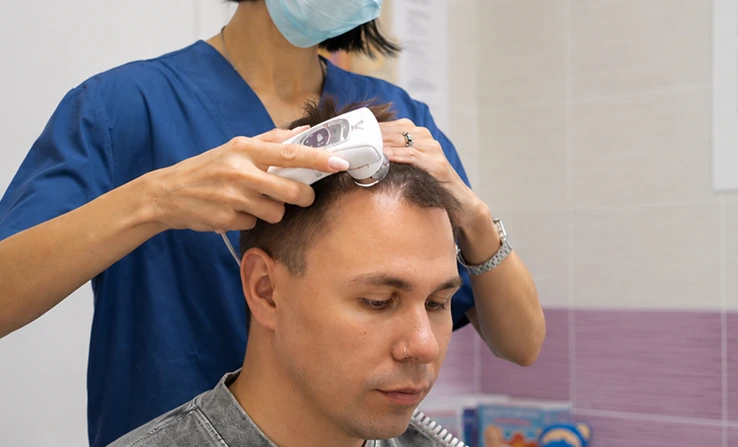
The clinic tells you which tests are required and how to go about them, so nothing is missed before the operation.
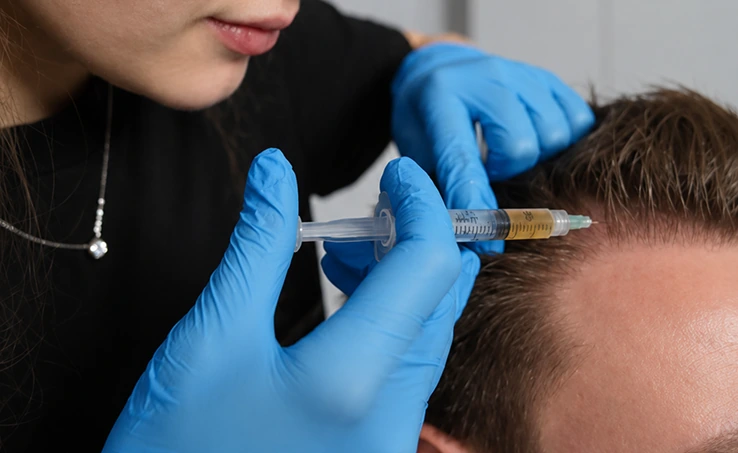
This step uses local anaesthesia to make sure the operation is completely painless.
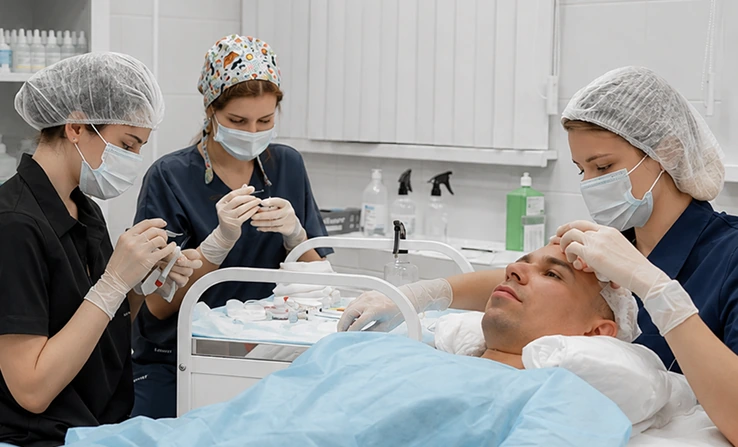
The donor zone at the back of the head or the temples supplies the grafts, taken without any stitching required.
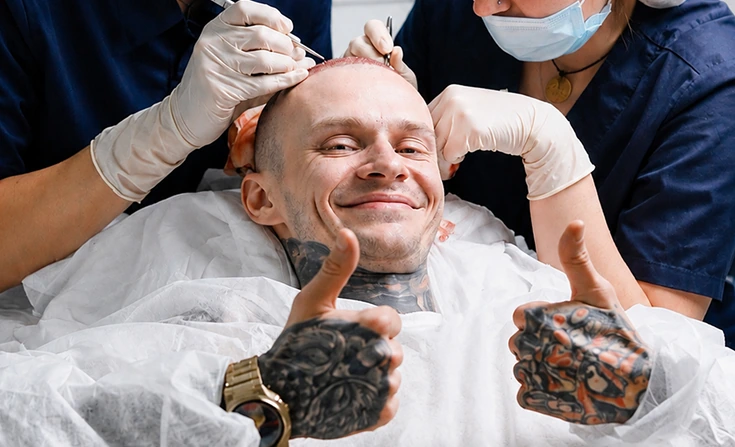
Grafts are placed into the area of hair loss during this stage of the procedure.
Everything required afterwards comes from the clinic, together with a complete set of directions.
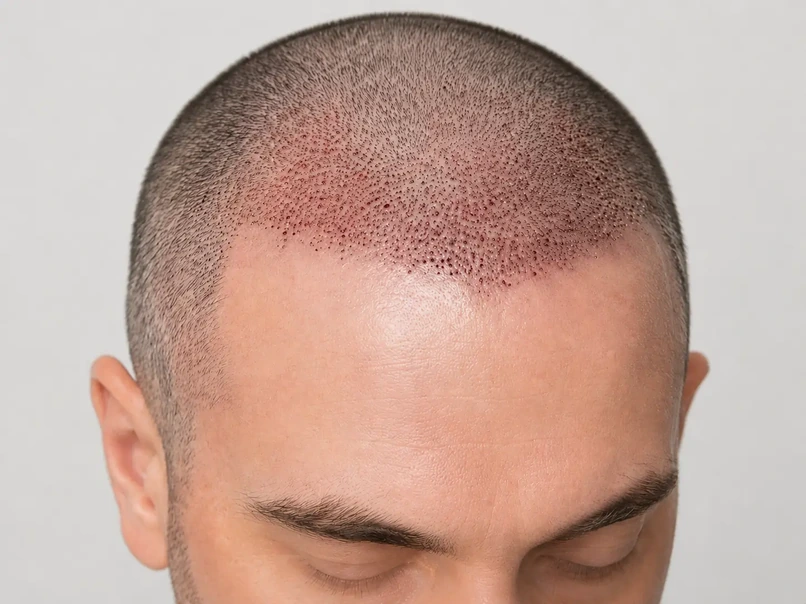
The crusts come away, the swelling eases, the area gradually recovers
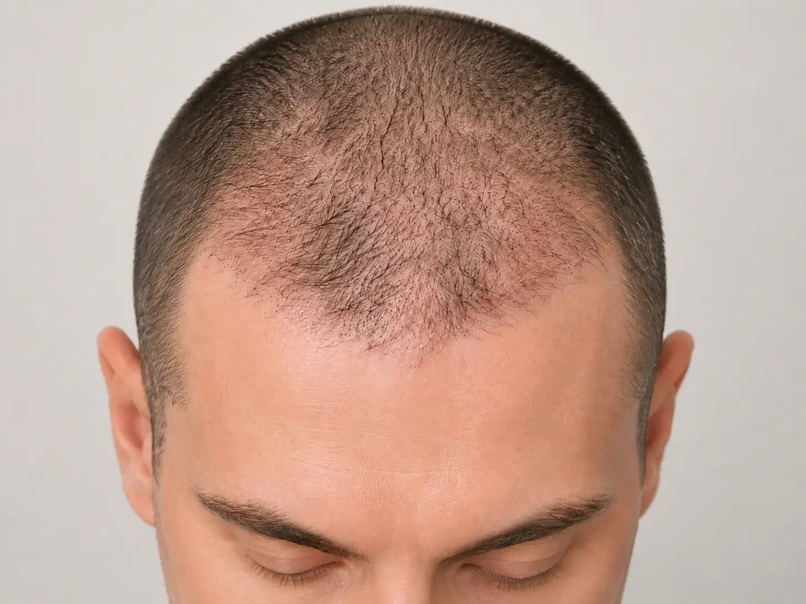
This shedding is expected, and it costs you no follicles
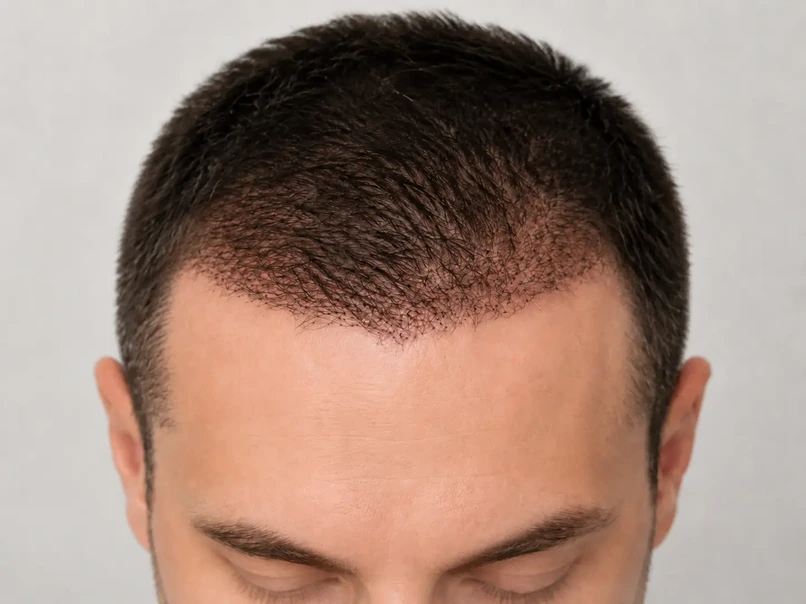
Fresh hairs push up slowly, the difference becomes clear
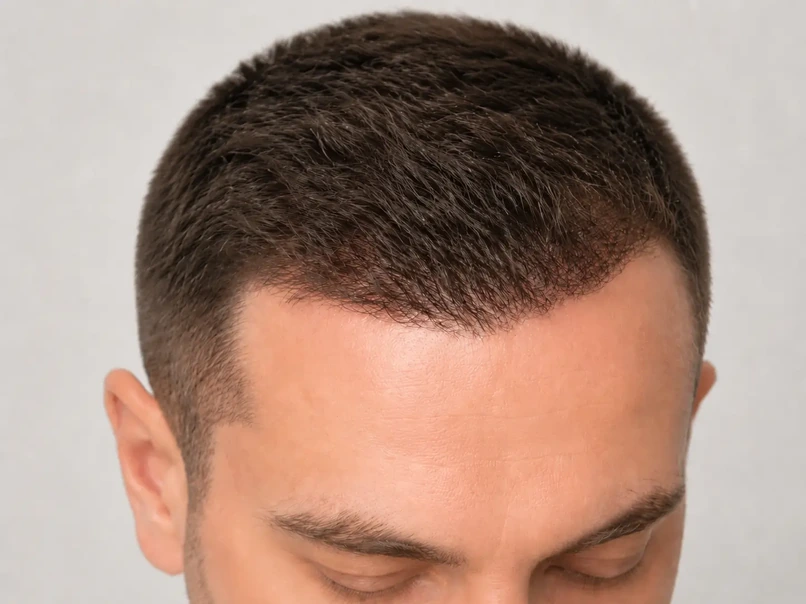
The hair grows denser, the main volume and contour are visible
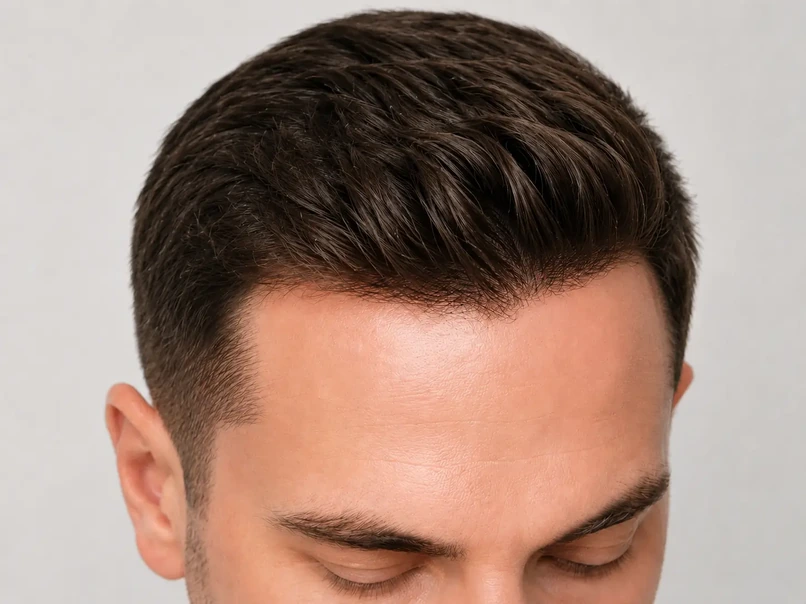
A natural-looking hairline and final density form
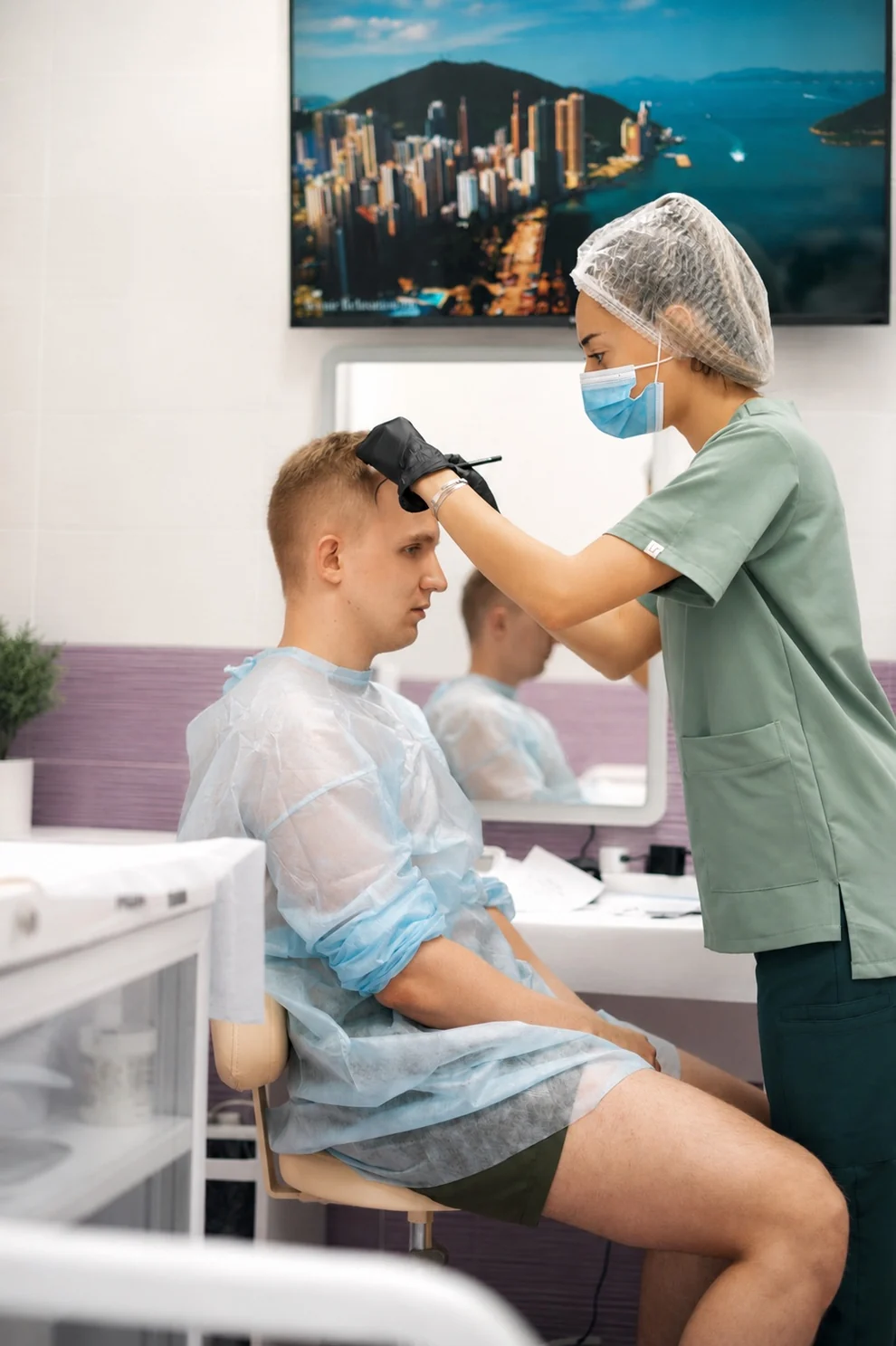
Free, before the surgery, with no commitment.
Reserve an appointmentdoctors
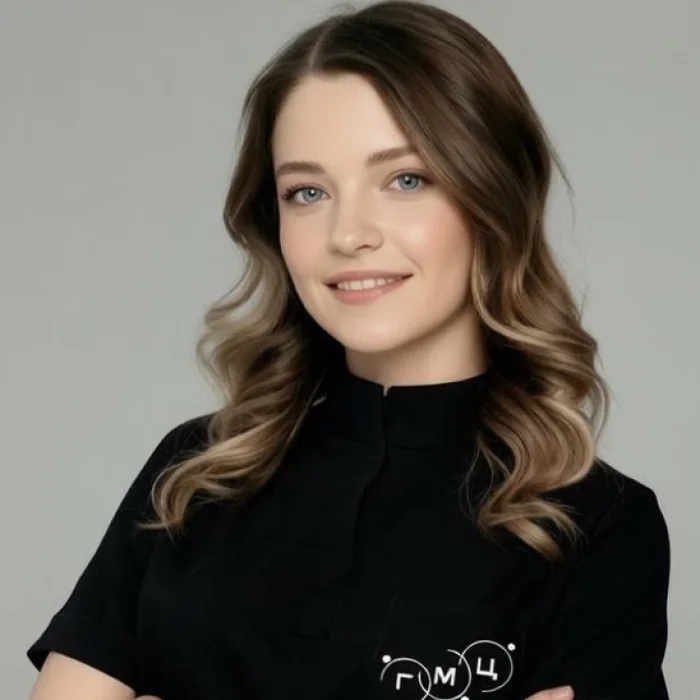
Hair transplant doctor, trichologist, surgeon
10 years of experience

Dermatovenereologist, trichologist, surgeon
11 years of experience
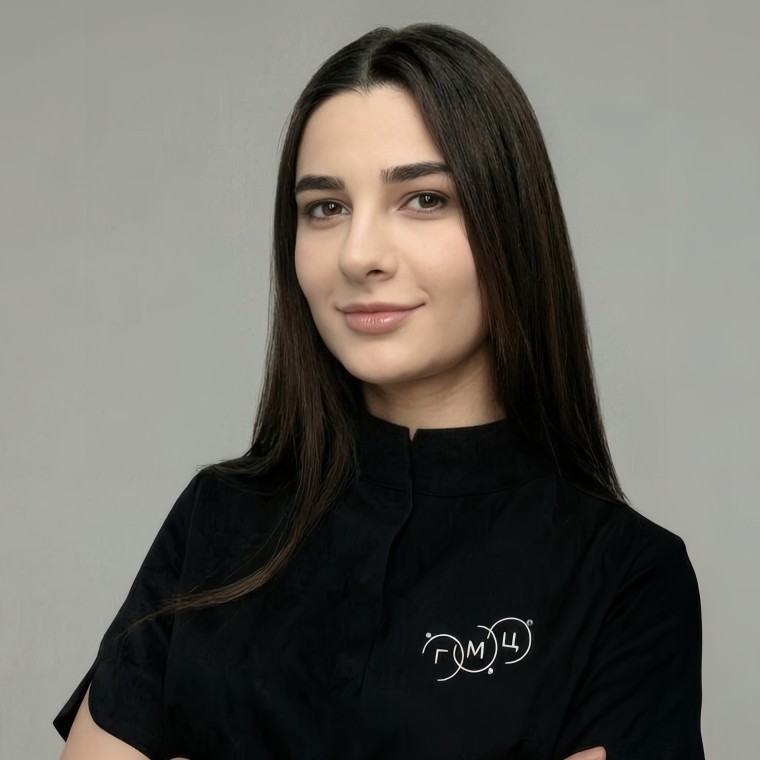
Plastic surgeon
9 years of experience
Plastic surgeon
9 years of experience
Assistant
9 years of experience
A doctor will assess your donor area, count the grafts and tell you the achievable result.
Reserve an appointmentcoordinators
You will have a personal coordinator — with you from the first enquiry to recovery.
Patient liaison officer
Will support you before and after the surgery
Helps with the forms and the arrangements

Patient liaison officer
Will support you before and after the surgery
Helps with the forms and the arrangements

Patient liaison officer
Will support you before and after the surgery
Helps with the forms and the arrangements
Patient liaison officer
Will support you before and after the surgery
Helps with the forms and the arrangements
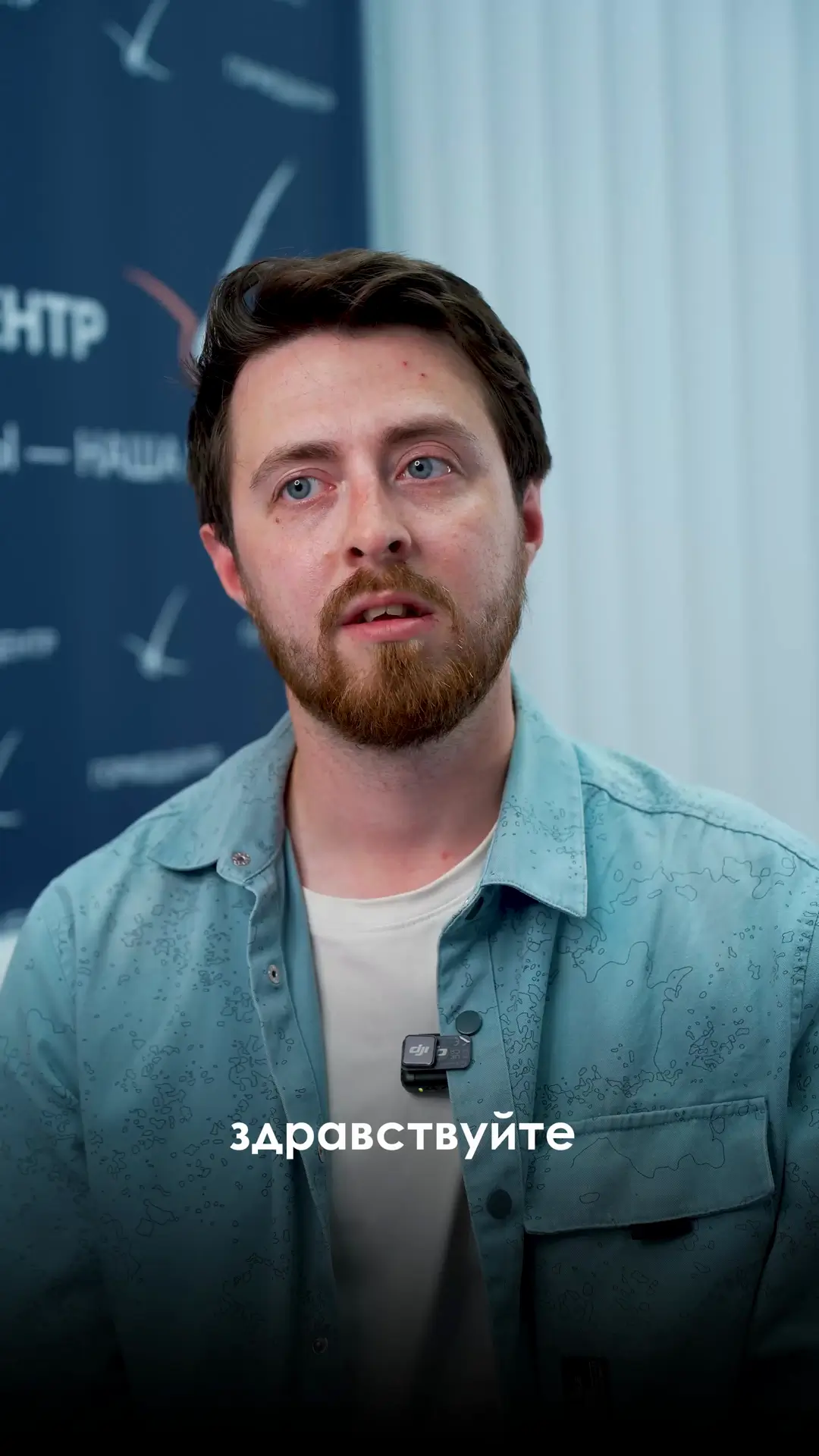
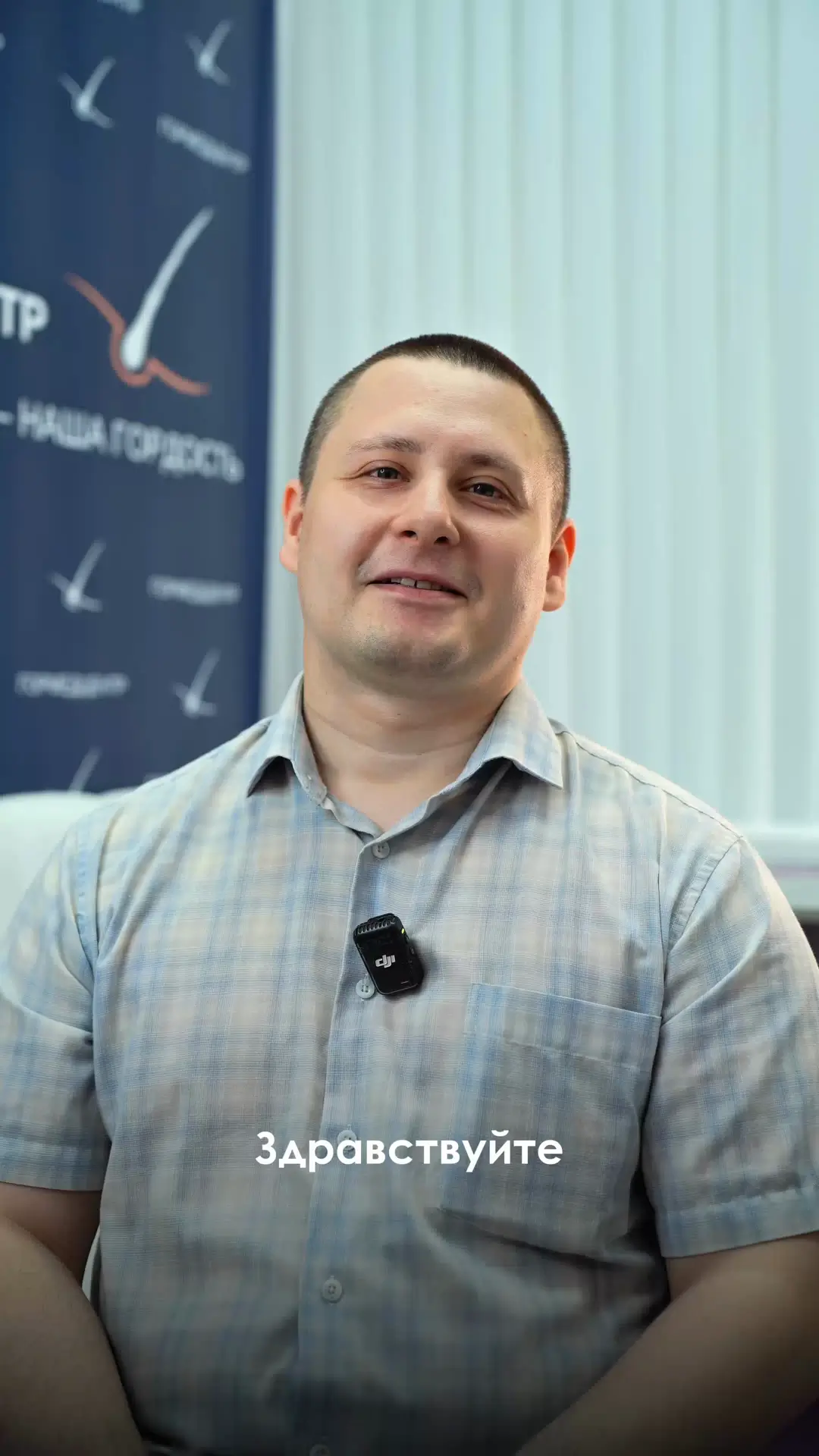
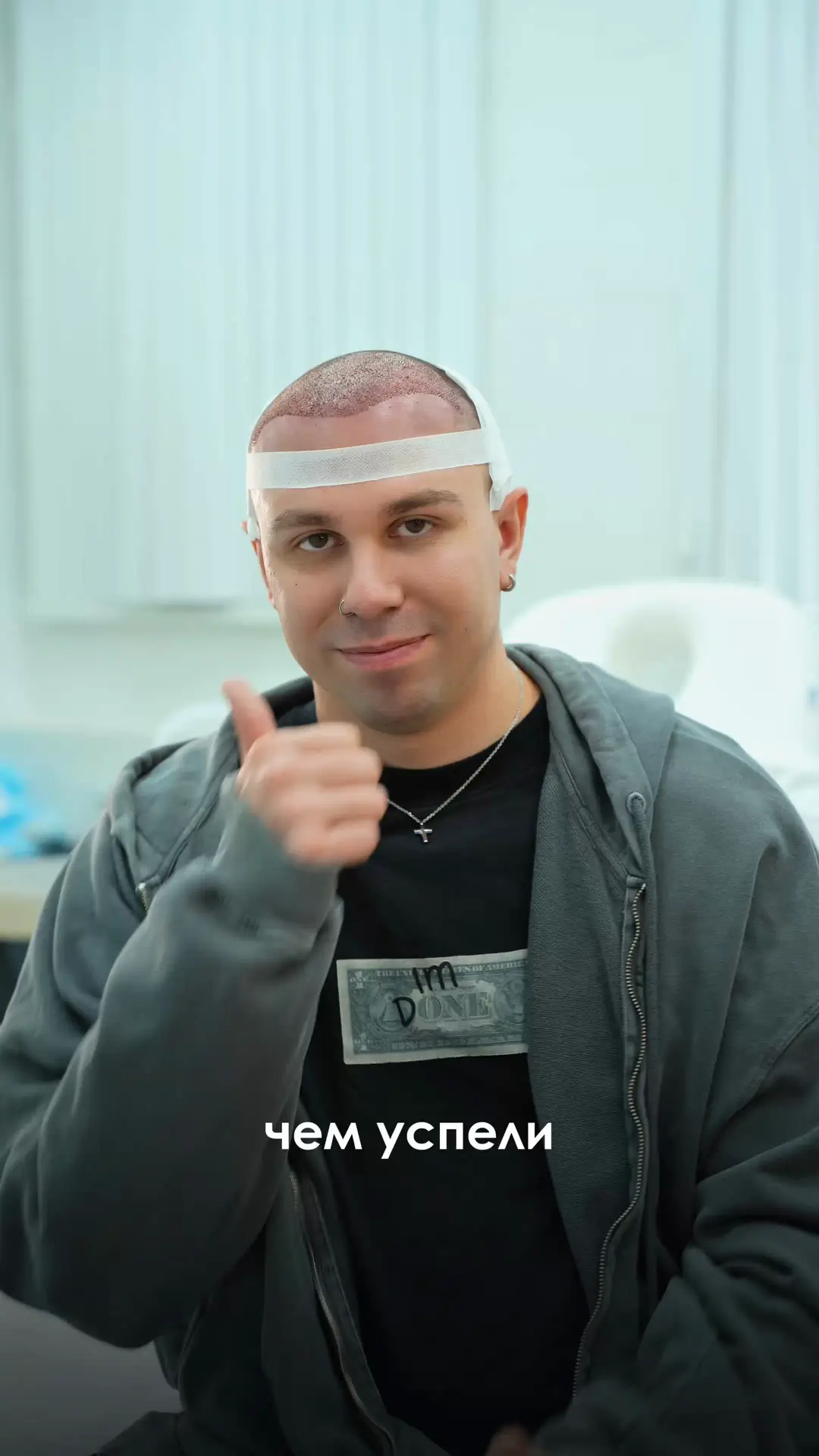
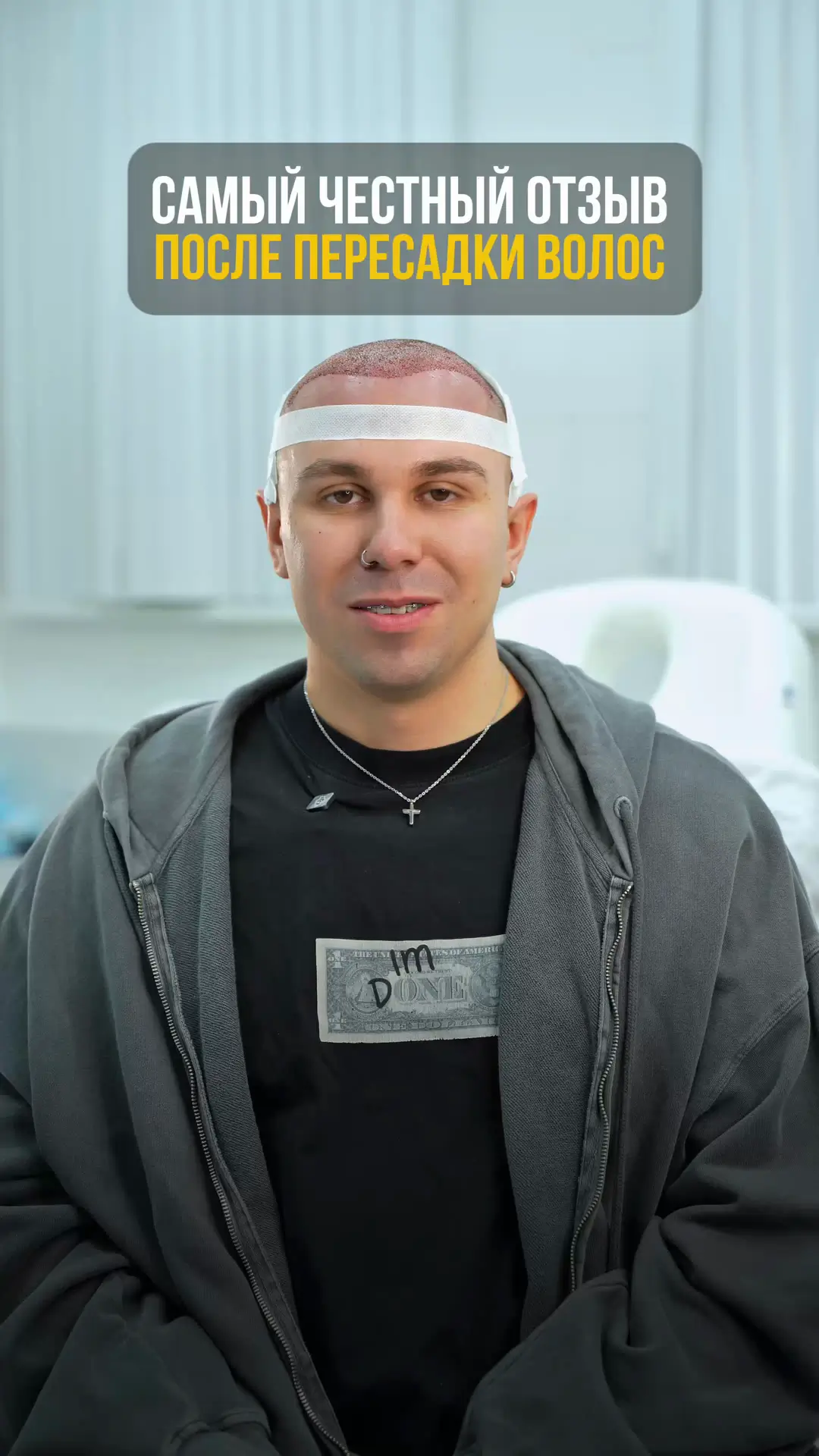
A quiet channel for readers who want straight talk and know-how

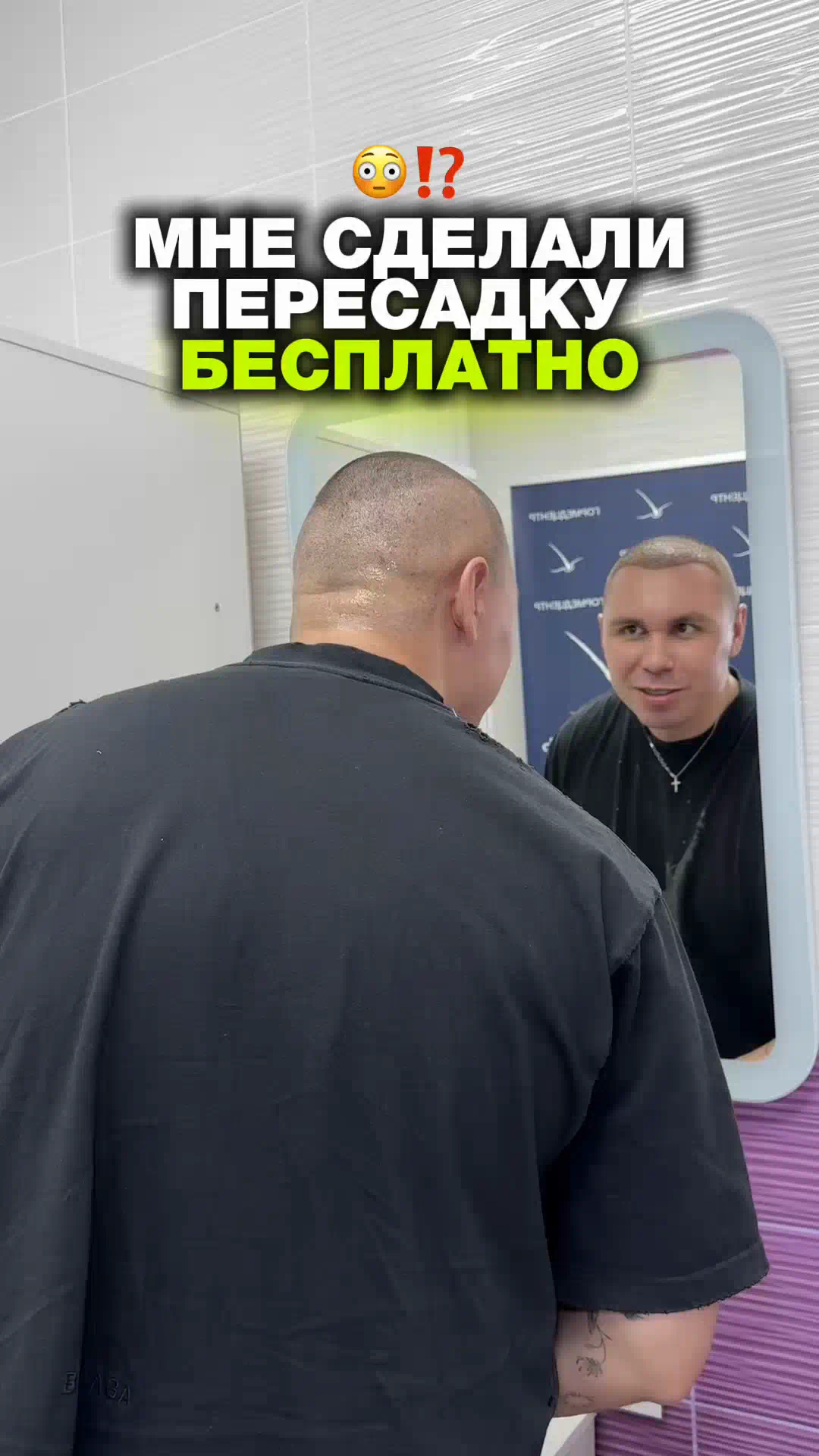
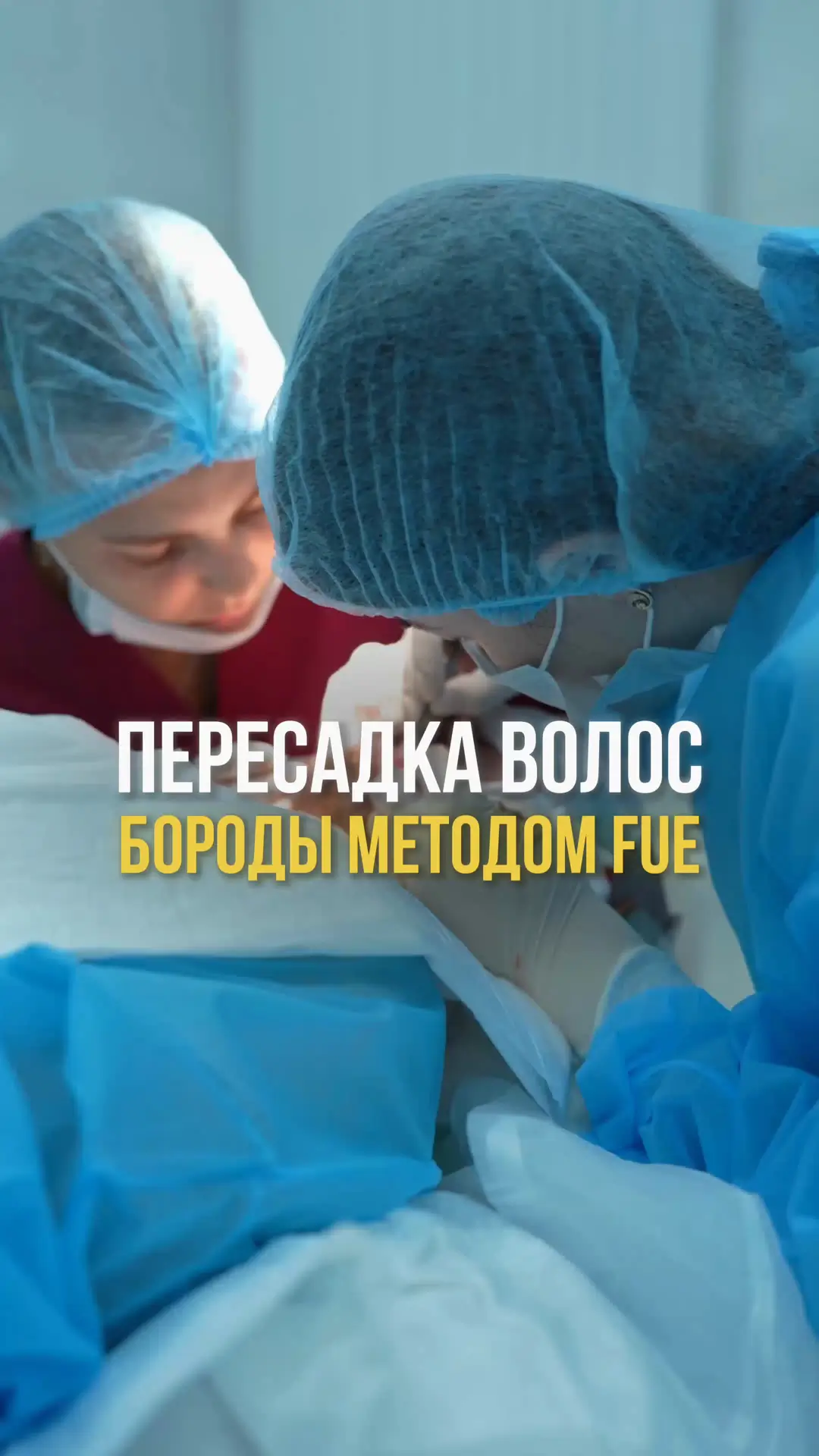

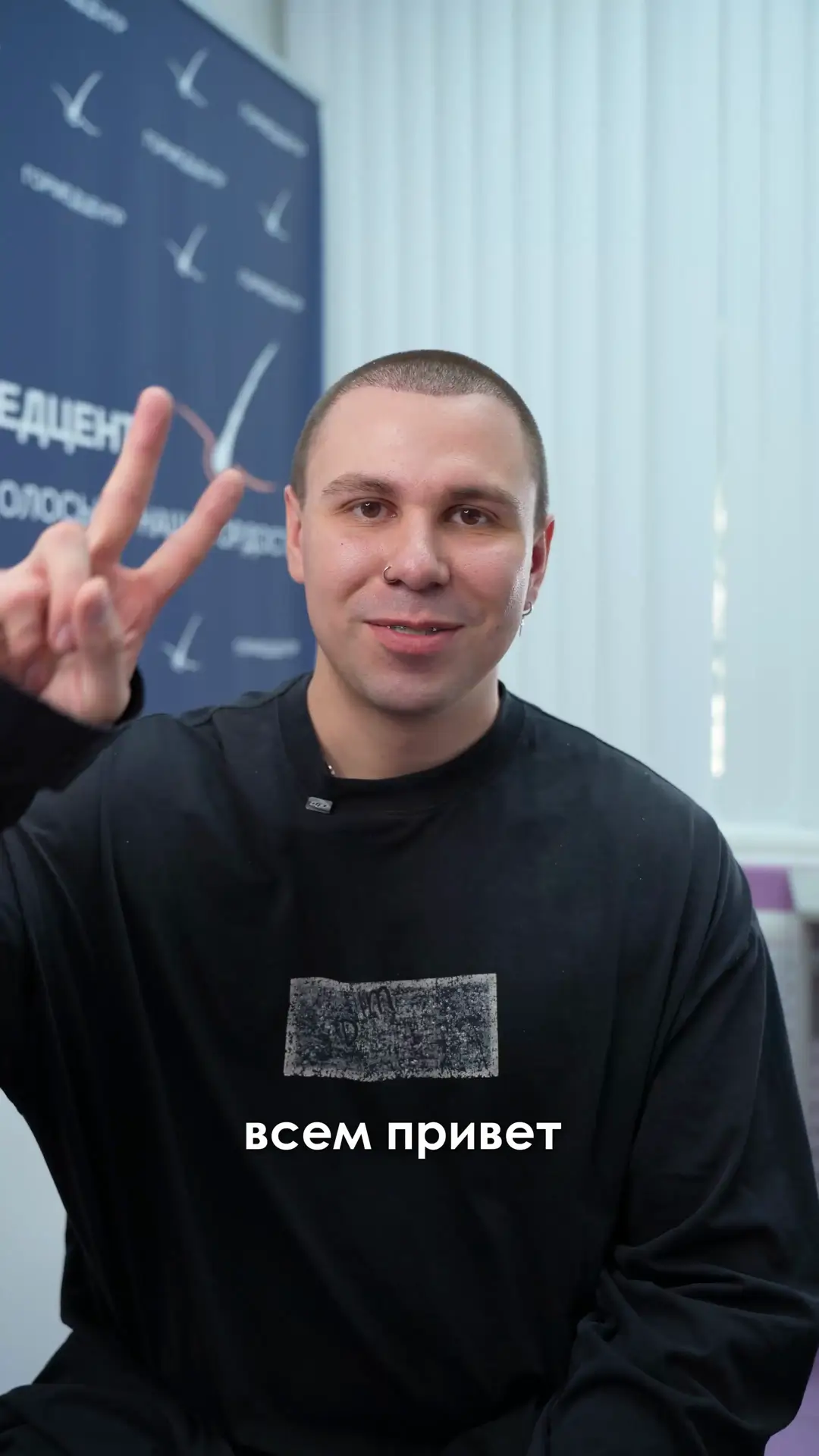
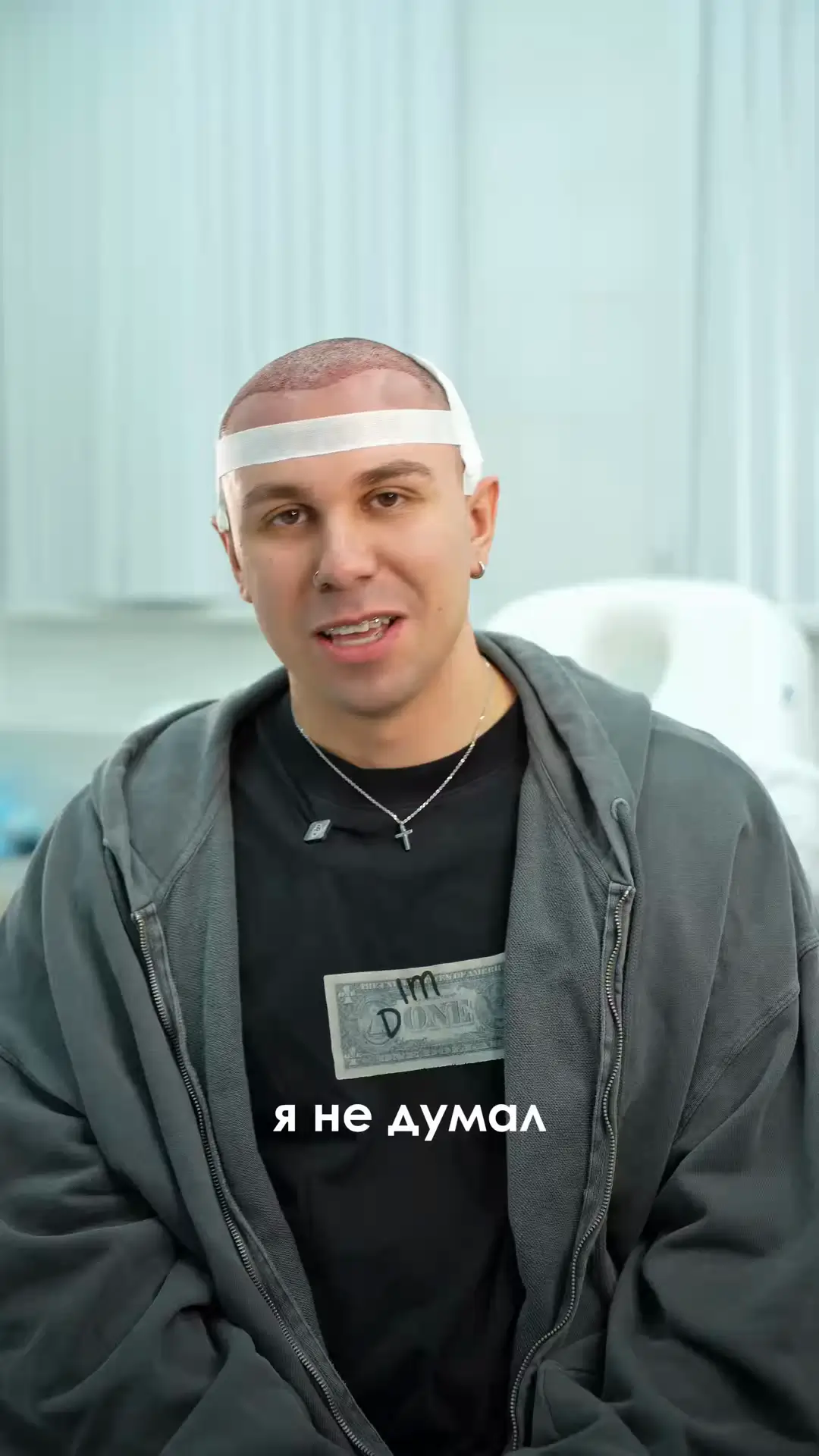
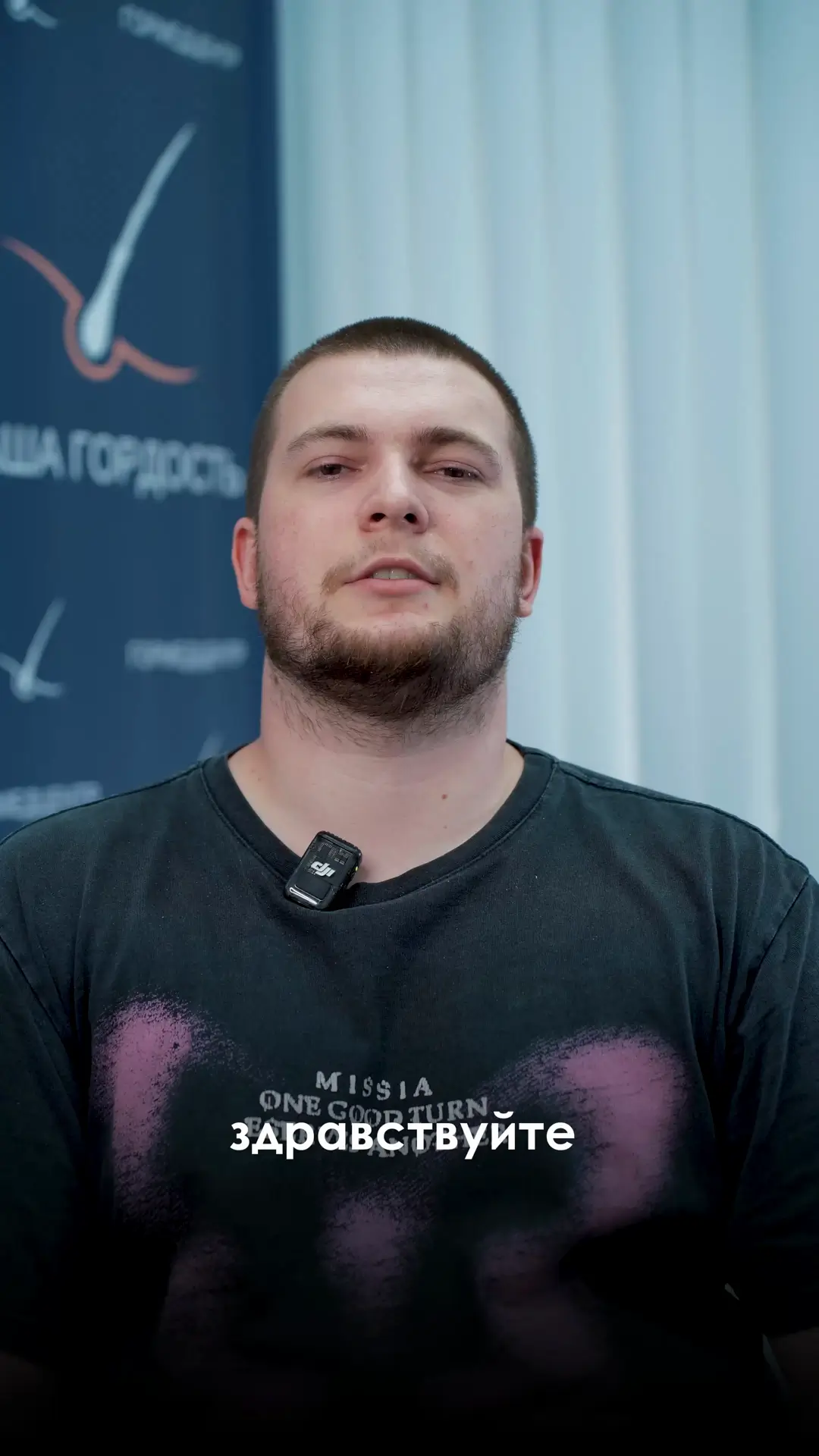
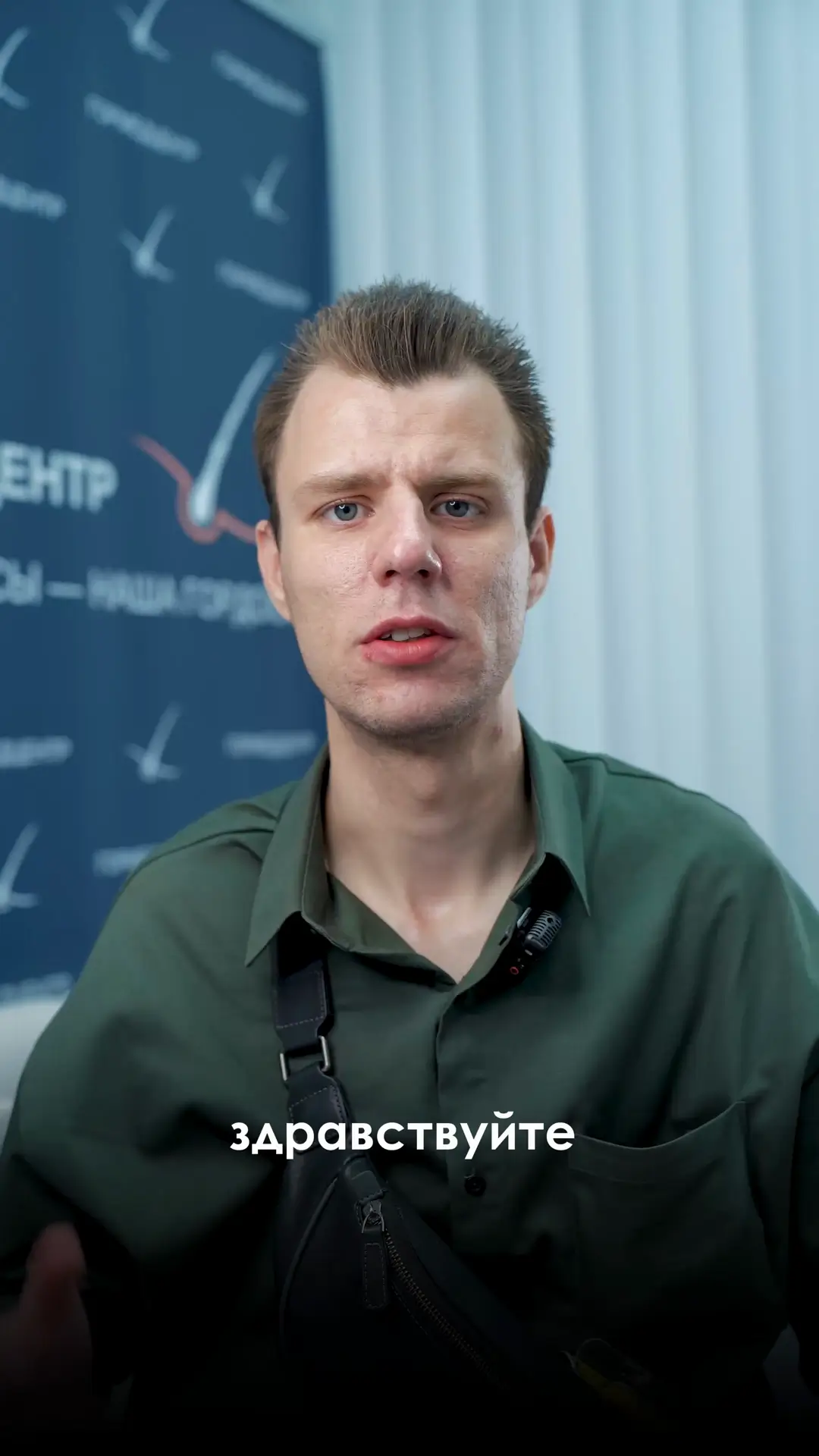
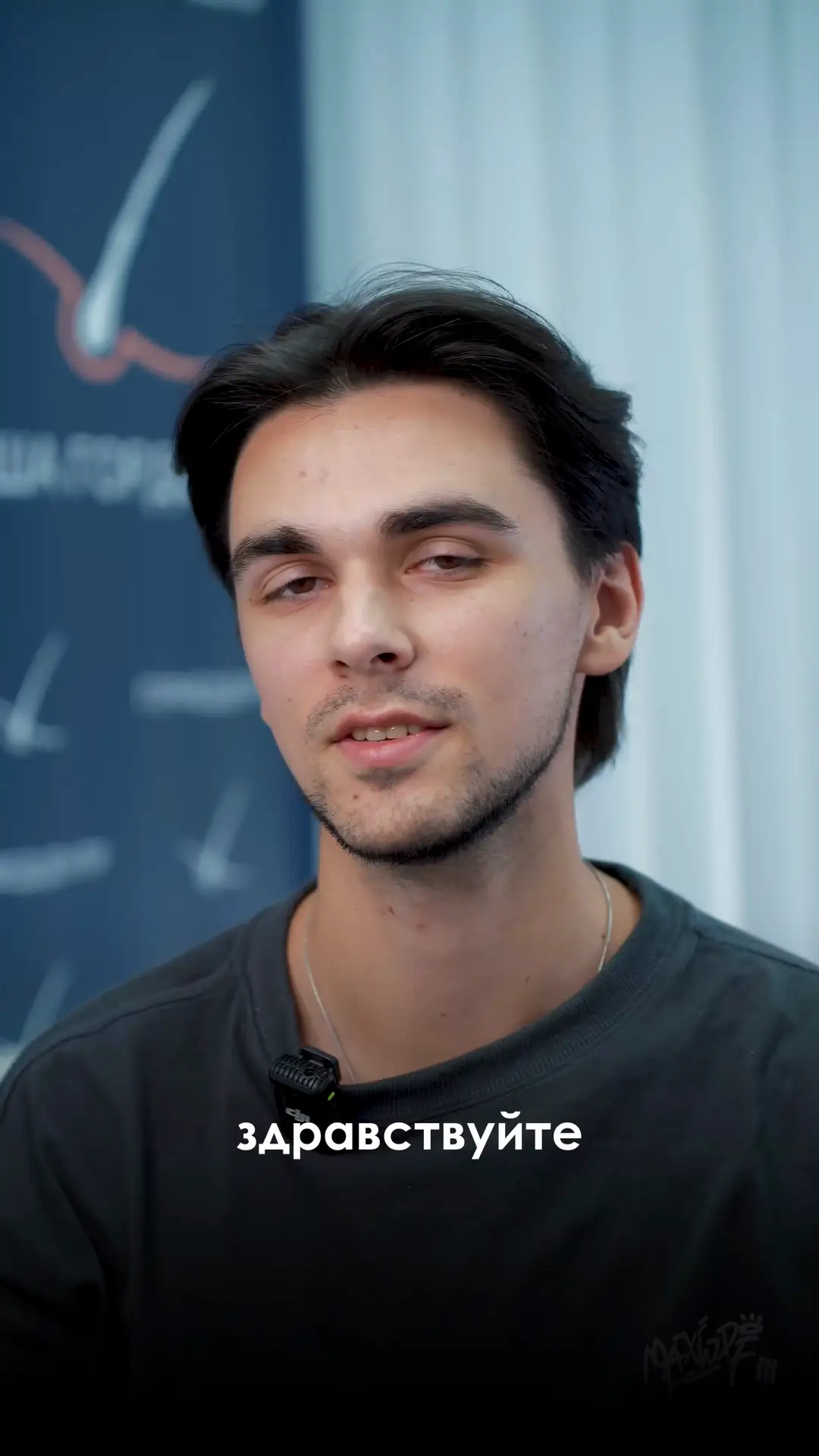

We will answer your questions and find a convenient time for your consultation
Message us on Telegram Message us on WhatsApp Submit a requestPopular questions
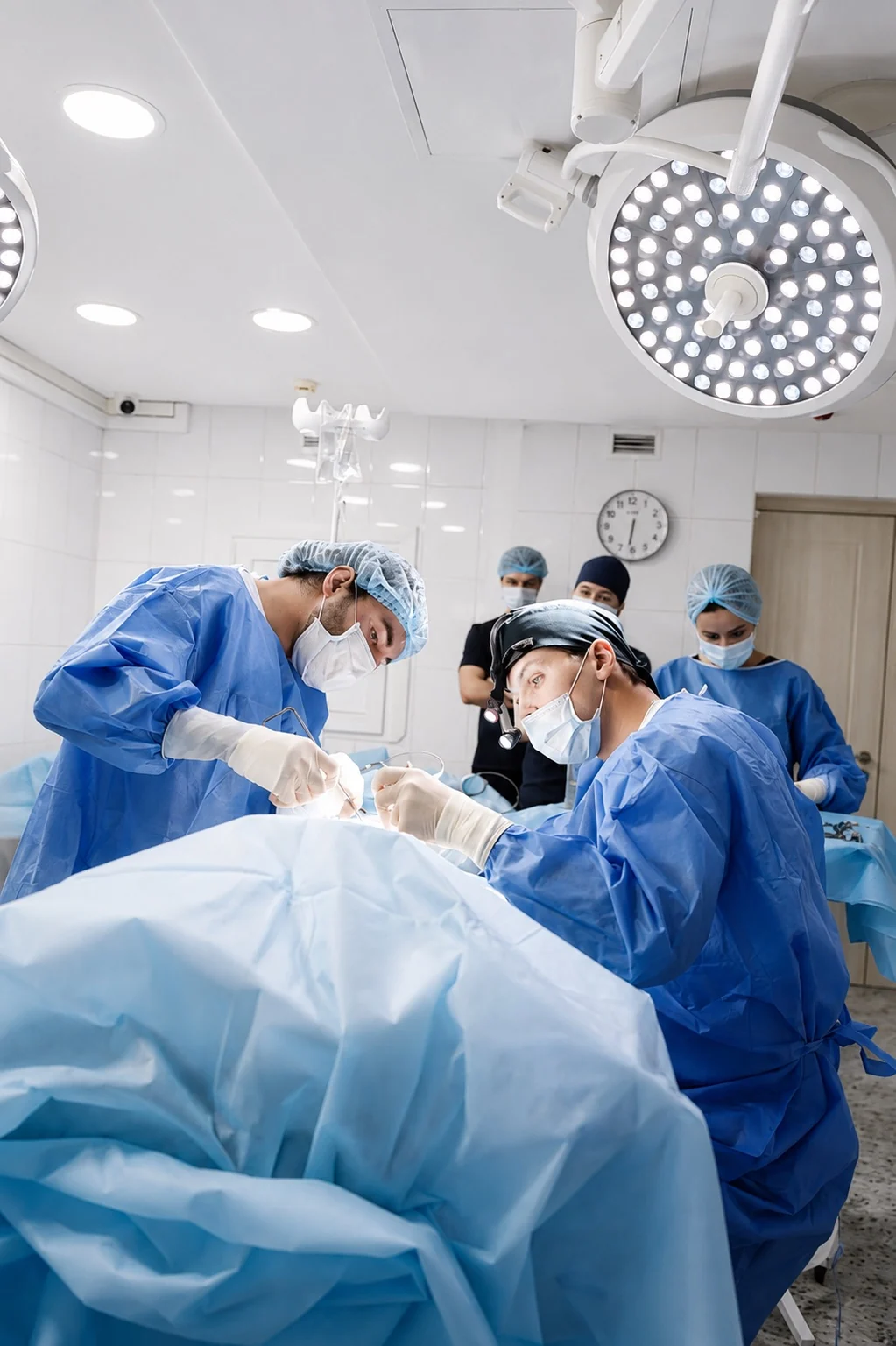
Certainly. The clinic takes on patients from different cities and different countries, and a doctor can advise you online beforehand.
Prices start at $2,200 (≈ DZD 295,000) for FUE, $2,500 (≈ DZD 335,000) for DHI, and $2,700 (≈ DZD 365,000) for the combined method. Your final price is set after a free graft count and locked into the contract.
All of it fits into one day, and patients leave for home.
No. Everything happens under local anaesthesia, without pain.
In FUE, grafts are harvested with a tweezer, no cuts or stitches involved. In DHI, a Choi pen implants grafts without opening channels first. The combined method pairs FUE harvesting with DHI implantation.
Donor hair volume drives the figure, and the doctor calculates it at a consultation that costs you nothing.
The skin needs 0–10 days. At 2–4 weeks transplanted hairs are lost, and this is expected rather than alarming. Growth returns at 3–4 months, density reads clearly by 6–9 months, with the finish at 12–18 months.
A lifetime guarantee of hair growth is included, confirmed in your contract.
The clinic works with a medical licence, care follows the standards and clinical guidelines
of the Ministry of Health.
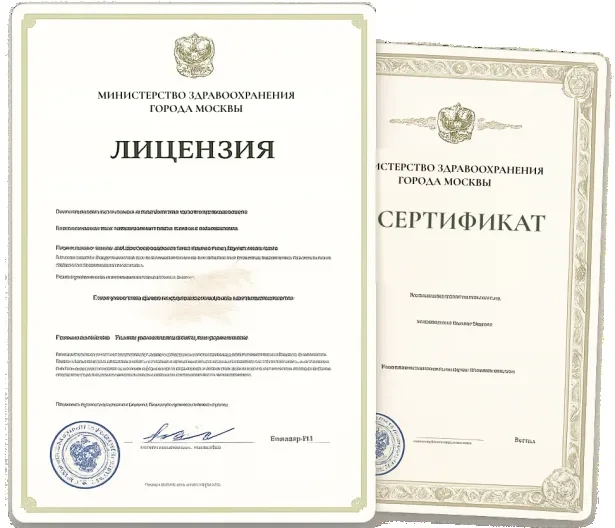
Clinic medical licence
No. Л041-01137-77/00754324
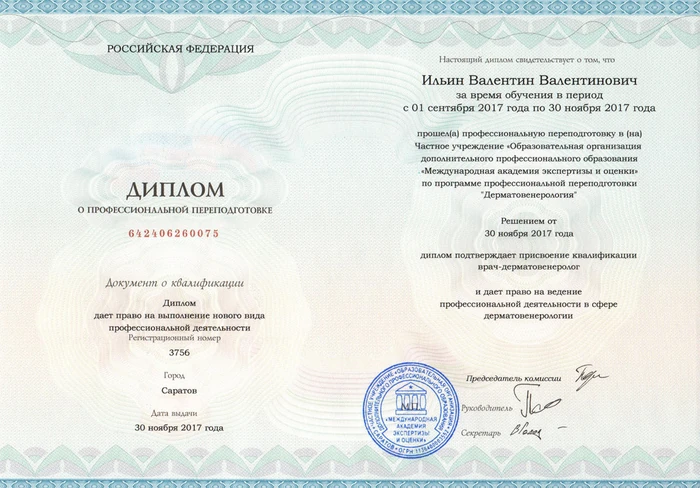
Diplomas and certificates of the doctors who operate on you
View our paperworkAKC POMOSHCH LLC
the clinic's legal entity
1057746096924
OGRN
7728536872
INN
FUE and DHI fit a patient in Tlemcen because the demands are small. There is no cut to make and nothing to stitch up, the anaesthesia stays local, and the procedure is complete within the span of one day.
Home is a fine place to begin in Tlemcen. No fee is charged for the online consultation, the doctor inspects photographs of the area and answers the main question - will a transplant help. Open 24/7.
Healing 0-10 days, normal shedding of the transplanted hairs 2-4 weeks, first growth 3-4 months, real density 6-9, final result 12-18: that is the whole calendar. Check-ups at 1, 3, 6, 9 and 12 months with photo tracking by a personal coordinator, and a growth guarantee that lasts a lifetime.
Prices are in US dollars; the amount in brackets is an approximate conversion to DZD at the rate of 02.10.2026. The final price is fixed in your contract.
By messaging us, you agree to our Privacy Policy
Tlemcen is one of the oldest cities in Algeria and is often called the Pearl of the Maghreb. It grew out of two settlements, Agadir and Tagrart, and became the capital of the Zayyanid kingdom for centuries; its Great Mosque and the Tashfiniya madrasa still recall that period. The 2008 census by Algeria's national statistics office counted 140,158 residents in the commune of Tlemcen and 949,135 in the province as a whole.
Today it is a university and craft city. Abou Bakr Belkaid University is based here, leather, carpets and textiles are traditional trades, and vineyards and olive groves surround the town. In a place like this people notice one another, and the family is part of nearly every decision. A man from Tlemcen therefore tends to approach a hair transplant slowly: he asks, compares, consults a brother or a friend, and does not commit until he feels reassured.
It helps to know the basics from the start. The whole operation is completed in one day with no overnight stay, under local anaesthesia, and healing then takes 0-10 days. The final result takes much longer, as the last section explains.
Cities with universities and workshops also have a weekly rhythm, with quiet days and crowded ones. Choose a day that is followed by calm days, and warn the people you live with about what they will see on your head in the first days, redness and small crusts, so nobody worries needlessly and you are not explaining it constantly.
Tlemcen lies at more than 800 metres above sea level, which gives it a climate unlike that of the coast. Average daily highs reach about 33.2 degrees Celsius in July and 33.8 in August, while the average January minimum drops to 5.4, and the lowest recorded temperature is minus 3.1. Yearly rainfall is about 325 mm, July is almost dry, and sunshine exceeds three thousand hours a year.
That gives a patient two different problems. In summer, strong sun, dry air and dust are what the scalp needs protection from, so avoid midday sun, wear a light, wide hat that neither presses nor rubs, and keep the scalp clean as the clinic instructs. In winter the opposite temptation appears: a woollen cap feels necessary, but rough wool can chafe the treated area and irritate it. Ask the coordinator and the doctor which headwear suits cold weather without friction, and from which day you may wear it.
Spring and autumn bring swings of their own, a cold morning followed by a warm afternoon, so avoid wearing more than you need. Anyone who walks the lanes of the old town or works in a craft workshop should ask specifically about dust, because it irritates a healing scalp more than people expect.
On the first days out of the house, do not touch the treated area with your hands in markets and buses, and do not wipe it with a handkerchief or a sleeve. If someone asks, one sentence is enough. The written instructions from your coordinator cover washing your hair, sleeping, headwear and returning to training, so read them once before the operation and once after.
Medicine in Algeria is regulated through the doctors' order, the Ordre des Médecins, which works through regional councils. Press reports have explained that registration on the order's list is what makes practice lawful, and that a doctor who is not registered is working illegally.
Rely instead on direct questions. Ask any doctor who proposes an operation locally to show the registration number with the order and the specialty, and contact the regional council that covers Tlemcen province to confirm it. A serious doctor will not object, and it is your right to know who you are dealing with.
In the consultation with City Medical Centre, ask who will carry out your operation and have the donor area and expected number of grafts explained. If your case does not need surgery, the doctor will tell you so directly, and the first consultation does not commit you to anything.
Where the family sits in on every decision, a consultation becomes a conversation among several people. That works well here: show the pictures to your brother or wife, and pass their questions to the coordinator. The coordinators are on the line around the clock on Telegram and Telegram, and the first online consultation is free. They ask for photographs of the thinning zone, the doctor reviews them and tells you whether a transplant would help, and nothing needs to be booked.
Photograph the front, the hairline, the temples and the crown in daylight, and the back and sides of the head, because that is the donor area. Mention any tablets or lotions you have tried and whether your father or maternal uncles lost hair early, as this helps the doctor judge how stable the loss is. If a hairstyle covers the thinning area, photograph it both ways.
Families often ask whether the surgery leaves marks. FUE means forceps harvesting without incisions or stitches, DHI means implanting with a Choi pen without channels, and the combined method harvests with FUE and implants with DHI. The clinic checks your progress with photographs at months 1, 3, 6, 9 and 12, so your coordinator stays informed about how the growth is coming along.
If a relative has already had a transplant, listen to the story but do not compare your case with his line by line. Ask how many grafts he received, how old he was, and what his pattern of loss looked like, because the answers explain why his result differed from someone else's.
Spring and autumn suit many people in Tlemcen: no fierce heat, no hard cold, and the first days are easy to arrange at home. If you choose winter, think about headwear; if you choose summer, think about sun and dust. No season is closed, but each has its conditions.
The timeline is the same in all of them. Healing runs from 0 to 10 days. Between weeks 2 and 4 the transplanted hairs shed, a normal stage in which the follicles stay in place. Growth starts at 3-4 months, density becomes clear at 6-9 months, and the final result appears at 12-18 months.
Keep your expectations realistic. The doctor decides what is achievable in your case, depending on the pattern of loss, the donor area and your age, and tells you if waiting is the better option.
Yes. Send photographs of the thinning area and the donor area to a coordinator on Telegram or Telegram, and a doctor will review them and tell you whether a transplant would help. The first consultation is free and nothing is booked.
The entire procedure is completed in one day, with no overnight stay, under local anaesthesia.
Ask the doctor and coordinator when and which type. Rough wool can rub the treated area; you need soft headwear that does not press.
Avoid midday sun and dust as far as possible, keep the scalp clean as the clinic instructs, and wear a light, wide hat.
Ask for the registration number with the doctors' order and the specialty, and contact the regional council that covers Tlemcen to confirm.
Healing takes 0-10 days, the transplanted hairs shed between weeks 2 and 4, growth begins at 3-4 months, density is clear at 6-9 months and the final result shows at 12-18 months.
FUE takes grafts with forceps without incisions or stitches. DHI implants them with a Choi pen without channels. The combined method harvests with FUE and implants with DHI.
Yes. A coordinator stays with you, and photo check-ups take place at months 1, 3, 6, 9 and 12. You can write at any time.

 Forceps
 Minimal


