


























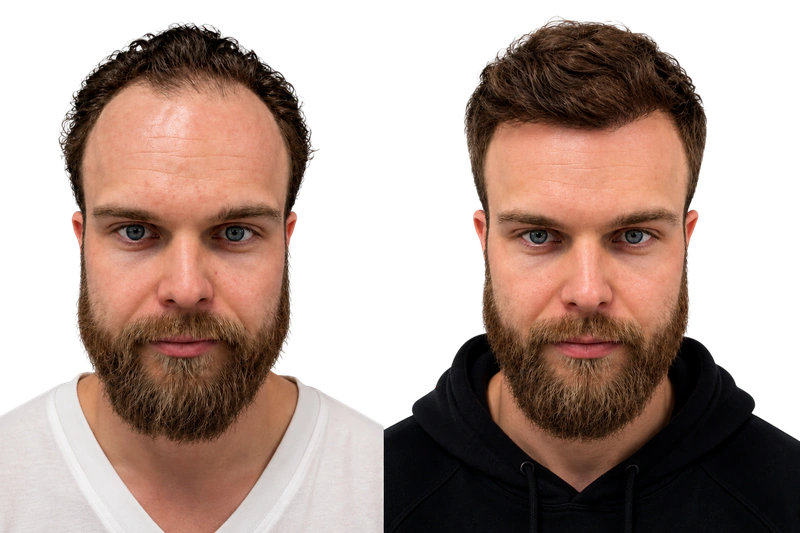

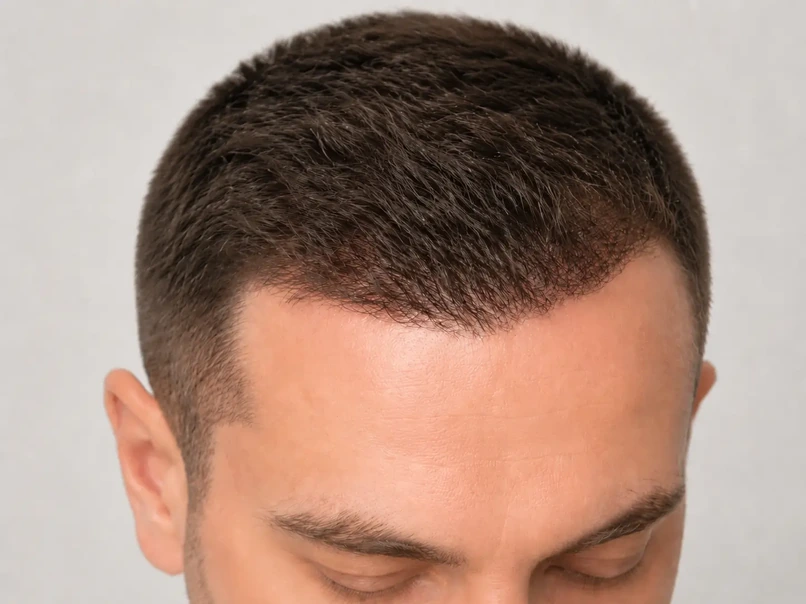
pre-op
12 months later on
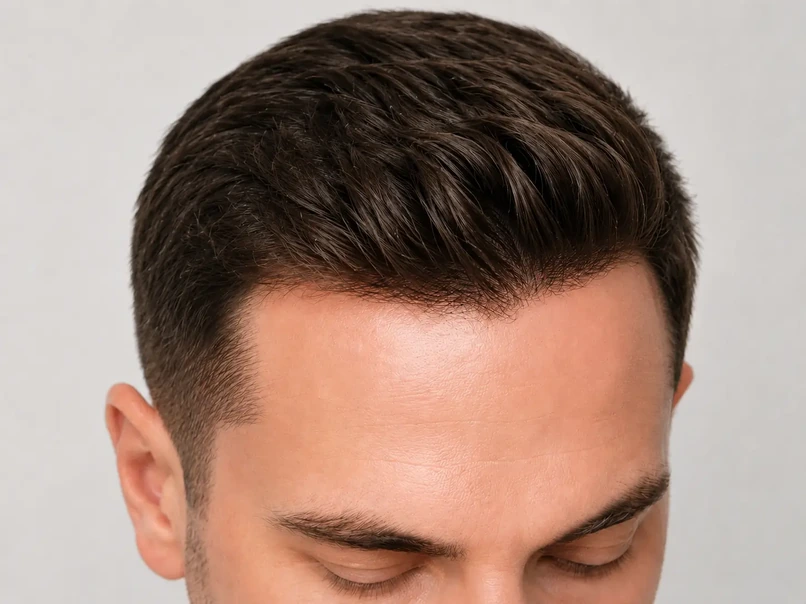
2,800 grafts
FUE method
City Medical Centre
0% instalments
from $367/mo
Advice, then the price — $0.
Real result
pre-op
12 months later on
FUE method without cuts or stitches. Grafts and result forecast added up, nothing to pay — before you decide.
Nothing is owed, no surgery booking required
Message our coordinator
Free online consultation · Reply within 15 minutes
Message us on TelegramMessage us on WhatsAppBy messaging us, you agree to our Privacy Policy
results
All cases are real patients of this clinic.
Our Telegram group puts you in touch with patients of the clinic, with no middleman.
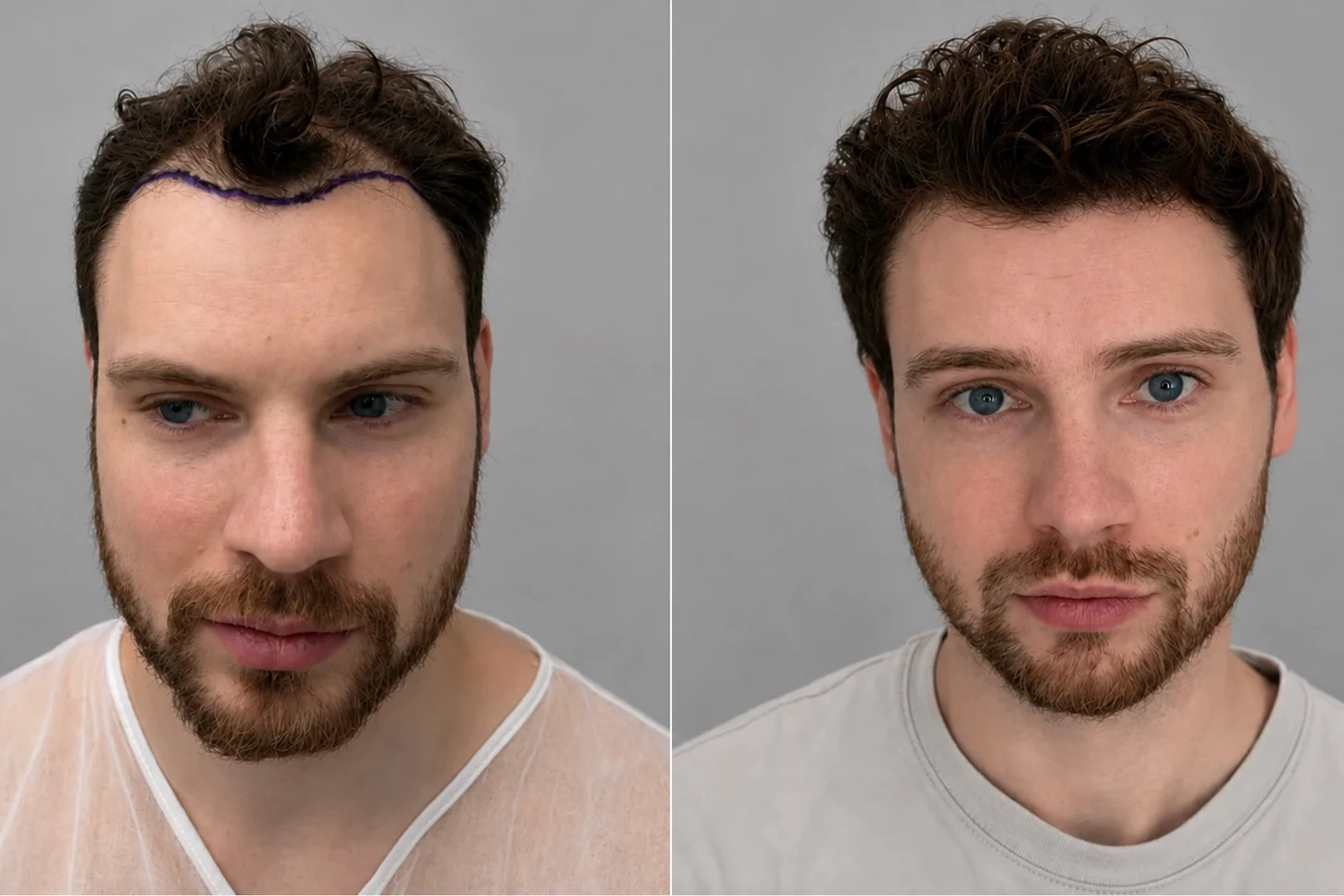
pre-op
12 months later on
2,800 grafts
FUE method
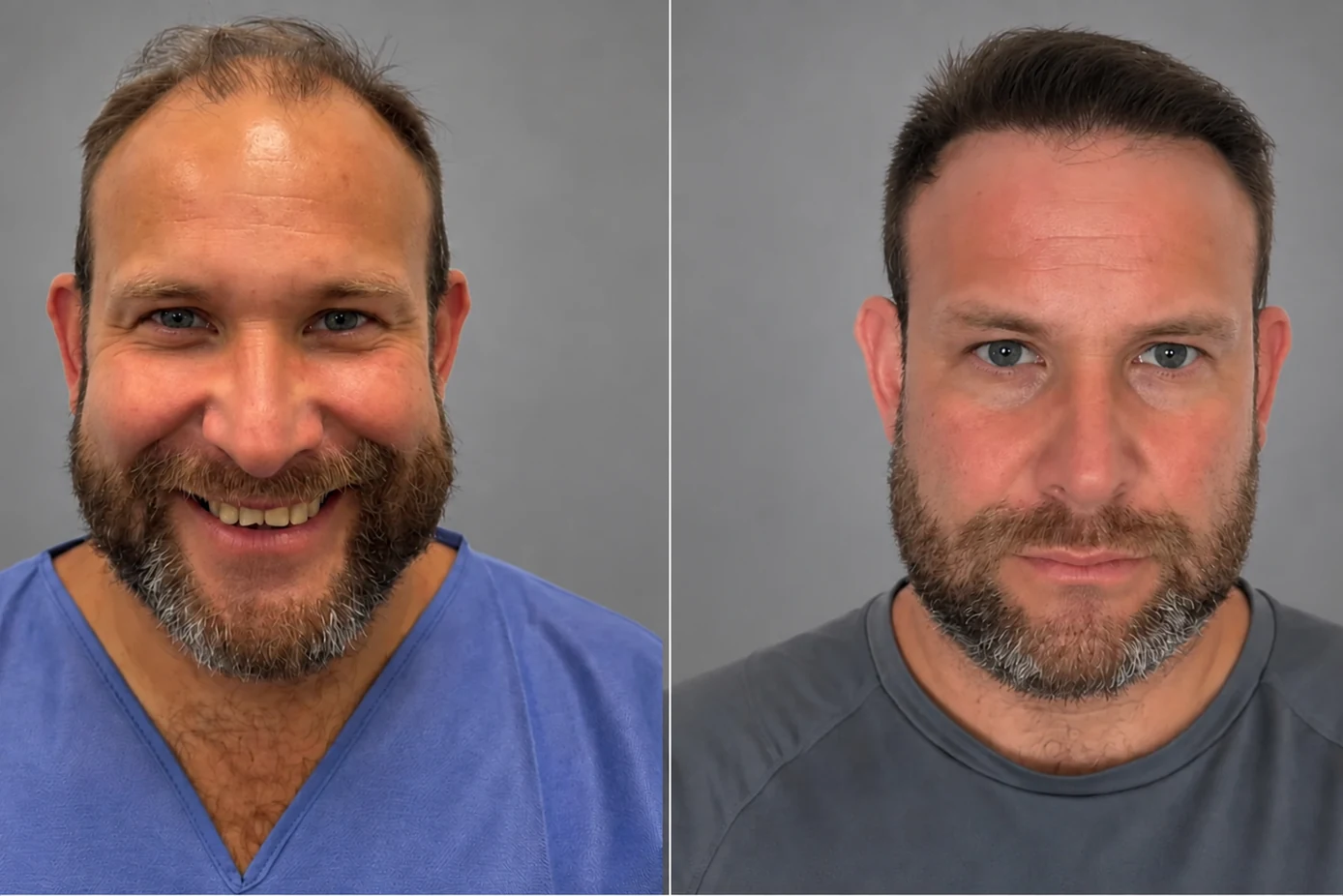
pre-op
12 months later on
3,500 grafts
FUE method
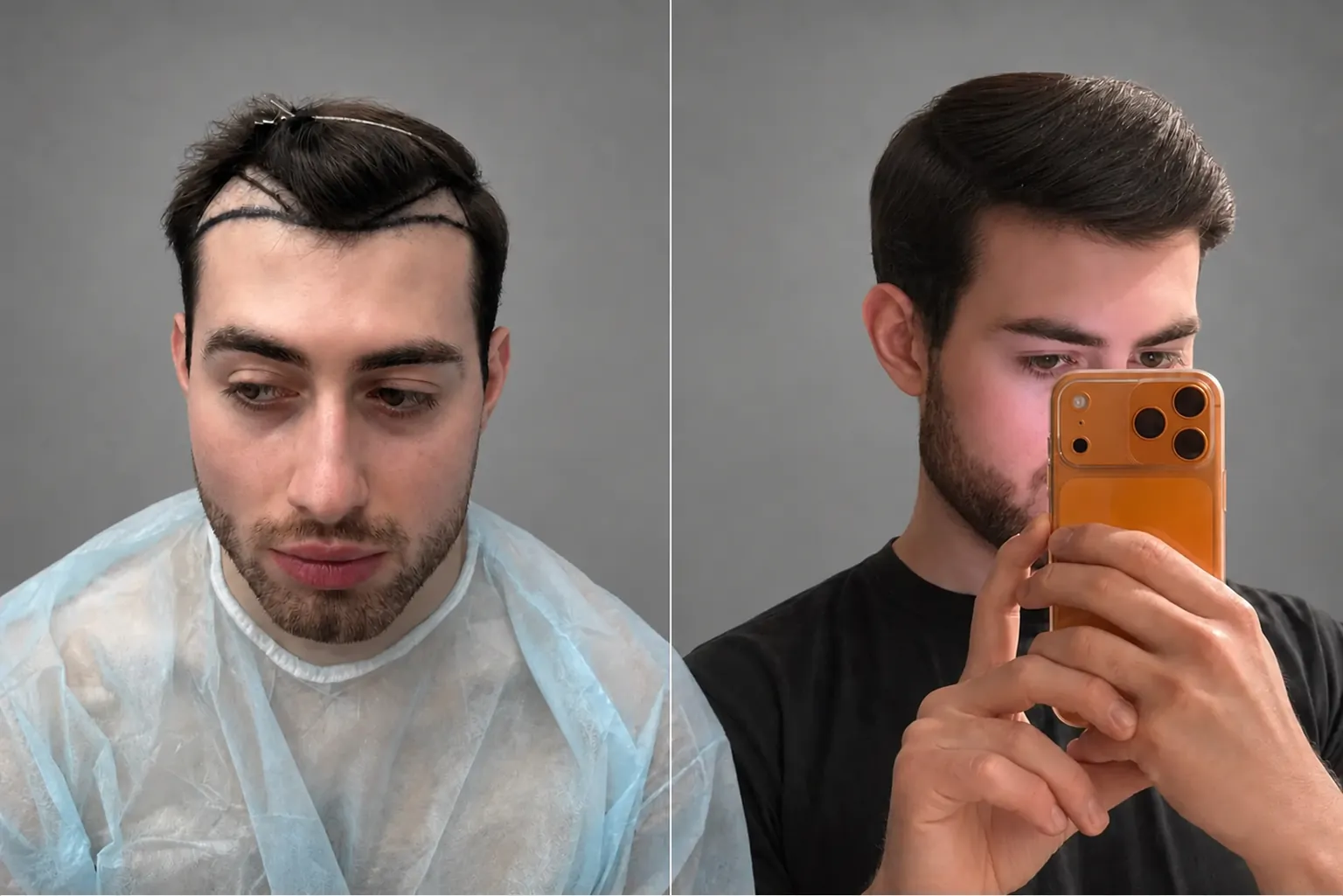
pre-op
12 months later on
2,600 grafts
FUE method
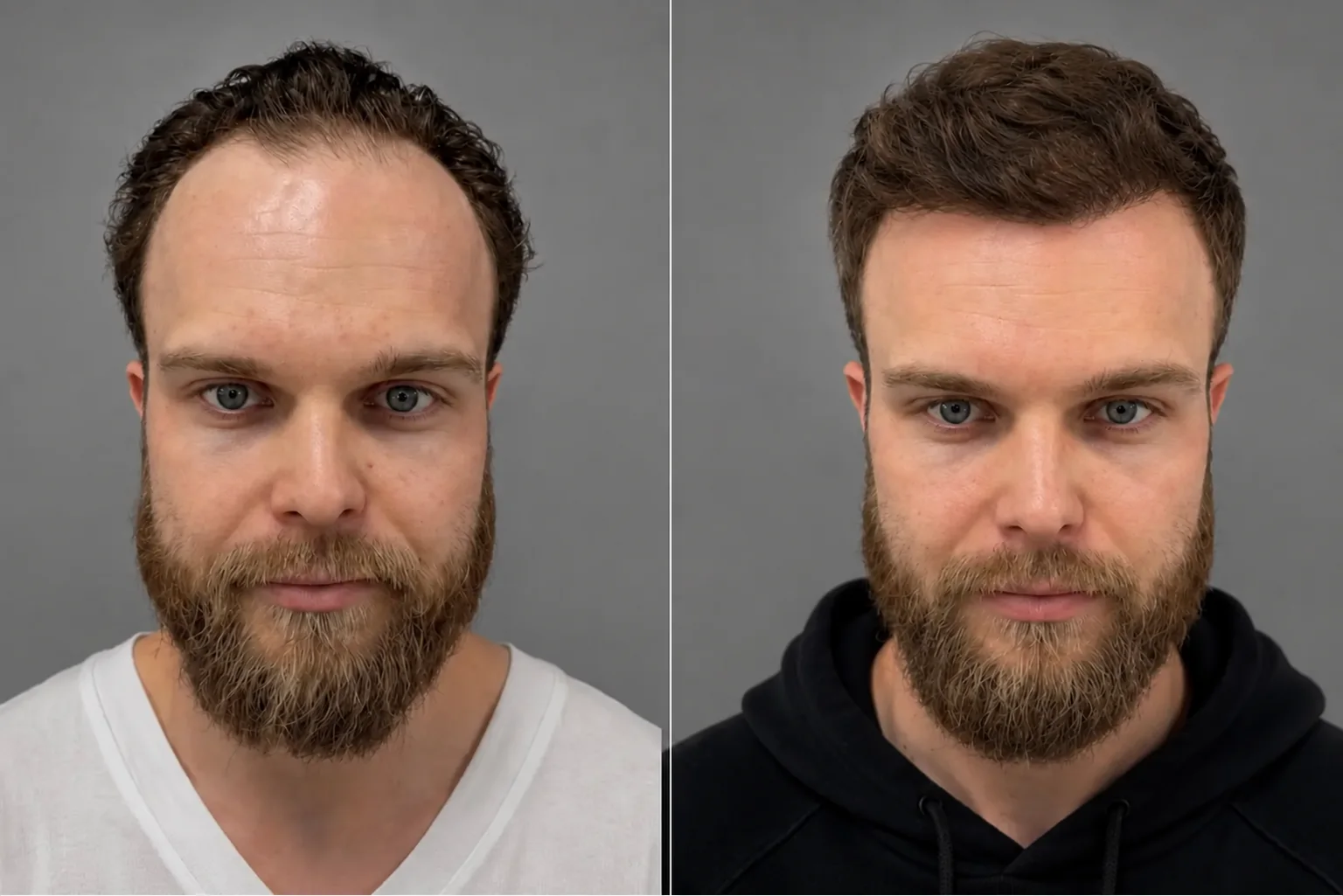
pre-op
12 months later on
3,000 grafts
FUE method
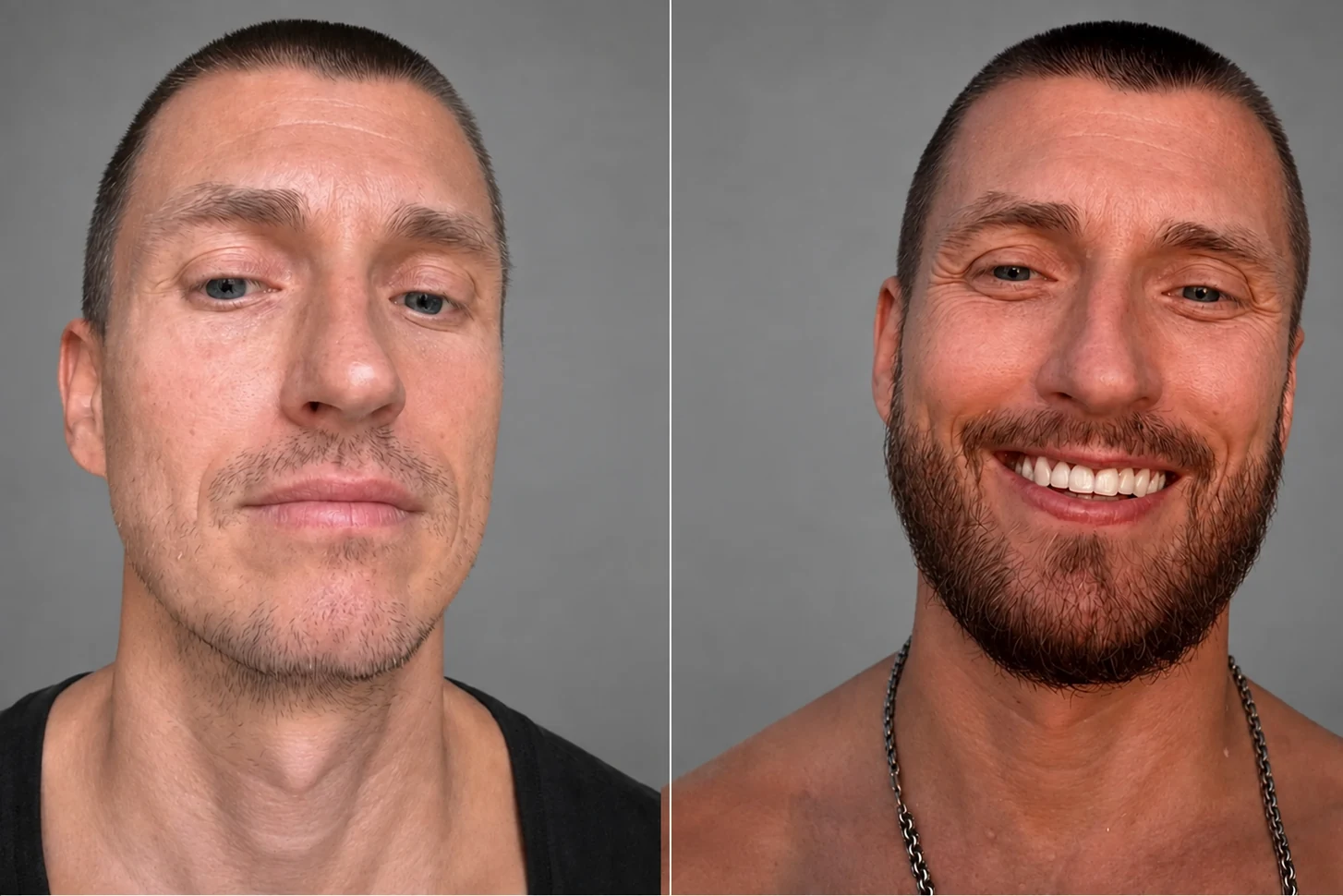
pre-op
12 months later on
2,700 grafts
FUE method
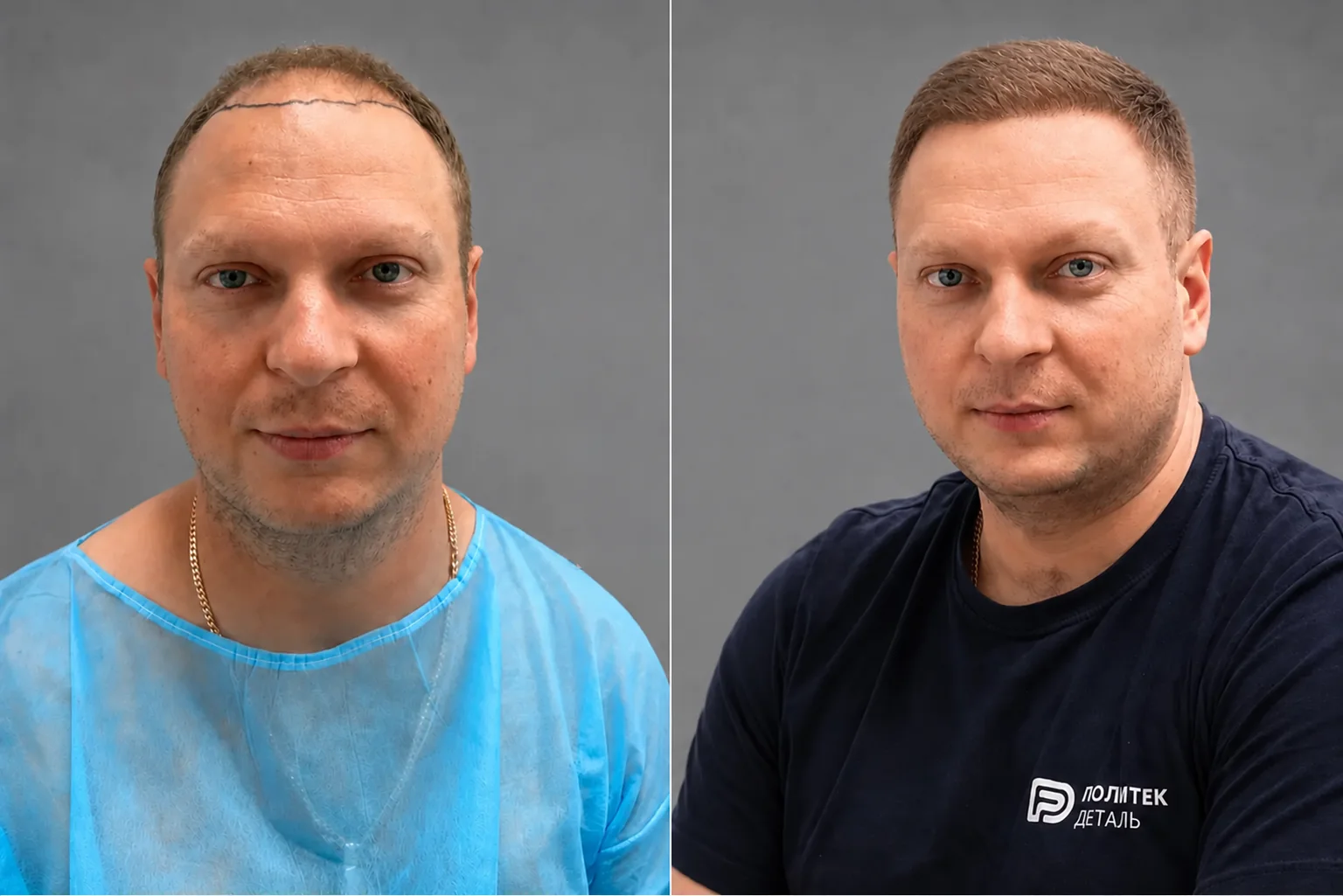
pre-op
12 months later on
3,300 grafts
FUE method
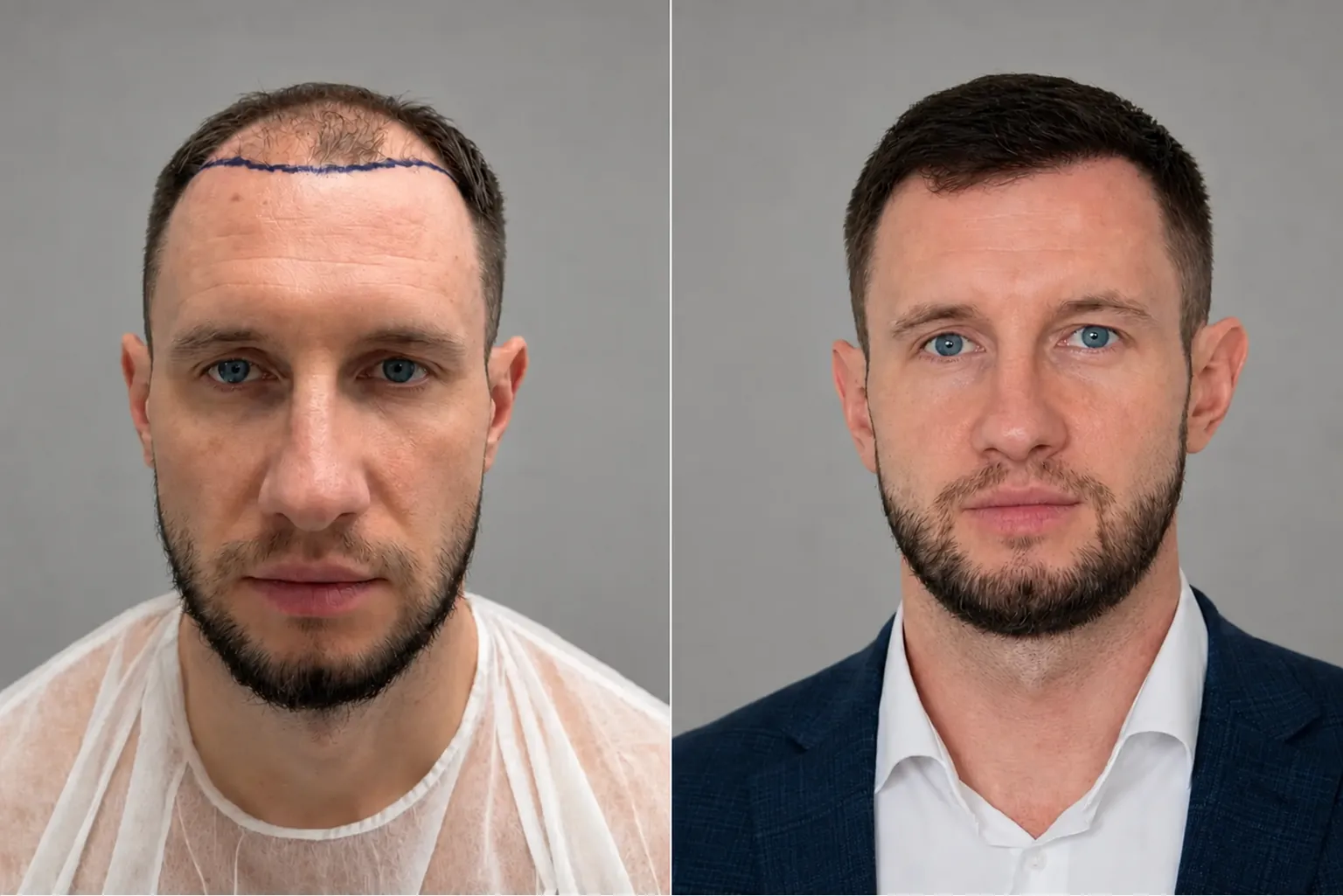
pre-op
12 months later on
2,900 grafts
FUE method
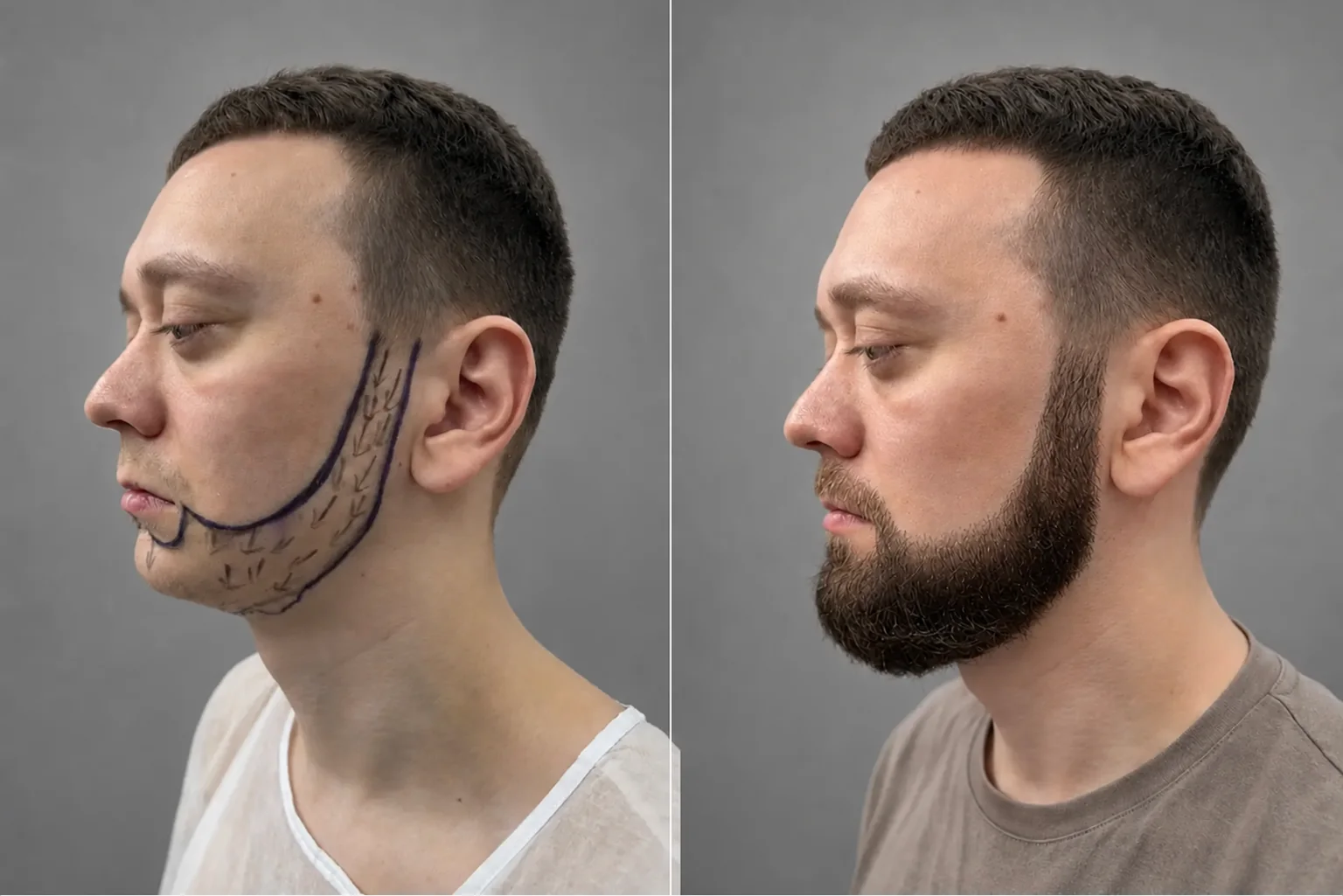
pre-op
12 months later on
2,500 grafts
FUE method
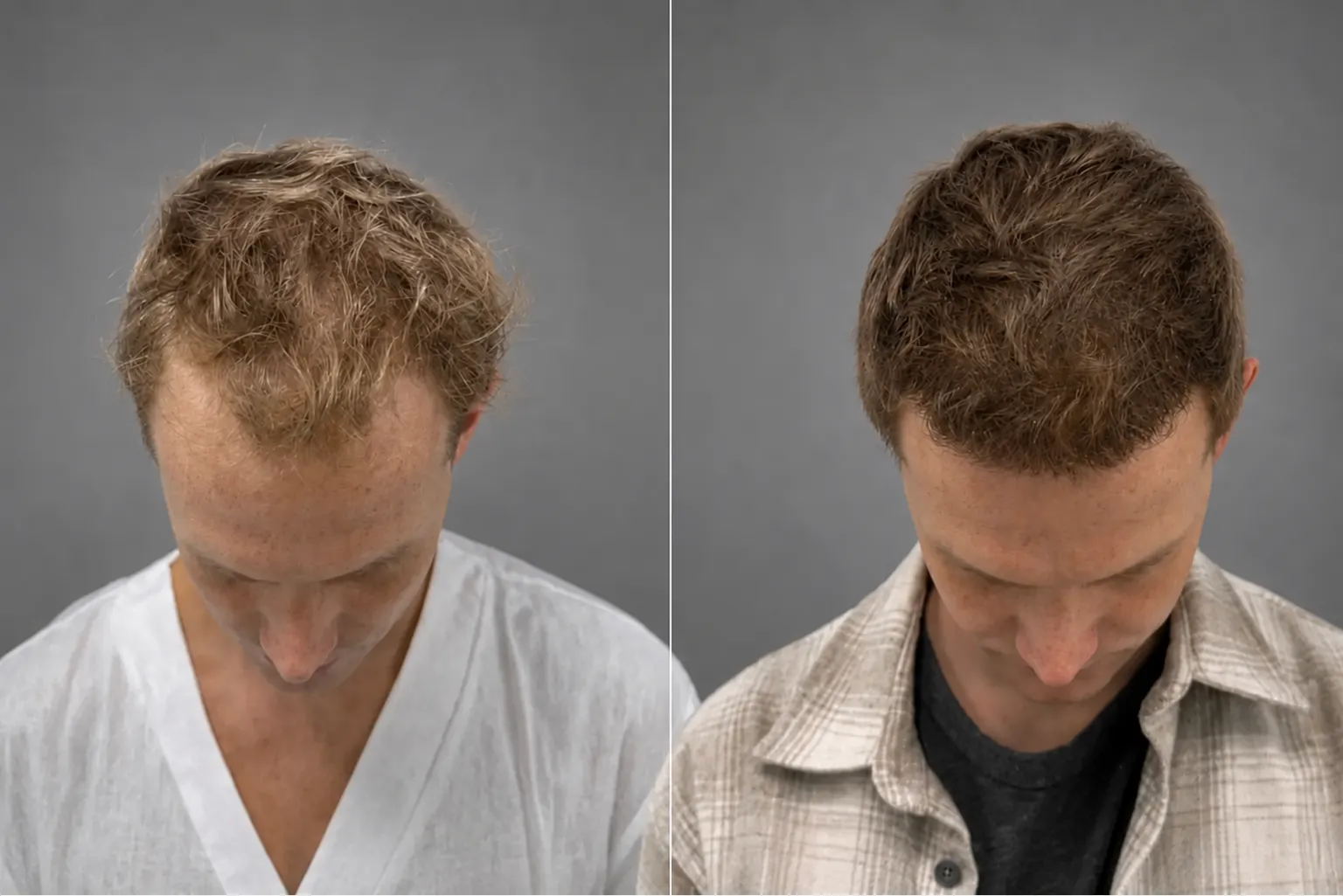
pre-op
12 months later on
3,400 grafts
FUE method
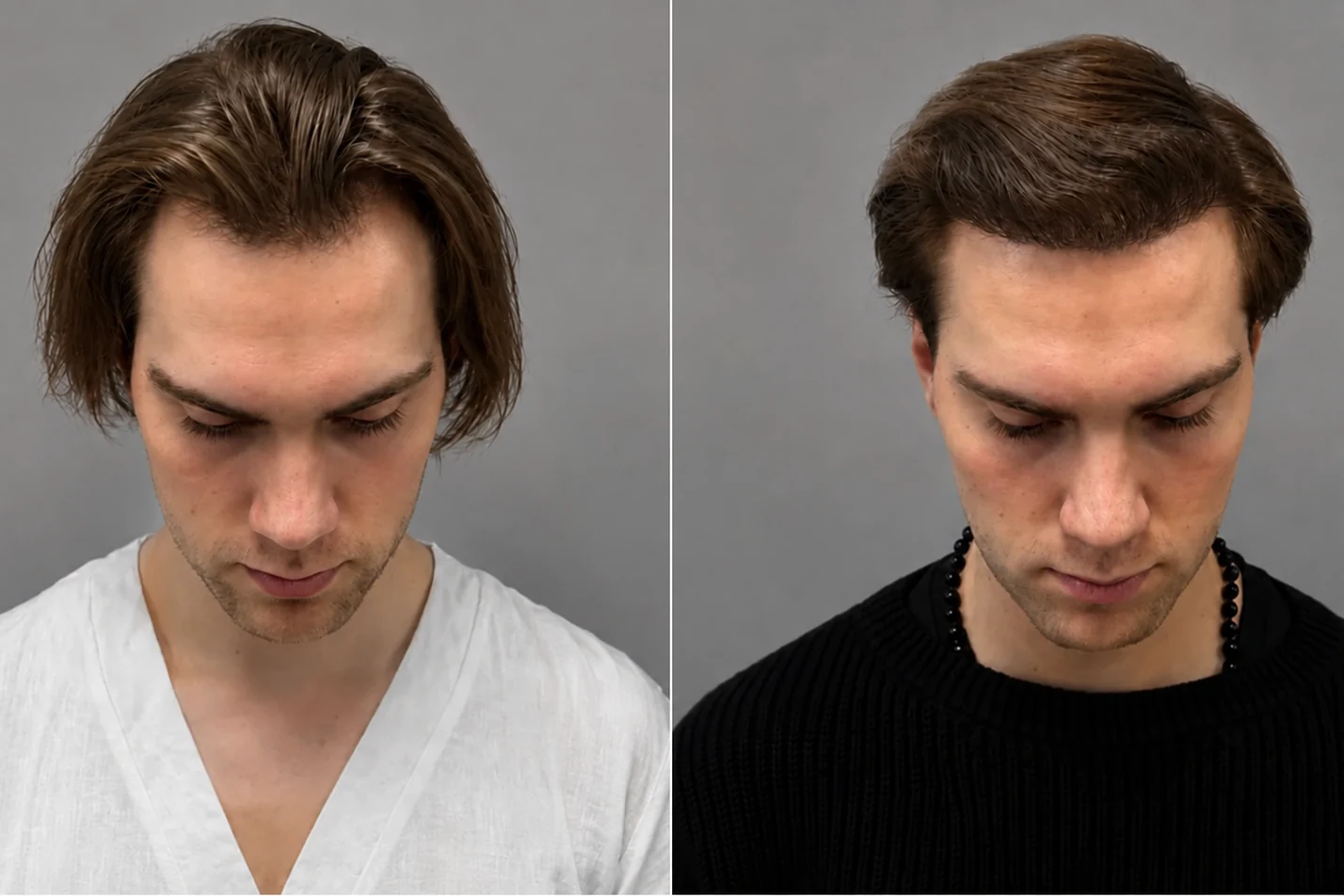
pre-op
12 months later on
2,500 grafts
FUE method
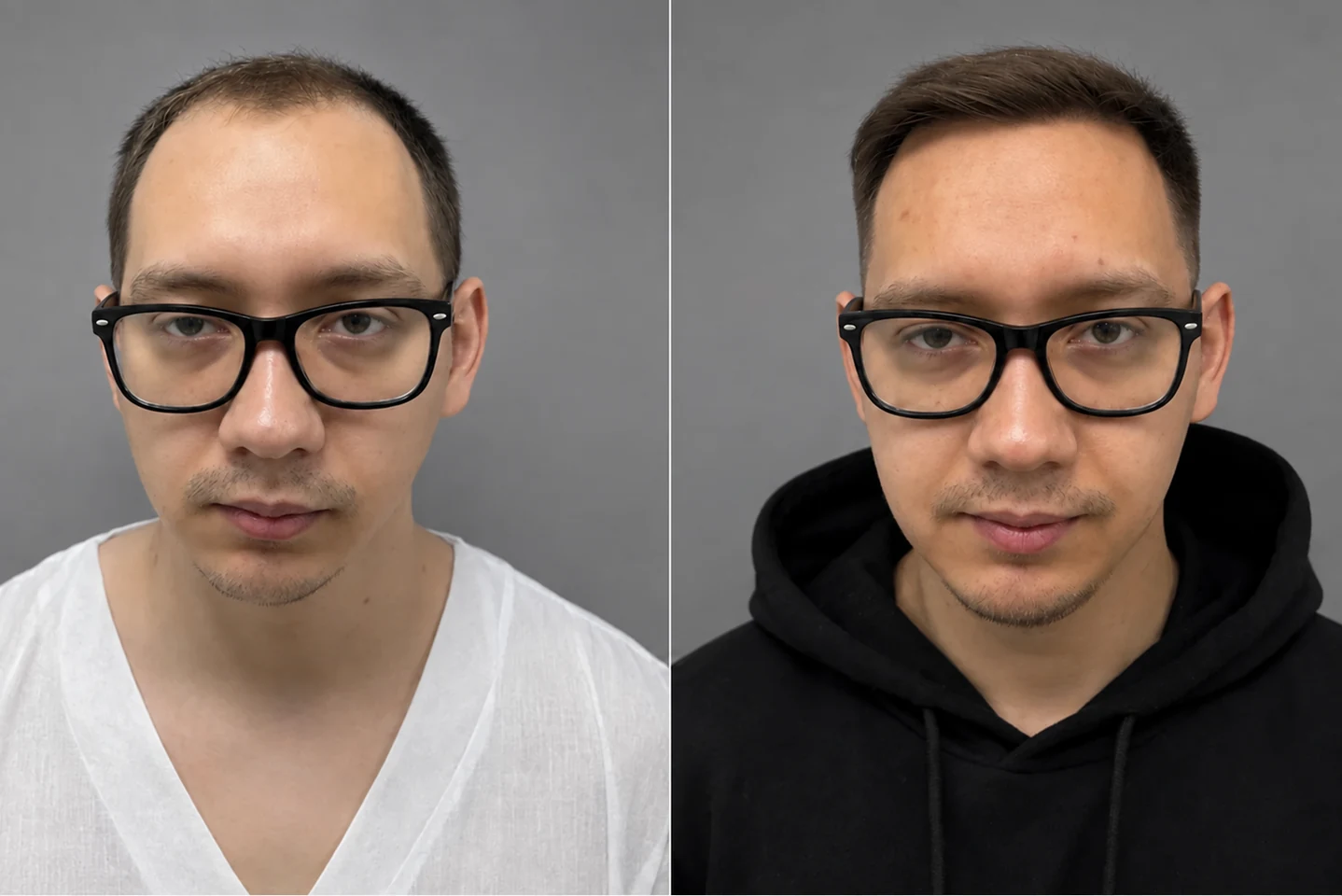
pre-op
12 months later on
3,100 grafts
FUE method
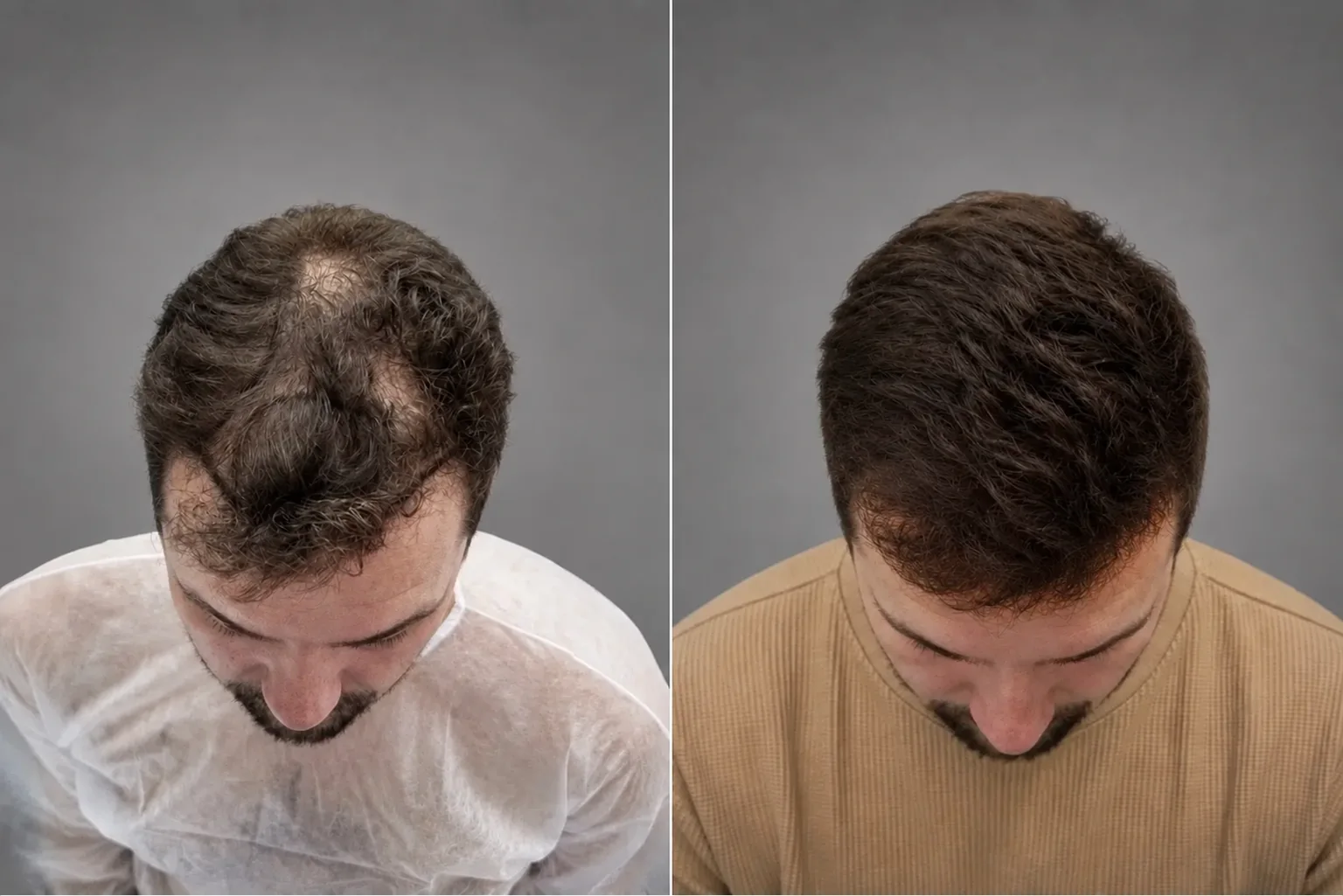
pre-op
12 months later on
3,600 grafts
FUE method
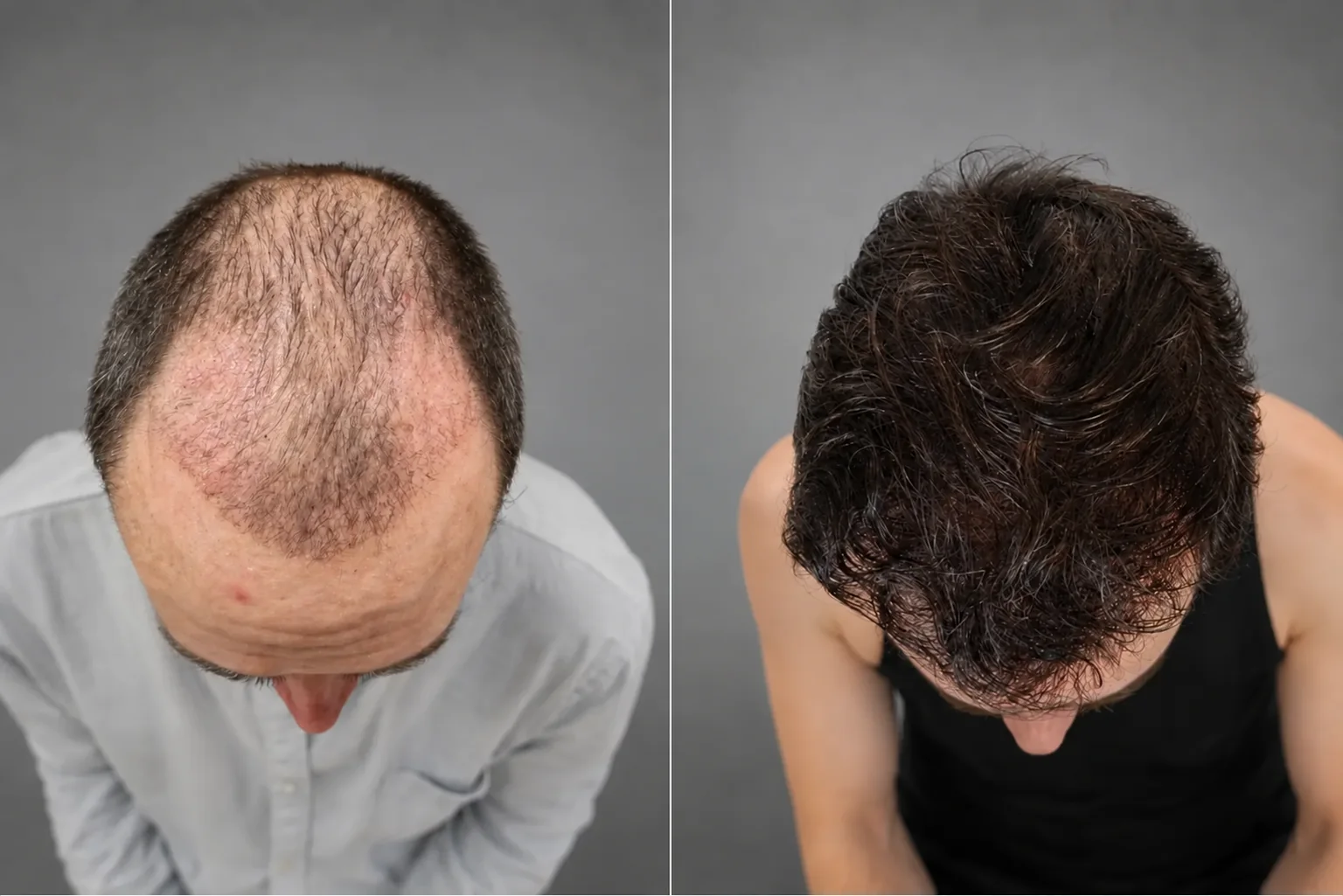
pre-op
12 months later on
4,000 grafts
FUE method
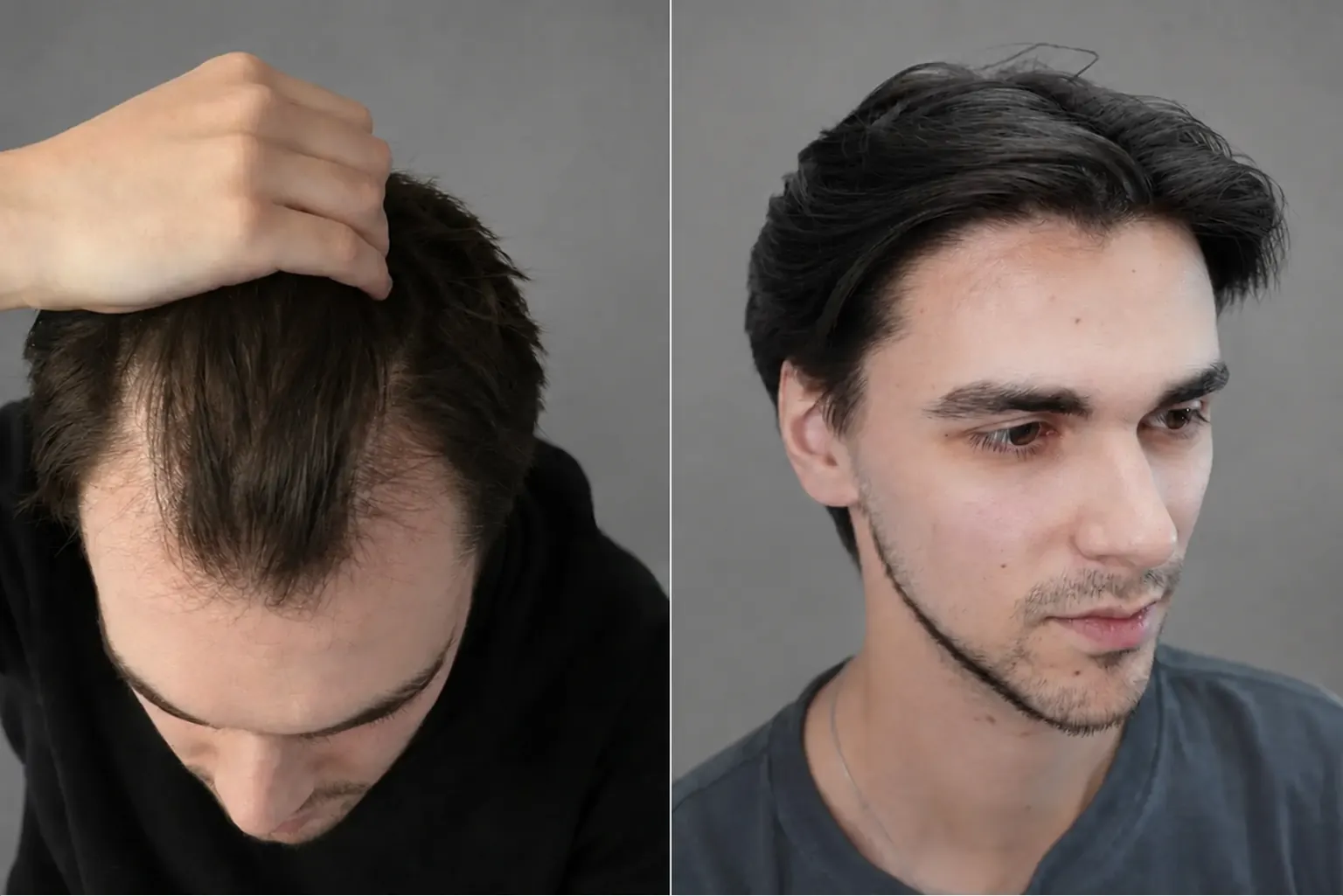
pre-op
12 months later on
3,200 grafts
FUE method
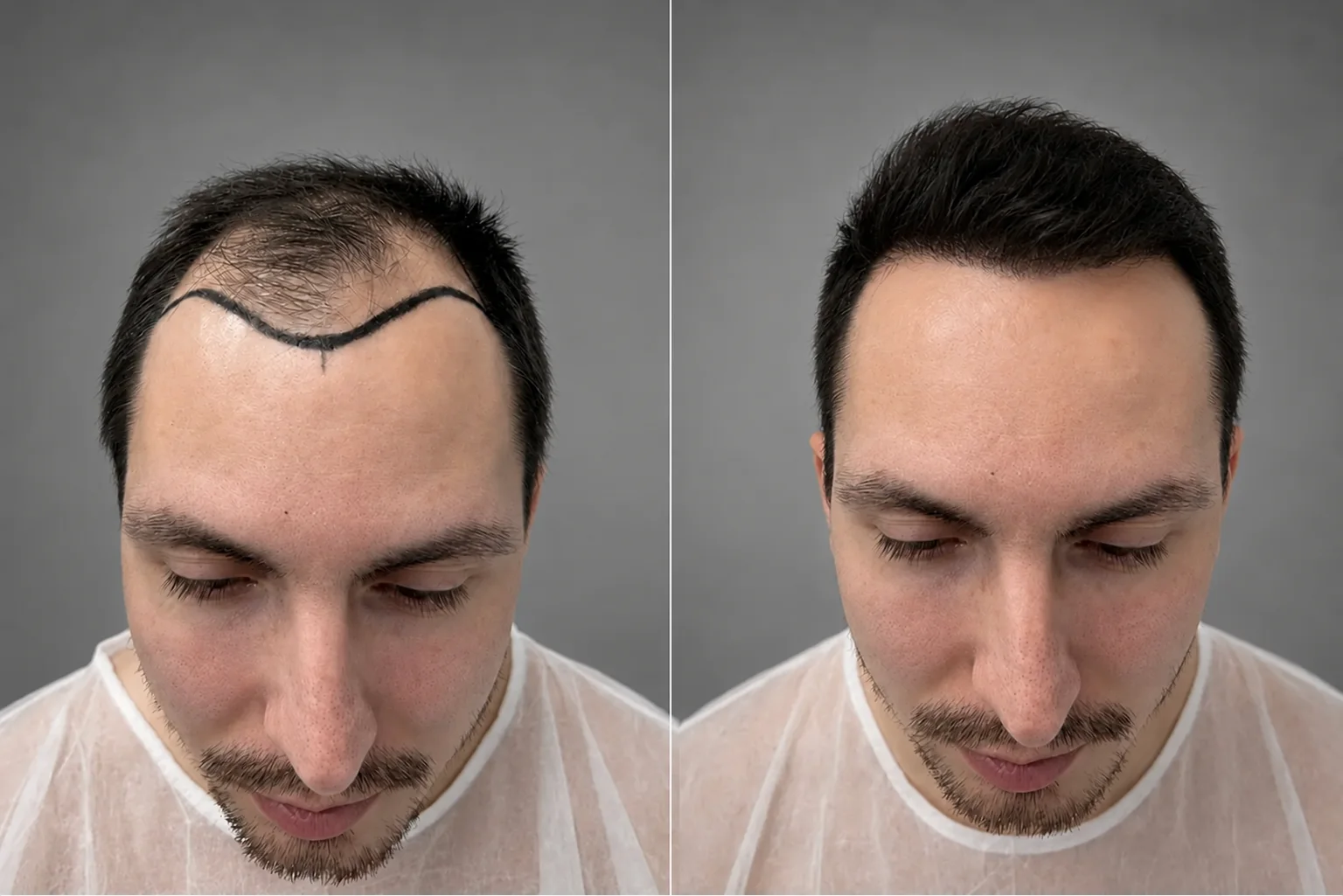
pre-op
12 months later on
3,000 grafts
FUE method
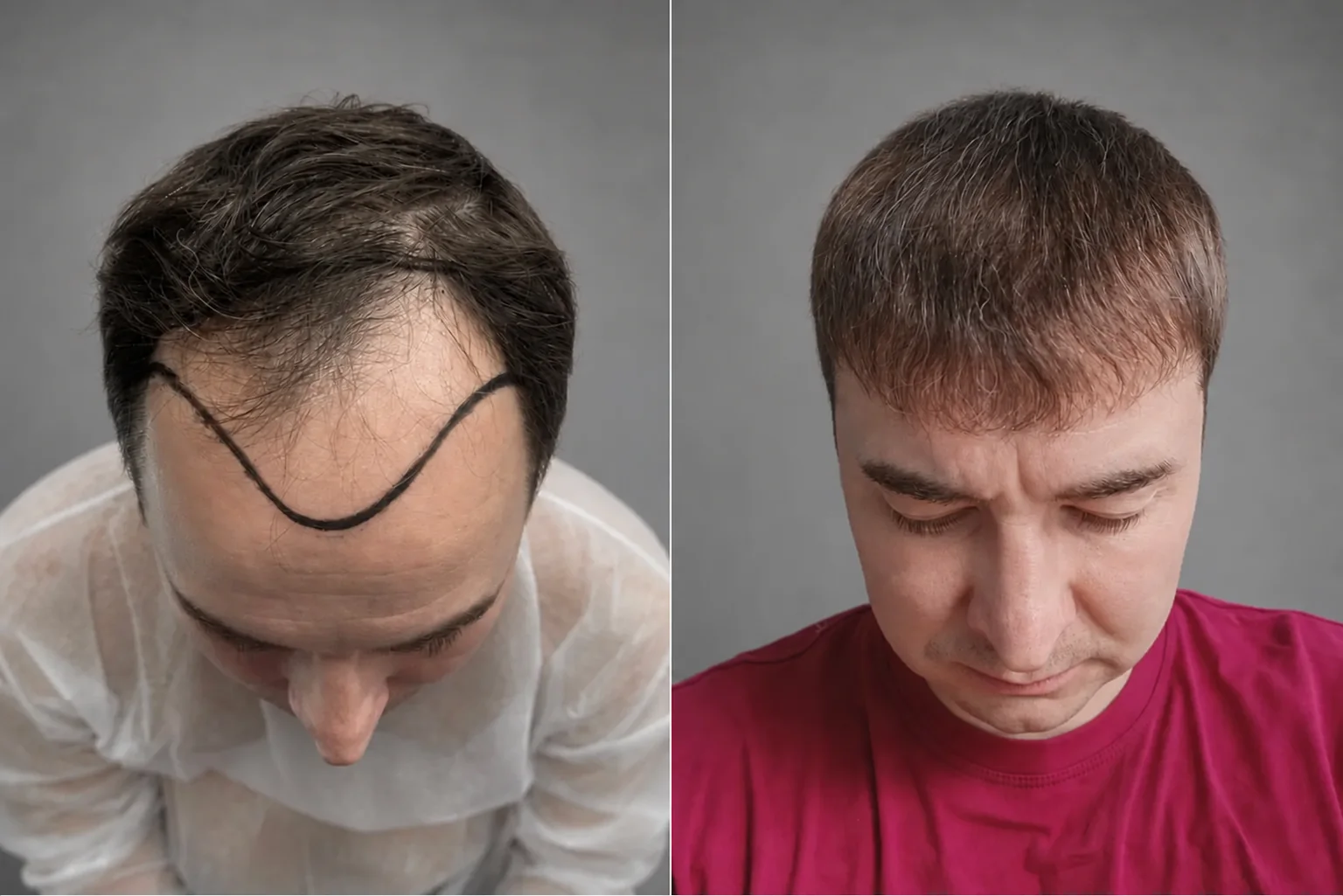
pre-op
12 months later on
3,700 grafts
FUE method
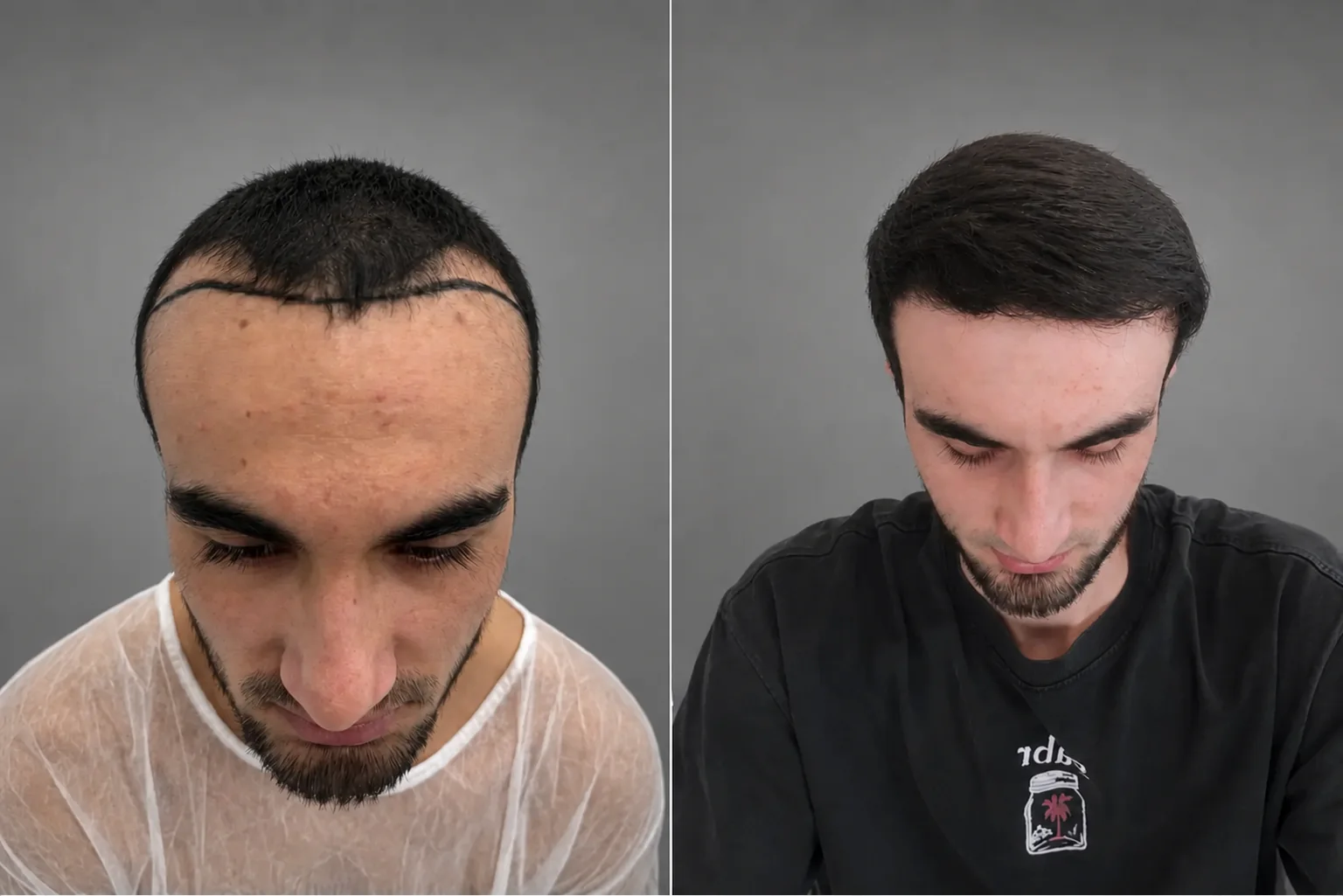
pre-op
12 months later on
2,700 grafts
FUE method
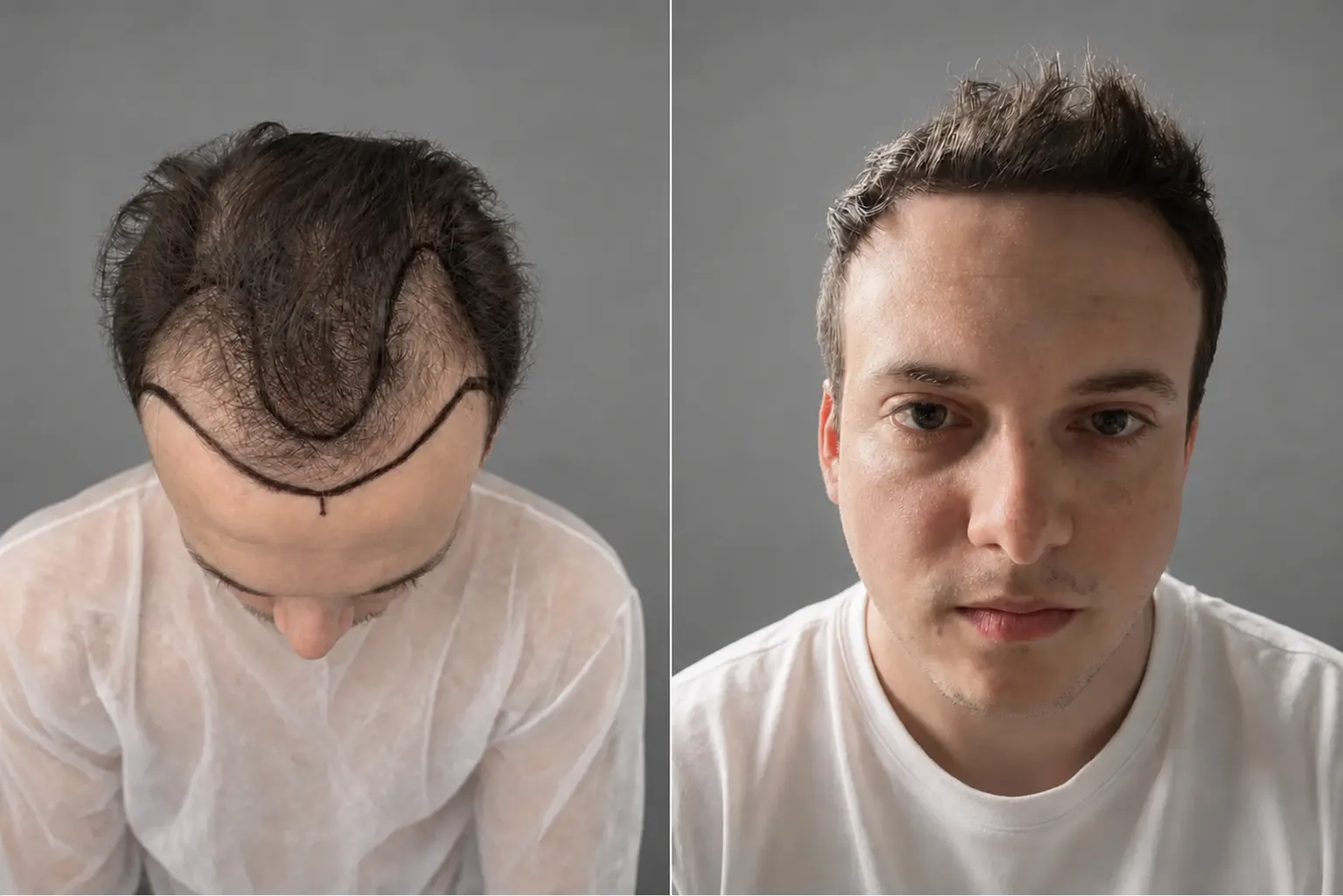
pre-op
12 months later on
3,800 grafts
FUE method
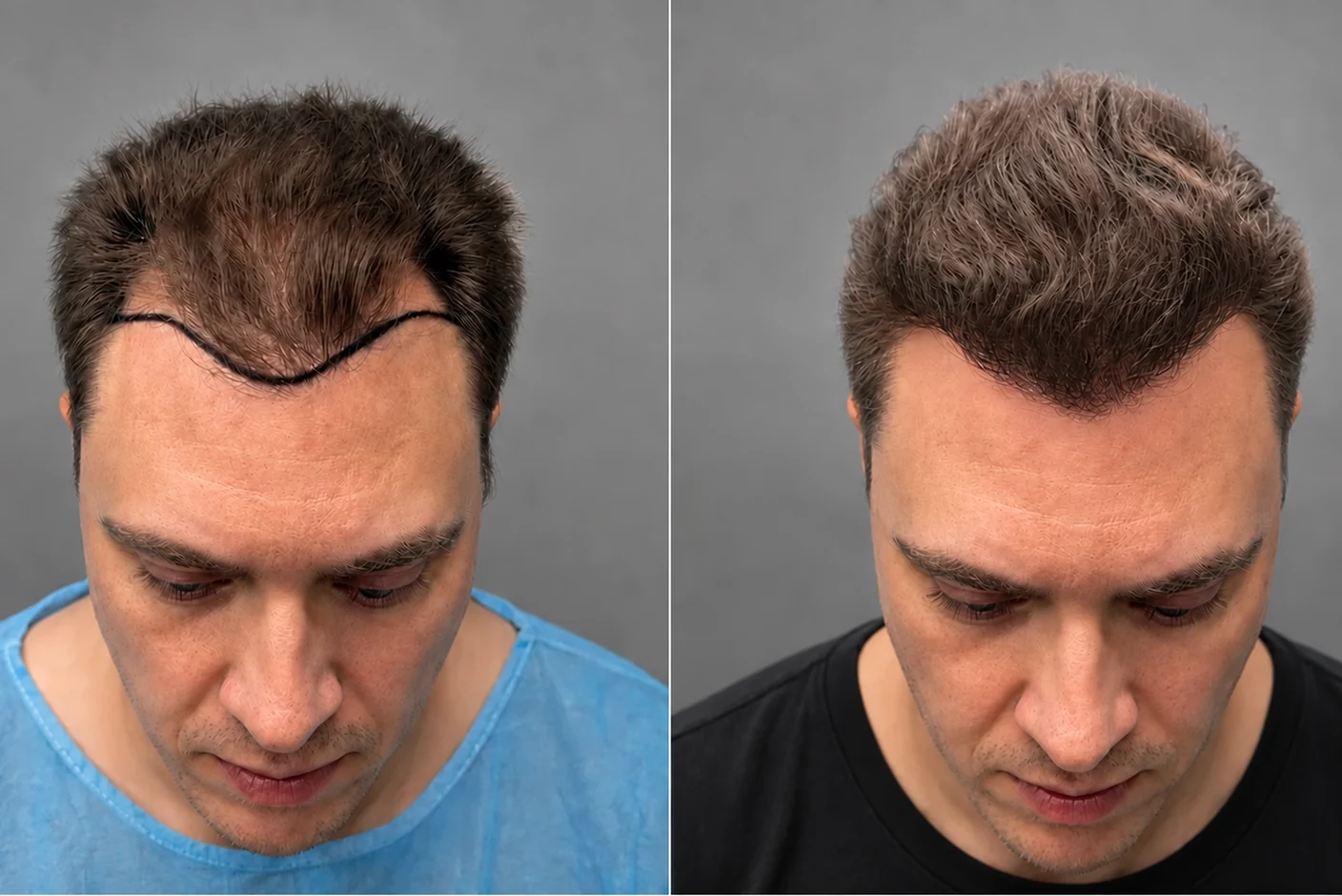
pre-op
12 months later on
3,300 grafts
FUE method
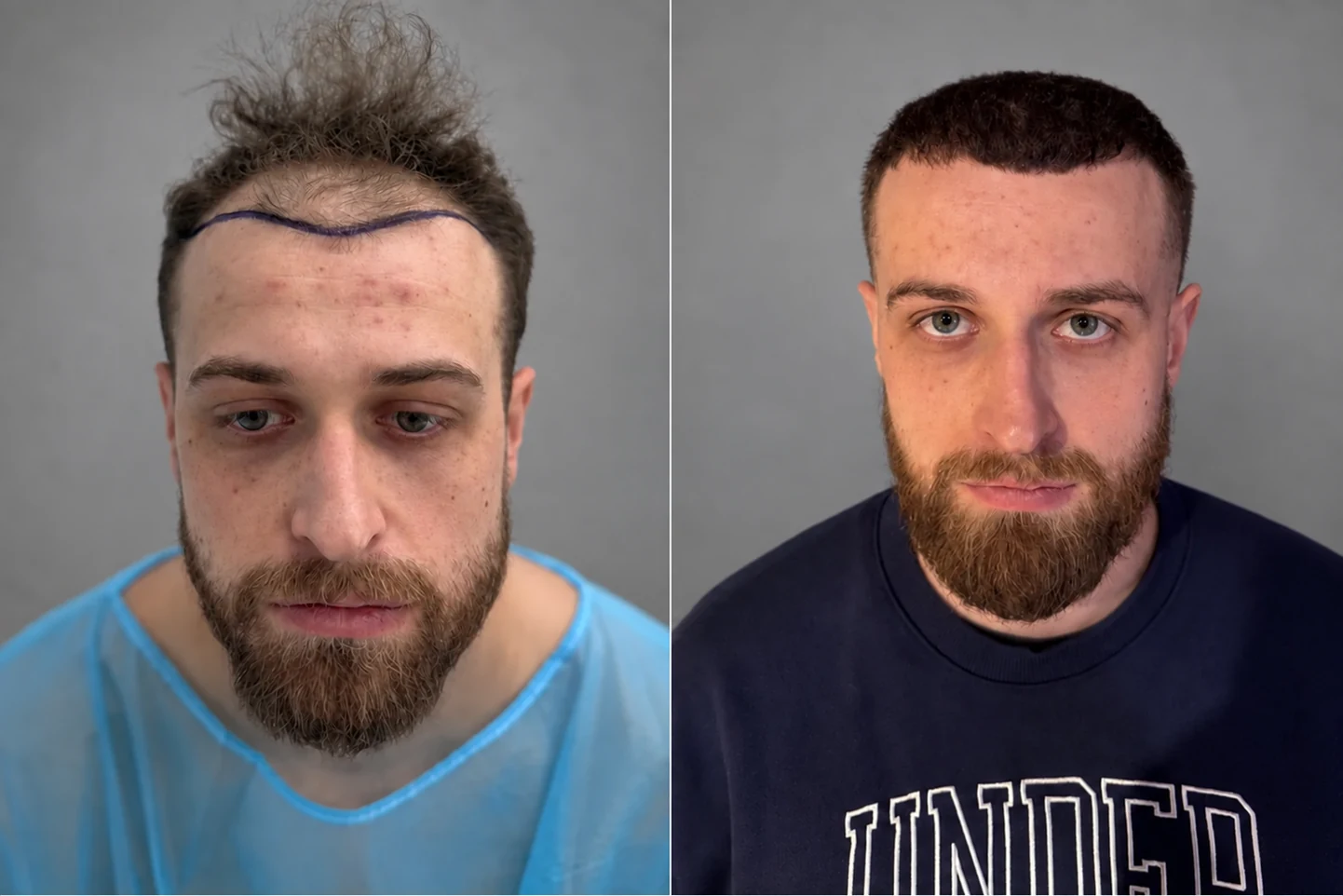
pre-op
12 months later on
2,800 grafts
FUE method
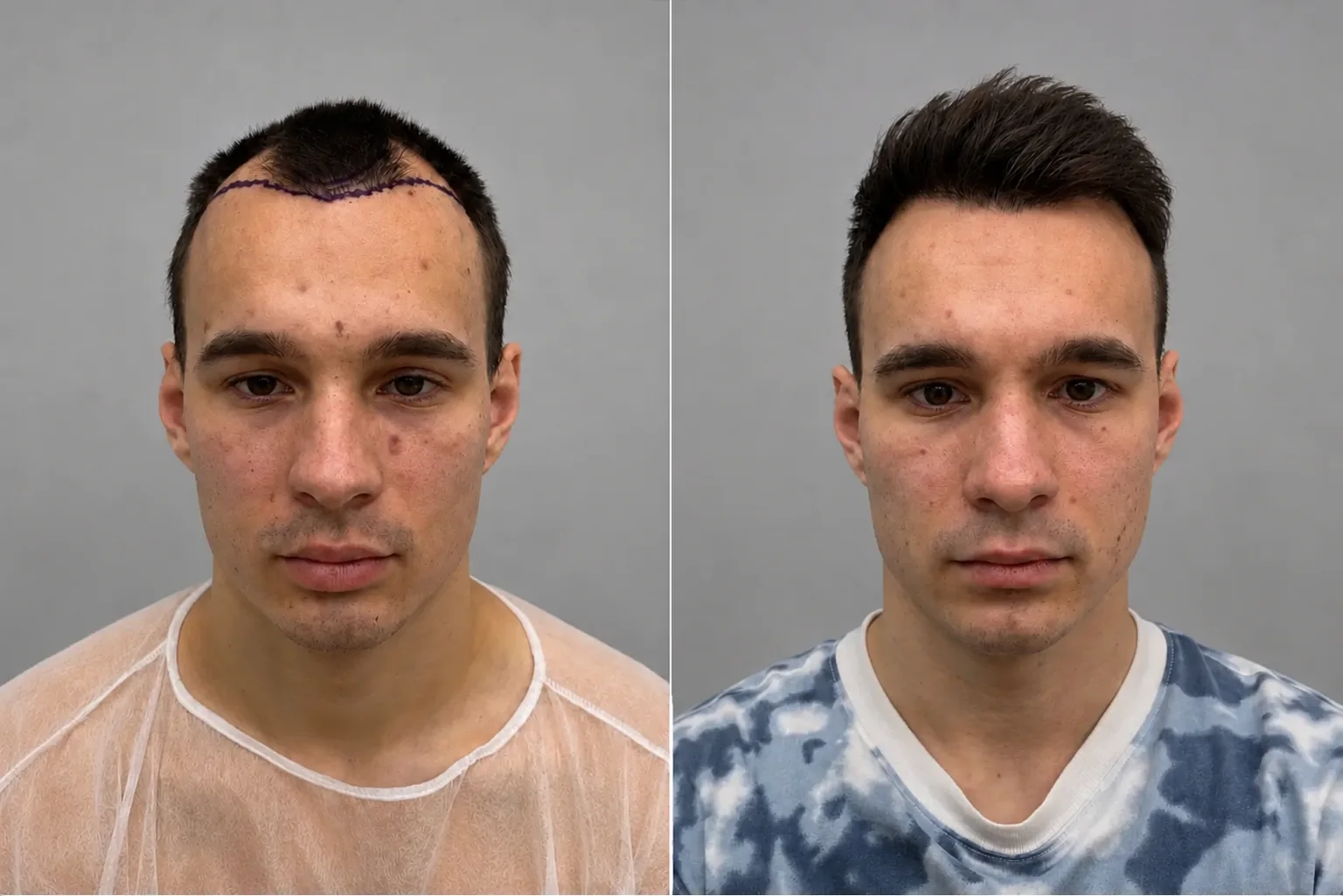
pre-op
12 months later on
2,500 grafts
FUE method
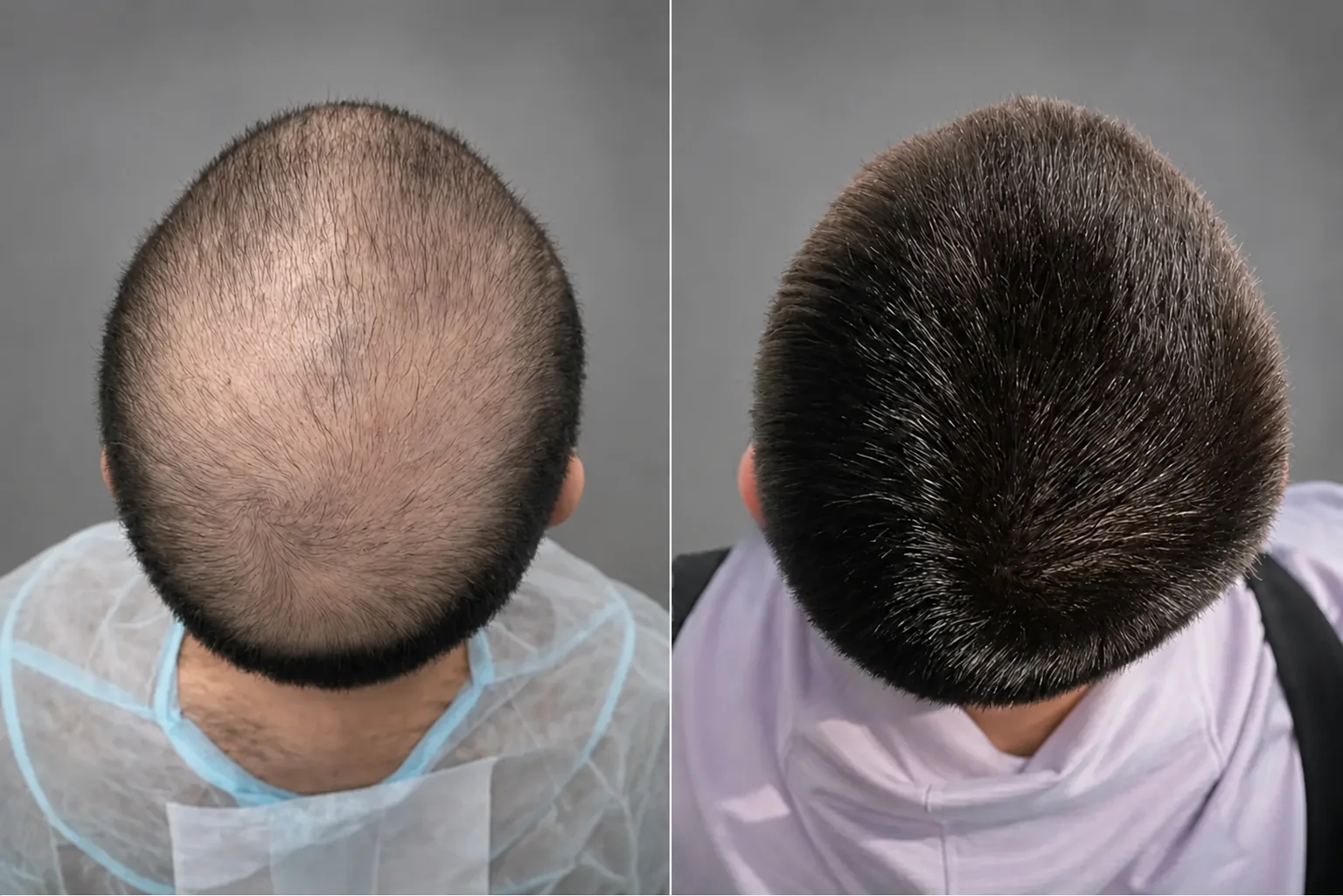
pre-op
12 months later on
3,900 grafts
FUE method
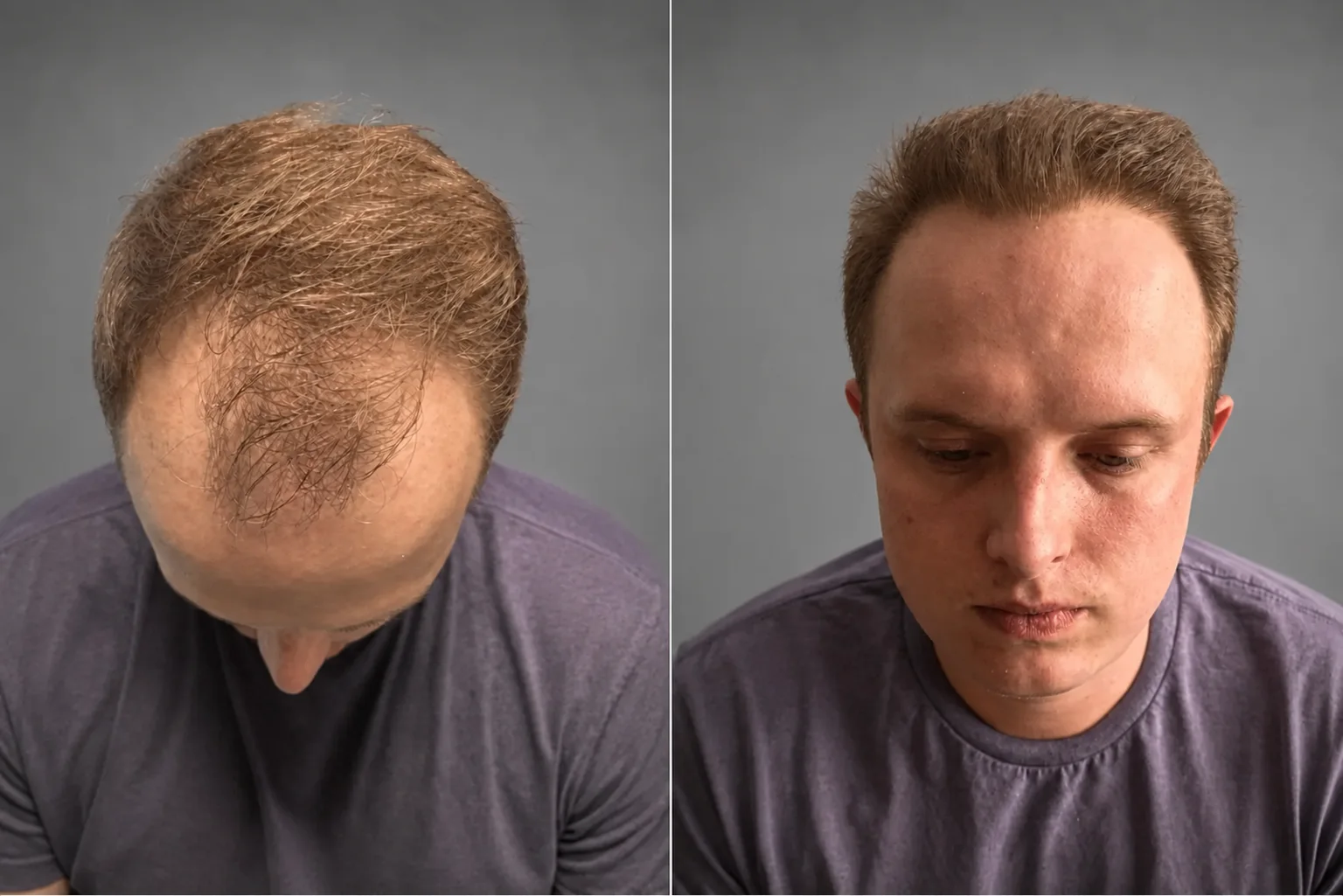
pre-op
12 months later on
3,500 grafts
FUE method
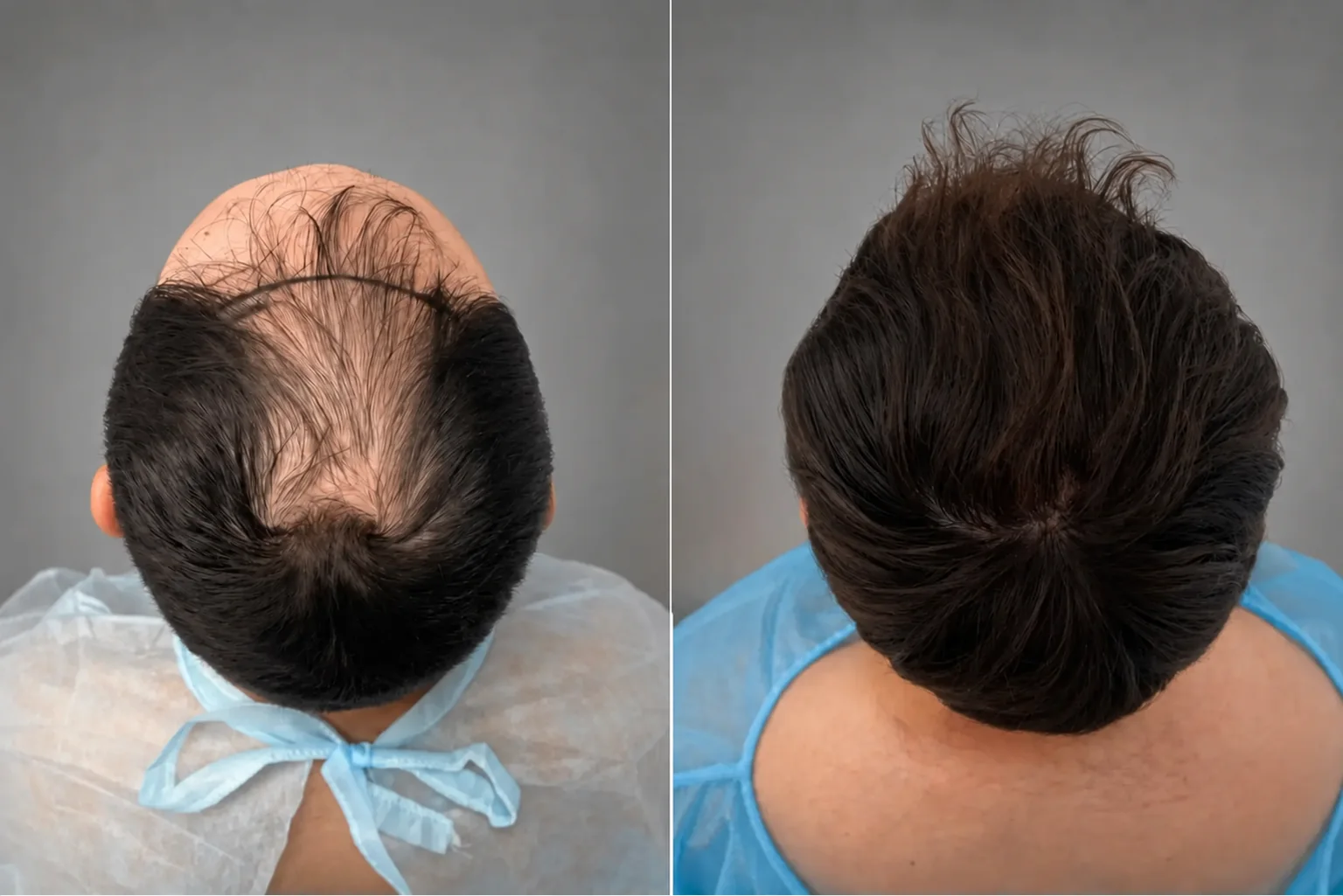
pre-op
12 months later on
3,800 grafts
FUE method
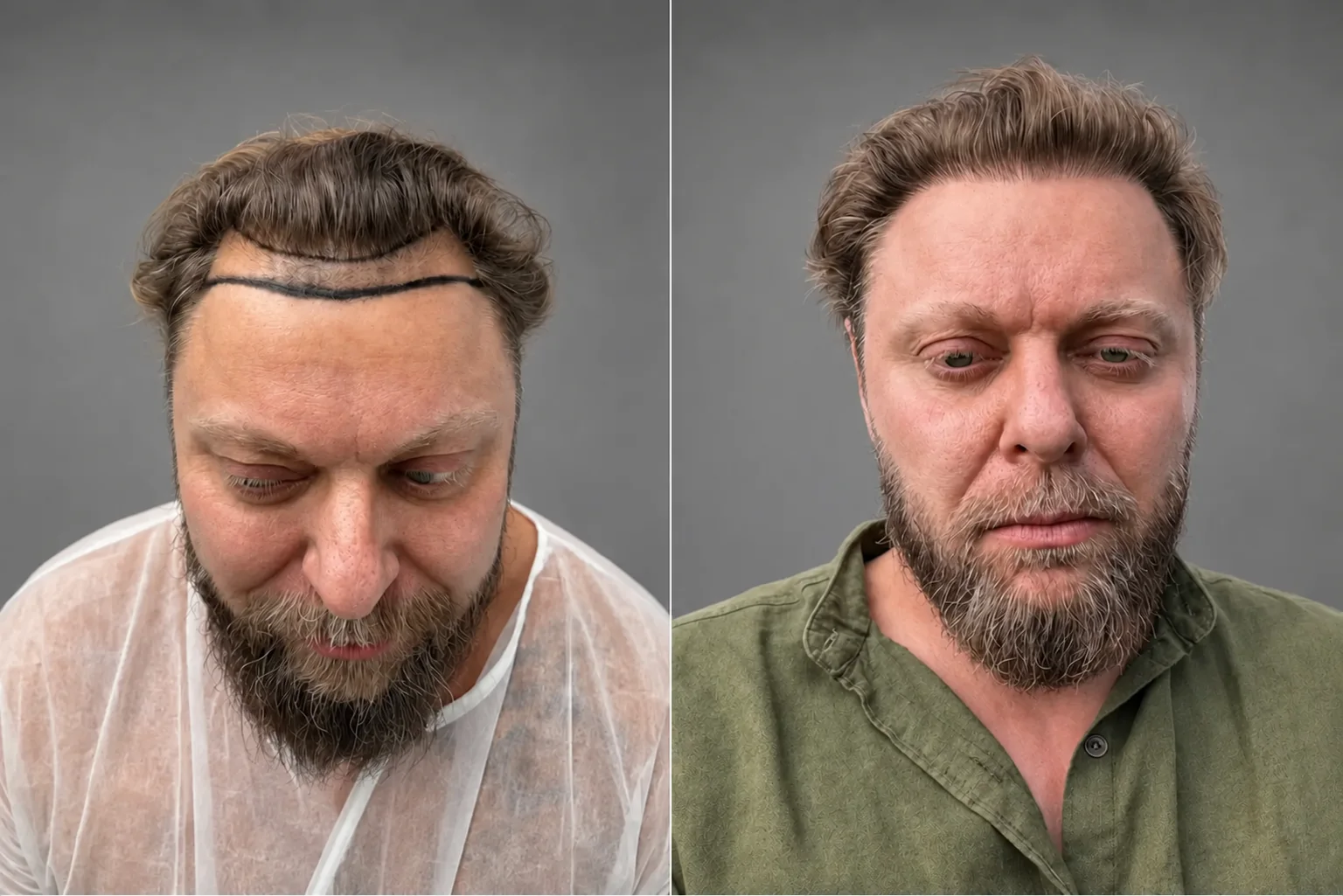
pre-op
12 months later on
2,900 grafts
FUE method
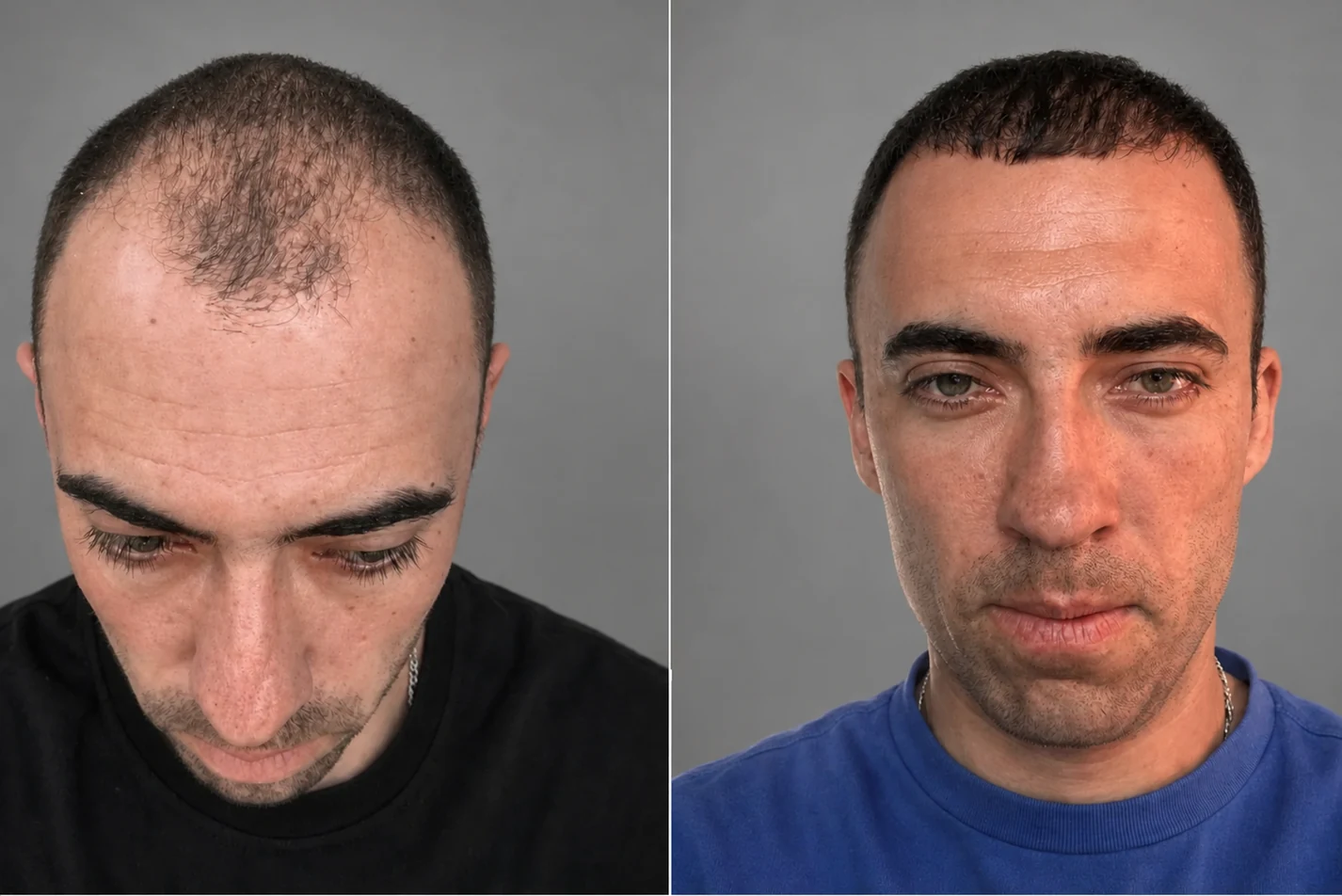
pre-op
12 months later on
3,600 grafts
FUE method
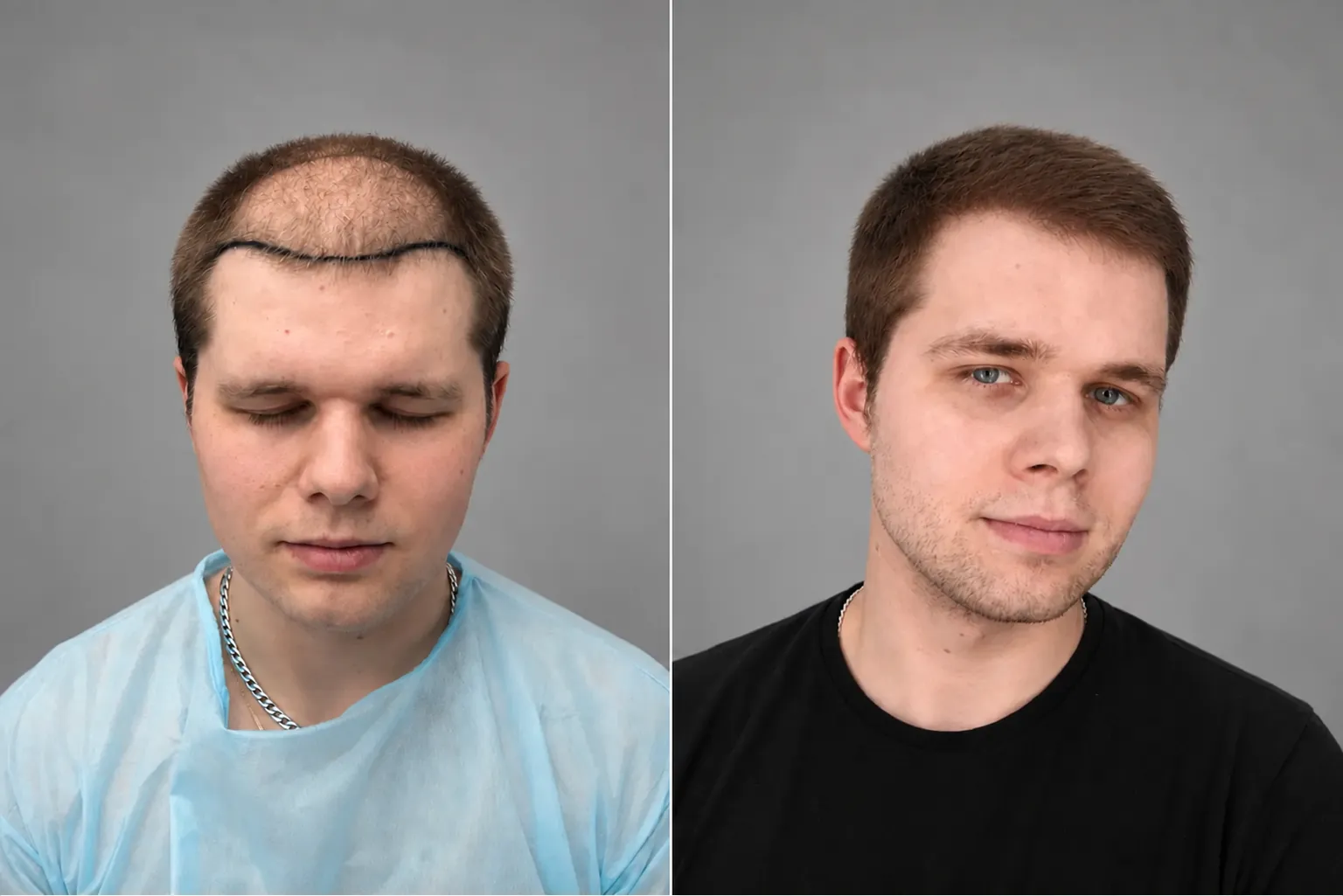
pre-op
12 months later on
2,600 grafts
FUE method
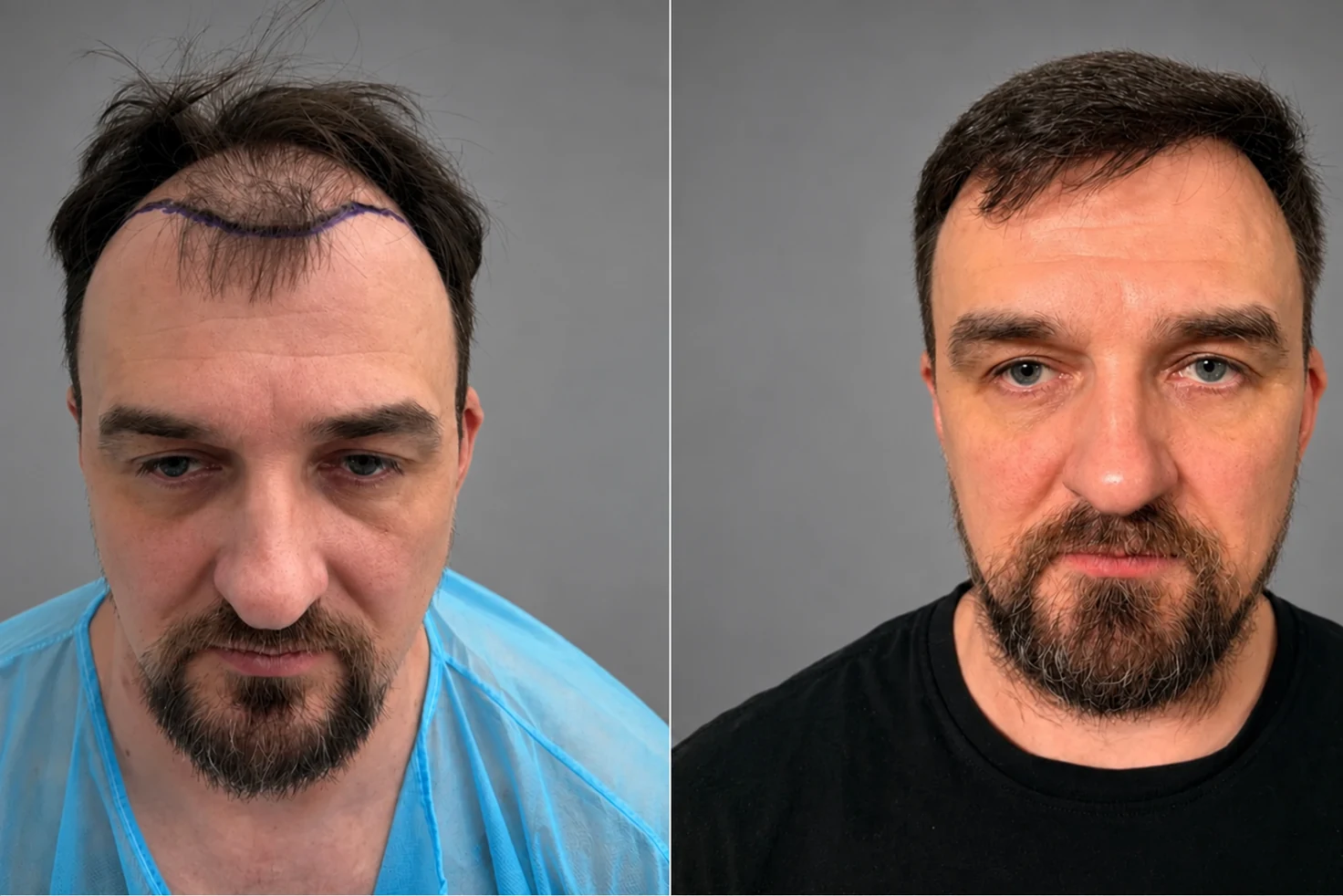
pre-op
12 months later on
2,700 grafts
FUE method
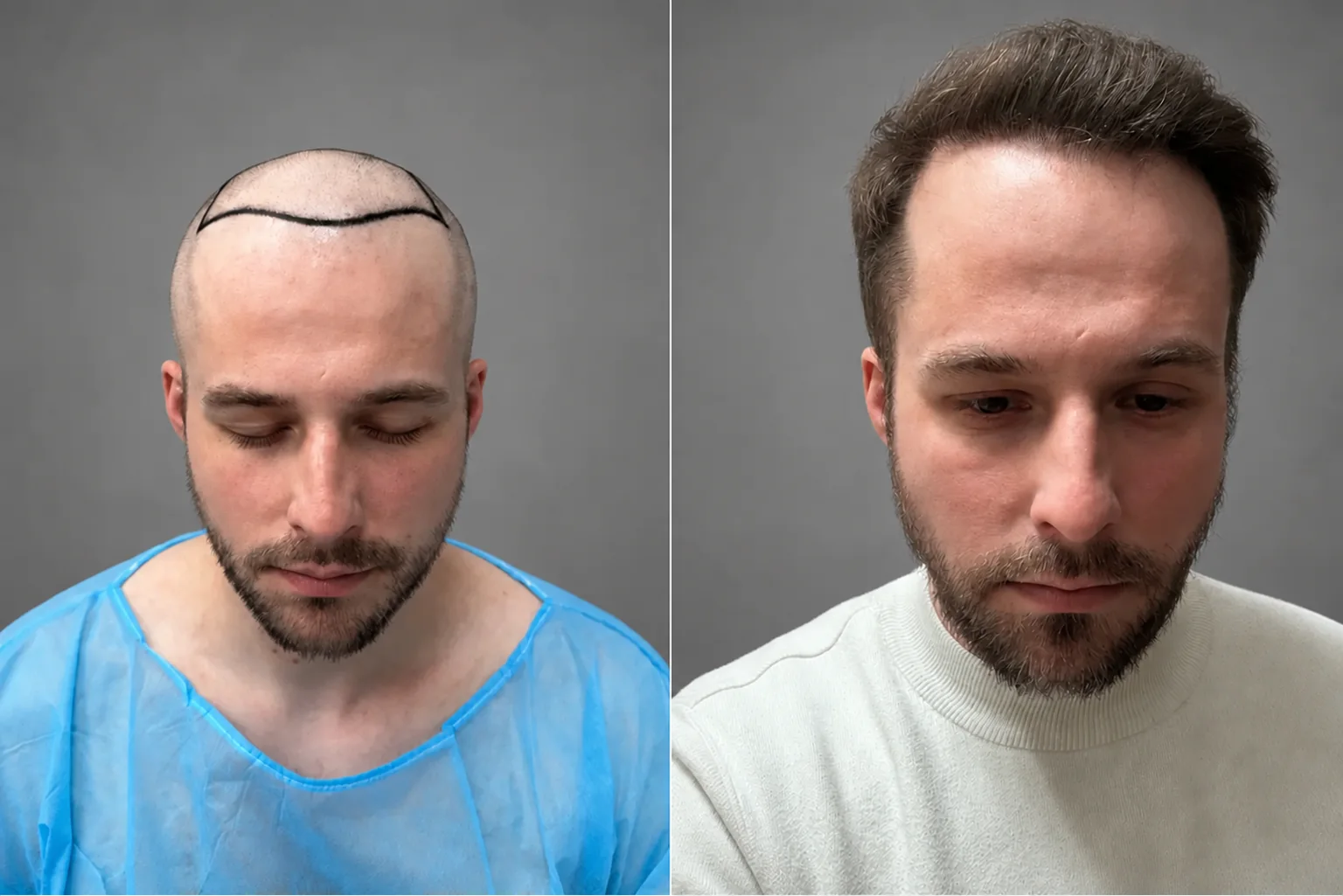
pre-op
12 months later on
3,700 grafts
FUE method
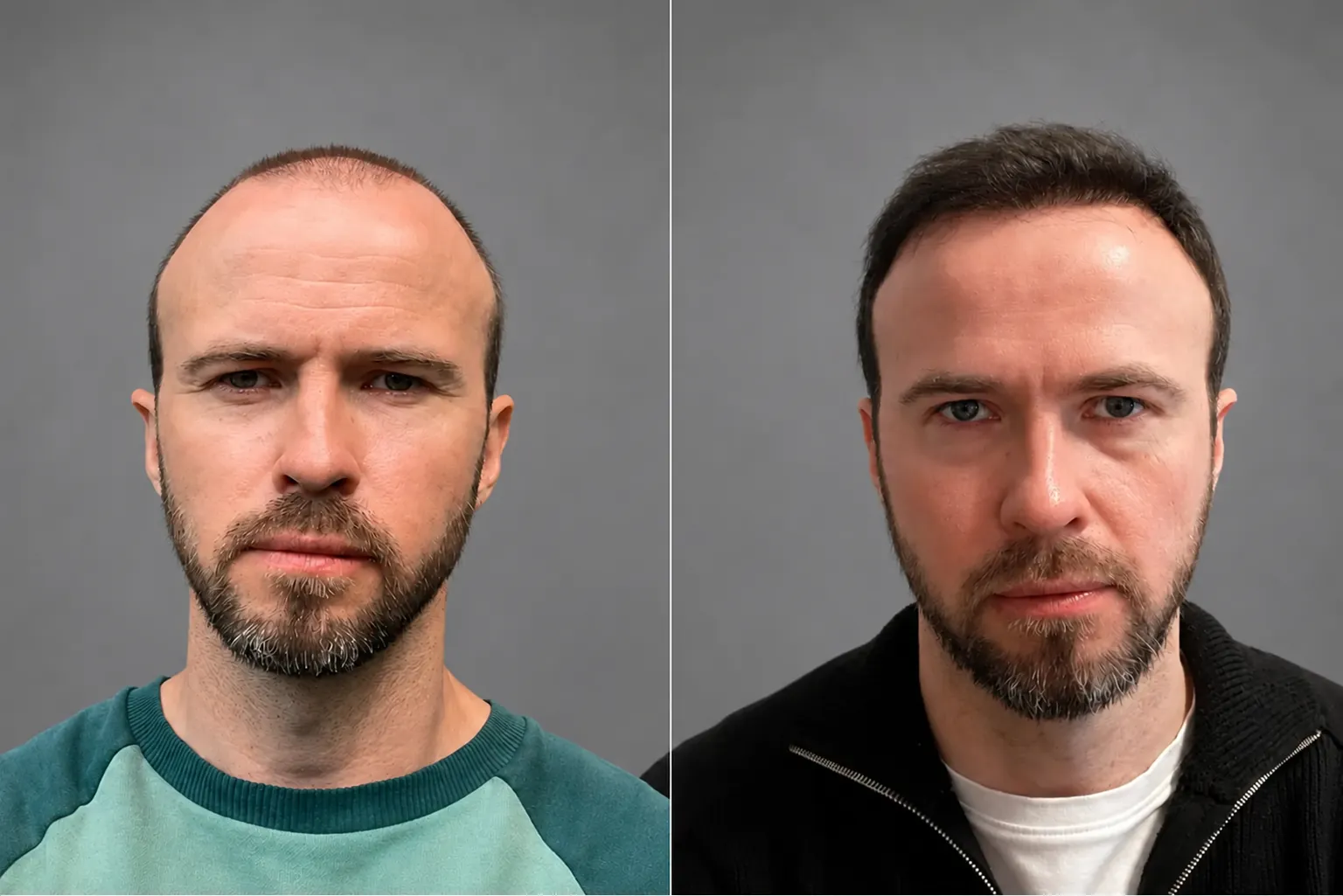
pre-op
12 months later on
3,200 grafts
FUE method
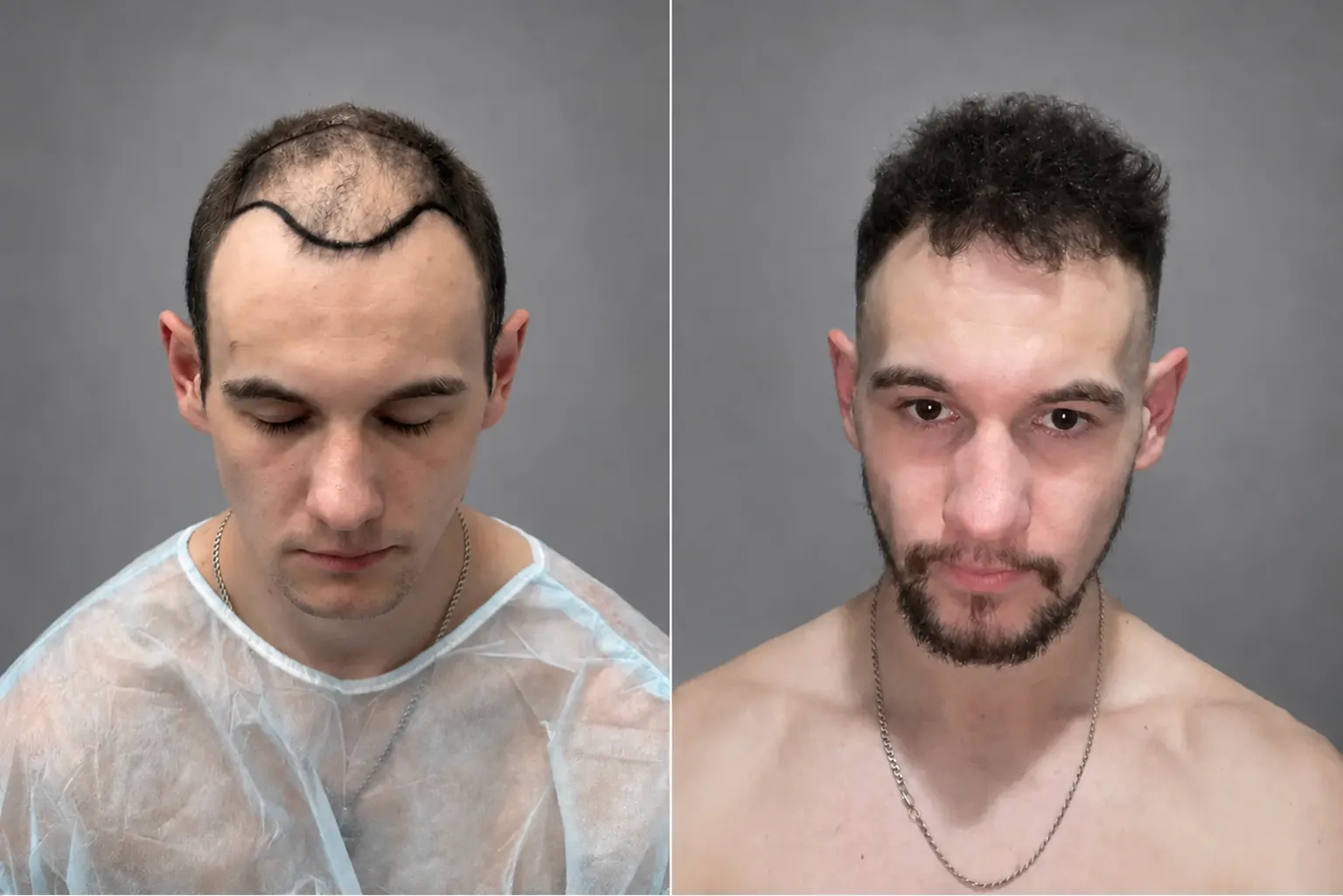
pre-op
12 months later on
3,000 grafts
FUE method
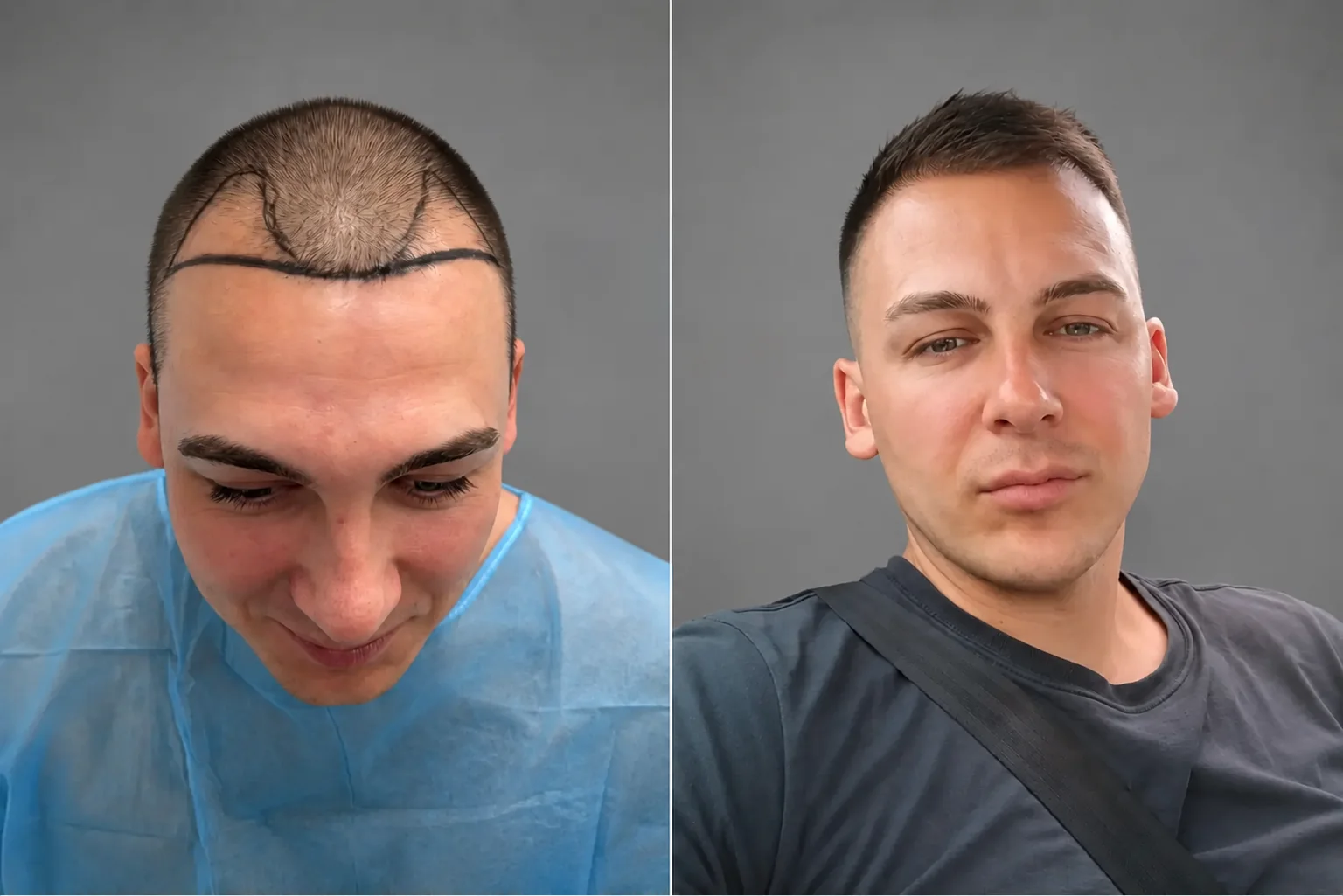
pre-op
12 months later on
2,800 grafts
FUE method
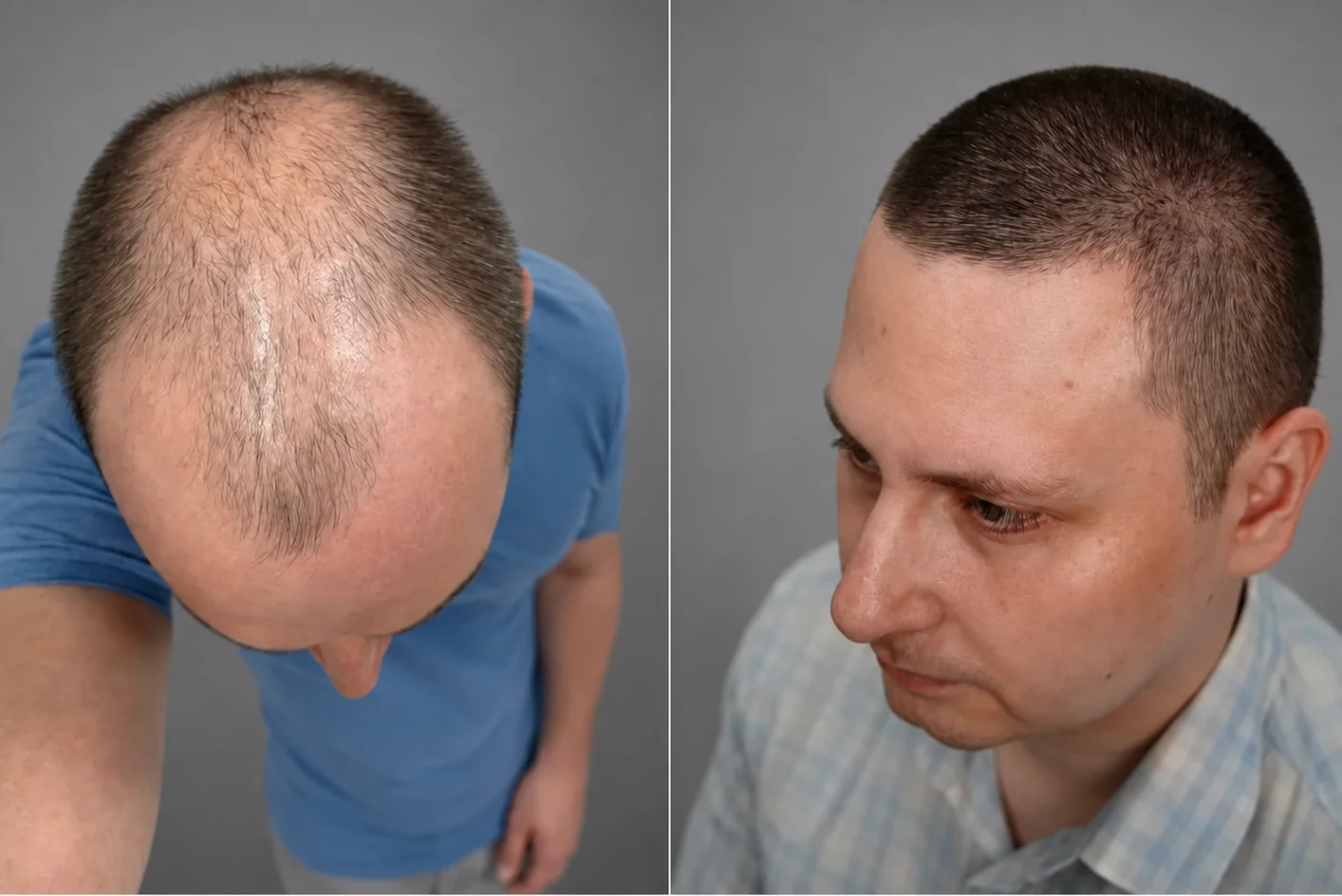
pre-op
12 months later on
4,000 grafts
FUE method
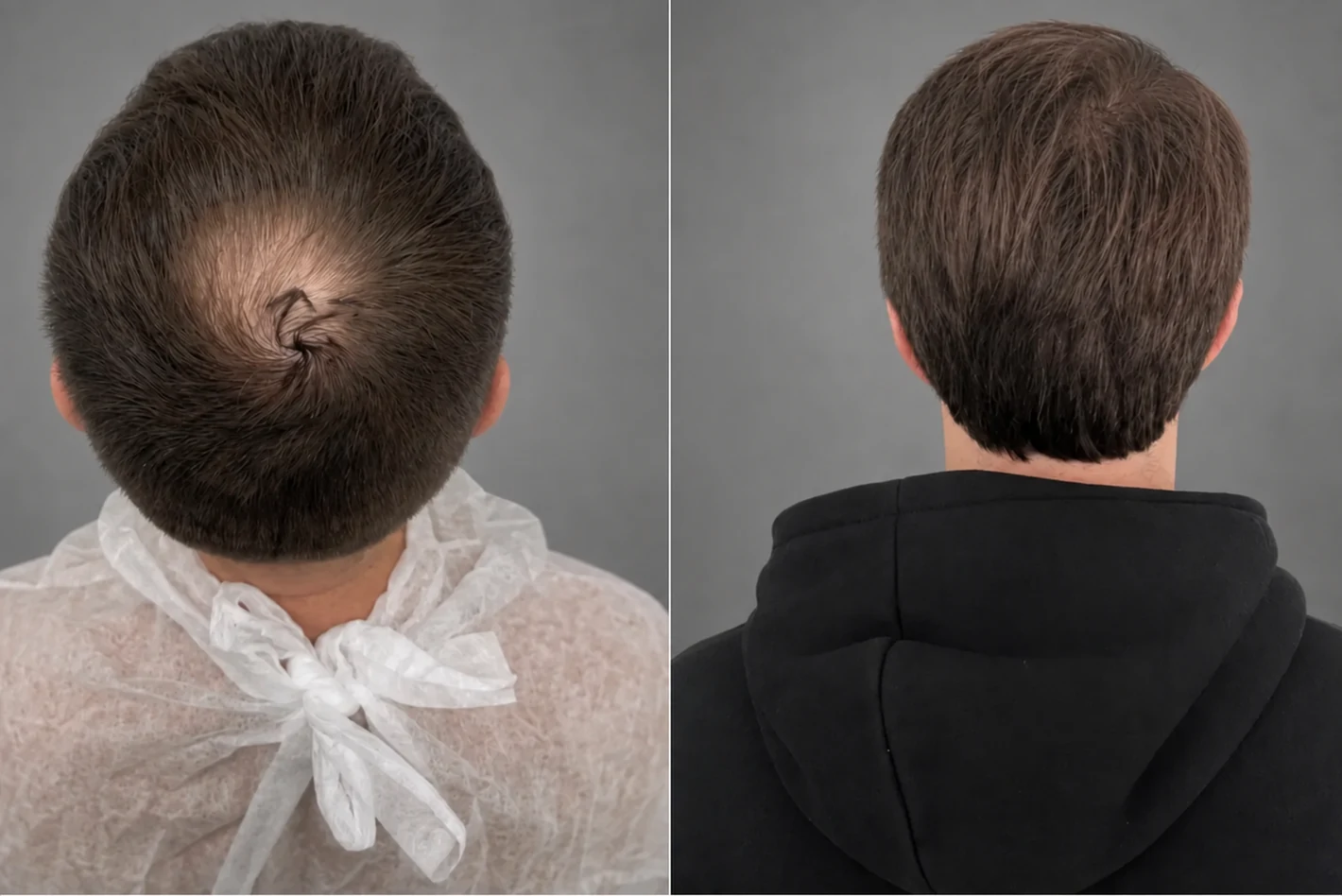
pre-op
12 months later on
3,400 grafts
FUE method
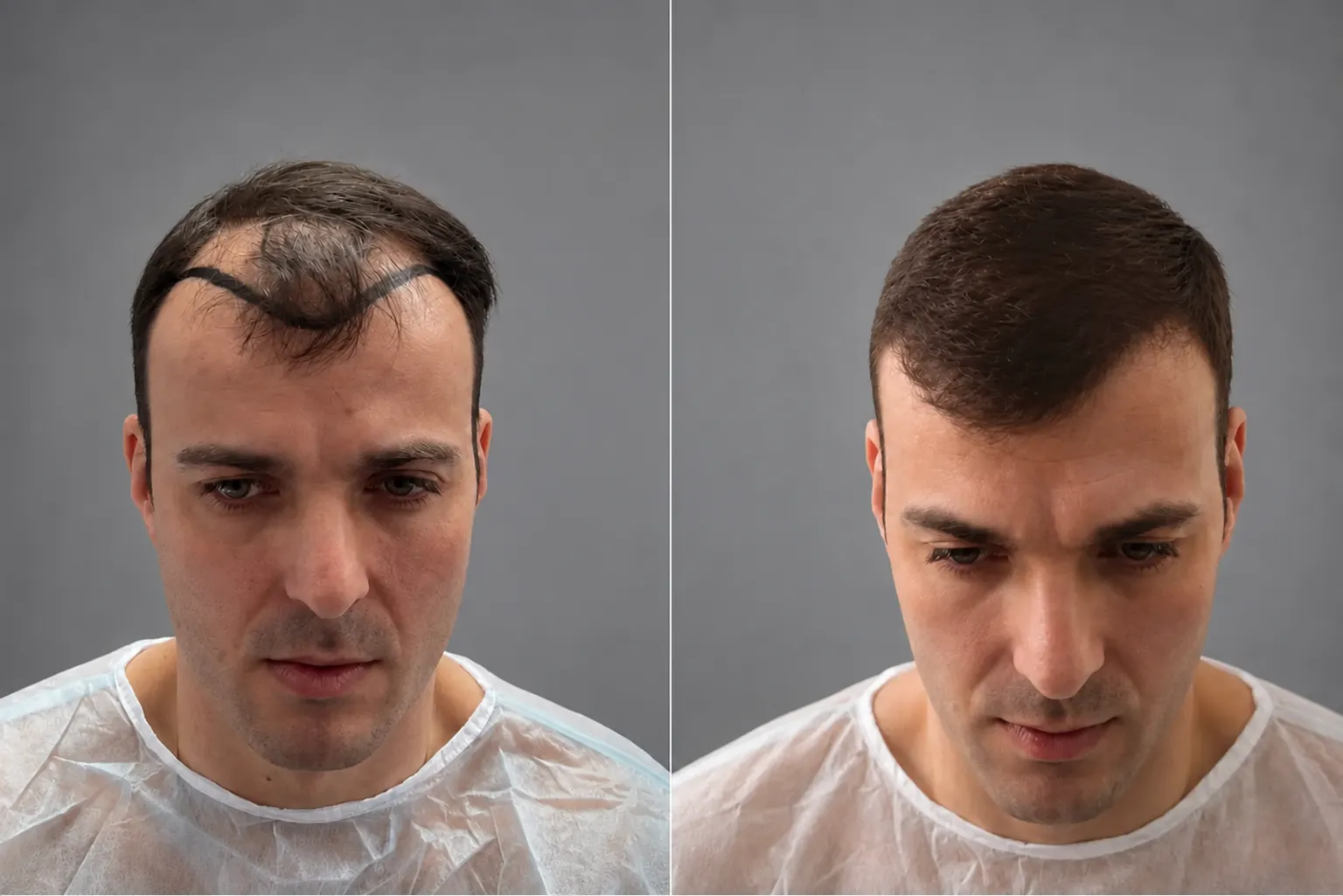
pre-op
12 months later on
2,900 grafts
FUE method
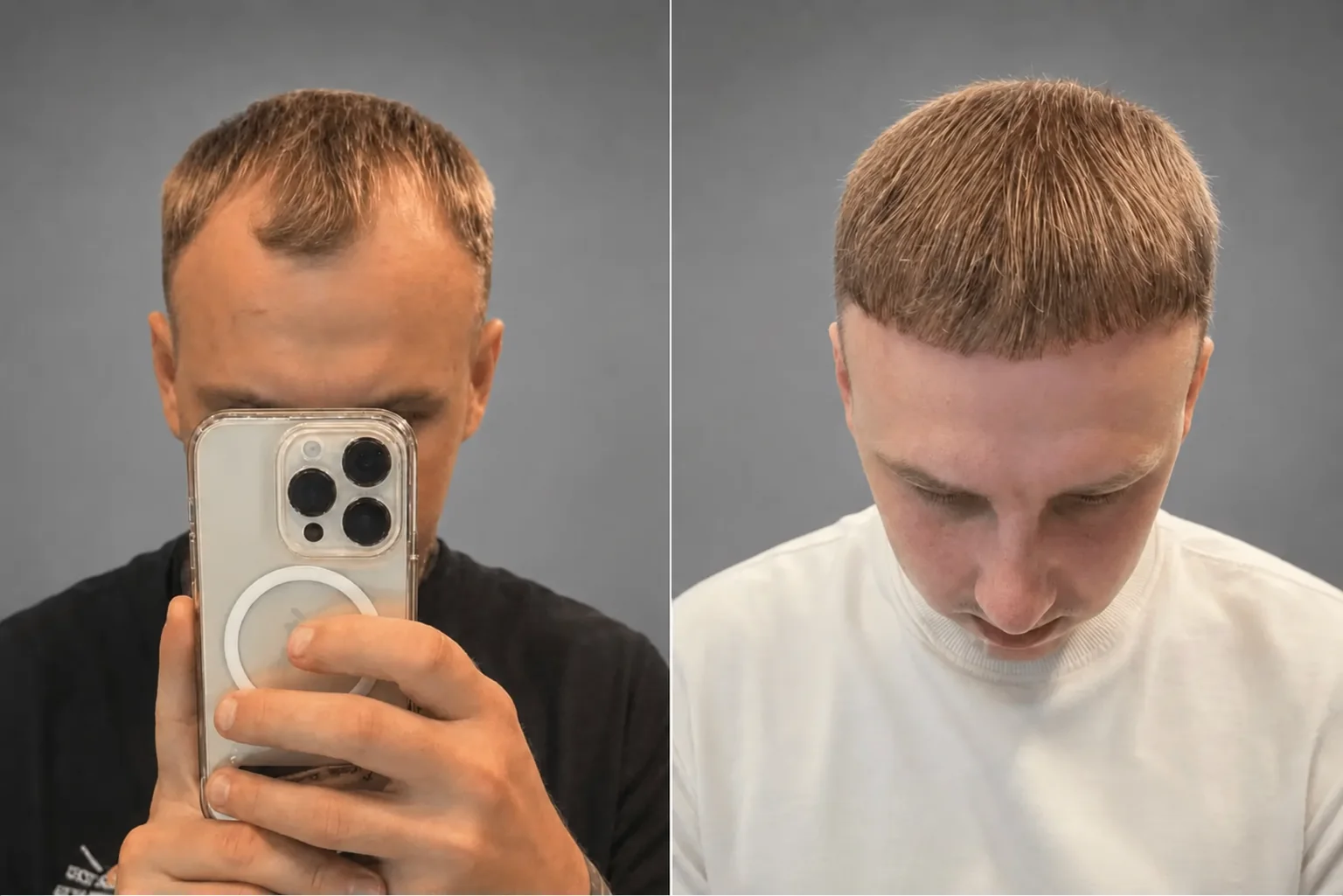
pre-op
12 months later on
3,100 grafts
FUE method
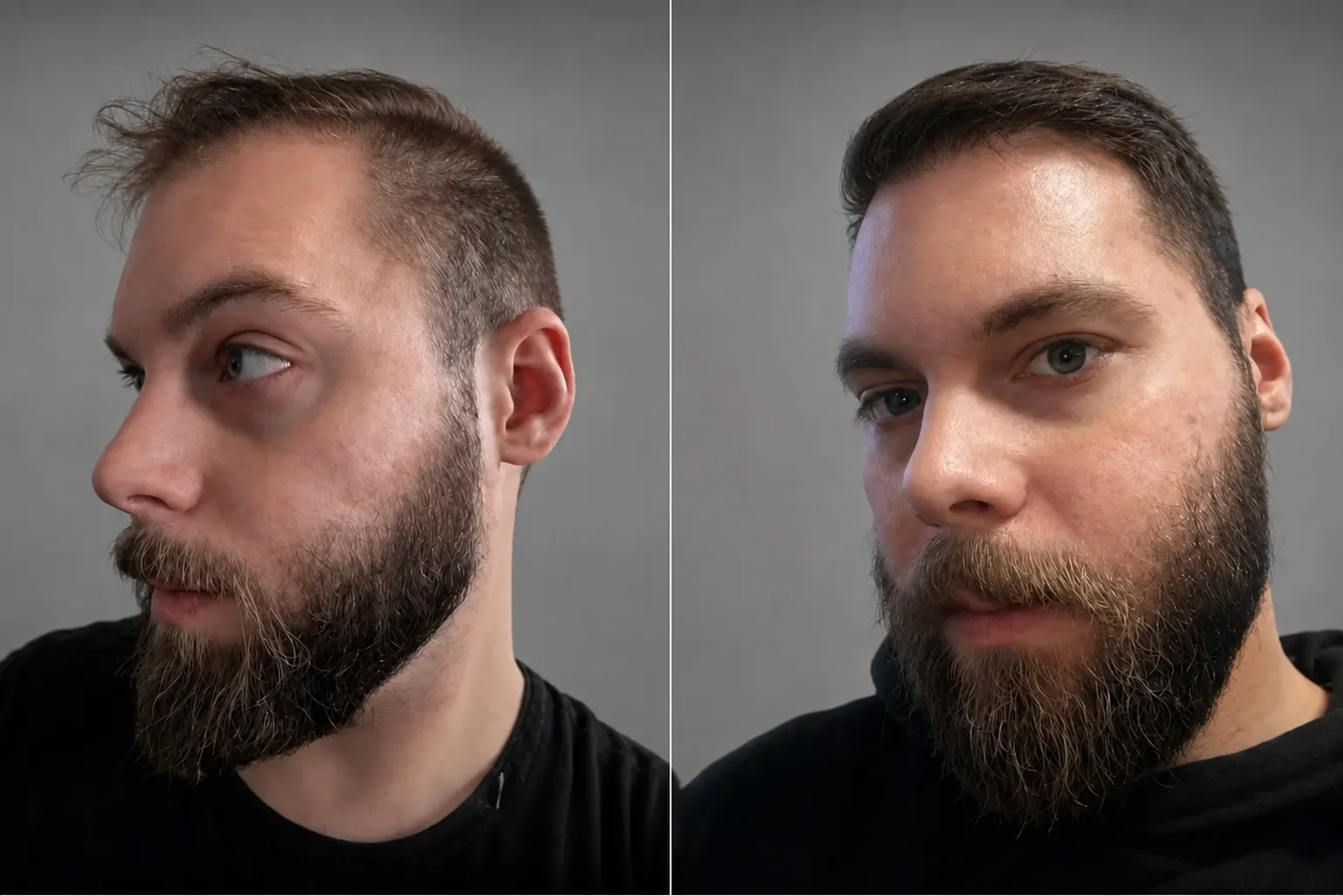
pre-op
12 months later on
2,600 grafts
FUE method
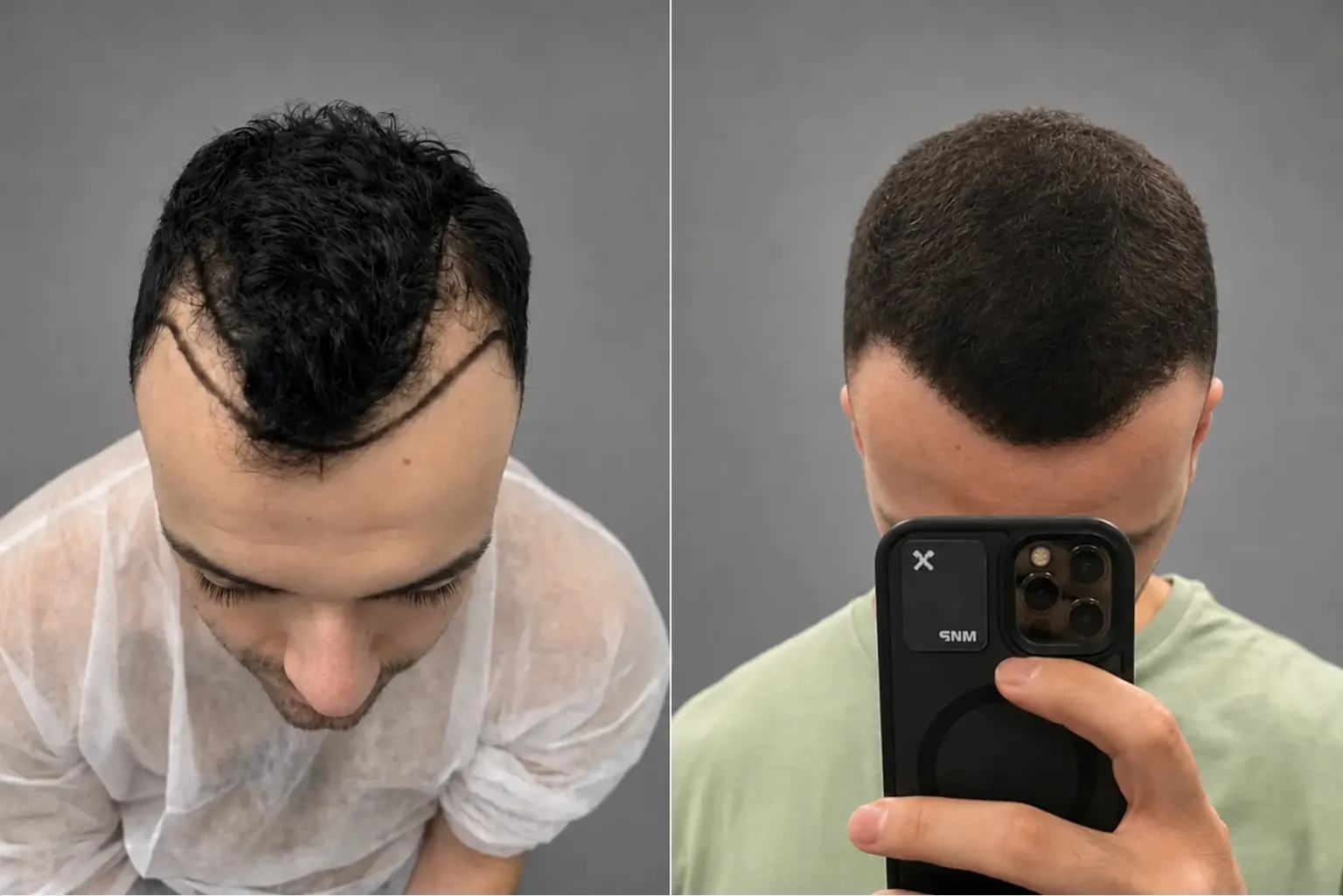
pre-op
12 months later on
3,300 grafts
FUE method
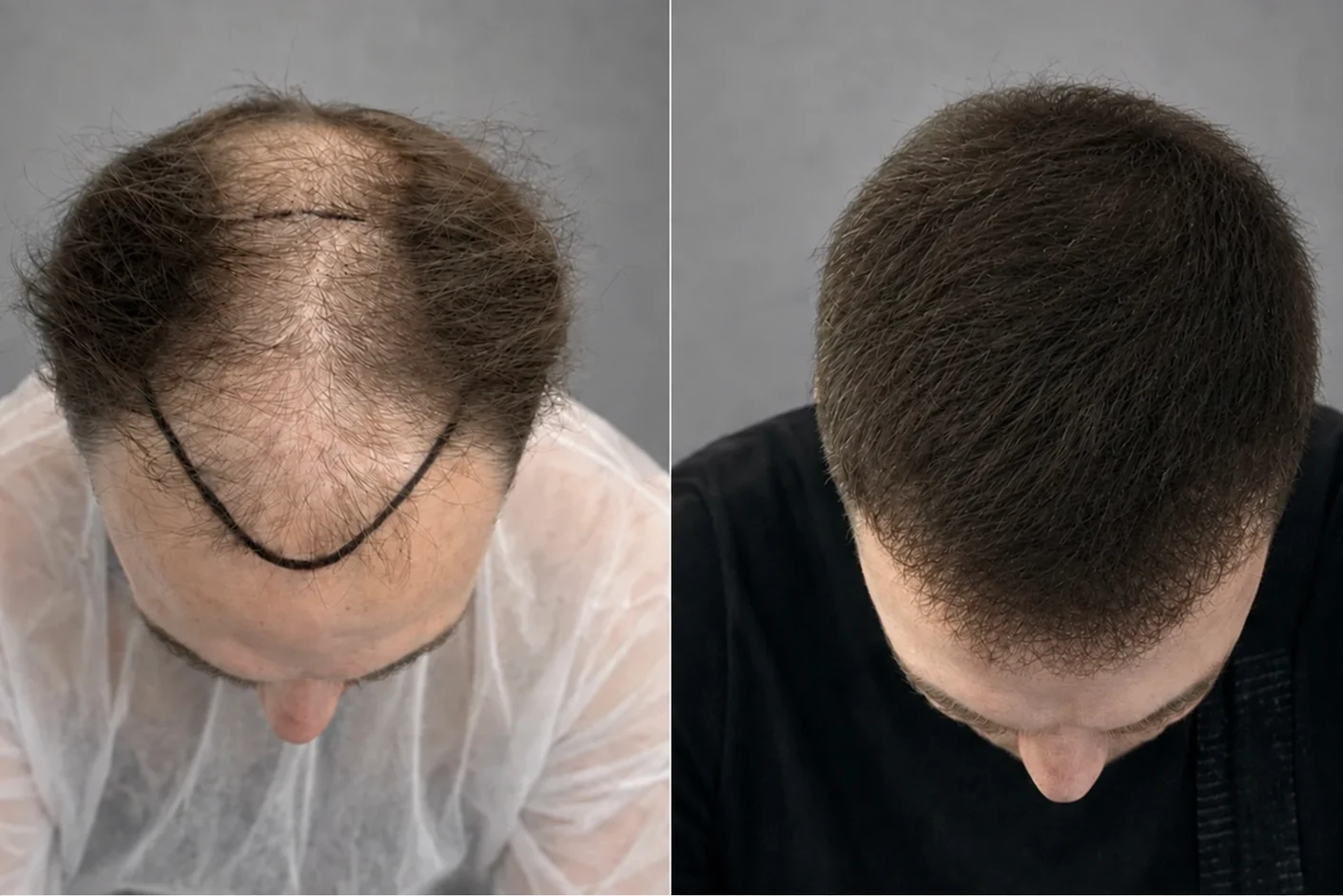
pre-op
12 months later on
3,900 grafts
FUE method
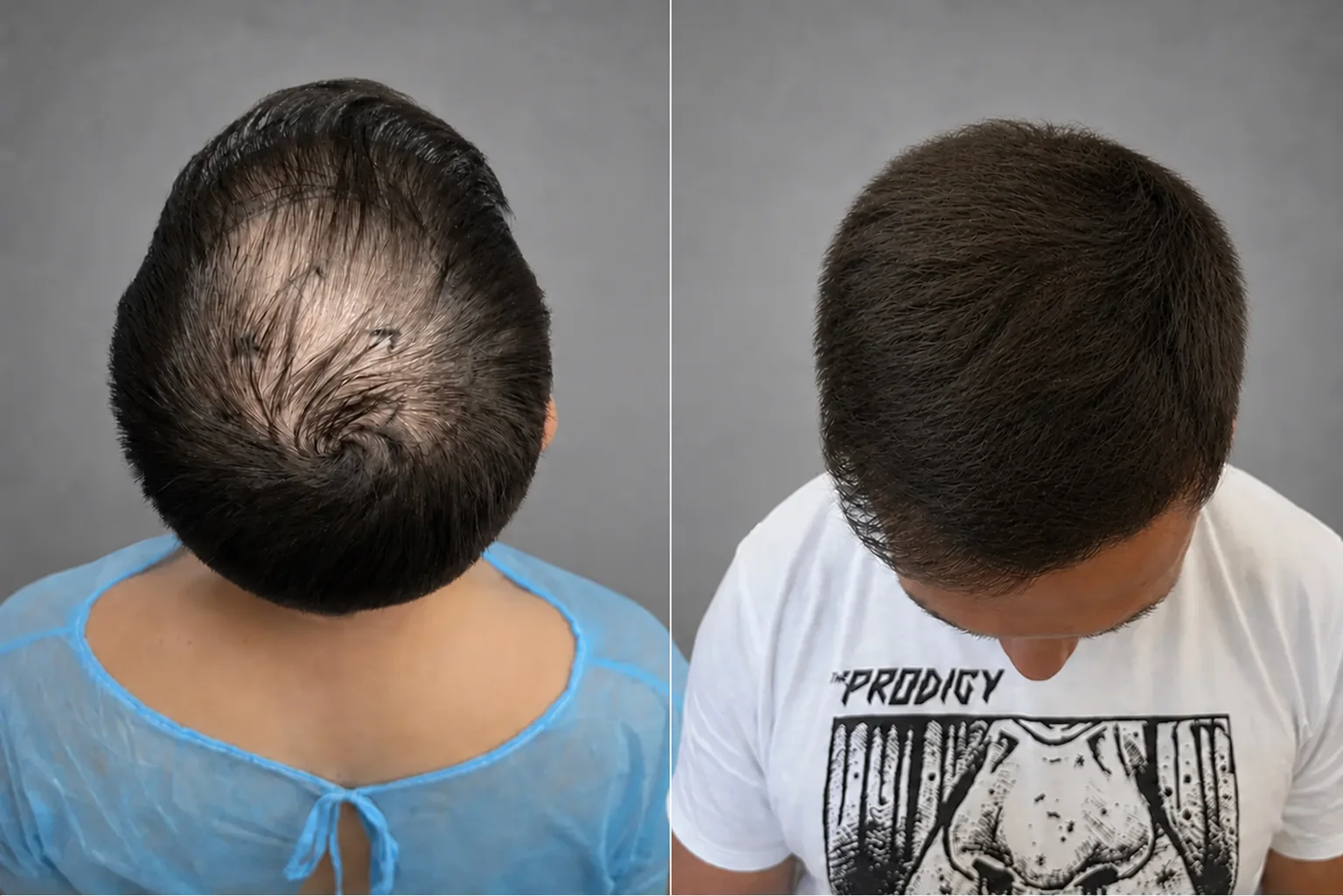
pre-op
12 months later on
3,500 grafts
FUE method
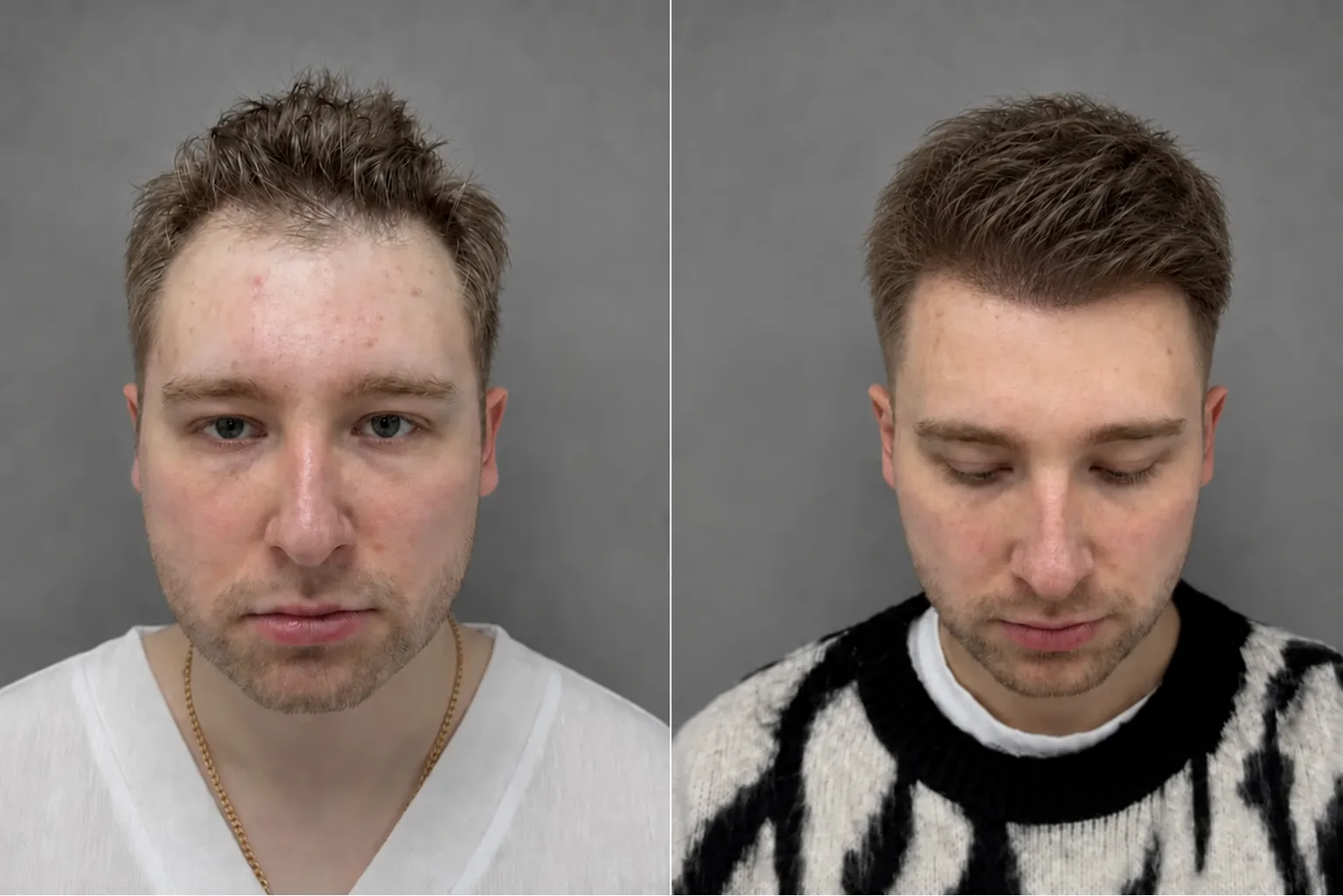
pre-op
12 months later on
2,700 grafts
FUE method
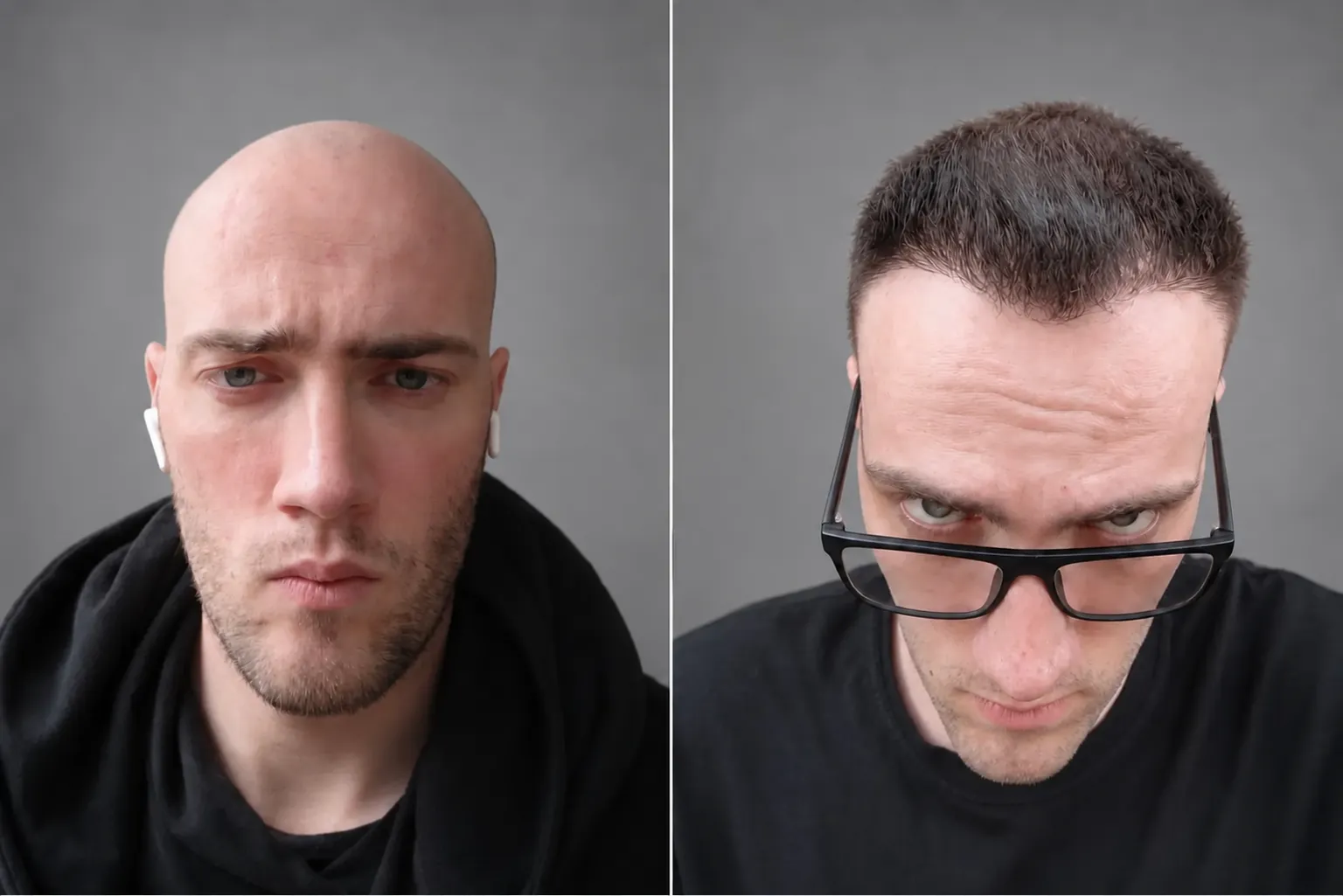
pre-op
12 months later on
3,800 grafts
FUE method
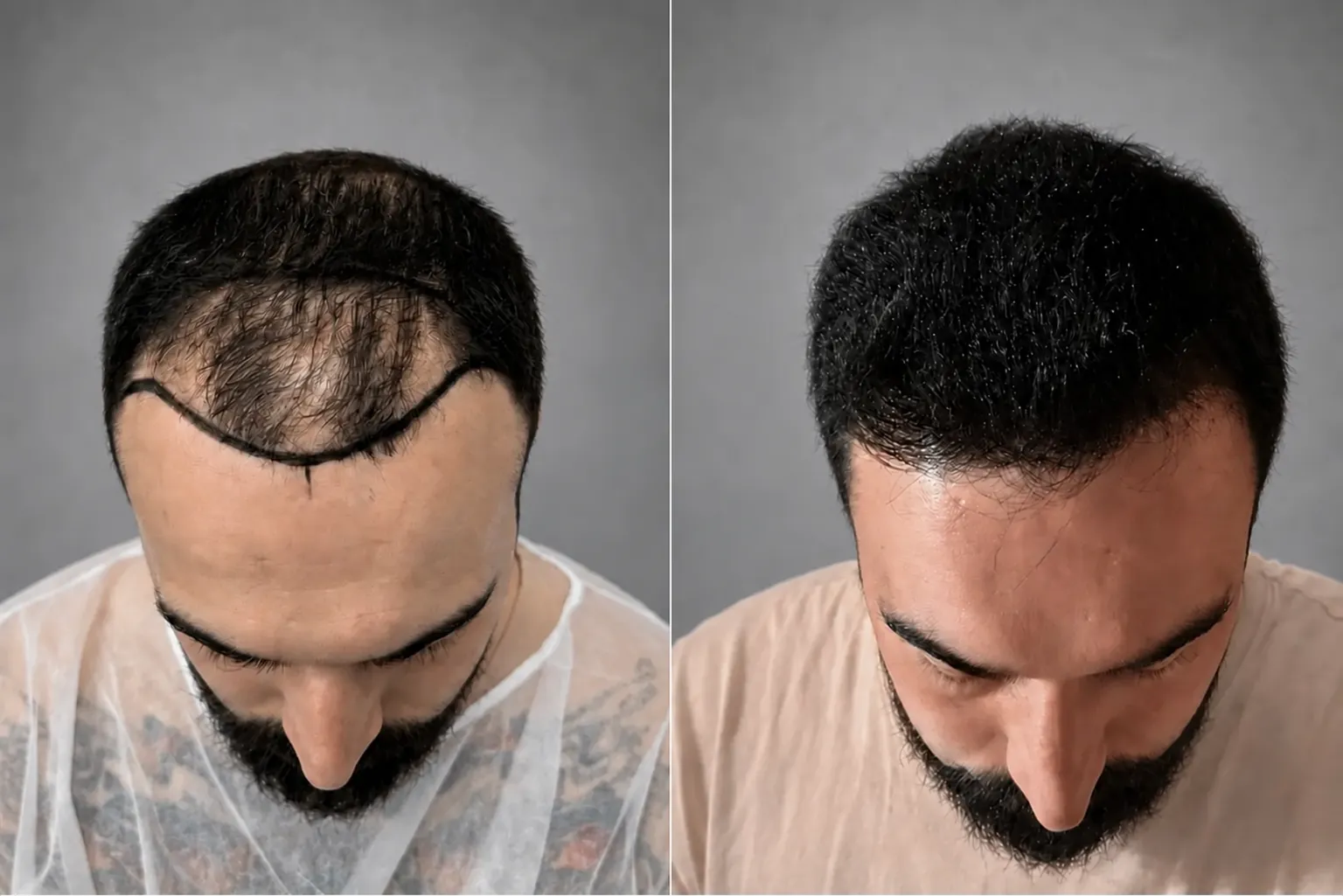
pre-op
12 months later on
3,200 grafts
FUE method
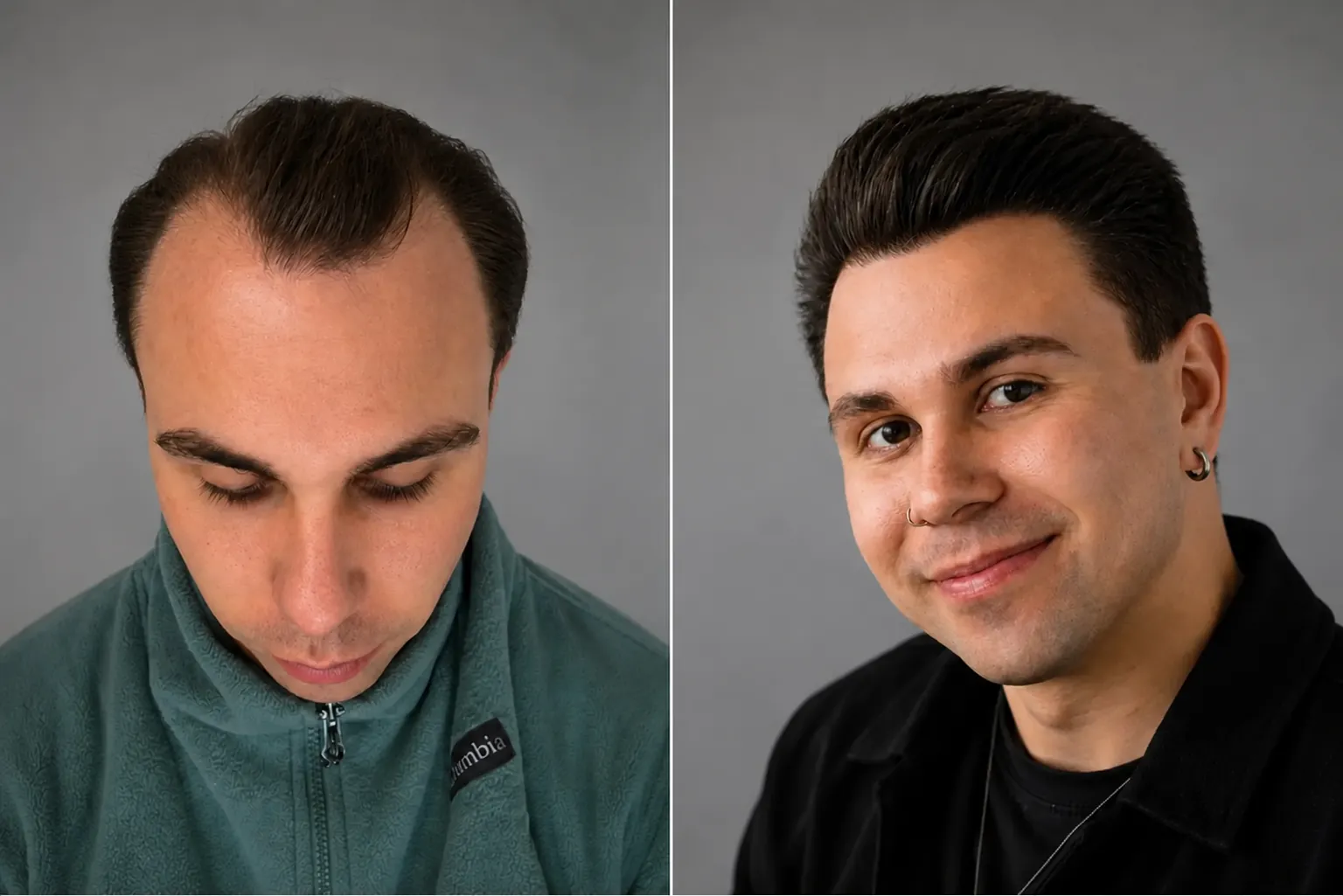
pre-op
12 months later on
3,000 grafts
FUE method
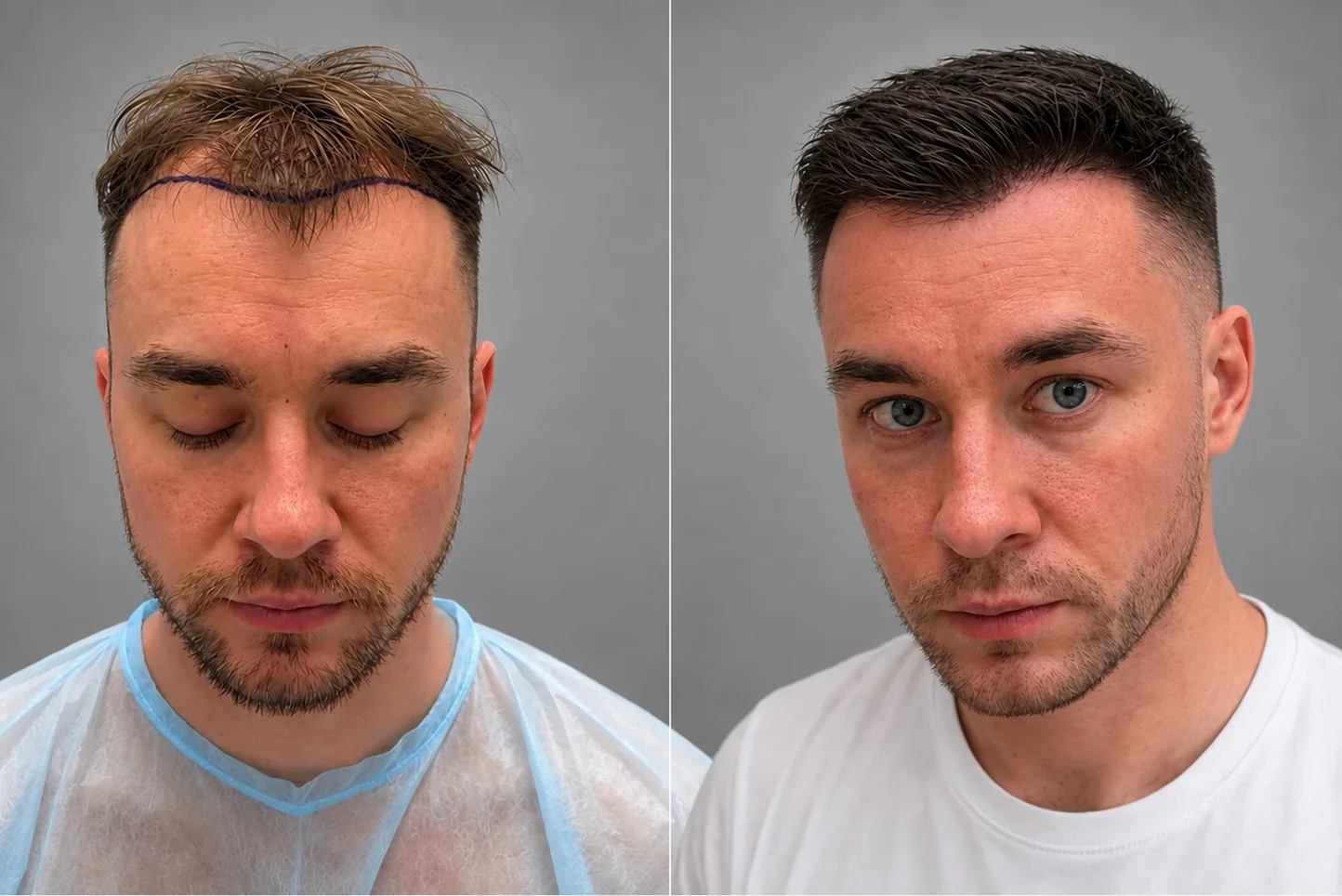
pre-op
12 months later on
2,800 grafts
FUE method
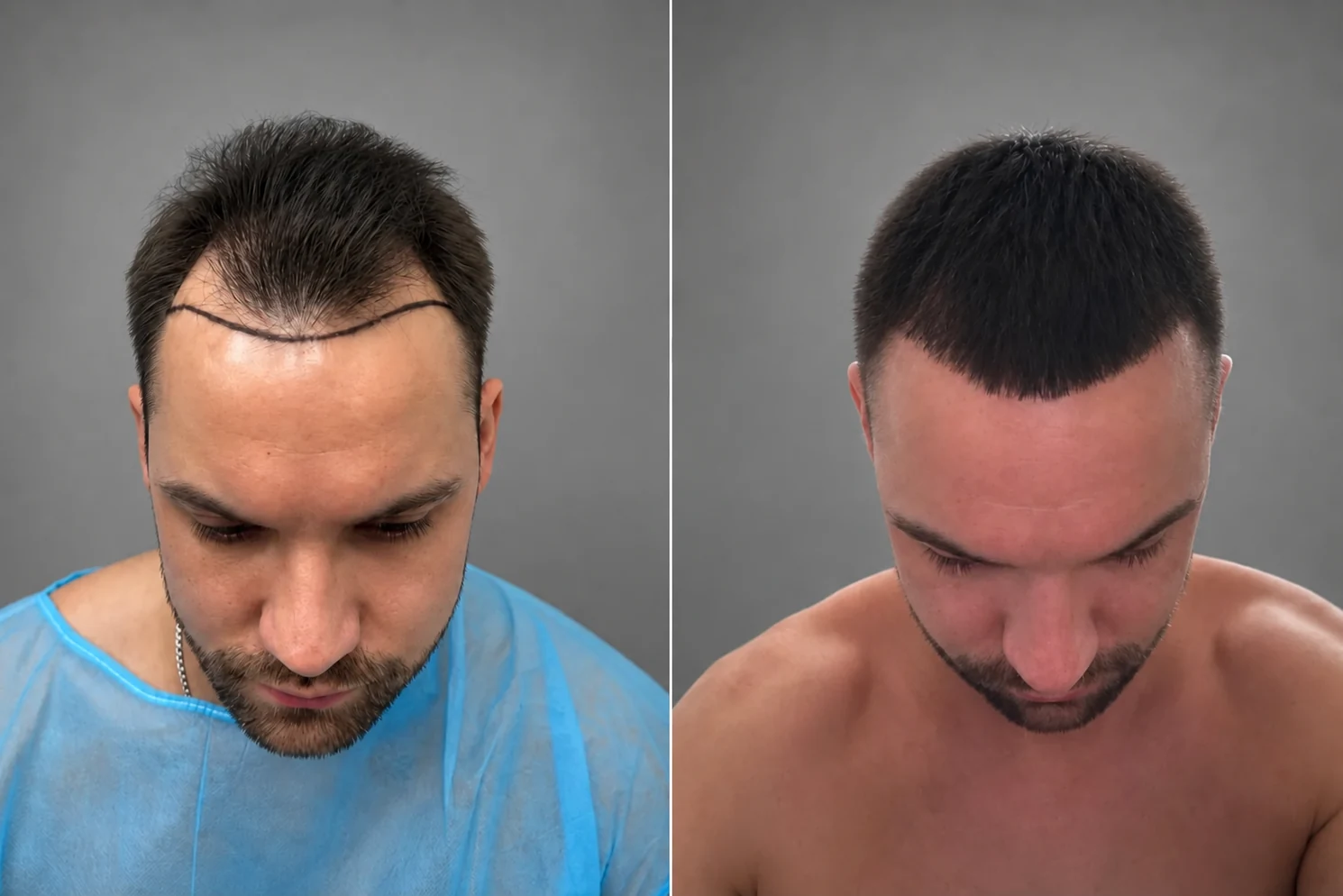
pre-op
12 months later on
3,100 grafts
FUE method
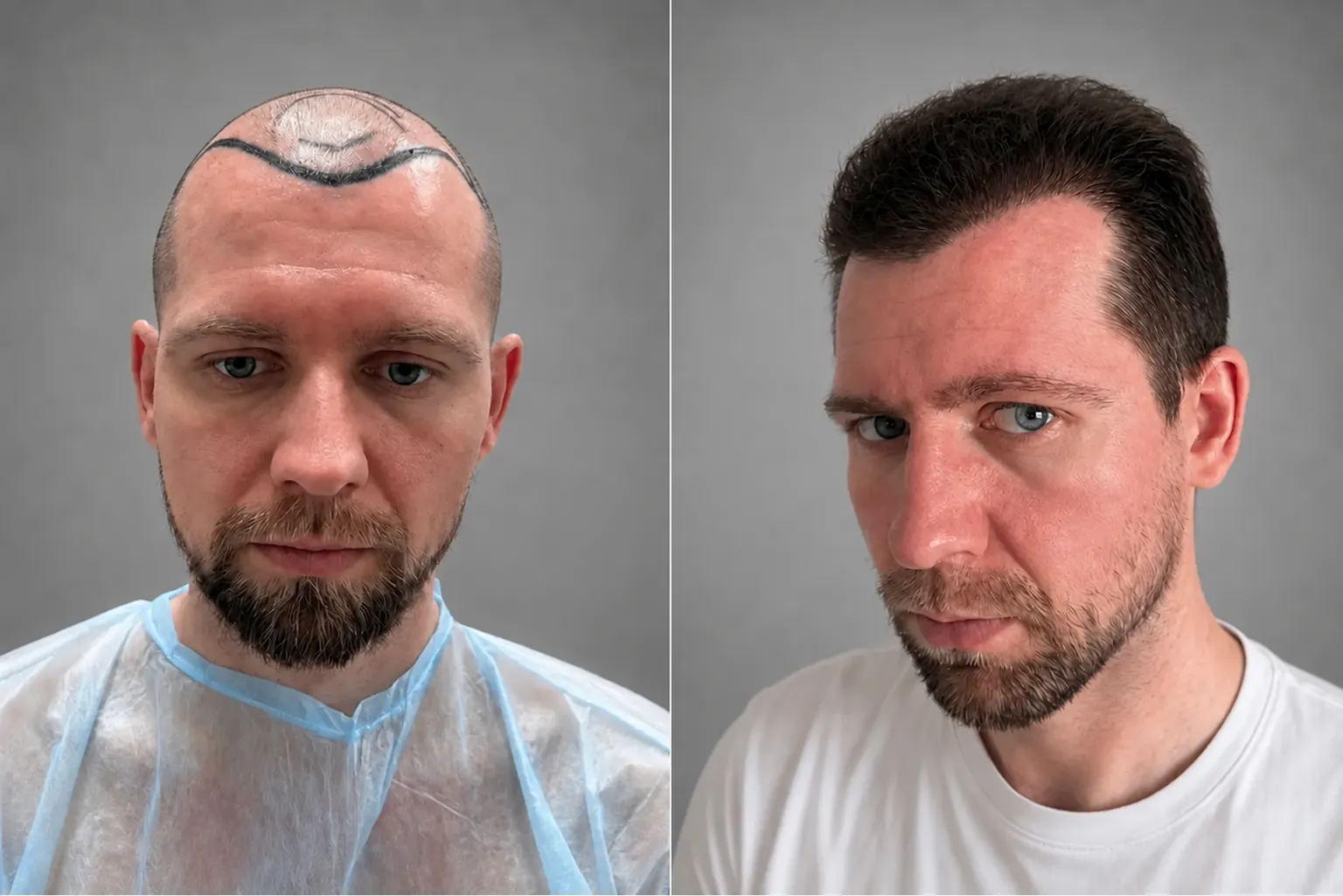
pre-op
12 months later on
3,600 grafts
FUE method
Comparison
Three graft transfer technologies are in use here: classic FUE, suture-free DHI and a combined protocol. Weigh the implantation technique, tissue trauma and graft survival, and choose your method knowingly.
Classic technique without incisions or stitches
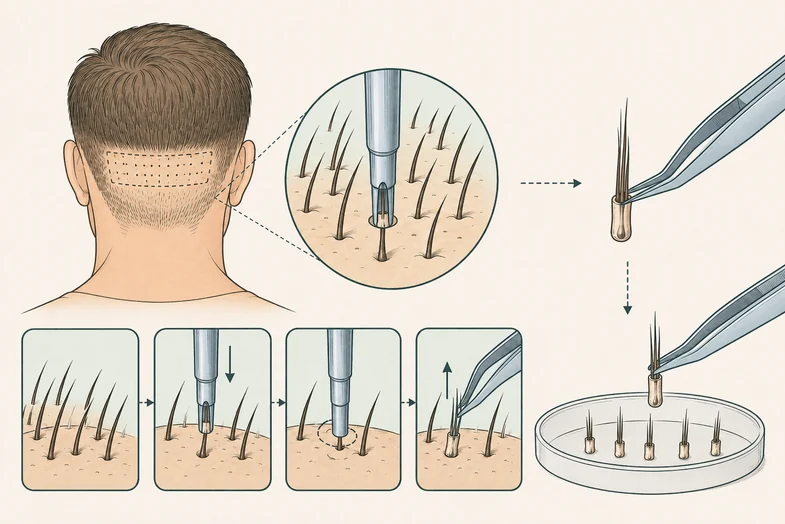
$2,200
$2,700
Graft implantation technique
ForcepsGraft trauma
MinimalNatural hair growth angle
NaturalGraft survival
98–100%Suitable for
Androgenetic alopeciaSuture-free implantation with a Choi pen
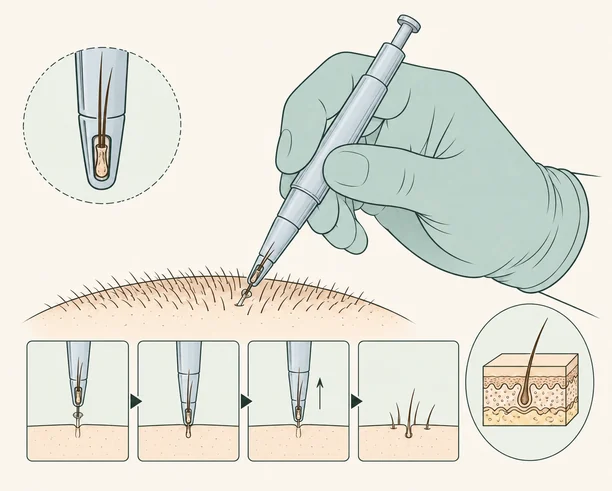
$2,500
$2,900
Graft implantation technique
DHI pen (Choi implanter)Graft trauma
MinimalNatural hair growth angle
NaturalGraft survival
98–100%Suitable for
DensificationFUE extraction, DHI pen implantation
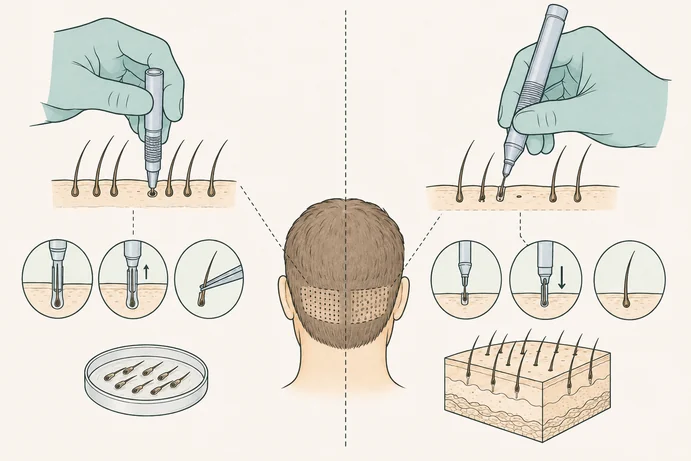
$2,700
$2,900
Graft implantation technique
FUE extraction + DHI implantationGraft trauma
MinimalNatural hair growth angle
NaturalGraft survival
98–100%Suitable for
Androgenetic alopecia and densificationSurvival and trauma figures are averaged for each method and given as a guide: the exact numbers depend on the transplant area and the patient's individual features, and the doctor clarifies them at the consultation.
Ask a hair expert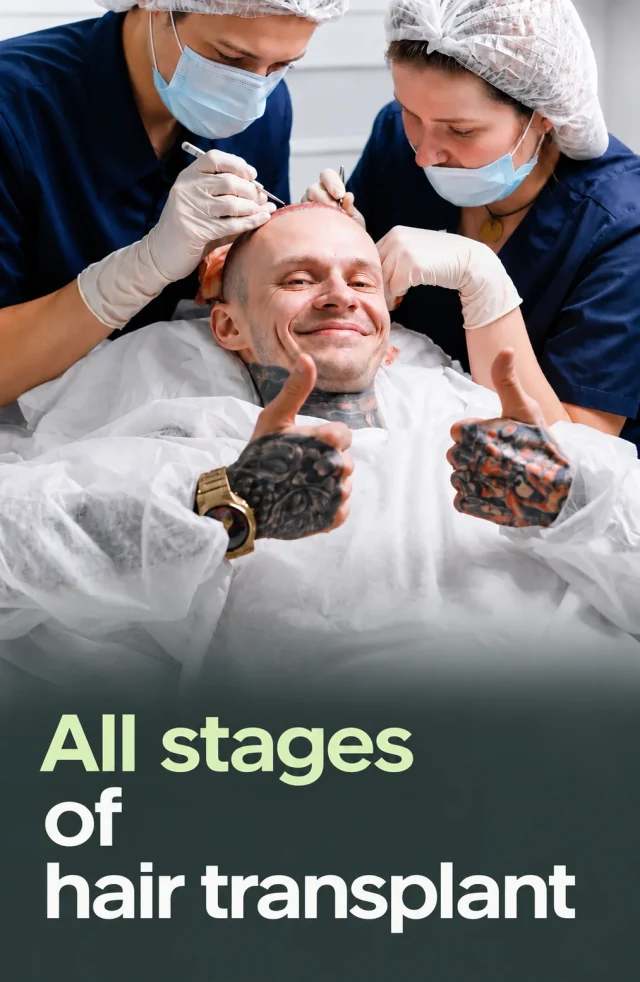
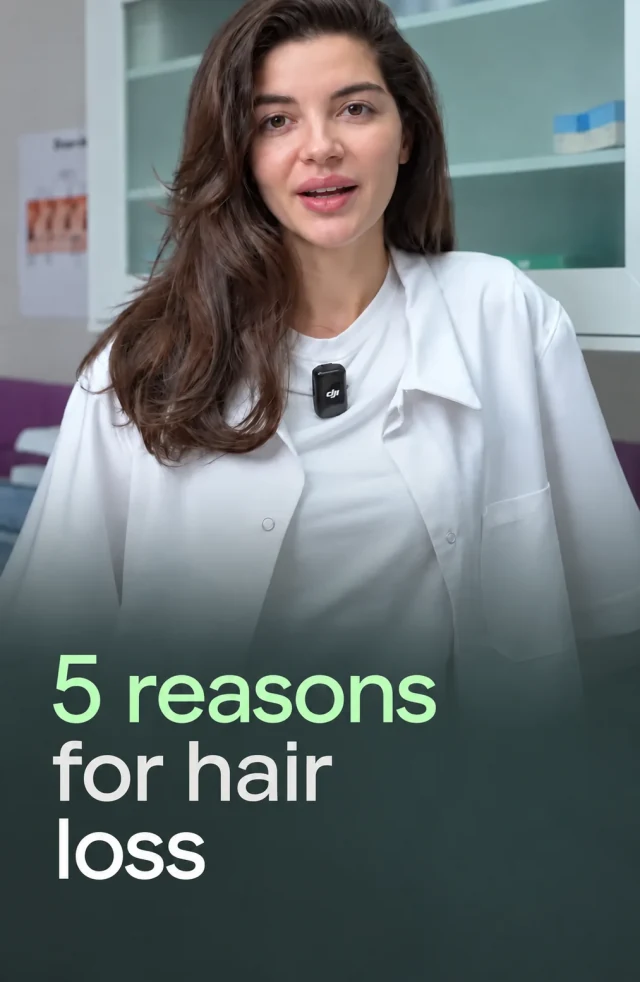
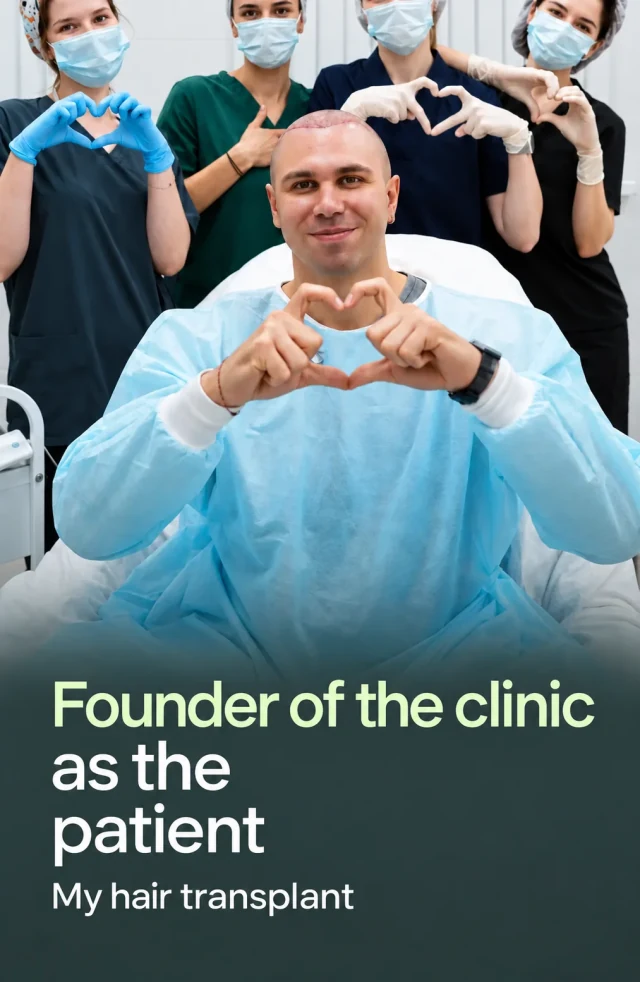
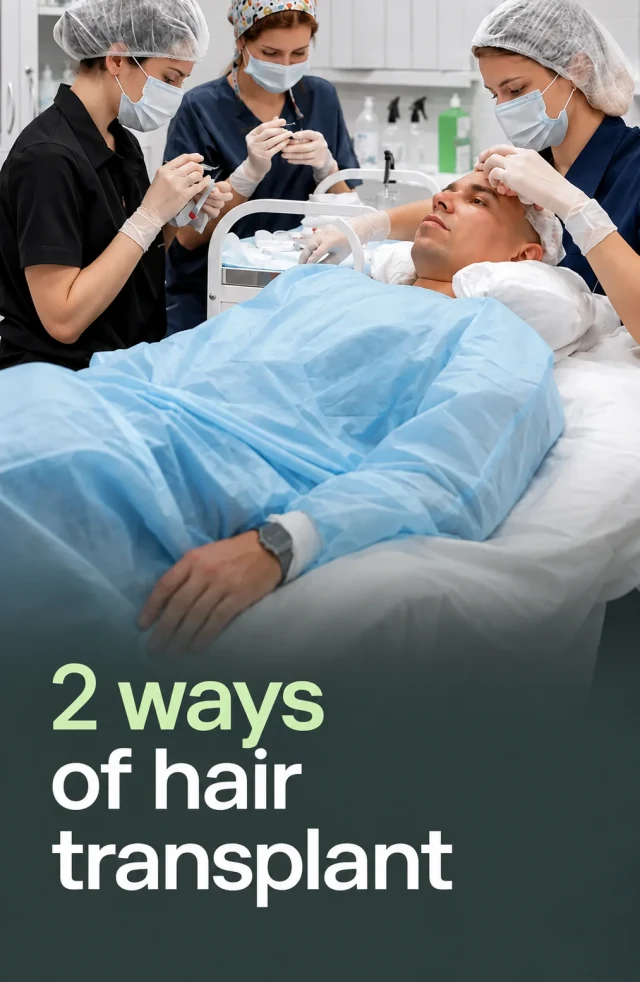


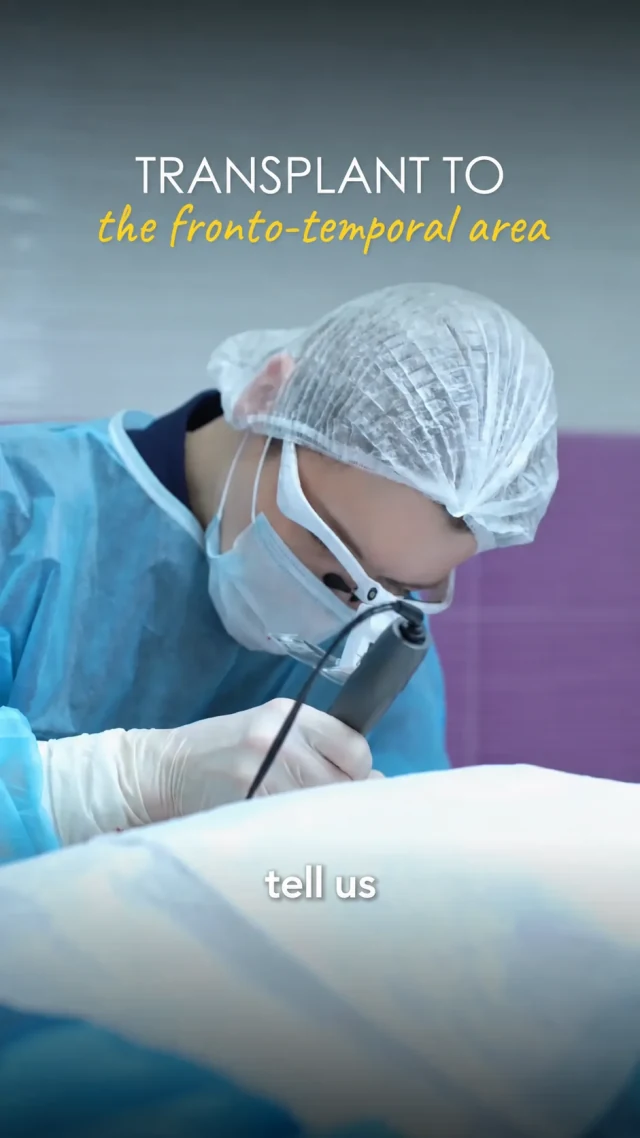

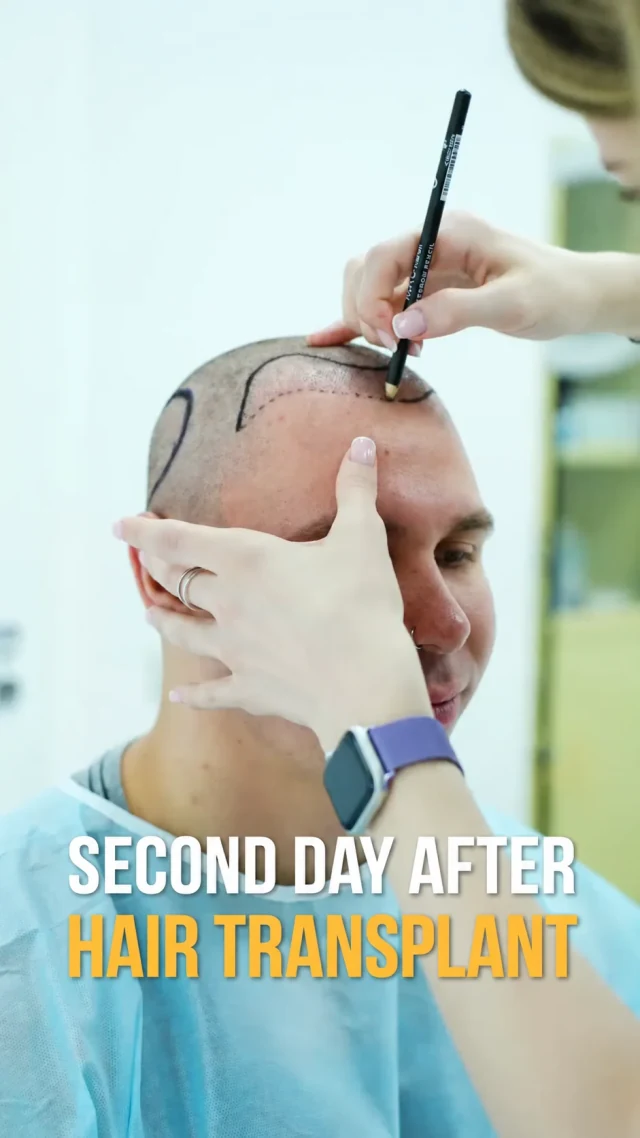
about the clinic
Comfortable rooms, up-to-date equipment, care for each patient
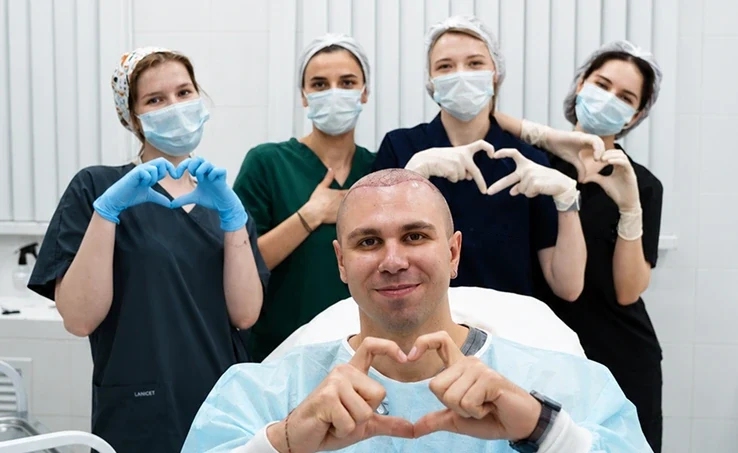
Our team explains the details and books the consultation at a convenient time
Message us on Telegram Message us on WhatsApp Submit a requestHonest words come first: if no operation is required, the doctor tells you during the consultation, so nothing leaves your wallet. The situations in which a transplant genuinely works are described below.
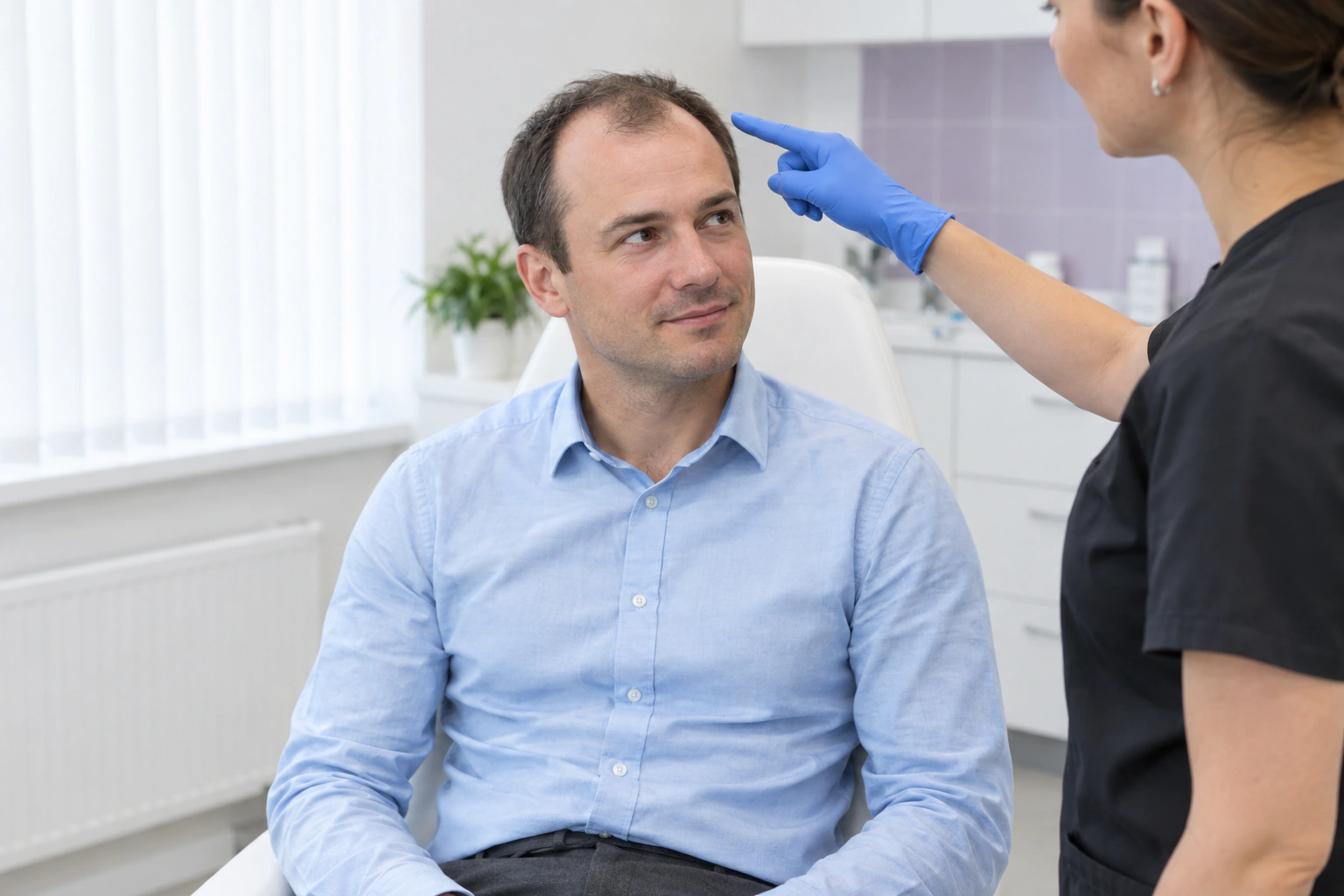

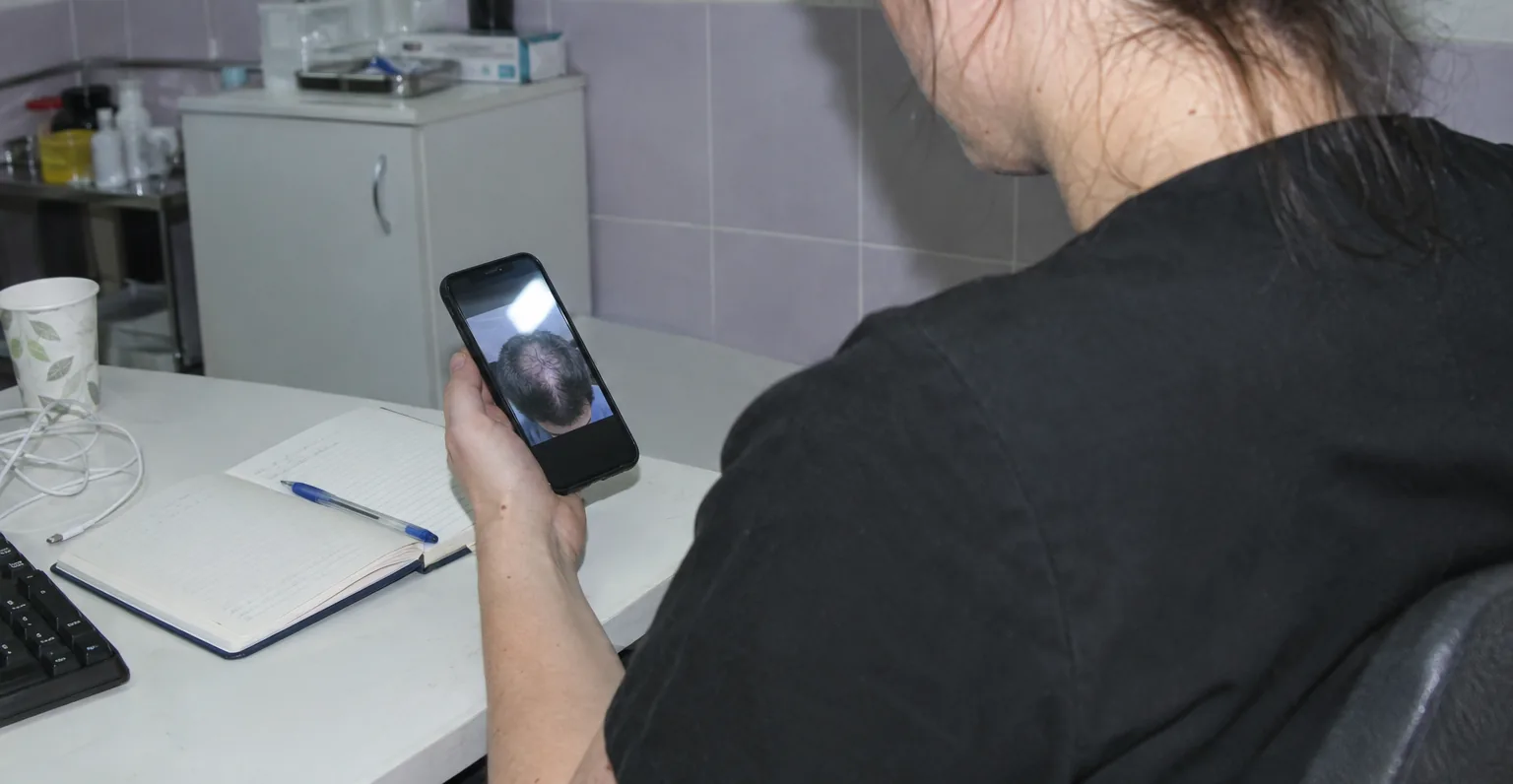
Give a number to reach you on. A coordinator will request pictures of the thinning zone through a messenger, and a doctor reviews them and tells you whether a transplant would help. No fee, no obligation to book.
services
The cost is quoted at the free consultation, after the graft count, and fixed in the contract.
suture-free graft extraction
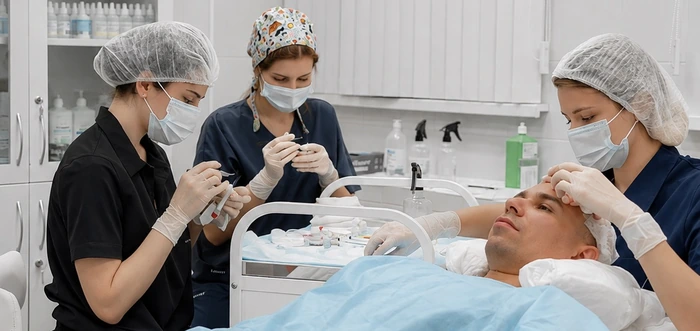
$2,200$2,700
or $367/mo — 0% instalments for 6 months
Claim this priceimplantation without channels
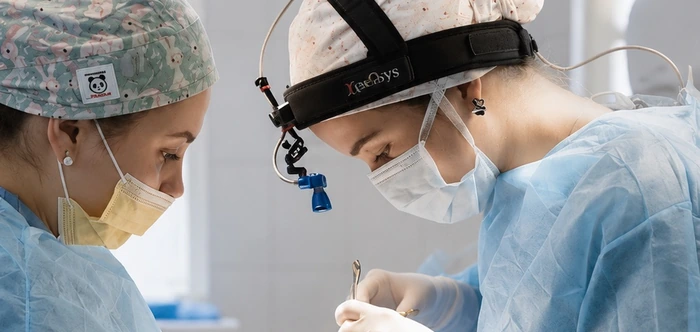
$2,500$2,900
or $417/mo — 0% instalments for 6 months
Claim this pricecombined technique
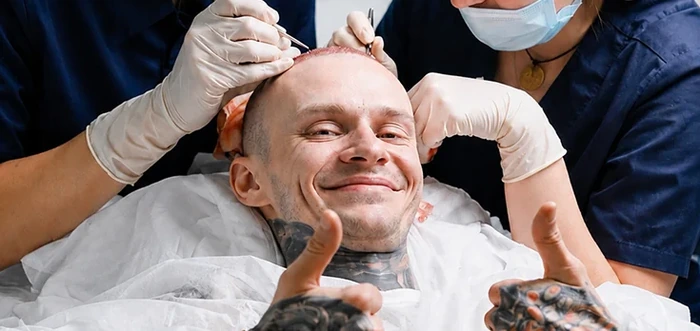
$2,700$2,900
or $450/mo — 0% instalments for 6 months
Claim this price| Opening appointment | Free |
|---|---|
| Eyebrow transplant, FUE | |
| Beard transplant, FUEinstalments $467/mo | |
| Hair trichopigmentation | |
| PRP therapy / session | $200 |
all included
From getting ready for surgery to 12 months after.
No unexpected extra charges on the day of surgery.
two other zones
Beyond the scalp too: the same grafts from the back of the head, the same FUE method — only the area changes.
FUE method, no incisions or stitches
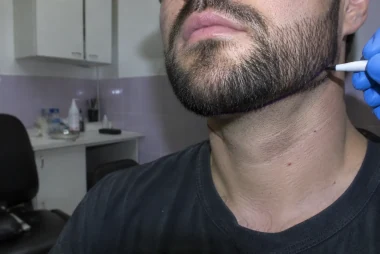
Grafts are drawn from the donor area at the back of the head and moved through micro-punctures of about 1 mm, and no scars are left behind. The shape is agreed with the doctor before the operation, taking your facial features into account. Transplanted hair grows for life: trim and style the beard as usual.
$2,800$3,000
or $467/mo — 0% instalments for 6 months
Claim this priceFUE method, no incisions or stitches
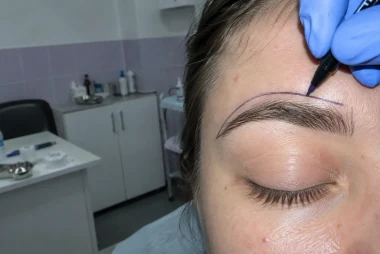
At the initial consultation the surgeon draws the eyebrow shape, you look through references together, and the design takes your facial features into account. The hairs are implanted at the right angle, so the eyebrows look natural. It also helps where plucking has stopped hairs growing.
$1,600$1,700
an operation under local anaesthetic, no stay
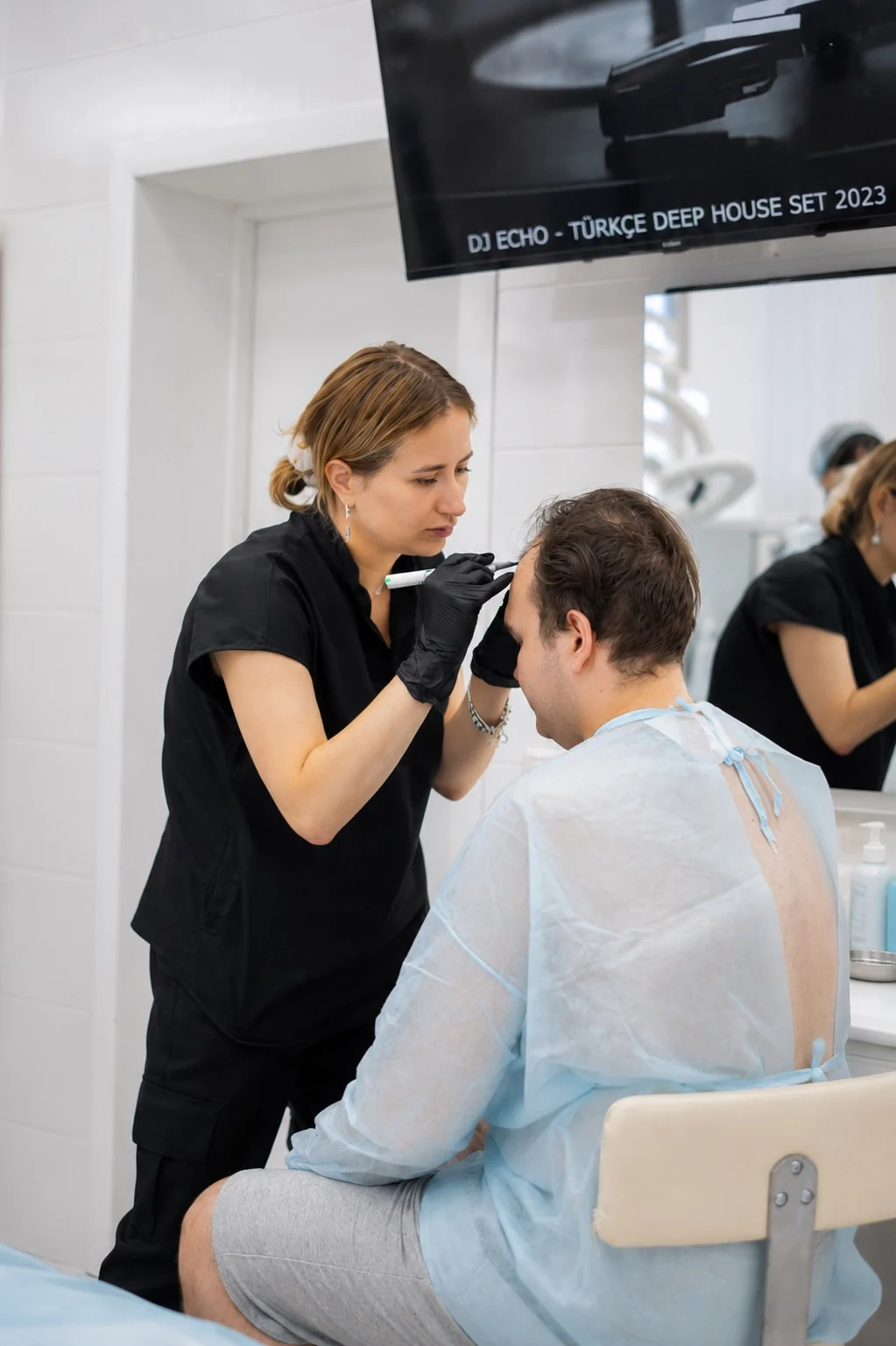
Claim this priceThe doctor studies the donor zone, settles on a graft number and shows what outcome it will give. Pricing follows straight after, and the contract keeps it unchanged.
Message our coordinator
Free online consultation · Reply within 15 minutes
Message us on TelegramMessage us on WhatsAppBy messaging us, you agree to our Privacy Policy
Process
From consultation to going home — all in one day
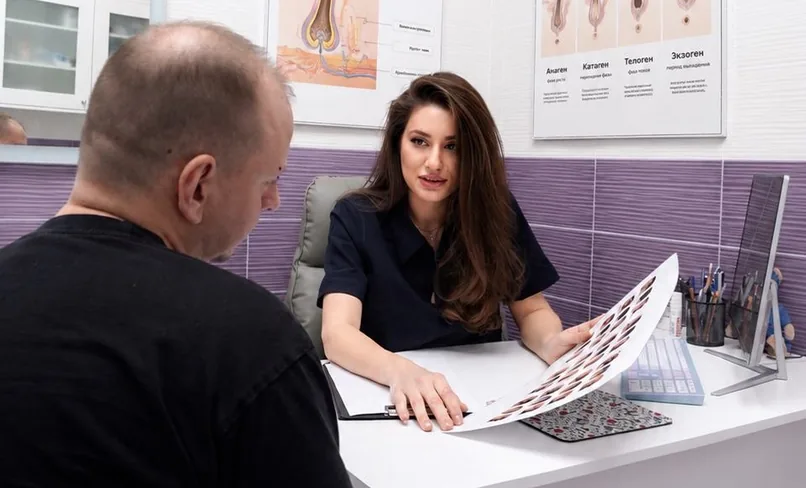
At no cost, the doctor uses the initial consultation to explain FUE and DHI, answer your questions, and outline an individual surgical plan.

Book the operation by leaving a deposit; it can be paid by card during a clinic appointment or sent as an online transfer.
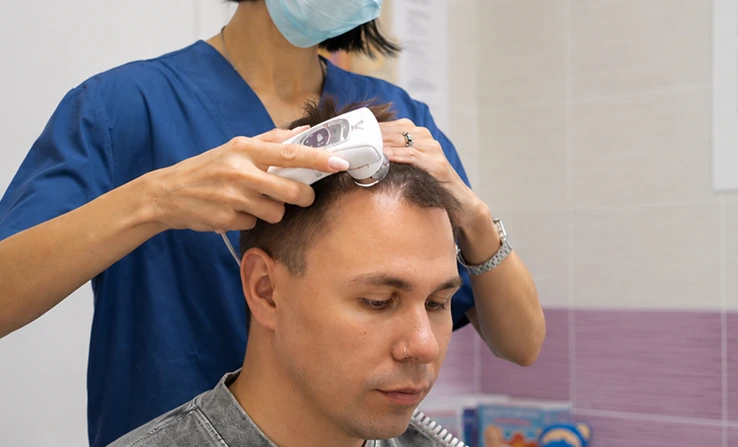
Ahead of surgery, a series of tests is required, and the clinic hands you the exact list along with instructions on how to complete it.
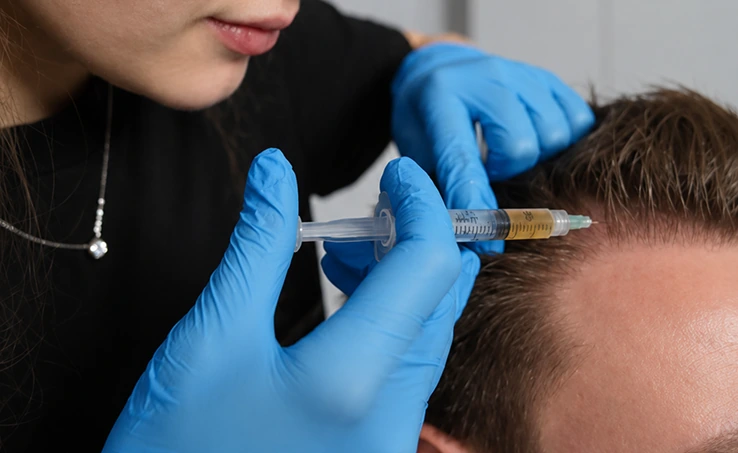
Thanks to local anaesthesia, the entire operation is carried out without pain.
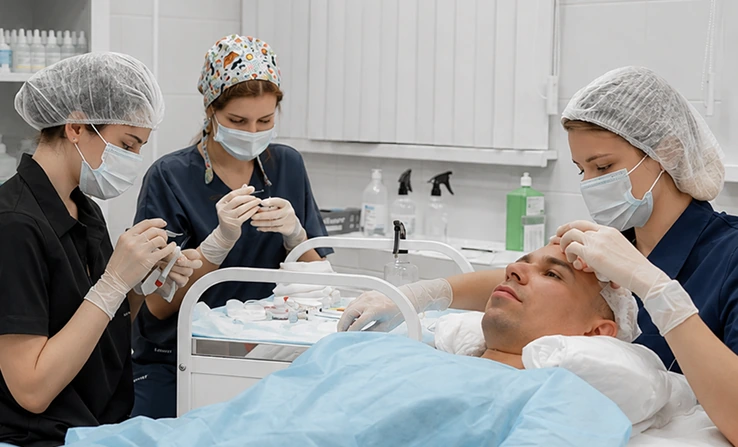
The donor area, located at the back of the head or the temples, provides the grafts, collected without any stitching.
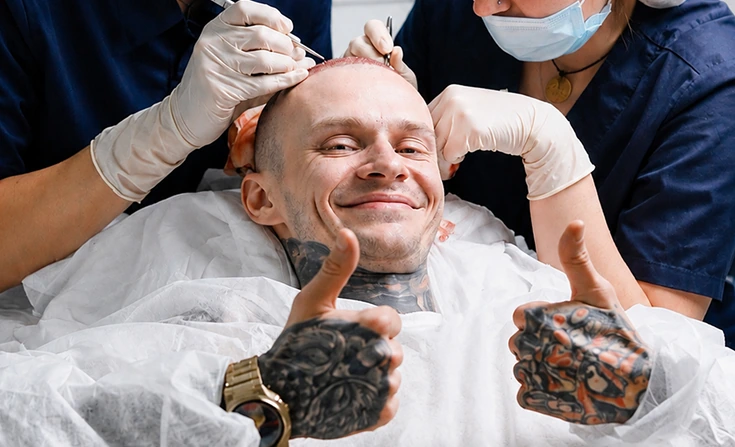
Grafts are placed into the area of hair loss during this stage of the procedure.
For patients in Tiaret, the final step is recovery, fully supported by the clinic's supplies and instructions.
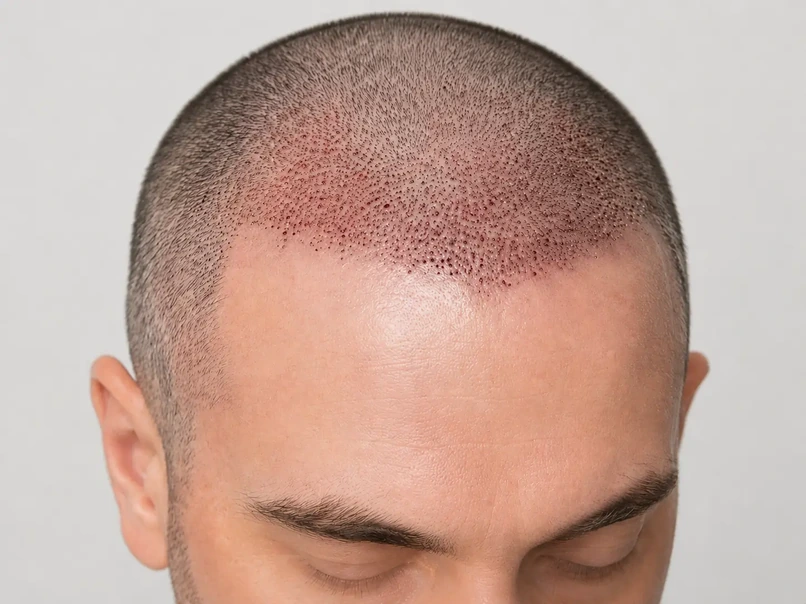
Scabs fall, swelling calms, and the skin gradually gets back to itself
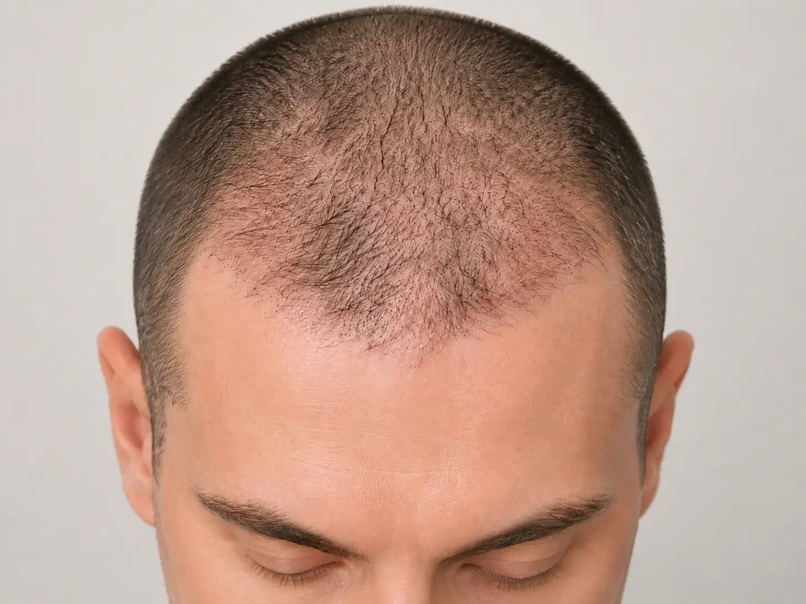
A normal, expected stage: hairs fall out, follicles stay in place
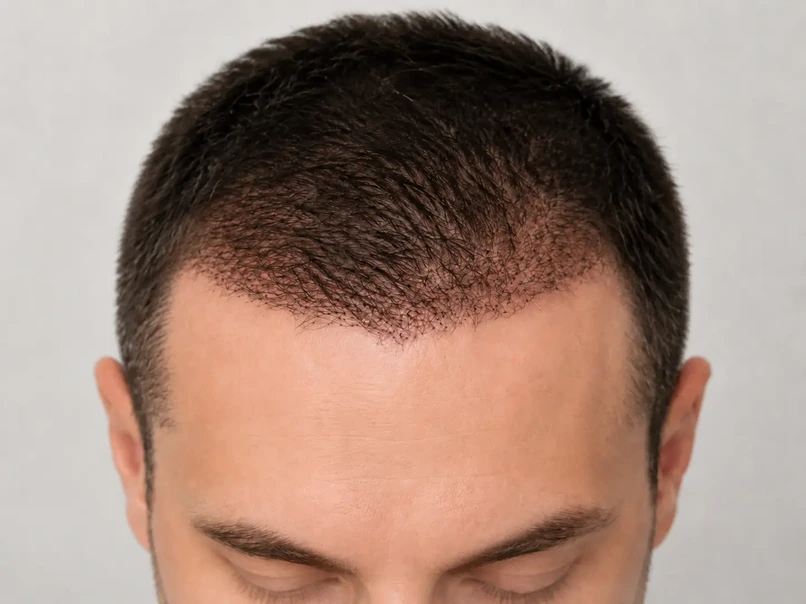
The first growth appears and you notice the difference
The hair looks heavier now, the volume and the outline stand out
Full thickness arrives, with a natural-looking hairline
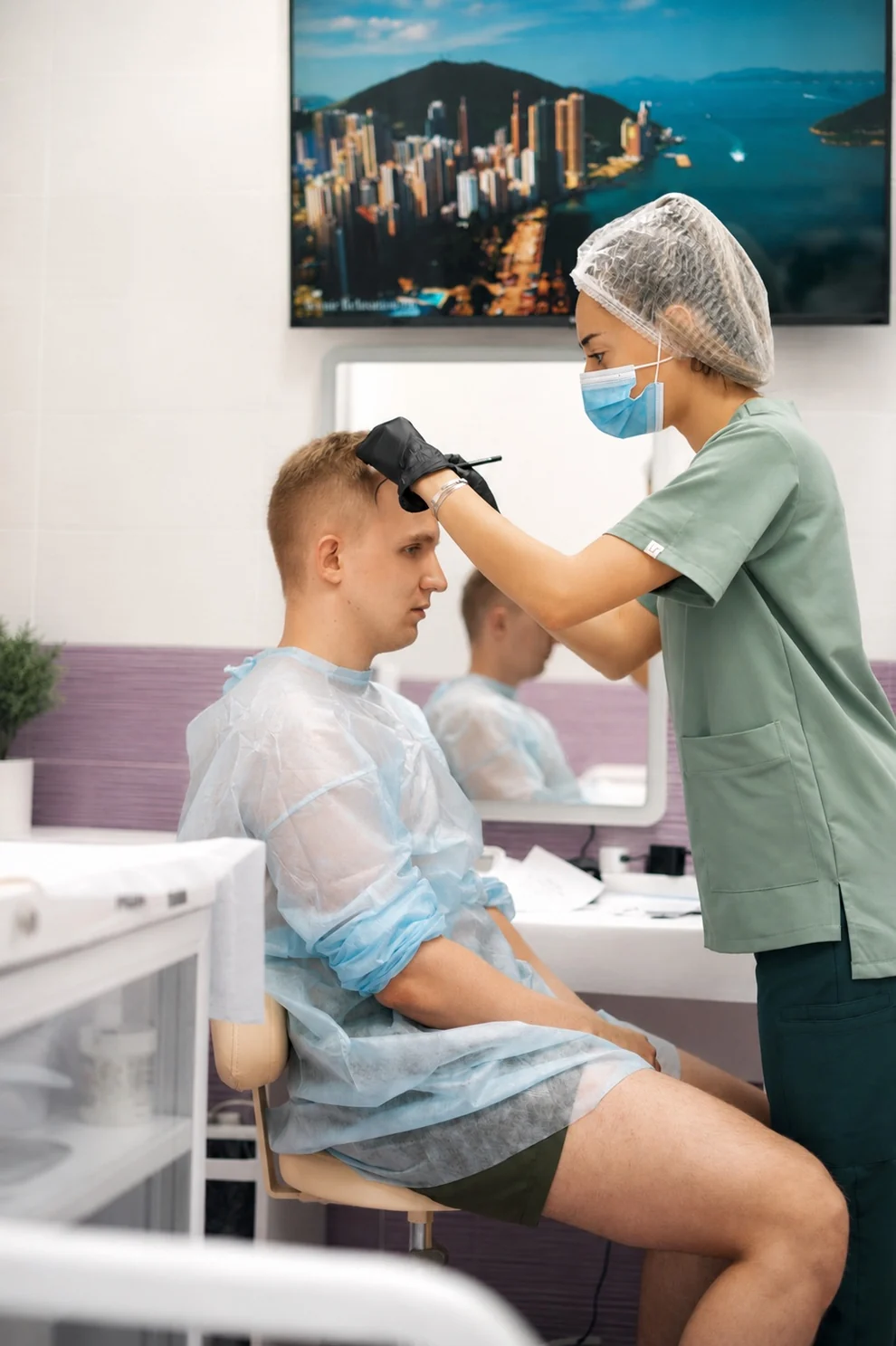
Free, well before surgery and with no obligation.
Ask a hair expertdoctors
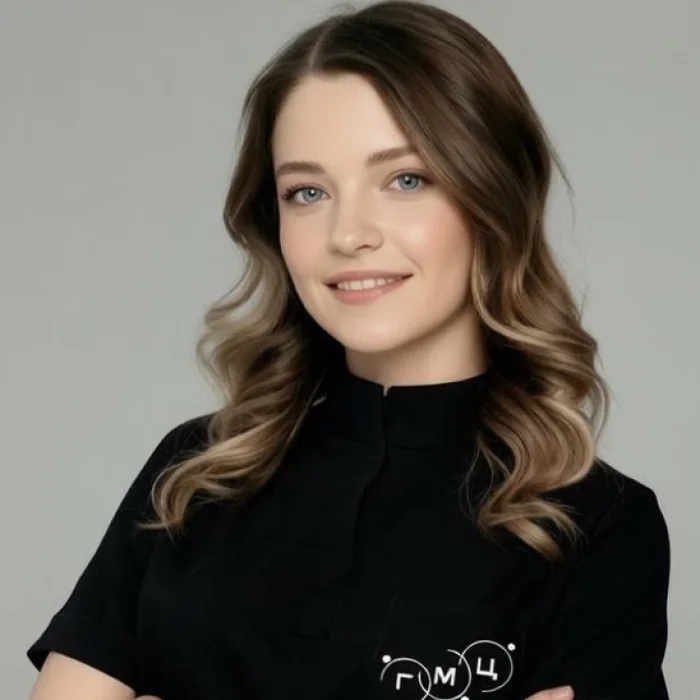
Hair transplant doctor, trichologist, surgeon
10 years of experience

Dermatovenereologist, trichologist, surgeon
11 years of experience
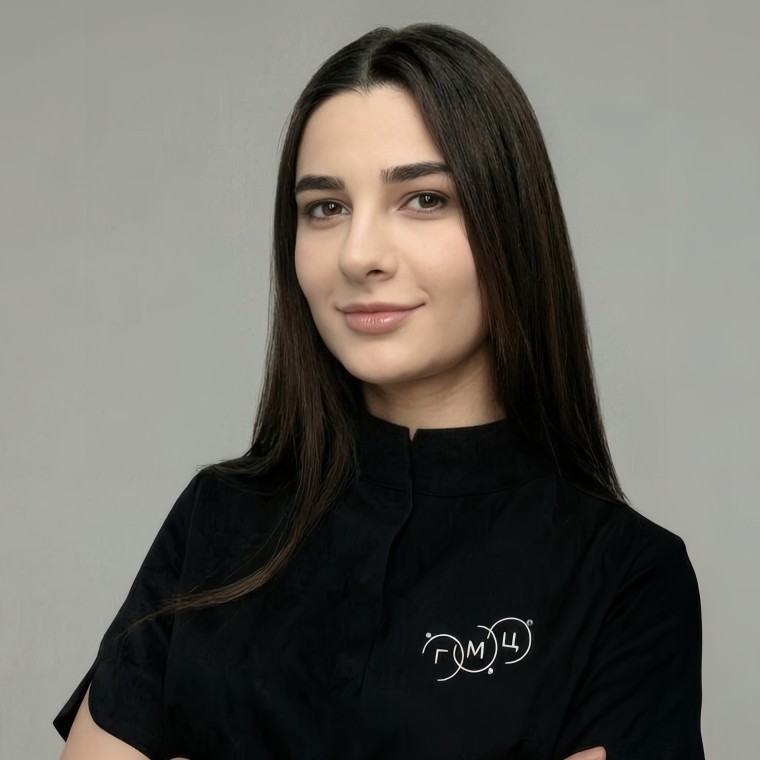
Plastic surgeon
9 years of experience
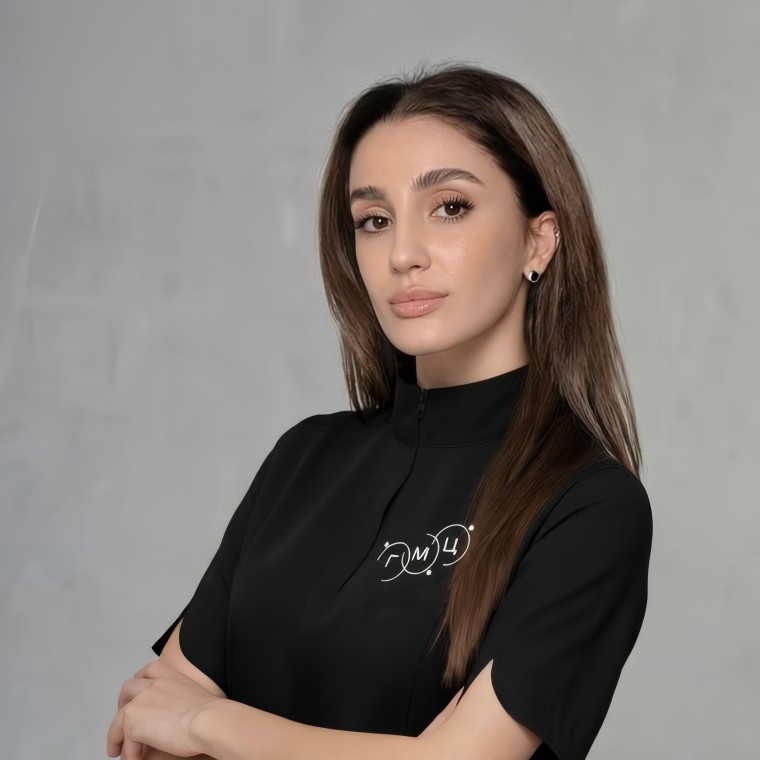
Plastic surgeon
9 years of experience
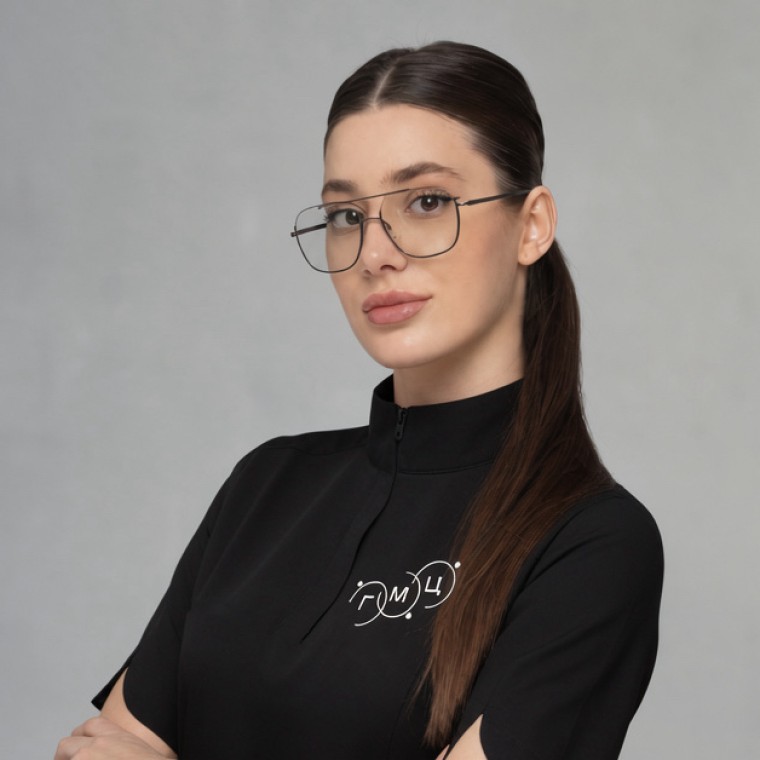
Assistant
9 years of experience
The doctor judges the donor zone, puts a figure on the grafts and sets out the outcome you can expect.
Ask a hair expertcoordinators
A personal coordinator stays with you from your first enquiry through to recovery.

Patient care coordinator
Is with you at every step of the process
Covers the paperwork and the scheduling

Patient care coordinator
Is with you at every step of the process
Covers the paperwork and the scheduling

Patient care coordinator
Is with you at every step of the process
Covers the paperwork and the scheduling
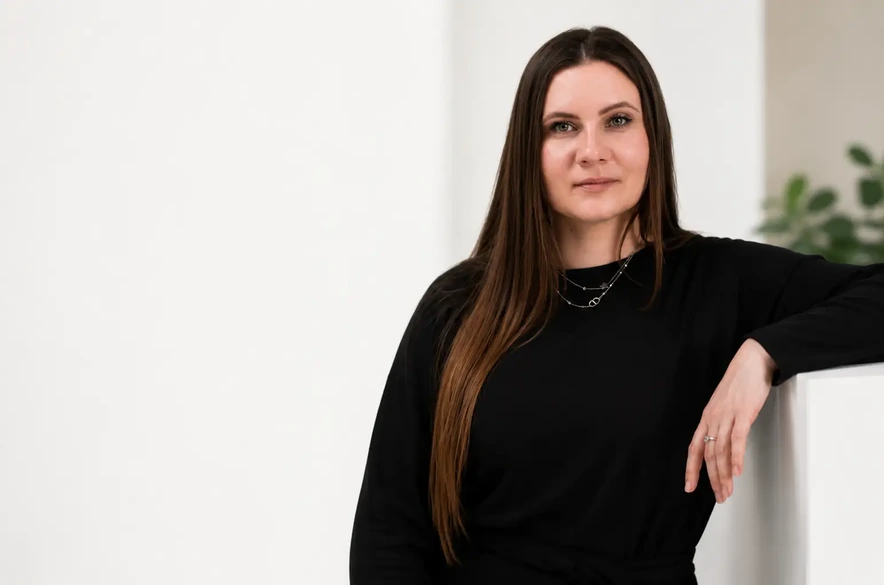
Patient care coordinator
Is with you at every step of the process
Covers the paperwork and the scheduling
A private channel for straight talk and professional depth

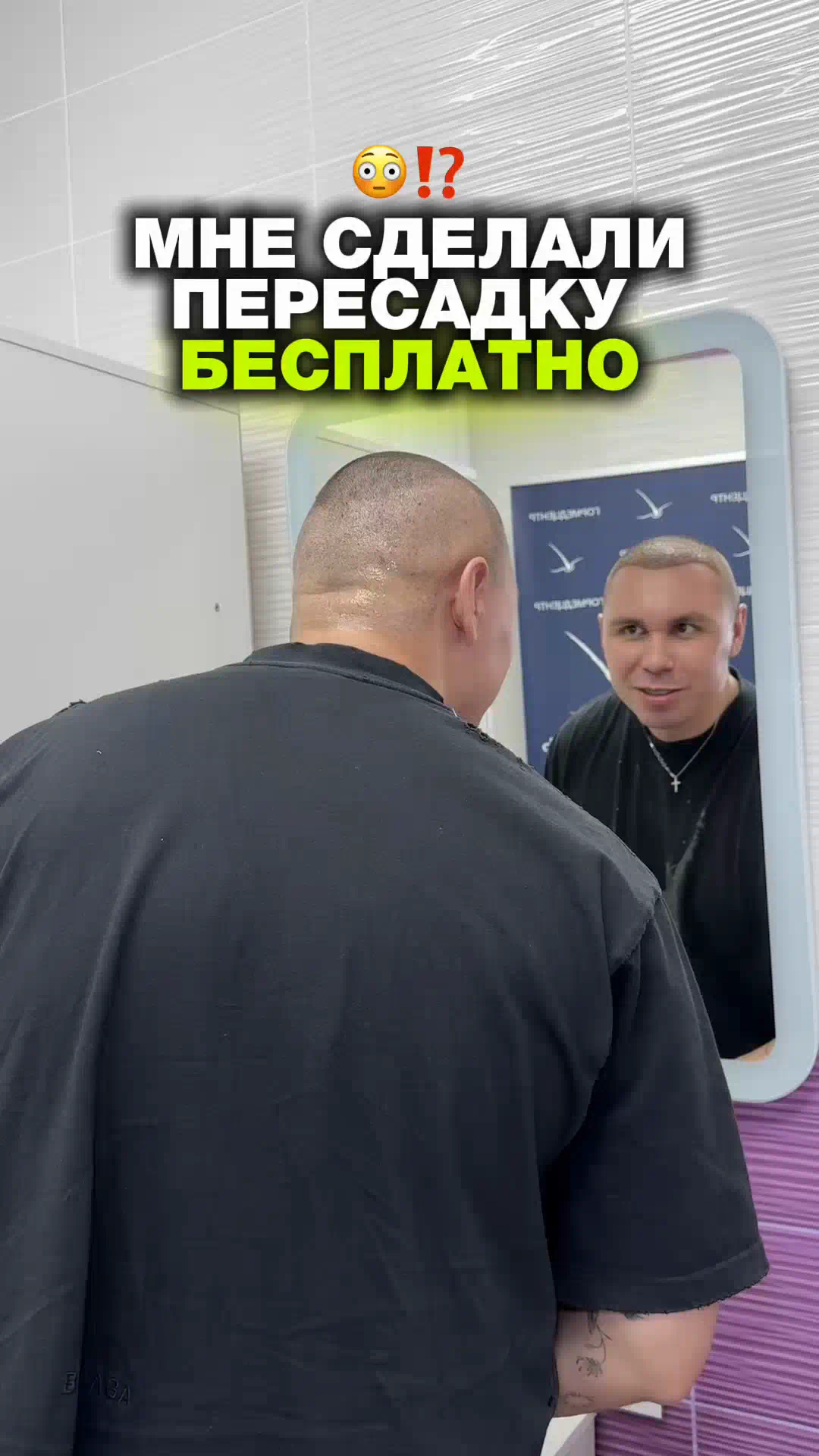
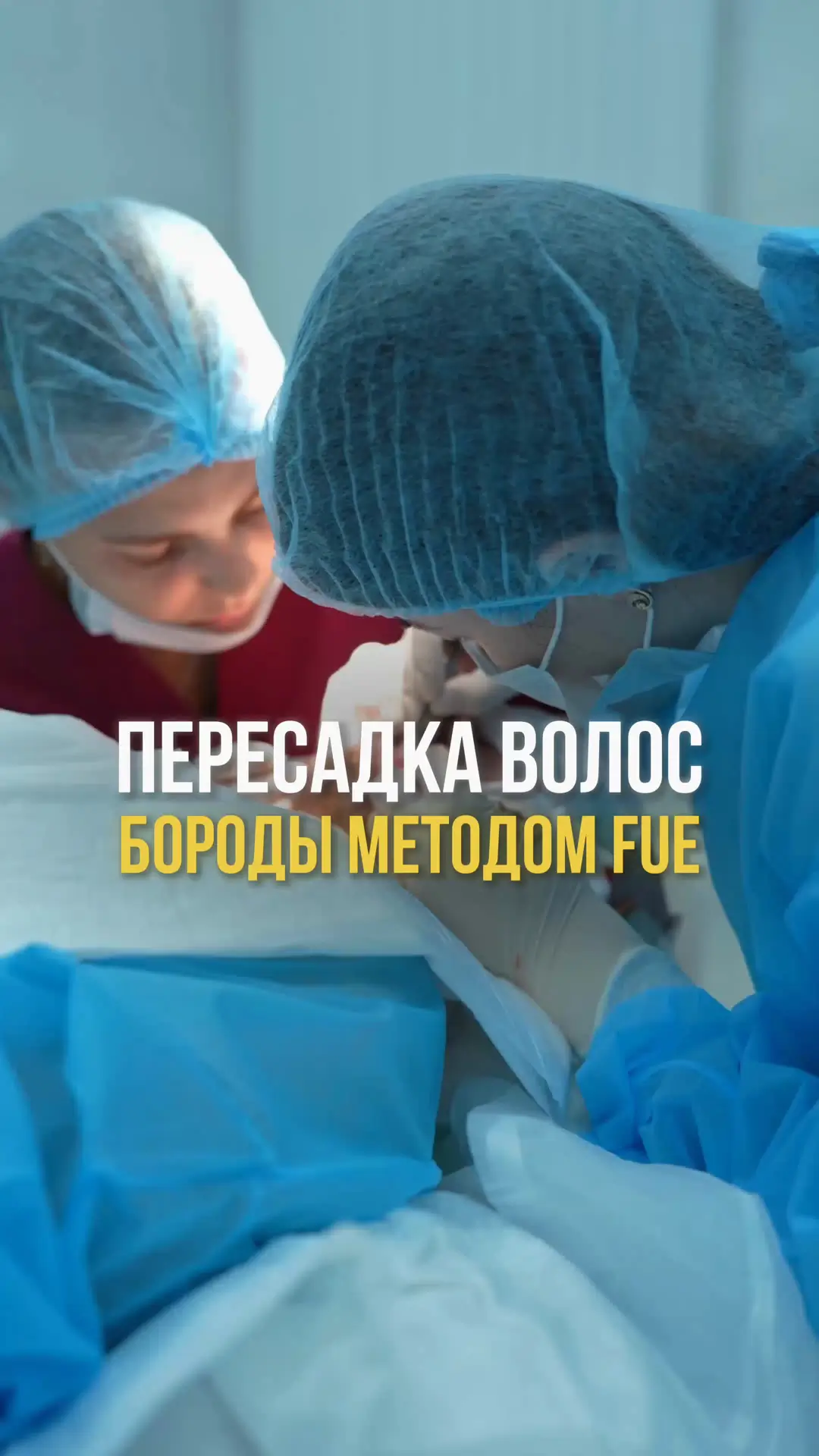

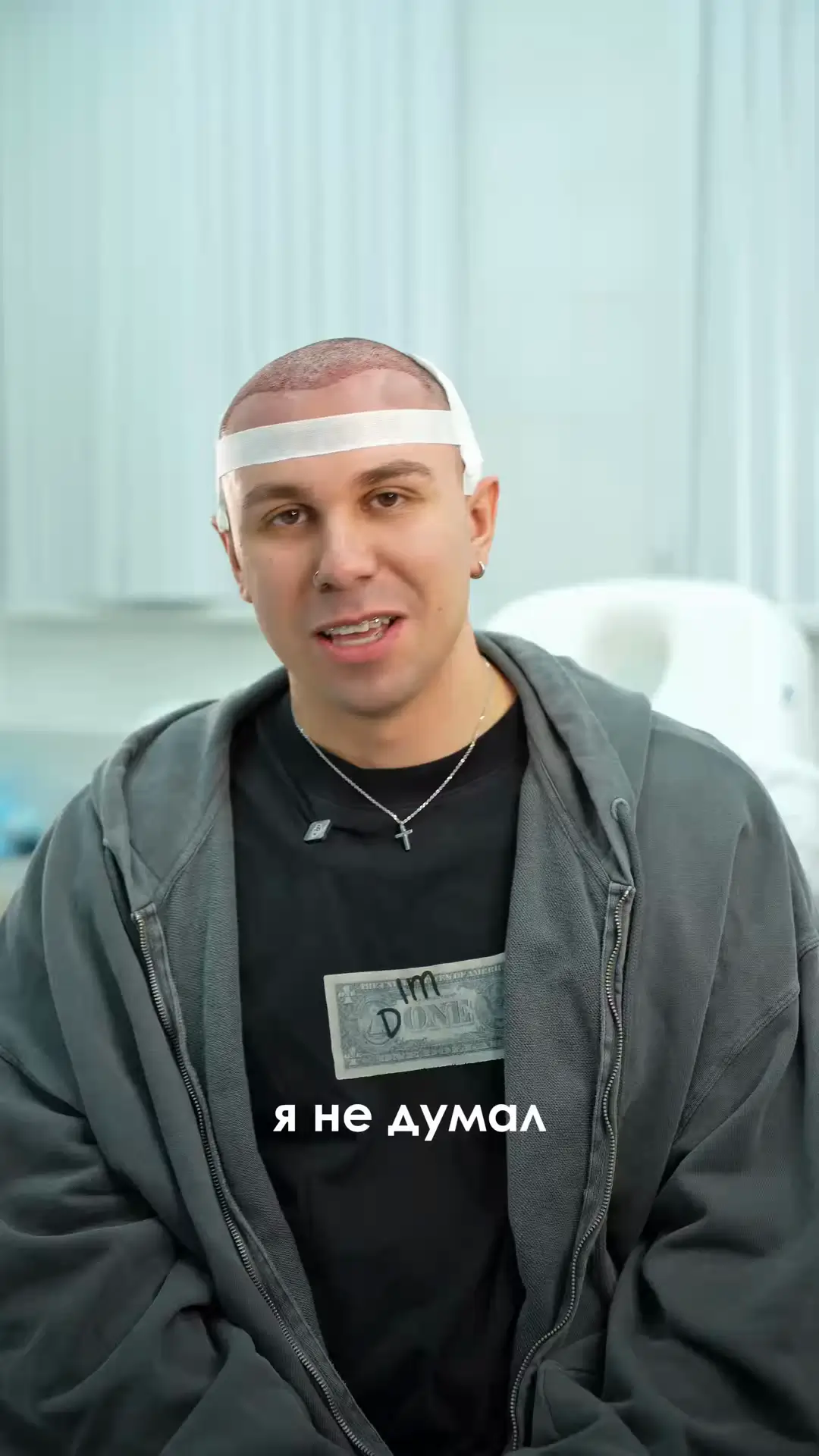
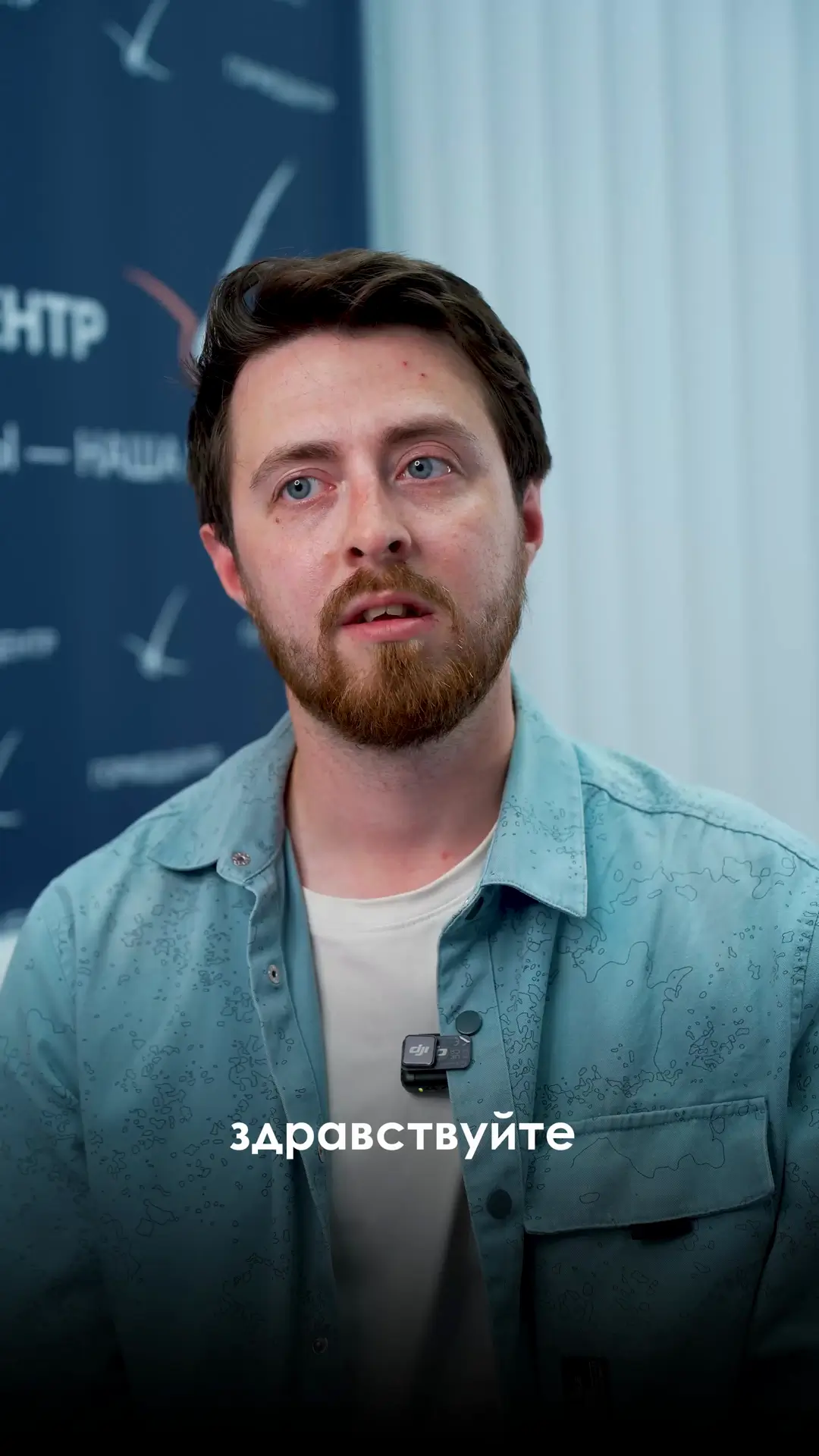
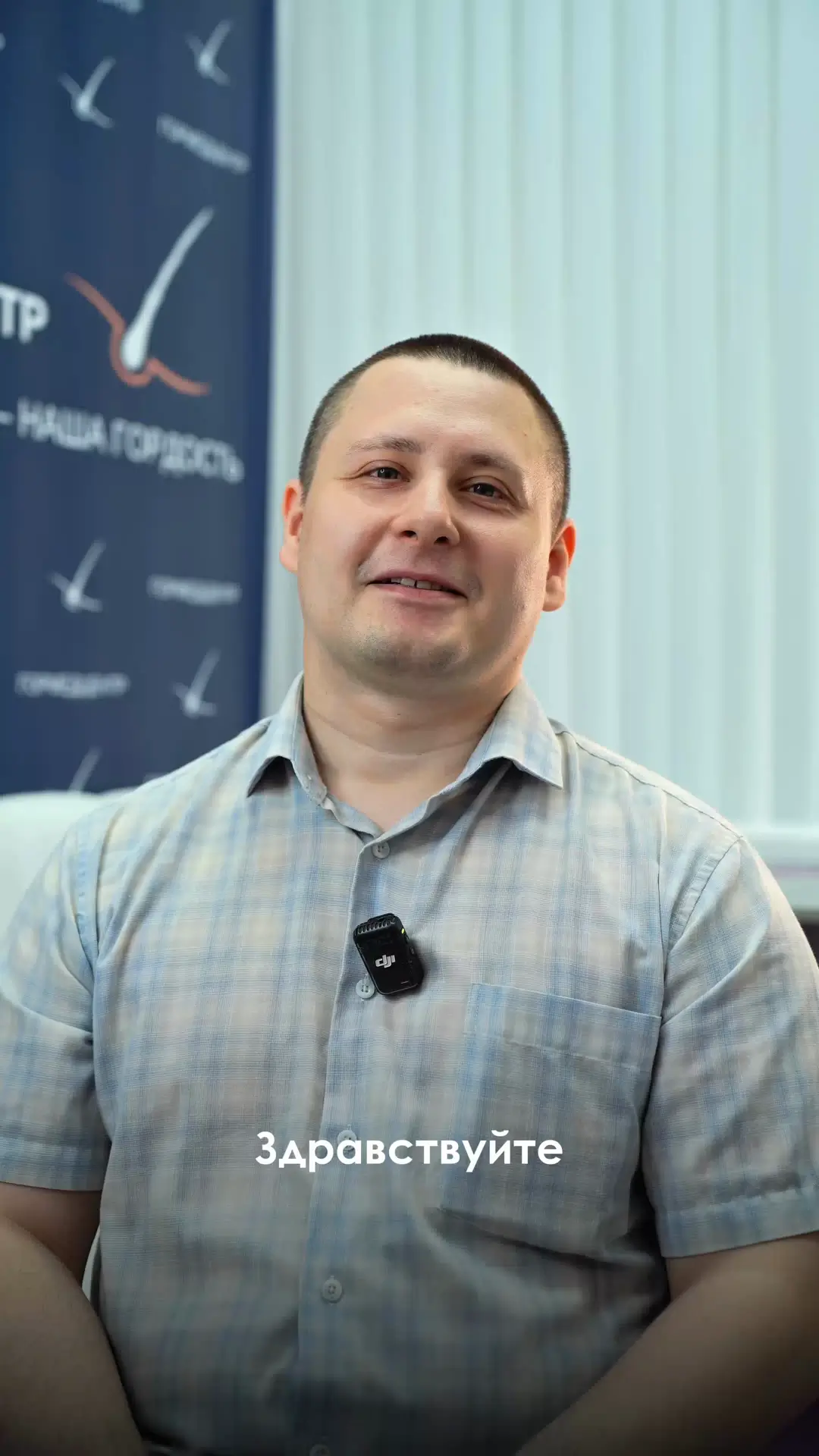
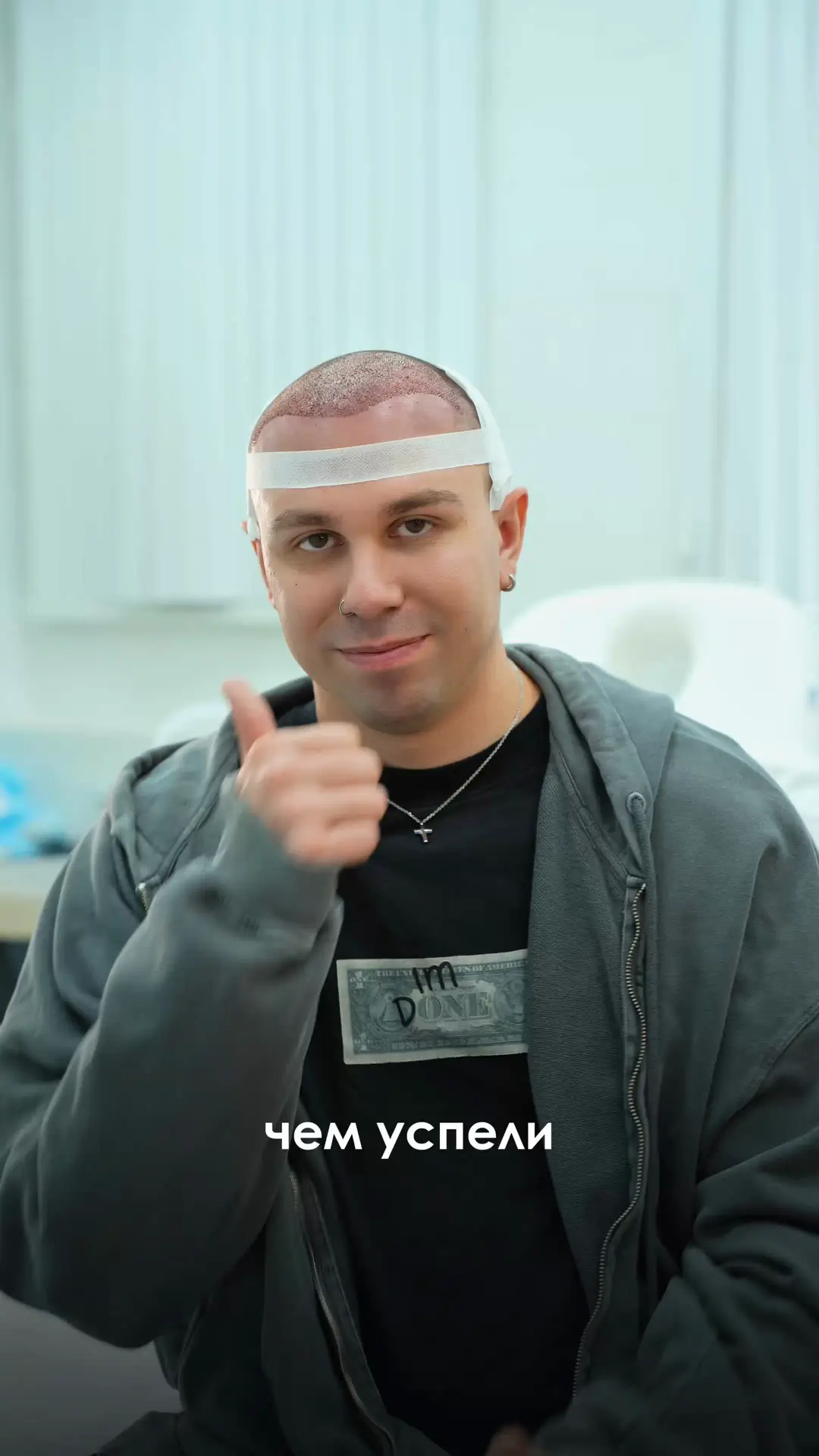
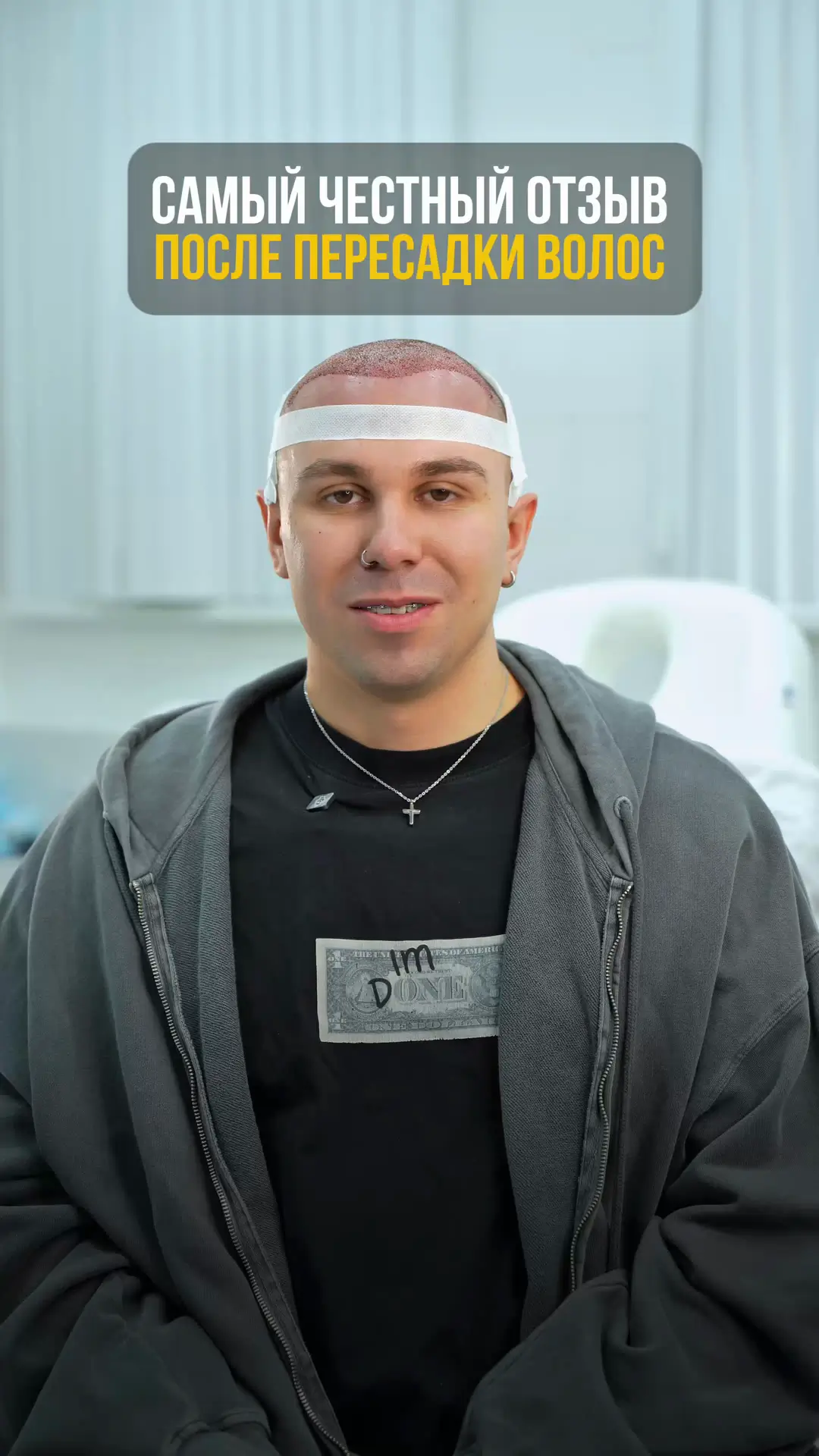

Our team explains the details and books the consultation at a convenient time
Message us on Telegram Message us on WhatsApp Submit a requestQuestions we get
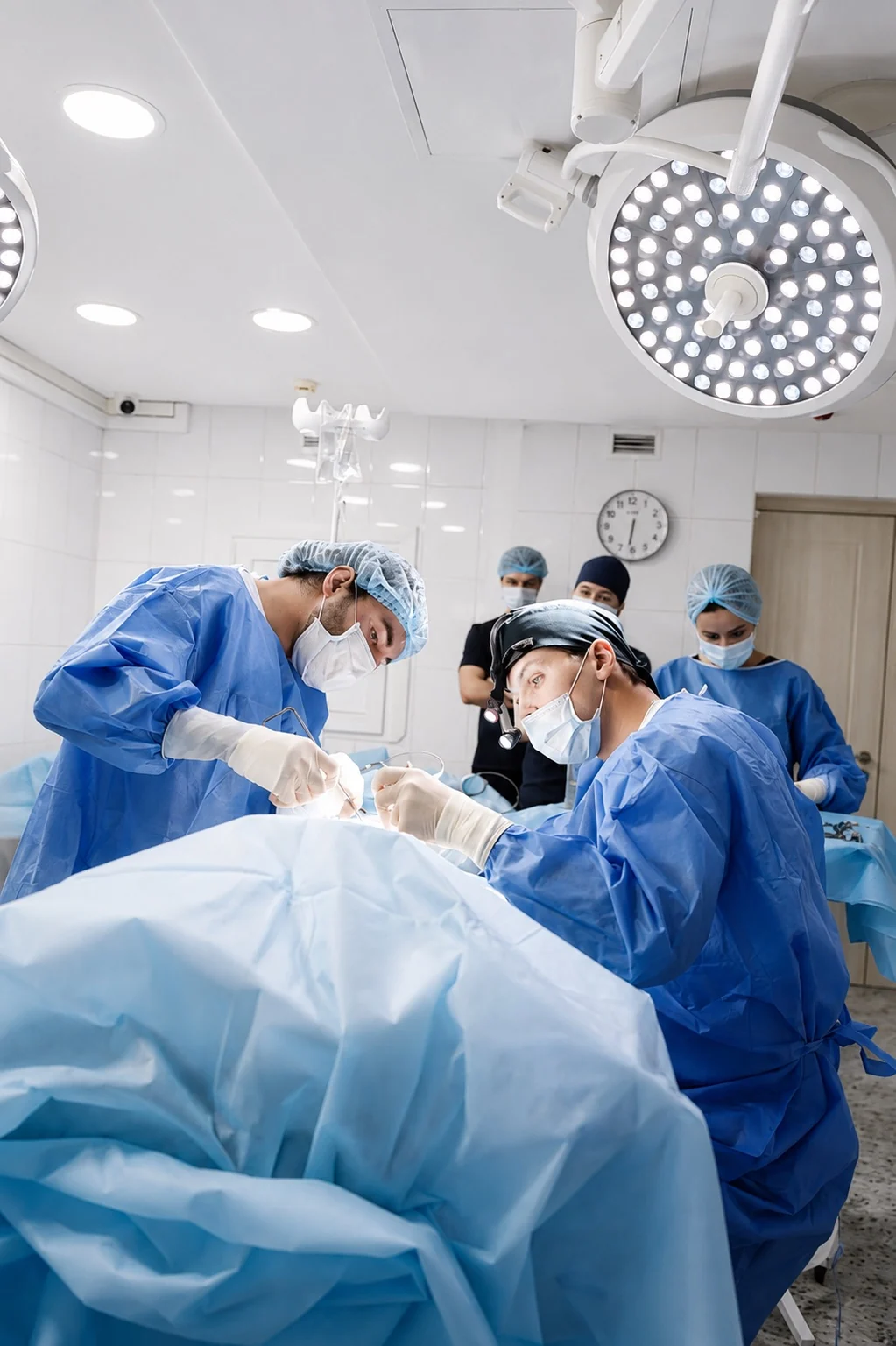
Certainly, yes. Patients join the practice from towns, cities and countries of every kind, and the consultation may be held online.
FUE costs $2,200 (≈ DZD 295,000), DHI costs $2,500 (≈ DZD 335,000), and the combined DHI+FUE method costs $2,700 (≈ DZD 365,000). The exact amount is confirmed at a free consultation after your grafts are counted, and it is fixed in the contract.
The procedure is completed within a single day, after which you head home.
It's a painless procedure, carried out under local anaesthesia.
FUE means tweezer-based, incision-free graft harvesting. DHI means channel-free implantation with a Choi pen. Combined DHI+FUE uses FUE for harvesting and the DHI pen for implanting.
Your donor reserve sets the number, which the doctor calculates during a consultation charged at nothing.
0–10 days and the scalp has healed. Between 2–4 weeks the placed hairs shed, as they should. New growth comes at 3–4 months, clear density at 6–9 months, the final picture at 12–18 months.
A contract-backed, lifetime guarantee of hair growth comes with every procedure.
We hold a medical licence, and care is provided to the standards and clinical guidelines
of the Ministry of Health.
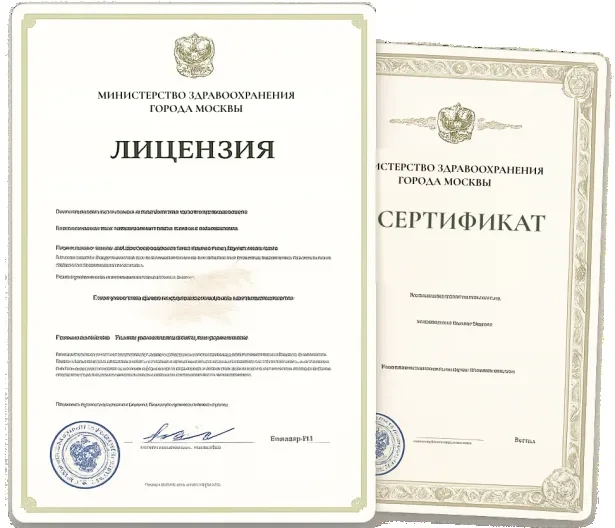
Clinic medical licence
No. Л041-01137-77/00754324
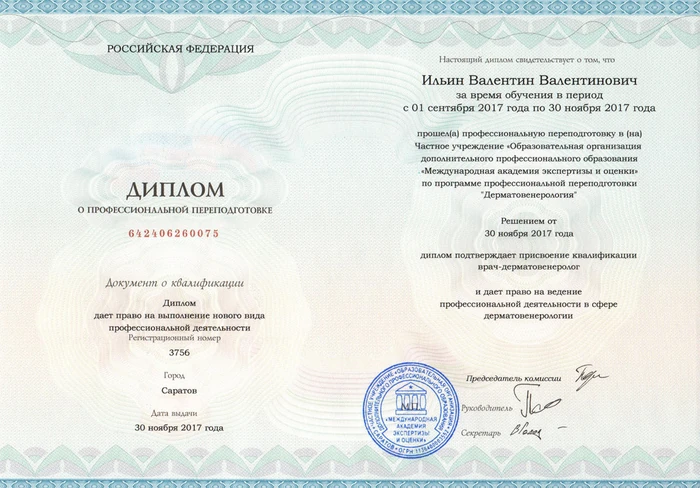
The professional papers of the surgeons doing the work
View the detailsAKC POMOSHCH LLC
the clinic's legal entity
1057746096924
OGRN
7728536872
INN
Living in Tiaret changes nothing in the surgery itself: FUE and DHI are done without cuts and without stitches, under local anaesthesia, in a single day. Graft survival is 98-100 %, and a price from $2,200 (≈ DZD 295,000) is fixed in the contract after a free graft count.
From home in Tiaret you get the same first step as anyone: a free online consultation, photos of the thinning area for the doctor, and a count of the grafts. The clinic answers 24/7, and there is no charge for that conversation.
Count on 0-10 days of healing, a normal shedding of the transplanted hairs at 2-4 weeks, growth from 3-4 months, noticeable density at 6-9 and the completed result at 12-18. Check-ups happen at 1, 3, 6, 9 and 12 months, a personal coordinator follows the photos, and the growth guarantee is lifelong.
Prices are in US dollars; the amount in brackets is an approximate conversion to DZD at the rate of 02.10.2026. The final price is fixed in your contract.
By messaging us, you agree to our Privacy Policy
Tiaret stands on Algeria's western highlands at an altitude of roughly a thousand metres. Its past is long: in the eighth century it was the capital of the Rustamid dynasty. Today the surrounding province lives largely from farming, cereals above all, and it is home to the Chaouchaoua stud, founded in 1877 for breeding horses. It is a working, practical sort of place, and people here tend to ask about a hair transplant in a practical way: what will it do for me, and what will it demand of me afterwards?
The answer begins on your phone. Coordinators reply on Telegram or Telegram at any hour, day or night. You send clear daylight photos of the front, the crown and the back, along with a couple of lines on when the thinning started. A doctor reviews the pictures and tells you whether a transplant would help. The consultation is free, done remotely, and does not commit you to booking anything.
What the doctor looks for is the contrast between the thinning zone and the back of the head, because that is where grafts are taken from. If the donor area is dense enough, the doctor counts the grafts you would need and shows the hairline you could realistically expect. If your loss can be handled without surgery, you will be told so plainly.
The town divides naturally: an old town to the north and a newer urban area to the south, dominated by la Redoute. In the upper city, in the Al-Graba district, the sanctuary of Sidi Khaled draws many visitors, and the El Atik mosque, founded in 1869, is counted among the town's most important symbols. People who grew up between these places often prefer to keep the first step private, and that is easy: the photos are taken at home, sent to a coordinator, and the doctor's answer comes back in writing, so you can read it with your family before deciding anything.
Tiaret has a Mediterranean-leaning climate with a continental edge. Winter days average 6 to 7 degrees, nights drop to a degree or two above freezing, and a record low of minus 12 has been logged. Sources mention snow in December and January, and yearly rainfall of about 300 to 500 mm, one reading putting it near 378. Summers are hot and dry, with daily highs of around 31 to 35 degrees and July rain of only about 4 mm.
People who live with this cold are used to covering their heads, which is handy after a transplant, with one caveat: a tight woollen hat or a heavy scarf can rub on a scalp that is mending. That is why our care guidance covers washing, sleeping and headwear. Ask your coordinator before the day which kind of cover suits a highland winter, when to put it on and when it is fine to go bare-headed.
Cold, dry wind also makes skin feel tight. Healing takes 0 to 10 days, during which small crusts form, fall away and the swelling fades. Do not scratch or pick at them, and if the skin feels parched, ask what you may apply. On snowy days a missed check-up need not become a problem, since follow-up works through photos you send from home. Agree with the coordinator on a channel and keep the angles and lighting the same each time so changes show clearly.
The operation is completed in one day under local anaesthesia, and you go home afterwards with no overnight stay. The weeks and months after it, however, run through changing seasons, which is where timing comes in. For many people in Tiaret, early spring and the milder part of autumn feel easier than deep winter or the height of summer, as the head needs neither thick wraps nor exposure to a fierce sun.
Take an operation in March. Healing happens that same month, and between weeks 2 and 4, in April, the transplanted hairs shed, a normal stage in which the follicles stay put. New hair shows itself at 3 to 4 months, in summer. Density becomes clear at 6 to 9 months, in autumn and early winter, and the final look settles between 12 and 18 months.
If you prefer autumn, the shedding stage lands at the start of winter, when everyone is wearing a hat anyway and the temporary thinning draws no attention. The choice is personal. Whichever month you pick, check-ups are set at months 1, 3, 6, 9 and 12.
Students and staff at Ibn Khaldoun University, whose first university centre opened in 1980, plan their year around exam sessions, and a transplant fits best into a quiet stretch. For roughly the first ten days the treated area is healing and the crusts come away; after that, normal routines return step by step. Families who spend a weekend at Rostom Park, beside the Tiaret pine forest, can keep doing so in the following weeks, as long as the scalp stays shaded under a loose hat and away from direct midday sun.
Law No. 18-11 of 2 July 2018 on health devotes a chapter to professional ethics. It creates national and regional medical ethics councils for doctors, dental surgeons and pharmacists, with members elected by their peers and with disciplinary powers. Health professionals must be entered on the roll of their professional body, and registration with the council is compulsory.
Article 348 spells out who may bring a matter before these councils: the health minister, heads of health institutions, scientific associations of professionals, the professionals themselves, and also users of health services, patients and their legal representatives. As a patient you are therefore not merely a customer. You hold a recognised standing that lets you object if the rules are broken.
So ask for the surgeon's name and specialty, and ask your coordinator where you could check the registration. In the consultation, have the doctor explain what will be done and what result to expect. Article 23 states that every person has the right to be informed about their health, the care they need and the risks involved.
A transplant does not suit everyone, so the doctor will ask about your medical history. Conditions that rule it out include trichotillomania, body dysmorphic disorder, cancer and being under 18, while epilepsy, serious heart conditions, diabetes, a pacemaker, HIV, hepatitis B or C, pulmonary embolism and patchy alopecia call for a closer medical look. Tell the doctor everything.
Your own questions can begin with technique. FUE takes grafts with forceps, with no incisions or stitches. DHI implants them with a Choi pen and no pre-cut channels. The combined method extracts by FUE and implants by DHI. Ask why one of them suits you, how many grafts are expected, how the hairline will look, and whether a second session might be needed later if the loss continues.
Lastly, ask about aftercare: how to wash, how to sleep, when training can resume and who answers your messages. Your coordinator stays in touch until recovery is behind you, and the regular check-ups run through photos sent by phone.
Yes. You send photos of the thin area to a coordinator through Telegram or Telegram, and a doctor reviews them and says whether a transplant would help. Coordinators are available around the clock, and the consultation is free.
It is completed in one day with no overnight stay, under local anaesthesia. Skin healing takes 0 to 10 days, and the shedding and growth stages follow over several months.
Cold, dry air can make the skin feel tight. Our care guidance includes headwear, washing and sleeping, so ask your coordinator before the operation what cover suits a highland winter.
It is a normal stage. Between weeks 2 and 4 the transplanted hairs shed while the follicles stay in place. Growth starts at 3 to 4 months, density shows at 6 to 9 months and the final result settles at 12 to 18.
Ask for the name and specialty and ask about registration with the medical ethics council. Law 18-11 makes registration compulsory and lets patients refer concerns to the councils.
FUE extracts grafts with forceps, with no incisions or stitches, while DHI implants them with a Choi pen and no pre-cut channels. The combined method extracts by FUE and implants by DHI. The doctor decides after examining your case.
They include trichotillomania, cancer and being under 18. Epilepsy, diabetes and serious heart disease need a special medical assessment. The doctor explains this at the consultation.
No. The doctor counts the grafts in the free consultation, states the cost there and fixes it in the contract. Nobody holds you to anything before you decide.

 Forceps
 Minimal


